


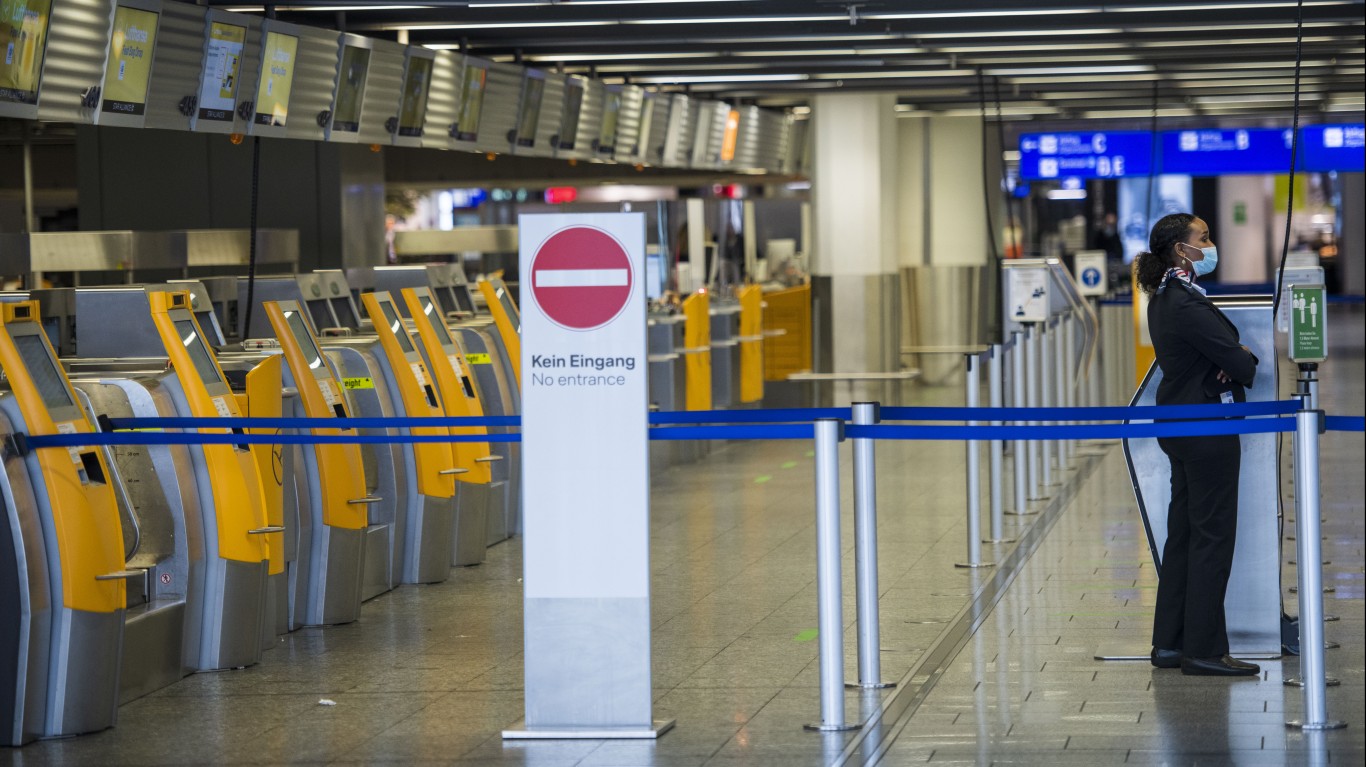
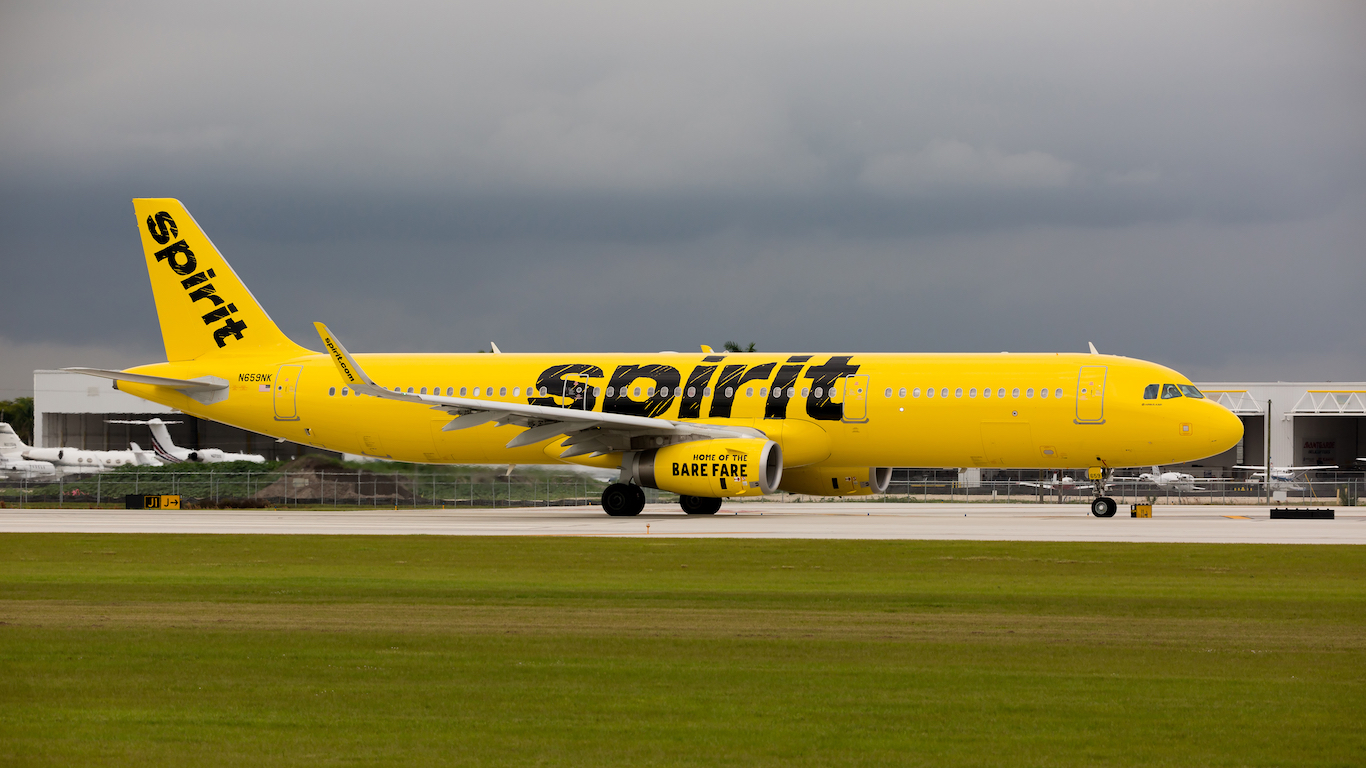
When Spirit Airlines’ yellow Airbus fleet went dark at 3:00 a.m. Eastern on May 2, stranding passengers and dissolving 17,000 jobs, the immediate culprits were obvious.
A doubled jet fuel bill traceable to the Iran conflict. A bankruptcy court that had run out of patience. A group of senior creditors led by Citadel and Ares who refused to subordinate their claims to a federal rescue package.
But the deeper diagnosis was written more than three decades earlier, in a Berkshire Hathaway shareholder letter dated 1992.
A thesis written in 1992
In that letter, Warren Buffett delivered what would become his most enduring critique of the airline business. The total profit earned by the entire domestic airline industry since the dawn of powered flight, he argued, was effectively zero. The mechanism he identified was “kamikaze pricing,” the practice common among carriers operating under bankruptcy protection or simply desperate for cash of selling seats below the cost of providing them.
Because air travel is a commodity sold from a vehicle with extraordinarily high fixed costs, any operator could fill an empty seat at almost any price and improve its day. Aggregate that behavior across an industry, Buffett warned, and you produce a permanent race to the bottom in which “you can’t be a lot smarter than your dumbest competitor.”
The carrier that became the dumbest competitor
Spirit Airlines was, for nearly two decades, that competitor. Its “bare fare” model, which stripped every service and sold each one back as an ancillary while posting the lowest base price on the screen, became so disruptive that economists labeled the resulting industry-wide downward pressure on yields the “Spirit Effect.” For a time, Spirit’s cost structure was genuinely lower than that of legacy carriers, and the gap looked like a moat. It wasn’t.
Once Delta, United, and American introduced Basic Economy fares, they could match Spirit on price while offering vastly superior networks, frequent-flier programs, and brand reputations.
Spirit’s only differentiator quietly evaporated.
Buffett’s framework predicted exactly this outcome: in a commodity business, the competitor with the lowest cost has an advantage only as long as that cost gap is sustainable, and almost no cost gap in aviation ever is. Labor agreements get matched. IT systems get modernized. Fleets get refreshed. The moat fills in.
When the fuel bill arrived
By the time Operation Epic Fury sent jet fuel from $2.24 to $4.51 per gallon in roughly sixty days, a swing J.P. Morgan’s Jamie Baker calculated would push Spirit’s operating margin from a projected positive 0.5% to negative 20%, the airline had no buffer left.
Spirit’s 2025 second Chapter 11 filing had already drained working capital. Its $250 million in remaining cash was encumbered by creditor liens. The Trump administration’s proposed $500 million bailout collapsed when senior lenders refused to cede priority to the government, and the wind-down began the next day.
A vindication priced in dollars
The aftermath reads like the commodity thesis running in reverse. Within forty-eight hours of Spirit’s grounding, fares on its busiest routes climbed sharply. Fort Lauderdale to LaGuardia jumped from $49 to $139. Las Vegas to Dallas went from $39 to $124. Denver to Detroit moved from a $59 to $119 range up to a $179 floor. Analysts at Bank of America and TD Cowen welcomed the result not because travelers benefit, but because the carrier most responsible for “irrational pricing” had finally exited the market.
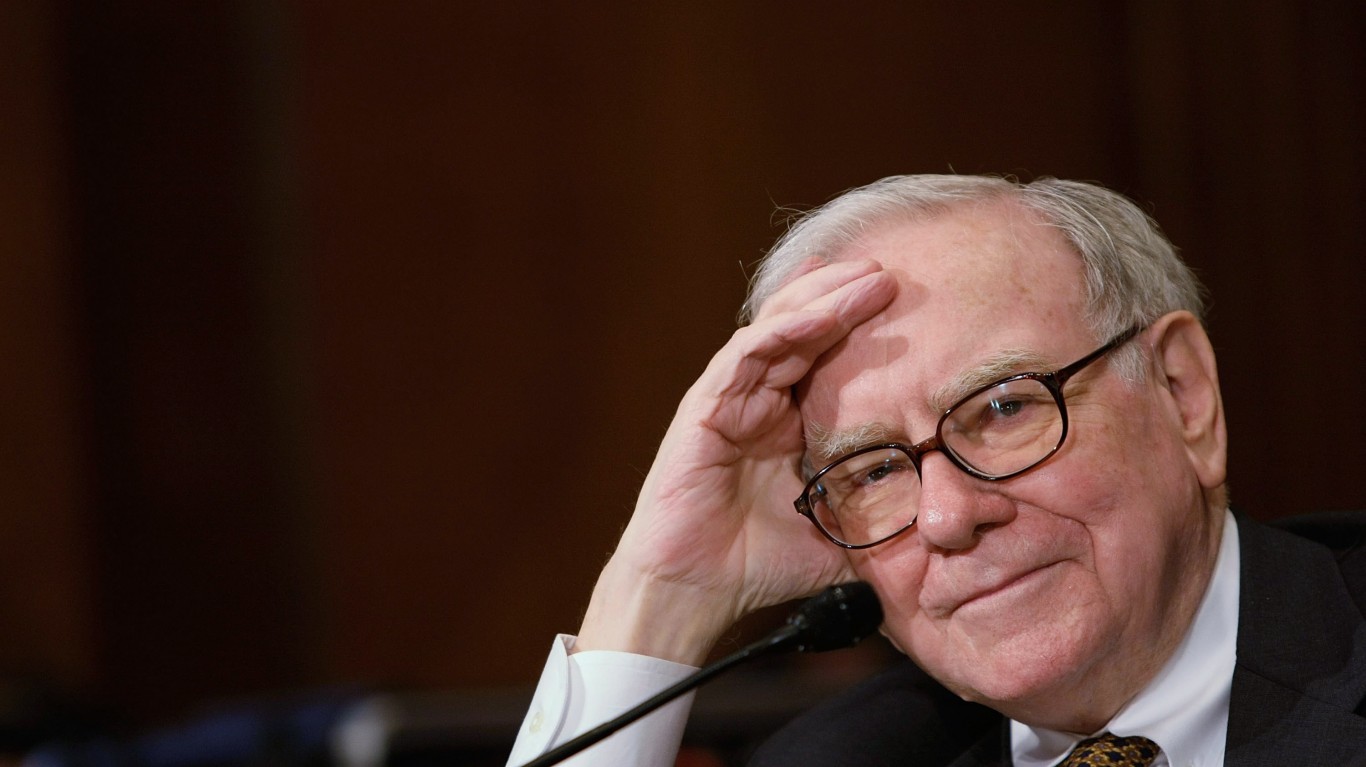
Buffett himself said nothing about Spirit’s demise. He handed the CEO role to Greg Abel earlier this year and has stepped back from individual security commentary. He didn’t need to. Berkshire’s $397 billion cash pile, parked overwhelmingly in Treasury Bills, is the comment.
The 1992 letter still describes the business it describes, and Spirit’s tail numbers ferrying empty to the Arizona desert this week are simply the latest receipts.







 Top Gaining Stocks
 Top Losing Stocks