


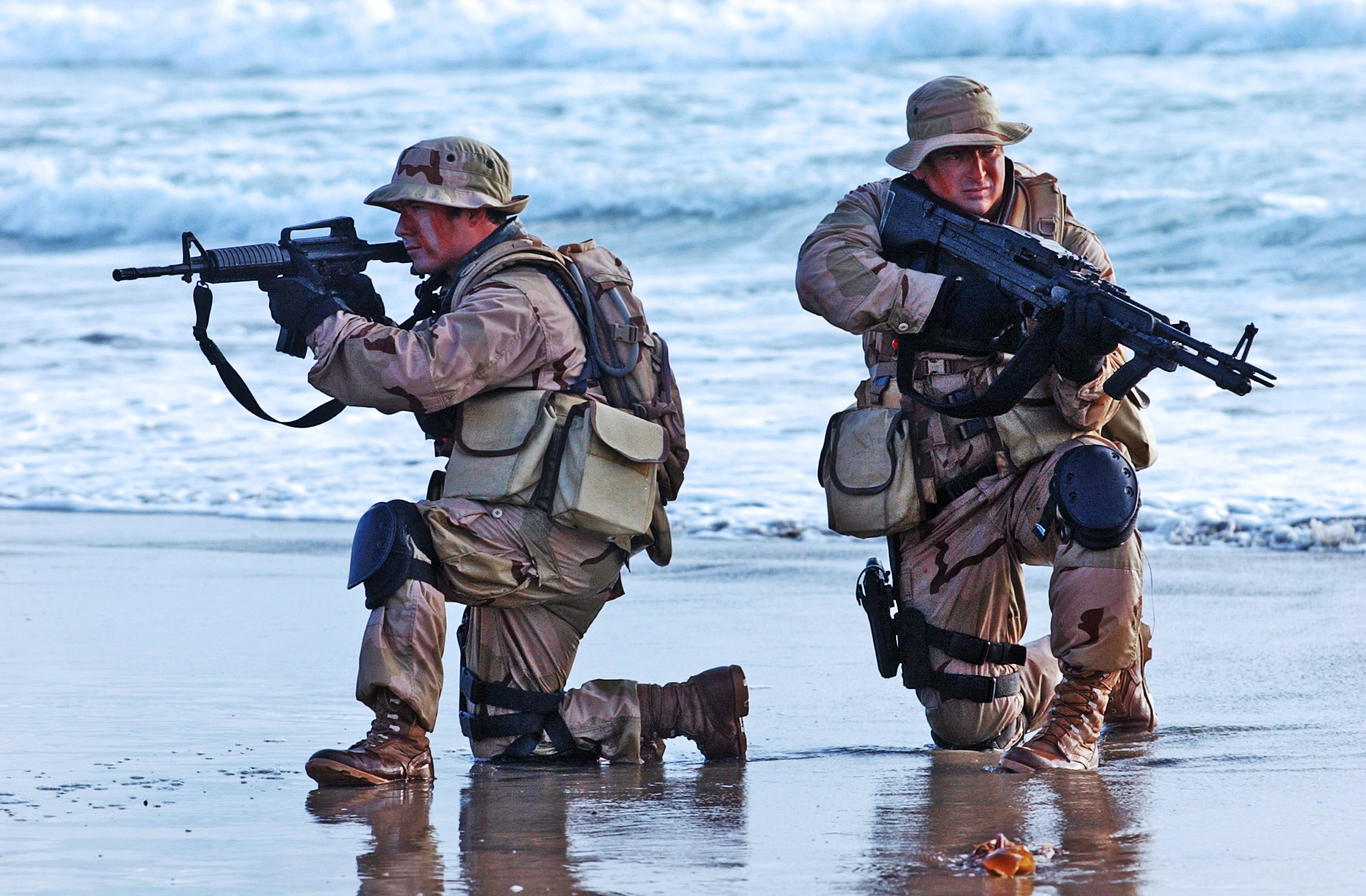
Military weapons don’t change unless the battlefield forces them to. For Navy SEALs, that pressure came as warfare moved indoors, after dark, and into environments where adaptability mattered more than raw firepower. The rifles, pistols, and support weapons SEALs adopted over time were signals that modern combat had changed. Here, 24/7 Wall St. is taking a closer look at how SEAL weapon choices reflect the evolution of modern warfare, as well as why today’s conflicts demand flexibility, precision, and speed over traditional brute force.
To determine the Navy SEAL weapons that reflect the evolution of modern warfare, 24/7 Wall St. reviewed various historical and military sources. We included supplemental information regarding each weapon’s category, era introduced, primary role, and ultimately how it reflected modern warfare.
Here is a look at how Navy SEAL weapons reflect the evolution of modern warfare:
Why Are We Covering This?
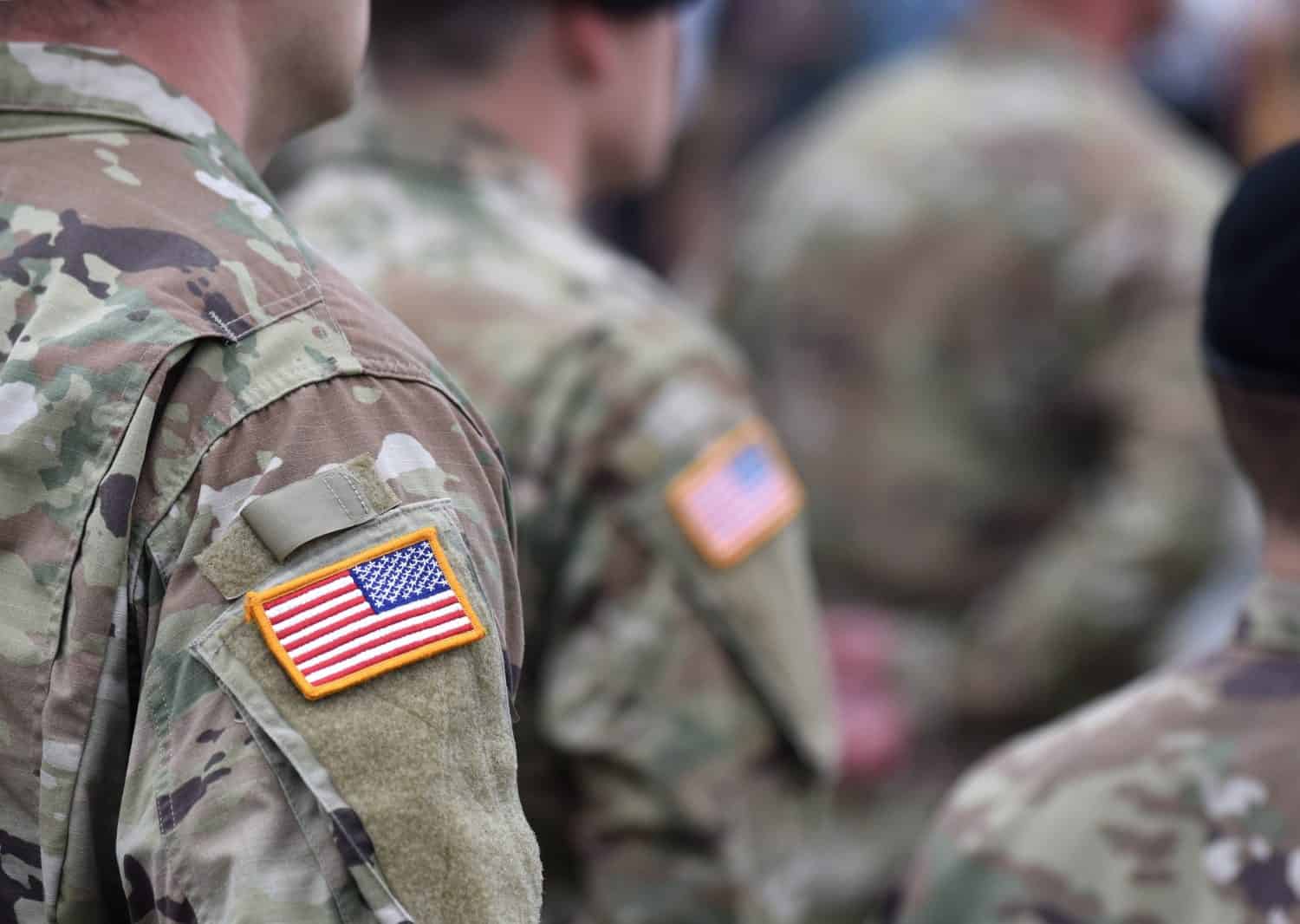
Understanding how Navy SEAL weapon choices evolved alongside modern warfare helps explain why today’s conflicts look radically different from those of the past. These weapons reflect shifts toward urban combat, night dominance, precision engagement, and modular systems designed for rapidly changing missions. By examining what SEALs adopted, we gain insight into how doctrine, technology, and battlefield realities interact, shaping not only special operations forces but also the broader direction of military small-arms development.
Weapons as Doctrine
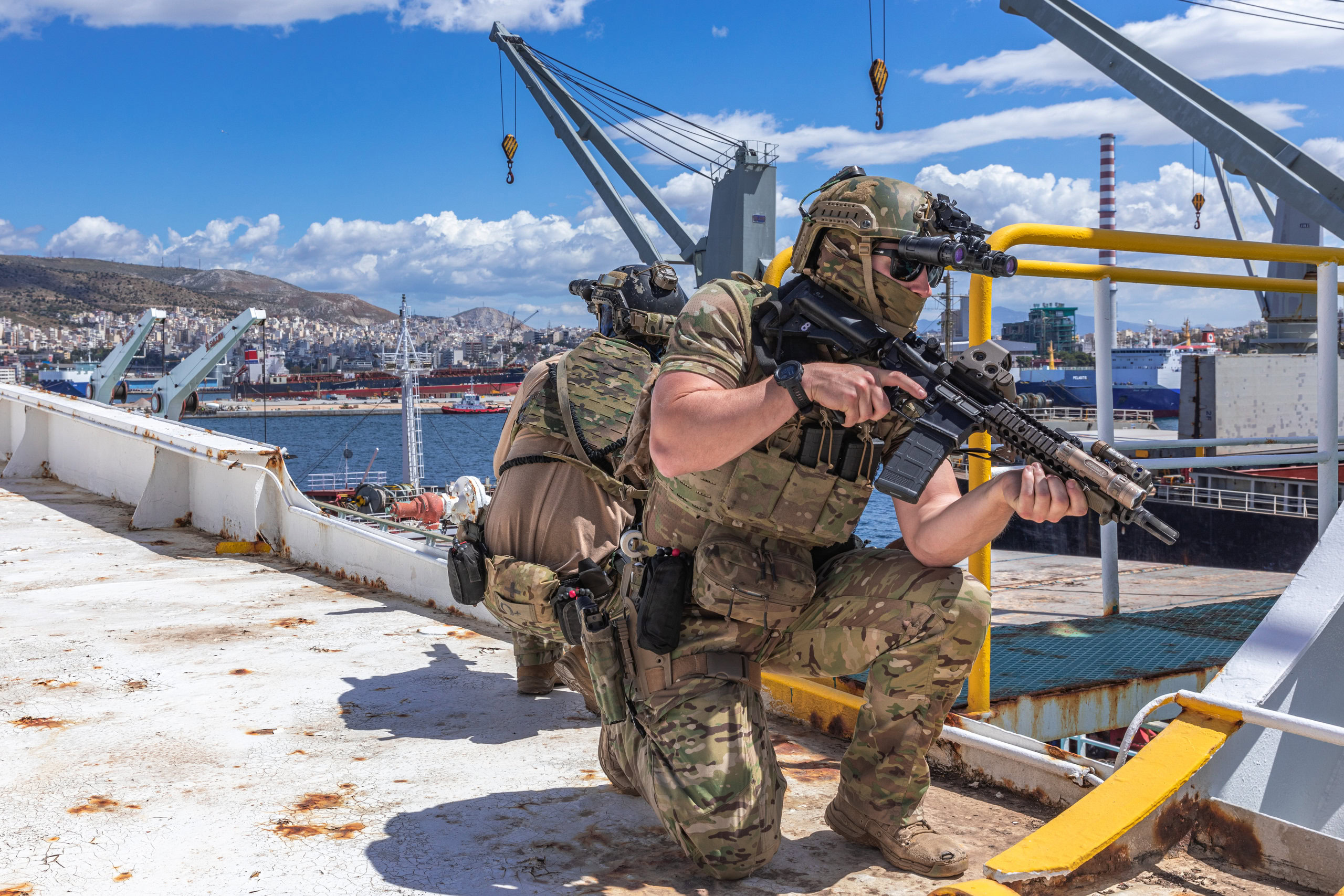
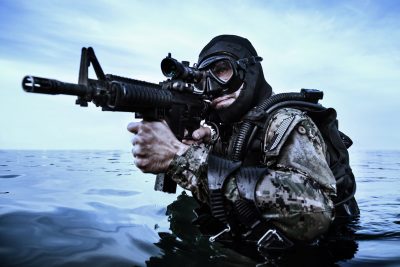
Navy SEALs don’t choose weapons casually. Every rifle, machine gun, or pistol adopted by Naval Special Warfare reflects how wars are actually being fought, not how they are imagined on paper. From dense urban raids to long-range overwatch and maritime operations, SEAL weapons tell a story about shifting priorities—mobility over mass, precision over volume, and adaptability over standardization.
From Battlefields to Buildings
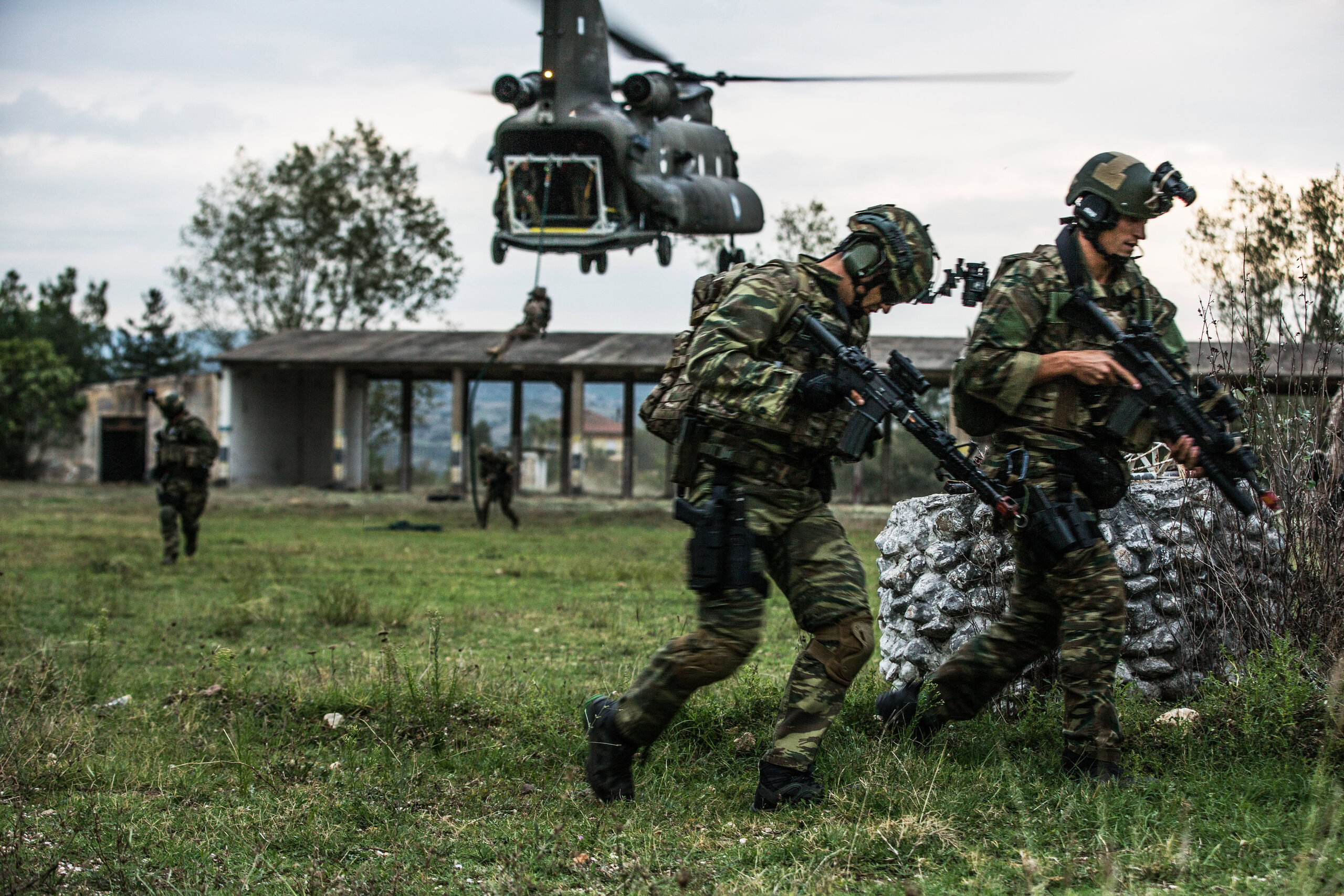
As warfare moved away from open battlefields and into cities, compounds, and confined spaces, SEAL weapons changed with it. Shorter barrels, compact carbines, suppressors, and CQB-focused systems replaced longer, infantry-centric designs. These changes were not cosmetic; they were responses to environments where speed, control, and maneuverability often mattered more than raw range.
Night, Sensors, and Integration
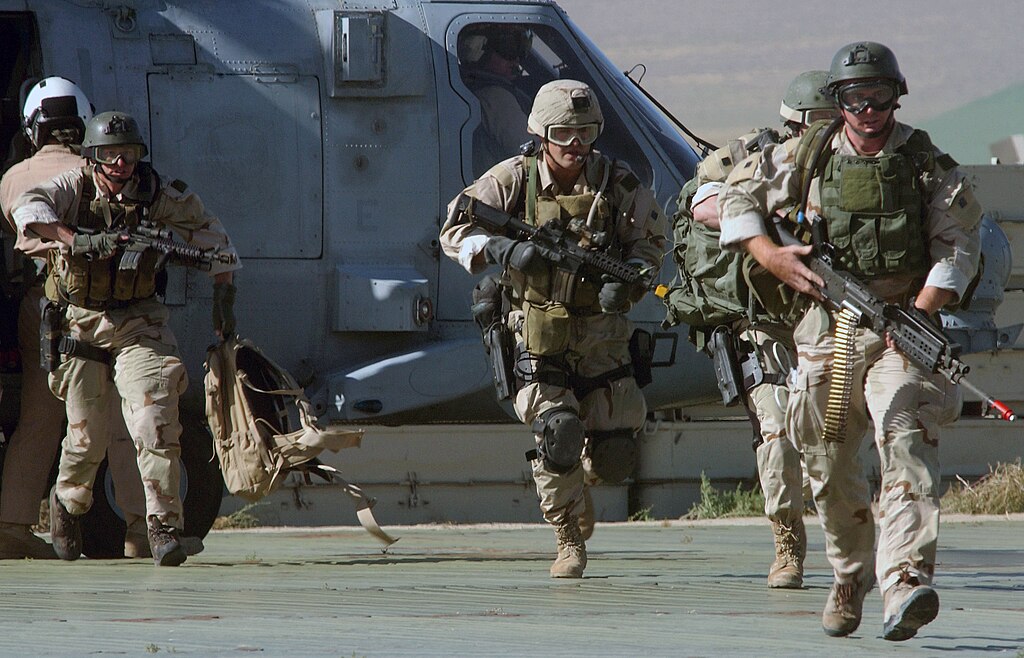
Modern warfare is increasingly fought after dark, and SEAL weapons evolved to dominate that space. Optics, infrared lasers, and suppressors transformed rifles into integrated sensor platforms. The weapon became part of a larger system tied to night vision, ISR, and team coordination, reflecting how technology reshaped combat from a visual contest into a sensor-driven fight.
Precision and Overmatch
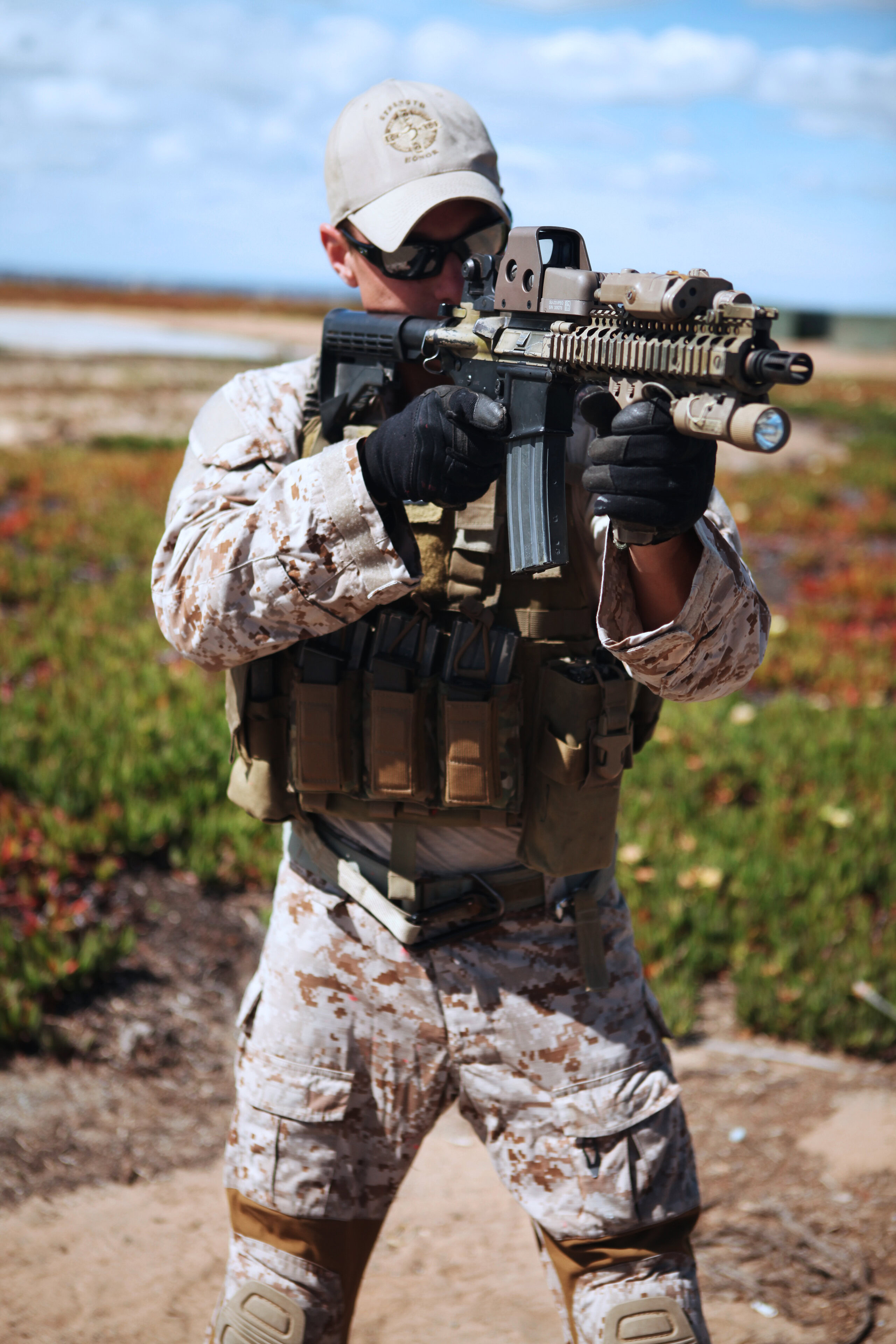
As targets became more fleeting and environments more complex, SEALs leaned into precision and selective overmatch. Semi-automatic sniper systems, magnum-caliber rifles, and portable machine guns allowed teams to shape the battlefield before assaults began. This shift reflects a modern reality where controlling space and tempo often matters more than overwhelming force.
Evolution, Not Reinvention

What stands out most is that SEAL weapons evolved rather than reset. Proven systems were shortened, modernized, suppressed, or paired with new optics instead of being discarded outright. This list shows how Navy SEAL weapons reflect modern warfare’s defining traits: adaptability, technological integration, precision, and the constant pressure to do more with smaller, faster, and more flexible forces.
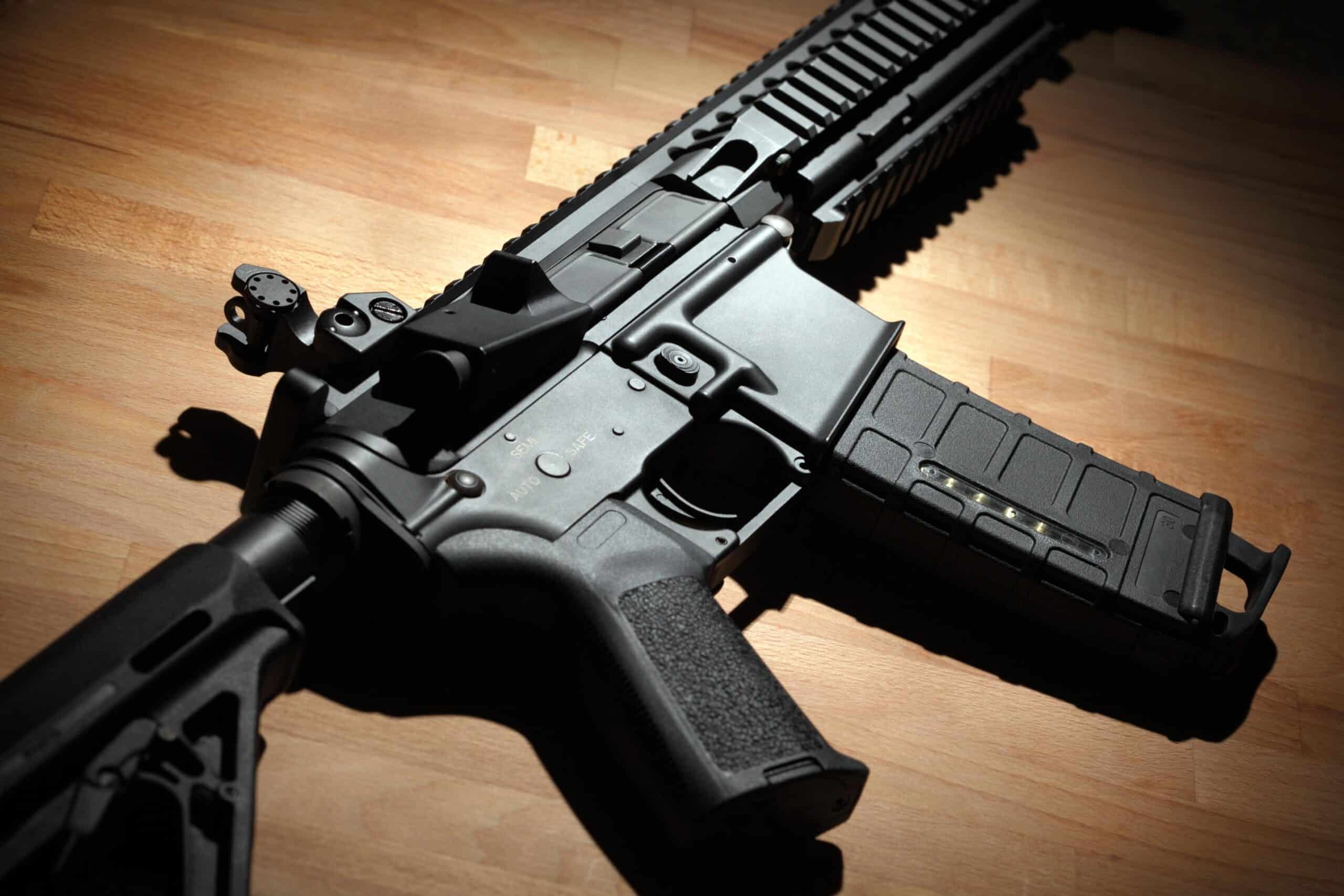
M4A1 Carbine
- Weapon category: Carbine
- Era of SEAL adoption: GWOT
- Primary role: CQB / general-purpose rifle
- Operational problem it addressed: Need for compact, adaptable rifle
- Key design or capability shift: Short barrel, modular accessories
- Modern warfare trend reflected: Urbanization, modularity
- Why SEALs adopted it: Versatility across missions
- Broader influence on military small arms: Influenced SOF and conventional forces
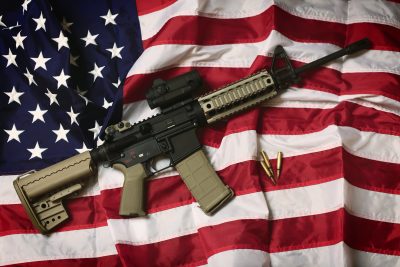
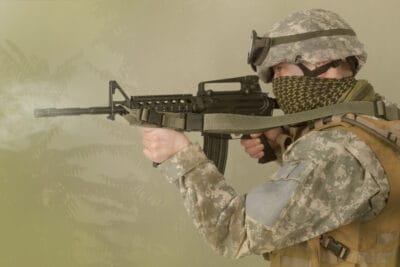
The M4A1 reflects the shift from traditional infantry engagements to fast-moving, precision-driven special operations. Its compact size, controllability, and adaptability made it ideal for CQB, urban raids, and mounted operations. For SEALs, the M4A1 represented modern warfare’s emphasis on mobility and versatility, allowing operators to tailor a single rifle to multiple mission profiles rather than carrying role-specific weapons.
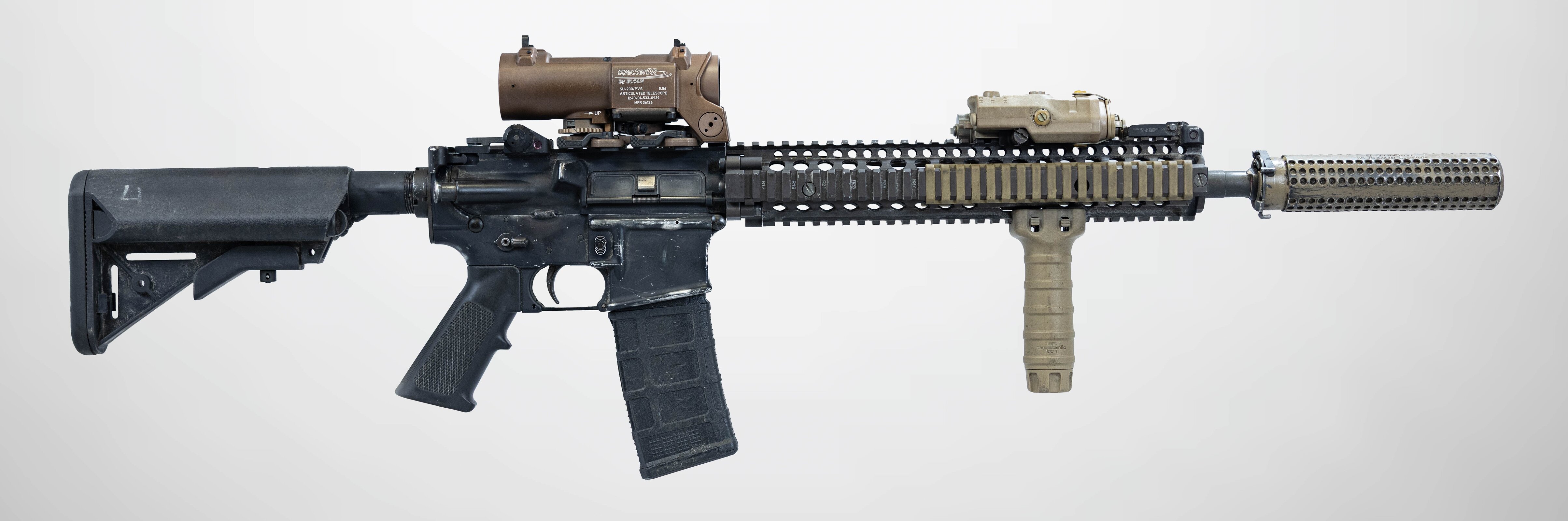
M4A1 Block II (SOPMOD)
- Weapon category: Carbine
- Era of SEAL adoption: GWOT
- Primary role: CQB / assault rifle
- Operational problem it addressed: Rapid mission reconfiguration
- Key design or capability shift: Full SOPMOD modularity
- Modern warfare trend reflected: ISR integration, modularity
- Why SEALs adopted it: Mission-tailored loadouts
- Broader influence on military small arms: Set SOF standard
The Block II SOPMOD configuration showed how modern warfare favors modular weapon systems over fixed designs. Rails, optics, lasers, and suppressors allowed SEALs to configure rifles for night operations, urban assaults, or overwatch. This setup reflected the reality of missions changing rapidly, where adaptability and integration with ISR and night-fighting systems mattered as much as the rifle itself.
Mk 18 CQBR
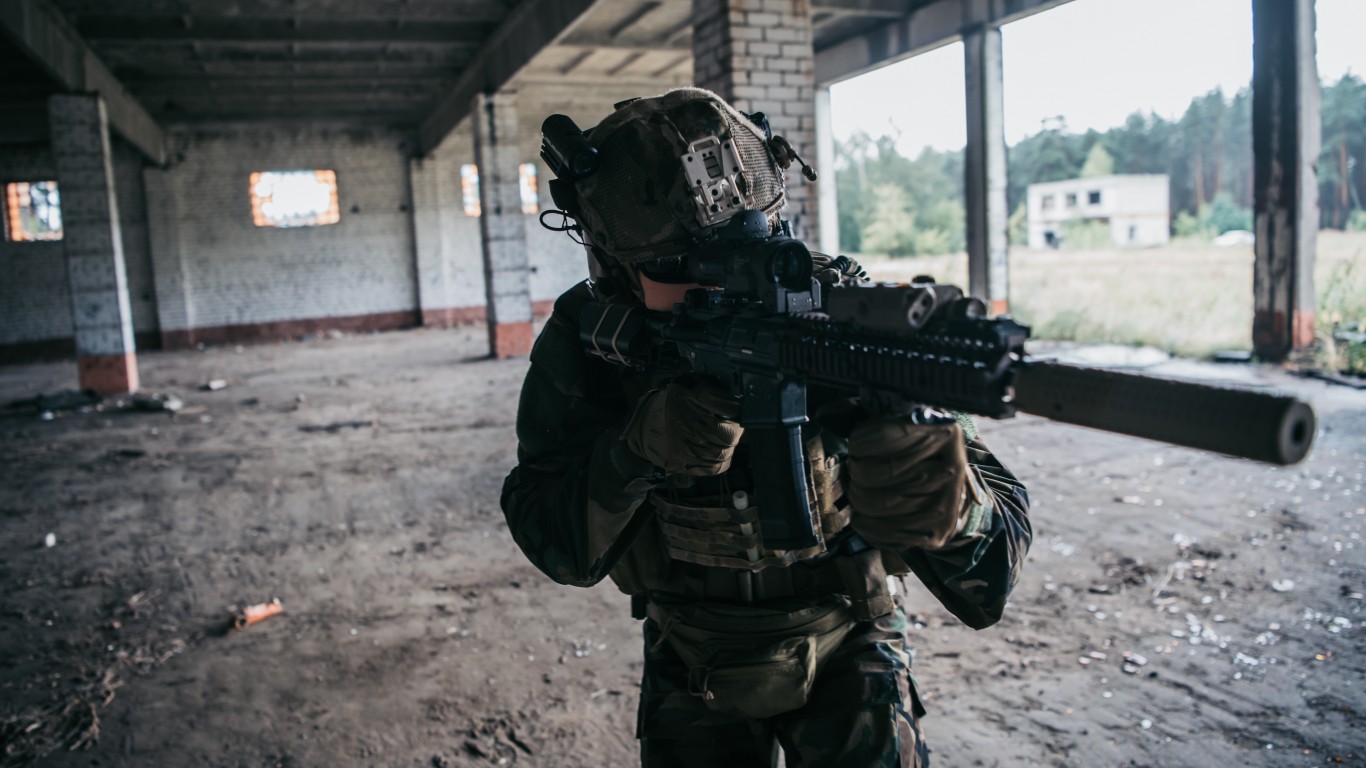
- Weapon category: Carbine
- Era of SEAL adoption: GWOT
- Primary role: CQB
- Operational problem it addressed: Urban and shipboard fighting
- Key design or capability shift: Very short barrel
- Modern warfare trend reflected: Urban combat
- Why SEALs adopted it: Superior maneuverability
- Broader influence on military small arms: Widely copied
The Mk 18 epitomizes the evolution toward close-quarters dominance in modern warfare. Its short barrel favored maneuverability in ships, compounds, and tight urban spaces where long rifles were a liability. SEAL adoption reflected the rise of raid-based missions, where speed, control, and suppression mattered more than maximum range.
HK416
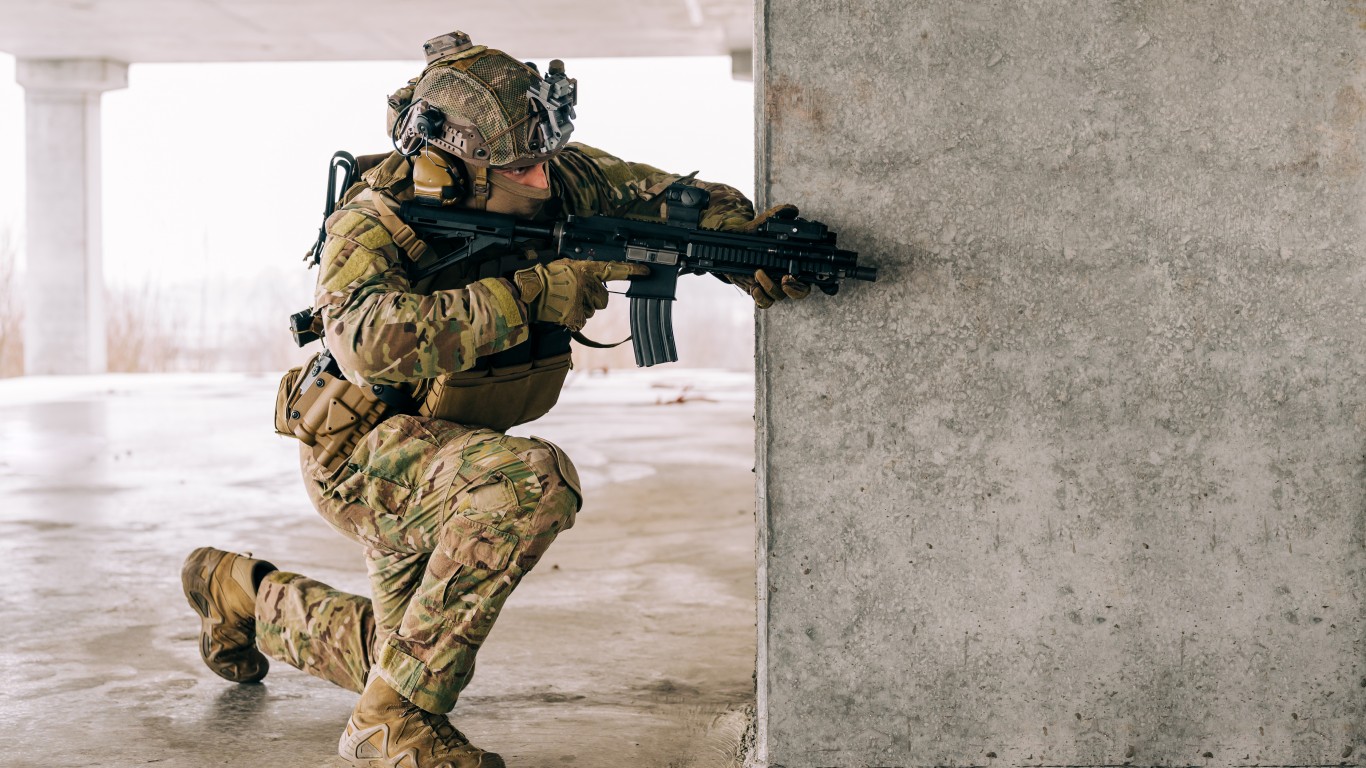
- Weapon category: Carbine
- Era of SEAL adoption: GWOT
- Primary role: CQB / assault
- Operational problem it addressed: Reliability in harsh conditions
- Key design or capability shift: Piston system
- Modern warfare trend reflected: Sustainment under tempo
- Why SEALs adopted it: Reduced malfunctions
- Broader influence on military small arms: Adopted by multiple SOF
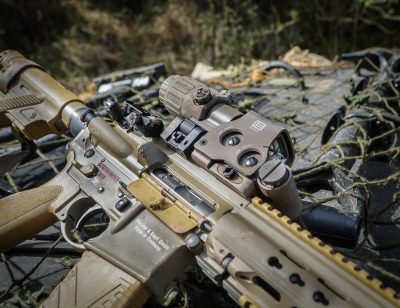
The HK416 reflects modern warfare’s demand for reliability under sustained, harsh use. Designed to address shortcomings seen in legacy carbines, it performed consistently in dusty, high-tempo operations. SEAL adoption highlighted how modern combat prioritizes weapons that function flawlessly during repeated raids and suppressed fire.
Colt Commando
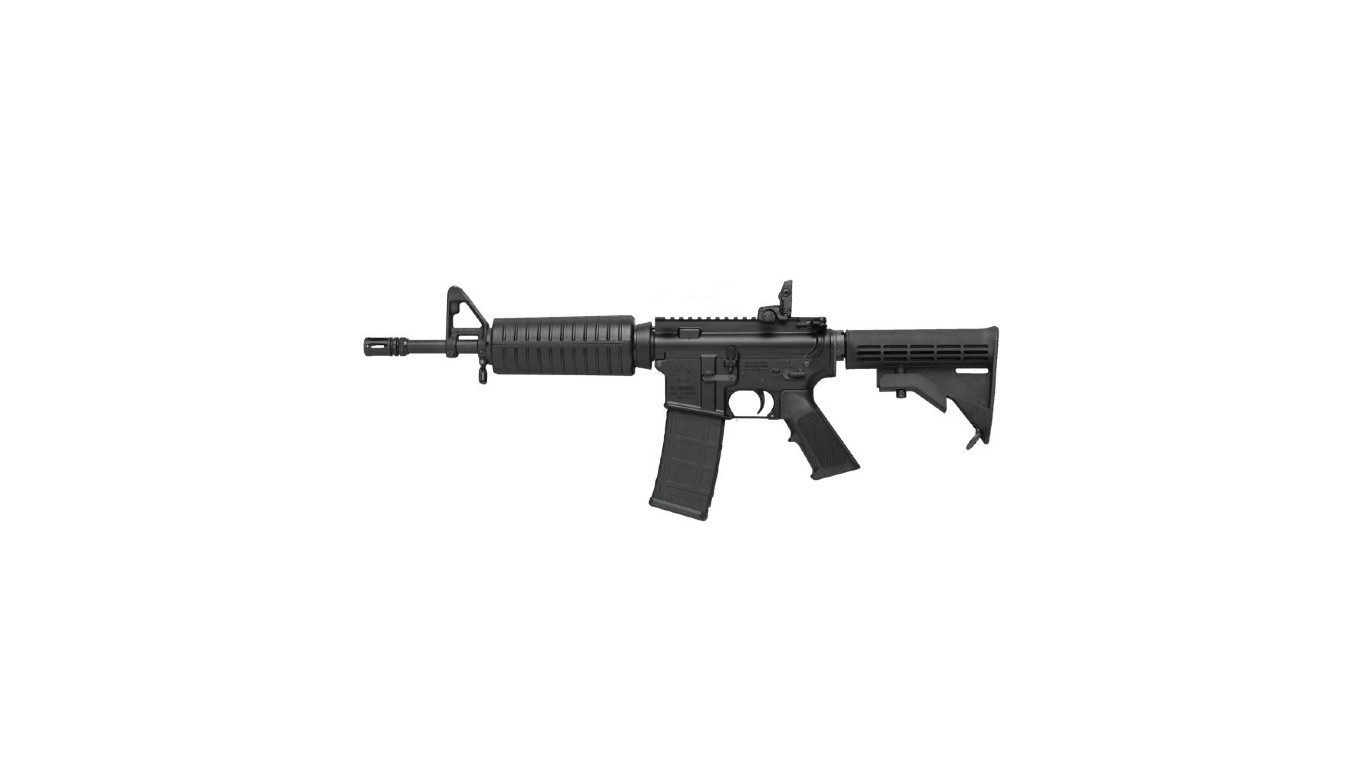
- Weapon category: Carbine
- Era of SEAL adoption: Cold War
- Primary role: CQB
- Operational problem it addressed: Need for compact assault weapon
- Key design or capability shift: Shortened platform
- Modern warfare trend reflected: Mobility
- Why SEALs adopted it: Early CQB adaptation
- Broader influence on military small arms: Influenced carbine evolution
Early Colt Commando carbines illustrate the transition away from full-length rifles toward compact weapons suited for special operations. SEAL use reflected an early understanding that mobility and handling mattered more than traditional infantry range, foreshadowing the CQB-heavy missions that now define special operations warfare.
CAR-15 / XM177 lineage
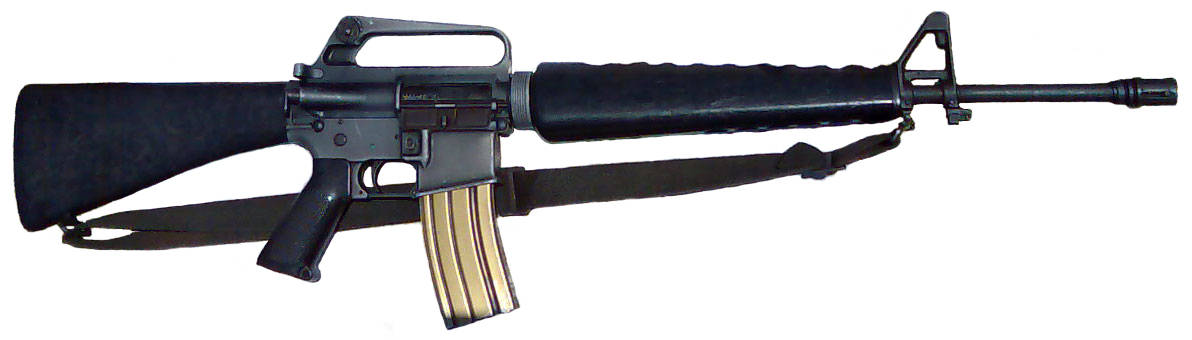
- Weapon category: Carbine
- Era of SEAL adoption: Cold War
- Primary role: CQB / patrol
- Operational problem it addressed: Unconventional warfare
- Key design or capability shift: Lightweight carbine
- Modern warfare trend reflected: Irregular warfare
- Why SEALs adopted it: Mission flexibility
- Broader influence on military small arms: Precursor to modern carbines
The CAR-15 lineage marked early recognition that unconventional warfare required unconventional weapons. Shorter, lighter carbines gave SEALs flexibility during raids and reconnaissance. Their use anticipated modern warfare’s focus on mission-specific equipment rather than standardized infantry rifles.
Mk 46 Mod 1
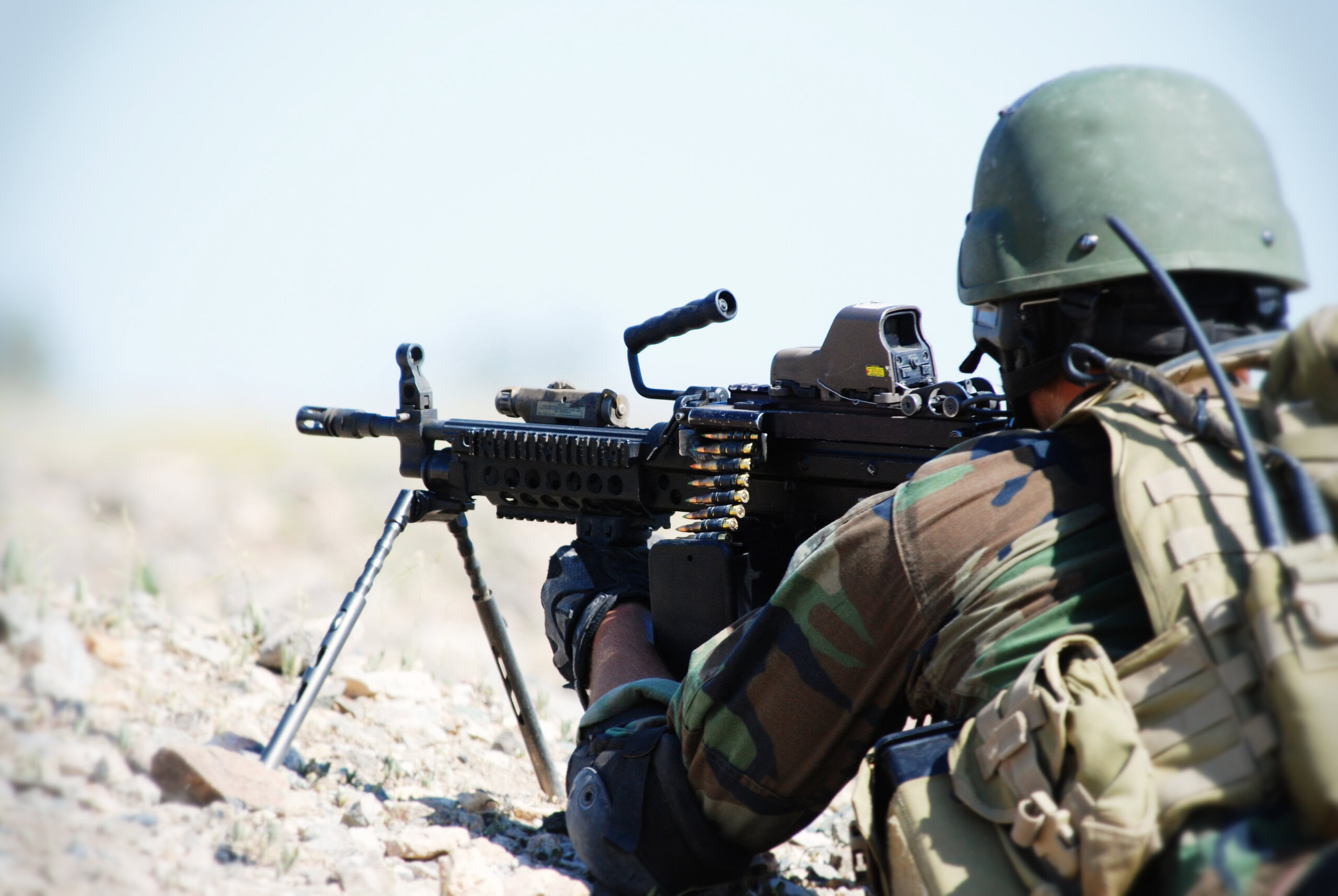
- Weapon category: Machine Gun
- Era of SEAL adoption: GWOT
- Primary role: Support fire
- Operational problem it addressed: Need for mobile suppression
- Key design or capability shift: Lightweight design
- Modern warfare trend reflected: Mobility
- Why SEALs adopted it: Firepower without burden
- Broader influence on military small arms: SOF support standard
The Mk 46 demonstrates how modern warfare demands lightweight firepower without sacrificing mobility. SEALs adopted it to provide suppressive fire while remaining agile during assaults. Its design reflects the shift from static machine-gun roles to mobile support weapons that move with assault elements.
Mk 48 Mod 1
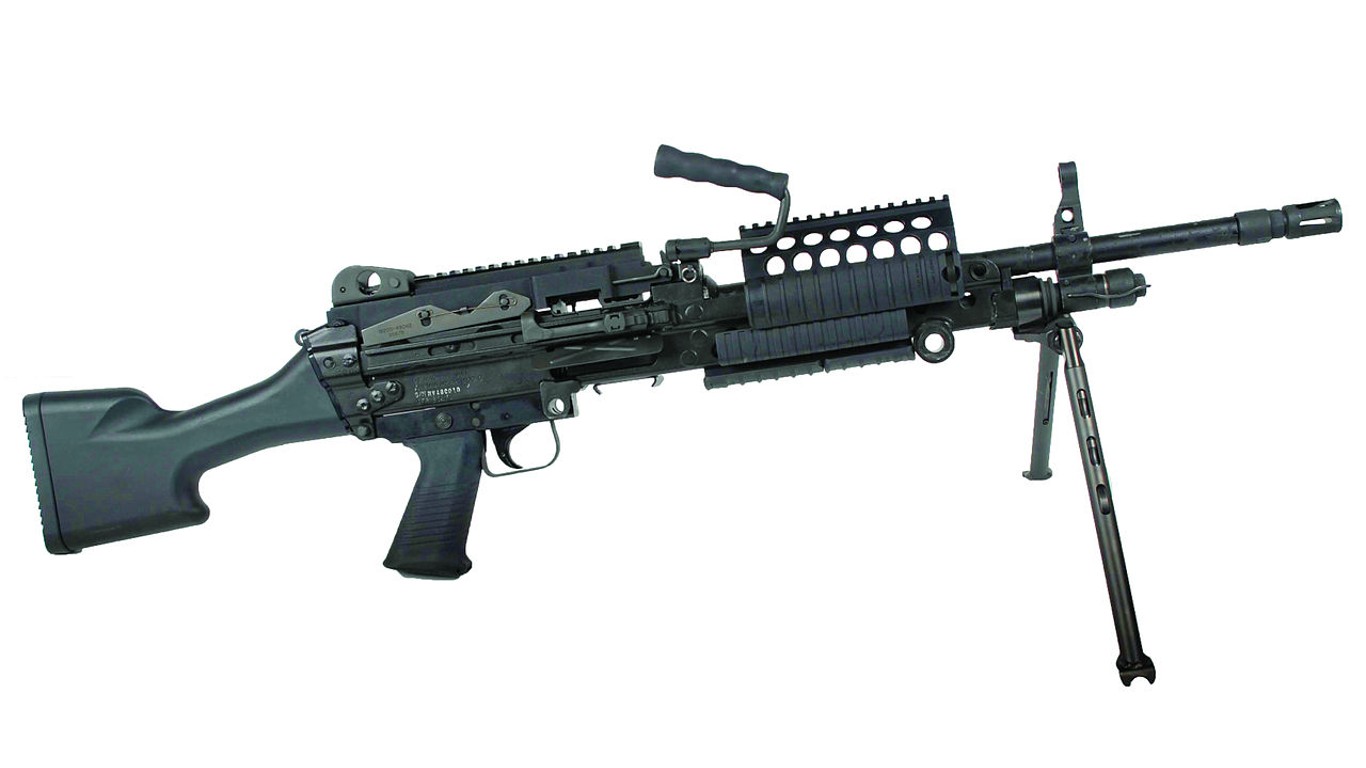
- Weapon category: Machine Gun
- Era of SEAL adoption: GWOT
- Primary role: Support fire
- Operational problem it addressed: Need for heavier overmatch
- Key design or capability shift: 7.62mm portability
- Modern warfare trend reflected: Overmatch
- Why SEALs adopted it: Extended reach
- Broader influence on military small arms: SOF adoption
The Mk 48 reflects modern warfare’s need for portable overmatch against fortified positions. Chambered in 7.62mm, it provided greater reach than lighter machine guns while remaining lighter than traditional GPMGs, supporting flexible special operations missions.
M249 SAW (SEAL employment)
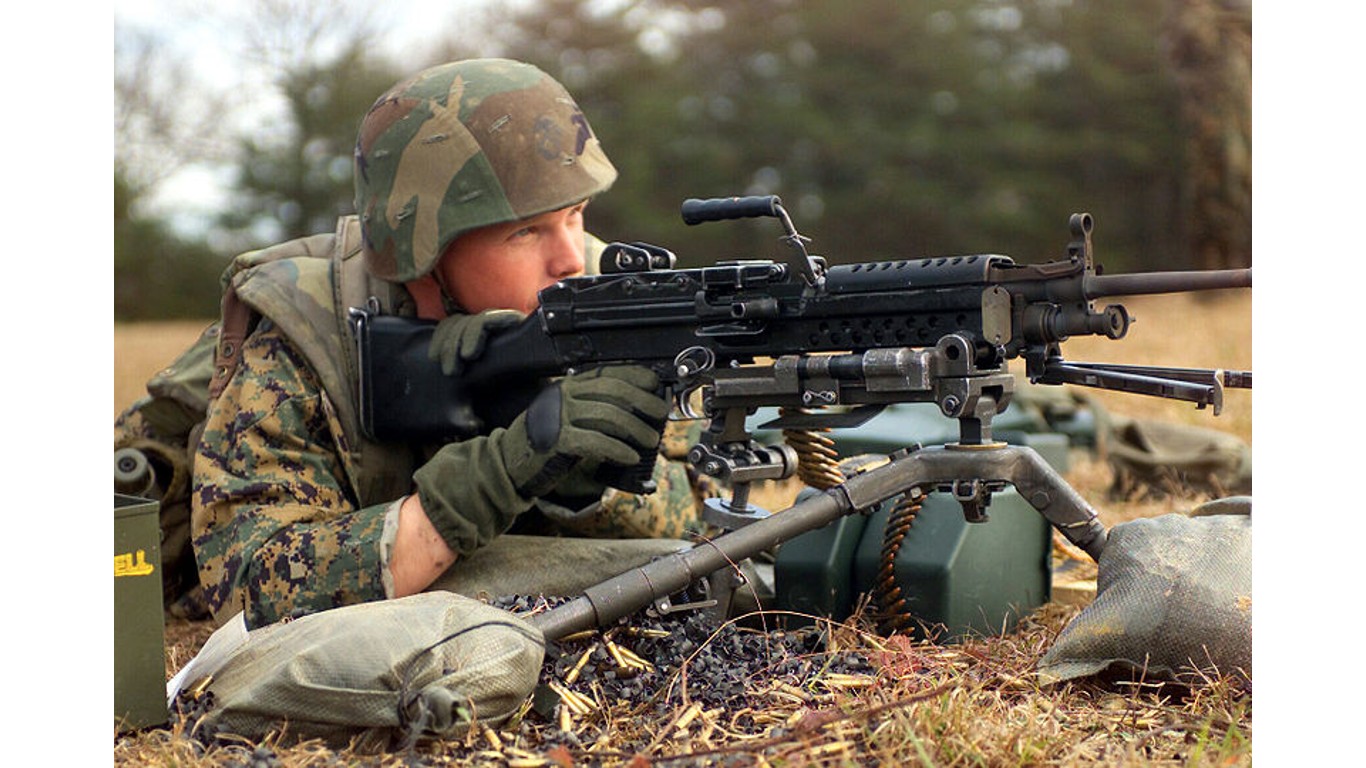
- Weapon category: Machine Gun
- Era of SEAL adoption: GWOT
- Primary role: Support fire
- Operational problem it addressed: Sustained fire needs
- Key design or capability shift: Infantry SAW adaptation
- Modern warfare trend reflected: Flexibility
- Why SEALs adopted it: Selective use
- Broader influence on military small arms: Cross-pollination
SEAL use of the M249 highlights adaptation over doctrine. Though designed for infantry squads, it was selectively employed to deliver sustained fire when missions demanded it, reflecting modern warfare’s flexible, problem-driven approach to weapons employment.
M60E4 / Mk 43
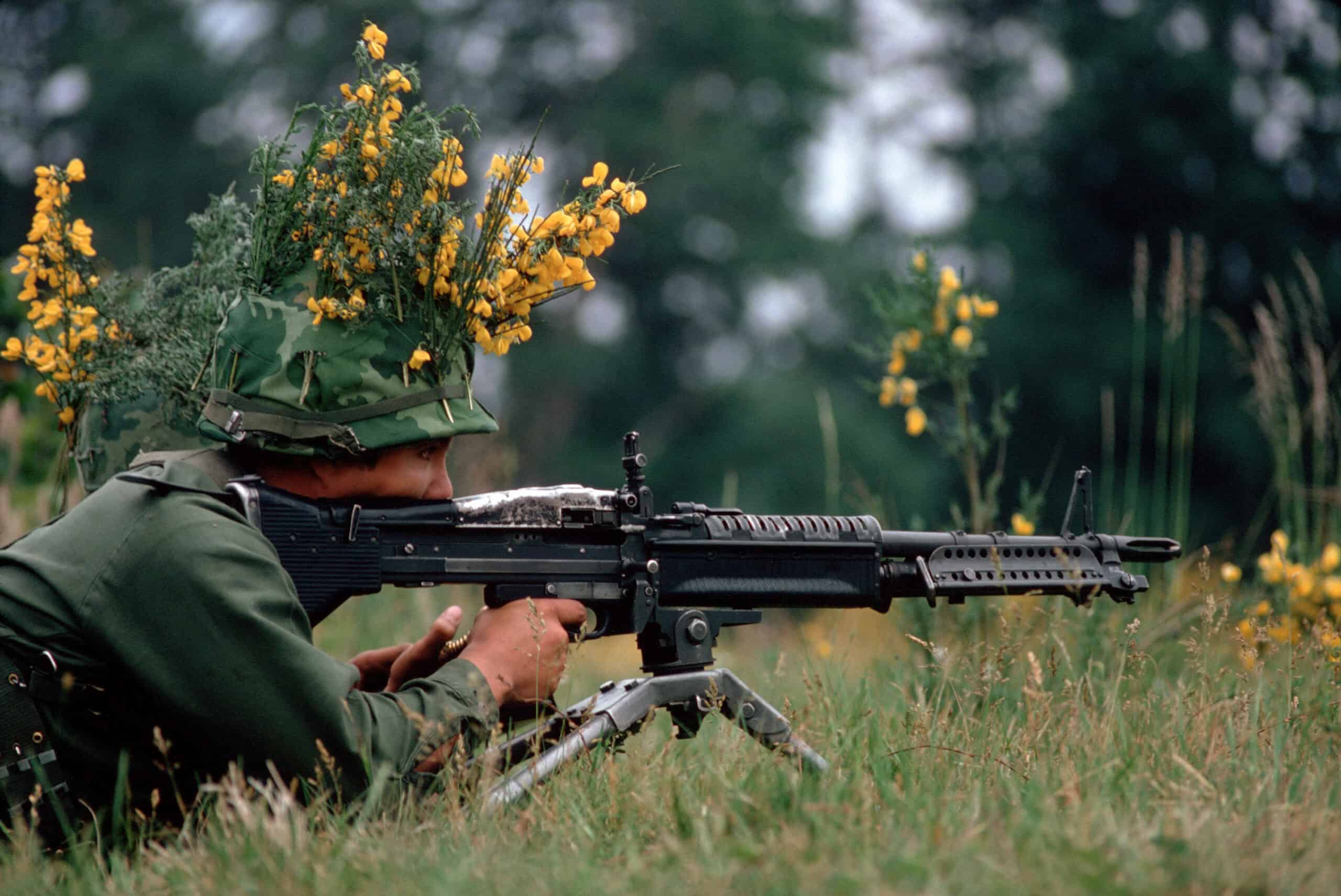
- Weapon category: Machine Gun
- Era of SEAL adoption: GWOT
- Primary role: Support fire
- Operational problem it addressed: Modernized legacy system
- Key design or capability shift: Weight reduction
- Modern warfare trend reflected: Modernization
- Why SEALs adopted it: Reliability
- Broader influence on military small arms: Upgraded legacy
The Mk 43 represents the modernization of legacy firepower for modern conflicts. Lighter and more controllable than earlier M60s, it shows how modern warfare updates proven systems to reduce logistical and mobility burdens while retaining trusted performance.
Mk 13 Mod 7
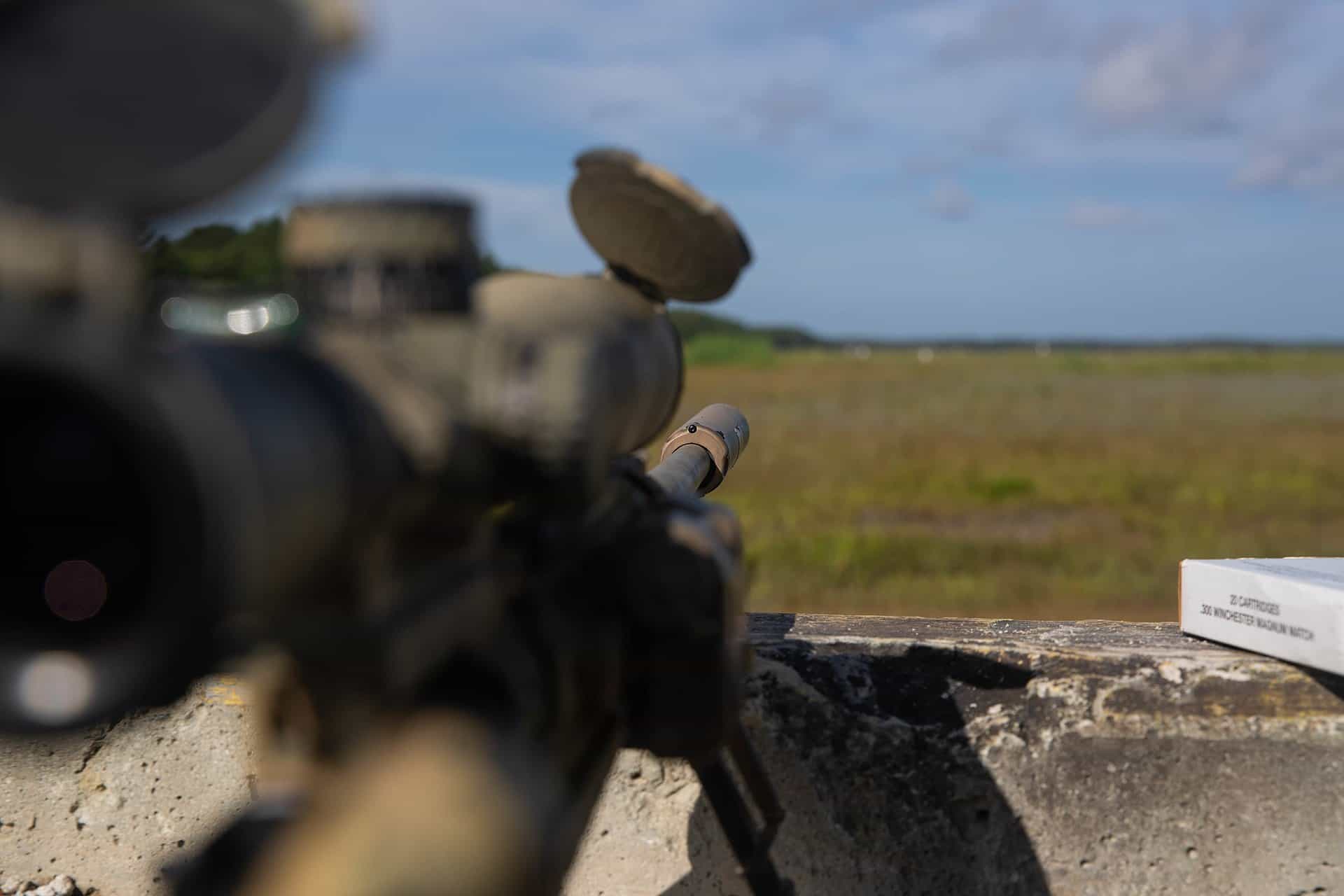
- Weapon category: Sniper Rifle
- Era of SEAL adoption: GWOT
- Primary role: Long-range precision
- Operational problem it addressed: Extended engagement distances
- Key design or capability shift: Modern magnum calibers
- Modern warfare trend reflected: Precision warfare
- Why SEALs adopted it: Overwatch dominance
- Broader influence on military small arms: Influenced sniper doctrine
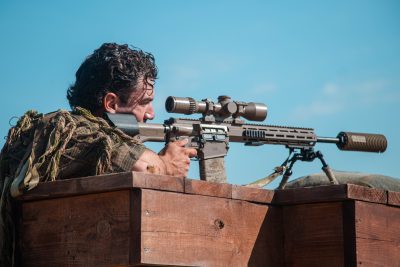
The Mk 13 Mod 7 reflects modern warfare’s emphasis on extreme-range precision. SEAL snipers adopted it to dominate wide battle spaces, showing how overwatch and pre-assault shaping fires became central to modern operations.
Mk 11 Mod 0 (SR-25)
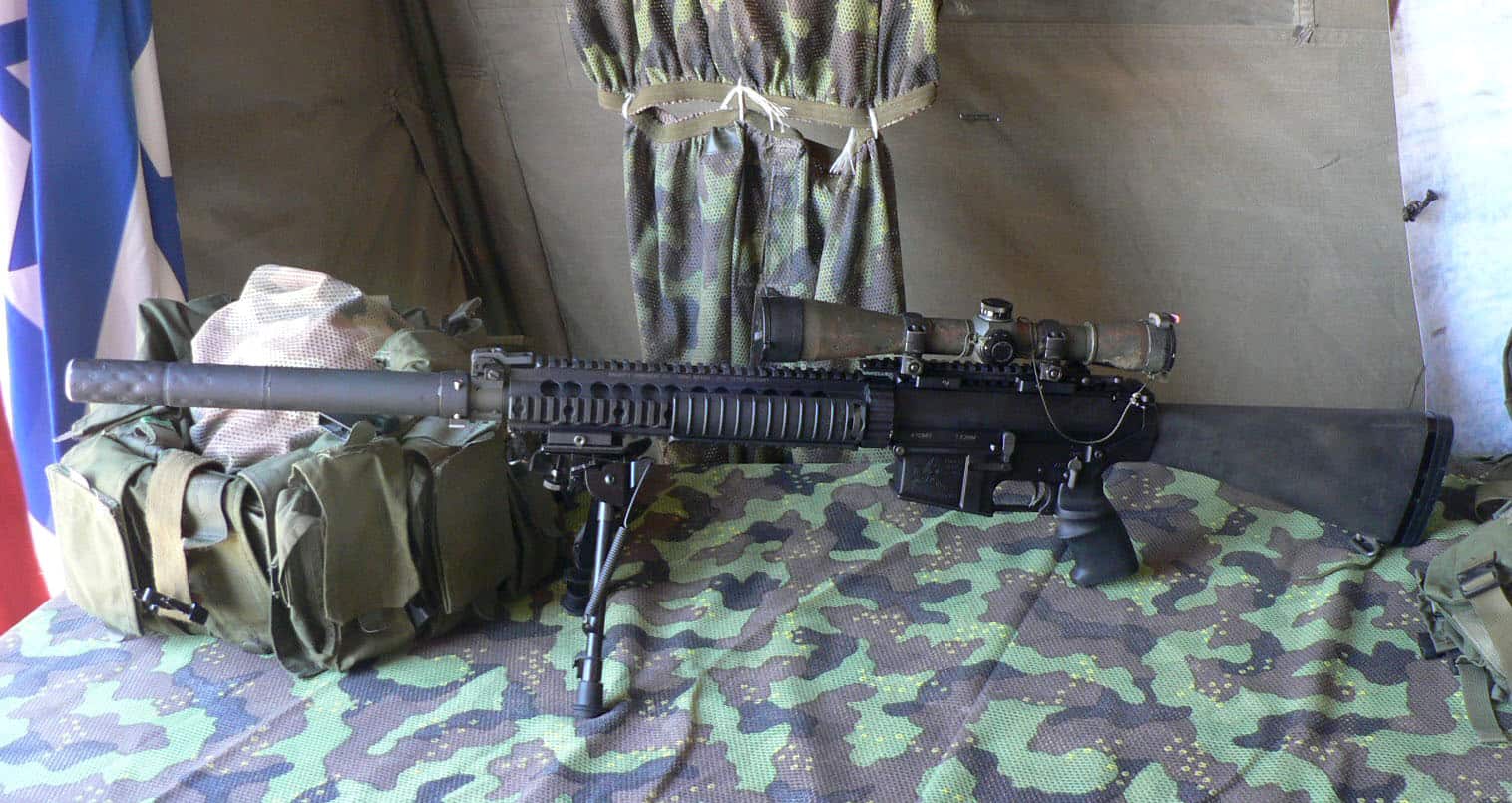
- Weapon category: Sniper Rifle
- Era of SEAL adoption: GWOT
- Primary role: Precision / overwatch
- Operational problem it addressed: Rapid multi-target engagement
- Key design or capability shift: Semi-auto precision
- Modern warfare trend reflected: Urban precision
- Why SEALs adopted it: Speed and accuracy
- Broader influence on military small arms: SOF semi-auto trend
The Mk 11 illustrates the growing importance of semi-automatic precision. SEALs valued its ability to engage multiple targets rapidly, reflecting urban combat realities where speed and follow-up shots mattered as much as accuracy.
M110 SASS
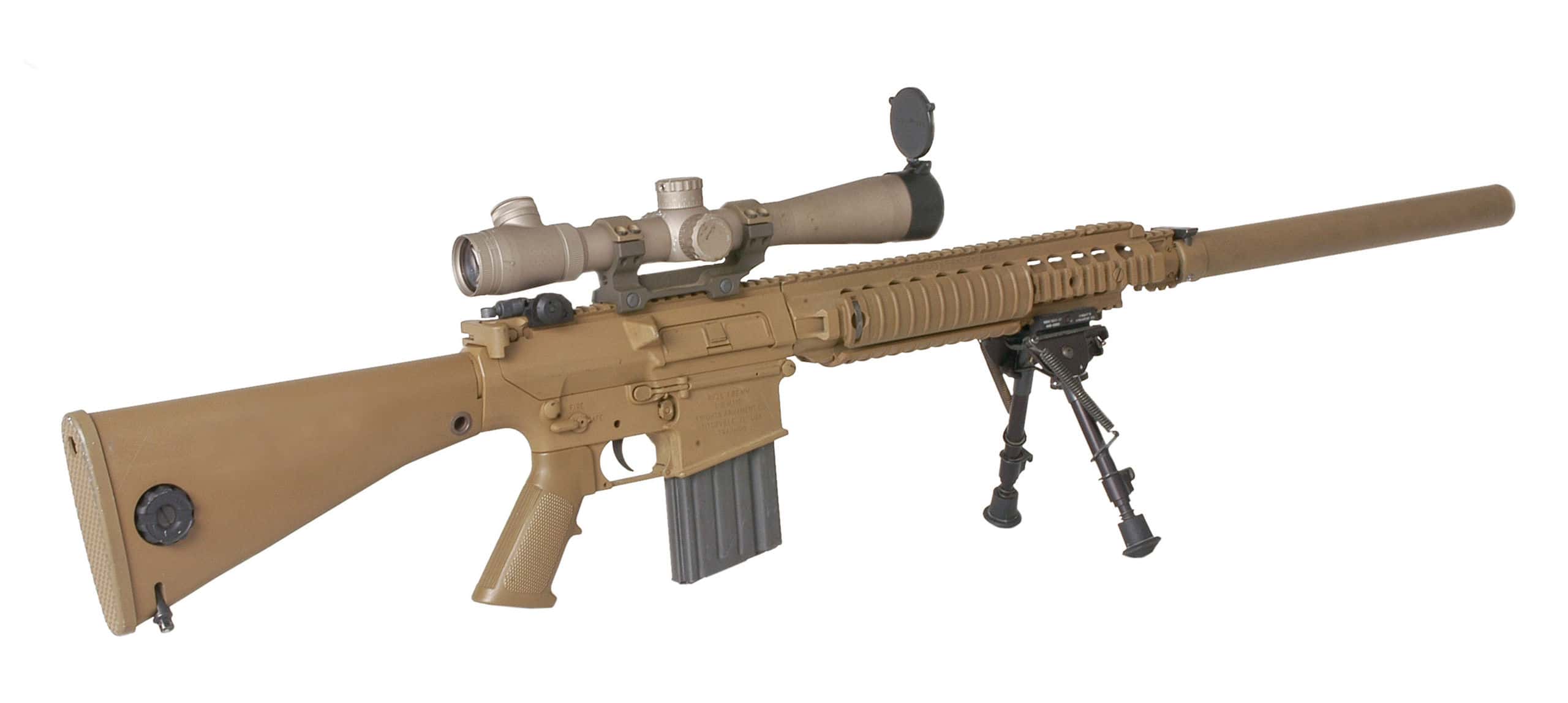
- Weapon category: Sniper Rifle
- Era of SEAL adoption: GWOT
- Primary role: Precision / overwatch
- Operational problem it addressed: Dynamic urban combat
- Key design or capability shift: Semi-auto platform
- Modern warfare trend reflected: Responsiveness
- Why SEALs adopted it: Fast follow-ups
- Broader influence on military small arms: Conventional adoption
The M110 represents modern warfare’s demand for responsiveness. Its semi-automatic design allowed rapid engagement in dynamic environments, reinforcing the trend away from slow, deliberate sniping toward flexible precision fire.
McMillan TAC-50
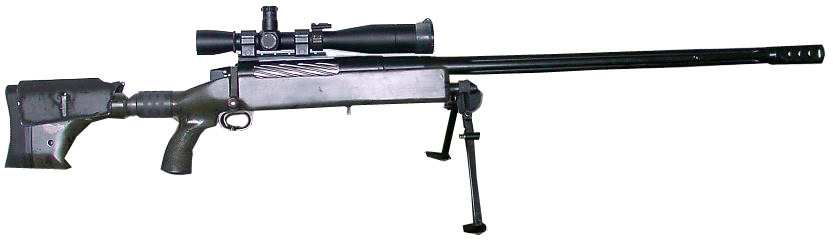
- Weapon category: Sniper Rifle
- Era of SEAL adoption: GWOT
- Primary role: Extreme-range precision
- Operational problem it addressed: Very long sightlines
- Key design or capability shift: .50-caliber capability
- Modern warfare trend reflected: Extreme precision
- Why SEALs adopted it: Strategic sniping
- Broader influence on military small arms: Global influence
The TAC-50 highlights how modern warfare expanded the sniper’s role into extreme-range dominance. SEAL use of .50-caliber rifles reflects environments where unmatched reach and power became decisive.
Remington 700 / M40-derived systems
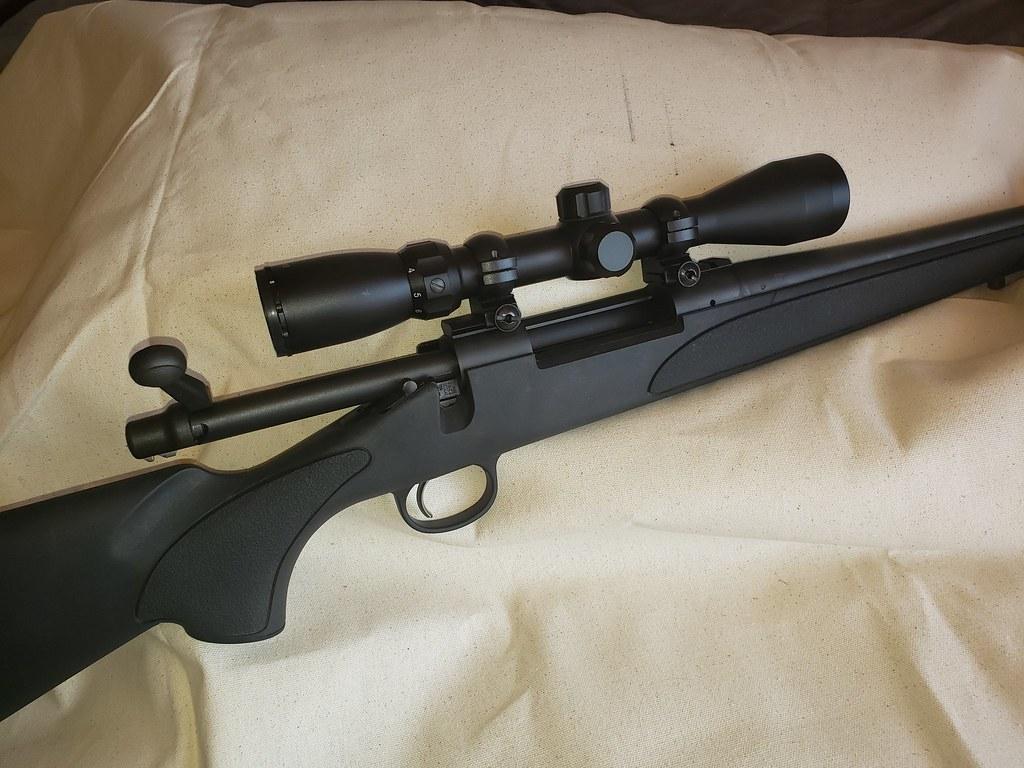
- Weapon category: Sniper Rifle
- Era of SEAL adoption: Cold War–GWOT
- Primary role: Precision
- Operational problem it addressed: Need for proven accuracy
- Key design or capability shift: Evolved bolt-action
- Modern warfare trend reflected: Continuity
- Why SEALs adopted it: Trust and reliability
- Broader influence on military small arms: Longevity
Remington 700–based systems reflect continuity amid change. SEALs retained proven bolt-action designs while modernizing optics and ammunition, illustrating modern warfare’s preference for evolving trusted platforms.
SIG Sauer P226

- Weapon category: Pistol
- Era of SEAL adoption: Cold War–GWOT
- Primary role: Sidearm
- Operational problem it addressed: Reliable secondary weapon
- Key design or capability shift: High reliability
- Modern warfare trend reflected: CQB focus
- Why SEALs adopted it: Maritime reliability
- Broader influence on military small arms: SOF sidearm standard
The P226 reflects an era when sidearms played a secondary but critical role. SEAL adoption emphasized reliability in maritime and CQB environments, underscoring modern warfare’s close-contact focus.
Glock 19
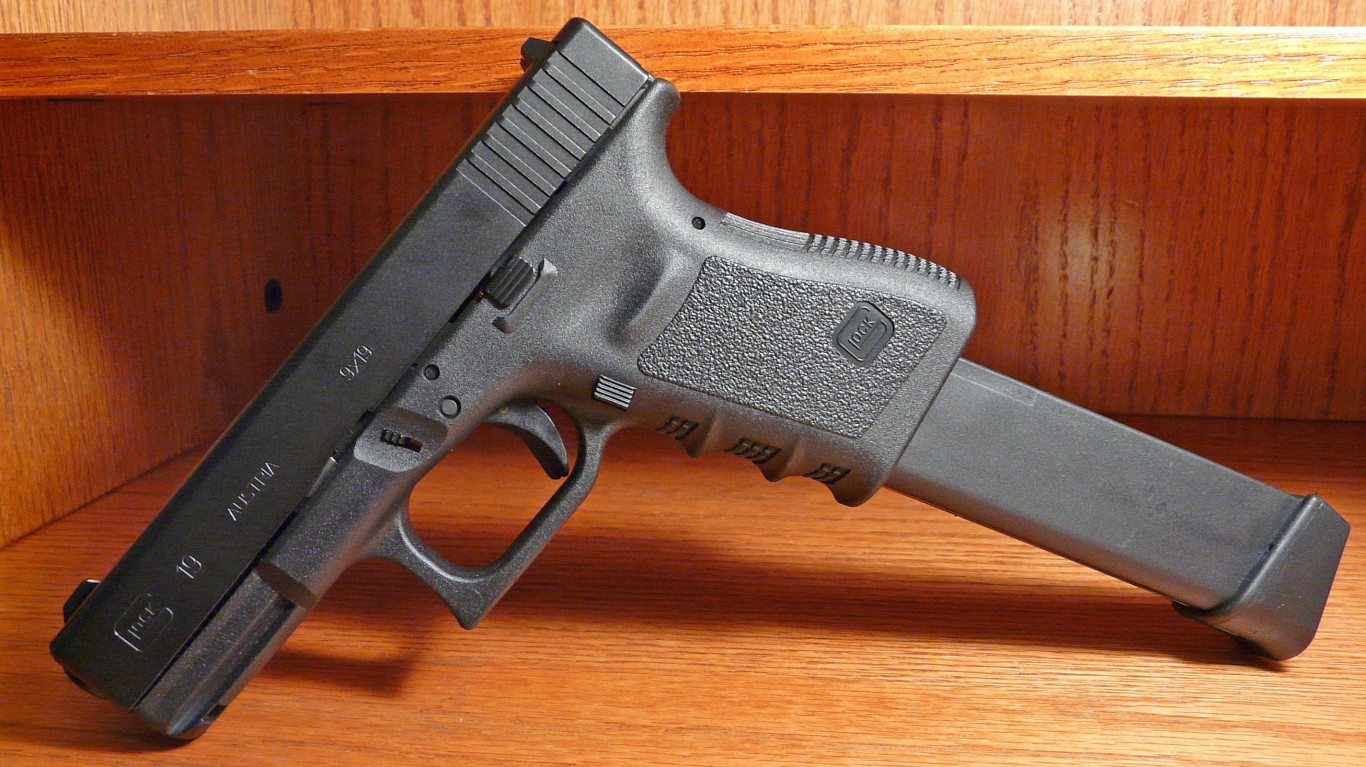
- Weapon category: Pistol
- Era of SEAL adoption: Modern
- Primary role: Sidearm
- Operational problem it addressed: Low maintenance sidearm
- Key design or capability shift: Polymer frame
- Modern warfare trend reflected: Simplicity
- Why SEALs adopted it: Durability
- Broader influence on military small arms: Global adoption
The Glock 19 represents modern warfare’s shift toward simplicity and durability. SEALs adopted it for consistent performance, low maintenance, and compatibility with modern accessories.
HK45CT

- Weapon category: Pistol
- Era of SEAL adoption: Modern
- Primary role: Suppressed sidearm
- Operational problem it addressed: Discreet engagements
- Key design or capability shift: Suppressor-ready
- Modern warfare trend reflected: Signature reduction
- Why SEALs adopted it: Stealth
- Broader influence on military small arms: Specialized use
The HK45CT highlights the importance of suppressed lethality in modern warfare. Designed for discreet operations, it reflects missions where concealment and control outweigh raw firepower.
Mk 25 (P226 Navy)
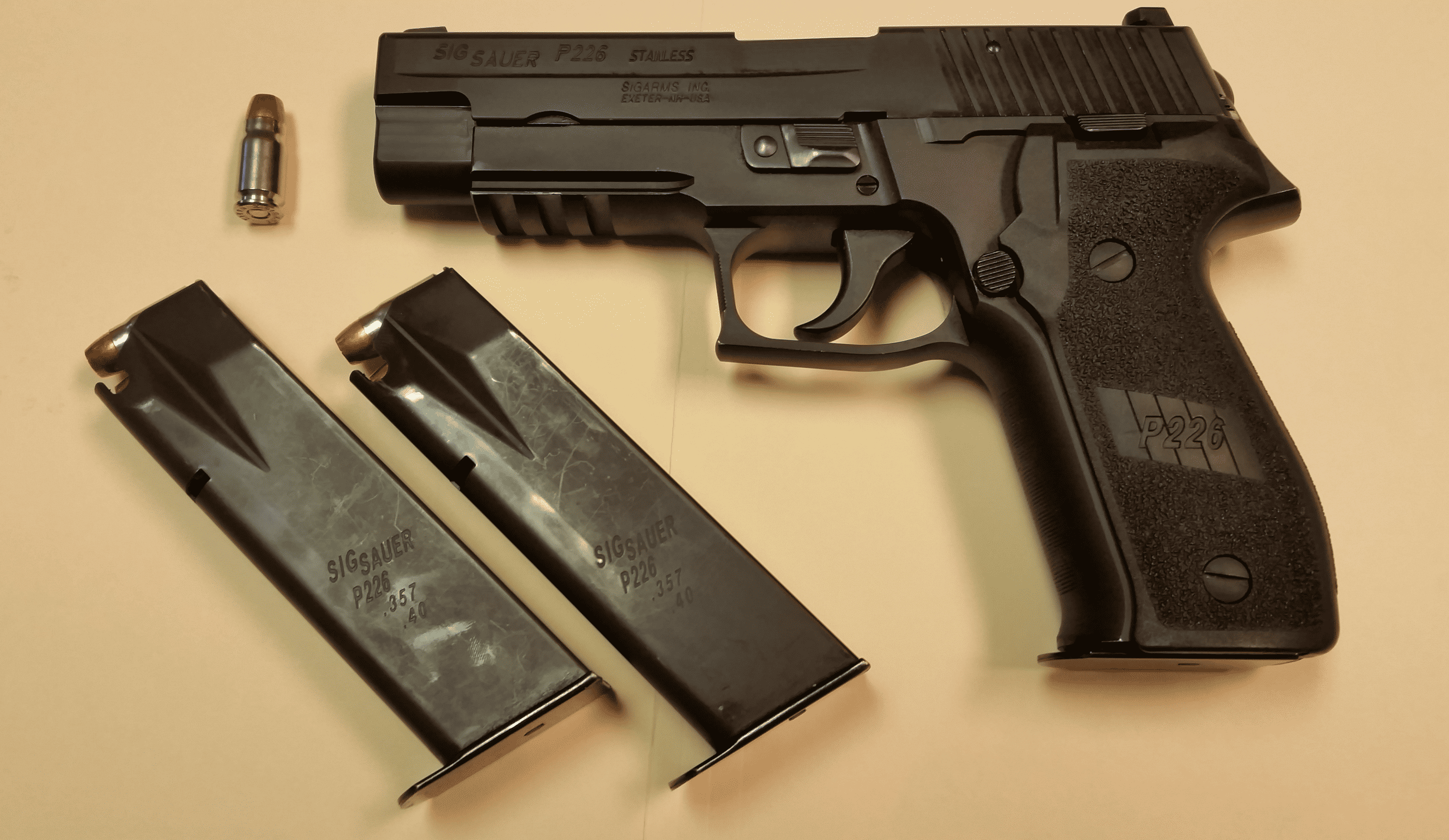
- Weapon category: Pistol
- Era of SEAL adoption: Cold War–GWOT
- Primary role: Sidearm
- Operational problem it addressed: Maritime corrosion
- Key design or capability shift: Corrosion resistance
- Modern warfare trend reflected: Environment-specific
- Why SEALs adopted it: Domain adaptation
- Broader influence on military small arms: Specialized variants
The Mk 25 demonstrates environment-driven weapon evolution. Corrosion resistance addressed maritime operations central to SEAL missions, showing how modern warfare drives specialization.
MP5SD
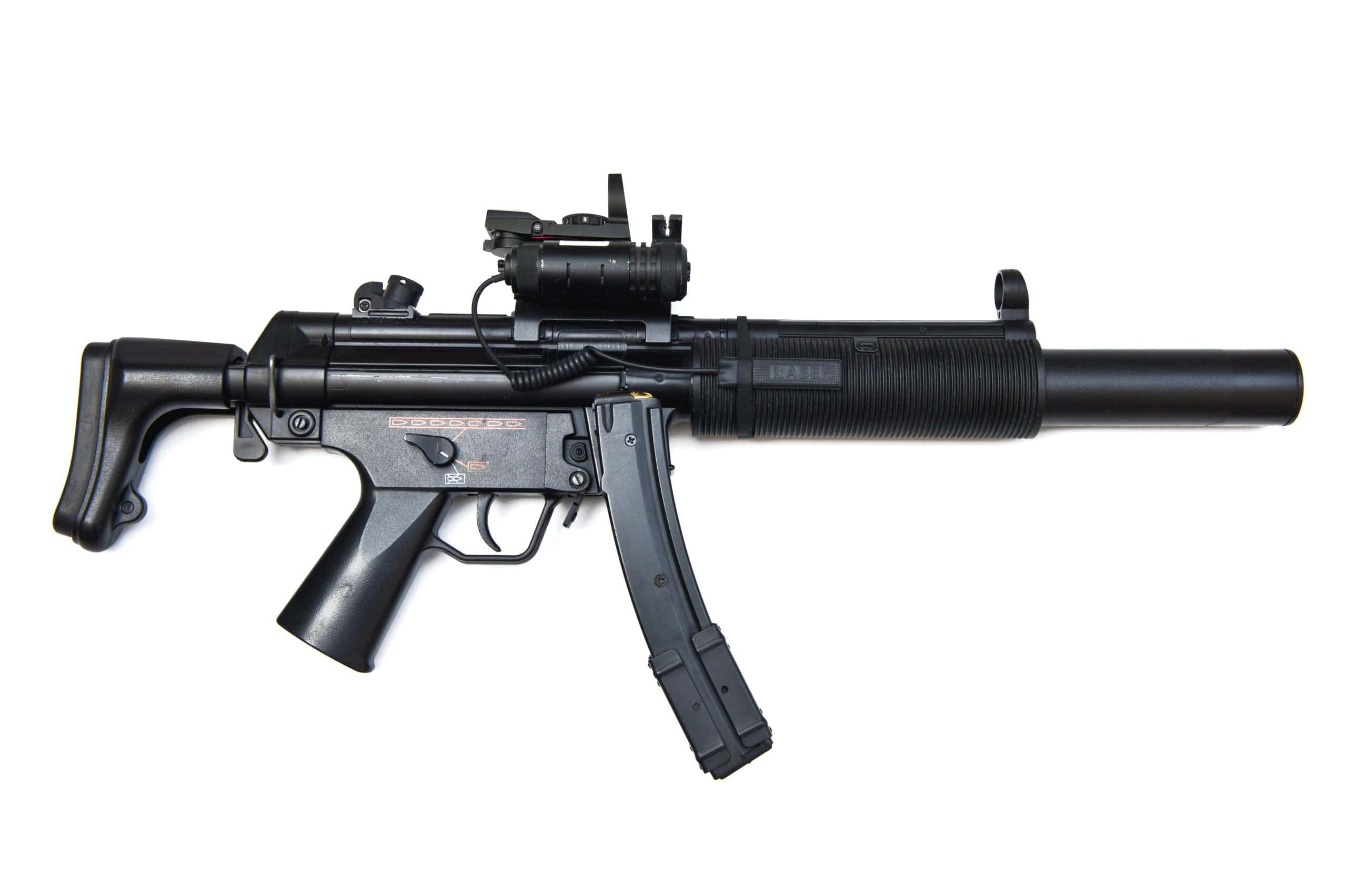
- Weapon category: SMG
- Era of SEAL adoption: Cold War–GWOT
- Primary role: CQB
- Operational problem it addressed: Stealth CQB
- Key design or capability shift: Integral suppressor
- Modern warfare trend reflected: Counterterror focus
- Why SEALs adopted it: Noise reduction
- Broader influence on military small arms: Iconic CT weapon
The MP5SD embodies early modern warfare’s emphasis on stealth. SEAL use in counterterror missions helped establish suppressed CQB as a defining special operations capability.
MP7A1
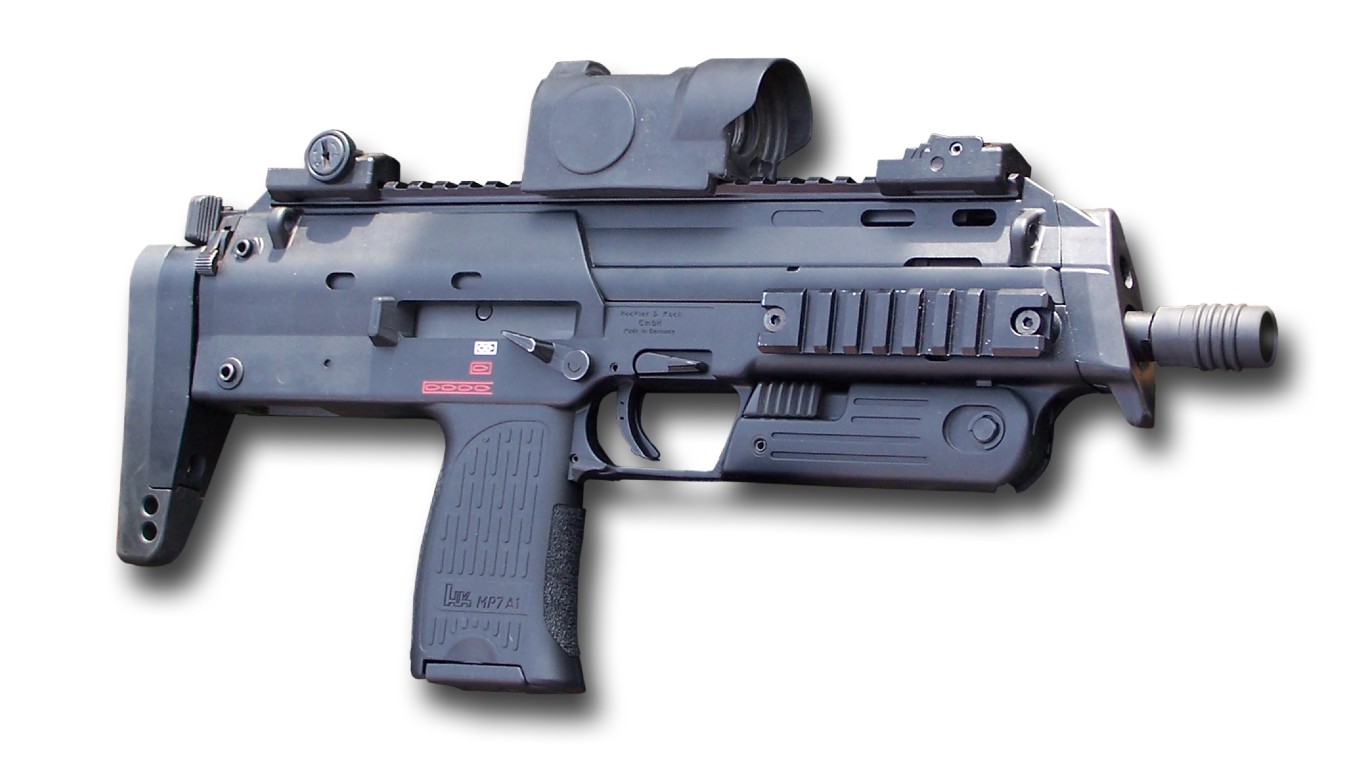
- Weapon category: PDW
- Era of SEAL adoption: Modern
- Primary role: CQB / protection
- Operational problem it addressed: Defeat body armor
- Key design or capability shift: High-velocity round
- Modern warfare trend reflected: Threat evolution
- Why SEALs adopted it: Armor penetration
- Broader influence on military small arms: Influenced PDWs
The MP7 reflects modern warfare’s response to armored threats in confined spaces. SEAL adoption showed the need for compact weapons with enhanced penetration.
Mk 17 SCAR-H
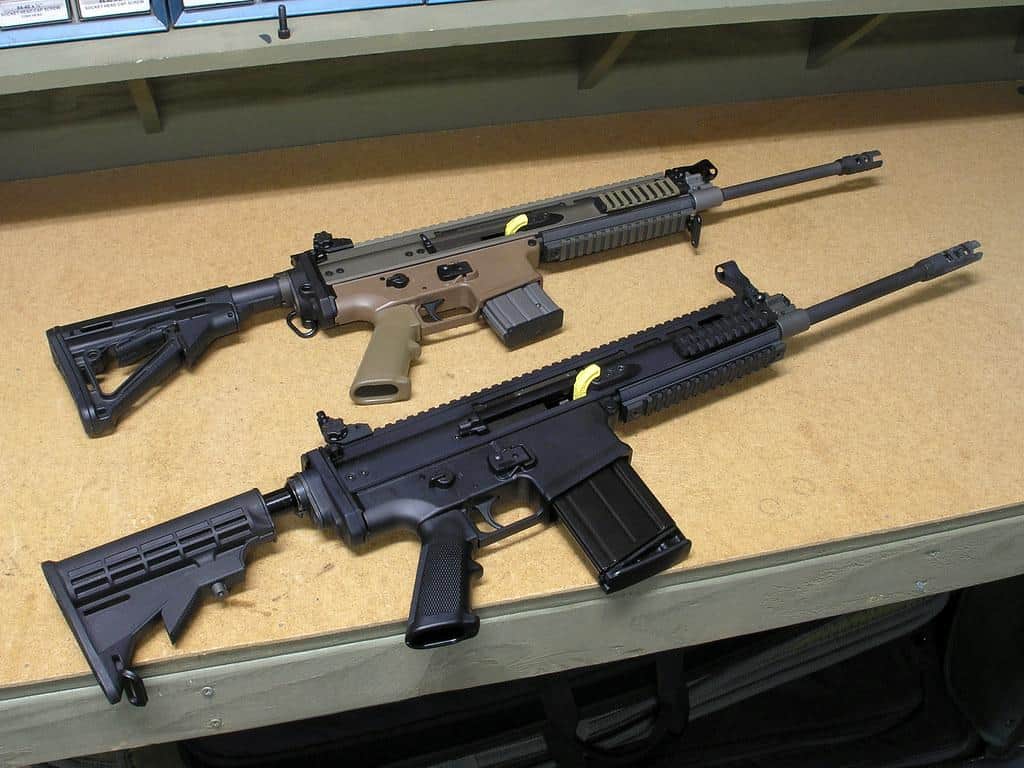
- Weapon category: Rifle
- Era of SEAL adoption: GWOT
- Primary role: Assault / overwatch
- Operational problem it addressed: Need for 7.62mm reach
- Key design or capability shift: Modular design
- Modern warfare trend reflected: Adaptability
- Why SEALs adopted it: Hard-hitting flexibility
- Broader influence on military small arms: SOF experimentation
The SCAR-H reflects modern warfare’s demand for adaptable firepower. SEAL use emphasized 7.62mm reach in a modular platform suitable for varied missions.
Mk 16 SCAR-L
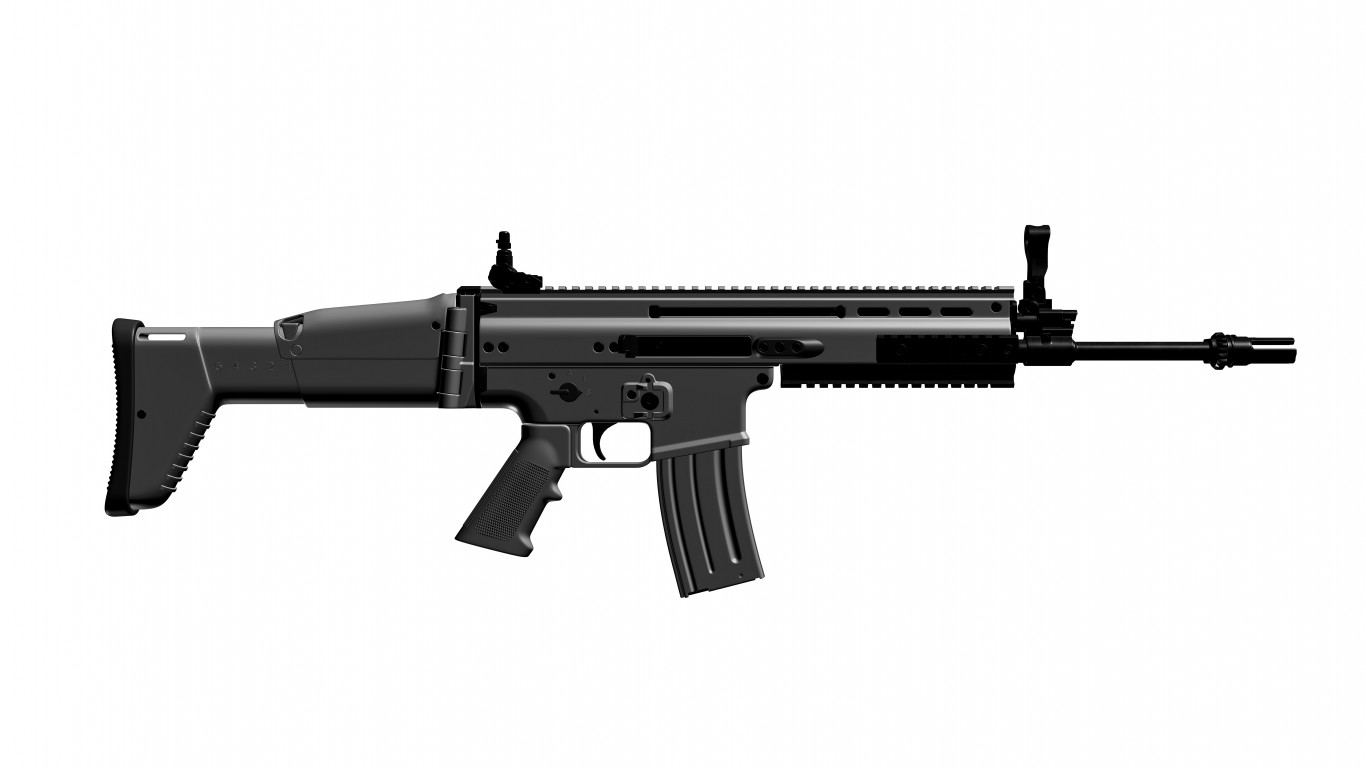
- Weapon category: Rifle
- Era of SEAL adoption: GWOT
- Primary role: Assault
- Operational problem it addressed: Modular rifle family
- Key design or capability shift: Lightweight modularity
- Modern warfare trend reflected: Rapid iteration
- Why SEALs adopted it: Evaluation cycles
- Broader influence on military small arms: Lessons learned
The SCAR-L illustrates modern experimentation with modular rifle families. Its evaluation highlights how modern warfare rapidly tests and discards systems based on combat feedback.
Benelli M4 (M1014)
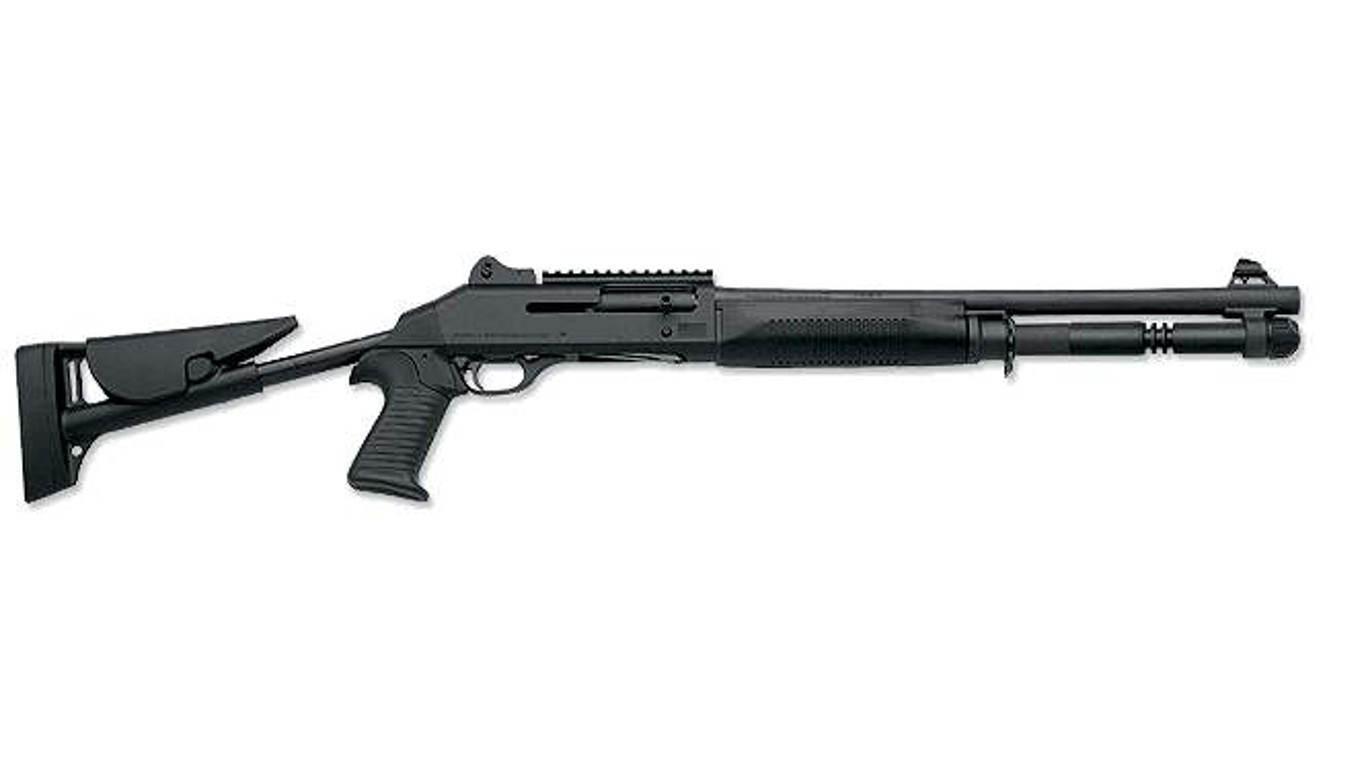
- Weapon category: Shotgun
- Era of SEAL adoption: GWOT
- Primary role: Breaching / CQB
- Operational problem it addressed: Door breaching
- Key design or capability shift: Semi-auto reliability
- Modern warfare trend reflected: CQB
- Why SEALs adopted it: Breaching efficiency
- Broader influence on military small arms: SOF shotgun standard
The Benelli M4 reflects the enduring relevance of shotguns in modern warfare. SEALs valued its reliability for breaching and CQB, roles unchanged despite technological advances.
M870 Shotgun
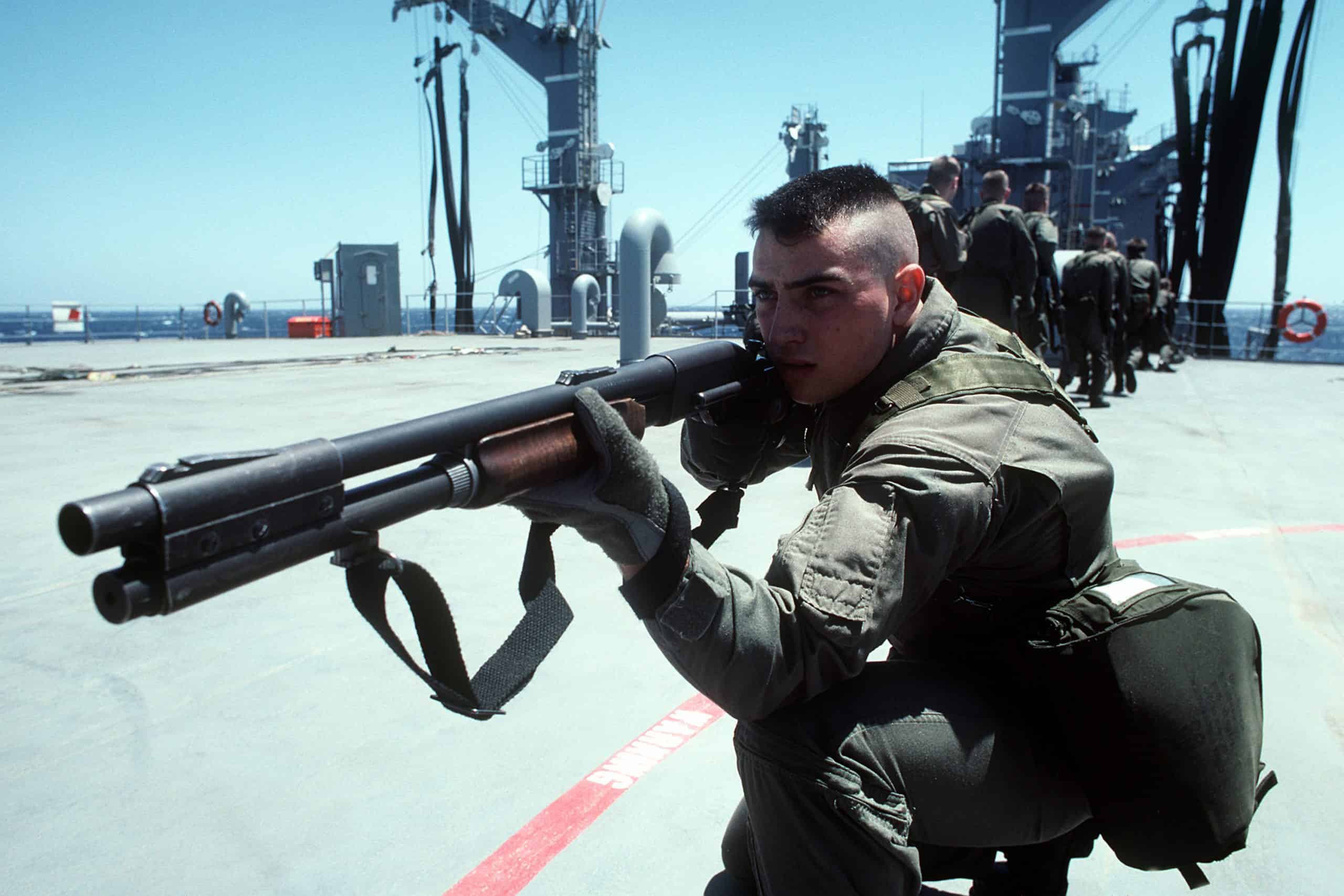
- Weapon category: Shotgun
- Era of SEAL adoption: Cold War–GWOT
- Primary role: Breaching
- Operational problem it addressed: Simple breaching tool
- Key design or capability shift: Pump-action
- Modern warfare trend reflected: Low-tech solutions
- Why SEALs adopted it: Reliability
- Broader influence on military small arms: Enduring relevance
The M870 illustrates how simple tools persist in modern combat. SEAL use for breaching underscores the blend of high-tech and low-tech solutions in modern warfare.
M320 / M79 grenade launchers
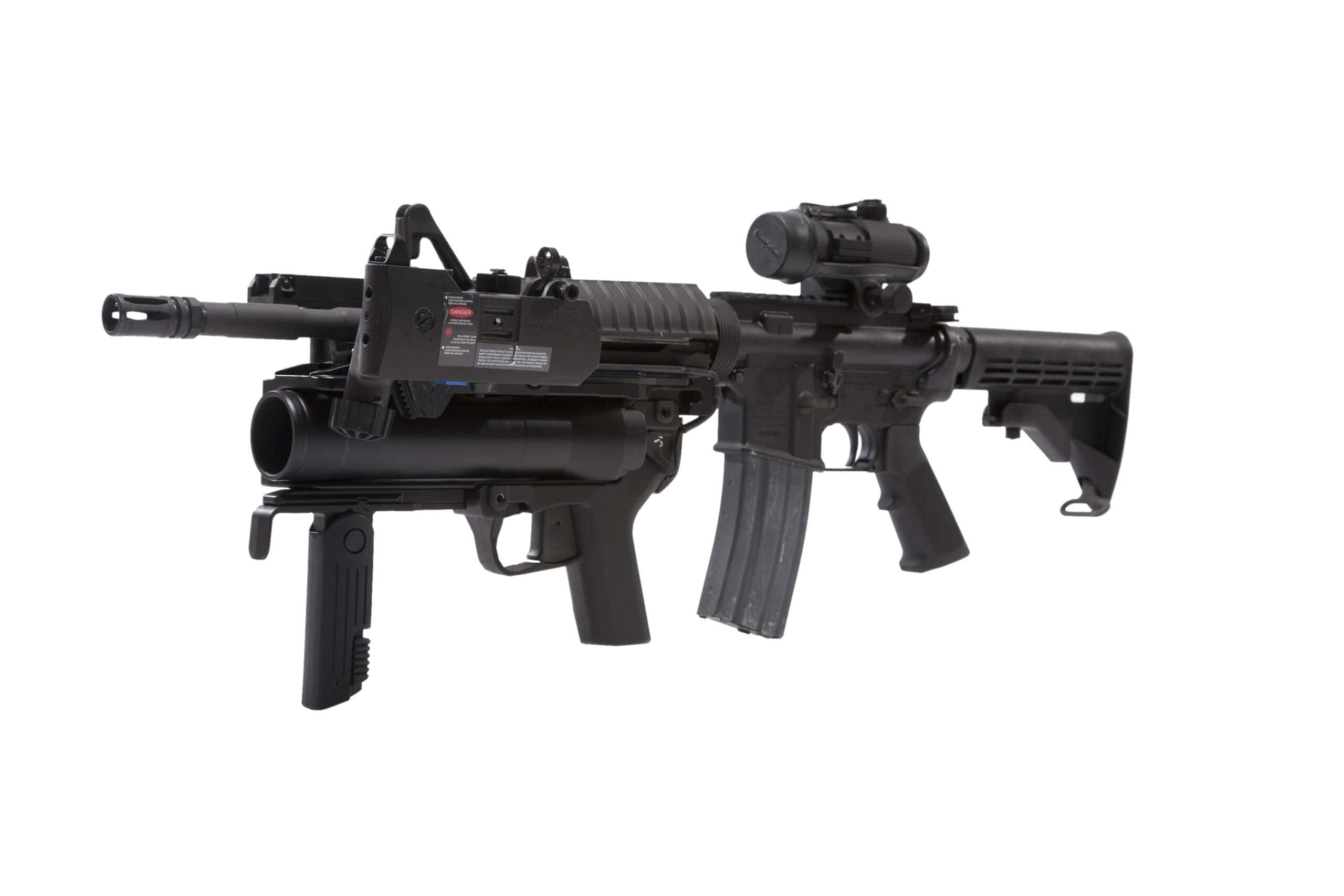
- Weapon category: Launcher
- Era of SEAL adoption: GWOT
- Primary role: Explosive support
- Operational problem it addressed: Engage behind cover
- Key design or capability shift: Team-level explosives
- Modern warfare trend reflected: Flexibility
- Why SEALs adopted it: Organic firepower
- Broader influence on military small arms: Standard capability
Grenade launchers reflect modern warfare’s need for organic explosive capability. SEALs used them to defeat cover and shape fights without heavier support.
SureFire-suppressed rifle systems
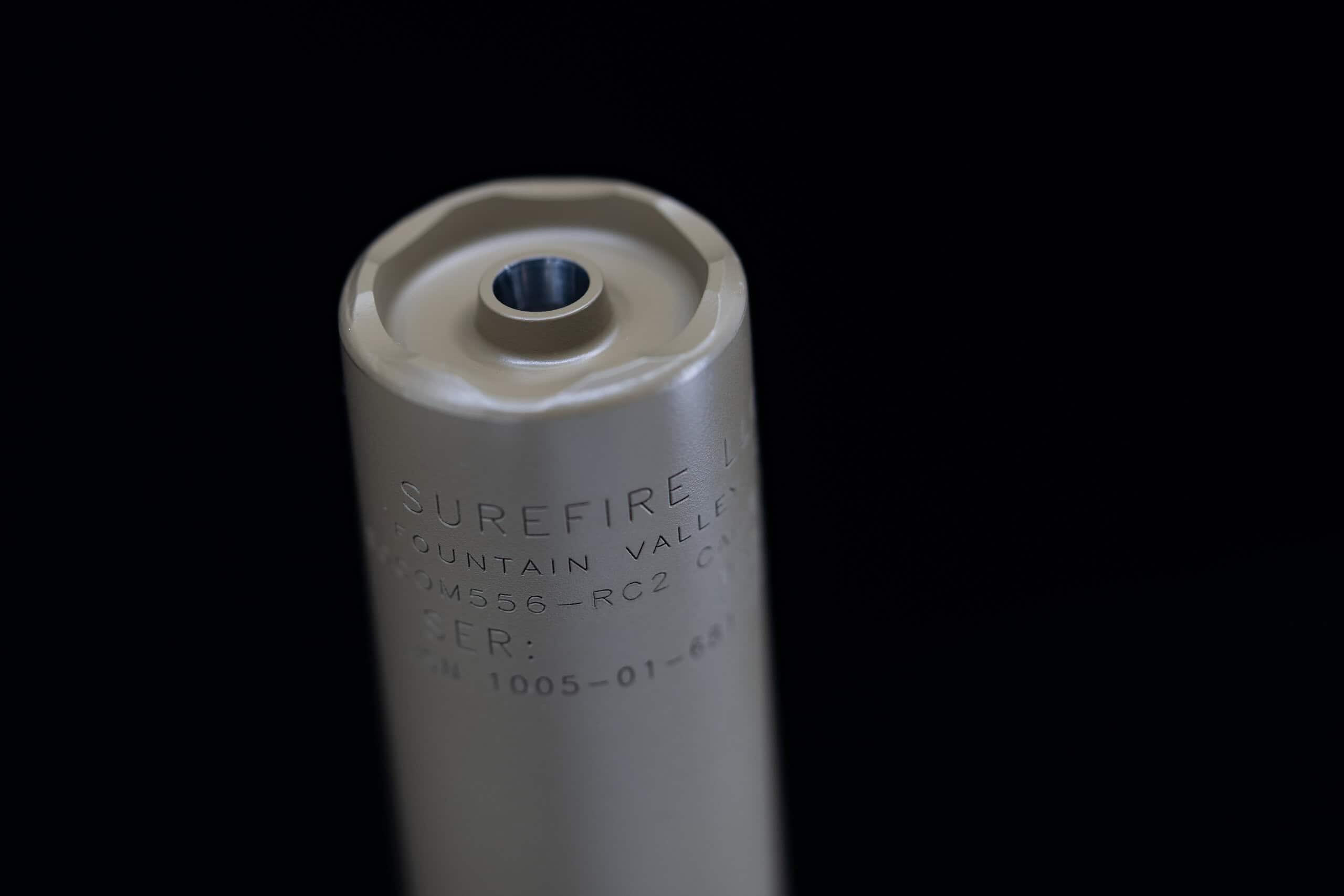
- Weapon category: Weapon System
- Era of SEAL adoption: GWOT
- Primary role: Signature management
- Operational problem it addressed: Noise and flash
- Key design or capability shift: Advanced suppressors
- Modern warfare trend reflected: Discretion
- Why SEALs adopted it: Control and survivability
- Broader influence on military small arms: Mainstreamed suppressors
Suppressed rifle systems reflect modern warfare’s focus on signature management. SEAL adoption improved control, communication, and survivability during raids.
AN/PEQ-15–equipped carbines
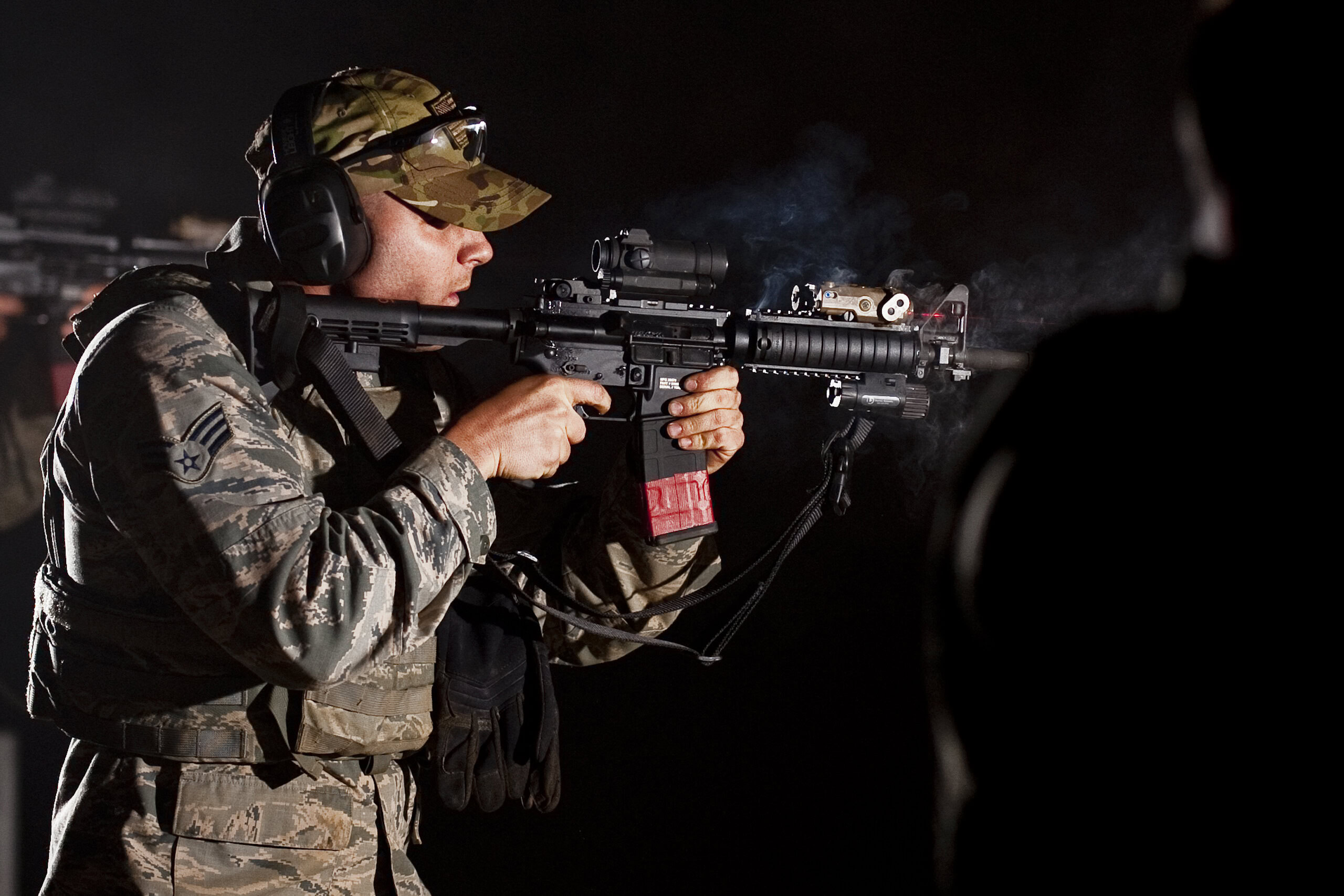
- Weapon category: Weapon System
- Era of SEAL adoption: GWOT
- Primary role: Night combat
- Operational problem it addressed: Night dominance
- Key design or capability shift: IR laser integration
- Modern warfare trend reflected: Sensor warfare
- Why SEALs adopted it: 24/7 operations
- Broader influence on military small arms: Night-fighting standard
PEQ-15 integration reflects modern warfare’s night dominance. SEALs leveraged IR aiming to turn darkness into an advantage through sensor integration.







 Top Gaining Stocks
 Top Losing Stocks