


Before a Marine is deployed, they’re expected to master an essential set of tools that shape how they fight, communicate, navigate, and survive. This toolbox includes everything from rifles and radios to night-vision goggles and life-saving medical gear, these tools turn training into instinct and chaos into control. Here, 24/7 Wall St. is taking a closer look at the US Marine toolkit and how it is employed.
To determine the tools every US Marine must master before deployment, 24/7 Wall St. reviewed various historical and military sources. We ordered these tools alphabetically. We included supplemental information for each regarding the type of tool, primary function, skills involved, and more
Here is a look at the tools every US Marine must master before deployment:
Why Are We Covering This?
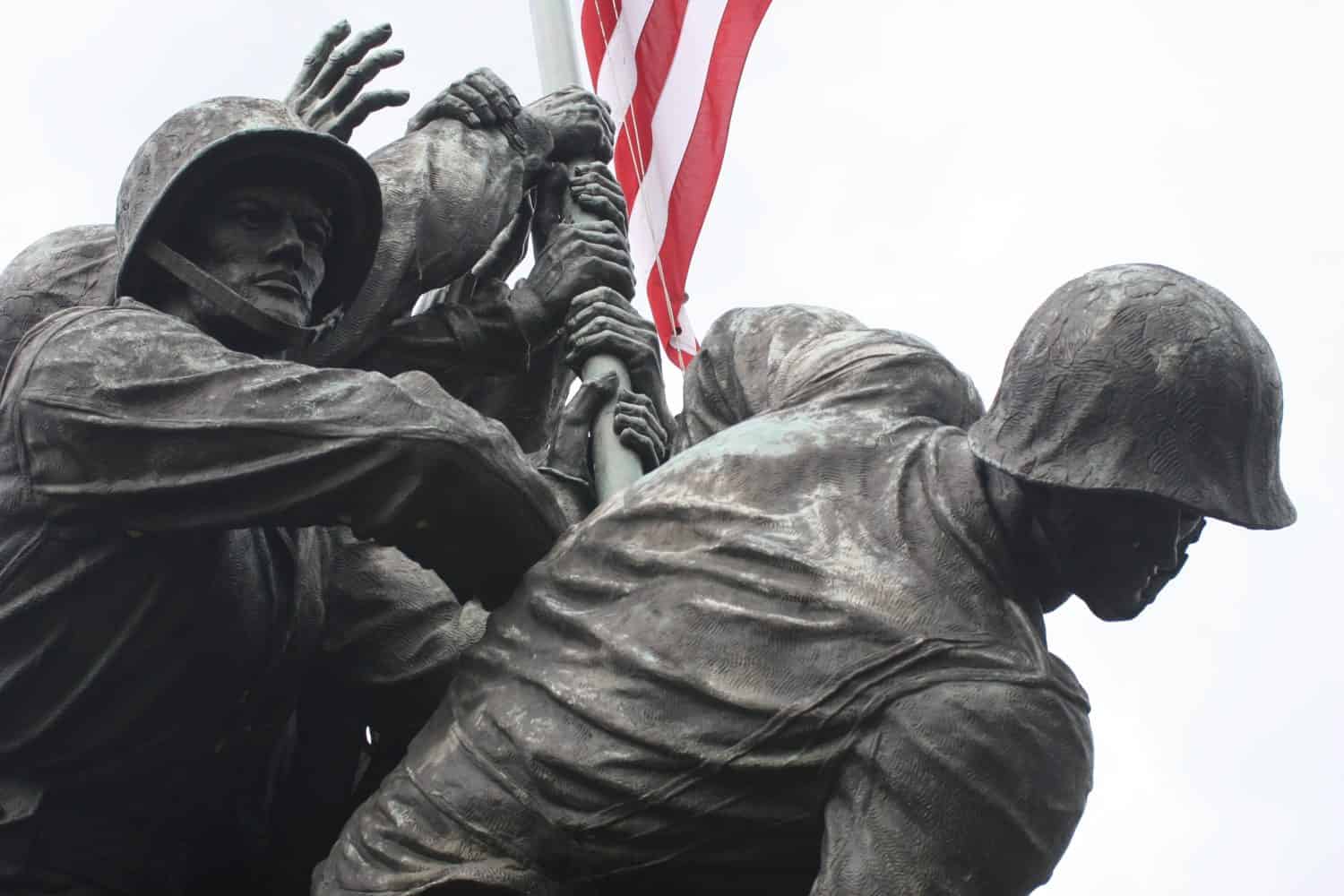
Understanding the tools every Marine must master highlights the foundation of combat effectiveness. Modern deployments demand far more than marksmanship; they require proficiency with communications equipment, medical kits, optics, navigation systems, and protective gear that directly affects survivability and mission success. Again, understanding these essentials shows how preparation, training, and familiarity with the right tools give Marines the edge they need in unpredictable environments.
The Foundation of Combat Readiness
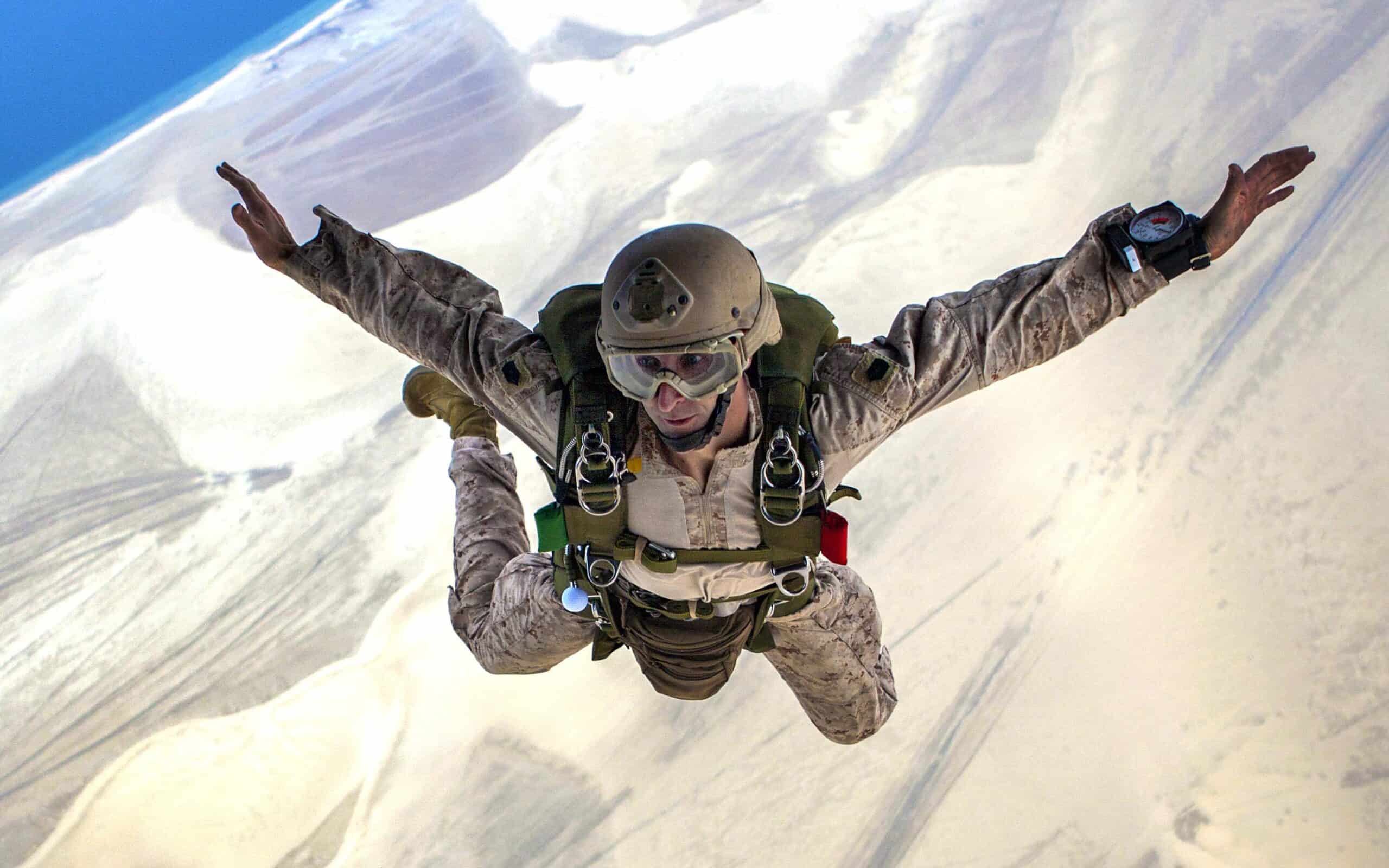
Before deployment, every Marine is expected to master a core set of tools that define how they fight, move, and survive. These aren’t just items on a packing list — they’re the backbone of combat readiness. From rifles and radios to medical gear and navigation tools, each piece must be handled with confidence long before boots touch foreign soil. Mastery in training becomes instinct when it matters most.
More Than Weapons
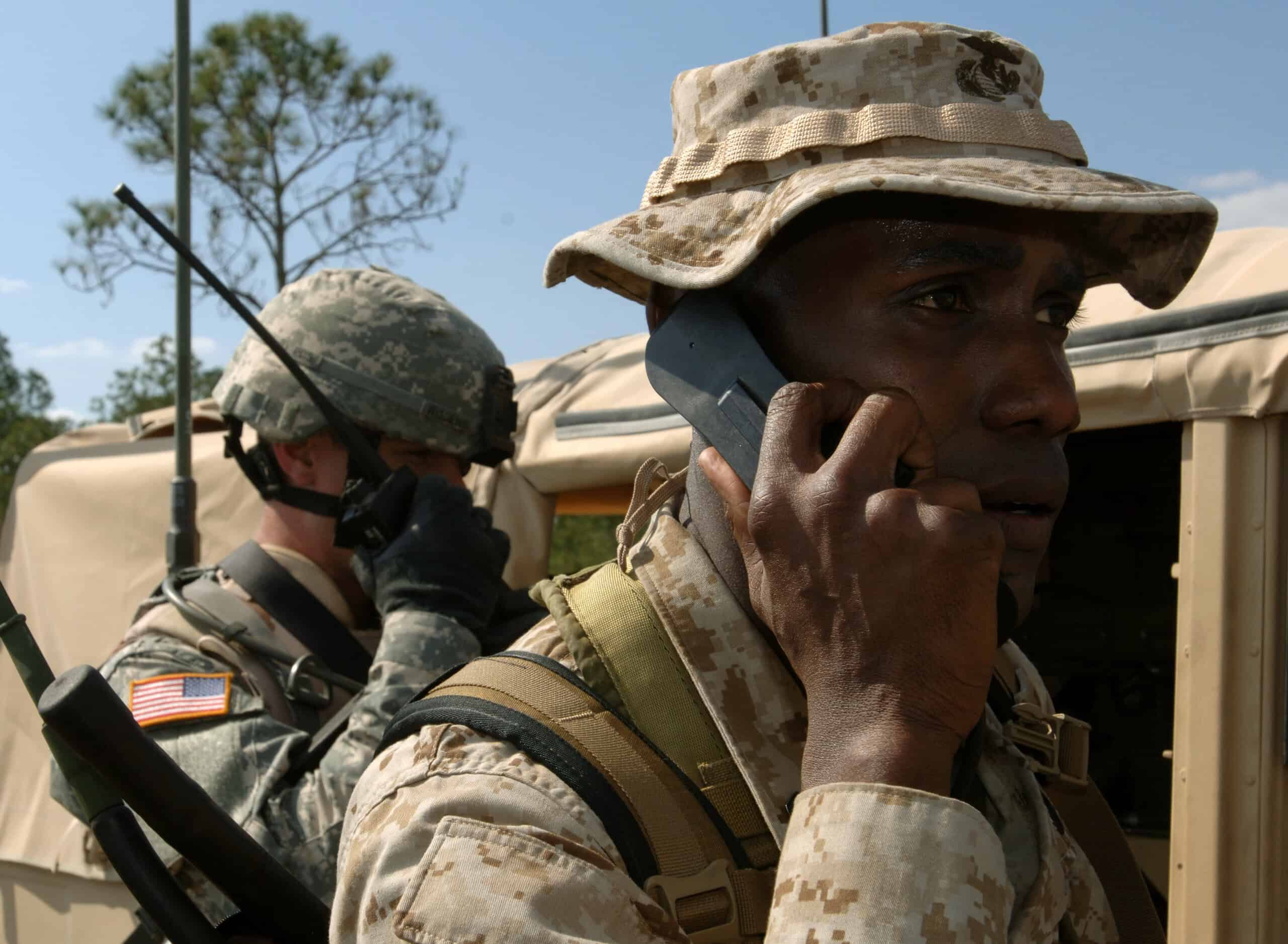
While every Marine is a rifleman, modern deployments demand far more than proficiency with a single weapon. Radios, optics, night-vision devices, GPS units, medical kits, and protective gear all play critical roles in today’s missions. These tools support communication, situational awareness, and survival under fire. Understanding how they work together is what turns individual Marines into an effective, cohesive unit.
Tools That Shape the Fight
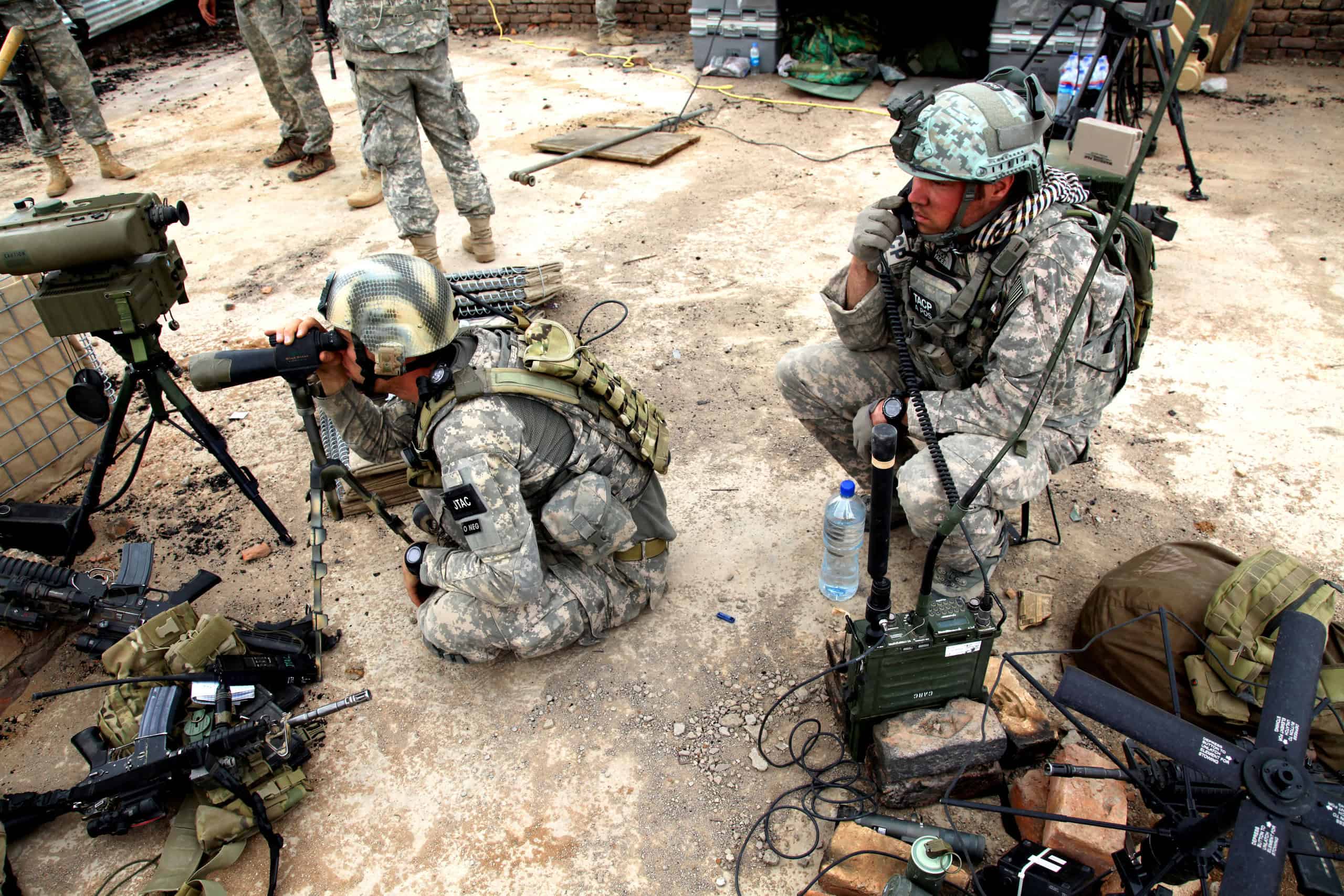
The tools Marines carry directly shape how they engage the enemy and survive contact. Radios keep squads connected, optics and night vision determine who sees whom first, and trauma gear buys time when someone is hit. Each tool serves a specific battlefield purpose, and when used correctly, they turn small units into flexible, lethal forces capable of adapting to rapidly changing situations.
Environments That Test Marine Skills
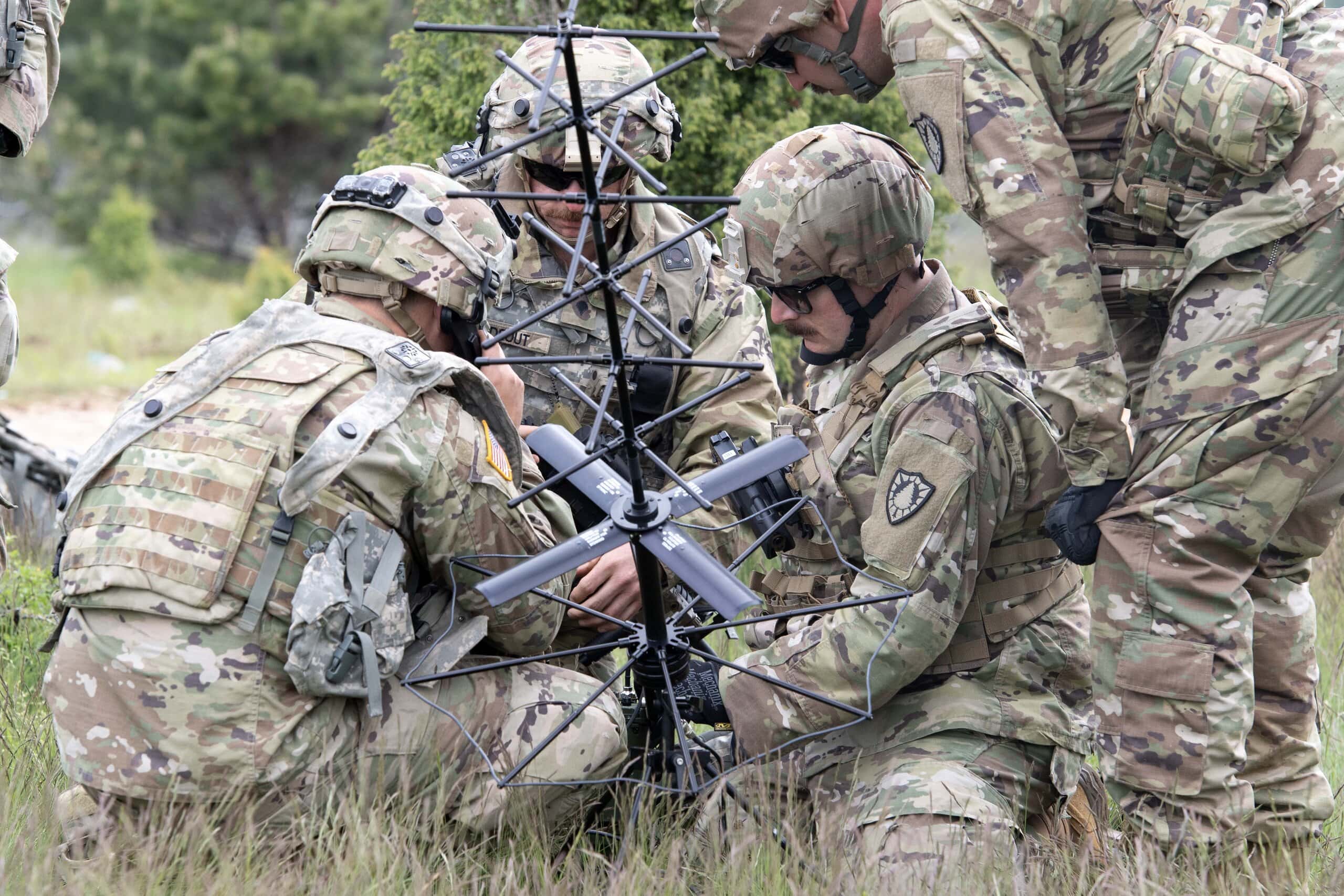
From desert heat and jungle humidity to mountain cold and dense urban streets, Marines operate in some of the harshest environments on earth. Sand, mud, rain, darkness, and heavy loads punish both people and equipment. The tools in this list are the ones Marines rely on to keep moving and fighting despite those conditions, and they must function when everything around them is trying to break them down.
Why Mastery Matters Before Deployment
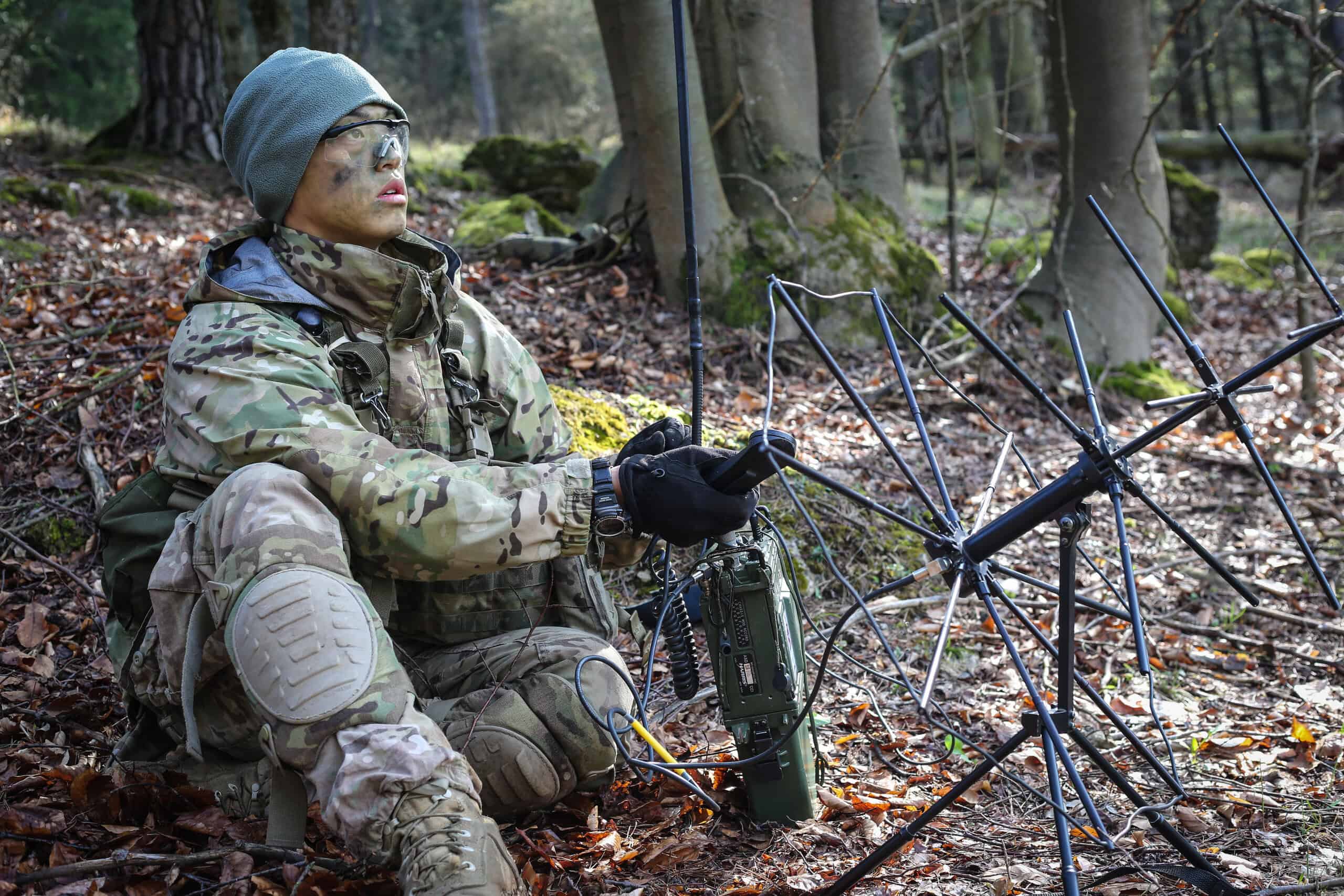
Deployment is not the time to be learning how to use essential gear. Hesitation with a radio, confusion over a tourniquet, or uncertainty behind a rifle can cost time, momentum, and lives. That’s why Marines are expected to master these tools well before they arrive in theater. This list highlights the equipment that must become second nature long before the first patrol steps off.
ACOG Optic
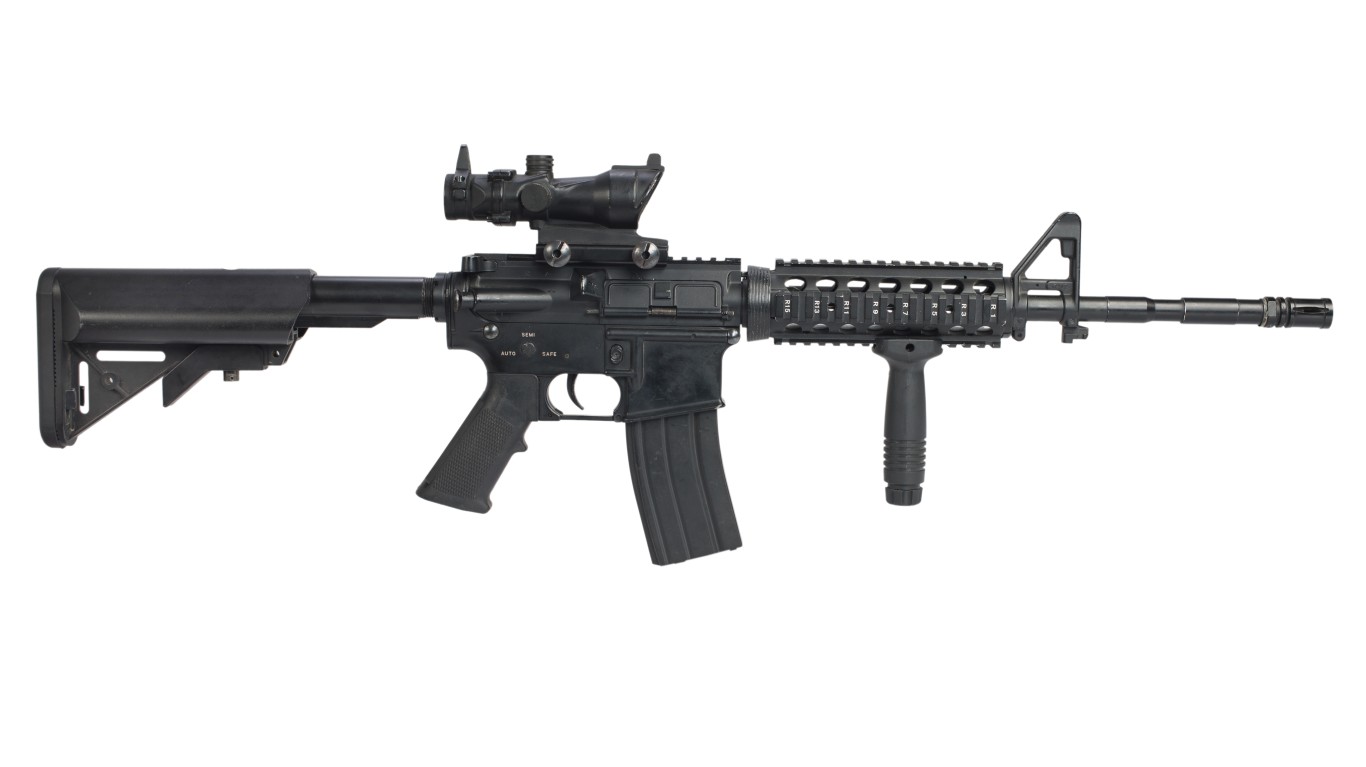
- Type and category: Optics
- Primary function: Magnified daytime sighting
- Skills involved: Ranging, holdovers, rapid transitions
- Where these tools are used: Open terrain, desert
- Real world usage: Used for mid-range engagements
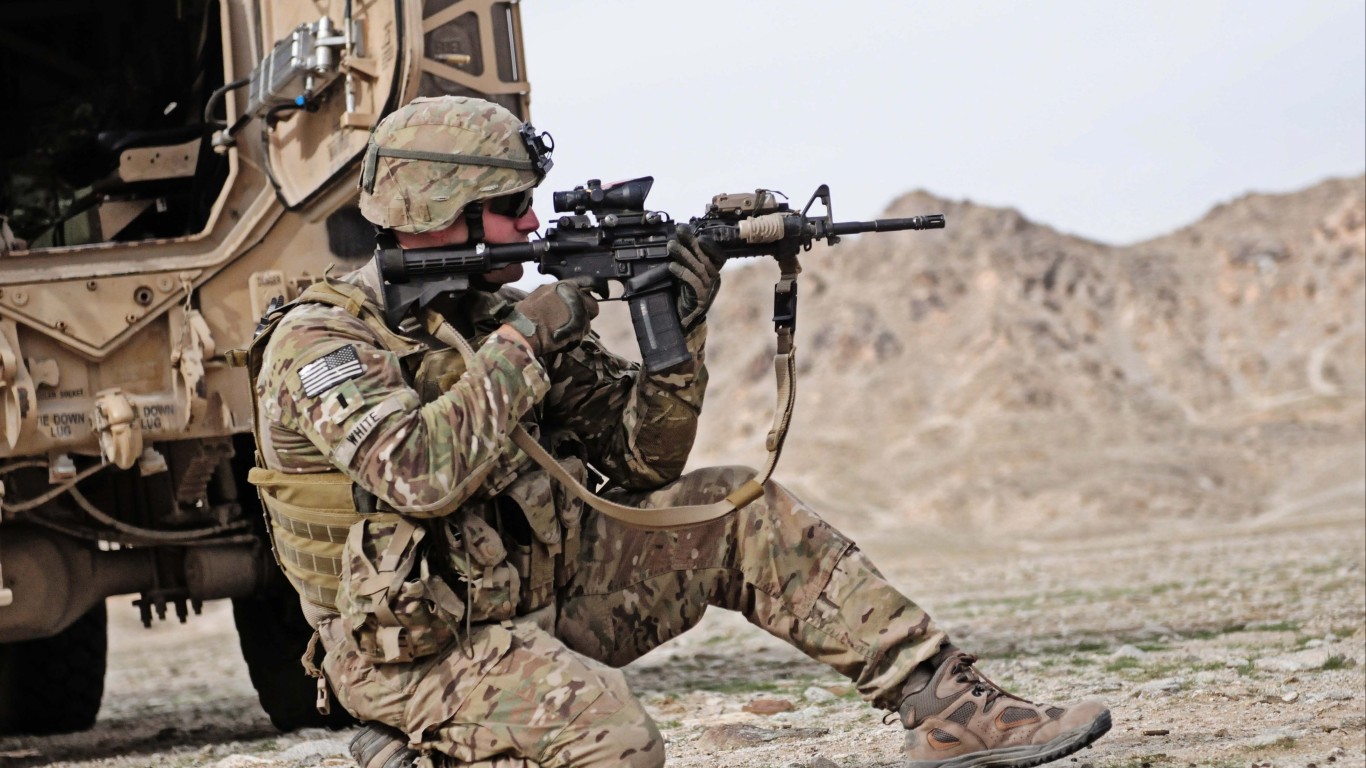
The ACOG provides magnified clarity for mid-distance combat, giving Marines an edge in open terrain. Mastering the optic means understanding bullet drop, quick transitions between ranges, and maintaining situational awareness. With proper training, Marines can deliver accurate fire at extended ranges with confidence.
AN/PRC-117G Radio
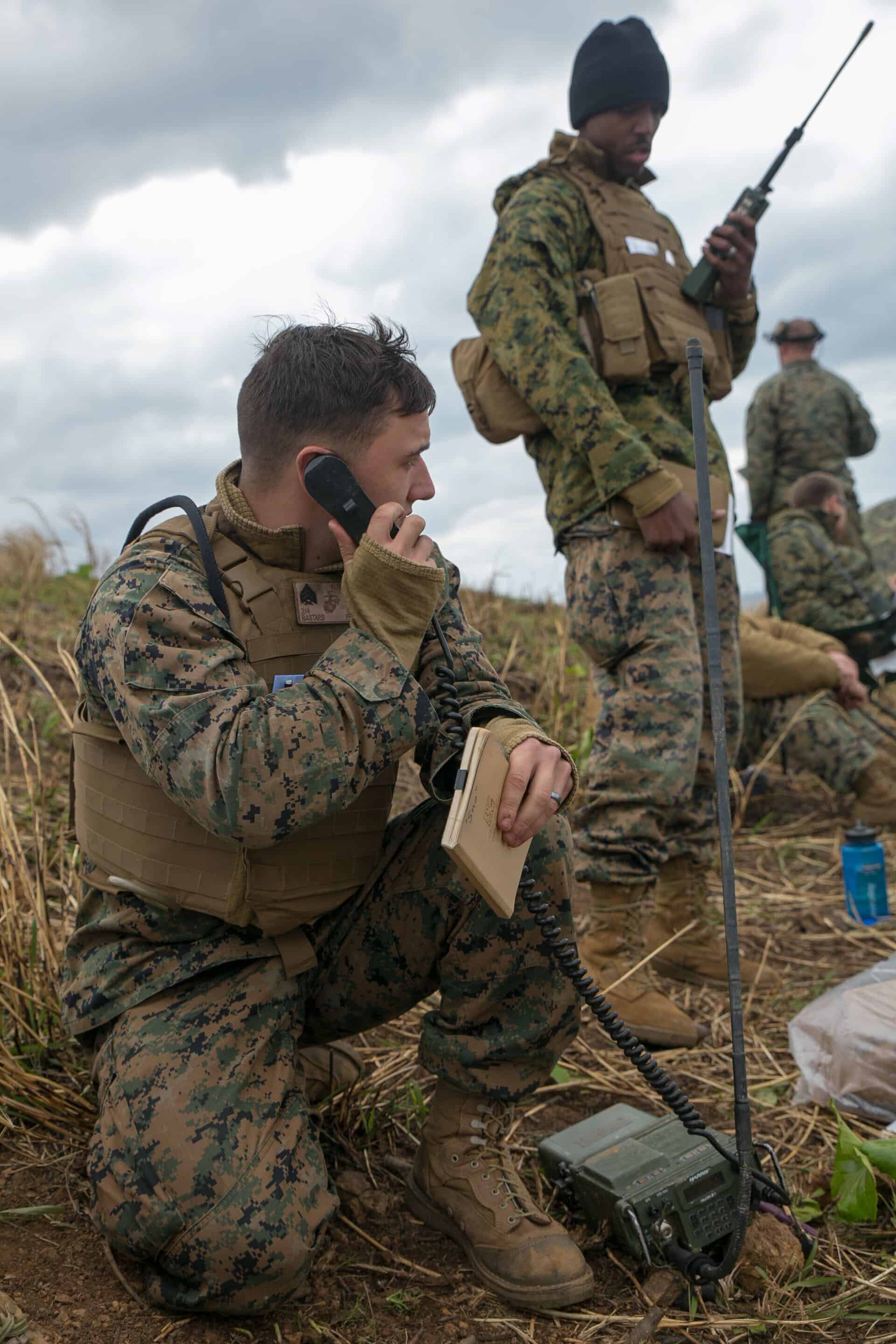
- Type and category: Communications
- Primary function: Long-range tactical communications
- Skills involved: Radio discipline, encryption setup, troubleshooting
- Where these tools are used: Middle East, Pacific
- Real world usage: Used for squad-to-command communication
The AN/PRC-117G is a backbone of Marine communications, enabling secure long-range coordination across complex battlefields. Mastery requires understanding frequency management, encryption, and emergency procedures. Reliable comms prevent units from becoming isolated. Marines who handle the 117G keep squads connected and synchronized during fast-moving operations.
AN/PRC-152 Radio
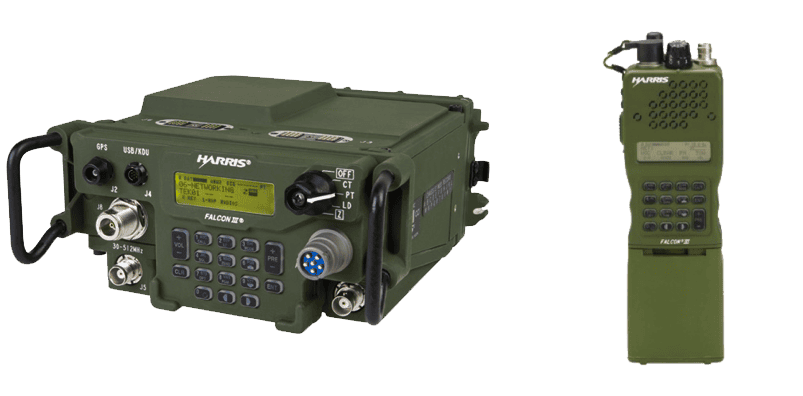
- Type and category: Communications
- Primary function: Short- to mid-range comms
- Skills involved: Voice procedures, channel programming, battery management
- Where these tools are used: Urban, mountain
- Real world usage: Used by squad leaders and fire teams
The PRC-152 provides flexible, handheld communication for small units. Marines must become proficient in programming channels, managing batteries, and maintaining clear radio discipline. Reliable communications are essential for maneuvering under fire. Mastering the PRC-152 ensures coordinated movement and rapid response to changing battlefield conditions.
Ballistic Helmet

- Type and category: Protection
- Primary function: Head protection
- Skills involved: Proper fit, strap management, mounting accessories
- Where these tools are used: Global
- Real world usage: Used in all combat zones
The ballistic helmet shields Marines from shrapnel and blunt-force impacts. While basic to wear, it requires proper fit, secure adjustments, and familiarity with mounting NVGs or cameras. Ensuring a stable, comfortable helmet setup improves operational capability and reduces fatigue on long missions.
Binoculars
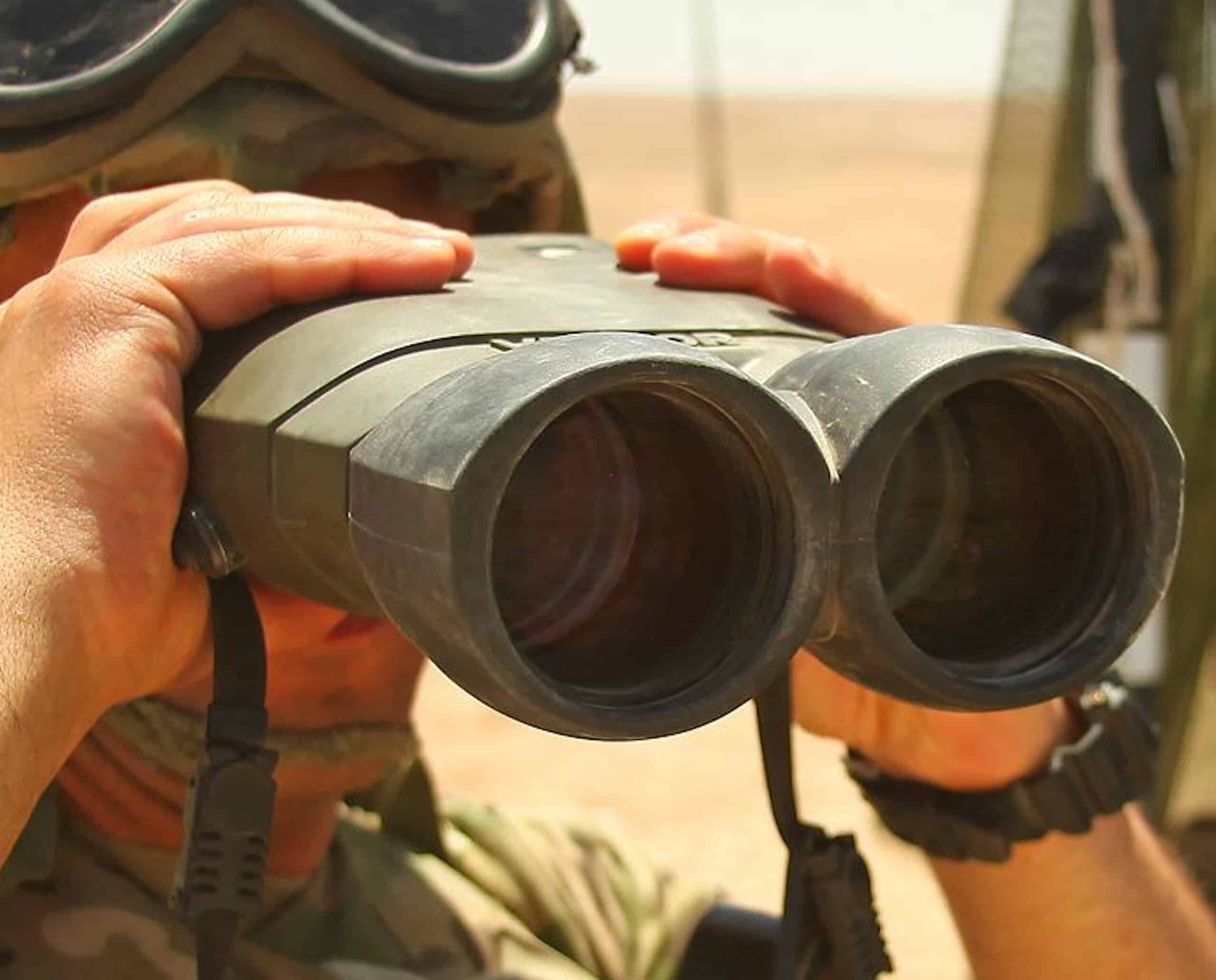
- Type and category: Observation
- Primary function: Long-range observation
- Skills involved: Scanning methods, target identification
- Where these tools are used: Open terrain
- Real world usage: Used in recon and overwatch
Binoculars enhance Marine situational awareness by enabling long-range scanning and threat identification. Mastery involves proper scanning patterns, stabilization, and quick recognition of enemy movement. Effective use improves early warning and battlefield understanding during patrols and surveillance operations.
Body Armor (Plate Carrier)
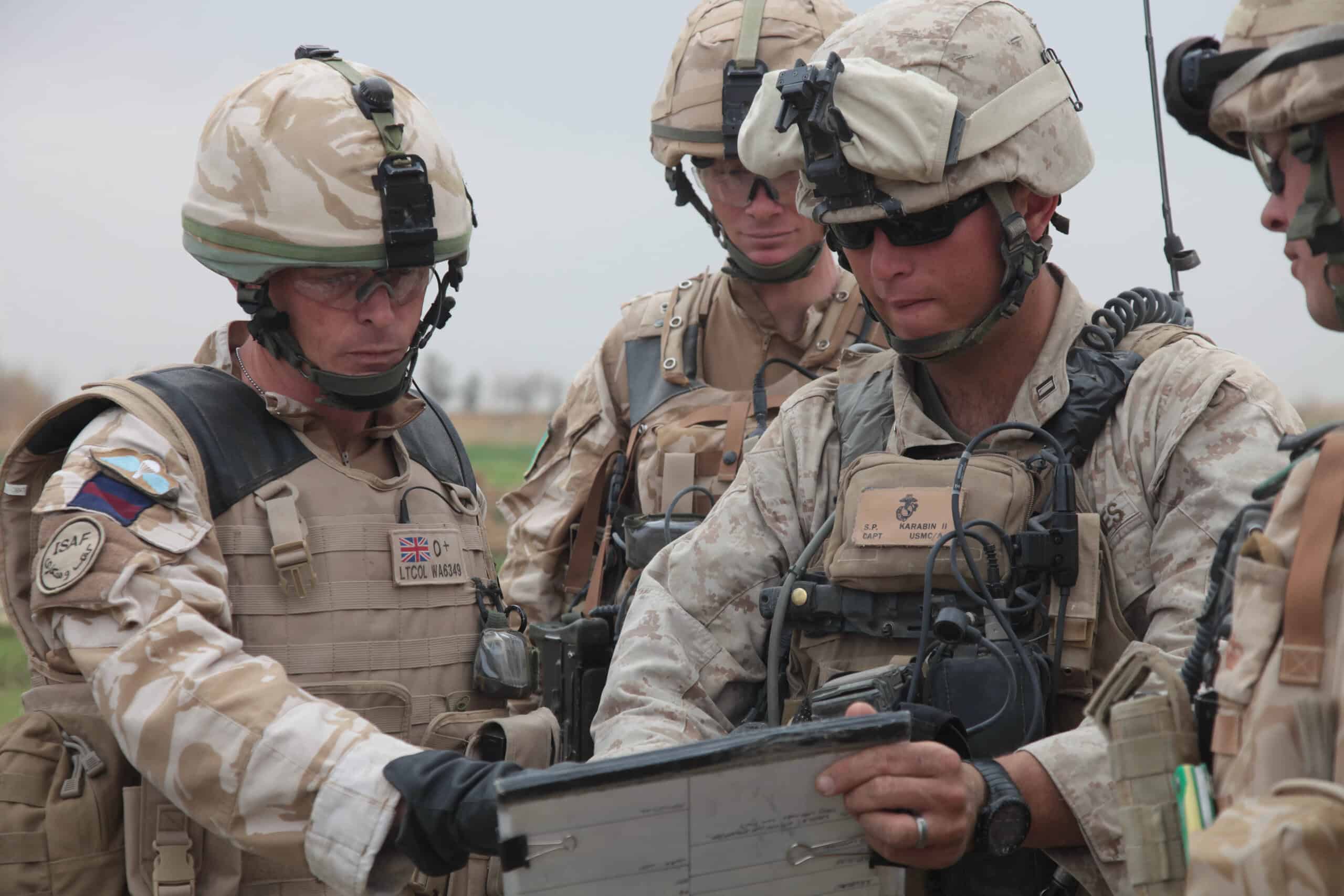
- Type and category: Protection
- Primary function: Ballistic protection
- Skills involved: Load management, movement under weight
- Where these tools are used: Global
- Real world usage: Used on every combat mission
Plate carriers protect Marines from ballistic threats but add significant weight. Mastery involves conditioning, efficient movement, and gear management under physical strain. Understanding how to balance mobility with protection ensures Marines can fight effectively without being slowed by their equipment.
CamelBak Hydration System
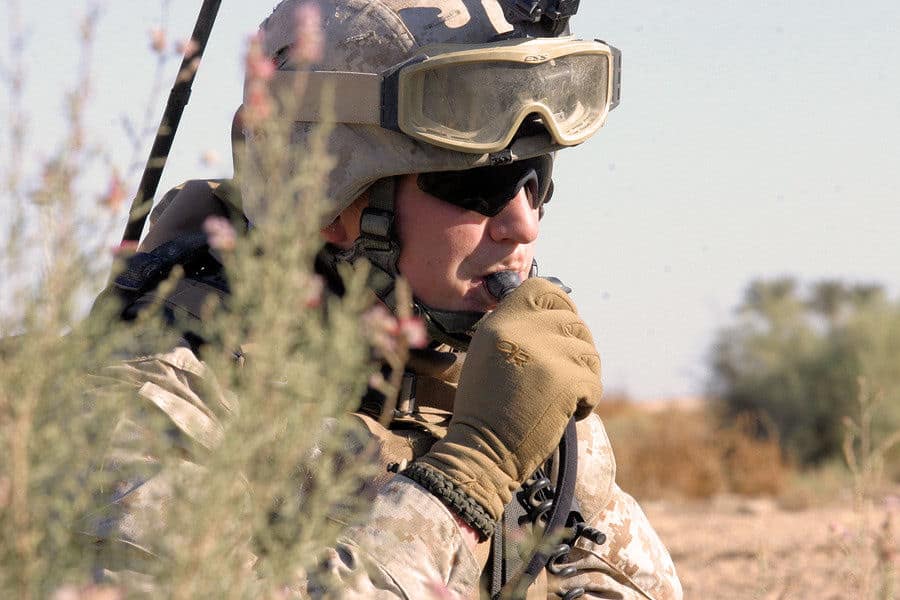
- Type and category: Field Gear
- Primary function: Water retention and transport
- Skills involved: Hydration management
- Where these tools are used: Desert, jungle
- Real world usage: Used during long patrols
Hydration systems keep Marines functional in extreme climates. Proper use involves maintaining water supply, preventing contamination, and managing hydration levels during strenuous activity. Mastering hydration discipline prevents heat injuries and improves endurance across long operations.
Combat Knife
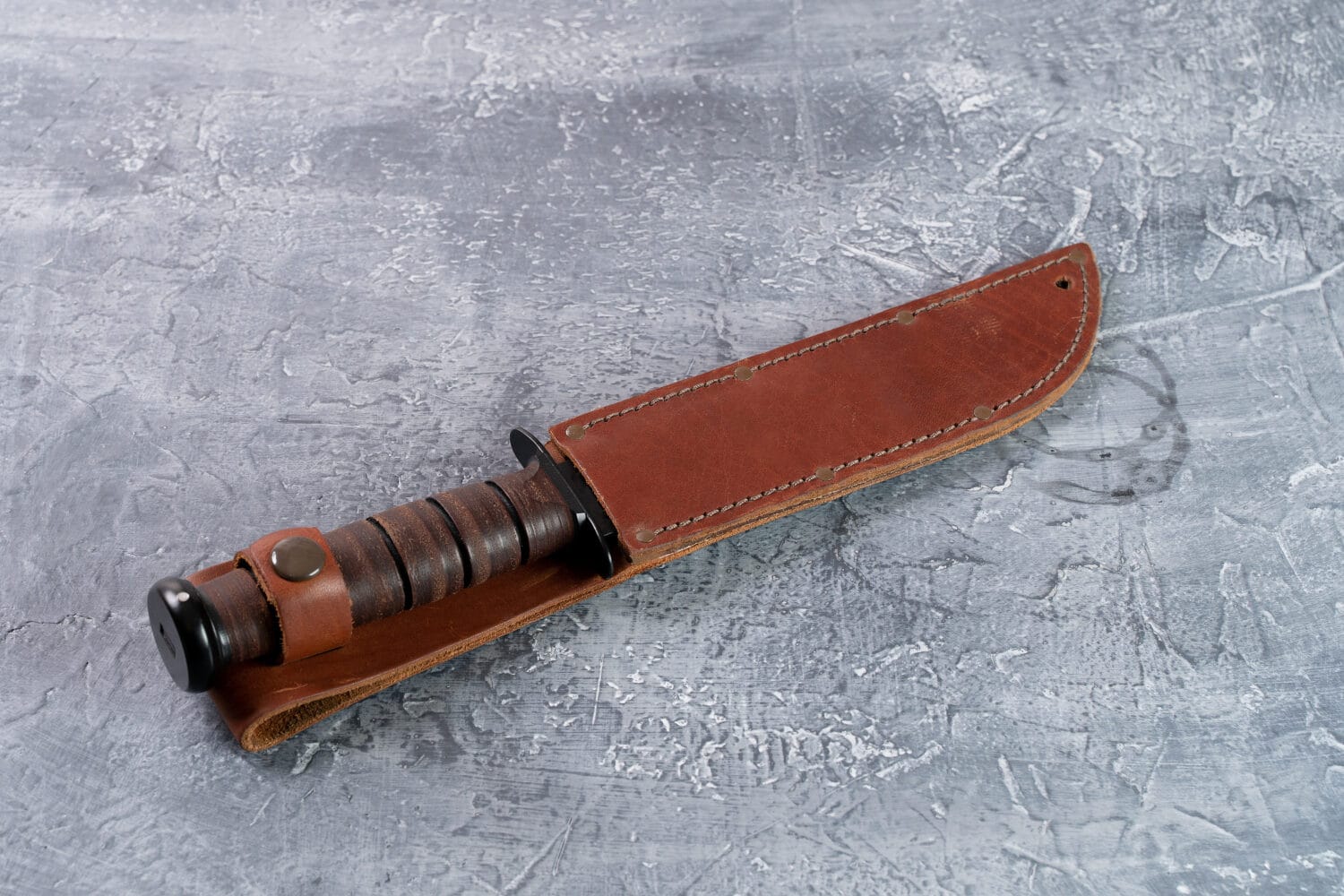
- Type and category: Weapon
- Primary function: Last-resort defense / utility
- Skills involved: Hand-to-hand, survival tasks, defensive strikes
- Where these tools are used: Global
- Real world usage: Used in close-quarters and survival situations
The combat knife is a simple but essential tool, serving as both a survival implement and an emergency defensive weapon. Marines must understand proper grip, close-quarters usage, and safe handling. It also fills countless field needs from cutting cordage to opening equipment. Mastery ensures readiness when firearms are unavailable or impractical.
DAGR GPS
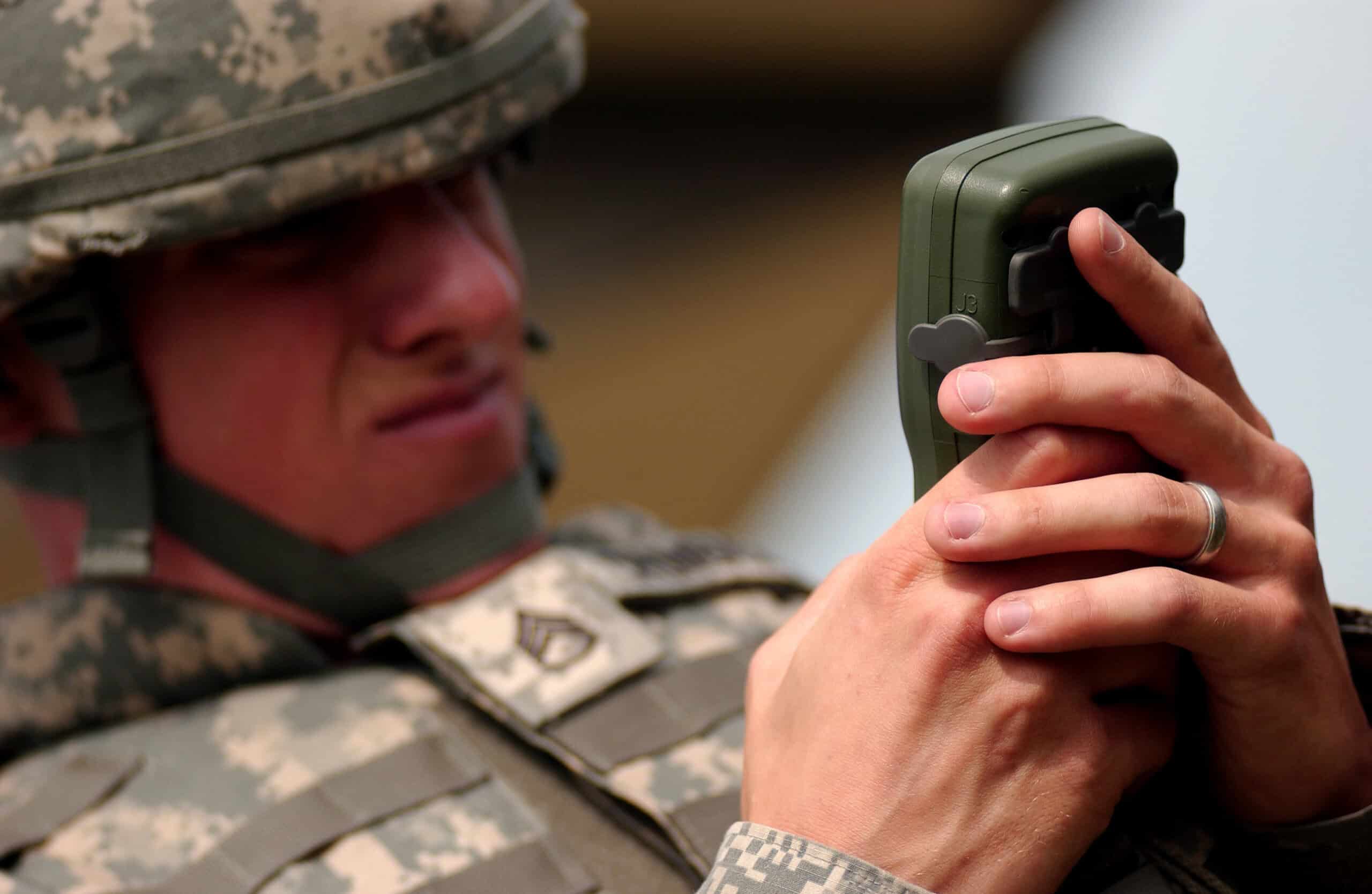
- Type and category: Navigation
- Primary function: Precision satellite navigation
- Skills involved: Waypoint entry, grid accuracy, route planning
- Where these tools are used: Middle East, global
- Real world usage: Used for patrol movement
The Defense Advanced GPS Receiver provides highly accurate positional data. Marines must learn to input grids, track movement, and cross-reference maps. While reliable, it requires situational awareness to avoid over-reliance. Mastery ensures swift, accurate navigation across varied terrain.
Ear Protection (Peltors)
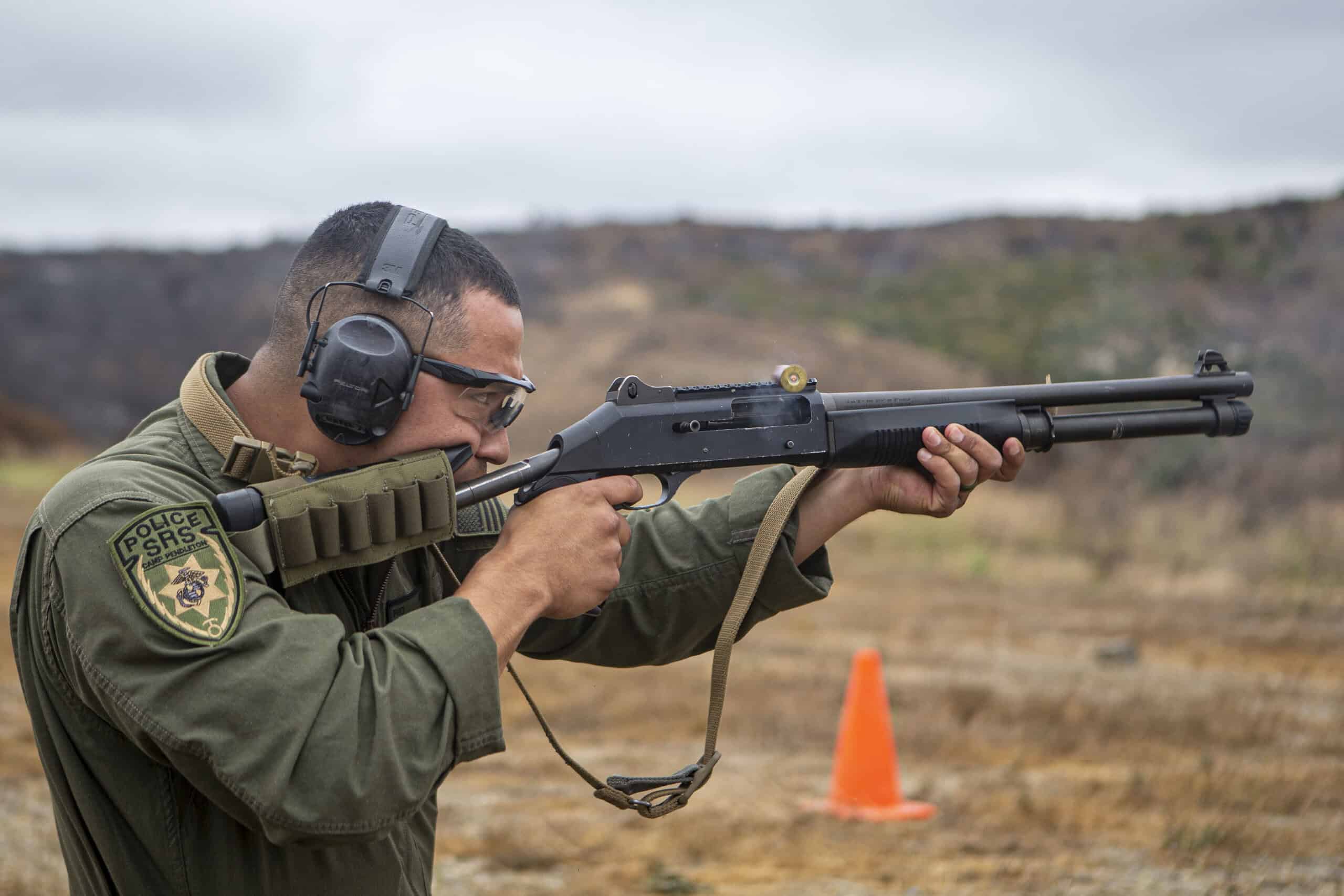
- Type and category: Protection
- Primary function: Hearing preservation and comms
- Skills involved: Comms integration, noise control
- Where these tools are used: Urban, artillery zones
- Real world usage: Used in firefights and vehicle ops
Electronic hearing protection shields Marines from damaging noise while allowing communication. Mastery involves integrating radios, managing sound signatures, and staying alert in chaotic environments. Proper use preserves hearing and improves situational awareness during high-noise combat operations.
Entrenching Tool

- Type and category: Field Gear
- Primary function: Digging and fortification
- Skills involved: Digging, shaping fighting positions
- Where these tools are used: Global
- Real world usage: Used to build cover and concealment
The entrenching tool is simple but essential, allowing Marines to dig fighting positions, create drainage, or reinforce cover. Its utility extends to survival tasks like clearing debris or preparing shelters. Mastery ensures Marines can quickly shape terrain to improve protection during defensive operations.
Flashlight (Tactical)
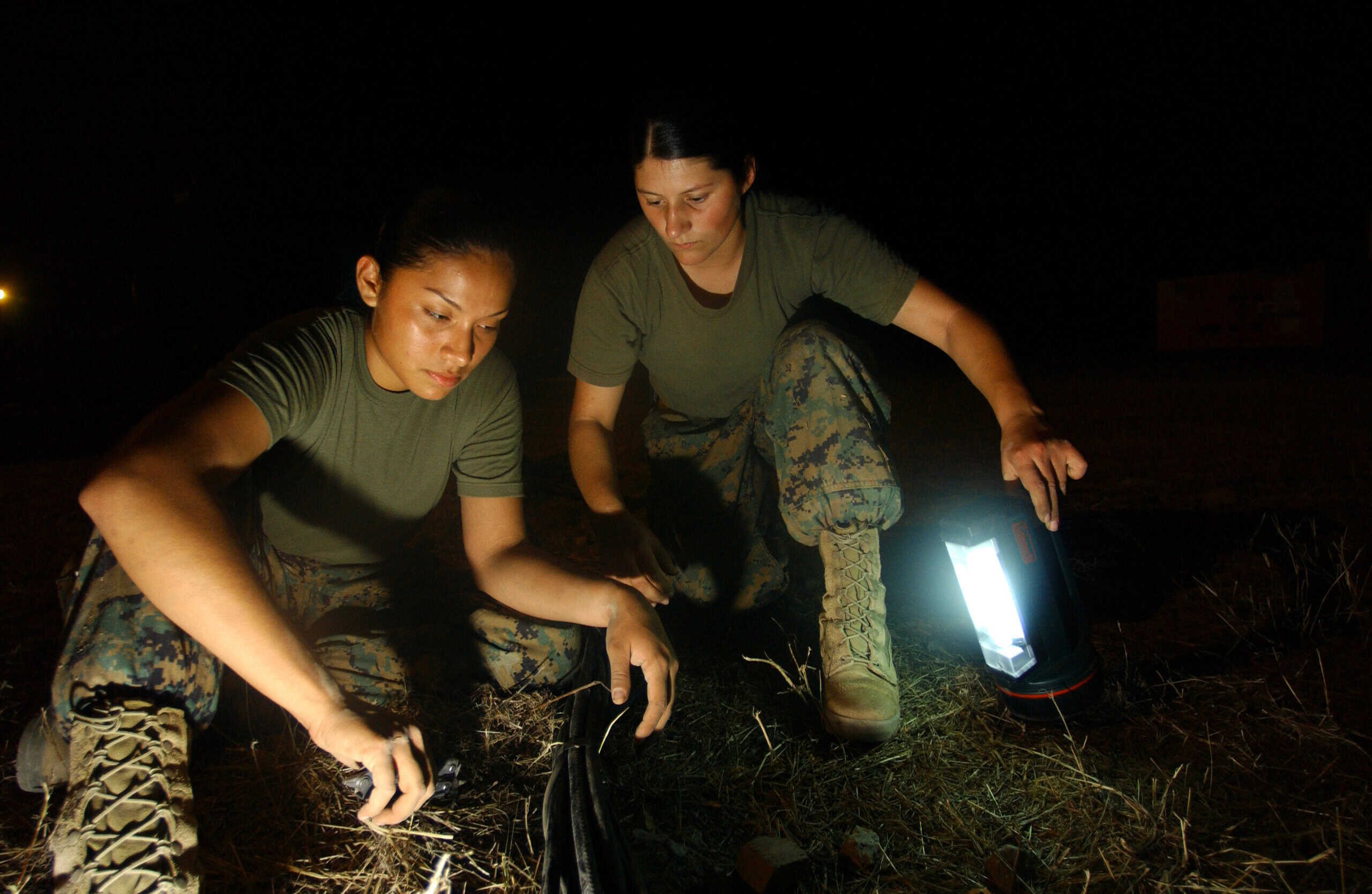
- Type and category: Utility
- Primary function: Lighting and signaling
- Skills involved: Light discipline, signaling methods
- Where these tools are used: Urban, night ops
- Real world usage: Used for clearing and communication
Tactical flashlights support visibility in low-light situations and can assist in signaling or room clearing. Marines must practice light discipline to avoid revealing positions. Mastery ensures controlled illumination that enhances safety without compromising stealth.
IFAK (Individual First Aid Kit)
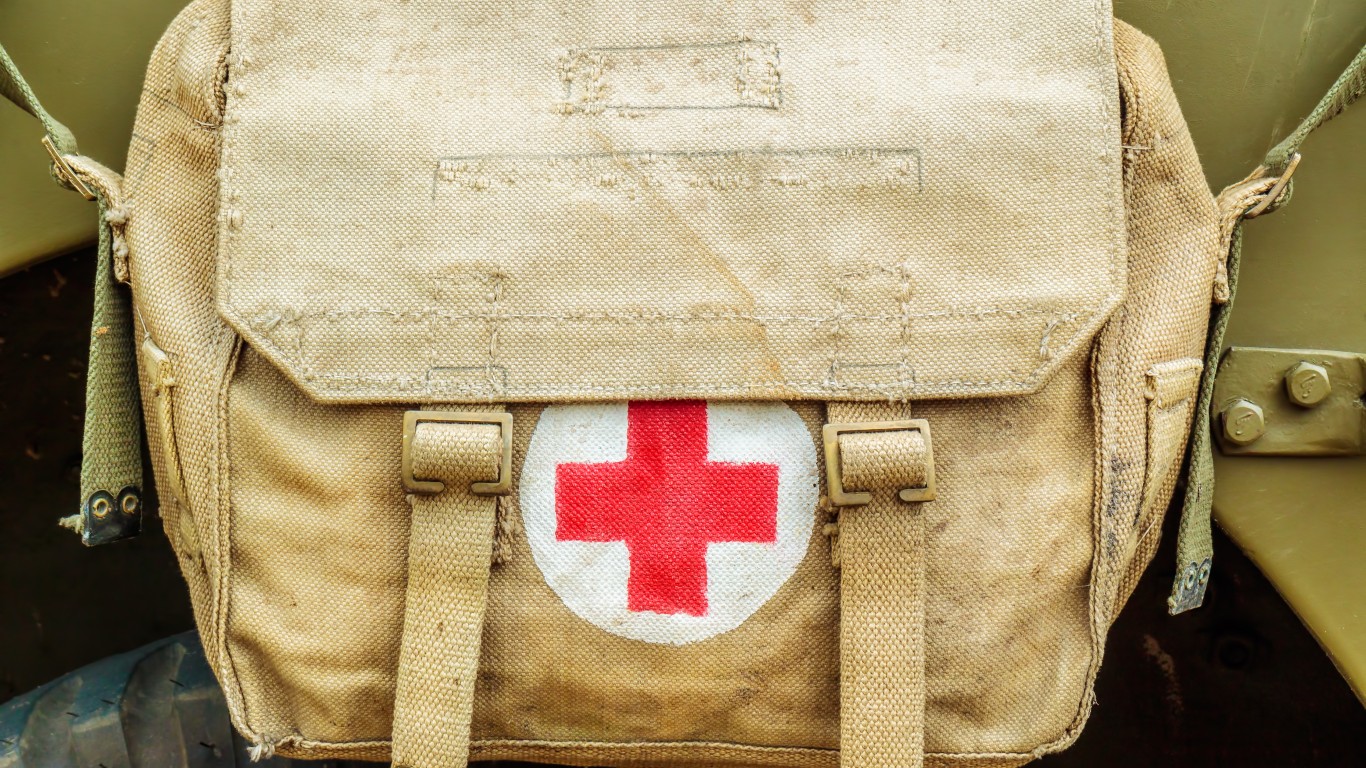
- Type and category: Medical
- Primary function: Immediate trauma response
- Skills involved: TCCC skills, hemorrhage control
- Where these tools are used: Middle East, global
- Real world usage: Used in casualty care
The IFAK is one of the most important tools a Marine carries, containing lifesaving gear for trauma care. Mastery involves learning Tactical Combat Casualty Care techniques such as tourniquet use and wound packing. Effective use of the IFAK can mean the difference between life and death before medics arrive.
M203 Grenade Launcher
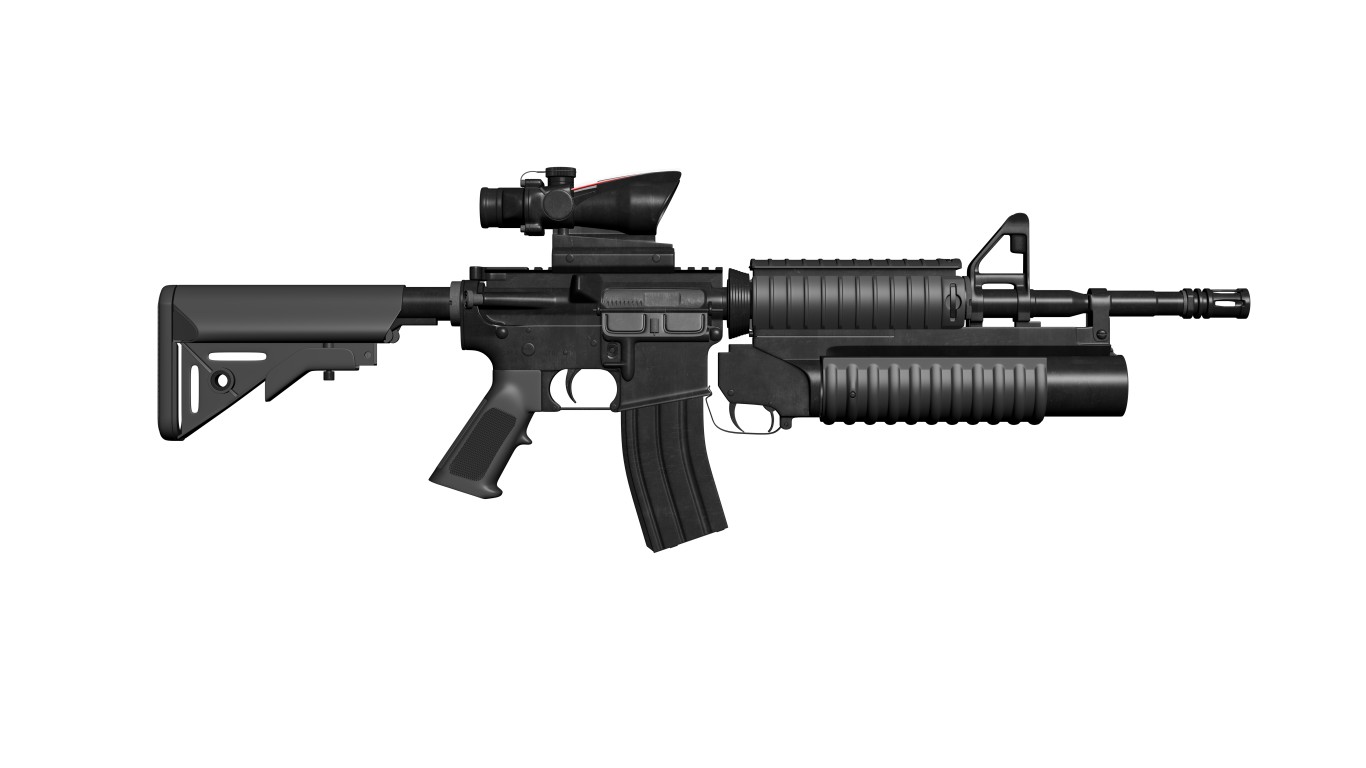
- Type and category: Weapon
- Primary function: 40mm explosive launcher
- Skills involved: Range estimation, angle control, munition selection
- Where these tools are used: Urban, jungle
- Real world usage: Used to clear entrenched positions and deny movement
The M203 gives Marines the ability to deliver explosive firepower at medium range. Proper use requires understanding arcing trajectories, fusing, and safe distances. It excels in breaking through enemy cover and disrupting movement. Mastering the M203 allows Marines to shape the battlefield, providing critical support in tight terrain or fortified positions.
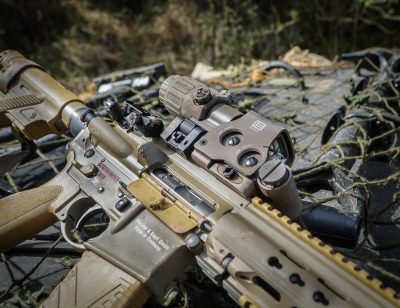
M27 IAR
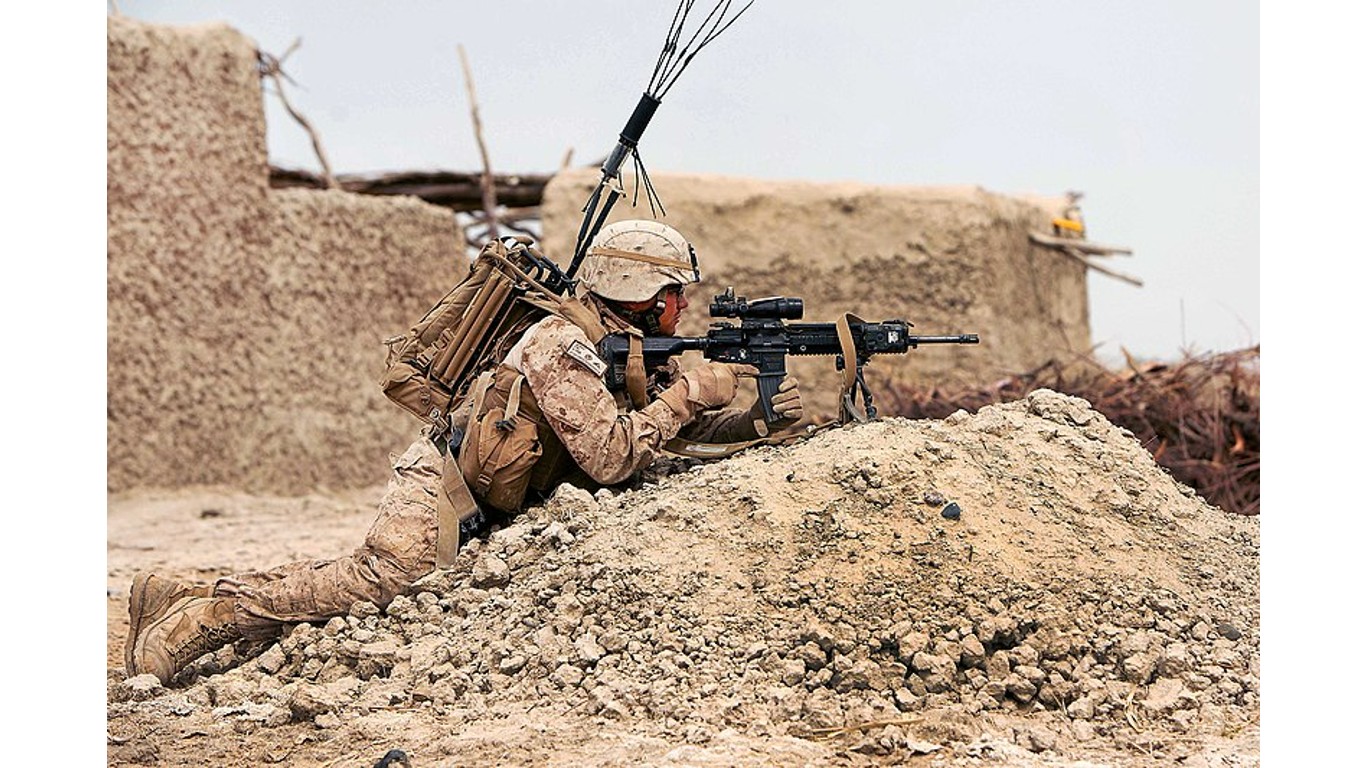
- Type and category: Weapon
- Primary function: Automatic rifle / squad support
- Skills involved: Automatic fire control, recoil management, precision fire
- Where these tools are used: Pacific, Middle East
- Real world usage: Used for suppressive fire and precision engagements
The M27 Infantry Automatic Rifle blends accuracy with sustained fire, giving squads a dependable support weapon. Marines must learn to balance automatic bursts with precision shots while maintaining strict barrel discipline. Its reliability across harsh environments has made it a favorite in infantry units. Mastering the M27 ensures consistent fire support during assaults and defensive positions.
M320 Grenade Launcher
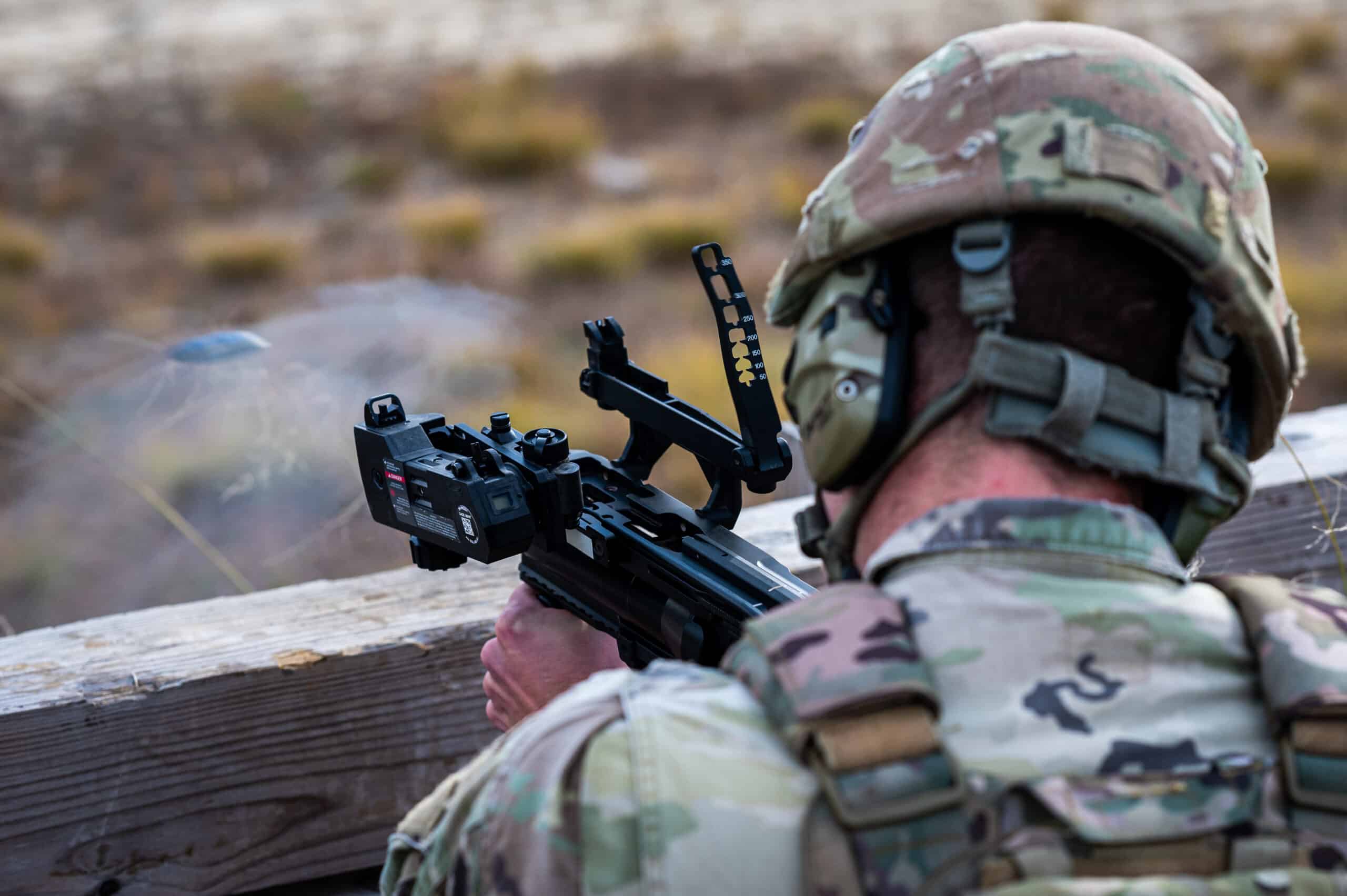
- Type and category: Weapon
- Primary function: Standalone 40mm launcher
- Skills involved: Precision grenade placement, quick reloads
- Where these tools are used: Urban, open terrain
- Real world usage: Modern replacement for under-barrel systems
The M320 improves on earlier grenade launchers with greater accuracy and standalone capability. Marines must learn to deploy it quickly, determine impact points, and manage reload cycles efficiently. Its versatility shines in both offensive and defensive operations. Mastery ensures controlled, precise explosive effects when squads need it most.
M4A1 Carbine
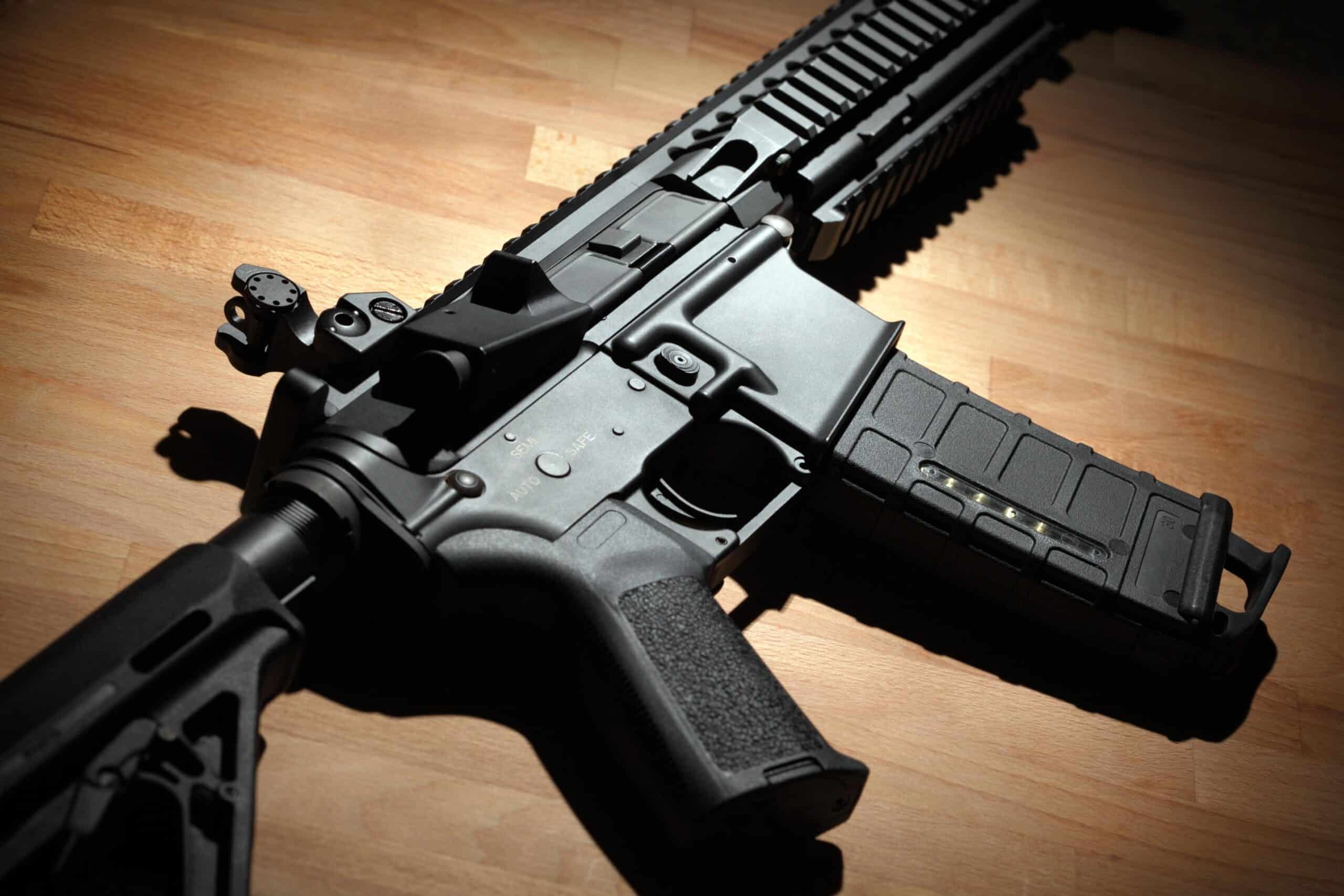
- Type and category: Weapon
- Primary function: Primary infantry rifle
- Skills involved: Marksmanship, weapon handling, malfunction clearing
- Where these tools are used: Global, urban, desert
- Real world usage: Standard rifle used in every combat role
The M4A1 is the Marine’s primary rifle and must be mastered before deployment. Its effectiveness depends on fast target acquisition, disciplined trigger control, and the ability to clear malfunctions under stress. Whether in urban raids or desert patrols, Marines rely on the M4A1 for precision and reliability. Mastery ensures confidence and lethality in fast-changing environments.
M9 Sidearm
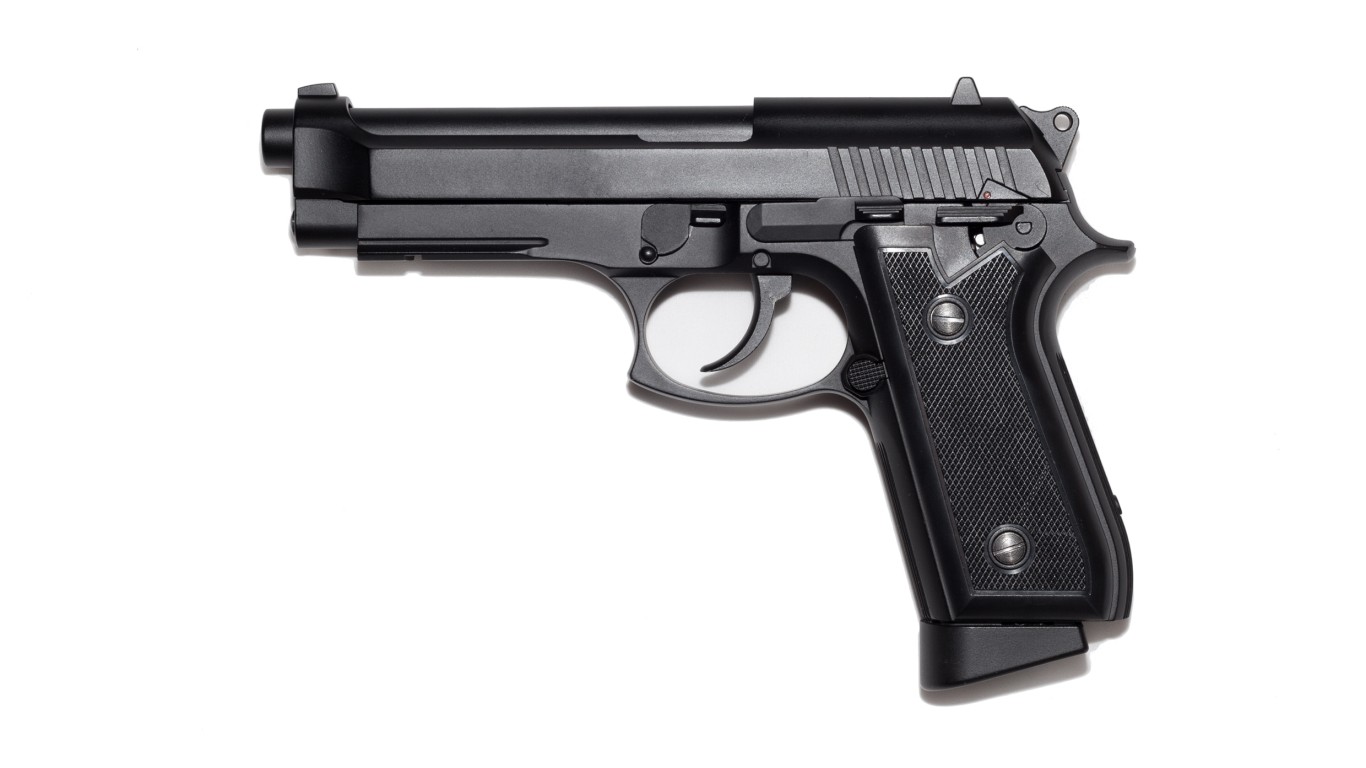
- Type and category: Weapon
- Primary function: Secondary personal defense
- Skills involved: Close-quarters shooting, retention techniques
- Where these tools are used: Urban, convoy ops
- Real world usage: Used as backup weapon in emergencies
The M9 remains a common Marine sidearm, requiring competence in rapid draws, close-quarters accuracy, and retention. While not a primary weapon, it becomes critical when rifles fail or space is restricted. Proper mastery ensures Marines have a reliable last line of defense during confined or unexpected engagements.
Map & Compass
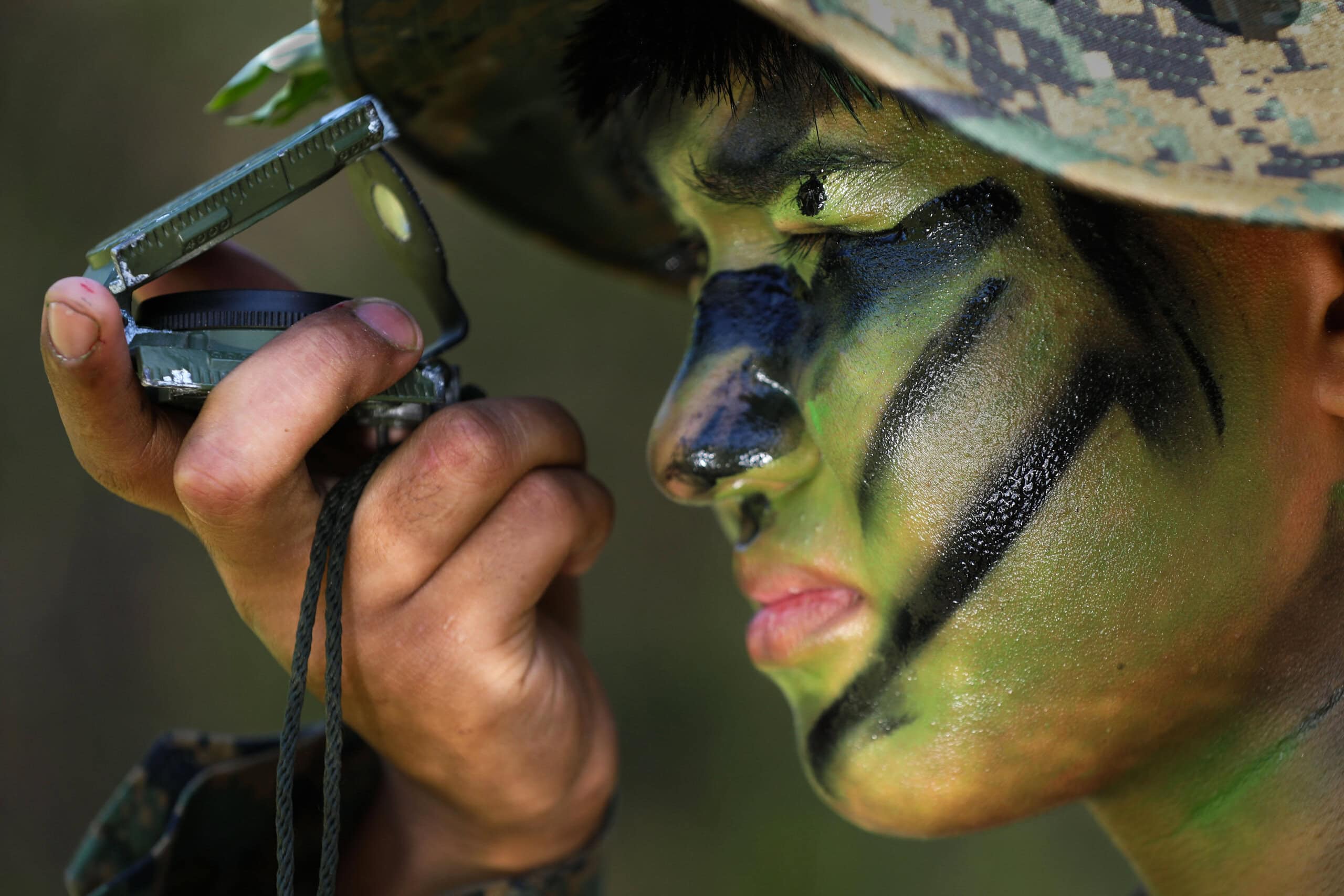
- Type and category: Navigation
- Primary function: Land navigation
- Skills involved: Azimuth reading, pacing, terrain association
- Where these tools are used: Jungle, mountains
- Real world usage: Used when GPS fails or is jammed
Despite modern GPS tools, map and compass navigation remains a vital Marine skill. Mastery involves reading terrain, plotting routes, and navigating through challenging environments. When electronic systems fail or signals are disrupted, traditional navigation ensures Marines can still maneuver and complete missions.
Multitool

- Type and category: Utility
- Primary function: General field maintenance
- Skills involved: Cutting, tightening, field repairs
- Where these tools are used: Global
- Real world usage: Used for weapon and gear maintenance
A multitool provides Marines with a compact solution for field repairs, weapon adjustments, and gear maintenance. Mastery involves knowing which components require quick fixes and maintaining dexterity under pressure. Reliable multitool use keeps equipment functioning through demanding missions.
NVG (PVS-31)
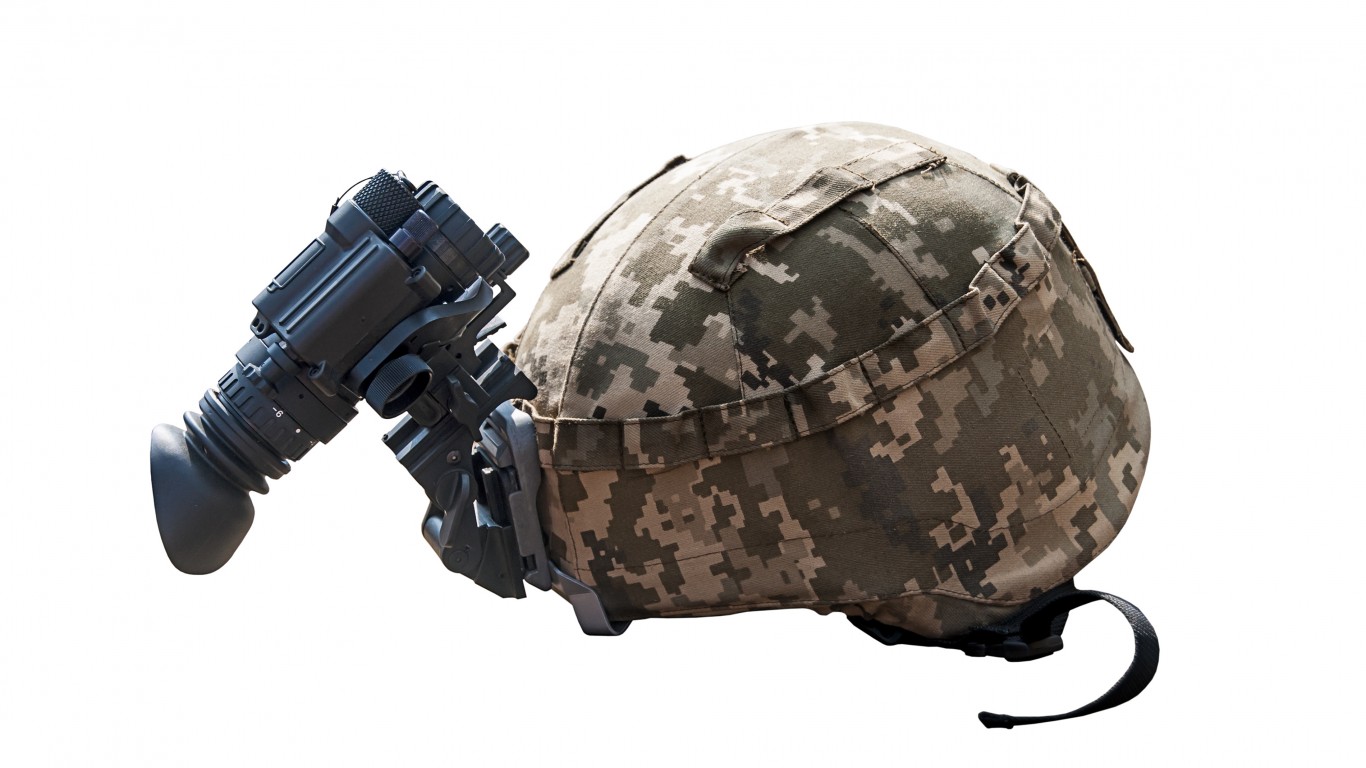
- Type and category: Optics
- Primary function: Night vision capability
- Skills involved: Low-light navigation, depth perception control
- Where these tools are used: Global nighttime ops
- Real world usage: Used in raids, patrols, reconnaissance
PVS-31 night vision goggles give Marines critical visibility in darkness, but require disciplined training to manage depth perception, movement, and light exposure. Marines must practice navigating, clearing structures, and identifying threats under low-light conditions. Mastery of NVGs enhances night combat effectiveness and reduces operational risk.
PEQ-15 Laser
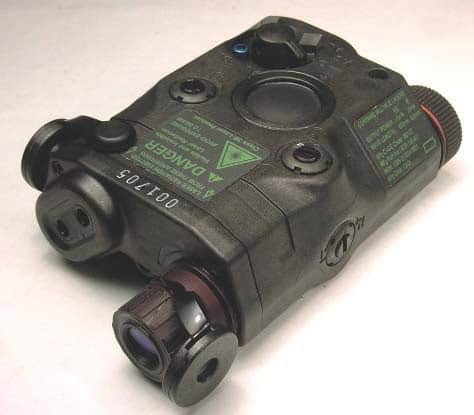
- Type and category: Optics
- Primary function: Aiming and illumination
- Skills involved: Laser discipline, target marking, zeroing
- Where these tools are used: Urban, night ops
- Real world usage: Used for aiming and coordinated fire
The PEQ-15 laser aiming module allows Marines to engage targets accurately under night vision. It requires proper zeroing, laser discipline, and an understanding of how infrared signatures appear to friendly forces. When mastered, the PEQ-15 streamlines communication and precision during nighttime engagements.
Rangefinder
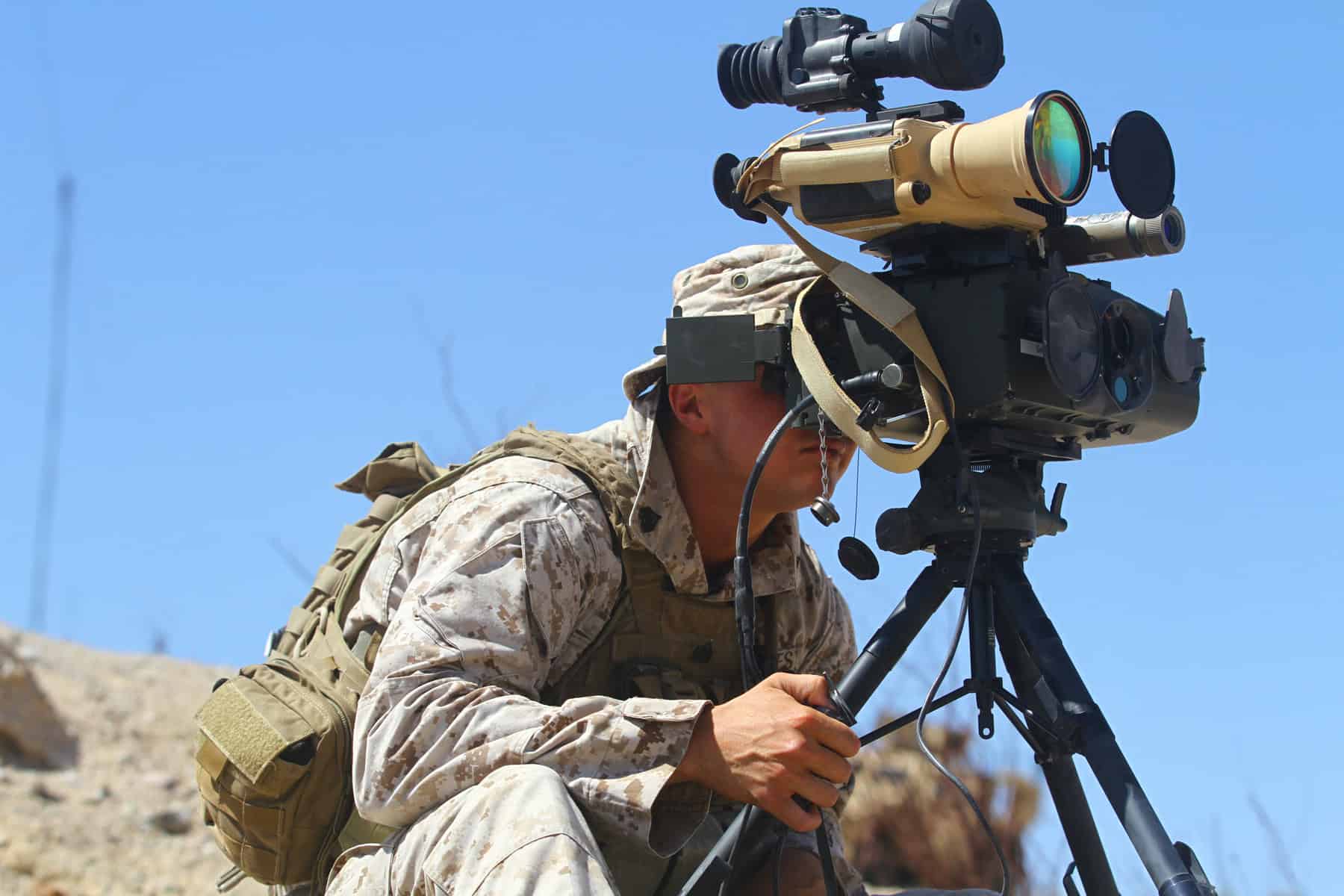
- Type and category: Observation
- Primary function: Distance measurement
- Skills involved: Range estimation, angle adjustment
- Where these tools are used: Urban, desert
- Real world usage: Used in fire support and spotting
The rangefinder allows Marines to determine precise target distances, supporting accurate fires. Learning to use it effectively means understanding angles, line of sight, and rapid measurement techniques. Mastery aids both marksmen and support teams, improving accuracy in fast-paced engagements.
Ruck Pack
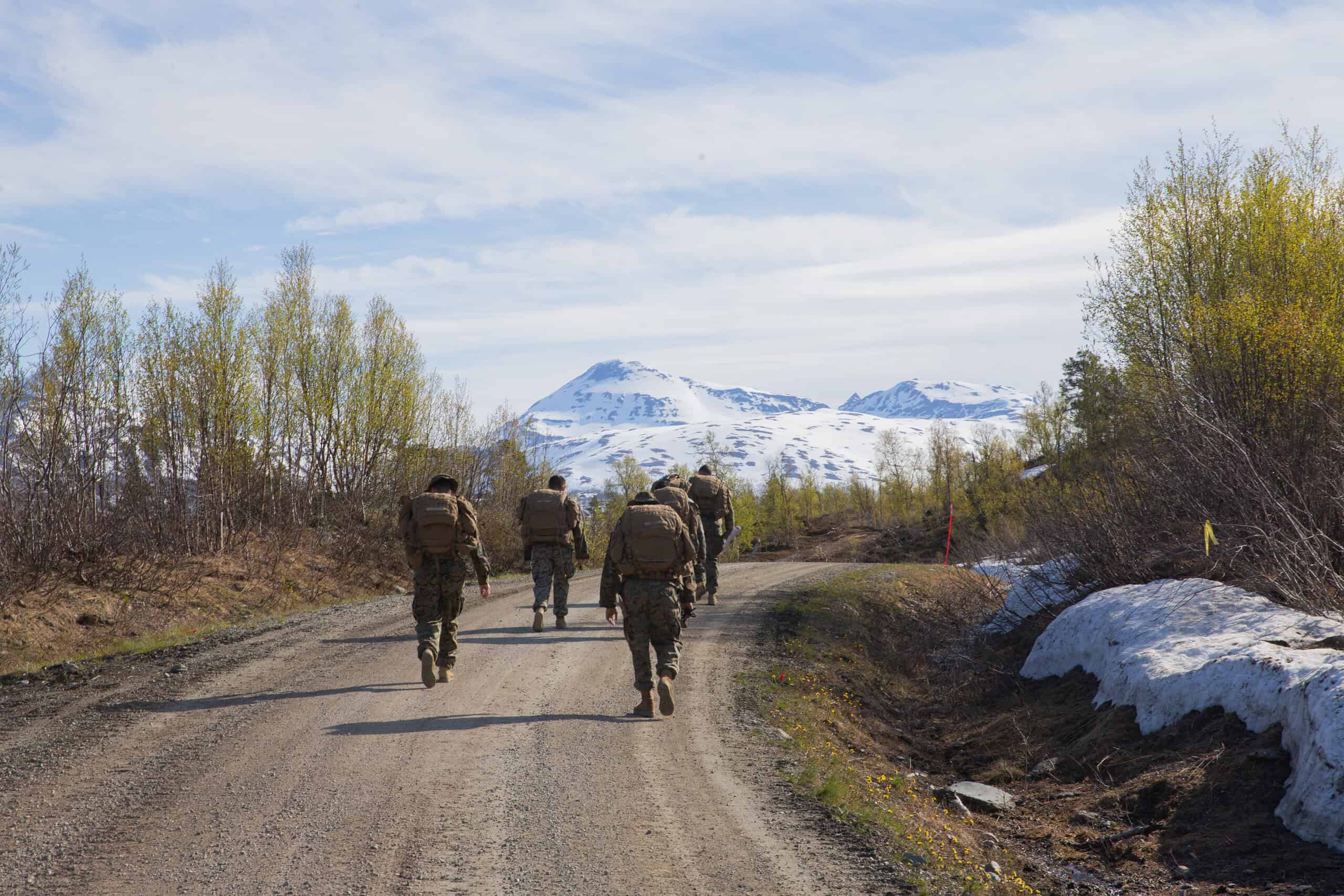
- Type and category: Field Gear
- Primary function: Load carriage
- Skills involved: Load distribution, endurance, packing discipline
- Where these tools are used: Global
- Real world usage: Used for long-distance movements
A ruck pack carries essential gear but challenges Marines with weight and endurance demands. Mastery includes efficient packing, proper load distribution, and long-distance foot movement under stress. Well-managed rucks reduce fatigue and improve combat readiness during multi-day missions.
Tourniquet (CAT)
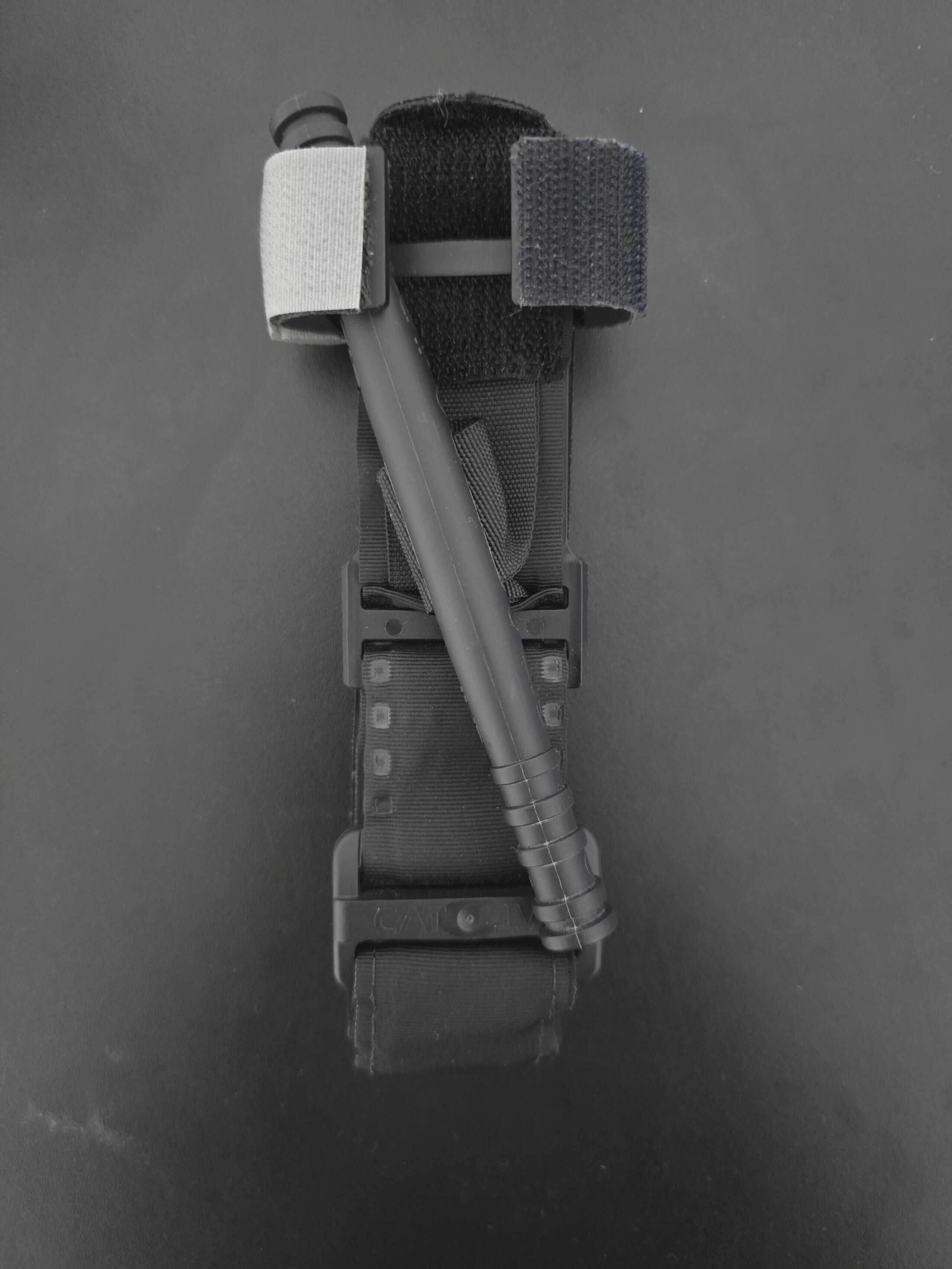
- Type and category: Medical
- Primary function: Stop major bleeding
- Skills involved: Proper placement, pressure control
- Where these tools are used: Global
- Real world usage: Used for limb hemorrhage emergencies
The Combat Application Tourniquet is essential for stopping life-threatening bleeding. Marines must practice rapid application under stress, ensuring correct placement and proper pressure. Mastery of the CAT greatly improves survival chances for wounded personnel in the crucial minutes before advanced care.
Weapon Cleaning Kit
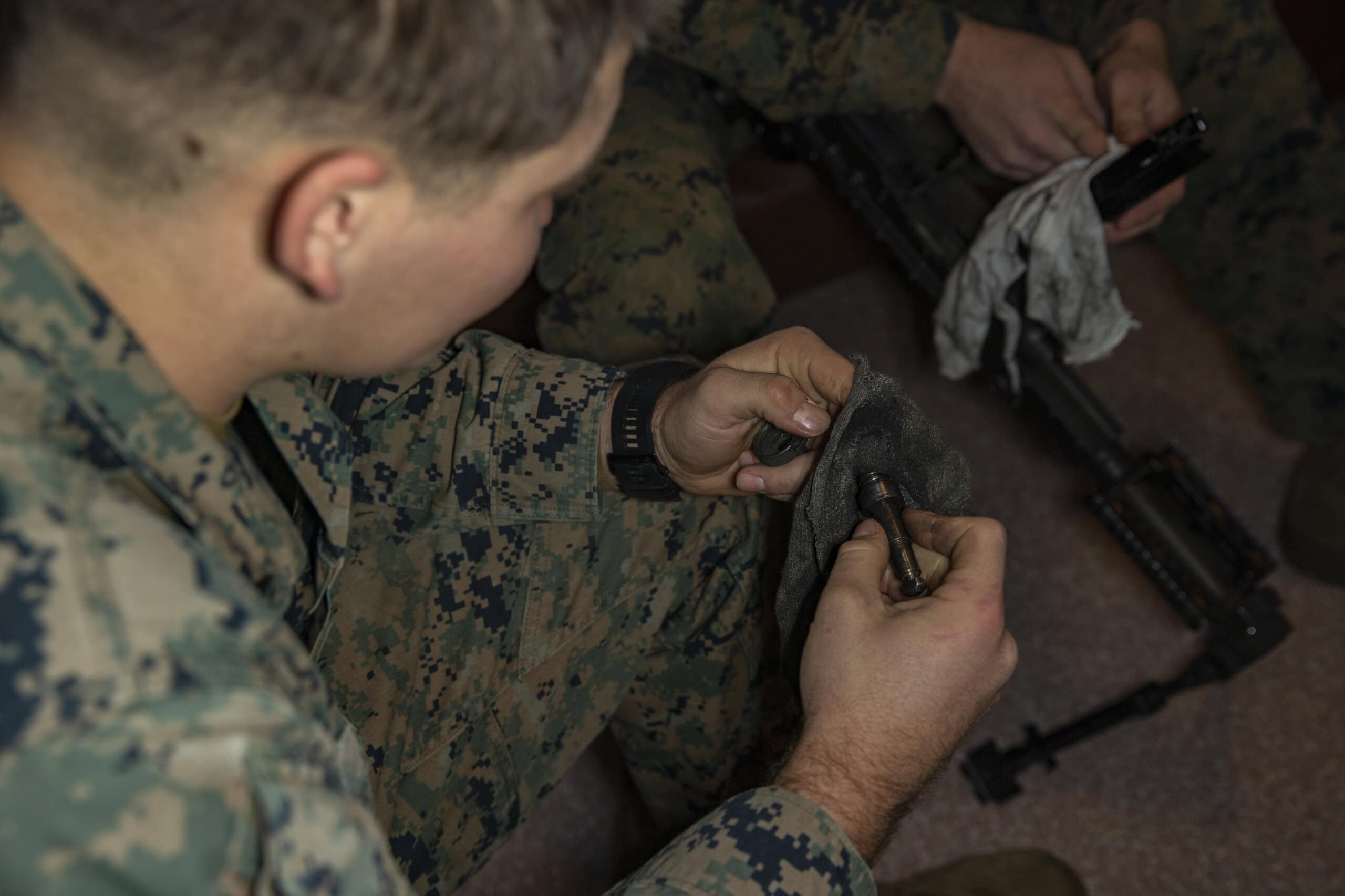
- Type and category: Maintenance
- Primary function: Rifle and pistol maintenance
- Skills involved: Disassembly, lubrication, carbon removal
- Where these tools are used: Global
- Real world usage: Used daily in theater
Cleaning kits are vital for weapon reliability, especially in harsh conditions. Marines must master disassembly, inspection, and proper lubrication to prevent malfunctions. Consistent cleaning habits ensure rifles and pistols remain dependable throughout long missions.






 Top Gaining Stocks
 Top Losing Stocks