


The 75th Ranger Regiment specializes in fast, aggressive missions where every second counts and every piece of gear has a role. Their loadout reflects this mindset: lightweight weapons, durable optics, reliable radios, and lifesaving medical kits all configured to maximize mobility. Here, 24/7 Wall St. is taking a look inside the Army Ranger toolkit.
To determine the loadout used by US Army Rangers, 24/7 Wall St. reviewed various historical and military sources. We ordered these alphabetically. We included supplemental information regarding the type, primary function, skills involved and more.
Here is a look at the real loadout of an Army Ranger:
Why Are We Covering This?
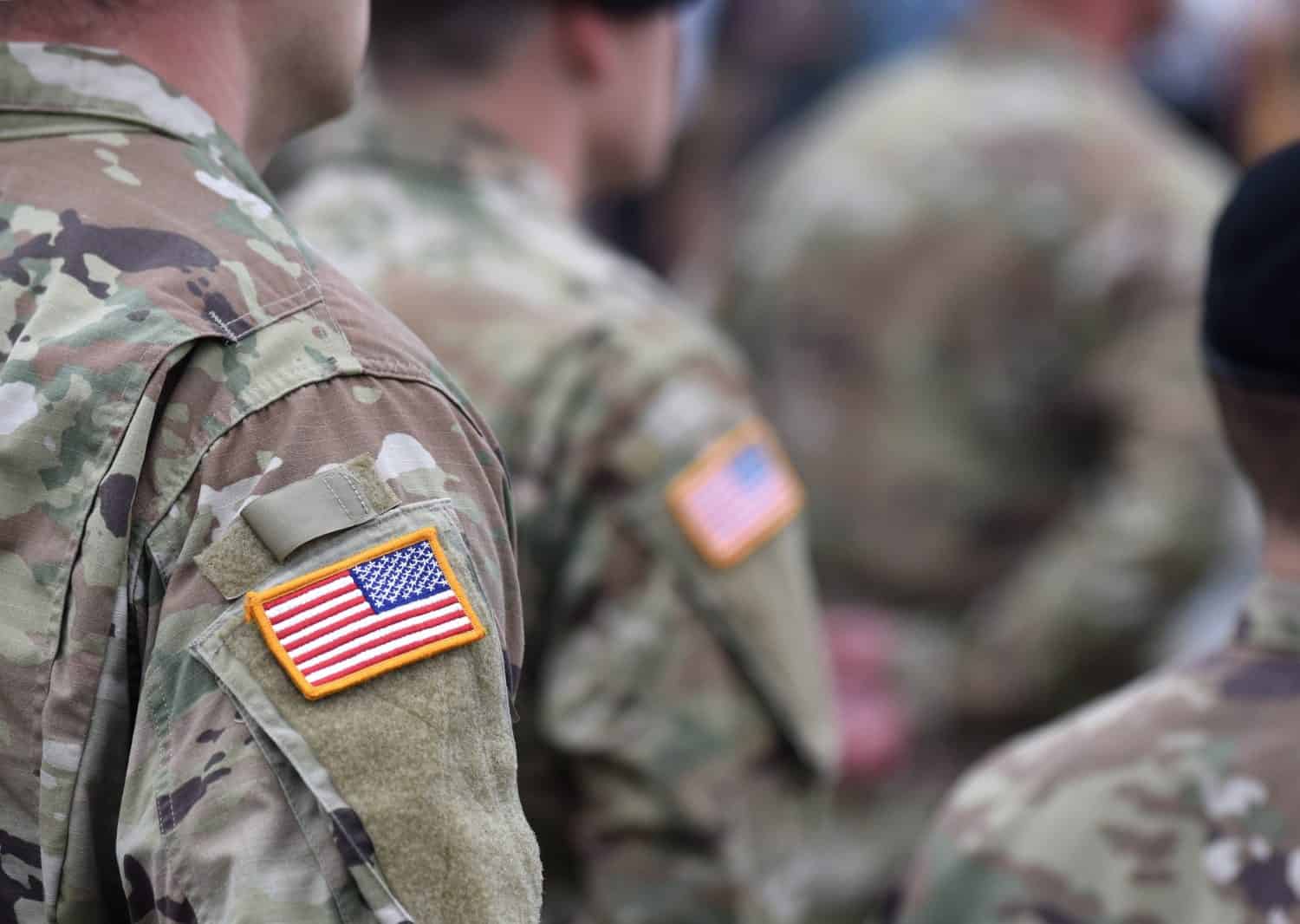
Understanding a Ranger’s real loadout shows how elite soldiers prepare for missions where speed, precision, and survival depend on every piece of equipment they carry. Popular culture typically glamorizes or exaggerates special operations gear, but the truth is far more disciplined and purpose-driven. By breaking down the tools Rangers actually use, we highlight the difference between myth and reality, and we show how careful equipment selection shapes mission success.
What Makes a Ranger Loadout Different
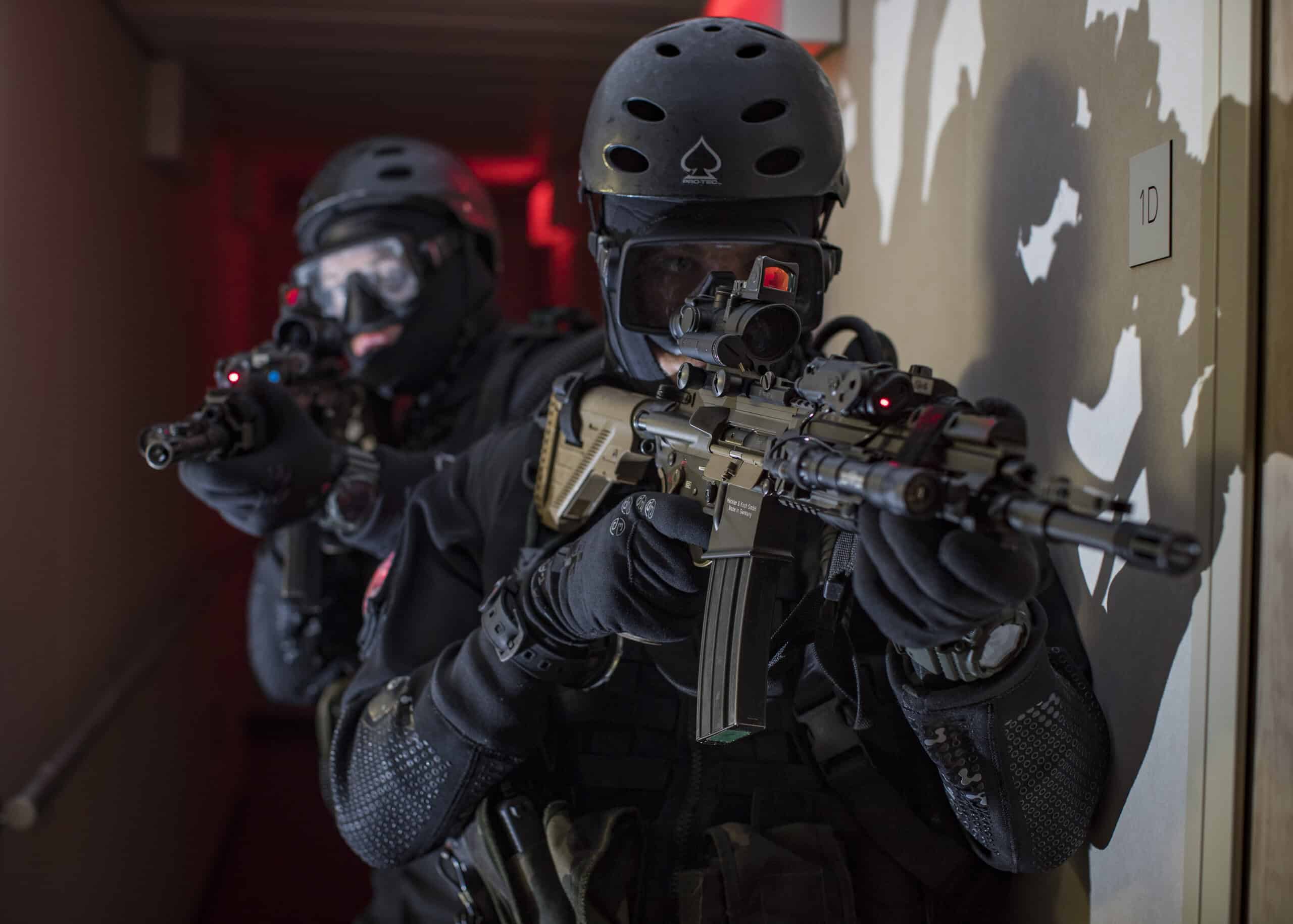
Army Rangers don’t carry a standard infantry kit pulled off a checklist. Their loadout is built around missions that are faster, riskier, and more flexible than what most conventional units face. Every weapon, radio, optic, and breaching tool is selected with a specific purpose in mind. Understanding what Rangers actually carry into the field reveals how elite units design gear around capability, not convenience.
Built for Speed, Precision, and Endurance
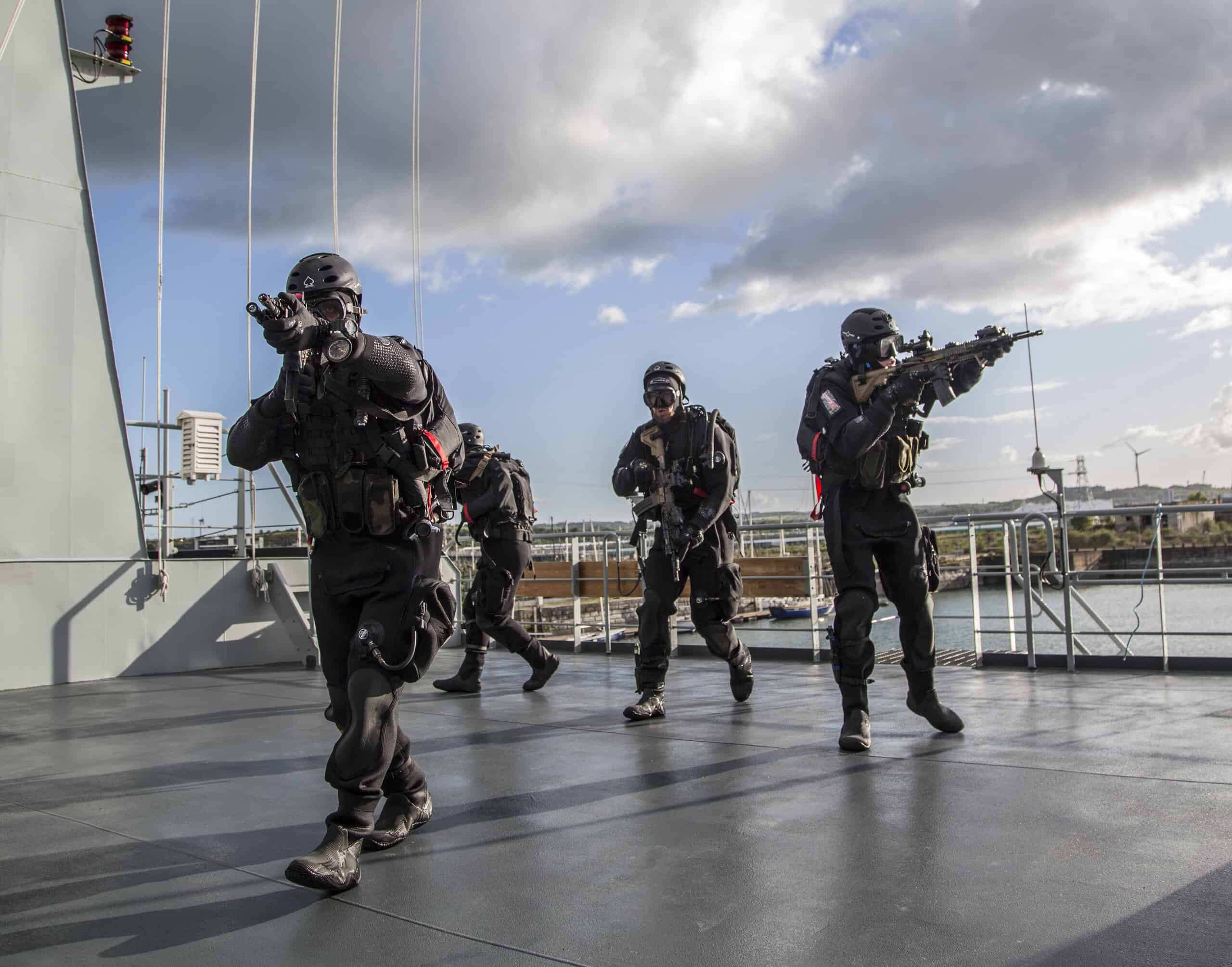
Ranger missions demand rapid movement, tight coordination, and the endurance to push through long nights, rough terrain, and extended contact. Their gear has to support all three at once. Rifles, optics, comms, armor, and rucks are chosen and configured so Rangers can move fast, shoot accurately, and stay effective for hours or days without resupply. The loadout is tested against the limits of both man and mission.
Tools Selected for Direct-Action Missions
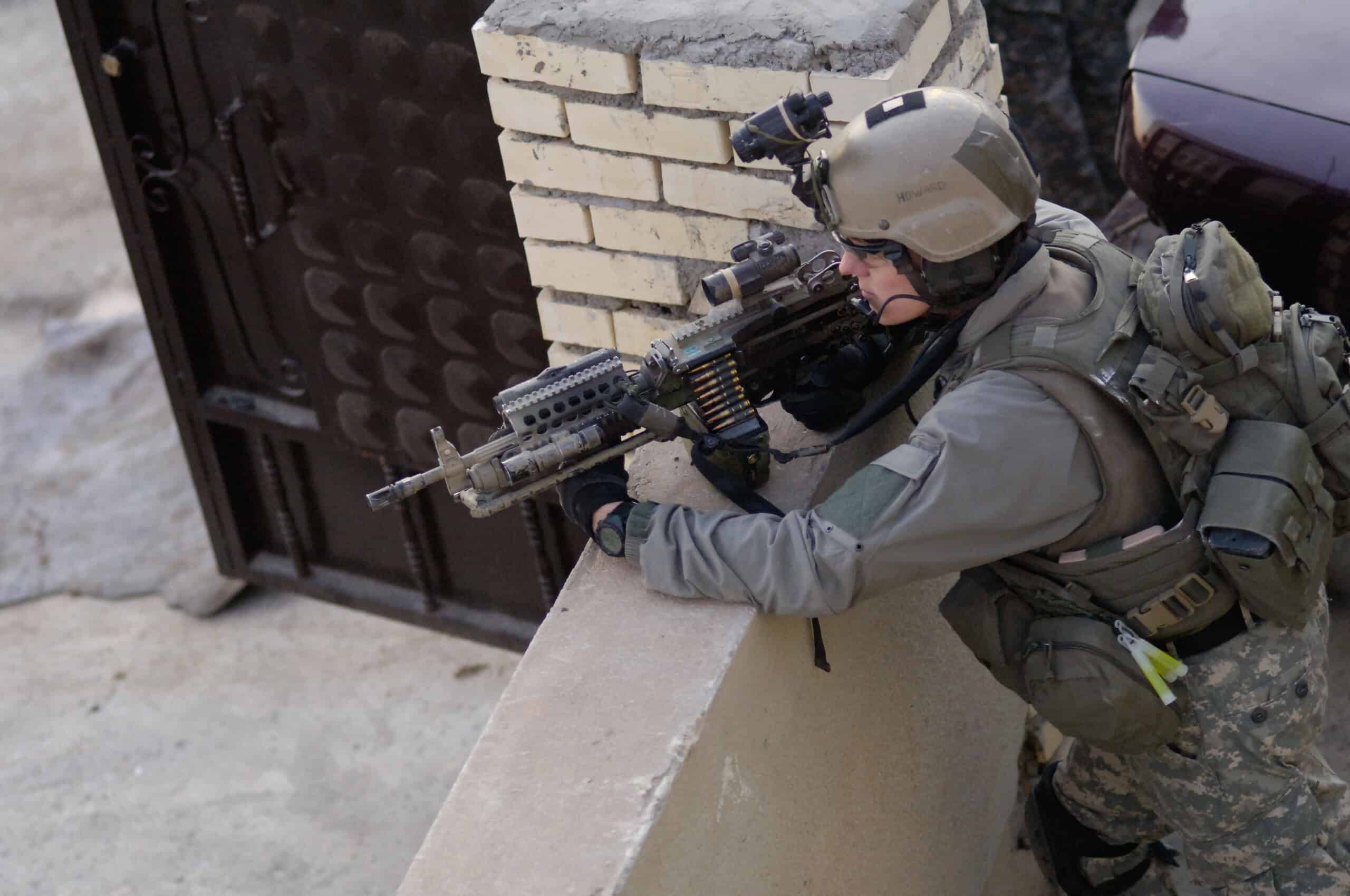
Most of the equipment in a Ranger’s kit is designed with direct-action missions in mind: raids, airfield seizures, high-value target hits, and reconnaissance in hostile areas. Carbines, breaching tools, night vision, suppressors, and medical gear all support aggressive, time-sensitive operations. These tools aren’t theoretical; they’re chosen because they’ve proven themselves under fire in the exact kinds of missions Rangers run.
Balancing Firepower and Mobility
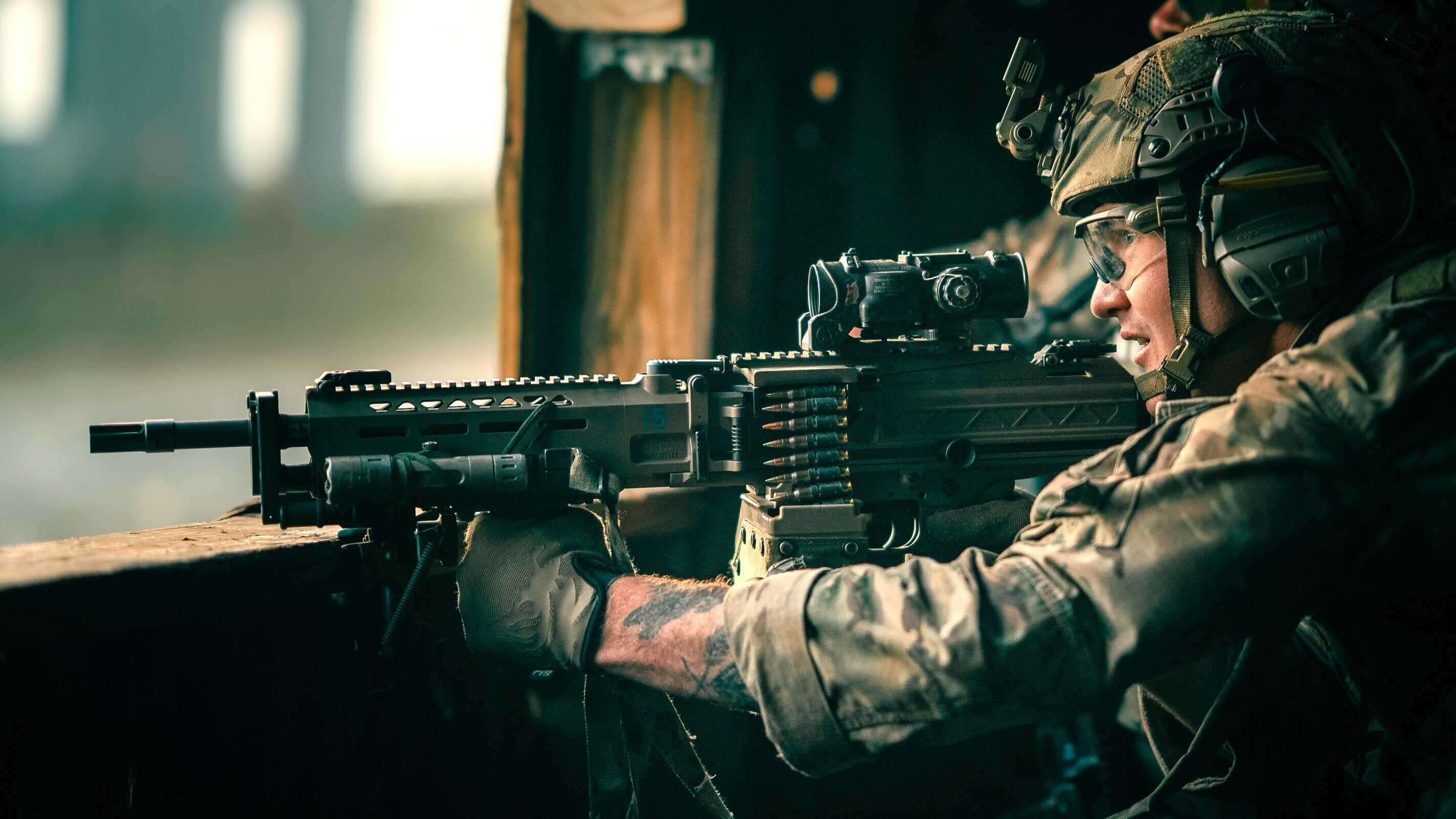
Every Ranger loadout reflects a constant tradeoff: carry enough firepower and equipment to win the fight, but not so much that it slows the team down. Machine guns, extra ammo, armor plates, explosives, and rucks all add weight, and every ounce has to be justified. Rangers are trained to ruthlessly refine their kit so that everything they carry either protects them, increases lethality, or directly supports the mission.
What This Breakdown Reveals
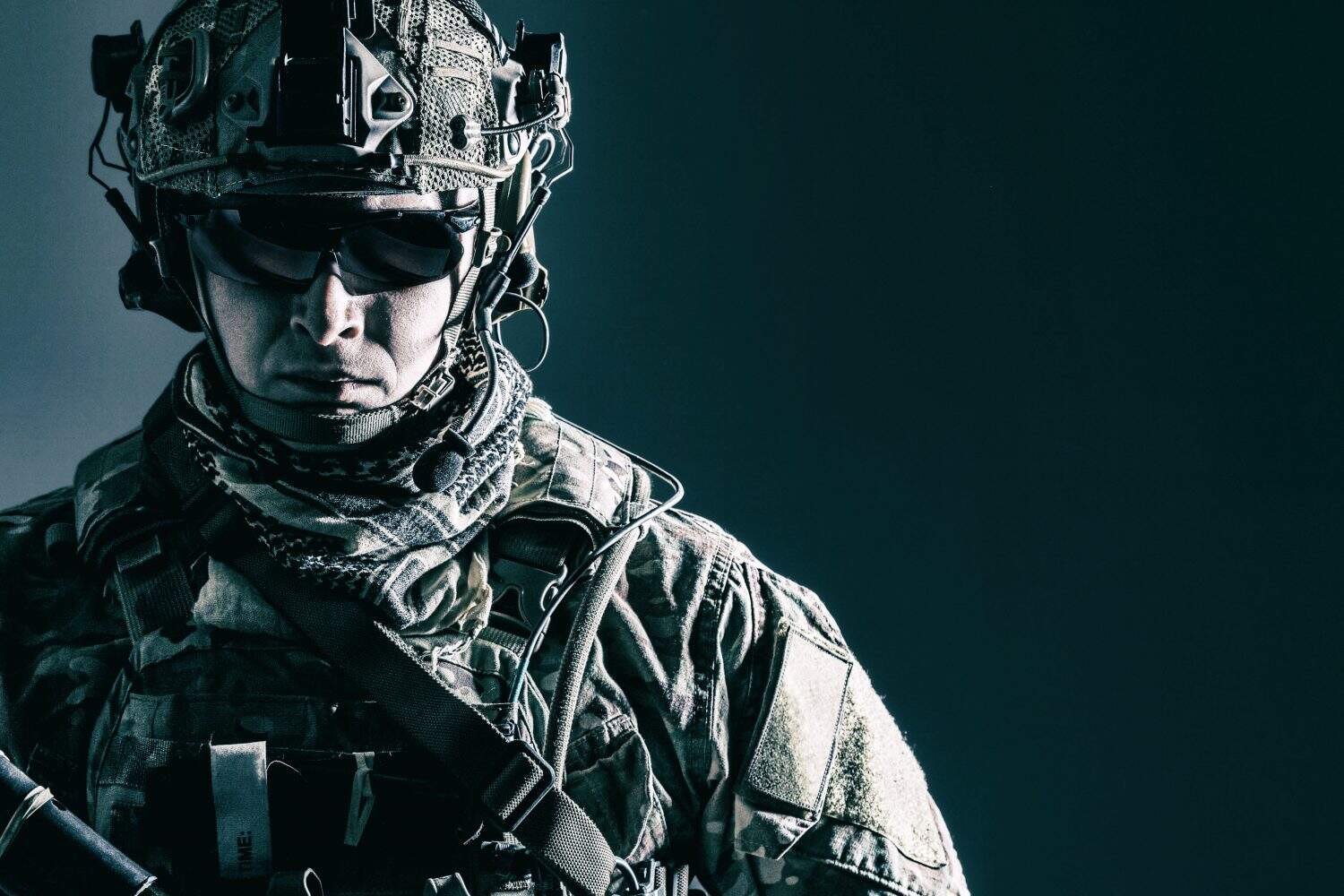
Looking closely at a Ranger’s real loadout cuts through the Hollywood image and shows how elite units actually prepare for combat. The gear is practical, disciplined, and shaped by hard lessons from past operations. Each item in this breakdown represents a capability Rangers need to move, communicate, breach, shoot, and survive. Understanding their loadout is a window into how modern special operations forces think about warfighting in the real world.
ACOG TA31
- Type: Optics
- Primary function: Mid-range sighting
- Skills involved: Holdovers, range estimation
- Where it is used: Desert, open terrain
- Real world usage: Used to extend engagement range
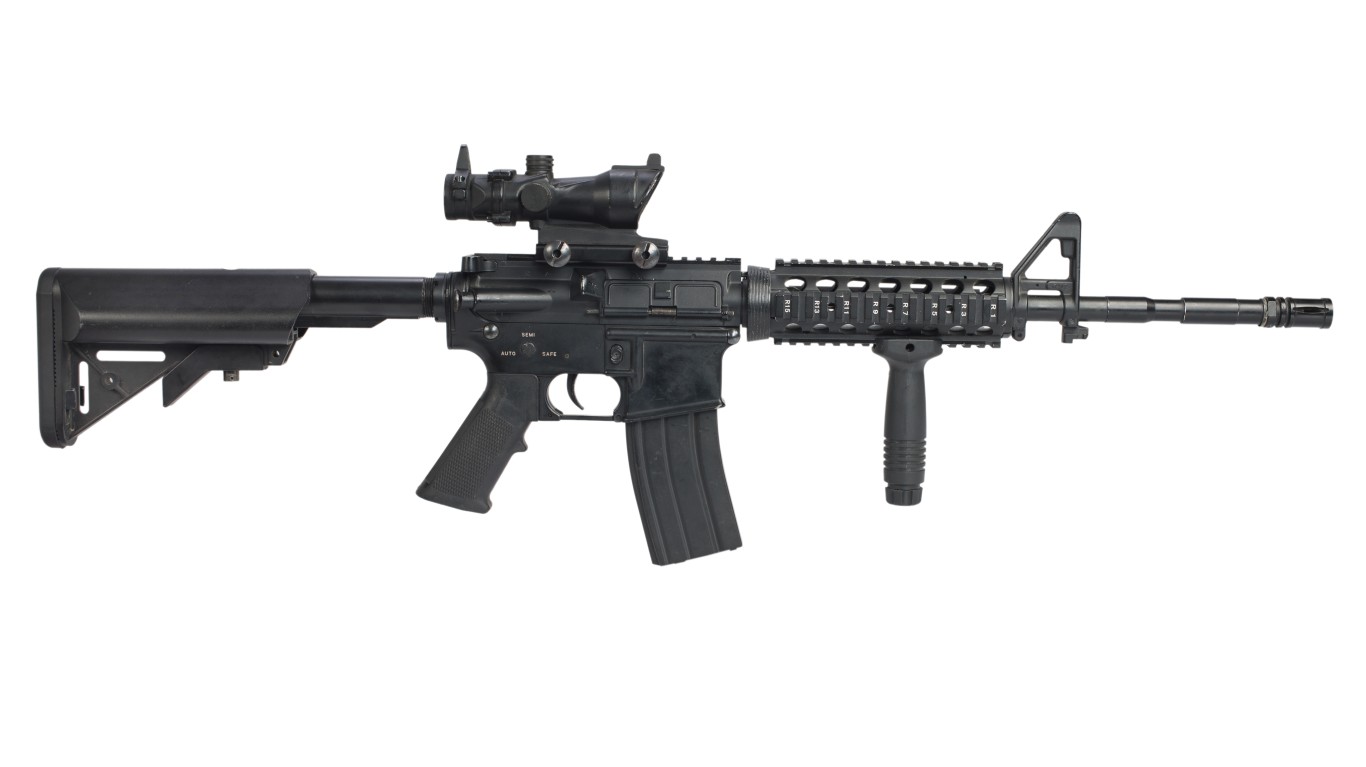
The ACOG TA31 provides magnification for long‑distance engagements. Rangers train to understand bullet drop and quick transitions. In open terrain, it offers a crucial edge in spotting and eliminating threats early.
AN/PRC-117G
- Type: Communications
- Primary function: Long range comms
- Skills involved: Satellite comms, frequency management
- Where it is used: Global
- Real world usage: Used for command-level communications
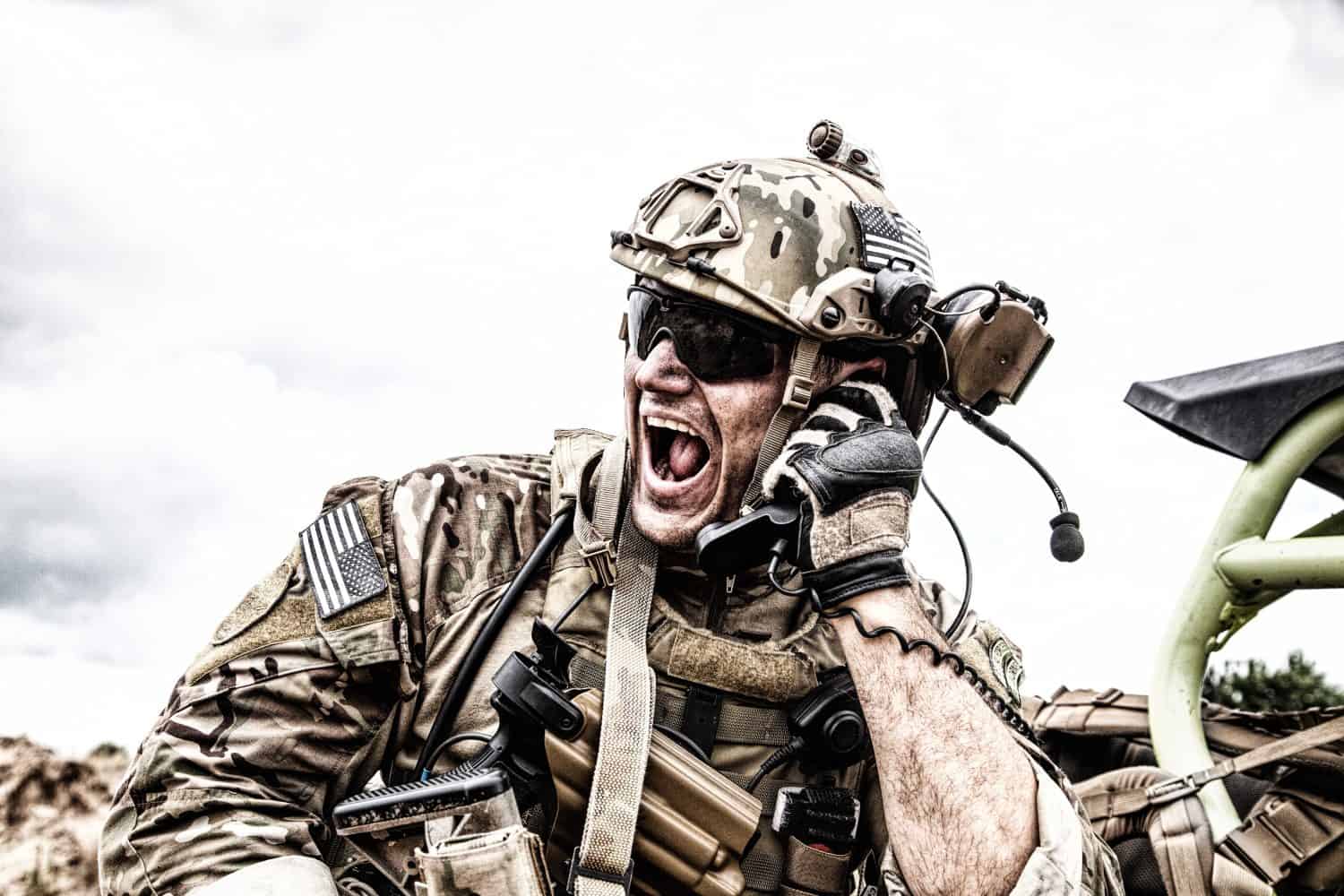
The PRC-117G provides long‑range and satellite communications. Rangers master frequency planning and emergency procedures. It ensures teams remain connected to command elements in complex or remote environments.
AN/PRC-148 MBITR
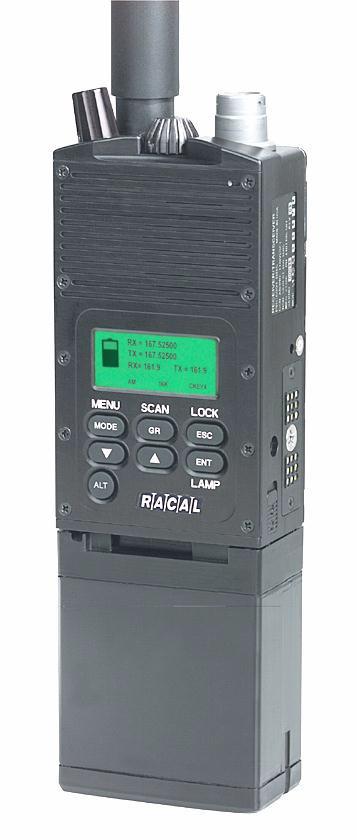
- Type: Communications
- Primary function: Short range tactical comms
- Skills involved: Programming, voice discipline, encryption
- Where it is used: Urban, mountains
- Real world usage: Used for team-level communication
The MBITR radio keeps Ranger teams synchronized during dynamic missions. Rangers train on programming channels, maintaining radio discipline, and managing encryption. Clear comms are essential for coordinated movement and fire support.
ATPIAL Laser (PEQ-15)
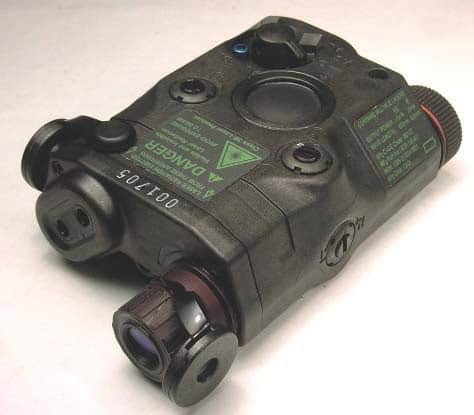
- Type: Optics
- Primary function: Infrared aiming
- Skills involved: Laser discipline, zeroing
- Where it is used: Night ops, urban
- Real world usage: Used for silent aiming and marking
The ATPIAL IR laser allows Rangers to aim covertly under NVGs. Mastery includes disciplined activation and precise zeroing. The PEQ-15 enables silent communication and coordinated fire in total darkness.
Breaching Shotgun (Mossberg 500)
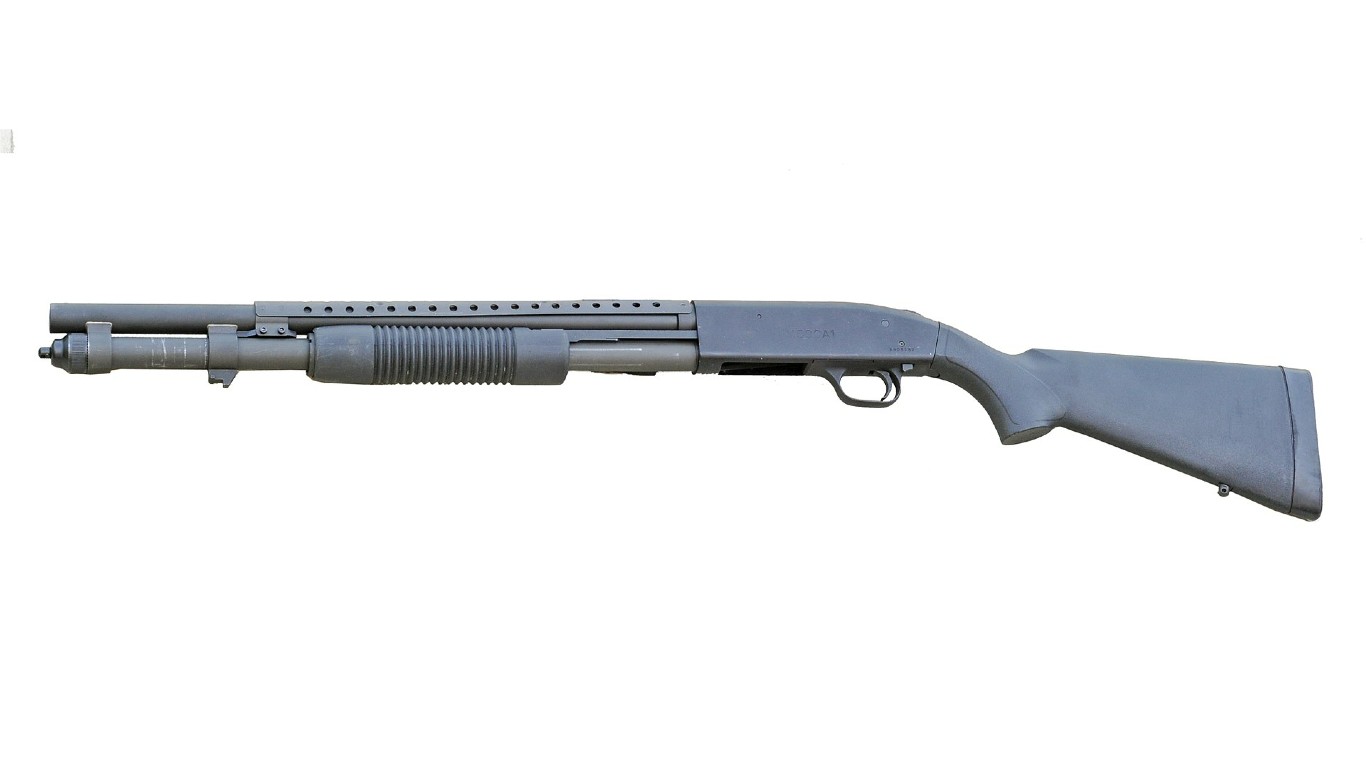
- Type: Breaching
- Primary function: Door breaching
- Skills involved: Shot placement, team coordination
- Where it is used: Urban, CQB
- Real world usage: Used to disable locks and hinges
The breaching shotgun creates rapid access points by destroying locks and hinges. Rangers train to place shots safely and coordinate with the entry stack. Its precision makes it ideal for fast dynamic entries.
C4 Demolition Charge
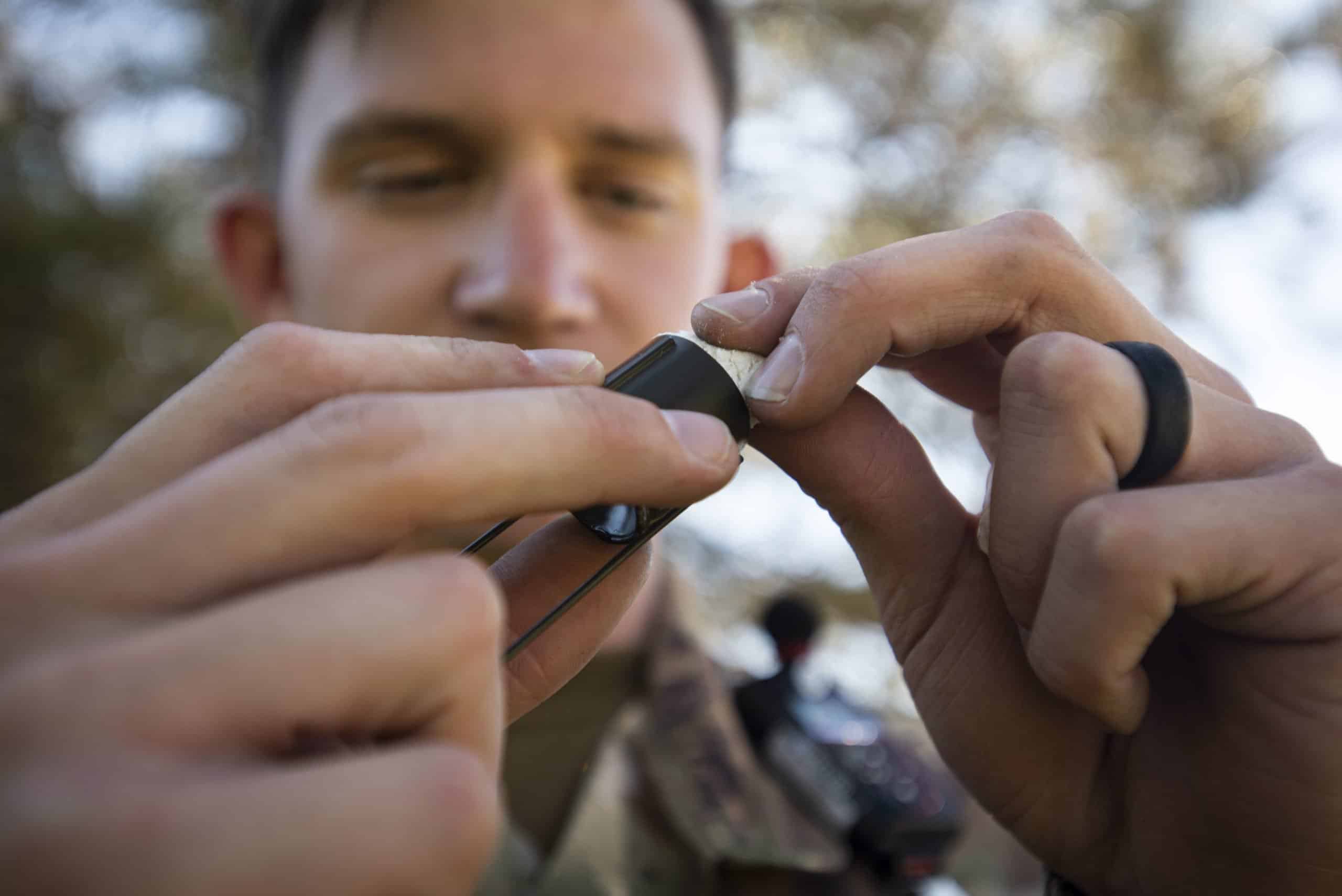
- Type: Breaching
- Primary function: Explosive entry
- Skills involved: Demo calculations, safe placement
- Where it is used: Urban, fortified structures
- Real world usage: Used for rapid explosive entry
C4 provides fast access through reinforced barriers. Rangers master placement angles and charge calculations to minimize collateral damage. Explosive breaching offers unmatched speed when stealth isn’t the priority.
CAT Tourniquet
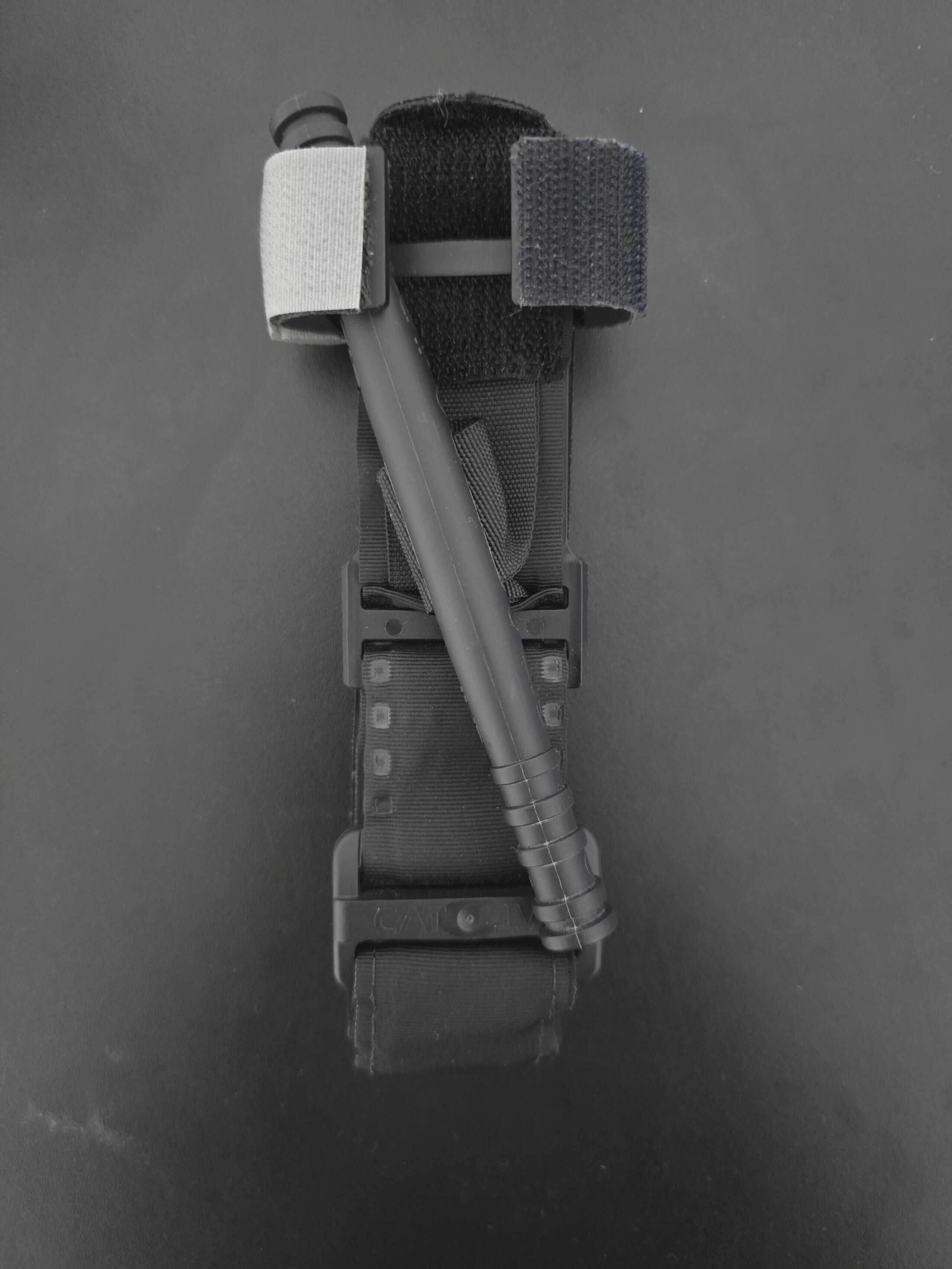
- Type: Medical
- Primary function: Stop arterial bleeding
- Skills involved: Rapid application, correct tightening
- Where it is used: Global
- Real world usage: Used in hemorrhage emergencies
The CAT tourniquet is one of the most important tools Rangers carry. Mastery requires fast and correct application under stress. It saves lives when seconds matter during traumatic limb injuries.
Crye JPC Plate Carrier
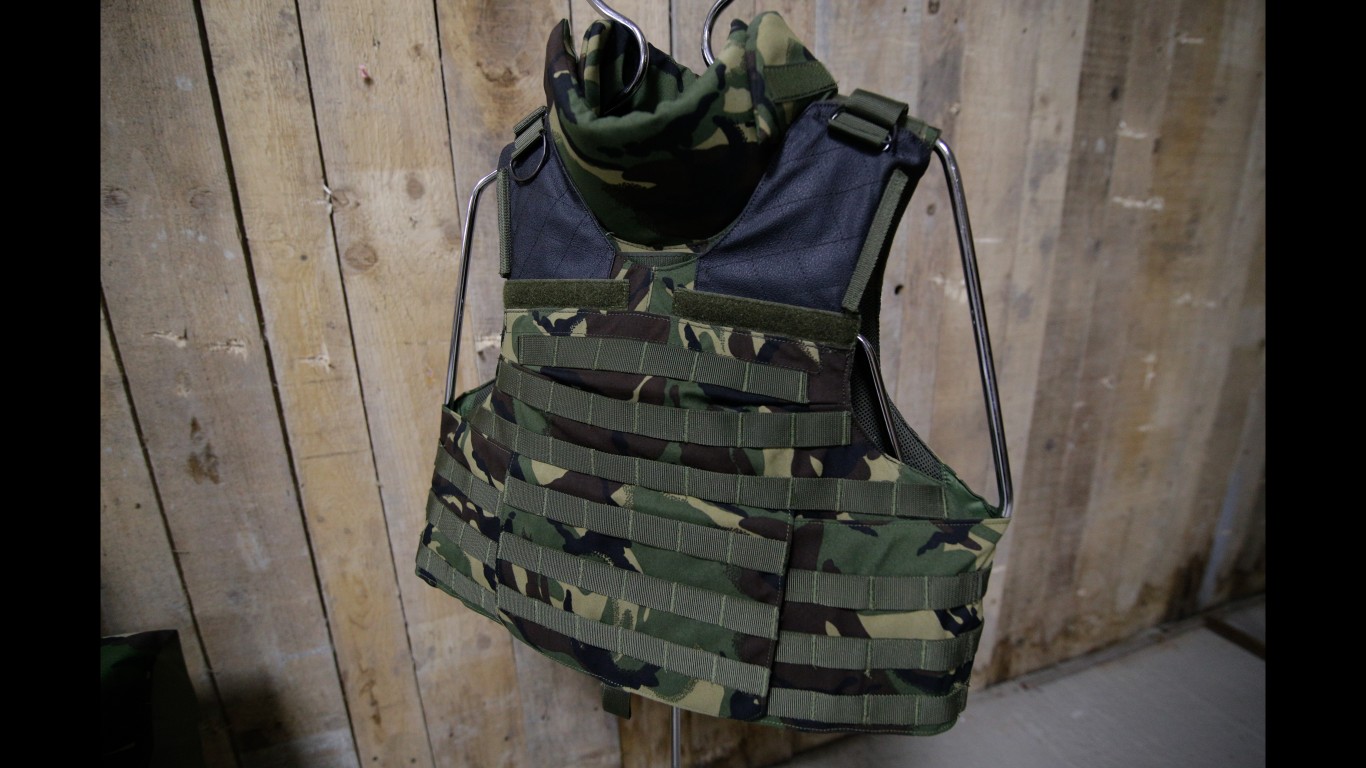
- Type: Protection
- Primary function: Ballistic protection
- Skills involved: Load balancing, endurance
- Where it is used: Global
- Real world usage: Used in direct-action missions
The Crye JPC keeps Rangers protected without sacrificing mobility. Training focuses on balancing loadout weight and maintaining agility. Its lightweight design supports fast entry work and prolonged operations.
DAGR GPS
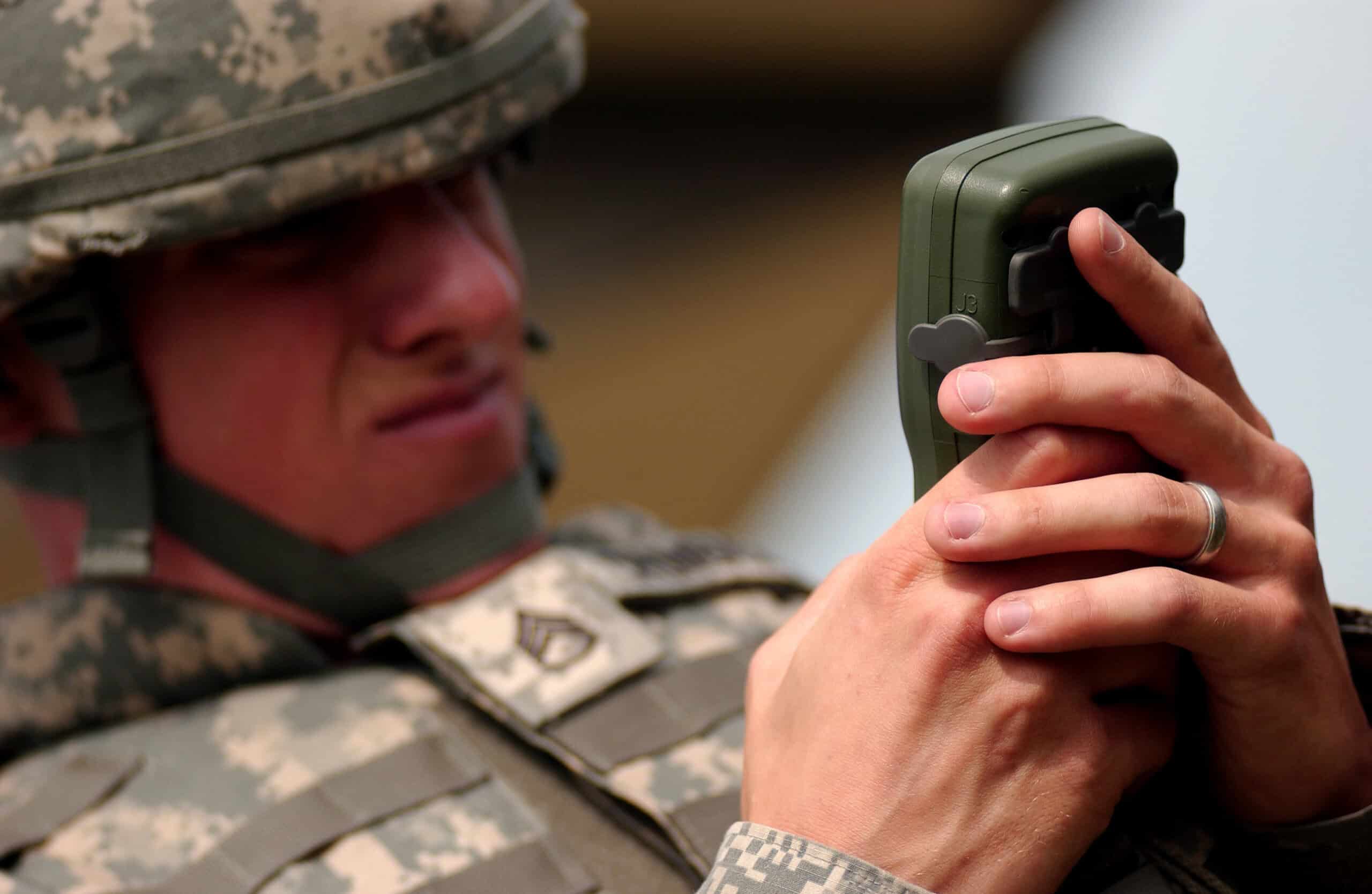
- Type: Navigation
- Primary function: Satellite navigation
- Skills involved: Grid input, waypoint tracking
- Where it is used: Global
- Real world usage: Used on patrols and recon
The DAGR GPS provides precise coordinates for Ranger teams. Training includes grid accuracy and route planning. It is essential for navigating complex terrain or coordinating multi‑team movements.
EOTech EXPS3

- Type: Optics
- Primary function: Close‑range sighting
- Skills involved: Rapid sight acquisition, movement tracking
- Where it is used: Urban, jungle
- Real world usage: Used in CQB engagements
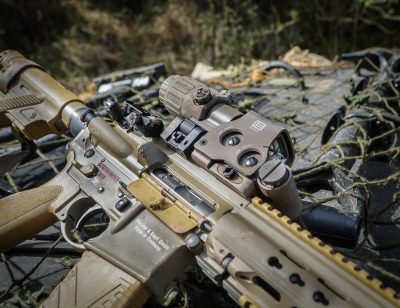
The EOTech EXPS3 excels in fast‑paced close quarters. Its large field of view supports dynamic movement and rapid reticle acquisition. Rangers rely on it during assaults where milliseconds matter.
Glock 19
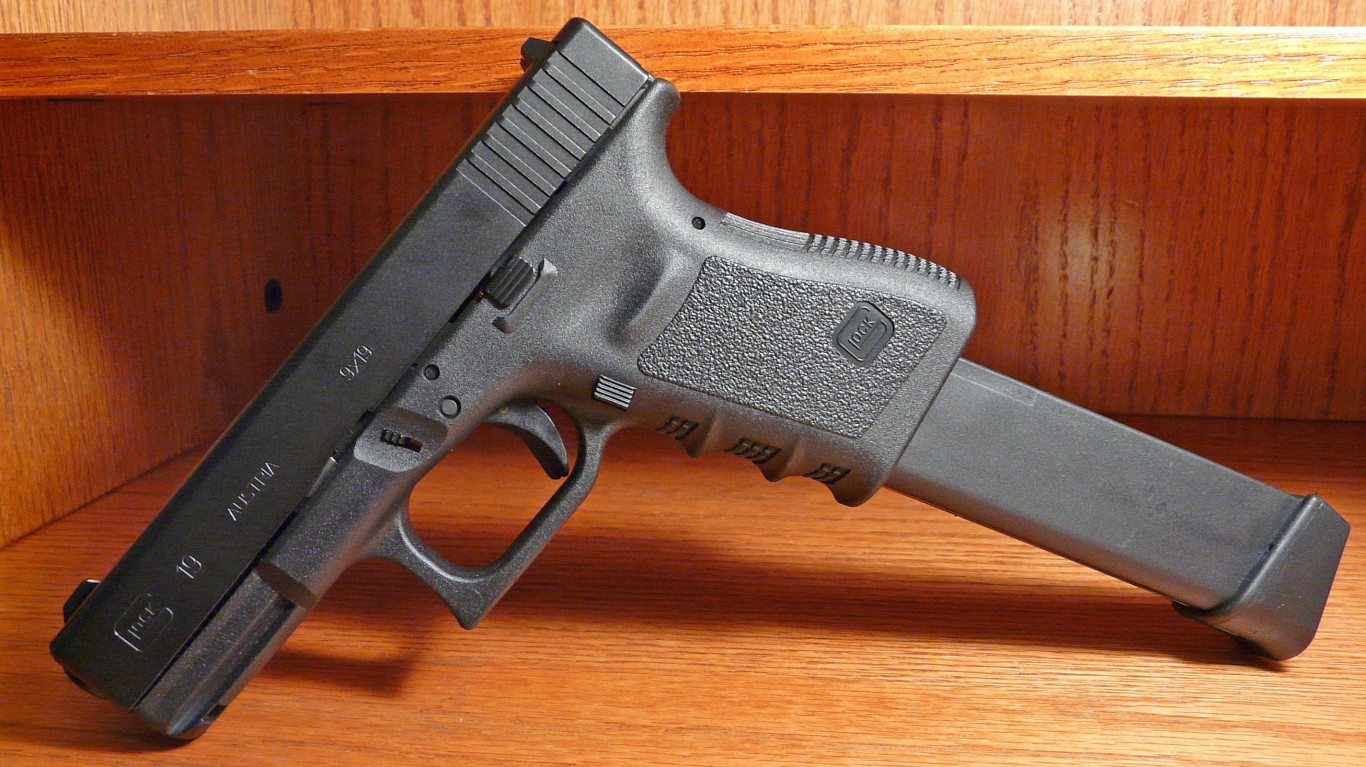
- Type: Weapon
- Primary function: Sidearm
- Skills involved: Close‑quarters accuracy, quick draws, retention
- Where it is used: Urban, vehicle ops
- Real world usage: Used as backup weapon
The Glock 19 is the Ranger’s trusted secondary weapon. Quick‑draw drills, accuracy in tight quarters, and safe retention are key skills. When rifles fail or space is limited, the Glock becomes a lifesaving last line of defense.
Halligan Tool
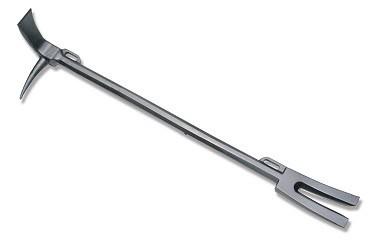
- Type: Breaching
- Primary function: Forced entry
- Skills involved: Prying, coordinated stacking, mechanical breaching
- Where it is used: Urban
- Real world usage: Used for fast door entry
The Halligan tool is unmatched for prying through fortified doors. Rangers train in team‑based breaching to ensure speed and safety. Its leverage and durability make it indispensable in urban direct-action missions.
IFAK Medical Kit
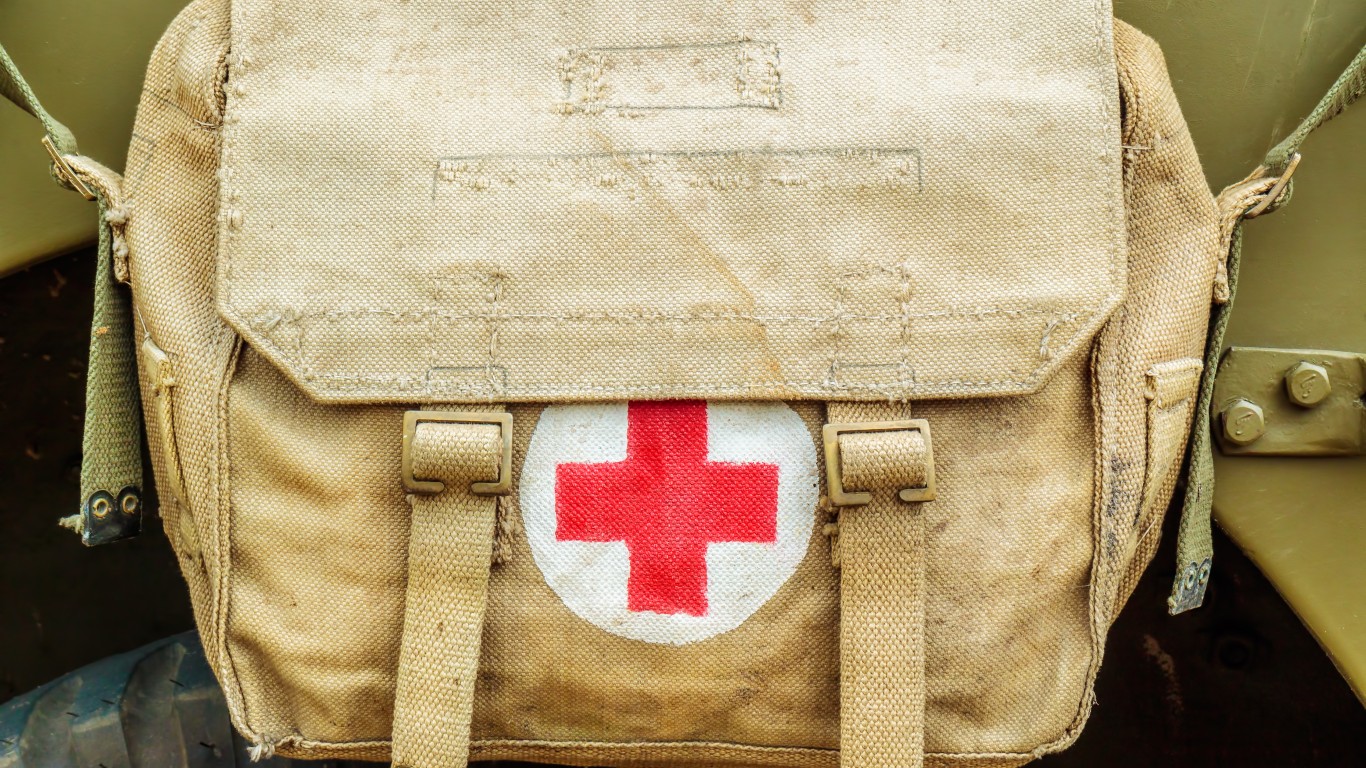
- Type: Medical
- Primary function: Immediate trauma care
- Skills involved: TCCC skills, bleeding control
- Where it is used: Global
- Real world usage: Used during battlefield trauma
The IFAK enables fast response to life‑threatening injuries. Rangers train extensively in TCCC to apply tourniquets, pack wounds, and manage airways. Immediate proper use often determines survivability before medics arrive.
M240B

- Type: Weapon
- Primary function: Medium machine gun
- Skills involved: Long-range fire, tripod usage, recoil management
- Where it is used: Mountains, desert
- Real world usage: Used for overwatch and support
The M240B provides accurate long‑range fire support. Rangers train to stabilize the weapon, adjust elevation, and coordinate firing sectors. Its power makes it essential for overwatch, defensive positions, and suppressing distant threats.
M249 SAW
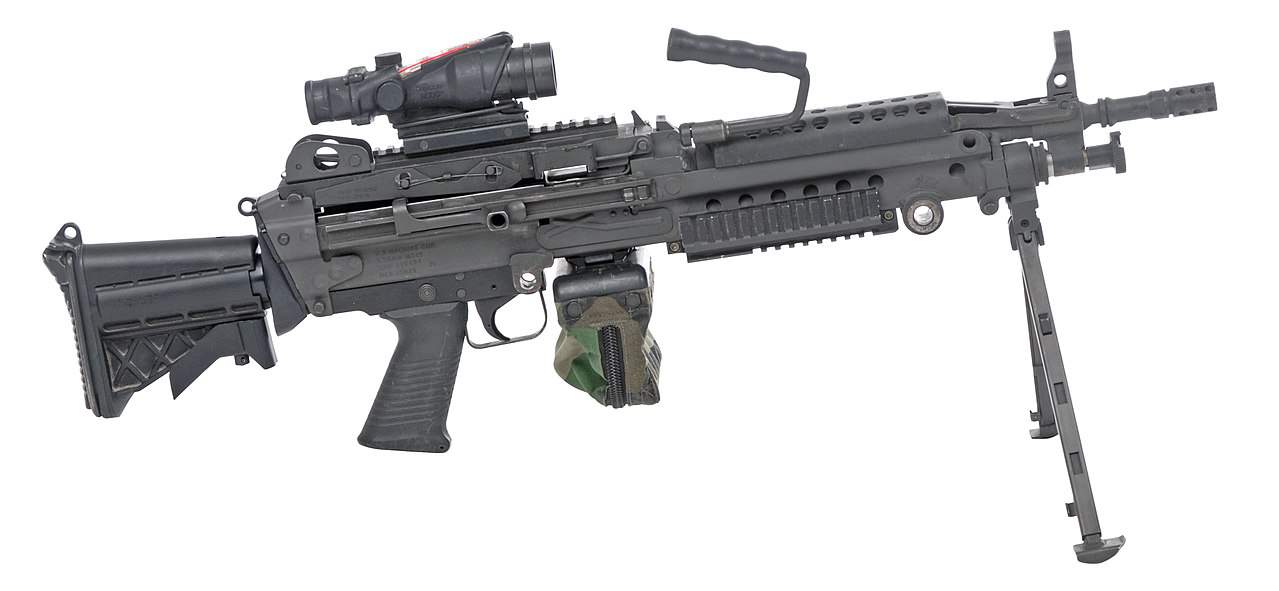
- Type: Weapon
- Primary function: Squad automatic fire
- Skills involved: Burst discipline, barrel changes, sustained fire
- Where it is used: Desert, open terrain
- Real world usage: Used for suppressive fire
The M249 SAW gives Ranger squads high-volume firepower to suppress enemy movement. Rangers train to manage bursts and conduct fast reloads and barrel swaps. When mastered, the SAW dominates open terrain and supports rapid team movement under fire.
M4A1 Block II
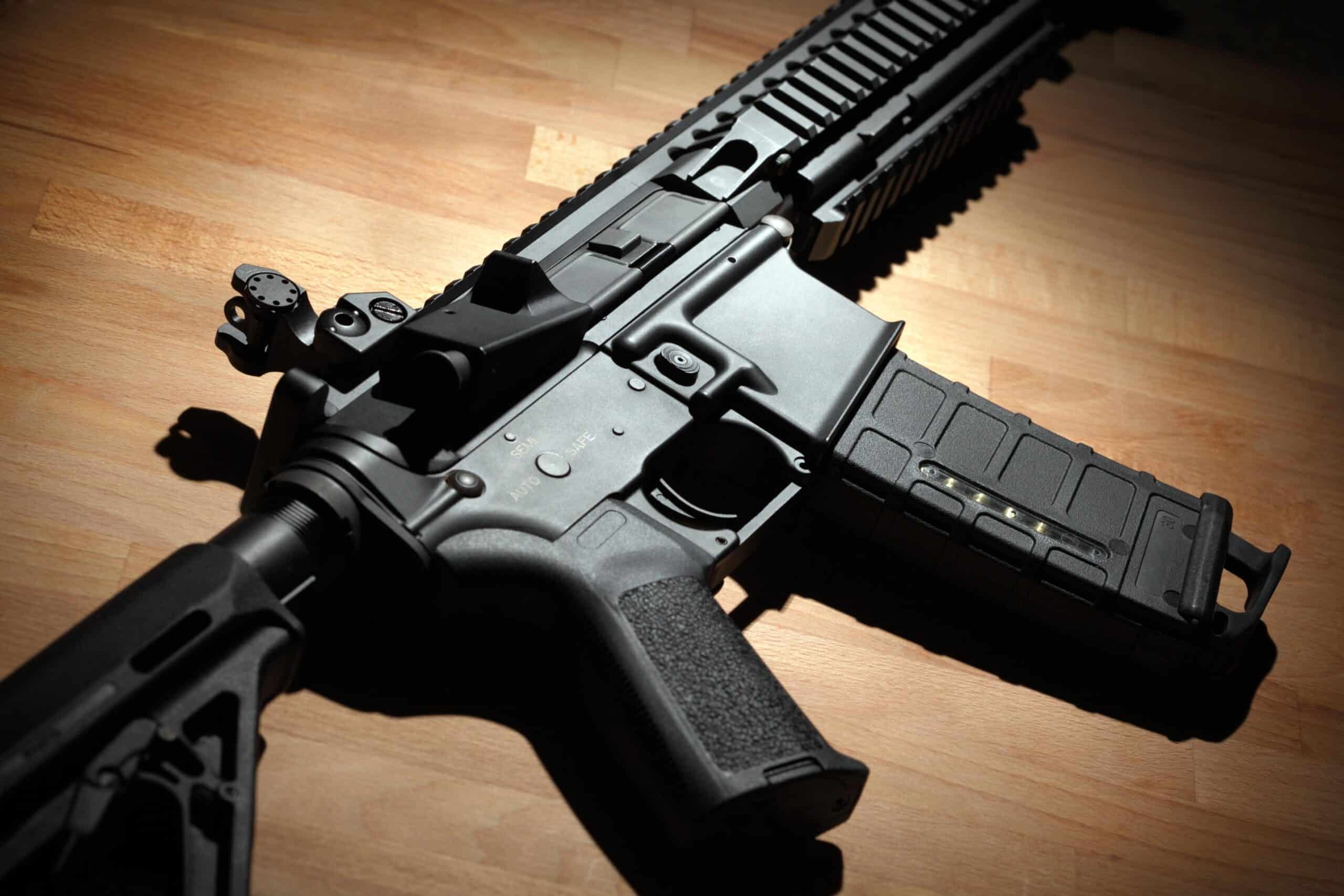
- Type: Weapon
- Primary function: Primary carbine
- Skills involved: Marksmanship, recoil control, malfunction clearing
- Where it is used: Global, urban, desert
- Real world usage: Used in raids and direct-action missions
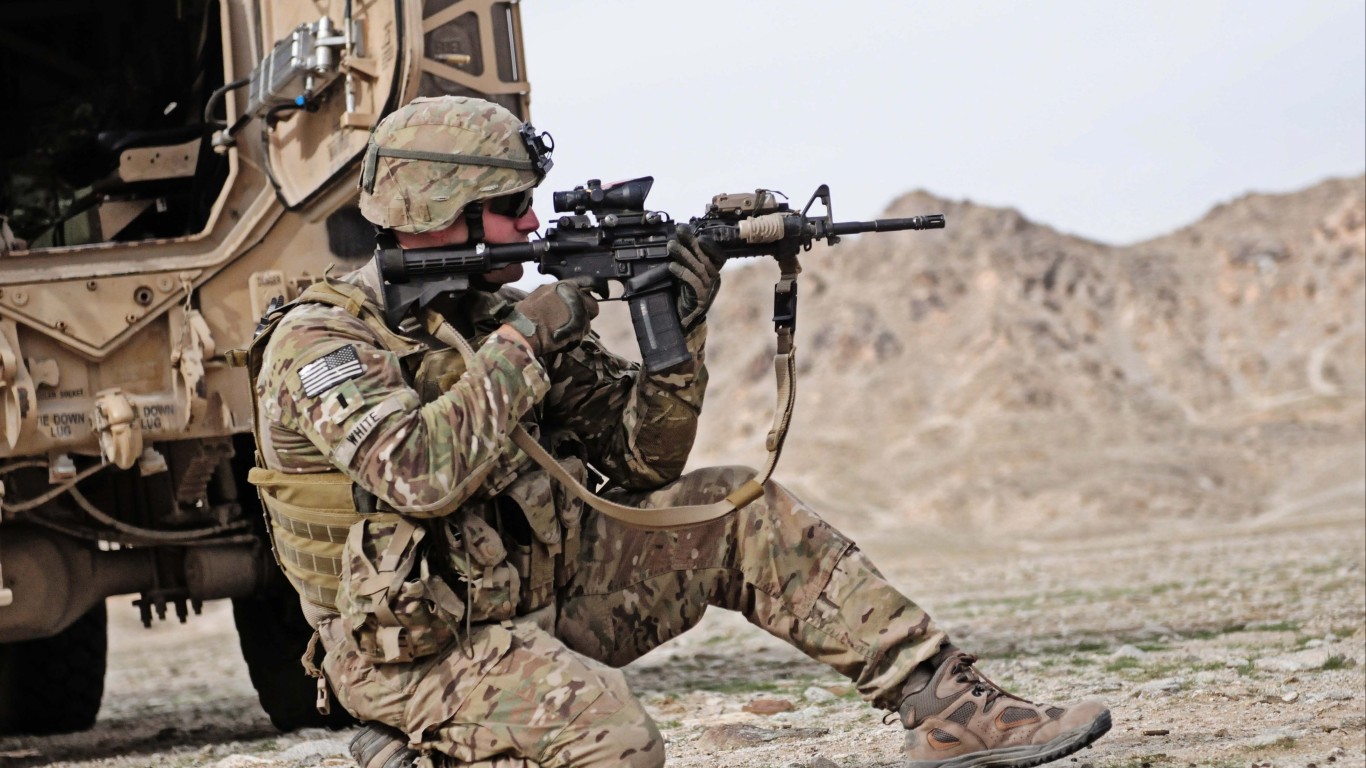
The M4A1 Block II is the core rifle of Army Rangers, offering reliability, accuracy, and modularity. Rangers train extensively to clear malfunctions, maintain rapid target transitions, and operate in confined spaces. Its mission-ready design makes it ideal for fast-paced raids.
Map & Compass
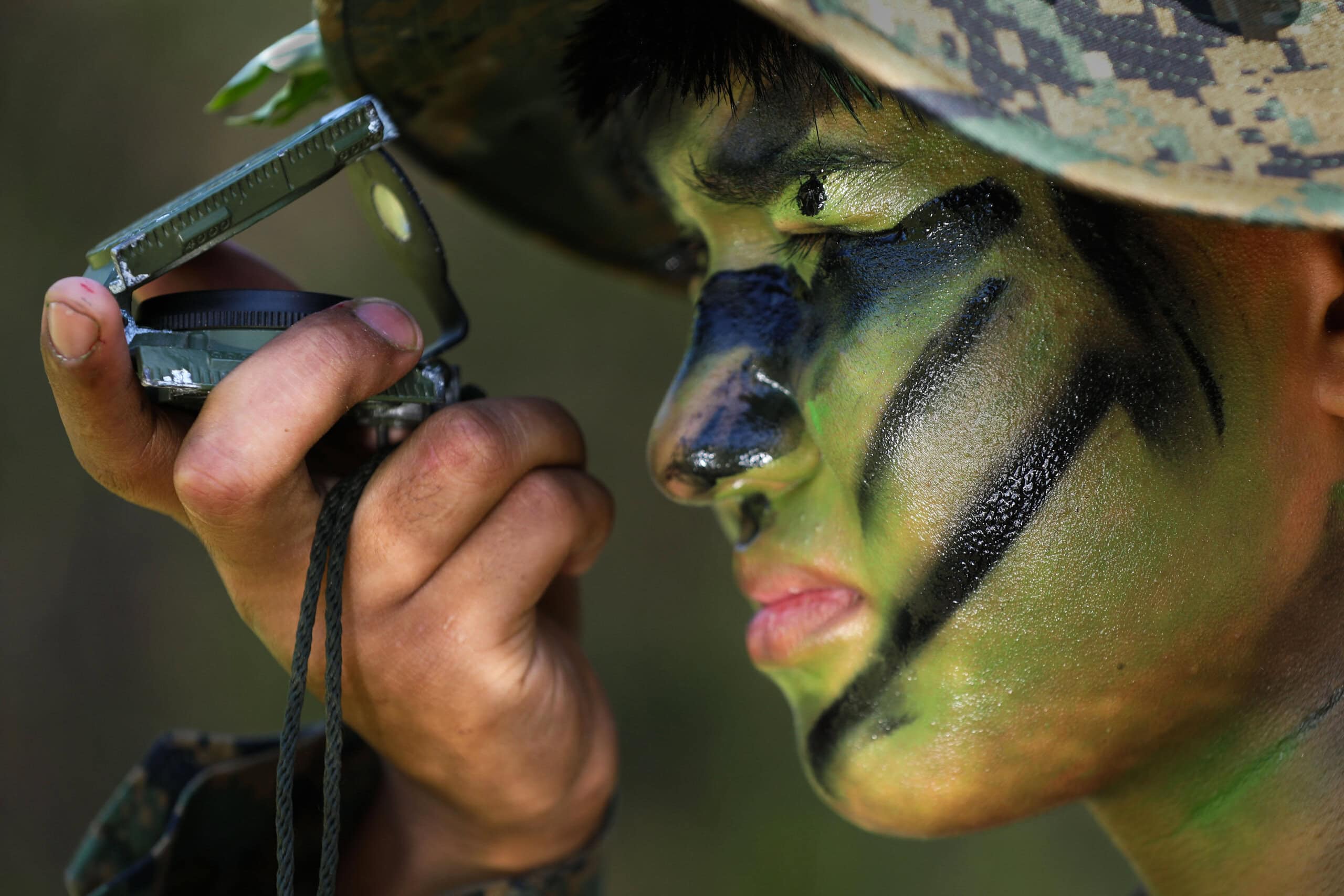
- Type: Navigation
- Primary function: Manual land navigation
- Skills involved: Azimuth reading, terrain association
- Where it is used: Mountains, jungle
- Real world usage: Used when GPS is jammed
Manual land nav remains a core Ranger skill. Rangers train heavily in pacing, reading terrain, and plotting routes. These fundamentals allow movement even when electronic systems fail.
MK18 CQBR
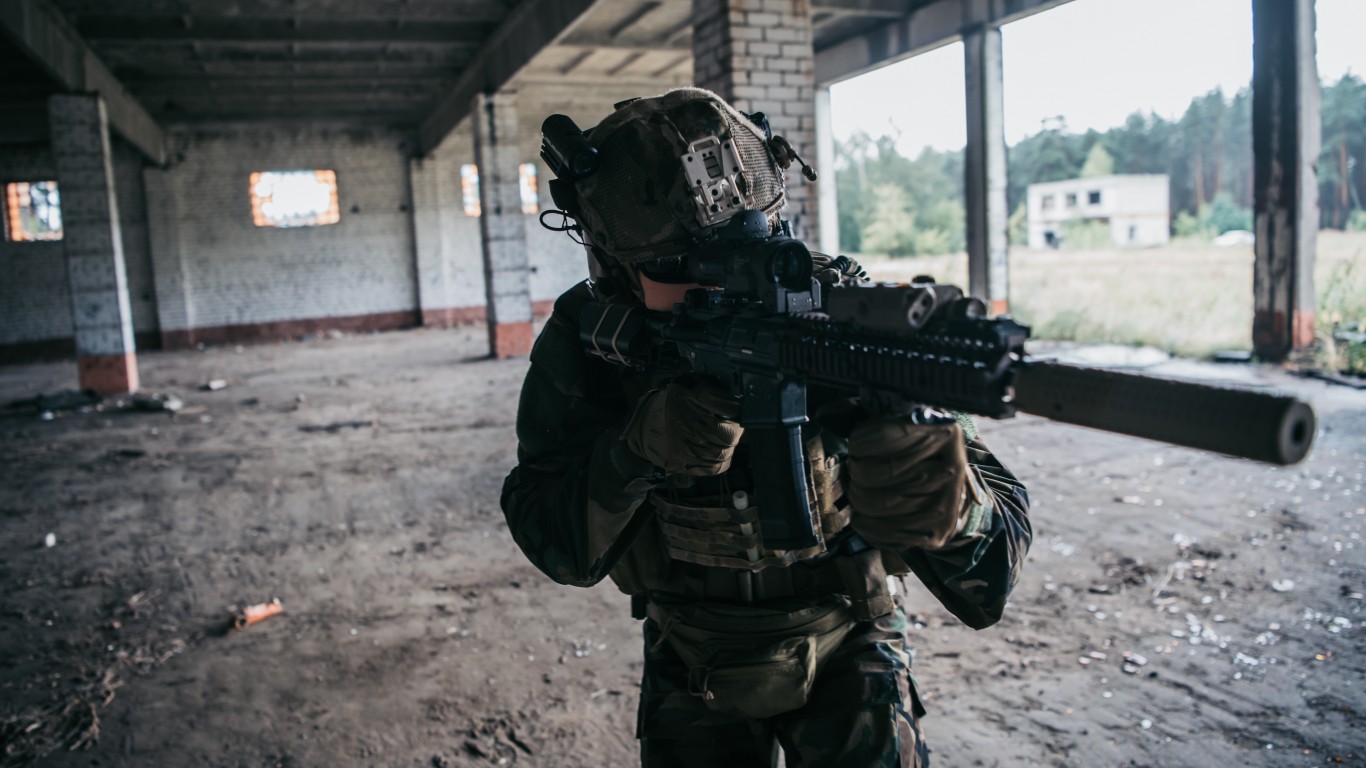
- Type: Weapon
- Primary function: Short-barreled rifle
- Skills involved: CQB shooting, rapid transitions, suppressor usage
- Where it is used: Urban, close-quarters
- Real world usage: Used for room clearing and tight spaces
The MK18 offers exceptional maneuverability for close-quarters missions. Its compact size and suppressor compatibility make it ideal for urban raids. Rangers master rapid target transitions and recoil control to maximize effectiveness in confined environments.
MK48 Mod 1
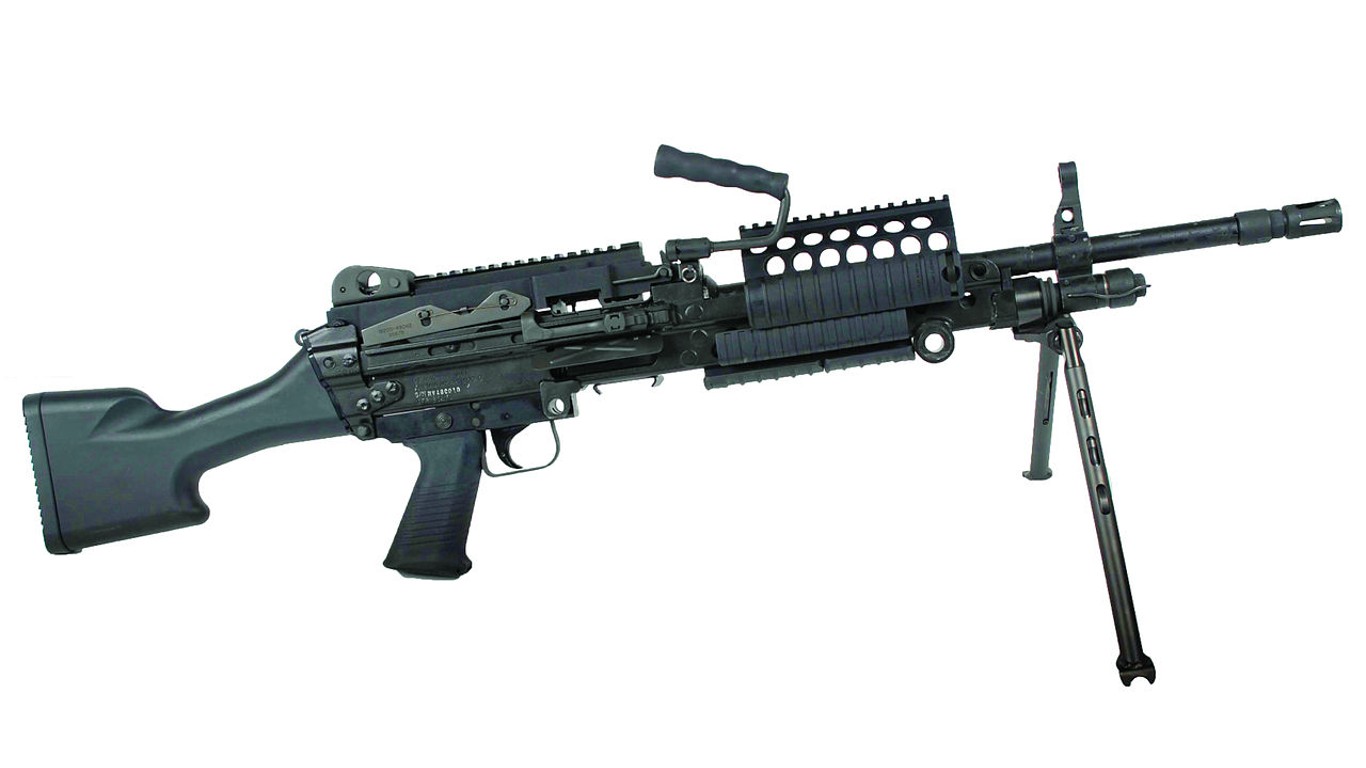
- Type: Weapon
- Primary function: Lightweight machine gun
- Skills involved: Automatic fire control, mobility under load
- Where it is used: Afghanistan, open terrain
- Real world usage: Used for mobile firepower
The MK48 delivers machine-gun power with lighter weight, ideal for long foot movements in rough terrain. Rangers practice controlling recoil and maintaining accurate fire on the move. Its mobility makes it a favorite for remote operations.
Multitool

- Type: Utility
- Primary function: Field repairs
- Skills involved: Cutting, tightening, quick adjustments
- Where it is used: Global
- Real world usage: Used for weapon and gear maintenance
A multitool enables Rangers to fix weapons and gear on the go. Mastery keeps equipment functioning during demanding missions. Its versatility makes it an essential component of every Ranger loadout.
Ops‑Core FAST Helmet
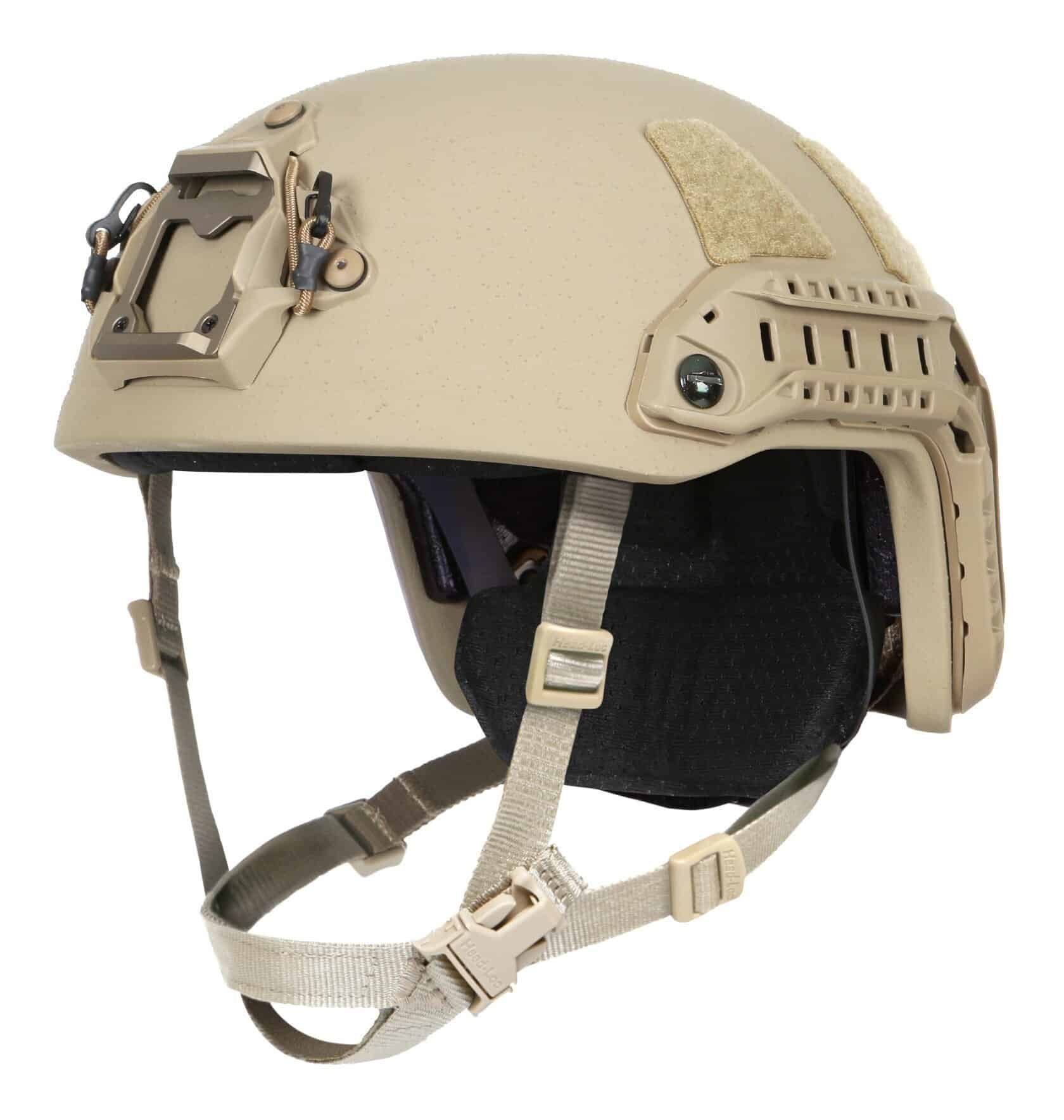
- Type: Protection
- Primary function: Head protection
- Skills involved: NVG mounting, comfort fitting
- Where it is used: Global
- Real world usage: Used in airborne and ground missions
The Ops‑Core helmet protects Rangers while supporting NVGs and comms gear. Proper fitting prevents fatigue and slippage. Rangers rely on it for comfort and stability during long, high‑tempo missions.
PVS-31 NVGs
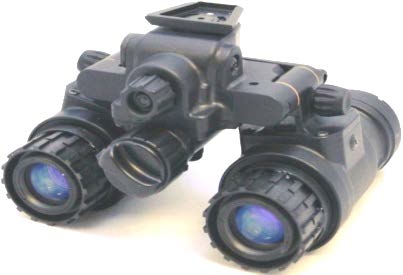
- Type: Optics
- Primary function: Night vision operations
- Skills involved: Low‑light navigation, depth perception control
- Where it is used: Night ops, global
- Real world usage: Used for raids and reconnaissance
PVS‑31 NVGs give Rangers the ability to move and fight in darkness. Training focuses on depth perception, movement discipline, and silent clearing procedures. NVGs turn nighttime into a tactical advantage.
Ranger Ruck
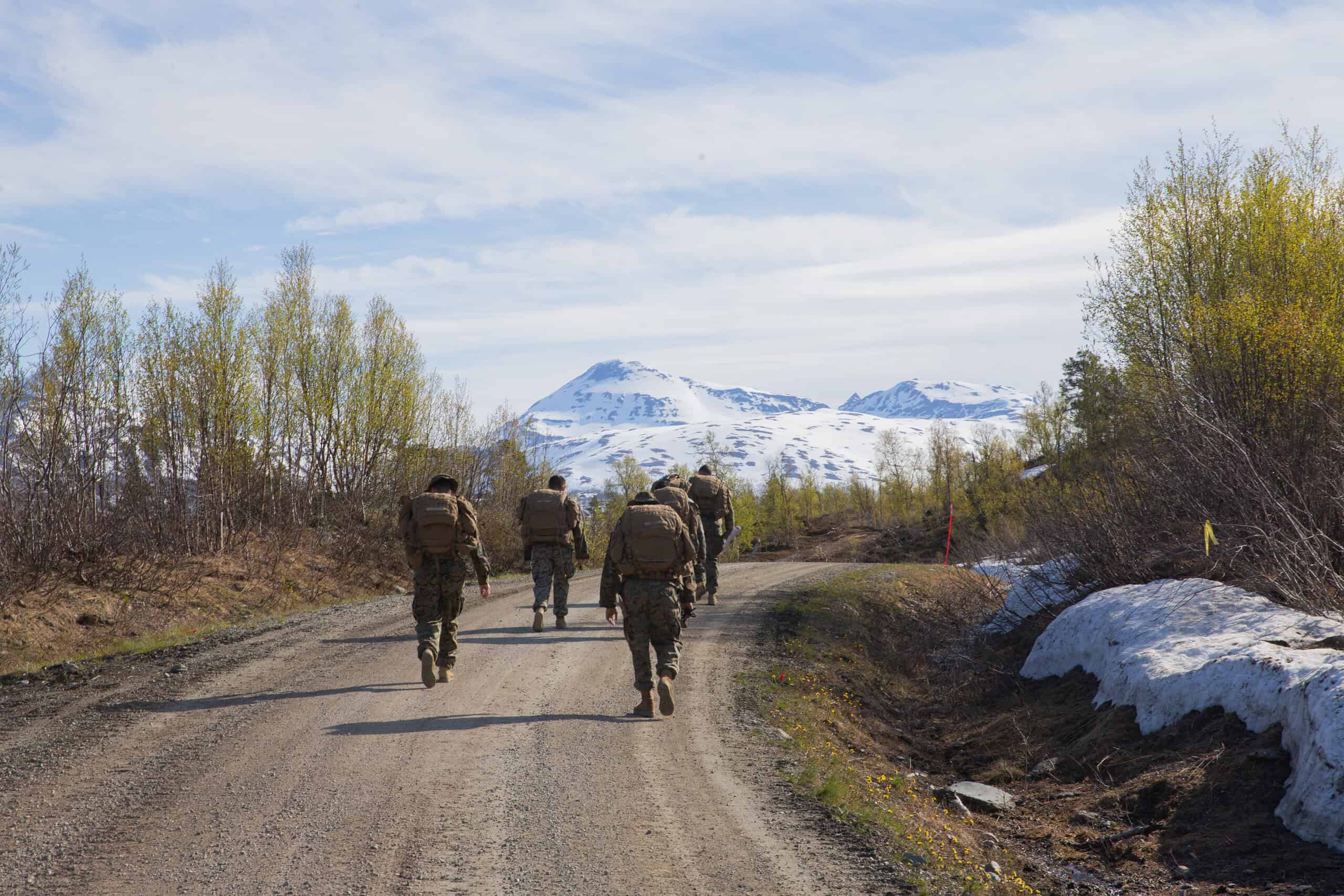
- Type: Field Gear
- Primary function: Load carriage
- Skills involved: Endurance, weight distribution
- Where it is used: Global
- Real world usage: Used for long‑range movement
The Ranger Ruck carries mission‑essential gear across long distances. Rangers practice efficient packing and weight distribution to maintain speed. It supports multi‑day operations in challenging environments.
SureFire Suppressor
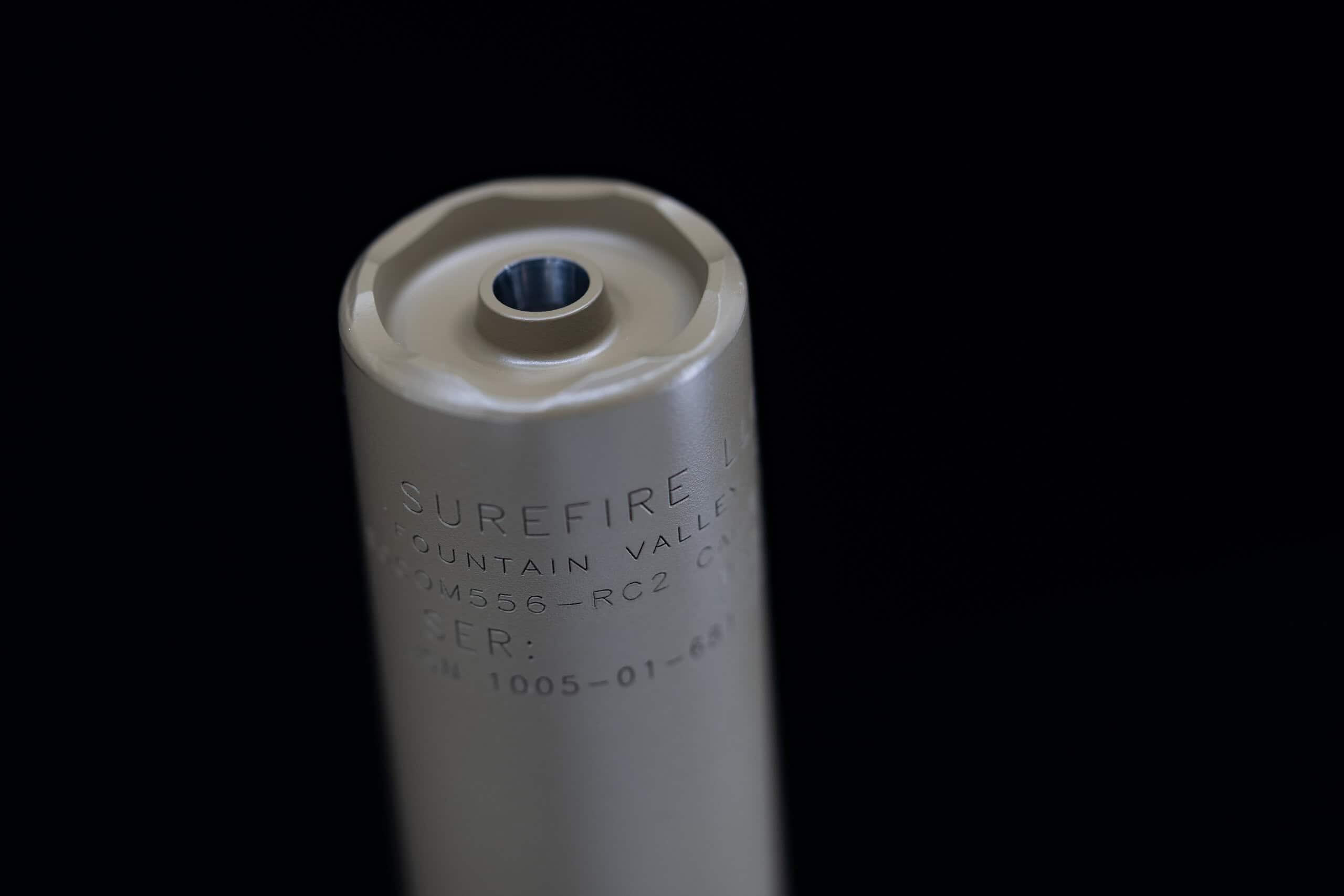
- Type: Weapon Accessory
- Primary function: Sound and flash suppression
- Skills involved: Heat management, point‑of‑impact control
- Where it is used: Urban, night ops
- Real world usage: Used for stealth during assaults
SureFire suppressors reduce sound and muzzle flash, enhancing stealth and communication. Rangers learn to manage heat buildup and adjust for slight shifts in point of impact. Suppressors are crucial during nighttime raids.
Tomahawk Breaching Tool
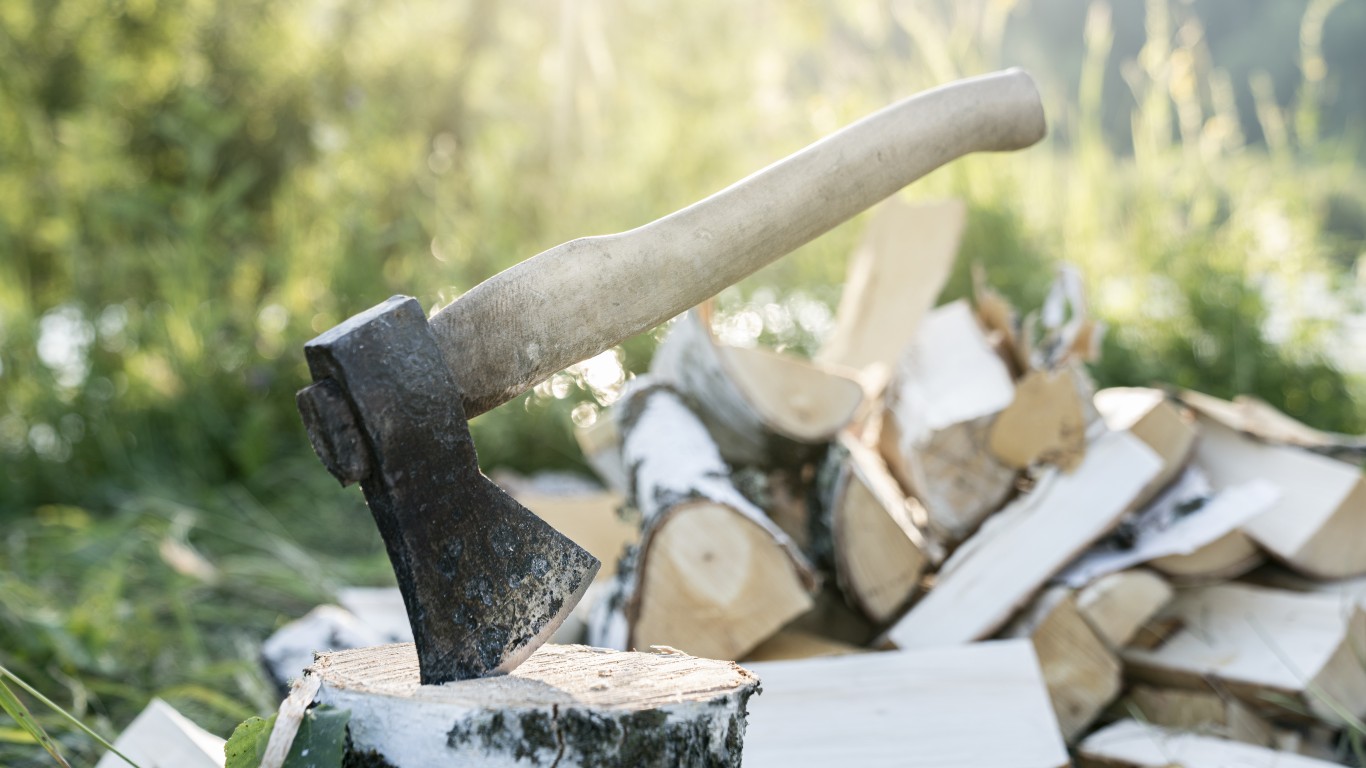
- Type: Breaching
- Primary function: Mechanical entry
- Skills involved: Leverage, controlled strikes
- Where it is used: Urban, CQB
- Real world usage: Used for breaking doors and obstacles
Lightweight and versatile, the Ranger tomahawk enables fast, quiet breaching. Rangers learn to target hinges and locks with precision. Its compact form makes it ideal for stealthy entries where explosive breaching isn’t appropriate.









 Top Gaining Stocks
 Top Losing Stocks