


Military history is filled with firearms that looked formidable on paper but proved far less impressive in the hands of average troops. In many cases, the issue was not flawed engineering, but unrealistic assumptions about training and doctrine. Some weapons were built with elite users in mind, soldiers who could manage the weapon and tactical nuance at a level most forces never reached. Here, 24/7 Wall St. is taking a closer look at the firearms that required elite level training to be effective.
To determine the firearms that required elite training, 24/7 Wall St. reviewed historical and military sources. We included supplemental information for each firearm regarding its skill requirements, training it assumed, why these weapons required elite training, and ultimately who used these firearms.
Here is a look at the firearms that required elite training to be effective:
Why Are We Covering This?
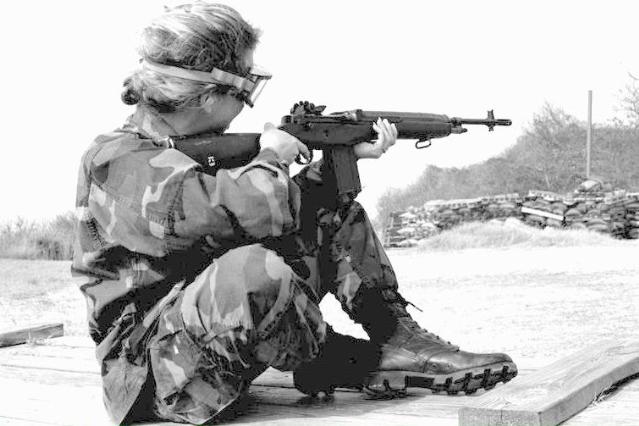
Understanding firearms that required elite training just to be effective matters because it challenges the common assumption that superior weapons automatically translate into superior battlefield performance. Throughout military history, many firearms were engineered with the expectation of advanced marksmanship, disciplined doctrine, and extensive training infrastructure. When those assumptions were met, these weapons delivered extraordinary results. When they were not, the same systems became liabilities as opposed to force multipliers.
The Skill Gap Weapons Create
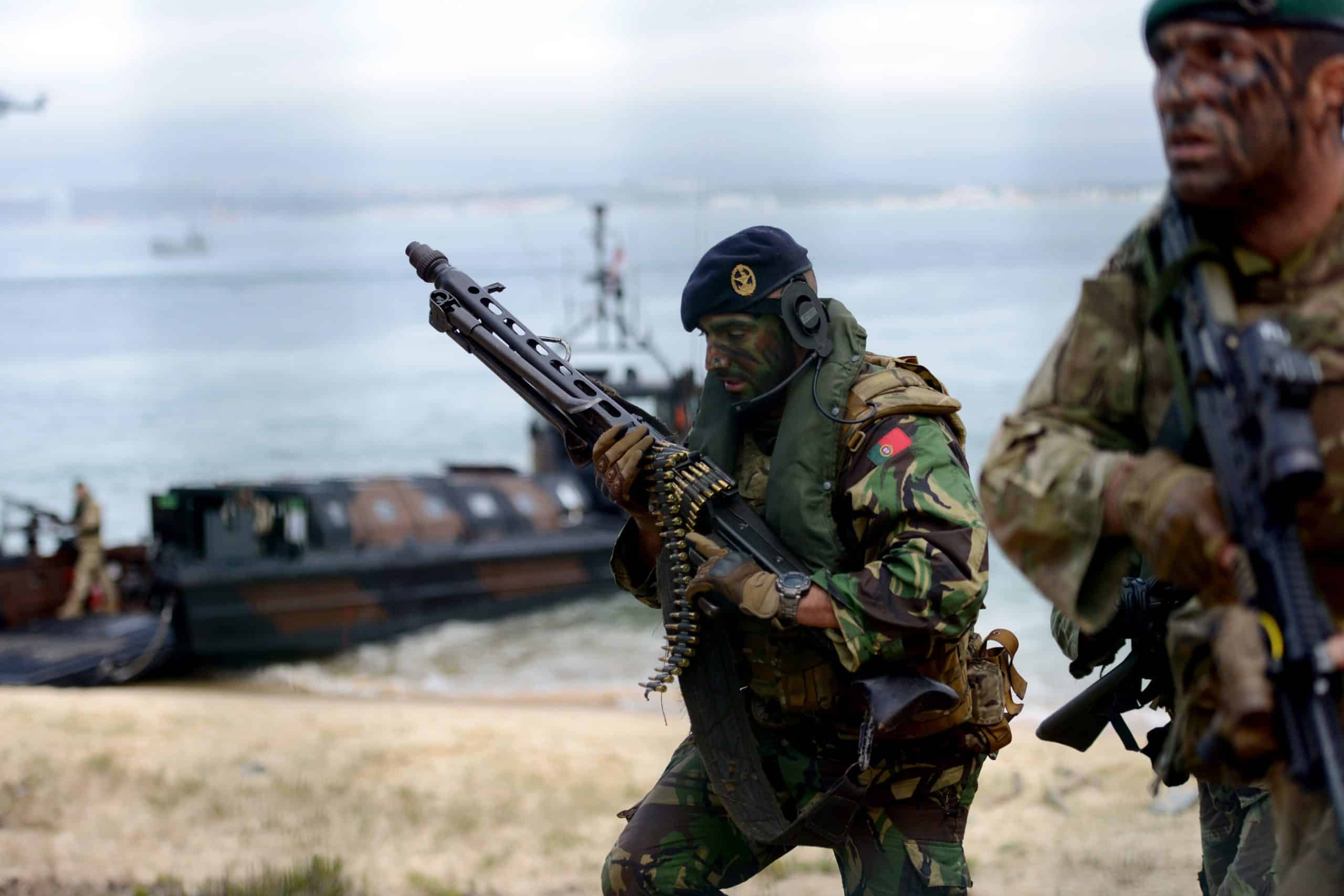
Modern militaries often assume that standard-issue firearms should be effective in the hands of minimally trained troops. Yet some weapons were designed under very different assumptions, expecting elite marksmanship, discipline, and doctrinal precision. When those assumptions were met, these firearms delivered exceptional performance. When they were not, effectiveness collapsed. This article examines firearms that exposed the gap between basic qualification and true mastery.
When Training Became the Limiting Factor

Many firearms earned mixed or negative reputations not because of flawed engineering, but because they demanded skills most troops never received. Recoil control, crew coordination, precision shooting, and maintenance discipline became decisive variables. In elite units, these weapons excelled. In conventional formations, they often disappointed, were misused, or became liabilities.
Doctrine Mattered More Than Firepower

Several firearms on this list only worked when employed exactly as intended. Sniper systems required spotter integration. Machine guns demanded disciplined fire control. Battle rifles punished uncontrolled automatic fire. These weapons assumed doctrine that went far beyond basic training and punished deviation ruthlessly, revealing how misuse—not design—often drove failure.
Why Elite Units Got More Out of the Same Weapons
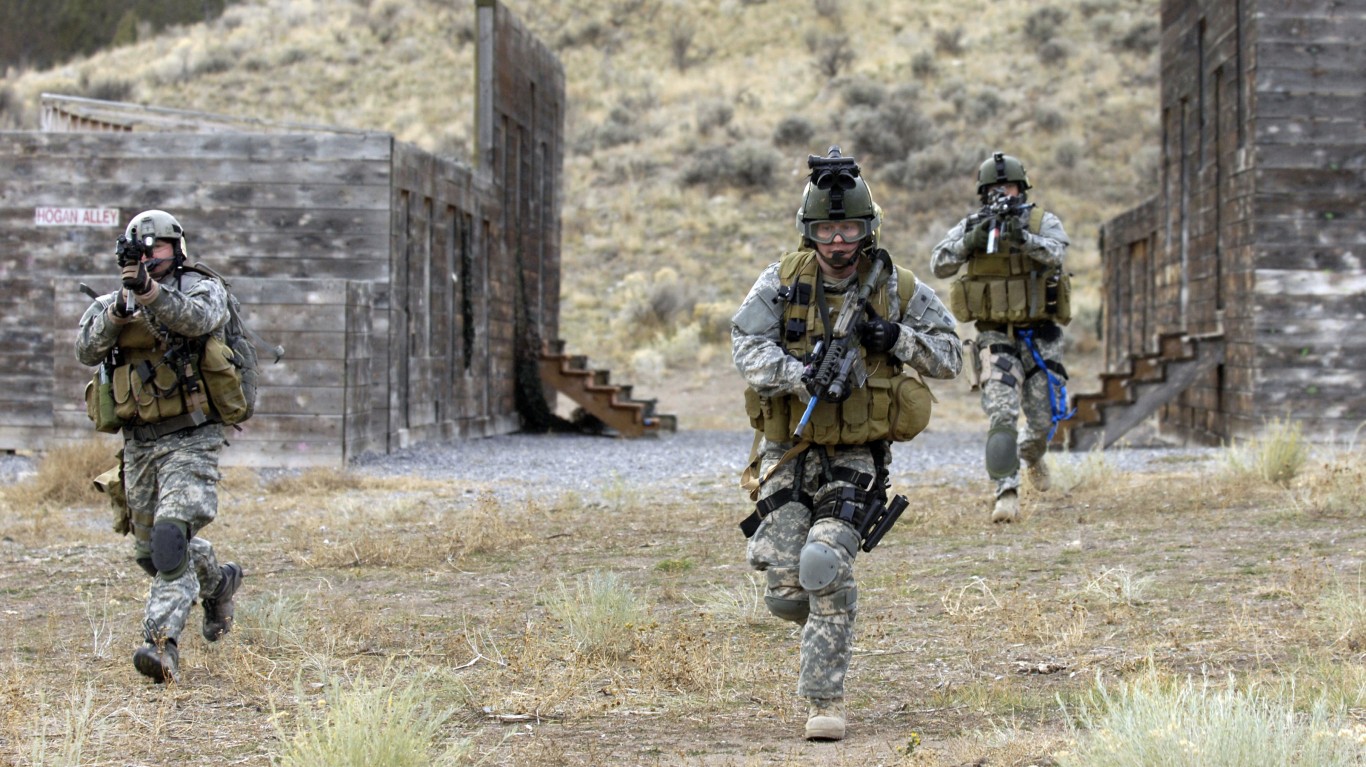
Elite units did not rely on superior hardware to unlock these weapons’ potential. Instead, they relied on repetition, discipline, and specialization. Through training and experience, elite users extracted performance that average troops could not, explaining why the same firearm could be indispensable in one unit and deeply unpopular in another.
The Hidden Cost of Elite-Only Firearms
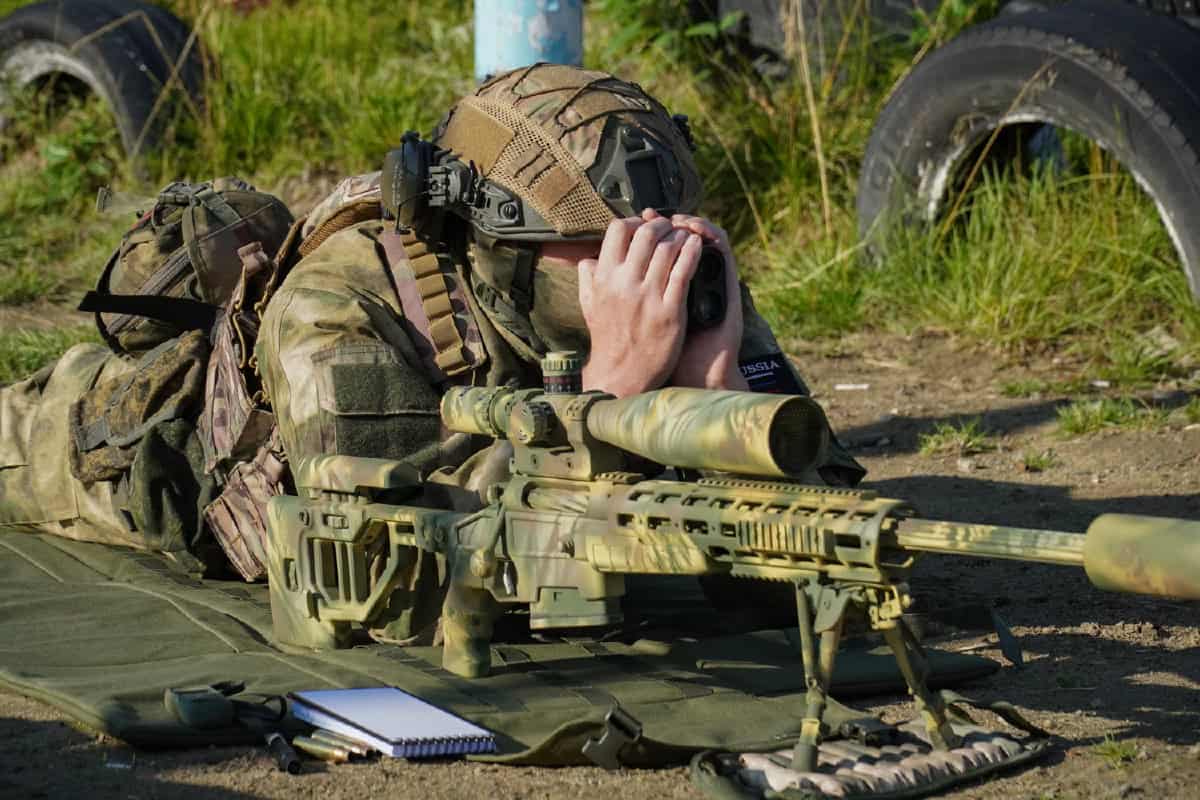
Weapons that require elite training impose costs beyond procurement. They demand time, instructors, ammunition, and sustained investment in personnel. Militaries must ultimately decide whether the performance payoff justifies those resources. This list explores firearms where that tradeoff succeeded—and where the training burden quietly outweighed the benefit.
Barrett M82 / M107
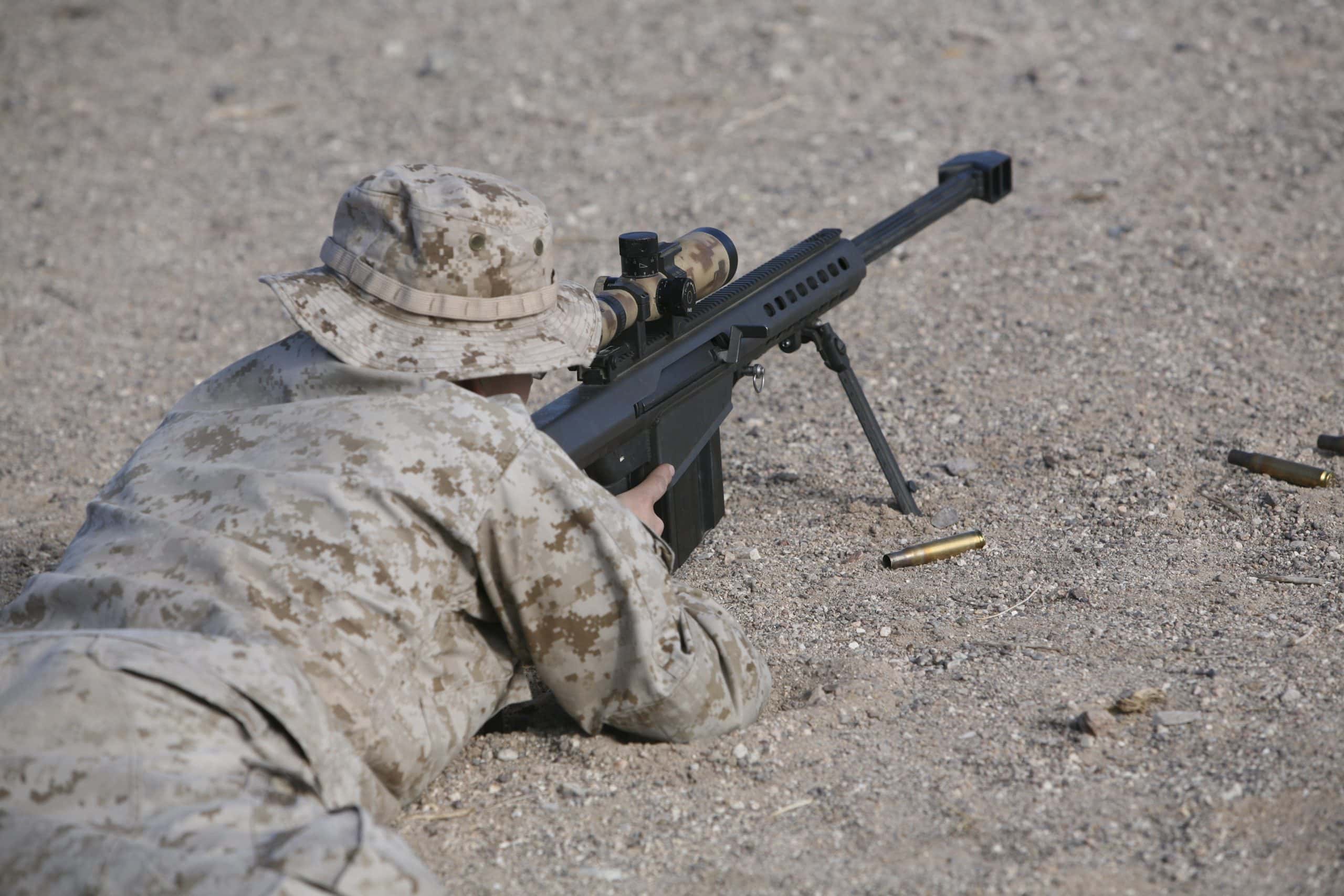
- Weapon type: Anti-materiel sniper rifle
- Era introduced: Cold War
- Primary skill requirement: Extreme-range marksmanship
- Why it punished average troops: Weight, recoil, and ballistic complexity overwhelmed average shooters
- Training or doctrine it assumed: Advanced sniper doctrine with spotter integration
- Units or roles that used it effectively: SOF sniper teams
- What elite users did differently: Used spotters, ballistic computers, and deliberate shot pacing
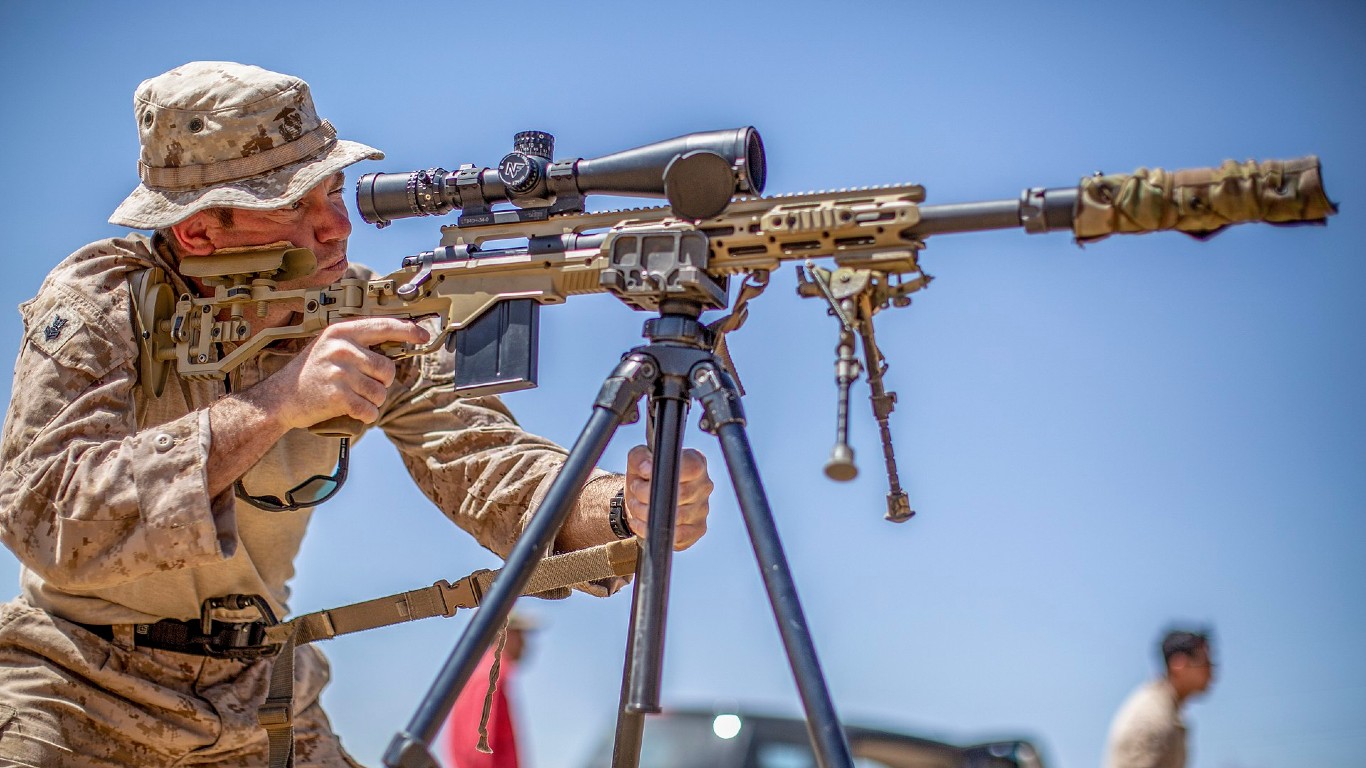
The Barrett M82/M107 was designed to engage vehicles, equipment, and fortified targets at extreme distances. In elite hands, it became a precision tool paired with trained spotters and advanced ballistic calculations. Average troops struggled with its heavy recoil, immense weight, and complex ballistics, often failing to exploit its range. Without specialized training, the rifle’s advantages quickly turned into logistical and handling liabilities.
McMillan TAC-50
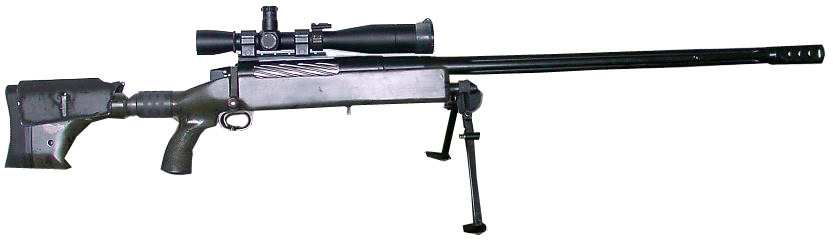
- Weapon type: Sniper rifle
- Era introduced: Post–Cold War
- Primary skill requirement: Long-range precision
- Why it punished average troops: Ballistic miscalculations at extreme distances
- Training or doctrine it assumed: Advanced sniper–spotter coordination
- Units or roles that used it effectively: SOF sniper teams
- What elite users did differently: Integrated spotting, range cards, and environmental data
The McMillan TAC-50 excels at extreme-distance precision, where minor errors can mean complete mission failure. Elite sniper teams leveraged disciplined fundamentals, precise environmental readings, and close spotter coordination to achieve historic long-range kills. Without this level of training, the rifle’s size, recoil, and ballistic demands offered little practical benefit and often exceeded the capabilities of average shooters.
Accuracy International AXMC

- Weapon type: Modular sniper rifle
- Era introduced: Modern
- Primary skill requirement: Multi-caliber mastery
- Why it punished average troops: Improper caliber transitions and zeroing errors
- Training or doctrine it assumed: Highly standardized sniper training
- Units or roles that used it effectively: Military sniper units
- What elite users did differently: Maintained strict configuration discipline
The AXMC’s modular design allowed elite units to swap calibers and configurations based on mission needs. That flexibility demanded meticulous zeroing, strict record keeping, and advanced training standards. Inexperienced users frequently mismanaged caliber changes, degrading accuracy and reliability. Only disciplined sniper teams could consistently unlock the rifle’s adaptability without sacrificing precision or operational confidence.
CheyTac M200
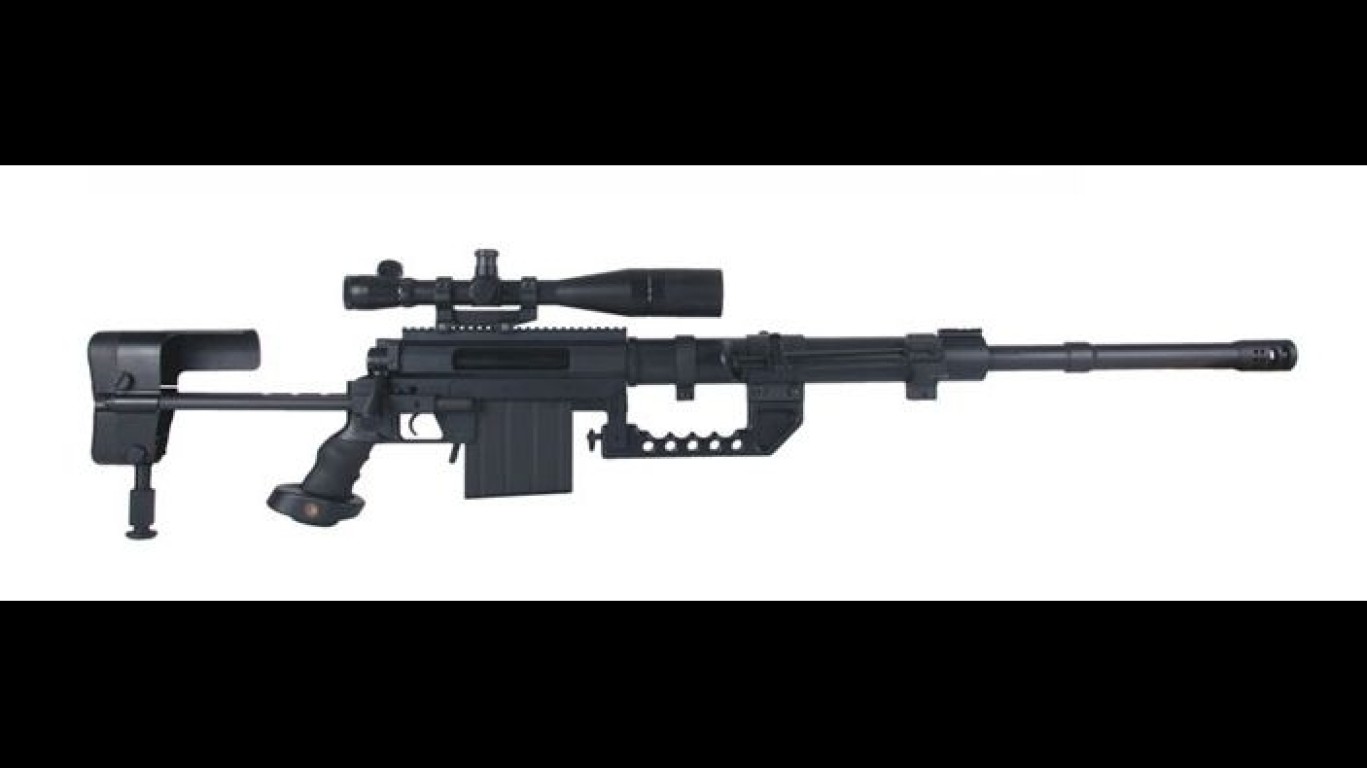
- Weapon type: Extreme-range rifle
- Era introduced: Modern
- Primary skill requirement: Advanced external ballistics
- Why it punished average troops: Inability to exploit theoretical range
- Training or doctrine it assumed: Experimental long-range doctrine
- Units or roles that used it effectively: Specialized sniper elements
- What elite users did differently: Relied on precision data and ideal conditions
The CheyTac M200 was built to push ballistic performance beyond conventional military doctrine. Its theoretical range impressed on paper, but only elite marksmen with advanced ballistic modeling could extract real-world value. Most users found its size, recoil, and environmental sensitivity impractical, making it ineffective outside highly controlled conditions and specialized long-range experimentation.
PSG1
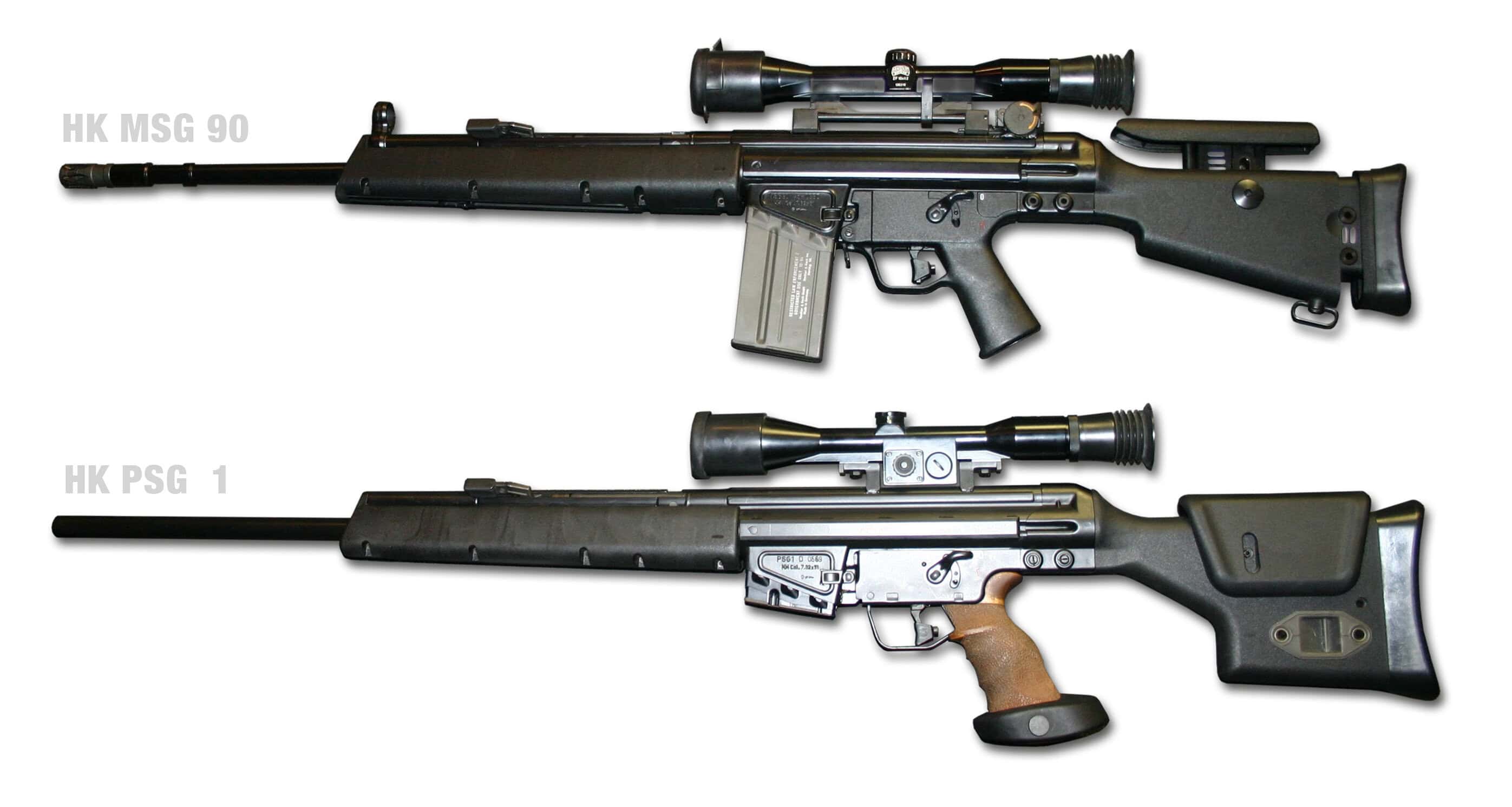
- Weapon type: Precision sniper rifle
- Era introduced: Cold War
- Primary skill requirement: Urban precision shooting
- Why it punished average troops: Sensitivity to rough handling
- Training or doctrine it assumed: Counter-terror precision doctrine
- Units or roles that used it effectively: Counter-terror units
- What elite users did differently: Emphasized slow, deliberate employment
The PSG1 was engineered for counter-terror and hostage rescue missions where precision mattered more than durability. Elite operators exploited its exceptional accuracy through deliberate, methodical employment. Outside specialized units, its fragility, cost, and maintenance demands made it impractical, limiting its usefulness without extensive training and controlled handling environments.
Dragunov SVD
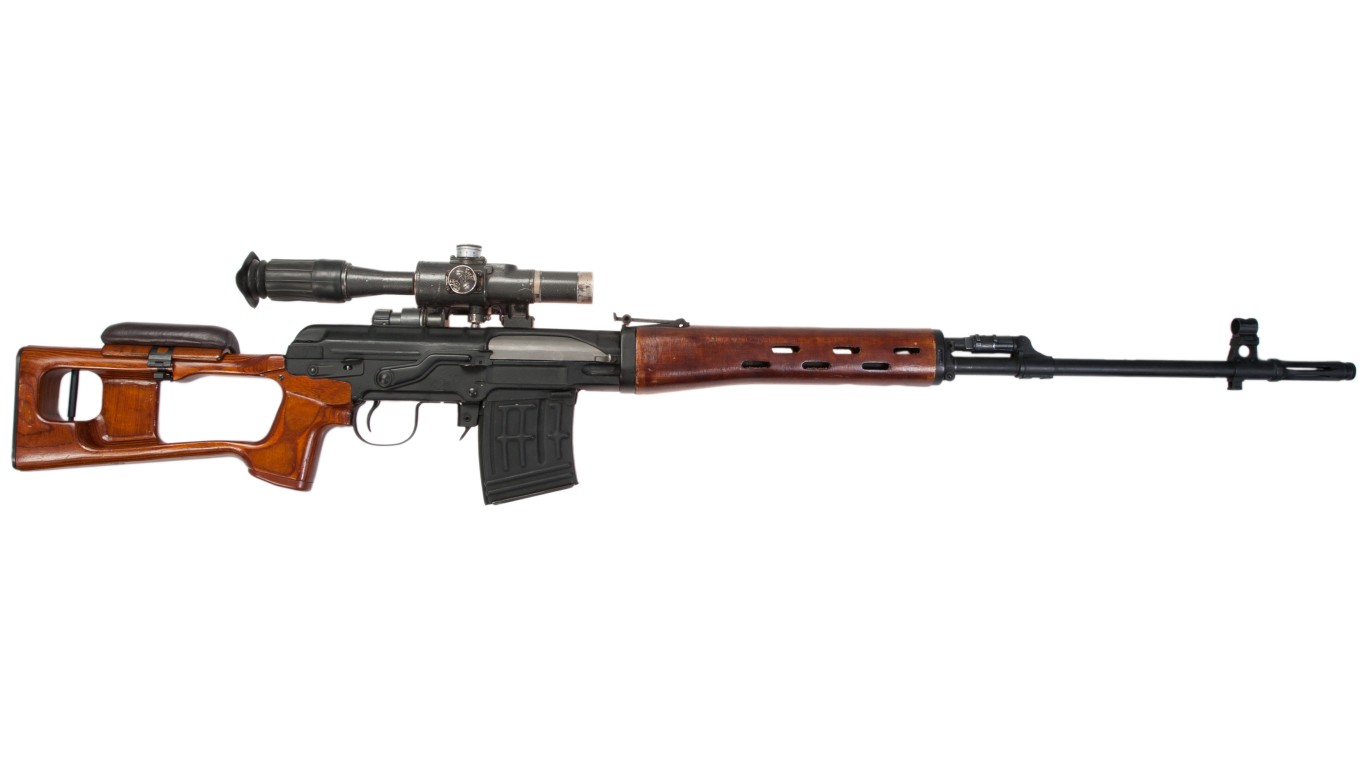
- Weapon type: Designated marksman rifle
- Era introduced: Cold War
- Primary skill requirement: Intermediate-range marksmanship
- Why it punished average troops: Misused as a sniper rifle
- Training or doctrine it assumed: DMR doctrine
- Units or roles that used it effectively: Designated marksmen
- What elite users did differently: Focused on squad-level precision
The Dragunov SVD was designed to extend squad-level firepower, not serve as a traditional sniper rifle. When employed by trained designated marksmen, it provided effective intermediate-range precision. Poor training often led to misuse, unrealistic expectations, and disappointing results, masking the rifle’s strengths and undermining its intended battlefield role.
M60
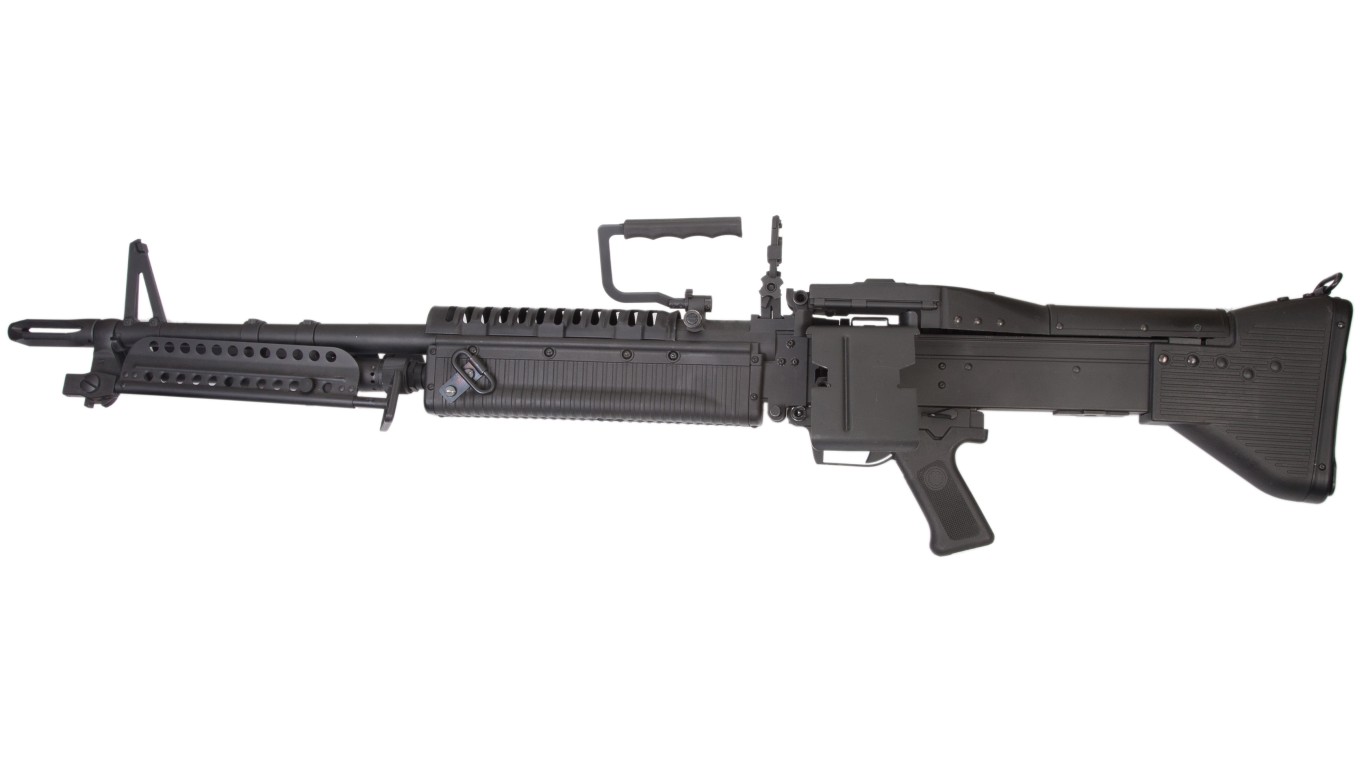
- Weapon type: General-purpose machine gun
- Era introduced: Cold War
- Primary skill requirement: Crew-served discipline
- Why it punished average troops: Maintenance neglect and overheating
- Training or doctrine it assumed: Machine gun crew doctrine
- Units or roles that used it effectively: MG teams
- What elite users did differently: Rotated barrels and controlled fire
The M60 could deliver heavy, sustained firepower when properly crewed and maintained. Elite units managed barrel changes, ammunition discipline, and maintenance routines effectively. Poorly trained troops often suffered frequent stoppages and breakdowns, earning the weapon its negative reputation and demonstrating how training quality directly determined performance.
MG42 / MG3
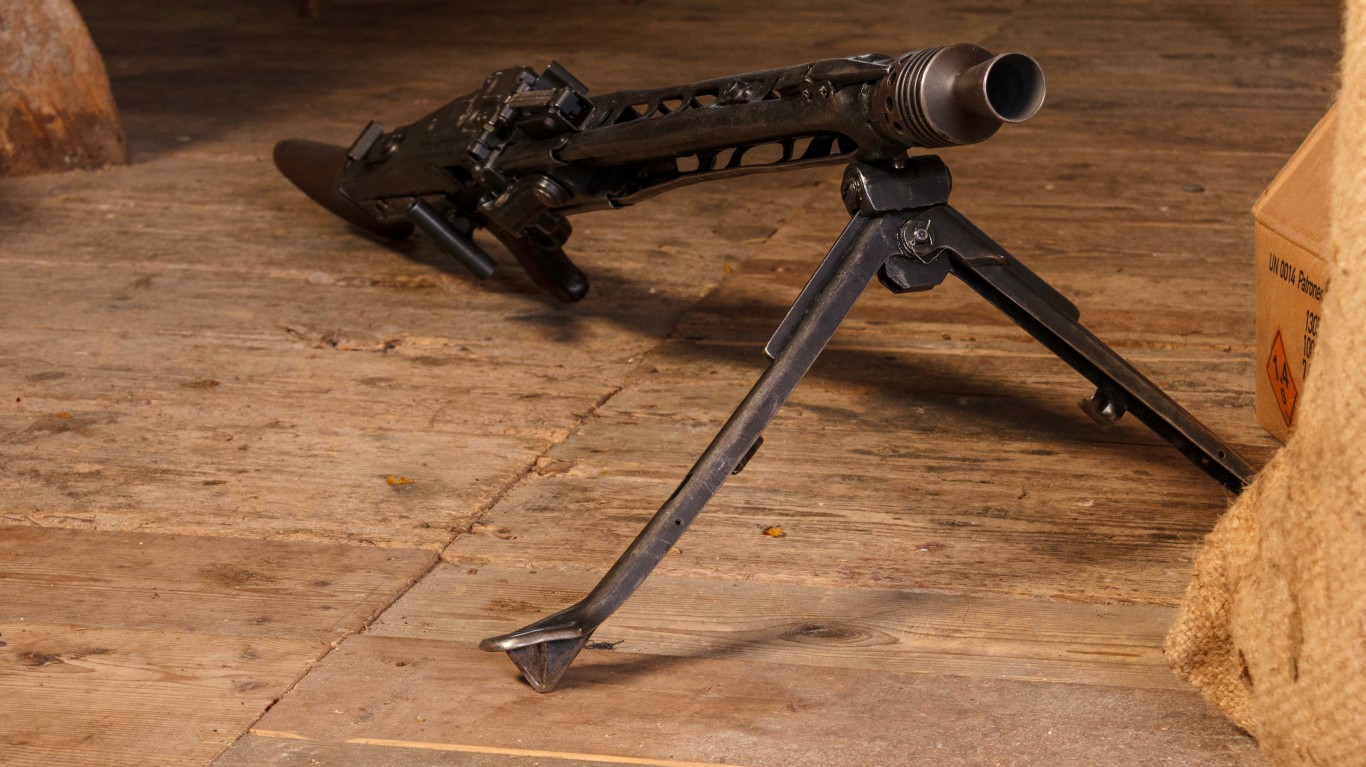
- Weapon type: General-purpose machine gun
- Era introduced: WWII / Cold War
- Primary skill requirement: Fire control discipline
- Why it punished average troops: Excessive ammunition consumption
- Training or doctrine it assumed: Highly drilled crew doctrine
- Units or roles that used it effectively: Infantry MG teams
- What elite users did differently: Short bursts and crew coordination
The MG42 and MG3 delivered devastating suppressive fire through their extremely high rate of fire. Disciplined crews controlled bursts, managed ammunition, and coordinated roles efficiently. Without strict training, the weapons burned through ammo rapidly, reducing combat effectiveness and turning raw firepower into a logistical liability.
Mk 48
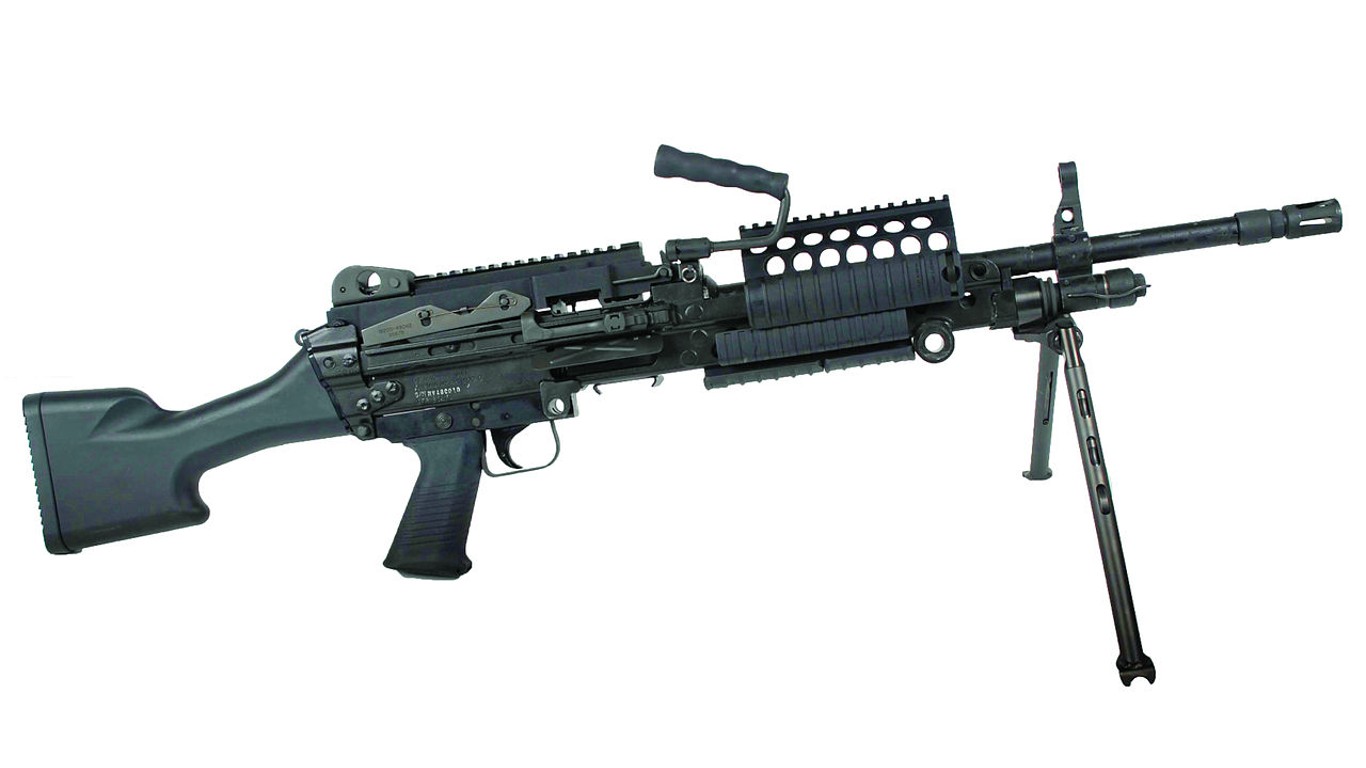
- Weapon type: Lightweight machine gun
- Era introduced: Modern
- Primary skill requirement: Sustainment and recoil control
- Why it punished average troops: Logistical strain on small units
- Training or doctrine it assumed: SOF fire support doctrine
- Units or roles that used it effectively: SOCOM units
- What elite users did differently: Integrated fires and logistics planning
The Mk 48 provided elite units with heavy firepower in a more portable package. Its effectiveness depended on advanced logistics planning, recoil control, and disciplined employment. Without that training, the weapon imposed excessive sustainment burdens on small units, limiting mobility and operational endurance.
Browning M2

- Weapon type: Heavy machine gun
- Era introduced: WWII
- Primary skill requirement: Crew coordination
- Why it punished average troops: Improper headspacing and timing
- Training or doctrine it assumed: Crew-served weapons doctrine
- Units or roles that used it effectively: Heavy weapons teams
- What elite users did differently: Strict setup and maintenance discipline
The Browning M2 has remained effective for decades, but only when crews mastered setup and maintenance procedures. Proper headspacing, timing, and coordination were essential. Poor training increased the risk of malfunctions and safety hazards, proving the weapon’s legendary performance was inseparable from disciplined crew training.
Chauchat
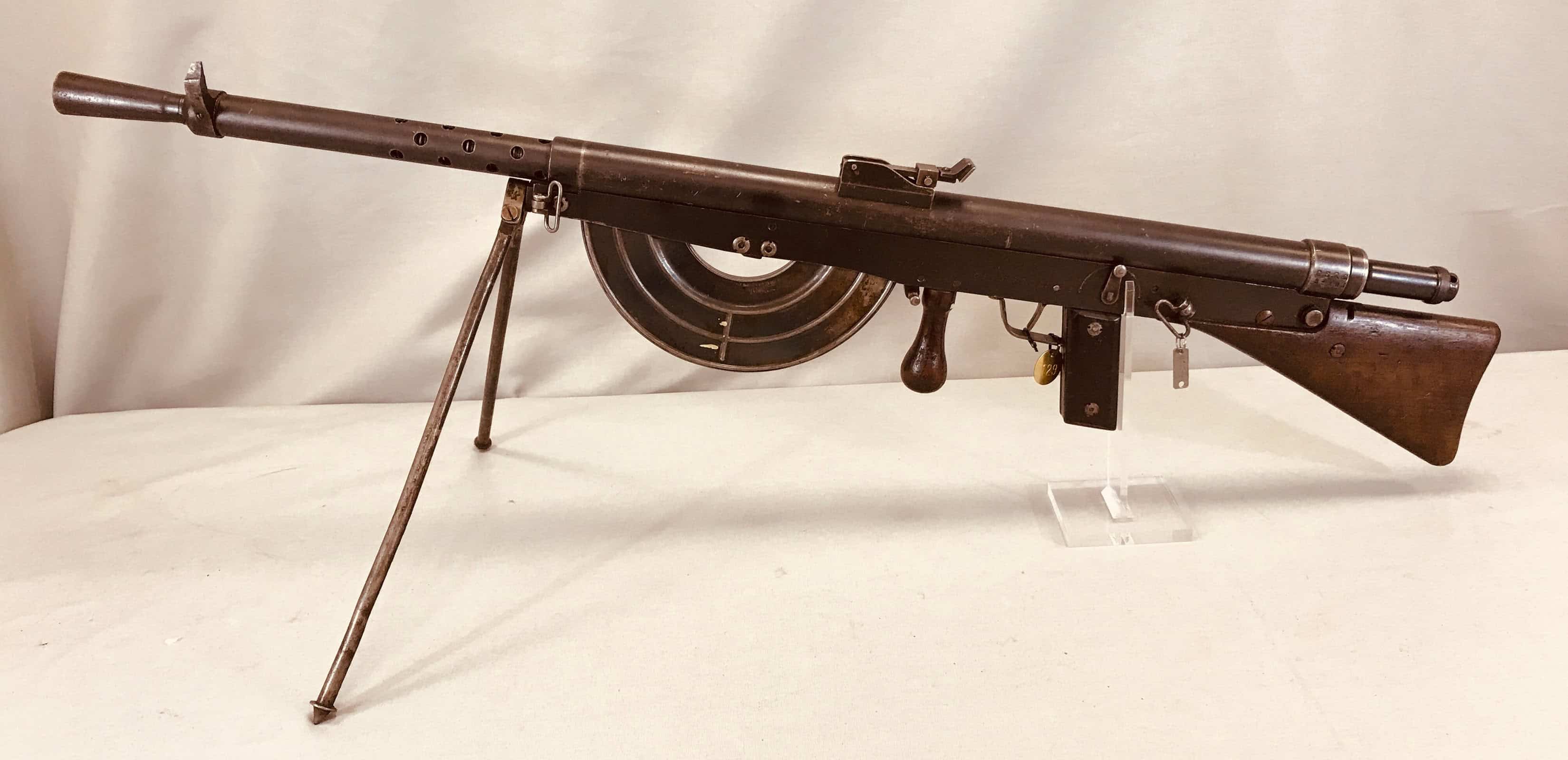
- Weapon type: Automatic rifle
- Era introduced: WWI
- Primary skill requirement: Crew discipline
- Why it punished average troops: Susceptibility to dirt and misuse
- Training or doctrine it assumed: Late-war automatic rifle doctrine
- Units or roles that used it effectively: Trained assault units
- What elite users did differently: Careful handling and positioning
The Chauchat became infamous due to widespread misuse by poorly trained troops. Late in World War I, disciplined units that handled it carefully and employed it correctly achieved better results. Its reputation illustrates how inadequate training can doom even conceptually sound weapons.
RPK
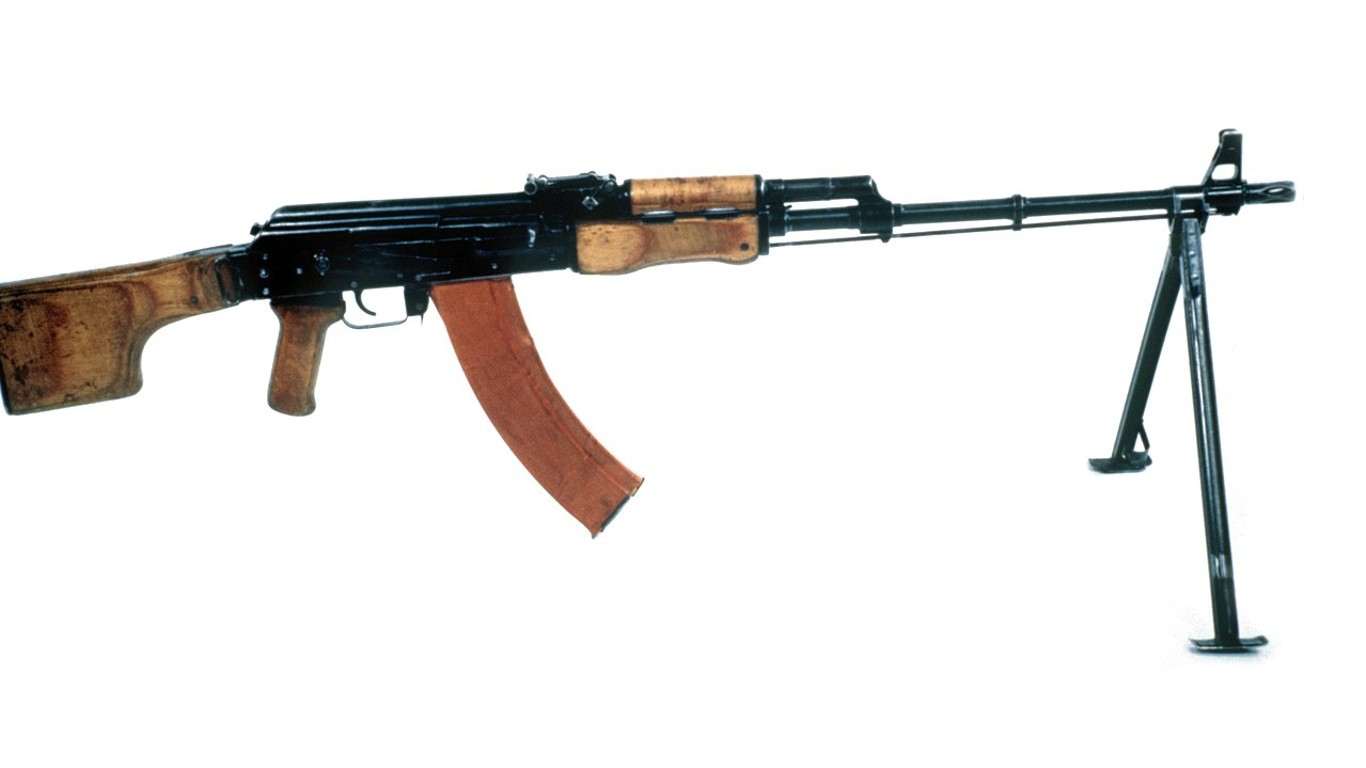
- Weapon type: Automatic rifle
- Era introduced: Cold War
- Primary skill requirement: Fire discipline
- Why it punished average troops: Used as a full machine gun
- Training or doctrine it assumed: Squad automatic doctrine
- Units or roles that used it effectively: Infantry fire teams
- What elite users did differently: Controlled, sustained fire
The RPK was intended to provide sustained automatic fire at the squad level. Trained teams used controlled bursts to support maneuver. When treated like a belt-fed machine gun by untrained troops, its limitations became obvious, reducing reliability and effectiveness.
M14 (Automatic)
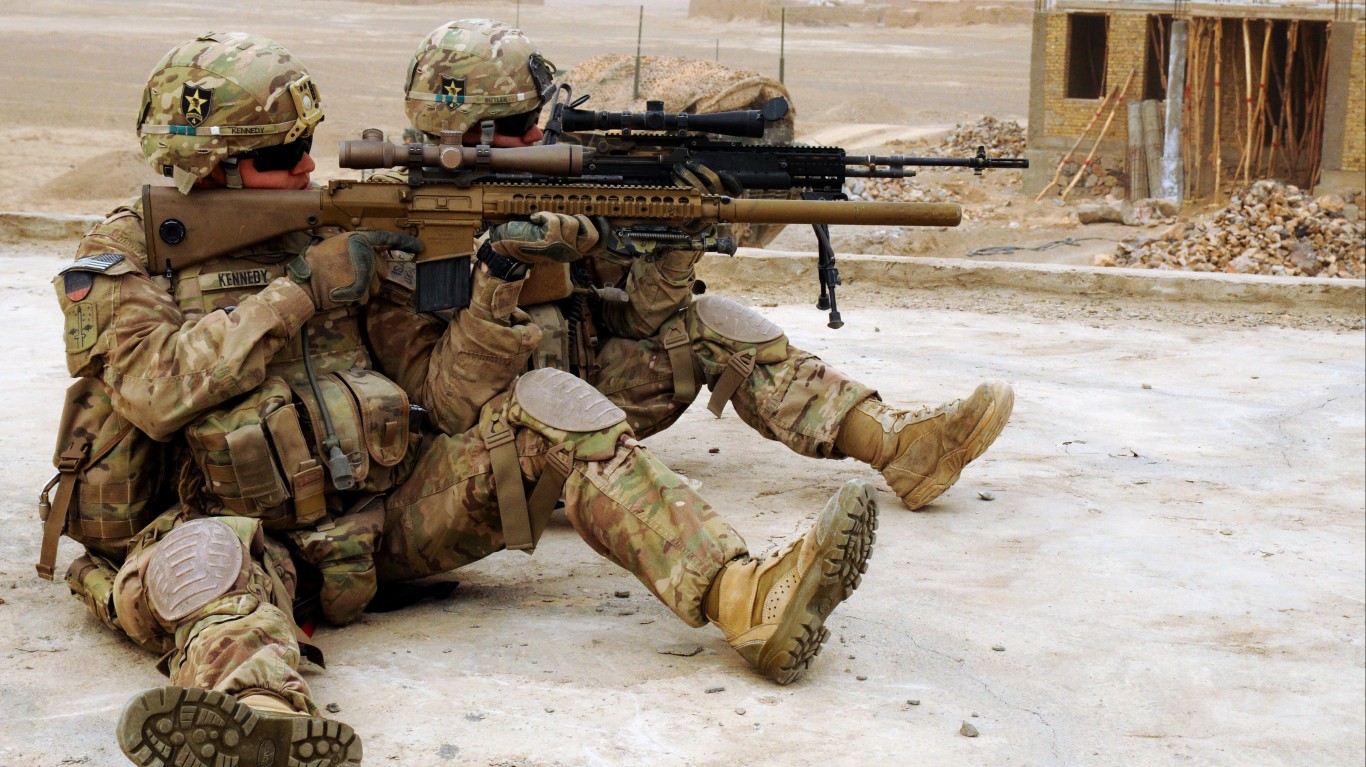
- Weapon type: Battle rifle
- Era introduced: Cold War
- Primary skill requirement: Recoil management
- Why it punished average troops: Uncontrollable automatic fire
- Training or doctrine it assumed: Advanced marksmanship doctrine
- Units or roles that used it effectively: Elite infantry units
- What elite users did differently: Semi-auto emphasis
The M14’s automatic mode proved nearly uncontrollable for average soldiers. Elite units emphasized semi-automatic fire, disciplined marksmanship, and selective employment. Without this restraint, recoil and ammunition waste overwhelmed users, highlighting the gap between theoretical capability and practical effectiveness.
FN FAL (Automatic)
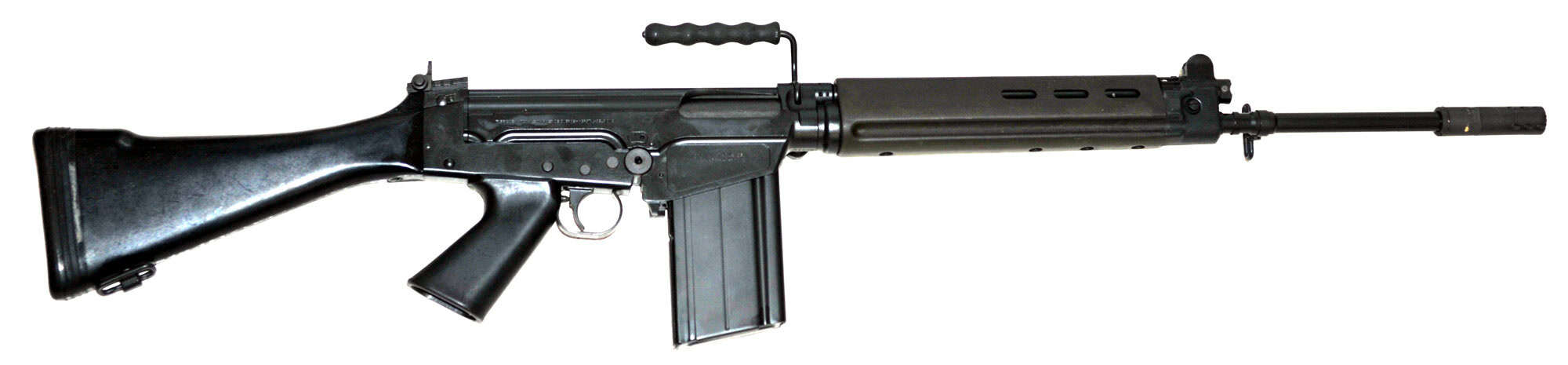
- Weapon type: Battle rifle
- Era introduced: Cold War
- Primary skill requirement: Automatic fire control
- Why it punished average troops: Excessive recoil
- Training or doctrine it assumed: Selective-fire doctrine
- Units or roles that used it effectively: Elite infantry
- What elite users did differently: Restricted fire modes
The FN FAL excelled as a semi-automatic battle rifle but became difficult to control in full-auto. Trained units limited automatic fire and focused on accuracy. Poor training led to wasted ammunition and reduced combat effectiveness, reinforcing the importance of disciplined employment.
G3

- Weapon type: Battle rifle
- Era introduced: Cold War
- Primary skill requirement: Recoil mitigation
- Why it punished average troops: Harsh recoil impulse
- Training or doctrine it assumed: Marksmanship-focused doctrine
- Units or roles that used it effectively: Professional armies
- What elite users did differently: Accuracy over volume
The G3’s roller-delayed system produced a sharp recoil impulse that punished poor shooting fundamentals. Professional armies emphasized marksmanship and controlled fire to exploit its reliability. Less trained troops often struggled with recoil, reducing accuracy and confidence in combat.
SCAR-H
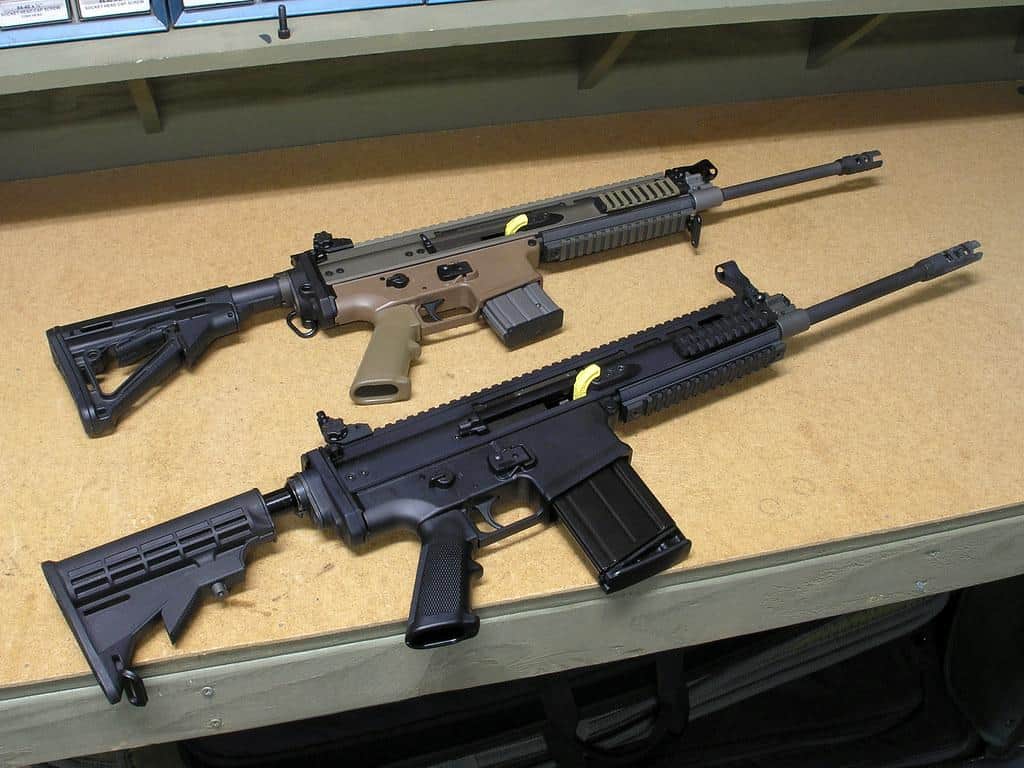
- Weapon type: Battle rifle
- Era introduced: Modern
- Primary skill requirement: Precision recoil control
- Why it punished average troops: Overpowered for average infantry
- Training or doctrine it assumed: SOF employment doctrine
- Units or roles that used it effectively: SOF units
- What elite users did differently: Controlled semi-auto fire
The SCAR-H delivered exceptional range and stopping power for elite units. Its recoil and weight demanded disciplined shooting techniques and controlled rates of fire. Without specialized training, average infantry found it difficult to handle effectively, limiting its broader adoption.
AK-12 (Early)
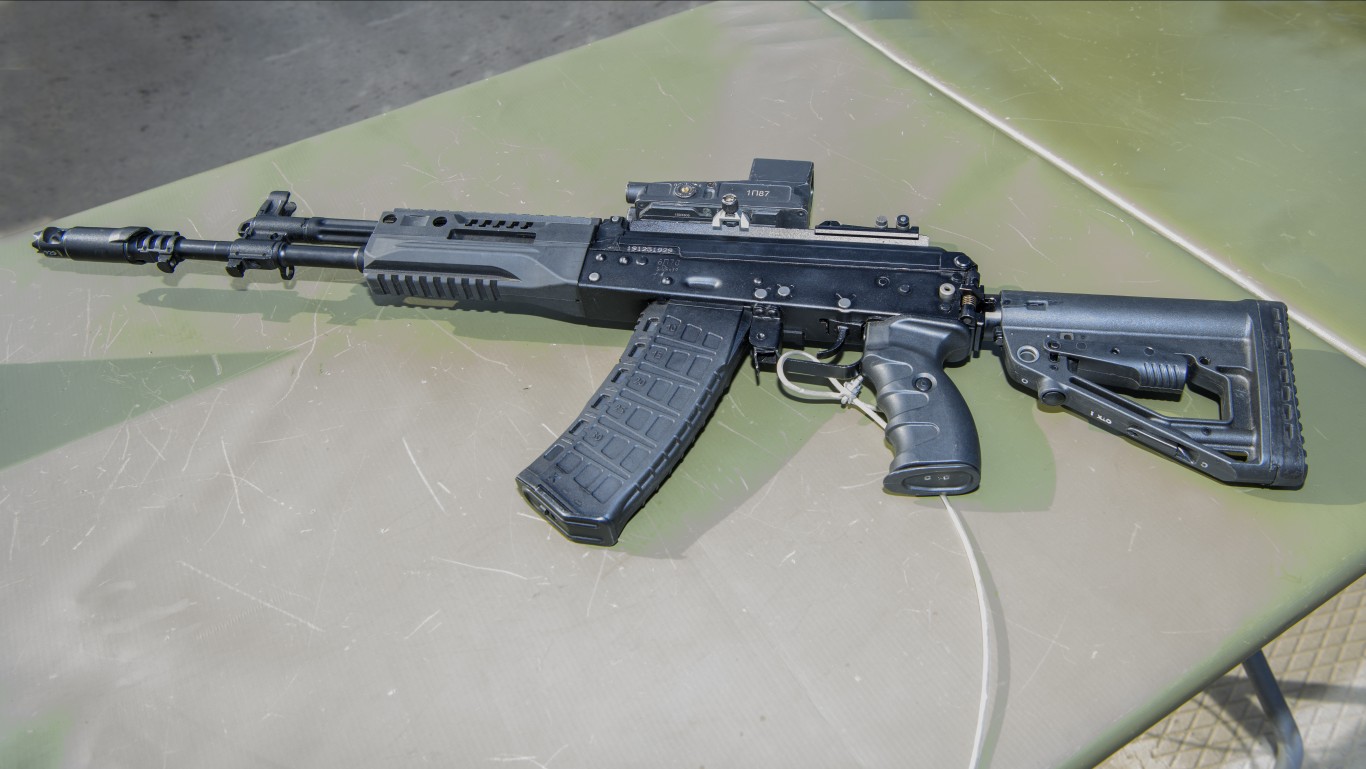
- Weapon type: Assault rifle
- Era introduced: Modern
- Primary skill requirement: System complexity
- Why it punished average troops: Overcomplicated controls
- Training or doctrine it assumed: Modernized infantry doctrine
- Units or roles that used it effectively: Professional units
- What elite users did differently: Simplified employment
Early AK-12 variants introduced new controls and features that increased complexity. Professional units adapted through focused training and simplified employment. Less trained troops struggled with the added systems, diminishing the rifle’s intended improvements.
FN F2000
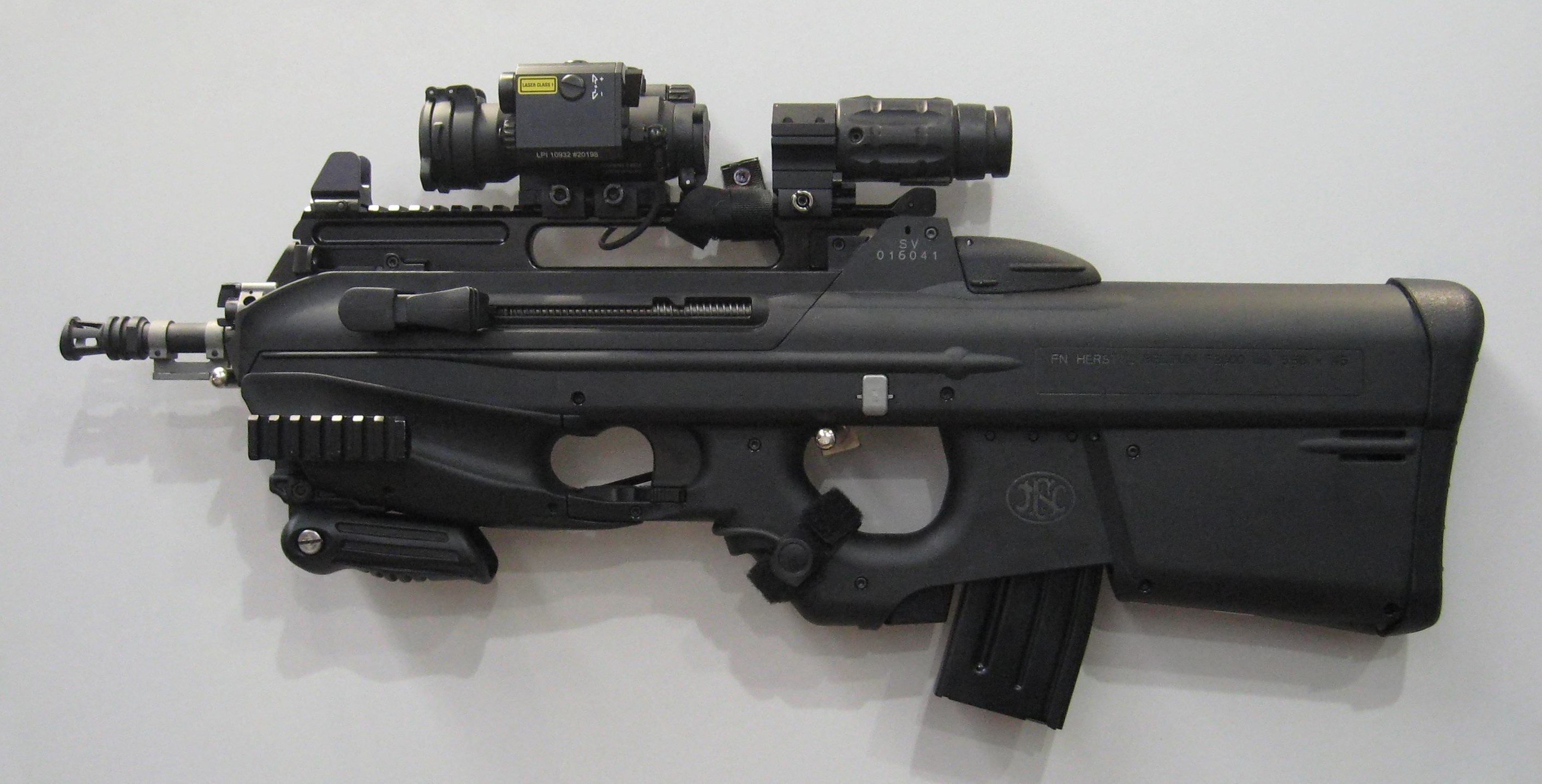
- Weapon type: Bullpup rifle
- Era introduced: Modern
- Primary skill requirement: Manual-of-arms mastery
- Why it punished average troops: Unintuitive ergonomics
- Training or doctrine it assumed: Advanced infantry training
- Units or roles that used it effectively: Specialized units
- What elite users did differently: Focused familiarization
The FN F2000’s unconventional layout rewarded trained users familiar with its ergonomics. Without extensive familiarization, reloads and handling confused average troops. Its effectiveness depended heavily on consistent training and repetition rather than intuitive use.
Steyr AUG

- Weapon type: Bullpup rifle
- Era introduced: Cold War
- Primary skill requirement: Optics reliance
- Why it punished average troops: Unfamiliar handling
- Training or doctrine it assumed: Professional army doctrine
- Units or roles that used it effectively: Professional infantry
- What elite users did differently: Optics-centric training
The Steyr AUG was among the first service rifles to rely heavily on integrated optics. Professional forces adapted quickly through focused training. Troops unfamiliar with bullpup handling and optic-dependent aiming often struggled, limiting its effectiveness without proper instruction.
L85A1
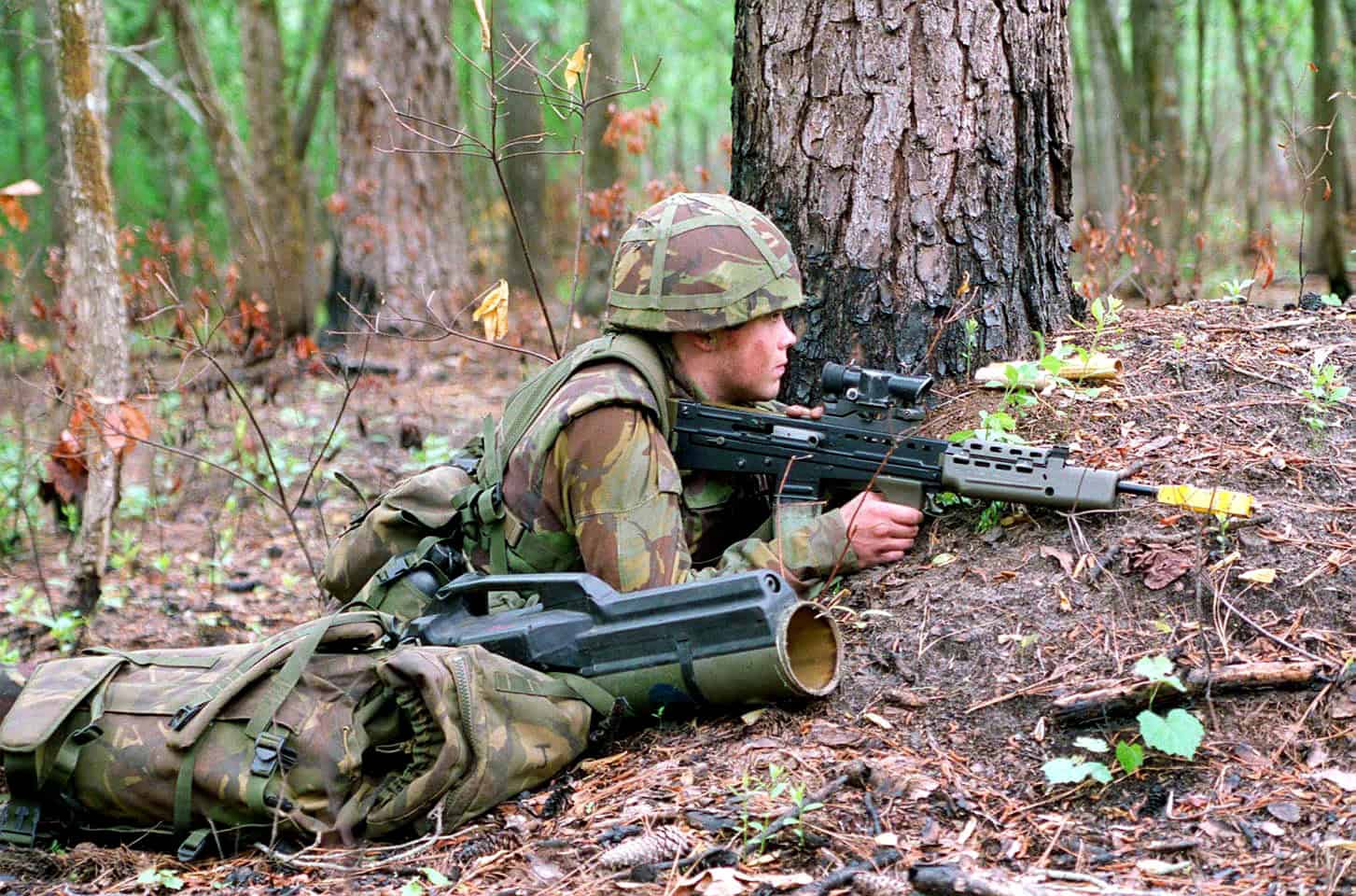
- Weapon type: Bullpup rifle
- Era introduced: Cold War
- Primary skill requirement: Maintenance discipline
- Why it punished average troops: Reliability failures
- Training or doctrine it assumed: High-standard training
- Units or roles that used it effectively: British professional forces
- What elite users did differently: Rigorous upkeep
Early L85A1 rifles suffered reliability issues that were magnified by poor maintenance practices. Elite units mitigated these problems through strict upkeep and training. Without that discipline, performance deteriorated rapidly, reinforcing the weapon’s troubled reputation.
Tavor TAR-21

- Weapon type: Bullpup rifle
- Era introduced: Modern
- Primary skill requirement: CQB handling
- Why it punished average troops: Awkward reloads
- Training or doctrine it assumed: Urban combat doctrine
- Units or roles that used it effectively: Elite infantry
- What elite users did differently: Focused CQB drills
The Tavor TAR-21 excelled in confined environments where compactness mattered. Elite units trained extensively on reloads and CQB handling techniques. Without repetition, average users found the bullpup layout awkward, reducing its advantages in close combat.
HK G11
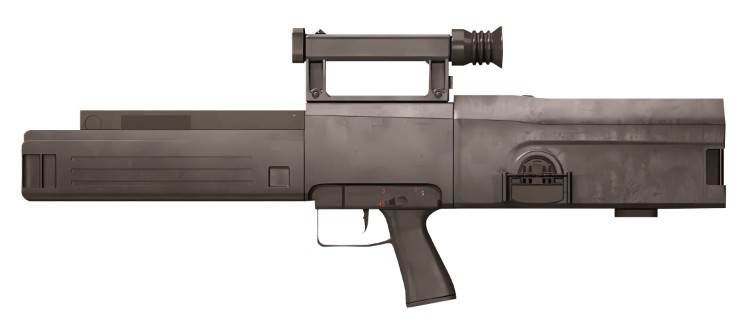
- Weapon type: Experimental rifle
- Era introduced: Cold War
- Primary skill requirement: System mastery
- Why it punished average troops: Caseless ammo fragility
- Training or doctrine it assumed: Experimental doctrine
- Units or roles that used it effectively: Elite test units
- What elite users did differently: Strict handling protocols
The HK G11 represented a leap in small-arms technology but demanded extraordinary training. Caseless ammunition sensitivity and complex systems limited usability. Only elite test units could manage its requirements, preventing widespread adoption.
AS Val
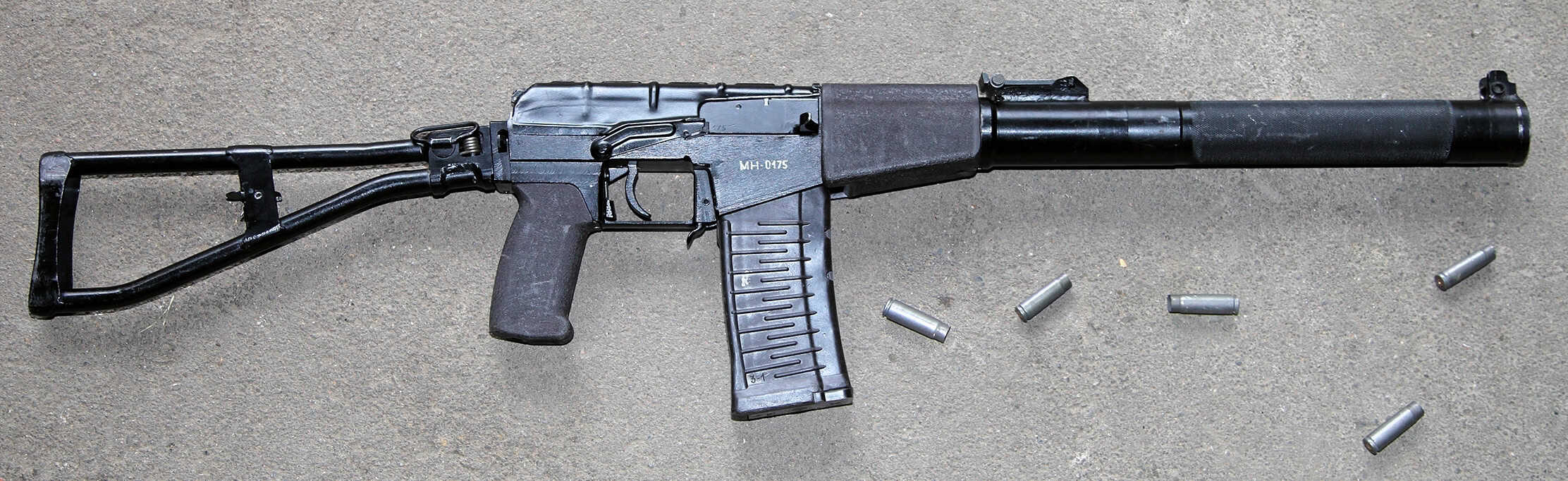
- Weapon type: Suppressed rifle
- Era introduced: Cold War
- Primary skill requirement: Ammo discipline
- Why it punished average troops: Rapid ammunition depletion
- Training or doctrine it assumed: Special reconnaissance doctrine
- Units or roles that used it effectively: Spetsnaz units
- What elite users did differently: Controlled engagement ranges
The AS Val delivered devastating suppressed fire at close range. Elite reconnaissance units managed ammunition carefully and controlled engagement distances. Poor discipline led to rapid depletion and reduced effectiveness, underscoring its narrow doctrinal niche.
VSS Vintorez

- Weapon type: Suppressed sniper rifle
- Era introduced: Cold War
- Primary skill requirement: Stealth marksmanship
- Why it punished average troops: Limited effective range
- Training or doctrine it assumed: Recon sniper doctrine
- Units or roles that used it effectively: Recon units
- What elite users did differently: Stealth-focused employment
The VSS Vintorez excelled in stealth-focused operations within limited ranges. Trained operators exploited its suppressed precision for reconnaissance missions. Without understanding its constraints, users risked misemployment and disappointing performance.
HK MP7
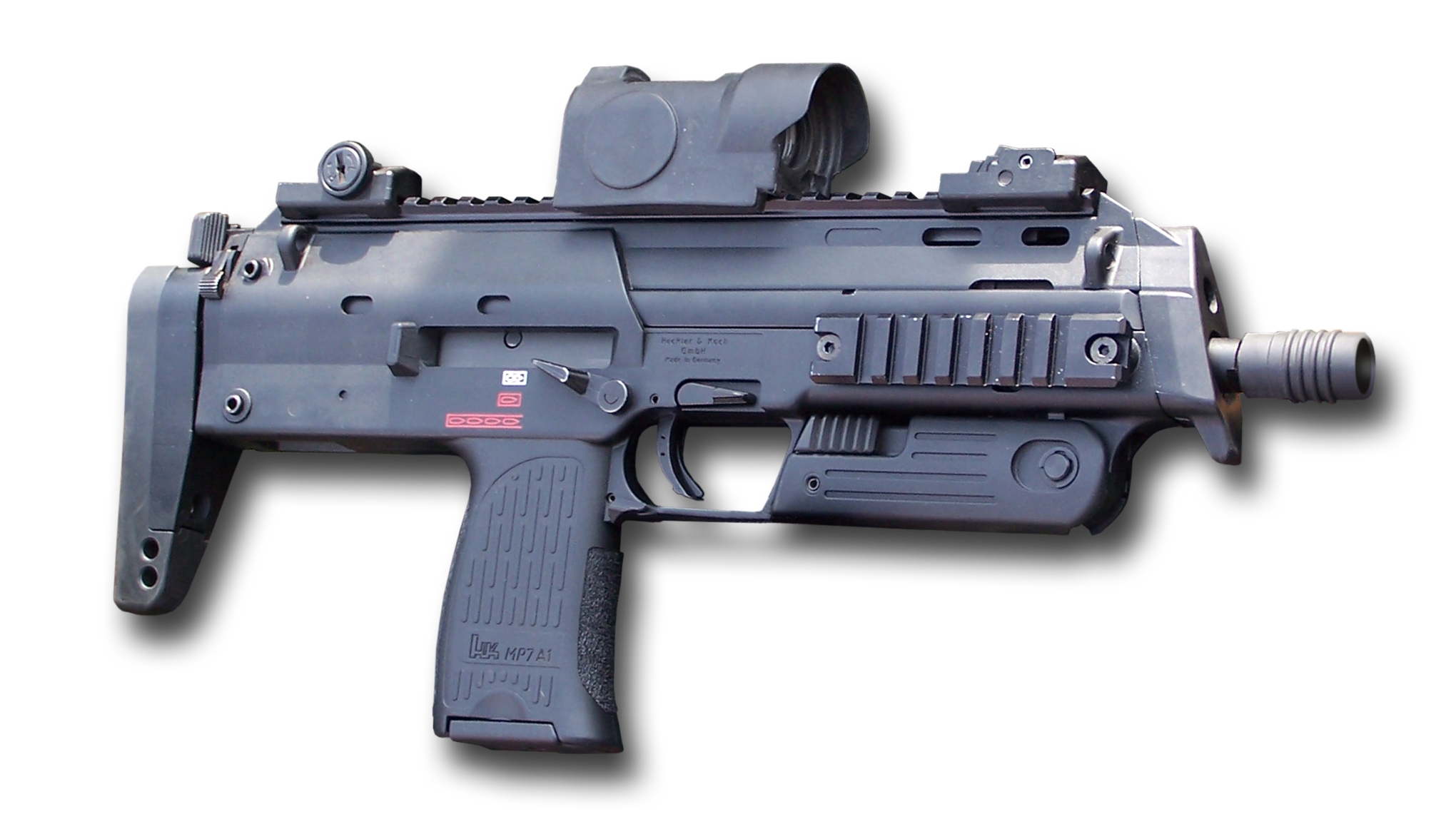
- Weapon type: PDW
- Era introduced: Modern
- Primary skill requirement: CQB precision
- Why it punished average troops: Limited stopping power misuse
- Training or doctrine it assumed: SOF CQB doctrine
- Units or roles that used it effectively: SOF units
- What elite users did differently: Targeted shot placement
The HK MP7 relied on shot placement and burst discipline rather than raw stopping power. Elite operators trained extensively in CQB techniques to exploit its strengths. Poorly trained users often misjudged its capabilities, reducing combat effectiveness.
MP5SD
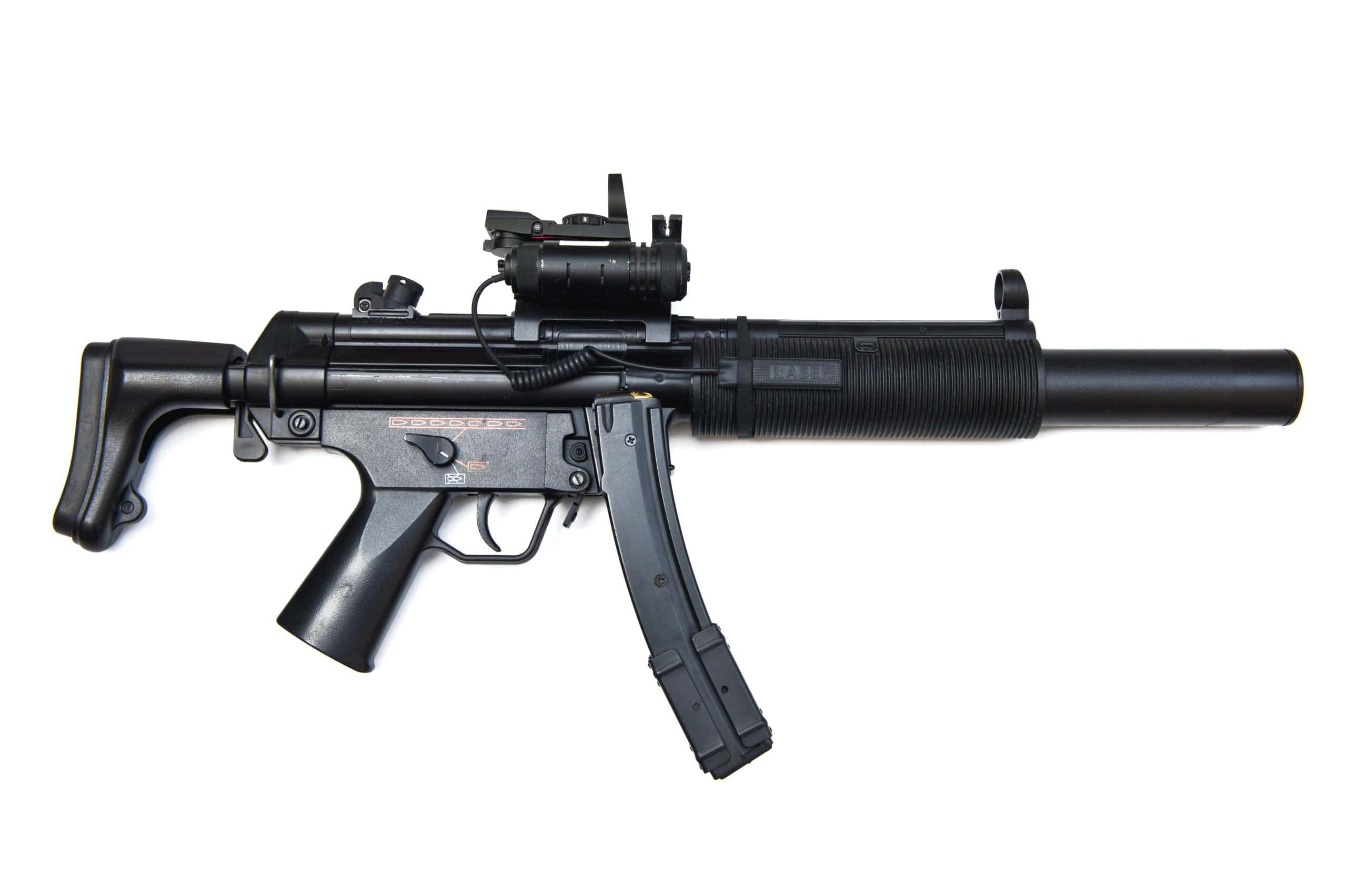
- Weapon type: Suppressed SMG
- Era introduced: Cold War
- Primary skill requirement: Sound discipline
- Why it punished average troops: Reduced velocity
- Training or doctrine it assumed: Counter-terror doctrine
- Units or roles that used it effectively: CT units
- What elite users did differently: Precision burst control
The MP5SD sacrificed velocity for extreme sound suppression. Elite counter-terror units trained for precise shot placement and controlled bursts. Without that discipline, reduced terminal performance limited its effectiveness.
SIG P210
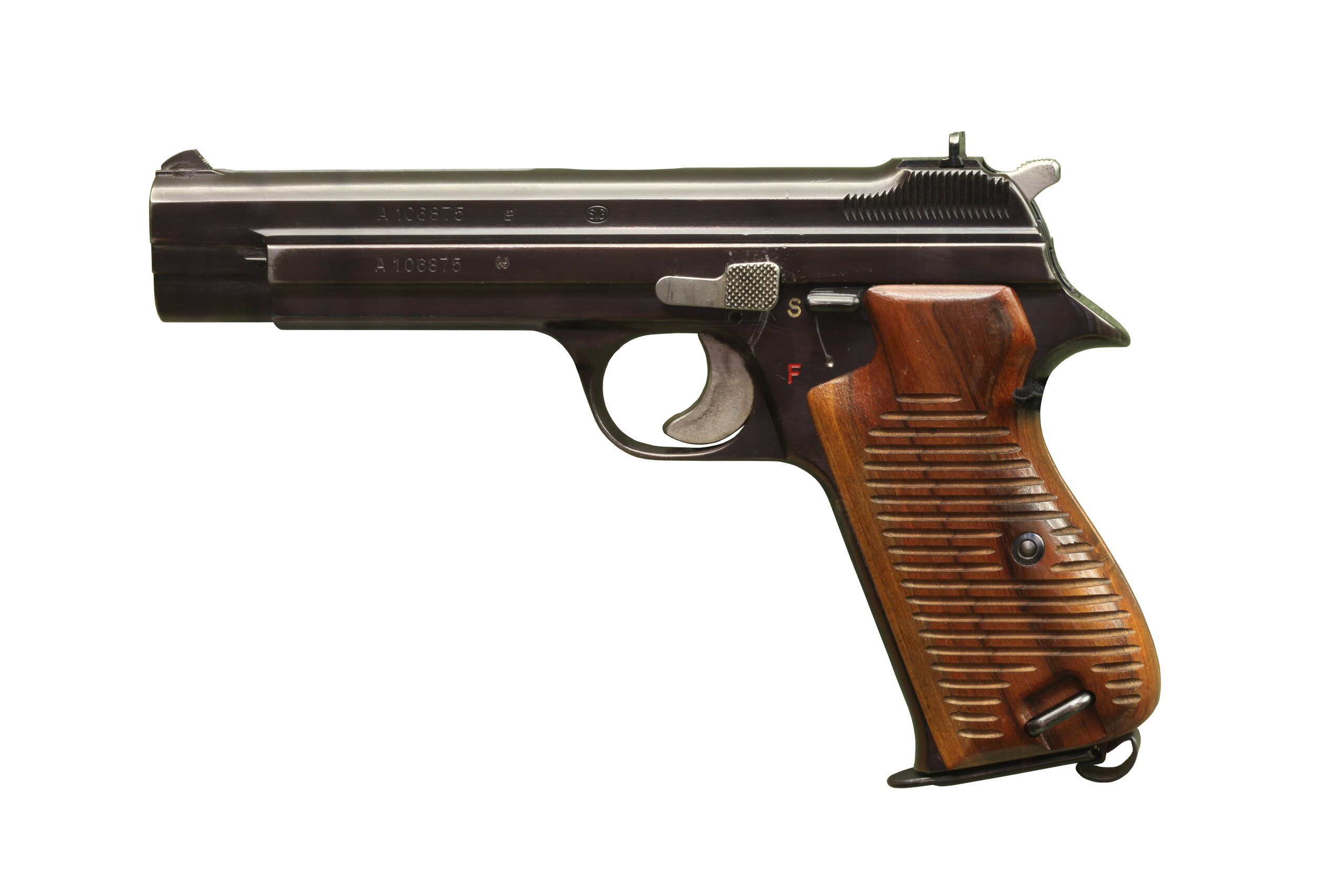
- Weapon type: Service pistol
- Era introduced: Cold War
- Primary skill requirement: Precision pistol shooting
- Why it punished average troops: Single-action sensitivity
- Training or doctrine it assumed: Competitive-style pistol training
- Units or roles that used it effectively: Elite officers
- What elite users did differently: Deliberate trigger control
The SIG P210 offered match-grade accuracy in a service pistol. Elite users exploited its precision through disciplined trigger control and marksmanship training. Average shooters often failed to capitalize on its accuracy advantage without significant practice.
FN Five-seveN
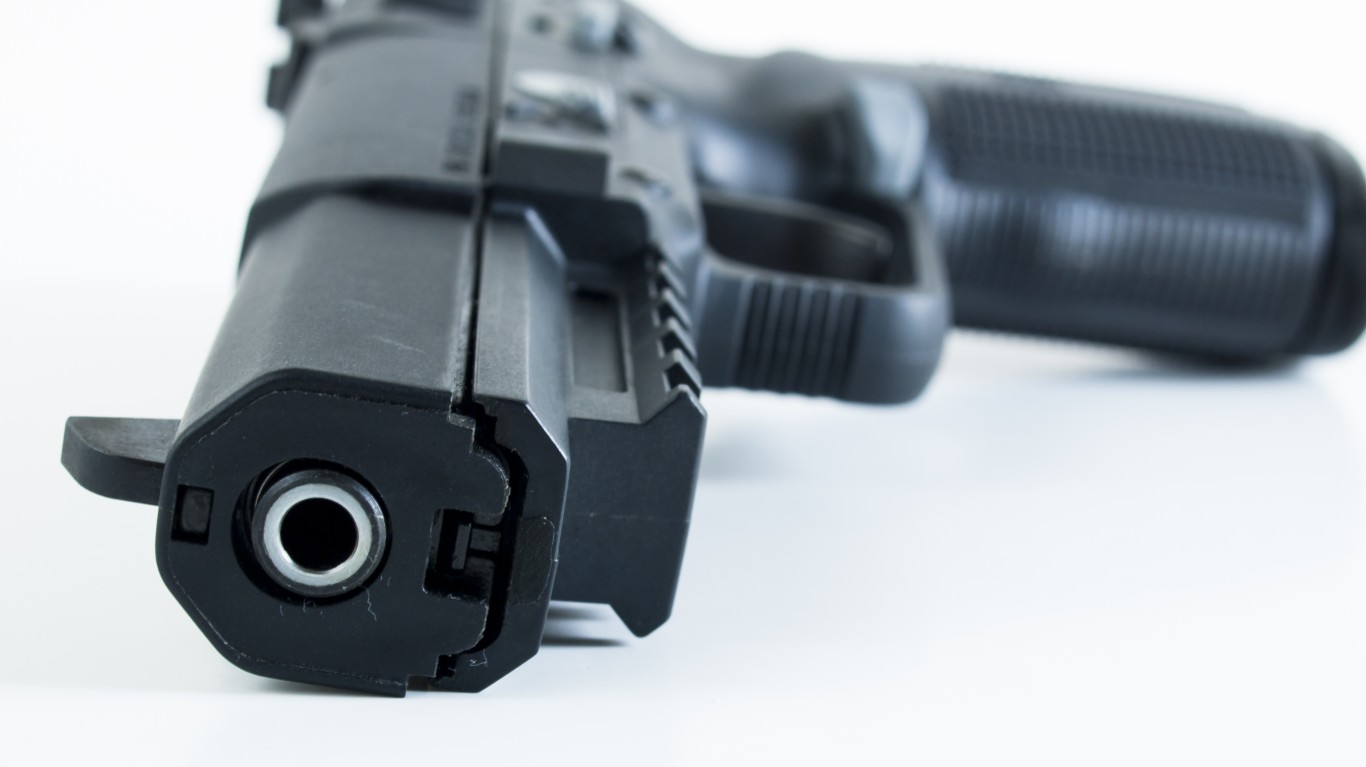
- Weapon type: Service pistol
- Era introduced: Modern
- Primary skill requirement: Rules-of-engagement discipline
- Why it punished average troops: Overreliance on penetration
- Training or doctrine it assumed: Specialist doctrine
- Units or roles that used it effectively: SOF and police
- What elite users did differently: Controlled target selection
The FN Five-seveN emphasized penetration over stopping power. Trained users applied strict rules of engagement and shot placement. Without understanding its role, users often misjudged its effectiveness, limiting real-world performance.
Desert Eagle

- Weapon type: Large-caliber pistol
- Era introduced: Modern
- Primary skill requirement: Recoil control
- Why it punished average troops: Unmanageable size and recoil
- Training or doctrine it assumed: Specialist novelty role
- Units or roles that used it effectively: Elite novelty users
- What elite users did differently: Strict firing discipline
The Desert Eagle delivered extreme power at the cost of weight, recoil, and capacity. Expert shooters could control it under limited conditions. For most users, its impracticality outweighed any advantage, making it a poor general-purpose sidearm.
Thompson SMG
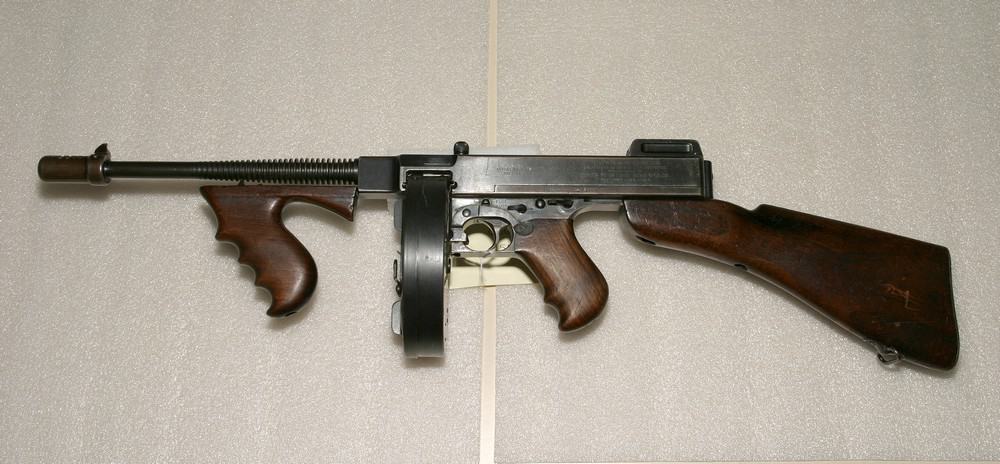
- Weapon type: Submachine gun
- Era introduced: WWII
- Primary skill requirement: Weight management
- Why it punished average troops: Heavy and slow handling
- Training or doctrine it assumed: Assault troop doctrine
- Units or roles that used it effectively: Elite assault units
- What elite users did differently: Controlled bursts
The Thompson SMG provided reliable automatic fire but was heavy and cumbersome. Elite assault troops trained to manage its weight and fire controlled bursts. Poorly trained users tired quickly, reducing mobility and combat effectiveness.






 Top Gaining Stocks
 Top Losing Stocks