


Infantry once relied on numbers to solve uncertainty. When soldiers could not see or hit targets precisely, the answer was more troops and more fire. Sniper technologies quietly overturned that logic. By extending range, improving accuracy, and increasing awareness, they allowed small teams to dominate space once controlled only by massed formations. Precision replaced presence, and patience became a battlefield advantage. Here, 24/7 Wall St. is taking a look at the sniper technologies that totally changed the game.
To identify the sniper technologies that reduced the need for massed infantry, 24/7 Wall St. reviewed various historical and military sources. We included supplemental information regarding when each technology was introduced, the infantry problem it solved, and what advantage was ultimately gained from each.
Here is a look at the sniper technologies that reduced the need for massed infantry:
Why Are We Covering This?
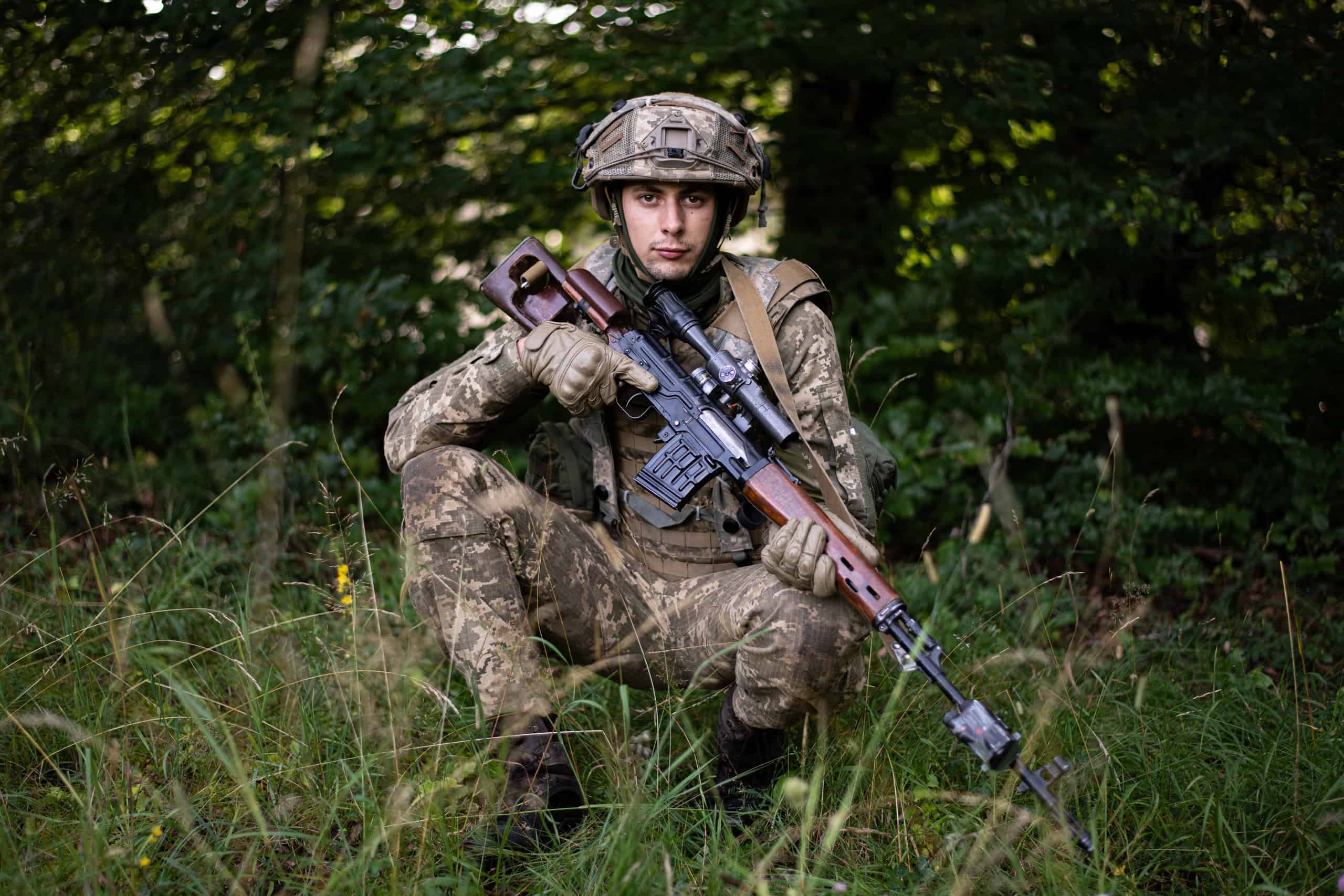
Understanding how sniper technologies reduced the need for massed infantry helps explain a broader shift in how modern armies generate combat power. Precision tools did not simply make individual soldiers more lethal; they changed how terrain is controlled, how units maneuver, and how commanders allocate manpower. By examining these technologies, this shows why modern infantry effectiveness increasingly depends on accuracy, information, and patience rather than sheer numbers, as well as why small, well-equipped teams can now achieve effects that once required large formations.
When Numbers Stopped Being the Advantage
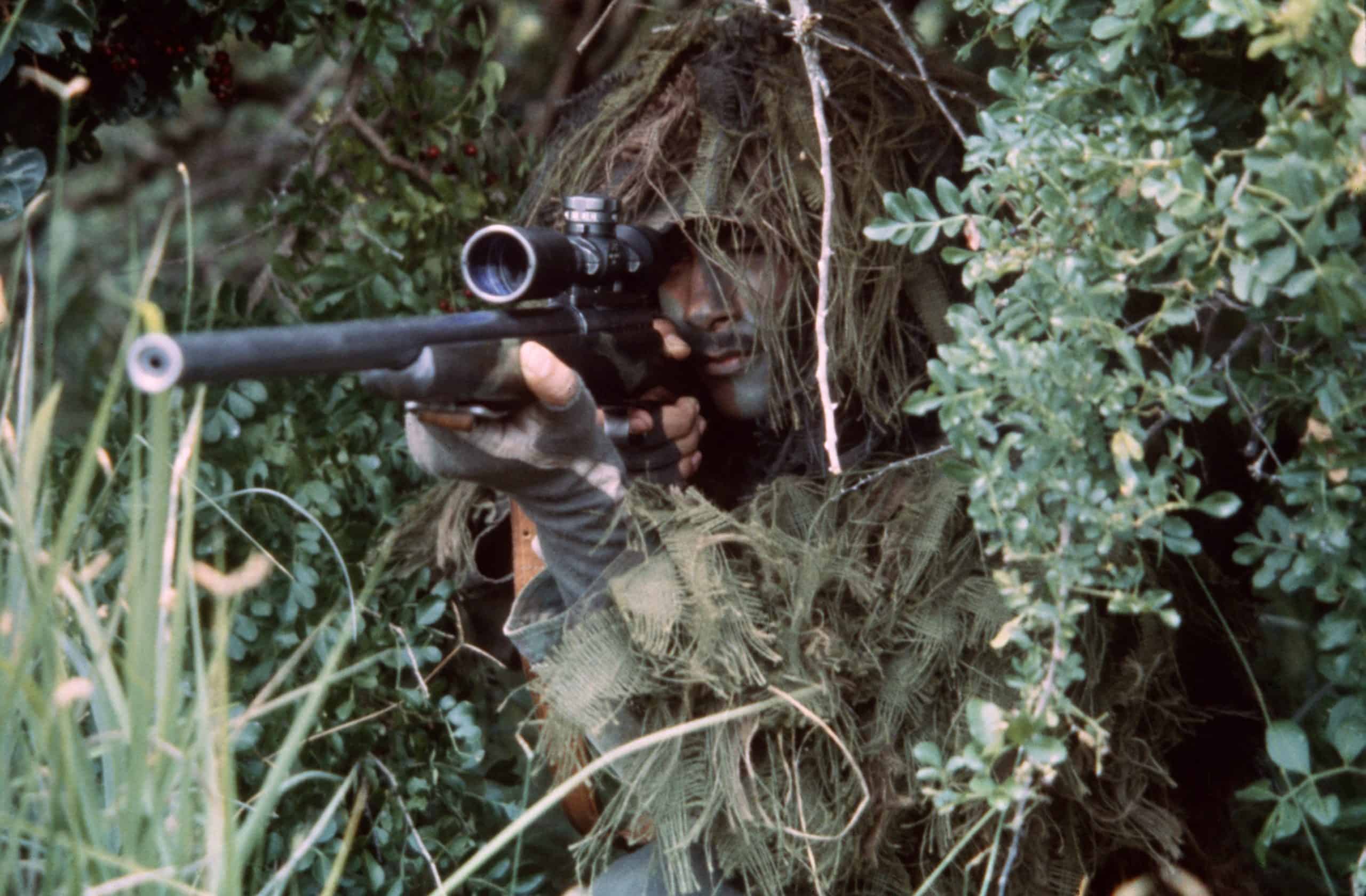
For much of military history, infantry doctrine treated numbers as a decisive advantage. Large formations and sustained suppressive fire were often required to control terrain, disrupt enemy movement, and neutralize threats that could not be precisely identified. In that model, a force compensated for uncertainty with mass. Sniper technologies began to shift the balance by making accurate, selective engagement possible at distances where traditional infantry fire was inefficient, forcing armies to reconsider how much manpower was truly necessary to shape a fight.
Precision Turned Individuals Into Force Multipliers
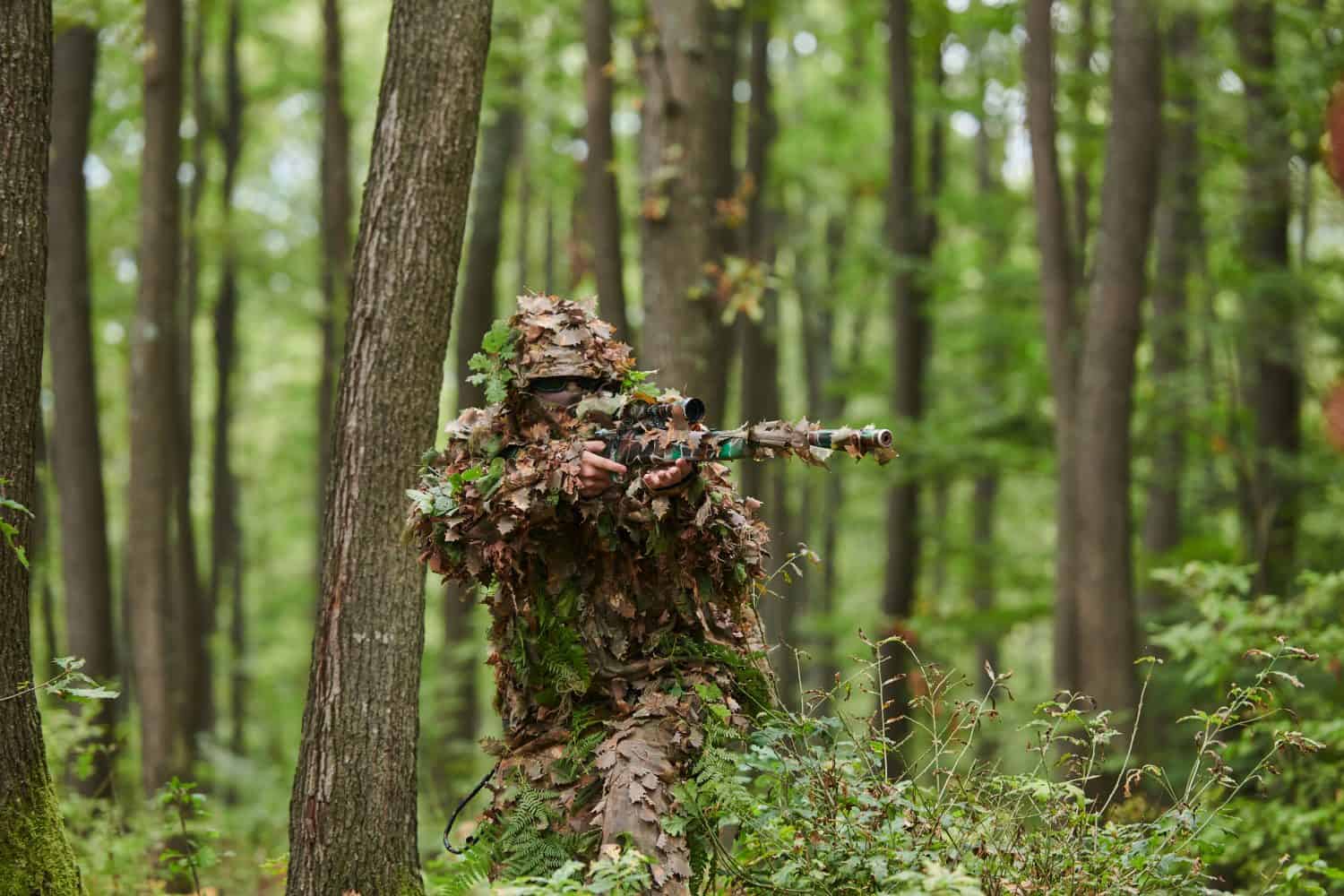
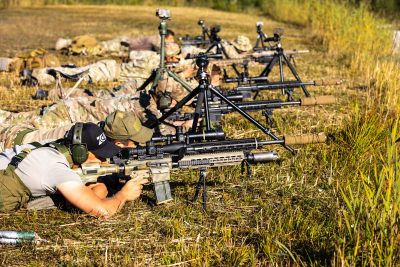
As precision improved, individual soldiers and small teams became force multipliers. Instead of relying on volume shooting to overwhelm a position, trained snipers could remove key targets with fewer rounds and far less exposure. That changed the character of infantry combat by turning engagements into deliberate events rather than constant exchanges of fire. A well-placed shot could achieve an effect that once required a platoon to suppress, maneuver, and close distance under risk.
Technology Extended Reach and Awareness
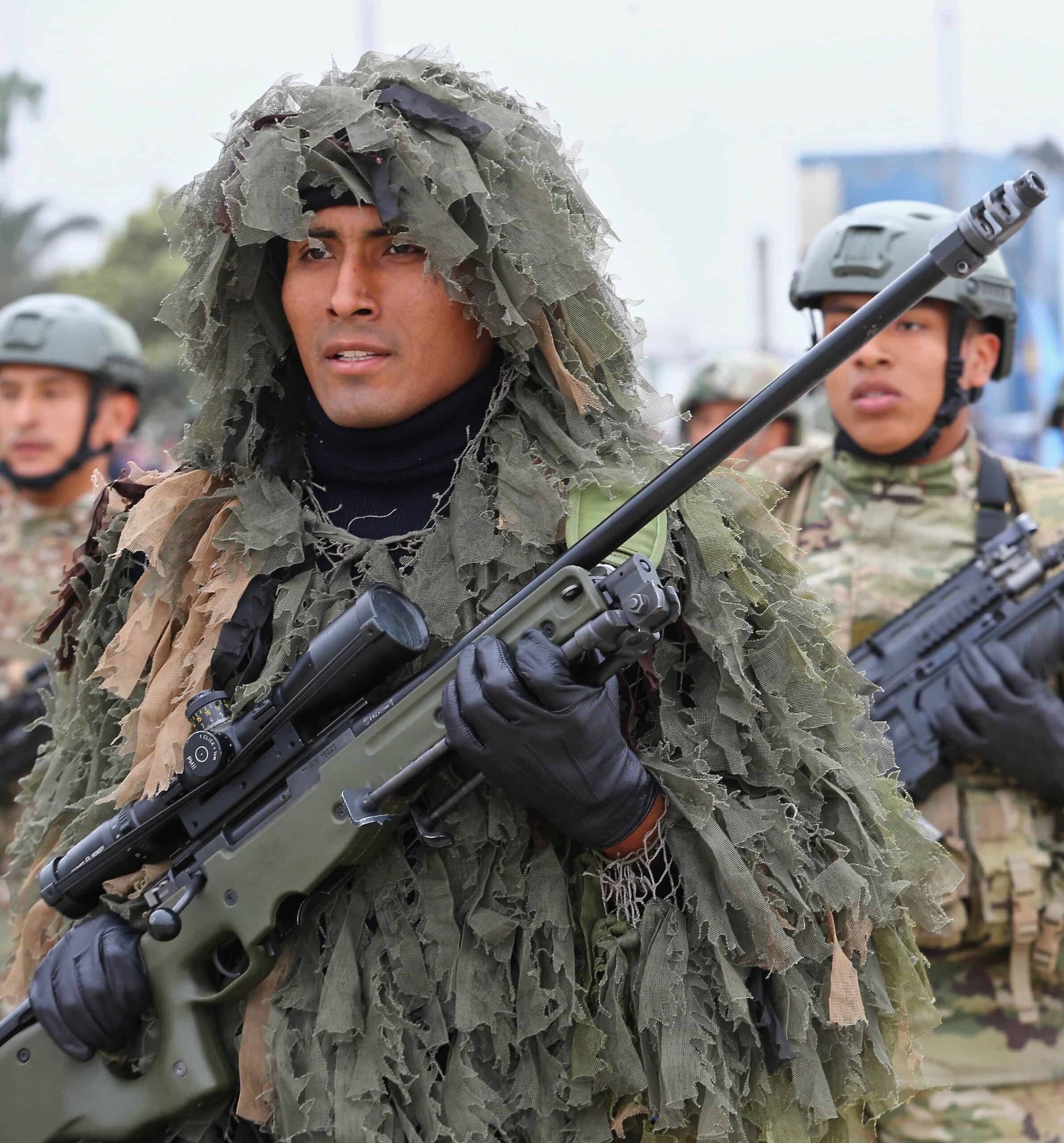
Technology also expanded what snipers could see and understand, not just what they could hit. Better optics, rangefinding tools, and ballistic systems improved first-round hit probability, while night vision and thermal optics extended effectiveness into darkness and obscured terrain. As these systems matured, information became as important as marksmanship. A sniper team could observe, identify, and influence enemy behavior across wide areas, allowing fewer troops to control more battlespace through precision and awareness.
Doctrine Shifted Alongside the Technology

As capabilities grew, doctrine evolved alongside them. Sniper overwatch became a planning tool, not just a niche skill, and infantry units learned to integrate precision fire into maneuver rather than treating it as a separate activity. In urban terrain, selective overwatch reduced the need to flood streets with manpower. In open environments, long-range precision limited enemy freedom of movement without committing large formations forward. The result was a shift toward shaping battles with fewer soldiers and better positioning.
What This Meant for Modern Infantry Warfare
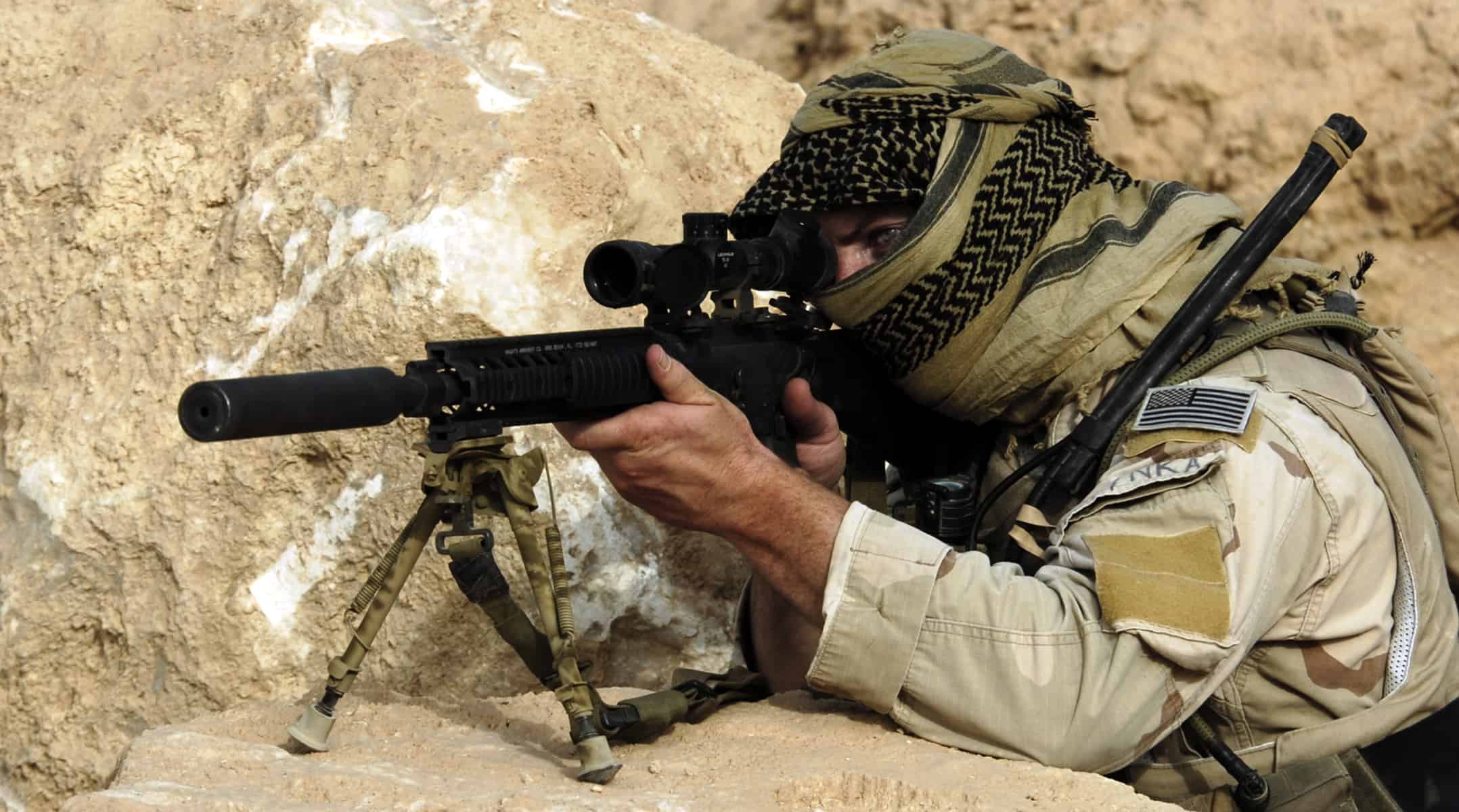
This change matters because it reframed what infantry power looks like in modern warfare. Manpower still matters, but effectiveness increasingly depends on precision, patience, and decision-making rather than sheer presence. Sniper technologies helped make restraint operationally valuable, replacing broad suppressive fire with targeted effects that could influence outcomes disproportionate to the number of soldiers involved.
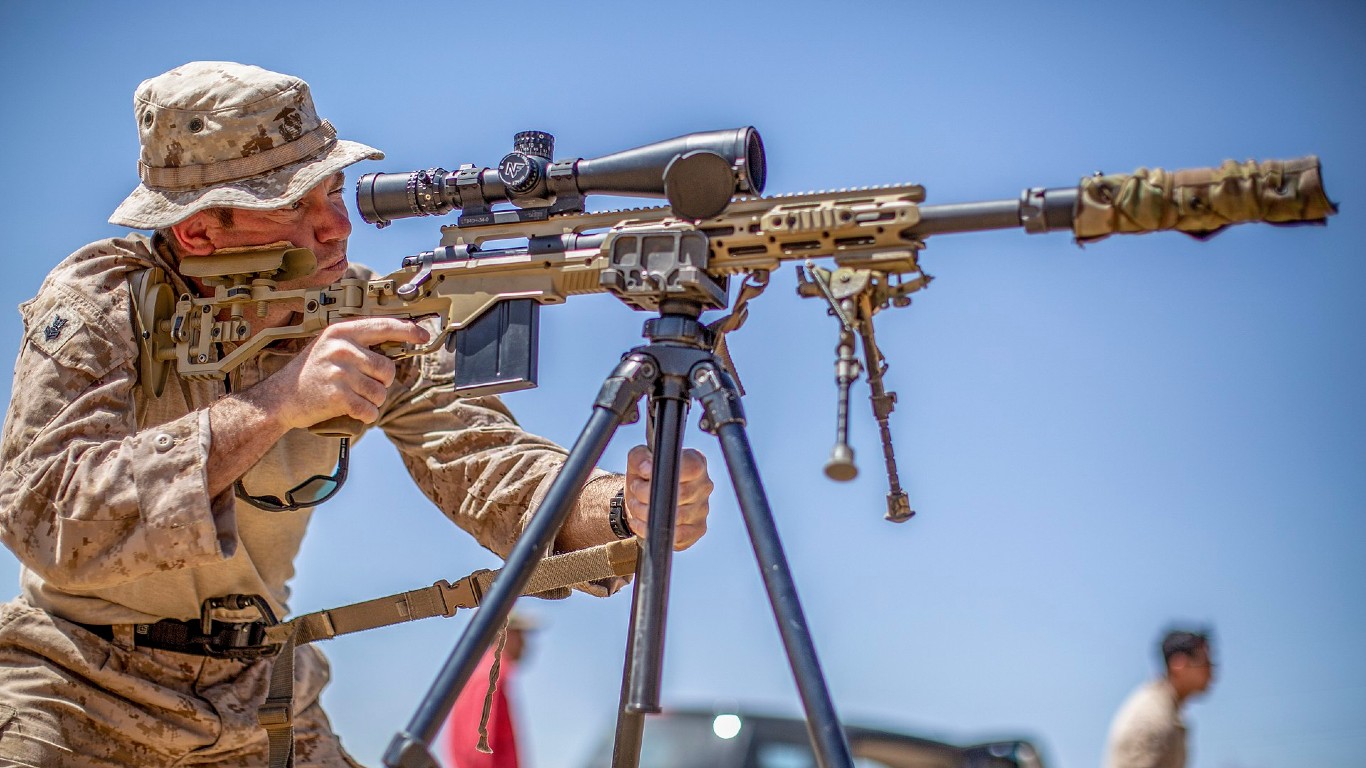
Telescopic Rifle Scopes
![Sniper+Scope | 24 MEU Deployment 2012 [Image 11 of 21]](https://a673b.bigscoots-temp.com/wp-content/uploads/2024/04/imageForEntry5-T7n.jpg)
- Era introduced: WWI–WWII
- Primary function: Optics
- What infantry problem it solved: Limited effective range of infantry fire
- How it reduced the need for massed troops: Enabled precise long-range engagements by single shooters
- Range or precision advantage gained: Extended visual and engagement range
- Combat environment where it mattered most: Open terrain, trenches
- Doctrinal or tactical shift enabled: Formalized sniper roles
Early telescopic scopes allowed individual soldiers to accurately engage targets at distances far beyond standard infantry weapons. This reduced the need for massed rifle fire by enabling selective elimination of key targets. Precision optics turned single shooters into force multipliers, changing how armies thought about firepower and manpower on the battlefield.
Bolt-Action Precision Rifles
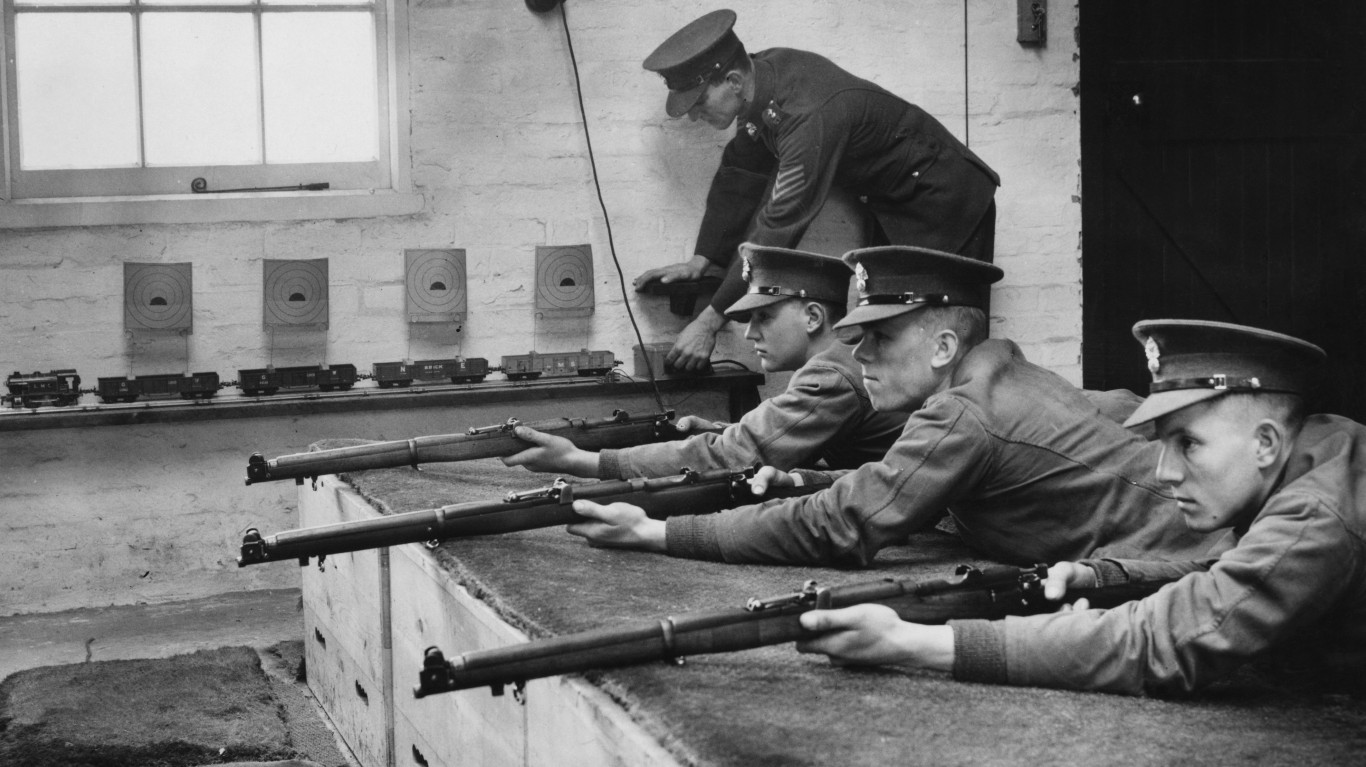
- Era introduced: Early 20th Century
- Primary function: Weapon Platform
- What infantry problem it solved: Inaccuracy of standard rifles
- How it reduced the need for massed troops: Improved consistency and accuracy per shot
- Range or precision advantage gained: Tighter shot grouping
- Combat environment where it mattered most: All environments
- Doctrinal or tactical shift enabled: Precision over volume
Bolt-action precision rifles emphasized accuracy and discipline over rapid fire. Skilled snipers could neutralize threats individually, reducing the need for large infantry elements to suppress or overwhelm enemy positions through sheer numbers.
Match-Grade Sniper Ammunition
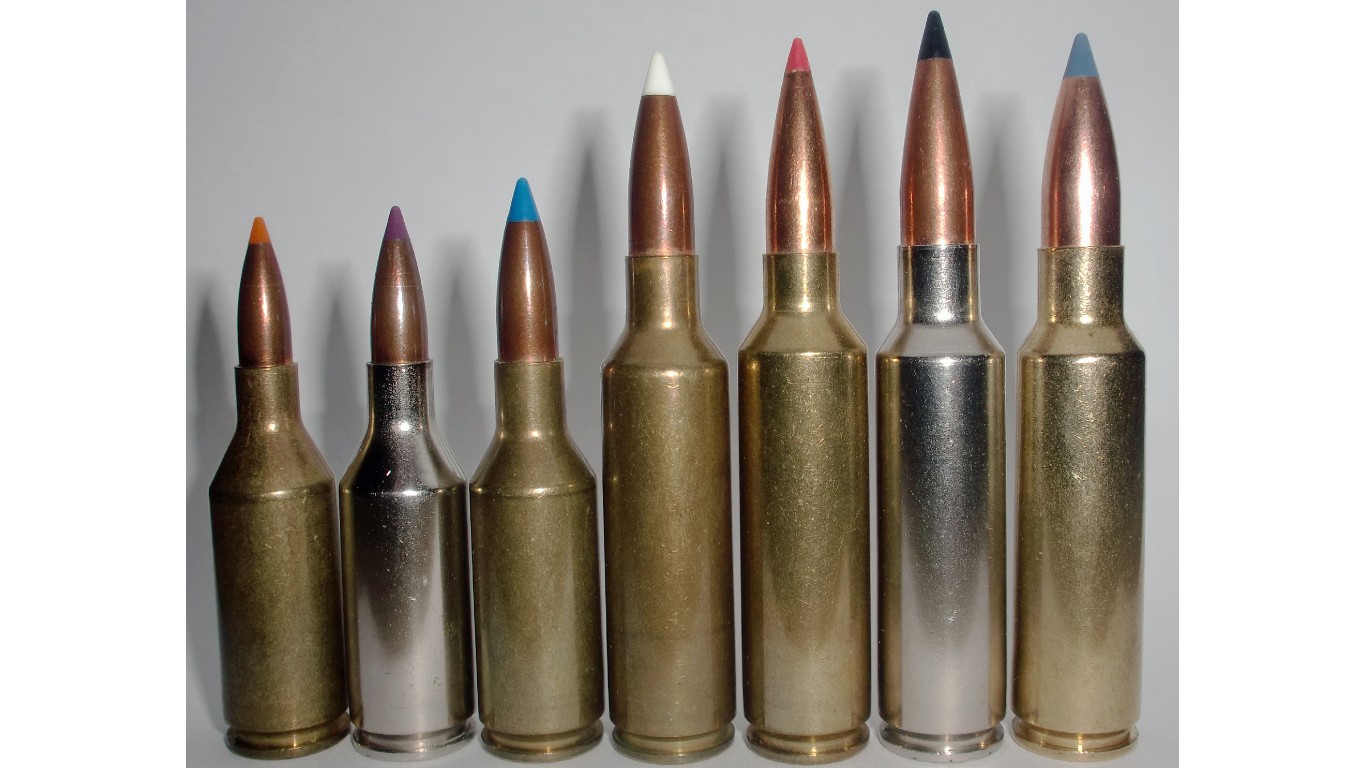
- Era introduced: Mid-20th Century
- Primary function: Ammunition
- What infantry problem it solved: Inconsistent ballistic performance
- How it reduced the need for massed troops: Improved hit probability with fewer rounds
- Range or precision advantage gained: Reduced dispersion
- Combat environment where it mattered most: All environments
- Doctrinal or tactical shift enabled: Single-shot lethality
Match-grade ammunition increased first-round hit probability, allowing snipers to achieve effects without repeated fire. This reliability reduced the reliance on massed infantry fires to achieve suppression or kills.
Free-Floating Barrels
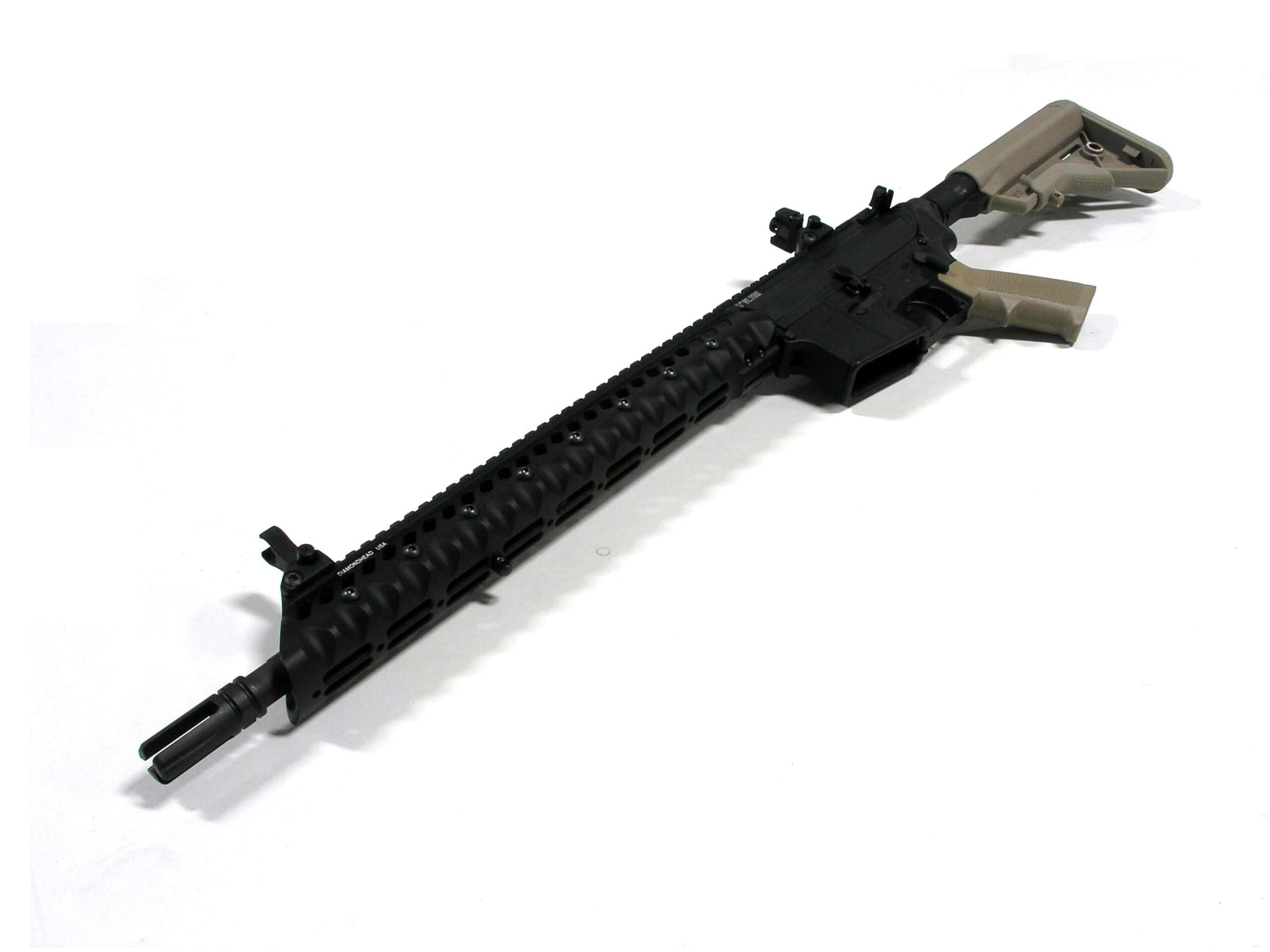
- Era introduced: Mid-20th Century
- Primary function: Rifle Design
- What infantry problem it solved: Accuracy loss from barrel interference
- How it reduced the need for massed troops: Improved consistency shot-to-shot
- Range or precision advantage gained: Enhanced precision
- Combat environment where it mattered most: All environments
- Doctrinal or tactical shift enabled: Mechanical precision focus
Free-floating barrels removed external pressures that degraded accuracy. This improvement allowed snipers to rely on precision rather than volume, reinforcing the effectiveness of small teams over massed infantry.
Heavy-Profile Barrels
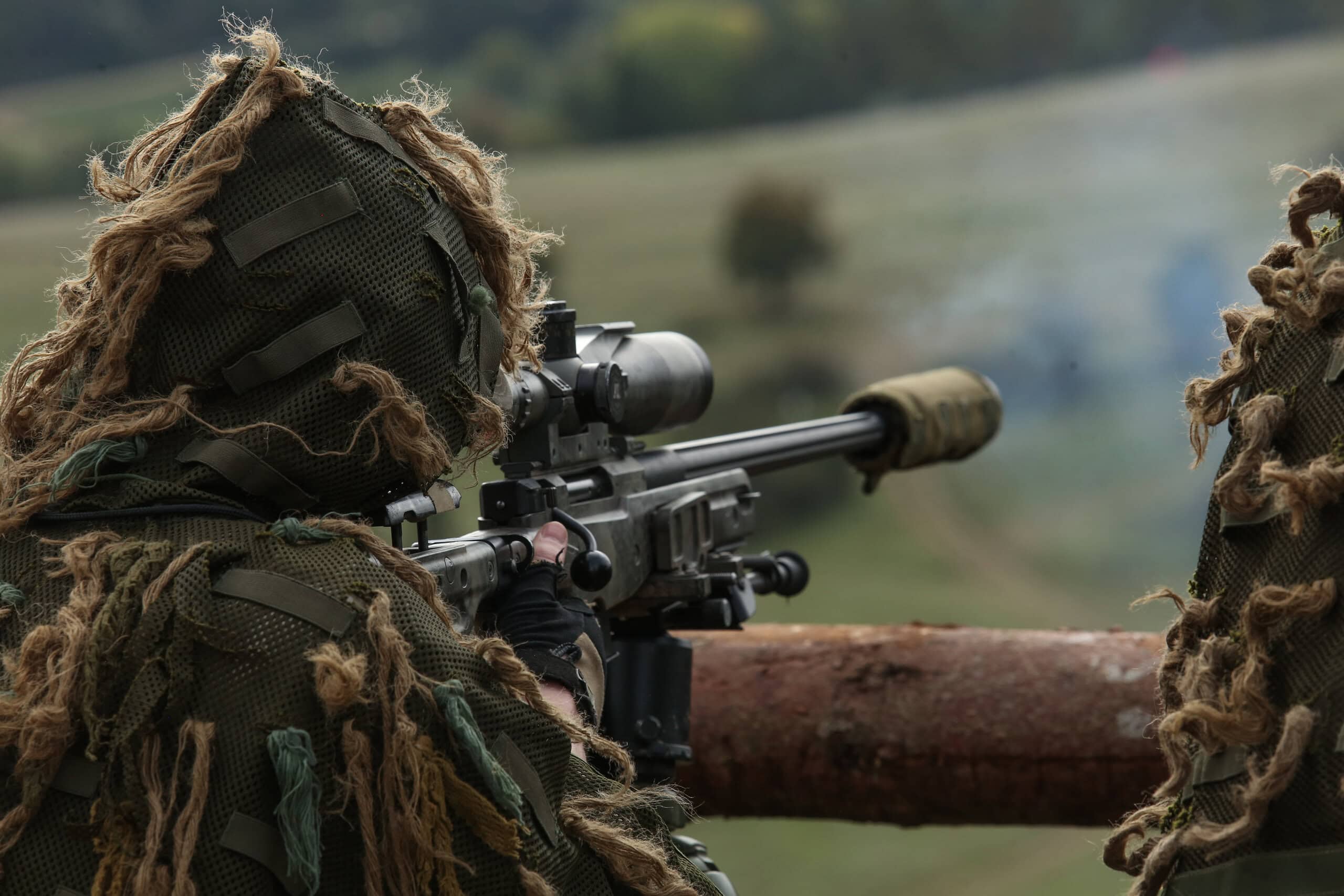
- Era introduced: Mid-20th Century
- Primary function: Rifle Design
- What infantry problem it solved: Heat-induced accuracy loss
- How it reduced the need for massed troops: Sustained precision fire
- Range or precision advantage gained: Thermal stability
- Combat environment where it mattered most: Sustained overwatch
- Doctrinal or tactical shift enabled: Extended precision
Heavy barrels maintained accuracy over longer engagements, enabling snipers to remain effective without support from larger units.
Sniper Spotter Team Doctrine
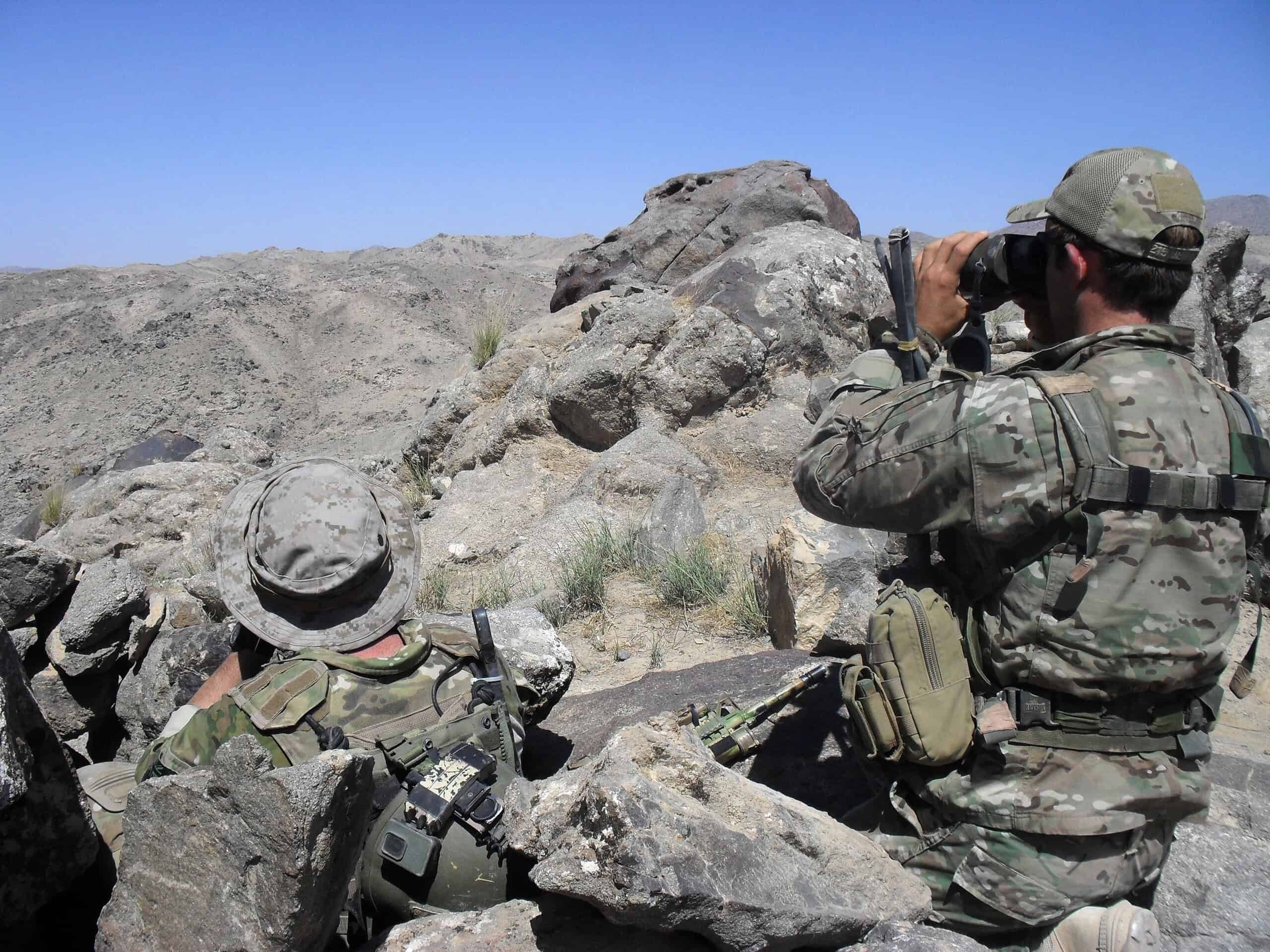
- Era introduced: WWII
- Primary function: Doctrine
- What infantry problem it solved: Limited situational awareness
- How it reduced the need for massed troops: Enhanced observation and target confirmation
- Range or precision advantage gained: Improved target discrimination
- Combat environment where it mattered most: All environments
- Doctrinal or tactical shift enabled: Team-based precision
Spotter doctrine paired shooters with dedicated observers, increasing effectiveness without increasing troop numbers. This teamwork replaced mass with coordination.
Laser Rangefinders
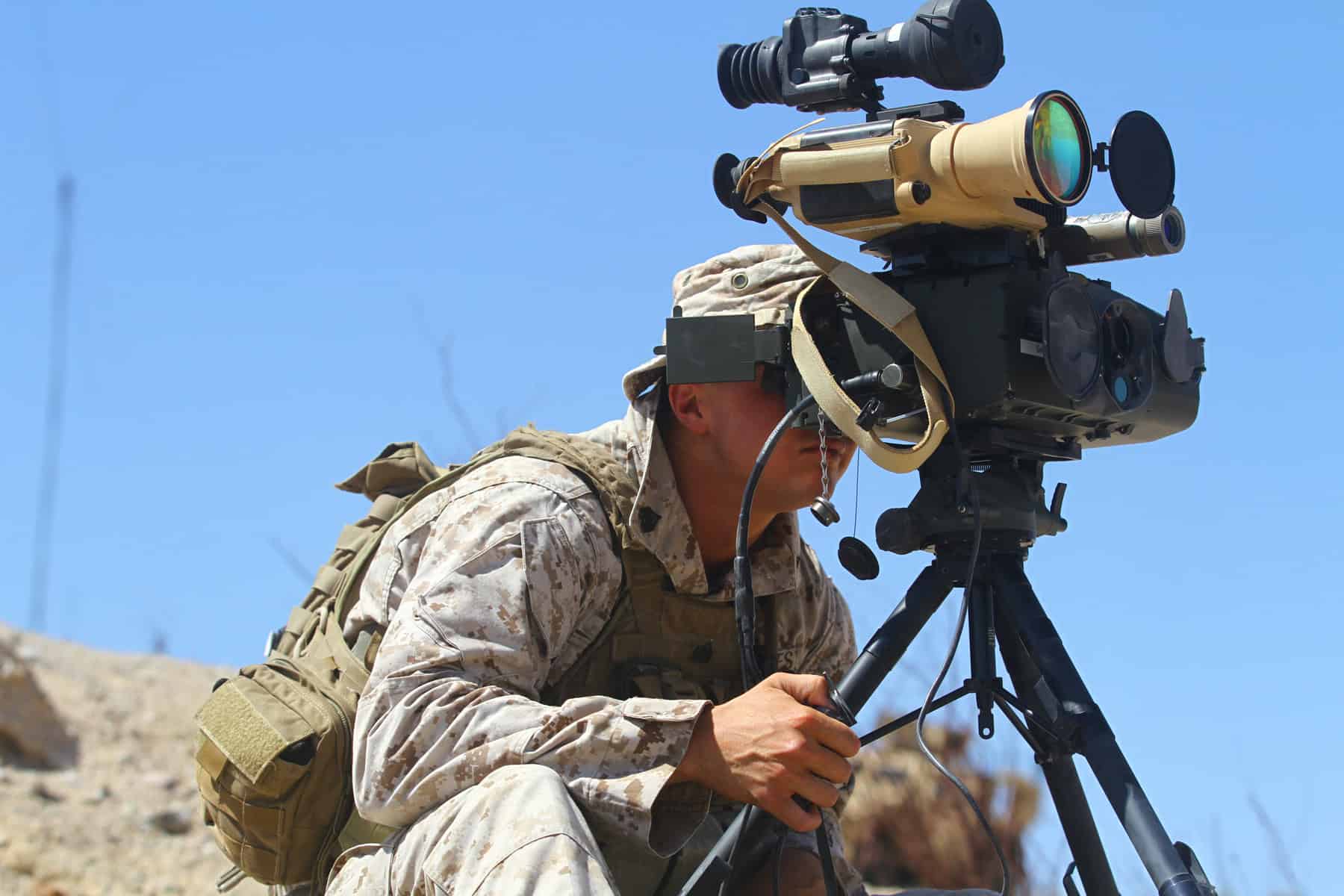
- Era introduced: Late Cold War
- Primary function: Sensor
- What infantry problem it solved: Range estimation errors
- How it reduced the need for massed troops: Accurate distance measurement
- Range or precision advantage gained: Exact ranging
- Combat environment where it mattered most: Open terrain
- Doctrinal or tactical shift enabled: First-round hit focus
Laser rangefinders removed guesswork from distance estimation, allowing precise shots without trial-and-error fire.
Mildot Reticles
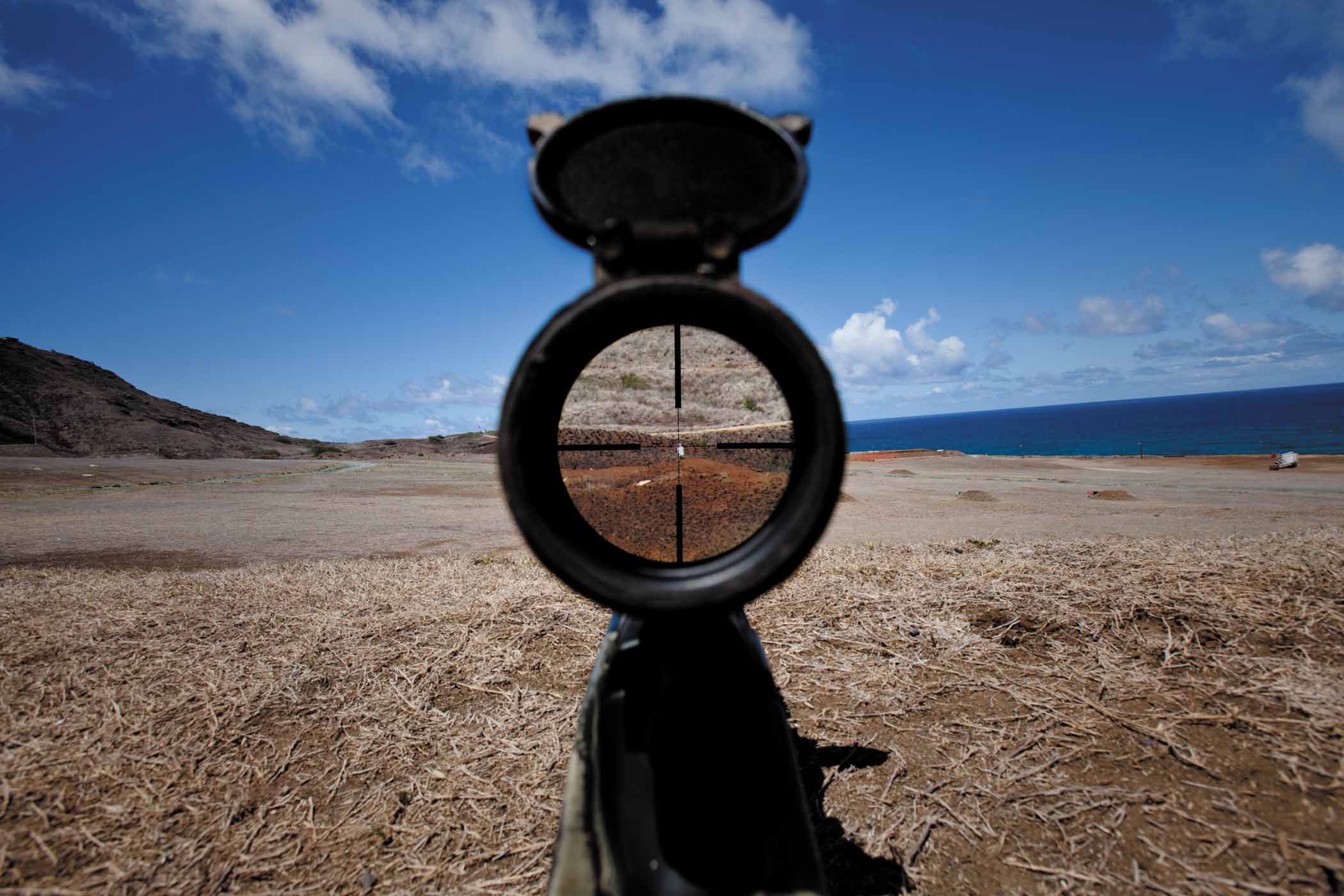
- Era introduced: Cold War
- Primary function: Optics
- What infantry problem it solved: Range estimation difficulty
- How it reduced the need for massed troops: Enabled ranging through optics
- Range or precision advantage gained: Angular measurement
- Combat environment where it mattered most: All environments
- Doctrinal or tactical shift enabled: Self-contained ranging
Mildot reticles allowed snipers to calculate distance visually, supporting precision engagement without additional personnel or equipment.
Adjustable Turret Optics

- Era introduced: Cold War
- Primary function: Optics
- What infantry problem it solved: Fixed zero limitations
- How it reduced the need for massed troops: Precise elevation and wind adjustments
- Range or precision advantage gained: Repeatable accuracy
- Combat environment where it mattered most: Long-range terrain
- Doctrinal or tactical shift enabled: Dialed precision
Turret-adjustable scopes let snipers tailor each shot precisely, reducing the need for volume fire.
Suppressors

- Era introduced: Late 20th Century
- Primary function: Signature Reduction
- What infantry problem it solved: Shooter detection
- How it reduced the need for massed troops: Concealed firing position
- Range or precision advantage gained: Reduced acoustic signature
- Combat environment where it mattered most: Urban and jungle
- Doctrinal or tactical shift enabled: Persistence
Suppressors allowed snipers to remain concealed, enabling prolonged overwatch missions without infantry protection.
Ballistic Computers / Kestrel

- Era introduced: 21st Century
- Primary function: Fire Control
- What infantry problem it solved: Complex ballistic calculations
- How it reduced the need for massed troops: Rapid precise solutions
- Range or precision advantage gained: Environmental compensation
- Combat environment where it mattered most: All environments
- Doctrinal or tactical shift enabled: Data-driven shooting
Ballistic computers integrated weather and ballistics, enabling single shooters to achieve effects once requiring multiple soldiers.
Wind-Reading Training
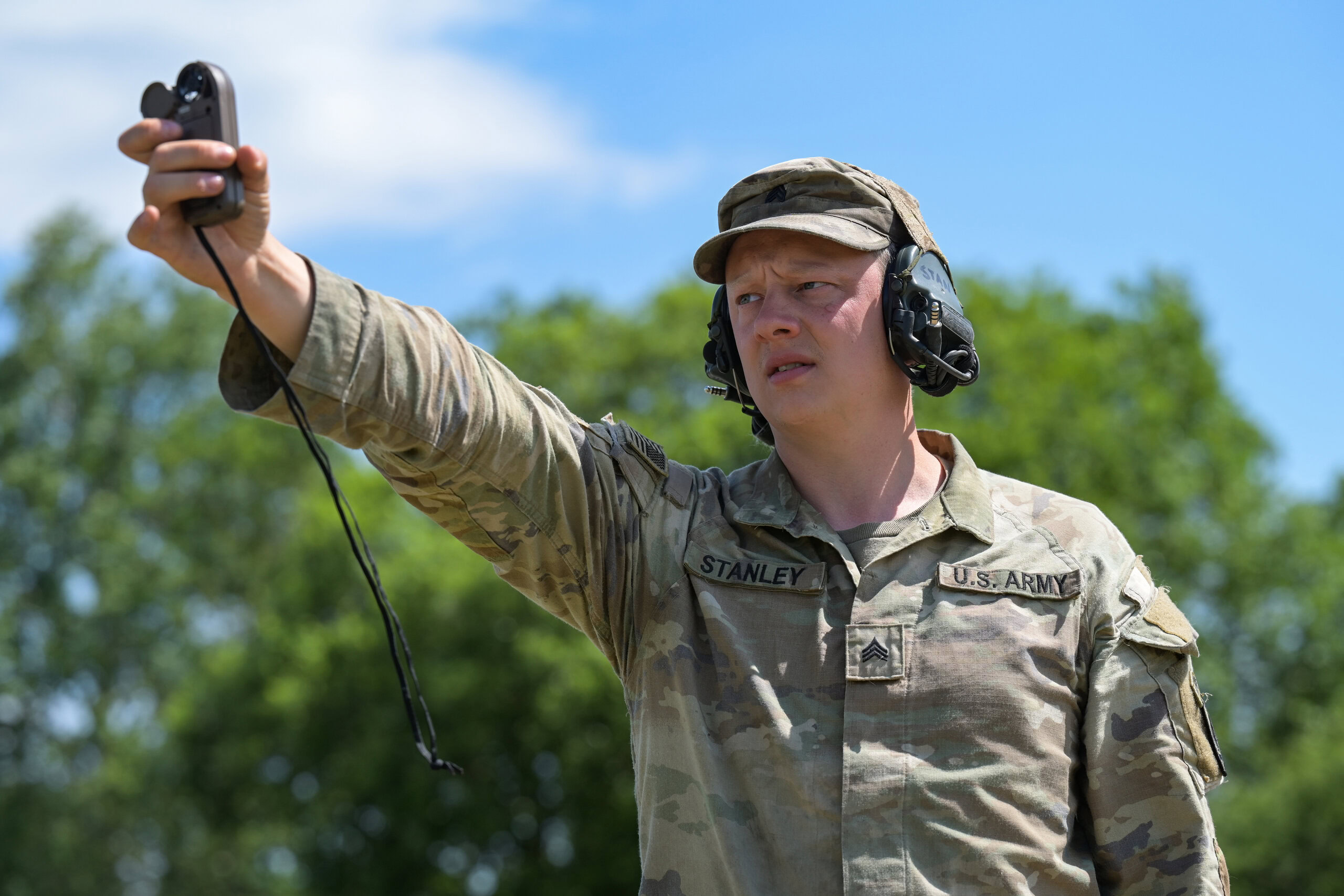
- Era introduced: 20th Century
- Primary function: Skill / Method
- What infantry problem it solved: Misses from wind effects
- How it reduced the need for massed troops: Improved first-round hits
- Range or precision advantage gained: Environmental mastery
- Combat environment where it mattered most: Open terrain
- Doctrinal or tactical shift enabled: Human precision
Advanced wind-reading techniques allowed snipers to overcome environmental uncertainty without massed fire.
Variable-Power Optics
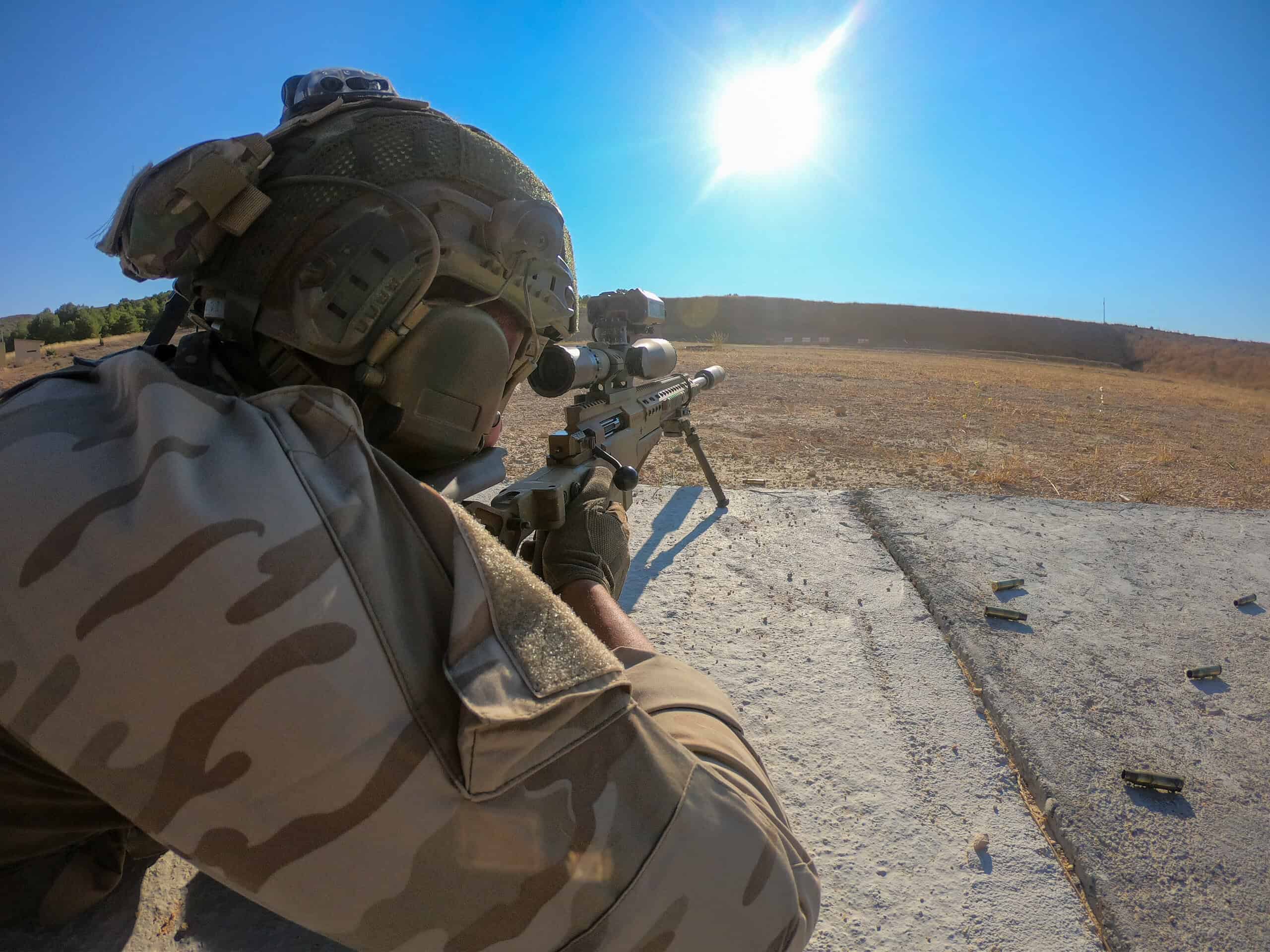
- Era introduced: Late 20th Century
- Primary function: Optics
- What infantry problem it solved: Limited magnification flexibility
- How it reduced the need for massed troops: Adaptability to range
- Range or precision advantage gained: Zoom flexibility
- Combat environment where it mattered most: Mixed terrain
- Doctrinal or tactical shift enabled: Flexible precision
Variable optics allowed one sniper to cover multiple engagement distances, reducing manpower requirements.
Thermal Rifle Scopes
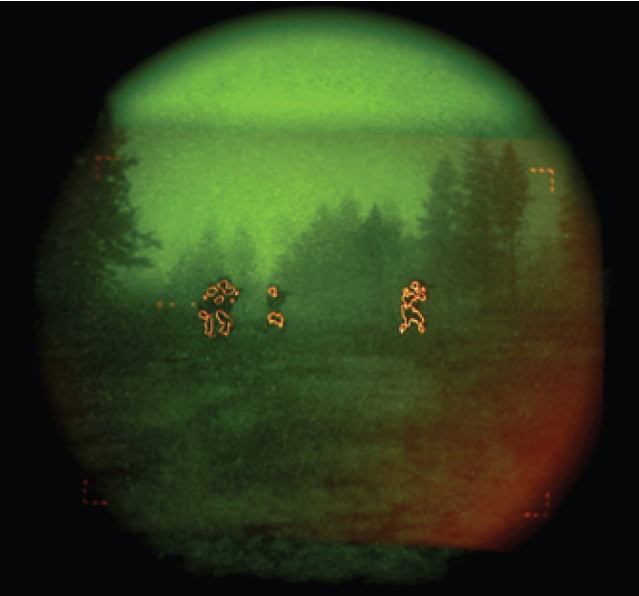
- Era introduced: 21st Century
- Primary function: Optics
- What infantry problem it solved: Poor visibility
- How it reduced the need for massed troops: Detection of concealed targets
- Range or precision advantage gained: Thermal contrast
- Combat environment where it mattered most: Night, urban
- Doctrinal or tactical shift enabled: All-weather precision
Thermal optics enabled snipers to detect targets invisible to infantry, replacing numbers with sensors.
Night Vision Optics
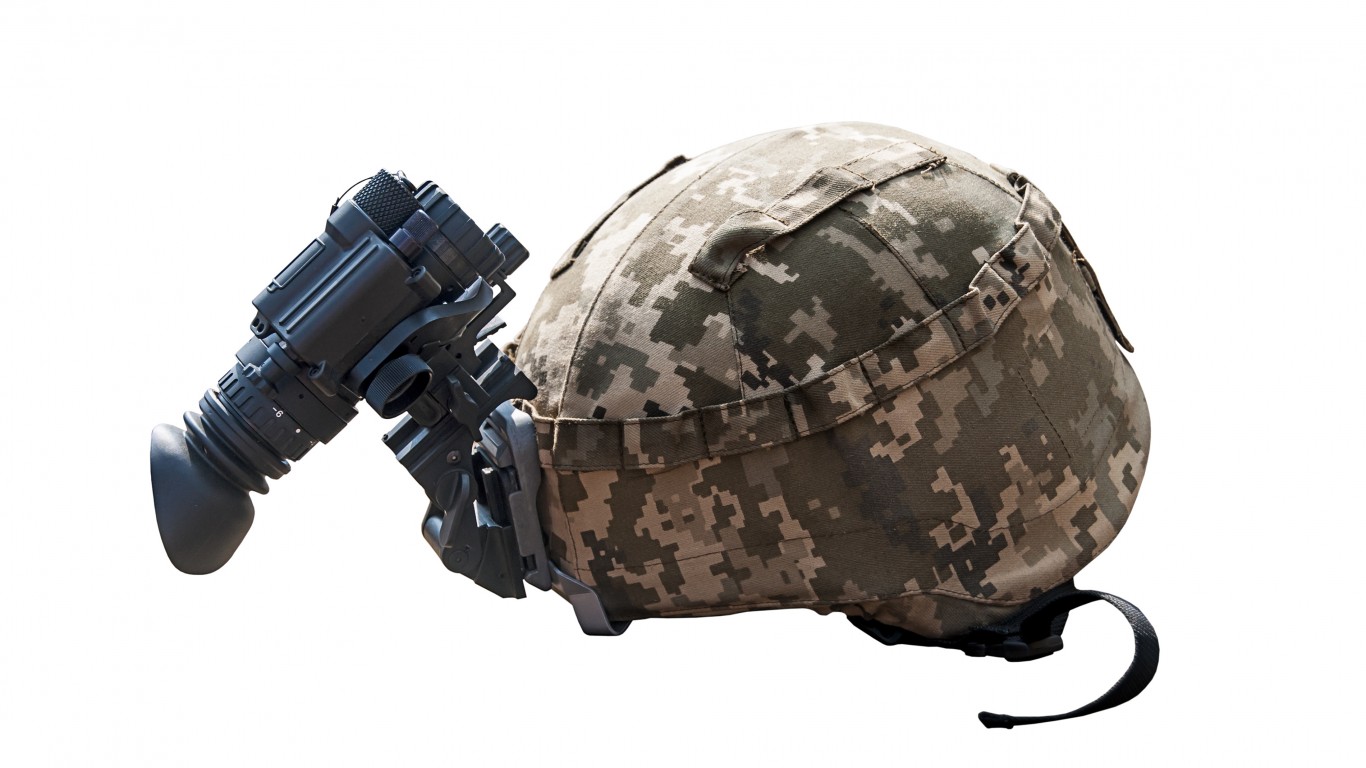
- Era introduced: Late Cold War
- Primary function: Optics
- What infantry problem it solved: Night combat limitations
- How it reduced the need for massed troops: Effective night engagement
- Range or precision advantage gained: Low-light capability
- Combat environment where it mattered most: Night operations
- Doctrinal or tactical shift enabled: 24-hour coverage
Night vision allowed snipers to dominate darkness without large infantry elements.
Stabilized Bipods and Tripods
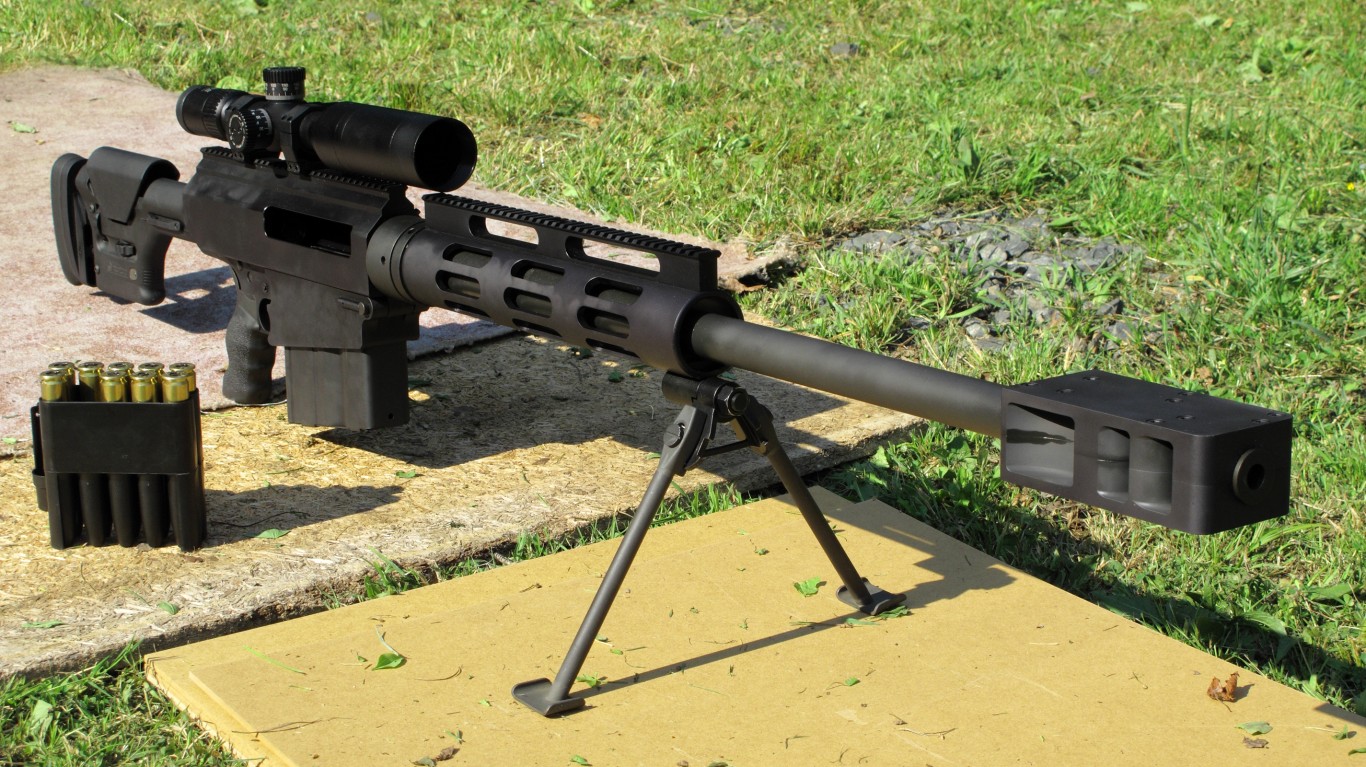
- Era introduced: 20th Century
- Primary function: Support Gear
- What infantry problem it solved: Weapon instability
- How it reduced the need for massed troops: Improved firing stability
- Range or precision advantage gained: Reduced shooter error
- Combat environment where it mattered most: Static positions
- Doctrinal or tactical shift enabled: Mechanical aid
Stabilization gear improved accuracy, allowing snipers to achieve results without supporting fire.
Sniper Training Schools

- Era introduced: 20th Century
- Primary function: Institutional
- What infantry problem it solved: Inconsistent skill levels
- How it reduced the need for massed troops: Standardized excellence
- Range or precision advantage gained: Repeatable proficiency
- Combat environment where it mattered most: All environments
- Doctrinal or tactical shift enabled: Professionalization
Formal sniper schools institutionalized precision skills, enabling fewer soldiers to deliver greater effects.
Designated Marksman Rifles
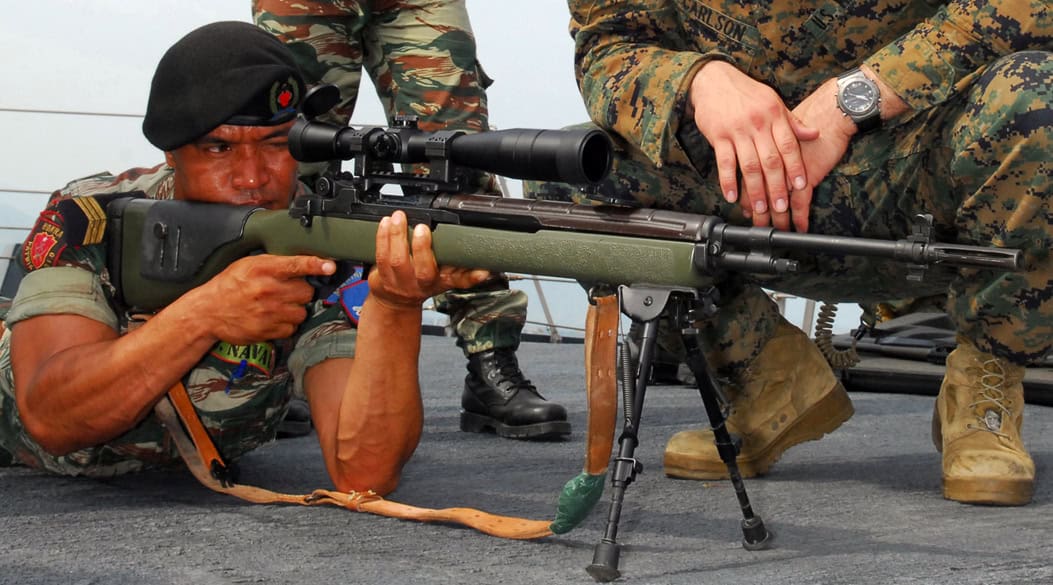
- Era introduced: Late Cold War
- Primary function: Doctrine
- What infantry problem it solved: Gap between rifleman and sniper
- How it reduced the need for massed troops: Extended squad reach
- Range or precision advantage gained: Intermediate precision
- Combat environment where it mattered most: Urban and rural
- Doctrinal or tactical shift enabled: Distributed precision
DMR concepts pushed precision down to squad level, reducing reliance on large formations.
Anti-Materiel Rifles
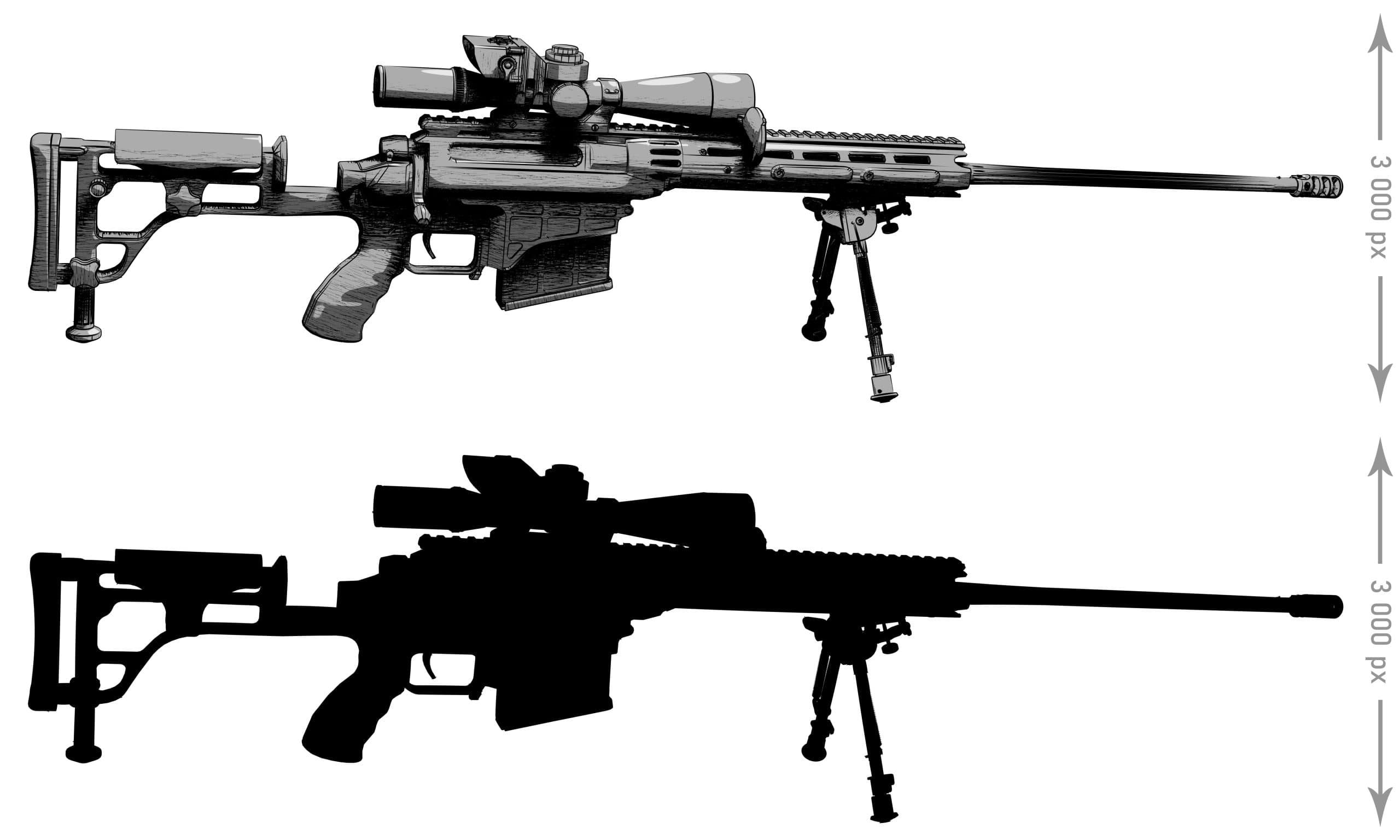
- Era introduced: Late 20th Century
- Primary function: Weapon Platform
- What infantry problem it solved: Need for heavy weapons
- How it reduced the need for massed troops: Long-range hard-target engagement
- Range or precision advantage gained: Extreme range
- Combat environment where it mattered most: Open terrain
- Doctrinal or tactical shift enabled: Single-operator effect
Anti-materiel rifles allowed individuals to disable equipment previously requiring teams or heavy weapons.
Precision Semi-Auto Sniper Rifles
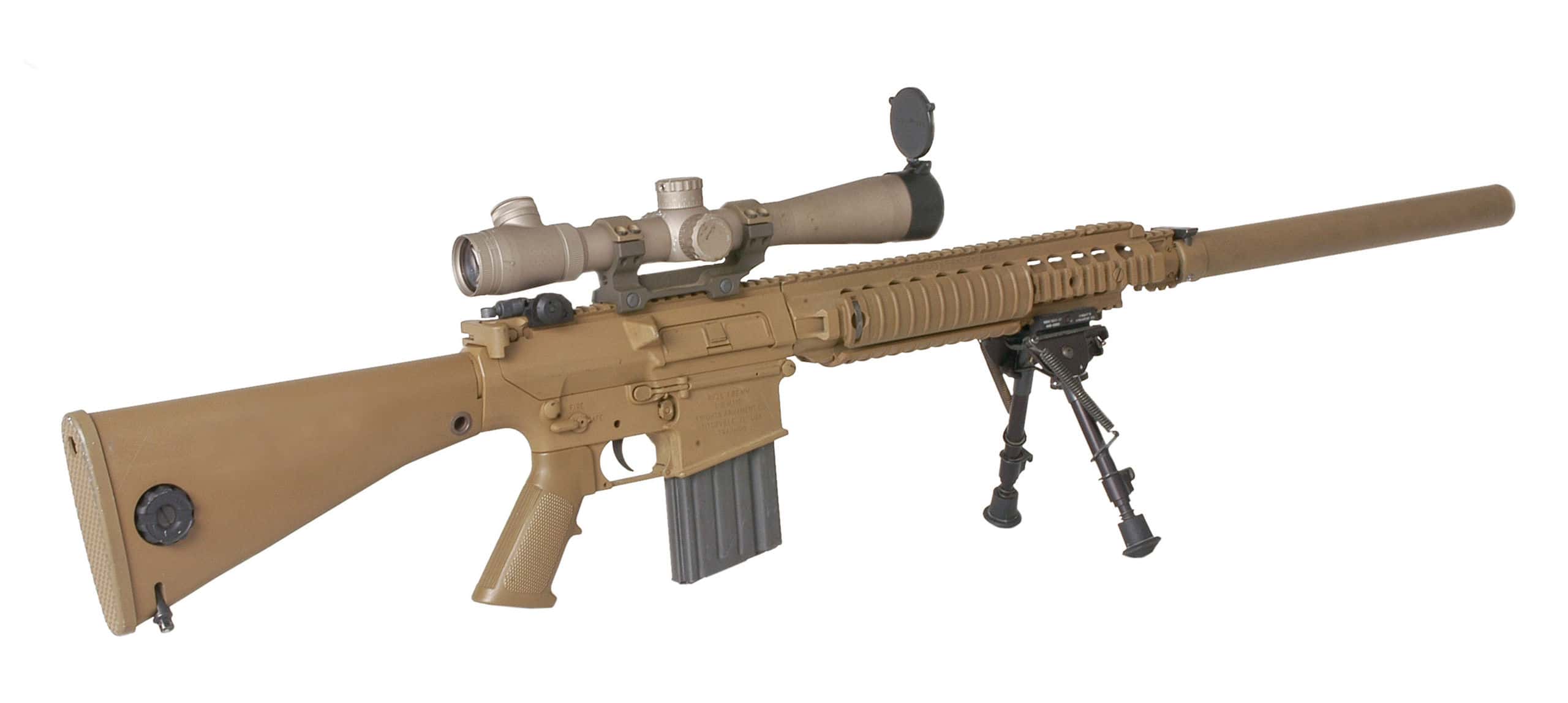
- Era introduced: Late 20th Century
- Primary function: Weapon Platform
- What infantry problem it solved: Slow follow-up shots
- How it reduced the need for massed troops: Rapid precise engagement
- Range or precision advantage gained: Higher engagement tempo
- Combat environment where it mattered most: Dynamic environments
- Doctrinal or tactical shift enabled: Speed plus precision
Semi-automatic sniper rifles balanced speed and accuracy, reducing manpower needs.
Specialized Long-Range Cartridges
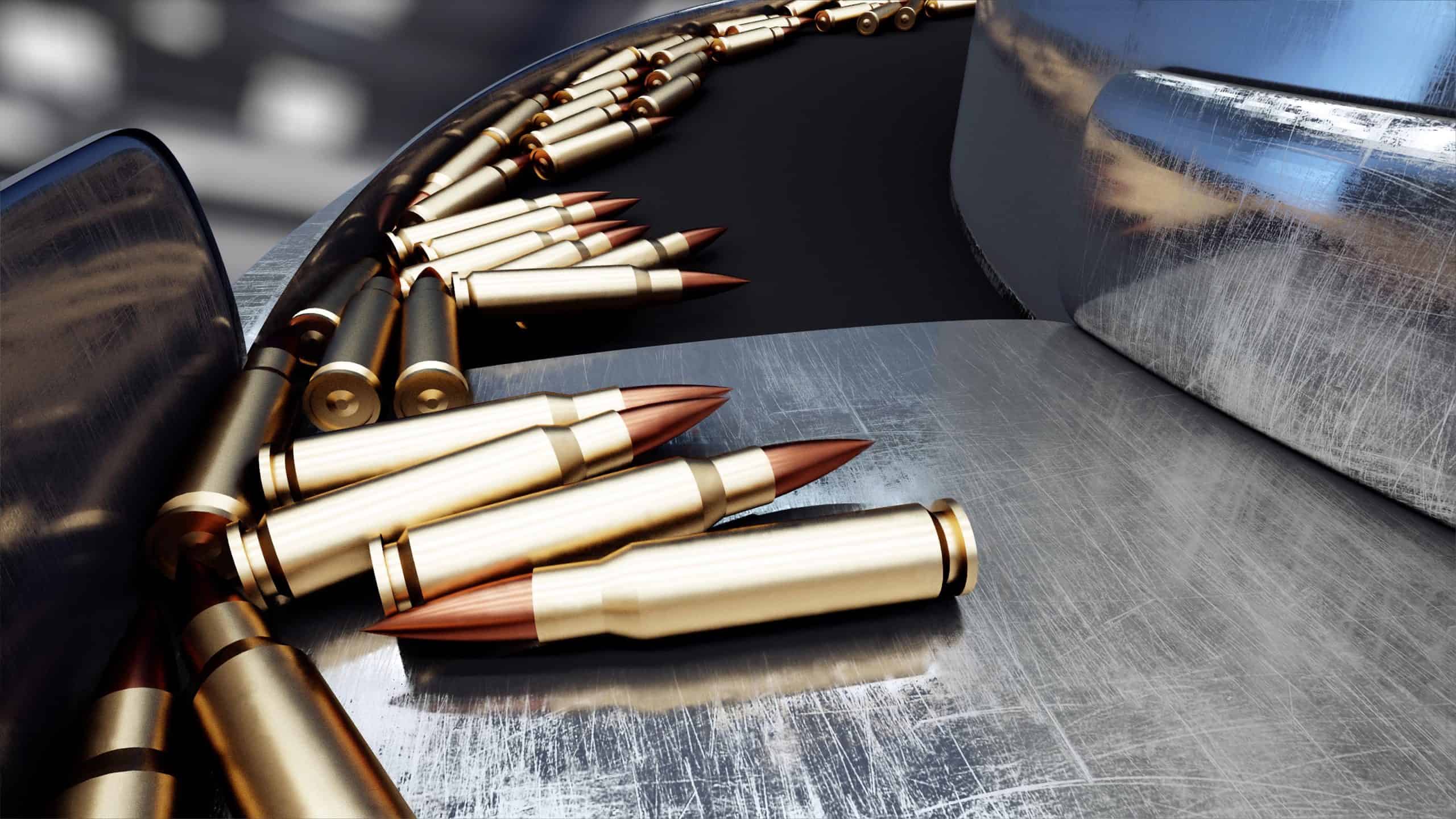
- Era introduced: Late 20th Century
- Primary function: Ammunition
- What infantry problem it solved: Limited effective range
- How it reduced the need for massed troops: Extended reach
- Range or precision advantage gained: Superior ballistics
- Combat environment where it mattered most: Open terrain
- Doctrinal or tactical shift enabled: Range dominance
.338 Lapua and similar cartridges allowed small teams to dominate wide areas without massed infantry.
DOPE Data
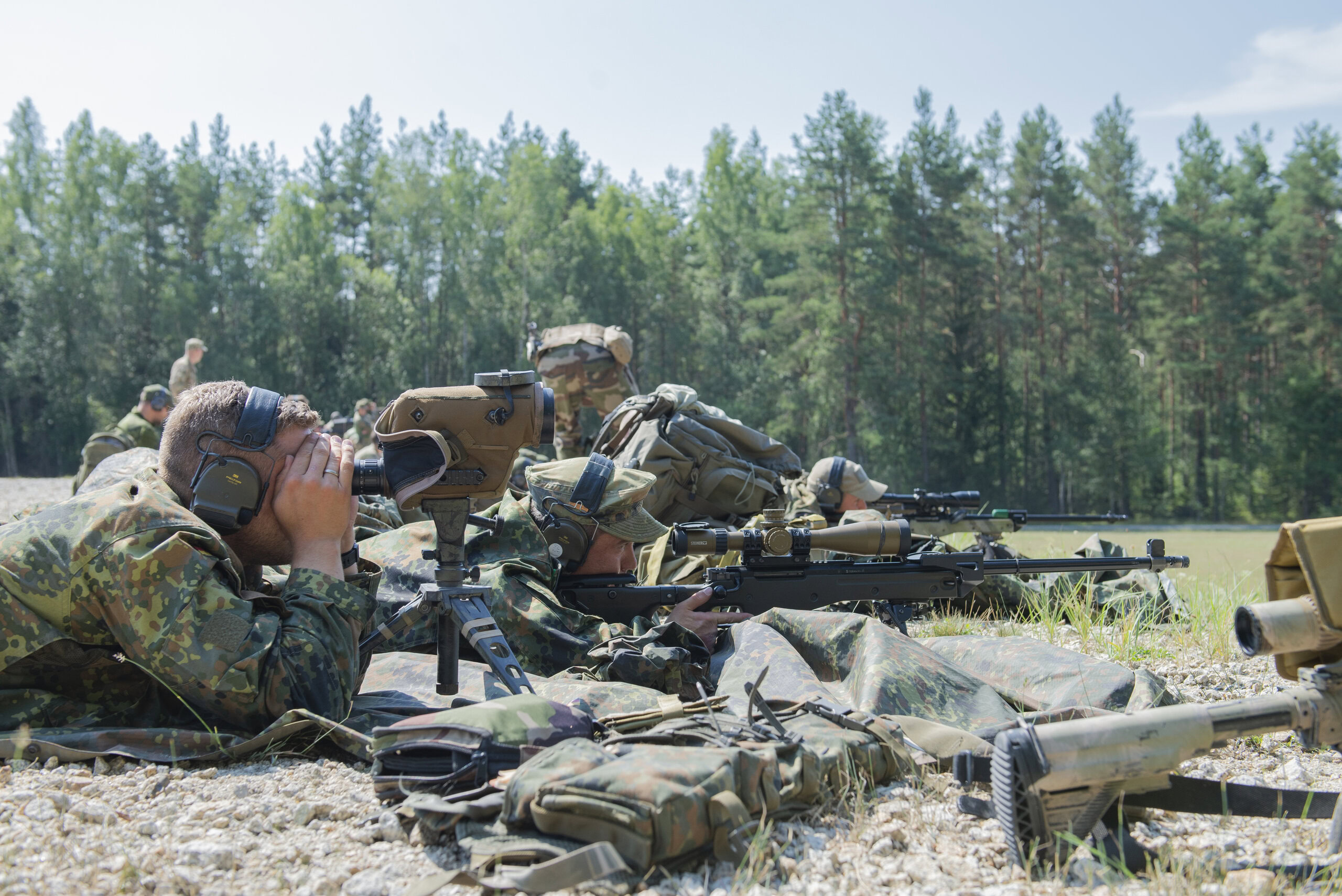
- Era introduced: 20th Century
- Primary function: Data
- What infantry problem it solved: Inconsistent firing solutions
- How it reduced the need for massed troops: Repeatable accuracy
- Range or precision advantage gained: Historical data use
- Combat environment where it mattered most: All environments
- Doctrinal or tactical shift enabled: Predictive shooting
Documented firing data enabled precision engagement with minimal rounds fired.
Weather Meters

- Era introduced: 21st Century
- Primary function: Sensor
- What infantry problem it solved: Environmental uncertainty
- How it reduced the need for massed troops: Real-time atmospheric data
- Range or precision advantage gained: Precise corrections
- Combat environment where it mattered most: Open terrain
- Doctrinal or tactical shift enabled: Environmental awareness
Weather meters allowed snipers to adjust instantly, reducing trial fire.
Digital Mapping Systems
- Era introduced: 21st Century
- Primary function: ISR
- What infantry problem it solved: Poor situational awareness
- How it reduced the need for massed troops: Precise target coordination
- Range or precision advantage gained: Geospatial accuracy
- Combat environment where it mattered most: Urban / complex terrain
- Doctrinal or tactical shift enabled: Networked precision
Digital maps enhanced coordination, allowing snipers to replace infantry presence with information.
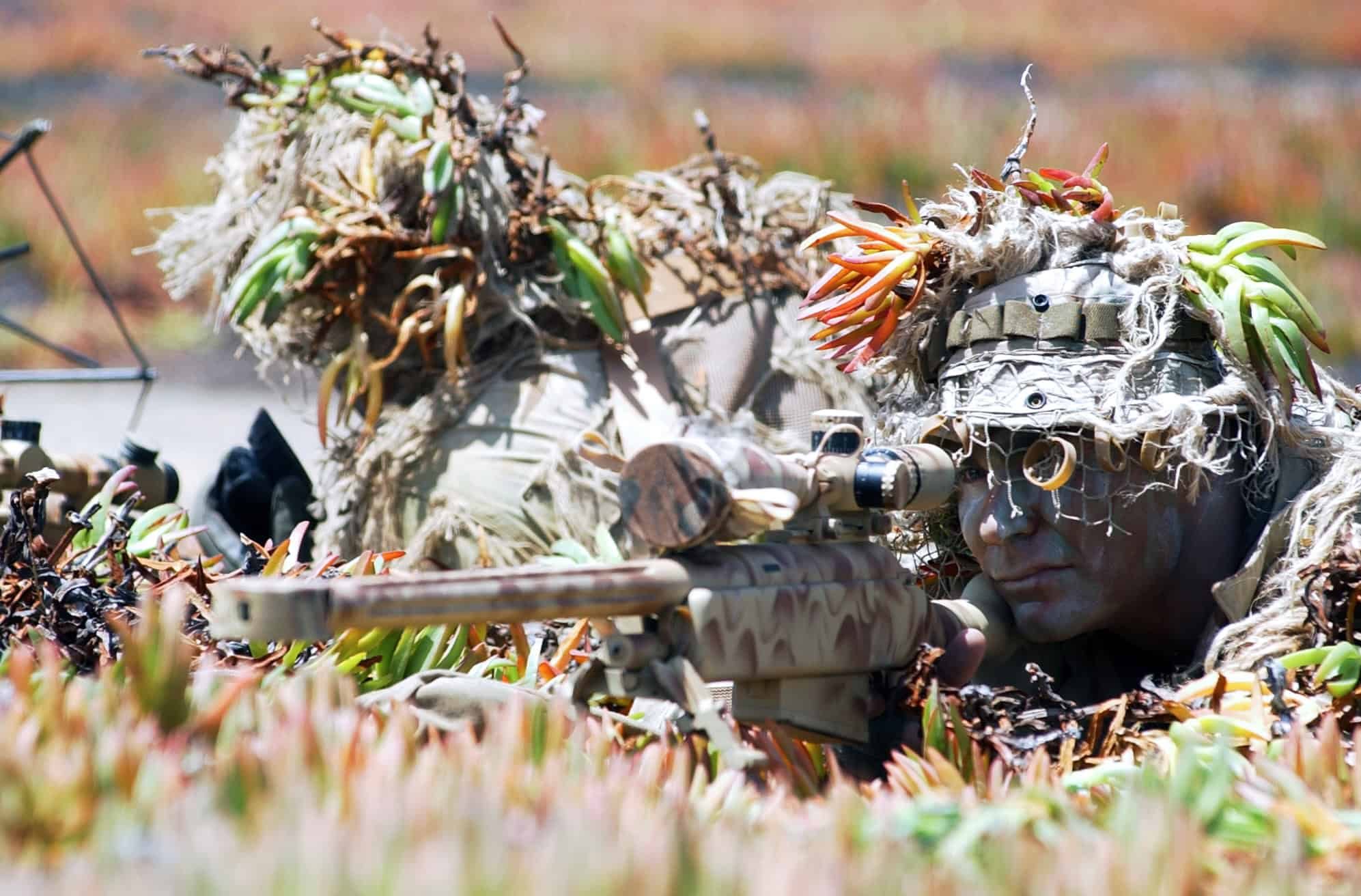
Camouflage & Ghillie Evolution
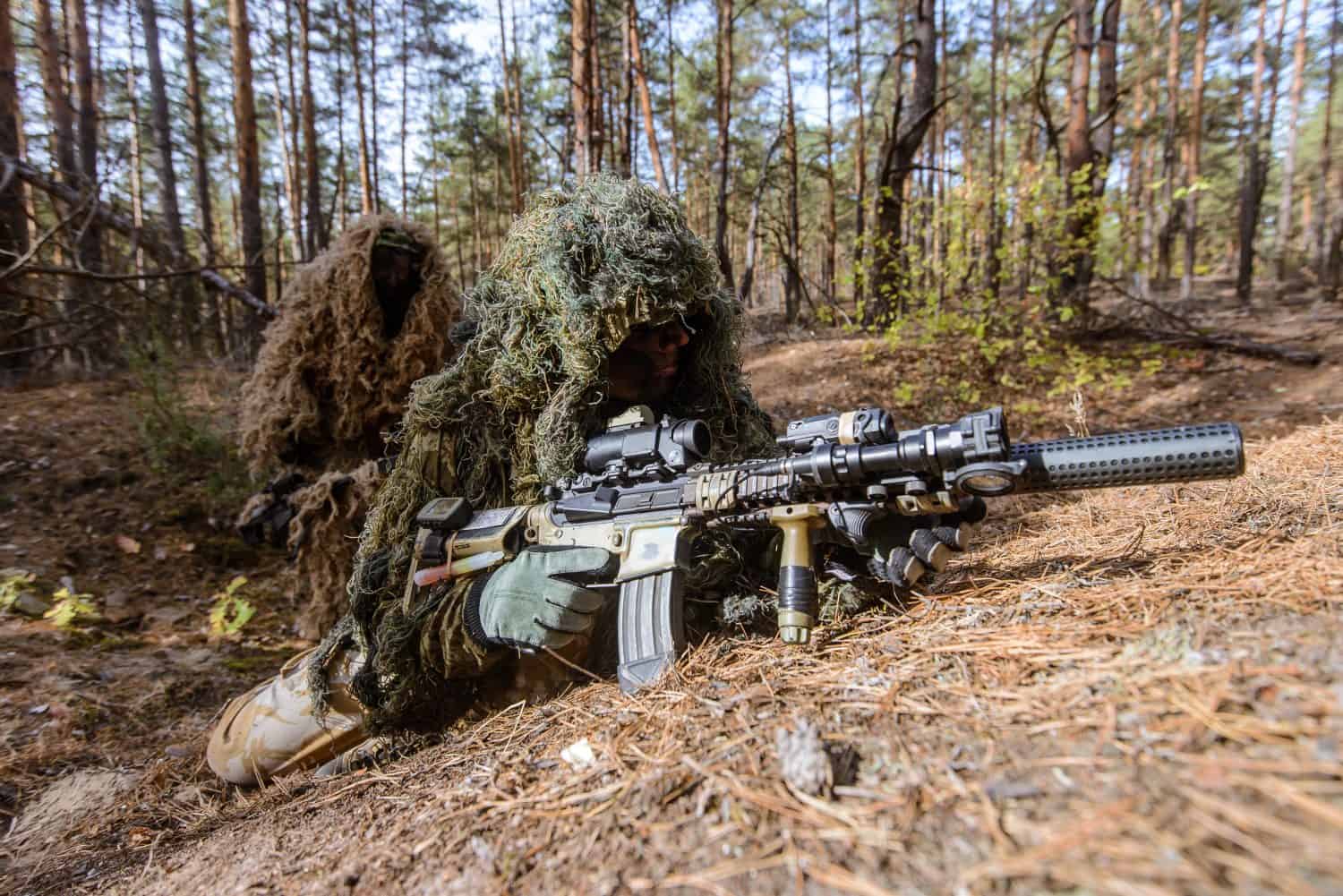
- Era introduced: 20th Century
- Primary function: Concealment
- What infantry problem it solved: Sniper detection
- How it reduced the need for massed troops: Extended concealment
- Range or precision advantage gained: Visual blending
- Combat environment where it mattered most: All environments
- Doctrinal or tactical shift enabled: Persistent presence
Advanced camouflage let snipers dominate terrain without infantry support.
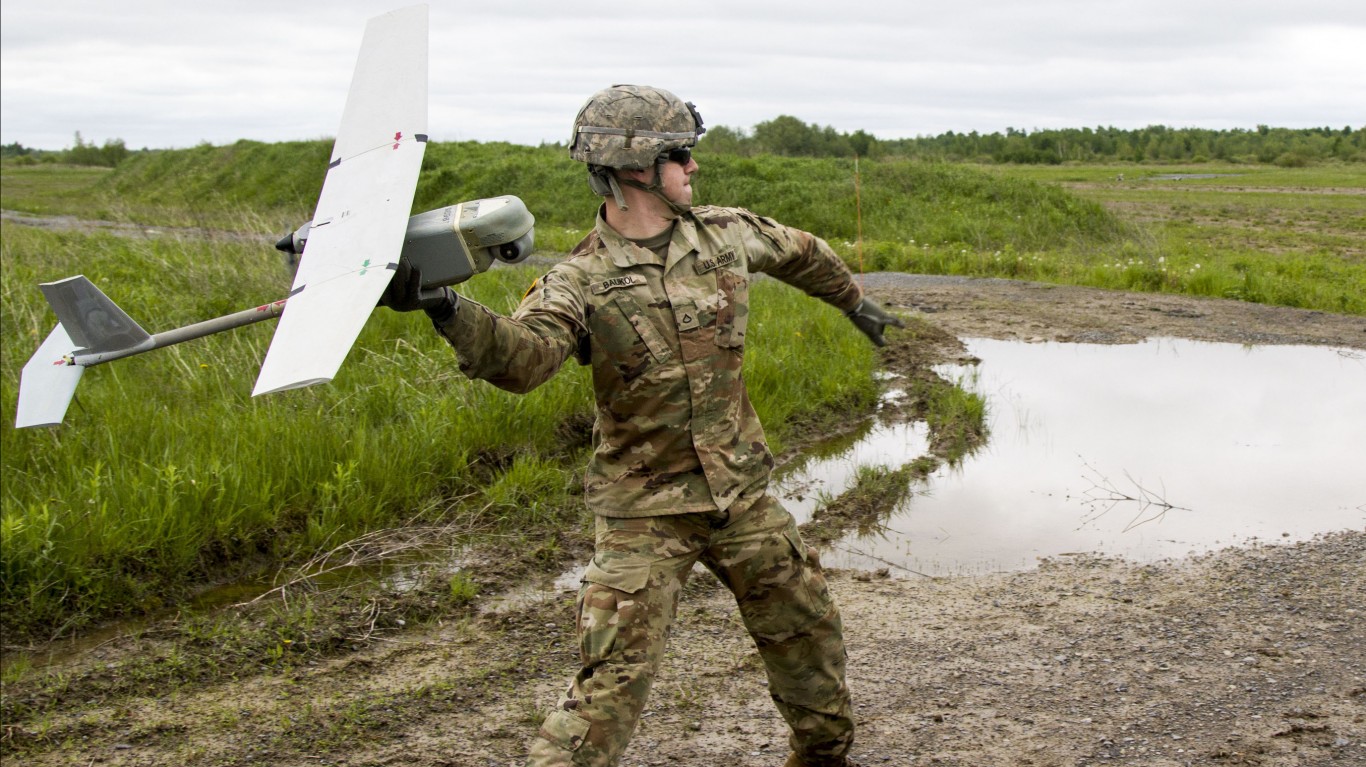
UAS ISR Support
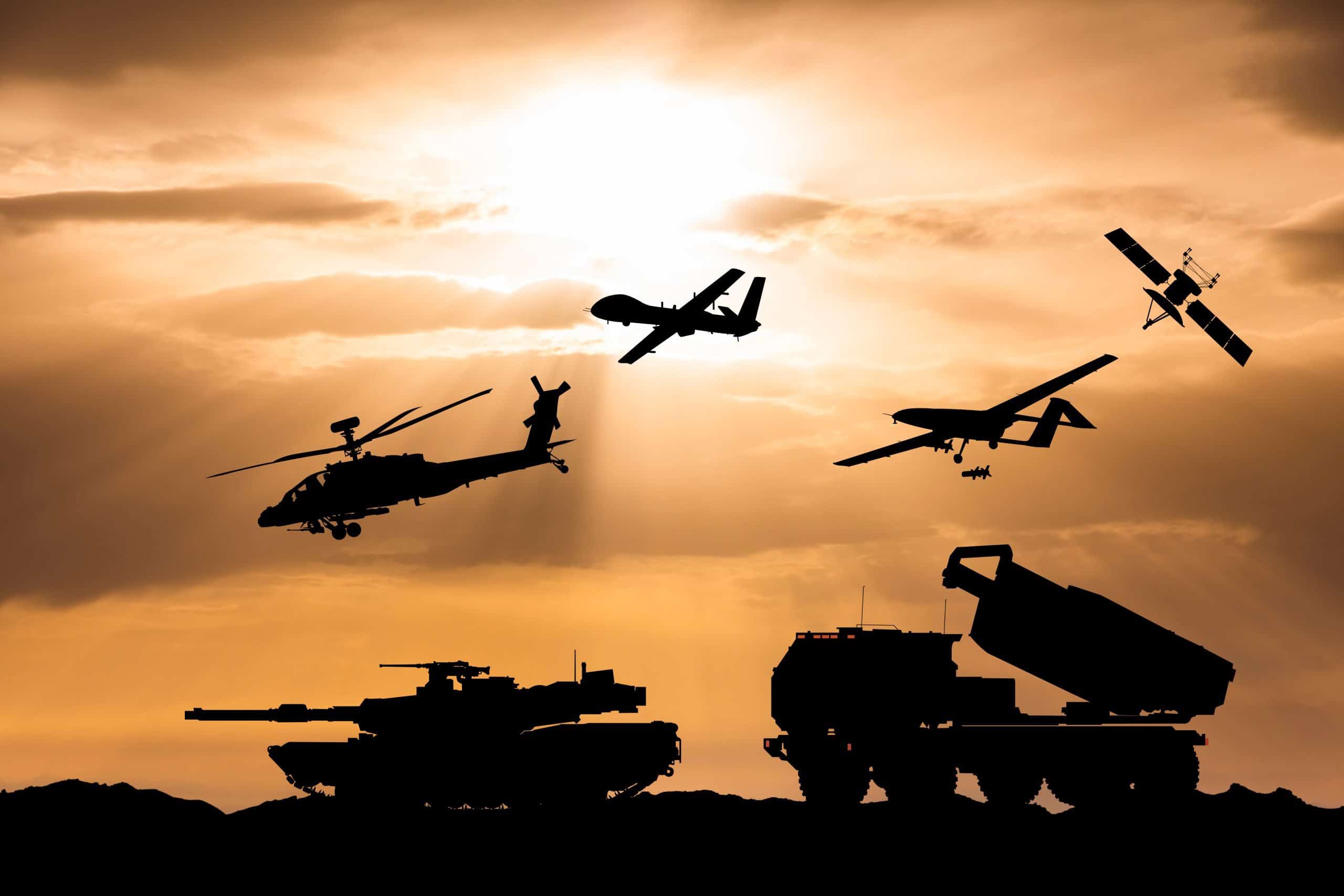
- Era introduced: 21st Century
- Primary function: Sensor
- What infantry problem it solved: Limited observation
- How it reduced the need for massed troops: Expanded battlefield awareness
- Range or precision advantage gained: Aerial ISR
- Combat environment where it mattered most: All environments
- Doctrinal or tactical shift enabled: Sensor integration
Drones allowed snipers to operate independently, reducing manpower requirements.
Networked Target Sharing
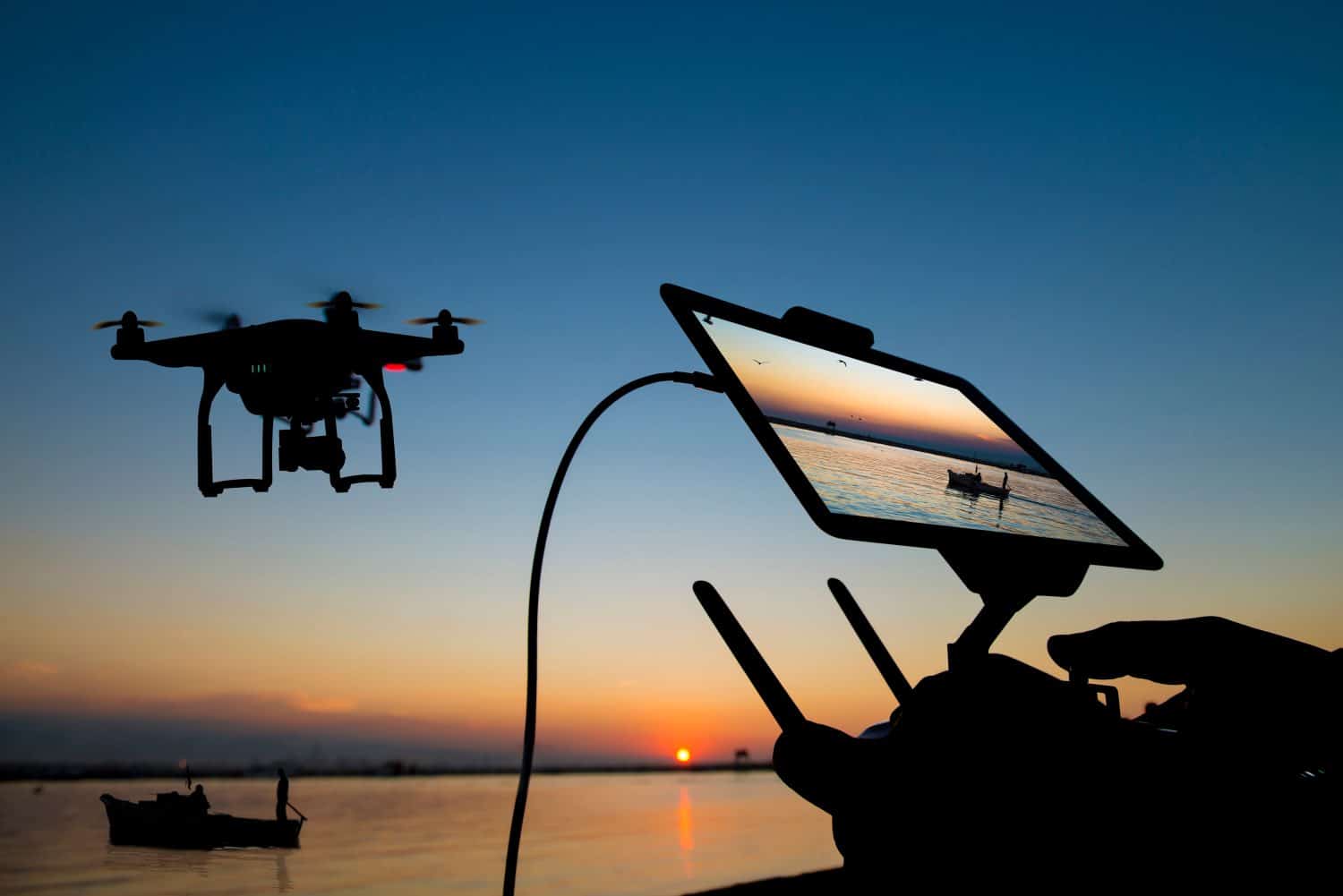
- Era introduced: 21st Century
- Primary function: Command & Control
- What infantry problem it solved: Isolated shooters
- How it reduced the need for massed troops: Shared situational awareness
- Range or precision advantage gained: Collaborative precision
- Combat environment where it mattered most: Joint operations
- Doctrinal or tactical shift enabled: Integrated effects
Networking allowed single snipers to cue larger effects without massed troops.
Precision-Guided Small-Caliber Ammo
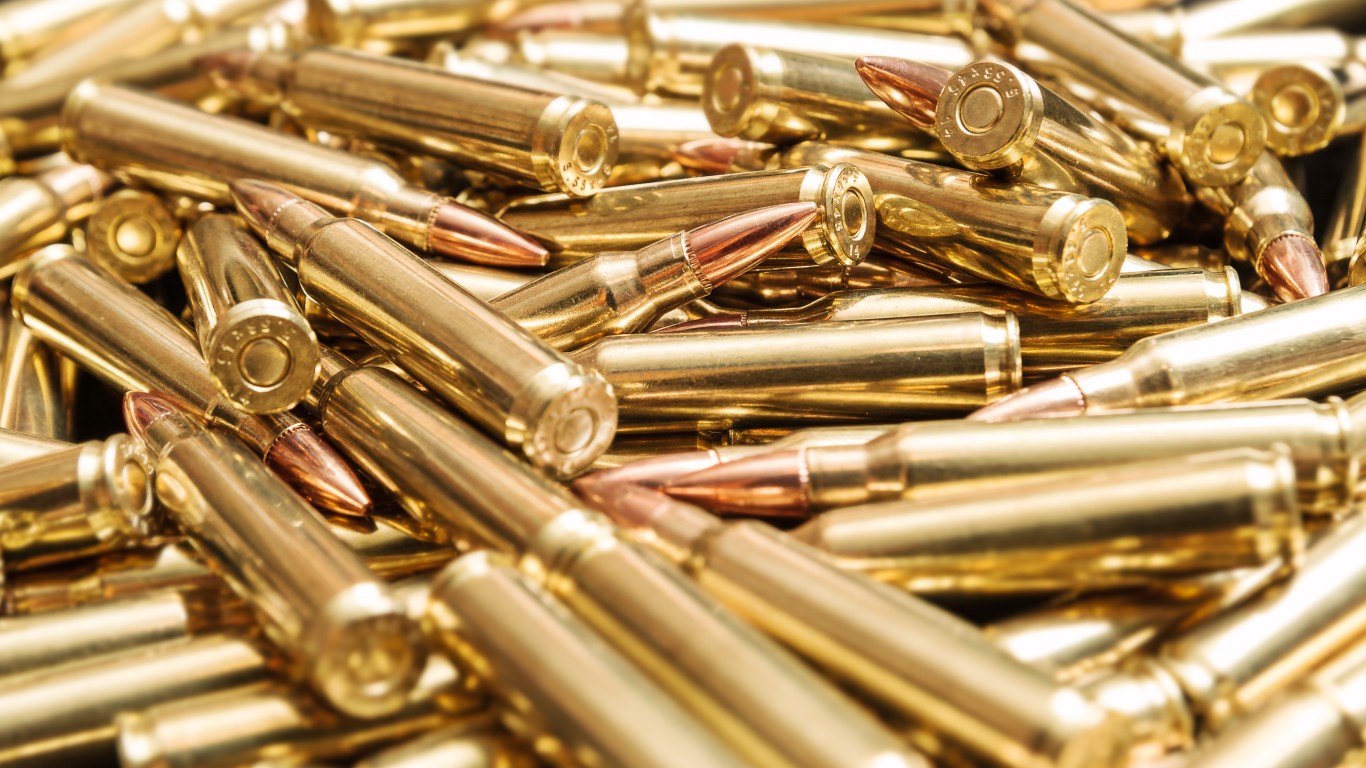
- Era introduced: 21st Century
- Primary function: Ammunition
- What infantry problem it solved: Limited hit probability
- How it reduced the need for massed troops: Guided precision
- Range or precision advantage gained: Self-correcting flight
- Combat environment where it mattered most: Experimental use
- Doctrinal or tactical shift enabled: Future precision
Emerging guided rounds point toward further reducing manpower through extreme precision.
Urban Sniper Overwatch Doctrine
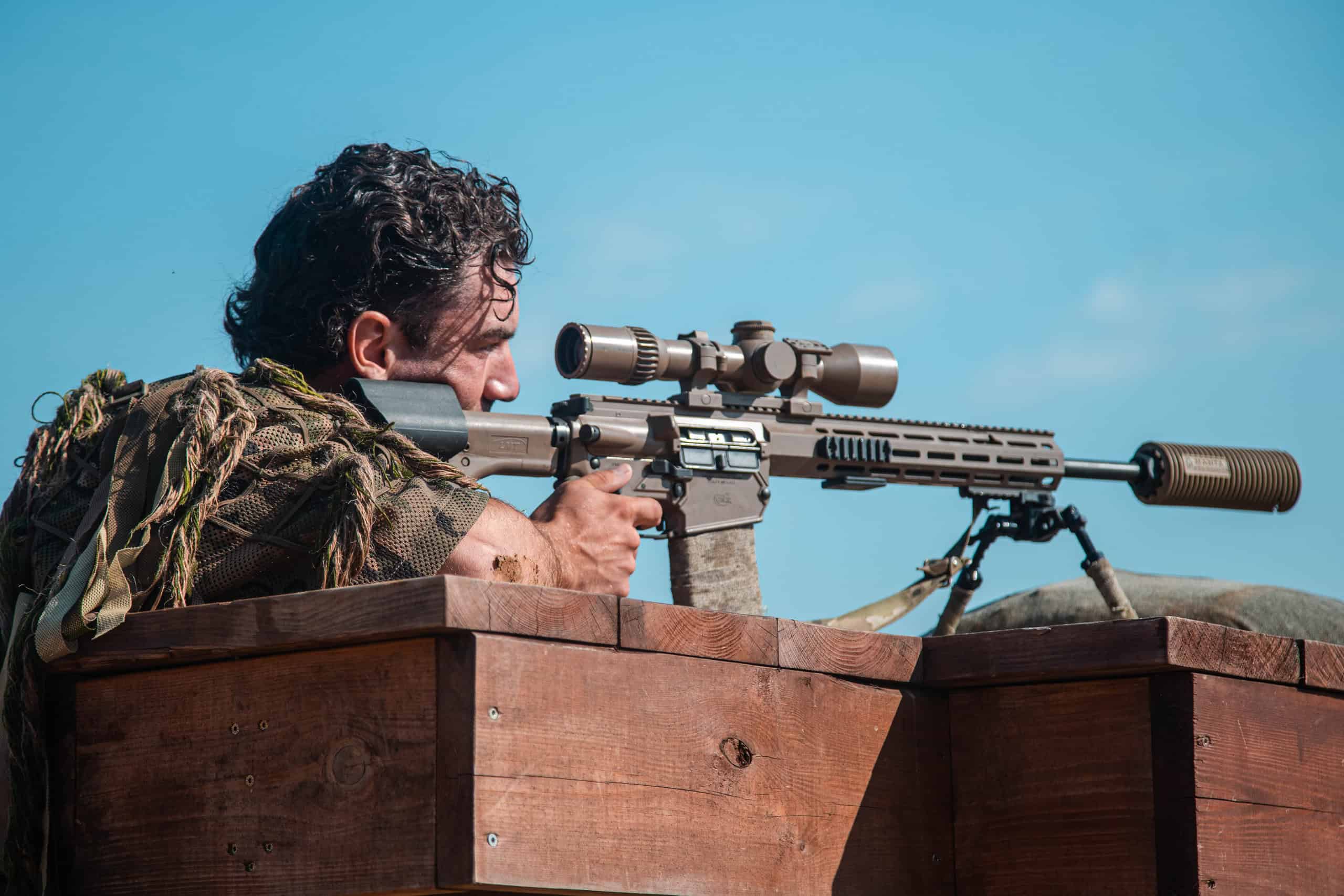
- Era introduced: Late 20th Century
- Primary function: Doctrine
- What infantry problem it solved: Urban infantry saturation
- How it reduced the need for massed troops: Selective overwatch control
- Range or precision advantage gained: Area dominance
- Combat environment where it mattered most: Urban combat
- Doctrinal or tactical shift enabled: Manpower reduction
Urban sniper overwatch allowed small teams to control key terrain without massed infantry.
Counter-Sniper Detection Systems
- Era introduced: 21st Century
- Primary function: Sensor
- What infantry problem it solved: Enemy sniper threat
- How it reduced the need for massed troops: Rapid detection
- Range or precision advantage gained: Acoustic / optical detection
- Combat environment where it mattered most: Urban / static
- Doctrinal or tactical shift enabled: Force protection
Counter-sniper systems reduced the need for large screening forces by detecting threats quickly.






 Top Gaining Stocks
 Top Losing Stocks