


In close air support, speed and precision matter, but trust matters more. Aircraft earn that trust by showing up under fire, surviving hostile environments, and delivering reliable support when ground forces need it most. Across generations of warfare, certain aircraft proved so effective that they reshaped how CAS missions were planned and executed. Close air support plays an important role in military operations because it delivers precise, immediate firepower to protect ground forces, halt enemy advances, and shape the battlefield when soldiers are in direct contact with hostile forces. Here, 24/7 Wall St. is taking a closer look at the aircraft that redefined close air support for the U.S. Military.
To determine the aircraft that redefined close air support for the U.S. Military, 24/7 Wall St. reviewed various historical and military sources. We included supplemental information regarding the year introduced, aircraft type, primary conflicts it was involved in, and how it redefined close-air support.
Here is a look at the aircraft that redefined close air support for the U.S. Forces:
Why Are We Covering This?
Close air support has always been one of the most demanding and consequential missions in modern warfare, where seconds matter and mistakes carry immediate consequences for troops on the ground. By examining the platforms that reshaped CAS doctrine, improved coordination, and earned the trust of servicemembers across generations, this list highlights how battlefield experience drives lasting change in how airpower is used when it matters most.
Close Air Support Is About Trust
Close air support ultimately comes down to trust. It is a mission defined by proximity, timing, and the reality that ground troops are often requesting help at the most dangerous moments of a fight. When an aircraft shows up quickly, stays on station, and delivers accurate fire without endangering friendly forces, it earns confidence mission by mission. The aircraft that truly redefined CAS weren’t just capable—they became reliable partners to the troops they supported.
How CAS Evolved
Close air support didn’t emerge fully formed. Early combat in World War II forced the U.S. military to learn how to coordinate aircraft with ground maneuver, and later conflicts exposed what mattered most in real conditions. Korea highlighted the limitations of early jets in persistent support roles, while Vietnam accelerated the need for better control, better loiter time, and closer air–ground integration. Each era pushed CAS doctrine forward, shaping how aircraft were designed and how they were employed.
What Redefined CAS
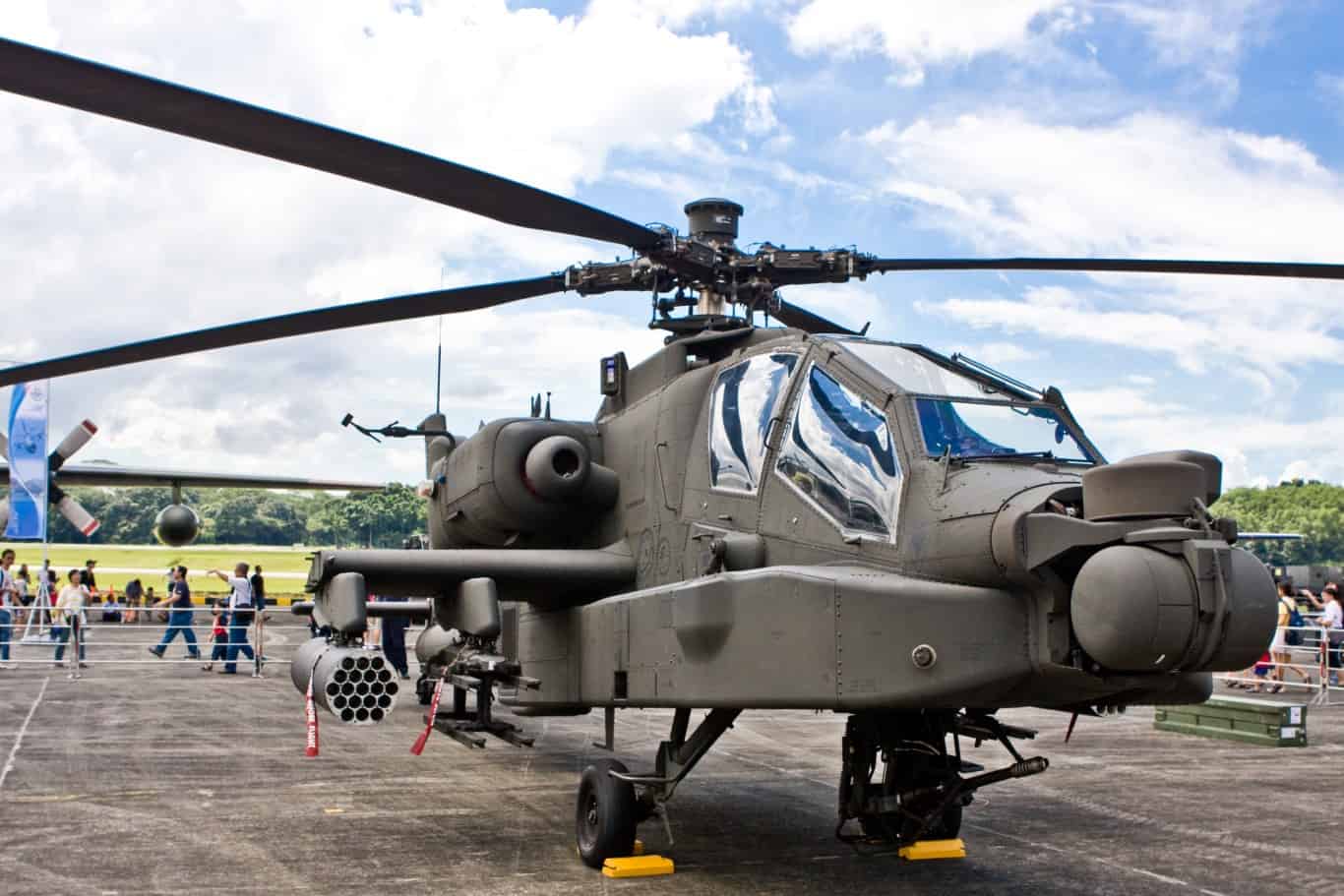
The aircraft that redefined close air support tended to change expectations rather than simply improve performance. They emphasized persistence over speed, survivability over elegance, and coordination over independence. Many carried weapons tailored to support troops at close range, but their real advantage was the ability to remain overhead, communicate clearly with controllers, and deliver effective fire when conditions were chaotic. In CAS, consistency and responsiveness often matter more than raw performance.
Aircraft Troops Came to Rely On
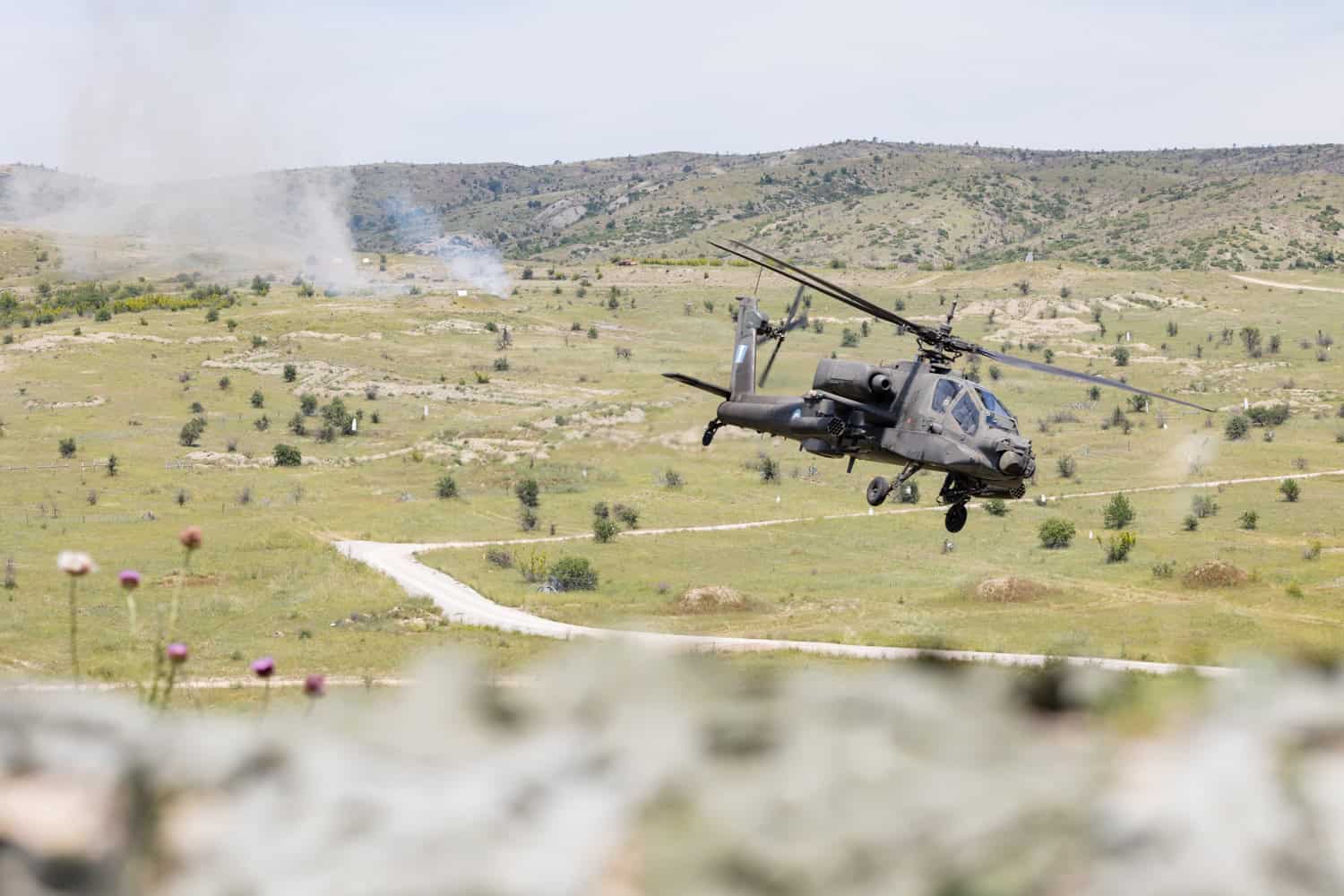
Some aircraft earned reputations so strong that troops came to rely on them instinctively. These platforms proved they could operate under fire, absorb damage, and keep supporting units even in high-risk environments. Several outlasted multiple replacement efforts, while others created entirely new categories of CAS capability, like gunships, attack helicopters, and persistent ISR-to-strike platforms. In each case, battlefield trust mattered more than modernization on paper.
The Aircraft That Changed CAS Forever
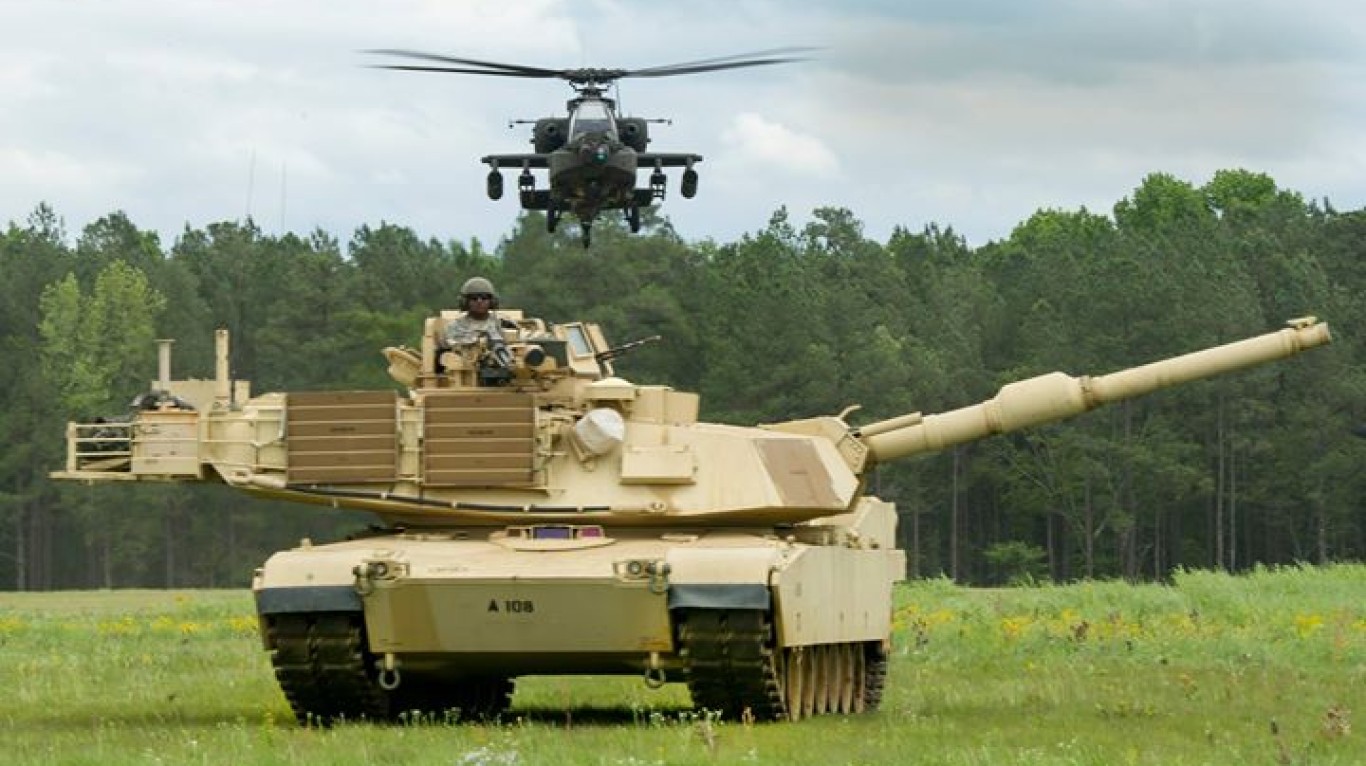
The list that follows highlights 30 aircraft that reshaped how U.S. forces receive close air support, spanning World War II through modern conflicts. It includes fixed-wing attack aircraft, multirole fighters adapted for CAS, helicopters that brought responsive firepower to the fight, gunships that turned night into an advantage, and drones that fused surveillance with strike. Each aircraft earned its place by changing the way CAS was delivered—and what troops could reasonably expect from it.
P-47 Thunderbolt
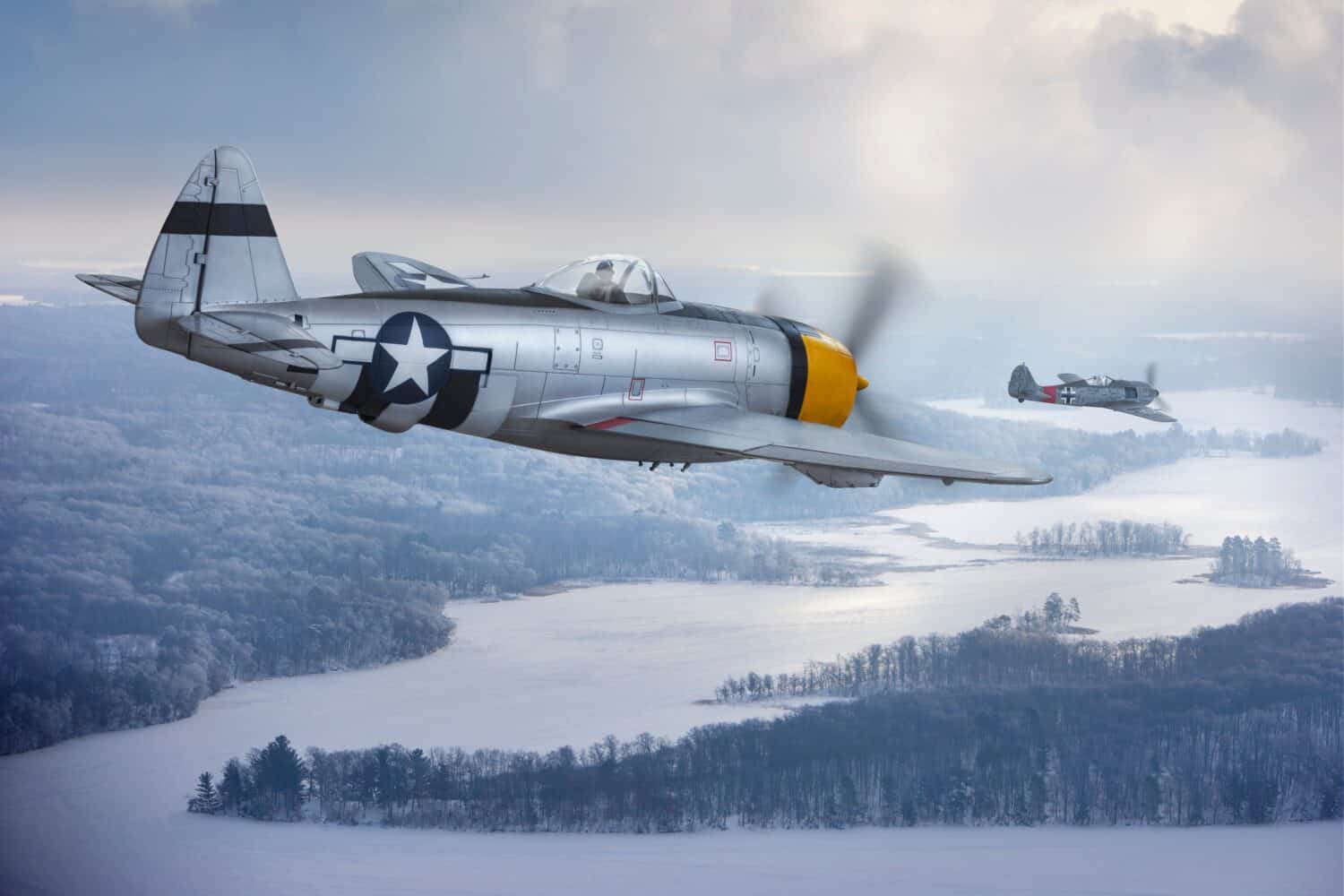
- Year introduced to service: 1942
- Aircraft type: Fighter-bomber
- Primary conflicts involved in: World War II
- How it redefined close air support: Proved rugged low-altitude fighters could deliver reliable close support
- Status: Retired
- Armament: Machine guns, rockets, bombs
The P-47 Thunderbolt demonstrated that heavily armored fighter-bombers could survive intense ground fire while delivering devastating close air support. Its durability, heavy armament, and ability to absorb damage allowed pilots to stay low and directly support advancing U.S. ground forces, setting early CAS expectations.
P-51 Mustang
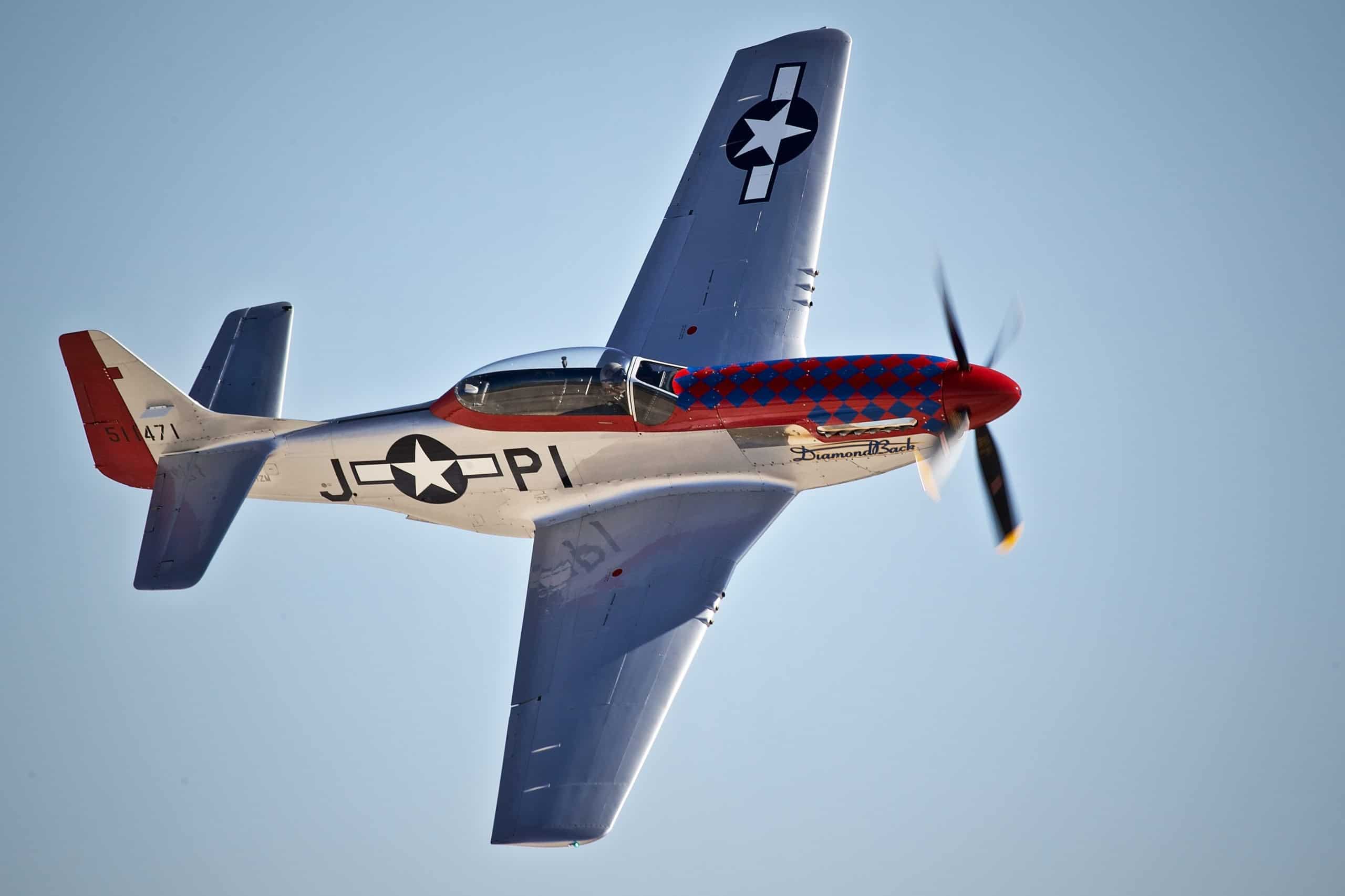
- Year introduced to service: 1942
- Aircraft type: Fighter-bomber
- Primary conflicts involved in: World War II
- How it redefined close air support: Expanded CAS reach with speed and range
- Status: Retired
- Armament: Machine guns, bombs, rockets
While famous as an escort fighter, the P-51 also reshaped CAS by combining speed, precision, and range. Its flexibility allowed rapid response to ground troop needs, helping bridge the gap between air superiority and close support during late WWII operations.
A-20 Havoc
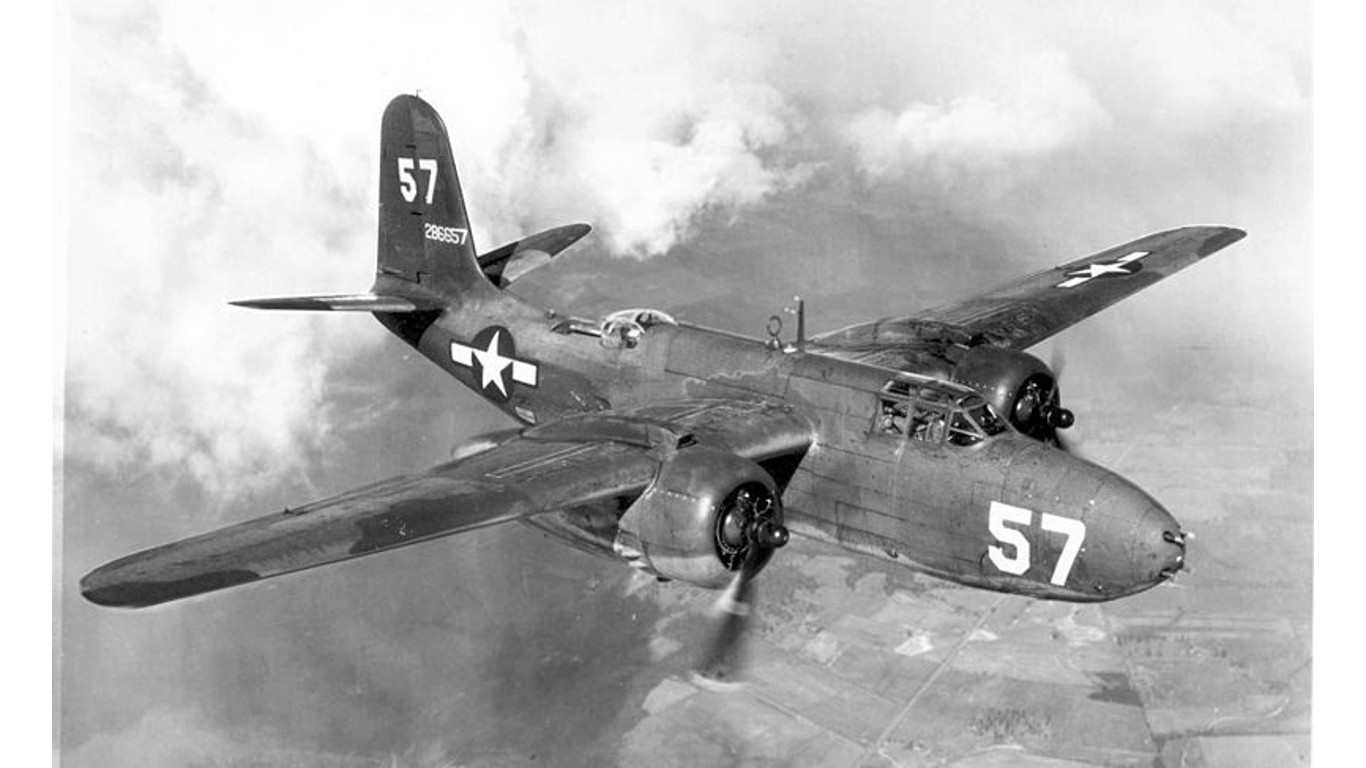
- Year introduced to service: 1939
- Aircraft type: Attack aircraft
- Primary conflicts involved in: World War II
- How it redefined close air support: Demonstrated coordinated low-level attack
- Status: Retired
- Armament: Bombs, machine guns
The A-20 Havoc helped refine low-level attack tactics that became foundational to CAS doctrine. Its speed and firepower enabled effective strikes against enemy positions near friendly forces, proving coordinated air-ground attacks were viable.
B-25 Mitchell (Strafer)
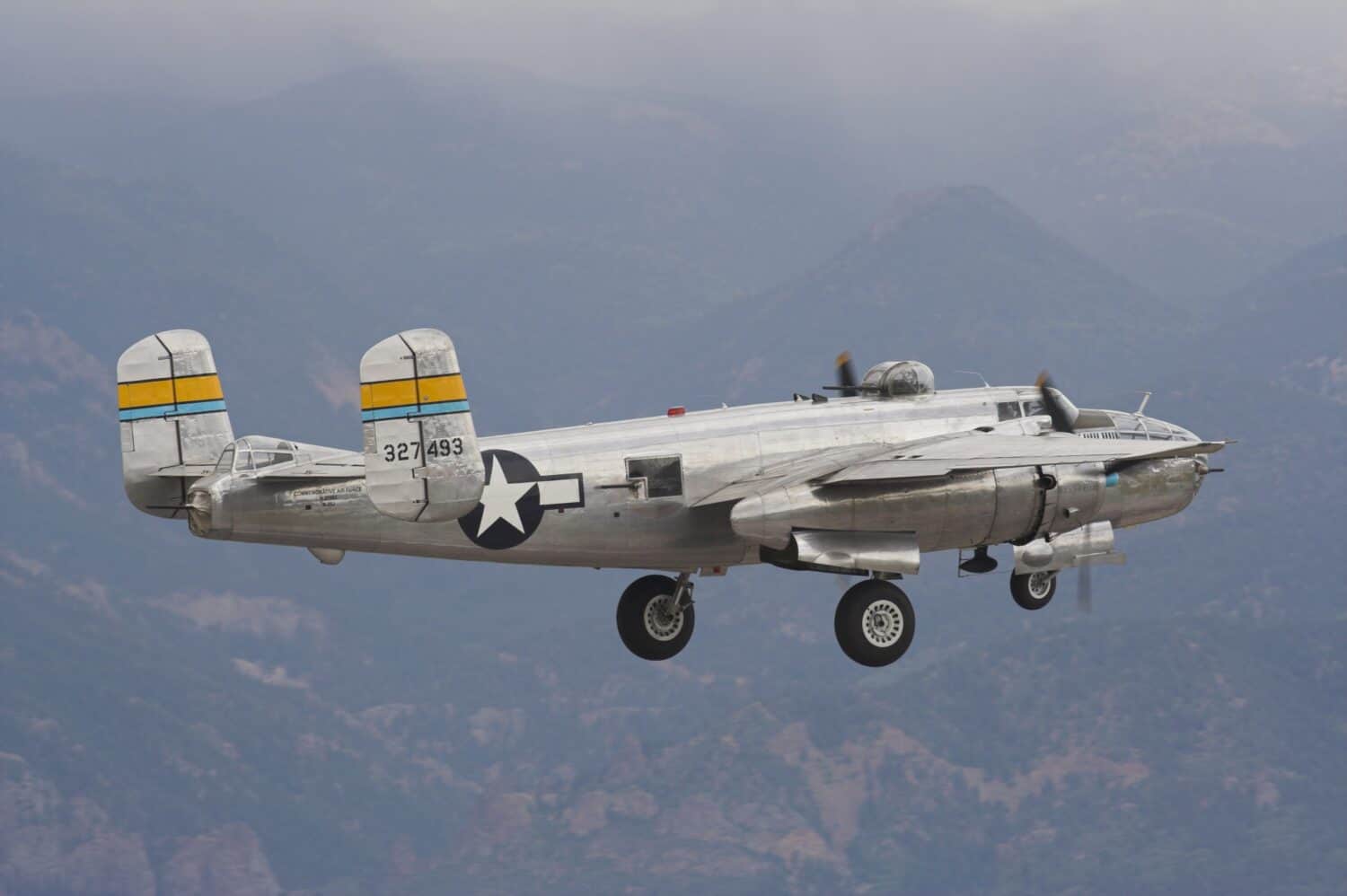
- Year introduced to service: 1941
- Aircraft type: Medium bomber
- Primary conflicts involved in: World War II
- How it redefined close air support: Showed bombers could perform close support
- Status: Retired
- Armament: Cannons, machine guns, rockets
Modified B-25 strafers demonstrated that medium bombers could deliver close, direct fire support. Their low-altitude attacks influenced future CAS thinking by emphasizing firepower concentration over altitude.
SB2C Helldiver
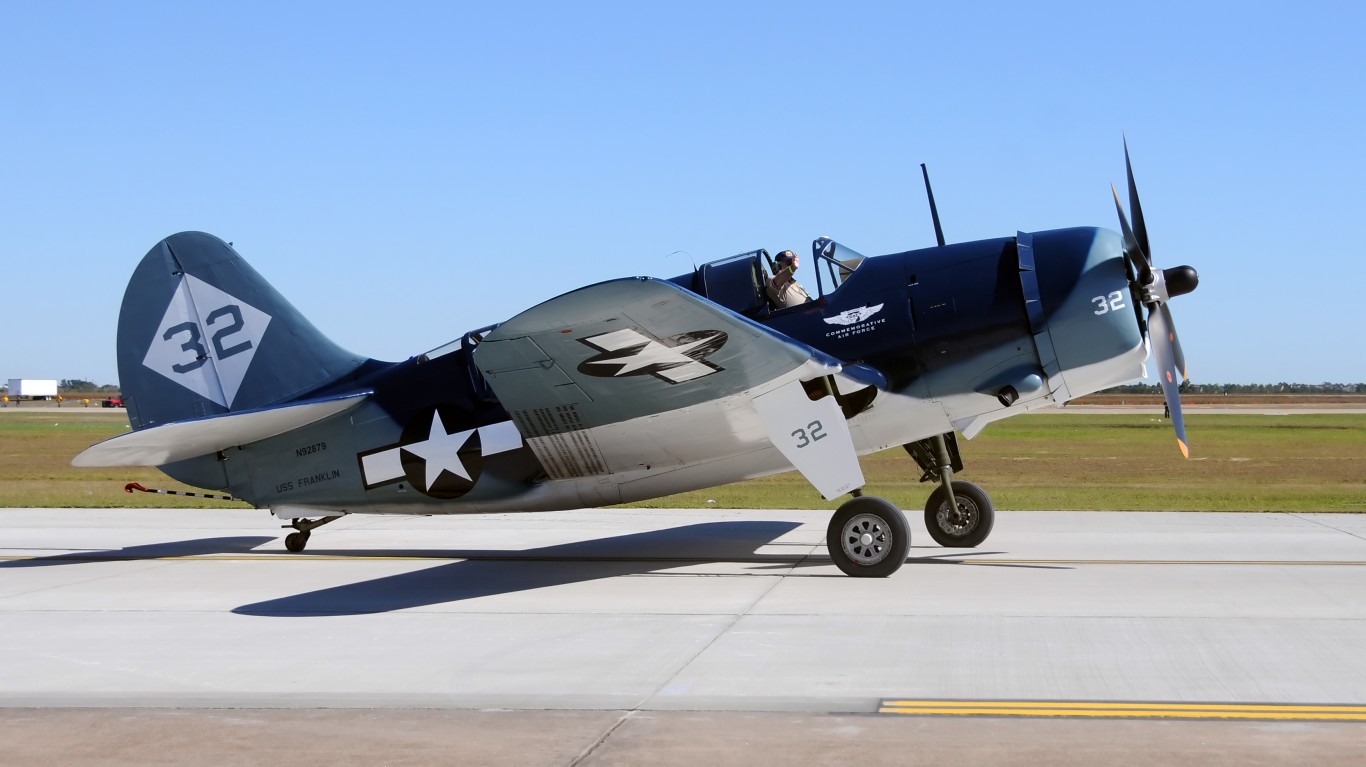
- Year introduced to service: 1943
- Aircraft type: Dive bomber
- Primary conflicts involved in: World War II
- How it redefined close air support: Refined precision dive-bombing CAS
- Status: Retired
- Armament: Bombs, rockets
The SB2C Helldiver refined precision dive-bombing techniques that allowed accurate support of ground forces. Its service helped normalize closer coordination between pilots and troops on the ground.
F-51D Mustang
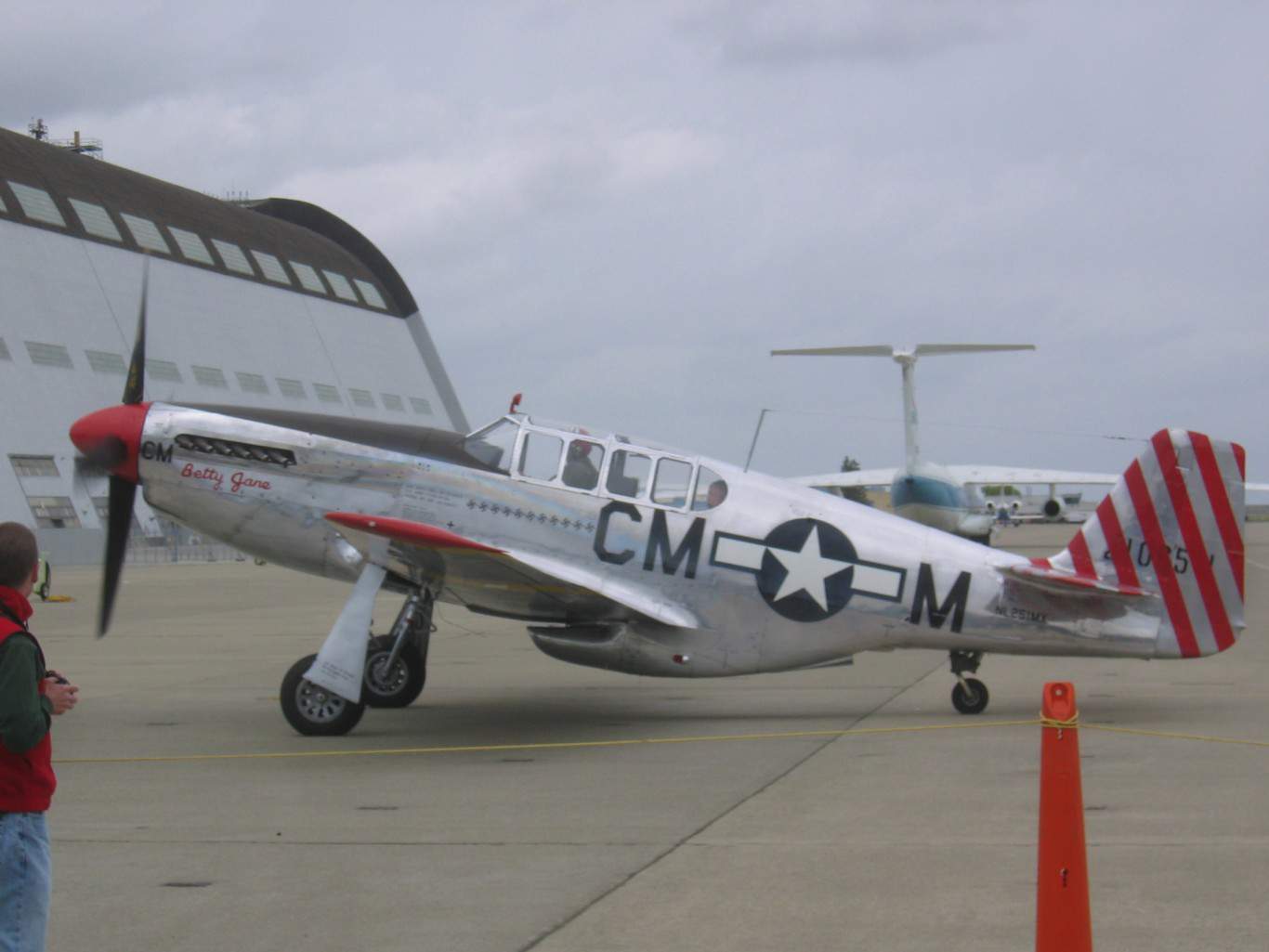
- Year introduced to service: 1945
- Aircraft type: Fighter-bomber
- Primary conflicts involved in: Korean War
- How it redefined close air support: Reintroduced piston CAS for loiter and responsiveness
- Status: Retired
- Armament: Machine guns, bombs, rockets
In Korea, the F-51D proved that loiter time and responsiveness mattered more than speed for CAS. Its effectiveness highlighted shortcomings in early jets and reinforced the value of persistent air support.
F-80 Shooting Star
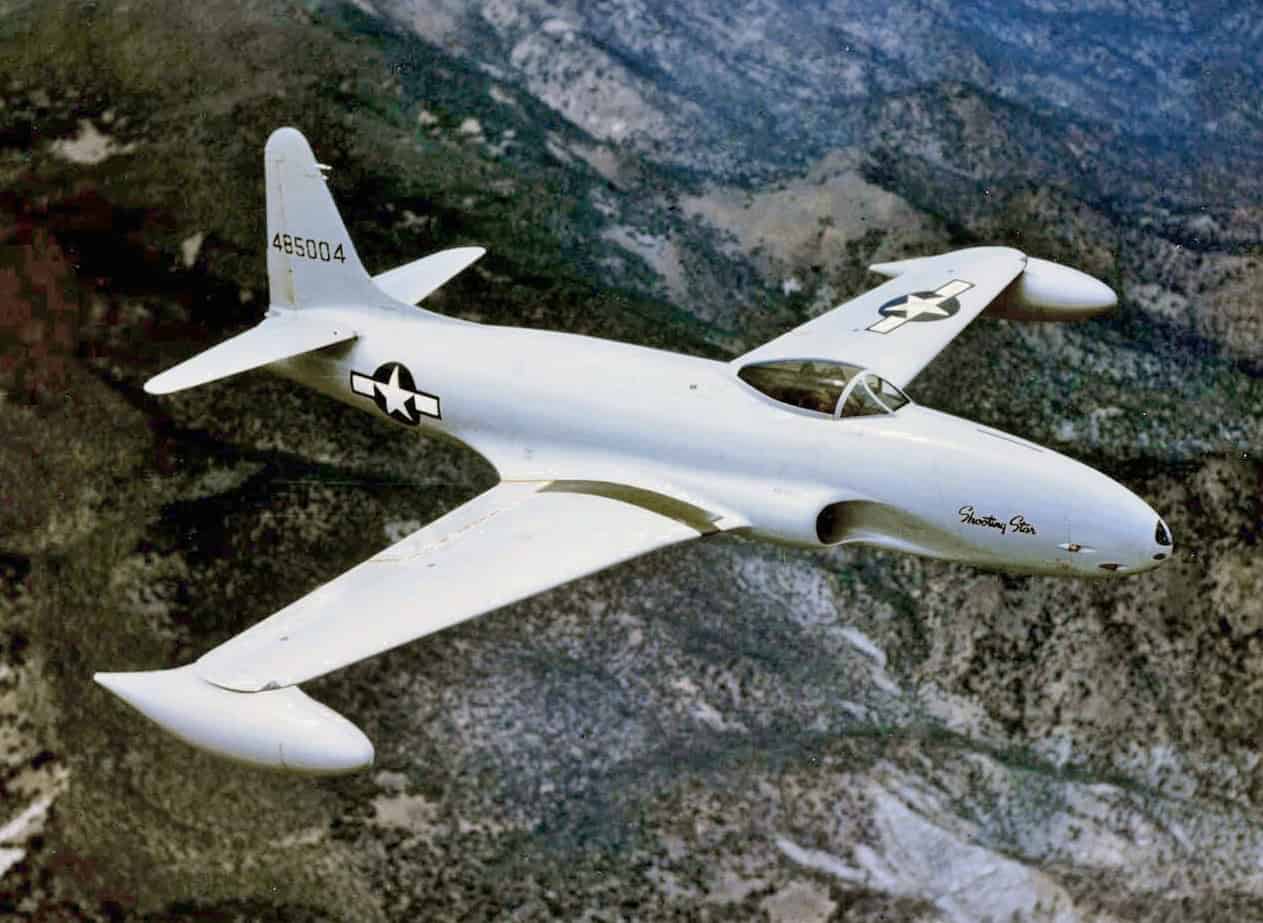
- Year introduced to service: 1944
- Aircraft type: Jet fighter
- Primary conflicts involved in: Korean War
- How it redefined close air support: Early jet CAS experimentation
- Status: Retired
- Armament: Machine guns, bombs
The F-80 represented early attempts to adapt jet aircraft to close air support. Its limitations in loiter and survivability informed later CAS design priorities.
A-1 Skyraider
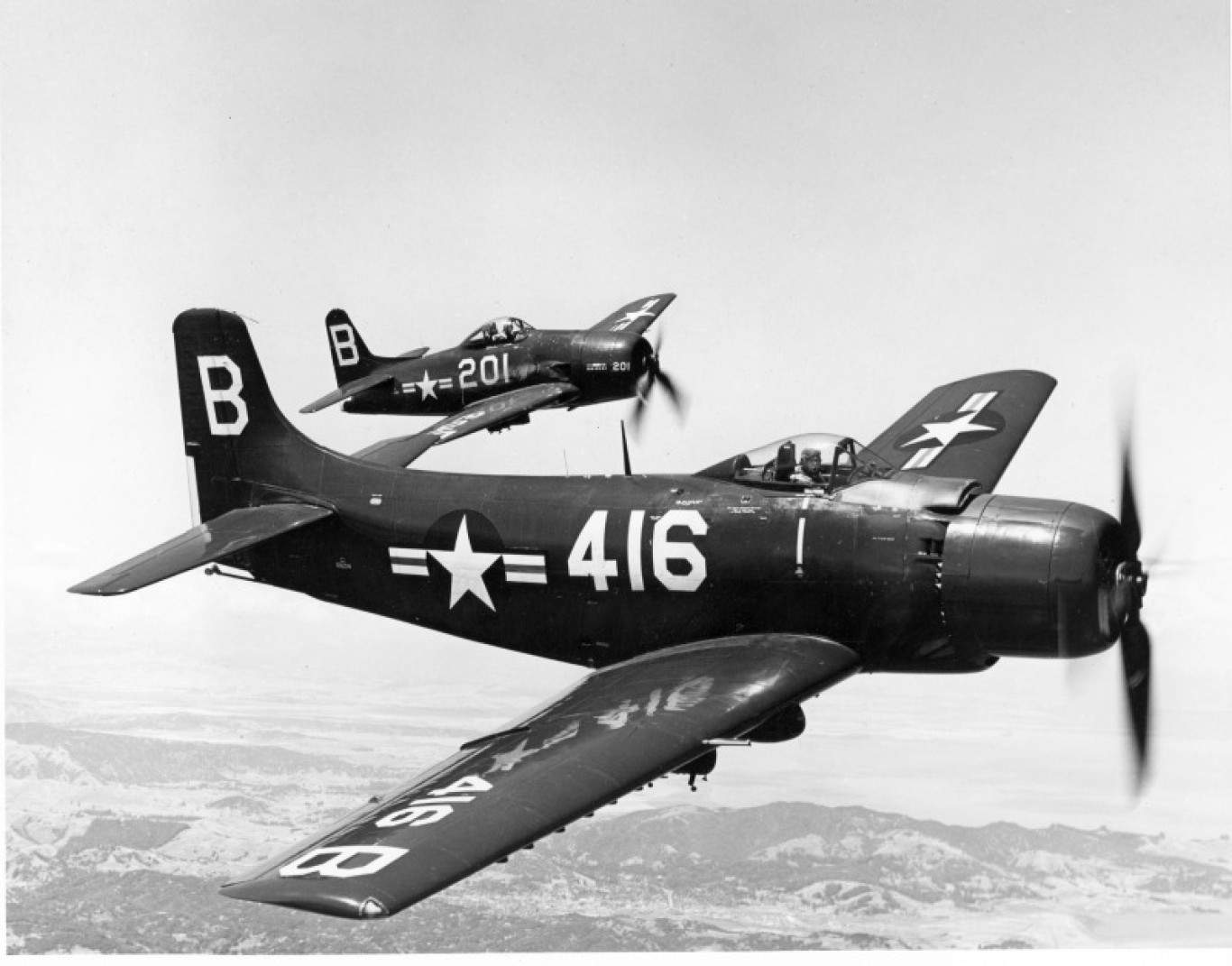
- Year introduced to service: 1946
- Aircraft type: Attack aircraft
- Primary conflicts involved in: Korean War, Vietnam War
- How it redefined close air support: Redefined CAS persistence and payload
- Status: Retired
- Armament: Cannons, bombs, rockets
The Skyraider became synonymous with CAS due to its unmatched loiter time and payload. Ground forces trusted it to stay overhead and deliver repeated strikes when needed most.
F-4 Phantom II

- Year introduced to service: 1958
- Aircraft type: Multirole fighter
- Primary conflicts involved in: Vietnam War
- How it redefined close air support: Forced CAS adaptation to high-speed jets
- Status: Retired
- Armament: Bombs, cannons, missiles
The F-4 forced CAS doctrine to evolve by adapting high-speed jets to close support roles. Though not ideal, its service shaped future CAS integration with multirole platforms.
OV-10 Bronco
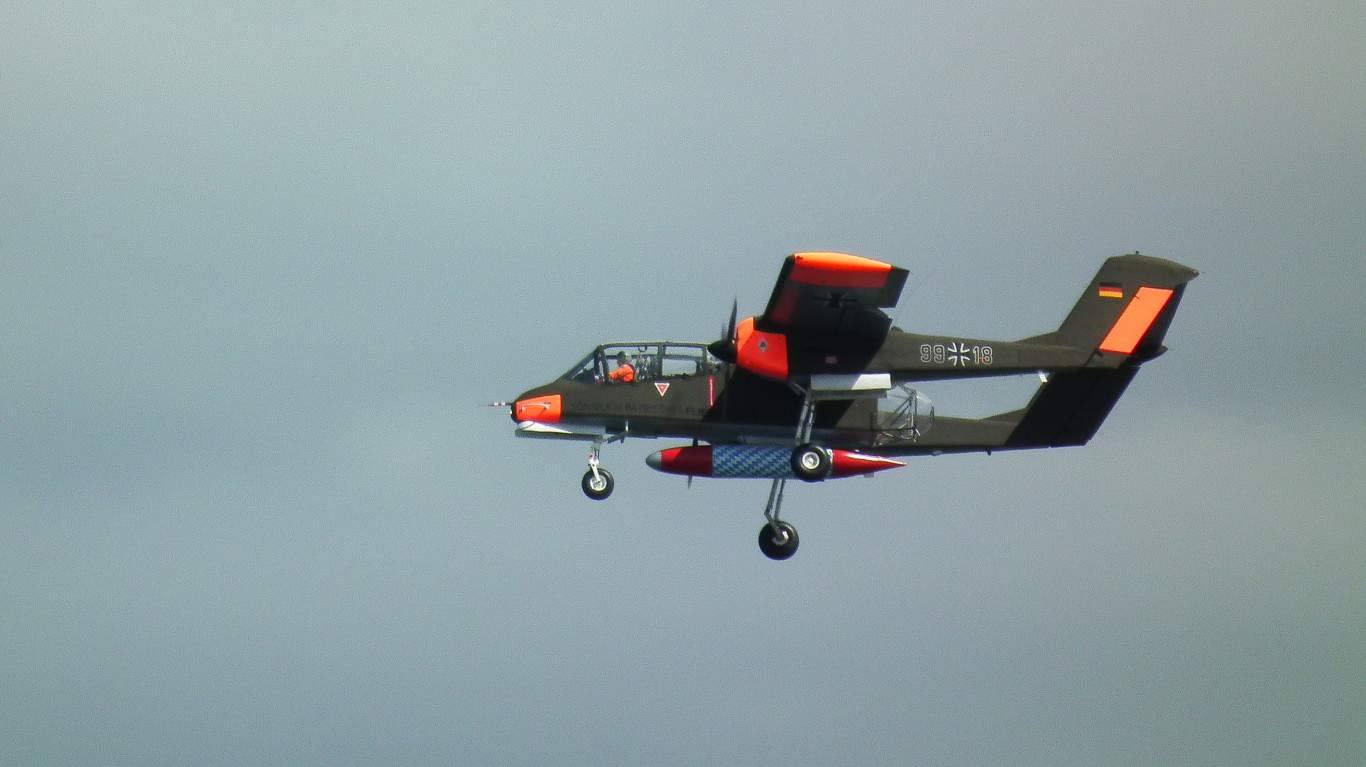
- Year introduced to service: 1969
- Aircraft type: Observation / attack
- Primary conflicts involved in: Vietnam War
- How it redefined close air support: Put FACs directly in the fight
- Status: Retired
- Armament: Cannons, rockets, bombs
The OV-10 transformed CAS coordination by placing forward air controllers in aircraft that could loiter, observe, and mark targets. This dramatically improved air-ground integration.
AC-47 Spooky
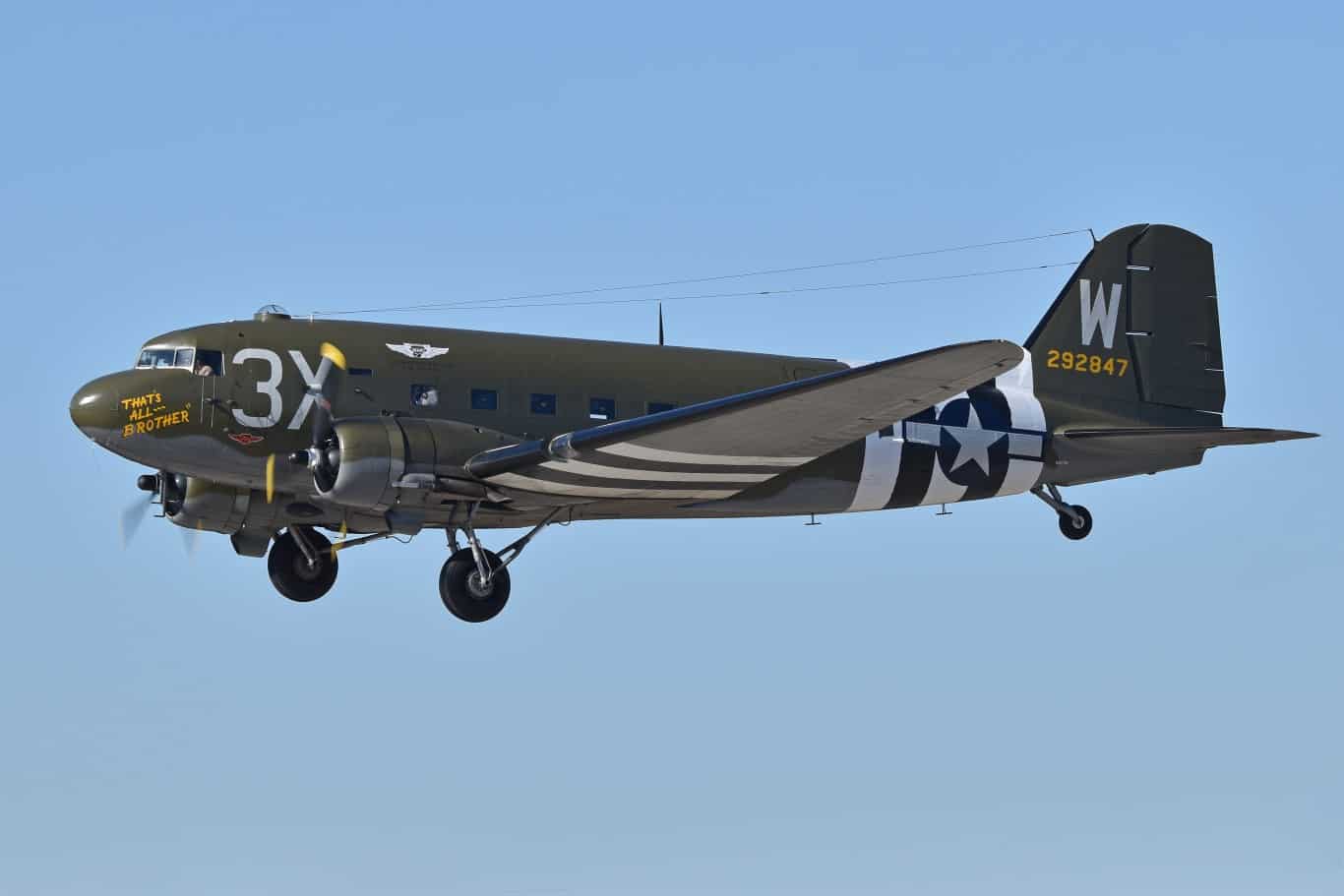
- Year introduced to service: 1965
- Aircraft type: Gunship
- Primary conflicts involved in: Vietnam War
- How it redefined close air support: Introduced sustained gunship CAS
- Status: Retired
- Armament: Miniguns
The AC-47 pioneered the gunship concept, delivering sustained fire support at night. Its success permanently changed how CAS could be delivered in prolonged engagements.
AC-119
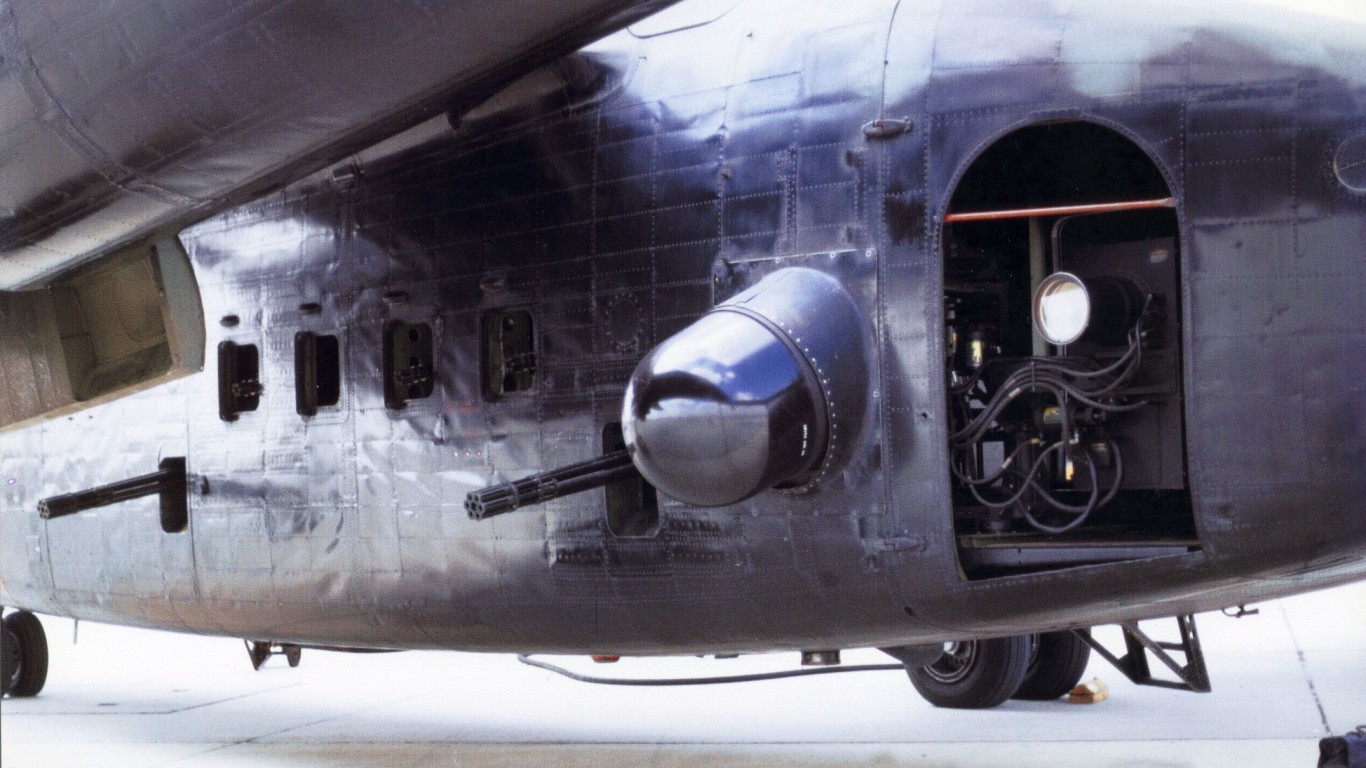
- Year introduced to service: 1968
- Aircraft type: Gunship
- Primary conflicts involved in: Vietnam War
- How it redefined close air support: Expanded night CAS gunship concept
- Status: Retired
- Armament: Cannons, miniguns
Building on AC-47 lessons, the AC-119 expanded night CAS capabilities and reinforced the effectiveness of orbiting gunship fire support.
AH-1 Cobra
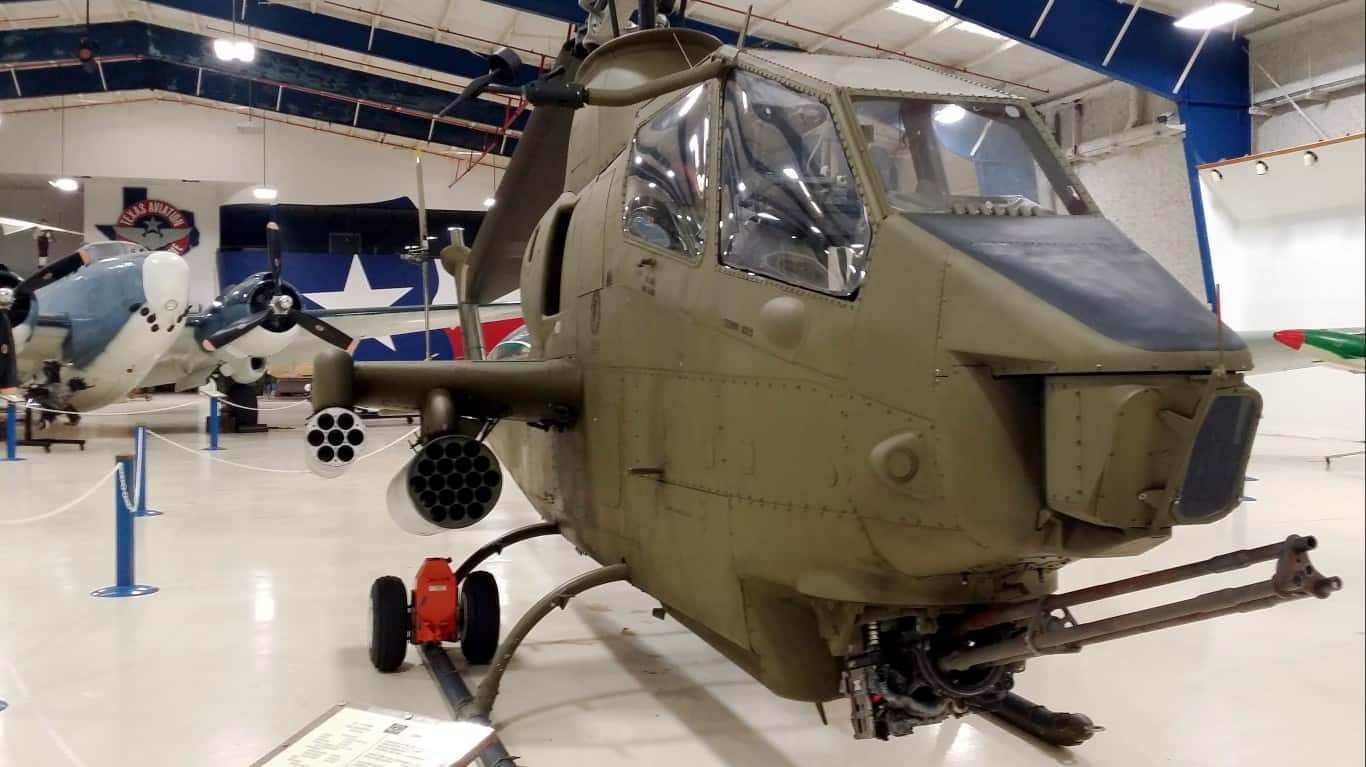
- Year introduced to service: 1967
- Aircraft type: Attack helicopter
- Primary conflicts involved in: Vietnam War
- How it redefined close air support: Established attack helicopter CAS
- Status: Retired
- Armament: Cannons, rockets, missiles
The AH-1 Cobra proved helicopters could deliver fast, precise CAS at low altitude. It reshaped battlefield expectations for responsive, organic air support.
UH-1 Huey (Gunship)
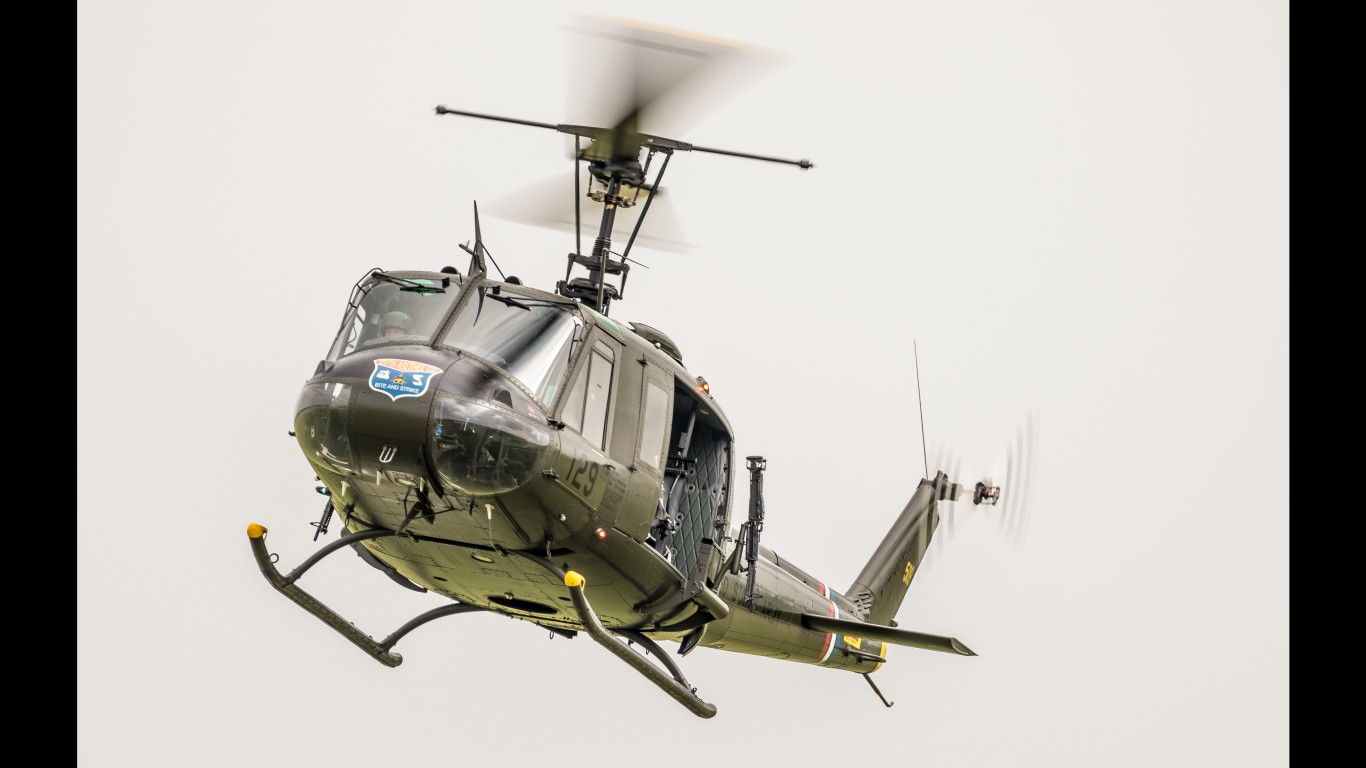
- Year introduced to service: 1959
- Aircraft type: Utility helicopter
- Primary conflicts involved in: Vietnam War
- How it redefined close air support: Enabled immediate rotary-wing CAS
- Status: Retired
- Armament: Machine guns, rockets
Armed Hueys allowed rapid, on-call CAS directly tied to maneuver units. Their presence fundamentally changed troop confidence in air support.
A-10 Thunderbolt II

- Year introduced to service: 1977
- Aircraft type: CAS aircraft
- Primary conflicts involved in: Cold War, GWOT
- How it redefined close air support: Purpose-built CAS around survivability
- Status: Active
- Armament: 30mm cannon, bombs, missiles
The A-10 redefined CAS by prioritizing survivability, loiter time, and direct support of ground forces. Its design centered entirely on the needs of troops under fire.
AC-130 Gunship
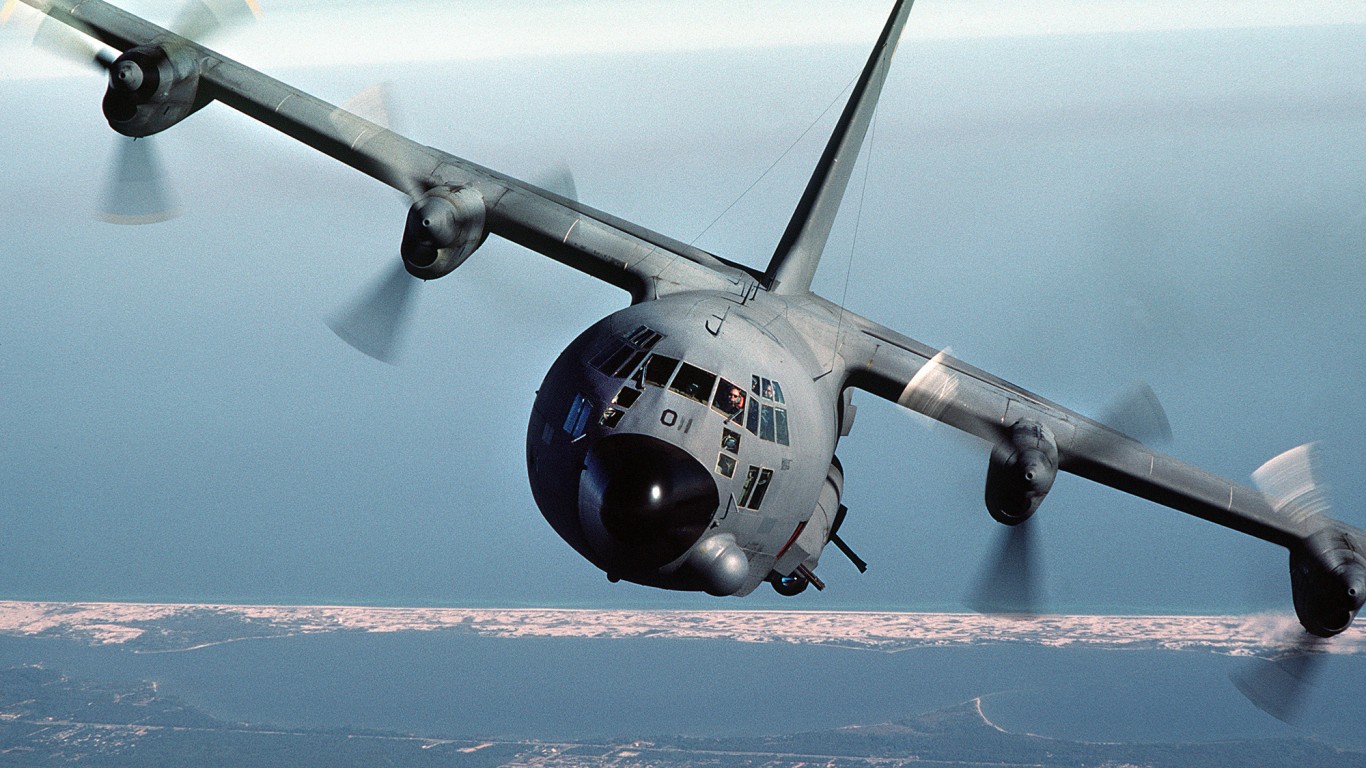
- Year introduced to service: 1968
- Aircraft type: Gunship
- Primary conflicts involved in: Vietnam War, GWOT
- How it redefined close air support: Set benchmark for precision night CAS
- Status: Active
- Armament: Cannons, guided munitions
The AC-130 became the gold standard for night CAS, offering unmatched precision and persistence. Ground forces relied on it for lifesaving fire support.
AH-64 Apache

- Year introduced to service: 1986
- Aircraft type: Attack helicopter
- Primary conflicts involved in: Cold War, GWOT
- How it redefined close air support: Integrated sensors and precision CAS
- Status: Active
- Armament: 30mm cannon, missiles
The Apache brought advanced sensors and precision weapons into CAS, allowing effective support day or night and in poor weather.
AV-8B Harrier II
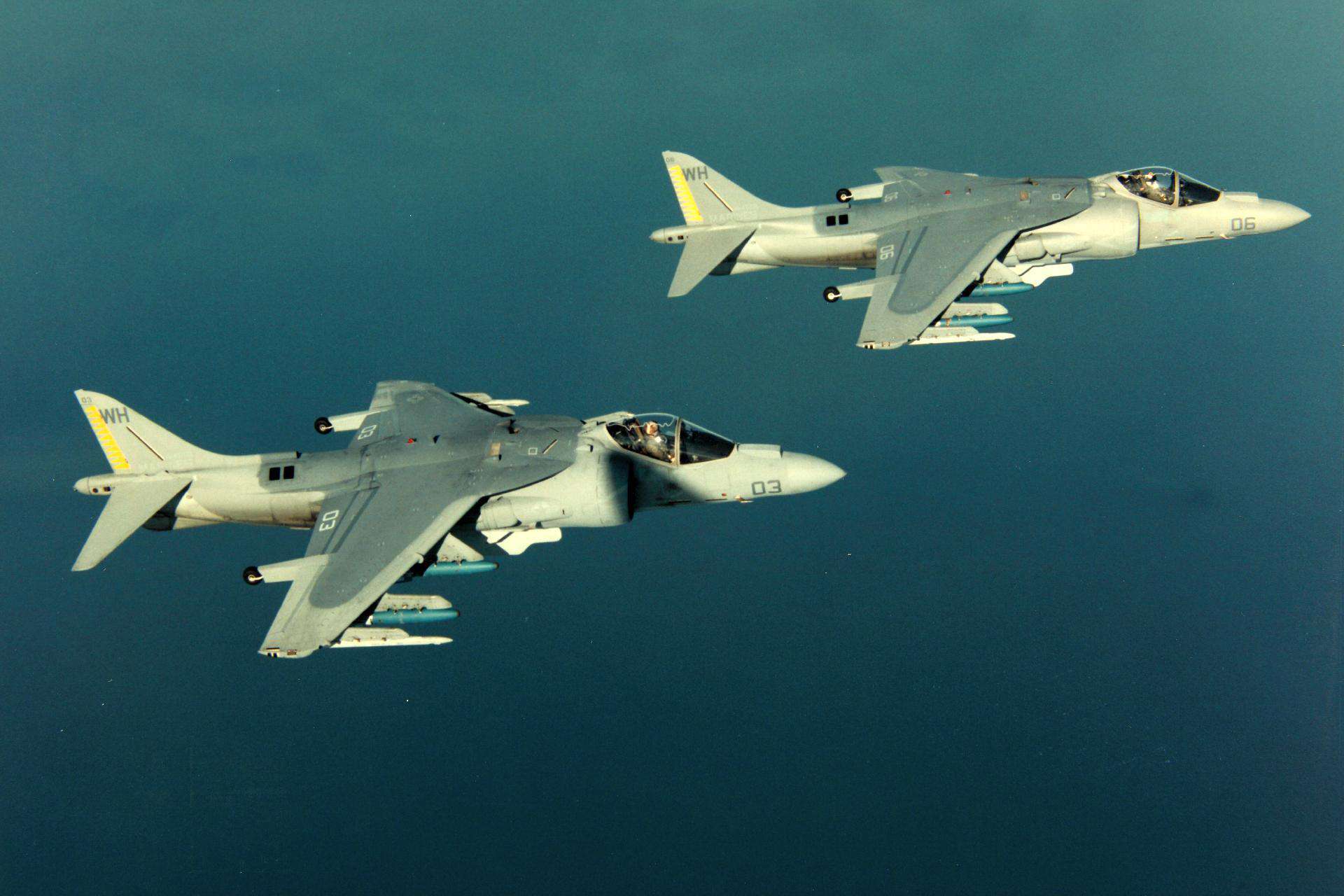
- Year introduced to service: 1985
- Aircraft type: VTOL attack aircraft
- Primary conflicts involved in: Cold War, GWOT
- How it redefined close air support: Enabled expeditionary Marine CAS
- Status: Limited
- Armament: Cannons, bombs, rockets
The Harrier gave Marines organic CAS from austere forward bases. Its flexibility reshaped expeditionary CAS doctrine.
A-6 Intruder
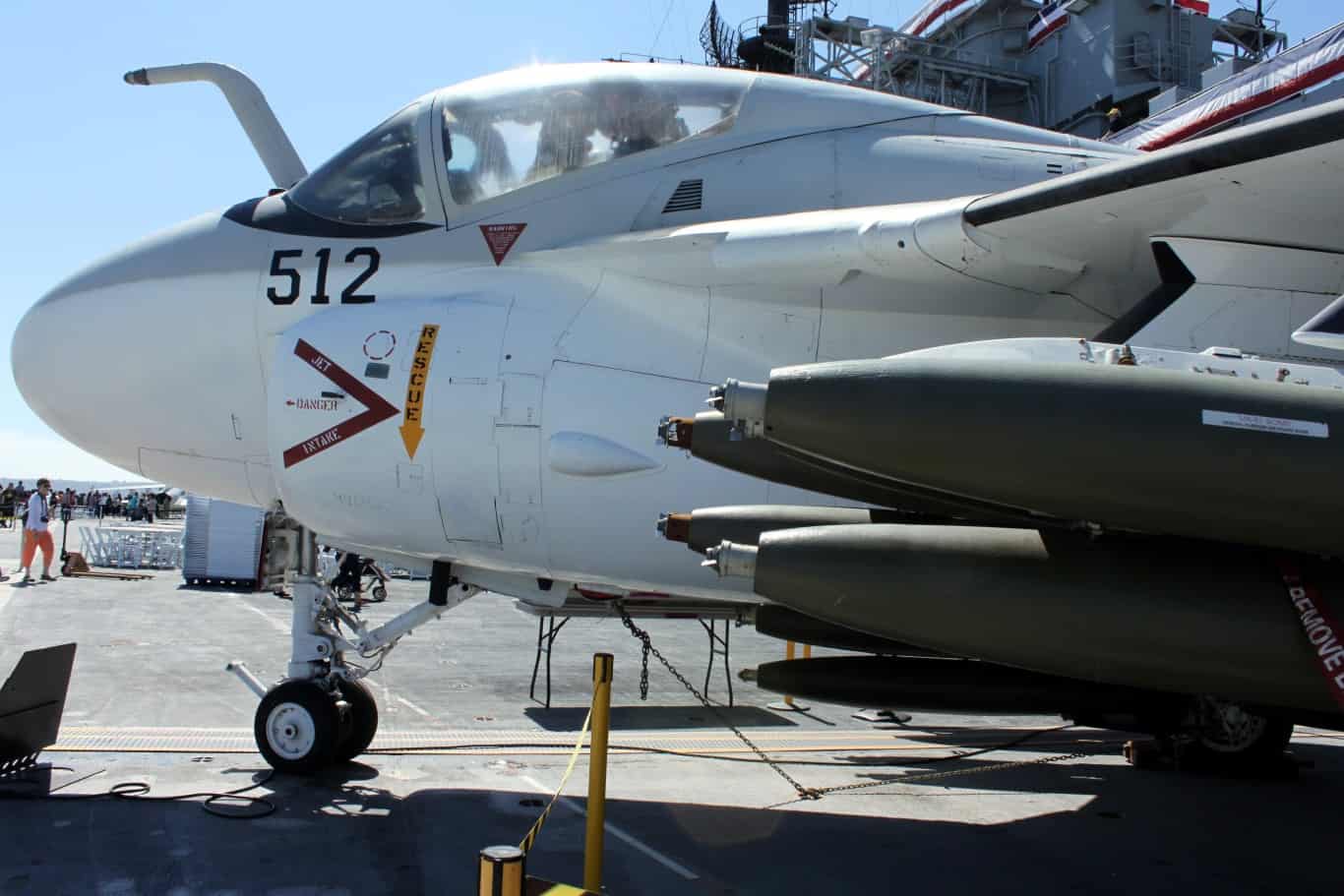
- Year introduced to service: 1963
- Aircraft type: Attack aircraft
- Primary conflicts involved in: Vietnam War, Cold War
- How it redefined close air support: All-weather low-level CAS
- Status: Retired
- Armament: Bombs, mines
The A-6 demonstrated the value of all-weather, low-level attack for CAS, expanding support capability regardless of conditions.
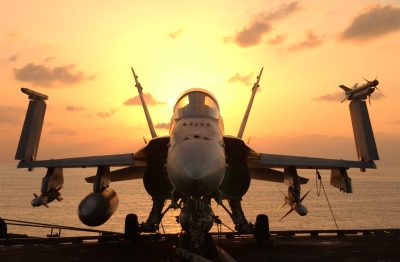
F/A-18 Hornet
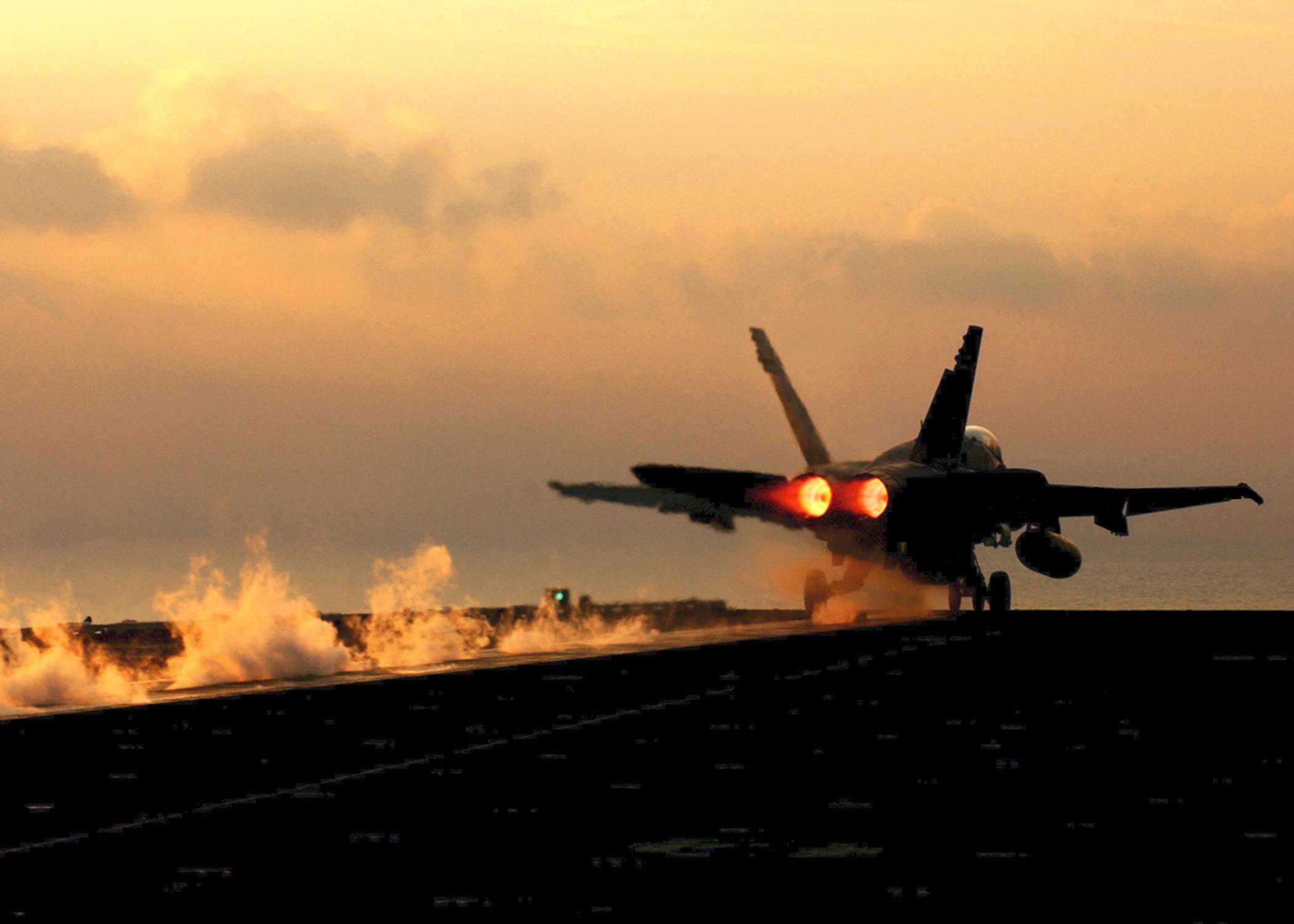
- Year introduced to service: 1983
- Aircraft type: Multirole fighter
- Primary conflicts involved in: Cold War, GWOT
- How it redefined close air support: Standardized Marine Corps CAS
- Status: Active
- Armament: Cannons, bombs, missiles
The Hornet cemented Marine CAS doctrine around flexible, multirole aircraft that could rapidly shift between missions.
F-16 Fighting Falcon

- Year introduced to service: 1978
- Aircraft type: Multirole fighter
- Primary conflicts involved in: Cold War, GWOT
- How it redefined close air support: Integrated precision CAS into fighter force
- Status: Active
- Armament: Cannons, guided bombs
Originally an air-to-air fighter, the F-16 evolved into a capable CAS platform through targeting pods and precision weapons.
B-1B Lancer

- Year introduced to service: 1986
- Aircraft type: Strategic bomber
- Primary conflicts involved in: GWOT
- How it redefined close air support: Provided persistent on-call CAS
- Status: Active
- Armament: Guided bombs
The B-1B redefined CAS by offering long-endurance, heavy payload support responsive to ground force requests.
MQ-1 Predator
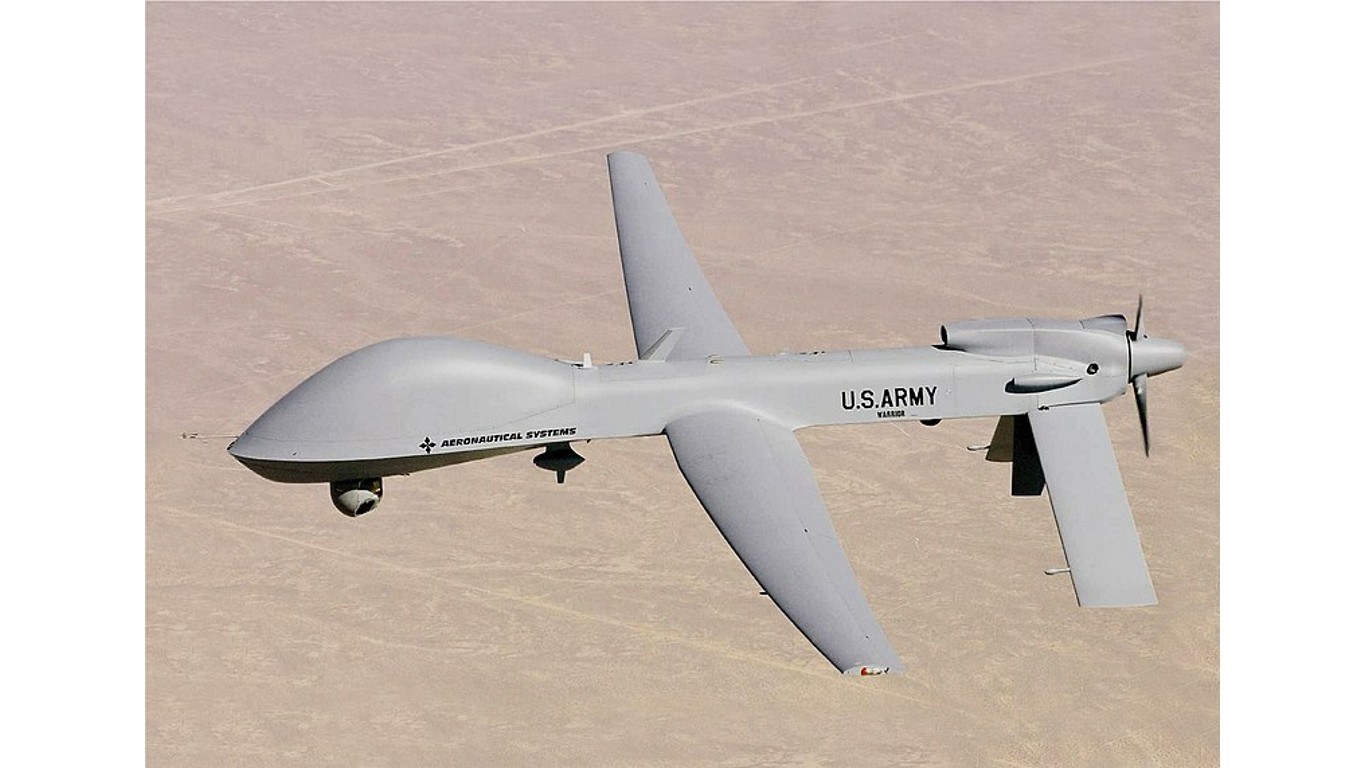
- Year introduced to service: 1995
- Aircraft type: UAV
- Primary conflicts involved in: GWOT
- How it redefined close air support: Introduced persistent ISR-to-strike CAS
- Status: Retired
- Armament: Hellfire missiles
The MQ-1 changed CAS by combining surveillance and strike in one persistent platform, shortening the kill chain.
MQ-9 Reaper
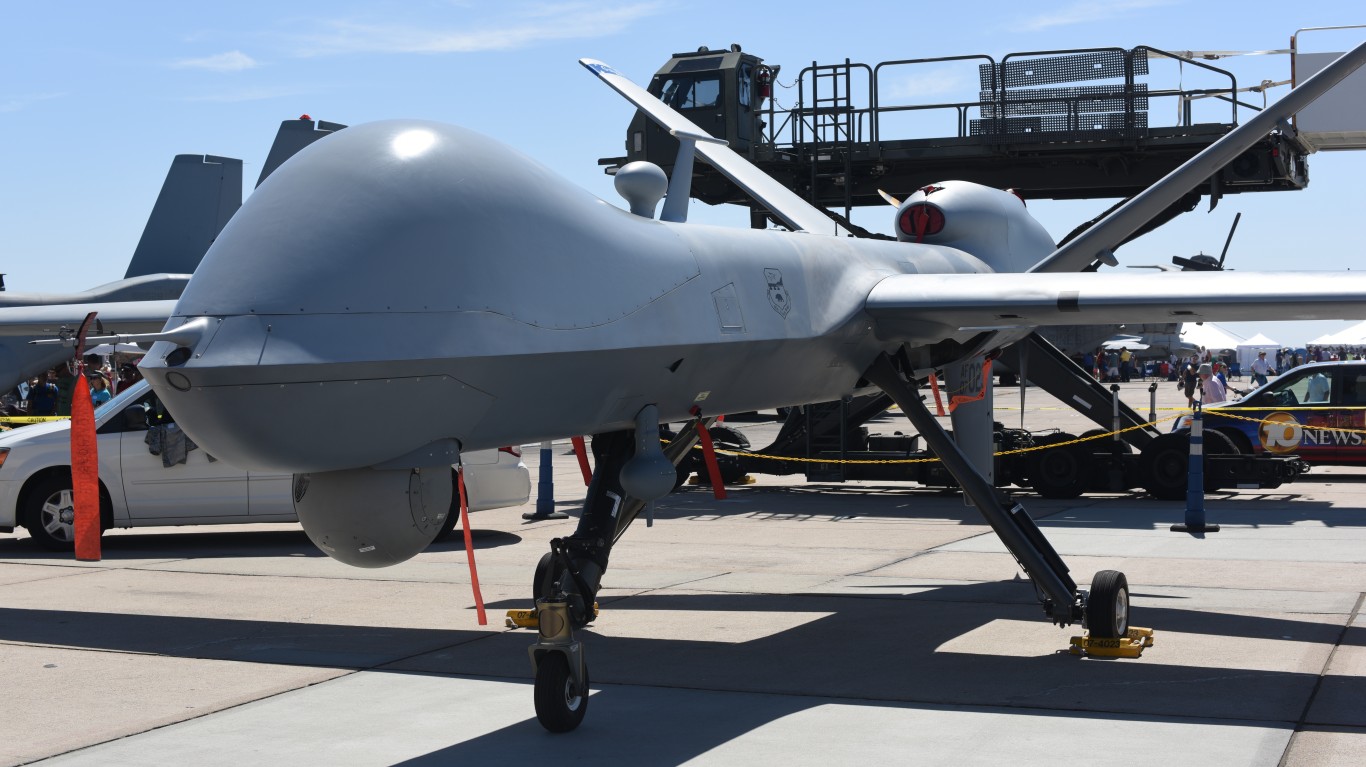
- Year introduced to service: 2007
- Aircraft type: UAV
- Primary conflicts involved in: GWOT
- How it redefined close air support: Extended persistent armed CAS
- Status: Active
- Armament: Hellfire missiles, bombs
The MQ-9 expanded the Predator concept, offering longer endurance and heavier armament for sustained CAS.
OA-10
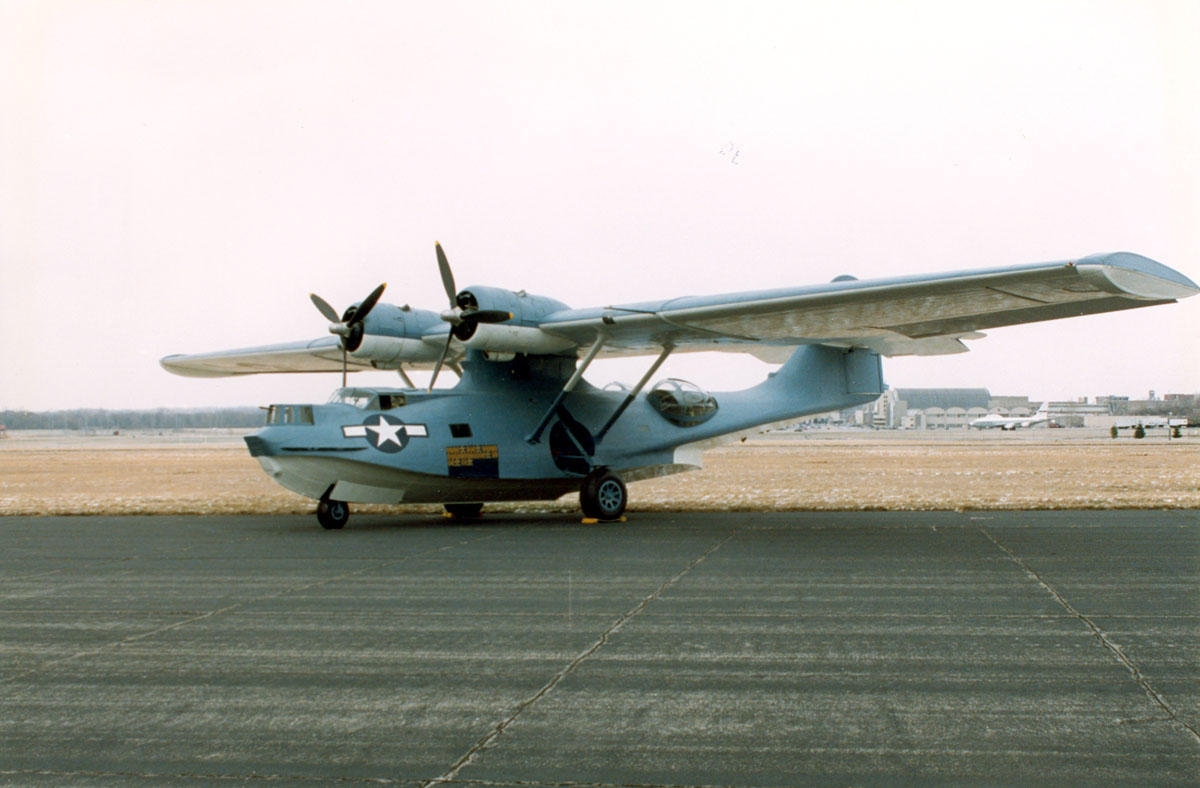
- Year introduced to service: 1980
- Aircraft type: FAC aircraft
- Primary conflicts involved in: GWOT
- How it redefined close air support: Enhanced air-ground coordination
- Status: Active
- Armament: 30mm cannon
The OA-10 variant emphasized coordination between air and ground forces, tightening CAS response loops.
AH-1Z Viper

- Year introduced to service: 2010
- Aircraft type: Attack helicopter
- Primary conflicts involved in: GWOT
- How it redefined close air support: Modernized Marine helicopter CAS
- Status: Active
- Armament: Cannons, missiles
The AH-1Z modernized helicopter CAS with improved sensors, survivability, and integration.
UH-60 DAP
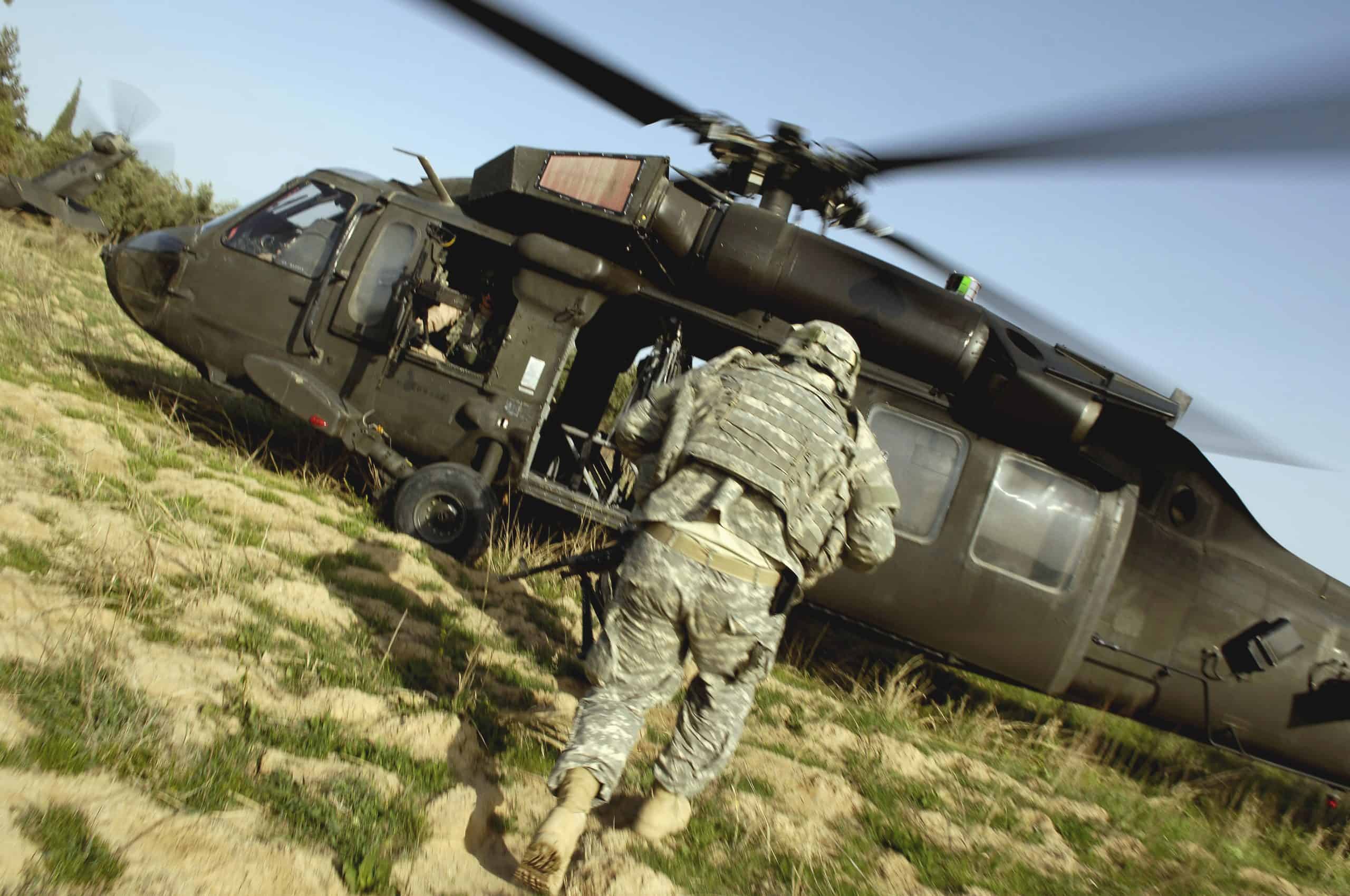
- Year introduced to service: 2003
- Aircraft type: Special operations helicopter
- Primary conflicts involved in: GWOT
- How it redefined close air support: Expanded SOF rotary-wing CAS
- Status: Active
- Armament: Machine guns, rockets, missiles
The UH-60 DAP expanded CAS options for special operations forces, providing rapid and flexible fire support.
A-29 Super Tucano
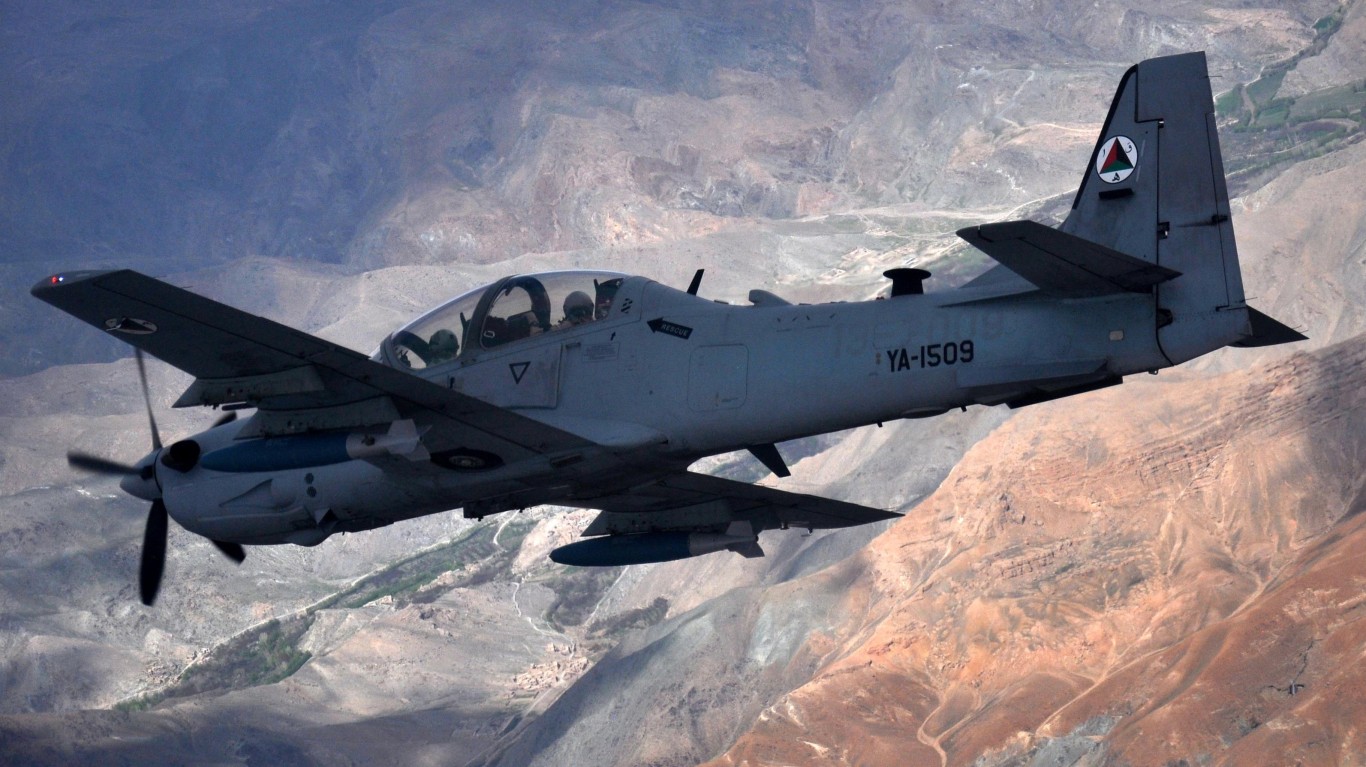
- Year introduced to service: 2011
- Aircraft type: Light attack aircraft
- Primary conflicts involved in: U.S. evaluation
- How it redefined close air support: Influenced low-intensity CAS thinking
- Status: Limited
- Armament: Cannons, rockets, bombs
While not widely fielded, the A-29 influenced U.S. thinking on low-cost, low-intensity CAS platforms.
AC-208 Combat Caravan
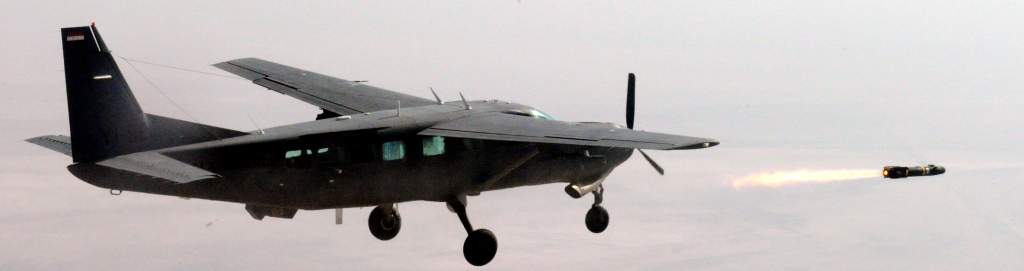
- Year introduced to service: 2014
- Aircraft type: ISR/attack aircraft
- Primary conflicts involved in: U.S.-backed partner ops
- How it redefined close air support: Reinforced ISR-to-CAS integration
- Status: Limited
- Armament: Guided missiles
The AC-208 reinforced modern CAS concepts by tightly integrating ISR and strike capabilities in permissive environments.






 Top Gaining Stocks
 Top Losing Stocks