


Wars come and go, but some aircraft never seem to leave the fight. While new platforms cycle through development and procurement, these planes continue flying missions across generations of conflict. The strength of the U.S. military is reinforced by aircraft designed to operate across multiple wars. By adapting through upgrades and evolving missions, these proven platforms provide reliable capability over decades, giving commanders continuity and flexibility in changing combat environments. Here, 24/7 Wall St. is taking a look at some of these legendary aircraft that carried the U.S. through multiple wars.
To determine the aircraft that carried the U.S. Military through multiple wars, 24/7 Wall St. reviewed various historical and military sources. We included supplemental information regarding when the aircraft was introduced, what type of aircraft it was, what conflicts it served in, as well as why it matters.
Here is a look at the aircraft that carried the U.S. Military through multiple wars:
Why Are We Covering This?
Military power is often measured by cutting-edge technology, but history shows that endurance matters just as much as innovation. The aircraft mentioned here in this list carried U.S. forces through multiple wars not because they were flawless, but because they proved adaptable, reliable, and indispensable across changing missions and eras. By examining these platforms, this article highlights how versatility, upgrade potential, and operational trust allow certain aircraft to transcend generations of conflict—and explains why modern airpower is still built on lessons learned by planes that simply refused to become obsolete.
The Aircraft That Carried the Weight of War
Some aircraft don’t just serve in a conflict—they become the connective tissue between wars. From airlift and refueling to close air support and intelligence collection, the U.S. military has relied on a relatively small set of platforms that repeatedly answered the call across decades. These aircraft weren’t always the newest or most glamorous, but they were available, adaptable, and proven when the next deployment arrived.
Why “Multi-War” Aircraft Matter
Aircraft that serve through multiple wars reveal what the military truly values under pressure: reliability, sustainment, flexibility, and mission relevance. A platform that can transition from one theater to the next—changing loadouts, tactics, and even mission roles—becomes more than a weapon system. It becomes an operational constant commanders can plan around, especially when new programs are delayed or modern fleets are stretched thin.
The Traits That Keep a Platform Alive
The aircraft that endure through multiple wars tend to share the same traits. They are maintainable at scale, supported by strong logistics pipelines, and upgradeable without requiring complete reinvention. Many also occupy roles where no perfect replacement exists—like tanking, heavy lift, gunship fire support, or high-end ISR. When the mission set persists, the aircraft that can evolve with it tend to stay in service.
How These Planes Adapted to New Battlefields
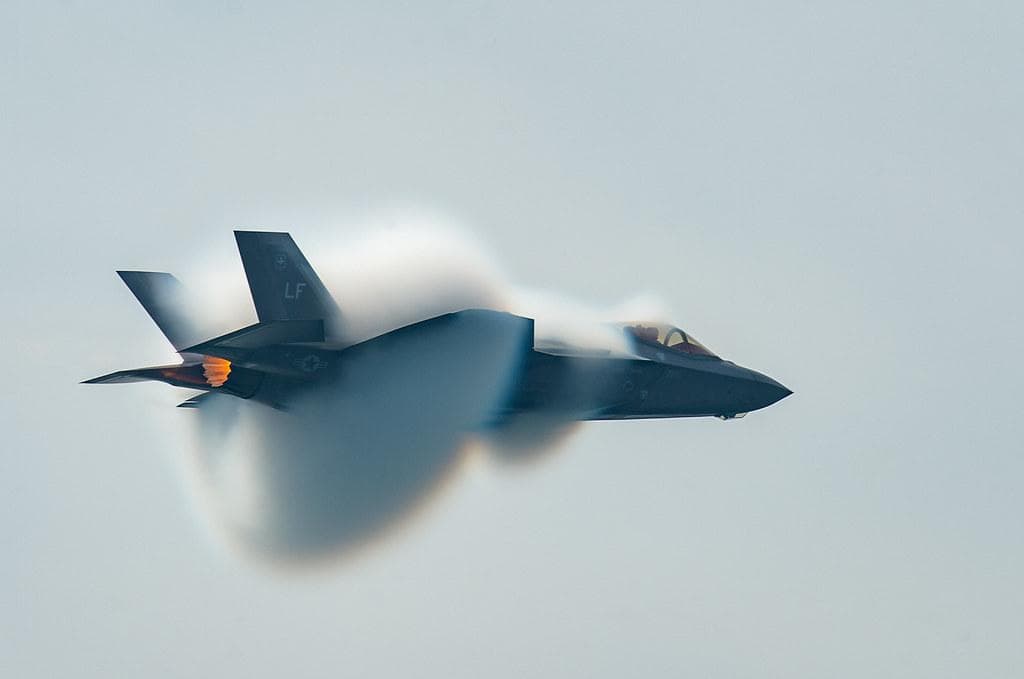
Over time, these aircraft have been forced to adapt to new threats and new types of warfare. Some transitioned from Cold War deterrence to precision strike. Others shifted into special operations support, networked surveillance, and rapid mobility in expeditionary campaigns. Upgrades in avionics, sensors, weapons integration, and communications allowed older airframes to remain combat-relevant even as the battlefield changed around them.
What This Pattern Says About U.S. Warfighting
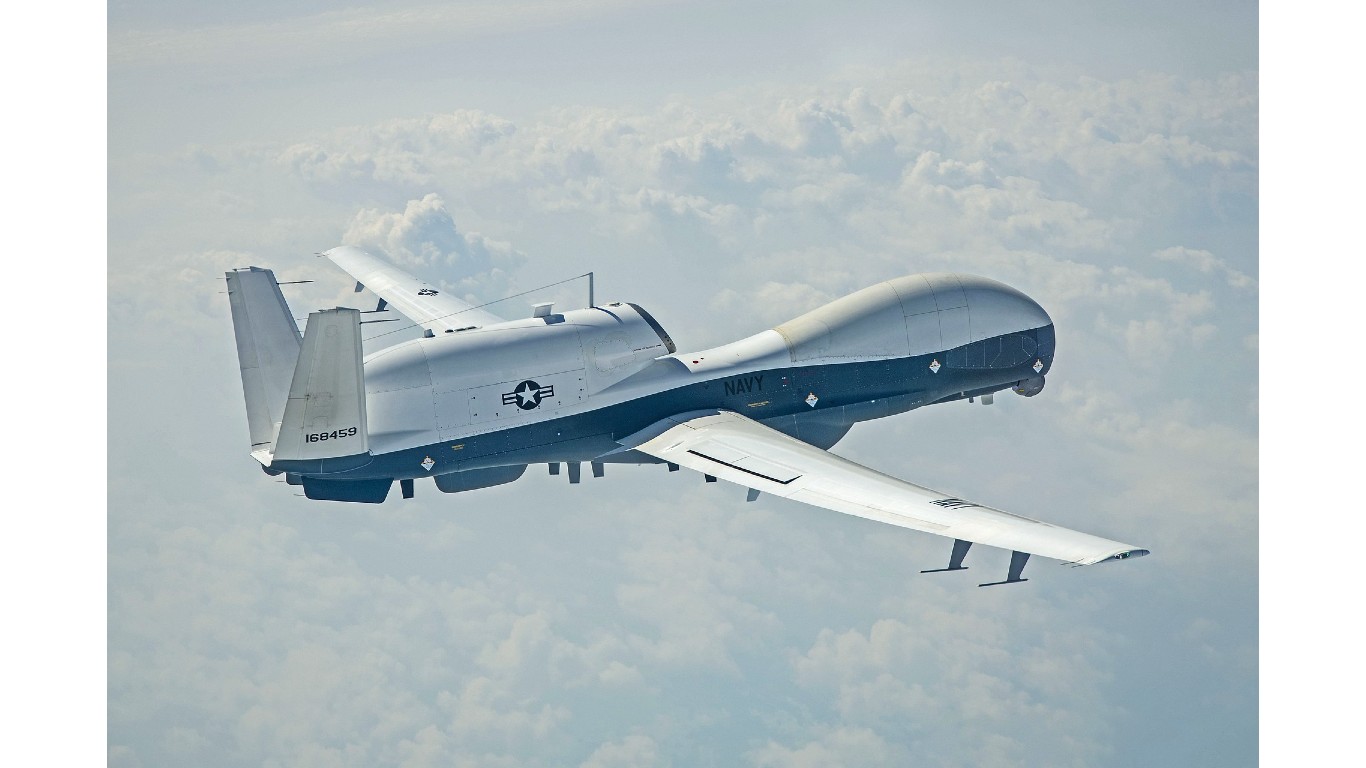
The fact that certain aircraft appear in conflict after conflict tells a larger story about how the U.S. fights wars. Airpower depends not only on cutting-edge fighters and bombers, but on the enabling platforms that make everything else possible—airlift, refueling, reconnaissance, and persistent fire support. These aircraft represent a strategic truth: wars are won by what can deploy, sustain, and adapt at scale, not just what looks best in a procurement brief.
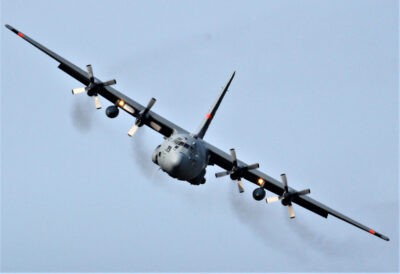
C-130 Hercules
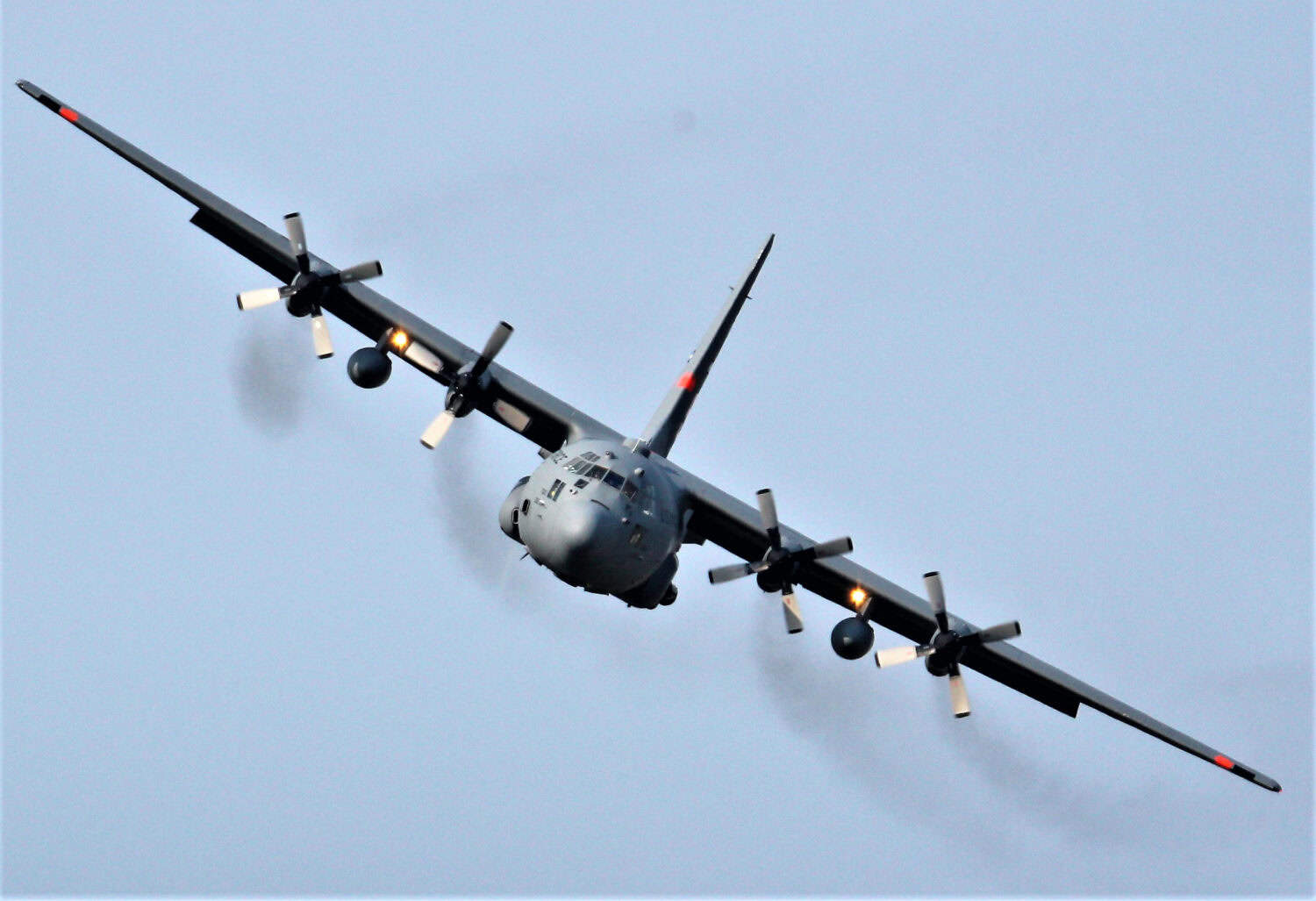
- Type: Transport Aircraft
- Year introduced to service: 1956
- Conflicts served: Korea–Present
- Primary role: Tactical airlift, resupply
- Why it endured across wars: Versatility, reliability, upgradeability
- Current status: Still active
The C-130 has carried U.S. forces through nearly every major conflict since the Cold War, proving indispensable for tactical airlift, special operations, and humanitarian missions.
B-52 Stratofortress
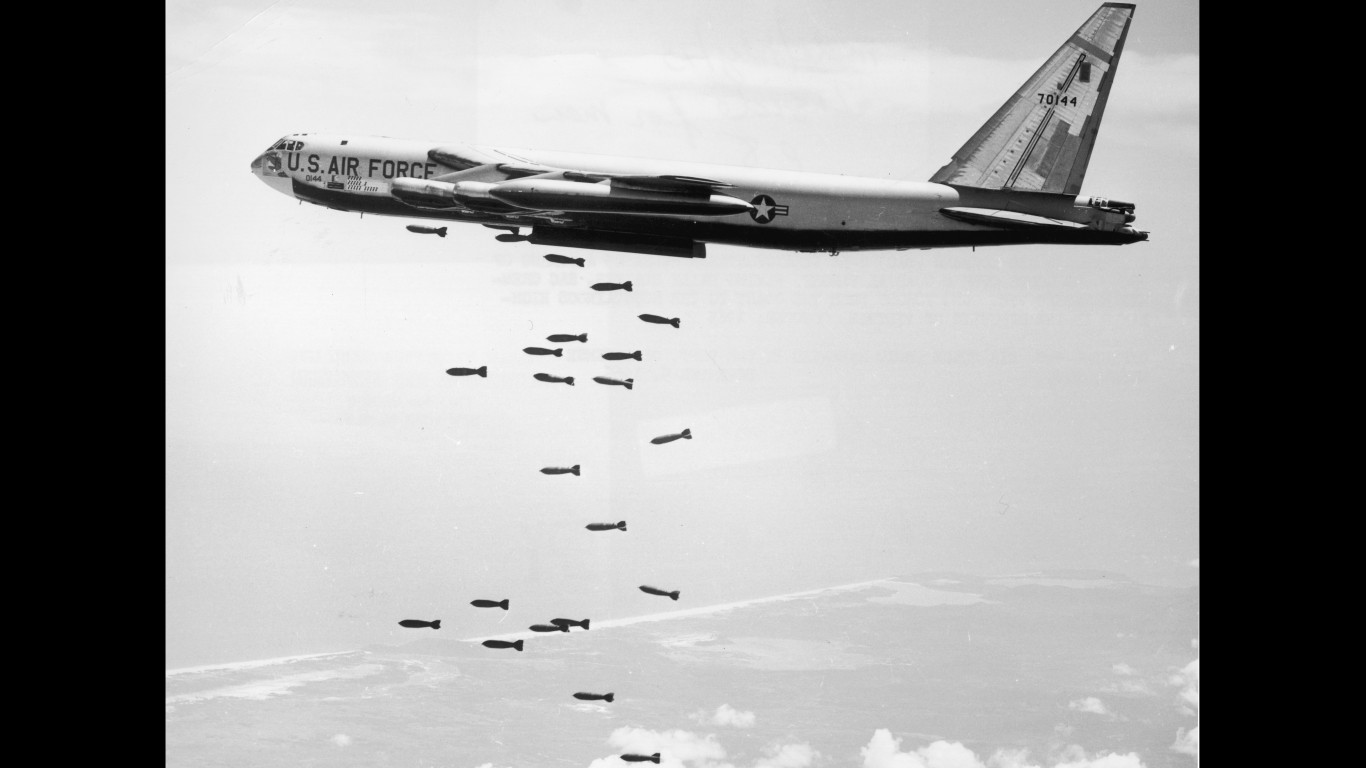
- Type: Bomber
- Year introduced to service: 1955
- Conflicts served: Vietnam–Present
- Primary role: Strategic and tactical strike
- Why it endured across wars: Payload, range, adaptability
- Current status: Still active
The B-52 has served across multiple wars by evolving from nuclear deterrence to precision strike and close air support roles.
KC-135 Stratotanker

- Type: Aerial Refueling
- Year introduced to service: 1957
- Conflicts served: Vietnam–Present
- Primary role: Aerial refueling
- Why it endured across wars: Fleet size, reliability
- Current status: Still active
The KC-135 enabled global reach for U.S. forces across generations of conflict, remaining the backbone of aerial refueling.
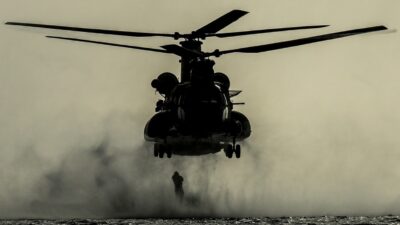
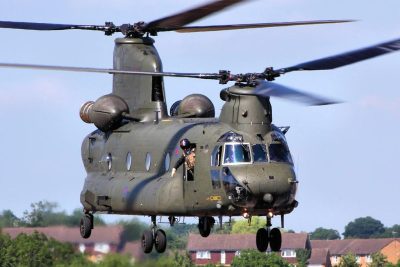
CH-47 Chinook
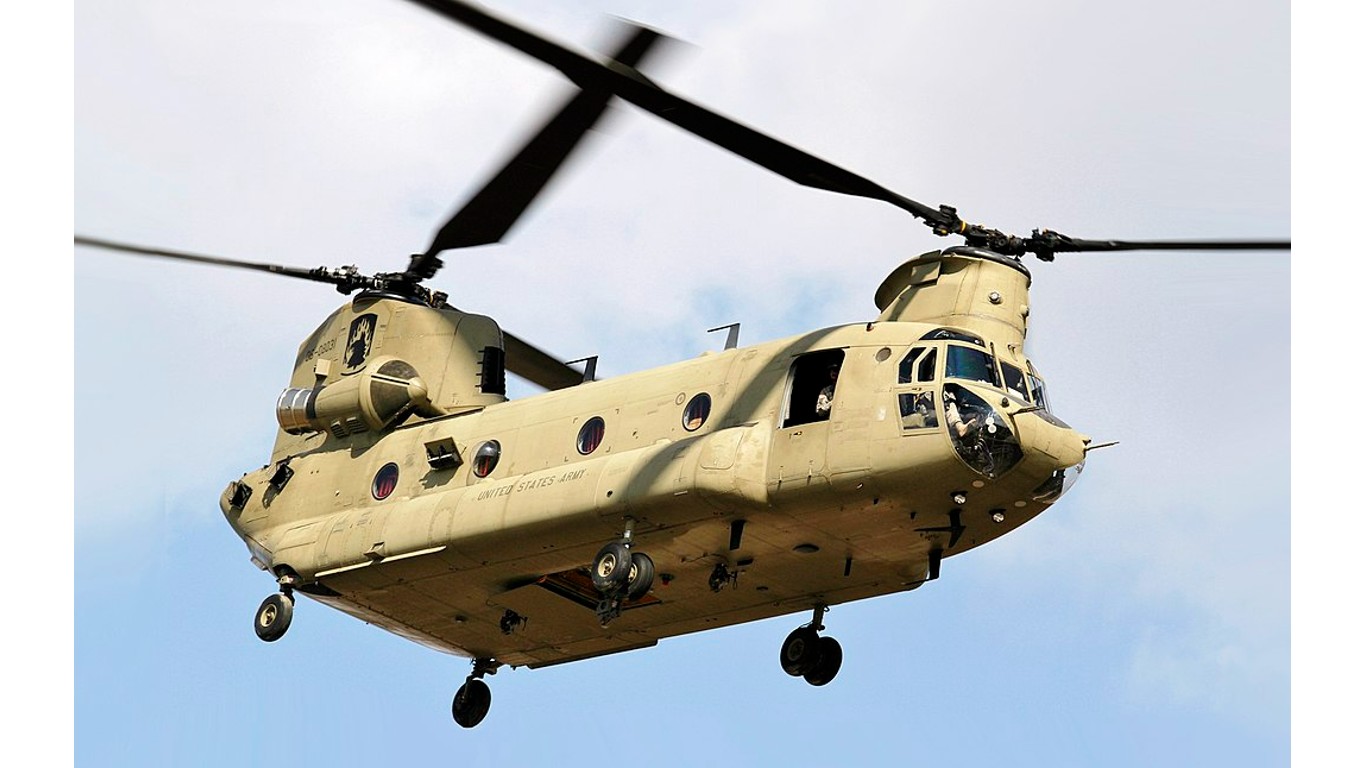
- Type: Heavy-Lift Helicopter
- Year introduced to service: 1962
- Conflicts served: Vietnam–Present
- Primary role: Troop and cargo transport
- Why it endured across wars: Lift capacity, durability
- Current status: Still active
The Chinook has moved troops and equipment across jungles, deserts, and mountains for more than five decades.
UH-60 Black Hawk
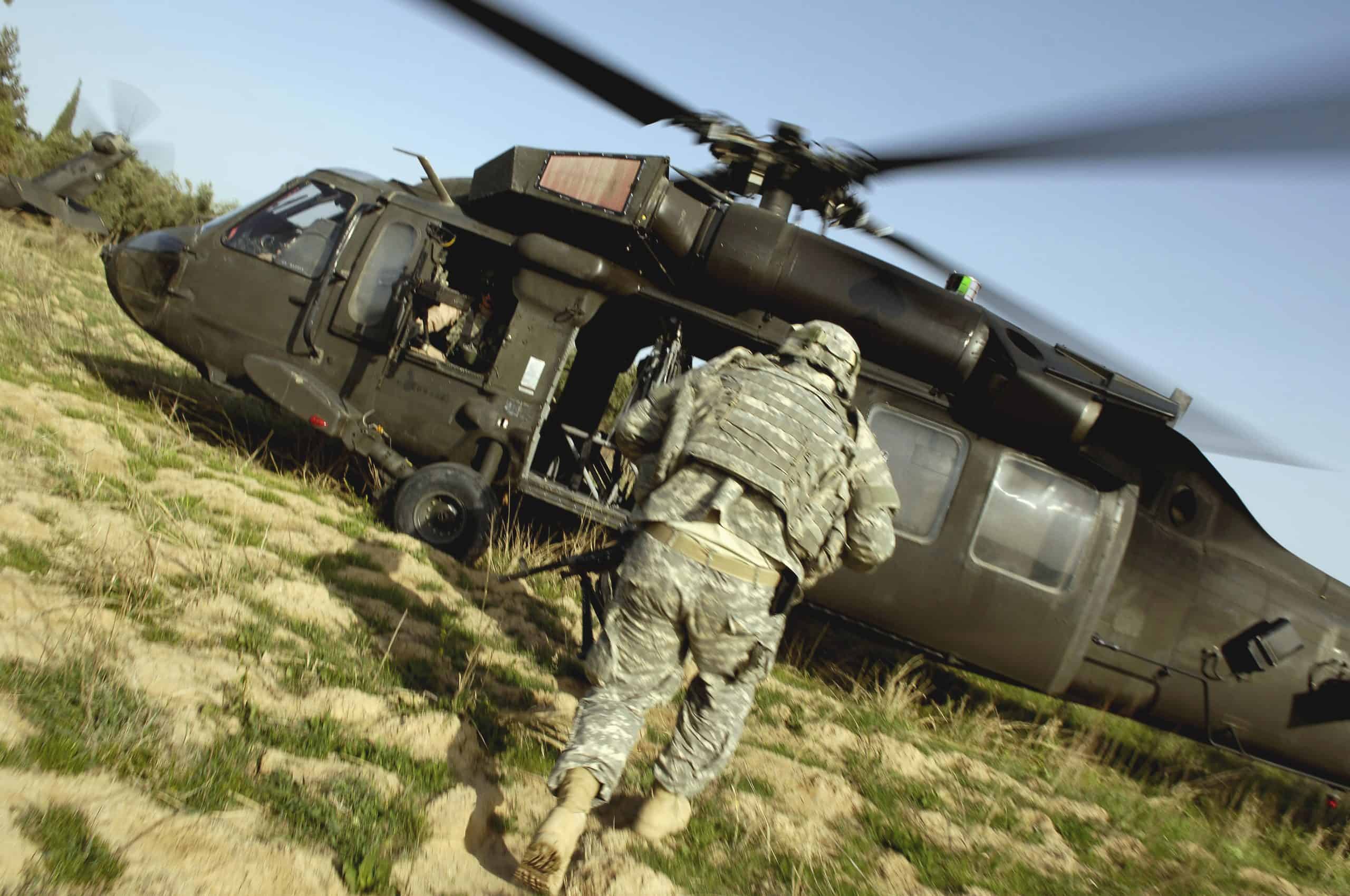
- Type: Utility Helicopter
- Year introduced to service: 1979
- Conflicts served: Grenada–Present
- Primary role: Air assault, medevac
- Why it endured across wars: Adaptability
- Current status: Still active
The Black Hawk became synonymous with modern air assault and battlefield mobility.
UH-1 Huey
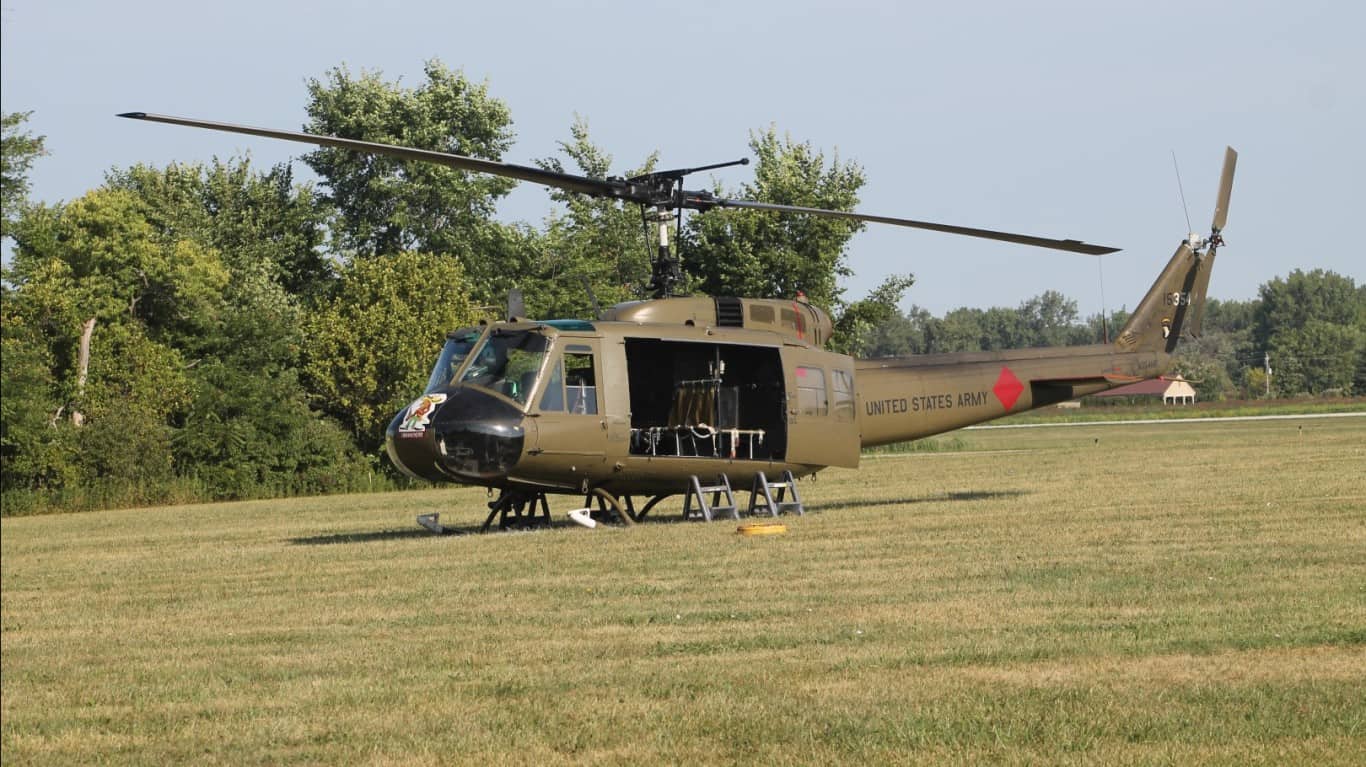
- Type: Utility Helicopter
- Year introduced to service: 1959
- Conflicts served: Vietnam–Iraq
- Primary role: Air mobility
- Why it endured across wars: Simplicity, reliability
- Current status: Limited service
The Huey transformed troop movement and defined helicopter warfare.
C-17 Globemaster III

- Type: Strategic Transport
- Year introduced to service: 1995
- Conflicts served: Kosovo–Present
- Primary role: Rapid global airlift
- Why it endured across wars: Speed and payload
- Current status: Still active
The C-17 carried U.S. forces quickly into multiple conflicts worldwide.
C-5 Galaxy
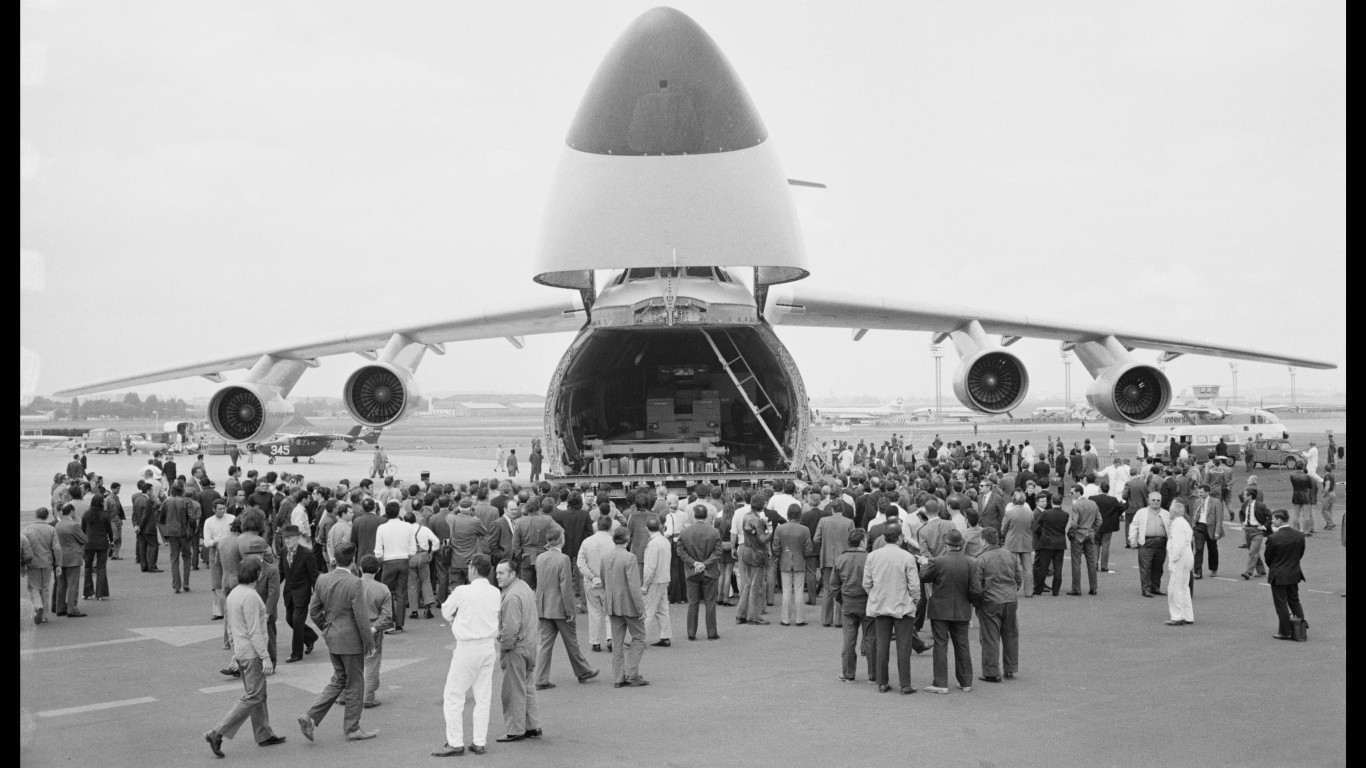
- Type: Strategic Transport
- Year introduced to service: 1970
- Conflicts served: Vietnam–Present
- Primary role: Heavy strategic lift
- Why it endured across wars: Oversized cargo capacity
- Current status: Still active
The C-5 enabled intercontinental movement of armored units and large formations.
A-10 Thunderbolt II
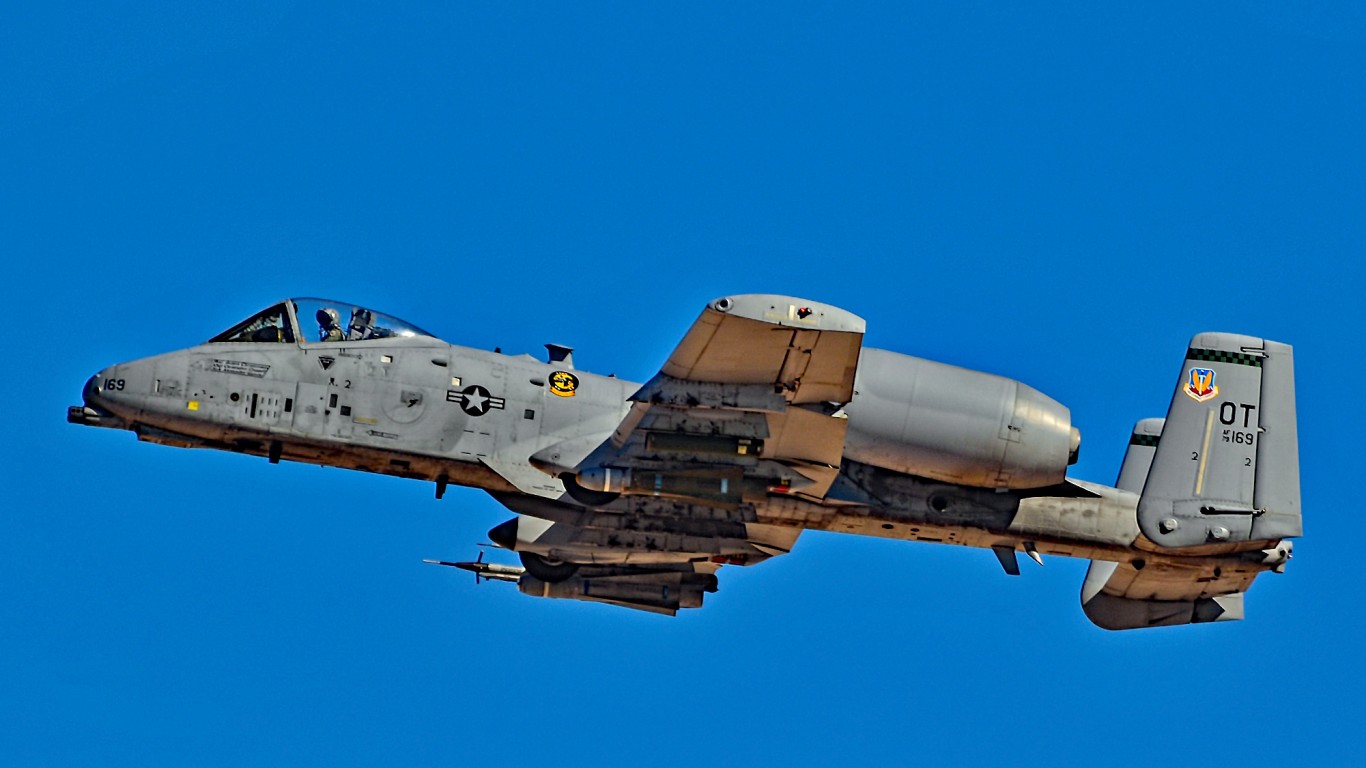
- Type: Attack Aircraft
- Year introduced to service: 1977
- Conflicts served: Gulf War–Present
- Primary role: Close air support
- Why it endured across wars: Survivability, loiter time
- Current status: Still active
The A-10 has protected U.S. ground forces across multiple conflicts with unmatched CAS capability.
F-15 Eagle
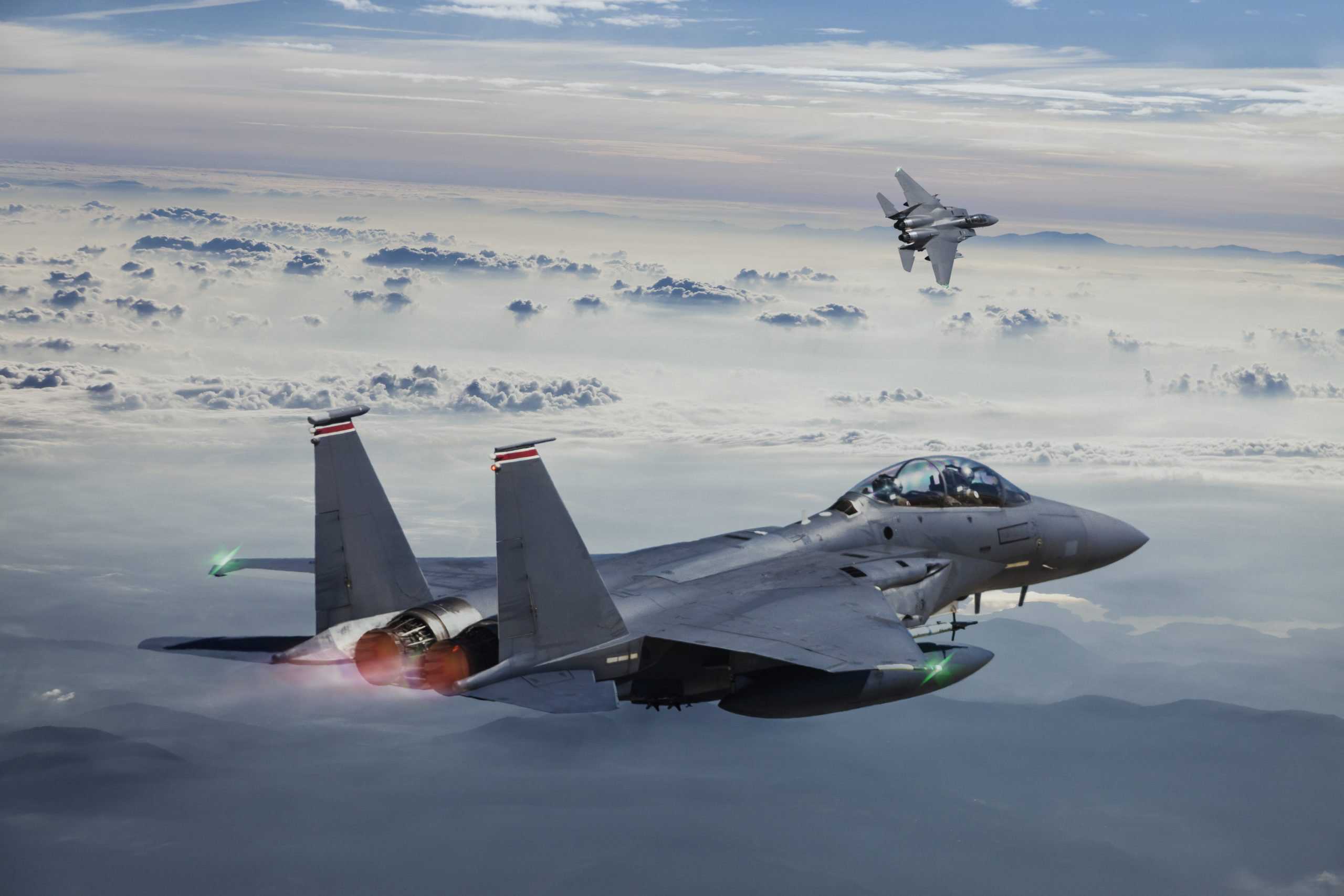
- Type: Fighter
- Year introduced to service: 1976
- Conflicts served: Cold War–Present
- Primary role: Air superiority
- Why it endured across wars: Performance margin
- Current status: Still active
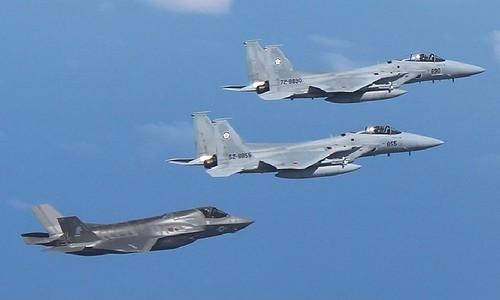
The F-15 maintained air dominance across decades of conflict.
F-16 Fighting Falcon

- Type: Multirole Fighter
- Year introduced to service: 1978
- Conflicts served: Cold War–Present
- Primary role: Multirole combat
- Why it endured across wars: Cost-effectiveness
- Current status: Still active
The F-16 carried out strike and air defense missions across multiple wars.
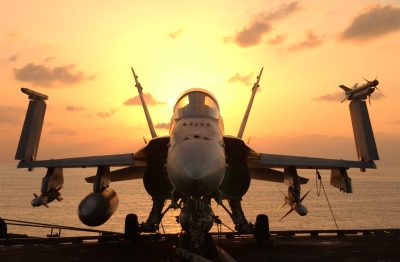
F/A-18 Hornet
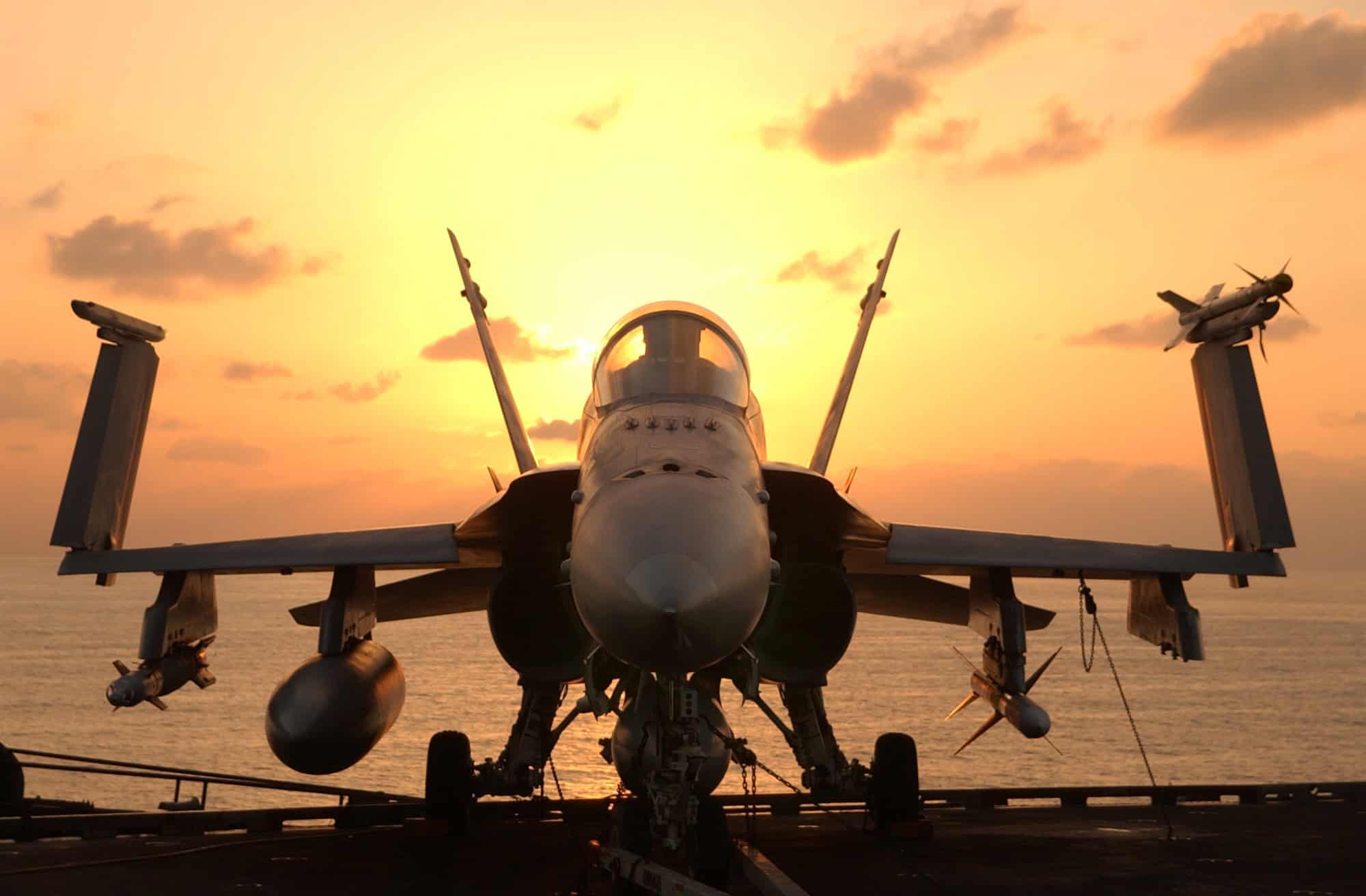
- Type: Multirole Fighter
- Year introduced to service: 1983
- Conflicts served: Gulf War–Present
- Primary role: Carrier-based strike
- Why it endured across wars: Naval flexibility
- Current status: Still active
The Hornet served across generations of naval conflicts.
AV-8B Harrier II
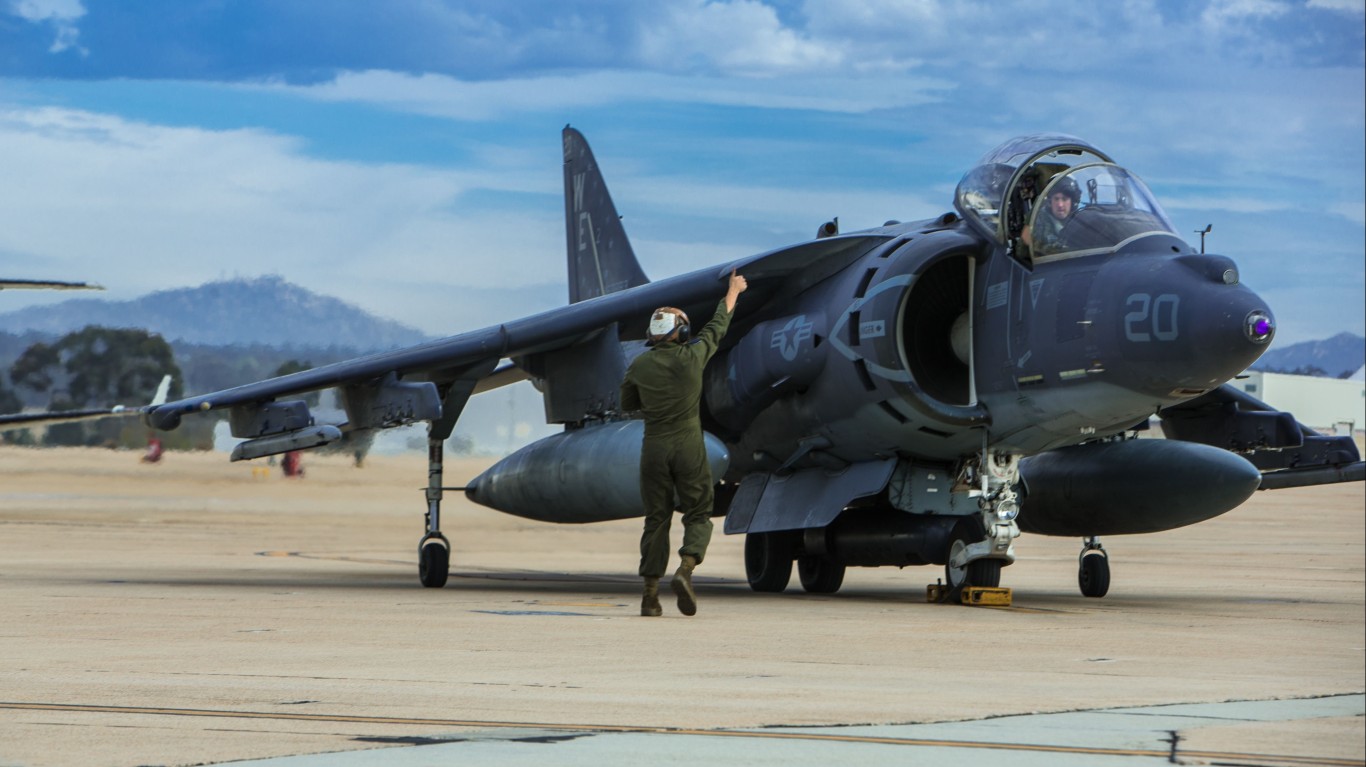
- Type: Attack Aircraft
- Year introduced to service: 1985
- Conflicts served: Cold War–GWOT
- Primary role: Expeditionary CAS
- Why it endured across wars: STOVL capability
- Current status: Limited service
The Harrier supported Marines from austere locations.
E-3 Sentry (AWACS)
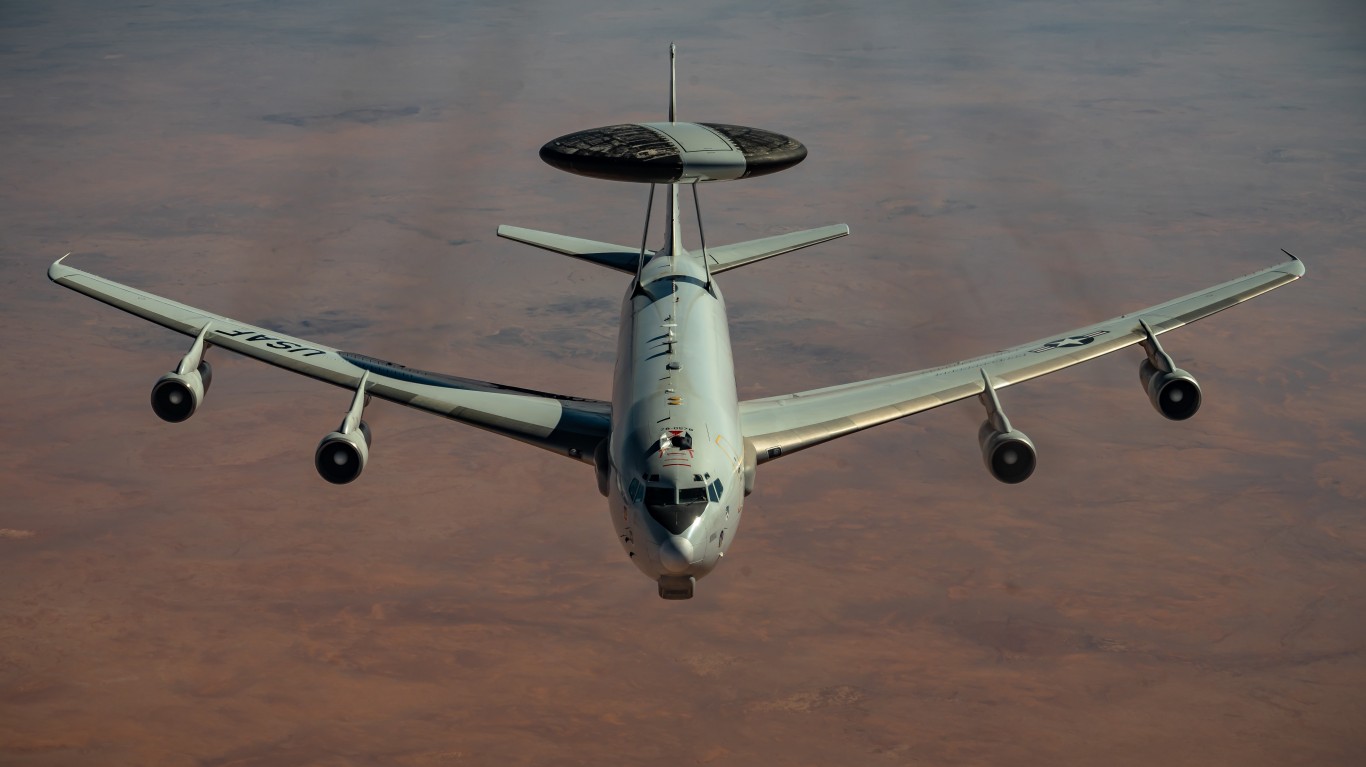
- Type: Command & Control
- Year introduced to service: 1977
- Conflicts served: Cold War–Present
- Primary role: Battlefield management
- Why it endured across wars: Airborne radar
- Current status: Still active
The E-3 coordinated air operations across multiple wars.
RC-135 Rivet Joint
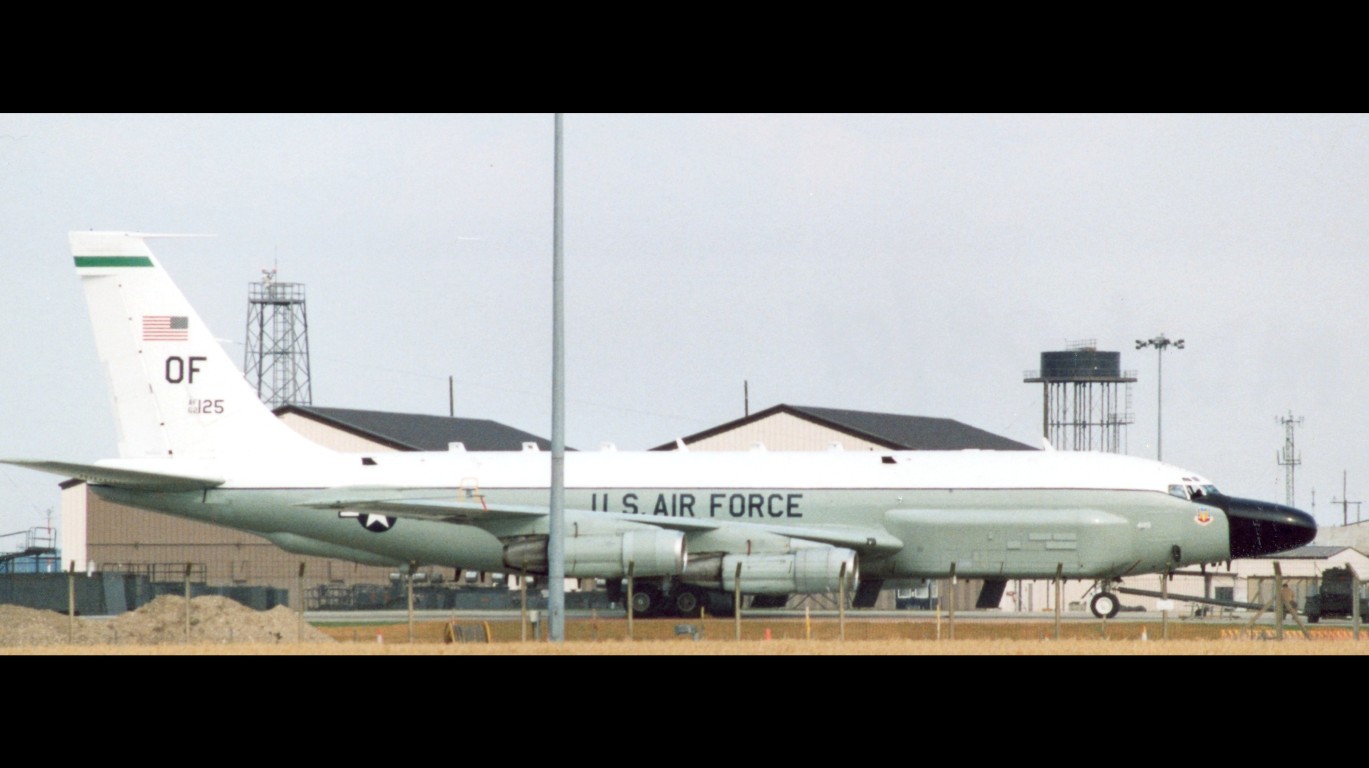
- Type: ISR Aircraft
- Year introduced to service: 1964
- Conflicts served: Cold War–Present
- Primary role: Signals intelligence
- Why it endured across wars: Sensor capability
- Current status: Still active
The RC-135 supported combat commanders with critical intelligence.
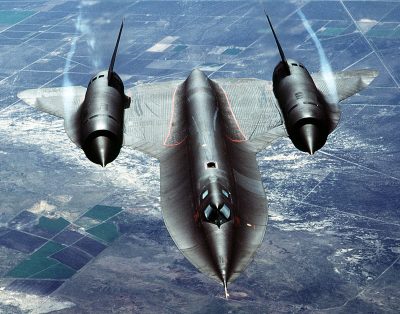
U-2 Dragon Lady
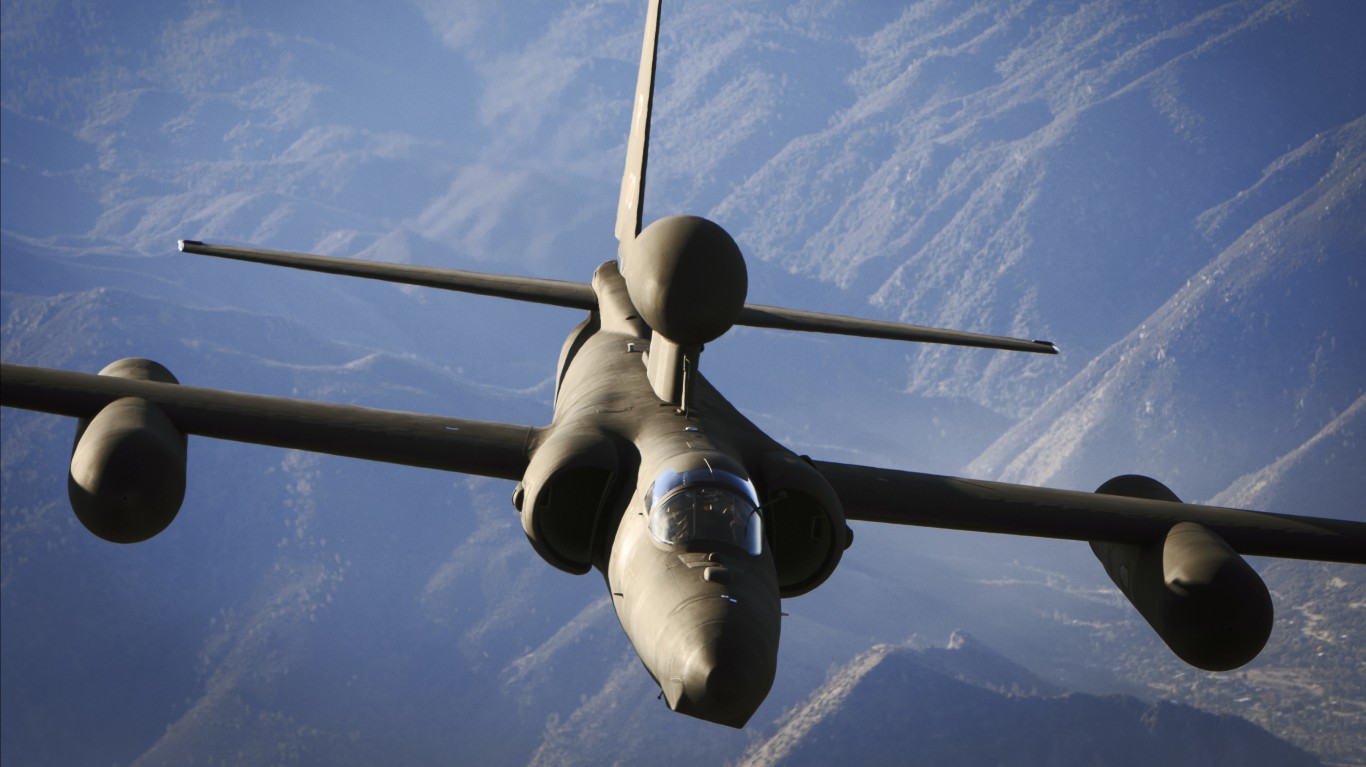
- Type: ISR Aircraft
- Year introduced to service: 1955
- Conflicts served: Cold War–Present
- Primary role: High-altitude ISR
- Why it endured across wars: Sensor reach
- Current status: Still active
The U-2 has provided strategic intelligence across conflicts.
P-3 Orion

- Type: Maritime Patrol
- Year introduced to service: 1962
- Conflicts served: Vietnam–GWOT
- Primary role: ASW and patrol
- Why it endured across wars: Endurance
- Current status: Retired
The P-3 protected sea lanes and supported ground operations.
P-8 Poseidon
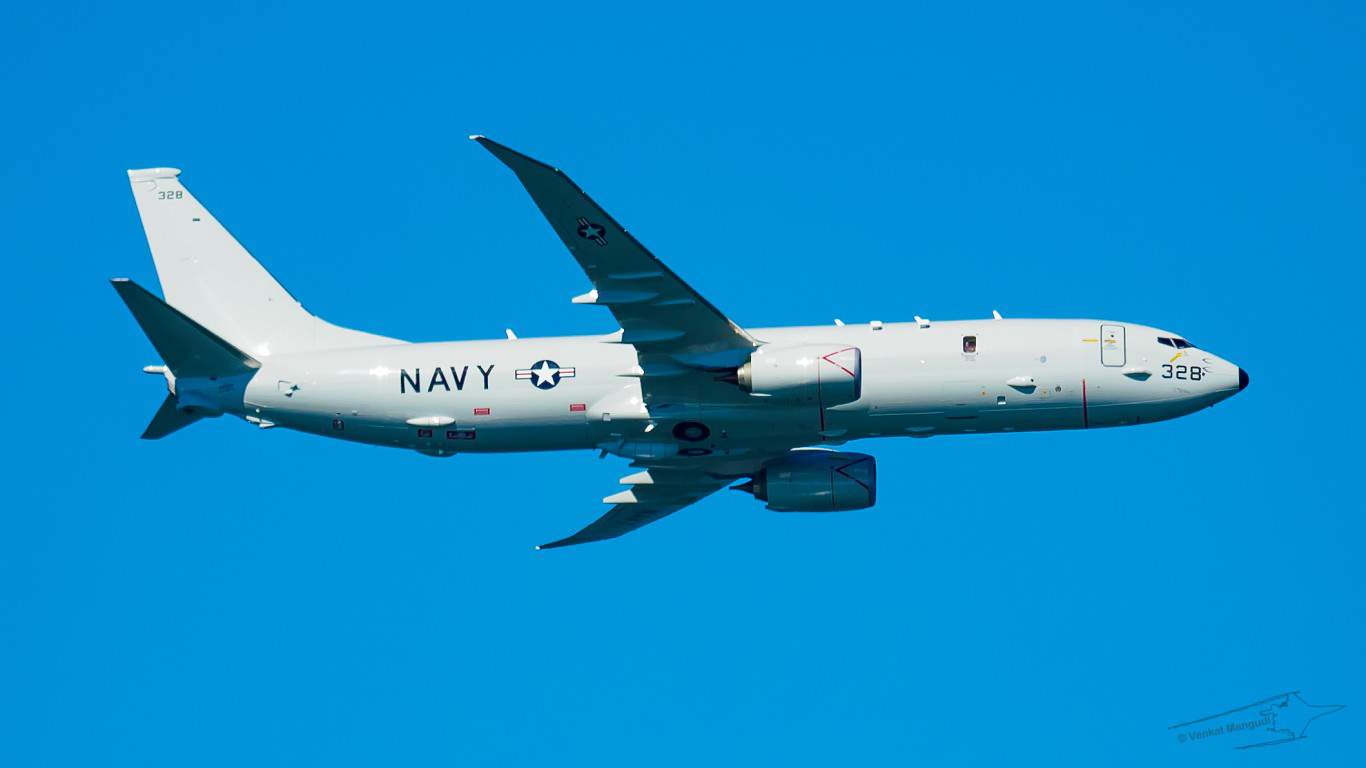
- Type: Maritime Patrol
- Year introduced to service: 2013
- Conflicts served: GWOT–Present
- Primary role: ASW and ISR
- Why it endured across wars: Modern sensors
- Current status: Still active
The P-8 continues maritime dominance across conflicts.
AC-130 Gunship
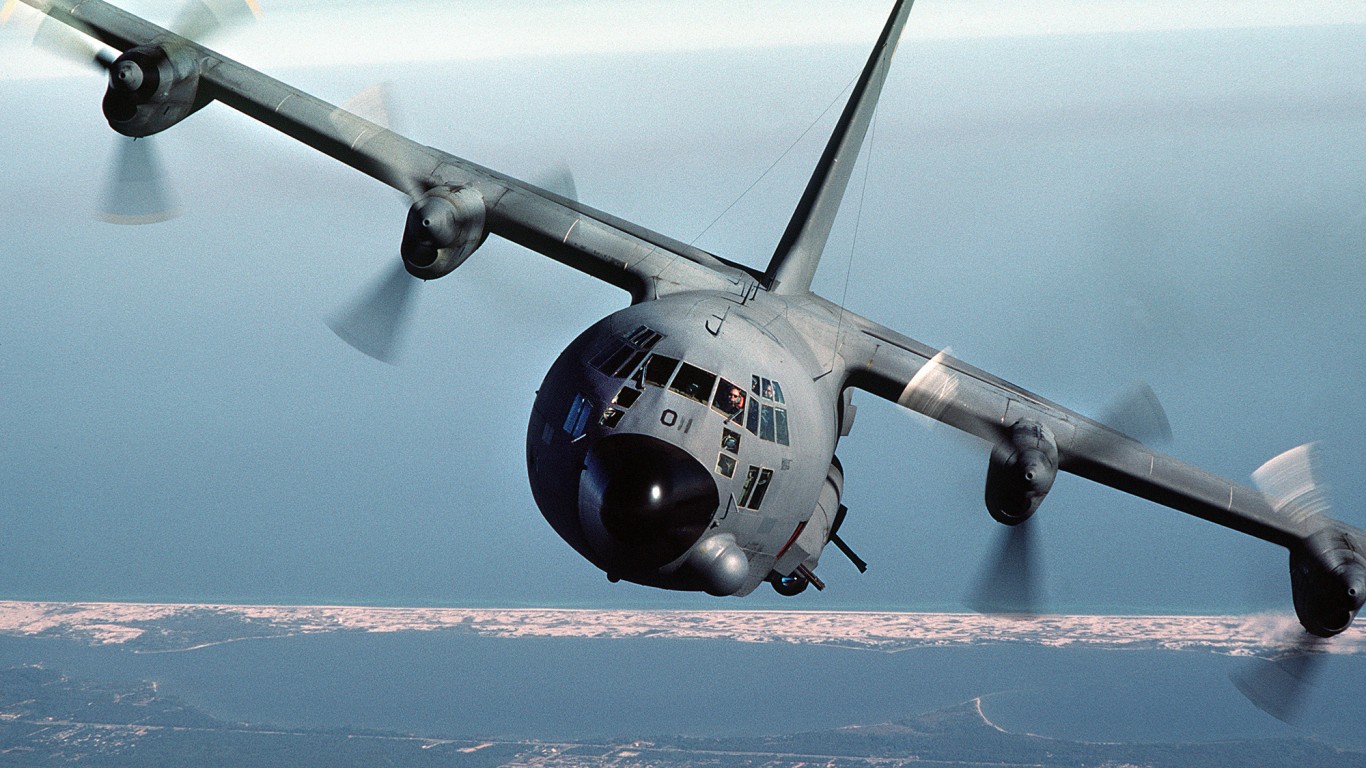
- Type: Gunship
- Year introduced to service: 1968
- Conflicts served: Vietnam–Present
- Primary role: Close air support
- Why it endured across wars: Precision firepower
- Current status: Still active
The AC-130 has supported ground forces in nearly every major conflict since Vietnam.
MC-130 Combat Talon
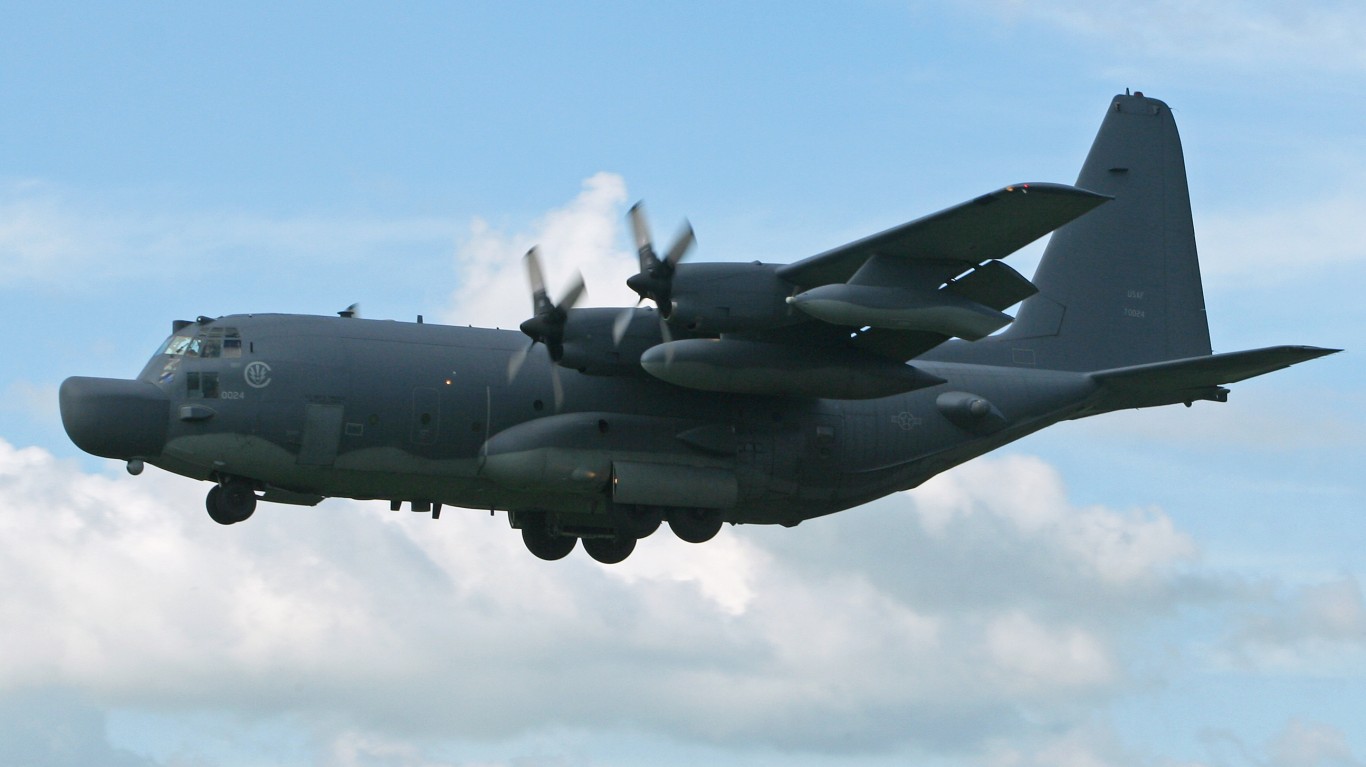
- Type: SOF Transport
- Year introduced to service: 1966
- Conflicts served: Vietnam–Present
- Primary role: Special operations support
- Why it endured across wars: Low-level penetration
- Current status: Still active
The MC-130 enabled clandestine missions across decades of warfare.
E-2 Hawkeye
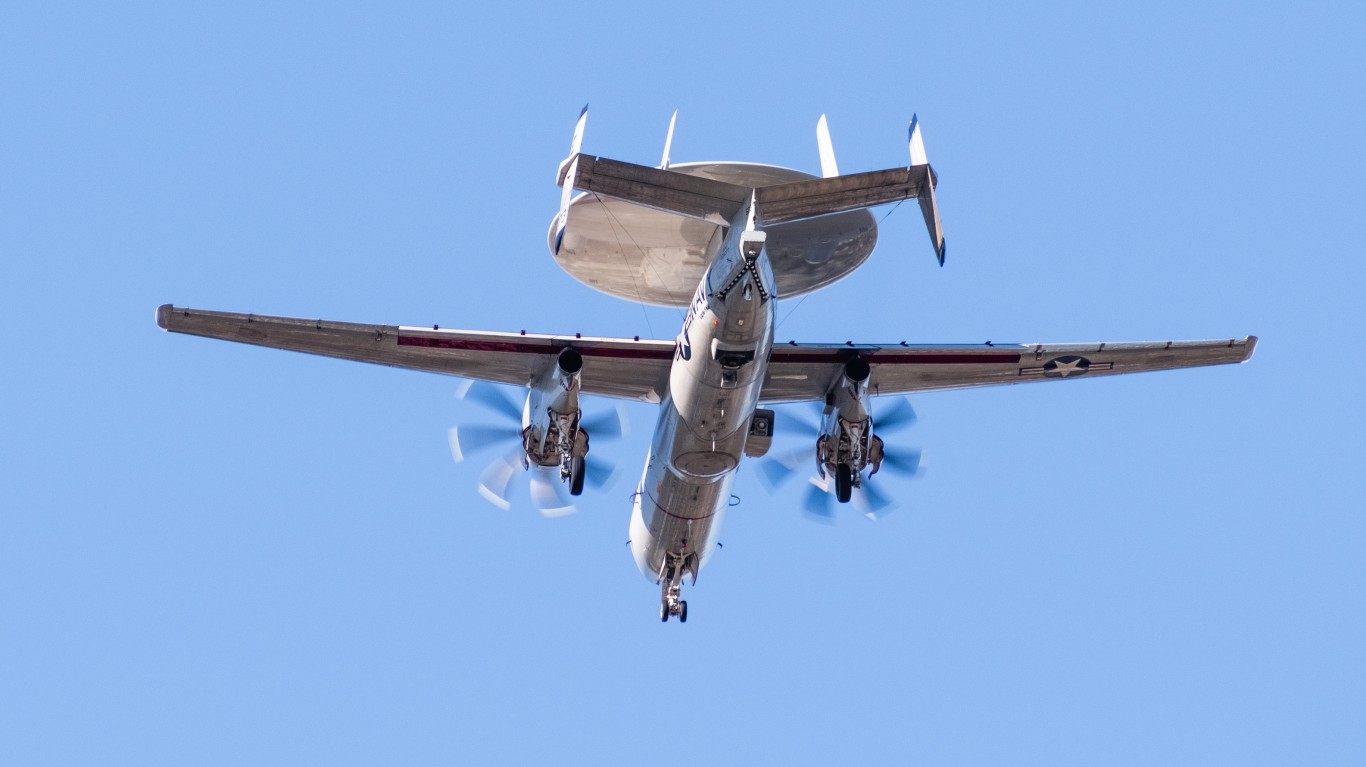
- Type: Early Warning
- Year introduced to service: 1964
- Conflicts served: Vietnam–Present
- Primary role: Carrier air defense
- Why it endured across wars: Naval ISR
- Current status: Still active
The E-2 protected carrier groups across multiple wars.
C-12 Huron

- Type: Utility Aircraft
- Year introduced to service: 1974
- Conflicts served: Cold War–GWOT
- Primary role: Light transport
- Why it endured across wars: Low-cost utility
- Current status: Limited service
The C-12 quietly supported commanders across theaters.
T-38 Talon

- Type: Trainer
- Year introduced to service: 1961
- Conflicts served: Cold War–Present
- Primary role: Pilot training
- Why it endured across wars: Reliability
- Current status: Still active
The T-38 trained generations of combat pilots.
A-1 Skyraider
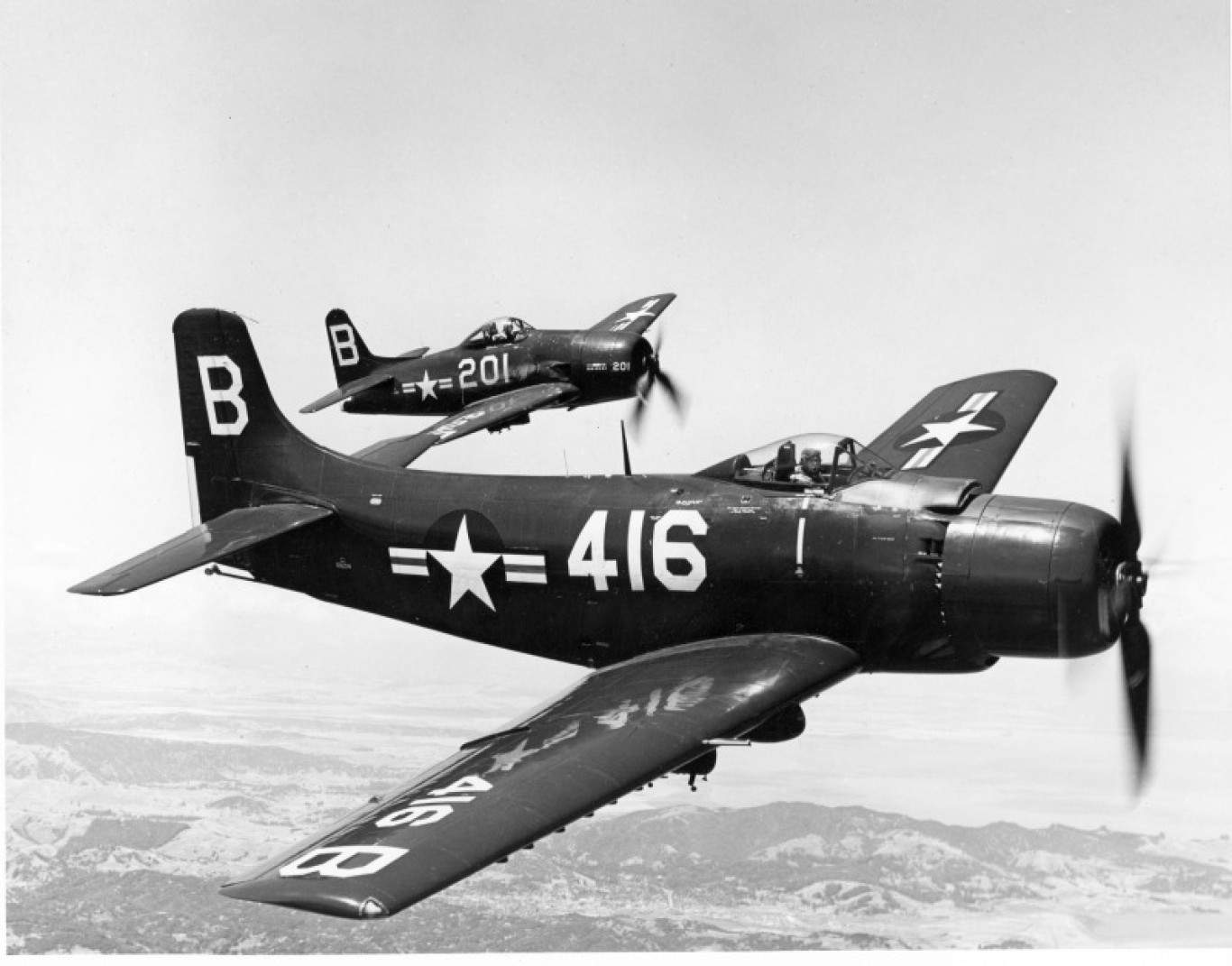
- Type: Attack Aircraft
- Year introduced to service: 1946
- Conflicts served: Korea–Vietnam
- Primary role: Close air support
- Why it endured across wars: Endurance
- Current status: Retired
The Skyraider carried troops’ support needs across early Cold War conflicts.
B-1B Lancer

- Type: Bomber
- Year introduced to service: 1986
- Conflicts served: Cold War–Present
- Primary role: Conventional strike
- Why it endured across wars: Payload
- Current status: Limited service
The B-1 adapted from nuclear to conventional missions.
B-2 Spirit

- Type: Stealth Bomber
- Year introduced to service: 1997
- Conflicts served: Kosovo–Present
- Primary role: Stealth strike
- Why it endured across wars: Penetration
- Current status: Still active
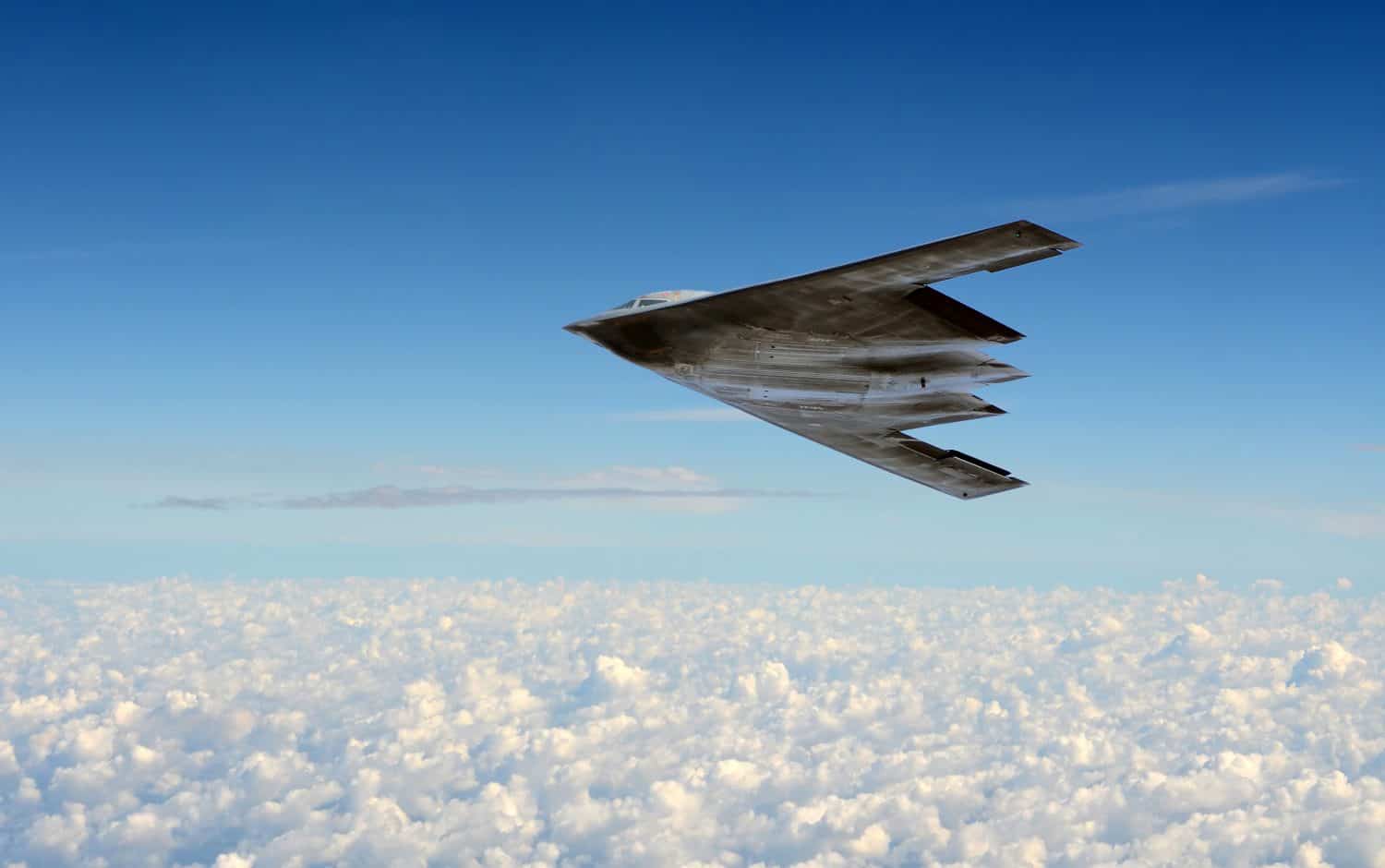
The B-2 enabled strategic strikes across modern wars.
F-117 Nighthawk
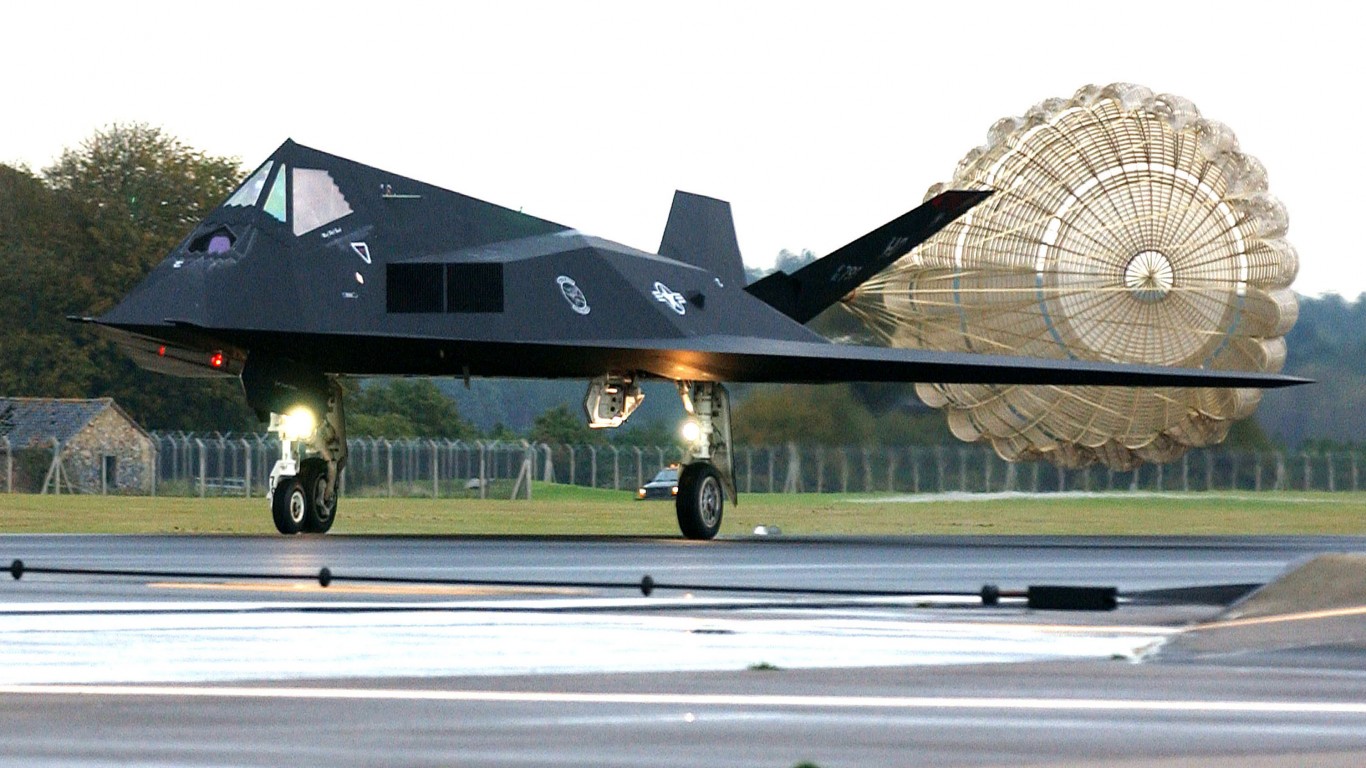
- Type: Stealth Attack
- Year introduced to service: 1983
- Conflicts served: Panama–Iraq
- Primary role: Precision strike
- Why it endured across wars: Stealth
- Current status: Retired
The F-117 carried U.S. forces through early stealth warfare.
O-1 Bird Dog
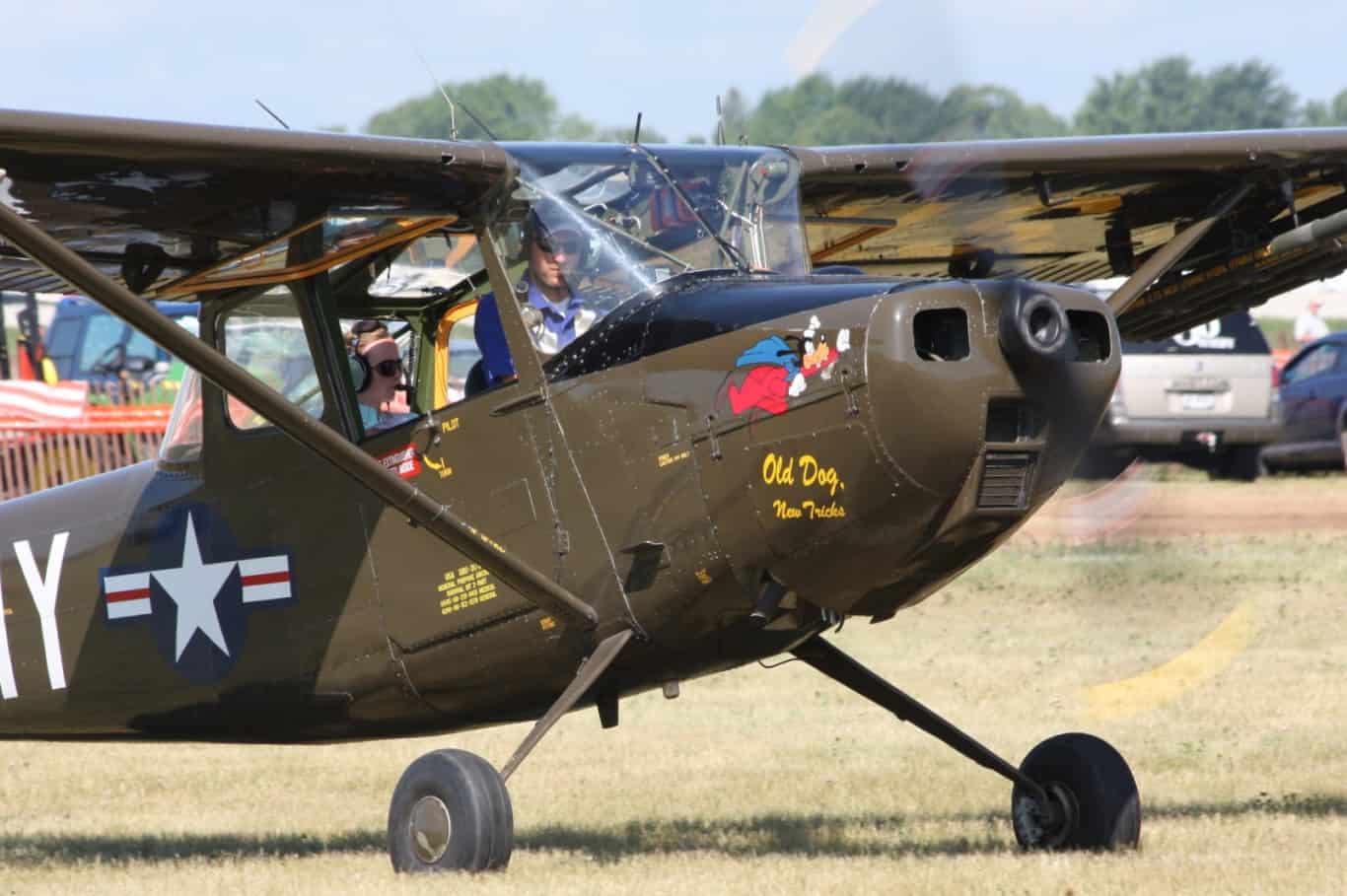
- Type: Observation Aircraft
- Year introduced to service: 1950
- Conflicts served: Korea–Vietnam
- Primary role: Forward observation
- Why it endured across wars: Simplicity
- Current status: Retired
The Bird Dog supported ground troops through artillery spotting.
A-37 Dragonfly
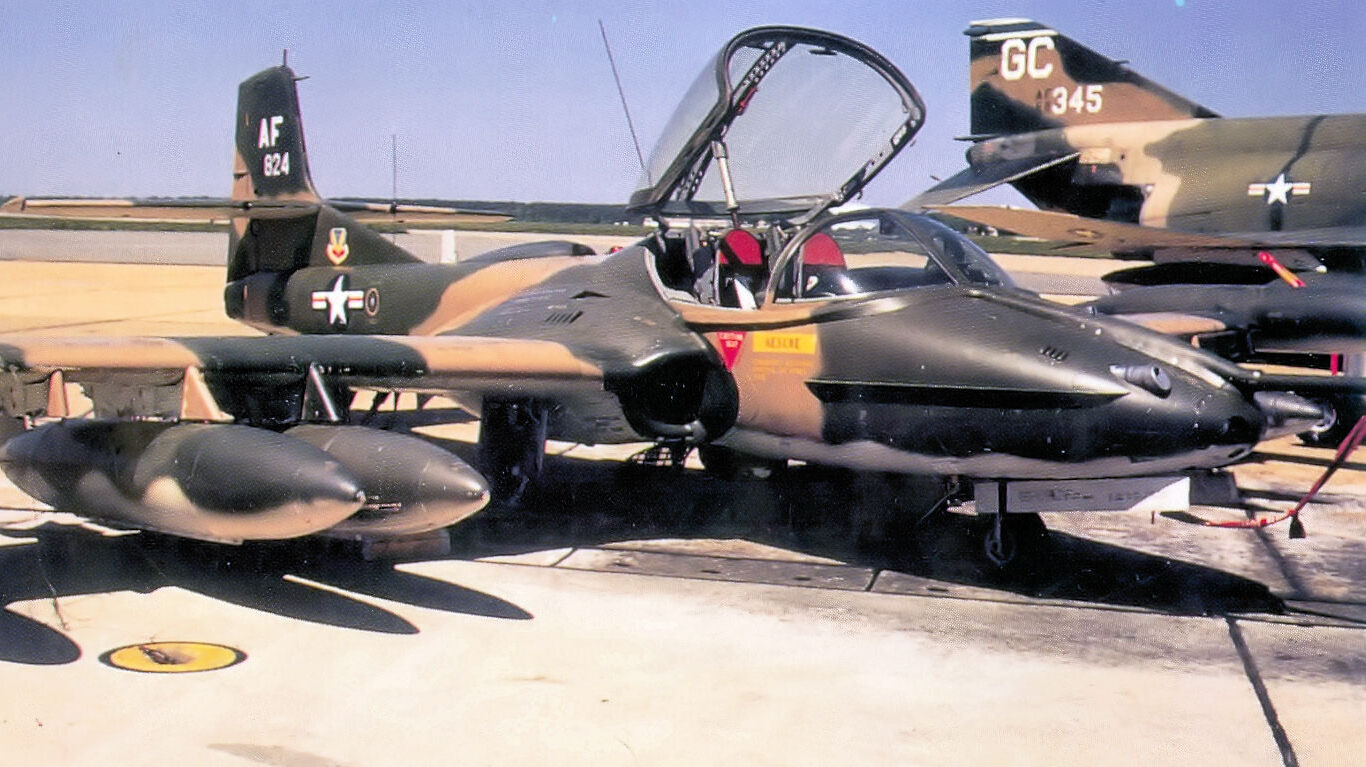
- Type: Light Attack Aircraft
- Year introduced to service: 1967
- Conflicts served: Vietnam–Cold War
- Primary role: COIN support
- Why it endured across wars: Low-cost CAS
- Current status: Retired
The A-37 supported troops in irregular warfare environments.






 Top Gaining Stocks
 Top Losing Stocks