


The weapons U.S. forces trust most weren’t chosen for novelty or hype. They earned their reputations the hard way, through repeated use in real combat across multiple conflicts and environments. From infantry weapons to aircraft and armored systems, these platforms survived mud, sand, extreme weather, and sustained abuse while delivering dependable performance. Here, 24/7 Wall St. is taking a closer look at some of the most trusted weapons used by the U.S. Military.
To determine the most trusted weapons used by the U.S. Military, 24/7 Wall St. reviewed various historical and military sources. We included supplemental information regarding the weapon type, conflicts it was used in, its current status, and why troops trusted it so much.
Here is a look at the most trusted weapons ever issued to U.S. Forces:
Why Are We Covering This?
Weapons issued to U.S. forces are often judged by cost, capability, or the year they entered service, but troops evaluate them by a far simpler standard: whether they work when lives are on the line. By examining the systems U.S. servicemembers relied on across generations, this piece highlights how reliability, survivability, and familiarity often matter more than modernization on paper, and why some weapons have become benchmarks of trust long after newer alternatives appear.
Trust Is Earned in Combat
Trust isn’t created by specifications, contracts, or marketing—it’s earned in combat. When conditions collapse and equipment is pushed past its limits, troops learn quickly what works and what doesn’t. The weapons on this list built their reputations the hard way, through repeated use under pressure where failure meant lives lost. In the U.S. military, trust is measured by what still functions when everything else breaks.
Issued Widely, Trusted Deeply
These weren’t niche weapons issued in small numbers or limited to one specialized community. They were fielded across branches and carried by soldiers, Marines, aircrews, and vehicle crews in multiple conflicts. That broad, repeated exposure is exactly what makes their reputations meaningful. When a weapon is trusted across generations and across roles, it becomes more than standard issue—it becomes a benchmark.
Why These Weapons Endured
Most of the most trusted weapons share the same fundamental traits: reliability, durability, and survivability. They were designed to keep working under neglect, mud, sand, and harsh weather, and many were simple enough to maintain in the field with limited support. Some protected the user directly through armor or firepower, while others earned trust by consistently delivering performance when replacements and newer concepts fell short in real-world use.
Weapons Troops Didn’t Want to Lose
Replacement doesn’t always mean improvement, and U.S. forces have repeatedly shown that they will hold onto proven tools when newer systems fail to inspire confidence. Many weapons on this list survived multiple replacement attempts, stayed in service through upgrades, or remained in key roles long after a successor was introduced. That kind of longevity isn’t accidental—it’s a sign that troops trusted the system enough to keep it.
The 30 Weapons U.S. Forces Trusted Most
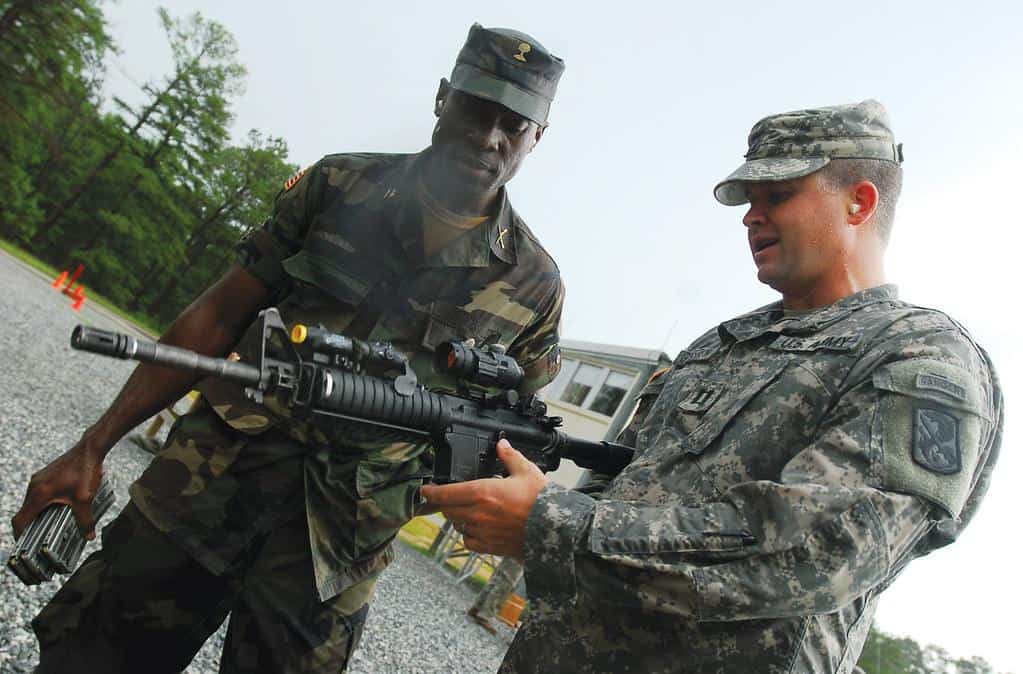
The list that follows highlights 30 weapons and systems that earned exceptional trust from U.S. forces across decades of warfare. Spanning infantry weapons, crew-served systems, vehicles, aircraft, and battlefield essentials, each one proved itself through sustained use in real conflicts. These aren’t the most modern weapons ever issued—they’re the weapons U.S. servicemembers relied on because they worked when it mattered most.
M1 Garand
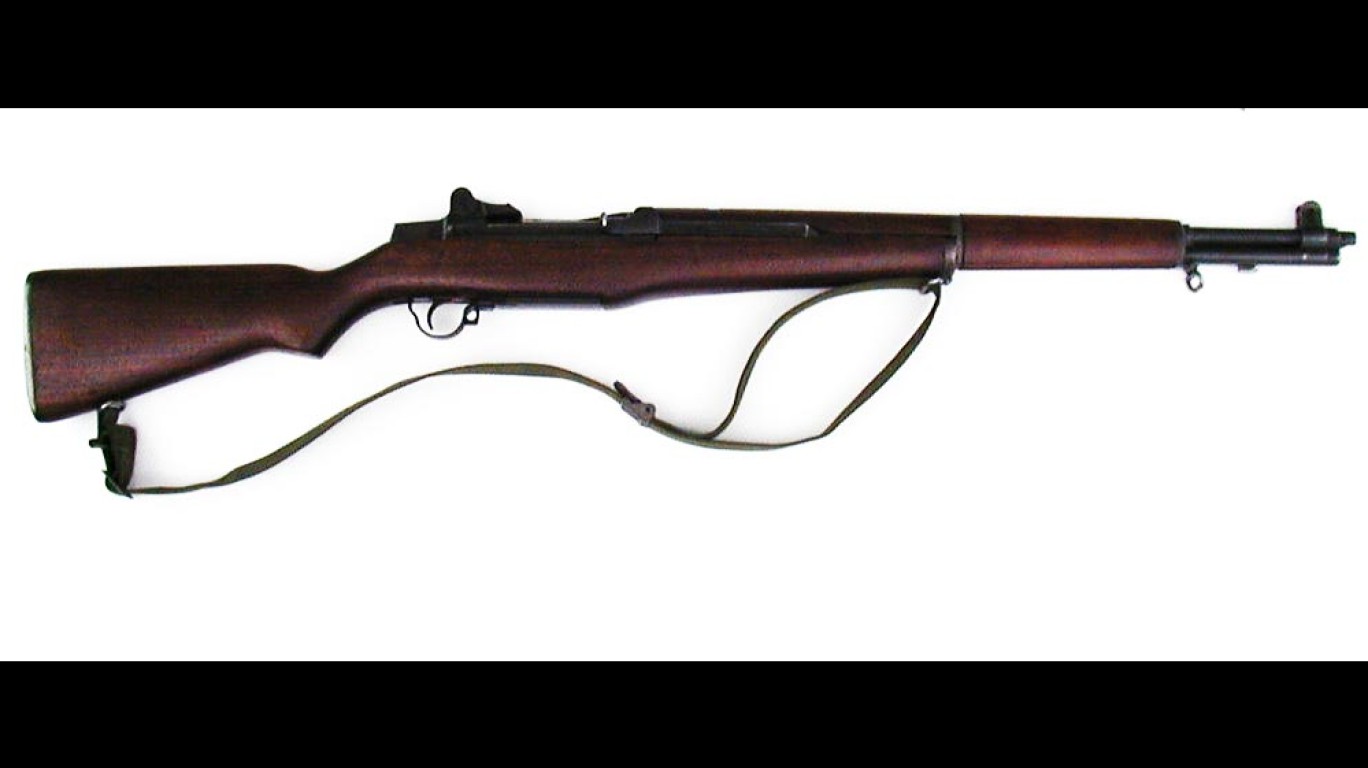
- Year introduced to service: 1936
- Weapon type: Rifle
- Conflicts used in: World War II, Korean War
- Why troops trusted it: Reliable semi-automatic fire in harsh conditions
- Current status: Retired
- Armament or ammunition: .30-06 Springfield
The M1 Garand gave U.S. infantry a decisive edge with reliable semi-automatic fire in World War II and Korea. Soldiers trusted it to function in mud, rain, and freezing temperatures, and its durability under sustained combat earned it a legendary reputation that shaped U.S. infantry doctrine for decades.
M1903 Springfield
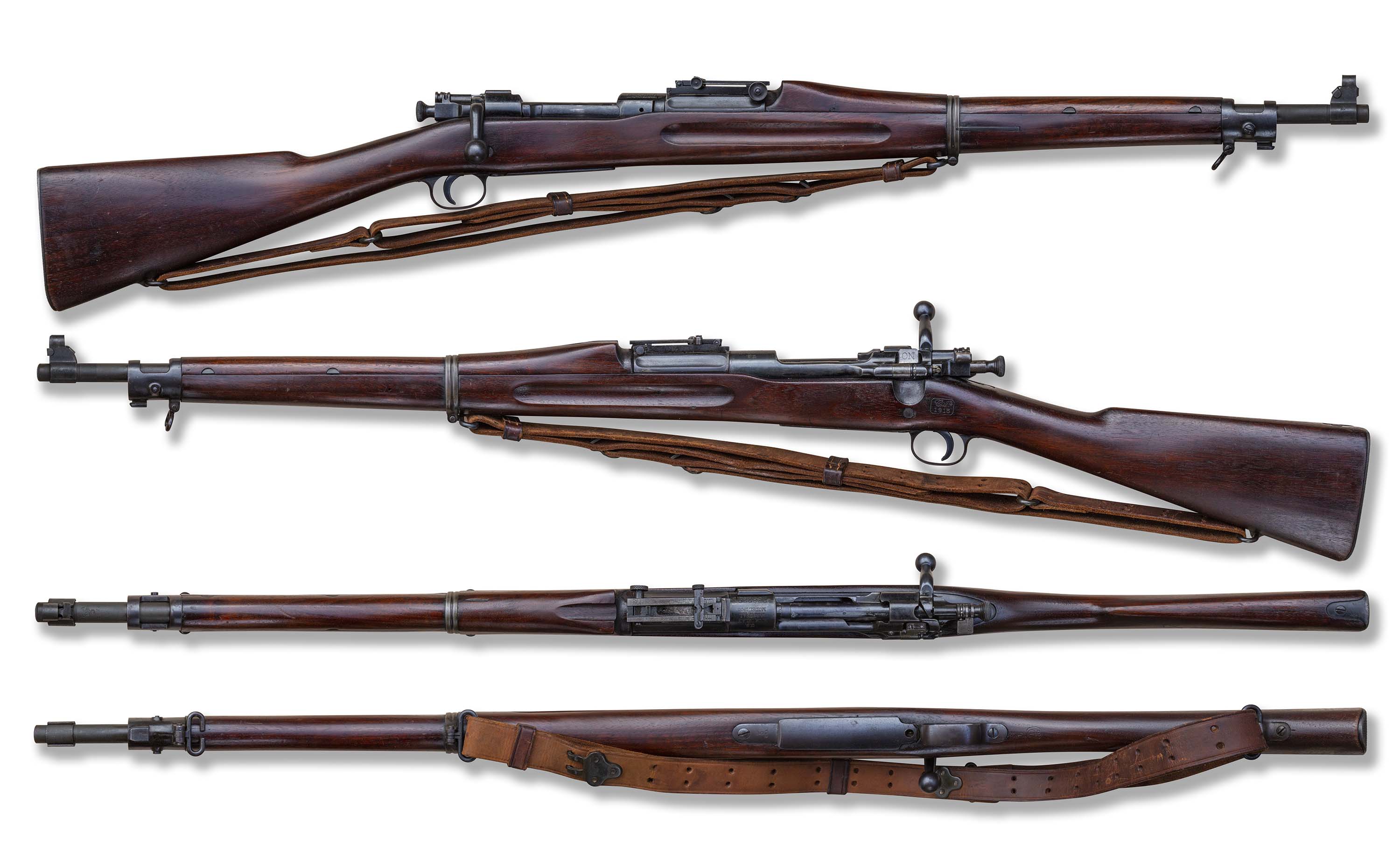
- Year introduced to service: 1903
- Weapon type: Rifle
- Conflicts used in: World War I, World War II
- Why troops trusted it: Exceptional accuracy and ruggedness
- Current status: Retired
- Armament or ammunition: .30-06 Springfield
The M1903 Springfield was trusted for its accuracy and durability across two world wars. Even as newer rifles emerged, U.S. troops relied on its strong action and dependable performance in combat environments where precision and reliability mattered most.
M16A2
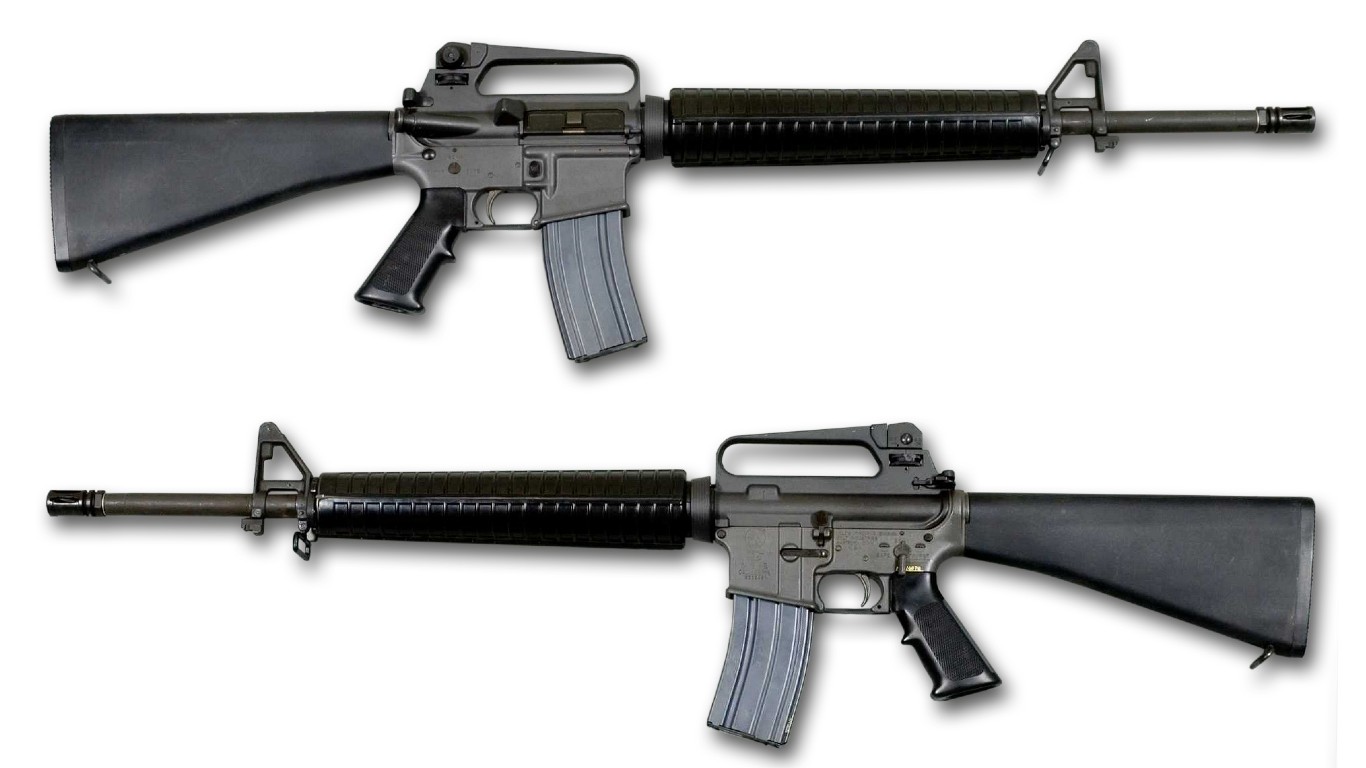
- Year introduced to service: 1983
- Weapon type: Rifle
- Conflicts used in: Cold War, Gulf War
- Why troops trusted it: Improved reliability over earlier M16 variants
- Current status: Retired
- Armament or ammunition: 5.56×45mm NATO
The M16A2 corrected early reliability issues and earned widespread trust among U.S. forces. Improved materials, training, and design changes resulted in a dependable service rifle that performed consistently during prolonged deployments.
M4A1 Carbine
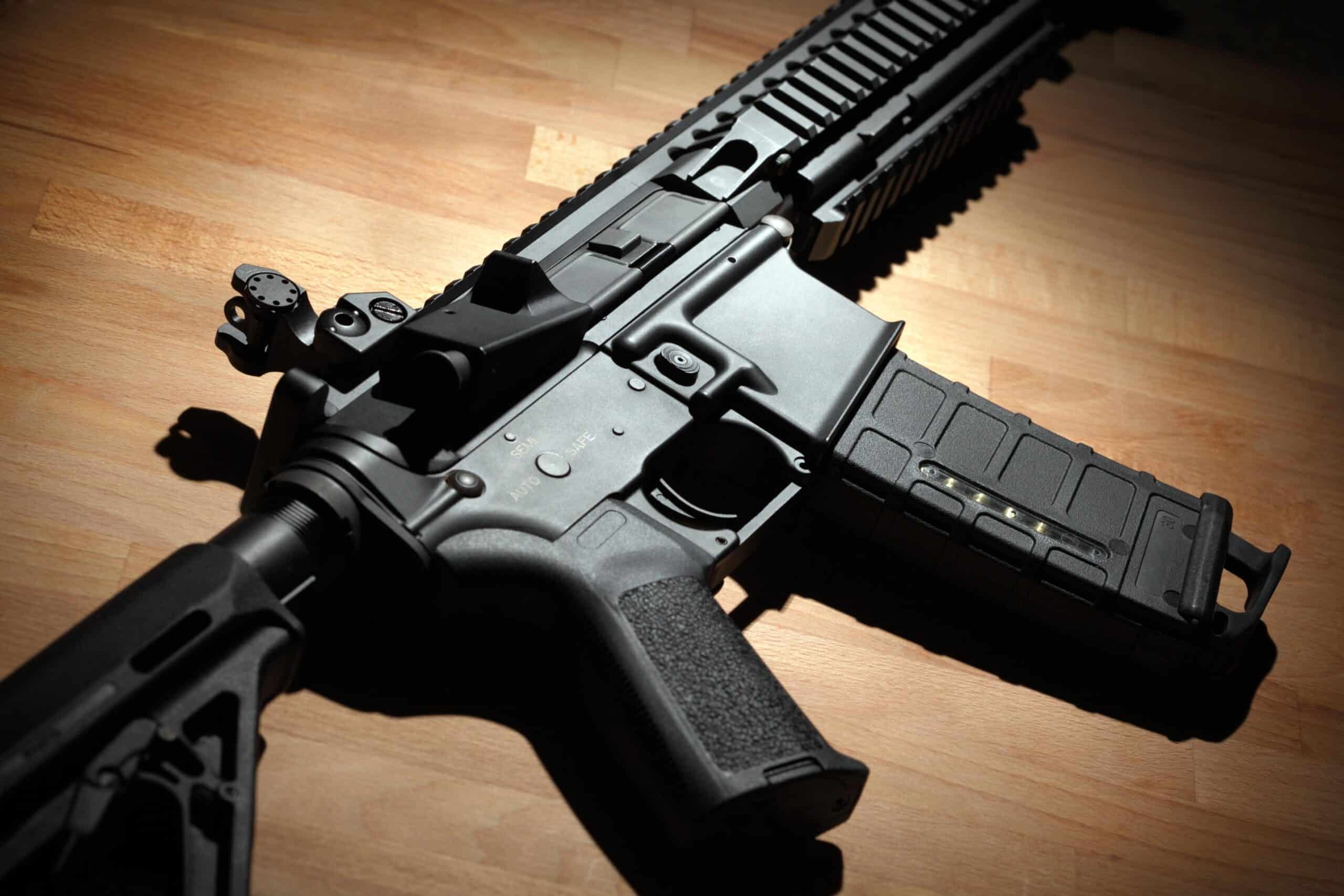
- Year introduced to service: 1994
- Weapon type: Carbine
- Conflicts used in: GWOT, Modern Conflicts
- Why troops trusted it: Compact, reliable, and adaptable
- Current status: Active
- Armament or ammunition: 5.56×45mm NATO
Refined through years of combat, the M4A1 became the trusted workhorse of modern U.S. forces. Its reliability, modularity, and adaptability in close-quarters and extended patrols made it a preferred platform across branches.
M1911A1
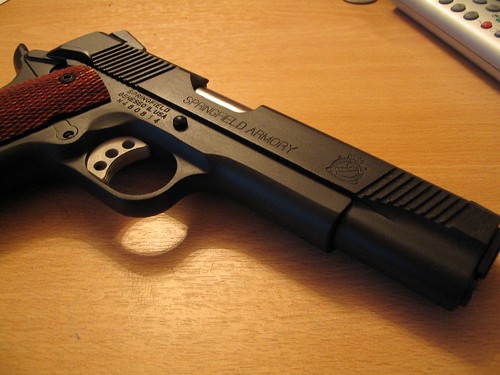
- Year introduced to service: 1911
- Weapon type: Sidearm
- Conflicts used in: World War I, World War II, Vietnam
- Why troops trusted it: Stopping power and proven reliability
- Current status: Retired
- Armament or ammunition: .45 ACP
The M1911A1 earned legendary trust through decades of service. Soldiers valued its stopping power, durability, and simple operation, and many units continued to favor it long after newer pistols were adopted.
Beretta M9
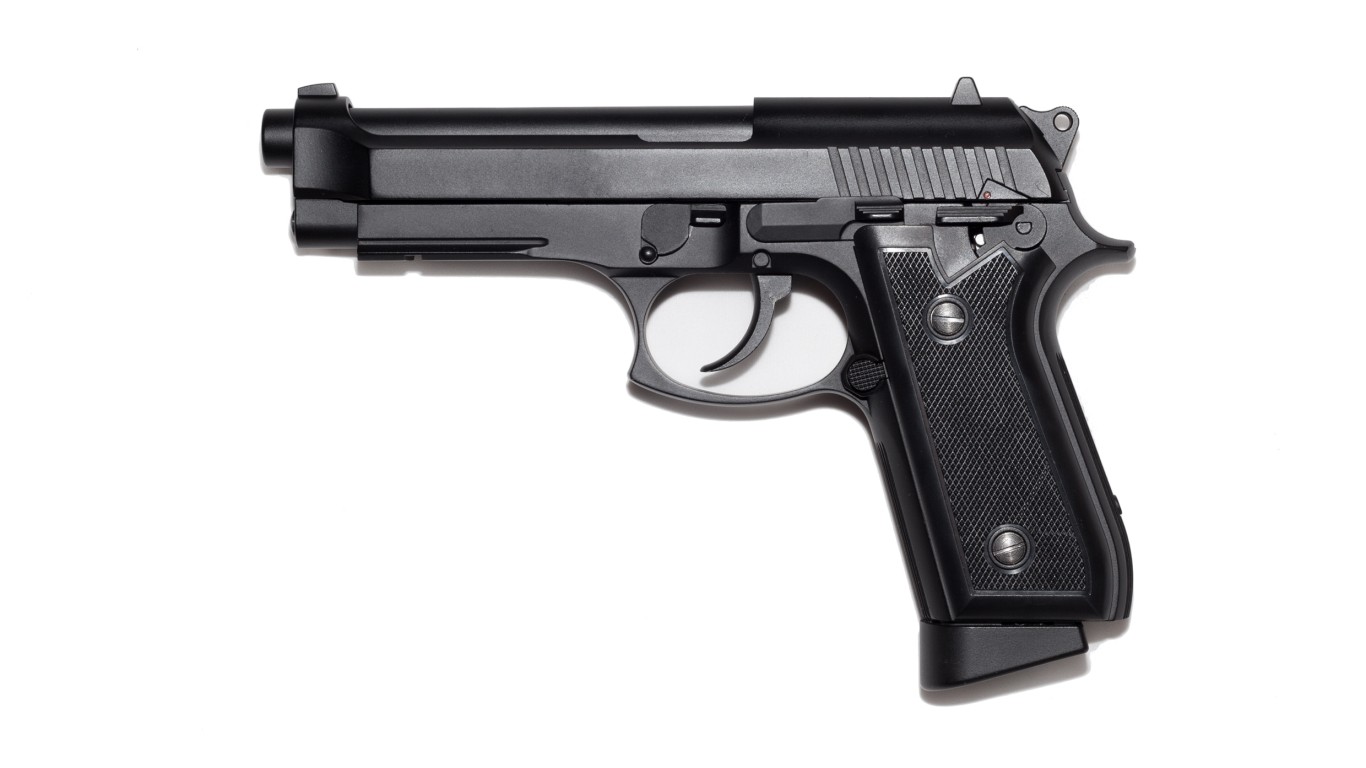
- Year introduced to service: 1985
- Weapon type: Sidearm
- Conflicts used in: Gulf War, GWOT
- Why troops trusted it: Familiarity and long service record
- Current status: Limited
- Armament or ammunition: 9×19mm
The Beretta M9 served U.S. forces for more than three decades. While eventually replaced, many troops trusted its predictable handling and reliability after extensive training and real-world use.
M17 / M18
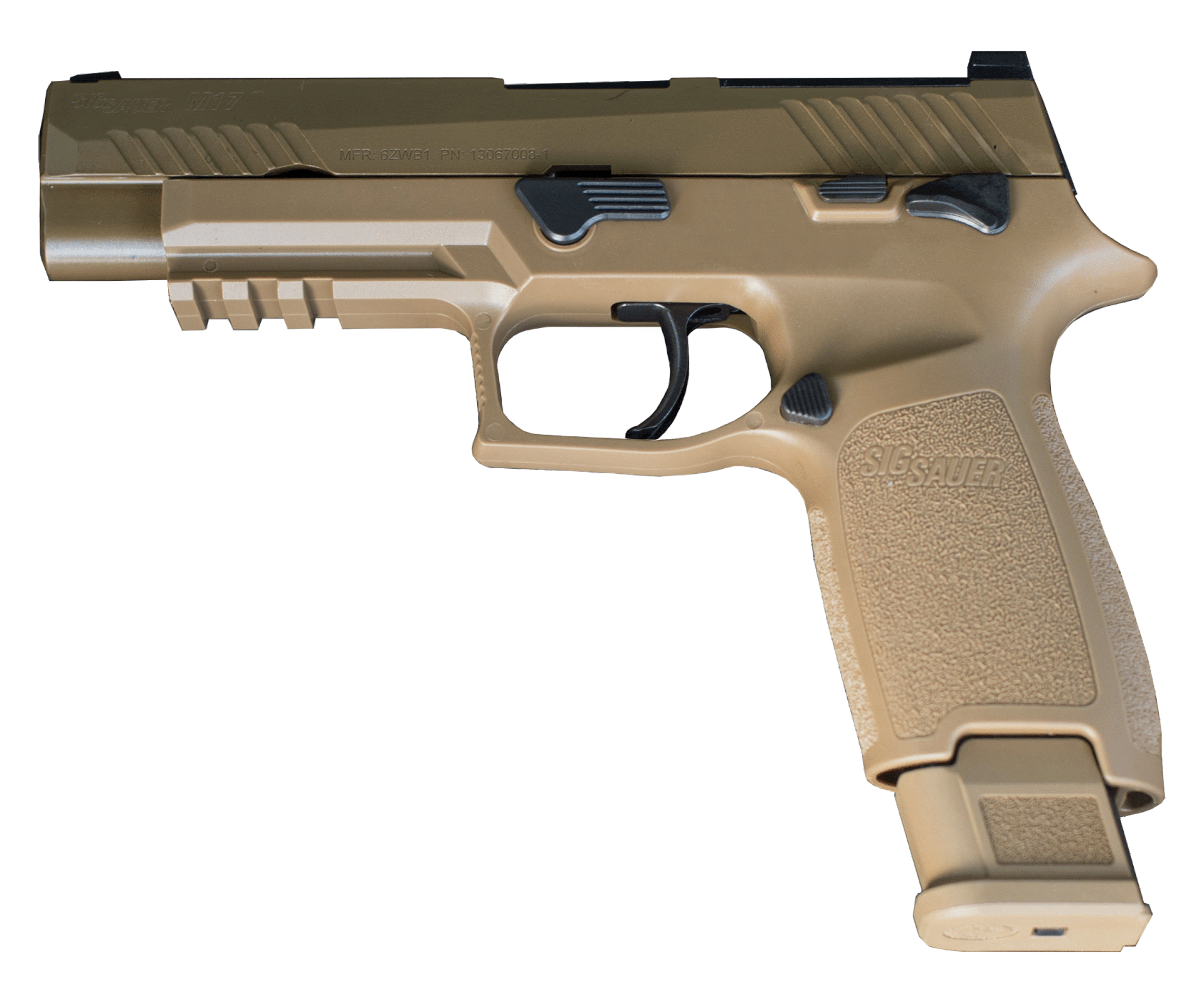
- Year introduced to service: 2017
- Weapon type: Sidearm
- Conflicts used in: Modern Conflicts
- Why troops trusted it: Modern modular reliability
- Current status: Active
- Armament or ammunition: 9×19mm
The M17 and M18 quickly earned trust due to their modular design, improved ergonomics, and modern safety features. Troops adopted them rapidly as reliable replacements for aging service pistols.
M2 Browning

- Year introduced to service: 1933
- Weapon type: Machine Gun
- Conflicts used in: World War II, Korea, Vietnam, GWOT
- Why troops trusted it: Extreme durability and sustained fire
- Current status: Active
- Armament or ammunition: .50 BMG
The M2 Browning is one of the most trusted weapons ever issued by the U.S. military. Its unmatched durability, range, and reliability under sustained fire have kept it in continuous service for over 90 years.
M249 SAW
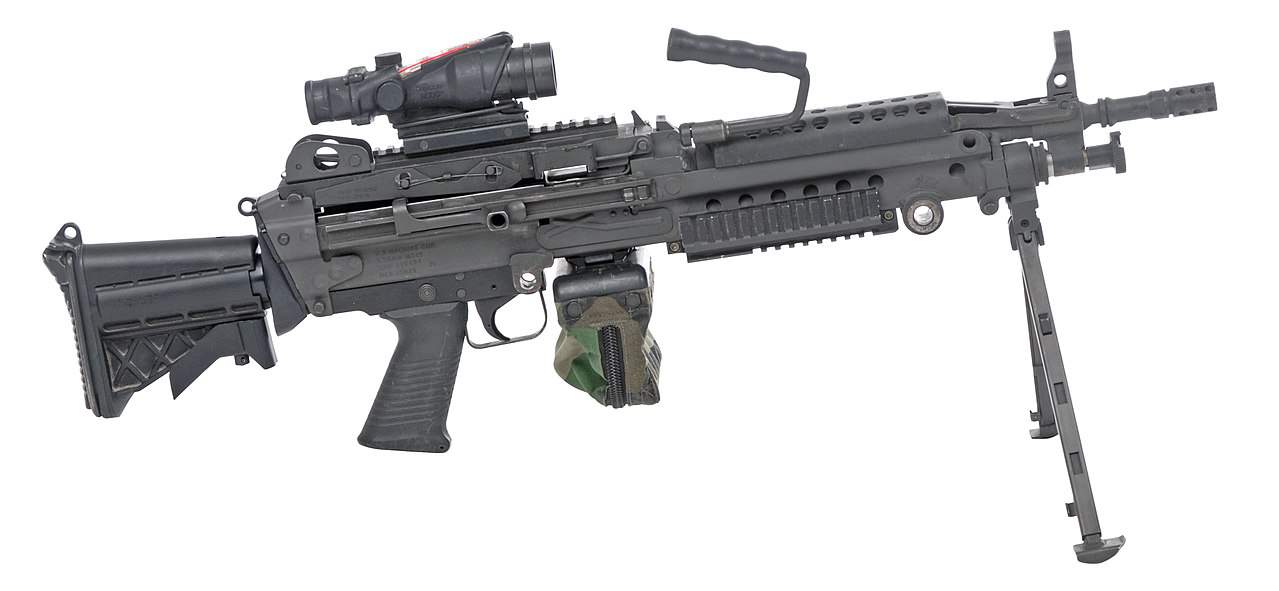
- Year introduced to service: 1984
- Weapon type: Machine Gun
- Conflicts used in: Cold War, GWOT
- Why troops trusted it: Squad-level automatic fire
- Current status: Active
- Armament or ammunition: 5.56×45mm NATO
The M249 SAW provided U.S. squads with reliable automatic firepower for decades. Soldiers trusted it to deliver sustained suppressive fire in varied environments, from deserts to mountains.
M240
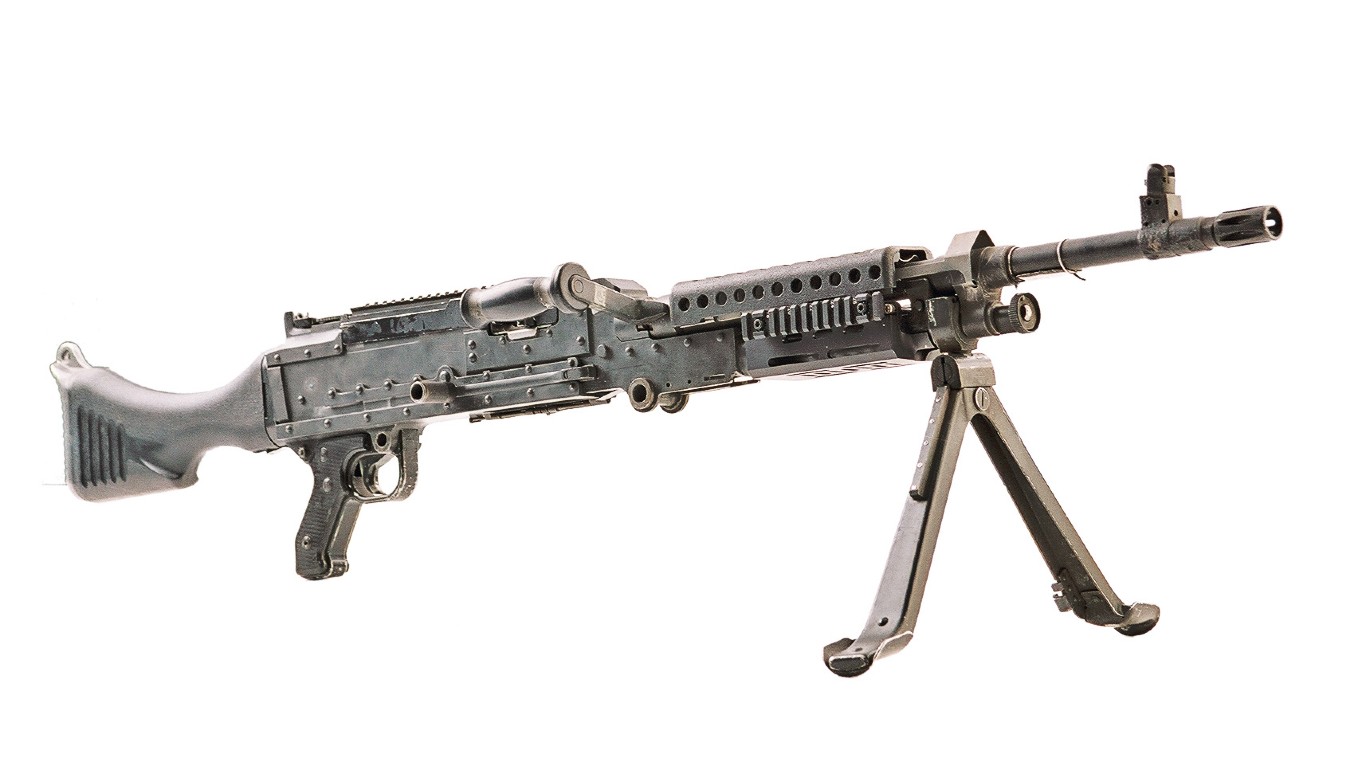
- Year introduced to service: 1977
- Weapon type: Machine Gun
- Conflicts used in: Cold War, GWOT
- Why troops trusted it: Highly reliable medium machine gun
- Current status: Active
- Armament or ammunition: 7.62×51mm NATO
Adopted for its reliability and versatility, the M240 became a trusted machine gun across infantry, vehicle, and aircraft roles. U.S. forces valued its consistent performance under heavy use.
M60
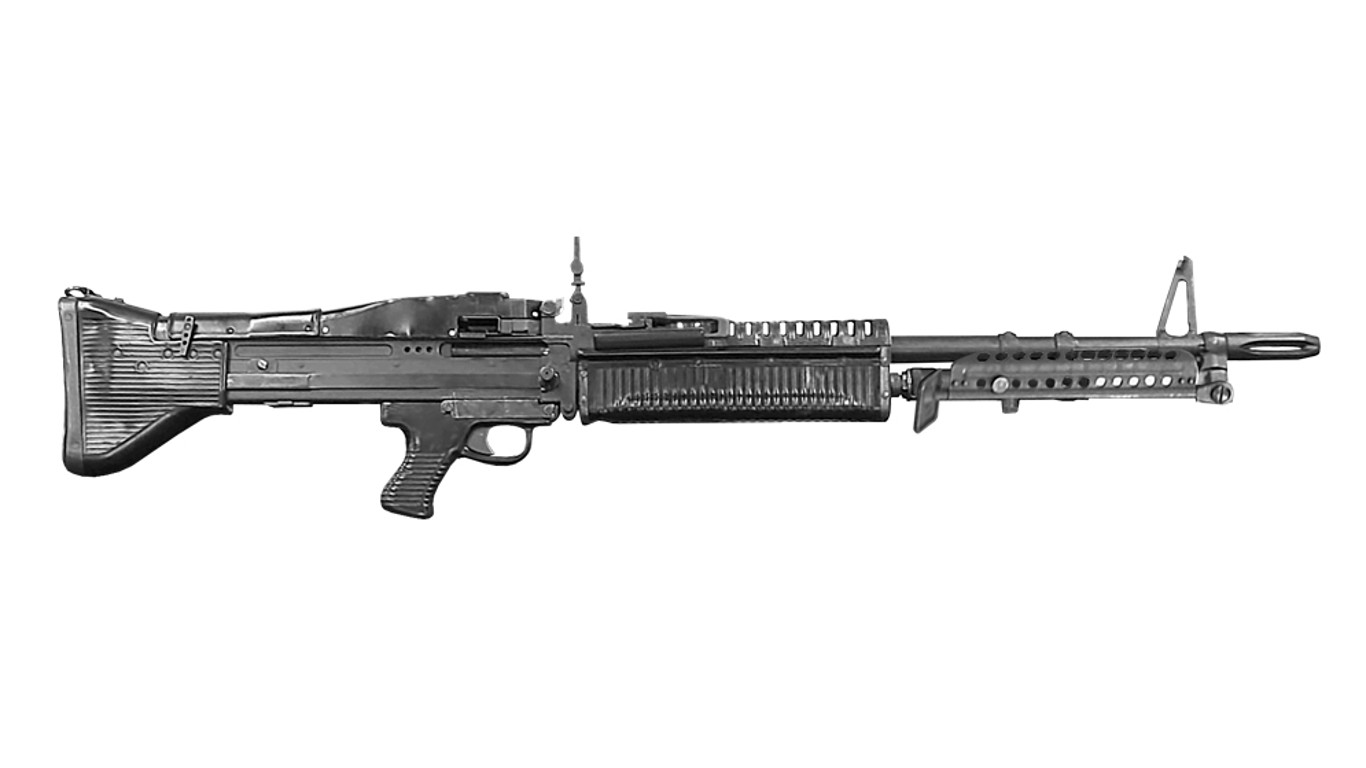
- Year introduced to service: 1957
- Weapon type: Machine Gun
- Conflicts used in: Vietnam War
- Why troops trusted it: High firepower despite maintenance demands
- Current status: Retired
- Armament or ammunition: 7.62×51mm NATO
Though maintenance-intensive, the M60 earned trust for its firepower and battlefield effectiveness. When properly maintained, it provided reliable support during intense combat operations.
M1918 BAR
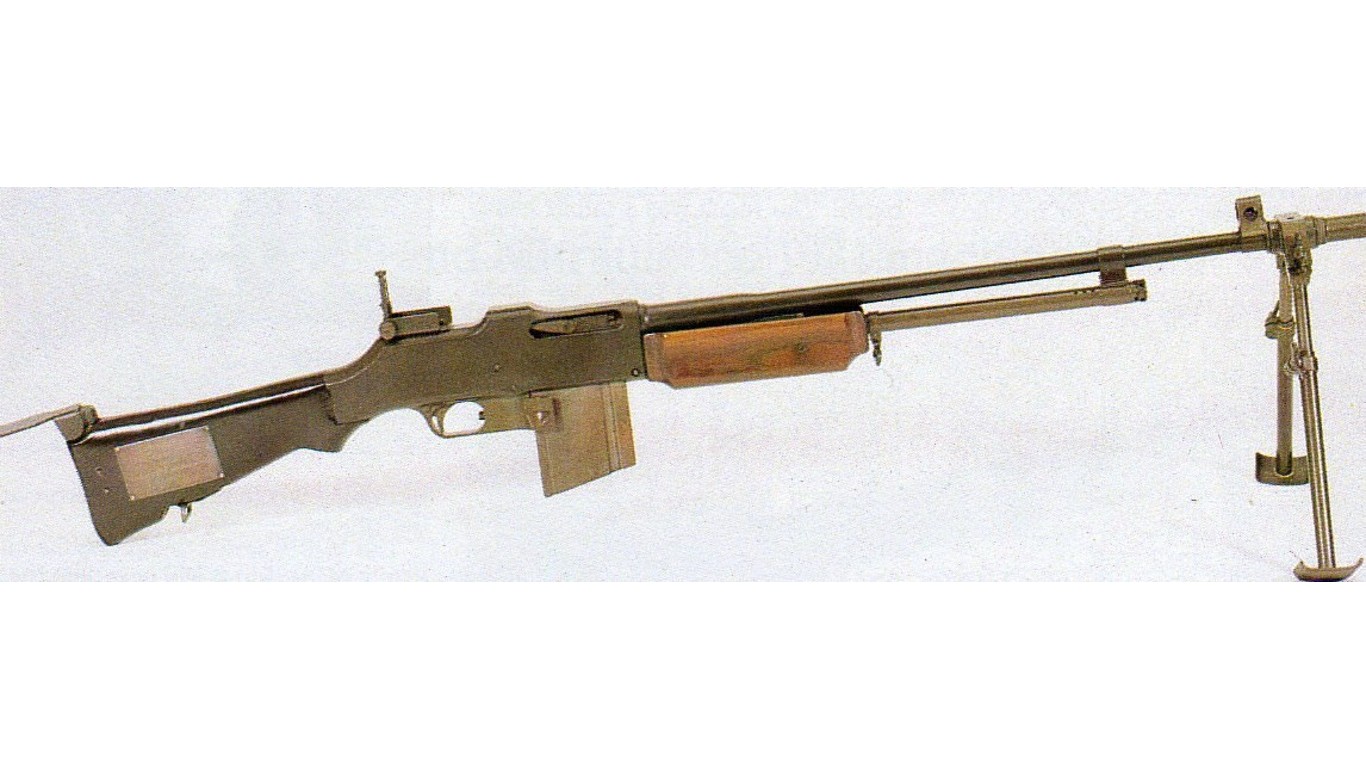
- Year introduced to service: 1918
- Weapon type: Automatic Rifle
- Conflicts used in: World War I, World War II, Korean War
- Why troops trusted it: Reliable automatic fire
- Current status: Retired
- Armament or ammunition: .30-06 Springfield
The BAR delivered dependable automatic fire to U.S. infantry across multiple wars. Its robust design and battlefield reliability made it a trusted weapon despite its weight.
M72 LAW
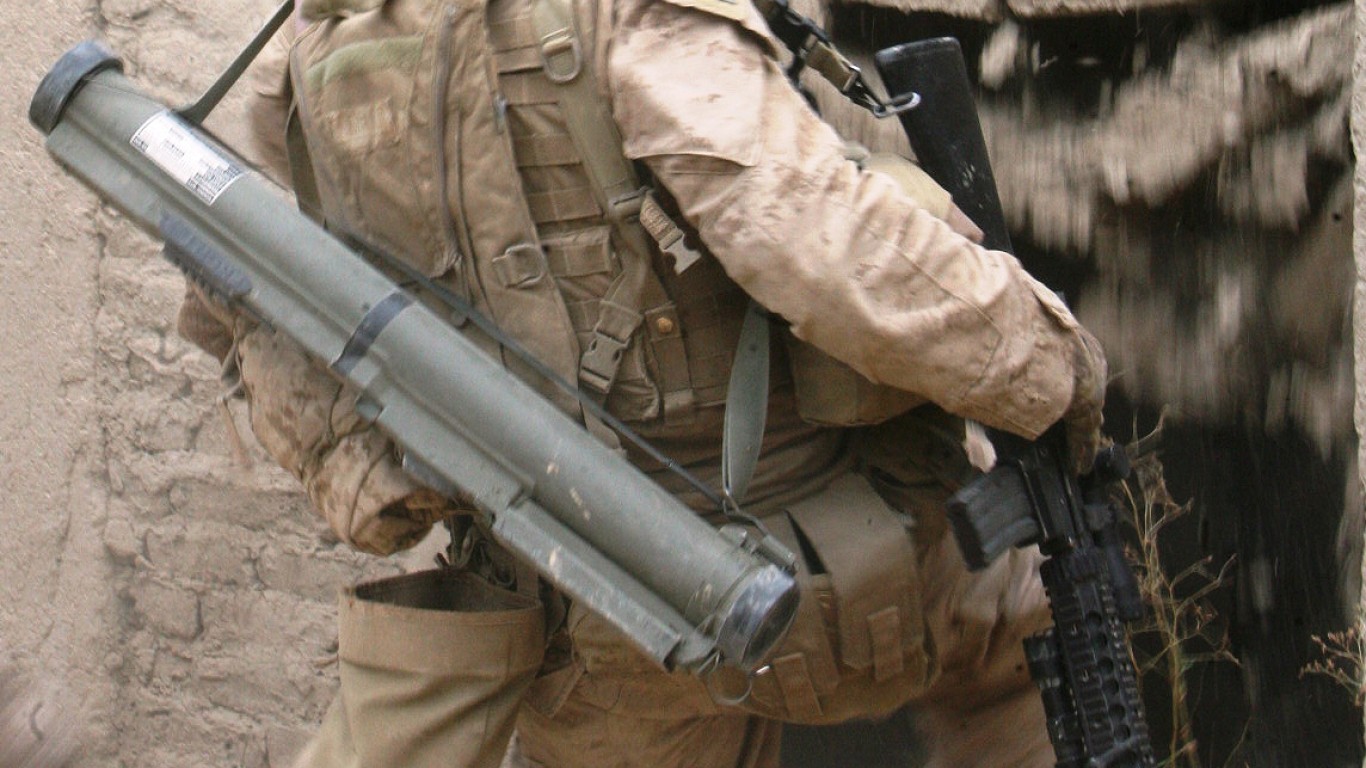
- Year introduced to service: 1963
- Weapon type: Launcher
- Conflicts used in: Vietnam War, Cold War
- Why troops trusted it: Simple and dependable anti-armor weapon
- Current status: Retired
- Armament or ammunition: 66mm rocket
The M72 LAW was trusted for its simplicity and ease of use. Lightweight and disposable, it gave U.S. troops a reliable anti-armor capability with minimal training requirements.
AT4
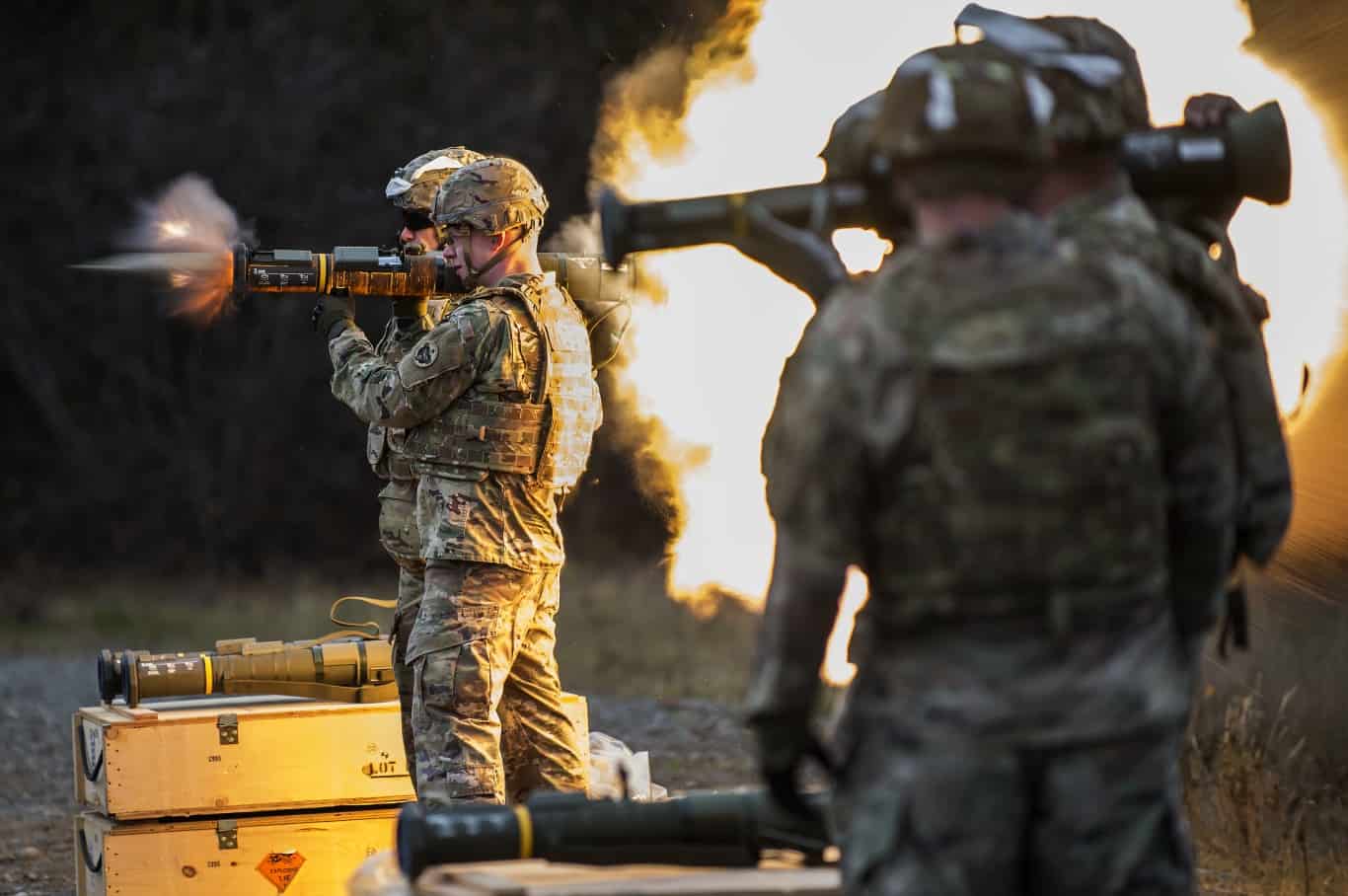
- Year introduced to service: 1987
- Weapon type: Launcher
- Conflicts used in: Cold War, GWOT
- Why troops trusted it: Reliable single-shot anti-armor system
- Current status: Active
- Armament or ammunition: 84mm rocket
The AT4 earned trust through reliability and straightforward operation. U.S. forces valued its effectiveness and dependability against armored threats across multiple conflicts.
M79 Grenade Launcher
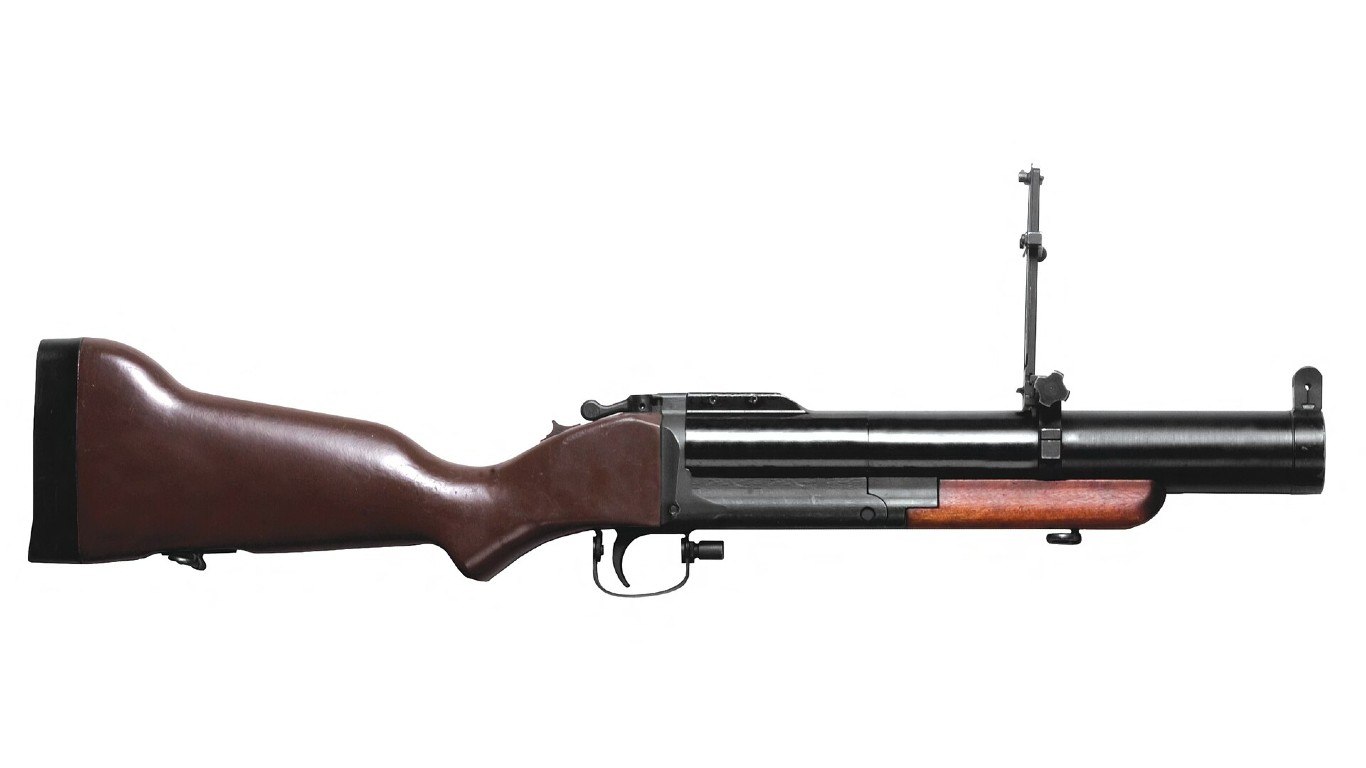
- Year introduced to service: 1961
- Weapon type: Launcher
- Conflicts used in: Vietnam War
- Why troops trusted it: Accuracy and simplicity
- Current status: Retired
- Armament or ammunition: 40mm
The M79 was loved by troops for its accuracy and reliability. Its simple design made it dependable in harsh jungle conditions, earning lasting respect from its users.
M203 Grenade Launcher
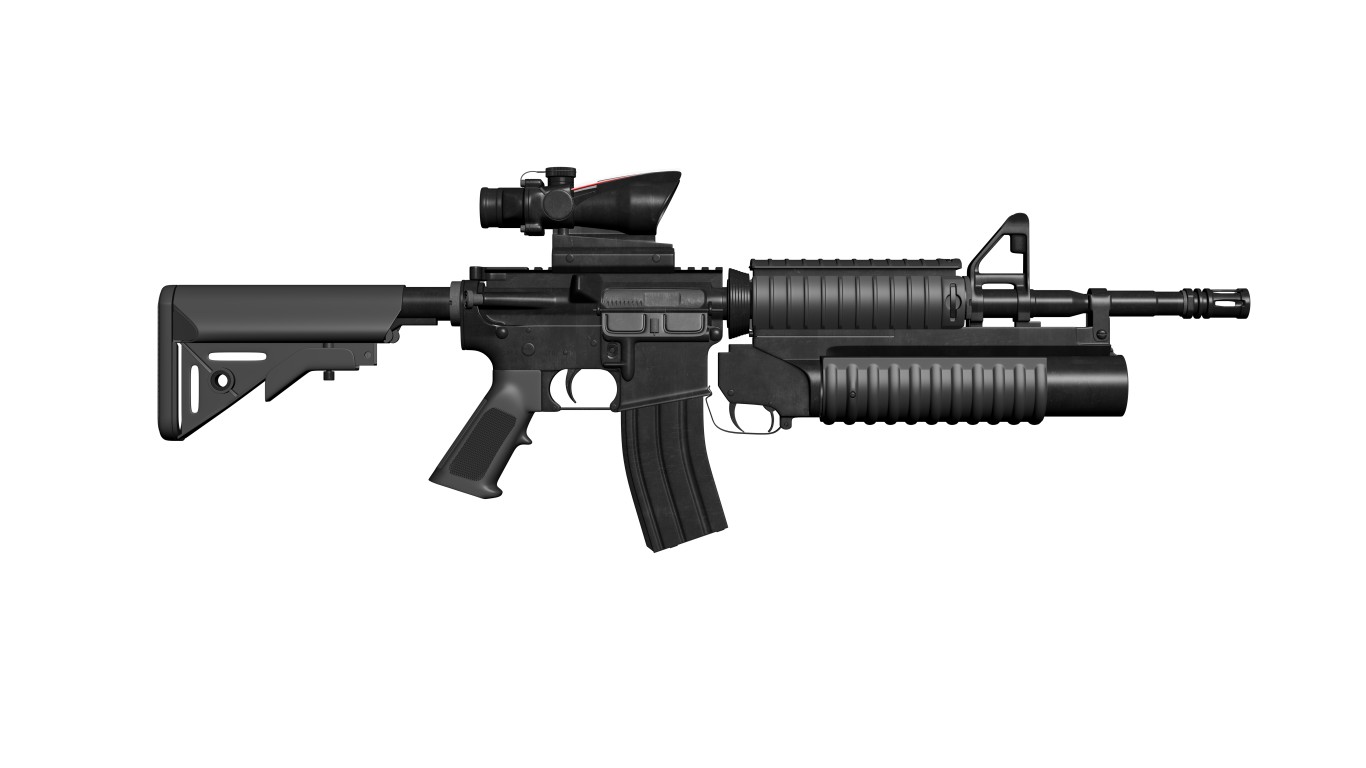
- Year introduced to service: 1969
- Weapon type: Launcher
- Conflicts used in: Cold War, GWOT
- Why troops trusted it: Versatile infantry support
- Current status: Active
- Armament or ammunition: 40mm
Mounted to rifles or used standalone, the M203 became a trusted infantry support weapon. U.S. troops relied on it for dependable indirect fire in diverse combat environments.
M67 Fragmentation Grenade
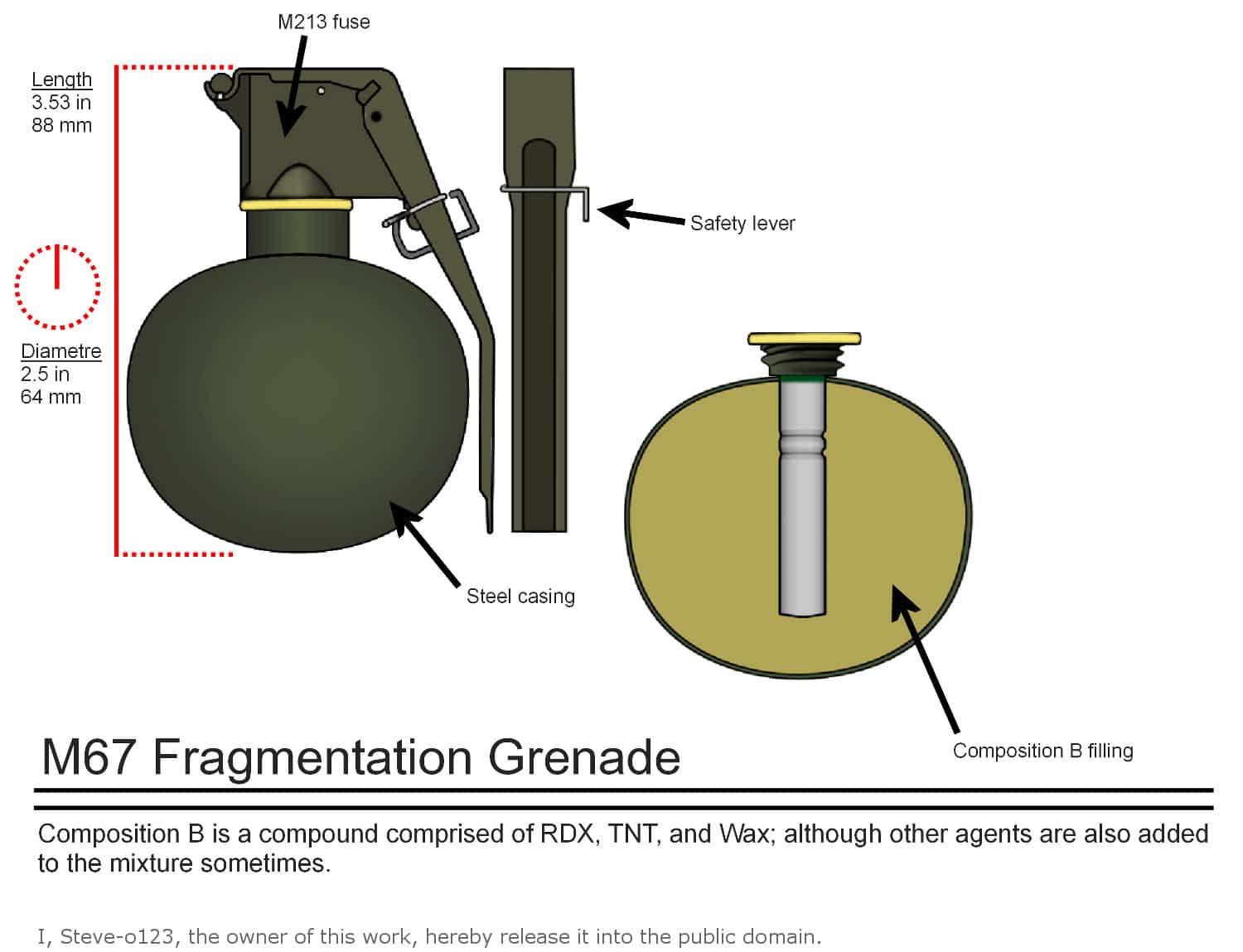
- Year introduced to service: 1969
- Weapon type: Grenade
- Conflicts used in: Vietnam War, GWOT
- Why troops trusted it: Consistent and reliable design
- Current status: Active
- Armament or ammunition: N/A
The M67 fragmentation grenade changed little over decades because it worked. U.S. troops trusted its reliability and effectiveness across generations of combat.
M1 Abrams
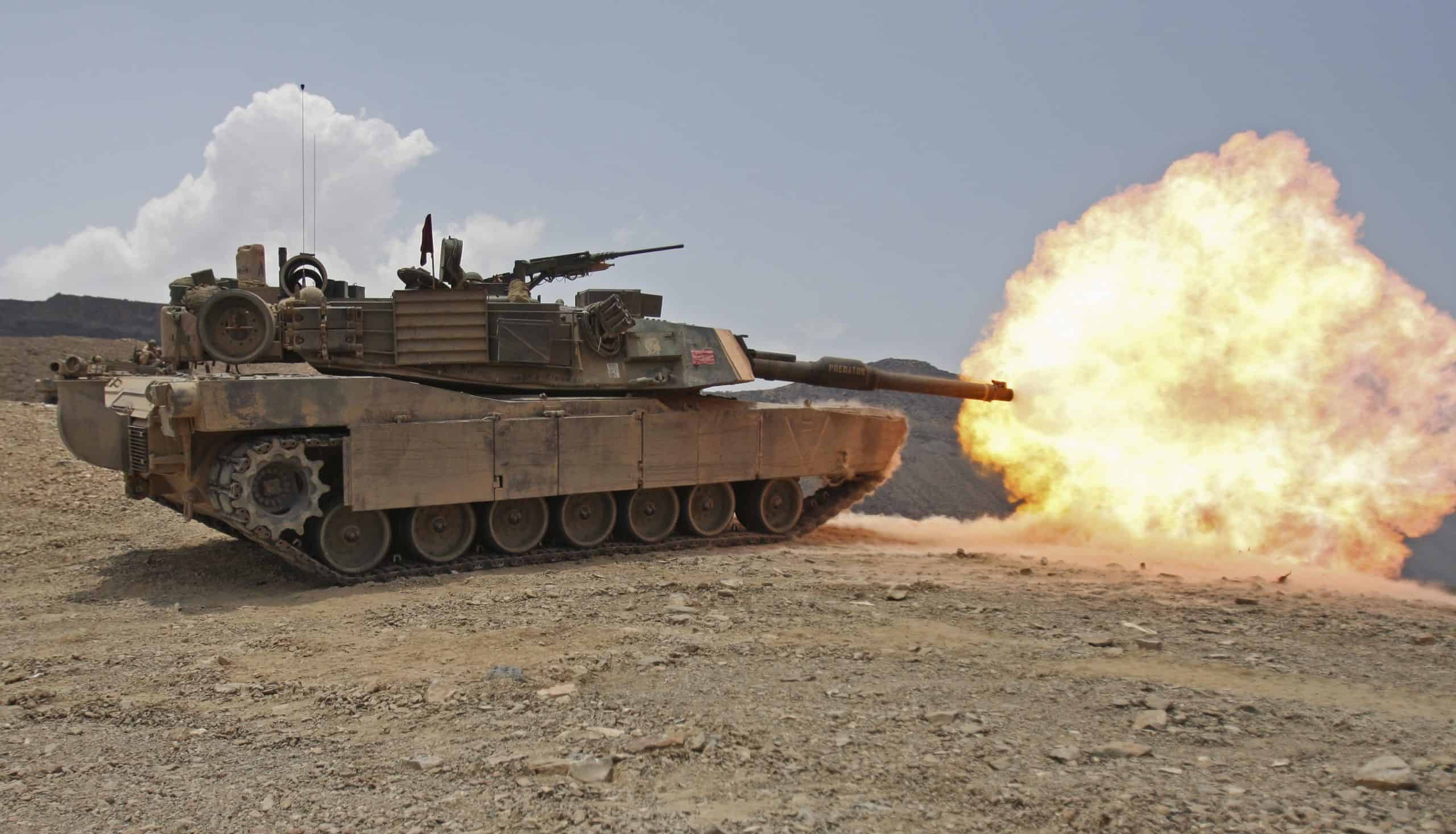
- Year introduced to service: 1980
- Weapon type: Main Battle Tank
- Conflicts used in: Gulf War, GWOT
- Why troops trusted it: Crew survivability and combat dominance
- Current status: Active
- Armament or ammunition: 120mm cannon
The M1 Abrams earned trust by combining firepower, protection, and reliability. Tank crews consistently praised its survivability and battlefield dominance.
HMMWV (Humvee)
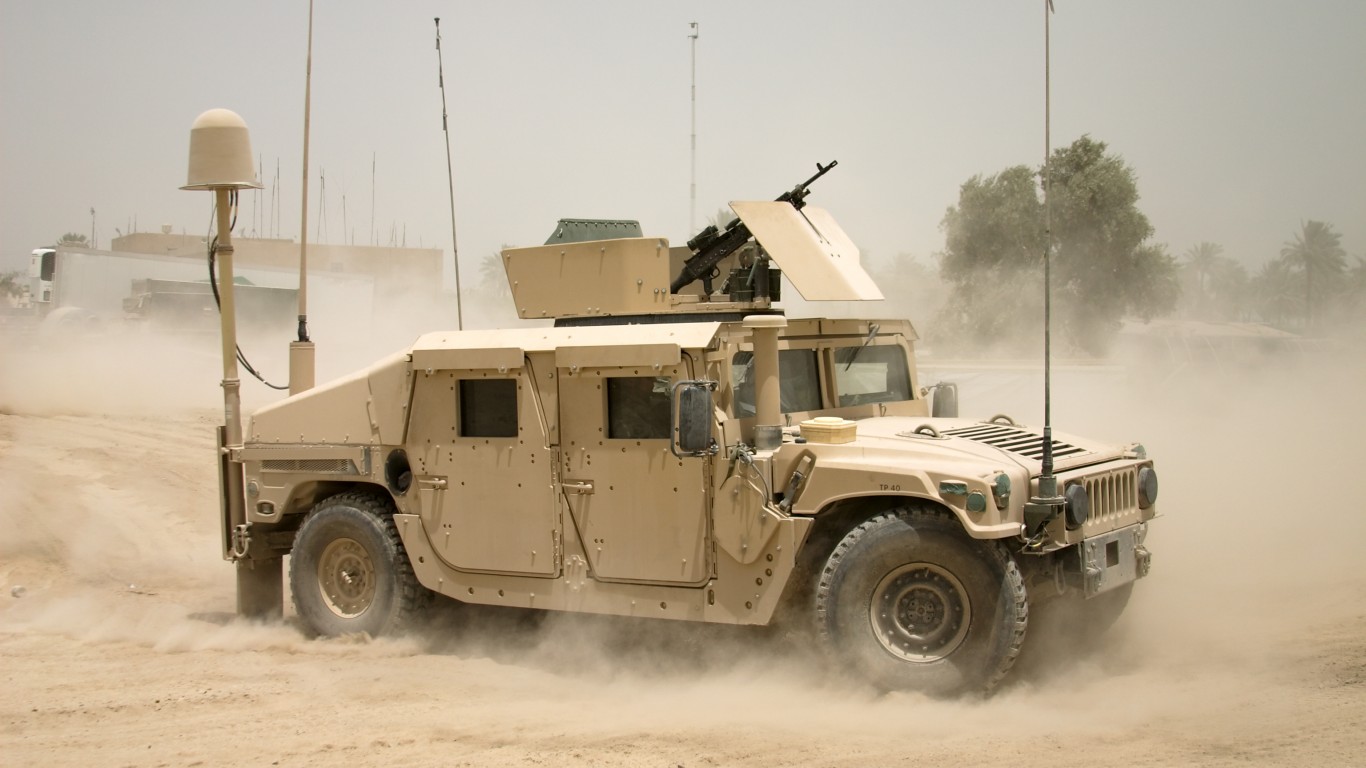
- Year introduced to service: 1984
- Weapon type: Vehicle
- Conflicts used in: Cold War, GWOT
- Why troops trusted it: Versatile and dependable
- Current status: Limited
- Armament or ammunition: Multiple mounts
The Humvee became a symbol of U.S. military mobility. Despite evolving threats, troops trusted it for versatility and reliability across countless missions.
MRAP
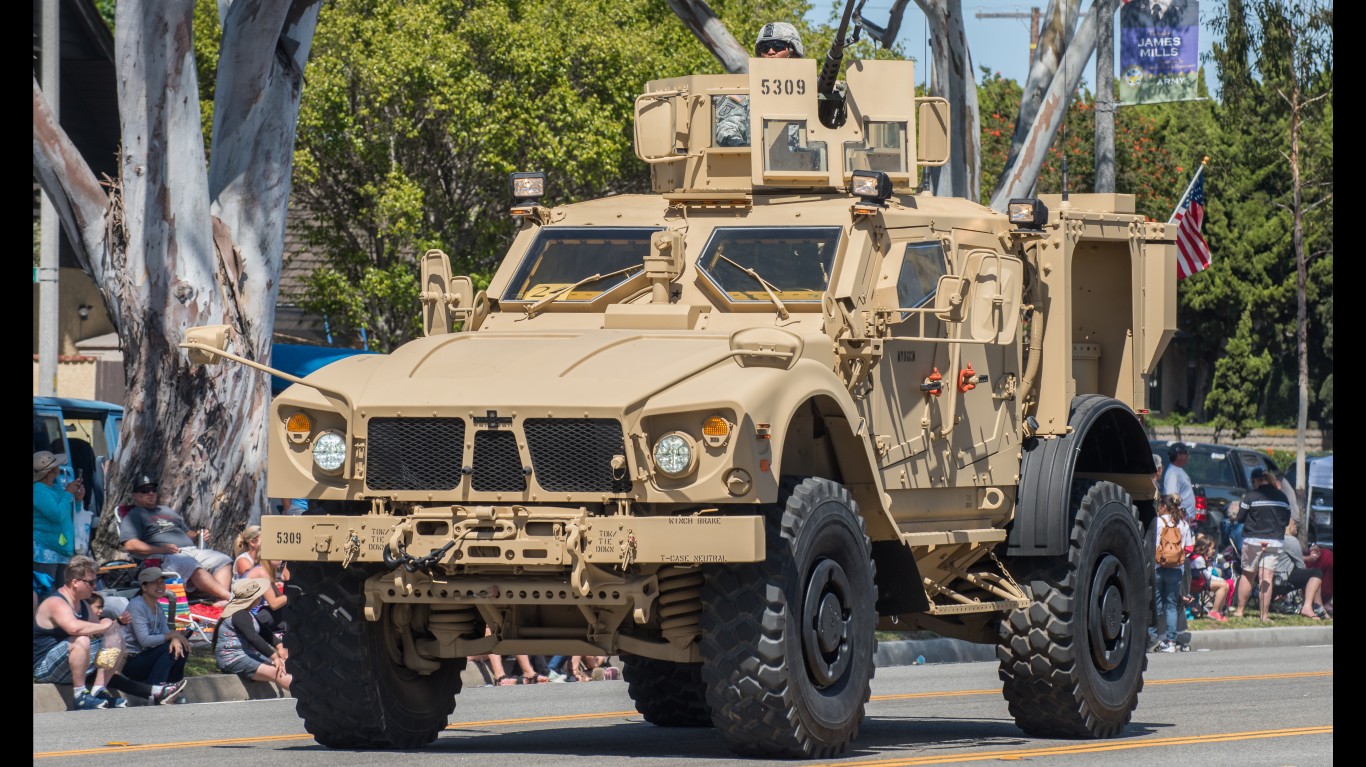
- Year introduced to service: 2007
- Weapon type: Vehicle
- Conflicts used in: GWOT
- Why troops trusted it: Saved lives against IED threats
- Current status: Limited
- Armament or ammunition: Multiple mounts
MRAP vehicles earned trust by dramatically improving survivability against roadside bombs. Crews valued them for protection and reliability during high-risk convoy operations.
A-10 Thunderbolt II

- Year introduced to service: 1977
- Weapon type: Aircraft
- Conflicts used in: Cold War, GWOT
- Why troops trusted it: Close air support reliability
- Current status: Active
- Armament or ammunition: 30mm GAU-8
The A-10 earned unmatched trust from ground troops for its durability and lethal close air support. Its ability to absorb damage and remain on station made it indispensable.
AC-130 Gunship
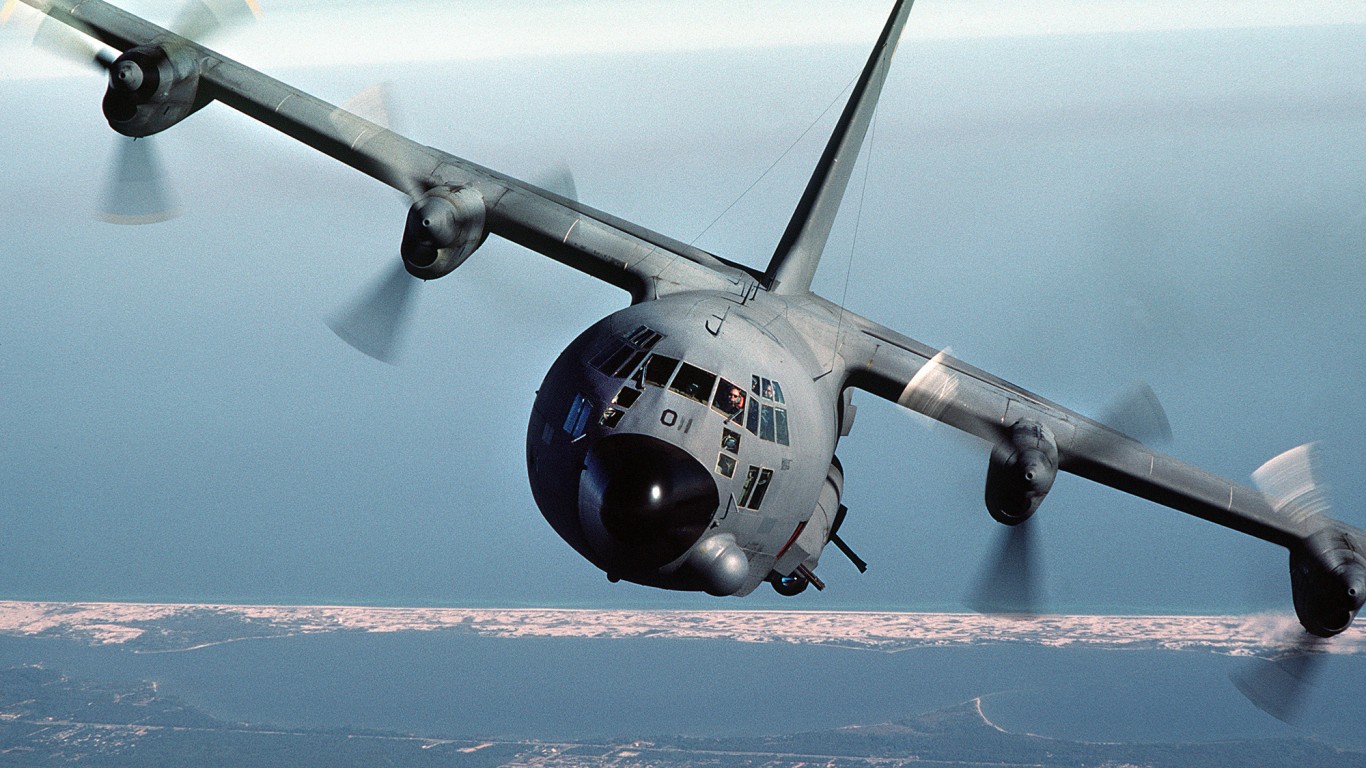
- Year introduced to service: 1968
- Weapon type: Aircraft
- Conflicts used in: Vietnam War, GWOT
- Why troops trusted it: Precision fire support
- Current status: Active
- Armament or ammunition: Multiple cannons
The AC-130 became one of the most trusted fire support platforms in U.S. service. Its precision, persistence, and reliability in night operations saved countless lives.
UH-60 Black Hawk

- Year introduced to service: 1979
- Weapon type: Helicopter
- Conflicts used in: Cold War, GWOT
- Why troops trusted it: Reliable transport and medevac
- Current status: Active
- Armament or ammunition: Door guns
The UH-60 Black Hawk earned trust as a dependable transport and medevac platform. Crews relied on its performance in combat, disaster relief, and rescue missions.
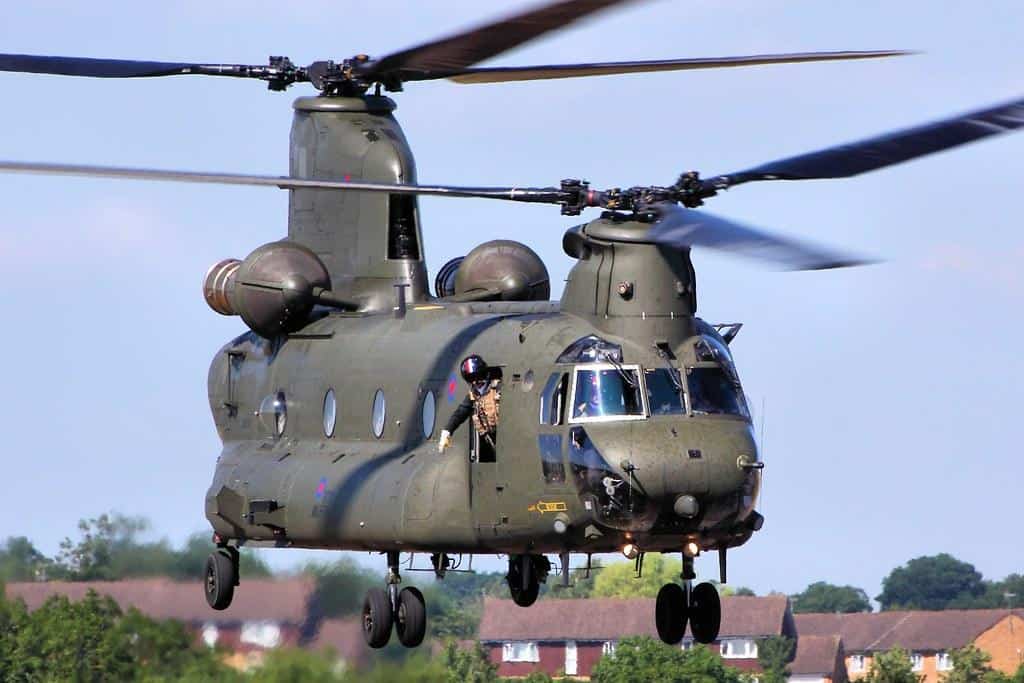
CH-47 Chinook

- Year introduced to service: 1962
- Weapon type: Helicopter
- Conflicts used in: Vietnam War, GWOT
- Why troops trusted it: Heavy-lift reliability
- Current status: Active
- Armament or ammunition: Door guns
The Chinook became indispensable for moving troops and equipment. Its reliability and payload capacity kept it in continuous service for decades.
AH-64 Apache
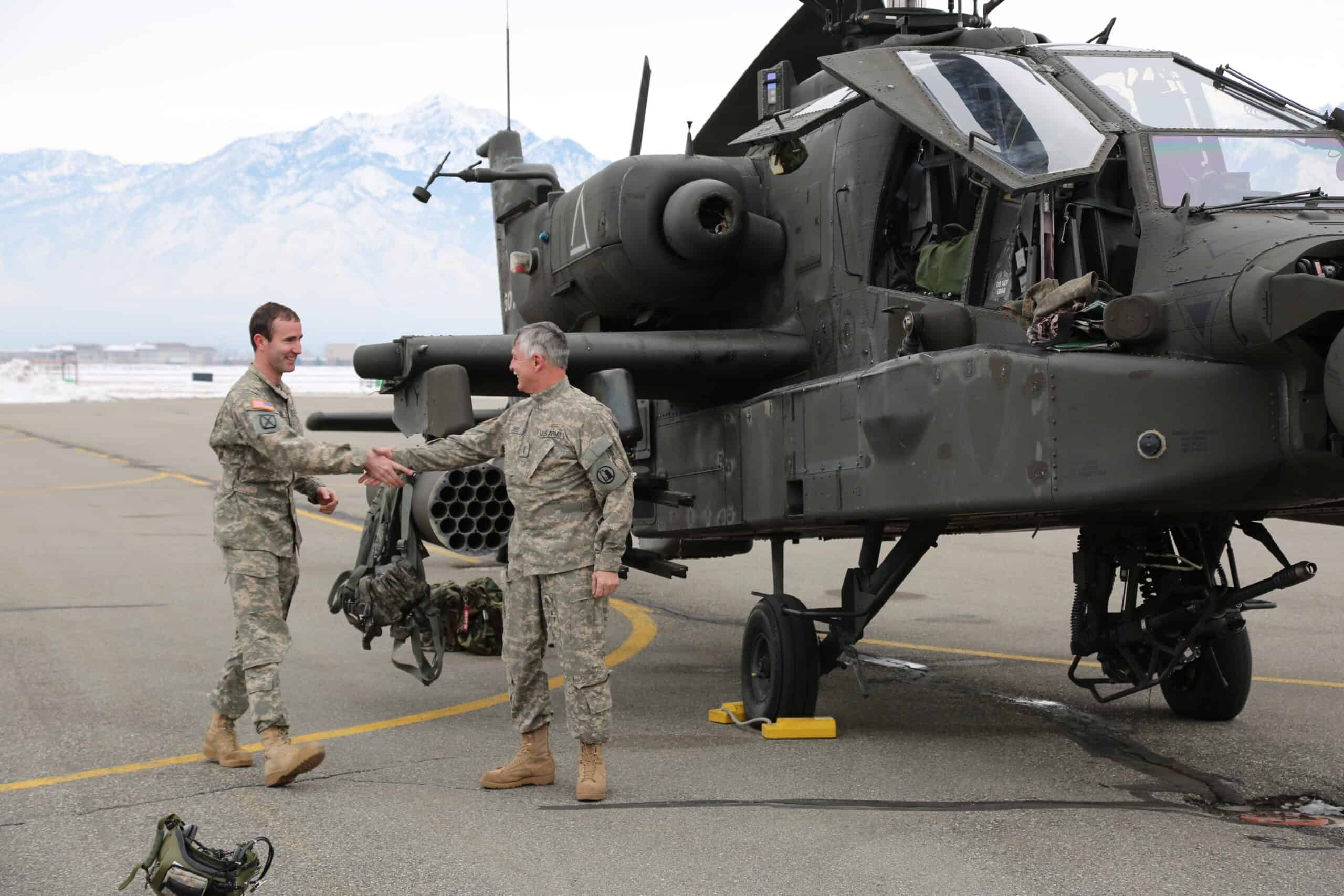
- Year introduced to service: 1986
- Weapon type: Helicopter
- Conflicts used in: Cold War, GWOT
- Why troops trusted it: Survivable attack platform
- Current status: Active
- Armament or ammunition: 30mm cannon, missiles
The AH-64 Apache earned trust for its lethality and survivability. Crews relied on its sensors and firepower to dominate the battlefield.
MK 19
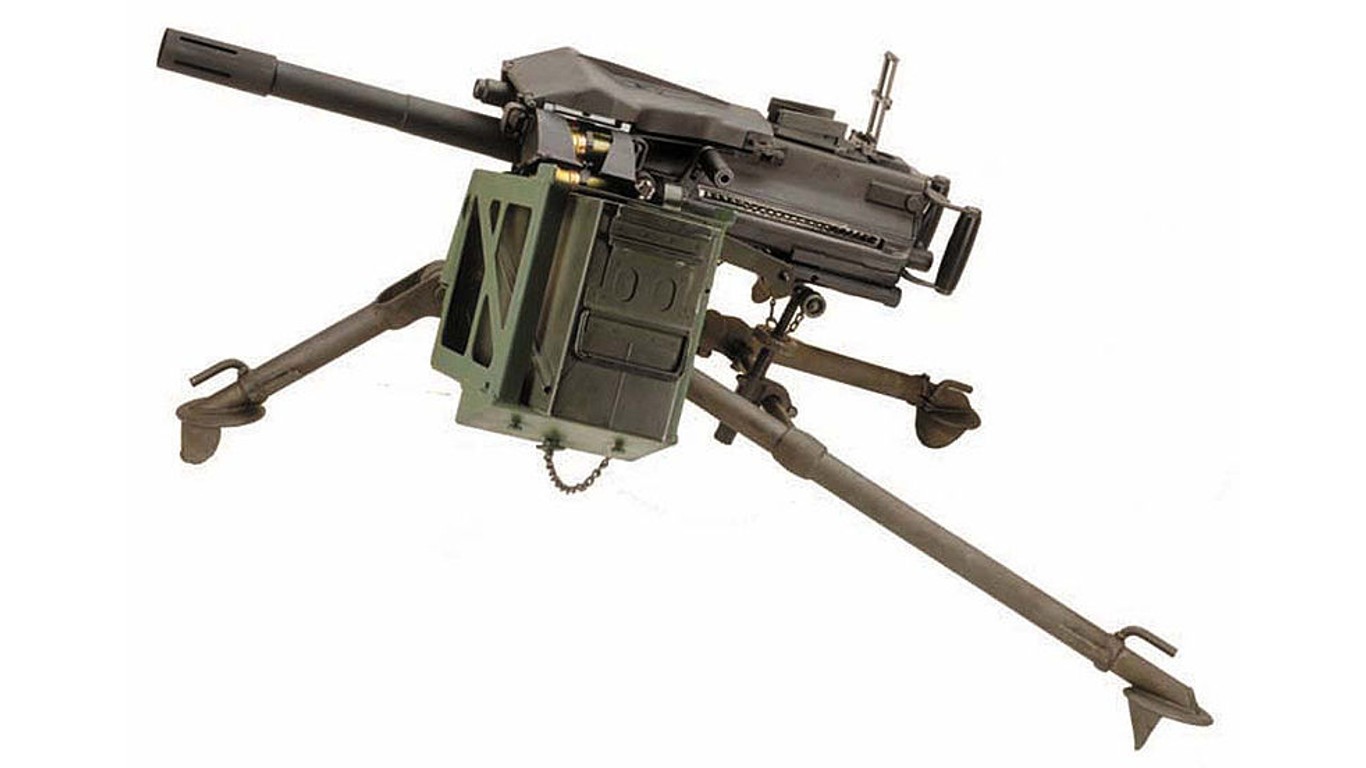
- Year introduced to service: 1983
- Weapon type: Automatic Grenade Launcher
- Conflicts used in: Cold War, GWOT
- Why troops trusted it: Reliable high-volume fire
- Current status: Active
- Armament or ammunition: 40mm
The MK 19 provided devastating and reliable fire support. U.S. forces trusted it for its ability to deliver sustained explosive fire with minimal complexity.
M9 Bayonet
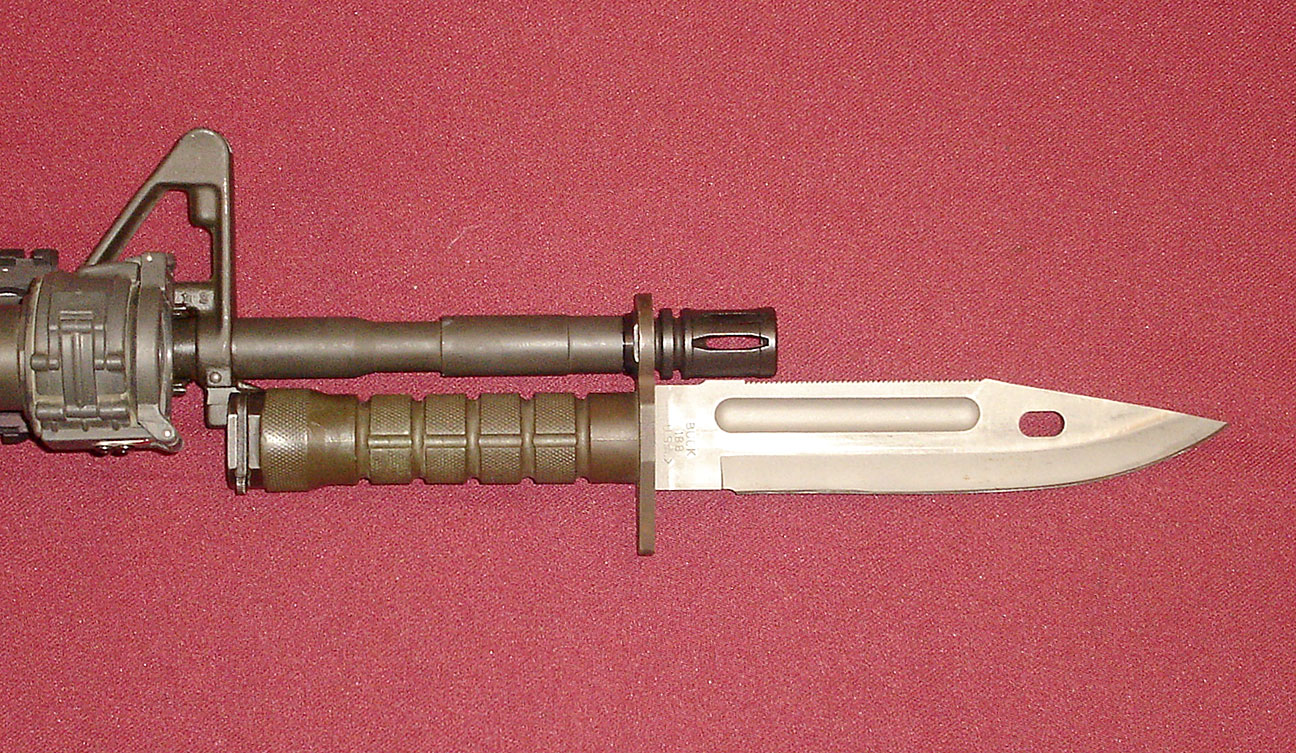
- Year introduced to service: 1986
- Weapon type: Bayonet
- Conflicts used in: Cold War, GWOT
- Why troops trusted it: Multi-use field tool
- Current status: Limited
- Armament or ammunition: N/A
More than a blade, the M9 bayonet earned trust as a durable field tool. Troops valued its utility beyond combat roles.
MRE Flameless Ration Heater
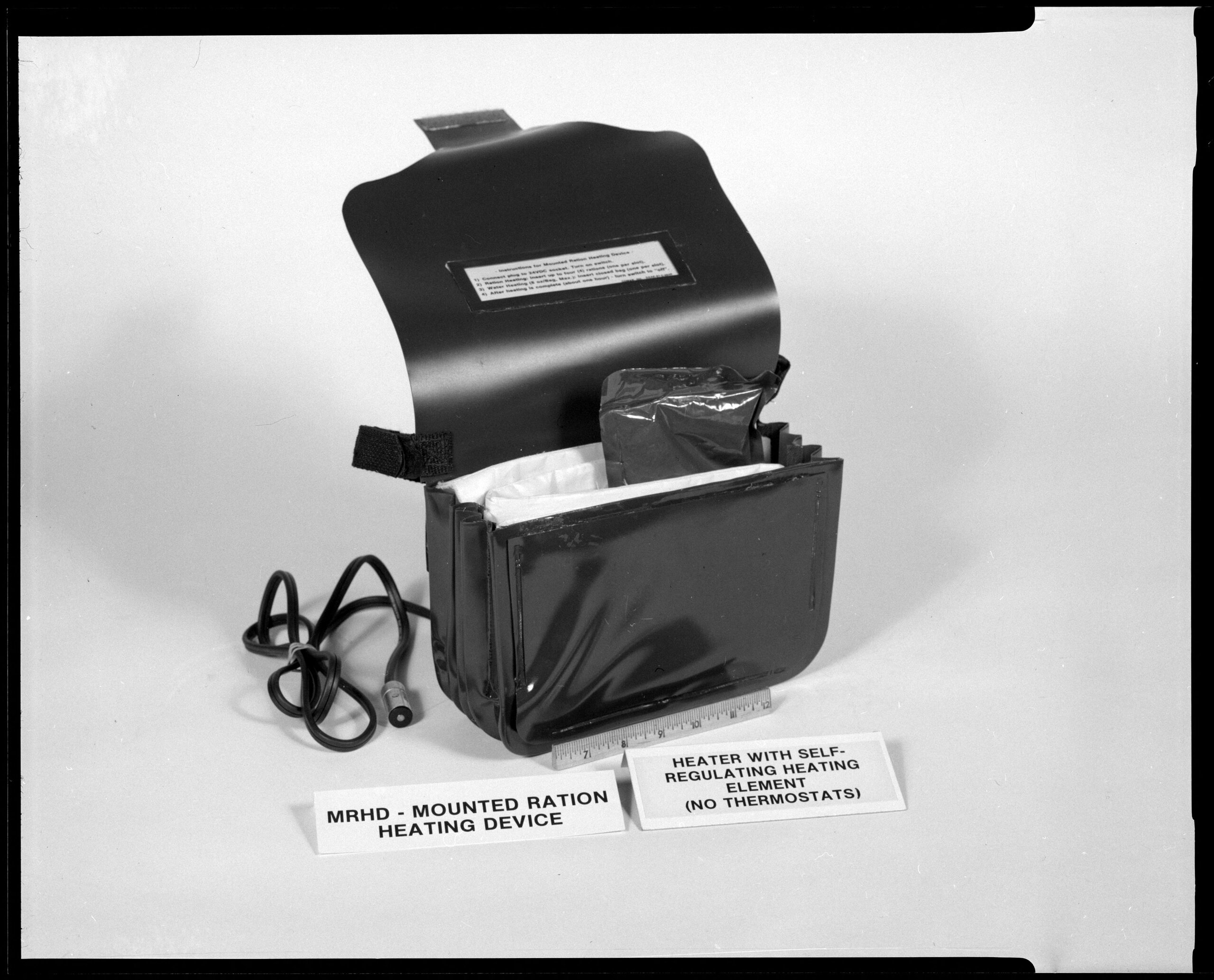
- Year introduced to service: 1992
- Weapon type: Field Tool
- Conflicts used in: GWOT
- Why troops trusted it: Works anywhere
- Current status: Active
- Armament or ammunition: Chemical
While not a weapon, the MRE heater became one of the most trusted issued items. Troops relied on it to function in any environment, reinforcing morale and sustenance.
M240 Door Gun
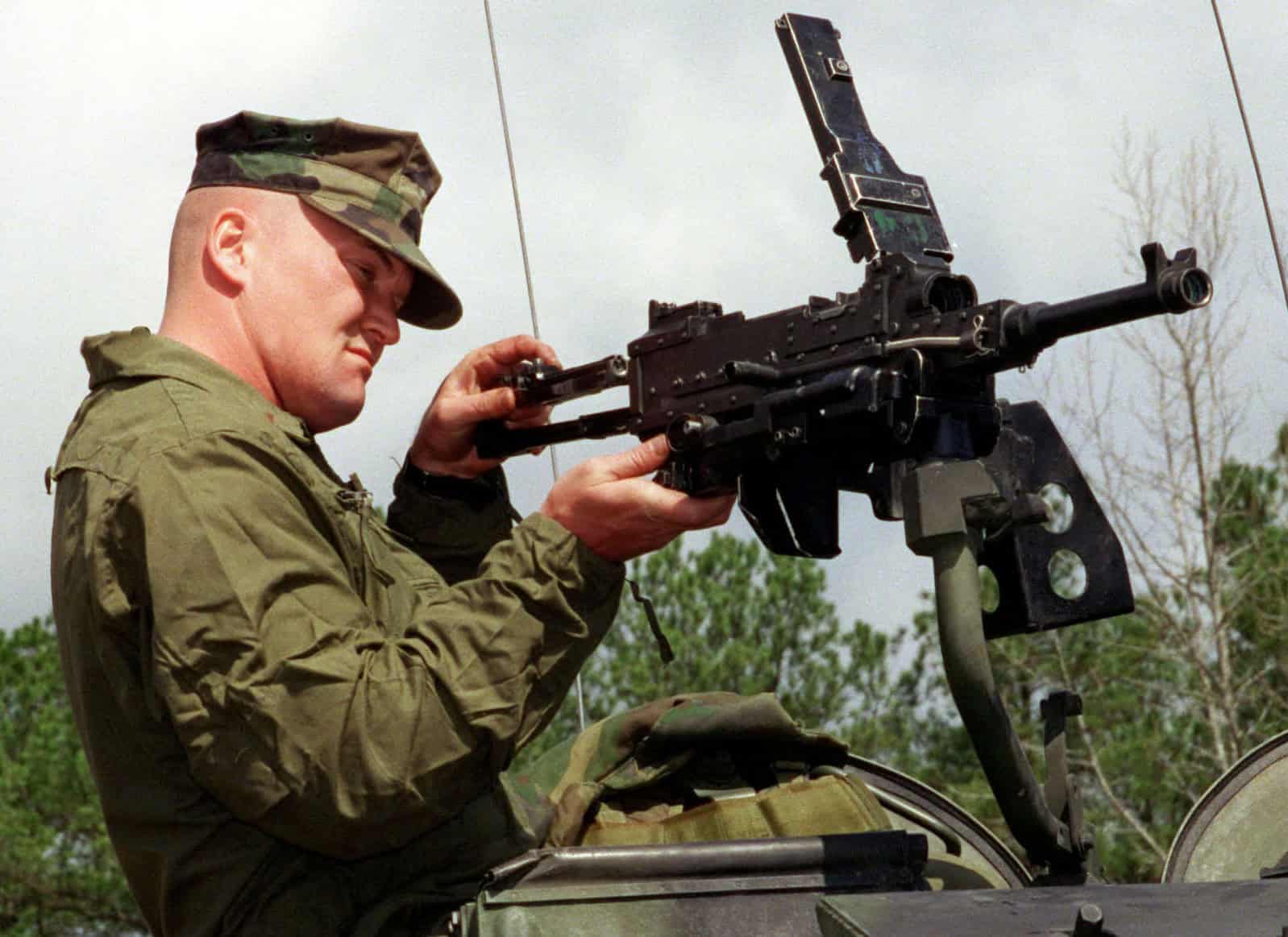
- Year introduced to service: 1977
- Weapon type: Aircraft Weapon
- Conflicts used in: GWOT
- Why troops trusted it: Dependable aerial defense
- Current status: Active
- Armament or ammunition: 7.62×51mm NATO
Mounted on helicopters and aircraft, the M240 door gun provided reliable defensive fire. Aircrews trusted it for consistent performance under extreme conditions.





 Top Gaining Stocks
 Top Losing Stocks