


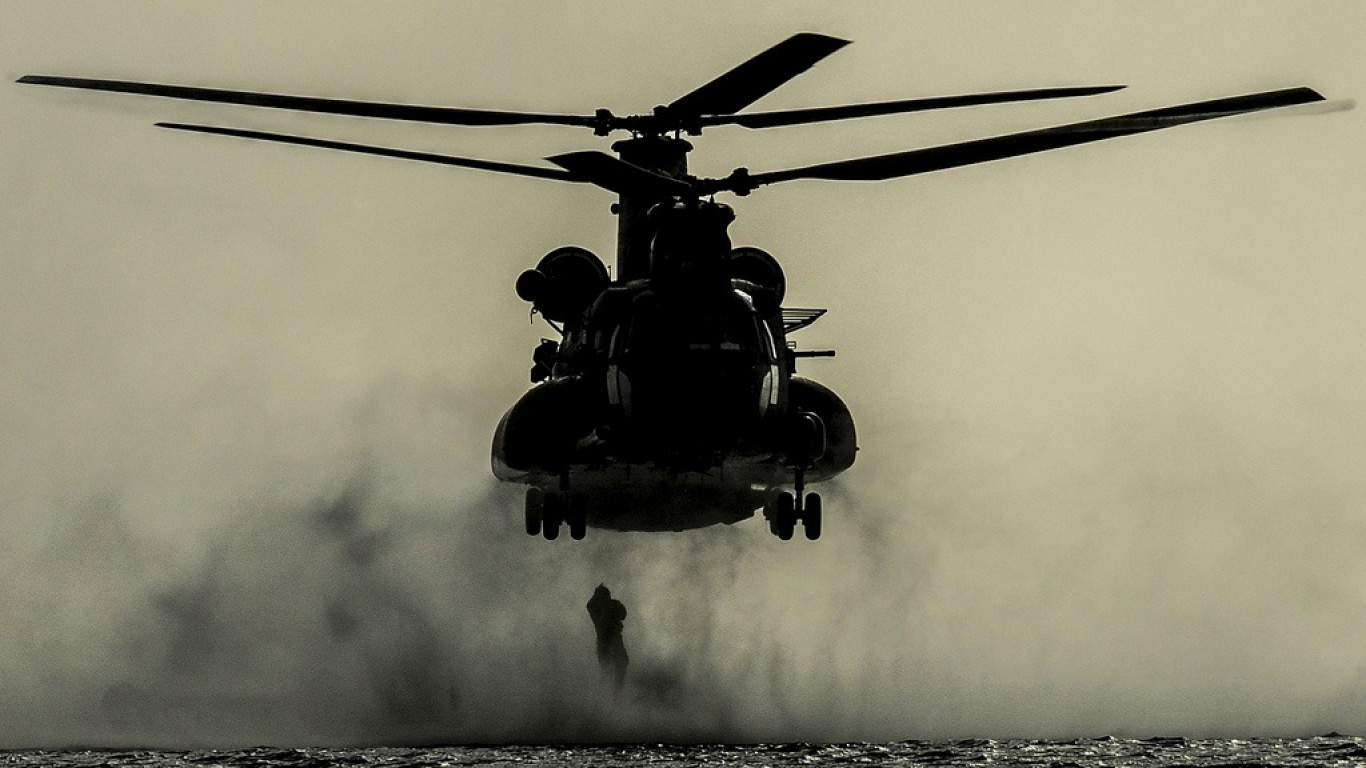
Special operations aviation is built on trust, not spectacle. The aircraft that support elite units are chosen because they can fly low, operate at night, and keep working in hostile environments where failure is not an option. They enable insertion, extraction, fire support, and intelligence collection under extreme conditions, forming the backbone of missions where precision, reliability, and survival matter most. Here, 24/7 Wall St. is taking a closer look at the aircraft that Special Forces rely on the most.
To determine the aircraft that Special Forces depend on the most, 24/7 Wall St. reviewed various historical and military sources. We included supplemental information regarding the aircraft type, when it was introduced to service, its primary role with Special Forces, and which units use it.
Here is a look at the aircraft that Special Forces depend on the most:
Why Are We Covering This?
Special operations missions place demands on aviation that few other military roles can match. These aircraft are not chosen for prestige or cutting-edge specifications, but because they consistently deliver teams, firepower, and intelligence in the most unforgiving conditions. By examining the platforms that make insertion, extraction, overwatch, and resupply possible, the list offers insight into how SOF operates, as well as why aviation remains one of the most critical enablers of modern special operations.
Special Operations Fly Different
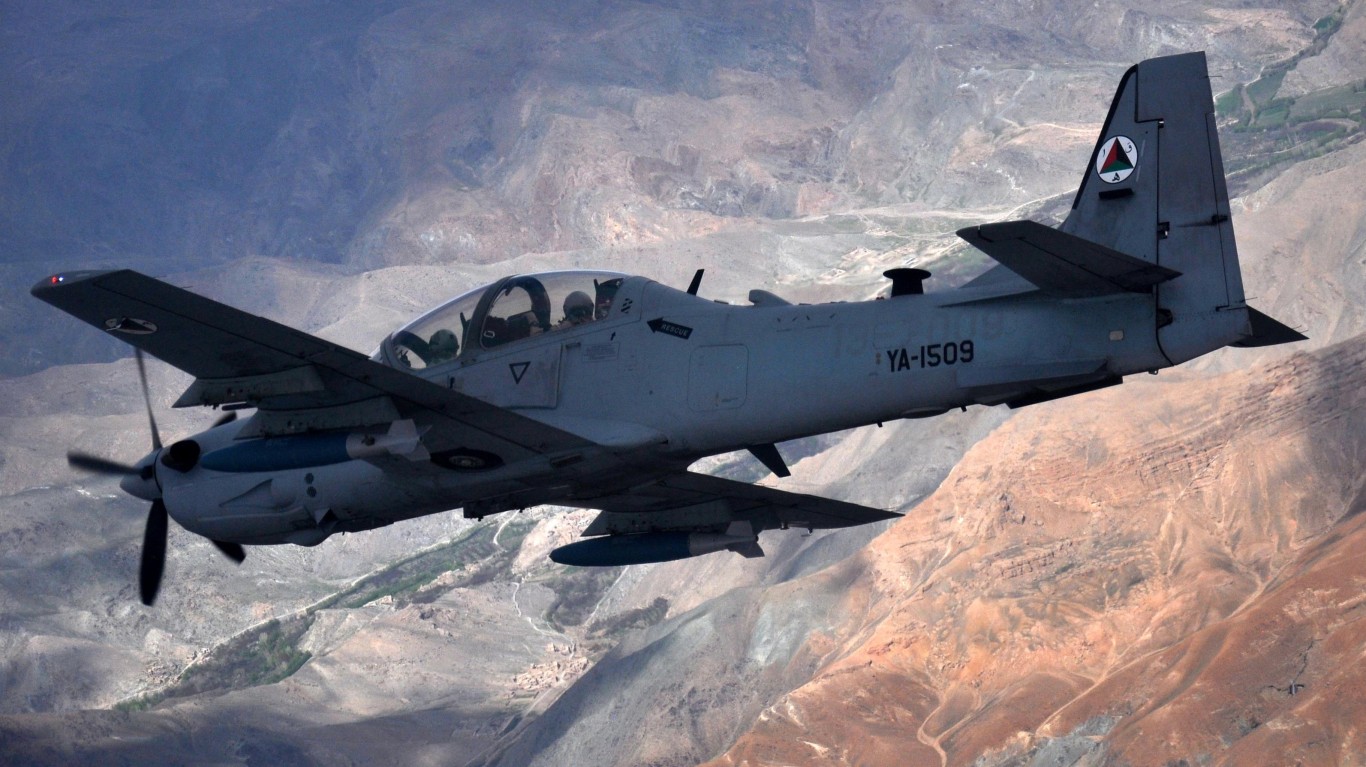
Special operations aviation operates under conditions most conventional aircraft are never designed to face. Missions are conducted at night, at low altitude, and often deep inside hostile or denied territory. Aircraft must be able to land on unimproved surfaces, navigate without lights, and operate with minimal external support. For SOF units, reliability and adaptability matter far more than speed, range, or visual sophistication, because failure puts teams on the ground at immediate risk.
Trust Is Built in Combat

Special operations units don’t trust aircraft because of specifications or procurement decisions—they trust them because those aircraft have proven themselves repeatedly in combat. Platforms earn their reputations through successful insertions, safe extractions, and the ability to keep flying despite damage, fatigue, or harsh environments. Crews and aircraft become extensions of the ground force, and that trust is built mission by mission under real conditions, not in testing or training alone.
What Makes an Aircraft Mission-Critical
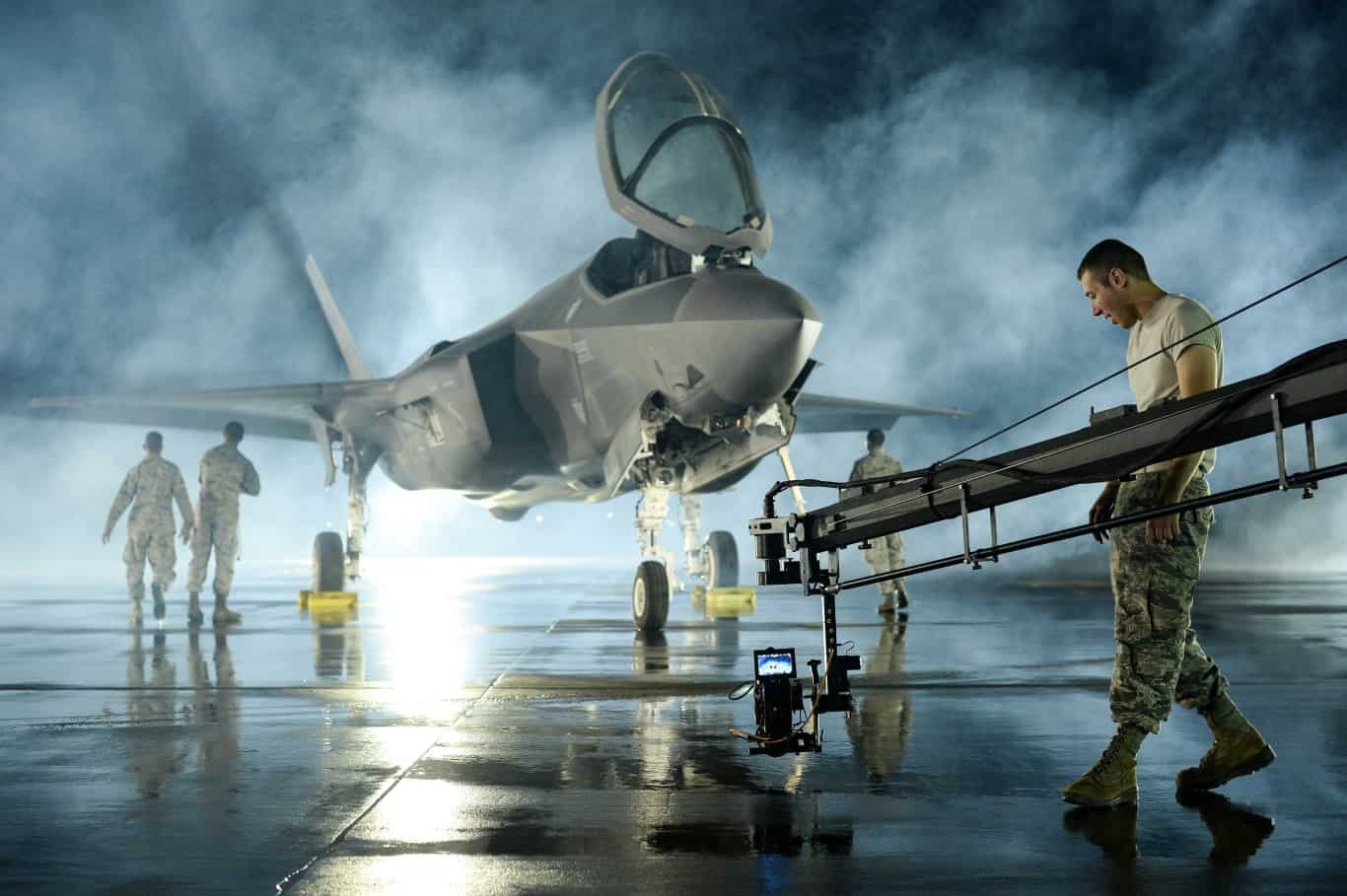
Aircraft that SOF depends on share a common set of capabilities regardless of type. They can fly low and slow when needed, integrate night vision and advanced sensors, and deliver precision insertion or extraction in confined or hostile terrain. Persistence also matters—whether that means loitering overhead for overwatch or staying airborne long enough to support extended missions. These traits define mission-critical aviation far more than raw performance metrics.
From Insertion to Overwatch
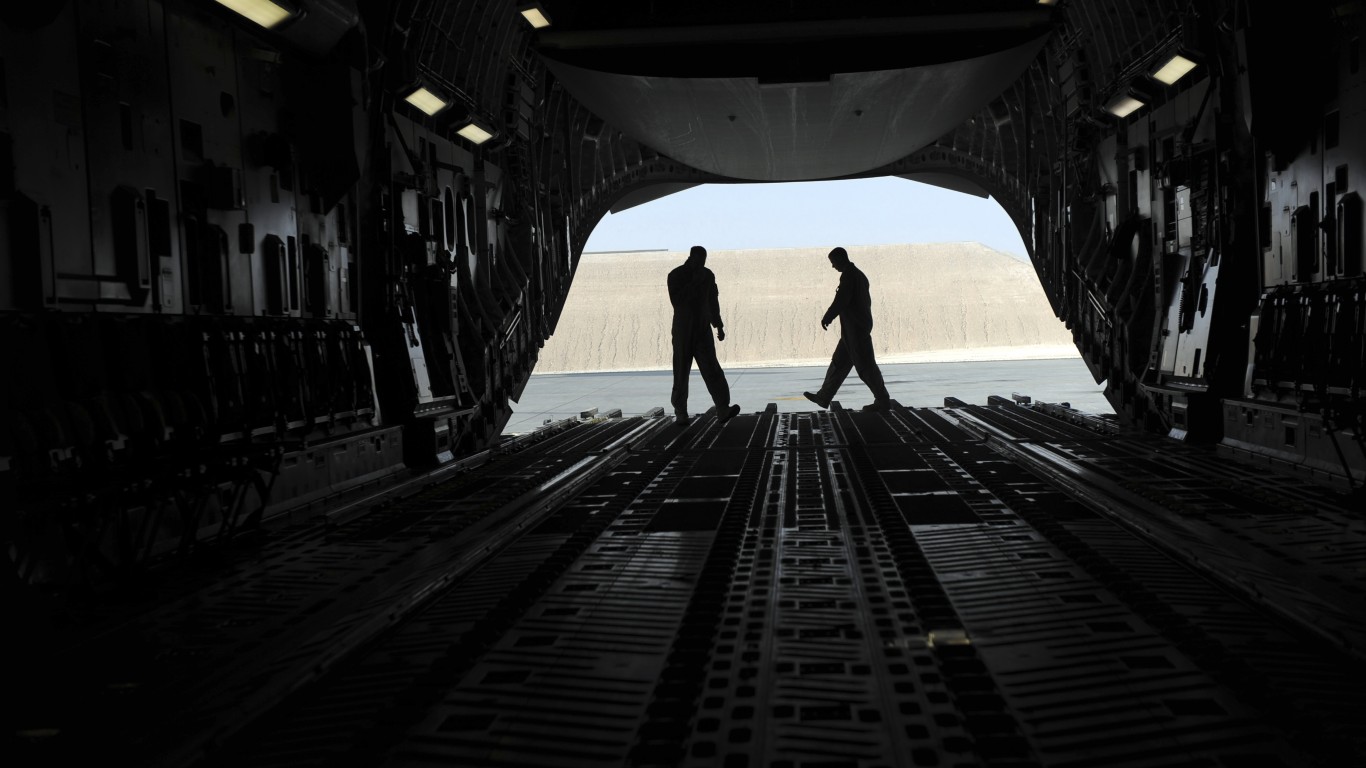
Special operations missions rely on a layered aviation ecosystem rather than a single aircraft type. Helicopters handle assault, insertion, and extraction; fixed-wing aircraft manage infiltration, resupply, and long-range support; gunships provide persistent firepower; and ISR platforms maintain situational awareness and targeting. Each role supports the others, creating an interconnected system that allows SOF units to operate independently and effectively in complex environments.
The Aircraft SOF Depends On Most
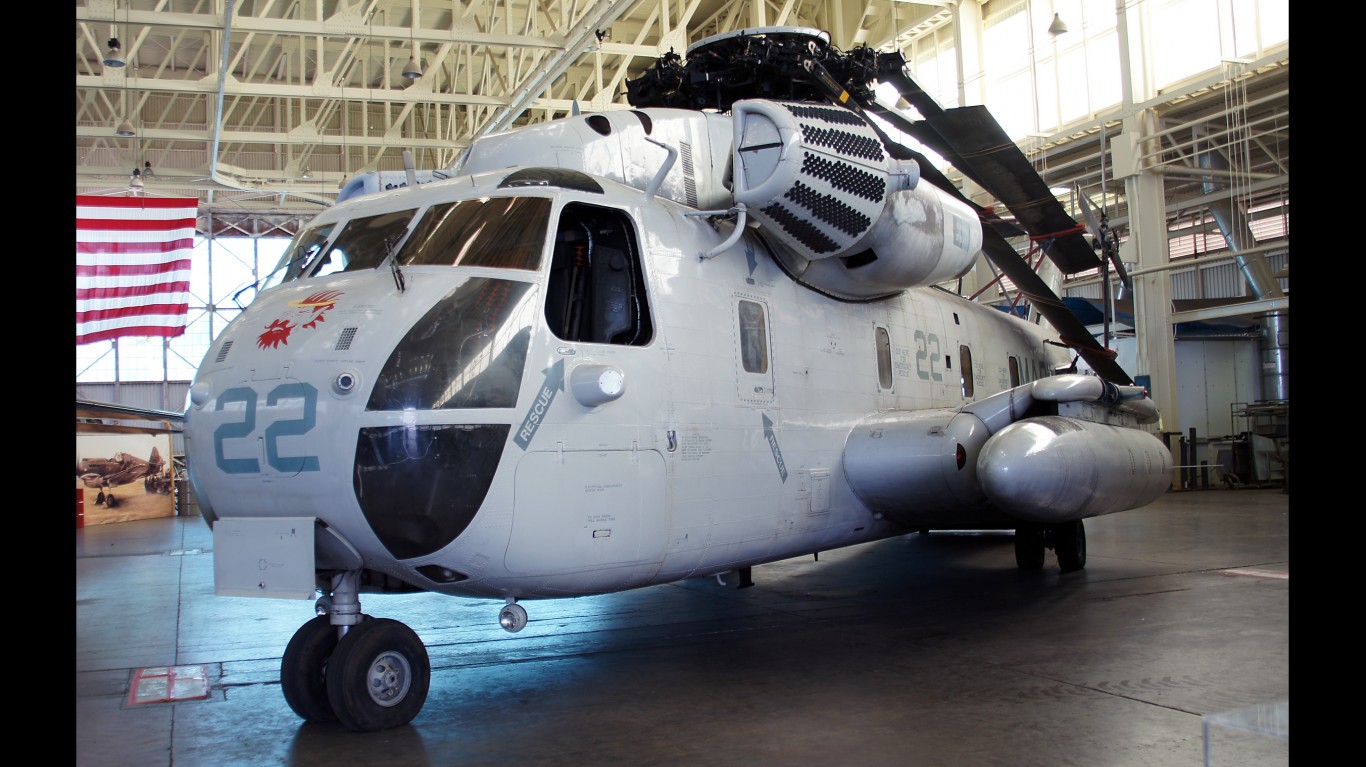
The list that follows highlights 30 aircraft that special operations units depend on most, spanning helicopters, fixed-wing transports, gunships, ISR platforms, and specialized variants. These aircraft have been selected not for prestige or cutting-edge design, but for proven reliability and operational relevance. Some remain in active service, others have only recently retired, but all earned their place by enabling missions where precision, discretion, and trust mattered most.
MH-60 Black Hawk (SOF)
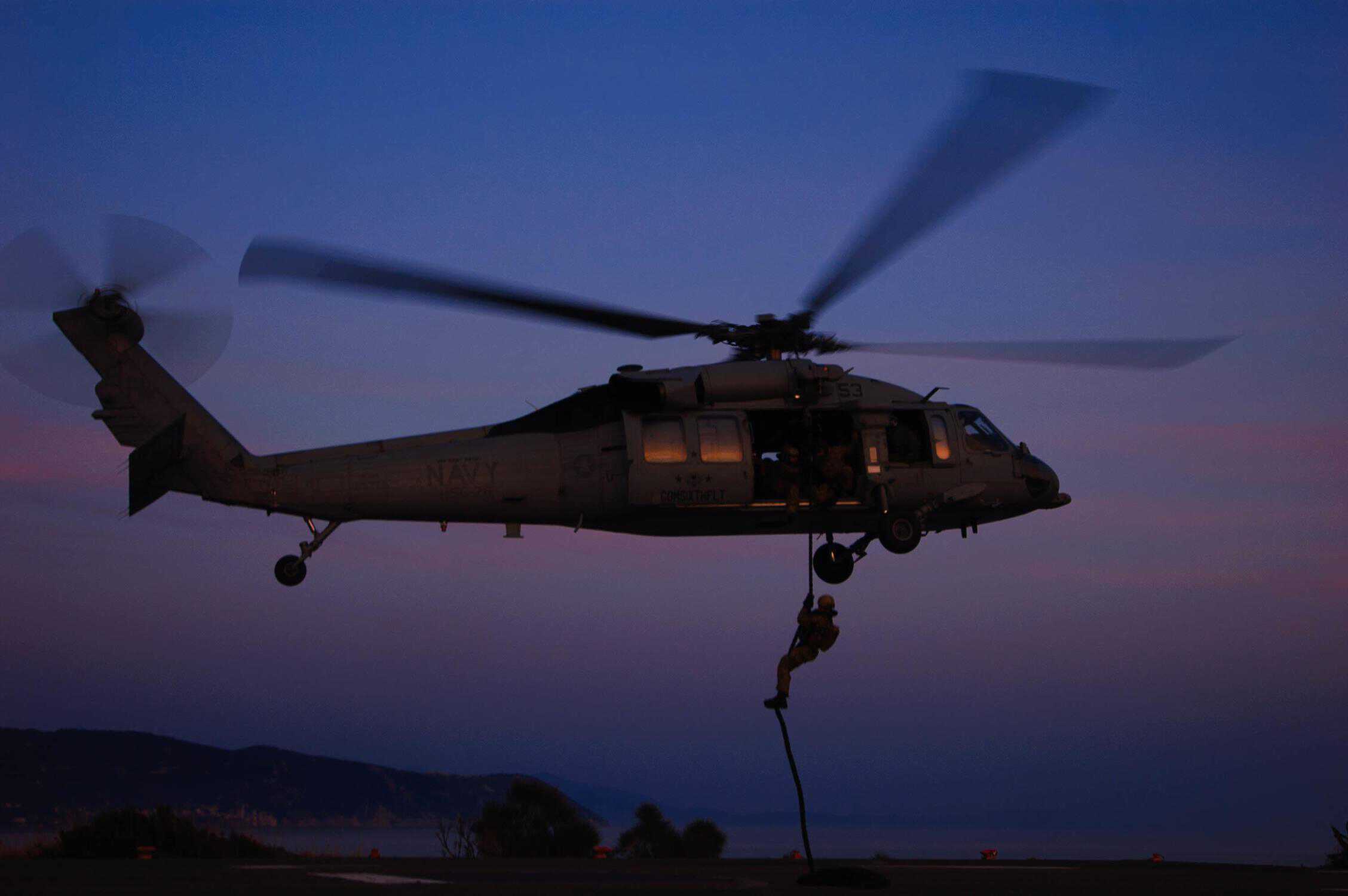
- Aircraft type: Helicopter
- Year introduced to service: 1980
- Primary SOF role: Insertion / Extraction
- What makes it mission-critical for SOF: Highly reliable, low-level night insertion capability
- Special Operations units that use it: 160th SOAR, AFSOC
- Key conflicts / operations: GWOT, Iraq, Afghanistan
- Current Status: Active
The MH-60 is one of the most trusted helicopters in special operations aviation. Modified extensively for night flying, survivability, and precision insertion, it serves as the backbone of SOF assault and extraction missions worldwide.
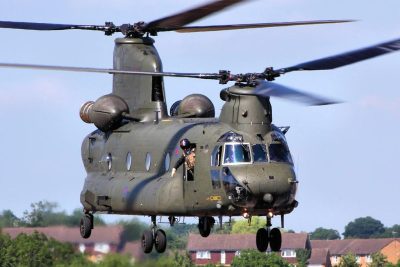
MH-47G Chinook
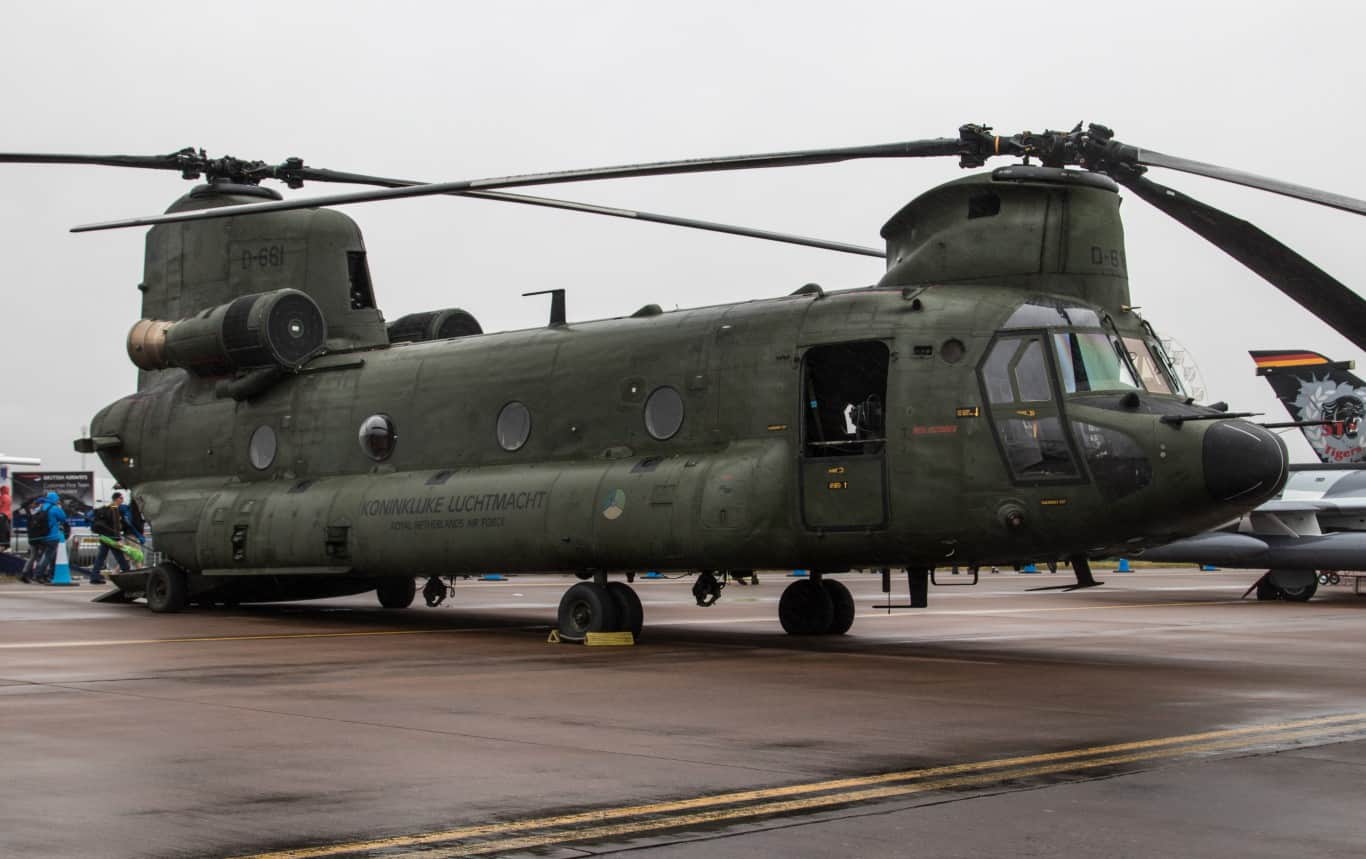
- Aircraft type: Helicopter
- Year introduced to service: 2007
- Primary SOF role: Heavy Lift / Long-Range Insertion
- What makes it mission-critical for SOF: Extended range, heavy payload, austere landing capability
- Special Operations units that use it: 160th SOAR
- Key conflicts / operations: GWOT, Afghanistan
- Current Status: Active
The MH-47G allows special operations forces to move personnel and equipment over long distances in hostile environments. Its range and lift capacity make it indispensable for large-scale SOF missions.
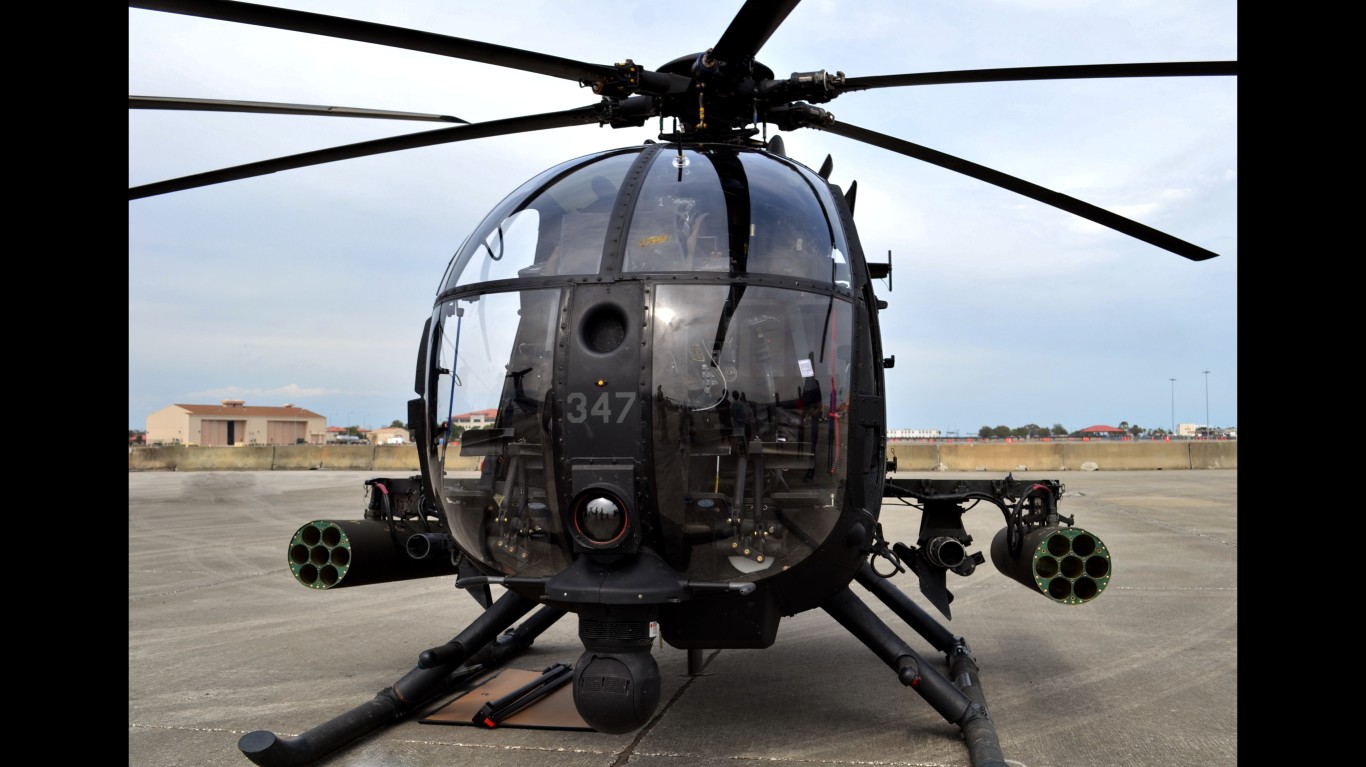
AH-6 Little Bird
- Aircraft type: Helicopter
- Year introduced to service: 1980
- Primary SOF role: Light Attack / Insertion
- What makes it mission-critical for SOF: Extreme agility for urban and confined operations
- Special Operations units that use it: 160th SOAR
- Key conflicts / operations: GWOT
- Current Status: Active
The AH-6 Little Bird is prized for its agility and precision in urban combat. It supports SOF with direct fire and rapid insertion in environments where larger helicopters cannot operate.
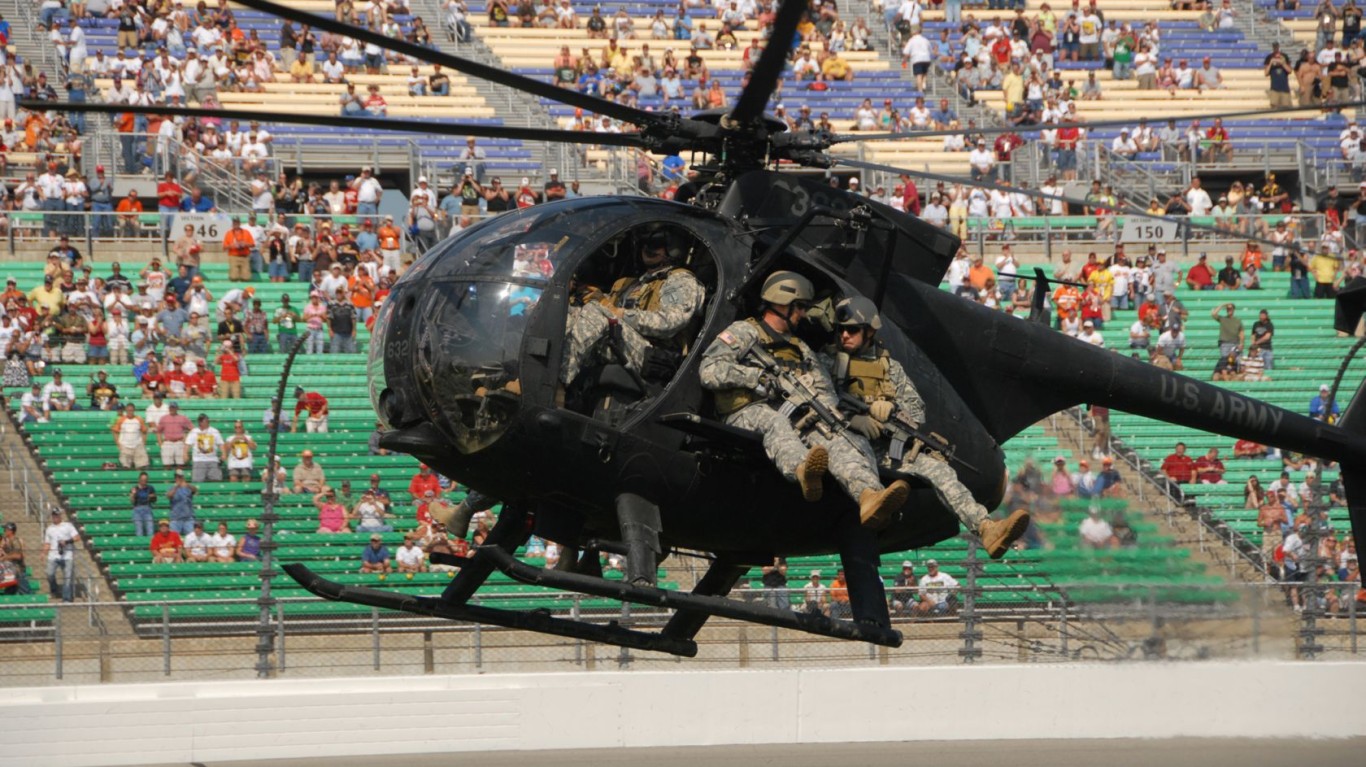
MH-6 Little Bird
- Aircraft type: Helicopter
- Year introduced to service: 1980
- Primary SOF role: Insertion / Extraction
- What makes it mission-critical for SOF: Ultra-precise insertion in tight spaces
- Special Operations units that use it: 160th SOAR
- Key conflicts / operations: GWOT
- Current Status: Active
The MH-6 enables rooftop and confined-area insertions, giving SOF unmatched flexibility in dense urban terrain.
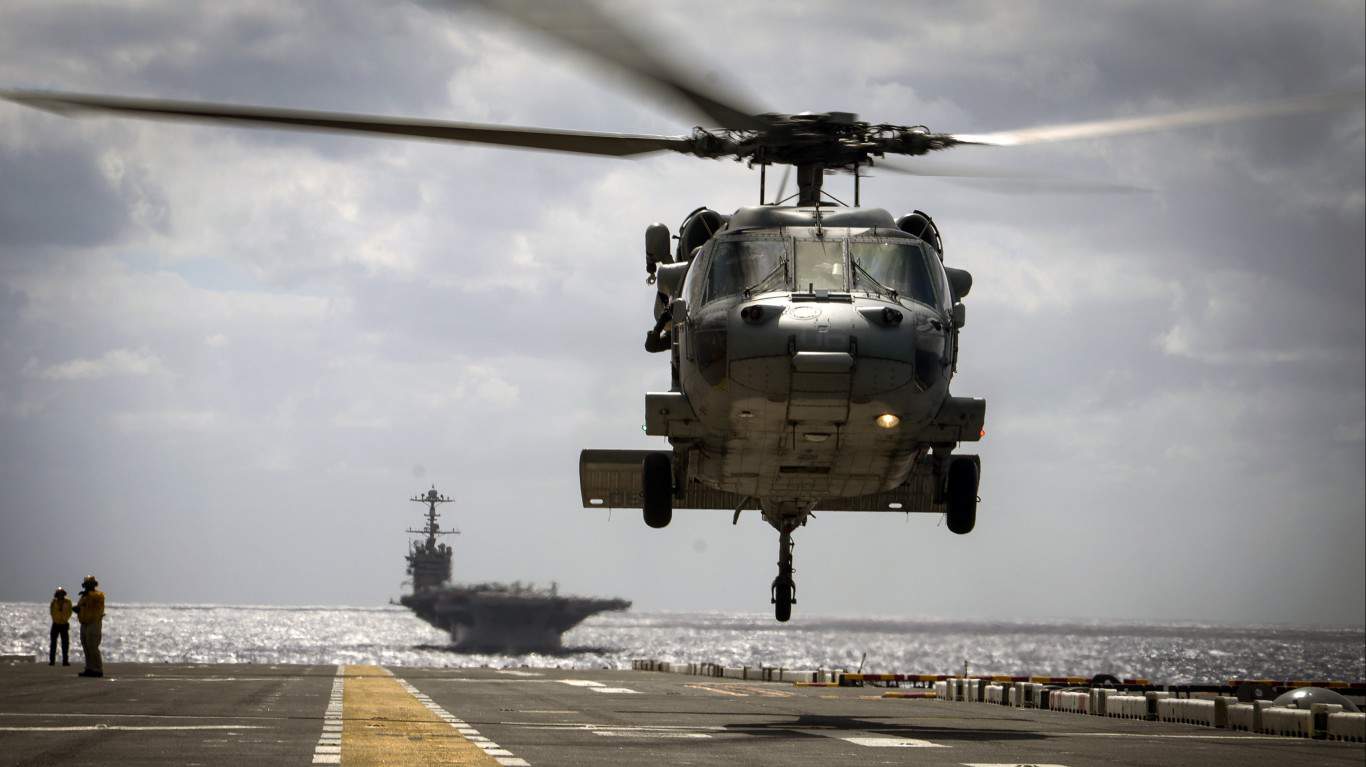
MH-60 DAP
- Aircraft type: Helicopter
- Year introduced to service: 1987
- Primary SOF role: Direct Action Fire Support
- What makes it mission-critical for SOF: Dedicated fire support for SOF assaults
- Special Operations units that use it: 160th SOAR
- Key conflicts / operations: GWOT
- Current Status: Limited
The MH-60 DAP provides heavily armed escort and fire support tailored specifically for special operations direct-action missions.
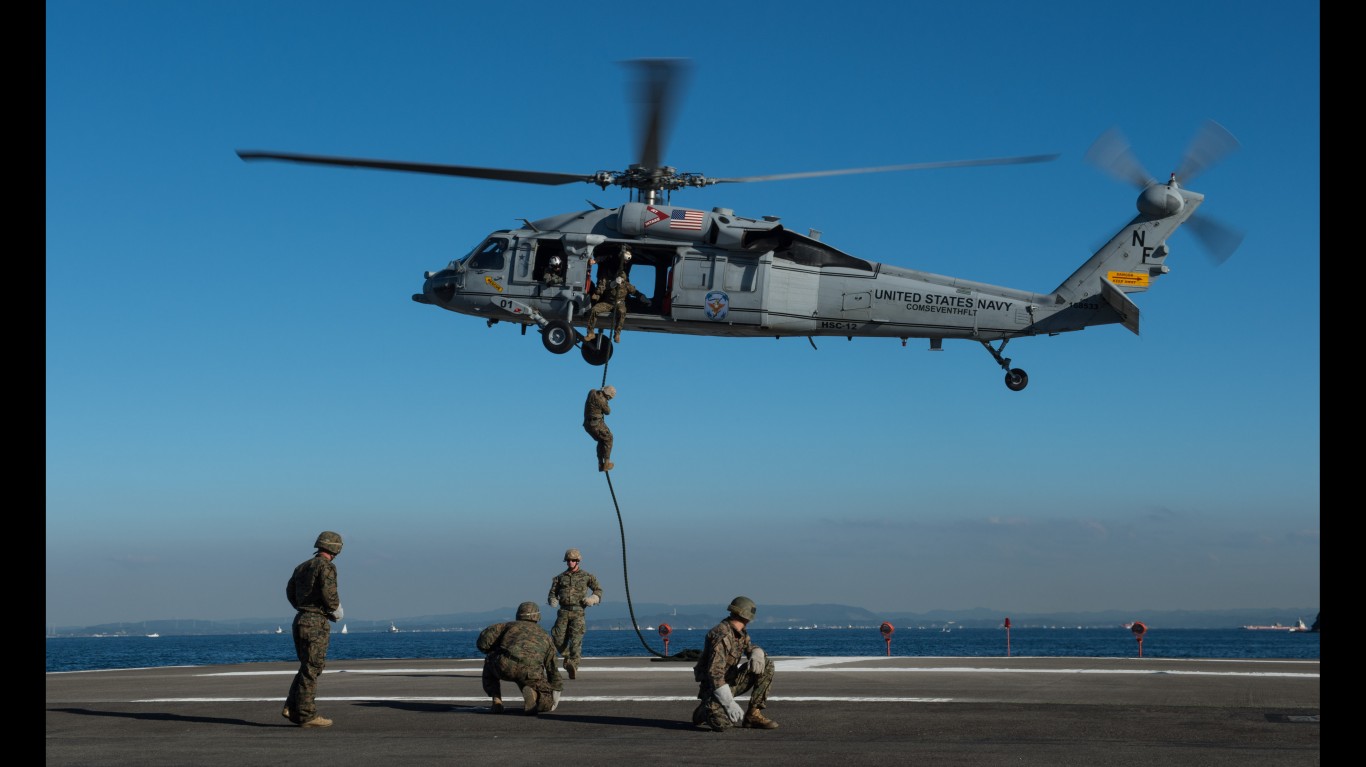
MH-60M Black Hawk
- Aircraft type: Helicopter
- Year introduced to service: 2011
- Primary SOF role: Insertion / Extraction
- What makes it mission-critical for SOF: Advanced avionics and survivability upgrades
- Special Operations units that use it: 160th SOAR
- Key conflicts / operations: GWOT
- Current Status: Active
The MH-60M represents the most modern Black Hawk variant used by SOF, offering enhanced situational awareness and survivability.
MC-130J Commando II
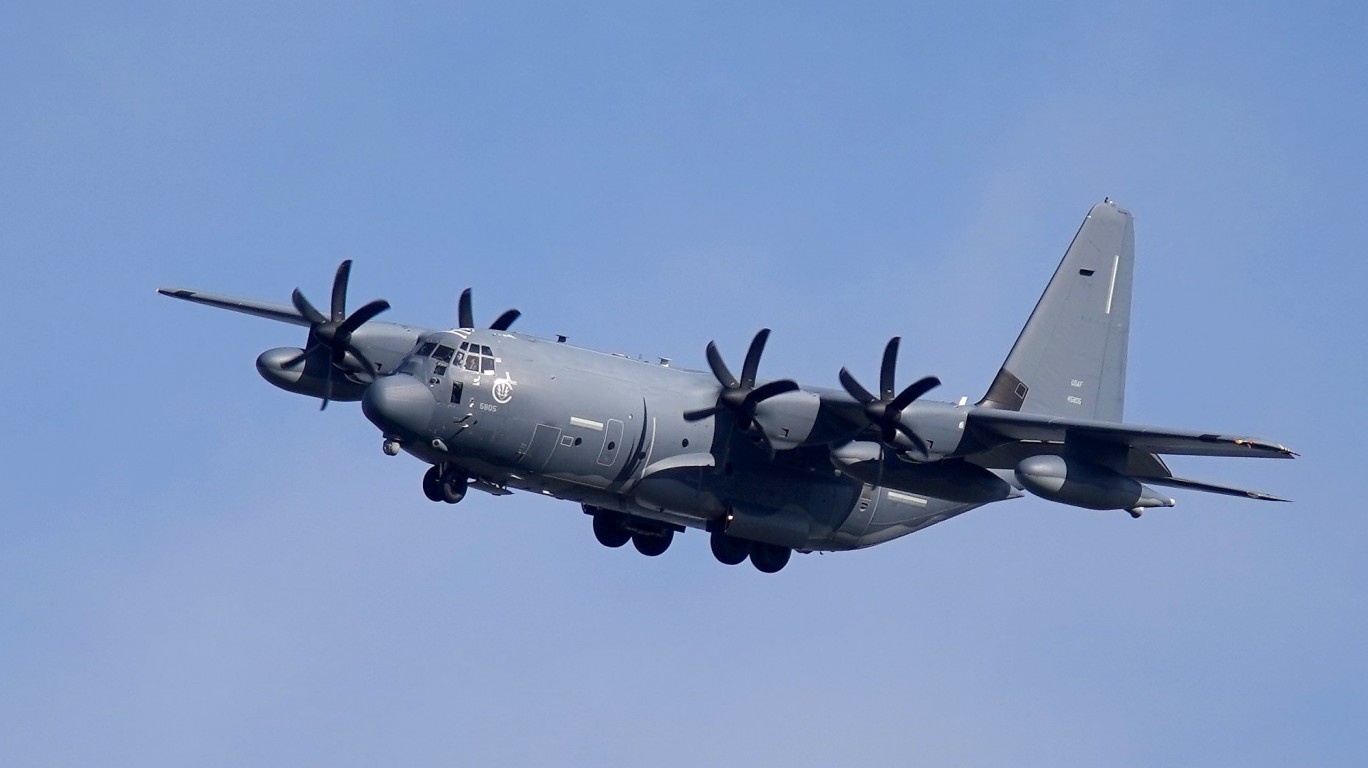
- Aircraft type: Fixed-Wing Transport
- Year introduced to service: 2012
- Primary SOF role: Infiltration / Exfiltration
- What makes it mission-critical for SOF: Low-level, denied-area penetration
- Special Operations units that use it: AFSOC
- Key conflicts / operations: GWOT
- Current Status: Active
The MC-130J is central to SOF infiltration and resupply missions, capable of operating in denied and austere environments.
MC-130H Combat Talon II
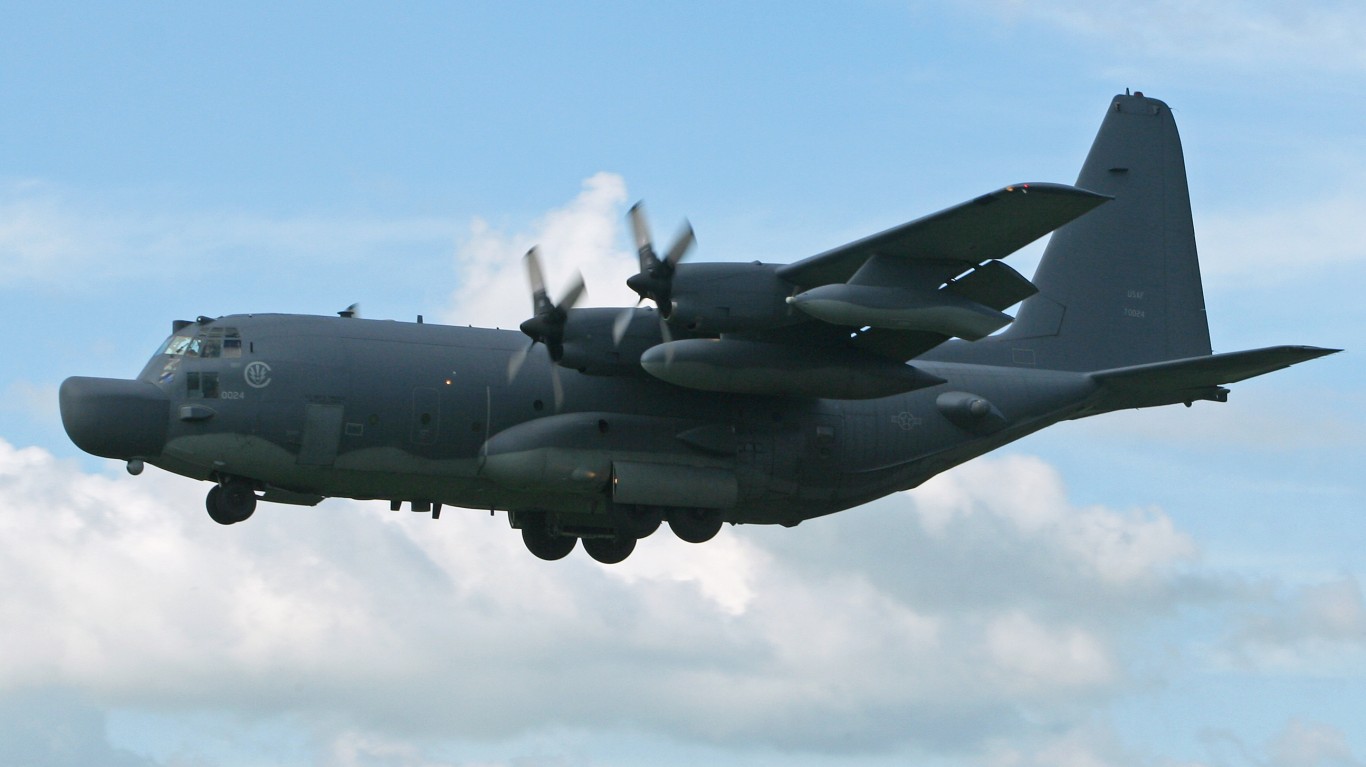
- Aircraft type: Fixed-Wing Transport
- Year introduced to service: 1991
- Primary SOF role: Infiltration / Exfiltration
- What makes it mission-critical for SOF: Terrain-following radar and night operations
- Special Operations units that use it: AFSOC
- Key conflicts / operations: GWOT
- Current Status: Retired
The Combat Talon II became legendary for low-level night penetration missions supporting SOF in hostile territory.
MC-130P Combat Shadow
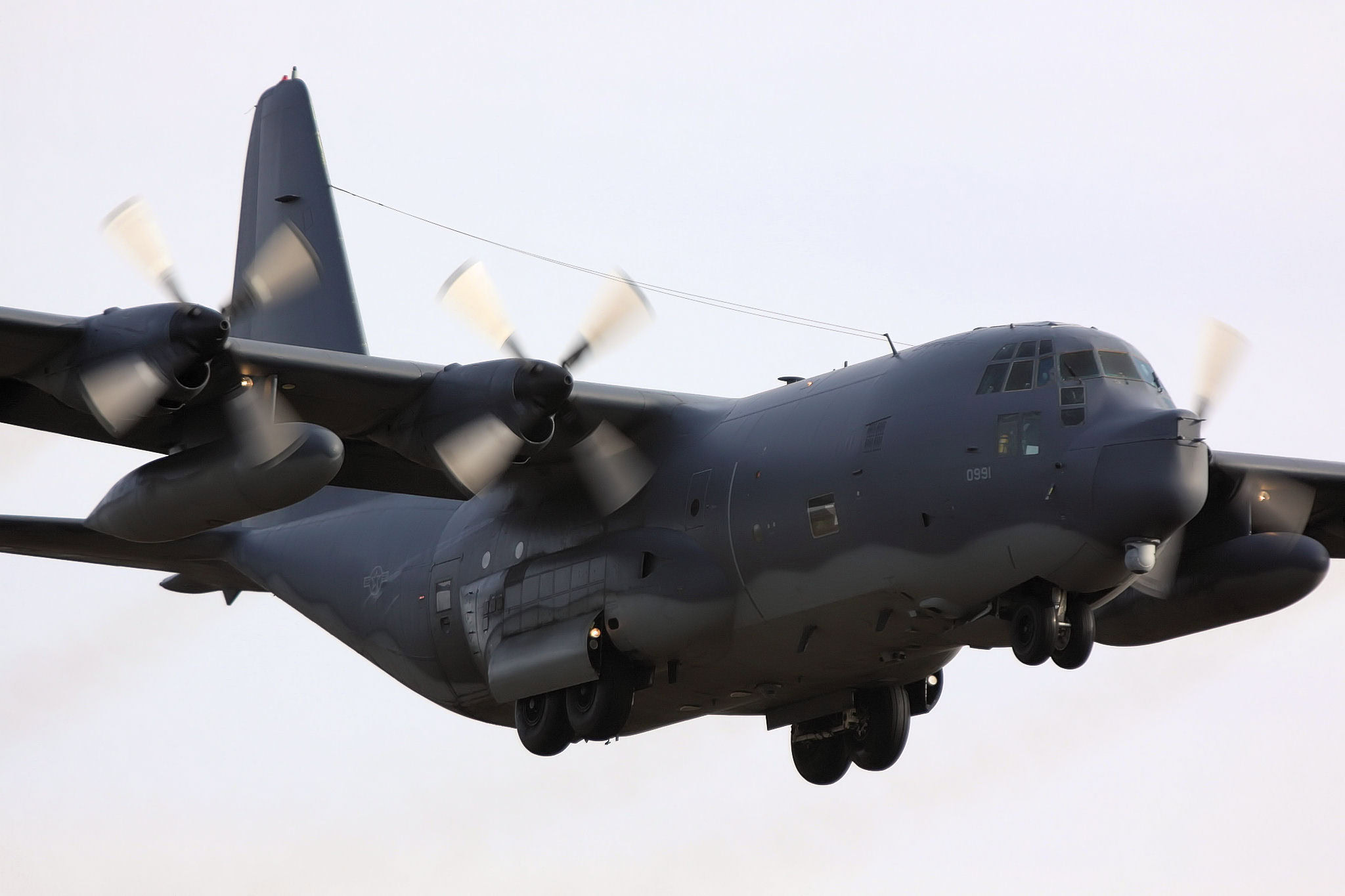
- Aircraft type: Fixed-Wing Transport
- Year introduced to service: 1988
- Primary SOF role: Aerial Refueling / Resupply
- What makes it mission-critical for SOF: Helicopter refueling capability
- Special Operations units that use it: AFSOC
- Key conflicts / operations: GWOT
- Current Status: Retired
The MC-130P enabled extended-range SOF helicopter operations through aerial refueling.
AC-130J Ghostrider
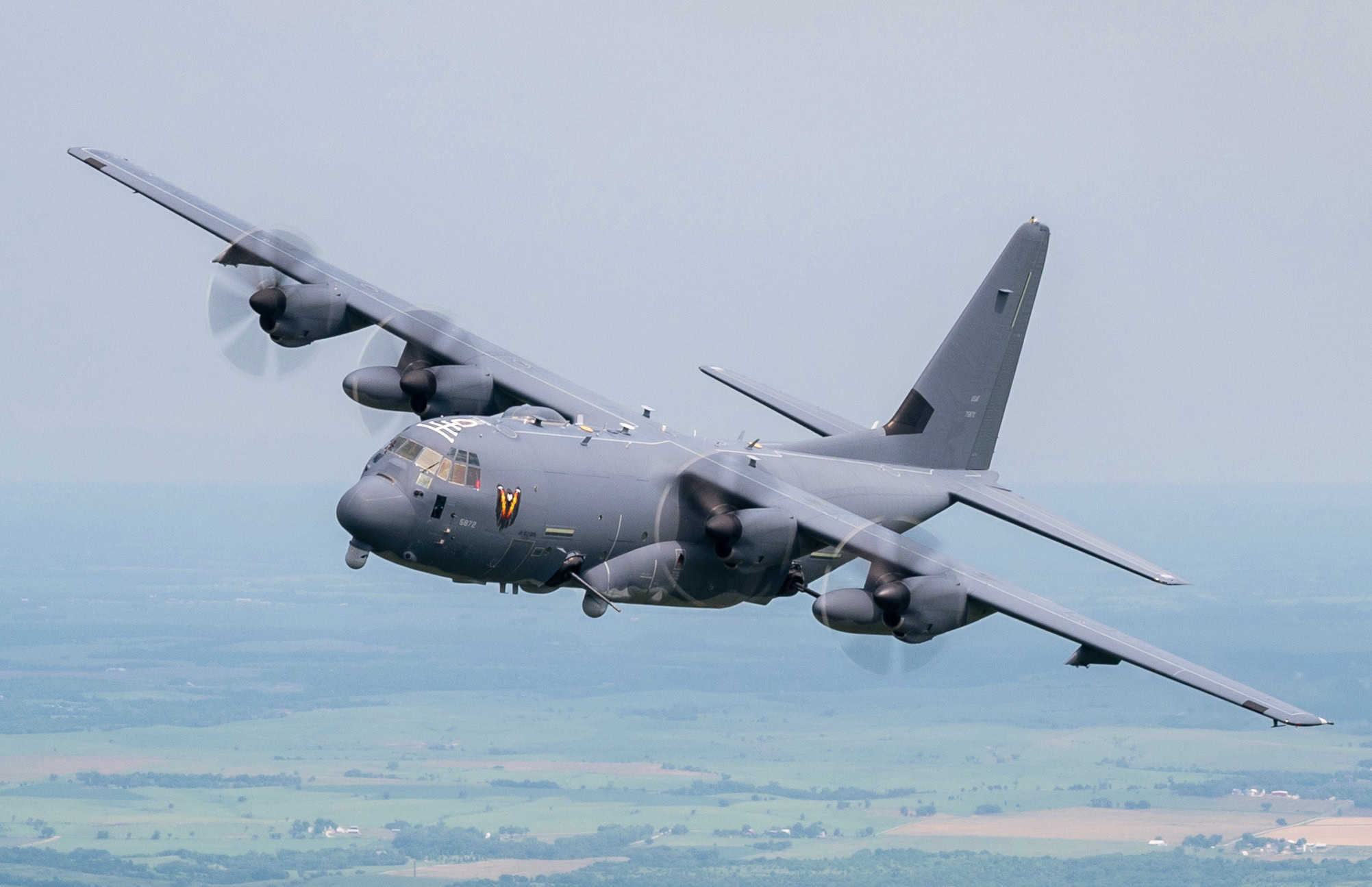
- Aircraft type: Gunship
- Year introduced to service: 2017
- Primary SOF role: Fire Support
- What makes it mission-critical for SOF: Precision, persistent CAS for SOF
- Special Operations units that use it: AFSOC
- Key conflicts / operations: GWOT
- Current Status: Active
The AC-130J provides unmatched night fire support for SOF teams, combining precision weapons with long endurance.
AC-130U Spooky II
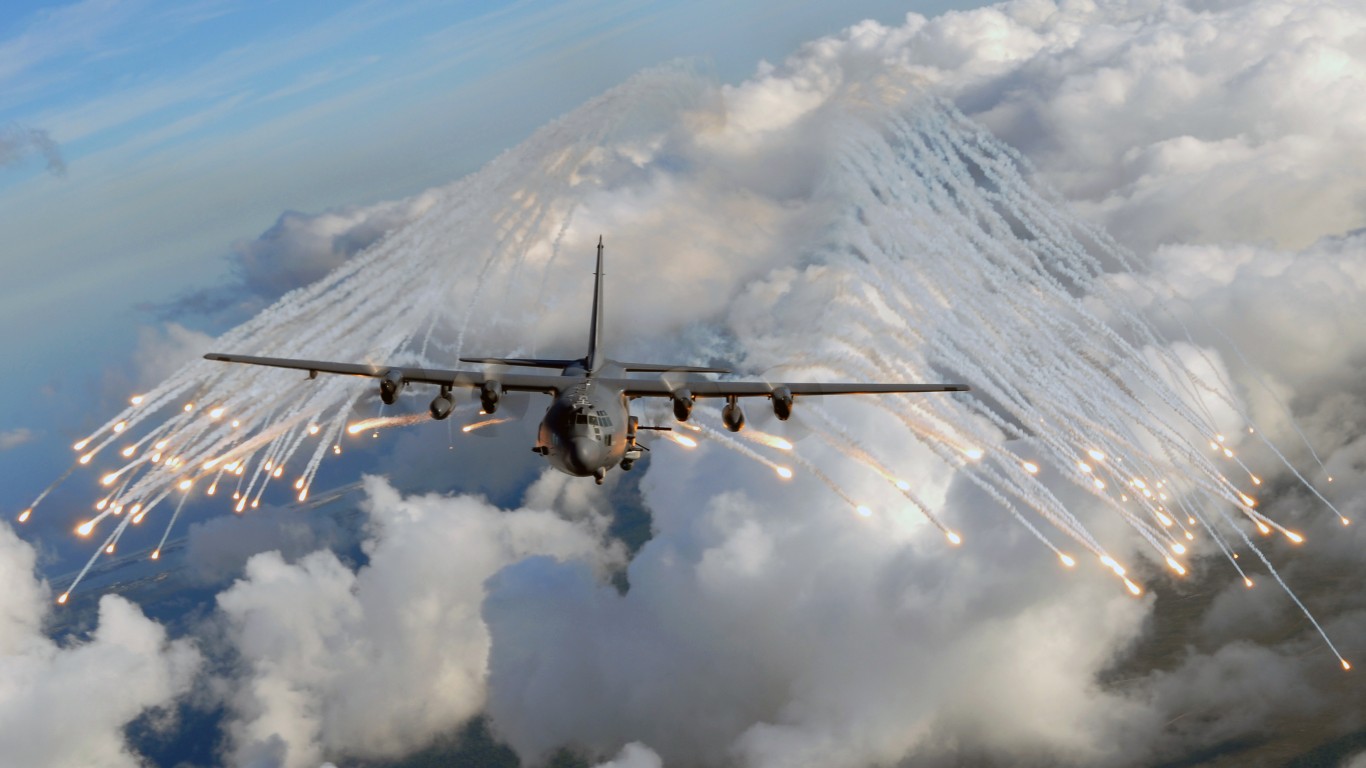
- Aircraft type: Gunship
- Year introduced to service: 1994
- Primary SOF role: Fire Support
- What makes it mission-critical for SOF: Sustained fire support and overwatch
- Special Operations units that use it: AFSOC
- Key conflicts / operations: GWOT
- Current Status: Retired
The AC-130U set the standard for modern gunship operations supporting special operations forces.
AC-130W Stinger II
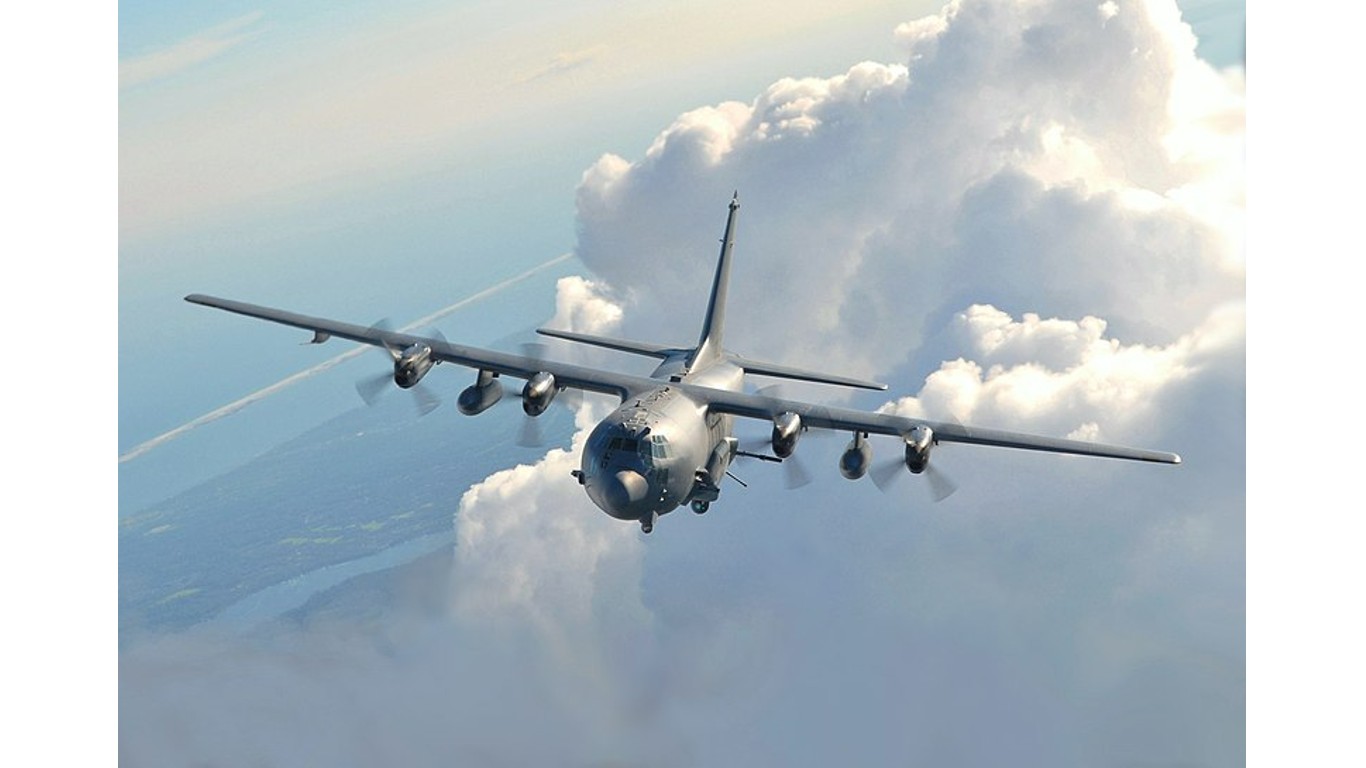
- Aircraft type: Gunship
- Year introduced to service: 2012
- Primary SOF role: Fire Support
- What makes it mission-critical for SOF: Precision strike expansion
- Special Operations units that use it: AFSOC
- Key conflicts / operations: GWOT
- Current Status: Retired
The AC-130W expanded gunship precision strike capabilities during its service.
U-28A Draco

- Aircraft type: ISR Aircraft
- Year introduced to service: 2006
- Primary SOF role: ISR
- What makes it mission-critical for SOF: Real-time intelligence for SOF
- Special Operations units that use it: AFSOC
- Key conflicts / operations: GWOT
- Current Status: Active
The U-28A delivers real-time intelligence directly to special operations commanders, improving mission planning and execution.
MC-12 Liberty
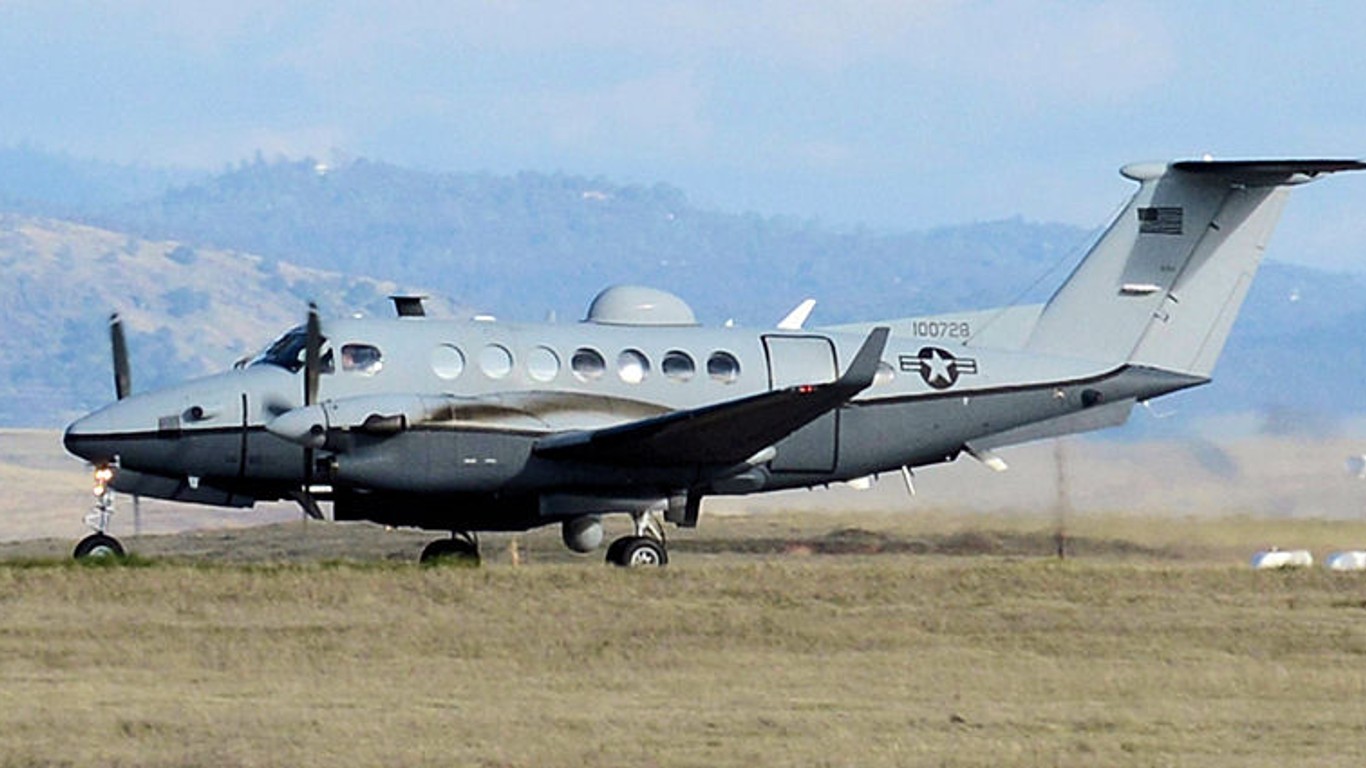
- Aircraft type: ISR Aircraft
- Year introduced to service: 2009
- Primary SOF role: ISR
- What makes it mission-critical for SOF: Persistent tactical surveillance
- Special Operations units that use it: AFSOC
- Key conflicts / operations: GWOT
- Current Status: Retired
The MC-12 Liberty provided critical ISR support to SOF teams during the height of the GWOT.
MQ-9 Reaper
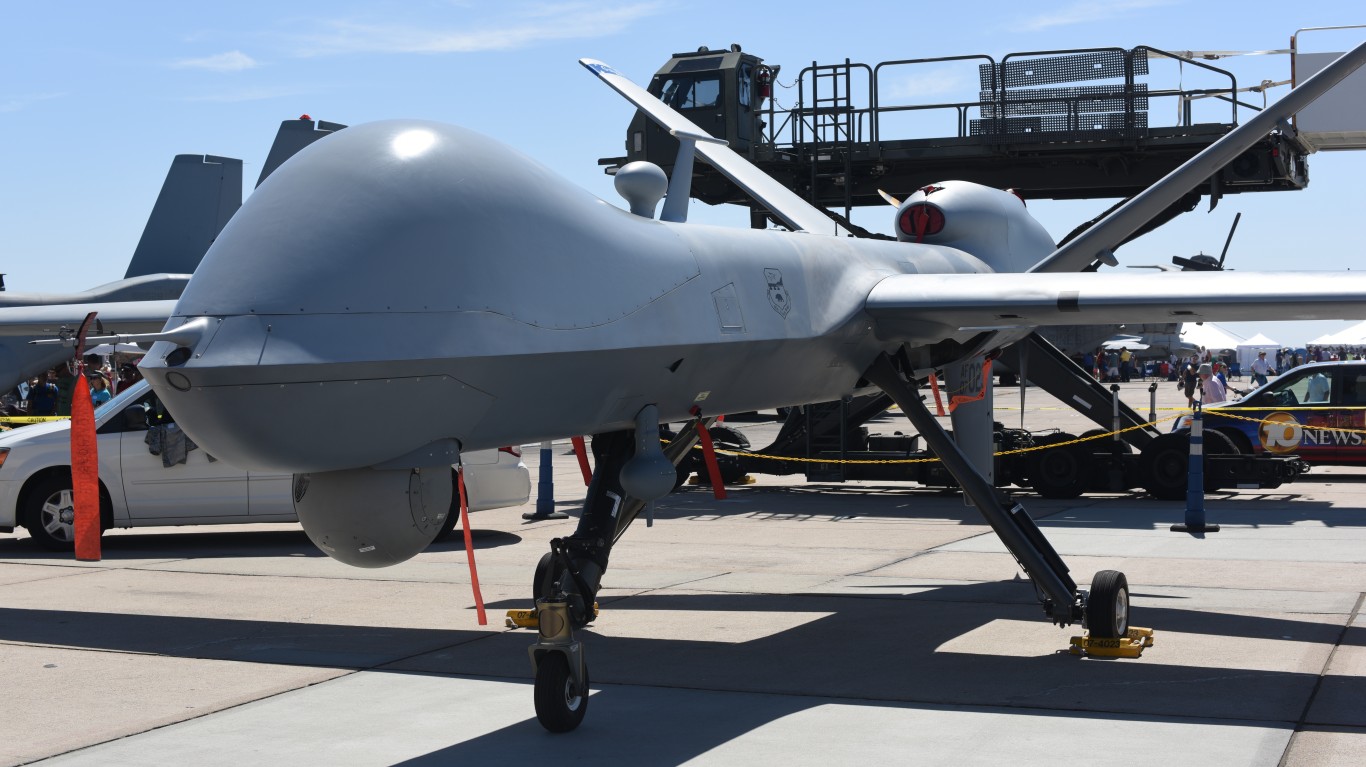
- Aircraft type: UAV
- Year introduced to service: 2007
- Primary SOF role: ISR / Strike
- What makes it mission-critical for SOF: Persistent ISR and precision strike
- Special Operations units that use it: AFSOC / JSOC
- Key conflicts / operations: GWOT
- Current Status: Active
The MQ-9 offers persistent overwatch and strike capability in support of special operations missions worldwide.
MQ-1 Predator
- Aircraft type: UAV
- Year introduced to service: 1995
- Primary SOF role: ISR / Strike
- What makes it mission-critical for SOF: ISR-to-strike integration
- Special Operations units that use it: CIA / JSOC
- Key conflicts / operations: GWOT
- Current Status: Retired
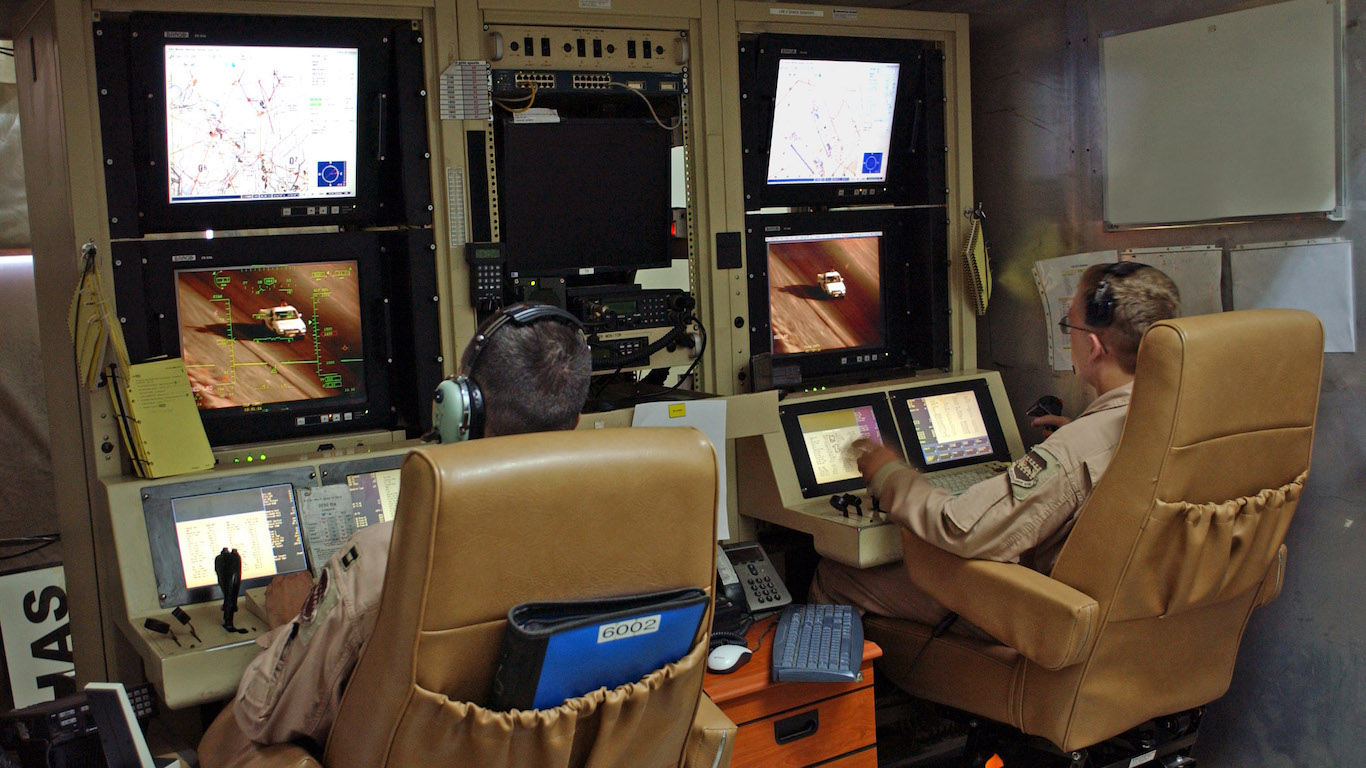
The Predator pioneered armed ISR, transforming how SOF conducted surveillance and targeted strikes.
CV-22 Osprey

- Aircraft type: Tiltrotor
- Year introduced to service: 2009
- Primary SOF role: Long-Range Insertion
- What makes it mission-critical for SOF: Speed and range combined with vertical lift
- Special Operations units that use it: AFSOC
- Key conflicts / operations: GWOT
- Current Status: Active
The CV-22 allows SOF to conduct long-range insertion missions previously impossible with helicopters alone.
C-145A Skytruck

- Aircraft type: Fixed-Wing Transport
- Year introduced to service: 2011
- Primary SOF role: Austere Transport
- What makes it mission-critical for SOF: Short takeoff and landing capability
- Special Operations units that use it: AFSOC
- Key conflicts / operations: Africa ops
- Current Status: Retired
The C-145A supported SOF missions from unimproved airstrips in remote regions.
C-146A Wolfhound
- Aircraft type: Fixed-Wing Transport
- Year introduced to service: 2011
- Primary SOF role: Light Transport
- What makes it mission-critical for SOF: Flexible global logistics
- Special Operations units that use it: AFSOC
- Key conflicts / operations: GWOT
- Current Status: Active
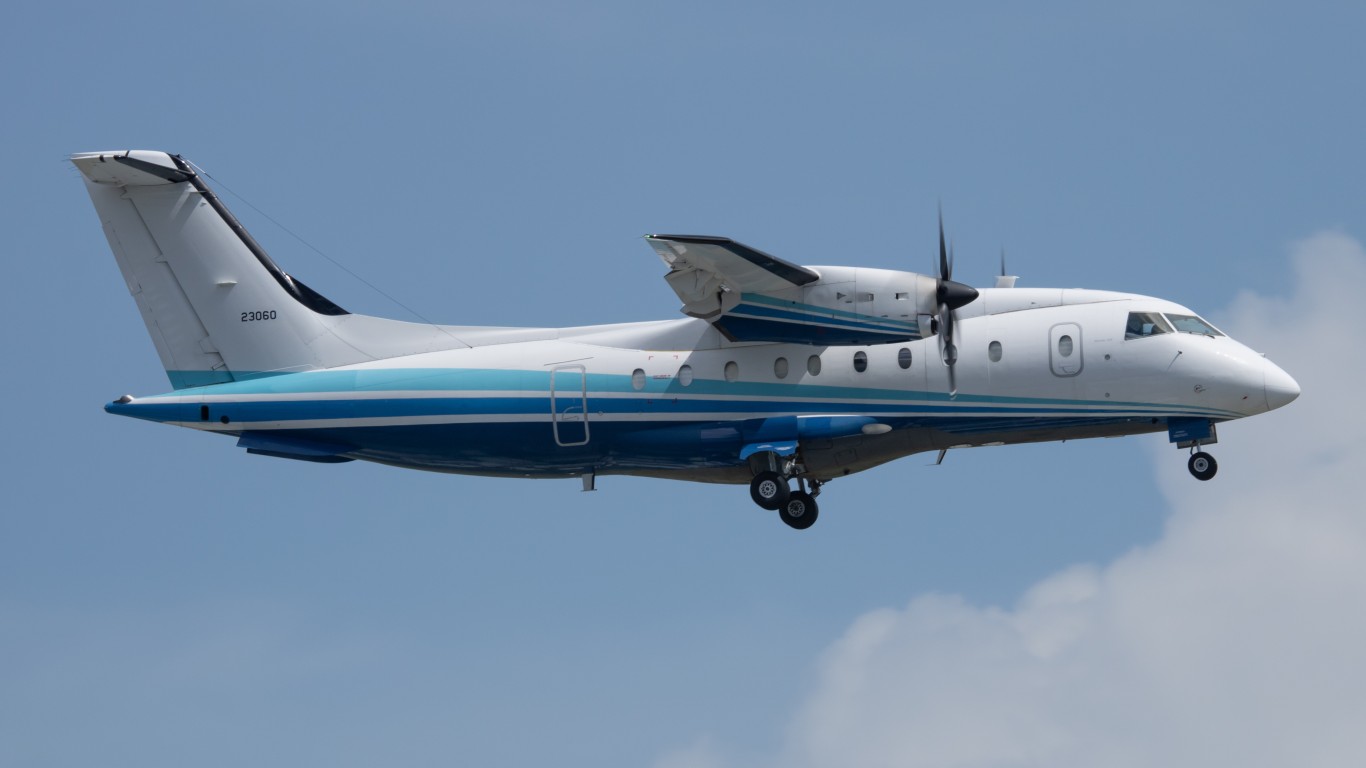
The C-146A provides reliable light transport and logistics support for special operations forces worldwide.
PC-12 (SOF ISR)
- Aircraft type: ISR Aircraft
- Year introduced to service: 2004
- Primary SOF role: ISR
- What makes it mission-critical for SOF: Low-visibility ISR operations
- Special Operations units that use it: AFSOC / CIA
- Key conflicts / operations: GWOT
- Current Status: Active
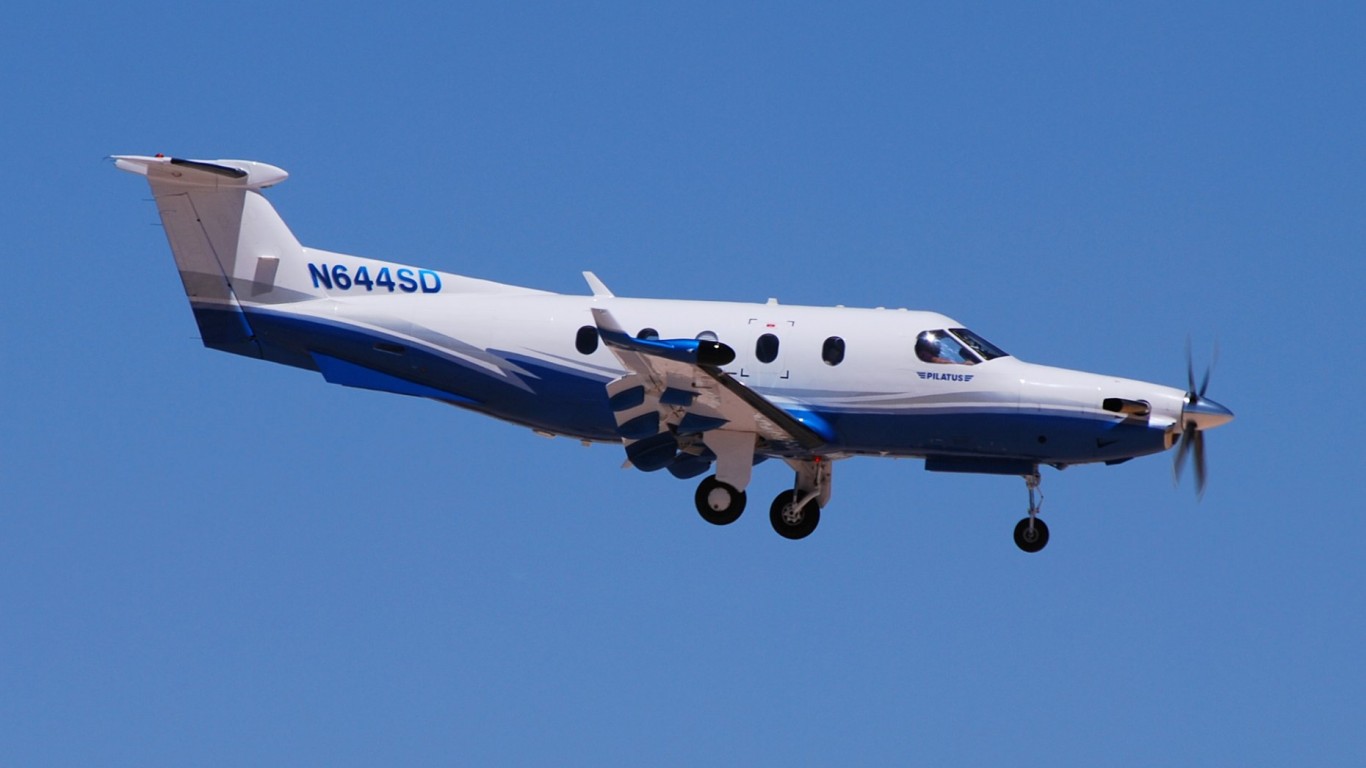
SOF-modified PC-12 aircraft support discreet ISR missions where low visibility is essential.
E-11A BACN
- Aircraft type: C2 Aircraft
- Year introduced to service: 2011
- Primary SOF role: Communications Relay
- What makes it mission-critical for SOF: Battlefield communications extension
- Special Operations units that use it: AFSOC
- Key conflicts / operations: Afghanistan
- Current Status: Active
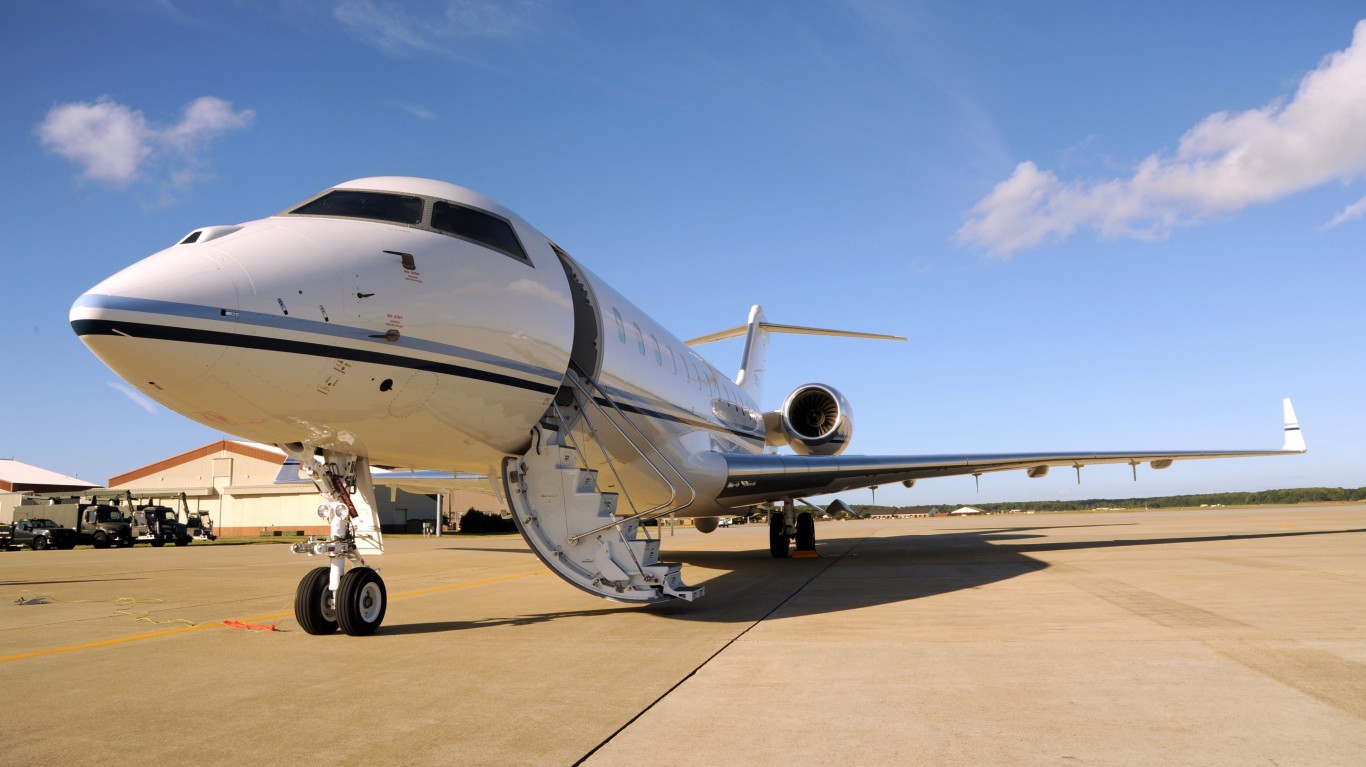
The E-11A extends communications in mountainous terrain, enabling SOF command and control.
AH-64 Apache (SOF support)
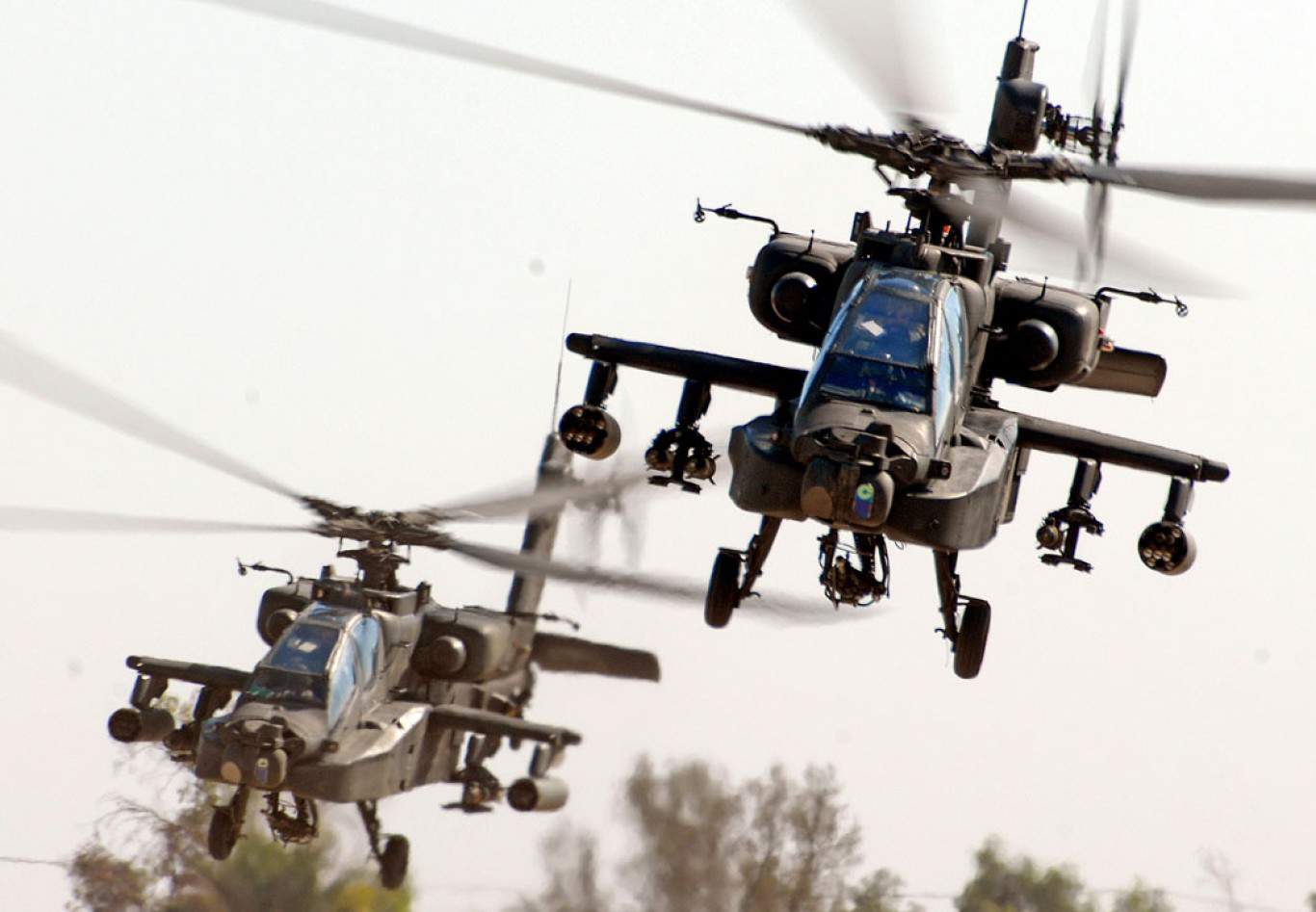
- Aircraft type: Attack Helicopter
- Year introduced to service: 1986
- Primary SOF role: Escort / Fire Support
- What makes it mission-critical for SOF: Heavily armed overwatch
- Special Operations units that use it: US Army
- Key conflicts / operations: GWOT
- Current Status: Active
The Apache frequently provides escort and overwatch for SOF helicopter operations.
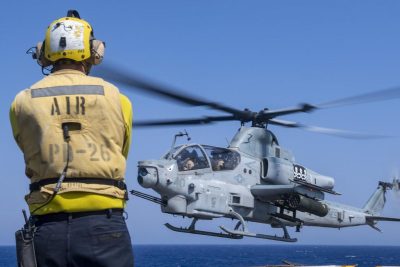
AH-1Z Viper

- Aircraft type: Attack Helicopter
- Year introduced to service: 2010
- Primary SOF role: Escort / Fire Support
- What makes it mission-critical for SOF: Expeditionary attack capability
- Special Operations units that use it: MARSOC
- Key conflicts / operations: GWOT
- Current Status: Active
The AH-1Z supports Marine SOF units with precision firepower in expeditionary environments.
AV-8B Harrier II
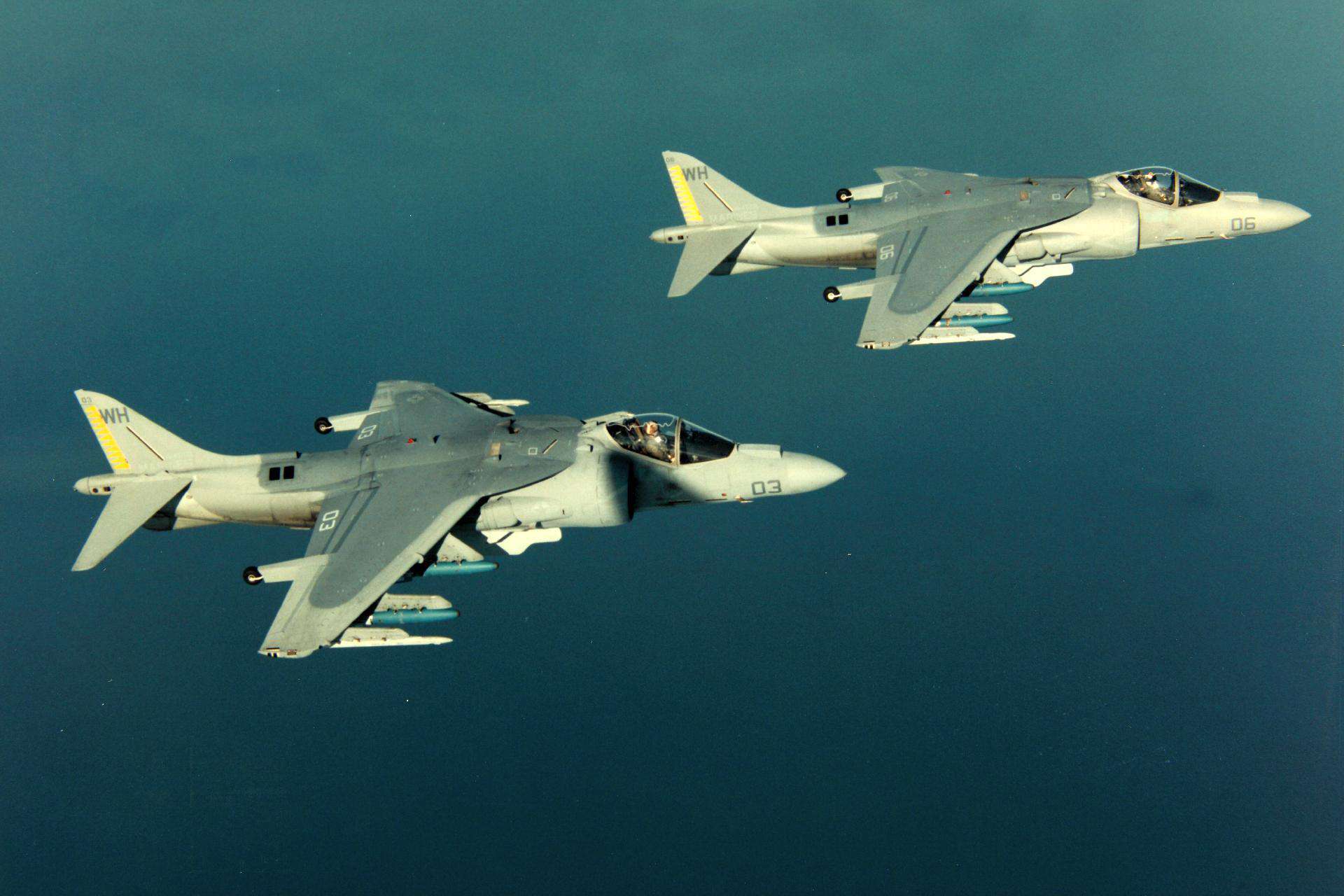
- Aircraft type: Attack Aircraft
- Year introduced to service: 1985
- Primary SOF role: CAS
- What makes it mission-critical for SOF: Forward-deployed CAS
- Special Operations units that use it: USMC
- Key conflicts / operations: GWOT
- Current Status: Limited
The Harrier enabled Marine SOF-aligned forces to receive CAS from austere forward bases.
RC-135 Rivet Joint
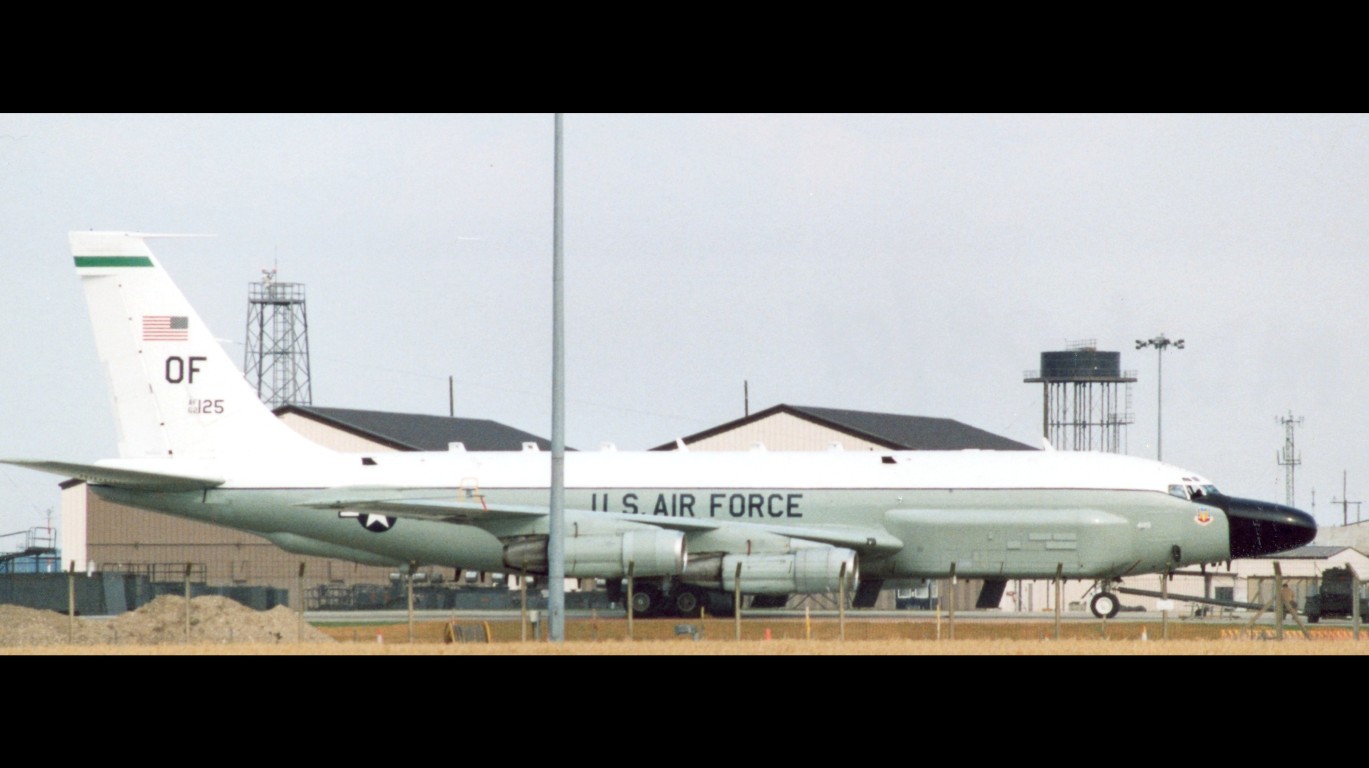
- Aircraft type: ISR Aircraft
- Year introduced to service: 1964
- Primary SOF role: SIGINT
- What makes it mission-critical for SOF: Signals intelligence support
- Special Operations units that use it: USAF
- Key conflicts / operations: GWOT
- Current Status: Active
The RC-135 provides critical signals intelligence supporting SOF targeting operations.
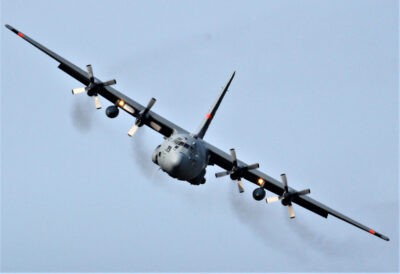
C-130 Hercules (SOF-configured)
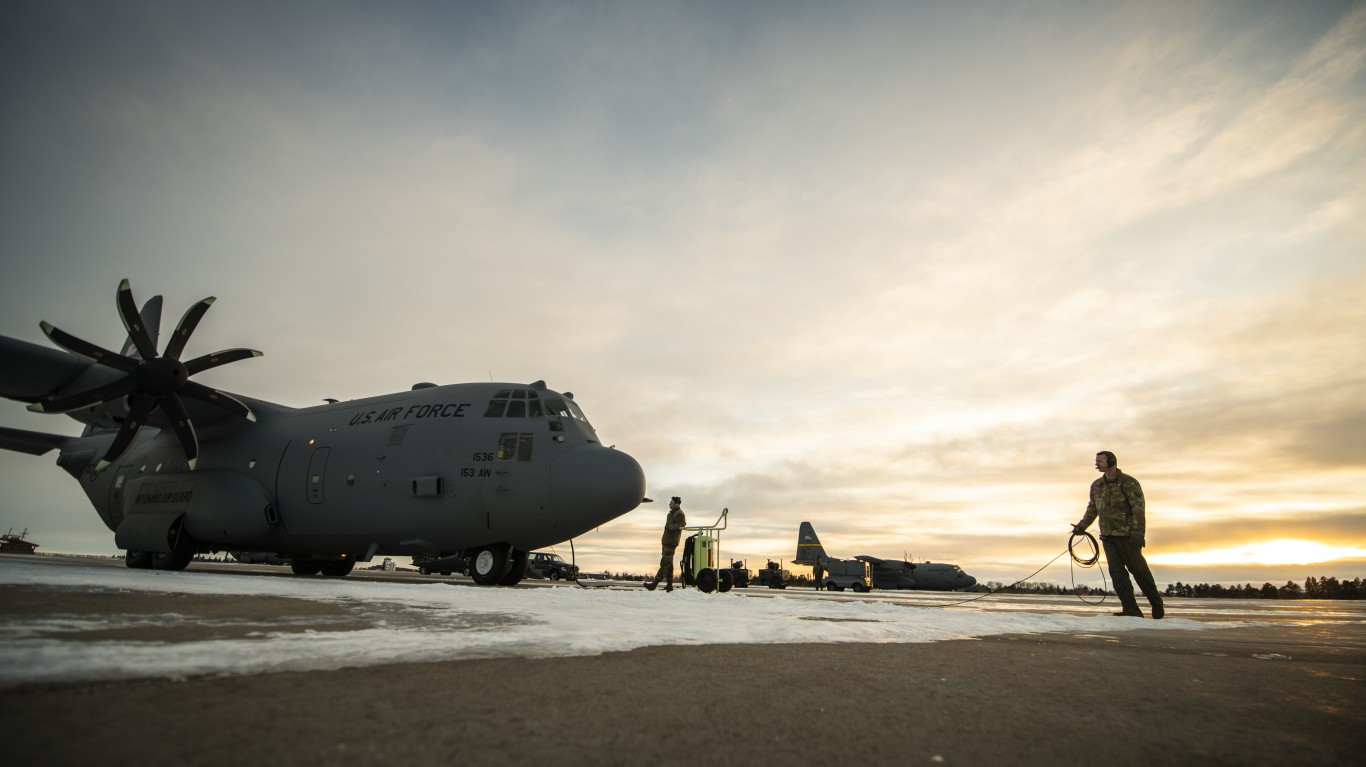
- Aircraft type: Transport Aircraft
- Year introduced to service: 1956
- Primary SOF role: Logistics / Insertion
- What makes it mission-critical for SOF: Versatile global transport
- Special Operations units that use it: AFSOC
- Key conflicts / operations: Multiple conflicts
- Current Status: Active
SOF-configured C-130s form the logistical backbone of special operations aviation.
Mi-17 (SOF use)
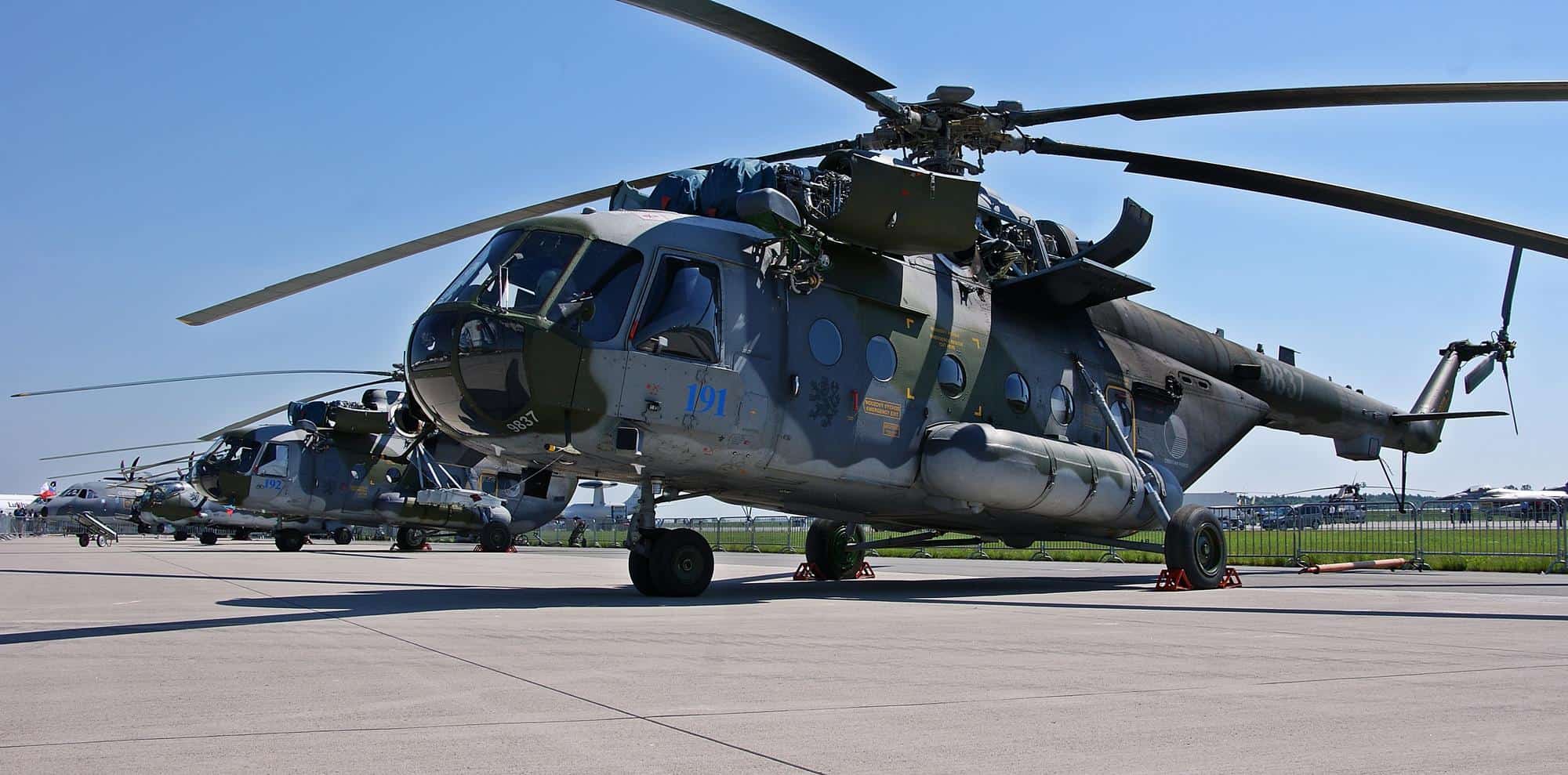
- Aircraft type: Helicopter
- Year introduced to service: 1975
- Primary SOF role: Transport
- What makes it mission-critical for SOF: Widely available and reliable
- Special Operations units that use it: SOF partners
- Key conflicts / operations: GWOT
- Current Status: Limited
Mi-17 helicopters have been widely used in permissive environments to support SOF missions.
CN-235 / C-295
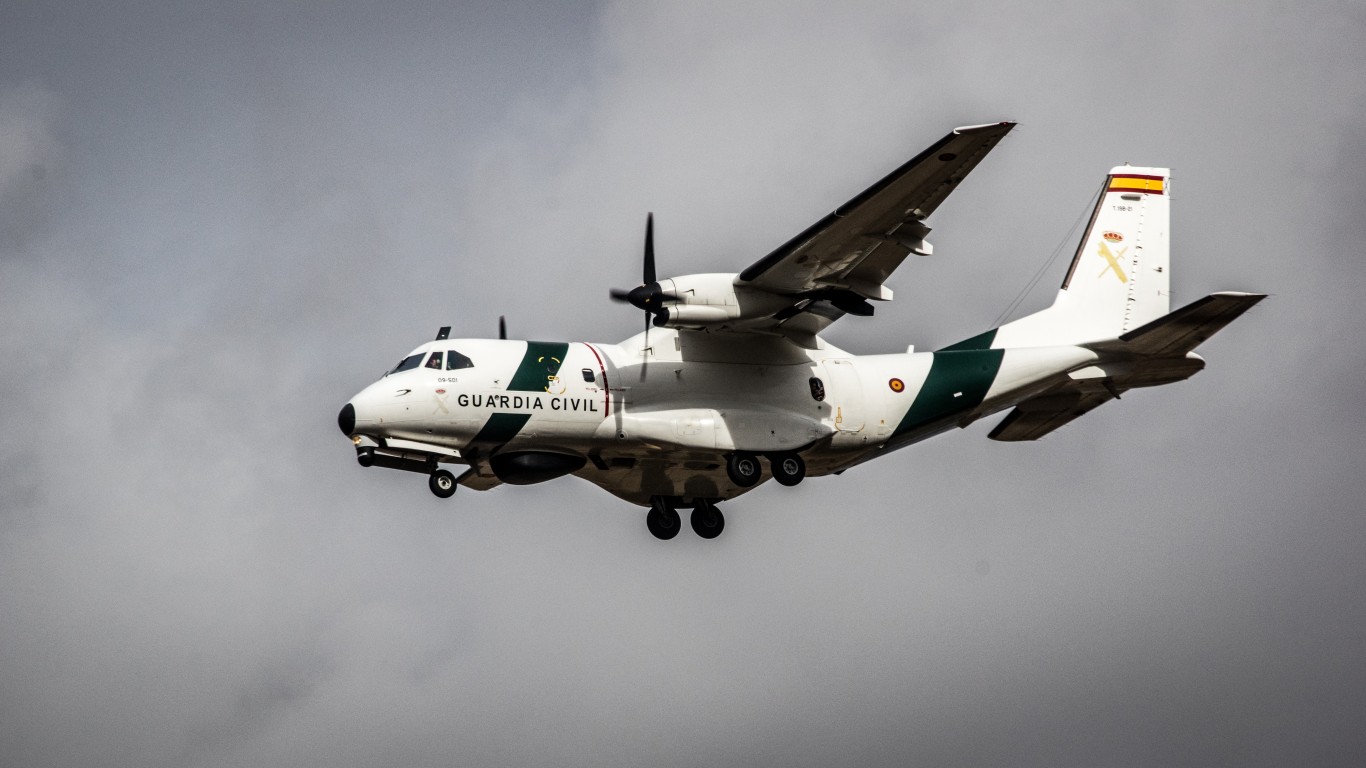
- Aircraft type: Transport Aircraft
- Year introduced to service: 1998
- Primary SOF role: Medium Transport
- What makes it mission-critical for SOF: Short-field performance
- Special Operations units that use it: Allied SOF
- Key conflicts / operations: Global ops
- Current Status: Active
These transports support allied SOF with reliable medium-lift capability.
An-28 / An-32
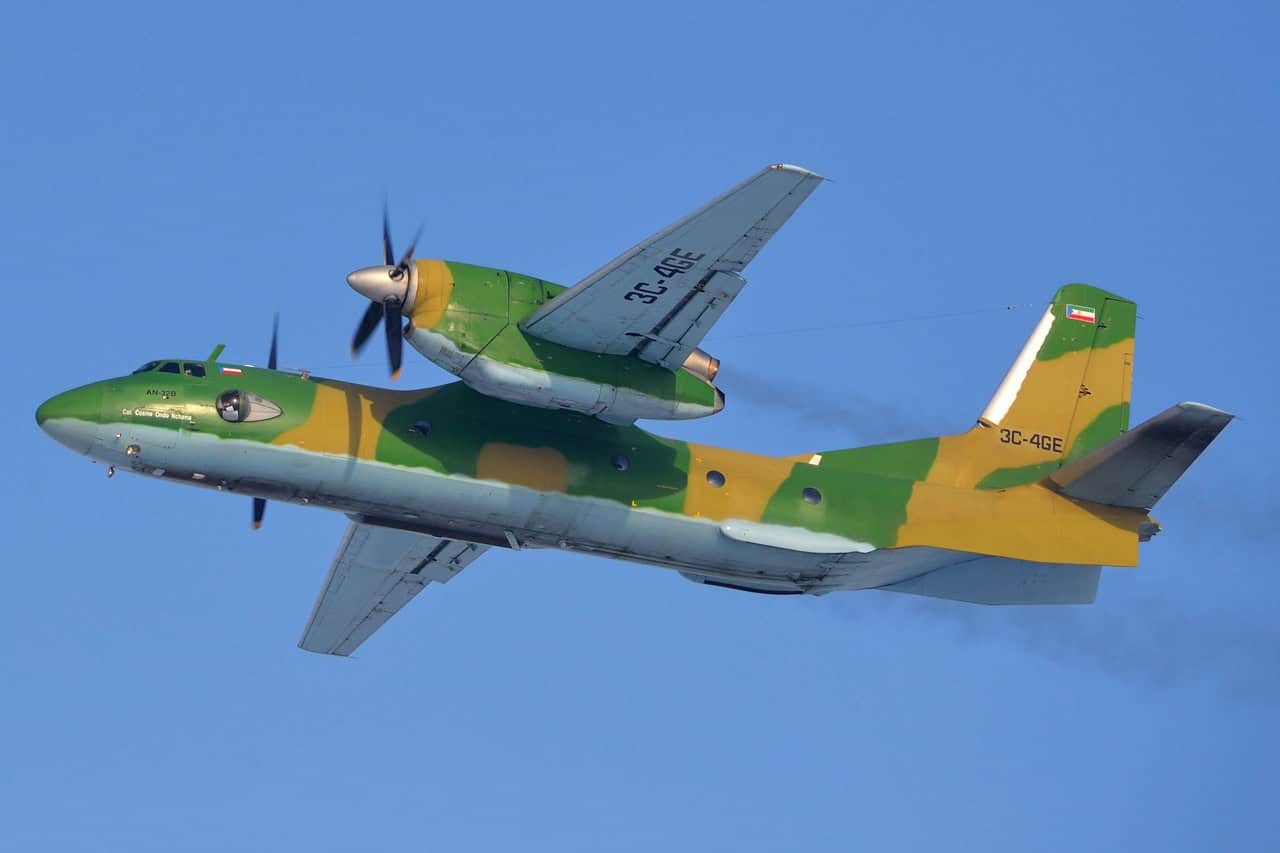
- Aircraft type: Transport Aircraft
- Year introduced to service: 1980
- Primary SOF role: Short-Field Transport
- What makes it mission-critical for SOF: Rugged austere operations
- Special Operations units that use it: Allied SOF
- Key conflicts / operations: Regional conflicts
- Current Status: Active
An-28 and An-32 aircraft are used by partner SOF units for austere airlift missions.
RC-12 Guardrail
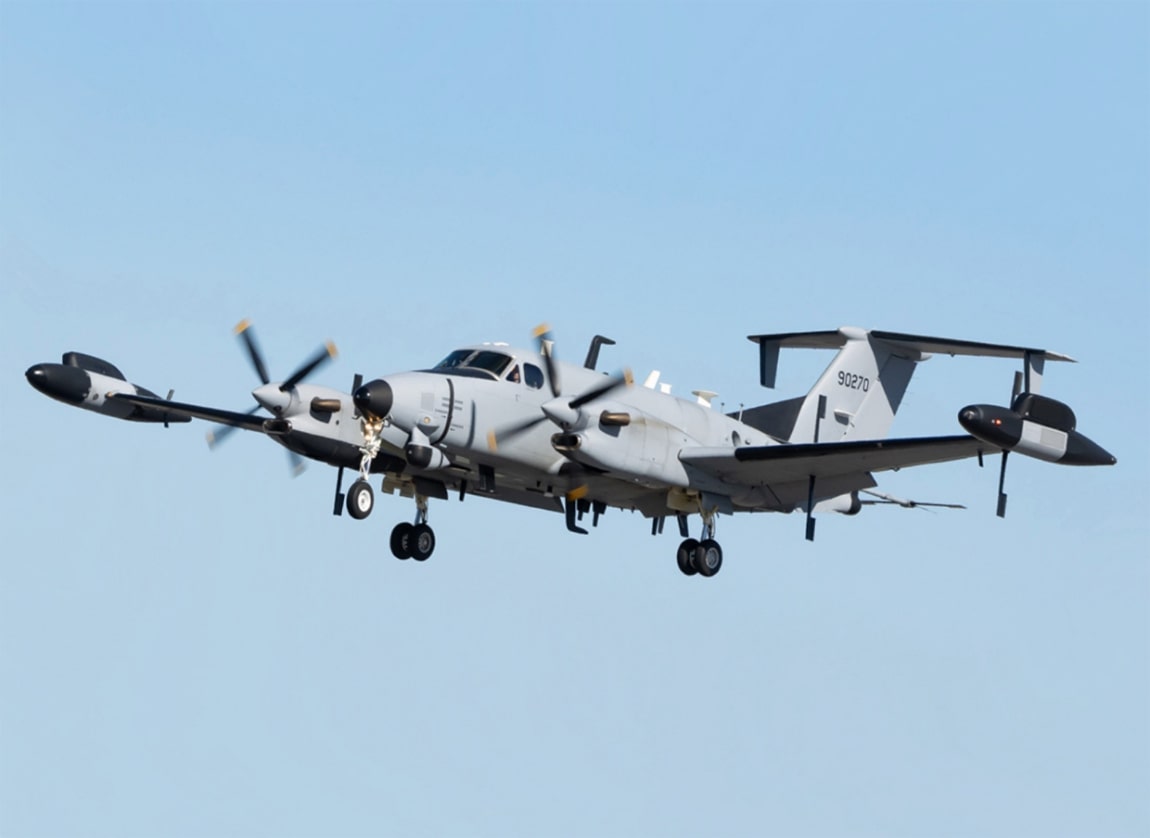
- Aircraft type: ISR Aircraft
- Year introduced to service: 1971
- Primary SOF role: SIGINT / ISR
- What makes it mission-critical for SOF: Persistent battlefield surveillance
- Special Operations units that use it: US Army
- Key conflicts / operations: GWOT
- Current Status: Active
The RC-12 provides signals intelligence directly supporting special operations and ground forces.



 Top Gaining Stocks
 Top Losing Stocks