


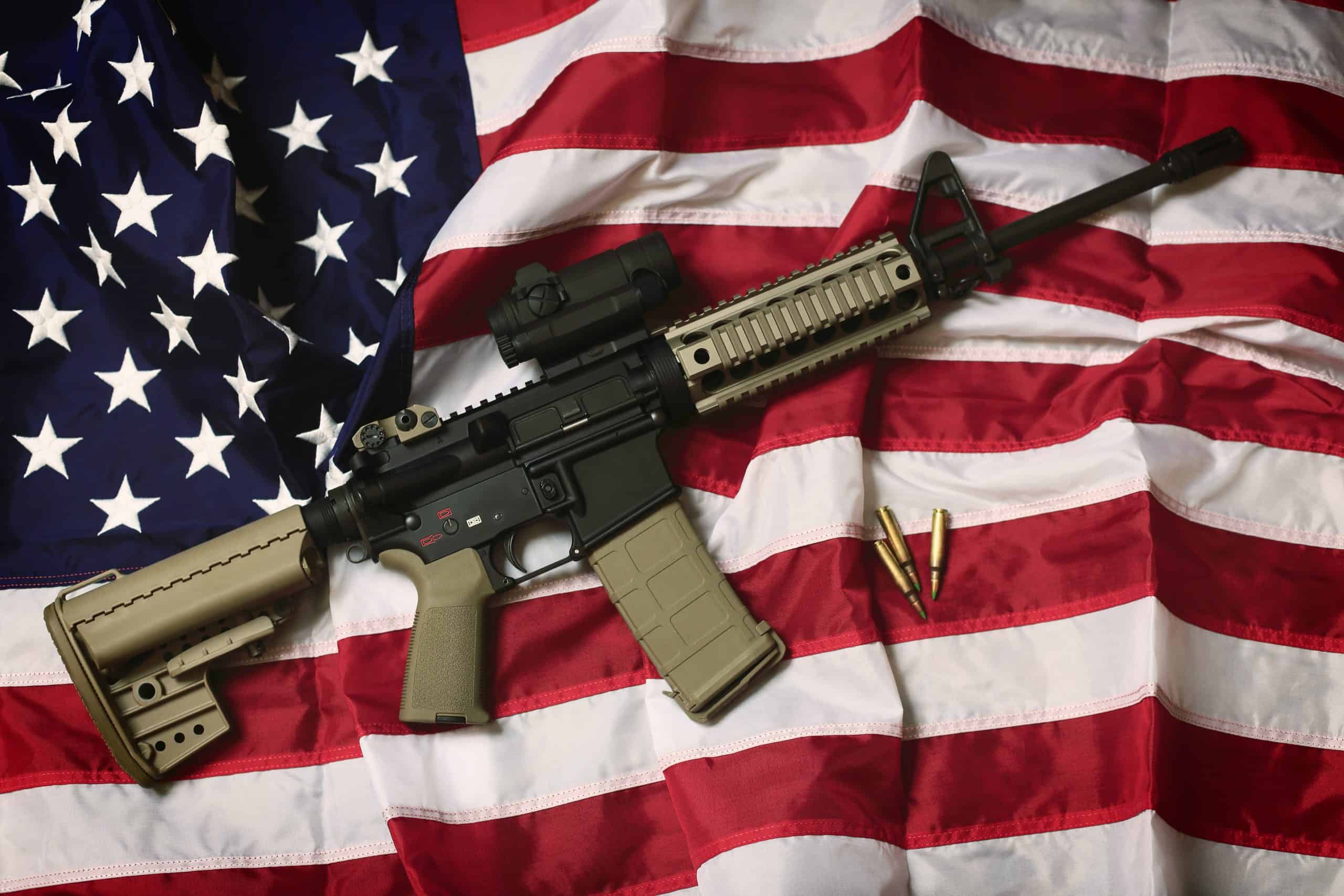
Two decades of post-9/11 conflict reshaped the U.S. military from the squad level up. As the wars in Afghanistan and Iraq unfolded, firearms were refined, replaced, or retained based on battlefield performance rather than doctrine alone. Certain weapons proved adaptable enough to endure repeated deployments and shifting mission sets, becoming fixtures of the Global War on Terror (GWOT). Here, 24/7 Wall St. is taking a closer look at these weapons and how they defined modern combat.
To determine the weapons that defined America’s post-9/11 wars or the GWOT, 24/7 Wall St. reviewed various historical and military sources. We included supplemental information regarding the weapon type, year entered service, each weapon’s primary role, as well as why it defined post-9.11 combat.
Here is a look at the weapons that defined the U.S. Military’s post-9/11 wars:
Why Are We Covering This?
The firearms carried by U.S. forces after September 11 were shaped by two decades of continuous combat rather than peacetime theory. These weapons weren’t selected in isolation; they evolved through repeated deployments, harsh environments, and constant contact with the enemy. By examining the firearms that defined America’s post-9/11 wars, this article captures how real battlefield experience influenced loadouts, doctrine, and small-unit tactics. Understanding these weapons helps explain not just what U.S. forces carried, but how modern American warfare itself was reshaped by the lessons of the Global War on Terror.
A New Kind of American War
After September 11, the United States entered a sustained, expeditionary conflict that looked very different from the conventional wars it had trained for. Counterinsurgency campaigns, repeated deployments, and persistent presence operations put small units in constant contact with the enemy. Urban fighting, raids, convoy security, and long patrols became routine. In that environment, the firearms carried by infantry and special operations forces weren’t secondary details—they were core tools that shaped how missions were executed and how troops survived.
Firearms Became Identity
Over time, certain weapons became inseparable from the post-9/11 battlefield. They were issued widely, trusted across multiple rotations, and refined through hard use rather than theory. These firearms showed up in the hands of conventional troops and elite units alike, becoming part of the visual identity of modern American war. More importantly, they reflected what service members actually needed: reliability, adaptability, and performance in the messy reality of close-contact combat.
How Combat Changed the Loadout
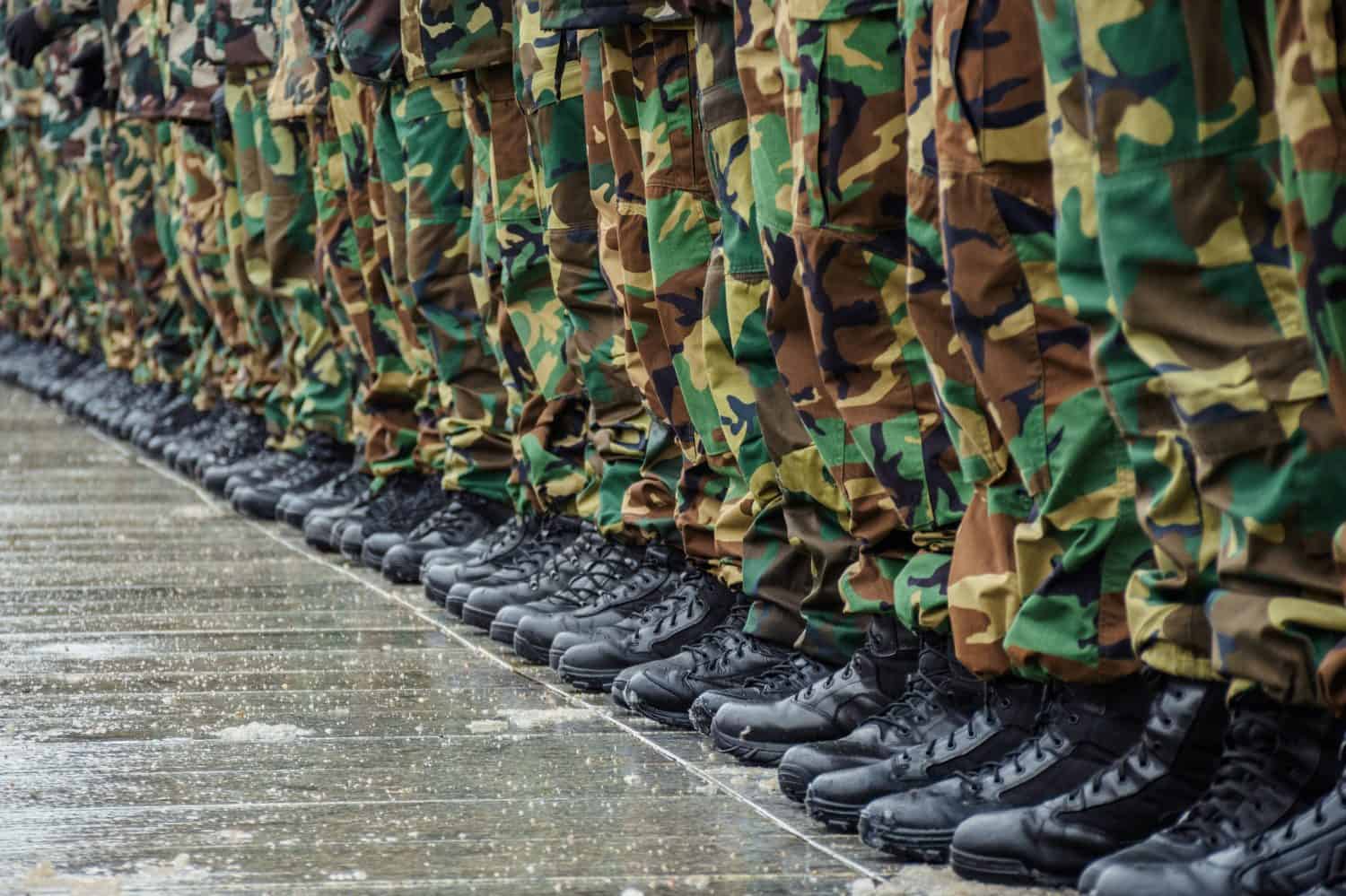
Combat conditions in Afghanistan and Iraq forced firearms and loadouts to evolve quickly. Tight urban streets demanded compact weapons and fast handling, while open terrain and long sightlines rewarded accuracy and reach. Accessories that once felt optional—optics, rails, lights, and suppressors—became standard as units adapted to raids, night fighting, and complex terrain. The result was a post-9/11 small-arms culture built around customization, mission-specific setup, and constant refinement driven by battlefield feedback.
From Special Operations to Standard Issue
![us+army+reserve | 2013 US Army Reserve Best Warrior Competiton: 10km Ruck March [Image 10 of 30]](https://a673b.bigscoots-temp.com/wp-content/uploads/2024/07/imageForEntry7-WO2.jpg)
Many of the most influential post-9/11 weapons began in special operations units, where mission demands pushed equipment forward faster than traditional procurement cycles. What worked in raids and high-risk CQB environments often spread outward, shaping conventional force loadouts and expectations. Precision rifles, compact carbines, and specialized support weapons blurred the line between niche capability and standard practice. Over time, the GWOT era created a feedback loop where elite innovation and mass adoption increasingly moved in the same direction.
What Post-9/11 Warfare Changed Forever
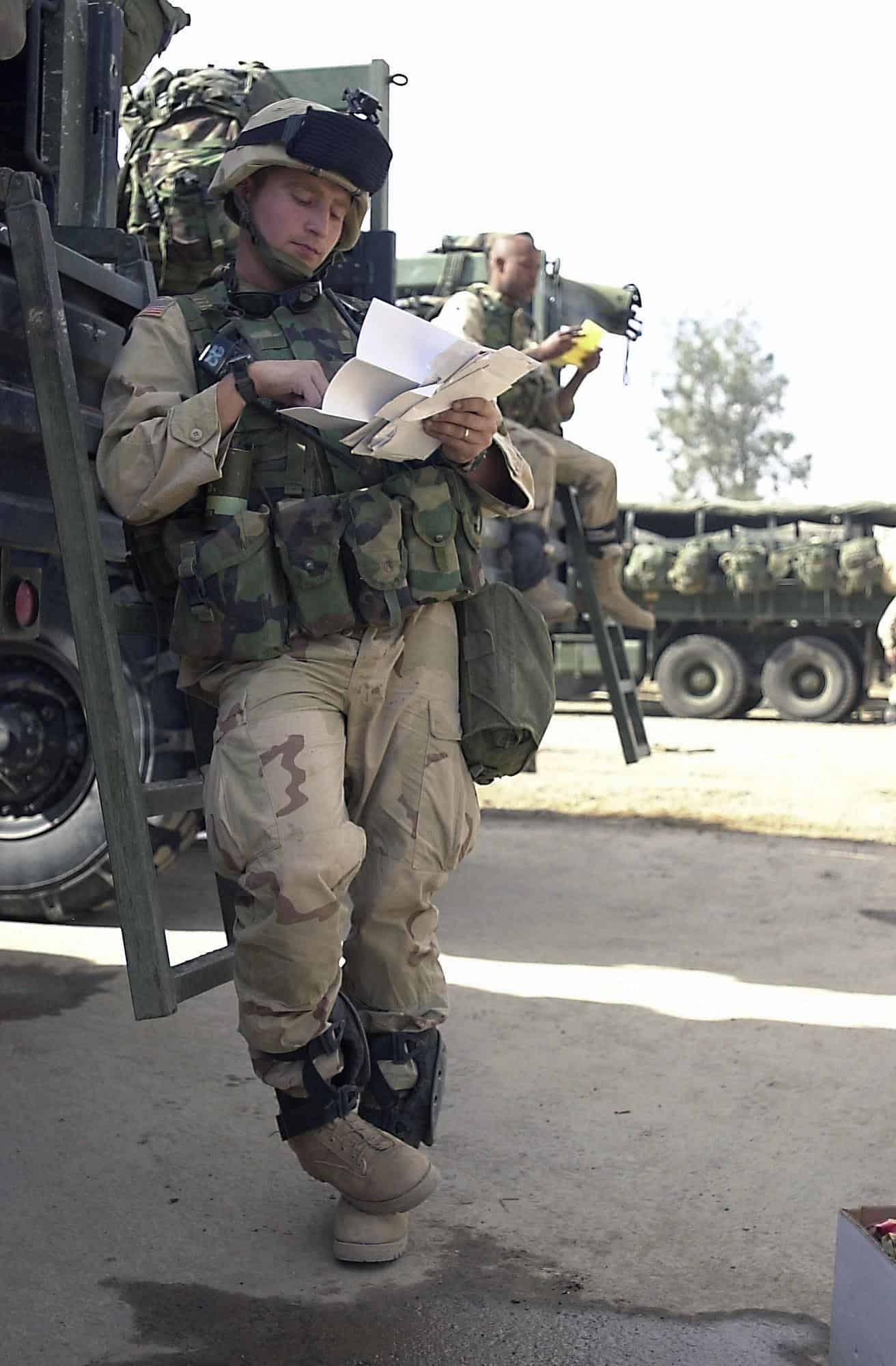
Zooming out, the post-9/11 era reshaped how the United States thinks about infantry combat itself. Two decades of continuous war created an unmatched stream of real-world lessons that influenced weapons design, training priorities, and doctrine at every level. Small-unit lethality became a central pillar of American military power, built around flexibility and experience rather than theoretical planning. The firearms on this list are not just tools of a specific moment—they are artifacts of a generational shift in how America fights.
M4 Carbine
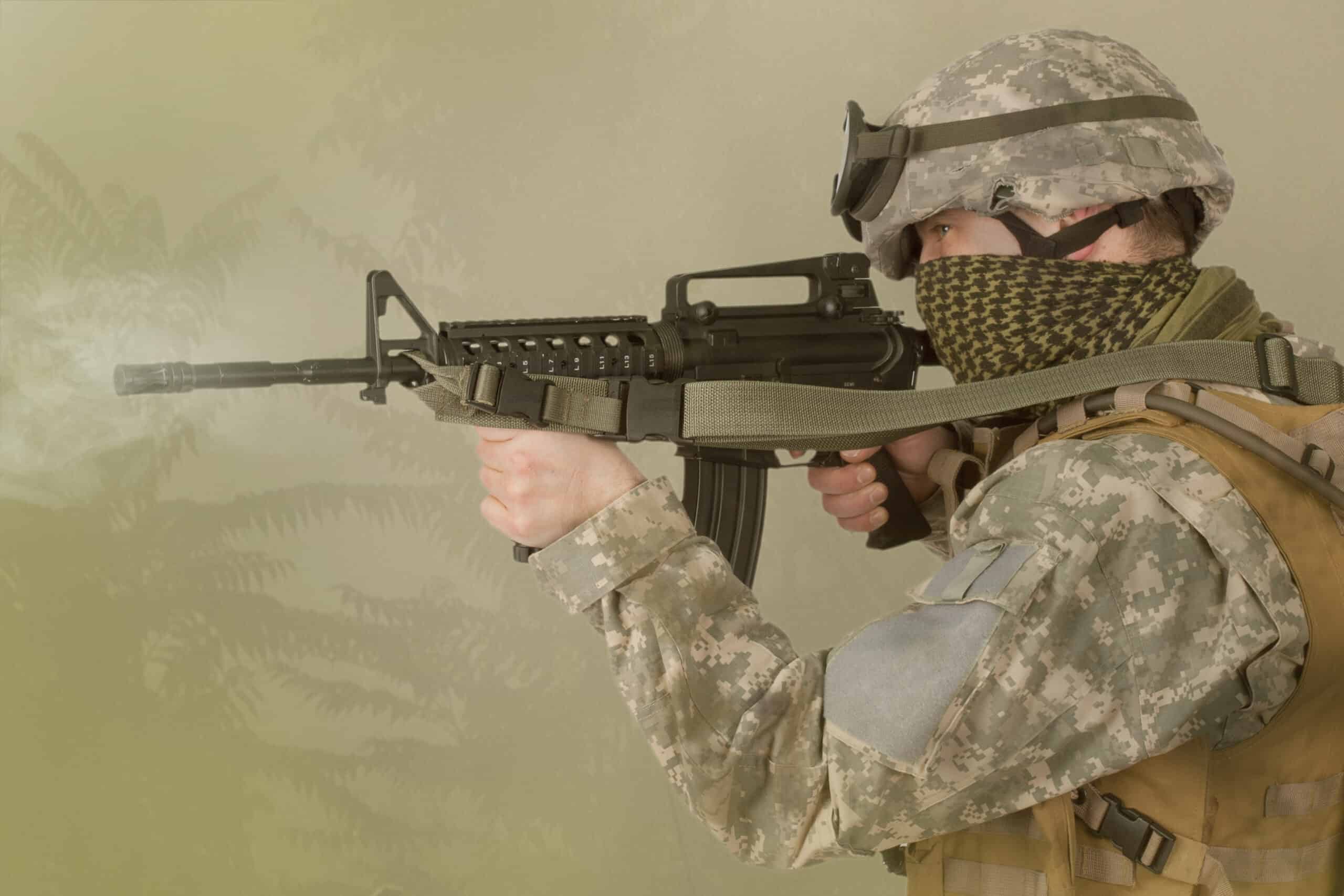
- Type: Carbine
- Year introduced to service: 2001
- Primary role in GWOT: Standard issue rifle
- Branch(es) that used it most: Army, Marines
- Primary conflict(s): Afghanistan, Iraq
- Why it defined post-9/11 combat: Became the visual and tactical symbol of GWOT infantry combat
The M4 Carbine became the defining infantry weapon of America’s post-9/11 wars. Lightweight, adaptable, and easily modified with optics and accessories, it proved ideal for urban fighting and long patrols alike. Its widespread use across branches made it synonymous with GWOT combat and reshaped how U.S. forces approached small-unit engagements.
M4A1 Carbine
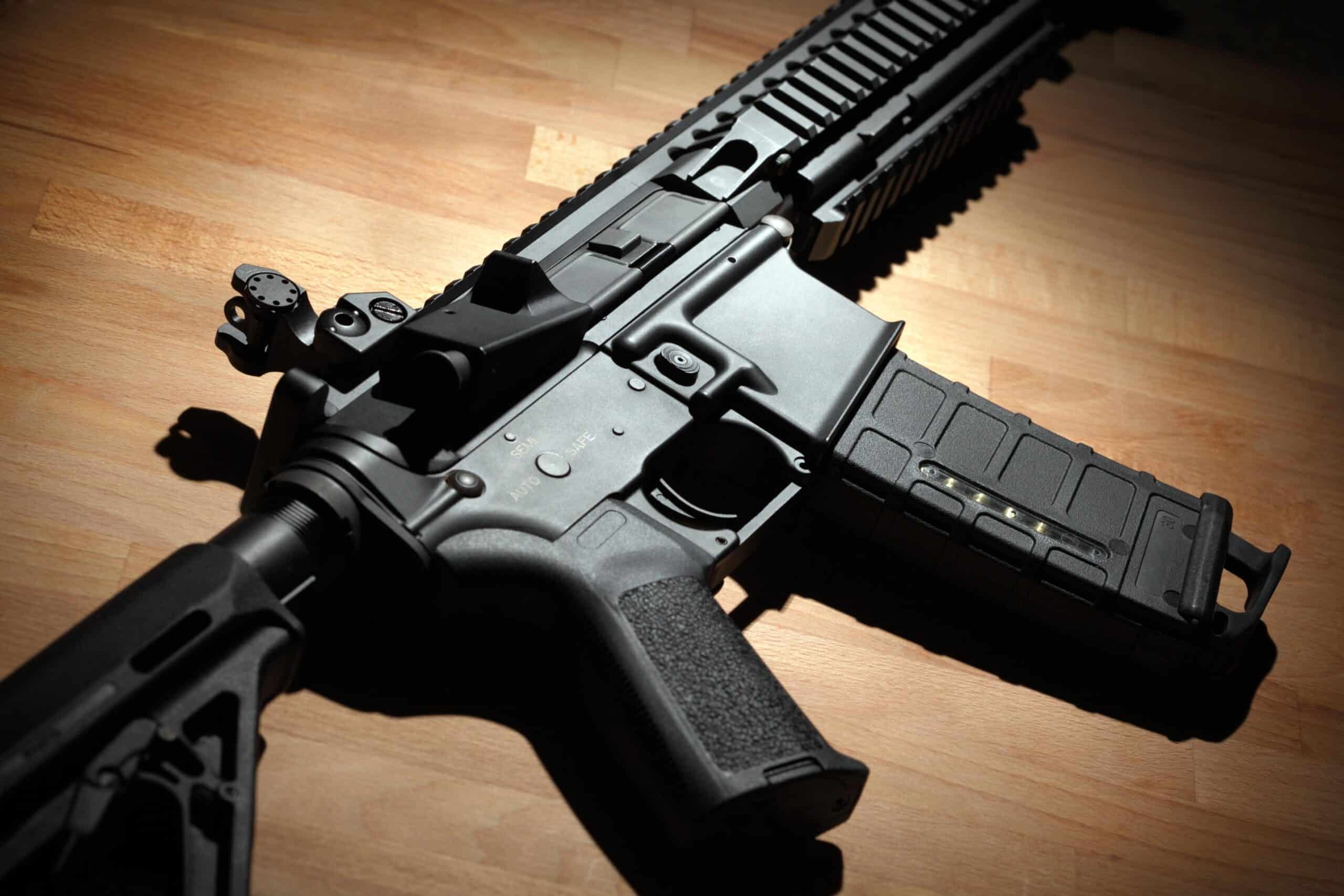
- Type: Carbine
- Year introduced to service: 2006
- Primary role in GWOT: Enhanced standard issue rifle
- Branch(es) that used it most: Army, SOCOM
- Primary conflict(s): Afghanistan, Iraq
- Why it defined post-9/11 combat: Improved durability and sustained fire capability
The M4A1 addressed early combat feedback by adding full-auto capability and improved reliability. It became a trusted upgrade during intense urban and close-range engagements, especially in Iraq, reinforcing the M4 platform as the backbone of U.S. infantry operations throughout the later GWOT years.
M16A4
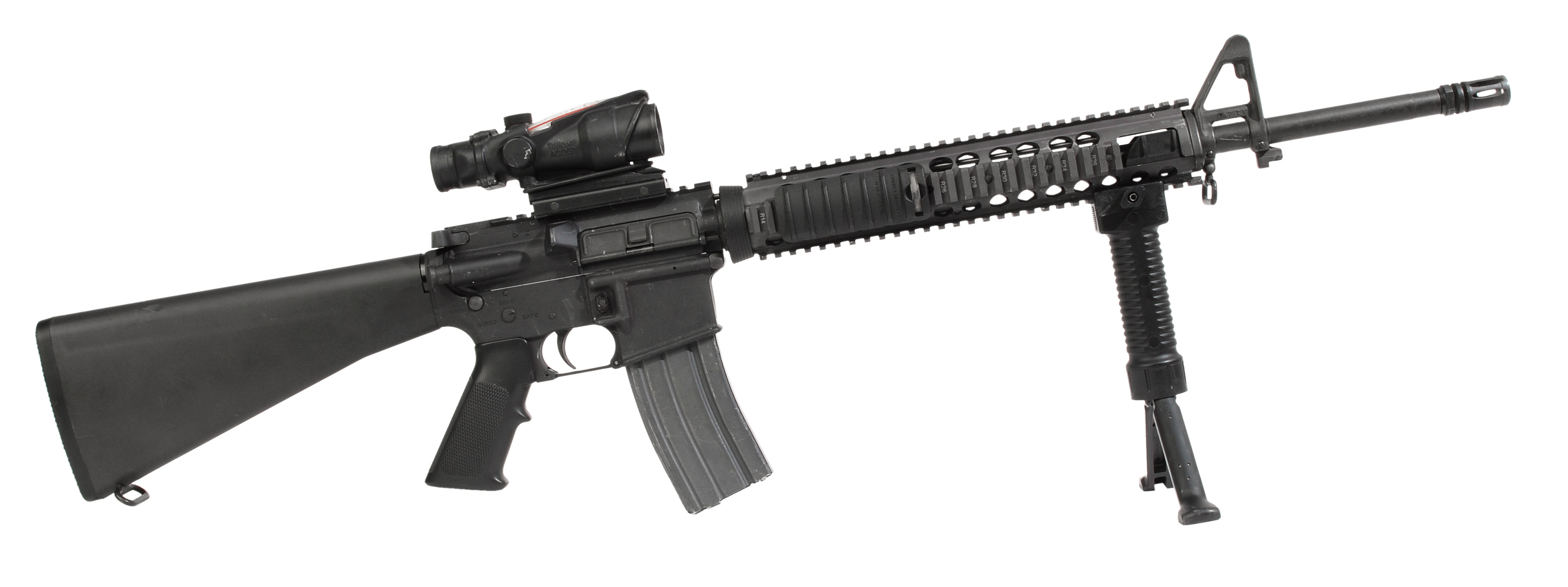
- Type: Rifle
- Year introduced to service: 2001
- Primary role in GWOT: Standard infantry rifle
- Branch(es) that used it most: Marine Corps
- Primary conflict(s): Iraq
- Why it defined post-9/11 combat: Provided longer-range accuracy in open terrain
The M16A4 carried Marine units through the early years of the Iraq War, offering greater accuracy at distance than shorter carbines. Its continued use reflected Marine Corps emphasis on marksmanship and deliberate fire during early post-9/11 operations.
Mk18 CQBR
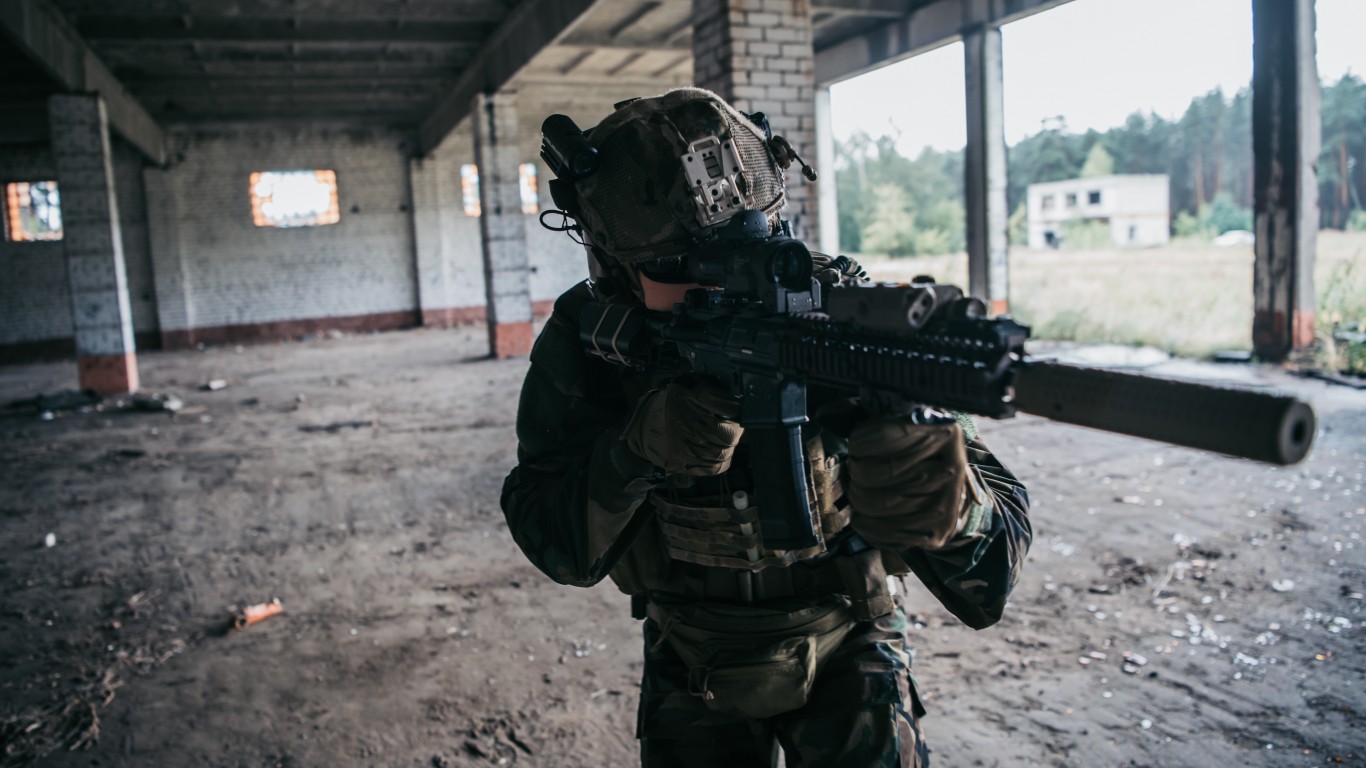
- Type: Carbine
- Year introduced to service: 2003
- Primary role in GWOT: CQB rifle
- Branch(es) that used it most: SOCOM
- Primary conflict(s): Global deployments
- Why it defined post-9/11 combat: Defined close-quarters combat capability
The Mk18 became synonymous with special operations CQB during the GWOT. Its compact size made it ideal for raids, vehicle operations, and urban environments, helping redefine how U.S. forces fought in tight, high-risk spaces after 9/11.
HK416
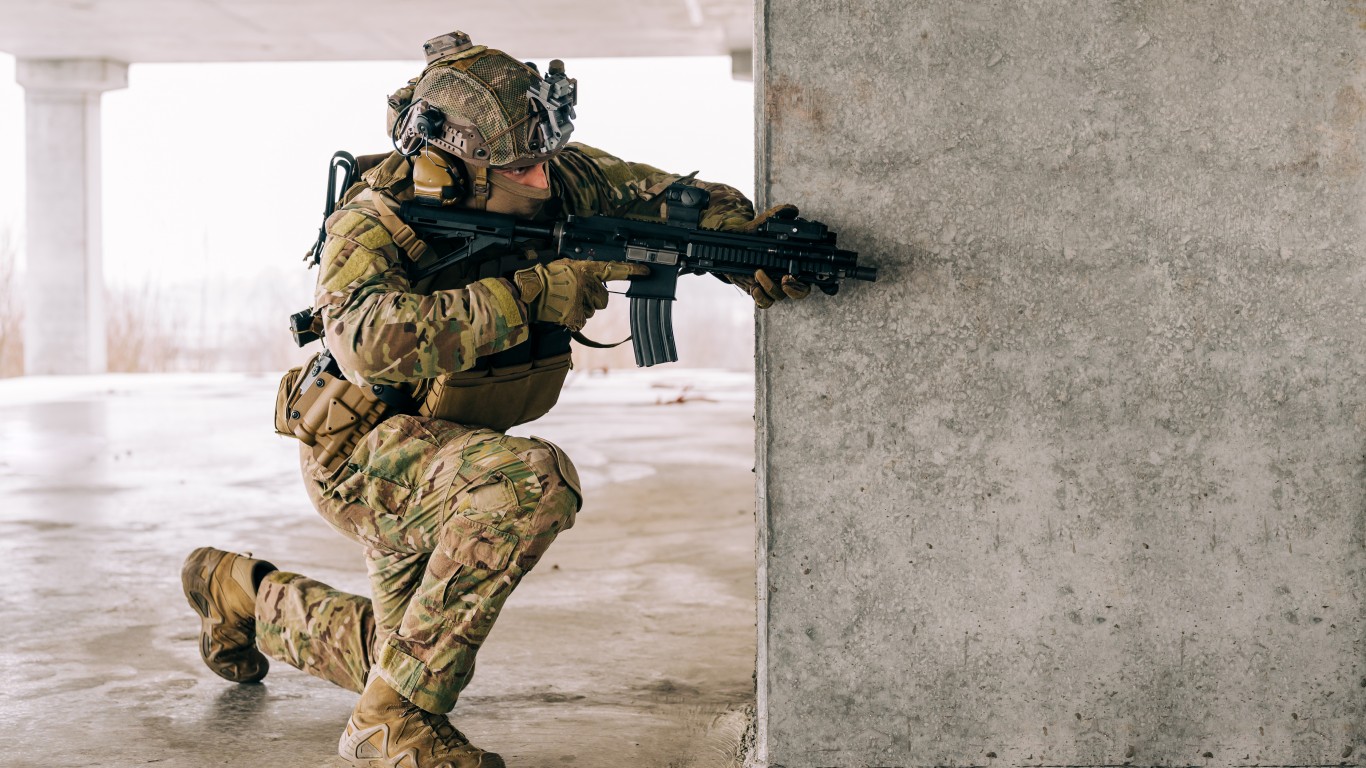
- Type: Carbine
- Year introduced to service: 2004
- Primary role in GWOT: SOCOM assault rifle
- Branch(es) that used it most: SOCOM
- Primary conflict(s): Global deployments
- Why it defined post-9/11 combat: Improved reliability in harsh environments
Adopted by special operations units seeking greater reliability, the HK416 addressed issues encountered with earlier carbines. Its performance in extreme conditions helped cement its reputation as a trusted GWOT-era platform for elite units.
M27 Infantry Automatic Rifle
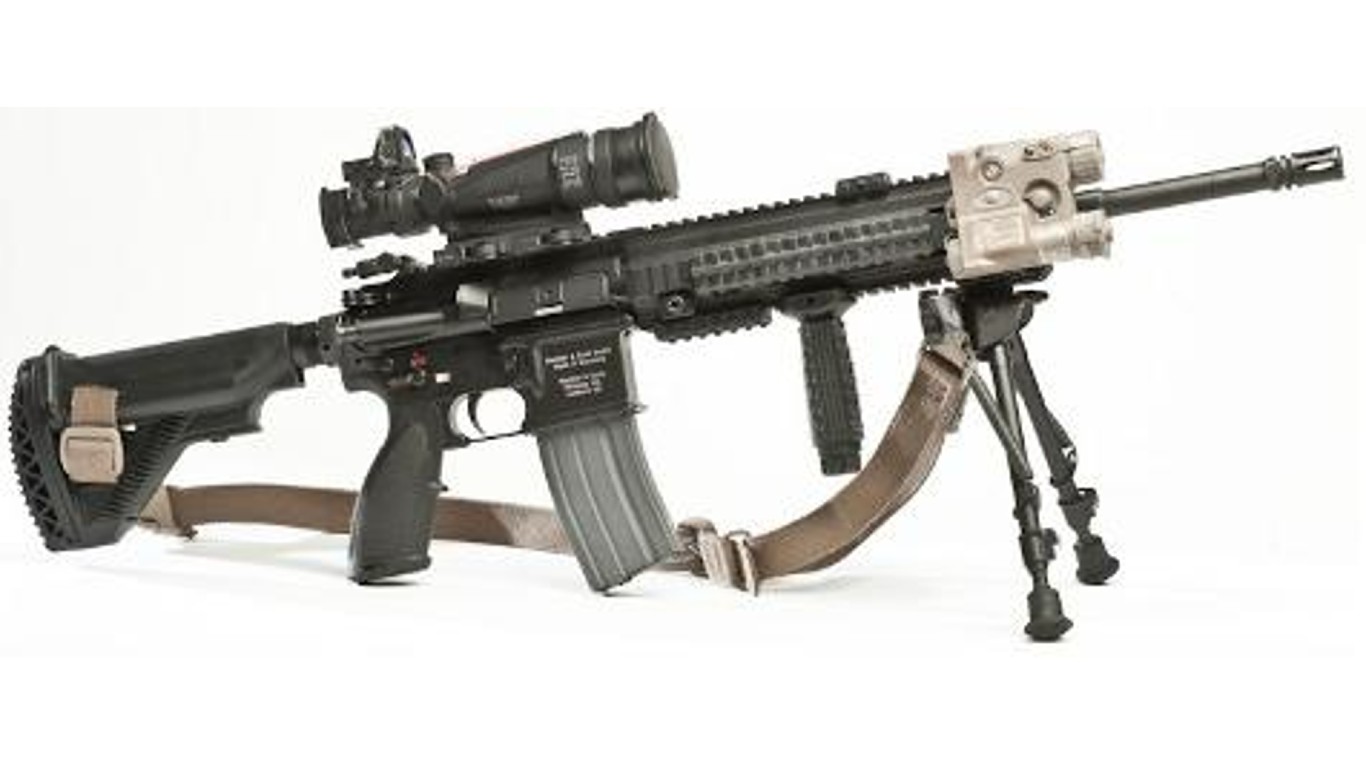
- Type: Automatic rifle
- Year introduced to service: 2011
- Primary role in GWOT: Automatic rifle
- Branch(es) that used it most: Marine Corps
- Primary conflict(s): Afghanistan
- Why it defined post-9/11 combat: Shifted squad-level automatic fire doctrine
The M27 IAR replaced traditional light machine guns in Marine squads, emphasizing accuracy and maneuverability. Its adoption reflected evolving GWOT lessons that favored precision and mobility over sheer volume of fire.
FN SCAR-L
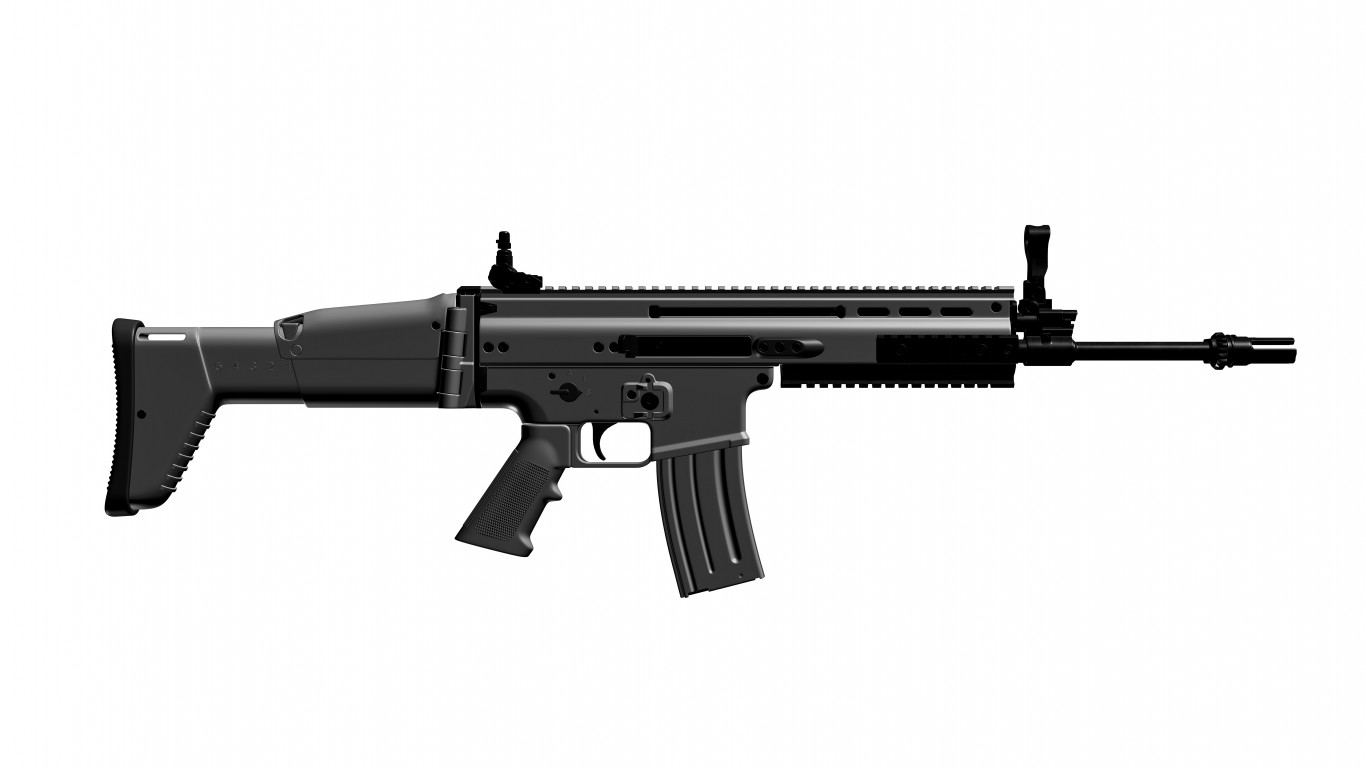
- Type: Carbine
- Year introduced to service: 2009
- Primary role in GWOT: SOCOM rifle
- Branch(es) that used it most: SOCOM
- Primary conflict(s): Afghanistan
- Why it defined post-9/11 combat: Modular design influenced future systems
The SCAR-L represented SOCOM’s push toward modular, mission-adaptable weapons. Although its service life was limited, it influenced how the military approached future rifle development during the GWOT.
FN SCAR-H
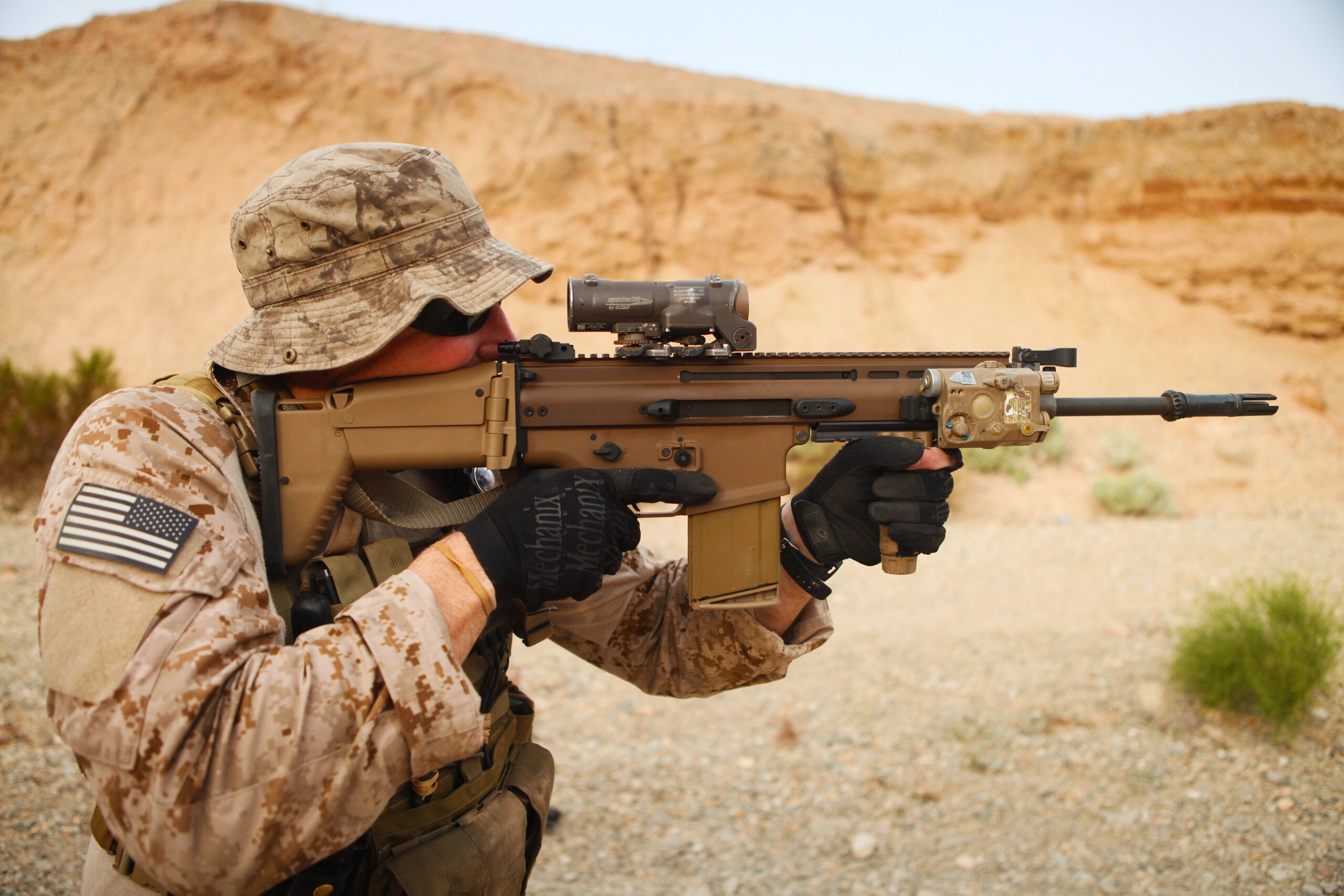
- Type: Battle rifle
- Year introduced to service: 2009
- Primary role in GWOT: Heavy assault rifle
- Branch(es) that used it most: SOCOM
- Primary conflict(s): Afghanistan
- Why it defined post-9/11 combat: Provided extended range and stopping power
The SCAR-H gave special operations forces a reliable 7.62mm option for longer engagements. Its power and adaptability made it valuable in mountainous terrain and reinforced the role of heavier calibers in post-9/11 combat.
M249 SAW
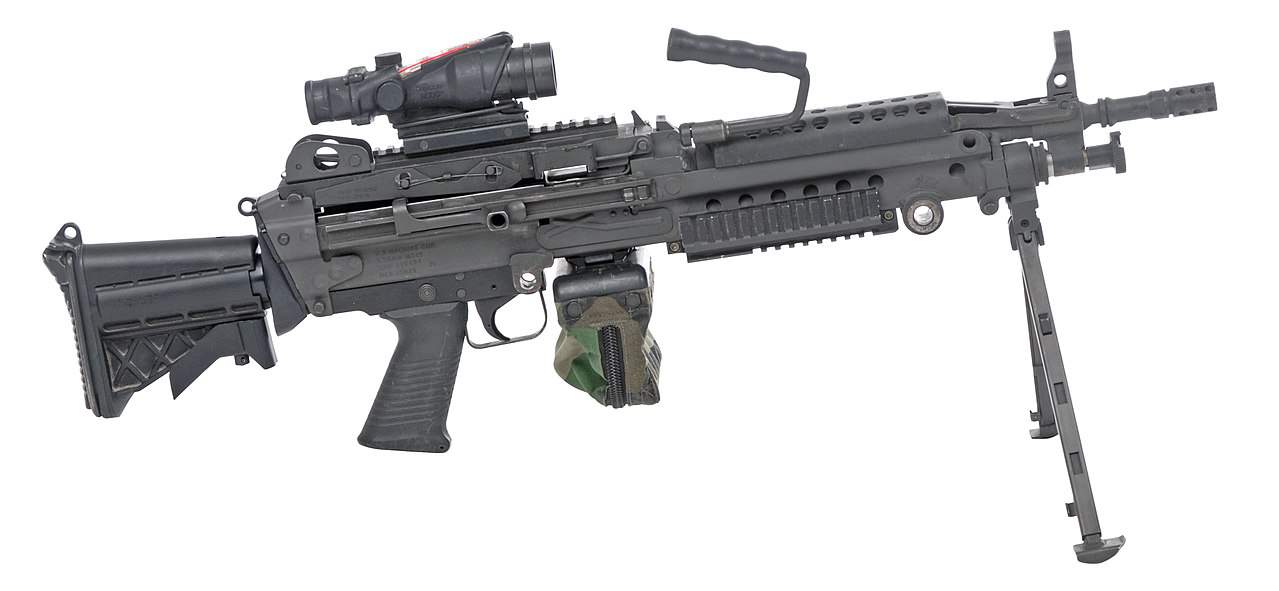
- Type: Light machine gun
- Year introduced to service: 2001
- Primary role in GWOT: Squad automatic weapon
- Branch(es) that used it most: Army, Marines
- Primary conflict(s): Afghanistan, Iraq
- Why it defined post-9/11 combat: Core source of squad-level suppressive fire
The M249 SAW provided sustained automatic fire throughout the GWOT, supporting maneuver and suppressing enemy positions. Despite criticism, it remained essential to squad tactics in both urban and rural environments.
M240B

- Type: Medium machine gun
- Year introduced to service: 2001
- Primary role in GWOT: General-purpose machine gun
- Branch(es) that used it most: Army, Marines
- Primary conflict(s): Afghanistan, Iraq
- Why it defined post-9/11 combat: Reliable heavy fire support
The M240B became a trusted source of sustained firepower during post-9/11 conflicts. Its reliability under harsh conditions made it indispensable for defensive positions and convoy security.
M240L
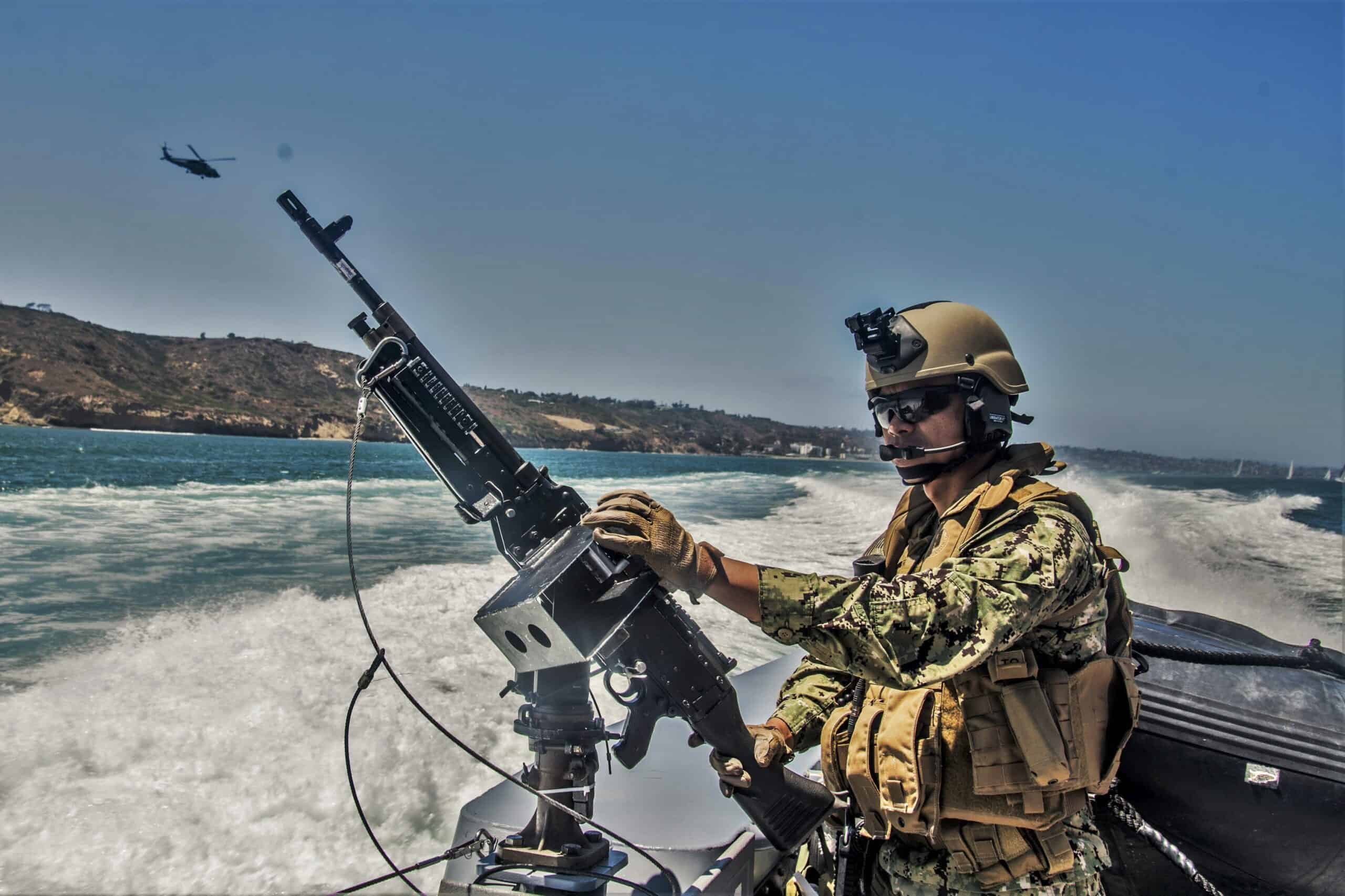
- Type: Medium machine gun
- Year introduced to service: 2010
- Primary role in GWOT: Lightweight machine gun
- Branch(es) that used it most: Army
- Primary conflict(s): Afghanistan
- Why it defined post-9/11 combat: Reduced weight improved mobility
The M240L addressed the burden of weight on dismounted troops by introducing lighter materials. It maintained firepower while improving mobility, reflecting GWOT-driven design priorities.
Mk48
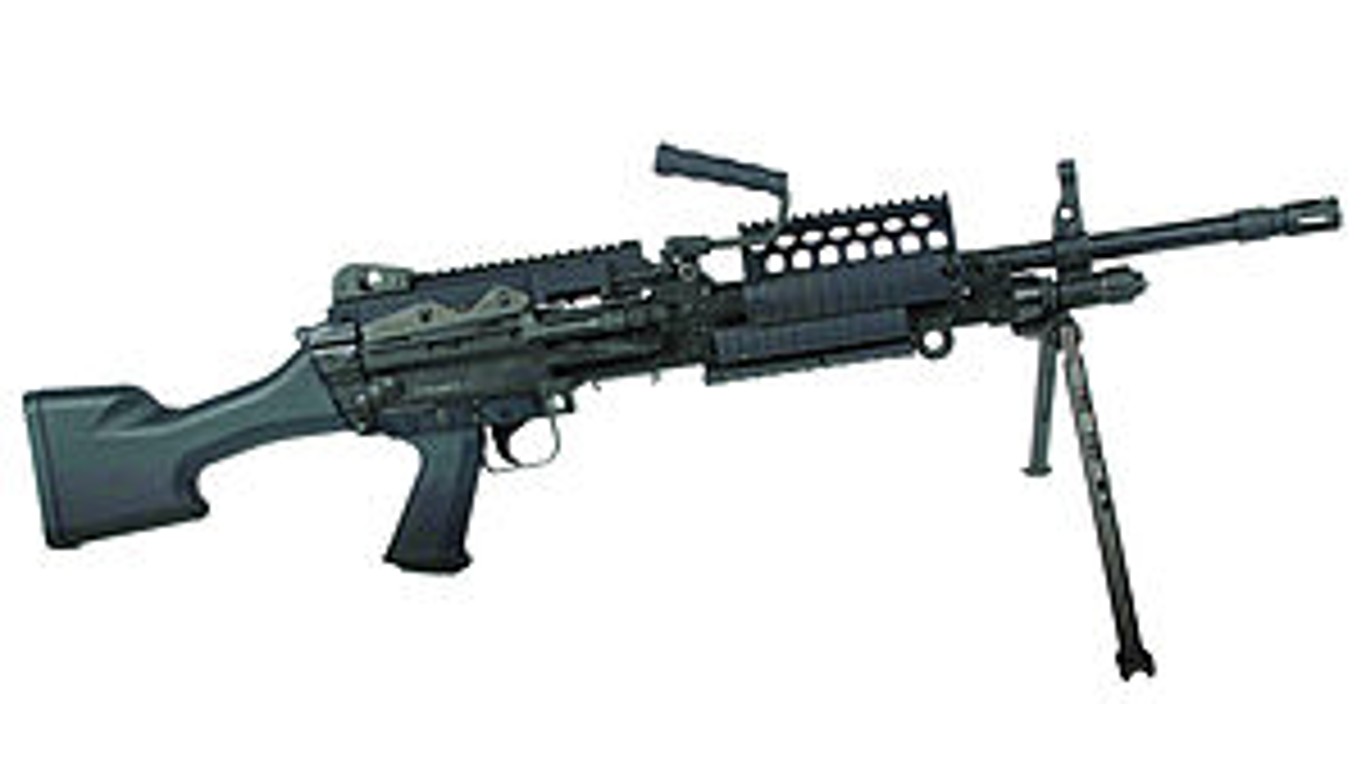
- Type: Medium machine gun
- Year introduced to service: 2003
- Primary role in GWOT: SOCOM machine gun
- Branch(es) that used it most: SOCOM
- Primary conflict(s): Afghanistan
- Why it defined post-9/11 combat: Provided portable heavy firepower
The Mk48 filled a critical gap for special operations forces needing heavier firepower without excessive weight. Its use reinforced the importance of adaptable support weapons in small-unit GWOT operations.
M14 EBR
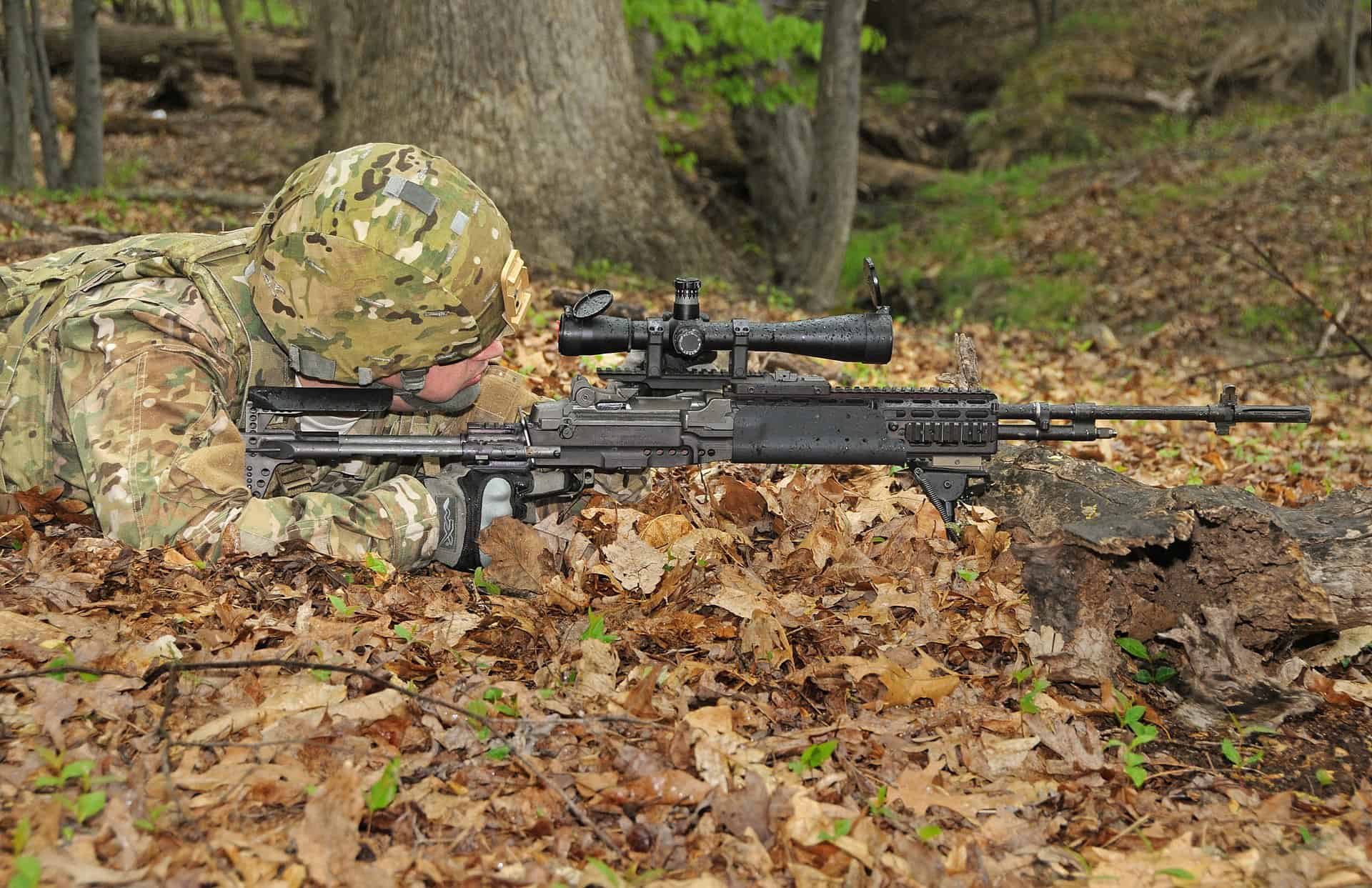
- Type: DMR
- Year introduced to service: 2004
- Primary role in GWOT: Designated marksman rifle
- Branch(es) that used it most: Army, SOCOM
- Primary conflict(s): Iraq
- Why it defined post-9/11 combat: Extended engagement range in urban terrain
The M14 EBR brought renewed life to an older platform by adapting it for modern combat. Its accuracy and power made it valuable in Iraq’s urban environments, where longer shots were common.
SR-25
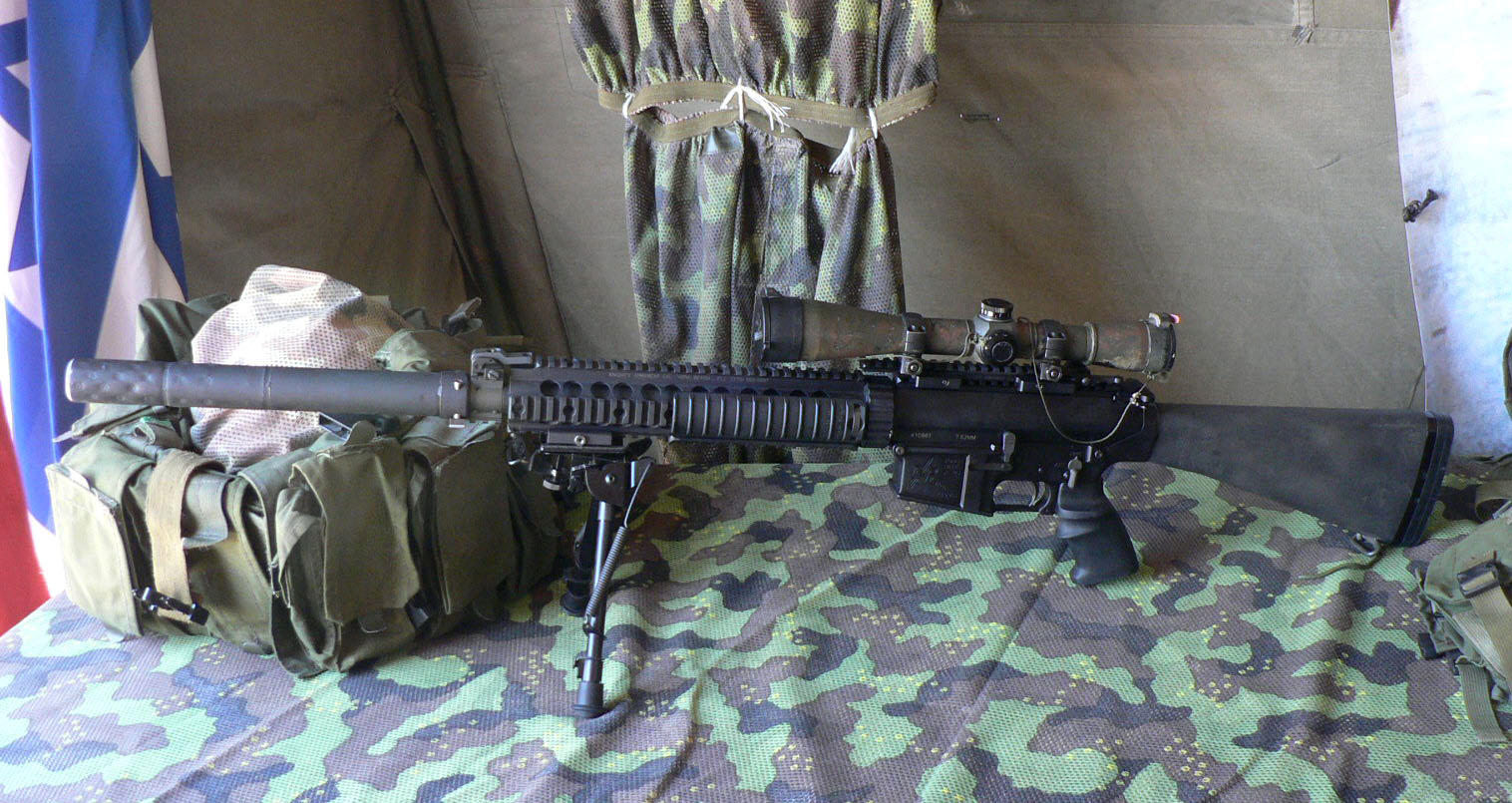
- Type: Sniper rifle
- Year introduced to service: 2001
- Primary role in GWOT: Precision rifle
- Branch(es) that used it most: SOCOM
- Primary conflict(s): Global deployments
- Why it defined post-9/11 combat: Bridged sniper and DMR roles
The SR-25 offered semi-automatic precision suited to dynamic GWOT battlefields. Its ability to deliver accurate fire at range while maintaining higher rates of fire made it a staple among elite units.
Mk11 Mod 0
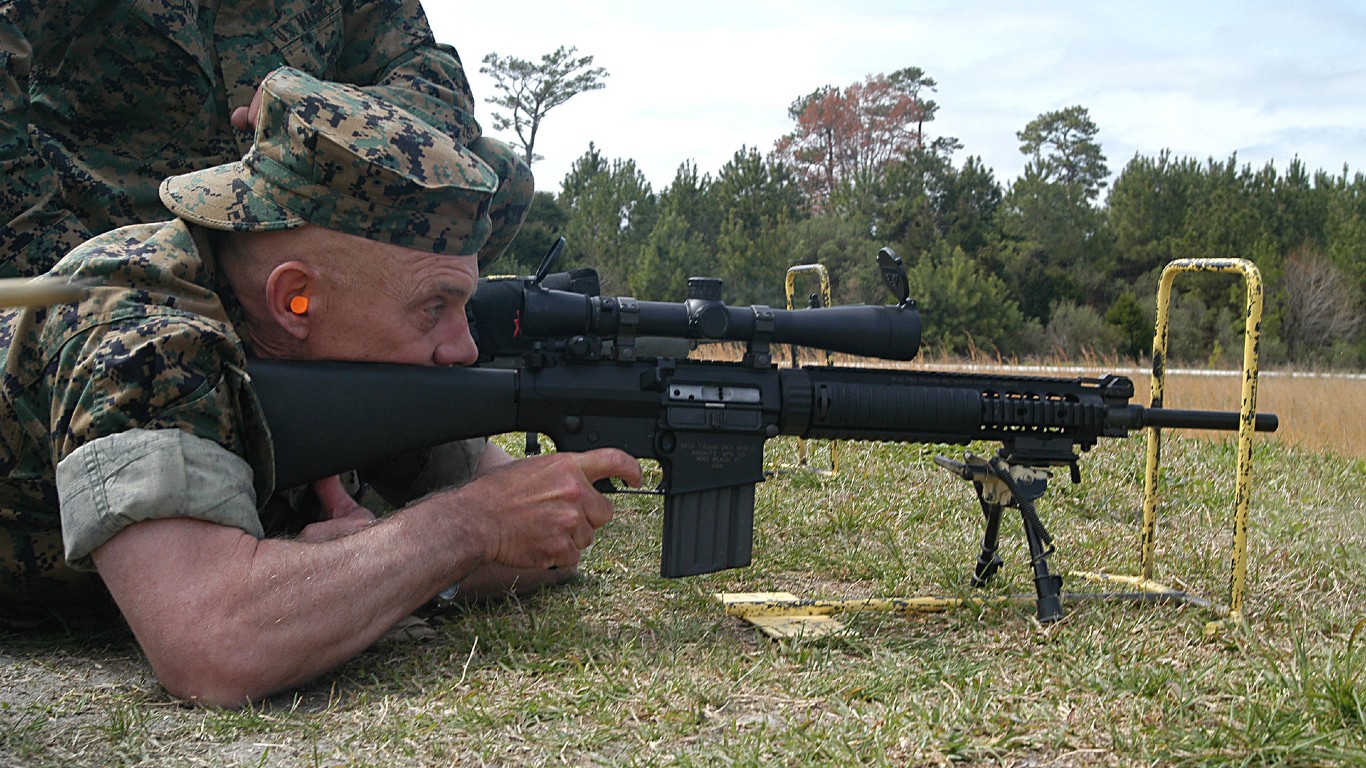
- Type: Sniper rifle
- Year introduced to service: 2001
- Primary role in GWOT: Precision rifle
- Branch(es) that used it most: SOCOM
- Primary conflict(s): Afghanistan
- Why it defined post-9/11 combat: Early GWOT precision workhorse
The Mk11 Mod 0 was one of the first precision rifles heavily used after 9/11. It provided reliable long-range fire in Afghanistan’s rugged terrain and set the stage for later sniper systems.
M110 SASS
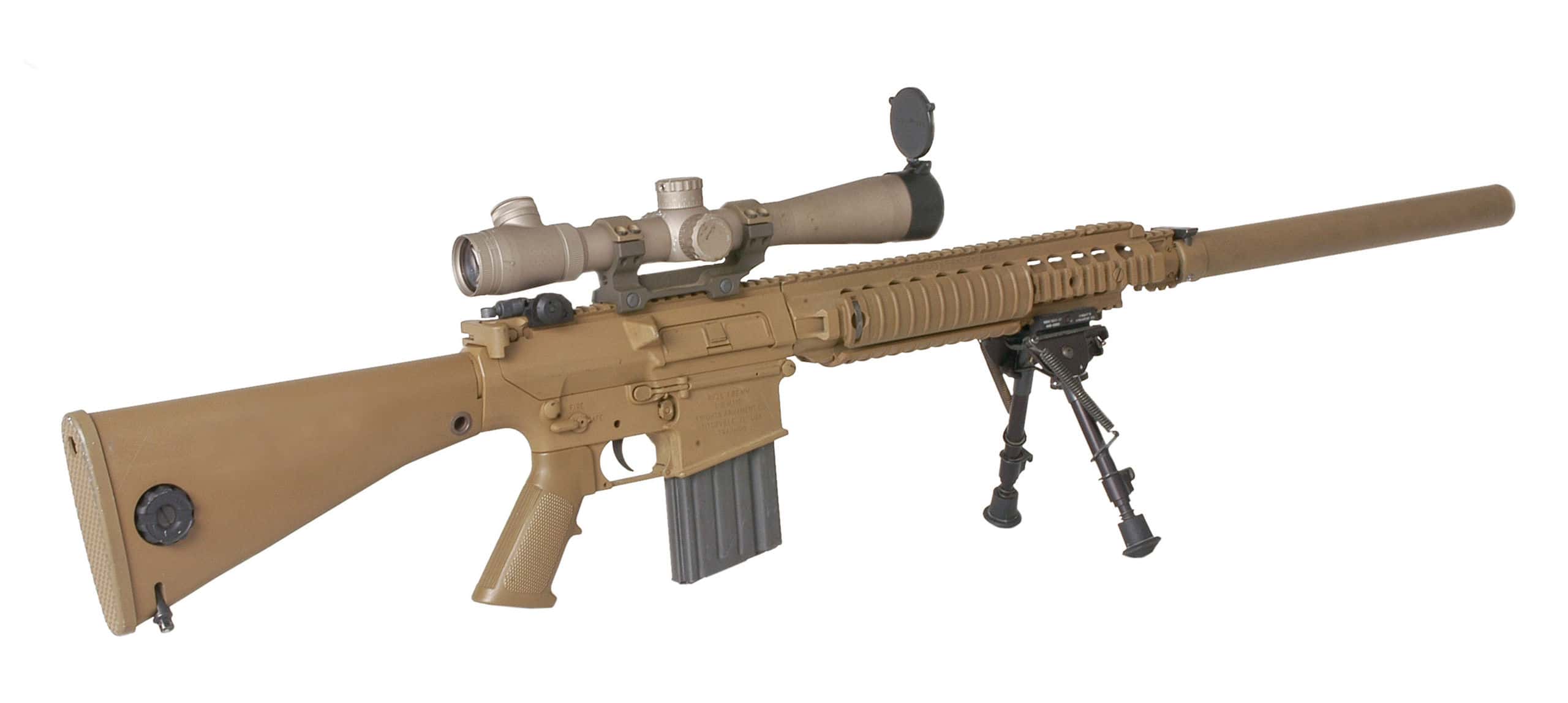
- Type: Sniper rifle
- Year introduced to service: 2008
- Primary role in GWOT: Semi-automatic sniper rifle
- Branch(es) that used it most: Army
- Primary conflict(s): Afghanistan
- Why it defined post-9/11 combat: Standardized semi-auto sniper capability
The M110 SASS standardized semi-automatic sniper capability across the Army. Its adoption reflected GWOT lessons emphasizing flexibility, speed, and sustained precision fire.
M40A5
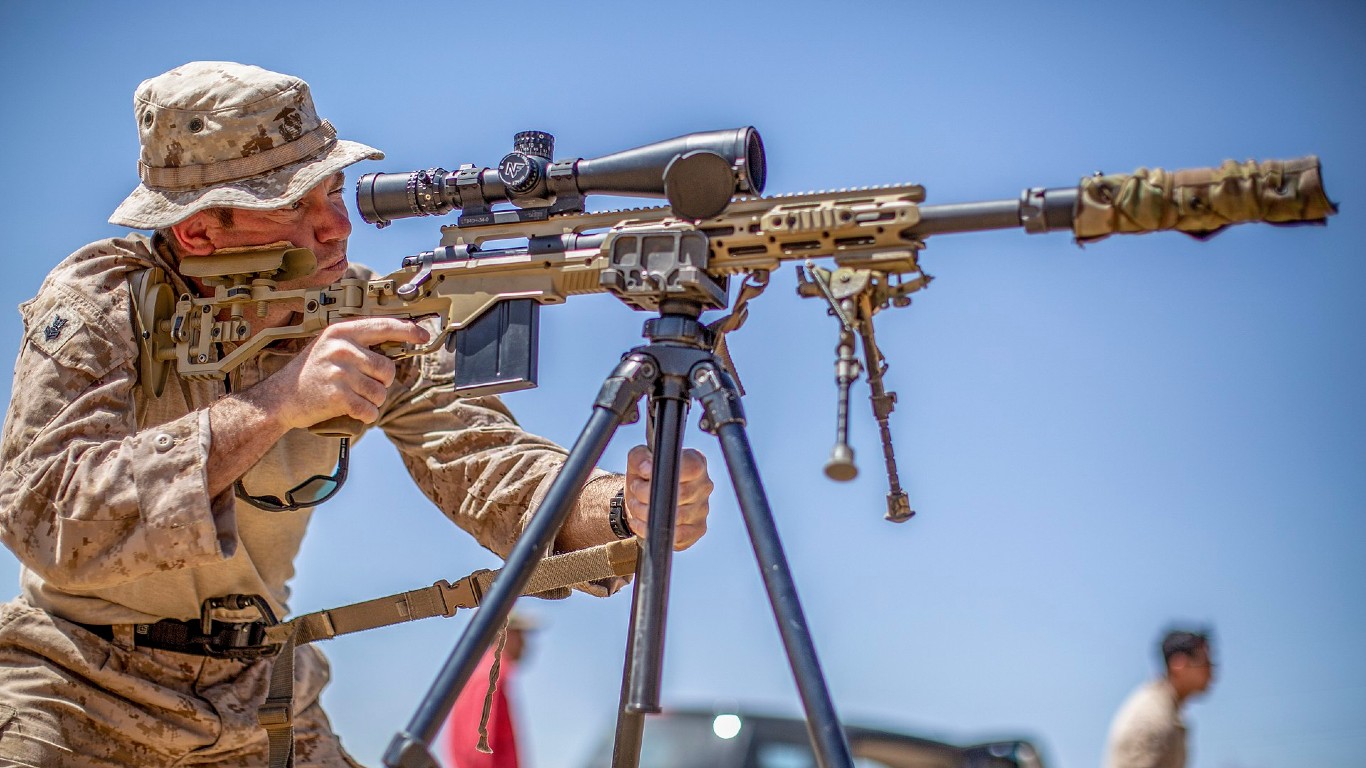
- Type: Sniper rifle
- Year introduced to service: 2009
- Primary role in GWOT: Sniper rifle
- Branch(es) that used it most: Marine Corps
- Primary conflict(s): Afghanistan
- Why it defined post-9/11 combat: Refined Marine sniper doctrine
The M40A5 represented the evolution of Marine Corps sniper rifles during the GWOT. Its improvements enhanced durability and precision, supporting long-term deployments in harsh environments.
M24
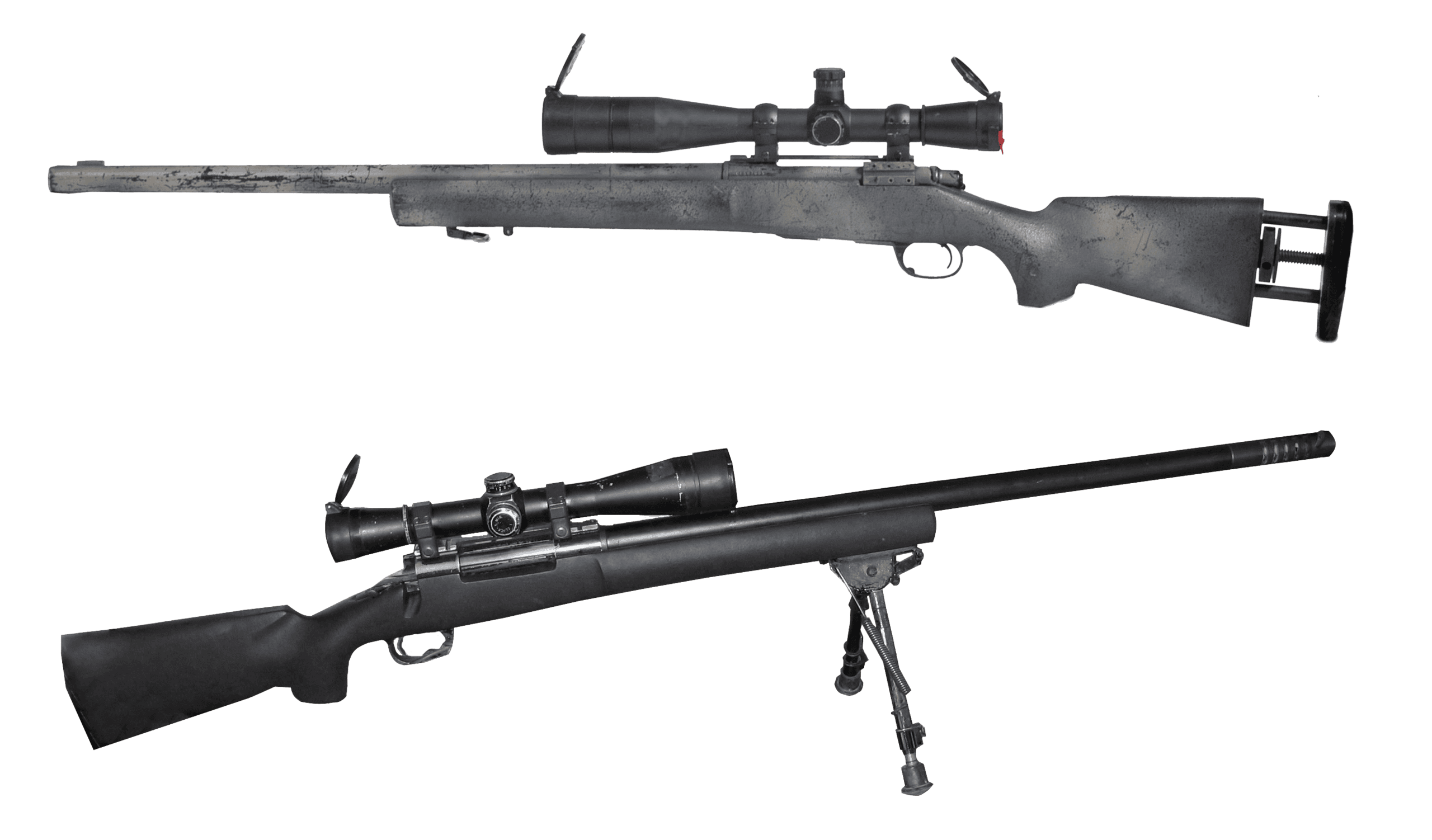
- Type: Sniper rifle
- Year introduced to service: 2001
- Primary role in GWOT: Sniper rifle
- Branch(es) that used it most: Army
- Primary conflict(s): Afghanistan
- Why it defined post-9/11 combat: Long-range precision in mountainous terrain
The M24 supported Army snipers in Afghanistan, where long sightlines demanded accuracy and reliability. It became a key precision tool during early post-9/11 operations.
M9 Beretta
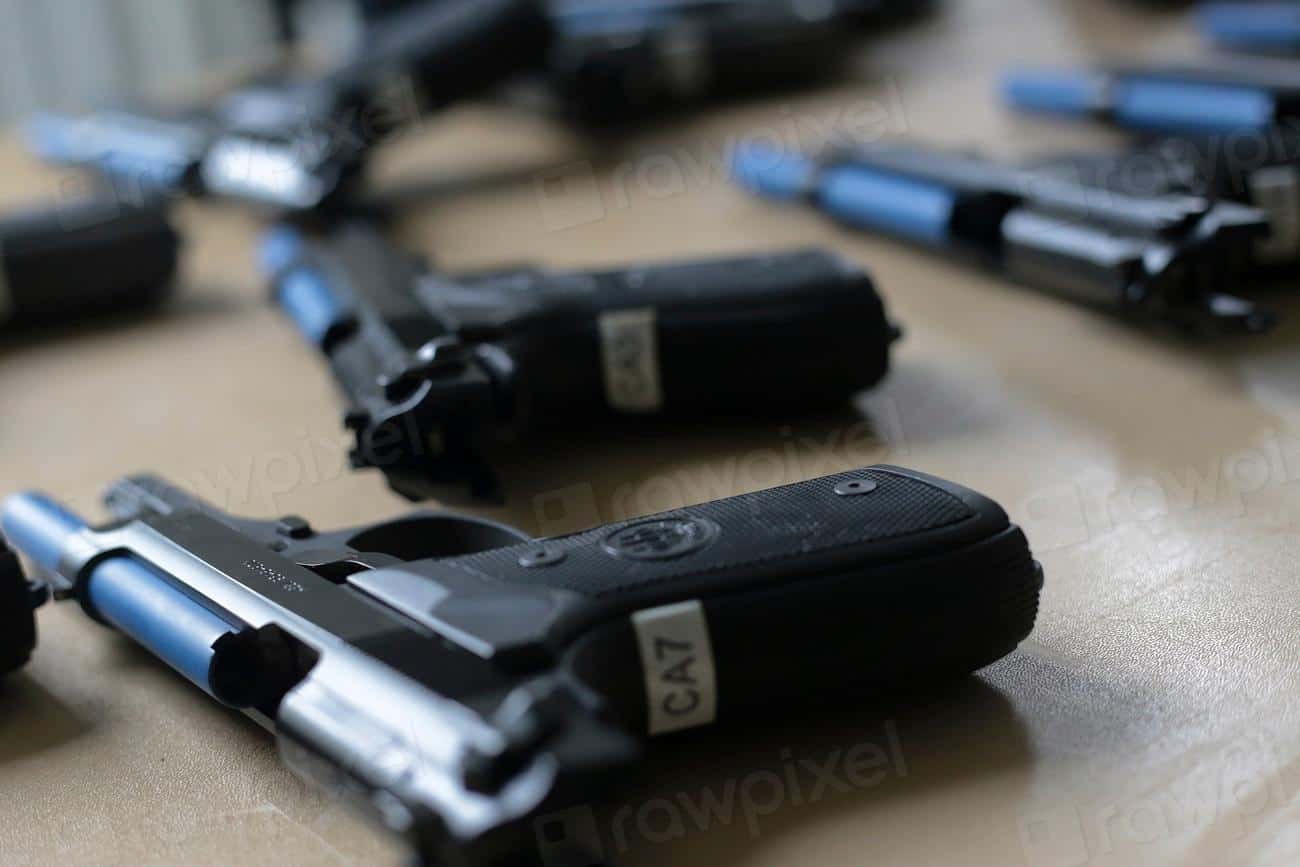
- Type: Pistol
- Year introduced to service: 2001
- Primary role in GWOT: Standard sidearm
- Branch(es) that used it most: All branches
- Primary conflict(s): Global deployments
- Why it defined post-9/11 combat: Most widely issued GWOT sidearm
The M9 Beretta was the standard U.S. sidearm throughout much of the GWOT. While rarely a primary weapon, it was carried by millions of service members and became a constant presence in post-9/11 combat zones.
M11
- Type: Pistol
- Year introduced to service: 2001
- Primary role in GWOT: Compact sidearm
- Branch(es) that used it most: SOCOM
- Primary conflict(s): Global deployments
- Why it defined post-9/11 combat: Preferred compact pistol
The M11 offered a smaller alternative to the M9 for special operations forces. Its compact size made it suitable for concealed carry and specialized missions during early GWOT deployments.
Glock 19
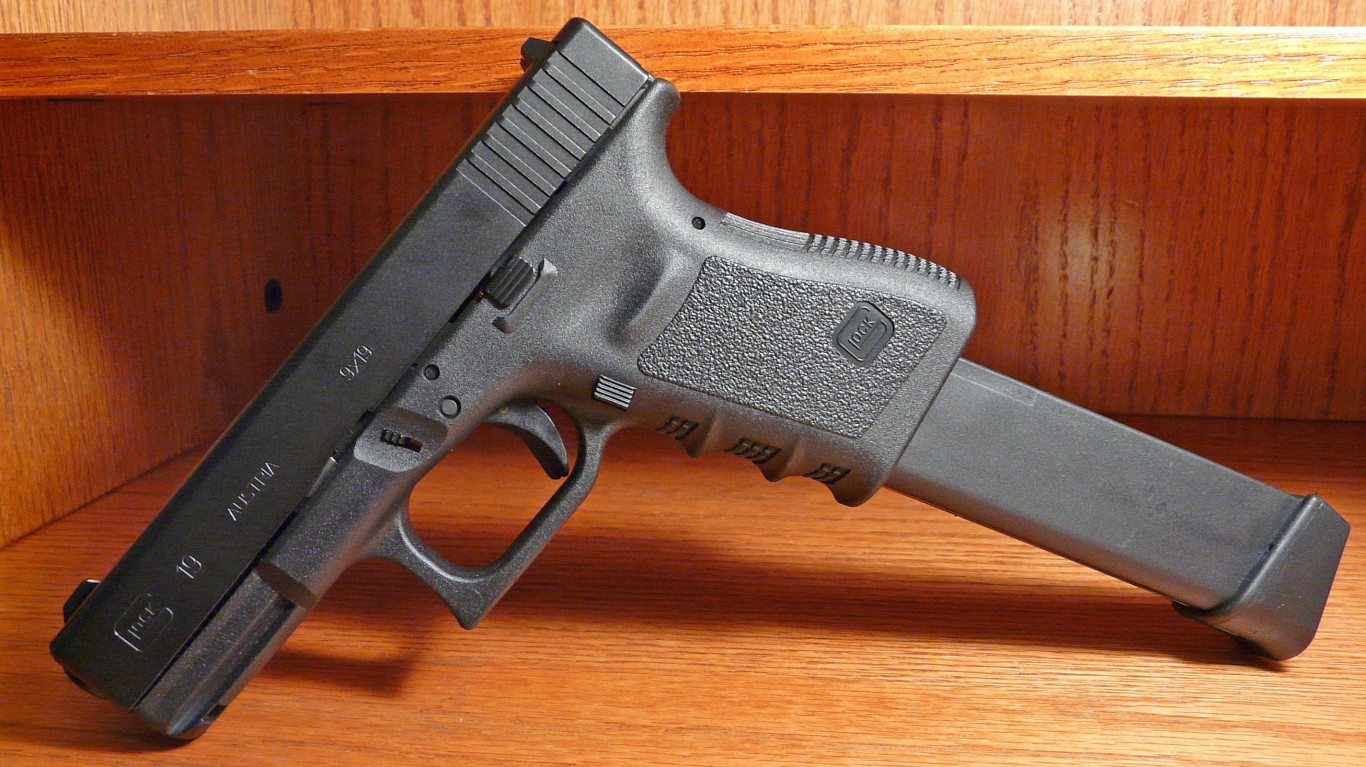
- Type: Pistol
- Year introduced to service: 2015
- Primary role in GWOT: SOCOM sidearm
- Branch(es) that used it most: SOCOM
- Primary conflict(s): Global deployments
- Why it defined post-9/11 combat: Modernized sidearm choice
The Glock 19 reflected SOCOM’s shift toward modern striker-fired pistols. Its reliability and simplicity aligned with evolving post-9/11 operational requirements.
SIG M17/M18
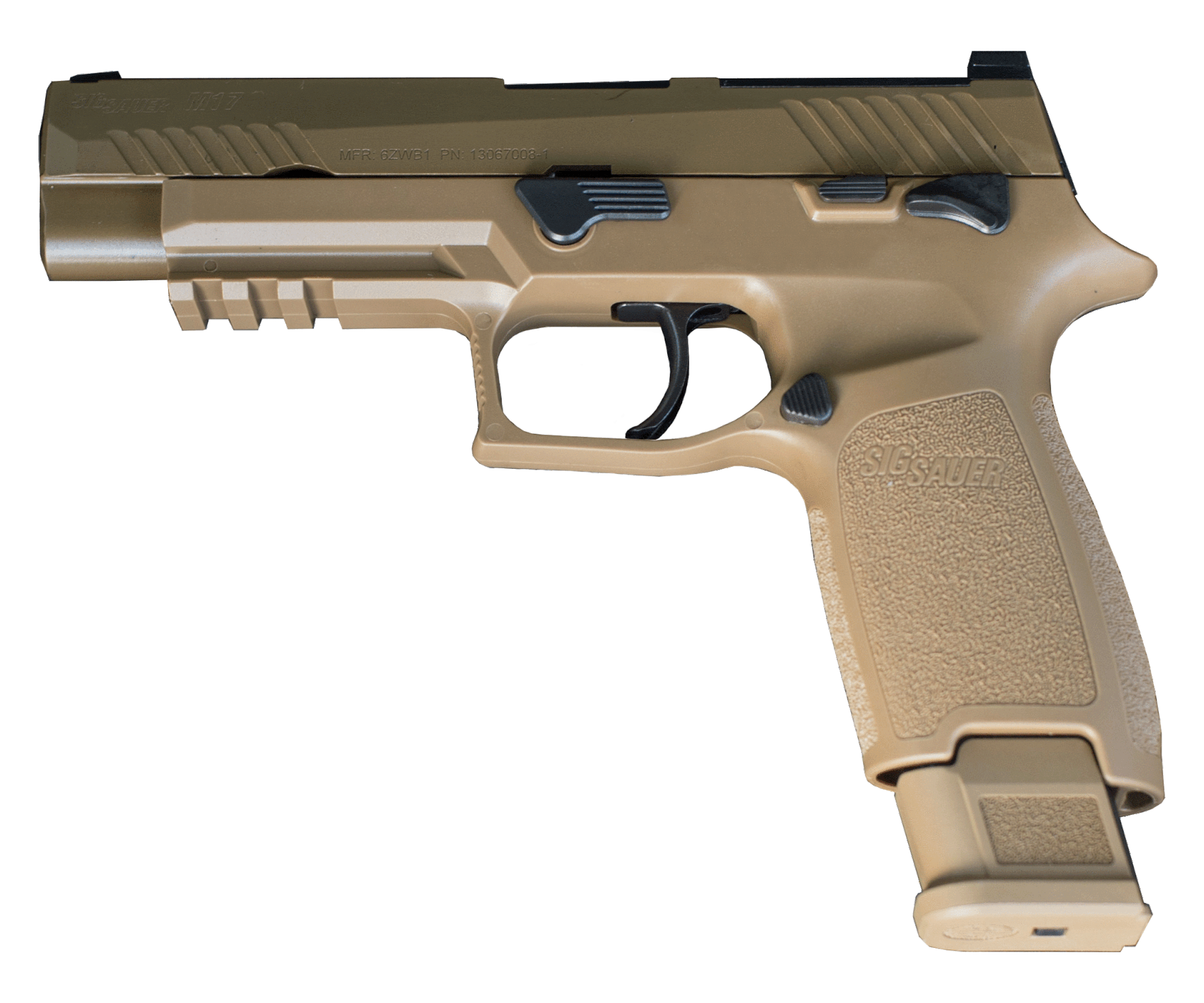
- Type: Pistol
- Year introduced to service: 2017
- Primary role in GWOT: Standard sidearm
- Branch(es) that used it most: All branches
- Primary conflict(s): Global deployments
- Why it defined post-9/11 combat: Replaced the M9
The M17 and M18 replaced the long-serving M9, marking a generational shift in U.S. sidearms. Their adoption reflected lessons learned over years of post-9/11 combat.
Benelli M4
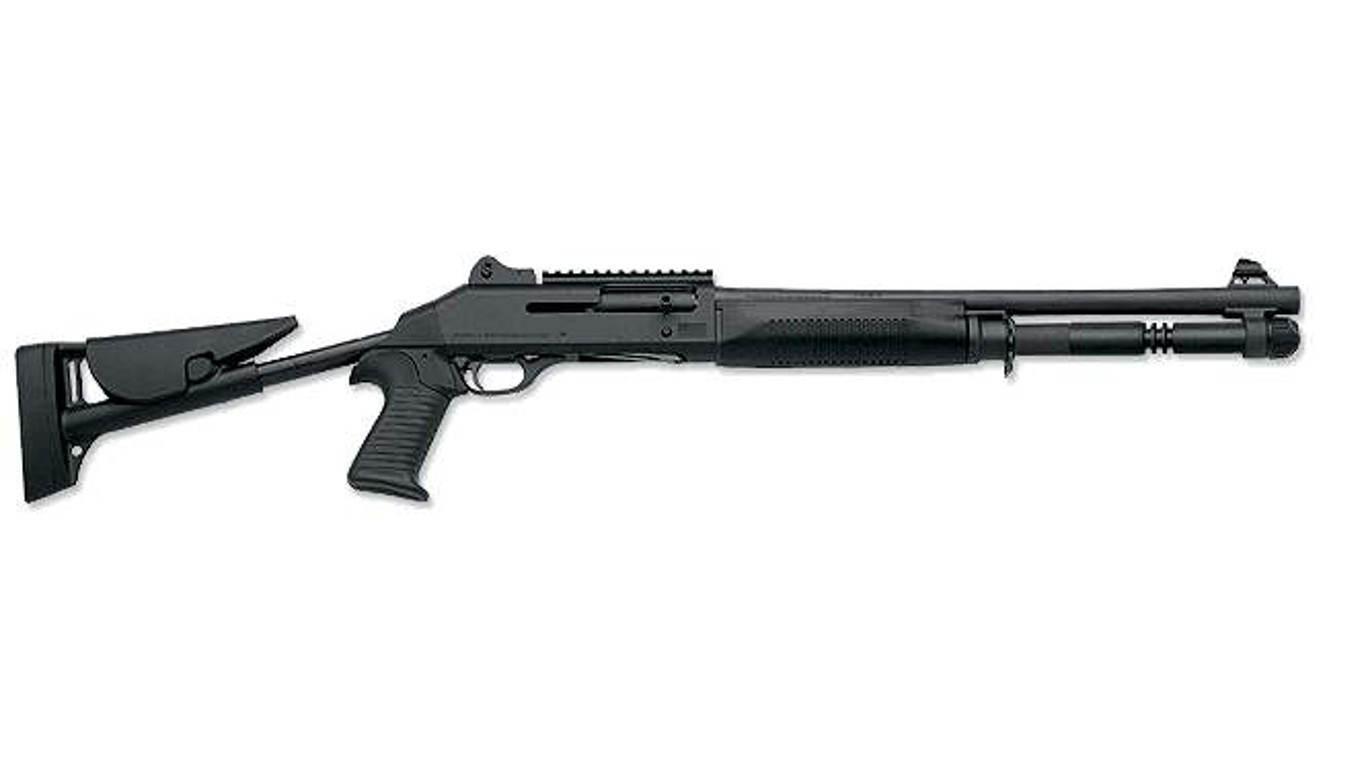
- Type: Shotgun
- Year introduced to service: 2001
- Primary role in GWOT: Combat shotgun
- Branch(es) that used it most: Marines, SOCOM
- Primary conflict(s): Iraq
- Why it defined post-9/11 combat: Reliable breaching and CQB weapon
The Benelli M4 became a trusted shotgun for breaching and close-quarters fighting. Its reliability made it a staple in urban operations during the GWOT.
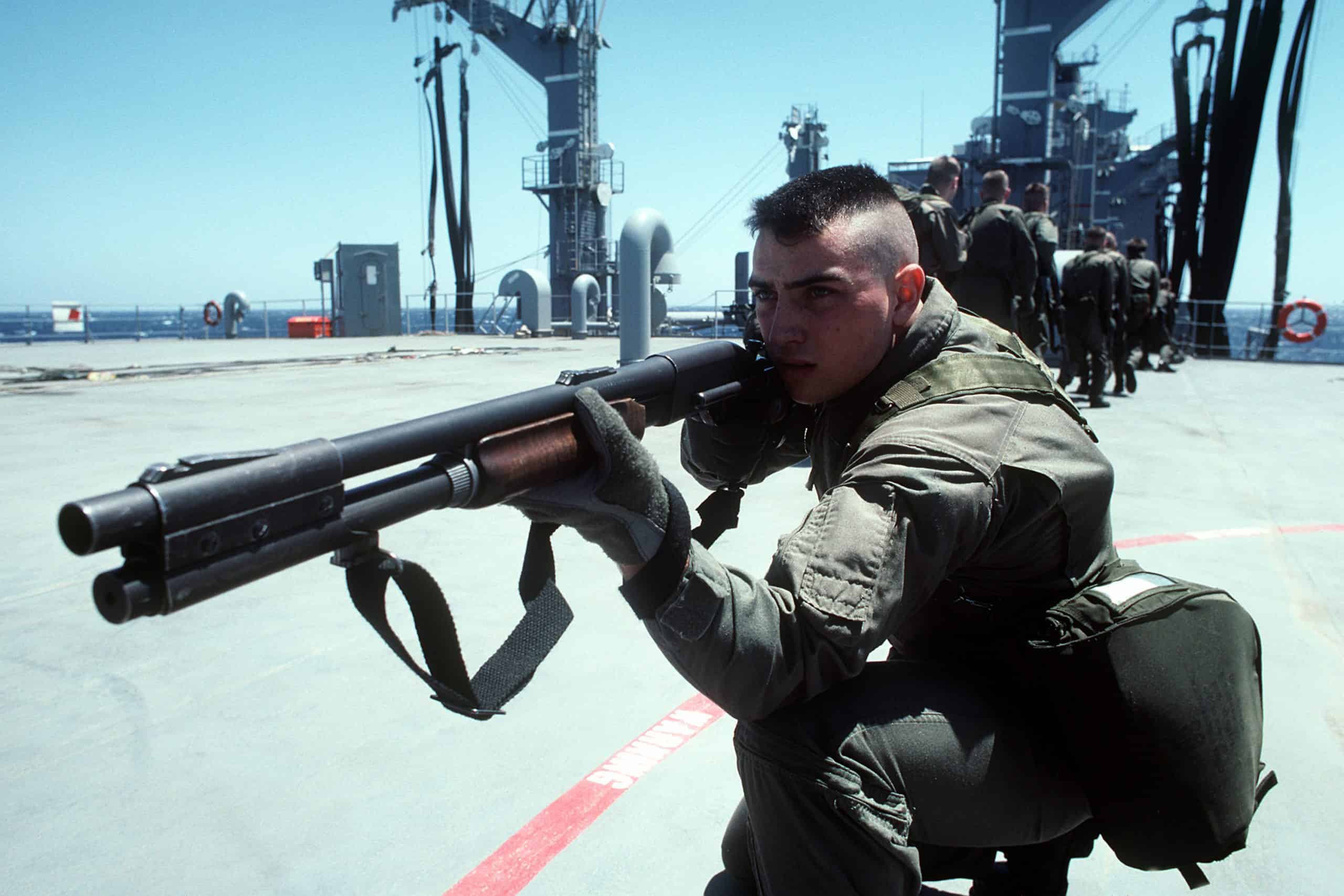
Mossberg 590A1
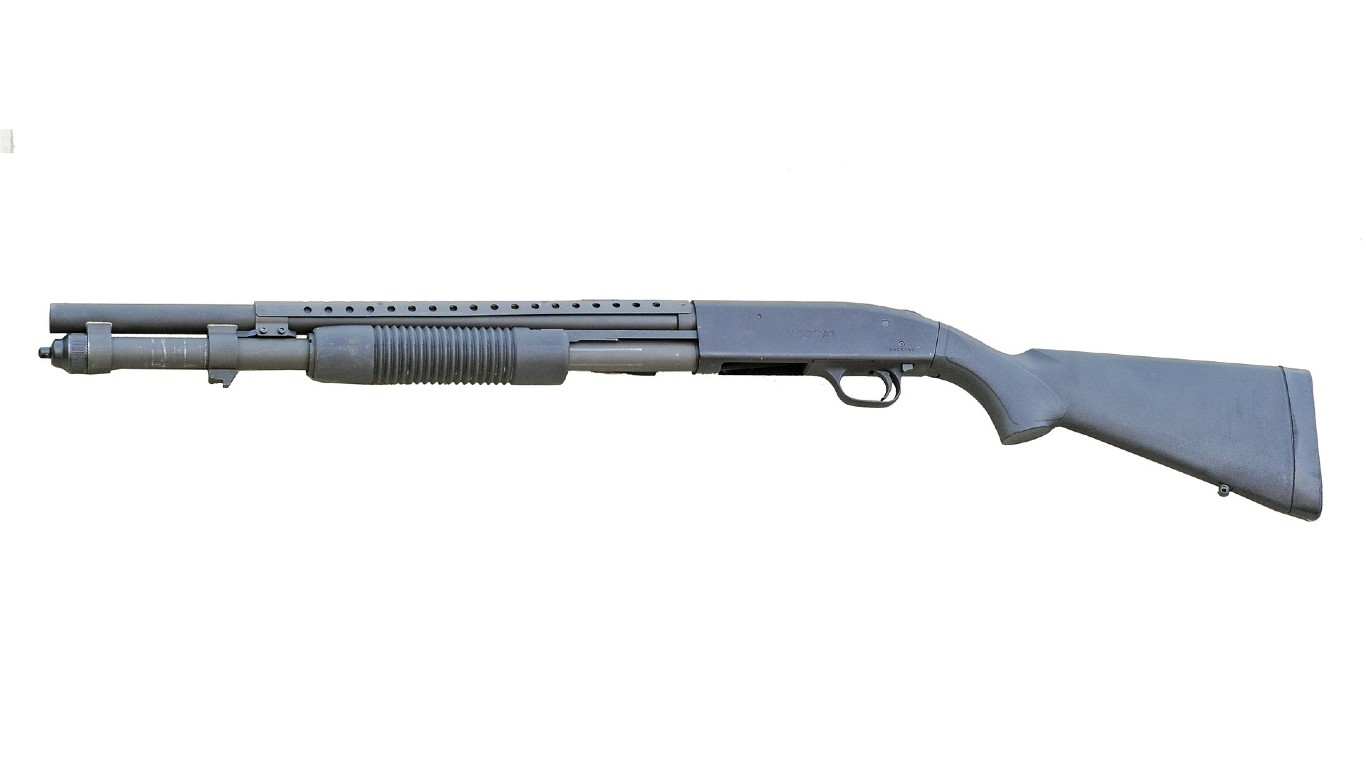
- Type: Shotgun
- Year introduced to service: 2001
- Primary role in GWOT: Combat shotgun
- Branch(es) that used it most: Navy, Marines
- Primary conflict(s): Global deployments
- Why it defined post-9/11 combat: Durable pump-action option
The Mossberg 590A1 provided a rugged pump-action alternative for U.S. forces. Its simplicity and durability suited the unpredictable environments of post-9/11 conflicts.
GAU-5A/A
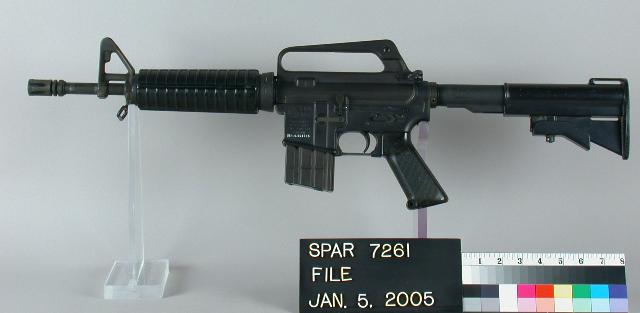
- Type: Carbine
- Year introduced to service: 2018
- Primary role in GWOT: Survival carbine
- Branch(es) that used it most: Air Force
- Primary conflict(s): Global deployments
- Why it defined post-9/11 combat: Compact aircrew survival weapon
The GAU-5A/A addressed the need for a compact, effective survival weapon for aircrews. Its design reflected evolving GWOT-era requirements for versatility and portability.
Mk46
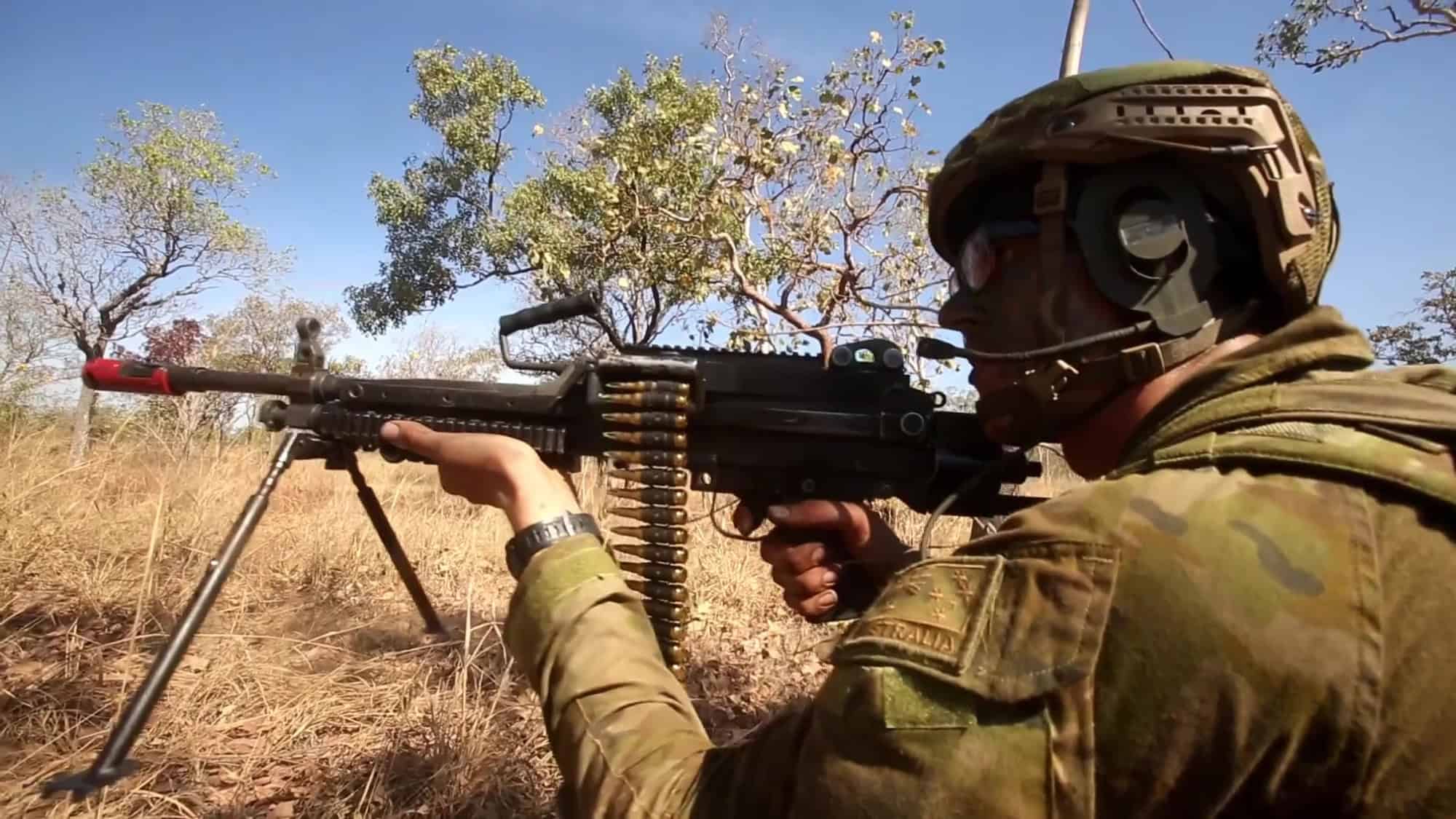
- Type: Light machine gun
- Year introduced to service: 2003
- Primary role in GWOT: SOCOM LMG
- Branch(es) that used it most: SOCOM
- Primary conflict(s): Afghanistan
- Why it defined post-9/11 combat: Lightweight suppressive fire
The Mk46 provided special operations forces with a lighter automatic weapon option. Its use highlighted the importance of mobility in GWOT firefights.
Mk12 SPR
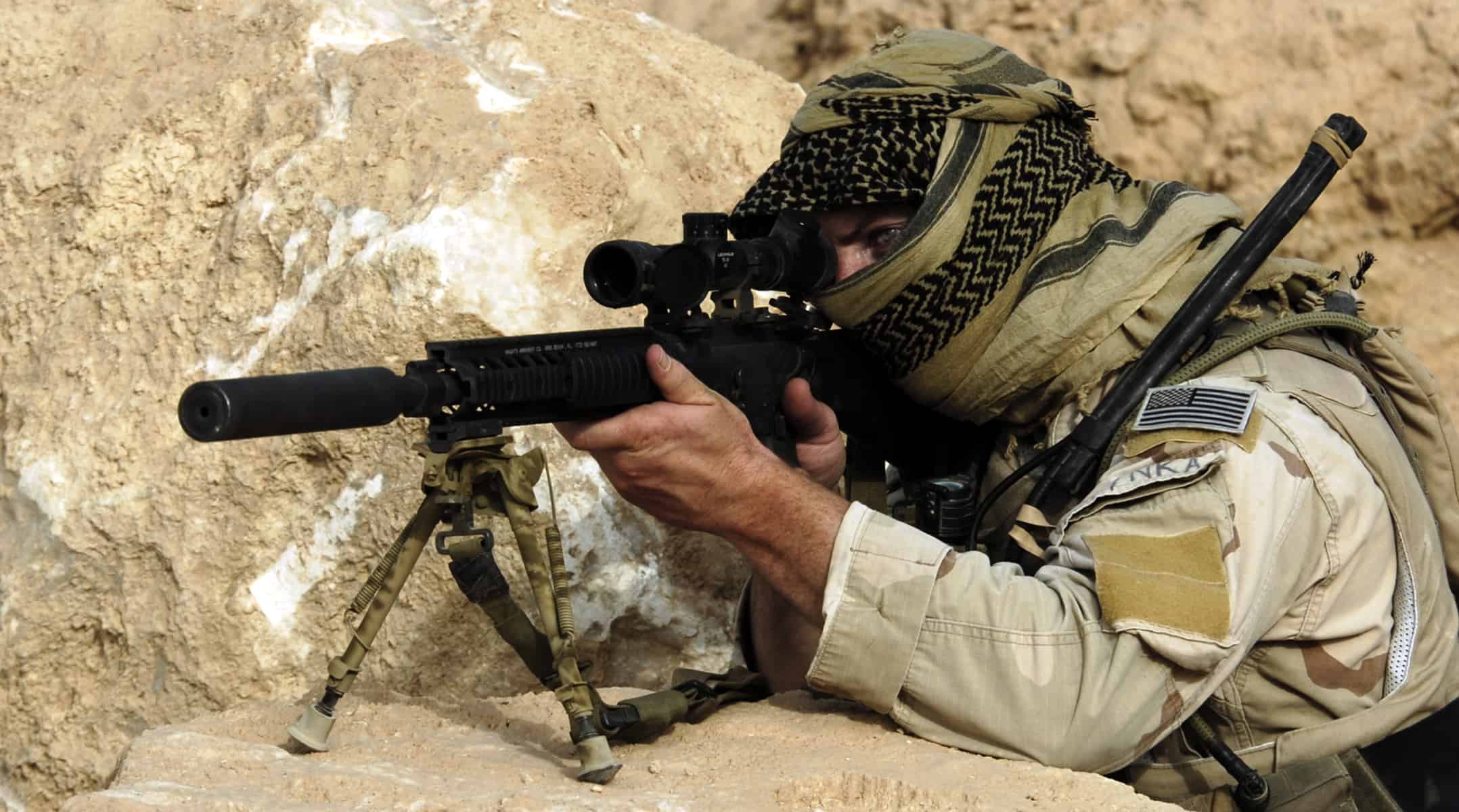
- Type: DMR
- Year introduced to service: 2002
- Primary role in GWOT: Precision rifle
- Branch(es) that used it most: SOCOM
- Primary conflict(s): Afghanistan
- Why it defined post-9/11 combat: Extended 5.56mm precision role
The Mk12 SPR extended the effective range of the 5.56mm platform. It filled a critical gap between standard rifles and sniper systems during early GWOT operations.
M320
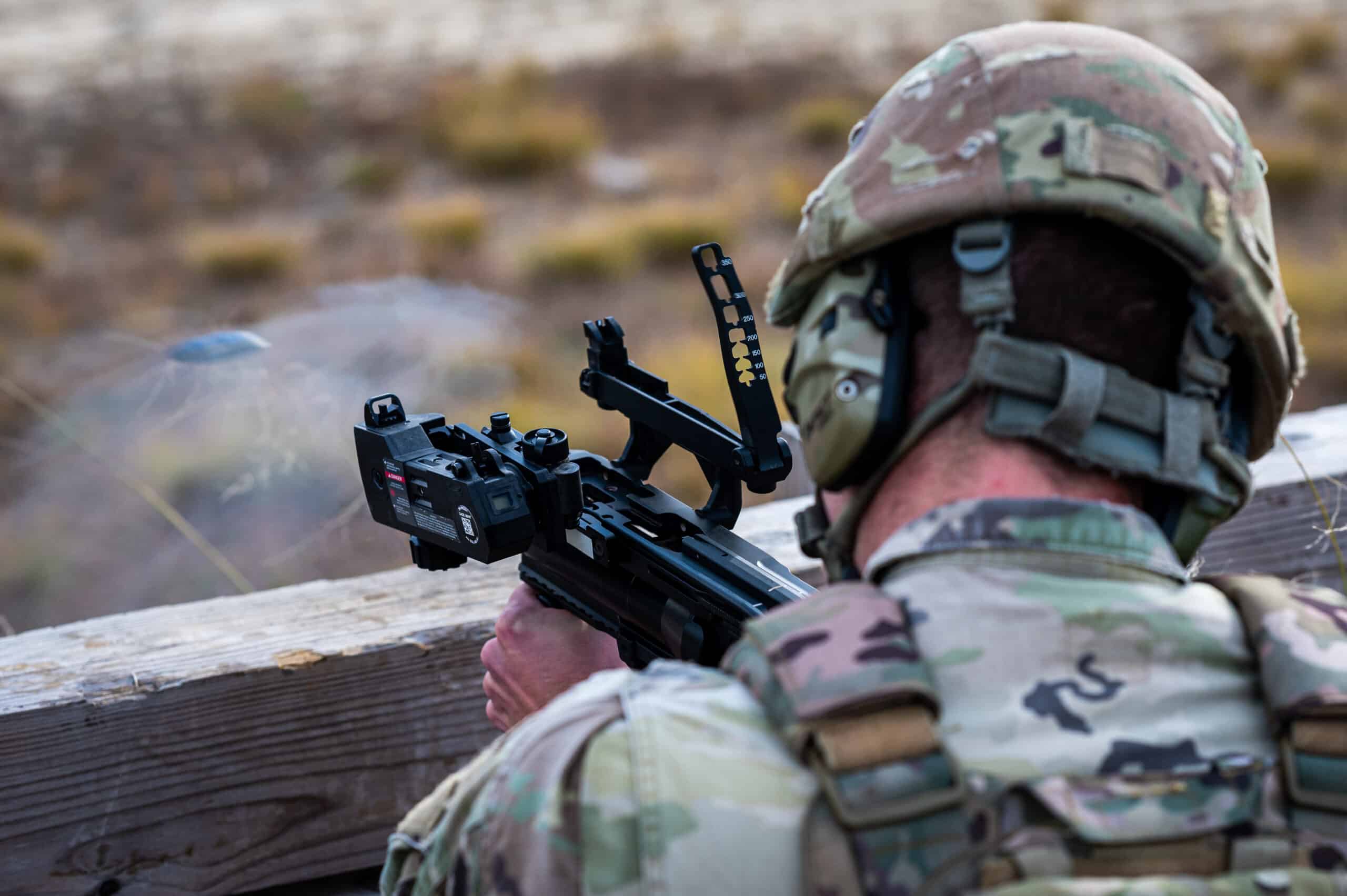
- Type: Launcher
- Year introduced to service: 2009
- Primary role in GWOT: Grenade launcher
- Branch(es) that used it most: Army, Marines
- Primary conflict(s): Afghanistan
- Why it defined post-9/11 combat: Modernized infantry explosive support
The M320 replaced the M203 as the primary grenade launcher, offering improved ergonomics and flexibility. Its adoption reflected GWOT-driven modernization efforts.
M203
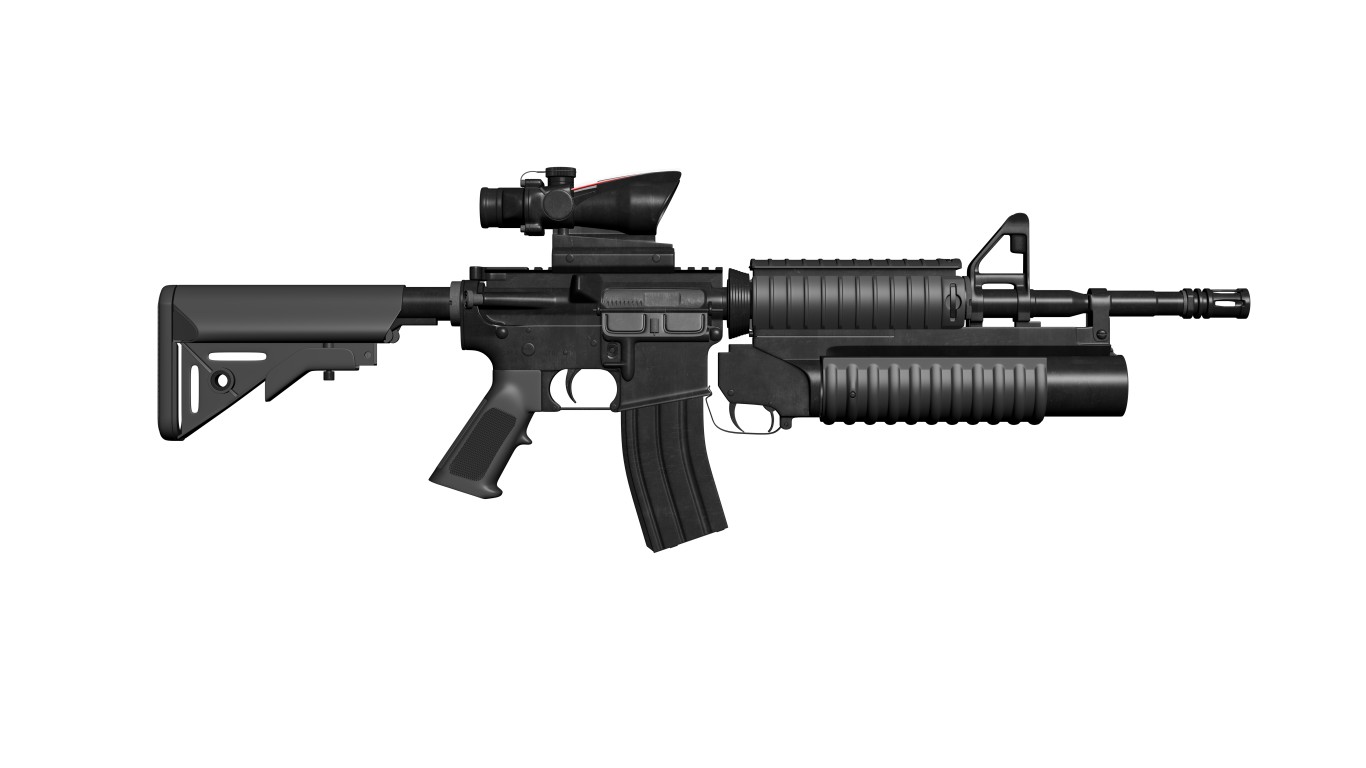
- Type: Launcher
- Year introduced to service: 2001
- Primary role in GWOT: Grenade launcher
- Branch(es) that used it most: Army, Marines
- Primary conflict(s): Afghanistan, Iraq
- Why it defined post-9/11 combat: Widely used early GWOT launcher
The M203 was heavily used during early post-9/11 operations, providing infantry squads with organic explosive capability. It became a familiar sight in Afghanistan and Iraq.









 Top Gaining Stocks
 Top Losing Stocks