


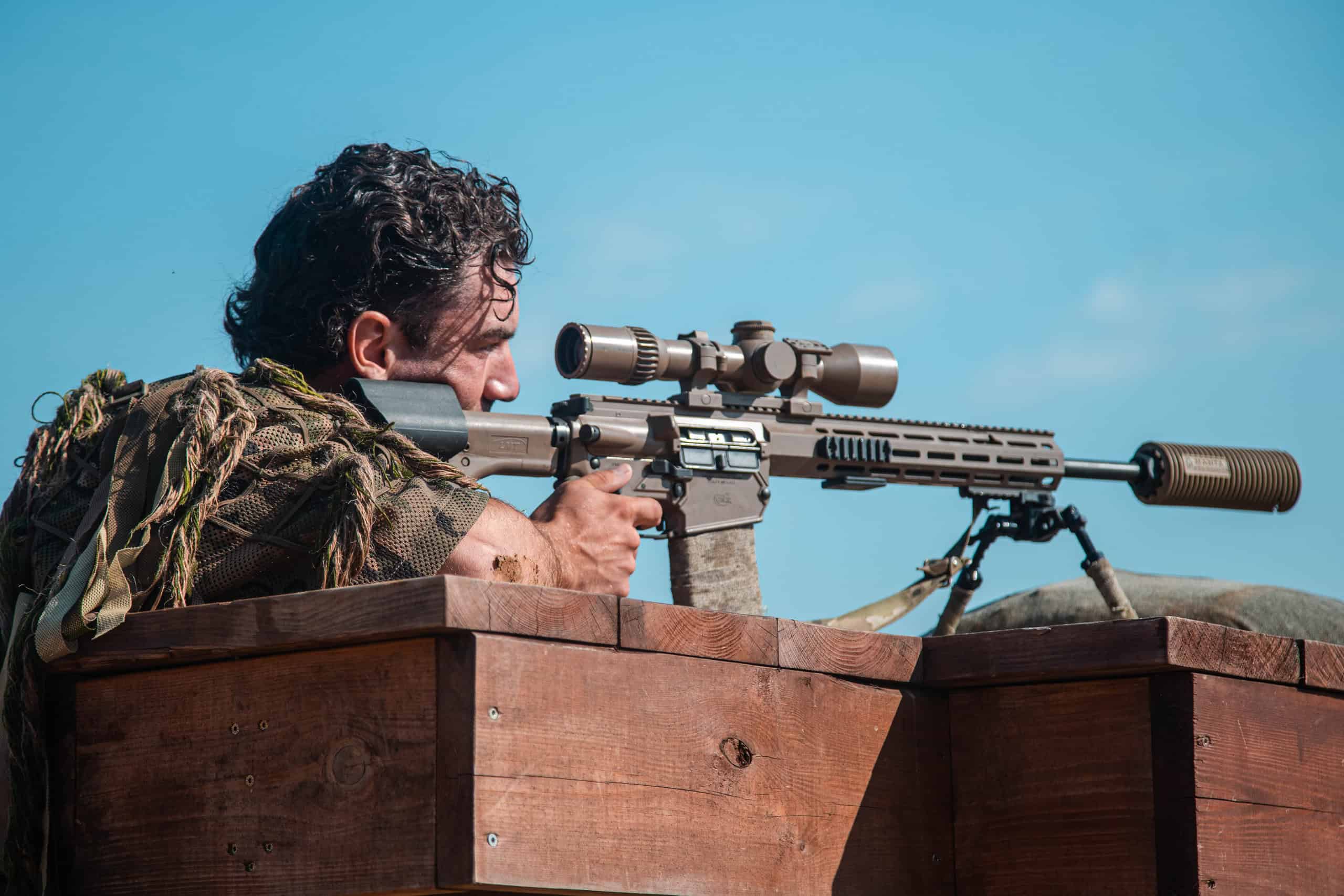
The rise of sniper weapons marked a turning point in warfare. No longer could commanders move freely or assume safety behind the front lines. Rifles capable of extreme accuracy and range imposed new limits on movement, visibility, and command. Here, 24/7 Wall St. is taking a closer look at the sniper weapons that changed the game for the entire doctrine of war.
To determine the sniper weapons that truly changed the balance of power on the battlefield, 24/7 Wall St. reviewed various historical and military sources. We included supplemental information regarding the year each weapon was introduced, who used it, and how it shifted the balance of power.
Here is a look at the sniper weapons that changed the balance of power on the battlefield:
Why Are We Covering This?
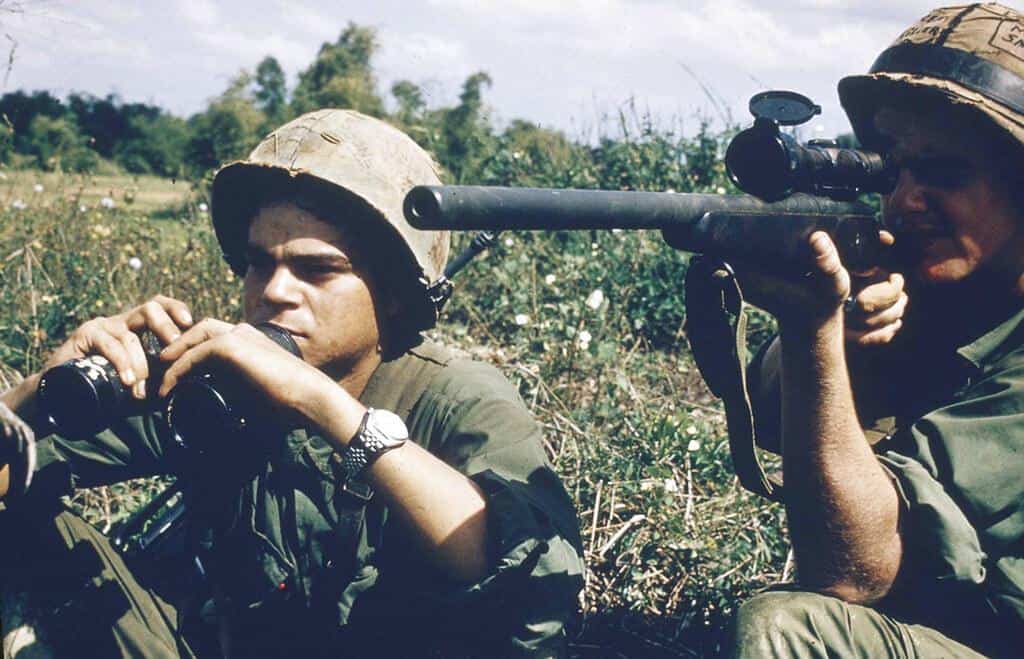
Sniper weapons have repeatedly reshaped how wars are fought by allowing precision to outweigh numbers. By examining the weapons that shifted engagement ranges, introduced new forms of area denial, and imposed psychological pressure far beyond their actual use, the list shows why sniper rifles remain one of the most influential tools in modern warfare. Understanding how these weapons altered the balance of power helps explain why precision, patience, and individual skill continue to matter as much as massed firepower.
Precision Changed Warfare
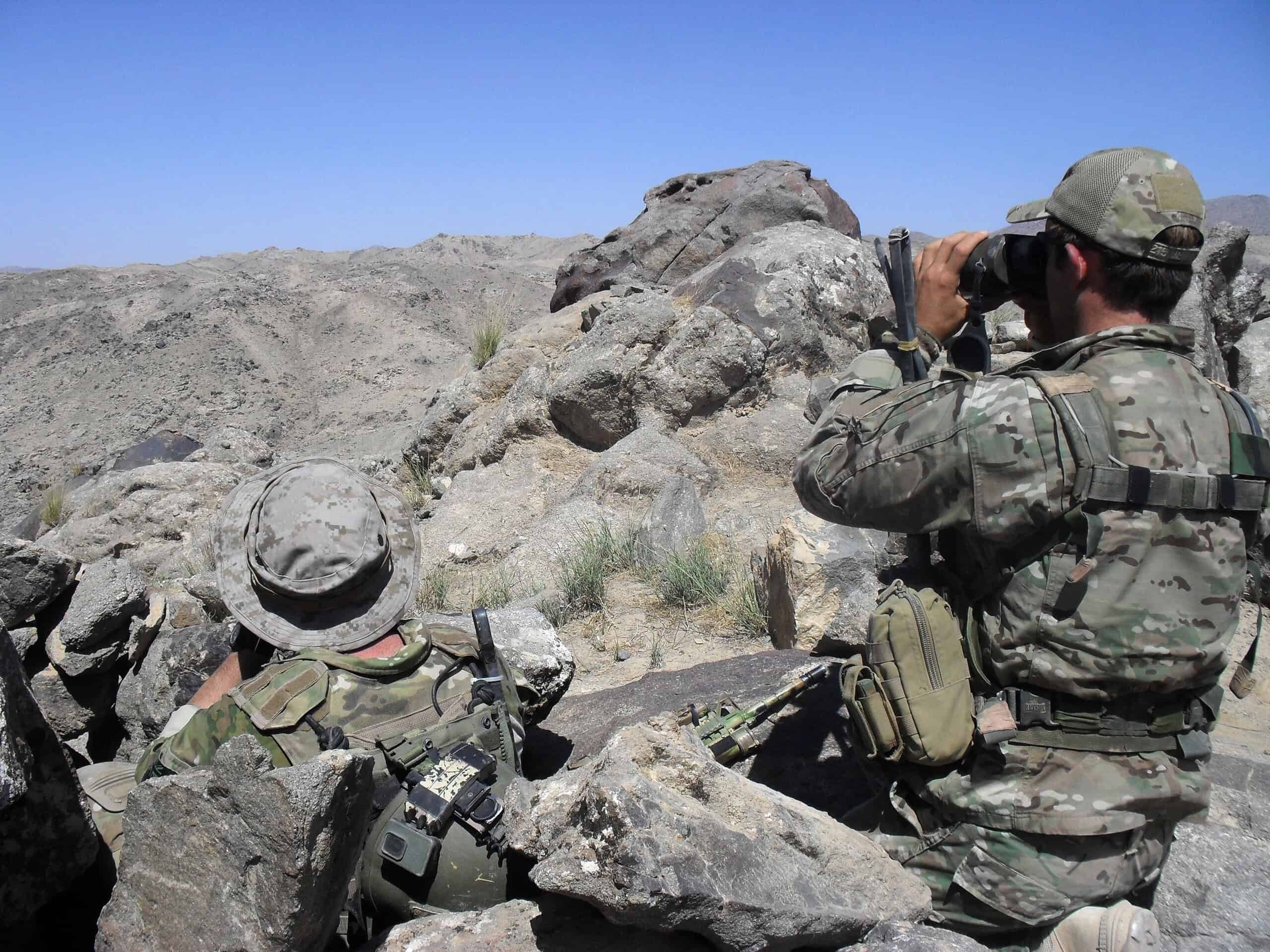
Precision changed warfare by shifting power away from mass and toward accuracy. As sniper weapons evolved, small teams gained the ability to influence battles far beyond their numbers, forcing entire units to adjust how they moved, how they fought, and how they protected leadership. Snipers didn’t need to dominate with volume; they could disrupt formations, delay advances, and impose caution with a handful of well-placed shots. Over time, accuracy became more than a technical advantage—it became a strategic force multiplier.
Before Snipers Ruled the Battlefield
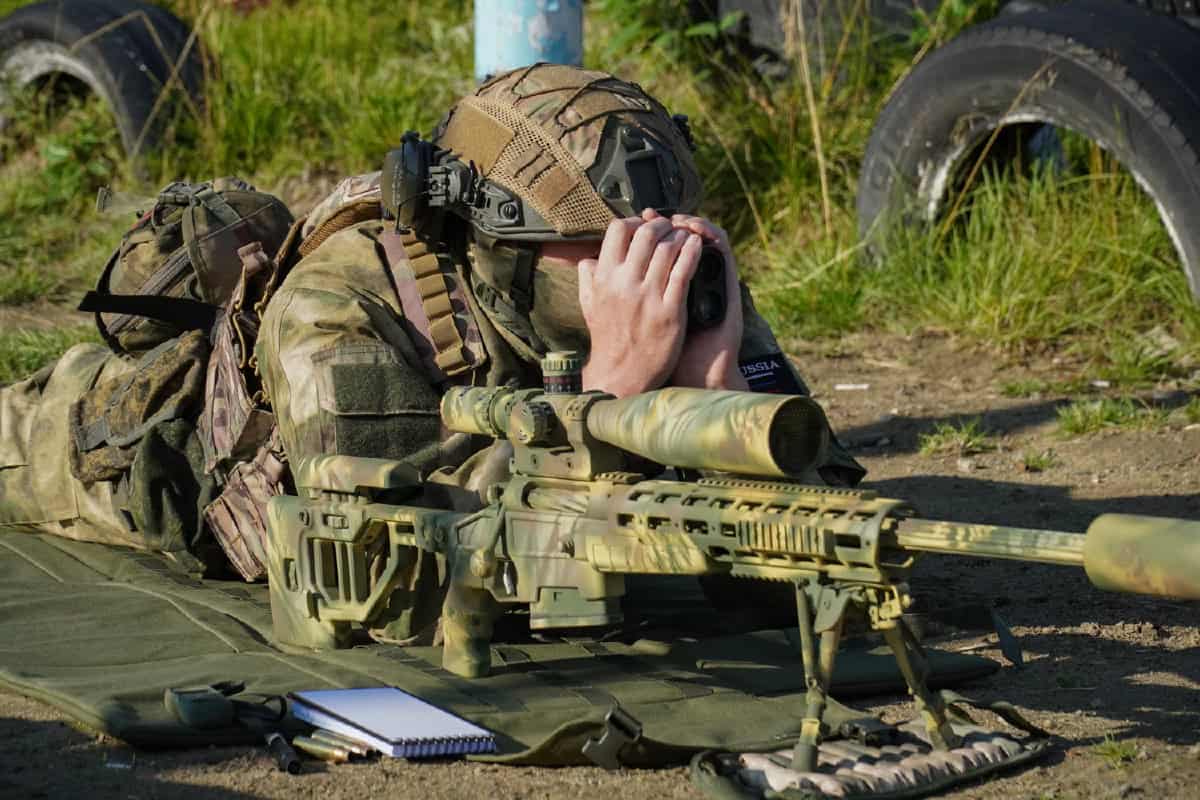
Before sniper weapons became truly influential, battlefields largely favored mass formations and volume of fire. Infantry units could maneuver with fewer constraints, and commanders often operated closer to the front because the likelihood of being singled out at long range was lower. Engagements were shaped by density, momentum, and sustained fire, rather than precision denial. As weapons and optics improved, that environment changed rapidly, and the freedom of movement that once defined infantry warfare began to shrink.
The Weapons That Forced Change

Certain sniper weapons didn’t just improve accuracy—they forced opponents to adapt their tactics. By extending effective engagement ranges, enabling anti-materiel strikes, and expanding suppressed precision operations, these rifles changed how terrain was used and how risk was managed. Some shifted precision fire to the squad level through designated marksman roles, while others created entirely new threats by allowing snipers to disable equipment and vehicles from distances once considered safe. These weapons reshaped doctrine by redefining what the battlefield allowed.
Psychological and Tactical Dominance
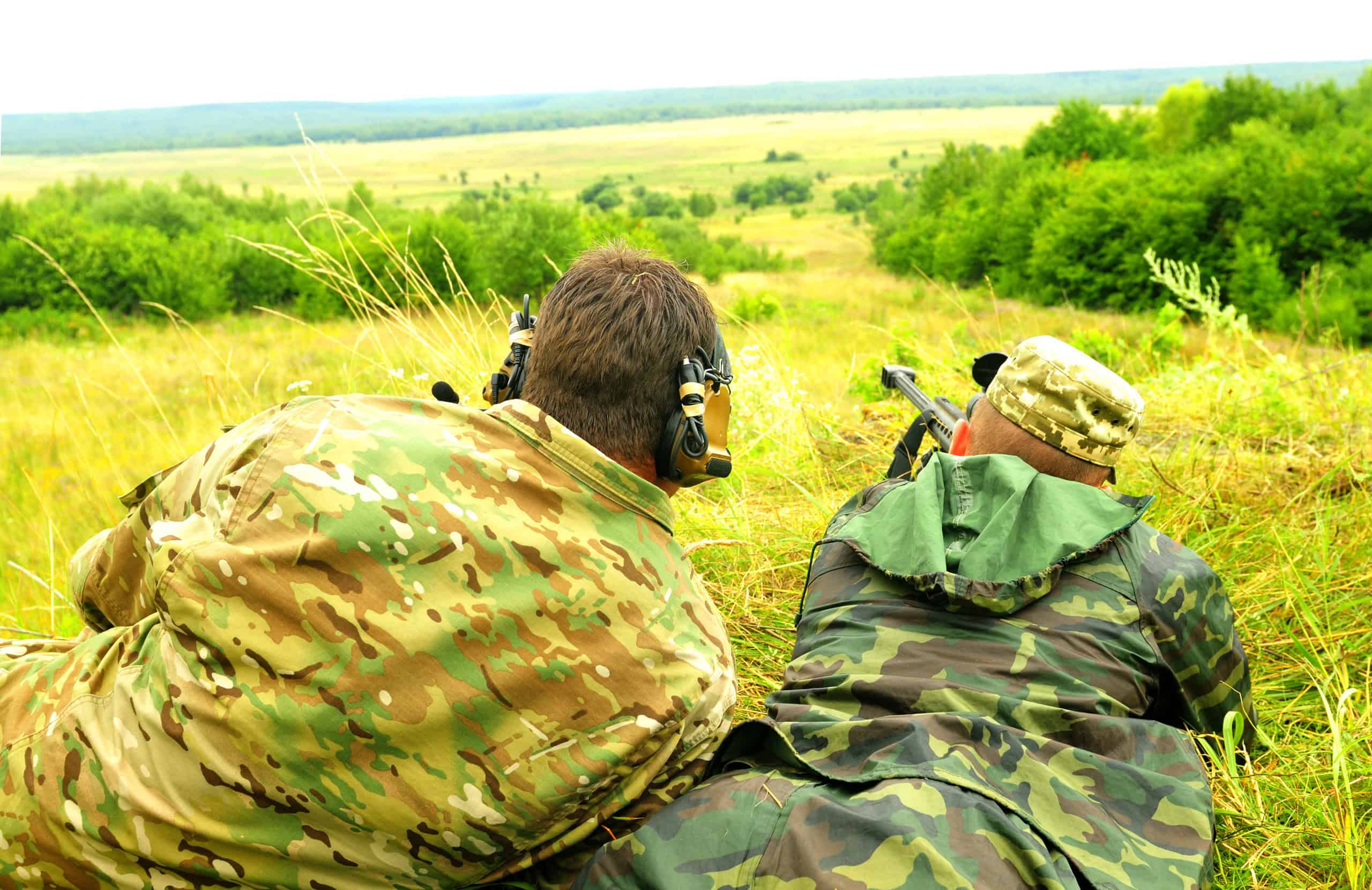
The most powerful effects of sniper weapons are often psychological and tactical rather than purely lethal. A capable sniper can deny terrain and control enemy movement without firing constantly, forcing slower advances, increased use of concealment, and cautious command decisions. Leadership becomes more vulnerable, patrol patterns change, and units lose operational freedom as they prioritize protection over momentum. Sniper weapons impose pressure that spreads well beyond a single engagement, shaping behavior across entire sectors of the battlefield.
30 Weapons That Shifted the Balance
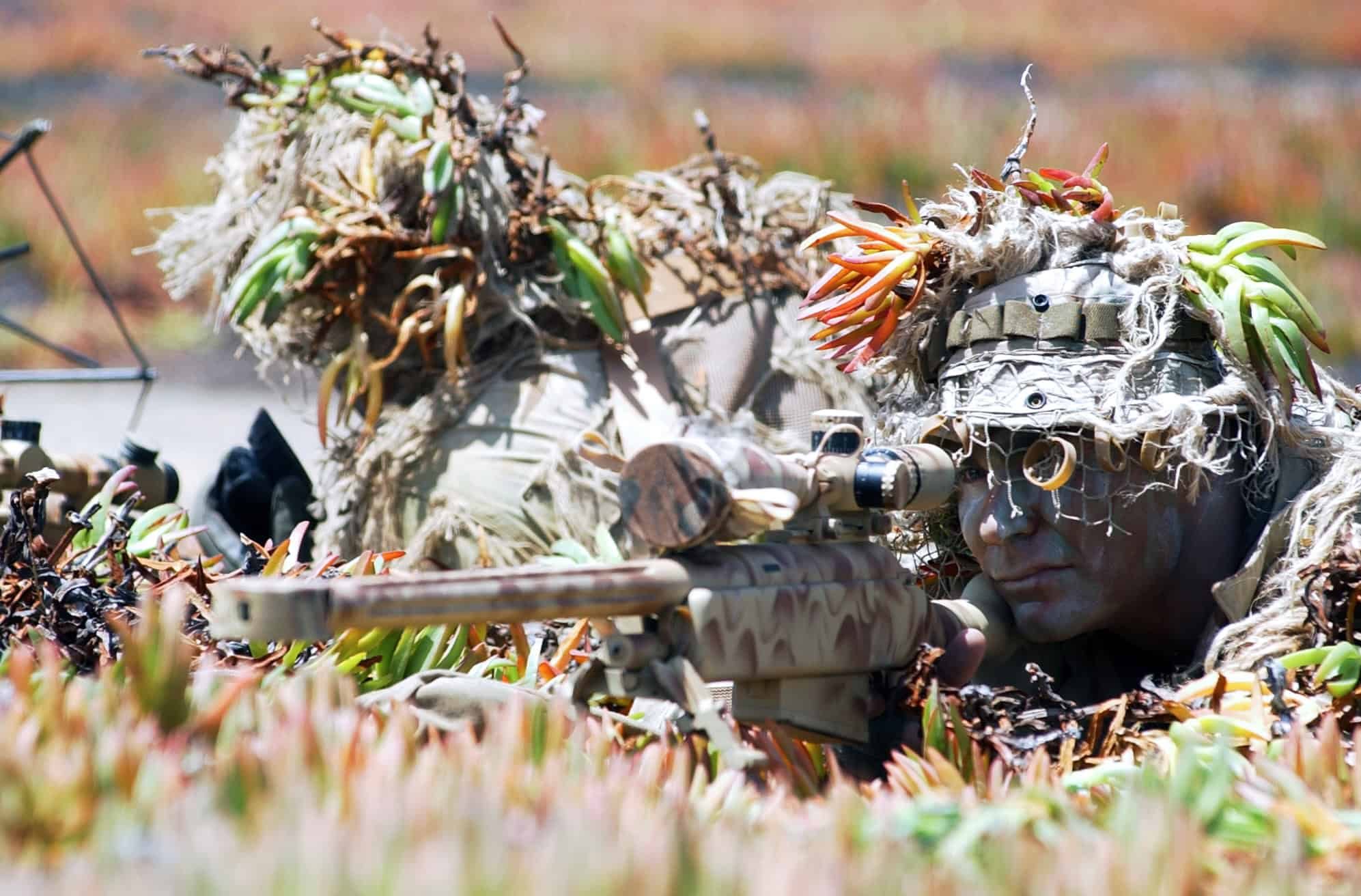
The list that follows highlights 30 sniper weapons that changed the balance of power across more than a century of conflict. Spanning bolt-action classics, semi-automatic precision systems, suppressed rifles, and anti-materiel platforms, each entry earned its place by forcing real battlefield adaptation. Some changed how snipers were trained and employed, while others expanded range and capability so dramatically that entire tactics had to evolve. Together, they show how precision reshaped modern combat.
Whitworth Rifle
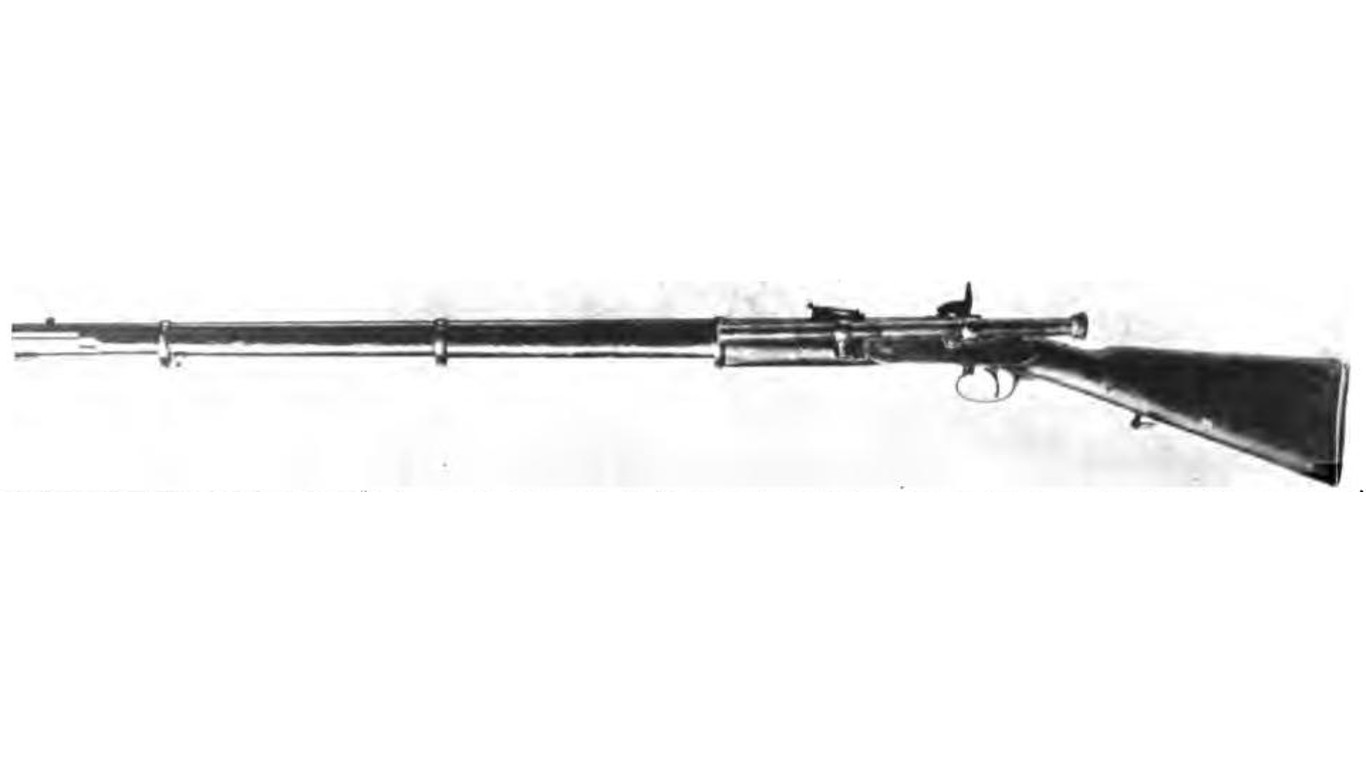
- Weapon type: Bolt-action (muzzleloader)
- Year introduced to service: 1857
- Primary conflict / era: American Civil War
- How it changed the balance of power: Introduced true long-range precision
- Who used it: Confederate forces
- Why it mattered on the battlefield: Extended engagement ranges beyond standard infantry weapons
The Whitworth Rifle demonstrated that precision fire at extreme ranges could decisively influence battlefield outcomes. Its accuracy forced opposing forces to rethink movement and command exposure, marking one of the earliest shifts toward sniper dominance.
Sharps Rifle (Scoped)
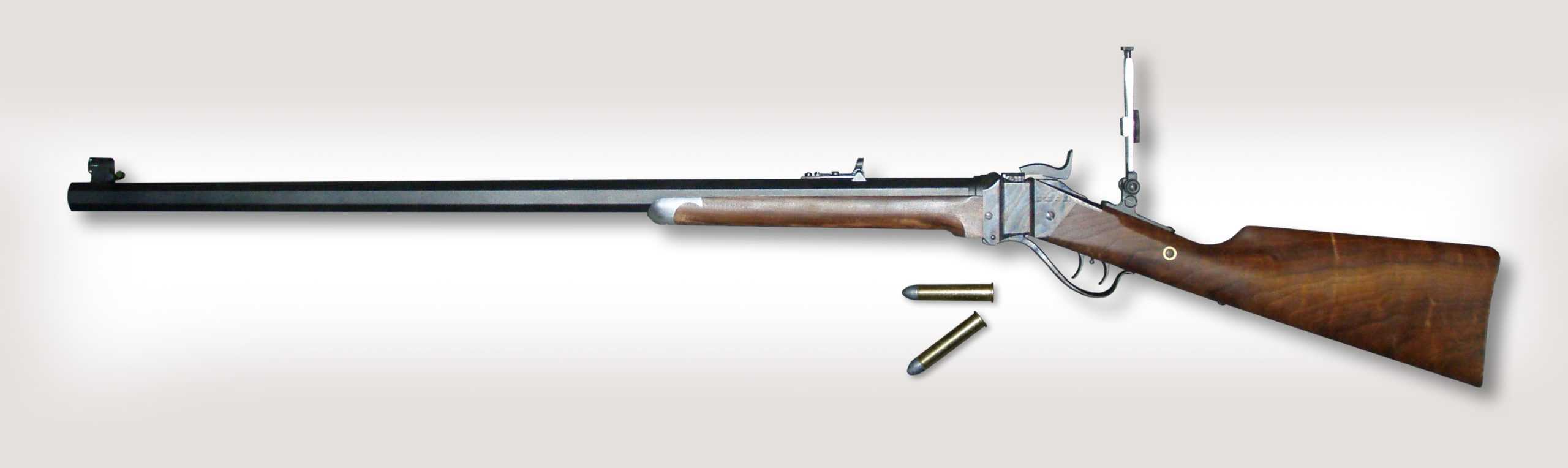
- Weapon type: Single-shot rifle
- Year introduced to service: 1859
- Primary conflict / era: American Civil War
- How it changed the balance of power: Enabled deliberate long-range marksmanship
- Who used it: Union and Confederate sharpshooters
- Why it mattered on the battlefield: Allowed small teams to influence large formations
Scoped Sharps rifles helped establish the sniper as a battlefield role, proving that accurate long-range fire could disrupt command structures and defensive positions.
Springfield M1903 (Scoped)
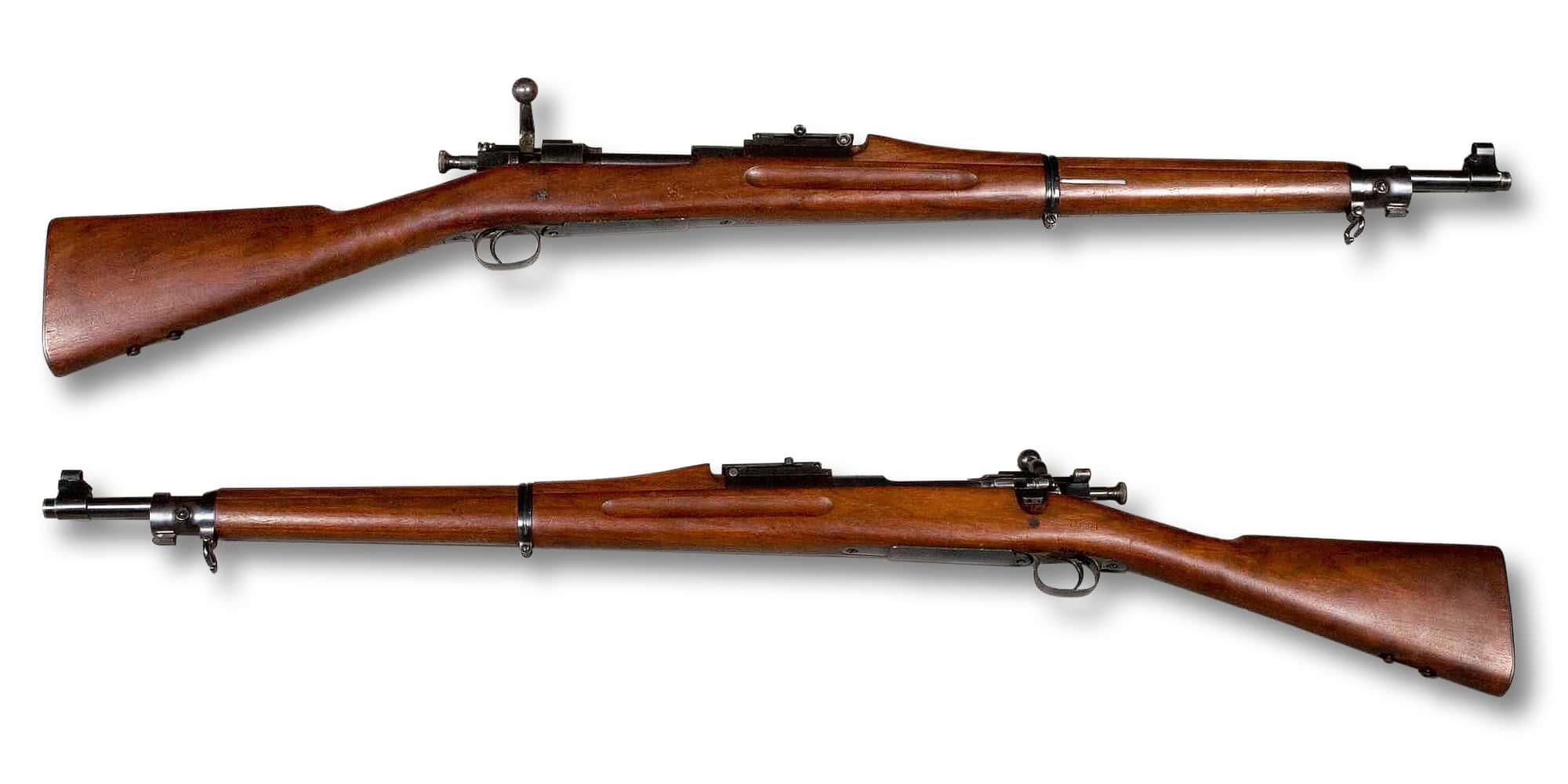
- Weapon type: Bolt-action rifle
- Year introduced to service: 1903
- Primary conflict / era: World War I
- How it changed the balance of power: Integrated precision into modern infantry
- Who used it: U.S. Army
- Why it mattered on the battlefield: Improved long-range lethality in trench warfare
The scoped M1903 brought precision marksmanship into industrialized warfare, influencing sniper employment during static trench battles.
Lee–Enfield No.4 (T)
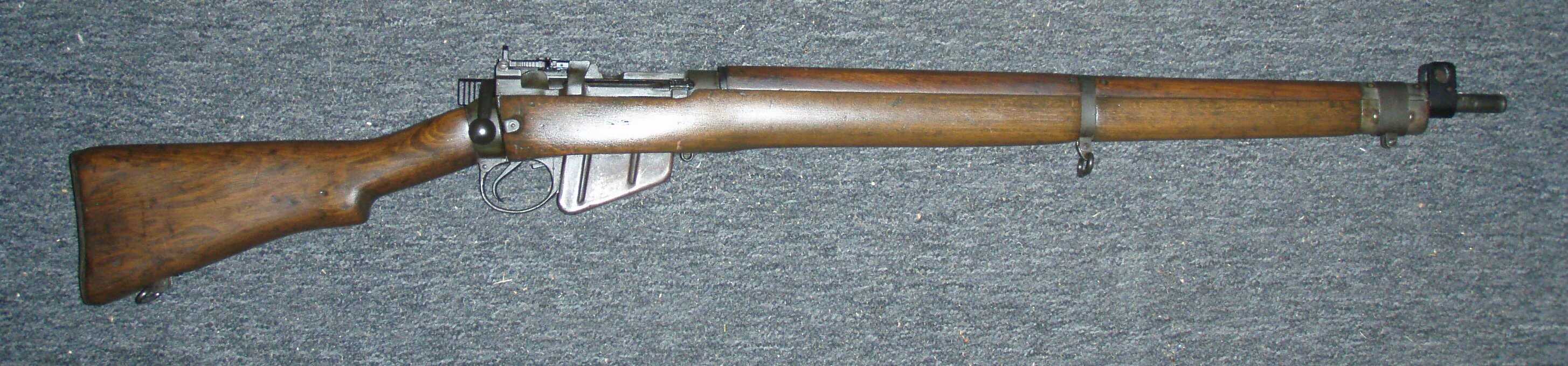
- Weapon type: Bolt-action rifle
- Year introduced to service: 1941
- Primary conflict / era: World War II
- How it changed the balance of power: Combined accuracy with rapid follow-up fire
- Who used it: British forces
- Why it mattered on the battlefield: High rate of accurate fire under combat conditions
The Lee–Enfield No.4 (T) allowed snipers to engage multiple targets quickly, changing expectations for sustained precision fire.
Mosin–Nagant PU
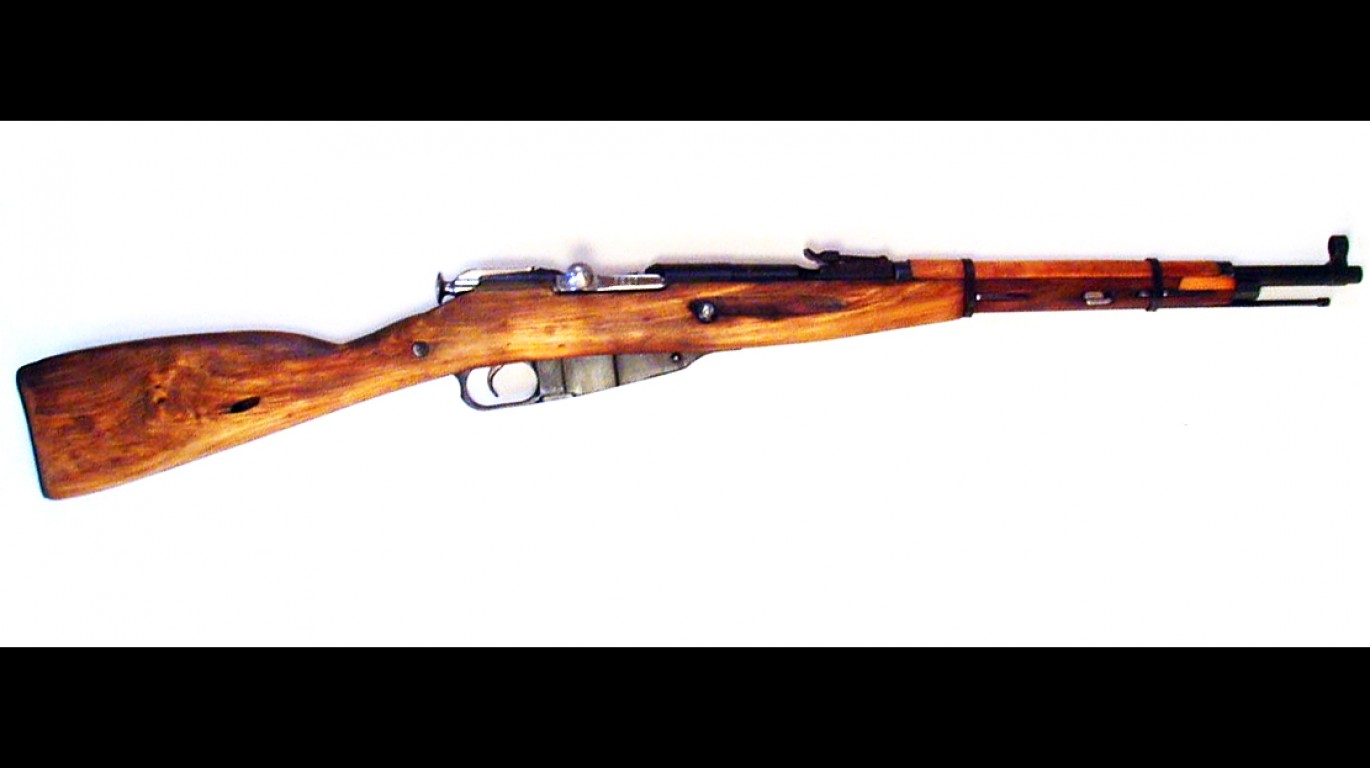
- Weapon type: Bolt-action rifle
- Year introduced to service: 1942
- Primary conflict / era: World War II
- How it changed the balance of power: Enabled mass sniper deployment
- Who used it: Soviet forces
- Why it mattered on the battlefield: Forced widespread enemy movement adaptation
The Mosin–Nagant PU proved that sniper effectiveness could be scaled across entire armies, dramatically altering battlefield behavior.
Karabiner 98k (Scoped)
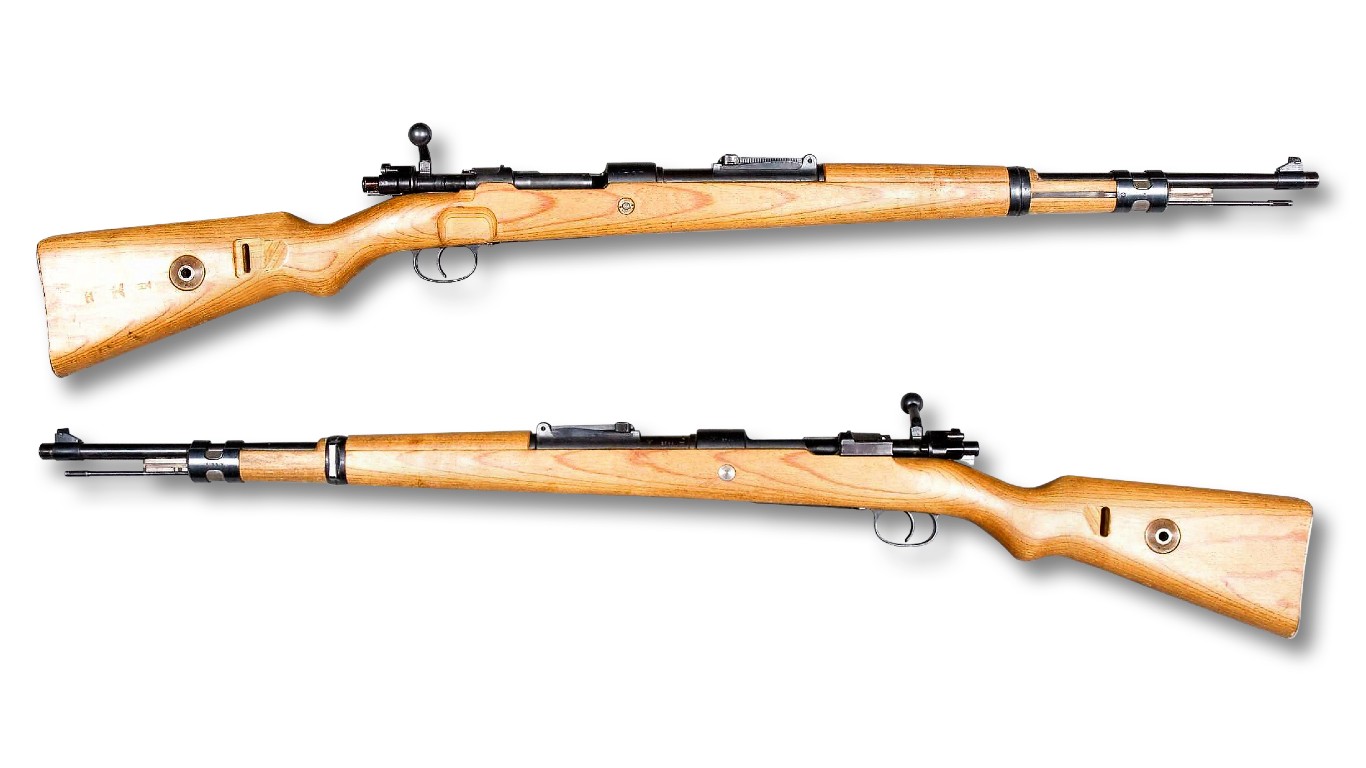
- Weapon type: Bolt-action rifle
- Year introduced to service: 1935
- Primary conflict / era: World War II
- How it changed the balance of power: Set bolt-action sniper standard
- Who used it: German forces
- Why it mattered on the battlefield: Exceptional accuracy and optics integration
The scoped Kar98k defined WWII sniper performance, influencing postwar rifle designs worldwide.
MAS-36 (Scoped)
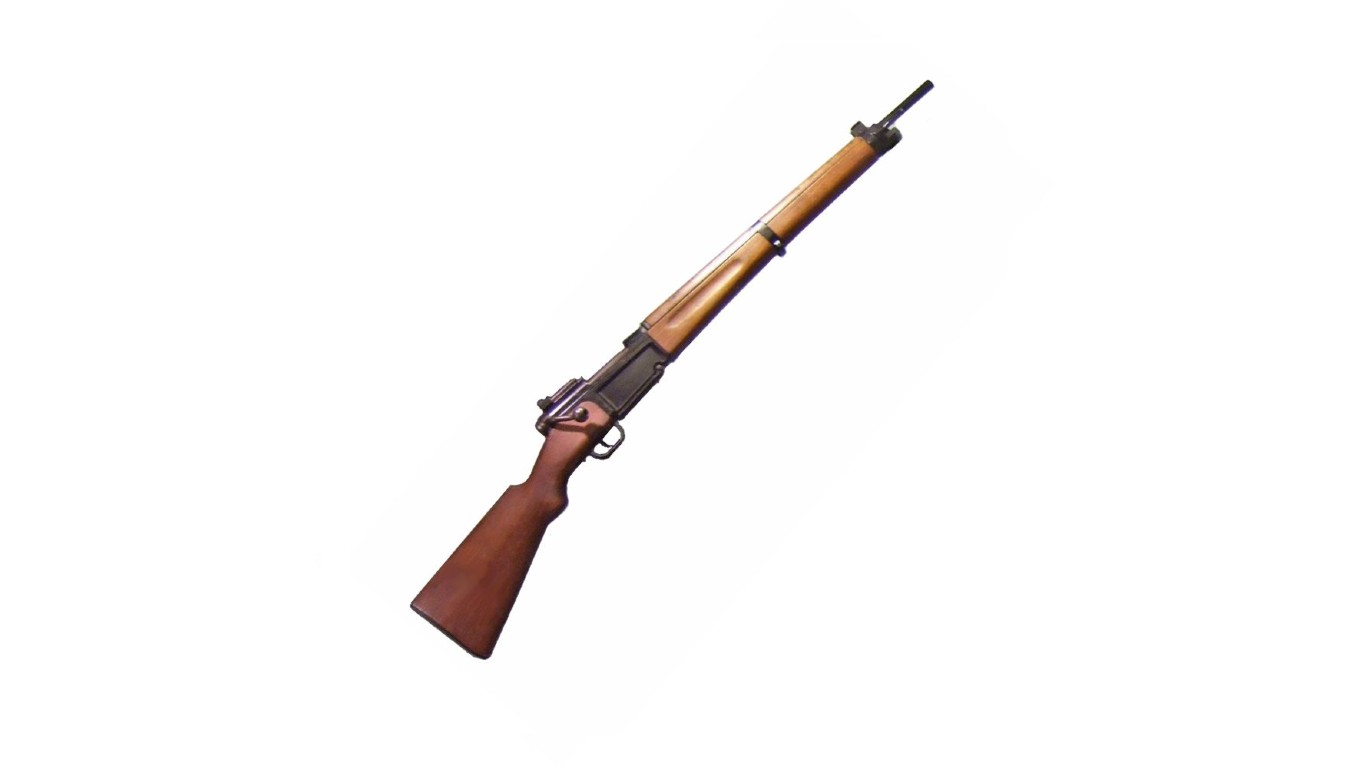
- Weapon type: Bolt-action rifle
- Year introduced to service: 1937
- Primary conflict / era: World War II
- How it changed the balance of power: Proved rugged simplicity could dominate
- Who used it: French forces
- Why it mattered on the battlefield: Reliability under harsh conditions
The MAS-36 demonstrated that durability and simplicity could outweigh sophistication in sniper roles.
SVD Dragunov
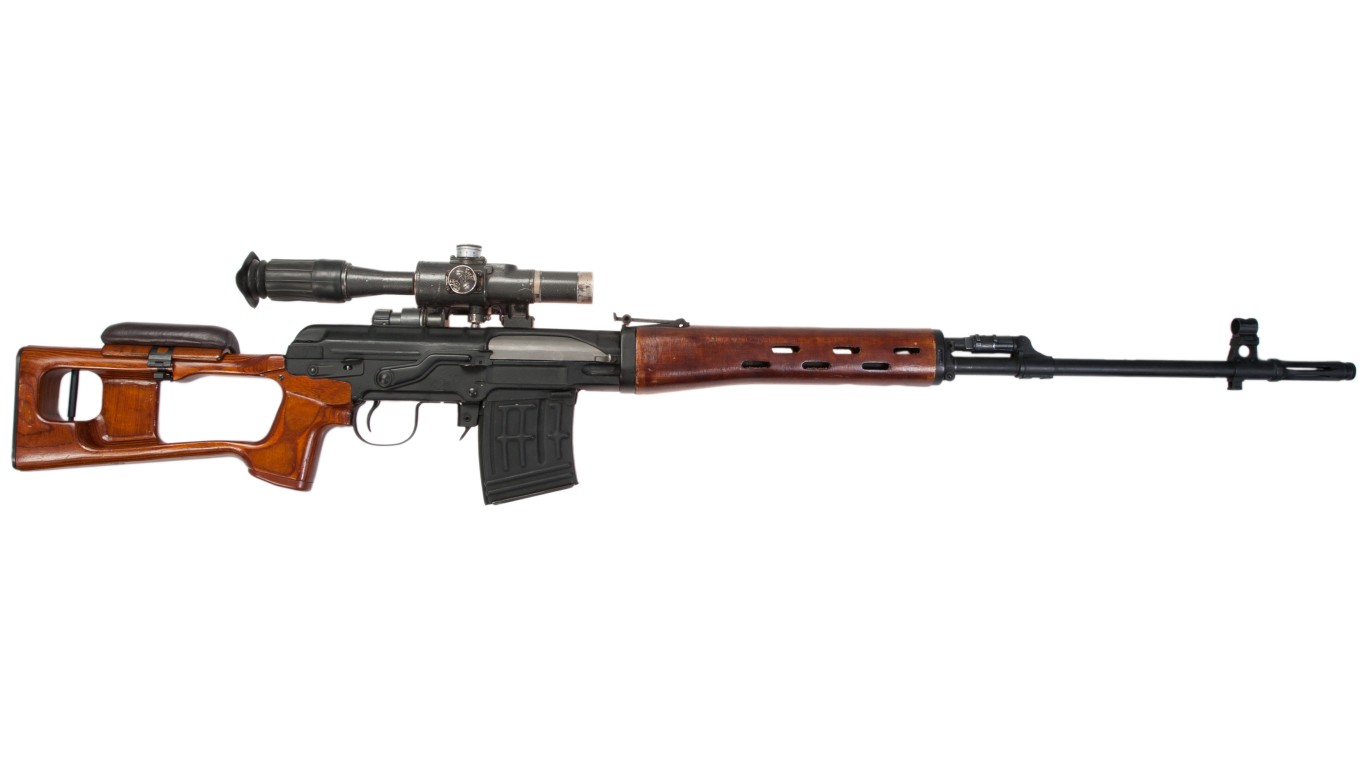
- Weapon type: Semi-automatic rifle
- Year introduced to service: 1963
- Primary conflict / era: Cold War
- How it changed the balance of power: Redefined squad-level precision
- Who used it: Soviet and allied forces
- Why it mattered on the battlefield: Extended effective range of infantry units
The Dragunov shifted precision fire from specialist snipers to designated marksmen, altering infantry doctrine.
M21 Sniper Weapon System
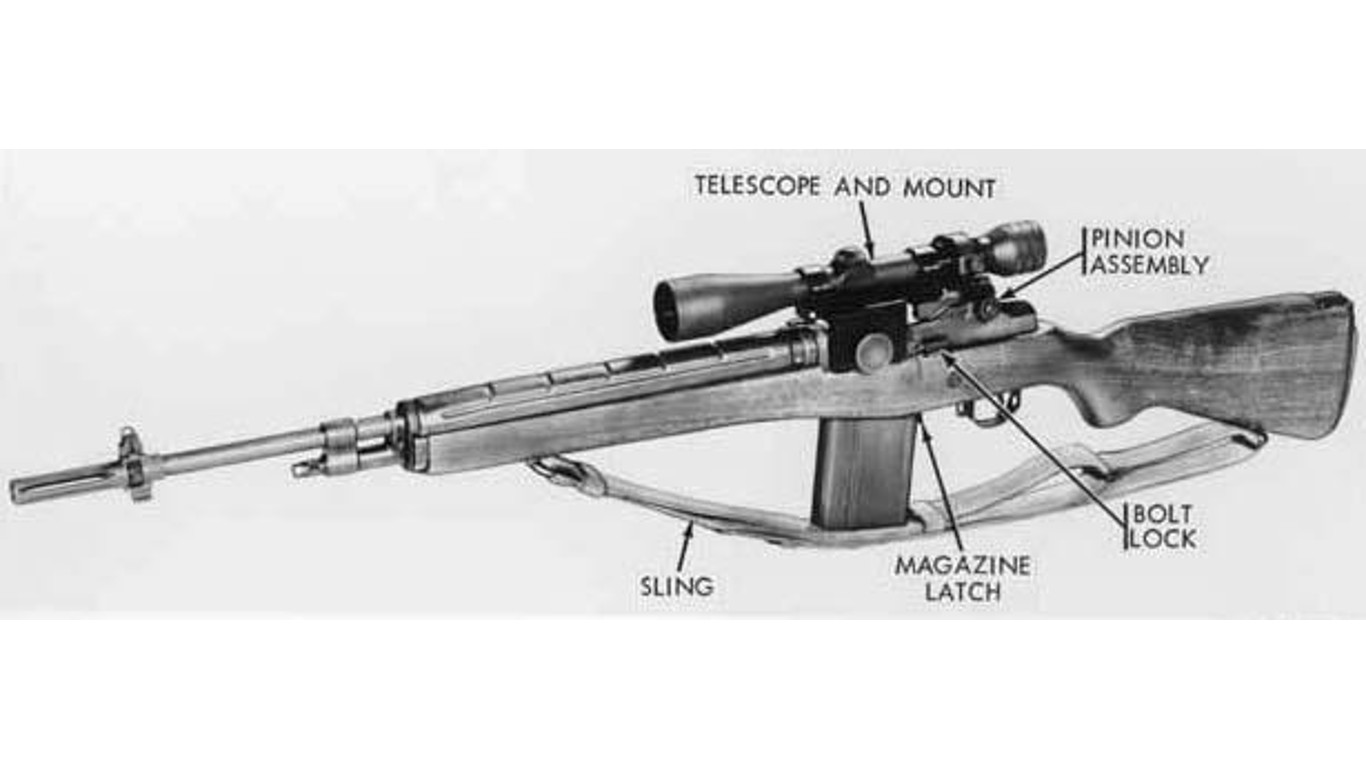
- Weapon type: Semi-automatic rifle
- Year introduced to service: 1975
- Primary conflict / era: Vietnam War
- How it changed the balance of power: Professionalized U.S. sniper doctrine
- Who used it: U.S. Army
- Why it mattered on the battlefield: Improved rapid precision fire
The M21 helped modernize U.S. sniper operations, emphasizing training and doctrine alongside equipment.
M40
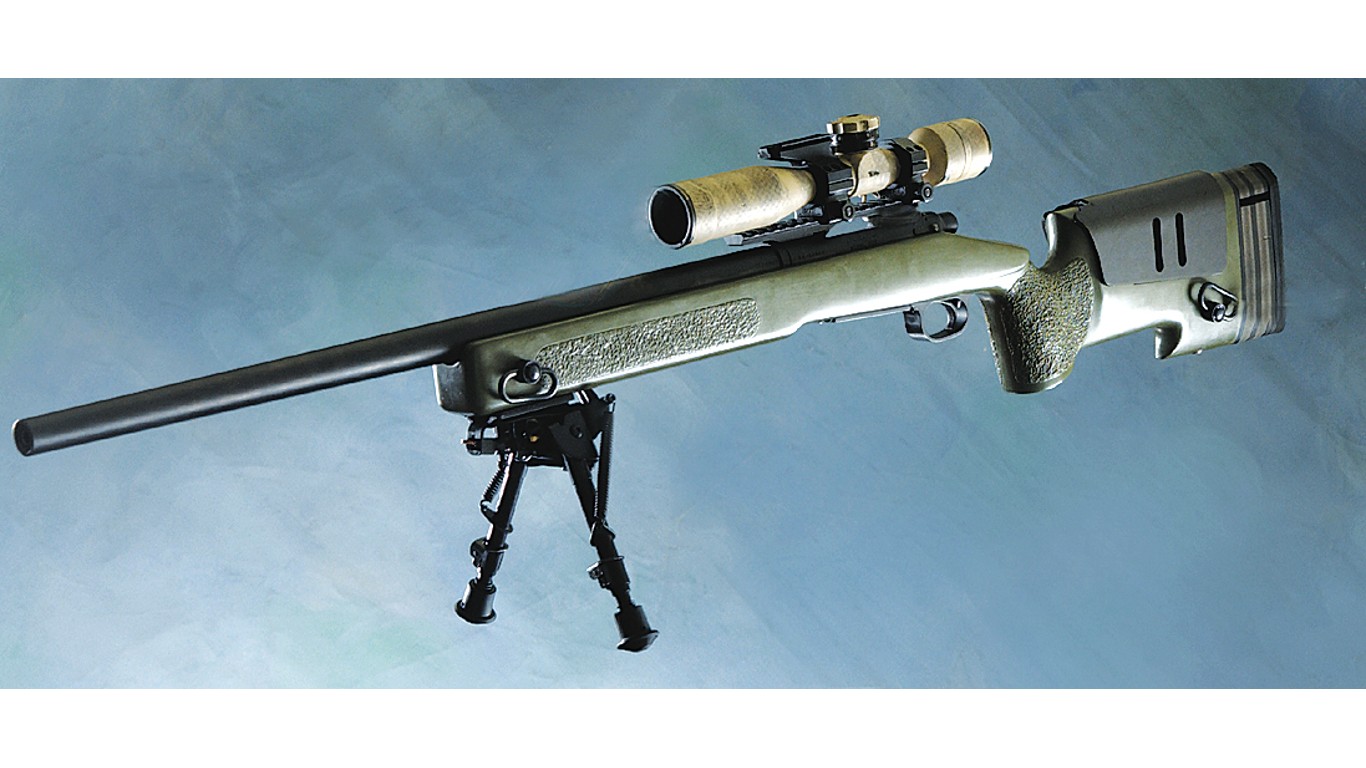
- Weapon type: Bolt-action rifle
- Year introduced to service: 1966
- Primary conflict / era: Vietnam War
- How it changed the balance of power: Established Marine sniper standard
- Who used it: U.S. Marine Corps
- Why it mattered on the battlefield: High accuracy and reliability
The M40 formed the backbone of Marine sniper capability and influenced future precision rifle development.
Barrett M82 / M107
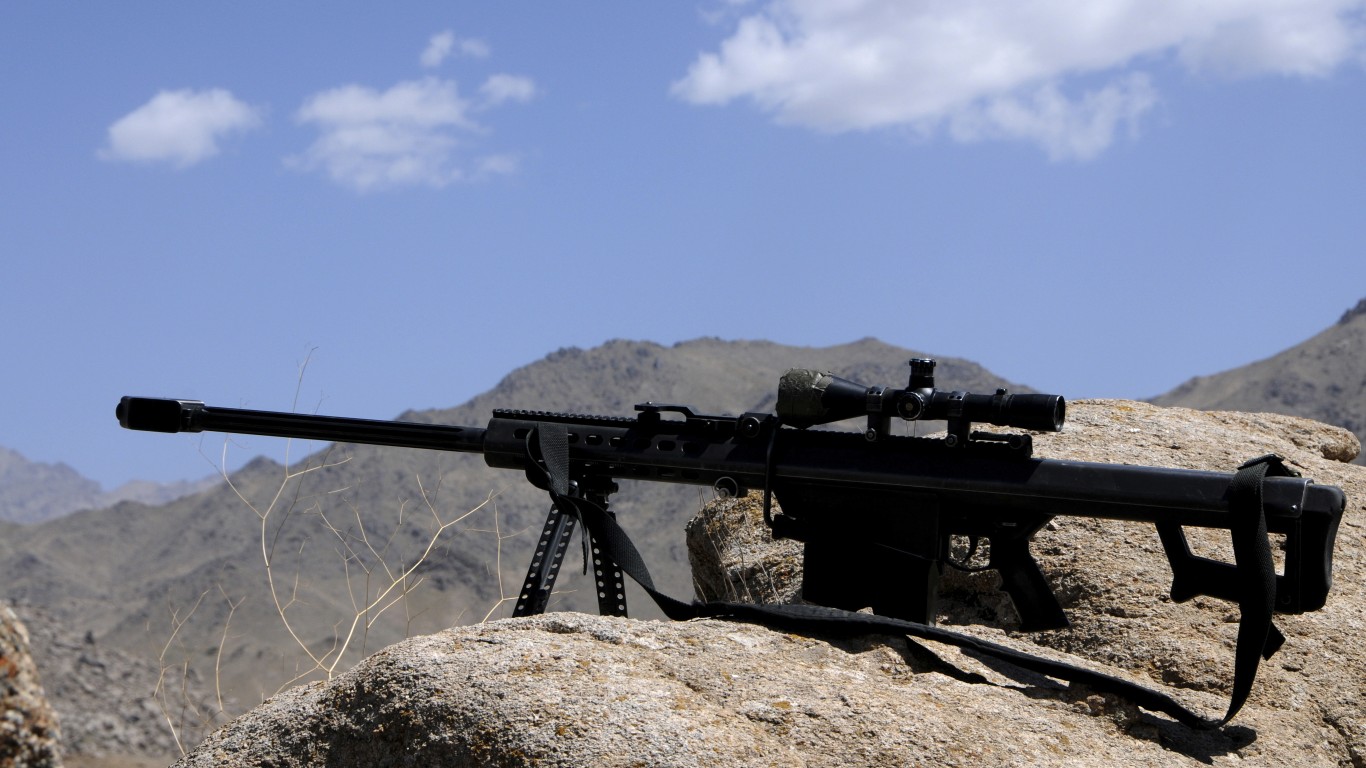
- Weapon type: Anti-materiel rifle
- Year introduced to service: 1989
- Primary conflict / era: Modern conflicts
- How it changed the balance of power: Expanded sniper role to materiel destruction
- Who used it: U.S. and allied forces
- Why it mattered on the battlefield: Engagements beyond traditional sniper range
The Barrett M82 transformed sniper warfare by enabling long-range attacks on equipment, vehicles, and infrastructure.
McMillan TAC-50
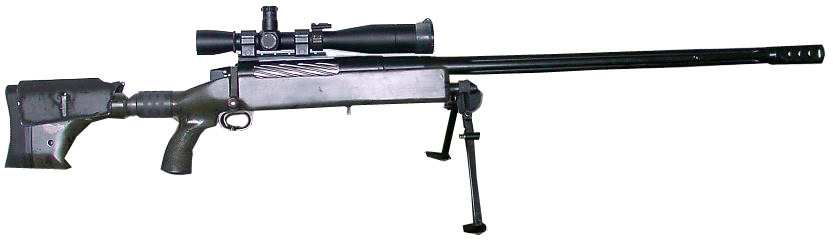
- Weapon type: Anti-materiel rifle
- Year introduced to service: 2000
- Primary conflict / era: GWOT
- How it changed the balance of power: Extended engagement distances
- Who used it: Canadian Forces
- Why it mattered on the battlefield: Record-breaking long-range kills
The TAC-50 redefined expectations for engagement range, influencing modern sniper tactics.
Steyr HS .50

- Weapon type: Anti-materiel rifle
- Year introduced to service: 2004
- Primary conflict / era: Modern conflicts
- How it changed the balance of power: Expanded global anti-materiel capability
- Who used it: Various armed forces
- Why it mattered on the battlefield: Long-range materiel denial
The HS .50 allowed more nations to field effective anti-materiel sniper platforms.
Denel NTW-20
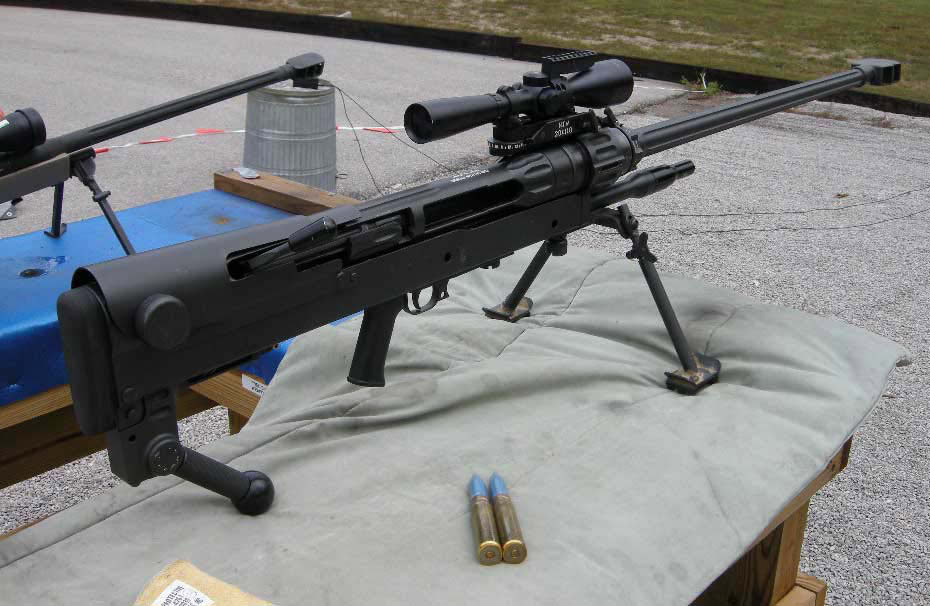
- Weapon type: Anti-materiel rifle
- Year introduced to service: 1995
- Primary conflict / era: Modern conflicts
- How it changed the balance of power: Blurred line between sniper and artillery
- Who used it: South African forces
- Why it mattered on the battlefield: Heavy-caliber precision fire
The NTW-20 demonstrated the extreme end of sniper firepower, influencing heavy precision concepts.
Accuracy International L96A1
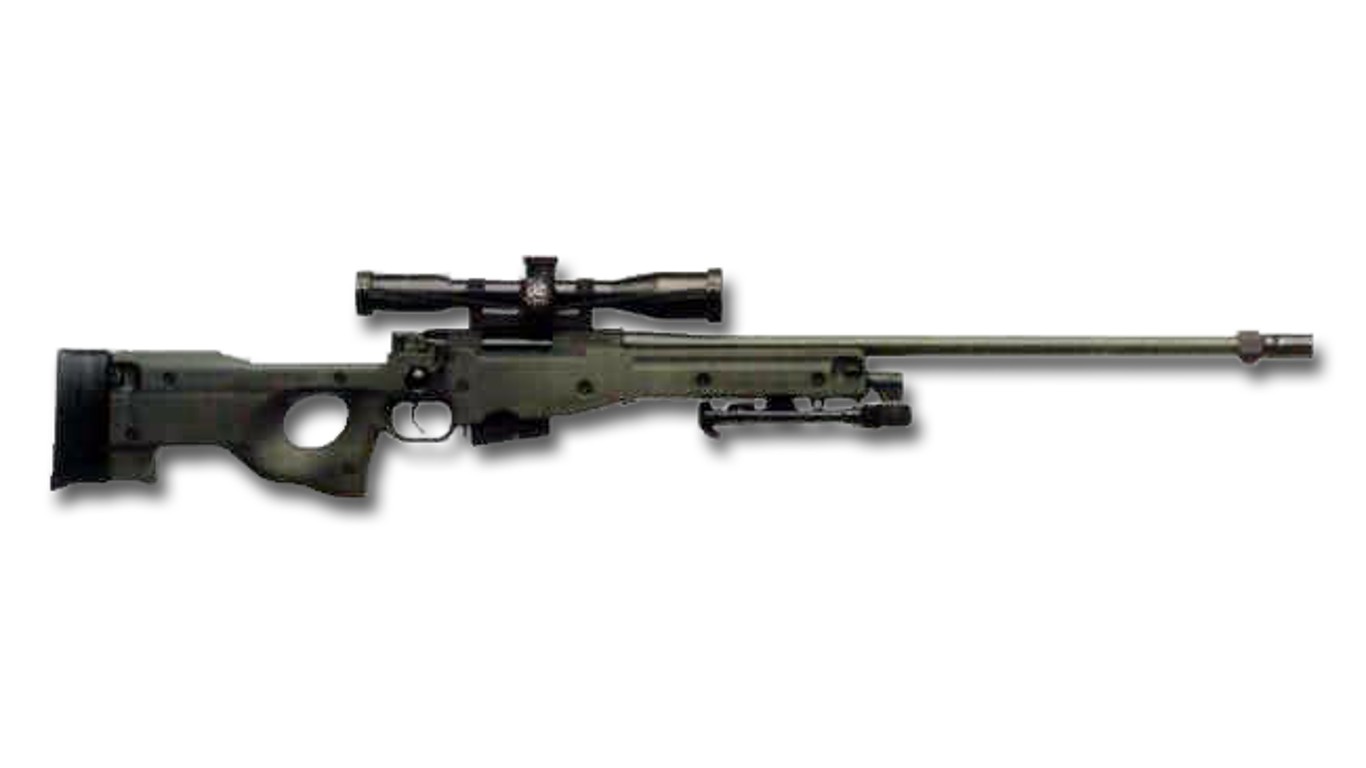
- Weapon type: Bolt-action rifle
- Year introduced to service: 1985
- Primary conflict / era: Modern conflicts
- How it changed the balance of power: Set modern sniper rifle benchmark
- Who used it: British Army
- Why it mattered on the battlefield: Precision, ergonomics, and modularity
The L96A1 established new standards for sniper rifle design adopted globally.
Accuracy International AXMC

- Weapon type: Bolt-action rifle
- Year introduced to service: 2016
- Primary conflict / era: Modern conflicts
- How it changed the balance of power: Multicaliber adaptability
- Who used it: NATO forces
- Why it mattered on the battlefield: Logistical flexibility and precision
The AXMC allowed snipers to adapt calibers to mission requirements, reshaping logistics.
Remington M24
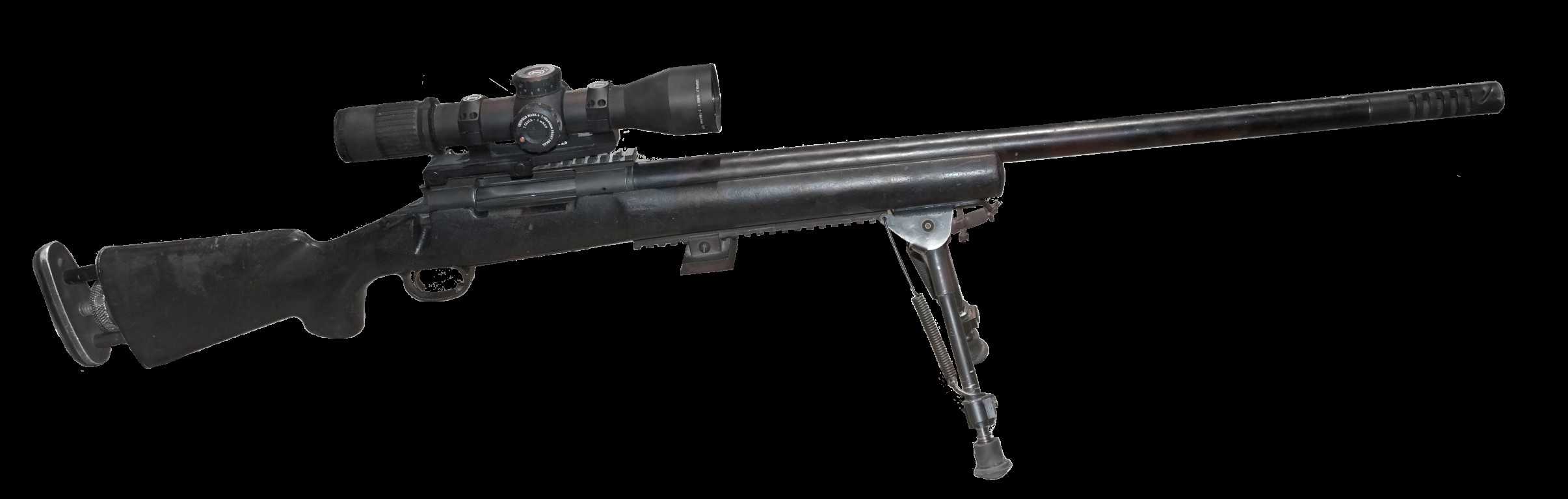
- Weapon type: Bolt-action rifle
- Year introduced to service: 1988
- Primary conflict / era: GWOT
- How it changed the balance of power: Standardized NATO sniper capability
- Who used it: U.S. Army and allies
- Why it mattered on the battlefield: Consistency and reliability
The M24 helped standardize long-range precision across allied forces.
Remington M40A5/A6
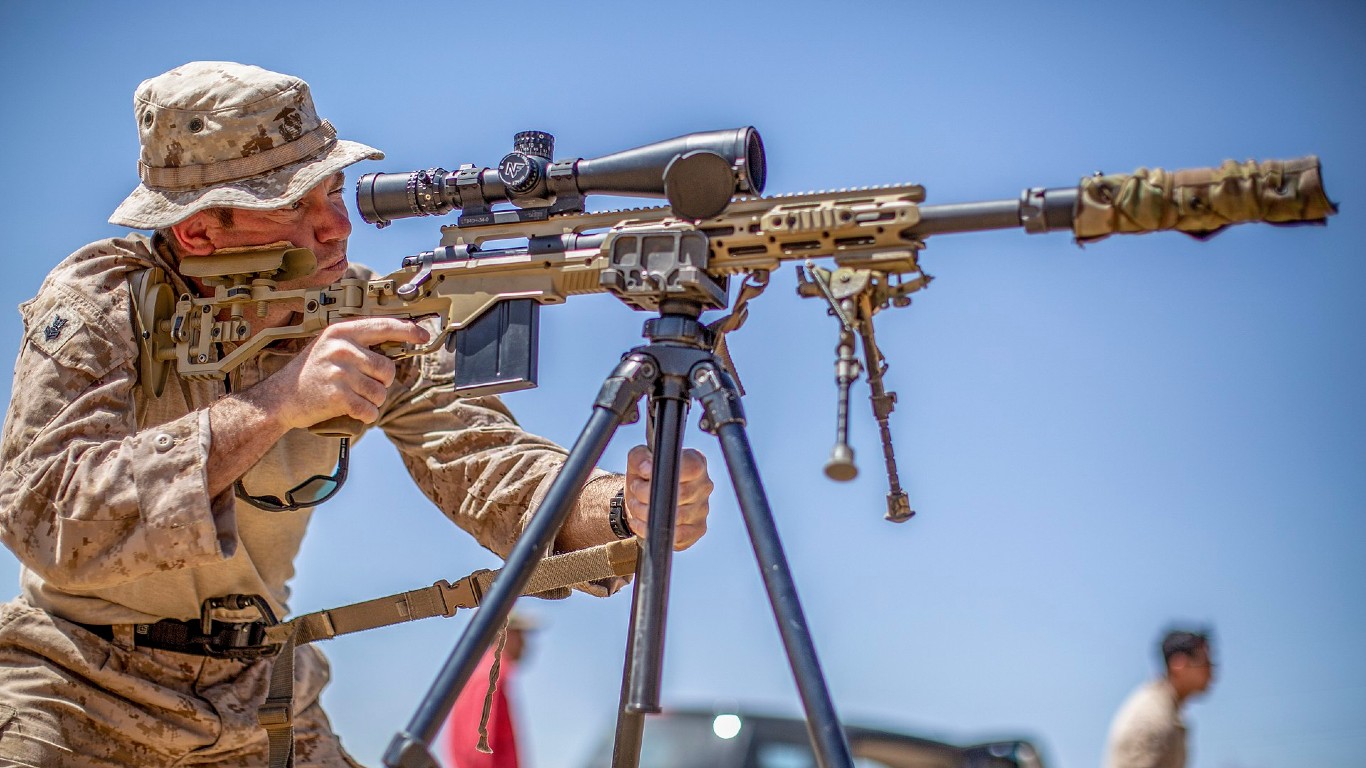
- Weapon type: Bolt-action rifle
- Year introduced to service: 2009
- Primary conflict / era: GWOT
- How it changed the balance of power: Refined Marine sniper dominance
- Who used it: U.S. Marine Corps
- Why it mattered on the battlefield: Incremental performance improvements
Successive M40 upgrades maintained battlefield relevance through multiple conflicts.
HK PSG1
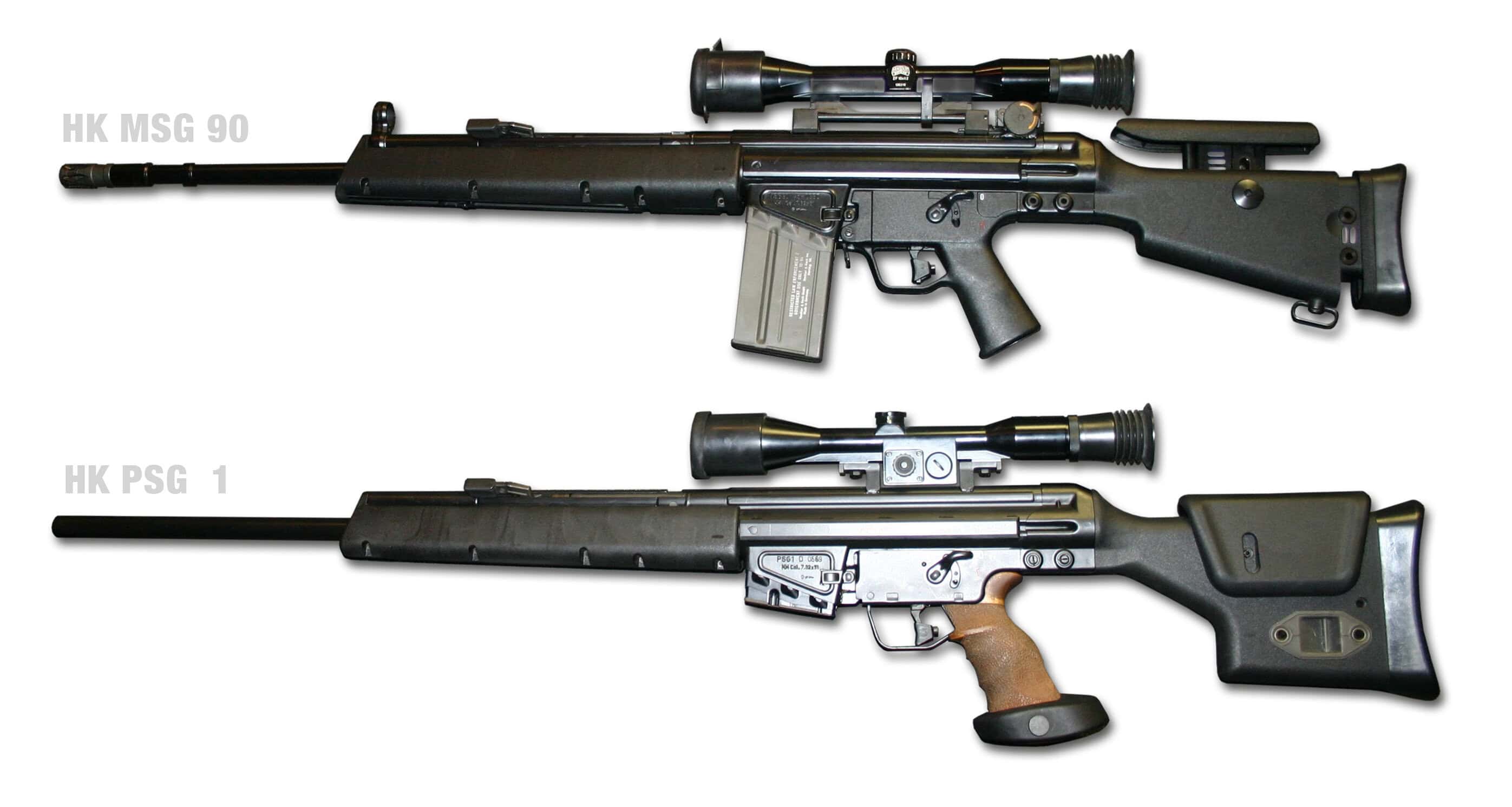
- Weapon type: Semi-automatic rifle
- Year introduced to service: 1972
- Primary conflict / era: Counterterrorism era
- How it changed the balance of power: Urban precision dominance
- Who used it: European police and military units
- Why it mattered on the battlefield: High accuracy in confined environments
The PSG1 elevated sniper effectiveness in urban and counterterrorism operations.
SR-25
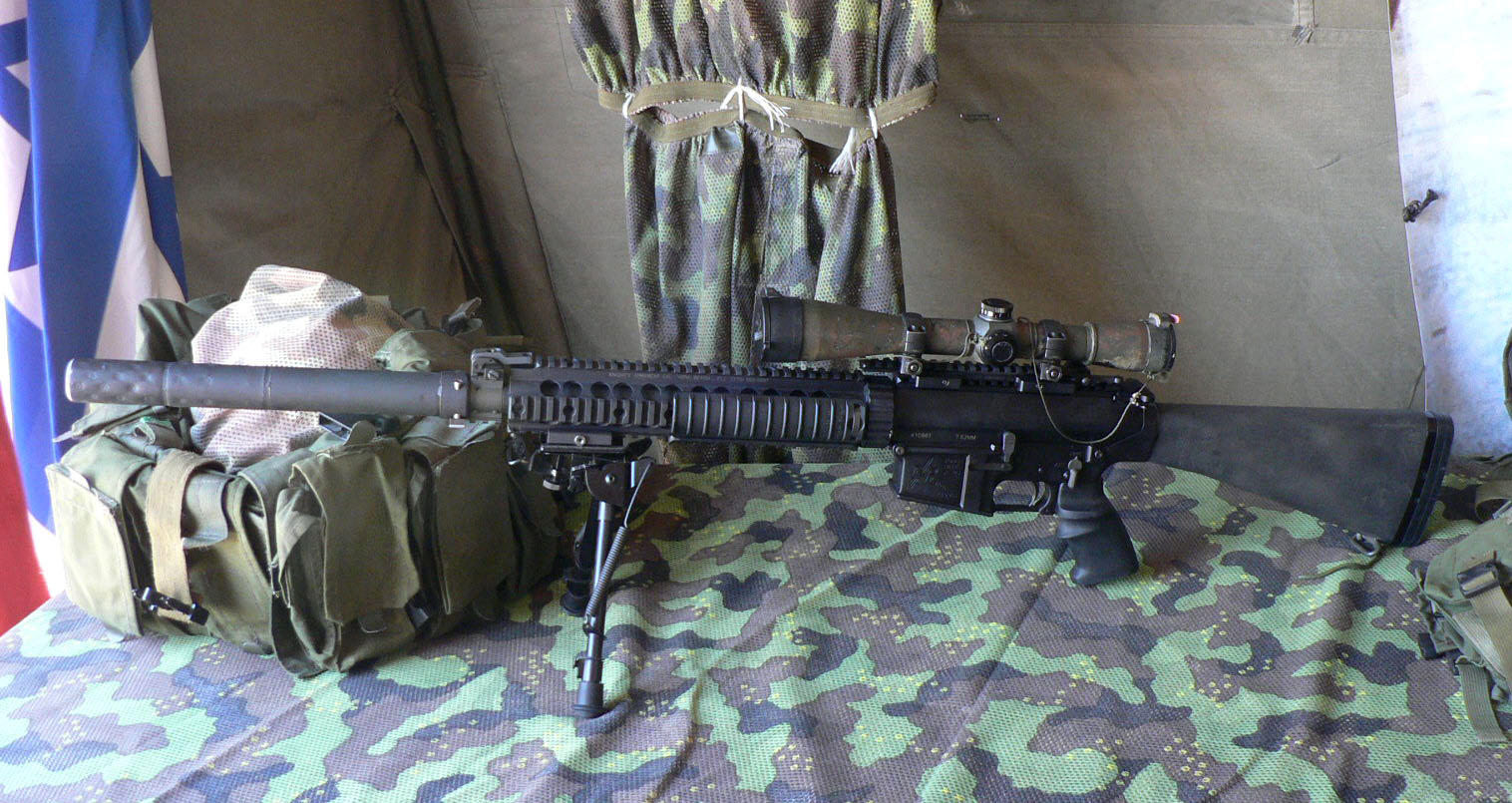
- Weapon type: Semi-automatic rifle
- Year introduced to service: 1990
- Primary conflict / era: Modern conflicts
- How it changed the balance of power: Rapid precision fire
- Who used it: U.S. and allied SOF
- Why it mattered on the battlefield: Flexible engagement capability
The SR-25 combined sniper accuracy with rapid follow-up shots, ideal for dynamic battlefields.
Mk 11 Mod 0
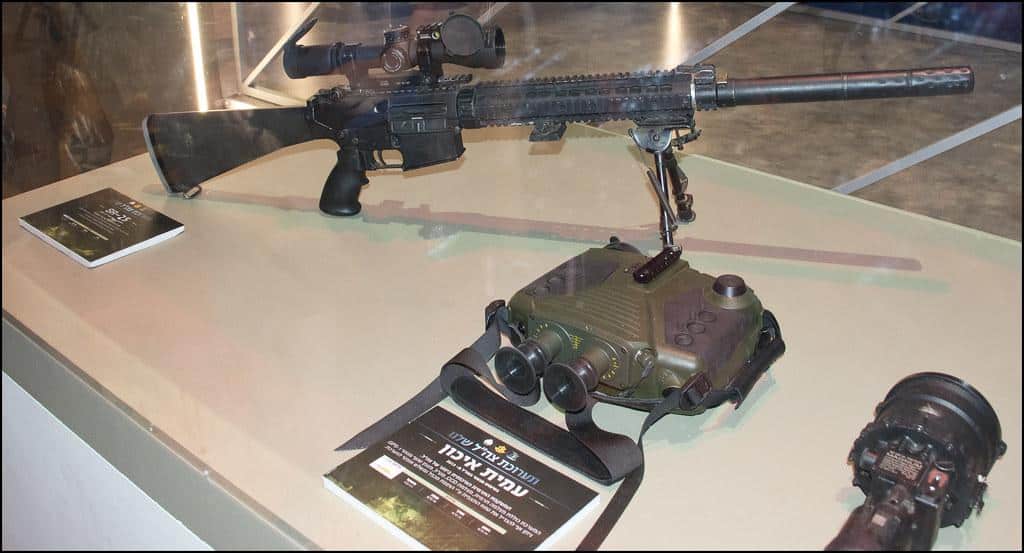
- Weapon type: Semi-automatic rifle
- Year introduced to service: 2000
- Primary conflict / era: GWOT
- How it changed the balance of power: Enhanced urban sniper operations
- Who used it: U.S. Navy SEALs
- Why it mattered on the battlefield: Precision in dynamic environments
The Mk 11 expanded sniper roles in urban combat where speed mattered.
PSG90
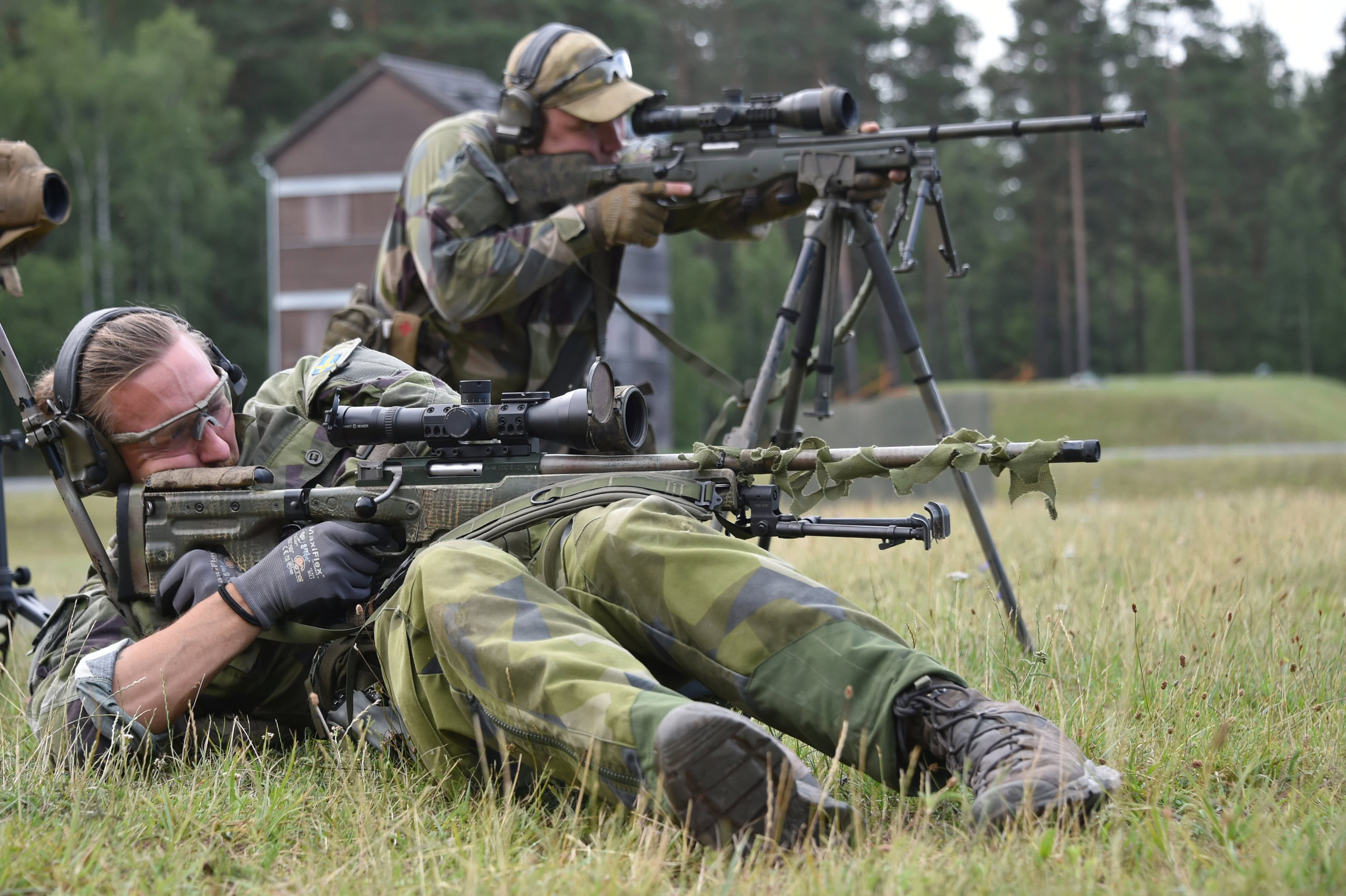
- Weapon type: Bolt-action rifle
- Year introduced to service: 1985
- Primary conflict / era: Cold War
- How it changed the balance of power: Extreme climate precision
- Who used it: Swedish Armed Forces
- Why it mattered on the battlefield: Reliability in Arctic conditions
The PSG90 proved precision dominance in harsh climates.
VSS Vintorez

- Weapon type: Suppressed rifle
- Year introduced to service: 1987
- Primary conflict / era: Modern conflicts
- How it changed the balance of power: Introduced suppressed precision dominance
- Who used it: Russian SOF
- Why it mattered on the battlefield: Psychological and stealth effects
The VSS changed close-range sniper tactics through suppression and stealth.
CheyTac M200
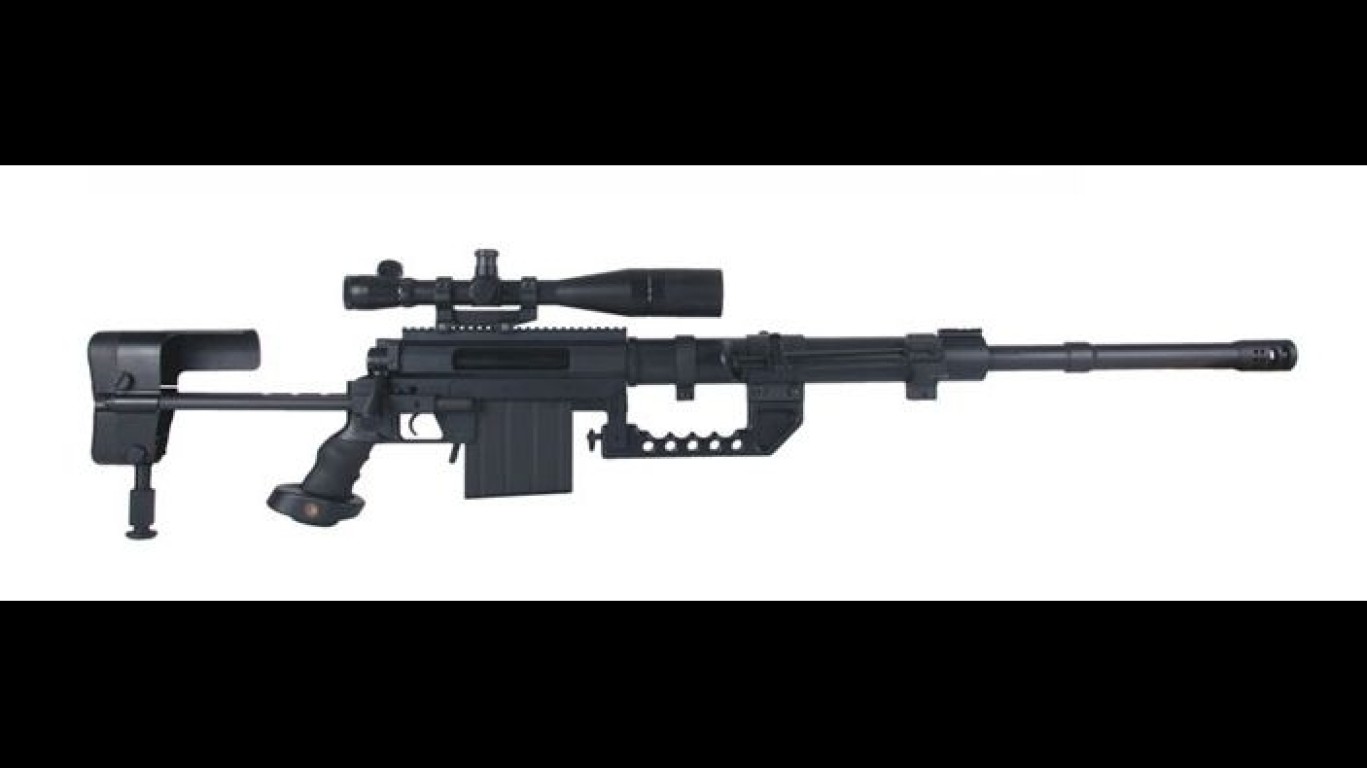
- Weapon type: Bolt-action rifle
- Year introduced to service: 2001
- Primary conflict / era: Modern conflicts
- How it changed the balance of power: Pushed extreme-range engagement theory
- Who used it: Various forces
- Why it mattered on the battlefield: Ultra-long-range capability
The CheyTac system expanded sniper engagement theory into extreme distances.
Desert Tech SRS-A2
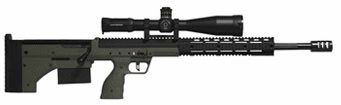
- Weapon type: Bolt-action rifle
- Year introduced to service: 2014
- Primary conflict / era: Modern conflicts
- How it changed the balance of power: Compact bullpup precision
- Who used it: Various forces
- Why it mattered on the battlefield: Mobility without range loss
The SRS-A2 showed how compact design could coexist with extreme precision.
Lobaev DXL Series
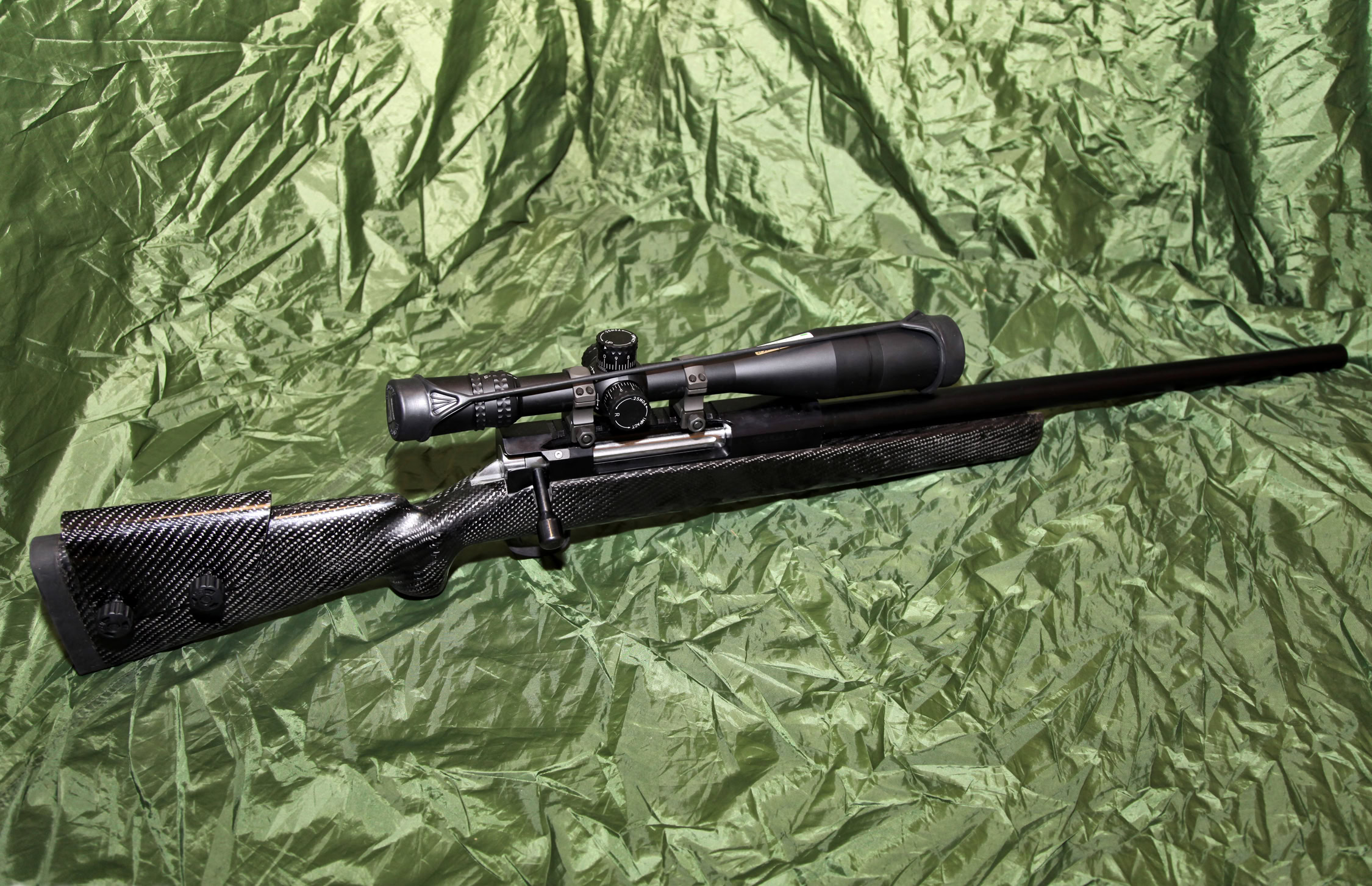
- Weapon type: Bolt-action rifle
- Year introduced to service: 2015
- Primary conflict / era: Modern conflicts
- How it changed the balance of power: Pushed extreme precision limits
- Who used it: Russian forces
- Why it mattered on the battlefield: Ultra-long-range accuracy
The DXL series pushed the boundaries of what sniper rifles could achieve.
Zastava M93 Black Arrow
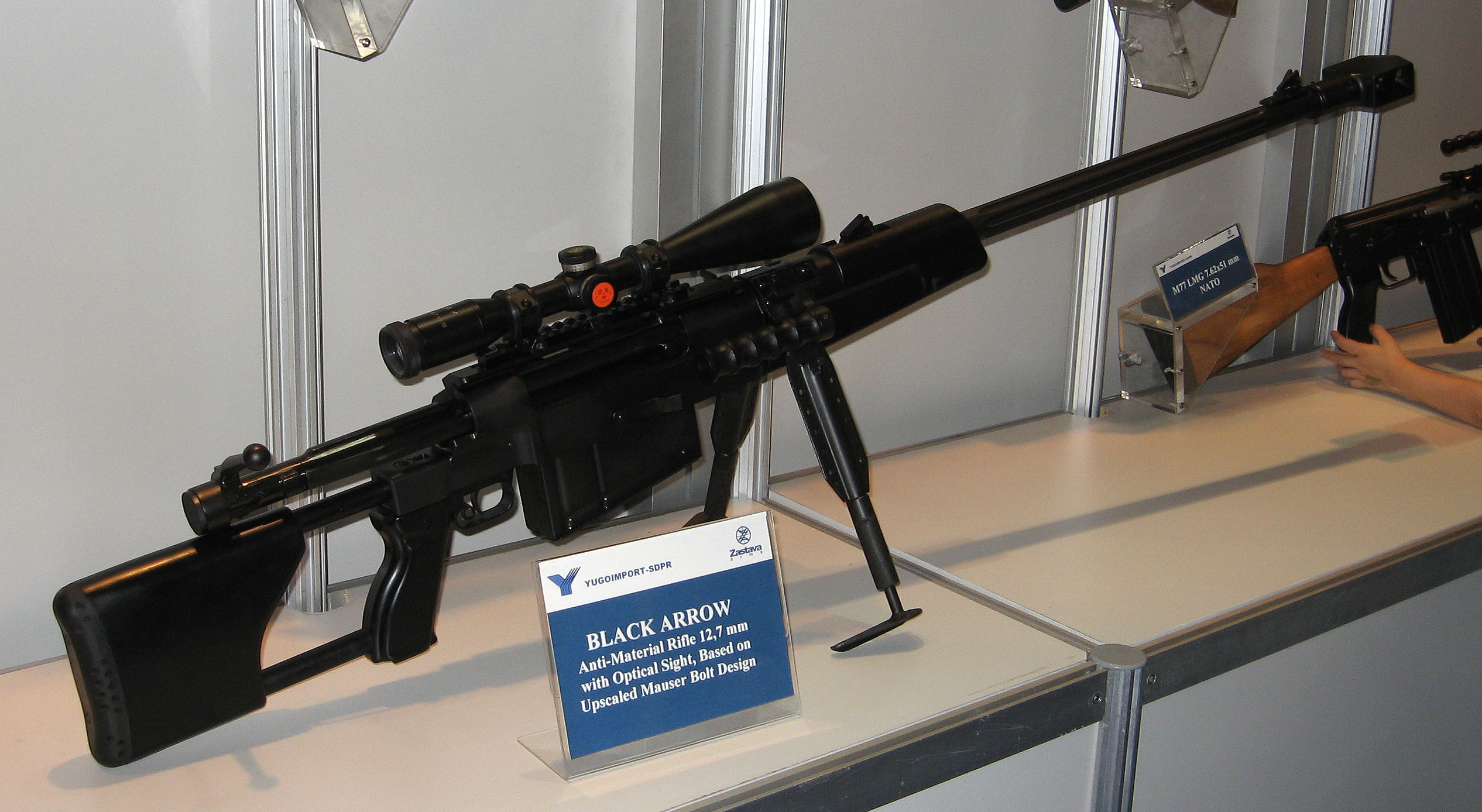
- Weapon type: Anti-materiel rifle
- Year introduced to service: 1993
- Primary conflict / era: Modern conflicts
- How it changed the balance of power: Cost-effective heavy sniper option
- Who used it: Serbian forces
- Why it mattered on the battlefield: Affordable materiel denial
The Black Arrow demonstrated that anti-materiel capability need not be prohibitively expensive.
FN Ballista

- Weapon type: Bolt-action rifle
- Year introduced to service: 2013
- Primary conflict / era: Modern conflicts
- How it changed the balance of power: Modular sniper procurement influence
- Who used it: NATO forces
- Why it mattered on the battlefield: Adaptability and accuracy
The Ballista influenced modern modular sniper procurement decisions.
SV-98

- Weapon type: Bolt-action rifle
- Year introduced to service: 1998
- Primary conflict / era: Modern conflicts
- How it changed the balance of power: Reinforced long-range denial tactics
- Who used it: Russian forces
- Why it mattered on the battlefield: Precision area denial
The SV-98 strengthened modern Russian sniper doctrine focused on long-range denial.







 Top Gaining Stocks
 Top Losing Stocks