


Military weapons are designed to give commanders an advantage, but that advantage is rarely permanent. Systems that once multiplied combat power can become burdens as threats evolve, environments shift, and missions change.Some weapons begin to demand more protection, maintenance, or political consideration than the value they provide. Here, 24/7 Wall St. is taking a closer look at the weapons that became liability issues instead of force multipliers.
To determine the weapons that ultimately became liability issues, 24/7 Wall St. reviewed various historical and military sources. We included supplemental information regarding when each weapon was deployed, the type of weapon, its original advantage and how it multiplied force, as well as its ultimate turn to a battlefield liability.
Here is a look at weapons that went from force multipliers to liabilities:
Why Are We Covering This?
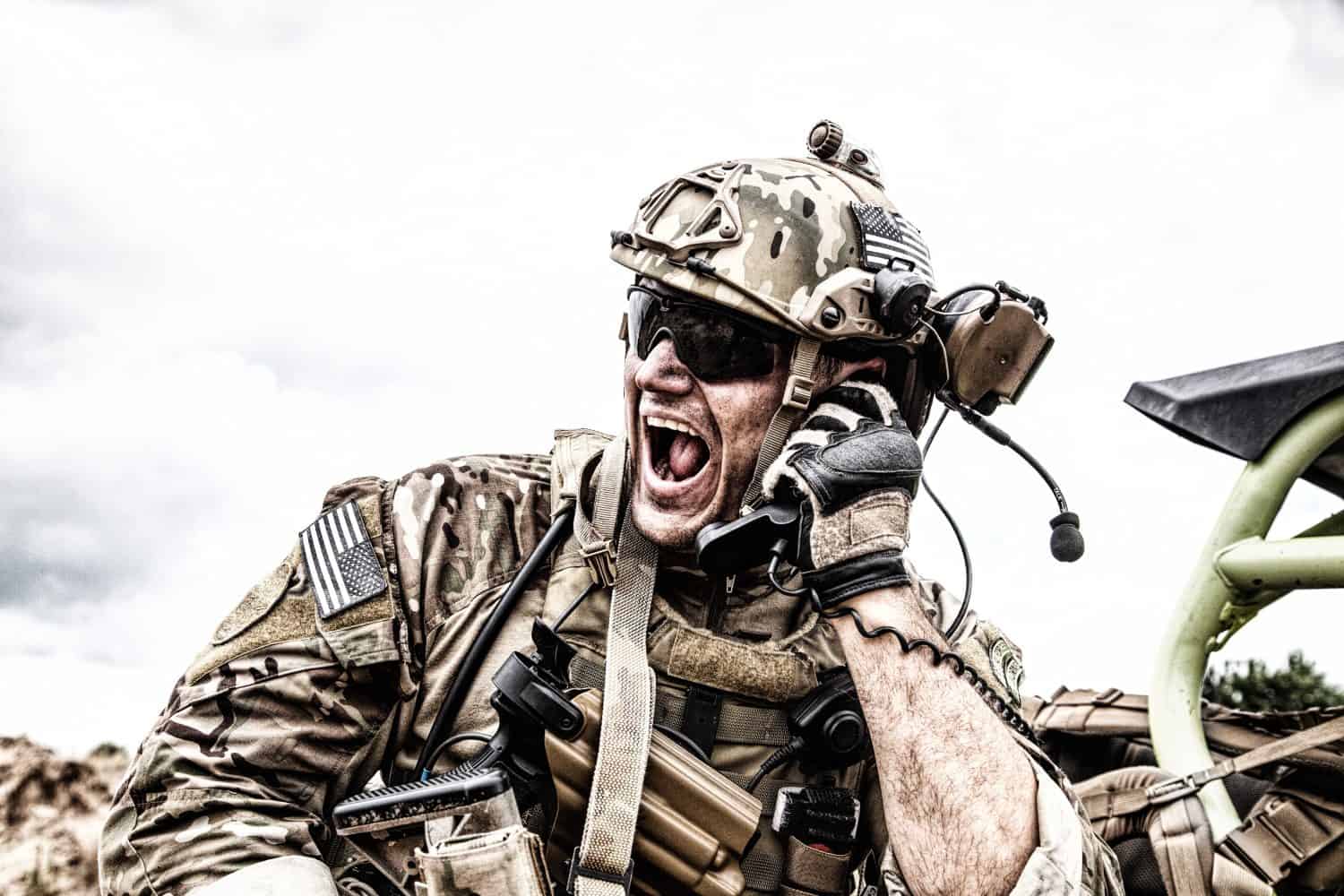
While some weapons might be flashy and make a great introduction, they can also quietly turn from combat advantage to operational risk. Many of these systems were introduced as force multipliers, delivering real benefits in firepower, protection, or deterrence at the time. As threats evolved and environments changed, however, their drawbacks began to outweigh their advantages. Maintenance burdens grew, protection requirements increased, and predictable employment made them easier to counter. Examining weapons that became liabilities instead of force multipliers highlights an essential lesson of modern warfare: effectiveness is not permanent, and systems that fail to adapt can complicate operations rather than simplify them.
When Advantage Turns Into Burden
Weapons are designed to act as force multipliers, giving commanders greater speed, protection, or lethality than they would otherwise have. In many cases, these systems initially delivered exactly what they promised. Over time, however, changing threats, environments, and missions began to expose hidden costs. What once enhanced combat effectiveness slowly became something commanders had to manage carefully, marking the point where advantage started turning into burden.
How Force Multipliers Are Supposed to Work
At the moment of introduction, these weapons made operational sense. They reduced risk to friendly forces, simplified planning, and allowed militaries to project power more efficiently. Many were backed by sound doctrine and early success, reinforcing confidence in their value. As long as conditions remained stable, these systems multiplied force exactly as intended.
The Turning Point No One Planned For
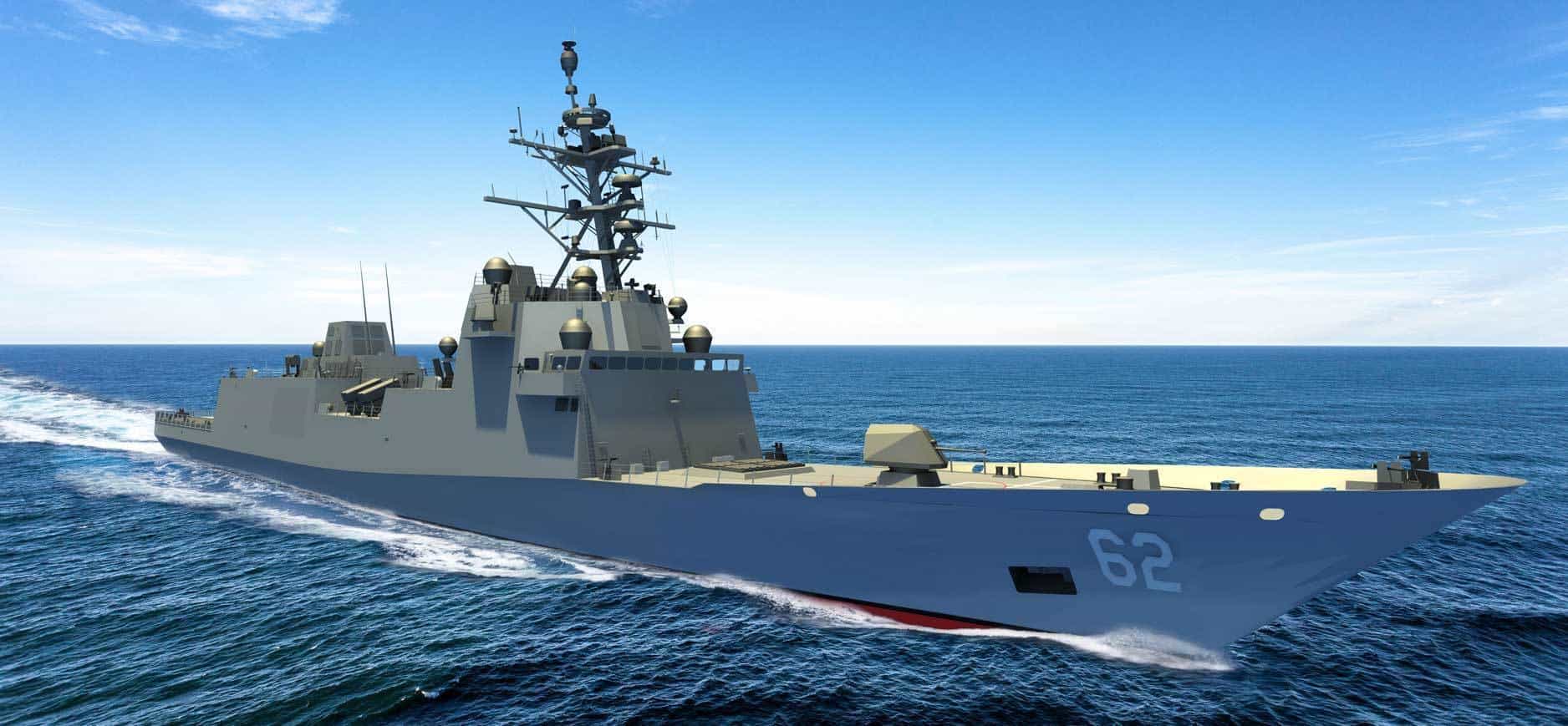
The shift from asset to liability rarely happened overnight. Enemy forces adapted, countermeasures improved, and battlefields changed faster than doctrine or hardware could keep up. At the same time, maintenance demands grew, political constraints tightened, and operational environments shifted away from those the weapons were designed for. These turning points exposed vulnerabilities that were never part of the original plan.
When Weapons Start Dictating the Fight
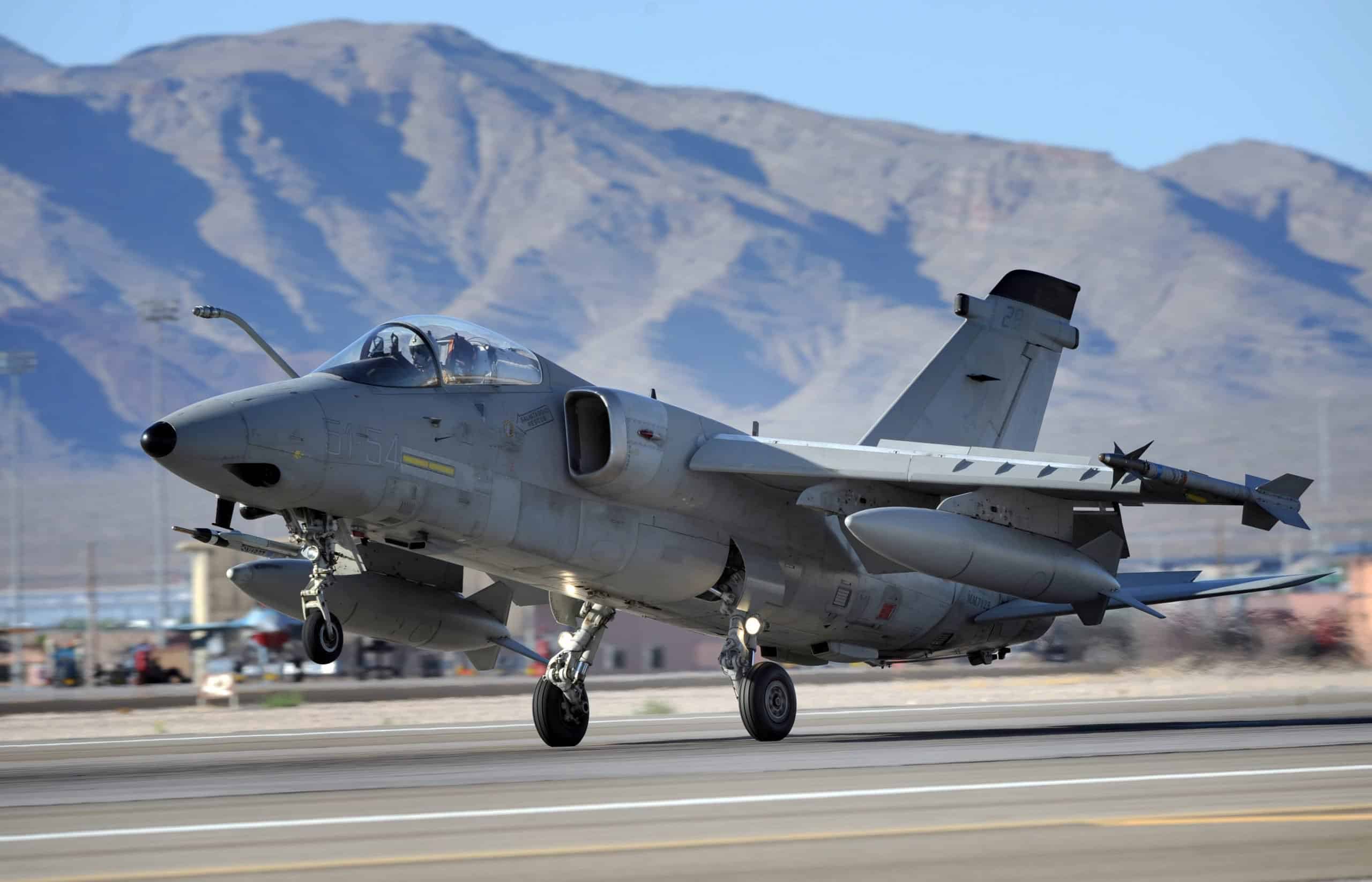
As liabilities grew, some weapons began shaping operations instead of supporting them. Commanders were forced to allocate extra protection, slow their tempo, or avoid certain environments entirely. Predictable employment patterns emerged, giving adversaries opportunities to exploit weaknesses. Instead of multiplying force, these systems began multiplying complexity and risk.
What These Weapons Teach About Modern Warfare

Together, these examples highlight a consistent lesson in modern warfare: force multiplication depends on flexibility. Concentrated power attracts concentrated risk, and systems that cannot adapt quickly lose their value. The most effective weapons are those that continue to reduce friction as conditions change, rather than becoming burdens that commanders must work around.
Battleships (carrier era)
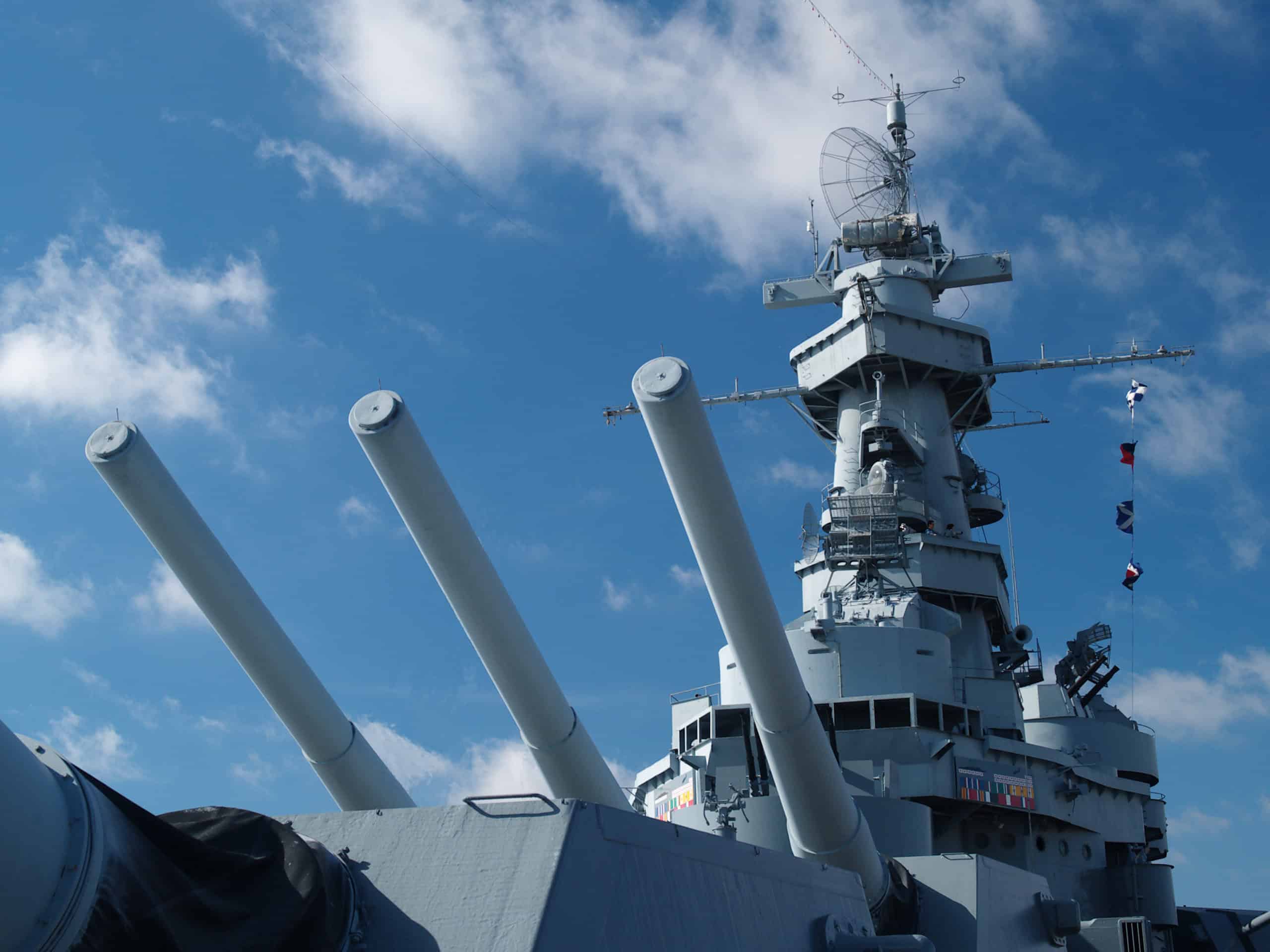
- Type of weapon or system: Naval capital ship
- Era: WWII–Cold War
- Original advantage: Dominant surface firepower
- How it multiplied force: Naval gunfire and fleet presence
- What changed: Rise of naval aviation
- How it became a liability: Required heavy escort with declining utility
- Operational cost: High protection and opportunity cost
- Lesson learned from this weapon: Power without survivability becomes a burden
Heavy daylight bomber formations
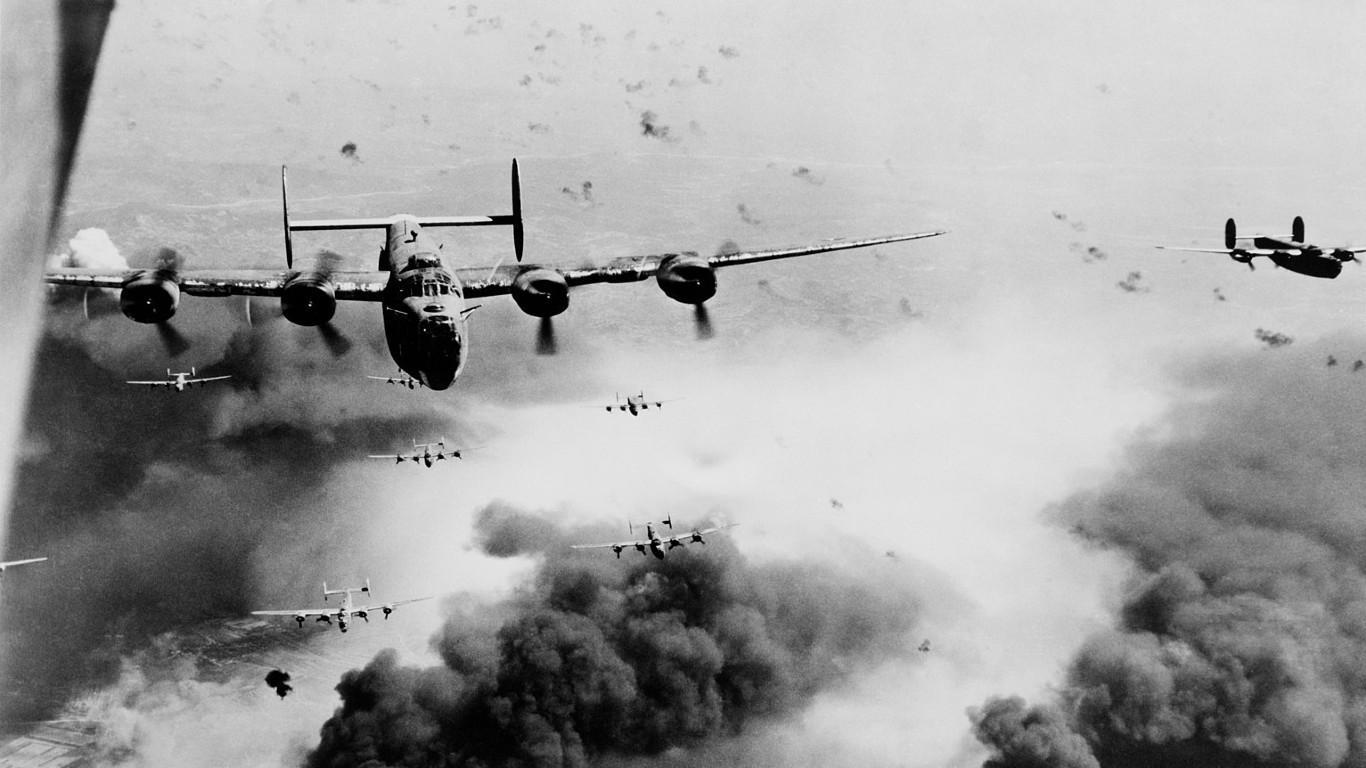
- Type of weapon or system: Bomber doctrine
- Era: WWII
- Original advantage: Strategic precision bombing
- How it multiplied force: Mass bomber strikes
- What changed: Lack of fighter escort
- How it became a liability: Unsustainable loss rates
- Operational cost: Aircraft and crew attrition
- Lesson learned from this weapon: Doctrine must match threat environment
B-52 in contested airspace
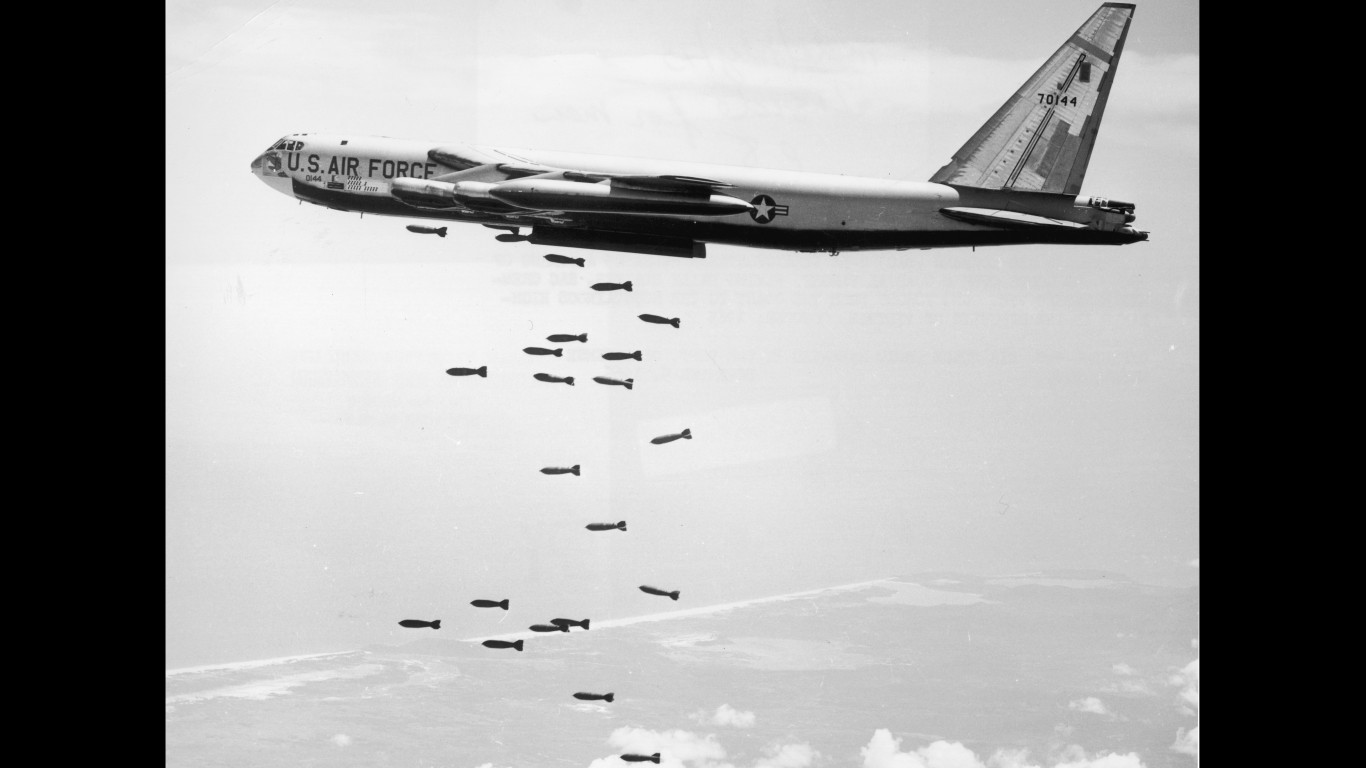
- Type of weapon or system: Strategic bomber
- Era: Cold War–Modern
- Original advantage: Long-range strike capability
- How it multiplied force: Heavy payload delivery
- What changed: Advanced air defenses
- How it became a liability: High-value vulnerable asset
- Operational cost: Requires extensive suppression support
- Lesson learned from this weapon: Air superiority determines bomber utility
Large ISR aircraft
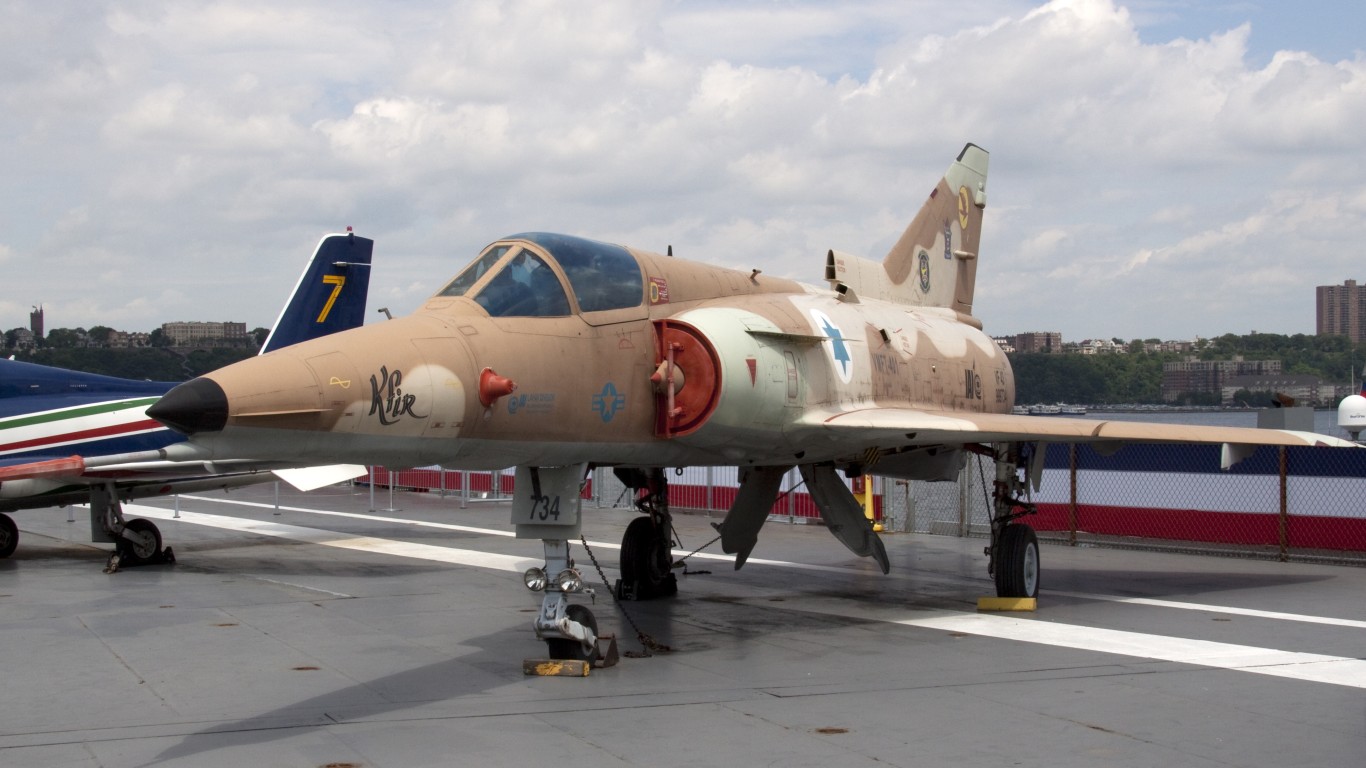
- Type of weapon or system: ISR platform
- Era: Modern
- Original advantage: Persistent intelligence collection
- How it multiplied force: Battlefield awareness
- What changed: A2/AD environments
- How it became a liability: Survivability risk
- Operational cost: Escort and standoff requirements
- Lesson learned from this weapon: Visibility creates vulnerability
Static SAM sites
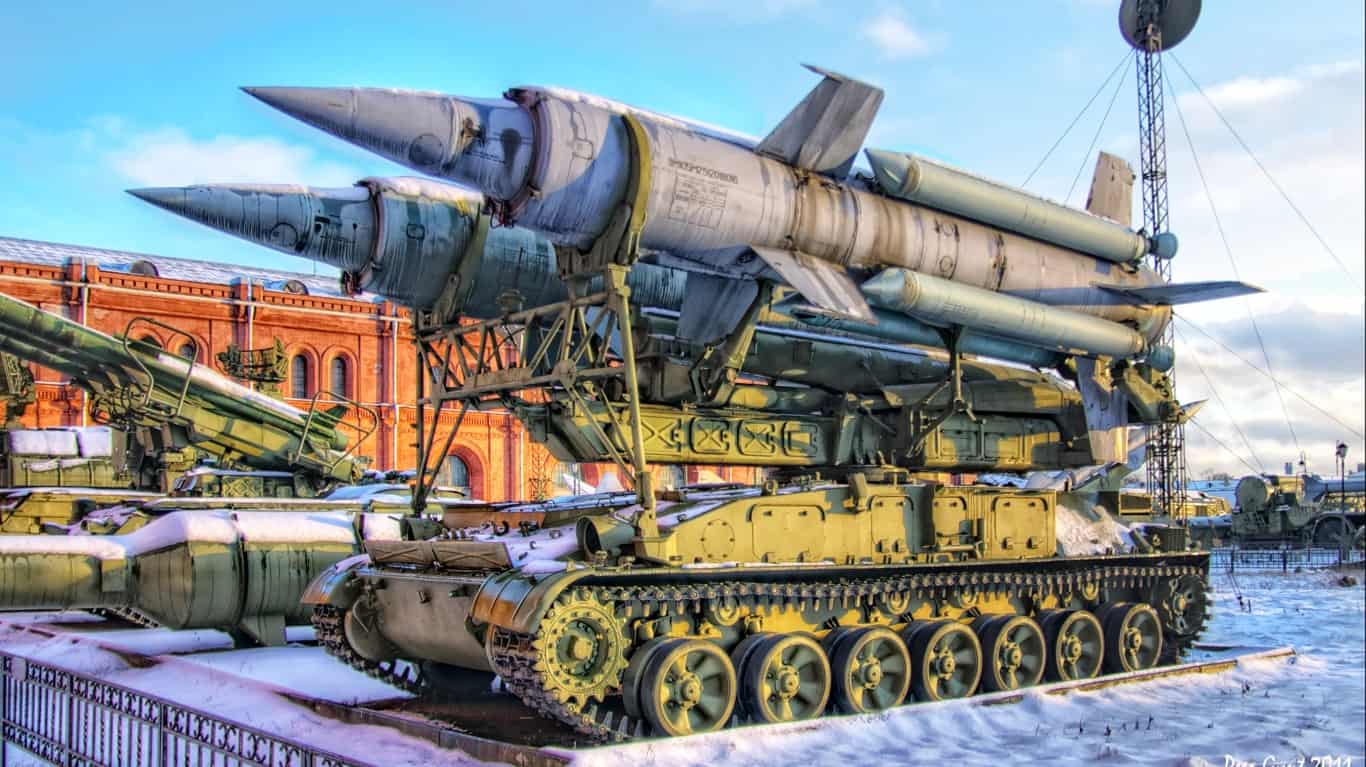
- Type of weapon or system: Air defense system
- Era: Cold War
- Original advantage: Area air denial
- How it multiplied force: Protected airspace
- What changed: SEAD tactics
- How it became a liability: Predictable targeting
- Operational cost: High replacement and protection cost
- Lesson learned from this weapon: Static defenses invite attack
Maginot Line-style fortifications
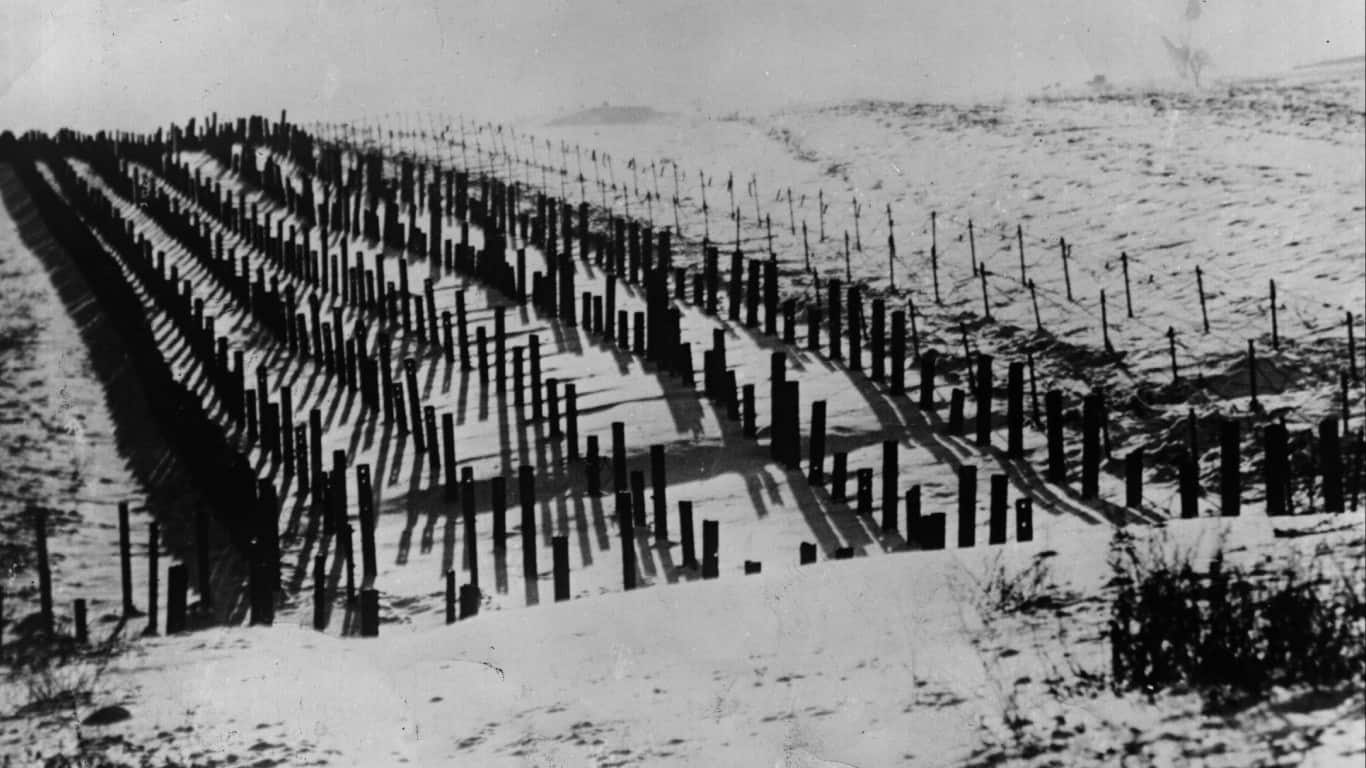
- Type of weapon or system: Fortification system
- Era: Interwar
- Original advantage: Border defense
- How it multiplied force: Channelized enemy movement
- What changed: Operational bypass
- How it became a liability: Strategic rigidity
- Operational cost: Loss of maneuver flexibility
- Lesson learned from this weapon: Defense without flexibility fails
Yamato-class battleships
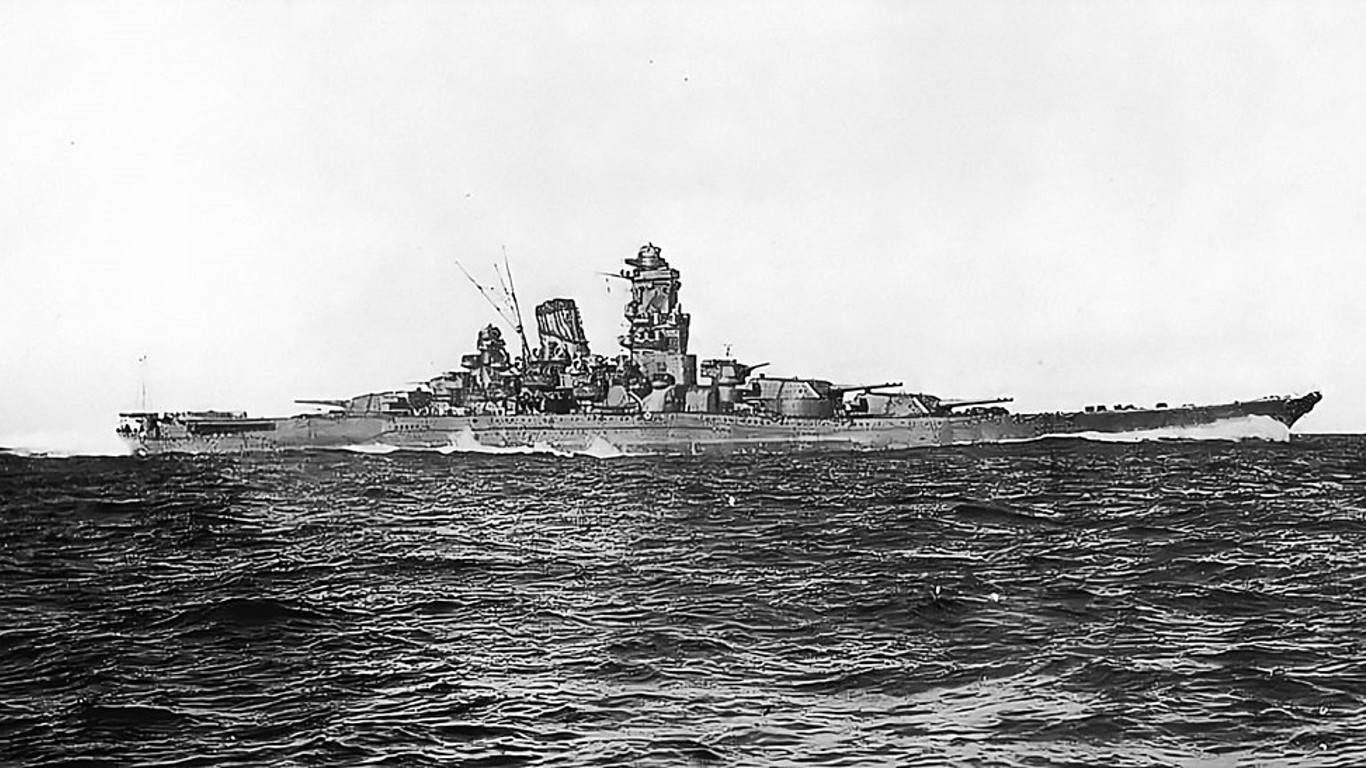
- Type of weapon or system: Battleship
- Era: WWII
- Original advantage: Decisive naval dominance
- How it multiplied force: Fleet deterrence
- What changed: Carrier-based airpower
- How it became a liability: Disproportionate cost to value
- Operational cost: Escort and fuel burden
- Lesson learned from this weapon: Symbolism cannot replace utility
Davy Crockett nuclear system
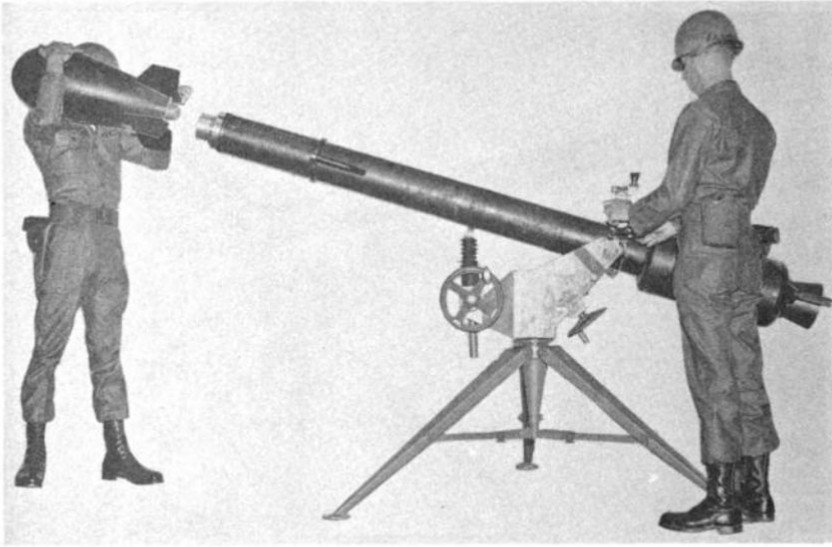
- Type of weapon or system: Nuclear artillery
- Era: Cold War
- Original advantage: Tactical nuclear deterrence
- How it multiplied force: Forward nuclear firepower
- What changed: Short range and fallout risk
- How it became a liability: Risk to friendly forces
- Operational cost: Command and safety concerns
- Lesson learned from this weapon: Some power is unusable power
Heavy MBTs in urban COIN
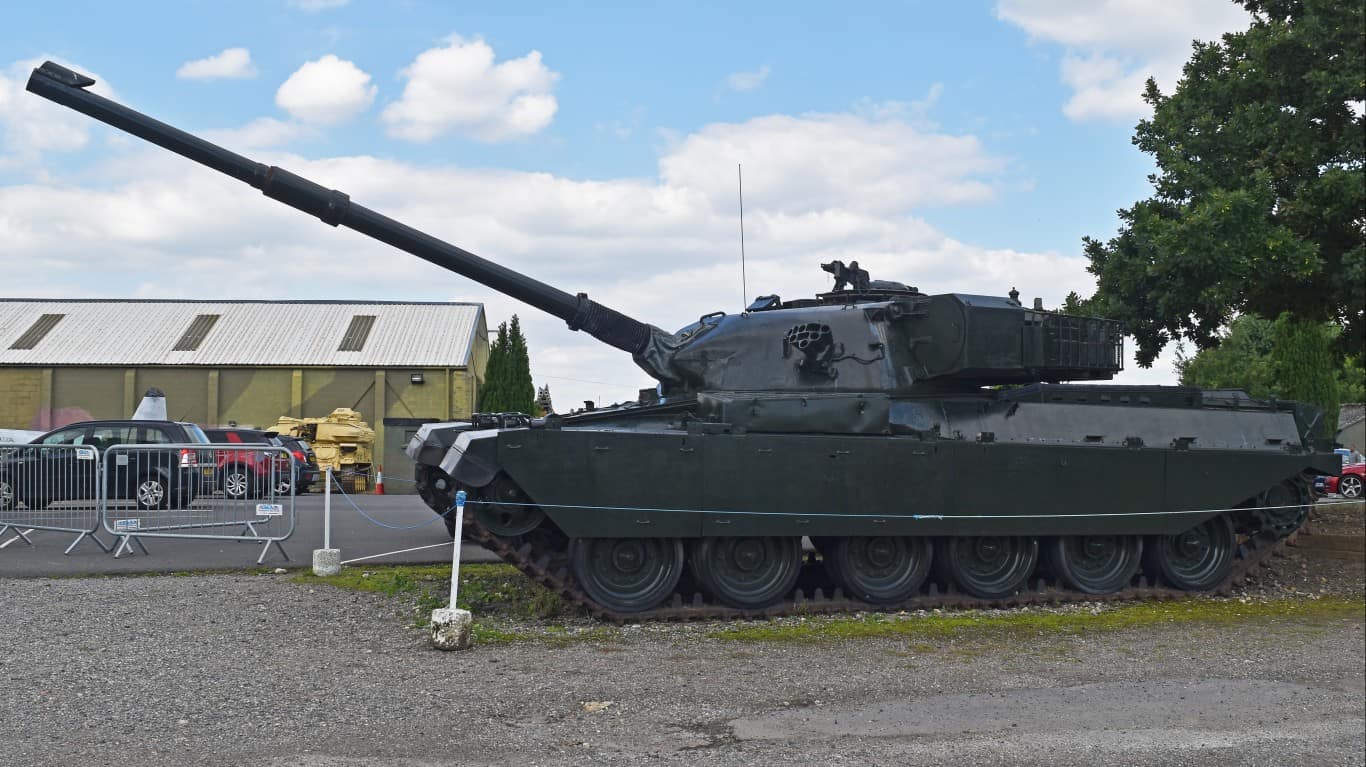
- Type of weapon or system: Main battle tank
- Era: GWOT
- Original advantage: Armor protection
- How it multiplied force: Direct fire support
- What changed: Urban terrain and IEDs
- How it became a liability: Mobility and vulnerability issues
- Operational cost: High maintenance footprint
- Lesson learned from this weapon: Context defines effectiveness
MRAP vehicles
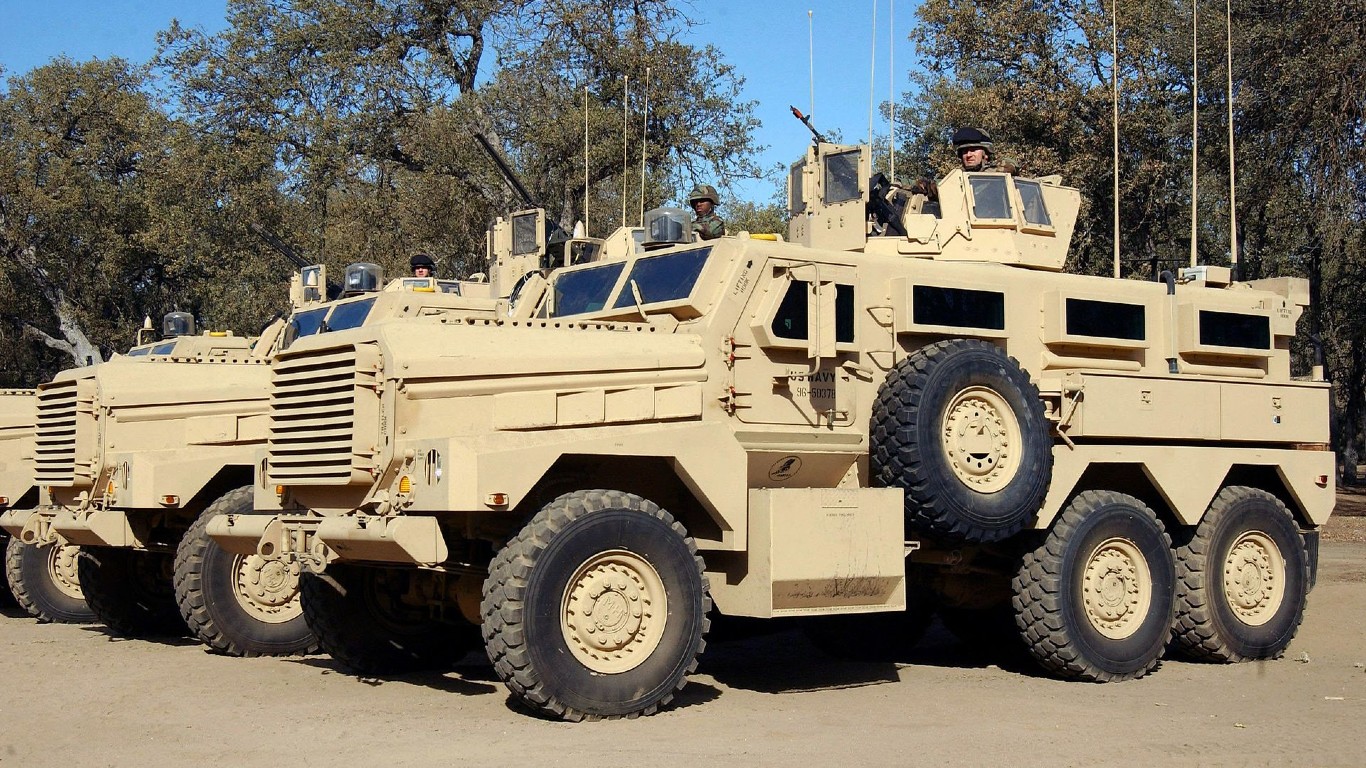
- Type of weapon or system: Protected vehicle
- Era: GWOT
- Original advantage: IED survivability
- How it multiplied force: Reduced casualty rates
- What changed: Predictability and terrain limits
- How it became a liability: Reduced maneuver flexibility
- Operational cost: Logistical and mobility cost
- Lesson learned from this weapon: Protection alone is not dominance
Large armored convoys
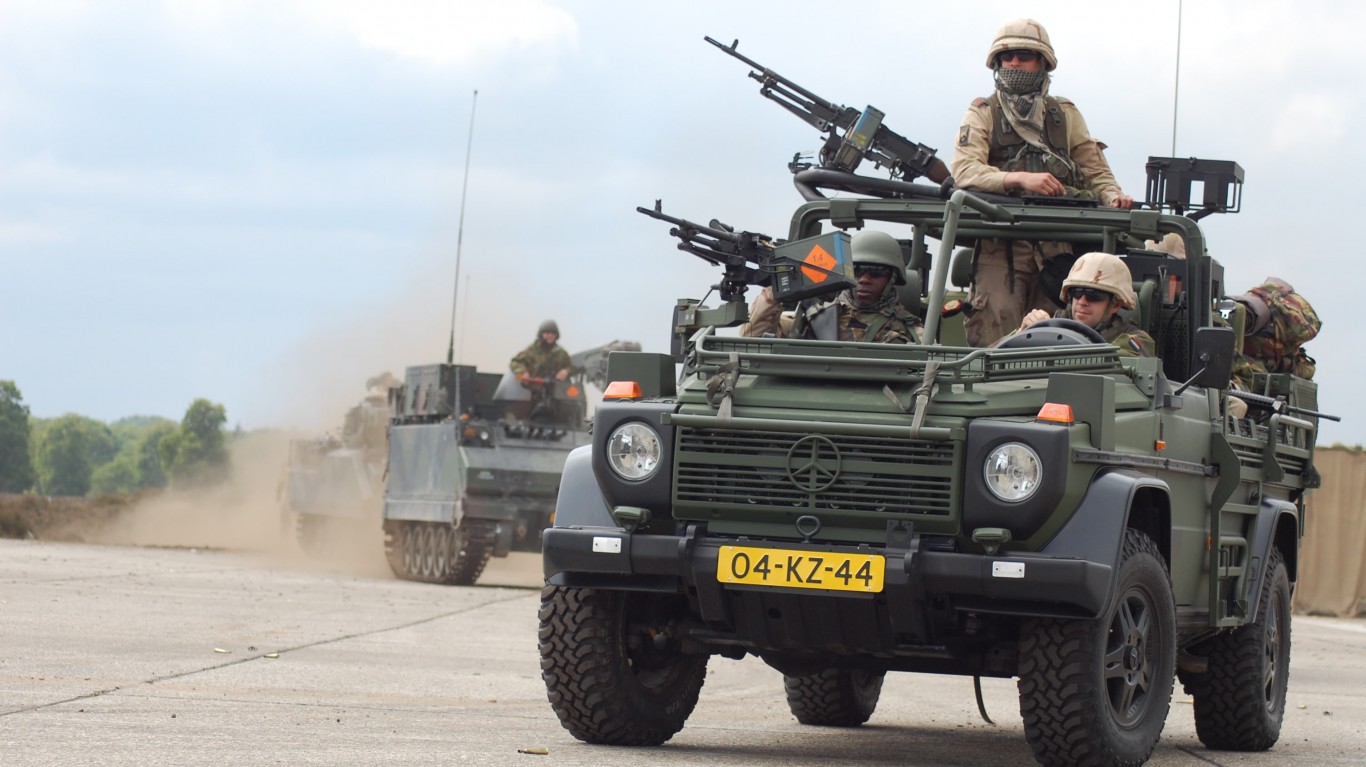
- Type of weapon or system: Logistics concept
- Era: GWOT
- Original advantage: Sustained supply flow
- How it multiplied force: Operational reach
- What changed: IED and ambush tactics
- How it became a liability: High-visibility targets
- Operational cost: Escort and delay costs
- Lesson learned from this weapon: Logistics shape battles
Aircraft carriers (A2/AD era)
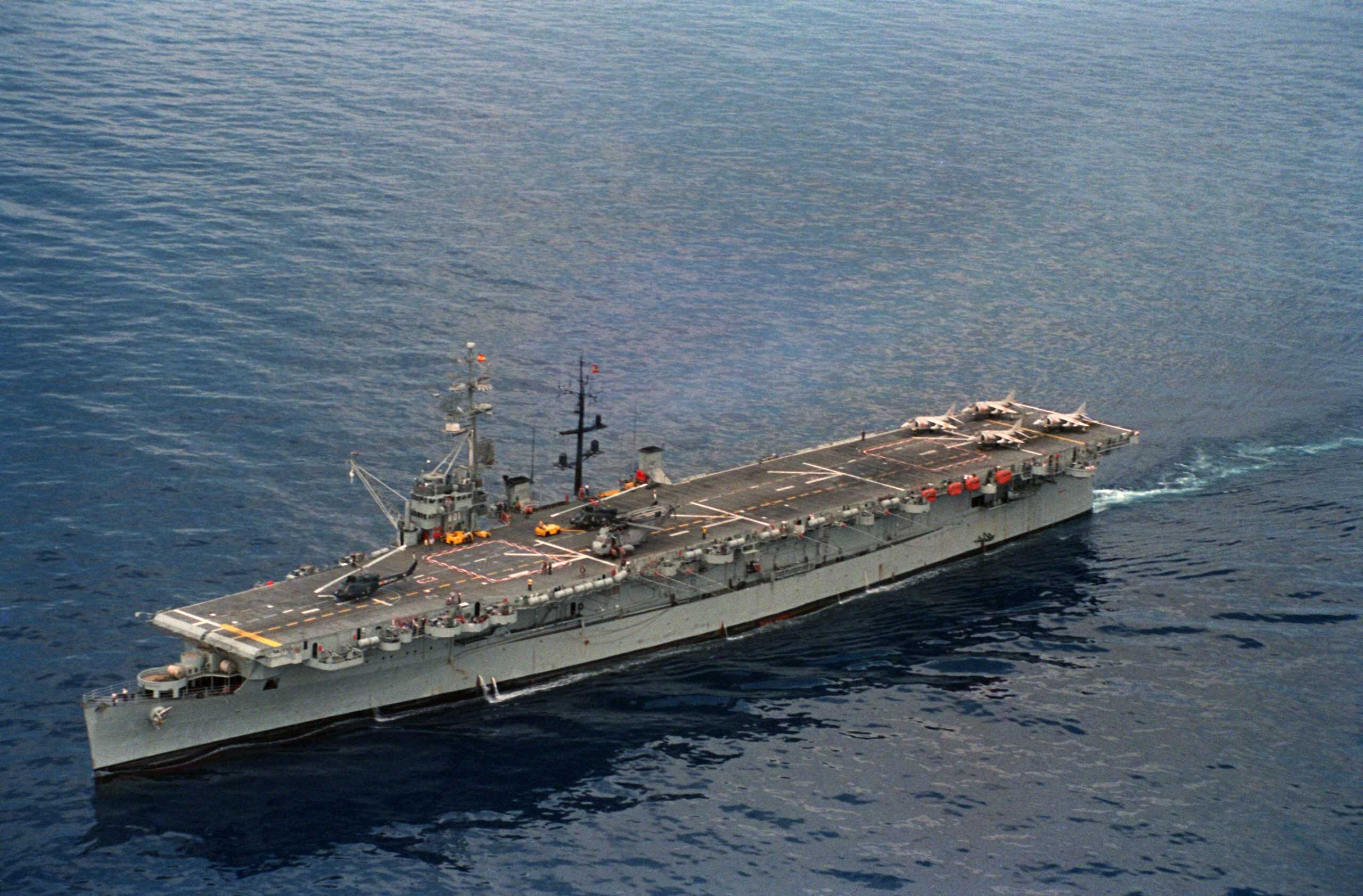
- Type of weapon or system: Naval aviation platform
- Era: Modern
- Original advantage: Global power projection
- How it multiplied force: Air dominance at sea
- What changed: Long-range precision missiles
- How it became a liability: High-risk capital asset
- Operational cost: Massive escort requirements
- Lesson learned from this weapon: Power concentration increases risk
Ballistic missile submarines
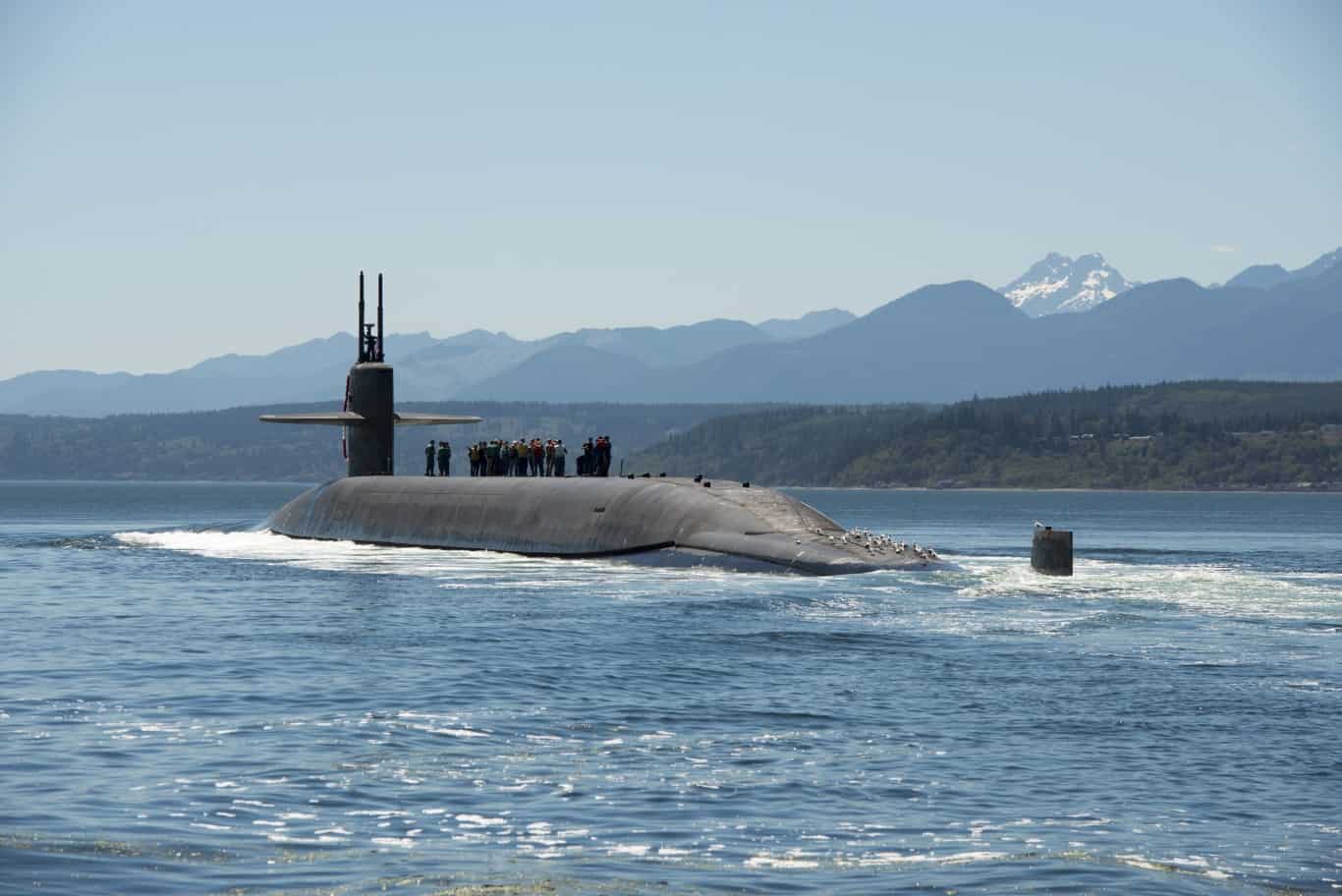
- Type of weapon or system: Strategic deterrent
- Era: Cold War–Modern
- Original advantage: Second-strike capability
- How it multiplied force: Nuclear deterrence
- What changed: Detection consequences
- How it became a liability: Single-point strategic risk
- Operational cost: Extreme security costs
- Lesson learned from this weapon: Deterrence carries inherent risk
Chemical weapons stockpiles

- Type of weapon or system: WMD
- Era: 20th Century
- Original advantage: Battlefield shock effect
- How it multiplied force: Psychological deterrence
- What changed: International norms
- How it became a liability: Political and security liability
- Operational cost: Storage and disposal costs
- Lesson learned from this weapon: Norms change weapon value
Cluster munitions
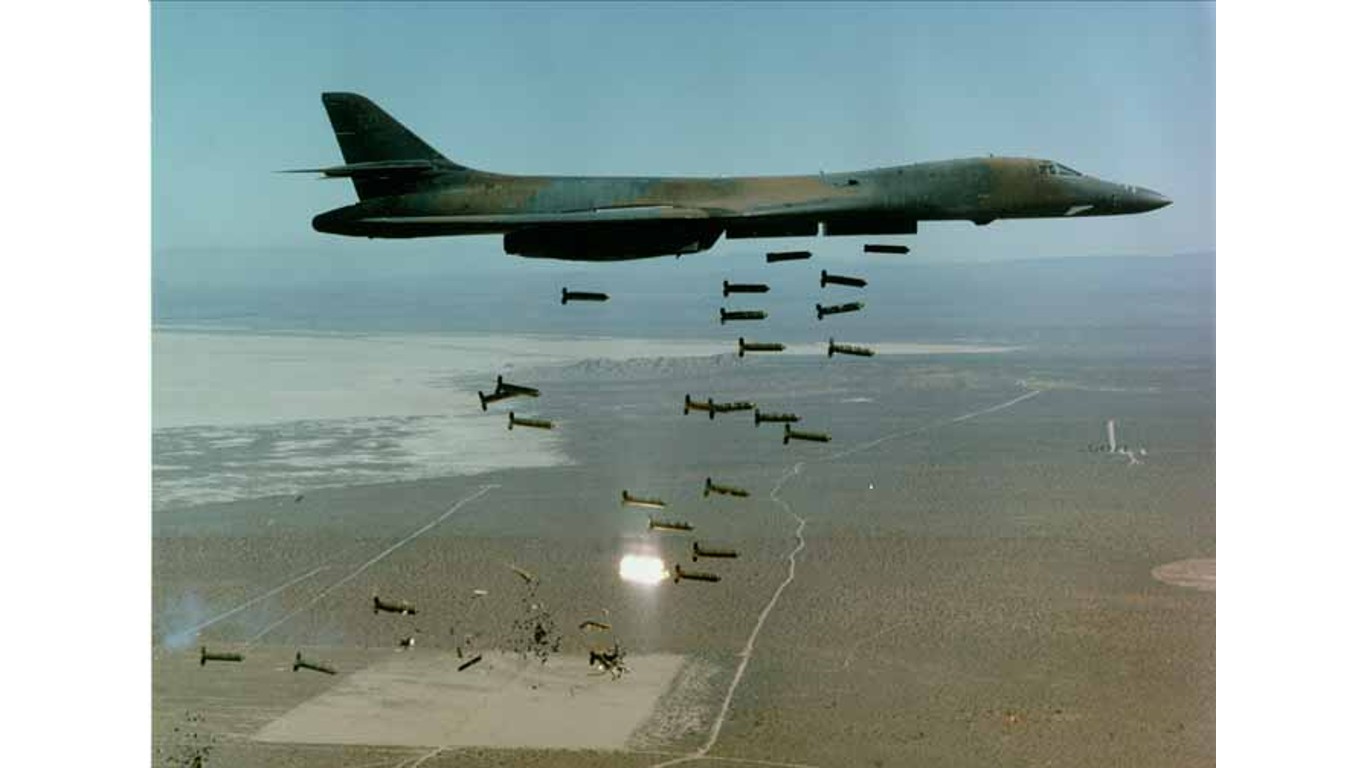
- Type of weapon or system: Area munition
- Era: Modern
- Original advantage: Area suppression
- How it multiplied force: Wide-area effects
- What changed: Legal and humanitarian backlash
- How it became a liability: Long-term liability
- Operational cost: Post-conflict remediation
- Lesson learned from this weapon: Aftereffects matter
MANPADS proliferation
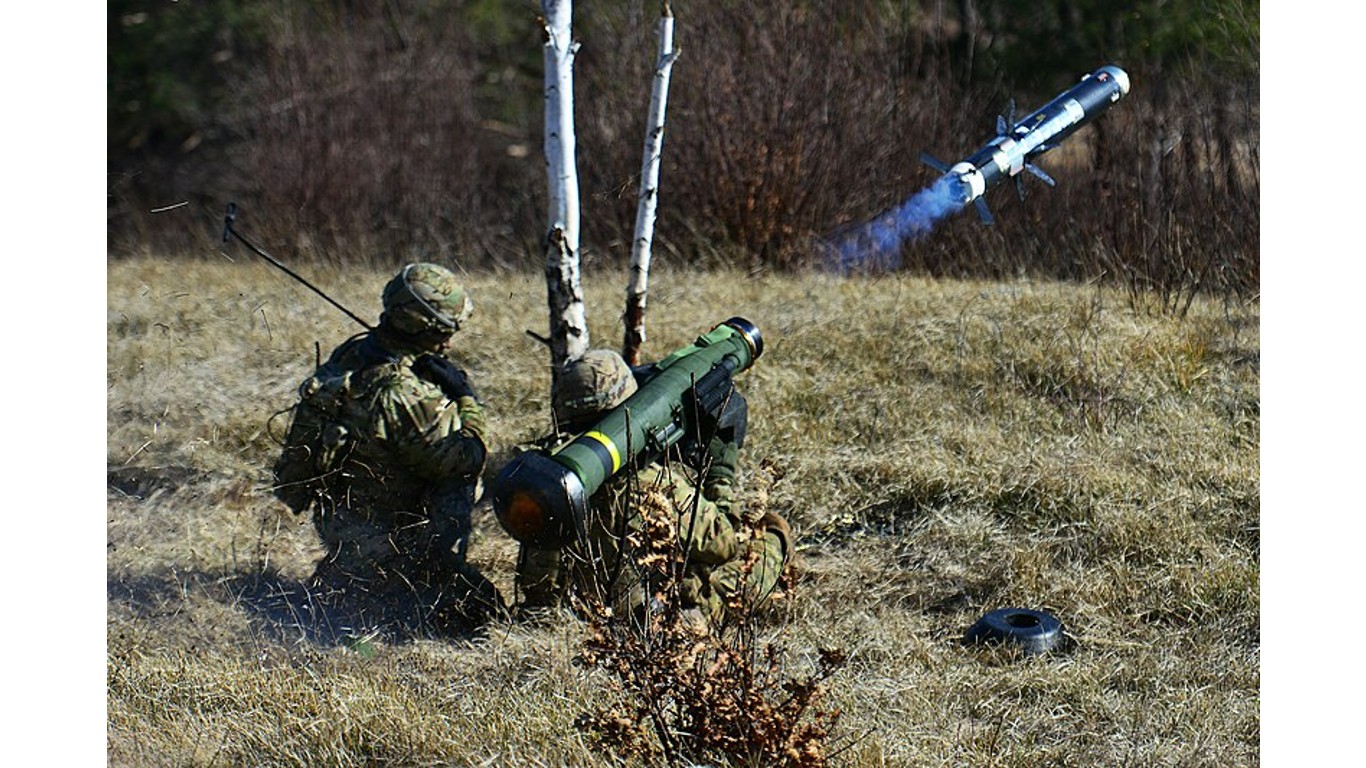
- Type of weapon or system: Air defense weapon
- Era: Modern
- Original advantage: Low-cost air denial
- How it multiplied force: Threat to aircraft
- What changed: Loss of control
- How it became a liability: Global aviation risk
- Operational cost: Security and tracking burden
- Lesson learned from this weapon: Spread creates instability
Large FOBs
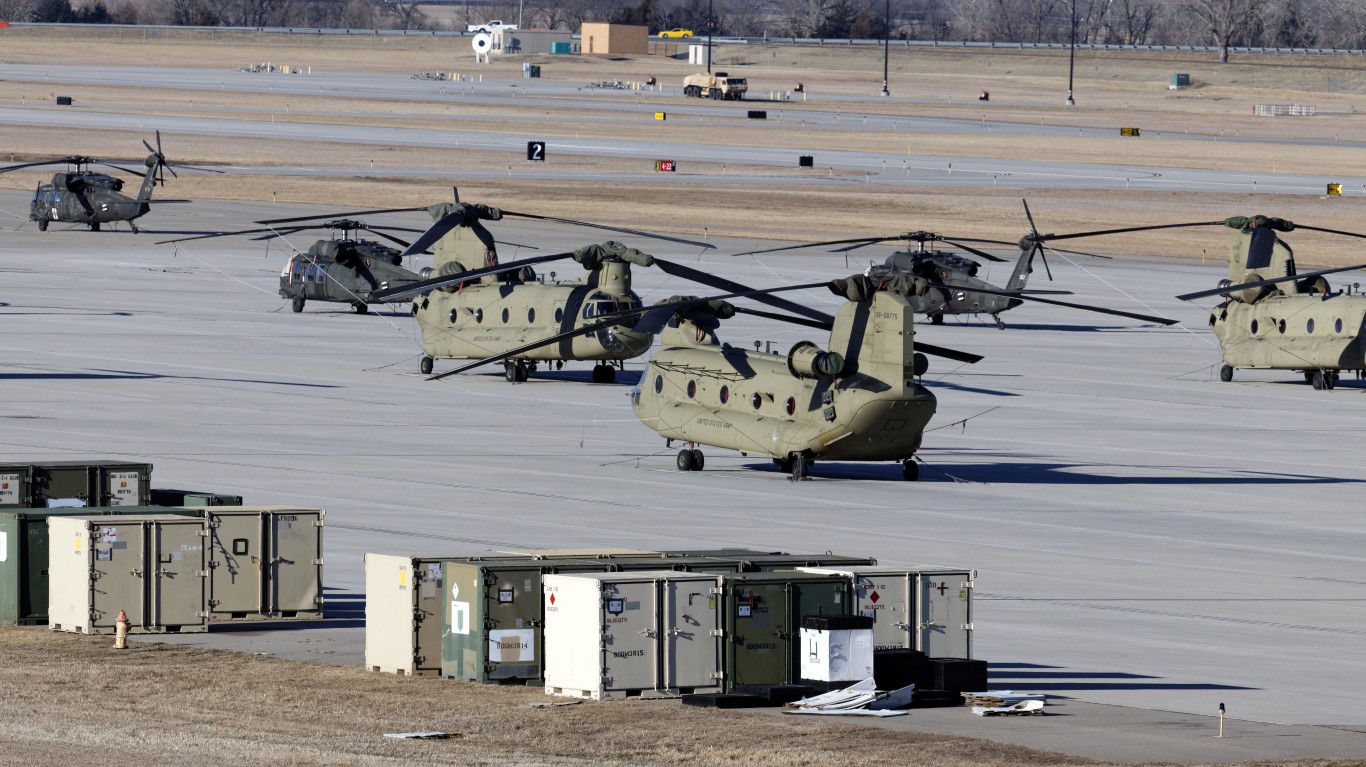
- Type of weapon or system: Base infrastructure
- Era: GWOT
- Original advantage: Operational sustainment
- How it multiplied force: Force concentration
- What changed: Insurgent targeting
- How it became a liability: Fixed high-value targets
- Operational cost: Defense and logistics costs
- Lesson learned from this weapon: Visibility attracts attack
Early attack helicopters
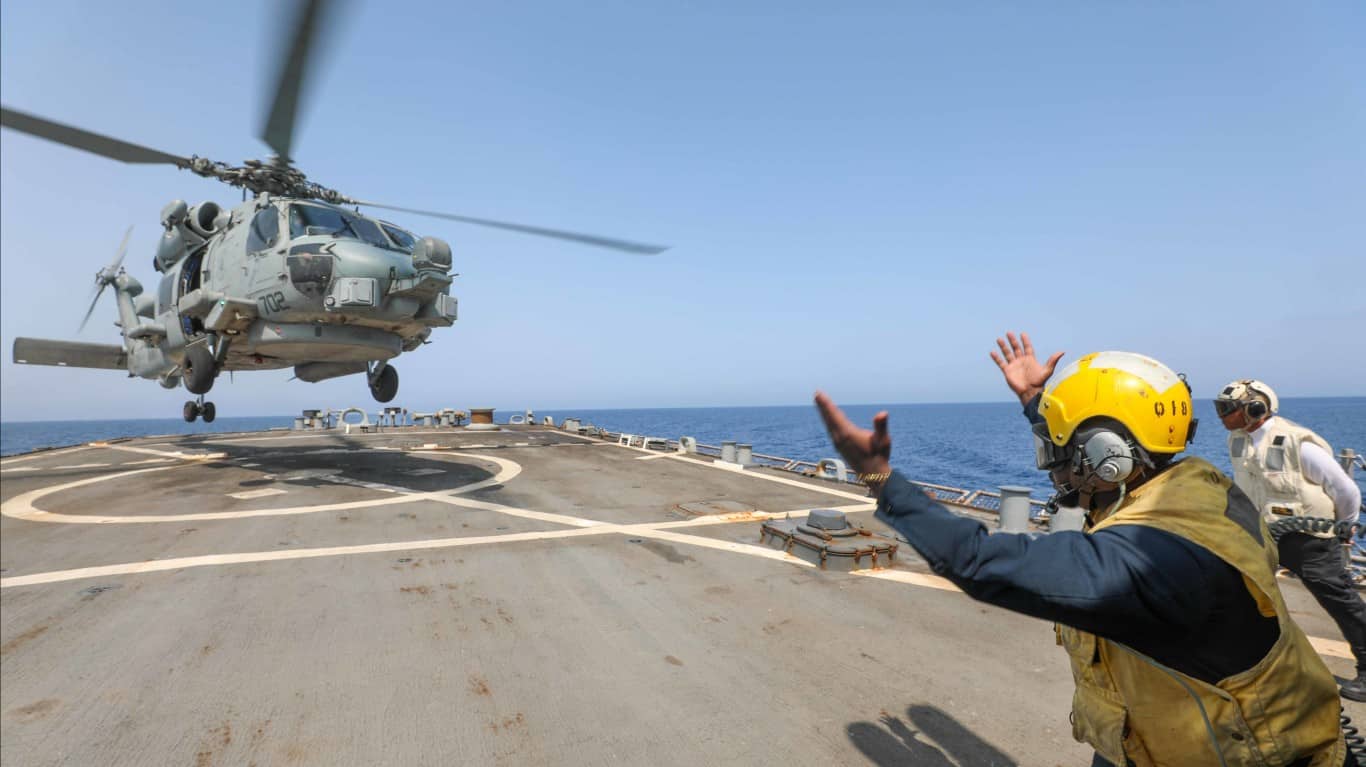
- Type of weapon or system: Attack aircraft
- Era: Cold War
- Original advantage: Close air support
- How it multiplied force: Anti-armor dominance
- What changed: Improved air defenses
- How it became a liability: High attrition risk
- Operational cost: Escort and suppression needs
- Lesson learned from this weapon: Adaptation neutralizes advantage
Heavy artillery in COIN
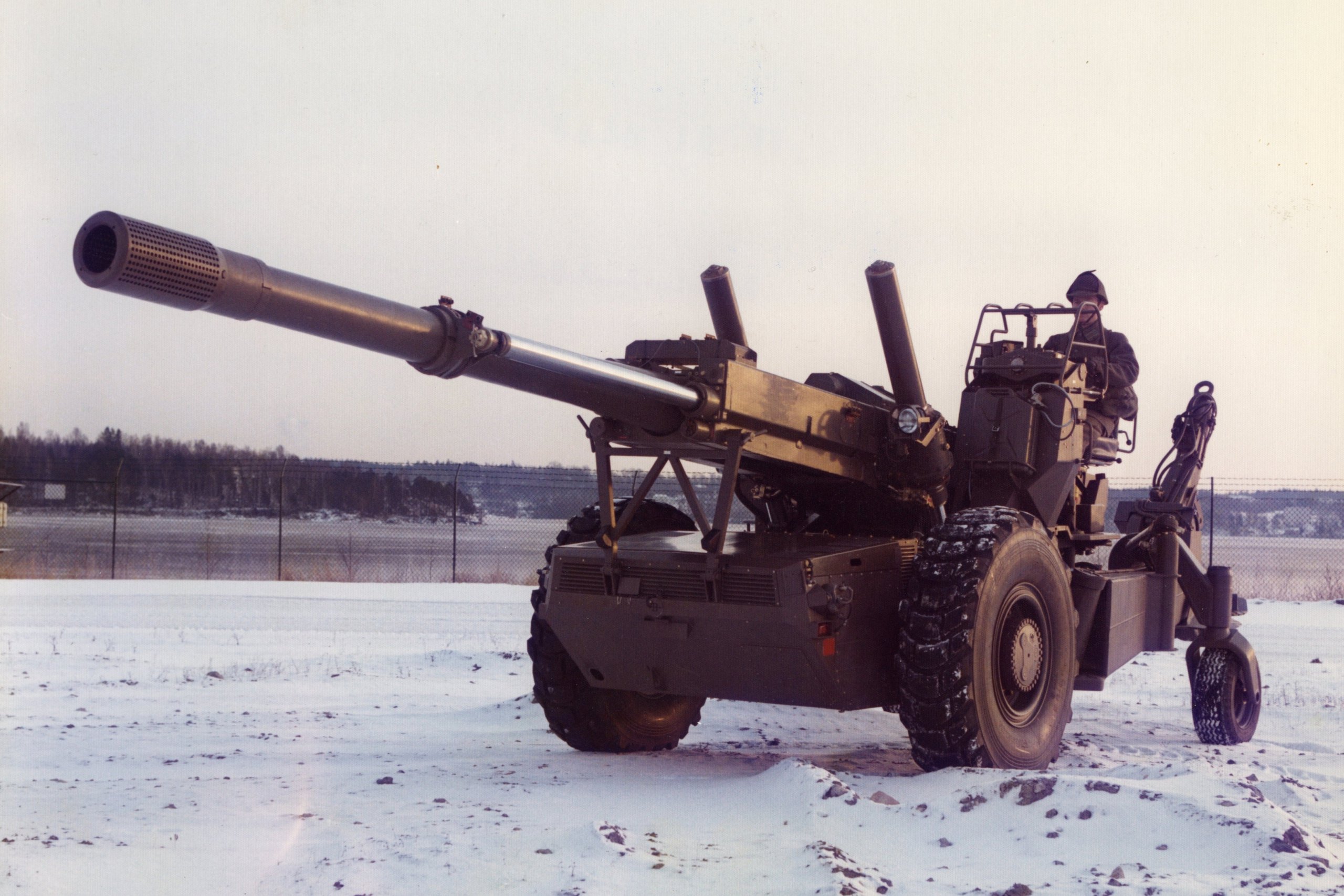
- Type of weapon or system: Artillery
- Era: Modern
- Original advantage: Overwhelming firepower
- How it multiplied force: Fire support
- What changed: Collateral damage concerns
- How it became a liability: Political constraint
- Operational cost: Restricted employment
- Lesson learned from this weapon: Firepower without freedom is limited
Nuclear gravity bombs abroad
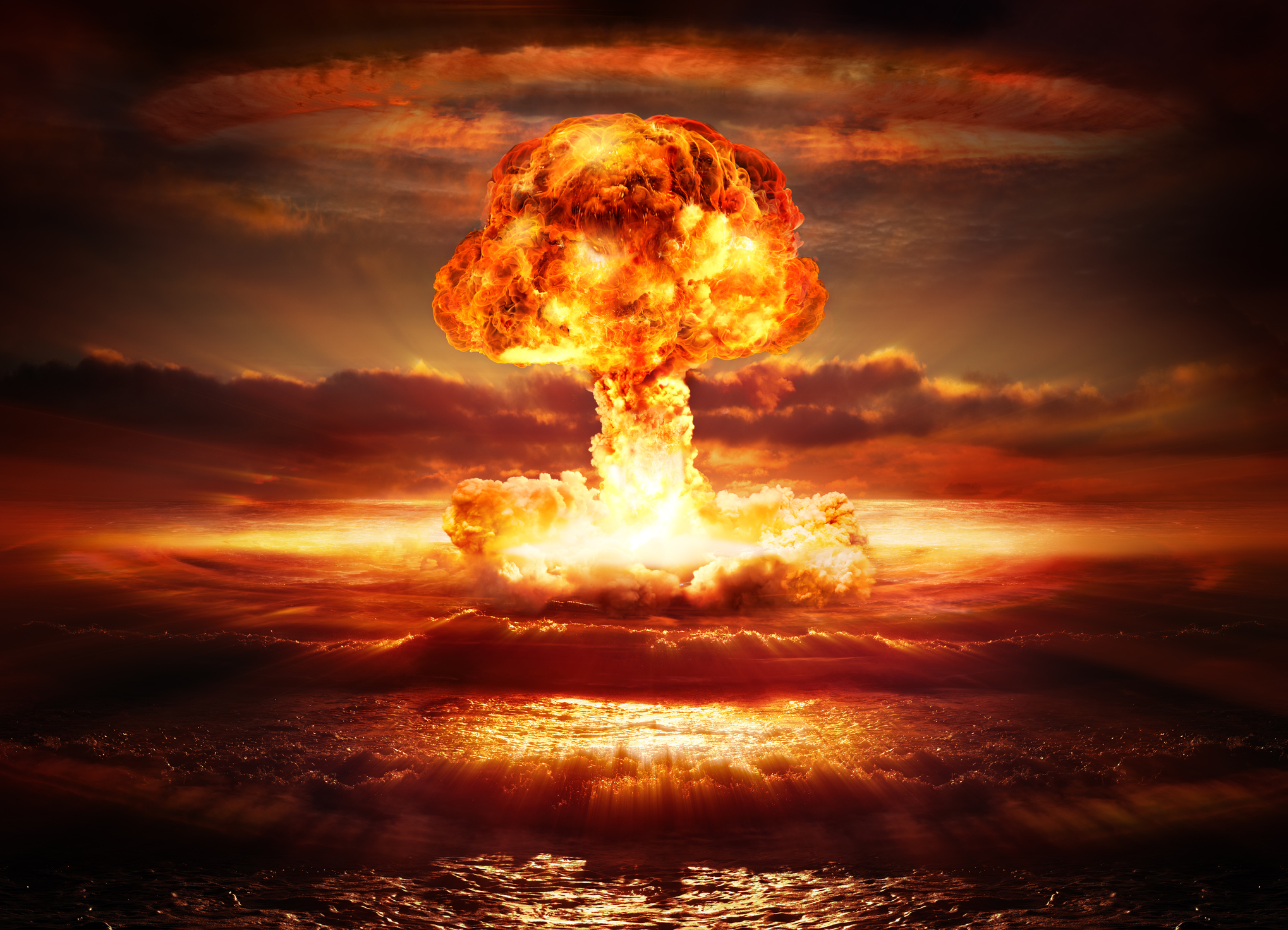
- Type of weapon or system: Nuclear weapon
- Era: Cold War–Modern
- Original advantage: Extended deterrence
- How it multiplied force: Alliance reassurance
- What changed: Political escalation risk
- How it became a liability: Strategic liability
- Operational cost: Security and diplomatic costs
- Lesson learned from this weapon: Deterrence is contextual
Rail-dependent weapons
![Harpers+Ferry+railroad | Railroad tracks at Harpers Ferry Amtrak station [06]](https://a673b.bigscoots-temp.com/wp-content/uploads/2024/01/imageForEntry48-owr.jpg)
- Type of weapon or system: Heavy weapons
- Era: WWII
- Original advantage: High firepower delivery
- How it multiplied force: Sustained bombardment
- What changed: Infrastructure vulnerability
- How it became a liability: Operational inflexibility
- Operational cost: Repair and security cost
- Lesson learned from this weapon: Mobility is power
Early stealth aircraft
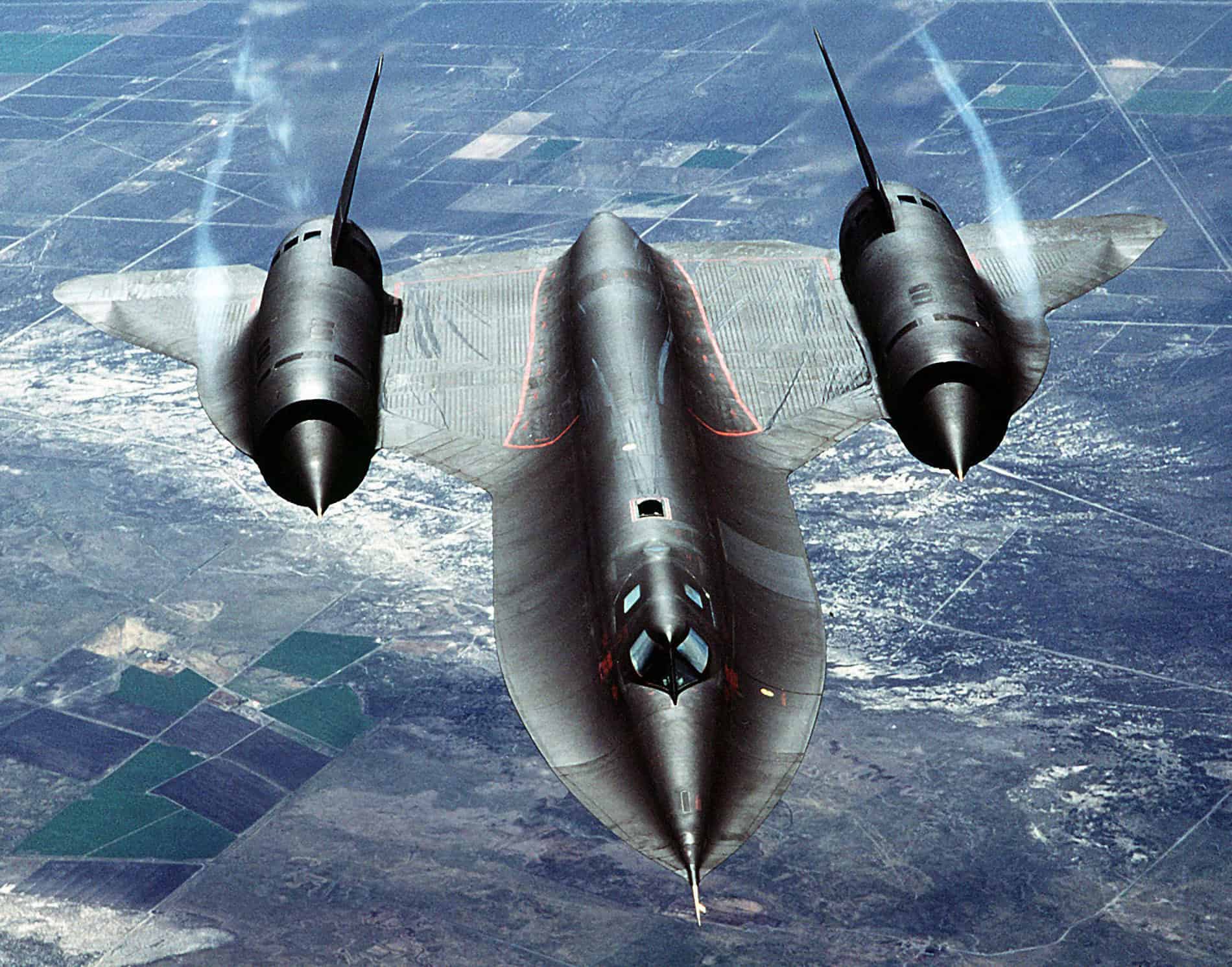
- Type of weapon or system: Stealth aircraft
- Era: Cold War
- Original advantage: Low observability
- How it multiplied force: Penetration advantage
- What changed: Detection evolution
- How it became a liability: Narrow advantage window
- Operational cost: Upgrade dependency
- Lesson learned from this weapon: Technology advantage is temporary
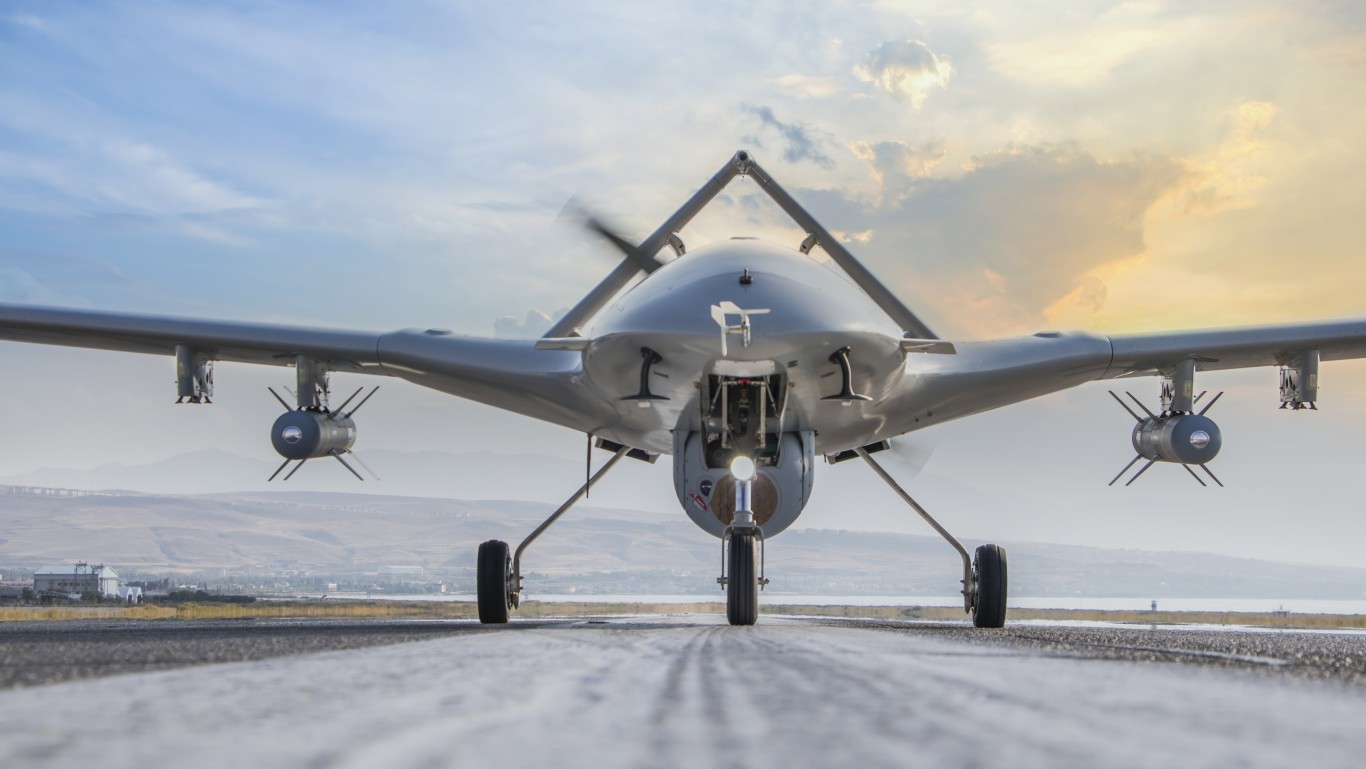
UAS without secure datalinks
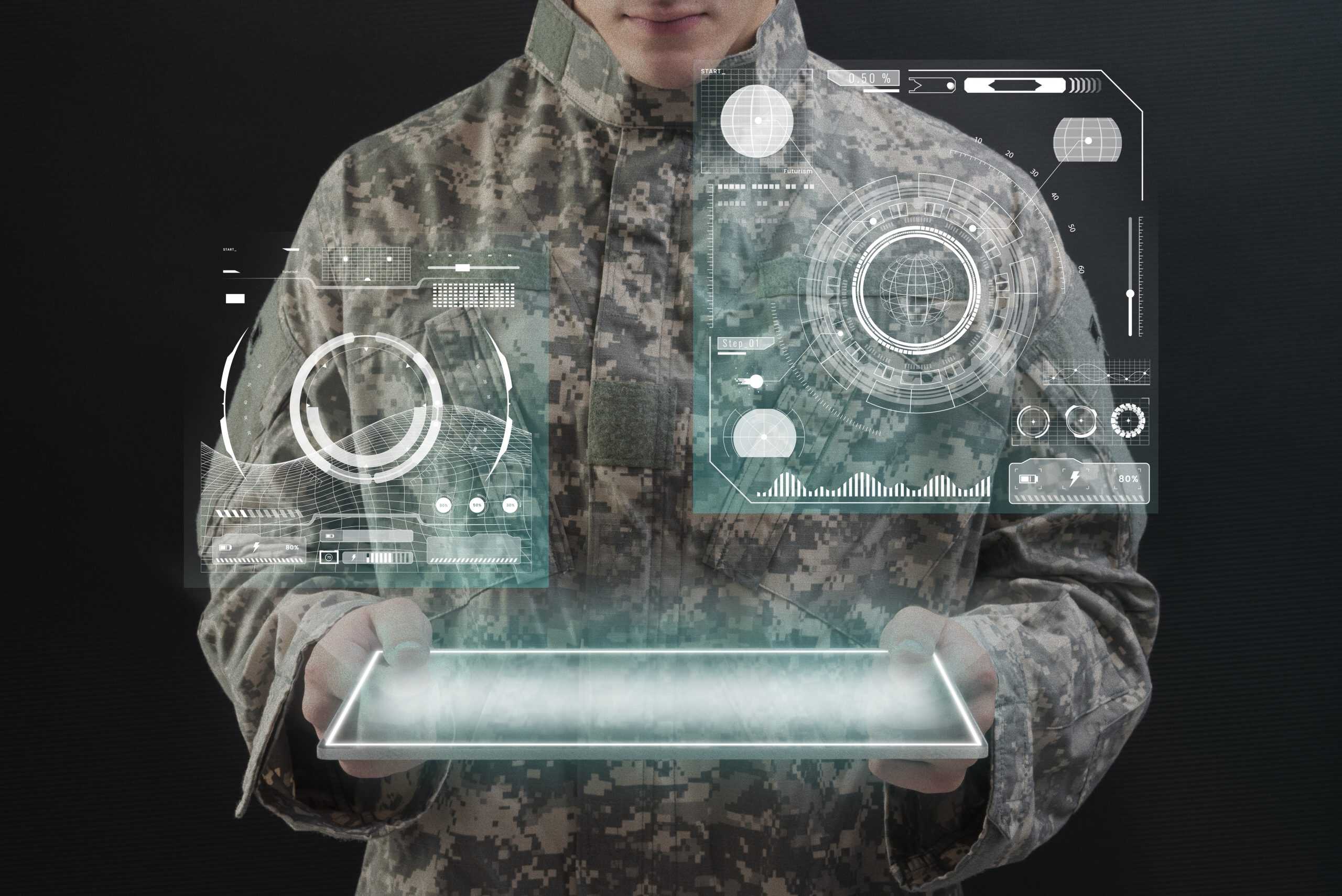
- Type of weapon or system: Unmanned aircraft
- Era: Modern
- Original advantage: Low-risk surveillance
- How it multiplied force: Persistent ISR
- What changed: Jamming and hacking
- How it became a liability: Loss of control risk
- Operational cost: Electronic protection costs
- Lesson learned from this weapon: Connectivity is vulnerability
Large amphibious assault ships
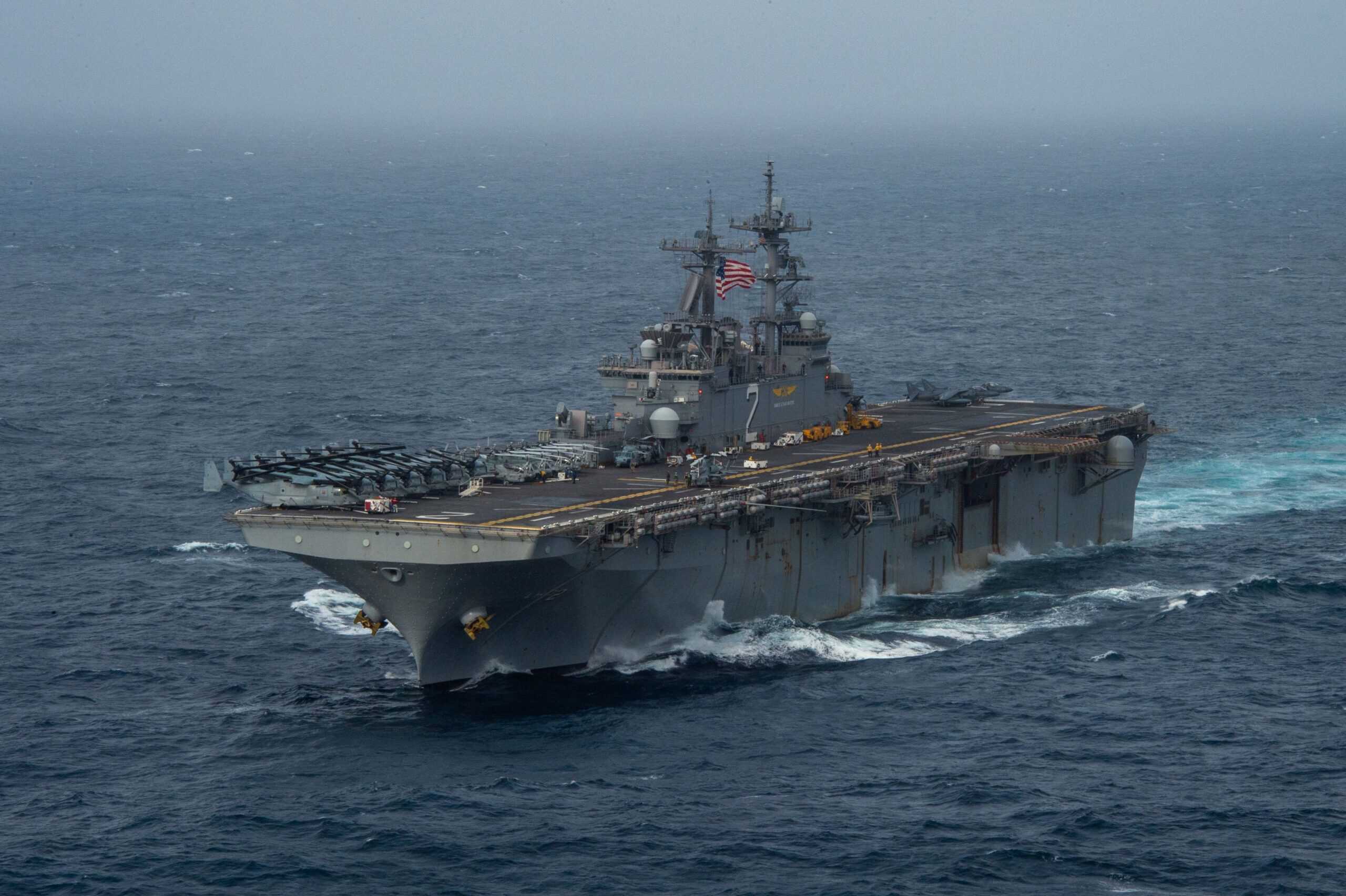
- Type of weapon or system: Amphibious platform
- Era: Modern
- Original advantage: Force projection
- How it multiplied force: Marine landing capability
- What changed: Precision strike threats
- How it became a liability: High-value targets
- Operational cost: Escort and risk cost
- Lesson learned from this weapon: Access is contested
Early PGMs stockpiles
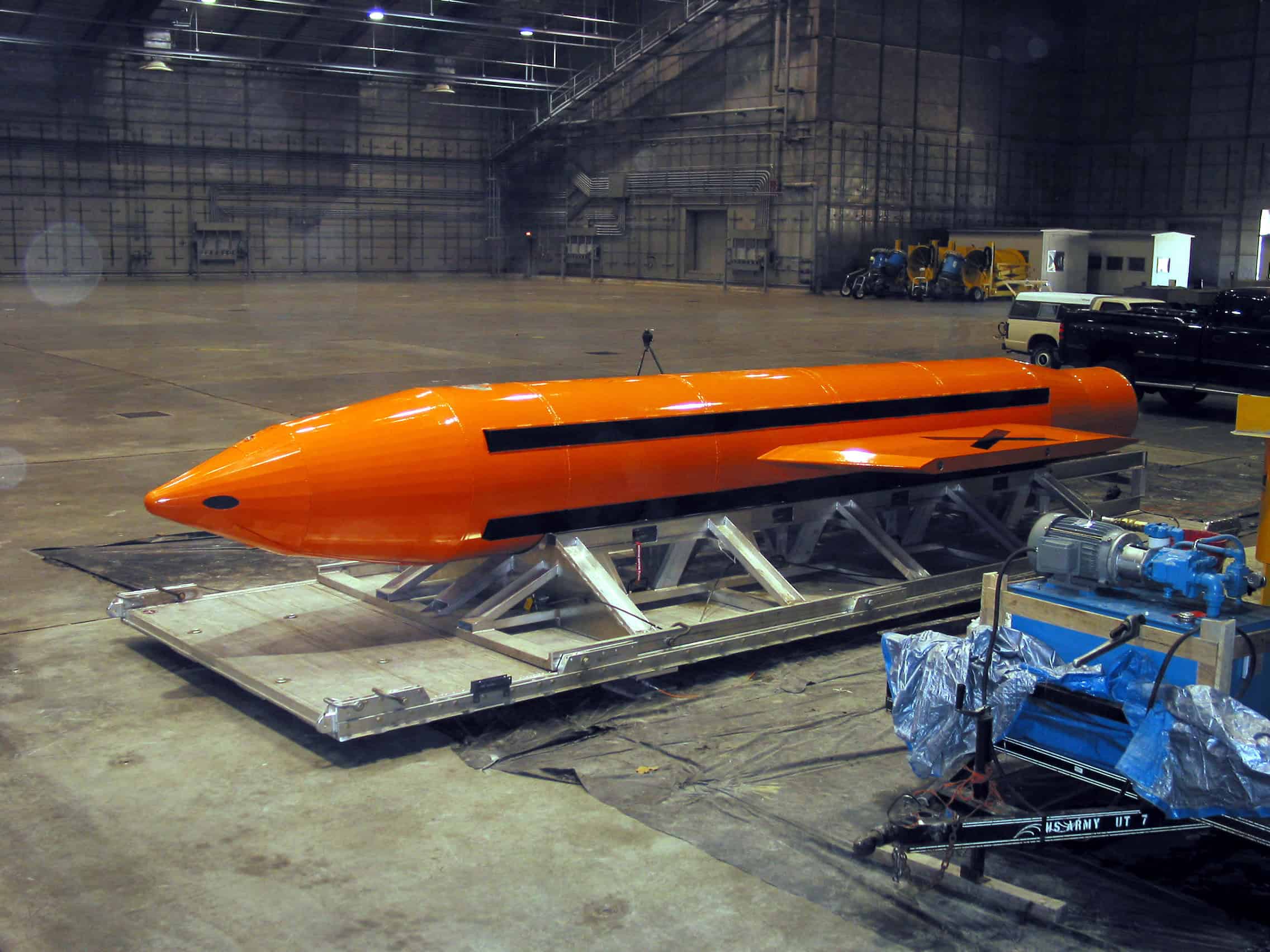
- Type of weapon or system: Precision weapon
- Era: Late Cold War
- Original advantage: High accuracy strikes
- How it multiplied force: Reduced collateral damage
- What changed: Limited inventory
- How it became a liability: Sustainment issue
- Operational cost: Resupply and cost
- Lesson learned from this weapon: Precision requires depth
Long-range artillery near civilians
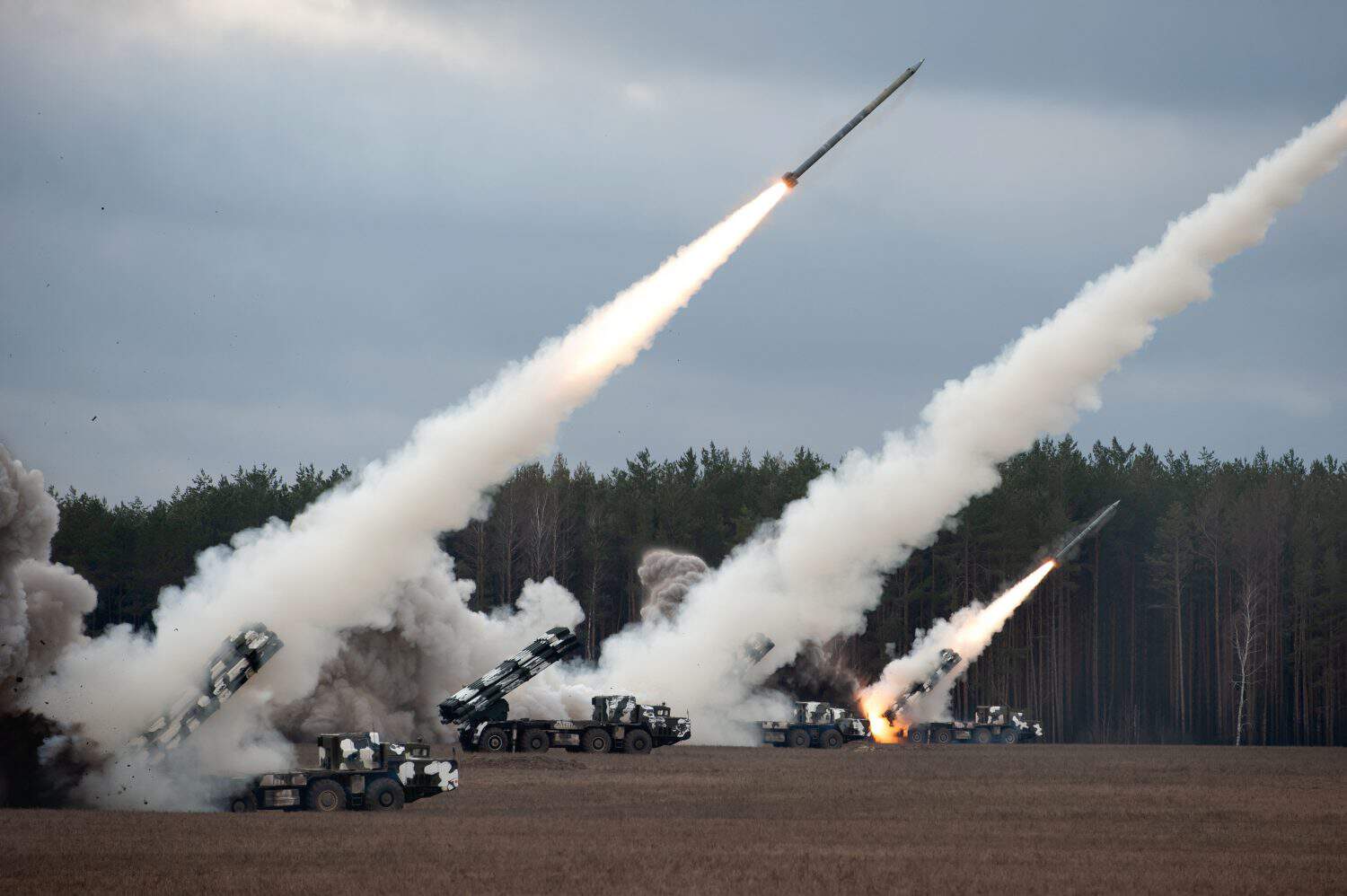
- Type of weapon or system: Artillery
- Era: Modern
- Original advantage: Extended reach
- How it multiplied force: Deep fires
- What changed: Civilian proximity
- How it became a liability: Restricted use
- Operational cost: Operational hesitation
- Lesson learned from this weapon: Context limits capability
Conventional subs in shallow seas
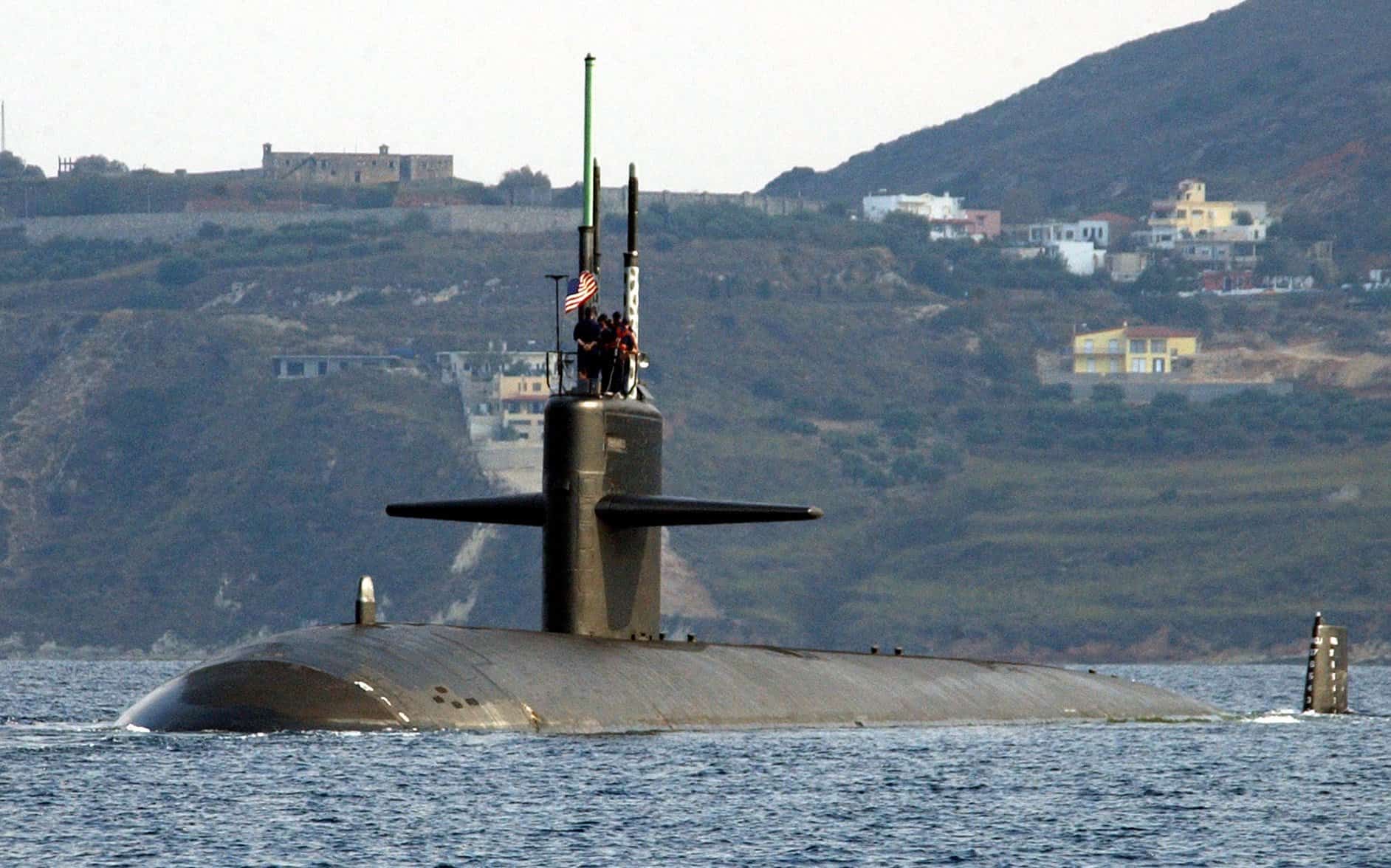
- Type of weapon or system: Submarine
- Era: Modern
- Original advantage: Coastal stealth
- How it multiplied force: Sea denial
- What changed: Sensor saturation
- How it became a liability: Reduced survivability
- Operational cost: Evasion complexity
- Lesson learned from this weapon: Detection evolves
Strategic bombing of dispersed industry
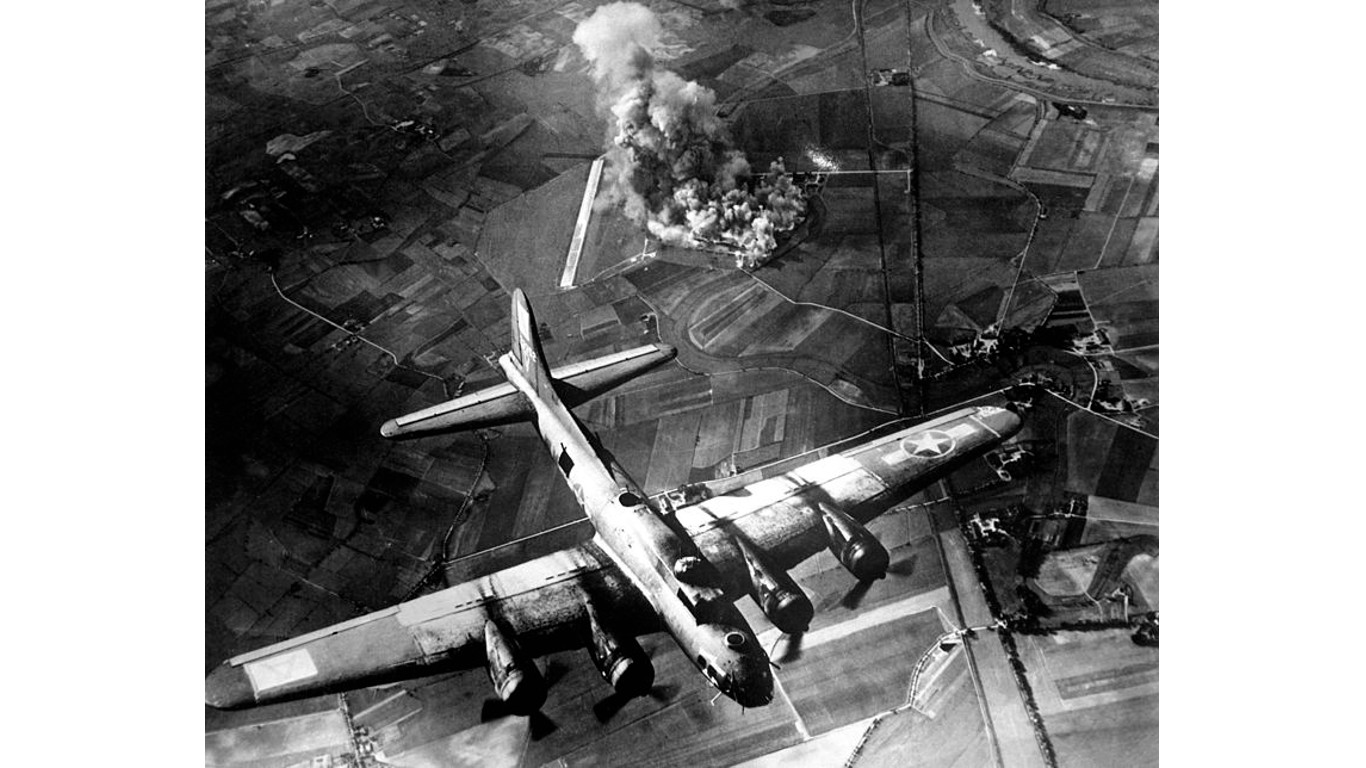
- Type of weapon or system: Doctrine
- Era: WWII–Cold War
- Original advantage: Economic disruption
- How it multiplied force: Industrial attrition
- What changed: Dispersal and redundancy
- How it became a liability: Diminishing returns
- Operational cost: Cost vs effect imbalance
- Lesson learned from this weapon: Targets adapt
Mass infantry assaults
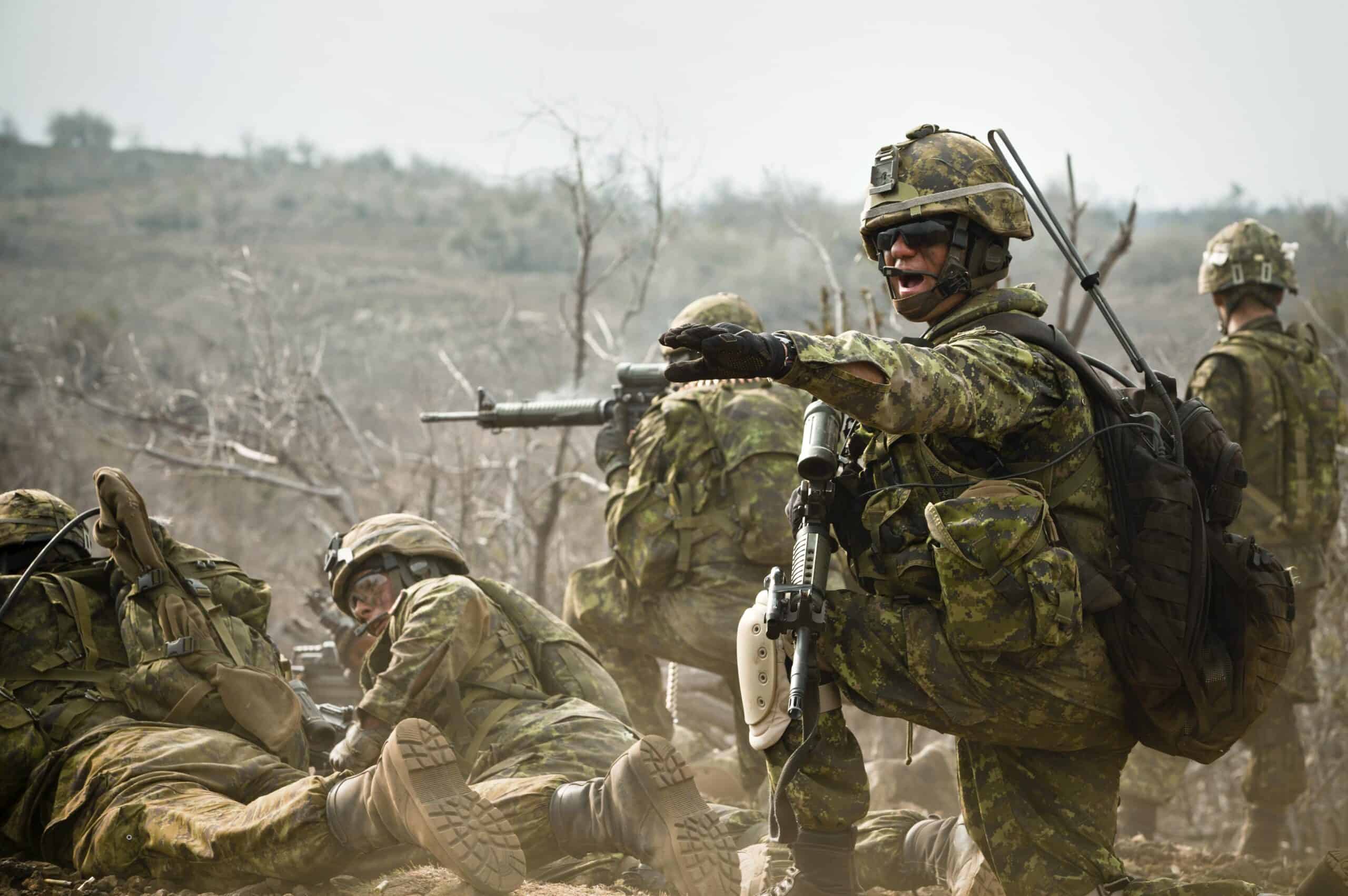
- Type of weapon or system: Infantry tactic
- Era: Modern
- Original advantage: Numerical dominance
- How it multiplied force: Breakthrough attacks
- What changed: Precision fires
- How it became a liability: High casualty liability
- Operational cost: Manpower loss
- Lesson learned from this weapon: Mass without protection fails
Cold War command bunkers

- Type of weapon or system: Hardened facility
- Era: Cold War
- Original advantage: Leadership survivability
- How it multiplied force: Command continuity
- What changed: Precision penetration weapons
- How it became a liability: False security
- Operational cost: Costly hardening
- Lesson learned from this weapon: Survivability assumptions expire







 Top Gaining Stocks
 Top Losing Stocks