


Military technology is designed to move forward, not backward. Yet decades after World War II ended, several weapons from that era are still in service. While newer systems promised greater sophistication, they did not always deliver enough advantage to justify the cost and risk of replacement. Reliability, familiarity, and battlefield trust kept these platforms alive long after their contemporaries disappeared. In many cases, modernization meant upgrading the proven rather than gambling on the untested. Here, 24/7 Wall St. is taking a look at WWII weapons that outlasted their expected service-life.
To determine the WWII weapons that refused to leave service, 24/7 Wall St. reviewed historical and military sources. We included supplemental information for each weapon regarding country of origin, its role in WWII, its modern role, and ultimately why it lasted so long in the service.
Here is a look at World War II weapons that refuse to leave service:
Why Are We Covering This?
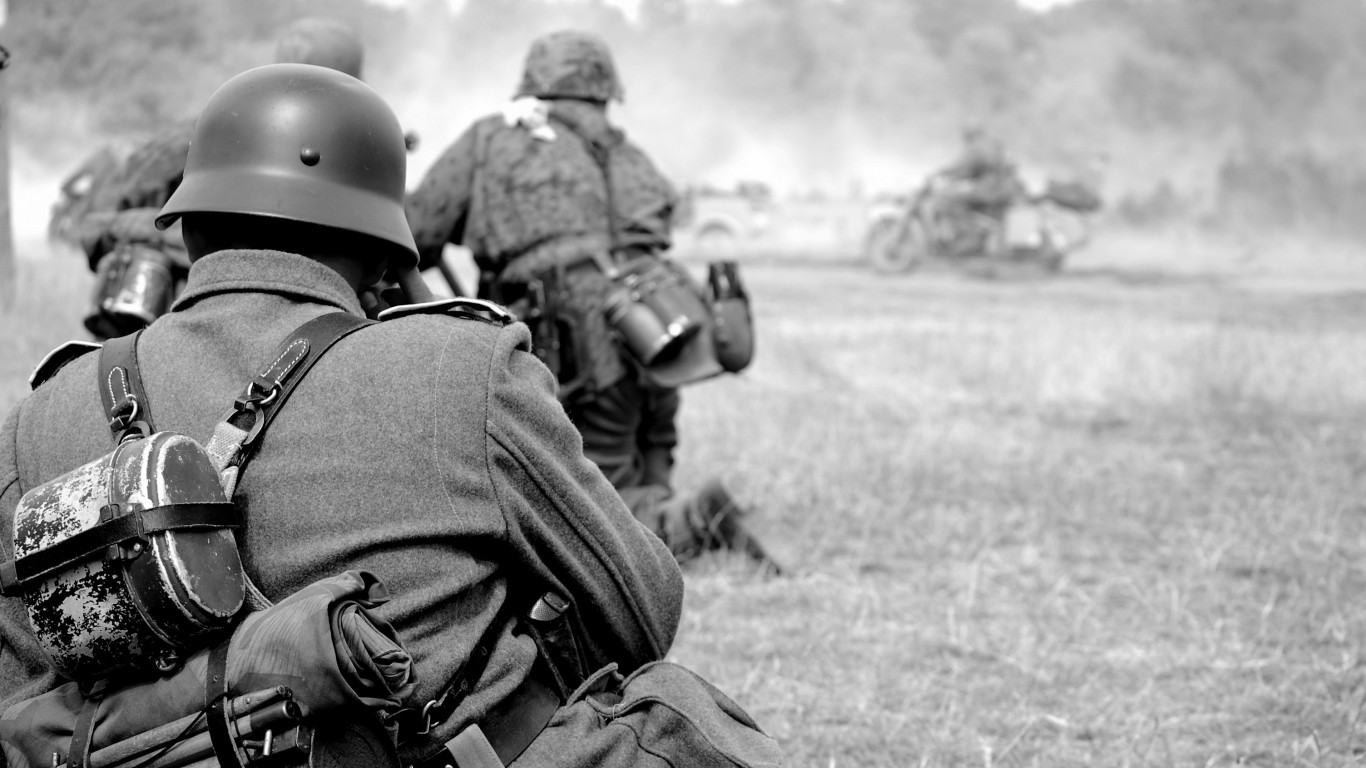
Understanding why some World War II–era weapons remain in service reveals an important truth about military power: effectiveness often outlasts innovation. While technology continues to advance at a rapid pace, not every breakthrough justifies replacing equipment that already performs reliably under combat conditions. Many of these weapons were engineered for durability, simplicity, and mass production. Examining their longevity helps explain how militaries balance modernization with practicality, why trusted systems are rarely discarded without cause, and how battlefield utility ultimately determines what endures.
The Weapons That Outlived Their War
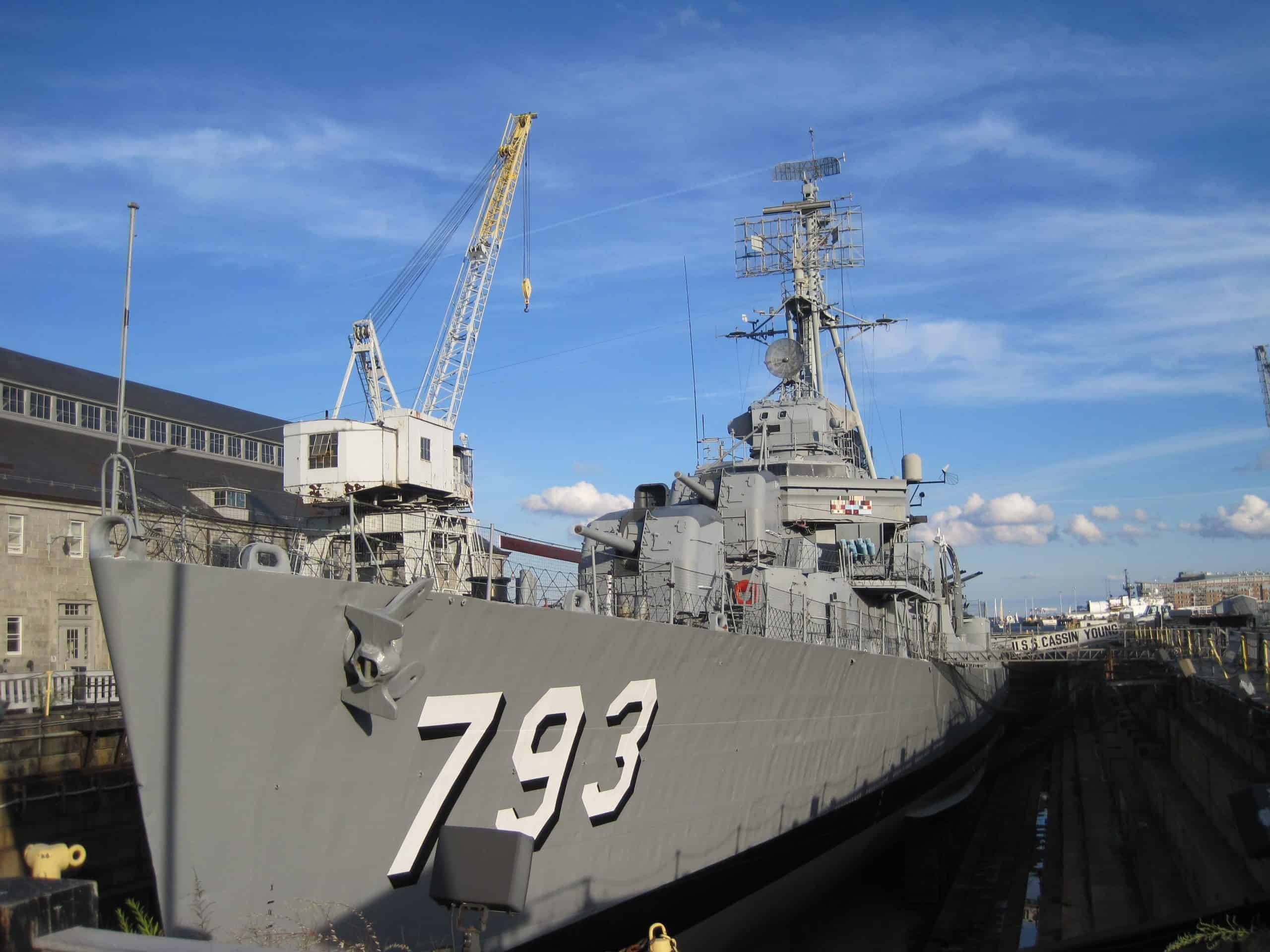
Most weapons don’t survive one war. These survived generations. Designed for the largest conflict in human history, they were expected to dominate a single era and then give way to newer technology. Instead, some proved so reliable, adaptable, and tactically valuable that militaries never found a compelling reason to retire them.
When Old Still Beats New
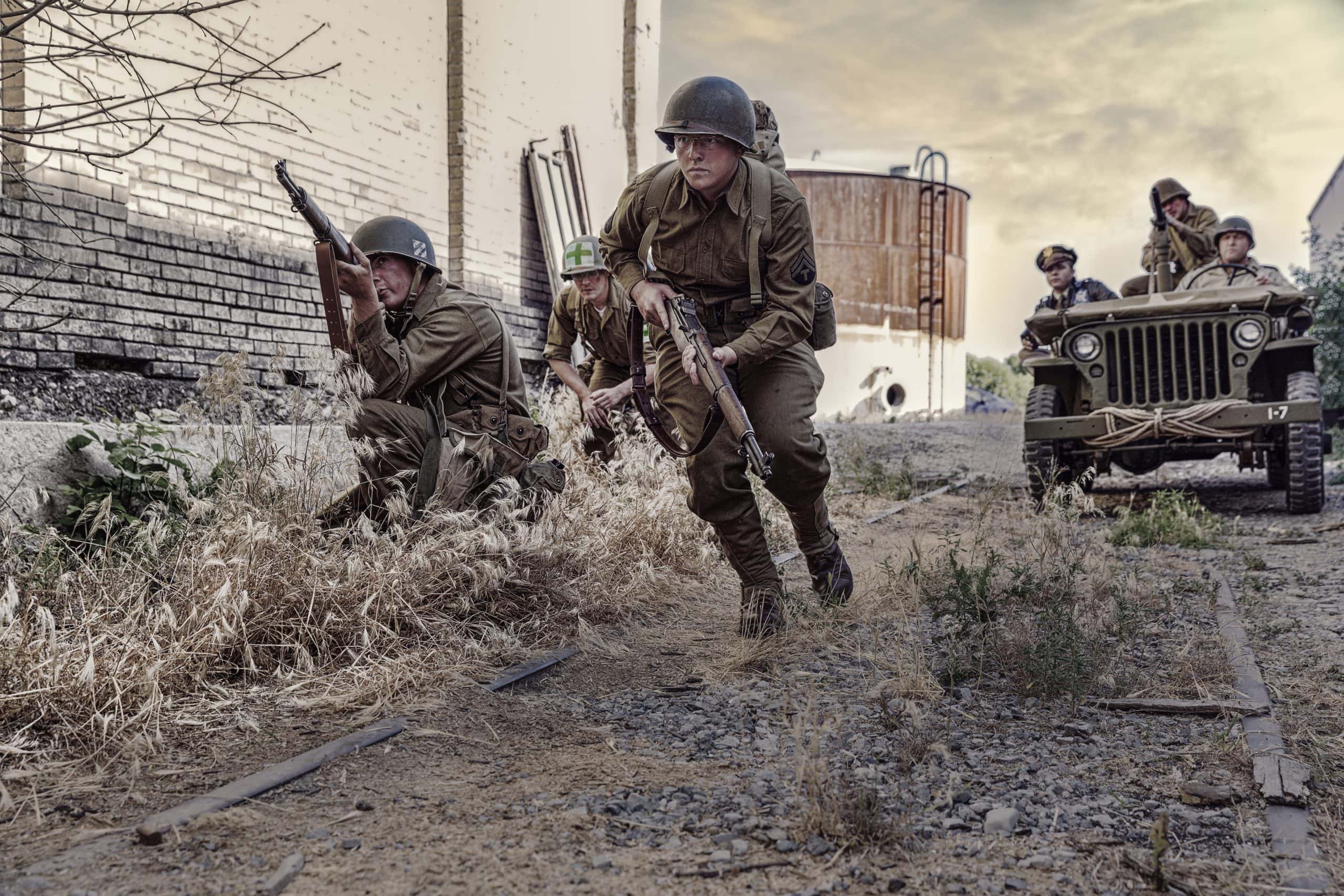
Military innovation moves quickly, yet replacement is never guaranteed. If a weapon continues to perform, replacing it can introduce more risk than reward. Many World War II–era systems occupy roles where modern alternatives offer only marginal advantages at significantly higher cost, turning longevity into a strategic decision rather than a technological failure.
Built for Total War, Adapted for Modern Conflict

World War II forced engineers to prioritize durability, mechanical simplicity, and mass production. Those traits translated remarkably well into the decades that followed. As warfare evolved from industrial clashes to asymmetric conflicts and precision operations, certain WWII designs proved flexible enough to adapt without losing their battlefield relevance.
The Hidden Power of Reliability
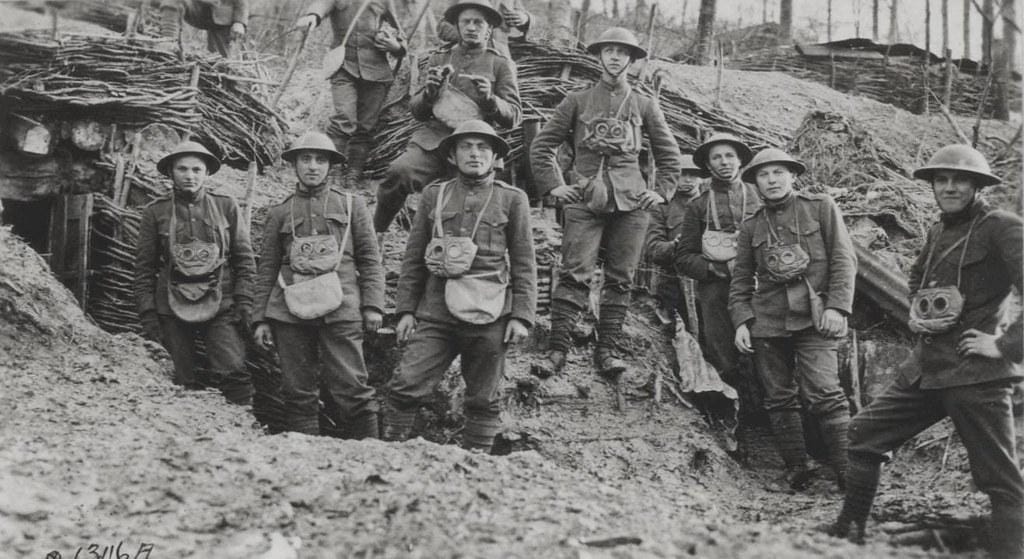
On paper, newer weapons often appear superior. In practice, reliability wins wars. Commanders tend to favor systems they trust—equipment that works in extreme climates, demands manageable maintenance, and integrates easily into existing logistics networks. For many militaries, keeping proven weapons is not resistance to change; it is a rational calculation.
Longevity Is the Ultimate Battlefield Verdict

Weapons are constantly tested by shifting doctrines, emerging technologies, and the unforgiving realities of combat. Most fail that test within a generation. The ones that remain do so because they continue to solve real tactical problems. Their endurance is more than historical curiosity—it is a verdict delivered by decades of operational use.
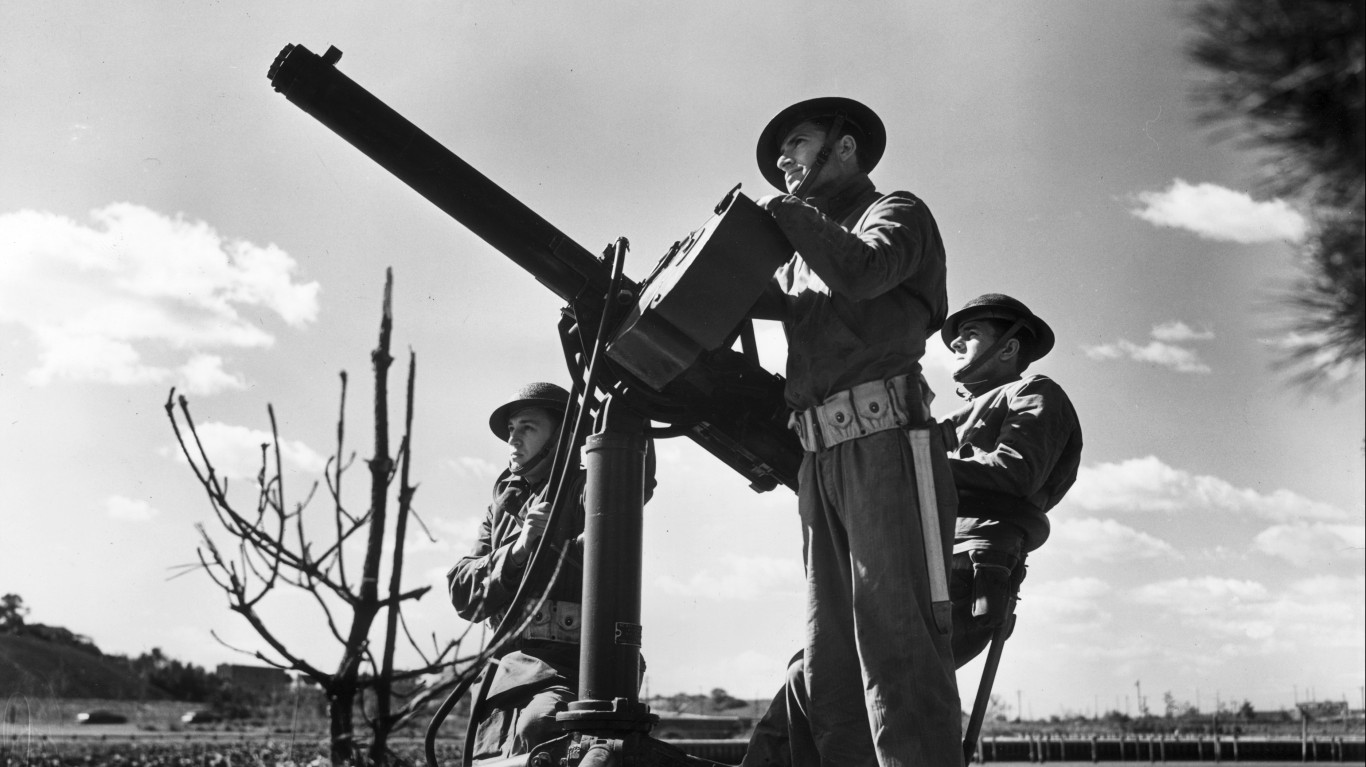
Browning M2 Heavy Machine Gun
- Country of origin: United States
- Year introduced to service: 1933
- WWII role: Infantry and vehicle heavy fire support
- Weapon type: Heavy Machine Gun
- Still used by: U.S. and allied militaries
- Modern role: Vehicle mount, naval defense, anti-material
- Why it refuses to leave service: Unmatched reliability and firepower
- Longevity driver: Upgradeability and battlefield trust
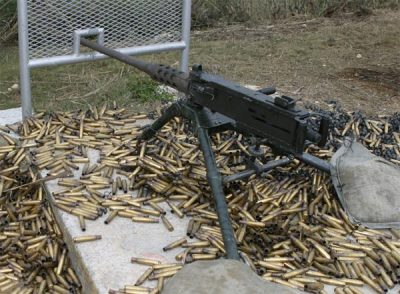
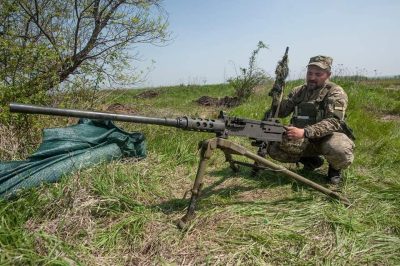
Few weapons embody longevity like the Browning M2. Designed between the world wars, it proved so reliable and adaptable that modern militaries still mount it on vehicles, ships, and aircraft. Its massive .50 caliber firepower fills a tactical niche that newer systems struggle to replace economically, making modernization far more practical than retirement.
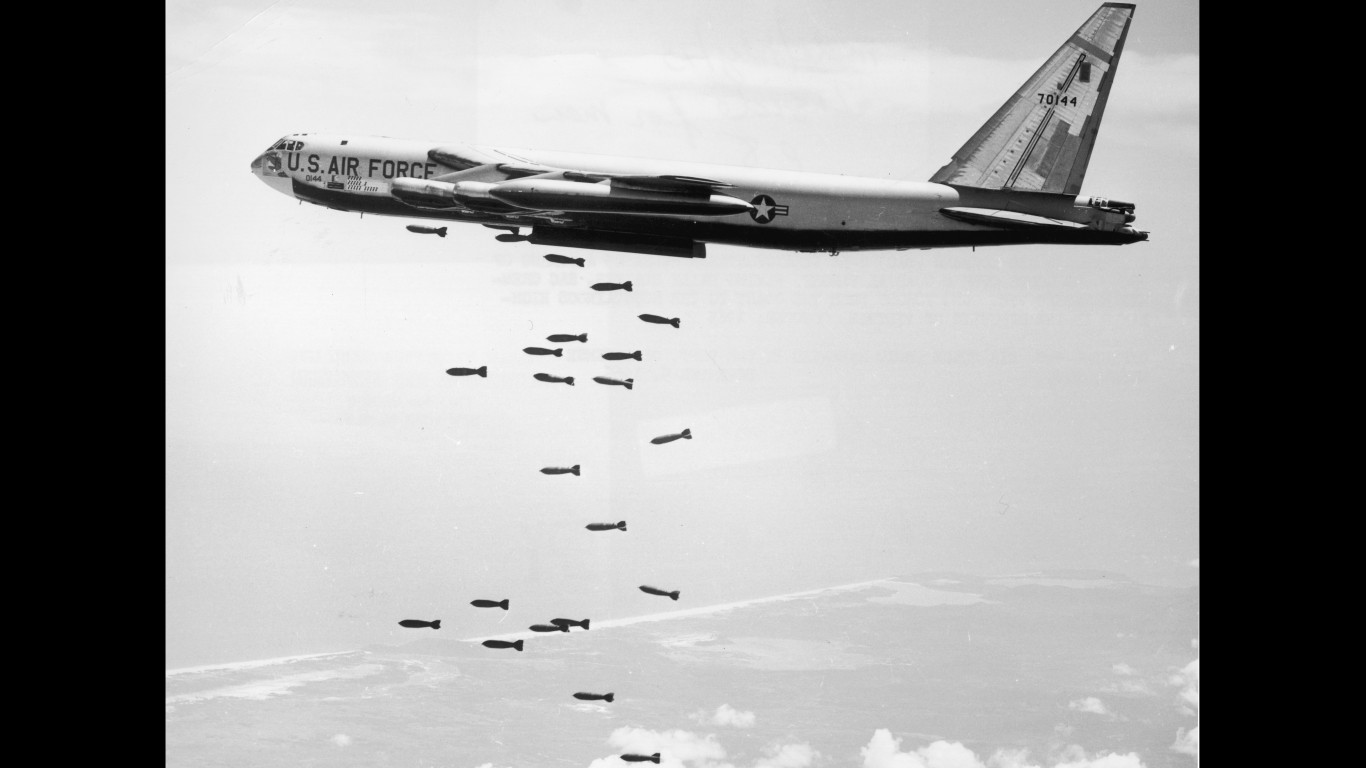
B-52 Stratofortress
- Country of origin: United States
- Year introduced to service: 1952
- WWII role: Strategic bombing doctrine born from WWII
- Weapon type: Strategic Bomber
- Still used by: U.S. Air Force
- Modern role: Long-range strike platform
- Why it refuses to leave service: Continuously upgradeable airframe
- Longevity driver: Strategic flexibility
Although it entered service after World War II, the B-52 reflects strategic bombing concepts born during the conflict. Its large payload capacity and adaptable airframe have allowed decades of upgrades, transforming it into a stand-off weapons platform. Replacing it outright would be enormously expensive, ensuring its continued relevance in long-range strike planning.
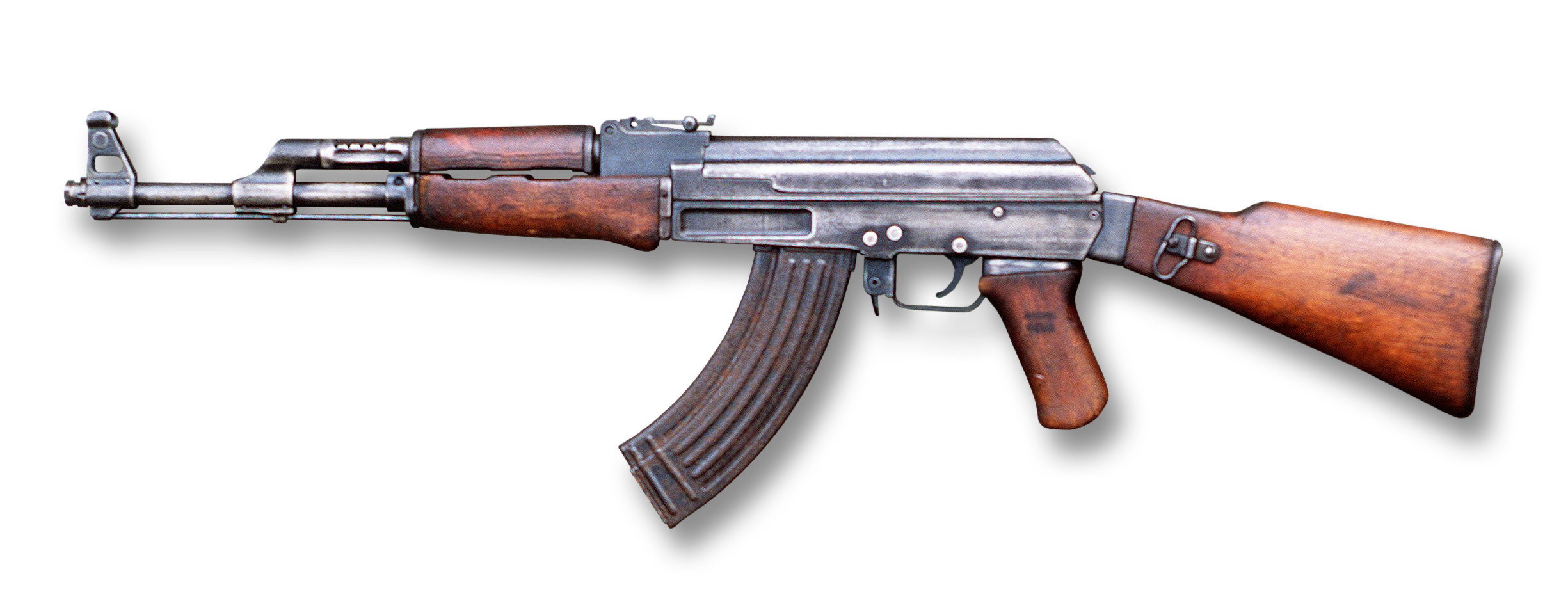
AK-47
- Country of origin: Soviet Union
- Year introduced to service: 1947
- WWII role: Infantry rifle shaped by WWII lessons
- Weapon type: Assault Rifle
- Still used by: Dozens of militaries
- Modern role: Standard infantry rifle
- Why it refuses to leave service: Extreme durability
- Longevity driver: Logistical simplicity
The AK-47 distilled lessons from mechanized warfare into a rifle defined by durability and simplicity. Its ability to function under extreme conditions made it ideal for mass armies and irregular forces alike. Because it is cheap, easy to maintain, and widely available, many militaries see little incentive to replace a weapon that continues to perform reliably.
T-34 Tank

- Country of origin: Soviet Union
- Year introduced to service: 1940
- WWII role: Breakthrough maneuver warfare
- Weapon type: Medium Tank
- Still used by: Postwar foreign operators
- Modern role: Training and reserve roles
- Why it refuses to leave service: Rugged design
- Longevity driver: Industrial scalability
The T-34 revolutionized armored warfare with its balance of mobility, armor, and firepower. While no longer a frontline tank, it served for decades in training and reserve roles because of its rugged construction and mechanical simplicity. For many postwar armies, retaining existing vehicles was more practical than investing in costly modernization.
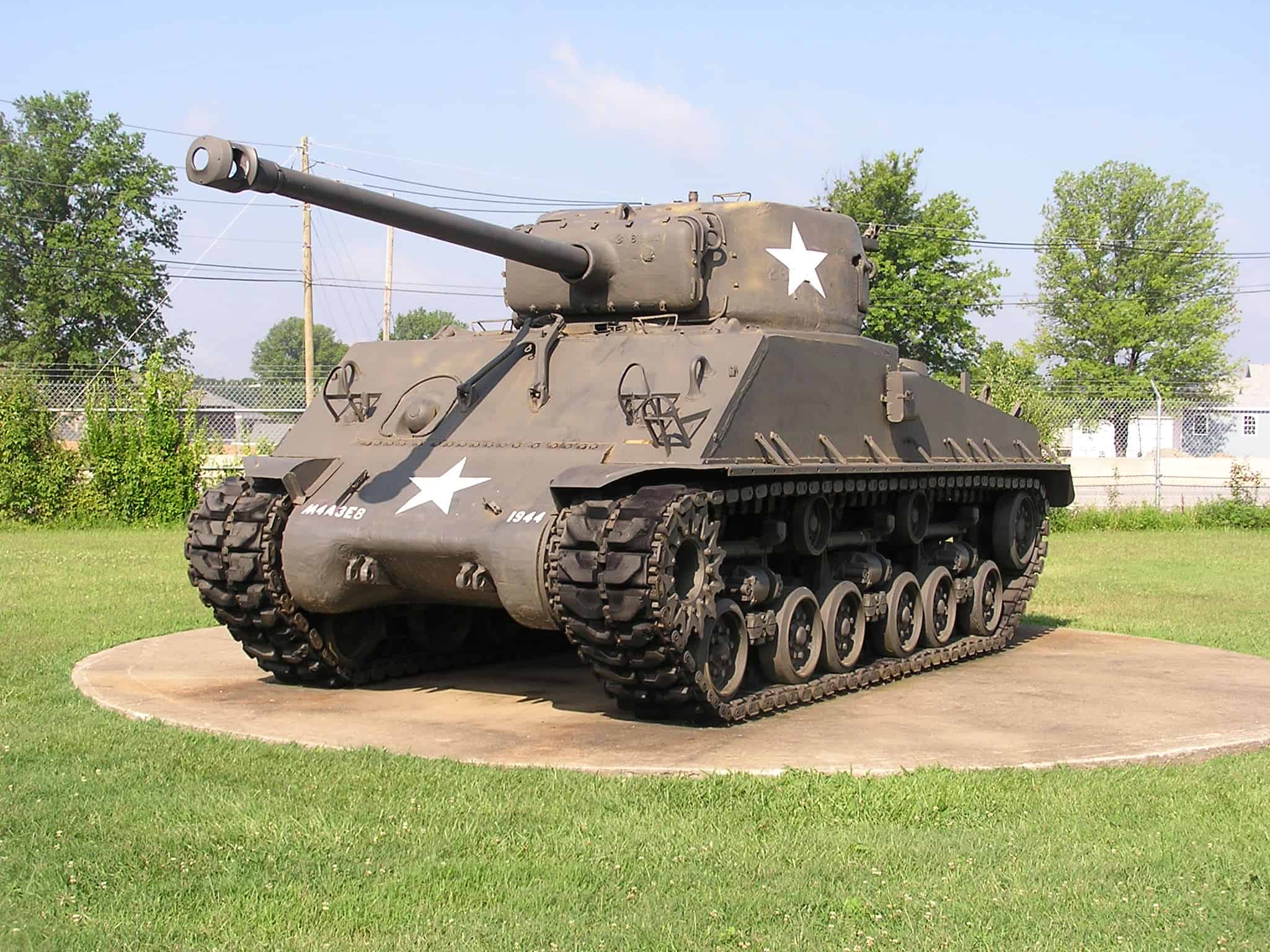
M4 Sherman (Export Variants)
- Country of origin: United States
- Year introduced to service: 1942
- WWII role: Armored breakthrough support
- Weapon type: Medium Tank
- Still used by: Foreign militaries postwar
- Modern role: Secondary armored roles
- Why it refuses to leave service: Upgradeable chassis
- Longevity driver: Military aid pipelines
The M4 Sherman outlived World War II through extensive foreign service, where upgraded variants continued operating for decades. Its dependable chassis allowed nations with limited defense budgets to modernize incrementally rather than procure entirely new tanks. This adaptability helped extend its operational life far beyond the battlefield conditions it was originally built for.
Douglas C-47 Skytrain
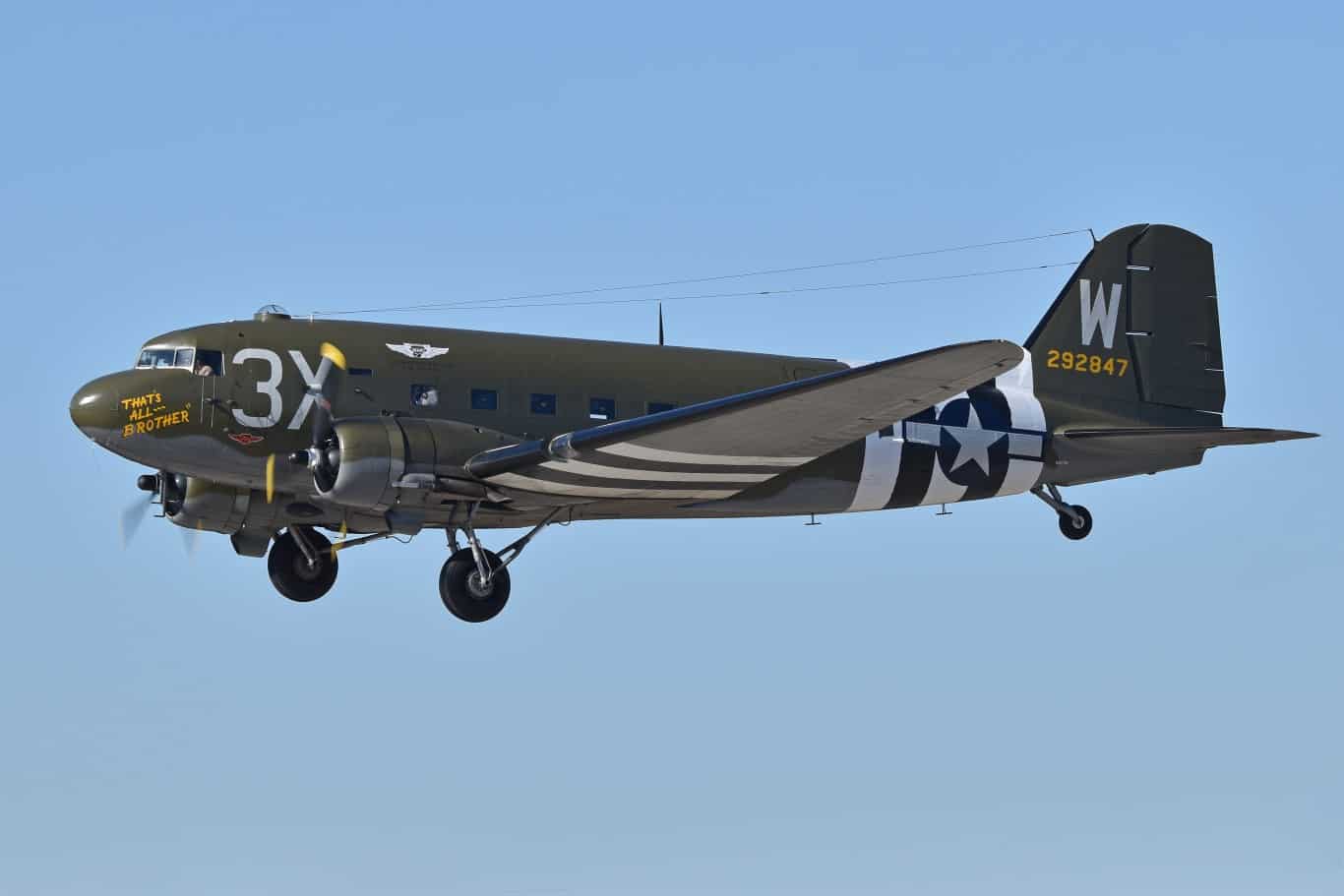
- Country of origin: United States
- Year introduced to service: 1941
- WWII role: Airlift and paratroop deployment
- Weapon type: Transport Aircraft
- Still used by: Multiple global operators
- Modern role: Cargo and humanitarian missions
- Why it refuses to leave service: Overbuilt airframe
- Longevity driver: Operational versatility
Originally developed for paratroop and cargo missions, the C-47 proved exceptionally durable and easy to maintain. Its forgiving flight characteristics and ability to operate from rough airstrips made it valuable long after newer transports appeared. For many operators, upgrading avionics was cheaper than replacement, allowing the aircraft to remain useful in logistics and humanitarian roles.
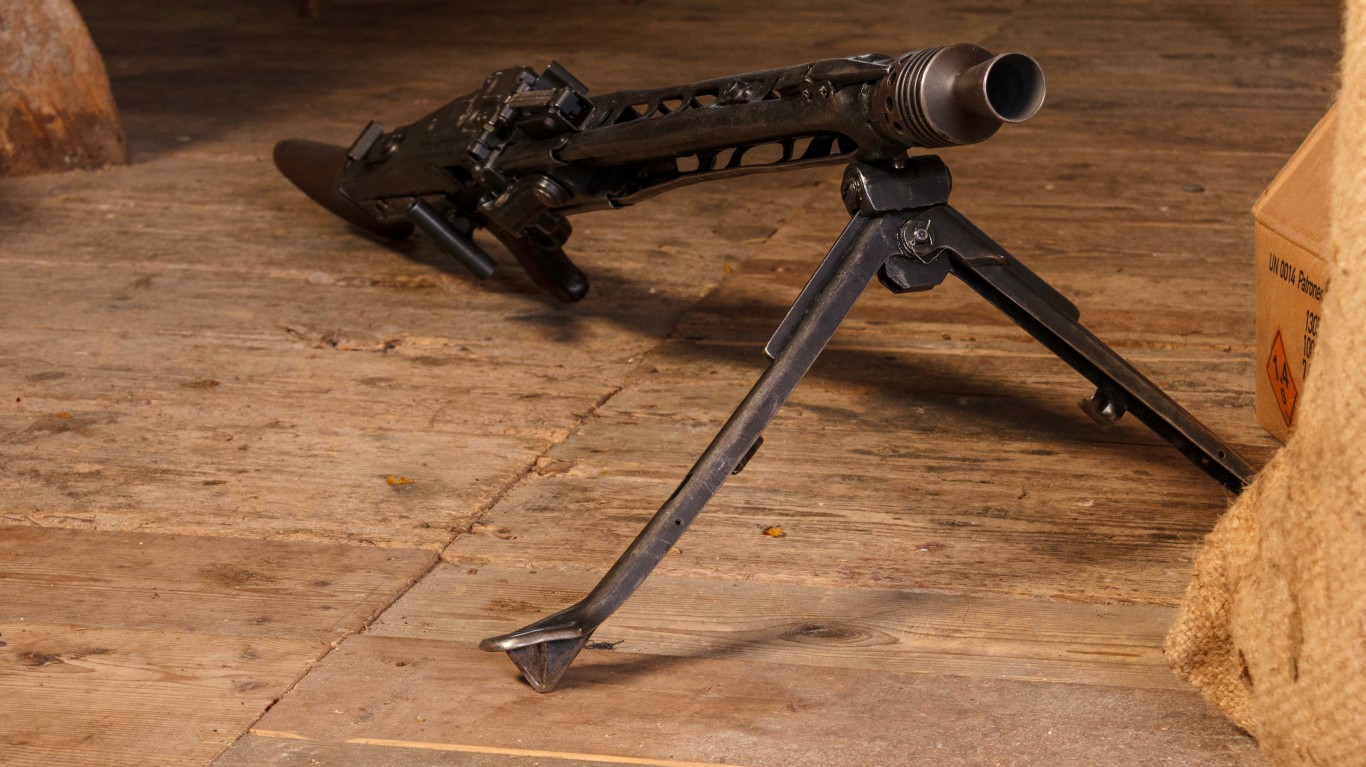
MG 42 / MG 3
- Country of origin: Germany
- Year introduced to service: 1942
- WWII role: General-purpose machine gun dominance
- Weapon type: General-Purpose Machine Gun
- Still used by: Germany and NATO partners
- Modern role: Infantry support
- Why it refuses to leave service: Exceptional rate of fire
- Longevity driver: Doctrine compatibility
The MG 42 introduced a level of sustained fire that redefined infantry support weapons. Rather than discard the design, postwar militaries refined it into the MG 3, preserving its core mechanics. Its continued service highlights how an effective engineering solution can outlast political eras when doctrine still demands the capabilities it provides.
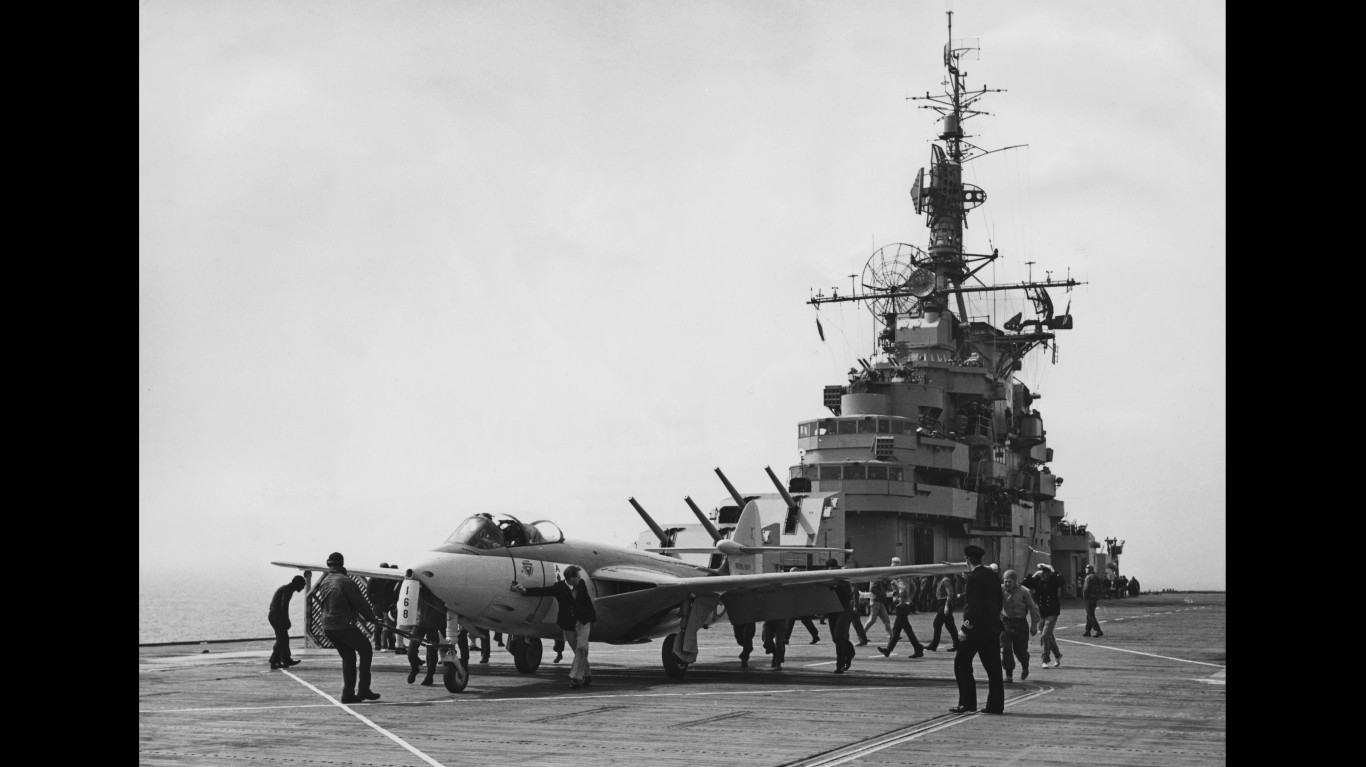
Essex-Class Aircraft Carrier
- Country of origin: United States
- Year introduced to service: 1942
- WWII role: Carrier-based naval power
- Weapon type: Aircraft Carrier
- Still used by: U.S. Navy (Cold War service)
- Modern role: Power projection
- Why it refuses to leave service: Modernization potential
- Longevity driver: Naval doctrine alignment
Essex-class carriers demonstrated remarkable growth potential, accommodating newer aircraft and technologies during successive upgrades. Their large decks and durable construction allowed them to serve deep into the Cold War, proving that naval platforms designed with expansion in mind can remain strategically valuable long after their original war ends.
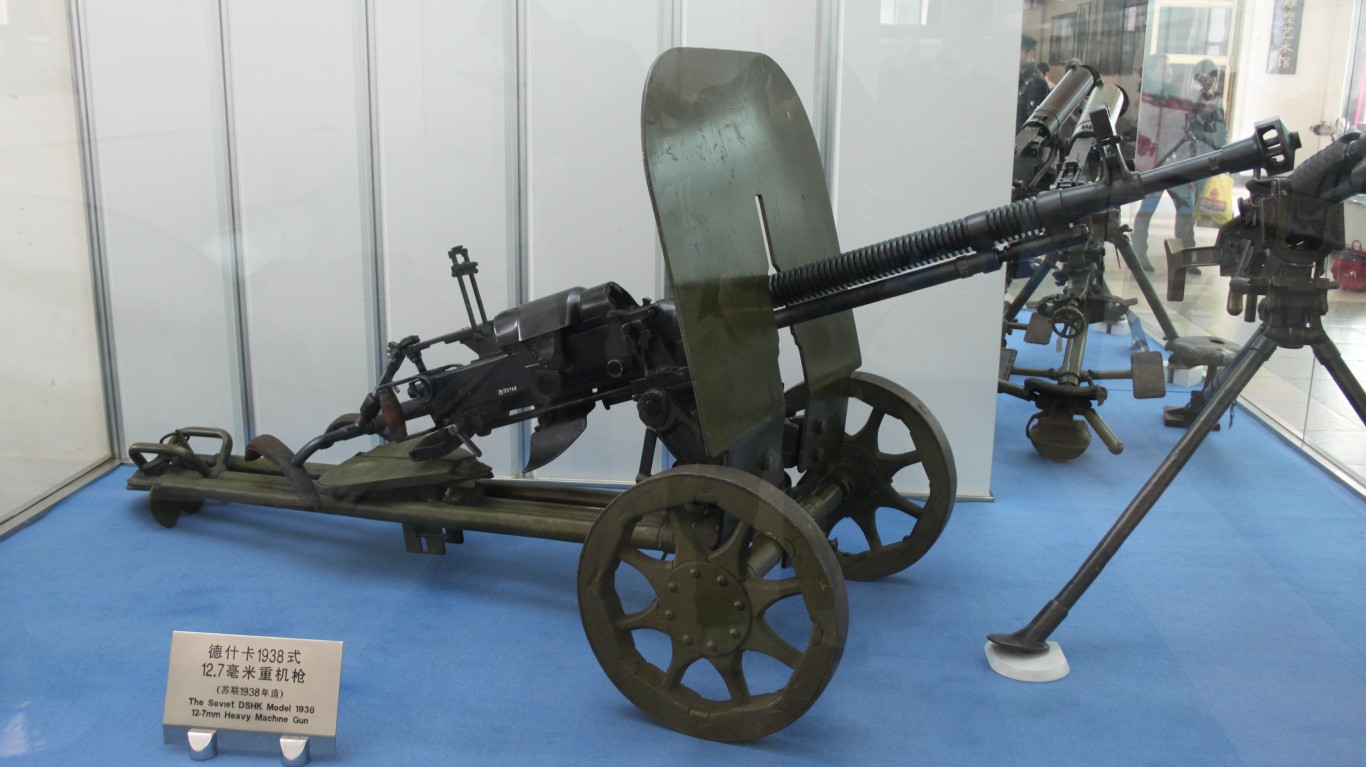
DShK Heavy Machine Gun
- Country of origin: Soviet Union
- Year introduced to service: 1938
- WWII role: Anti-aircraft and heavy support
- Weapon type: Heavy Machine Gun
- Still used by: Numerous militaries
- Modern role: Vehicle and air-defense roles
- Why it refuses to leave service: Simplicity and durability
- Longevity driver: Low replacement urgency
The DShK remains common because it delivers heavy firepower without technological complexity. Capable of engaging infantry, light vehicles, and low-flying aircraft, it occupies a versatile role that many armies still require. When a weapon is both rugged and inexpensive, replacing it often offers minimal operational advantage.
M101 105mm Howitzer
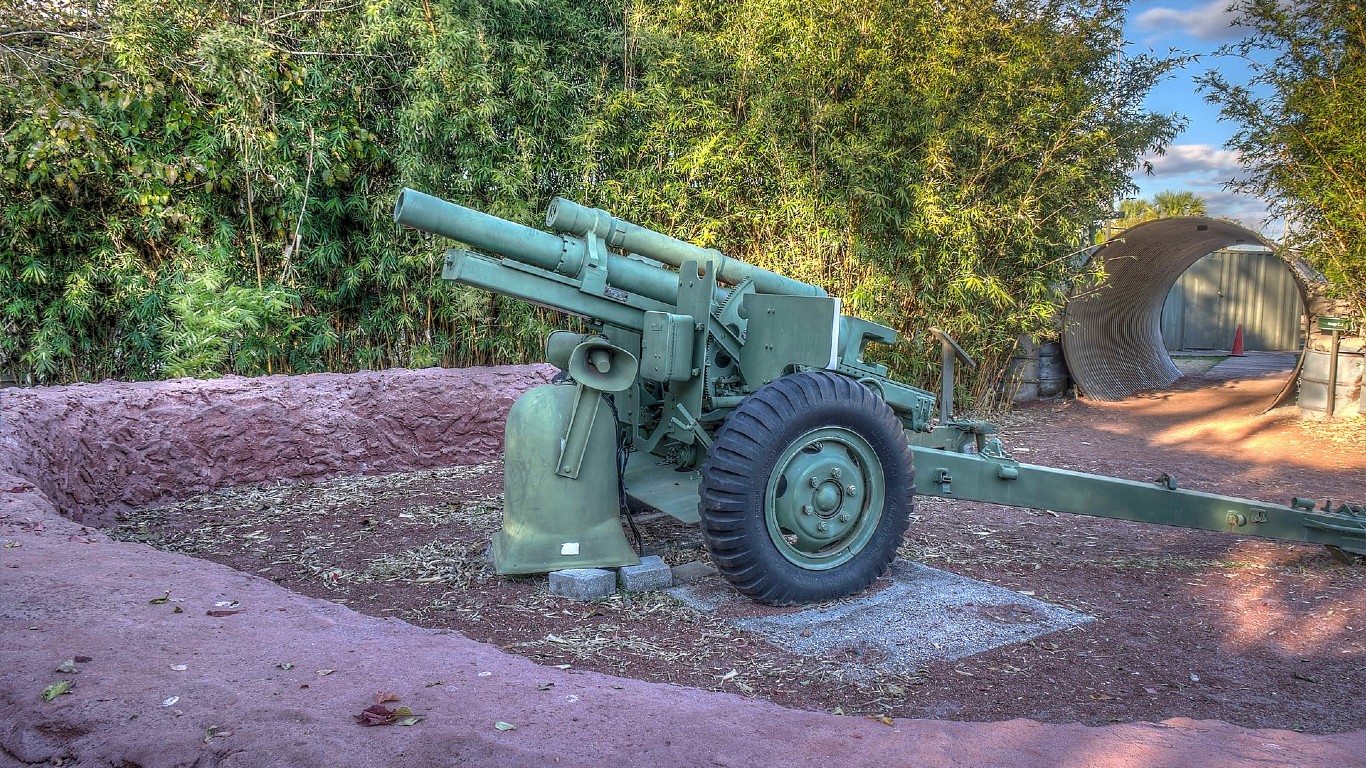
- Country of origin: United States
- Year introduced to service: 1941
- WWII role: Mobile artillery support
- Weapon type: Howitzer
- Still used by: Various armies
- Modern role: Light artillery
- Why it refuses to leave service: Ease of maintenance
- Longevity driver: Logistics dominance
The M101 howitzer balanced mobility with dependable indirect fire, making it attractive to armies needing practical artillery rather than cutting-edge systems. Its straightforward design simplified training and maintenance, allowing smaller forces to retain credible fire support capabilities decades after its introduction.
FN FAL
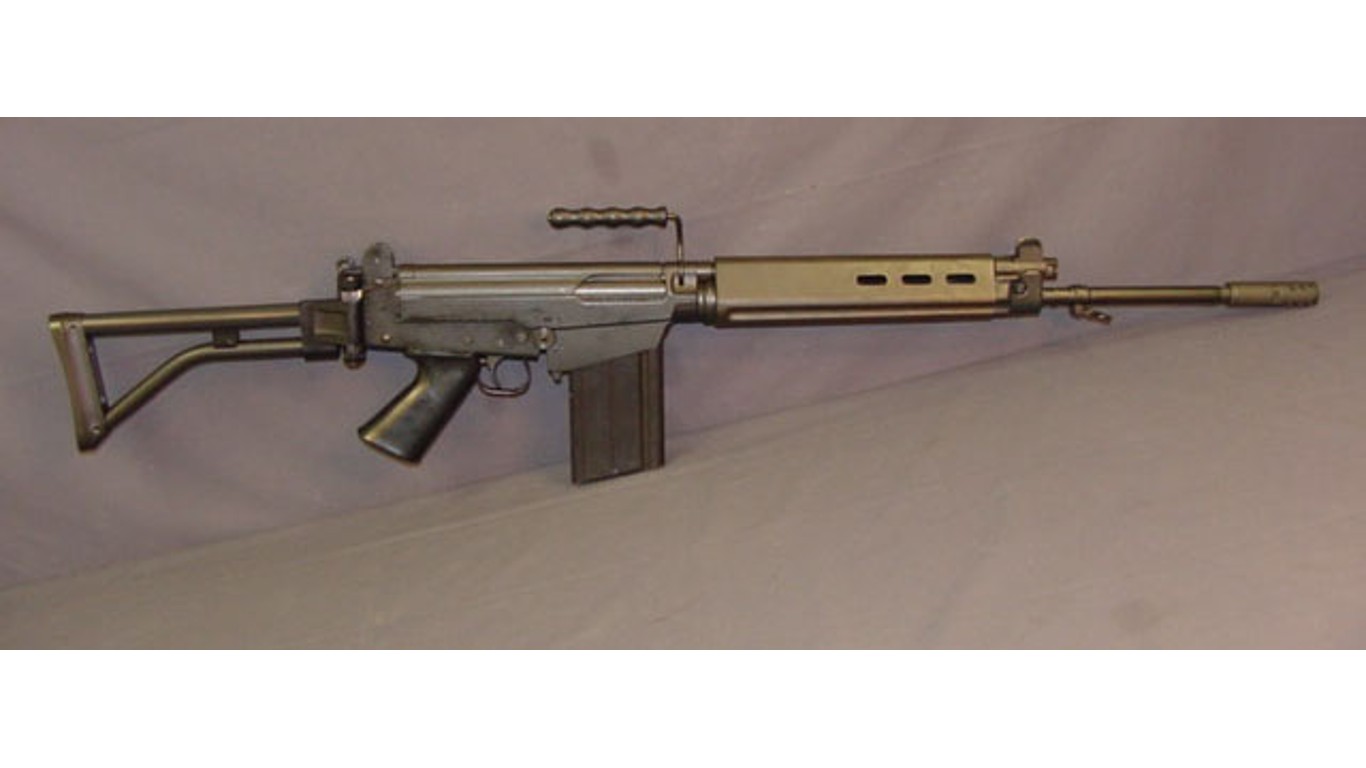
- Country of origin: Belgium
- Year introduced to service: 1953
- WWII role: Postwar battle rifle shaped by WWII
- Weapon type: Battle Rifle
- Still used by: Reserve units globally
- Modern role: Marksman roles
- Why it refuses to leave service: Accuracy and reliability
- Longevity driver: Institutional familiarity
The FN FAL reflected Cold War doctrine rooted in WWII experience, emphasizing power and reliability. Many nations kept it in reserve or specialist roles because it remained accurate and familiar to troops. Institutional comfort and existing ammunition stocks often outweighed the benefits of immediate replacement.
PT Boat Design Legacy
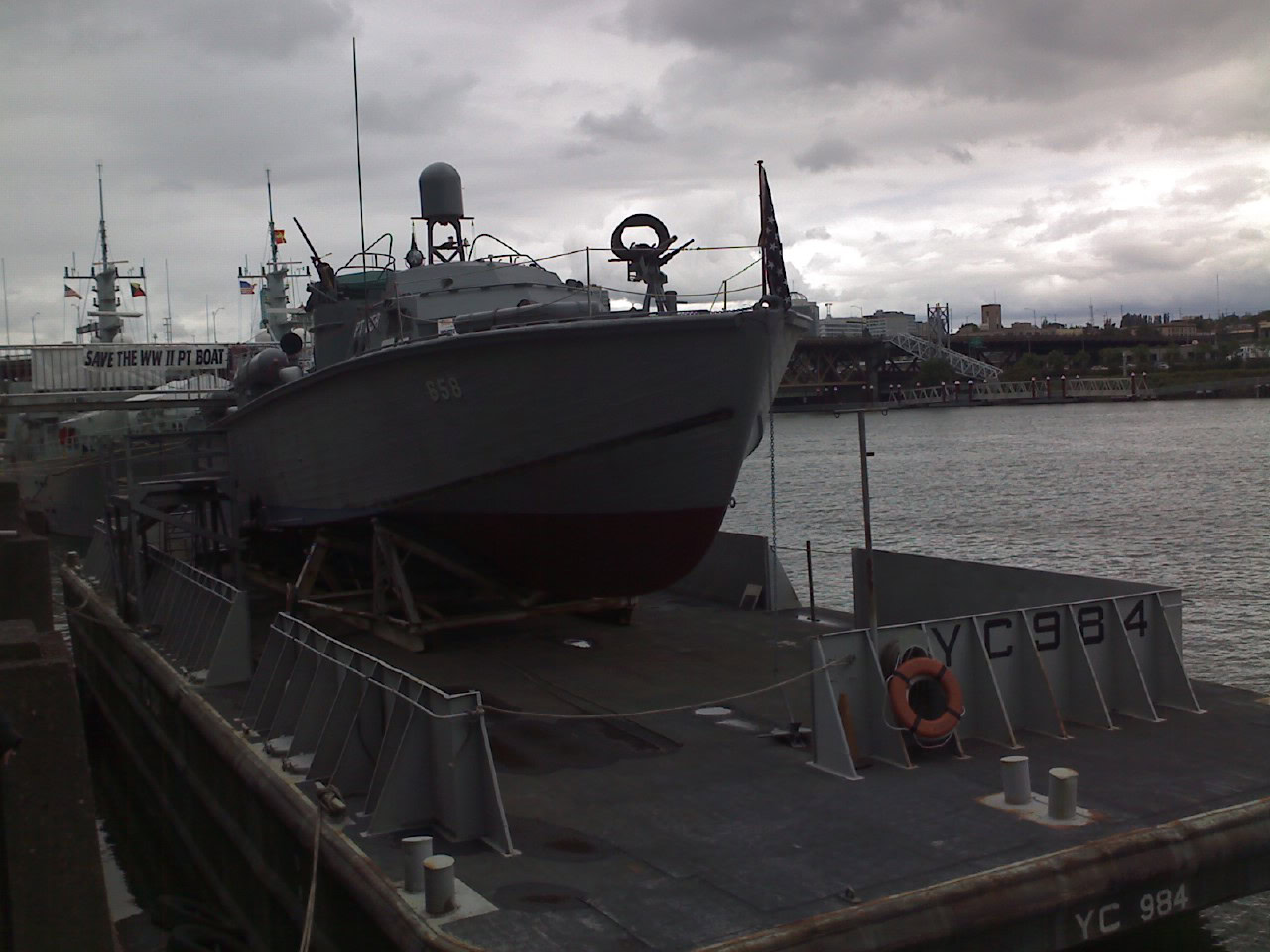
- Country of origin: United States
- Year introduced to service: 1940
- WWII role: Fast coastal attack
- Weapon type: Fast Attack Craft
- Still used by: Derivative craft worldwide
- Modern role: Patrol and interception
- Why it refuses to leave service: Speed and affordability
- Longevity driver: Tactical niche
Fast attack craft inspired by PT boats demonstrated that speed and affordability could deliver meaningful coastal defense. Their influence persisted because smaller navies needed cost-effective patrol options. Rather than pursue expensive platforms, many retained derivative designs that fulfilled essential maritime security missions.
RPG-2
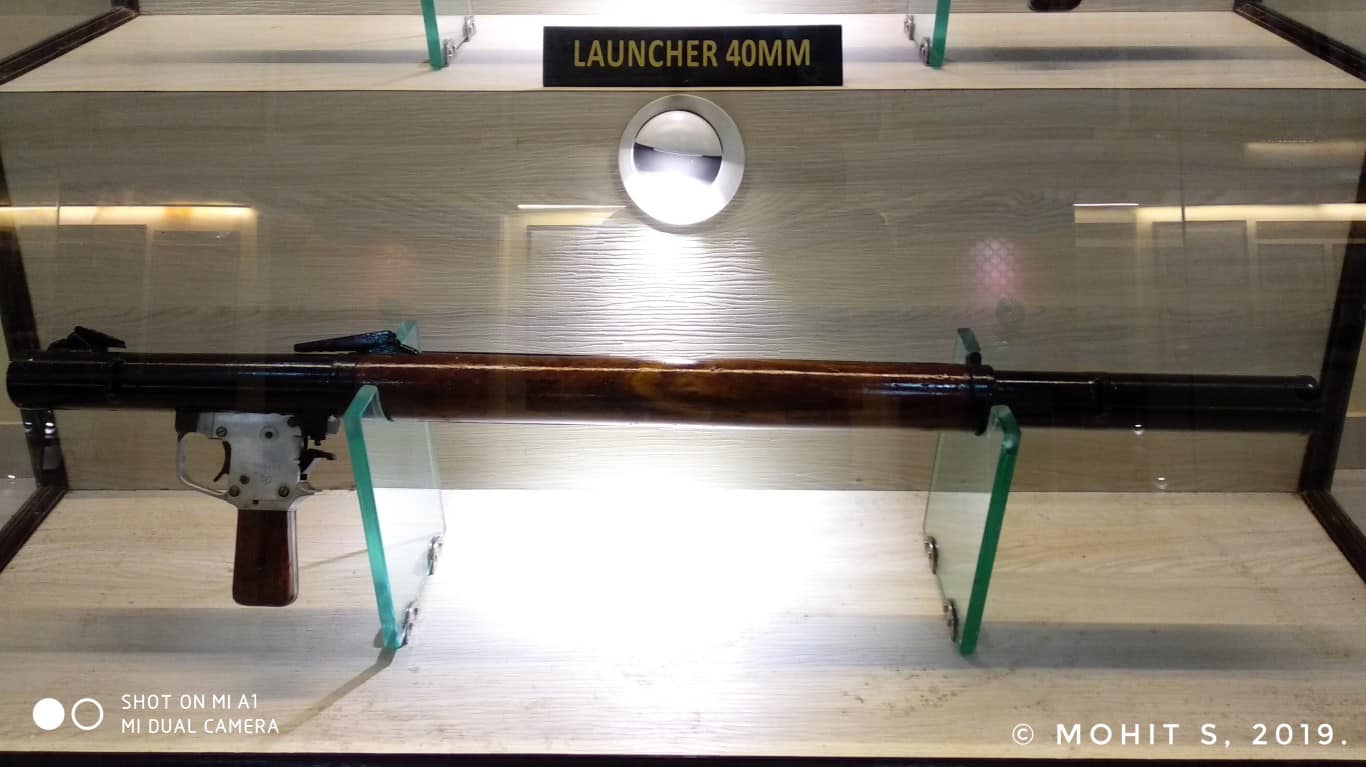
- Country of origin: Soviet Union
- Year introduced to service: 1949
- WWII role: Infantry anti-armor
- Weapon type: Rocket Launcher
- Still used by: Various militaries
- Modern role: Anti-armor support
- Why it refuses to leave service: Ease of use
- Longevity driver: Asymmetric warfare relevance
The RPG-2 carried forward wartime anti-armor lessons into a simple shoulder-fired system. Its ease of use and low cost made it attractive to militaries seeking accessible anti-vehicle capability. Even as more advanced launchers emerged, the RPG-2’s practicality ensured it remained relevant in conflicts where simplicity mattered most.
M1911 Pistol
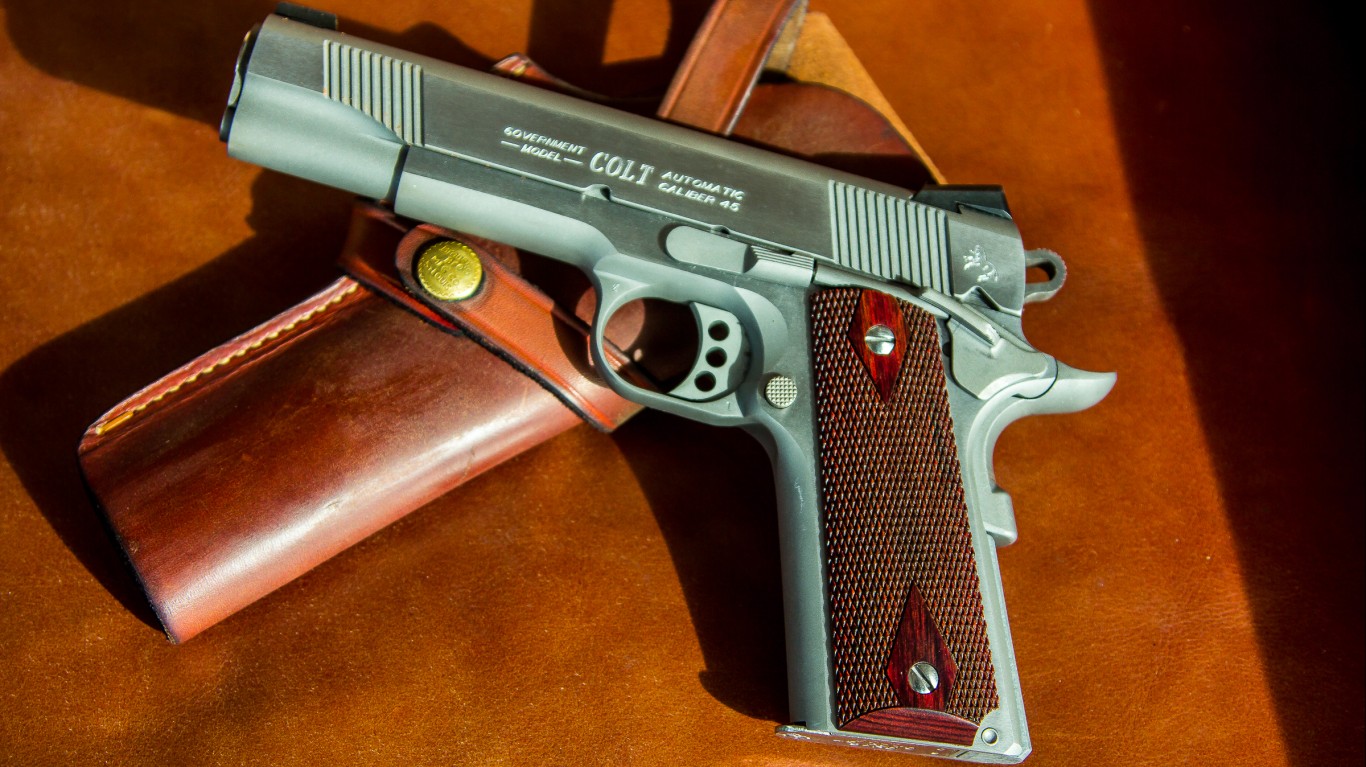
- Country of origin: United States
- Year introduced to service: 1911
- WWII role: Officer sidearm
- Weapon type: Semi-automatic pistol
- Still used by: Specialized units
- Modern role: Limited service sidearm
- Why it refuses to leave service: Stopping power reputation
- Longevity driver: Institutional inertia
The M1911 earned a reputation for stopping power and reliability that encouraged decades of continued service. Specialized units often retained it because familiarity breeds confidence, particularly in close combat. When a sidearm is trusted and plentiful, institutional inertia alone can extend its lifespan.
Willys MB Jeep
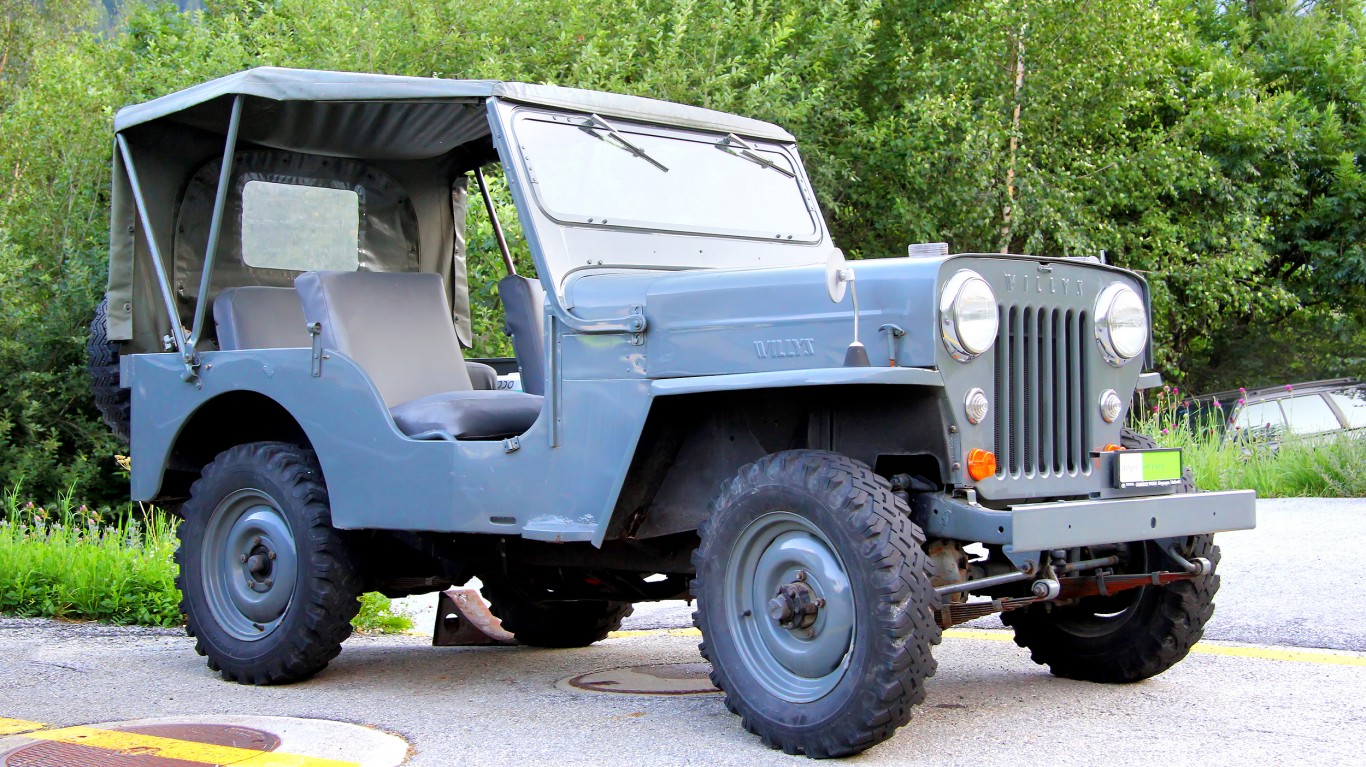
- Country of origin: United States
- Year introduced to service: 1941
- WWII role: Light tactical mobility
- Weapon type: Utility Vehicle
- Still used by: Global derivatives
- Modern role: Transport and reconnaissance
- Why it refuses to leave service: Mechanical simplicity
- Longevity driver: Design template legacy
The Willys MB established the blueprint for modern military utility vehicles. Its mechanical simplicity allowed countless postwar derivatives to flourish, reinforcing the value of a lightweight transport platform. Because the concept worked so well, armies saw little reason to abandon it entirely.
M3 Grease Gun
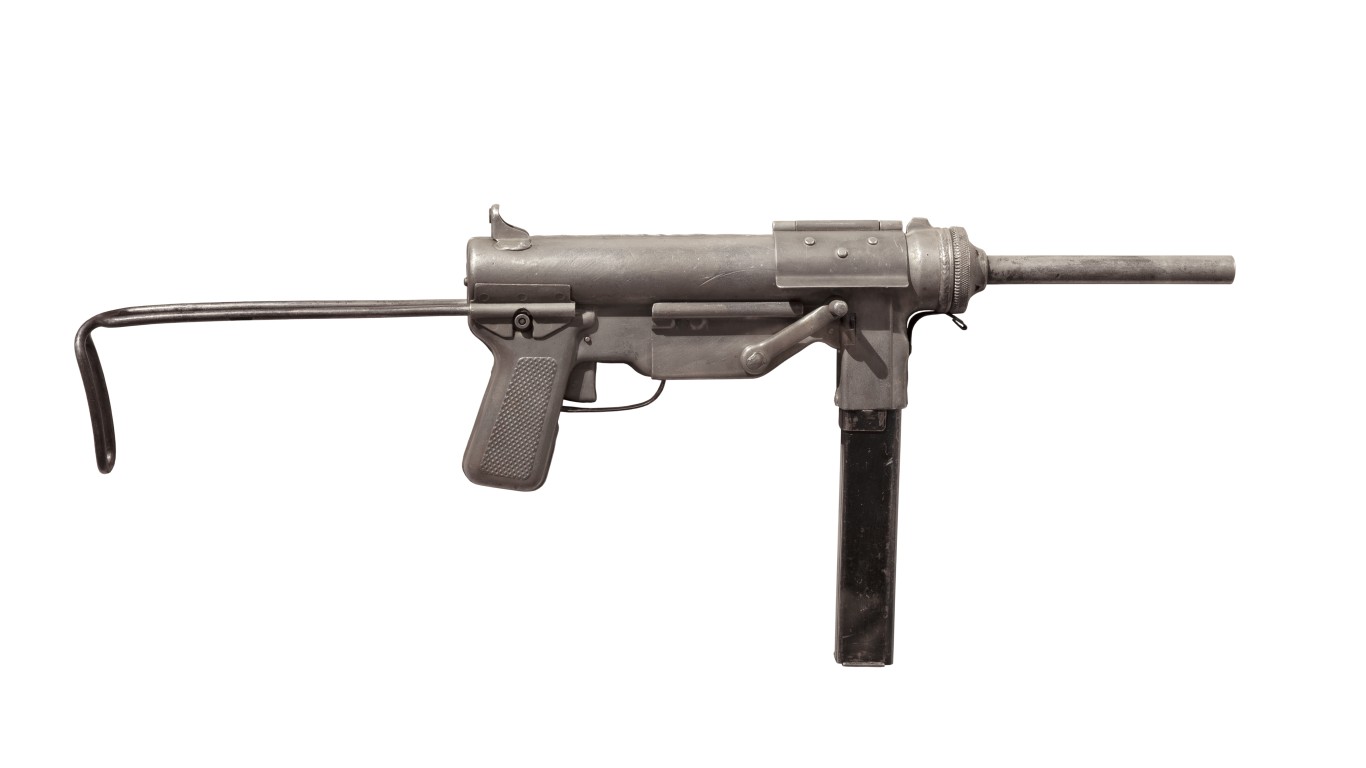
- Country of origin: United States
- Year introduced to service: 1942
- WWII role: Compact automatic fire
- Weapon type: Submachine Gun
- Still used by: Reserve armored crews
- Modern role: Defensive weapon
- Why it refuses to leave service: Cheap production
- Longevity driver: Long-term stockpiles
The M3 Grease Gun prioritized simplicity and low production cost, traits that later helped extend its service life. Armored crews and support personnel valued a compact defensive weapon that required minimal maintenance, allowing stockpiled guns to remain useful long after newer submachine guns appeared.
ZU-23 Lineage
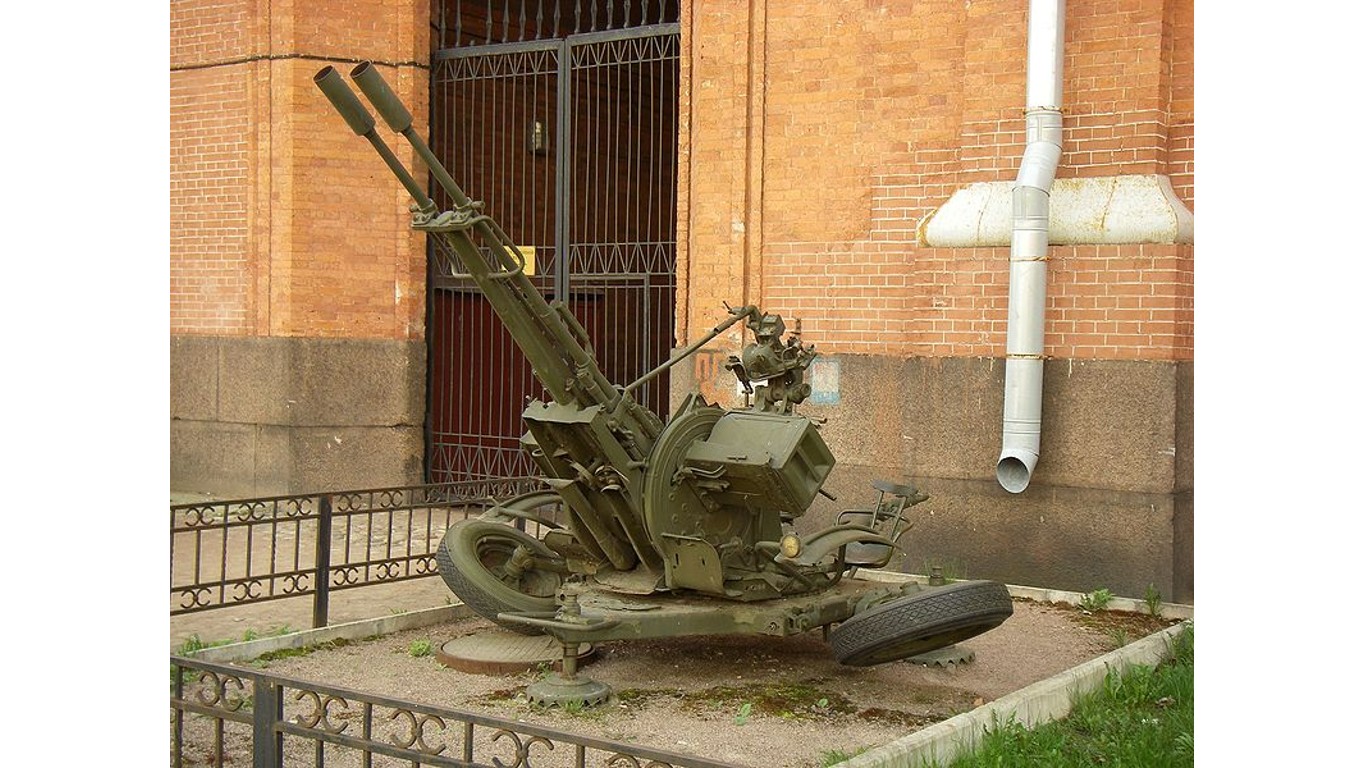
- Country of origin: Soviet Union
- Year introduced to service: 1960
- WWII role: Air defense rooted in WWII
- Weapon type: Anti-Aircraft Gun
- Still used by: Dozens of countries
- Modern role: Short-range air defense
- Why it refuses to leave service: Proven gun system
- Longevity driver: Persistent battlefield role
Though developed later, the ZU-23 reflects anti-aircraft principles refined during World War II. Its twin-barrel firepower continues to provide credible short-range air defense, particularly for forces lacking advanced missile systems. Practical effectiveness often outweighs technological sophistication.
M2 Flamethrower
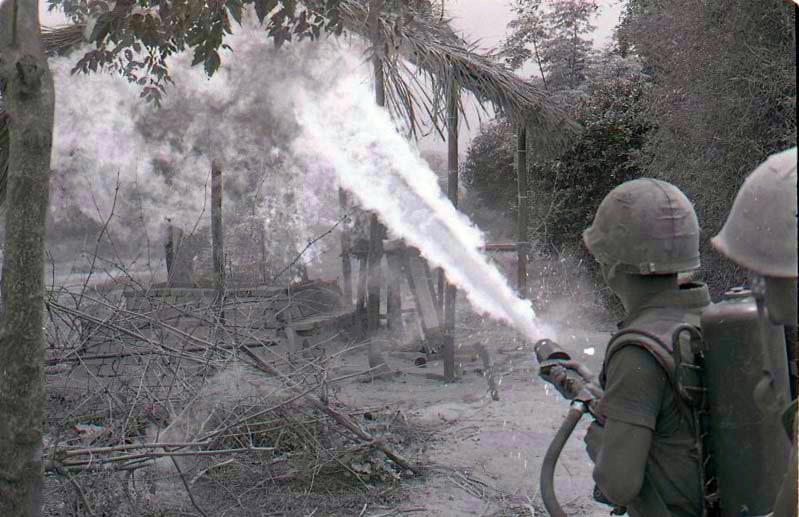
- Country of origin: United States
- Year introduced to service: 1940
- WWII role: Fortification clearing
- Weapon type: Flamethrower
- Still used by: Limited later service
- Modern role: Engineering roles
- Why it refuses to leave service: Psychological impact
- Longevity driver: Specialized utility
Flamethrowers like the M2 filled a specialized role in clearing fortified positions. While controversial, their psychological impact and tactical utility ensured limited postwar use in engineering contexts. Weapons that solve niche problems often persist because alternatives are scarce.
Vickers Machine Gun

- Country of origin: United Kingdom
- Year introduced to service: 1912
- WWII role: Sustained defensive fire
- Weapon type: Heavy Machine Gun
- Still used by: Postwar reserve forces
- Modern role: Static defense
- Why it refuses to leave service: Legendary reliability
- Longevity driver: Entrenched doctrine
The Vickers machine gun became synonymous with reliability, capable of sustained fire under punishing conditions. Even as newer guns emerged, its proven performance encouraged some forces to retain it in reserve roles, demonstrating how battlefield trust can extend a weapon’s relevance.
Type 63 APC
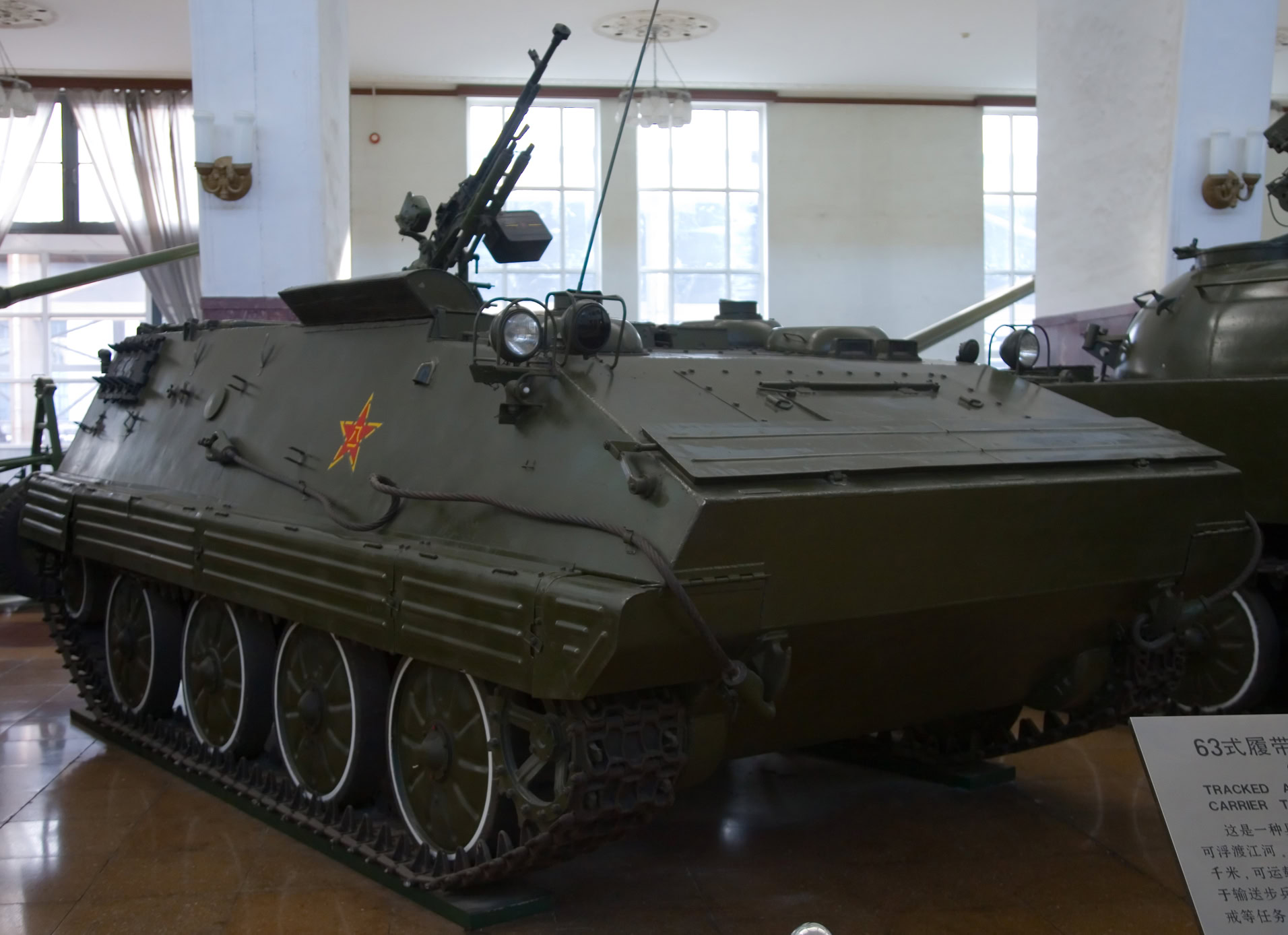
- Country of origin: China
- Year introduced to service: 1963
- WWII role: Mechanized infantry mobility
- Weapon type: Armored Personnel Carrier
- Still used by: Several militaries
- Modern role: Infantry transport
- Why it refuses to leave service: Simple construction
- Longevity driver: Cost effectiveness
The Type 63 armored personnel carrier embodied the principle that simple vehicles are easier to field at scale. For many militaries, maintaining an affordable transport fleet mattered more than acquiring cutting-edge armor, ensuring the vehicle’s continued utility.
Carl Gustaf Recoilless Rifle
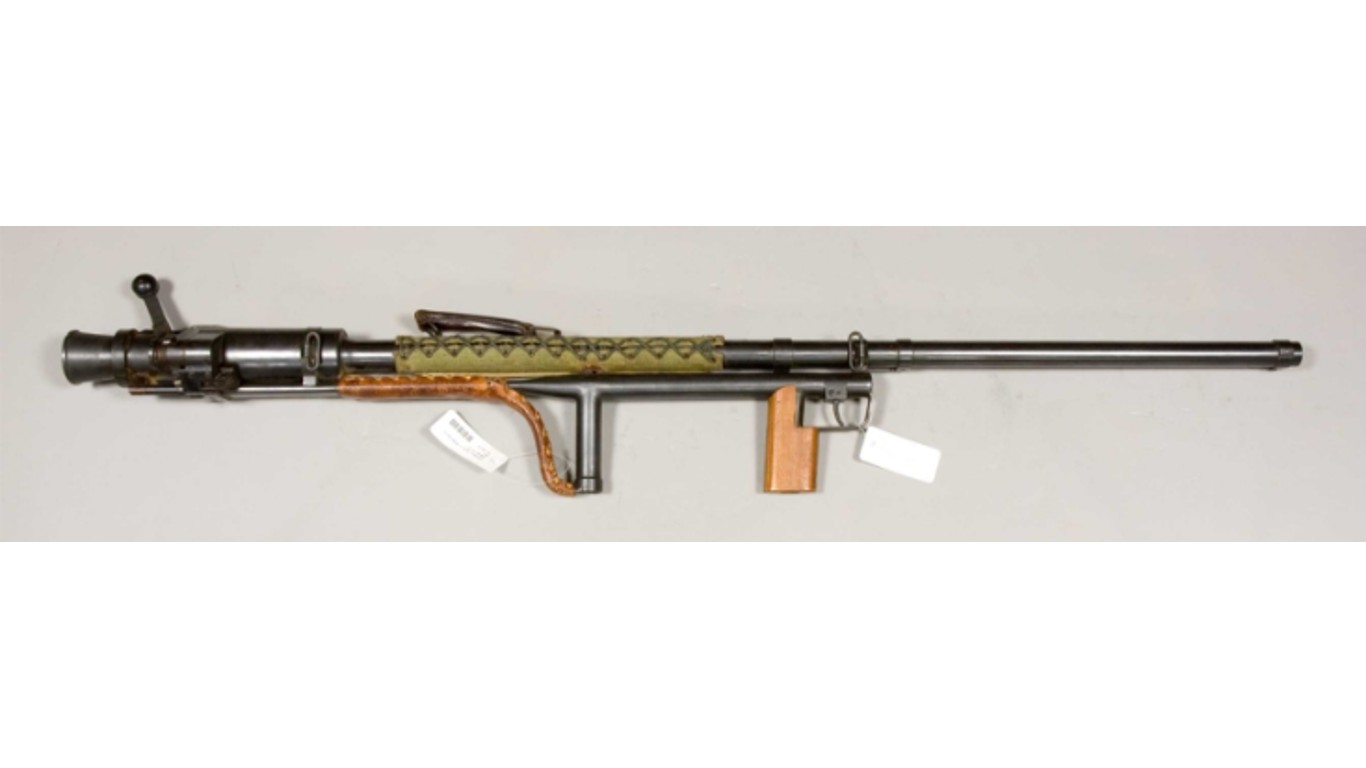
- Country of origin: Sweden
- Year introduced to service: 1948
- WWII role: Infantry anti-armor
- Weapon type: Recoilless Rifle
- Still used by: 40+ countries
- Modern role: Multi-role support
- Why it refuses to leave service: Upgradeable ammunition
- Longevity driver: Tactical flexibility
The Carl Gustaf recoilless rifle has endured by evolving rather than remaining static. Continuous ammunition improvements transformed it into a flexible multi-role weapon capable of addressing modern threats, proving that upgradeable systems can bridge generations.
M114 155mm Howitzer
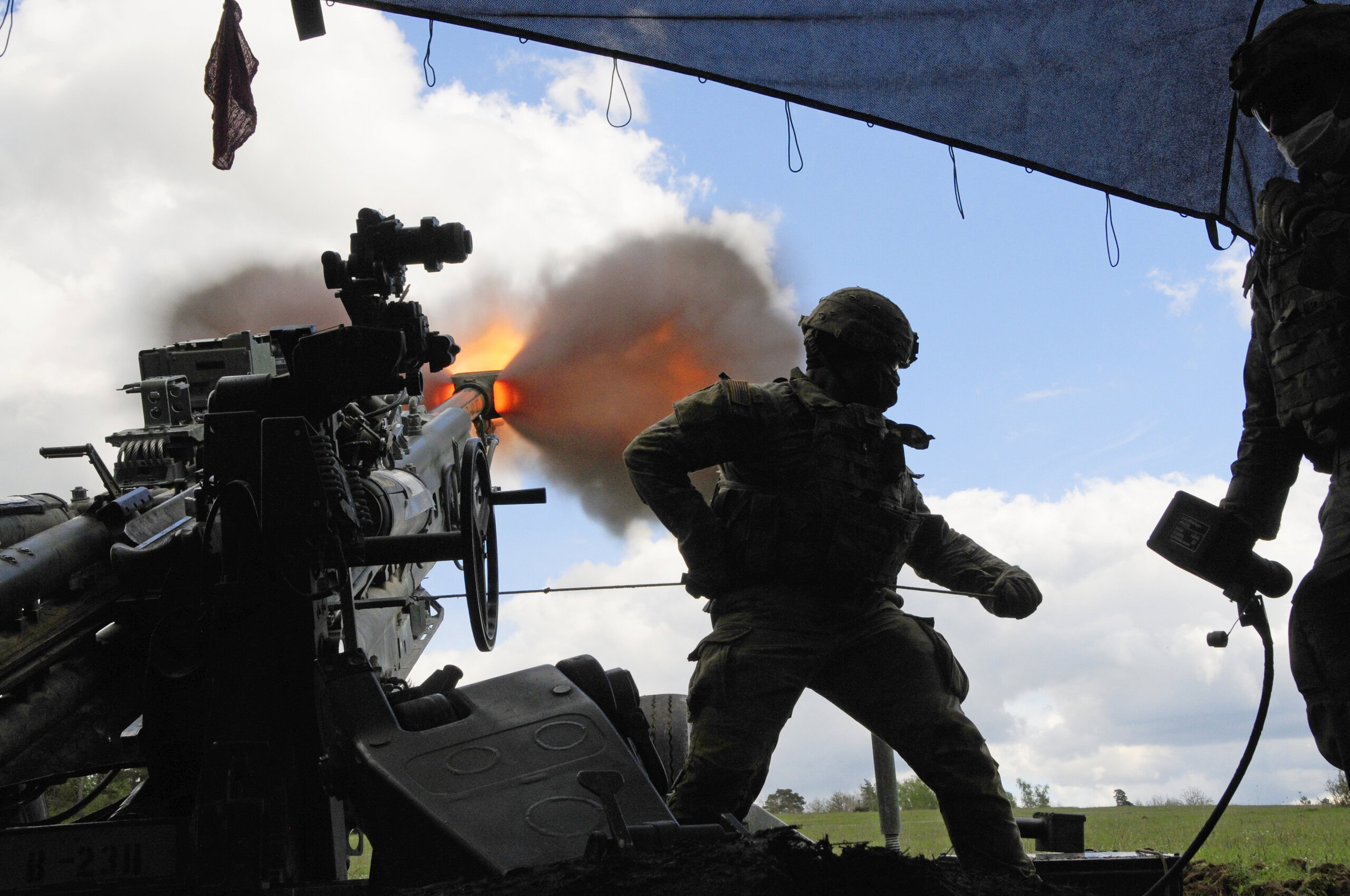
- Country of origin: United States
- Year introduced to service: 1942
- WWII role: Heavy artillery
- Weapon type: Howitzer
- Still used by: Foreign operators
- Modern role: Indirect fire support
- Why it refuses to leave service: Durability
- Longevity driver: Ammunition compatibility
Derived from wartime artillery thinking, the M114 howitzer offered dependable heavy fire support to nations that prioritized durability over innovation. Ammunition compatibility and familiar operating procedures often made retention the logical choice.
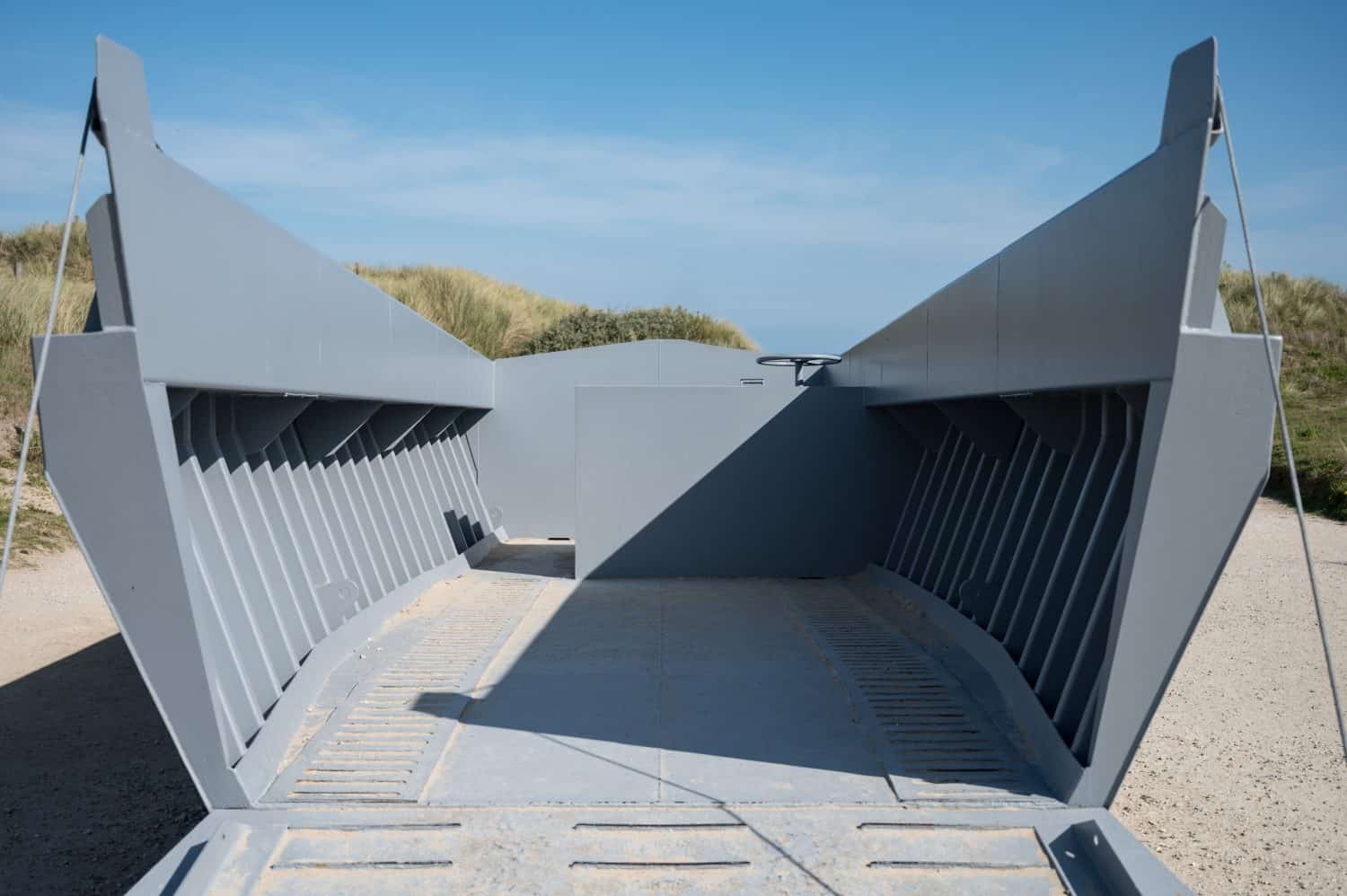
Higgins LCVP Landing Craft
- Country of origin: United States
- Year introduced to service: 1942
- WWII role: Amphibious assault
- Weapon type: Landing Craft
- Still used by: Influenced modern fleets
- Modern role: Ship-to-shore transport
- Why it refuses to leave service: Optimized design
- Longevity driver: Doctrinal permanence
The Higgins landing craft perfected the mechanics of amphibious assault, influencing ship-to-shore doctrine for decades. Because its basic design worked so effectively, modern landing craft still echo its configuration, underscoring how successful engineering can shape future fleets.
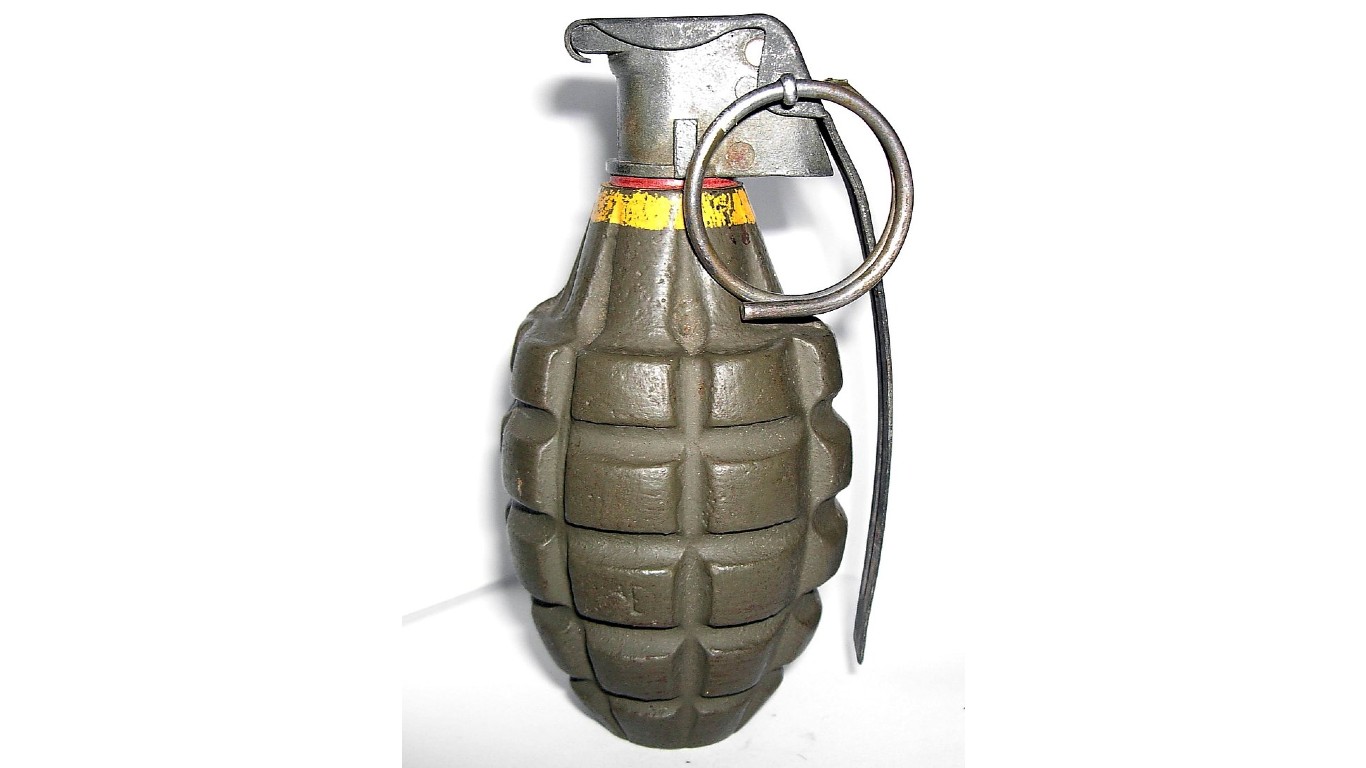
Mk 2 Fragmentation Grenade
- Country of origin: United States
- Year introduced to service: 1918
- WWII role: Infantry explosive
- Weapon type: Hand Grenade
- Still used by: Influenced later designs
- Modern role: Close combat
- Why it refuses to leave service: Effective fragmentation
- Longevity driver: Design longevity
The Mk 2 fragmentation grenade demonstrated that a simple, effective explosive device could remain relevant across generations. Its design informed countless successors, proving that incremental refinement often matters more than radical redesign.
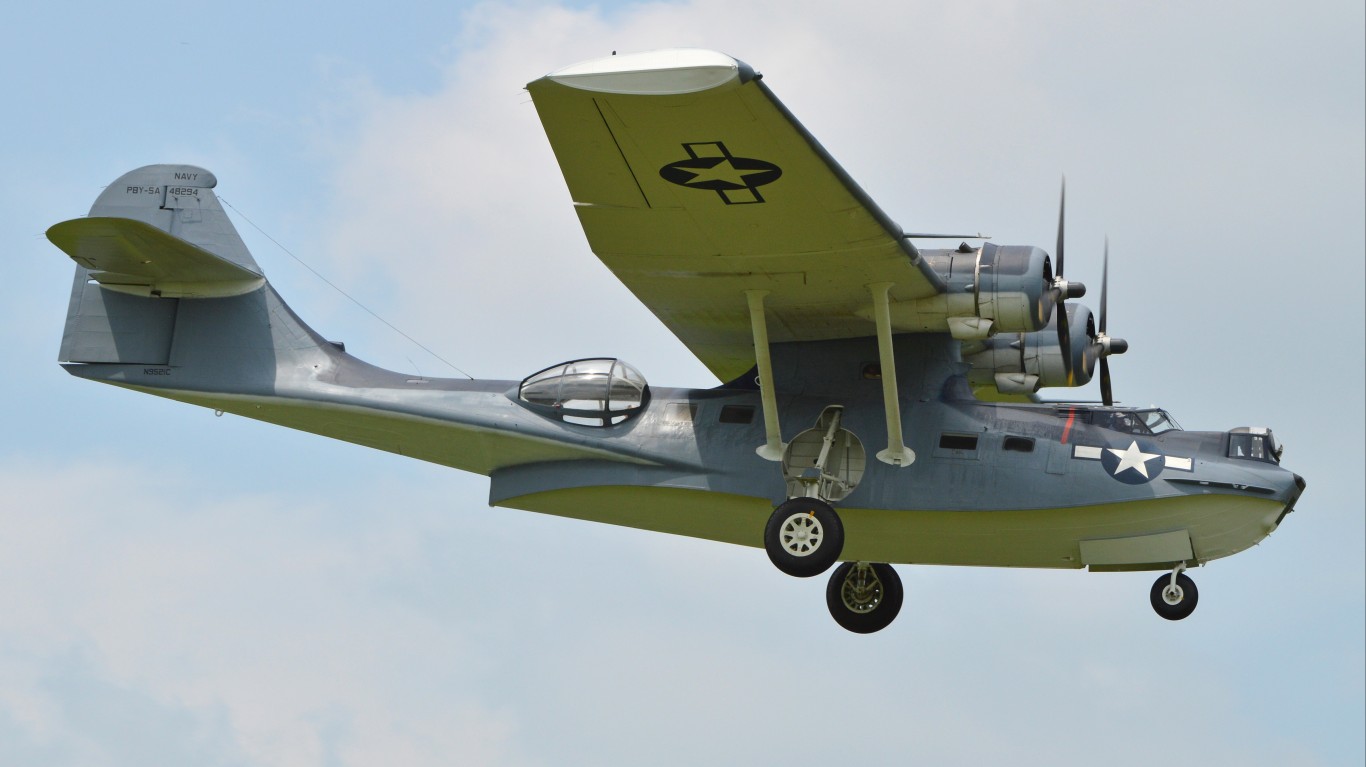
PBY Catalina
- Country of origin: United States
- Year introduced to service: 1936
- WWII role: Maritime patrol
- Weapon type: Patrol Aircraft
- Still used by: Select operators into late 20th century
- Modern role: Search and rescue
- Why it refuses to leave service: Exceptional range
- Longevity driver: Mission adaptability
The PBY Catalina combined long range with maritime versatility, allowing it to excel in patrol, rescue, and surveillance missions. For operators needing endurance rather than speed, its capabilities remained difficult to replicate cheaply, extending its operational lifespan.





 Top Gaining Stocks
 Top Losing Stocks