


Not every obsolete aircraft failed. Some were simply built for a future that never arrived. As threats evolved and doctrine shifted, platforms once seen as cutting-edge found their roles shrinking or vanishing altogether. Speed, altitude, or specialization that looked decisive on paper often lost value once new technologies entered the fight, turning early obsolescence into a recurring pattern in military aviation. Here, 24/7 Wall St. is taking a closer look at military aircraft that reached obsolescence faster than expected.
To determine the military aircraft that became obsolete faster than expected, 24/7 Wall St. reviewed various historical and military sources. We included supplemental information regarding each aircraft’s country of origin, era introduced, intended primary role, why the aircraft aged faster than expected, and why this is ultimately important to air forces around the world.
Here is a look at military aircraft that became obsolete faster than expected:
Why Are We Covering This?
Understanding why some military aircraft became obsolete faster than expected helps explain how quickly warfare can change—and how difficult it is to predict the future battlefield. Many of these aircraft were technically impressive and well-engineered, but were built around assumptions that did not survive new threats, new doctrine, or new technologies. By examining early obsolescence, this article highlights why adaptability often matters more than performance, and why even cutting-edge platforms can lose relevance when the strategic environment shifts faster than planners anticipate.
When Cutting-Edge Didn’t Mean Long-Lived
Many military aircraft enter service as technological breakthroughs, built with the expectation that their advantages will remain decisive for decades. Speed, altitude, payload, or cutting-edge avionics can look like durable advantages when planners imagine the future battlefield. Yet history repeatedly shows that “cutting-edge” does not guarantee a long frontline life. Some aircraft become obsolete faster than expected not because they fail immediately, but because the environment they were designed for changes more quickly than procurement timelines can adapt.
Threats Moved Faster Than Procurement
Threats often move faster than the aircraft built to face them. Air defenses, guided missiles, radar networks, and electronic warfare evolve at a pace that can undermine assumptions almost overnight. An aircraft optimized for high-altitude penetration may be overtaken by the rise of effective surface-to-air missiles. A specialized interceptor may lose relevance when strategic threats shift from bombers to ballistic missiles. In these cases, the aircraft may remain technically capable, but its concept of employment no longer matches reality.
Doctrine Aged as Fast as Technology
Doctrine can age as quickly as technology. Some aircraft were designed around specific strategic ideas—mass bomber interception, low-level nuclear strike, or a narrow form of carrier attack—that faded as warfare changed. When missions disappear or shrink, aircraft are forced into roles they were not built to perform or are sidelined entirely. This is not always a reflection of poor engineering. It is often a reflection of how difficult it is to predict the next conflict and the next set of priorities.
Replacement Came Sooner Than Planned
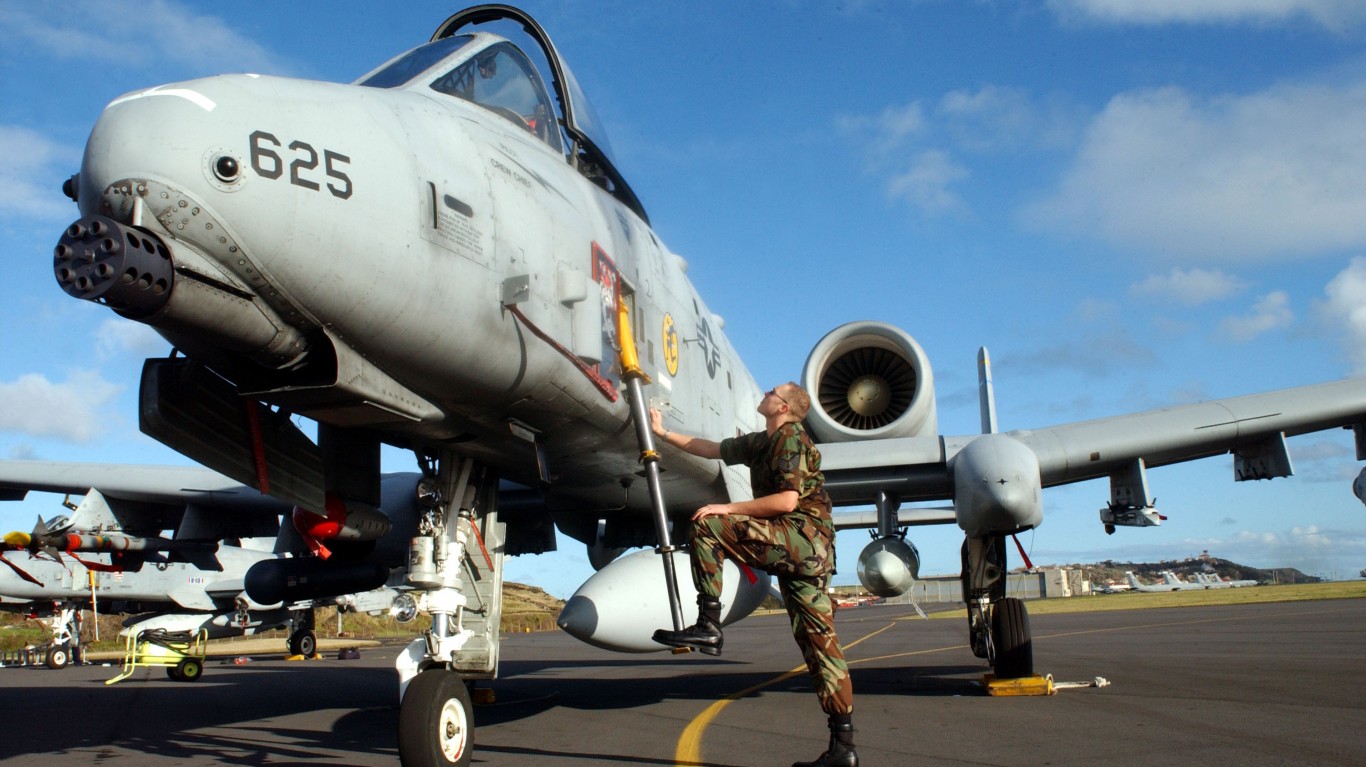
Replacement also arrived sooner than many planners anticipated. In some eras, new aircraft did not simply improve performance; they absorbed entire mission sets through better sensors, better weapons integration, or greater flexibility. Extreme specialization became a liability, and platforms that could not adapt were rapidly eclipsed. Even aircraft that performed well could find themselves replaced because the services demanded systems that could do more with fewer fleets, fewer logistics burdens, and fewer single-purpose airframes.
What Early Obsolescence Teaches Us
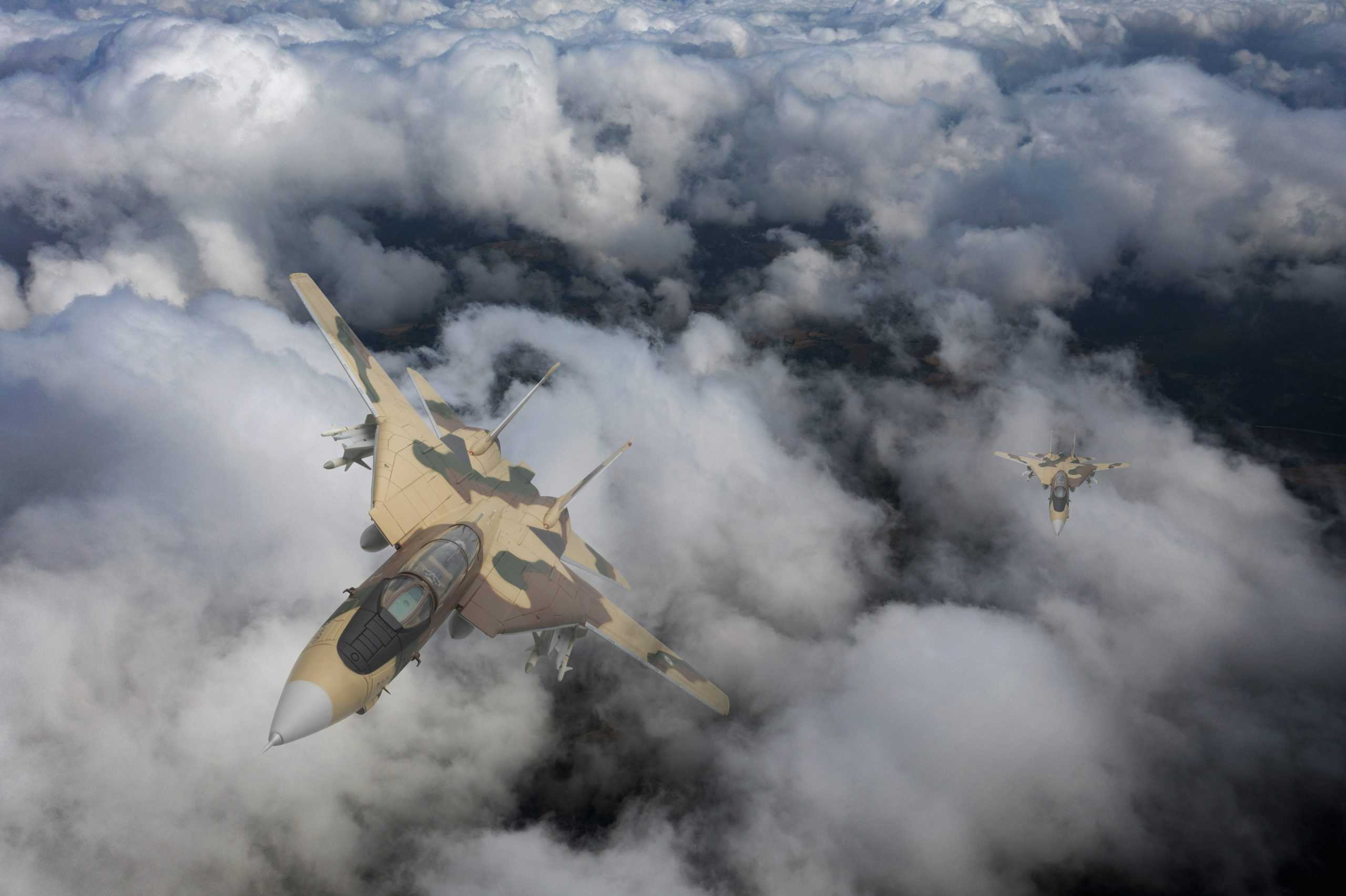
Early obsolescence carries important lessons. Predicting performance is easier than predicting relevance, because relevance depends on adversaries, doctrine, budgets, and the pace of technological change. Speed and altitude can be temporary advantages, and specialization can become a trap if the battlefield evolves in an unexpected direction. In the end, longevity belongs to aircraft that can adapt—either through design margins, upgrades, or mission flexibility—while the world around them changes.
B-58 Hustler
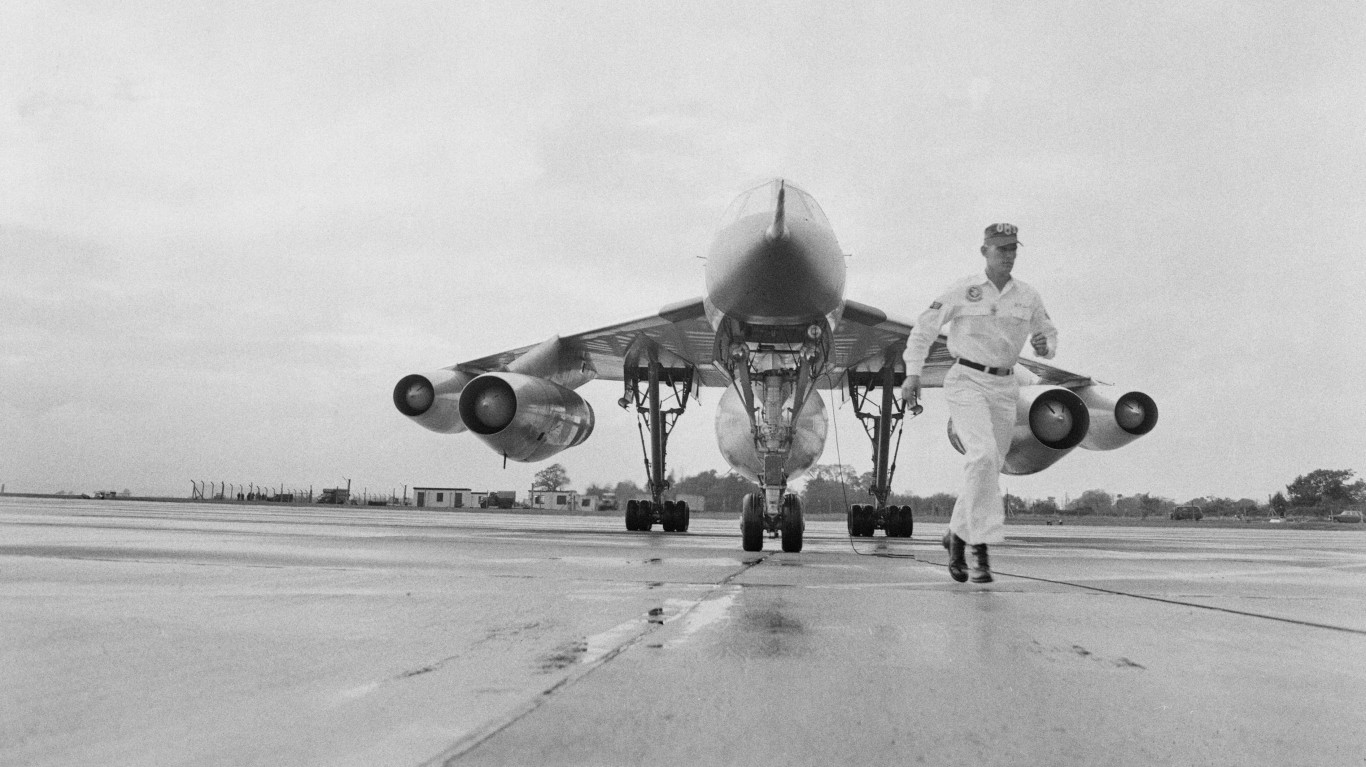
- Country of origin: United States
- Era introduced: 1960s
- Intended primary role: Supersonic bomber
- What planners expected it to do: Speed would defeat air defenses
- What changed in the threat environment: SAM effectiveness increased
- Why the aircraft aged faster than planned: Speed alone no longer survivable
- Operational lesson learned: Speed is not immunity
The B-58 was built on the belief that extreme speed would outrun defenses. Rapid advances in surface-to-air missiles shattered that assumption, making high-speed penetration too risky. Although technically impressive, the Hustler’s core concept aged quickly, demonstrating how fast-moving threats can invalidate even cutting-edge aircraft designs.
F-104 Starfighter
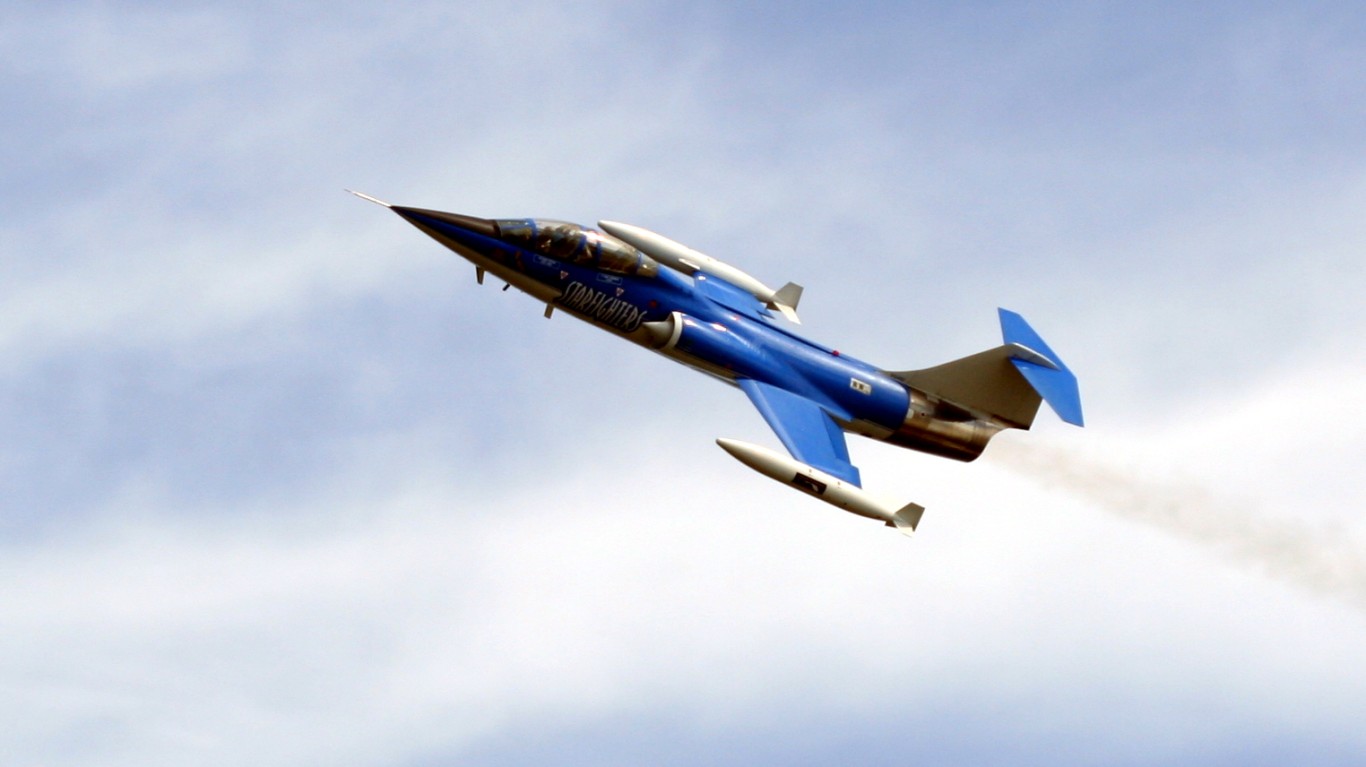
- Country of origin: United States
- Era introduced: 1960s
- Intended primary role: Interceptor
- What planners expected it to do: High speed ensured interception dominance
- What changed in the threat environment: Missiles replaced gun intercepts
- Why the aircraft aged faster than planned: Narrow mission relevance
- Operational lesson learned: Flexibility beats specialization
The F-104 was optimized for speed and climb in a narrow interceptor role. As air combat and air defense doctrine shifted toward missiles and multirole fighters, the Starfighter’s specialized concept lost relevance far sooner than planners expected.
F-102 Delta Dagger
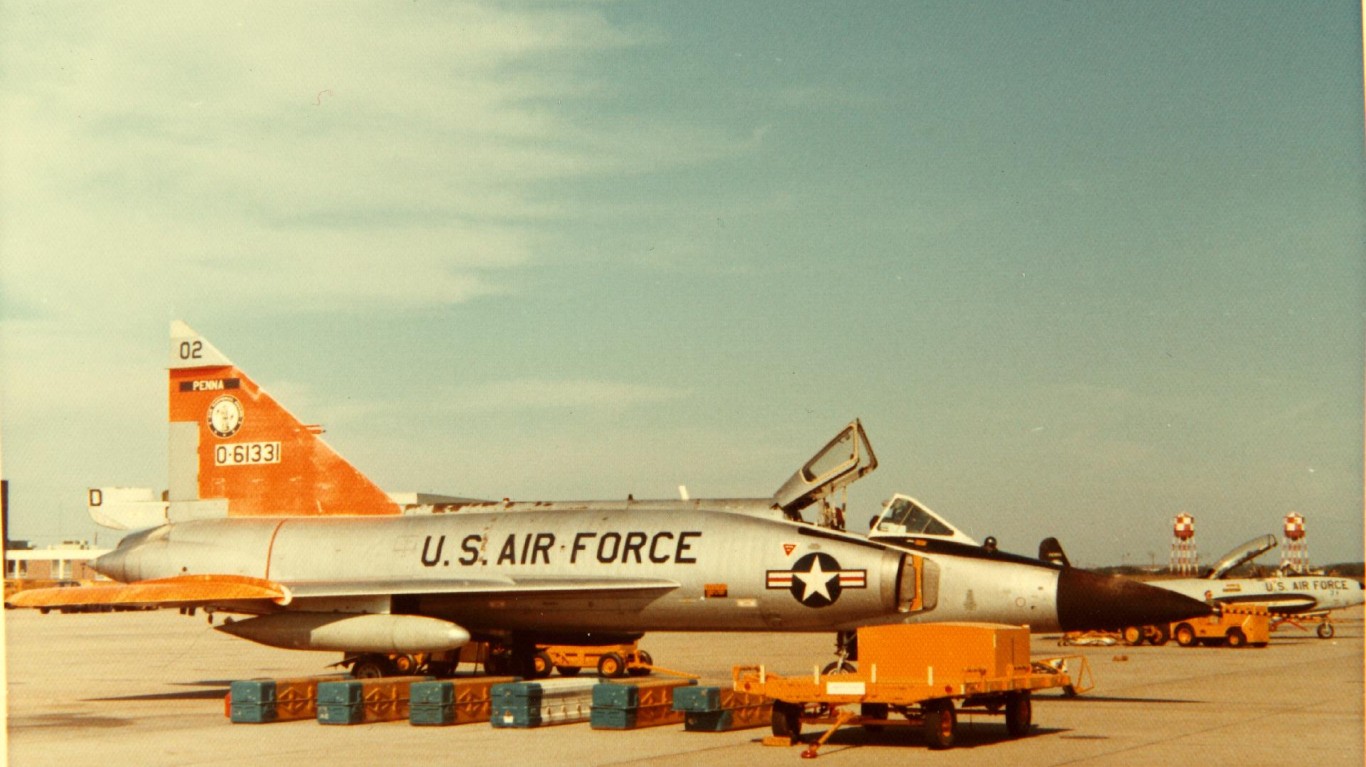
- Country of origin: United States
- Era introduced: 1950s
- Intended primary role: Interceptor
- What planners expected it to do: Bomber interception would dominate air defense
- What changed in the threat environment: SAMs and ICBMs changed threats
- Why the aircraft aged faster than planned: Interceptor mission collapsed
- Operational lesson learned: Threats evolve faster than airframes
The F-102 entered service as part of a bomber-defense strategy that faded quickly. Missile technology and changing strategic threats reduced the value of dedicated interceptors, sidelining the aircraft earlier than anticipated.
F-106 Delta Dart
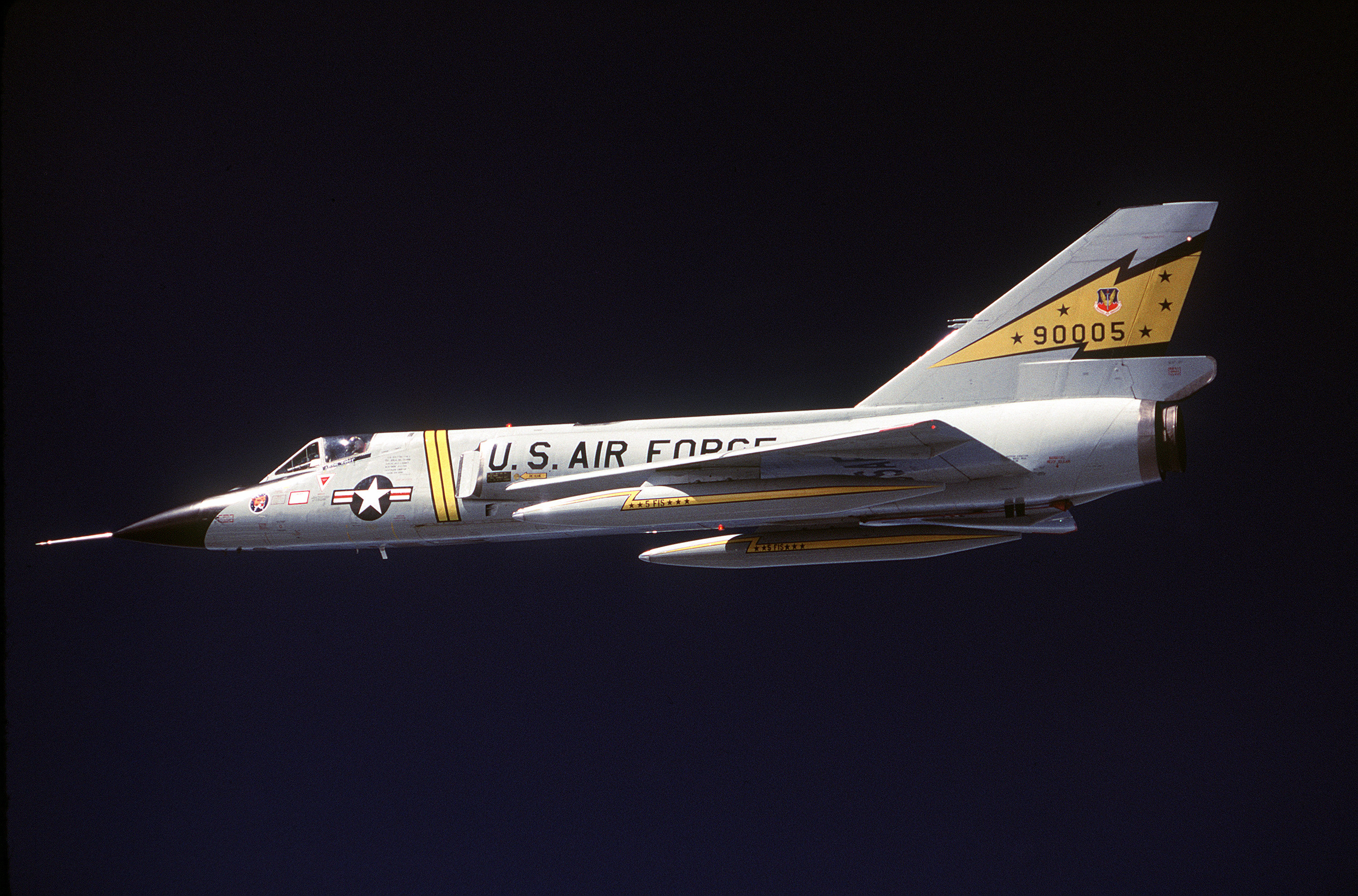
- Country of origin: United States
- Era introduced: 1960s
- Intended primary role: Interceptor
- What planners expected it to do: Extended interceptor dominance
- What changed in the threat environment: Shift to missiles and deterrence
- Why the aircraft aged faster than planned: Niche role vanished
- Operational lesson learned: Doctrine can disappear overnight
The F-106 improved on the F-102 but inherited the same problem. Strategic deterrence and missile defense reduced the need for manned interceptors, leaving the Delta Dart conceptually obsolete despite strong performance.
F-111B
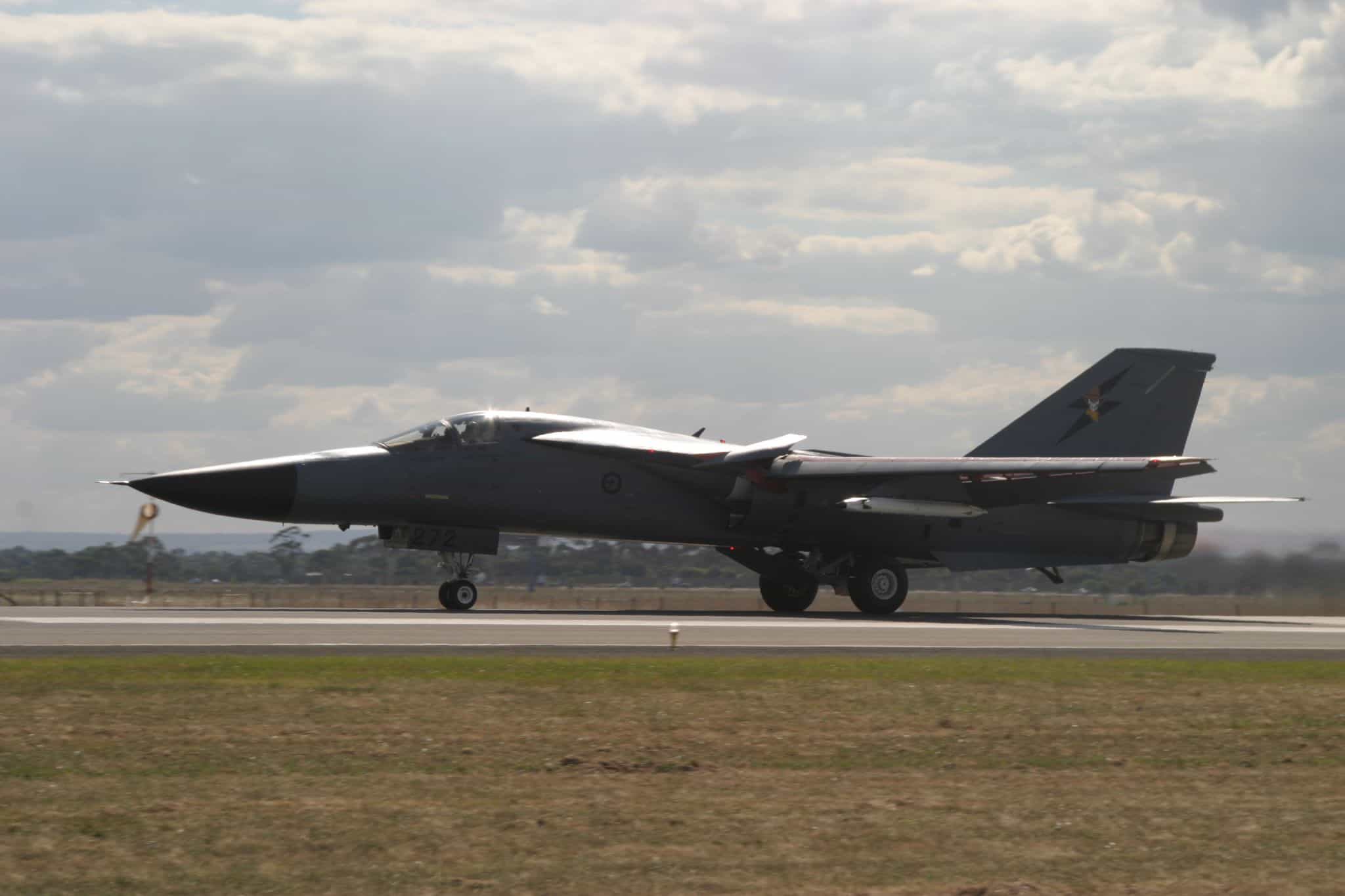
- Country of origin: United States
- Era introduced: 1960s
- Intended primary role: Carrier interceptor
- What planners expected it to do: Heavy interceptor suited naval defense
- What changed in the threat environment: Carrier air doctrine favored agility
- Why the aircraft aged faster than planned: Concept mismatch
- Operational lesson learned: Naval roles demand adaptability
The F-111B attempted to adapt a land-based strike aircraft to carrier operations. Rapid shifts in naval aviation priorities exposed the mismatch, ending the program before it could mature.
A-12 Avenger II
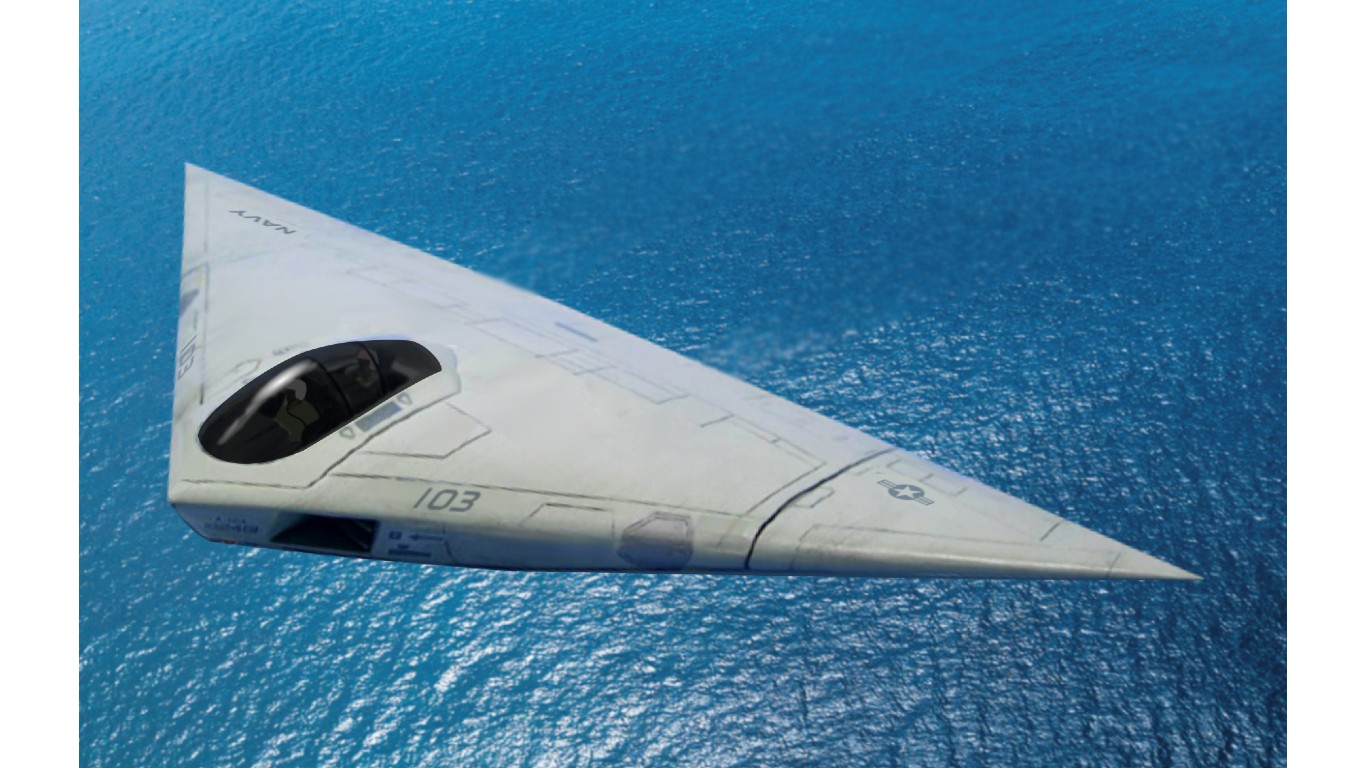
- Country of origin: United States
- Era introduced: 1990s
- Intended primary role: Carrier stealth attacker
- What planners expected it to do: Stealth would dominate naval strike
- What changed in the threat environment: Cost and complexity exploded
- Why the aircraft aged faster than planned: Concept overtaken before service
- Operational lesson learned: Affordability matters
The A-12 was designed to revolutionize carrier strike, but escalating costs and changing requirements rendered the concept obsolete before it flew. It demonstrated how procurement timelines can outlast strategic relevance.
F-105 Thunderchief
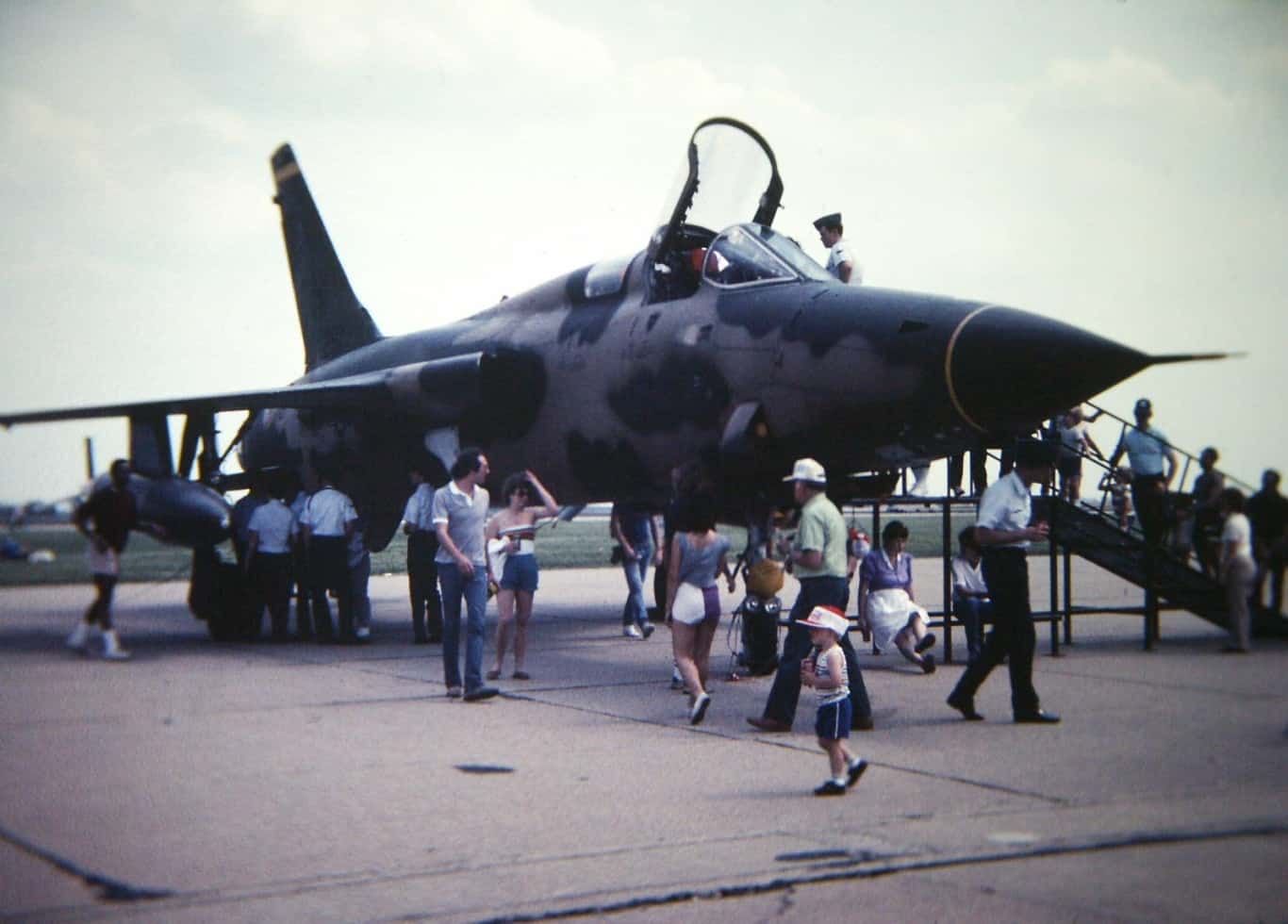
- Country of origin: United States
- Era introduced: 1950s
- Intended primary role: Nuclear strike fighter
- What planners expected it to do: High-speed nuclear delivery
- What changed in the threat environment: SAM-dense environments
- Why the aircraft aged faster than planned: Survivability collapse
- Operational lesson learned: Threat density matters
The F-105 was built for high-speed nuclear strikes, but dense air defenses in Vietnam exposed its vulnerability. Its original concept aged rapidly as conventional warfare realities set in.
F-8 Crusader
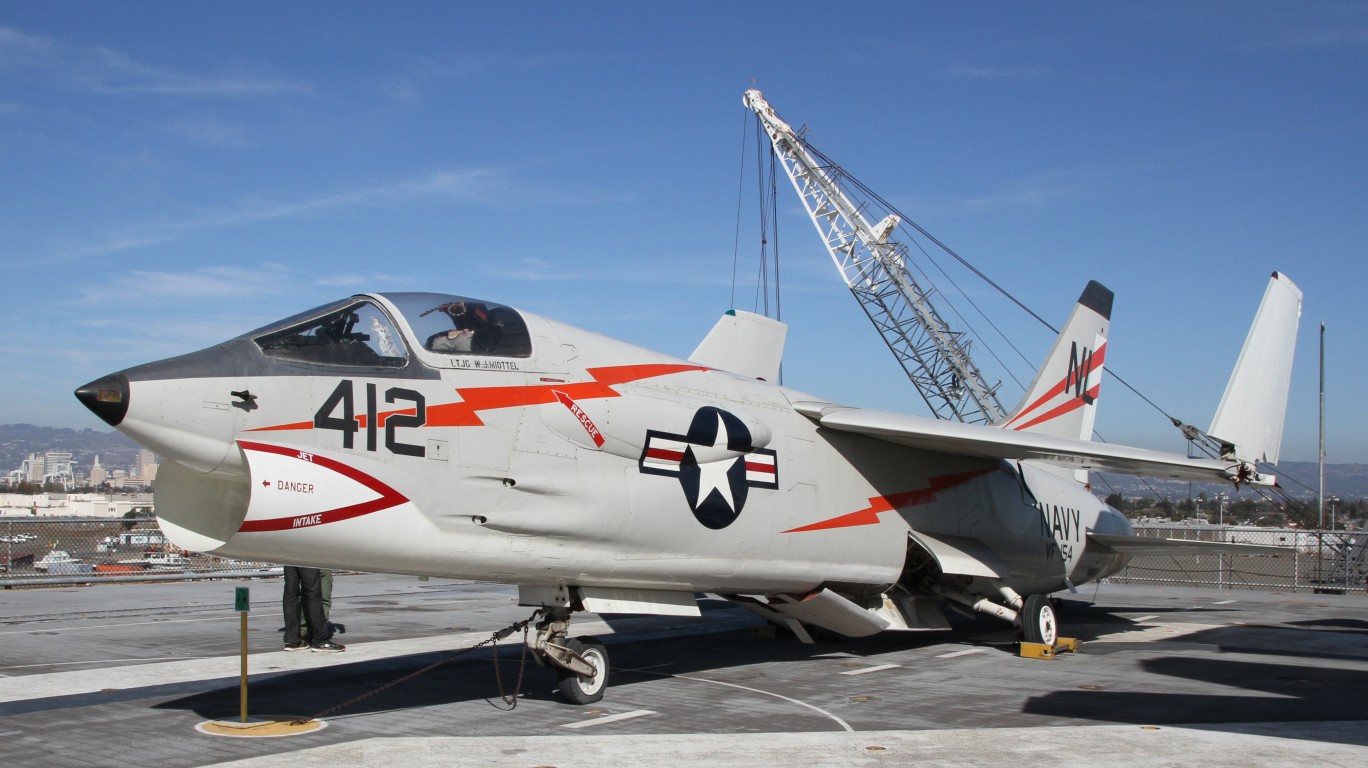
- Country of origin: United States
- Era introduced: 1950s
- Intended primary role: Day fighter
- What planners expected it to do: Gunfighters would dominate
- What changed in the threat environment: Missiles reshaped air combat
- Why the aircraft aged faster than planned: Role narrowed quickly
- Operational lesson learned: Technology shifts roles
The F-8 was optimized for gun combat just as missile warfare emerged. While effective briefly, its foundational concept aged faster than anticipated.
MiG-25 Foxbat
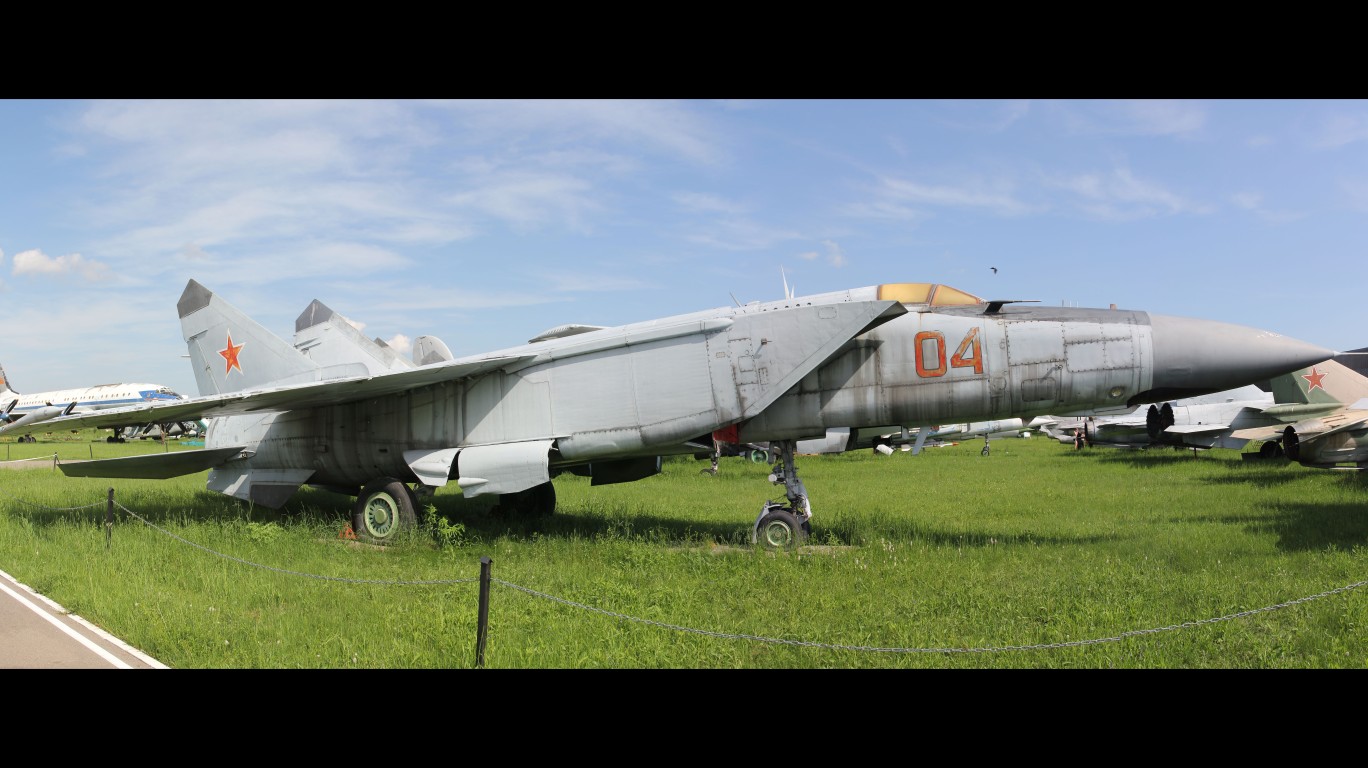
- Country of origin: Soviet Union
- Era introduced: 1970s
- Intended primary role: High-speed interceptor
- What planners expected it to do: Extreme speed countered bombers
- What changed in the threat environment: Sensor and missile limits exposed
- Why the aircraft aged faster than planned: Threat misread
- Operational lesson learned: Performance without balance
The MiG-25 was feared for its speed but proved limited in maneuverability and sensors. Western advancements revealed its niche nature, accelerating obsolescence.
MiG-23 Flogger

- Country of origin: Soviet Union
- Era introduced: 1970s
- Intended primary role: Multirole fighter
- What planners expected it to do: Variable geometry ensured dominance
- What changed in the threat environment: Handling and avionics lagged
- Why the aircraft aged faster than planned: Outpaced by true multiroles
- Operational lesson learned: Design complexity risk
The MiG-23 aimed to be versatile, but rapid advances in avionics and fighter design left it behind sooner than expected.
MiG-27
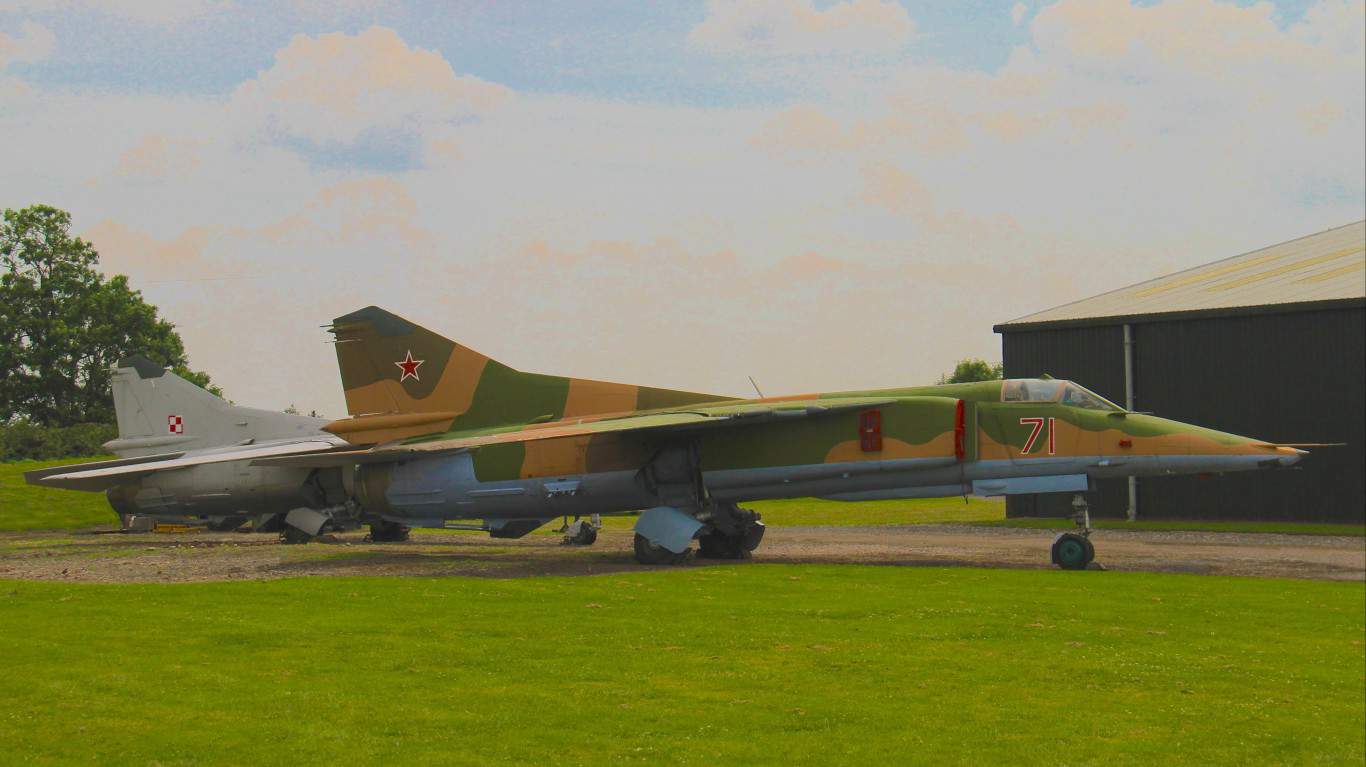
- Country of origin: Soviet Union
- Era introduced: 1970s
- Intended primary role: Attack aircraft
- What planners expected it to do: Dedicated attack specialization
- What changed in the threat environment: Precision strike evolution
- Why the aircraft aged faster than planned: Concept outdated
- Operational lesson learned: Adaptability is survival
The MiG-27’s attack role was overtaken by precision-guided munitions and multirole aircraft, shrinking its relevance.
Su-7 Fitter
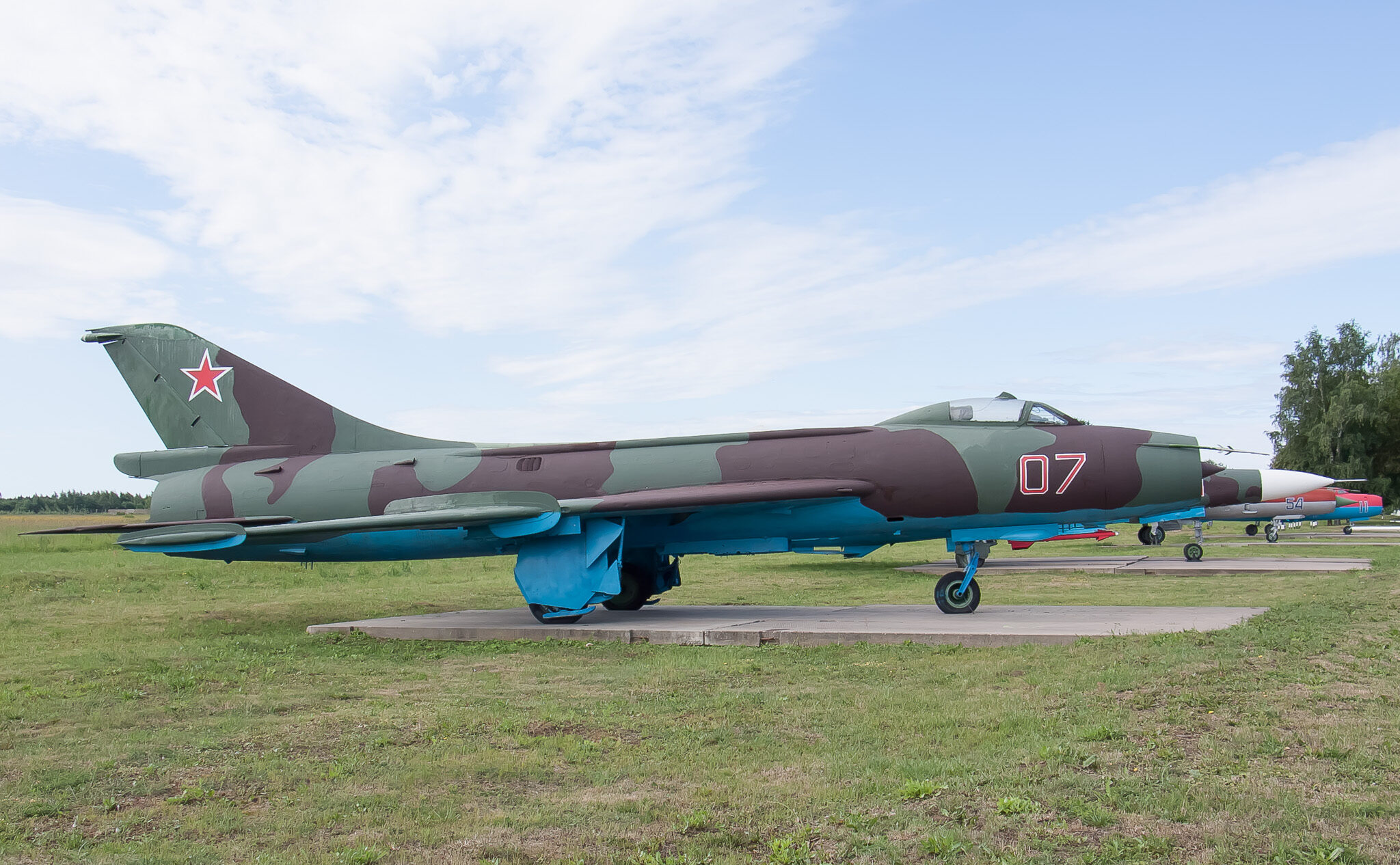
- Country of origin: Soviet Union
- Era introduced: 1960s
- Intended primary role: Fighter-bomber
- What planners expected it to do: Speed-based survivability
- What changed in the threat environment: SAM proliferation
- Why the aircraft aged faster than planned: Low survivability
- Operational lesson learned: Threat adaptation needed
The Su-7 relied on speed for survival, but growing air defenses quickly eroded that advantage.
Su-17 / Su-22
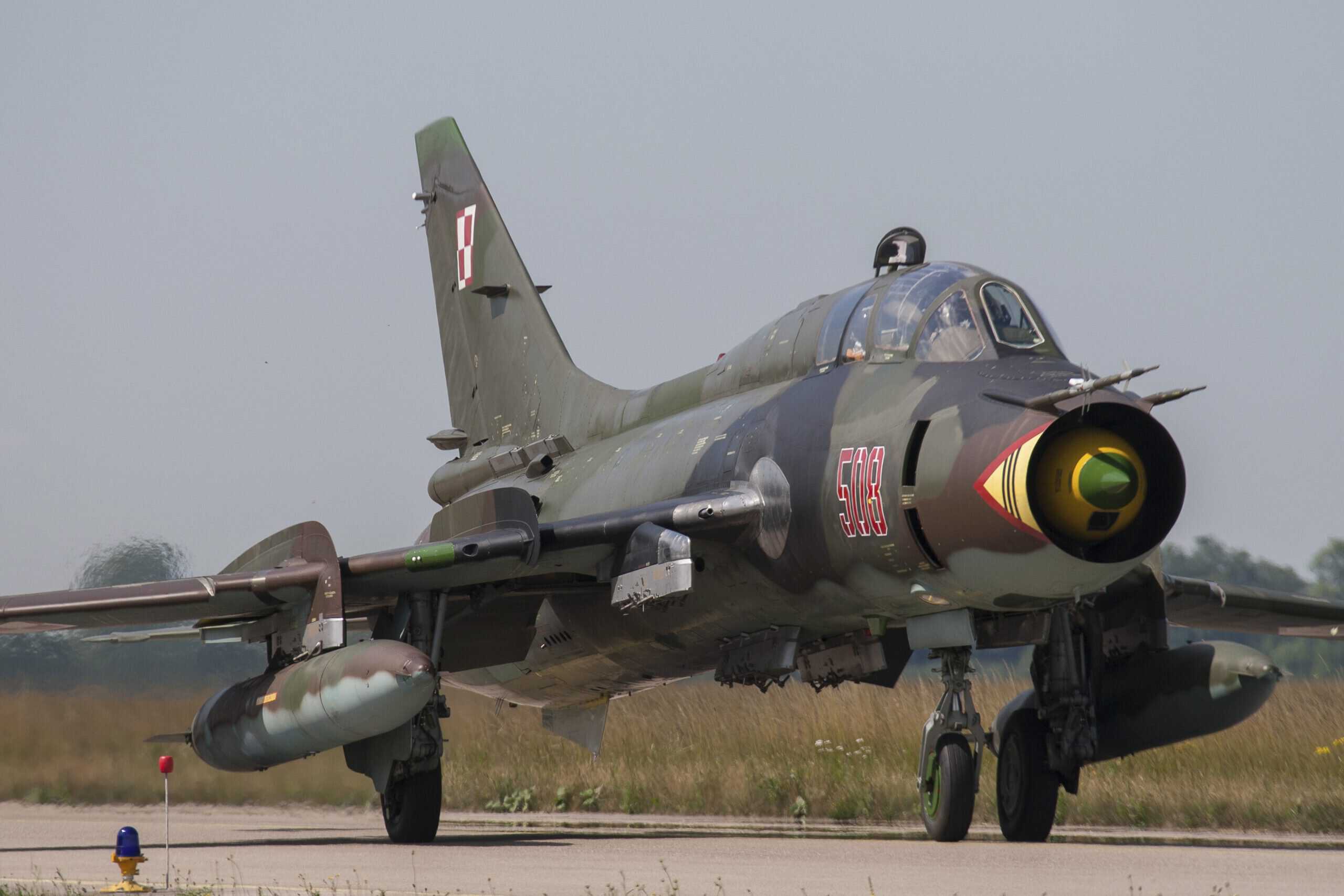
- Country of origin: Soviet Union
- Era introduced: 1970s
- Intended primary role: Strike aircraft
- What planners expected it to do: Swing-wing versatility
- What changed in the threat environment: Multirole jets matured
- Why the aircraft aged faster than planned: Concept eclipsed
- Operational lesson learned: Evolution outpaces stopgaps
The Su-17 series filled a transitional role that disappeared as more capable multirole fighters emerged.
EE Lightning
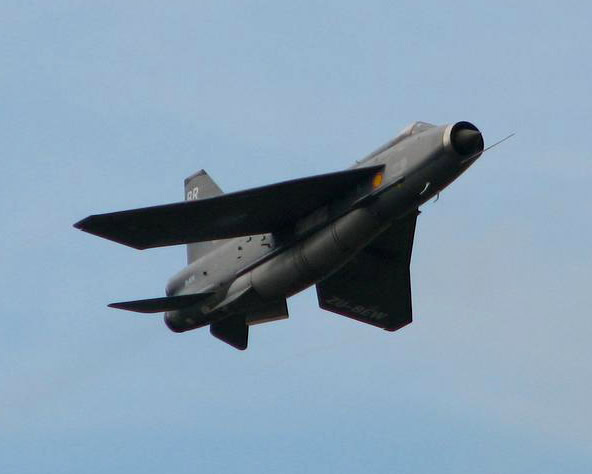
- Country of origin: United Kingdom
- Era introduced: 1960s
- Intended primary role: Interceptor
- What planners expected it to do: Point defense interception
- What changed in the threat environment: Strategic threat shift
- Why the aircraft aged faster than planned: Narrow utility
- Operational lesson learned: Strategic context rules
The Lightning excelled at its mission, but changes in air defense strategy quickly limited its relevance.
Mirage F1
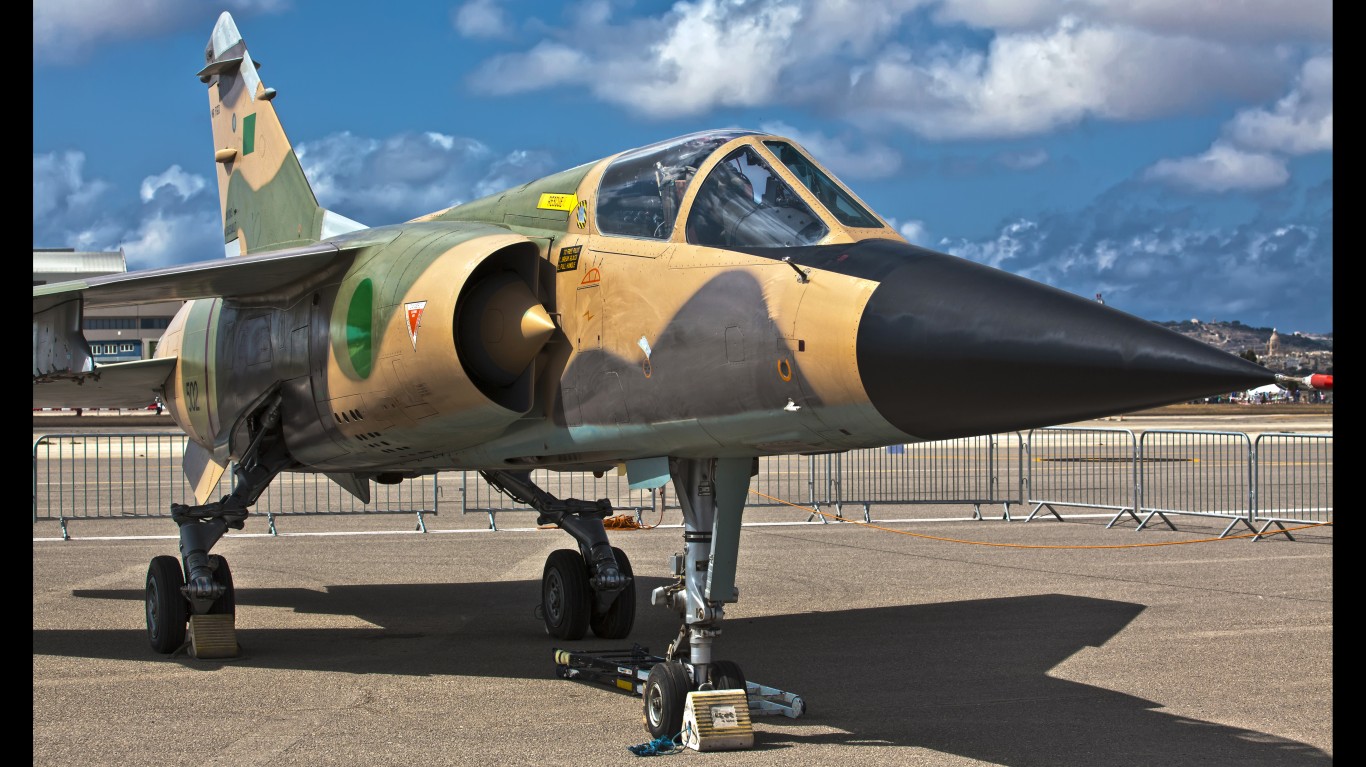
- Country of origin: France
- Era introduced: 1970s
- Intended primary role: Interceptor
- What planners expected it to do: Traditional interceptor role
- What changed in the threat environment: Multirole fighters dominated
- Why the aircraft aged faster than planned: Mission narrowed
- Operational lesson learned: Flexibility over speed
The Mirage F1 was competent but overtaken by true multirole designs that reduced the need for dedicated interceptors.
Mirage III
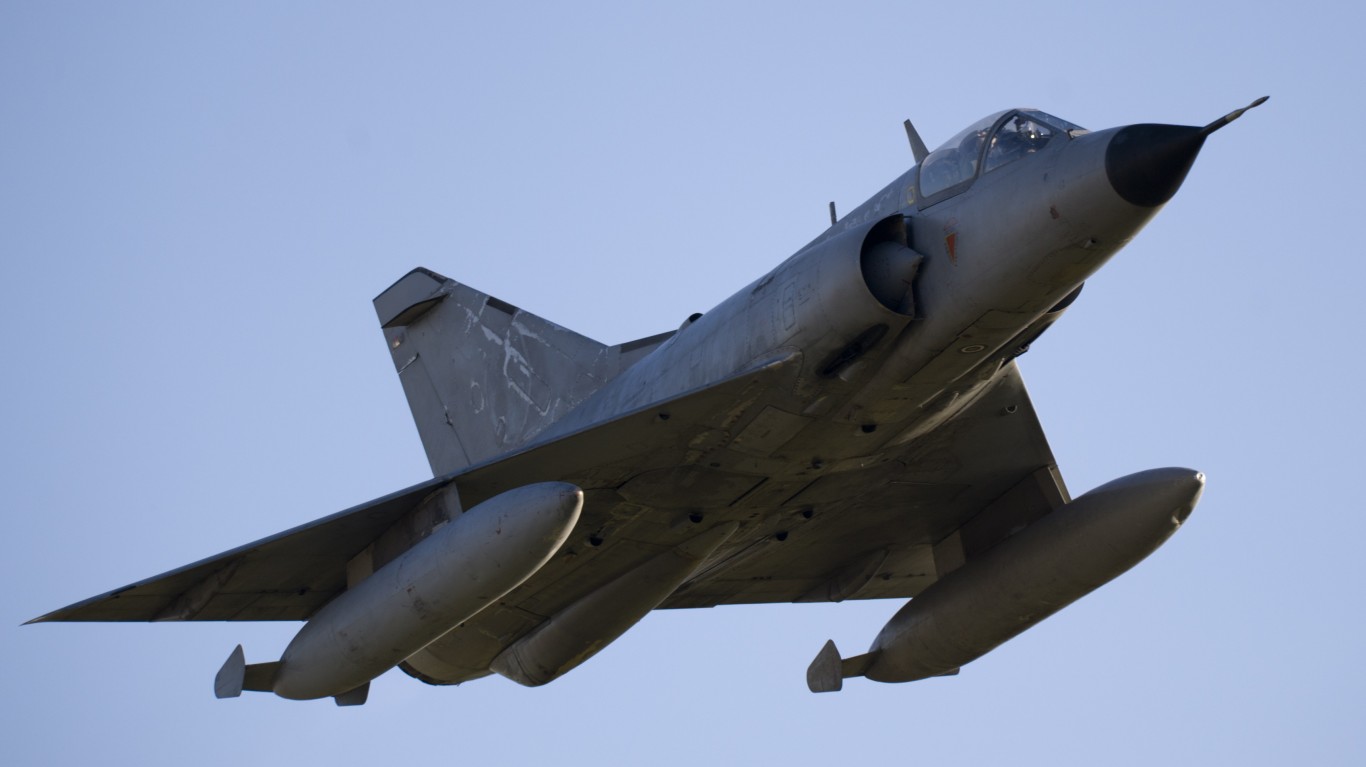
- Country of origin: France
- Era introduced: 1960s
- Intended primary role: Interceptor
- What planners expected it to do: Delta-wing intercept dominance
- What changed in the threat environment: Missile and radar advances
- Why the aircraft aged faster than planned: Concept faded
- Operational lesson learned: Mission creep kills niches
The Mirage III’s interceptor focus lost relevance as air combat demands expanded.
Yak-28
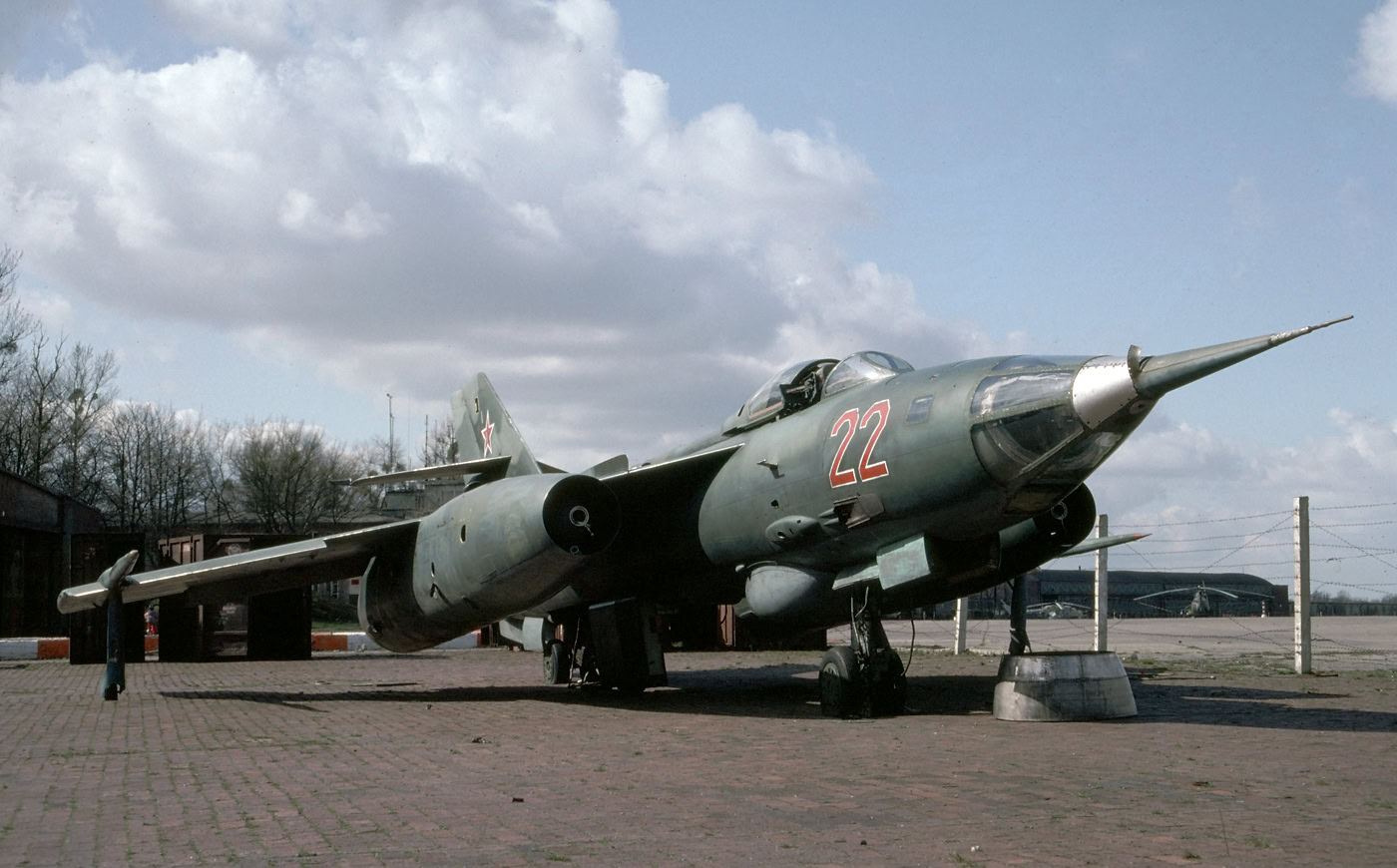
- Country of origin: Soviet Union
- Era introduced: 1960s
- Intended primary role: Interceptor
- What planners expected it to do: High-altitude interception
- What changed in the threat environment: Reliability and sensor issues
- Why the aircraft aged faster than planned: Limited usefulness
- Operational lesson learned: Capability gaps matter
The Yak-28 suffered from technical limits just as air defense needs intensified.
Tu-22 Blinder
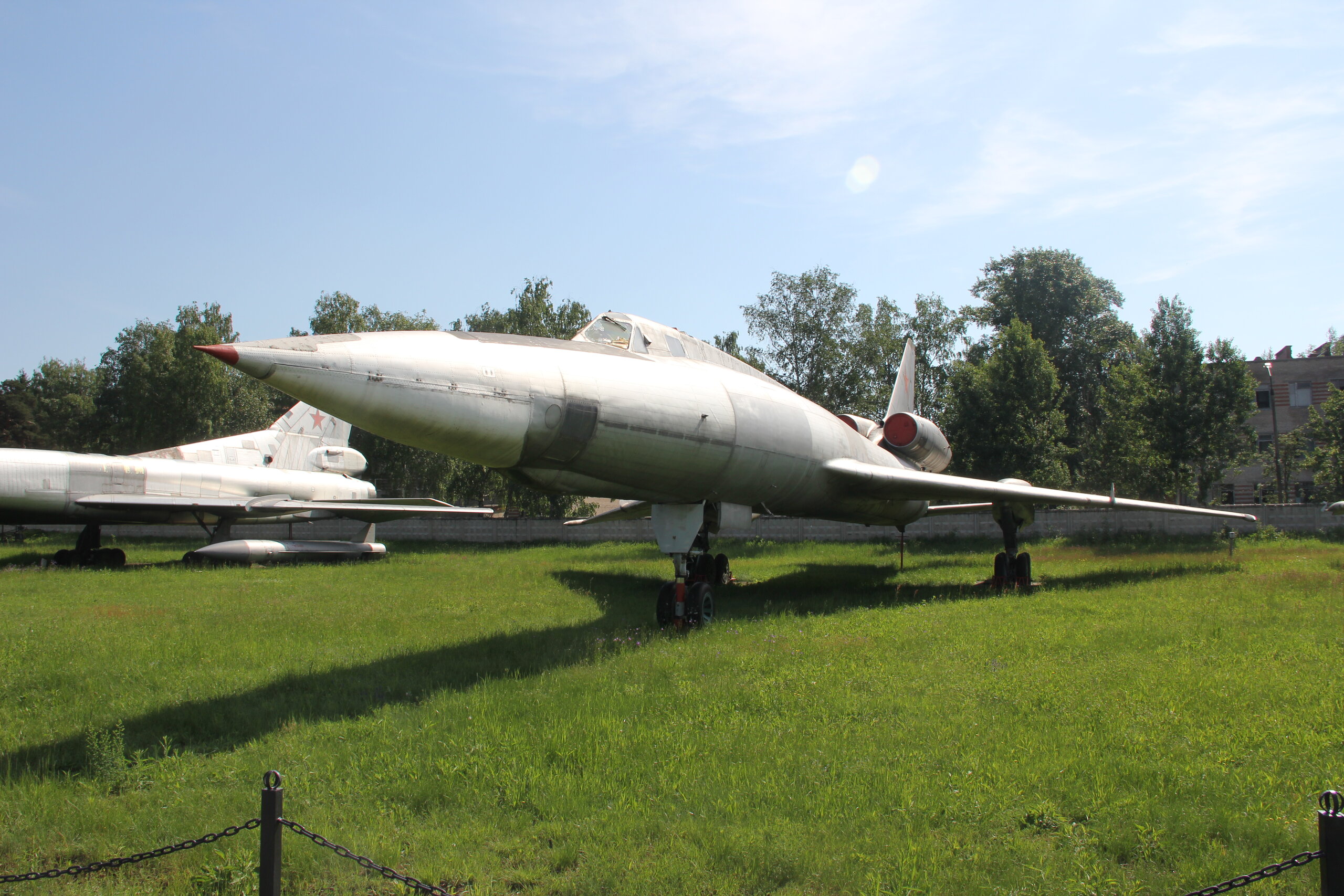
- Country of origin: Soviet Union
- Era introduced: 1960s
- Intended primary role: Supersonic bomber
- What planners expected it to do: Speed ensured penetration
- What changed in the threat environment: SAM threats increased
- Why the aircraft aged faster than planned: High losses risk
- Operational lesson learned: Survivability beats speed
The Tu-22’s design assumed speed would overcome defenses, an assumption quickly invalidated.
B-47 Stratojet
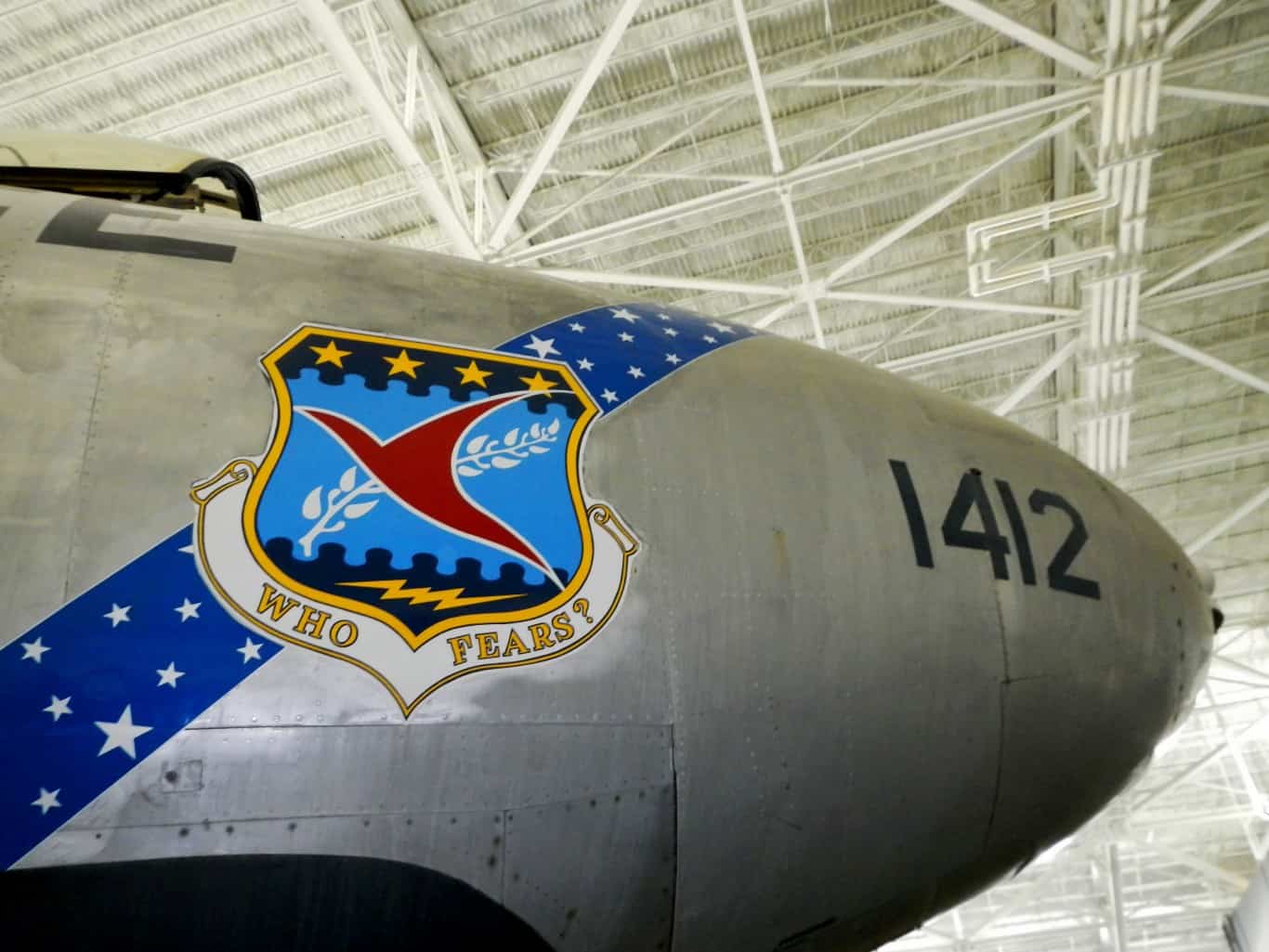
- Country of origin: United States
- Era introduced: 1950s
- Intended primary role: Jet bomber
- What planners expected it to do: High-altitude penetration
- What changed in the threat environment: SAM and fighter threats
- Why the aircraft aged faster than planned: Penetration obsolete
- Operational lesson learned: Longevity through adaptability
The B-47 was revolutionary but quickly outpaced by air defense advances.
A-5 Vigilante
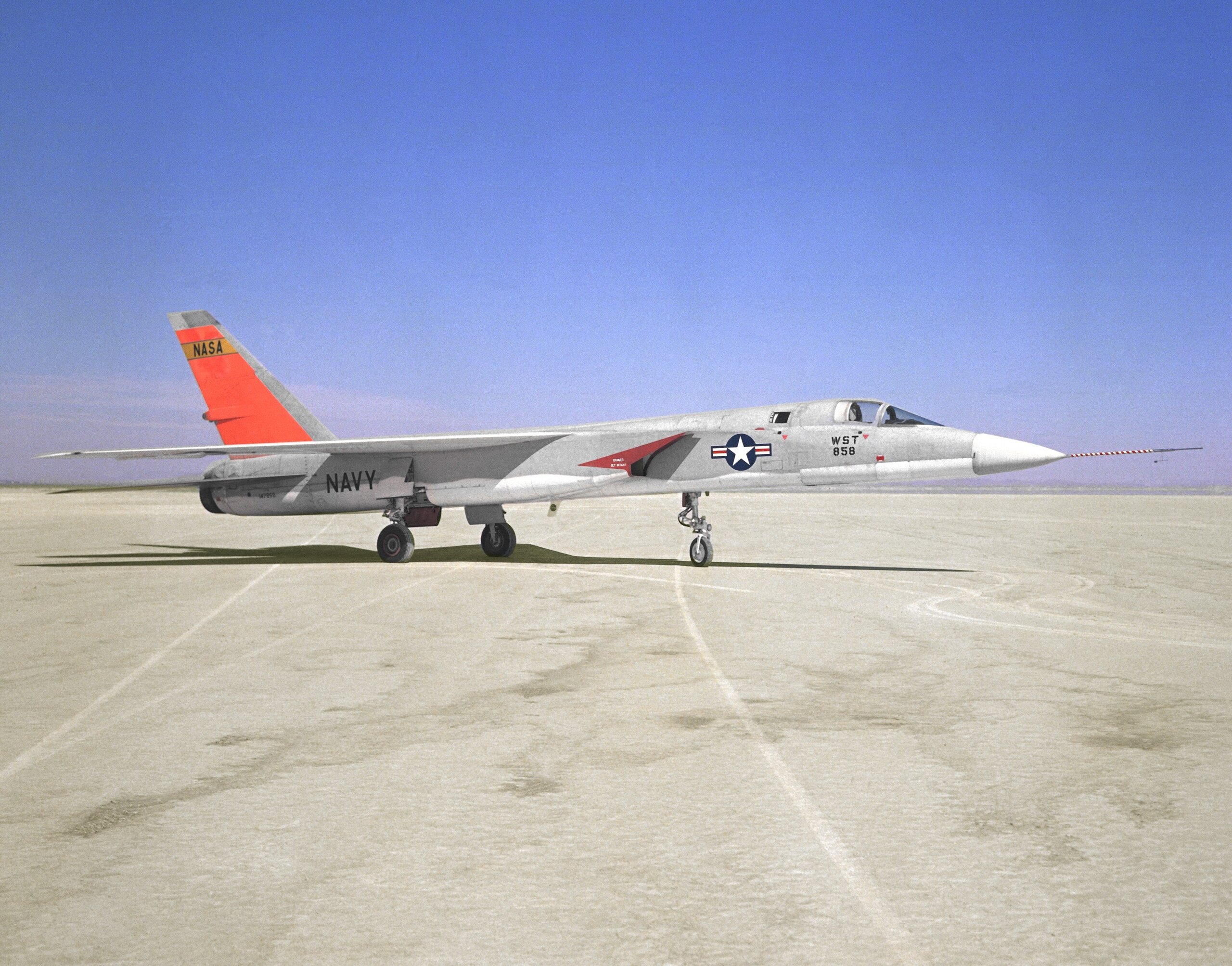
- Country of origin: United States
- Era introduced: 1960s
- Intended primary role: Carrier bomber
- What planners expected it to do: High-speed nuclear strike
- What changed in the threat environment: Mission eliminated
- Why the aircraft aged faster than planned: Role collapse
- Operational lesson learned: Roles can vanish
The A-5’s primary mission disappeared, forcing repurposing rather than longevity.
F-117 Nighthawk
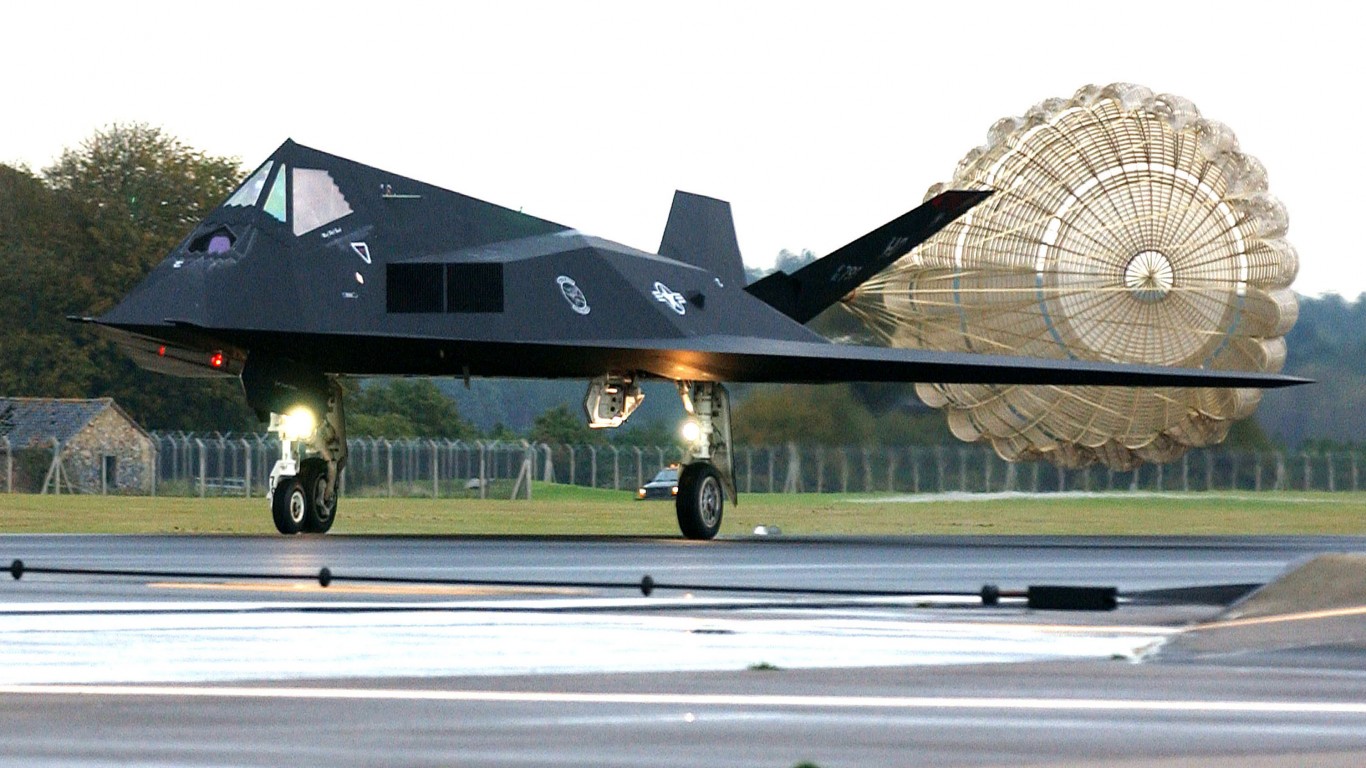
- Country of origin: United States
- Era introduced: 1980s
- Intended primary role: Stealth attack
- What planners expected it to do: Stealth immunity
- What changed in the threat environment: Integrated air defenses
- Why the aircraft aged faster than planned: Niche narrowed
- Operational lesson learned: Stealth alone isn’t enough
The F-117’s stealth advantage eroded as defenses adapted, accelerating retirement.
EA-6B Prowler
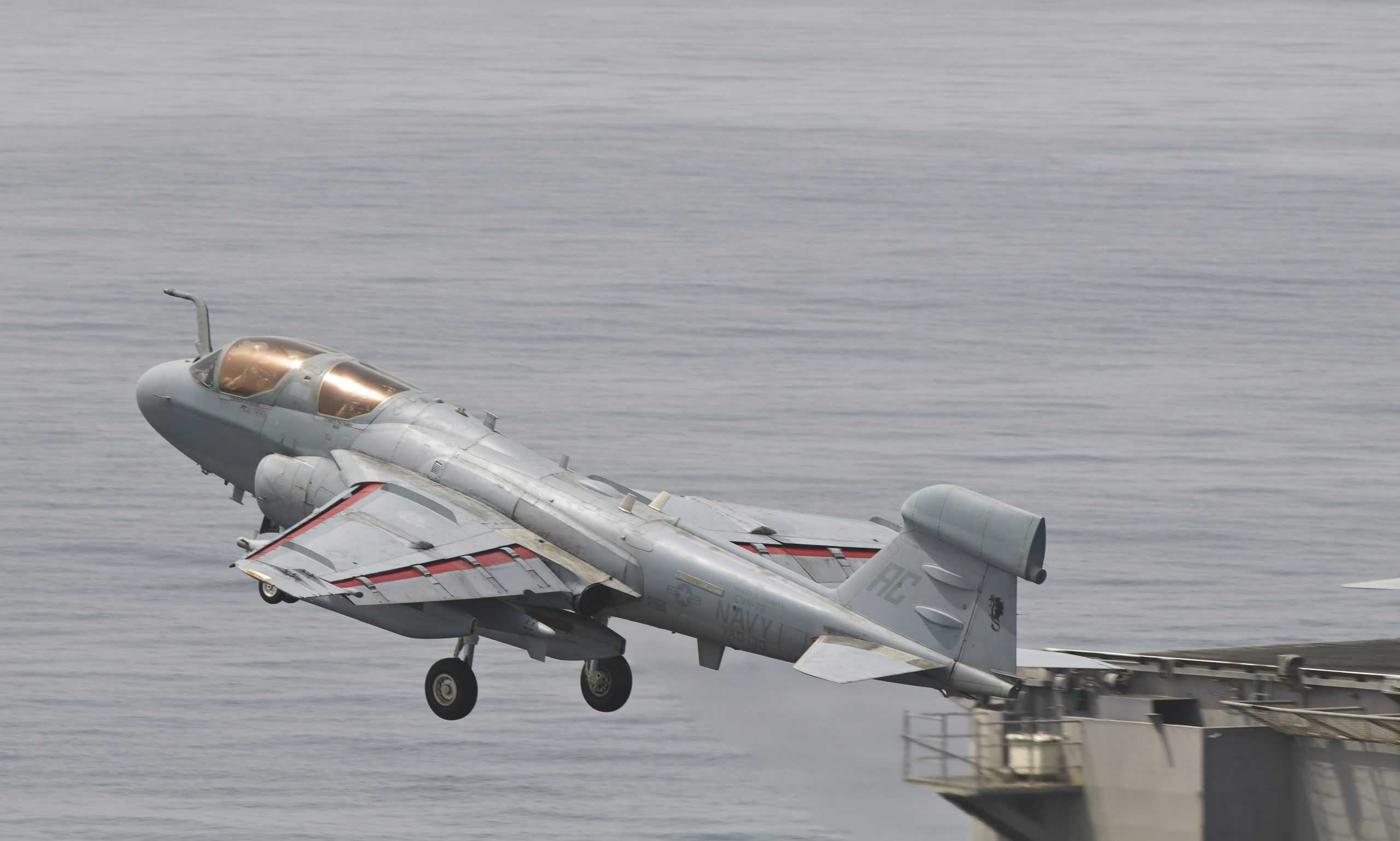
- Country of origin: United States
- Era introduced: 1970s
- Intended primary role: Electronic warfare
- What planners expected it to do: Dedicated EW platform
- What changed in the threat environment: Distributed EW systems
- Why the aircraft aged faster than planned: Specialization reduced
- Operational lesson learned: Integration beats isolation
The Prowler’s mission was absorbed by more integrated platforms.
RQ-1 Predator
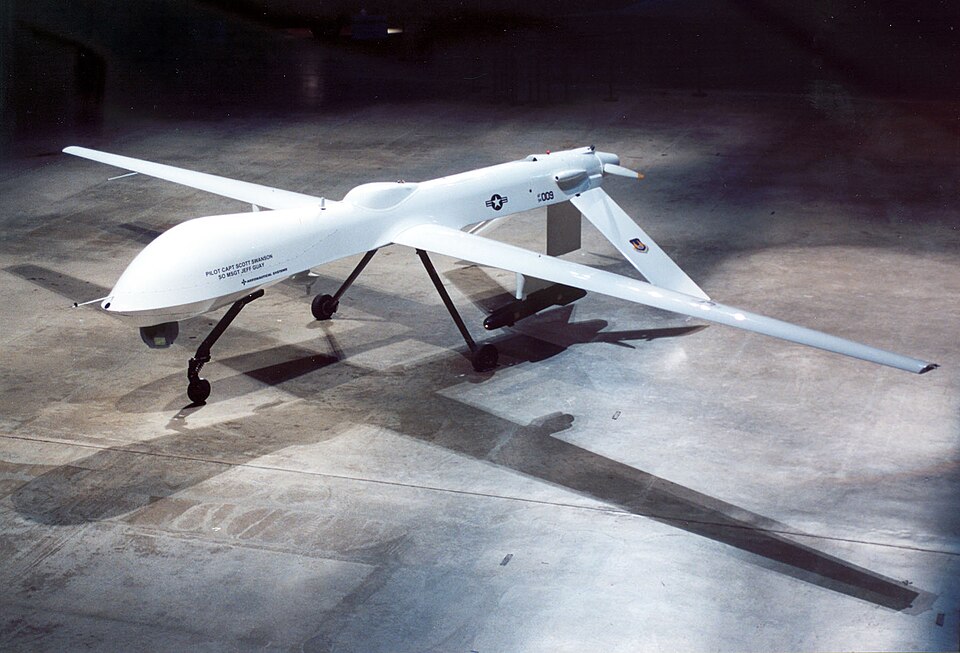
- Country of origin: United States
- Era introduced: 1990s
- Intended primary role: ISR UAV
- What planners expected it to do: Unarmed persistence sufficient
- What changed in the threat environment: Weaponization of UAVs
- Why the aircraft aged faster than planned: Limited relevance
- Operational lesson learned: Capabilities escalate fast
The early Predator was overtaken once armed drones became standard.
SR-71 Blackbird
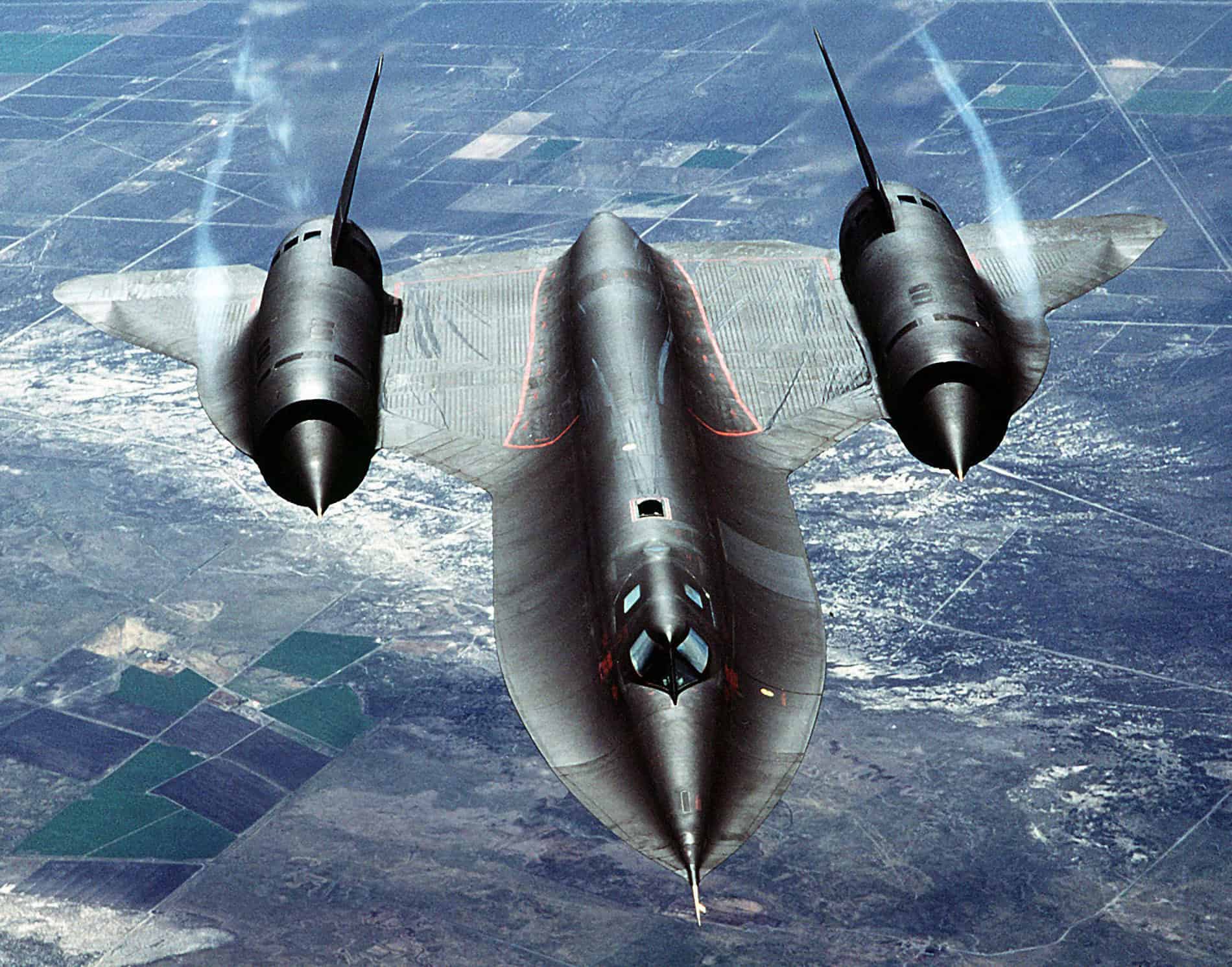
- Country of origin: United States
- Era introduced: 1960s
- Intended primary role: Strategic ISR
- What planners expected it to do: Speed ensured invulnerability
- What changed in the threat environment: Satellites and sensors
- Why the aircraft aged faster than planned: Cost-benefit shifted
- Operational lesson learned: Economics drive obsolescence
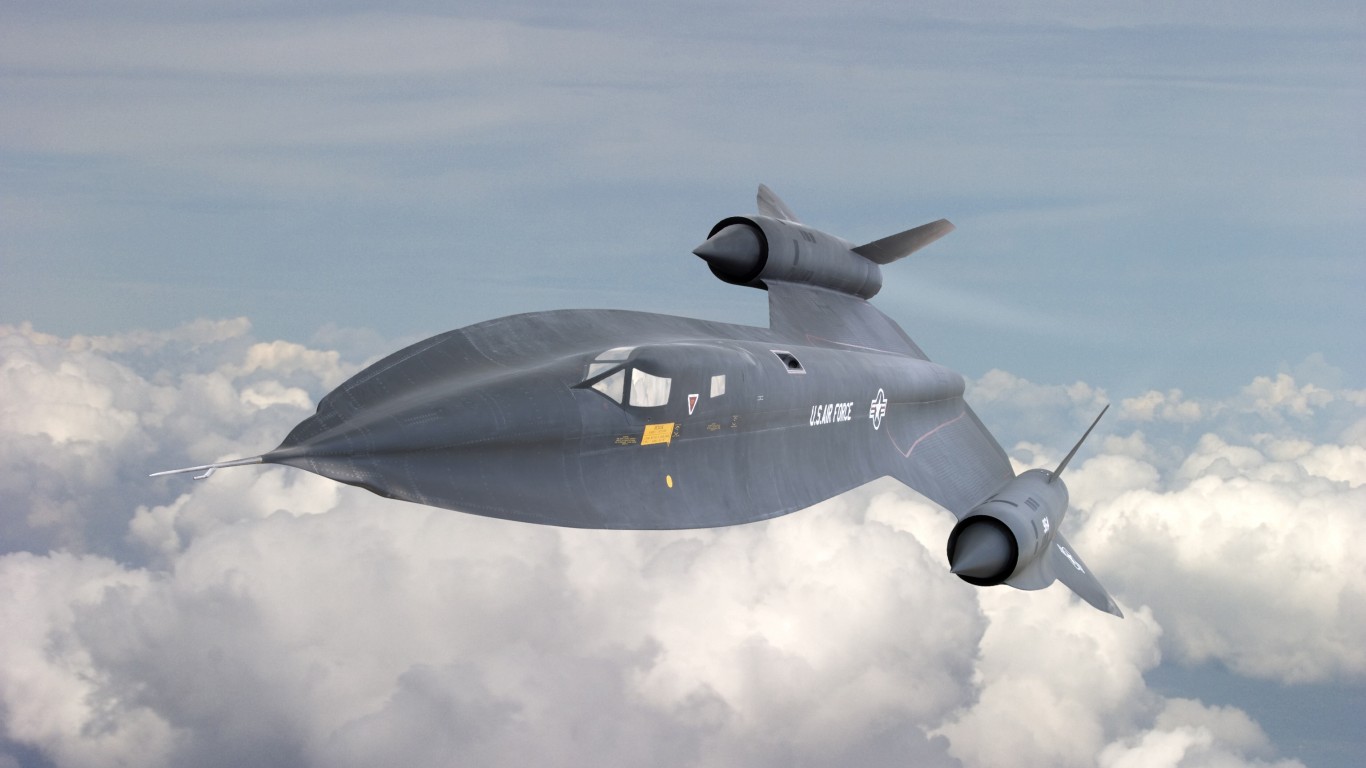
The SR-71 remained unmatched but was sidelined as space-based ISR matured.
U-2 Early Variants
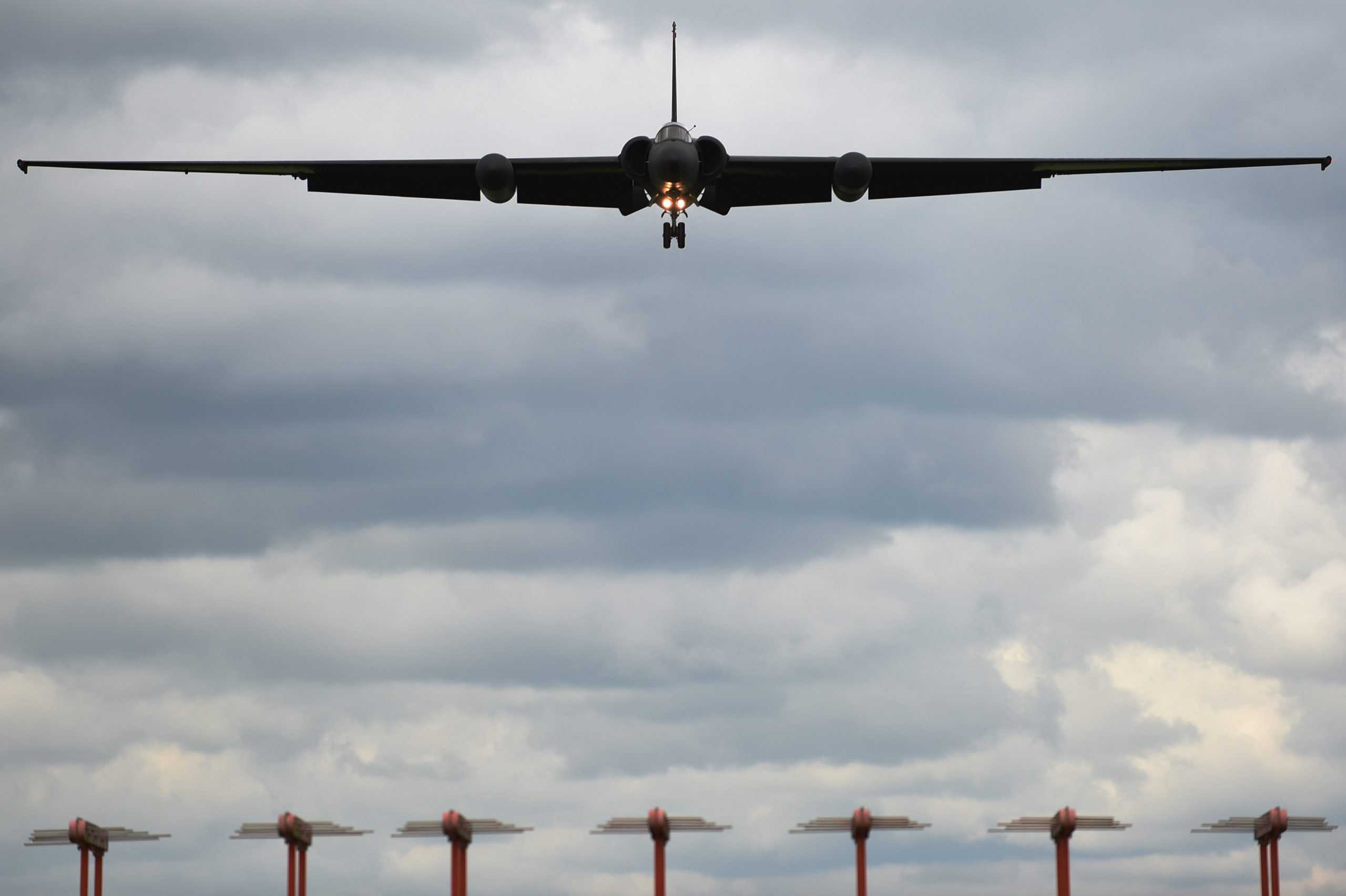
- Country of origin: United States
- Era introduced: 1950s
- Intended primary role: High-altitude ISR
- What planners expected it to do: Altitude meant safety
- What changed in the threat environment: SAM reach expanded
- Why the aircraft aged faster than planned: Vulnerability increased
- Operational lesson learned: Threats catch up
Early U-2 variants were overtaken by missile advances.
AH-1 Cobra (Cold War concept)
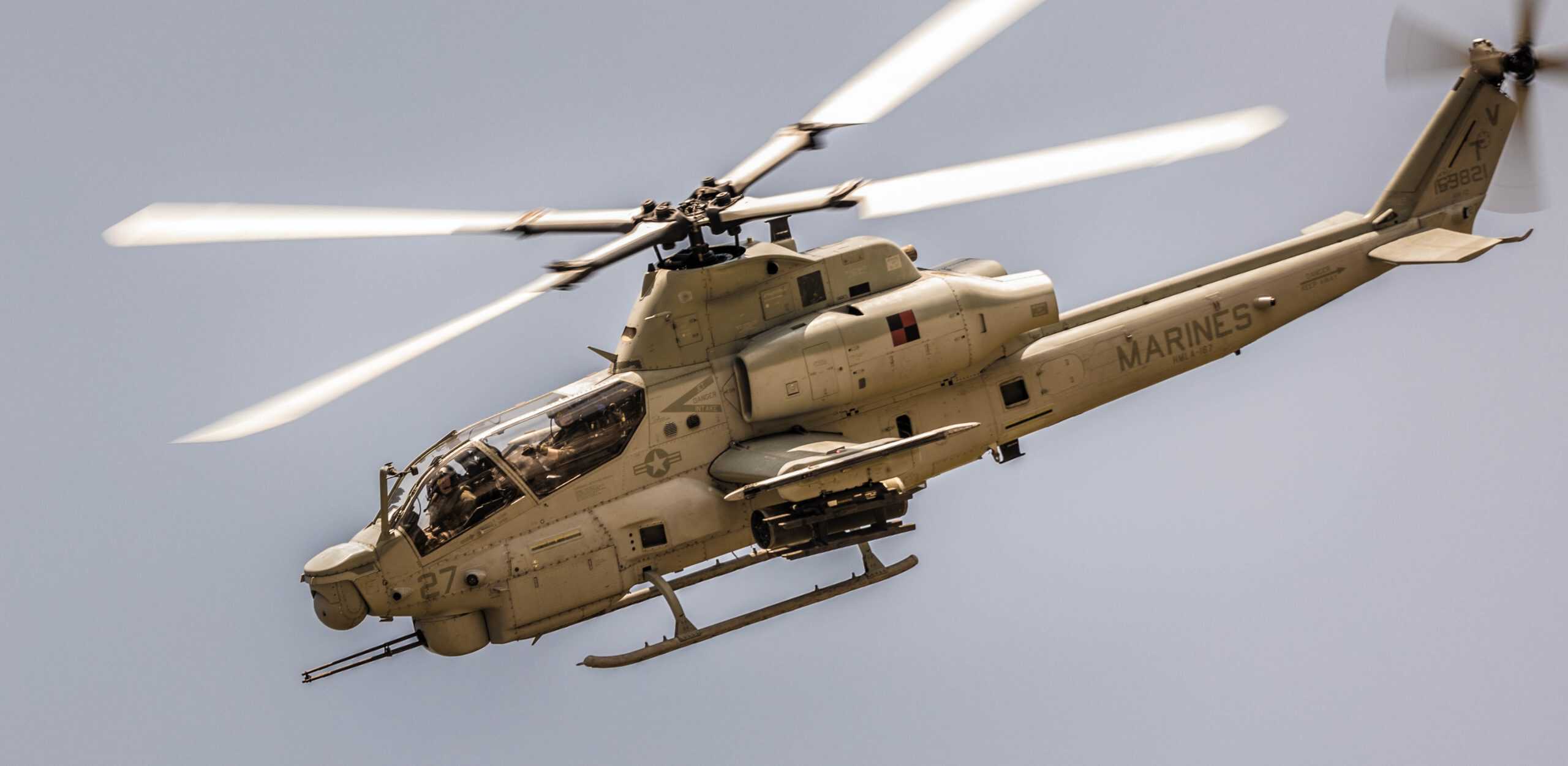
- Country of origin: United States
- Era introduced: 1970s
- Intended primary role: Anti-armor helicopter
- What planners expected it to do: Massed tank warfare
- What changed in the threat environment: Air defense evolution
- Why the aircraft aged faster than planned: Concept narrowed
- Operational lesson learned: Battlefield complexity grows
The Cobra’s Cold War mission eroded as threats diversified.
Ka-25 Hormone
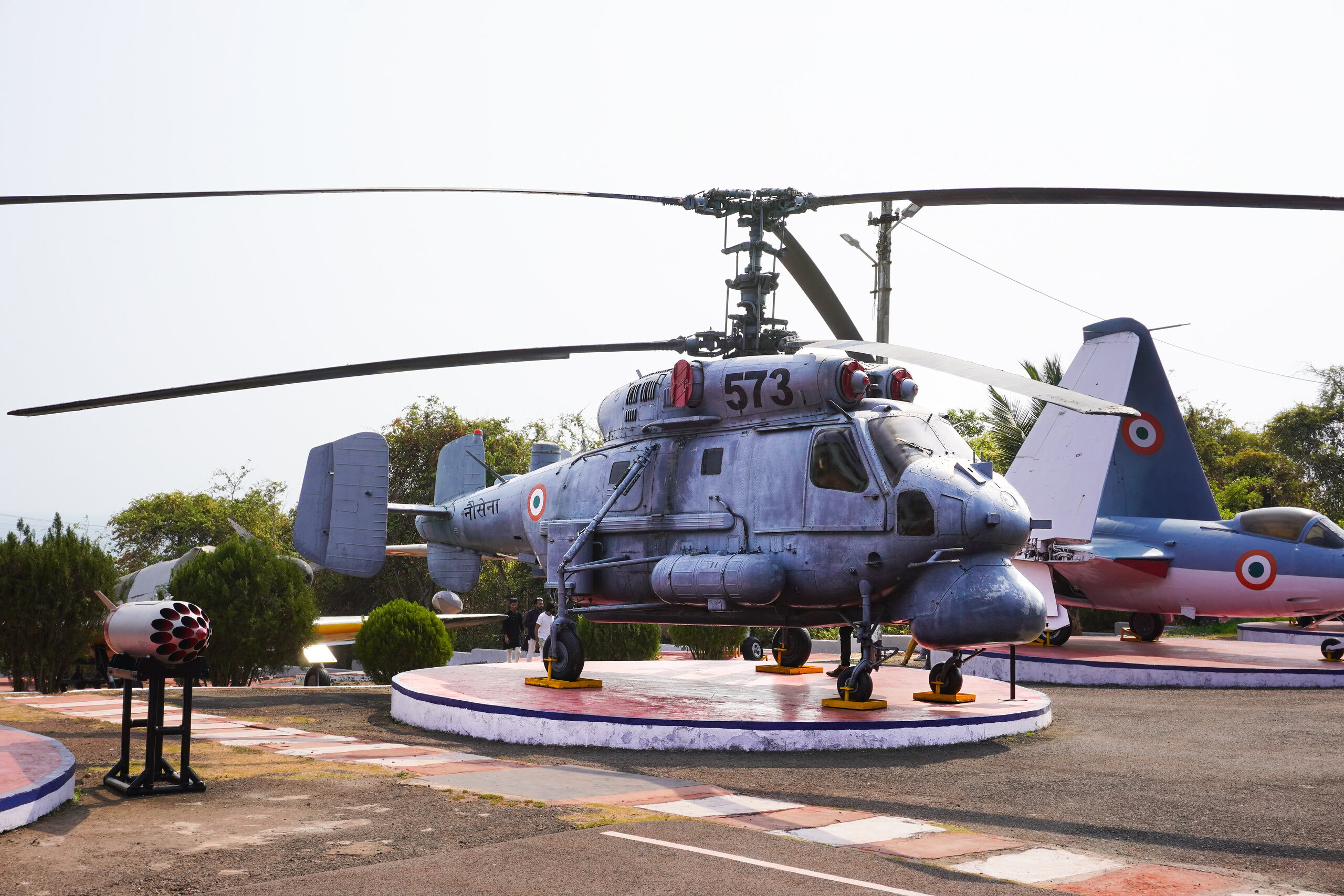
- Country of origin: Soviet Union
- Era introduced: 1960s
- Intended primary role: Naval ASW
- What planners expected it to do: Helicopter ASW dominance
- What changed in the threat environment: Sensors and submarines evolved
- Why the aircraft aged faster than planned: Limited effectiveness
- Operational lesson learned: ASW is tech-driven
Rapid undersea advances shortened Ka-25 relevance.
Fairey Delta 2
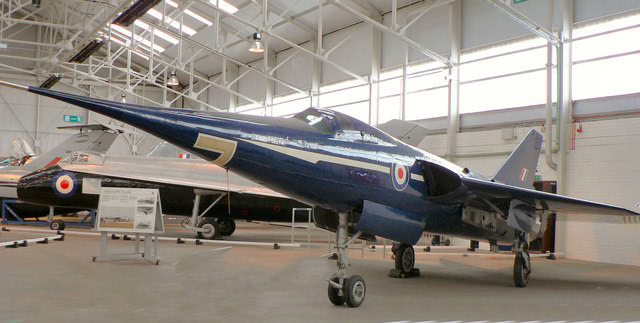
- Country of origin: United Kingdom
- Era introduced: 1950s
- Intended primary role: Interceptor
- What planners expected it to do: Experimental delta interceptor
- What changed in the threat environment: Missile age arrived
- Why the aircraft aged faster than planned: Concept overtaken
- Operational lesson learned: Tech leaps skip steps
The Delta 2 showed promise but was bypassed by faster tech shifts.
XB-70 Valkyrie
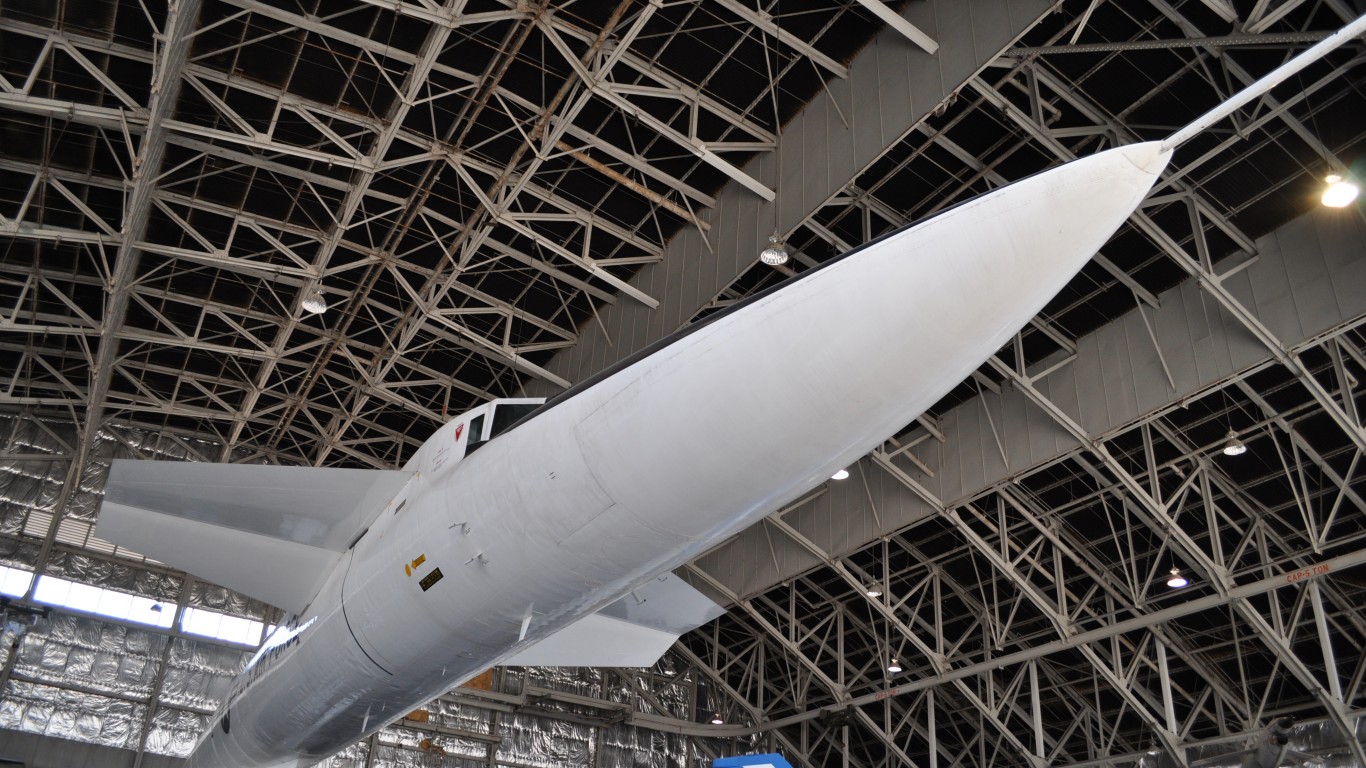
- Country of origin: United States
- Era introduced: 1960s
- Intended primary role: Strategic bomber
- What planners expected it to do: Mach 3 penetration
- What changed in the threat environment: SAM threat environment
- Why the aircraft aged faster than planned: Concept invalidated
- Operational lesson learned: Concepts can die early
The XB-70’s concept was obsolete before production as missiles reshaped strategy.
F-22 Raptor (planned scale)
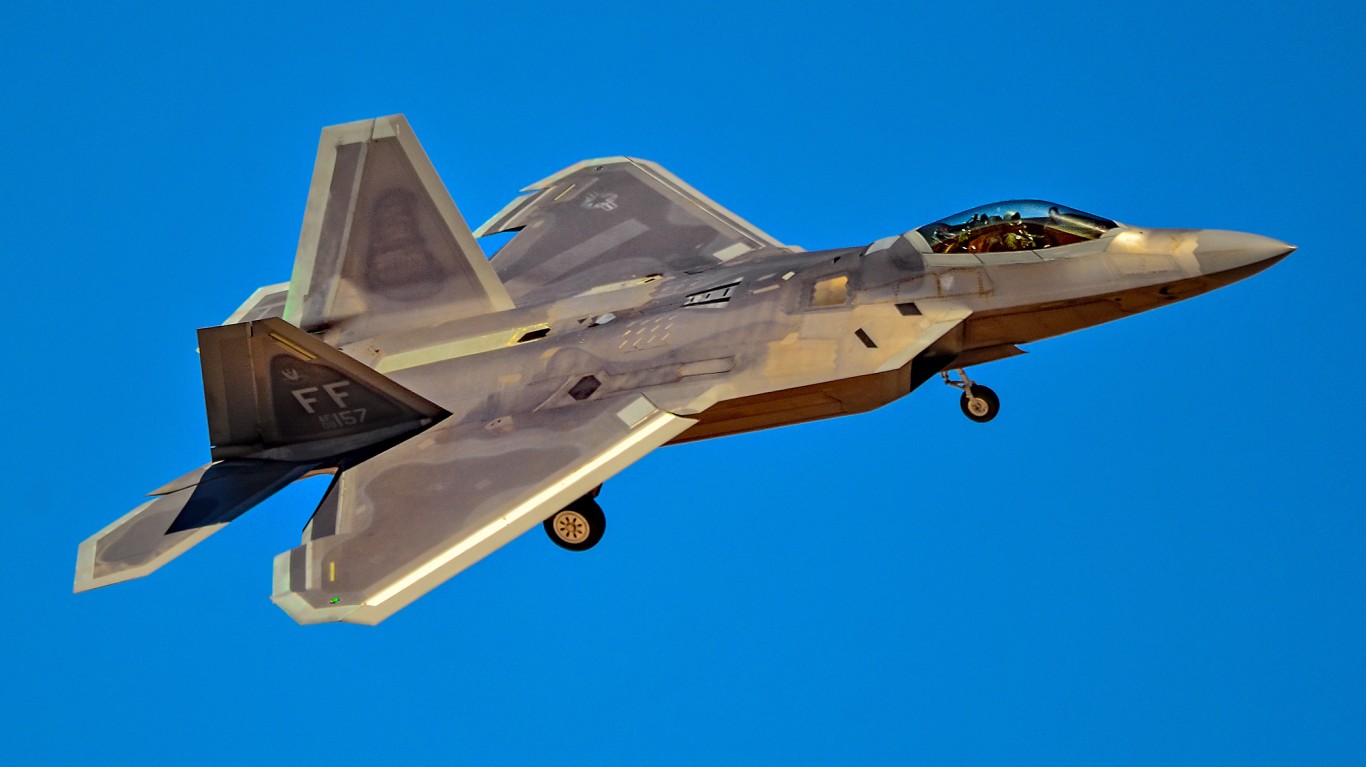
- Country of origin: United States
- Era introduced: 2000s
- Intended primary role: Air superiority fighter
- What planners expected it to do: Large fifth-gen fleet
- What changed in the threat environment: Asymmetric threats
- Why the aircraft aged faster than planned: Scale obsolete
- Operational lesson learned: Plans age too
The F-22 remains dominant, but the planned fleet concept became obsolete as warfare diversified.






 Top Gaining Stocks
 Top Losing Stocks