


Fighter jets remain one of the most important tools in modern military strategy. While new technologies like drones and hypersonic missiles are reshaping warfare, the ability to control the skies still depends on high-performance combat aircraft. The world’s leading air forces rely on a relatively small group of advanced fighters designed to detect threats early, strike from long range, and survive in heavily contested airspace. Here, 24/7 Wall St. is taking a closer look at the fighter jets that define air dominance in 2026.
To identify the fighter jets that control the skies used by militaries around the world, 24/7 Wall St. reviewed various historical and military sources. We included supplemental information for each fighter jet regarding its primary operator or country, what generation of jet it is, combat radius, top speed, and why it is a dominant fighter in 2026.
Here is a look at the fighter jets that control the skies in 2026:
Why Are We Covering This?
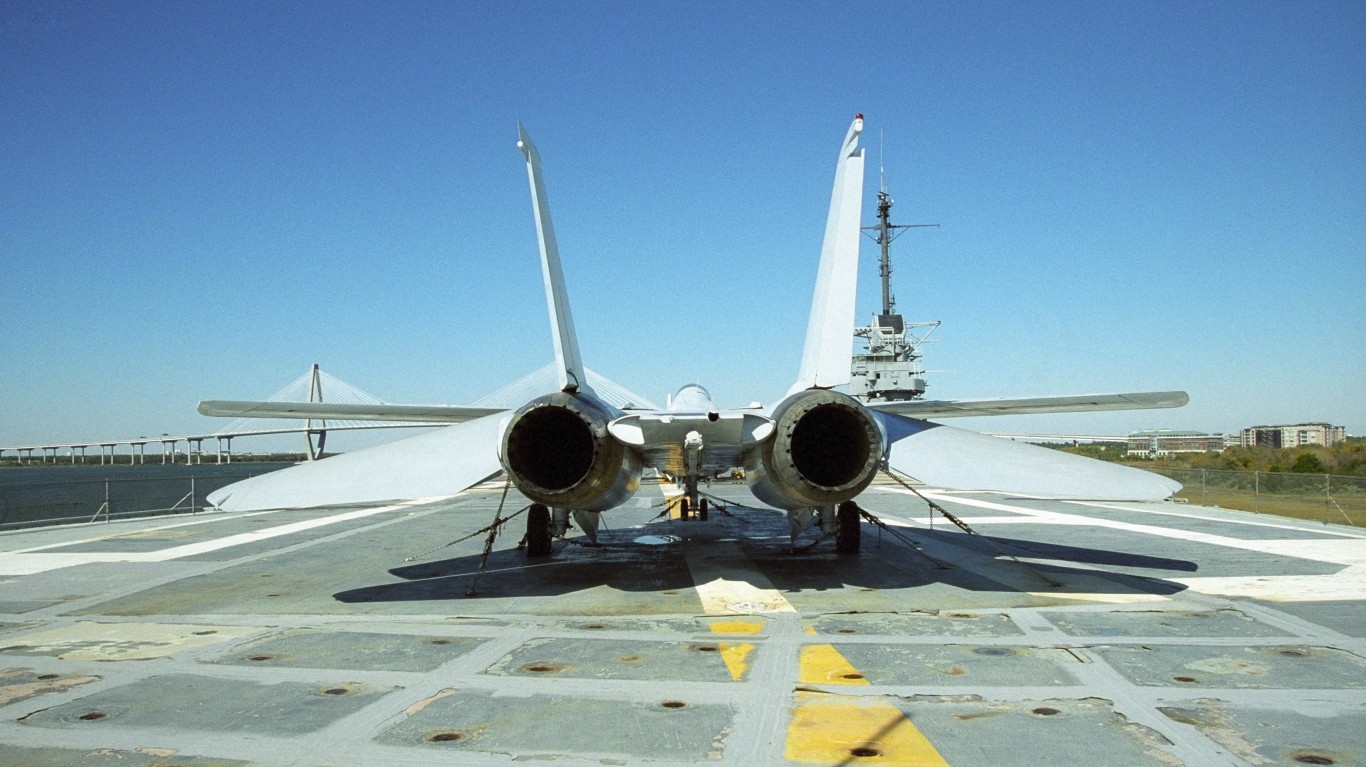
Understanding which fighter jets dominate the skies in 2026 provides insight into how modern military power is measured. While headlines often focus on drones, missiles, and cyber warfare, air superiority remains one of the most decisive advantages in conflict. The side that controls the air can protect its forces, disrupt enemy operations, and strike targets with far greater freedom. Examining the fighters that combine advanced sensors, powerful weapons, and real-world operational use helps reveal which aircraft are shaping the balance of global air power today.
Air Superiority Still Decides Modern Wars
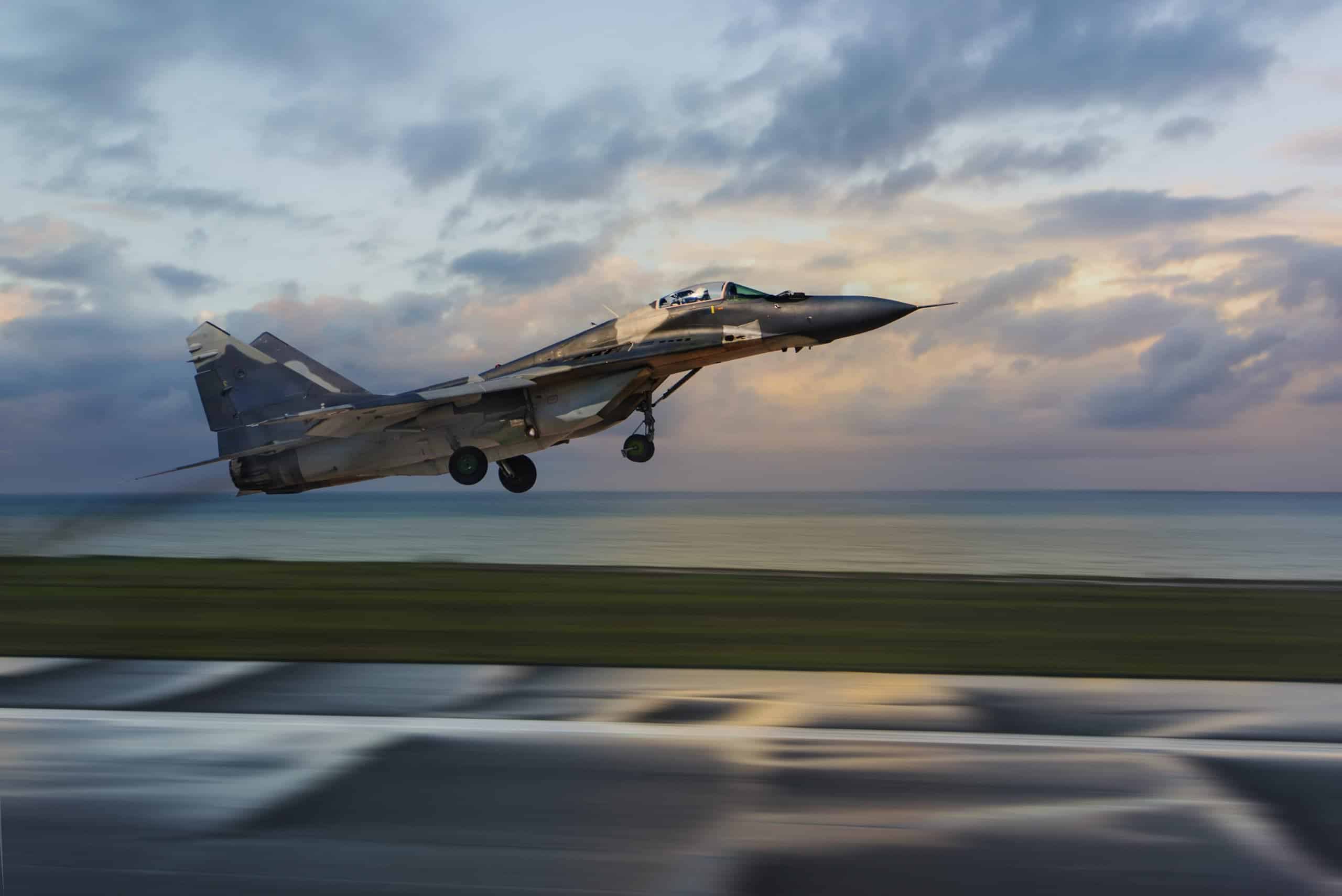
In 2026, controlling the skies still shapes everything that happens on the ground and at sea. Air superiority allows an attacker to strike freely, disrupt logistics, and protect friendly forces from missile and drone threats. Even with modern air defenses, the side that wins the aerial fight usually dictates the tempo of the war. That is why fighter jets remain some of the most important military assets on earth.
The Best Fighters Win With Sensors, Not Just Speed
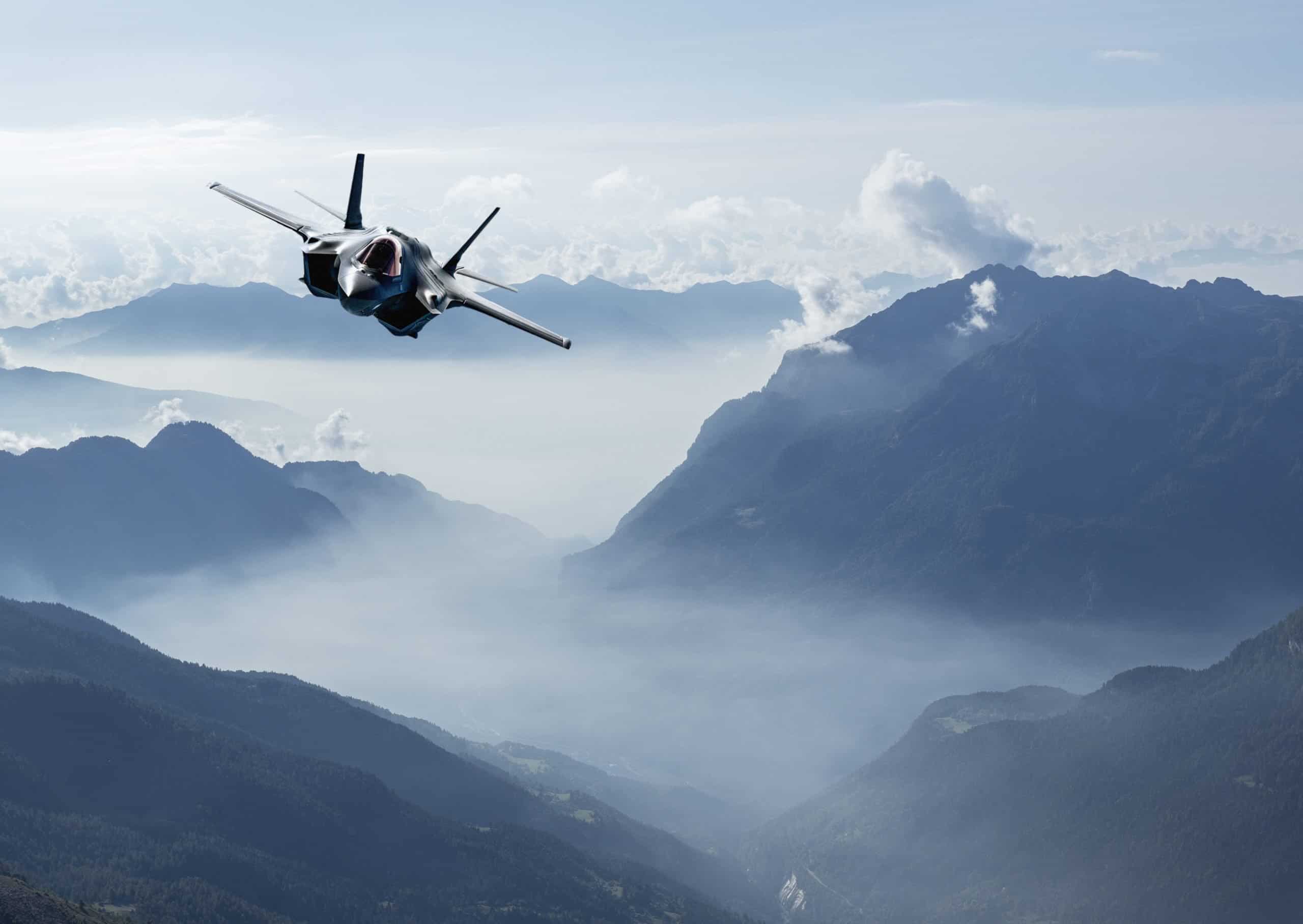
The most dangerous fighter jets today are built around information. Advanced radar, sensor fusion, electronic warfare suites, and secure data links help pilots detect targets first and coordinate attacks with other aircraft. In many scenarios, the decisive advantage is not turning performance but the ability to find, track, and engage enemies beyond visual range before the opponent even knows they are there.
Stealth Jets Have Changed the Rules of Air Combat
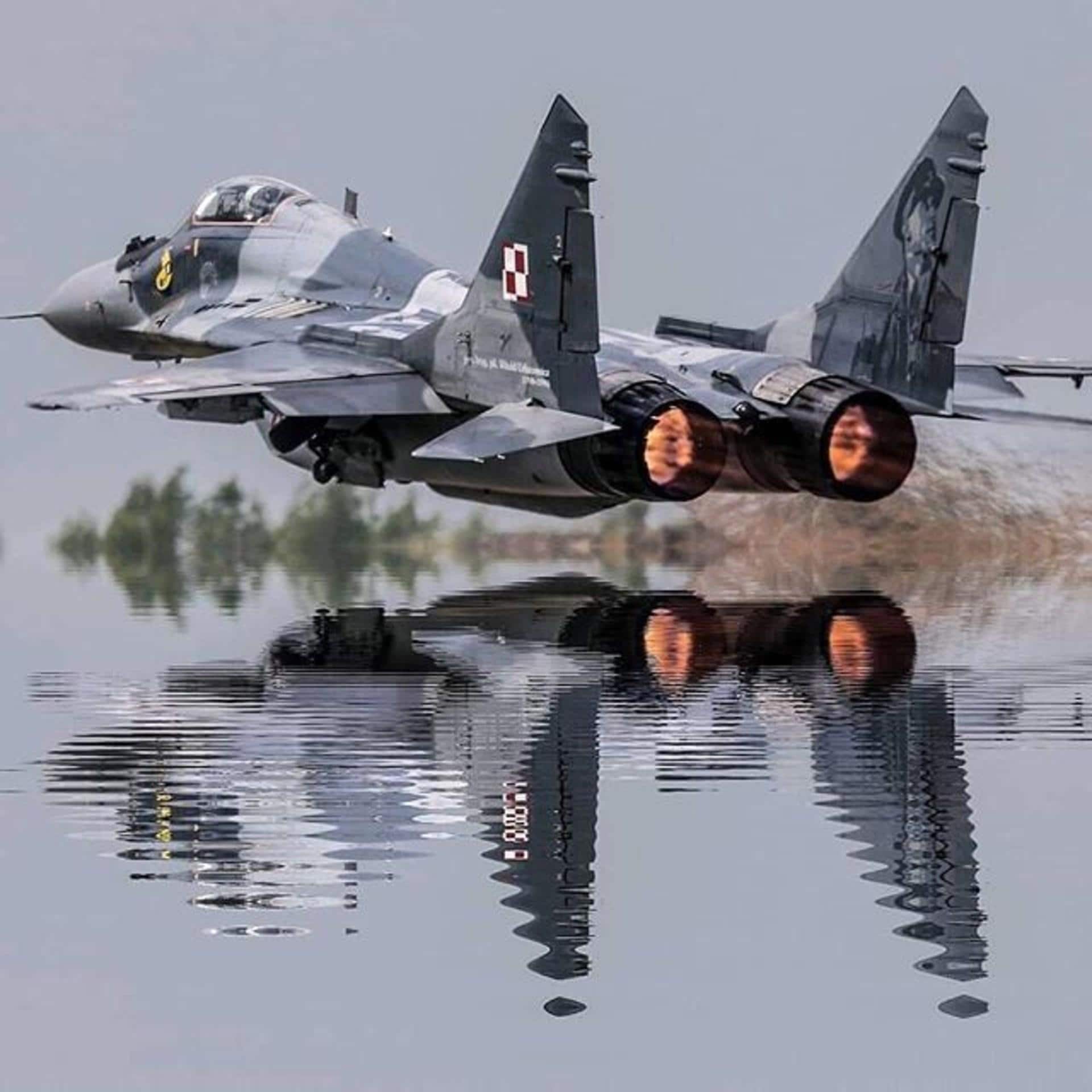
Fifth-generation fighters have made it harder for opponents to see an attack coming. Stealth aircraft reduce detection ranges, allowing pilots to get into position, take the first shot, and survive in heavily defended airspace. In 2026, jets like the F-35 and J-20 are not just fighters—they are airborne sensor platforms that can guide other aircraft, cue missiles, and shape the entire air battle from the opening minutes.
Fourth-Generation Fighters Still Carry Much of the Workload
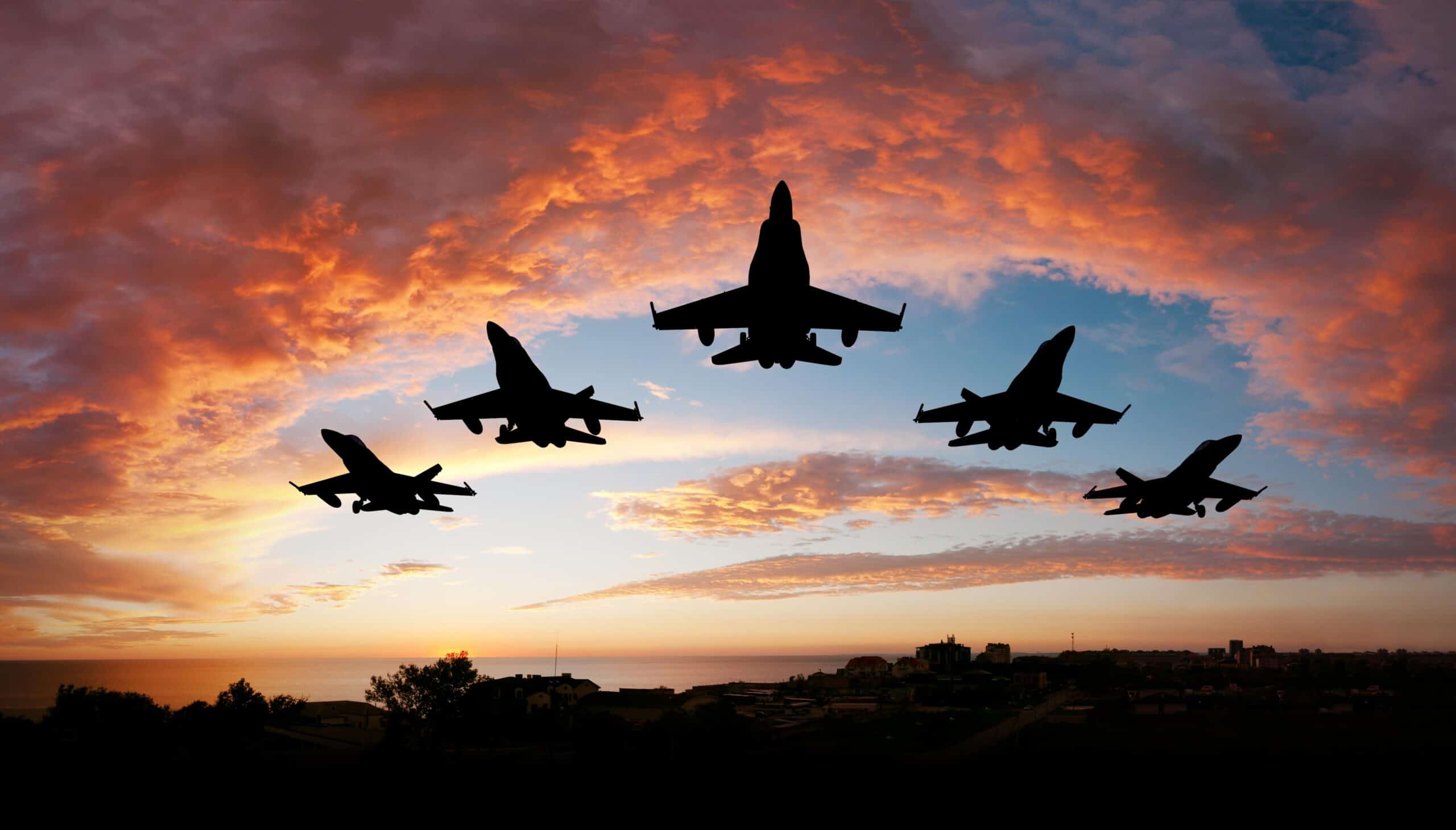
Despite the growth of stealth fleets, advanced fourth-generation and 4.5-generation fighters still make up much of global air power. Modernized aircraft like the F-15, Rafale, Typhoon, and Su-35 can carry heavy missile loads, fly long distances, and remain highly lethal with upgraded radar and electronic warfare systems. In many air forces, these jets are the backbone of daily readiness and crisis response.
These Are the Jets That Define Air Power in 2026
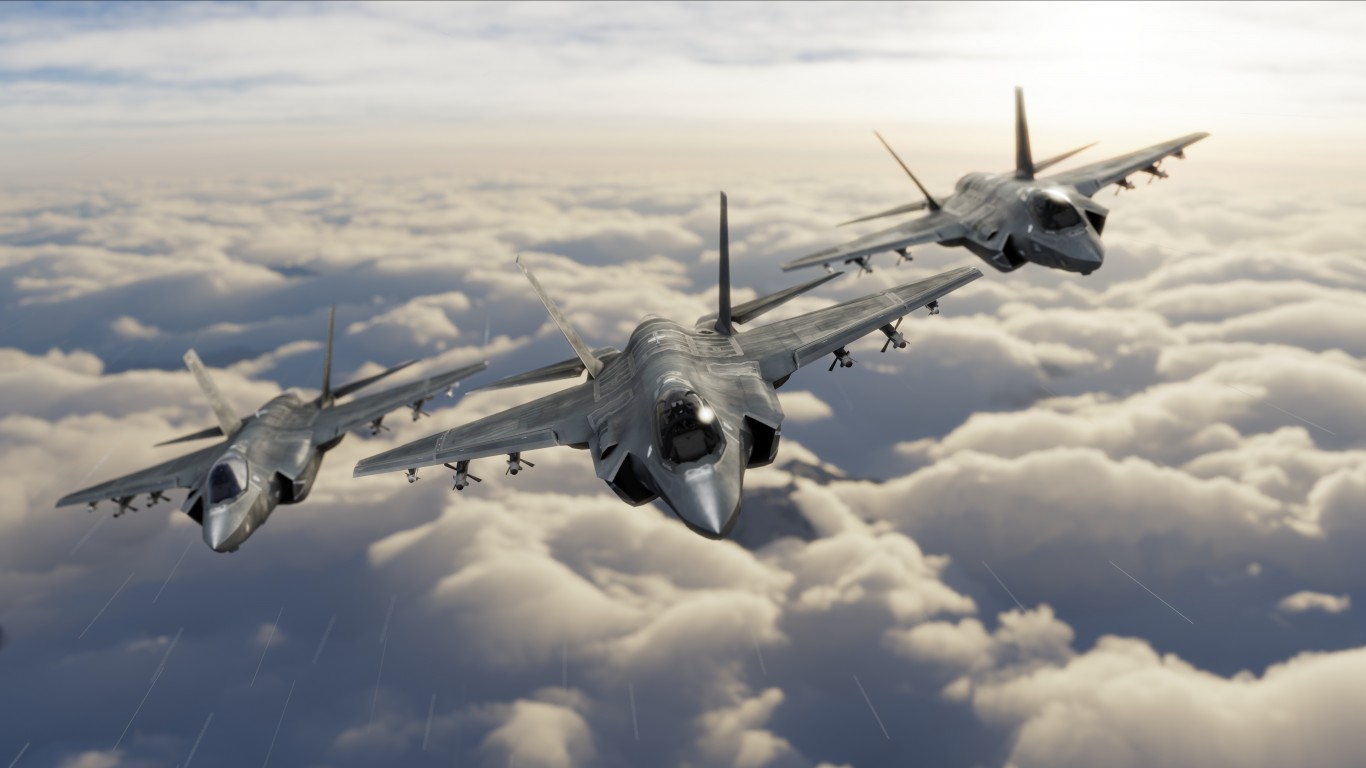
The fighter jets that matter most in 2026 are the ones that combine modern sensors, credible weapons, and real-world operational use. Some dominate through stealth and networking, while others control the skies through range, payload, and missile capacity. The following list highlights the aircraft that are most likely to shape contested airspace and determine who holds the advantage in a high-end conflict.
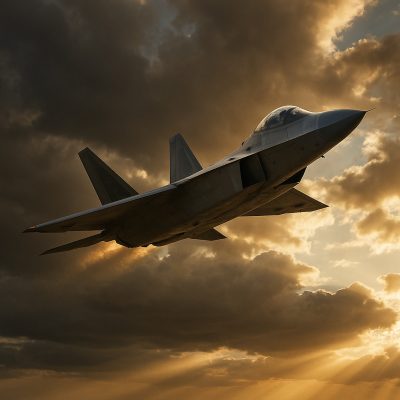
F-22 Raptor

- Country / Operator: United States
- Manufacturer: Lockheed Martin
- Year introduced to service: 2005
- Generation: 5th
- Top speed: Mach 2.25
- Combat radius: ~590 mi
- Key strength: Stealth air superiority
The F-22 Raptor remains the world’s premier air-superiority fighter in 2026. Designed specifically to dominate enemy aircraft, it combines stealth, supercruise, advanced sensors, and unmatched maneuverability. Its ability to detect and engage adversaries long before being seen makes it one of the most dangerous fighters ever built. In any high-end conflict, the F-22 would likely lead efforts to clear the skies.
F-35 Lightning II
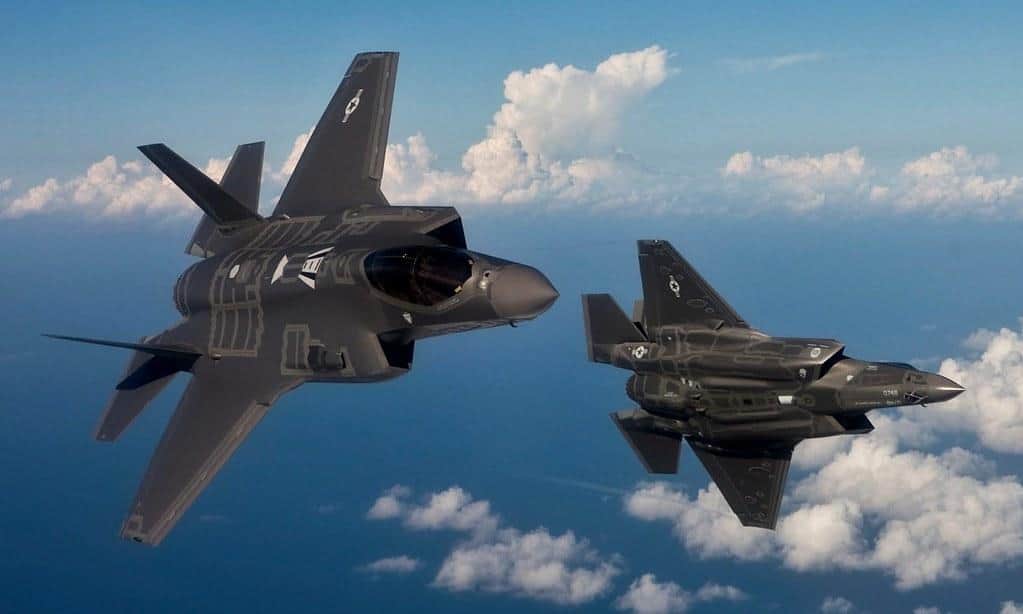
- Country / Operator: United States / NATO
- Manufacturer: Lockheed Martin
- Year introduced to service: 2015
- Generation: 5th
- Top speed: Mach 1.6
- Combat radius: ~670 mi
- Key strength: Stealth multirole dominance
The F-35 Lightning II has become the most widely deployed fifth-generation fighter in the world. With stealth design, powerful sensors, and advanced data-sharing capabilities, it acts as both a fighter and an airborne command node. Dozens of air forces rely on it to detect threats and coordinate attacks, making it central to modern air dominance.
F-15EX Eagle II
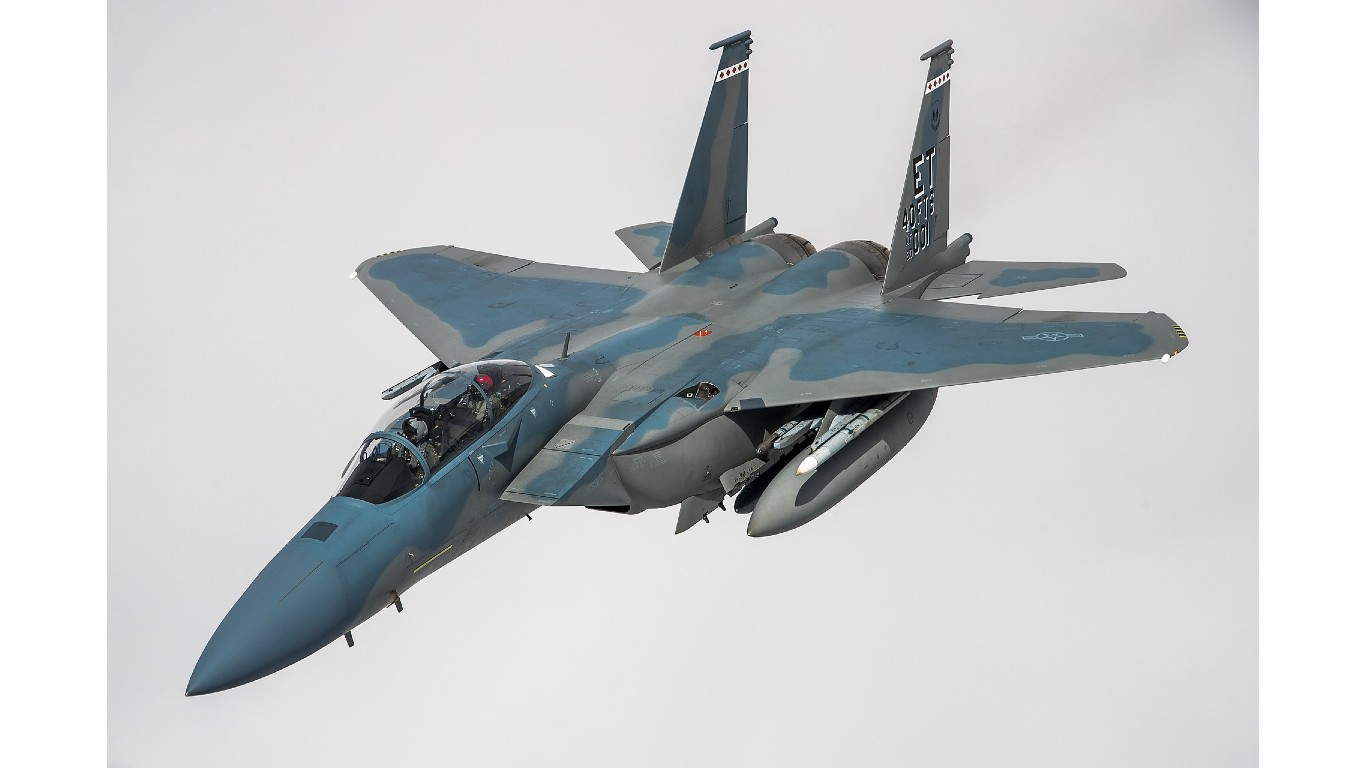
- Country / Operator: United States
- Manufacturer: Boeing
- Year introduced to service: 2024
- Generation: 4.5
- Top speed: Mach 2.5
- Combat radius: ~1,200 mi
- Key strength: Heavy missile carrier
The F-15EX represents the latest evolution of a proven air-superiority platform. Though not stealthy, it carries a massive payload of long-range missiles and advanced sensors. Acting as a powerful missile truck, it extends the reach of stealth fighters and increases overall aerial lethality in high-end combat scenarios.
F-15E Strike Eagle

- Country / Operator: United States
- Manufacturer: Boeing
- Year introduced to service: 1989
- Generation: 4.5
- Top speed: Mach 2.5
- Combat radius: ~790 mi
- Key strength: Long-range strike fighter
The F-15E Strike Eagle remains one of the most versatile fighters in service. Built for long-range strike missions but fully capable in air-to-air combat, it delivers precision weapons while defending itself against enemy aircraft. Its endurance and payload keep it relevant in modern high-intensity warfare.
F/A-18E/F Super Hornet
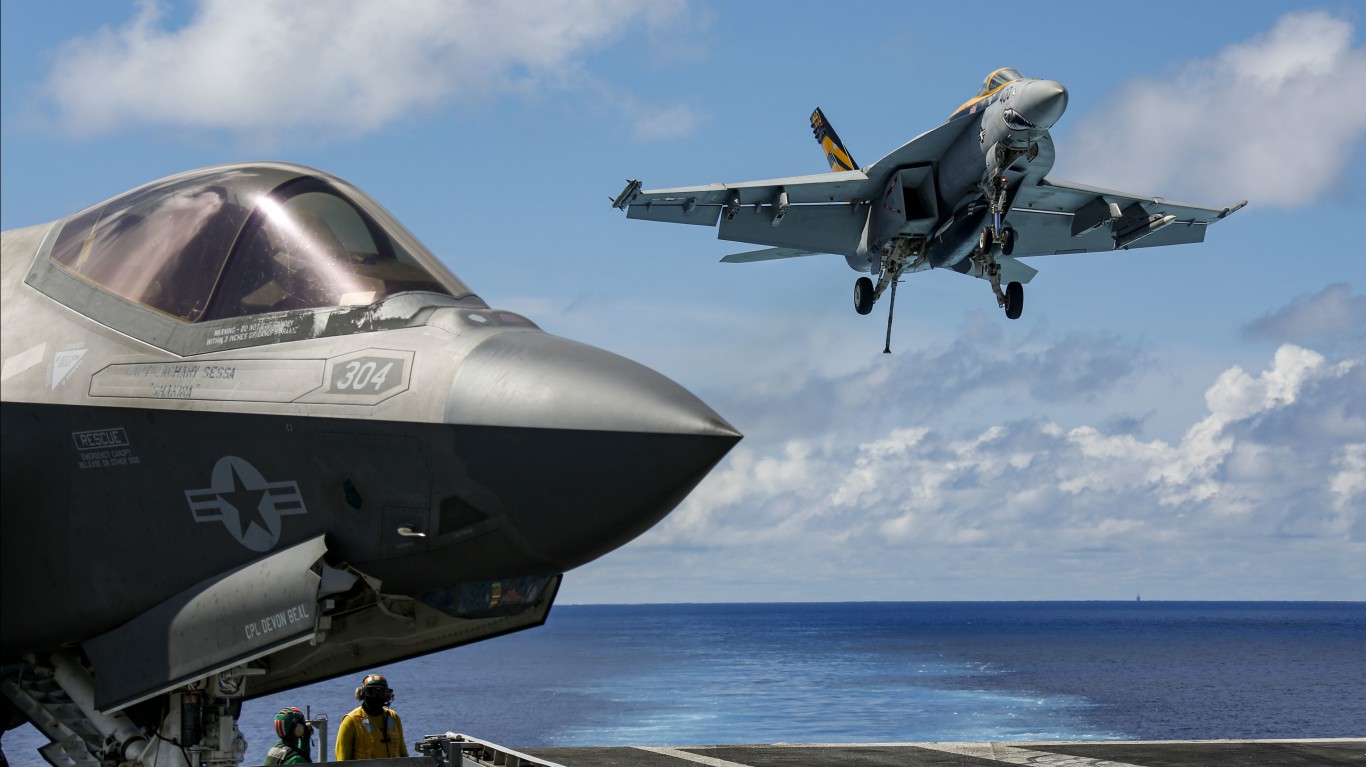
- Country / Operator: United States Navy
- Manufacturer: Boeing
- Year introduced to service: 2001
- Generation: 4.5
- Top speed: Mach 1.8
- Combat radius: ~460 mi
- Key strength: Carrier-based multirole fighter
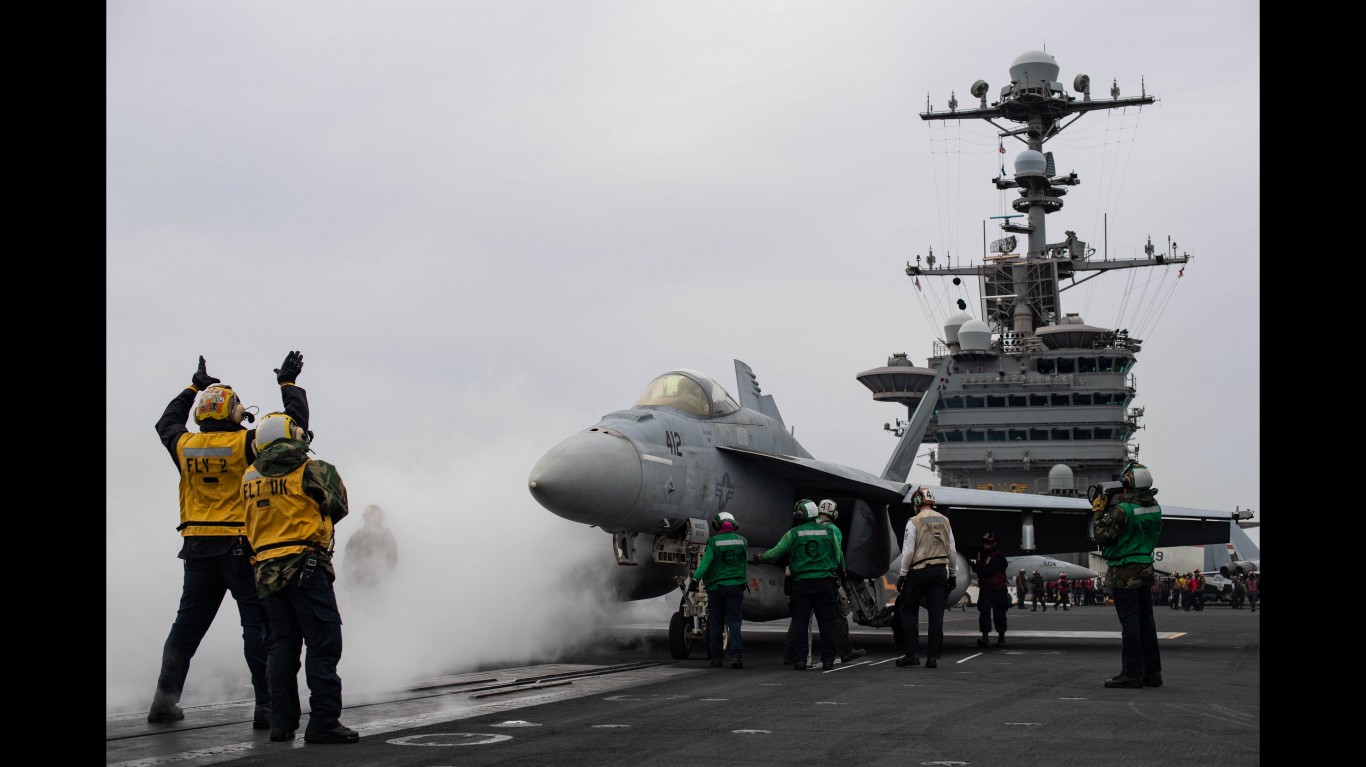
The Super Hornet forms the backbone of U.S. Navy carrier air wings. Designed for maritime operations, it performs air superiority and strike missions from aircraft carriers worldwide. Equipped with modern radar and missile systems, it allows naval forces to maintain control of contested maritime airspace.
F-16V Viper
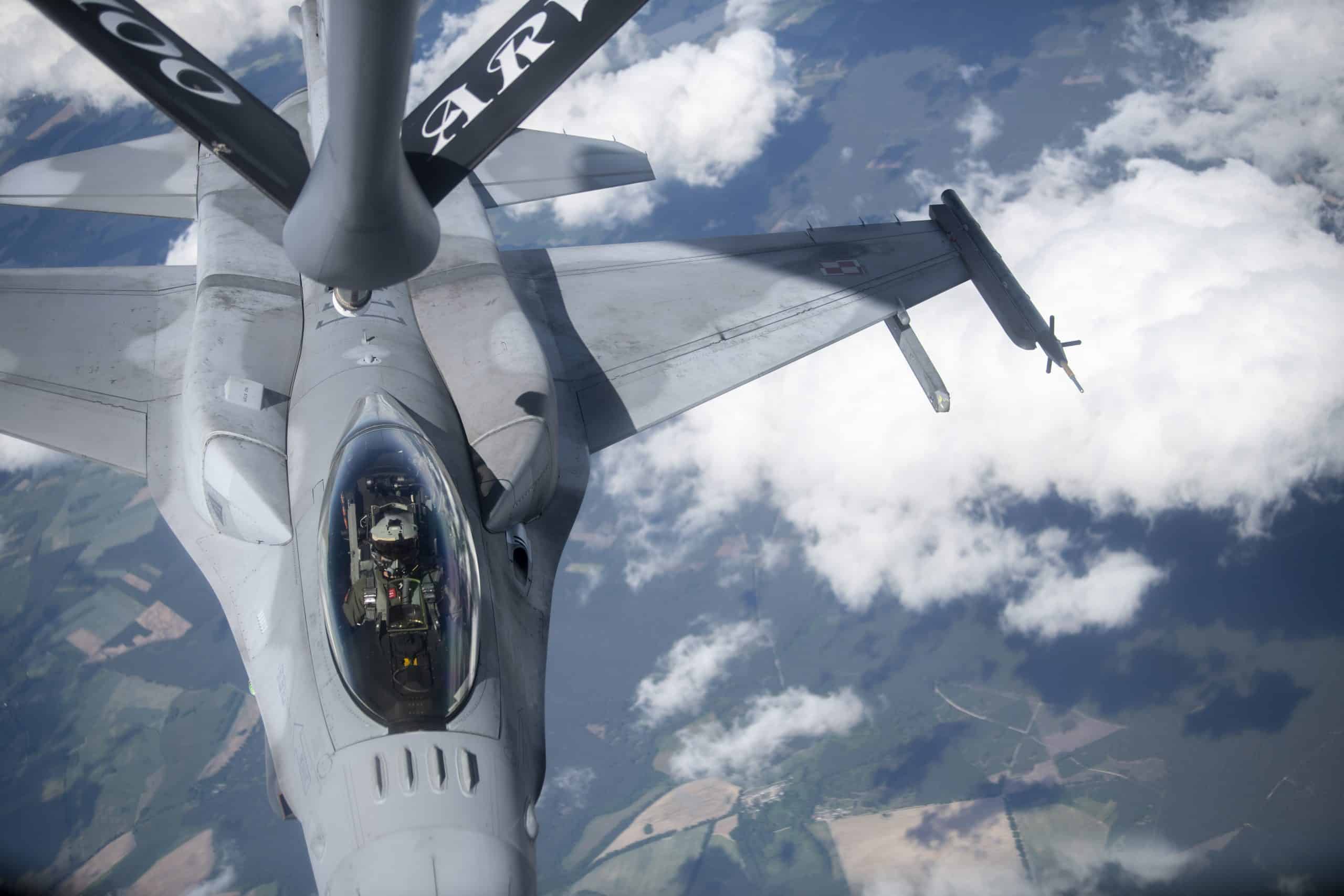
- Country / Operator: Multiple operators
- Manufacturer: Lockheed Martin
- Year introduced to service: 2015
- Generation: 4.5
- Top speed: Mach 2.0
- Combat radius: ~340 mi
- Key strength: Upgraded multirole workhorse
The F-16V Viper upgrades a classic design with AESA radar and modern avionics. Operated by dozens of nations, it remains a reliable multirole workhorse. Its agility, advanced sensors, and compatibility with modern missiles ensure it continues to play a major role in global air defense.
Eurofighter Typhoon

- Country / Operator: UK / Germany / Italy / Spain
- Manufacturer: Eurofighter GmbH
- Year introduced to service: 2003
- Generation: 4.5
- Top speed: Mach 2.0
- Combat radius: ~860 mi
- Key strength: Air superiority specialist
The Eurofighter Typhoon excels in air superiority missions with exceptional agility and powerful radar systems. Armed with long-range Meteor missiles, it forms a pillar of European air defense. In coalition operations, the Typhoon plays a decisive role in securing allied airspace.
Dassault Rafale F4
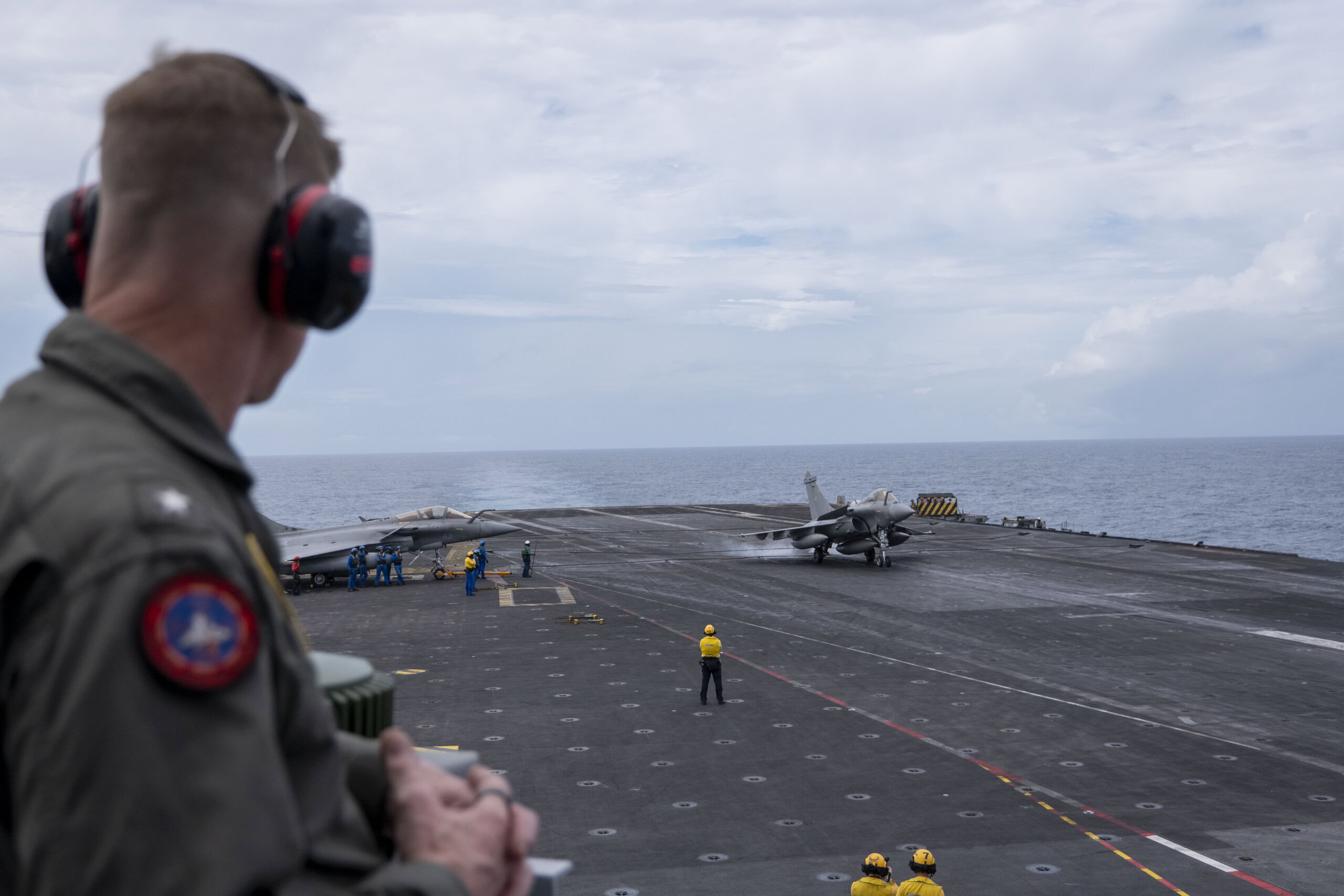
- Country / Operator: France
- Manufacturer: Dassault Aviation
- Year introduced to service: 2023
- Generation: 4.5
- Top speed: Mach 1.8
- Combat radius: ~1,150 mi
- Key strength: Networked multirole fighter
France’s Rafale F4 integrates advanced sensors, networked connectivity, and powerful Meteor missiles. Designed as a true multirole fighter, it transitions seamlessly between air combat and strike missions. Its versatility and technology make it a cornerstone of modern European air power.
JAS 39E Gripen
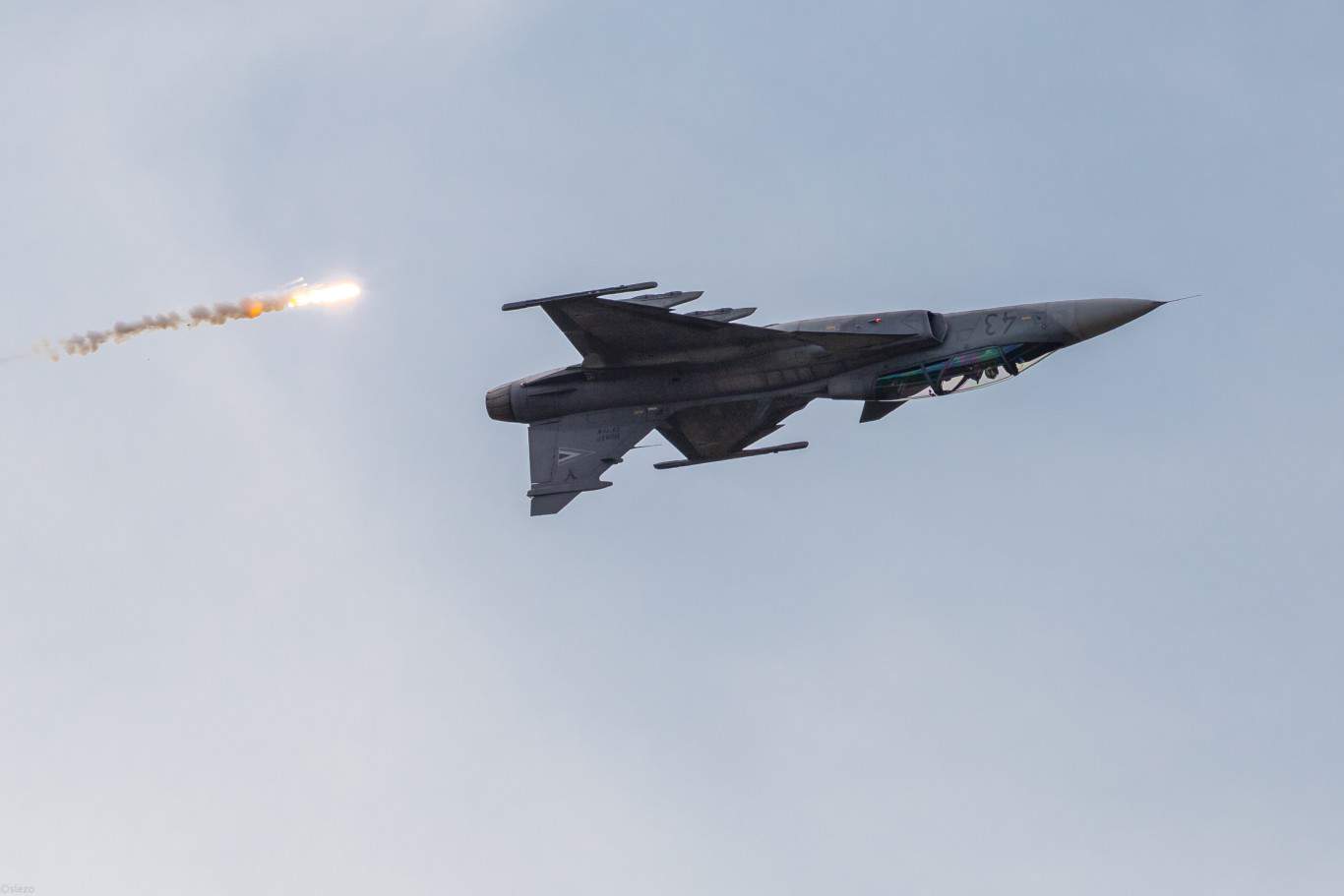
- Country / Operator: Sweden
- Manufacturer: Saab
- Year introduced to service: 2021
- Generation: 4.5
- Top speed: Mach 2.0
- Combat radius: ~800 mi
- Key strength: Advanced sensor fusion
The JAS 39E Gripen combines advanced sensor fusion, electronic warfare capability, and modern missiles like the Meteor. Built for efficiency and rapid sortie generation, it offers high-end capability with lower operational costs, making it highly competitive in modern air combat.
F-16AM/BM MLU
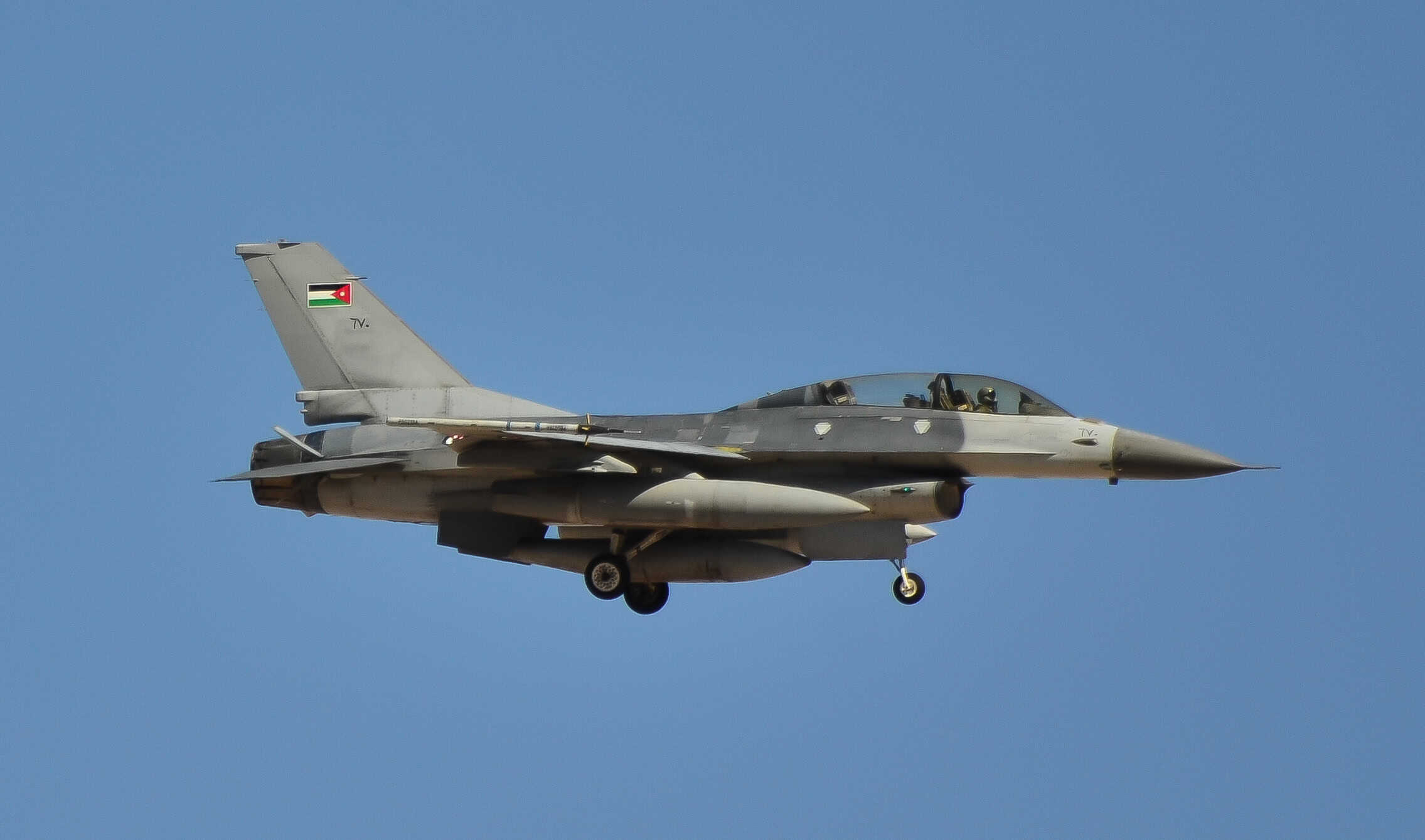
- Country / Operator: Multiple NATO
- Manufacturer: Lockheed Martin
- Year introduced to service: 1997
- Generation: 4.5
- Top speed: Mach 2.0
- Combat radius: ~340 mi
- Key strength: Modernized legacy fighter
Mid-Life Upgraded F-16s extend the life of legacy fleets with improved avionics and radar systems. Several NATO countries operate these jets as frontline fighters. Their modernization ensures continued air defense capability in coalition operations.
J-20 Mighty Dragon

- Country / Operator: China
- Manufacturer: Chengdu Aerospace
- Year introduced to service: 2017
- Generation: 5th
- Top speed: Mach 2.0
- Combat radius: ~1,100 mi
- Key strength: Stealth interceptor
China’s J-20 is its first operational fifth-generation stealth fighter. Featuring low-observable design and long-range PL-15 missiles, it is built to challenge Western air dominance. As production increases, the J-20 has become central to China’s air superiority ambitions.
J-16
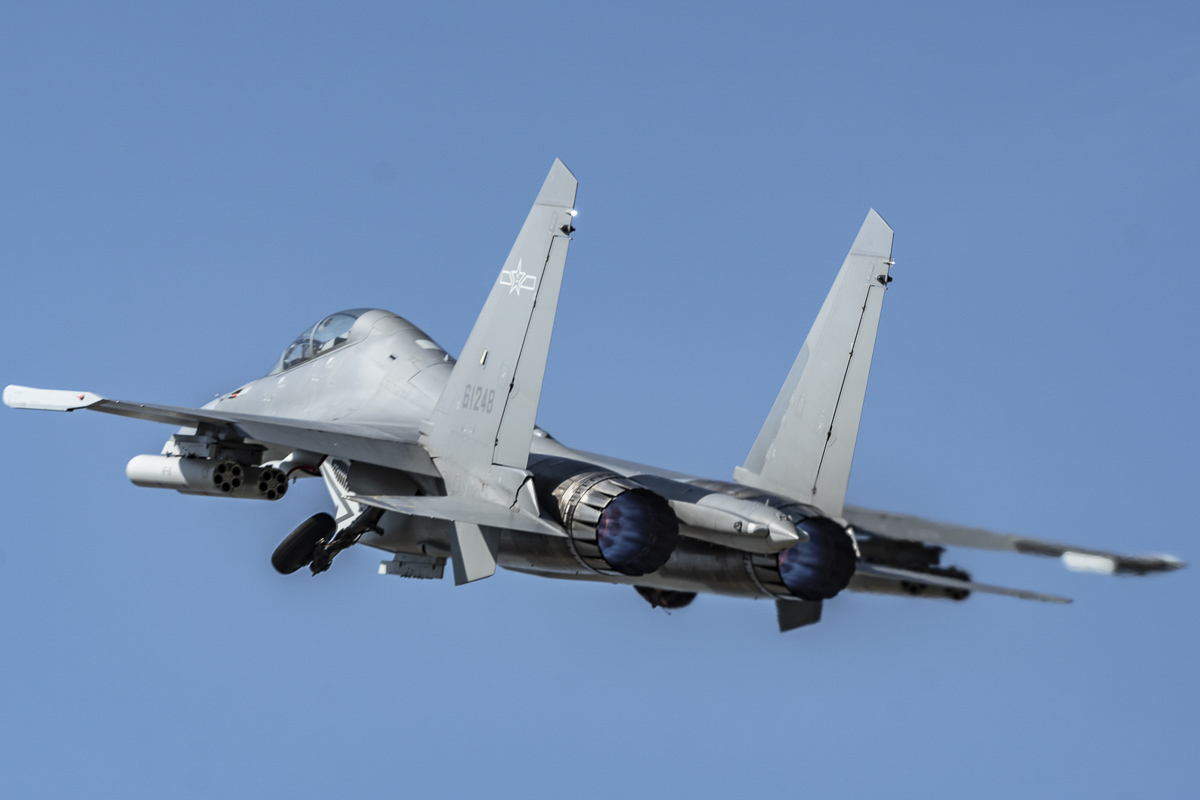
- Country / Operator: China
- Manufacturer: Shenyang Aircraft Corp
- Year introduced to service: 2014
- Generation: 4.5
- Top speed: Mach 2.0
- Combat radius: ~930 mi
- Key strength: Heavy multirole fighter
The J-16 is a heavy multirole fighter equipped with advanced radar and long-range PL-15 missiles. Its large payload and range make it effective in sustained operations. It supports China’s stealth fighters and strengthens regional air control capabilities.
J-10C Vigorous Dragon
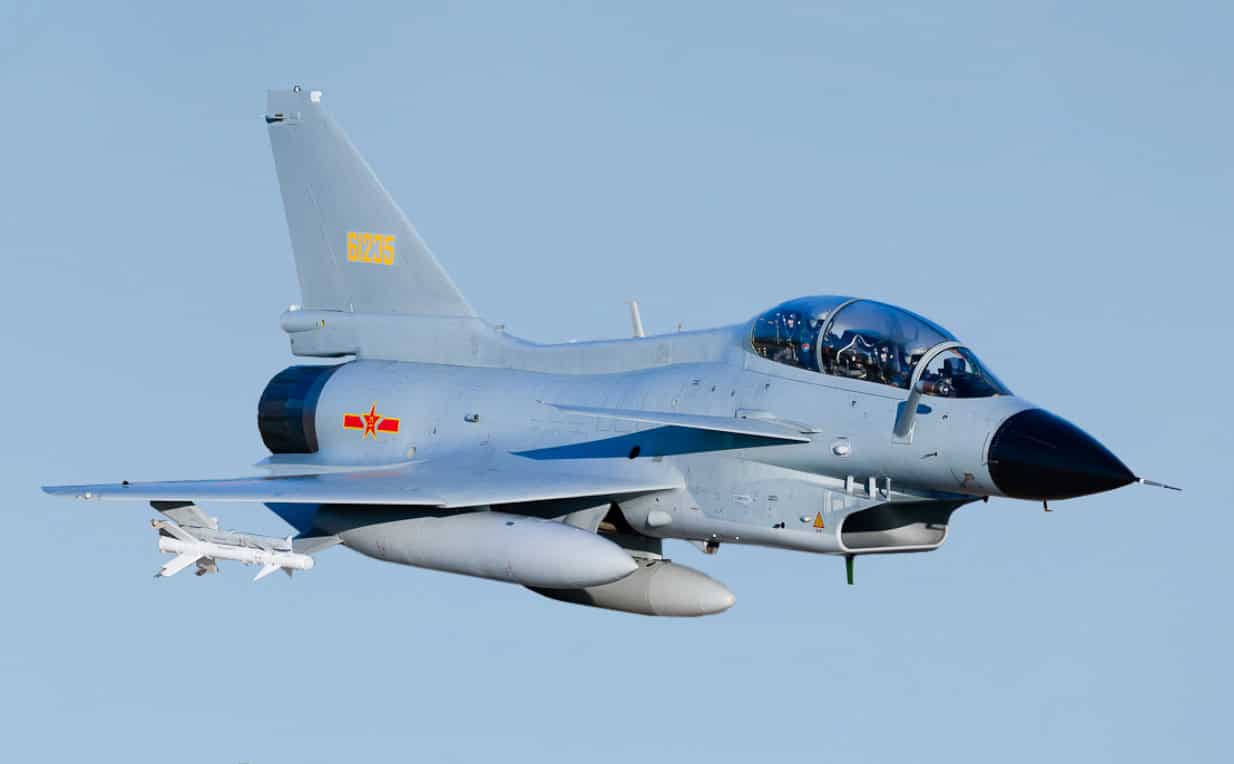
- Country / Operator: China
- Manufacturer: Chengdu Aerospace
- Year introduced to service: 2018
- Generation: 4.5
- Top speed: Mach 1.8
- Combat radius: ~770 mi
- Key strength: AESA-equipped fighter
The J-10C features AESA radar and modern missile integration, including the PL-15. Agile and electronically advanced, it plays a key role in China’s air combat strategy and enhances its ability to contest regional air superiority.
J-15 Flying Shark
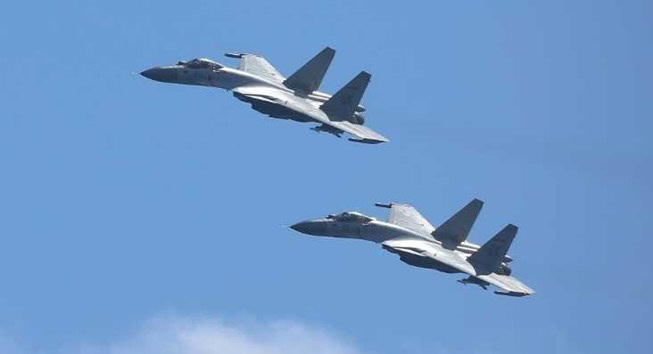
- Country / Operator: China
- Manufacturer: Shenyang Aircraft Corp
- Year introduced to service: 2013
- Generation: 4.5
- Top speed: Mach 2.4
- Combat radius: ~750 mi
- Key strength: Carrier air superiority
China’s J-15 carrier-based fighter provides fleet defense and maritime air superiority. Though derived from older designs, upgrades in radar and weapons systems extend its relevance. It enables carrier groups to project air power far from shore.
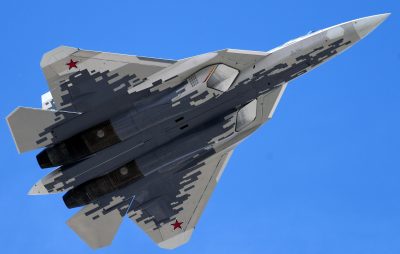
Su-57 Felon
.jpg "Su-57 by Anna Zvereva")
- Country / Operator: Russia
- Manufacturer: Sukhoi
- Year introduced to service: 2020
- Generation: 5th
- Top speed: Mach 2.0
- Combat radius: ~930 mi
- Key strength: Stealth multirole fighter
The Su-57 is Russia’s fifth-generation stealth fighter designed for air superiority and multirole missions. Combining maneuverability and modern avionics, it represents Russia’s effort to compete with Western stealth aircraft in future conflicts.
Su-35S
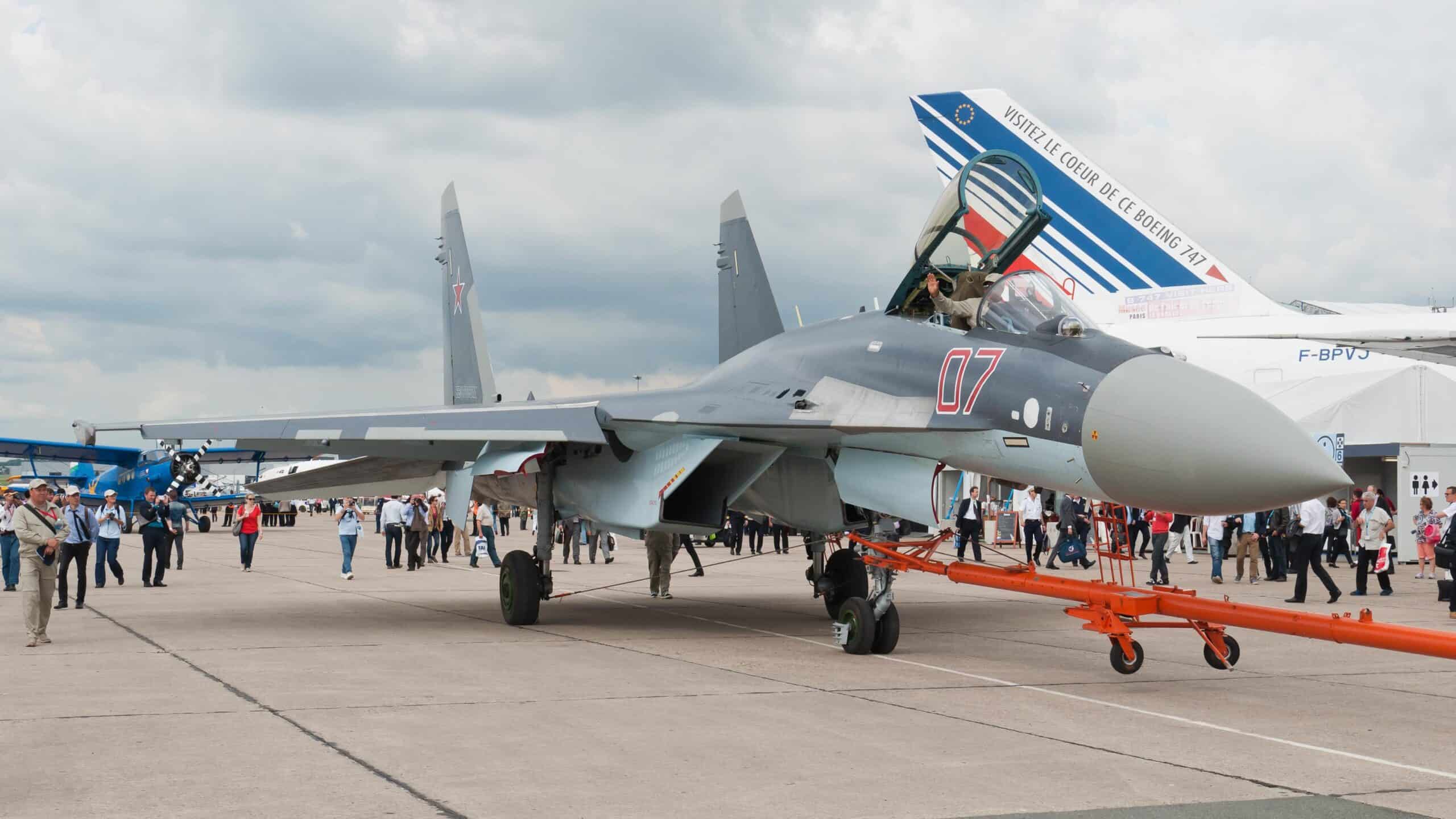
- Country / Operator: Russia
- Manufacturer: Sukhoi
- Year introduced to service: 2014
- Generation: 4.5
- Top speed: Mach 2.25
- Combat radius: ~990 mi
- Key strength: Extreme maneuverability
The Su-35S is a highly maneuverable fourth-generation fighter with powerful radar and missile systems. Though not stealthy, it remains a formidable adversary in both close-range and long-range air combat scenarios.
Su-30SM
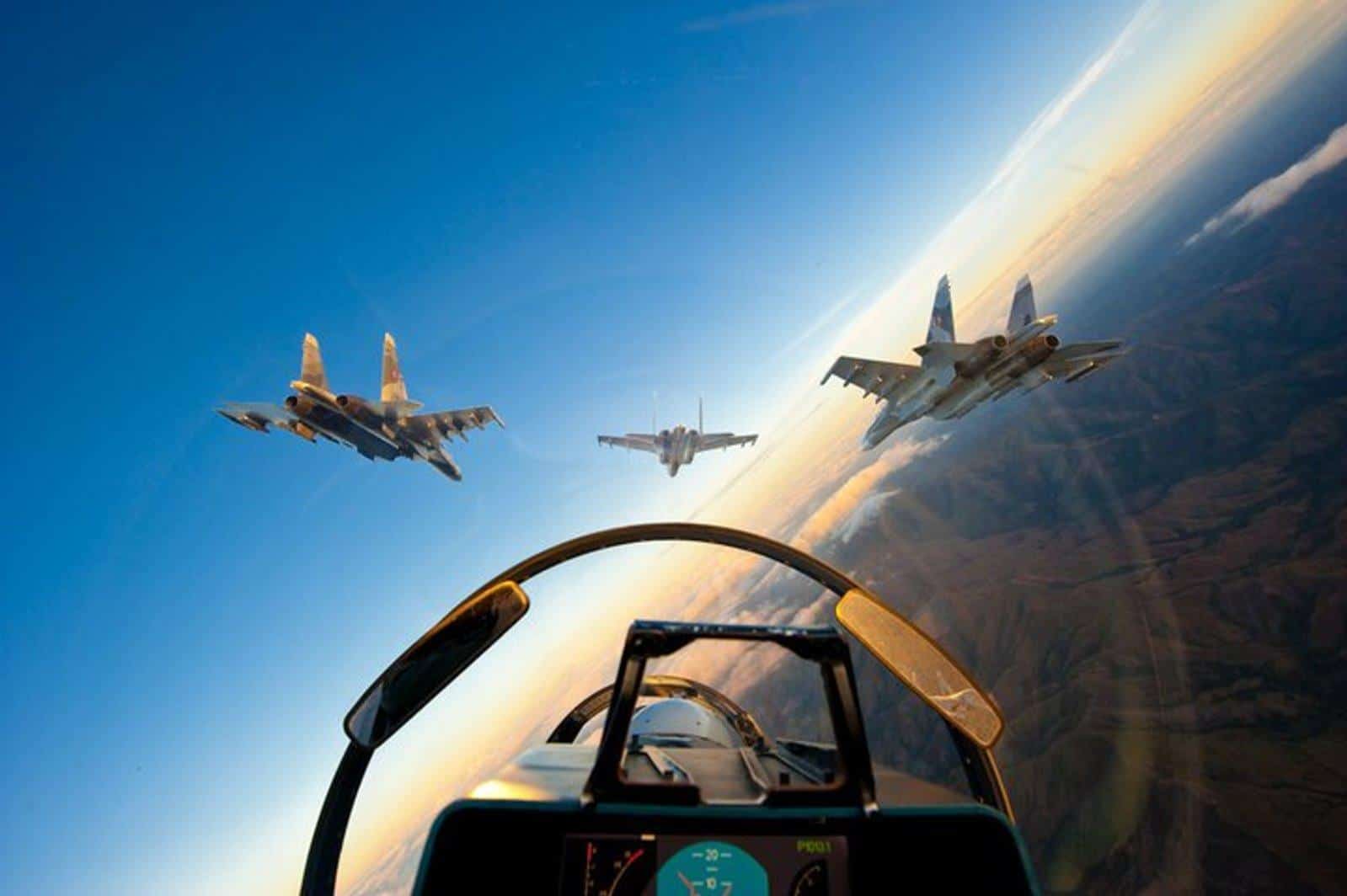
- Country / Operator: Russia
- Manufacturer: Sukhoi
- Year introduced to service: 2012
- Generation: 4.5
- Top speed: Mach 2.0
- Combat radius: ~930 mi
- Key strength: Long-range heavy fighter
The Su-30SM is a long-range multirole fighter capable of both strike and air superiority missions. Its twin-engine design and heavy payload make it effective in sustained operations and regional air defense roles.
MiG-35
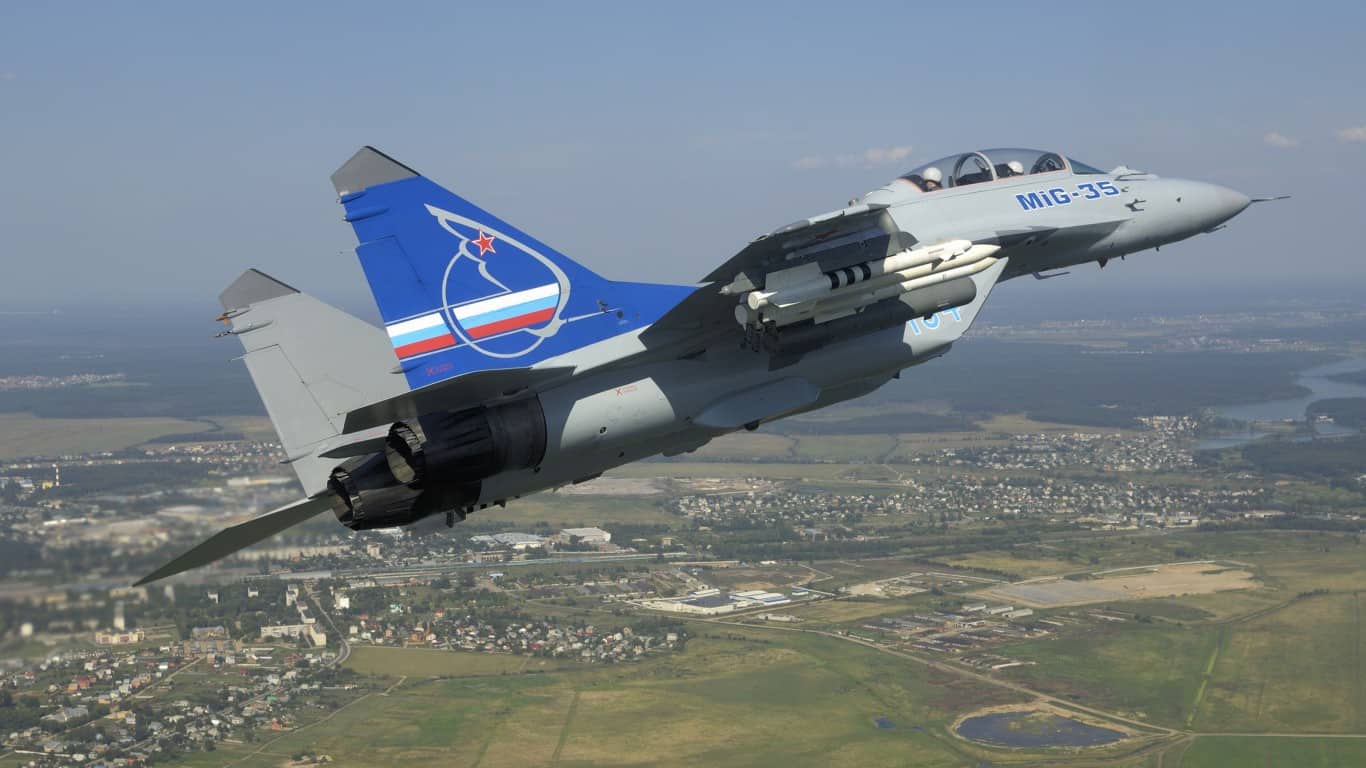
- Country / Operator: Russia
- Manufacturer: Mikoyan
- Year introduced to service: 2019
- Generation: 4.5
- Top speed: Mach 2.25
- Combat radius: ~620 mi
- Key strength: Modernized Fulcrum platform
The MiG-35 modernizes the MiG-29 platform with updated radar and avionics. Designed as a lightweight multirole fighter, it reflects efforts to keep legacy airframes competitive in modern combat environments.
F-2A
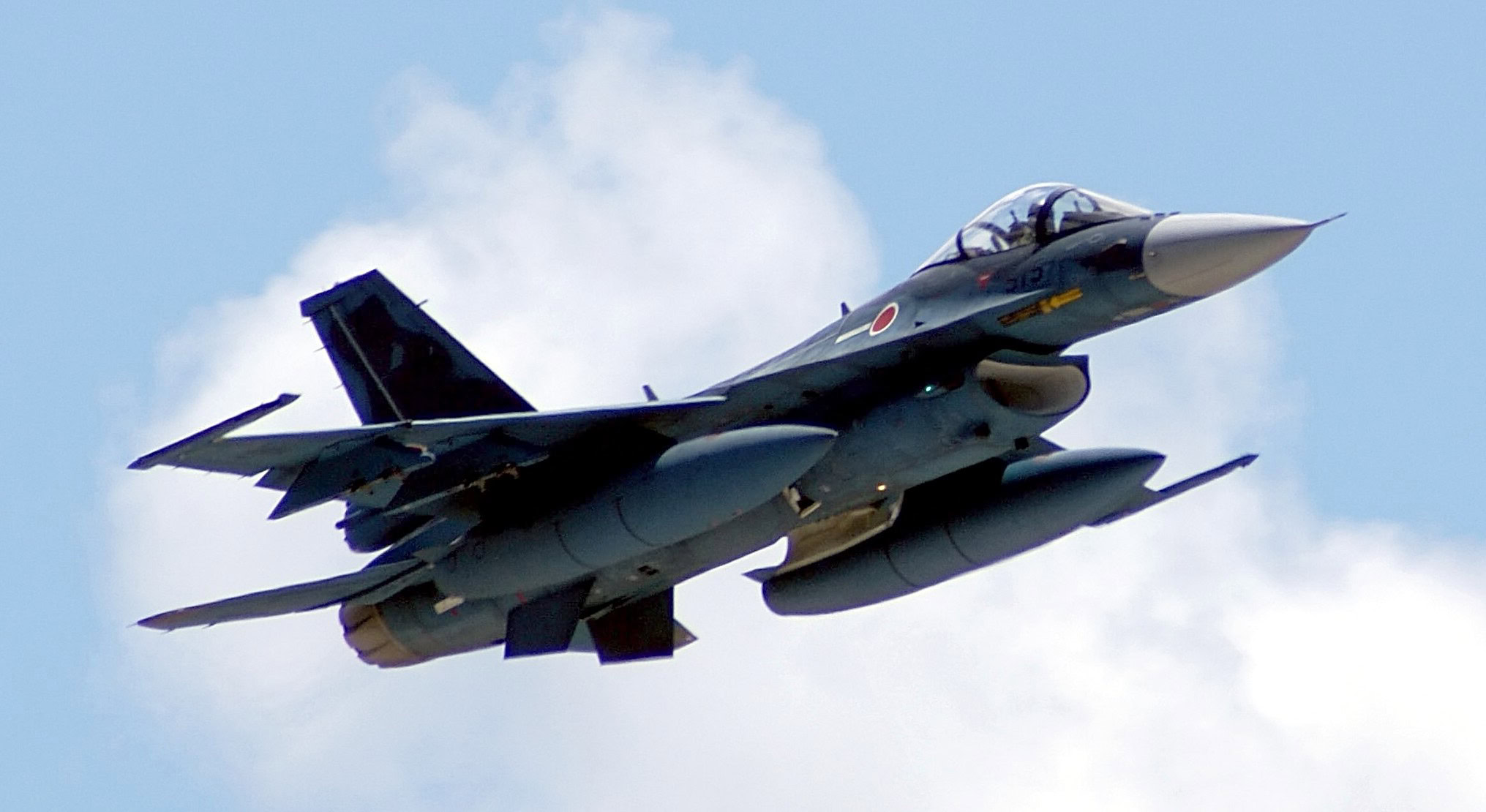
- Country / Operator: Japan
- Manufacturer: Mitsubishi Heavy Industries
- Year introduced to service: 2000
- Generation: 4.5
- Top speed: Mach 2.0
- Combat radius: ~520 mi
- Key strength: Advanced strike fighter
Japan’s F-2A combines advanced radar systems with strong strike capability. Designed for air defense and maritime missions, it strengthens Japan’s control of its surrounding airspace.
F-15J (modernized)
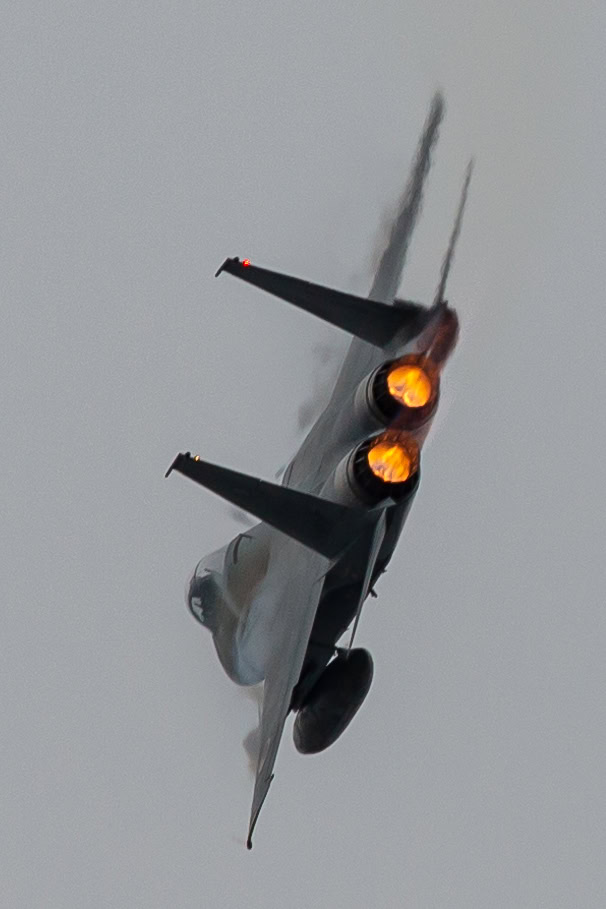
- Country / Operator: Japan
- Manufacturer: Mitsubishi / Boeing
- Year introduced to service: 1981
- Generation: 4.5
- Top speed: Mach 2.5
- Combat radius: ~790 mi
- Key strength: Air defense interceptor
Japan’s upgraded F-15J fleet incorporates modern radar and electronic warfare systems. These improvements allow the aircraft to remain highly capable defenders of Japanese airspace.
KF-21 Boramae
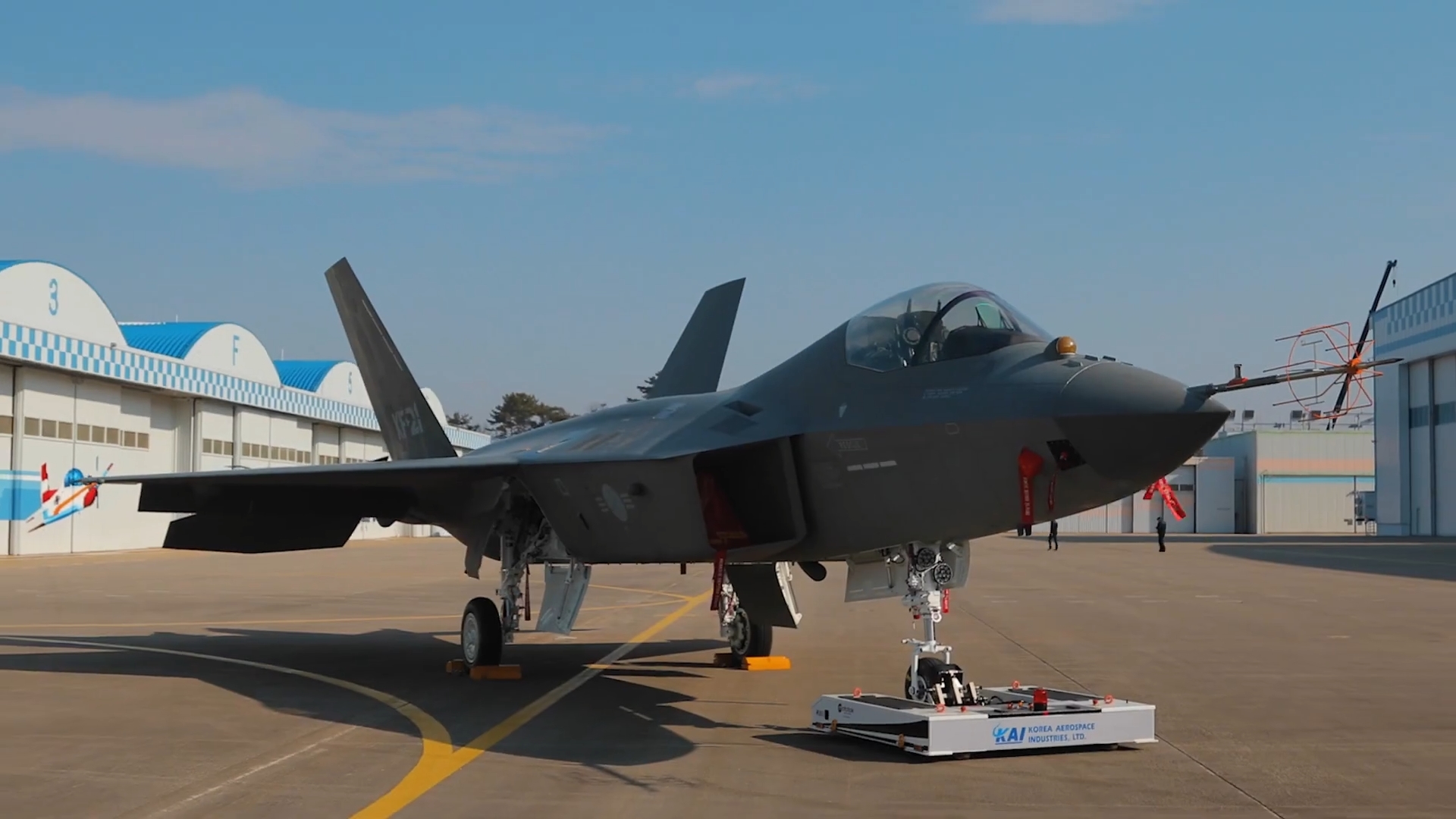
- Country / Operator: South Korea
- Manufacturer: KAI
- Year introduced to service: 2026
- Generation: 4.5
- Top speed: Mach 1.8
- Combat radius: ~620 mi
- Key strength: Next-gen multirole fighter
South Korea’s KF-21 bridges the gap between fourth- and fifth-generation fighters. Equipped with advanced avionics and sensors, it strengthens South Korea’s air defense network and modernizes its fleet.
FA-50 Fighting Eagle
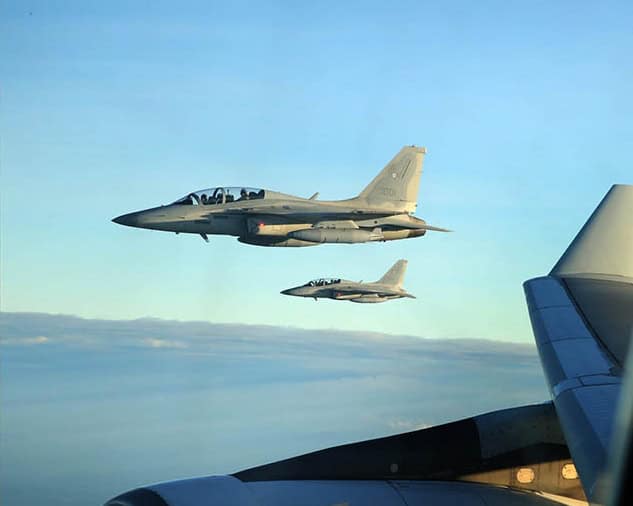
- Country / Operator: South Korea / export
- Manufacturer: KAI
- Year introduced to service: 2013
- Generation: 4.5
- Top speed: Mach 1.5
- Combat radius: ~300 mi
- Key strength: Light multirole fighter
The FA-50 is a lightweight multirole fighter with modern avionics and missile capability. Its affordability and flexibility make it attractive for nations seeking credible air defense without fifth-generation costs.
F-15SA
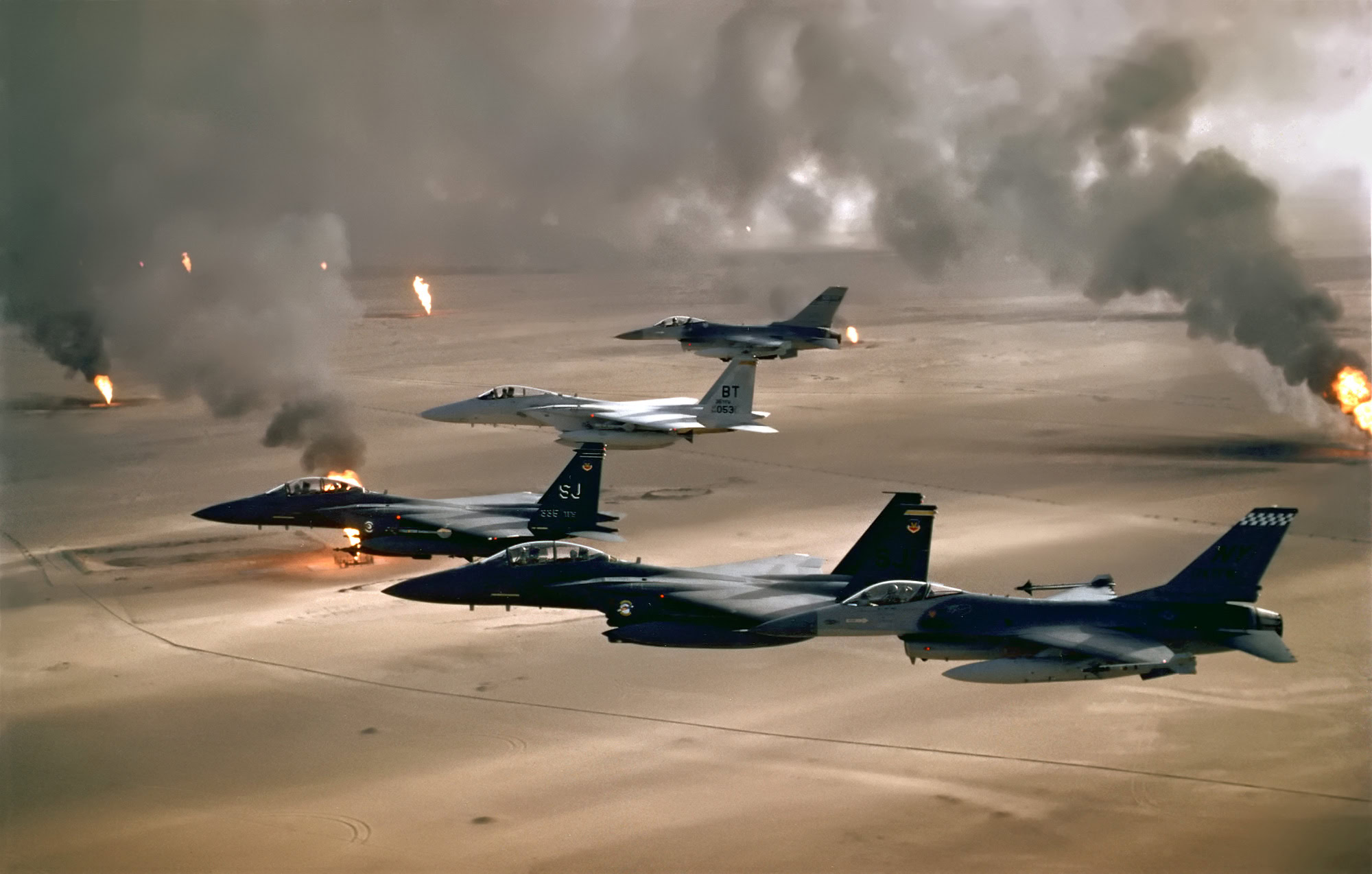
- Country / Operator: Saudi Arabia
- Manufacturer: Boeing
- Year introduced to service: 2016
- Generation: 4.5
- Top speed: Mach 2.5
- Combat radius: ~790 mi
- Key strength: Advanced strike fighter
Saudi Arabia’s F-15SA features upgraded avionics and modern weapons integration. Its range and payload capacity significantly enhance regional air superiority capability.
F-15QA
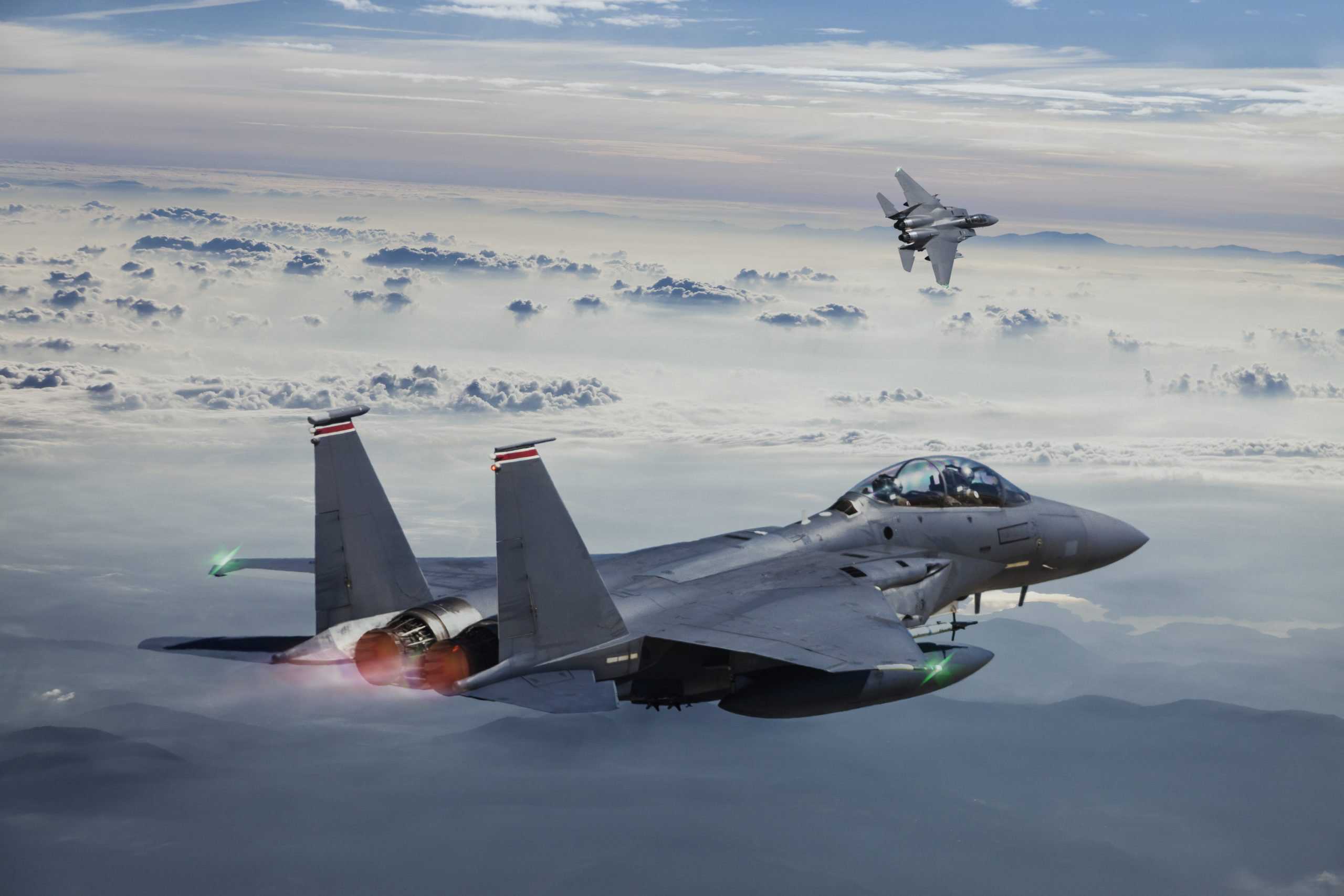
- Country / Operator: Qatar
- Manufacturer: Boeing
- Year introduced to service: 2021
- Generation: 4.5
- Top speed: Mach 2.5
- Combat radius: ~790 mi
- Key strength: Enhanced Eagle variant
Qatar’s F-15QA incorporates advanced avionics and high-end weapons systems. It dramatically expands the nation’s air combat capability and provides a modern heavy fighter platform.
Rafale (export variants)
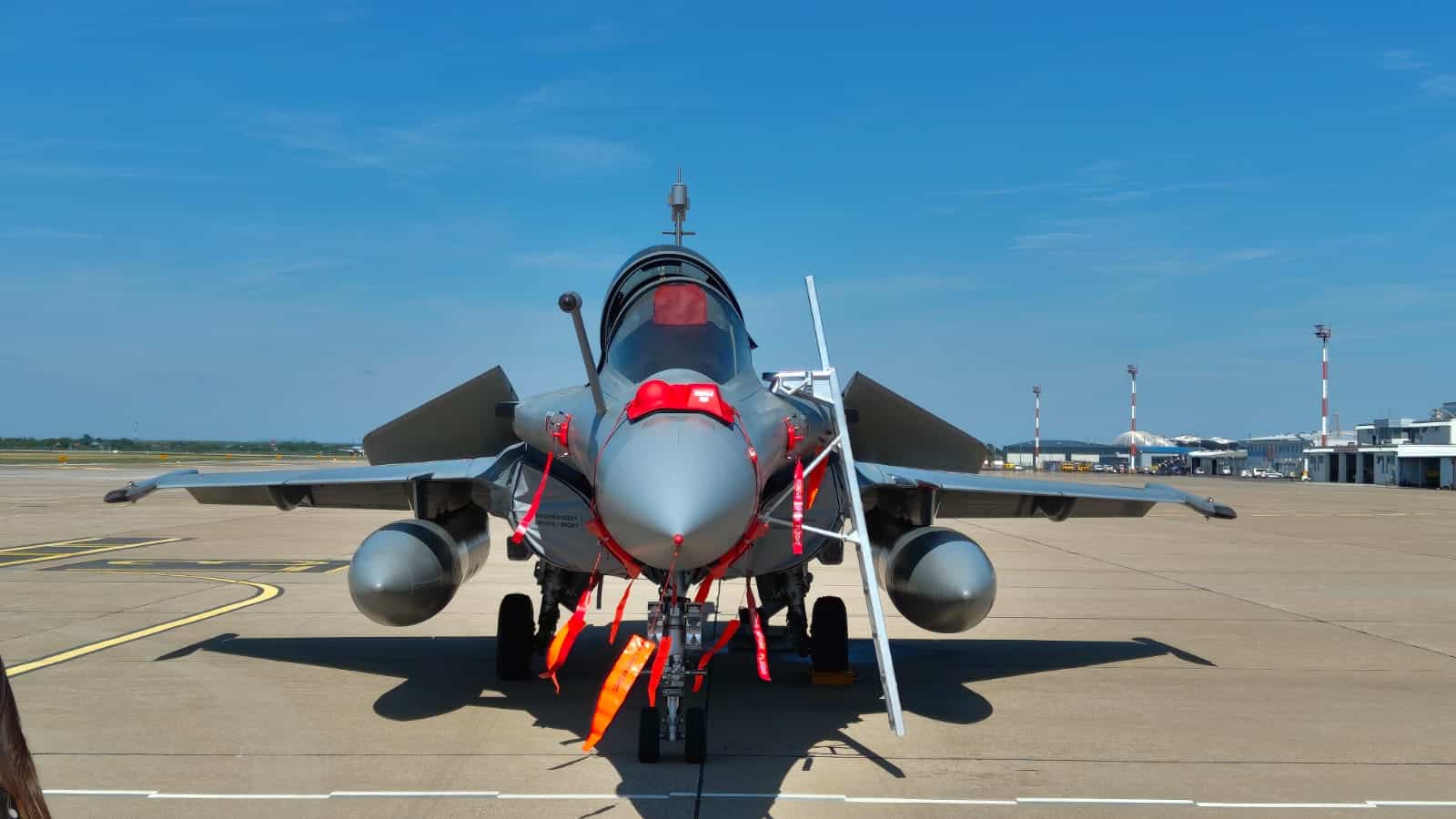
- Country / Operator: India / Qatar / UAE / Egypt
- Manufacturer: Dassault Aviation
- Year introduced to service: 2015
- Generation: 4.5
- Top speed: Mach 1.8
- Combat radius: ~1,150 mi
- Key strength: Multirole export powerhouse
Export Rafales provide advanced sensors and Meteor missile capability to multiple nations. Their versatility ensures strong air superiority and strike performance across diverse regions.
F-16 Block 70/72
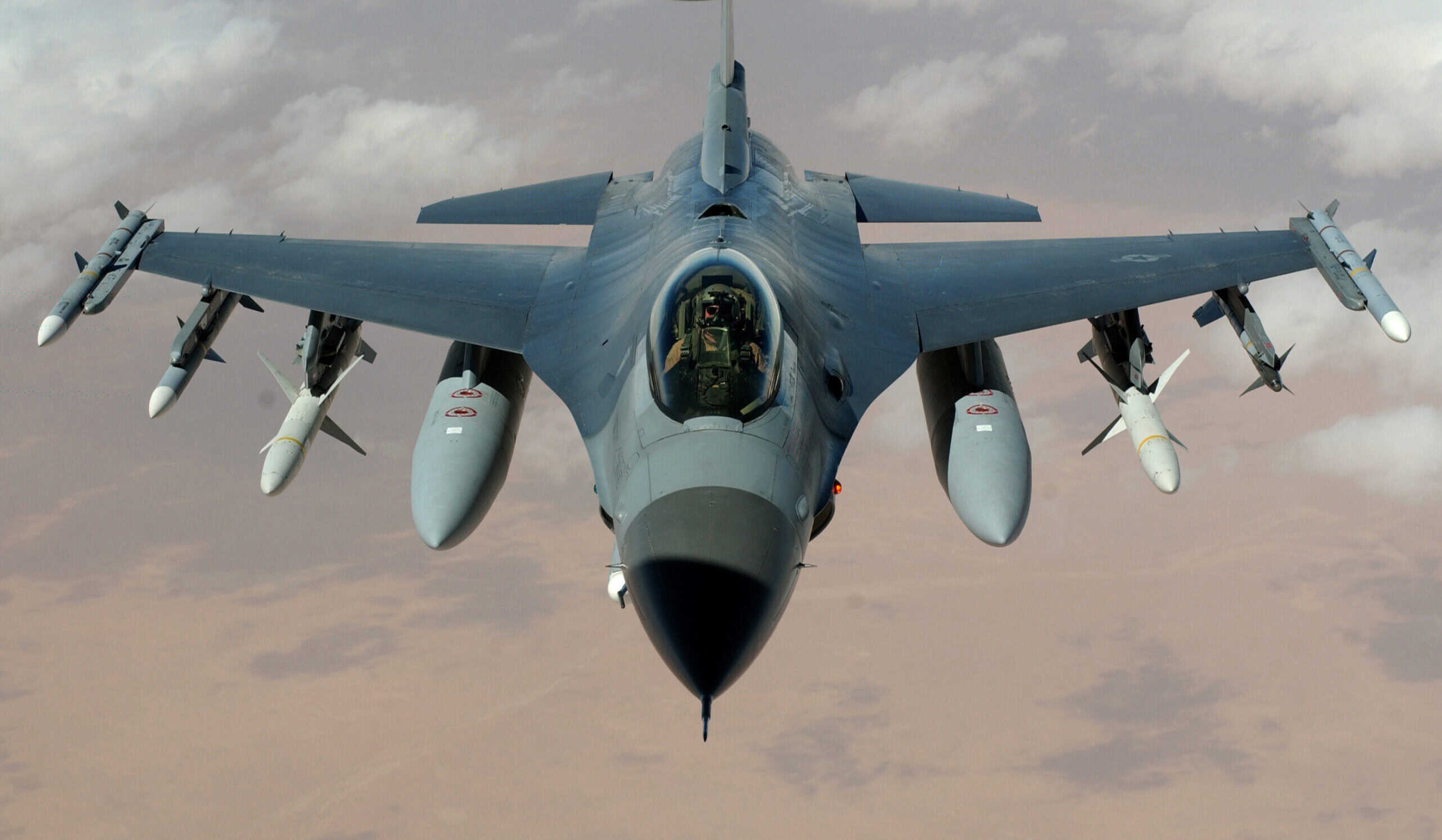
- Country / Operator: Multiple global
- Manufacturer: Lockheed Martin
- Year introduced to service: 2020
- Generation: 4.5
- Top speed: Mach 2.0
- Combat radius: ~340 mi
- Key strength: Latest Viper production
The Block 70/72 is the newest production F-16 variant, featuring AESA radar and updated avionics. It offers strong combat performance at a lower cost than fifth-generation aircraft.
Su-30MKI
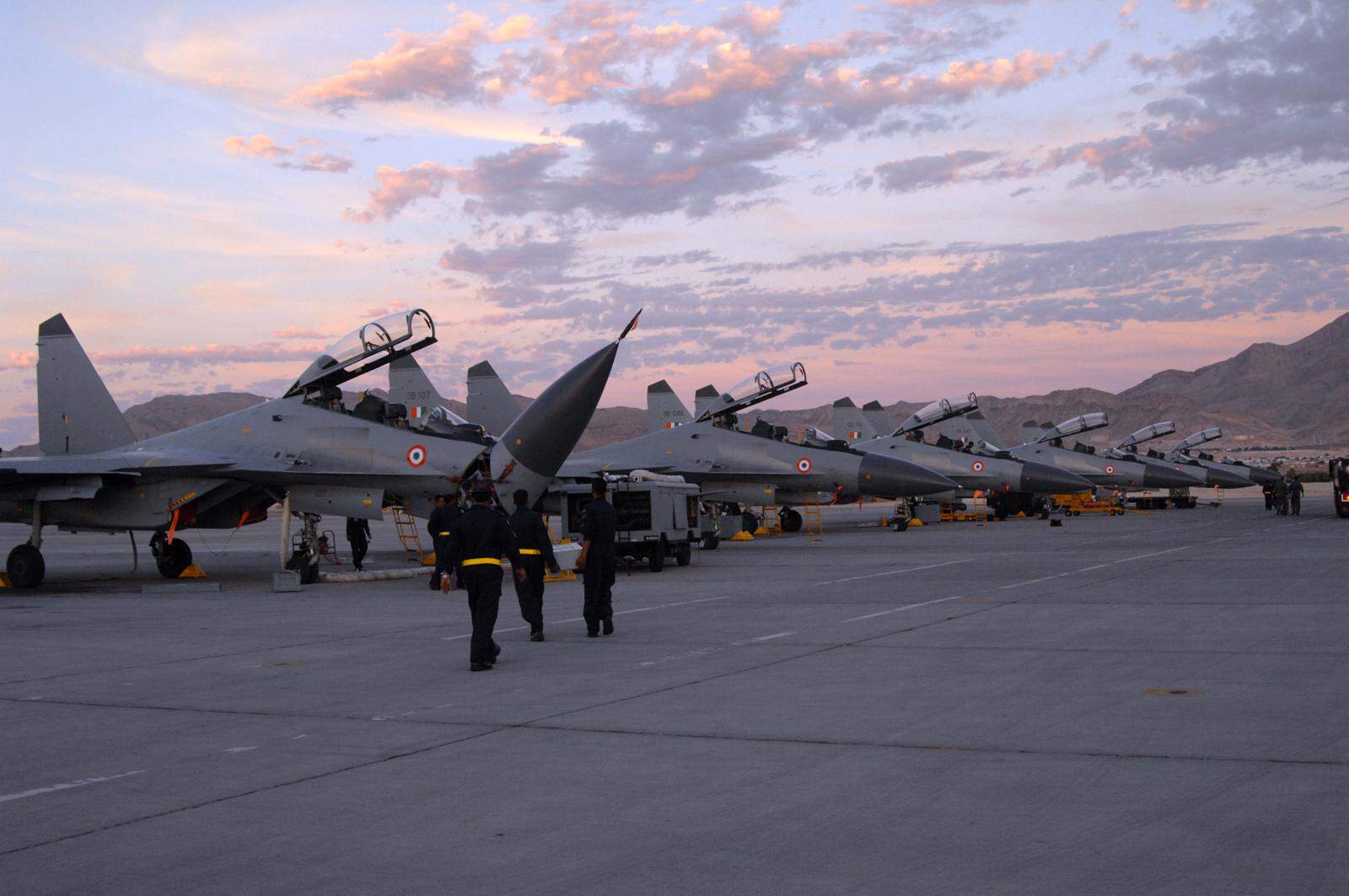
- Country / Operator: India
- Manufacturer: Sukhoi / HAL
- Year introduced to service: 2002
- Generation: 4.5
- Top speed: Mach 2.0
- Combat radius: ~930 mi
- Key strength: Heavy multirole fighter
India’s Su-30MKI features thrust-vectoring engines and advanced avionics. Its range and payload make it central to India’s air superiority and strike missions.
Tejas Mk1A
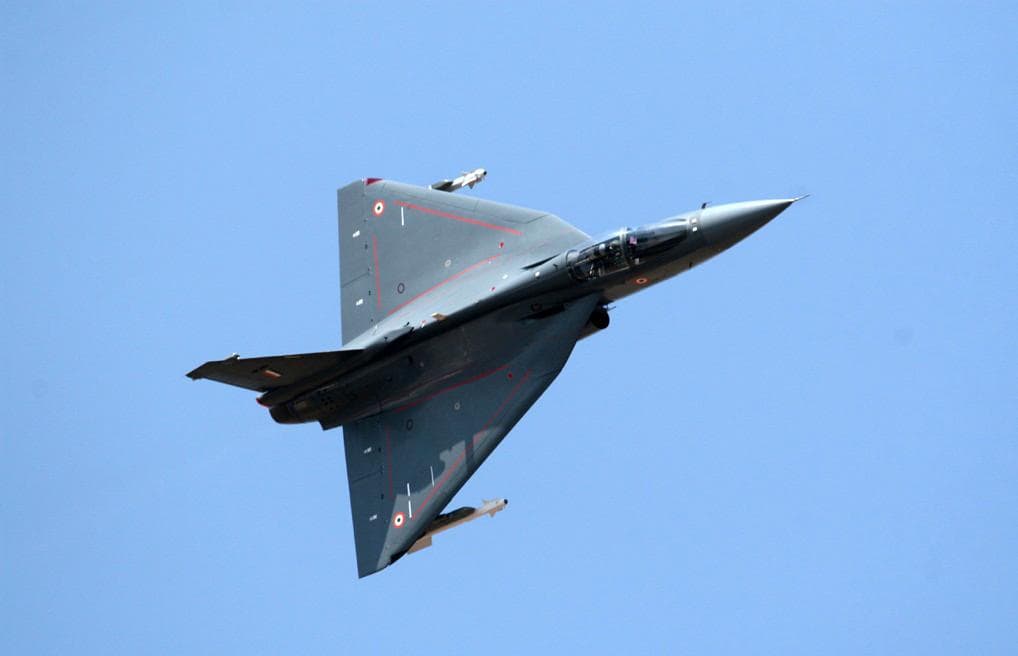
- Country / Operator: India
- Manufacturer: HAL
- Year introduced to service: 2024
- Generation: 4.5
- Top speed: Mach 1.8
- Combat radius: ~310 mi
- Key strength: Light multirole fighter
India’s Tejas Mk1A incorporates modern radar and electronic warfare systems. As a lightweight multirole fighter, it strengthens domestic production and supports national air defense.
F-CK-1 Ching-Kuo

- Country / Operator: Taiwan
- Manufacturer: AIDC
- Year introduced to service: 1994
- Generation: 4.5
- Top speed: Mach 1.8
- Combat radius: ~400 mi
- Key strength: National air defense fighter
Taiwan’s F-CK-1 provides a domestically developed air defense platform. Equipped with capable radar and missile systems, it remains central to Taiwan’s strategy of maintaining credible airspace control.
Kfir C10
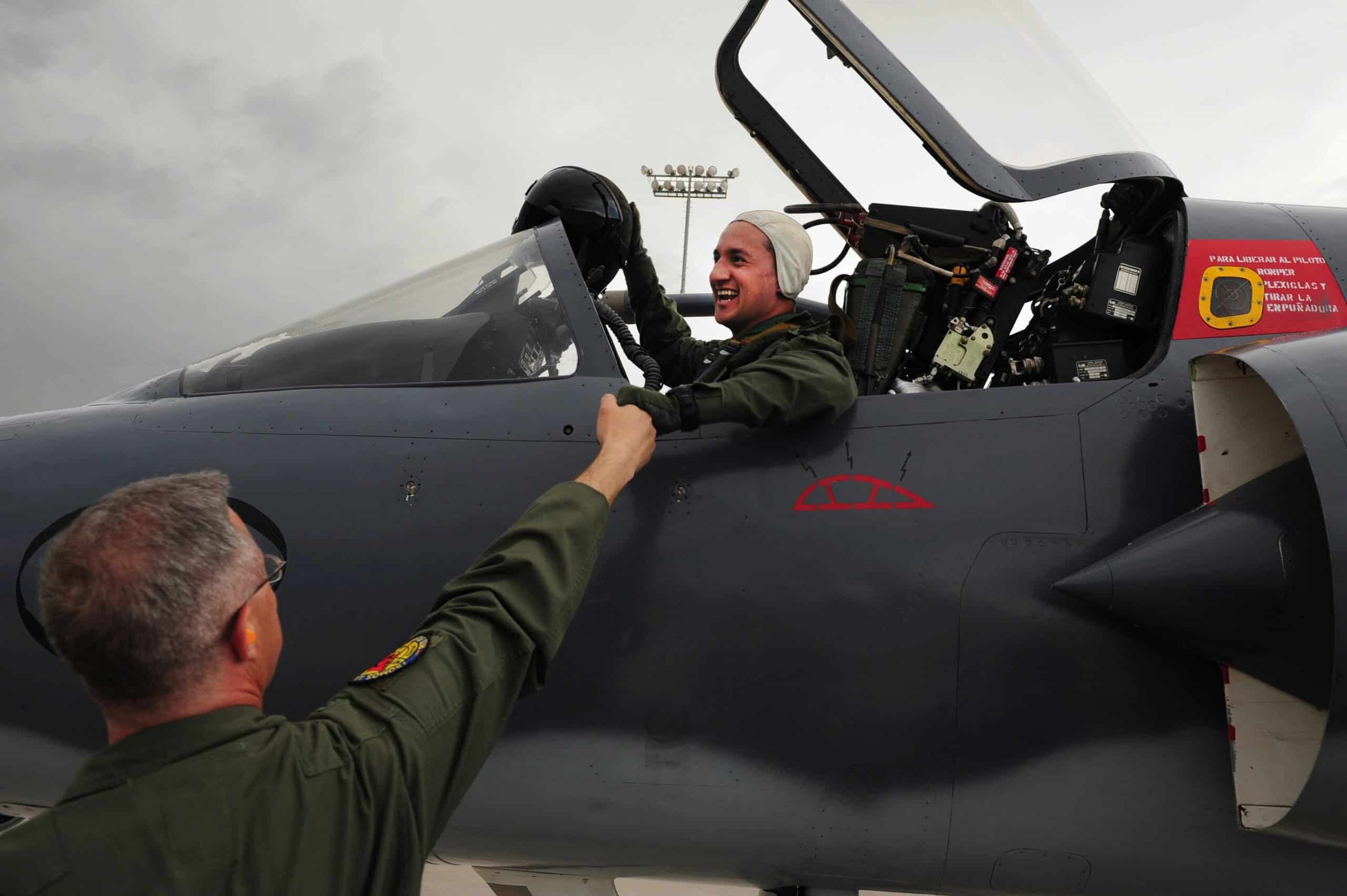
- Country / Operator: Colombia
- Manufacturer: IAI
- Year introduced to service: 2008
- Generation: 4.5
- Top speed: Mach 2.3
- Combat radius: ~620 mi
- Key strength: Upgraded interceptor
The Kfir C10 is a heavily upgraded legacy fighter equipped with modern radar and advanced missiles. Its modernization allows smaller air forces to maintain credible air defense capability.






 Top Gaining Stocks
 Top Losing Stocks