


Military aviation history is filled with aircraft that achieved extraordinary performance yet never became widely fielded. Some dominated the skies with unmatched stealth or speed, while others delivered precision or firepower that redefined their mission category. But excellence does not automatically translate into scale. Budget constraints, doctrinal shifts, maintenance demands, and political realities often limit even the most capable platforms. Here, 24/7 Wall St. is taking a closer look at some of the most effective military aircraft that did not scale.
To determine the military aircraft that were highly effective but extremely limited, 24/7 Wall St. reviewed various historical and military sources. We included supplemental information for each regarding the manufacturer, country of origin, what made each aircraft highly effective, and ultimately the primary limiting factor for each.
Here is a look at the military aircraft that were highly effective but extremely limited:
Why Are We Covering This?
Understanding why some of the world’s most capable military aircraft remained limited in number offers a deeper perspective on how airpower is actually built. Technological superiority alone does not determine strategic dominance; affordability, adaptability, doctrine, and long-term sustainment often matter just as much as raw performance. These aircraft highlight the constant balancing act defense planners face between pursuing cutting-edge capability and maintaining scalable, durable force structures. Examining platforms that excelled yet never proliferated reveals a central reality of modern warfare: the most effective weapon is not always the one that can shape an entire fleet, but the one that fits within the broader strategic equation.
When Excellence Met Its Limits
Military aviation history is filled with aircraft that delivered exceptional performance yet never achieved widespread adoption. Some dominated their mission set with unmatched speed, stealth, or firepower, while others introduced capabilities that reshaped aerial warfare. But effectiveness alone does not guarantee longevity or scale. Budget realities, doctrinal shifts, political pressures, and technological change often impose ceilings on even the most capable platforms. Understanding these aircraft reveals a critical truth about airpower: strategic value is shaped as much by constraint as by innovation.
Capability Does Not Always Scale
An aircraft can be technologically superior and still remain rare. In many cases, the very features that made these platforms extraordinary — cutting-edge engineering, specialized mission focus, or advanced survivability — also made them difficult to produce in large numbers. High costs slowed procurement, maintenance demands strained logistics, and narrow operational roles limited flexibility. These aircraft were not failures; rather, they represented peaks of capability that proved challenging to replicate across an entire force structure.
Built for Specific Wars, Not Every War
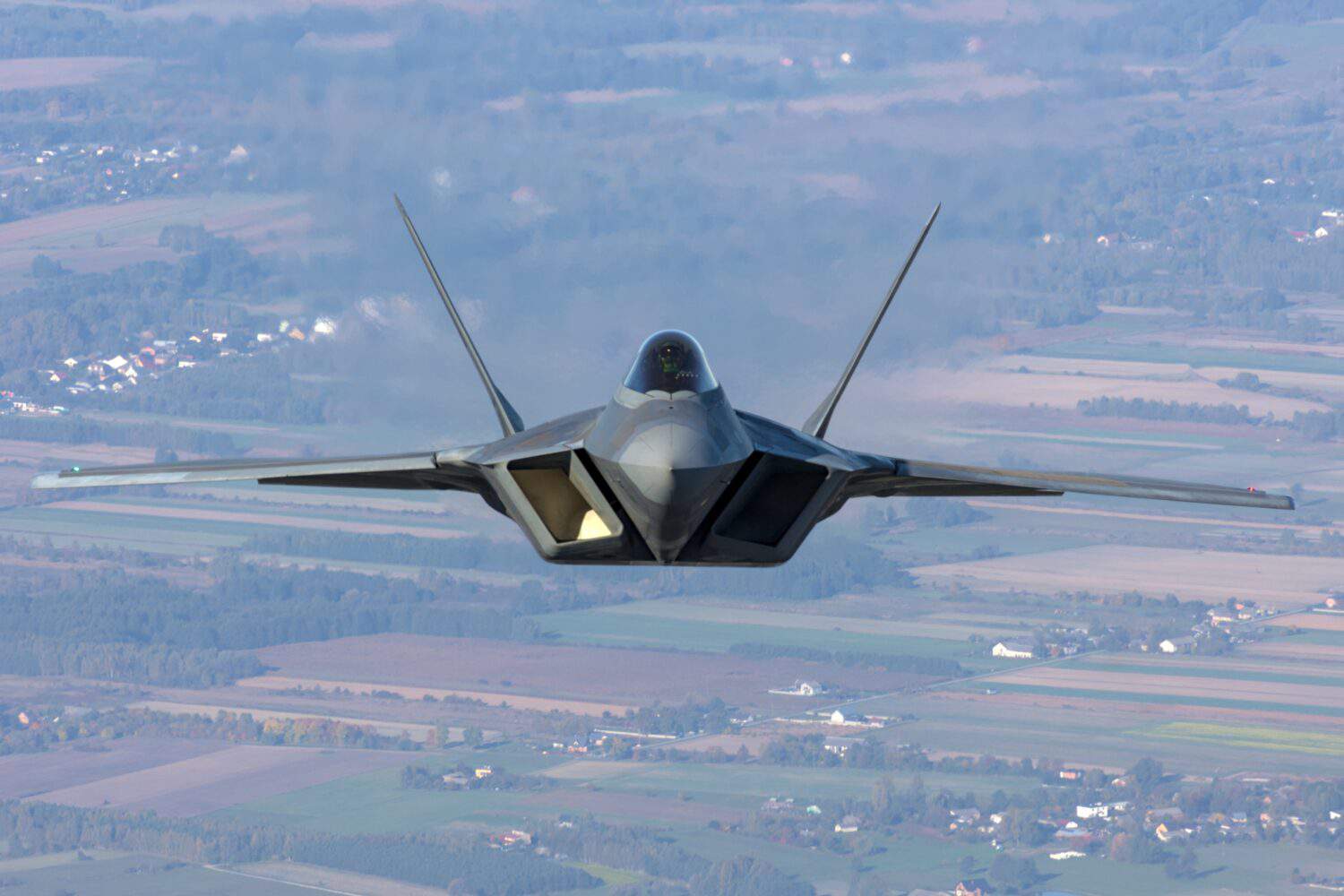
Many highly effective aircraft were designed to counter a particular threat environment. Interceptors built to stop nuclear bombers, stealth platforms engineered to penetrate dense air defenses, and specialized strike aircraft optimized for precision all excelled within their intended context. Yet as strategic landscapes evolved, adaptability became increasingly valuable. Platforms tailored too tightly to one scenario often struggled to justify expansion once the nature of conflict began to shift.
The Hidden Economics of Airpower
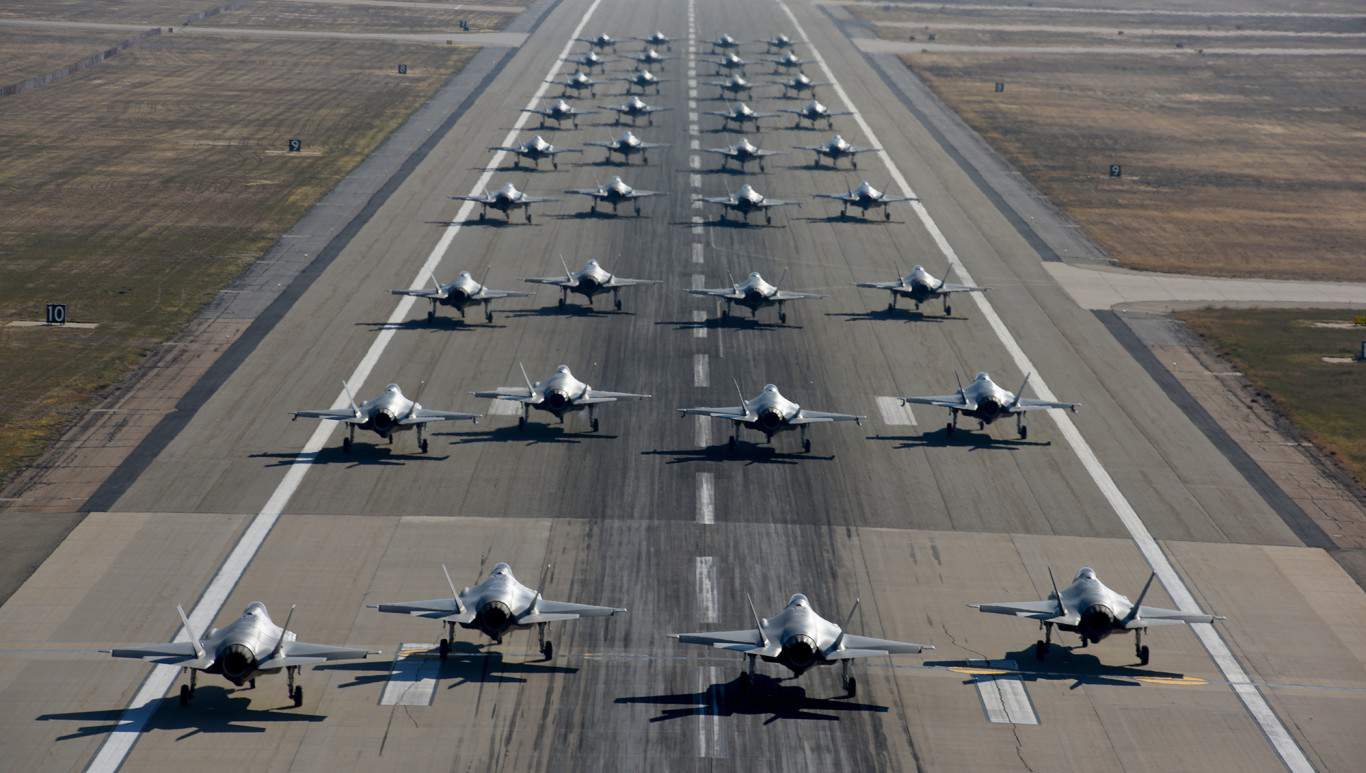
Behind every advanced aircraft lies an industrial and financial equation that ultimately determines its future. Development costs, production complexity, sustainment requirements, and modernization timelines can quietly dictate whether a platform thrives or remains limited. Even nations with vast defense budgets must weigh capability against affordability, often accepting smaller fleets in exchange for technological superiority. This tension between performance and practicality has shaped some of the most remarkable aircraft ever fielded.
Brilliant, But Not Built for Mass Adoption
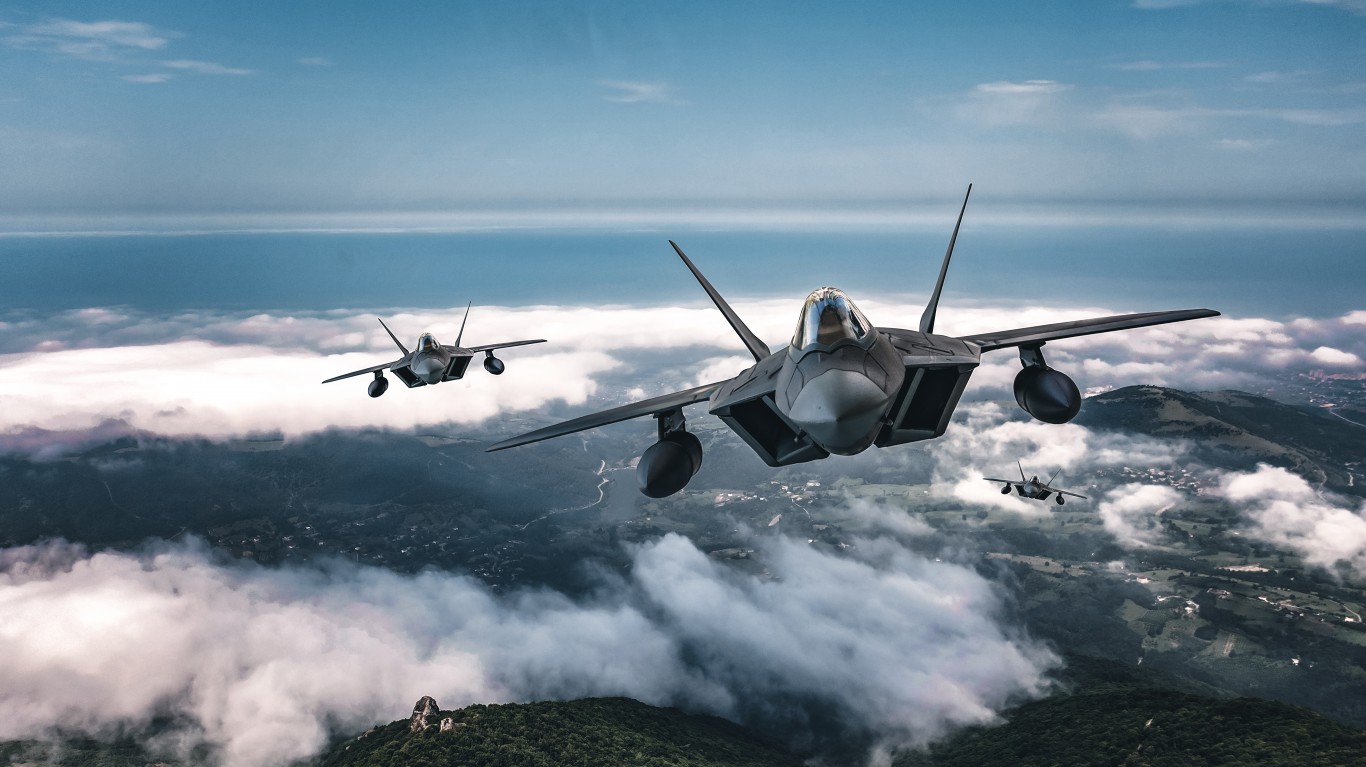
The aircraft on this list share a defining paradox: they were good — sometimes extraordinarily so — but not suited for broad proliferation. Some were simply too expensive to scale, others too specialized to adapt, and a few arrived at moments when strategy was already shifting. Together, they illustrate that airpower is not solely about building the best aircraft possible, but about building forces that can endure, evolve, and remain relevant across changing eras of warfare.
F-22 Raptor
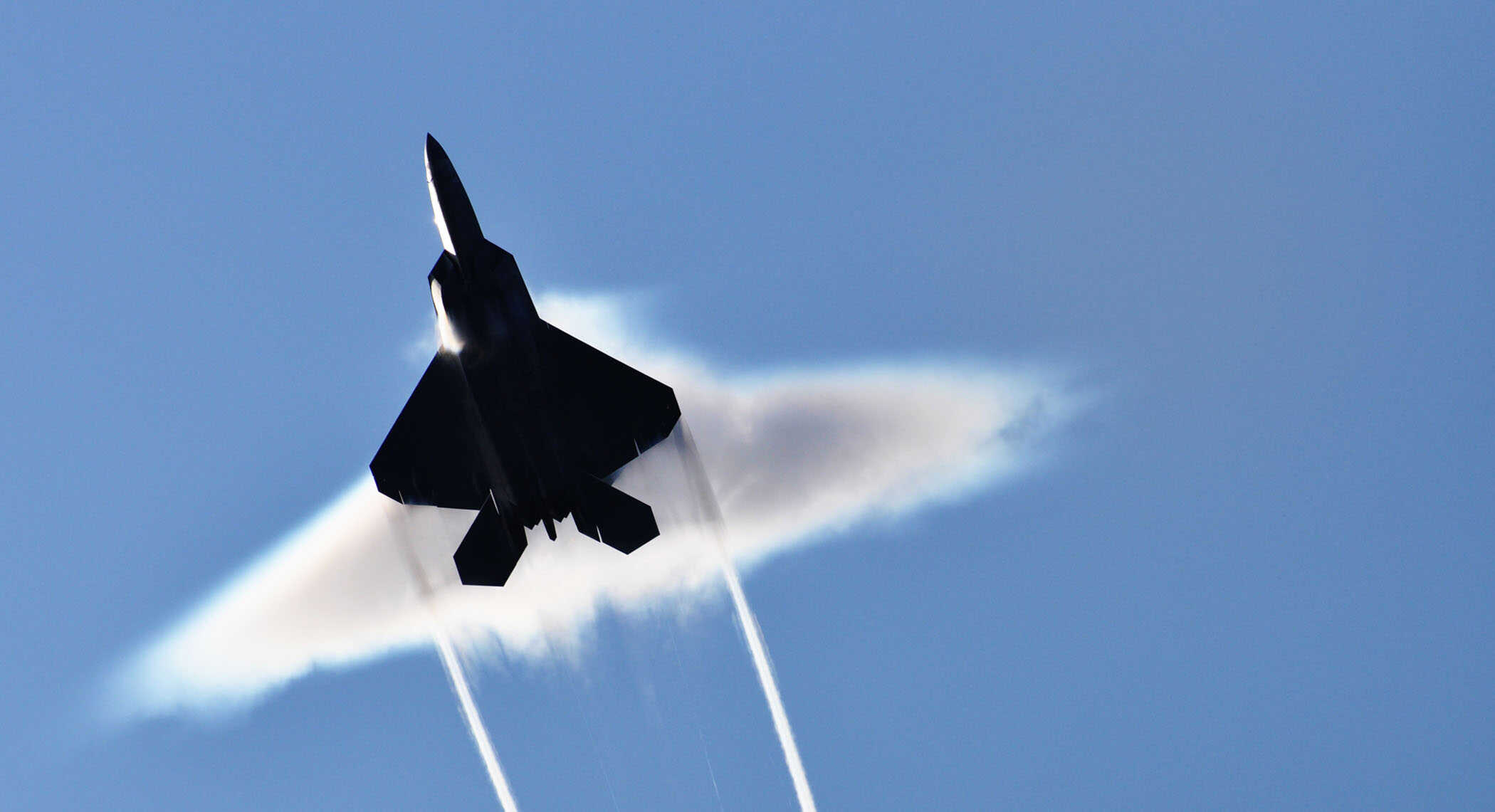
- Country of Origin: United States
- Manufacturer: Lockheed Martin
- Entered service: 2005
- Aircraft type: Air Superiority Fighter
- What made it highly effective: Stealth air dominance
- Primary limiting factor: Extreme procurement cost
- Constraint type: Cost-Limited
- Production numbers: 187
The F-22 Raptor delivers unmatched air-superiority performance through stealth, supercruise, and advanced sensor fusion, allowing it to dominate contested airspace with minimal warning. However, its extraordinary development and production costs led to an early program termination, capping the fleet at fewer than 200 aircraft. The result is a fighter widely considered peerless in capability, yet too expensive to scale into the backbone of U.S. tactical aviation.
B-2 Spirit
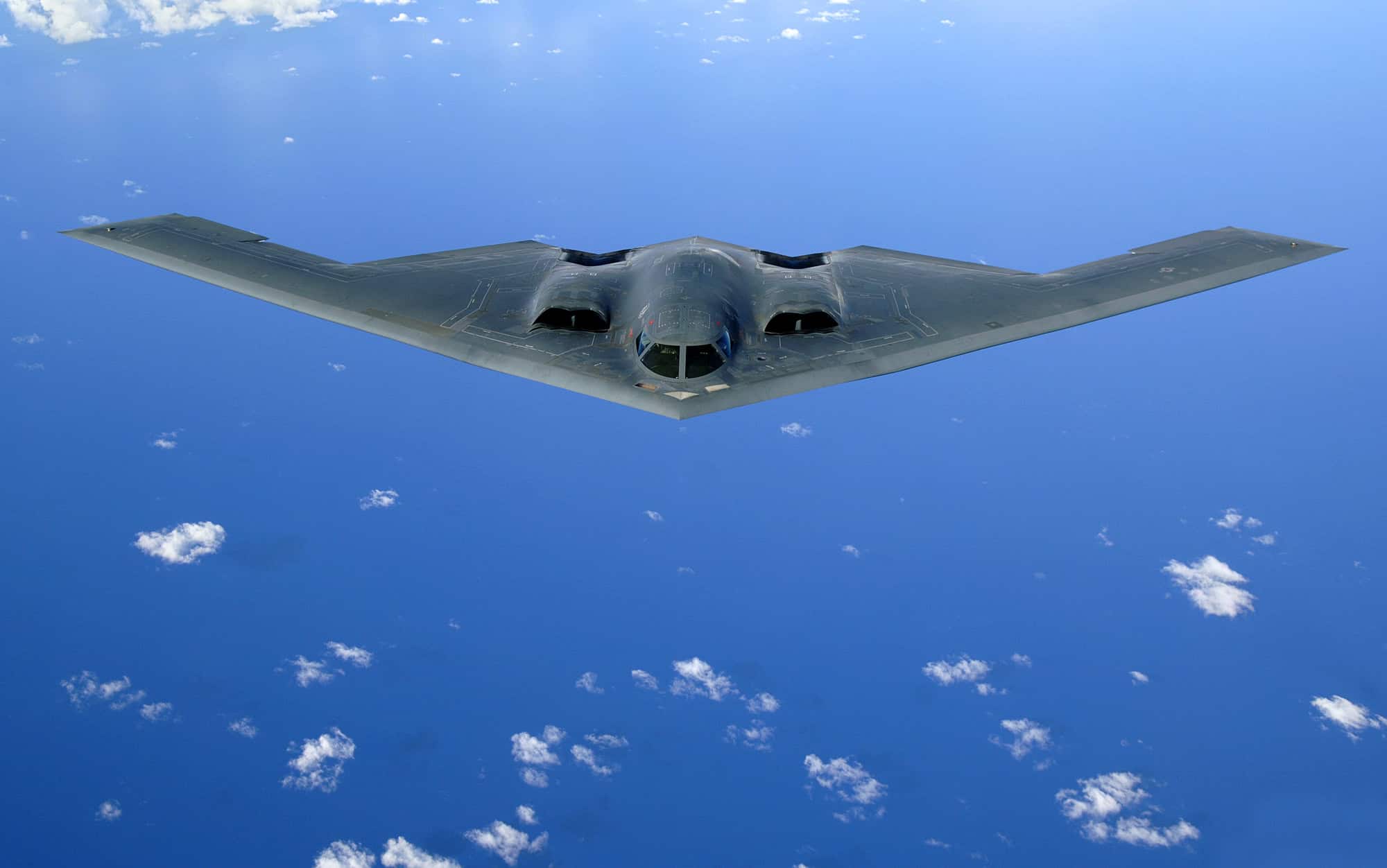
- Country of Origin: United States
- Manufacturer: Northrop Grumman
- Entered service: 1997
- Aircraft type: Strategic Bomber
- What made it highly effective: Penetrating stealth strike
- Primary limiting factor: Astronomical unit price
- Constraint type: Cost-Limited
- Production numbers: 21
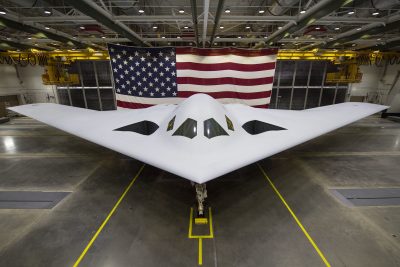
The B-2 Spirit revolutionized long-range strike by combining stealth with intercontinental reach, enabling it to penetrate heavily defended airspace and deliver precision weapons. Its effectiveness has been proven across multiple conflicts, but each aircraft’s staggering price limited production to just 21. This created a uniquely powerful bomber force whose scarcity demands careful operational use rather than routine deployment.
F-117 Nighthawk
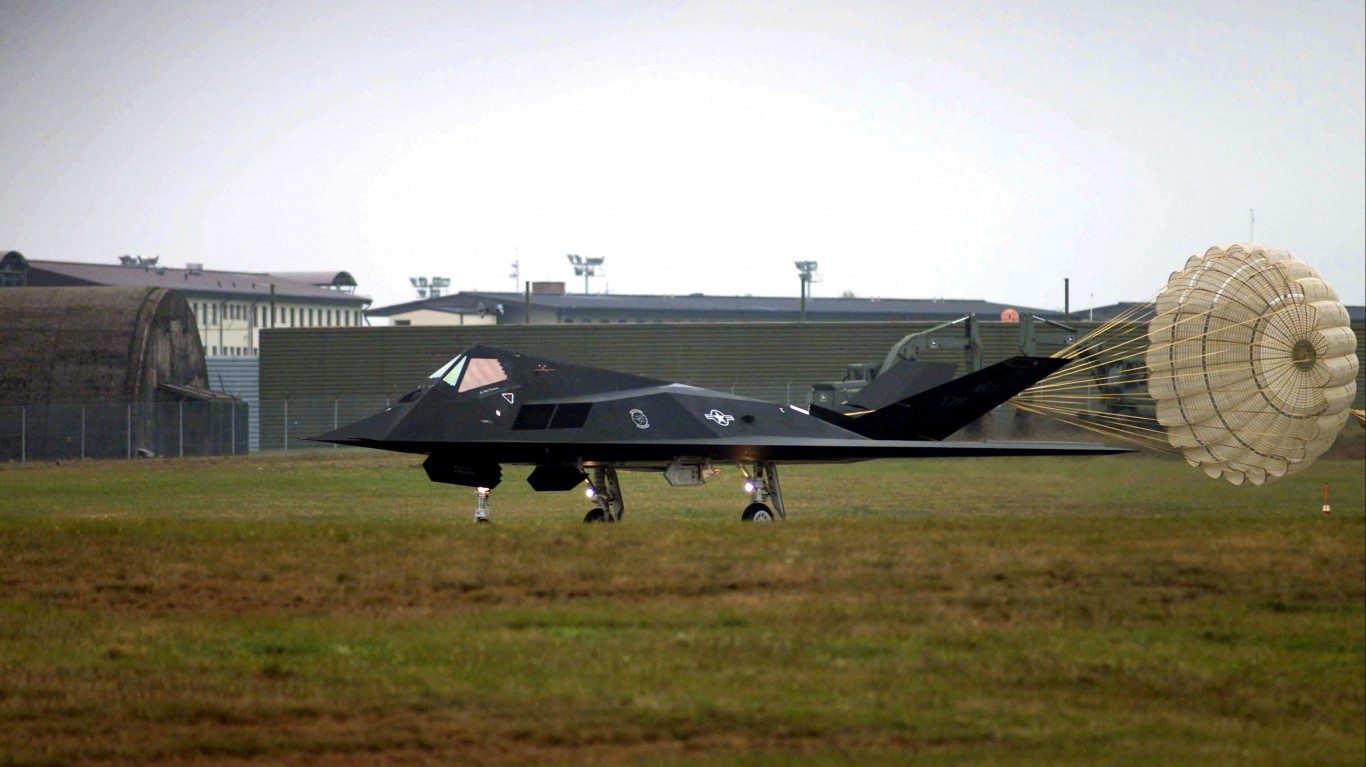
- Country of Origin: United States
- Manufacturer: Lockheed
- Entered service: 1983
- Aircraft type: Stealth Strike Aircraft
- What made it highly effective: Precision stealth attack
- Primary limiting factor: Single-role design
- Constraint type: Mission-Specialized
- Production numbers: 64
The F-117 demonstrated the combat viability of stealth during the Gulf War, striking high-value targets with remarkable precision. Yet its narrow focus on nighttime precision attack restricted flexibility as multirole stealth platforms emerged. With limited payload and evolving technology surpassing its design, the aircraft proved transformative but ultimately transitional.
SR-71 Blackbird
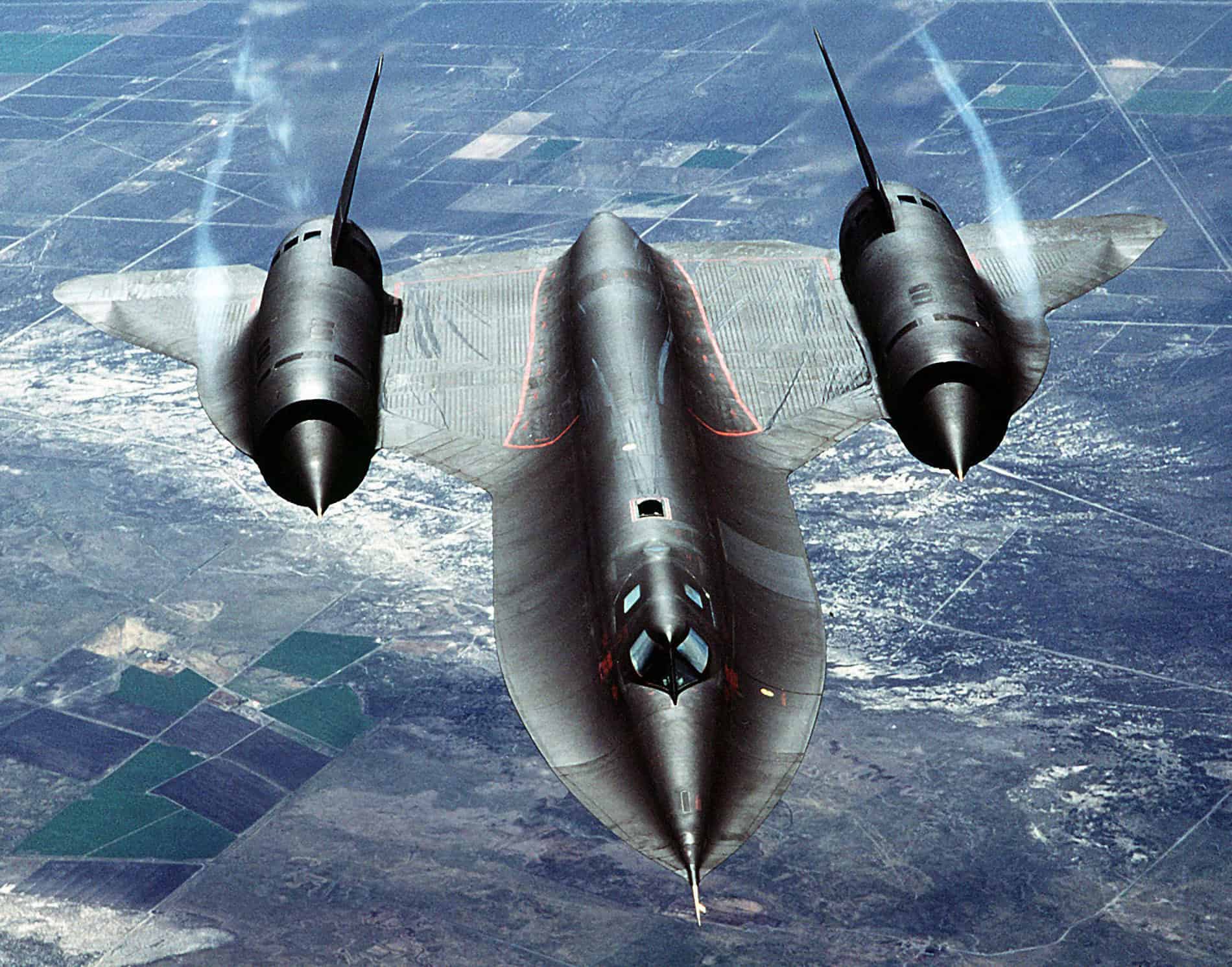
- Country of Origin: United States
- Manufacturer: Lockheed
- Entered service: 1966
- Aircraft type: Strategic Reconnaissance
- What made it highly effective: Extreme speed and survivability
- Primary limiting factor: Operating cost
- Constraint type: Cost-Limited
- Production numbers: 32
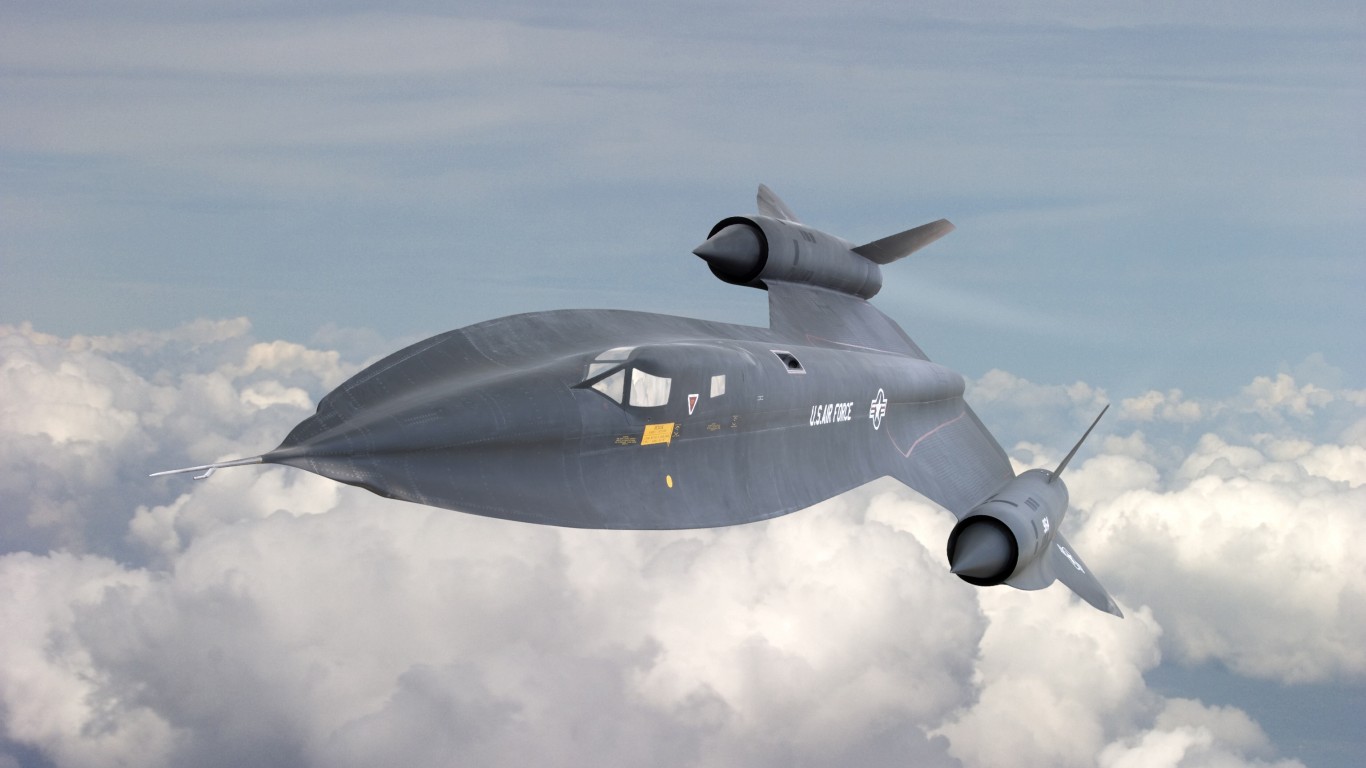
Capable of flying above Mach 3 at extreme altitude, the SR-71 was virtually untouchable by enemy defenses, making it one of the most survivable reconnaissance aircraft ever built. However, its immense operating costs and demanding maintenance requirements constrained usage. As satellite intelligence matured, the Blackbird remained legendary but increasingly difficult to justify financially.
MiG-25 Foxbat
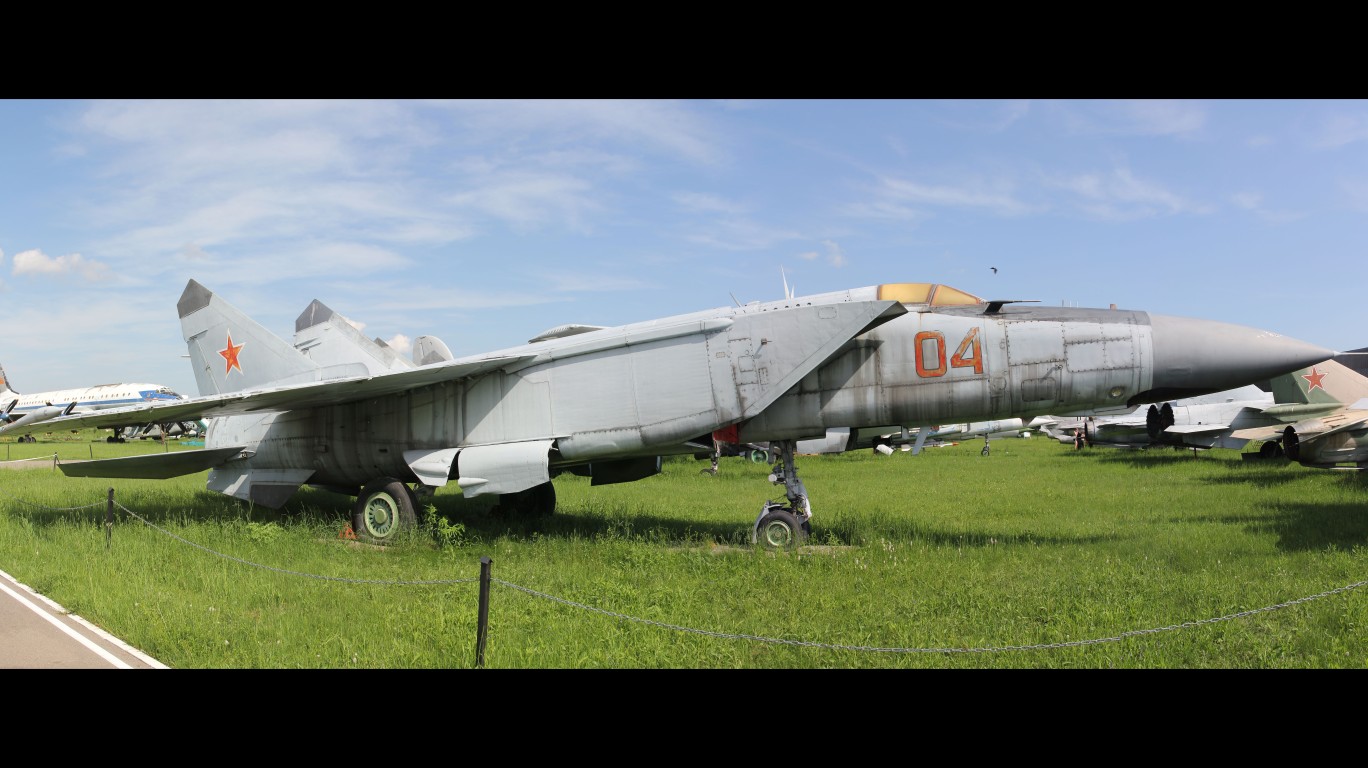
- Country of Origin: Soviet Union
- Manufacturer: Mikoyan-Gurevich
- Entered service: 1970
- Aircraft type: Interceptor
- What made it highly effective: Mach 3 interception
- Primary limiting factor: Limited maneuverability
- Constraint type: Doctrine-Limited
- Production numbers: 1,190
The MiG-25 stunned Western analysts with its speed and altitude performance, designed primarily to intercept high-threat bombers and reconnaissance aircraft. While exceptionally effective within that mission, its heavy airframe and limited maneuverability reduced versatility. Built for a specific strategic problem, the Foxbat excelled as an interceptor but lacked the adaptability required for broader air combat roles.
English Electric Lightning
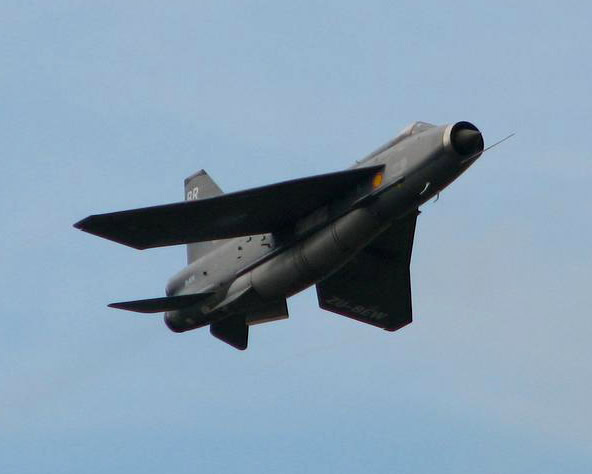
- Country of Origin: United Kingdom
- Manufacturer: English Electric
- Entered service: 1960
- Aircraft type: Interceptor
- What made it highly effective: Exceptional climb rate
- Primary limiting factor: Very short range
- Constraint type: Mission-Specialized
- Production numbers: 337
The Lightning could reach interception altitude in minutes, giving Britain a formidable quick-reaction defense during the Cold War. However, its extremely limited range required frequent refueling and restricted patrol flexibility. It was brilliant at one task—rapid homeland defense—but struggled to project power beyond it.
F-14 Tomcat
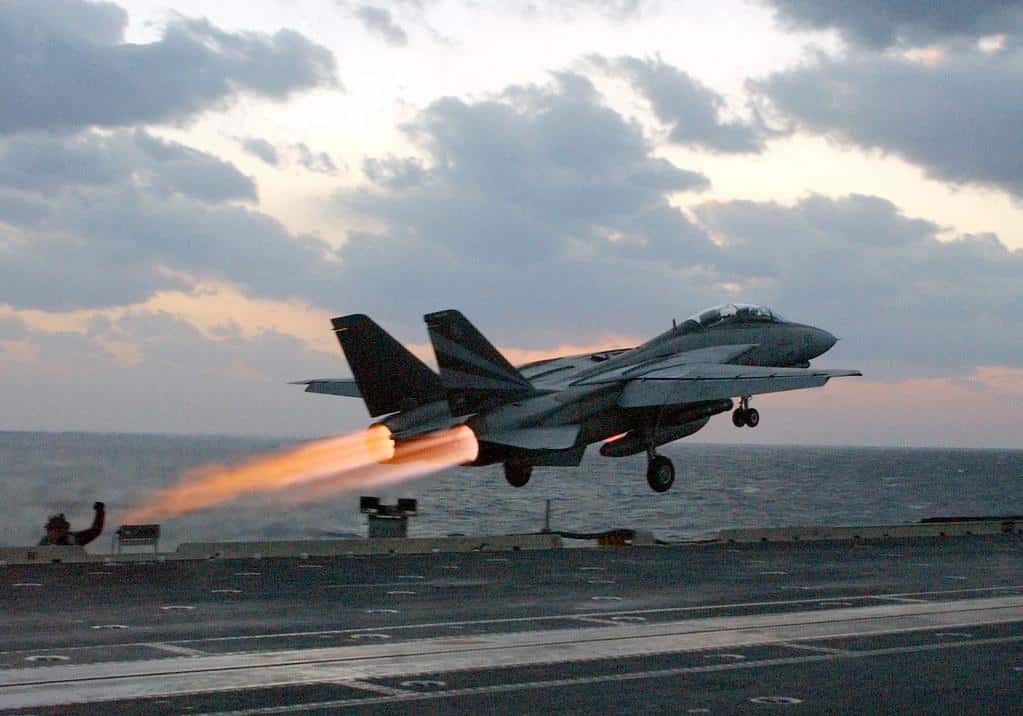
- Country of Origin: United States
- Manufacturer: Grumman
- Entered service: 1974
- Aircraft type: Carrier Fighter
- What made it highly effective: Long-range fleet defense
- Primary limiting factor: Maintenance intensive
- Constraint type: Maintenance-Heavy
- Production numbers: 712
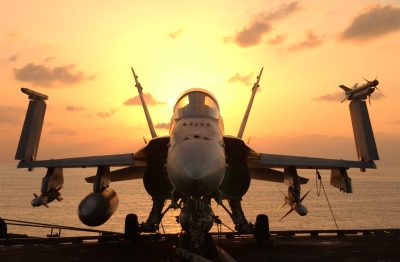
The F-14 provided unmatched fleet defense with its powerful radar and long-range Phoenix missiles, allowing carriers to engage threats far from the strike group. Yet the aircraft demanded extensive maintenance hours and logistical support. As defense budgets tightened, its high sustainment burden outweighed its advantages.
A-5 Vigilante
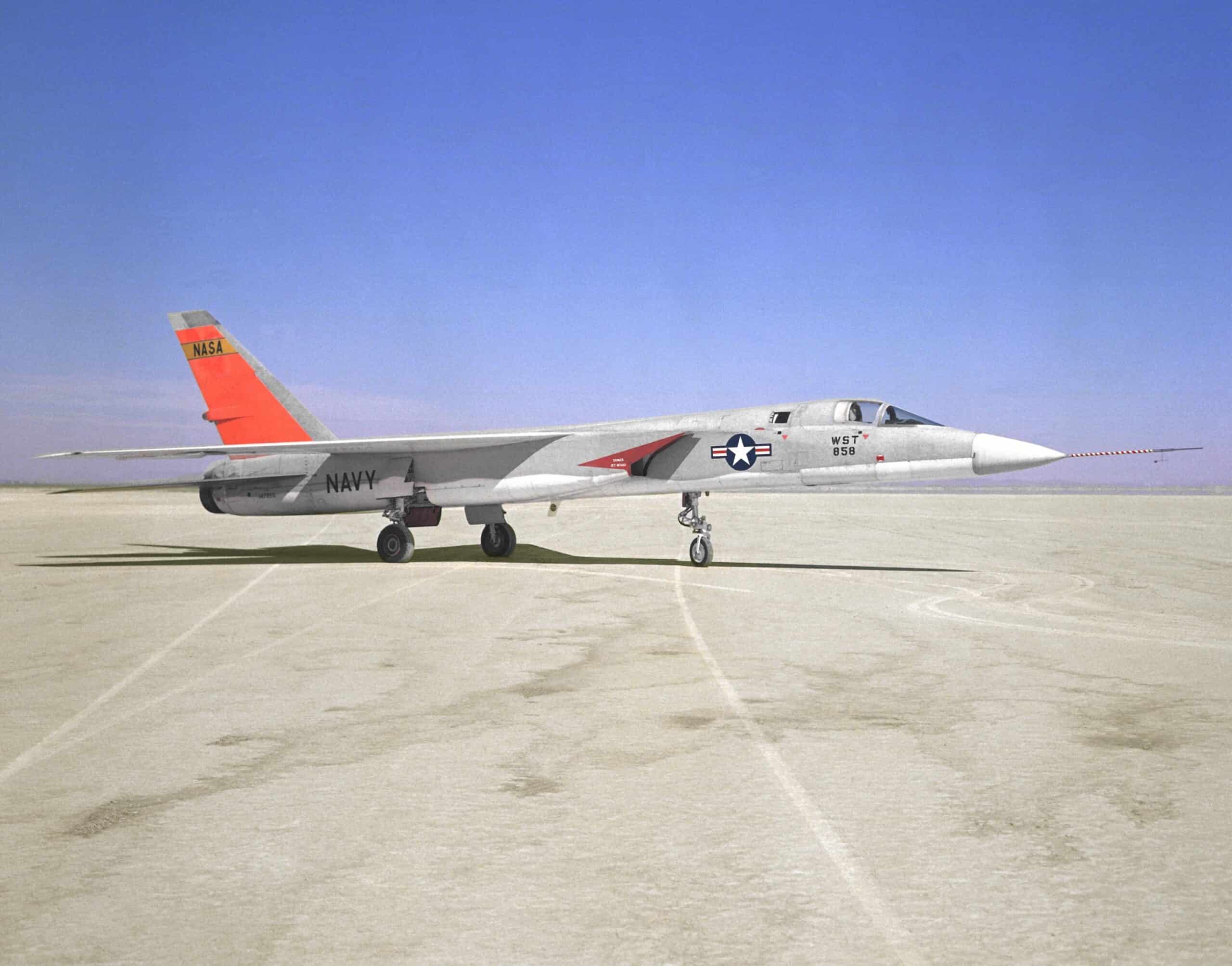
- Country of Origin: United States
- Manufacturer: North American Aviation
- Entered service: 1961
- Aircraft type: Carrier Strike / Recon
- What made it highly effective: Supersonic carrier capability
- Primary limiting factor: Complex and costly
- Constraint type: Cost-Limited
- Production numbers: 156
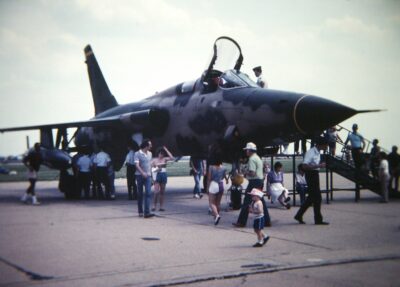
Originally intended as a supersonic nuclear strike aircraft, the A-5 Vigilante later excelled in reconnaissance over Vietnam. Its speed and altitude enhanced survivability, but technical complexity drove costs upward. Even with strong performance, the Navy ultimately favored more economical platforms.
Yak-38 Forger
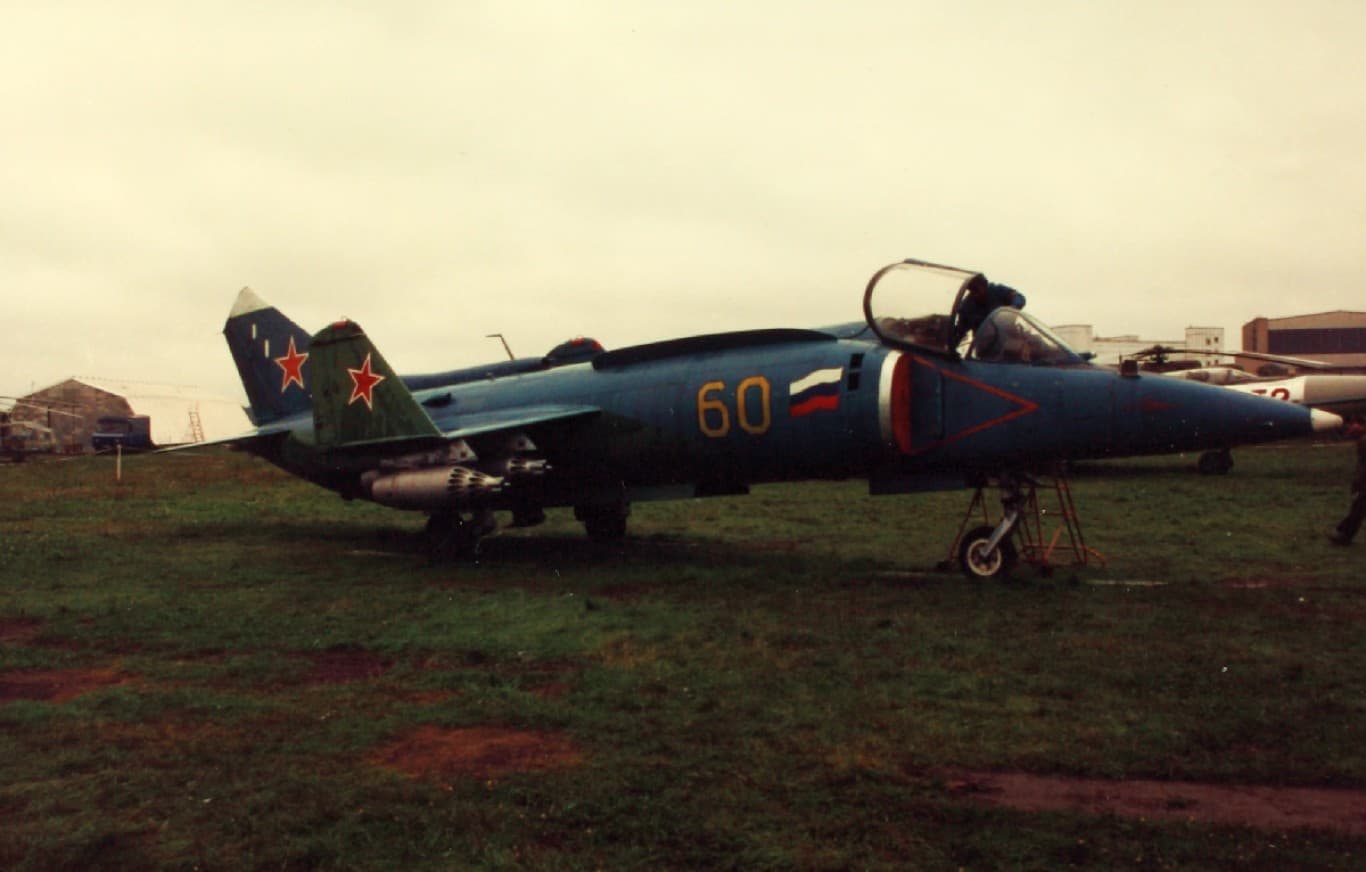
- Country of Origin: Soviet Union
- Manufacturer: Yakovlev
- Entered service: 1976
- Aircraft type: VTOL Fighter
- What made it highly effective: Carrier-based VTOL flexibility
- Primary limiting factor: Limited payload and range
- Constraint type: Mission-Specialized
- Production numbers: 231
The Yak-38 gave the Soviet Navy a vertical takeoff capability that expanded carrier aviation options. However, limited payload and short combat radius constrained effectiveness beyond localized defense. It proved the concept workable but highlighted the tradeoffs inherent in early VTOL design.
A-10 Thunderbolt II
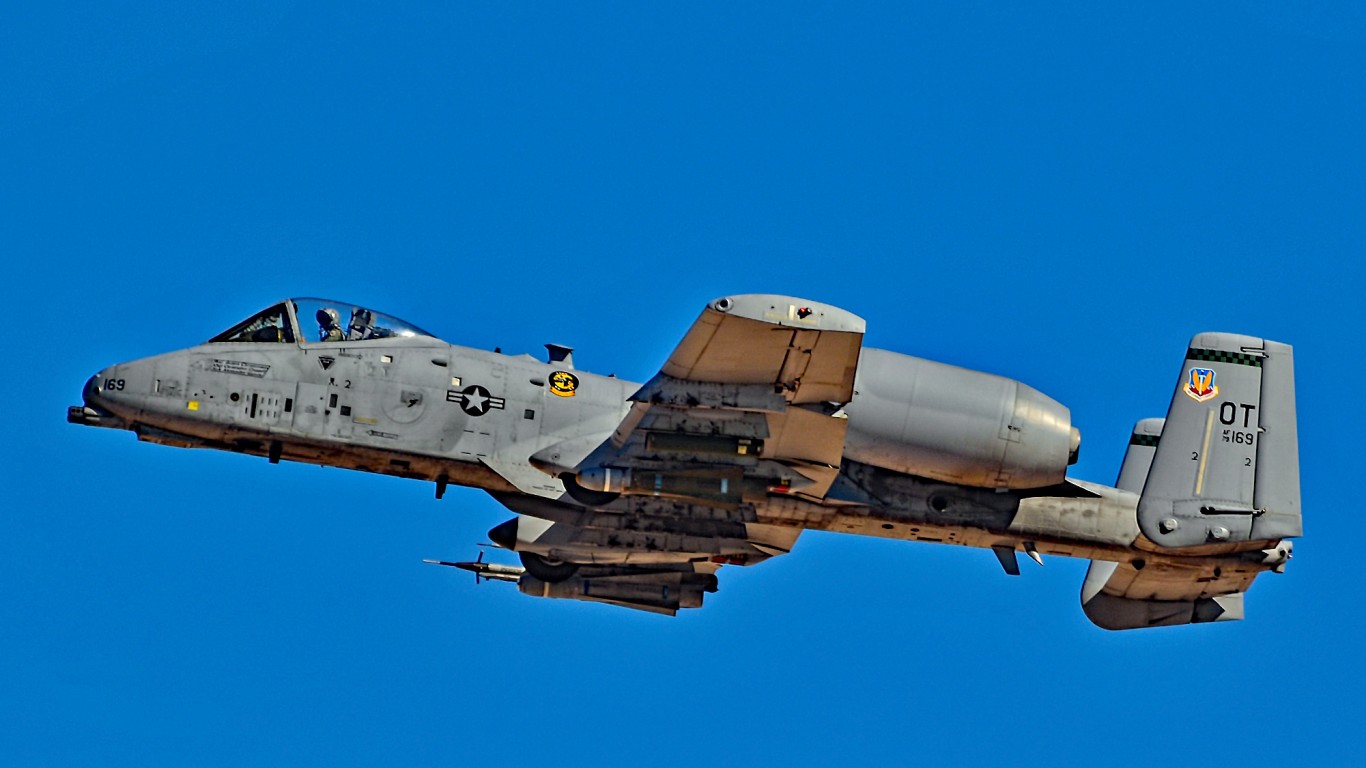
- Country of Origin: United States
- Manufacturer: Fairchild Republic
- Entered service: 1977
- Aircraft type: Close Air Support
- What made it highly effective: Devastating anti-armor capability
- Primary limiting factor: Requires permissive airspace
- Constraint type: Doctrine-Limited
- Production numbers: 715
The A-10’s durability, loiter time, and powerful cannon made it lethal against armored formations and invaluable to ground forces. Yet its reliance on relatively uncontested airspace limits survivability against modern air defenses. Highly effective in specific conflicts, it remains specialized.
Su-25T
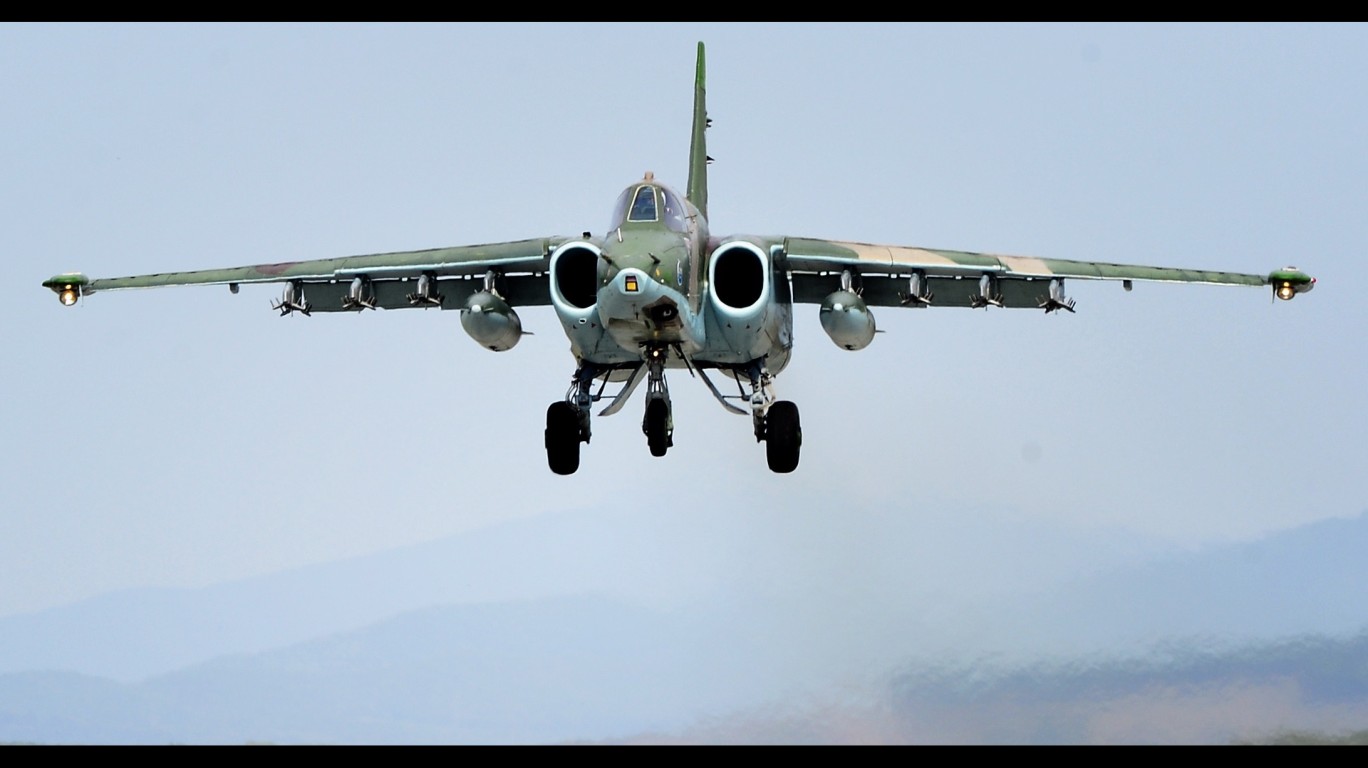
- Country of Origin: Russia
- Manufacturer: Sukhoi
- Entered service: 1990
- Aircraft type: Close Air Support
- What made it highly effective: Advanced anti-armor systems
- Primary limiting factor: Very small production
- Constraint type: Production-Limited
- Production numbers: 12
The Su-25T incorporated upgraded sensors and anti-armor weapons that significantly improved battlefield lethality. Despite these enhancements, only a small number were produced, preventing widespread operational integration. It stands as an example of improved capability constrained by limited scale.
AC-130H Spectre
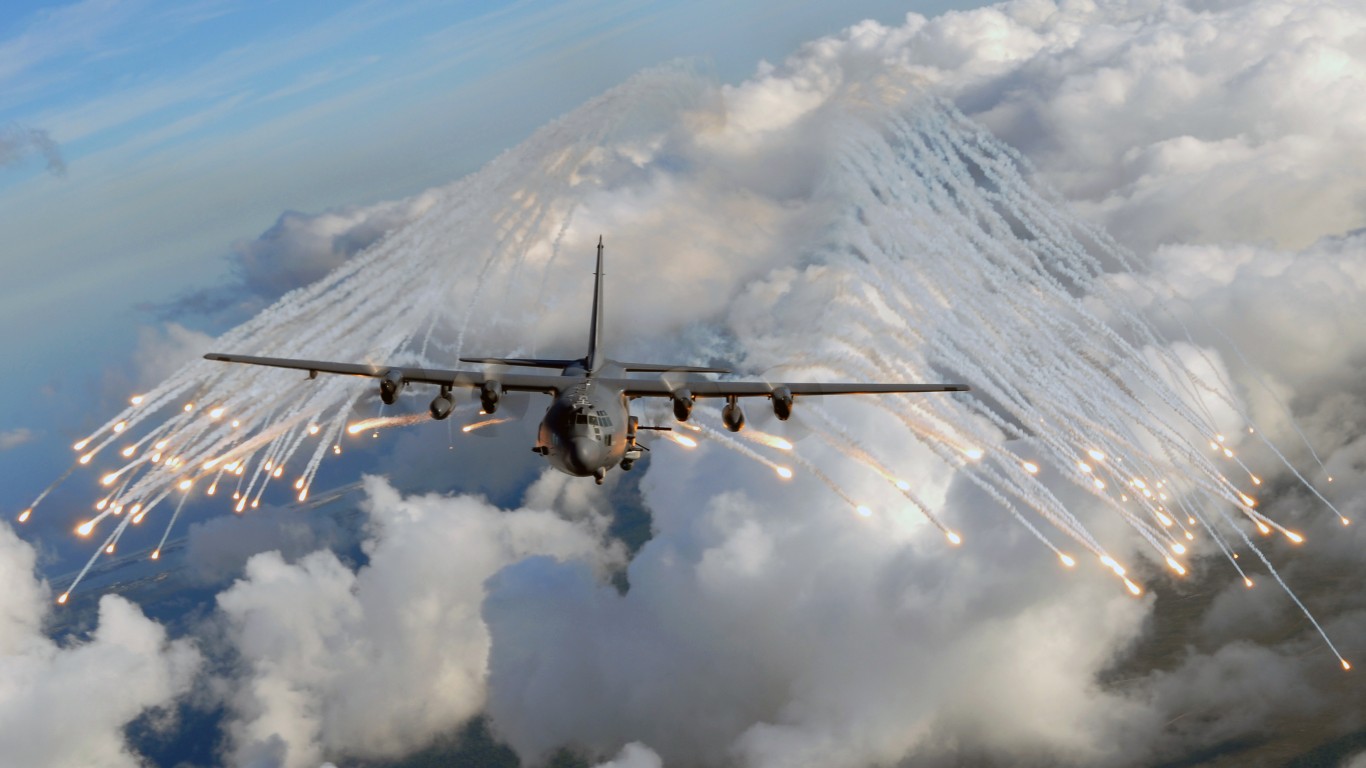
- Country of Origin: United States
- Manufacturer: Lockheed
- Entered service: 1972
- Aircraft type: Gunship
- What made it highly effective: Overwhelming ground firepower
- Primary limiting factor: Needs air superiority
- Constraint type: Doctrine-Limited
- Production numbers: 18
The AC-130H delivers extraordinary precision fire support, capable of overwhelming ground targets with sustained accuracy. However, its slow speed and predictable orbit require secure airspace. When conditions permit, it is devastating; when defenses intensify, its employment becomes restricted.
F-106 Delta Dart
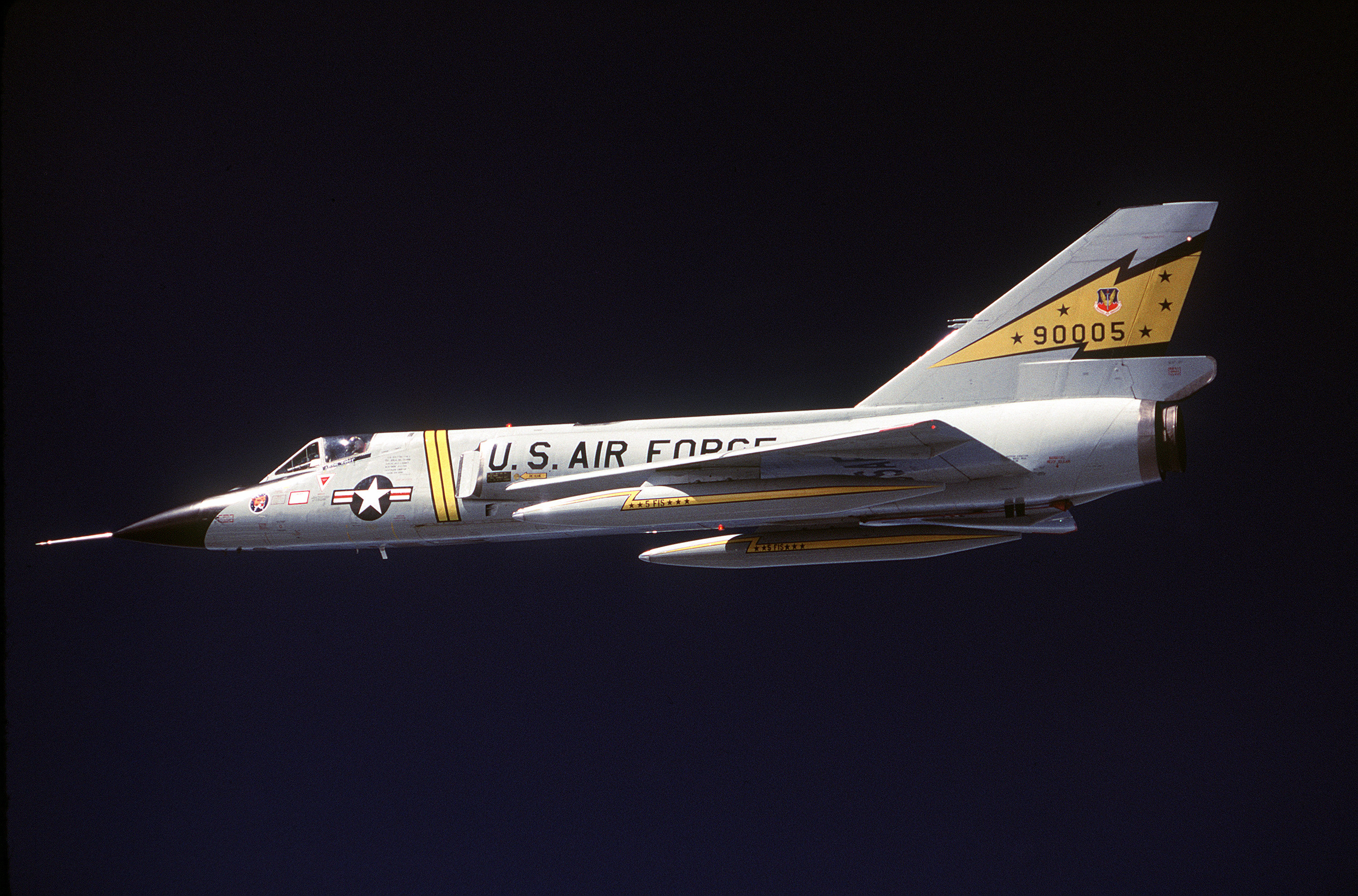
- Country of Origin: United States
- Manufacturer: Convair
- Entered service: 1959
- Aircraft type: Interceptor
- What made it highly effective: Elite interceptor performance
- Primary limiting factor: Narrow mission relevance
- Constraint type: Mission-Specialized
- Production numbers: 340
The F-106 represented the pinnacle of dedicated interceptor design, integrating advanced radar with high-speed performance to counter bomber threats. As strategic priorities shifted toward multirole fighters, its single mission lost urgency. Exceptional within its niche, it became increasingly out of step.
MiG-31 Foxhound
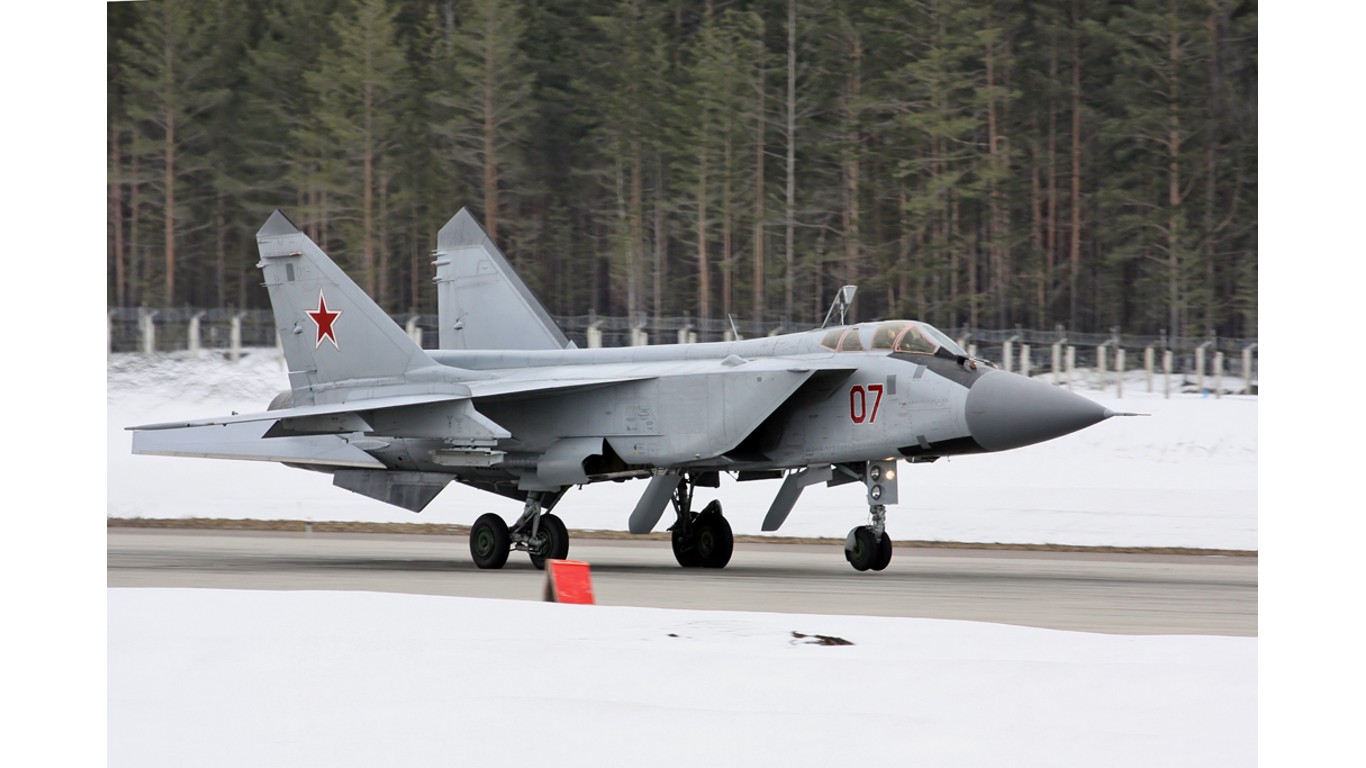
- Country of Origin: Soviet Union/Russia
- Manufacturer: Mikoyan
- Entered service: 1981
- Aircraft type: Interceptor
- What made it highly effective: Massive radar reach
- Primary limiting factor: High operating cost
- Constraint type: Cost-Limited
- Production numbers: 500
The MiG-31 expanded interceptor capability with powerful sensors capable of tracking multiple targets across vast distances. Its speed and reach remain impressive, but operating costs and specialization restrict widespread use. It excels at protecting large airspaces yet is not designed for general-purpose combat.
B-1B Lancer

- Country of Origin: United States
- Manufacturer: Rockwell
- Entered service: 1986
- Aircraft type: Strategic Bomber
- What made it highly effective: High-speed payload delivery
- Primary limiting factor: Treaty and cost constraints
- Constraint type: Strategically Limited
- Production numbers: 100
The B-1B combines high payload with supersonic dash capability, enabling large conventional strike packages. Arms-control treaties and high sustainment costs, however, shaped its operational profile. It became effective in specific strike roles rather than serving as an all-purpose bomber.
Su-57 Felon

- Country of Origin: Russia
- Manufacturer: Sukhoi
- Entered service: 2020
- Aircraft type: Stealth Fighter
- What made it highly effective: Advanced sensor fusion
- Primary limiting factor: Extremely low production
- Constraint type: Production-Limited
- Production numbers: <25
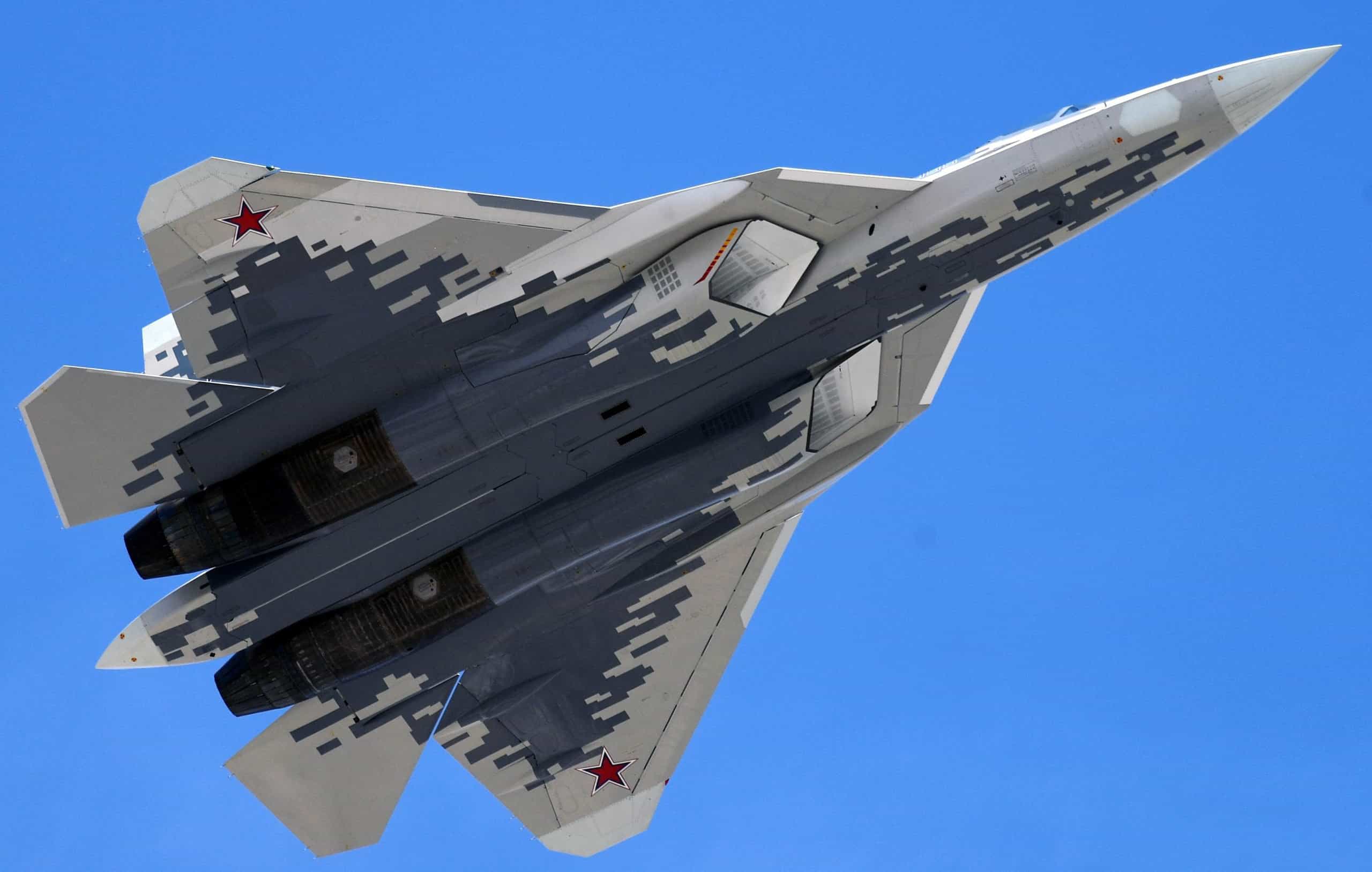
The Su-57 incorporates stealth shaping, sensor fusion, and high maneuverability intended to rival Western fifth-generation fighters. Yet extremely limited production has constrained its strategic impact. While technologically ambitious, the aircraft illustrates how industrial capacity influences airpower.
Harrier GR.1
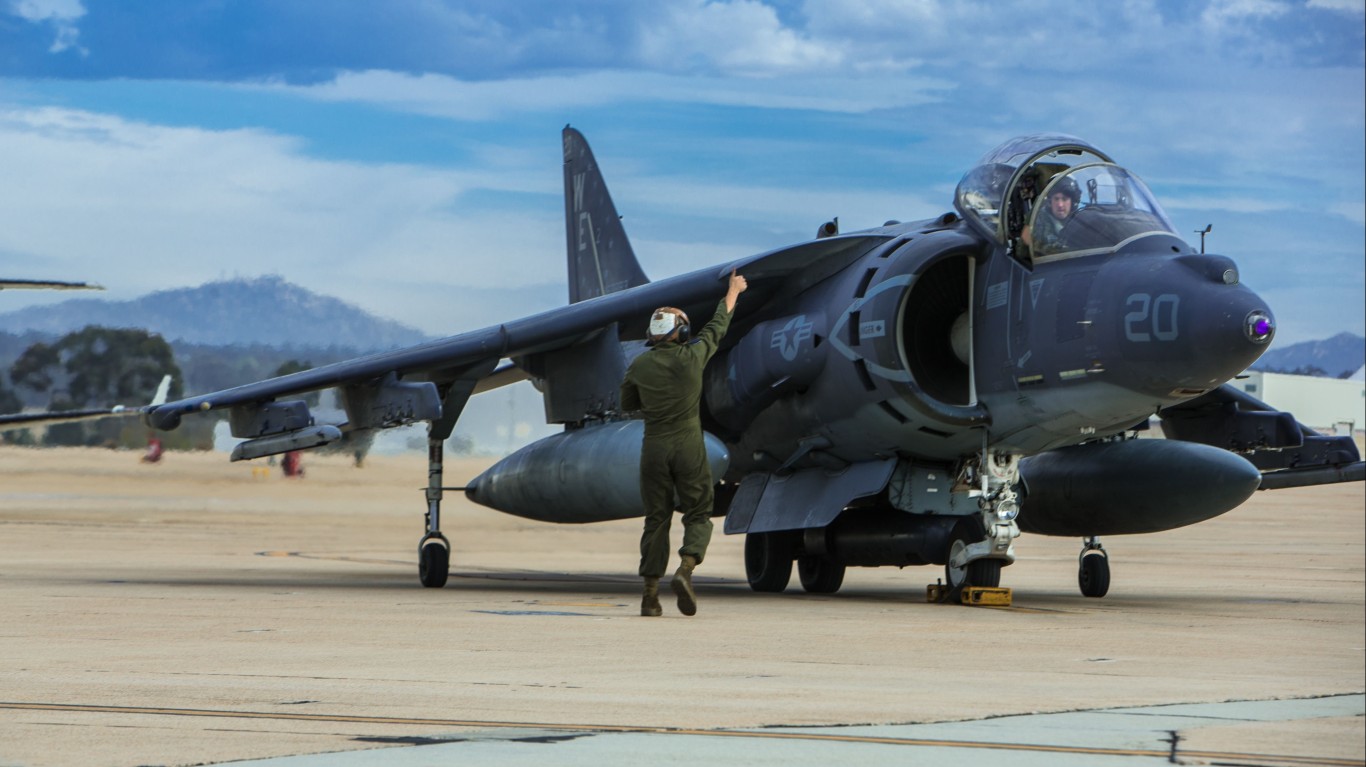
- Country of Origin: United Kingdom
- Manufacturer: Hawker Siddeley
- Entered service: 1969
- Aircraft type: VTOL Strike Fighter
- What made it highly effective: Revolutionary vertical operations
- Primary limiting factor: Payload and range limits
- Constraint type: Mission-Specialized
- Production numbers: 118
The Harrier GR.1 transformed expeditionary aviation by allowing aircraft to operate from improvised sites rather than traditional runways. Early variants, however, sacrificed payload and range to achieve vertical flight. It proved revolutionary but highlighted the performance compromises required.
F-104 Starfighter
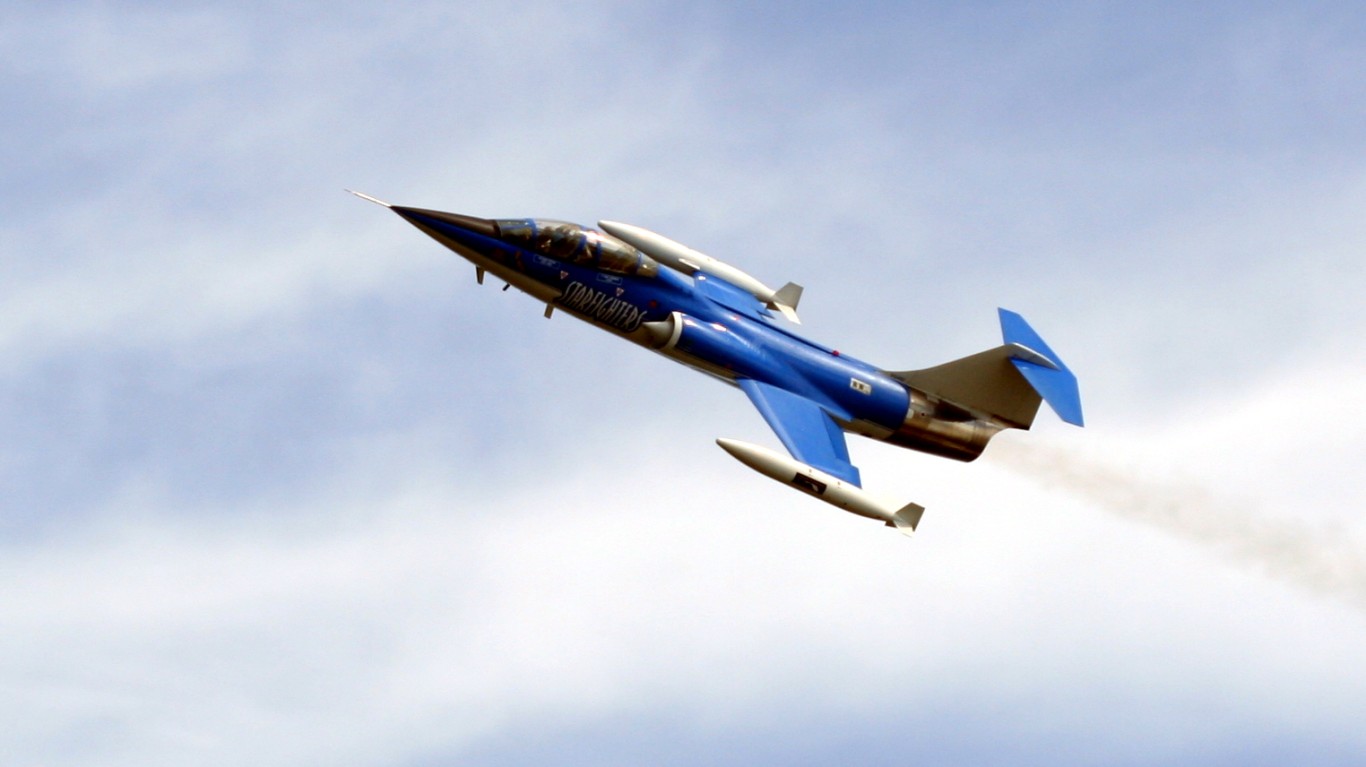
- Country of Origin: United States
- Manufacturer: Lockheed
- Entered service: 1958
- Aircraft type: Interceptor
- What made it highly effective: Blistering speed
- Primary limiting factor: Demanding flight profile
- Constraint type: Doctrine-Limited
- Production numbers: 2,578
The F-104 delivered extraordinary speed and climb performance, making it formidable in interception roles. Yet its narrow flight envelope and demanding handling limited flexibility. Highly effective when used as intended, it struggled outside that specialized doctrine.
U-2 Dragon Lady
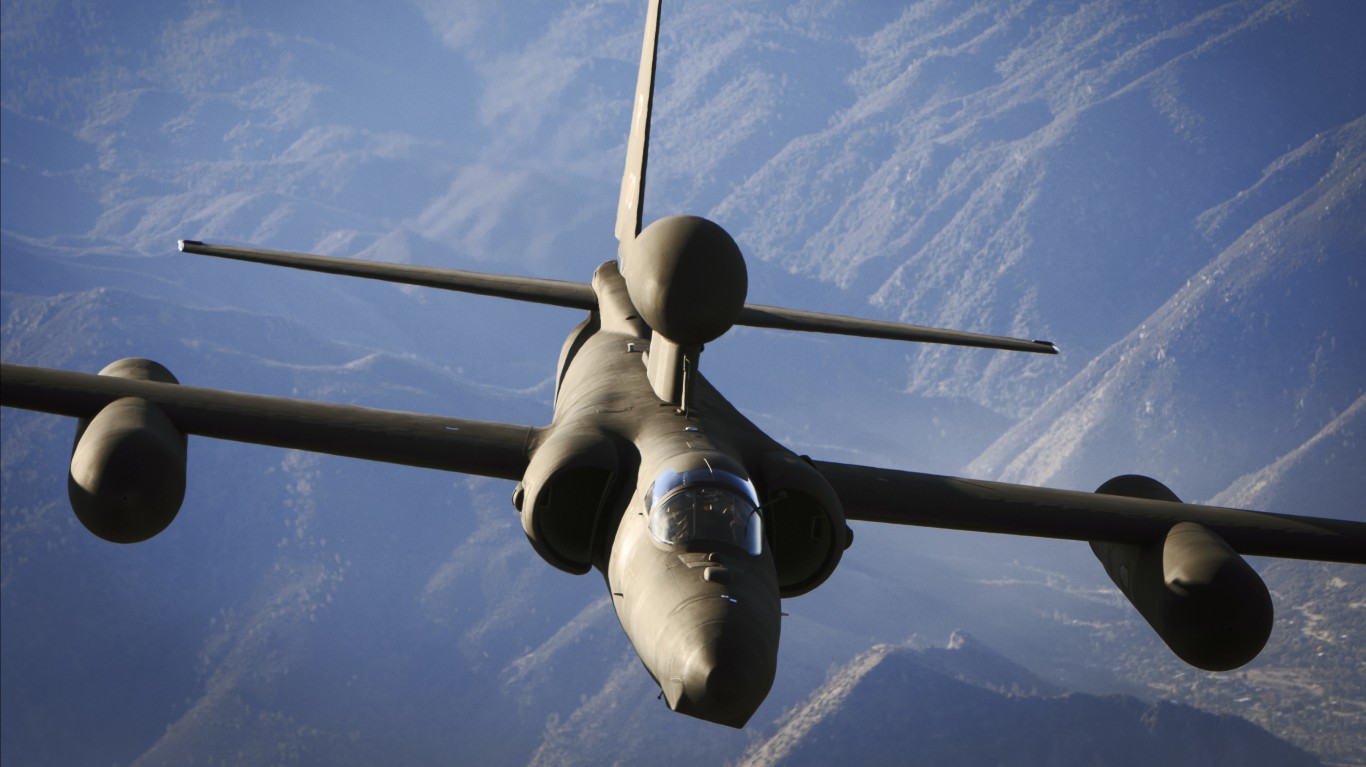
- Country of Origin: United States
- Manufacturer: Lockheed
- Entered service: 1956
- Aircraft type: High-Altitude Recon
- What made it highly effective: Strategic intelligence gathering
- Primary limiting factor: Politically sensitive missions
- Constraint type: Politically Limited
- Production numbers: 104
The U-2 provided unmatched high-altitude intelligence, shaping Cold War strategy with detailed reconnaissance. However, its operations carried significant diplomatic risk, as shootdowns could trigger international crises. Effective yet politically delicate, its missions demanded careful approval.
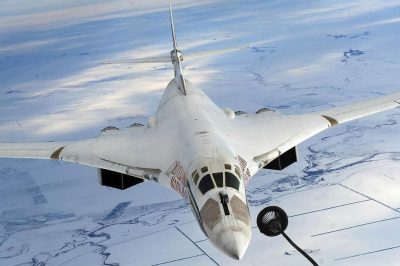
Tu-160 Blackjack

- Country of Origin: Soviet Union/Russia
- Manufacturer: Tupolev
- Entered service: 1987
- Aircraft type: Strategic Bomber
- What made it highly effective: Supersonic heavy strike
- Primary limiting factor: Very expensive to build
- Constraint type: Cost-Limited
- Production numbers: 36
The Tu-160 combines speed, payload, and range to form one of the most capable strategic bombers ever produced. However, enormous production and modernization costs limited fleet size. Its power is undeniable, but scarcity restricts routine employment.
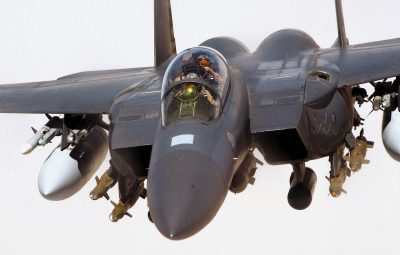
F-15EX Eagle II
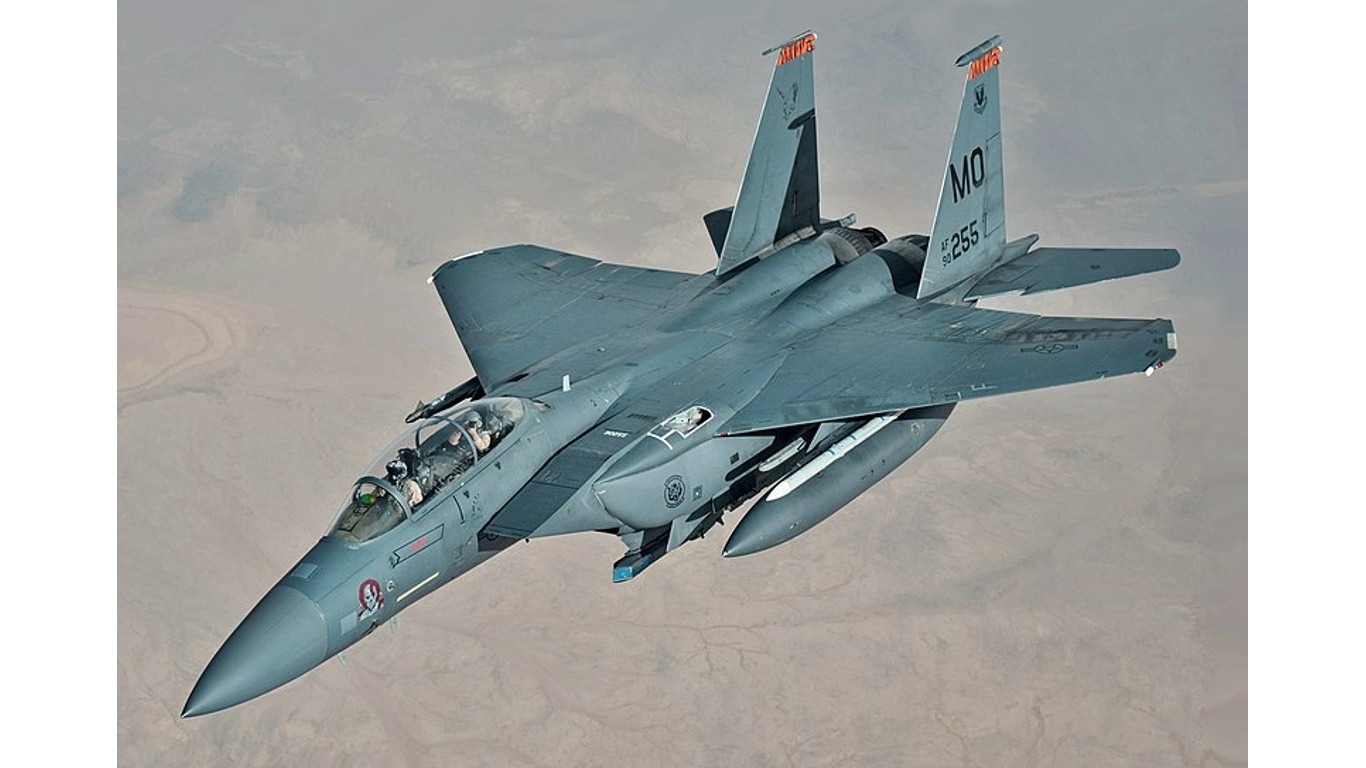
- Country of Origin: United States
- Manufacturer: Boeing
- Entered service: 2024
- Aircraft type: Multirole Fighter
- What made it highly effective: Massive weapons payload
- Primary limiting factor: Limited procurement
- Constraint type: Procurement-Limited
- Production numbers: Planned ~104
The F-15EX offers exceptional payload capacity and modern avionics, allowing it to carry large weapon loads while complementing stealth fighters. Yet procurement plans remain modest compared to legacy fleets. Highly capable but numerically constrained.
Rafale M
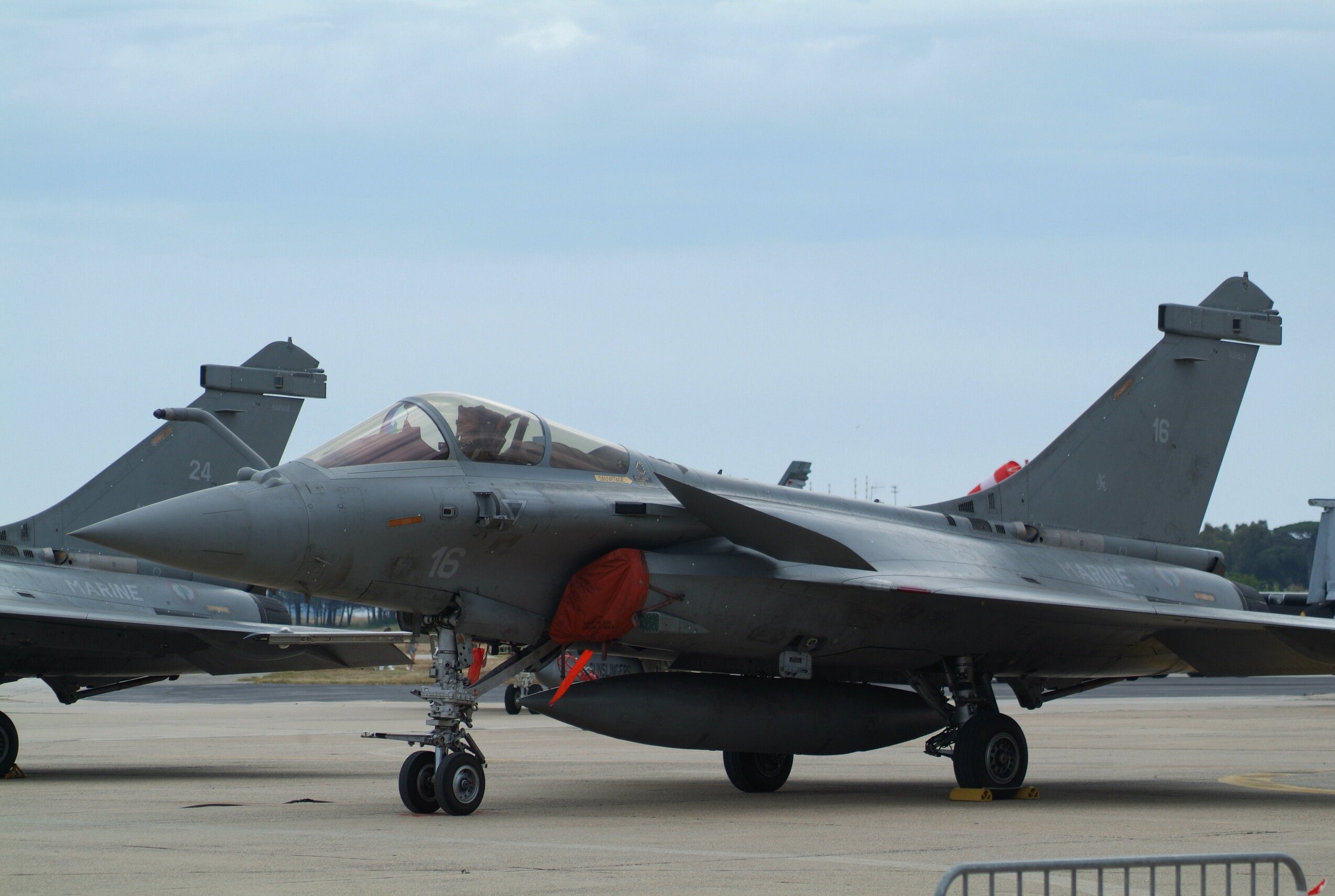
- Country of Origin: France
- Manufacturer: Dassault Aviation
- Entered service: 2004
- Aircraft type: Carrier Fighter
- What made it highly effective: Highly capable naval multirole
- Primary limiting factor: Single-navy operator
- Constraint type: Export-Restricted
- Production numbers: 42
The Rafale M delivers advanced sensors and multirole capability from carrier decks, providing France with a highly flexible naval fighter. However, its operation by only one navy inherently limits production scale.
E-767 AWACS
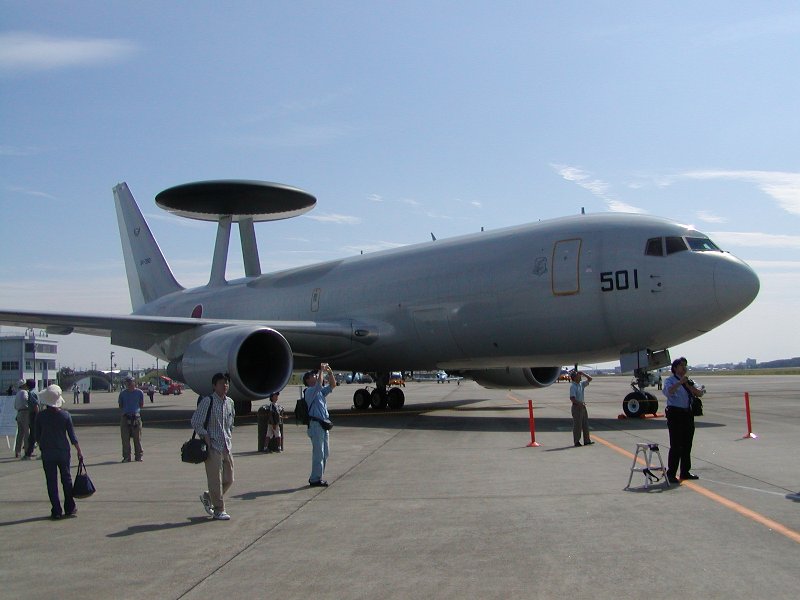
- Country of Origin: United States/Japan
- Manufacturer: Boeing
- Entered service: 1998
- Aircraft type: Airborne Early Warning
- What made it highly effective: Powerful battle management radar
- Primary limiting factor: Extremely costly
- Constraint type: Cost-Limited
- Production numbers: 4
The E-767 provides exceptional airborne command and control with radar capable of managing large battlespaces. Yet its enormous cost restricted procurement to just four aircraft. Strategically valuable but rare.
Kfir C.10
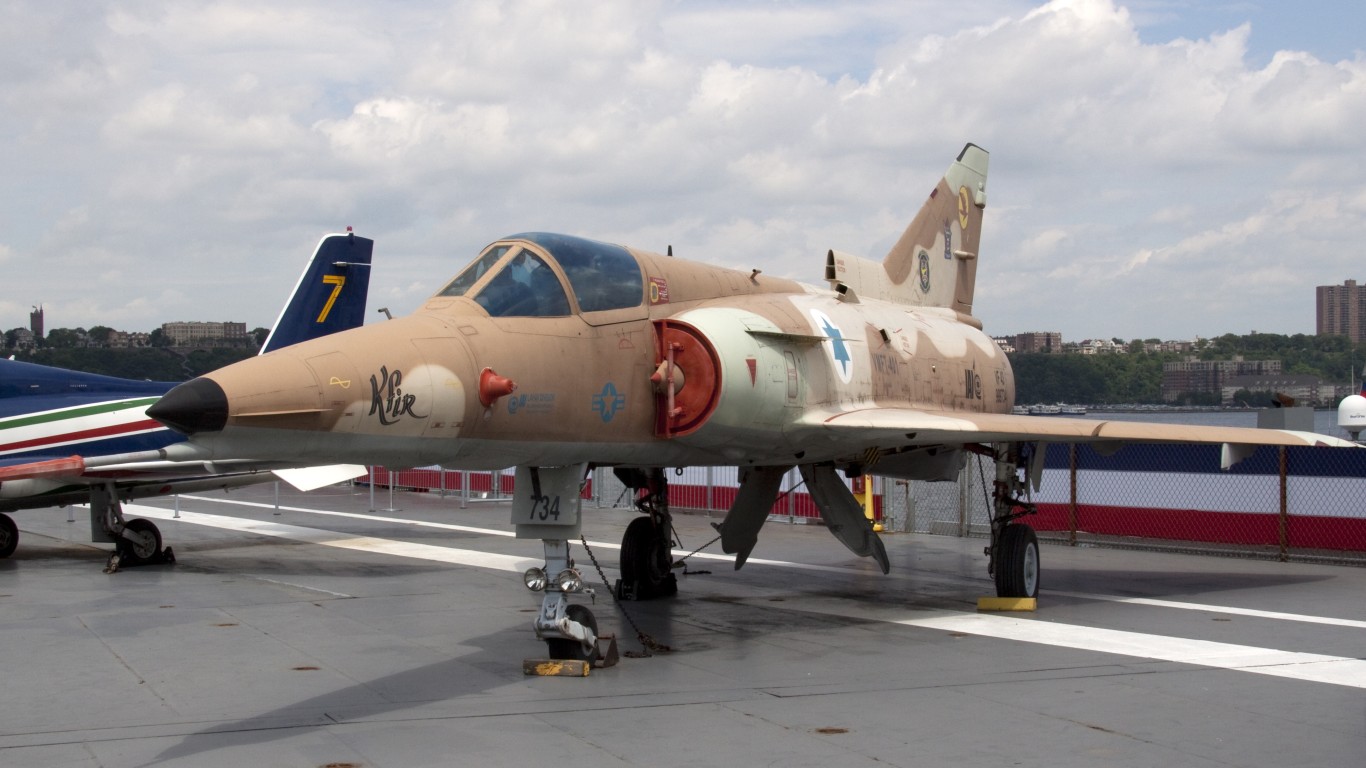
- Country of Origin: Israel
- Manufacturer: IAI
- Entered service: 1975
- Aircraft type: Multirole Fighter
- What made it highly effective: High performance for size
- Primary limiting factor: Limited global adoption
- Constraint type: Export-Limited
- Production numbers: 220
The Kfir C.10 delivered strong performance upgrades that kept the platform viable for decades. Despite effectiveness, limited export adoption prevented broader influence. It remained respected but not widely proliferated.
JAS 39E Gripen
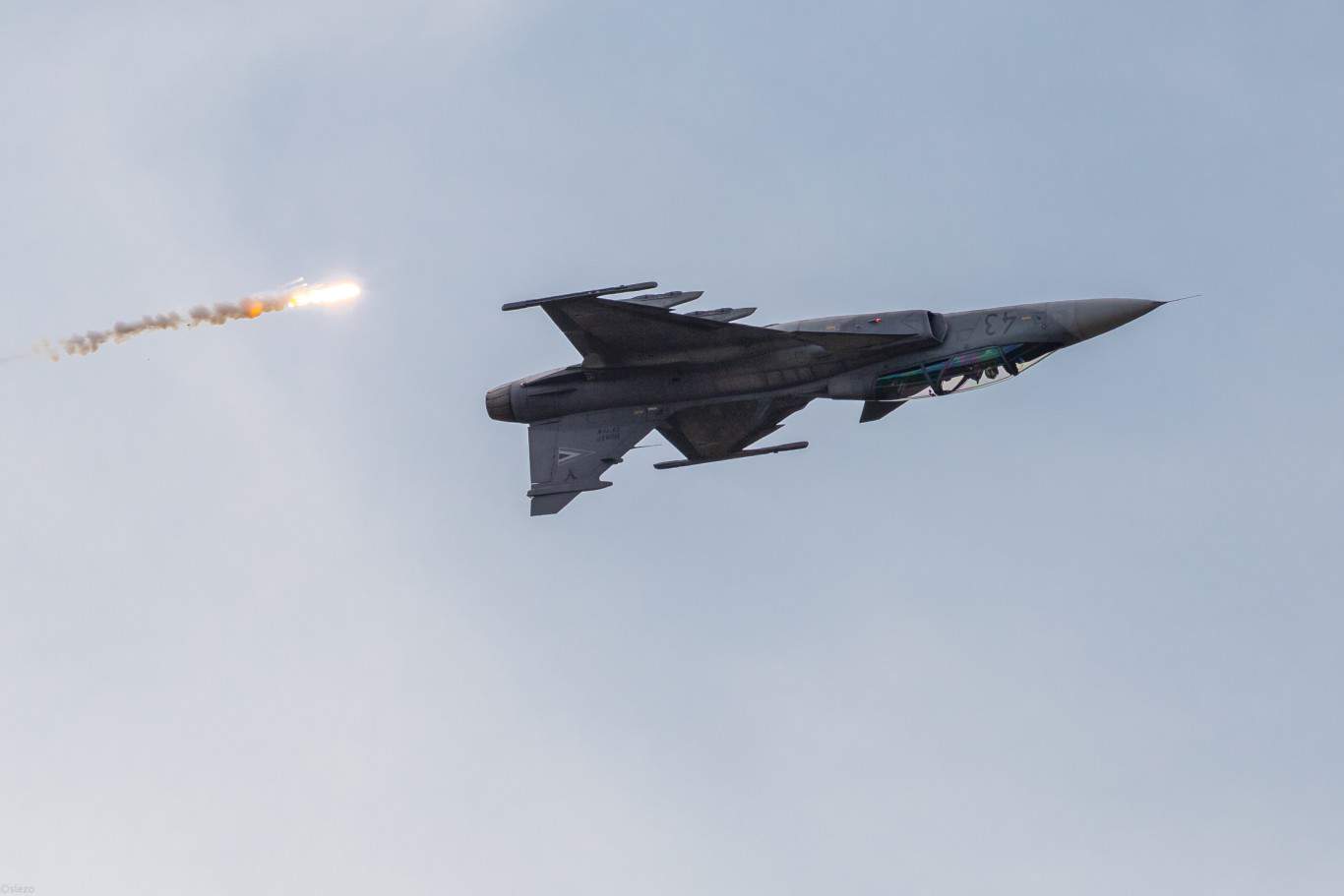
- Country of Origin: Sweden
- Manufacturer: Saab
- Entered service: 2019
- Aircraft type: Multirole Fighter
- What made it highly effective: Advanced network-centric warfare
- Primary limiting factor: Slow procurement pace
- Constraint type: Production-Limited
- Production numbers: <40
The Gripen E emphasizes networked warfare, sensor fusion, and operational efficiency, offering advanced capability in a relatively lightweight package. However, slow procurement has constrained fleet growth. Highly modern yet limited.





 Top Gaining Stocks
 Top Losing Stocks