


The history of military aviation is, in a few ways, a story of pushing speed to its limits. As air defenses became more advanced and global tensions escalated, especially during the Cold War, nations raced to develop aircraft capable of flying faster and higher than ever before. These high-speed platforms were built not just for performance, but to redefine how air power could be projected across vast distances in a matter of minutes. Here, 24/7 Wall St. is taking a closer look at some of the fastest military aircraft ever built.
To determine the fastest military aircraft ever built, 24/7 Wall St. reviewed various historical and military sources. We included supplemental information for each aircraft regarding the country of origin, manufacturer, type of aircraft, top speed, and why speed was an important factor for each of these aircraft.
Here is a look at the fastest military aircraft ever built:
Why Are We Covering This?
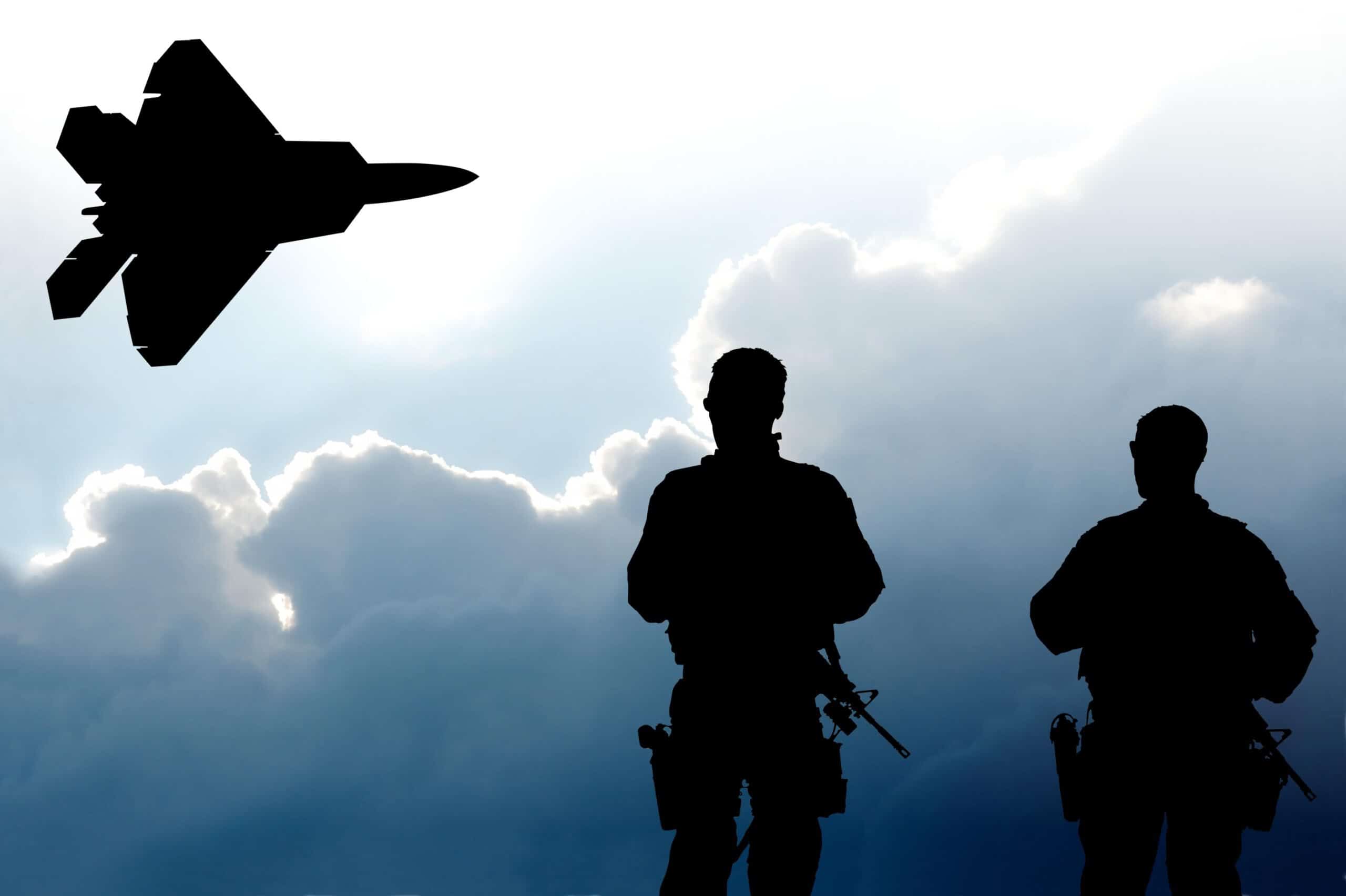
Understanding how speed has shaped military aviation is essential to understanding how air power itself has evolved. From the Cold War to modern air defense, speed has determined which aircraft could intercept threats, evade missiles, and survive in contested airspace. The fastest aircraft ever built were not just engineering achievements—they were strategic tools designed to push the limits of what was possible in combat. These platforms reveal how militaries prioritized velocity as both an offensive and defensive advantage, using speed to control distance, timing, and engagement outcomes. In many cases, being faster than the enemy meant the difference between mission success and failure, making these aircraft central to the development of modern air warfare.
Speed Has Always Defined Air Superiority
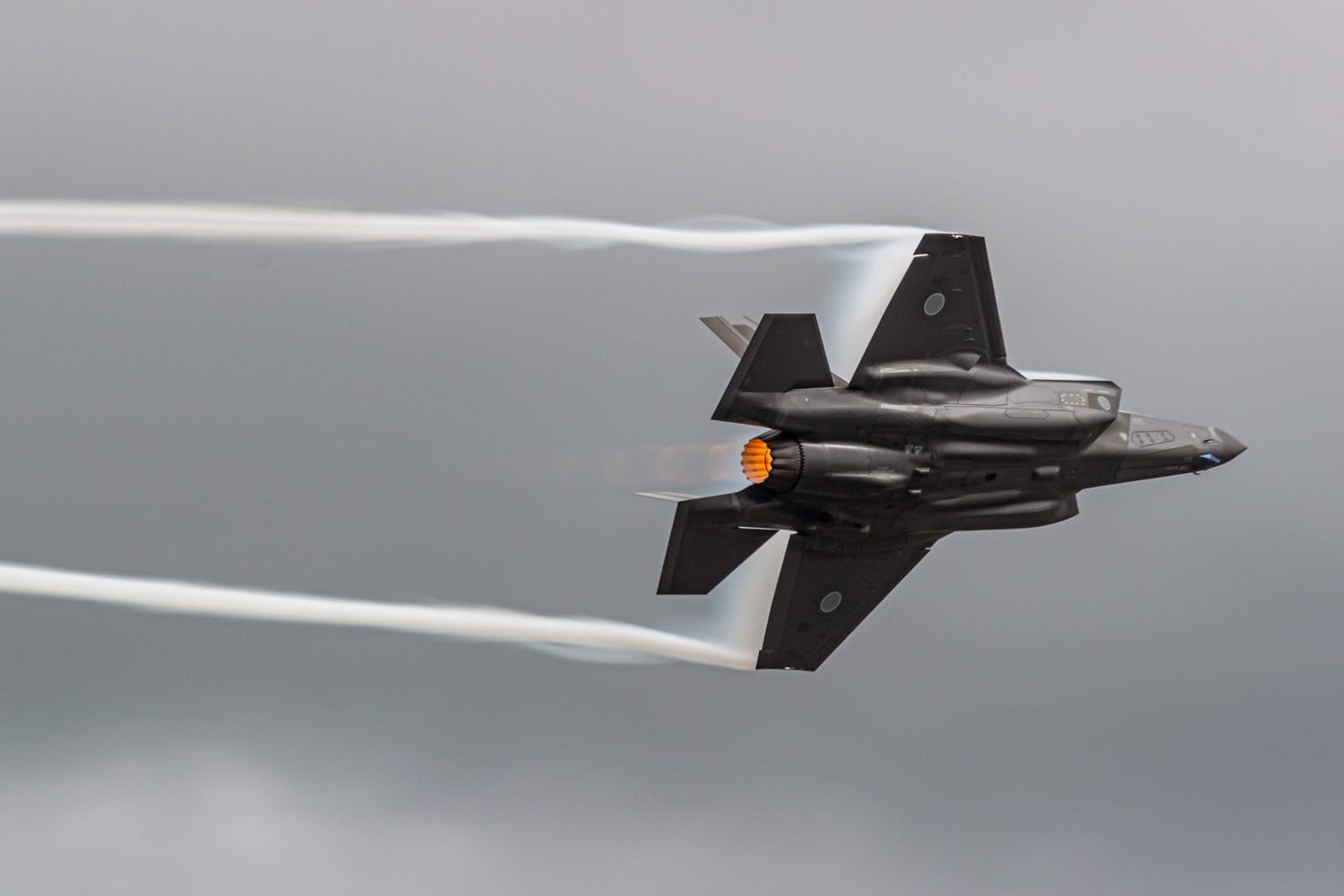
From the earliest days of jet combat, speed has been one of the most decisive advantages in the air. The ability to outrun, outclimb, or outpace an opponent can determine whether an aircraft survives or is destroyed. As a result, militaries have consistently pushed the limits of engineering to build faster and faster aircraft capable of dominating the skies.
The Cold War Created a Race for Mach Numbers
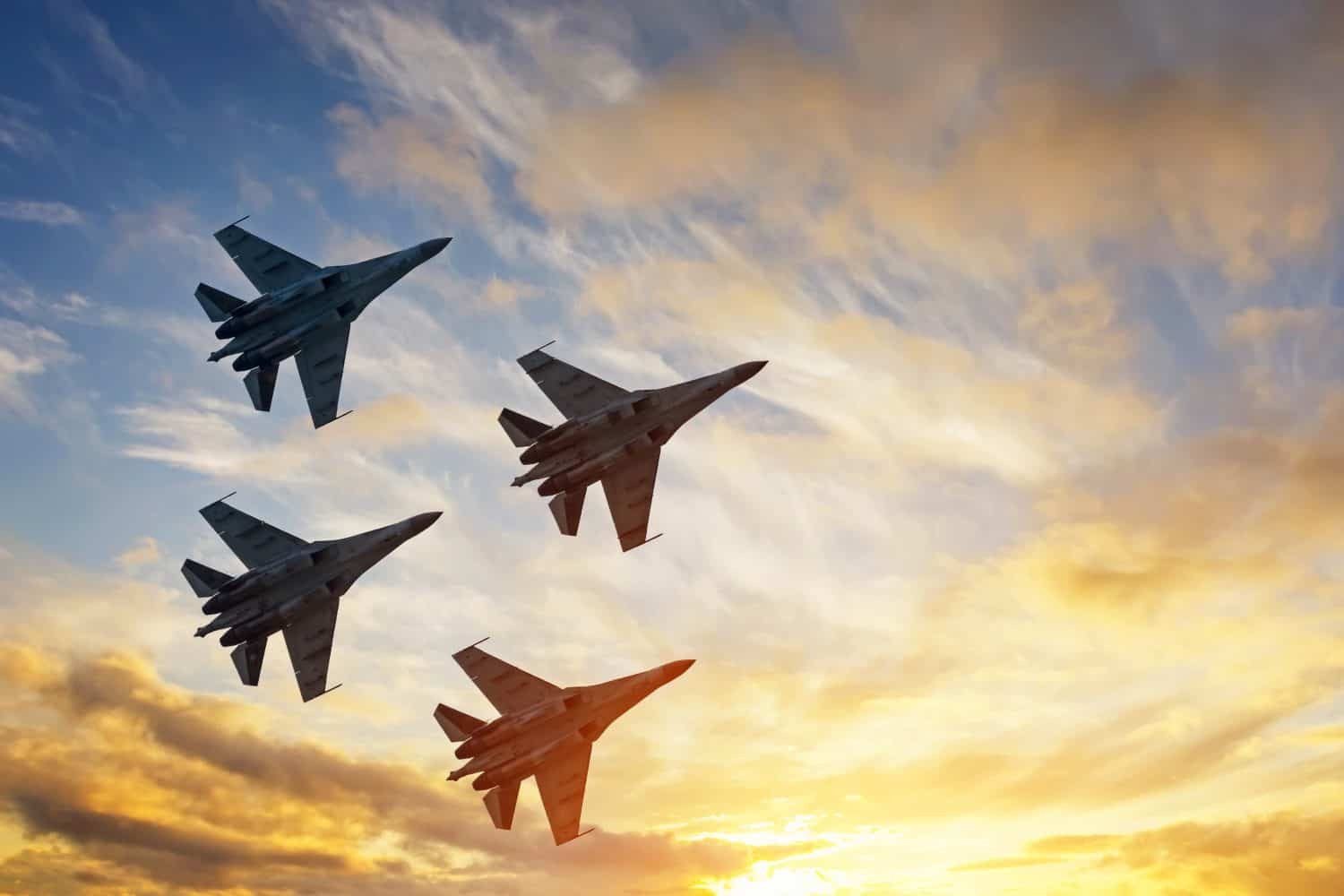
Nowhere was the pursuit of speed more intense than during the Cold War, when the United States and the Soviet Union competed to build aircraft capable of exceeding Mach 2 and even Mach 3. These machines were designed to intercept bombers, evade missiles, and gather intelligence at speeds previously thought impossible, turning raw velocity into a strategic advantage.
Speed Is More Than Just a Number
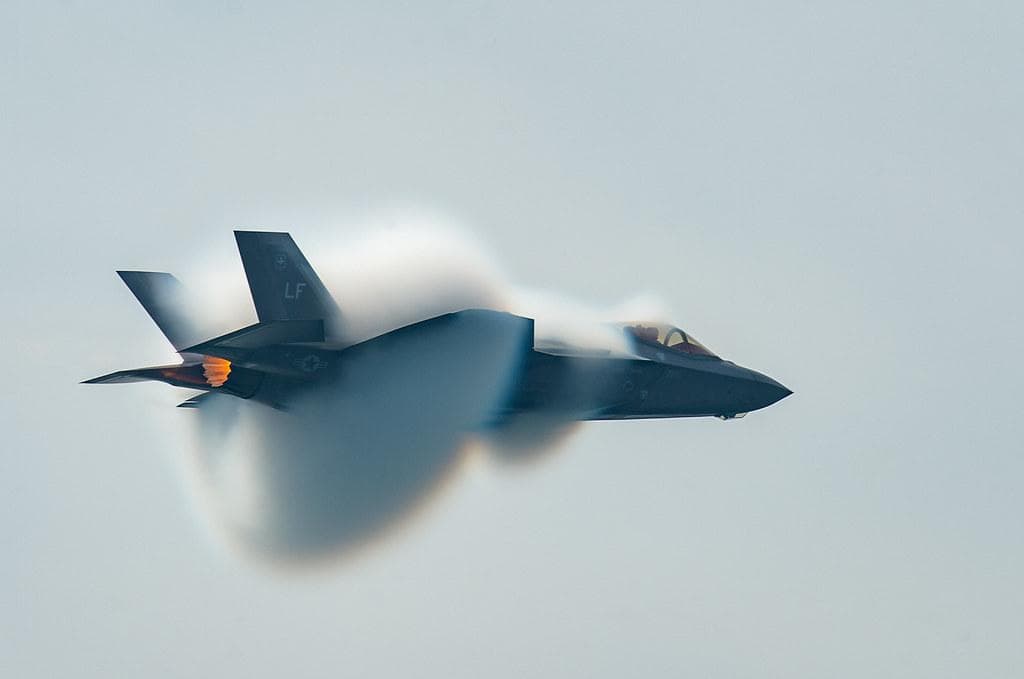
While top speed is often measured in Mach, its real value lies in how it translates to combat effectiveness. High-speed aircraft can respond faster, cover greater distances, and reduce exposure to enemy defenses. In many cases, speed itself becomes a form of protection, allowing aircraft to survive by simply being too fast to catch.
Engineering at the Edge of Possibility
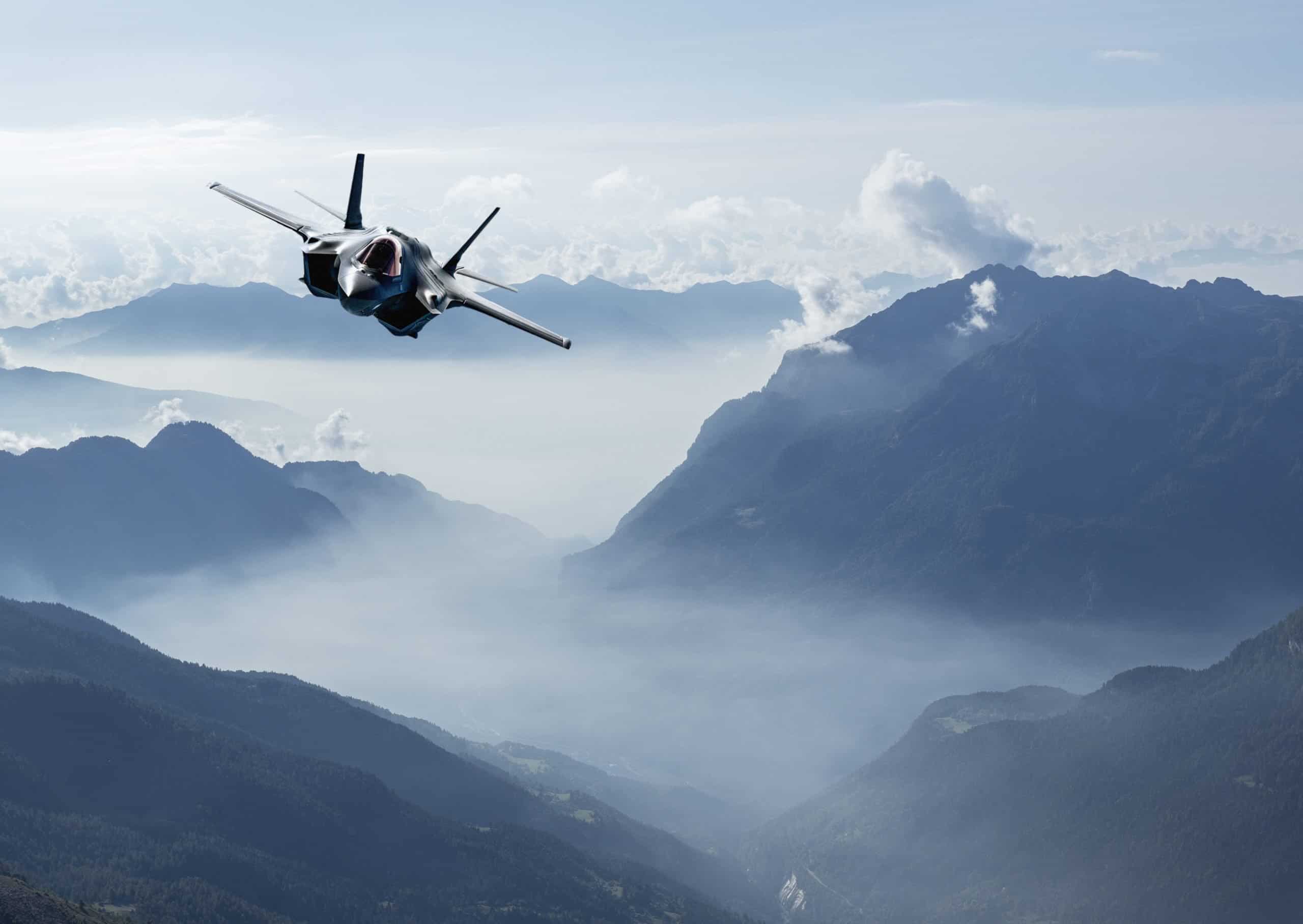
Building aircraft capable of extreme speeds requires pushing materials, engines, and aerodynamics to their limits. From specialized alloys that withstand intense heat to engines designed for sustained supersonic flight, these aircraft represent some of the most advanced engineering achievements in military history.
The Fastest Aircraft Ever Built
The aircraft on this list represent the pinnacle of speed in military aviation. Each one was designed with a clear purpose, whether for reconnaissance, interception, or strike missions, and each demonstrates how speed can redefine what is possible in combat. Ranked by top speed, these aircraft showcase the relentless pursuit of velocity in the skies.
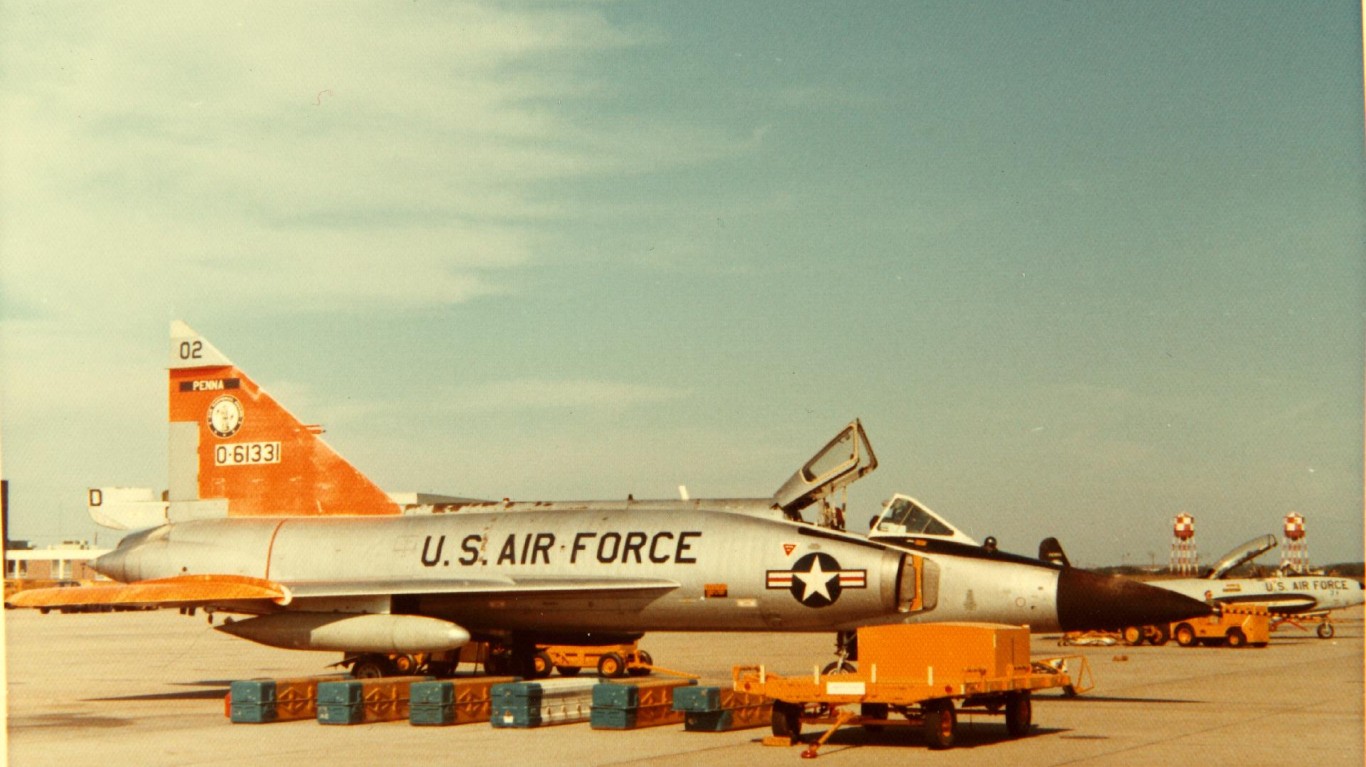
25. F-102 Delta Dagger
- Country of origin: USA
- Manufacturer: Convair
- Aircraft type: Interceptor
- Year introduced to service: 1956
- Top speed (Mach): Mach 1.25
- Top speed (mph): 825 mph
- Key speed advantage: Early supersonic interceptor
The F-102 Delta Dagger was one of the first operational supersonic interceptors, marking a major step forward in air defense. While not as fast as later designs, its Mach 1.25 performance represented a significant advancement at the time. It helped establish the foundation for future high-speed interceptors.
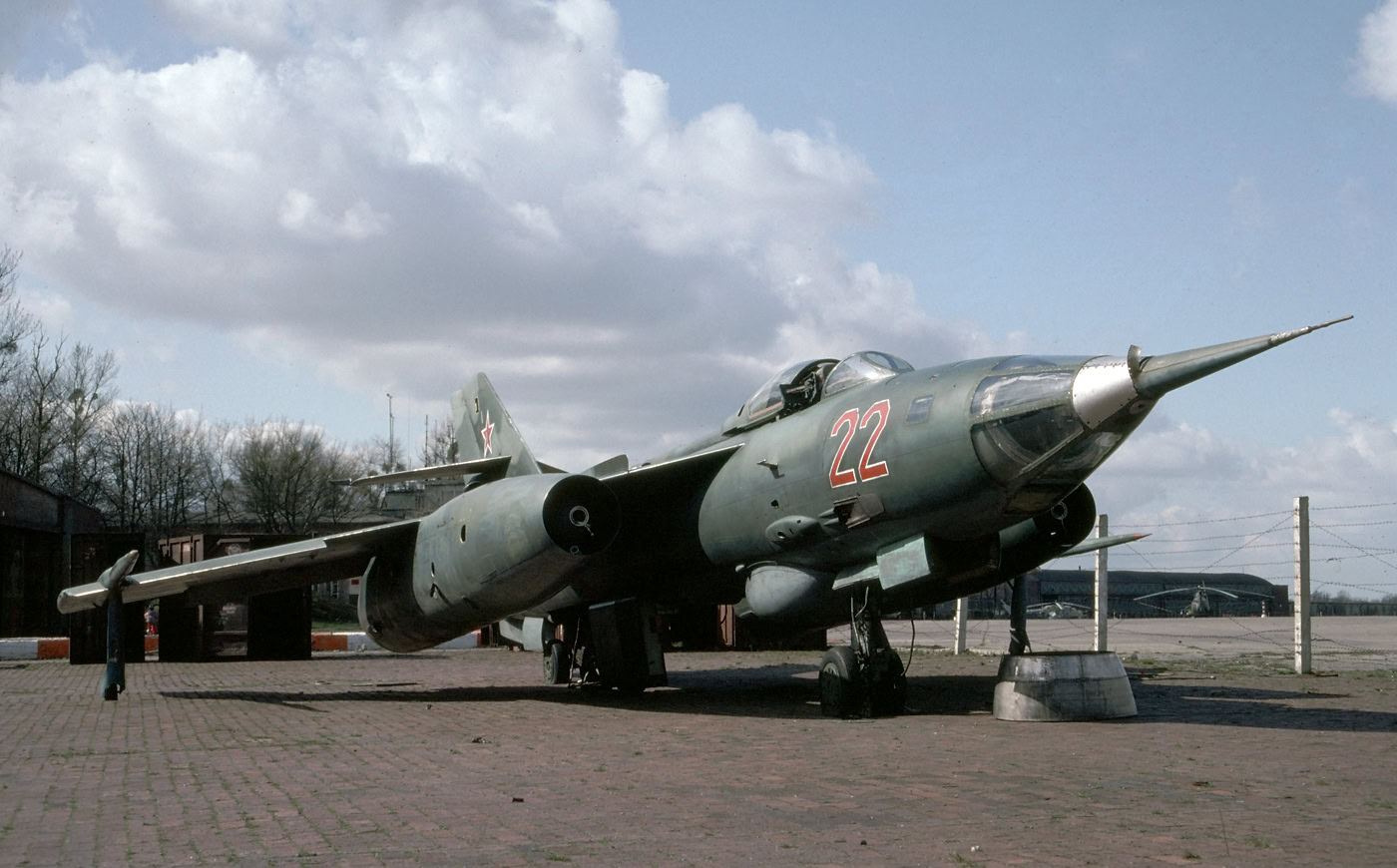
24. Yak-28
- Country of origin: USSR
- Manufacturer: Yakovlev
- Aircraft type: Bomber/Interceptor
- Year introduced to service: 1960
- Top speed (Mach): Mach 1.8
- Top speed (mph): 1180 mph
- Key speed advantage: Supersonic tactical strike
The Yak-28 was a versatile aircraft used for both strike and interception roles, capable of reaching near-supersonic speeds. Its performance allowed it to conduct rapid missions in contested environments. While not the fastest on this list, it still represented an important step in Soviet aviation development.
23. Saab 35 Draken
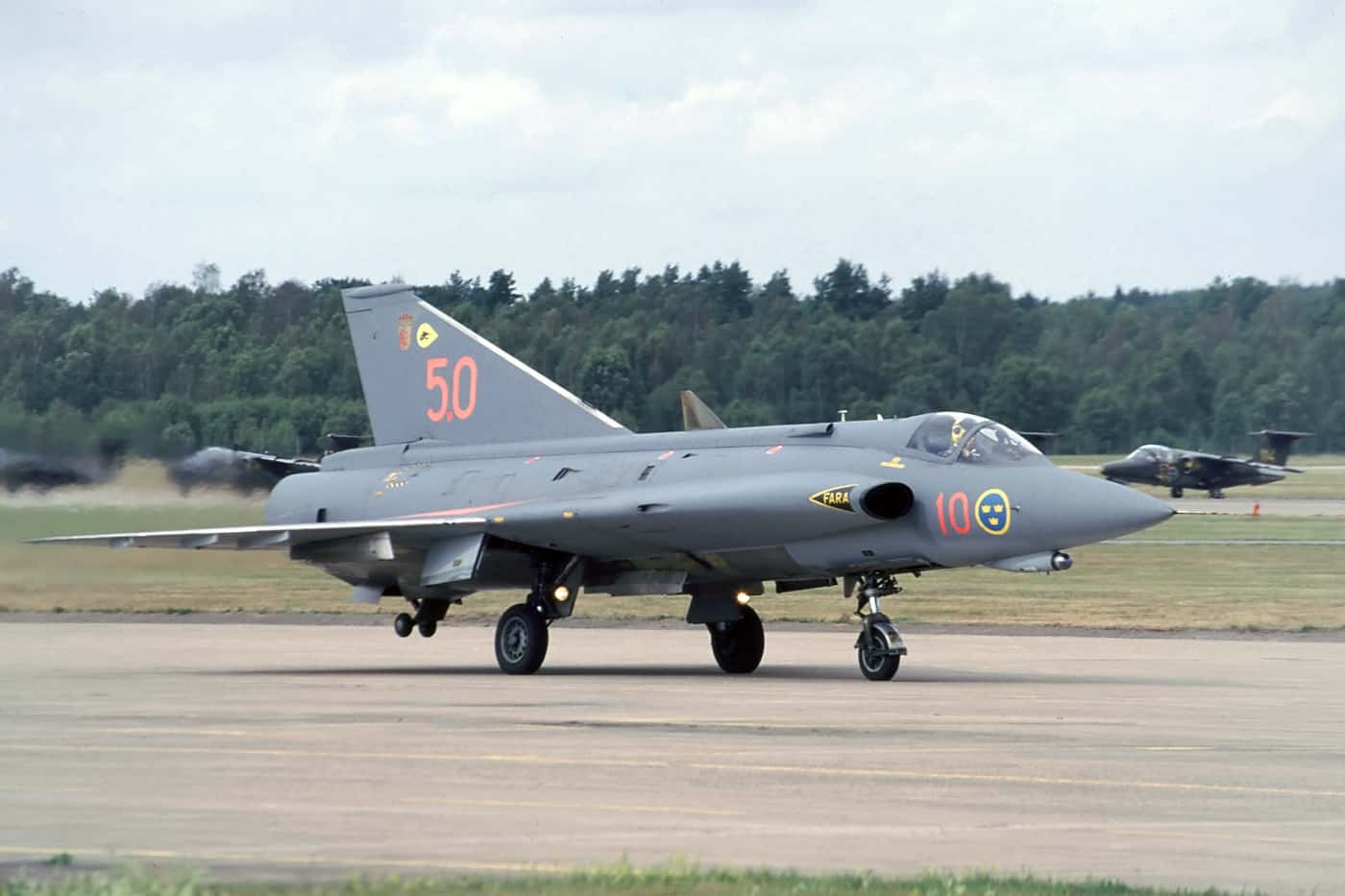
- Country of origin: Sweden
- Manufacturer: Saab
- Aircraft type: Fighter
- Year introduced to service: 1960
- Top speed (Mach): Mach 2.0
- Top speed (mph): 1325 mph
- Key speed advantage: Early supersonic interceptor
The Saab 35 Draken was an early supersonic interceptor designed to defend against high-speed threats. Its Mach 2 capability allowed it to respond quickly to incursions. Its distinctive design and speed made it a key component of Sweden’s air defense strategy during the Cold War.
22. F-105 Thunderchief
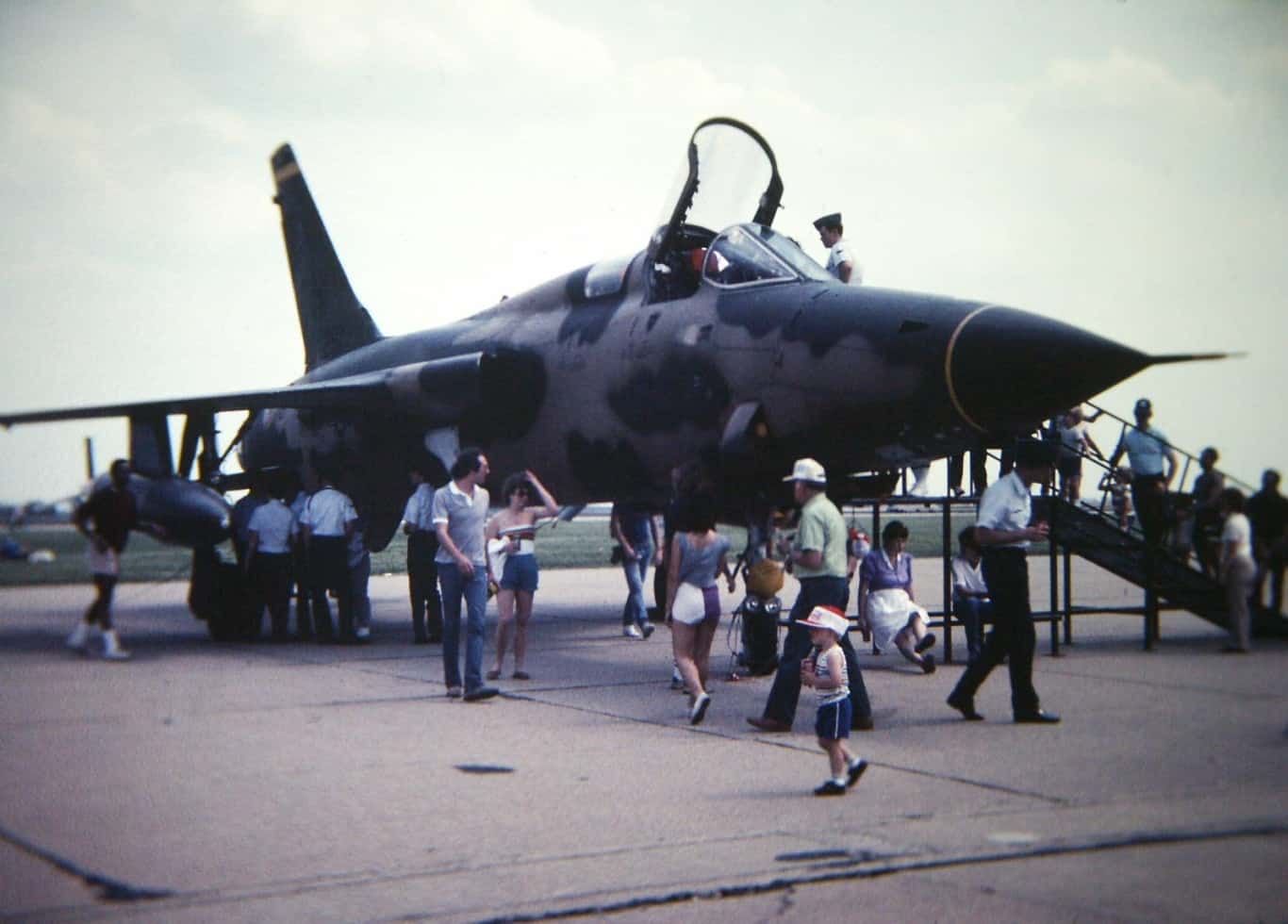
- Country of origin: USA
- Manufacturer: Republic
- Aircraft type: Strike Aircraft
- Year introduced to service: 1958
- Top speed (Mach): Mach 2.1
- Top speed (mph): 1390 mph
- Key speed advantage: High-speed nuclear strike
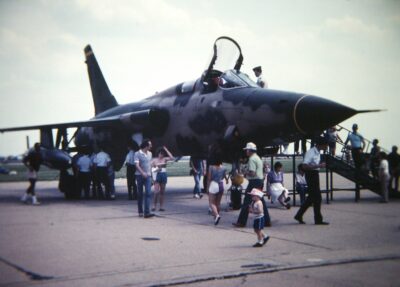
The F-105 Thunderchief was built for high-speed strike missions, capable of exceeding Mach 2. Its speed allowed it to penetrate enemy defenses and deliver payloads quickly. Widely used during the Vietnam War, it demonstrated how speed could enhance survivability in combat.
21. Su-24 Fencer
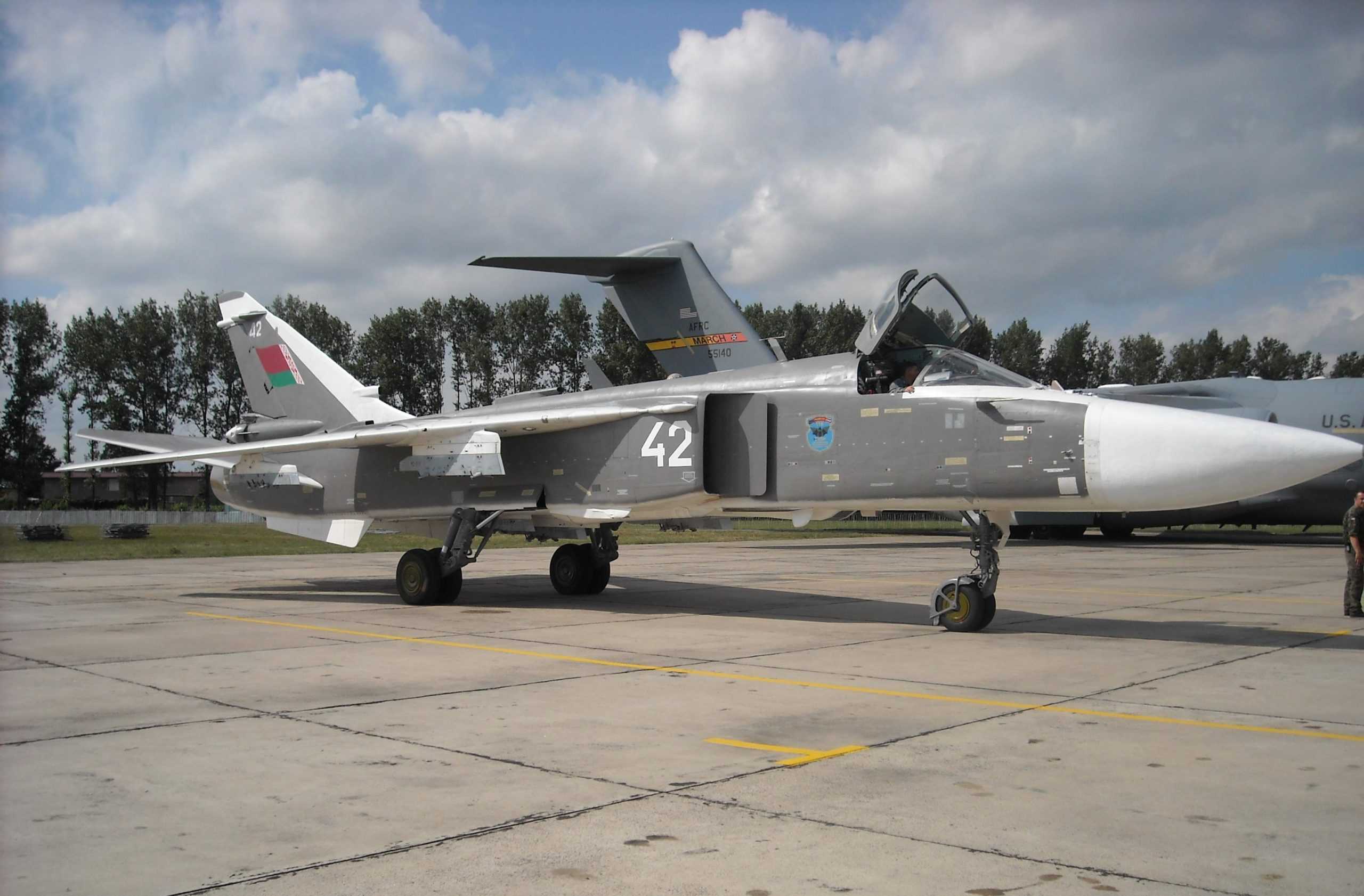
- Country of origin: USSR/Russia
- Manufacturer: Sukhoi
- Aircraft type: Strike Aircraft
- Year introduced to service: 1974
- Top speed (Mach): Mach 2.18
- Top speed (mph): 1430 mph
- Key speed advantage: All-weather supersonic attack
The Su-24 Fencer is designed for all-weather strike missions, combining speed with precision targeting capabilities. Its supersonic performance allows it to quickly enter and exit contested areas. This speed, paired with its payload capacity, makes it a versatile and effective strike aircraft.
20. Chengdu J-8
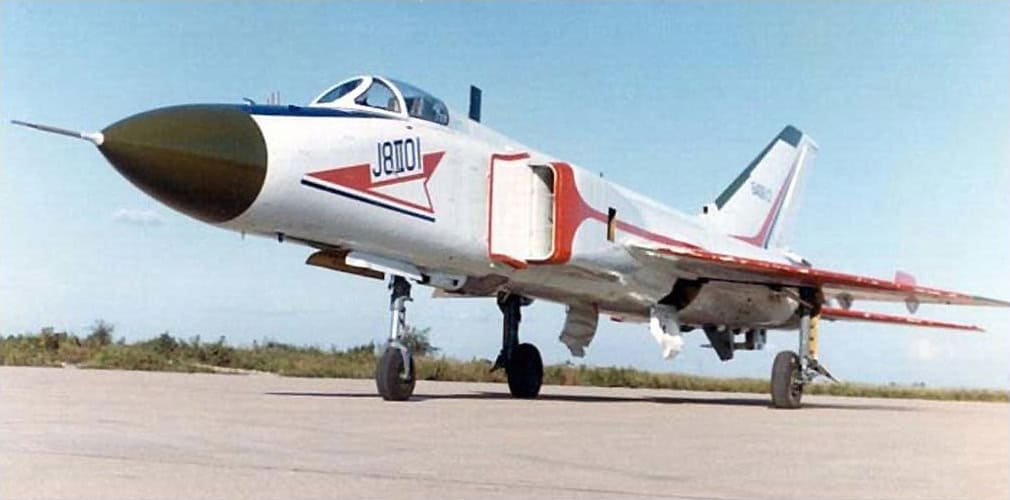
- Country of origin: China
- Manufacturer: Chengdu
- Aircraft type: Interceptor
- Year introduced to service: 1980
- Top speed (Mach): Mach 2.2
- Top speed (mph): 1450 mph
- Key speed advantage: High-speed regional defense
The Chengdu J-8 was developed to provide China with a high-speed interceptor capable of defending large airspace regions. Its Mach 2.2 speed allows it to respond quickly to aerial threats. As one of China’s early supersonic designs, it played a key role in modernizing its air force.
19. Panavia Tornado
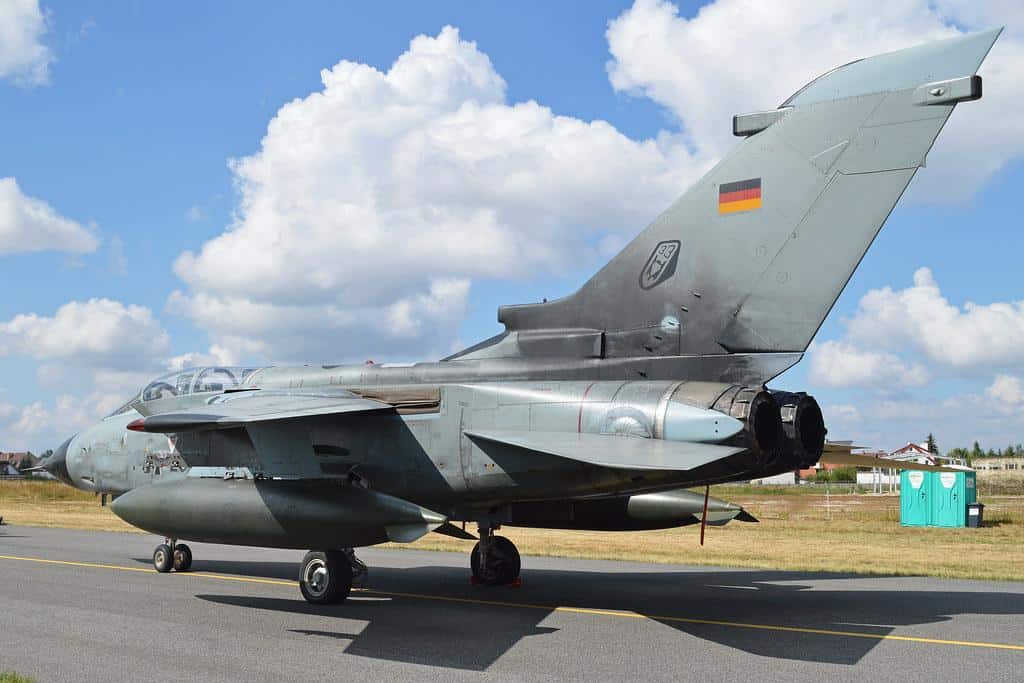
- Country of origin: UK/Germany/Italy
- Manufacturer: Panavia
- Aircraft type: Strike Aircraft
- Year introduced to service: 1979
- Top speed (Mach): Mach 2.2
- Top speed (mph): 1450 mph
- Key speed advantage: Low-level supersonic strike
The Panavia Tornado is built for low-level, high-speed strike missions, using terrain-following flight to evade detection. Its ability to sustain supersonic speeds at low altitude gives it a unique advantage in penetrating enemy defenses. This combination of speed and precision makes it a highly effective strike platform.
18. Mirage 2000

- Country of origin: France
- Manufacturer: Dassault
- Aircraft type: Fighter
- Year introduced to service: 1984
- Top speed (Mach): Mach 2.2
- Top speed (mph): 1450 mph
- Key speed advantage: Delta-wing high-speed defense
The Mirage 2000 leverages its delta-wing design to achieve high-speed performance and rapid response capability. With a top speed of Mach 2.2, it serves as a reliable interceptor and multirole fighter. Its speed allows it to quickly engage threats and maintain control over contested airspace.
17. F-4 Phantom II

- Country of origin: USA
- Manufacturer: McDonnell Douglas
- Aircraft type: Fighter
- Year introduced to service: 1960
- Top speed (Mach): Mach 2.23
- Top speed (mph): 1473 mph
- Key speed advantage: Multi-role supersonic combat
The F-4 Phantom II was one of the first truly successful supersonic multirole fighters, capable of reaching Mach 2.23. Its speed allowed it to perform interception, strike, and air superiority missions effectively. Widely used during the Vietnam War, it demonstrated the importance of speed in modern air combat.
16. English Electric Lightning
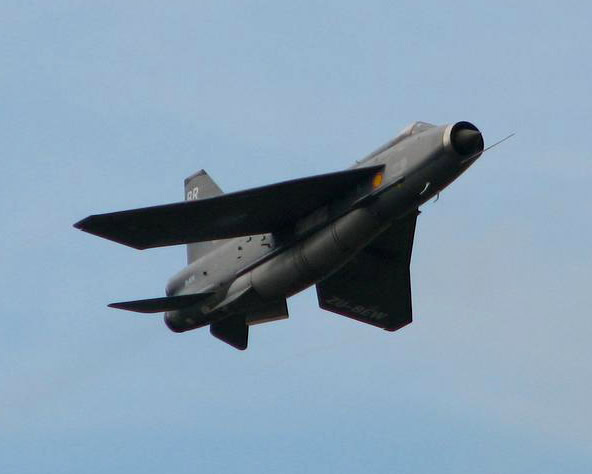
- Country of origin: UK
- Manufacturer: English Electric
- Aircraft type: Interceptor
- Year introduced to service: 1960
- Top speed (Mach): Mach 2.27
- Top speed (mph): 1500 mph
- Key speed advantage: Rapid climb interception
The English Electric Lightning was built for rapid interception, capable of climbing and accelerating at remarkable rates. Its Mach 2+ performance allowed it to quickly reach incoming threats and engage them before they penetrated airspace. Its speed and climb rate made it one of the most effective interceptors of its time.
15. F-106 Delta Dart
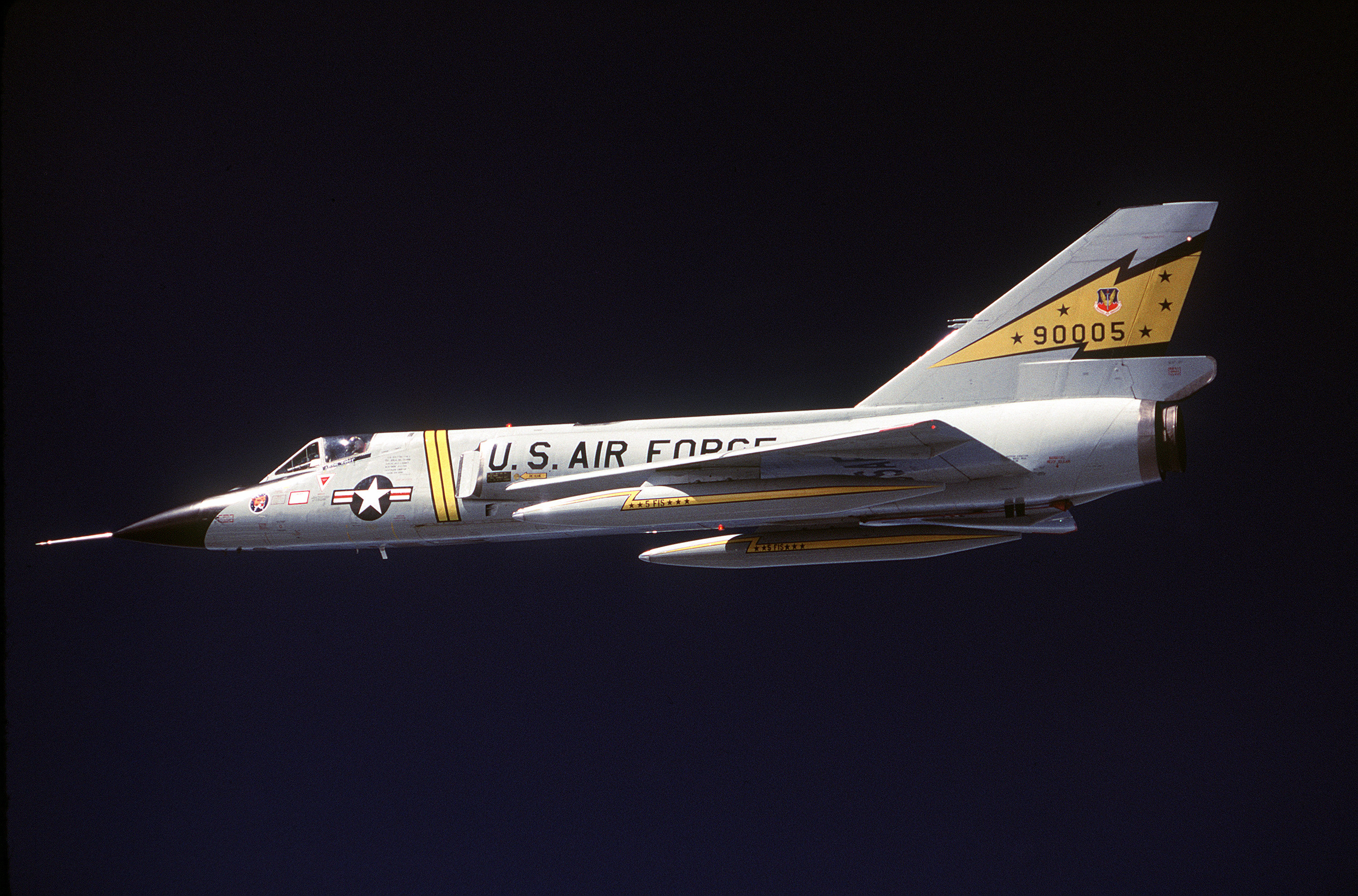
- Country of origin: USA
- Manufacturer: Convair
- Aircraft type: Interceptor
- Year introduced to service: 1959
- Top speed (Mach): Mach 2.3
- Top speed (mph): 1526 mph
- Key speed advantage: Cold War air defense
The F-106 Delta Dart was one of the fastest dedicated interceptors in U.S. service, capable of exceeding Mach 2. Its speed allowed it to respond rapidly to incoming threats during the Cold War. Designed for air defense, it played a critical role in protecting U.S. airspace.
14. F-14 Tomcat
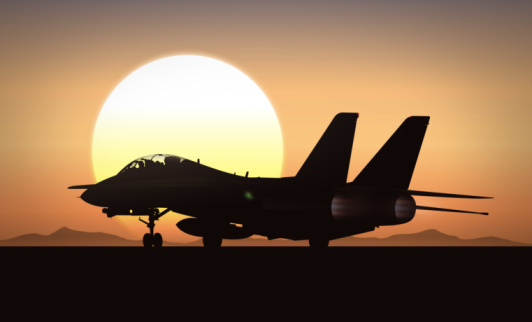
- Country of origin: USA
- Manufacturer: Grumman
- Aircraft type: Fighter
- Year introduced to service: 1974
- Top speed (Mach): Mach 2.34
- Top speed (mph): 1544 mph
- Key speed advantage: Fleet defense interception
The F-14 Tomcat was designed for fleet defense, using its speed to intercept incoming threats before they could reach carrier groups. Its Mach 2.34 capability, combined with long-range missiles, allowed it to engage targets at extended distances. This made it a critical asset in protecting naval forces during the Cold War.
13. Su-27 Flanker

- Country of origin: USSR/Russia
- Manufacturer: Sukhoi
- Aircraft type: Fighter
- Year introduced to service: 1985
- Top speed (Mach): Mach 2.35
- Top speed (mph): 1600 mph
- Key speed advantage: High-speed maneuverability
The Su-27 Flanker balances high speed with agility, offering strong performance across multiple combat roles. Its ability to reach Mach 2.35 allows it to quickly respond to threats and reposition during engagements. Combined with its maneuverability, this speed makes it a highly capable air superiority platform.
12. Shenyang J-11
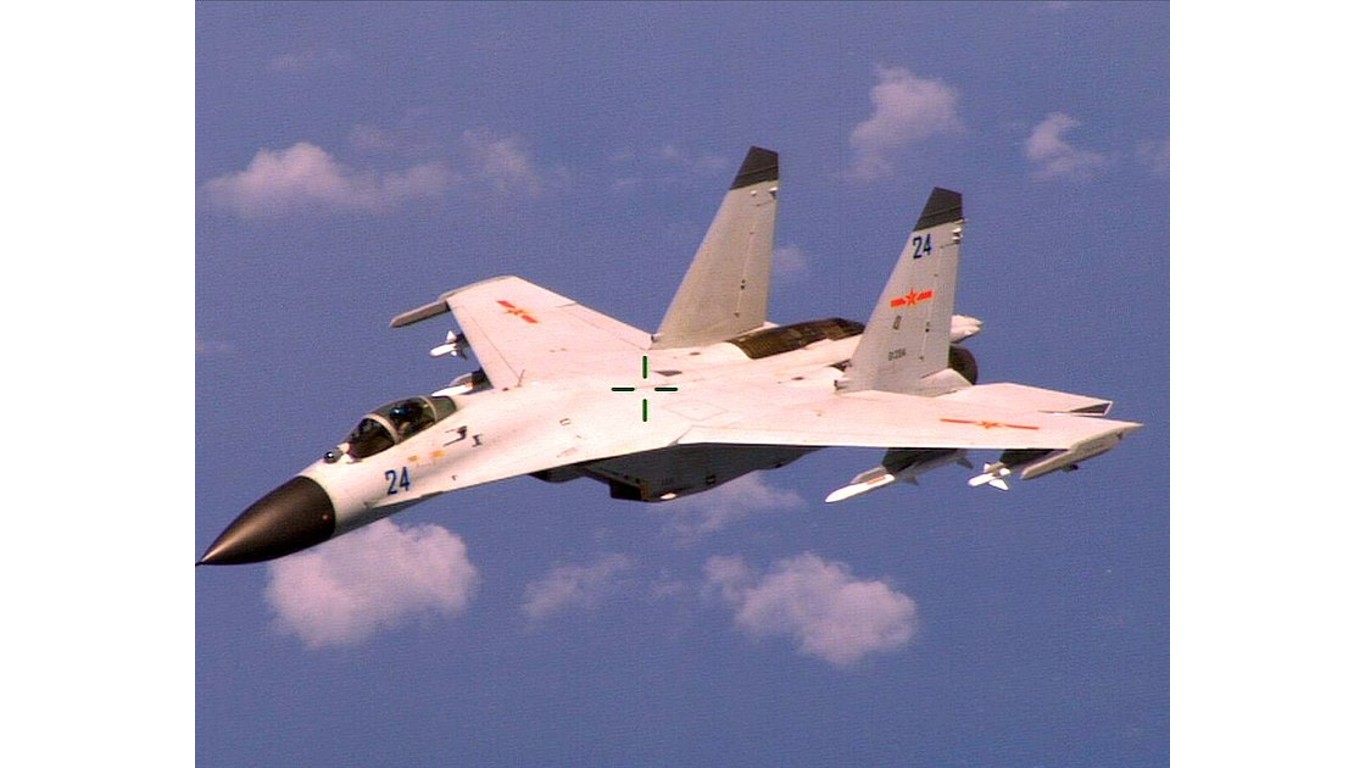
- Country of origin: China
- Manufacturer: Shenyang
- Aircraft type: Fighter
- Year introduced to service: 1998
- Top speed (Mach): Mach 2.35
- Top speed (mph): 1600 mph
- Key speed advantage: Modernized high-speed air superiority
The Shenyang J-11 builds on the Su-27 platform, combining high speed with modern avionics and weapons systems. Its Mach 2.35 capability allows it to perform air superiority missions effectively. This speed enhances its ability to control airspace and respond rapidly to threats.
11. F-111 Aardvark
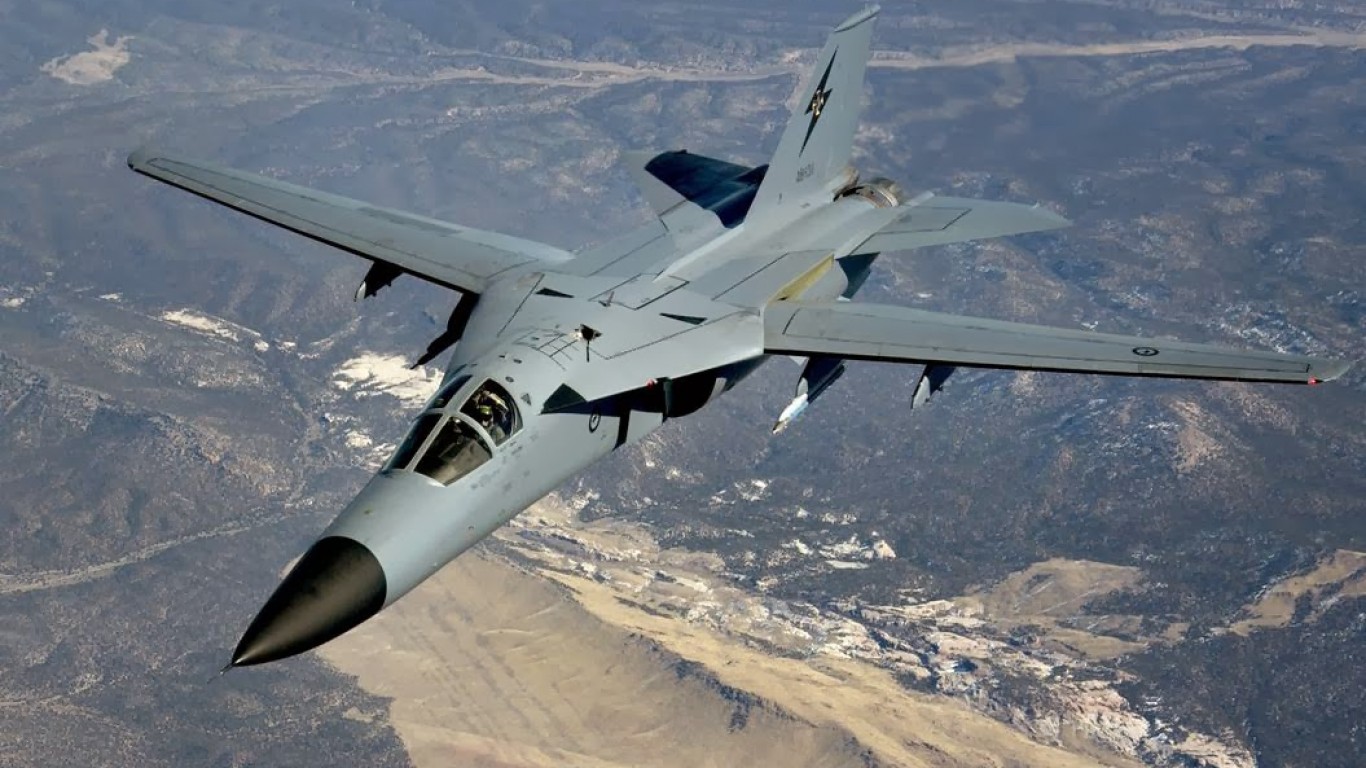
- Country of origin: USA
- Manufacturer: General Dynamics
- Aircraft type: Strike Aircraft
- Year introduced to service: 1967
- Top speed (Mach): Mach 2.5
- Top speed (mph): 1650 mph
- Key speed advantage: Terrain-following high-speed strike
The F-111 Aardvark pioneered terrain-following radar systems, allowing it to fly at high speeds close to the ground. Its Mach 2.5 capability enabled rapid penetration of enemy airspace while minimizing exposure to defenses. This made it a key asset for deep strike missions during the Cold War.
10. F-15 Eagle
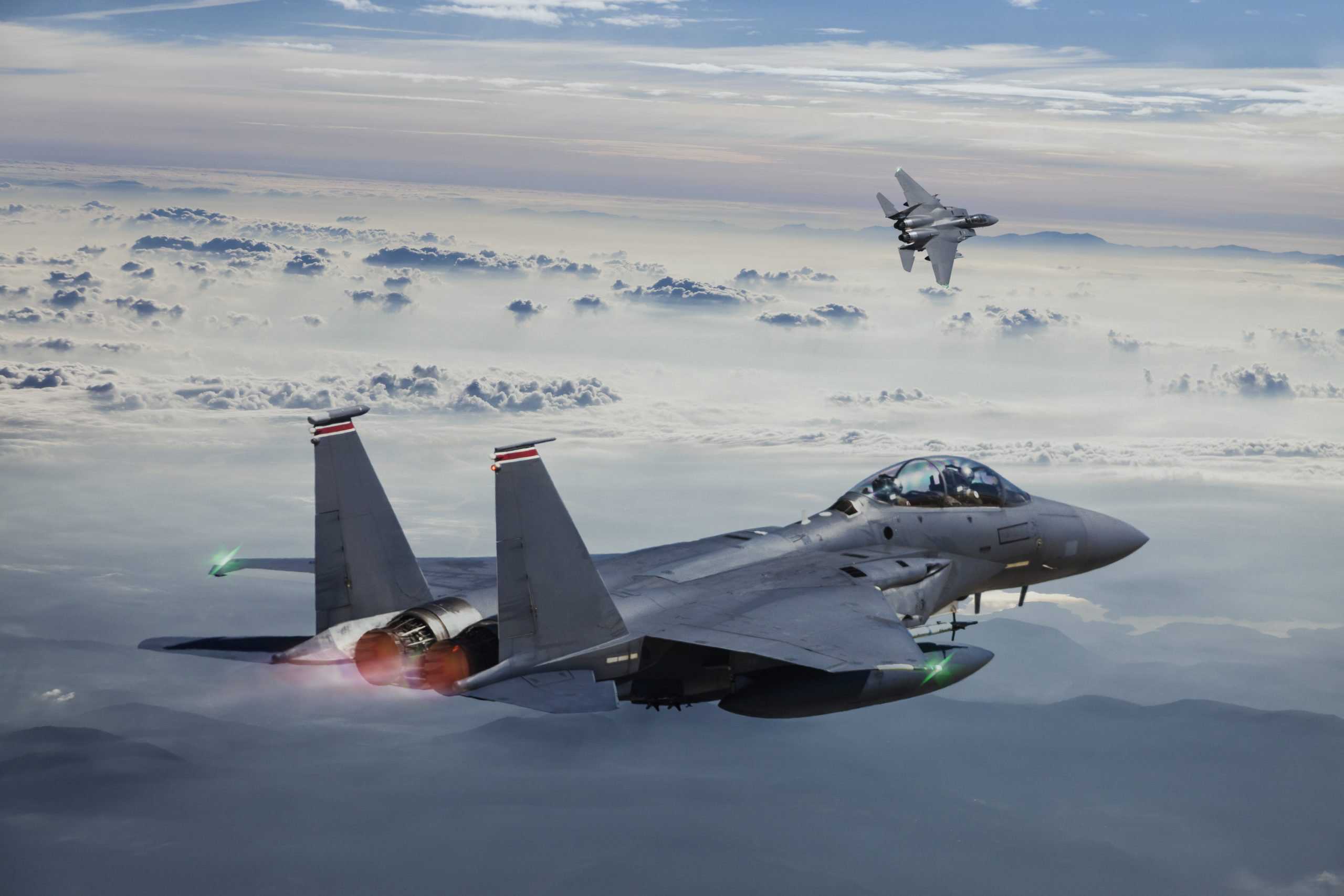
- Country of origin: USA
- Manufacturer: McDonnell Douglas
- Aircraft type: Fighter
- Year introduced to service: 1976
- Top speed (Mach): Mach 2.5
- Top speed (mph): 1650 mph
- Key speed advantage: Air superiority with speed
The F-15 Eagle combines high speed with exceptional combat performance, making it one of the most successful fighters ever built. Its Mach 2.5 capability allows it to rapidly engage or disengage from threats. Designed for air superiority, its speed enhances both offensive reach and survivability in contested airspace.
9. Su-15 Flagon
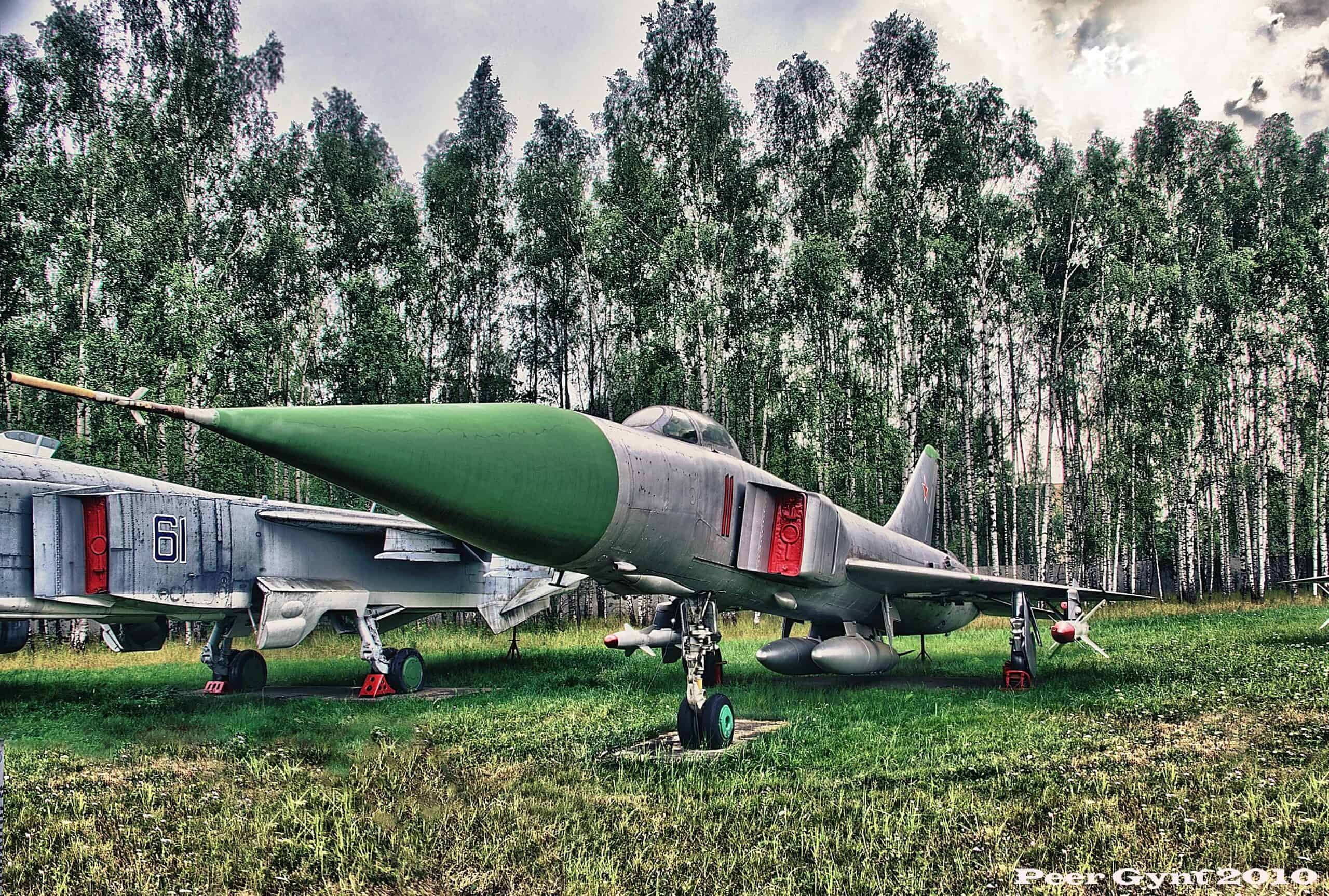
- Country of origin: USSR
- Manufacturer: Sukhoi
- Aircraft type: Interceptor
- Year introduced to service: 1965
- Top speed (Mach): Mach 2.5
- Top speed (mph): 1655 mph
- Key speed advantage: Cold War interception
The Su-15 Flagon was a key Soviet interceptor during the Cold War, designed to counter high-speed intruders. Its Mach 2.5 speed allowed it to quickly reach and engage targets at altitude. It played a central role in maintaining Soviet air defense readiness.
8. MiG-31 Foxhound
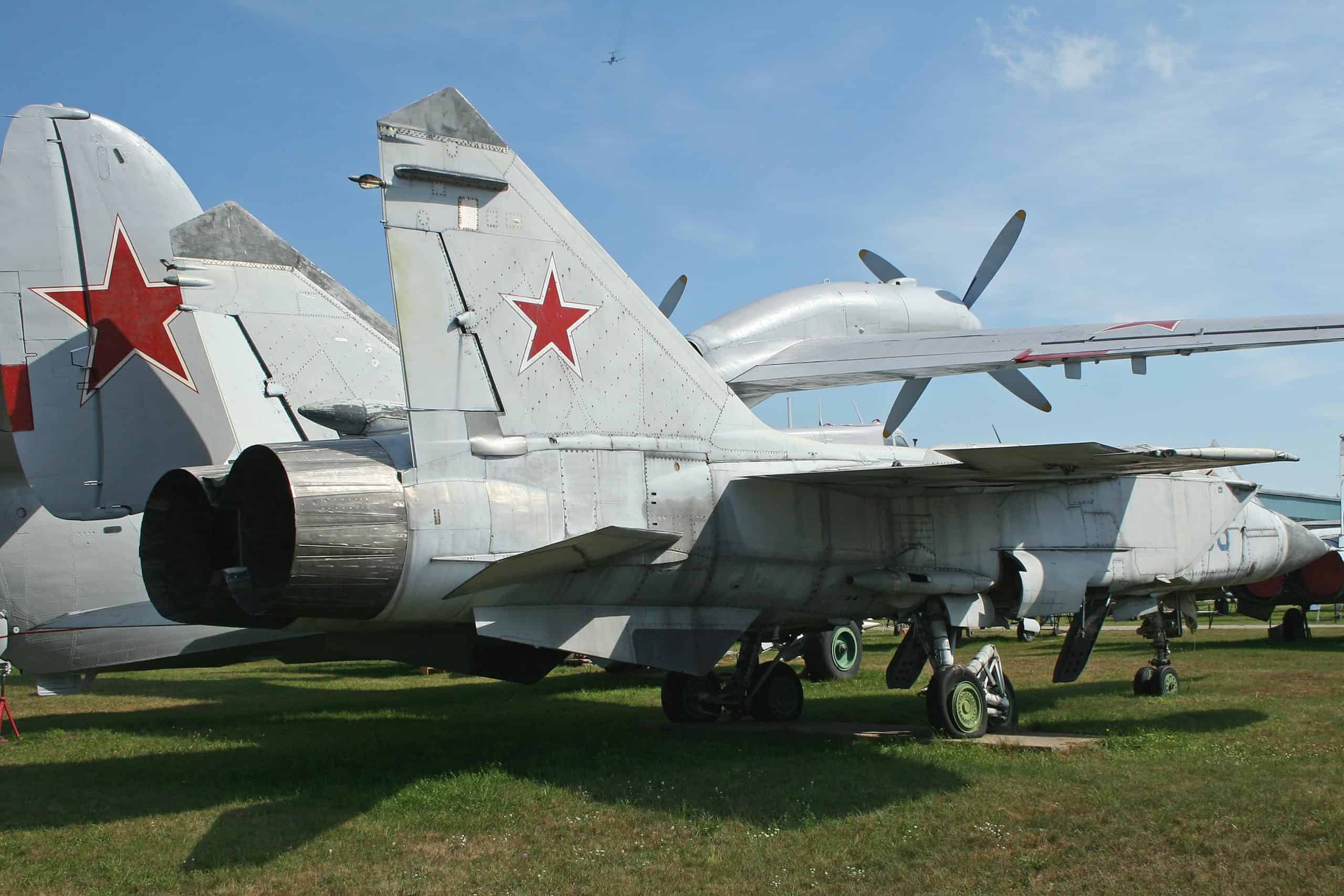
- Country of origin: USSR/Russia
- Manufacturer: Mikoyan
- Aircraft type: Interceptor
- Year introduced to service: 1981
- Top speed (Mach): Mach 2.83
- Top speed (mph): 1860 mph
- Key speed advantage: Long-range supersonic interception
The MiG-31 Foxhound is a modernized evolution of the Foxbat, designed for long-range, high-speed interception. While slightly slower than its predecessor, it compensates with advanced avionics and extended range. Its ability to patrol vast areas at supersonic speeds makes it a cornerstone of Russia’s air defense network.
7. XB-70 Valkyrie
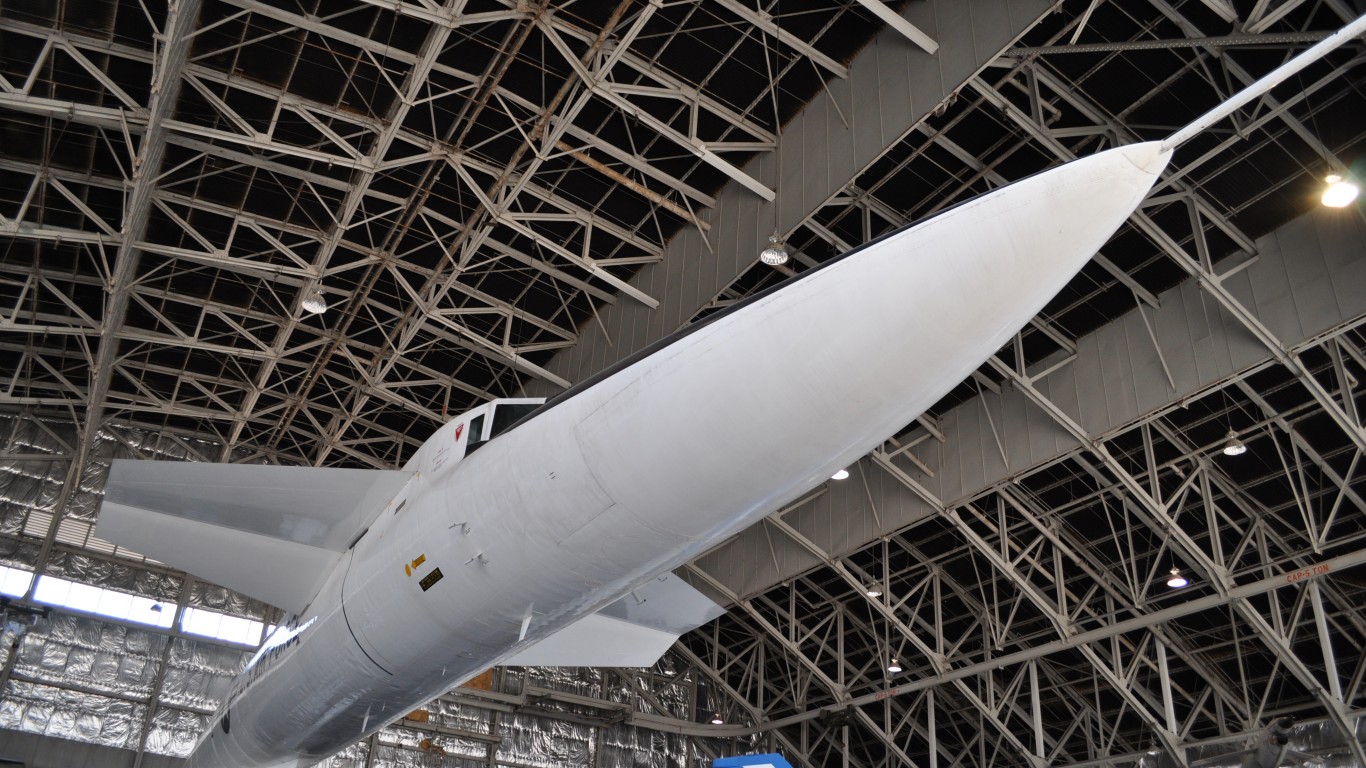
- Country of origin: USA
- Manufacturer: North American Aviation
- Aircraft type: Bomber (Prototype)
- Year introduced to service: 1964
- Top speed (Mach): Mach 3.1
- Top speed (mph): 2056 mph
- Key speed advantage: High-speed nuclear strike penetration
The XB-70 Valkyrie was an ambitious Mach 3 bomber designed to penetrate enemy airspace at extreme speeds and altitudes. Its advanced design allowed it to ride its own shockwaves, enhancing efficiency at high speeds. Although the program was canceled, it remains one of the most impressive high-speed aircraft ever developed.
6. Bell X-2

- Country of origin: USA
- Manufacturer: Bell Aircraft
- Aircraft type: Experimental
- Year introduced to service: 1955
- Top speed (Mach): Mach 3.2+
- Top speed (mph): 2094 mph
- Key speed advantage: Pioneering hypersonic research
The Bell X-2 pushed the boundaries of high-speed flight, becoming one of the first aircraft to exceed Mach 3. As a rocket-powered research aircraft, it helped unlock critical data about aerodynamics and stability at extreme speeds. Its legacy paved the way for future high-speed military aviation programs.
5. Ye-152 / Ye-155
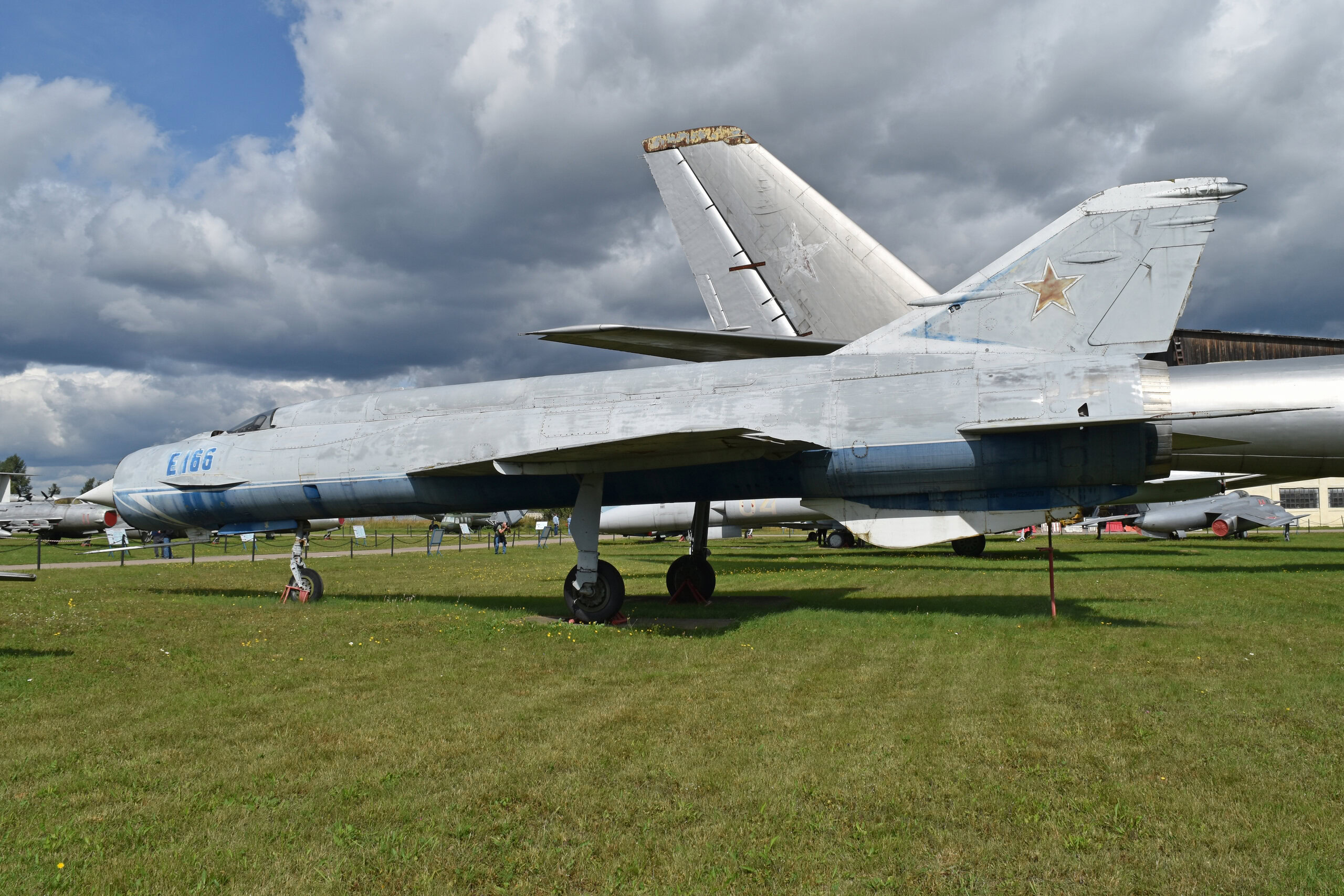
- Country of origin: USSR
- Manufacturer: Mikoyan-Gurevich
- Aircraft type: Experimental
- Year introduced to service: 1960
- Top speed (Mach): Mach 3+
- Top speed (mph): 2100+ mph
- Key speed advantage: Extreme speed testing
The Ye-152 and Ye-155 prototypes represented the Soviet Union’s push to achieve extreme speeds in interceptor design. These experimental aircraft pushed beyond Mach 3, testing the limits of engines, materials, and aerodynamics. Their development directly influenced later high-speed aircraft like the MiG-25.
4. MiG-25 Foxbat

- Country of origin: USSR
- Manufacturer: Mikoyan-Gurevich
- Aircraft type: Interceptor
- Year introduced to service: 1970
- Top speed (Mach): Mach 3.2
- Top speed (mph): 2190 mph
- Key speed advantage: Rapid high-altitude interception
The MiG-25 Foxbat was built to counter high-speed American aircraft, prioritizing raw speed above all else. Capable of reaching Mach 3, it could rapidly climb and intercept targets at extreme altitudes. While its maneuverability was limited, its sheer speed made it one of the most formidable interceptors of the Cold War era.
3. A-12 Oxcart
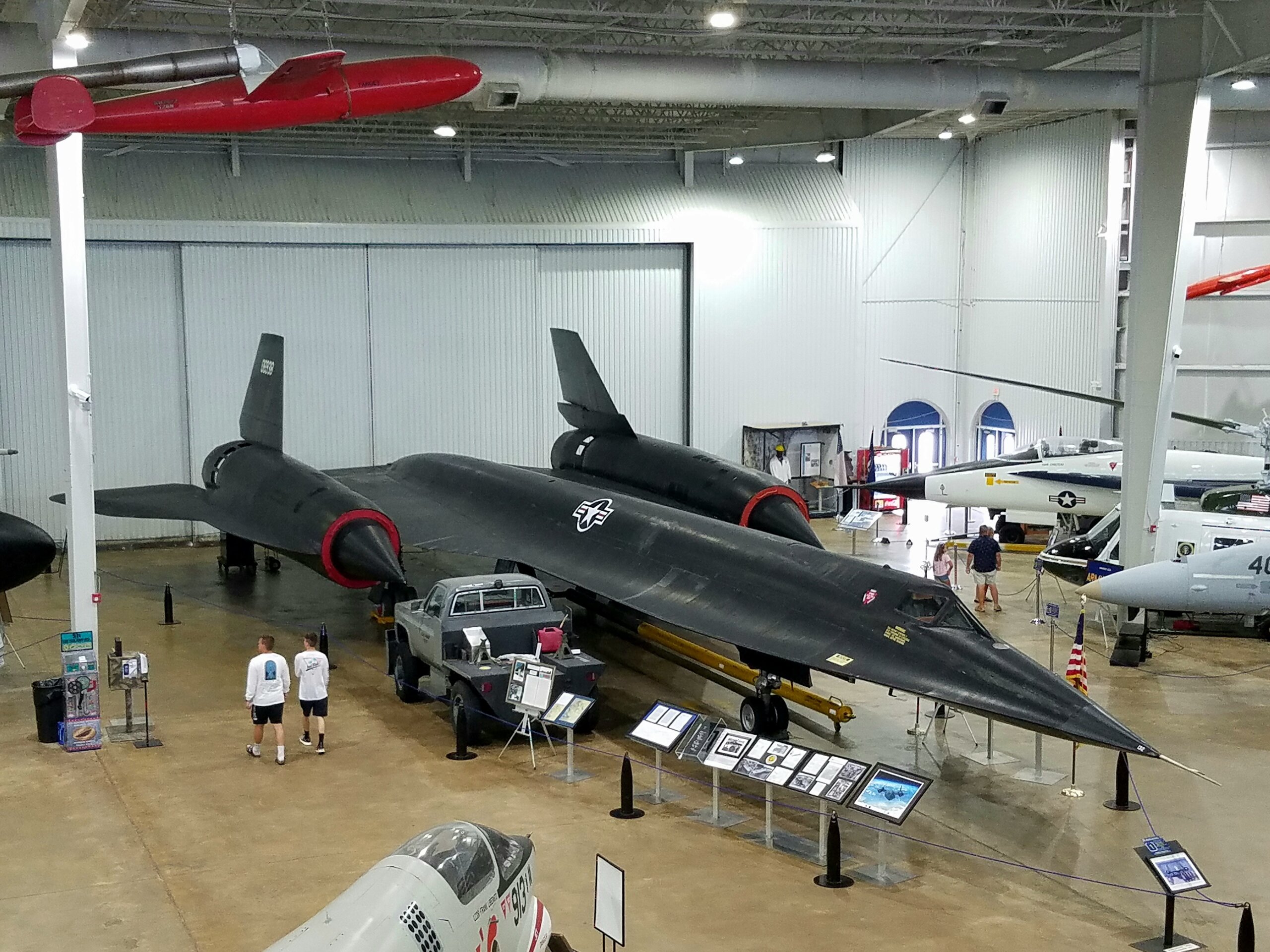
- Country of origin: USA
- Manufacturer: Lockheed
- Aircraft type: Reconnaissance
- Year introduced to service: 1965
- Top speed (Mach): Mach 3.35
- Top speed (mph): 2200+ mph
- Key speed advantage: Stealthy high-speed recon
The A-12 Oxcart was the precursor to the SR-71, built for high-speed reconnaissance missions deep within hostile territory. Capable of sustained Mach 3 flight, it relied on speed and altitude to avoid interception. Its success demonstrated the effectiveness of high-speed intelligence gathering during the Cold War.
2. YF-12
- Country of origin: USA
- Manufacturer: Lockheed
- Aircraft type: Interceptor
- Year introduced to service: 1963
- Top speed (Mach): Mach 3.35
- Top speed (mph): 2275 mph
- Key speed advantage: High-speed interception capability
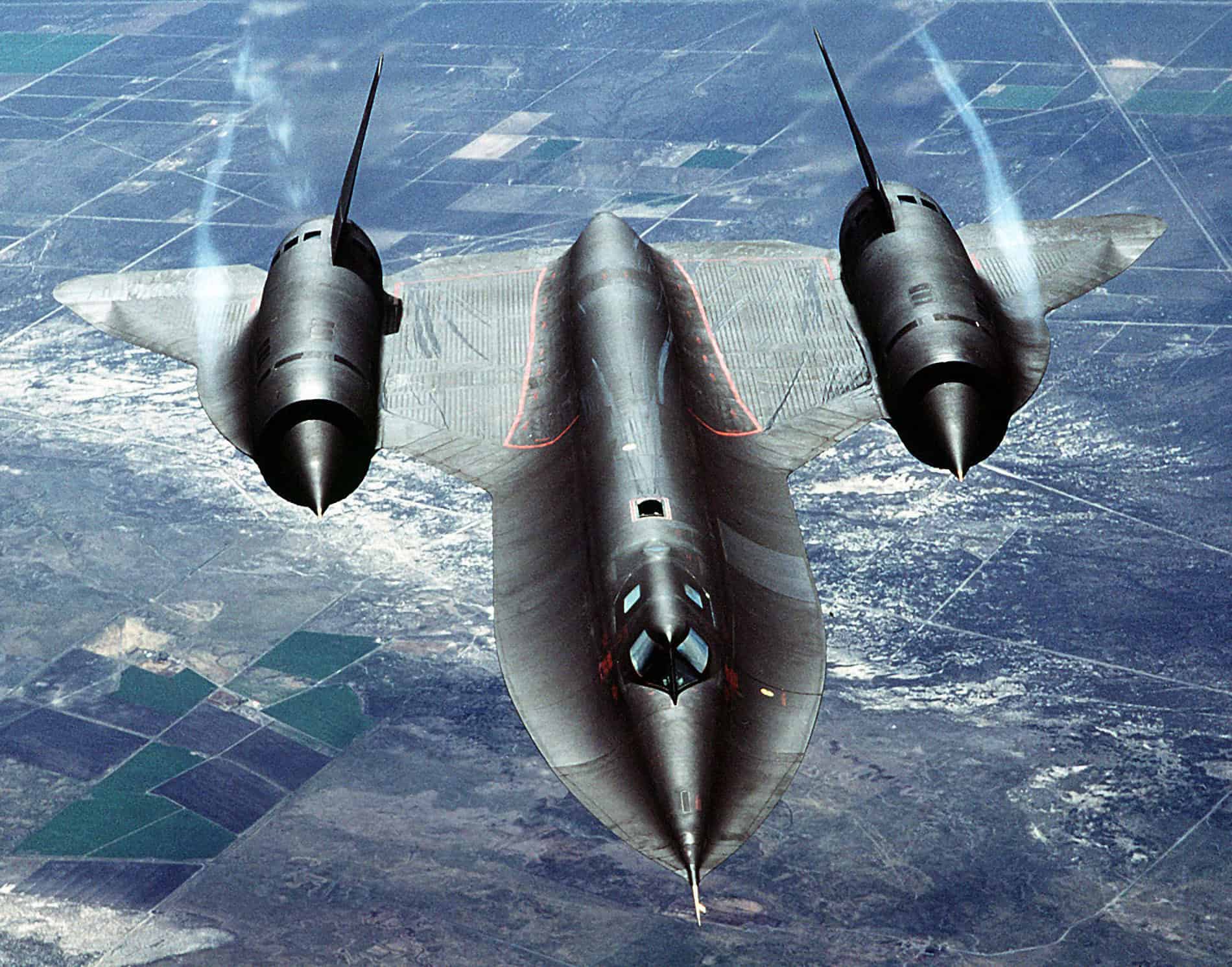
The YF-12 was an interceptor derived from the Blackbird program, combining blistering speed with advanced radar and missile systems. Capable of exceeding Mach 3, it was designed to intercept high-speed threats before they could reach U.S. airspace. Although it never entered full production, it demonstrated how speed could be paired with cutting-edge interception technology.
1. SR-71 Blackbird
- Country of origin: USA
- Manufacturer: Lockheed
- Aircraft type: Reconnaissance
- Year introduced to service: 1966
- Top speed (Mach): Mach 3.3+
- Top speed (mph): 2200+ mph
- Key speed advantage: Outrunning threats at extreme altitude
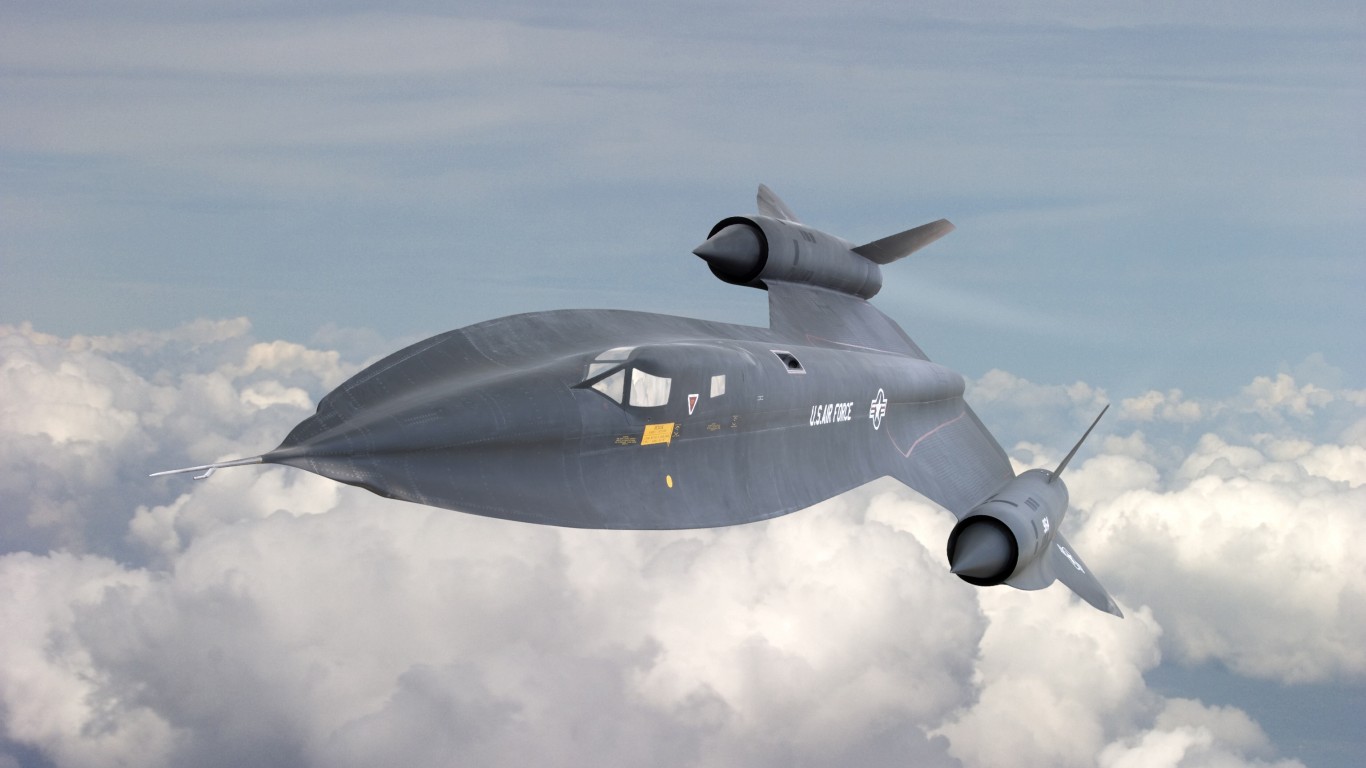
Designed for extreme speed and altitude, the SR-71 Blackbird remains one of the fastest aircraft ever built. Its ability to cruise above Mach 3 allowed it to outrun missiles and interceptors alike. Built primarily for reconnaissance, its speed was its greatest defense, enabling it to gather intelligence deep inside hostile territory with minimal risk of interception.





 Top Gaining Stocks
 Top Losing Stocks