


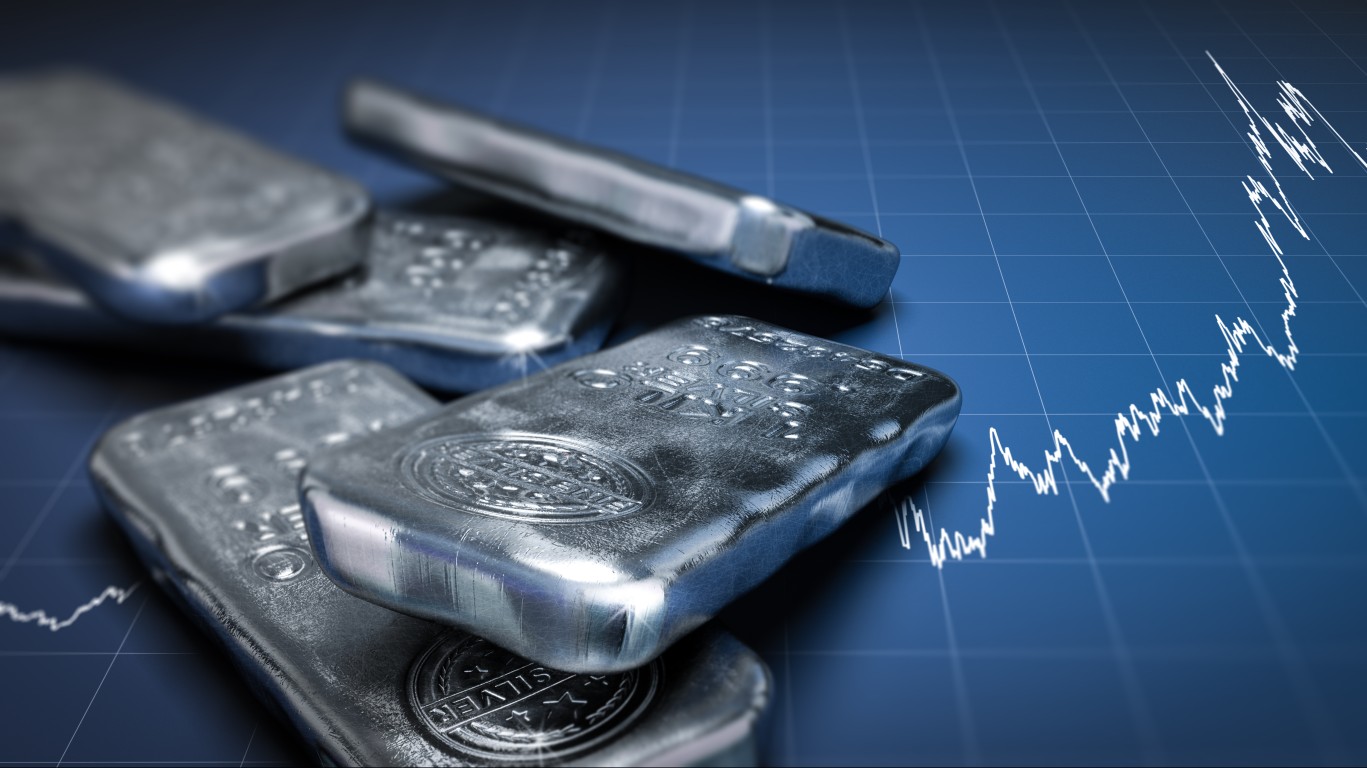
Retired investors seeking greater diversification beyond just stocks and bonds may wish to enter the realm of commodities. With the rise of numerous commodity exchange-traded funds (ETFs), it’s never been easier to expose your portfolio to a basket of commodities.
Whether you’re looking to bet on the entire commodities universe with one security or if you’re looking for a very specific commodity (think a particular metal), there’s likely an ETF for that. While the commodity markets can move in ways that are difficult to predict (few folks know what’s up next for any given commodity, given the large number of variables that go into moving the price of a commodity), I do think they can do some retiree portfolios a lot of good.
Why bother with the commodity plays as a retiree?
Even if you’re not getting the best returns on the planet from a commodity popular among investors (think oil, gold, or silver), they can still help you better navigate broader stock and bond market volatility. Of course, some commodities are more correlated to the state of the economy than others.
Additionally, some may be opportunistic in the face of a rising trend. For instance, uranium prices have been a hot commodity in the last five years, thanks to the rise of nuclear reactor projects. With prices pulling back off their highs, those looking to cash in on a longer-term trend may wish to do so via a commodity ETF.
For retirees, though, I’d suggest concentrating on commodities that are less about potential upside and more about smoothening the bumps in the market road. As a retiree, getting into commodities is more about diversification, hedging, and combating volatility and risk.
Here are three commodity ETFs that I consider suitable for retirees seeking diversification and, of course, a fair amount of long-term upside potential.
SPDR Gold MiniShares Trust (GLDM)
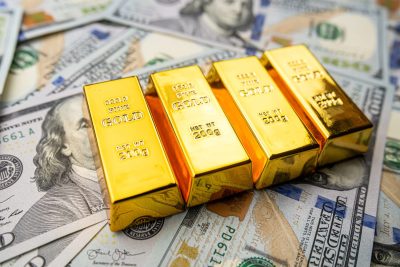
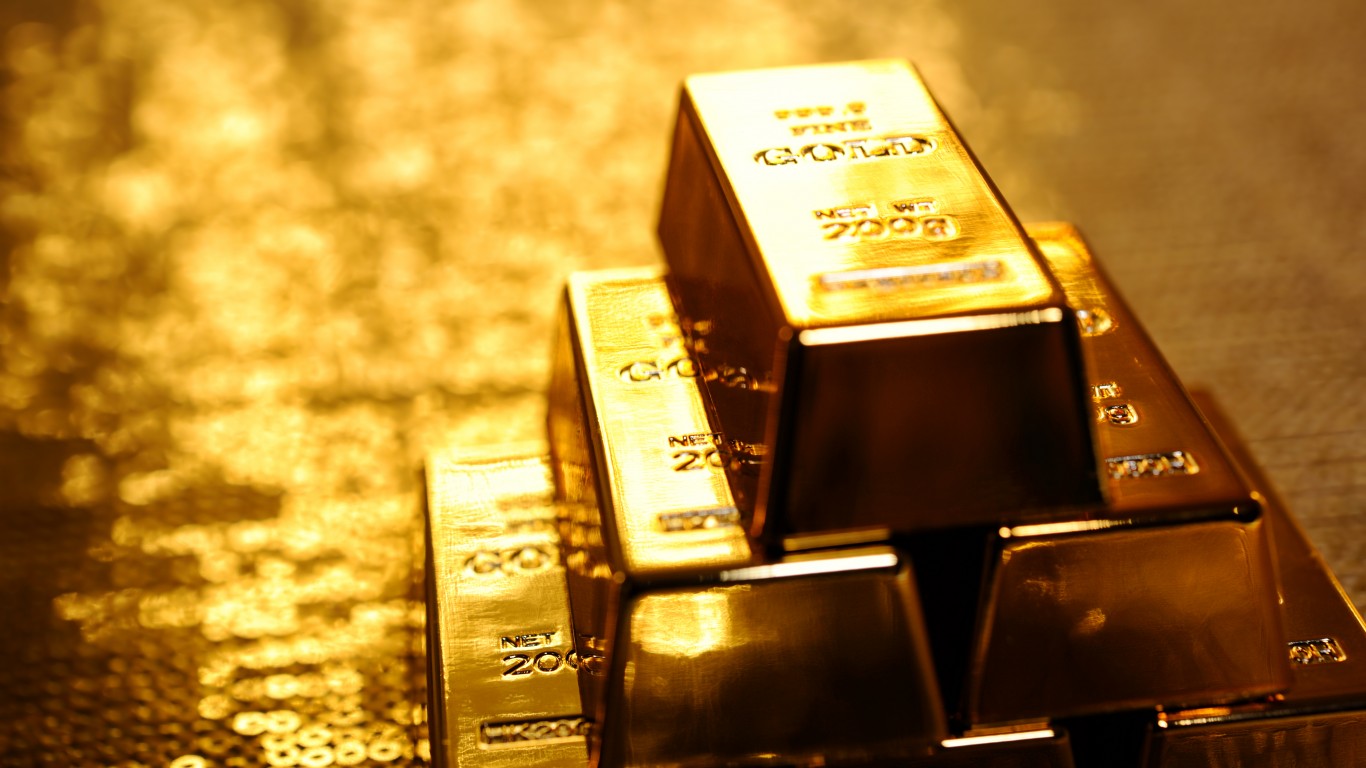
Gold is probably one of the top commodities to look for as a retiree seeking to hedge their bets. Of the numerous gold bullion and mining ETFs out there, the SPDR Gold MiniShares Trust (NYSEARCA:GLDM) ETF stands tall in the crowd.
The shares of GLDM are called “mini” for the bite-sized share price ($54 and change vs. over $254 for the SPDR Gold Shares (NYSEARCA:GLD | GLD Price Prediction)) and the relatively lower liquidity. However, most importantly, the “mini” also applies to the gross expense ratio, which is at a mere 0.1%, a quarter of that of the GLD.
Indeed, the GLDM is one of the cheapest ways to expose your portfolio to gold, an asset which, while hot, is also a fantastic way to ride out any inflationary storms that could hit the stock or bond markets. With a beta just shy of 0.2, you’re exposing yourself to a time-tested asset that’s lowly correlated with equities.
Even at these heights, gold is worth exploring as a part of a diversified portfolio. The big downside of the GLDM or anything like it is the lack of passive income. If you’re fine with the lack of dividends, only then are the hedging benefits likely worth the price of admission.
Invesco DB Commodity Index Tracking Fund (DBC)
If you’re looking for broader exposure to commodities and aren’t looking for anything specific, the Invesco DB Commodity Index Tracking Fund (NYSEARCA:DBC) is the one-stop shop you may be looking for.
It’s a basket of more than a dozen commodities, ranging from the popular energy commodities like crude oil and natural gas to the metals (precious and non-precious) like gold, silver, copper, and even aluminum to agricultural commodities you probably haven’t even thought about investing in (think corn, soybeans, and sugar).
Indeed, the DBC touches a lot of bases and is a great portfolio diversifier for those who want a bit of everything. The ETF has been a hot performer of late, gaining 41% in two years. And while the future trajectory is unknowable, I do think the ETF is worth checking out as long as you’re fine with the 0.87% total expense ratio. Is a diversified commodity fund necessary for retirees? I’d argue not. But can it help further your portfolio’s diversification? Definitely. At the end of the day, it depends on what your goals are with entering the commodity scene.









 Top Gaining Stocks
 Top Losing Stocks