



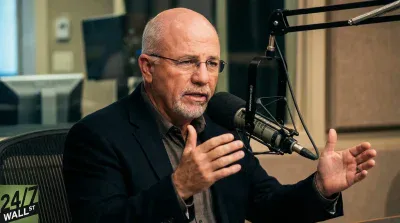
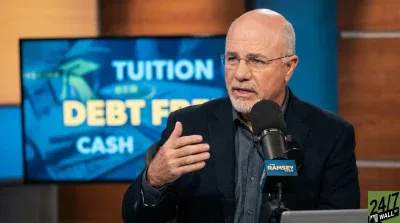
Jordan is 20 years old, married, with a baby on the way, earning $70,000 a year. He got a larger-than-expected tax return and wanted to know whether buying a motorcycle before a house was financially responsible. Dave Ramsey‘s answer cut deeper than a simple yes or no.
“For the rest of your life, Jordan, you will fight between the little boy that lives inside of you and the man that has responsibilities,” Ramsey said on The Ramsey Show episode “Financial Irresponsibility Always Has a Cost” (April 8). Then he added the part that makes the advice worth examining: “The interesting thing is if the man that has responsibilities wins the fight, the boy that lives inside of you gets to buy his toys.”
Ramsey is right. The sequencing logic is sound, and the numbers make the case clearly.
Why Order of Operations Matters More Than the Purchase Itself
The motorcycle is not the problem. The timing is. At 20 with a growing family and no house, a tax refund spent on a recreational vehicle is a liquidity decision with compounding consequences.
Assume the tax return is $4,000, which is close to the national average for filers in his income range. A motorcycle purchase consumes that entire windfall and produces no equity, no shelter, and no safety net. It also depreciates immediately.
Put that same $4,000 toward a down payment fund instead. A first-time buyer targeting a $220,000 home with a 3.5% FHA down payment needs $7,700 down. Jordan’s $4,000 gets him more than halfway there in a single deposit. Add six months of disciplined saving at $70,000 income and he is at the closing table. The motorcycle delays that timeline by exactly however long it takes to rebuild the $4,000.
Ramsey’s co-host framed it plainly: one purchase serves only Jordan while a house serves the whole family. That framing is not moralizing. It is a cash-flow prioritization argument. A family with a newborn and no housing security carries risk that a motorcycle amplifies rather than reduces.
The Sequencing Framework Ramsey Teaches
Ramsey’s prescribed order is house, emergency fund, debt freedom, then toys. His own story reinforces it: he built his own toy collection only after his family was fully taken care of. The framework is not about denying pleasure permanently. It is about making sure the structural financial foundation exists before discretionary spending occurs.
For Jordan specifically, the order matters because each step unlocks the next. Homeownership builds equity that grows tax-advantaged. An emergency fund eliminates the need to go into debt when the unexpected happens, and with a newborn, the unexpected happens often. Debt freedom frees up monthly cash flow. Toys purchased after those milestones do not threaten the foundation because the foundation already exists.
Who This Advice Fits and Where It Has Limits
Ramsey’s sequencing works best for someone in Jordan’s exact profile: young, income-earning, family obligations, no substantial assets, and a windfall that could either build or be consumed. The advice is essentially perfect for that scenario.
It applies less directly to a 35-year-old who already owns a home, carries no debt, and has six months of expenses in savings. For that person, buying a motorcycle with discretionary income is not a sequencing error. The foundation already exists. The boy gets his toys because the man already won.
The version of this advice that becomes dangerous is when someone interprets “do things in order” as “never spend on yourself until retirement.” Ramsey does not say that, and his own example contradicts it. The point is sequence, not permanent deprivation.
What Jordan Should Actually Do With That Tax Return
First, determine the down payment target for a realistic home purchase in the local market. Second, calculate how far the tax return gets toward that number. Third, identify what monthly savings rate closes the remaining gap and sets a target closing timeline.
If Jordan is carrying any high-interest debt, the tax return should hit that first since eliminating a 20% APR credit card balance is a guaranteed 20% return, which no motorcycle provides. If he is debt-free, the down payment fund is the next destination.
The motorcycle will still exist in two years. The window to establish housing stability before a child’s early years pass quickly will not.
Ramsey’s core claim holds: the man who handles responsibilities first does not sacrifice the toy. He just buys it on a foundation that can support it.











 Top Gaining Stocks
 Top Losing Stocks