



What the retailer said precisely about its first-quarter results:
For the first quarter of fiscal year 2013, jcpenney anticipates total sales of approximately $2.635 billion, a decrease of approximately 16.4 percent from $3.152 billion in the same period last year, and a comparable store sales decrease of approximately 16.6 percent for the quarter compared to the same period last year. The sales decline in the first quarter is partially attributable to construction activities in connection with the transformation of the home departments in 505 stores. The Company noted that results for the quarter also reflect its prior pricing and marketing strategies, which are being changed under new leadership.
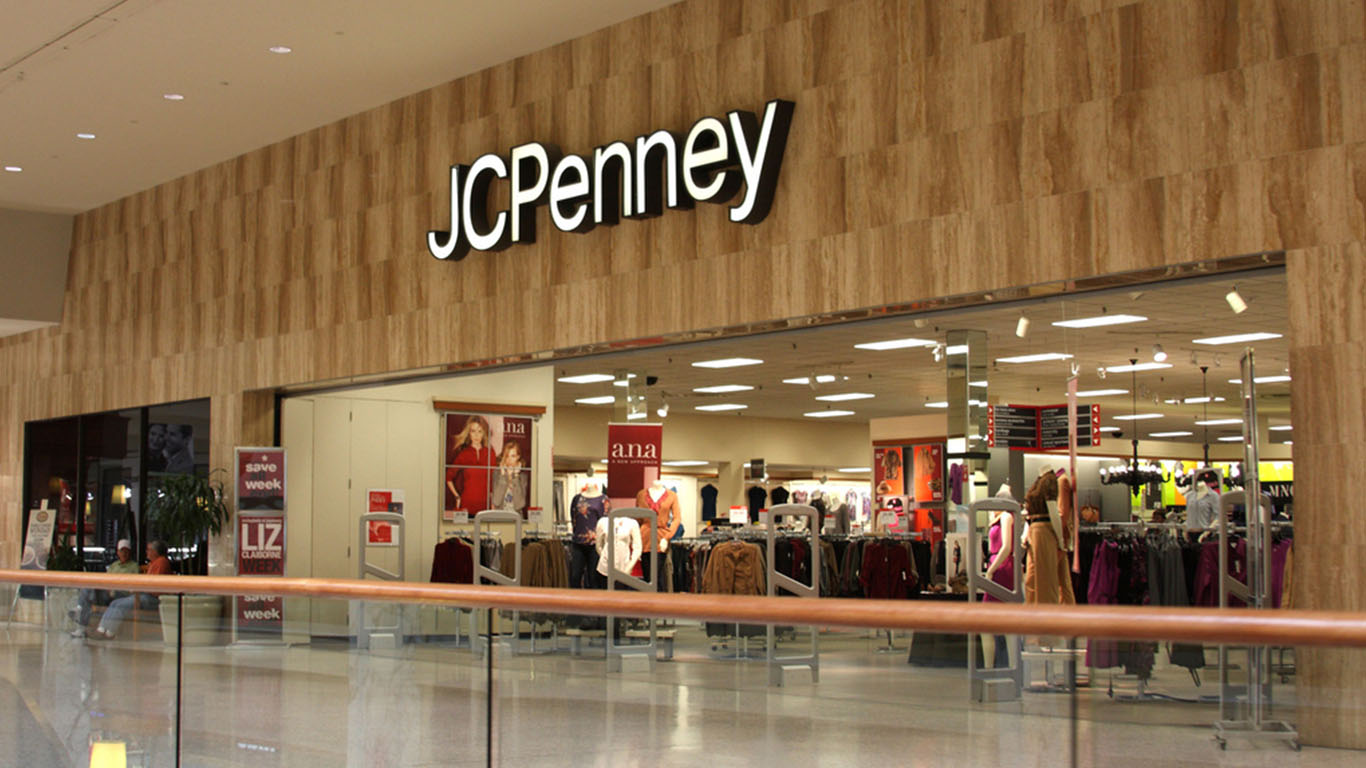
The stores “transformation” were a convenient excuse. J.C. Penney did not mention e-commerce sales, which were off well over 35% last year. If there is a marker of how J.C. Penney is perceived, particularly as it rearranges stores, it is Internet sales. J.C. Penney conveniently left this out of its disclosure.
J.C. Penney management under its new chief executive, Myron E. (Mike) Ullman III, who is also one of its old CEOs, has not articulated a plan to get the retailer turned around. That is because there is not a believable one he can explain. Two major reasons for this are that J.C. Penney has too many stores and that the competition among America’s largest retailers is largely a zero-sum game.
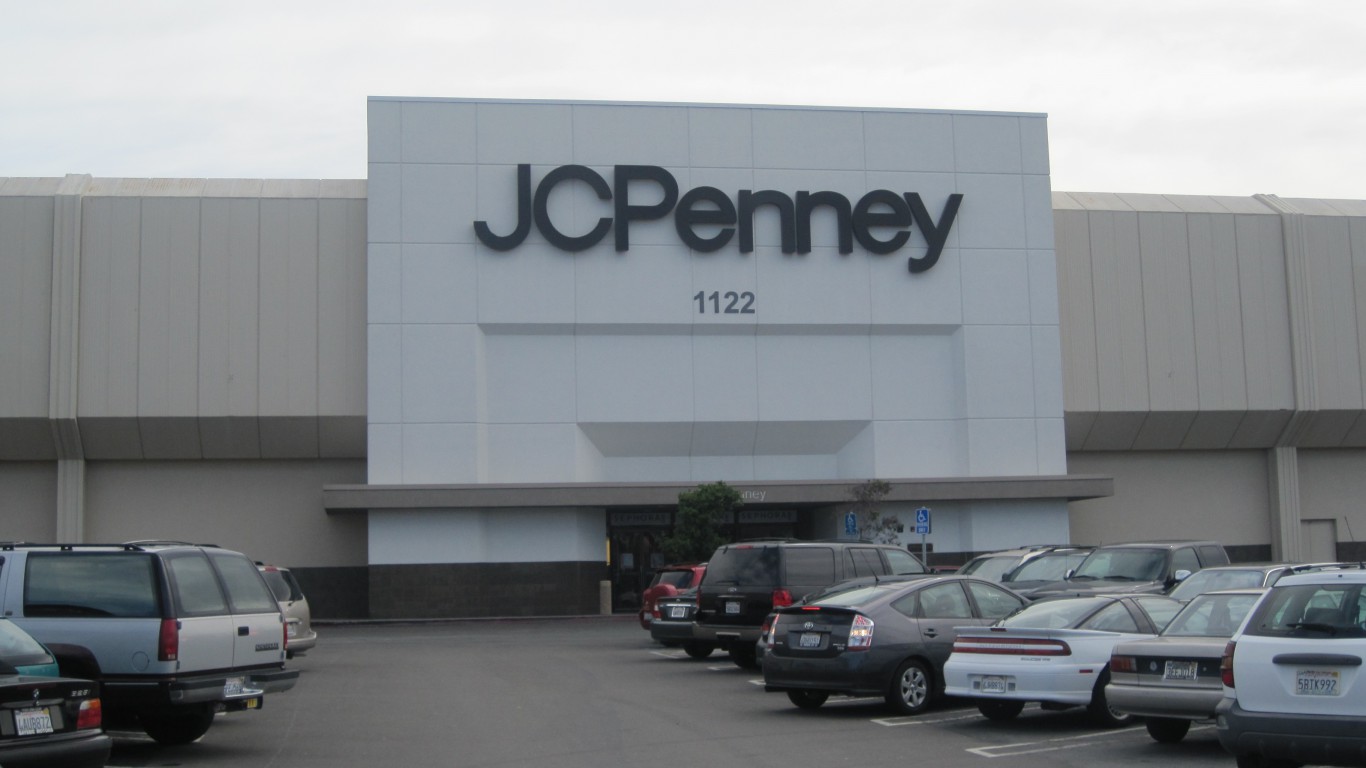
J.C. Penney’s store count in the United States remains above 1,000. With same-store sales down more than 20% last year, and more than 15% so far this year, scores of these stores have to be extremely unprofitable. However, J.C. Penney has not elected to address that problem. Shuttering of these locations would push J.C. Penney closer to profit, even though the action would require a one time charge.
Shrinking has its own disadvantages, at least insofar as market share is concerned. Retail traffic at large companies such as Wal-Mart Stores Inc. (NYSE: WMT), Target Corp. (NYSE: TGT) and Macy’s (NYSE: M) has not risen sharply since before the recession. Some of this can be blamed on unemployment. Another factor is the extraordinary rise of Amazon.com Inc. (NASDAQ: AMZN), which robs revenue from all major retailers. J.C. Penney’s old customers had to go somewhere in the past year to buy what the retailer used to sell, whether that was to bricks-and-mortar stores or online. Either way, there is no reason that these customers will come back. J.C. Penney’s share of the retail market is already permanently depressed.
J.C. Penney is done for. The only party that has not admitted as much is management.






 Top Gaining Stocks
 Top Losing Stocks