


Since the birth of the United States, the post office has existed in some form or fashion. In many ways, the development of the post office paralleled the country’s growth and development, and is still a hot-button topic even to this day.
At the time the first Postal Service Act was signed into law, it cost a fraction of what it does today. Now, according to recent data, the United States Postal Service sends over one hundred billion pieces of mail annually, which is a reminder that it still plays an important role, even in a digital age.
15. 1792
The first US postal service started operations in 1792.
When the Articles of Confederation were ratified in 1781, the groundwork was laid for a national postal network, a system that the Constitution would later formalize. At the time, in 1792, sending something in the mail cost as little as 6 cents if delivered within 30 miles, or less than 25 cents if a letter needed to go more than 450 miles.
14. 1815
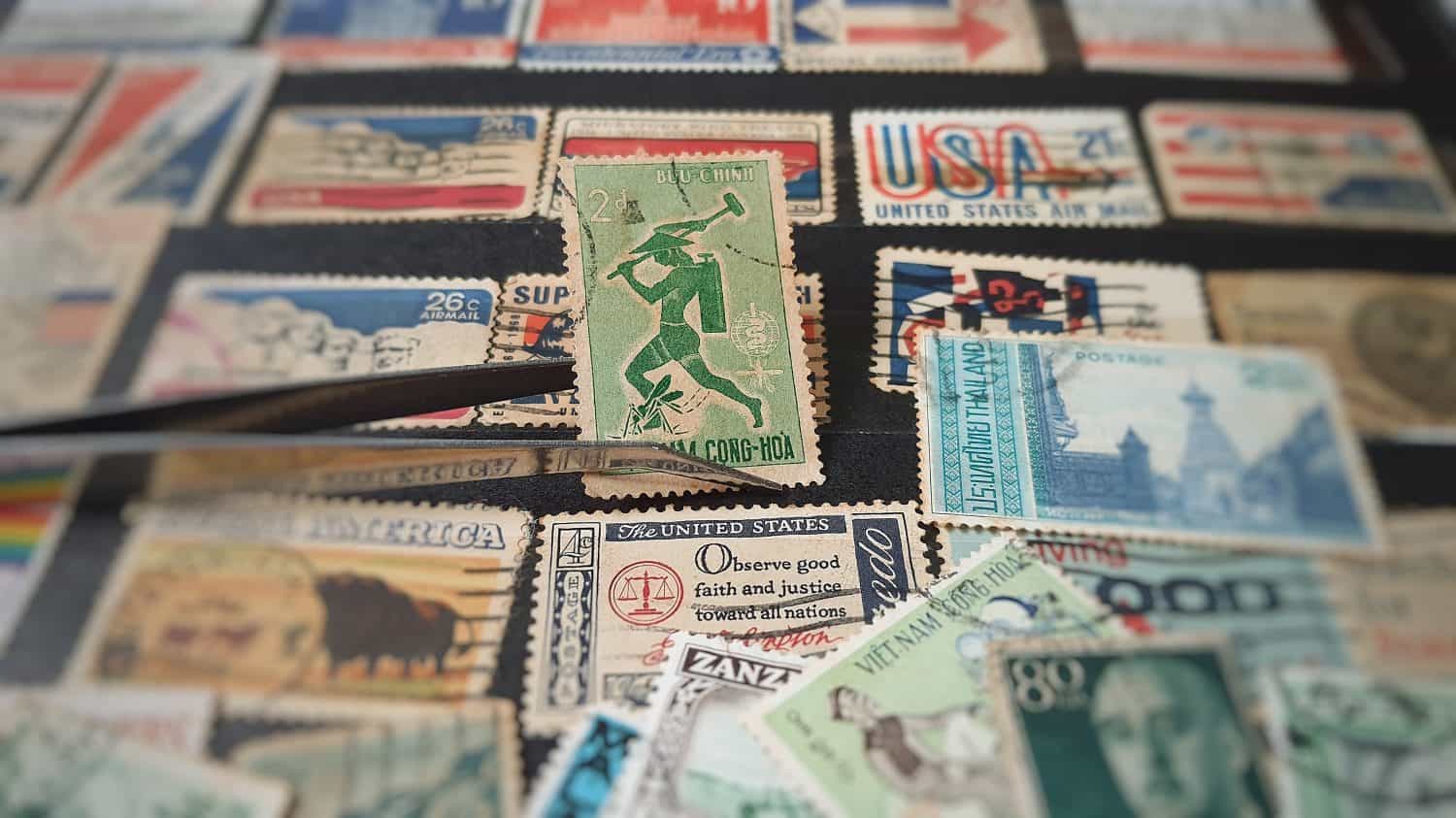
A collection of old postage stamps.
In the aftermath of the War of 1812, the post office had to double its rates, which hadn’t been raised since 1799. According to documentation from the era, any deliveries within 40 miles cost 16 cents, while mail that had to travel over 500 miles or more would cost 50 cents. This only lasted for one year, though, before Congress repealed the rates in 1816.
13. 1845
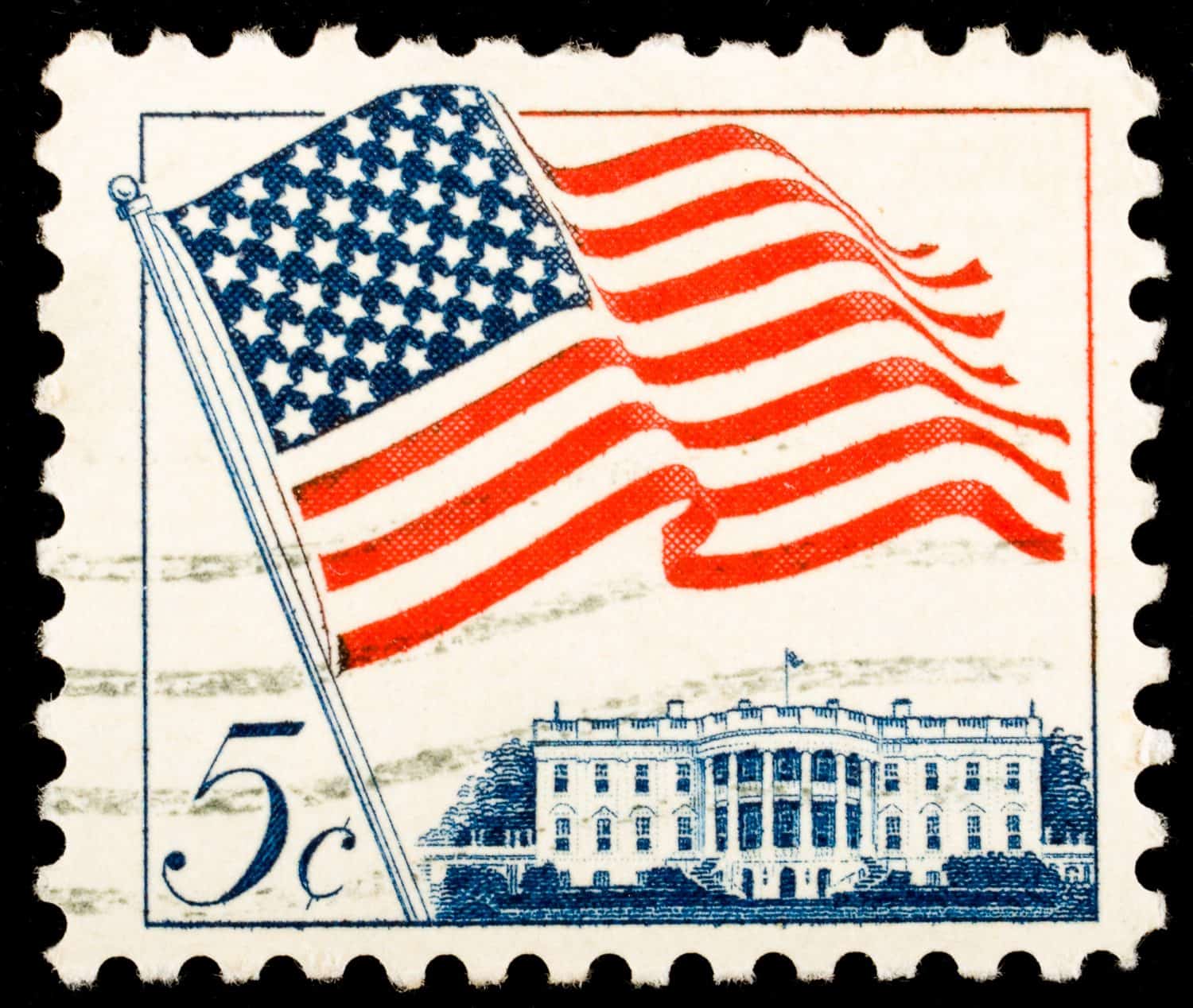
In 1845, the cost of mailing a letter was only 5 cents.
With a new president in office, John Tyler, the US Postal Service took it upon itself to raise its rates again, which it hadn’t done since it repealed a rate increase in 1816. Now, any letter traveling less than 300 miles costs 5 cents, while deliveries that require 300 miles or more cost 10 cents. This was also the first decade in which George Washington and Benjamin Franklin appeared on stamps.
12. 1863
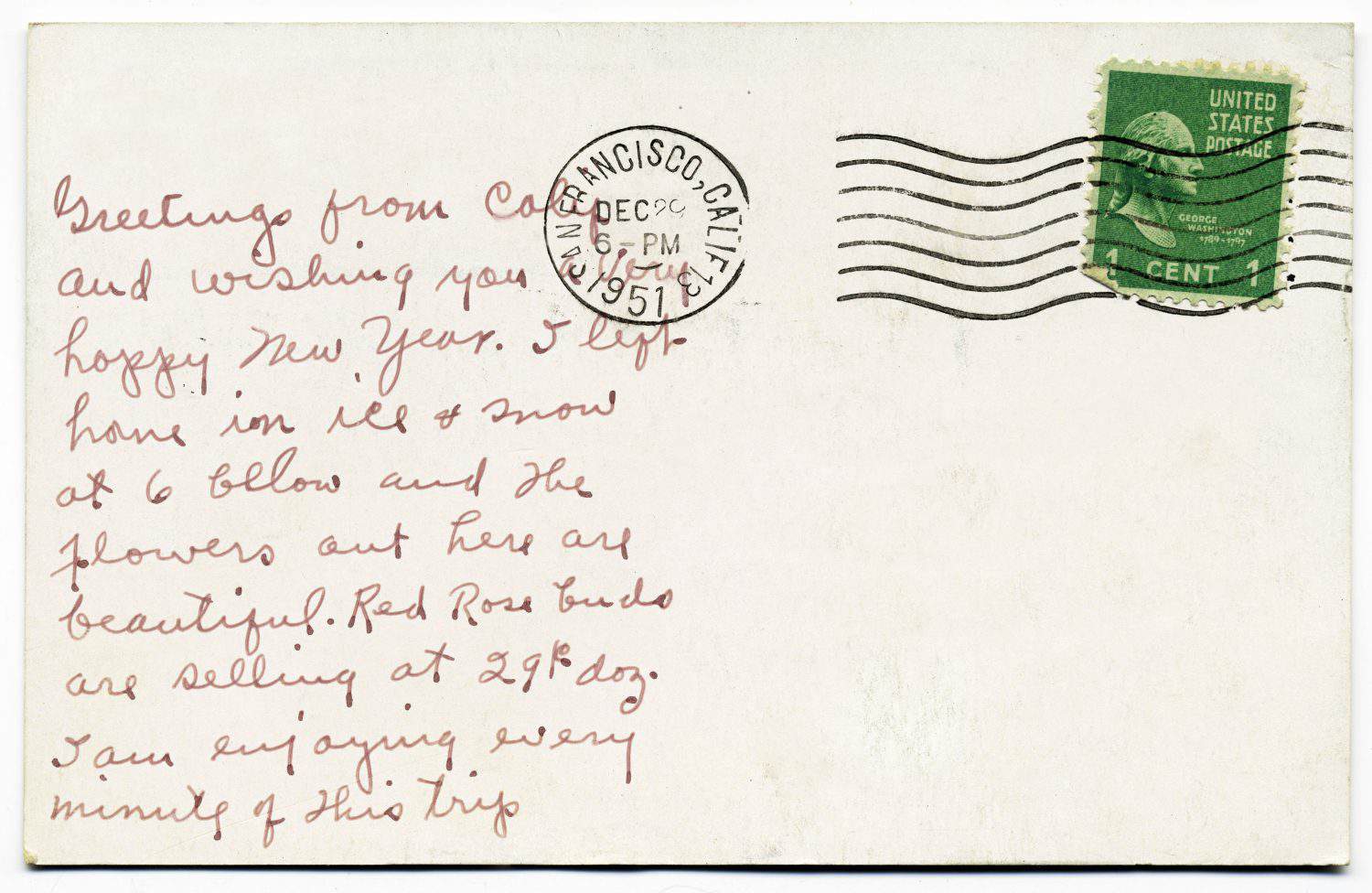
Letters were very inexpensive in the early 1800s compared to today.
During the Civil War, the existence of the postal service was critical as letters from soldiers on the front lines had to be delivered to their families. It was this action that caused Congress to abolish the use of a distance-based postal rate system that began in 1792, and now all letters required a flat rate of 3 cents per half-ounce.
11. 1885
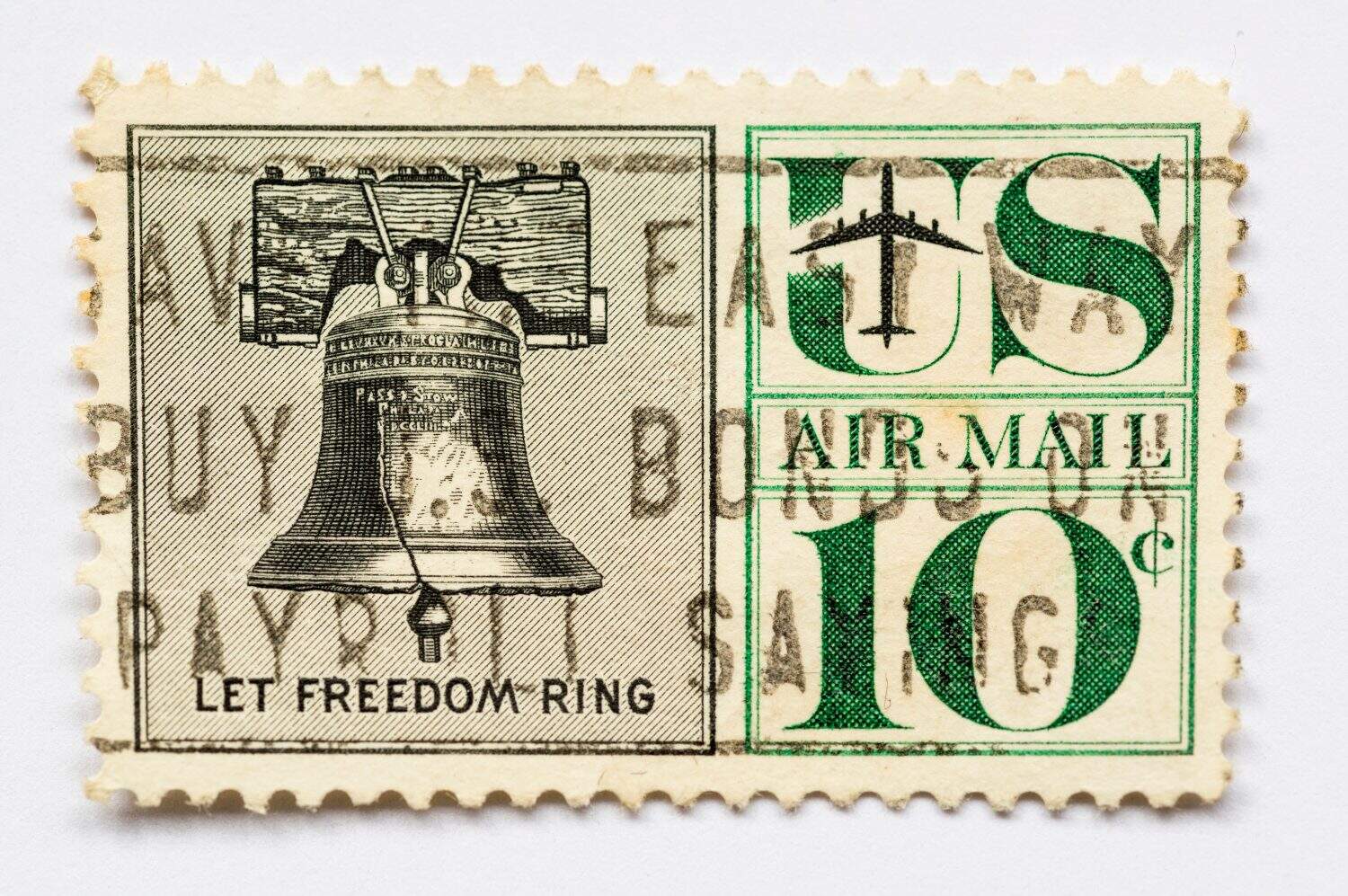
The Liberty Bell has only appeared on one US stamp.
The Civil War was over, the country was healing, and the postal service saw an opportunity to once again raise its rates. Having not made any increases since the war, Congress now raised the price of all letters when the weight limit was first set at one ounce, although a 2-cent figure, which had actually been in effect since 1883, remained unchanged.
10. 1918
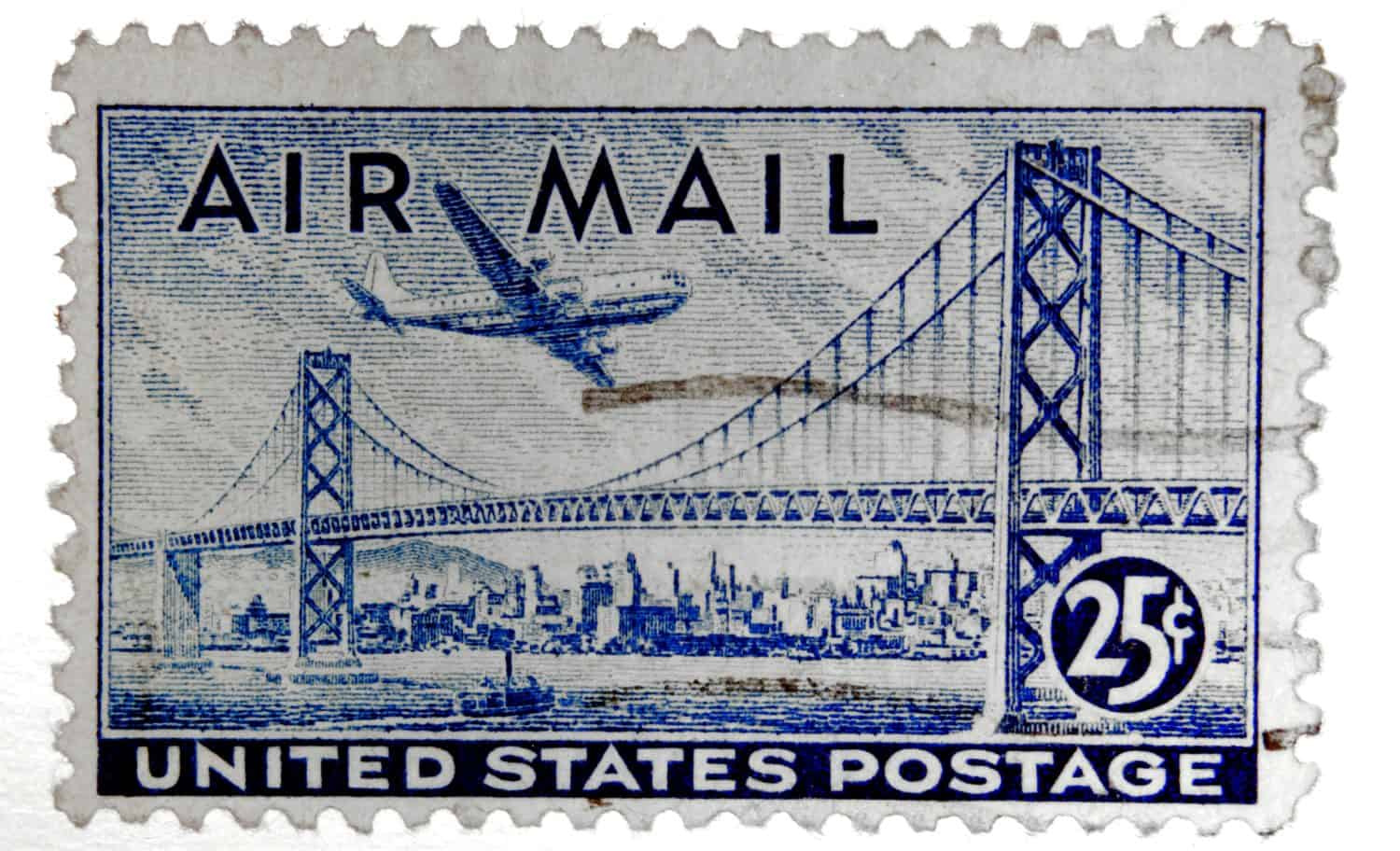
The use of US Army planes for mail delivery began in 1919.
The United States was about to enter World War I, which meant that the postal service saw an opportunity to increase revenue. With rates not really being touched for a number of decades, the price of a first-class stamp was now 3 cents. However, one year later, Congress would once again drop the price to 2 cents, even as it authorized the use of airmail service using army planes.
9. 1932
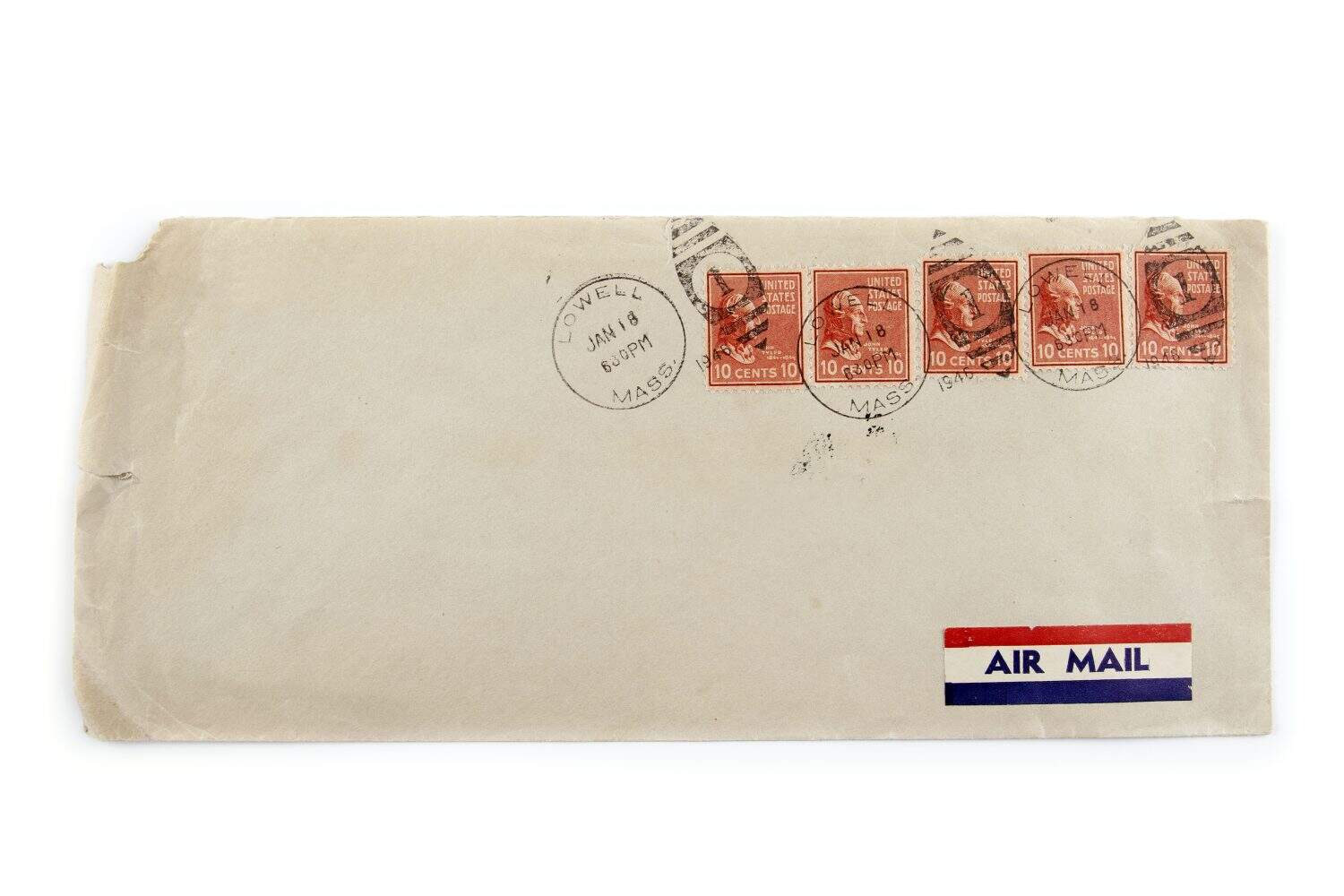
The post office really kicked off with suburban expansion.
The Great Depression wasn’t quite at its worst, but there was no time to wait before the US Postal Service experimented with rates yet again. First-class postage would once again cost 3 cents, even as mail volume decreased so low that it wouldn’t recover until 1940.
8. 1958
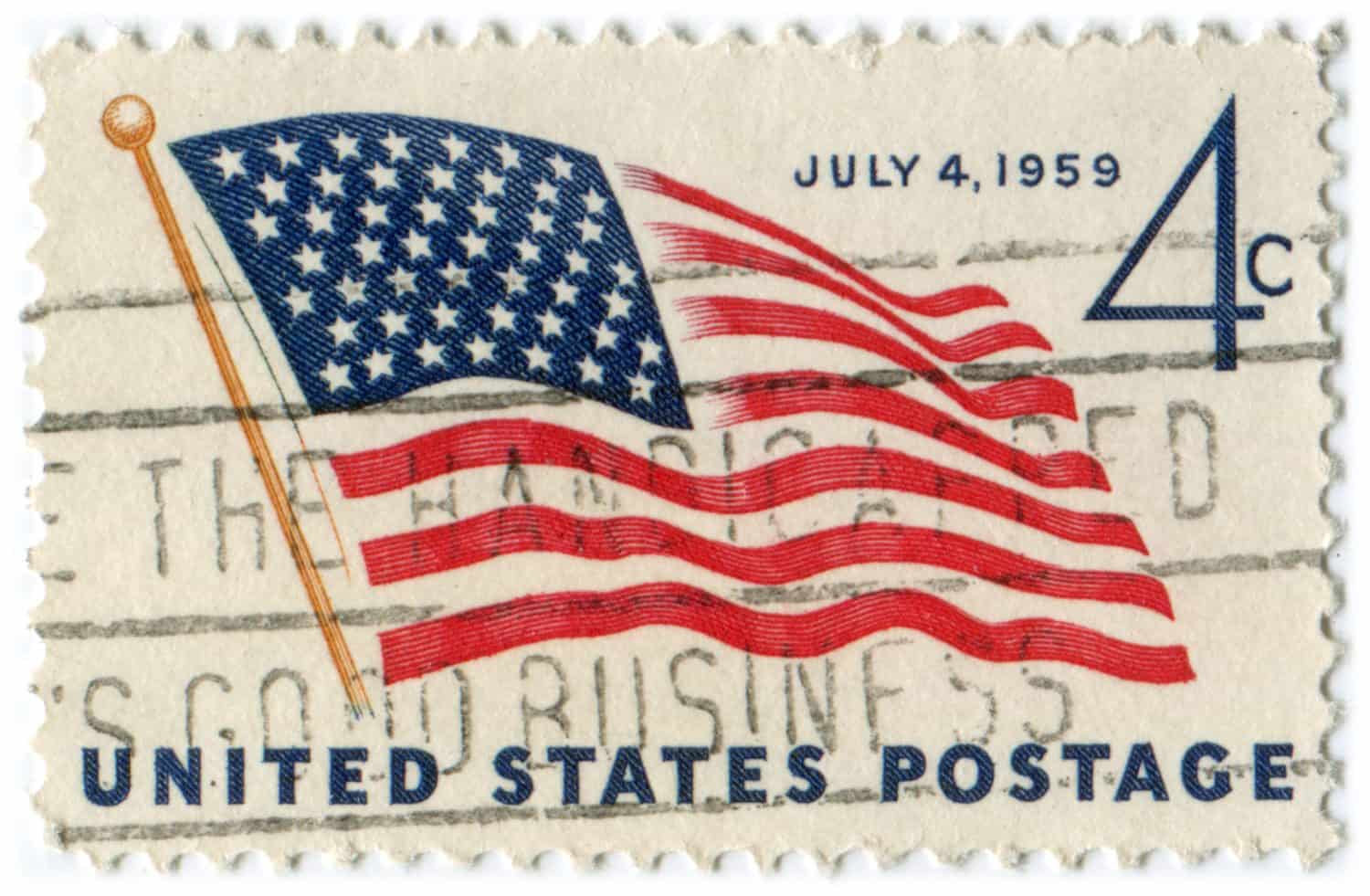
Stamps cost 4 cents in the late 1950s.
The Second World War had been over for a decade and the suburban expansion of America was in full swing, which meant mail was growing in use. This meant more revenue opportunity for the post office, which took advantage by increasing the cost of a first-class stamp to 4 cents. It was a good thing they did as well as mail volume increased to over 18 million pieces.
7. 1970
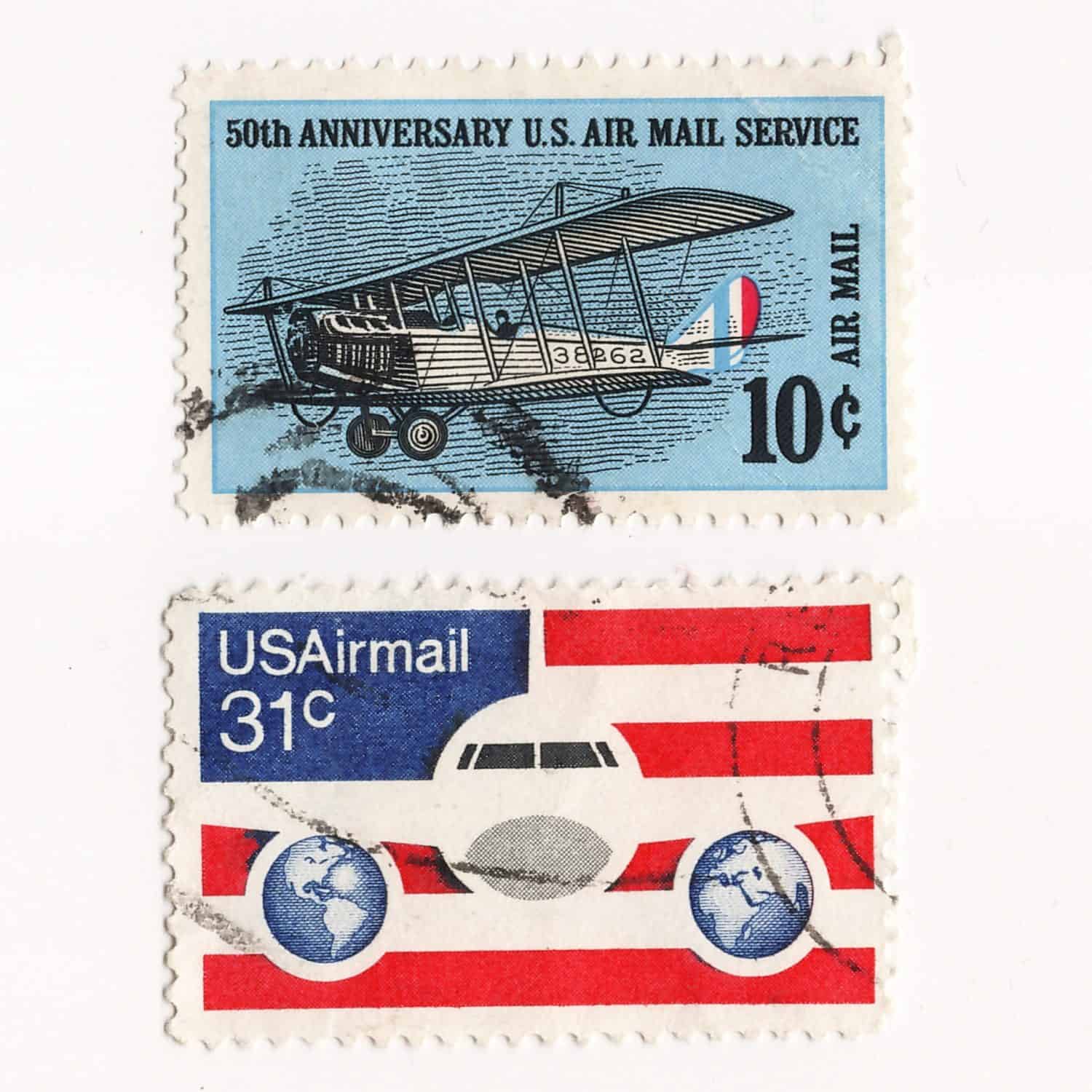
Stamps have undergone numerous design changes over the years.
Between 1968 and 1970, there was a fairly intense study that would wind up with a newly renamed U.S. Postal Service, which was now its own federal agency. At this point, the postal system was now running as if it were a private business, which meant in the 1970s, you had four separate increases. This started with 1970 when a first-class stamp cost 6 cents, while the end of the decade saw the same stamp cost 15 cents.
6. 1981
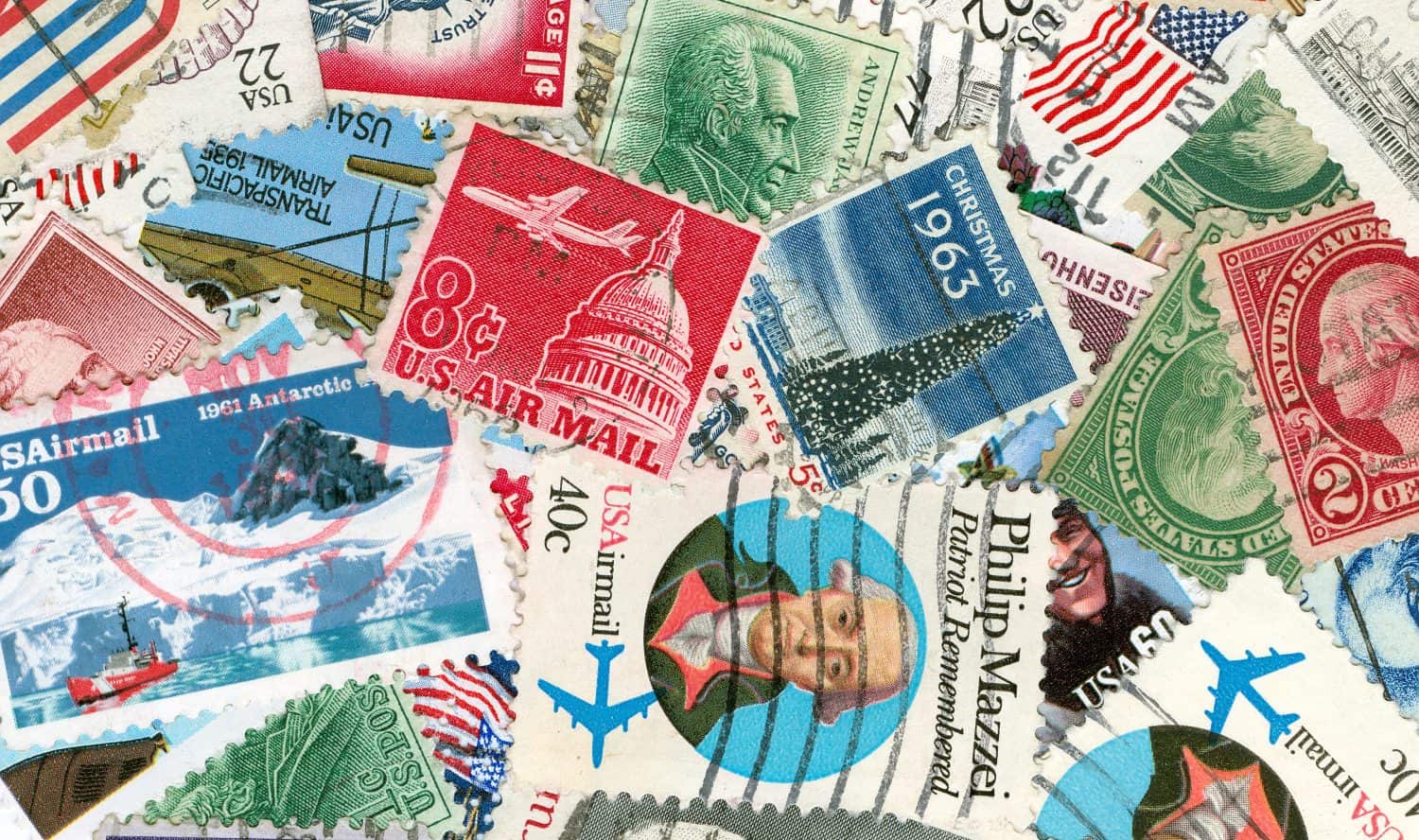
Classic stamp designs from over the years.
The first decade to see two increases in one year, 1981 was a major shift in strategy for the revenue service. Beginning in March 1981, the cost of mailing a 1-ounce letter was 18 cents. However, by November 1981, the cost of mailing the same letter had increased to 20 cents.
5. 1991
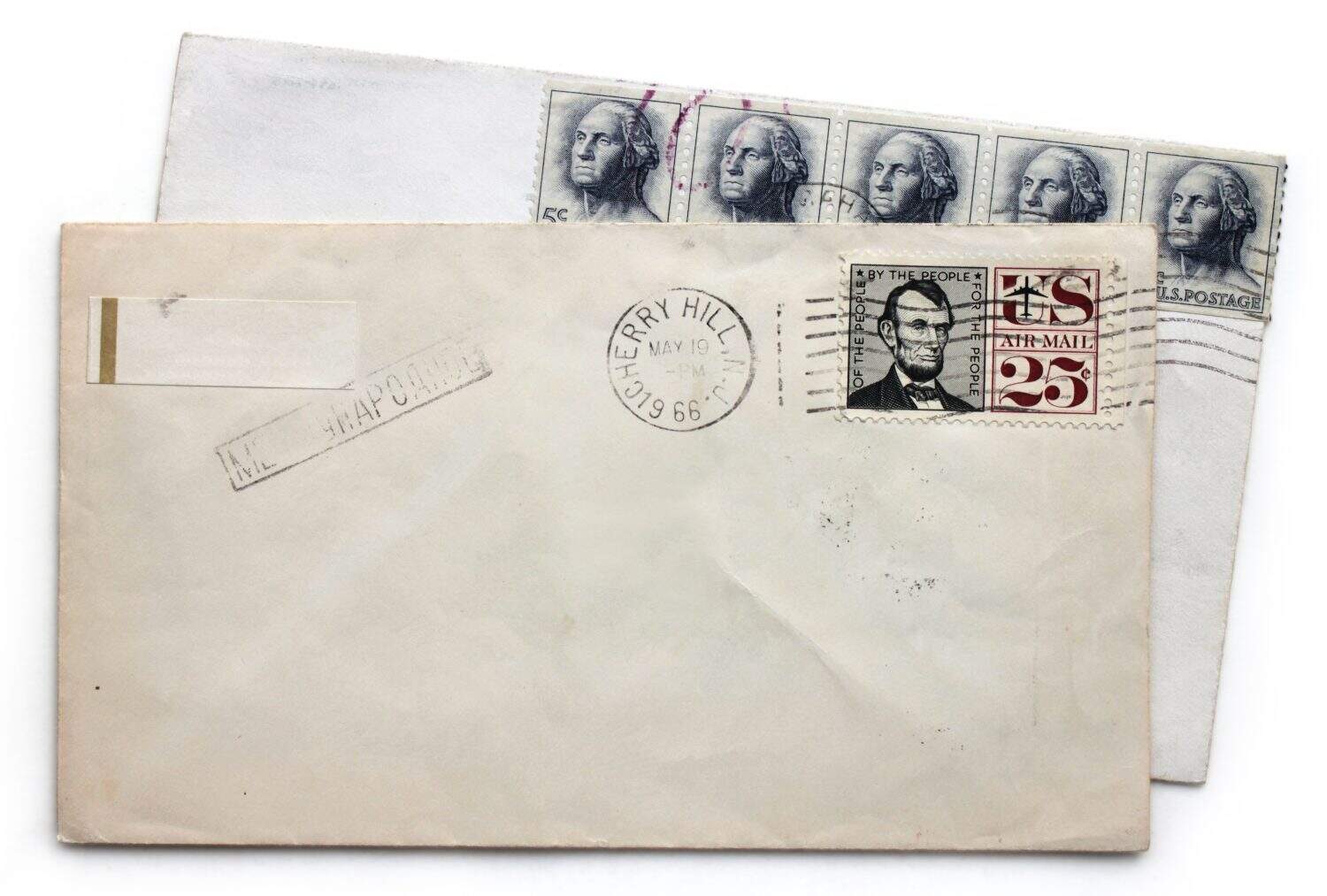
It’s not uncommon to see famous faces on US stamps.
At the start of the 1990s, there was a lot of hope and excitement for the country, coming out of the booming economy of the 1980s. Also on the plus side was the cost of a stamp, which was only 29 cents for first-class postage, while additional ounces were only 23 cents, representing one of the last years where prices differed between the first ounce and any additional ounces.
4. 2001
The Post Office had a tough year in 2001.
By all accounts, 2001 was a trying year as a result of the September 11 terror attacks, and for the postal service, it also meant that mail volume fell for the first time since the 1930s. At the very top end during this year, a single first-class postage stamp would cost you 44 cents.
3. 2011
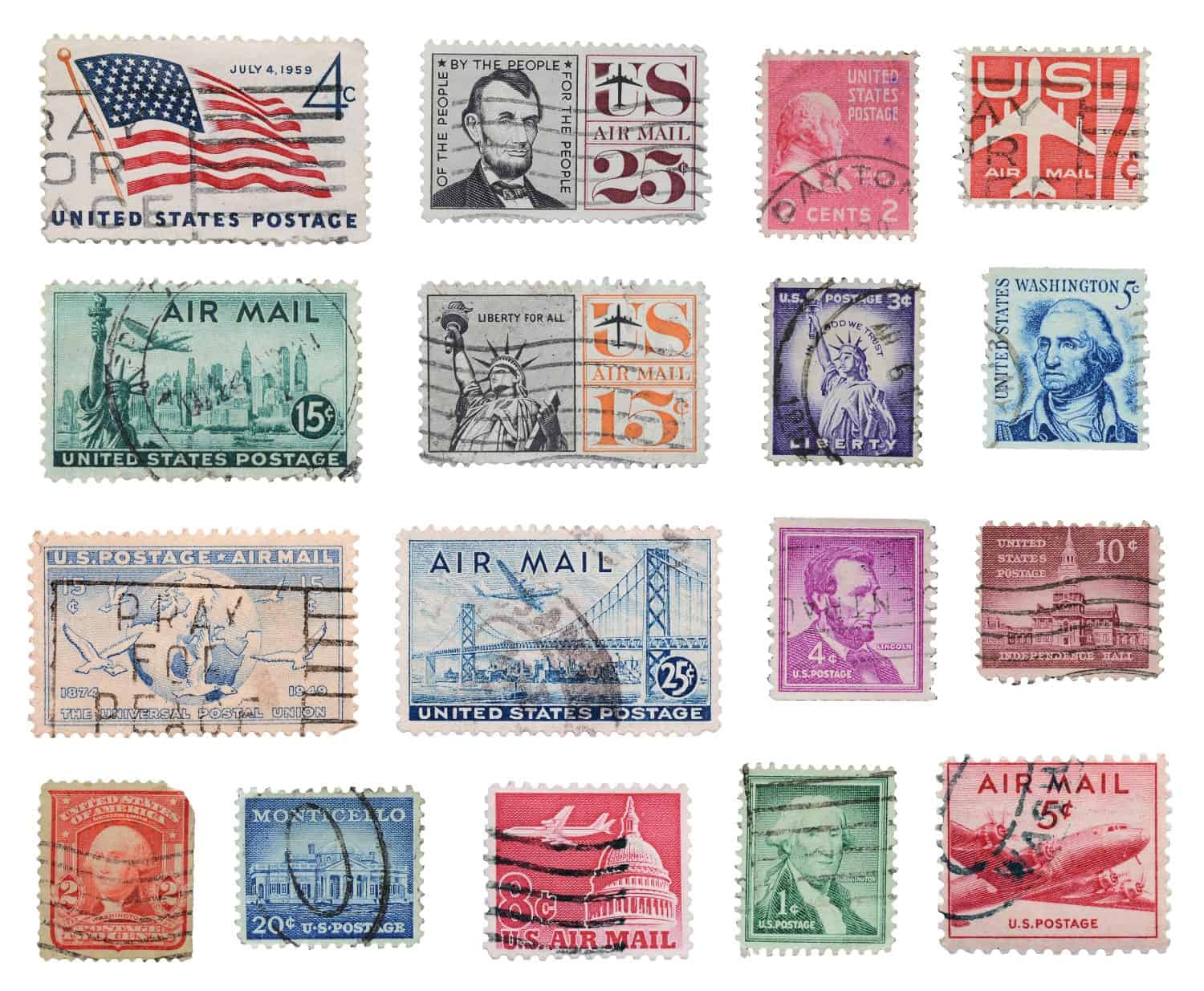
A look at some of the many different stamps over the years.
In June 2011, the Government Accountability Office reported that the United States Postal Service was experiencing financial difficulties. There was a reduction in staff, and post office hours were limited as a result of a dramatic drop in first-class mail volume. Still, the price of a stamp hovered around 55 cents during this time.
2. 2021
The US Postal Service had to make up for lost pandemic revenue in 2021.
The difference between 2021 and 2025 is going to be super apparent when you realize that in 2021, stamps cost just 58 cents. The USPS was still trying to recover from the slowdown that had taken place during the pandemic, so pricing was kept low to increase the number of packages being sent.
1. 2025
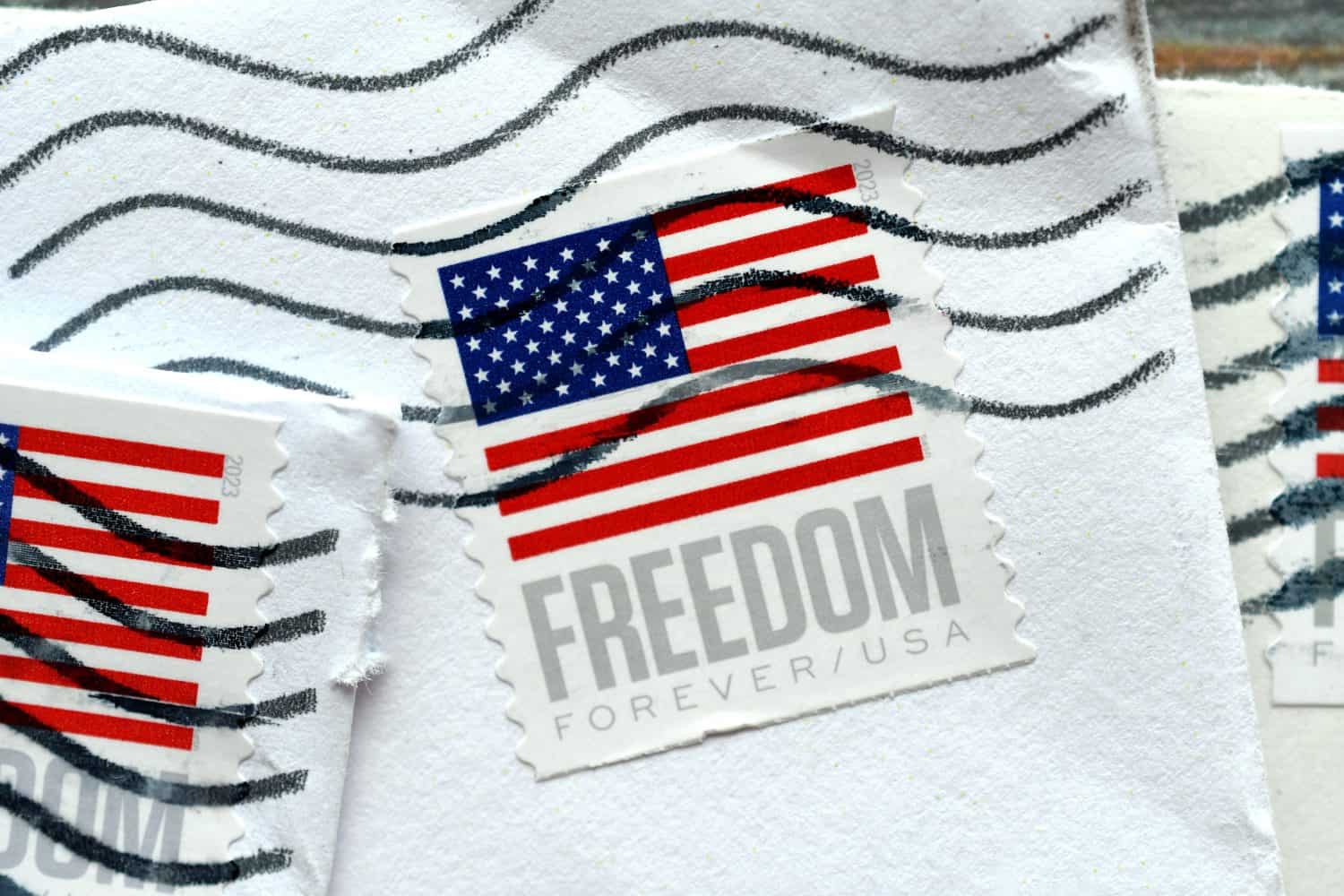
The Forever stamp now costs 78 cents.
As of July 2025, you can purchase the U.S. “Forever” stamp for a 1-ounce letter, which sells for $0.78. Any additional ounces for letters will cost around 29 cents, and these prices are as recent as July 13, 2025, which is the last time the USPS raised its prices nationwide.





 Top Gaining Stocks
 Top Losing Stocks