


Equipment rarely tells the full story unless it is viewed in the context of the mission it supports. Across the United States, local patrol officers and federal immigration agents carry tools that reflect fundamentally different operational frameworks, even when those tools appear outwardly comparable. Continuous public contact demands one type of readiness, while targeted enforcement calls for another. Here, 24/7 Wall St. is taking a closer look at how federal law enforcement agencies compare to local law enforcement.
To determine the differences in loadouts and operations employed by federal (ICE) and local law enforcement, 24/7 Wall St. reviewed various historical and recent news sources. We included supplemental information regarding the typical equipment used by each agency across multiple categories, its operational purpose, deployment pattern, and ultimately why it matters in the scope of law enforcement.
Here is a look at how ICE loadouts and operations differ from local law enforcement:
Why Are We Covering This?
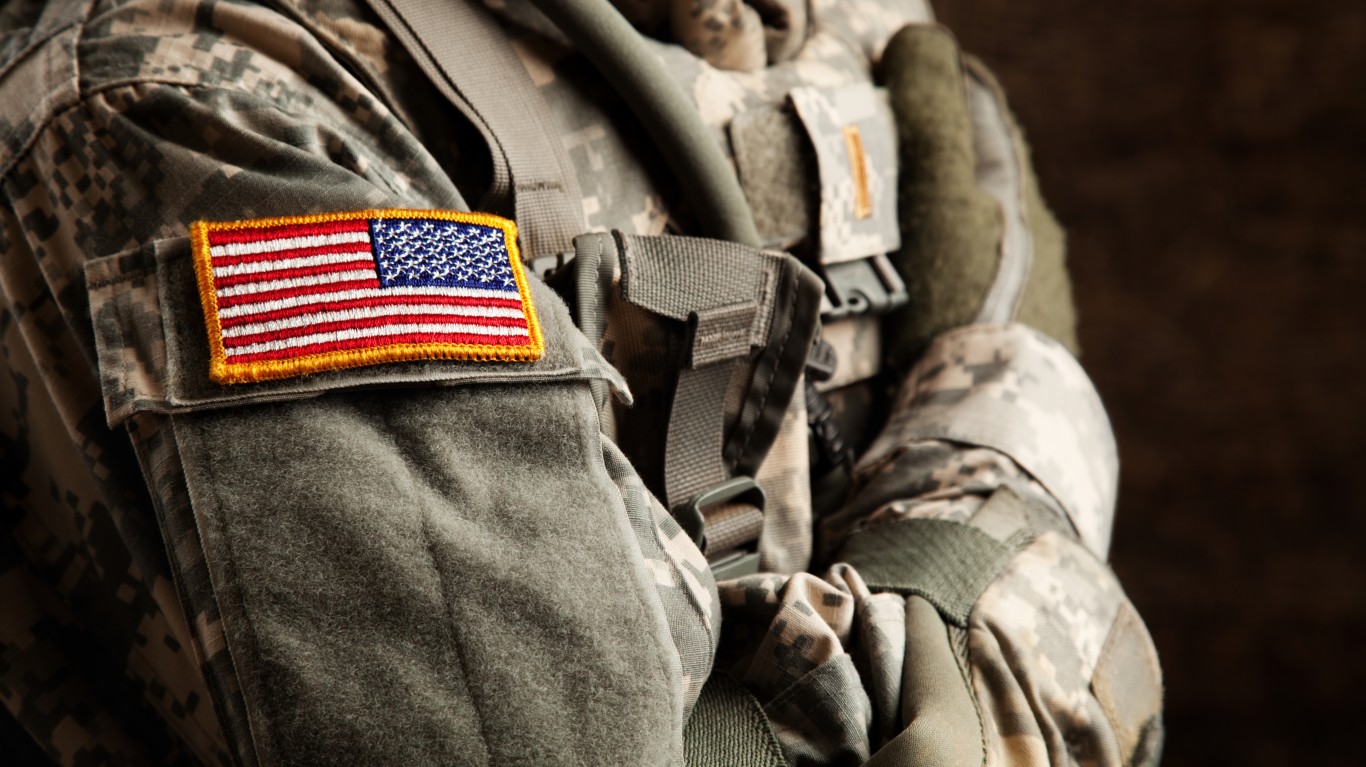
Understanding how law enforcement equipment is shaped by mission requirements offers valuable insight into the structural design of modern public safety organizations. While gear can appear similar at a glance, the responsibilities assigned to local patrol officers and federal enforcement personnel differ in ways that directly influence what they carry and how they deploy it. Examining these loadouts through an operational lens clarifies that equipment decisions are practical responses to jurisdictional scope, planning horizons, and day-to-day responsibilities. By focusing on structure rather than perception, this comparison helps illuminate how agencies prepare their personnel to operate effectively within distinctly defined roles.
Different Missions, Different Equipment

At first glance, law enforcement equipment can appear broadly similar across agencies. Sidearms, radios, vehicles, and protective gear often share recognizable designs and capabilities. Yet beneath those surface similarities lies a more important reality: equipment is shaped primarily by mission. Local patrol officers operate within a framework of constant public presence and rapid response, while federal enforcement personnel typically conduct targeted operations guided by investigative processes. Understanding this distinction is essential to interpreting why their loadouts are structured the way they are.
Organizational Design Made Visible
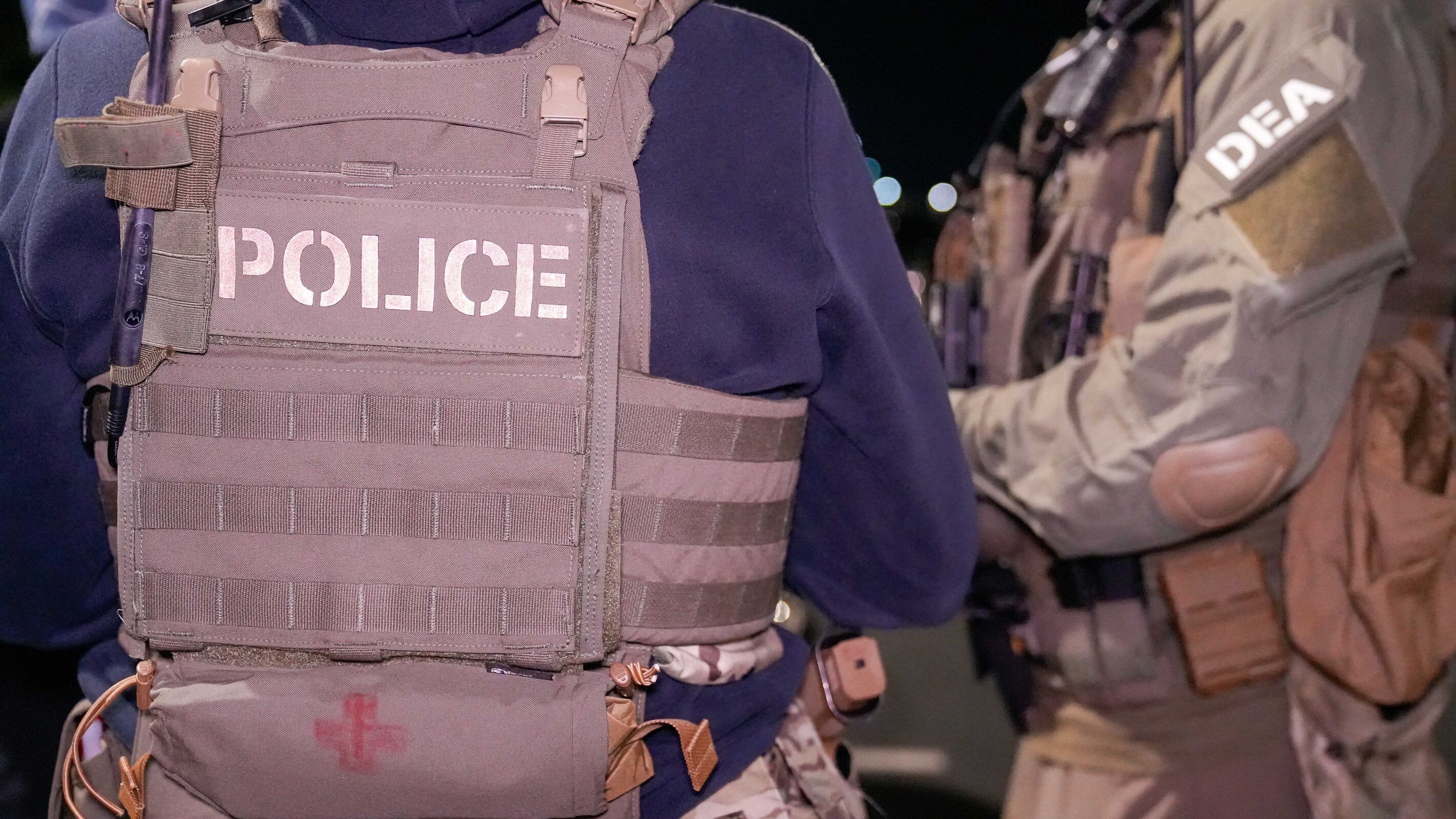
Equipment is rarely selected at random. Every radio, vehicle, and piece of protective gear reflects institutional priorities, jurisdictional scope, and operational tempo. Municipal departments must prepare officers for unpredictable, day-to-day encounters across defined geographic areas. Federal agencies, by contrast, often plan deployments in advance, aligning resources with specific enforcement objectives. When viewed through this lens, differences in equipment begin to look less like contrasts in capability and more like visible expressions of organizational design.
Presence vs. Precision
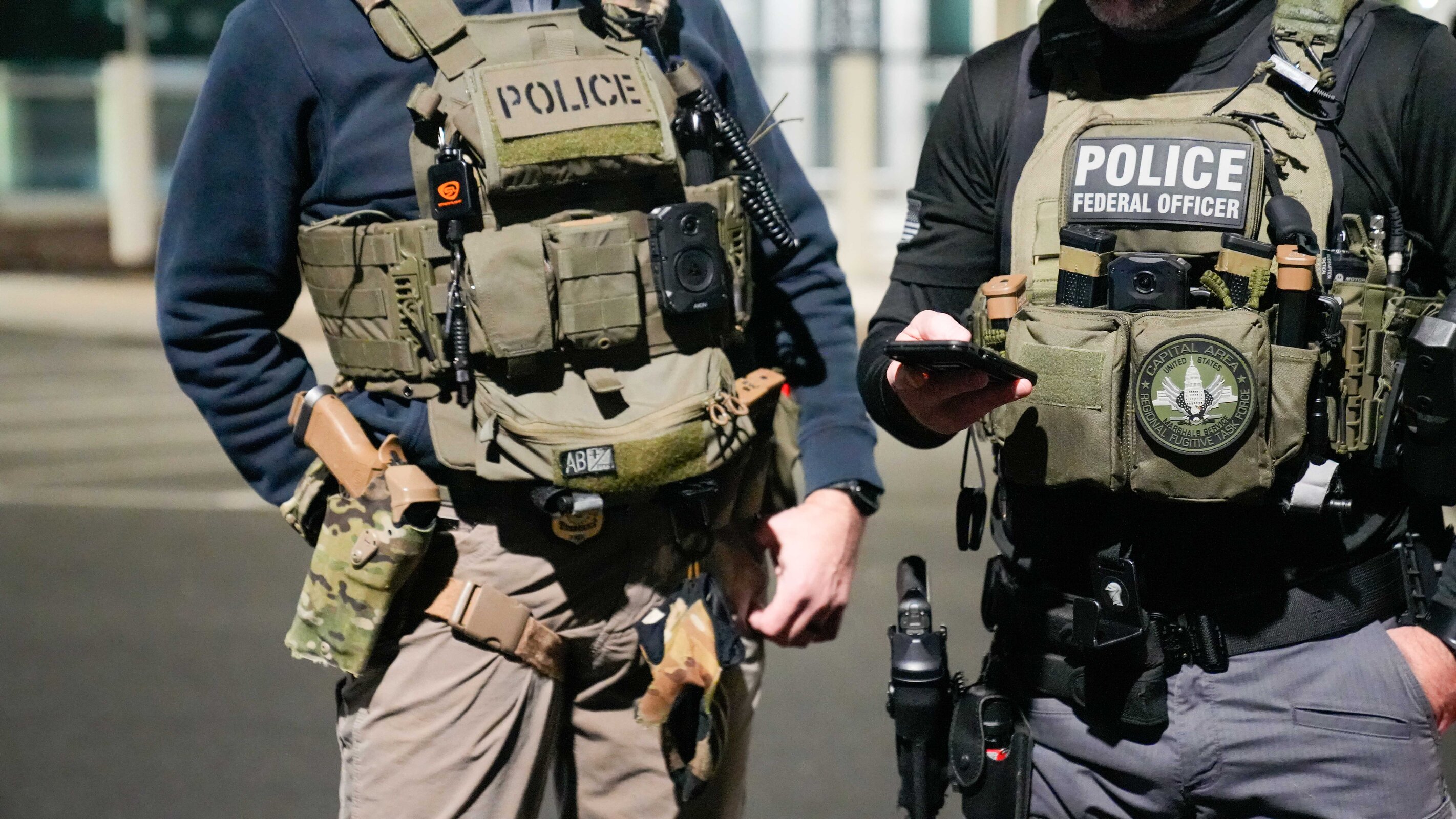
Local patrol policing is built around visibility. Marked vehicles, identifiable uniforms, and continuously carried equipment reinforce accessibility while supporting immediate response to emergencies. Federal operations often prioritize coordination and operational flexibility, particularly when activities extend across jurisdictions. Neither approach is inherently more intensive than the other — they are optimized for fundamentally different responsibilities. The resulting equipment choices reflect whether an agency is structured for persistent presence or mission-focused execution.
Standardization and Scale
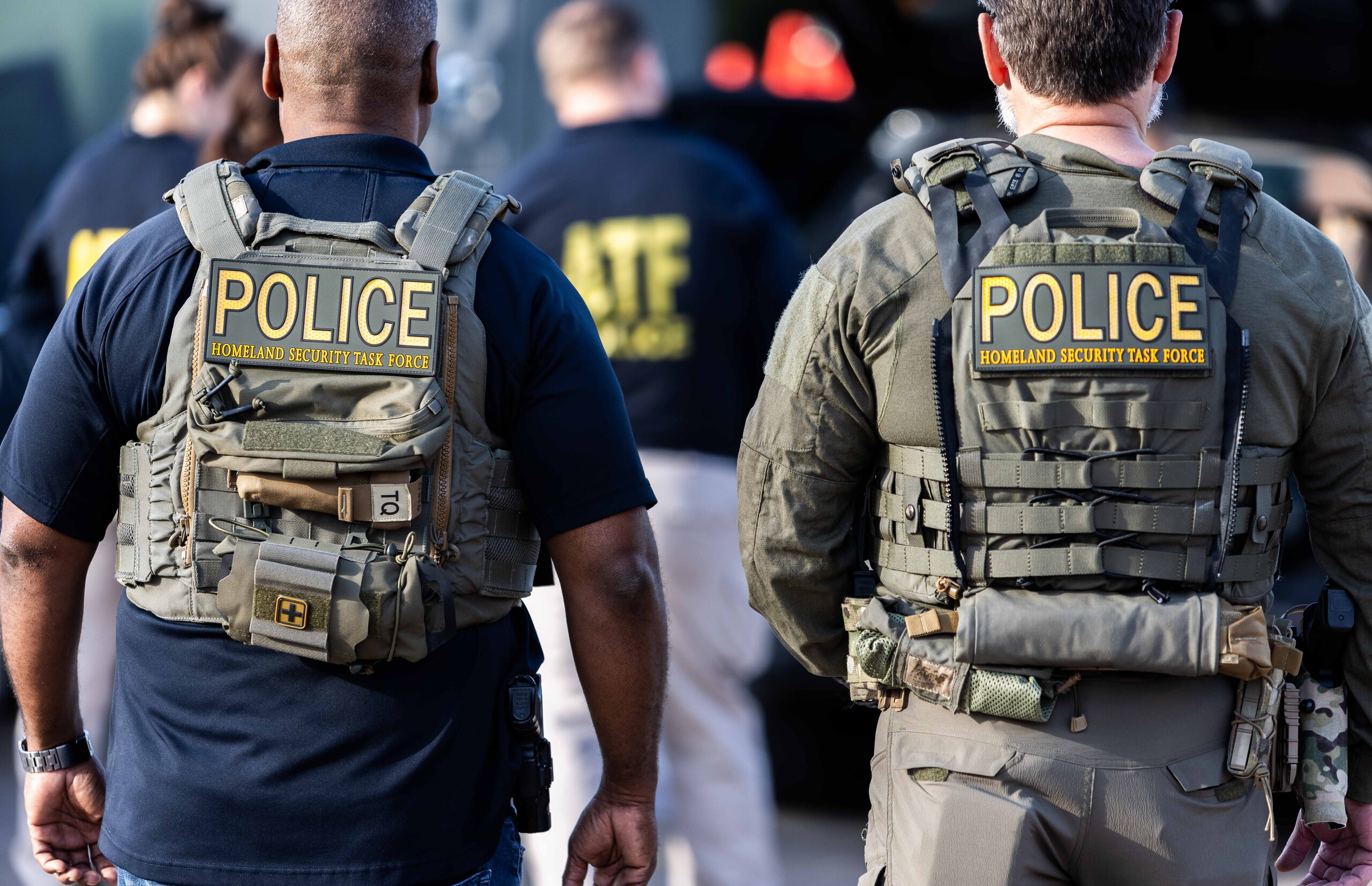
Another key factor shaping law enforcement equipment is scale. Municipal agencies frequently adapt policies to local conditions, budgets, and community expectations, which can produce variation between departments. Federal organizations tend to emphasize broader standardization to support training consistency and logistical efficiency across multiple field offices. Both models offer advantages, but they lead to distinct procurement patterns that become visible in the tools officers and agents carry.
A Structural Comparison, Not a Value Judgment
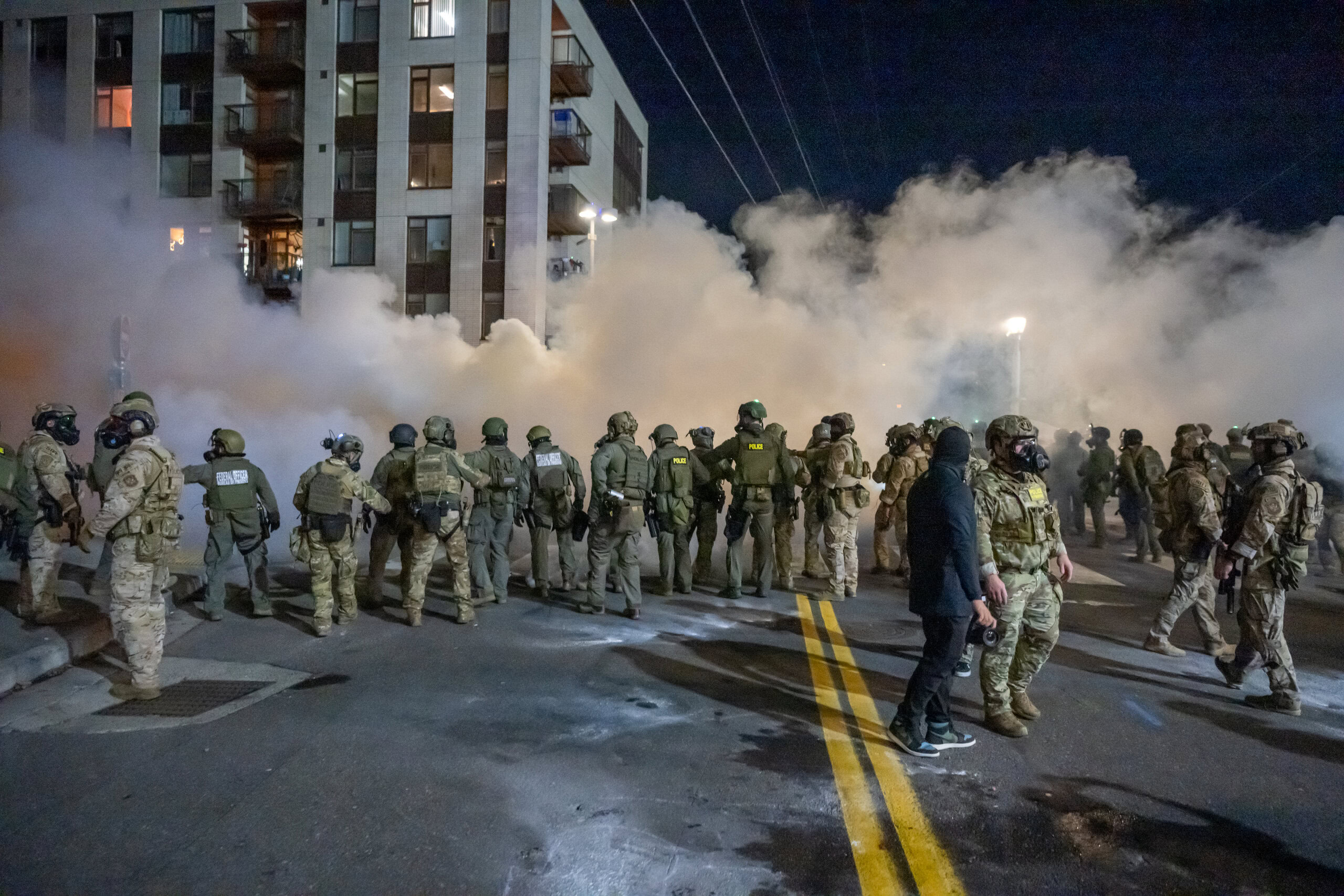
This comparison is best understood as an examination of operational architecture rather than a measure of force. Differences in loadouts do not inherently signal escalation, preference, or philosophy; instead, they illustrate how agencies prepare personnel for the environments in which they are expected to operate. By looking at equipment through a structural lens, it becomes possible to see how mission requirements quietly shape the everyday realities of modern law enforcement.
Sidearms
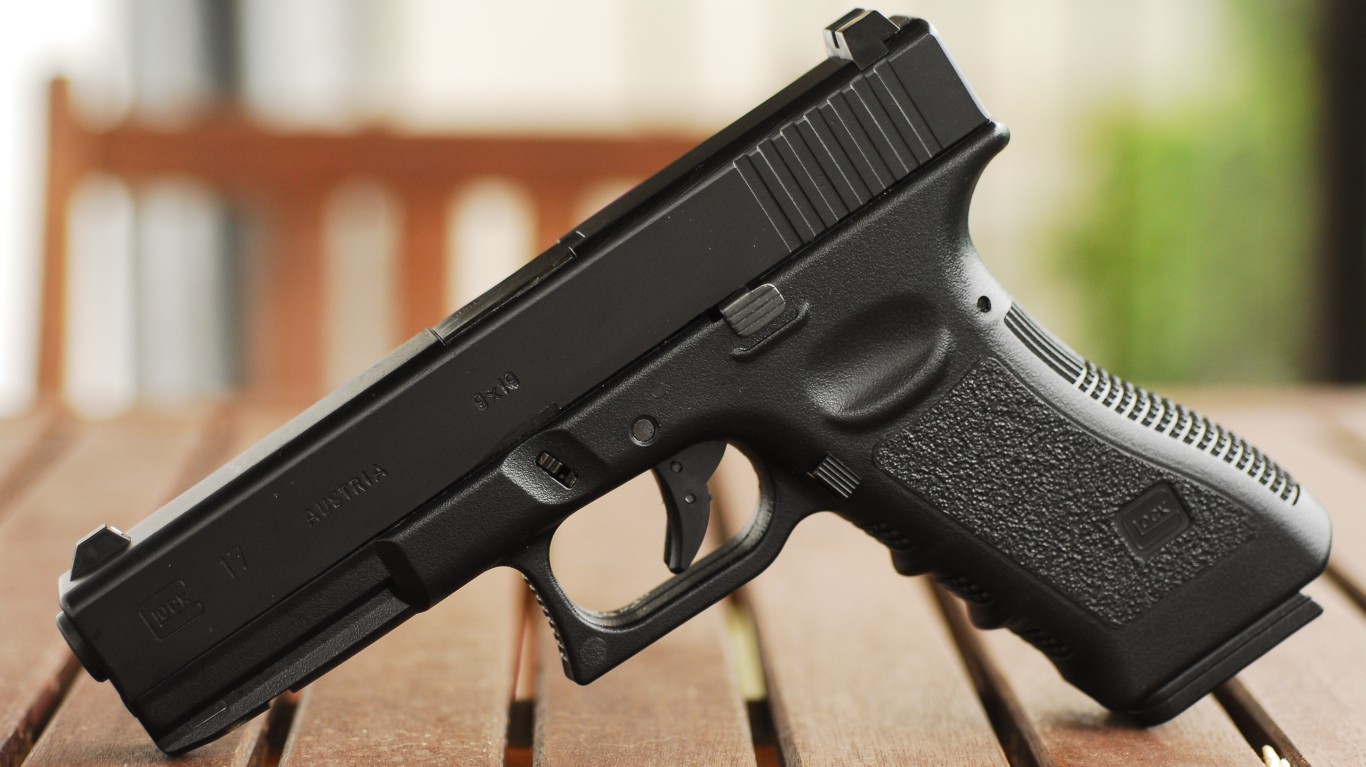
- Agency type: Local Patrol
- Typical equipment: Glock 17 / SIG Sauer P320
- Equipment role: Primary duty weapon
- Operational purpose: Continuous readiness
- Deployment pattern: Constant carry
- Visibility profile: High-visibility
- Standardization level: Department-variable
- Mission driver: Continuous public contact
Local patrol sidearms are selected for reliability, ease of training, and durability under constant daily carry. Large departments often standardize striker-fired 9mm pistols to simplify qualification and maintenance. Because patrol officers are continuously visible and accessible to the public, their sidearms must balance effectiveness with controllability and long-term wear comfort rather than specialized mission adaptation.
Sidearms
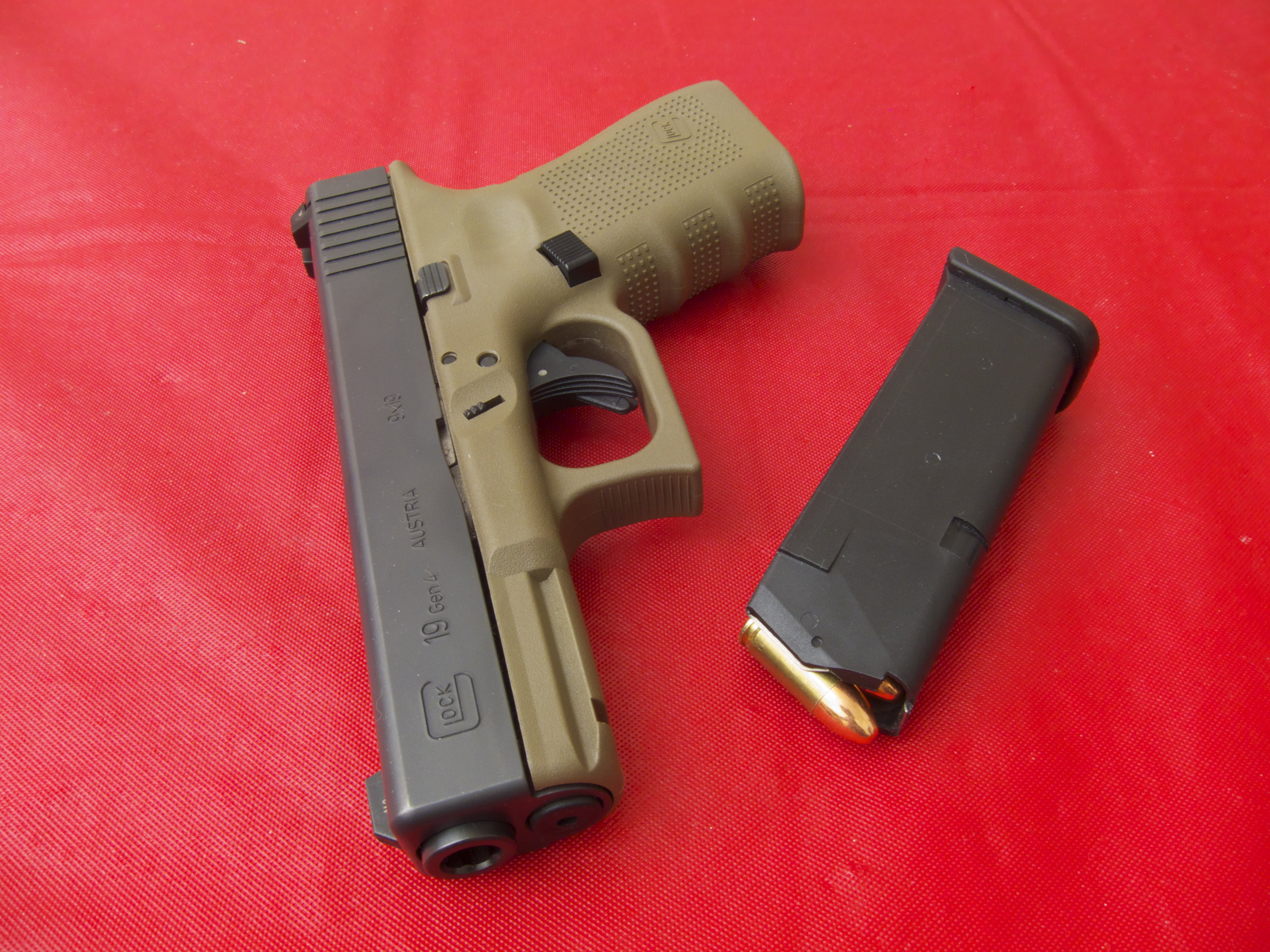
- Agency type: Federal (ICE)
- Typical equipment: Glock 19 MOS
- Equipment role: Primary duty weapon
- Operational purpose: Operational enforcement support
- Deployment pattern: Constant carry
- Visibility profile: Mixed visibility
- Standardization level: Federally standardized
- Mission driver: Mission-focused enforcement
Federal sidearms emphasize standardization across field offices and compatibility with agency-wide training programs. Compact models are often chosen to balance concealability and duty performance. The objective is consistency across geographically dispersed teams, ensuring logistical efficiency and predictable performance during planned enforcement actions rather than continuous public patrol.
Patrol Rifles
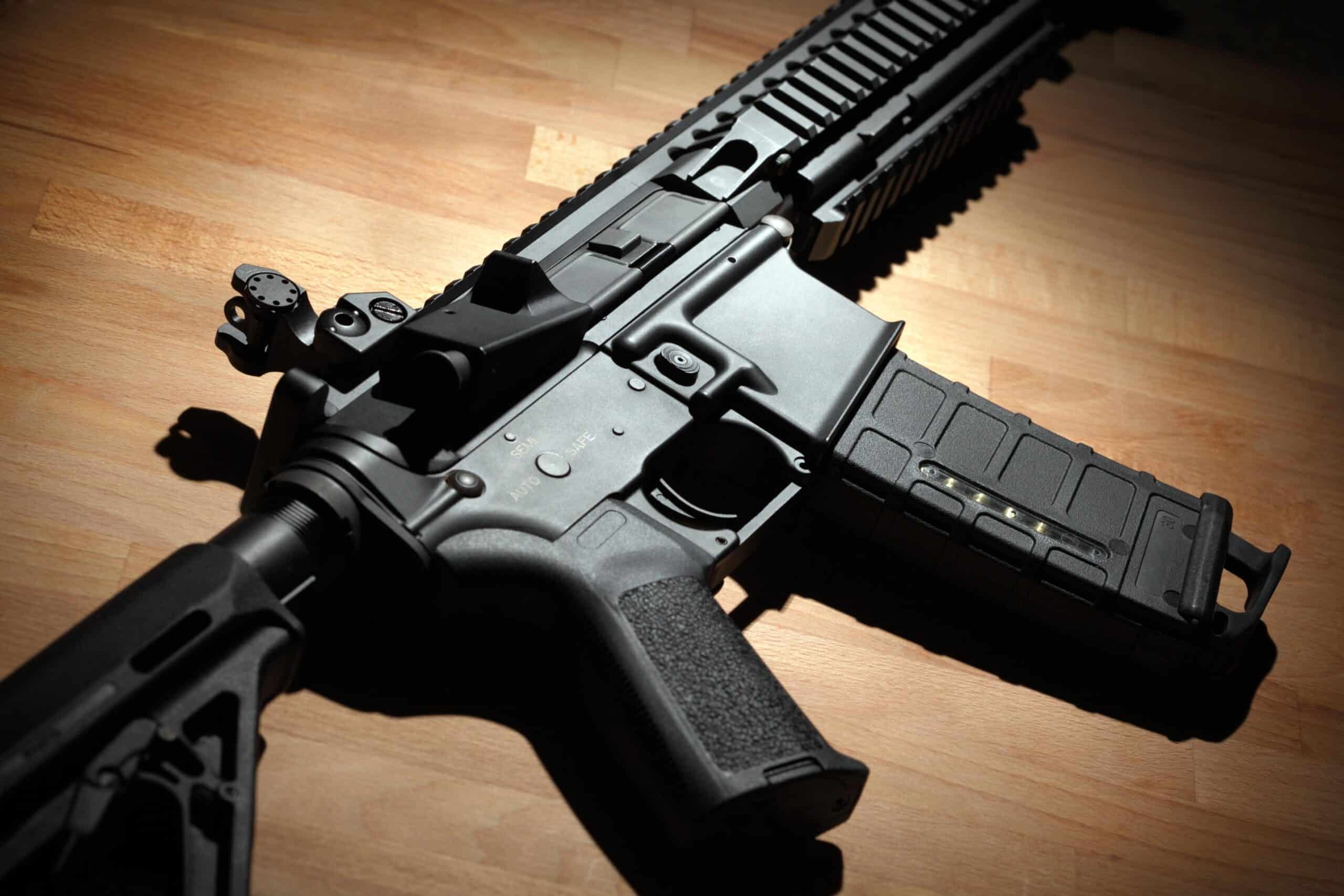
- Agency type: Local Patrol
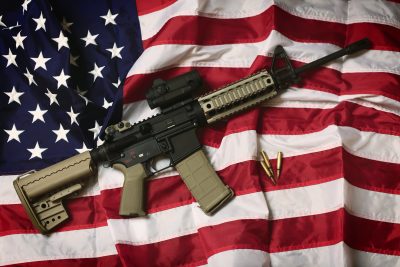
- Typical equipment: AR-15 pattern carbines
- Equipment role: Precision long gun
- Operational purpose: Enhanced response capability
- Deployment pattern: Vehicle-staged
- Visibility profile: Public-facing
- Standardization level: Department-variable
- Mission driver: Immediate threat response
Patrol rifles provide officers with extended range and improved precision during critical incidents. Typically vehicle-staged, these carbines are deployed when a situation escalates beyond handgun capability. Their presence reflects preparedness for rare but high-risk events rather than daily engagement, aligning with rapid-response municipal policing models.
Patrol Rifles
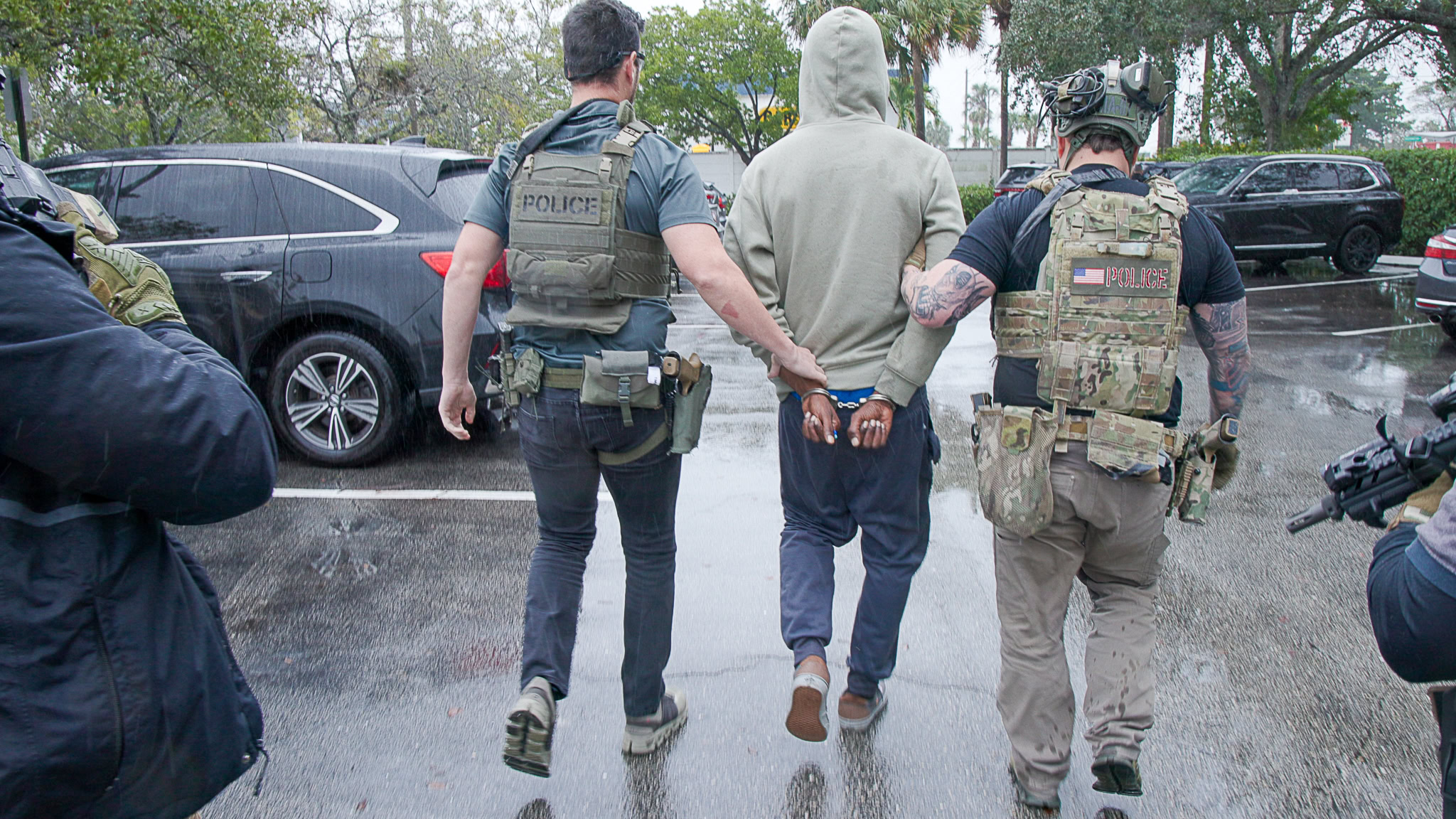
- Agency type: Federal (ICE)
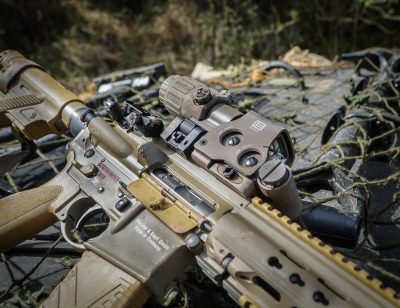
- Typical equipment: M4-type carbines
- Equipment role: Operational rifle
- Operational purpose: Controlled enforcement environments
- Deployment pattern: Operation-specific
- Visibility profile: Mixed visibility
- Standardization level: Federally standardized
- Mission driver: Planned operational risk
Federal carbines are generally standardized to streamline procurement, maintenance, and training nationwide. Deployment is typically operation-specific, based on risk assessment. Unlike patrol rifles that remain staged for unpredictable calls, federal rifles are more commonly integrated into structured enforcement plans where anticipated conditions guide equipment selection.
Body Armor

- Agency type: Local Patrol
- Typical equipment: Soft armor / outer carriers
- Equipment role: Ballistic protection
- Operational purpose: Officer safety during patrol
- Deployment pattern: Constant wear
- Visibility profile: Public-facing
- Standardization level: Policy dependent
- Mission driver: All-day duty requirements
Local body armor prioritizes comfort and continuous wearability. Concealable vests or outer carriers must support long shifts involving frequent public interaction. Protection is designed around sustained exposure rather than episodic high-risk deployments, reflecting the everyday visibility of patrol responsibilities.
Body Armor
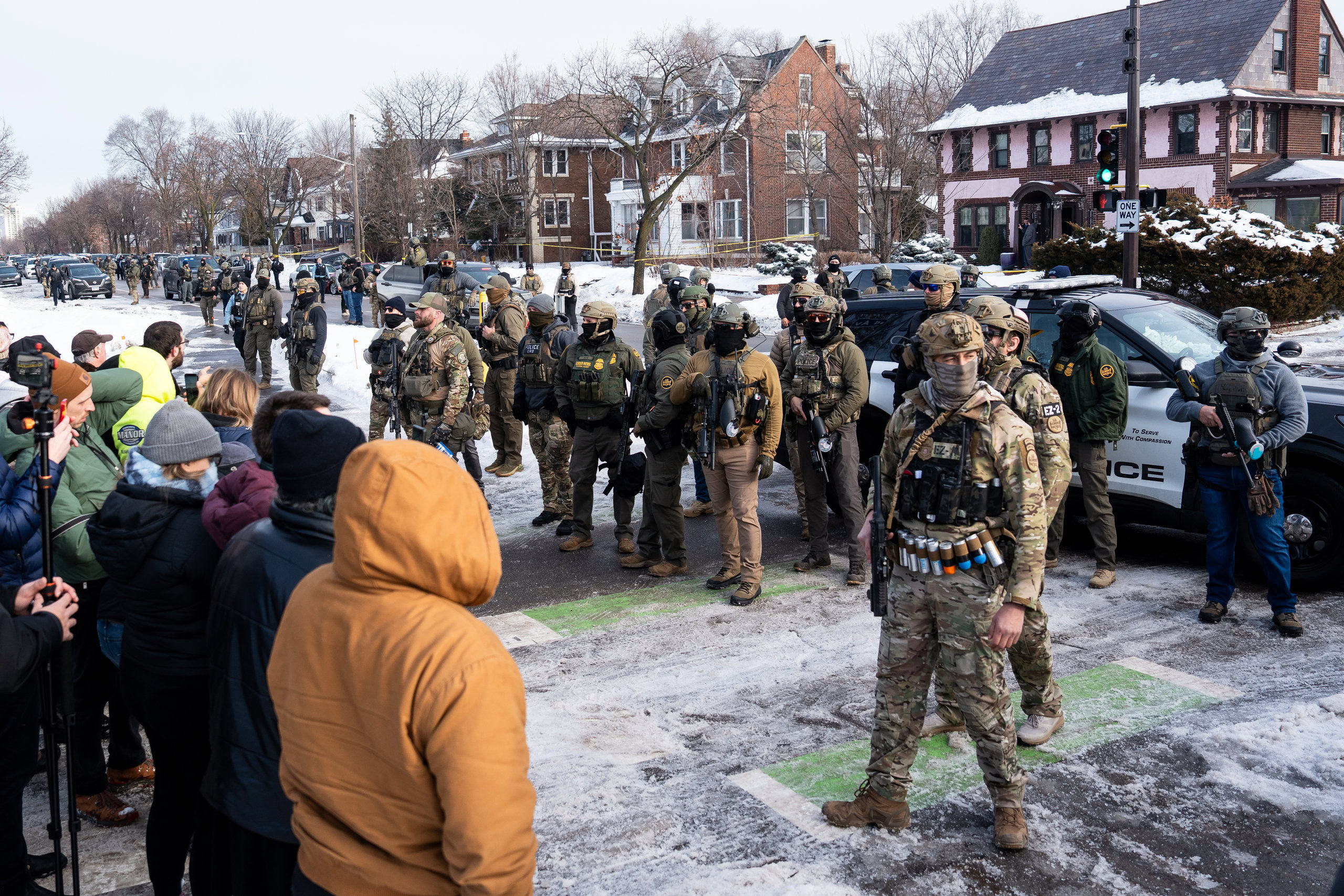
- Agency type: Federal (ICE)
- Typical equipment: Scalable plate carriers
- Equipment role: Enhanced ballistic protection
- Operational purpose: Risk-adjusted protection
- Deployment pattern: Risk-dependent
- Visibility profile: Context-dependent
- Standardization level: Widely standardized
- Mission driver: Operational risk assessment
Federal armor systems often allow scalable protection, including rifle-rated plates when operational risk justifies additional coverage. Because enforcement activities are frequently planned, protective configurations can be adjusted to match anticipated conditions. This flexibility reflects mission-dependent deployment rather than constant wear.
Identification Philosophy

- Agency type: Local Patrol
- Typical equipment: Marked uniforms and badges
- Equipment role: Immediate identification
- Operational purpose: Public recognition
- Deployment pattern: Constant
- Visibility profile: High-visibility
- Standardization level: Widely standardized
- Mission driver: Community interaction
Highly visible patrol uniforms reinforce recognizability and community interaction. Clear identification supports accountability and immediate public awareness during emergencies. Visibility is integral to municipal policing philosophy, where officers serve as constant, approachable presences within defined jurisdictions.
Identification Philosophy
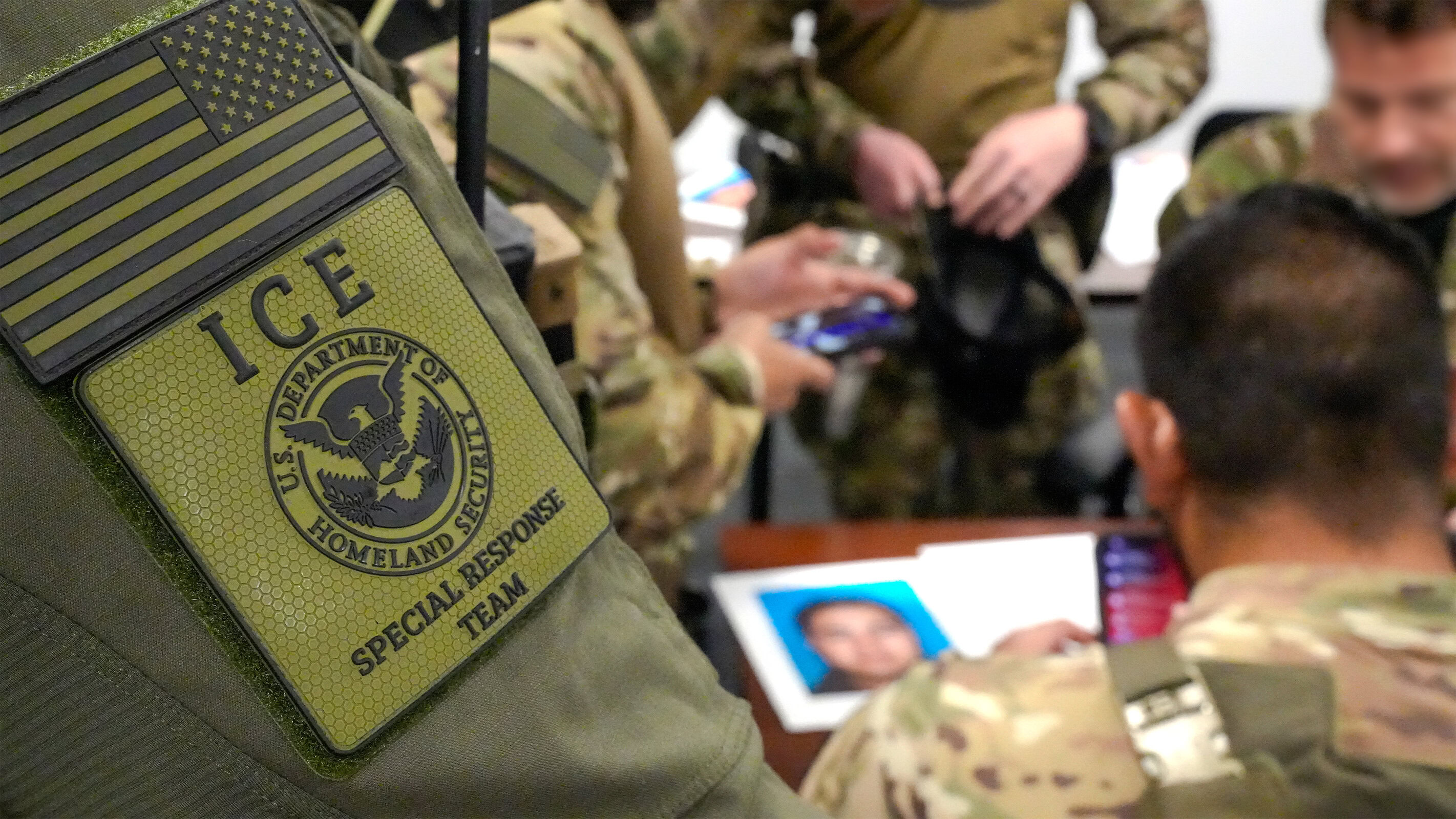
- Agency type: Federal (ICE)
- Typical equipment: Operational identifiers / tactical markings
- Equipment role: Agency identification
- Operational purpose: Clarity during enforcement
- Deployment pattern: Operation-specific
- Visibility profile: Mixed visibility
- Standardization level: Federally standardized
- Mission driver: Operational context
Federal identification practices may vary depending on operational context but are designed to ensure agency clarity during enforcement actions. Visibility is balanced with operational practicality. The approach reflects mission structure rather than reduced transparency, as deployment posture shapes presentation.
Communications Infrastructure

- Agency type: Local Patrol
- Typical equipment: Municipal dispatch radios
- Equipment role: Mobile communications
- Operational purpose: Rapid local coordination
- Deployment pattern: Constant use
- Visibility profile: Low-profile
- Standardization level: Widely standardized
- Mission driver: Geographic responsibility
Local radio systems integrate directly with local dispatch networks, allowing rapid coordination within geographic boundaries. These systems prioritize immediate response to calls for service and tight integration with emergency services infrastructure.
Communications Infrastructure
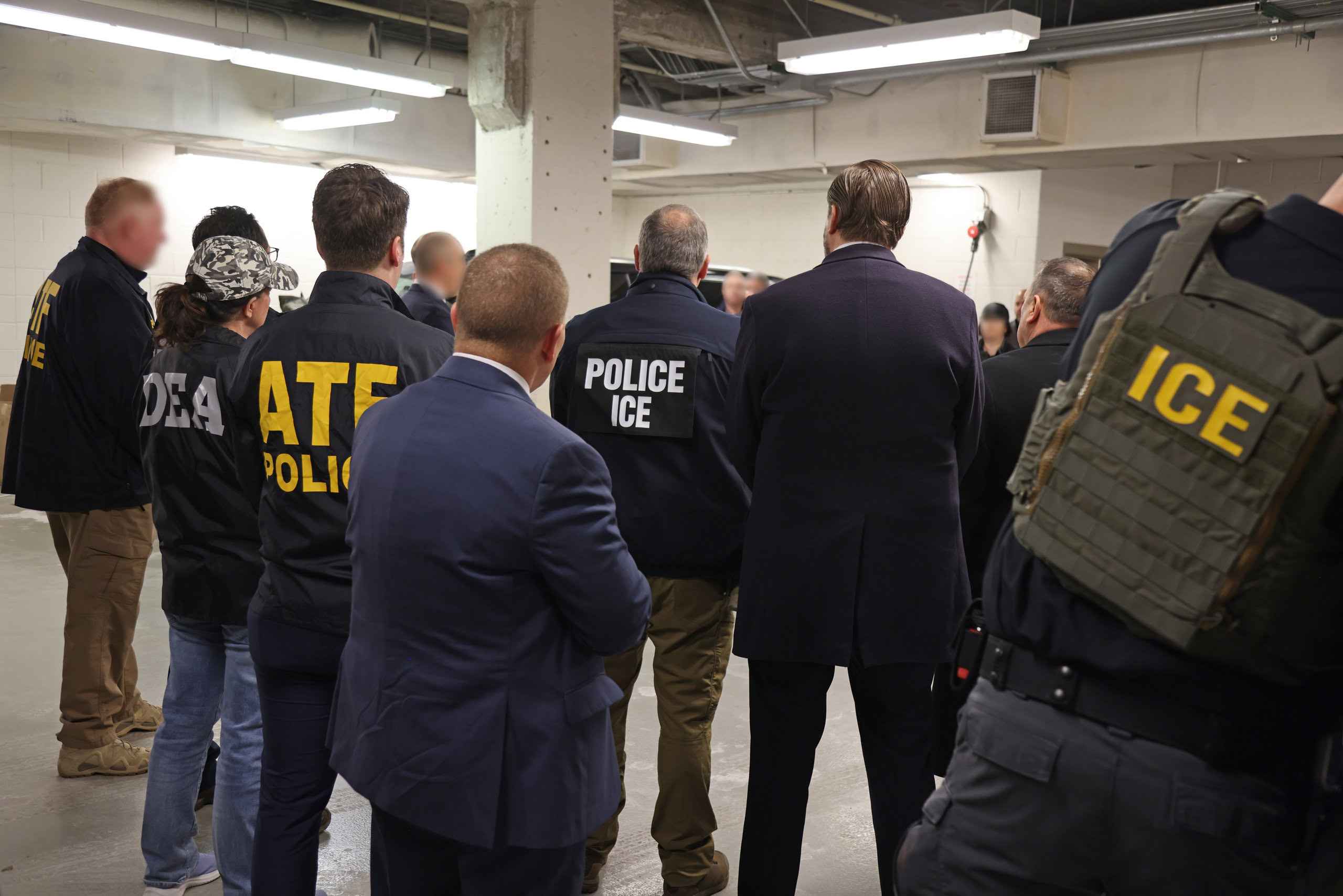
- Agency type: Federal (ICE)
- Typical equipment: Encrypted federal radio systems
- Equipment role: Secure communications
- Operational purpose: Interagency coordination
- Deployment pattern: Constant use
- Visibility profile: Low-profile
- Standardization level: Federally standardized
- Mission driver: Multi-agency operations
Federal communication systems emphasize encryption and interoperability across agencies. Because operations may involve coordination beyond a single locality, communication architecture supports broader jurisdictional reach and secure multi-agency integration.
Vehicles & Mobility
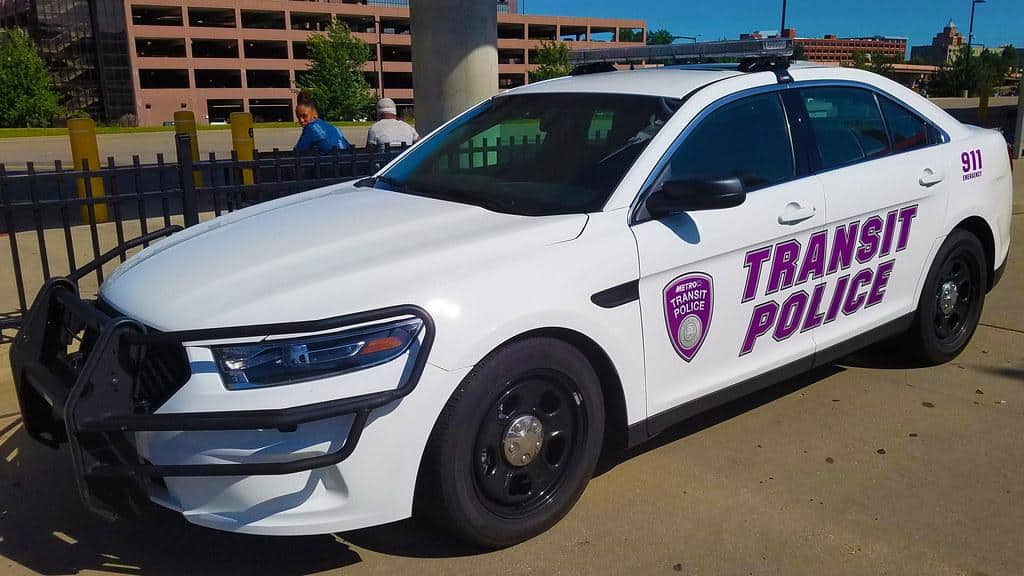
- Agency type: Local Patrol
- Typical equipment: Marked patrol cruisers
- Equipment role: Response vehicle
- Operational purpose: Deterrence and rapid deployment
- Deployment pattern: Constant patrol
- Visibility profile: High-visibility
- Standardization level: Widely standardized
- Mission driver: Public presence
Marked patrol vehicles function both as response platforms and visible deterrents. Their presence reinforces public awareness and rapid accessibility. Constant patrol requires durability and integrated technology to support daily operational demands.
Vehicles & Mobility
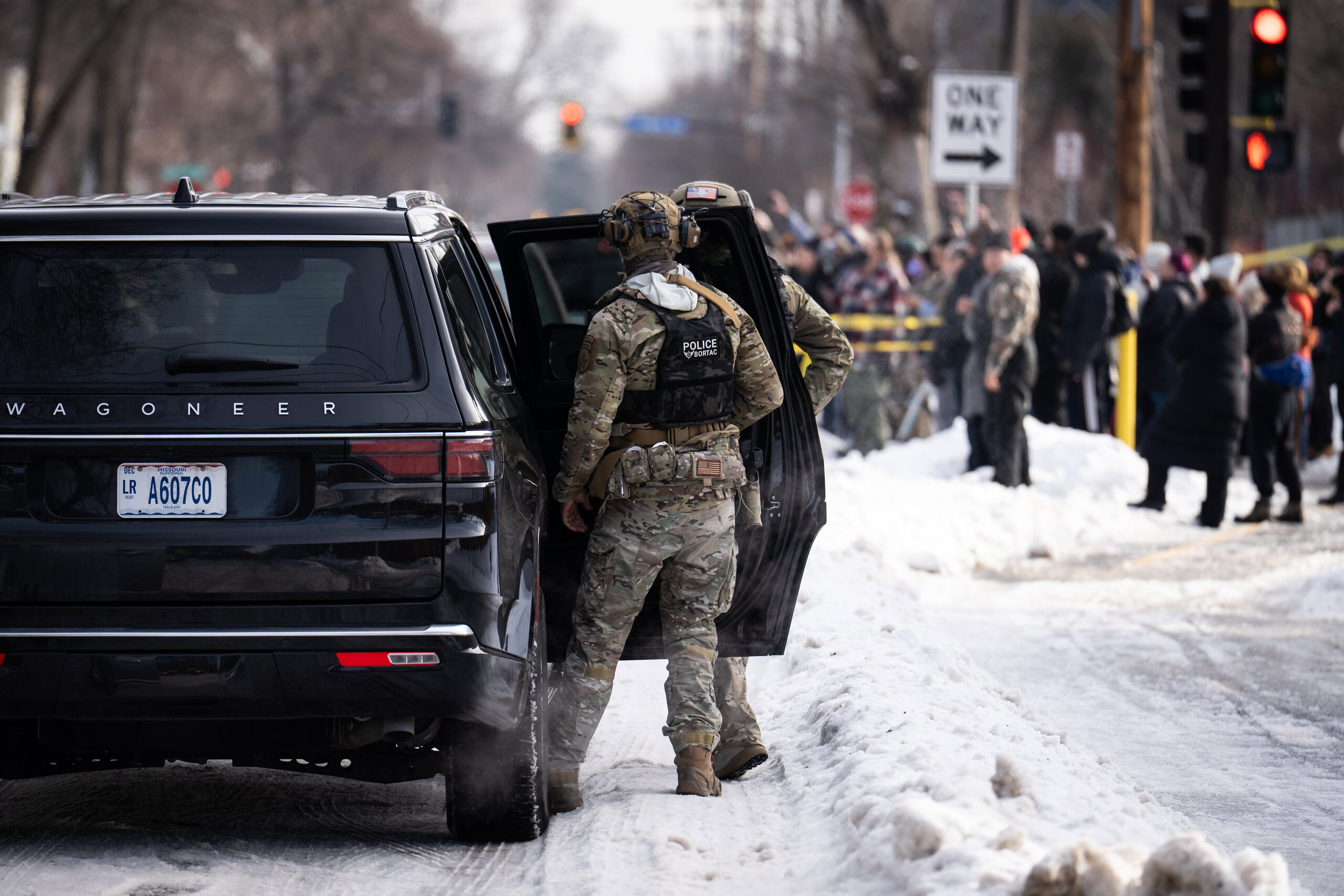
- Agency type: Federal (ICE)
- Typical equipment: Unmarked SUVs / transport vehicles
- Equipment role: Operational transport
- Operational purpose: Flexible deployment
- Deployment pattern: Operation-specific
- Visibility profile: Low-profile
- Standardization level: Widely standardized
- Mission driver: Operational discretion
Federal vehicles are frequently unmarked to allow operational discretion during planned enforcement activities. Mobility focuses on logistical flexibility and transport capability rather than continuous public presence.
Less-Lethal Tools
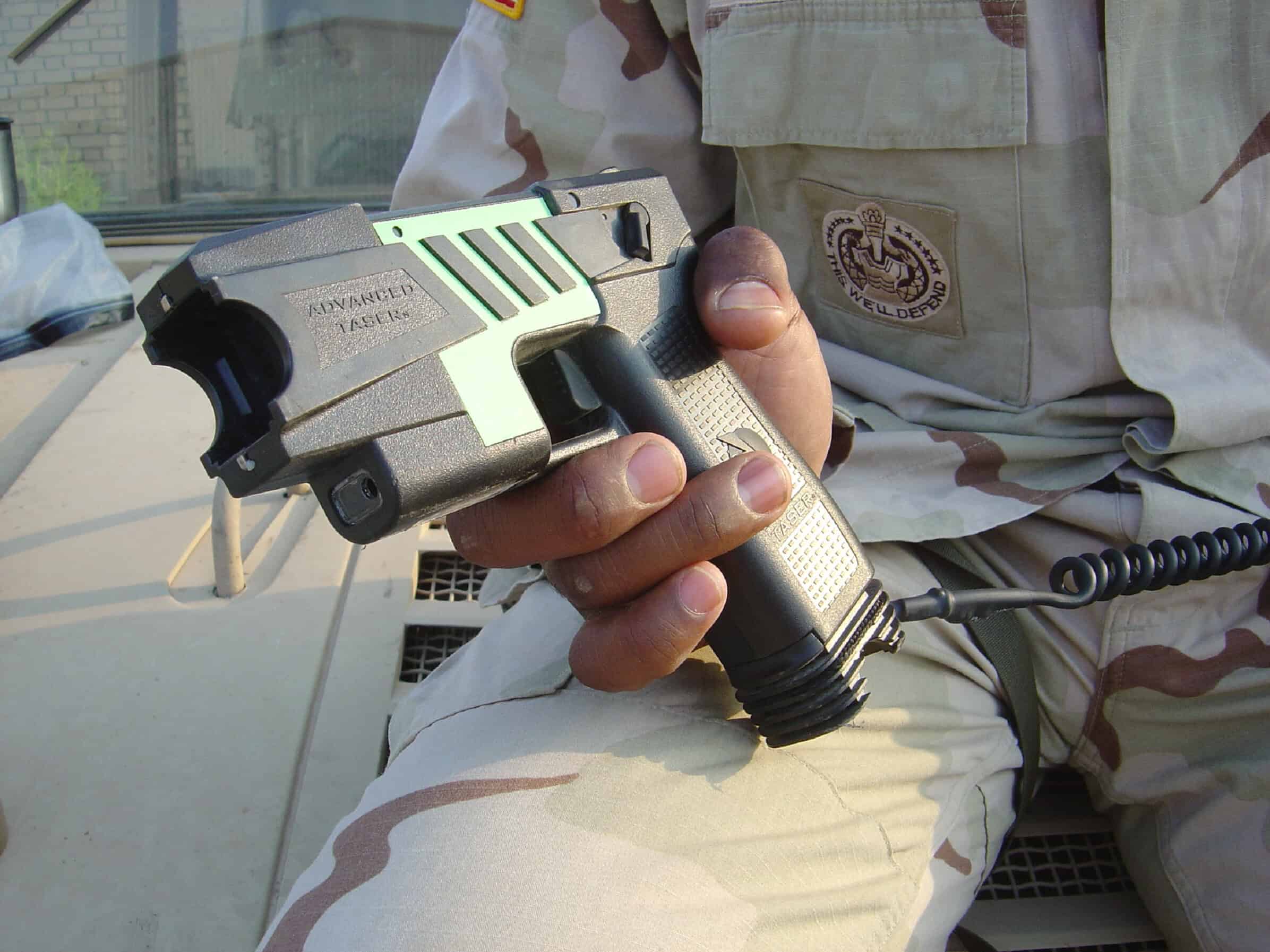
- Agency type: Local Patrol
- Typical equipment: TASER conducted energy devices
- Equipment role: Intermediate force option
- Operational purpose: Force modulation
- Deployment pattern: Constant carry
- Visibility profile: Public-facing
- Standardization level: Widely standardized
- Mission driver: Frequent public encounters
TASER devices are widely carried by patrol officers to provide an intermediate force option during unpredictable encounters. Frequent public contact increases the likelihood of needing graduated response tools.
Less-Lethal Tools
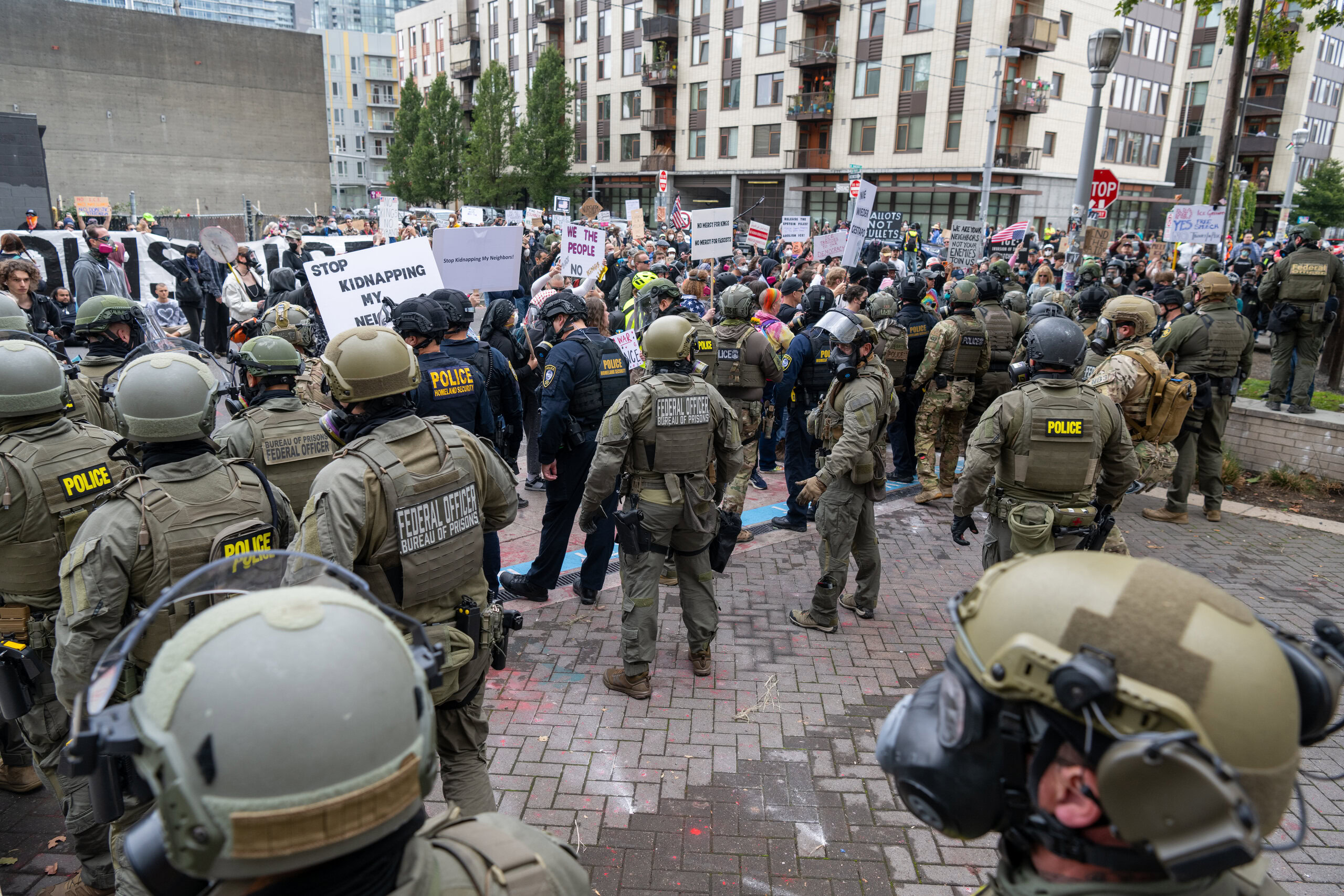
- Agency type: Federal (ICE)
- Typical equipment: Conducted energy devices
- Equipment role: Compliance tool
- Operational purpose: Escalation control
- Deployment pattern: Team-dependent
- Visibility profile: Mixed visibility
- Standardization level: Policy dependent
- Mission driver: Controlled enforcement settings
Federal conducted energy devices serve similar compliance functions but are typically integrated into structured enforcement contexts. Deployment patterns reflect team configuration and mission planning rather than random daily interaction.
OC Spray
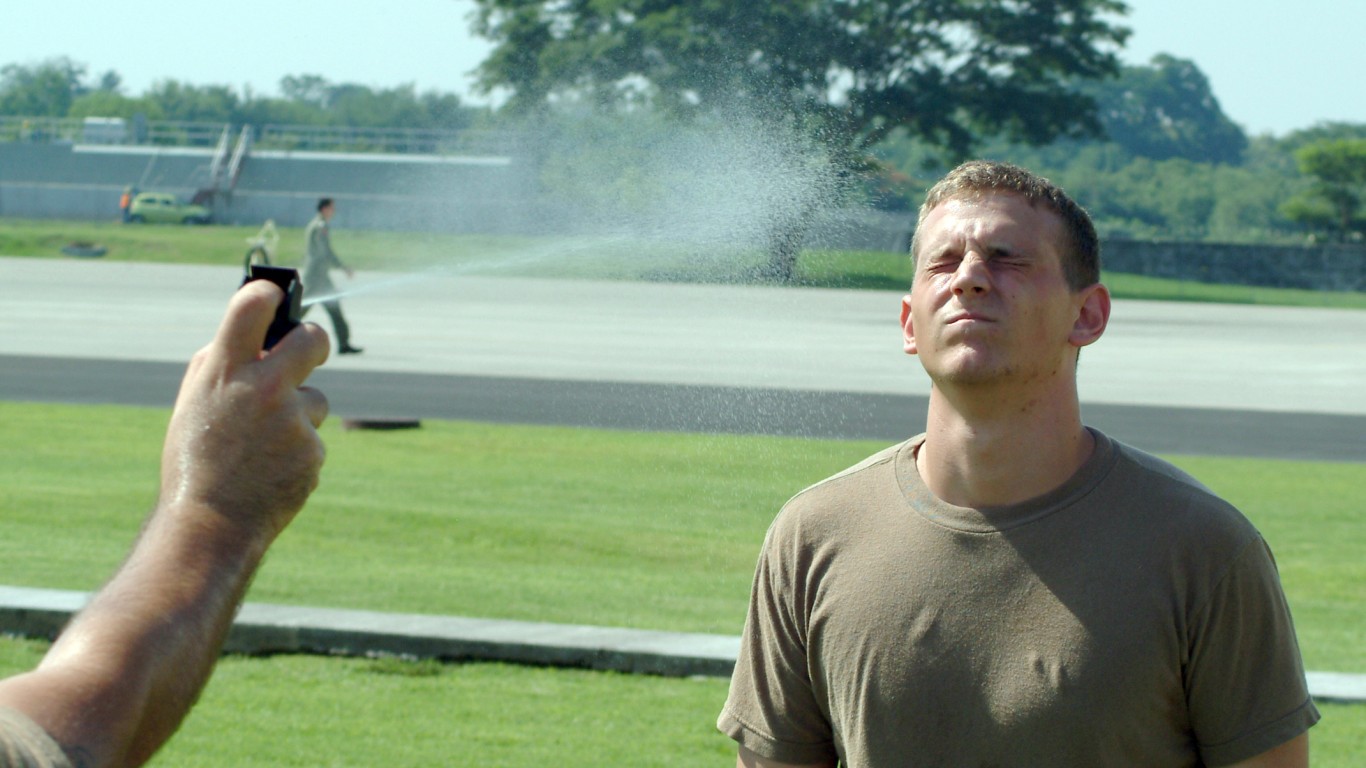
- Agency type: Local Patrol
- Typical equipment: Duty pepper spray
- Equipment role: Chemical compliance tool
- Operational purpose: Close-range control
- Deployment pattern: Constant carry
- Visibility profile: Low-profile
- Standardization level: Widely standardized
- Mission driver: High encounter probability
Pepper spray remains a universal compliance tool for patrol officers due to its compact size and effectiveness in close-range confrontations. Constant carry reflects high encounter probability.
OC Spray
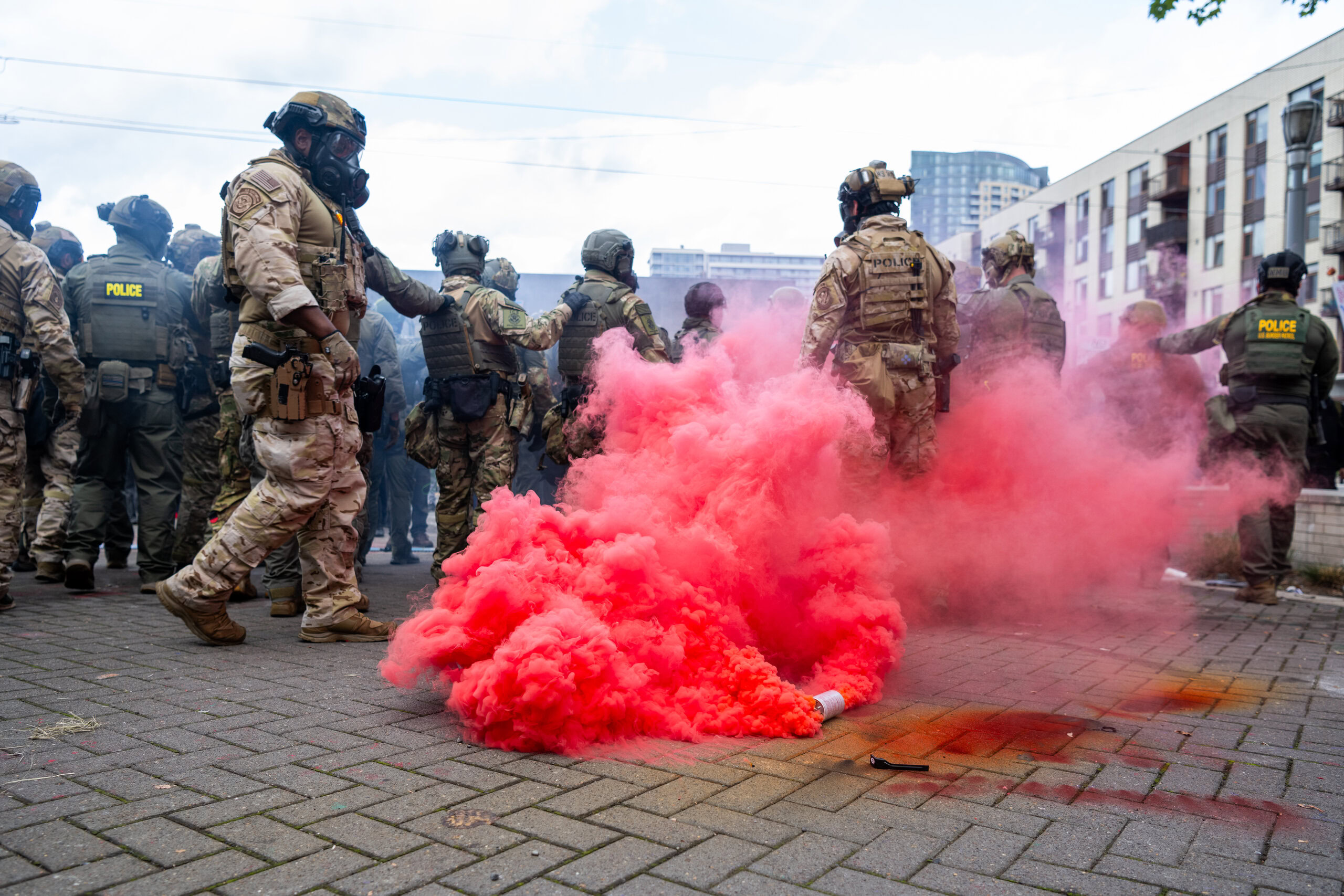
- Agency type: Federal (ICE)
- Typical equipment: Oleoresin capsicum spray
- Equipment role: Compliance tool
- Operational purpose: Behavioral control
- Deployment pattern: Constant carry
- Visibility profile: Low-profile
- Standardization level: Widely standardized
- Mission driver: Operational readiness
Federal OC spray deployment mirrors municipal practice in capability but differs in exposure frequency. Usage is shaped by planned enforcement rather than continuous public engagement.
Impact Tools
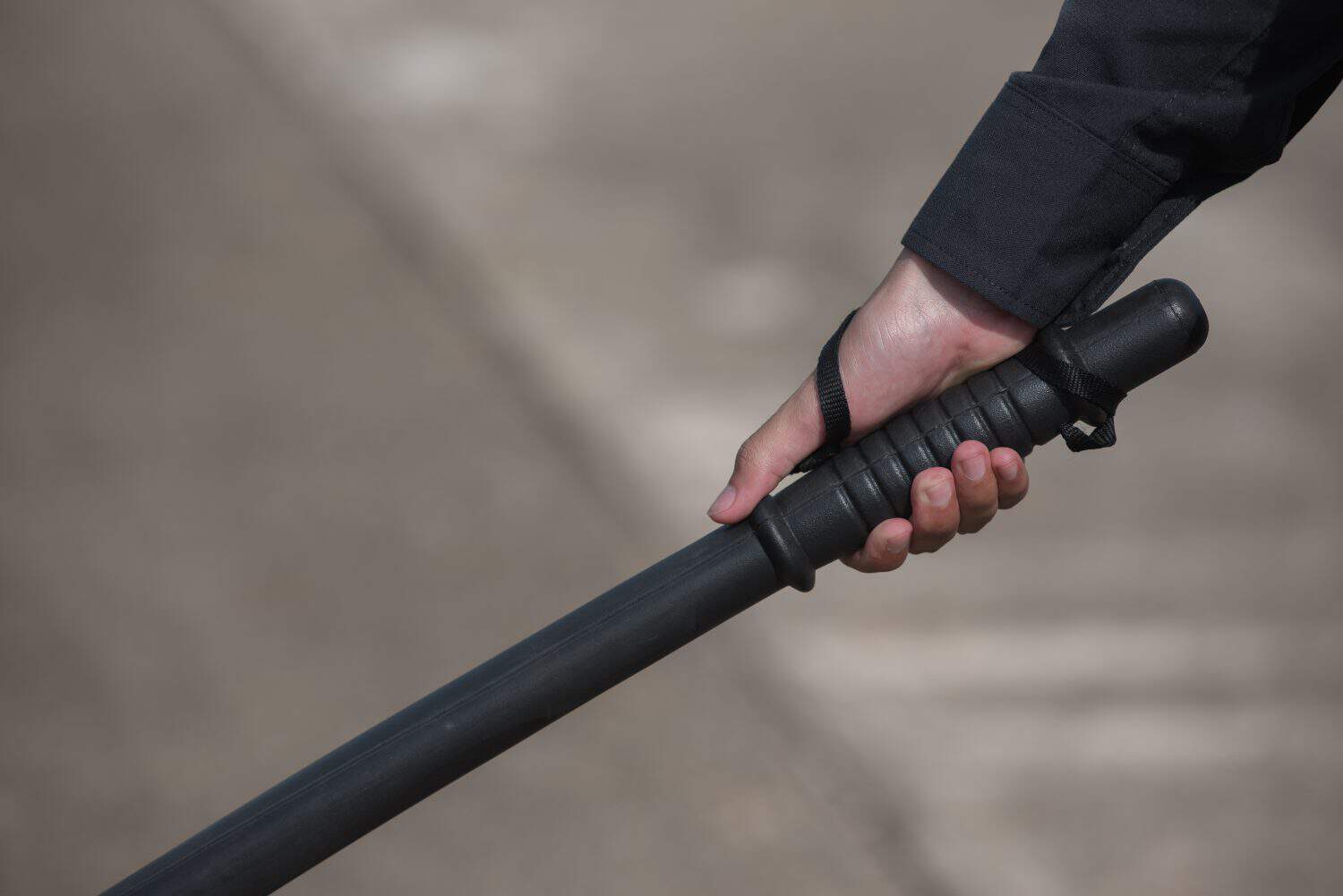
- Agency type: Local Patrol
- Typical equipment: Expandable baton
- Equipment role: Control instrument
- Operational purpose: Close-contact encounters
- Deployment pattern: Constant carry
- Visibility profile: Low-profile
- Standardization level: Policy dependent
- Mission driver: Continuous patrol exposure
Expandable batons remain part of patrol equipment for close-contact control situations. Their retention reflects the unpredictability of street-level encounters.
Impact Tools
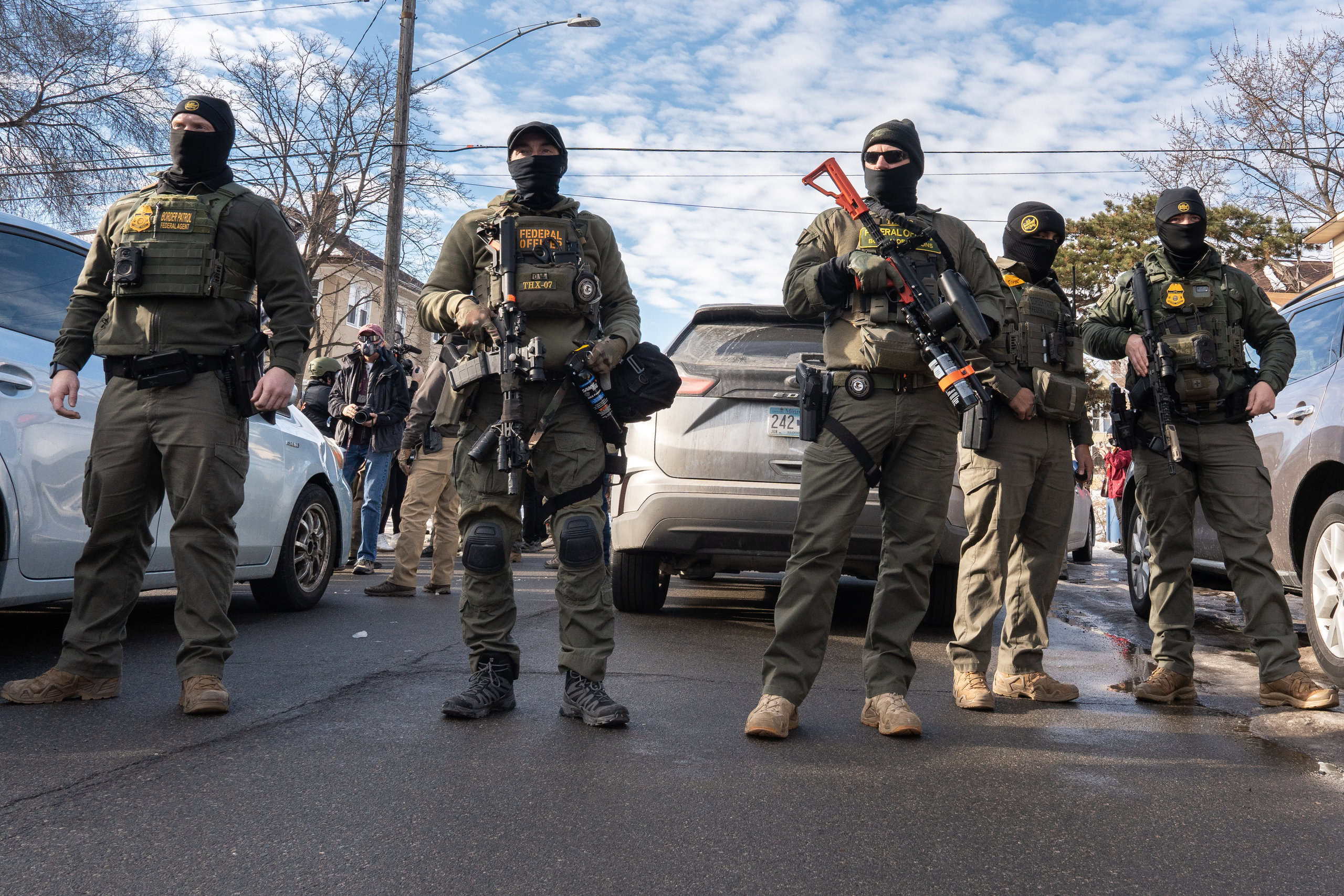
- Agency type: Federal (ICE)
- Typical equipment: Expandable baton / impact tool
- Equipment role: Control instrument
- Operational purpose: Physical compliance
- Deployment pattern: Team-dependent
- Visibility profile: Low-profile
- Standardization level: Policy dependent
- Mission driver: Operational configuration
Federal impact tools may be available depending on team structure. Their presence reflects preparedness within operational frameworks rather than everyday patrol necessity.
Restraint Systems

- Agency type: Local Patrol
- Typical equipment: Standard chain handcuffs
- Equipment role: Custody restraint
- Operational purpose: Secure detainees
- Deployment pattern: Constant carry
- Visibility profile: Low-profile
- Standardization level: Widely standardized
- Mission driver: Frequent arrests
Standard handcuffs are optimized for frequent arrests and short-duration custody. Municipal officers rely on them regularly due to constant field interaction.
Restraint Systems

- Agency type: Federal (ICE)
- Typical equipment: Reinforced cuffs / flex restraints
- Equipment role: Custody restraint
- Operational purpose: Secure multiple detainees
- Deployment pattern: Operation-specific
- Visibility profile: Low-profile
- Standardization level: Widely standardized
- Mission driver: Extended custody scenarios
Federal restraint options may include reinforced or flexible restraints to manage multiple detainees during coordinated operations. Equipment selection reflects transport duration and operational scale.
Custody & Transport Equipment

- Agency type: Local Patrol
- Typical equipment: Rear-compartment patrol vehicle systems
- Equipment role: Detainee transport
- Operational purpose: Short-distance custody
- Deployment pattern: Routine use
- Visibility profile: Public-facing
- Standardization level: Widely standardized
- Mission driver: Local jurisdiction
Patrol vehicle containment systems are designed for short-distance detainee transport within local jurisdictions. High turnover of custody drives vehicle configuration.
Custody & Transport Equipment
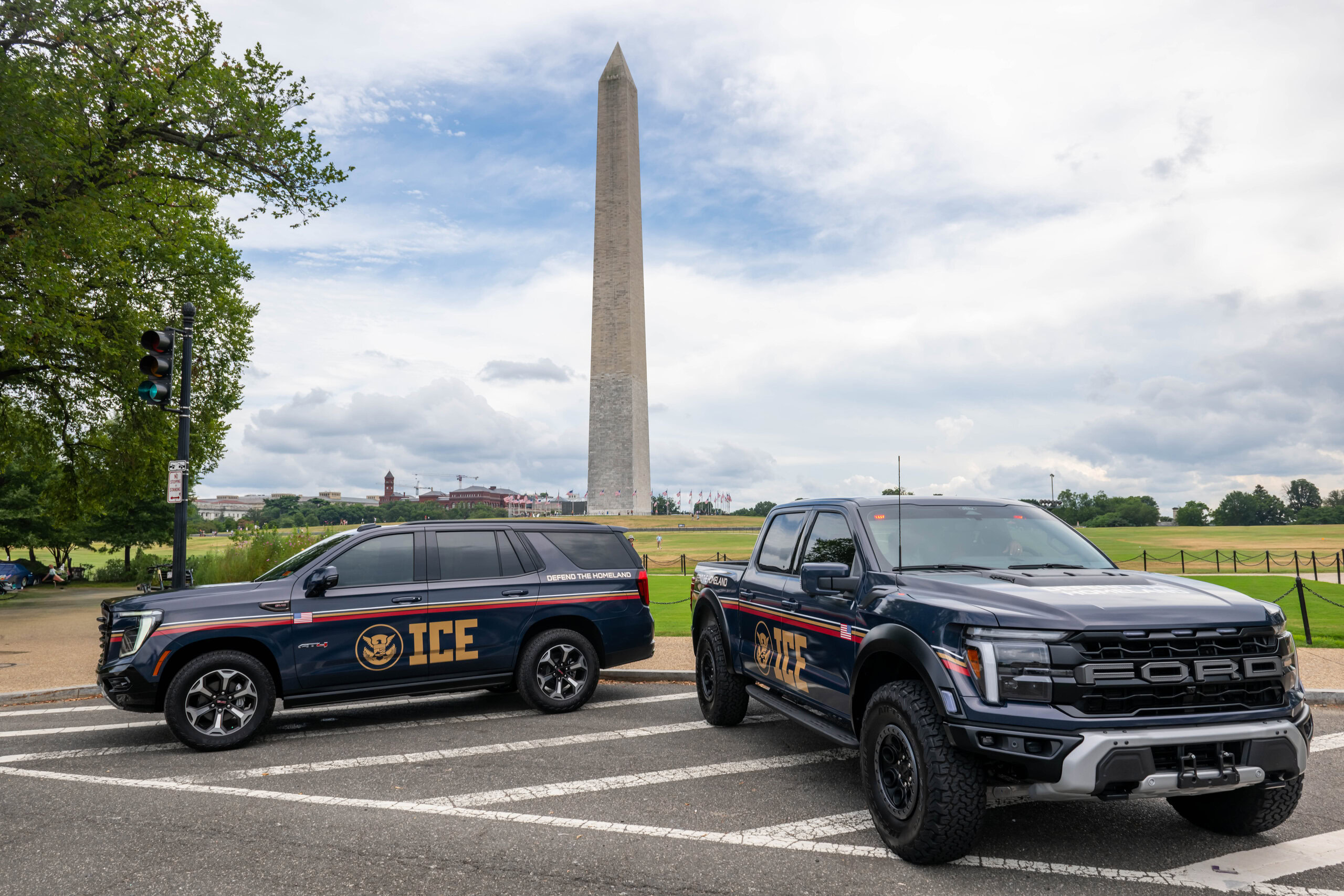
- Agency type: Federal (ICE)
- Typical equipment: Transport vans / specialized vehicles
- Equipment role: Detainee transport
- Operational purpose: Extended movement
- Deployment pattern: Operation-specific
- Visibility profile: Low-profile
- Standardization level: Widely standardized
- Mission driver: Inter-jurisdictional transport
Federal transport vehicles accommodate longer movements across jurisdictions. Infrastructure reflects broader geographic responsibility and extended custody scenarios.
Load-Bearing Equipment

- Agency type: Local Patrol
- Typical equipment: Duty belts / hybrid carriers
- Equipment role: Equipment carriage
- Operational purpose: Immediate tool access
- Deployment pattern: Constant wear
- Visibility profile: Public-facing
- Standardization level: Department-variable
- Mission driver: Accessibility needs
Duty belts and hybrid carriers prioritize immediate tool accessibility during constant activity. Accessibility outweighs modularity in continuous patrol environments.
Load-Bearing Equipment
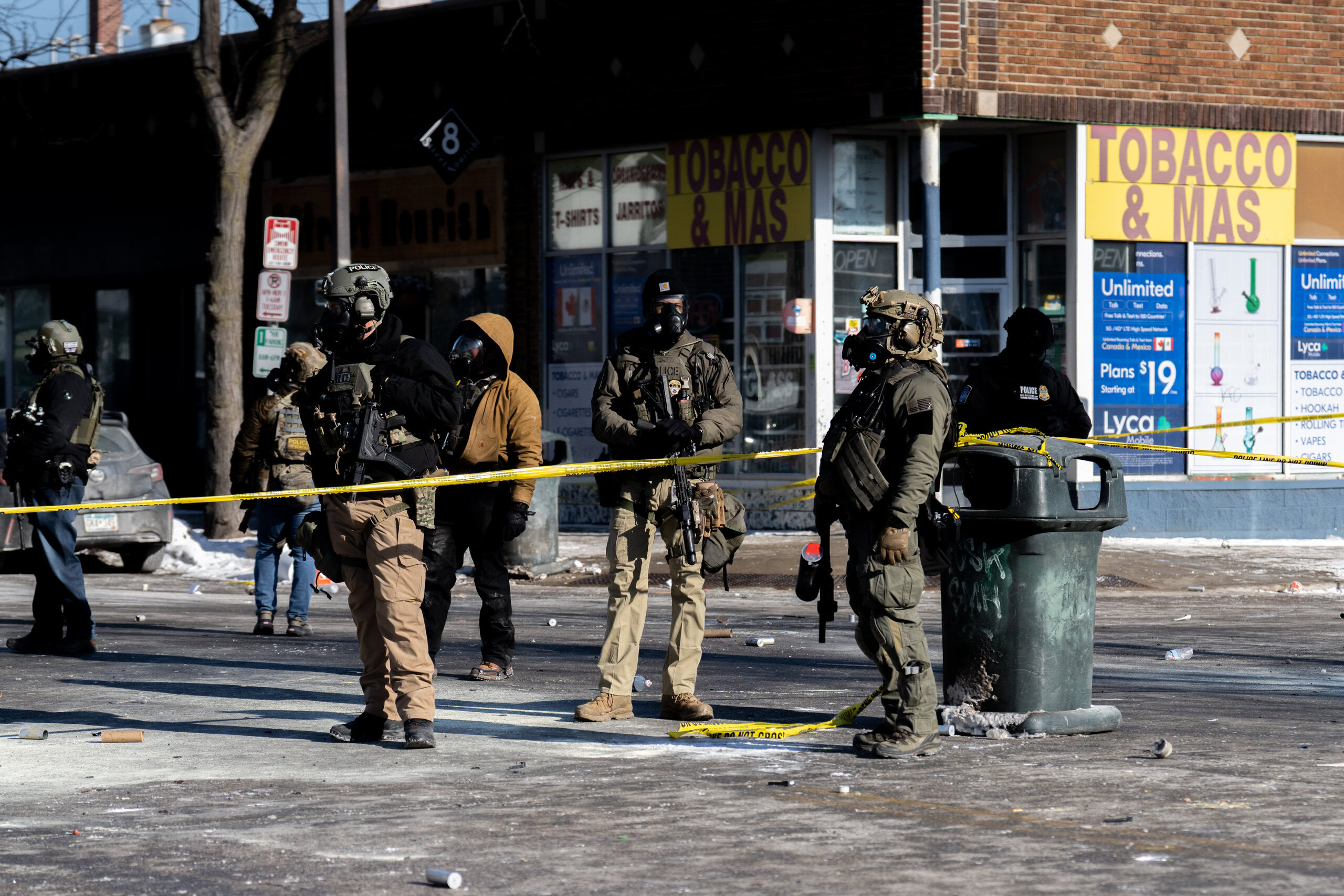
- Agency type: Federal (ICE)
- Typical equipment: Modular load-bearing systems
- Equipment role: Equipment carriage
- Operational purpose: Configurable support
- Deployment pattern: Mission-dependent
- Visibility profile: Mixed visibility
- Standardization level: Policy dependent
- Mission driver: Adaptable mission sets
Federal load-bearing systems are often modular, allowing equipment configuration based on mission requirements. Adaptability is prioritized over constant wear comfort.
Surveillance & Documentation

- Agency type: Local Patrol
- Typical equipment: In-car cameras / license plate readers
- Equipment role: Evidence capture
- Operational purpose: Incident documentation
- Deployment pattern: Constant use
- Visibility profile: Low-profile
- Standardization level: Widely standardized
- Mission driver: Evidentiary standards
In-car camera systems and license plate readers support documentation and evidentiary standards during routine patrol. Continuous recording reinforces accountability and case processing.
Surveillance & Documentation
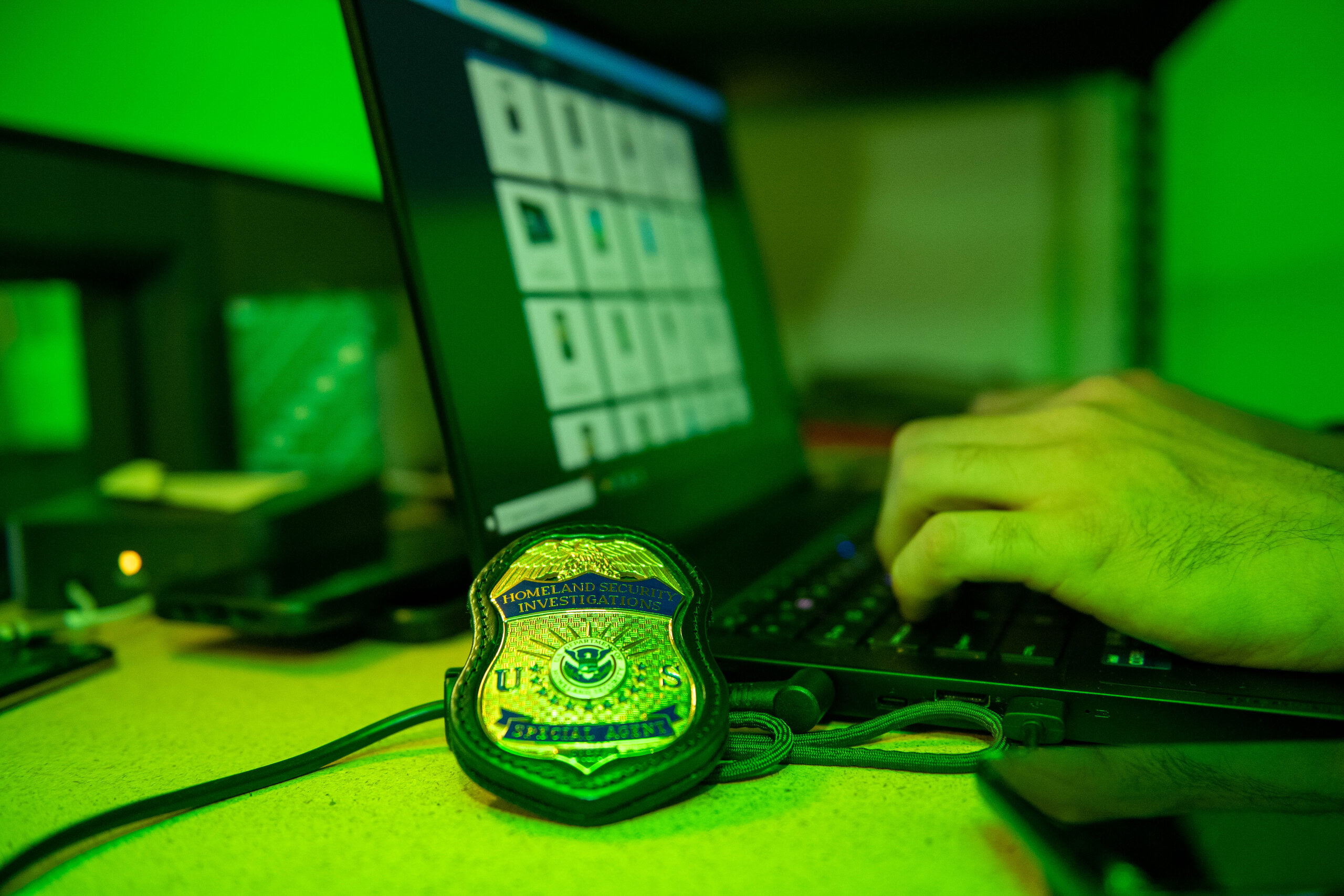
- Agency type: Federal (ICE)
- Typical equipment: Investigative surveillance tools
- Equipment role: Case support
- Operational purpose: Information gathering
- Deployment pattern: Operation-specific
- Visibility profile: Low-profile
- Standardization level: Policy dependent
- Mission driver: Investigative workflows
Federal investigative tools align with case-building processes and structured enforcement workflows. Technology supports pre-planned coordination rather than reactive street response.
Body-Worn Cameras
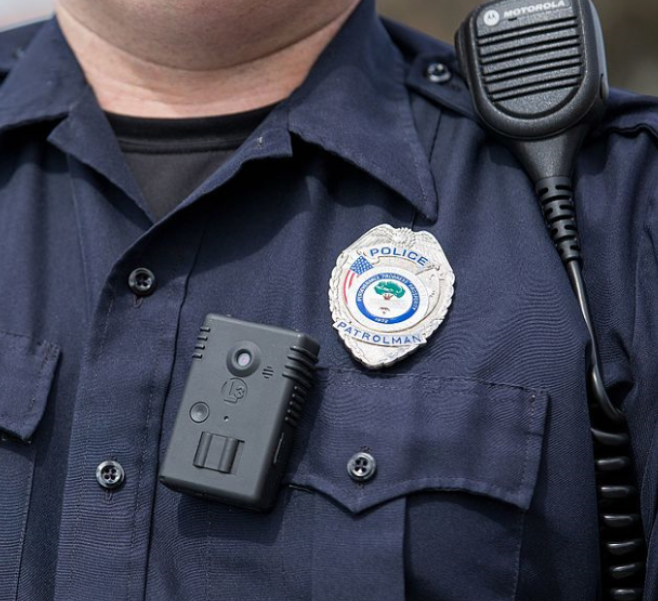
- Agency type: Local Patrol
- Typical equipment: Body-worn camera systems
- Equipment role: Recording device
- Operational purpose: Transparency and evidence
- Deployment pattern: Constant use
- Visibility profile: Public-facing
- Standardization level: Policy dependent
- Mission driver: Accountability frameworks
Body-worn cameras are widely deployed in local agencies to enhance transparency and evidence collection. Policy frameworks shape continuous usage.
Body-Worn Cameras
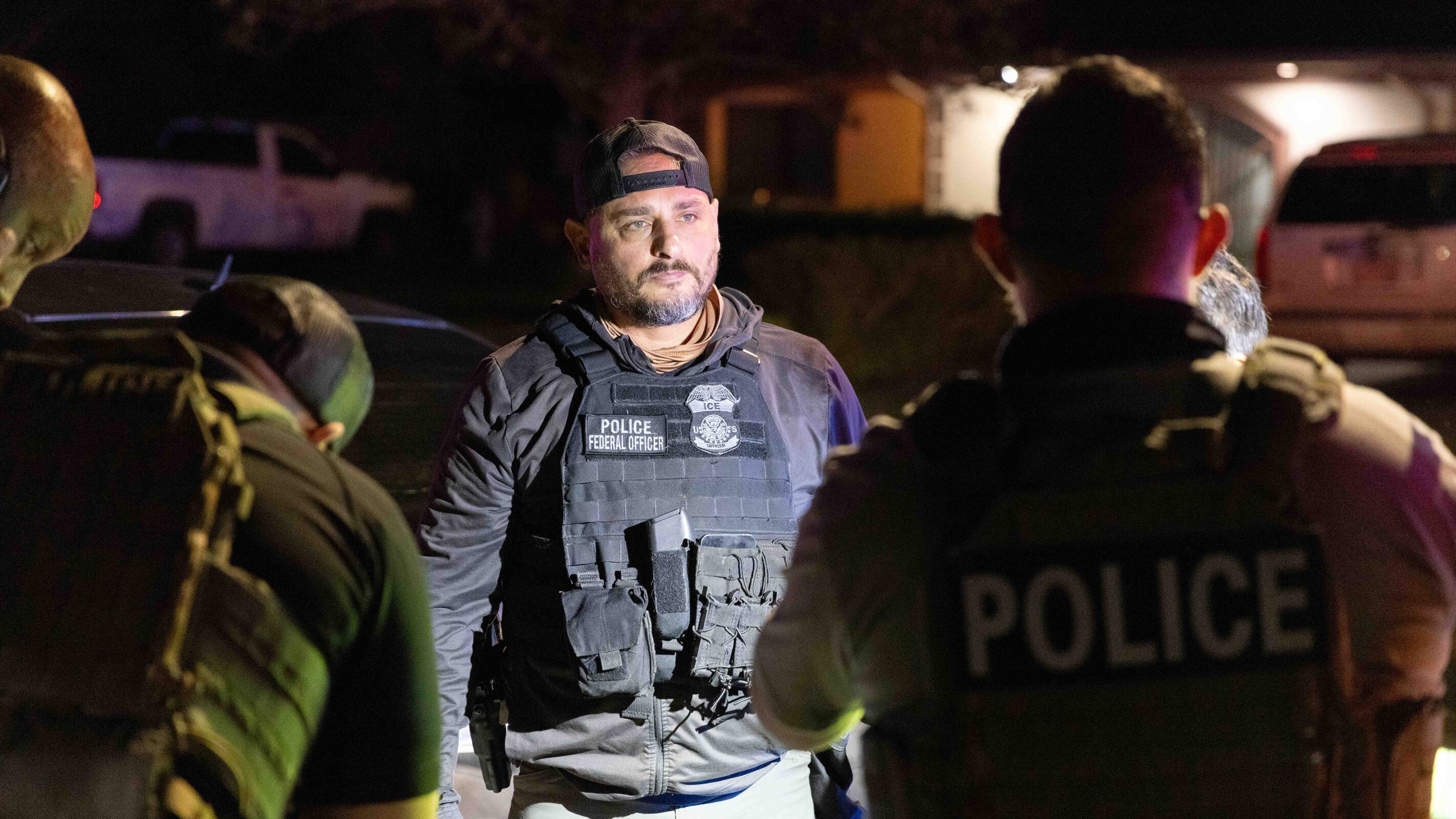
- Agency type: Federal (ICE)
- Typical equipment: Agency-governed recording systems
- Equipment role: Recording device
- Operational purpose: Operational documentation
- Deployment pattern: Policy-driven
- Visibility profile: Mixed visibility
- Standardization level: Policy dependent
- Mission driver: Agency guidelines
Federal recording systems operate under agency-specific guidelines and operational requirements. Deployment reflects investigative protocols rather than uniform municipal mandates.
Data & Operational Planning
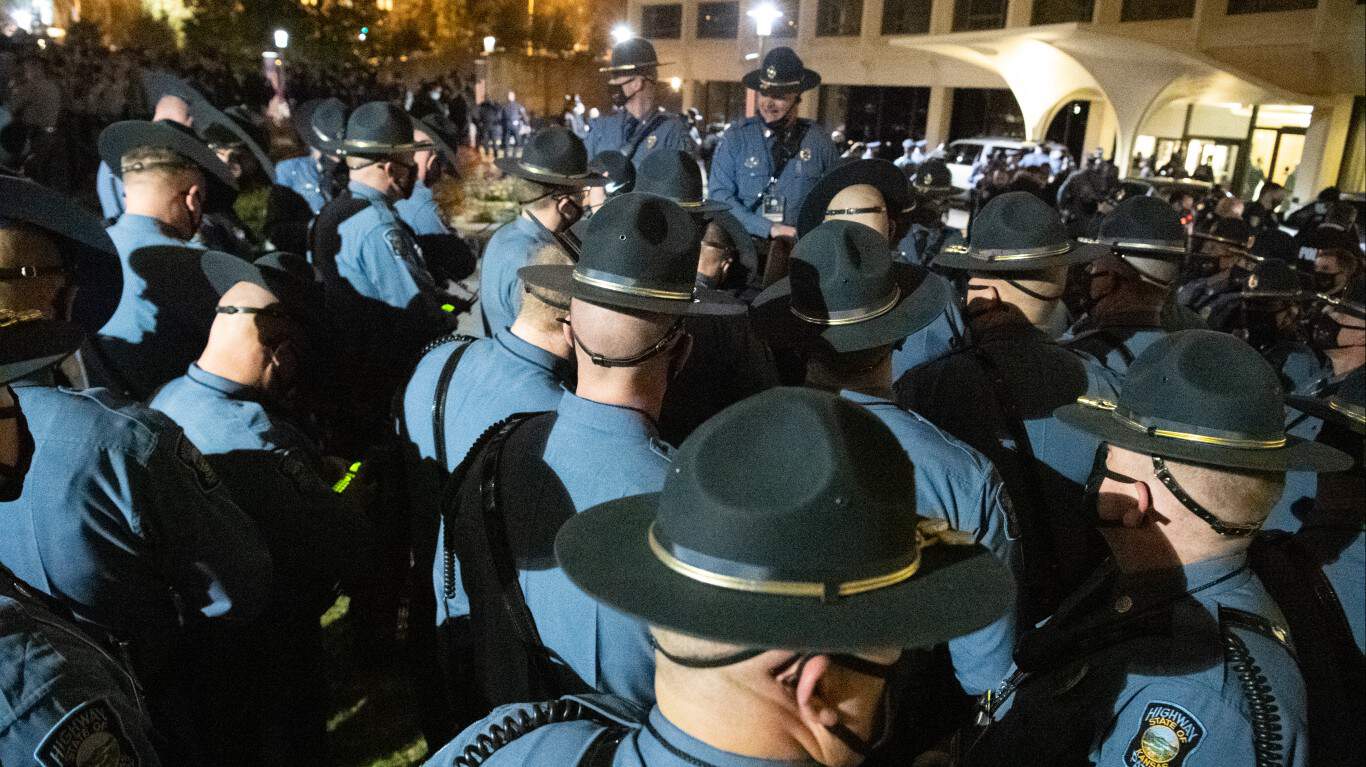
- Agency type: Local Patrol
- Typical equipment: Mobile data terminals
- Equipment role: Information access
- Operational purpose: Real-time situational awareness
- Deployment pattern: Constant use
- Visibility profile: Low-profile
- Standardization level: Widely standardized
- Mission driver: Reactive workflows
Mobile data terminals provide patrol officers with real-time access to calls, records, and mapping within municipal boundaries. Systems are optimized for reactive workflows.
Data & Operational Planning
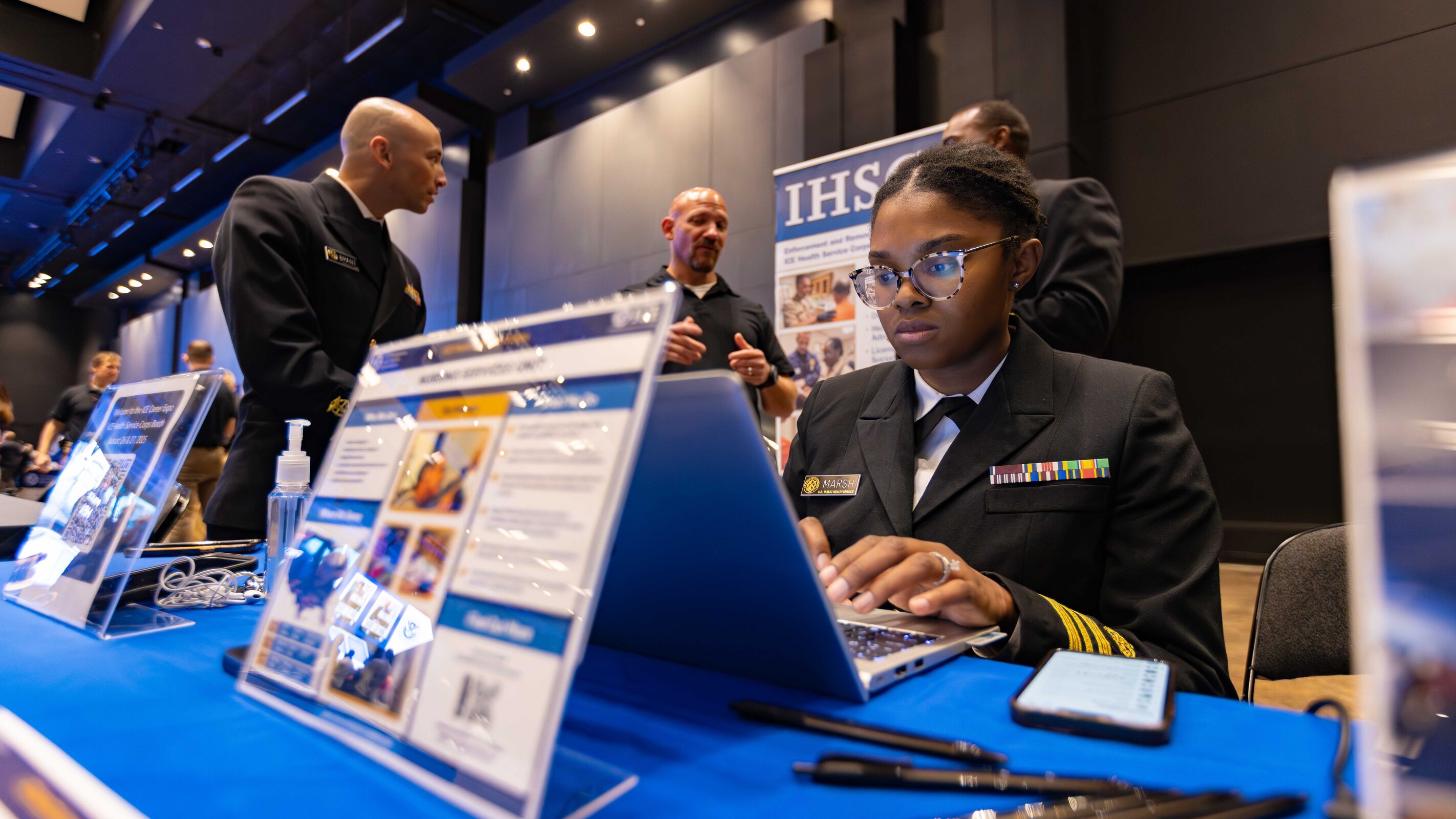
- Agency type: Federal (ICE)
- Typical equipment: Intelligence planning platforms
- Equipment role: Operational coordination
- Operational purpose: Pre-mission planning
- Deployment pattern: Pre-operational
- Visibility profile: Low-profile
- Standardization level: Federally standardized
- Mission driver: Structured enforcement planning
Federal planning platforms integrate intelligence and interagency coordination ahead of enforcement operations. Structured planning differentiates federal workflow from immediate-response policing.









 Top Gaining Stocks
 Top Losing Stocks