Why It’s Better to Be Apple Than AT&T

Photo of Douglas A. McIntyre
By Douglas A. McIntyre Published
This post may contain links from our sponsors and affiliates, and Flywheel Publishing may receive compensation for actions taken through them.

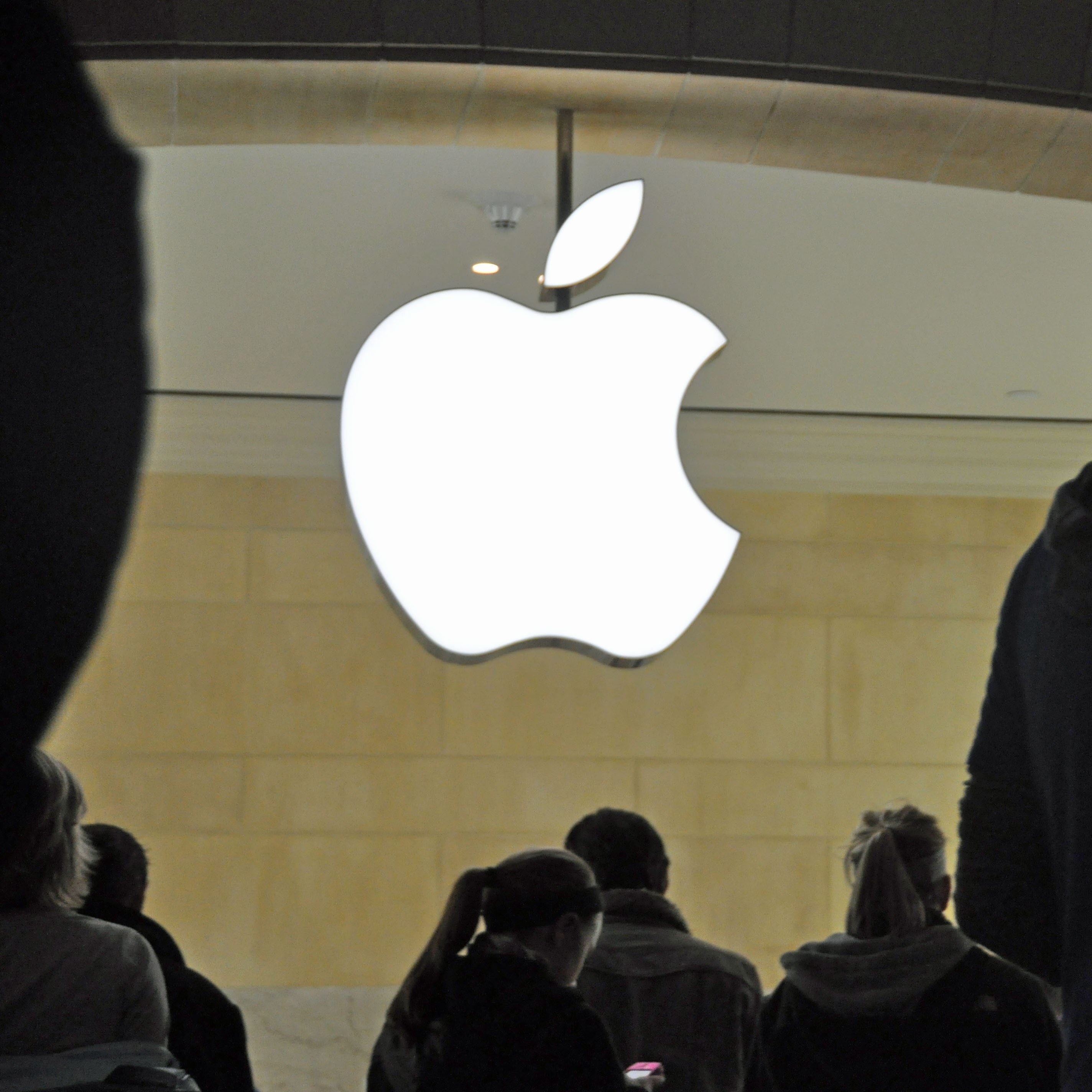
Apple Inc. (NASDAQ: AAPL) put out its earnings the same day that AT&T Inc. (NYSE: T) did. Among the contrasts between the two are how great it is to be a supplier and how bad the role of distributor has become.

Apple made $18 billion in the most recently reported quarter, on revenue of $74.6 billion, which was up 30%. AT&T’s revenue was $34.6 billion, up 4%. The most important part of AT&T’s earnings was wireless revenue, because it is the future of the company as traditional wire line revenue dies. This revenue rose 8% to $19.9 billion last quarter. Wireless operating income, a proxy for net income, was $3.2 billion, or down 18%. Some of this was affected by its Mobile Share Value plans, a means to match or undercut prices from Verizon Communications Inc. (NYSE: VZ), Sprint Corp. (NYSE: S) and T-Mobile US Inc. (NASDAQ: TMUS). With 120 million subscribers, AT&T is worth chasing. However, as the chased, AT&T has to defend the high ground.

The four large U.S. wireless carriers have no better hook to get customers than deals on the iPhone 6 and iPhone 6 Plus. Apple’s sales in its home market show just how wildly popular the smartphone is. The press and analysts who cover the smartphone and wireless industries have made the point that the new iPhone has made a better magnet for customers in the past several months than Samsung’s products, which until recently trumped Apple’s in terms of popularity.

ALSO READ: The Bullish and Bearish Case for AT&T in 2015

How much carriers pay for iPhones is an educated guess. The numbers range from $400 to $700 per unit. Since the carriers do not, in most cases, get that money back in the first year of a customer’s contract, AT&T and its competitors need to hope they can get it back in the second, or perhaps the third, now that there are violent wireless price wars. The effects of these wars have not shown up entirely in the latest quarterly results of the carriers. They are bound to later this year.

The difference of the attractiveness of the Apple model compared to the one AT&T is trapped in shows up in a several places. One is market cap. Apple’s is close to $700 billion. AT&T’s is barely $185 billion. Just as stark, Apple’s share price was 50% in the past year. AT&T’s is off 2%. Over a two-year period, and a five-year period, the comparison is worse.

Apple had leverage with the carriers when the first iPhone became extremely popular. As the four major carriers fight for market share and competition rises, Apple’s advantage will be more obvious by the quarter.


ALSO READ: Apple’s Staggering iPhone Sales Results

Photo of Douglas A. McIntyre
About the Author Douglas A. McIntyre →

Douglas A. McIntyre is the co-founder, chief executive officer and editor in chief of 24/7 Wall St. and 24/7 Tempo. He has held these jobs since 2006.

McIntyre has written thousands of articles for 24/7 Wall St. He is an expert on corporate finance, the automotive industry, media companies and international finance. He has edited articles on national demographics, sports, personal income and travel.

His work has been quoted or mentioned in The New York Times, The Wall Street Journal, Los Angeles Times, The Washington Post, NBC News, Time, The New Yorker, HuffPost USA Today, Business Insider, Yahoo, AOL, MarketWatch, The Atlantic, Bloomberg, New York Post, Chicago Tribune, Forbes, The Guardian and many other major publications. McIntyre has been a guest on CNBC, the BBC and television and radio stations across the country.

A magna cum laude graduate of Harvard College, McIntyre also was president of The Harvard Advocate. Founded in 1866, the Advocate is the oldest college publication in the United States.

TheStreet.com, Comps.com and Edgar Online are some of the public companies for which McIntyre served on the board of directors. He was a Vicinity Corporation board member when the company was sold to Microsoft in 2002. He served on the audit committees of some of these companies.

McIntyre has been the CEO of FutureSource, a provider of trading terminals and news to commodities and futures traders. He was president of Switchboard, the online phone directory company. He served as chairman and CEO of On2 Technologies, the video compression company that provided video compression software for Adobe’s Flash. Google bought On2 in 2009.

Featured Reads

Our top personal finance-related articles today. Your wallet will thank you later.

Continue Reading

Top Gaining Stocks

CBOE Vol: 1,568,143
PSKY Vol: 12,285,993
STX Vol: 7,378,346
ORCL Vol: 26,317,675
DDOG Vol: 6,247,779

Top Losing Stocks

LKQ
LKQ Vol: 4,367,433
CLX Vol: 13,260,523
SYK Vol: 4,519,455
MHK Vol: 1,859,865
AMGN Vol: 3,818,618