Flying From New York to Singapore for $20,000

Photo of Douglas A. McIntyre
By Douglas A. McIntyre Published
This post may contain links from our sponsors and affiliates, and Flywheel Publishing may receive compensation for actions taken through them.

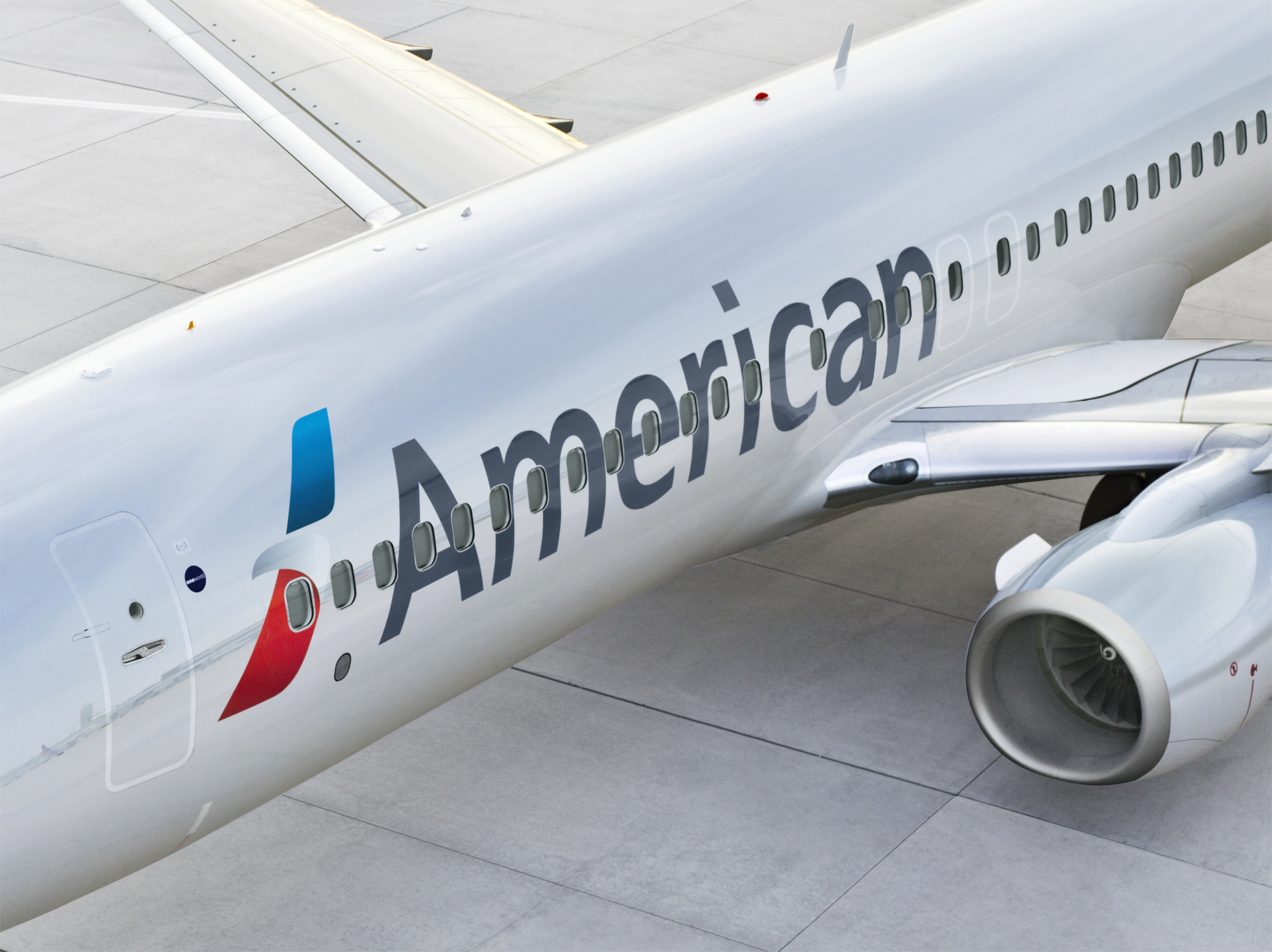
For anyone who wants to figure out how airlines make their money, a look at first-class air prices should be enough. American Airlines Group Inc. (NASDAQ: AAL) charges $19,176 for a round trip from New York to Singapore. A coach ticket can cost as little as $2,076.

A report in BusinessWeek claims that premium class tickets account for three-quarters of airline profits, and that number includes business class. The Wall Street Journal reports that 25% of its passengers account for 75% of revenue. While the numbers are different, the message is clear. The people in the back of the plane hardly matter. They are there, in theory, because the demand for the highest ticket prices includes few takers.

Recently, the media have shown their fascination for the amenities for first-class flyers. Emirate Air first-class cabins may be the best of them. Each passenger has his or her own suite. In addition, the aircraft have showers, something that was unimaginable just a few years ago.

The competition for the first-class passenger may add to the estimates of what these people contribute to profits. The costs of first class include seats, if they can be called that, and other luxuries. Major global carriers invest hundreds of millions of dollars in these accommodations, which raises the issue of how much the margin on these services can be.

The financial theory behind investment in first class has to be something akin to the pricing of wireless carriers. Some offer their most expensive smartphones for a fraction of what they pay to manufactures, hoping that the charges for two-year service contracts will make up that cost, and eventually produce a profit. Price wars can erode these margins, as what the customer pays for either the phone or the service plunges. It is a business model that at some point may only yield a loss. Airlines do not have a similar problem at the first-class level, if indeed demand keeps prices sky high.

ALSO READ: America’s Best and Worst Airlines

A number of other industries can look on with envy as airlines charge first-class customers 10 times what coach passengers pay. The business model may not be unique, but it is scarce.


Photo of Douglas A. McIntyre
About the Author Douglas A. McIntyre →

Douglas A. McIntyre is the co-founder, chief executive officer and editor in chief of 24/7 Wall St. and 24/7 Tempo. He has held these jobs since 2006.

McIntyre has written thousands of articles for 24/7 Wall St. He is an expert on corporate finance, the automotive industry, media companies and international finance. He has edited articles on national demographics, sports, personal income and travel.

His work has been quoted or mentioned in The New York Times, The Wall Street Journal, Los Angeles Times, The Washington Post, NBC News, Time, The New Yorker, HuffPost USA Today, Business Insider, Yahoo, AOL, MarketWatch, The Atlantic, Bloomberg, New York Post, Chicago Tribune, Forbes, The Guardian and many other major publications. McIntyre has been a guest on CNBC, the BBC and television and radio stations across the country.

A magna cum laude graduate of Harvard College, McIntyre also was president of The Harvard Advocate. Founded in 1866, the Advocate is the oldest college publication in the United States.

TheStreet.com, Comps.com and Edgar Online are some of the public companies for which McIntyre served on the board of directors. He was a Vicinity Corporation board member when the company was sold to Microsoft in 2002. He served on the audit committees of some of these companies.

McIntyre has been the CEO of FutureSource, a provider of trading terminals and news to commodities and futures traders. He was president of Switchboard, the online phone directory company. He served as chairman and CEO of On2 Technologies, the video compression company that provided video compression software for Adobe’s Flash. Google bought On2 in 2009.

Featured Reads

Our top personal finance-related articles today. Your wallet will thank you later.

Continue Reading

Top Gaining Stocks

CBOE Vol: 1,568,143
PSKY Vol: 12,285,993
STX Vol: 7,378,346
ORCL Vol: 26,317,675
DDOG Vol: 6,247,779

Top Losing Stocks

LKQ
LKQ Vol: 4,367,433
CLX Vol: 13,260,523
SYK Vol: 4,519,455
MHK Vol: 1,859,865
AMGN Vol: 3,818,618