


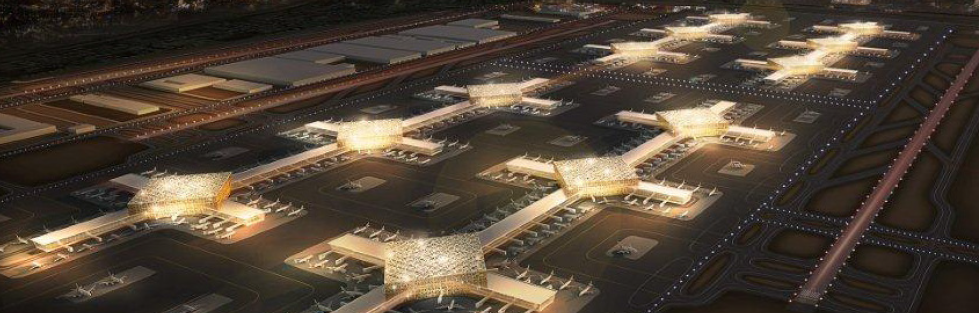
The development is reportedly the biggest airport project in the world and is expected to occur in two phases. The first phase includes two satellite buildings with a collective capacity of 120 million passengers annually. This is expected to take between six and eight years to complete. The entire development is projected to cover an area of 56 square kilometers.
The new airport will focus on using the latest technology to cut time spent completing travel formalities and enable passengers to make fast, efficient connections between hundreds of destinations worldwide. Paul Griffiths, CEO of Dubai Airports, said:
Our future lies at DWC. The announcement of this $32 billion (converted) development of DWC is both timely and a strong endorsement of Dubai’s aviation industry. With limited options for further growth at Dubai International, we are taking that next step to securing our future by building a brand new airport that will not only create the capacity we will need in the coming decades but also provide state of the art facilities that revolutionize the airport experience on an unprecedented scale.
READ ALSO: The Best Economies in the World
Key stake holders in the aviation sector, Dubai Airports, Dubai Airports Engineering Projects, Emirates airline and dnata, planned for months on a design that would facilitate future growth in the aviation industry.
The development of the Dubai World Central was called an important step toward building necessary facilities that will accommodate passenger and cargo growth in the time to come. Eventually this will pave the way for Emirates to relocate its intercontinental hub to the Dubai World Central by the mid-2020.
Paul Griffiths, CEO of Dubai Airports, expects that the aviation sector will remain a cornerstone of Dubai’s economy. The aviation sector is also expected to support more than 322,000 jobs and contribute 28% of Dubai’s gross domestic product by 2020.
The supplemental site data show Dubai Airports 2050 as the airport of the future.
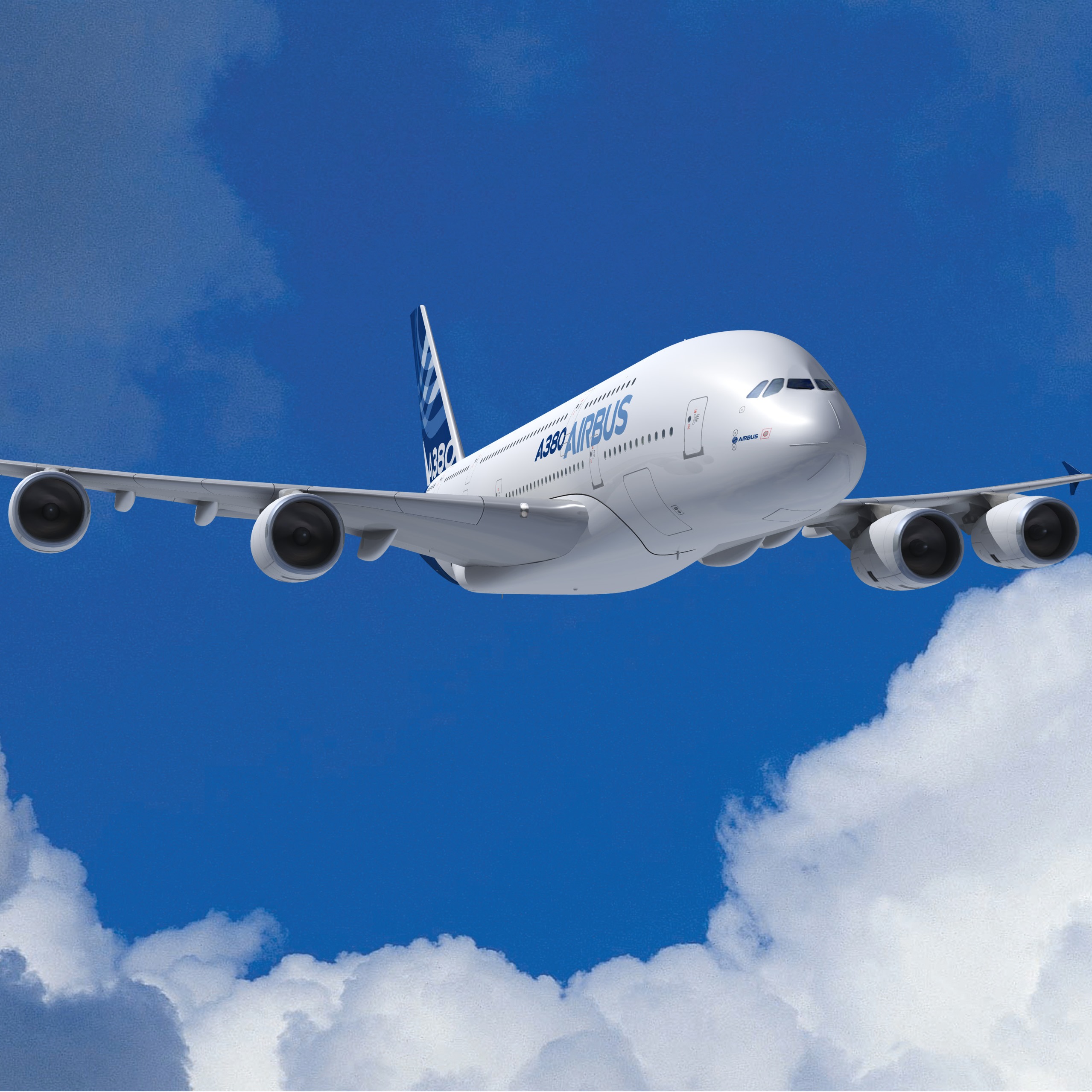
This $32 billion investment is as massive as it sounds, but it is more than just a multiyear plan. The company’s supplemental plans site indicates that the first phase of the development will be delivered by the early 2020s with two triple plus concourses that will be constructed. It is expected in the plans that each of these will include 100 contact stands, the majority of which will be A380 capable.
Each of these concourses, comprising three nodes, will be connected by an automated people mover/train to a multimodal ground transportation facility. This train will welcome guests from various modes of transportation and will transfer them in close proximity to their gates, contributing to highly efficient minimum connection times for transit passengers.
READ ALSO: 11 Countries Near Bankruptcy
The building program is underway and following the completion of phase one in the early 2020s the airport will be expanded incrementally. It was shown to have a modular design to help deliver capacity in timely response to increases in demand. Three runways will serve the first two triple plus concourses and the final master plan iteration has provisions for up to four concourses and five runways.





 Top Gaining Stocks
 Top Losing Stocks