


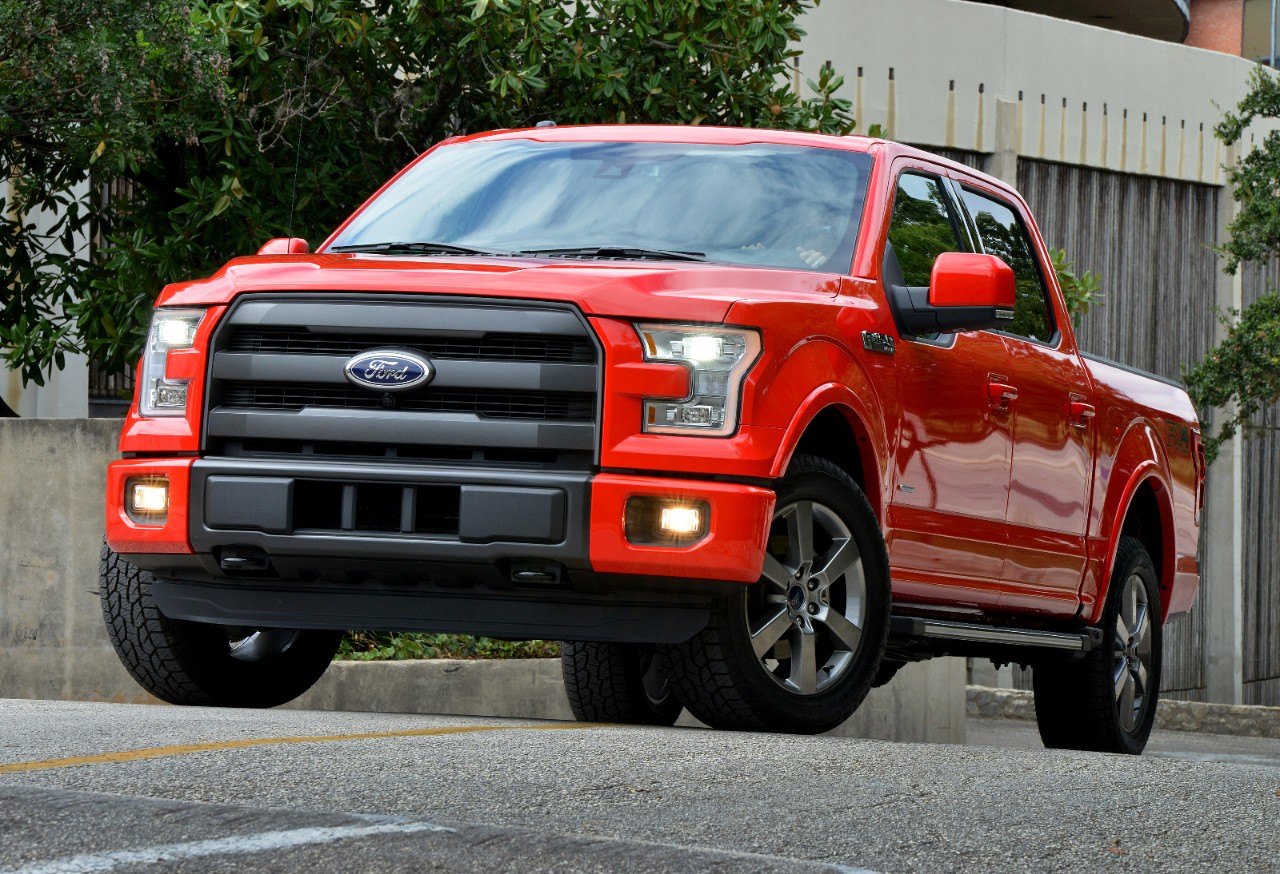
Ford claims the system can “see” things that are not in the direct path of the vehicle and the traditional range of its headlights:
- Camera-Based Advanced Front Lighting System widens beam at junctions and roundabouts after interpreting traffic signs
- GPS-enabled system uses forward-facing camera to remember roadways and direct lighting to help drivers better see bends in the road – effectively lighting the way home on previously travelled routes
- Spot Lighting uses infra-red camera to detect pedestrians, cyclists, and animals, and highlight the potential hazards; system can detect up to eight potential hazards and highlight two highest priorities using specially designed headlights and on-screen display
Other manufacturers make similar claims. In 2014, Mercedes released its “Night View Assist Plus,” which it said helps with spotting pedestrians and large animals. BMW has a system that does some of the same things the Ford and Mercedes features do.
ALSO READ: 13 Cars That Cost More Than They Used To
In the battle over which car company can provide driverless technology, next generation software, crash safety features, heated seat and electric engines, the new Ford system is well behind the curve, and, thus, less likely to excite the consumer with a new reason to buy its cars. Cars sold in America have become so advanced technologically that if people cannot get cars that lull them to sleep with music and soft reclining seats, anything less seems mundane and dated.








 Top Gaining Stocks
 Top Losing Stocks