


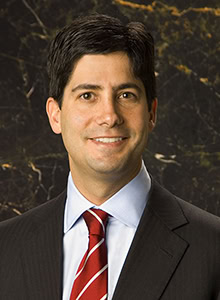
For most of 2026, Wall Street has traded on one big assumption: once President Donald Trump replaces Federal Reserve Chair Jerome Powell, lower interest rates will follow. That expectation helped fuel rallies in rate-sensitive sectors like homebuilders, regional banks, and small-cap stocks earlier this year.
But markets may be getting ahead of themselves.
Trump’s nominee to replace Powell, former Fed governor Kevin Warsh, is hardly an automatic “cut rates now” policymaker. Surprisingly, some of Warsh’s recent comments suggest he may prioritize inflation control and Fed credibility over delivering the rapid easing campaign investors have been expecting. That matters because the Fed funds rate still sits between 3.5% and 3.75% after the Federal Reserve voted in April to leave rates unchanged.
For investors, the real question is simple: Could Trump’s hand-picked Fed chair end up disappointing the White House?
Kevin Warsh Isn’t Jerome Powell — but He’s Not a Trump Puppet Either
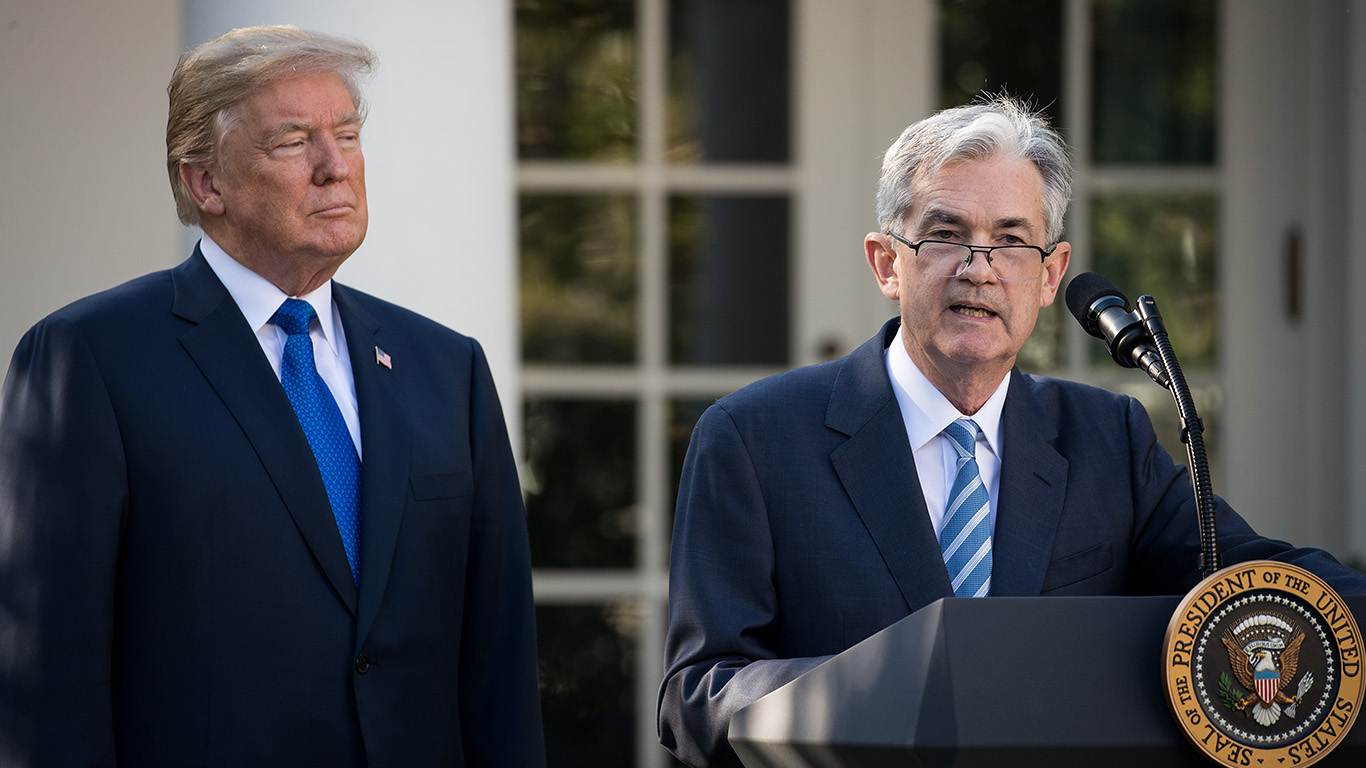
Trump nominated Warsh in January to replace Powell when the current Fed chair’s term expires on May 15.
On paper, the choice made sense. Trump has repeatedly criticized Powell for not cutting rates aggressively enough during his second term. Lower rates reduce borrowing costs, support housing demand, and often push stock valuations higher.
Yet Warsh’s background suggests investors should expect something more nuanced.
Warsh served as a Federal Reserve governor from 2006 through 2011 during the global financial crisis. Before that, he worked at Morgan Stanley and later became a fellow at Stanford University’s Hoover Institution. He has long argued that the Fed damaged its credibility by keeping monetary policy too loose for too long following the pandemic-era inflation surge.
That suggests Warsh may care more about defeating inflation than pleasing politicians.
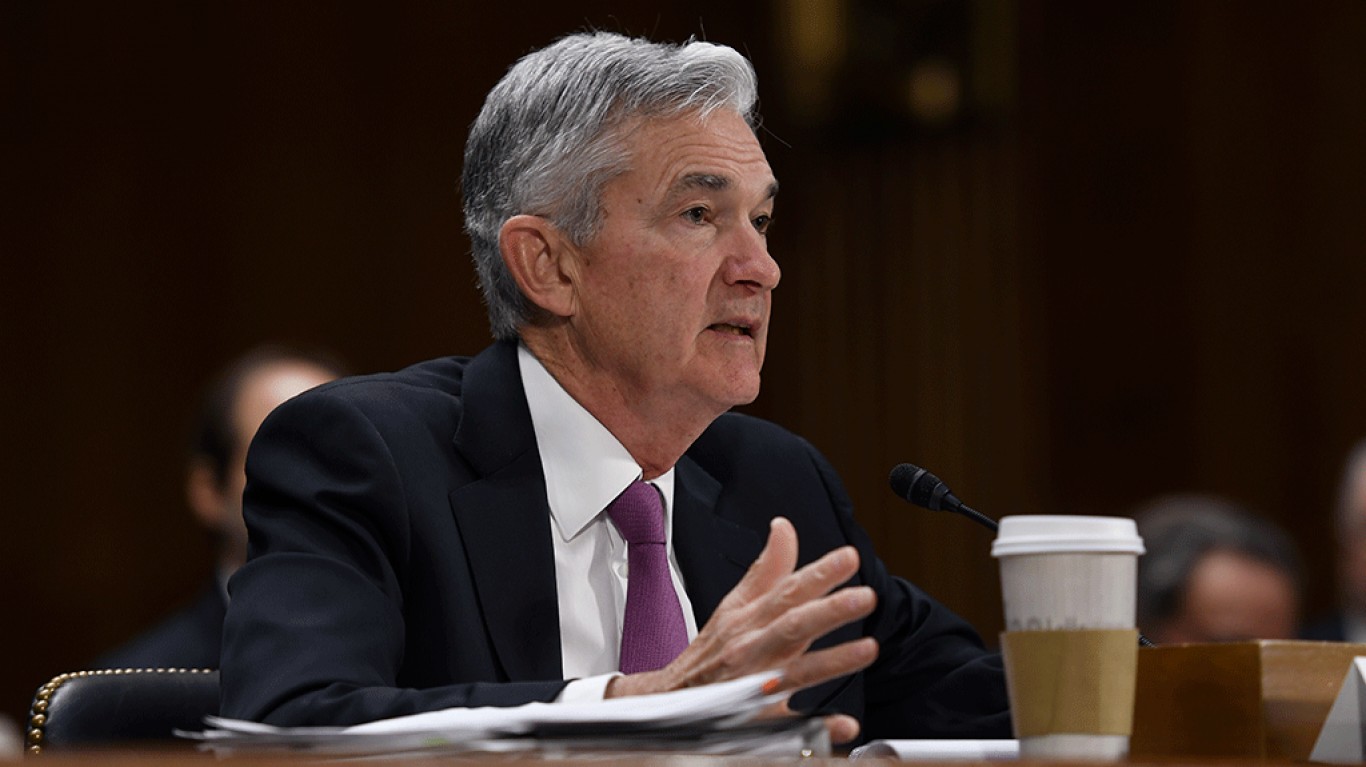
During the Senate confirmation process, Warsh emphasized the importance of central-bank independence and warned that inflation remains a long-term economic threat.
That stance could put him on a collision course with Trump sooner than many investors expect.
Inflation Still Has the Fed Cornered
The biggest problem facing any Fed chair in 2026 is that inflation never fully disappeared. Energy prices have climbed again amid Middle East tensions, and the Fed’s preferred inflation gauges remain well above its 2% target. Fed policymakers kept rates steady partly because rising oil prices were feeding fresh inflation pressure into the economy.
At the same time, economic growth has slowed enough that investors continue hoping for rate cuts later this year.
That leaves Warsh walking a narrow line:
| Economic Pressure | What It Means for Rates |
| Sticky inflation | Higher-for-longer rates |
| Slower economic growth | Pressure to cut rates |
| Rising oil prices | Inflation risk increases |
| Softening labor market | More support for easing |
Granted, markets still expect at least one or two cuts before year-end. But expectations and reality are not always the same thing.
Fed funds futures earlier this year implied as many as four cuts in 2026. Those expectations have narrowed as inflation data remained stubborn. In any case, Warsh may decide preserving the Fed’s inflation-fighting credibility matters more than delivering quick relief to markets.
Regardless of how you look at it, investors betting on an immediate return to a near-zero-rate policy could be disappointed.
Wall Street May Actually Prefer a More Independent Fed
Ironically, the market’s longer-term reaction to Warsh could end up positive precisely because he may resist political pressure.
Investors tend to reward predictability. They also prefer Fed chairs who appear independent from the White House. That was one reason Powell initially earned bipartisan support after Trump appointed him in 2017.
Warsh’s nomination has already sparked debate over whether the Fed can remain insulated from politics. The Senate Banking Committee advanced his nomination last week in a narrow 13-11 vote. Meanwhile, Powell announced he plans to remain on the Fed’s Board of Governors even after his chairmanship ends, keeping his influence inside the central bank through at least part of 2026.
That creates an unusual power dynamic investors will watch closely.
If inflation cools materially, Warsh could absolutely support lower rates. But if price pressures remain elevated, he may prove far less dovish than Trump — or Wall Street — currently hopes.
Key Takeaway
In short, investors should stop assuming Kevin Warsh automatically equals cheaper money.
Trump clearly wants lower rates to support economic growth and financial markets. But Warsh’s record suggests he may approach monetary policy more cautiously than the White House expects. That could mean fewer cuts, slower cuts, or even periods where rates stay elevated longer than investors currently anticipate.
For savvy investors, the takeaway is straightforward: focus less on political headlines and more on inflation data, energy prices, and Federal Reserve messaging. When all is said and done, those numbers — not White House rhetoric — will determine where interest rates go next.








 Top Gaining Stocks
 Top Losing Stocks