



There are supposed to be 329.1 million people in the United States, according to the U.S. Census Population Clock, which measures the number of American residents minute by minute. However, that number could be way off when a more accurate measure is made next year. That is unless the data are collected at all.
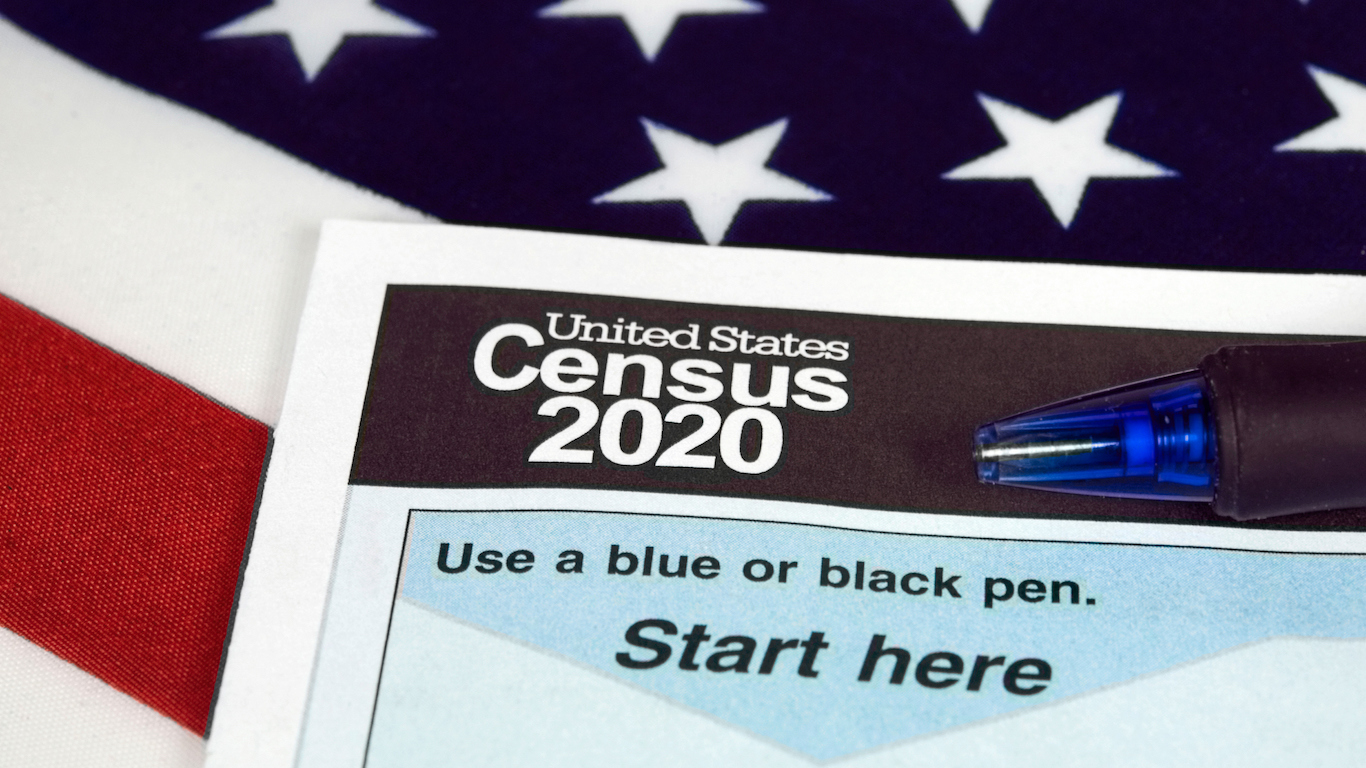
There is a battle in the federal courts over who will be included in the count and even when census ballots are printed. At the core of the controversy is whether there will be a citizenship question included in the document used to measure the U.S. population in 2020. If the court battle lasts beyond next week, experts say the questionnaire will not go out on time. Commerce Secretary Wilbur Ross wants the citizen question included. He said the data is necessary to comply with the Voting Rights Act. His opponents say he really wants to discourage immigrants from answering census questions to undercount areas that lean Democratic. The Commerce Department oversees the Census Bureau.
A House of Representatives panel on Tuesday moved to hold two Trump Cabinet members in contempt of Congress for flouting subpoenas seeking to find out if the citizenship question was intended to discriminate against minority groups.
The battle has heated up as the case moves toward the Supreme Count. A number of nonprofits have donated money to help keep the citizenship question off the census document. These nonprofits include the Ford Foundation, the Kellogg Foundation, the JPB Foundation and the Open Society Foundation. Each has given $5 million.
According to The New York Times, one former senior official at the bureau, who spoke on condition of anonymity because of an advising relationship with the agency, said, “It’s not like the Census Bureau can demand things at the drop of a hat. You’d really be putting the operational plan at great risk if this stretches into mid-August. You may not have a census at all in 2020.”
There are other reasons why the number of people in the United States is counted accurately. It affects how much money the federal government gives states for medical care, child care, education and transportation. This has an impact on which states get the most and least from the U.S. government.
[nativounit]
The figures are also used to set the boundaries of congressional districts, which, in turn, matters in determining who votes for members of Congress and where.
The first U.S. census was taken in 1790. Since then, the data has been collected 22 times. Currently, the count is taken once a decade. By law, the data collected from each person who answers the questions are confidential. People are required by law to answer census questions.
If the 2020 census is delayed for any reason, the government actually will not have an accurate count of how many people are in the United States. That in turn, ripples across who votes, where they vote and how much aid is given to people across the country. Many people move over a period of 10 years, in come cases several times. In some states, net migration is driving population growth. In others, it is driving population declines. These are the fastest growing and shrinking states in America.
[recirclink id=554829]
[wallst_email_signup]










 Top Gaining Stocks
 Top Losing Stocks