


By David Callaway, Callaway Climate Insights
“Sail on, oh ship of state, Sail on, oh union strong and great; Humanity with all its fears, With all the hopes of future years, Is hanging breathless on thy fate.”
I used to think this quote by Winston Churchill during World War II was a bit, well, overdramatic. Then came Election 2020.
No matter where you stand, next week’s presidential election is a defining moment in U.S. history. For the movement to fight climate change and invest and engage in solutions, it’s all the more important. Four years is a long time on the climate clock.
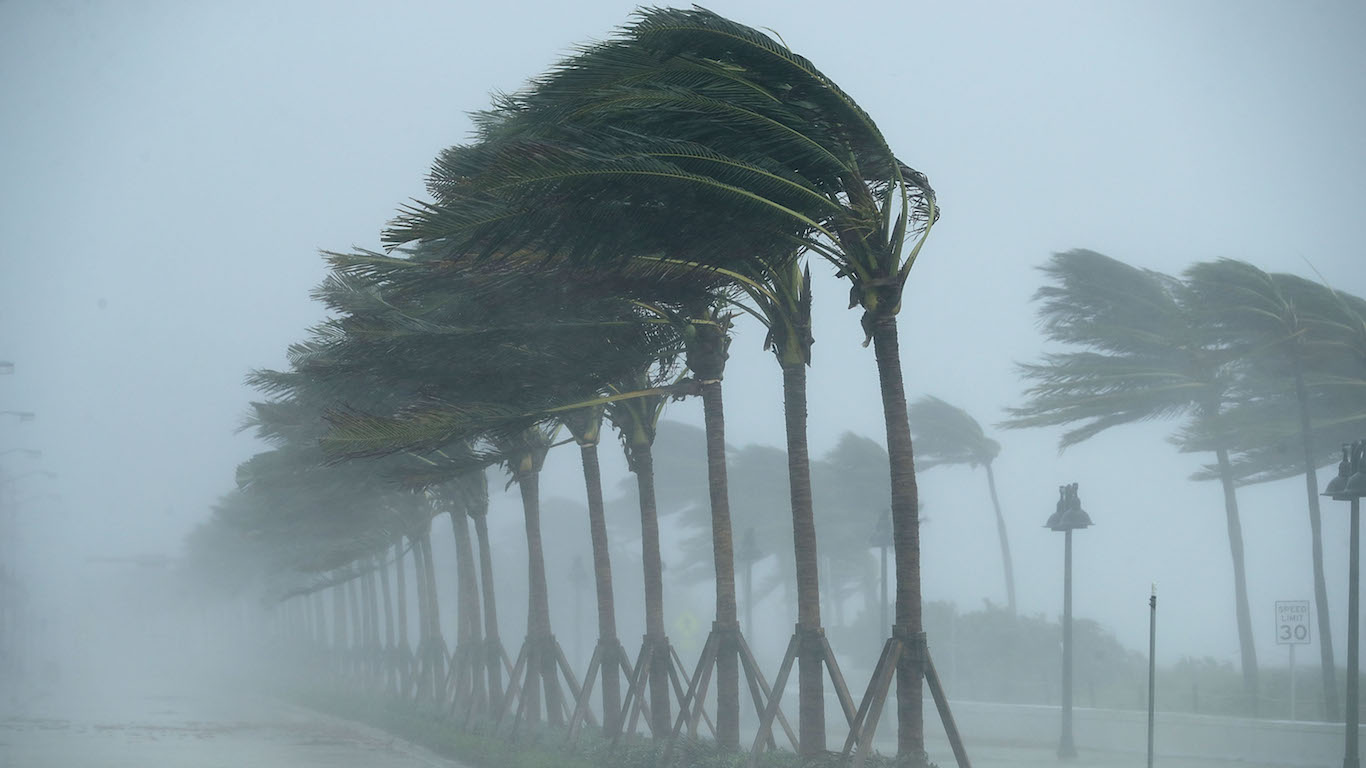
Many climate scientists argue it’s already too late to mitigate the worst effects of rising heat and seas and more volatile storms like Hurricane Zeta. No one disputes that waiting until mid-decade could be a life-changing setback. The time to invest is now, and investors have proved up to the task.
In today’s Callaway Climate Insights, we examine what a President-elect Biden might do in his first 100 days to send a signal to the world of his environmental intentions. We look at another Covid-19 election, in New Zealand, and the lessons it gave about the pandemic and climate. And we look at the policy conundrum Europe faces as it considers adding nuclear energy to its climate-fighting arsenal.
Enjoy, and if you’re in the U.S., don’t forget to vote.
More insights below. . . .
ZEUS: Biden’s first 100-days climate push
. . . . In five days, give or take a few weeks, we’ll know the direction of the U.S. — and indeed of the world’s — climate policies over the next four years. A Biden win will result in a dramatic shift of talent and resources to the climate emergency. David Callaway examines five things that will need to happen before Trump leaves the White House in January for America to regain its role in the climate battle. Including powerful new appointments to the Treasury and the Department of Energy. If Trump wins, expect an equally dramatic move against the forces of climate mitigation, a bruising overhaul of his current team, and a frantic search for Plan B by climate activists. In either scenario, Wall Street and Silicon Valley will be at the center of it. Five days. No pressure. . . .
Being climate friendly and nuclear: Europe’s uneasy decision
. . . . Europe has historically been opposed to nuclear energy. The Green Party, which has seen strong gains in elections across the continent, is strongly against any use of atomic energy. Stephen Rae writes from Dublin of the dilemma for European Climate Commissioner Frans Timmermans as he tries to balance the vital need to phase out coal usage in Eastern Europe to reduce emissions by 2050 with the demands by Poland and the Czech Republic that the only way they can do it is to go nuclear. A delicate discussion interwoven with geopolitics is on the line in Brussels.
Poland and Czech are not like their most westerly neighbors, who have cooled towards the (Trump) U.S. In fact, both eastern countries enthusiastically embrace the Atlantic alliance and maintaining the U.S. link is visceral. It’s effectively an anti-Russia stance. It’s a way of saying “back off” to Russia — but also to the commission which has been twisting their arm over replacing coal.
Not only that, Poland will be looking to the European Commission to help support its new plant due in 2033 and which will have 6 to 9 gigawatts of nuclear energy capacity. Poland says it is “impossible these days to build a nuclear power plant without state support.”. . .
Read the full European notebook
Lessons from New Zealand’s Covid election
. . . . How to win a Covid election and get a jump on climate change? Peter Bale writes from Auckland how Prime Minister Jacinda Ardern’s deft handling of the Covid-19 crisis from Day One not only protected her nation from the pain most others endured but cleared the way for a historic re-election and a clean run at several other issues, including climate change.
Three years ago Ardern called climate change “our generation’s nuclear-free moment.” But the October election was all about Covid and the coherence and apparent competence she showed in managing the crisis from March until now through one national lockdown and a second in the most populous Auckland region.
The New Zealand public rewarded her with the votes to govern alone, without a coalition, and wiped out the populist New Zealand First Party, which had previously been a coalition partner.
New Zealand First had been, in its own description “a handbrake” on the environmental and “woke” ambitions of Labour and the Greens, so it is possible that Ardern and Labour could make faster progress in applying an environmental lens to economic recovery from the pandemic, the key issue with gross domestic product falling 12% in the June quarter. . . .
Data driven: nuclear power and Disarmament Week
Currently, there are 440 nuclear reactors in operation in some 30 countries around the world, according to Statista.com.
. . . . The UN and the nuclear age were born almost simultaneously. The horror of the Second World War, culminating in the nuclear blasts at Hiroshima and Nagasaki, brought home the need to address the nuclear issue, the UN writes this week. By its first resolution, the General Assembly established the UN Atomic Energy Commission to deal with the problems raised by the discovery of atomic energy. And a landmark address by U.S. President Dwight D. Eisenhower in 1953, “Atoms for Peace,” led to the establishment in 1957 of the International Atomic Energy Agency (IAEA). . . .







 Top Gaining Stocks
 Top Losing Stocks