



Ford Motor Co.’s (NYSE: F | F Price Prediction) experiment with electric vehicles (EVs) may not be over permanently. As it backs off its plans almost completely, its November EV sales were down 61% from the same period last year. It shows the real demand for its EVs when a federal government $7,500 tax credit is not in place.
It will never be entirely clear how much of the $30 billion it said it would invest in EVs when it made a commitment in August 2021 was actually spent. At the start of this year, Ford said its EV business would lose between $5.0 billion and $5.5 billion. Presumably, those losses will not entirely disappear next year. CEO Jim Farley said recently that Ford cannot walk away from EVs completely. He has admitted Chinese manufacturers are well ahead of American ones in EV production and development. Yet, he indicated Ford would not give up on an EV future. That competition may just be further off than Ford had expected.
Ford can say one thing about the market. EV sales across almost the entire industry dropped after the tax credit expired. However, no other major manufacturer that sells cars in the United States has made such a huge financial commitment.
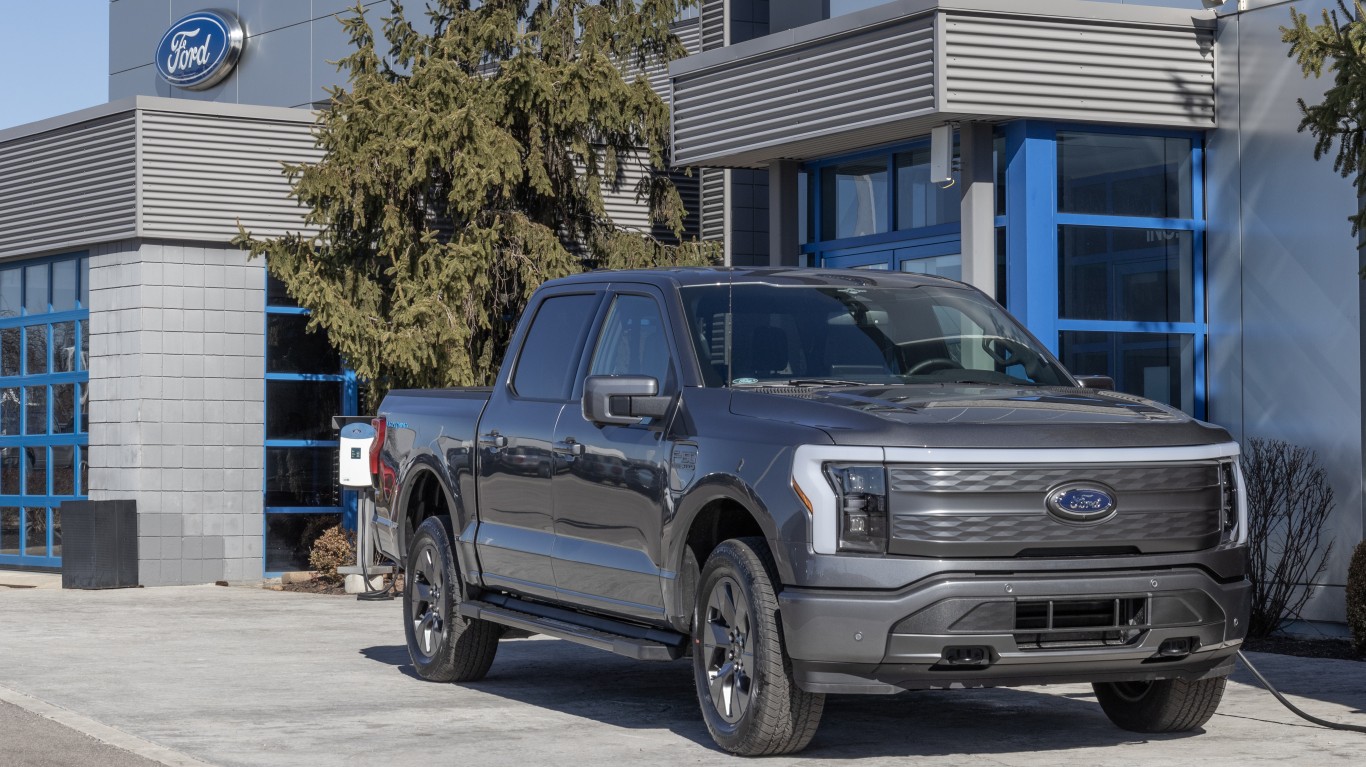
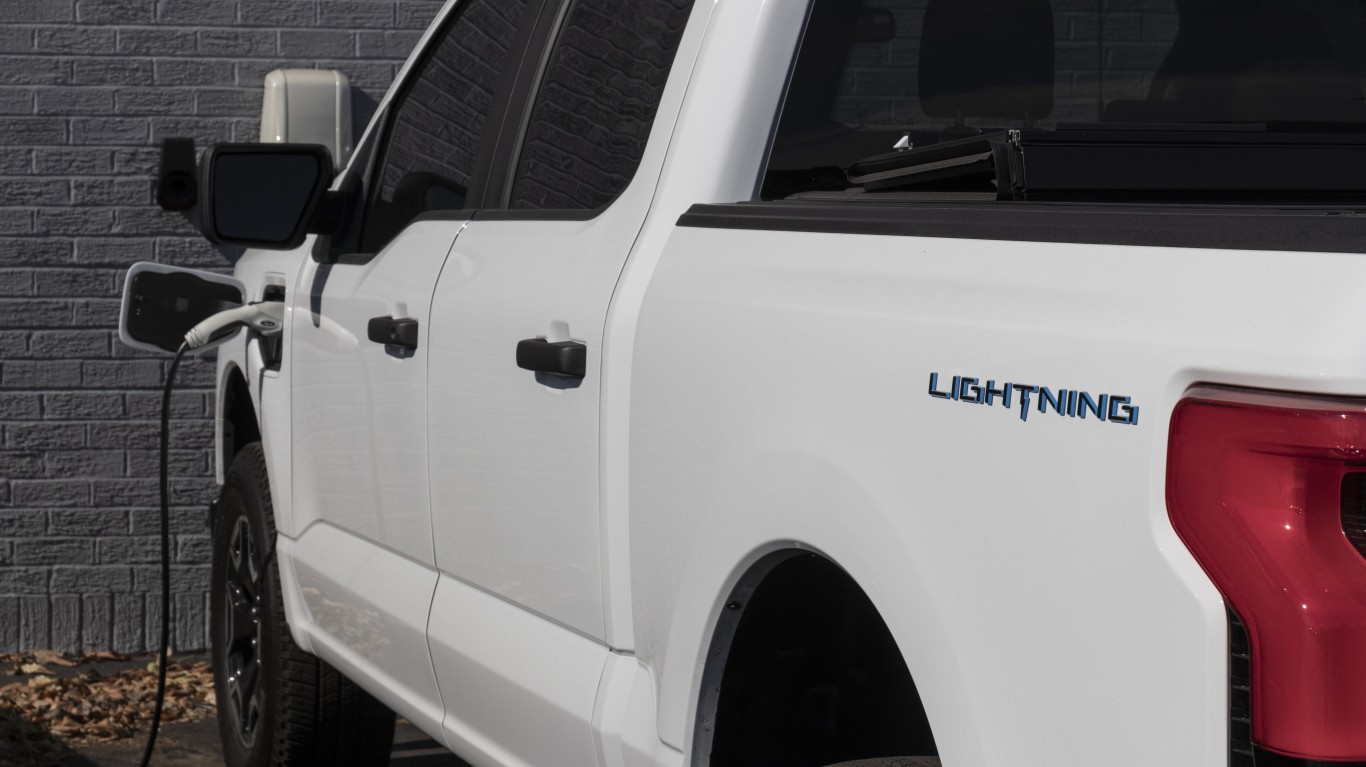
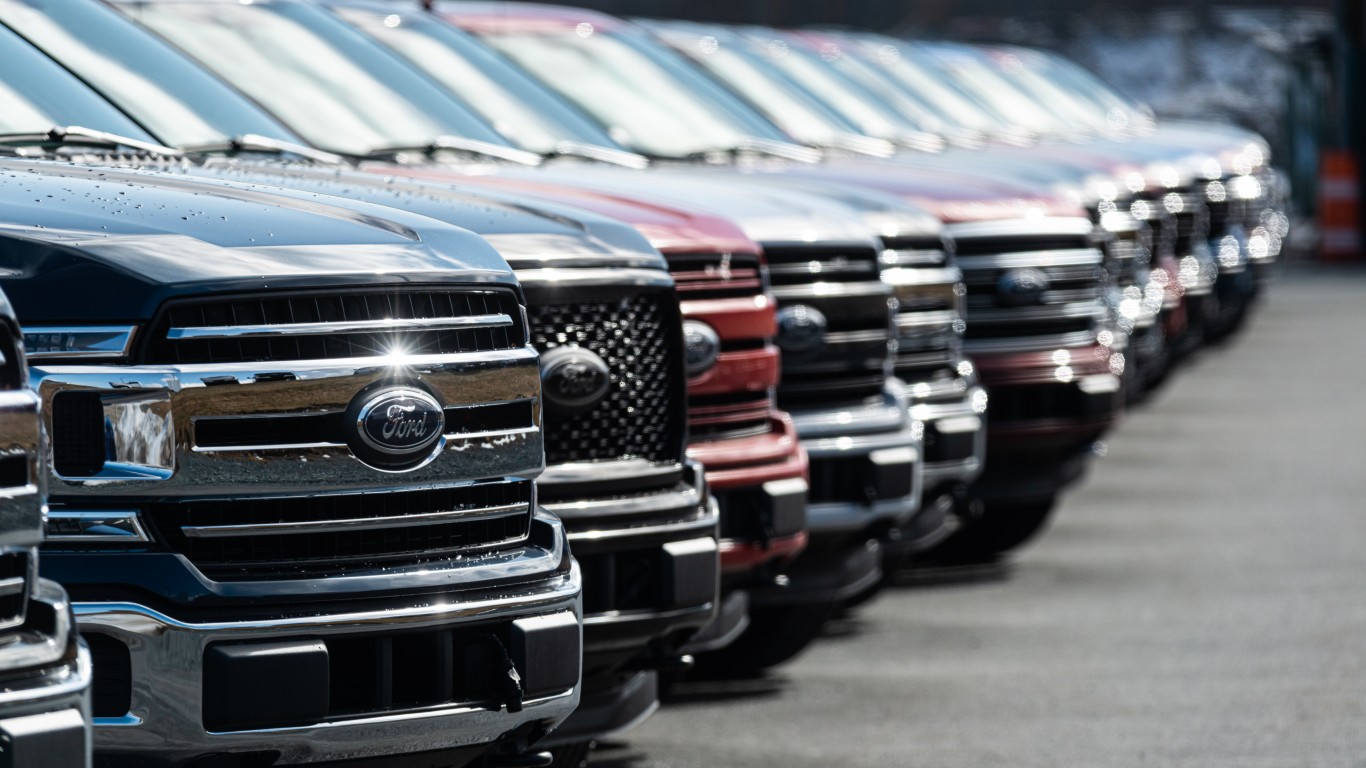
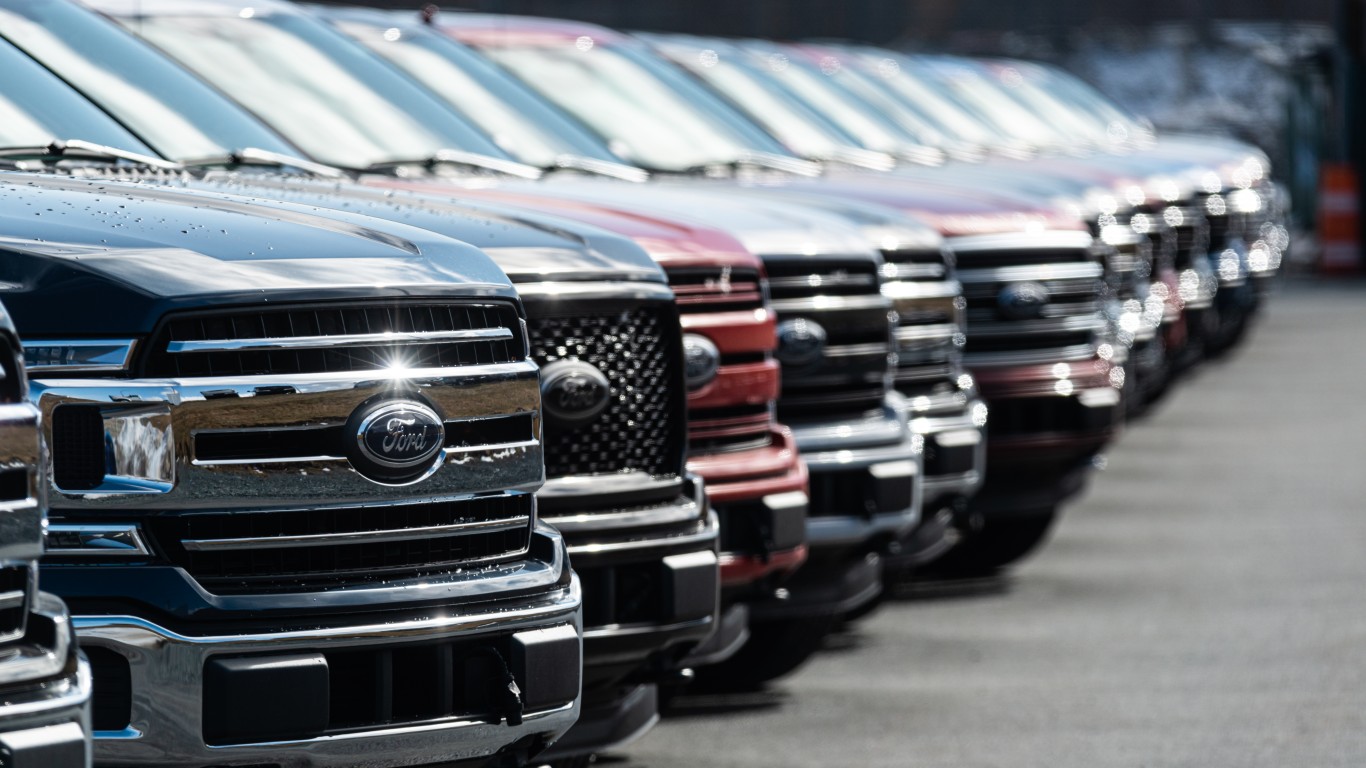
Ford can also be criticized for its claims. Instead of waiting for results, it said it would produce hundreds of thousands of EVs per year. Executive Chair Bill Ford said that the launch of the company’s EV flagship F-150 Lightning was the most important product launch of his tenure. In November, Lightning sales dropped 72.4% to 1,006. This contrasts with F-Series sales, which dropped 9.6% to 60,961. The F-150 is likely to continue to be the best-selling vehicle in the U.S. That would continue a string of success that goes back decades. F-Series trucks are well above a third of Ford’s U.S. sales and have been for years.
Ford could have taken two roads as EV sales collapsed, both its own and those of most other companies in the industry. It could have retreated behind its combustion engine vehicle success. It could also have said it would lose billions more to combat the Chinese EVs that will eventually come to America. Farley says competing head-to-head with the Chinese would be a disaster. Ford, perhaps wisely, has decided to gamble that gasoline-powered vehicle sales will remain dominant in the U.S., and it can address its problem with the Chinese when they arrive in the American market. Farley has already expressed extreme anxiety about that path. Yet, Ford has decided to wait.
Ford Stock Price Prediction and Forecast 2025–2030







 Top Gaining Stocks
 Top Losing Stocks