


Eli Lilly (NYSE:LLY | LLY Price Prediction) stock is down 5% in Tuesday afternoon trading, with shares falling to $937 from a prior close of $989.12. The move adds to a rough stretch for the stock, which is now down 13% year to date from $1,072.90 at the start of 2026.
The selloff reflects a convergence of pressures: mounting anticipation around an FDA decision on Lilly’s oral obesity pill, fresh competitive noise from Novo Nordisk (NYSE:NVO) in the oral GLP-1 space, and lingering concerns about compounded tirzepatide products. None of these are new stories, but together they are weighing on a stock that had already retreated sharply from its 52-week high of $1,132.06.
FDA Oral Obesity Pill Decision Looms
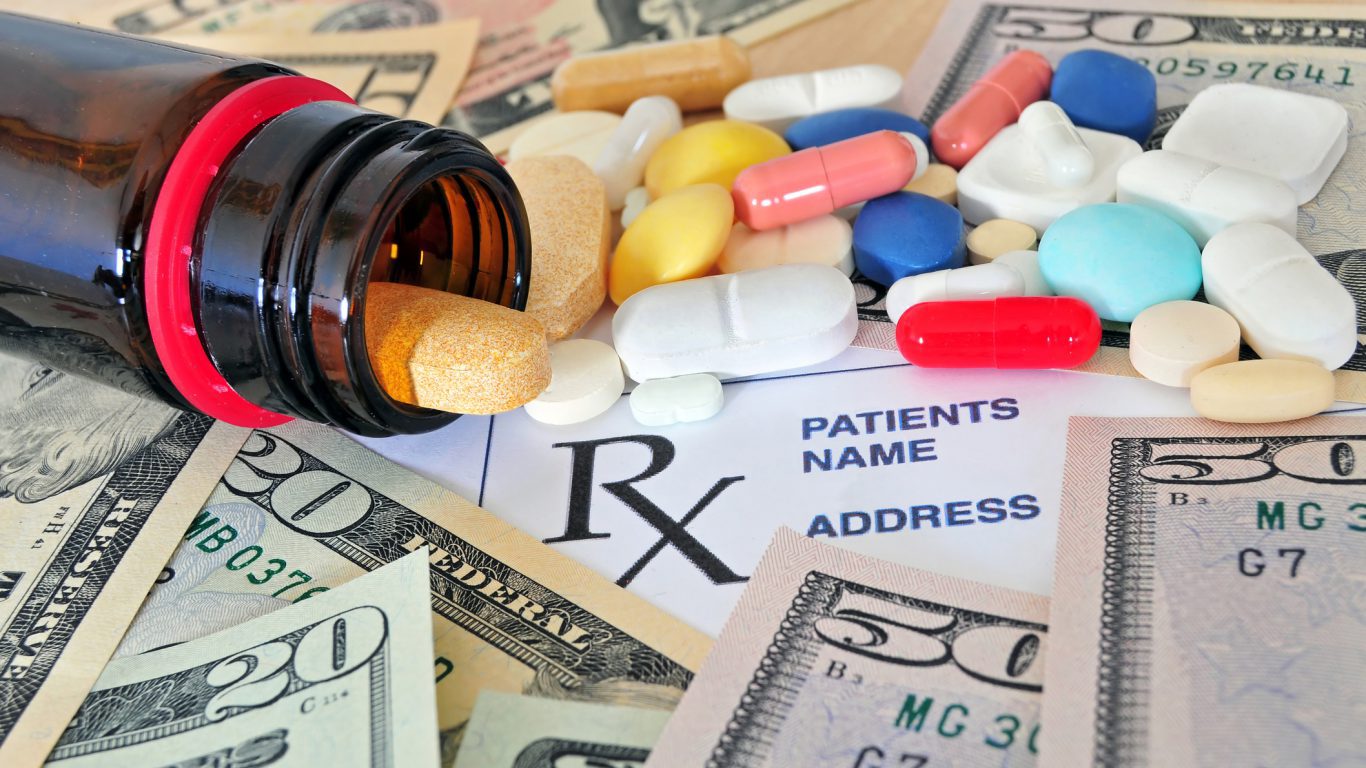
The primary catalyst today is investor anxiety around the timing and outcome of the FDA’s expected decision on orforglipron, Lilly’s oral GLP-1 obesity pill. Lilly submitted orforglipron for obesity approval in the U.S. and Japan, and for both obesity and type 2 diabetes in the EU, with CEO David Ricks citing the submission as a “key 2025 milestone.” An April decision window has been widely discussed, and markets are pricing in meaningful uncertainty around both timing and label scope.
Phase 3 data showed patients maintained weight loss after switching from injectable incretin therapies to the oral pill, a finding that could meaningfully expand the addressable market for patients who resist injections. Yet, the approval path still carries execution risk, and prediction markets currently assign only 22% probability to FDA approval of Lilly’s retatrutide (a related obesity candidate) by the end of 2026; this reflects broader skepticism about near-term regulatory timelines across Lilly’s obesity pipeline.
Novo Nordisk Rivalry Intensifies in the Oral Space
Meanwhile, the competitive backdrop is getting louder. Novo Nordisk has been working to entrench its position in the oral GLP-1 market through new partnerships and improved drug delivery, with oral Wegovy showing strong initial sales.
A recent industry analysis described Novo’s position as “potentially precarious” as Lilly enters the oral space, but that framing cuts both ways: it acknowledges Novo is still in the game. Lilly’s orforglipron has shown high efficacy in trials but with increased side effects compared to injectable alternatives, a nuance that analysts are watching closely ahead of any approval.
Novo Nordisk shares are themselves under heavy pressure, down 25% year to date and 52% over the past year. That kind of sustained erosion in the sector’s other giant signals that investors are repricing the entire GLP-1 competitive landscape, not just picking winners and losers within it. For more on why institutional investors remain committed to Lilly despite the volatility, see “What Smart Money Loves About Lilly.”
Compounded Tirzepatide Complicates the Story
A secondary headwind surfaced earlier this week when Eli Lilly disclosed that testing of compounded tirzepatide products mixed with vitamin B12 revealed “significant levels of an impurity” across all 10 samples tested. The chemical reaction between tirzepatide and B12 has unknown health effects, and Lilly has reported its findings to the FDA while urging patients to consult physicians. The company is pushing for a recall of all compounded tirzepatide mixed with untested additives.
This is strategically useful for Eli Lilly’s branded Zepbound and Mounjaro franchises, but the near-term narrative around patient safety creates headline risk. Some institutional investors appear to be trimming ahead of the noise: Harvest Fund Management reduced its LLY stake by 37.2%, and Bank of Hawaii cut its position by 21.5% in recent filings.
The Fundamentals Remain Intact
Today’s move is happening against a backdrop of genuinely strong business performance. Eli Lilly reported Q4 2025 revenue of $19.29 billion, up 42.6% year over year, beating the consensus estimate of $17.97 billion. Furthermore, Mounjaro generated $7.41 billion in Q4 alone, up roughly 110% year over year, while Zepbound added $4.26 billion, up 123%. Full-year 2026 guidance calls for revenue of $80 billion to $83 billion.
RBC Capital Markets maintained its Outperform rating on LLY stock as recently as March 16, citing the anticipated orforglipron launch as a key upside driver. The analyst consensus target sits at $1,216.93, with 24 Buy ratings, 6 Hold ratings, and just 1 Sell among covering analysts. At today’s price, Eli Lilly stock trades at roughly 43x trailing earnings, with a forward multiple of around 29x on 2026 estimates.
What to Watch
The next meaningful catalyst is the FDA’s oral obesity pill decision, expected around April. How Eli Lilly manages the orforglipron launch narrative in the weeks ahead, particularly on side effect profiles and pricing relative to injectables, will shape the stock’s near-term direction.
Additionally, the FDA oral obesity pill decision, expected around April, remains the key event for investors tracking LLY stock. For the time being, though, keep an eye out for a rally above or break below the $930 level.










 Top Gaining Stocks
 Top Losing Stocks