



XRP (CRYPTO: XRP) rallied above $1.35 after the U.S. and Iran ceasefire was announced on April 7, but the move only lasted five days. The Islamabad peace talks broke down on April 12 after 21 hours of negotiations. Then, Trump ordered a naval blockade of Iranian ports, and the XRP price dropped right back to $1.33 as oil prices surged above $100 again.
Right now, XRP is stuck between two events that could decide where the price goes for the rest of the year. The first is the SEC’s CLARITY Act roundtable on April 16—just three days away—with the Senate Banking Committee targeting a markup in late April that would make XRP’s commodity status permanent. On the other hand, the ceasefire between the U.S. and Iran expires on April 22 with no deal in place and no follow-up talks scheduled.
Why the Islamabad Talks Collapsed and What It Means for XRP

The Islamabad talks were the highest-level direct meeting between the U.S. and Iran since the 1979 revolution, and they lasted 21 hours before falling apart. A large U.S. delegation led by Vice President Vance sat across from Iran’s parliament speaker Ghalibaf and foreign minister Araghchi. The two sides reportedly agreed on most points in Iran’s 10-point ceasefire plan, but couldn’t bridge the gap on the two issues that matter most: Iran’s nuclear program and who controls the Strait of Hormuz.
Vance left Islamabad saying Iran refused to commit to abandoning nuclear weapons. Iran’s delegation fired back, accusing the U.S. of making demands that went beyond what was reasonable, particularly around dismantling enrichment facilities and handing over its uranium stockpile. Neither side announced follow-up talks, and Pakistani mediators could only urge both parties to respect the ceasefire until it expires on April 22.
Bitcoin dropped from above $73,000 to roughly $71,500 after the news, and the XRP price slipped back to $1.33 after briefly reclaiming $1.35 during the ceasefire rally. Trump then escalated things further by ordering a full naval blockade of Iranian ports, which CENTCOM confirmed would begin today.
Oil prices surged again on the back of it, with WTI jumping 9% to above $105 per barrel and Brent climbing 8% to $103. Every oil spike since the war started in late February has dragged the crypto market lower by raising costs across the board and pushing investors away from anything risky. With the ceasefire expiring in nine days and no diplomatic path forward, the same macro pressure that crushed XRP through Q1 is back on the table.
What the SEC’s CLARITY Act Roundtable on April 16 Could Signal for XRP
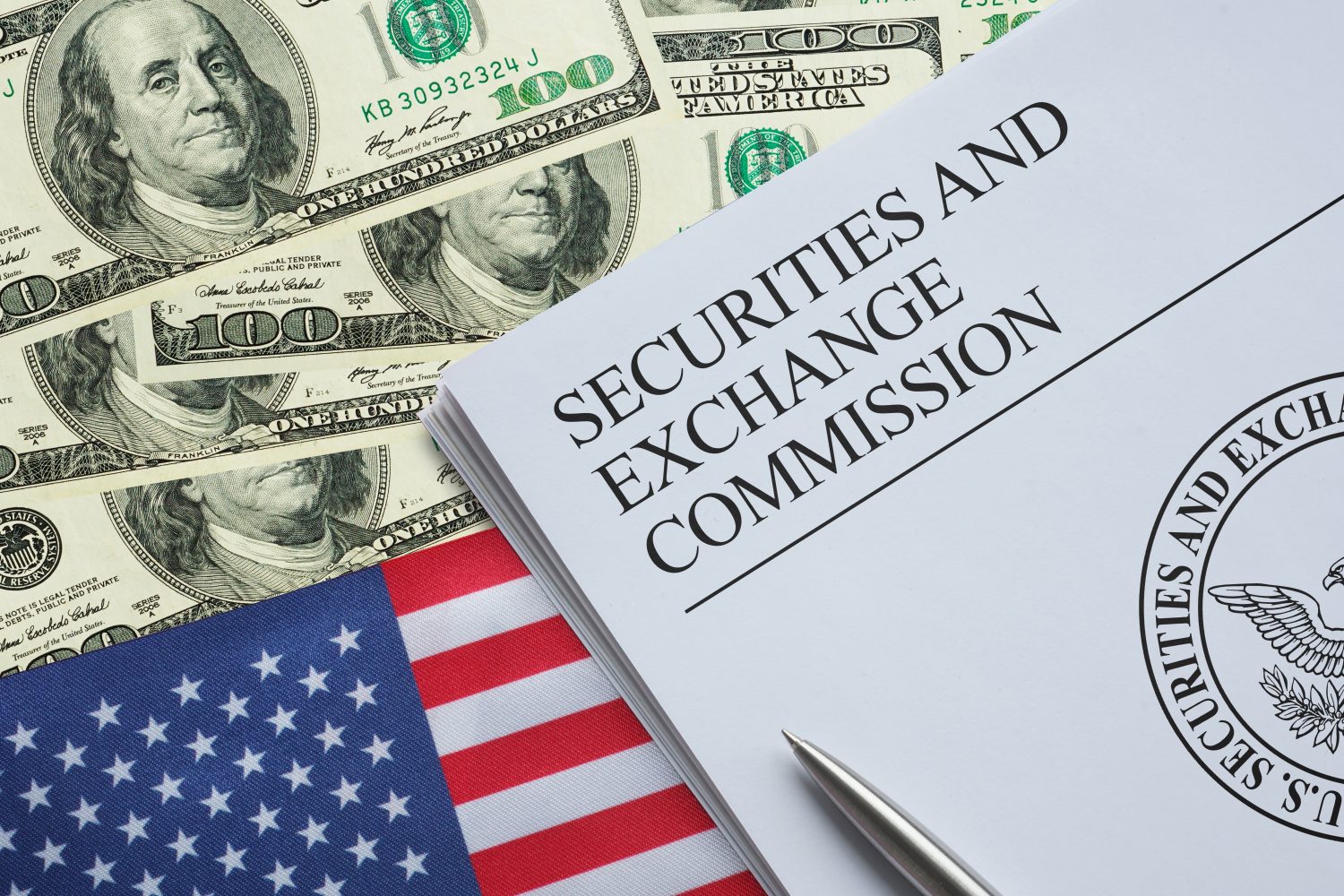
The SEC is hosting a roundtable on April 16 focused on digital asset market structure, just three days after the Senate is back from recess. It’s not a vote or a markup on the CLARITY Act, but it does show where regulators are leaning before Congress acts on the bill.
What matters more is what’s happening in the Senate Banking Committee, which has a CLARITY Act markup targeted for late April. The bill now has backing from Coinbase, the Treasury Secretary, the SEC Chair, and the former White House crypto czar, all of whom publicly endorsed it on the same day. In fact, this is the first time in 2026 that no major player is blocking the bill.
However, if the bill doesn’t clear committee by the end of April, it could be shelved because there won’t be enough working weeks left before the October midterm recess. Should the bill pass, banks will get the legal cover to use XRP in Ripple’s cross-border payment network, and that’s what finally brings in the institutional money XRP has been waiting on all year.
XRP Price Prediction: Where XRP Goes If the Ceasefire Expires or the CLARITY Act Advances

XRP is trading near $1.33 with the CLARITY Act markup weeks away and the ceasefire running out on April 22. Where the price goes from here depends almost entirely on how these two things play out.
Bullish Case: $1.60–$2.00+
If the Banking Committee passes the CLARITY Act markup in late April and the ceasefire gets extended past April 22, XRP could break the $1.45 resistance. Banks would finally have permanent legal cover to settle in XRP through Ripple’s payment network under that scenario. A simultaneous drop in oil prices from the Strait of Hormuz reopening would get investors comfortable with crypto again, and XRP could push toward $2.00 before the end of Q2.
Base Case: $1.20–$1.40
The more likely outcome right now is that the CLARITY Act roundtable goes well on April 16 but the actual markup gets delayed into May. If the ceasefire expires on April 22 without full-scale escalation and oil prices remain between $90 and $105, XRP would probably keep hovering around $1.35.
Bearish Case: Below $1.15
If the ceasefire collapses on April 22 and fighting resumes, oil prices could spike above $120 and drag the entire crypto market down again. A third CLARITY Act delay on top of that would take away XRP’s last real catalyst, and the pricecould break below the $1.28 support. Below $1.28, there’s very little buyer support until $1.15, and if Bitcoin drops below $65,000 at the same time, XRP could test $1.00.
Should You Be Watching the Senate or the Strait of Hormuz?
XRP’s ceiling depends on the CLARITY Act, and its floor depends on how the warplays outafter the ceasefire expires. But there’s a third date that could matter just as much: the FOMC meeting on April 28-29, which will be Powell’s last.
The Fed is almost certainly holding rates at 3.50-3.75%, and with oil back above $100, a dovish surprise isn’t happening. Even if the CLARITY Act passes and the ceasefire holds, institutional money won’t rush into XRP while Treasury yields are still paying over 4% with zero risk.
April 16, April 22, and April 28 are the three dates to watch over the next two weeks. XRP needs all three catalysts to go right for the price to finally break free and target higher price levels.













 Top Gaining Stocks
 Top Losing Stocks