



Bitcoin (CRYPTO: BTC) hit an all-time high of $126,000 in October 2025, then crashed 52% to $60,000 by early February after the U.S. and Israel struck Iran. Now the BTC price is at $80,200, up 19% over the past 30 days, and trading above $80,000 for the first time since January.
The current rally is being driven by easing tensions in the Iran war, with Brent crude pulling back from a $126 spike last week to around $110 and lifting the bearish pressure that has weighed on the crypto market all year. With the Bitcoin price now holding above $80K, is this the start of a real recovery, and is the bear market finally over?
How Bitcoin Climbed From $66,000 to $80,000 in 30 Days

For most of 2026, Bitcoin had been stuck between $65,000 and $73,000, with most traders betting the price would fall further and oil prices weighing on the market. That changed on April 6, when an Axios report dropped that the U.S., Iran, and regional mediators were negotiating a 45-day ceasefire. The Bitcoin price jumped from $66,000 to $69,000 afterwards, wiping out $196 million in bets against BTC.
When Iran and the U.S. agreed to the ceasefire two days later, Brent crude tumbled 16% and BTC pushed to $71,600. The rally had more than just the geopolitical catalyst behind it—institutional money showed up alongside the easing tensions. Morgan Stanley’s spot Bitcoin ETF launched on April 8 with $34 million in day-one inflows, giving traders their first way to buy BTC through a major U.S. bank.
Moreover, Strategy’s April 22 purchase was the move that made the rally stick. The company bought 34,164 BTC for $2.54 billion on the same day Trump extended the Iran ceasefire indefinitely. The two events pushed BTC back above $77,000 and gave the market its first real reason to keep going higher since October.
By the end of April, Bitcoin had closed the month up 12%, marking its best month since the October 2025 peak. The 19% climb over the past 30 days is what happens when a market full of bets against Bitcoin gets caught off guard, institutional money steps in, and the news turns from threat to relief—all at once.
Three Signals That Suggest the Bitcoin Bear Market Could Be Ending
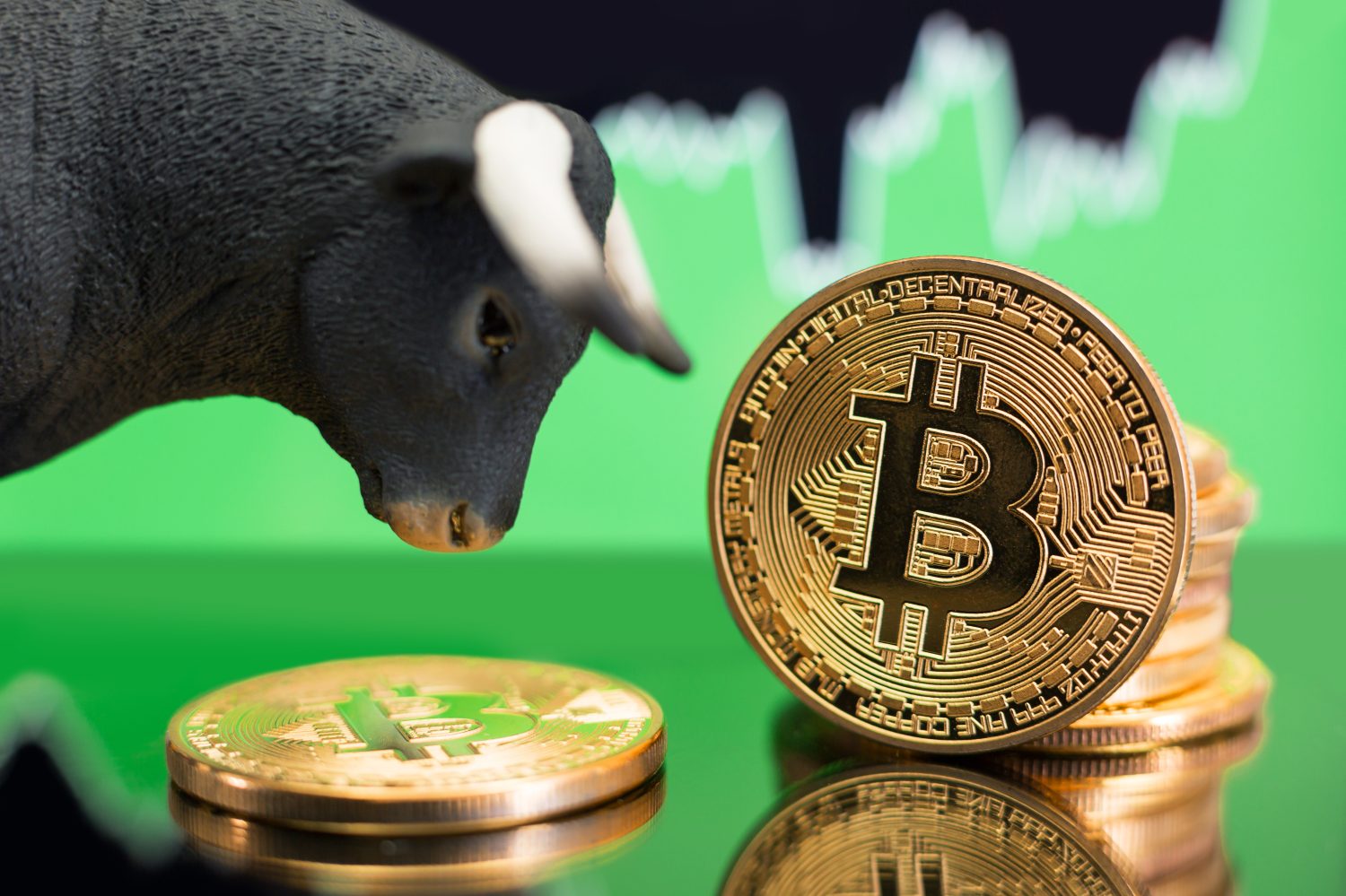
Bitcoin’s 19% rally shows the market dynamics is changing, but rallies are not the same as bottoms. So the better question is whether the on-chain data has actually shifted, or whether this is just price moves without anything backing them up. Here are three data points that say something has actually changed.
Bull Score Index Hit Neutral for the First Time in Six Months
CryptoQuant’s Bitcoin Bull Score Index has spent the most part of the year below 40—the threshold used to mark firmly bearish conditions. However, on April 22, the index climbed to 50, hitting neutral for the first time since BTC peaked at $126,000 in October. The index tracks ten on-chain indicators including blockchain activity, investor profitability, and liquidity. When half of them flip back to bullish,it signals that something has changed underneath the price.
The score pulled back to 40 by the end of April, and CryptoQuant’s research head Julio Moreno noted that a similar neutral reading in March 2022 turned into a fakeout before the bear market continued. So this signal is not a green light, but the fact that it left the bear zone at all is the first genuine improvement this cycle.
Bitcoin Stabilised at Its Previous Cycle High
In November 2021, Bitcoin hit a then-all-time high of $69,000 before crashing 78% over the following year. When BTC peaked at $126,000 last October and started falling, the question was where the bottom would form. The price briefly dipped to $60,000 in early February before recovering to the $70,000 zone, and has held that range through every escalation in the Iran war.
In Bitcoin’s earlier bear markets in 2014 and 2018, the price never returned to its prior cycle peak. Only the 2022 bear market dipped below the 2017 high of $20,000, and analysts at the time called it an anomaly tied to the FTX collapse and crypto deleveraging. The fact that BTC has held the 2021 peak instead of breaking decisively below it suggests the market is treating $69,000–$70,000 as a real support for this cycle.
Strategy Kept Buying Through the Worst of the Crash
Most institutional money panicked when the bear market hit. Spot Bitcoin ETFs saw roughly $6 billion in net outflows between November 2025 and February 2026 as funds pulled capital exactly when the price was bottoming. Strategy did the opposite—Michael Saylor’s company bought 89,618 BTC in Q1 2026 alone, its second-biggest quarter on record, paying an average of $75,500 even as BTC dipped as low as $60,000.
The buying continued through April, with more than 42,000 BTC added across the month and total holdings now past 818,000 BTC. When the largest corporate Bitcoin holder keeps stacking through the worst stretch of a bear market and pays above what the rest of the market was panic-selling at, that signals deep conviction in where Bitcoin is heading next.
Three Signals That Reflect the Bear Market Isn’t Over Yet
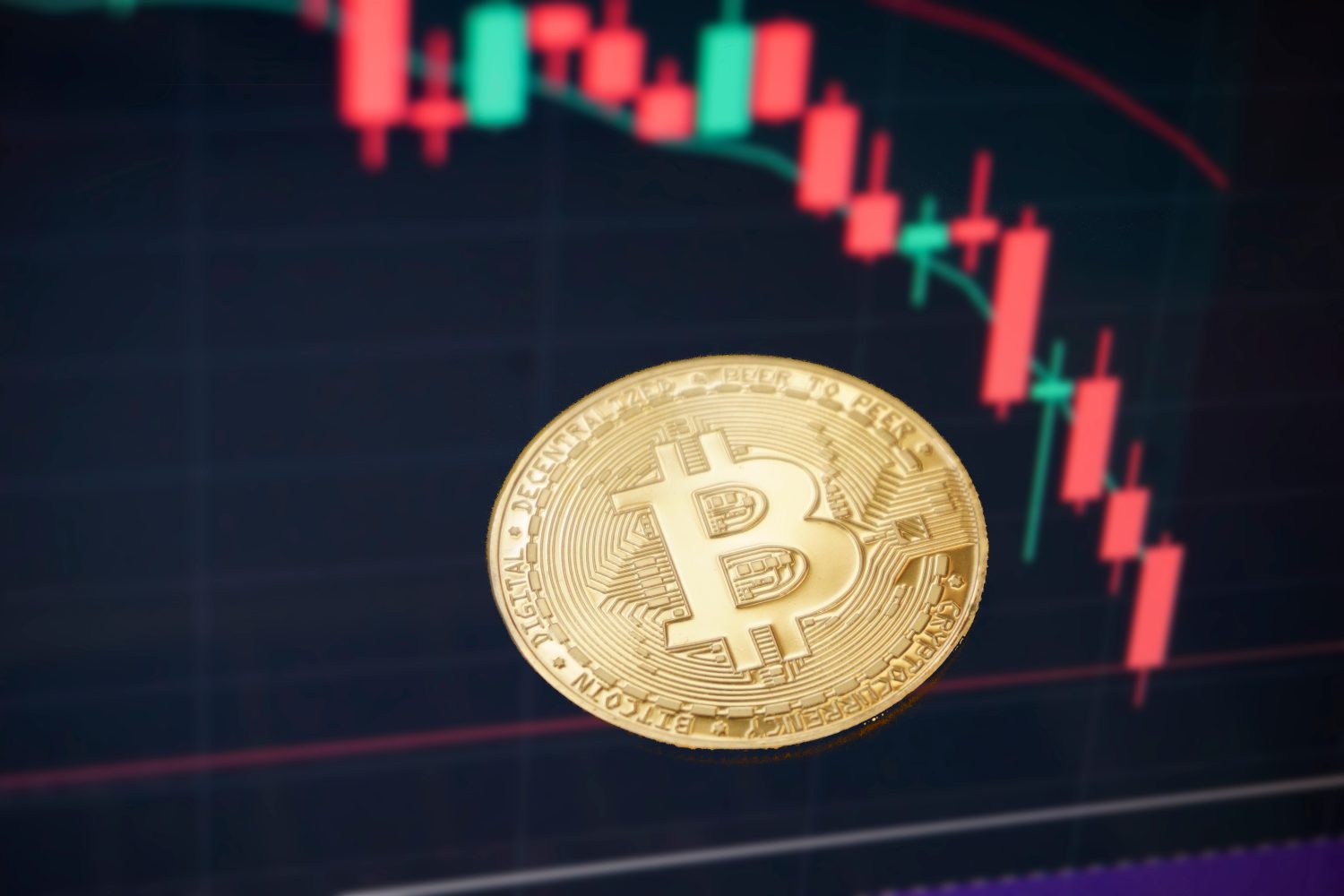
For every signal pointing toward a bottom, there is one pointing the other way. Three patterns from on-chain data and Bitcoin’s history suggest the rally is uncertain and the bear market may have another leg to run.
The 50/100-Week MA Crossover Hasn’t Triggered
One long-term Bitcoin indicator has marked every major bottom since 2015—the moment the 50-week moving average crosses below the 100-week moving average. The crossover has flashed exactly three times in BTC’s history: April 2015, February 2019, and September 2022. Each time, this happened near a major bottom that the price has never revisited since.
The two averages have been moving closer together for months, but the 50-week is still holding above the 100-week and the crossover has not happened yet. The signal is a lagging one—it confirms that selling has already reached full capitulation, the moment forced sellers are out and the bottom is in. Until that happens, history says the real bottom probably has not formed.
This Same Setup Preceded the 2022 Bear Market
CryptoQuant’s April report showed the 19% climb was driven entirely by perpetual futures demand, while spot demand—the actual buyers of Bitcoin on exchanges—stayed negative all month. The rally was leverage, not buying.
This exact demand structure appeared at the start of the 2022 bear market. Futures demand expanded while spot stayed weak, and the rally that followed eventually rolled over and Bitcoin slid back to new lows. CryptoQuant’s research team flagged the parallel directly, noting that rallies built on this kind of structure tend to be self-limiting. Without fresh spot buyers stepping in, this one could play out the same way.
Bitcoin Has Never Had 3 Green Months in a Bear-Market Year
Across every prior Bitcoin bear market—2014, 2018, 2022—the BTC price has never closed three consecutive months in the green. Rallies always faded before reaching the third month. So far in 2026, BTC closed January down 10.1%, February down 14.8%, March barely positive at 0.19%, and April up 11.87%. That makes April the second consecutive green month, and May becomes the test.
If May closes in green, this would be the first time in Bitcoin’s history that a bear-market year has produced three consecutive monthly gains. This reflects that history is against it, but May will tell us whether the pattern breaks or the pattern plays out again.
What Would Actually Confirm the Bear Market Is Over
We don’t think the Bitcoin bear market is officially over yet. The signals are too mixed for a clean call, which is exactly what a market in transition looks like. The level that would actually confirm the bottom is the 200-day moving average at $82,228—the line that has separated bear-market bounces from real trend reversals in every prior cycle.
Moreover Glassnode’s RHODL ratio—the metric measures how much Bitcoin is held by long-term investors versus short-term ones—is currently at 4.5. That is a level high enough to suggest the weak hands have already sold and most BTC is now in the hands of long-term holders.
The only times this ratio has been higher were the 2015 bottom at 5.0 and the 2022 bottom at 7.0. So while nothing has officially confirmed the bottom yet, BTC is showing the same on-chain conditions it had at the end of every previous bear market. So, a green May close or BTC reclaiming $82,000 would be the first signal that the bottom is in. Until that happens, the worst might be behind us, but the bear market is not officially over.















 Top Gaining Stocks
 Top Losing Stocks