



Ford Motor Company (NYSE:F | F Price Prediction) is the stock everyone wants to talk about right now, riding a tidy turnaround narrative and a 30.01% one-year gain that has rekindled the old American auto trade.
But here is what you should actually be watching.
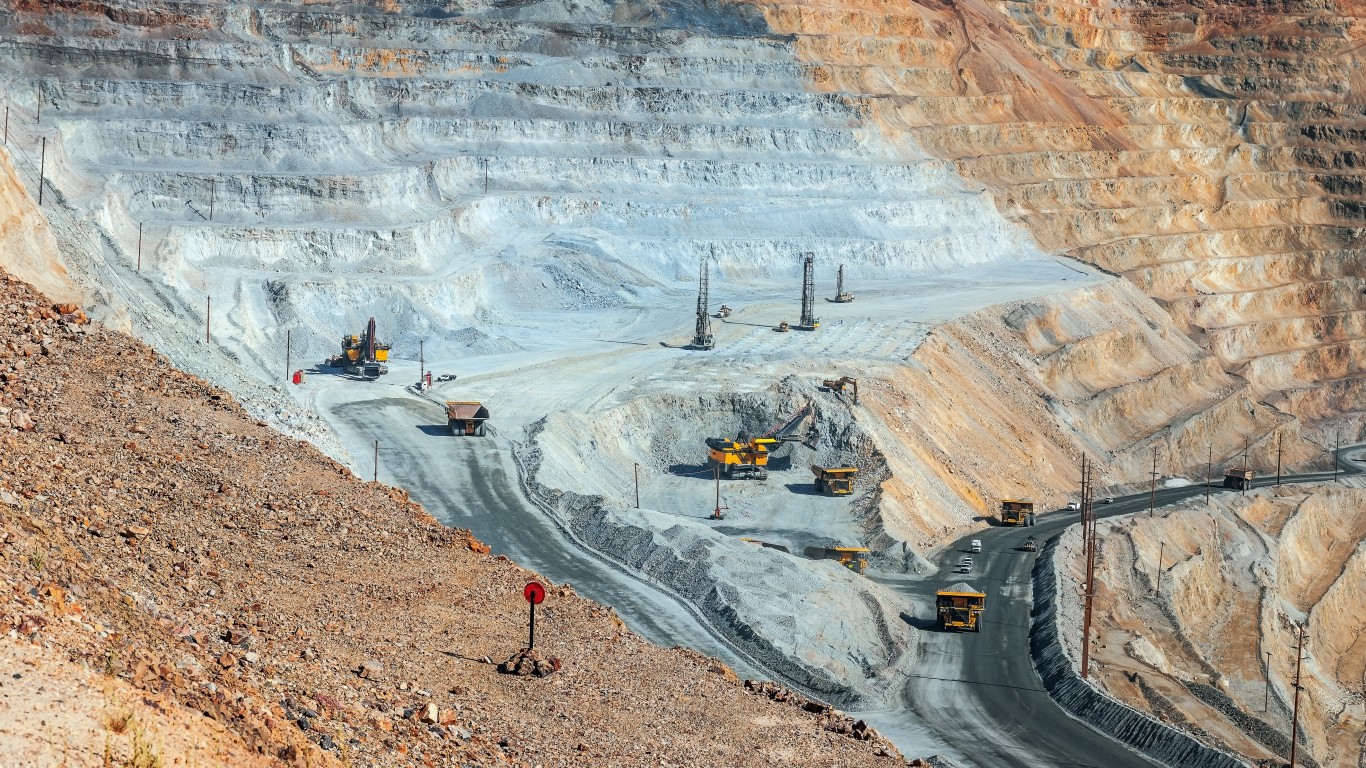
Forget Ford. The better trade right now wears a hard hat and digs copper out of the Arizona desert, and the global oil shock unfolding in real time is quietly making its case for it.
The Ford Story Looks Better in Headlines Than in Filings
Ford’s most recent quarter included an $11.10 billion GAAP net loss, mostly from $10.70 billion in Model e EV asset impairments and a $3.2 billion charge tied to the BlueOval SK joint venture. That is the company quietly admitting it overbuilt the EV business at the wrong moment of the cycle.
Adjusted Q4 EPS of $0.13 came in missing estimates of $0.1738. Trailing twelve-month EPS sits at -$2.04, the operating margin is -6.69%, and shareholders’ equity fell roughly 20% year over year.
Management’s headline target is an 8% adjusted EBIT margin by 2029. Three years is a long time to wait while a $1.0 billion tariff headwind compounds and EV pricing keeps grinding lower. Investors need a thesis, not a hope.
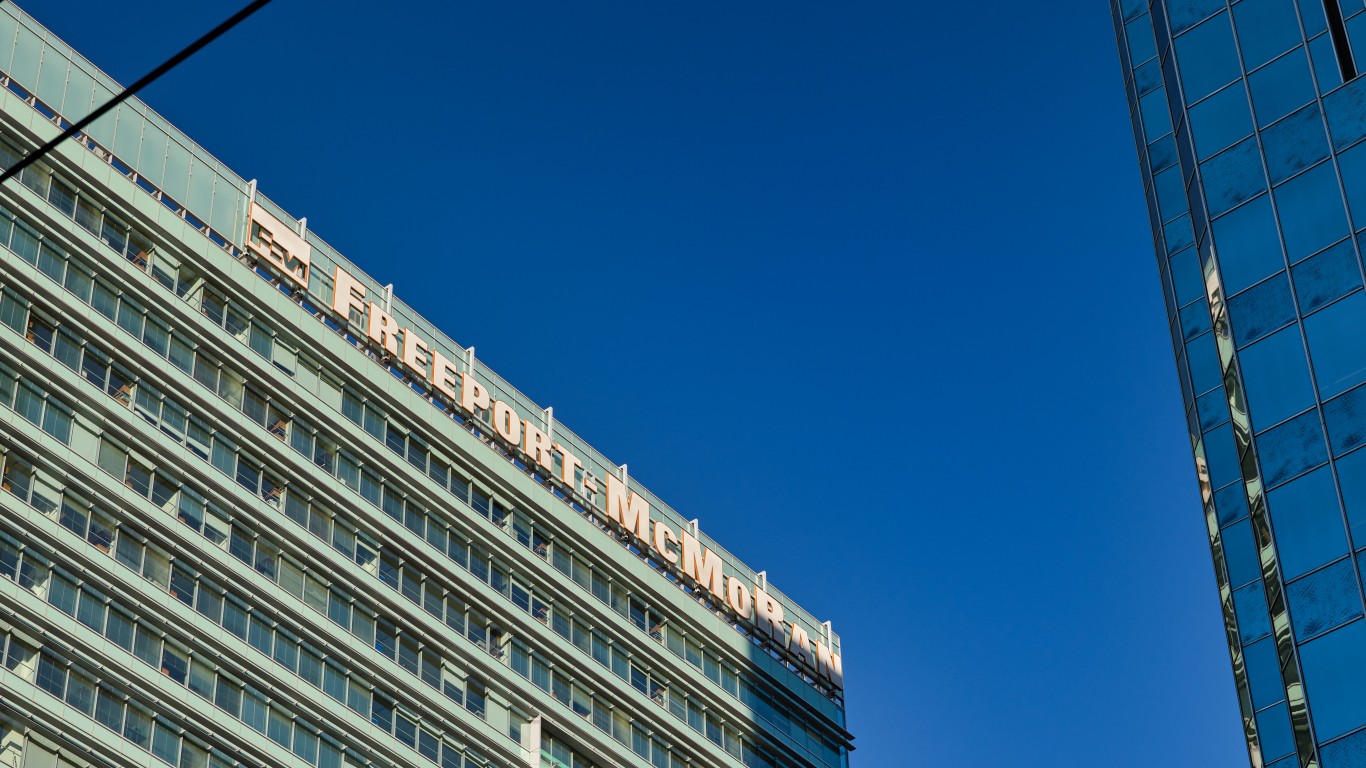
The Better Bet Is Copper, and the Vehicle Is Freeport-McMoRan
Freeport-McMoRan (NYSE:FCX) is the quiet beneficiary of every macro story actually playing out right now. WTI crude touched $114.58 per barrel on April 7, 2026, almost double the $59-65 range of April 2025. Iran tensions and Strait of Hormuz disruption fears are pushing every developed economy back toward electrification with a fresh sense of urgency. Every EV, every grid upgrade, every AI data center built in response runs on copper wire.
1. Structural Demand You Cannot Engineer Around
Copper was added to the USGS Critical Minerals List in November 2025. S&P Global projects copper demand reaching 42 million metric tons by 2040, a 50% increase, driven by electrification, AI, defense modernization, and data centers. Over 65% of the world’s copper already moves through electricity delivery infrastructure. And here is the part the battery debate misses entirely. Sodium-ion, solid-state, potassium-ion, magnesium-ion, whatever chemistry wins the next decade still needs copper. The battery chemistry war leaves copper demand intact and may actually increase it.
2. Pricing Power and a Buyback Doing Real Work
FCX just posted Q1 2026 adjusted EPS of $0.57, beating estimates of $0.47, the fourth straight quarterly beat. Realized copper jumped to $5.78 per pound from $4.44 a year ago and gold ran to $4,889 per ounce. Operating income nearly doubled. Management has $2.9 billion remaining on a $5.0 billion buyback and pays a base-plus-variable dividend that scales with the cycle. Forward P/E sits at 22x, which for a company compounding earnings at this pace is reasonable.
3. Tariffs Help This Trade Instead of Hurting It
The 50% U.S. copper import tariff that took effect August 1, 2025 is a moat for the dominant American copper producer and a punishment for foreign suppliers. The September 2025 Grasberg mud rush in Indonesia has Freeport running at roughly 65% capacity through the second half of 2026, with full recovery expected by late 2027. That is your contrarian entry, a temporary operational issue against a structural tailwind that is going nowhere.
The market has already noticed some of this. FCX is up 58.14% over the past year and 15.15% year-to-date, even after a recent pullback that left it well below its 52-week high of $70.97. Analysts carry an average target of $68.04, with 18 of 21 covering the name at Buy or Strong Buy.
For retirement-focused investors tired of being three steps behind every headline, the more interesting research question may not be Ford’s multi-year turnaround but the copper miner the world cannot electrify without.








 Top Gaining Stocks
 Top Losing Stocks