


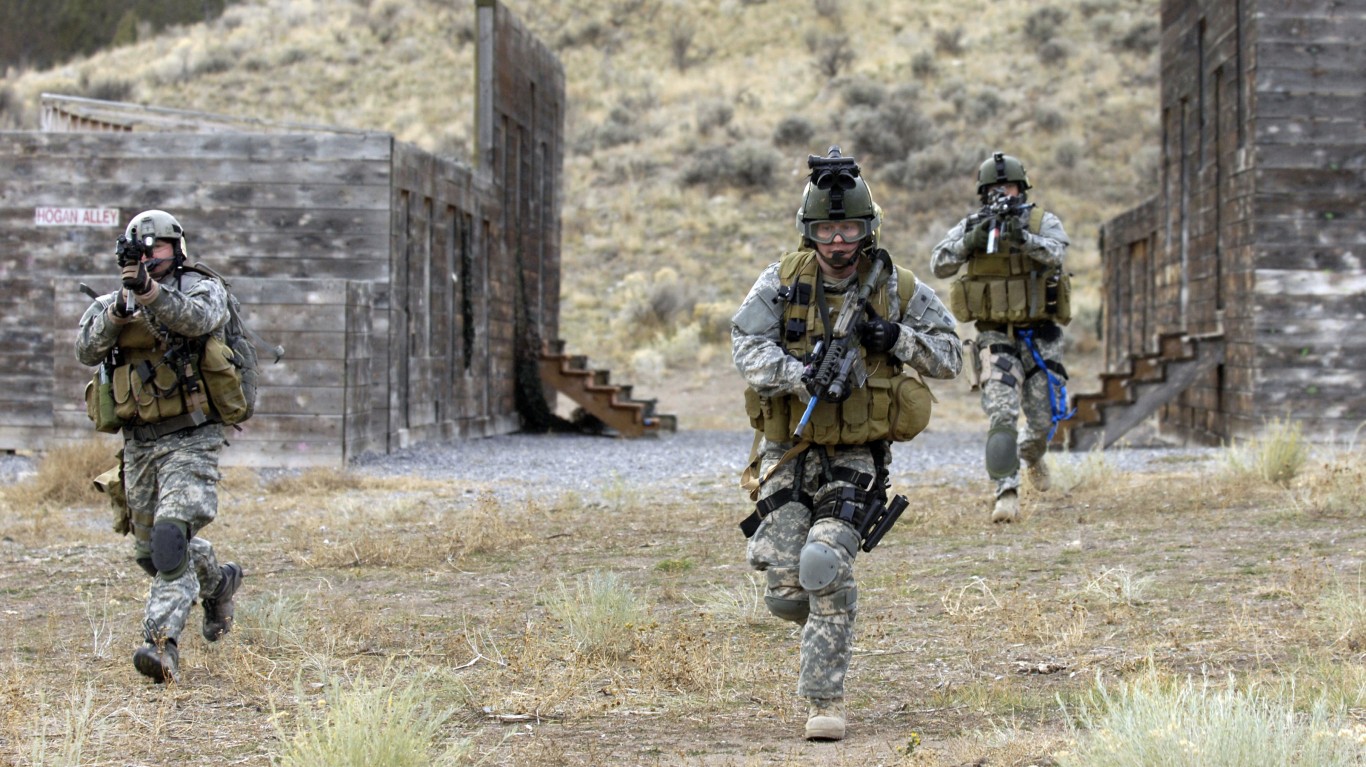
At a glance, Navy SEALs don’t appear to use radically different weapons than conventional infantry units. The difference is not the rifle or the optic, but how those weapons are trained and judged under pressure. SEAL missions rarely allow clean sight pictures or predictable engagements, and their training reflects that reality. Here, 24/7 Wall St. is taking a closer look at how Navy SEAL weapons training differs from conventional infantry.
To determine why Navy SEAL weapons training is different from conventional infantry, 24/7 Wall St. reviewed various historical and military sources. We included supplemental information regarding the differences in focus or approach, operational environment, primary skills being tested, as well as the training evaluation method.
Here is a look at why Navy SEAL weapons training is way different than conventional infantry:
Why Are We Covering This?
Understanding why Navy SEAL weapons training differs so sharply from conventional infantry instruction helps clarify how modern special operations are actually fought. These training methods are not about exclusivity or prestige, but about preparing for missions where time, space, and consequences are compressed into seconds. By examining the logic behind these differences, the article moves beyond myth and gear to show how judgment, restraint, and adaptability are deliberately trained into elite units. This perspective offers a clearer view of how small teams operate effectively in environments where traditional training models are no longer sufficient.
Same Weapons, Different Purpose
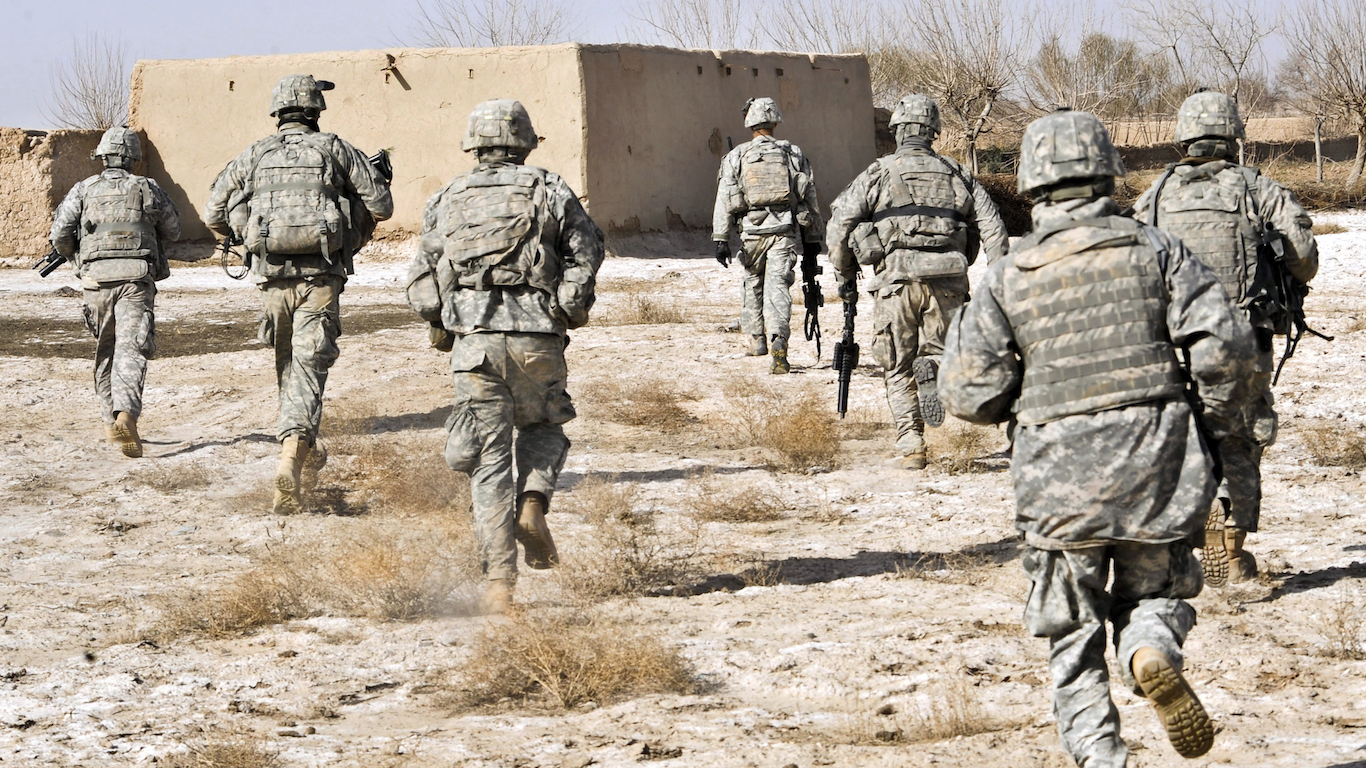
Navy SEALs and conventional infantry often use similar small arms, but their weapons training is built for different realities. The key difference is not equipment, but mission context and the way performance is evaluated. SEAL operations frequently compress time, space, and margin for error, which changes what “good shooting” actually means. Their weapons training is designed to match those mission demands.
Why Standard Qualification Isn’t Enough
Conventional infantry training prioritizes consistency and scale, and static qualification tables serve that purpose well. Predictable drills allow large units to certify baseline competence in a controlled environment. However, these methods are less effective at preparing soldiers for chaotic, close-range situations where targets are uncertain and timing is unforgiving. SEAL weapons training exists largely to solve the gaps that standard qualification cannot address.
Training for Judgment Under Pressure
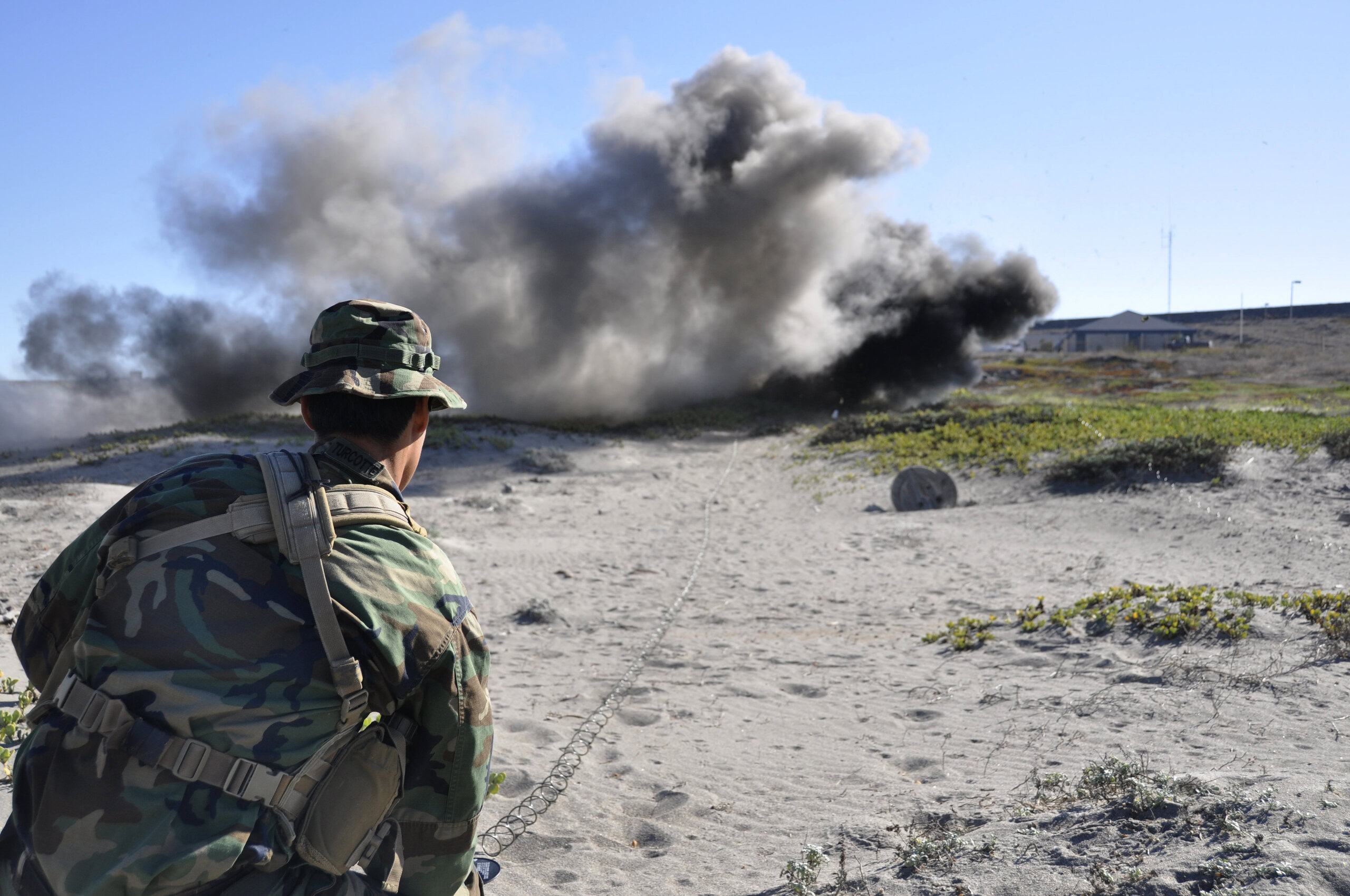
SEAL weapons training emphasizes decision-making as much as accuracy. Operators must decide when to shoot, when to move, and when restraint is the safest choice, often with incomplete information. Training deliberately introduces stress, fatigue, and uncertainty so performance is tested under realistic pressure. The goal is to build reliable judgment when conditions are at their worst, not when everything is calm and predictable.
Close Quarters Change Everything
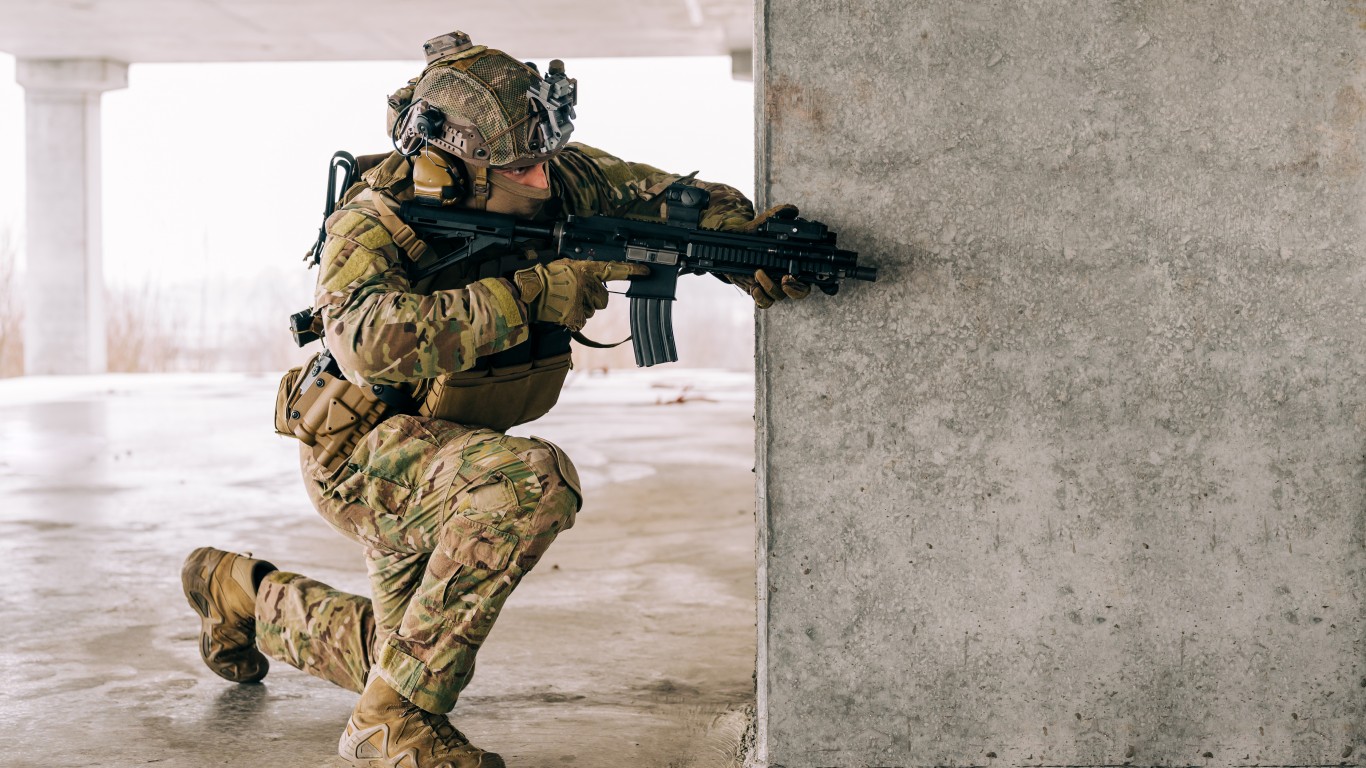
Many SEAL missions unfold in tight, populated, or enclosed spaces where movement, angles, and teammate proximity redefine weapon use. In these environments, speed must be balanced with strict control, and shot accountability becomes more important than volume. Training adapts to the constraints of close quarters rather than treating them as rare exceptions. This is one reason SEAL weapons instruction looks fundamentally different from conventional infantry training.
Breaking Down What Makes SEAL Training Different
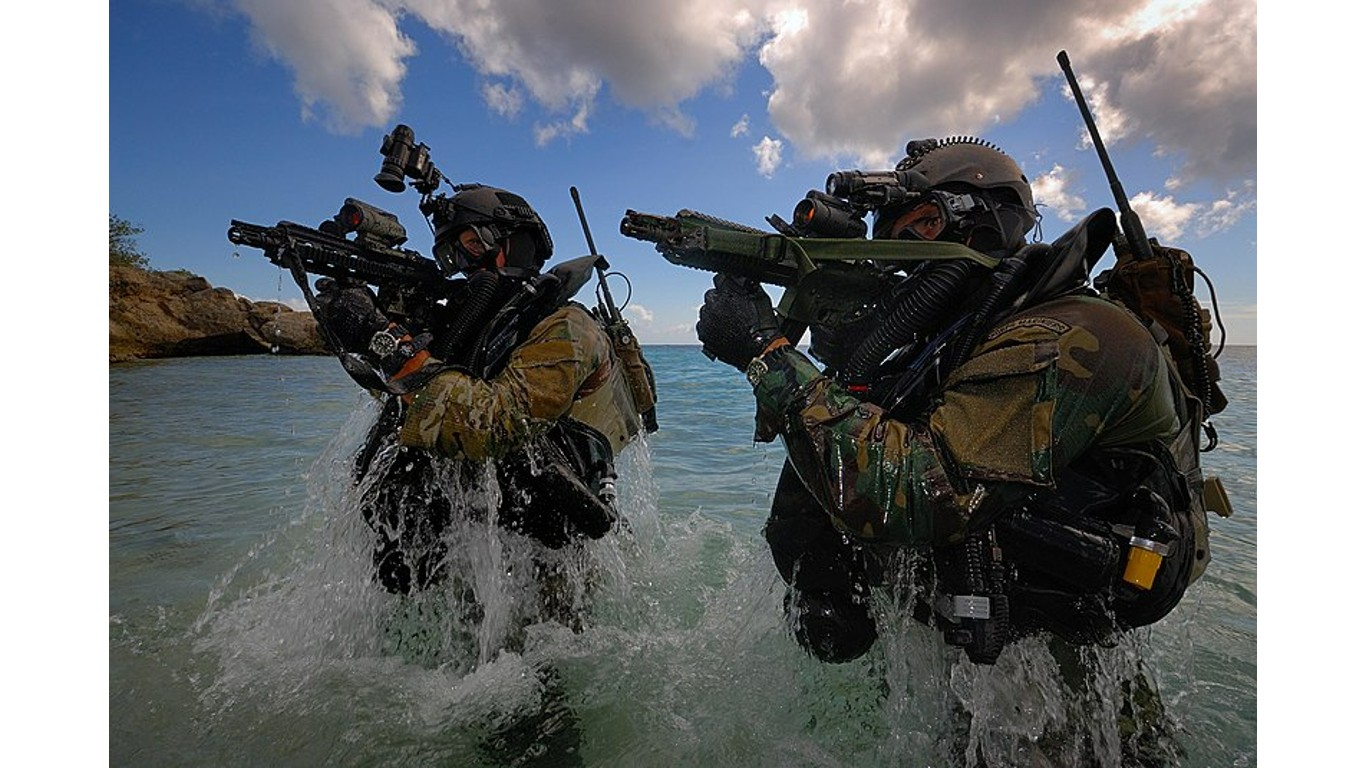
This article breaks down 30 ways Navy SEAL weapons training diverges from infantry norms, focusing on methods and philosophy rather than mythology. Each example ties a specific training difference to the demands of special operations missions. The goal is to explain why SEAL training prioritizes judgment, adaptability, and precision under stress. Understanding these differences offers a clearer view of how elite units operate under fire.
Decision-Based Shooting vs. Scripted Tables
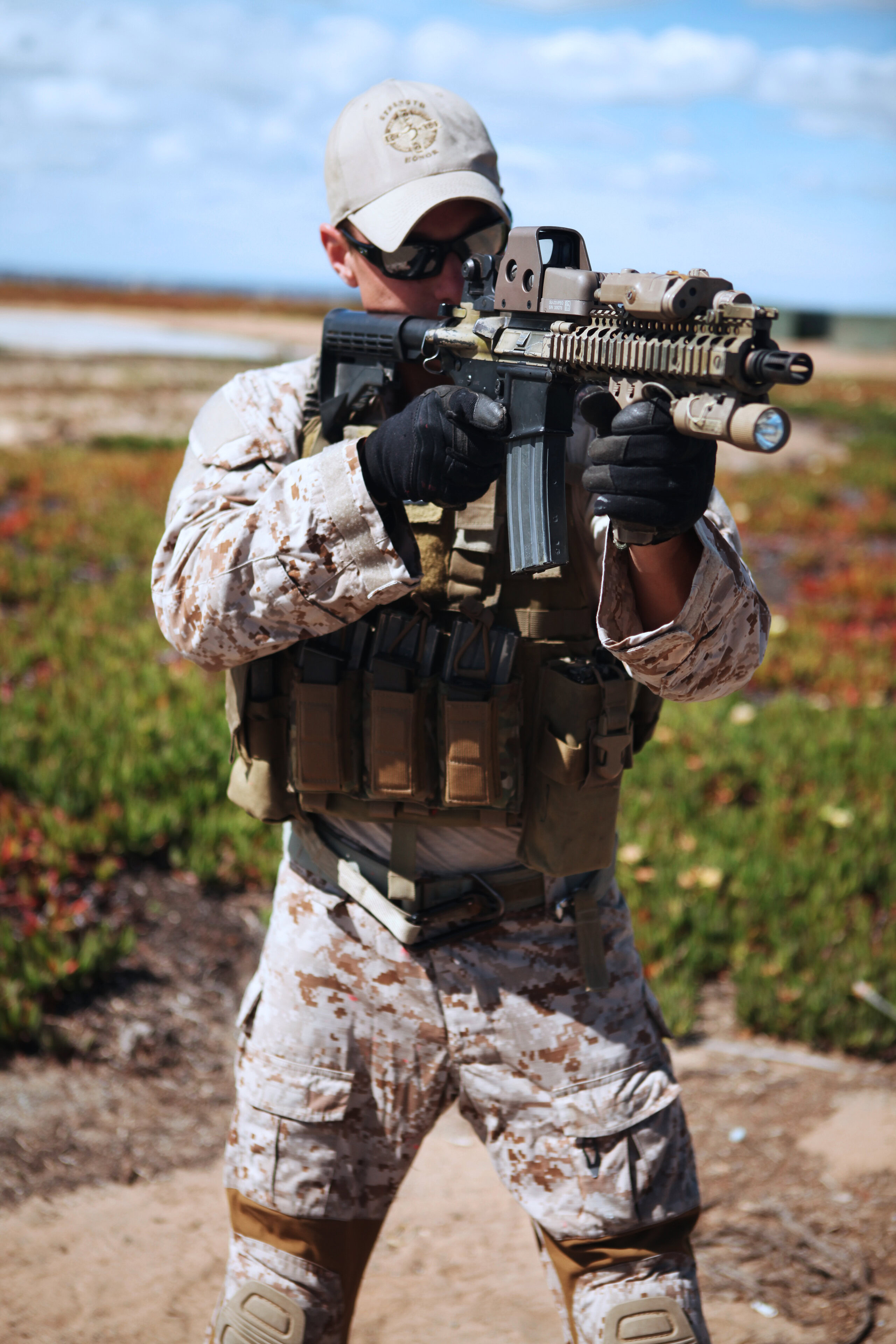
- SEAL Training Focus: Split-second judgment on whether, when, and what to engage
- Conventional Infantry Approach: Preset firing tables with known targets and timings
- Operational Environment: CQB / Urban
- Primary Skill Being Tested: Decision-making under ambiguity
- Stress Factor Introduced: Time compression
- Why Standard Training Falls Short: Scripted tables rarely force real target uncertainty
- Mission Impact if Untrained: Wrong engagement or hesitation under fire
- Training Evaluation Method: Instructor-rated decision outcomes
SEAL weapons training emphasizes judgment over rote performance. Operators are assessed on whether they engage the right threat at the right moment, including when to hold fire. Conventional infantry qualification often rewards predictable execution on known target arrays, which does not capture the ambiguity and compressed timelines common in special operations raids.
Live-Fire Movement in Confined Spaces

- SEAL Training Focus: Maintaining control and accuracy while moving through tight interiors
- Conventional Infantry Approach: Stationary firing from controlled positions
- Operational Environment: CQB
- Primary Skill Being Tested: Coordination and movement discipline
- Stress Factor Introduced: Physical motion
- Why Standard Training Falls Short: Static firing does not reflect how teams move in real rooms and hallways
- Mission Impact if Untrained: Increased exposure and slower tempo
- Training Evaluation Method: Hits-on-target while moving + safety compliance
SEALs train to shoot while moving through cluttered, confined spaces where stopping can be dangerous. This requires strict muzzle discipline, timing with teammates, and accuracy under motion. Conventional infantry ranges prioritize stationary firing for safety and standardization, but that approach can leave a gap when missions demand fast movement and immediate engagement decisions.
Target Discrimination Over Hit Count
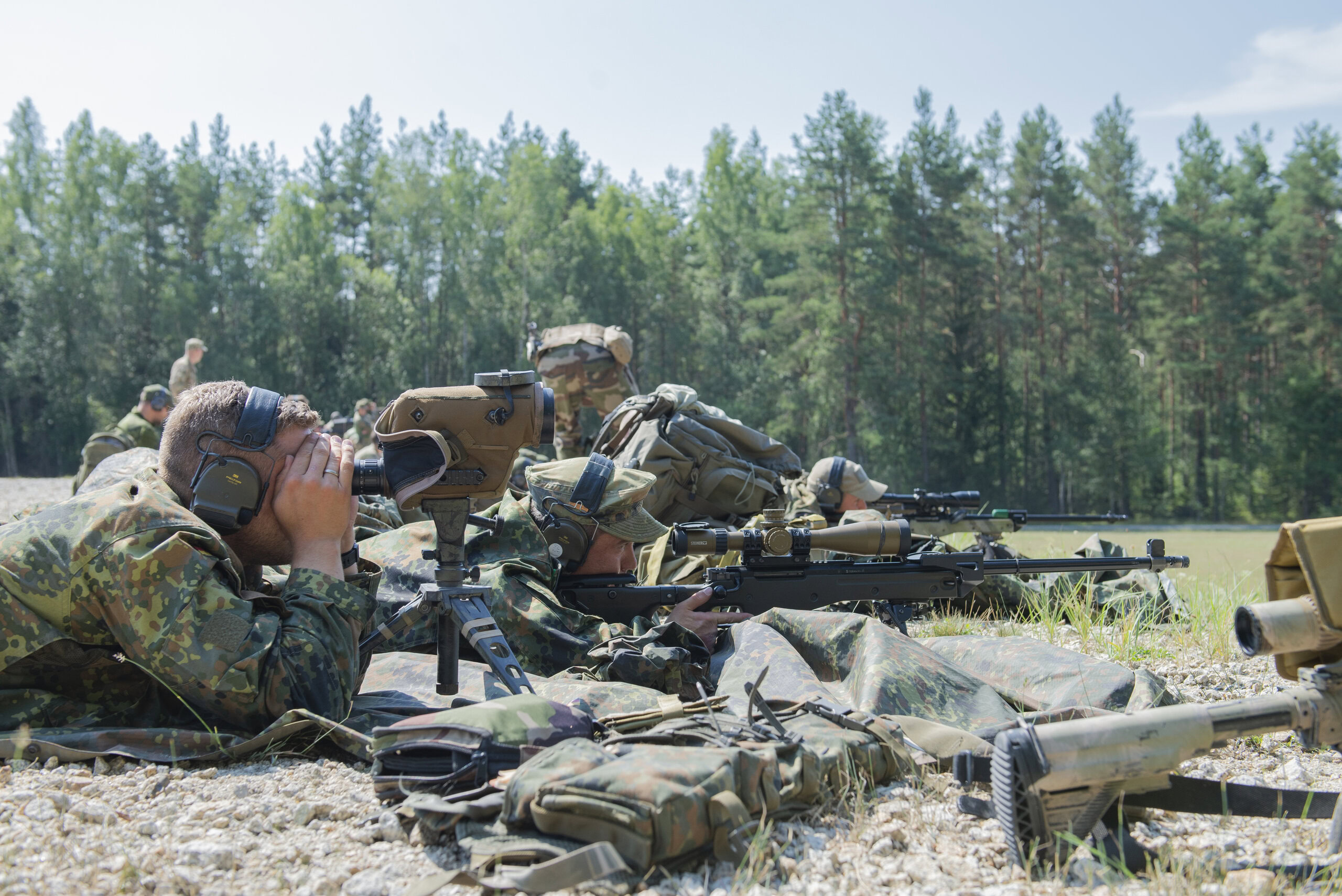
- SEAL Training Focus: Correct identification before engagement in mixed environments
- Conventional Infantry Approach: Engaging designated targets with clear cues
- Operational Environment: Urban / Populated
- Primary Skill Being Tested: Threat identification and restraint
- Stress Factor Introduced: Cognitive overload
- Why Standard Training Falls Short: Clearly labeled targets remove the hardest part: deciding who is a threat
- Mission Impact if Untrained: Civilian harm, fratricide risk, mission compromise
- Training Evaluation Method: Correct engages vs. no-shoot penalties
SEAL training places heavy emphasis on distinguishing threats from non-threats when people, objects, and movement blur together. The goal is not simply to hit targets, but to make correct choices under stress. Conventional infantry training often uses unambiguous target presentations for consistency, which can underprepare soldiers for the decision density of hostage rescue and raids.
Low-Light as a Baseline, Not an Add-On
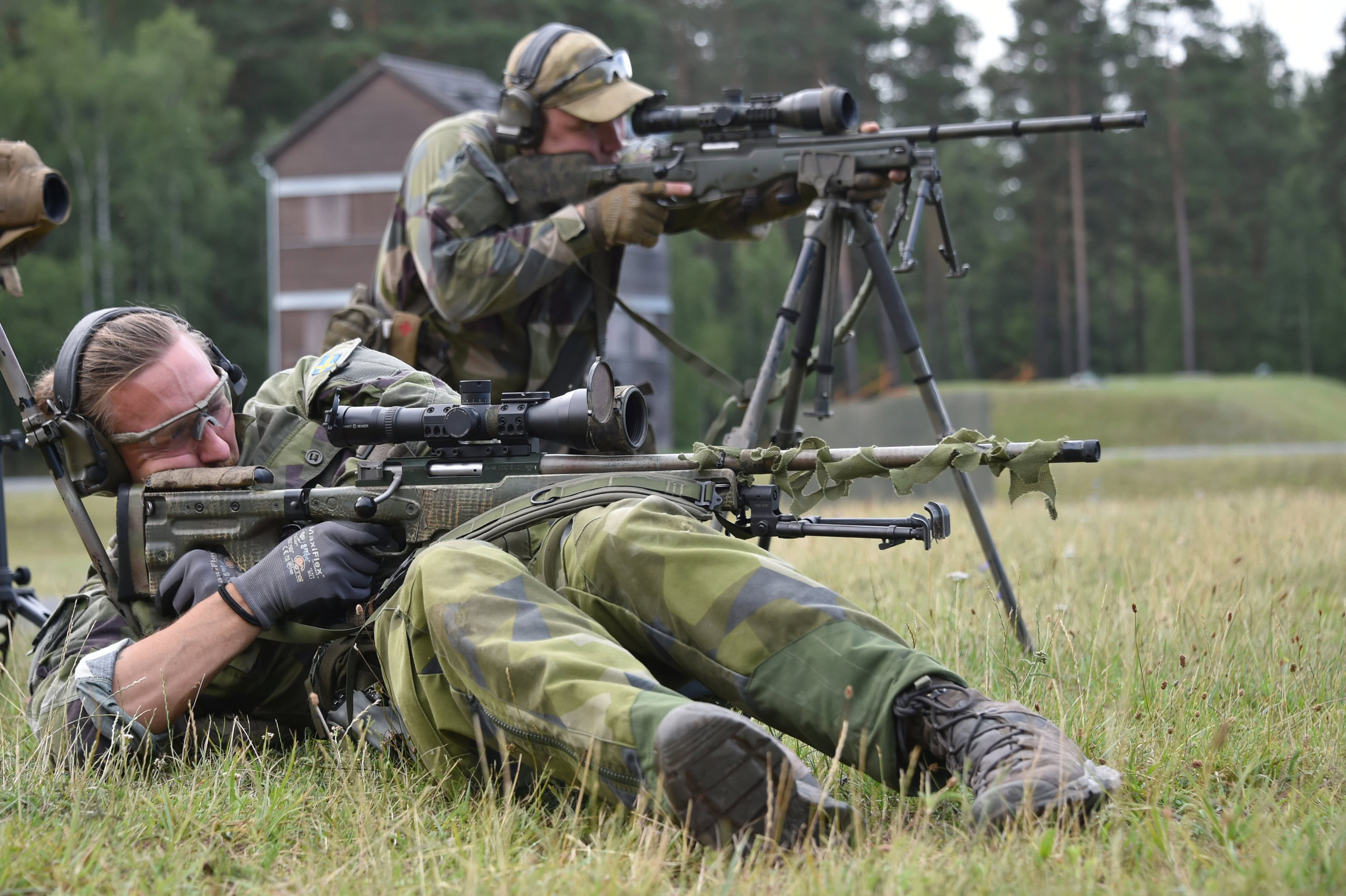
- SEAL Training Focus: Weapons handling and engagement in darkness as routine
- Conventional Infantry Approach: Night firing treated as occasional or specialized
- Operational Environment: Night / Interior
- Primary Skill Being Tested: Sensory processing and equipment management
- Stress Factor Introduced: Reduced visibility
- Why Standard Training Falls Short: Daylight-heavy training leaves a gap for night-centric missions
- Mission Impact if Untrained: Delayed reactions and loss of tempo
- Training Evaluation Method: Performance consistency in low/no light
SEAL missions frequently occur in low light, so darkness is treated as the default training condition rather than an advanced module. Operators practice decision-making and control when visual cues are limited. Conventional infantry units often qualify primarily in daylight due to range constraints, making night proficiency uneven. SEAL training closes that gap by normalizing low-light performance expectations.
Shooting From Compromised Positions
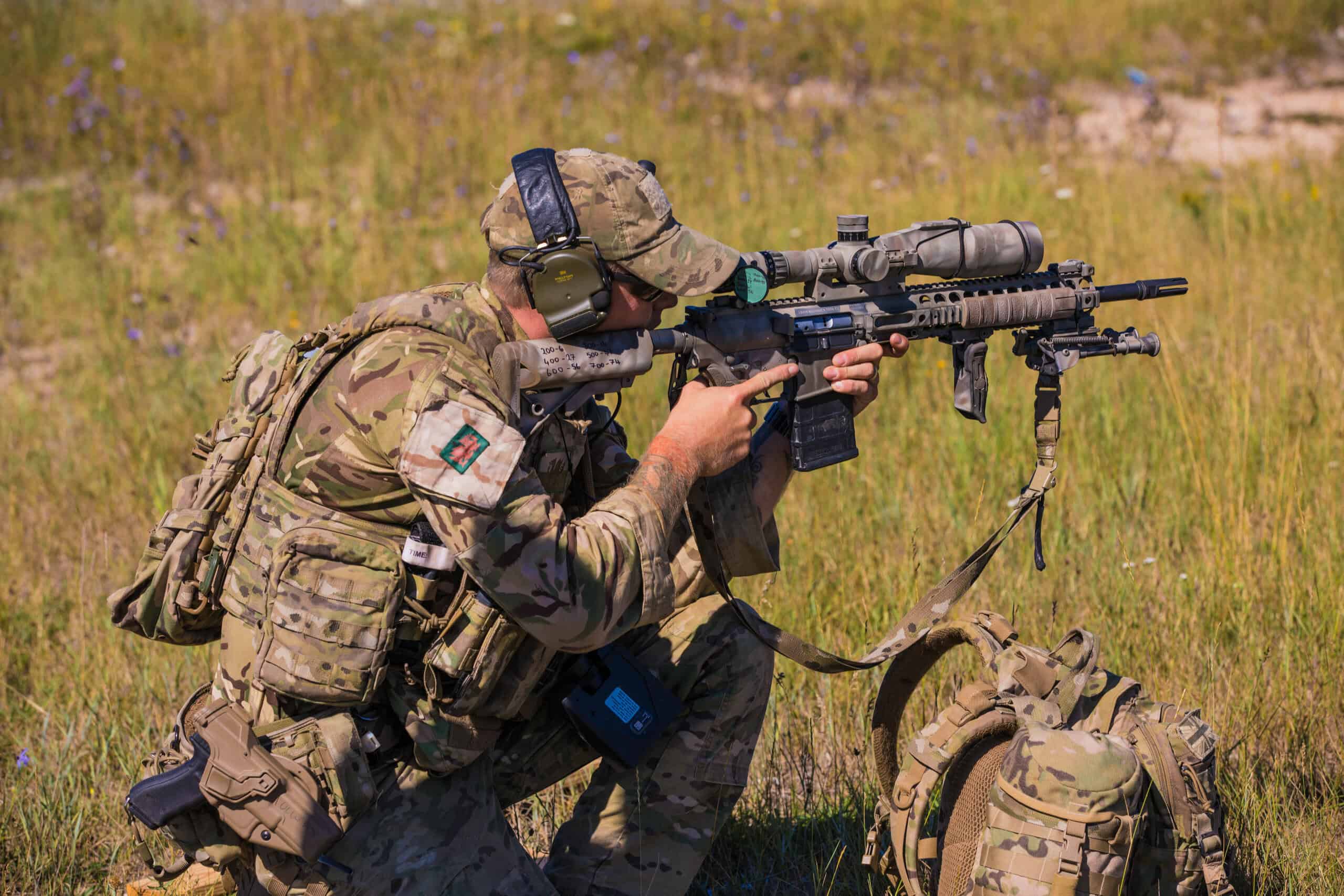
- SEAL Training Focus: Accuracy and control from awkward, obstructed postures
- Conventional Infantry Approach: Preference for ideal stance and stable firing lanes
- Operational Environment: CQB / Urban
- Primary Skill Being Tested: Adaptability under constraint
- Stress Factor Introduced: Physical restriction
- Why Standard Training Falls Short: Ideal stances are rare when cover, corners, and teammates constrain movement
- Mission Impact if Untrained: Reduced hit probability and slower problem-solving
- Training Evaluation Method: Effectiveness from varied body positions
SEAL weapons training assumes the shooter will rarely be perfectly squared, stable, and unblocked. Operators learn to engage from imperfect positions created by cover, angles, and team spacing. Conventional infantry programs often reinforce standardized stances because they are easy to teach and score. SEAL training prioritizes real-world adaptability when geometry and space dictate posture.
Stress Inoculation Integrated Into Shooting
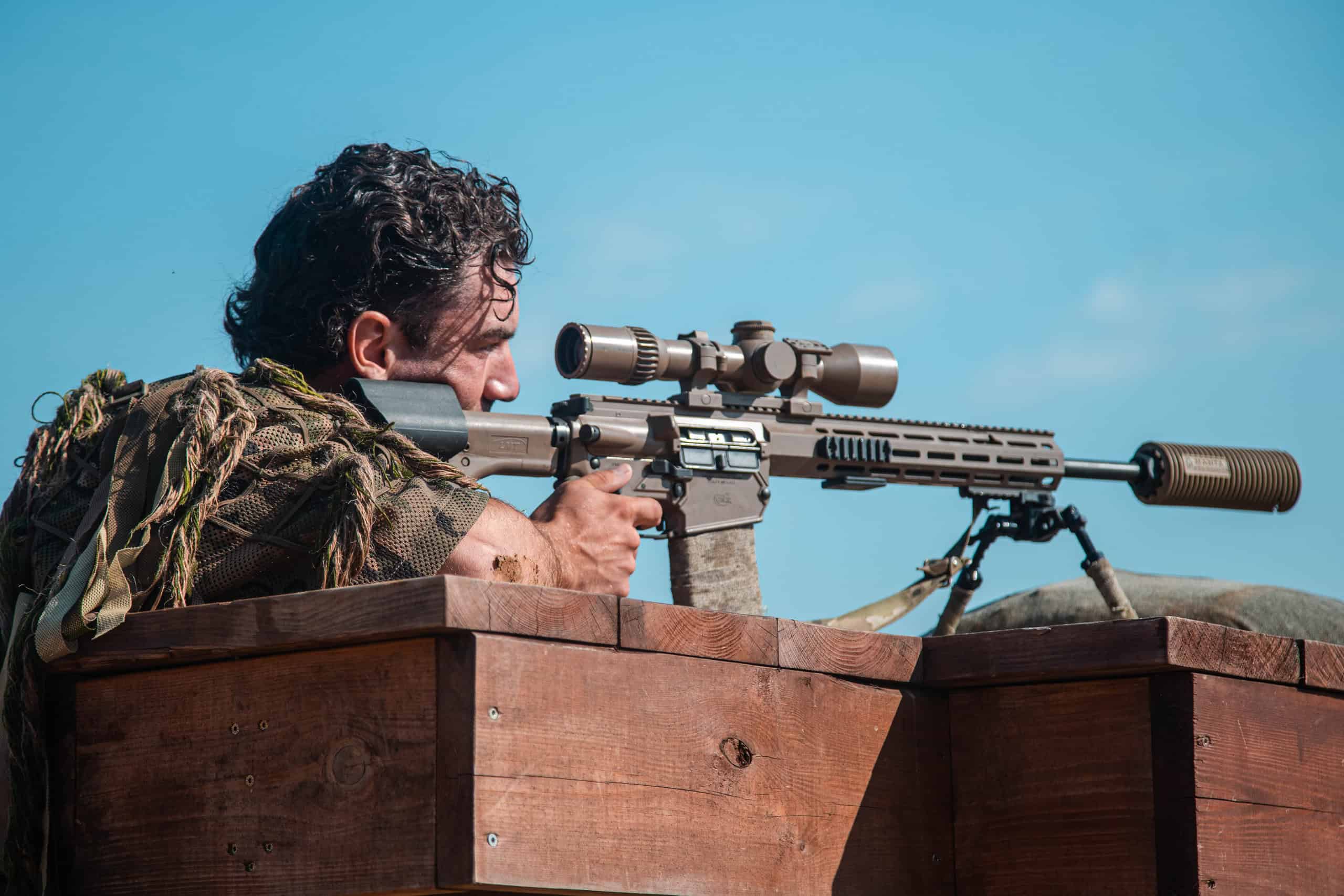
- SEAL Training Focus: Maintaining control while stressed, rushed, and overloaded
- Conventional Infantry Approach: Calm, controlled range conditions
- Operational Environment: All environments
- Primary Skill Being Tested: Performance under stress
- Stress Factor Introduced: Adrenaline and fatigue
- Why Standard Training Falls Short: Low-stress qualification can hide how quickly performance degrades under pressure
- Mission Impact if Untrained: Breakdown in handling, judgment, and safety
- Training Evaluation Method: Consistency under pressure + error rate
SEALs are trained to shoot while stress actively erodes fine motor control and attention. The point is not to simulate a perfect range day, but to build reliability when the body is flooded with adrenaline and uncertainty. Conventional infantry qualification often occurs in controlled conditions for safety and throughput. SEAL training accepts harder conditions to better mirror combat realities.
First-Round Effectiveness Over Suppressive Volume
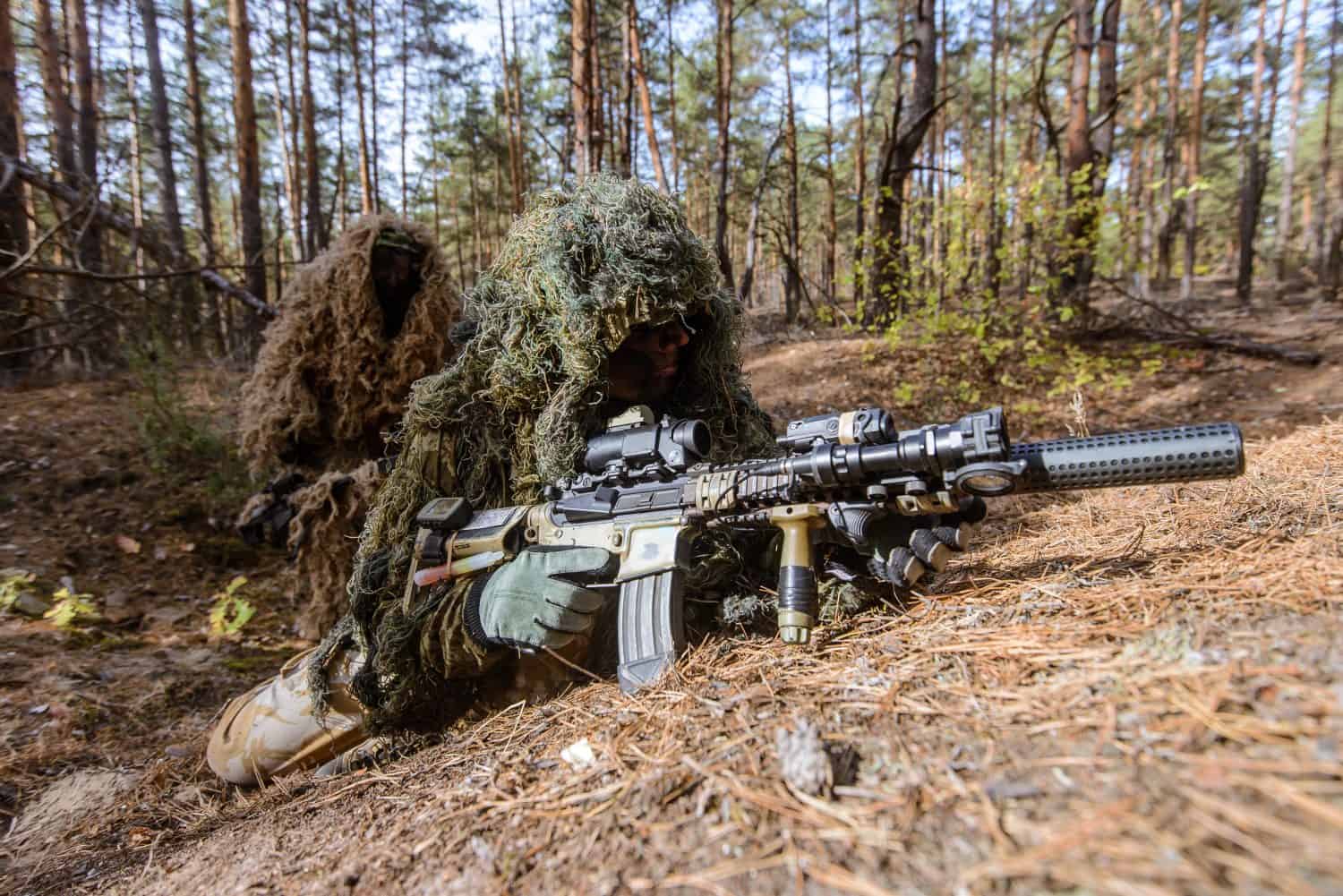
- SEAL Training Focus: Immediate, decisive shot placement in close contact
- Conventional Infantry Approach: Doctrinal emphasis on volume and suppression in formations
- Operational Environment: CQB / Close contact
- Primary Skill Being Tested: Precision at speed
- Stress Factor Introduced: Time pressure
- Why Standard Training Falls Short: Suppression models do not translate cleanly to hostage rescue and tight interiors
- Mission Impact if Untrained: Threat remains active longer
- Training Evaluation Method: Speed-to-effect and shot accountability
SEAL weapons training often prioritizes fast, accountable hits because close-range threats must be stopped immediately. In tight spaces, indiscriminate volume increases risk to teammates and noncombatants. Conventional infantry doctrine includes suppression as a core tool for maneuver at scale. SEAL training reflects smaller teams, tighter geometry, and missions where shot accountability carries higher consequences.
Primary-to-Secondary Transitions as Core Skill
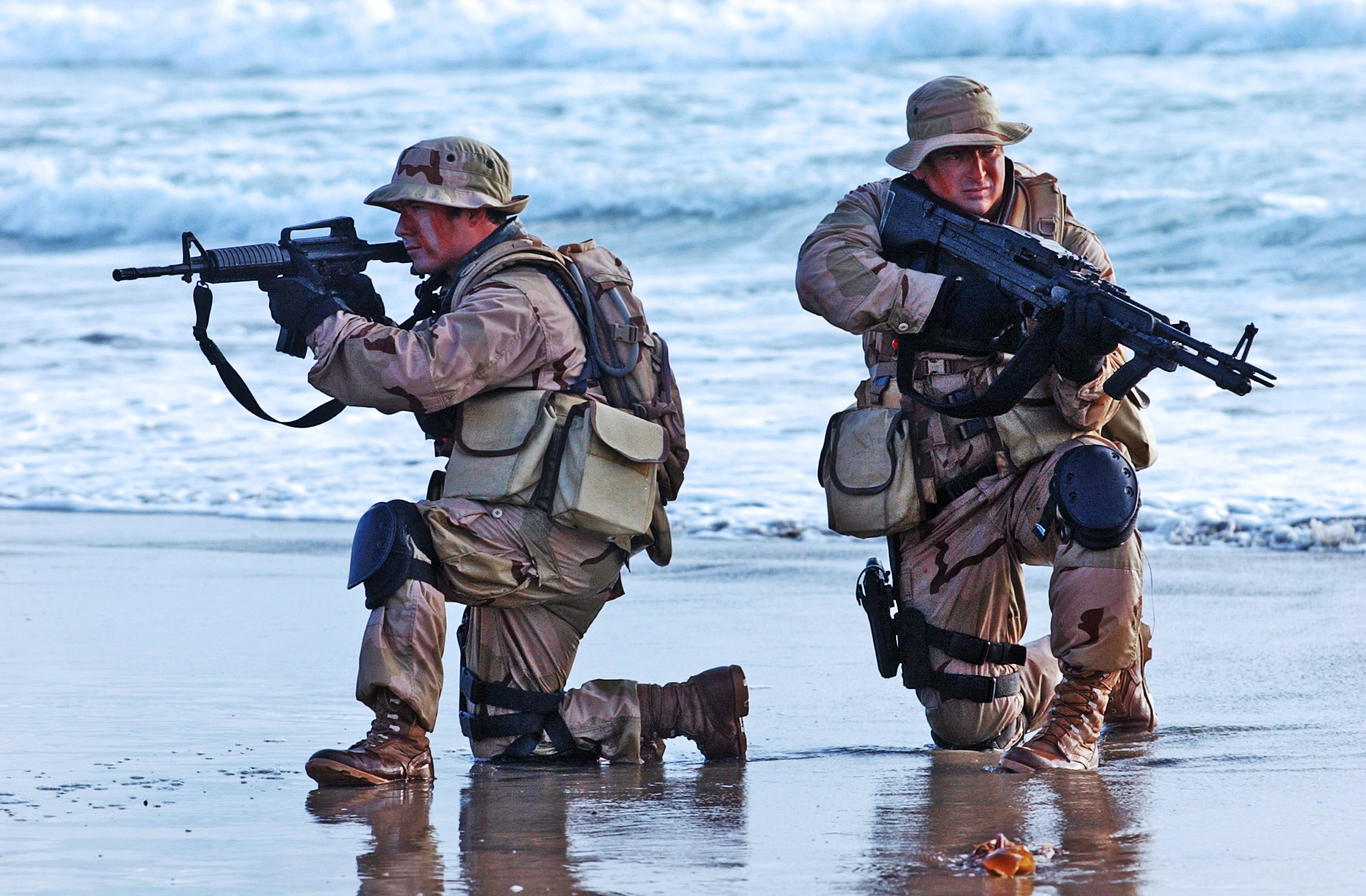
- SEAL Training Focus: Seamless continuity of fire when conditions change
- Conventional Infantry Approach: Secondary weapons treated as supplemental or last-resort
- Operational Environment: CQB
- Primary Skill Being Tested: Continuity and problem-solving
- Stress Factor Introduced: Equipment disruption
- Why Standard Training Falls Short: Slow transitions create dead time in the most dangerous distances
- Mission Impact if Untrained: Loss of initiative and increased casualties
- Training Evaluation Method: Transition timing and control
SEALs treat transitions as a primary survival skill because close combat punishes even brief gaps. Operators train to keep options open when a primary weapon becomes impractical or disrupted. Conventional infantry training may place less emphasis on frequent transitions because engagements often occur at longer distances or within larger formations. SEAL training reflects the compressed timelines of raids and CQB.
Maritime Weapons Handling as Standard
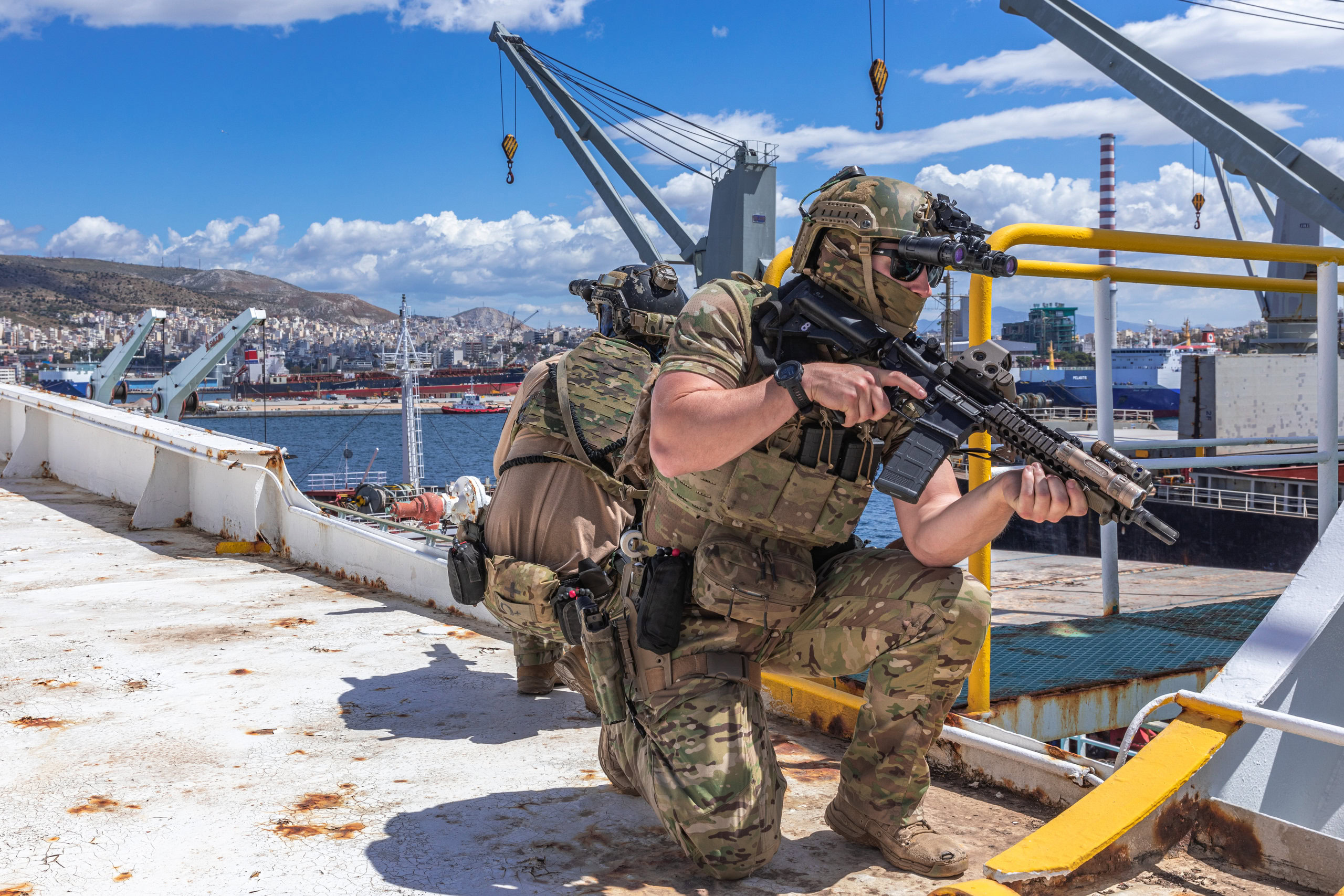
- SEAL Training Focus: Reliability and control in wet, unstable, saltwater conditions
- Conventional Infantry Approach: Land-focused shooting standards
- Operational Environment: Maritime / Littoral
- Primary Skill Being Tested: Stability and equipment management
- Stress Factor Introduced: Unstable footing and water exposure
- Why Standard Training Falls Short: Land-only assumptions fail when platforms move and equipment gets soaked
- Mission Impact if Untrained: Reduced accuracy and weapon reliability
- Training Evaluation Method: Performance afloat + equipment function
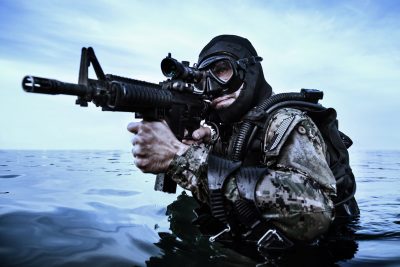
SEAL training accounts for weapons use in maritime environments where footing is unstable and equipment is exposed to water and corrosion. Operators learn to maintain control and decision-making while the platform moves and visibility changes. Conventional infantry training is understandably land-centric, reflecting different mission sets. SEAL training looks different because the environment imposes different problems and failure modes.
Judgment-Based Evaluation, Not Pure Scores
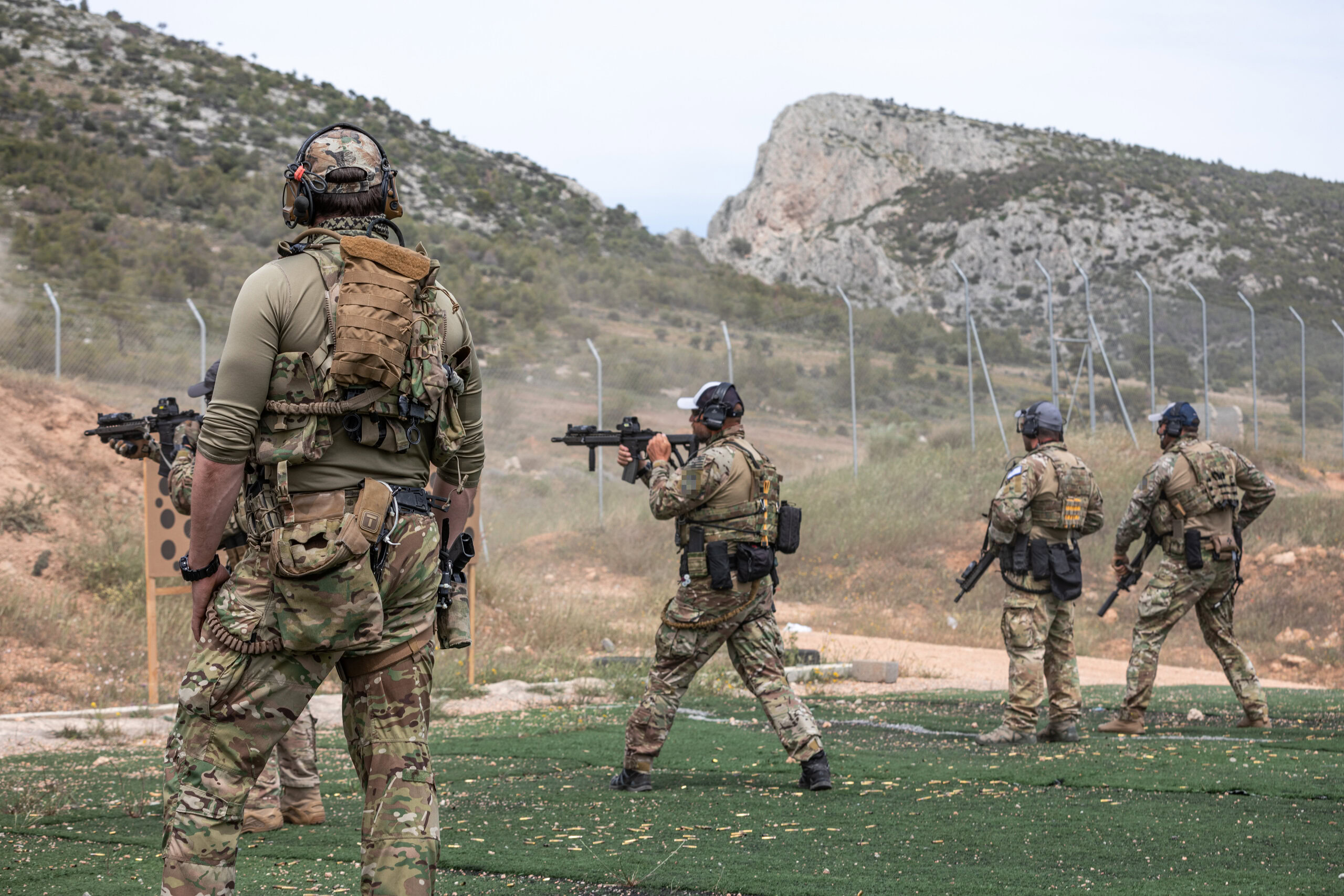
- SEAL Training Focus: Measuring decision quality, timing, and discipline
- Conventional Infantry Approach: Quantitative scoring centered on accuracy alone
- Operational Environment: All environments
- Primary Skill Being Tested: Judgment and discipline
- Stress Factor Introduced: Time pressure
- Why Standard Training Falls Short: Score-only metrics can miss unsafe or tactically poor choices that still hit paper
- Mission Impact if Untrained: Bad habits that surface in real fights
- Training Evaluation Method: Instructor assessment + scenario outcomes
SEAL weapons training often evaluates how a shooter thinks, not just where rounds land. In scenario-based drills, timing, restraint, communication, and teammate safety matter as much as precision. Conventional infantry qualification relies on objective scoring to standardize across large forces. SEAL training is smaller and more mission-specific, allowing evaluation that reflects real tactical decision-making.
Unpredictable Target Presentation

- SEAL Training Focus: Adapting to unexpected appearances and timing
- Conventional Infantry Approach: Predictable target arrays and sequences
- Operational Environment: CQB / Urban
- Primary Skill Being Tested: Reaction and adaptability
- Stress Factor Introduced: Surprise and uncertainty
- Why Standard Training Falls Short: Predictable sequences build timing habits that do not survive real contact
- Mission Impact if Untrained: Delayed engagement or overcommitment
- Training Evaluation Method: Response quality across varied surprises
SEAL training commonly uses unpredictable target presentation so shooters cannot rely on memorized patterns. The objective is to force real-time processing and correct choices under uncertainty. Conventional infantry ranges often use repeatable sequences to ensure safety and consistent scoring across many trainees. SEAL training trades some standardization for realism because mission conditions are rarely predictable.
Communication Integrated With Shooting
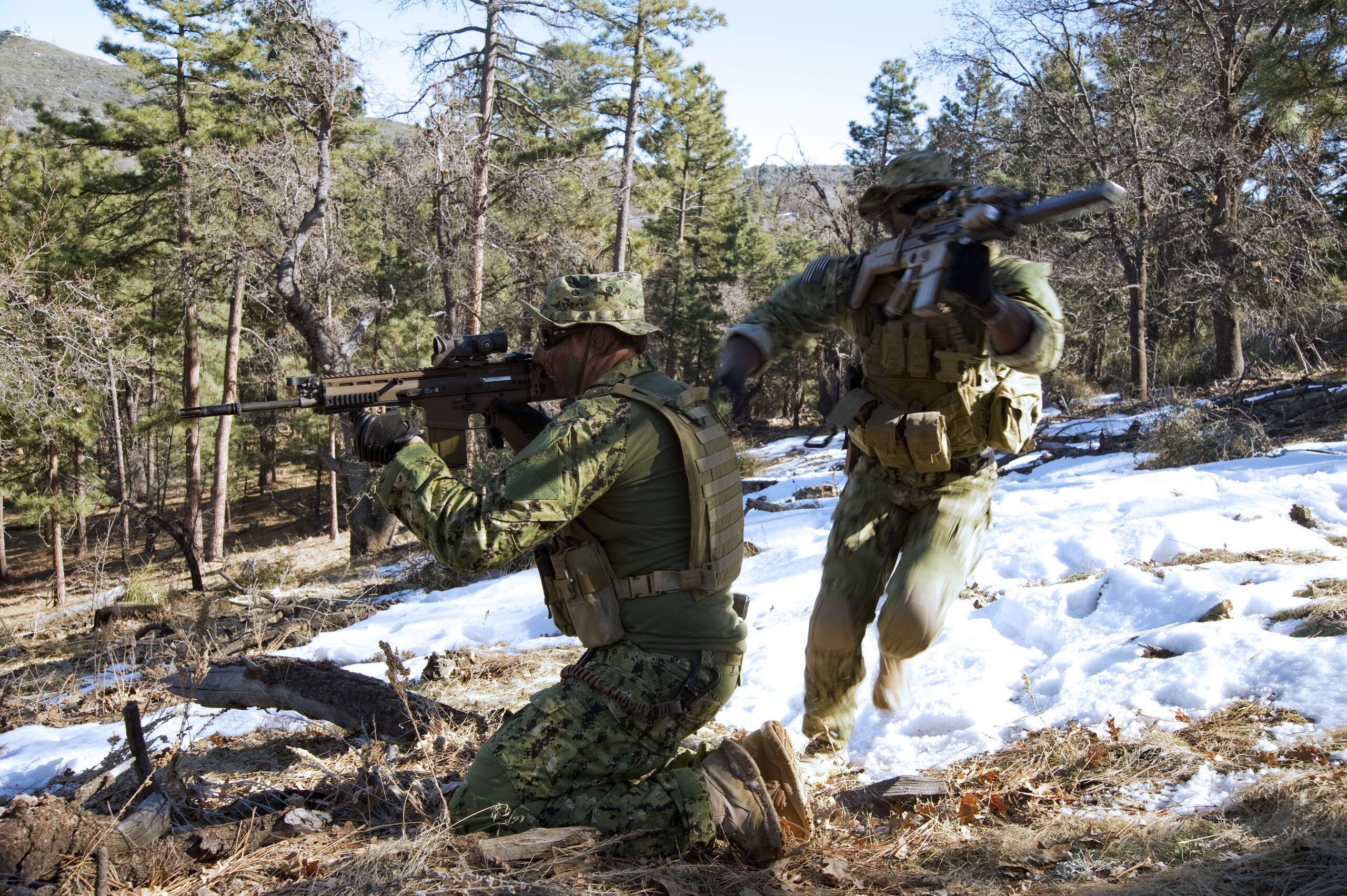
- SEAL Training Focus: Firing while coordinating and calling decisions
- Conventional Infantry Approach: Communication often separated from marksmanship evaluation
- Operational Environment: CQB / Team assaults
- Primary Skill Being Tested: Team coordination
- Stress Factor Introduced: Noise and divided attention
- Why Standard Training Falls Short: Separated training can fail when talk and shots must happen together
- Mission Impact if Untrained: Team confusion and fratricide risk
- Training Evaluation Method: Communication correctness under stress
SEAL weapons training often merges shooting with real-time communication because small teams rely on rapid coordination. Operators must call observations, confirm movements, and prevent crossfires while engaging threats. Conventional infantry training may separate communication and marksmanship for clarity and control. SEAL training reflects the reality that in close combat, you cannot pause the fight to communicate safely.
Muzzle Discipline in Tight Team Stacks
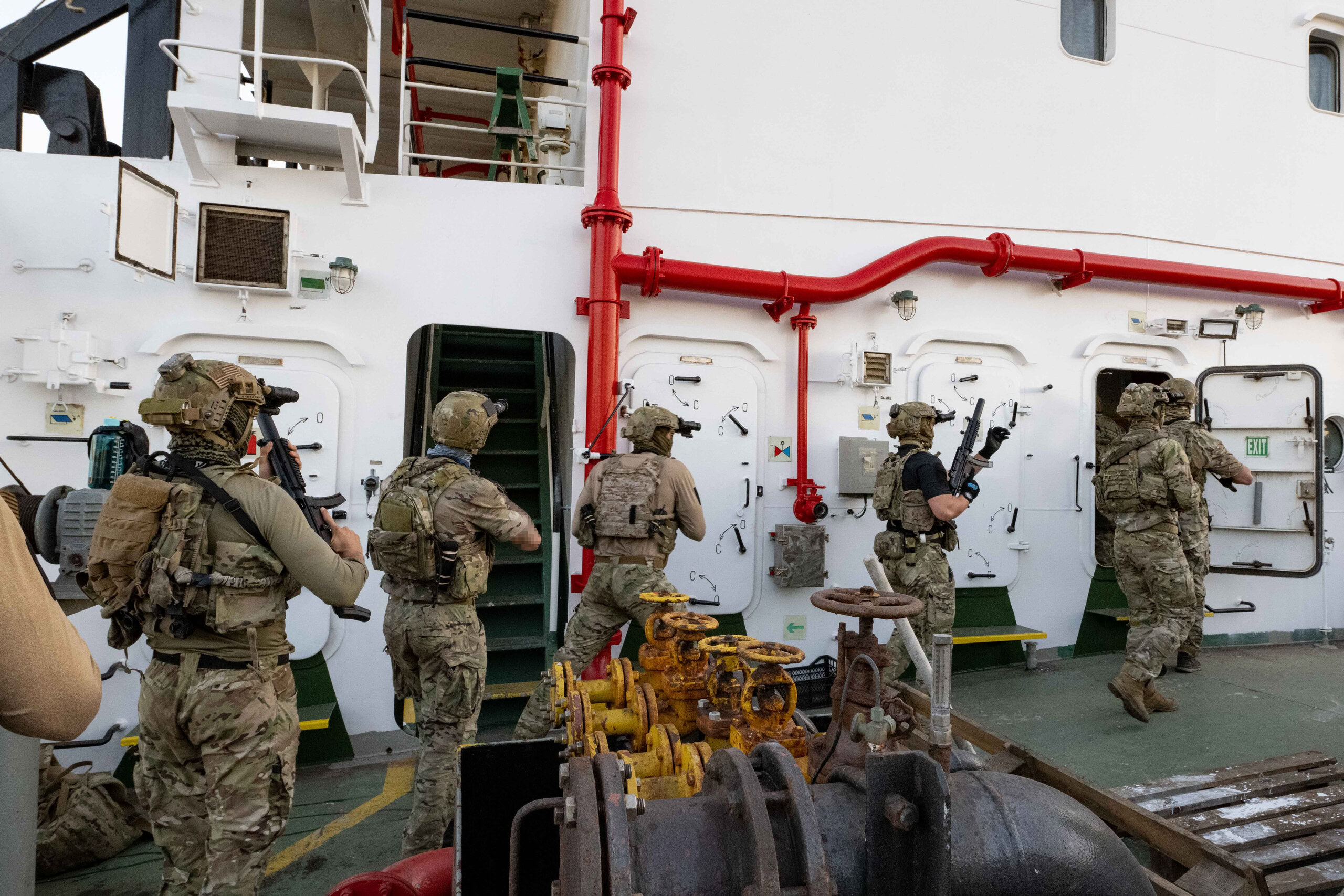
- SEAL Training Focus: Strict control around teammates at arm’s length
- Conventional Infantry Approach: Greater spacing and simpler firing lanes
- Operational Environment: CQB
- Primary Skill Being Tested: Safety and discipline
- Stress Factor Introduced: Proximity pressure
- Why Standard Training Falls Short: Close stacking creates risks that wider formations do not replicate
- Mission Impact if Untrained: Friendly injury or loss of trust
- Training Evaluation Method: Safety compliance while moving and firing
In close-quarters formations, teammates may be within inches, making muzzle awareness non-negotiable. SEALs train weapons handling to remain safe even when stress and speed increase. Conventional infantry engagements often involve wider spacing and clearer lanes, which reduces this specific risk. SEAL training is built for tight interior movement where safety failures can be immediate and irreversible.
Rapid Threat Prioritization Drills
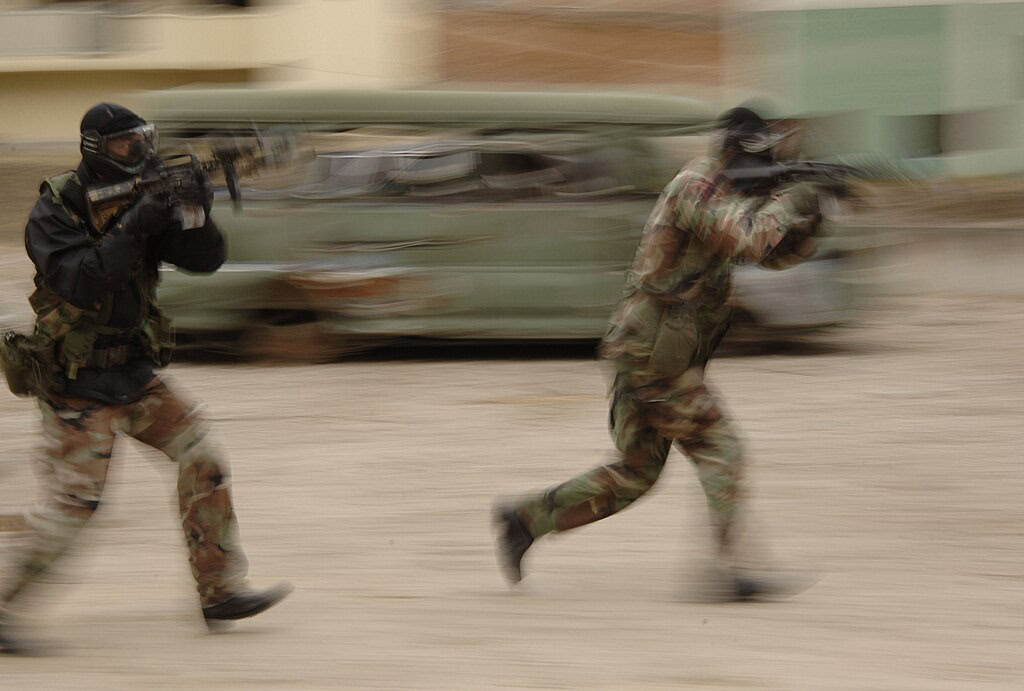
- SEAL Training Focus: Selecting the most dangerous threat first
- Conventional Infantry Approach: Engaging targets in a fixed order
- Operational Environment: CQB / Urban
- Primary Skill Being Tested: Threat assessment
- Stress Factor Introduced: Time compression
- Why Standard Training Falls Short: Fixed orders can teach habits that collapse when threats appear out of sequence
- Mission Impact if Untrained: Being shot first or losing initiative
- Training Evaluation Method: Correct priority choices in scenarios
SEAL weapons training emphasizes rapid threat prioritization because multiple hazards can appear at once. Operators are trained to recognize what matters most in the moment rather than following a scripted sequence. Conventional infantry drills may use fixed engagement orders for simplicity and range control. SEAL training prioritizes decision speed because real adversaries do not appear in neat patterns.
Reloads Under Movement and Pressure
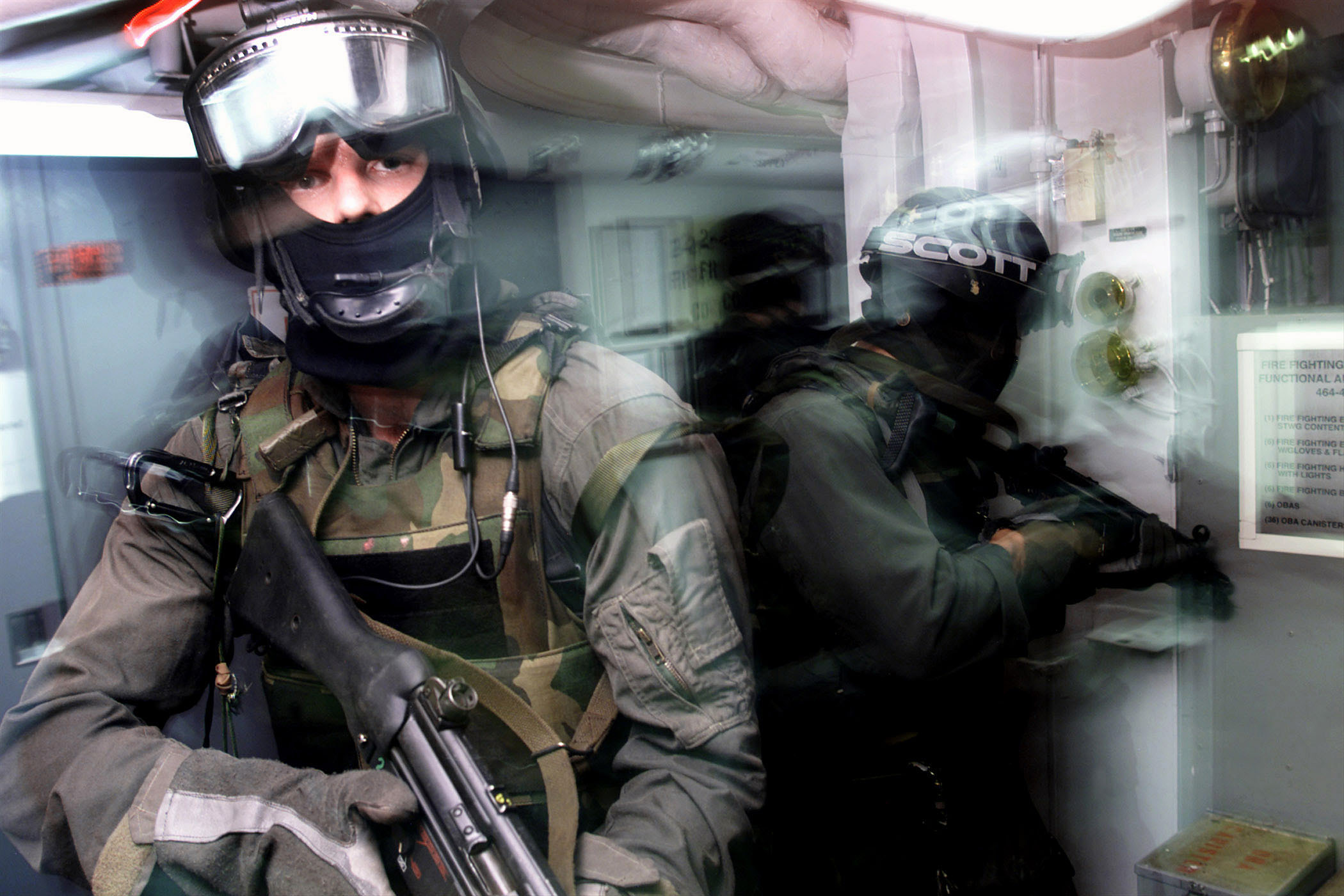
- SEAL Training Focus: Reloading without breaking tempo or awareness
- Conventional Infantry Approach: Reloads practiced in controlled pauses
- Operational Environment: CQB / Dynamic movement
- Primary Skill Being Tested: Manipulation under stress
- Stress Factor Introduced: Time pressure
- Why Standard Training Falls Short: Pausing reloads can be unrealistic when contact is continuous
- Mission Impact if Untrained: Loss of tempo and vulnerability
- Training Evaluation Method: Reload completion time + awareness
SEAL training treats reloads as part of the fight rather than a reset. Operators practice maintaining awareness and movement while performing manipulations, because contact may not allow a clean pause. Conventional infantry training often teaches reloads in more controlled settings to build fundamentals safely. SEAL training assumes the timing is worse, the space is tighter, and the consequences are immediate.
Malfunctions Embedded in Scenarios
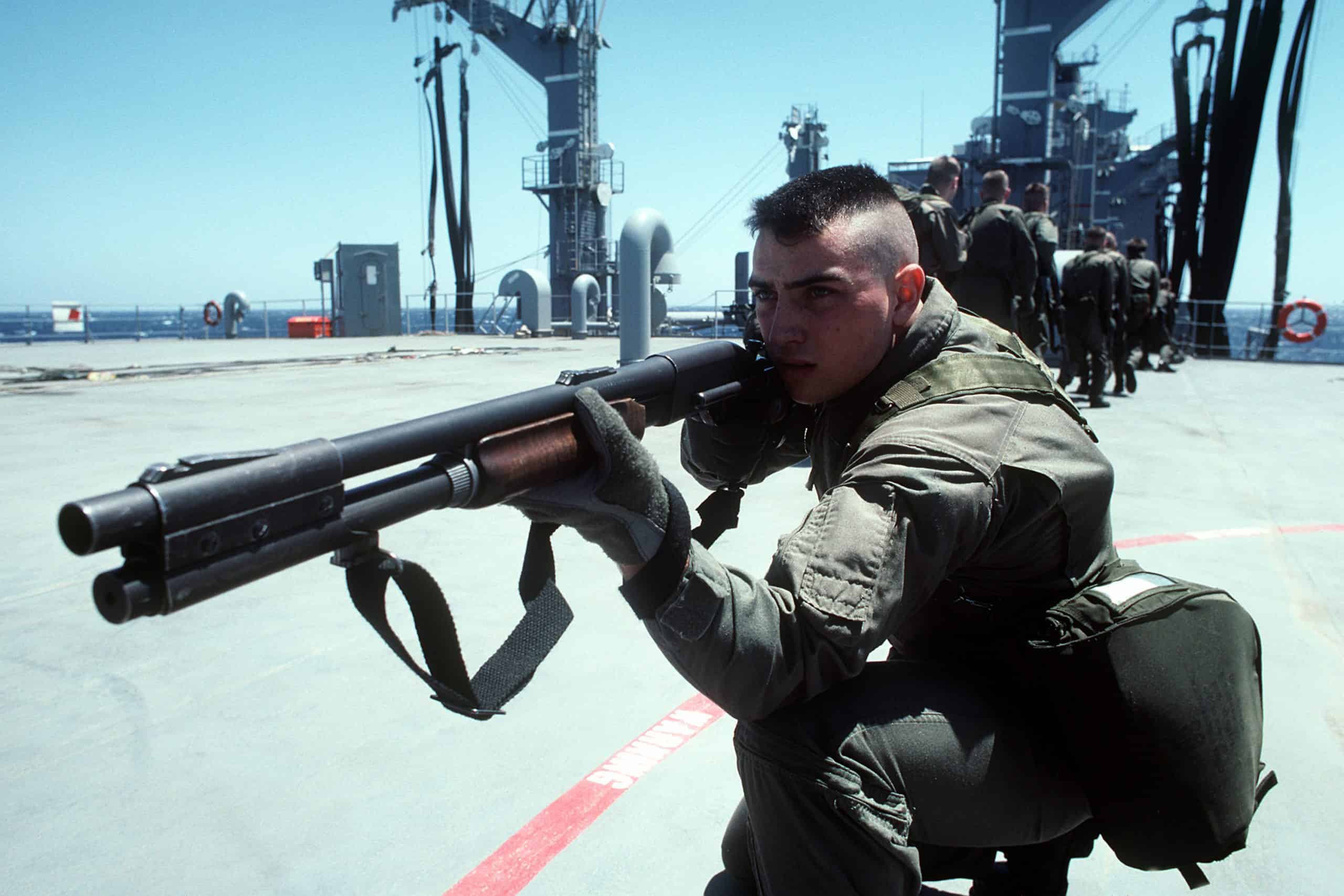
- SEAL Training Focus: Problem-solving when the weapon fails at the worst time
- Conventional Infantry Approach: Malfunctions taught as separate skills blocks
- Operational Environment: CQB / Urban
- Primary Skill Being Tested: Resilience and continuity
- Stress Factor Introduced: Unexpected equipment disruption
- Why Standard Training Falls Short: Isolated practice may not translate when stress and movement are high
- Mission Impact if Untrained: Dead weapon during contact
- Training Evaluation Method: Recovery time within scenario constraints
SEAL weapons training commonly embeds malfunctions into realistic scenarios so operators must solve problems without losing tempo. This builds calm, efficient responses when equipment fails unexpectedly. Conventional infantry training often isolates malfunction drills to teach fundamentals and keep evaluation clean. SEAL training integrates the same skill into dynamic context because that is where failures actually happen.
Shooting With Gear and Mission Loads
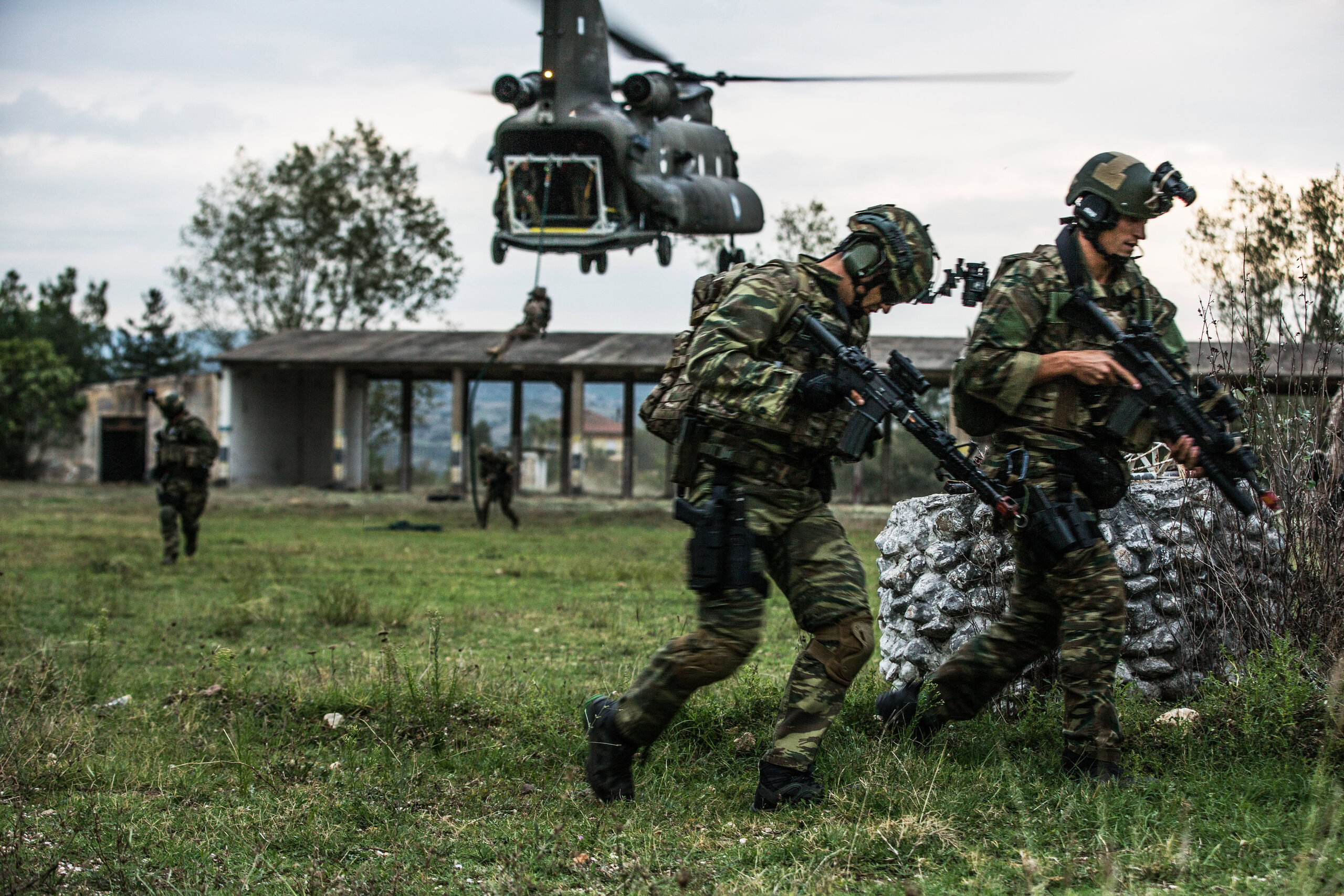
- SEAL Training Focus: Operating with full kit, not range-optimized setups
- Conventional Infantry Approach: Training sometimes conducted with standardized loads
- Operational Environment: All environments
- Primary Skill Being Tested: Realistic weapons handling
- Stress Factor Introduced: Restricted mobility
- Why Standard Training Falls Short: Range-optimized setups can hide how gear changes movement and control
- Mission Impact if Untrained: Slower response and increased errors
- Training Evaluation Method: Performance while fully equipped
SEAL weapons training emphasizes shooting with mission-relevant loads because gear changes everything: mobility, sight picture, and reaction time. Conventional infantry training uses standardization for fairness and logistics across large formations. SEAL training is more individualized and mission-specific, so performance is judged in the same physical conditions operators will face outside the range.
Angles and Crossfire Management
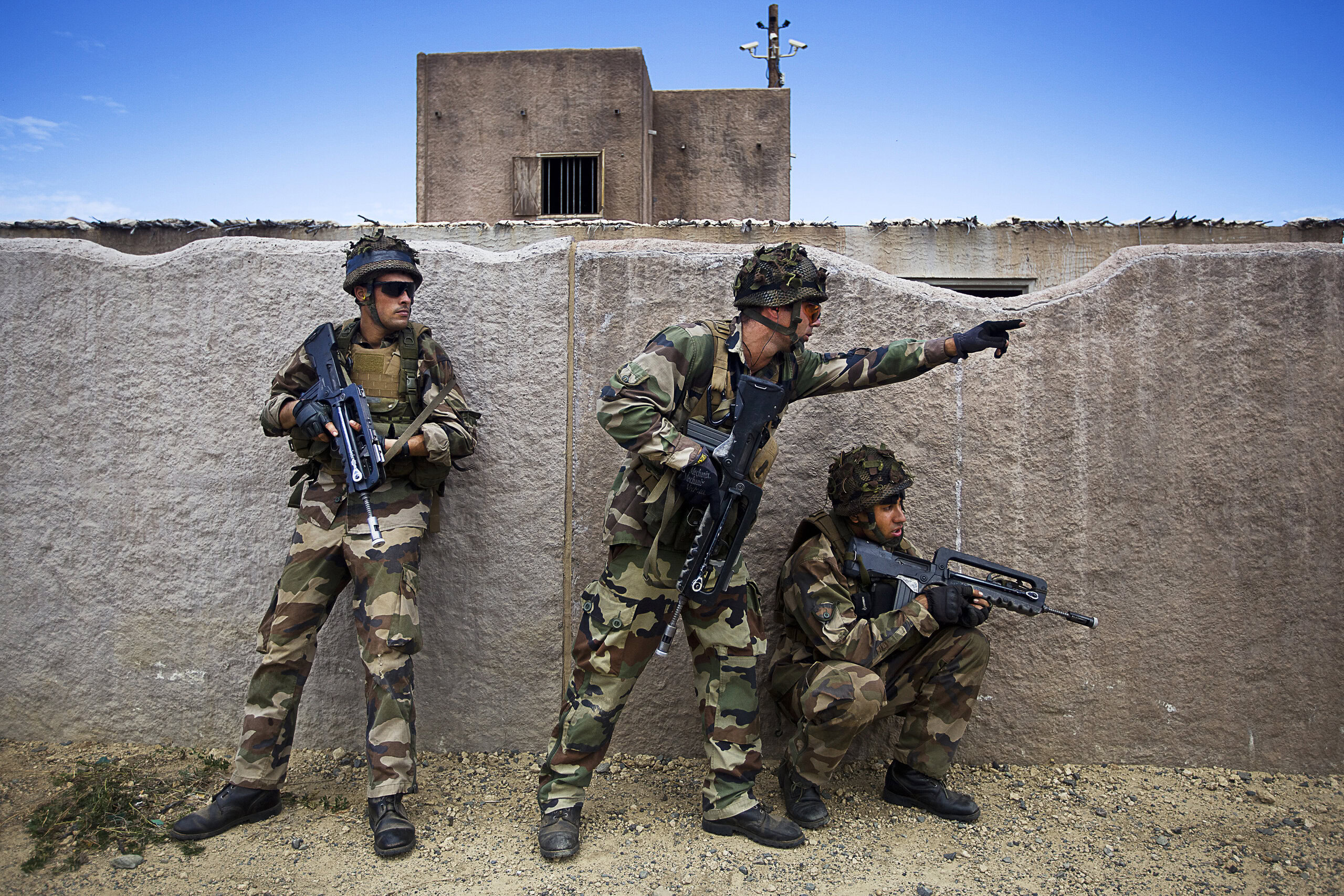
- SEAL Training Focus: Protecting teammates through disciplined angles of fire
- Conventional Infantry Approach: Less complex internal geometry and team proximity
- Operational Environment: CQB
- Primary Skill Being Tested: Fire control
- Stress Factor Introduced: Team proximity
- Why Standard Training Falls Short: Indoor geometry creates crossfire risks not seen in open-range layouts
- Mission Impact if Untrained: Fratricide risk and stalled movement
- Training Evaluation Method: Safe angles maintained in scenarios
SEAL CQB training focuses on firing angles that protect teammates first. Indoors, walls, doorways, and team stacks create crossfire hazards that demand constant awareness. Conventional infantry training often occurs in open environments with simpler geometry, making crossfire management less central. SEAL training looks different because confined spaces force stricter fire control decisions.
Restraint as a Trained Skill
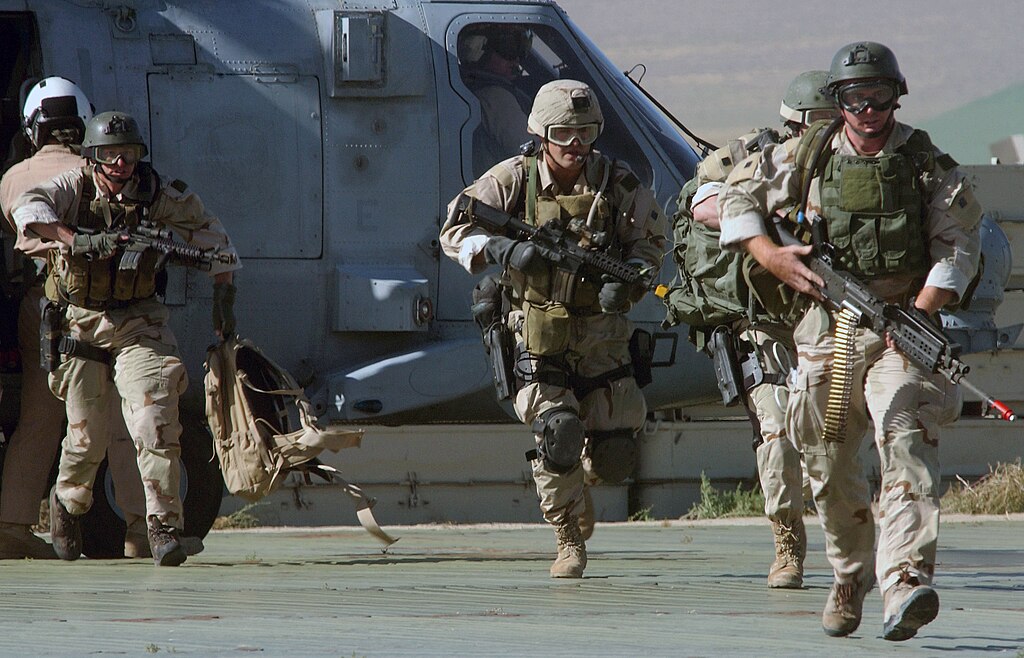
- SEAL Training Focus: Knowing when not to shoot
- Conventional Infantry Approach: Engagement framed as firing when targets appear
- Operational Environment: Urban / Sensitive environments
- Primary Skill Being Tested: Discipline and restraint
- Stress Factor Introduced: Ambiguity and consequences
- Why Standard Training Falls Short: Overemphasis on firing can neglect the cost of incorrect engagement
- Mission Impact if Untrained: Civilian harm and legal blowback
- Training Evaluation Method: Correct no-shoot decisions
SEALs treat restraint as an active skill, especially in environments with civilians or sensitive objectives. The correct choice may be to hold fire even under stress. Conventional infantry qualification typically rewards engagement accuracy when targets appear. SEAL training adds stronger emphasis on discretion because the operational cost of a wrong shot can be disproportionate and mission-ending.
Mixed-Distance Engagement in One Drill
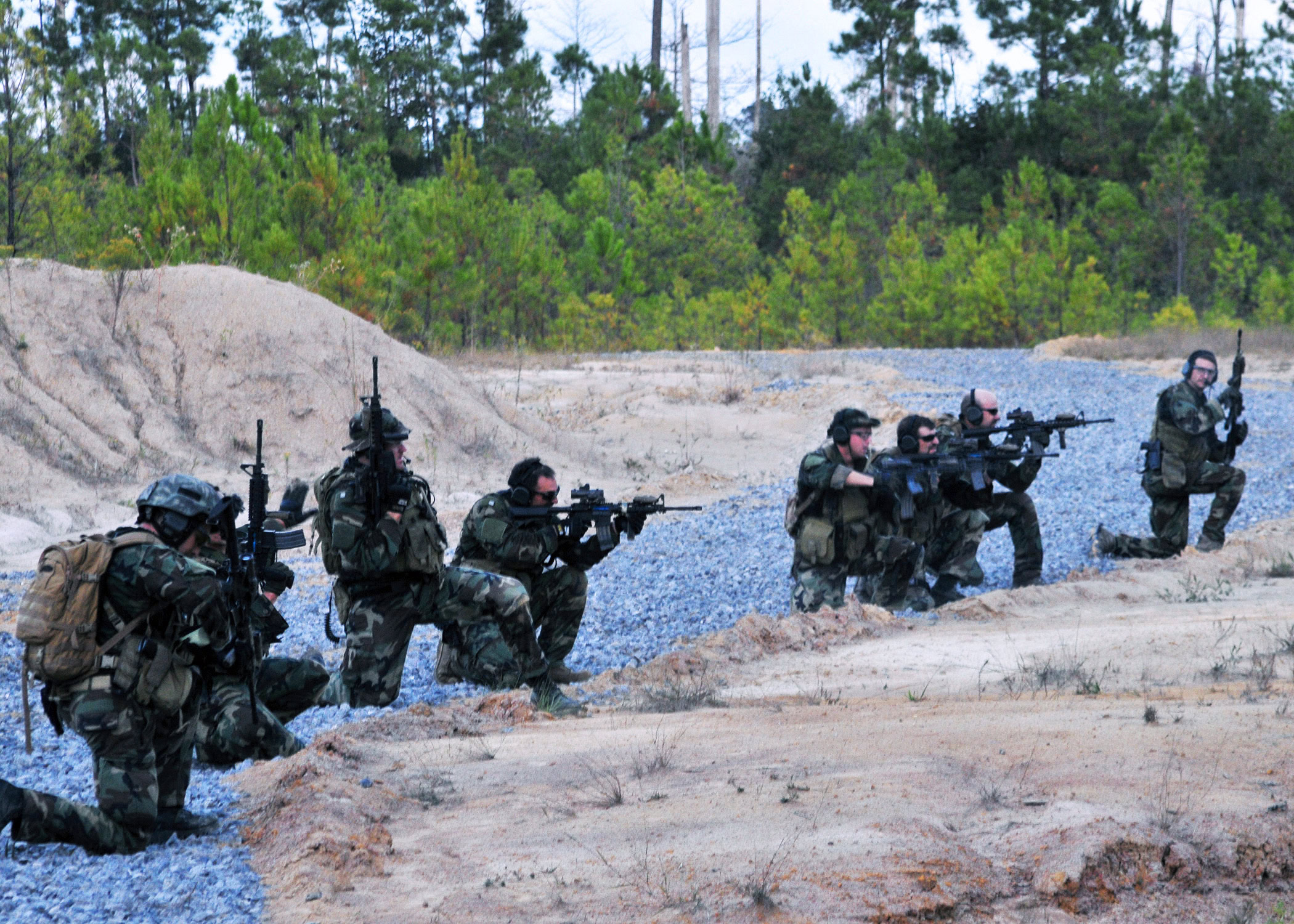
- SEAL Training Focus: Switching from close to mid-range demands instantly
- Conventional Infantry Approach: Separated distance lanes for qualification
- Operational Environment: Urban / Mixed terrain
- Primary Skill Being Tested: Adaptability across distances
- Stress Factor Introduced: Rapid context shifts
- Why Standard Training Falls Short: Separated lanes do not train fast transitions between distances
- Mission Impact if Untrained: Lost time and misapplied techniques
- Training Evaluation Method: Consistency across mixed distances
SEAL missions can shift distances quickly, so training often combines close and mid-range engagement demands in a single scenario. Operators adjust speed, precision, and judgment without resetting. Conventional infantry training separates distance bands for control and scoring. SEAL training blends them because real engagements rarely respect neat distance categories.
Entry-to-Engagement Timing Compression
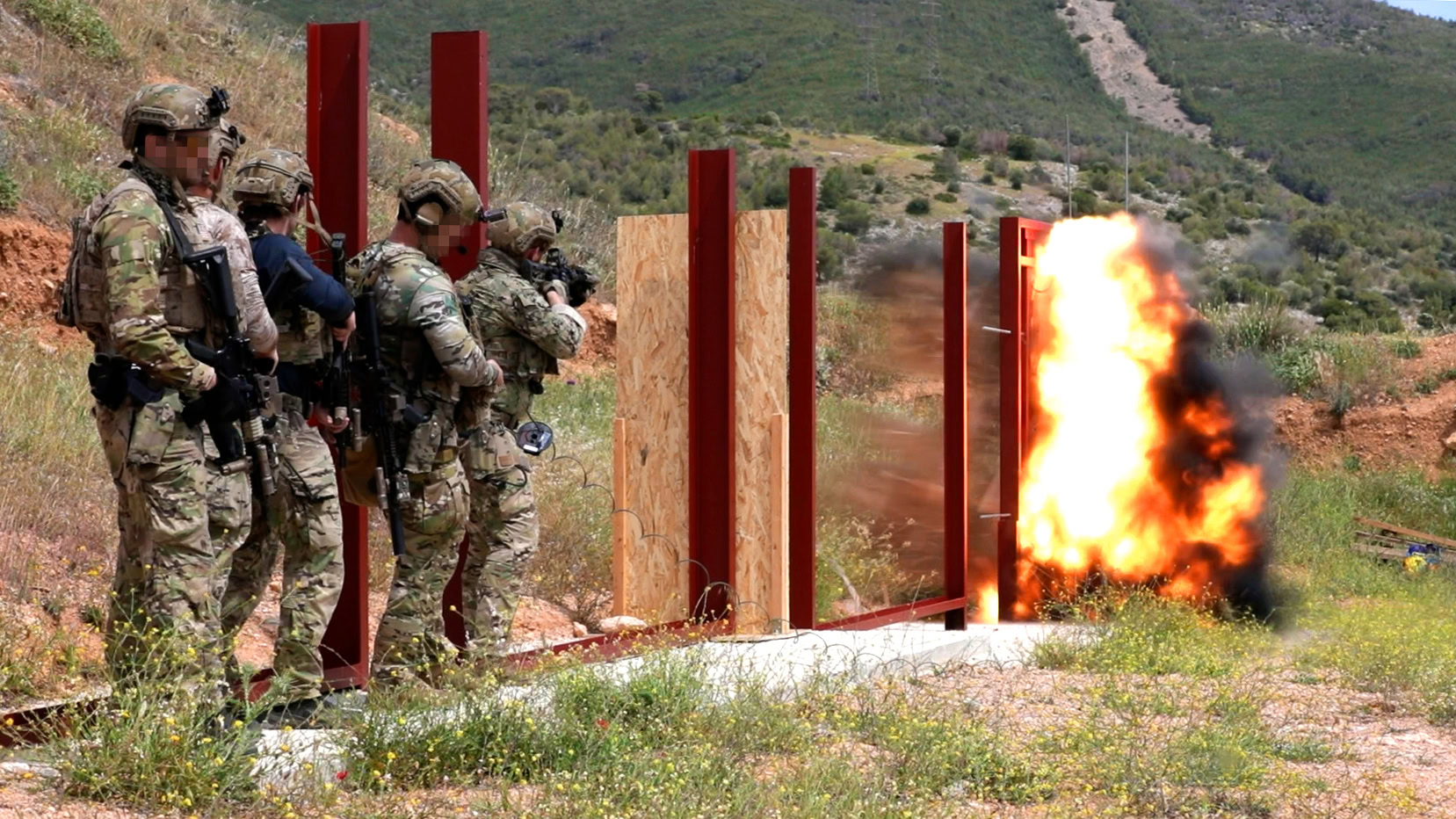
- SEAL Training Focus: Engaging immediately after rapid movement and disruption
- Conventional Infantry Approach: Predictable start points and paced strings of fire
- Operational Environment: CQB / Assault
- Primary Skill Being Tested: Timing and composure
- Stress Factor Introduced: Heart rate elevation
- Why Standard Training Falls Short: Predictable timing reduces realism and hides stress effects
- Mission Impact if Untrained: Rushed shots and poor control
- Training Evaluation Method: Accuracy and choices post-movement
SEAL training compresses the time between movement and engagement so decisions occur at peak stress. Operators practice maintaining control when heart rate is high and information is incomplete. Conventional infantry training often uses clearer start points and pacing for standardization. SEAL training shortens the window to mirror the tempo of raids, where delay can collapse the advantage.
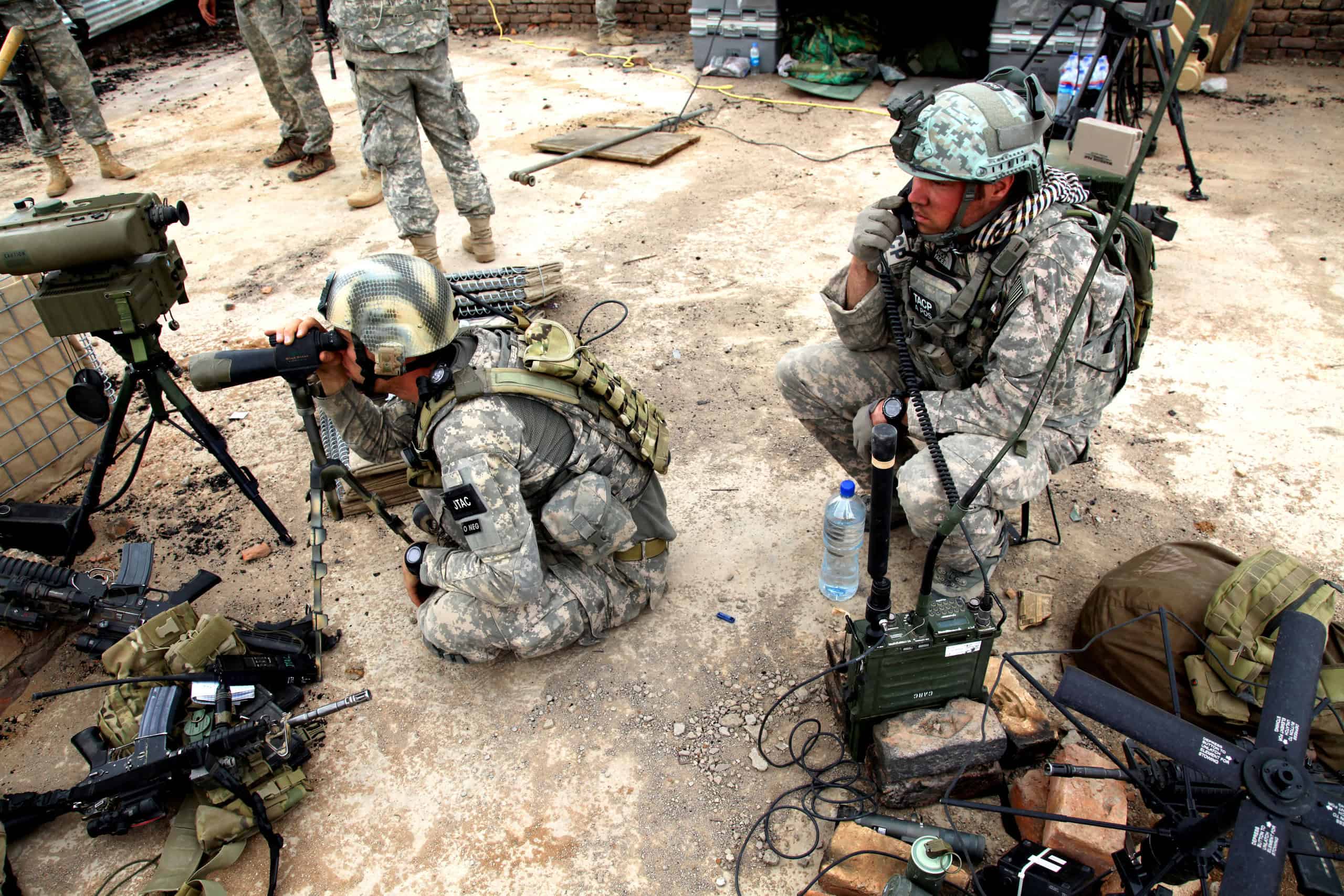
Scenario Adaptation Over One Standard Solution
- SEAL Training Focus: Adjusting methods to mission context
- Conventional Infantry Approach: One-size qualification standards
- Operational Environment: All environments
- Primary Skill Being Tested: Adaptability and problem-solving
- Stress Factor Introduced: Changing variables
- Why Standard Training Falls Short: Standardization can discourage flexibility when context changes
- Mission Impact if Untrained: Reduced effectiveness in unique missions
- Training Evaluation Method: Instructor feedback on adaptation
SEAL weapons training is built around scenarios that change variables and force adaptation. The goal is flexible problem-solving, not perfect repetition of a single standard. Conventional infantry qualification must scale across large forces, so it leans toward consistent criteria. SEAL training diverges because mission sets vary widely and demand tailored responses.
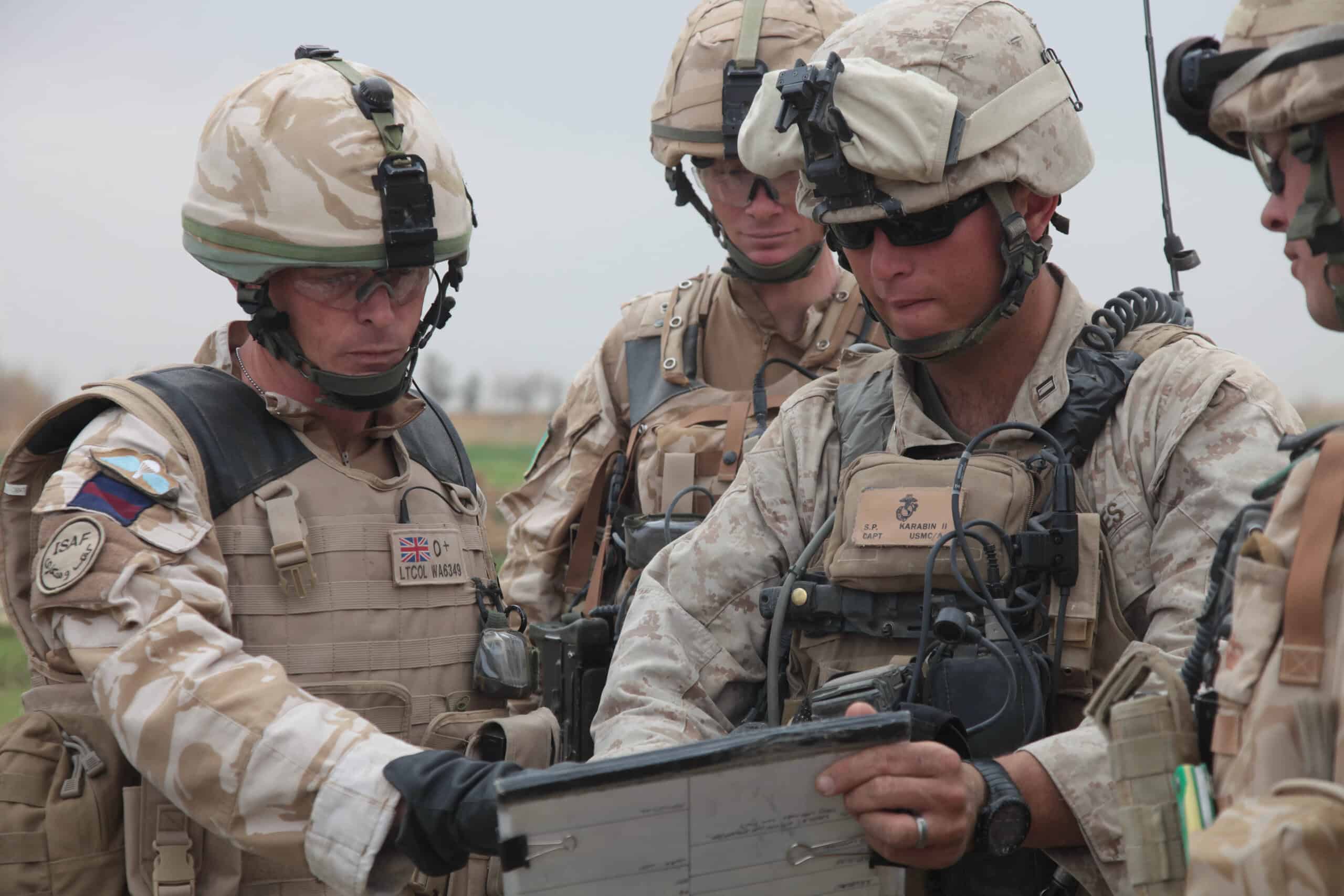
Cognitive Load Layered Onto Shooting
- SEAL Training Focus: Processing multiple inputs while engaging
- Conventional Infantry Approach: Marksmanship tested with minimal competing tasks
- Operational Environment: CQB / Urban
- Primary Skill Being Tested: Attention management
- Stress Factor Introduced: Divided attention
- Why Standard Training Falls Short: Minimal-load testing does not match real decision density
- Mission Impact if Untrained: Missed cues and poor tactical decisions
- Training Evaluation Method: Accuracy and judgment under distraction
SEAL training layers cognitive tasks onto shooting so operators must process information while engaging. This reflects real conditions where sound, movement, and teammate calls compete for attention. Conventional infantry ranges frequently isolate marksmanship to ensure safe evaluation. SEAL training increases cognitive load because special operations missions often demand simultaneous thinking, communicating, and acting.
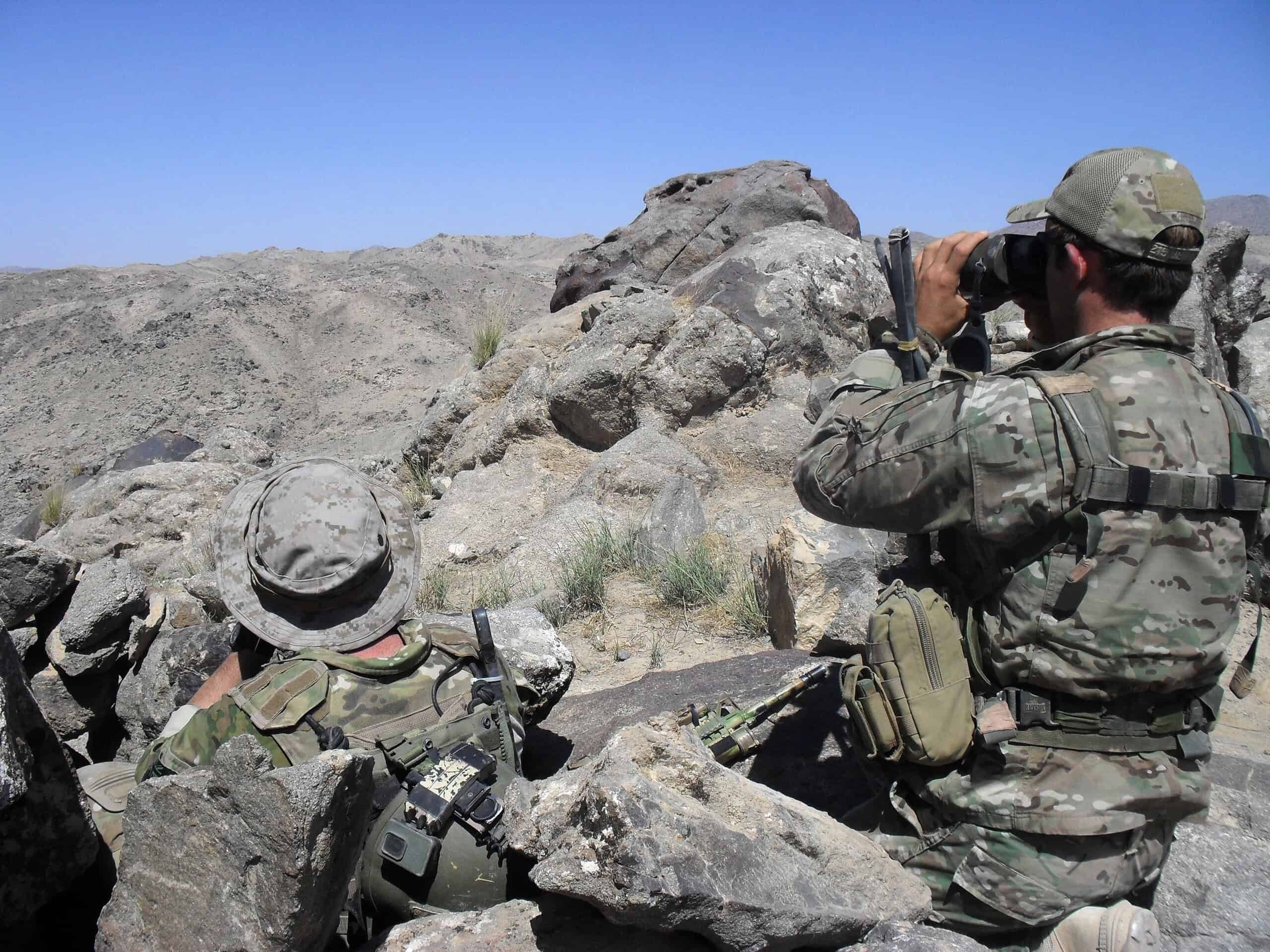
Higher Shot Accountability in Sensitive Missions
- SEAL Training Focus: Every round treated as a strategic decision
- Conventional Infantry Approach: Greater tolerance for volume in open battlefields
- Operational Environment: Urban / Sensitive missions
- Primary Skill Being Tested: Accountability and precision
- Stress Factor Introduced: Consequence pressure
- Why Standard Training Falls Short: Open-field assumptions do not fit hostage or partner-force environments
- Mission Impact if Untrained: Strategic blowback and mission failure
- Training Evaluation Method: Penalties for unsafe or unjustified shots
SEAL weapons training treats each shot as accountable because missions may unfold near civilians, hostages, or critical infrastructure. Conventional infantry doctrine often operates where suppression and volume are acceptable tools. SEAL training diverges because the cost of a wrong shot can be disproportionate, affecting legitimacy and escalation as well as the immediate tactical outcome.
Post-Engagement Discipline as Part of the Drill
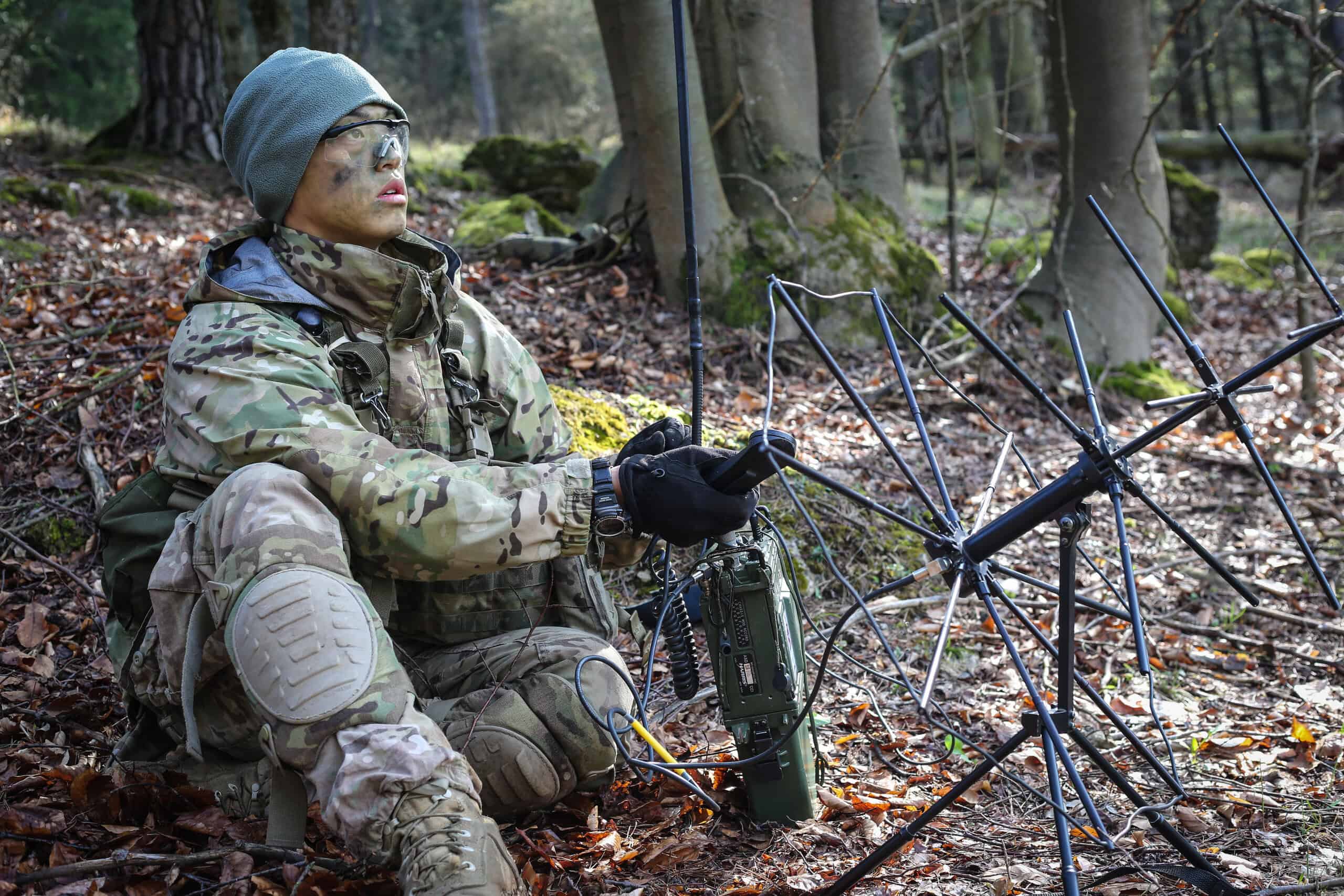
- SEAL Training Focus: Control, scanning, communication, and safe transitions after firing
- Conventional Infantry Approach: Clear stop lines when the firing string ends
- Operational Environment: CQB
- Primary Skill Being Tested: Discipline and control
- Stress Factor Introduced: Adrenaline surge
- Why Standard Training Falls Short: Stopping at the last shot ignores real follow-on decisions
- Mission Impact if Untrained: Unsafe movement and missed threats
- Training Evaluation Method: Safe transitions after contact
SEAL drills often evaluate what happens immediately after engagement: control, scanning, and communication. Combat does not end at the last shot, and poor post-engagement discipline can create new hazards. Conventional infantry qualification may end at a clear finish line for scoring and safety. SEAL training keeps the scenario moving to reflect continuous decision flow.
Team-Based Weapons Problem Solving

- SEAL Training Focus: Integrating shooters as a coordinated system
- Conventional Infantry Approach: Individual qualification as the dominant model
- Operational Environment: CQB / Team assaults
- Primary Skill Being Tested: Team integration
- Stress Factor Introduced: Interdependence pressure
- Why Standard Training Falls Short: Individual focus can miss how weapons use changes in tight stacks
- Mission Impact if Untrained: Uncoordinated fires and slower clears
- Training Evaluation Method: Team timing and deconfliction
SEAL weapons training often treats the team as the unit of performance. Coordination, deconfliction, and shared timing matter because close quarters require synchronized action. Conventional infantry training emphasizes individual qualification for scalability and accountability. SEAL training diverges because many missions succeed or fail based on team-level weapons integration under stress.
Environment-Specific Variations Built In
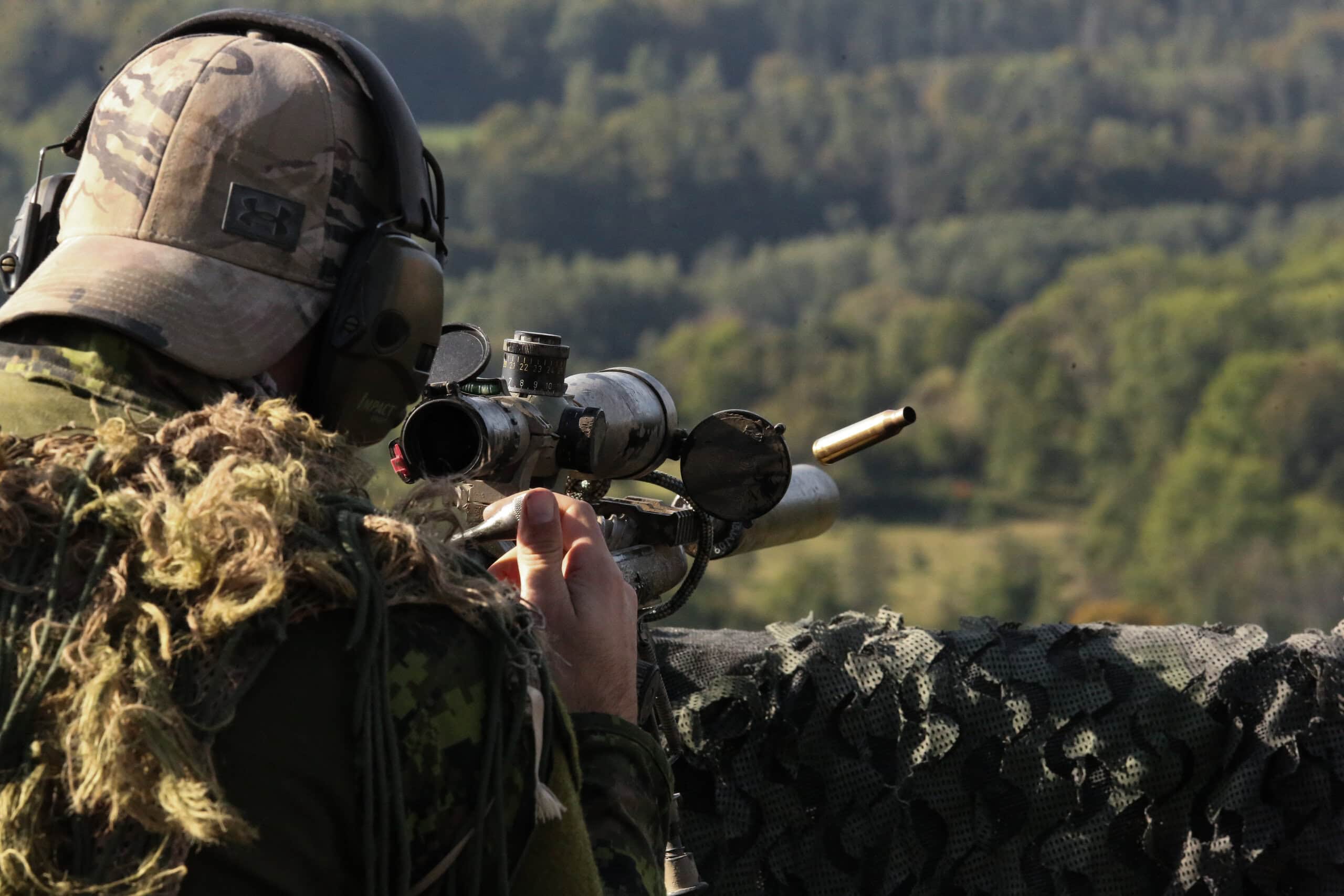
- SEAL Training Focus: Training changes materially by mission environment
- Conventional Infantry Approach: Broad standards designed to be widely applicable
- Operational Environment: Maritime / Urban / Mixed
- Primary Skill Being Tested: Context-specific competence
- Stress Factor Introduced: Environmental shifts
- Why Standard Training Falls Short: Broad courses cannot capture extremes of special operations environments
- Mission Impact if Untrained: Skill gaps in niche conditions
- Training Evaluation Method: Performance across multiple environments
SEAL weapons training is frequently customized to environment—maritime, urban, or mixed terrain—because each imposes different constraints on visibility, stability, and tempo. Conventional infantry programs use broad standards across many units. SEAL training looks different because the missions are less uniform and the environments can be more extreme, demanding targeted repetitions in mission-relevant conditions.
Tempo Standards That Punish Hesitation

- SEAL Training Focus: Decisive action within safe limits as a metric
- Conventional Infantry Approach: Greater tolerance for deliberate pacing
- Operational Environment: CQB / Direct action
- Primary Skill Being Tested: Tempo and decisiveness
- Stress Factor Introduced: Time pressure
- Why Standard Training Falls Short: Deliberate pacing can be unrealistic when surprise windows are short
- Mission Impact if Untrained: Loss of initiative and higher risk
- Training Evaluation Method: Time-to-decision + safety compliance
SEAL drills often punish hesitation because tempo is a real advantage in raids. The goal is not reckless speed, but decisive action under control. Conventional infantry training may allow slower pacing to reinforce fundamentals and manage range constraints. SEAL training tightens timing expectations because operational windows can close quickly once contact begins.
Practical Accuracy When Perfect Sighting Isn’t Possible
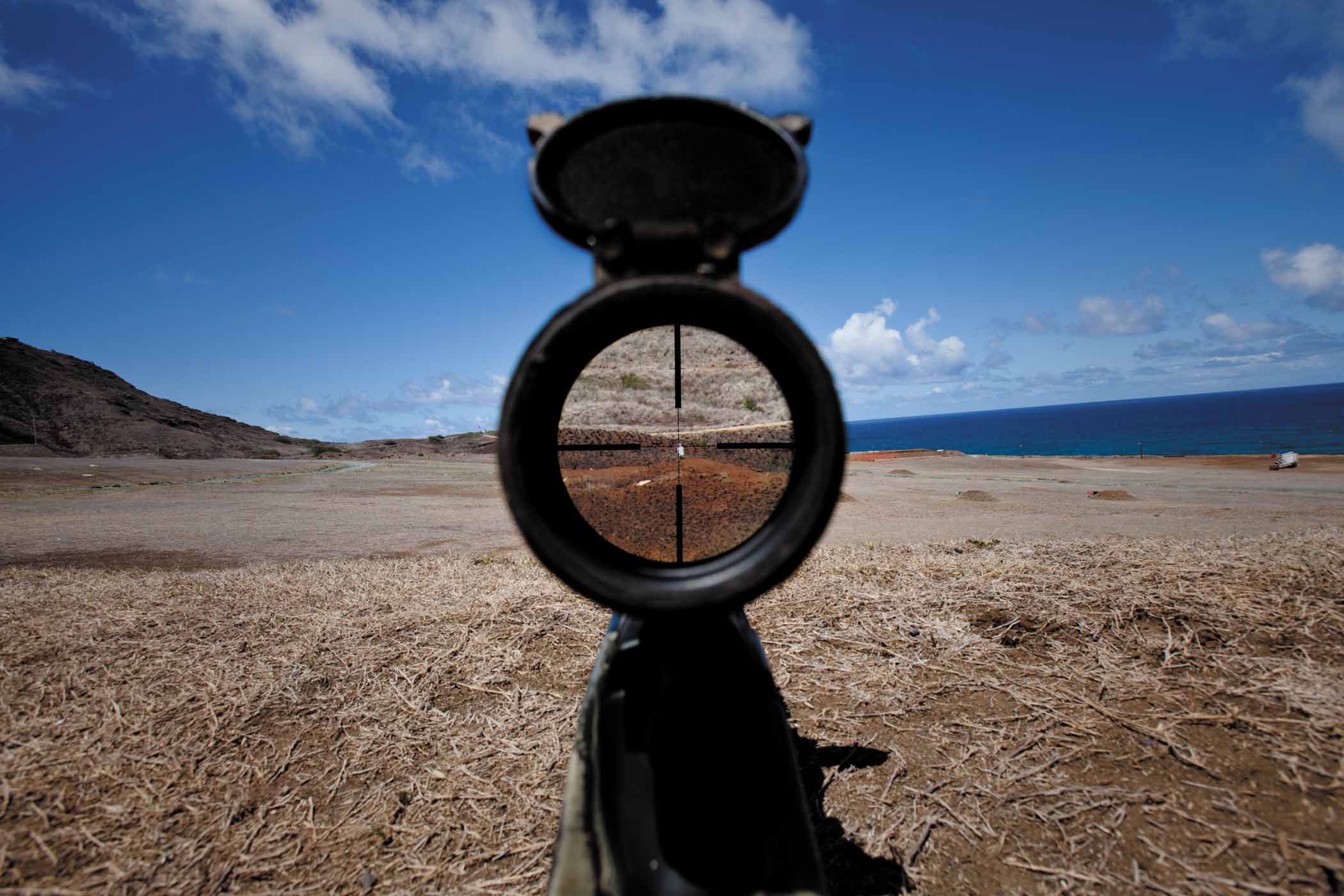
- SEAL Training Focus: Maintaining effectiveness under imperfect sighting conditions
- Conventional Infantry Approach: Emphasis on ideal sight picture and controlled strings
- Operational Environment: CQB / Low light
- Primary Skill Being Tested: Practical accuracy
- Stress Factor Introduced: Limited time and visibility
- Why Standard Training Falls Short: Ideal sight picture is not always available in fast, tight engagements
- Mission Impact if Untrained: Delayed shots and lost opportunities
- Training Evaluation Method: Hit probability under imperfect conditions
SEAL training reinforces practical accuracy when perfect sight alignment is unrealistic due to movement, lighting, or speed. Conventional infantry programs emphasize controlled fundamentals because they scale well and build consistency. SEAL training diverges because close combat may demand acceptable accuracy under imperfect conditions, where waiting for perfection can be the wrong decision and cost the team momentum.
Weapons Work Embedded in Mission Rehearsals
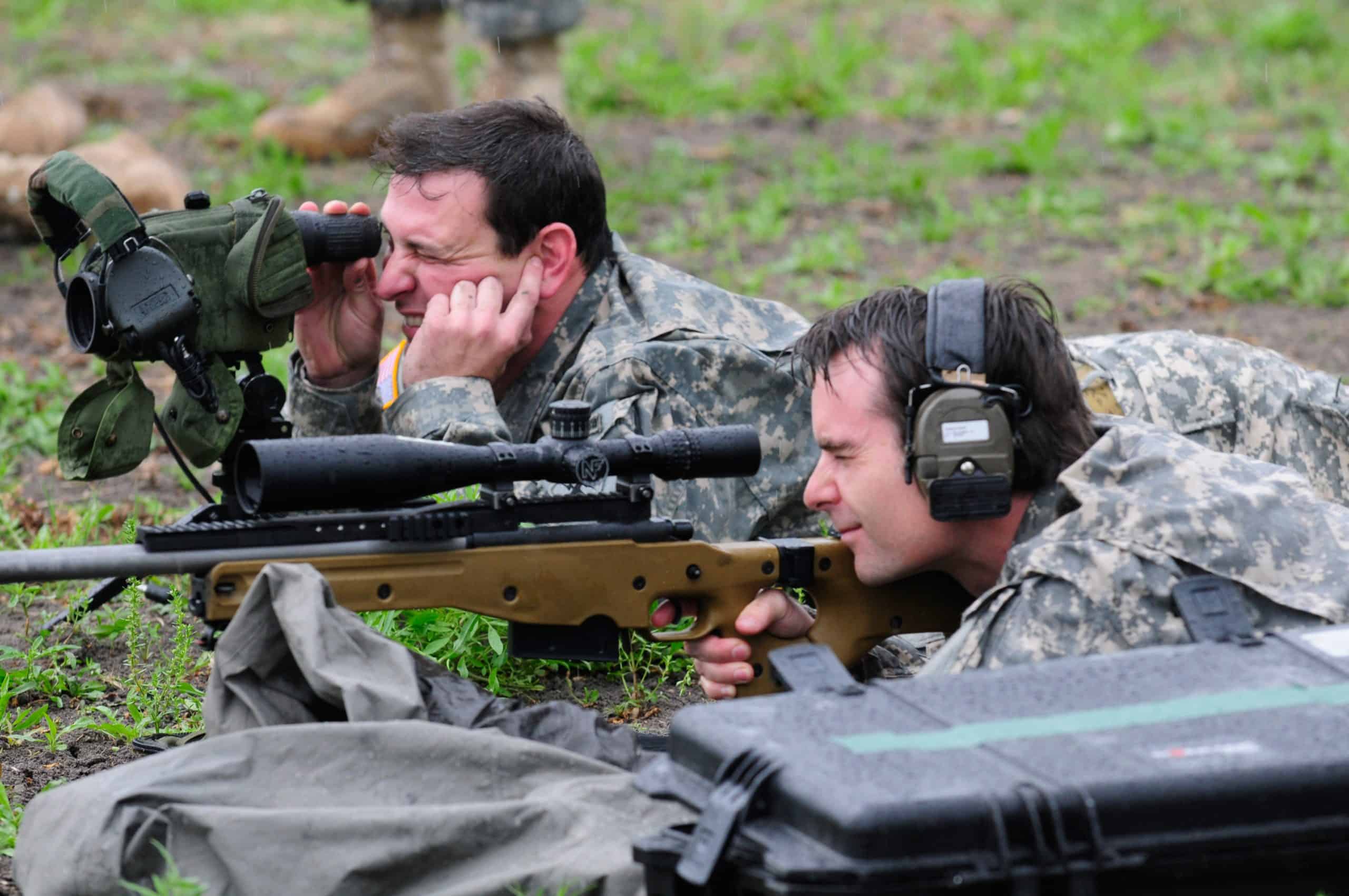
- SEAL Training Focus: Shooting and handling tied directly to mission-specific rehearsal cycles
- Conventional Infantry Approach: Qualification often separate from mission rehearsal
- Operational Environment: All environments
- Primary Skill Being Tested: Context alignment
- Stress Factor Introduced: Mission specificity
- Why Standard Training Falls Short: Separated systems can miss how weapons use changes by mission
- Mission Impact if Untrained: Misalignment between training and real execution
- Training Evaluation Method: Performance during mission-style rehearsals
SEAL weapons training is frequently embedded in mission rehearsal cycles so weapon decisions happen in context. Conventional infantry training often separates qualification from rehearsals to manage scale and scheduling. SEAL training looks different because small units can align weapons work directly with mission demands, ensuring that decision points, movement, and engagement discipline match the operation’s likely conditions.






 Top Gaining Stocks
 Top Losing Stocks