


Throughout U.S. military history, a small number of aircraft have done something more disruptive than outperform their predecessors. They broke assumptions. By introducing capabilities that existing doctrine could not fully absorb, these platforms forced the U.S. military to rethink how wars were planned, how forces were structured, and how power was applied in combat. Here 24/7 Wall St. is taking a closer look at the aircraft that forced the U.S. to change how it fights.
To determine the aircraft that changed how U.S. Forces fight, 24/7 Wall St. reviewed various historical and military sources. We included supplemental information regarding the service branch of each aircraft, when it was introduced, its primary mission, and ultimately what each aircraft changed.
Here is a look at the aircraft that forced the U.S. military to change how it fights:
Why Are We Covering This?
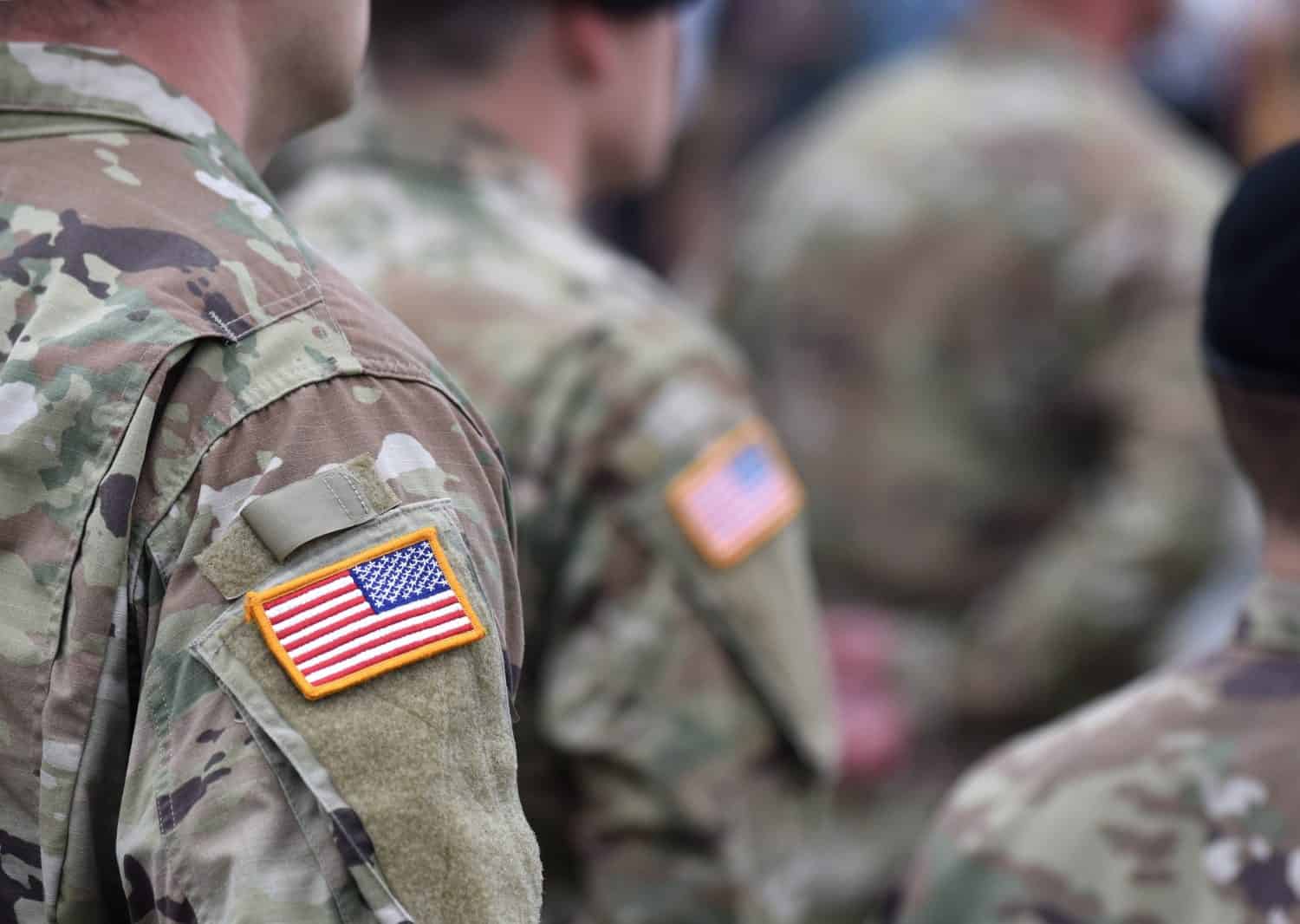
Understanding which aircraft forced the U.S. military to change how it fights helps explain why American warfare looks the way it does today. Some platforms did more than improve performance; they exposed weaknesses in existing doctrine and compelled institutional change in planning, training, and command. By examining these aircraft, this highlights how combat-driven innovation reshapes military behavior, as well as why the most important weapons are often the ones that force the hardest questions about how wars should be fought.
When Aircraft Changed More Than Missions
Some aircraft changed more than missions. They did not simply perform tasks within an established doctrine; they revealed that the doctrine itself needed to evolve. When a new platform introduced capabilities that existing tactics could not fully exploit—or could not defend against—the U.S. military was forced to adapt. In those moments, an aircraft becomes more than a tool. It becomes a pressure point that reshapes how wars are planned, how forces are organized, and how commanders think about winning.
Technology That Broke Old Assumptions
Technology is often the trigger that breaks old assumptions. Greater range, persistence, speed, payload, or battlefield awareness can make traditional tactics feel outdated almost overnight. A platform that can see deeper, strike earlier, or stay overhead longer changes the rhythm of operations and forces leaders to rethink priorities. In many cases, it is not the aircraft’s raw performance that matters most, but the new choices it creates—what can now be done with fewer risks, fewer forces, or fewer compromises.
Combat Forced Institutional Change
Combat is where these shifts become unavoidable. Real wars expose the gap between theory and reality, and they force institutions to change even when bureaucracies resist. Aircraft that show decisive value under fire often drive adjustments in training pipelines, rules of engagement, command structures, and joint planning. The U.S. military has repeatedly learned that an aircraft’s true impact is measured not only by what it can do, but by what it compels everyone else to do differently.
From Platform to Doctrine
Over time, the most influential platforms reshape doctrine itself. Some redefine air superiority by changing how the air battle is managed. Others revolutionize close air support by tightening integration with ground forces. Still others transform intelligence and targeting by providing persistence and visibility that commanders once lacked. Mobility aircraft can alter how quickly forces arrive, how long they can stay, and how campaigns are sustained. In each case, the platform becomes a catalyst for new concepts and new habits of war.
Why These Aircraft Still Matter
These aircraft still matter because their influence did not end when the conflicts that revealed them ended. Many set patterns that are now embedded in modern U.S. doctrine, from how campaigns are planned to how joint forces coordinate fires and maneuver. Understanding the aircraft that forced change offers a clearer view of how the U.S. military adapts under pressure, and why certain capabilities reshape warfare more than others.
B-17 Flying Fortress
- Service branch: USAAF
- Era introduced: 1930s
- Primary mission role: Strategic Bomber
- How wars were fought before it: Bombing relied on dispersed attacks
- What the aircraft changed: Forced daylight precision bombing doctrine
- Conflict or period that proved the shift: World War II
- Second-order effects: Bomber formations, escort doctrine
- Why the change lasted: Foundation of strategic airpower
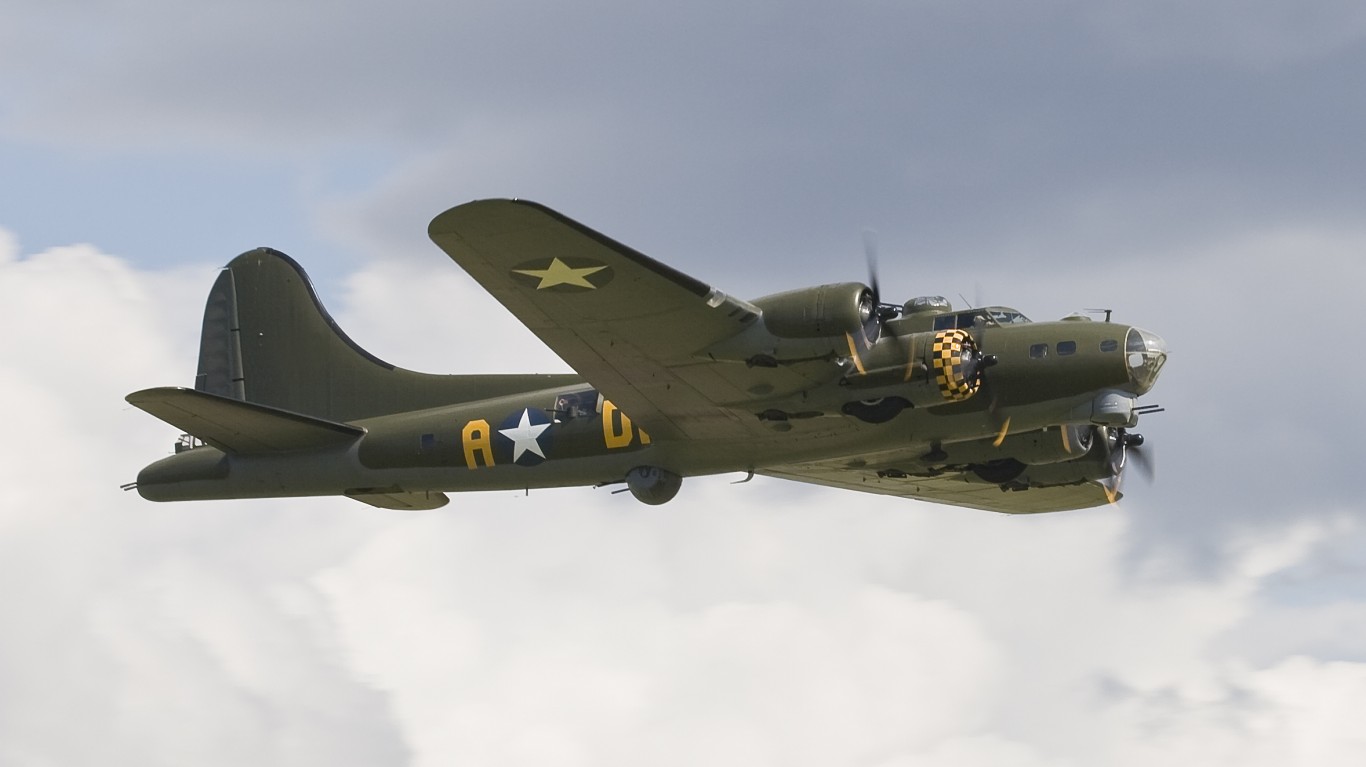
The B-17 forced the U.S. military to rethink strategic bombing by proving that massed, high-altitude daylight raids could be sustained with proper formation tactics and escorts. Its use reshaped how air campaigns were planned, emphasizing industrial targets, bomber streams, and coordinated fighter support that defined U.S. airpower doctrine for decades.
B-29 Superfortress
- Service branch: USAAF
- Era introduced: 1940s
- Primary mission role: Strategic Bomber
- How wars were fought before it: Limited long-range strike capability
- What the aircraft changed: Enabled intercontinental bombing
- Conflict or period that proved the shift: World War II
- Second-order effects: Independent air campaigns
- Why the change lasted: Global strike mindset
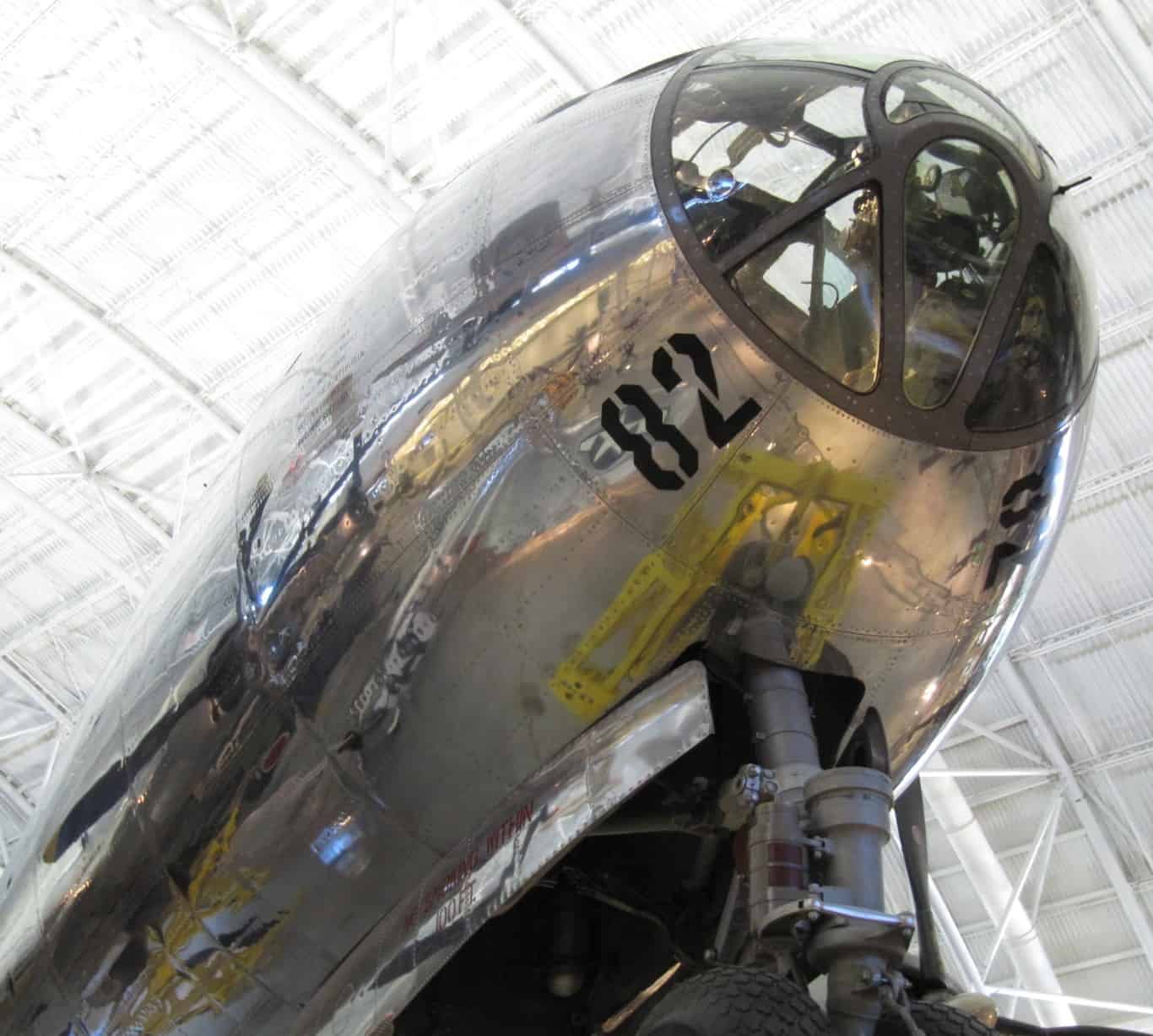
The B-29 introduced pressurized, long-range bombing that allowed the U.S. to conduct independent strategic campaigns across oceans. Its use against Japan, including nuclear delivery, permanently changed how the U.S. military viewed airpower as a decisive war-winning tool.
P-51 Mustang
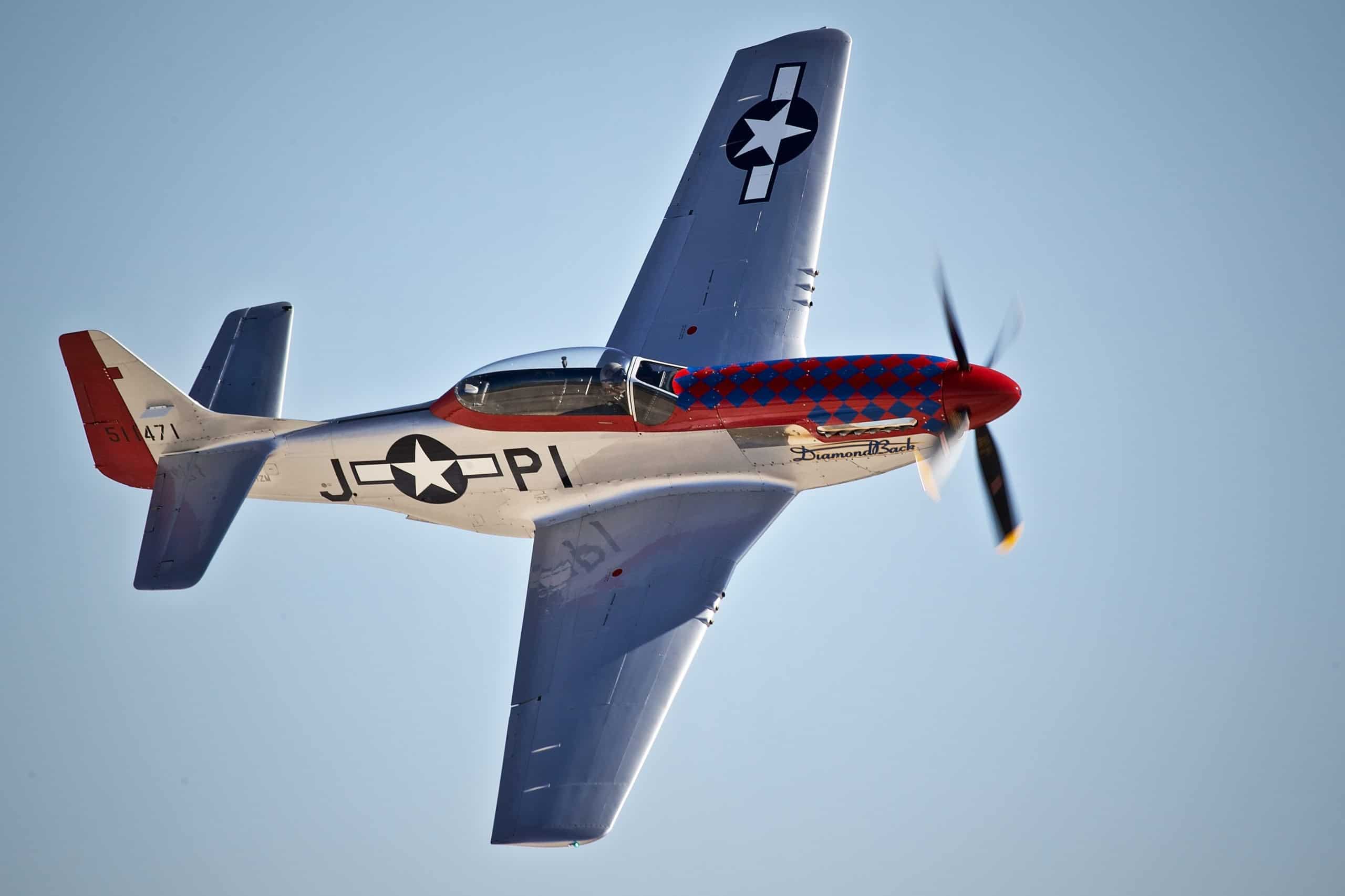
- Service branch: USAAF
- Era introduced: 1940s
- Primary mission role: Fighter Escort
- How wars were fought before it: Bombers lacked long-range protection
- What the aircraft changed: Enabled deep escort missions
- Conflict or period that proved the shift: World War II
- Second-order effects: Air superiority focus
- Why the change lasted: Air dominance doctrine
The P-51 forced a shift toward prioritizing air superiority by enabling bombers to reach deep into enemy territory with escort protection. This fundamentally changed how air campaigns were planned and executed.
F4U Corsair
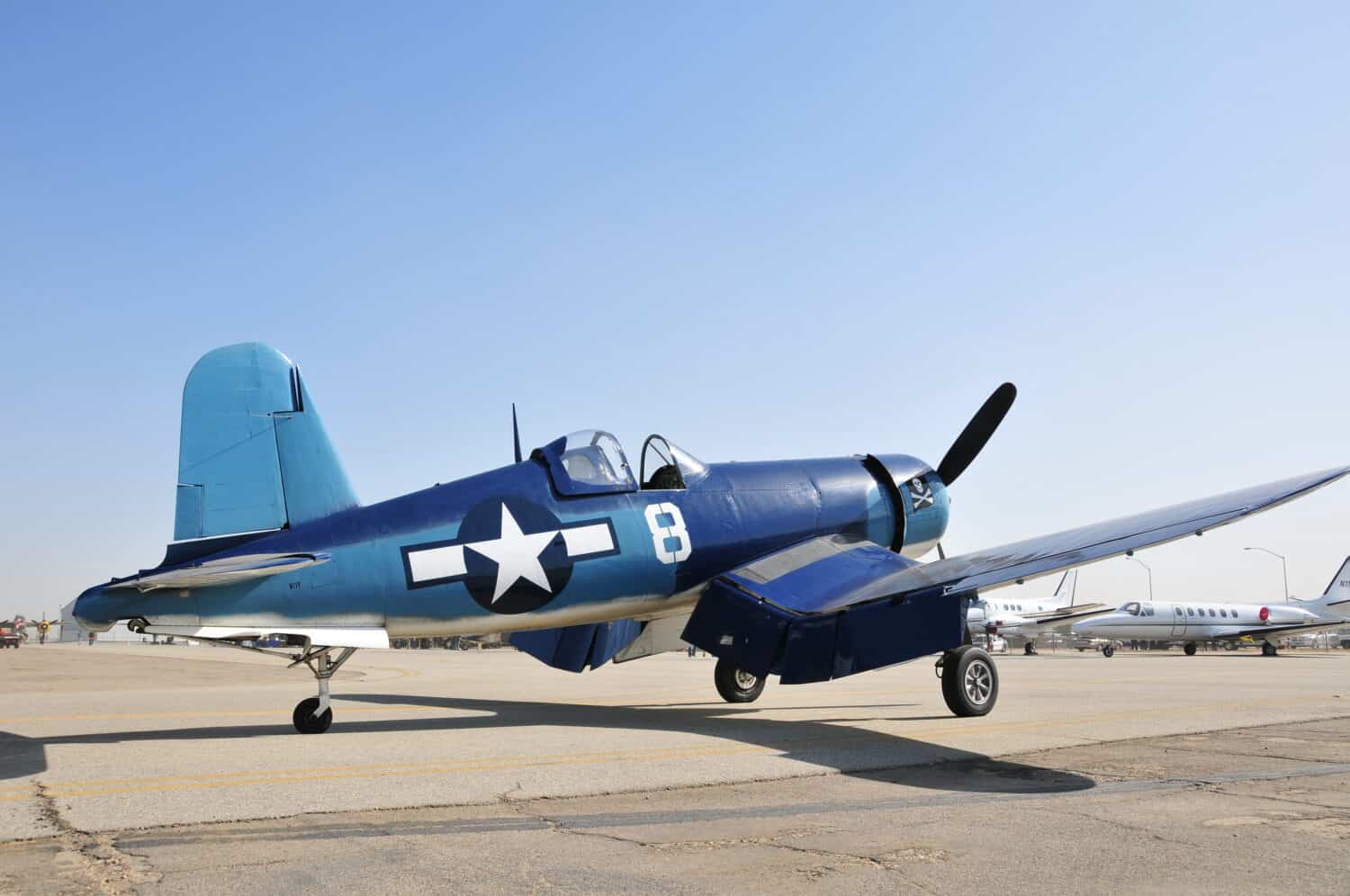
- Service branch: US Navy/USMC
- Era introduced: 1940s
- Primary mission role: Carrier Fighter
- How wars were fought before it: Limited carrier air combat reach
- What the aircraft changed: Improved carrier-based airpower
- Conflict or period that proved the shift: World War II
- Second-order effects: Naval aviation dominance
- Why the change lasted: Carrier warfare evolution
The Corsair helped cement carrier aviation as the centerpiece of naval warfare, forcing changes in how the U.S. projected power across the Pacific.
P-47 Thunderbolt
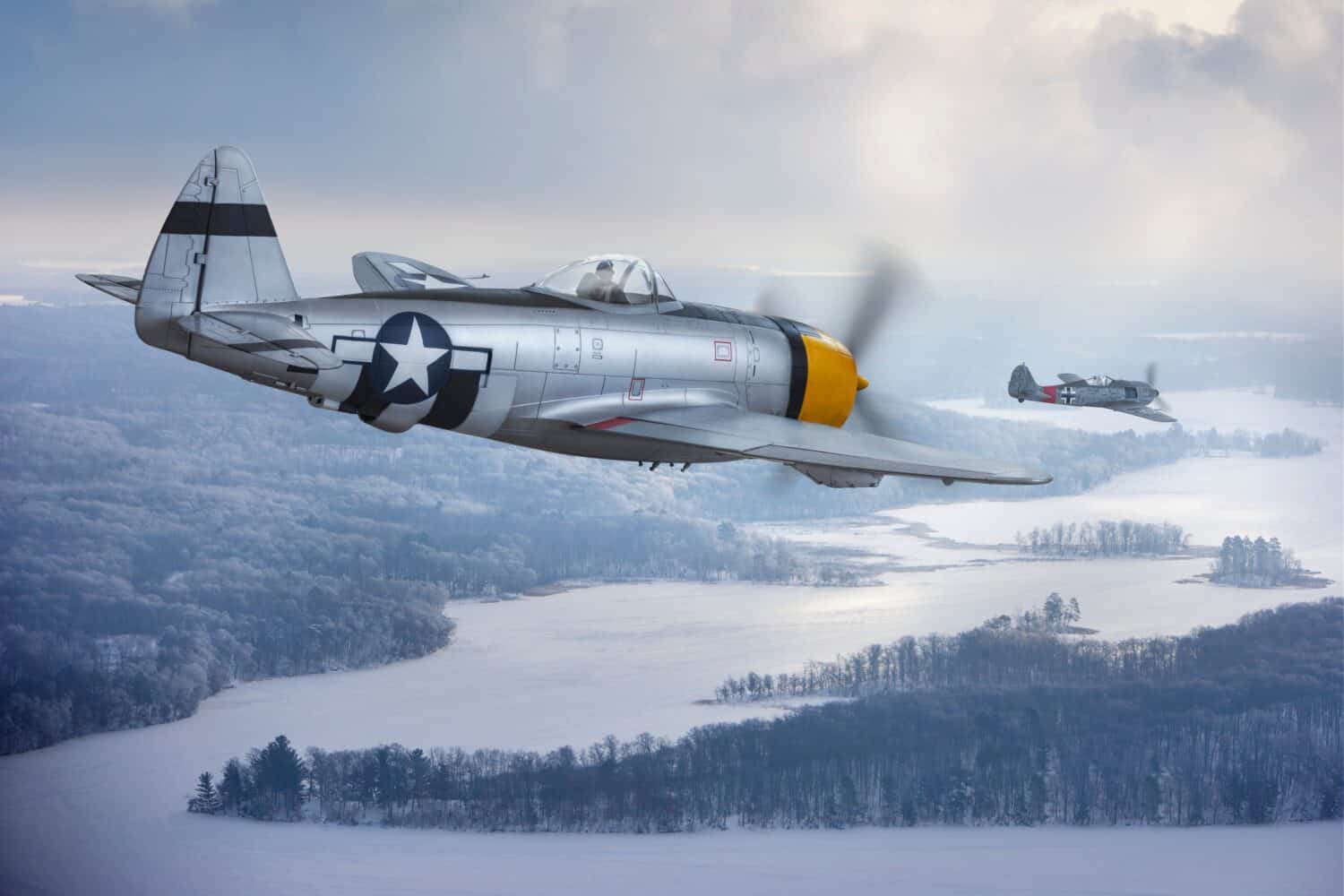
- Service branch: USAAF
- Era introduced: 1940s
- Primary mission role: Fighter-Bomber
- How wars were fought before it: Fighters focused on air combat
- What the aircraft changed: Integrated air-ground attack
- Conflict or period that proved the shift: World War II
- Second-order effects: CAS integration
- Why the change lasted: Multirole airpower
The P-47 demonstrated that fighters could dominate both air and ground roles, reshaping doctrine to integrate close air support into air campaigns.
F-86 Sabre
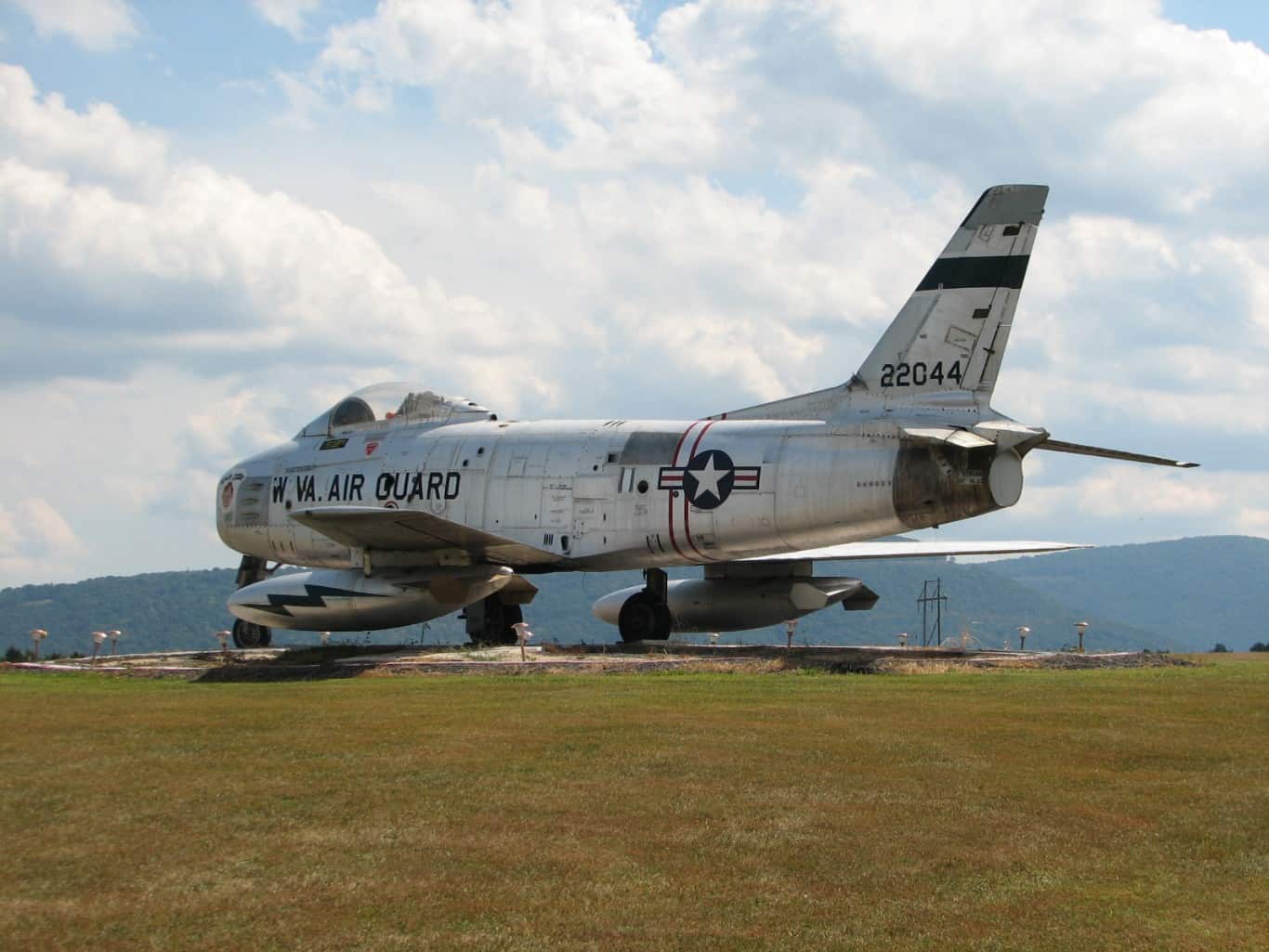
- Service branch: USAF
- Era introduced: 1950s
- Primary mission role: Jet Fighter
- How wars were fought before it: Limited jet air combat doctrine
- What the aircraft changed: Defined jet-age dogfighting
- Conflict or period that proved the shift: Korean War
- Second-order effects: Pilot training evolution
- Why the change lasted: Jet air combat norms
The F-86 forced the U.S. to adapt to jet-age air combat, changing training and tactics for high-speed aerial warfare.
U-2 Dragon Lady
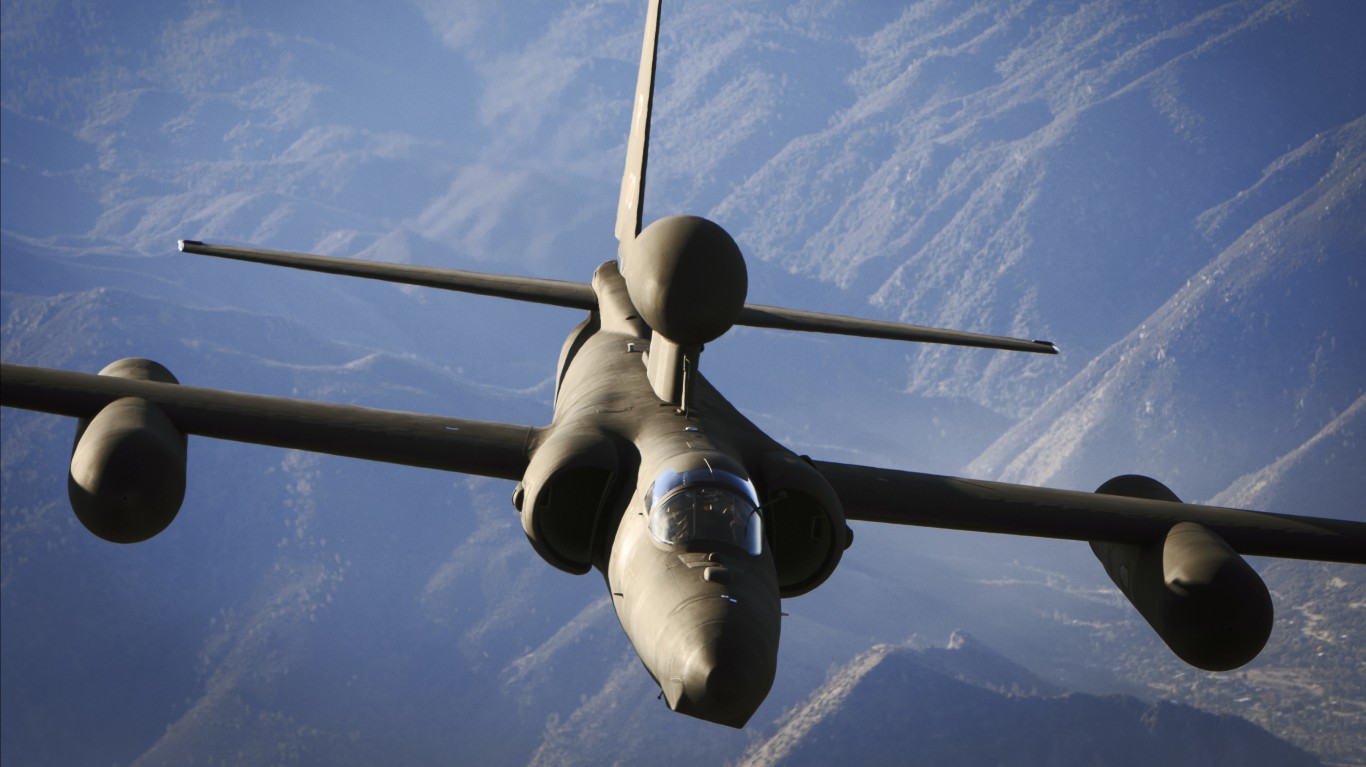
- Service branch: USAF
- Era introduced: 1950s
- Primary mission role: Strategic ISR
- How wars were fought before it: Limited high-altitude intelligence
- What the aircraft changed: Enabled deep aerial reconnaissance
- Conflict or period that proved the shift: Cold War
- Second-order effects: Intelligence integration
- Why the change lasted: ISR centrality
The U-2 changed how intelligence shaped strategy by providing unprecedented high-altitude surveillance, forcing the U.S. to integrate ISR directly into decision-making.
SR-71 Blackbird
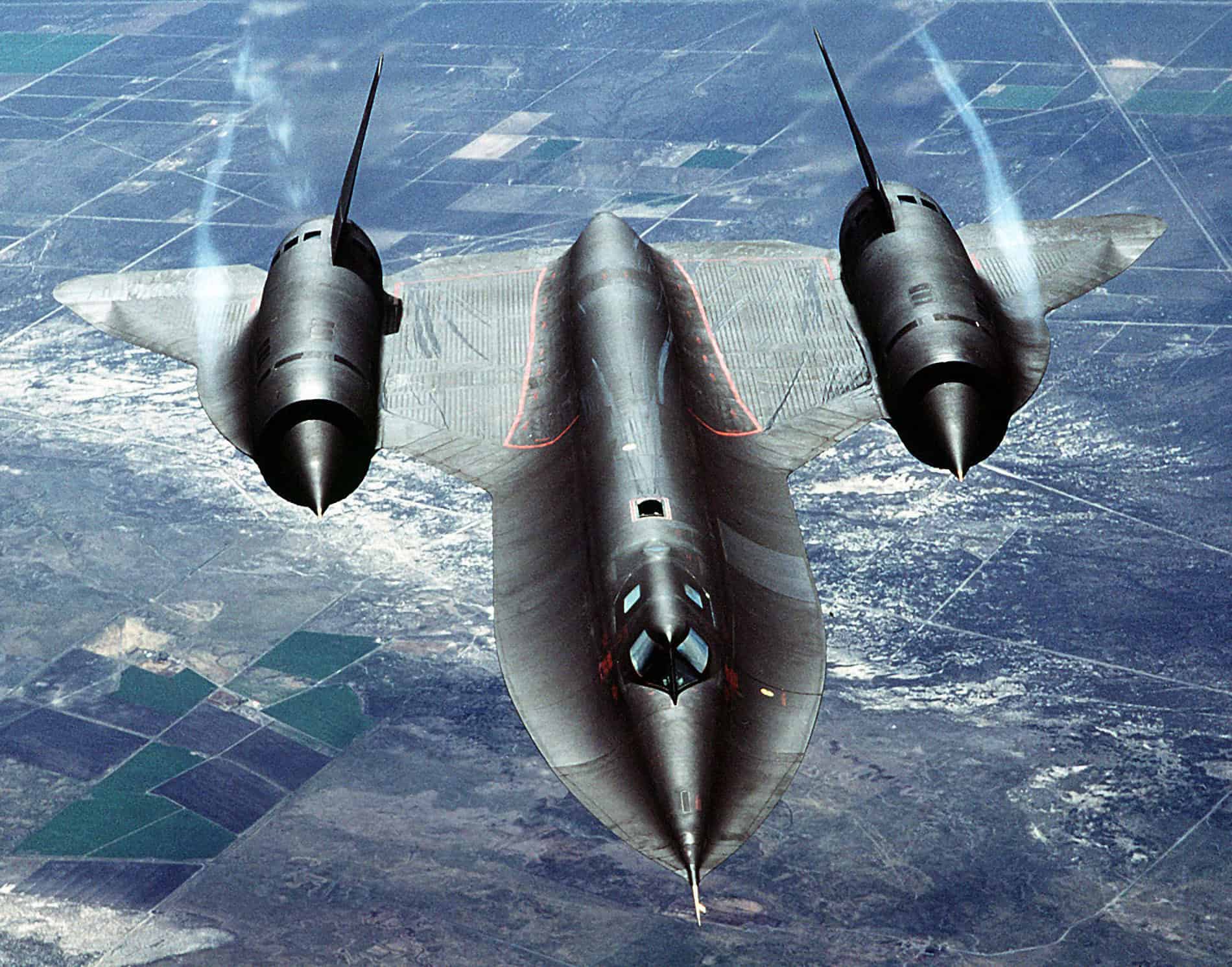
- Service branch: USAF
- Era introduced: 1960s
- Primary mission role: Strategic ISR
- How wars were fought before it: Risky reconnaissance missions
- What the aircraft changed: Redefined survivability through speed
- Conflict or period that proved the shift: Cold War
- Second-order effects: Risk-free ISR concept
- Why the change lasted: Speed-based survivability
The SR-71 forced a rethink of survivability, proving speed and altitude could replace stealth or escorts in reconnaissance missions.
B-52 Stratofortress
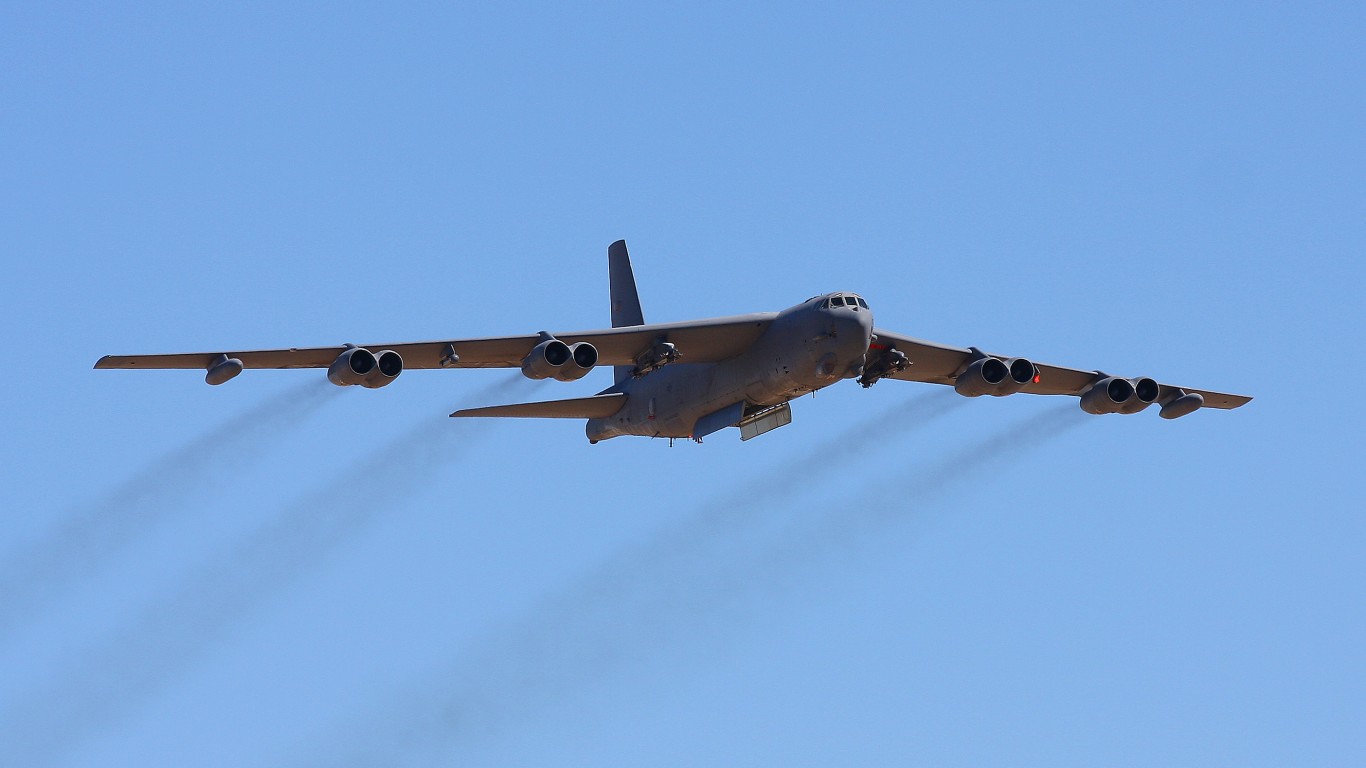
- Service branch: USAF
- Era introduced: 1950s
- Primary mission role: Strategic Bomber
- How wars were fought before it: Reliance on smaller bomber fleets
- What the aircraft changed: Sustained long-term bombing
- Conflict or period that proved the shift: Vietnam War
- Second-order effects: Flexible strategic bombing
- Why the change lasted: Longevity doctrine
The B-52 reshaped how the U.S. planned sustained bombing campaigns, emphasizing persistence and adaptability over platform novelty.
F-4 Phantom II
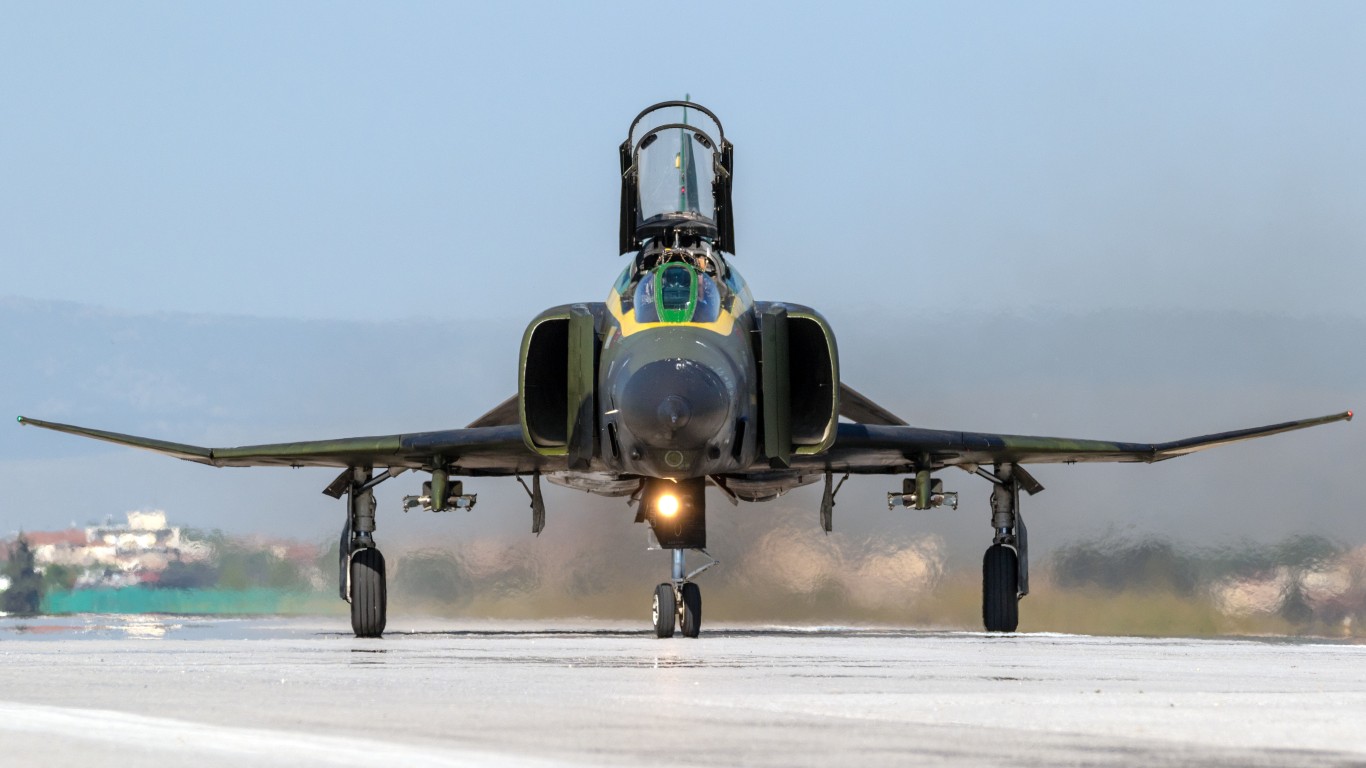
- Service branch: USAF/USN
- Era introduced: 1960s
- Primary mission role: Multirole Fighter
- How wars were fought before it: Specialized fighter roles
- What the aircraft changed: Multirole flexibility
- Conflict or period that proved the shift: Vietnam War
- Second-order effects: Training reforms
- Why the change lasted: Doctrine adaptability
The F-4 forced changes in training and doctrine after early shortcomings, leading to revised air combat tactics and pilot education programs.
F-111 Aardvark
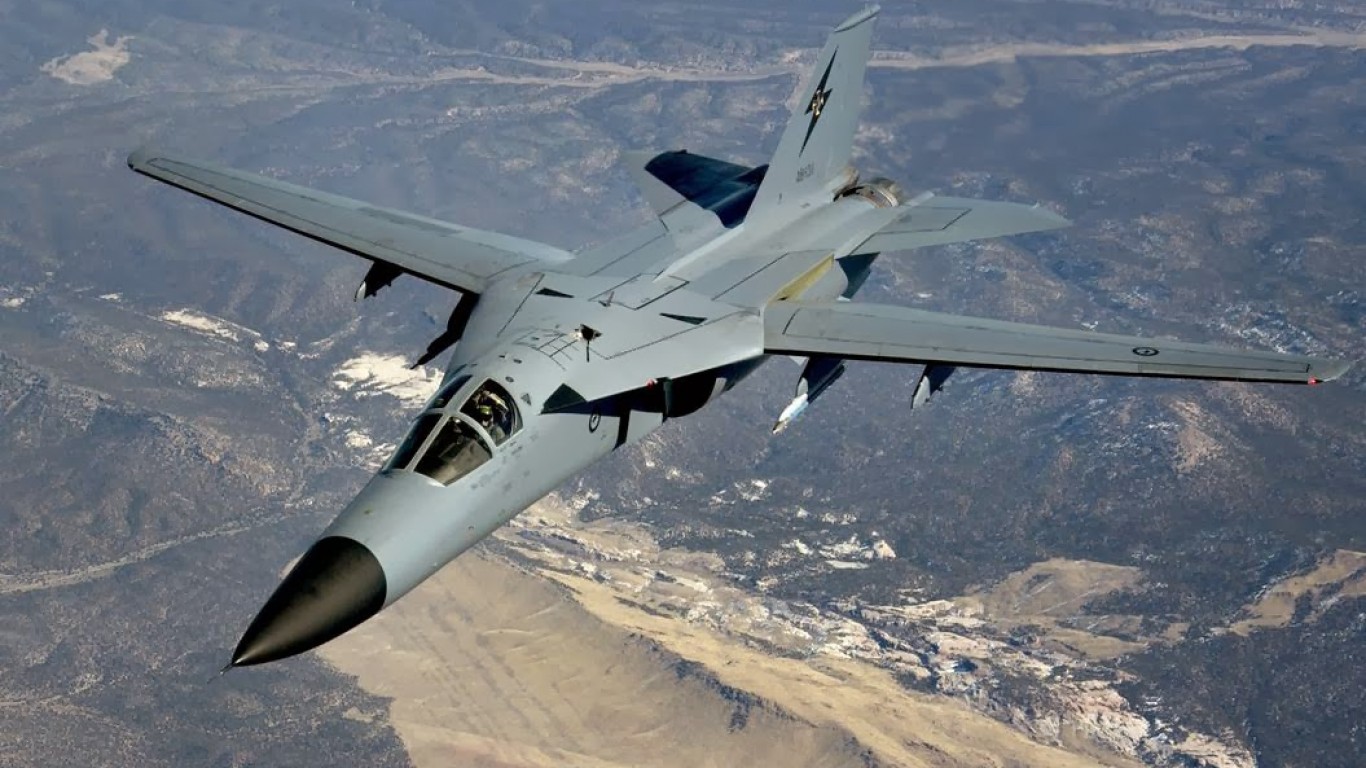
- Service branch: USAF
- Era introduced: 1960s
- Primary mission role: Strike Aircraft
- How wars were fought before it: Limited deep strike precision
- What the aircraft changed: Low-level precision penetration
- Conflict or period that proved the shift: Vietnam War
- Second-order effects: Terrain-following doctrine
- Why the change lasted: Deep strike evolution
The F-111 introduced terrain-following radar strike tactics, forcing changes in how deep-penetration missions were conducted.
F-14 Tomcat
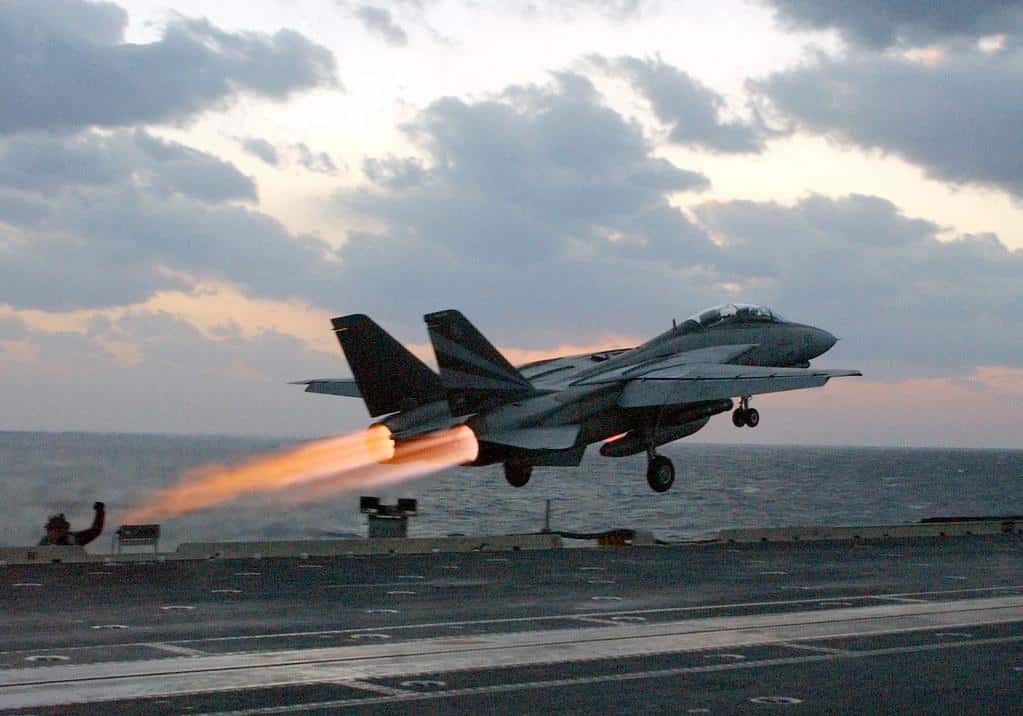
- Service branch: US Navy
- Era introduced: 1970s
- Primary mission role: Fleet Defense Fighter
- How wars were fought before it: Short-range fleet defense
- What the aircraft changed: Extended fleet air defense
- Conflict or period that proved the shift: Cold War
- Second-order effects: Carrier air wing structure
- Why the change lasted: Fleet defense emphasis
The F-14 reshaped naval air defense by extending engagement ranges and emphasizing layered fleet protection.
E-3 Sentry
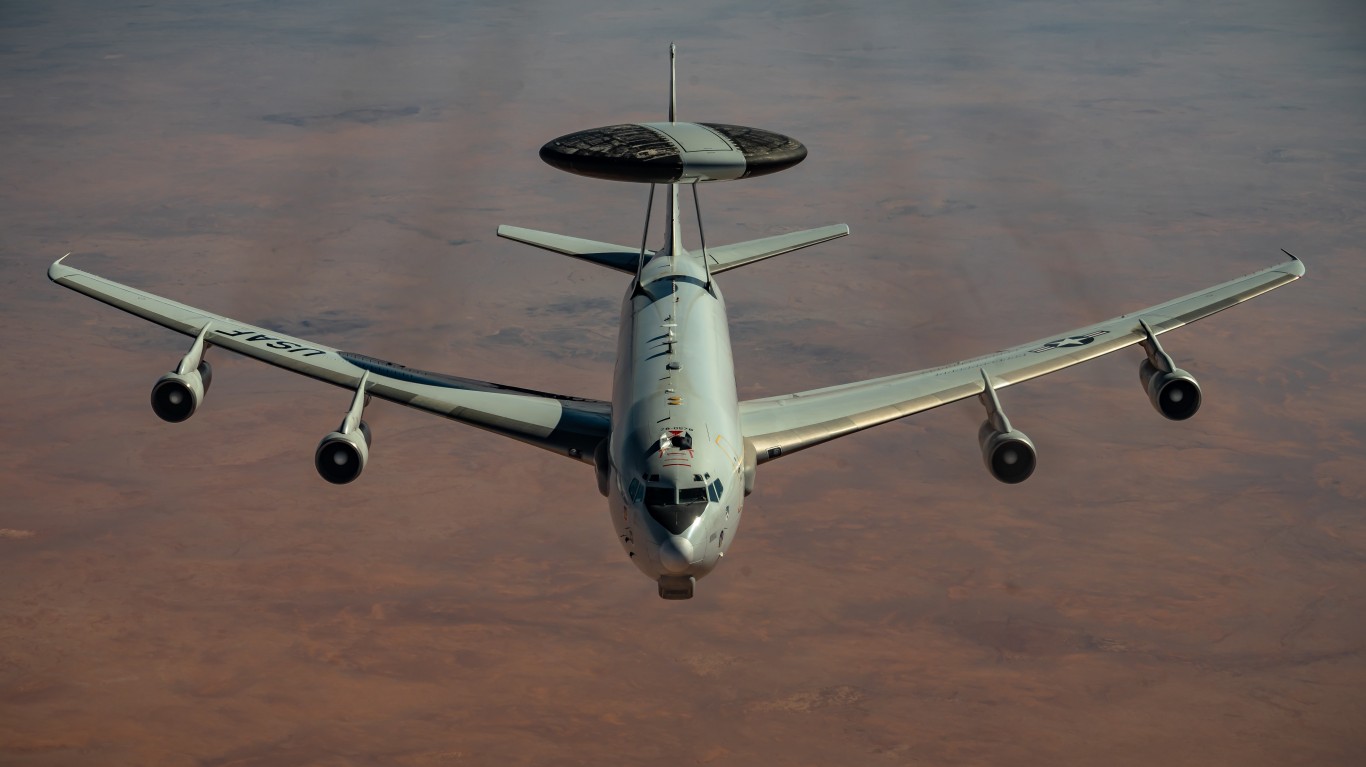
- Service branch: USAF
- Era introduced: 1970s
- Primary mission role: Airborne C2
- How wars were fought before it: Fragmented situational awareness
- What the aircraft changed: Centralized air battle management
- Conflict or period that proved the shift: Cold War
- Second-order effects: Joint operations
- Why the change lasted: Networked warfare
AWACS forced a shift toward centralized command and control, transforming how air battles were managed.
E-8 JSTARS
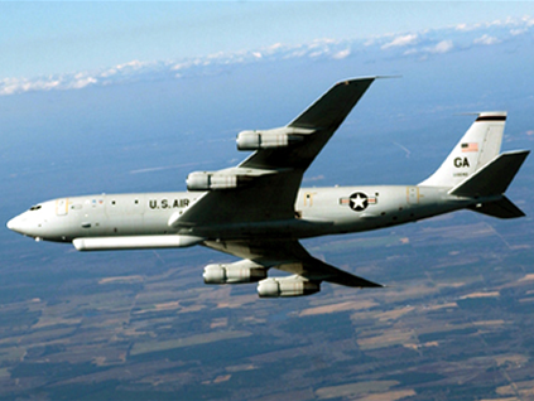
- Service branch: USAF
- Era introduced: 1990s
- Primary mission role: Ground Surveillance
- How wars were fought before it: Limited battlefield awareness
- What the aircraft changed: Real-time ground tracking
- Conflict or period that proved the shift: Gulf War
- Second-order effects: Air-land integration
- Why the change lasted: Battlefield transparency
JSTARS changed land warfare planning by giving commanders real-time visibility of enemy movement.
A-10 Thunderbolt II
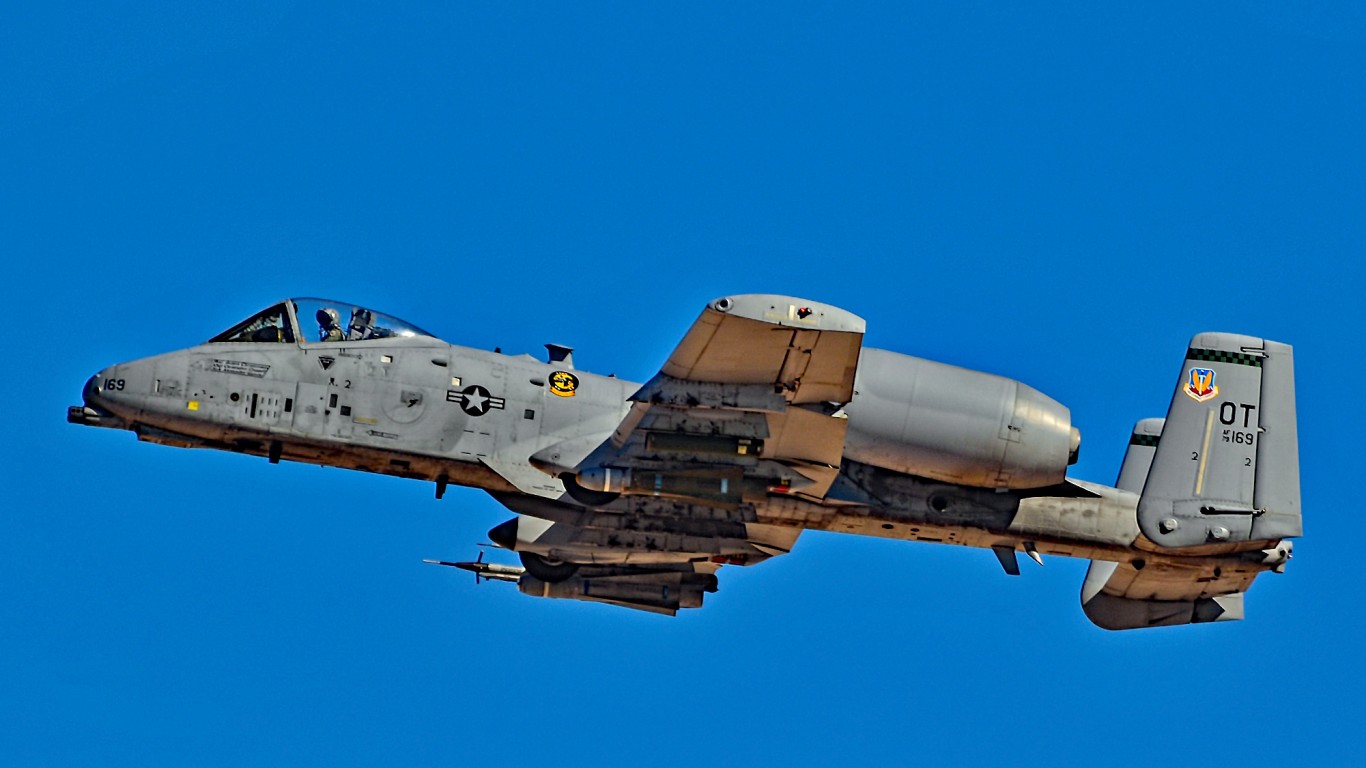
- Service branch: USAF
- Era introduced: 1970s
- Primary mission role: Close Air Support
- How wars were fought before it: CAS secondary mission
- What the aircraft changed: Dedicated CAS doctrine
- Conflict or period that proved the shift: Gulf War
- Second-order effects: Ground-air integration
- Why the change lasted: CAS permanence
The A-10 forced the U.S. to treat close air support as a primary mission, reshaping how airpower supports ground forces.
AC-130 Gunship
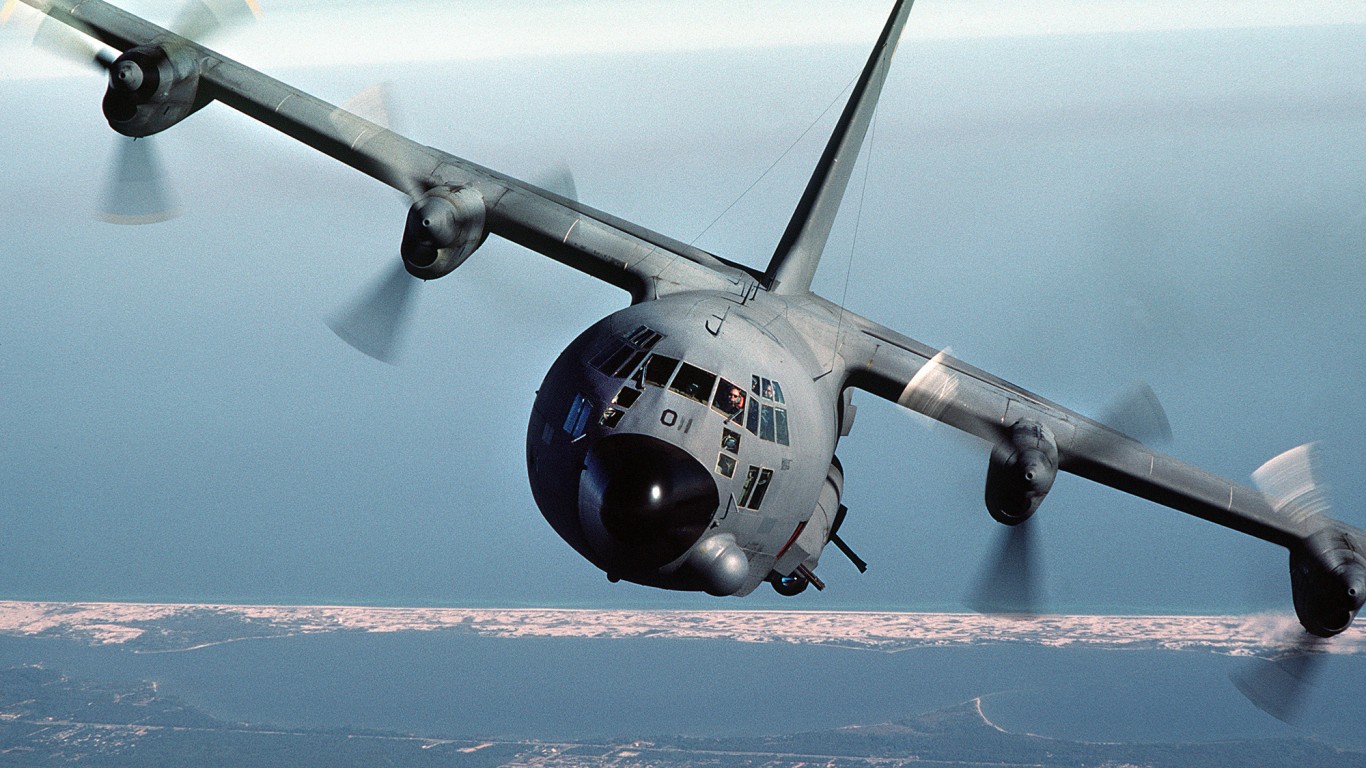
- Service branch: USAF
- Era introduced: 1960s
- Primary mission role: Fire Support
- How wars were fought before it: Limited night support
- What the aircraft changed: Persistent precision fire
- Conflict or period that proved the shift: Vietnam War
- Second-order effects: SOF integration
- Why the change lasted: Special ops firepower
The AC-130 redefined fire support by enabling persistent, precise fire in support of special operations.
AH-64 Apache
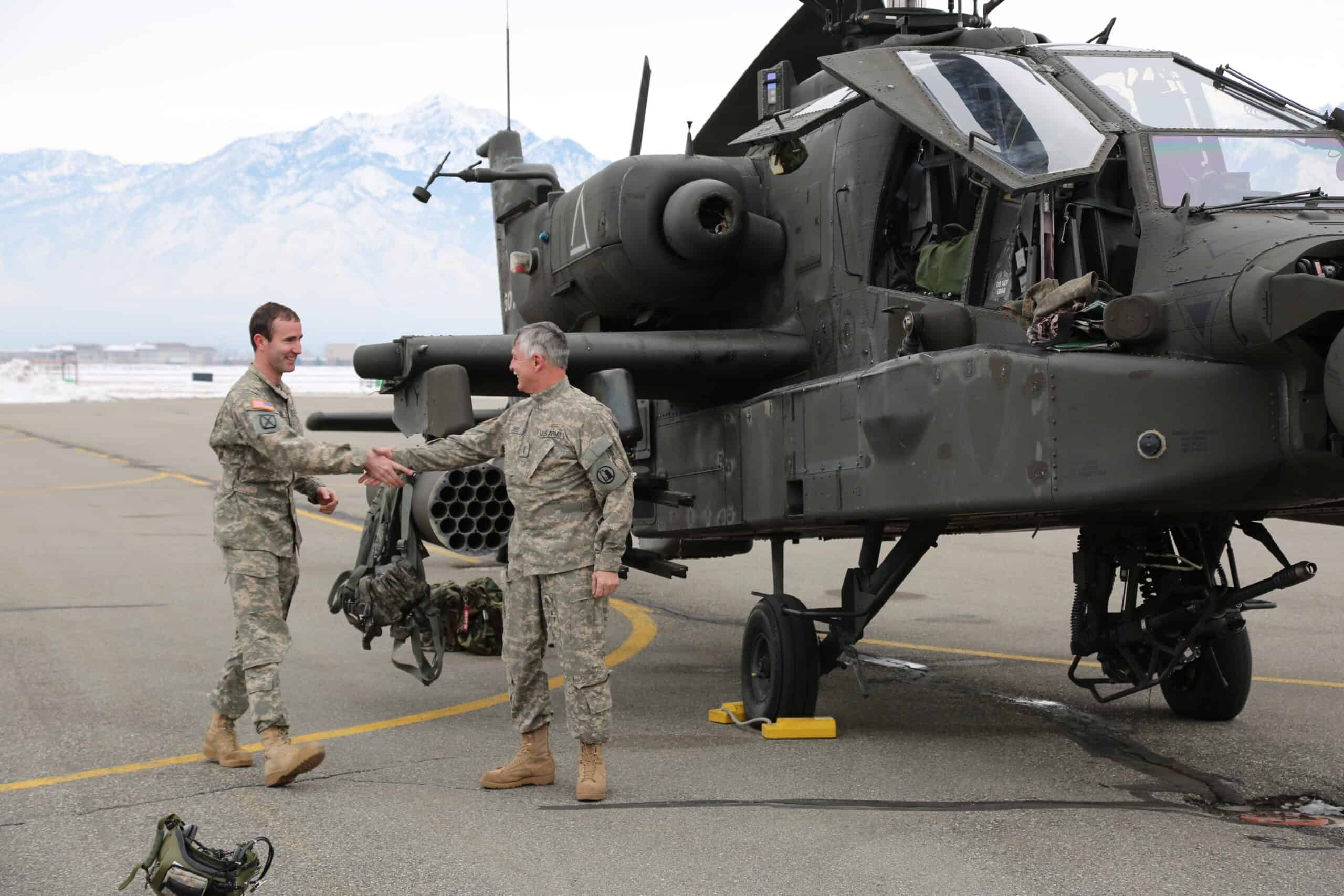
- Service branch: US Army
- Era introduced: 1980s
- Primary mission role: Attack Helicopter
- How wars were fought before it: Limited deep attack capability
- What the aircraft changed: Integrated air-ground maneuver
- Conflict or period that proved the shift: Gulf War
- Second-order effects: Army aviation doctrine
- Why the change lasted: Deep attack concept
The Apache forced the Army to rethink how aviation integrates with maneuver forces for deep strikes.
UH-60 Black Hawk
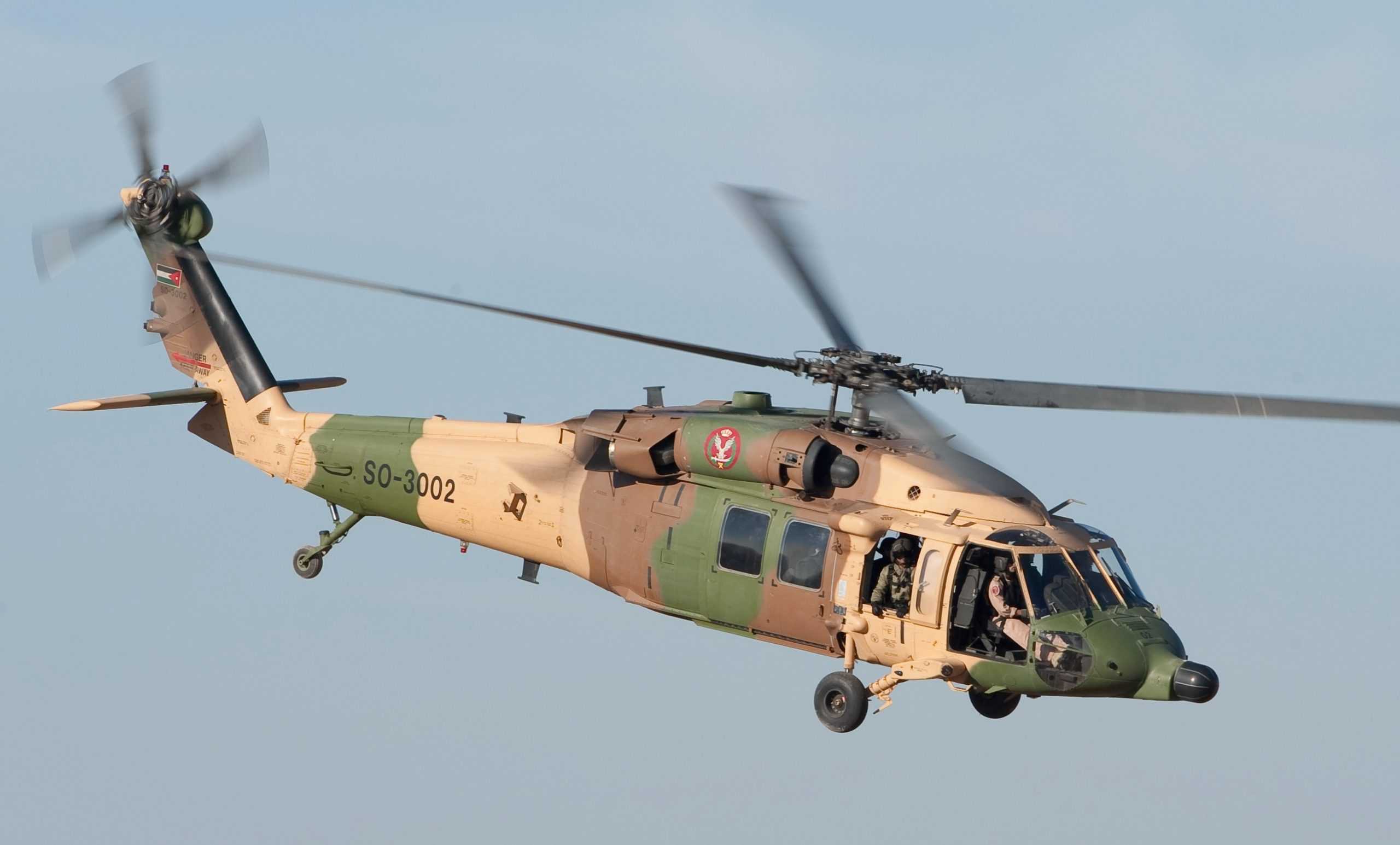
- Service branch: US Army
- Era introduced: 1980s
- Primary mission role: Utility Helicopter
- How wars were fought before it: Slow troop mobility
- What the aircraft changed: Rapid air assault
- Conflict or period that proved the shift: Post-Vietnam era
- Second-order effects: Air mobility doctrine
- Why the change lasted: Operational tempo
The Black Hawk reshaped how quickly and flexibly ground forces could be moved and sustained.
C-130 Hercules
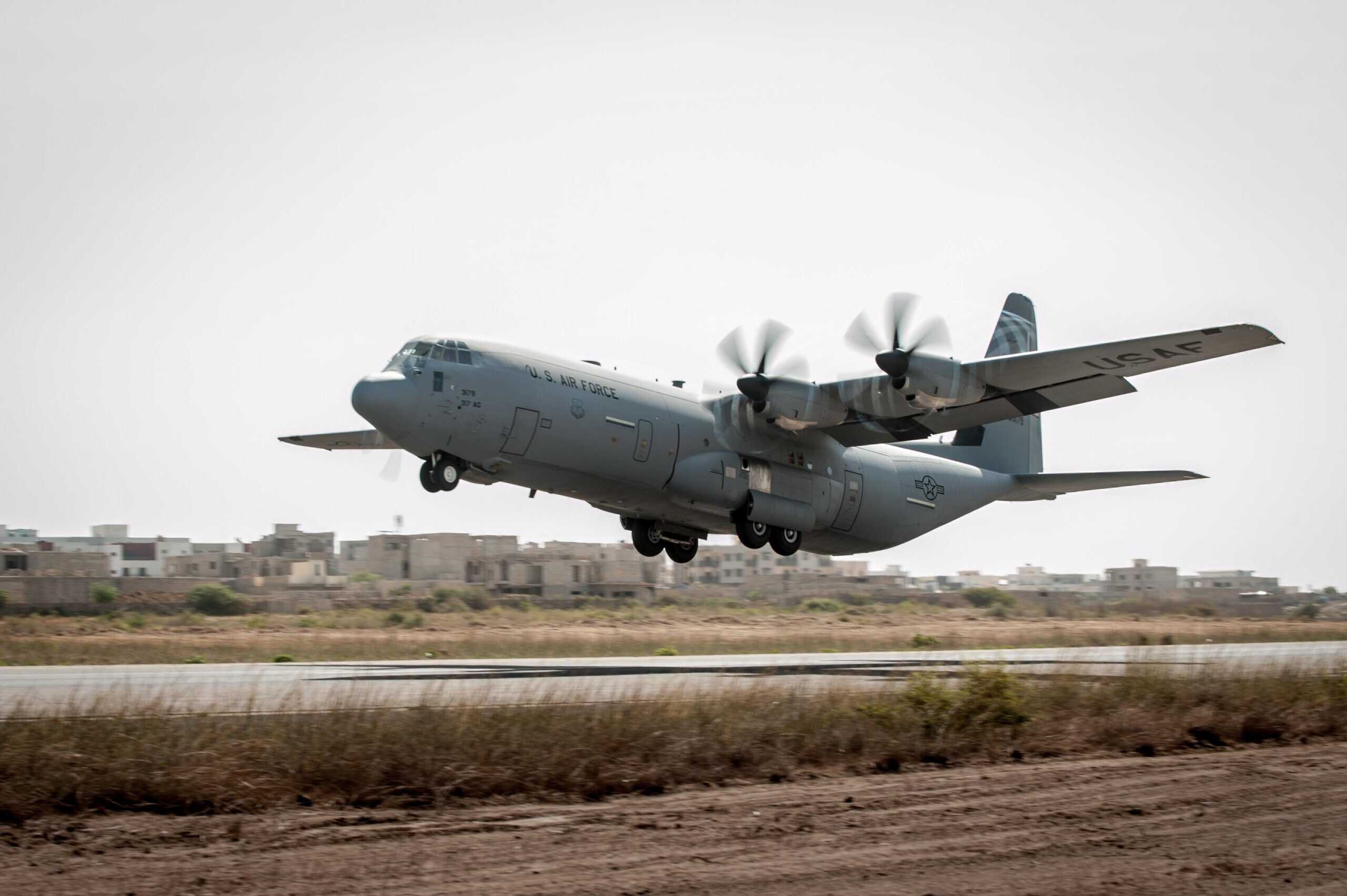
- Service branch: USAF
- Era introduced: 1950s
- Primary mission role: Tactical Airlift
- How wars were fought before it: Limited tactical mobility
- What the aircraft changed: Flexible airlift operations
- Conflict or period that proved the shift: Multiple conflicts
- Second-order effects: Logistics doctrine
- Why the change lasted: Global mobility
The C-130 changed how the U.S. projected and sustained forces globally through adaptable airlift.
KC-135 Stratotanker

- Service branch: USAF
- Era introduced: 1950s
- Primary mission role: Aerial Refueling
- How wars were fought before it: Limited aircraft range
- What the aircraft changed: Global reach via refueling
- Conflict or period that proved the shift: Cold War
- Second-order effects: Force projection
- Why the change lasted: Persistent presence
The KC-135 enabled global operations by extending aircraft endurance, fundamentally altering force projection.
F-15 Eagle
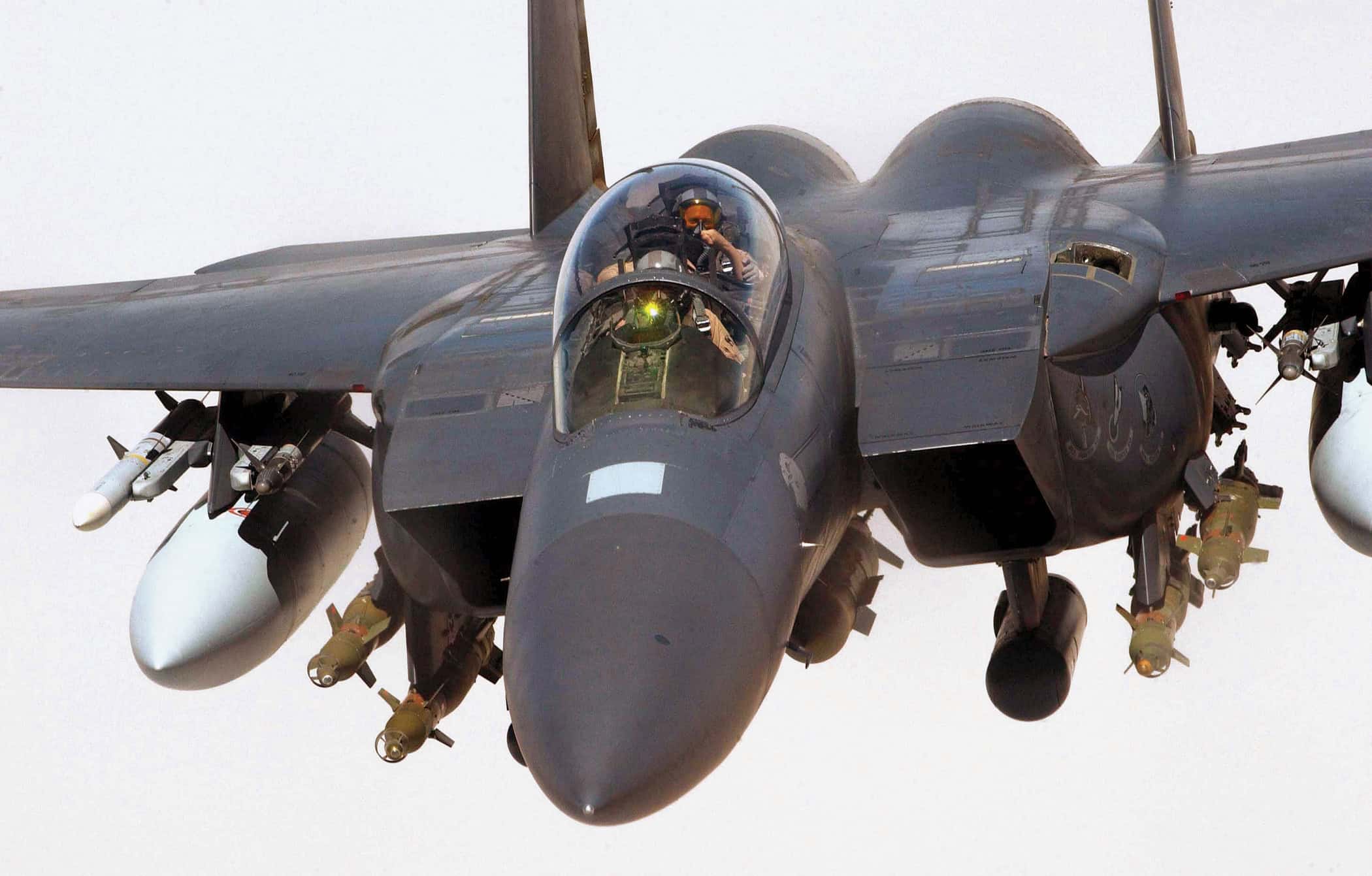
- Service branch: USAF
- Era introduced: 1970s
- Primary mission role: Air Superiority Fighter
- How wars were fought before it: Attrition-based air combat
- What the aircraft changed: Dominant air superiority
- Conflict or period that proved the shift: Cold War
- Second-order effects: Air dominance doctrine
- Why the change lasted: Control of airspace
The F-15 forced a renewed focus on absolute air superiority as a prerequisite for all other operations.
F-16 Fighting Falcon
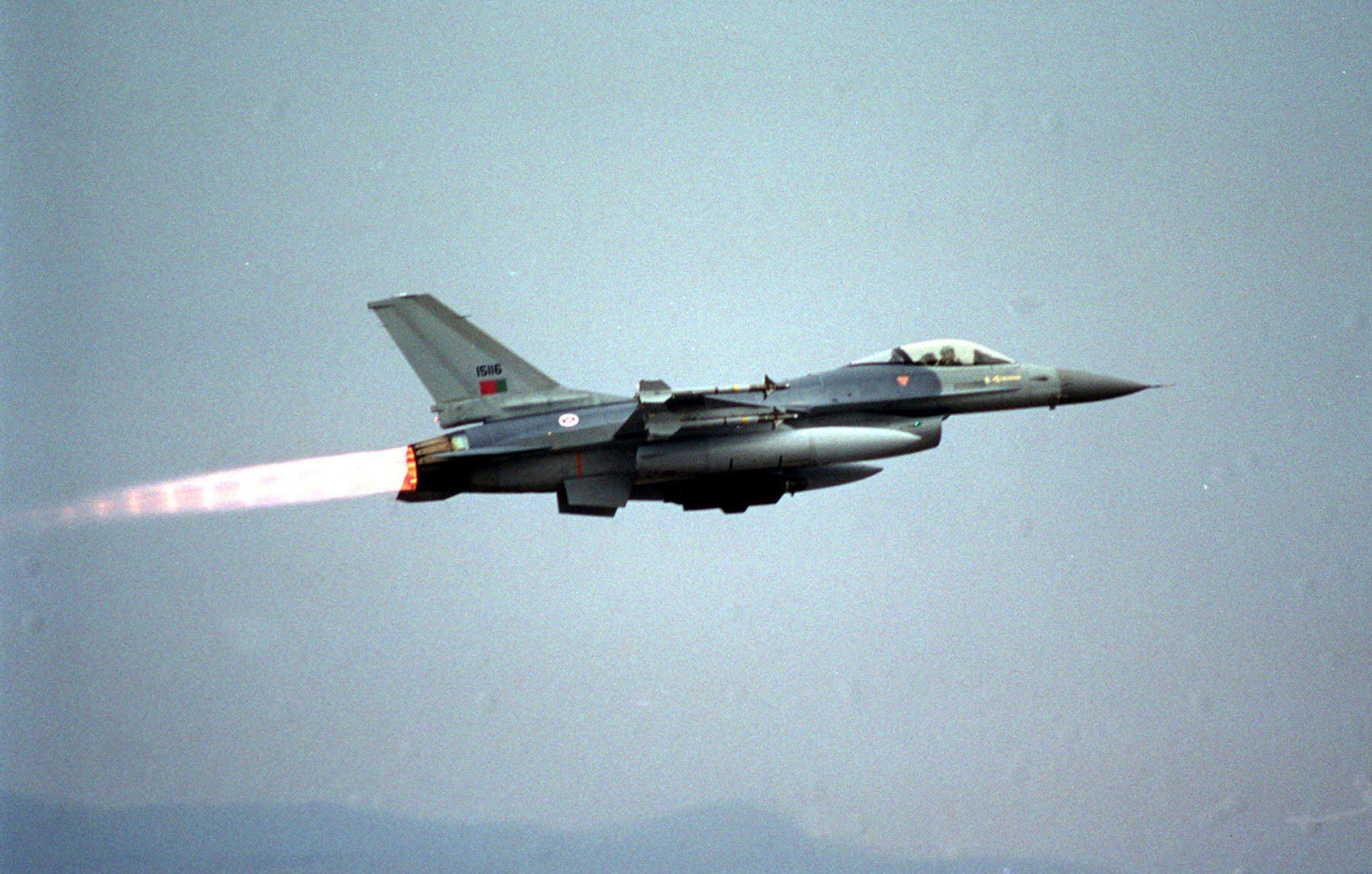
- Service branch: USAF
- Era introduced: 1970s
- Primary mission role: Multirole Fighter
- How wars were fought before it: High-cost specialized fighters
- What the aircraft changed: Affordable multirole force
- Conflict or period that proved the shift: Cold War
- Second-order effects: Force structure balance
- Why the change lasted: Flexible airpower
The F-16 reshaped force structure by proving multirole fighters could be effective and affordable.
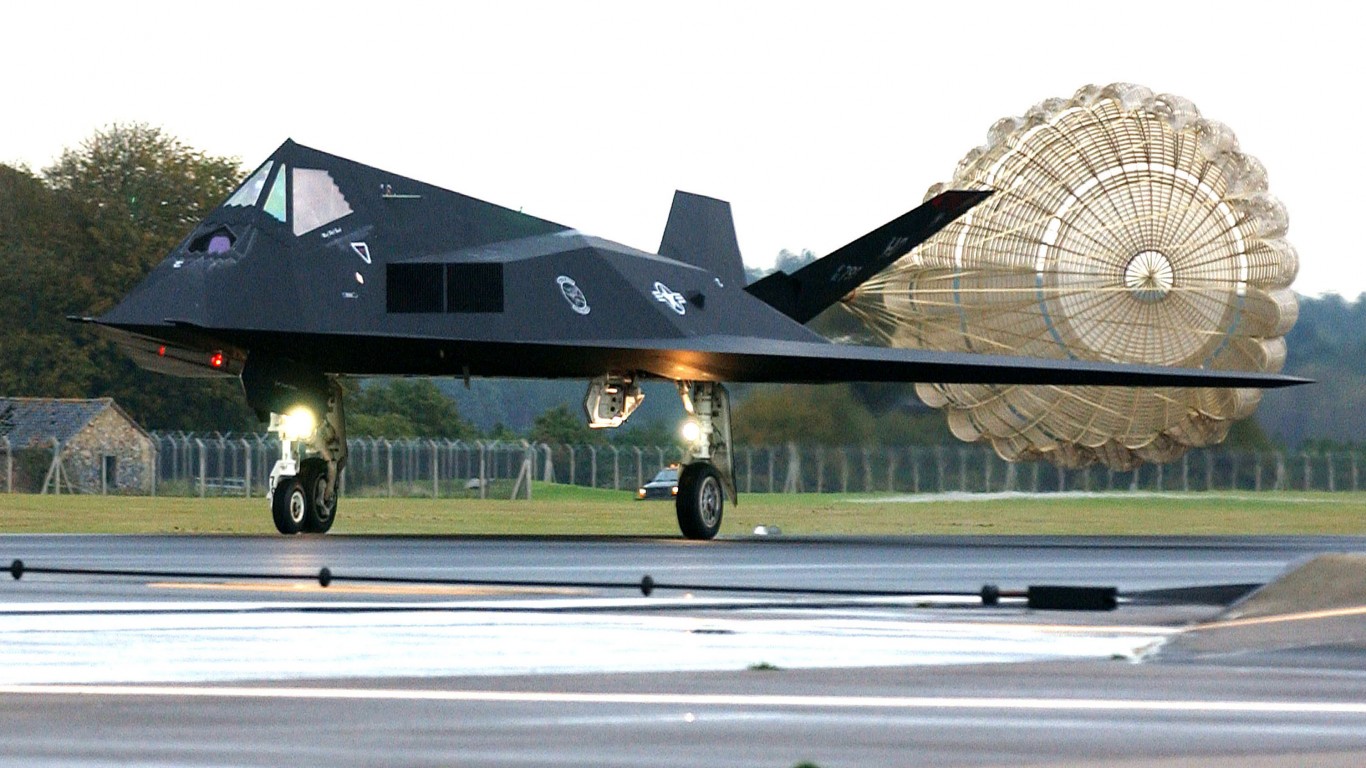
F-117 Nighthawk
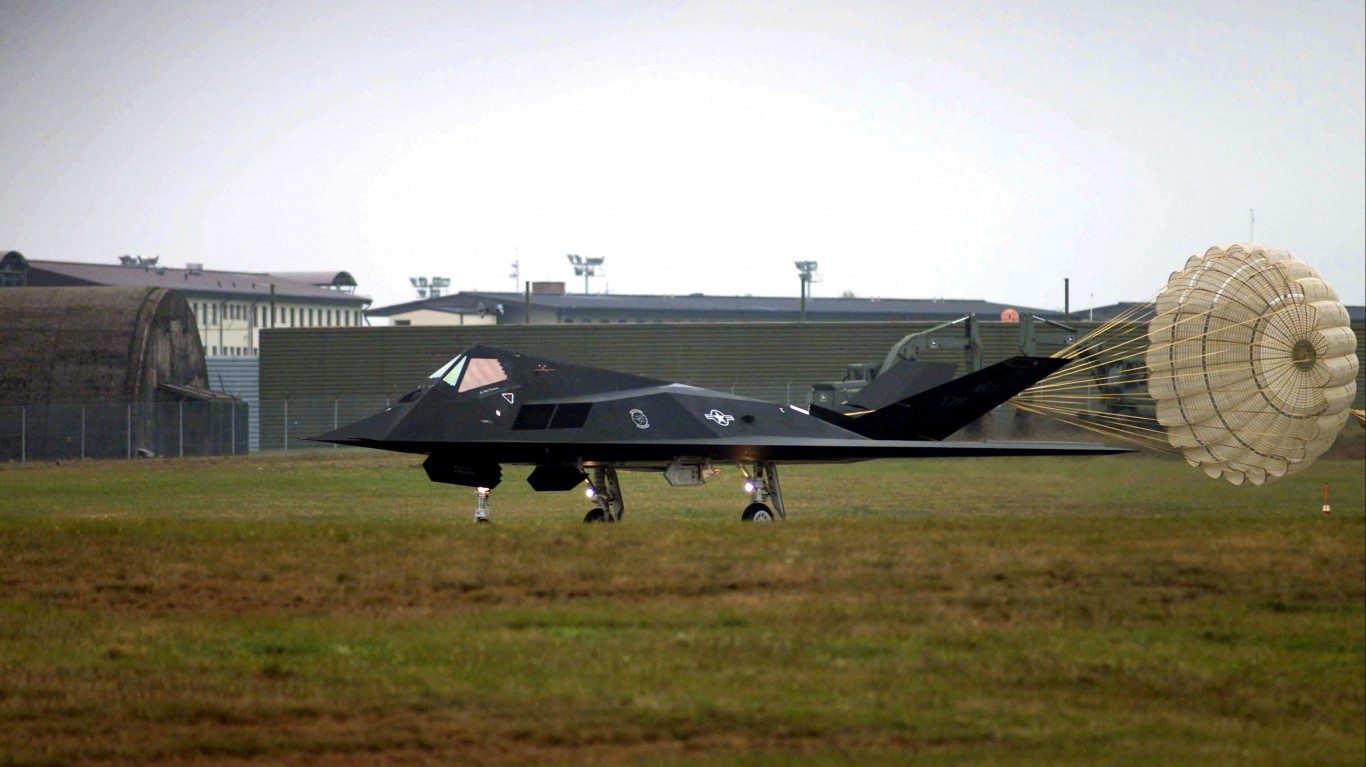
- Service branch: USAF
- Era introduced: 1980s
- Primary mission role: Stealth Strike
- How wars were fought before it: Reliance on massed strikes
- What the aircraft changed: Stealth penetration
- Conflict or period that proved the shift: Gulf War
- Second-order effects: Stealth doctrine
- Why the change lasted: Precision-first campaigns
The F-117 forced a shift toward stealth-first strike planning, changing how air defenses were penetrated.
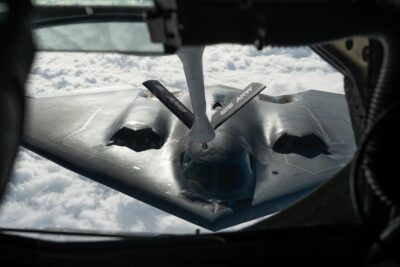
B-2 Spirit

- Service branch: USAF
- Era introduced: 1990s
- Primary mission role: Stealth Bomber
- How wars were fought before it: Regional basing limits
- What the aircraft changed: Global stealth strike
- Conflict or period that proved the shift: Post-Cold War
- Second-order effects: Global reach
- Why the change lasted: Strategic stealth
The B-2 changed how the U.S. approached global strike by combining stealth with intercontinental reach.
MQ-1 Predator
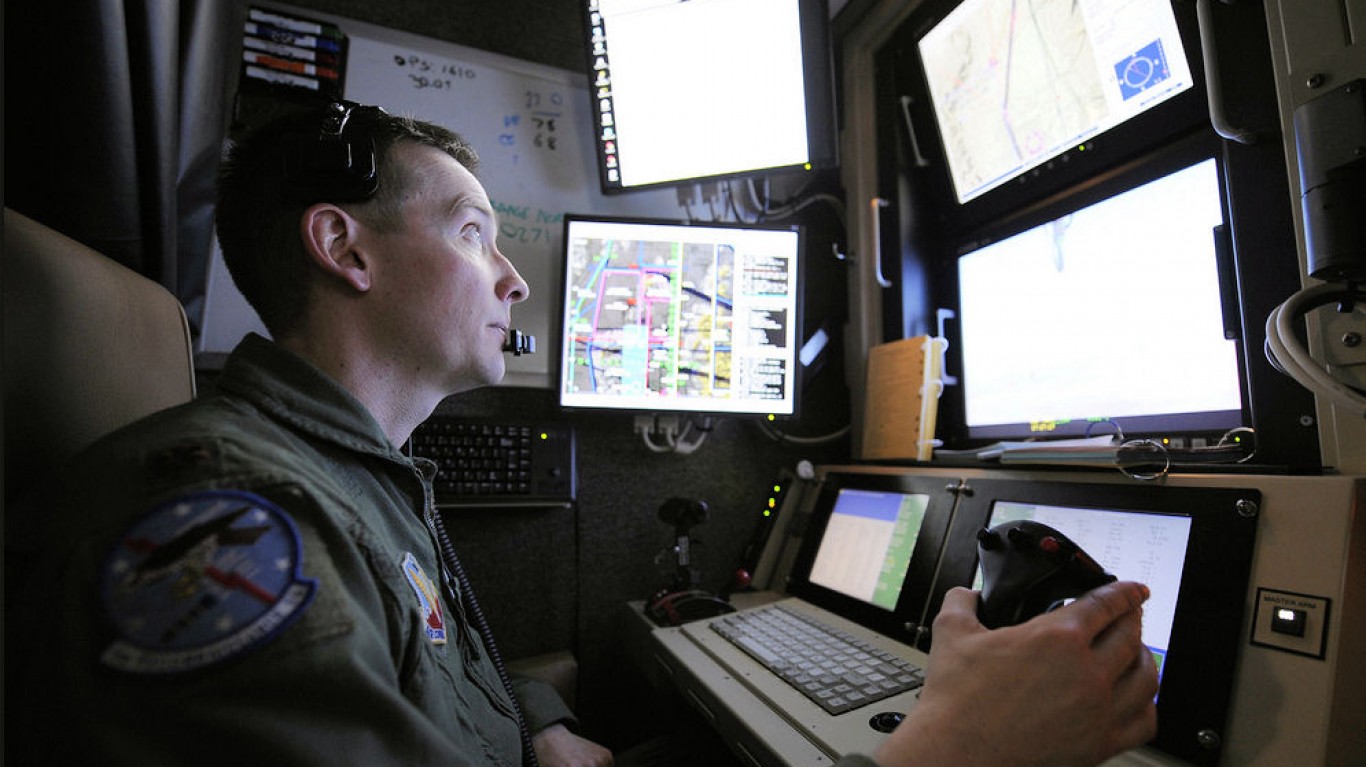
- Service branch: USAF/CIA
- Era introduced: 1990s
- Primary mission role: ISR/Strike
- How wars were fought before it: Limited persistent ISR
- What the aircraft changed: Persistent surveillance
- Conflict or period that proved the shift: GWOT
- Second-order effects: Remote warfare
- Why the change lasted: Drone warfare era
The Predator reshaped warfare by enabling persistent ISR and remote strikes without forward basing.
MQ-9 Reaper
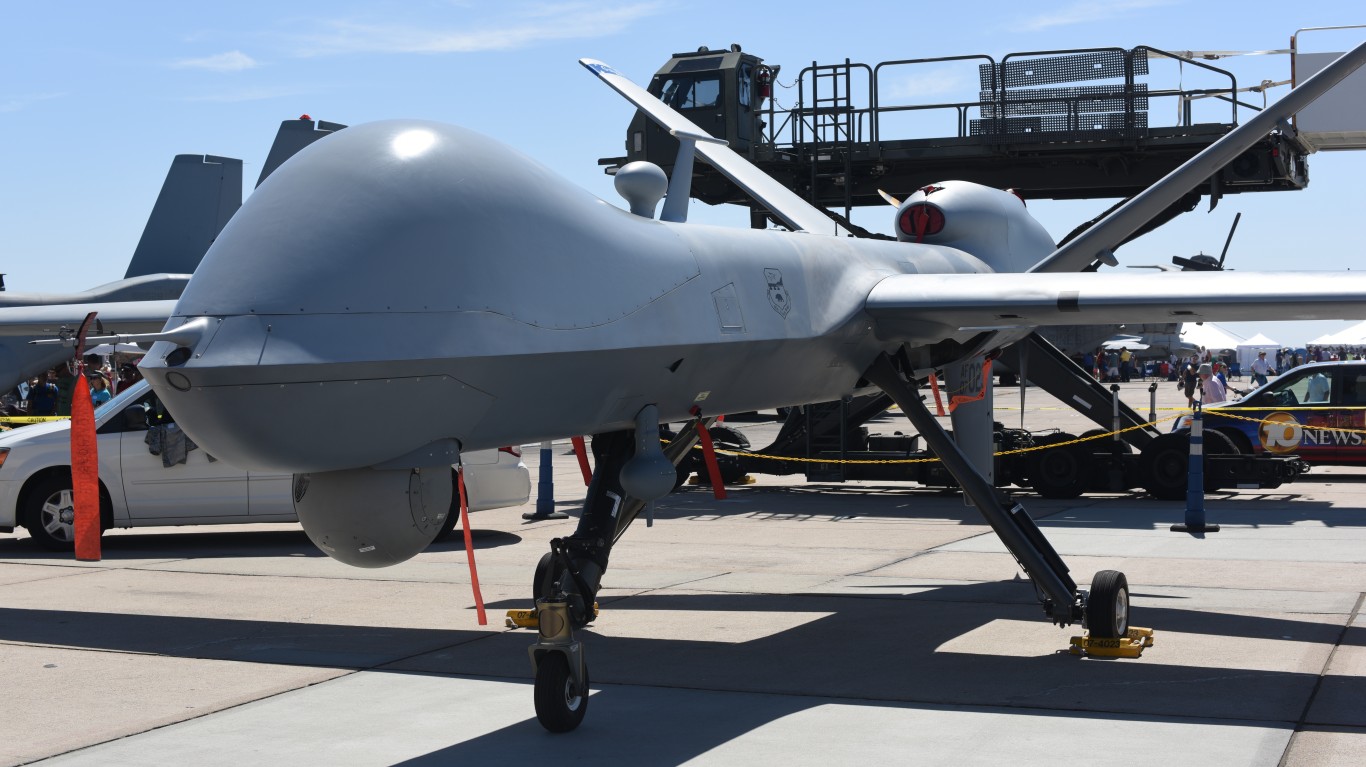
- Service branch: USAF
- Era introduced: 2000s
- Primary mission role: Strike UAV
- How wars were fought before it: Limited UAV lethality
- What the aircraft changed: Armed persistence
- Conflict or period that proved the shift: GWOT
- Second-order effects: Targeted killing doctrine
- Why the change lasted: Remote strike norm
The Reaper expanded drone warfare by combining persistence with lethal strike capability.
RQ-4 Global Hawk
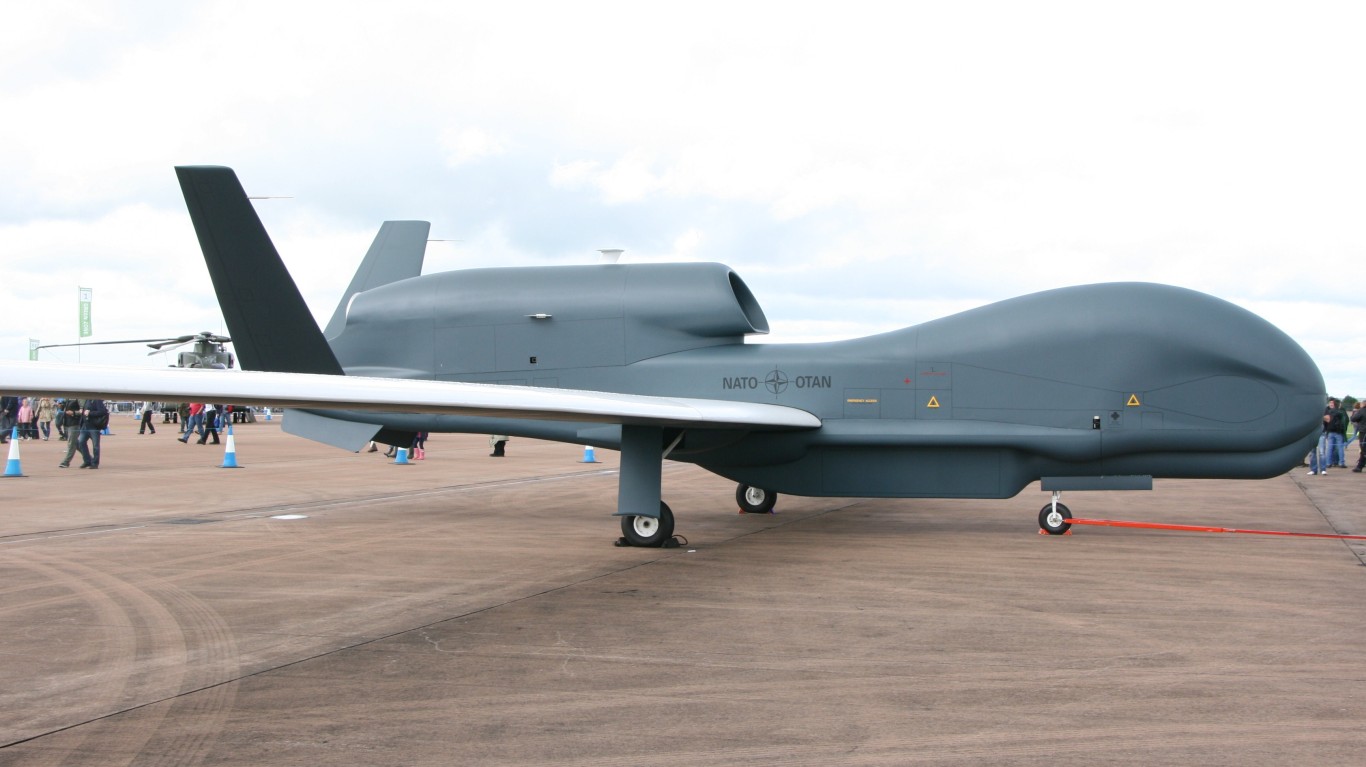
- Service branch: USAF
- Era introduced: 2000s
- Primary mission role: Strategic ISR
- How wars were fought before it: Manned ISR risk
- What the aircraft changed: Long-duration surveillance
- Conflict or period that proved the shift: Post-9/11 era
- Second-order effects: ISR persistence
- Why the change lasted: Information dominance
Global Hawk forced changes in ISR planning by enabling continuous wide-area surveillance.
F-22 Raptor
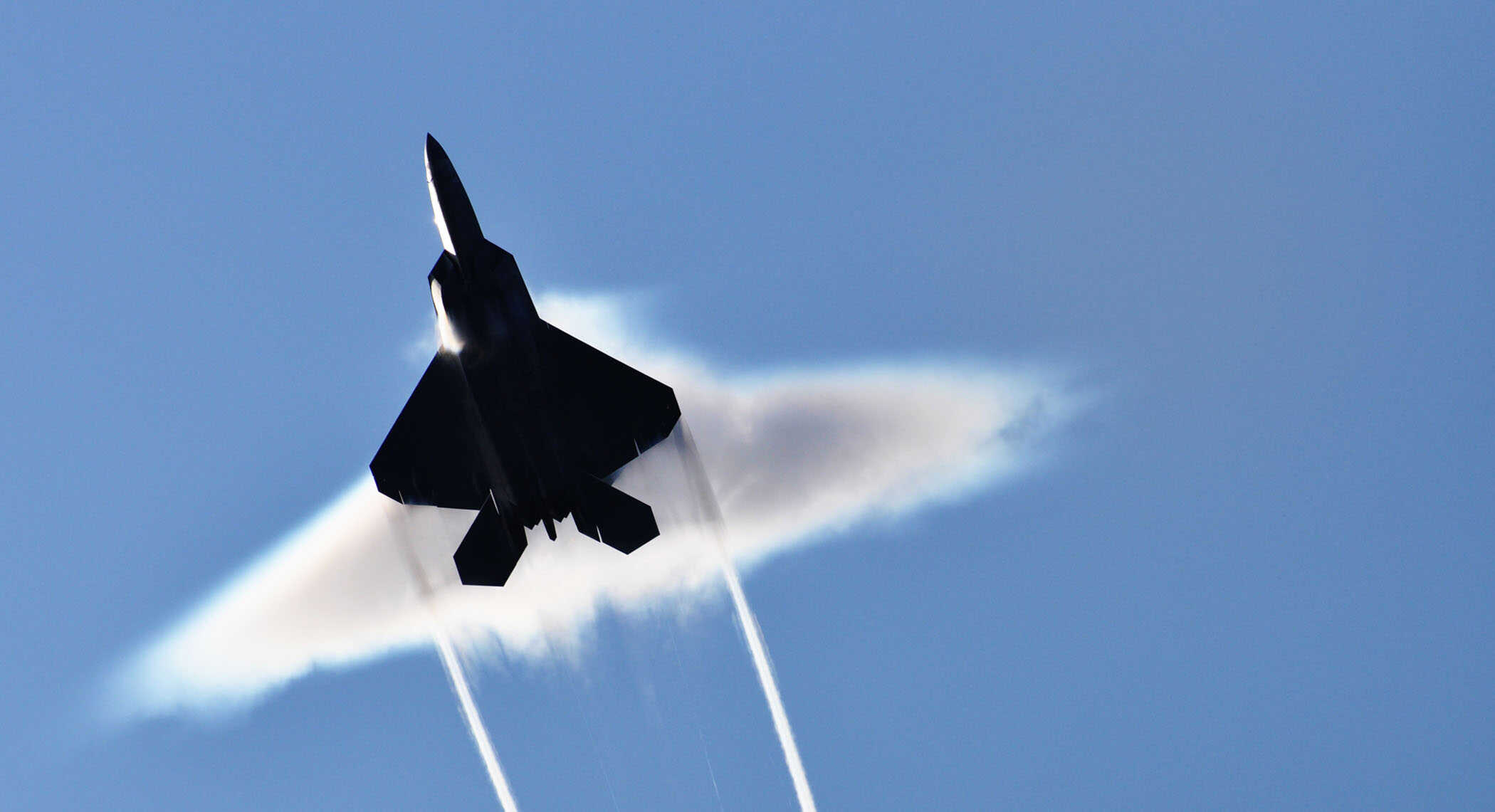
- Service branch: USAF
- Era introduced: 2000s
- Primary mission role: Air Superiority Fighter
- How wars were fought before it: Fourth-gen limitations
- What the aircraft changed: Integrated stealth dominance
- Conflict or period that proved the shift: Post-Cold War
- Second-order effects: Integrated air dominance
- Why the change lasted: Deterrence posture
The F-22 redefined air dominance by integrating stealth, sensors, and performance into a single platform.
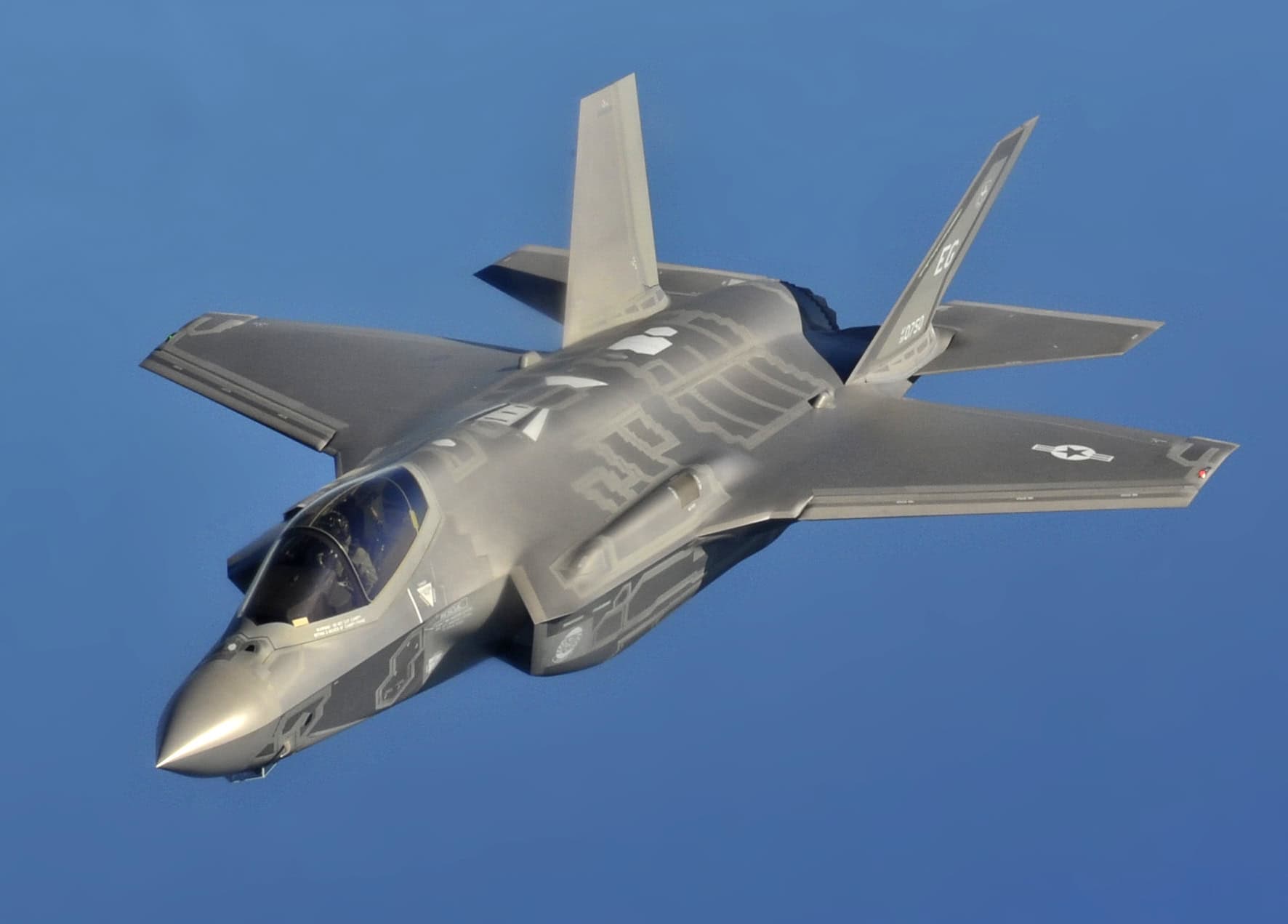
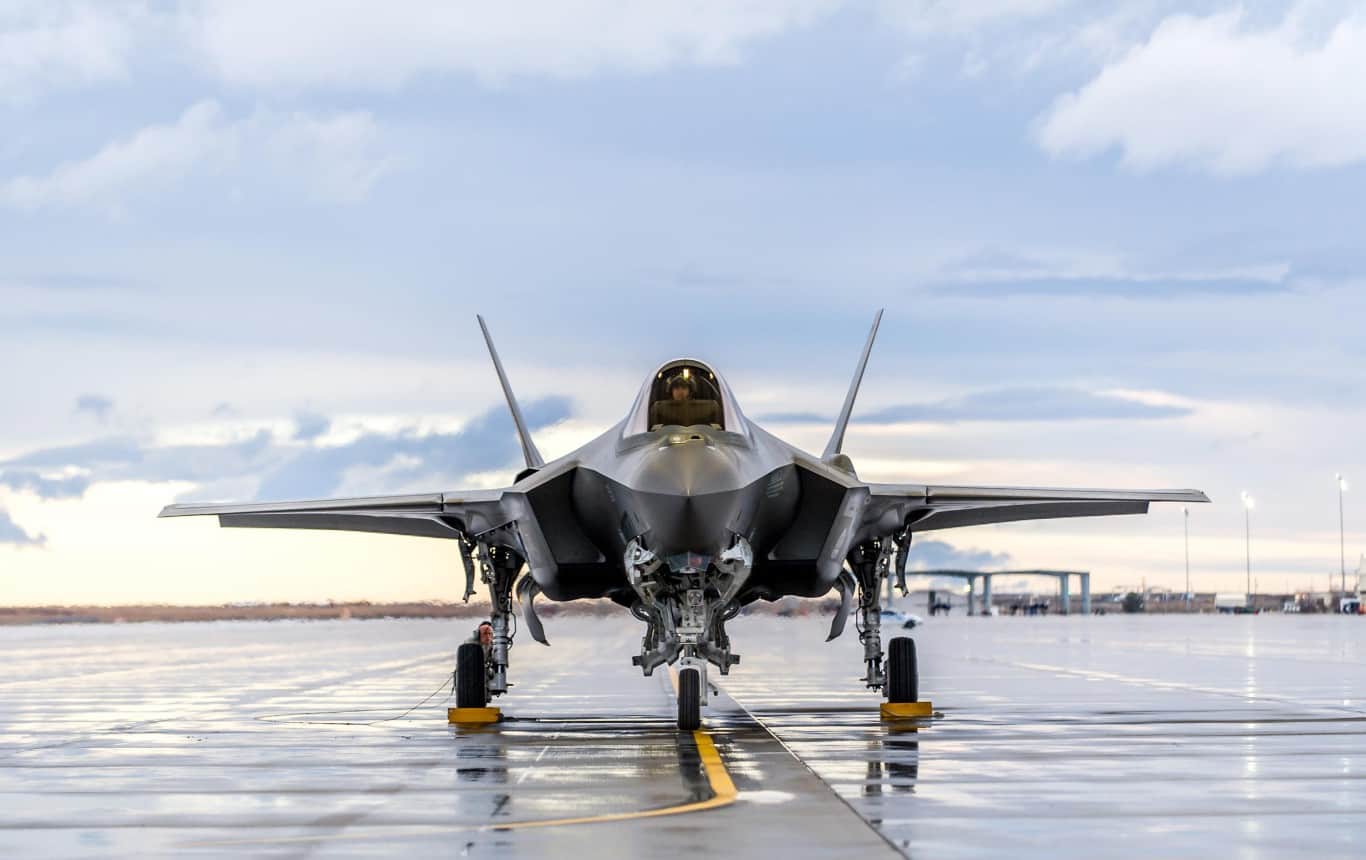
F-35 Lightning II
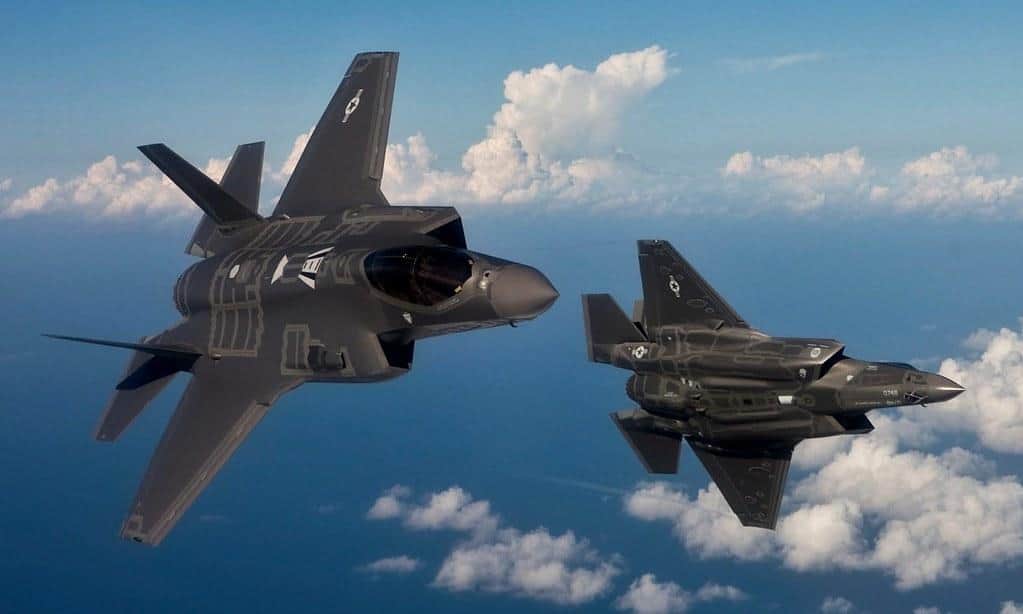
- Service branch: USAF/USN/USMC
- Era introduced: 2010s
- Primary mission role: Multirole Fighter
- How wars were fought before it: Platform-centric warfare
- What the aircraft changed: Sensor-fusion operations
- Conflict or period that proved the shift: Modern conflicts
- Second-order effects: Joint integration
- Why the change lasted: Networked warfare
The F-35 forced a shift toward sensor-driven, networked warfare where information dominance mattered as much as firepower.
V-22 Osprey
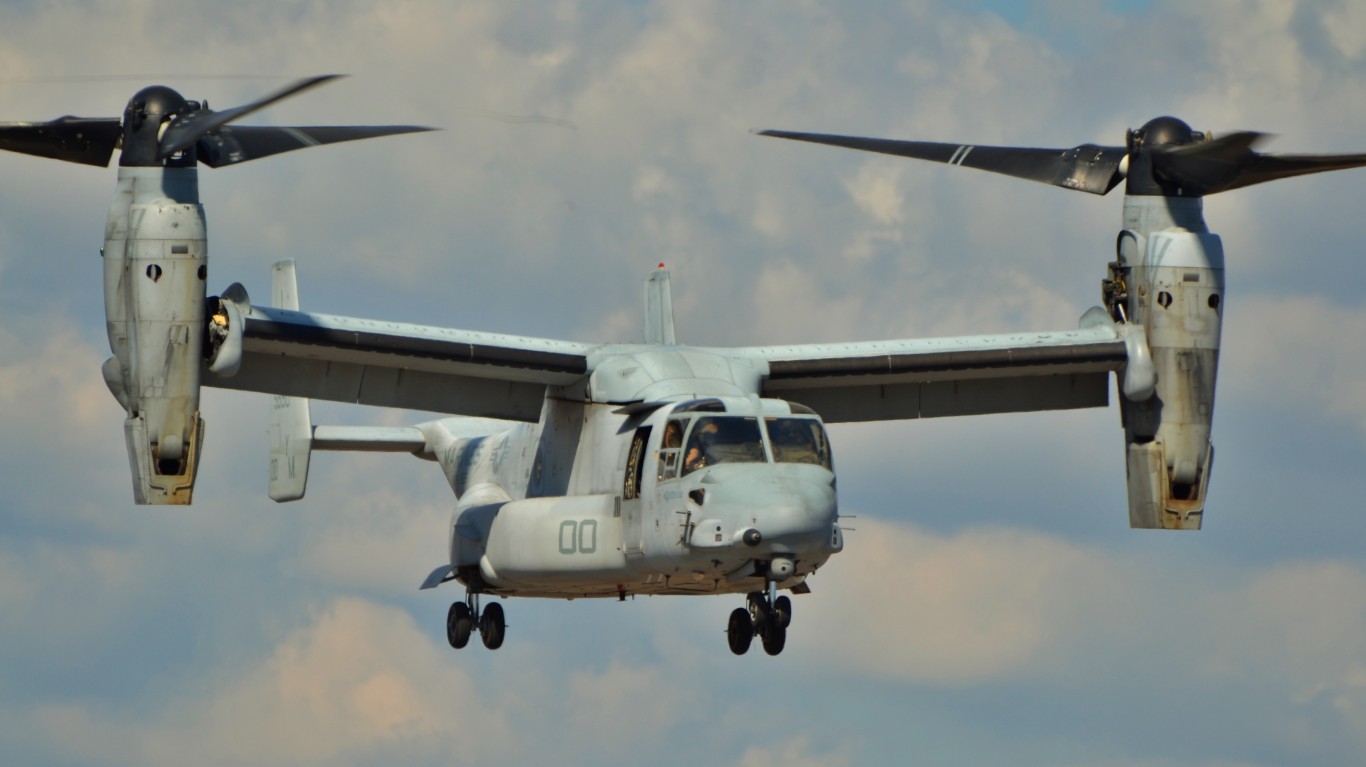
- Service branch: USMC/USAF
- Era introduced: 2000s
- Primary mission role: Tiltrotor Transport
- How wars were fought before it: Limited insertion range
- What the aircraft changed: Extended-range vertical lift
- Conflict or period that proved the shift: GWOT
- Second-order effects: SOF mobility
- Why the change lasted: Operational reach
The V-22 changed how forces are inserted by combining helicopter access with airplane speed and range.





 Top Gaining Stocks
 Top Losing Stocks