


For decades, the military has announced the retirement of aircraft that were supposedly nearing the end of their usefulness. Yet many of those platforms are still flying today. Whether it’s because replacements arrived late, failed to replicate critical capabilities, or just couldn’t meet operational need, these aircraft refused to disappear. Here, 24/7 Wall St. is taking a closer look at military aircraft that just refused to retire.
To determine the aircraft the military tried to retire but couldn’t, 24/7 Wall St. reviewed various historical and military sources. We included supplemental information regarding the aircraft type, the conflicts it served in, year introduced to service, why it matters, as well as each aircraft’s current status.
Here is a look at aircraft the military tried to retire but ultimately couldn’t:
Why Are We Covering This?
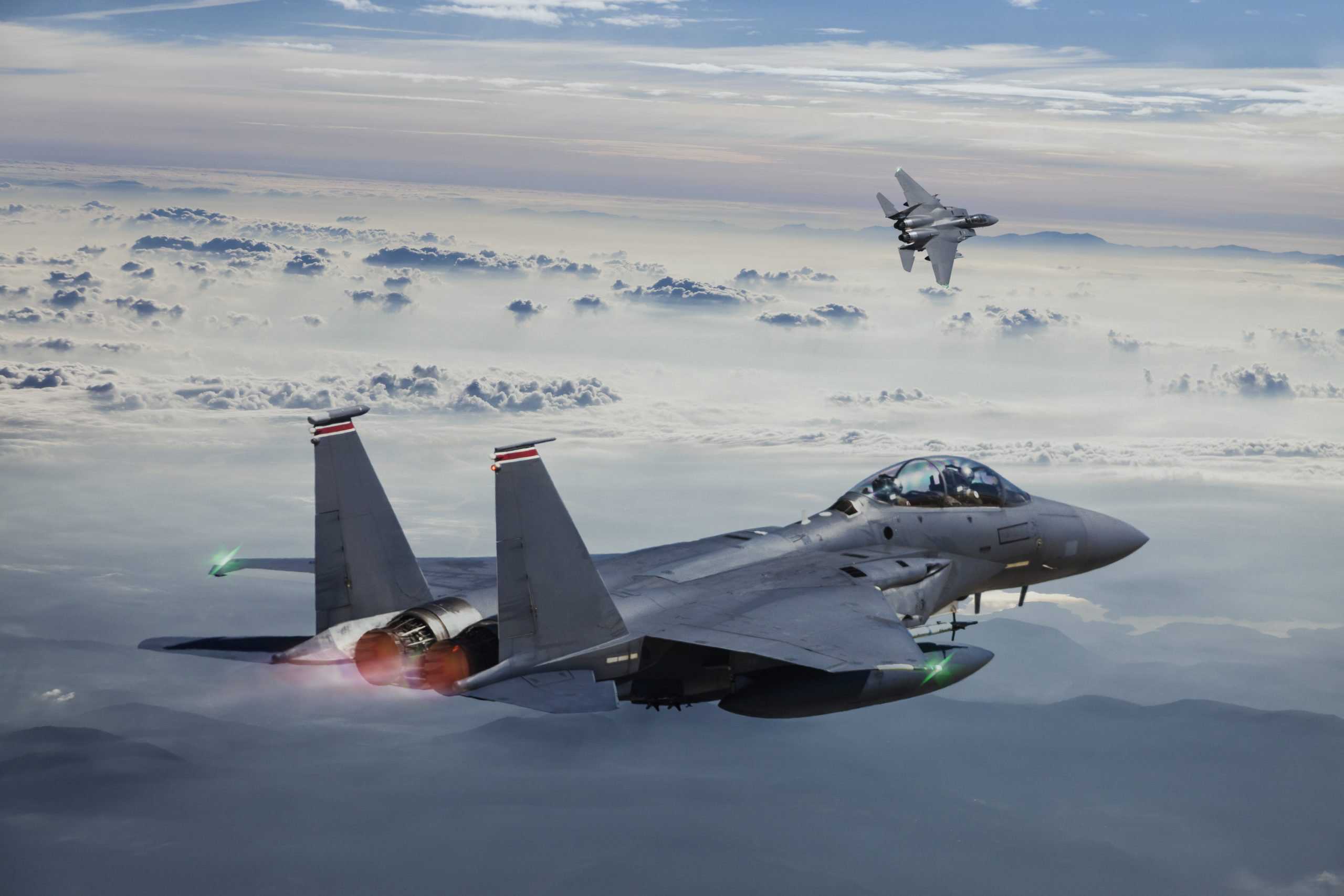
Military aircraft retirements are often presented as straightforward modernization decisions, but real-world operations rarely follow planned timelines. By focusing on platforms that survived multiple retirement attempts, the list highlights the disconnect between paper modernization and battlefield reality, and explains why proven, reliable aircraft continue flying long after they were supposed to disappear.
Retirement Makes Sense on Paper
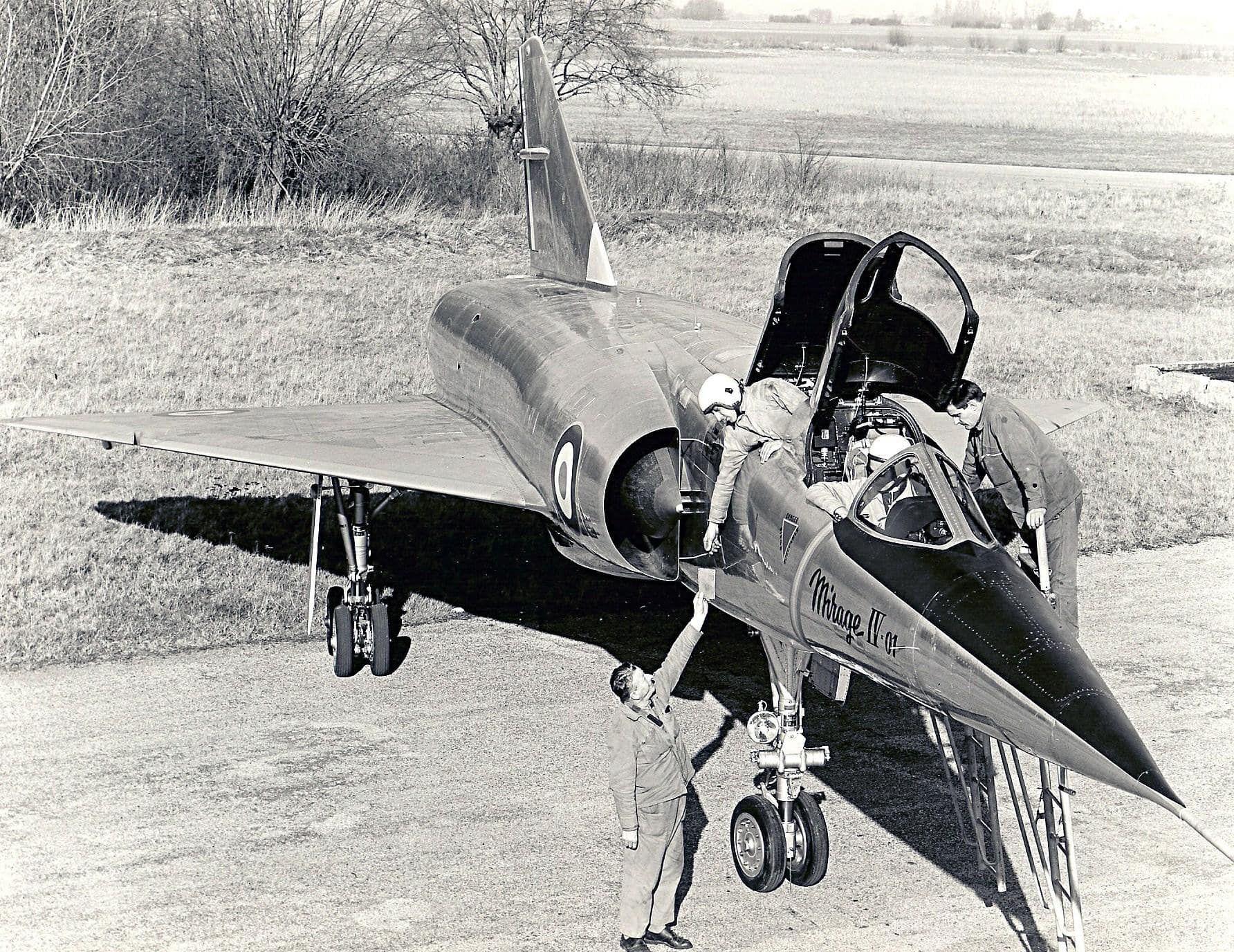
Most retirement plans begin with a logical argument. Aging aircraft become more expensive to maintain, airframes accumulate fatigue, and supply chains for older components become harder to sustain. On paper, replacing legacy aircraft with newer platforms promises better performance and lower long-term costs. Budget forecasts and modernization roadmaps often assume clean handoffs, with old fleets exiting as new ones arrive. The problem is that aviation rarely follows a script.
Replacement Programs Rarely Arrive on Time
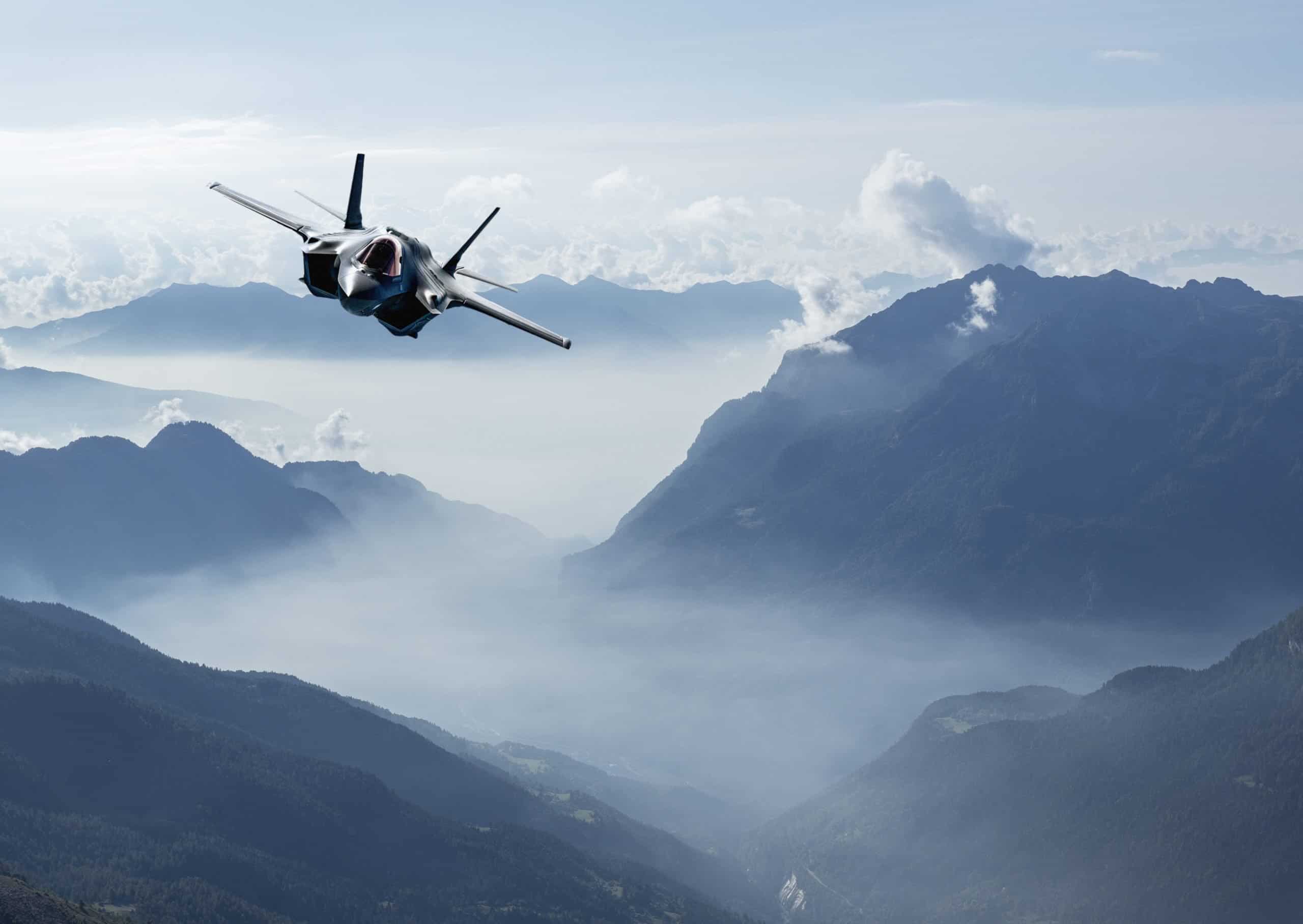
Even the best-funded replacement programs tend to slip. Development delays, cost overruns, shifting requirements, and production slowdowns can reduce the number of new aircraft delivered or postpone their operational readiness. In some cases, the replacement arrives but does not fully replicate the mission set of what it was meant to replace, creating gaps that planners didn’t anticipate. When timelines fall apart, retirement stops being a decision and becomes a risk.
Combat Has a Vote
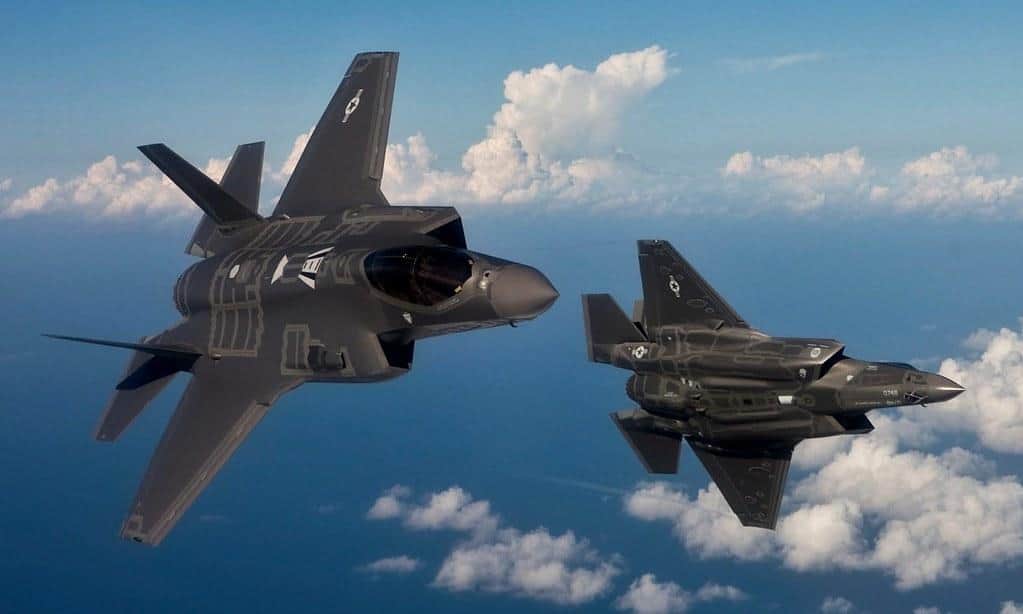
Operational demand has a way of overruling procurement plans. Conflicts extend longer than expected, mission requirements expand, and airpower gets tasked at higher tempo than planners predicted. In that environment, commanders prioritize aircraft that are available, reliable, and familiar—even if they are older—because capability on paper does not help when a mission needs to launch today. The battlefield doesn’t care what was scheduled for retirement; it rewards what still works.
What These Aircraft Still Do Better

Some aircraft survive retirement attempts because they continue to do specific jobs better than newer systems. Endurance, payload, reliability, and sustainment often matter more than sleek design or advanced features. Others remain because they fill niche roles where no true substitute exists, or because they can be upgraded incrementally at far lower cost than developing an entirely new platform. In many cases, the aircraft that refuse to retire do so because they remain the most practical answer to an unsolved problem.
The Aircraft Retirement Couldn’t Kill
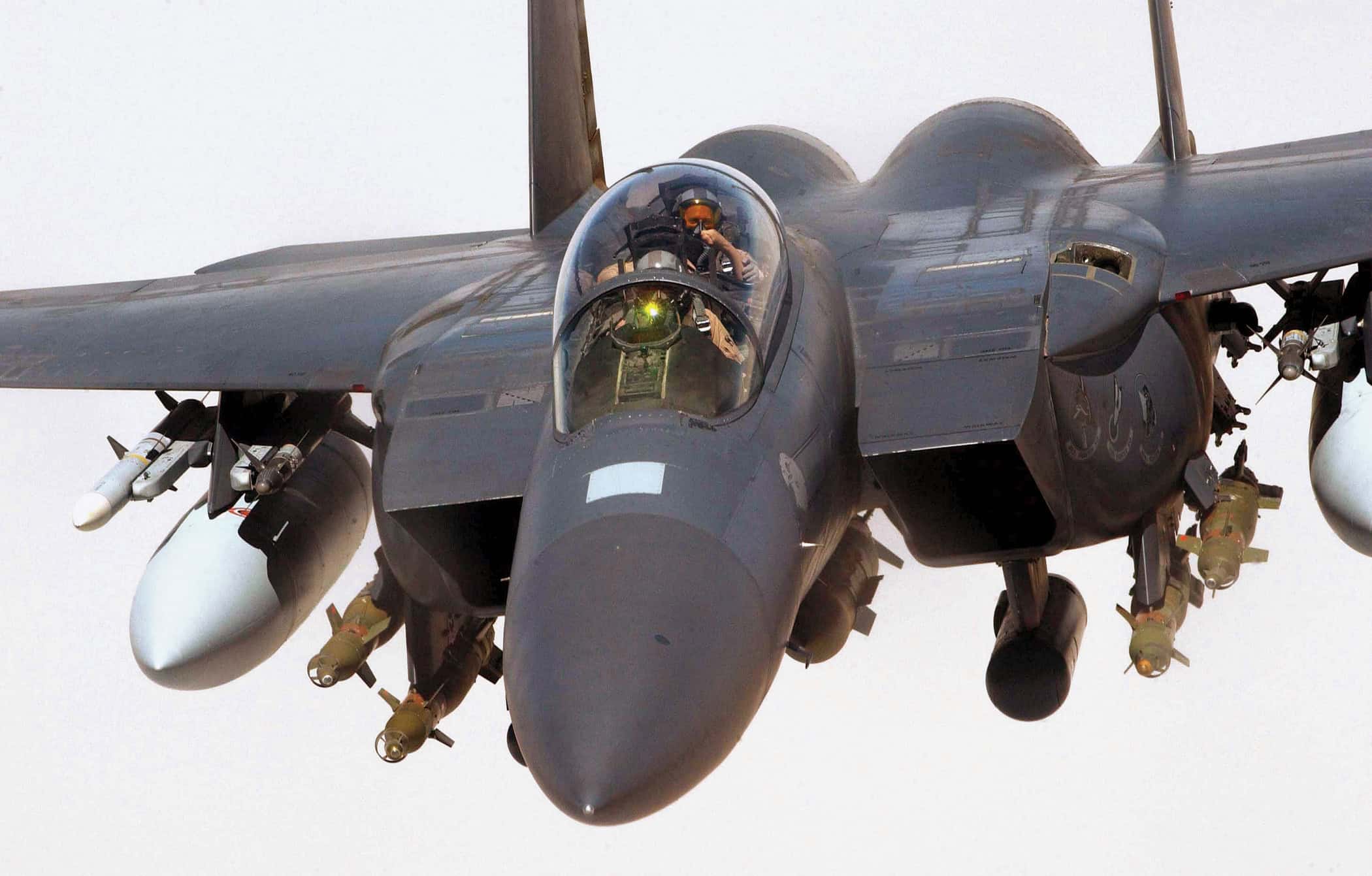
The list that follows highlights 30 aircraft the military tried to retire—only to keep flying due to operational necessity, replacement delays, or capabilities that proved too valuable to abandon. Spanning fighters, bombers, ISR platforms, tankers, transports, and helicopters, each entry tells the same story in a different form: retirement plans are easy to announce, but much harder to execute when real-world demand refuses to cooperate.
A-10 Thunderbolt II

- Type: Attack / CAS
- Year introduced to service: 1977
- Planned retirement / replacement: Planned replacement by multirole fighters
- Why retirement failed: No aircraft replicated its loiter time and CAS survivability
- What it still does better than replacements: Close air support at low altitude
- Conflicts / operations that kept it relevant: GWOT, Afghanistan, Iraq
- Current status: Active
The A-10 has faced repeated retirement attempts, yet combat operations consistently exposed the lack of a true replacement. Its ability to loiter, absorb damage, and deliver precise close air support kept it flying despite institutional pressure to retire it.
F-15C Eagle

- Type: Fighter
- Year introduced to service: 1976
- Planned retirement / replacement: Intended drawdown in favor of F-35
- Why retirement failed: Air superiority gap emerged
- What it still does better than replacements: Pure air dominance performance
- Conflicts / operations that kept it relevant: Cold War, GWOT
- Current status: Active
The F-15C was repeatedly marked for retirement, but delays and readiness issues with replacements forced extensions to maintain air superiority.
F-15E Strike Eagle

- Type: Strike Fighter
- Year introduced to service: 1989
- Planned retirement / replacement: Expected replacement by newer multirole platforms
- Why retirement failed: Mission flexibility proved unmatched
- What it still does better than replacements: Deep strike with heavy payload
- Conflicts / operations that kept it relevant: GWOT
- Current status: Active
The Strike Eagle’s versatility in strike, ISR, and air-to-air roles made retirement impractical as replacements struggled to cover its mission set.
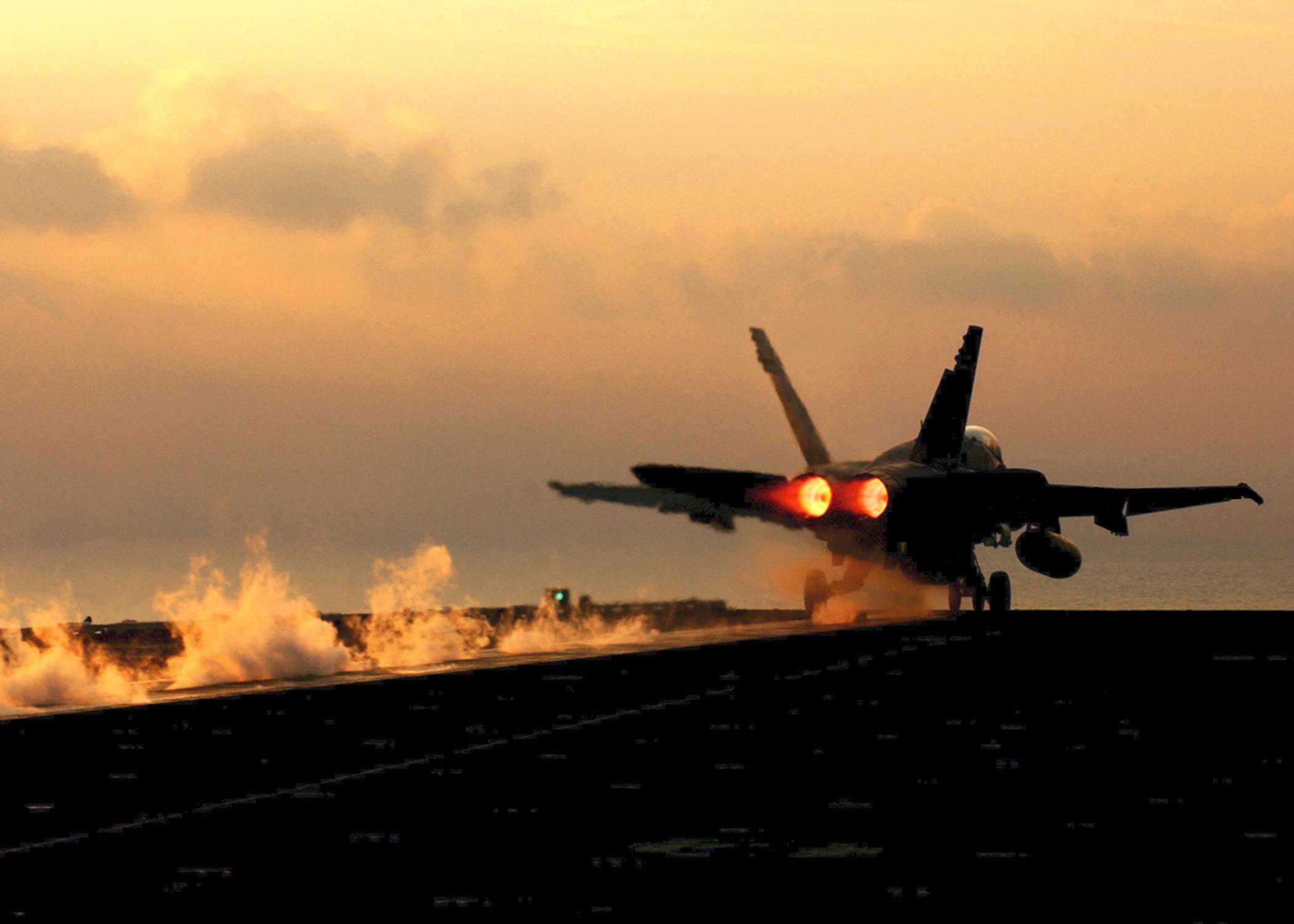
F/A-18C/D Hornet
- Type: Multirole Fighter
- Year introduced to service: 1983
- Planned retirement / replacement: Planned phase-out for newer Hornet variants
- Why retirement failed: Replacement delays and readiness shortfalls
- What it still does better than replacements: Carrier-capable multirole flexibility
- Conflicts / operations that kept it relevant: GWOT
- Current status: Limited
The legacy Hornet remained indispensable as newer aircraft failed to arrive in sufficient numbers to fill carrier air wing requirements.
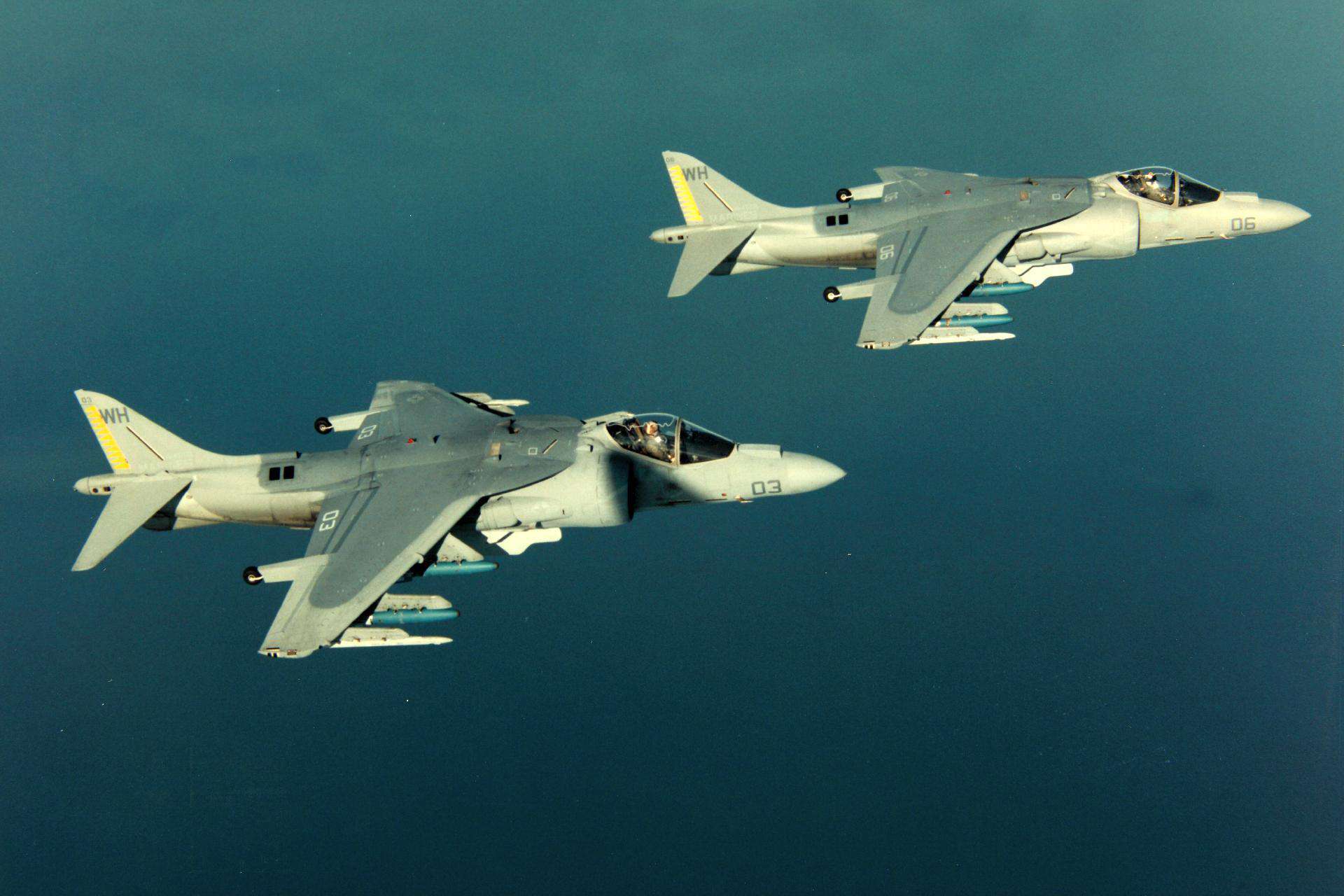
AV-8B Harrier II
- Type: Attack / CAS
- Year introduced to service: 1985
- Planned retirement / replacement: Replacement by F-35B
- Why retirement failed: Expeditionary basing capability remained critical
- What it still does better than replacements: Short takeoff and vertical landing
- Conflicts / operations that kept it relevant: GWOT
- Current status: Limited
The Harrier survived retirement attempts because its expeditionary CAS capability remained essential during prolonged conflicts.
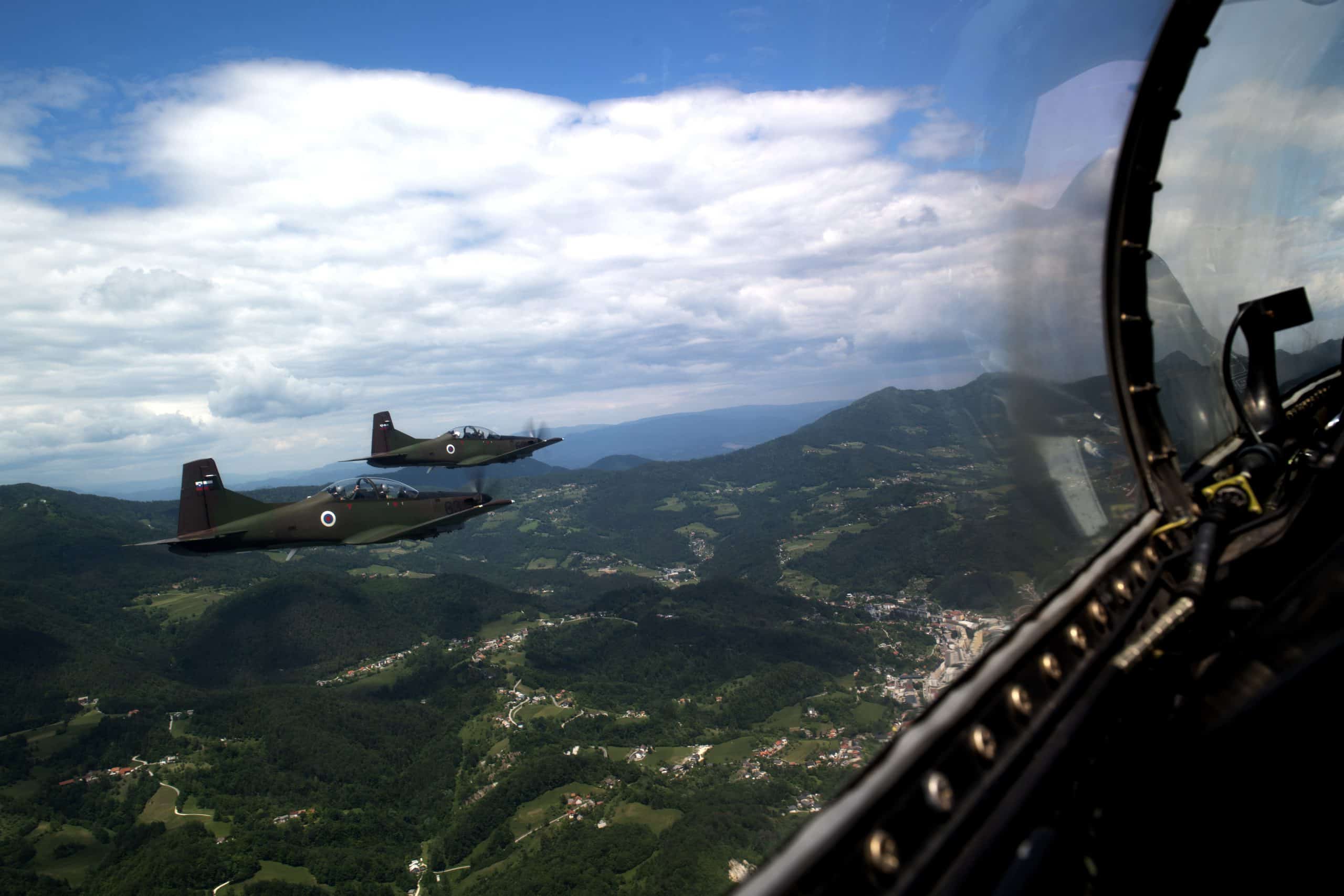
F-16 Fighting Falcon
- Type: Multirole Fighter
- Year introduced to service: 1978
- Planned retirement / replacement: Multiple planned retirements
- Why retirement failed: Fleet size and cost effectiveness
- What it still does better than replacements: Affordable multirole performance
- Conflicts / operations that kept it relevant: Cold War, GWOT
- Current status: Active
The F-16 outlasted multiple retirement timelines due to its adaptability, affordability, and sheer operational demand.
EA-6B Prowler
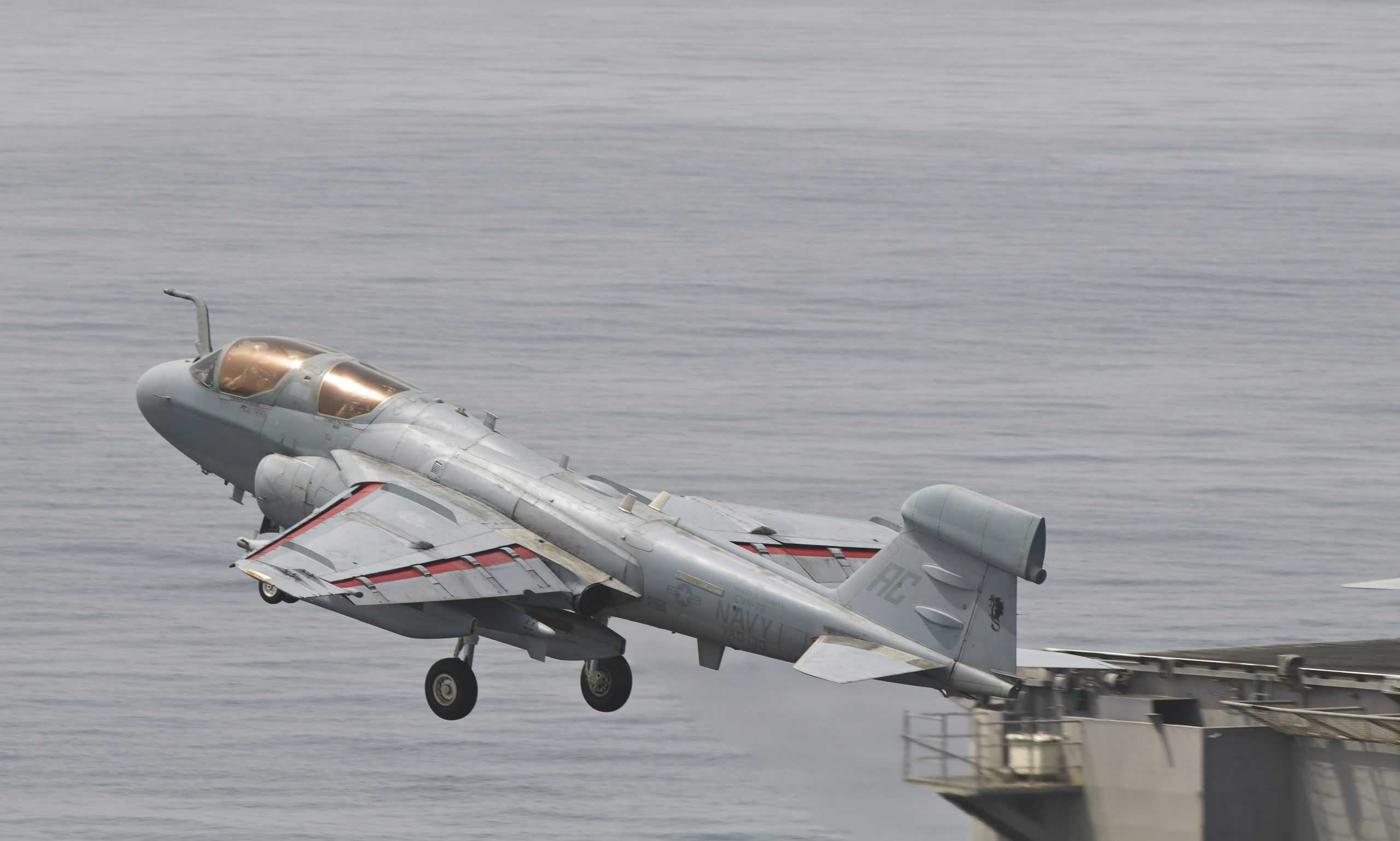
- Type: Electronic Warfare
- Year introduced to service: 1971
- Planned retirement / replacement: Replacement by EA-18G Growler
- Why retirement failed: Operational demand exceeded replacement capacity
- What it still does better than replacements: Dedicated electronic attack
- Conflicts / operations that kept it relevant: GWOT
- Current status: Retired
The Prowler remained in service longer than planned because electronic warfare demand outpaced replacement availability.
B-52 Stratofortress
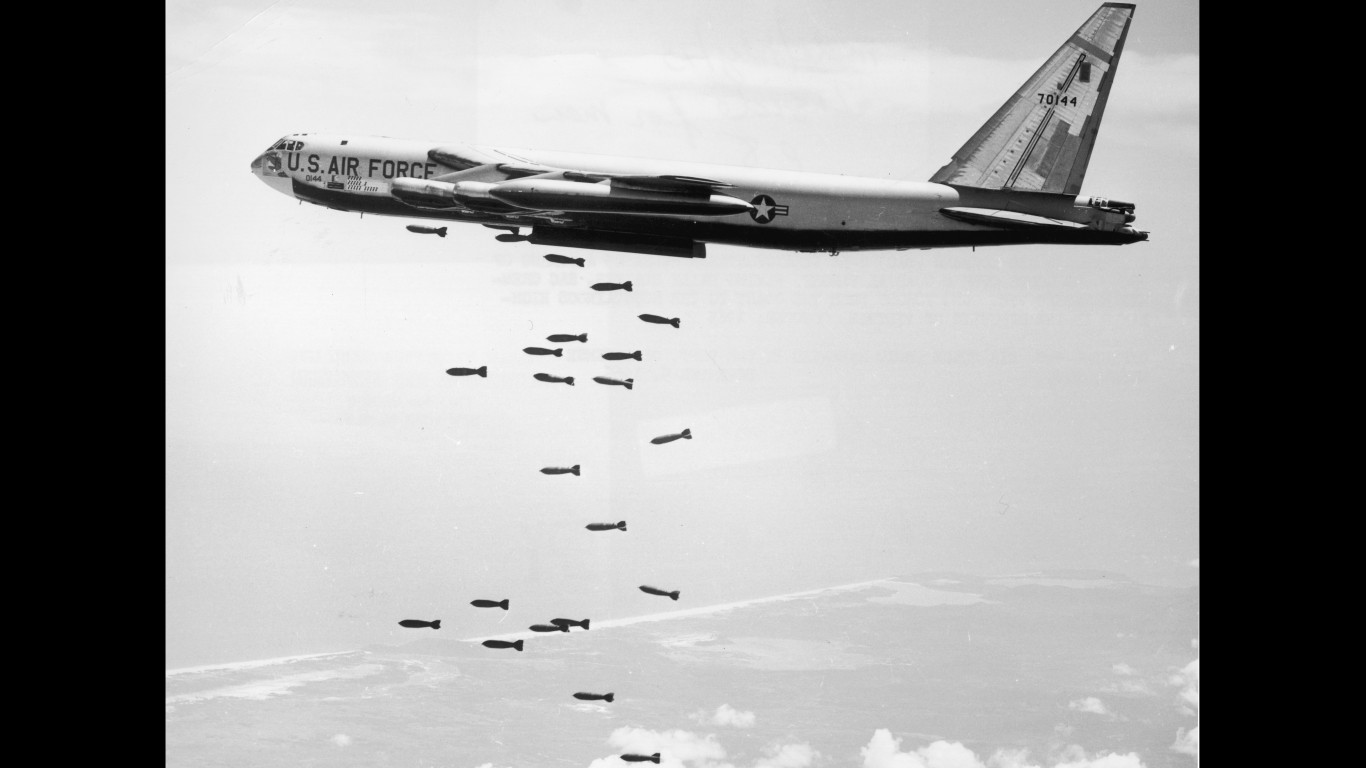
- Type: Bomber
- Year introduced to service: 1955
- Planned retirement / replacement: Repeated retirement proposals
- Why retirement failed: Payload, range, and upgrade potential
- What it still does better than replacements: Long-range strike and deterrence
- Conflicts / operations that kept it relevant: Cold War, GWOT
- Current status: Active
The B-52 repeatedly defied retirement because it could carry more weapons farther and cheaper than newer bombers.
B-1B Lancer

- Type: Bomber
- Year introduced to service: 1986
- Planned retirement / replacement: Partial retirement plans
- Why retirement failed: Bomber availability gaps
- What it still does better than replacements: High payload conventional strike
- Conflicts / operations that kept it relevant: GWOT
- Current status: Limited
Attempts to reduce the B-1 fleet were reversed as operational demands exposed bomber shortfalls.
B-2 Spirit

- Type: Stealth Bomber
- Year introduced to service: 1997
- Planned retirement / replacement: Expected shorter service life
- Why retirement failed: Replacement timelines slipped
- What it still does better than replacements: Penetrating stealth strike
- Conflicts / operations that kept it relevant: Modern deterrence
- Current status: Active
The B-2’s service life was extended when follow-on bomber programs failed to arrive on schedule.
U-2 Dragon Lady
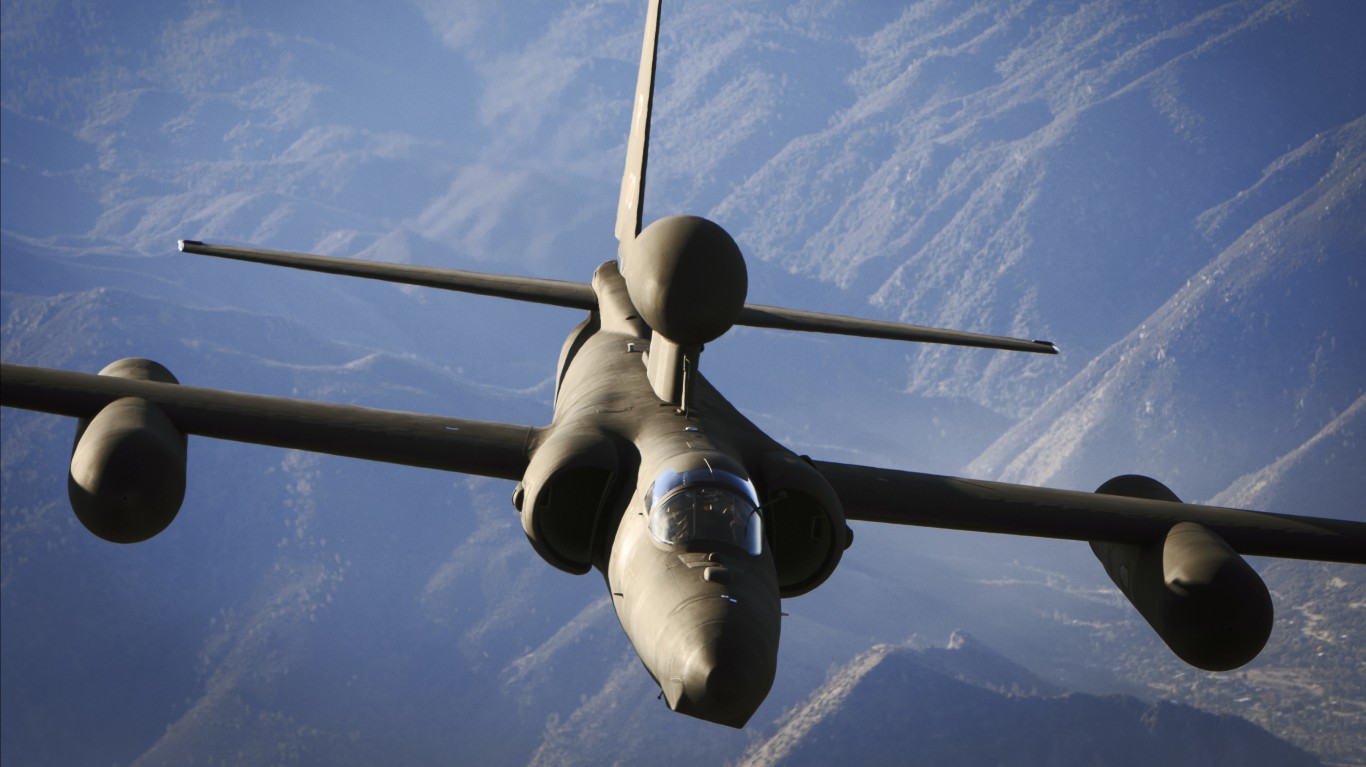
- Type: ISR
- Year introduced to service: 1955
- Planned retirement / replacement: Replacement by UAVs
- Why retirement failed: Sensor performance remained superior
- What it still does better than replacements: High-altitude intelligence collection
- Conflicts / operations that kept it relevant: Cold War, GWOT
- Current status: Active
Despite repeated retirement plans, the U-2 stayed relevant due to unmatched sensor capability and flexibility.
E-3 Sentry (AWACS)
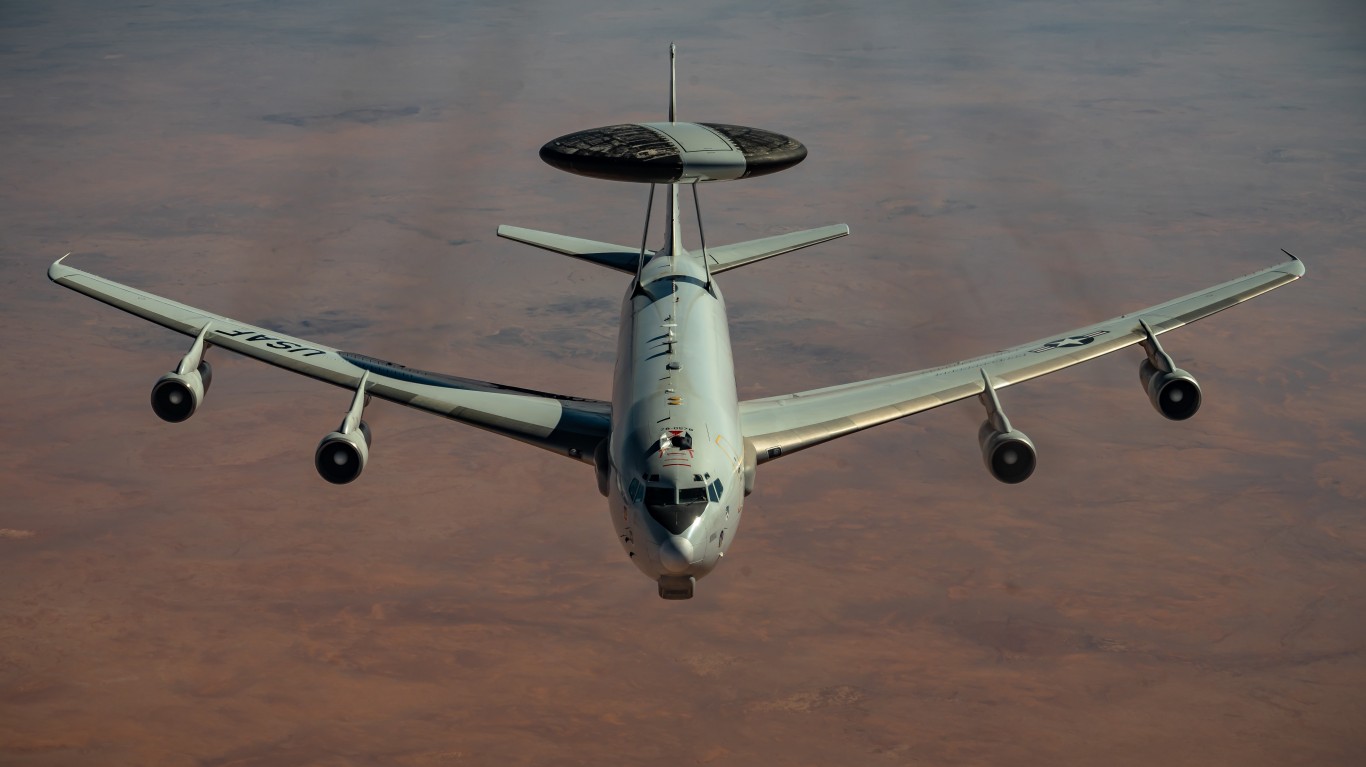
- Type: Airborne C2
- Year introduced to service: 1977
- Planned retirement / replacement: Planned retirement
- Why retirement failed: No direct replacement available
- What it still does better than replacements: Battlefield command and control
- Conflicts / operations that kept it relevant: GWOT
- Current status: Active
The E-3 remains vital because its airborne command role has no true substitute.
RC-135 Rivet Joint
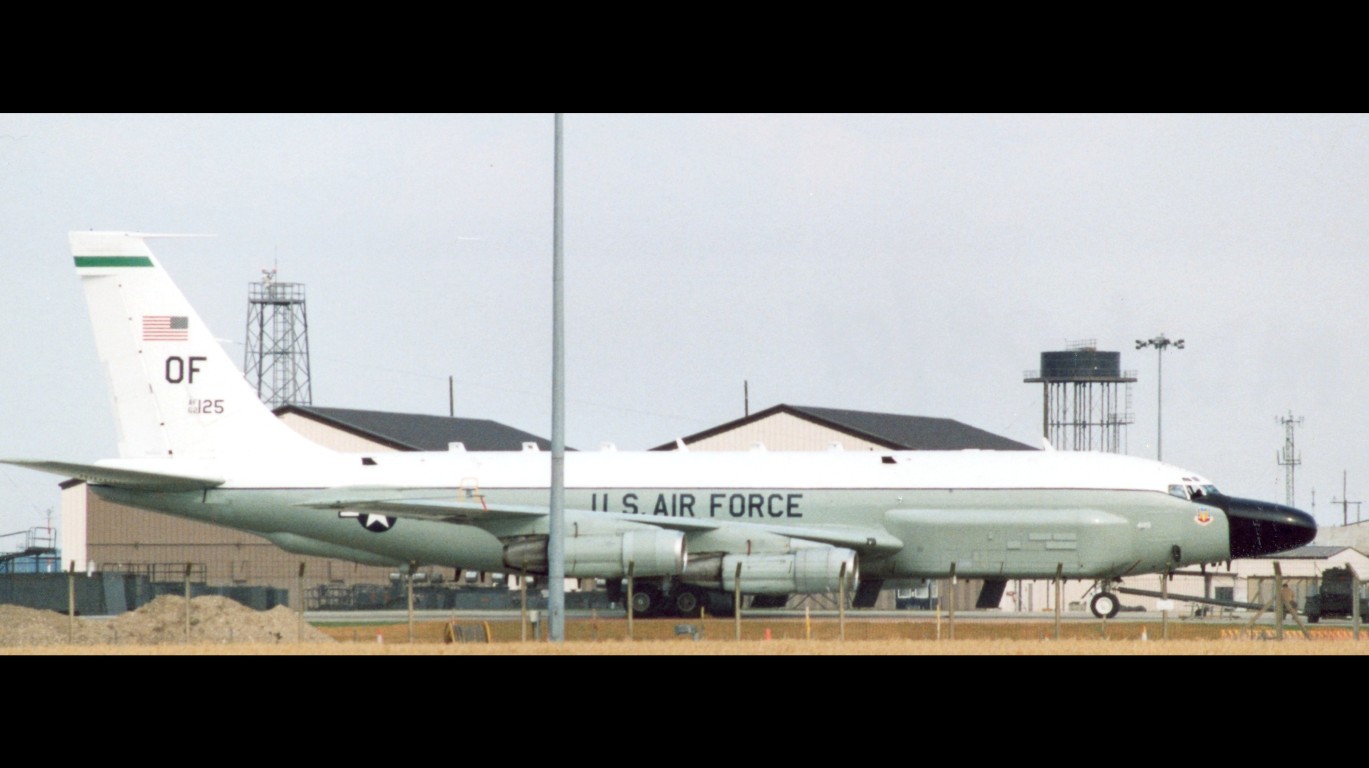
- Type: SIGINT
- Year introduced to service: 1964
- Planned retirement / replacement: Expected phase-out
- Why retirement failed: Unmatched signals intelligence
- What it still does better than replacements: Electronic surveillance
- Conflicts / operations that kept it relevant: Cold War, GWOT
- Current status: Active
The RC-135 endured because its intelligence collection capabilities remain irreplaceable.
E-8 JSTARS
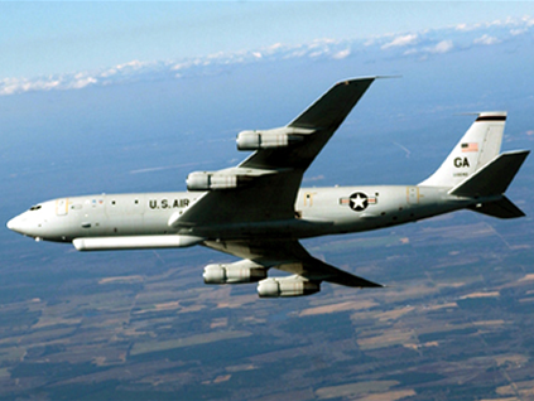
- Type: Ground Surveillance
- Year introduced to service: 1991
- Planned retirement / replacement: Planned retirement
- Why retirement failed: Replacement program canceled
- What it still does better than replacements: Wide-area ground tracking
- Conflicts / operations that kept it relevant: GWOT
- Current status: Retired
JSTARS stayed in service long after planned retirement due to the absence of a viable successor.
P-3 Orion
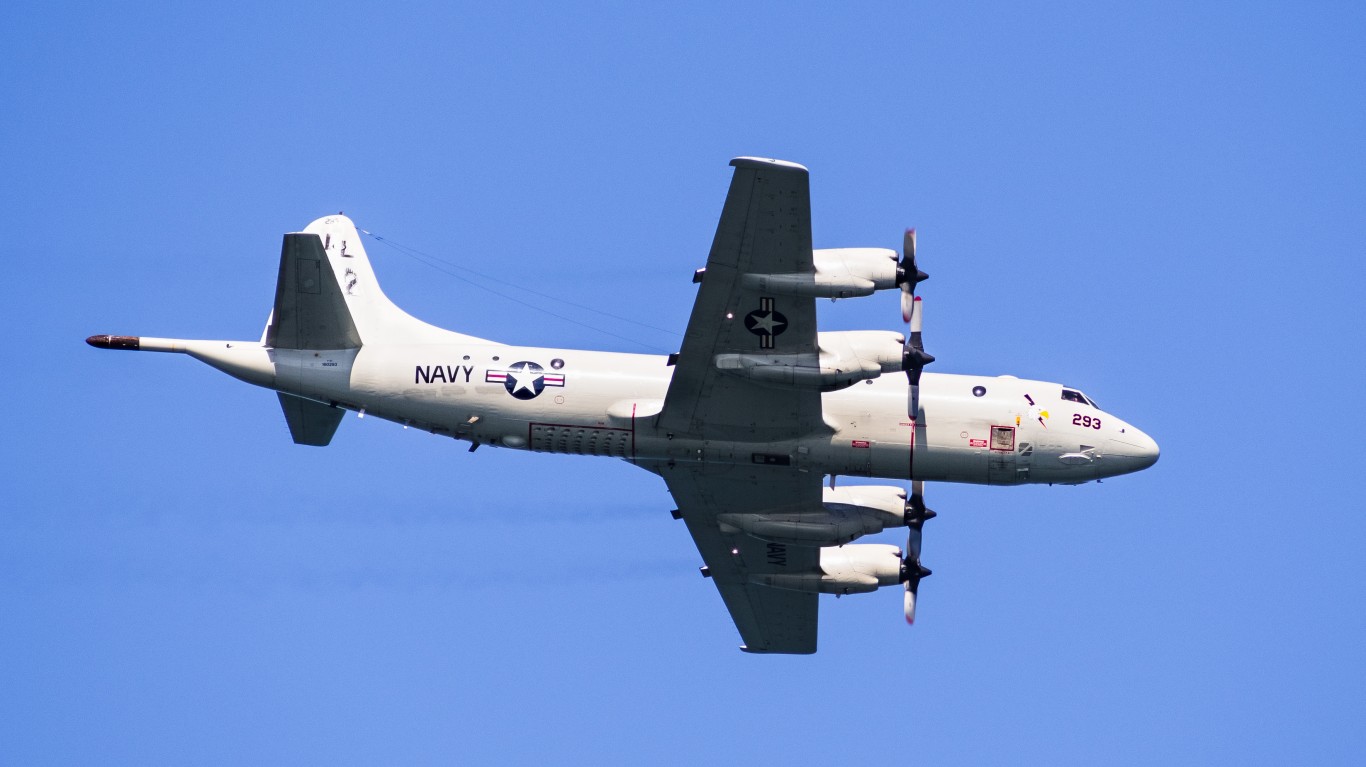
- Type: Maritime Patrol
- Year introduced to service: 1962
- Planned retirement / replacement: Replacement by P-8
- Why retirement failed: Capability gap during transition
- What it still does better than replacements: Long endurance patrol
- Conflicts / operations that kept it relevant: Cold War, GWOT
- Current status: Retired
The P-3 remained operational far longer than planned as maritime patrol demands outpaced replacement deliveries.
KC-135 Stratotanker

- Type: Aerial Refueling
- Year introduced to service: 1956
- Planned retirement / replacement: Multiple retirement timelines
- Why retirement failed: Replacement delays
- What it still does better than replacements: Global refueling backbone
- Conflicts / operations that kept it relevant: Cold War, GWOT
- Current status: Active
The KC-135’s longevity stems from chronic tanker shortages and delayed replacement programs.
KC-10 Extender
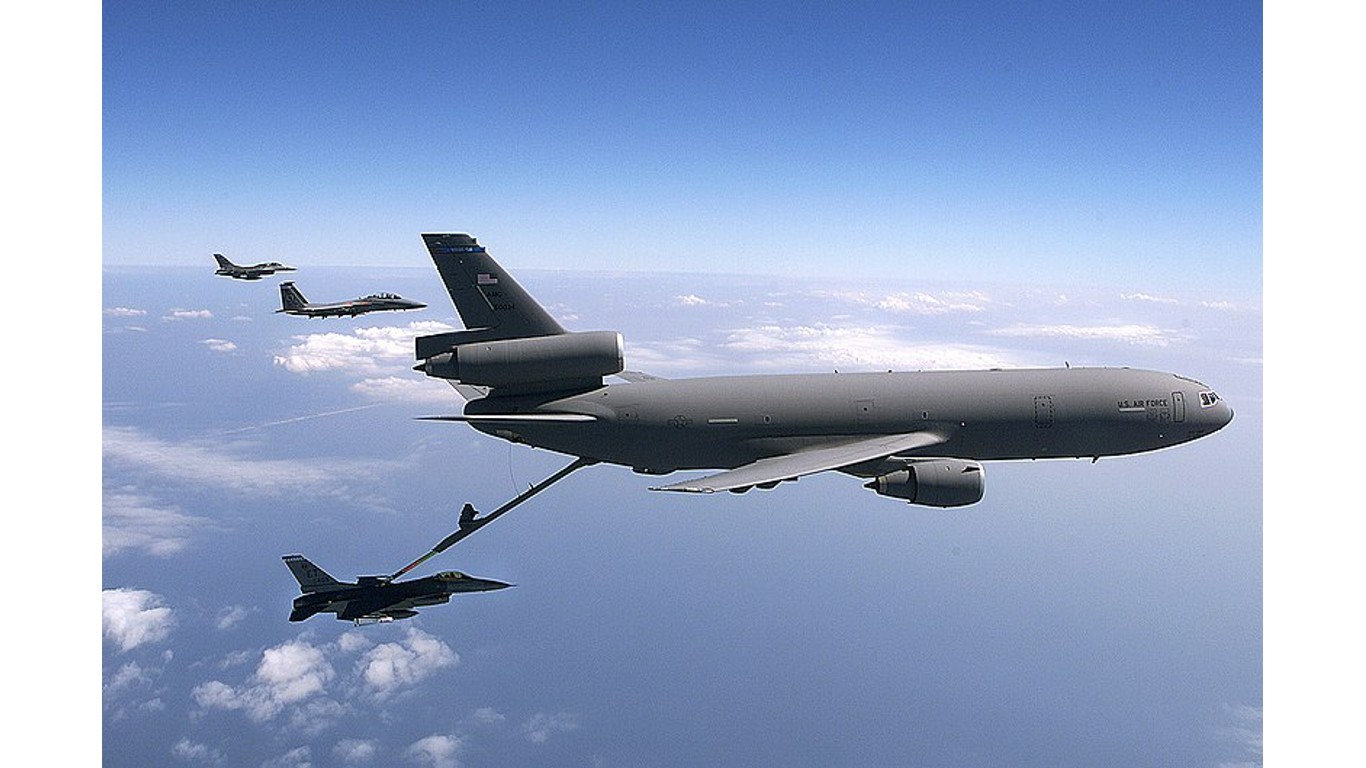
- Type: Aerial Refueling
- Year introduced to service: 1981
- Planned retirement / replacement: Planned drawdown
- Why retirement failed: Operational demand
- What it still does better than replacements: Large fuel offload capability
- Conflicts / operations that kept it relevant: GWOT
- Current status: Limited
Efforts to retire the KC-10 slowed as its unique capacity remained essential.
E-6 Mercury
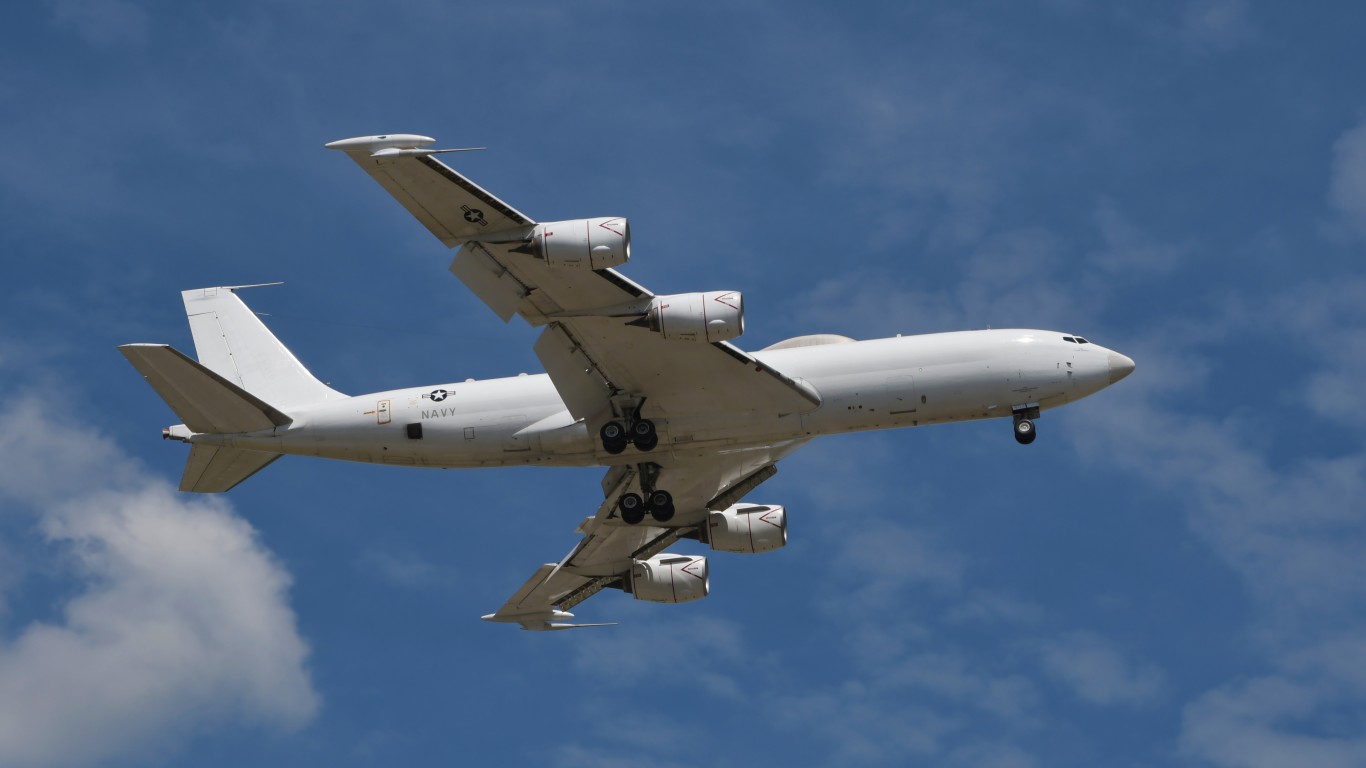
- Type: Nuclear C2
- Year introduced to service: 1989
- Planned retirement / replacement: Expected replacement
- Why retirement failed: Nuclear command redundancy required
- What it still does better than replacements: Strategic communications
- Conflicts / operations that kept it relevant: Cold War deterrence
- Current status: Active
The E-6 persists because nuclear command and control allows no margin for capability gaps.
C-130 Hercules
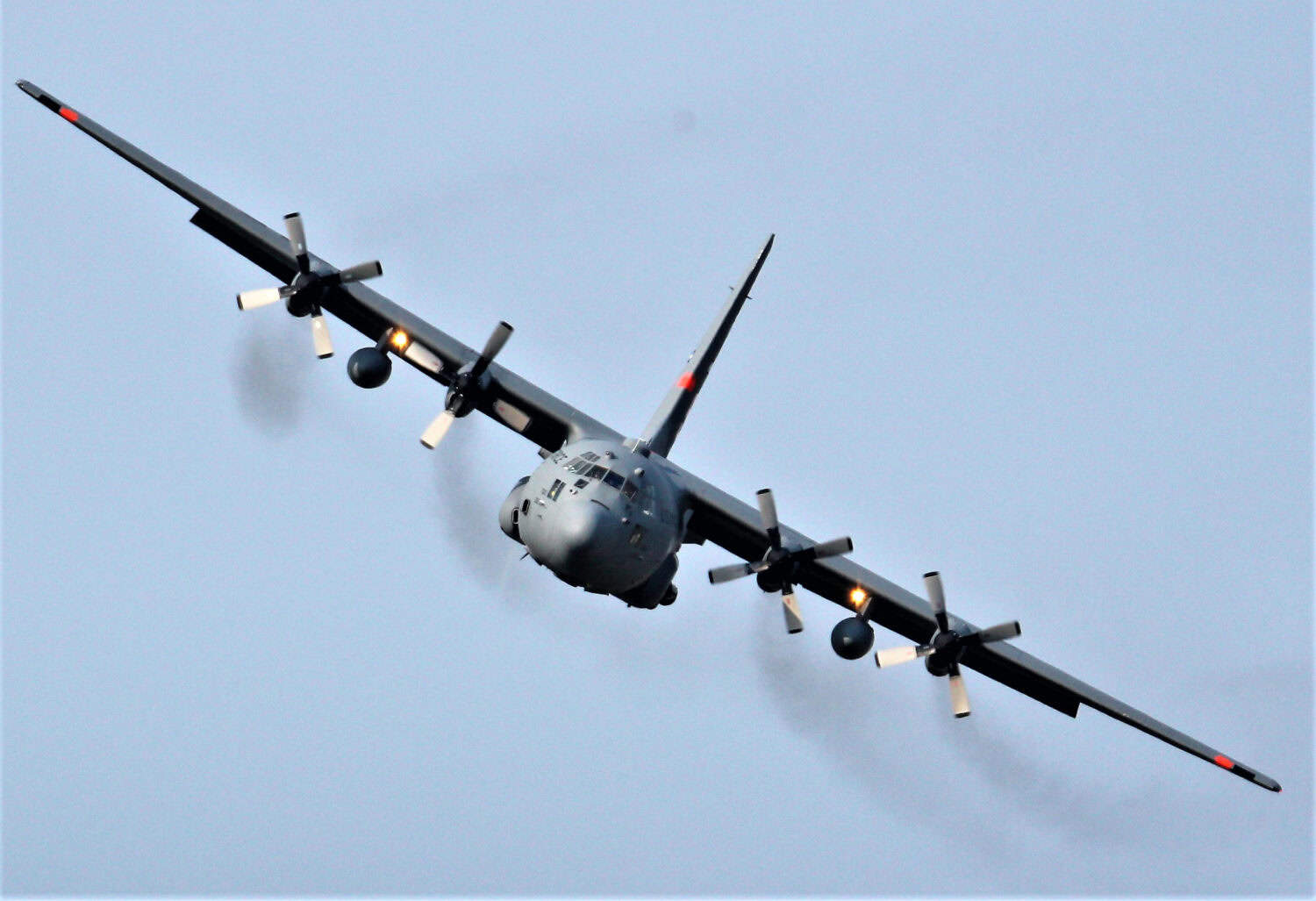
- Type: Transport
- Year introduced to service: 1956
- Planned retirement / replacement: Multiple replacement concepts
- Why retirement failed: Versatility and cost efficiency
- What it still does better than replacements: Tactical airlift
- Conflicts / operations that kept it relevant: Cold War, GWOT
- Current status: Active
The C-130 survived every retirement plan due to unmatched adaptability across missions.
C-5 Galaxy
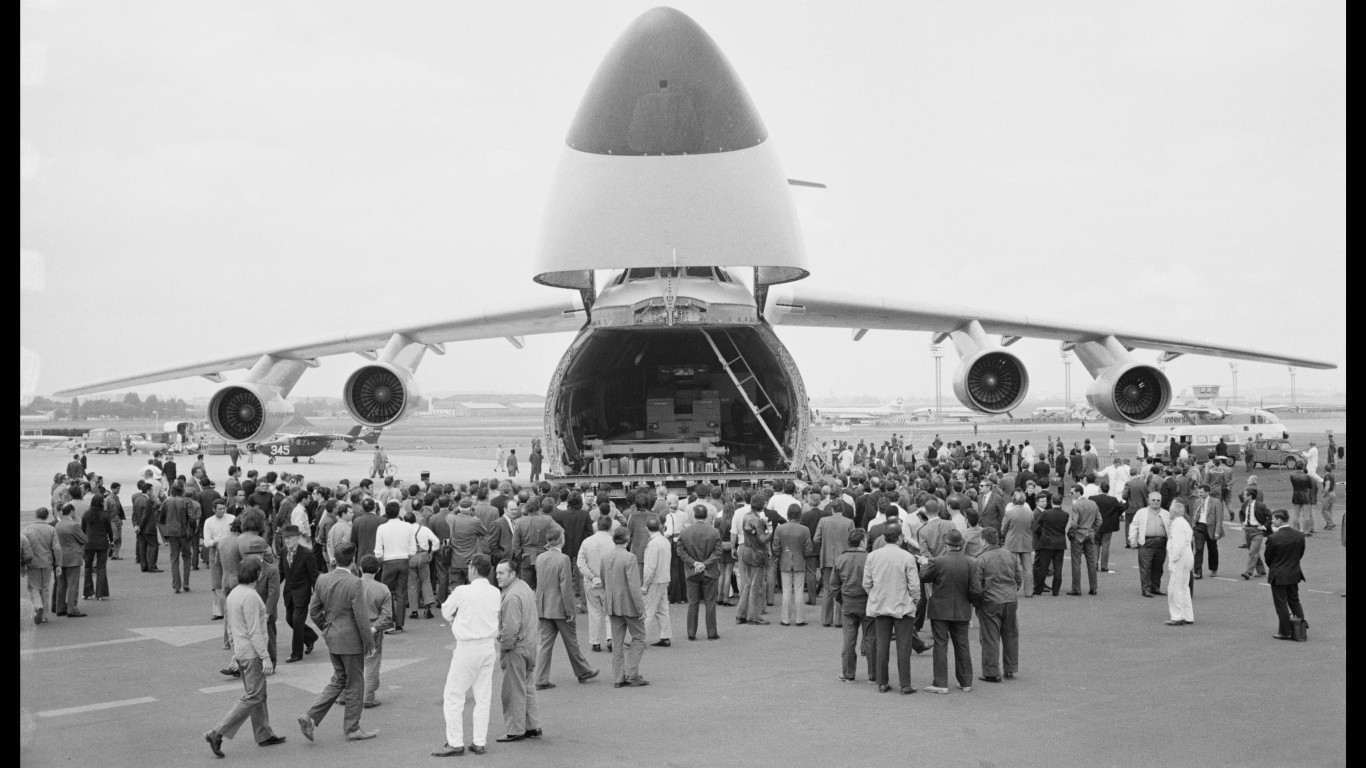
- Type: Strategic Transport
- Year introduced to service: 1970
- Planned retirement / replacement: Planned retirement
- Why retirement failed: Modernization restored relevance
- What it still does better than replacements: Heavy strategic lift
- Conflicts / operations that kept it relevant: GWOT
- Current status: Active
Upgrades rescued the C-5 from retirement by restoring reliability and payload performance.
C-17 Globemaster III

- Type: Strategic Transport
- Year introduced to service: 1995
- Planned retirement / replacement: Planned production end
- Why retirement failed: Continued demand
- What it still does better than replacements: Rapid global airlift
- Conflicts / operations that kept it relevant: GWOT
- Current status: Active
The C-17’s production end was repeatedly questioned due to sustained global demand.
C-12 Huron

- Type: Utility / ISR
- Year introduced to service: 1974
- Planned retirement / replacement: Planned phase-out
- Why retirement failed: Persistent utility demand
- What it still does better than replacements: Light transport and ISR
- Conflicts / operations that kept it relevant: GWOT
- Current status: Limited
The C-12 stayed active because its low-cost utility role remained difficult to replace.
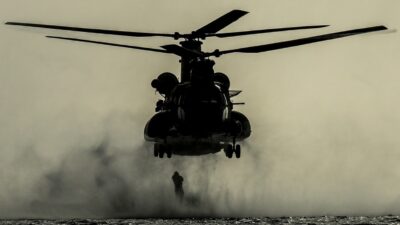
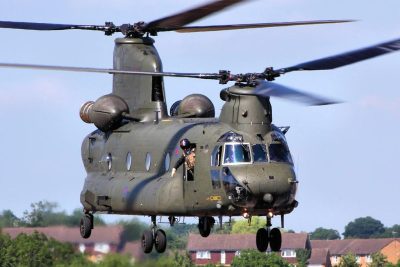
CH-47 Chinook

- Type: Heavy-Lift Helicopter
- Year introduced to service: 1962
- Planned retirement / replacement: Replacement discussions
- Why retirement failed: Payload and range unmatched
- What it still does better than replacements: Heavy-lift assault
- Conflicts / operations that kept it relevant: Vietnam, GWOT
- Current status: Active
The Chinook outlived multiple replacement concepts because no alternative matched its lift capability.
UH-60 Black Hawk

- Type: Utility Helicopter
- Year introduced to service: 1979
- Planned retirement / replacement: Planned drawdowns
- Why retirement failed: Mission versatility
- What it still does better than replacements: Assault and medevac
- Conflicts / operations that kept it relevant: GWOT
- Current status: Active
The Black Hawk’s adaptability repeatedly delayed its retirement.
AH-64 Apache

- Type: Attack Helicopter
- Year introduced to service: 1986
- Planned retirement / replacement: Replacement discussions
- Why retirement failed: Combat effectiveness
- What it still does better than replacements: Attack and escort
- Conflicts / operations that kept it relevant: GWOT
- Current status: Active
The Apache’s continued relevance prevented early retirement despite new rotorcraft programs.
MH-53 Pave Low
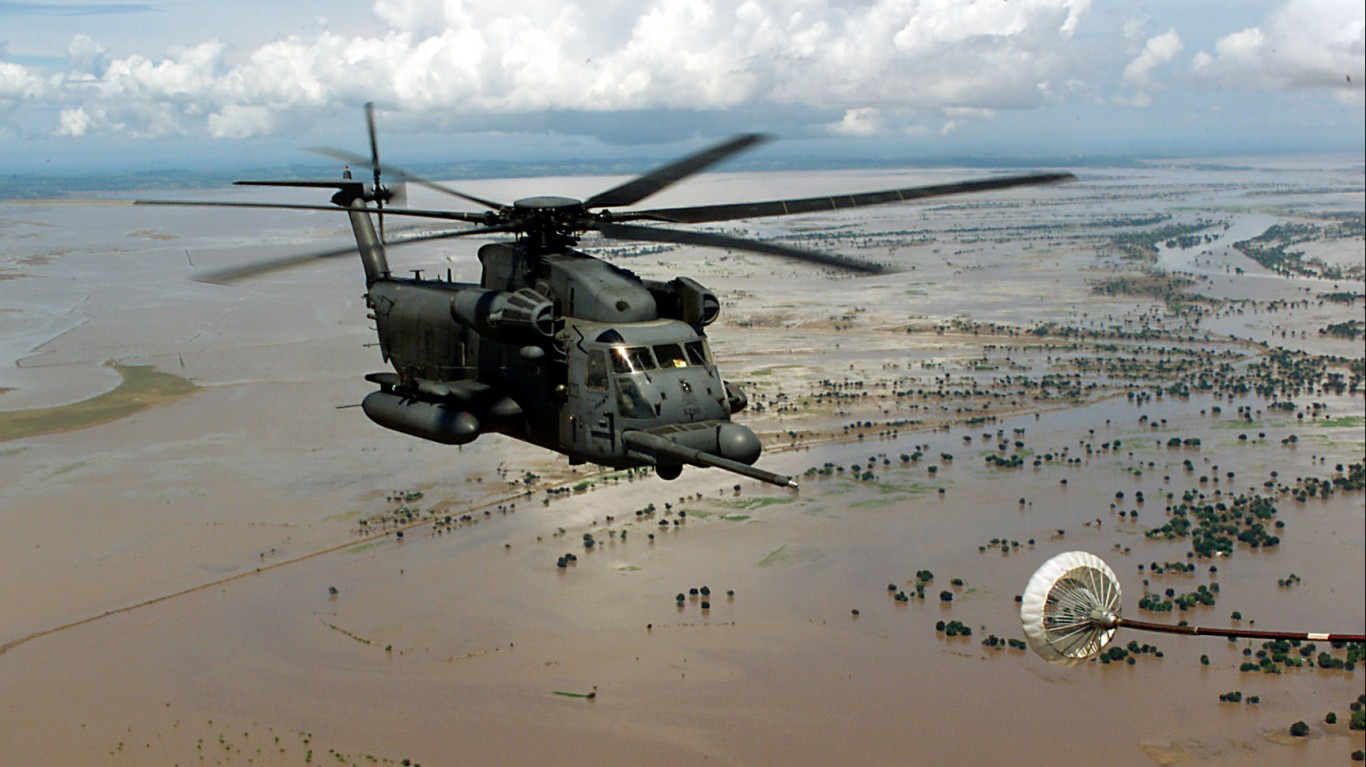
- Type: SOF Helicopter
- Year introduced to service: 1980
- Planned retirement / replacement: Planned retirement
- Why retirement failed: SOF demand
- What it still does better than replacements: Long-range infiltration
- Conflicts / operations that kept it relevant: GWOT
- Current status: Retired
Retirement was delayed as special operations lacked a true substitute.
Panavia Tornado IDS

- Type: Strike Fighter
- Year introduced to service: 1979
- Planned retirement / replacement: Planned NATO retirement
- Why retirement failed: Capability gaps
- What it still does better than replacements: Low-level strike
- Conflicts / operations that kept it relevant: Cold War
- Current status: Retired
European air forces extended Tornado service due to delayed replacements.
MiG-29 (Upgraded)
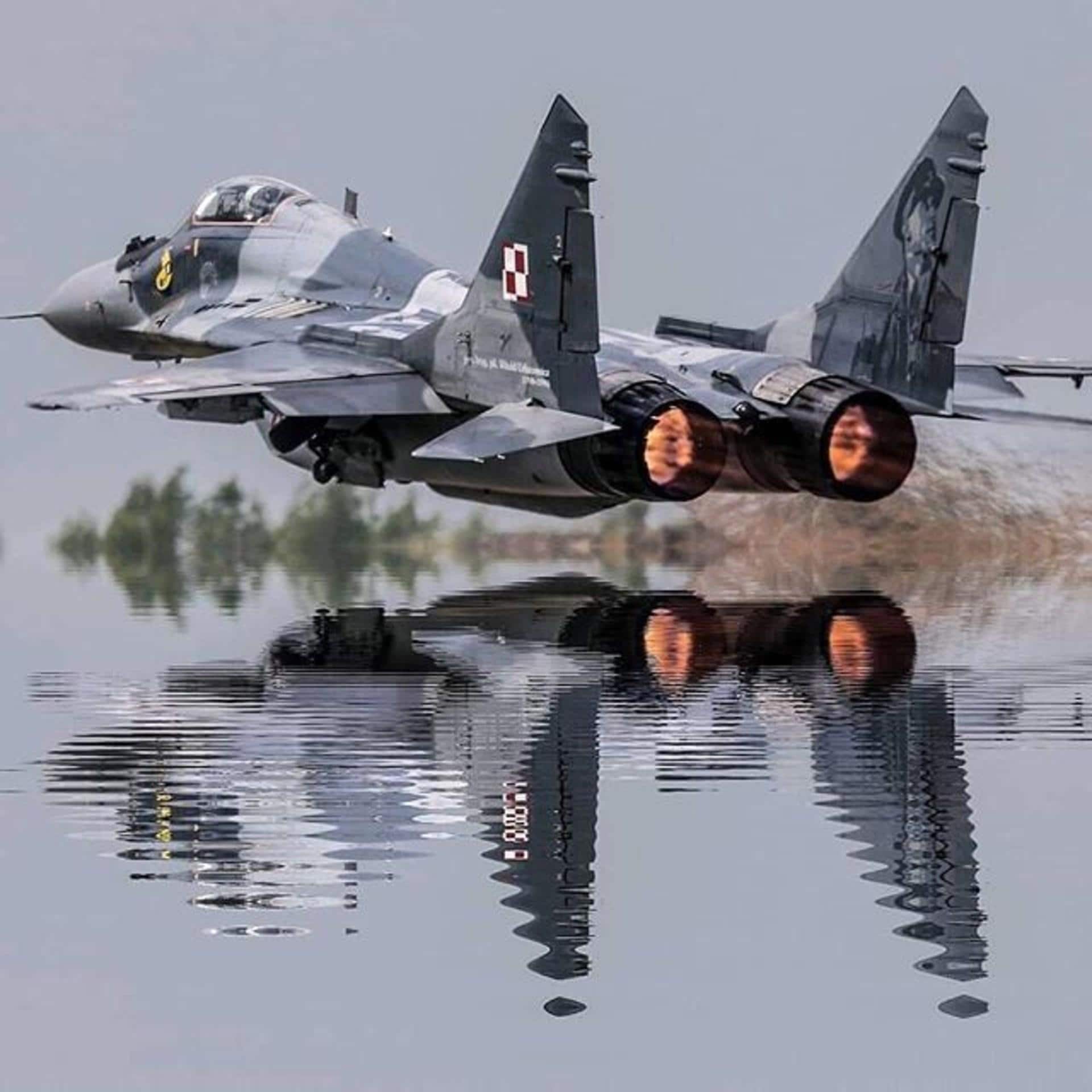
- Type: Fighter
- Year introduced to service: 1983
- Planned retirement / replacement: Planned phase-out
- Why retirement failed: Budget and replacement delays
- What it still does better than replacements: Air defense
- Conflicts / operations that kept it relevant: Post–Cold War
- Current status: Active
Upgraded MiG-29s remain active where replacements proved too costly.
Su-25 Frogfoot
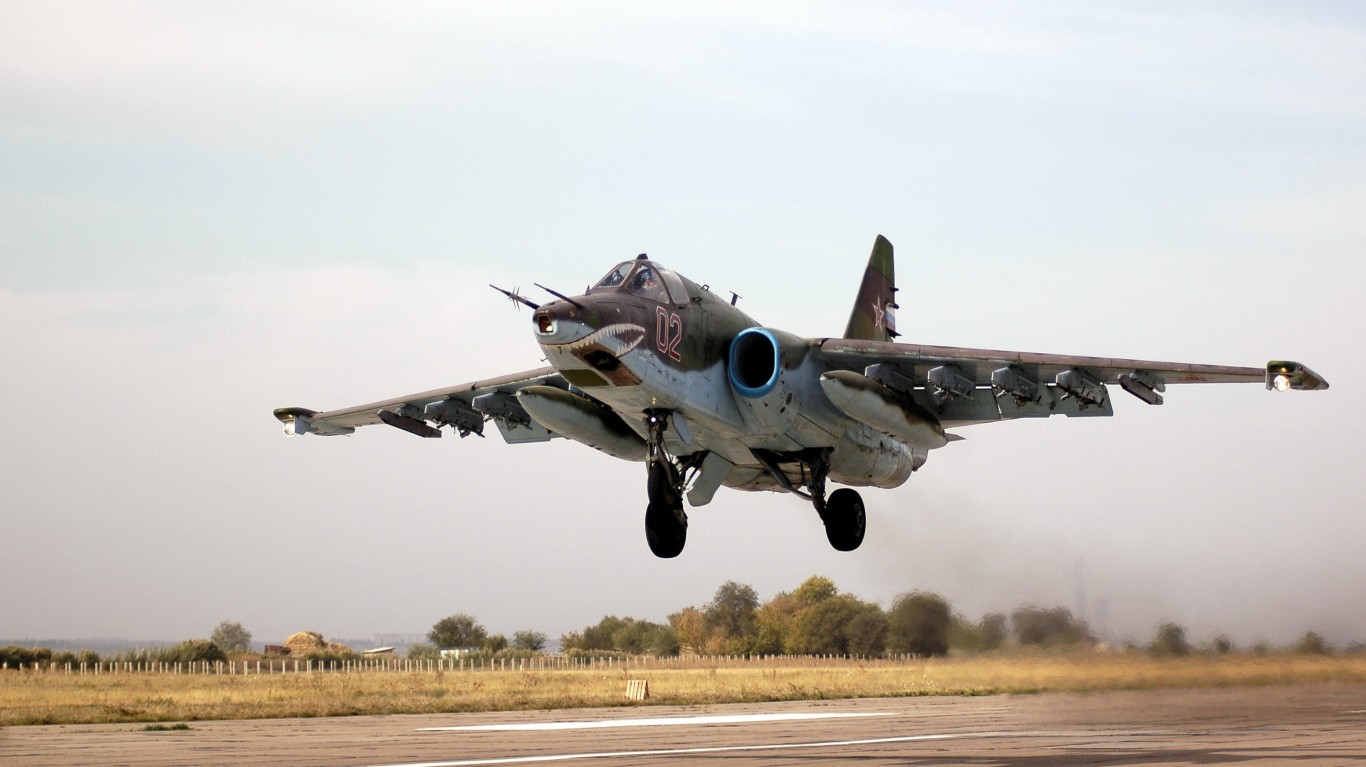
- Type: Attack / CAS
- Year introduced to service: 1981
- Planned retirement / replacement: Replacement attempts
- Why retirement failed: No equal CAS platform
- What it still does better than replacements: Rugged close air support
- Conflicts / operations that kept it relevant: Post–Cold War
- Current status: Active
The Su-25 persists because no replacement replicated its battlefield resilience.
C-160 Transall
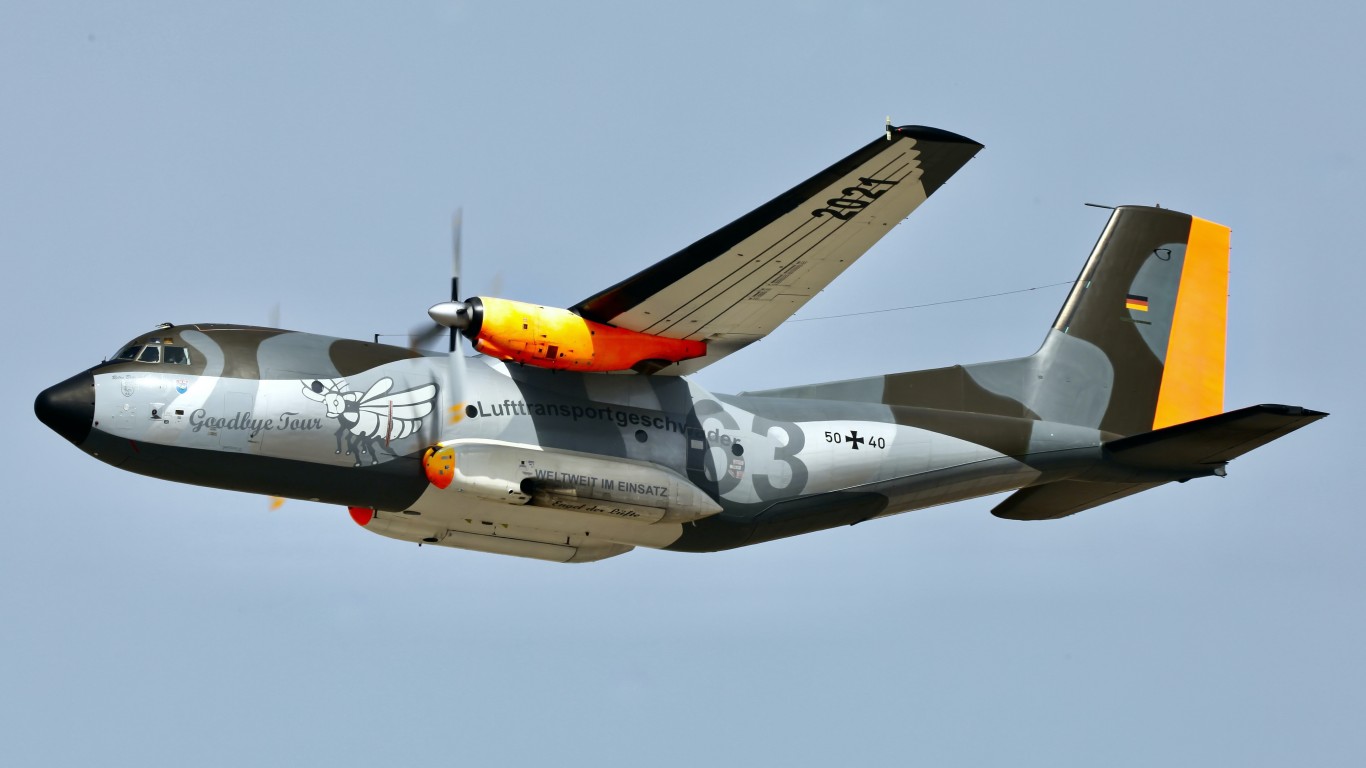
- Type: Transport
- Year introduced to service: 1967
- Planned retirement / replacement: Planned retirement
- Why retirement failed: Airlift shortfalls
- What it still does better than replacements: Medium tactical transport
- Conflicts / operations that kept it relevant: Cold War
- Current status: Retired
The Transall remained operational beyond retirement due to persistent airlift needs.







 Top Gaining Stocks
 Top Losing Stocks