


Long-range bombers have consistently reshaped how nations project power in modern warfare. From the massive bombing campaigns of World War II to the stealth aircraft of today, these platforms allowed militaries to strike deeper, faster, and with greater precision than ever before. As technology evolved, bombers became a central part of both strategic deterrence and long-range strike operations. Here, 24/7 Wall St. is taking a closer look at these bombers.
To determine the bombers that changed strategic warfare forever, 24/7 Wall St. reviewed various historical and military sources. We included supplemental information for each bomber regarding the country of origin, manufacturer, bomber type, maximum range, payload capacity, and ultimately the strategic impact.
Here is a look at the bombers that changed strategic warfare forever:
Why Are We Covering This?
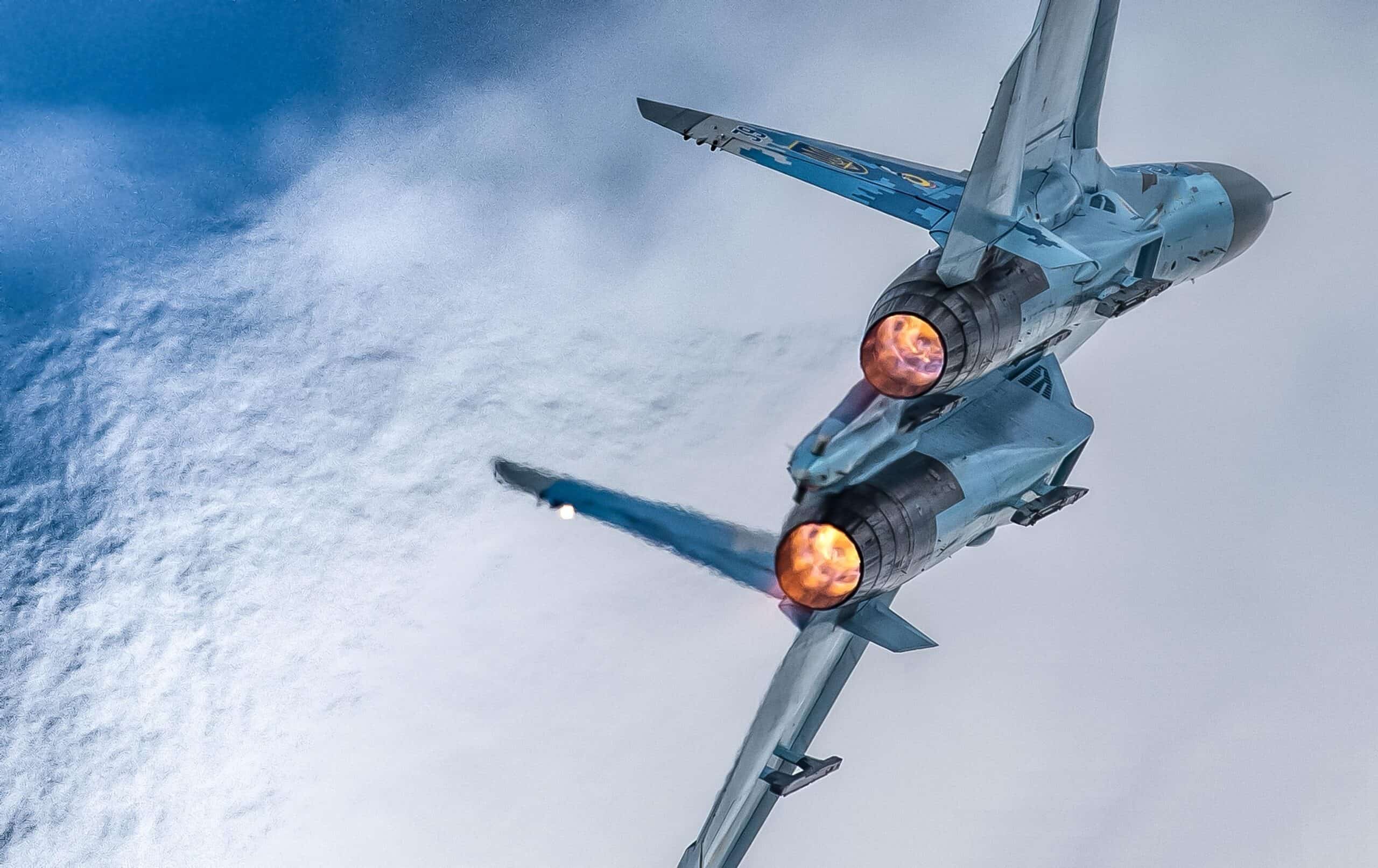
Understanding how bomber aircraft evolved helps explain how modern strategic warfare developed. From the first large-scale bombing campaigns of World War II to the nuclear deterrence strategies of the Cold War and today’s stealth strike capabilities, bombers have consistently shaped how nations project power across long distances. Each major advancement in bomber design forced changes in air defense, military planning, and global security strategy. By examining the aircraft that introduced these shifts, it becomes clear how bombers have played a central role in defining the balance of power between nations for decades.
Bombers Redefined How Strategic Warfare Is Fought
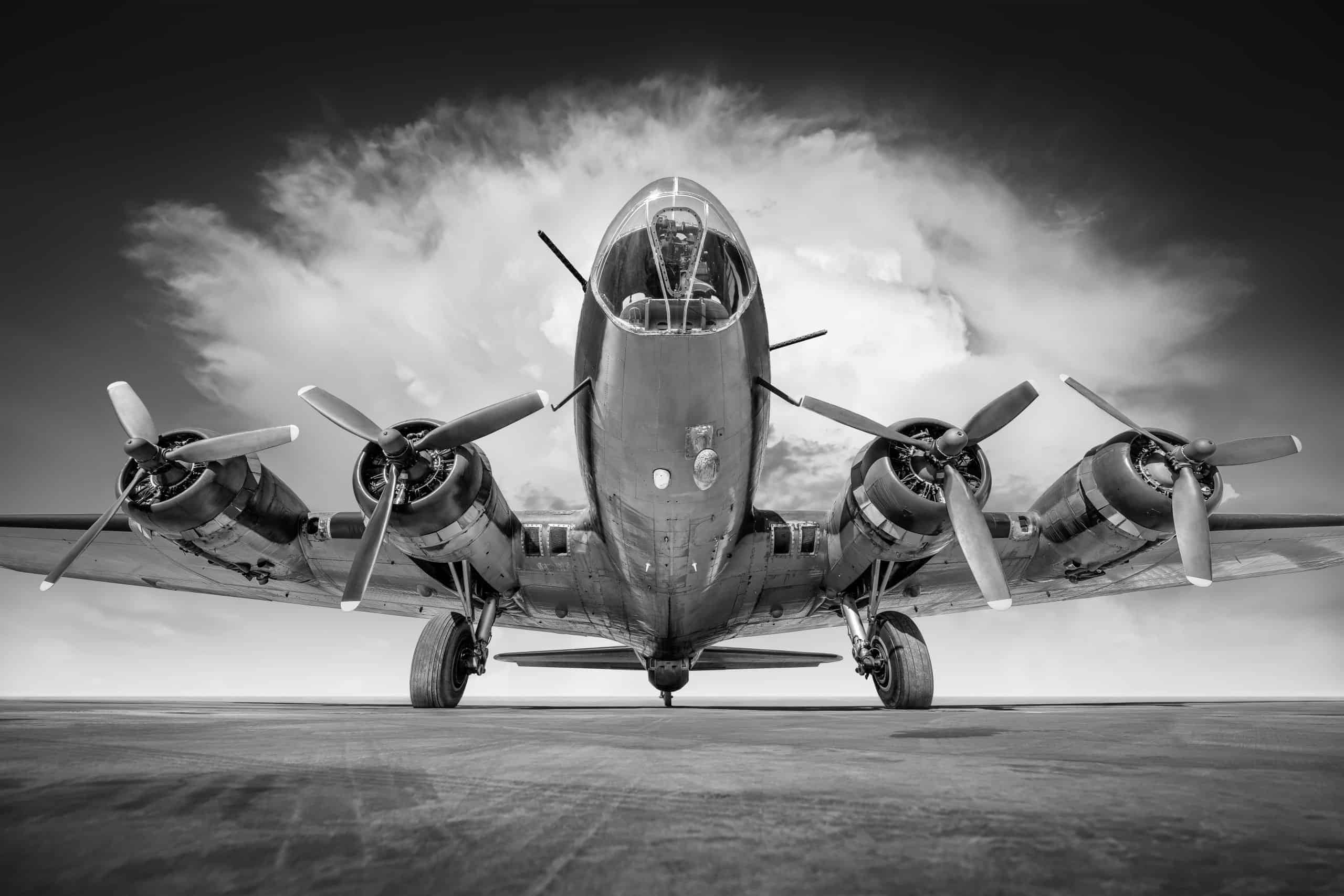
Few military platforms have reshaped warfare as dramatically as long-range bombers. From their earliest use, these aircraft gave nations the ability to strike targets far beyond the front lines and attack the industrial, logistical, and political foundations of an enemy’s war effort. In doing so, bombers helped redefine the meaning of strategic warfare.
Strategic Bombing Changed the Scale of Modern War
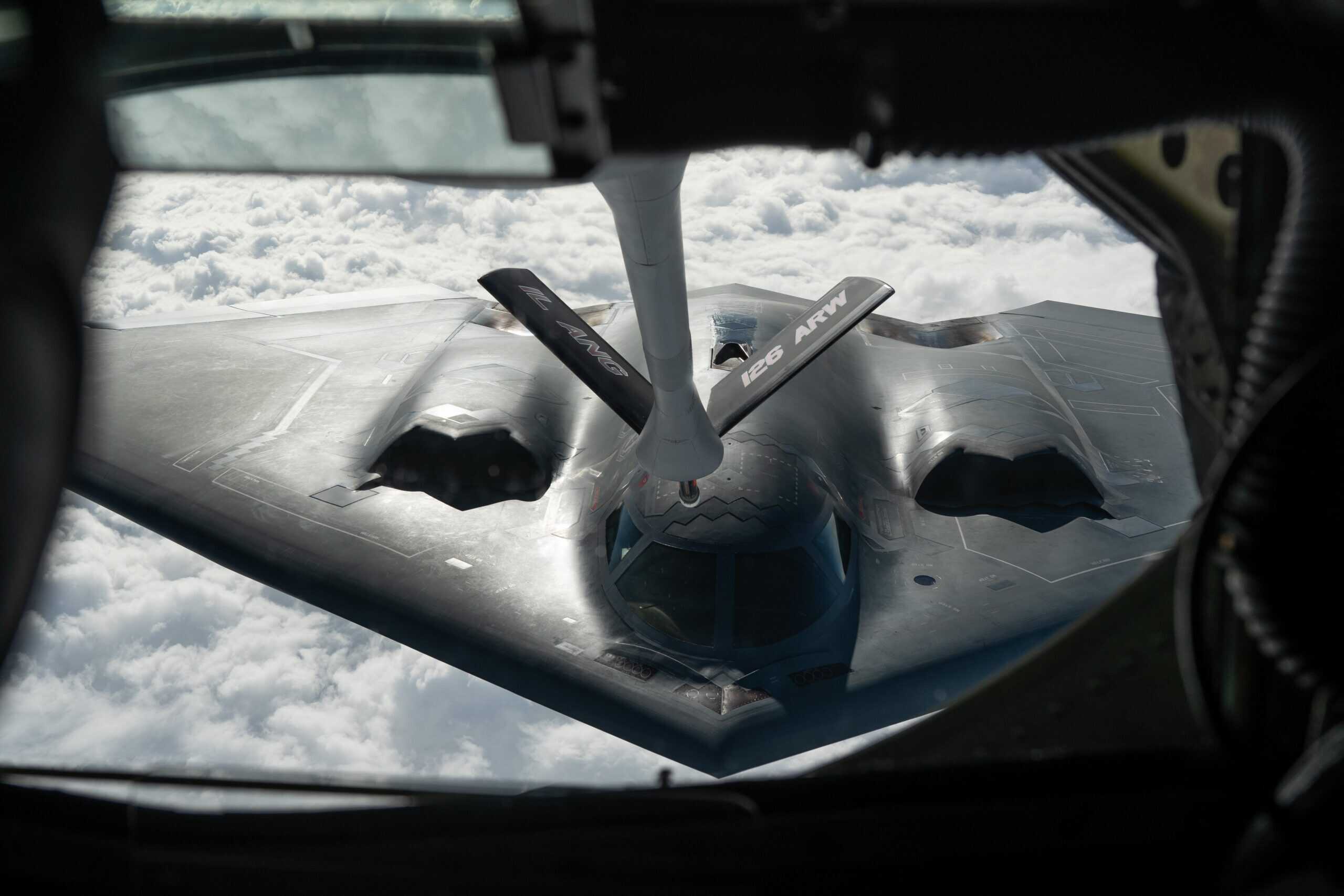
Strategic bombing changed the scale of modern war. Instead of focusing only on armies in direct combat, nations began using bombers to target factories, rail networks, fuel supplies, and entire cities. This expansion of airpower turned bombing into a tool not just of battlefield support, but of national-level coercion and military strategy.
Nuclear Weapons Gave Bombers Global Importance
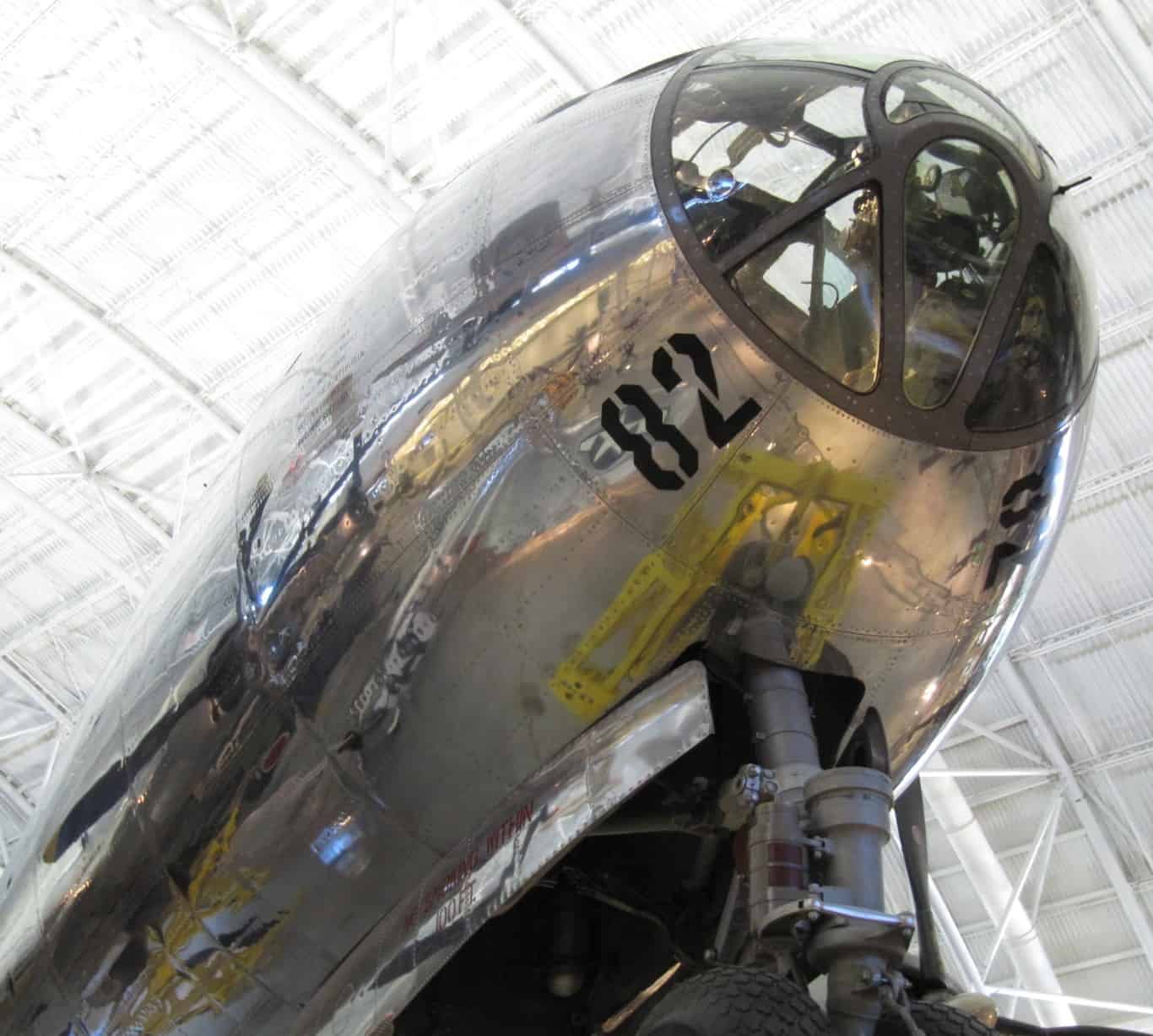
The arrival of nuclear weapons elevated bombers to global importance. Aircraft capable of delivering atomic and thermonuclear weapons became central to Cold War deterrence, giving major powers the ability to threaten devastating strikes across continents. Bombers were no longer just instruments of conventional airpower; they became part of the balance of global survival.
Speed Range and Stealth Drove Bomber Evolution
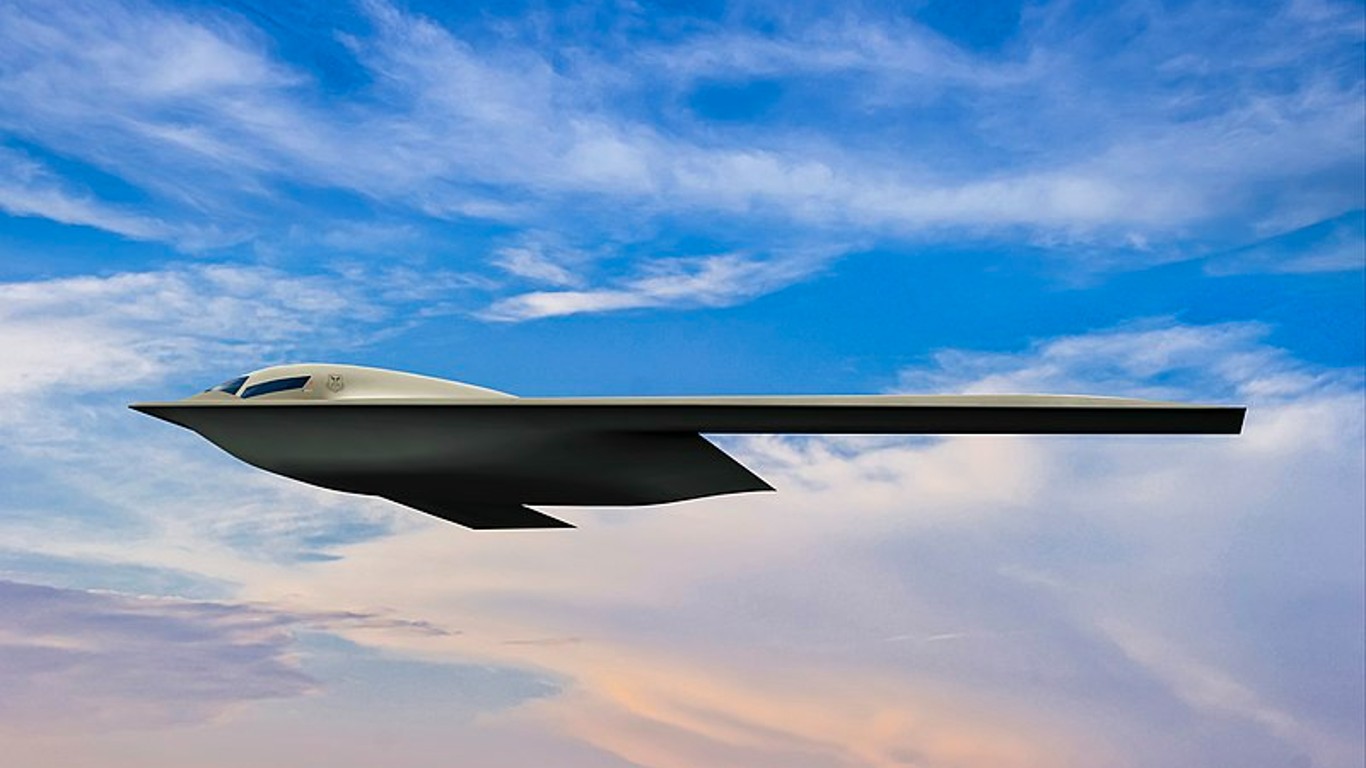
As air defenses became more advanced, bombers had to evolve to survive. Greater range allowed aircraft to strike from farther away, while higher speed, terrain-following radar, electronic warfare systems, and eventually stealth technology gave bombers new ways to penetrate defended airspace. Each new generation reflected a different answer to the challenge of strategic survivability.
These Bombers Changed Strategic Warfare Forever
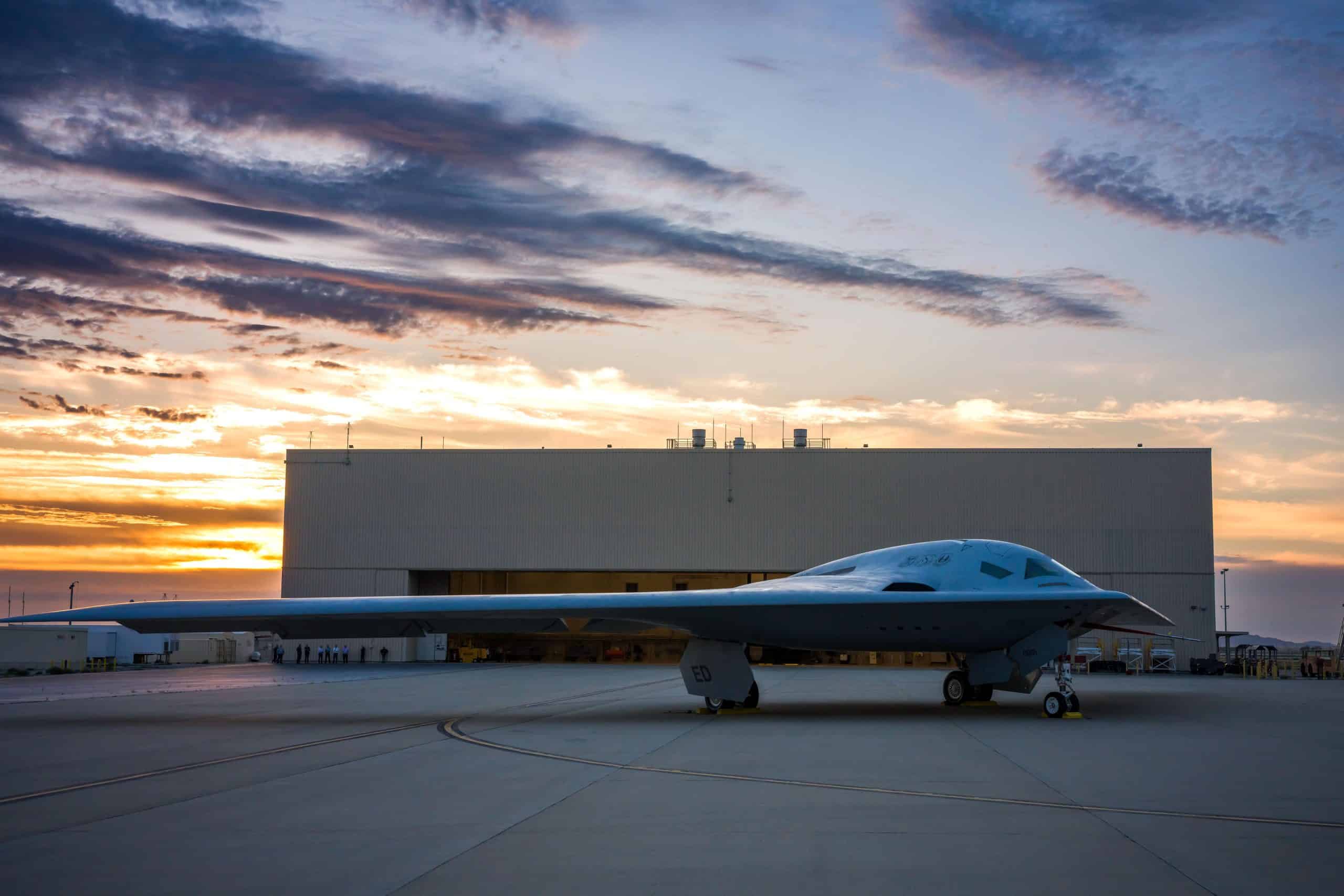
The bombers on this list represent some of the most important milestones in the history of airpower. Each one introduced a capability that changed how nations planned long-range strikes, deterrence, or strategic bombing campaigns. Together, they show how bomber aircraft helped shape modern military doctrine and changed strategic warfare forever.
B-17 Flying Fortress
- Country of origin: United States
- Manufacturer: Boeing
- Year introduced to service: 1938
- Bomber type: Heavy bomber
- Maximum range: 2,000 miles
- Payload capacity: 17,600 lbs
- Key innovation: Defensive armament and formation bombing
- Strategic impact: Defined daylight strategic bombing doctrine
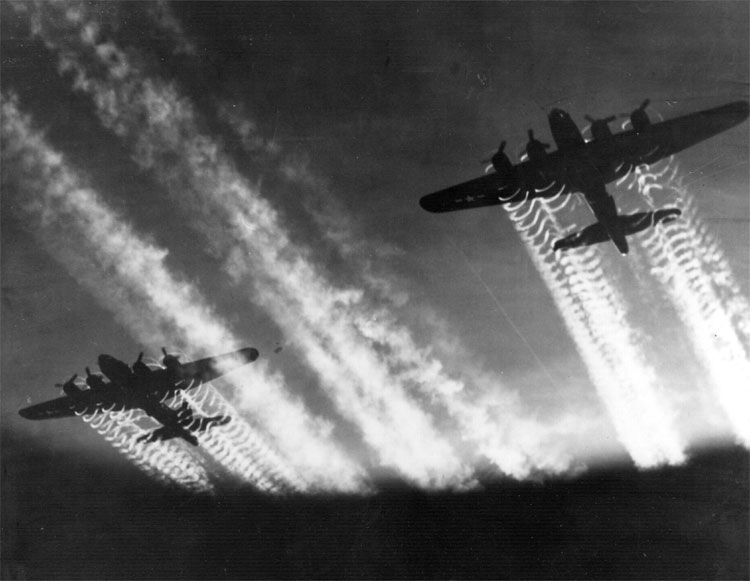
The B-17 Flying Fortress became synonymous with daylight strategic bombing during World War II. Its heavy defensive armament allowed formations to survive deep penetration missions over Europe. By enabling sustained bombing of industrial targets, it helped establish the concept that airpower could directly weaken an enemy’s war-making capacity.
Avro Lancaster
- Country of origin: United Kingdom
- Manufacturer: Avro
- Year introduced to service: 1942
- Bomber type: Heavy bomber
- Maximum range: 2,530 miles
- Payload capacity: 14,000 lbs
- Key innovation: High payload and specialized bombing missions
- Strategic impact: Enabled precision and large-scale bombing campaigns
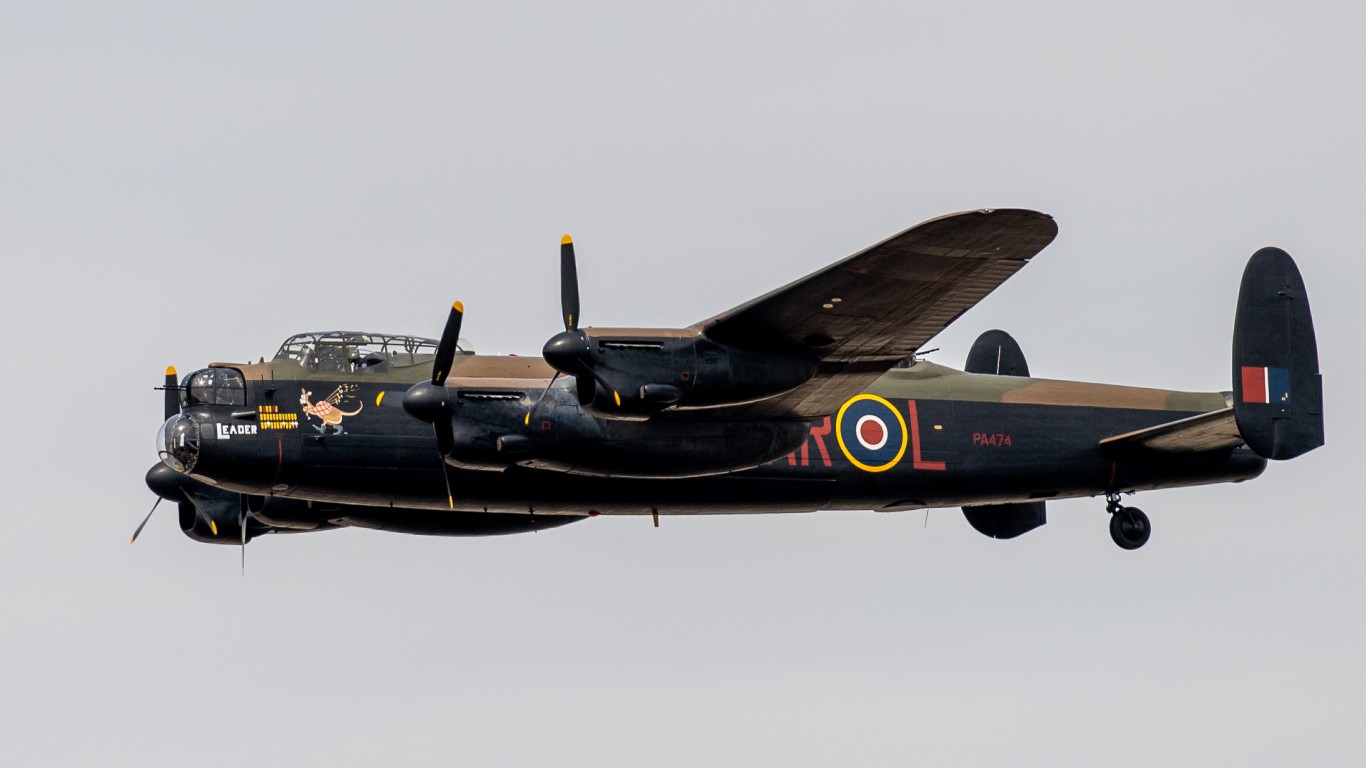
The Avro Lancaster was one of the most effective heavy bombers of World War II, capable of carrying large and specialized payloads. It was central to British night bombing campaigns and precision strikes like the Dambusters raid. Its flexibility and payload capacity made it a cornerstone of Allied strategic bombing efforts.
B-24 Liberator
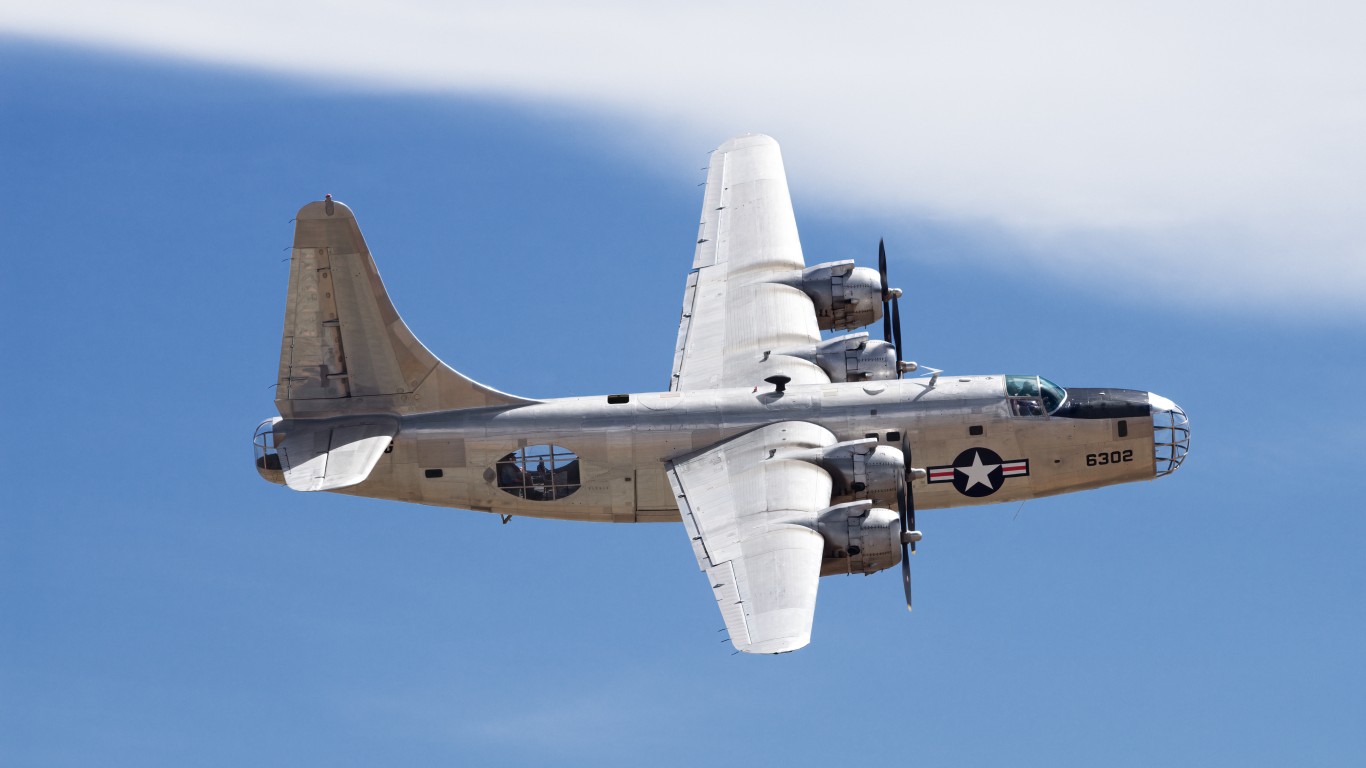
- Country of origin: United States
- Manufacturer: Consolidated Aircraft
- Year introduced to service: 1941
- Bomber type: Heavy bomber
- Maximum range: 2,100 miles
- Payload capacity: 8,000 lbs
- Key innovation: Long-range heavy bomber production
- Strategic impact: Extended Allied strategic bombing reach
The B-24 Liberator extended the reach of Allied bombing campaigns with its long range and mass production. Used across multiple theaters, it enabled strikes against distant targets that were previously out of reach. Its widespread deployment demonstrated the importance of long-range heavy bombers in global warfare.
Heinkel He 111
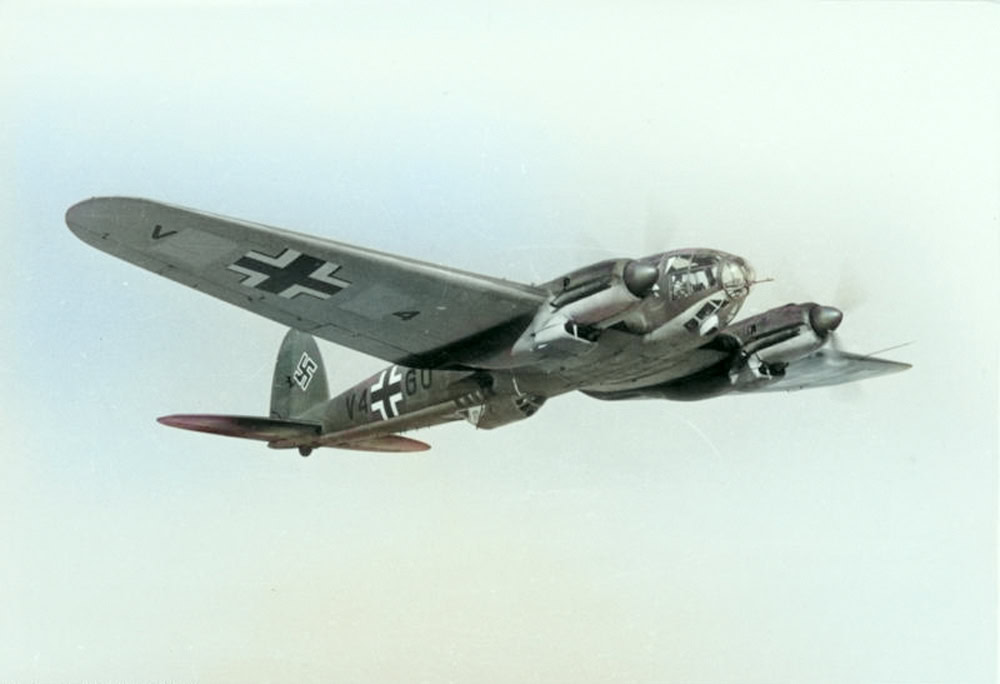
- Country of origin: Germany
- Manufacturer: Heinkel
- Year introduced to service: 1936
- Bomber type: Medium bomber
- Maximum range: 1,400 miles
- Payload capacity: 4,400 lbs
- Key innovation: Early coordinated bombing campaigns
- Strategic impact: Demonstrated effectiveness of strategic bombing in early war
The Heinkel He 111 played a key role in early World War II bombing campaigns, particularly during the Blitz. It helped demonstrate how coordinated air raids could disrupt cities and infrastructure. While later outclassed, it was instrumental in shaping early strategic bombing doctrine.
B-29 Superfortress
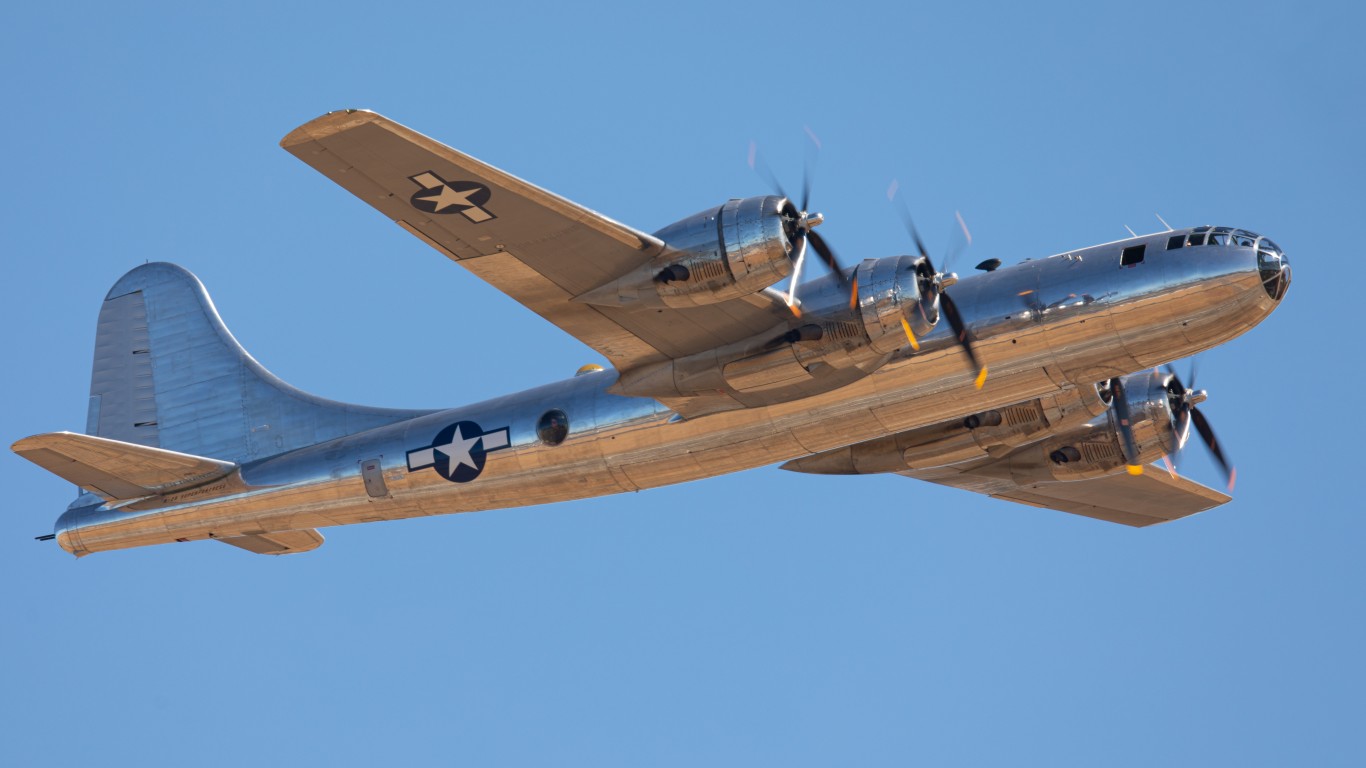
- Country of origin: United States
- Manufacturer: Boeing
- Year introduced to service: 1944
- Bomber type: Heavy bomber
- Maximum range: 3,250 miles
- Payload capacity: 20,000 lbs
- Key innovation: Pressurized cabin and nuclear capability
- Strategic impact: Introduced nuclear strategic bombing
The B-29 Superfortress introduced advanced features such as pressurized cabins, remote-controlled guns, and long-range capability. It carried out strategic bombing over Japan and delivered the first atomic bombs. Its role marked the beginning of nuclear-era warfare and changed the scale and consequences of strategic bombing forever.
B-36 Peacemaker
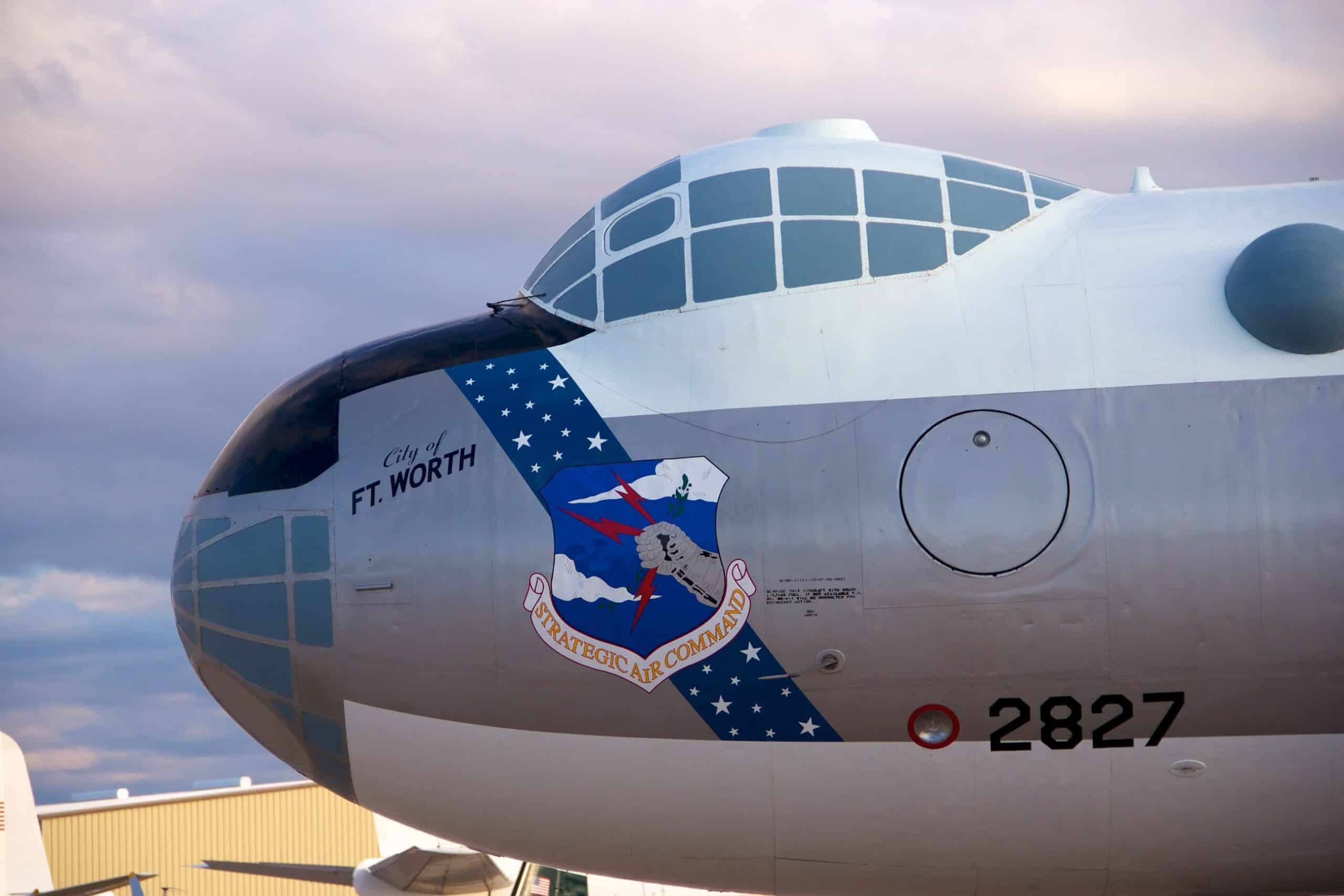
- Country of origin: United States
- Manufacturer: Convair
- Year introduced to service: 1949
- Bomber type: Intercontinental bomber
- Maximum range: 10,000 miles
- Payload capacity: 86,000 lbs
- Key innovation: First true intercontinental bomber
- Strategic impact: Enabled global nuclear strike capability
The B-36 Peacemaker was the first bomber capable of delivering nuclear weapons across intercontinental distances without refueling. Its massive range allowed the United States to maintain a global nuclear deterrent in the early Cold War. It established the concept of true intercontinental strategic bombing.
B-47 Stratojet
- Country of origin: United States
- Manufacturer: Boeing
- Year introduced to service: 1951
- Bomber type: Jet bomber
- Maximum range: 4,000 miles
- Payload capacity: 25,000 lbs
- Key innovation: Swept-wing jet bomber design
- Strategic impact: Transitioned strategic bombing into jet age
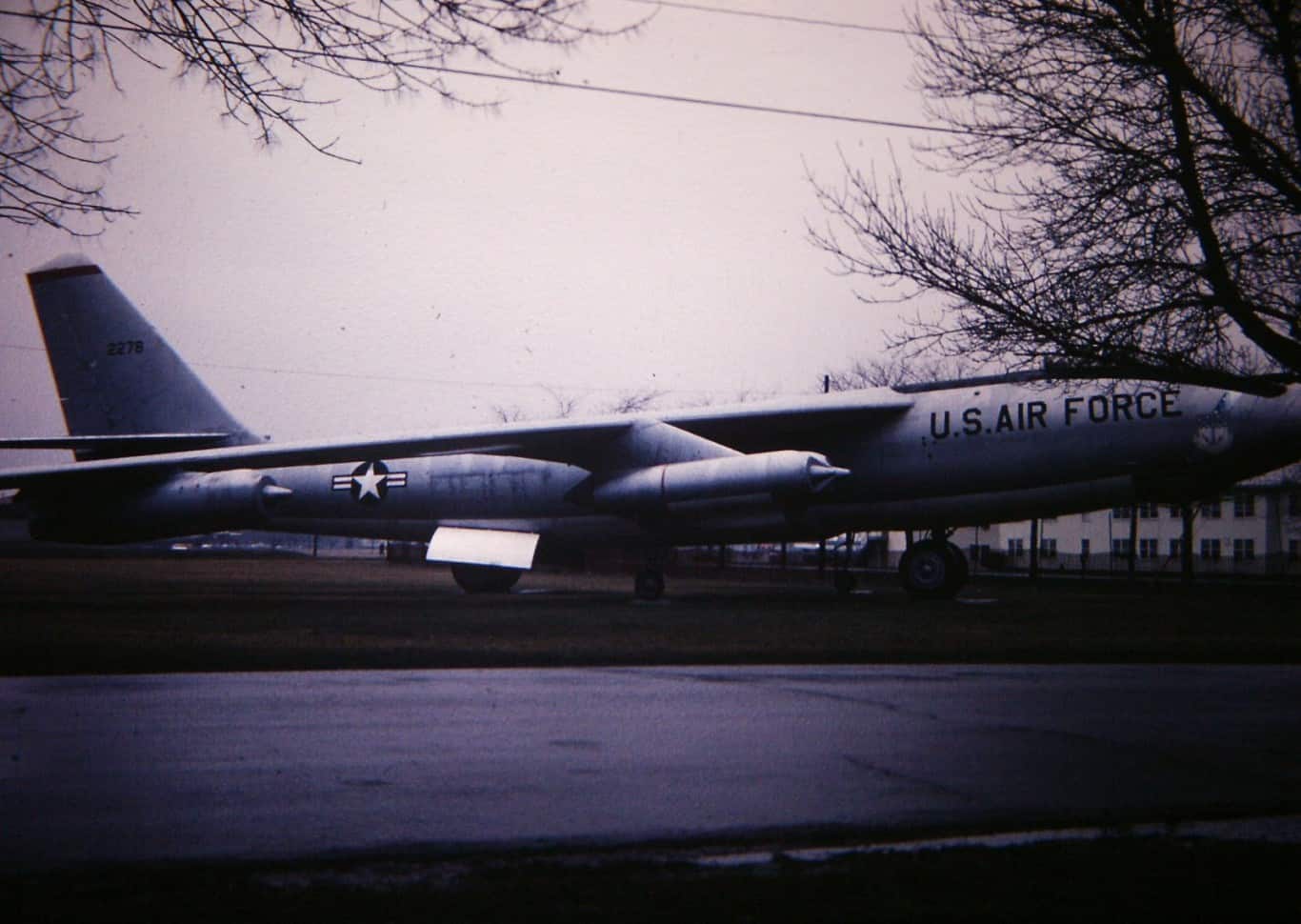
The B-47 Stratojet ushered in the jet age for strategic bombers with its swept-wing design and high-speed capabilities. It replaced slower piston-driven bombers and introduced new tactics for penetrating enemy defenses. Its design influenced future generations of jet bombers.
Tu-4
- Country of origin: Soviet Union
- Manufacturer: Tupolev
- Year introduced to service: 1949
- Bomber type: Strategic bomber
- Maximum range: 3,100 miles
- Payload capacity: 12,000 lbs
- Key innovation: Reverse-engineered B-29 design
- Strategic impact: Accelerated Soviet nuclear bomber capability
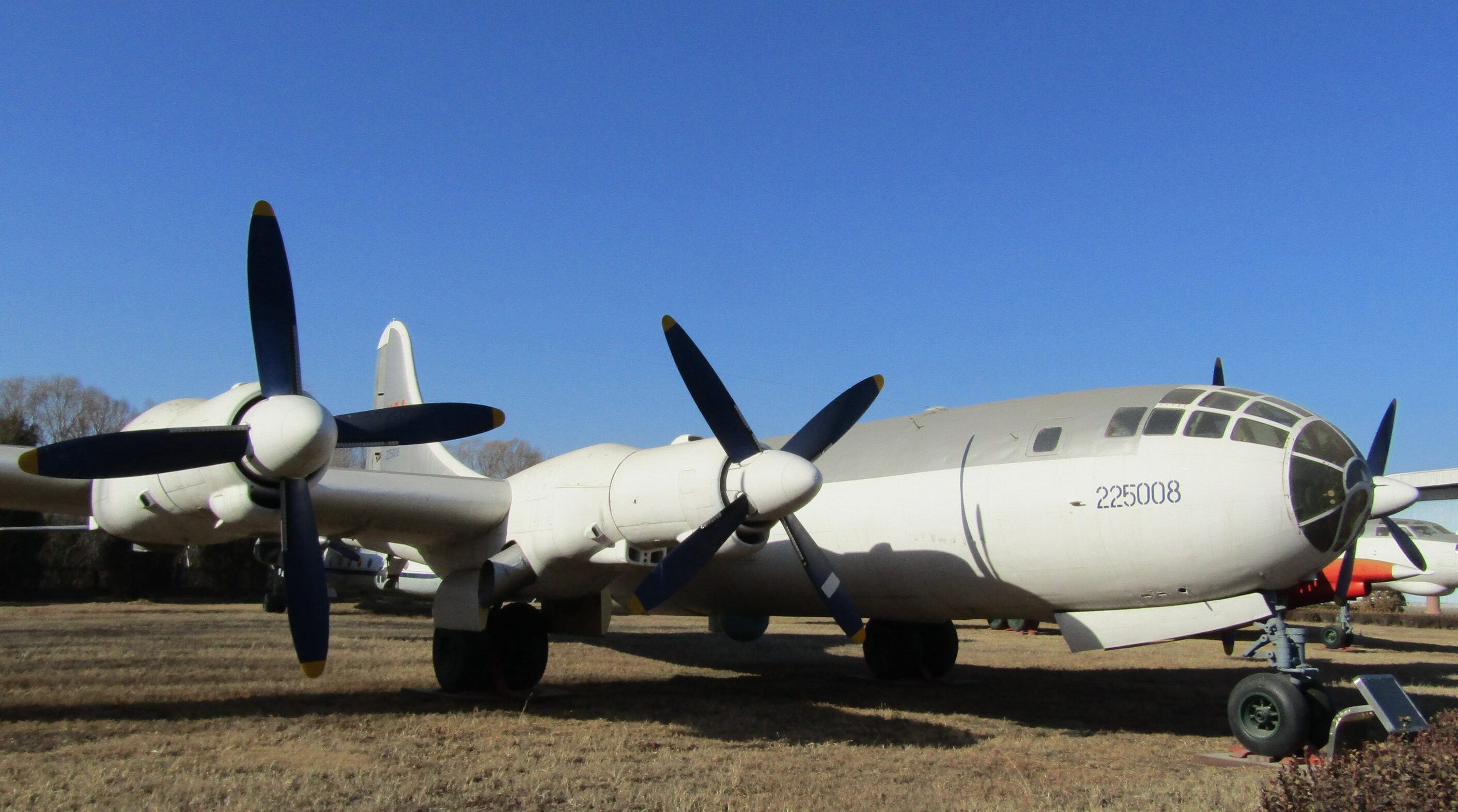
The Tu-4 was a reverse-engineered version of the American B-29, giving the Soviet Union an immediate strategic bombing capability. It accelerated Soviet entry into nuclear deterrence and demonstrated how quickly military technologies could be replicated and adapted during the Cold War.
Vickers Valiant
- Country of origin: United Kingdom
- Manufacturer: Vickers
- Year introduced to service: 1955
- Bomber type: Strategic bomber
- Maximum range: 4,500 miles
- Payload capacity: 21,000 lbs
- Key innovation: Part of V-bomber nuclear force
- Strategic impact: Established UK nuclear deterrent
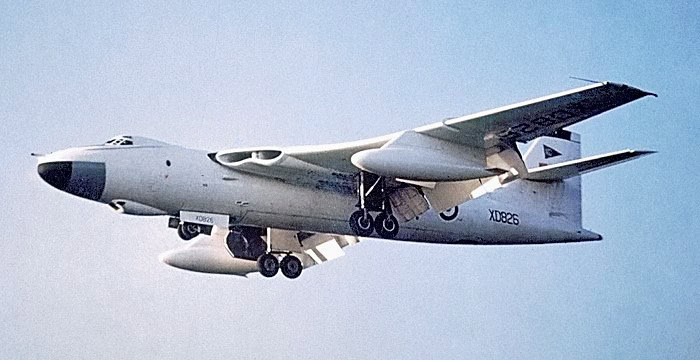
The Vickers Valiant was one of the United Kingdom’s V-bombers and a key part of its early nuclear deterrent. It allowed Britain to maintain an independent strategic strike capability. Its deployment reflected the growing importance of nuclear-armed bombers in global security.
B-52 Stratofortress
- Country of origin: United States
- Manufacturer: Boeing
- Year introduced to service: 1955
- Bomber type: Strategic bomber
- Maximum range: 8,800 miles
- Payload capacity: 70,000 lbs
- Key innovation: Long-range heavy bomber
- Strategic impact: Backbone of U.S. strategic airpower
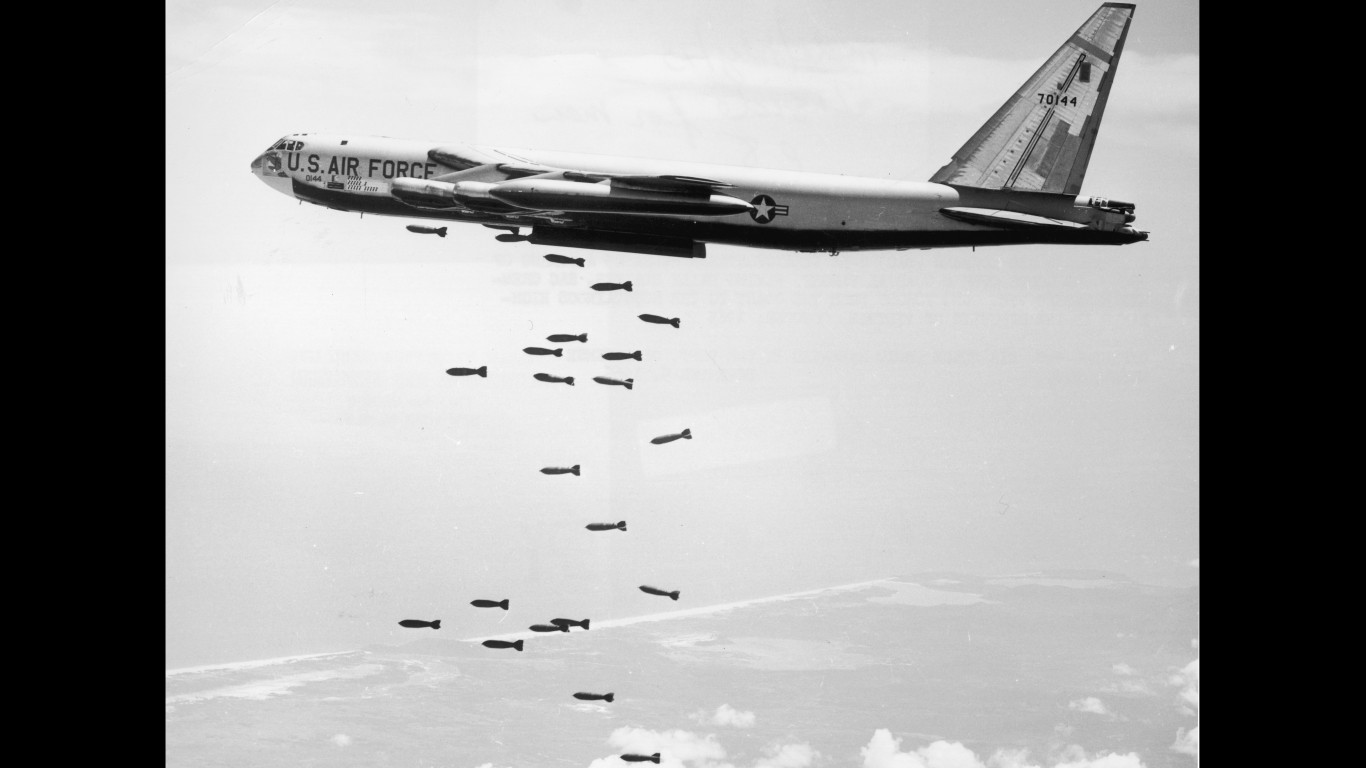
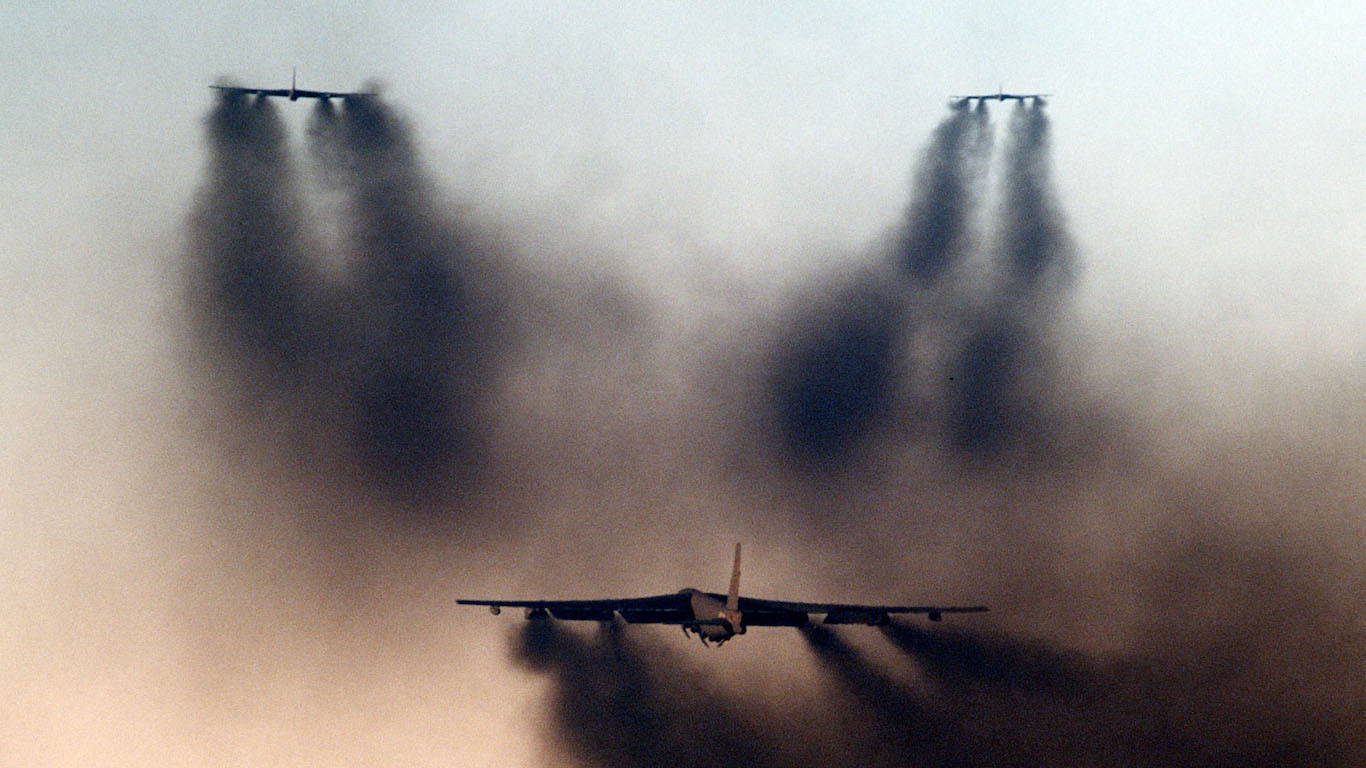
The B-52 Stratofortress became the backbone of U.S. strategic airpower and remains in service decades after its introduction. Its long range, massive payload, and adaptability allowed it to perform nuclear deterrence and conventional bombing missions. It set the standard for long-range bomber operations.
Tu-95 Bear
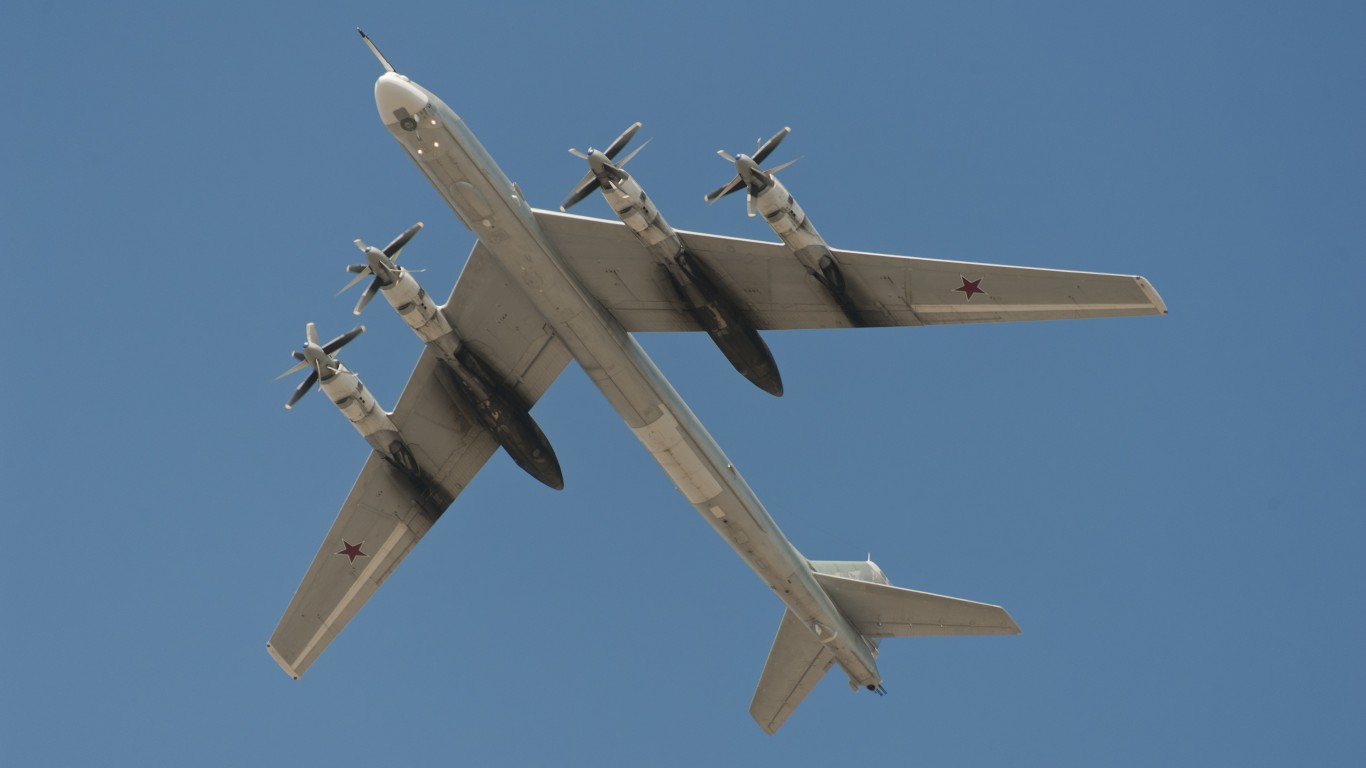
- Country of origin: Soviet Union
- Manufacturer: Tupolev
- Year introduced to service: 1956
- Bomber type: Strategic bomber
- Maximum range: 9,400 miles
- Payload capacity: 33,000 lbs
- Key innovation: Turboprop long-range bomber
- Strategic impact: Sustained Soviet nuclear deterrence
The Tu-95 Bear is one of the longest-serving strategic bombers ever built. Its turboprop engines provide exceptional range, allowing it to conduct long-distance patrols and carry nuclear weapons. It became a symbol of Soviet and later Russian strategic airpower.
B-58 Hustler
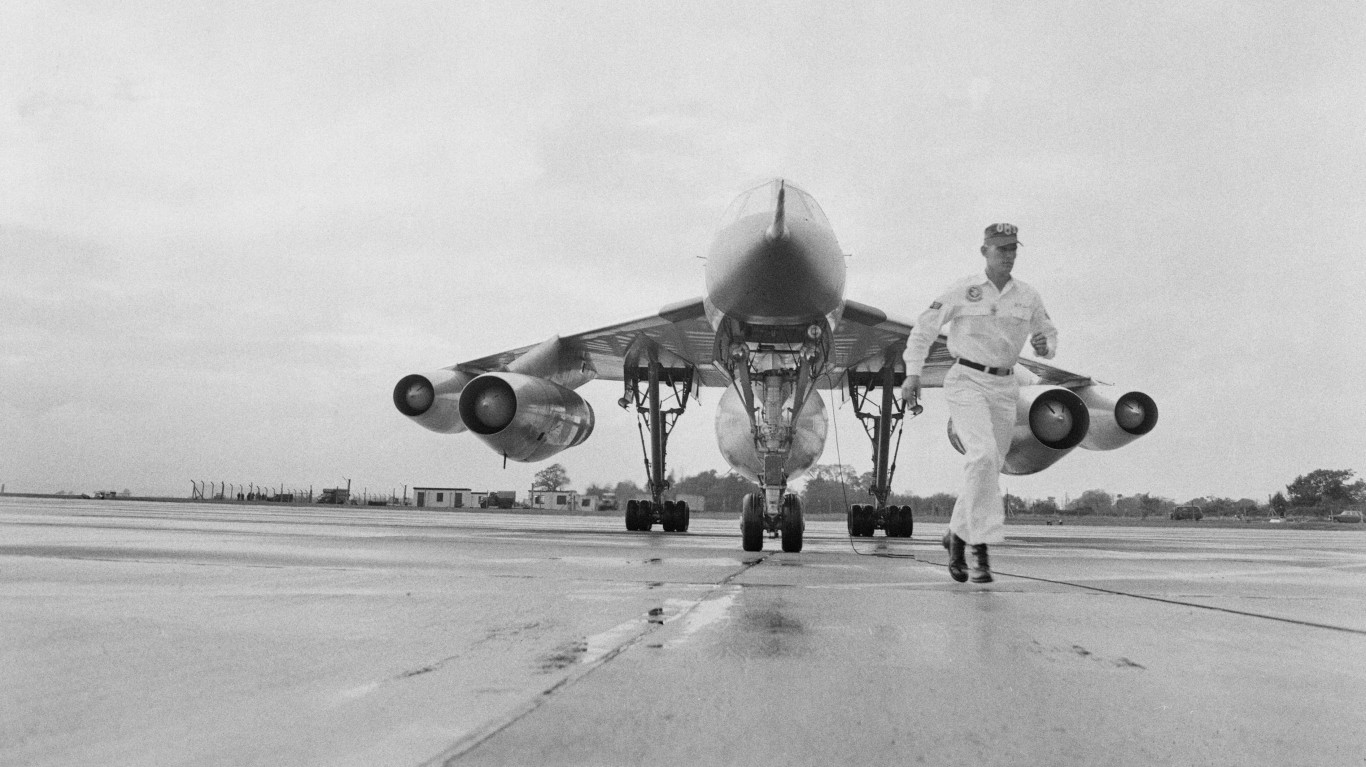
- Country of origin: United States
- Manufacturer: Convair
- Year introduced to service: 1960
- Bomber type: Supersonic bomber
- Maximum range: 4,400 miles
- Payload capacity: 17,000 lbs
- Key innovation: First supersonic bomber
- Strategic impact: Demonstrated speed as strategic defense
The B-58 Hustler was the world’s first supersonic bomber, capable of flying at twice the speed of sound. It demonstrated that speed could be used to evade air defenses. Although costly and complex, it marked a major technological leap in bomber design.
F-111 Aardvark
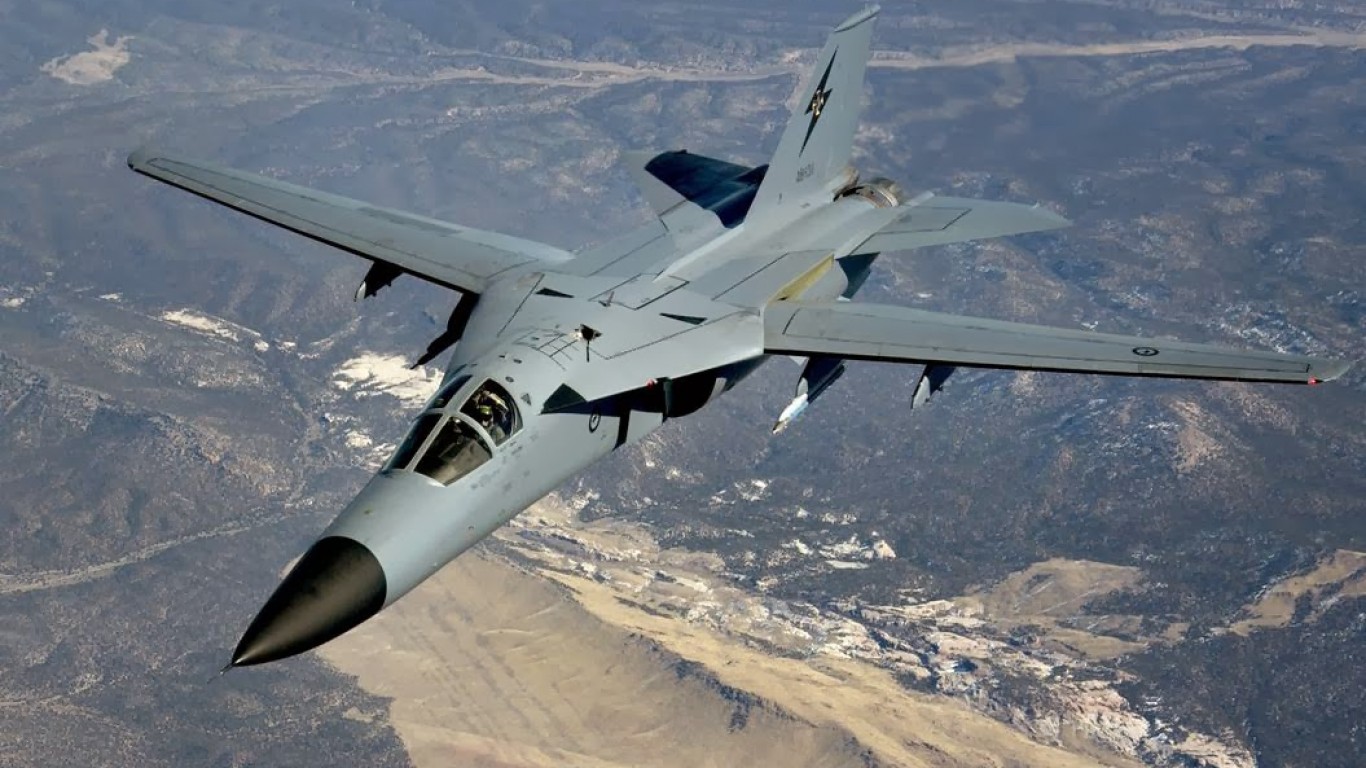
- Country of origin: United States
- Manufacturer: General Dynamics
- Year introduced to service: 1967
- Bomber type: Tactical / strategic bomber
- Maximum range: 3,900 miles
- Payload capacity: 31,500 lbs
- Key innovation: Terrain-following radar
- Strategic impact: Enabled low-level penetration missions
The F-111 Aardvark introduced terrain-following radar that allowed it to fly at low altitudes to avoid detection. This capability enabled deep penetration missions against heavily defended targets. It changed how bombers approached survivability in contested airspace.
Tu-22M Backfire
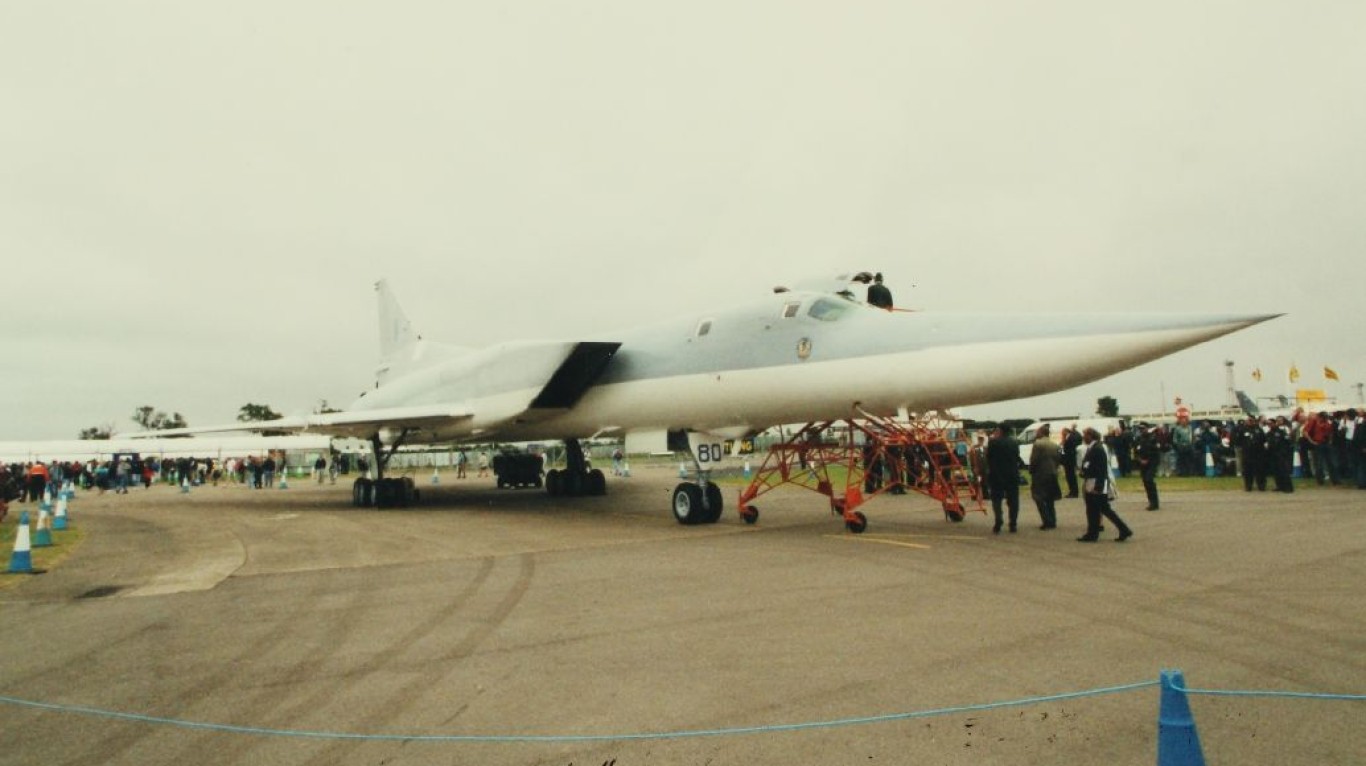
- Country of origin: Soviet Union
- Manufacturer: Tupolev
- Year introduced to service: 1972
- Bomber type: Strategic bomber
- Maximum range: 4,200 miles
- Payload capacity: 53,000 lbs
- Key innovation: Variable-sweep wing design
- Strategic impact: Enhanced Soviet long-range strike capability
The Tu-22M Backfire combined long range with supersonic speed and variable-sweep wings. It was designed for both strategic bombing and anti-ship missions. Its versatility expanded Soviet strike options and challenged Western naval forces.
B-1B Lancer

- Country of origin: United States
- Manufacturer: Rockwell
- Year introduced to service: 1986
- Bomber type: Supersonic bomber
- Maximum range: 7,500 miles
- Payload capacity: 75,000 lbs
- Key innovation: Low-level supersonic penetration
- Strategic impact: Improved survivability against air defenses
The B-1B Lancer was designed for high-speed, low-level penetration of enemy defenses. With a large payload and advanced avionics, it could deliver both nuclear and conventional weapons. It improved survivability against modern air defense systems during the late Cold War.
Tu-160 Blackjack

- Country of origin: Russia
- Manufacturer: Tupolev
- Year introduced to service: 1987
- Bomber type: Supersonic strategic bomber
- Maximum range: 7,600 miles
- Payload capacity: 88,000 lbs
- Key innovation: Fastest heavy bomber
- Strategic impact: Expanded high-speed nuclear strike capability
The Tu-160 Blackjack is the largest and fastest supersonic bomber ever built. Its high speed and long range allow it to deliver nuclear and conventional weapons across vast distances. It remains a key component of Russia’s strategic bomber fleet.
B-2 Spirit
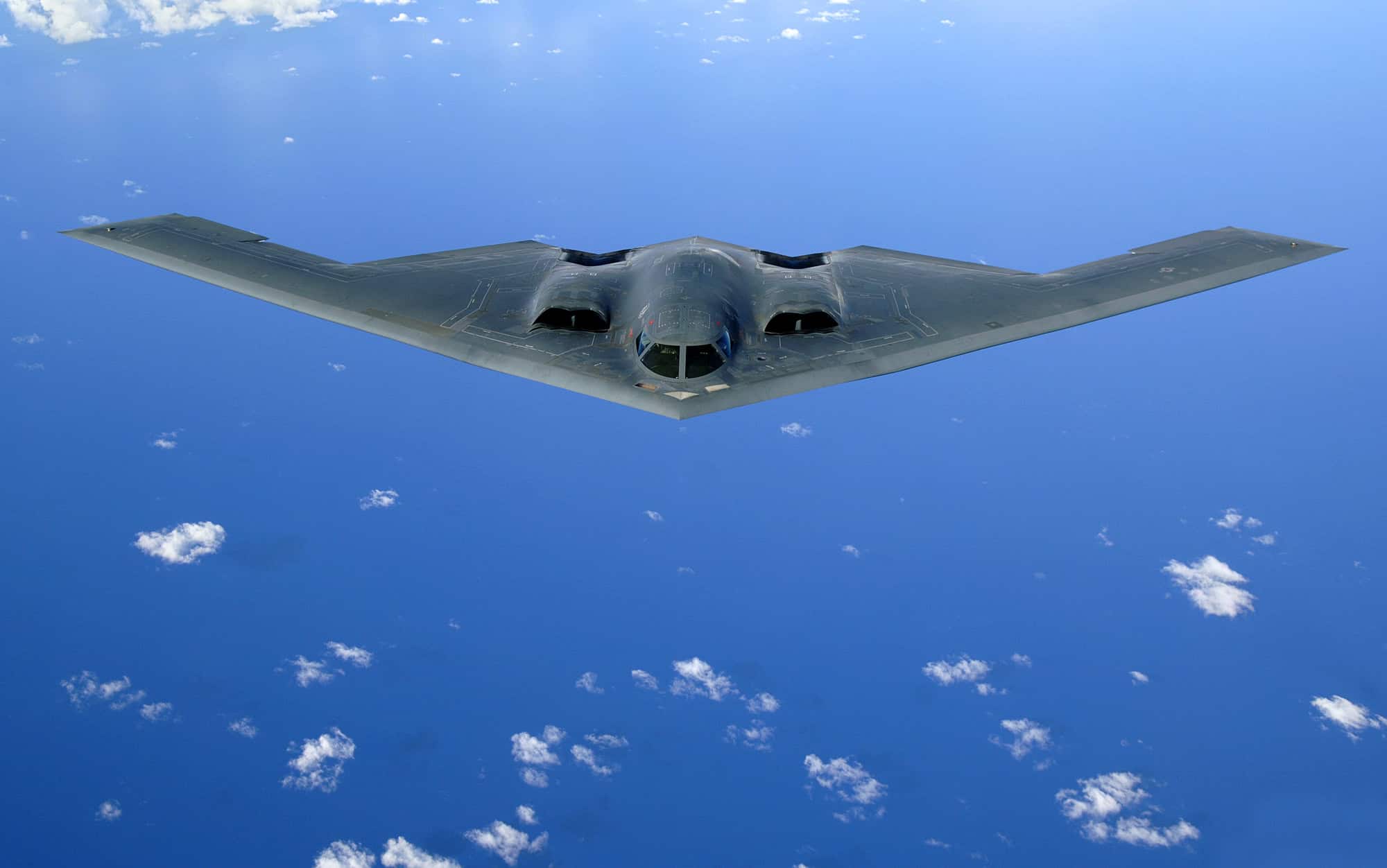
- Country of origin: United States
- Manufacturer: Northrop Grumman
- Year introduced to service: 1997
- Bomber type: Stealth bomber
- Maximum range: 6,000 miles
- Payload capacity: 40,000 lbs
- Key innovation: Stealth technology
- Strategic impact: Penetrated advanced air defense systems
The B-2 Spirit revolutionized bomber design with stealth technology that allows it to evade radar detection. Capable of penetrating heavily defended airspace, it can deliver precision strikes against high-value targets. It redefined survivability in modern strategic bombing.
Xian H-6
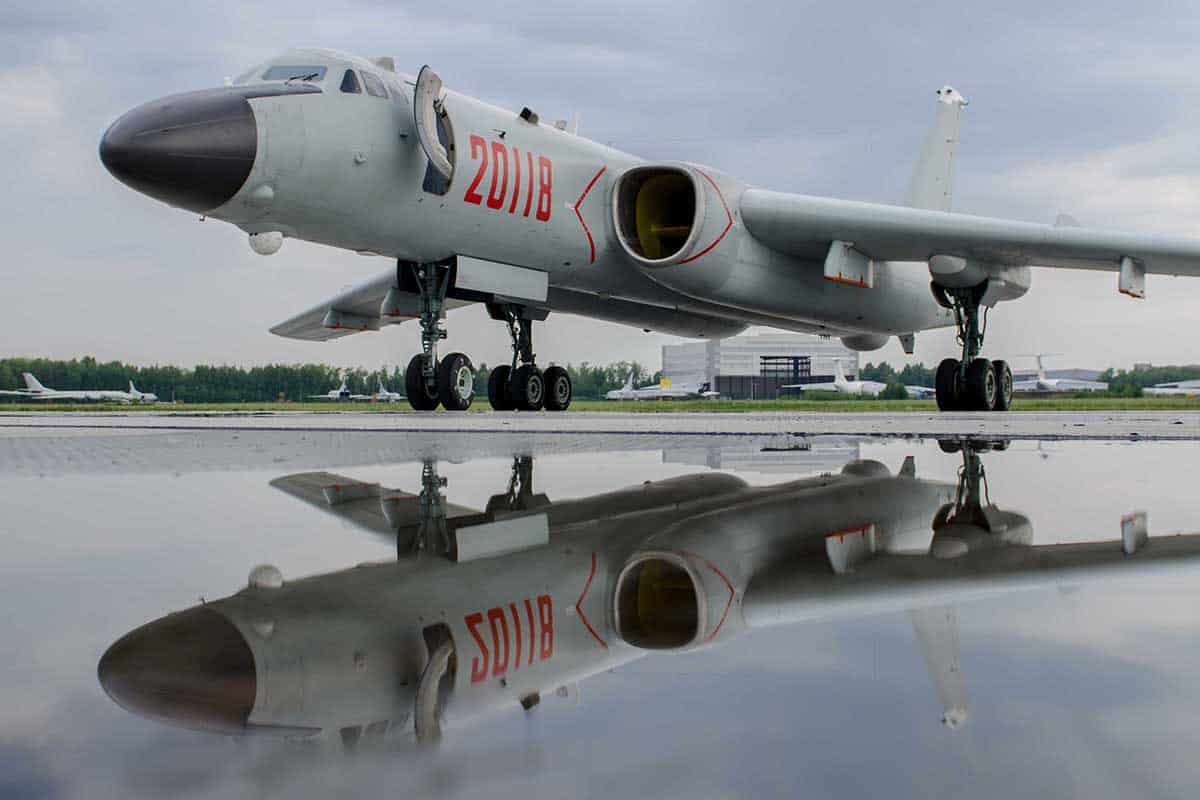
- Country of origin: China
- Manufacturer: Xian Aircraft Corporation
- Year introduced to service: 1959
- Bomber type: Strategic bomber
- Maximum range: 3,700 miles
- Payload capacity: 20,000 lbs
- Key innovation: Modernized missile carrier
- Strategic impact: Expanded China’s long-range strike capability
The Xian H-6 has evolved from an older Soviet design into a modern missile-carrying platform. Upgrades have allowed it to carry cruise missiles and extend China’s strike reach. It represents China’s growing emphasis on long-range strategic airpower.
B-21 Raider
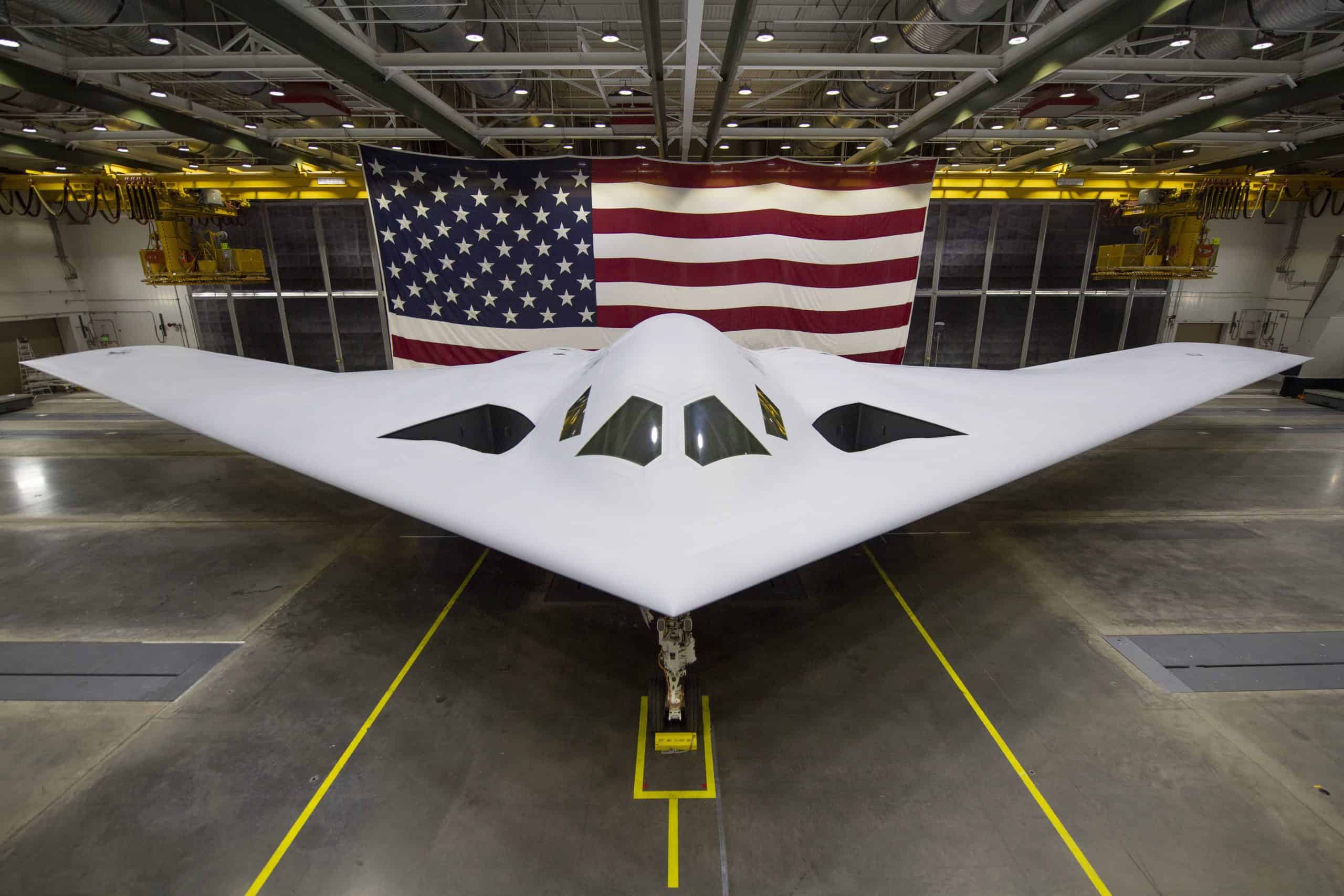
- Country of origin: United States
- Manufacturer: Northrop Grumman
- Year introduced to service: 2020s
- Bomber type: Stealth bomber
- Maximum range: Intercontinental
- Payload capacity: TBD
- Key innovation: Next-generation stealth design
- Strategic impact: Future strategic strike and deterrence platform
The B-21 Raider represents the next generation of stealth bombers, designed to operate in highly contested environments. With advanced stealth and long-range capability, it is expected to play a central role in future strategic deterrence and strike missions.
PAK DA
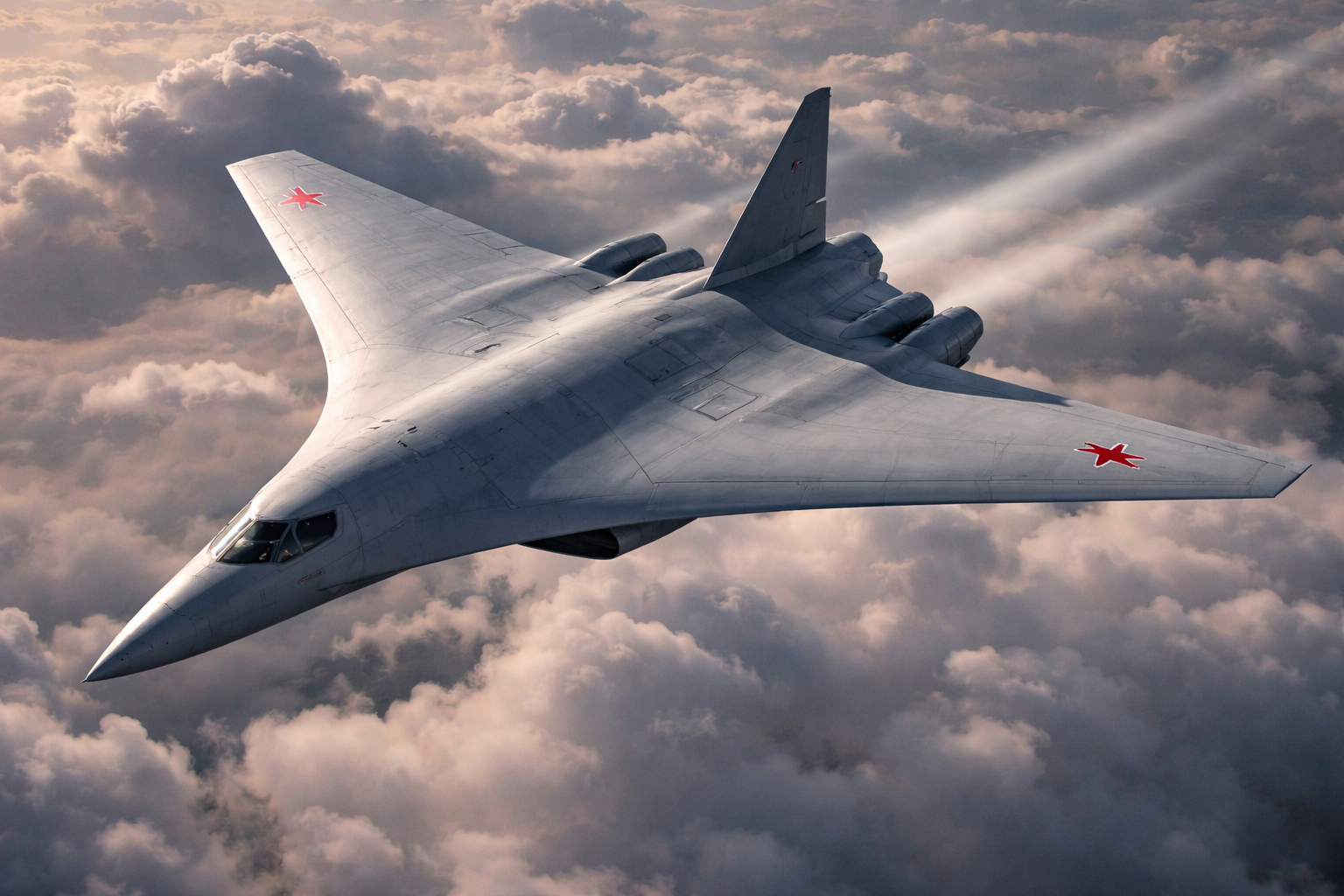
- Country of origin: Russia
- Manufacturer: Tupolev
- Year introduced to service: 2030s (expected)
- Bomber type: Stealth bomber
- Maximum range: Intercontinental
- Payload capacity: TBD
- Key innovation: Next-gen stealth bomber program
- Strategic impact: Aims to modernize Russia’s strategic bomber fleet
The PAK DA is Russia’s planned next-generation stealth bomber designed to replace older platforms. It is expected to feature advanced stealth and long-range strike capabilities. The program reflects Russia’s effort to modernize its strategic airpower for future conflicts.








 Top Gaining Stocks
 Top Losing Stocks