



Almost every car and light truck in the United States has parts from Canada and Mexico. In some cases, the vehicles are entirely assembled in these countries and sent to the United States to sell. A recent study shows that 25% tariffs on all imports from these nations could raise the price of a car by $3,000 and a full-sized truck by $10,000.
Recent tariffs have certainly shaken the auto industry to its core. But one manufacturer is confident they can withstand Trump’s 25% tariffs. Mazda continues moving forward with plans to produce its first electric vehicle starting in 2027. The Japanese car company predicts that their top-of-the-line technology and adaptable production methods will allow them to be successful in the U.S. Mazda’s goal is to be completely electric by 2030.
However, not all auto manufacturers are as confident as Mazda, especially since the tariffs are not just on cars. They are also on steel, which is used in the United States to make and assemble vehicles. The AP recently reported that tariffs “could wreak havoc on American auto manufacturing.”
KBB’s recent study of the effects of tariffs on car prices made another observation: “Policies that raise new car prices also raise used car prices, as they tend to push would-be new car buyers into the used car market looking for something they can afford.”
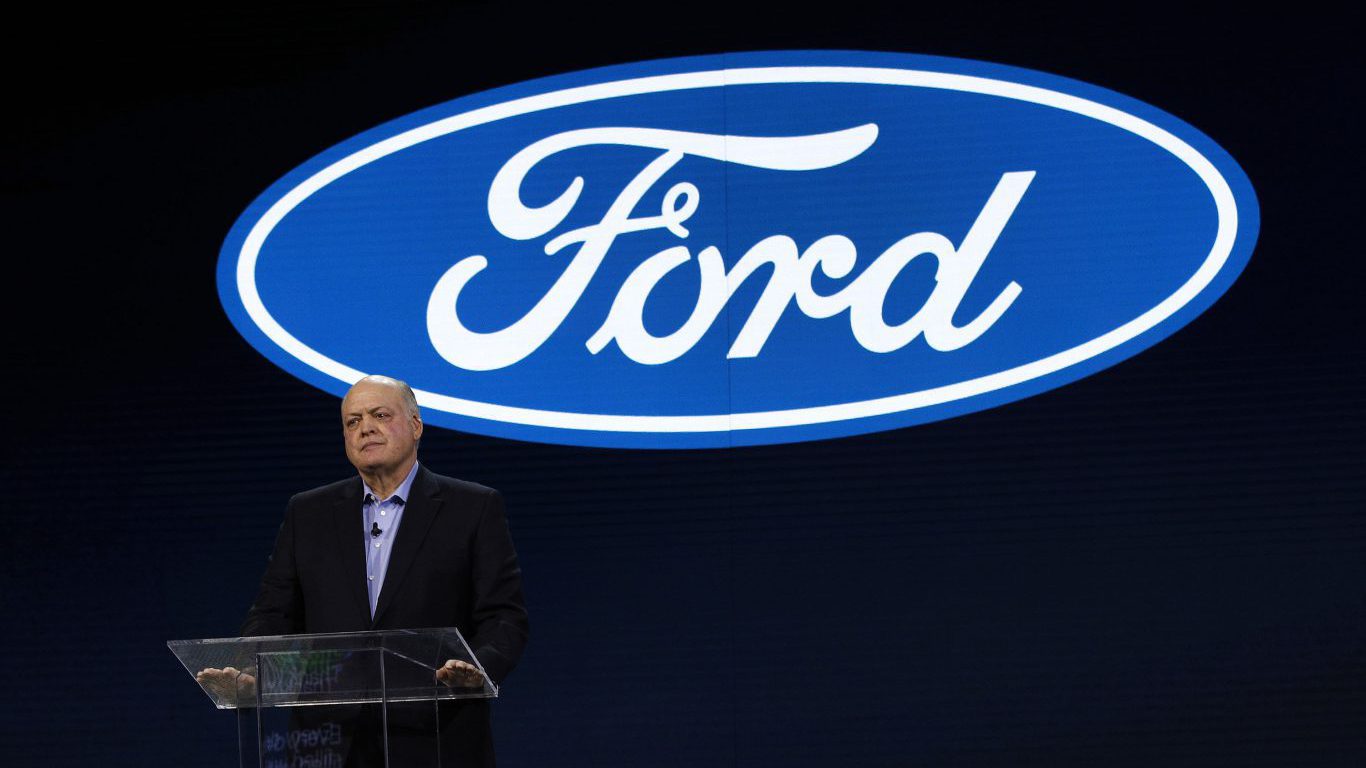
Recently, Ford CEO Jim Farley commented that tariffs could “blow a hole in the U.S. industry that we have never seen.”
The three immediate challenges of higher car prices are to the car companies and to the American consumer.
The price of a new car in the United States is $48,401, which is near a record. The only times prices were higher was during the period when COVID-19 infections were the highest and supply chains became very tight.
Many experts say that people should not have monthly car payments that are more than their take-home pay. Higher car prices are not the only financial challenge. Car loan rates for new vehicles run about 6%. However, car companies often offer more aggressive prices for models they have a hard time selling.
The final problem with high car prices takes on car manufacturer stocks. Higher car prices stretch household budgets and lead to fewer sales. Ford Motor Co. (NYSE: F | F Price Prediction) stock is already near its 52-week low at $9.40. Slow sales would push that price down further.
These Are the Common Misconceptions About Tariffs
This post was updated on June 6, 2025 to include Mazda’s recent statement on its first electric vehicle.












 Top Gaining Stocks
 Top Losing Stocks