


Uber Technologies (NYSE:UBER | UBER Price Prediction) has had a rough start to 2026. Shares are down 16.59% year-to-date, off 7.23% over the past week and sit 5.15% below where they were one year ago. The stock touched a 52-week high of $101.99 but has since retreated to $69.11.
Most analysts cluster around a consensus 12-month price target of $105.29, but Wells Fargo analyst Ken Gawrelski just moved in the opposite direction, cutting his target to $95 from $100 while keeping an Overweight rating. That still implies roughly 37% upside from current levels. The question is whether UBER can realistically reach $95 by the end of 2026.
Wells Fargo’s $95 UBER Prediction
Gawrelski’s thesis is straightforward: any fundamental impact from autonomous vehicles is a 2027-and-beyond story. That framing removes a major investor overhang. Near-term, Wells Fargo sees healthy trends balanced against a continued aggressive investment posture, with only some weather-related disruption as a minor headwind. With the stock pricing in considerable AV disruption risk, a 2027-and-beyond timeline means the core rideshare and delivery business deserves more credit than the current valuation suggests.
Key Drivers of UBER Stock Performance
- Platform scale compounding. Uber closed Q4 2025 with 202 million monthly active platform consumers, up 18% year-over-year, completing 3.8 billion trips in the quarter, up 22%. That user base compounds quietly inside retirement accounts, generating more cash every year.
- Free cash flow acceleration. Full-year 2025 free cash flow reached $9.763 billion, up 41.6% year-over-year, funding a $20 billion share repurchase authorization. Buybacks reduce share count over time, lifting per-share value for long-term holders.
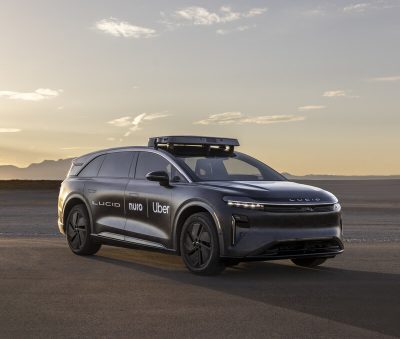
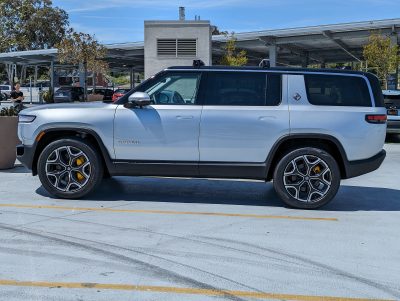
- AV optionality without near-term execution risk. Uber’s partnerships with Pony.ai, Rivian, and WeRide position it as the distribution layer for autonomous mobility. Uber is investing up to $1.25 billion in Rivian to supply 50,000 robotaxi vehicles and expanding European robotaxi services through a Pony.ai partnership launching in Zagreb in the second half of 2026. Retirement investors get the upside without betting on unproven AV economics today.
What Will It Take for UBER to Reach $95?
With 2,036,825,000 shares outstanding, a $95 price would imply a market cap approaching $193 billion, up from the current $142.38 billion. The path there requires three things: Q1 2026 gross bookings landing within the guided $52.0 billion to $53.5 billion range; continued EBITDA margin expansion beyond the 4.6% of gross bookings achieved in Q4 2025; and the market re-rating the stock as AV disruption fears fade into a longer timeline.
The primary risk is regulatory pressure on worker classification, which could structurally raise operating costs across both Mobility and Delivery. Even so, with 84% of covering analysts rated bullish and a CFO who recently bought shares in the open market, the conviction behind Wells Fargo’s $95 target reflects a business growing faster than its current valuation acknowledges — exactly the kind of setup retirement accounts are built to hold through.










 Top Gaining Stocks
 Top Losing Stocks