


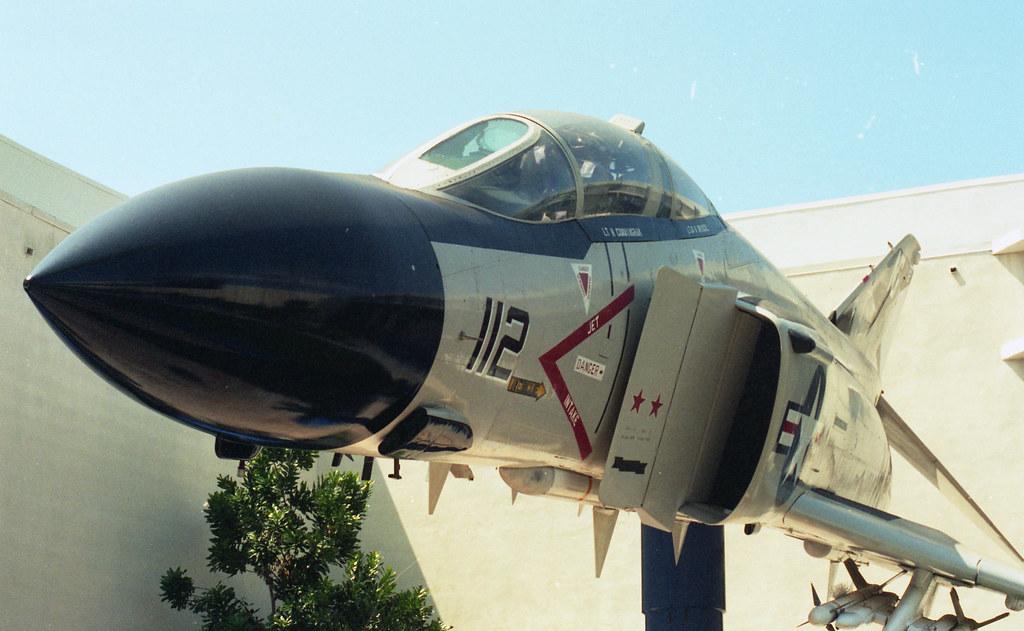
The Vietnam War exposed the limits of traditional military doctrine in ways few conflicts before it had. Incredibly dense terrain, guerrilla tactics, and a prolonged fight forced rapid adaptation on the battlefield. In response, a new generation of weapons came forth that reshaped mobility, firepower, and coordination. Here, 24/7 Wall St. is taking a closer look at the weapons from the Vietnam War that reshaped modern combat.
To identify the weapons from the Vietnam War that changed how wars are fought, 24/7 Wall St. reviewed various historical and military sources. We included supplemental information regarding the weapon type, when it was introduced, its role in the Vietnam War, and how it changed the way wars are now fought.
Ultimately, the Vietnam War forced militaries to confront guerrilla warfare, jungle operations, air mobility, and prolonged counterinsurgency. It reshaped doctrine around small-unit tactics, close air support, helicopter warfare, intelligence-driven operations, and the limits of conventional firepower against irregular forces.
Here is a look at weapons from the Vietnam War that changed warfare forever:
Why Are We Covering This?

The Vietnam War forced militaries to confront a new kind of conflict that exposed the limits of traditional doctrine and equipment. Many of the weapons introduced or refined during this era reshaped how armies approached mobility, firepower, surveillance, and coordination. By examining Vietnam-era weapons that changed how wars are fought, this piece highlights the origins of modern combat concepts and explains why the lessons learned in Southeast Asia continue to influence military strategy and battlefield design today.
Vietnam Was a Turning Point
The Vietnam War marked a decisive turning point in modern warfare. Conventional military doctrine collided with guerrilla tactics, dense terrain, and a prolonged conflict that exposed weaknesses in existing weapons and strategies. Technology had to adapt rapidly under combat conditions, often in real time. The lessons learned in Vietnam reshaped how militaries approached mobility, firepower, and battlefield awareness long after the war ended.
Old Assumptions Failed
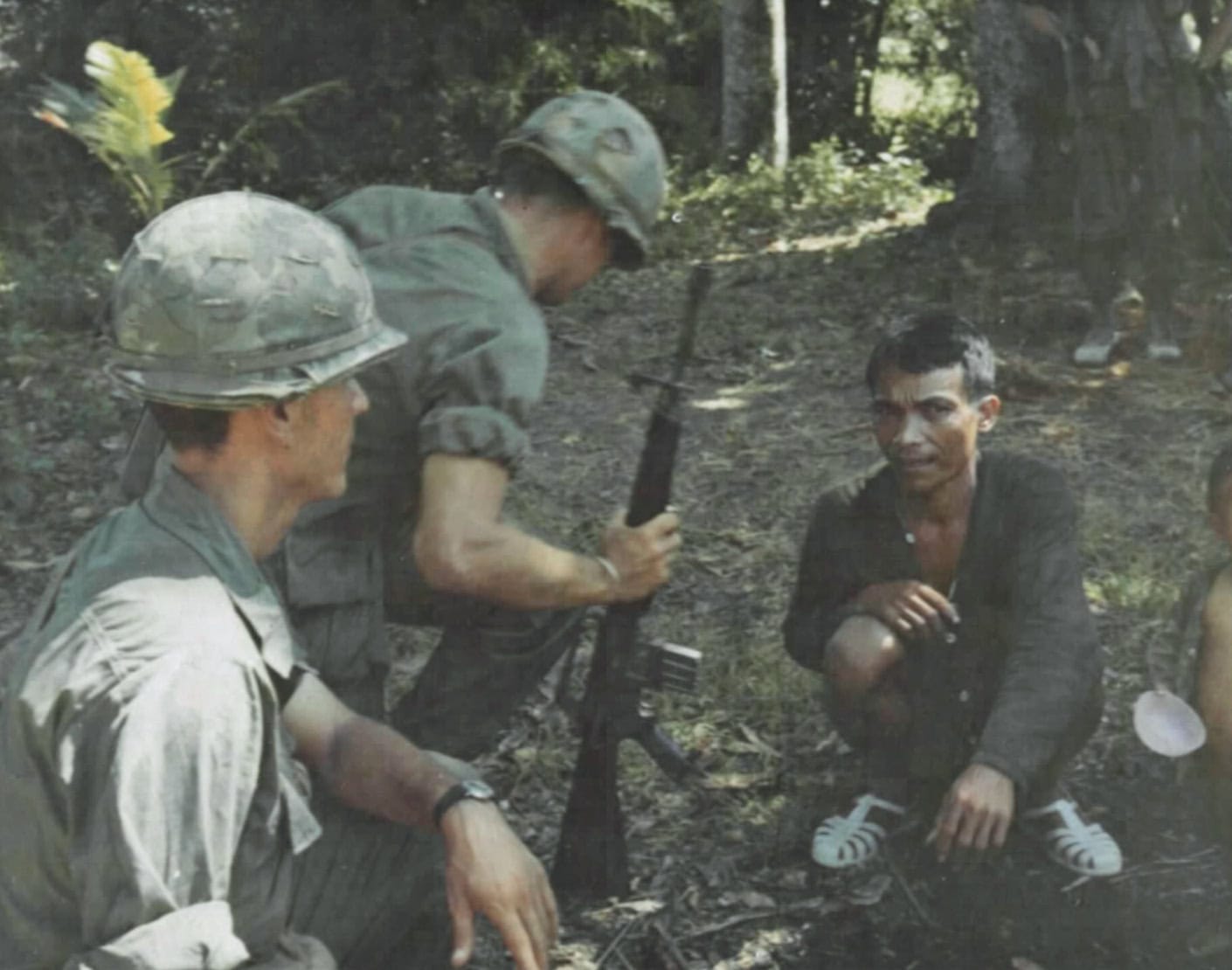
Many pre-Vietnam assumptions about warfare proved ineffective in Southeast Asia. Large formations struggled in jungle terrain, firepower without mobility limited operational reach, and limited night-fighting capability constrained momentum. Centralized command structures often moved too slowly for fluid engagements. These shortcomings created an urgent need for weapons that could operate independently, adapt quickly, and function effectively in harsh, unconventional environments.
Weapons That Forced Doctrinal Change
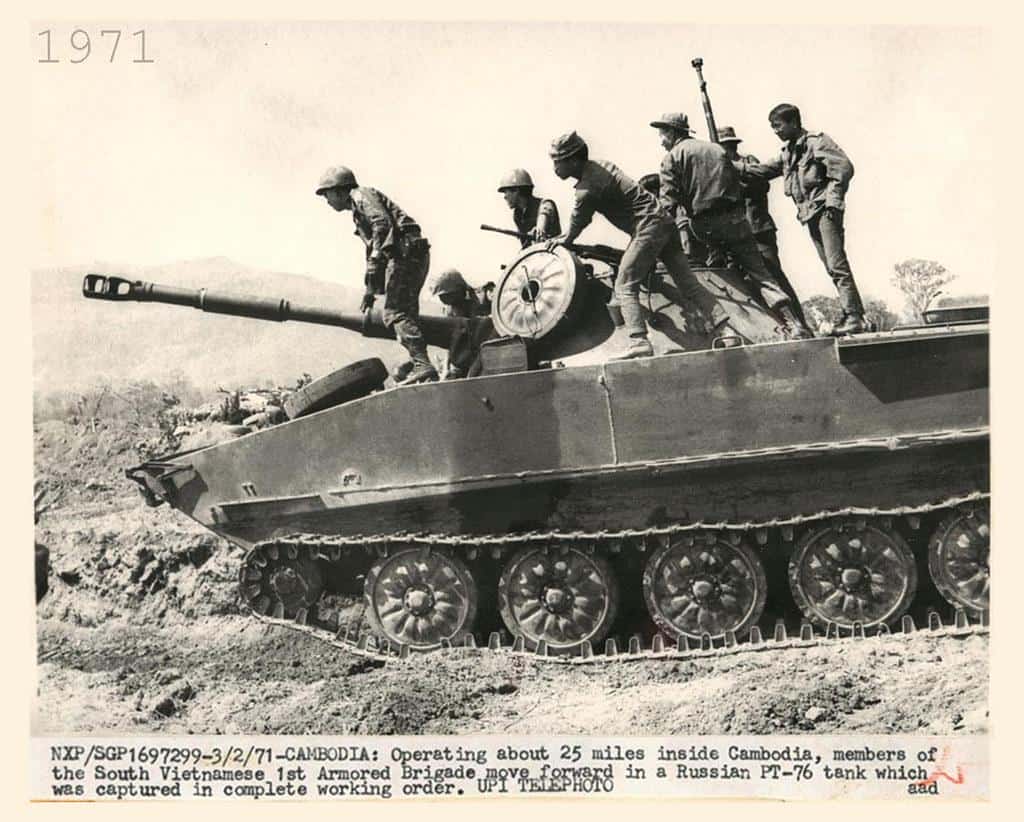
Certain Vietnam-era weapons didn’t just improve battlefield performance—they forced militaries to rethink doctrine entirely. Air mobility replaced foot movement as helicopters reshaped how troops deployed and fought. Infantry units gained organic explosive and anti-armor firepower, while sensors extended awareness beyond visual range. Precision began to matter more than sheer volume, signaling a shift toward more flexible and responsive combat operations.
The Birth of Modern Warfare Concepts
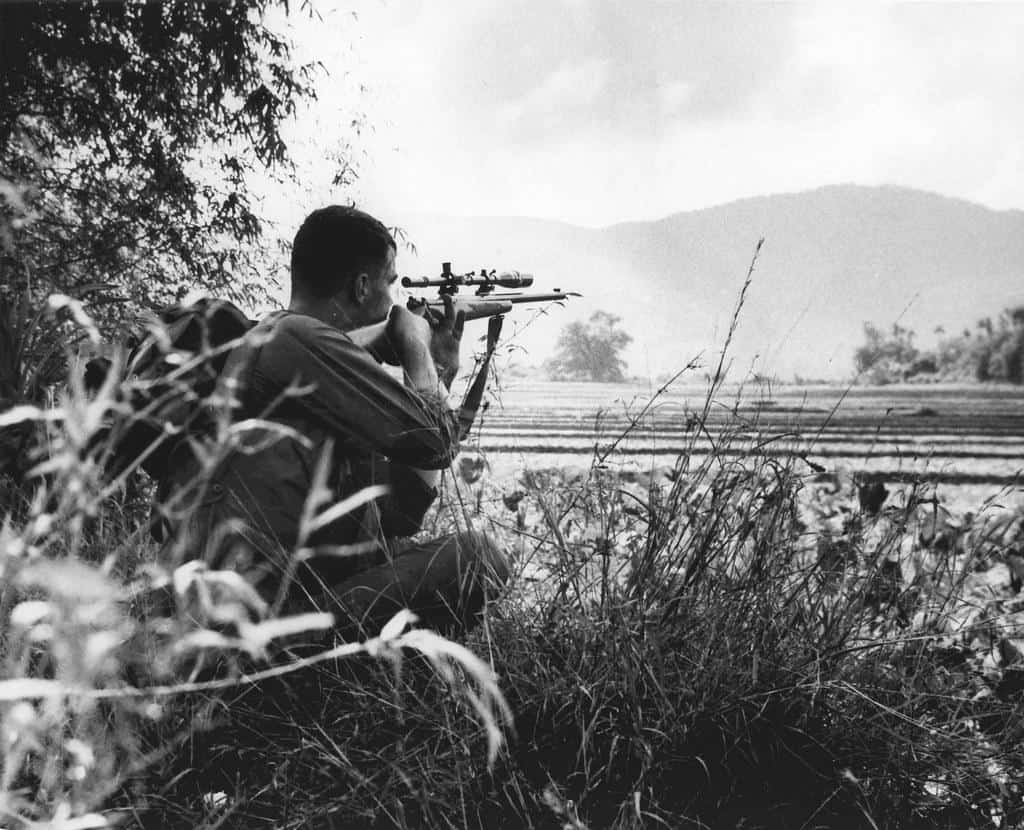
Many concepts considered standard in modern warfare trace their roots directly to Vietnam. Air assault operations, tightly integrated close air support, early networked sensing, and expanded night-fighting capabilities all emerged from the demands of the conflict. These innovations changed how forces coordinated, how quickly they could respond, and how effectively they could operate across complex terrain.
30 Weapons That Changed How Wars Are Fought
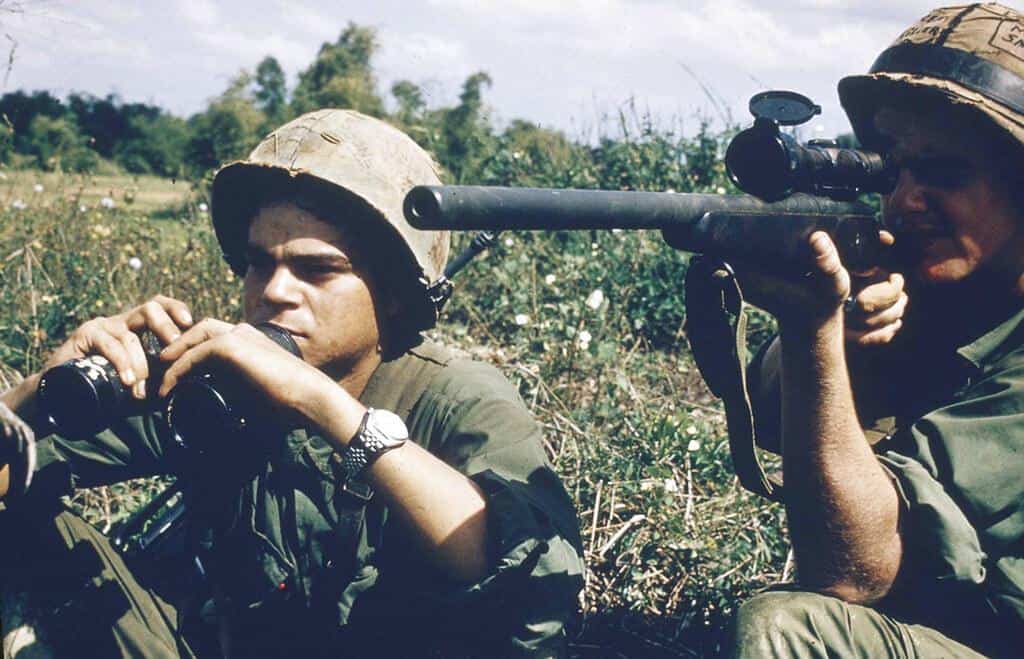
This list highlights 30 Vietnam-era weapons that permanently changed how wars are fought. Spanning infantry weapons, aircraft, sensors, and artillery, each system was introduced or widely adopted during the Vietnam era and forced lasting tactical or doctrinal change. Their influence extends well beyond Vietnam, shaping modern battlefields in conflicts that followed.
M16 Rifle
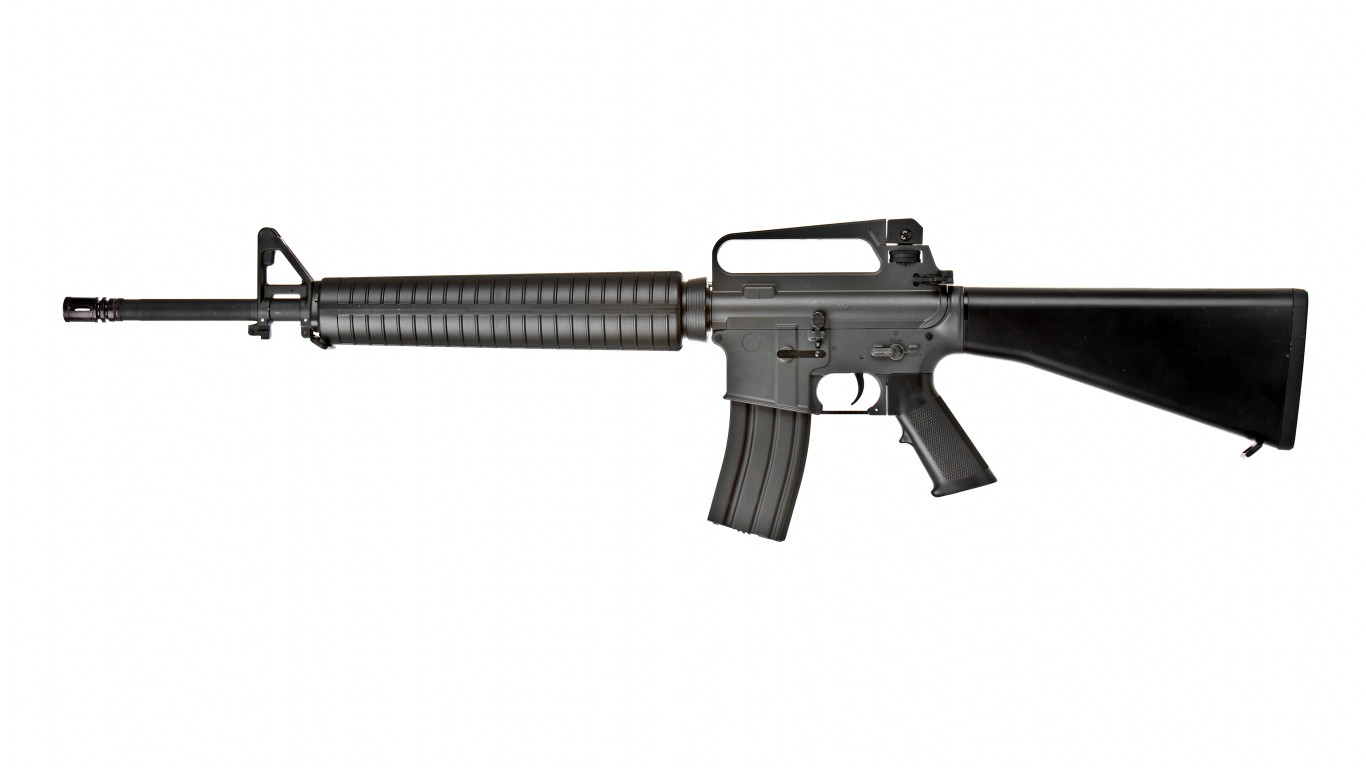
- Type: Infantry Rifle
- Year introduced to service: 1964
- Role in the Vietnam War: Standard U.S. infantry weapon
- What problem it solved in Vietnam: Lightweight automatic fire
- How it changed how wars are fought: Accelerated shift to modern assault rifles
- Who adopted or copied the concept later: Adopted globally by modern militaries
The M16 changed infantry combat by prioritizing lightweight ammunition and high-velocity fire, influencing assault rifle design worldwide.
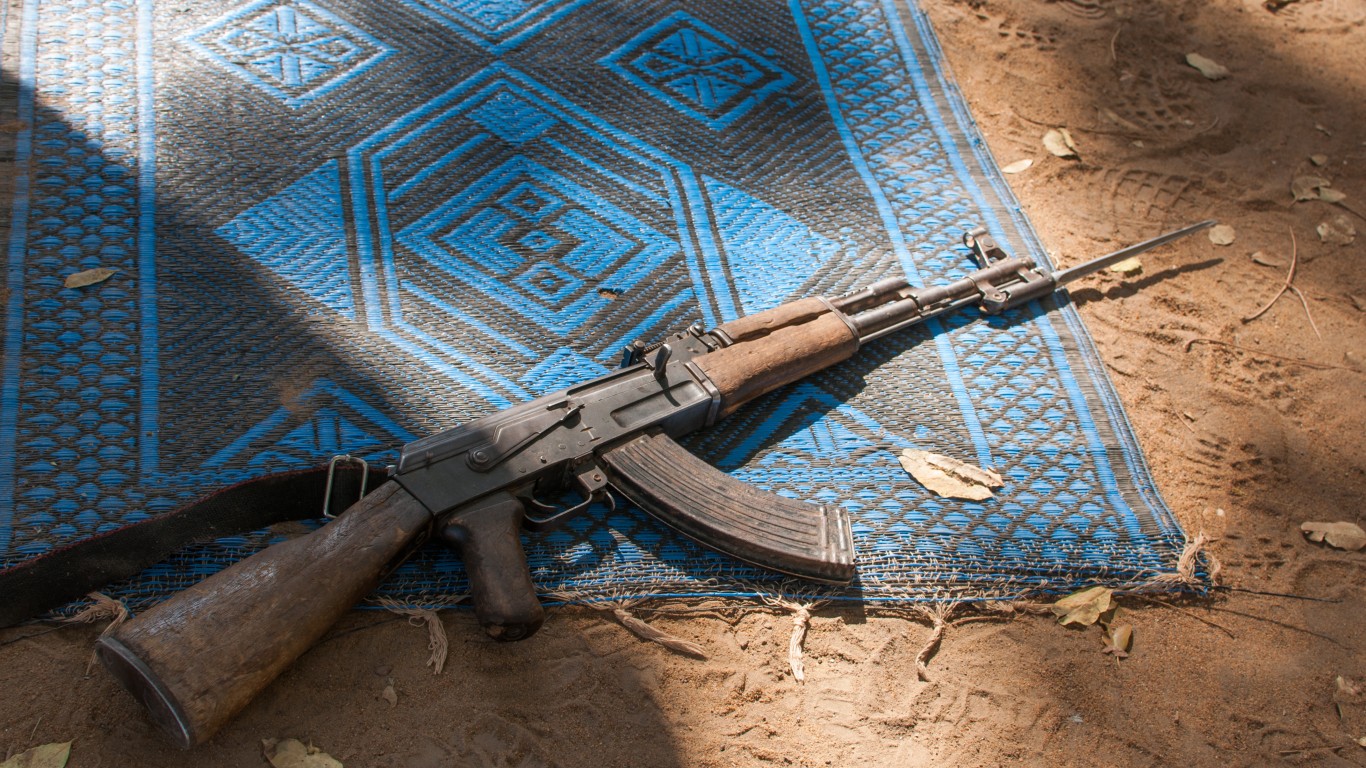
AK-47 / AKM
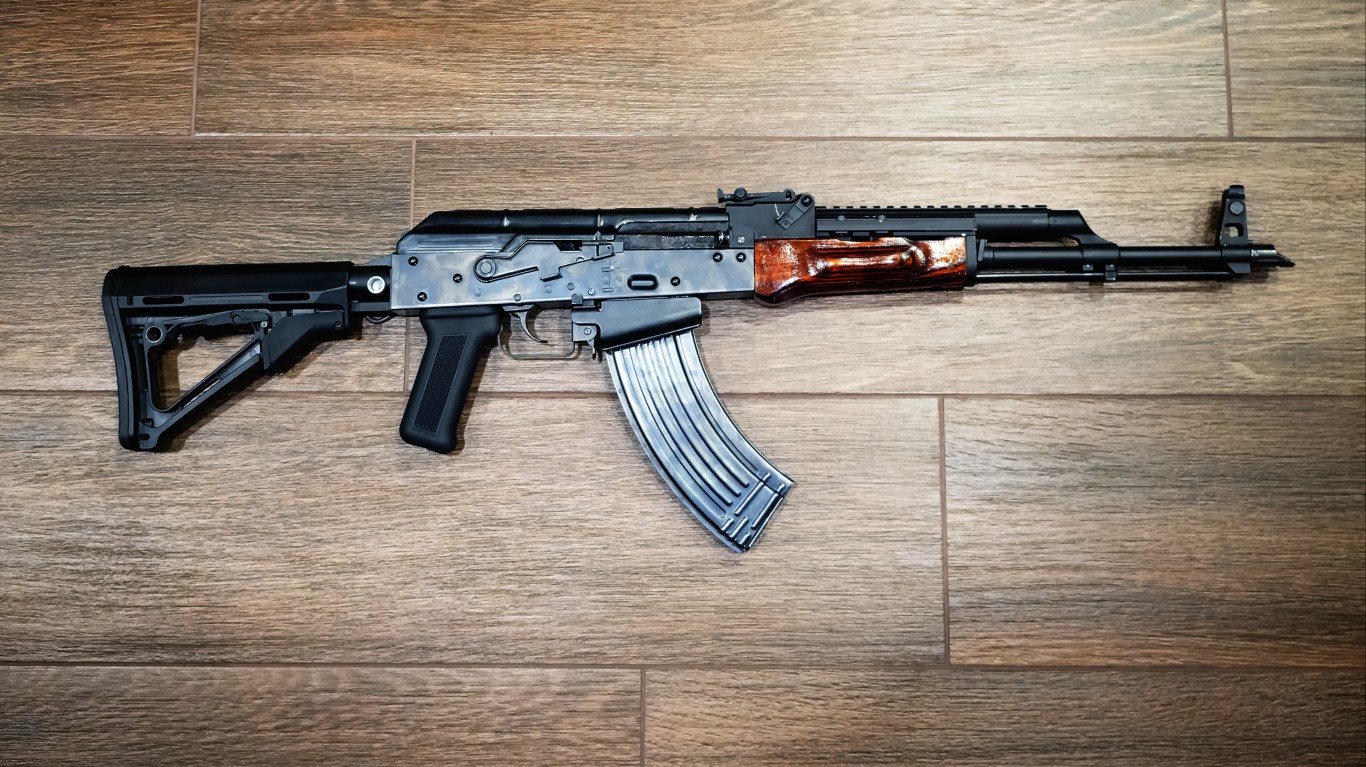
- Type: Infantry Rifle
- Year introduced to service: 1949
- Role in the Vietnam War: Primary enemy small arm
- What problem it solved in Vietnam: Reliability in jungle conditions
- How it changed how wars are fought: Validated rugged assault rifle doctrine
- Who adopted or copied the concept later: Adopted by state and non-state forces
The AK-47 proved that simplicity and reliability could dominate irregular warfare, reshaping global small-arms doctrine.
M60 Machine Gun

- Type: General-Purpose MG
- Year introduced to service: 1957
- Role in the Vietnam War: Mobile infantry fire support
- What problem it solved in Vietnam: Portable sustained fire
- How it changed how wars are fought: Reinforced squad-level automatic fire
- Who adopted or copied the concept later: Adopted widely by NATO
The M60 emphasized mobility and firepower at the small-unit level, shaping modern infantry tactics.
RPD Light Machine Gun
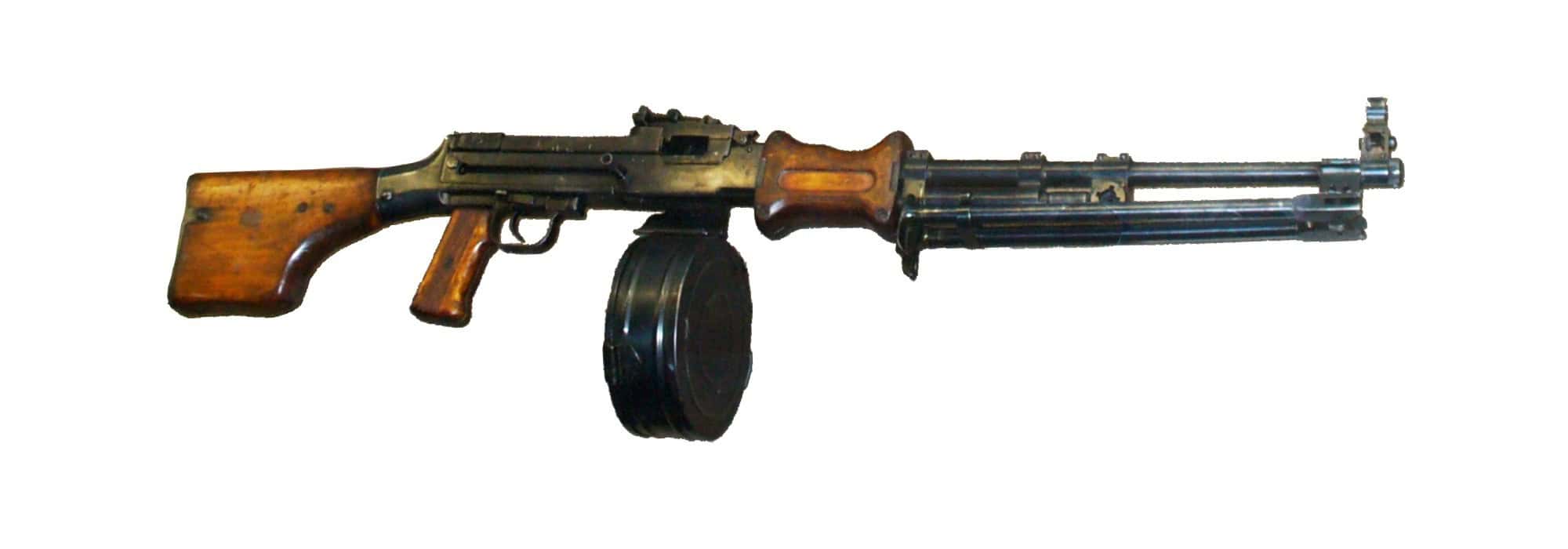
- Type: Light Machine Gun
- Year introduced to service: 1944
- Role in the Vietnam War: Guerrilla automatic fire
- What problem it solved in Vietnam: Sustained fire with mobility
- How it changed how wars are fought: Influenced light support weapon doctrine
- Who adopted or copied the concept later: Adopted by insurgent forces
The RPD showed how lightweight automatic weapons could sustain guerrilla operations.
M79 Grenade Launcher
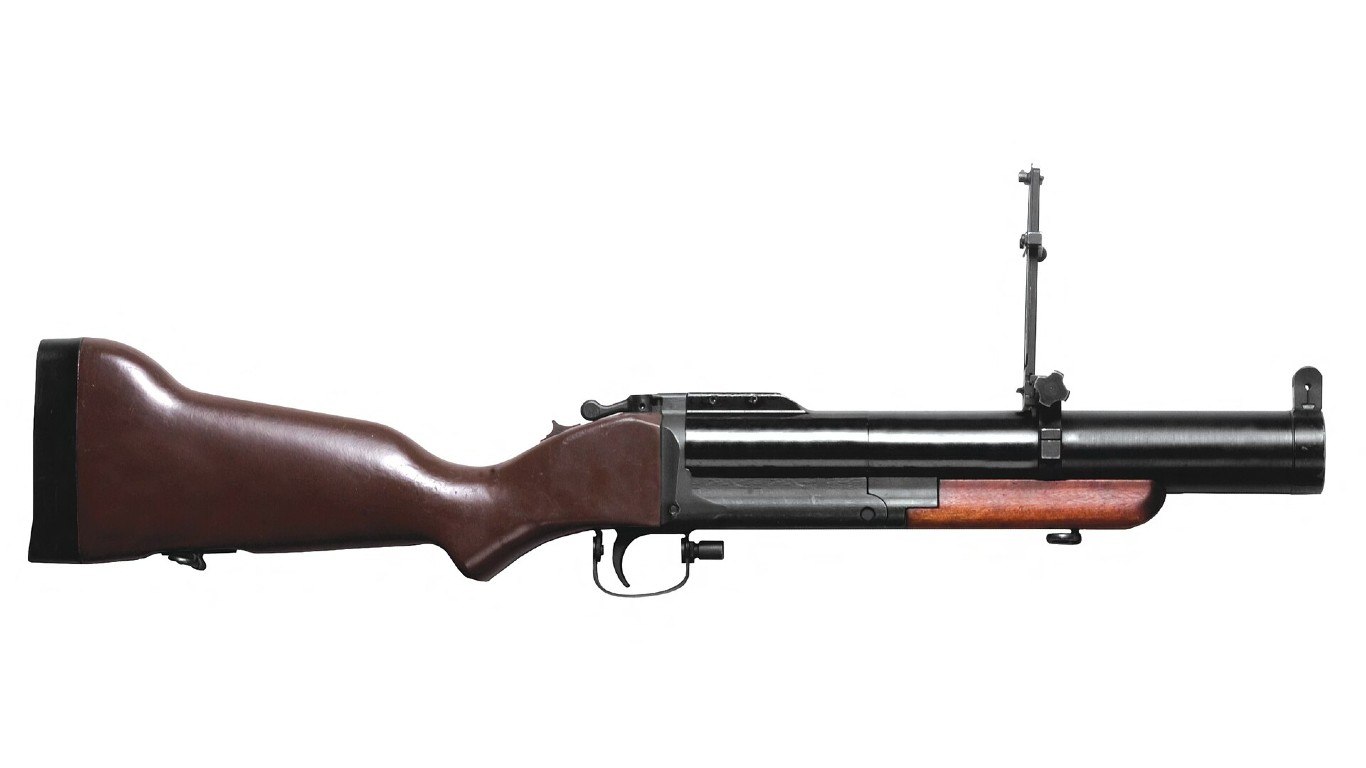
- Type: Grenade Launcher
- Year introduced to service: 1961
- Role in the Vietnam War: Organic explosive support
- What problem it solved in Vietnam: Indirect fire at squad level
- How it changed how wars are fought: Expanded small-unit firepower
- Who adopted or copied the concept later: Adopted by modern infantry
The M79 changed infantry tactics by giving squads immediate explosive capability.
RPG-7
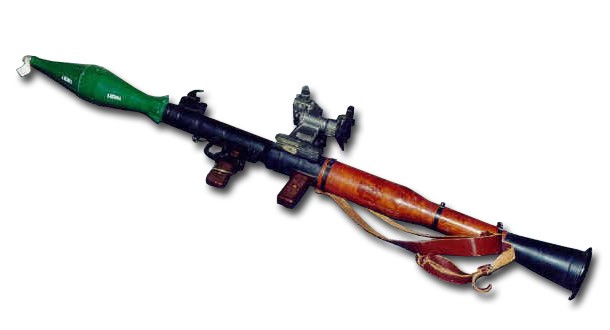
- Type: Rocket Launcher
- Year introduced to service: 1961
- Role in the Vietnam War: Anti-armor and helicopter threat
- What problem it solved in Vietnam: Low-cost anti-vehicle fire
- How it changed how wars are fought: Democratized anti-armor warfare
- Who adopted or copied the concept later: Adopted worldwide
The RPG-7 empowered infantry to counter vehicles and aircraft, reshaping battlefield balance.
Claymore Mine (M18)
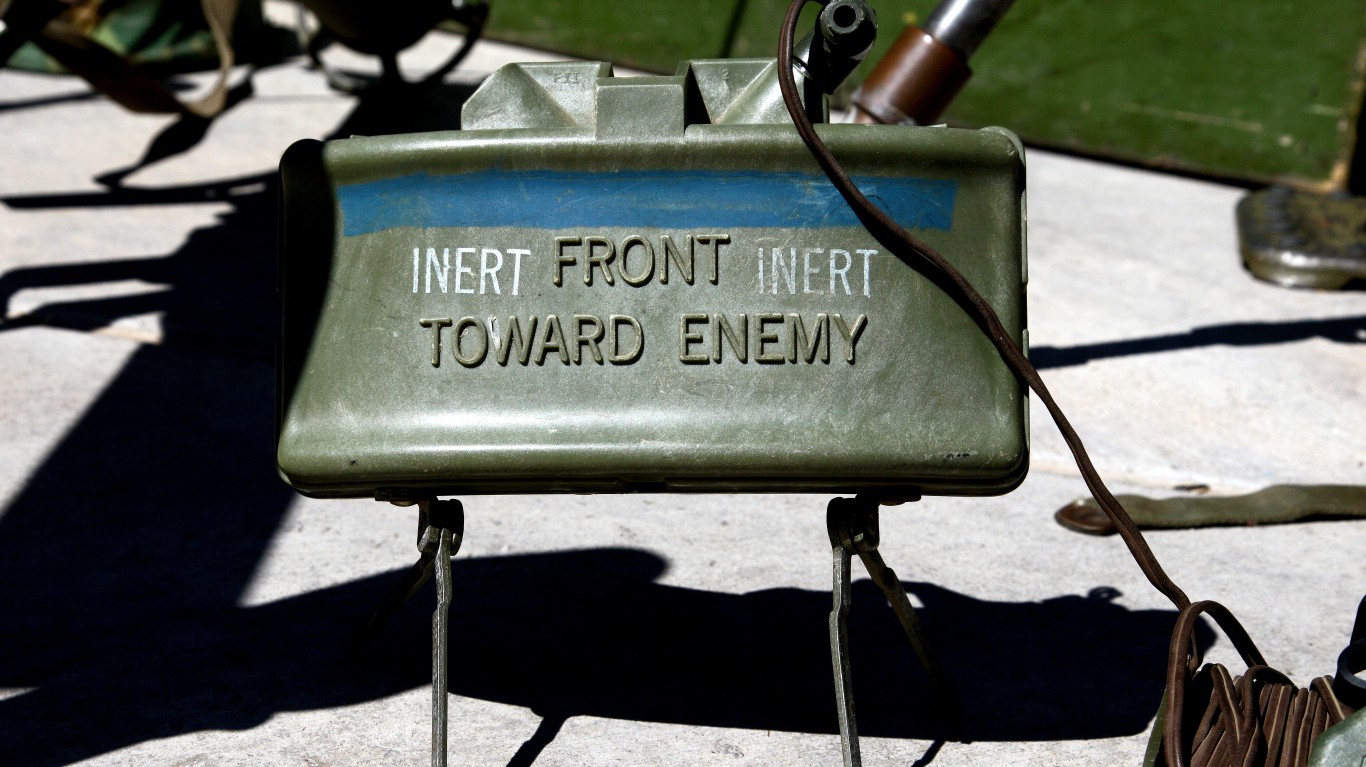
- Type: Directional Mine
- Year introduced to service: 1960
- Role in the Vietnam War: Perimeter and ambush defense
- What problem it solved in Vietnam: Controlled fragmentation
- How it changed how wars are fought: Redefined defensive mine warfare
- Who adopted or copied the concept later: Copied globally
The Claymore transformed defensive tactics with command-detonated area denial.
Stoner 63
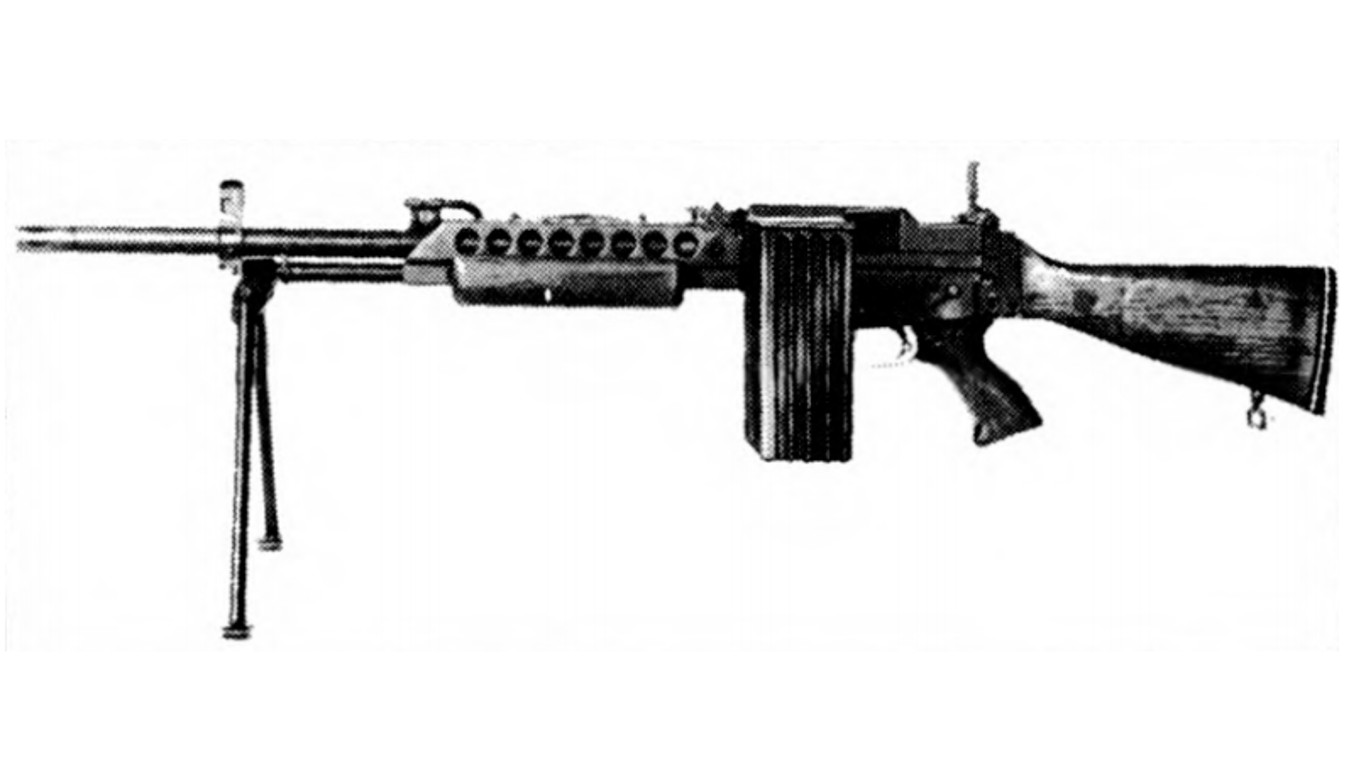
- Type: Modular Weapon System
- Year introduced to service: 1963
- Role in the Vietnam War: Special operations use
- What problem it solved in Vietnam: Flexible weapon configuration
- How it changed how wars are fought: Influenced modular weapon concepts
- Who adopted or copied the concept later: Influenced later designs
The Stoner 63 introduced modularity concepts still present in modern weapons.
UH-1 Huey
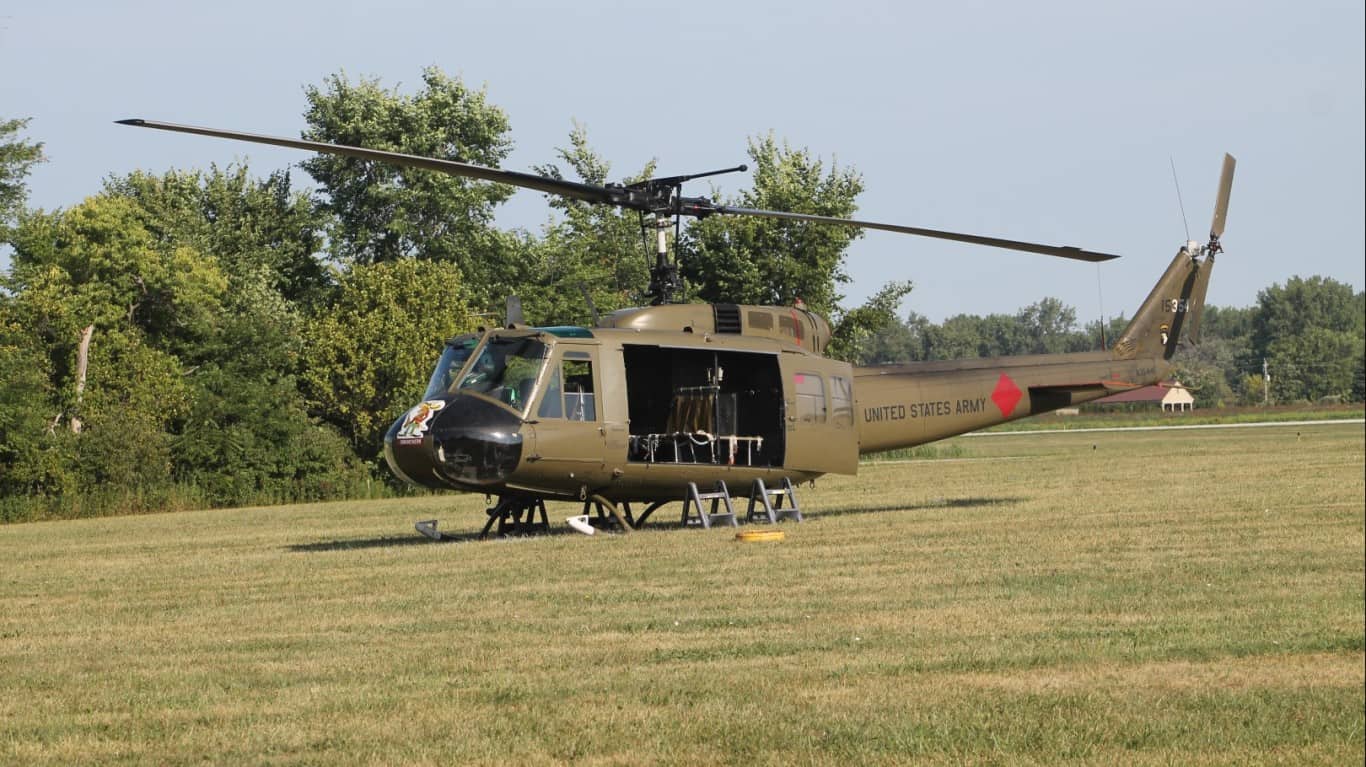
- Type: Utility Helicopter
- Year introduced to service: 1959
- Role in the Vietnam War: Air mobility and medevac
- What problem it solved in Vietnam: Rapid troop movement
- How it changed how wars are fought: Created modern air assault doctrine
- Who adopted or copied the concept later: Adopted globally
The Huey revolutionized troop mobility and reshaped ground warfare through vertical envelopment.
AH-1 Cobra
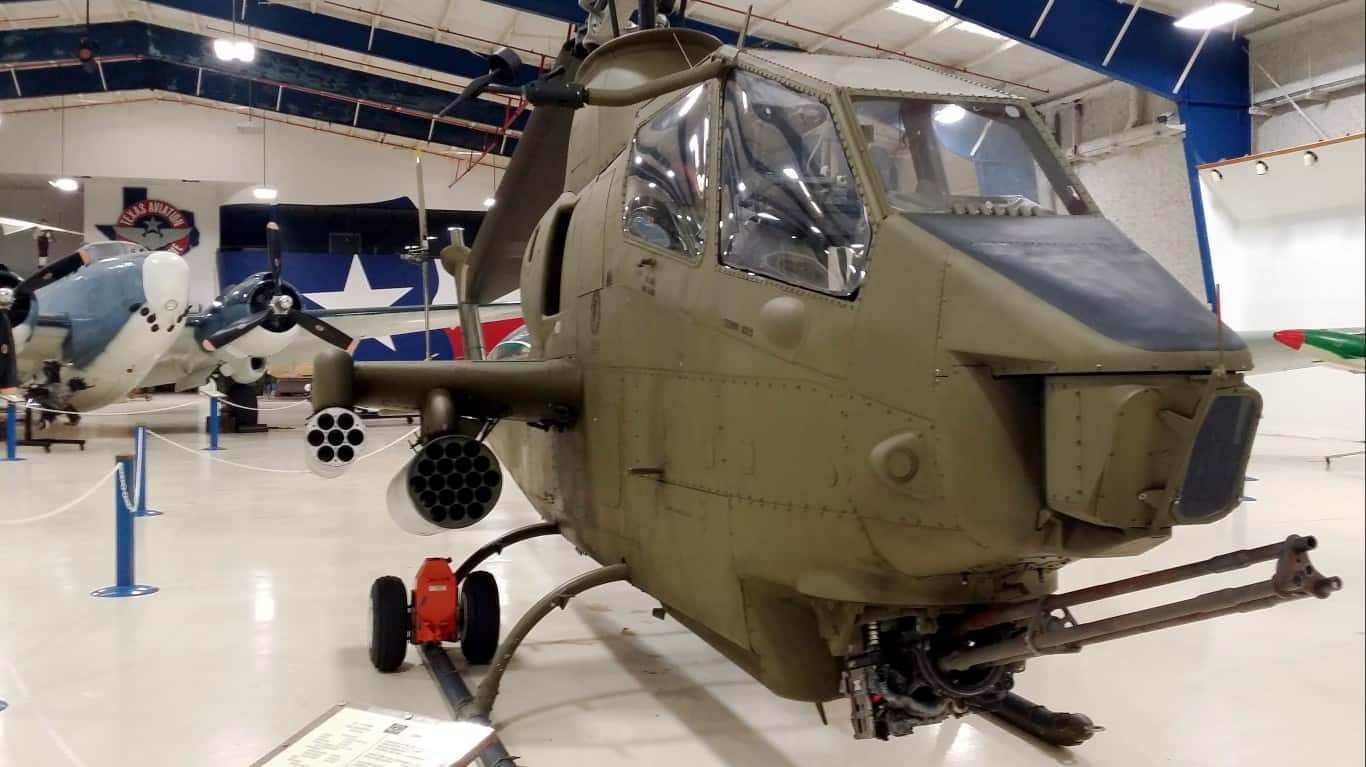
- Type: Attack Helicopter
- Year introduced to service: 1967
- Role in the Vietnam War: Armed escort and CAS
- What problem it solved in Vietnam: Dedicated helicopter firepower
- How it changed how wars are fought: Invented attack helicopter role
- Who adopted or copied the concept later: Adopted worldwide
The Cobra established the attack helicopter as a core battlefield asset.
CH-47 Chinook
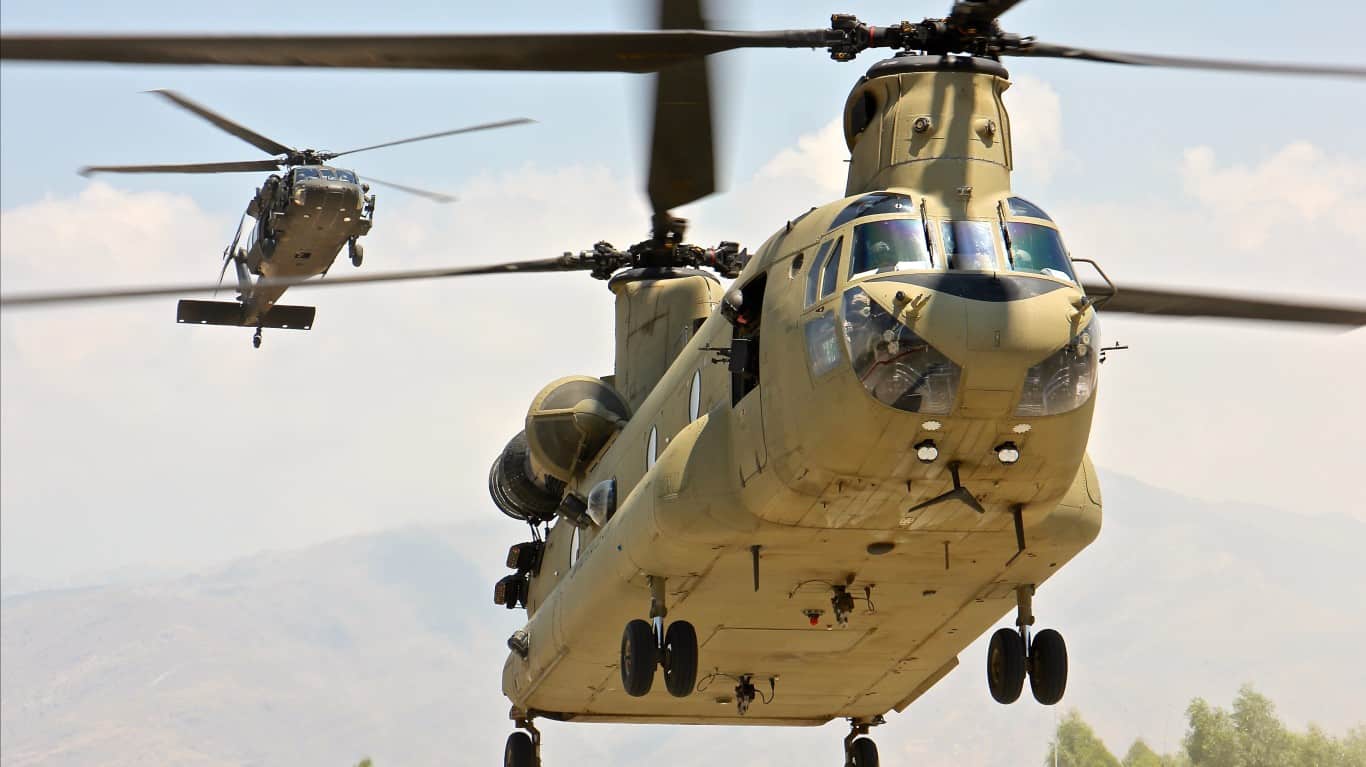
- Type: Heavy-Lift Helicopter
- Year introduced to service: 1962
- Role in the Vietnam War: Heavy transport
- What problem it solved in Vietnam: Vertical heavy lift
- How it changed how wars are fought: Enabled helicopter-based logistics
- Who adopted or copied the concept later: Adopted by many militaries
The Chinook proved helicopters could sustain large-scale operations.
CH-54 Tarhe
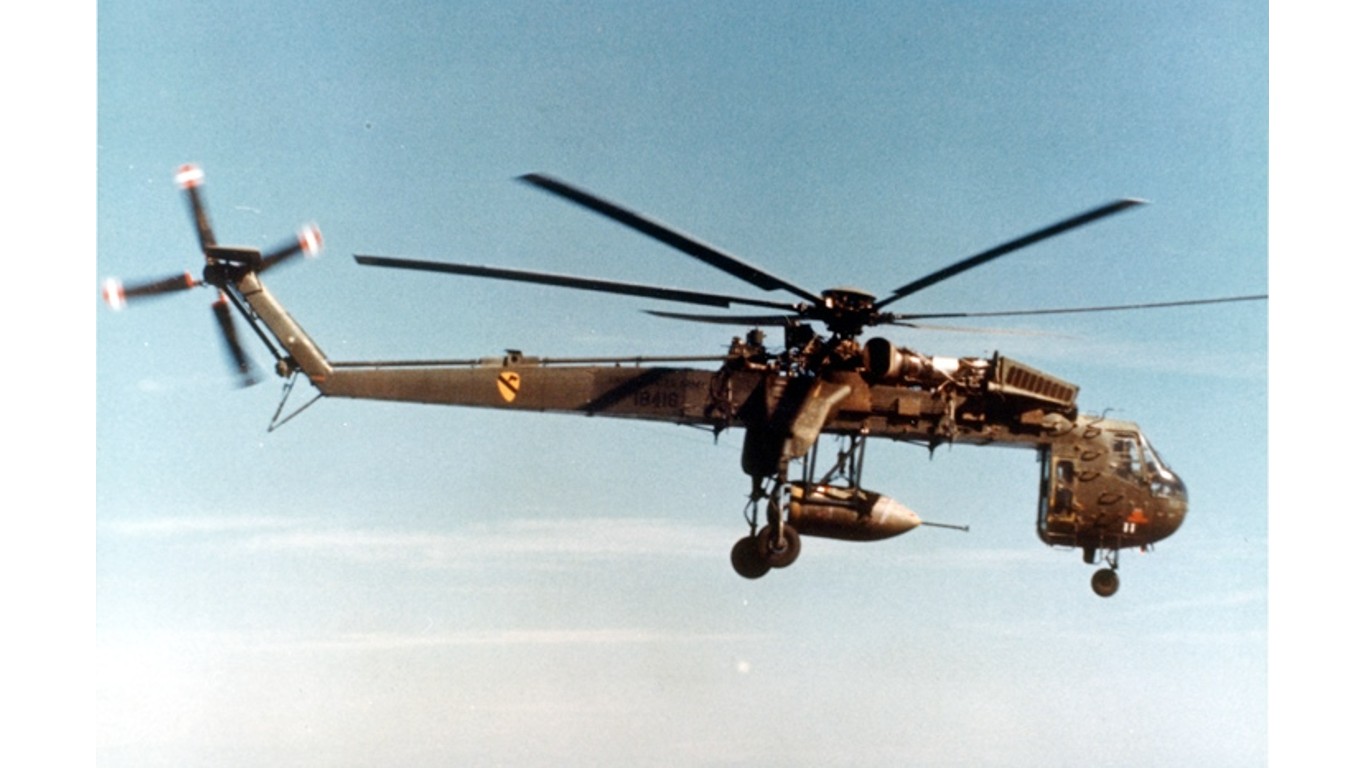
- Type: Heavy-Lift Helicopter
- Year introduced to service: 1965
- Role in the Vietnam War: Precision heavy lift
- What problem it solved in Vietnam: External cargo transport
- How it changed how wars are fought: Expanded vertical logistics
- Who adopted or copied the concept later: Limited adoption
The Tarhe demonstrated precision aerial heavy-lift capability in combat zones.
OH-6 Cayuse
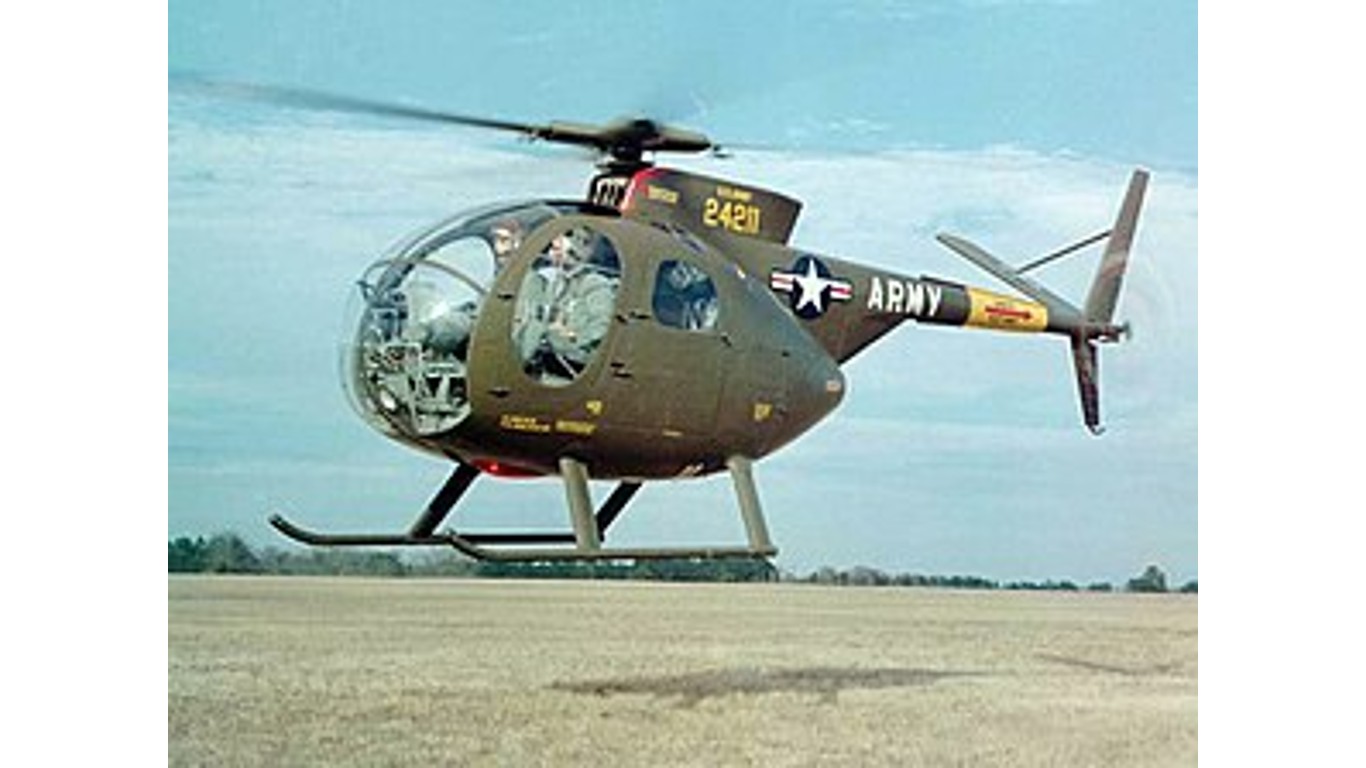
- Type: Light Recon Helicopter
- Year introduced to service: 1966
- Role in the Vietnam War: Scout and hunter-killer ops
- What problem it solved in Vietnam: Agility and low-level recon
- How it changed how wars are fought: Redefined armed reconnaissance
- Who adopted or copied the concept later: Adopted globally
The OH-6 shaped modern reconnaissance helicopter tactics.
A-1 Skyraider
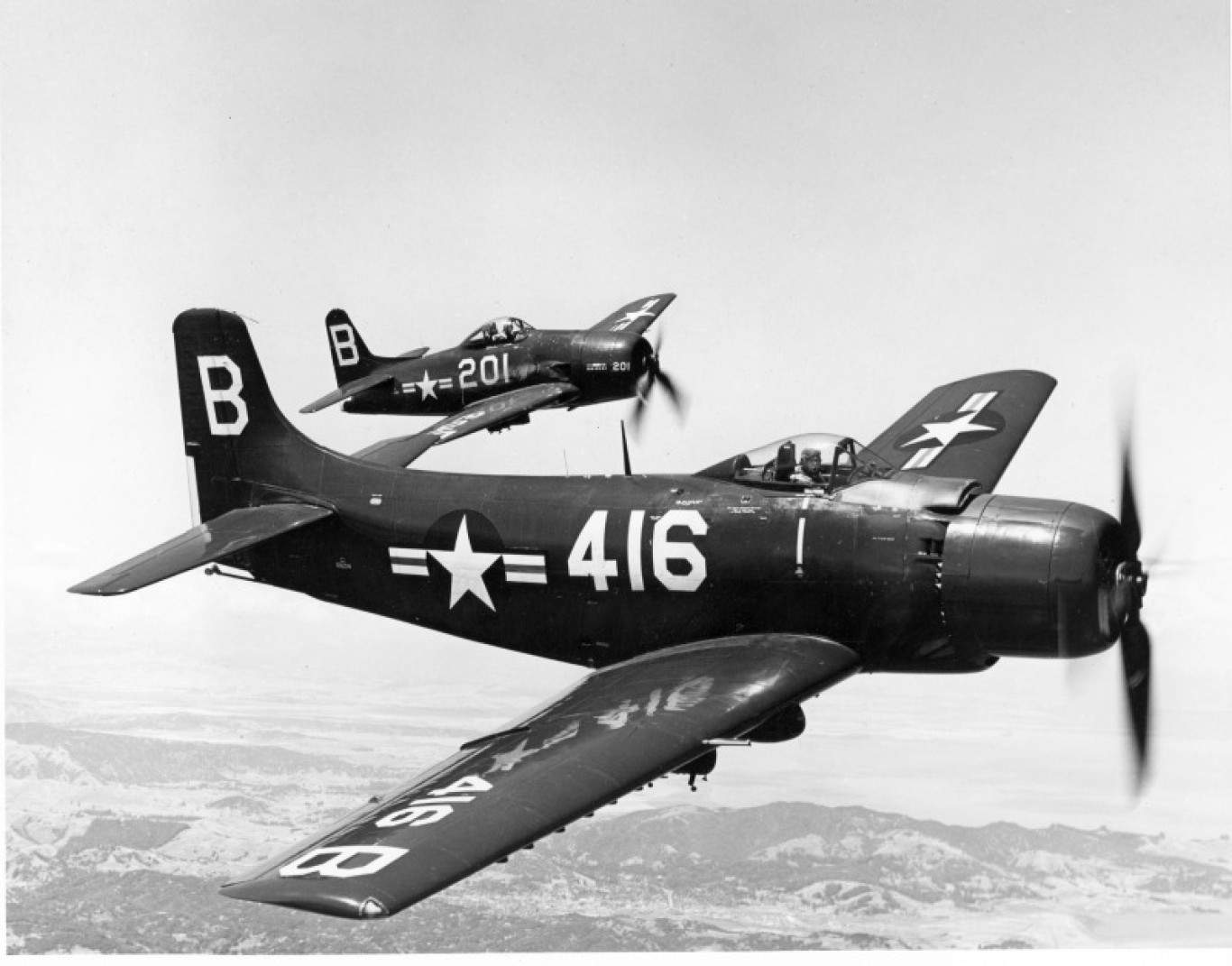
- Type: Attack Aircraft
- Year introduced to service: 1946
- Role in the Vietnam War: Long-loiter CAS
- What problem it solved in Vietnam: Extended endurance
- How it changed how wars are fought: Validated persistent CAS
- Who adopted or copied the concept later: Influenced CAS doctrine
The Skyraider highlighted the value of endurance over speed in close air support.
A-37 Dragonfly
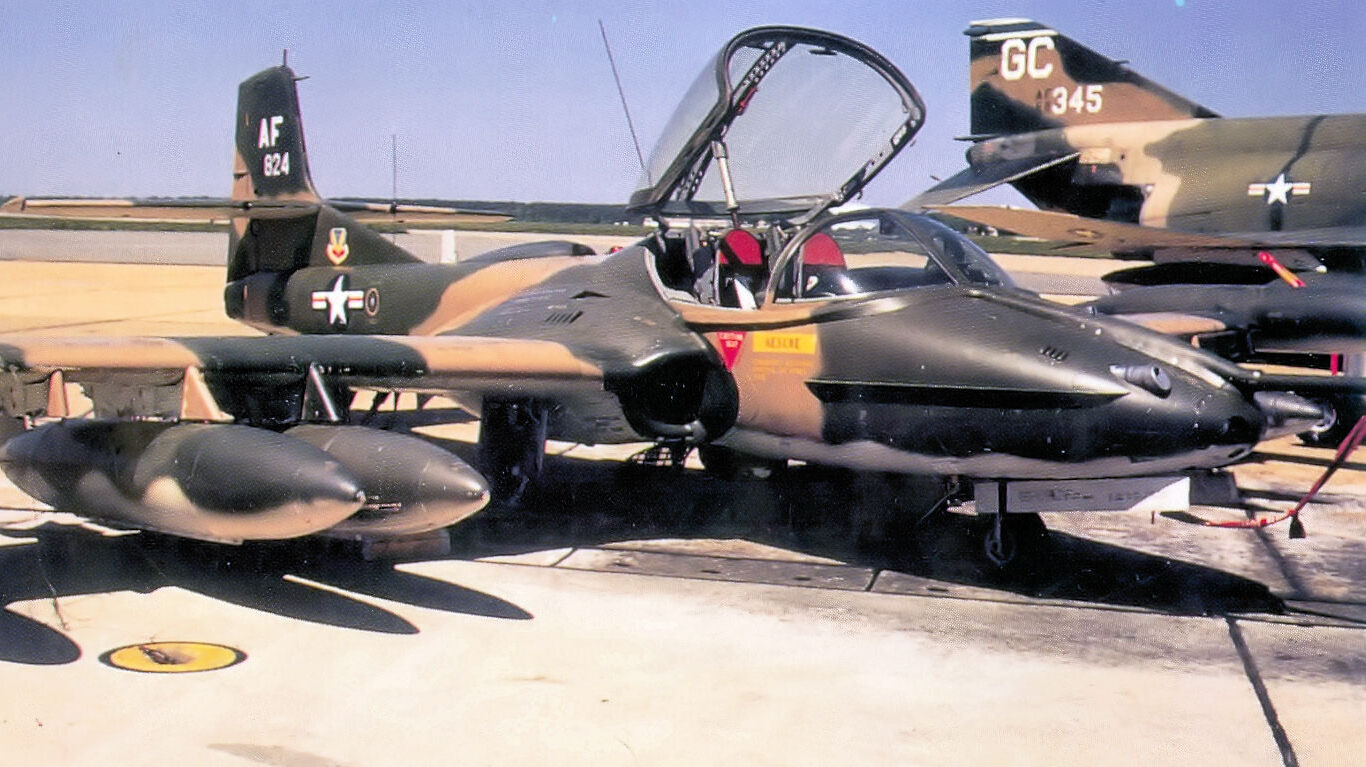
- Type: Light Attack Aircraft
- Year introduced to service: 1967
- Role in the Vietnam War: Counterinsurgency strike
- What problem it solved in Vietnam: Low-cost precision attack
- How it changed how wars are fought: Reinforced COIN airpower concepts
- Who adopted or copied the concept later: Adopted globally
The A-37 showed that light attack aircraft could thrive in irregular warfare.
F-4 Phantom II

- Type: Multirole Fighter
- Year introduced to service: 1958
- Role in the Vietnam War: Air superiority and strike
- What problem it solved in Vietnam: Missile-centric combat
- How it changed how wars are fought: Forced reevaluation of air combat doctrine
- Who adopted or copied the concept later: Influenced modern fighters
The F-4’s limitations reshaped air combat training and fighter design.
AC-47 Spooky
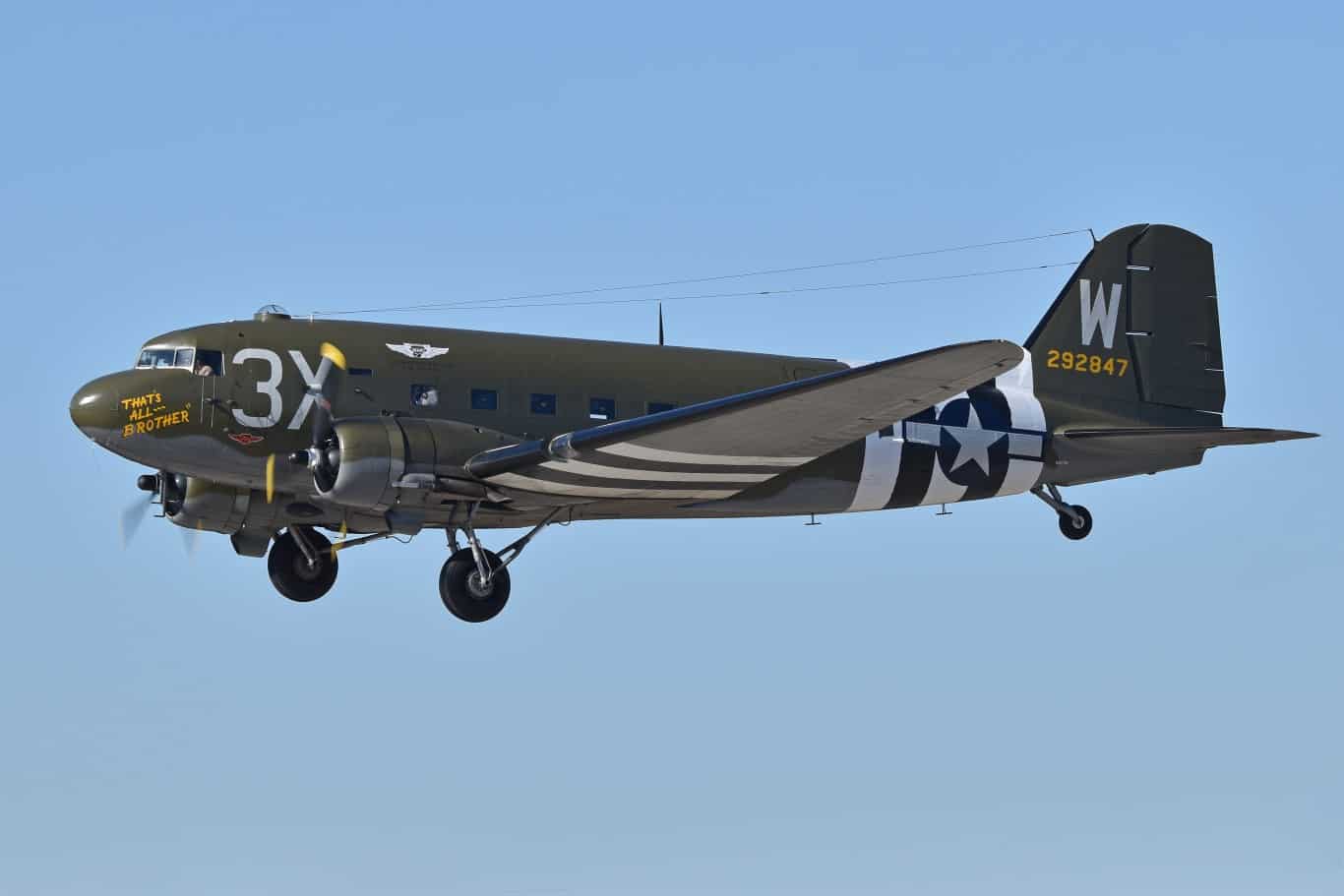
- Type: Gunship
- Year introduced to service: 1964
- Role in the Vietnam War: Night fire support
- What problem it solved in Vietnam: Persistent area fire
- How it changed how wars are fought: Created gunship doctrine
- Who adopted or copied the concept later: Expanded into AC-130 lineage
The AC-47 introduced the gunship concept that transformed CAS.
B-52 Stratofortress
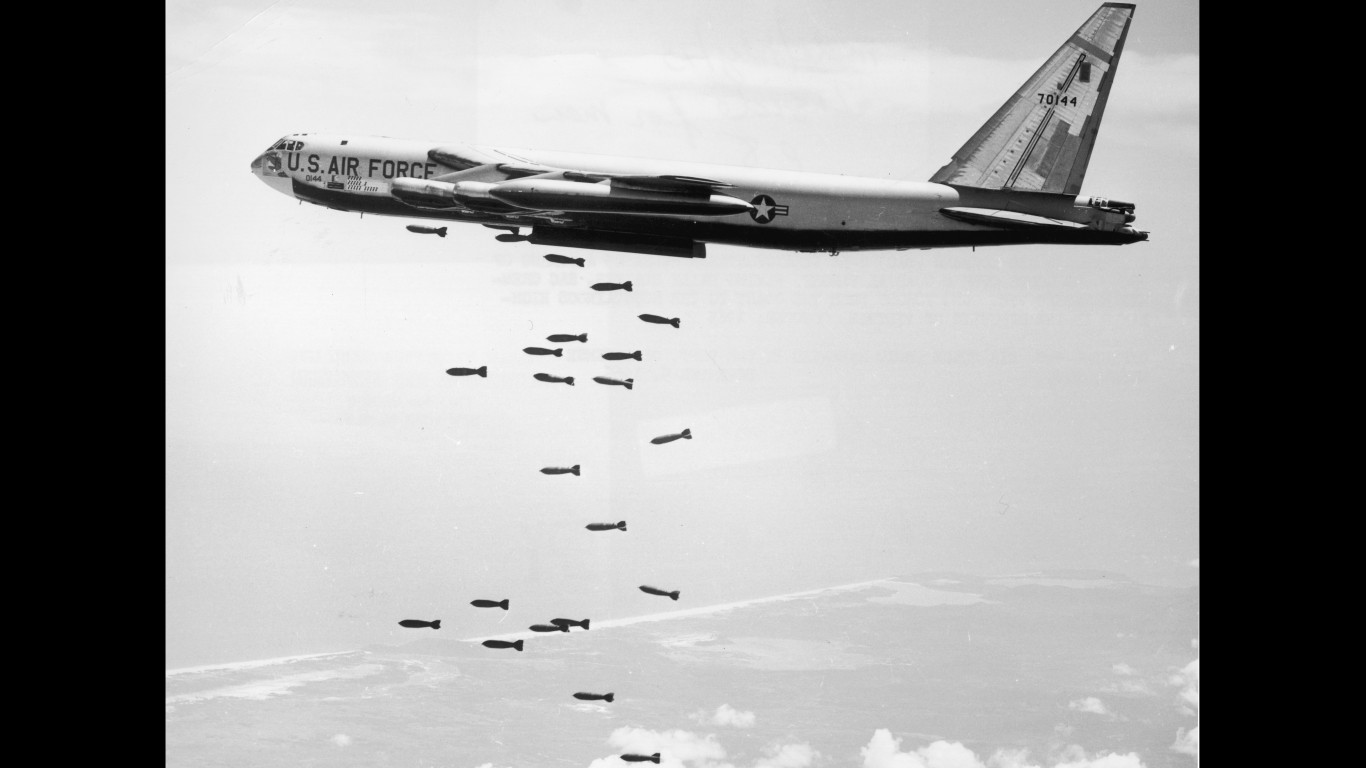
- Type: Bomber
- Year introduced to service: 1955
- Role in the Vietnam War: Strategic and tactical bombing
- What problem it solved in Vietnam: Massed payload delivery
- How it changed how wars are fought: Blurred strategic and tactical bombing
- Who adopted or copied the concept later: Still in service
Vietnam proved the B-52’s adaptability across mission types.
Igloo White Sensors

- Type: Remote Sensors
- Year introduced to service: 1967
- Role in the Vietnam War: Trail monitoring
- What problem it solved in Vietnam: Remote detection
- How it changed how wars are fought: Pioneered sensor-based warfare
- Who adopted or copied the concept later: Influenced modern ISR
Igloo White laid groundwork for networked surveillance systems.
FAC Aircraft
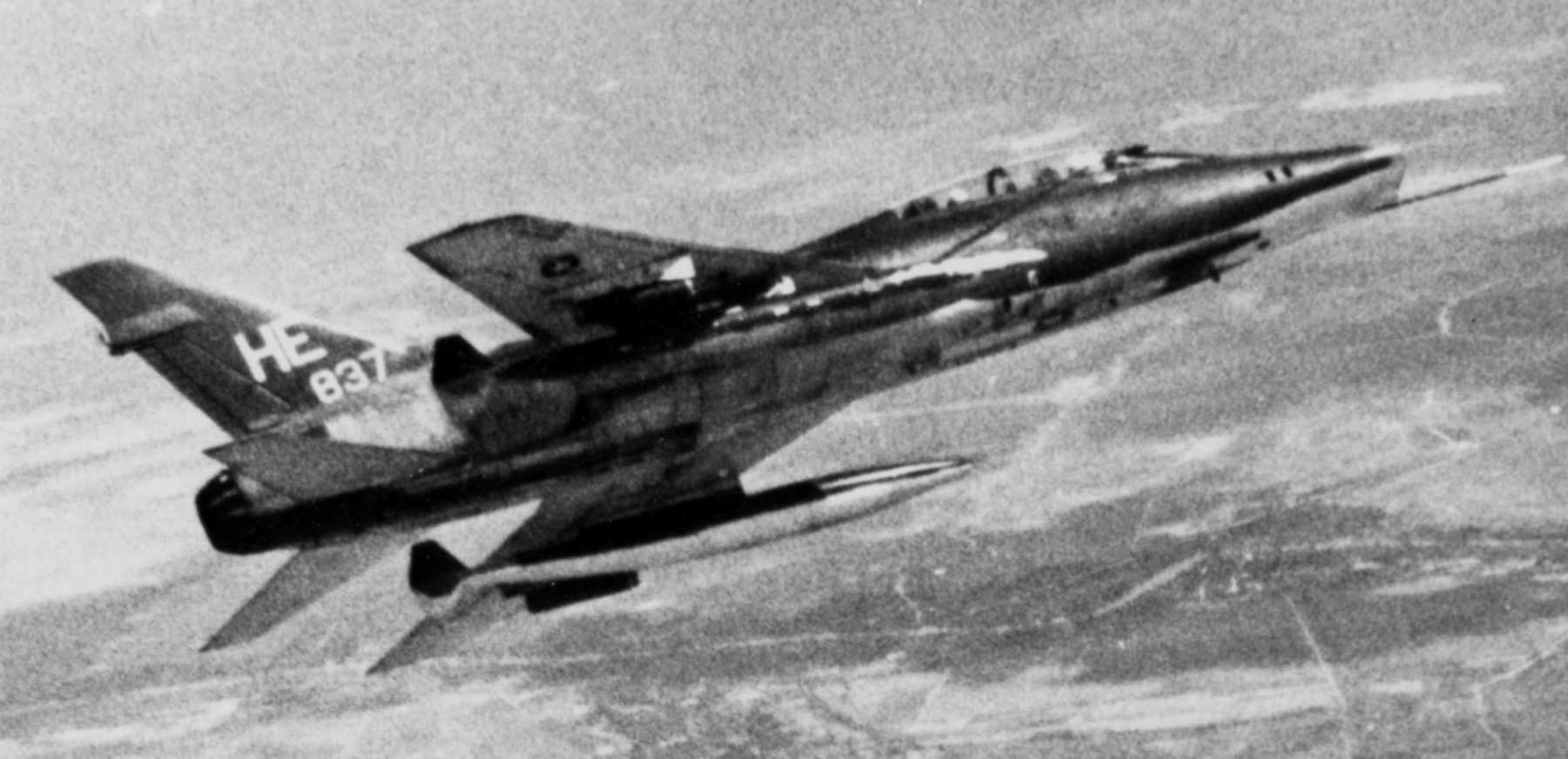
- Type: Command & Control
- Year introduced to service: 1960
- Role in the Vietnam War: Air-ground coordination
- What problem it solved in Vietnam: Target identification
- How it changed how wars are fought: Formalized air-ground integration
- Who adopted or copied the concept later: Standardized doctrine
FAC operations permanently changed how airpower supports ground forces.
M102 Howitzer
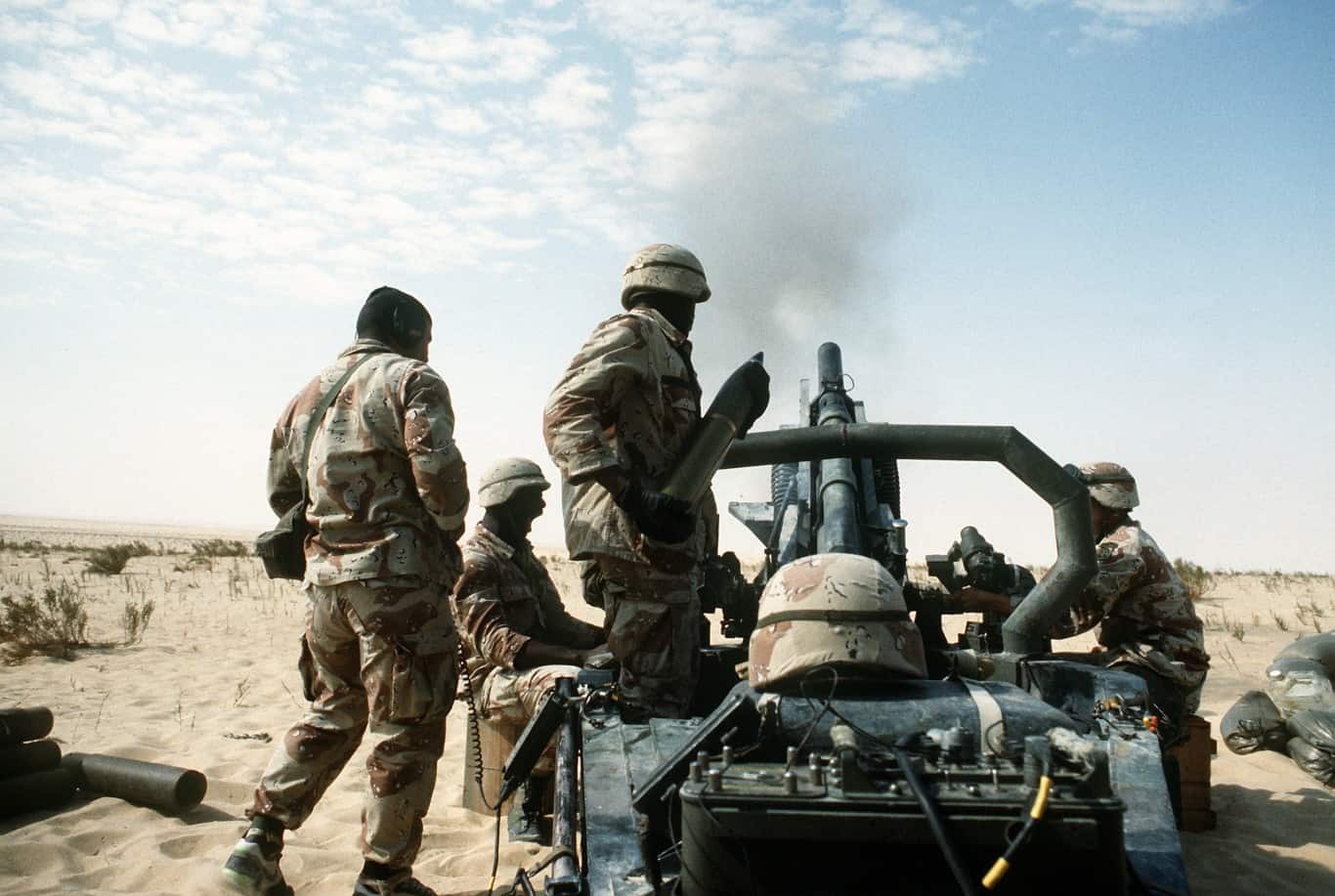
- Type: Light Artillery
- Year introduced to service: 1964
- Role in the Vietnam War: Air-mobile artillery
- What problem it solved in Vietnam: Lightweight indirect fire
- How it changed how wars are fought: Enabled helicopter artillery insertion
- Who adopted or copied the concept later: Adopted widely
The M102 supported air-mobile forces with rapid artillery support.
BM-21 Grad
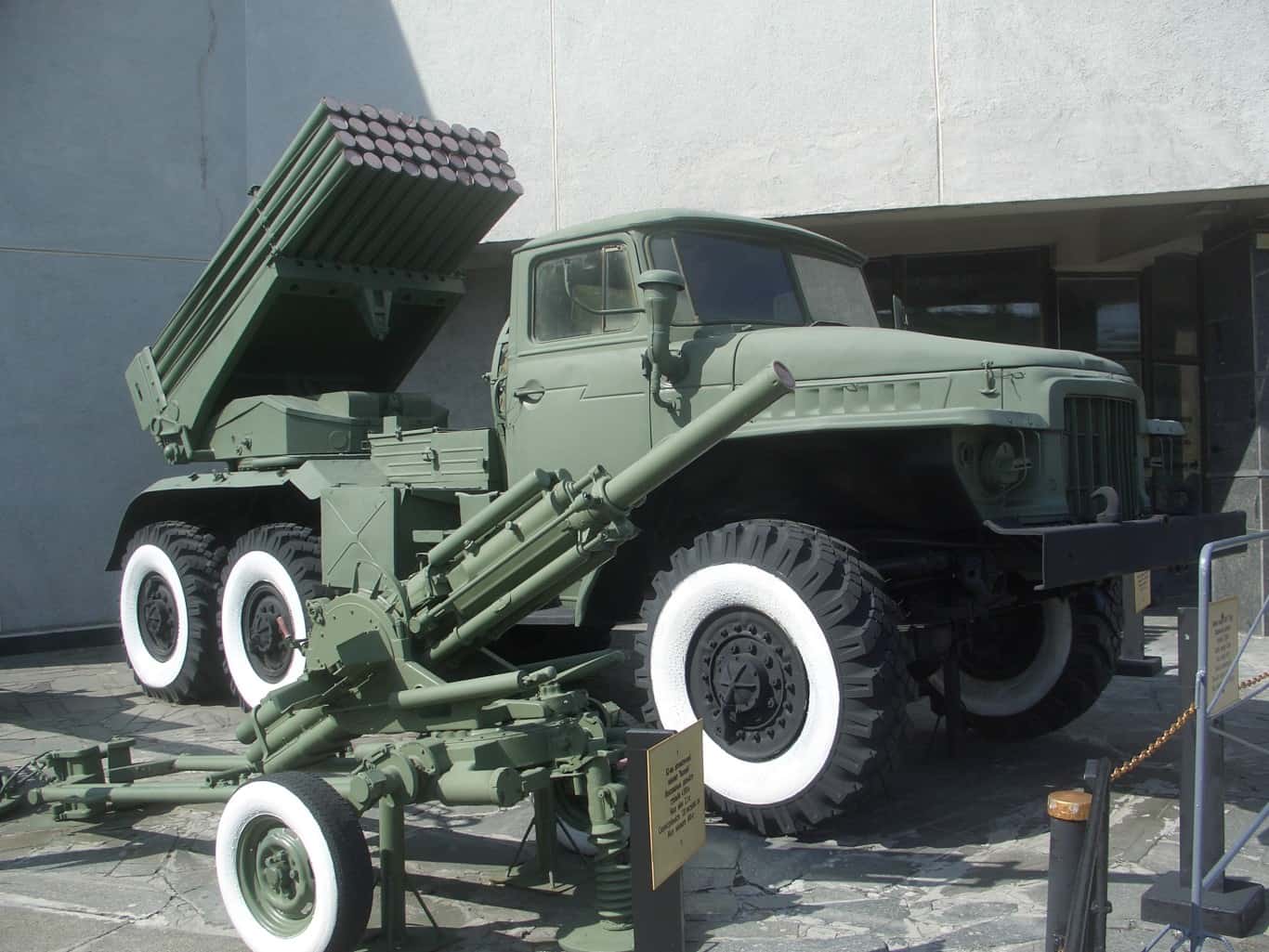
- Type: Rocket Artillery
- Year introduced to service: 1963
- Role in the Vietnam War: Area saturation fire
- What problem it solved in Vietnam: Massed rockets
- How it changed how wars are fought: Standardized rocket artillery warfare
- Who adopted or copied the concept later: Adopted globally
The Grad reshaped indirect fire doctrine through saturation tactics.
M72 LAW
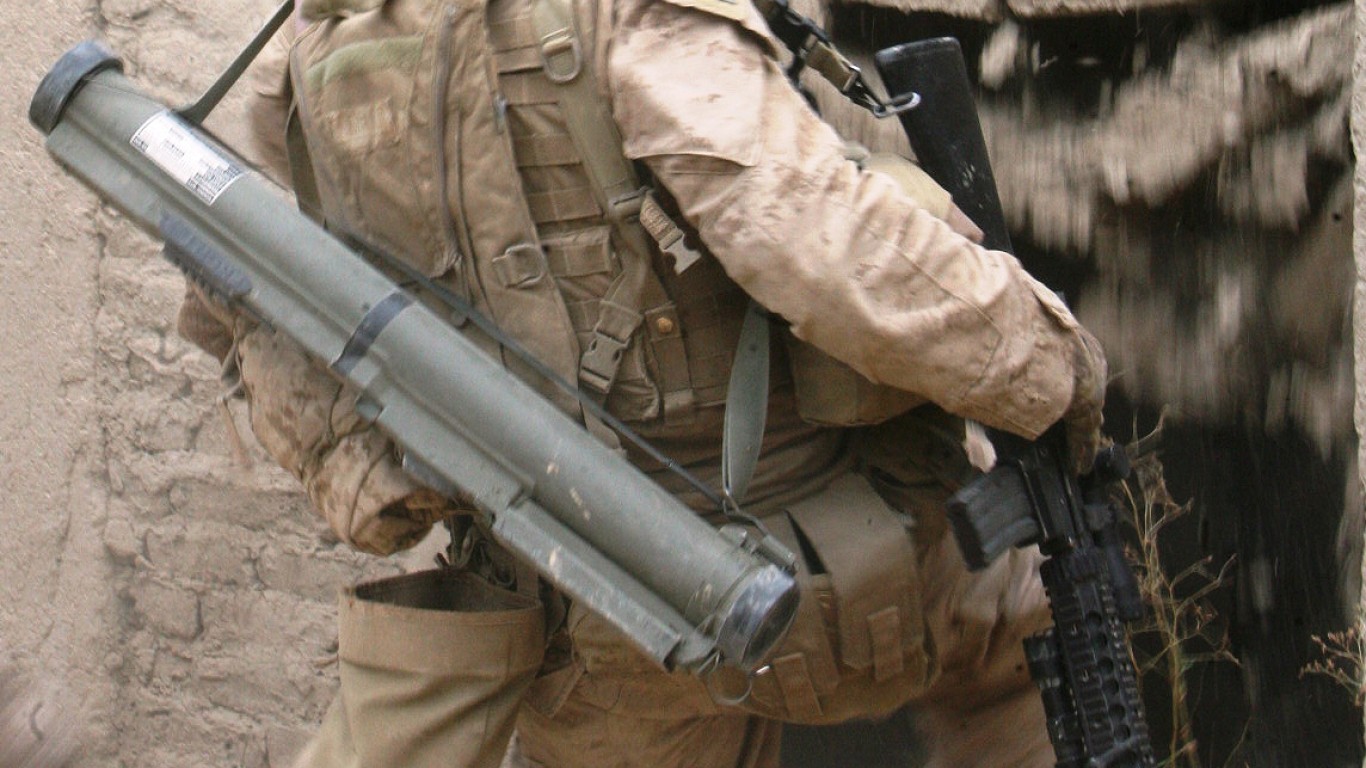
- Type: Anti-Tank Weapon
- Year introduced to service: 1963
- Role in the Vietnam War: Disposable anti-armor
- What problem it solved in Vietnam: Light infantry anti-tank
- How it changed how wars are fought: Expanded infantry lethality
- Who adopted or copied the concept later: Adopted widely
The LAW made anti-armor capability organic to infantry units.
PBR (Patrol Boat, River)

- Type: Riverine Craft
- Year introduced to service: 1966
- Role in the Vietnam War: River patrol
- What problem it solved in Vietnam: Shallow-water mobility
- How it changed how wars are fought: Defined modern riverine warfare
- Who adopted or copied the concept later: Influenced naval doctrine
The PBR established modern riverine combat concepts.
Swift Boat (PCF)

- Type: Patrol Craft
- Year introduced to service: 1965
- Role in the Vietnam War: Coastal interdiction
- What problem it solved in Vietnam: High-speed patrol
- How it changed how wars are fought: Expanded littoral warfare
- Who adopted or copied the concept later: Copied globally
Swift Boats reshaped coastal patrol operations.
Napalm
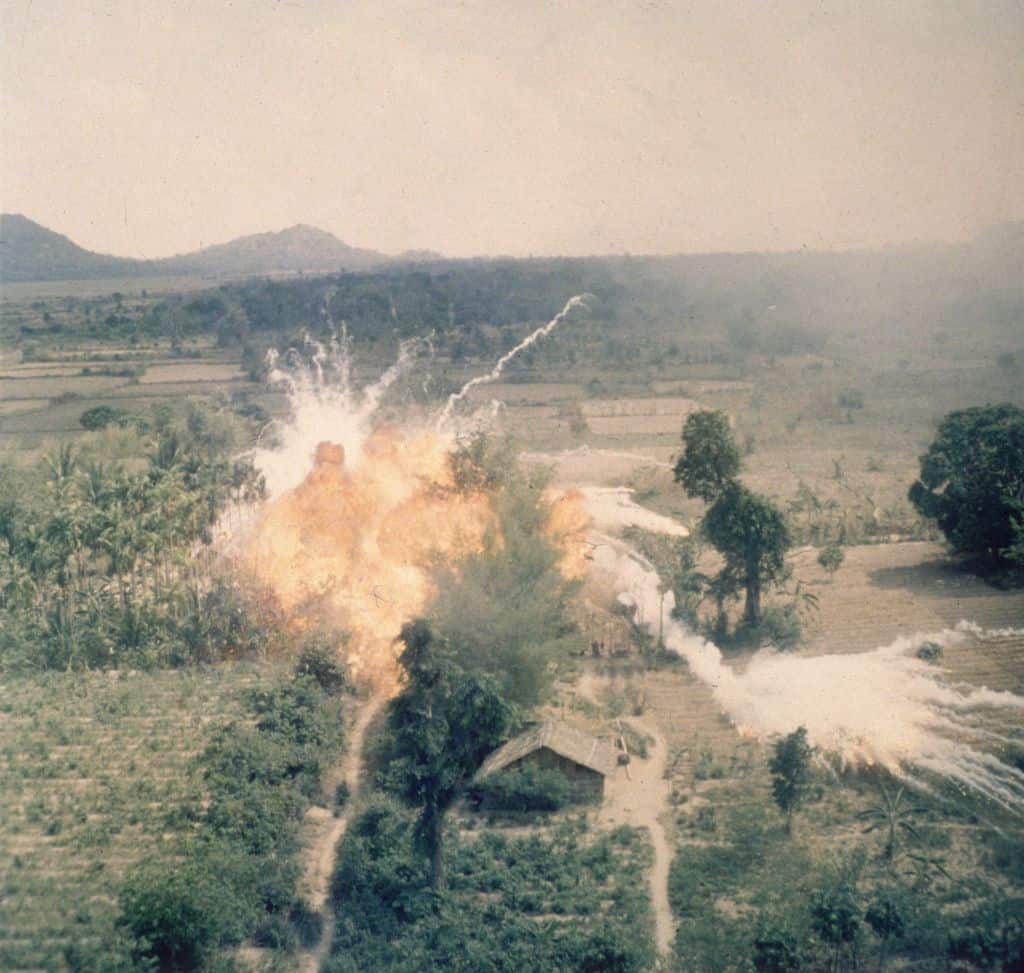
- Type: Incendiary Weapon
- Year introduced to service: 1942
- Role in the Vietnam War: Area denial
- What problem it solved in Vietnam: Psychological impact
- How it changed how wars are fought: Changed airpower ethics debates
- Who adopted or copied the concept later: Restricted use
Napalm reshaped discussions around airpower and warfare ethics.
Agent Orange
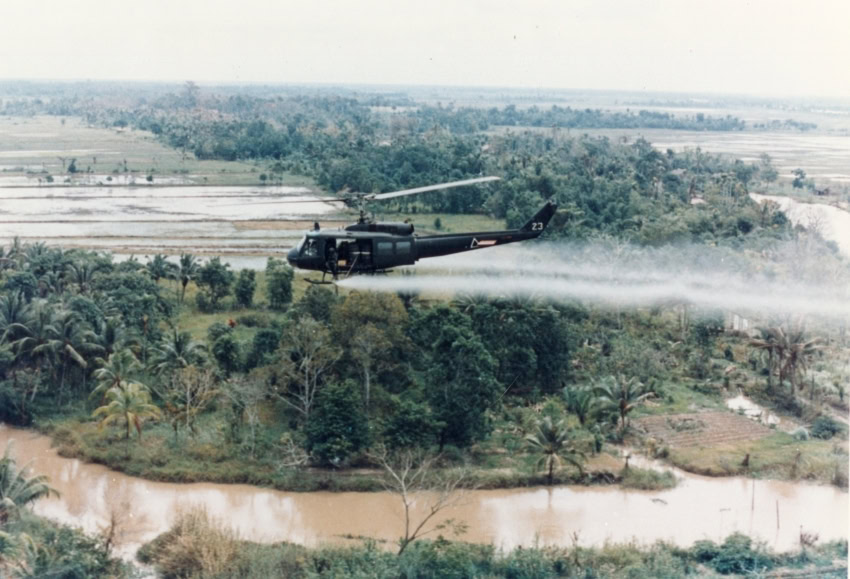
- Type: Chemical Defoliant
- Year introduced to service: 1961
- Role in the Vietnam War: Terrain denial
- What problem it solved in Vietnam: Vegetation removal
- How it changed how wars are fought: Changed environmental warfare views
- Who adopted or copied the concept later: International restrictions
Agent Orange altered perceptions of environmental warfare consequences.
Laser-Guided Bombs (Early)
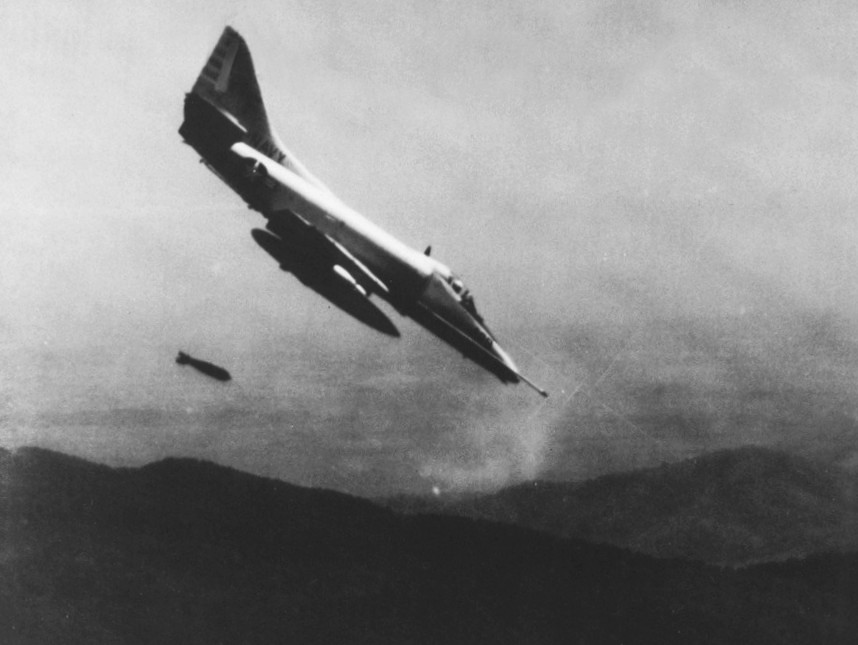
- Type: Precision Munition
- Year introduced to service: 1968
- Role in the Vietnam War: Precision strike trials
- What problem it solved in Vietnam: Improved accuracy
- How it changed how wars are fought: Laid groundwork for precision warfare
- Who adopted or copied the concept later: Adopted globally
Early LGBs in Vietnam paved the way for modern precision strike.
AN/PVS-2 Starlight Scope
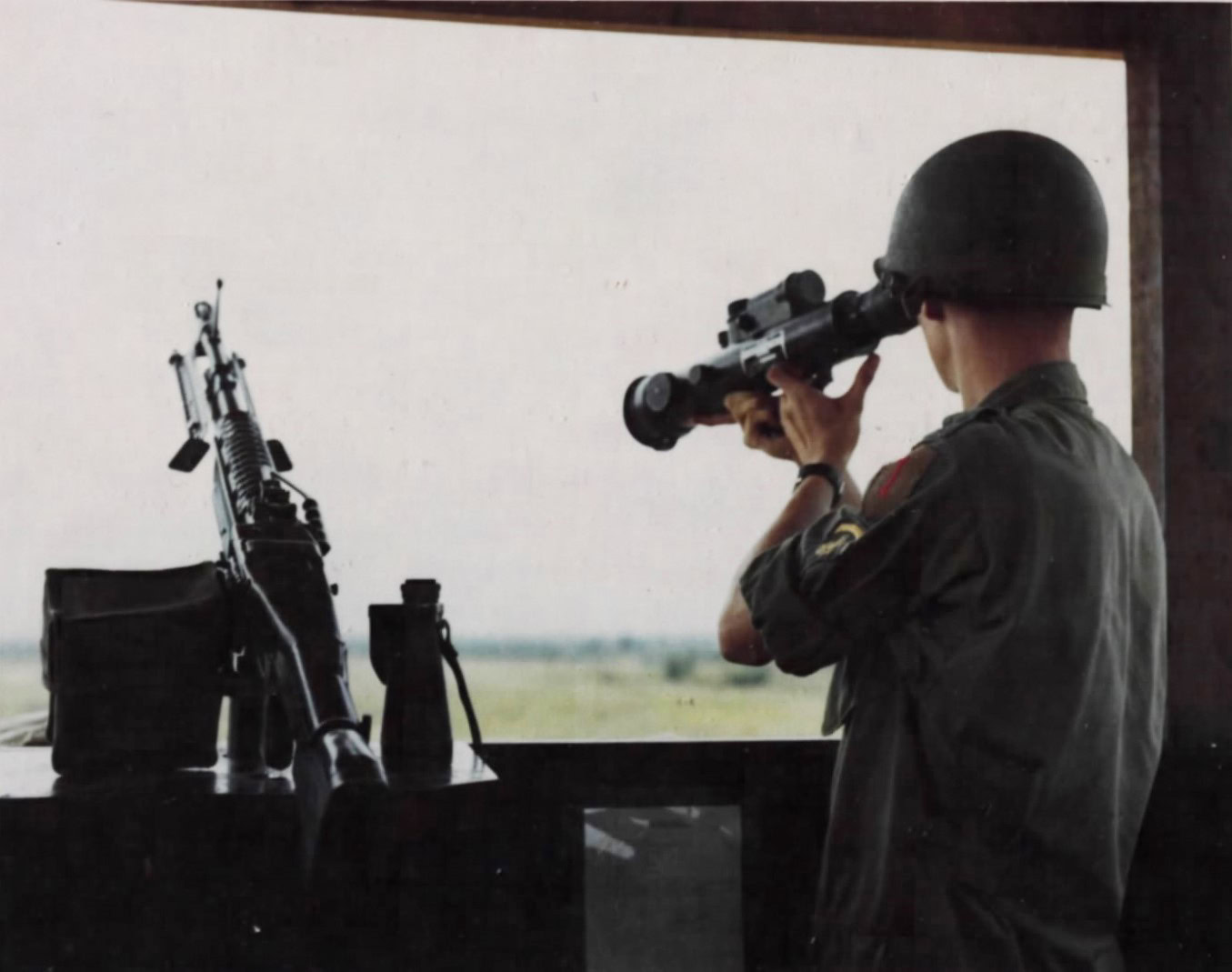
- Type: Night Vision
- Year introduced to service: 1964
- Role in the Vietnam War: Night infantry operations
- What problem it solved in Vietnam: Low-light visibility
- How it changed how wars are fought: Introduced night-fighting doctrine
- Who adopted or copied the concept later: Standardized globally
The Starlight Scope transformed night combat into a decisive advantage.






 Top Gaining Stocks
 Top Losing Stocks