


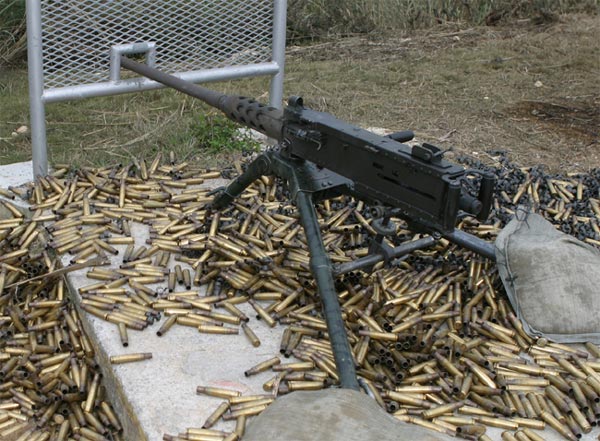
The U.S. military has spent a century modernizing almost everything with the exception of one machine gun. The Browning M2 entered service when biplanes and trench warfare still defined combat, yet it remains operational in an era of drones, satellites, and precision-guided weapons. While dozens of machine guns came and went after World War I and World War II, the M2 stayed because nothing consistently did the job better. Here, 24/7 Wall St. is taking a closer look at the M2 and some of the most legendary machine guns of the past.
To determine the machine guns that have stood the test of time, 24/7 Wall St. reviewed various historical and military sources. We included supplemental information regarding the country of origin, year introduced, original conflict, and why it survived in service for so long.
Here is a look at machine guns that have stood the test of time:
Why Are We Covering This?
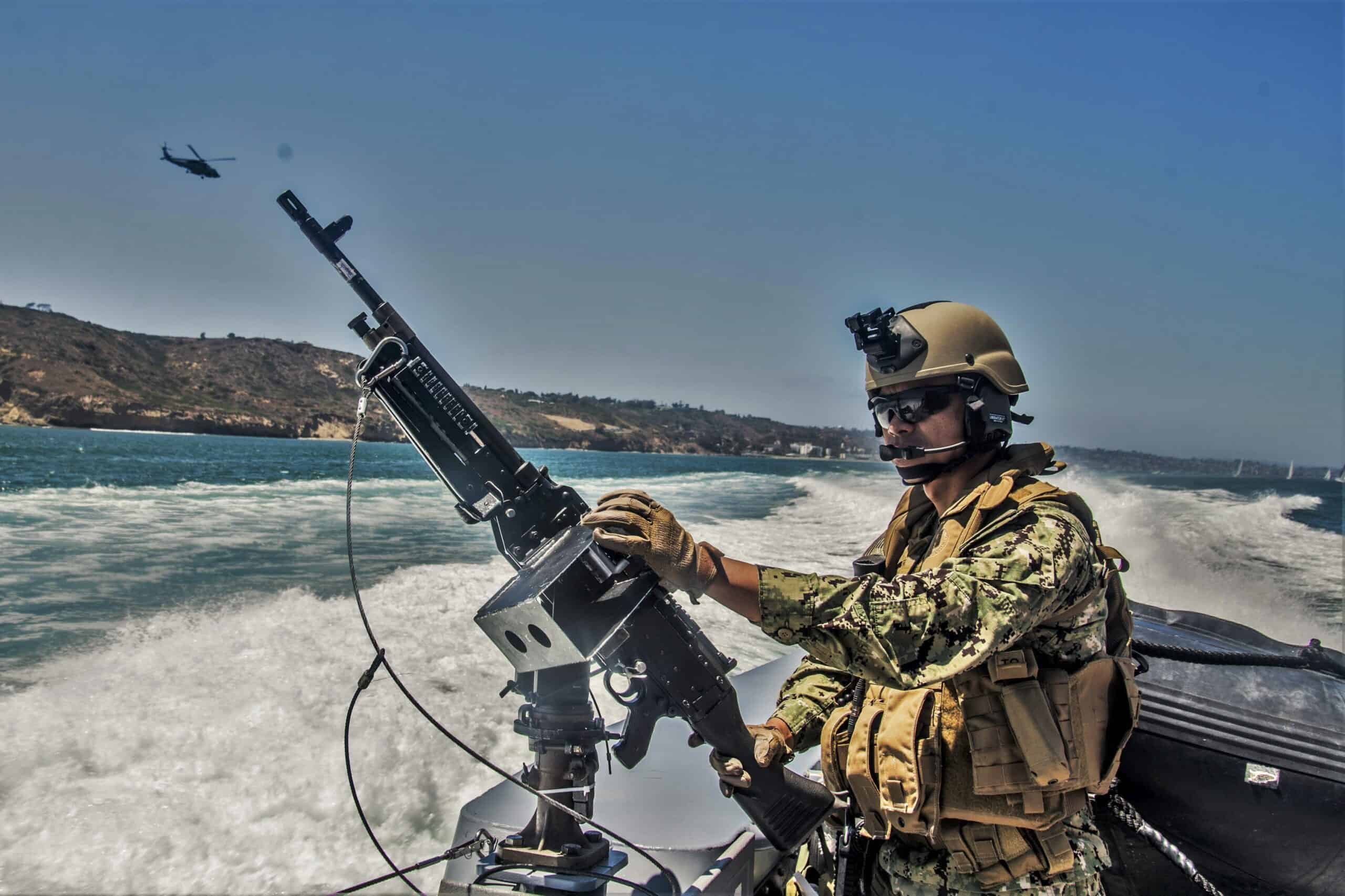
Understanding why the Browning M2 and a handful of other World War I and World War II–era machine guns remain relevant helps explain how militaries actually measure success. Weapons are not kept in service because of tradition alone, but because they continue to perform when conditions change. Examining these long-serving machine guns reveals how reliability, adaptability, and trust earned in combat often matter more than technological novelty. In a field defined by constant modernization, longevity itself becomes the most telling indicator of a weapon’s true value.
The Machine Gun That Refused to Retire
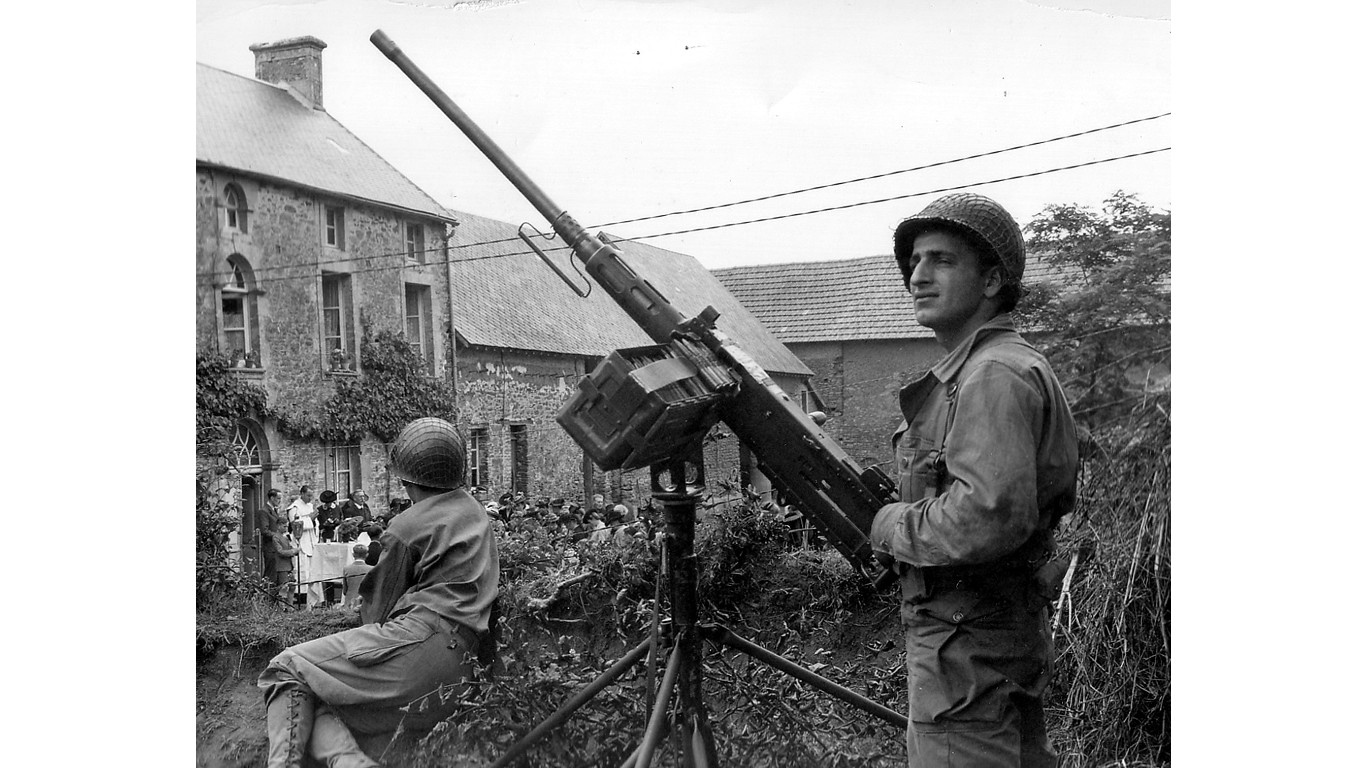
The Browning M2 entered U.S. service just after World War I and, against all expectations, never left. While wars ended, doctrines shifted, and technology leapt forward, the M2 remained a constant presence on battlefields around the world. Its continued use raises a simple but striking question: how does a machine gun designed nearly a century ago remain indispensable in modern warfare?
Built Before Modern War Existed
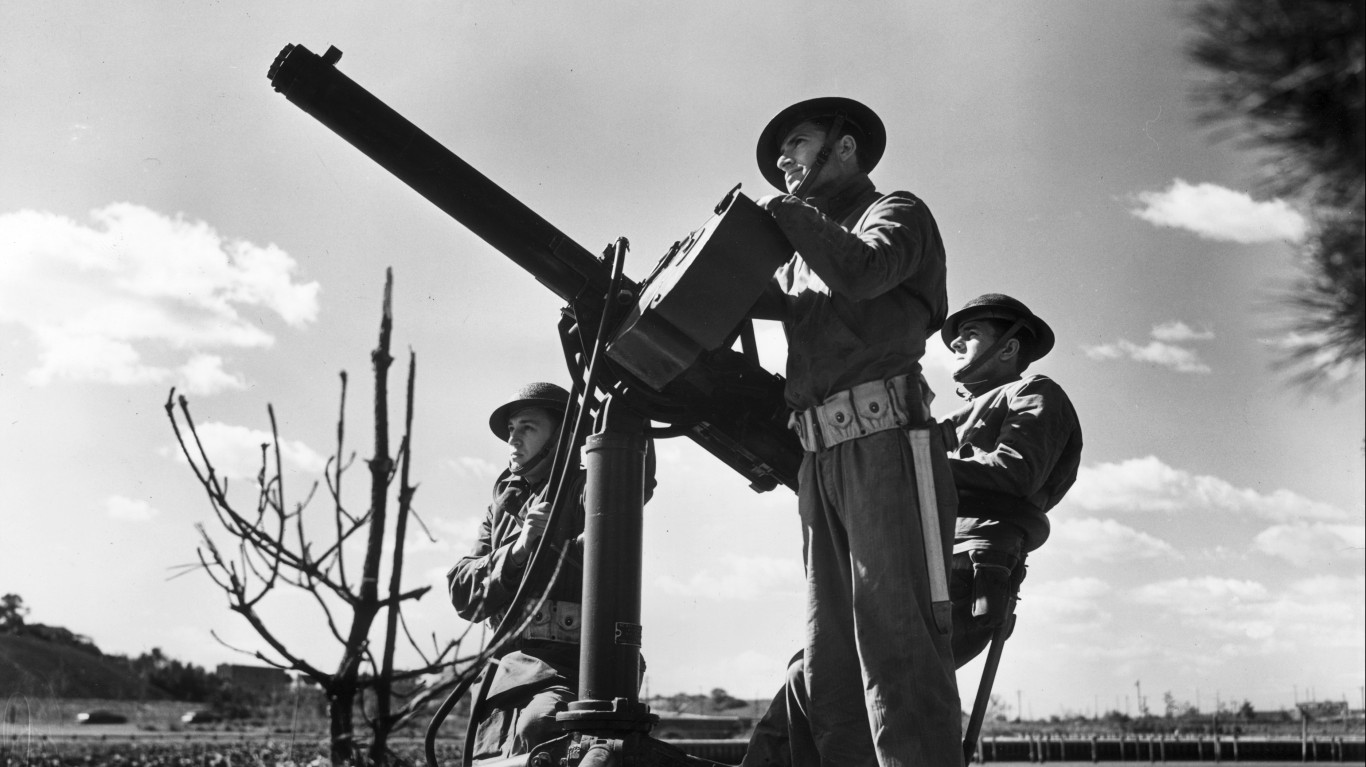
When the M2 was designed, modern combat as we know it did not exist. It predates jet aircraft, radar-guided weapons, helicopters, and modern armored warfare. Yet rather than becoming obsolete, the M2 adapted to each new era, mounting on tanks, vehicles, ships, and aircraft as warfare evolved around it.
Why Replacements Kept Failing
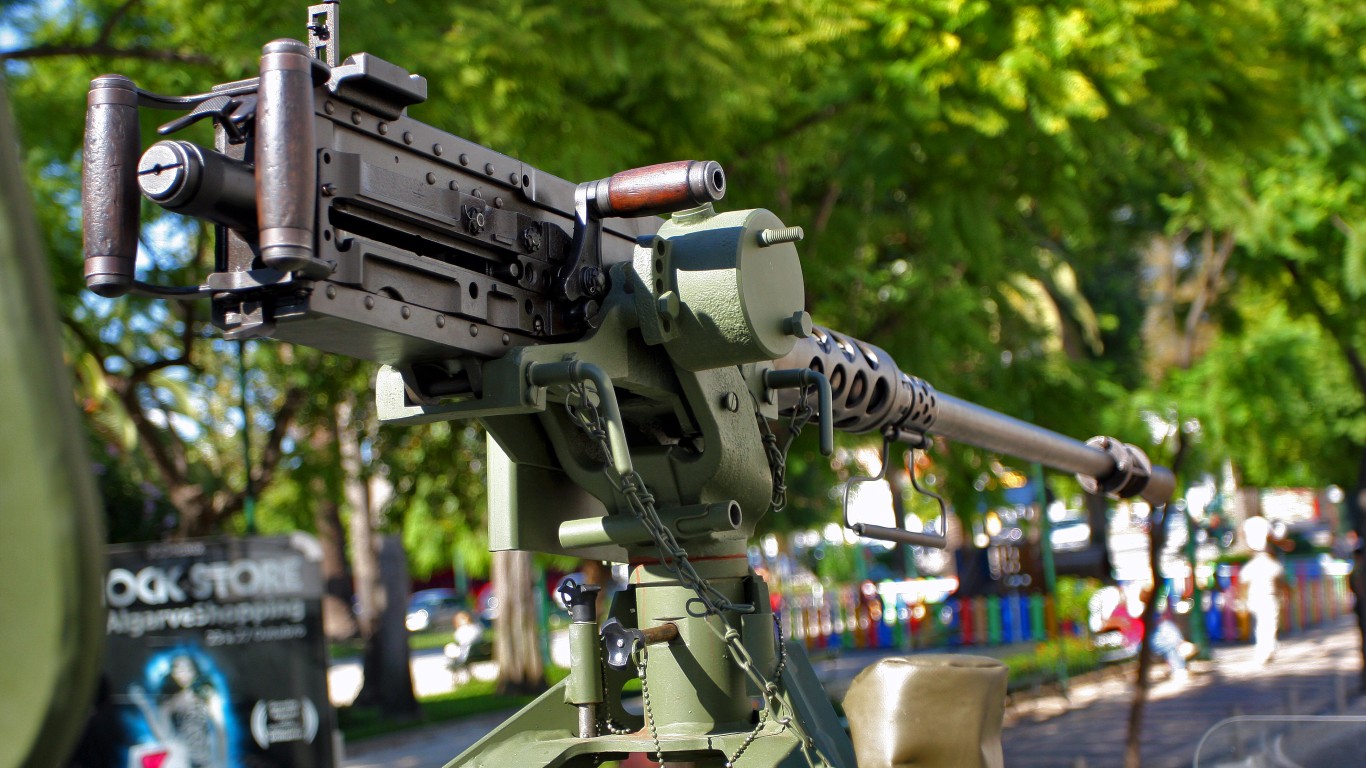
Over the decades, the U.S. military explored replacing the M2 multiple times. Each effort ran into the same problem: newer systems struggled to match its reliability, firepower, and versatility. In combat environments where failure is unacceptable, the proven performance of the M2 repeatedly outweighed the promise of modern alternatives.
Almost Nothing Else Lasted Like This
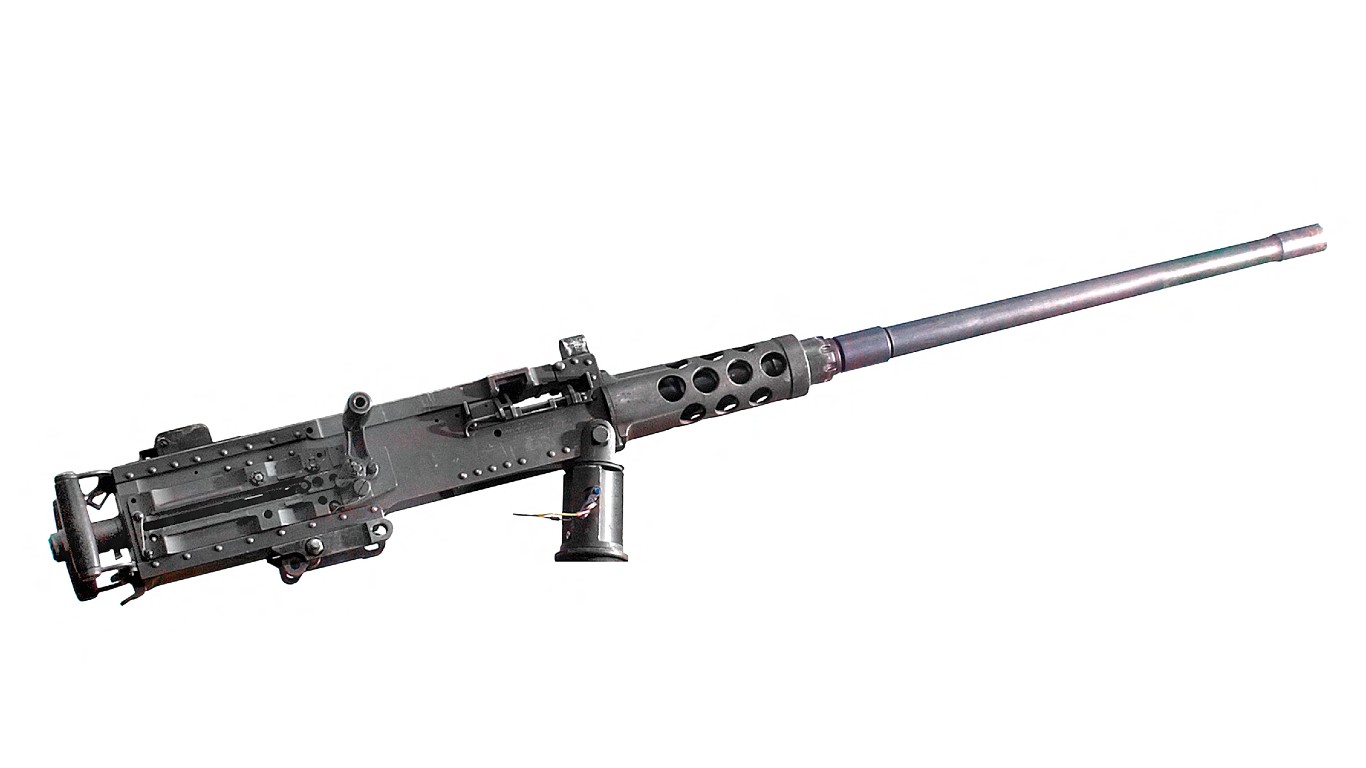
Many machine guns from World War I and World War II enjoyed long service lives, but very few approached the M2’s level of endurance. While others were gradually relegated to reserve or niche roles, the M2 remained globally relevant, serving as a benchmark that few weapons ever matched.
Longevity as the Ultimate Verdict
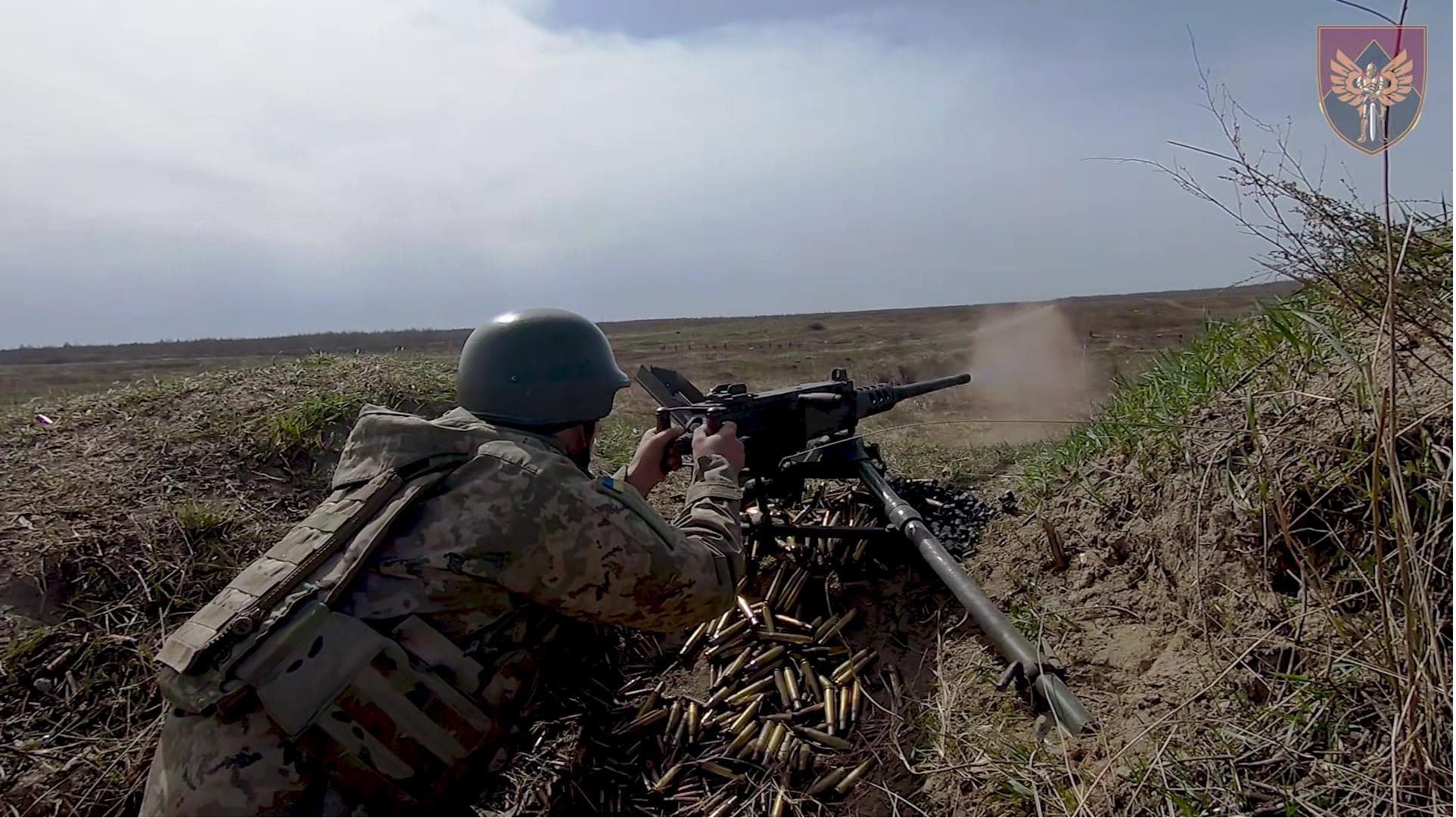
The continued service of the Browning M2 is not an accident or an oversight. It represents a verdict delivered by history itself. As conflicts, doctrines, and technologies changed, the M2 endured, proving that longevity — not novelty — is often the truest measure of a weapon’s success.
Browning M2 .50 Cal
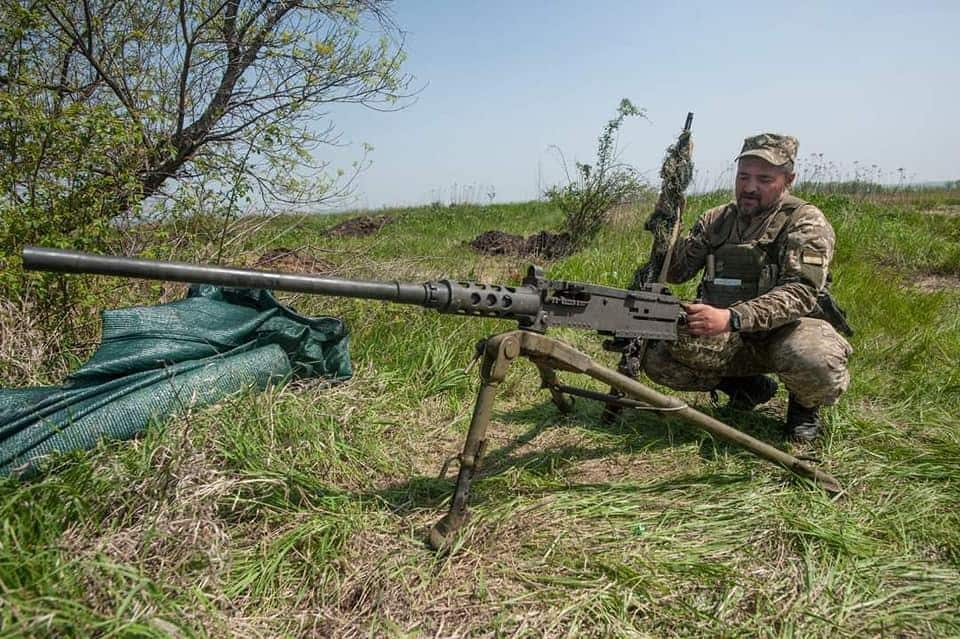
- Country of origin: United States
- Year introduced: 1921
- Original war / era: Post-WWI / Interwar
- Caliber: .50 BMG
- Intended role: Heavy Machine Gun
- Years in service: 1921–present
- Why it survived past WWII: Extreme reliability, unmatched firepower, platform flexibility
- Later conflicts / roles: WWII, Korea, Vietnam, GWOT
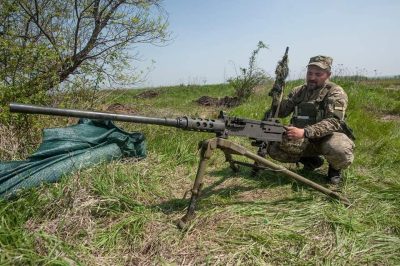
First fielded just after World War I, the Browning M2 has outlived every conflict it was designed to fight. Its unmatched reliability, immense firepower, and ability to mount on vehicles, aircraft, and ships made it irreplaceable. Rather than retire it, the U.S. military continuously modernized the M2, allowing a century-old design to remain operationally indispensable.
MG 42 / MG 3
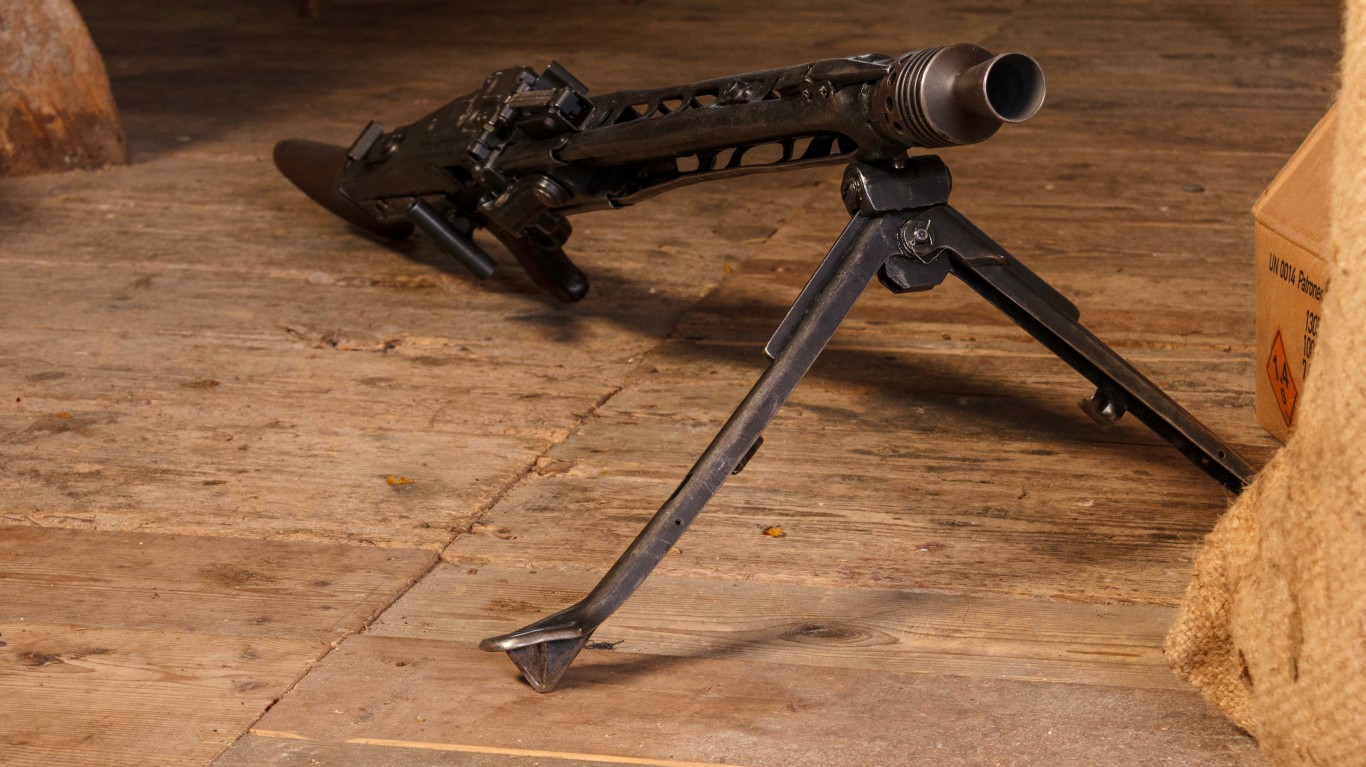
- Country of origin: Germany
- Year introduced: 1942
- Original war / era: WWII
- Caliber: 7.92×57mm / 7.62×51mm
- Intended role: General-Purpose Machine Gun
- Years in service: 1942–present
- Why it survived past WWII: Exceptional rate of fire, adaptable design
- Later conflicts / roles: Cold War, NATO service
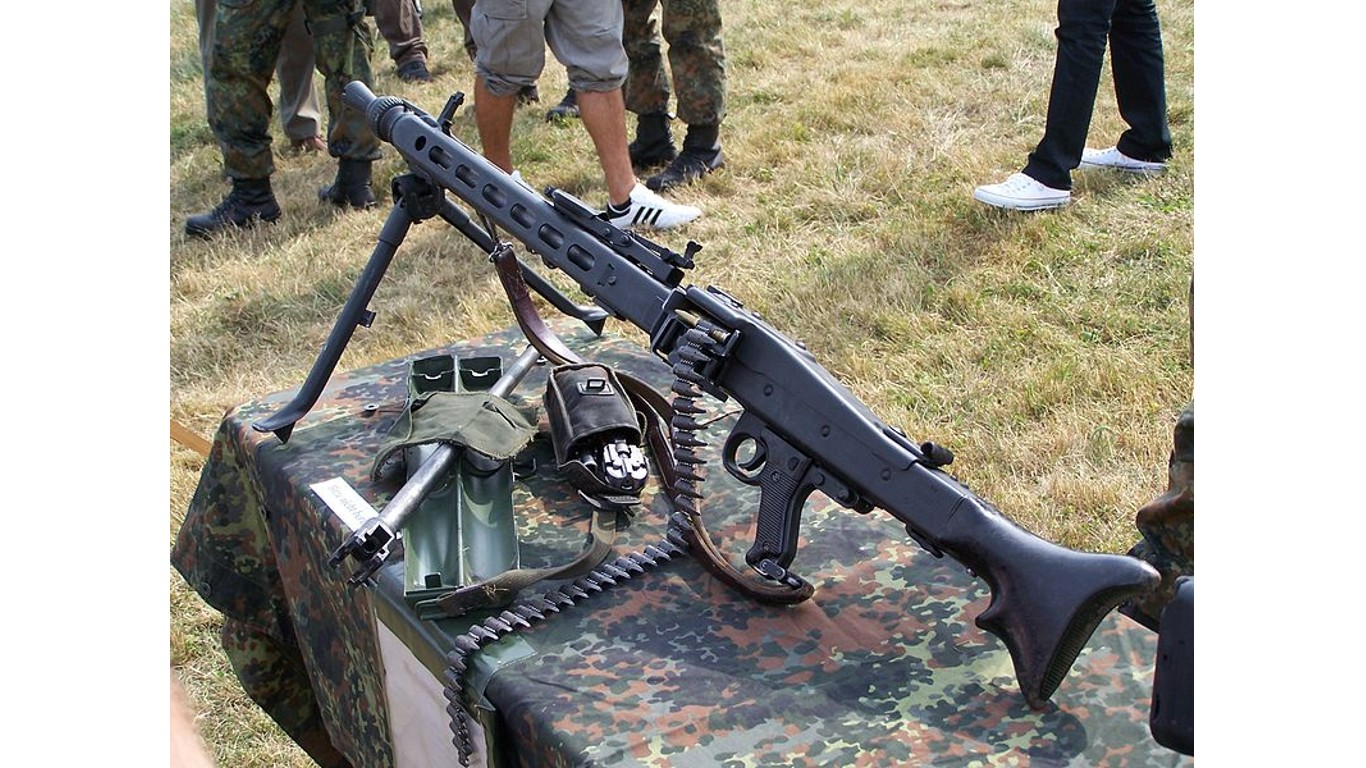
Developed during World War II, the MG 42 proved so effective that its core design survived into the Cold War as the MG 3. Its blistering rate of fire and adaptability kept it relevant long after Nazi Germany fell, making it one of the clearest examples of a wartime machine gun that transcended its original conflict.
Bren Gun
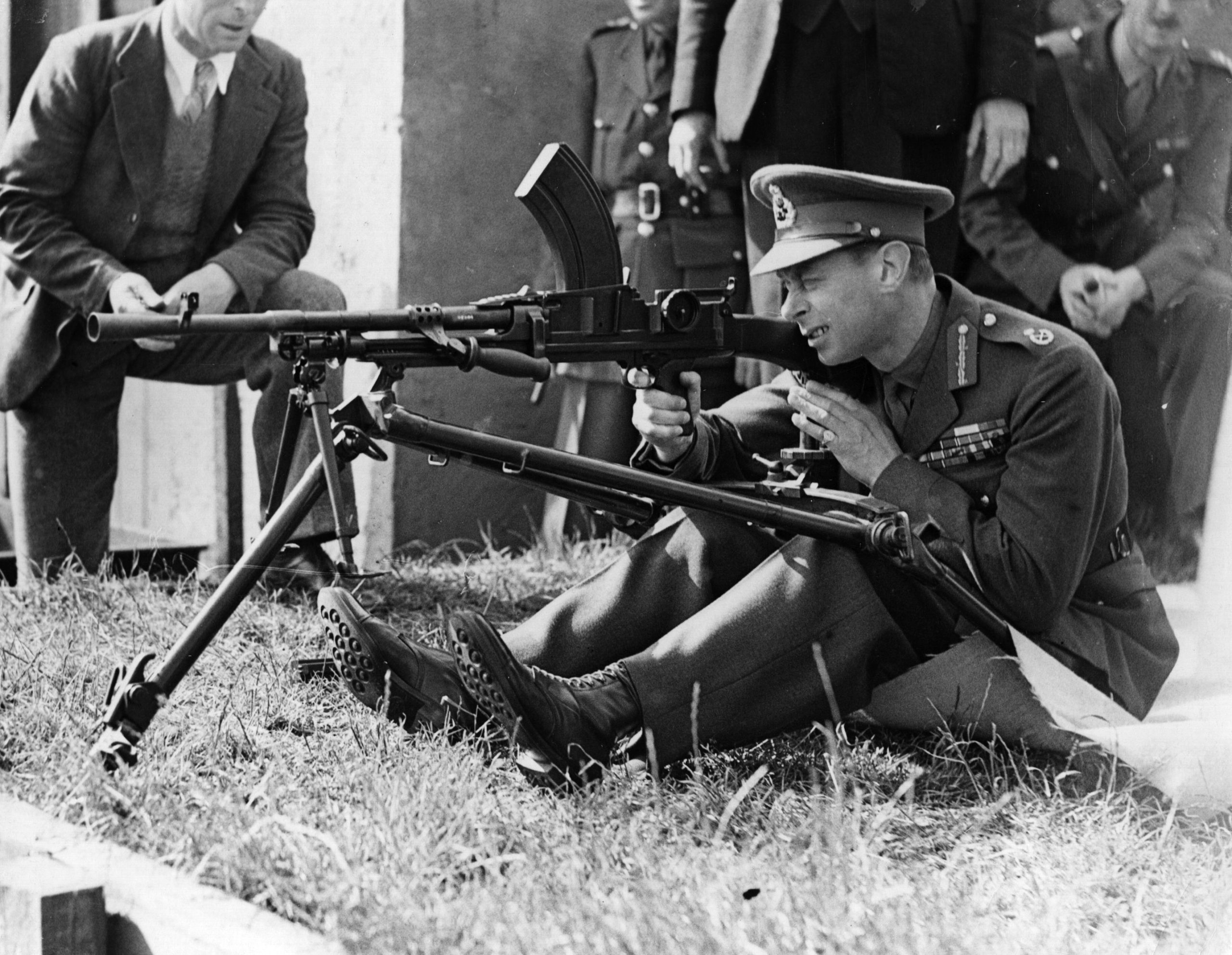
- Country of origin: United Kingdom
- Year introduced: 1937
- Original war / era: Pre-WWII / WWII
- Caliber: .303 British
- Intended role: Light Machine Gun
- Years in service: 1937–1990s+
- Why it survived past WWII: Accuracy, reliability, Commonwealth logistics
- Later conflicts / roles: WWII, postwar conflicts
Introduced on the eve of World War II, the Bren gun remained in service across the British Commonwealth for decades. Its accuracy, reliability, and logistical compatibility ensured it survived long after the war ended, particularly in colonial conflicts and reserve forces where proven performance mattered more than modernization.
M1919 Browning
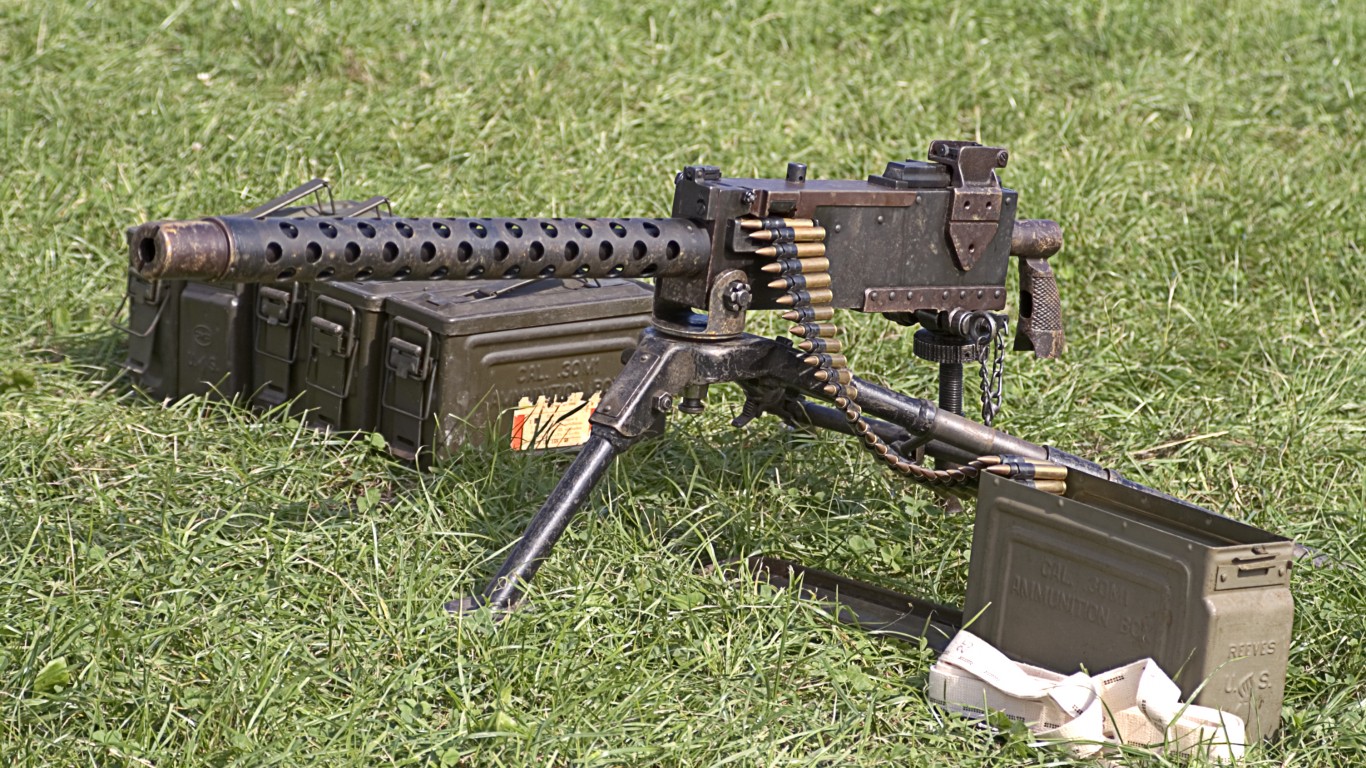
- Country of origin: United States
- Year introduced: 1919
- Original war / era: WWI
- Caliber: .30-06 Springfield
- Intended role: Medium Machine Gun
- Years in service: 1919–1970s+
- Why it survived past WWII: Shared lineage with M2, reliability
- Later conflicts / roles: WWII, Korea, reserve roles
Although designed during World War I, the M1919 Browning remained heavily used through World War II and Korea. Sharing design DNA with the M2, it benefited from similar reliability and logistics, allowing it to persist in vehicle, aircraft, and reserve roles long after its original battlefield context disappeared.
DShK
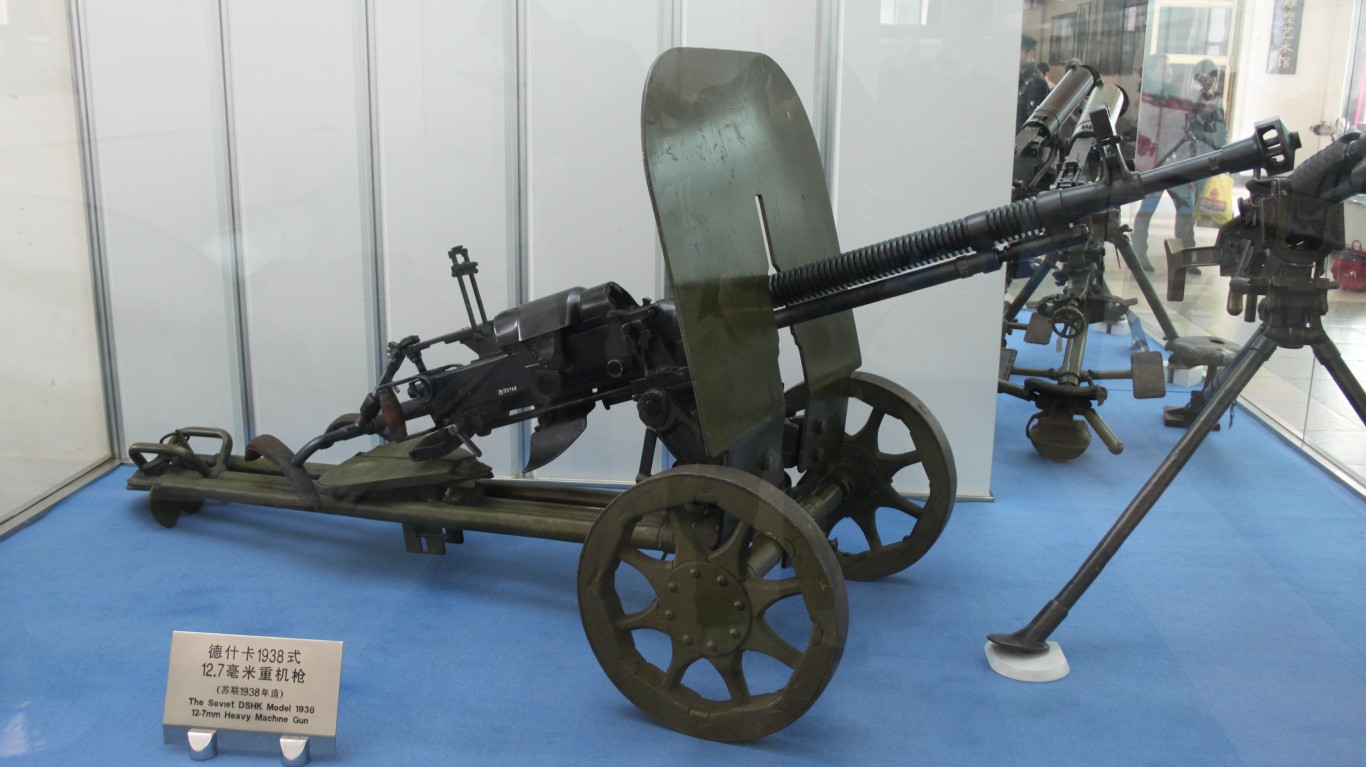
- Country of origin: Soviet Union
- Year introduced: 1938
- Original war / era: Pre-WWII / WWII
- Caliber: 12.7×108mm
- Intended role: Heavy Machine Gun
- Years in service: 1938–present
- Why it survived past WWII: Power, durability, simplicity
- Later conflicts / roles: Cold War, modern conflicts
The DShK entered service before World War II and proved so durable that it remains in use today. Its powerful caliber and rugged construction made it valuable against infantry, vehicles, and aircraft, allowing it to survive decades beyond the war it was originally built to fight.
SG-43 Goryunov
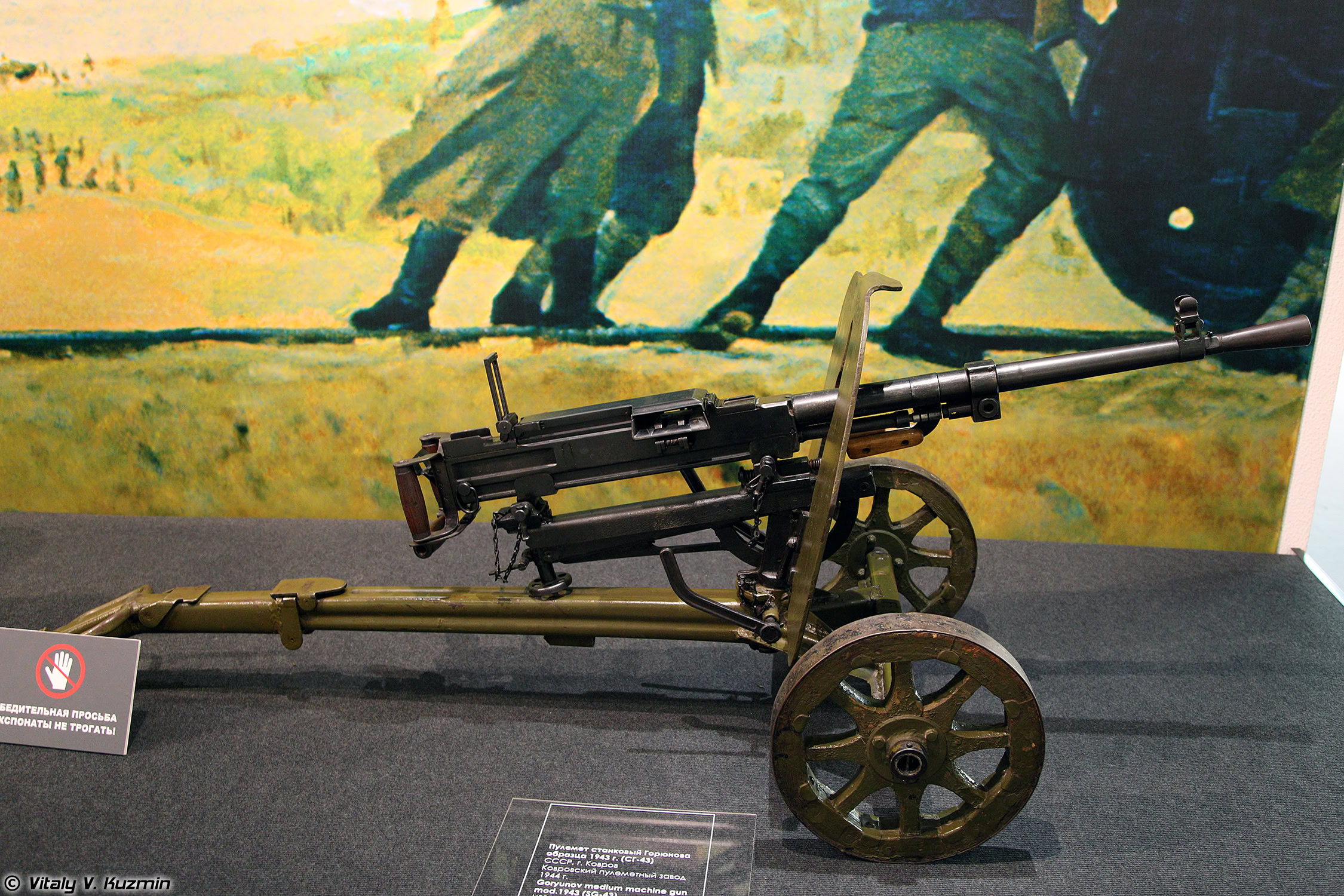
- Country of origin: Soviet Union
- Year introduced: 1943
- Original war / era: WWII
- Caliber: 7.62×54mmR
- Intended role: Medium Machine Gun
- Years in service: 1943–1960s+
- Why it survived past WWII: Improved mobility over Maxim
- Later conflicts / roles: WWII, postwar Soviet service
Introduced late in World War II, the SG-43 replaced older Maxim guns but remained in service well into the postwar era. Improved mobility and sustained fire capability kept it relevant long after WWII ended, particularly in Soviet and allied forces.
Vickers Machine Gun
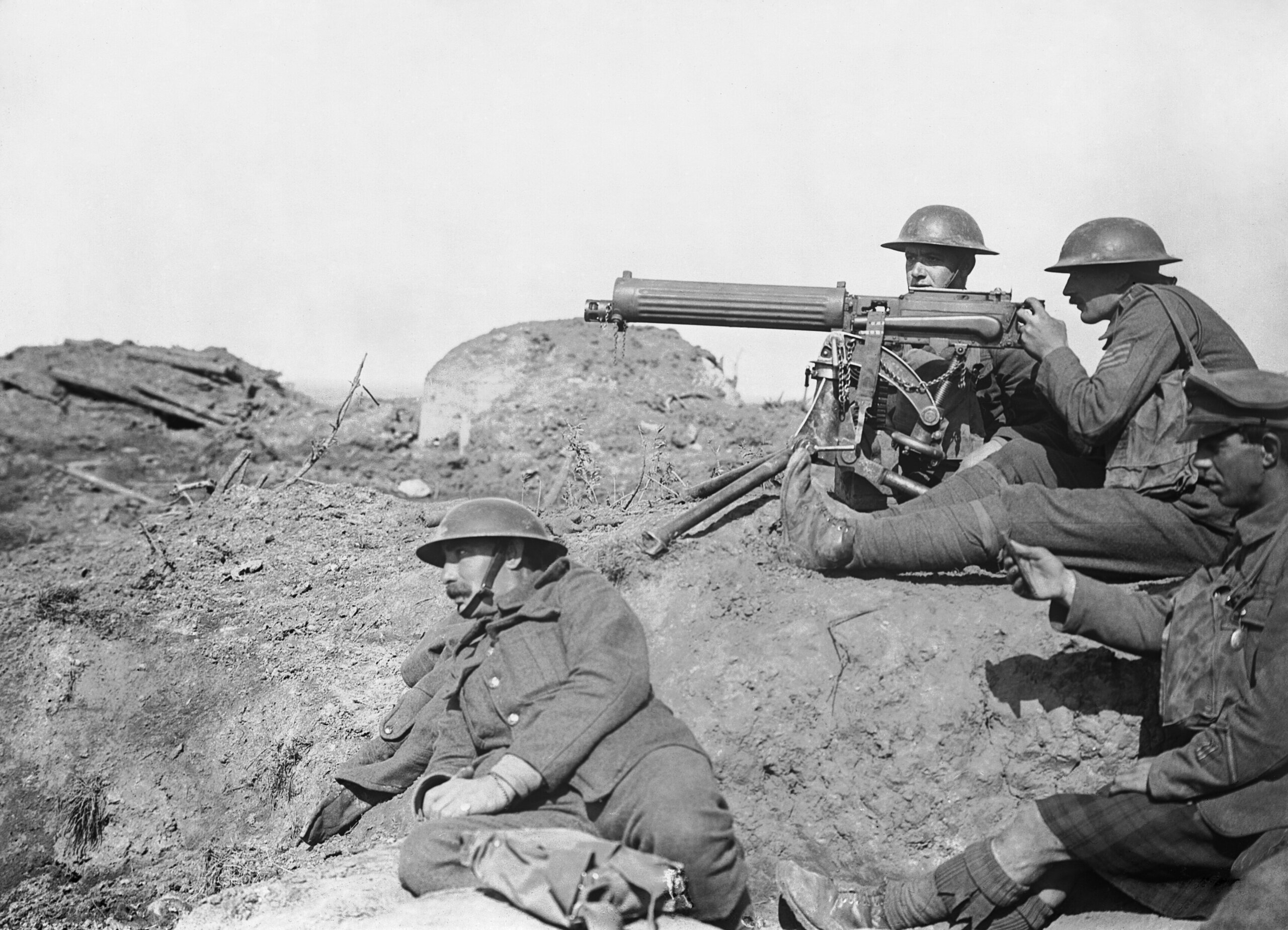
- Country of origin: United Kingdom
- Year introduced: 1912
- Original war / era: WWI
- Caliber: .303 British
- Intended role: Heavy Machine Gun
- Years in service: 1912–1960s+
- Why it survived past WWII: Legendary reliability, sustained fire
- Later conflicts / roles: WWI, WWII, postwar use
The Vickers machine gun earned a reputation for near-mythical reliability during World War I. That reputation carried it through World War II and into the Cold War, as armies trusted its ability to sustain prolonged fire long after newer designs emerged.
Maxim Gun

- Country of origin: Germany / Russia
- Year introduced: 1884
- Original war / era: Pre-WWI / WWI
- Caliber: Various
- Intended role: Heavy Machine Gun
- Years in service: 1884–WWII+
- Why it survived past WWII: Foundational automatic weapon design
- Later conflicts / roles: WWI, WWII
Although invented before World War I, the Maxim gun defined automatic warfare for decades. Variants remained in service through World War II and beyond, demonstrating how a revolutionary design can vastly outlast the conflicts that first justified its adoption.
Type 92 Heavy Machine Gun

- Country of origin: Japan
- Year introduced: 1932
- Original war / era: Interwar / WWII
- Caliber: 7.7×58mm
- Intended role: Heavy Machine Gun
- Years in service: 1932–1950s+
- Why it survived past WWII: Robust construction
- Later conflicts / roles: WWII, postwar Asia
Japan’s Type 92 heavy machine gun was built for interwar and World War II combat but lingered in service afterward due to its durability. Limited replacements and logistical realities extended its operational life beyond the war that shaped its development.
DP-27
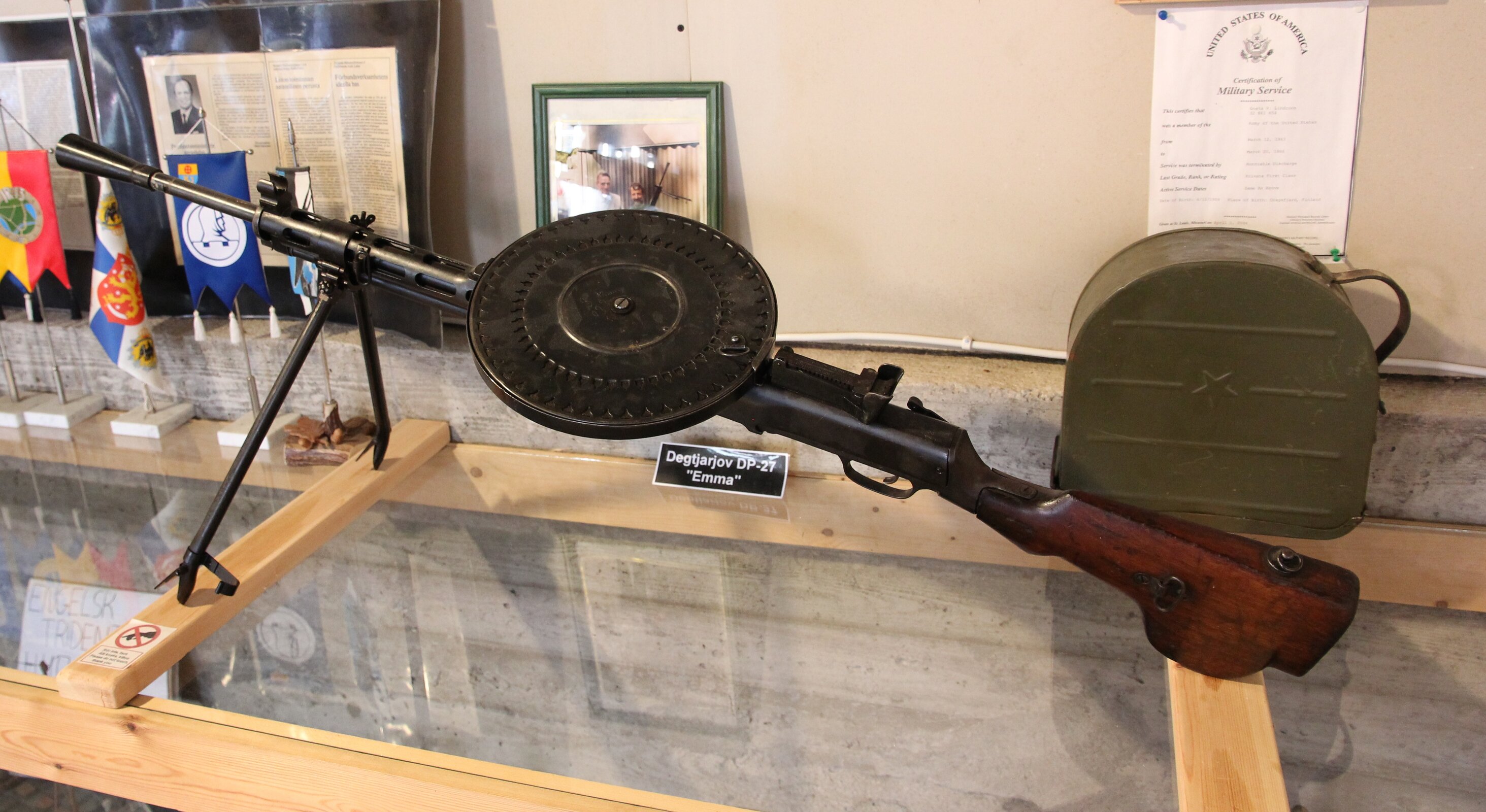
- Country of origin: Soviet Union
- Year introduced: 1927
- Original war / era: Interwar / WWII
- Caliber: 7.62×54mmR
- Intended role: Light Machine Gun
- Years in service: 1927–1960s+
- Why it survived past WWII: Simplicity, ease of production
- Later conflicts / roles: WWII, Cold War proxy wars
The DP-27 was introduced before World War II and became a staple of Soviet infantry. Its simple, rugged design ensured continued use in postwar and proxy conflicts, long after the end of the war it was originally designed for.
MG 34
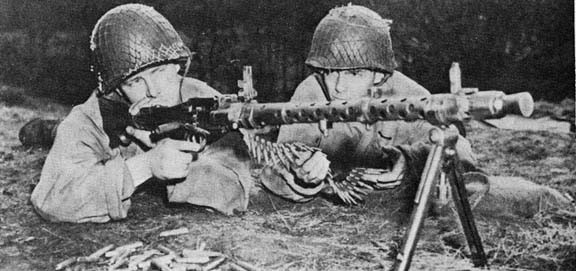
- Country of origin: Germany
- Year introduced: 1934
- Original war / era: WWII
- Caliber: 7.92×57mm
- Intended role: General-Purpose Machine Gun
- Years in service: 1934–1950s+
- Why it survived past WWII: Versatility, early GPMG concept
- Later conflicts / roles: WWII, postwar service
The MG 34 introduced the general-purpose machine gun concept during World War II. Despite being eclipsed by the MG 42, it remained in service for years afterward due to its versatility and existing inventories.
Hotchkiss M1914

- Country of origin: France
- Year introduced: 1914
- Original war / era: WWI
- Caliber: 8×50mmR
- Intended role: Heavy Machine Gun
- Years in service: 1914–1940s+
- Why it survived past WWII: Rugged, air-cooled design
- Later conflicts / roles: WWI, WWII
Fielded at the outbreak of World War I, the Hotchkiss M1914 remained relevant into World War II. Its rugged, air-cooled design allowed it to endure long after the conflict that necessitated its adoption had passed.
Lewis Gun

- Country of origin: United States / UK
- Year introduced: 1914
- Original war / era: WWI
- Caliber: .303 British
- Intended role: Light Machine Gun
- Years in service: 1914–1950s+
- Why it survived past WWII: Portability, early LMG success
- Later conflicts / roles: WWI, WWII, postwar roles
The Lewis gun debuted in World War I but saw renewed service in World War II and beyond. Its portability and reliability made it useful long after newer machine guns replaced it in frontline doctrine.
ZB vz. 26
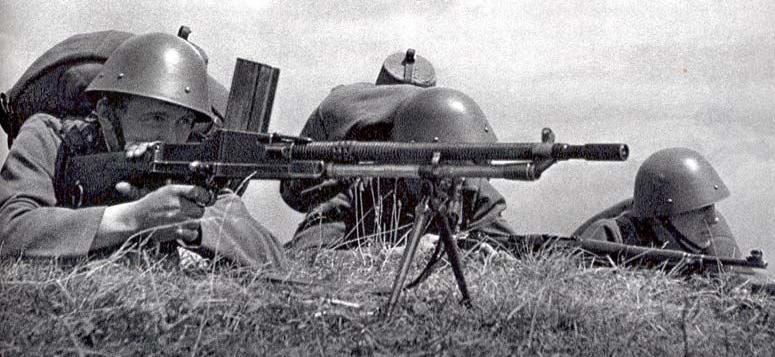
- Country of origin: Czechoslovakia
- Year introduced: 1926
- Original war / era: Interwar
- Caliber: 7.92×57mm
- Intended role: Light Machine Gun
- Years in service: 1926–1950s+
- Why it survived past WWII: Influential design, reliability
- Later conflicts / roles: WWII, postwar use
Adopted in the interwar period, the ZB vz. 26 influenced later machine gun designs worldwide. Its reliability and ease of use ensured continued service beyond World War II in both regular and reserve forces.
Lahti-Saloranta M/26
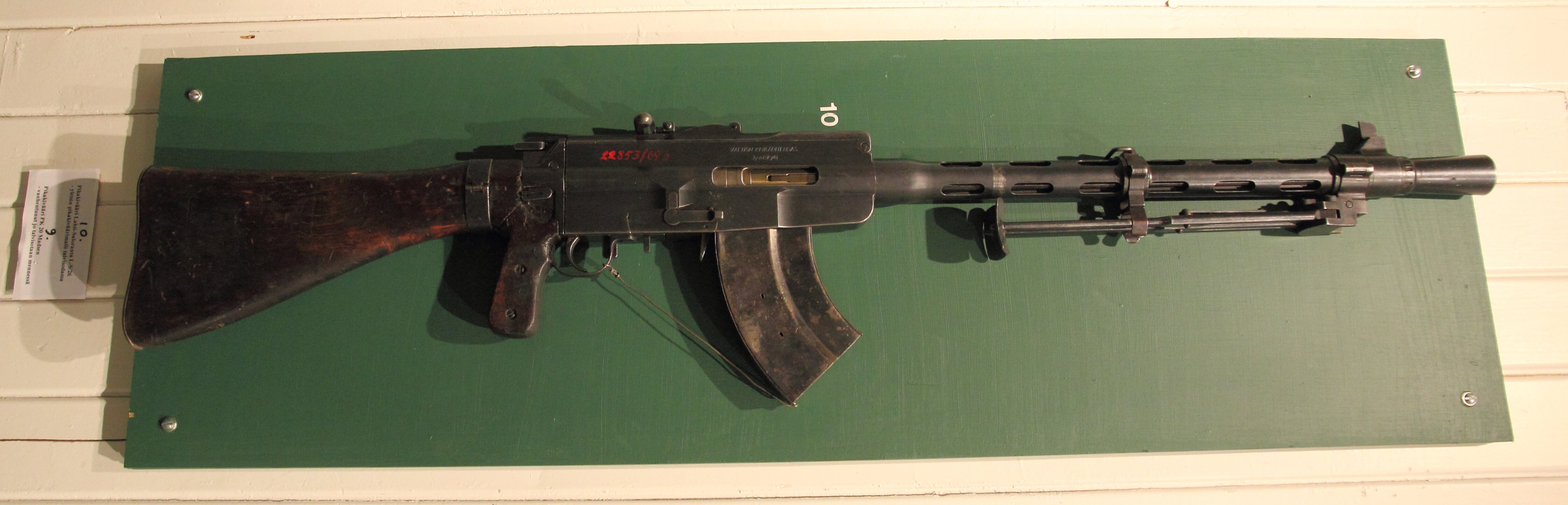
- Country of origin: Finland
- Year introduced: 1926
- Original war / era: Interwar
- Caliber: 7.62×54mmR
- Intended role: Light Machine Gun
- Years in service: 1926–1950s+
- Why it survived past WWII: Cold-weather performance
- Later conflicts / roles: Winter War, postwar service
Designed for harsh conditions, Finland’s Lahti-Saloranta M/26 remained in service well past World War II. Cold-weather reliability and limited replacement options extended its operational lifespan.
Breda 37
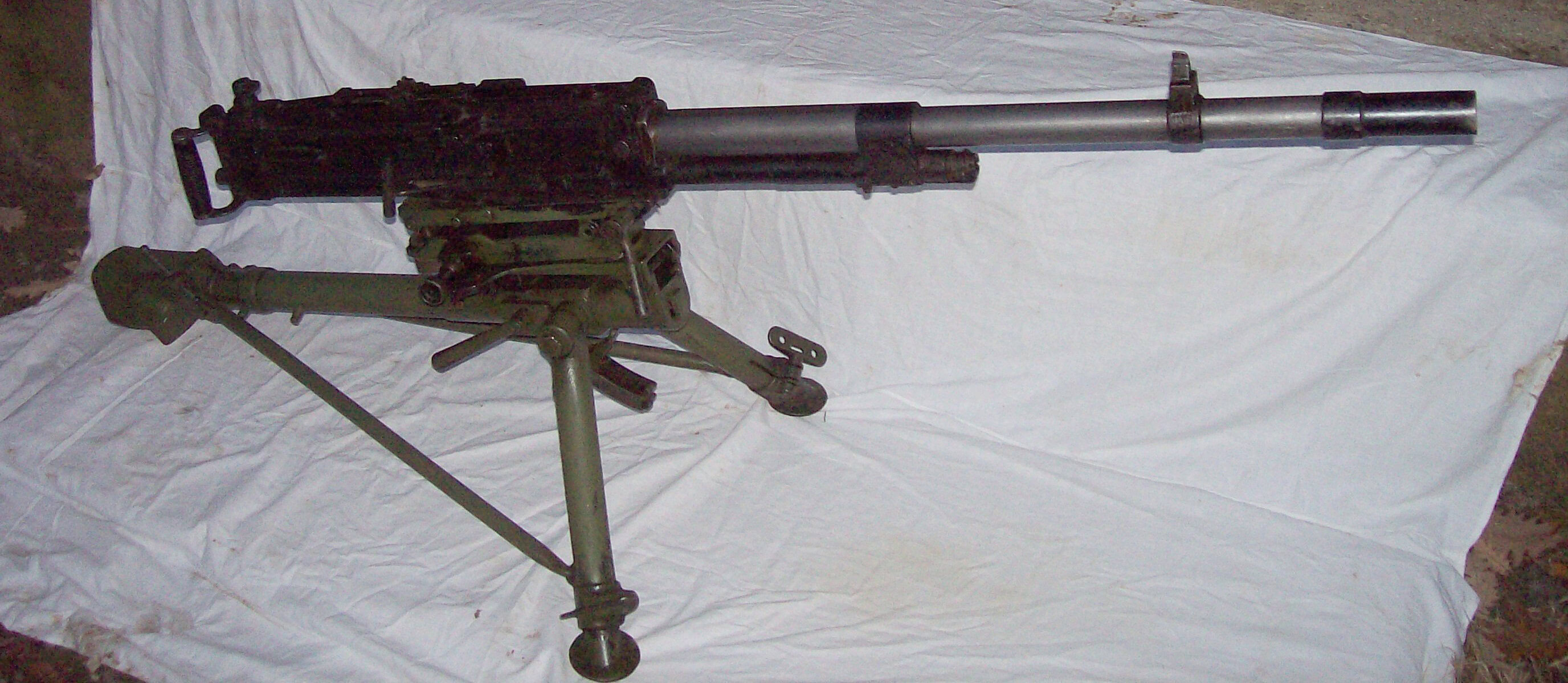
- Country of origin: Italy
- Year introduced: 1937
- Original war / era: WWII
- Caliber: 8×59mm RB
- Intended role: Medium Machine Gun
- Years in service: 1937–1950s+
- Why it survived past WWII: Durability, necessity-driven retention
- Later conflicts / roles: WWII, postwar Italy
Italy’s Breda 37 was introduced during World War II and remained in service afterward due to necessity. Limited industrial capacity and existing stockpiles kept it in use long after more modern systems were available.
FM 24/29
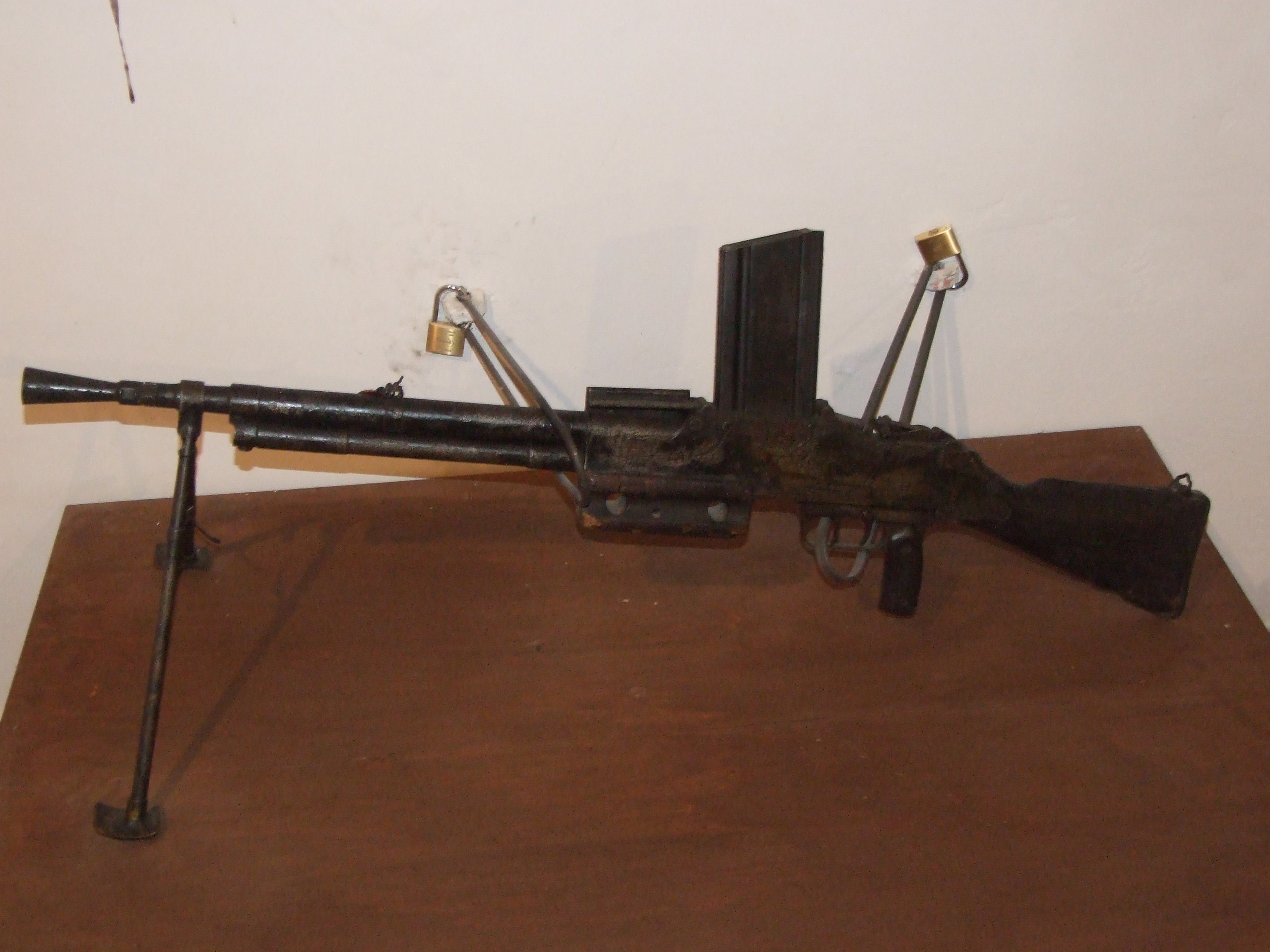
- Country of origin: France
- Year introduced: 1924
- Original war / era: Interwar / WWII
- Caliber: 7.5×54mm
- Intended role: Light Machine Gun
- Years in service: 1924–1970s+
- Why it survived past WWII: Reliability, logistics
- Later conflicts / roles: WWII, colonial wars
The FM 24/29 entered service between the world wars but remained France’s standard light machine gun through World War II and colonial conflicts. Its reliability and logistics support ensured decades of continued use.
RPD
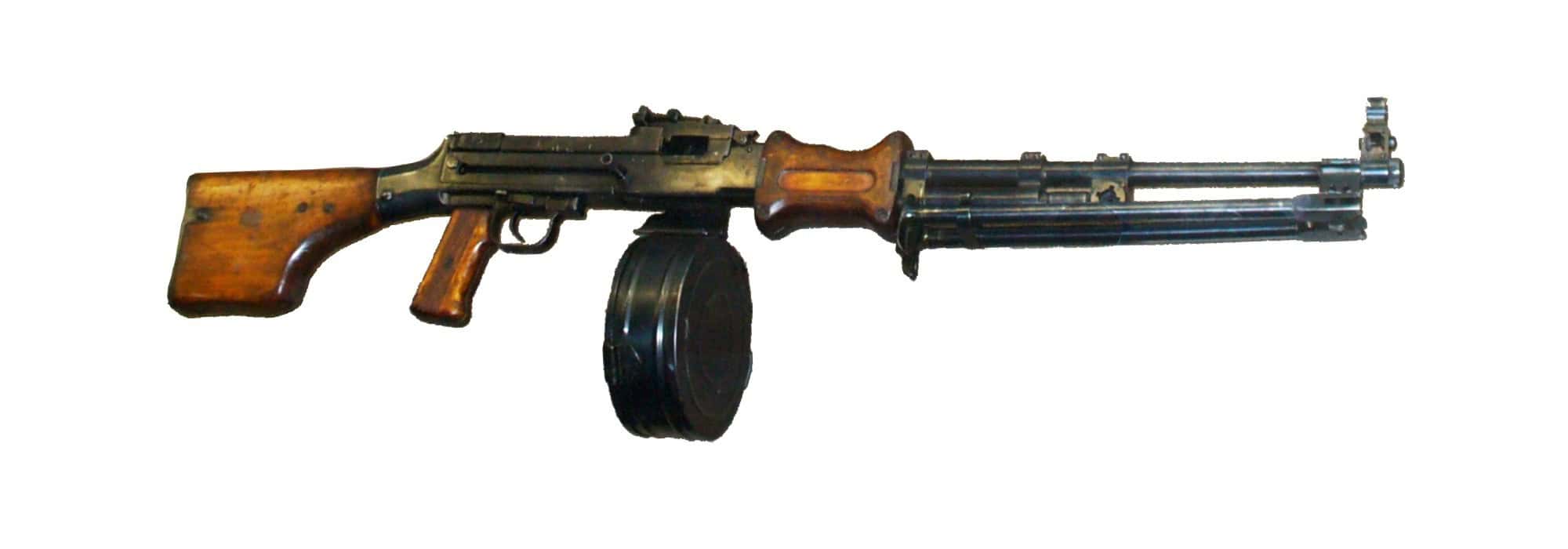
- Country of origin: Soviet Union
- Year introduced: 1944
- Original war / era: Late WWII
- Caliber: 7.62×39mm
- Intended role: Light Machine Gun
- Years in service: 1944–1990s+
- Why it survived past WWII: Aligned with AK doctrine
- Later conflicts / roles: Cold War proxy wars
Developed at the end of World War II, the RPD carried wartime lessons into the Cold War. Its compatibility with Soviet small-arms doctrine allowed it to remain relevant long after WWII ended.
M1917 Browning
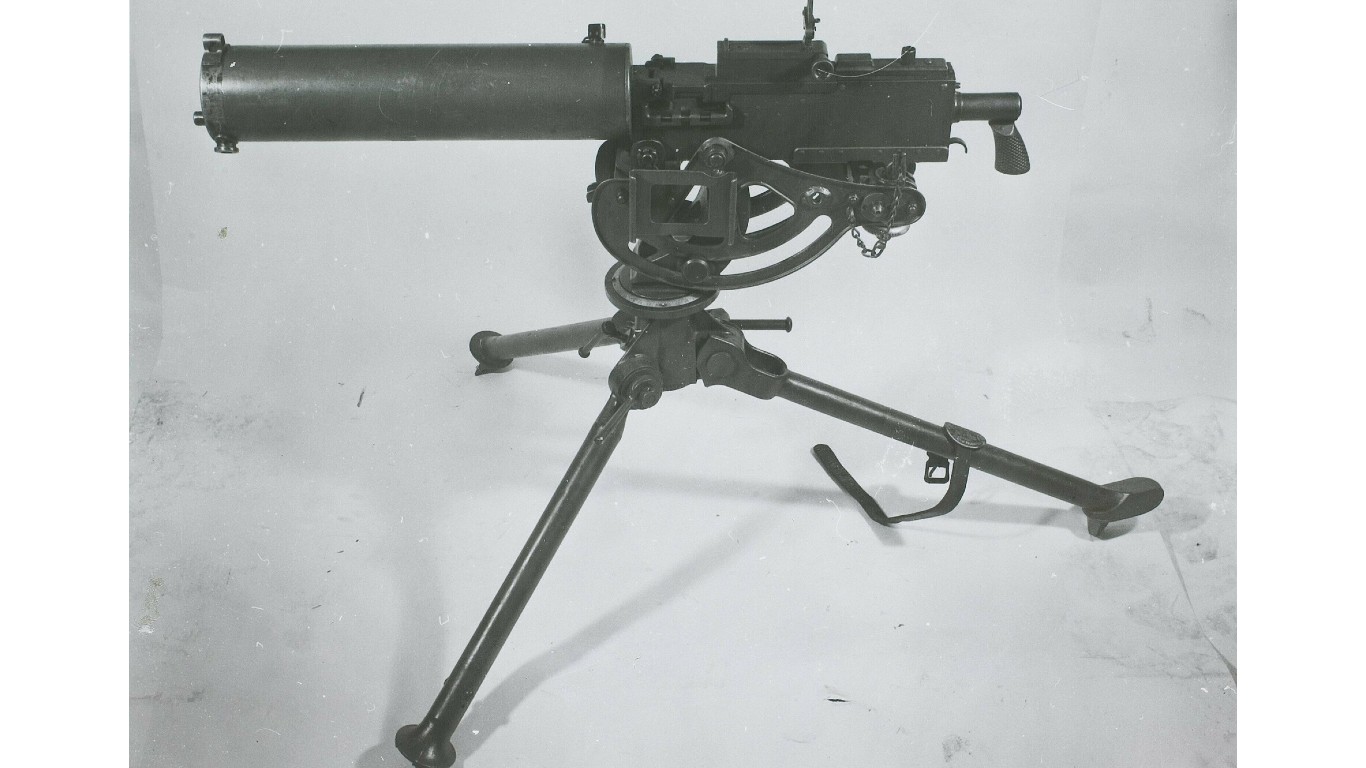
- Country of origin: United States
- Year introduced: 1917
- Original war / era: WWI
- Caliber: .30-06 Springfield
- Intended role: Heavy Machine Gun
- Years in service: 1917–1950s+
- Why it survived past WWII: Water-cooled endurance
- Later conflicts / roles: WWI, WWII
The M1917 Browning proved invaluable during World War I and remained in service through World War II. Its water-cooled endurance made it hard to replace, extending its service life beyond its original conflict.
Type 99 Light Machine Gun
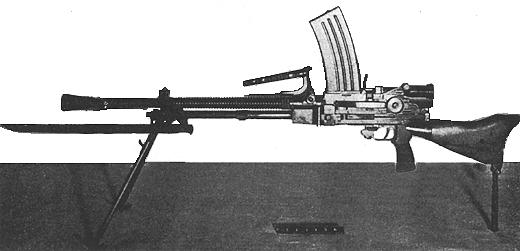
- Country of origin: Japan
- Year introduced: 1939
- Original war / era: WWII
- Caliber: 7.7×58mm
- Intended role: Light Machine Gun
- Years in service: 1939–1950s+
- Why it survived past WWII: Improved ergonomics over Type 96
- Later conflicts / roles: WWII, postwar Asia
Japan’s Type 99 light machine gun entered service during World War II and remained in limited use afterward. Ammunition commonality and logistics realities helped extend its lifespan beyond the war.
Vickers-Berthier
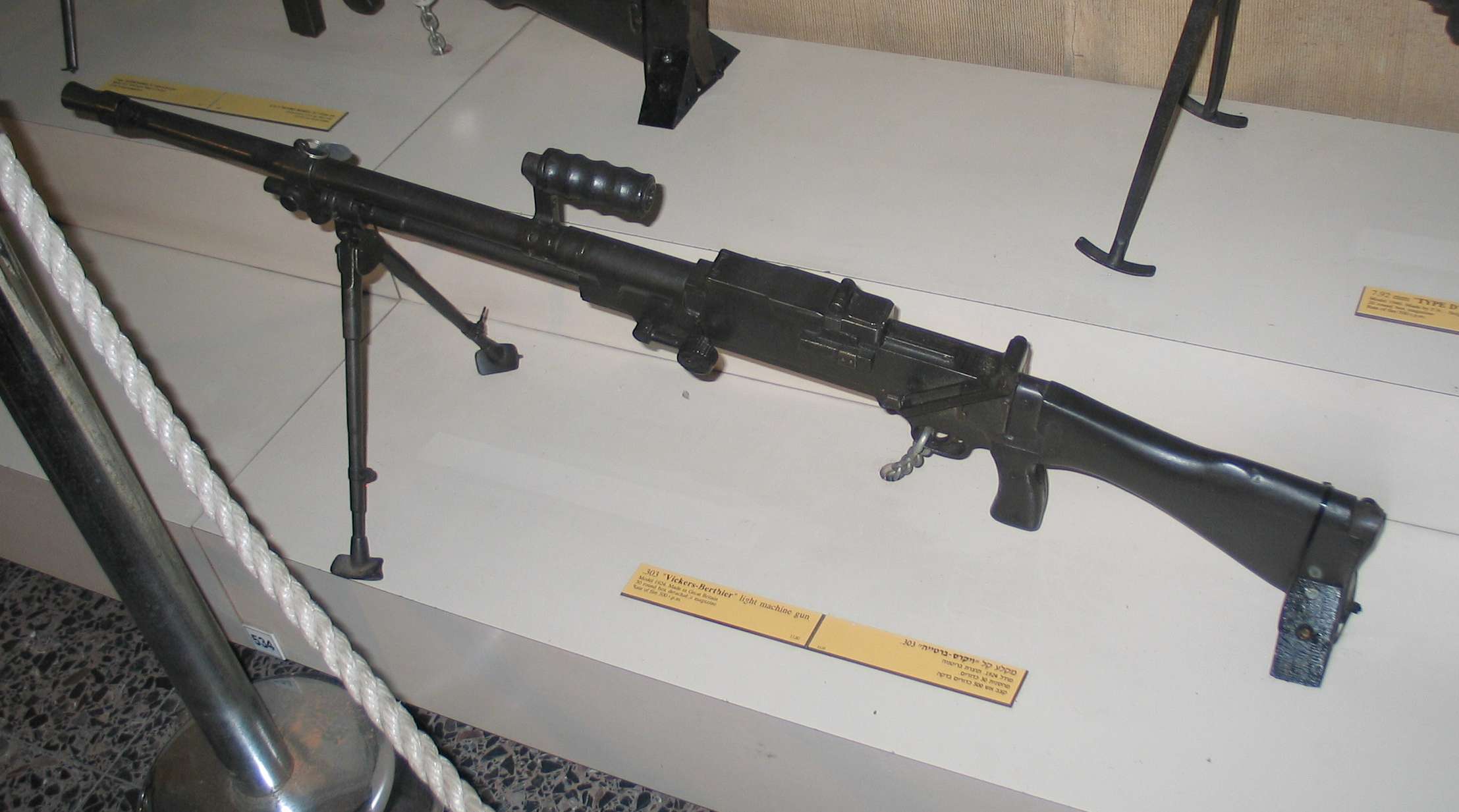
- Country of origin: United Kingdom / India
- Year introduced: 1932
- Original war / era: Interwar / WWII
- Caliber: .303 British
- Intended role: Light Machine Gun
- Years in service: 1932–1960s+
- Why it survived past WWII: Colonial logistics
- Later conflicts / roles: WWII, postwar India
The Vickers-Berthier served British and Indian forces during World War II and beyond. Colonial logistics and familiarity kept it relevant long after the global conflict ended.
Browning M1917A1
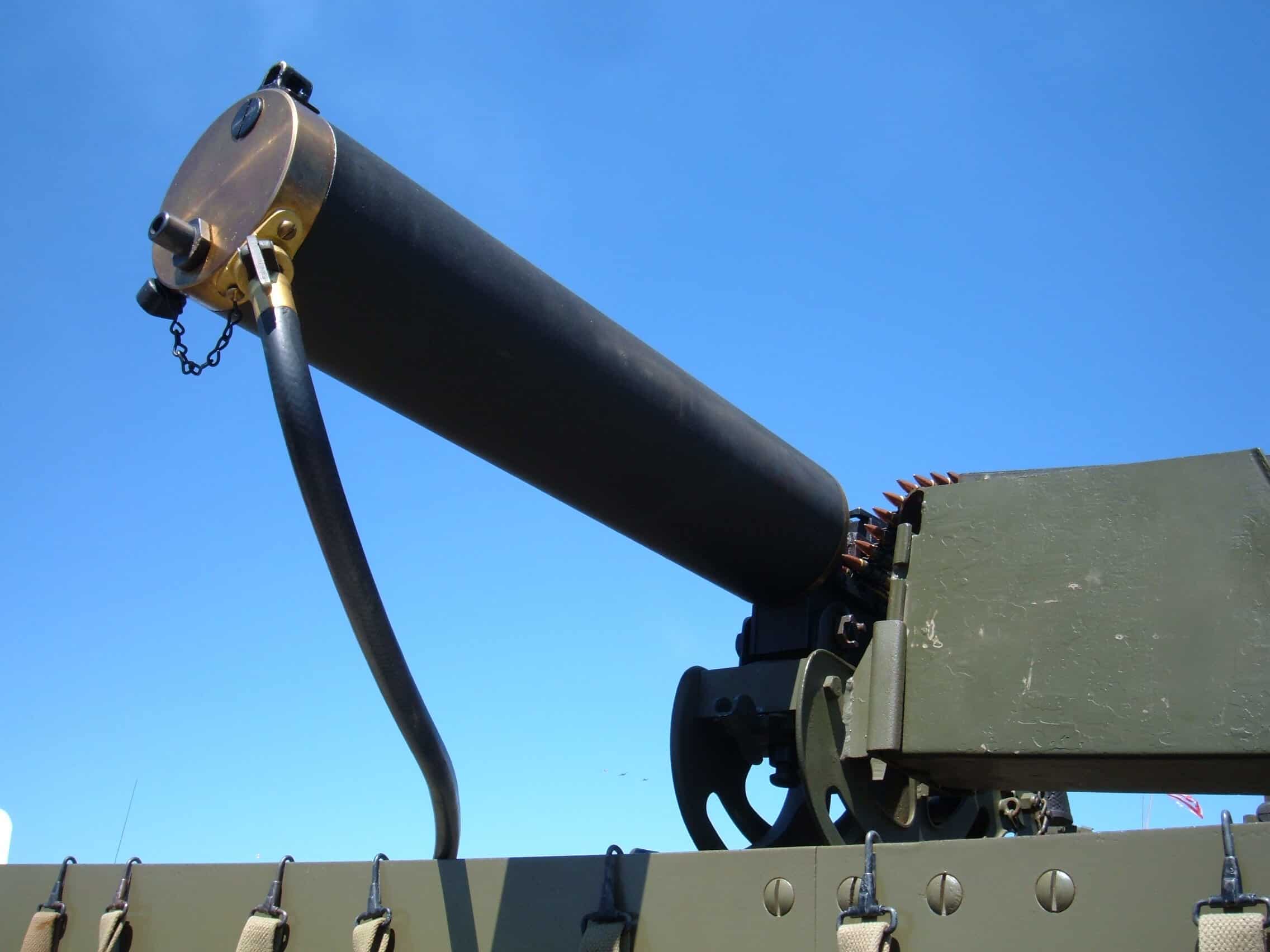
- Country of origin: United States
- Year introduced: 1936
- Original war / era: Interwar / WWII
- Caliber: .30-06 Springfield
- Intended role: Heavy Machine Gun
- Years in service: 1936–1960s+
- Why it survived past WWII: Proven water-cooled design
- Later conflicts / roles: WWII, Korea
The M1917A1 represented an improved version of a proven World War I design. Continued trust in the water-cooled Browning system allowed it to remain operational into the postwar era.
Type 67
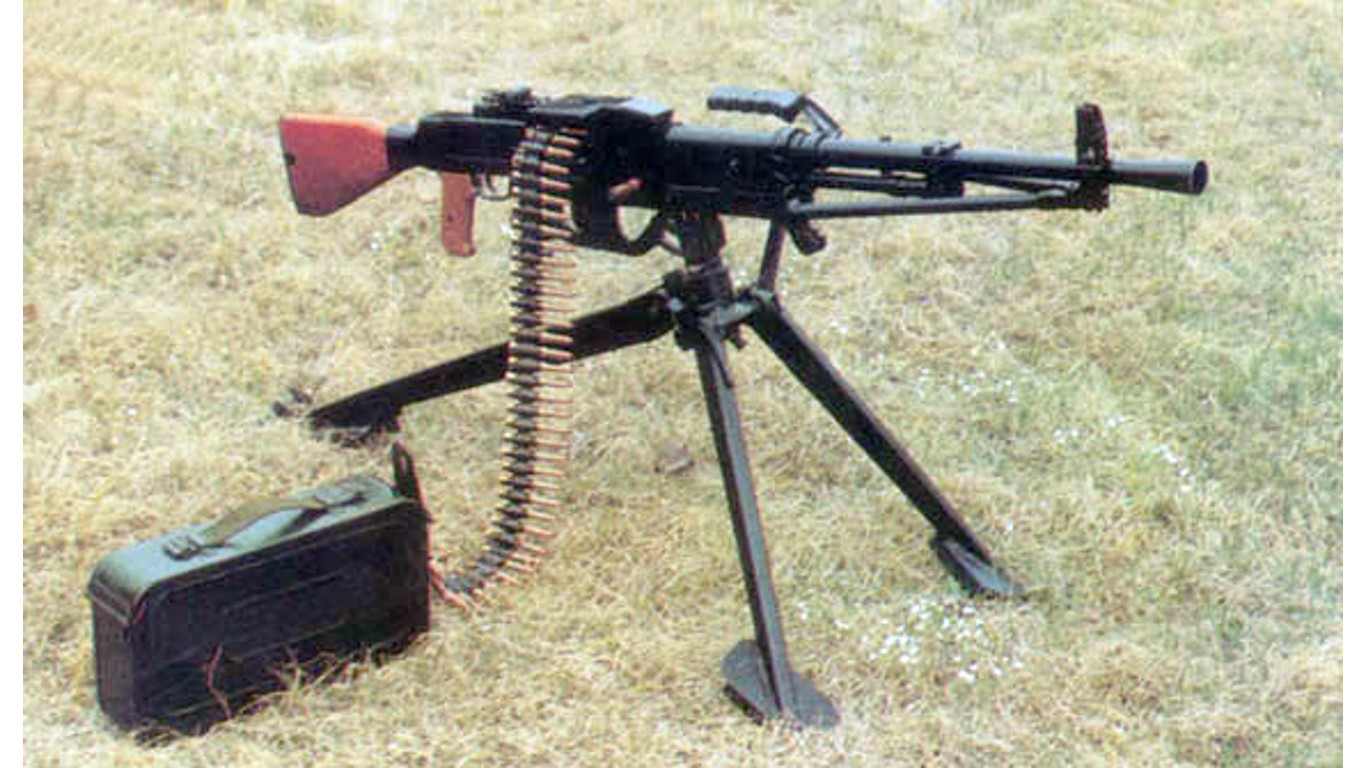
- Country of origin: China
- Year introduced: 1967
- Original war / era: Post-WWII (WWII lineage)
- Caliber: 7.62×54mmR
- Intended role: General-Purpose Machine Gun
- Years in service: 1967–present
- Why it survived past WWII: Direct lineage from earlier designs
- Later conflicts / roles: Modern Chinese service
Although postwar in adoption, China’s Type 67 was heavily influenced by earlier World War II machine gun designs. Its longevity underscores how wartime concepts continued shaping machine guns decades later.
NSV
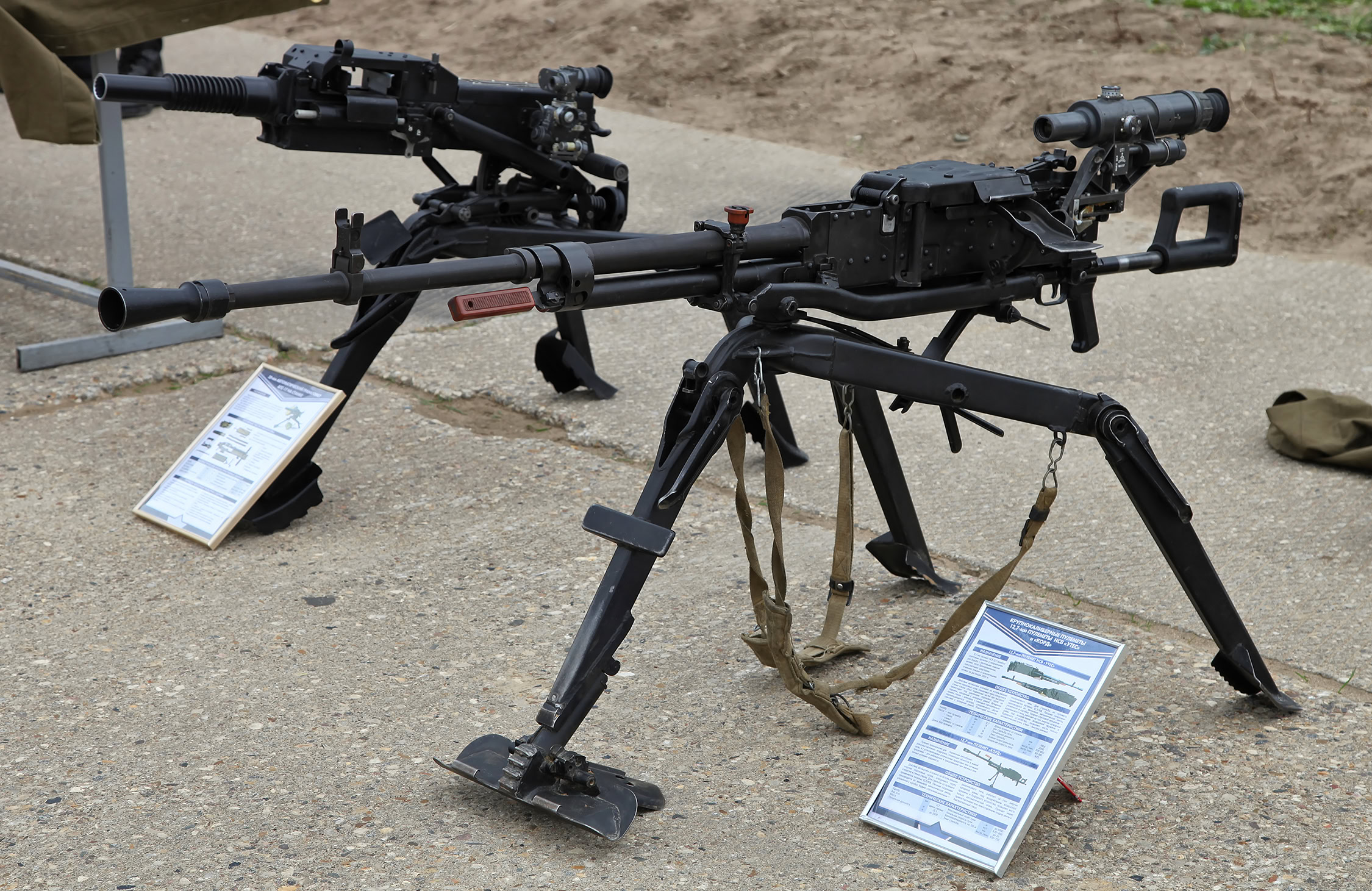
- Country of origin: Soviet Union
- Year introduced: 1971
- Original war / era: Cold War (WWII doctrine)
- Caliber: 12.7×108mm
- Intended role: Heavy Machine Gun
- Years in service: 1971–present
- Why it survived past WWII: Weight reduction, continuity of role
- Later conflicts / roles: Cold War, modern conflicts
The NSV heavy machine gun emerged during the Cold War but directly filled the same heavy machine gun role established in World War II. Its continued use highlights how few true replacements exist for effective heavy machine guns.
KPV 14.5mm
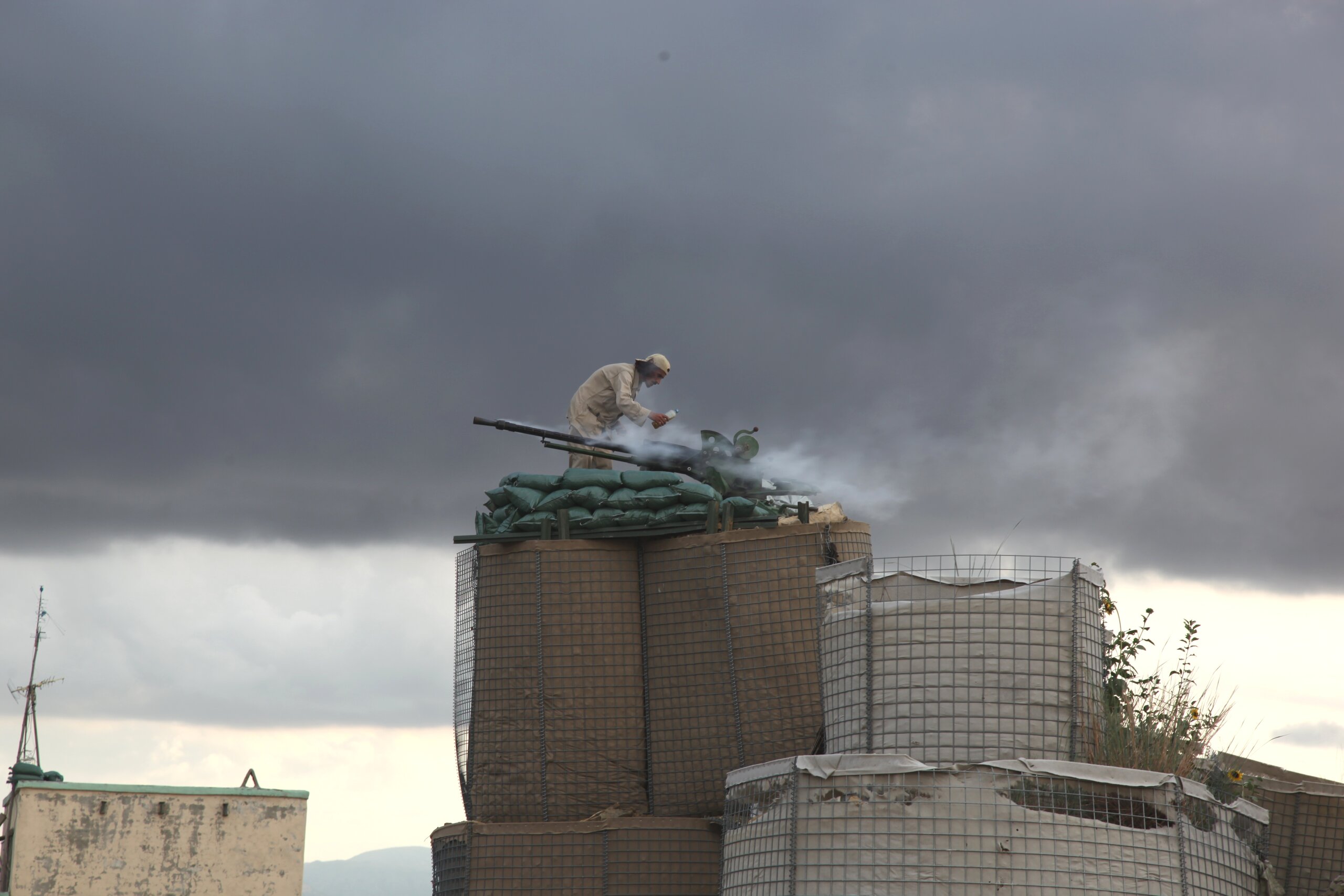
- Country of origin: Soviet Union
- Year introduced: 1949
- Original war / era: Post-WWII
- Caliber: 14.5×114mm
- Intended role: Heavy Machine Gun
- Years in service: 1949–present
- Why it survived past WWII: Extreme firepower, air-defense utility
- Later conflicts / roles: Cold War, modern conflicts
Introduced shortly after World War II, the KPV reflected lessons learned from wartime heavy weapons. Its extreme firepower and air-defense utility ensured it remained relevant long after WWII-era conflicts ended.





 Top Gaining Stocks
 Top Losing Stocks