


Wars end. Rifles don’t always get the memo. Across the 20th and 21st centuries, armies repeatedly tried to replace standard-issue rifles that simply refused to disappear. Designed for specific conflicts like World Wars, Cold War showdowns, or even regional wars, many of these weapons stayed in service for decades longer than intended. In most cases, it wasn’t nostalgia that kept them around. It was reliability, logistics, and the uncomfortable reality that replacing a rifle on paper is far easier than doing it across an entire military. Here, 24/7 Wall St. is taking a closer look at these legendary rifles.
To identify the standard-issue rifles that lasted longer than entire conflicts, 24/7 Wall St. reviewed various historical and military sources. We included supplemental information regarding when it was introduced, the country of origin, its original conflict, and why it lasted so long in service.
Here is a look at the standard-issue rifles that lasted longer than entire conflicts:
Why Are We Covering This?
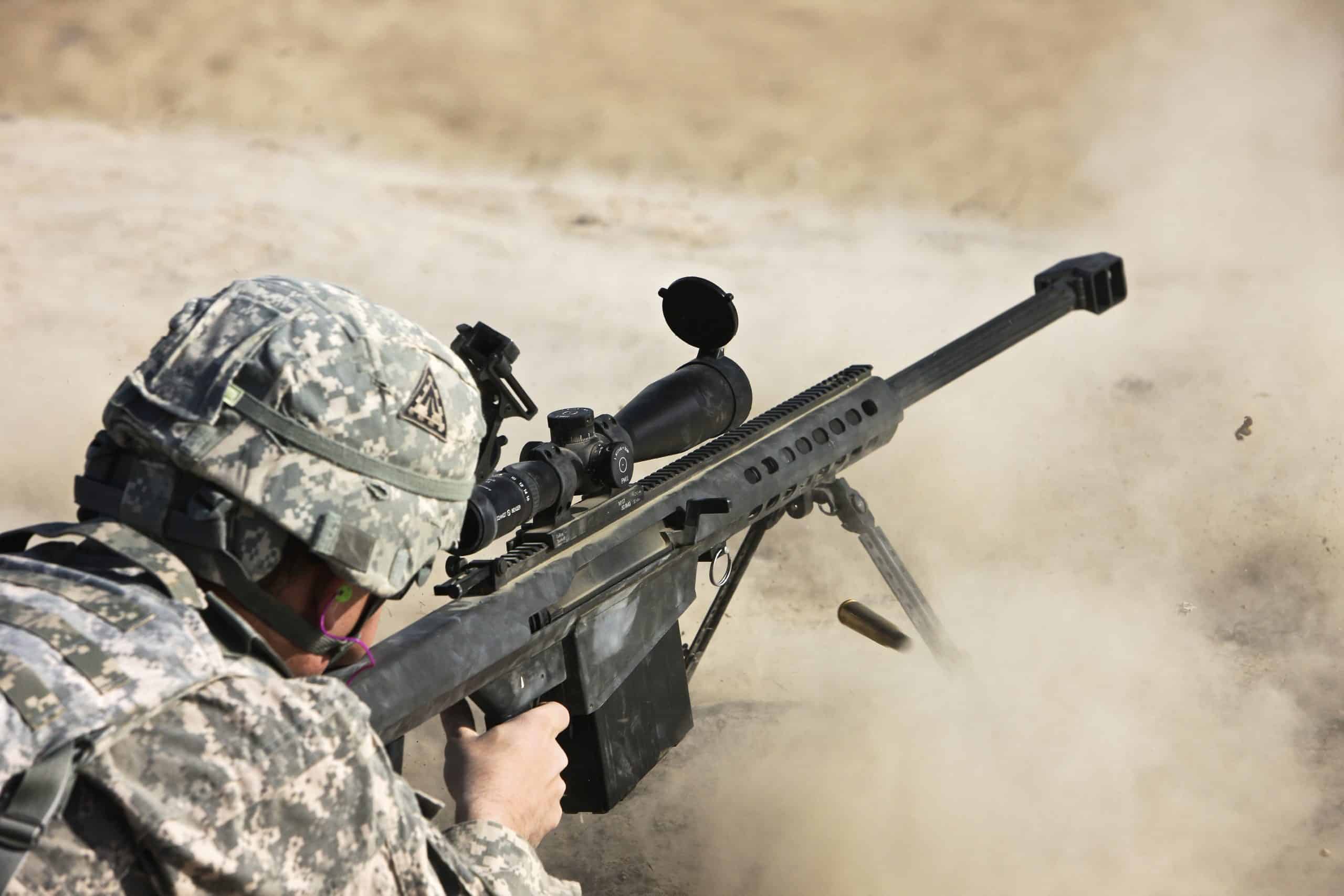
Understanding why some standard-issue rifles remained in service long after the conflicts they were designed for helps explain how military institutions actually make decisions. Weapons do not disappear when wars end; they persist because of logistics, training, cost, and trust earned in combat. Examining these rifles reveals how reliability often outweighs innovation, how doctrine lags behind technology, and why “obsolete” does not always mean ineffective. In many cases, the rifles that lasted longest were not the most advanced, but the ones armies could depend on when everything else changed.
When Wars End but Rifles Don’t
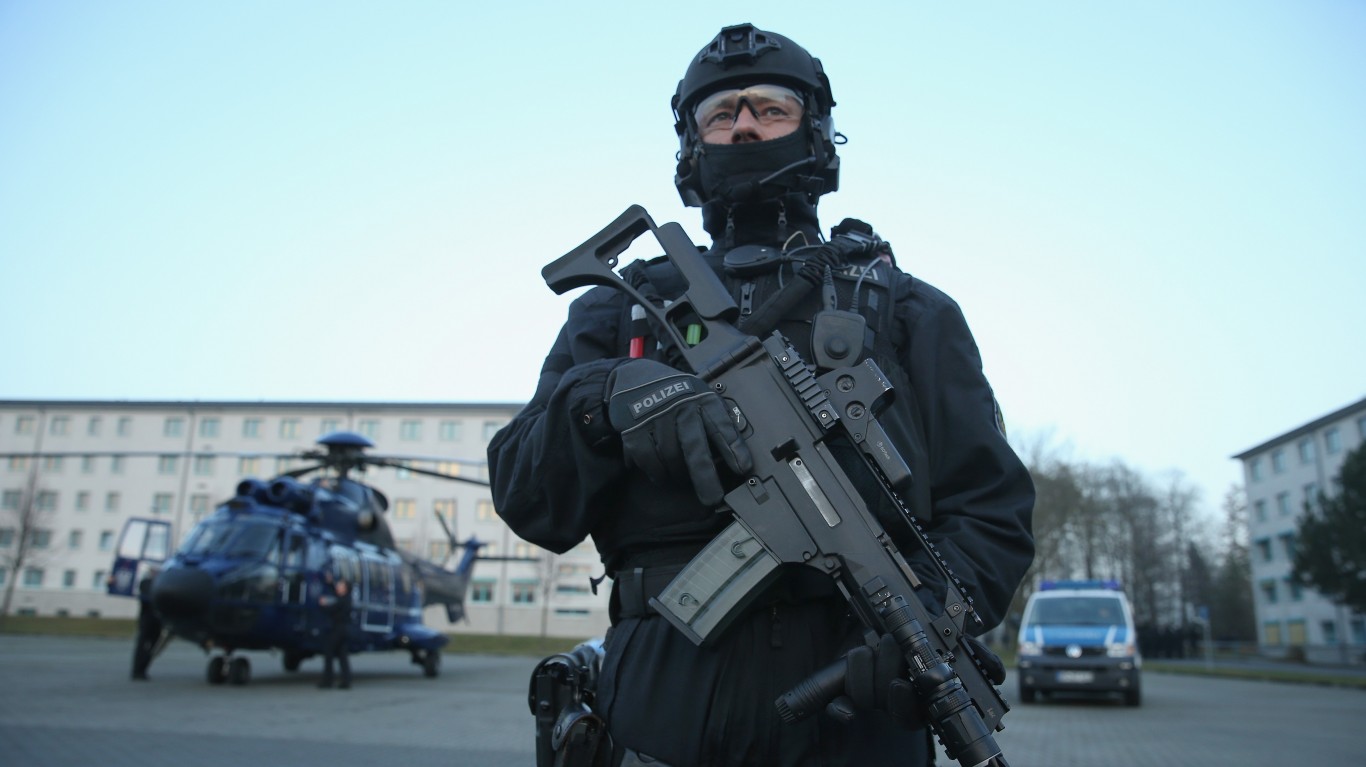
Military conflicts often have clear start and end dates, but the weapons built for them rarely follow the same timeline. Many standard-issue rifles were designed for specific wars or strategic moments, only to remain in service long after those conflicts ended. In some cases, these rifles outlasted not just the fighting, but the political systems and doctrines that created them.
Reliability Beats Relevance
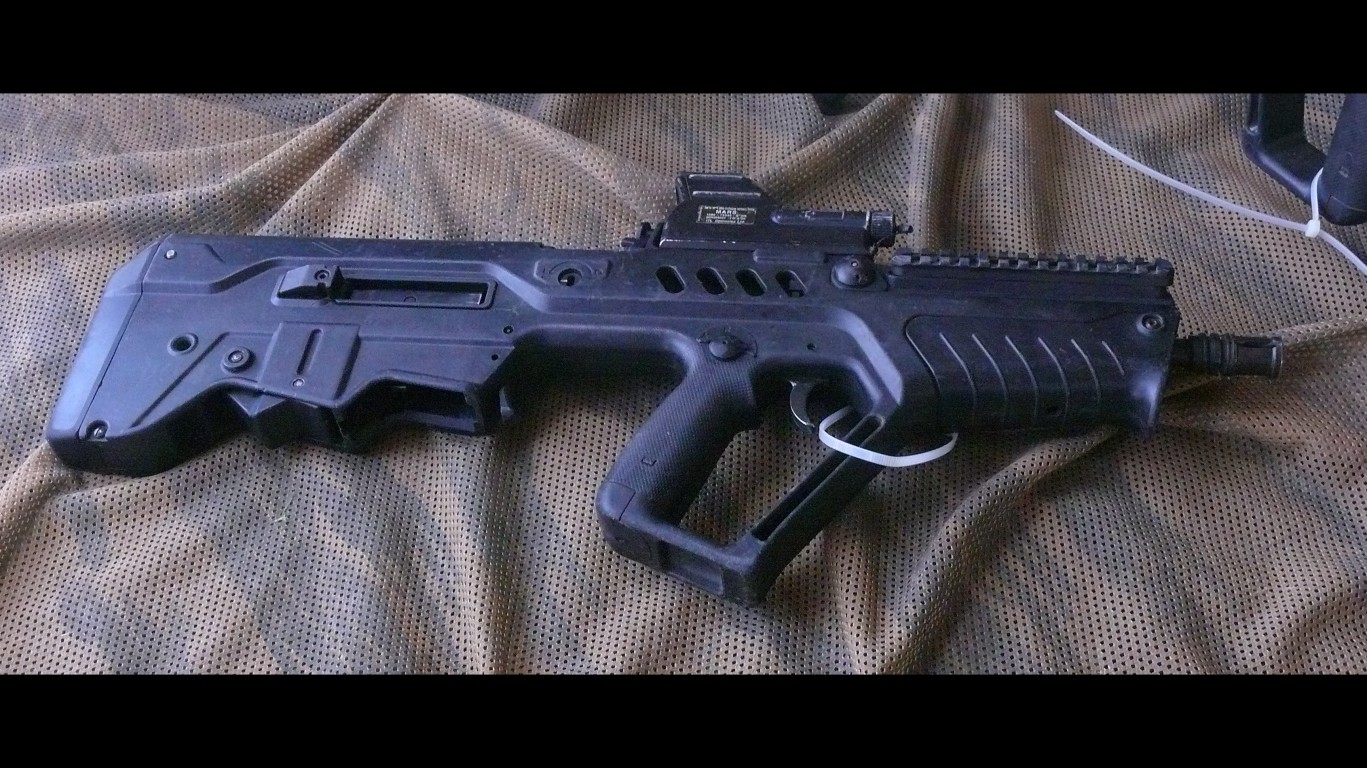
New rifles are often introduced with promises of superior performance and modernization, yet replacement does not always mean retirement. Proven reliability, ease of maintenance, and soldier familiarity frequently outweighed marginal performance gains. As a result, older rifles remained in service because they simply worked when newer systems struggled to justify their cost or complexity.
Logistics, Stockpiles, and Institutional Inertia
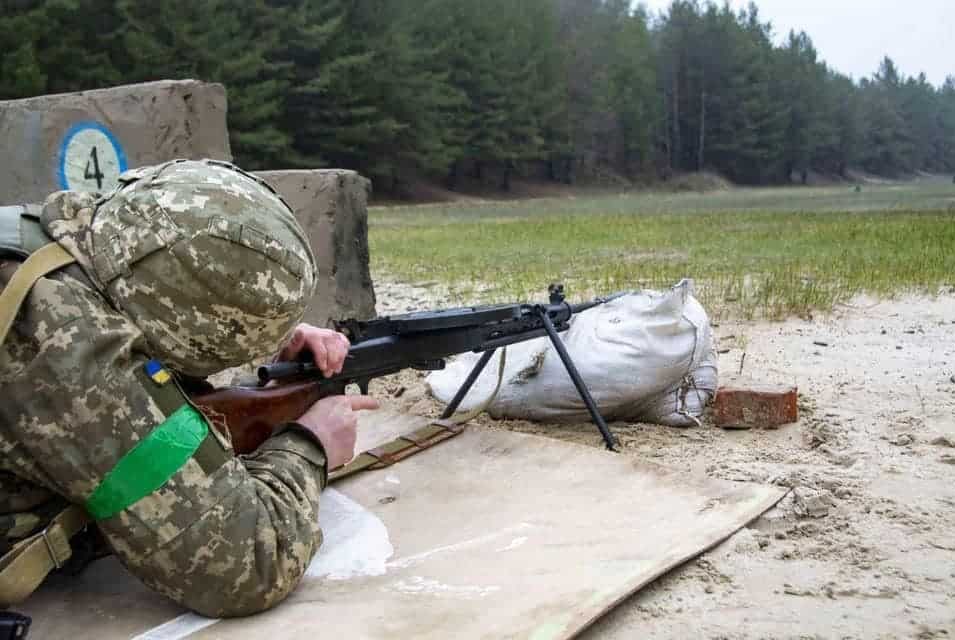
Beyond battlefield performance, logistics played a decisive role in weapon longevity. Massive ammunition stockpiles, existing training pipelines, and spare-parts ecosystems made replacing older rifles expensive and disruptive. Institutional inertia within military organizations further slowed transitions, allowing aging rifles to remain standard issue long after they were deemed obsolete on paper.
From World Wars to Proxy Wars
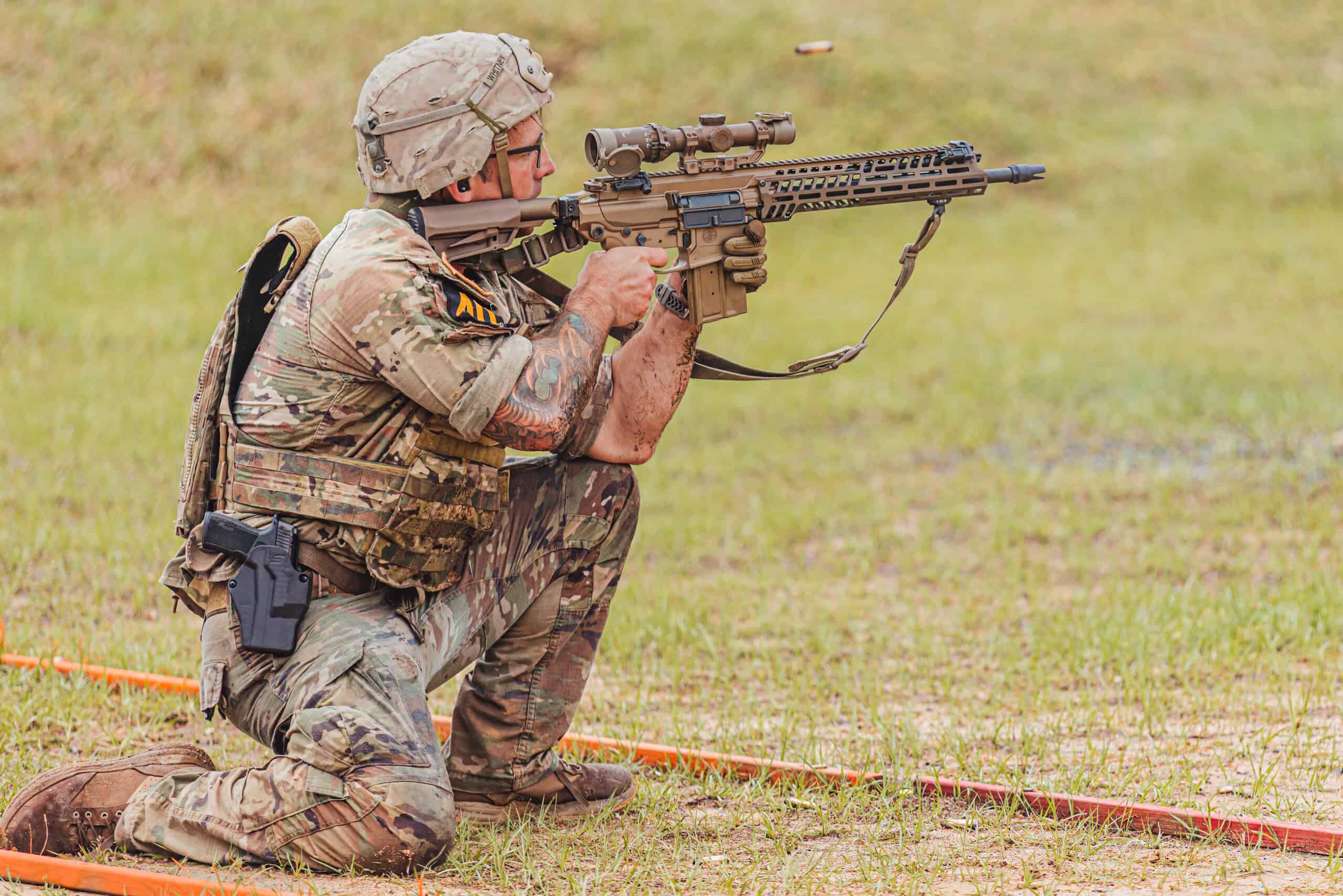
Many rifles designed for total war or Cold War standoffs ended up fighting entirely different types of conflicts decades later. Weapons built for massed infantry battles were carried into colonial wars, insurgencies, and counterterror operations, highlighting how long service life often reflected adaptability rather than original intent.
Longevity as a Design Verdict
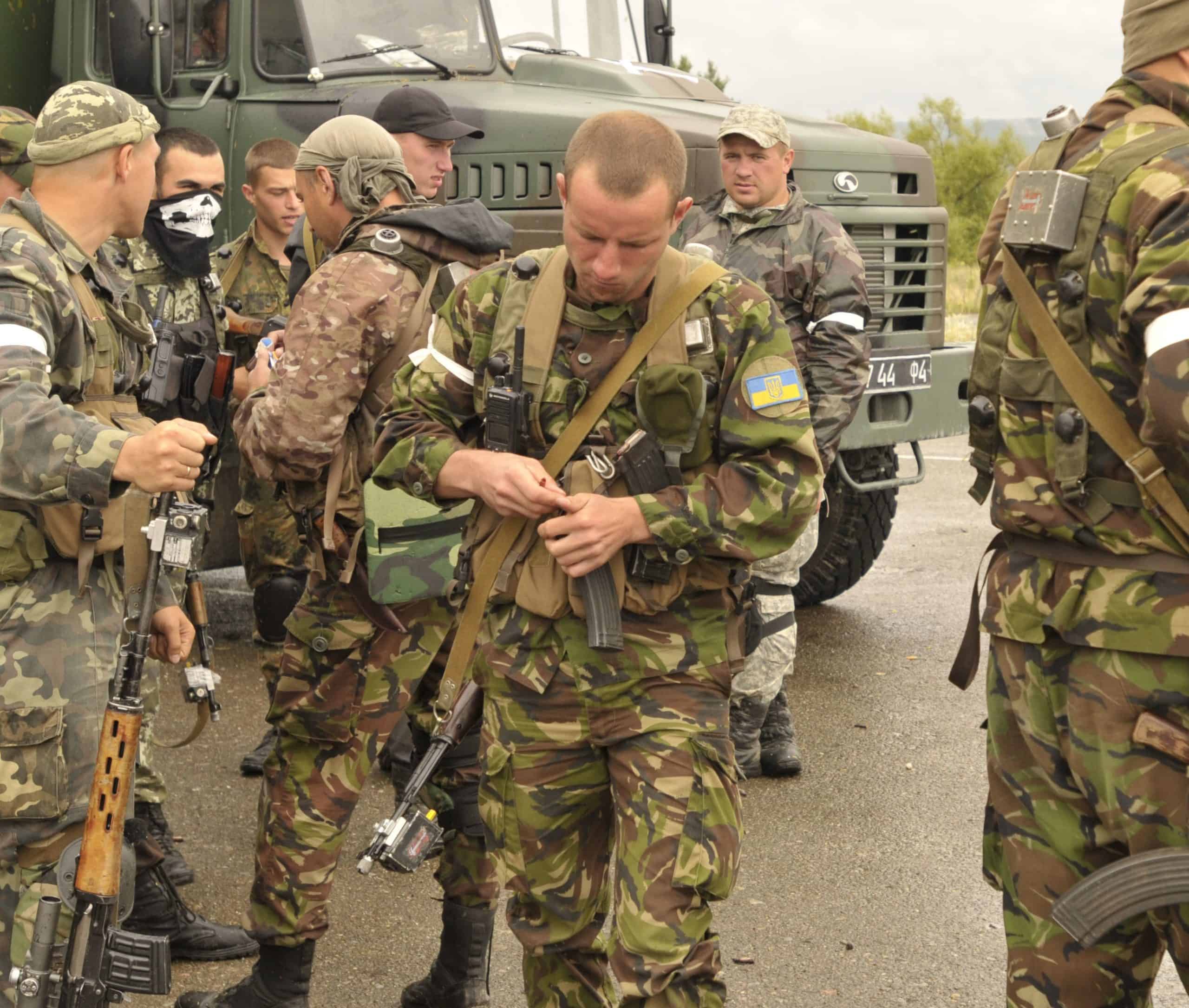
A rifle’s true success is not measured by hype or innovation, but by how long armies continue to issue it when circumstances change. Longevity became the final verdict on design quality, revealing that weapons capable of surviving shifting doctrines and conflicts often mattered more than those built solely for a single war.
M1 Garand
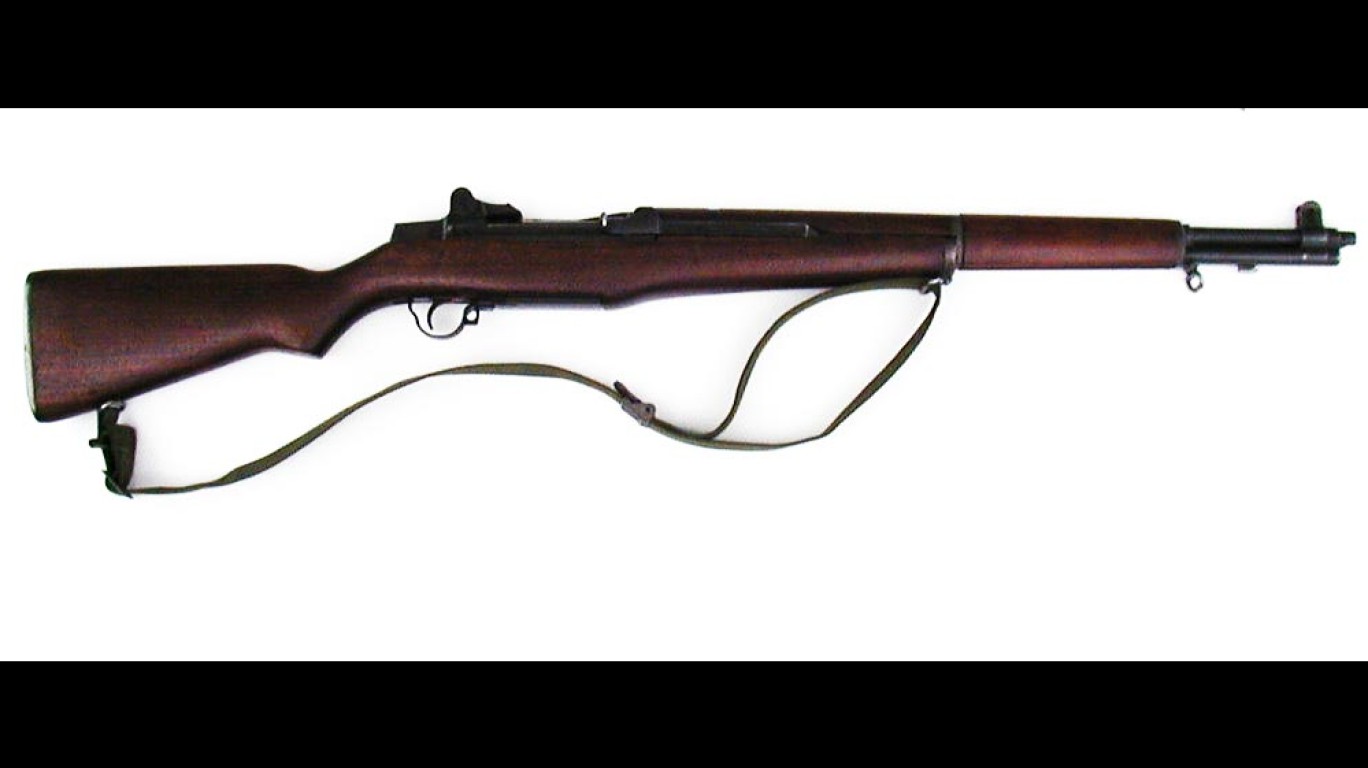
- Country of origin: United States
- Year adopted: 1936
- Original conflict / era: WWII
- Intended service role: Standard Infantry Rifle
- Replacement rifle (on paper): M14
- Years in service: 1936–1970s+
- Why it outlasted the conflict: Semi-auto advantage, reliability
- Where it kept being used: Korea, Vietnam-era allies
Built for World War II, the M1 Garand continued serving through Korea and beyond. Its reliability and semi-automatic firepower kept it relevant long after the global conflict that defined its design ended.
MAS-36

- Country of origin: France
- Year adopted: 1936
- Original conflict / era: Pre-WWII
- Intended service role: Stopgap Infantry Rifle
- Replacement rifle (on paper): MAS-49
- Years in service: 1936–1960s
- Why it outlasted the conflict: Ruggedness, ease of manufacture
- Where it kept being used: WWII, Indochina, Algeria
Intended as a temporary solution, the MAS-36 survived well past World War II. Its rugged design and ease of manufacture made it ideal for France’s postwar colonial conflicts, proving that a so-called stopgap rifle can easily outlast the conflict it was meant to bridge.
SKS
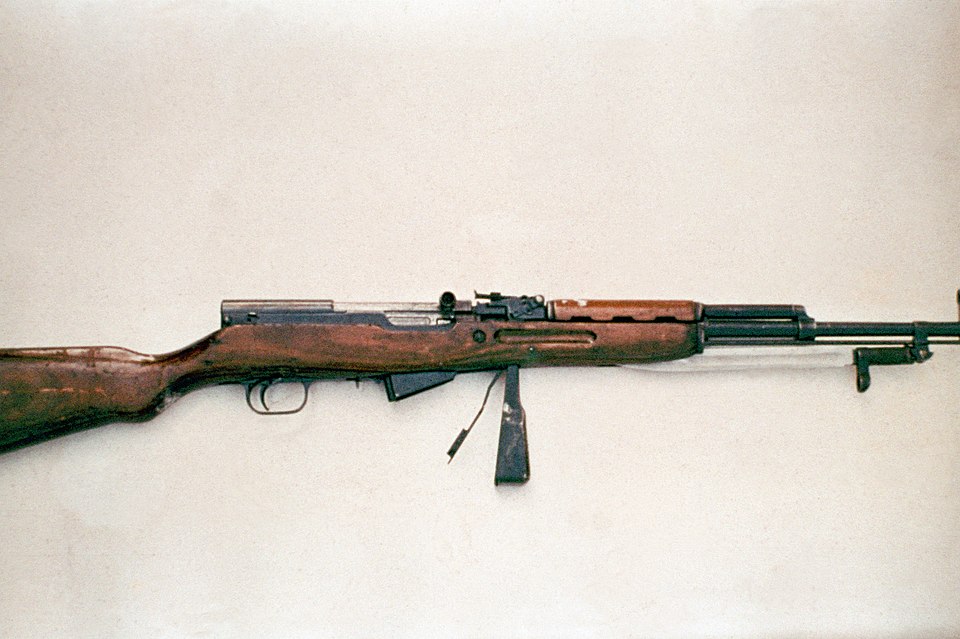
- Country of origin: Soviet Union
- Year adopted: 1945
- Original conflict / era: Late WWII / Early Cold War
- Intended service role: Transitional Infantry Rifle
- Replacement rifle (on paper): AK-47
- Years in service: 1945–1980s+
- Why it outlasted the conflict: Simplicity, low training burden
- Where it kept being used: Cold War, regional conflicts
The SKS was never meant to be permanent, yet it remained in service worldwide for decades. Cheap to produce, easy to train on, and reliable, it filled roles long after the AK replaced it on paper, especially in allied and reserve forces.
AK-47 / AKM
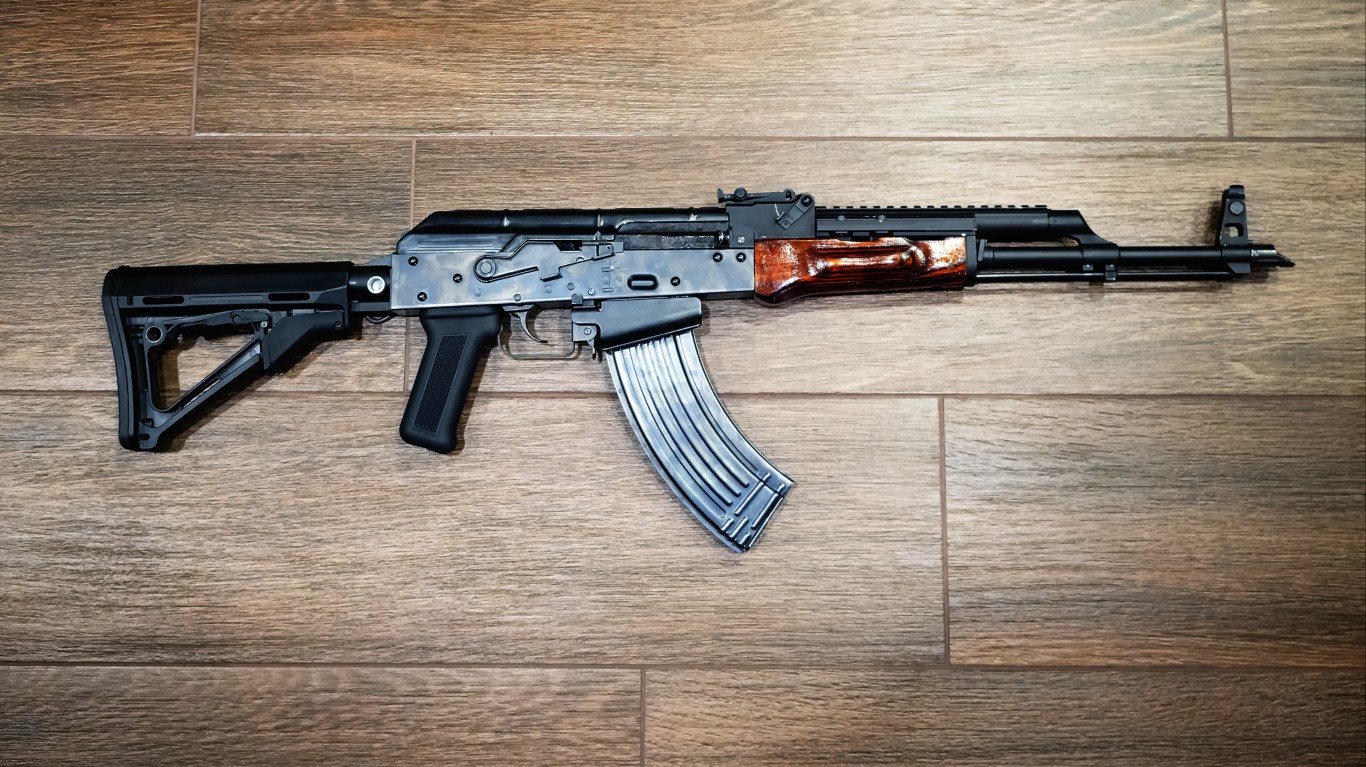
- Country of origin: Soviet Union
- Year adopted: 1949
- Original conflict / era: Early Cold War
- Intended service role: Standard Infantry Rifle
- Replacement rifle (on paper): AK-74
- Years in service: 1949–present
- Why it outlasted the conflict: Durability, adaptability, logistics dominance
- Where it kept being used: Cold War, post–Cold War conflicts
Designed for early Cold War warfare, the AK platform survived the collapse of the Soviet Union itself. Its simplicity, durability, and global ammunition availability allowed it to remain a frontline weapon long after the geopolitical conflict it was designed for had ended.
M16
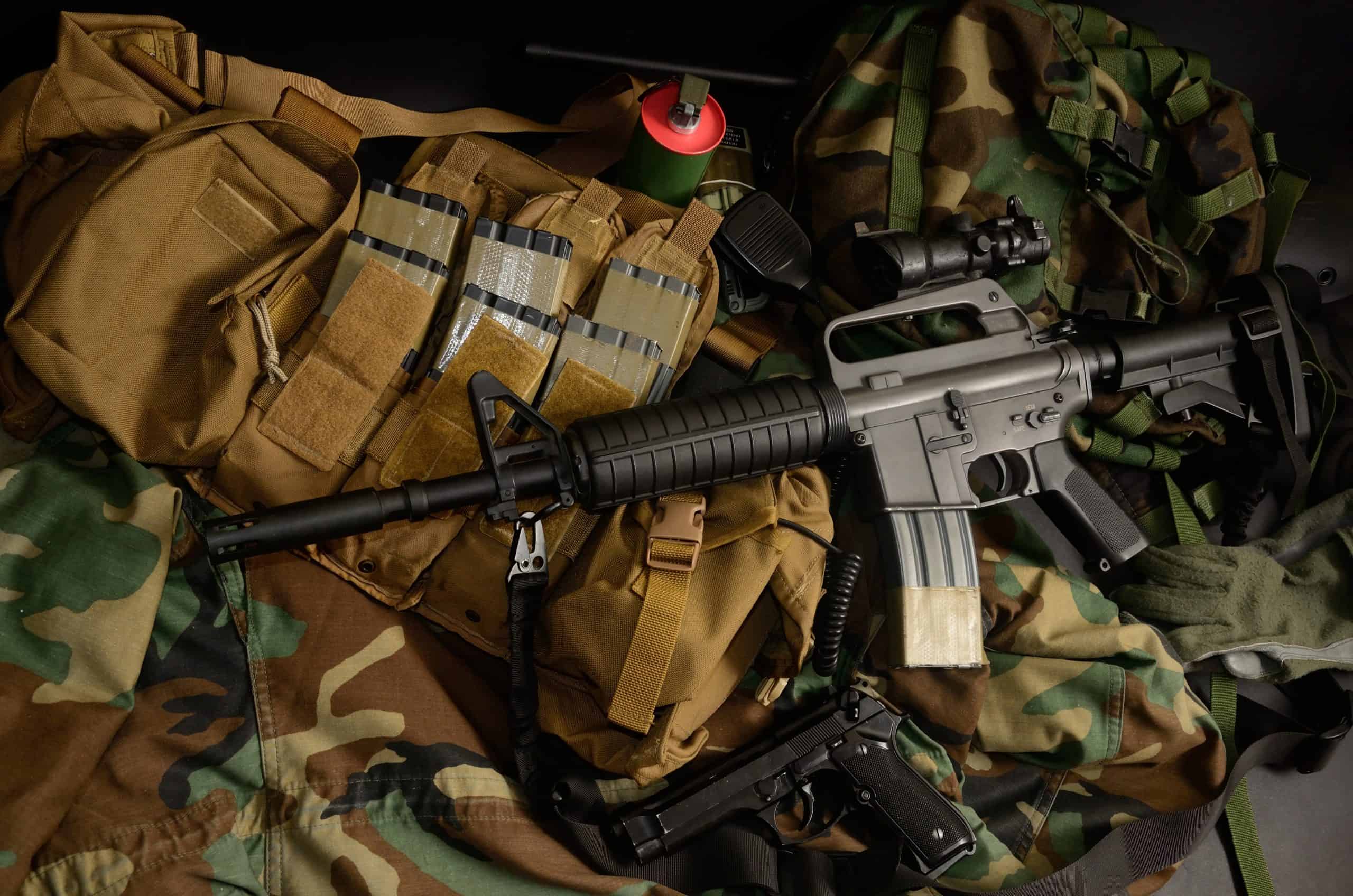
- Country of origin: United States
- Year adopted: 1964
- Original conflict / era: Vietnam War
- Intended service role: Standard Infantry Rifle
- Replacement rifle (on paper): M4 Carbine
- Years in service: 1964–present
- Why it outlasted the conflict: Modularity, continuous upgrades
- Where it kept being used: Vietnam, GWOT
The M16 was born in Vietnam-era doctrine but endured through continuous modernization. Rather than replacement, it evolved, allowing the core system to remain relevant across radically different conflicts and operational environments long after its original war concluded.
FN FAL
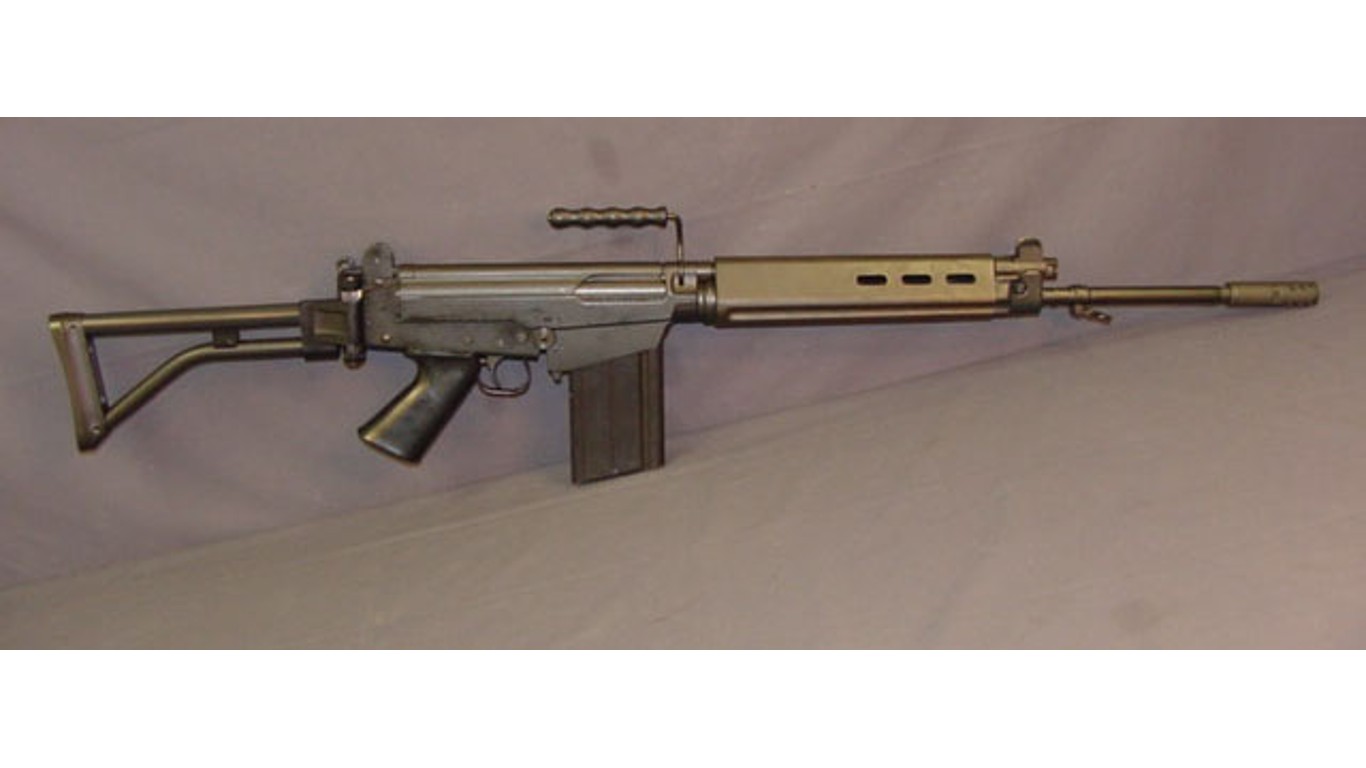
- Country of origin: Belgium
- Year adopted: 1953
- Original conflict / era: Cold War
- Intended service role: Standard Battle Rifle
- Replacement rifle (on paper): 5.56mm NATO rifles
- Years in service: 1953–1990s+
- Why it outlasted the conflict: NATO standardization, robustness
- Where it kept being used: Cold War proxy wars
Adopted for a potential European war that never materialized, the FN FAL instead fought proxy conflicts worldwide. Its robustness and NATO backing ensured a service life far longer than the Cold War scenarios it was originally meant to dominate.
G3

- Country of origin: West Germany
- Year adopted: 1959
- Original conflict / era: Cold War Europe
- Intended service role: Standard Battle Rifle
- Replacement rifle (on paper): G36
- Years in service: 1959–2000s+
- Why it outlasted the conflict: Simple roller-delayed system
- Where it kept being used: Cold War, internal security
The G3 was engineered for Cold War Europe but survived into a very different security landscape. Its simple operating system and ease of maintenance kept it in service long after the original threat environment disappeared.
Vz.58

- Country of origin: Czechoslovakia
- Year adopted: 1959
- Original conflict / era: Cold War
- Intended service role: Standard Infantry Rifle
- Replacement rifle (on paper): CZ 805
- Years in service: 1959–2010s
- Why it outlasted the conflict: Unique design, national production
- Where it kept being used: Cold War, post-Soviet era
Designed for Warsaw Pact warfare, the Vz.58 remained in service decades after the alliance collapsed. National production and reliability ensured its longevity well beyond the geopolitical framework that justified its creation.
M14
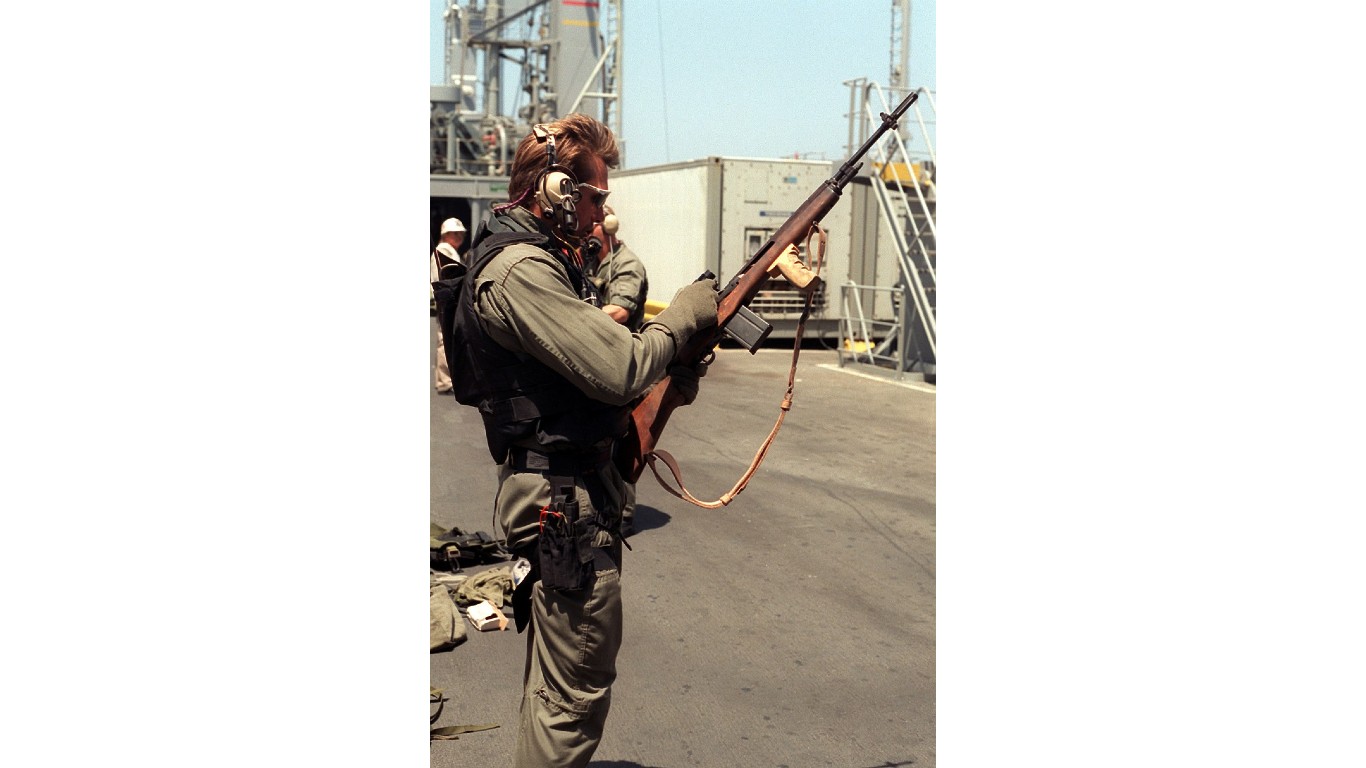
- Country of origin: United States
- Year adopted: 1959
- Original conflict / era: Cold War Transition
- Intended service role: Standard Infantry Rifle
- Replacement rifle (on paper): M16
- Years in service: 1959–present (limited)
- Why it outlasted the conflict: Accuracy, niche roles
- Where it kept being used: Cold War, GWOT
Although briefly standard issue, the M14 never truly left service. Its accuracy and power allowed it to persist in designated marksman and ceremonial roles long after the Cold War transition that sidelined it as a frontline rifle.
Galil
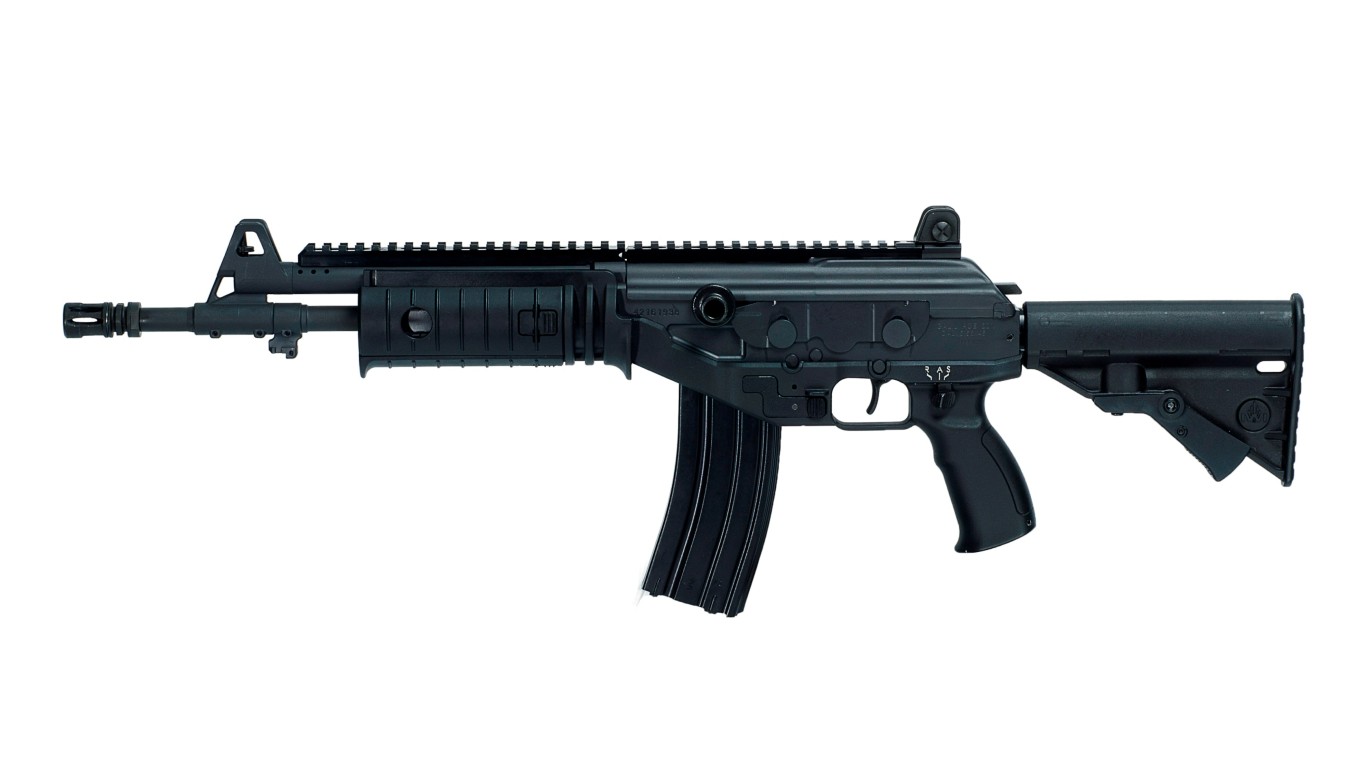
- Country of origin: Israel
- Year adopted: 1972
- Original conflict / era: Post-1967 Conflicts
- Intended service role: Standard Infantry Rifle
- Replacement rifle (on paper): Tavor
- Years in service: 1972–2000s+
- Why it outlasted the conflict: Harsh-environment reliability
- Where it kept being used: Middle East conflicts
Designed for Israel’s regional wars, the Galil stayed relevant long after newer designs emerged. Its reliability in harsh conditions and existing stockpiles kept it in service well beyond the conflict assumptions that shaped its development.
SIG SG 550
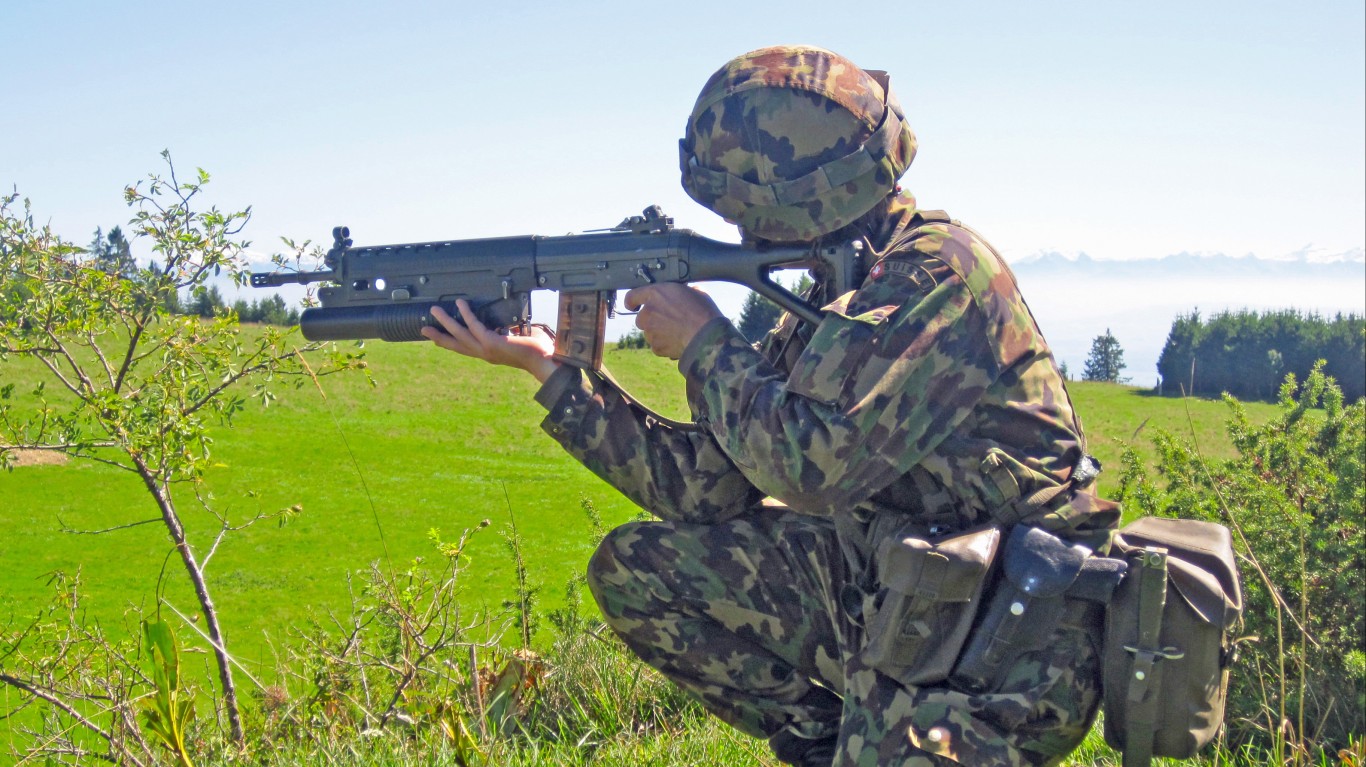
- Country of origin: Switzerland
- Year adopted: 1986
- Original conflict / era: Late Cold War
- Intended service role: Standard Infantry Rifle
- Replacement rifle (on paper): SIG SG 553
- Years in service: 1986–present
- Why it outlasted the conflict: Precision, reliability
- Where it kept being used: Modern European service
Built for Cold War defense planning, the SG 550 outlived that era entirely. Its precision and reliability allowed Switzerland to retain it as a trusted service rifle long after the geopolitical conditions that prompted its adoption disappeared.
L1A1 SLR
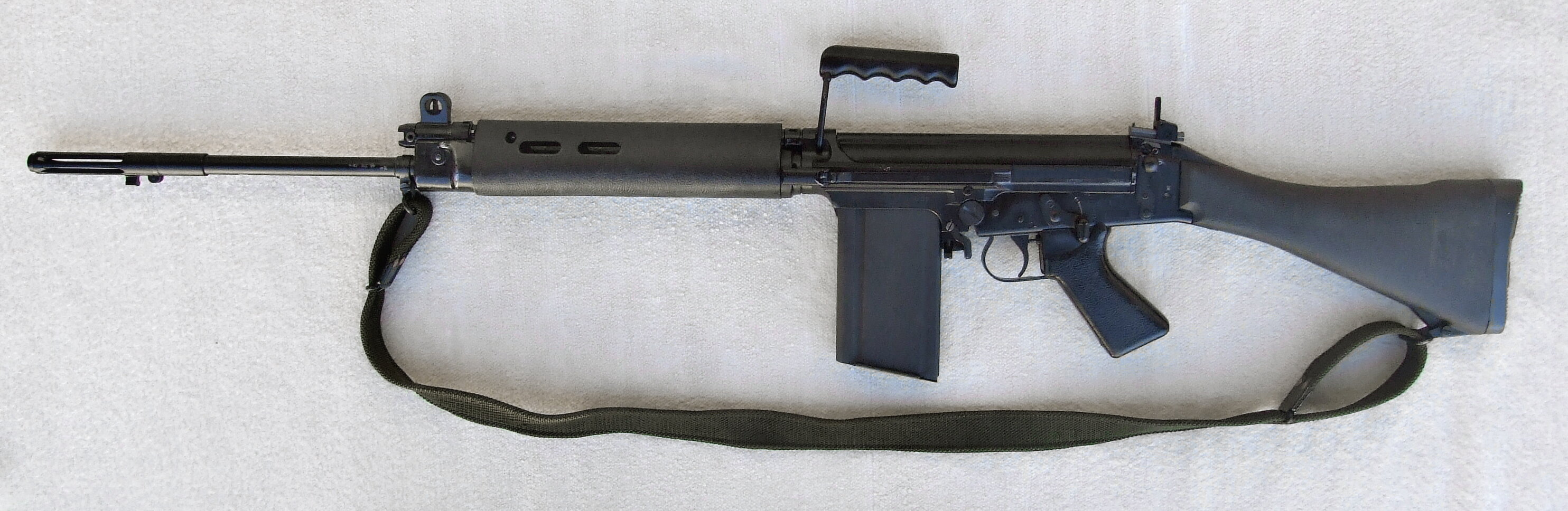
- Country of origin: United Kingdom
- Year adopted: 1957
- Original conflict / era: Cold War
- Intended service role: Standard Battle Rifle
- Replacement rifle (on paper): SA80
- Years in service: 1957–1990s
- Why it outlasted the conflict: Training familiarity, durability
- Where it kept being used: Cold War deployments
The L1A1 was meant for Cold War battlefields that never fully emerged. Familiarity, durability, and logistics kept it in service even after newer rifles were introduced, extending its life well beyond its original strategic context.
FNC
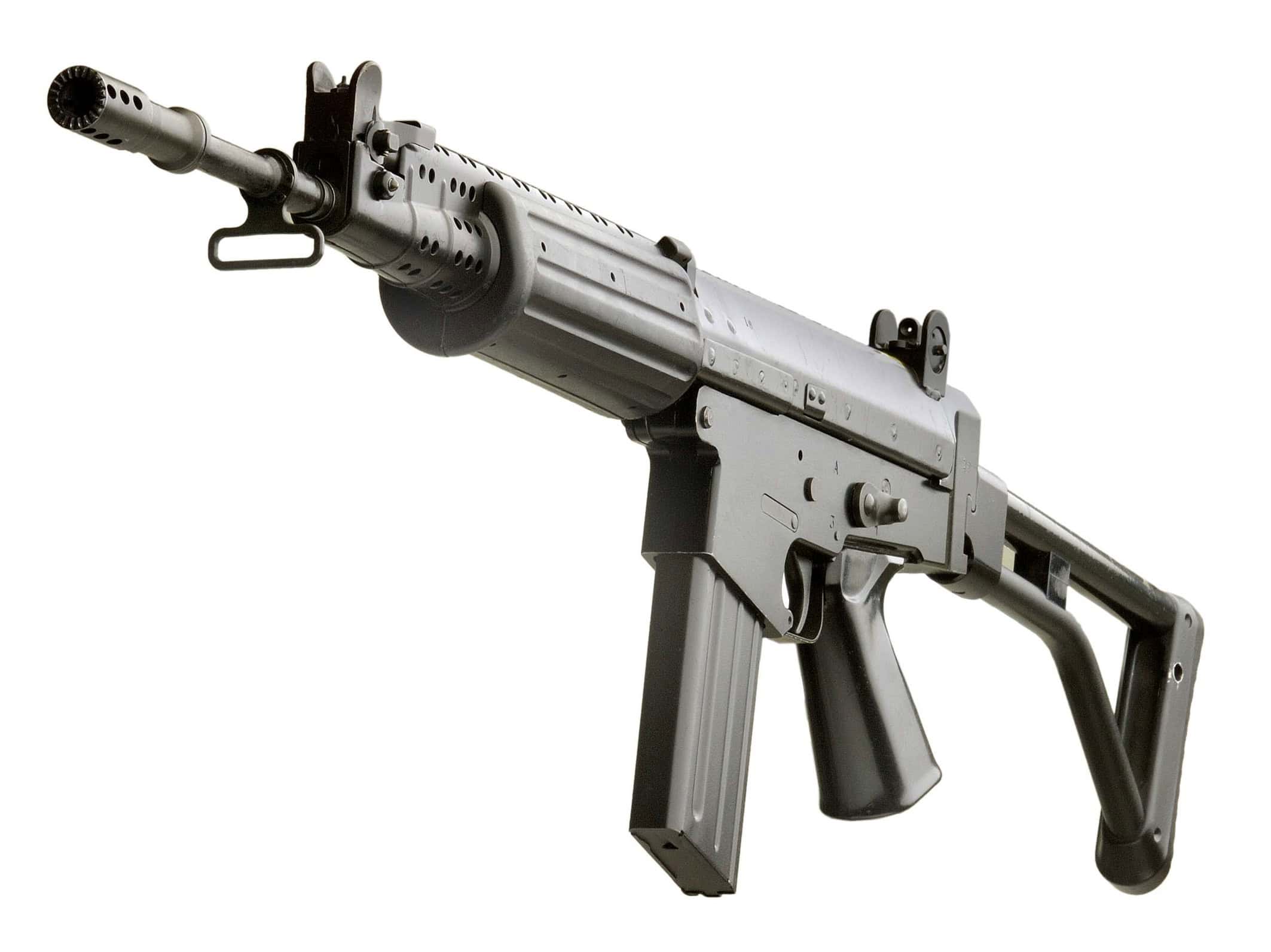
- Country of origin: Belgium
- Year adopted: 1979
- Original conflict / era: Cold War NATO
- Intended service role: Standard Infantry Rifle
- Replacement rifle (on paper): Modern 5.56 rifles
- Years in service: 1979–2000s+
- Why it outlasted the conflict: NATO compatibility
- Where it kept being used: Cold War, peacekeeping
Adopted late in the Cold War, the FNC survived into post-Cold War peacekeeping missions. NATO compatibility and reliability allowed it to remain useful long after the alliance’s original high-intensity war plans faded.
FAMAS

- Country of origin: France
- Year adopted: 1978
- Original conflict / era: Cold War Europe
- Intended service role: Standard Infantry Rifle
- Replacement rifle (on paper): HK416
- Years in service: 1978–2017
- Why it outlasted the conflict: Domestic production, doctrine fit
- Where it kept being used: Cold War, GWOT
France’s FAMAS was designed for Cold War Europe but served into counterterror and expeditionary missions. Domestic production and doctrinal fit kept it in service long after the battlefield it was designed for no longer existed.
M4 Carbine

- Country of origin: United States
- Year adopted: 1994
- Original conflict / era: Post–Cold War
- Intended service role: Standard Carbine
- Replacement rifle (on paper): Next-gen carbines
- Years in service: 1994–present
- Why it outlasted the conflict: Adaptability, modularity
- Where it kept being used: GWOT
Initially a compact solution, the M4 evolved into a long-term standard. Continuous upgrades and modularity allowed it to adapt across conflicts, ensuring its longevity beyond the post–Cold War assumptions behind its adoption.
Lee–Enfield (SMLE / No.4)
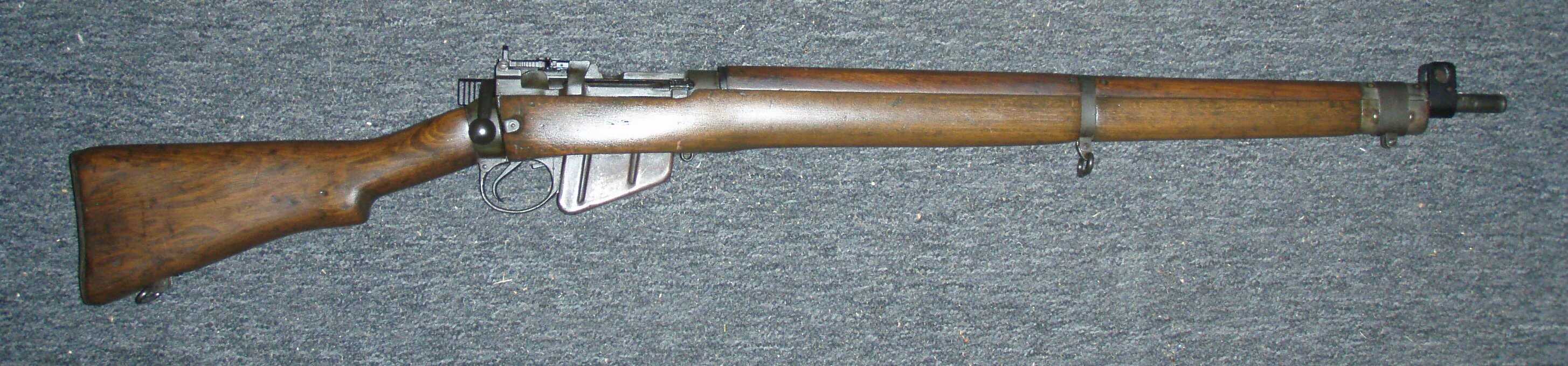
- Country of origin: United Kingdom
- Year adopted: 1907
- Original conflict / era: Pre-WWI / Imperial Warfare
- Intended service role: Standard Infantry Rifle
- Replacement rifle (on paper): L1A1 SLR
- Years in service: 1907–1960s+
- Why it outlasted the conflict: Reliability, training familiarity, massive stockpiles
- Where it kept being used: WWII, postwar colonial conflicts
Designed for imperial-era warfare, the Lee–Enfield outlived World War I and World War II thanks to its durability, fast bolt action, and enormous stockpiles. Commonwealth forces continued issuing it long after newer rifles existed, especially in reserve units and colonial conflicts, where familiarity and logistics mattered more than modernization.
Mosin–Nagant
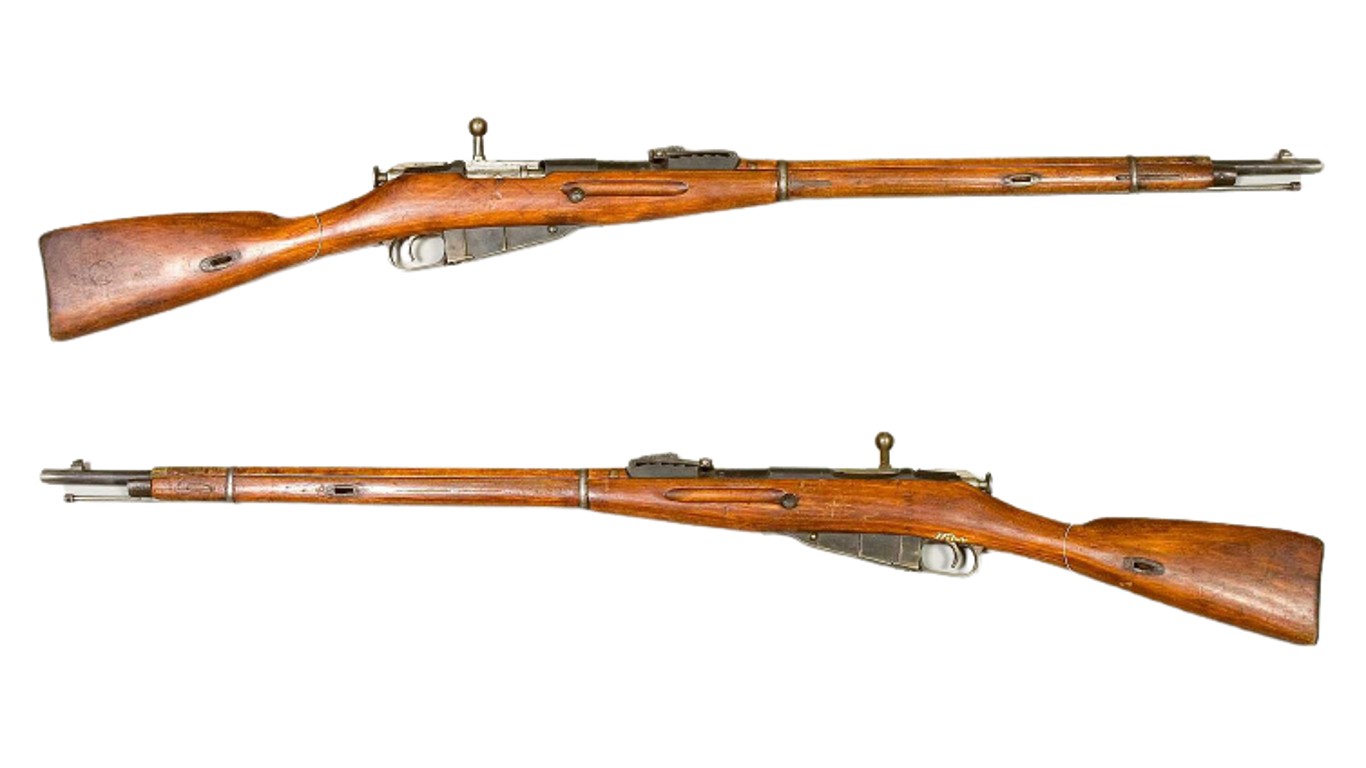
- Country of origin: Russian Empire
- Year adopted: 1891
- Original conflict / era: WWI
- Intended service role: Standard Infantry Rifle
- Replacement rifle (on paper): SKS / AK-47
- Years in service: 1891–1970s+
- Why it outlasted the conflict: Extreme durability, simple design, ammo availability
- Where it kept being used: WWII, Cold War proxy wars
Originally adopted for Tsarist-era warfare, the Mosin–Nagant remained relevant through revolution, world war, and the Cold War. Its simple construction, tolerance for abuse, and massive ammunition reserves allowed it to stay in service decades beyond its intended conflict, especially in second-line and allied forces.
Mauser Gewehr 98
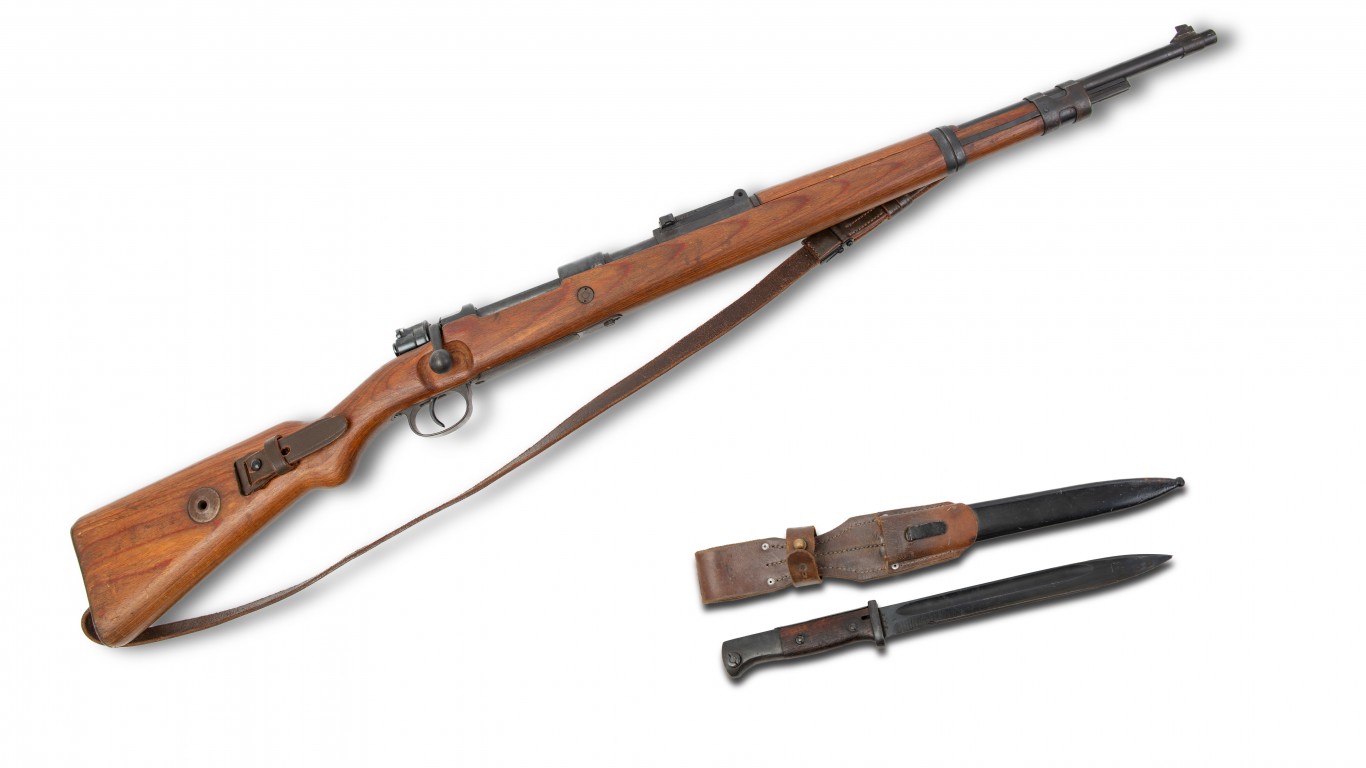
- Country of origin: Germany
- Year adopted: 1898
- Original conflict / era: WWI
- Intended service role: Standard Infantry Rifle
- Replacement rifle (on paper): Kar98k
- Years in service: 1898–1940s+
- Why it outlasted the conflict: Excellent accuracy, strong action, surplus stocks
- Where it kept being used: WWI, WWII
Built for early 20th-century European warfare, the Gewehr 98’s strong action and accuracy ensured its continued use well beyond World War I. Surplus rifles and derivative designs powered German and foreign forces into World War II, demonstrating how a robust design can outlast the conflict that inspired it.
Springfield M1903

- Country of origin: United States
- Year adopted: 1903
- Original conflict / era: Early 20th-Century Warfare
- Intended service role: Standard Infantry Rifle
- Replacement rifle (on paper): M1 Garand
- Years in service: 1903–1950s
- Why it outlasted the conflict: Accuracy, manufacturing quality, training continuity
- Where it kept being used: WWI, WWII
The M1903 was designed before the age of mechanized warfare but remained relevant into World War II due to its accuracy and build quality. Even after replacement by the M1 Garand, it persisted in training, sniper, and secondary roles long after its original battlefield context had vanished.
Carcano M91

- Country of origin: Italy
- Year adopted: 1891
- Original conflict / era: Pre-WWI
- Intended service role: Standard Infantry Rifle
- Replacement rifle (on paper): Carcano M38
- Years in service: 1891–1945
- Why it outlasted the conflict: Existing inventories, slow modernization
- Where it kept being used: WWI, WWII
Italy’s Carcano M91 entered service before World War I and was still standard issue during World War II. Limited industrial capacity and large existing inventories kept it in frontline use long after it was outdated, illustrating how logistics and economics can extend a rifle’s lifespan beyond its era.
Arisaka Type 38
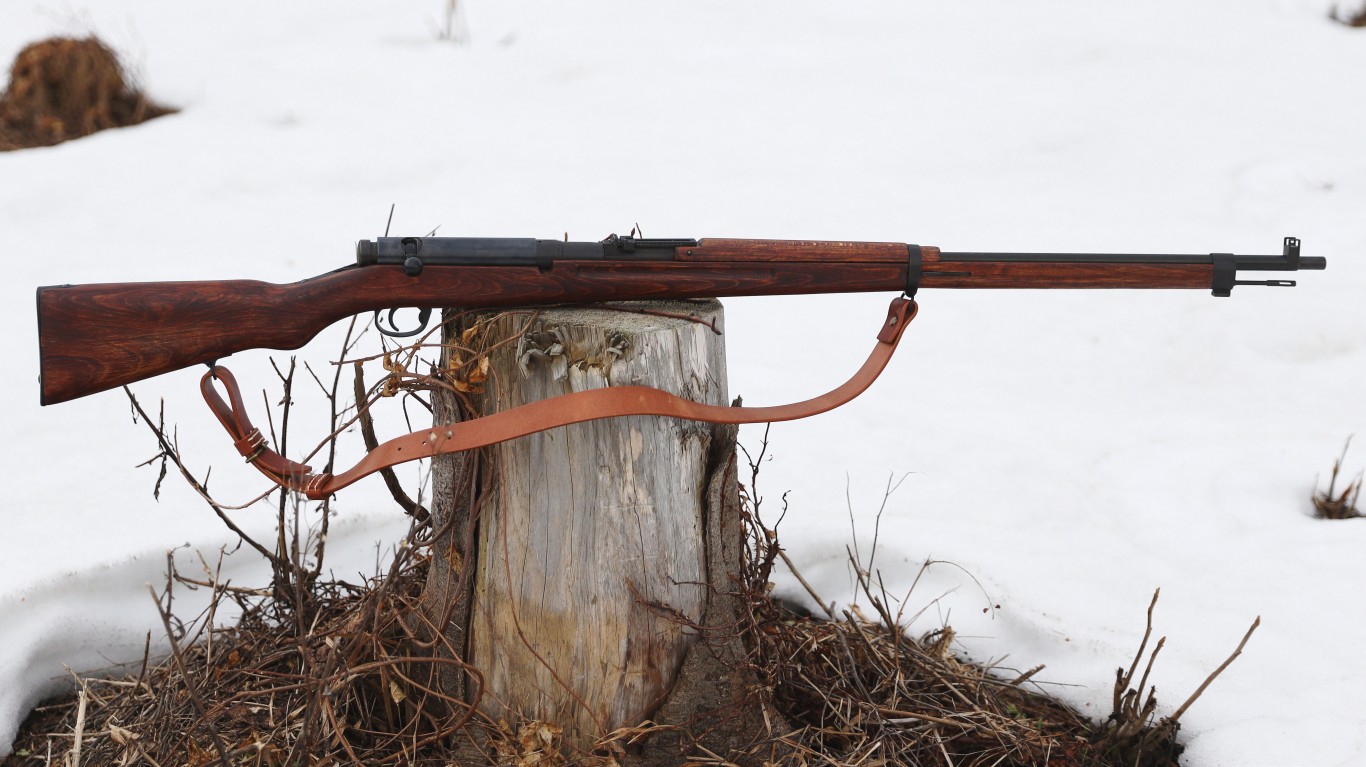
- Country of origin: Japan
- Year adopted: 1905
- Original conflict / era: Imperial Expansion Era
- Intended service role: Standard Infantry Rifle
- Replacement rifle (on paper): Type 99
- Years in service: 1905–1945+
- Why it outlasted the conflict: Reliability, strong bolt design
- Where it kept being used: Russo-Japanese War, WWII
Designed for Japan’s early imperial campaigns, the Type 38 Arisaka remained in service through multiple wars. Its strong bolt and reputation for reliability kept it viable even as battlefield conditions changed, allowing it to outlast the strategic environment it was originally built for.
Type 56

- Country of origin: China
- Year adopted: 1956
- Original conflict / era: Cold War
- Intended service role: Standard Infantry Rifle
- Replacement rifle (on paper): QBZ series
- Years in service: 1956–present
- Why it outlasted the conflict: Mass production, global export
- Where it kept being used: Cold War, modern conflicts
China’s Type 56 was built for Cold War confrontation but became a global fixture. Massive production and widespread export kept it in service across decades of conflicts unrelated to its original strategic purpose.
RPK
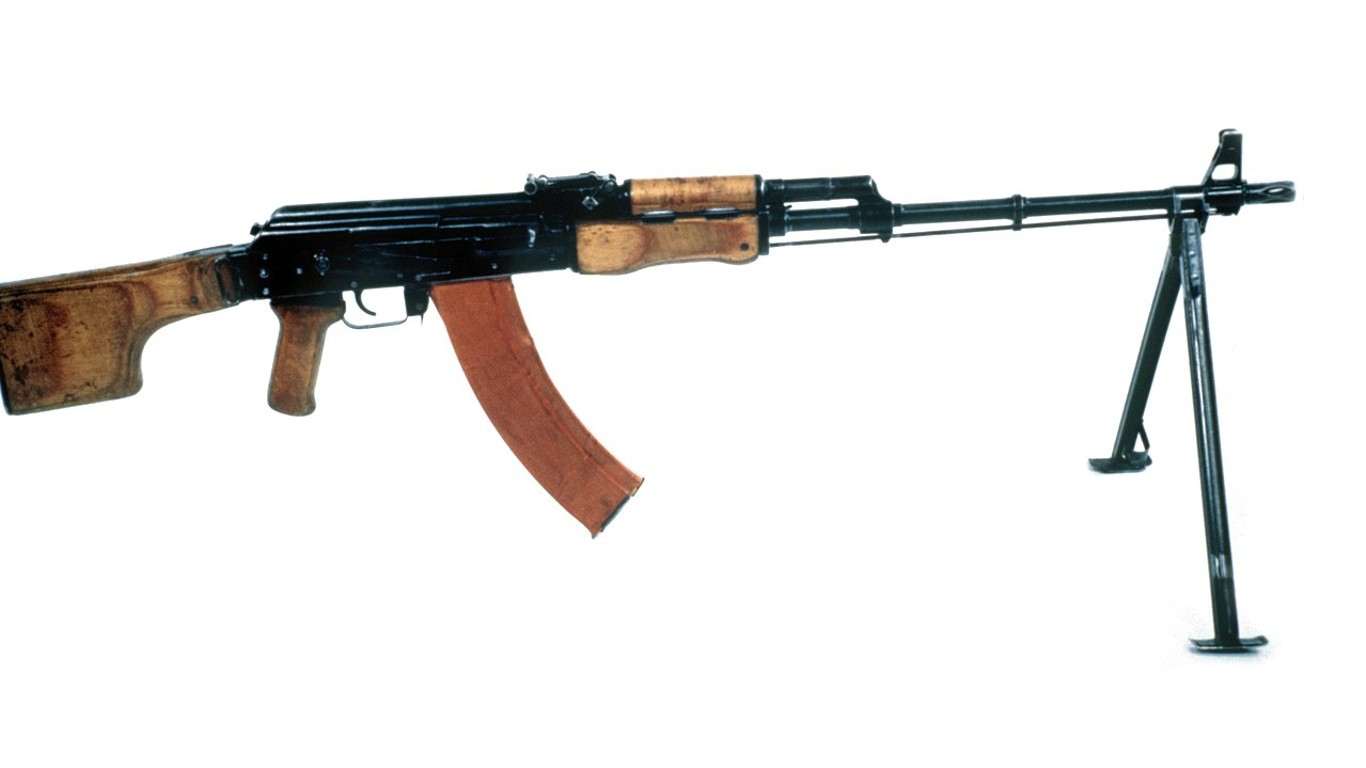
- Country of origin: Soviet Union
- Year adopted: 1961
- Original conflict / era: Cold War
- Intended service role: Support / Rifle Substitute
- Replacement rifle (on paper): Modern LMGs
- Years in service: 1961–present
- Why it outlasted the conflict: Commonality with AK platform
- Where it kept being used: Cold War, insurgencies
Although designed as a support weapon, the RPK often filled rifle roles long after its Cold War origins. Commonality with the AK platform ensured continued relevance well beyond its intended doctrinal niche.
StG 44
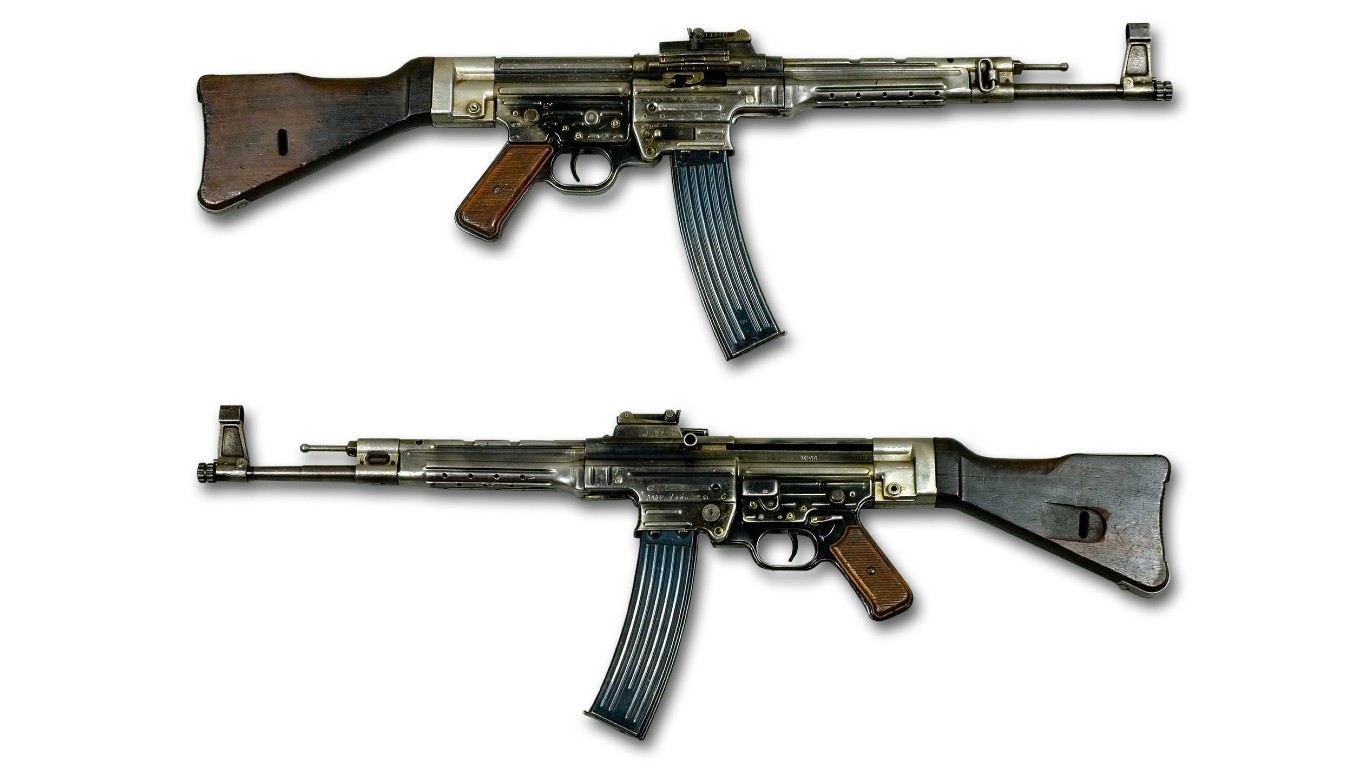
- Country of origin: Germany
- Year adopted: 1944
- Original conflict / era: WWII
- Intended service role: Assault Rifle
- Replacement rifle (on paper): AK-pattern rifles
- Years in service: 1944–1950s+
- Why it outlasted the conflict: Captured stocks, influence
- Where it kept being used: Postwar conflicts
The StG 44 was built for the final phase of World War II yet survived in postwar service. Captured stocks and its revolutionary design extended its relevance beyond the war that birthed it.
MAS-49/56
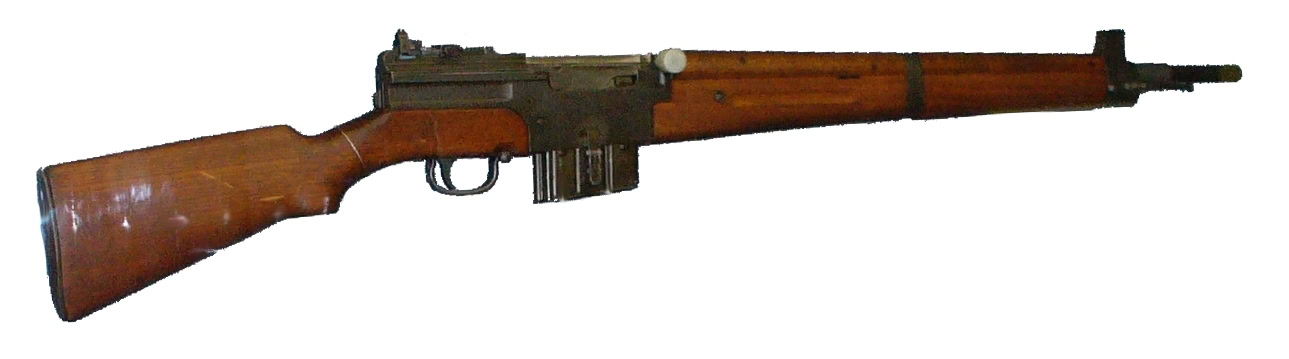
- Country of origin: France
- Year adopted: 1956
- Original conflict / era: Post-WWII
- Intended service role: Standard Infantry Rifle
- Replacement rifle (on paper): FAMAS
- Years in service: 1956–1980s
- Why it outlasted the conflict: Reliability, colonial use
- Where it kept being used: Algeria, Indochina
Designed after World War II, the MAS-49/56 remained in service throughout decolonization wars. Reliability and existing logistics chains kept it relevant longer than expected.
FN-49
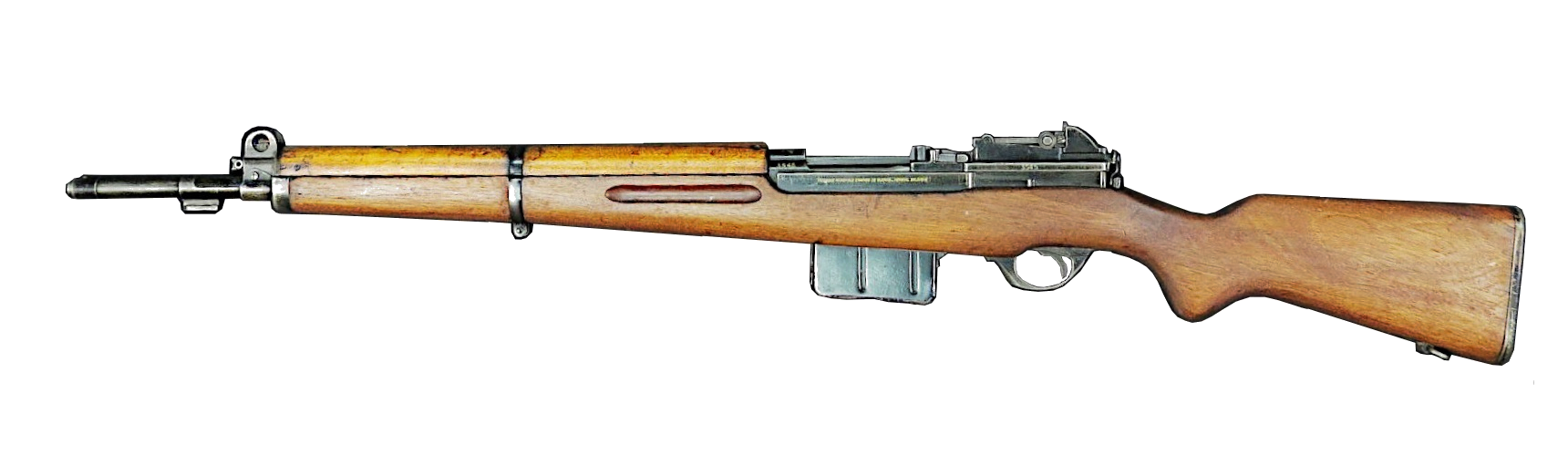
- Country of origin: Belgium
- Year adopted: 1949
- Original conflict / era: Post-WWII Transition
- Intended service role: Standard Infantry Rifle
- Replacement rifle (on paper): FN FAL
- Years in service: 1949–1960s
- Why it outlasted the conflict: Accuracy, limited alternatives
- Where it kept being used: Early Cold War
The FN-49 bridged the gap between bolt-action and battle rifles. Limited alternatives and solid performance kept it in service longer than its transitional role suggested.
HK33
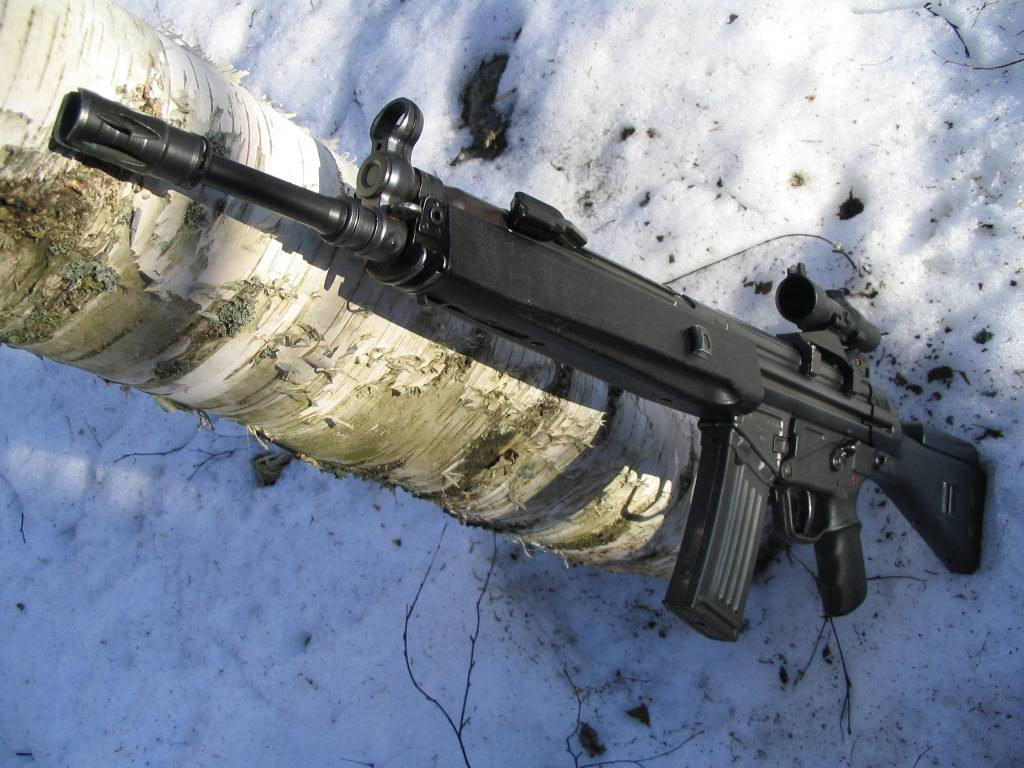
- Country of origin: Germany
- Year adopted: 1965
- Original conflict / era: Cold War
- Intended service role: Light Infantry Rifle
- Replacement rifle (on paper): G36
- Years in service: 1965–2000s+
- Why it outlasted the conflict: Ease of maintenance
- Where it kept being used: Internal security
Designed for Cold War security needs, the HK33 remained useful in internal defense roles. Ease of maintenance and training allowed it to outlast its original strategic environment.
SAR-21
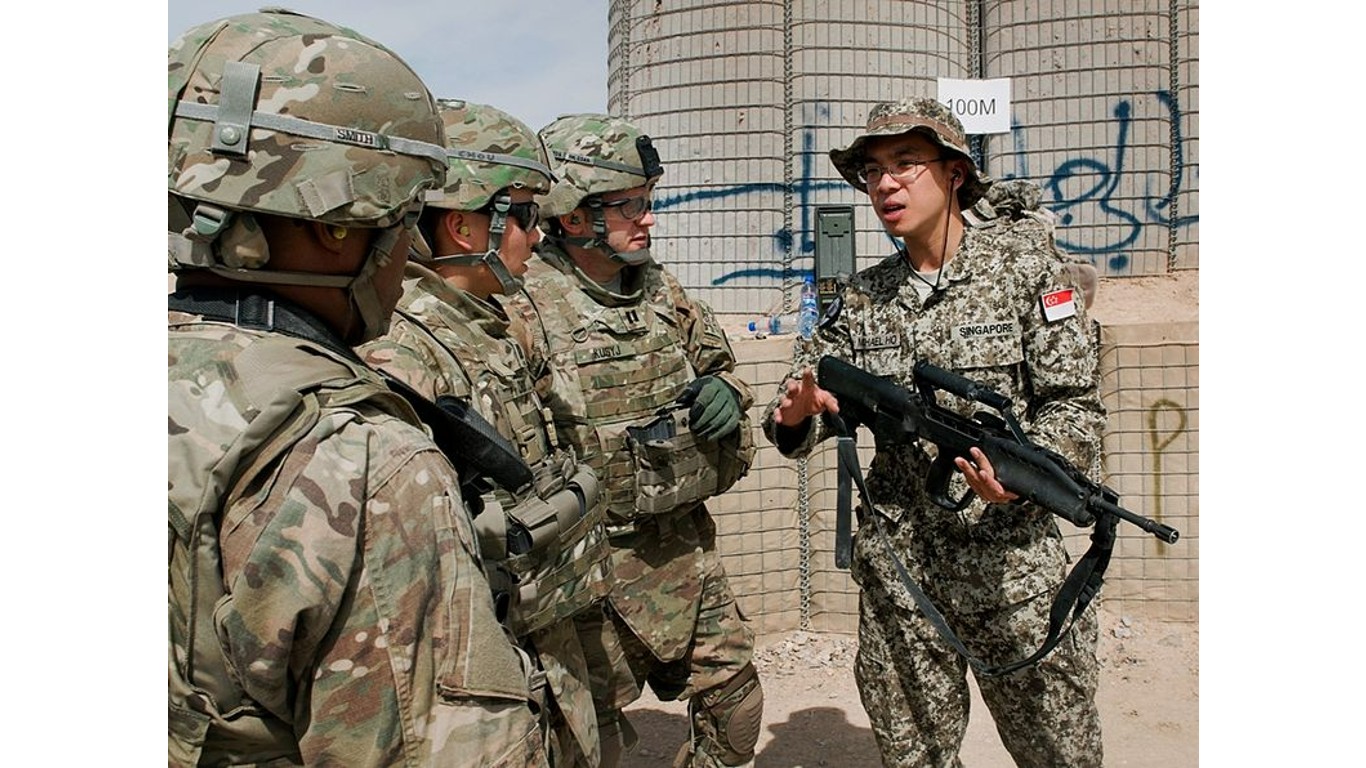
- Country of origin: Singapore
- Year adopted: 1999
- Original conflict / era: Modernization Era
- Intended service role: Standard Infantry Rifle
- Replacement rifle (on paper): Next-gen bullpups
- Years in service: 1999–present
- Why it outlasted the conflict: Integrated optics, durability
- Where it kept being used: Modern service
The SAR-21 was designed for a specific modernization phase yet remained in service as doctrine evolved. Integrated systems and durability allowed it to persist beyond its initial modernization window.
AK-74
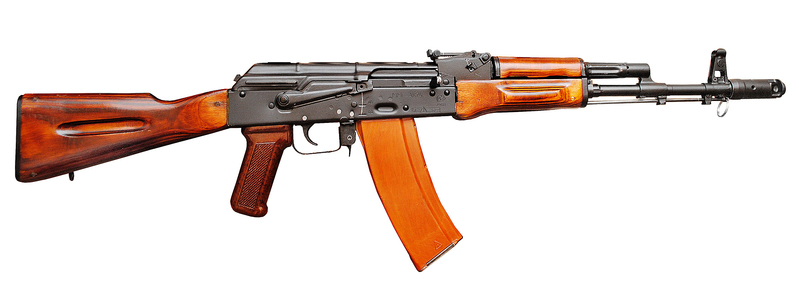
- Country of origin: Soviet Union
- Year adopted: 1974
- Original conflict / era: Late Cold War
- Intended service role: Standard Infantry Rifle
- Replacement rifle (on paper): Modernized AK variants
- Years in service: 1974–present
- Why it outlasted the conflict: Low recoil, logistics continuity
- Where it kept being used: Post–Cold War conflicts
Introduced late in the Cold War, the AK-74 outlasted the Soviet Union itself. Logistics continuity and incremental upgrades kept it relevant long after its original geopolitical context disappeared.
G36
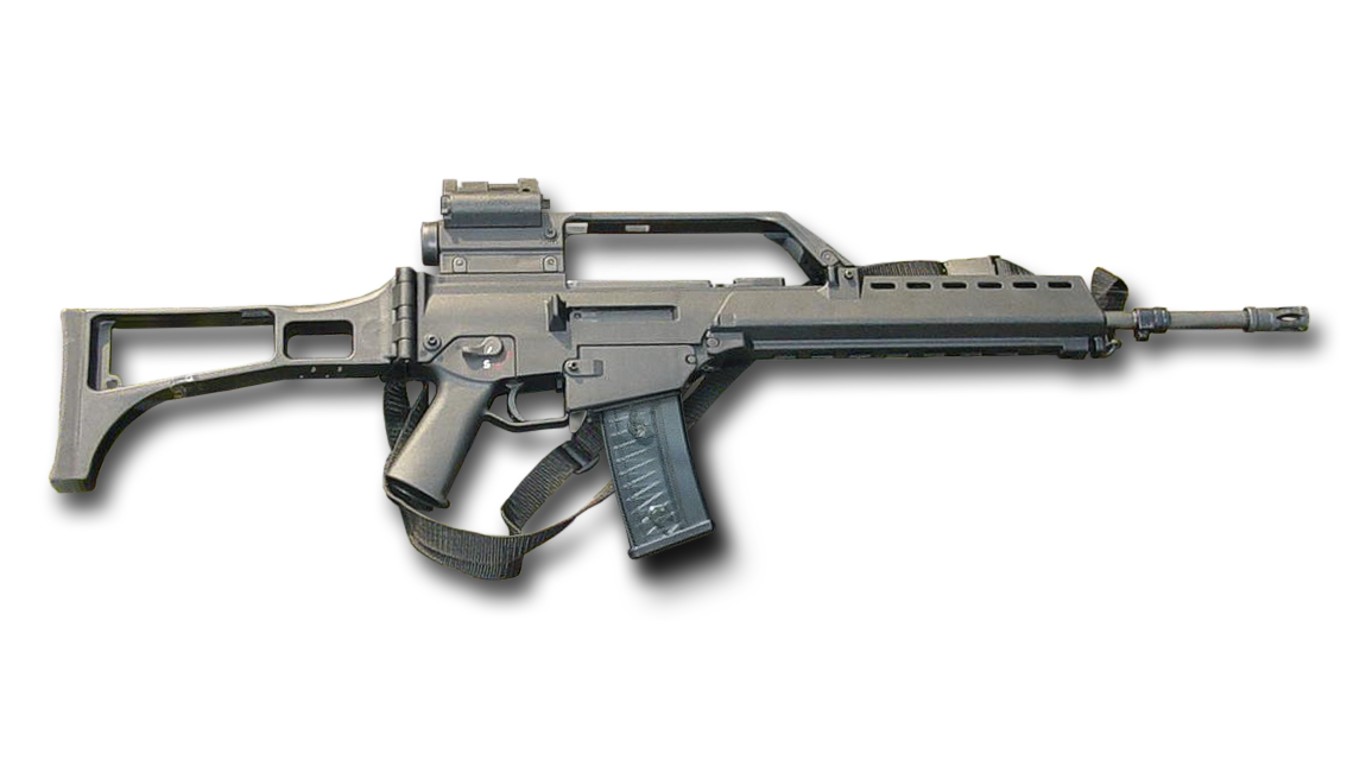
- Country of origin: Germany
- Year adopted: 1997
- Original conflict / era: Post–Cold War
- Intended service role: Standard Infantry Rifle
- Replacement rifle (on paper): HK416
- Years in service: 1997–present
- Why it outlasted the conflict: Weight savings, modularity
- Where it kept being used: Modern deployments
Adopted for post–Cold War assumptions, the G36 remained in service despite controversy. Institutional inertia and modernization challenges allowed it to outlast the strategic environment it was designed for.






 Top Gaining Stocks
 Top Losing Stocks