


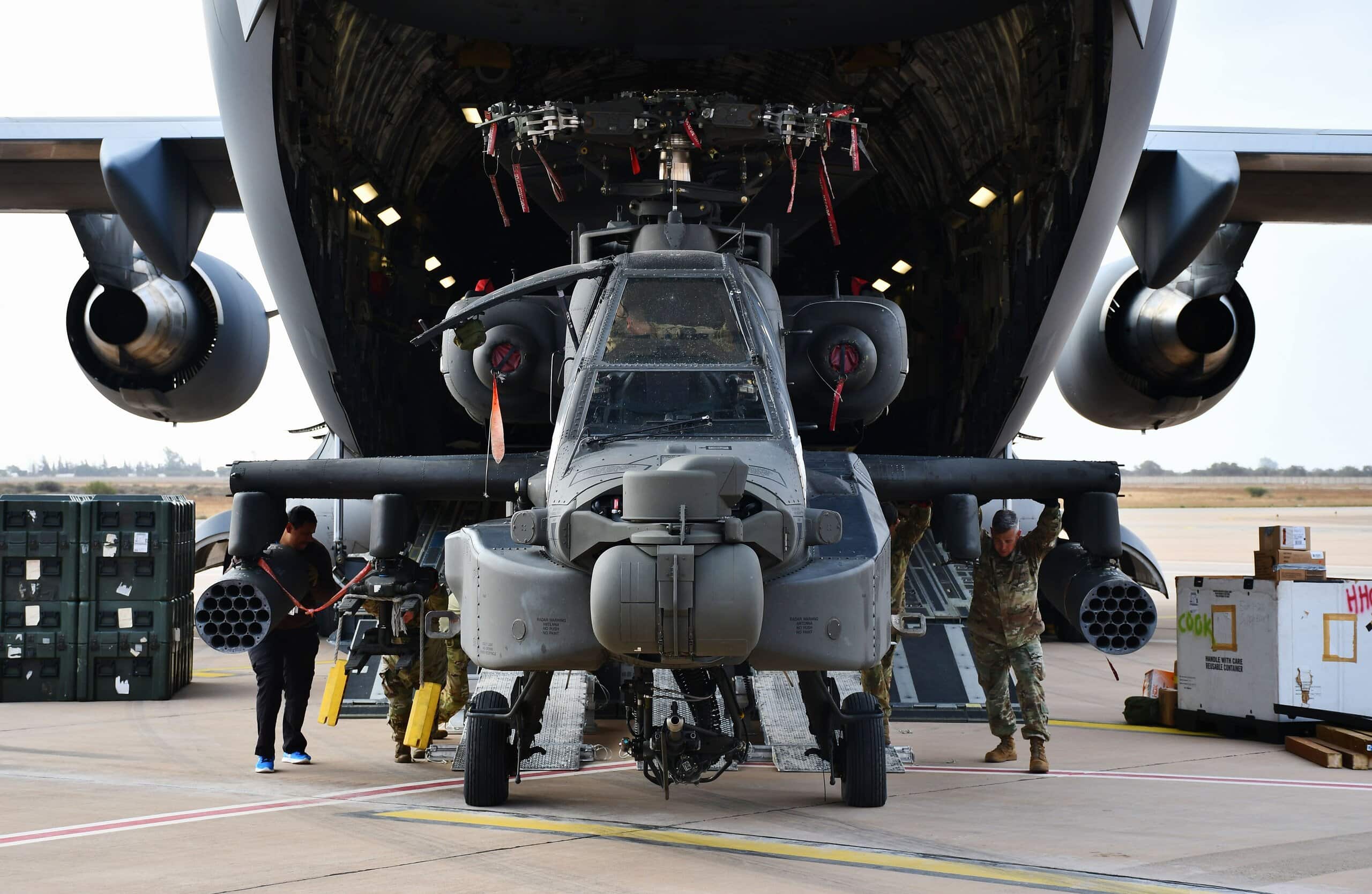
For decades, technological innovation has been one of the defining strengths of the U.S. military. American defense research has produced systems that allow forces to see farther, strike faster, and operate with a level of precision that reshaped modern warfare. From stealth aircraft and advanced satellites to powerful naval systems and digital battlefield networks, these technologies helped give U.S. forces advantages that made them extraordinarily difficult to defeat in conventional combat. Here, 24/7 Wall St. is taking a closer look at these technologies.
To determine the military tech that makes U.S. Forces nearly impossible to defeat, 24/7 Wall St. reviewed various historical and military sources. We included supplemental information for each tech regarding the branch of service, manufacturer, when it was introduced, core capability, and ultimately the strategic advantage that each tech yielded.
Here is a look at military technologies that made the U.S. Military impossible to defeat:
Why Are We Covering This?

Understanding the technologies that gave U.S. forces a decisive edge helps explain why the United States has maintained such a dominant military position for decades. While training, leadership, and logistics all play critical roles in warfare, technological innovation has often been the factor that allowed American forces to see the battlefield more clearly, strike targets more precisely, and operate faster than their adversaries. From stealth aircraft and precision-guided weapons to satellites and advanced command networks, these systems reshaped how wars are fought and gave U.S. commanders powerful new tools. Examining these technologies reveals how innovation in defense research and engineering helped create the overwhelming advantages that have defined modern American military power.
Technology Has Long Been America’s Greatest Battlefield Advantage
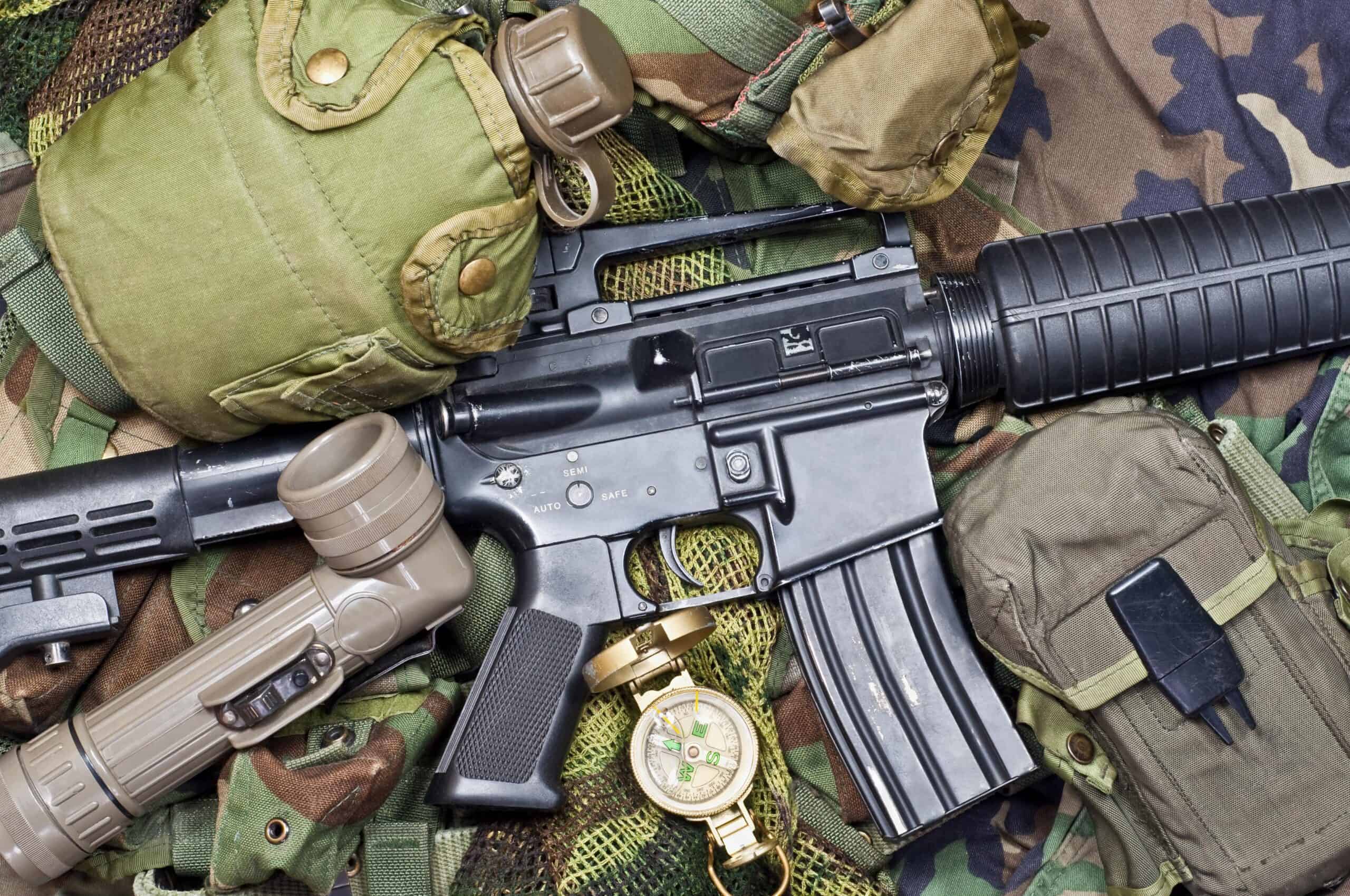
Throughout modern military history, the United States has relied on technological innovation to maintain its battlefield edge. From advanced aircraft and naval systems to precision weapons and digital warfare tools, American engineers and defense planners have repeatedly developed systems that changed how wars are fought. These technologies often allow U.S. forces to see farther, strike faster, and coordinate operations with a level of efficiency that many adversaries have struggled to match.
Superior Technology Can Shape a War Before It Begins
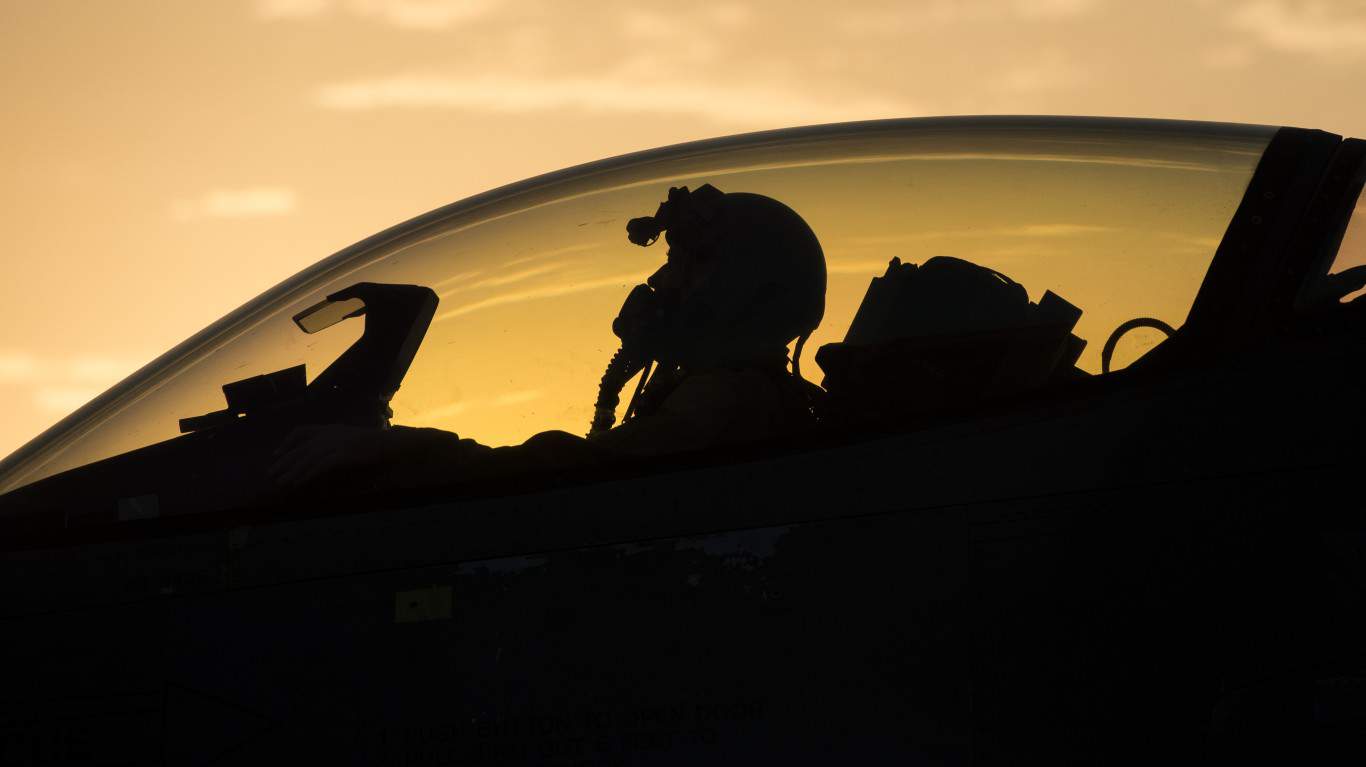
A decisive technological advantage can shape a conflict before the first major battle is fought. When one military can detect threats sooner, move information faster, and strike with greater precision, it becomes far more difficult to defeat in conventional warfare. American forces have often benefited from exactly that kind of edge, using superior systems to disrupt enemy plans and impose overwhelming pressure early in a conflict.
Modern Warfare Is Built on Information and Precision
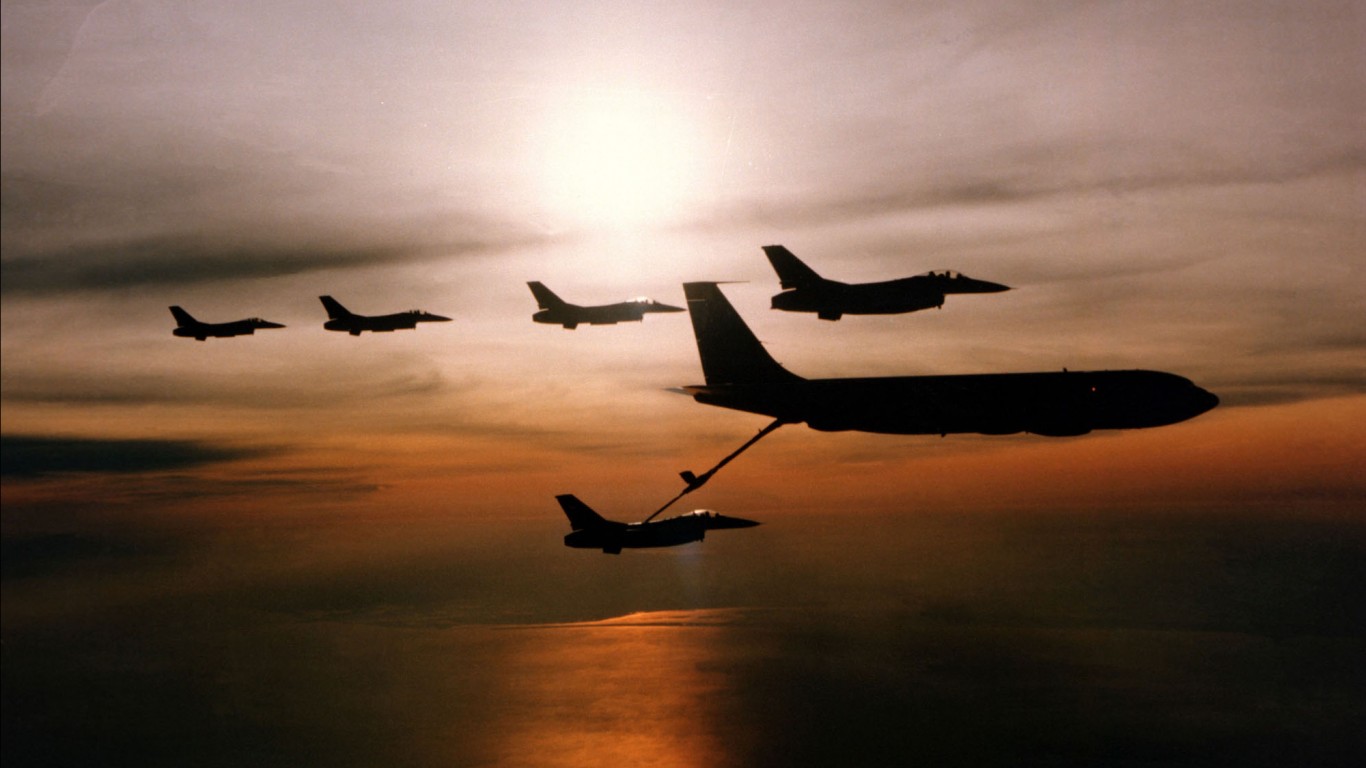
Modern warfare depends heavily on information, coordination, and precision. Satellites, drones, surveillance aircraft, and networked command systems allow U.S. forces to build a real-time picture of the battlefield and respond quickly to changing conditions. When paired with precision-guided weapons, that information advantage makes it possible to destroy critical targets while reducing exposure to unnecessary risk.
America’s Military Edge Spans Every Domain of Warfare
The United States has built military advantages across every major domain of warfare. Stealth aircraft help control the skies, aircraft carriers and submarines project power across the seas, advanced tanks and helicopters strengthen land combat, and cyber and electronic warfare systems extend military competition into entirely new arenas. Together, these capabilities create a layered and highly integrated system that is difficult for rivals to overcome.
These Technologies Helped Make U.S. Forces So Difficult to Defeat
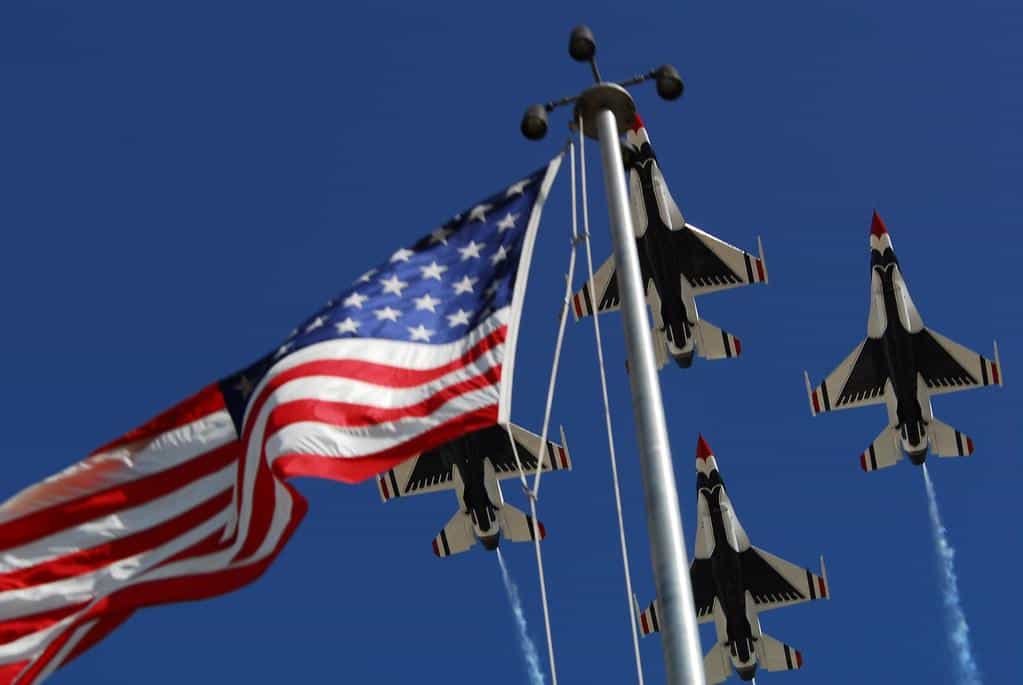
The technologies on this list helped make U.S. forces one of the most difficult militaries in the world to defeat in conventional combat. Some improved survivability, others expanded strike range, and many gave commanders better awareness of the battlefield. Taken together, they show how innovation in airpower, naval warfare, armored combat, surveillance, and communications helped define American military dominance.
Stealth Technology
- Branch of Service: U.S. Air Force
- Category: Aircraft Technology
- Developer or manufacturer: Lockheed Martin / DARPA
- Year introduced to service: 1983
- War or conflict debut: Cold War / Gulf War
- Core capability: Radar evasion
- Strategic advantage: Allows aircraft to penetrate advanced air defenses
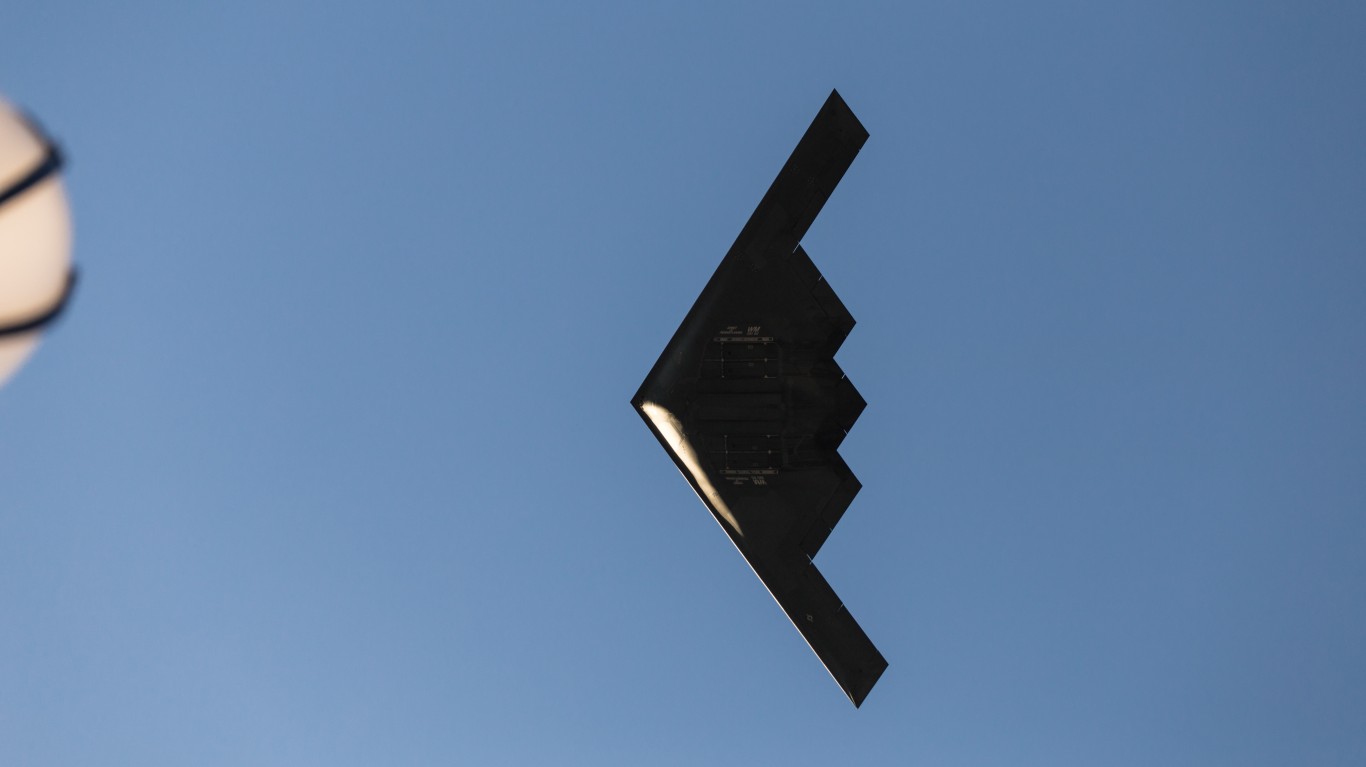
Stealth technology reshaped air warfare by allowing aircraft to evade radar detection and penetrate heavily defended airspace. Developed through classified programs in the late Cold War, stealth first proved its value with the F-117 during Operation Desert Storm. By striking key targets without being intercepted, stealth aircraft demonstrated that the United States could dismantle sophisticated air defenses while exposing pilots to far less risk.
F-22 Raptor
- Branch of Service: U.S. Air Force
- Category: Fighter Aircraft
- Developer or manufacturer: Lockheed Martin
- Year introduced to service: 2005
- War or conflict debut: Post-Cold War air dominance
- Core capability: Air superiority
- Strategic advantage: Outclasses enemy fighters before they can engage
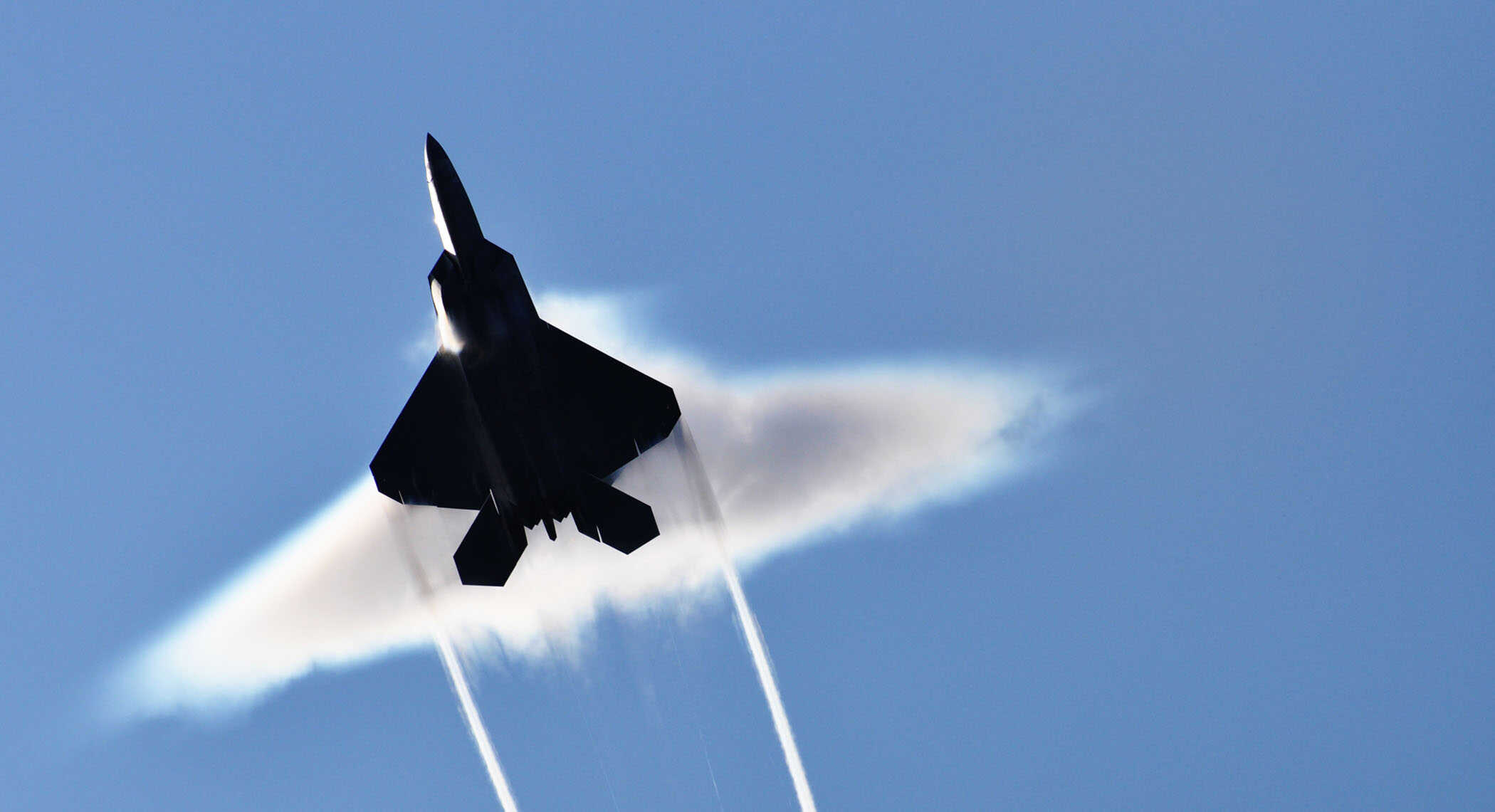
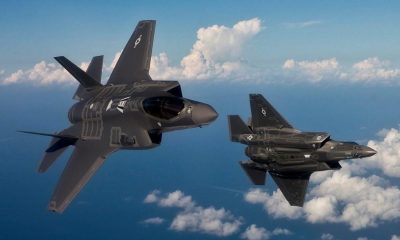
The F-22 Raptor represents the pinnacle of modern air superiority design. Combining stealth, supercruise, advanced sensors, and unmatched maneuverability, it was built to defeat enemy aircraft before they could even detect it. Although it has rarely faced peer opponents in combat, the F-22’s capabilities give U.S. forces a decisive advantage in contested airspace, ensuring dominance in the skies during major conflicts.
Precision-Guided Munitions
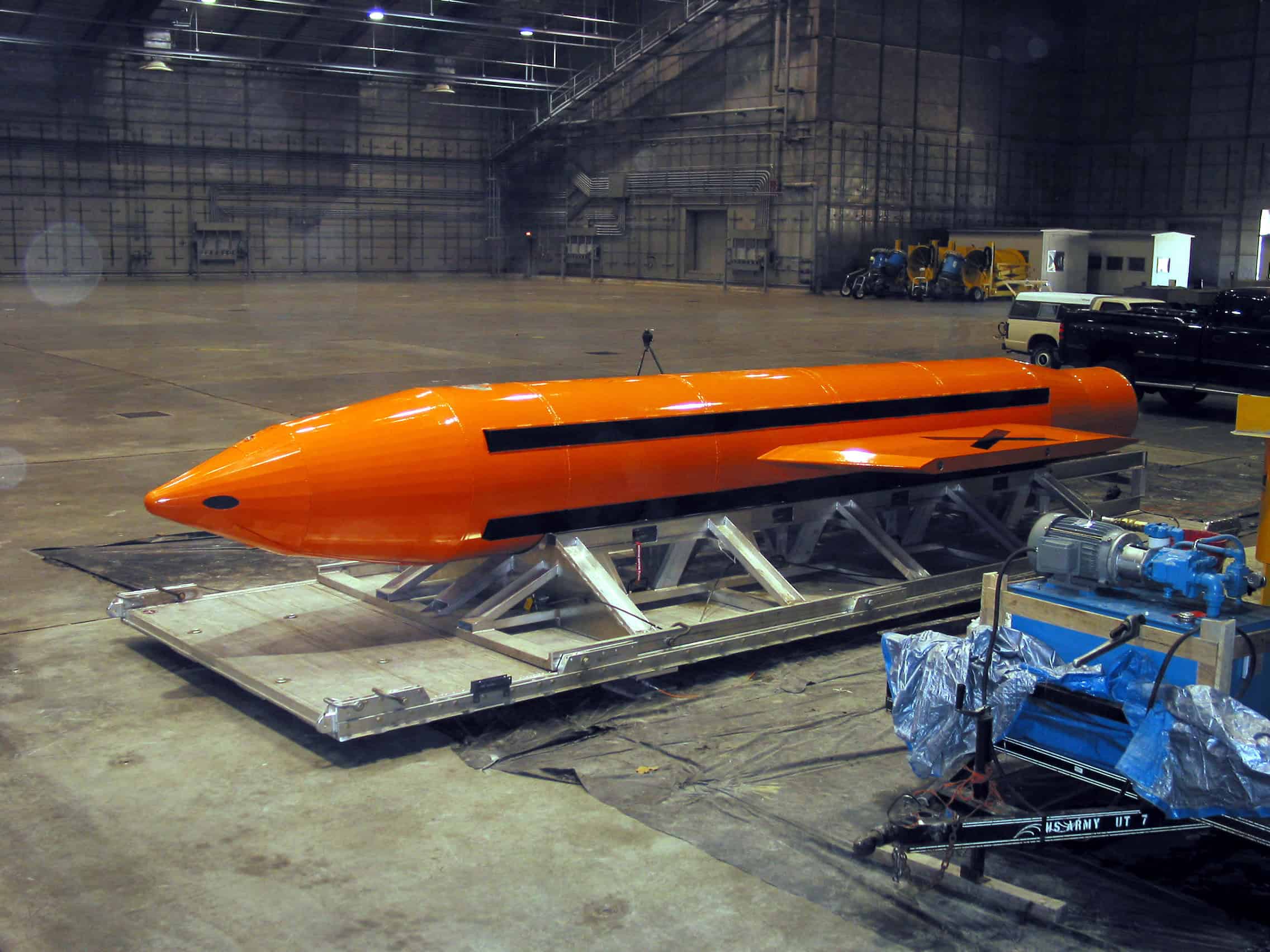
- Branch of Service: Multi-branch
- Category: Precision Weapons
- Developer or manufacturer: Raytheon / Lockheed Martin
- Year introduced to service: 1970
- War or conflict debut: Vietnam War
- Core capability: Guided targeting
- Strategic advantage: Allows extremely accurate strikes
Precision-guided munitions transformed bombing from a largely area-based tactic into a method of surgical strikes. Early laser-guided bombs used in Vietnam demonstrated that aircraft could hit specific targets with unprecedented accuracy. Over time, guided weapons allowed U.S. forces to destroy key infrastructure, command centers, and enemy positions while minimizing collateral damage and reducing the number of sorties needed to achieve objectives.
JDAM
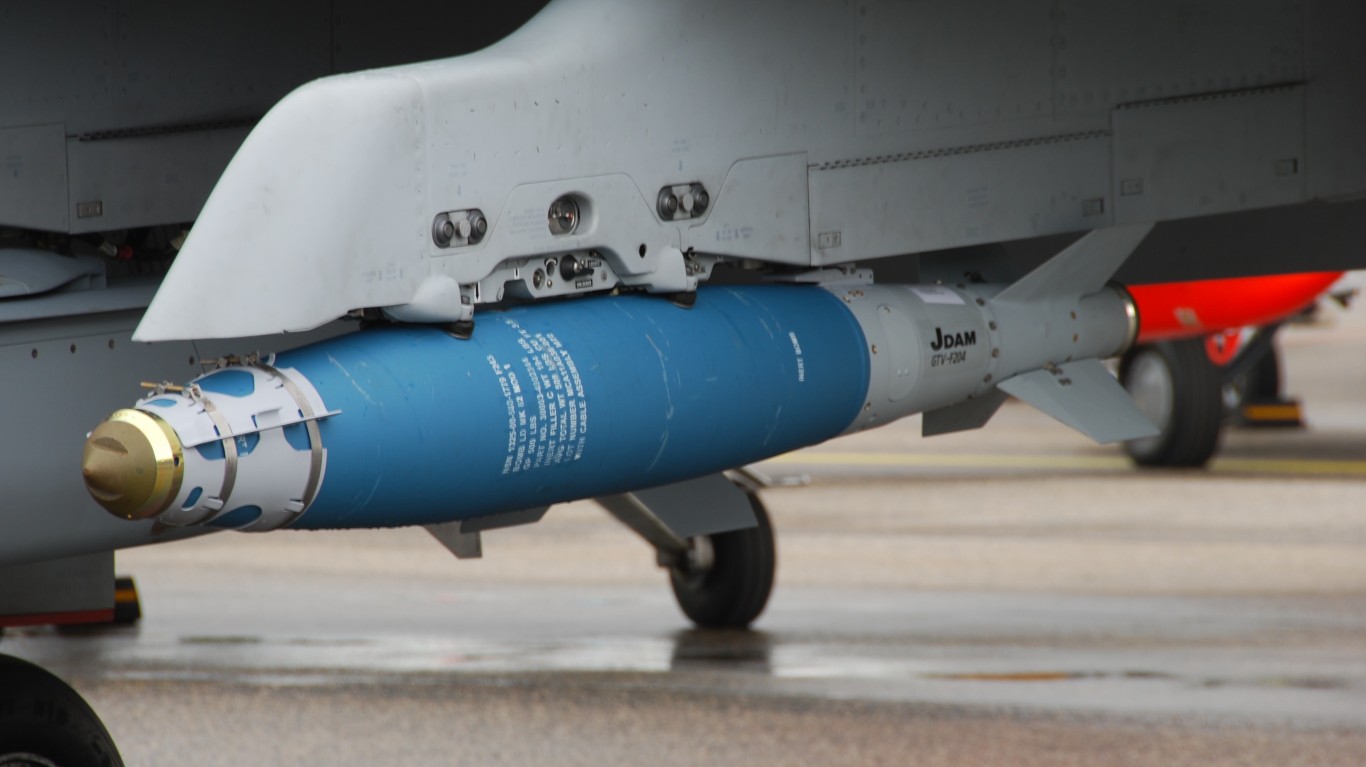
- Branch of Service: U.S. Air Force
- Category: Precision Weapons
- Developer or manufacturer: Boeing
- Year introduced to service: 1997
- War or conflict debut: Kosovo War
- Core capability: GPS-guided bombing
- Strategic advantage: Turns conventional bombs into precision weapons
The Joint Direct Attack Munition turned traditional unguided bombs into highly accurate GPS-guided weapons. Introduced in the late 1990s, JDAM kits could be attached to existing bombs, dramatically improving accuracy regardless of weather conditions. This innovation gave U.S. forces the ability to strike targets precisely from high altitude, reducing aircraft vulnerability while maintaining devastating battlefield effectiveness.
E-3 AWACS
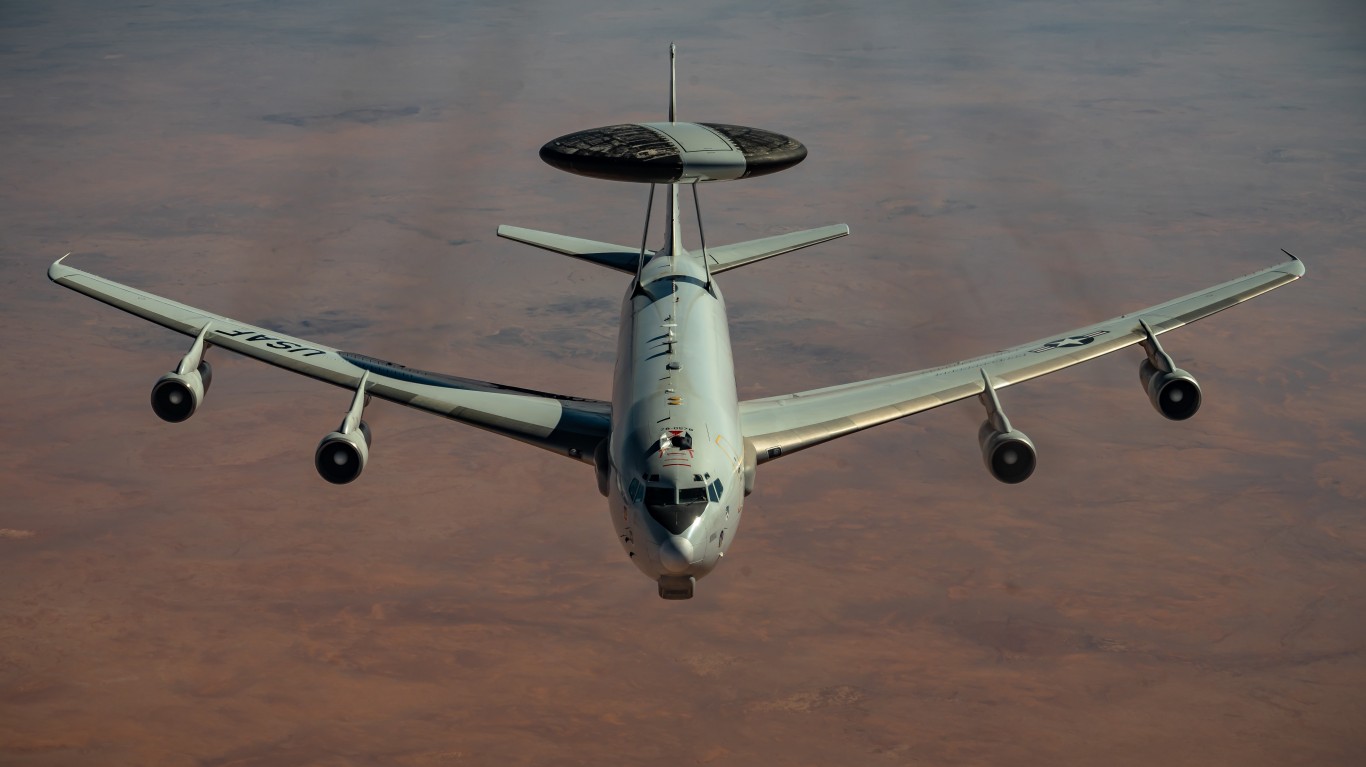
- Branch of Service: U.S. Air Force
- Category: Surveillance Aircraft
- Developer or manufacturer: Boeing / Northrop Grumman
- Year introduced to service: 1977
- War or conflict debut: Cold War / Gulf War
- Core capability: Airborne radar surveillance
- Strategic advantage: Provides battlefield awareness across huge distances
The E-3 Sentry AWACS aircraft acts as an airborne command center, equipped with powerful radar capable of tracking hundreds of aircraft across vast distances. By providing early warning and directing friendly fighters, AWACS helps coordinate complex air operations. This level of battlefield awareness gives U.S. forces a critical edge, allowing commanders to see threats sooner and respond faster than opposing forces.
Military Satellites

- Branch of Service: Multi-branch
- Category: Space Technology
- Developer or manufacturer: U.S. Department of Defense
- Year introduced to service: 1960
- War or conflict debut: Cold War
- Core capability: Space-based surveillance
- Strategic advantage: Global reconnaissance and communications
Military satellites provide the backbone of modern U.S. warfare, supporting communications, navigation, reconnaissance, and missile warning. Since the Cold War, these space-based systems have allowed commanders to monitor global events and coordinate forces across continents. By giving the U.S. military persistent visibility and connectivity, satellites enable operations that would otherwise be impossible on a global scale.
GPS
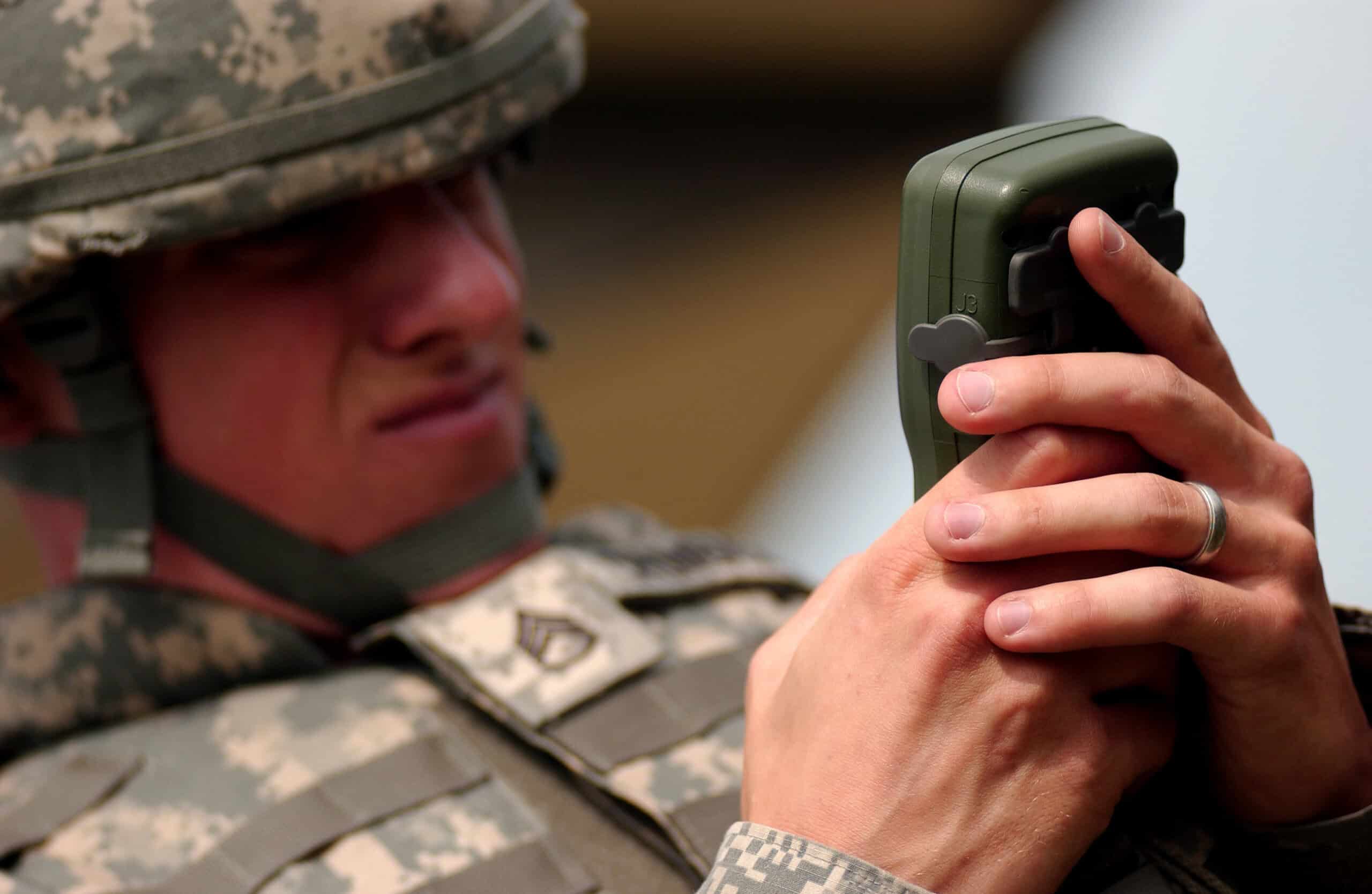
- Branch of Service: Multi-branch
- Category: Navigation Technology
- Developer or manufacturer: U.S. Department of Defense
- Year introduced to service: 1978
- War or conflict debut: Gulf War
- Core capability: Global navigation
- Strategic advantage: Enables precise targeting and coordination
The Global Positioning System revolutionized military navigation and targeting. Originally designed for U.S. forces, GPS allows troops, aircraft, ships, and missiles to determine their precise location anywhere on Earth. During the Gulf War it proved invaluable for maneuvering across featureless desert terrain. Today it underpins everything from guided weapons to troop coordination, making modern precision warfare possible.
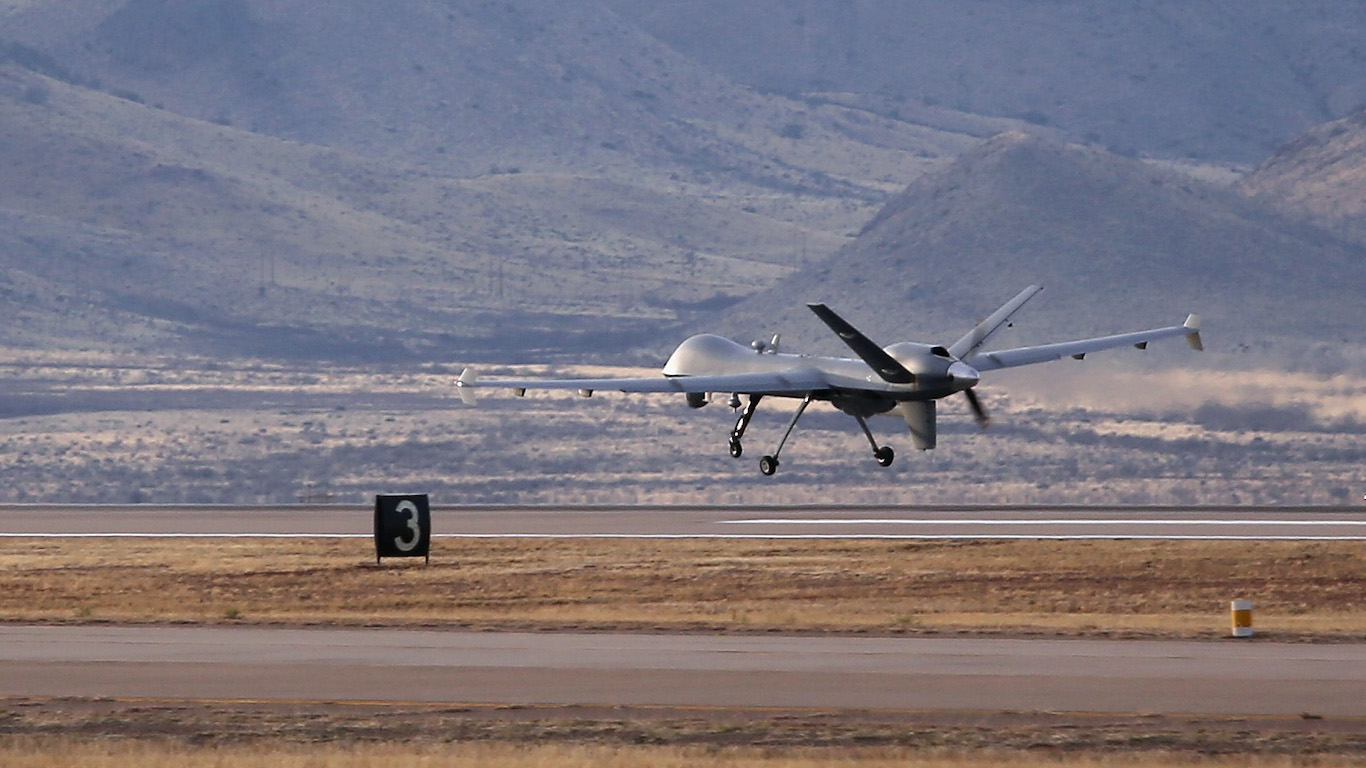
Predator Drone
- Branch of Service: U.S. Air Force
- Category: Unmanned Aerial Vehicle
- Developer or manufacturer: General Atomics
- Year introduced to service: 1995
- War or conflict debut: War in Afghanistan
- Core capability: Persistent surveillance
- Strategic advantage: Tracks enemies continuously from the air
The MQ-1 Predator drone introduced a new era of persistent aerial surveillance. Capable of remaining airborne for long periods, it allowed U.S. forces to monitor enemy movements continuously. Later armed variants could strike targets with precision missiles, combining intelligence gathering and attack capability in a single platform. This persistent presence made it extremely difficult for adversaries to operate undetected.
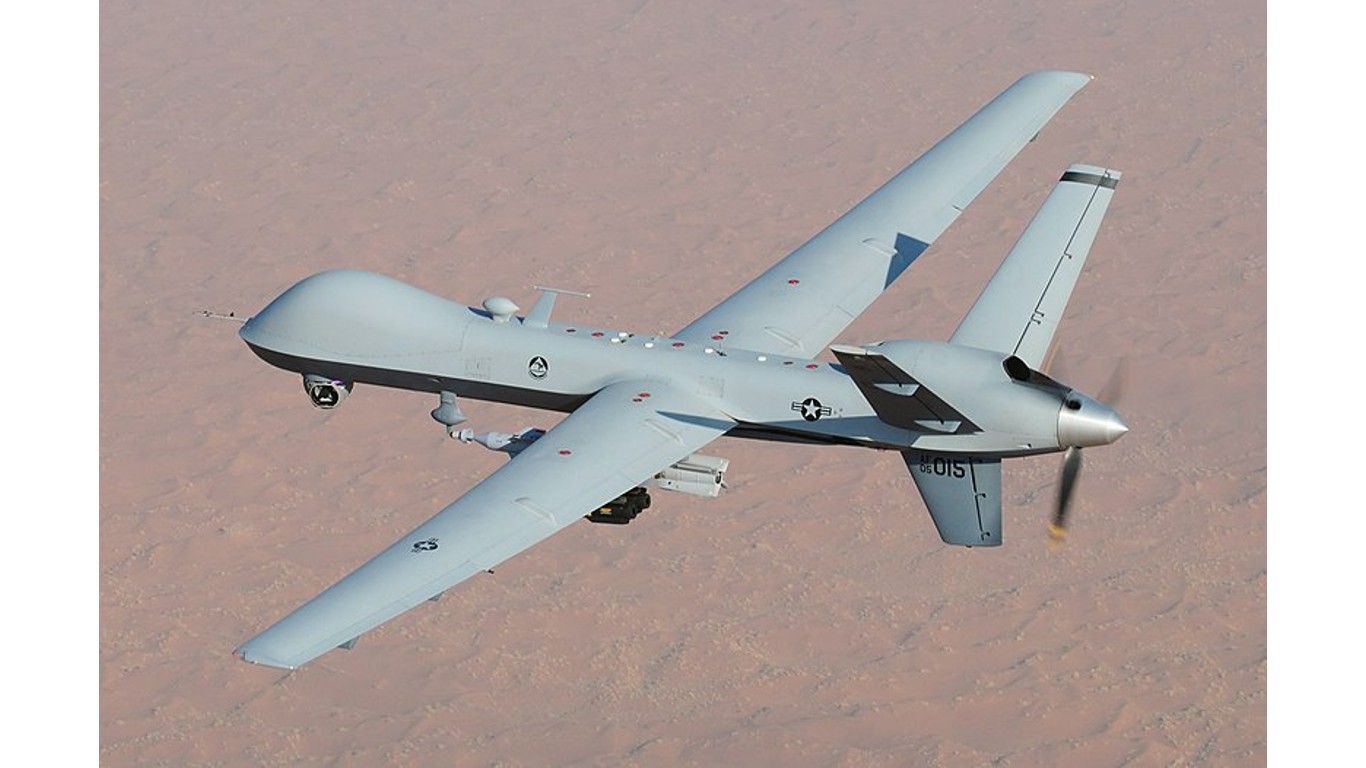
Reaper Drone
- Branch of Service: U.S. Air Force
- Category: Unmanned Aerial Vehicle
- Developer or manufacturer: General Atomics
- Year introduced to service: 2007
- War or conflict debut: War on Terror
- Core capability: Drone strike capability
- Strategic advantage: Combines surveillance with precision strike
The MQ-9 Reaper expanded the capabilities pioneered by the Predator by carrying heavier weapons and flying faster while maintaining long endurance. Equipped with advanced sensors and precision munitions, it can track and eliminate targets across wide areas. The Reaper allows U.S. forces to apply sustained pressure on adversaries while minimizing risk to pilots and maintaining constant surveillance.
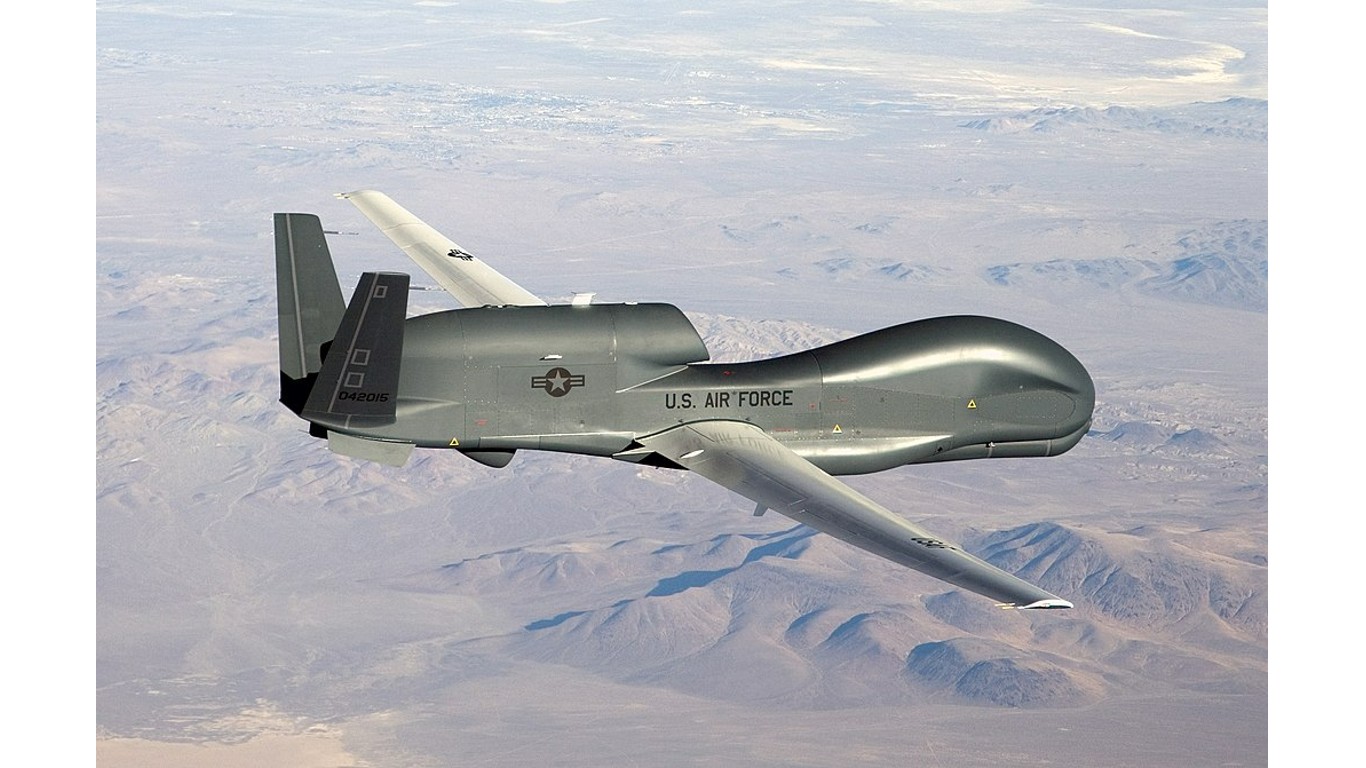
Global Hawk
- Branch of Service: U.S. Air Force
- Category: High-Altitude Drone
- Developer or manufacturer: Northrop Grumman
- Year introduced to service: 2001
- War or conflict debut: War in Afghanistan
- Core capability: Strategic reconnaissance
- Strategic advantage: Observes vast regions from extreme altitude
The RQ-4 Global Hawk operates at extremely high altitudes and can survey vast regions using advanced sensors. Designed for strategic reconnaissance, it provides commanders with detailed imagery and intelligence across entire theaters of operation. Its ability to remain airborne for long periods gives U.S. forces unmatched situational awareness, allowing them to monitor enemy activity continuously from the sky.
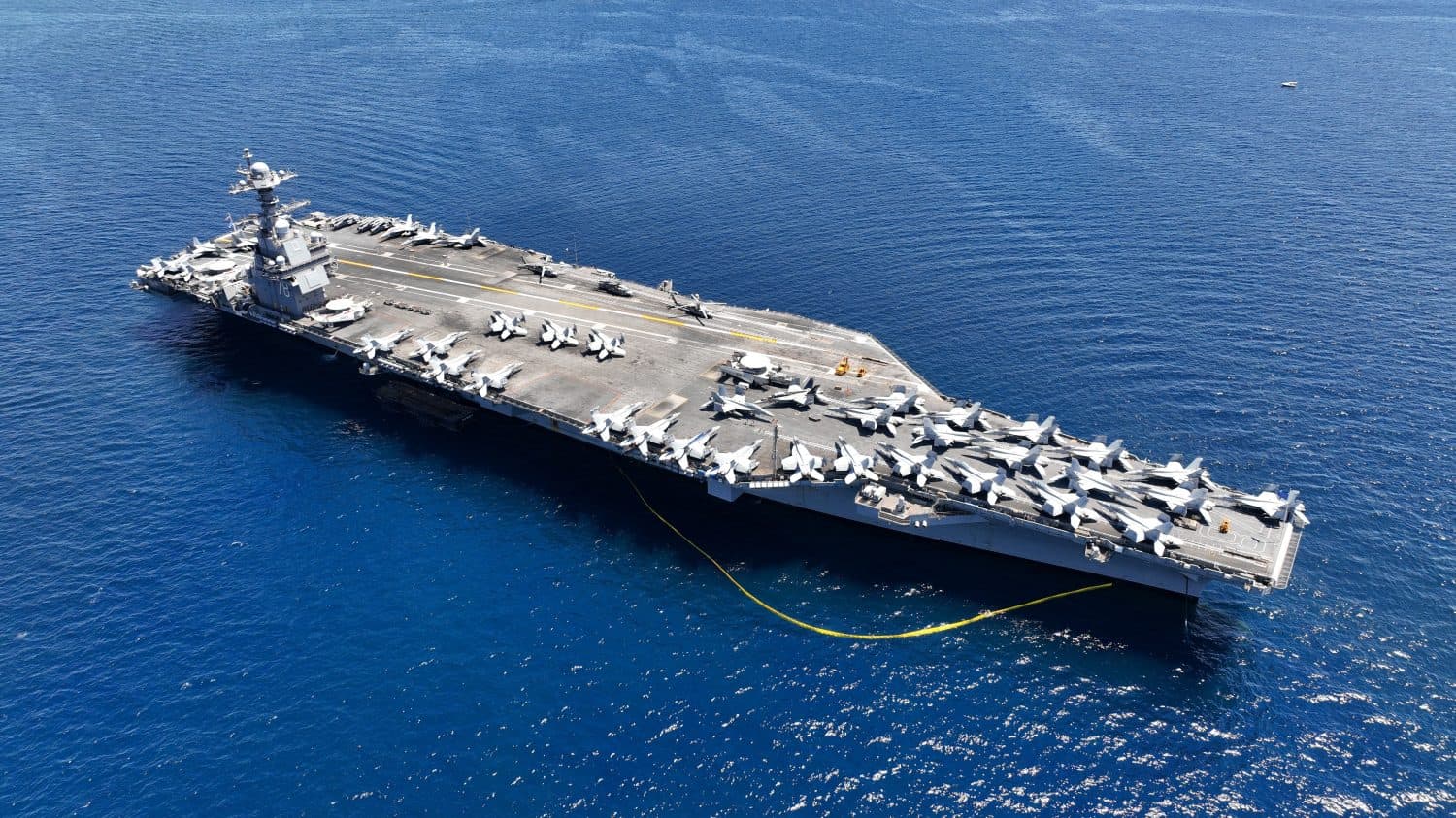
Nuclear Aircraft Carrier
- Branch of Service: U.S. Navy
- Category: Naval Power Projection
- Developer or manufacturer: Newport News Shipbuilding
- Year introduced to service: 1975
- War or conflict debut: Cold War
- Core capability: Carrier aviation
- Strategic advantage: Allows sustained global naval air operations
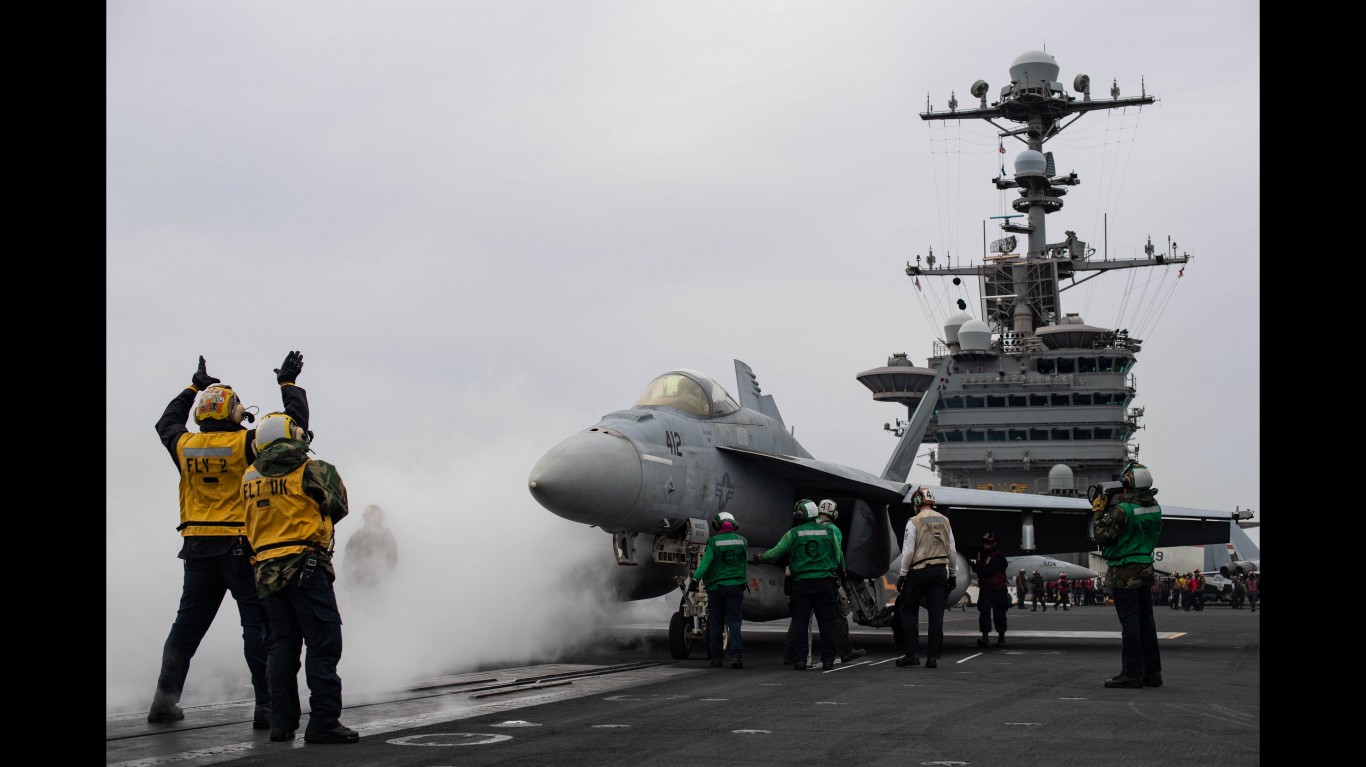
Nuclear-powered aircraft carriers allow the United States Navy to project airpower anywhere in the world without relying on foreign bases. These massive ships can deploy dozens of aircraft and operate for decades without refueling their reactors. By combining mobility with sustained air operations, nuclear carriers enable the United States to rapidly respond to crises and maintain military dominance across the oceans.
Tomahawk Cruise Missile
- Branch of Service: U.S. Navy
- Category: Cruise Missile
- Developer or manufacturer: Raytheon
- Year introduced to service: 1983
- War or conflict debut: Gulf War
- Core capability: Long-range strike
- Strategic advantage: Hits targets hundreds of miles away with precision
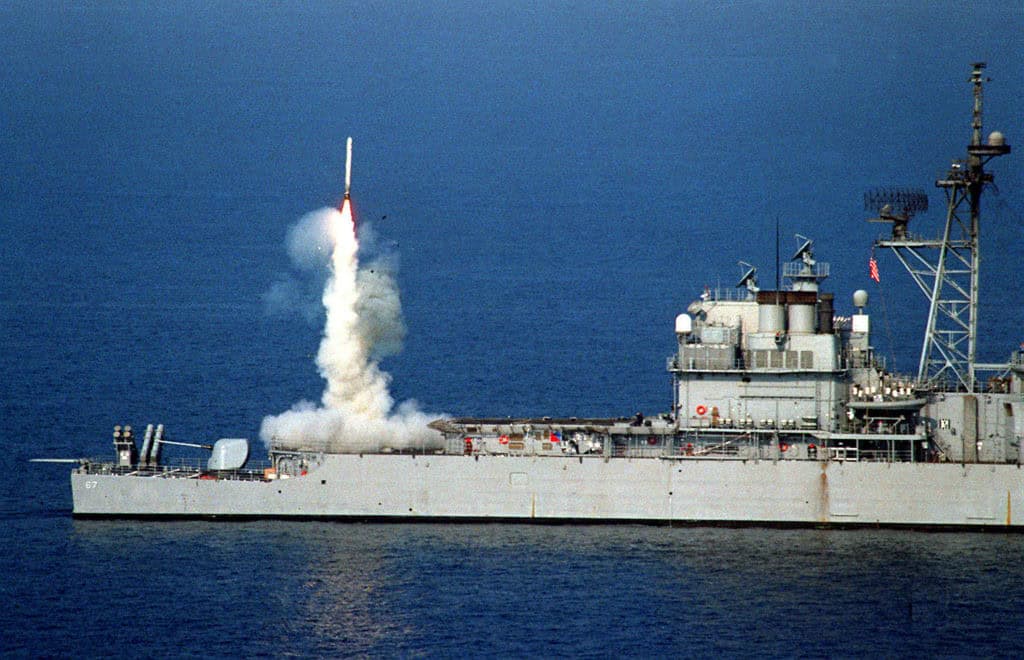
The Tomahawk cruise missile gives U.S. forces the ability to strike targets hundreds of miles away with remarkable accuracy. Launched from ships or submarines, it can fly at low altitude and navigate complex routes to reach heavily defended targets. This capability allows the United States to destroy key enemy infrastructure at the opening stages of a conflict without exposing pilots to danger.
Aegis Combat System
- Branch of Service: U.S. Navy
- Category: Naval Combat System
- Developer or manufacturer: Lockheed Martin
- Year introduced to service: 1983
- War or conflict debut: Cold War
- Core capability: Integrated radar defense
- Strategic advantage: Tracks and intercepts missiles and aircraft
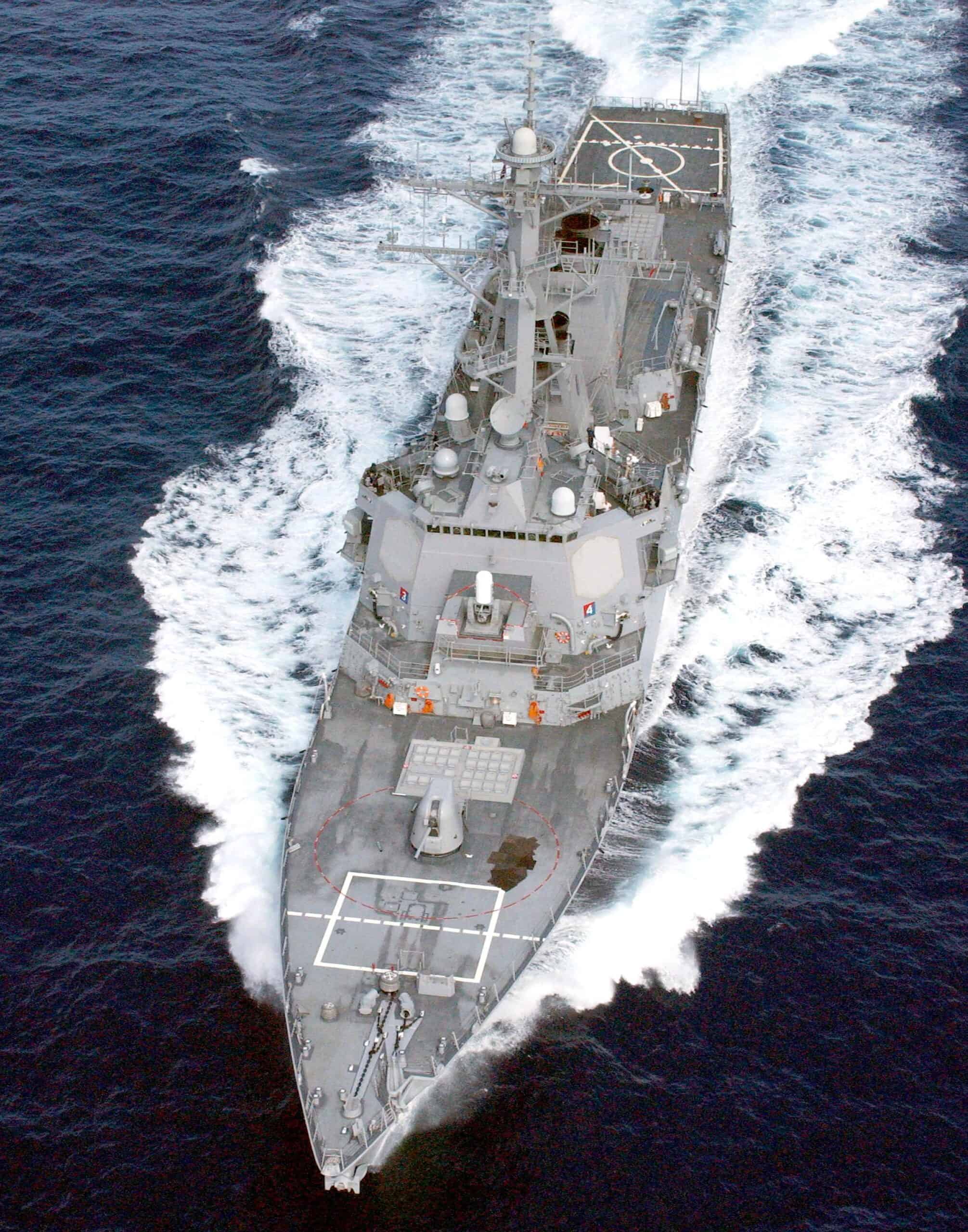
The Aegis Combat System integrates powerful radar with advanced missile defenses aboard U.S. Navy warships. Designed to track multiple threats simultaneously, it can intercept incoming aircraft, missiles, and other dangers at sea. This networked defense dramatically improves fleet survivability and gives U.S. naval forces a powerful shield against modern aerial and missile threats.
Virginia-Class Submarine
- Branch of Service: U.S. Navy
- Category: Attack Submarine
- Developer or manufacturer: General Dynamics / Huntington Ingalls
- Year introduced to service: 2004
- War or conflict debut: Modern era
- Core capability: Undersea stealth warfare
- Strategic advantage: Conducts stealth surveillance and precision strikes
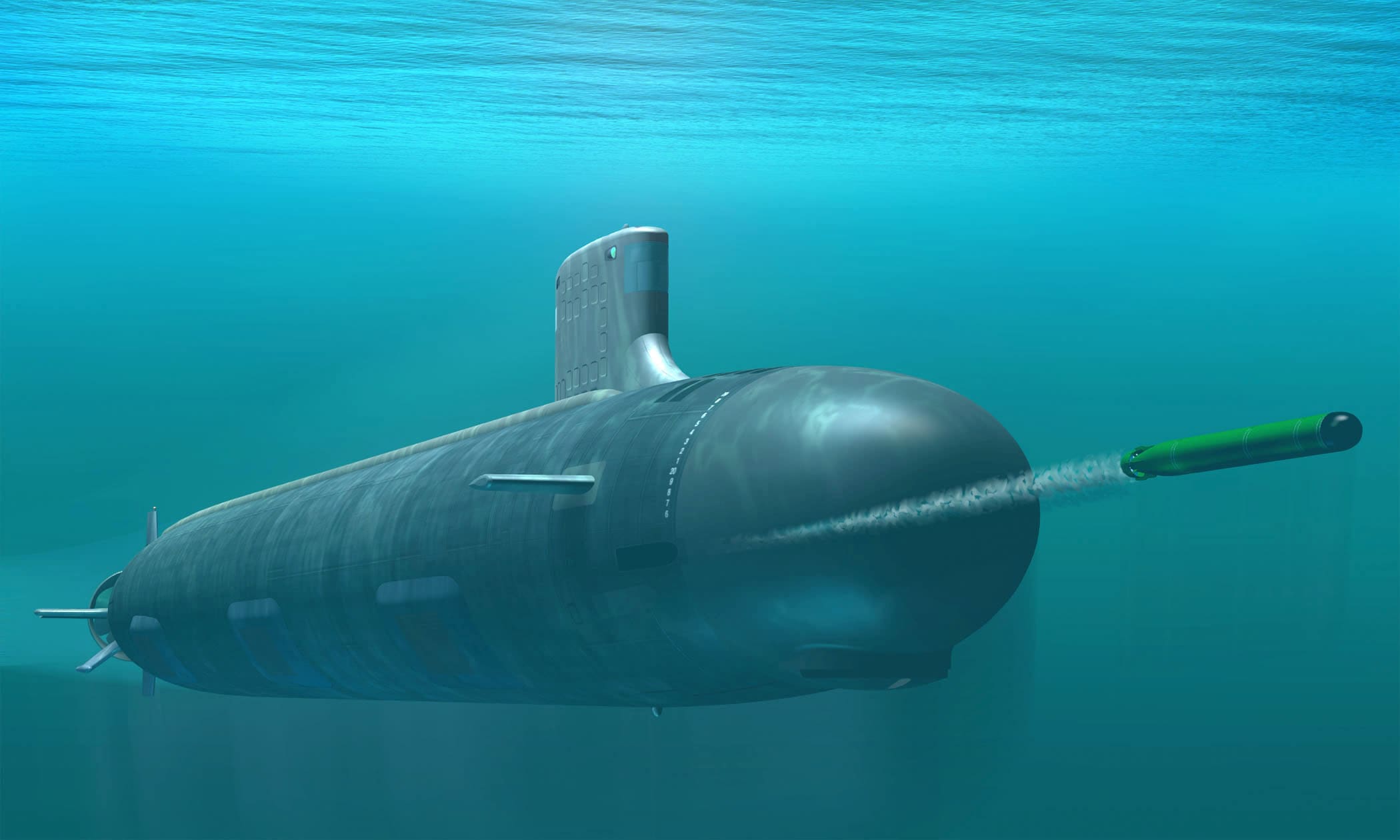
Virginia-class submarines represent some of the quietest and most capable undersea vessels ever built. Their stealth allows them to operate undetected while gathering intelligence, tracking enemy ships, and launching precision strikes. These submarines provide the United States with a hidden yet powerful presence beneath the oceans, giving commanders a versatile tool for both surveillance and combat.
Carrier Air Wing
- Branch of Service: U.S. Navy
- Category: Naval Aviation System
- Developer or manufacturer: U.S. Navy
- Year introduced to service: 1943
- War or conflict debut: World War II
- Core capability: Carrier-based airpower
- Strategic advantage: Projects massive air power from the sea
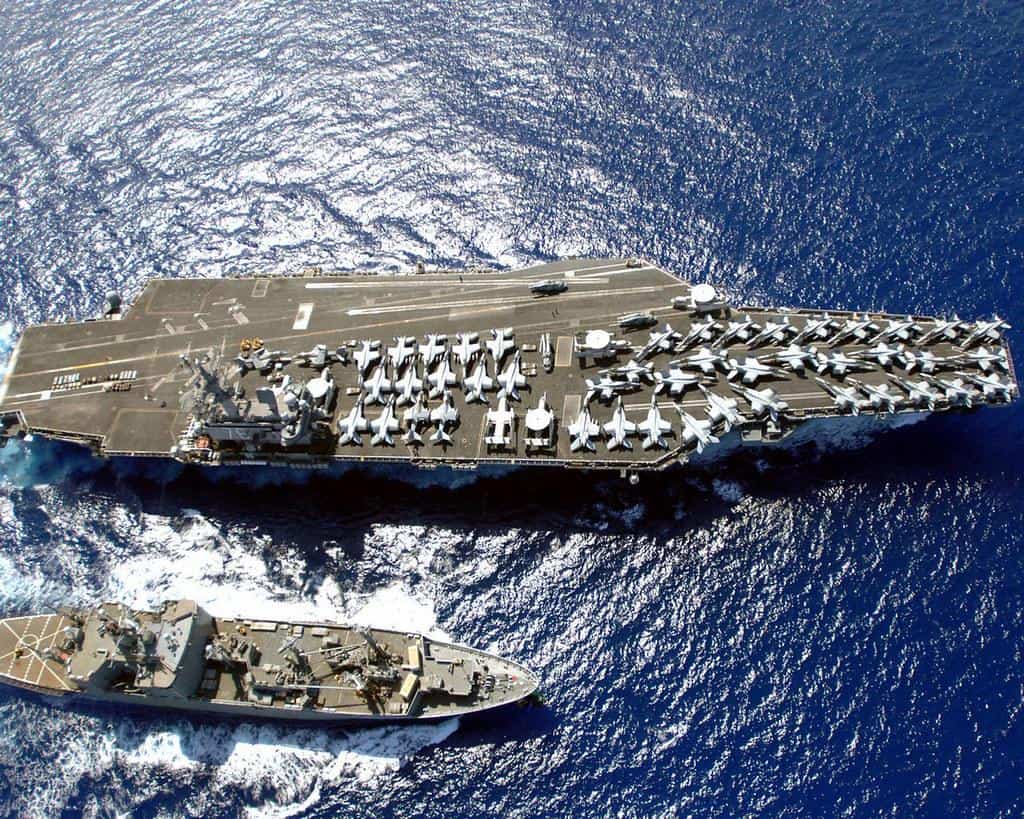
Carrier air wings combine multiple types of aircraft into a single integrated strike force operating from an aircraft carrier. Fighters, electronic warfare aircraft, surveillance planes, and helicopters work together to create a highly flexible combat system. This integration allows U.S. naval forces to dominate the skies and project airpower far from American shores.
Night Vision
- Branch of Service: Multi-branch
- Category: Optical Technology
- Developer or manufacturer: Various defense contractors
- Year introduced to service: 1960
- War or conflict debut: Vietnam War
- Core capability: Nighttime combat
- Strategic advantage: Allows U.S. forces to dominate night operations
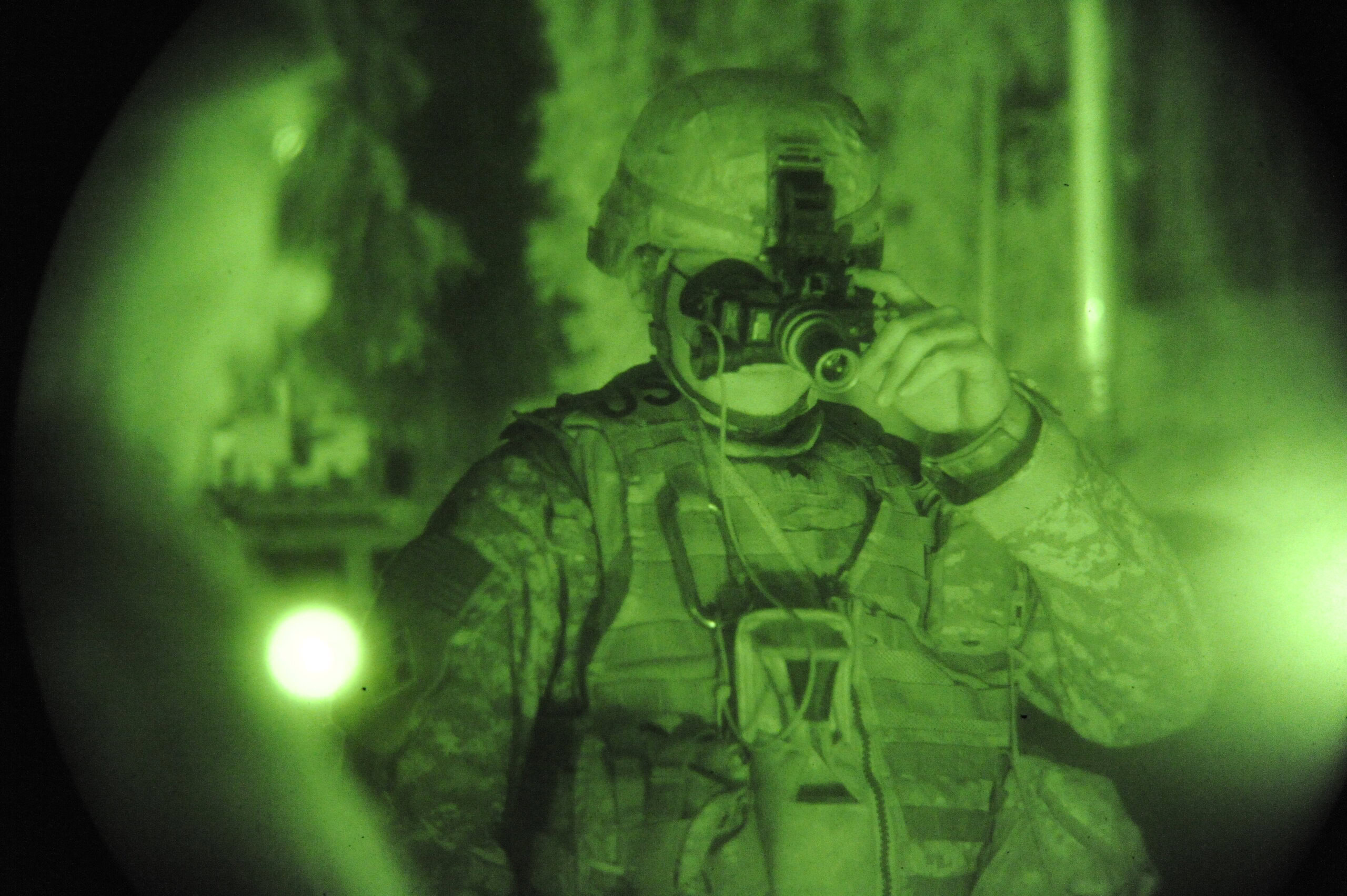
Night vision technology gave U.S. forces a decisive advantage in low-light conditions. By amplifying available light, night vision devices allow soldiers to see and operate effectively after dark. During conflicts such as the Gulf War, this capability enabled U.S. troops to maneuver and engage enemies who could barely see them, turning nighttime operations into a major tactical advantage.
M1 Abrams
- Branch of Service: U.S. Army
- Category: Main Battle Tank
- Developer or manufacturer: General Dynamics
- Year introduced to service: 1980
- War or conflict debut: Gulf War
- Core capability: Armored warfare
- Strategic advantage: Combines heavy armor with advanced targeting
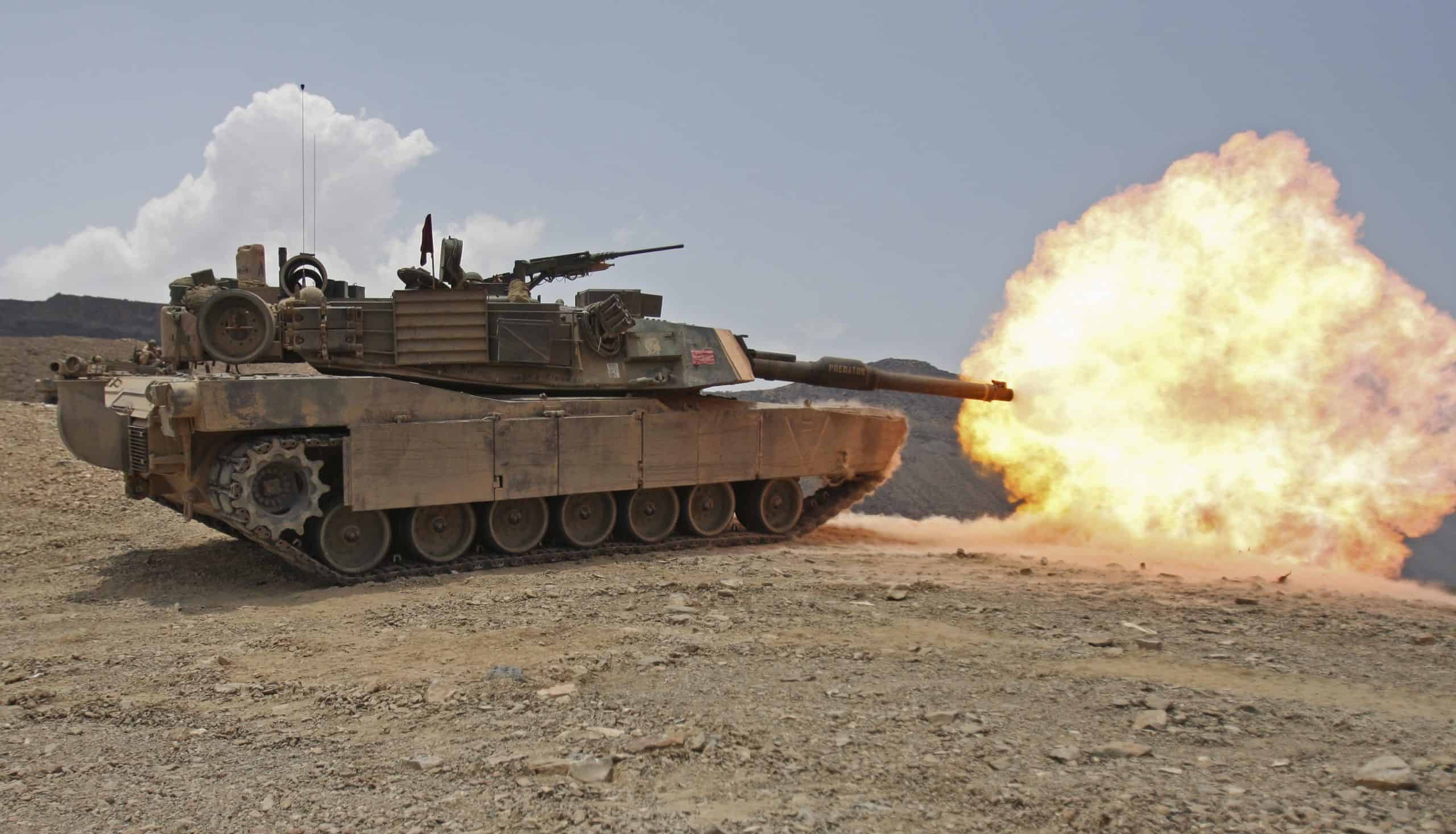
The M1 Abrams tank combines heavy armor, advanced targeting systems, and powerful weaponry to dominate armored warfare. Its sophisticated sensors and fire-control systems allow crews to identify and destroy enemy vehicles at long range. During the Gulf War, Abrams tanks proved overwhelmingly effective, demonstrating the strength of modern U.S. armored technology.
AH-64 Apache

- Branch of Service: U.S. Army
- Category: Attack Helicopter
- Developer or manufacturer: Boeing
- Year introduced to service: 1986
- War or conflict debut: Gulf War
- Core capability: Anti-armor combat
- Strategic advantage: Destroys enemy vehicles with precision missiles
The AH-64 Apache attack helicopter is designed specifically to hunt and destroy enemy armored vehicles. Equipped with advanced sensors and Hellfire missiles, it can engage targets from long distances while remaining highly maneuverable. Its ability to operate at night and in challenging environments makes it one of the most formidable attack helicopters ever fielded.
Javelin Missile
- Branch of Service: U.S. Army
- Category: Anti-Tank Missile
- Developer or manufacturer: Raytheon / Lockheed Martin
- Year introduced to service: 1996
- War or conflict debut: War in Iraq
- Core capability: Fire-and-forget missile
- Strategic advantage: Destroys armored vehicles from above
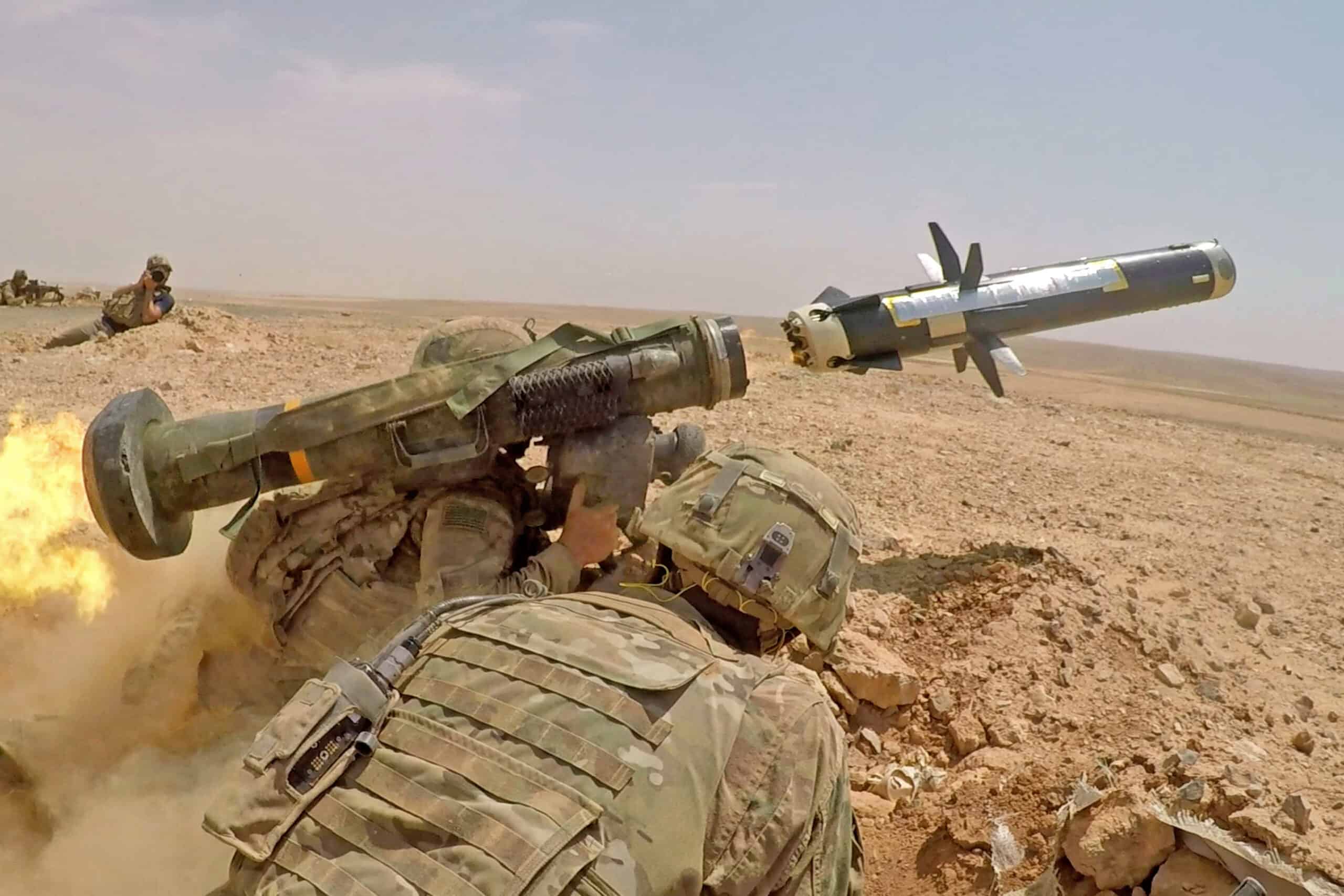
The FGM-148 Javelin anti-tank missile changed ground combat by allowing infantry to defeat heavily armored vehicles with a single portable weapon. Its fire-and-forget guidance system allows soldiers to launch the missile and immediately seek cover. By attacking tanks from above, where armor is weakest, the Javelin gives small units the ability to neutralize powerful armored threats.
Network-Centric Warfare
- Branch of Service: Multi-branch
- Category: Digital Warfare System
- Developer or manufacturer: U.S. Department of Defense
- Year introduced to service: 1990
- War or conflict debut: Modern conflicts
- Core capability: Battlefield networking
- Strategic advantage: Connects forces with real-time data
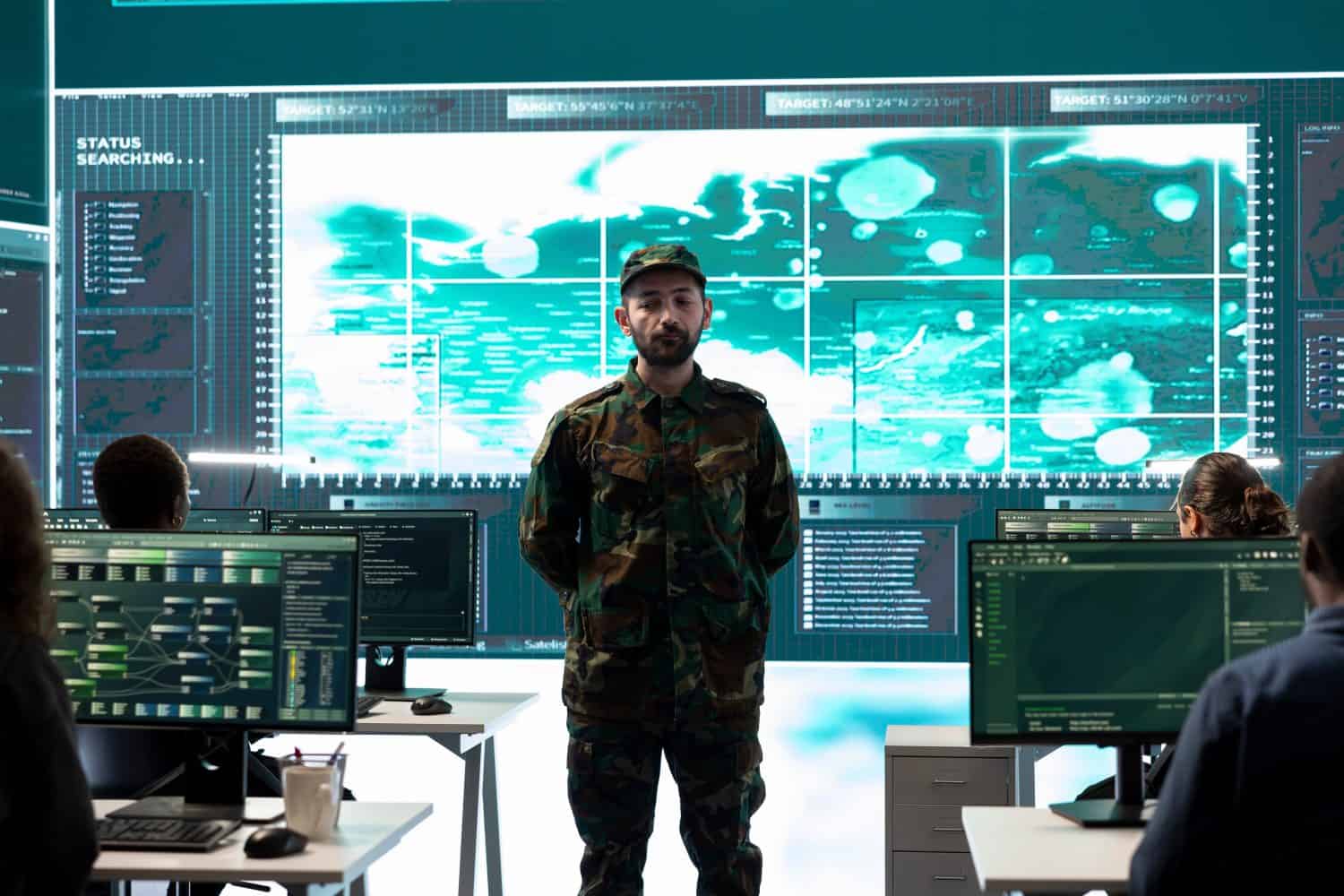
Network-centric warfare systems connect military units through digital communication networks that share real-time information. By linking sensors, command centers, and combat forces, these systems create a unified battlefield picture. This connectivity allows U.S. commanders to make faster decisions and coordinate operations more effectively than adversaries relying on slower communication systems.
ICBM Systems
- Branch of Service: U.S. Air Force
- Category: Strategic Missile
- Developer or manufacturer: Boeing / Northrop Grumman
- Year introduced to service: 1970
- War or conflict debut: Cold War
- Core capability: Nuclear deterrence
- Strategic advantage: Provides global nuclear strike capability
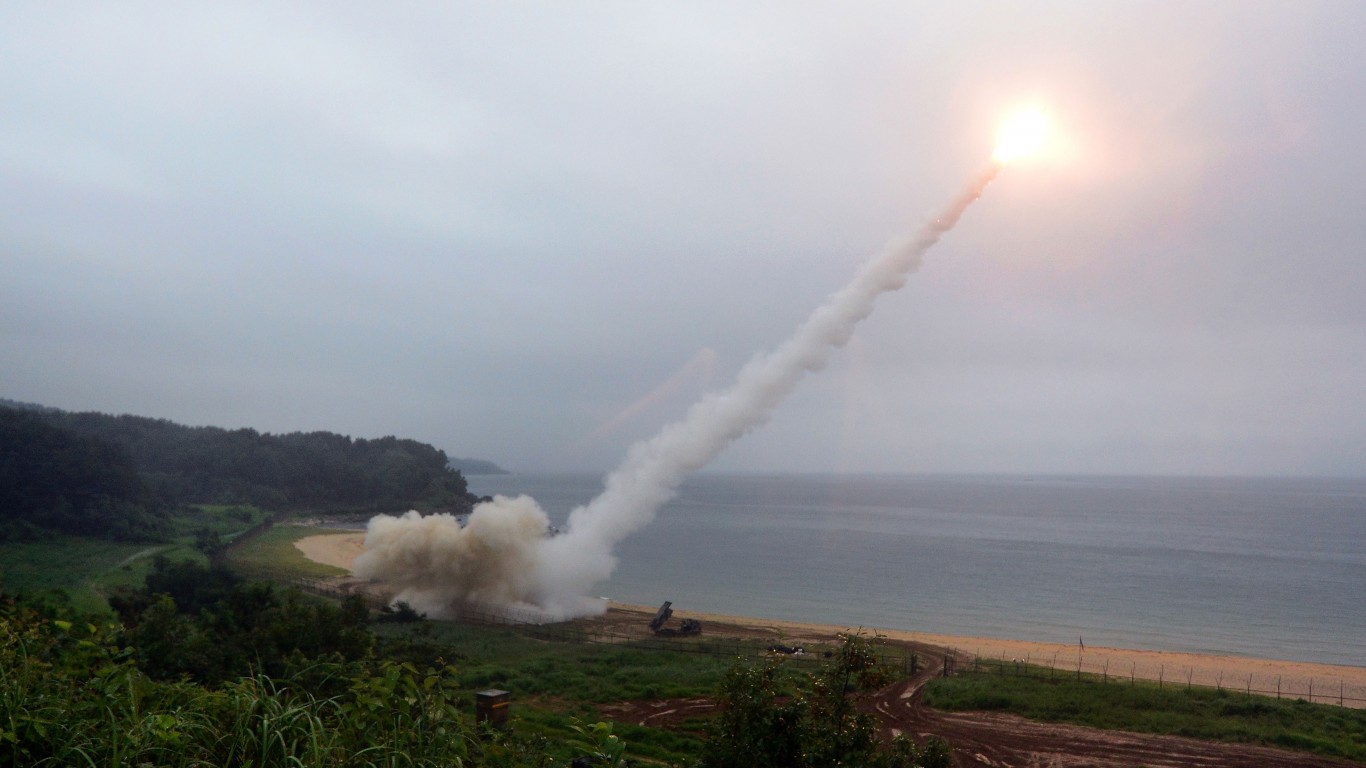
Intercontinental ballistic missile systems provide the backbone of the United States’ strategic nuclear deterrent. Capable of striking targets across the globe within minutes, these missiles ensure that any nuclear attack on the United States would face overwhelming retaliation. Their presence has played a major role in maintaining strategic stability since the Cold War.
B-2 Spirit

- Branch of Service: U.S. Air Force
- Category: Stealth Bomber
- Developer or manufacturer: Northrop Grumman
- Year introduced to service: 1997
- War or conflict debut: Kosovo War
- Core capability: Stealth strategic strike
- Strategic advantage: Penetrates heavily defended targets
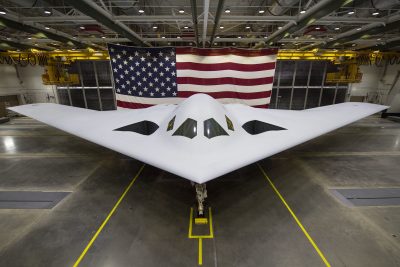
The B-2 Spirit stealth bomber was designed to penetrate the most heavily defended airspace in the world. With its distinctive flying-wing shape and radar-evading design, it can reach distant targets without detection. Capable of delivering both conventional and nuclear weapons, the B-2 gives the United States a powerful tool for striking strategic targets anywhere on Earth.
C-17 Globemaster III

- Branch of Service: U.S. Air Force
- Category: Transport Aircraft
- Developer or manufacturer: Boeing
- Year introduced to service: 1995
- War or conflict debut: War in Afghanistan
- Core capability: Strategic airlift
- Strategic advantage: Rapidly deploys troops and equipment worldwide
The C-17 Globemaster III transformed military logistics by enabling rapid transport of troops, vehicles, and supplies across the globe. Its ability to land on short or austere runways allows it to deliver forces directly into conflict zones. This mobility ensures that the United States can reinforce allies and deploy forces faster than most adversaries can react.
Electronic Warfare Systems
- Branch of Service: Multi-branch
- Category: Electronic Warfare
- Developer or manufacturer: Various defense contractors
- Year introduced to service: 1980
- War or conflict debut: Cold War
- Core capability: Radar jamming
- Strategic advantage: Disrupts enemy sensors and communications
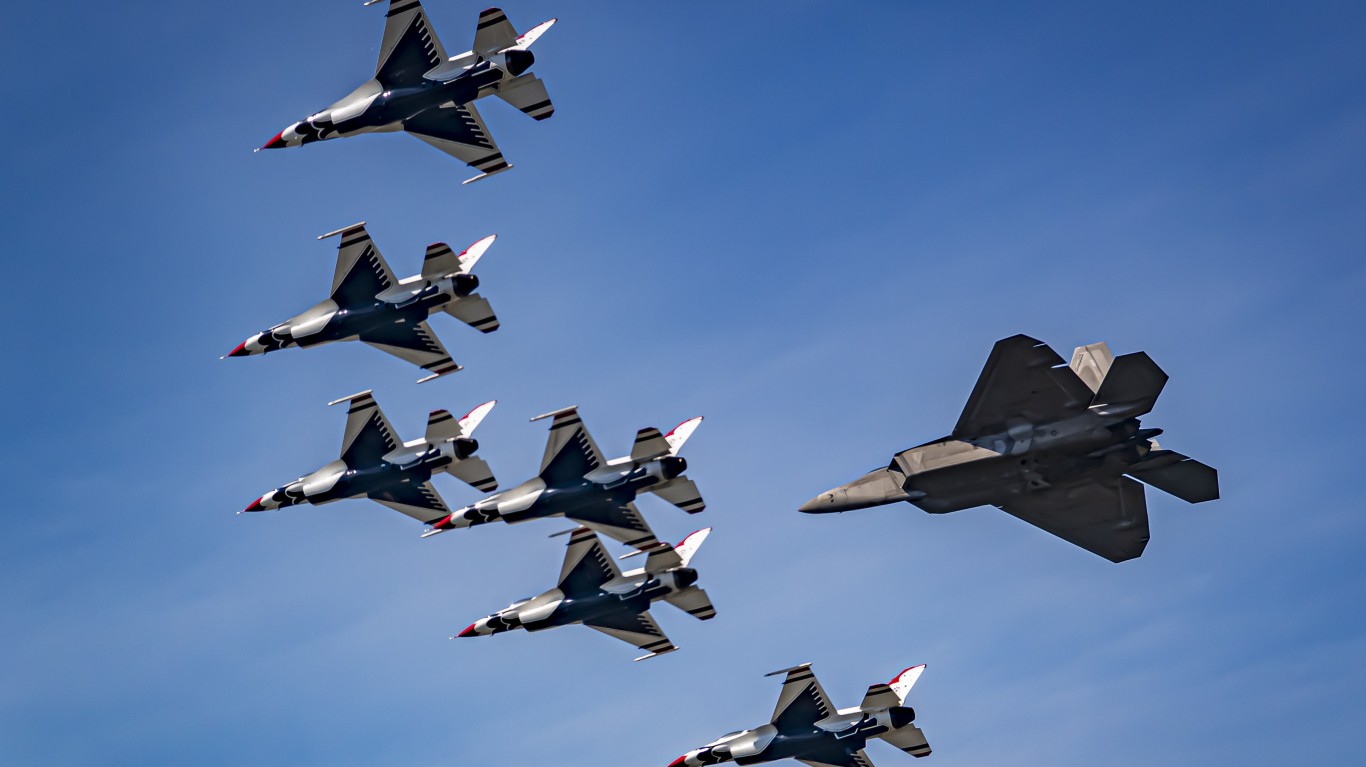
Electronic warfare systems allow U.S. forces to disrupt enemy radars, communications, and sensors. By jamming or deceiving opposing systems, these technologies can blind adversaries and degrade their ability to coordinate attacks. Platforms such as the EA-18G Growler play a critical role in modern warfare by ensuring that U.S. aircraft can operate safely in contested environments.
Cyber Warfare

- Branch of Service: Multi-branch
- Category: Cyber Operations
- Developer or manufacturer: U.S. Cyber Command
- Year introduced to service: 2010
- War or conflict debut: Modern conflicts
- Core capability: Digital warfare
- Strategic advantage: Targets enemy infrastructure and networks
Cyber warfare capabilities represent the newest domain of military conflict. Through digital operations, U.S. Cyber Command can disrupt enemy networks, gather intelligence, and defend critical infrastructure. In an era where modern militaries depend heavily on digital systems, cyber operations provide a powerful tool for influencing conflicts without traditional weapons.







 Top Gaining Stocks
 Top Losing Stocks