


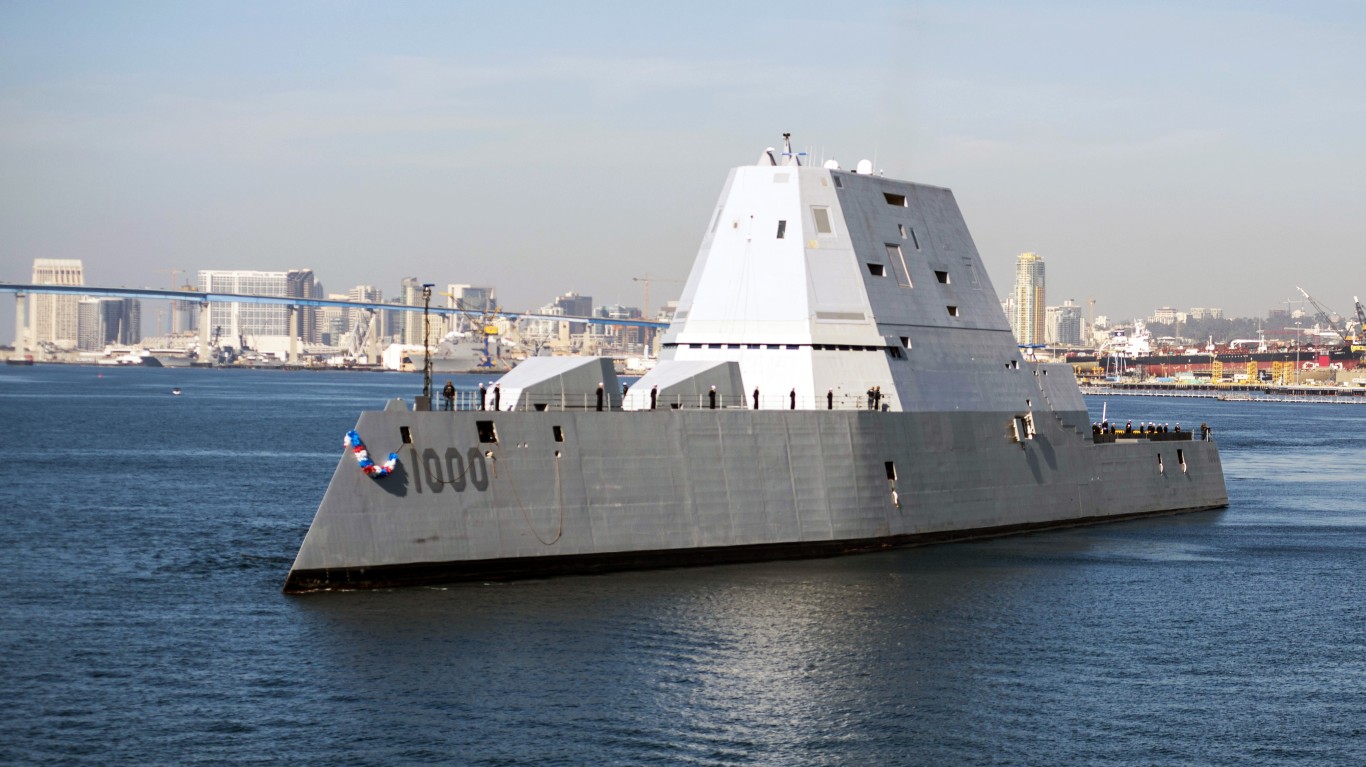
Not every weapon that enters military service becomes the game-changer it was advertised to be. Some turn out to be unreliable, dangerous, or just way too expensive to justify keeping in the field. These missteps matter because they reveal how sometimes ambition or politics, and even flawed engineering can collide in disastrous ways. Here, 24/7 Wall St. is taking a closer look at how the military might be regretting some of these purchases.
To determine the weapons militaries around the world regretted actually purchasing, 24/7 Wall St. reviewed various historical and military sources. We ordered these weapons chronologically. We included supplemental information regarding the country of origin, manufacturer, type, and ultimately what went wrong with each weapon.
Here is a look at the weapons world militaries regretted ever purchasing:
Why Are We Covering This?
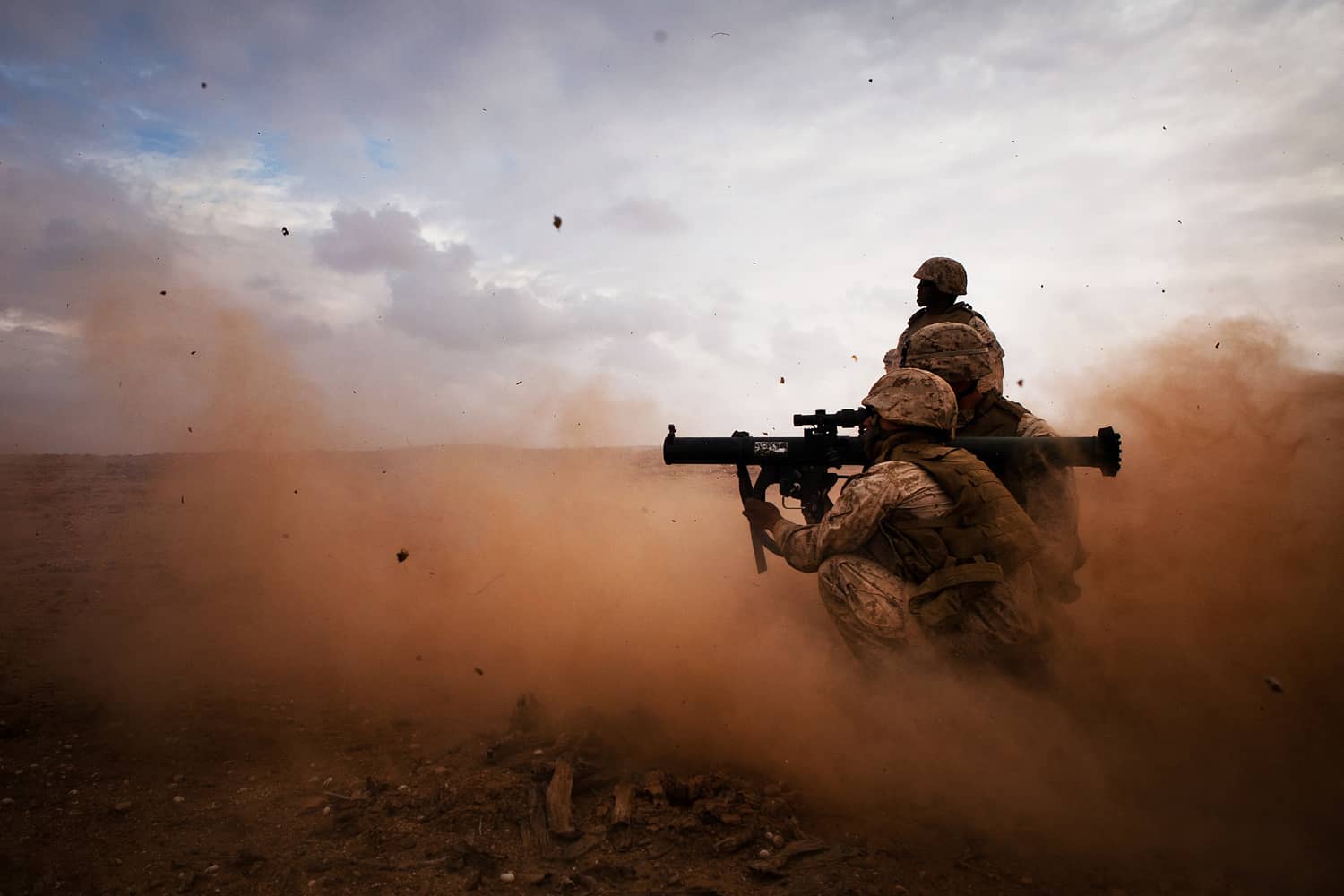
Weapons that failed in the field aren’t just historical footnotes, instead they’re lessons written in cost overruns, political pressure, and sometimes the lives of the troops who had to use them. When a military program collapses, it exposes gaps in strategy, procurement, and engineering that shape the next generation of defense planning. Looking back at the systems the military regrets purchasing helps explain why today’s weapons undergo such intense testing and why skepticism exists around newer flashy programs. Understanding what went wrong tells us as much about the future of warfare as the weapons that actually succeeded.
How Bad Weapons Shape Military Decisions
![Iraq+military | A new generation of tanker for a new generation of Iraqi military [Image 6 of 9]](https://a673b.bigscoots-temp.com/wp-content/uploads/2025/09/imageForEntry9-GAs.jpg)
Weapons that fail in the field force militaries to rethink doctrine, procurement, and training. From rifles that jammed in Vietnam to ships retired early for mechanical failures, each mistake reveals how easily overconfidence, politics, or bad assumptions can derail an entire program.
When Innovation Goes Off the Rails

Cutting-edge technology often brings cutting-edge problems. Programs like the VH-71 or the A-12 collapsed under their own ambition, proving that advanced designs can fail just as spectacularly as outdated ones if costs and complexity spiral out of control.
The Consequences on the Battlefield
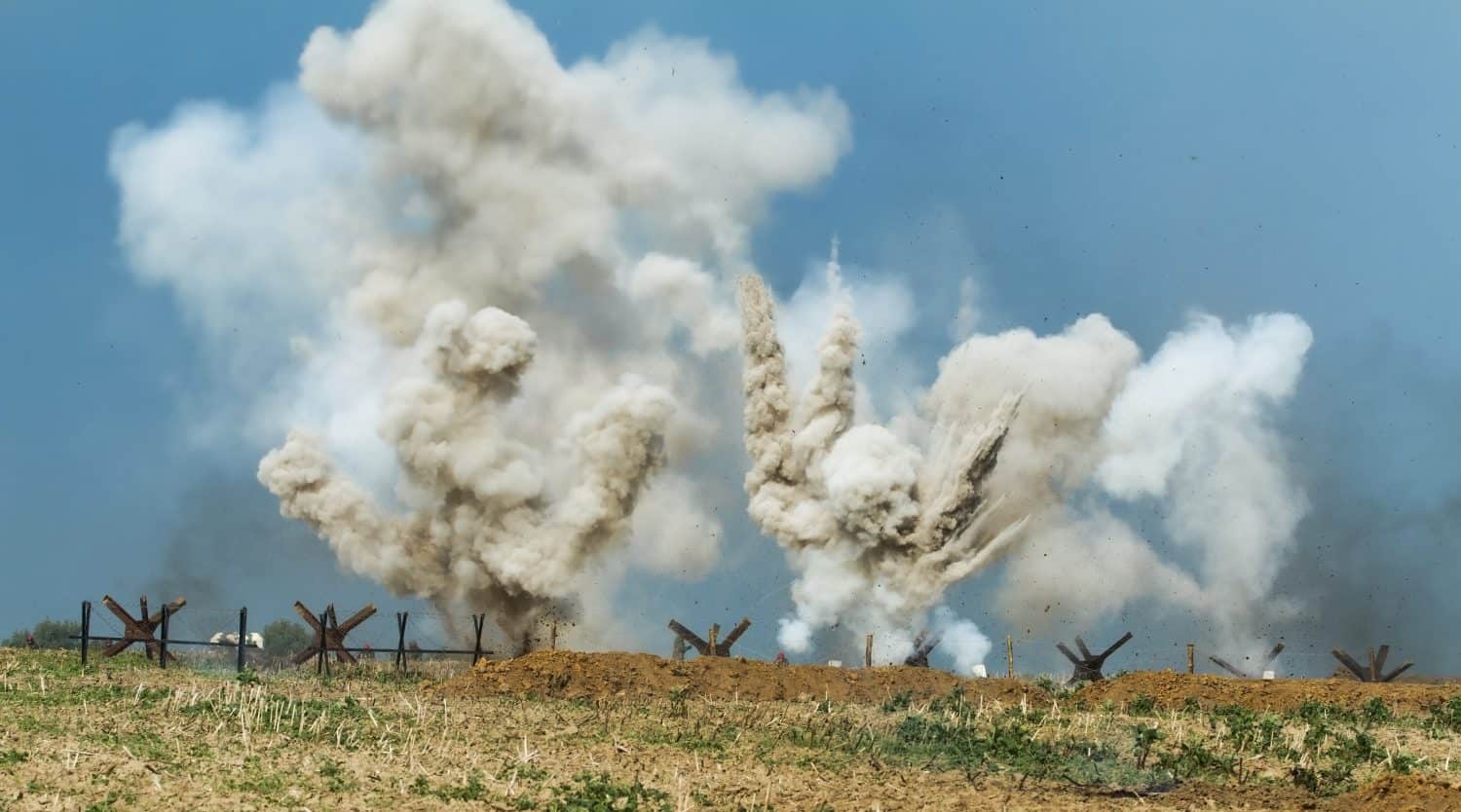
When weapons underperform, it’s the troops who pay the price. Early M16 failures, unreliable machine guns, and malfunctioning anti-aircraft systems exposed soldiers to unnecessary danger — reminders that procurement errors quickly become life-and-death issues in combat.
The Hidden Costs of Procurement Failures

Every canceled project drains billions in development, testing, training, and maintenance. Programs like the LCS and Zumwalt didn’t just fail operationally — they reshaped naval budgets for years, limiting investment in more practical alternatives.
Why These Failures Still Matter Today

Studying past missteps helps explain how modern militaries judge risk, evaluate new technologies, and avoid repeating the same mistakes. Understanding what went wrong gives insight into why today’s procurement process is more cautious, more complex, and more closely watched than ever.
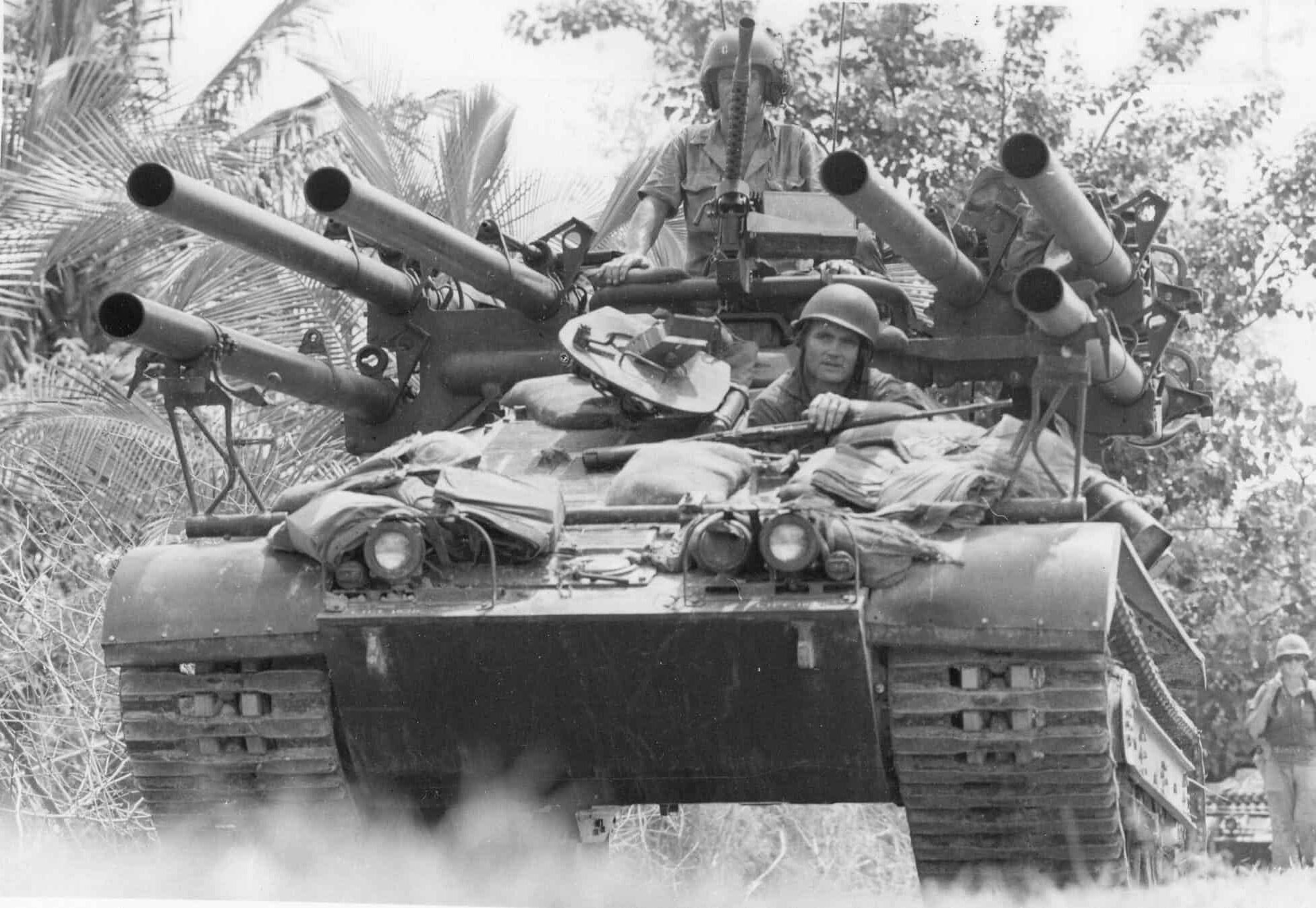
M50 Ontos
- Type: Light anti‑tank vehicle
- Country of origin: United States
- Manufacturer: Allis‑Chalmers
- Year introduced to service: 1956
- Main problem: Crew forced to reload outside the vehicle
Armed with six recoilless rifles, the Ontos delivered enormous firepower for its size. But crews had to exit the thinly armored vehicle to reload, exposing them to enemy fire. Despite flaws, Marines used it effectively in Vietnam ambushes.
F‑102 Delta Dagger
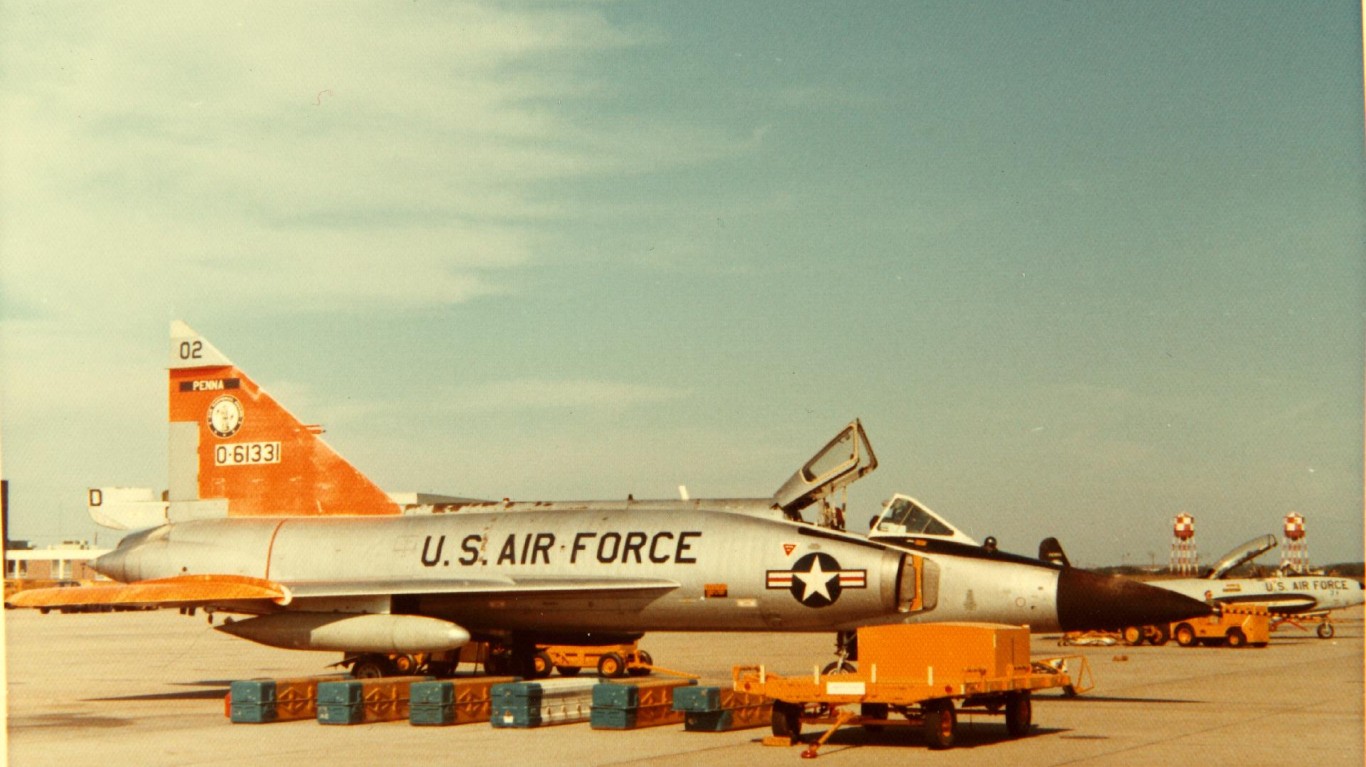
- Type: Interceptor aircraft
- Country of origin: United States
- Manufacturer: Convair
- Year introduced to service: 1956
- Main problem: Aerodynamic issues and weak performance
The F‑102 initially failed to reach supersonic speed until engineers applied the ‘area rule’ and redesigned the fuselage. Even after fixes, its performance lagged behind expectations, leading to a short operational lifespan.
M60 Machine Gun (Early Models)
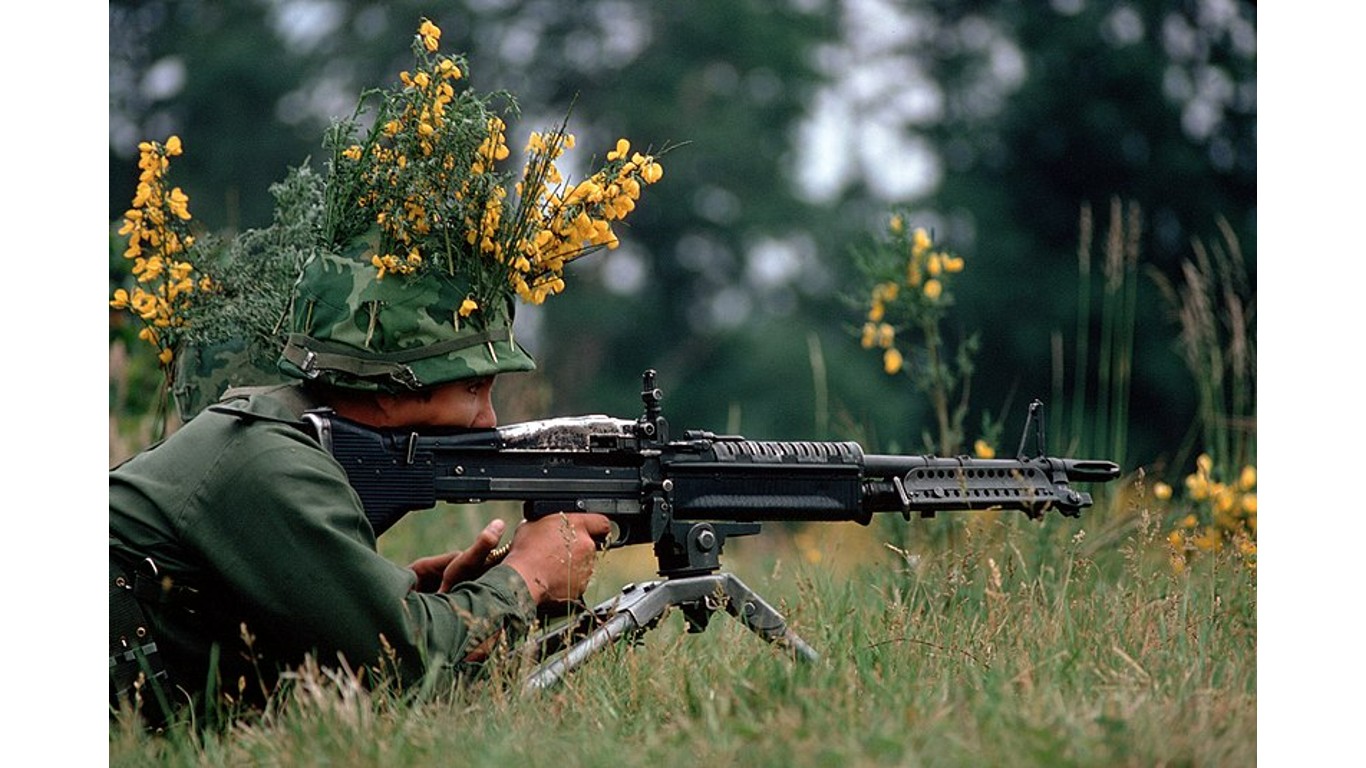
- Type: Machine gun
- Country of origin: United States
- Manufacturer: Saco Defense
- Year introduced to service: 1957
- Main problem: Frequent parts breakage
The M60 earned a mixed reputation in Vietnam. While offering strong firepower, its operating rod and sear frequently broke under combat stress. Barrel changes were awkward and slow. Although improved later, early models were widely disliked by troops.
F‑104 Starfighter
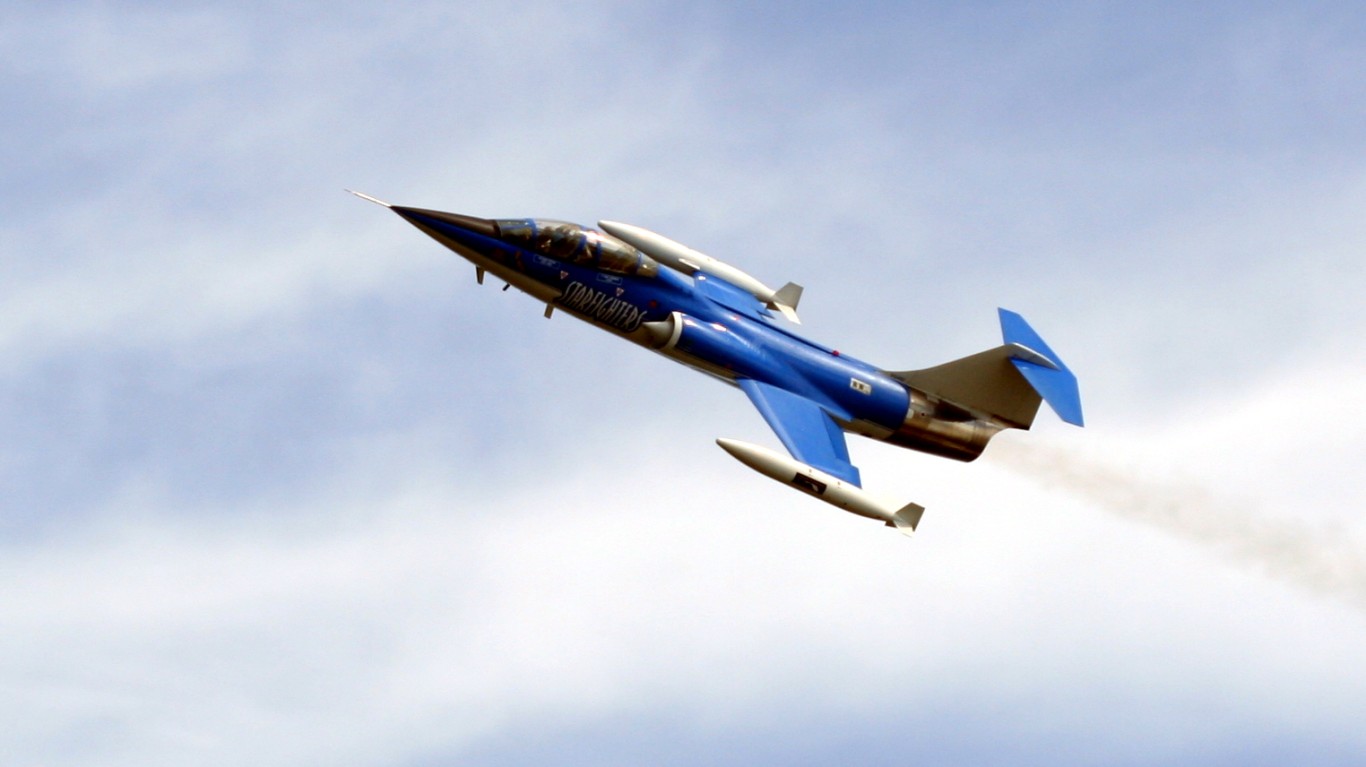
- Type: Fighter aircraft
- Country of origin: United States
- Manufacturer: Lockheed
- Year introduced to service: 1958
- Main problem: Very high accident rate
The F‑104 achieved extreme speed but poor real‑world safety. Its tiny wings, unforgiving flight envelope, and poor all‑weather ability caused an alarming crash rate—especially in German service—earning it the nickname ‘Widowmaker.’
M14 Rifle
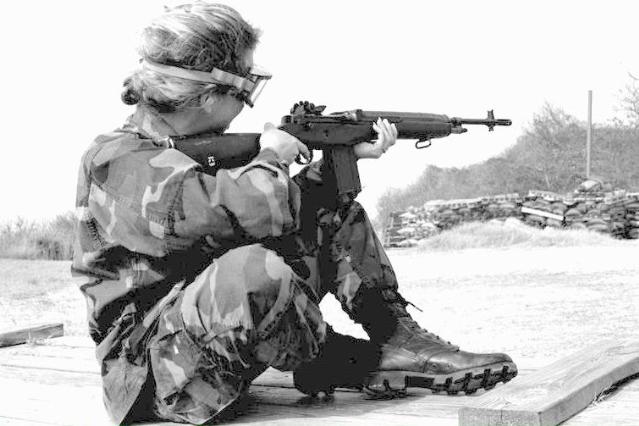
- Type: Battle rifle
- Country of origin: United States
- Manufacturer: Springfield Armory
- Year introduced to service: 1959
- Main problem: Poor handling in jungle warfare
The M14’s heavy recoil and full‑auto mode proved uncontrollable, and its size hindered troops in Vietnam’s dense jungle. Though accurate, it never worked well as an assault‑rifle replacement and was phased out quickly.
M73/M219 Machine Gun
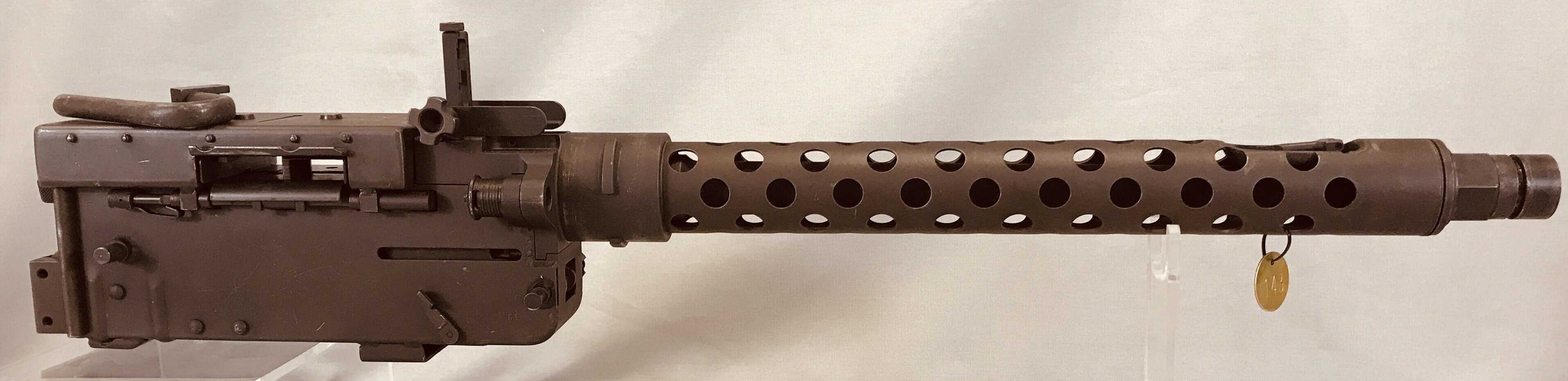
- Type: Coaxial machine gun
- Country of origin: United States
- Manufacturer: GM Hydramatic Division
- Year introduced to service: 1962
- Main problem: Severe jamming in armored vehicles
Designed for U.S. tanks, the M73 and M219 repeatedly jammed during combat, proving nearly impossible to maintain. Unreliable feeding and fragile components forced the Army to replace the entire line with the much more effective M240.
YF‑12 Interceptor
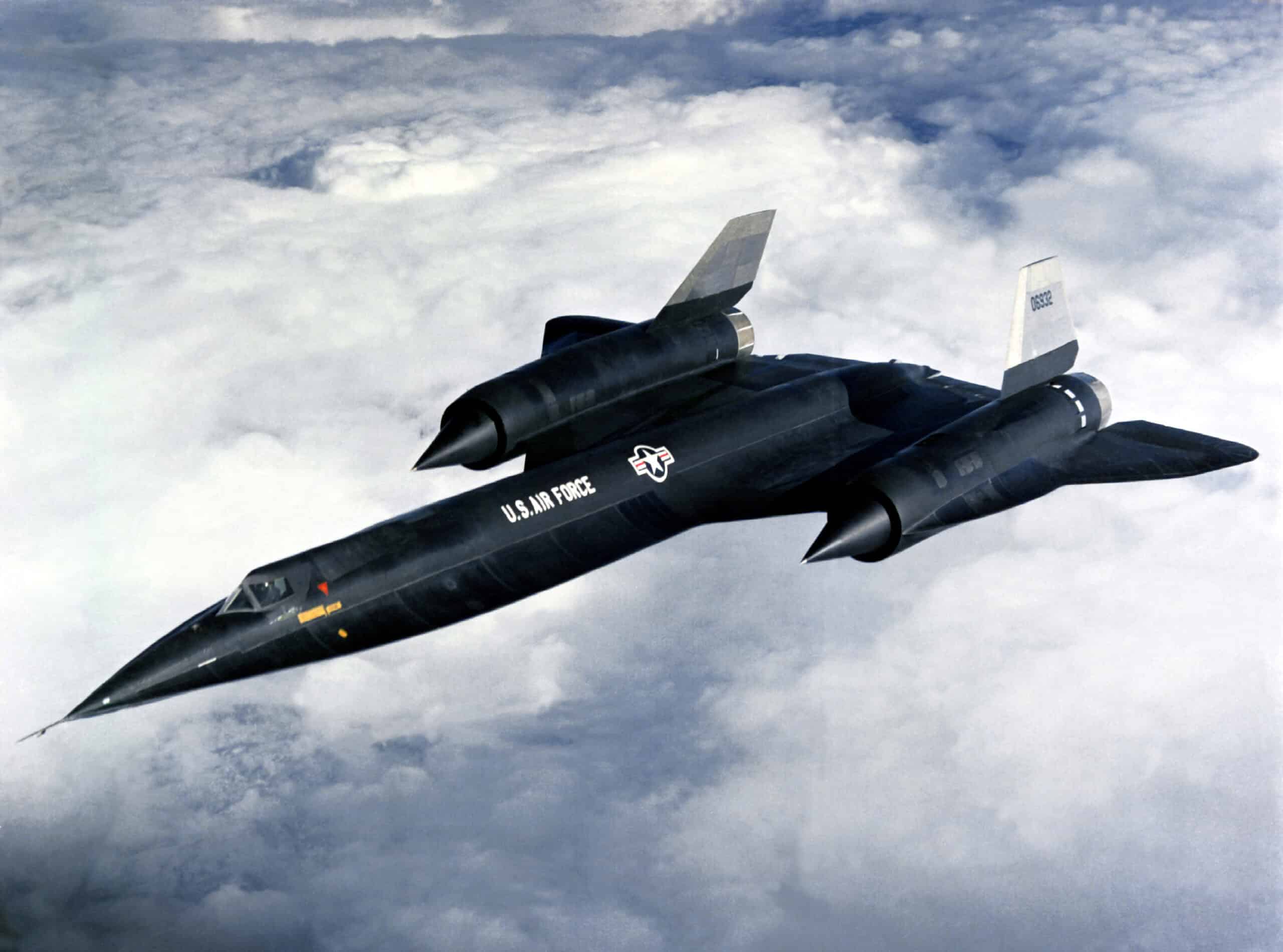
- Type: Prototype interceptor
- Country of origin: United States
- Manufacturer: Lockheed
- Year introduced to service: 1963
- Main problem: Excessive cost and maintenance
A derivative of the SR‑71, the YF‑12 promised unmatched speed, but astronomical costs and maintenance demands made it impractical. Shifts toward missile‑based air defense killed the program before mass production.
M16A1 (Early Vietnam Variant)
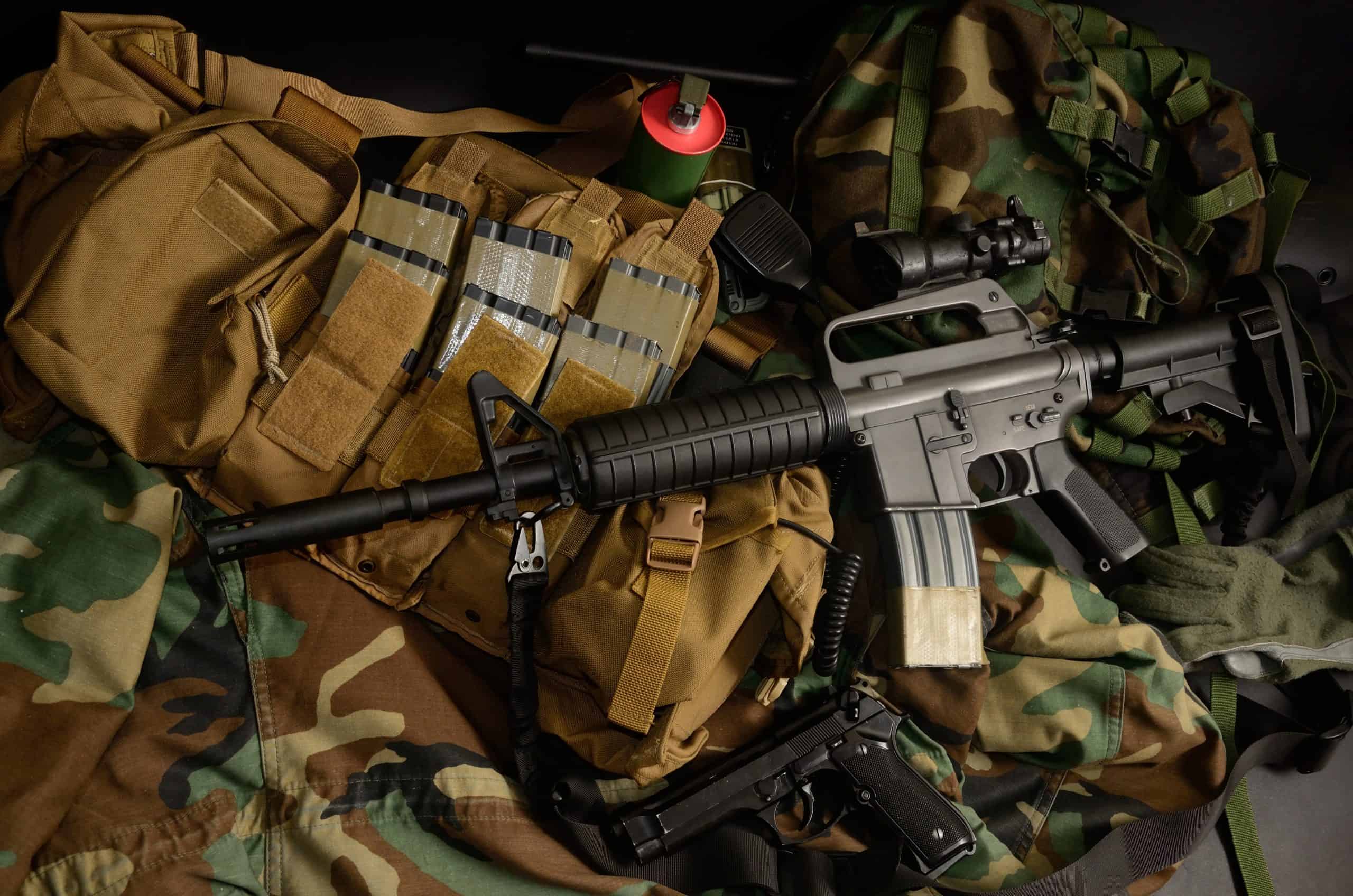
- Type: Assault rifle
- Country of origin: United States
- Manufacturer: Colt
- Year introduced to service: 1964
- Main problem: Jamming from powder change and lack of cleaning kits
Early M16A1 rifles jammed frequently in Vietnam after a switch to dirtier powder and the false belief that the rifle was self‑cleaning. Troops lacked proper maintenance gear, leading to deadly failures. Later fixes improved reliability, but early damage to troop confidence was lasting.
XM148 Grenade Launcher
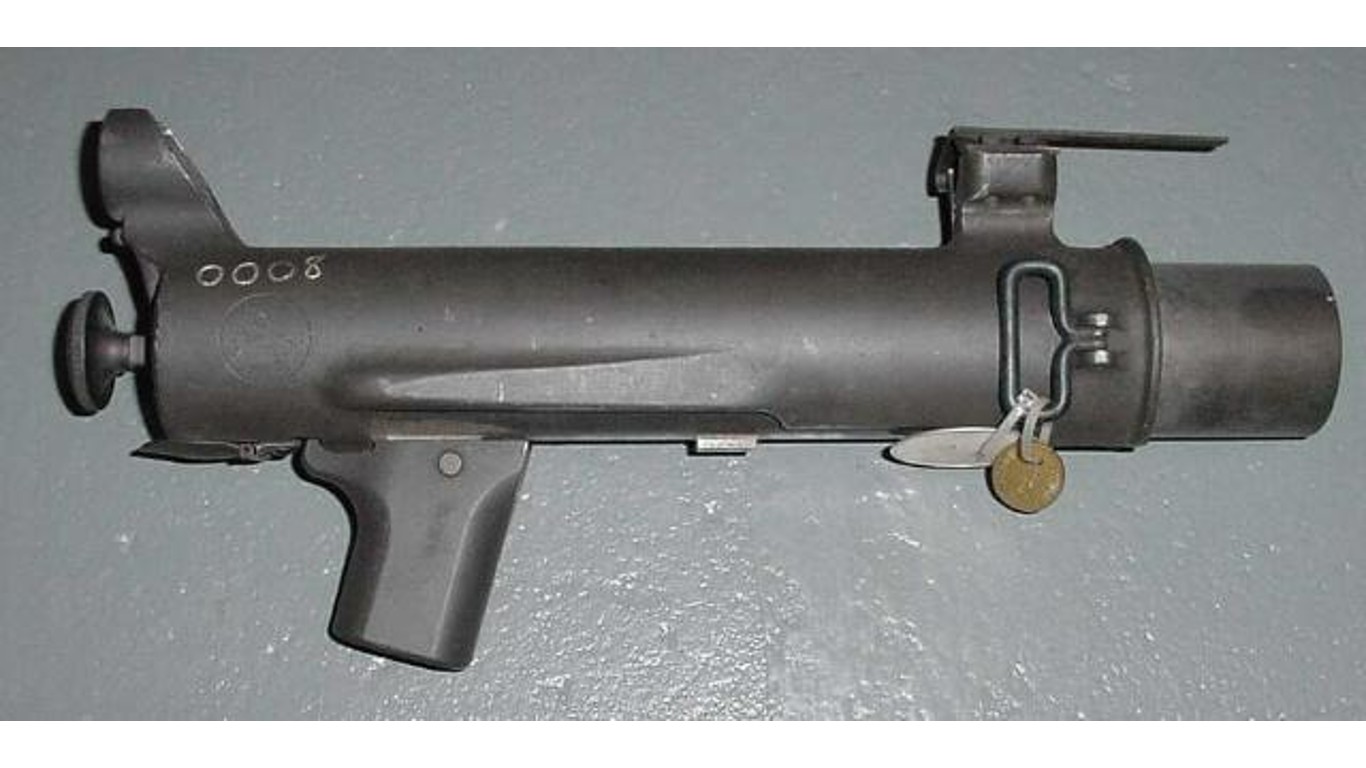
- Type: Under‑barrel grenade launcher
- Country of origin: United States
- Manufacturer: Colt
- Year introduced to service: 1966
- Main problem: Unsafe exposed trigger
The XM148 was America’s first under‑barrel grenade launcher, but its exposed trigger caused accidental discharges. Fragile components further undermined reliability. The superior M203 replaced it quickly.
M551 Sheridan
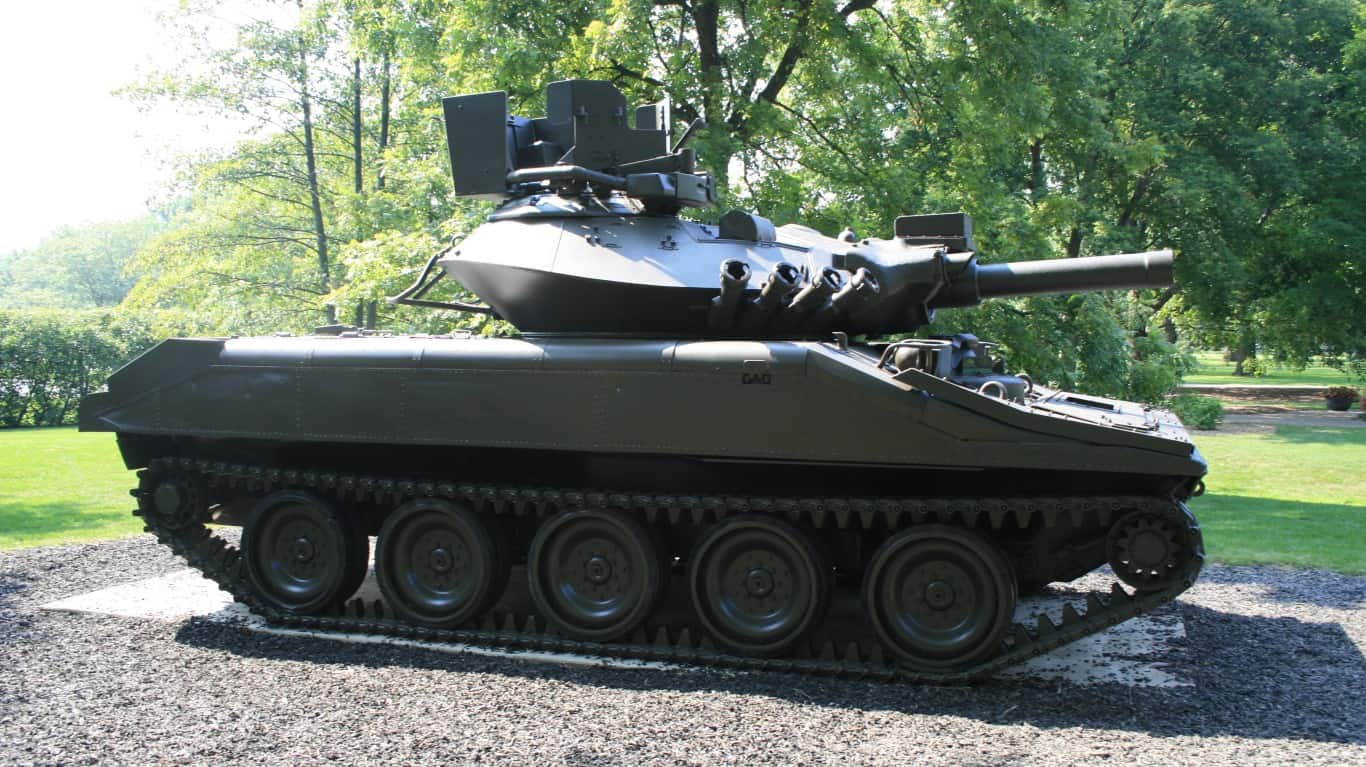
- Type: Light tank
- Country of origin: United States
- Manufacturer: General Motors
- Year introduced to service: 1967
- Main problem: Unreliable missile system and flammable hull
The Sheridan’s 152mm gun‑launcher and aluminum hull sounded advanced but proved disastrous. The missile rarely worked in combat, recoil stressed the frame, and the hull ignited when hit. Despite fielding in Vietnam, it never fulfilled expectations.
AH‑56 Cheyenne
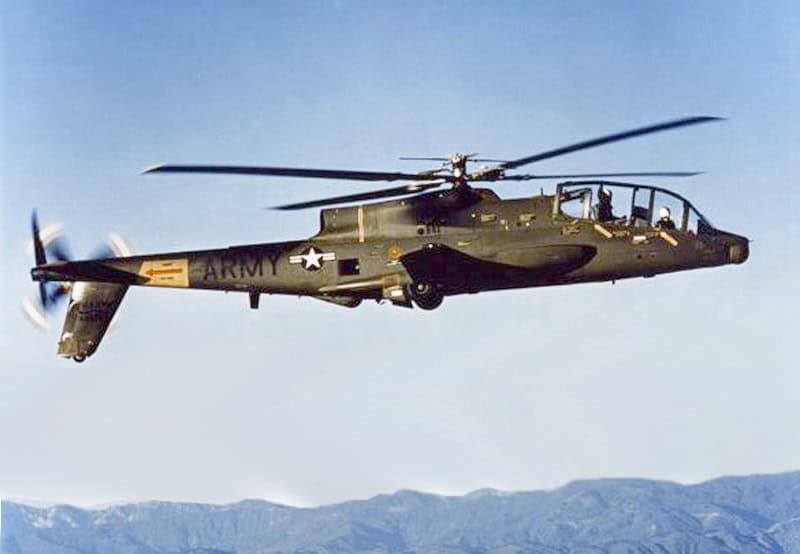
- Type: Attack helicopter
- Country of origin: United States
- Manufacturer: Lockheed
- Year introduced to service: 1967
- Main problem: Dangerous instability and fatal crash
The Cheyenne combined helicopter flight with fixed‑wing speed in a complex hybrid design. Its instability caused a fatal crash, and rising costs doomed the project. It was ultimately replaced by the more practical AH‑64 Apache program.
F‑111 Aardvark (Early Models)
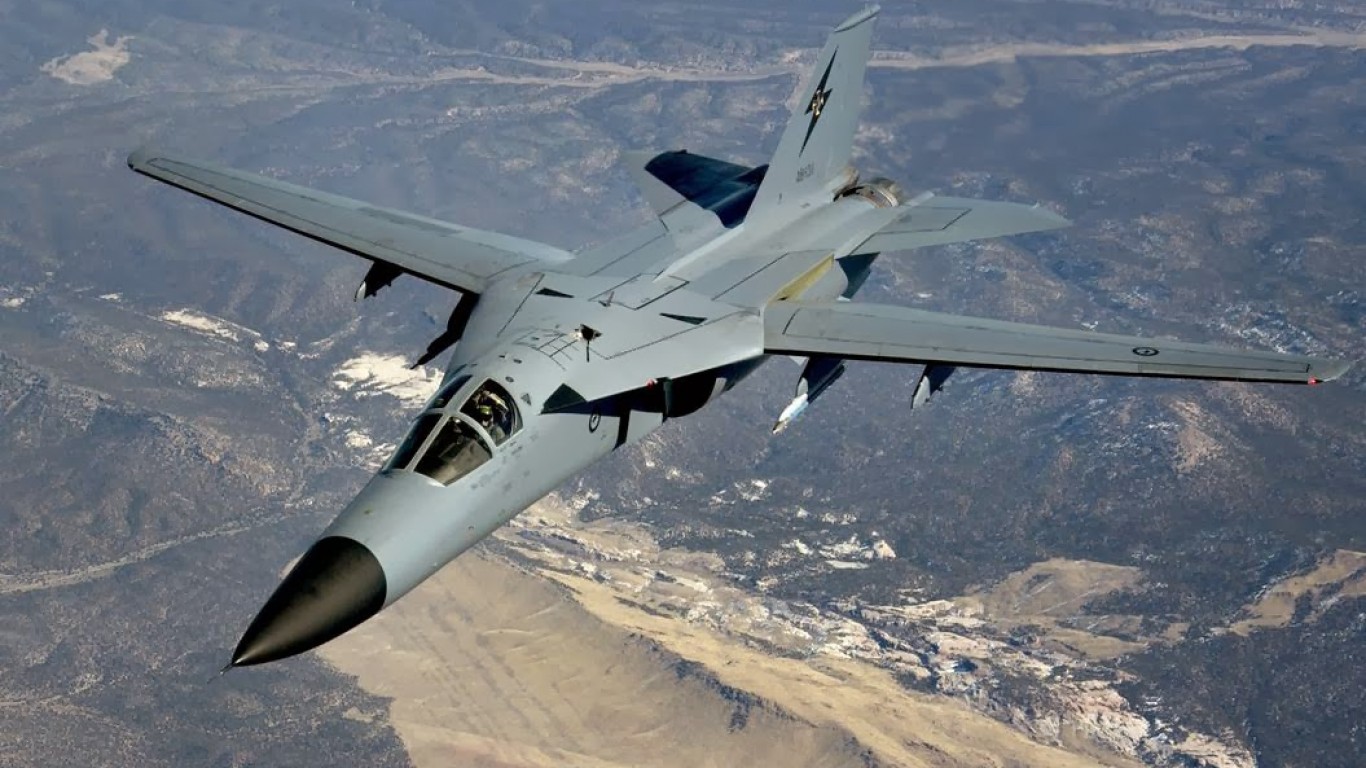
- Type: Strike aircraft
- Country of origin: United States
- Manufacturer: General Dynamics
- Year introduced to service: 1967
- Main problem: Wing‑box structural failures
The first F‑111A models suffered catastrophic structural failures in the wing assembly, causing crashes. Later redesigns improved performance, and later variants became excellent strike aircraft, but the early issues nearly doomed the program.
FAMAS F1
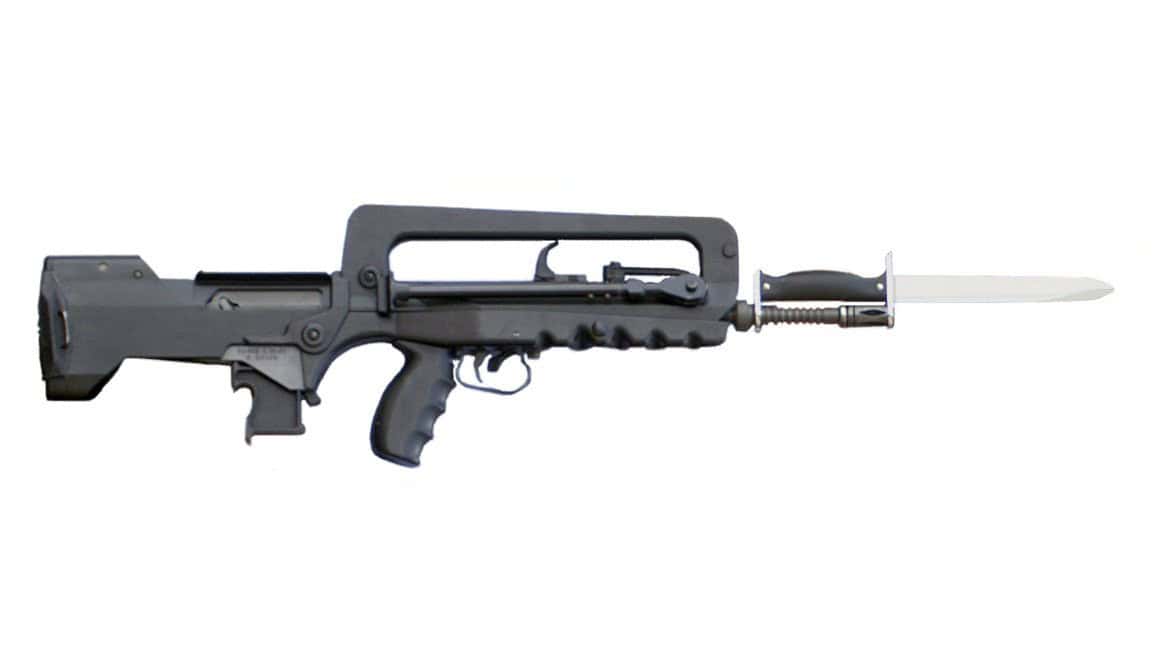
- Type: Bullpup rifle
- Country of origin: France
- Manufacturer: MAS (Manufacture d’Armes de Saint‑Étienne)
- Year introduced to service: 1978
- Main problem: Incompatible with NATO ammo
The FAMAS performed well using French‑made ammo but malfunctioned when fed standard NATO cartridges. Excessive wear and reliability failures hurt export potential and ultimately led France to adopt foreign rifles instead.
M2 Bradley (Early Development)
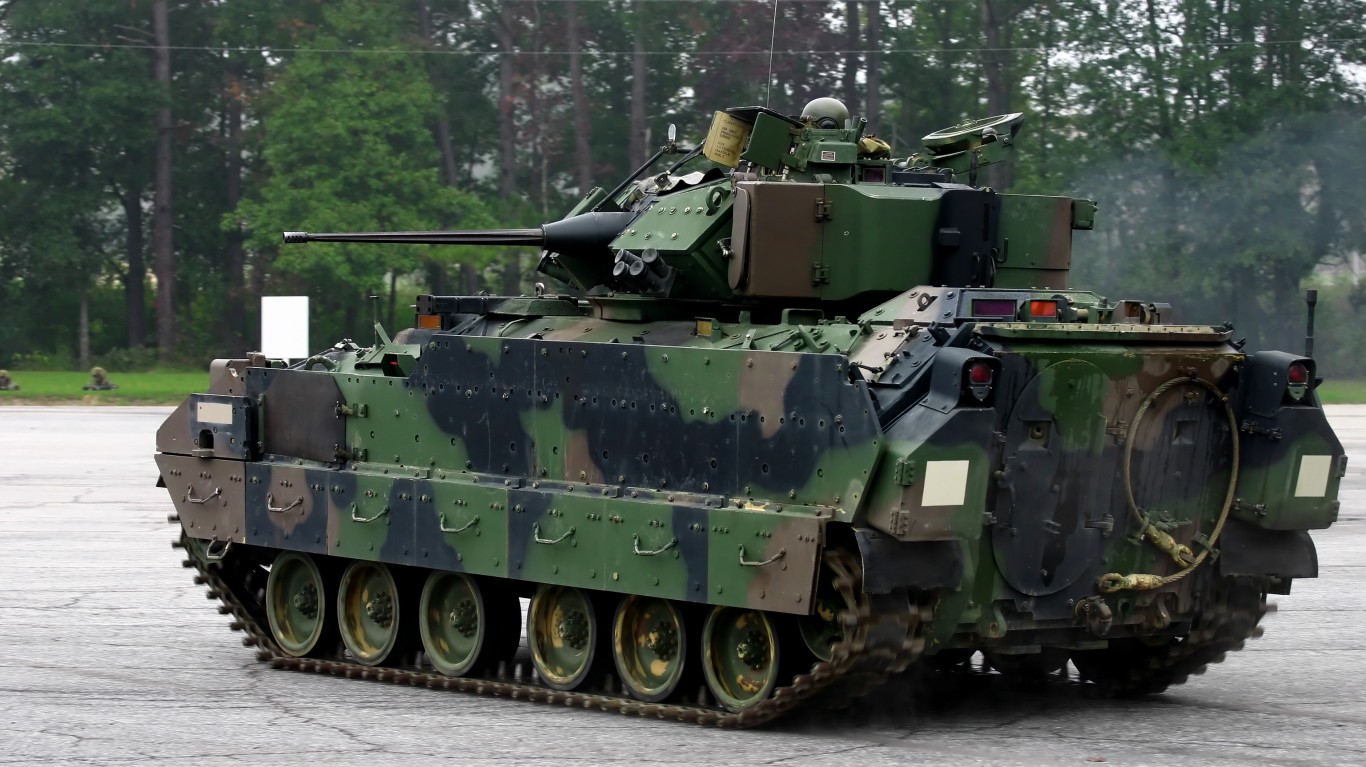
- Type: Infantry fighting vehicle
- Country of origin: United States
- Manufacturer: FMC Corporation
- Year introduced to service: 1981
- Main problem: Conflicting design goals
The Bradley’s development tried to combine transport capacity, heavy weaponry, and air mobility—an impossible combination. Early prototypes suffered major compromises. Only later upgrades turned it into a respected fighting vehicle.
M247 Sergeant York
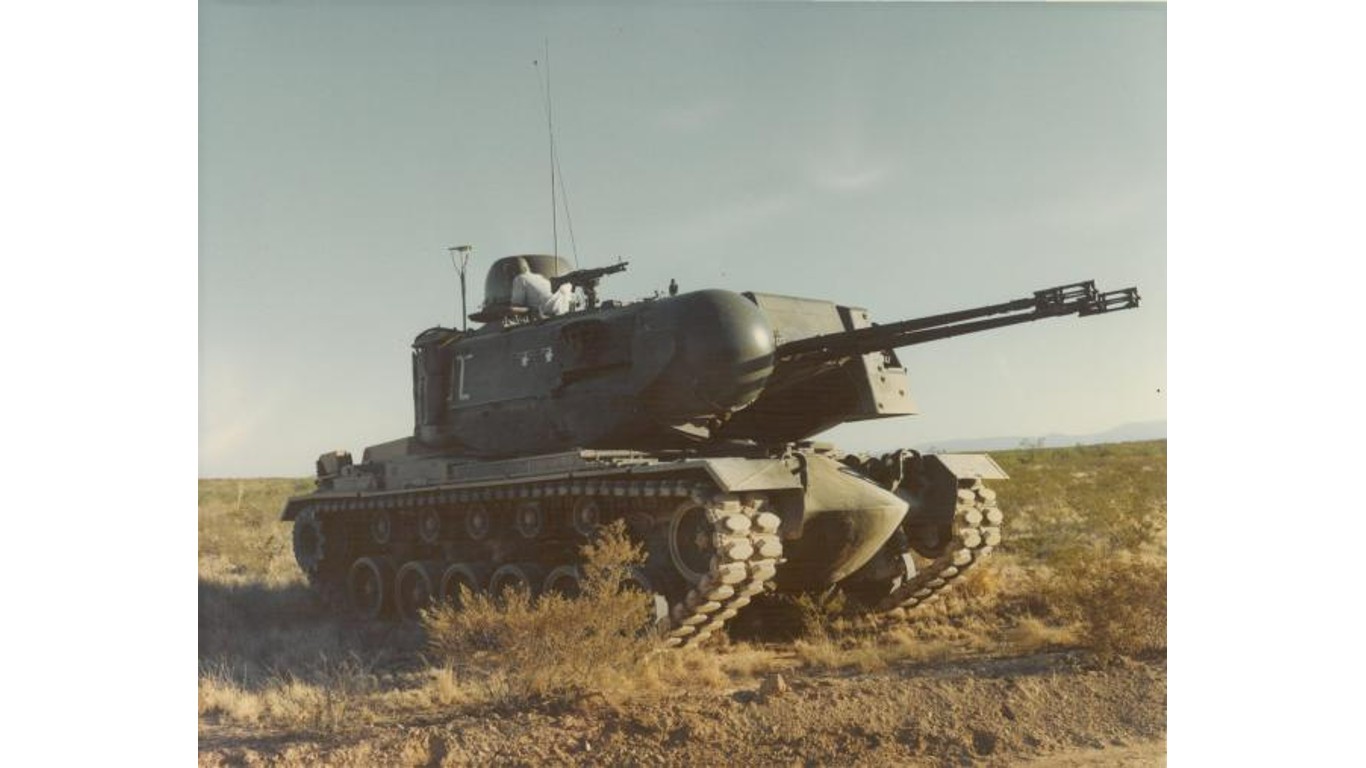
- Type: Self‑propelled anti‑aircraft gun
- Country of origin: United States
- Manufacturer: Ford Aerospace
- Year introduced to service: 1982
- Main problem: Radar unable to track real targets
The Sergeant York’s radar routinely locked onto irrelevant objects—including rotating barn fans. Its inability to reliably track aircraft, combined with escalating costs, made it one of the most embarrassing U.S. defense failures.
Bren Ten
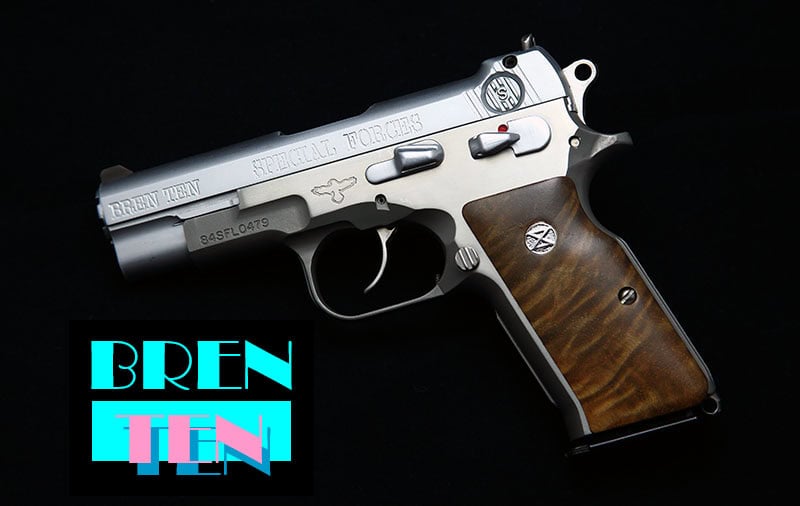
- Type: Semi‑auto pistol
- Country of origin: United States
- Manufacturer: Dornaus & Dixon
- Year introduced to service: 1983
- Main problem: Magazine supply failure
The Bren Ten popularized the 10mm Auto round but collapsed after the company failed to procure working magazines. Early customers received pistols with no magazines at all, dooming the otherwise promising design.
SA80 L85A1

- Type: Bullpup rifle
- Country of origin: United Kingdom
- Manufacturer: Royal Small Arms Factory
- Year introduced to service: 1985
- Main problem: Severe early reliability problems
British troops widely criticized the L85A1 for jamming in sand, mud, and cold weather. Only after an extensive rebuild by Heckler & Koch did the rifle become dependable in A2 and A3 forms.
A‑12 Avenger II
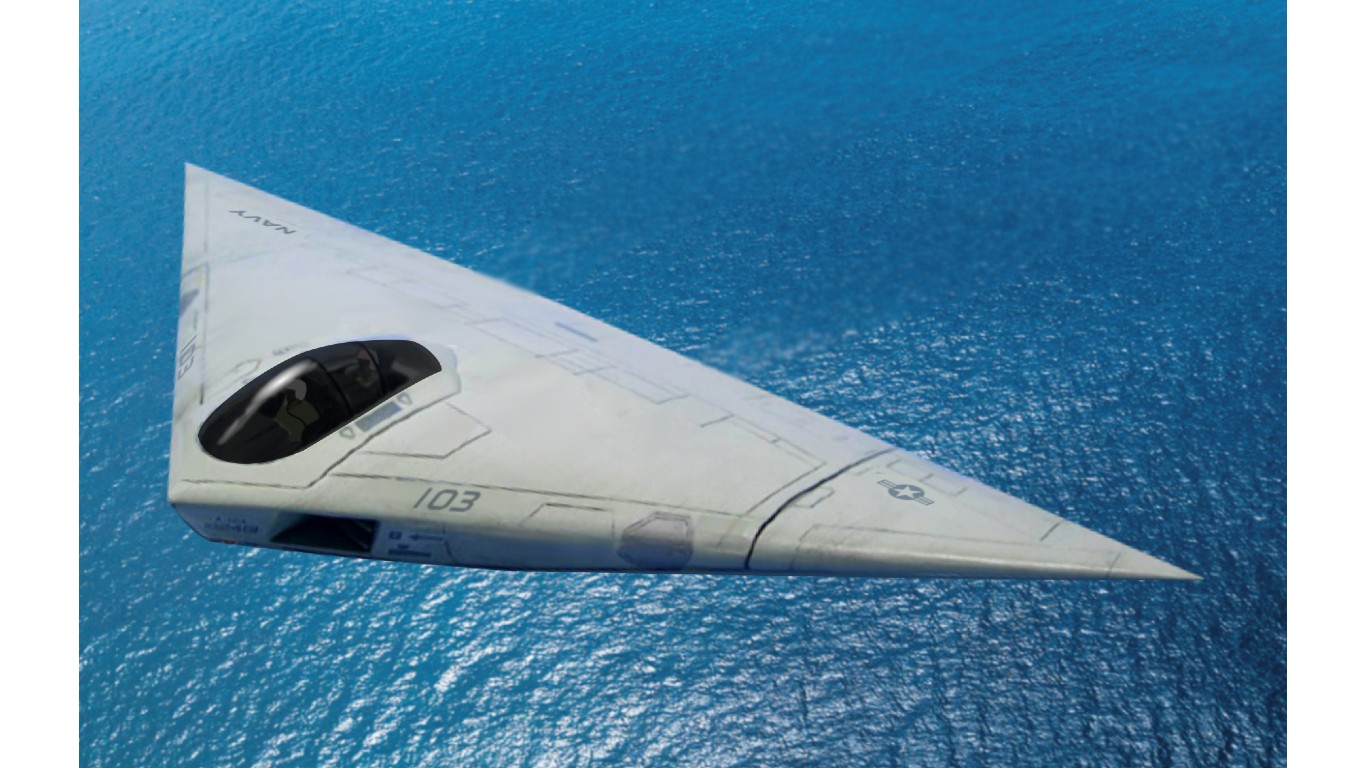
- Type: Stealth bomber
- Country of origin: United States
- Manufacturer: McDonnell Douglas / General Dynamics
- Year introduced to service: 1988
- Main problem: Weight problems and exploding cost
The A‑12 was intended as a stealth carrier‑capable bomber, but worsening weight issues and skyrocketing costs turned it into one of the most infamous procurement failures. The program was canceled before flying prototypes were finished.
V‑22 Osprey (Early Development)
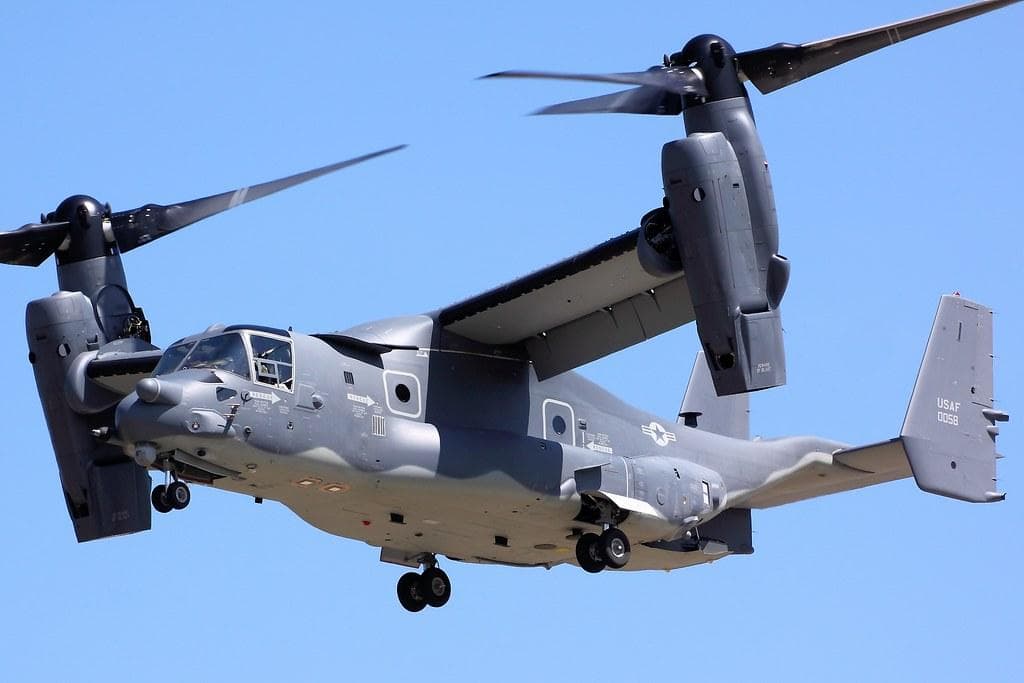
- Type: Tilt‑rotor aircraft
- Country of origin: United States
- Manufacturer: Bell / Boeing
- Year introduced to service: 1989
- Main problem: High early crash rate and design complexity
Now widely used, the V‑22 suffered deadly crashes and engineering challenges early in development. Structural instability, software flaws, and extreme mechanical complexity contributed to one of the most turbulent aviation programs ever.
Colt All‑American 2000
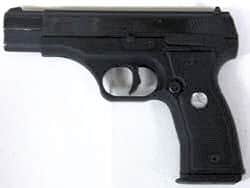
- Type: Semi‑auto pistol
- Country of origin: United States
- Manufacturer: Colt
- Year introduced to service: 1992
- Main problem: Poor accuracy and unreliable action
Colt’s attempt at a modern handgun failed disastrously. The All‑American 2000 suffered from erratic accuracy and an over‑complex rotating‑breech design. It sold poorly and was quickly discontinued.
RAH‑66 Comanche
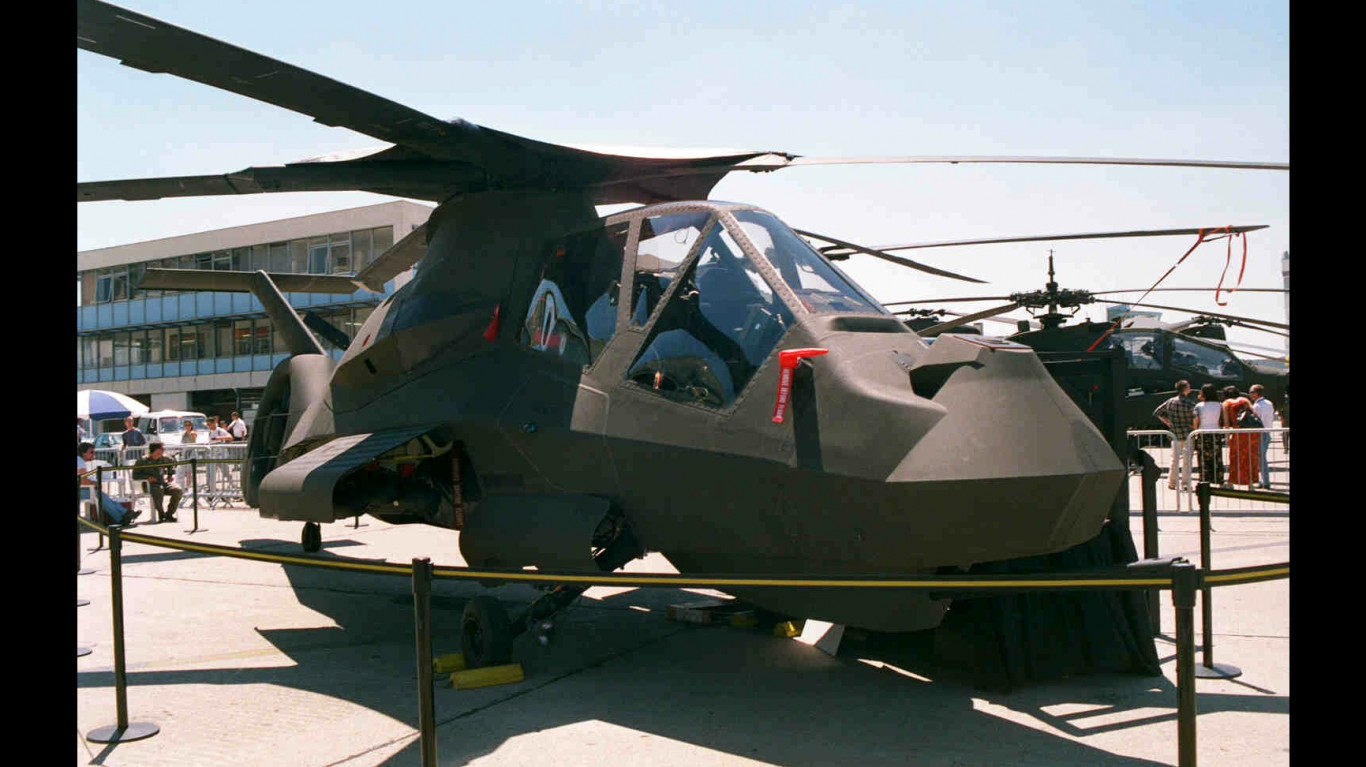
- Type: Recon helicopter
- Country of origin: United States
- Manufacturer: Boeing / Sikorsky
- Year introduced to service: 1996
- Main problem: Costs exploded as drones took over its mission
The Comanche promised stealth scouting but became too expensive as unmanned drones emerged. Billions were spent before the Army canceled the project without fielding a single helicopter.
XM8 Rifle
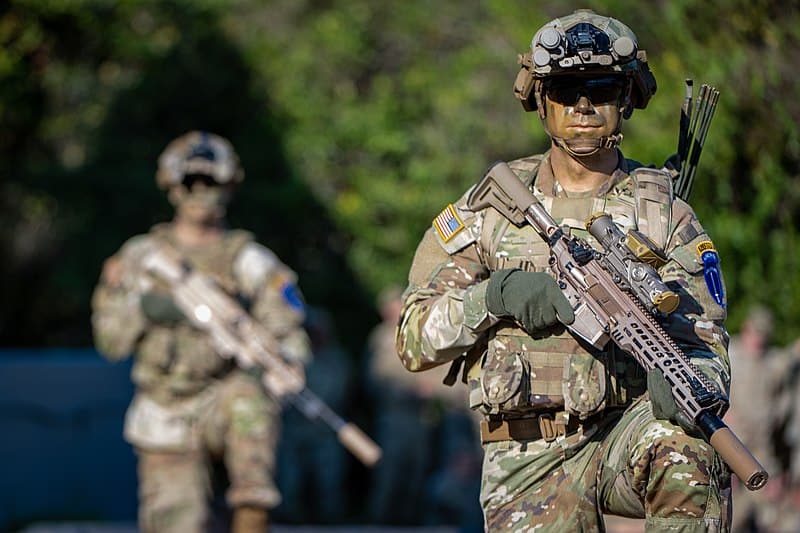
- Type: Assault rifle prototype
- Country of origin: United States
- Manufacturer: Heckler & Koch
- Year introduced to service: 2002
- Main problem: Program ended due to cost and shifting goals
The XM8 was meant to replace the M16/M4 with a lightweight, modular rifle. Although test performance was strong, rising costs, bureaucracy, and changing Army needs led to cancellation. Critics argued it offered too few advantages to justify enormous expense.
VH‑71 Kestrel
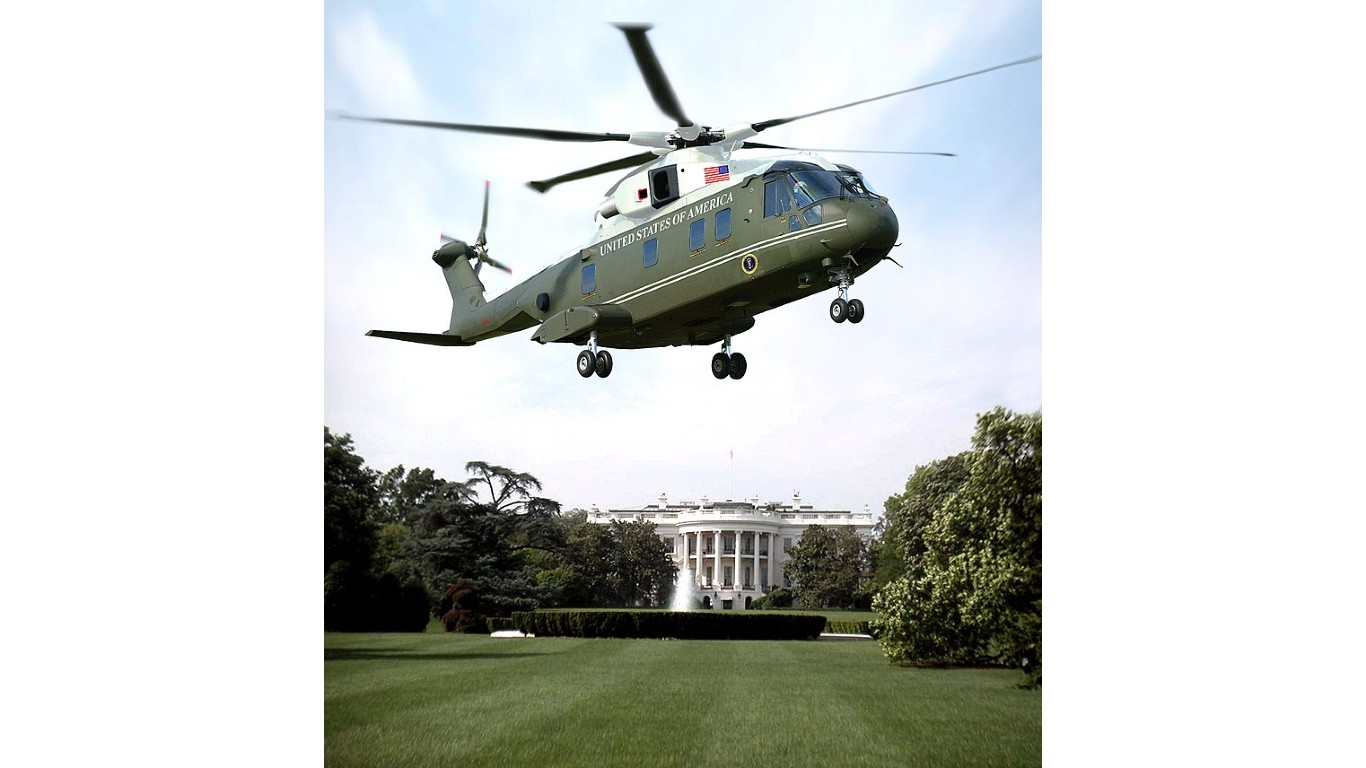
- Type: Presidential helicopter
- Country of origin: United States / UK
- Manufacturer: AgustaWestland / Lockheed Martin
- Year introduced to service: 2003
- Main problem: Extreme cost overruns
The VH‑71 was meant to replace Marine One with a cutting‑edge fleet, but its cost exploded far beyond projections. The project burned billions before cancellation, with no operational helicopters fielded.
F‑35 (Early Program Issues)
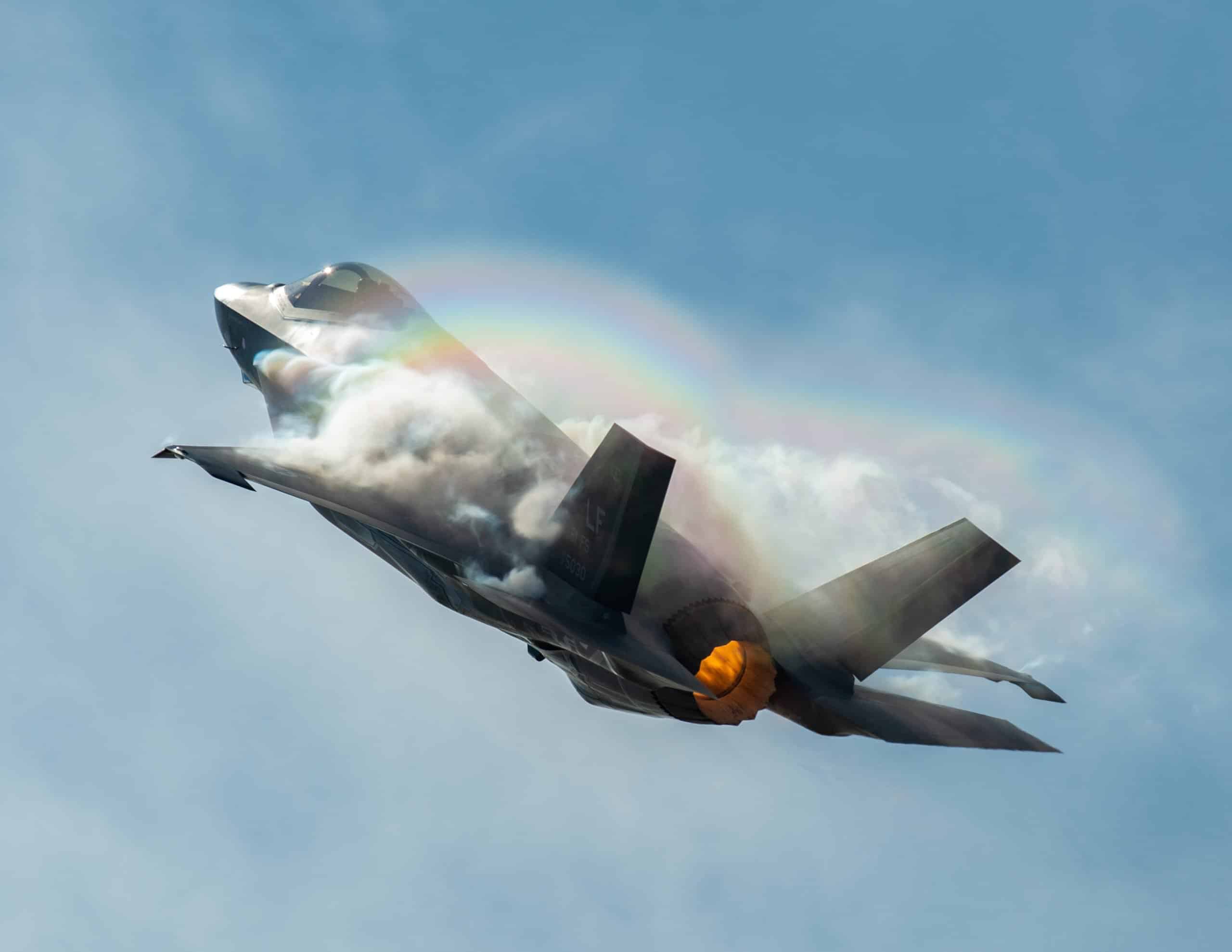
- Type: Stealth fighter
- Country of origin: United States
- Manufacturer: Lockheed Martin
- Year introduced to service: 2006
- Main problem: Massive cost overruns and software issues
The F‑35 eventually matured into a capable fighter, but early development was plagued by software bugs, structural issues, and runaway costs. Delays made it one of the most expensive defense projects ever.
Littoral Combat Ship (LCS)
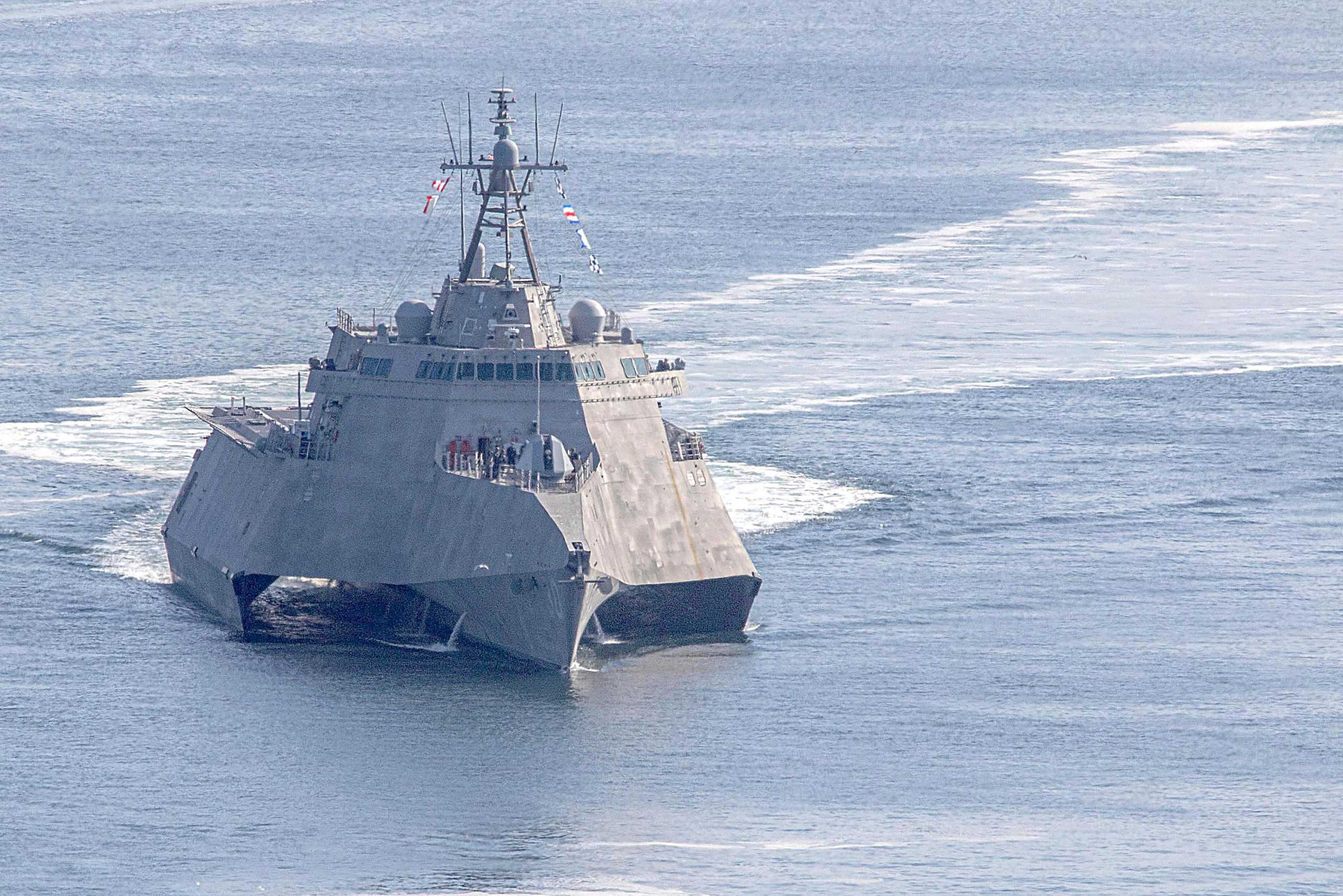
- Type: Naval combat ship
- Country of origin: United States
- Manufacturer: Lockheed Martin / Austal USA
- Year introduced to service: 2008
- Main problem: Mechanical failures and bad mission modules
The LCS fleet promised modular versatility, but engine failures, hull cracks, and ineffective mission packages crippled performance. Several ships were retired early—an extraordinary outcome for such a new platform.
USS Zumwalt (DDG‑1000)
- Type: Stealth destroyer
- Country of origin: United States
- Manufacturer: Bath Iron Works
- Year introduced to service: 2016
- Main problem: Unusable ammunition and spiraling cost
The Zumwalt class centered around an advanced gun system whose ammunition became too expensive to procure. With no usable primary gun and only three ships built, the program became a high‑profile example of over‑ambitious design.










 Top Gaining Stocks
 Top Losing Stocks