


Modern military weapons often arrive with staggering price tags and even bigger promises. Billions of dollars, years of development, and cutting-edge technology are supposed to guarantee battlefield success. Yet history shows that cost alone doesn’t buy combat readiness. When these systems faced their first real deployment or combat test, many stumbled in highly visible ways.
Those early failures exposed gaps between design assumptions and real-world conditions, where reliability, training, and sustainment mattered more than specifications. In many cases, combat forced rapid redesigns, operational restrictions, or complete reevaluations of programs that once seemed untouchable. Here, 24/7 Wall St. is taking a closer look at some of the most expensive weapons debuts and failures.
To identify the most expensive weapon failures, 24/7 Wall St. reviewed various historical and military sources. We included supplemental information regarding the weapon type, year introduced, estimated cost, and what went wrong with each weapon. Note that these weapons range from small arms all the way to advanced aircraft and naval vessels.
Here is a look at the most expensive weapon fails:
Why Are We Covering This?

Weapons programs with massive price tags carry expectations that go far beyond technical performance. When billions of dollars are invested in a single system, early failures aren’t just operational problems instead they become strategic, political, and institutional ones. By focusing on early failures rather than long-term outcomes, the list highlights why first-use performance matters, how costly missteps shape future procurement decisions, and why even the most well-funded weapons must ultimately prove themselves under real-world conditions.
Cost Doesn’t Equal Combat Readiness

A massive price tag doesn’t guarantee a weapon will perform when it matters most. In many cases, the systems that cost the most are also the most complex, which means more things can break, more training is required, and more maintenance is needed just to keep them operational. Combat doesn’t care how much was spent, how ambitious the design was, or how impressive the marketing sounded. The first real test—deployment, sustained operations, or combat—often reveals whether the investment produced capability or just expensive fragility.
Why These Weapons Were So Expensive

The weapons on this list became expensive because they aimed to do more than their predecessors. Many were designed to be next-generation platforms that could replace multiple older systems, dominate new threat environments, or deliver capabilities that simply didn’t exist before. That ambition often required advanced materials, complex electronics, software-heavy integration, and cutting-edge manufacturing, all of which drive cost upward. In procurement, the biggest budgets usually follow the boldest promises—especially when strategic or political pressure demands rapid modernization.
The First Real Test
A weapon’s first real test isn’t a demonstration or a controlled exercise—it’s the moment it enters sustained operational use with real consequences. In that environment, readiness rates become visible, supply chains get stressed, and crews face conditions that no testing program can fully simulate. Systems that looked acceptable in development can struggle when they must perform every day, in harsh climates, under tight timelines, and with imperfect maintenance. For expensive programs, that first operational proving ground becomes a public referendum on whether the weapon is actually combat-ready.
When Failure Is Public and Costly
When an expensive weapon stumbles early, the consequences are immediate and often public. Restrictions get imposed, missions get narrowed, and emergency fixes become necessary just to keep the system usable. In some cases, programs are forced into redesigns that take years and cost billions more, while political pressure intensifies as scrutiny grows. Unlike cheaper equipment, high-cost failures can’t be dismissed as bad luck—they become symbols of institutional risk and procurement optimism colliding with reality.
30 Costly Weapons Put to the Test
The list that follows highlights 30 of the most expensive military weapons and programs that failed or stumbled during their first real operational test. Spanning aircraft, ships, missile defense systems, armored vehicles, and ambitious modernization efforts, each entry carried enormous expectations—and then faced a harsh debut that forced restrictions, redesigns, or a complete rethink. Some eventually recovered and became capable platforms, while others never escaped the shadow of their early failures. All of them prove the same lesson: cost is not the same thing as readiness.
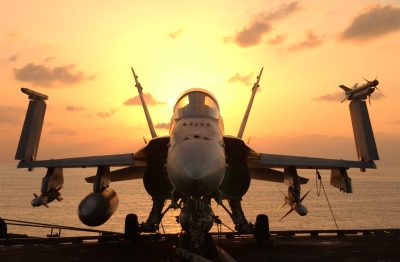
F-35 Lightning II

- Weapon type: Fighter Aircraft
- Year introduced to service: 2015
- Estimated cost (unit or program): $80M+ per unit / $1.7T program
- Why it was supposed to be revolutionary: Stealth, sensor fusion, multirole dominance
- First real test / deployment: Early operational deployments
- What went wrong: Low readiness rates, software limits
- Immediate consequences: Restrictions and ongoing fixes
The F-35 entered service as the most expensive weapons program in history, promising unmatched stealth and sensor fusion. Early deployments revealed low readiness rates, immature software, and maintenance complexity. While the aircraft continues to improve, its first real test exposed the difficulty of turning revolutionary technology into reliable combat power.
F-111 Aardvark
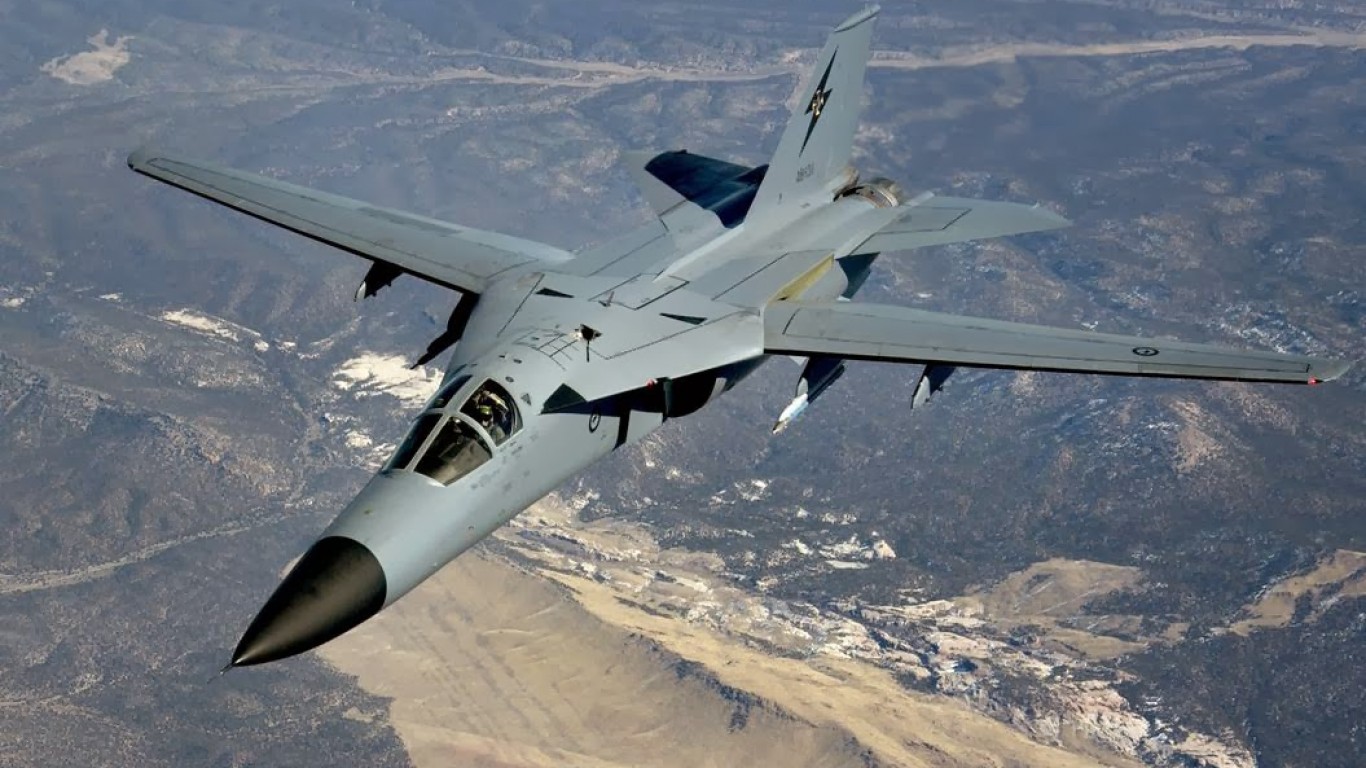
- Weapon type: Strike Aircraft
- Year introduced to service: 1967
- Estimated cost (unit or program): $15M per unit (1960s dollars)
- Why it was supposed to be revolutionary: All-weather, deep-strike swing-wing bomber
- First real test / deployment: Vietnam combat debut
- What went wrong: Structural failures and early losses
- Immediate consequences: Temporary withdrawal and redesign
The F-111 was billed as a technological leap forward, but its Vietnam debut was disastrous. Structural flaws caused crashes and combat losses, forcing the Air Force to pull the aircraft from combat until fixes were implemented.
B-1B Lancer

- Weapon type: Strategic Bomber
- Year introduced to service: 1986
- Estimated cost (unit or program): $283M per unit
- Why it was supposed to be revolutionary: High-speed, penetrating bomber
- First real test / deployment: Early operational service
- What went wrong: Low readiness and mission restrictions
- Immediate consequences: Delayed combat employment
The B-1B entered service with enormous cost and expectations but struggled with readiness and mission limitations. It took years before the aircraft became a reliable combat asset.
V-22 Osprey
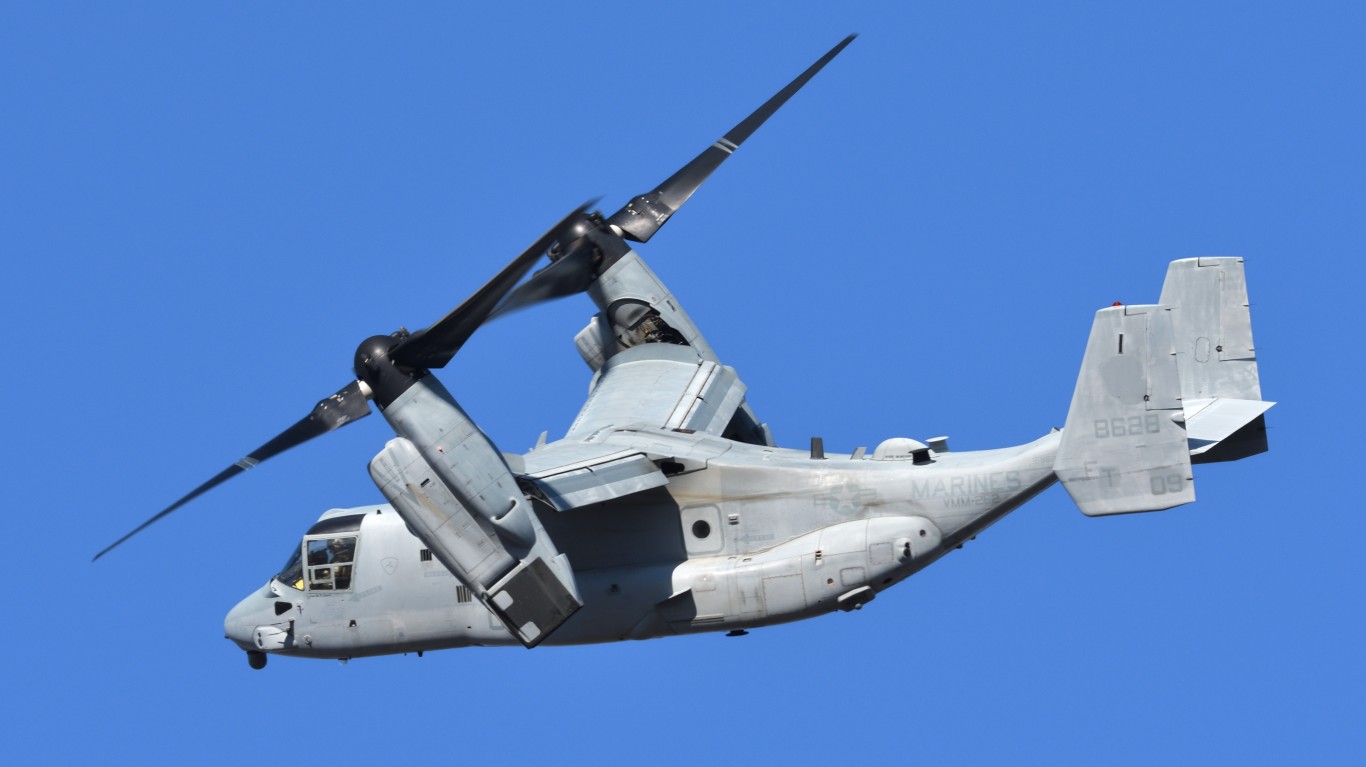
- Weapon type: Tiltrotor Aircraft
- Year introduced to service: 2007
- Estimated cost (unit or program): $72M per unit
- Why it was supposed to be revolutionary: Vertical lift with airplane speed
- First real test / deployment: Early operational use
- What went wrong: Crashes and reliability issues
- Immediate consequences: Groundings and redesigns
The V-22 promised revolutionary mobility, but early operational use was marred by crashes and mechanical problems. Only extensive redesigns allowed it to mature into a viable platform.
A-400M Atlas
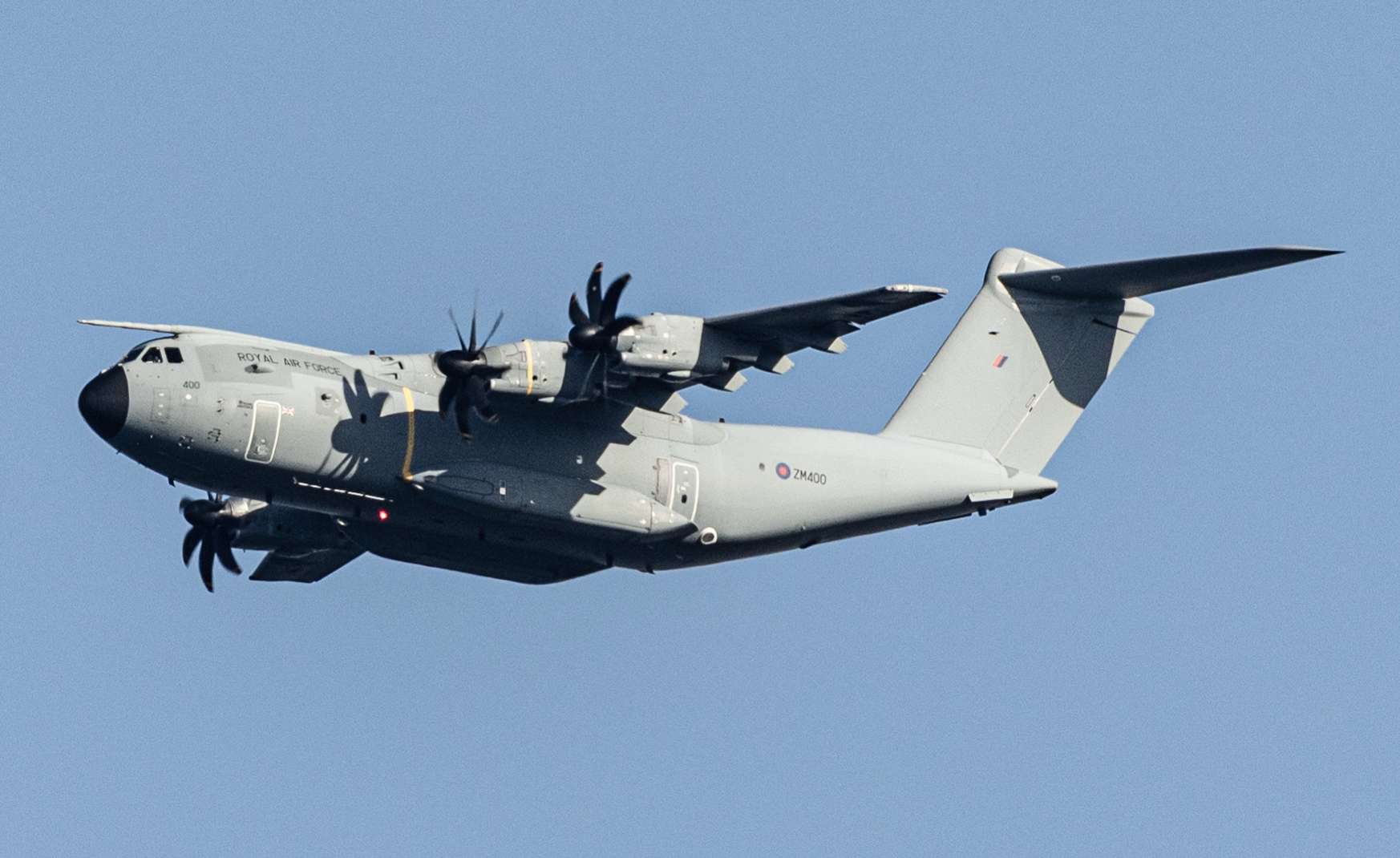
- Weapon type: Transport Aircraft
- Year introduced to service: 2013
- Estimated cost (unit or program): $170M+ per unit
- Why it was supposed to be revolutionary: Strategic and tactical airlift in one
- First real test / deployment: Early deployments
- What went wrong: Engine and gearbox failures
- Immediate consequences: Restricted missions and fixes
Europe’s most expensive airlifter struggled during its first deployments, exposing propulsion and readiness issues that limited its utility.
MiG-29 (export)
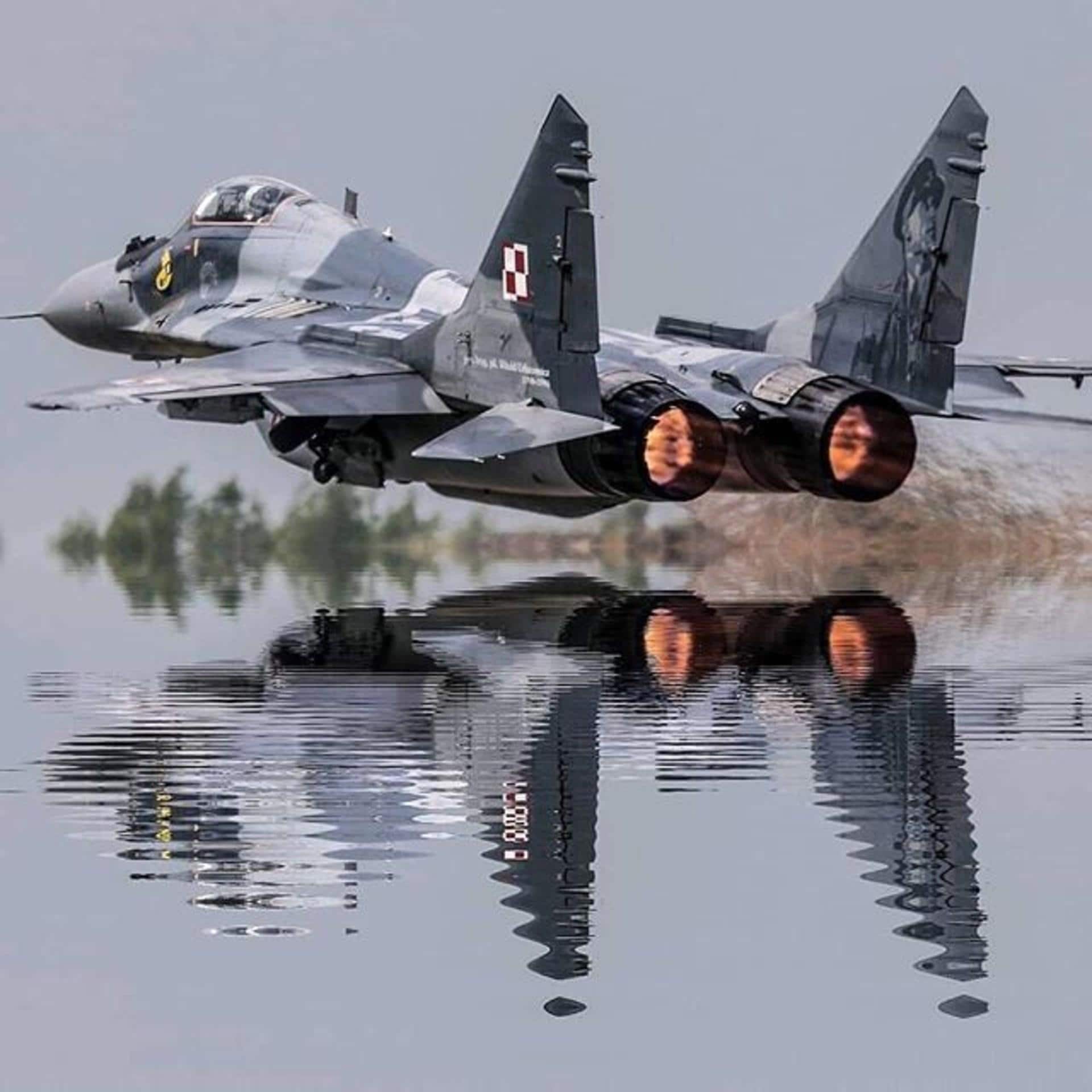
- Weapon type: Fighter Aircraft
- Year introduced to service: 1983
- Estimated cost (unit or program): High-cost for Warsaw Pact allies
- Why it was supposed to be revolutionary: High maneuverability and advanced avionics
- First real test / deployment: First export combat use
- What went wrong: Poor sustainment and pilot training
- Immediate consequences: Operational disappointment
The MiG-29 looked formidable on paper but underperformed in export combat use due to logistics and training shortcomings.
MiG-23

- Weapon type: Fighter Aircraft
- Year introduced to service: 1970
- Estimated cost (unit or program): Very high unit cost
- Why it was supposed to be revolutionary: Variable-geometry, high-speed interceptor
- First real test / deployment: Middle East conflicts
- What went wrong: Poor dogfighting performance
- Immediate consequences: Phased out
The MiG-23 promised speed and flexibility, but combat revealed handling and effectiveness issues that undermined its value.
Eurofighter Typhoon
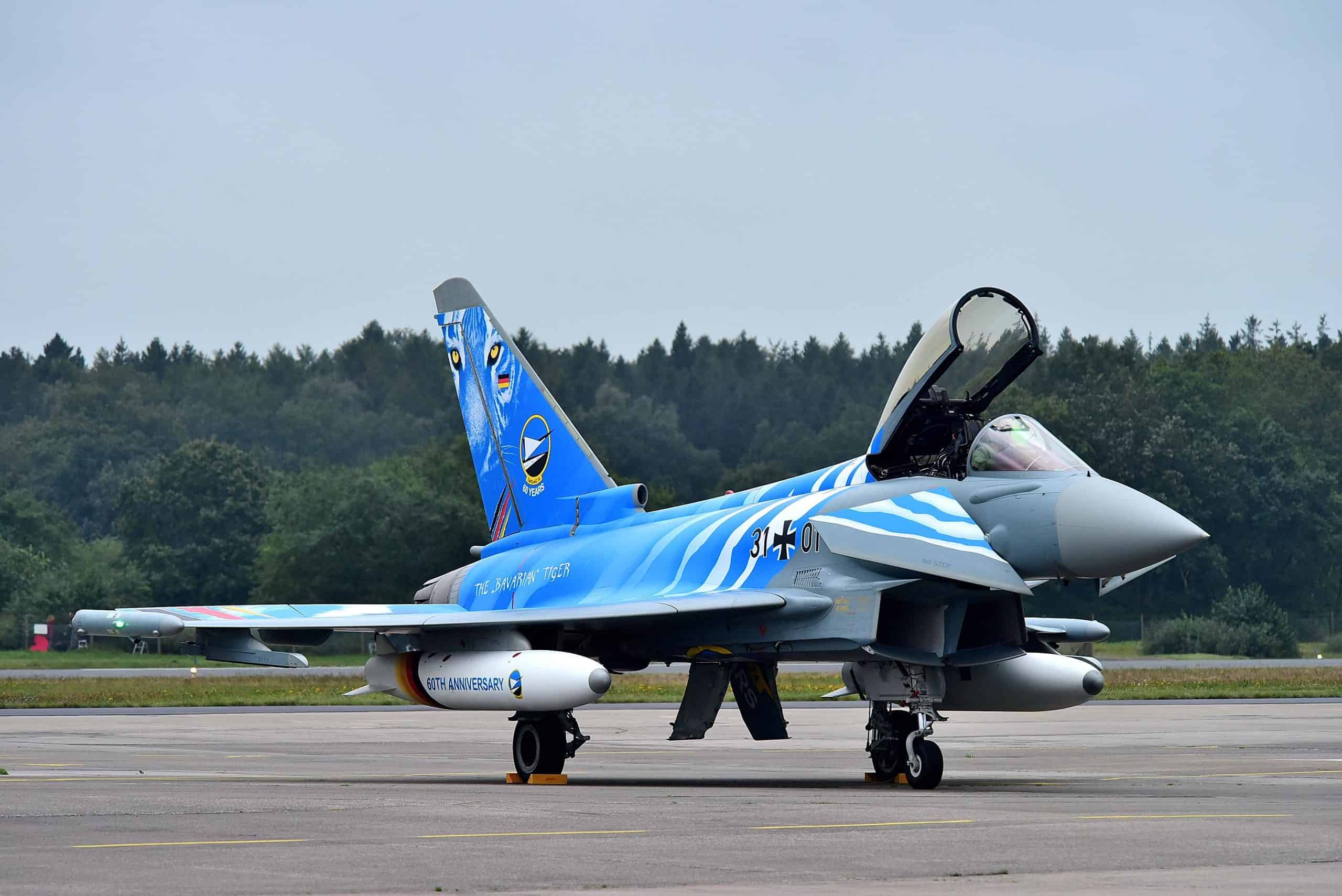
- Weapon type: Fighter Aircraft
- Year introduced to service: 2003
- Estimated cost (unit or program): $100M+ per unit
- Why it was supposed to be revolutionary: Next-gen European air dominance
- First real test / deployment: Early ops
- What went wrong: Limited early strike capability
- Immediate consequences: Incremental upgrades
The Typhoon debuted as an extremely expensive fighter with limited initial combat capability, requiring upgrades to meet expectations.
Littoral Combat Ship
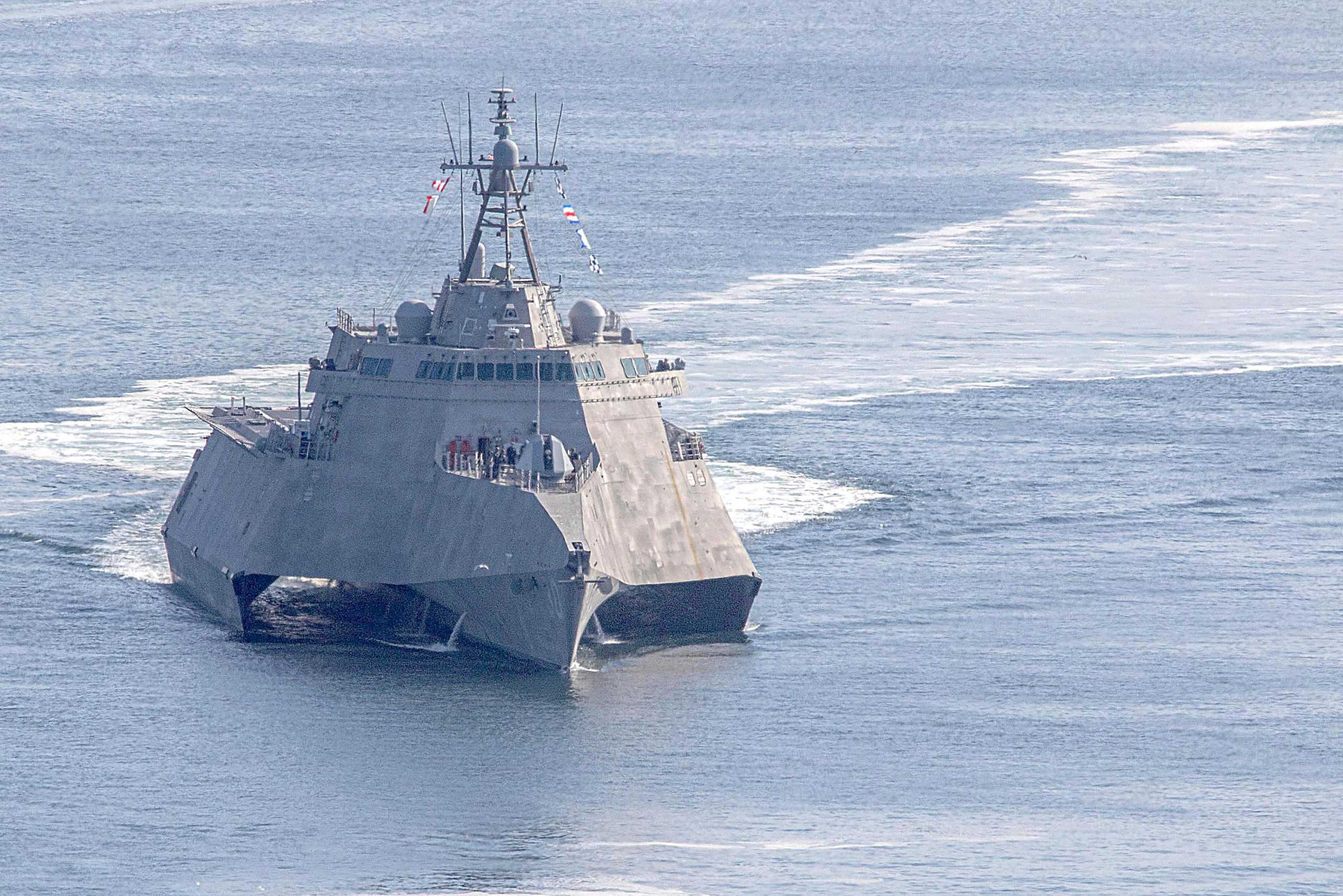
- Weapon type: Warship
- Year introduced to service: 2008
- Estimated cost (unit or program): $500M+ per ship
- Why it was supposed to be revolutionary: Fast, modular littoral combat
- First real test / deployment: First deployments
- What went wrong: Mechanical failures and mission shortfalls
- Immediate consequences: Program restructuring
The LCS entered service with a bold concept that failed to deliver in early operations, exposing reliability and survivability problems.
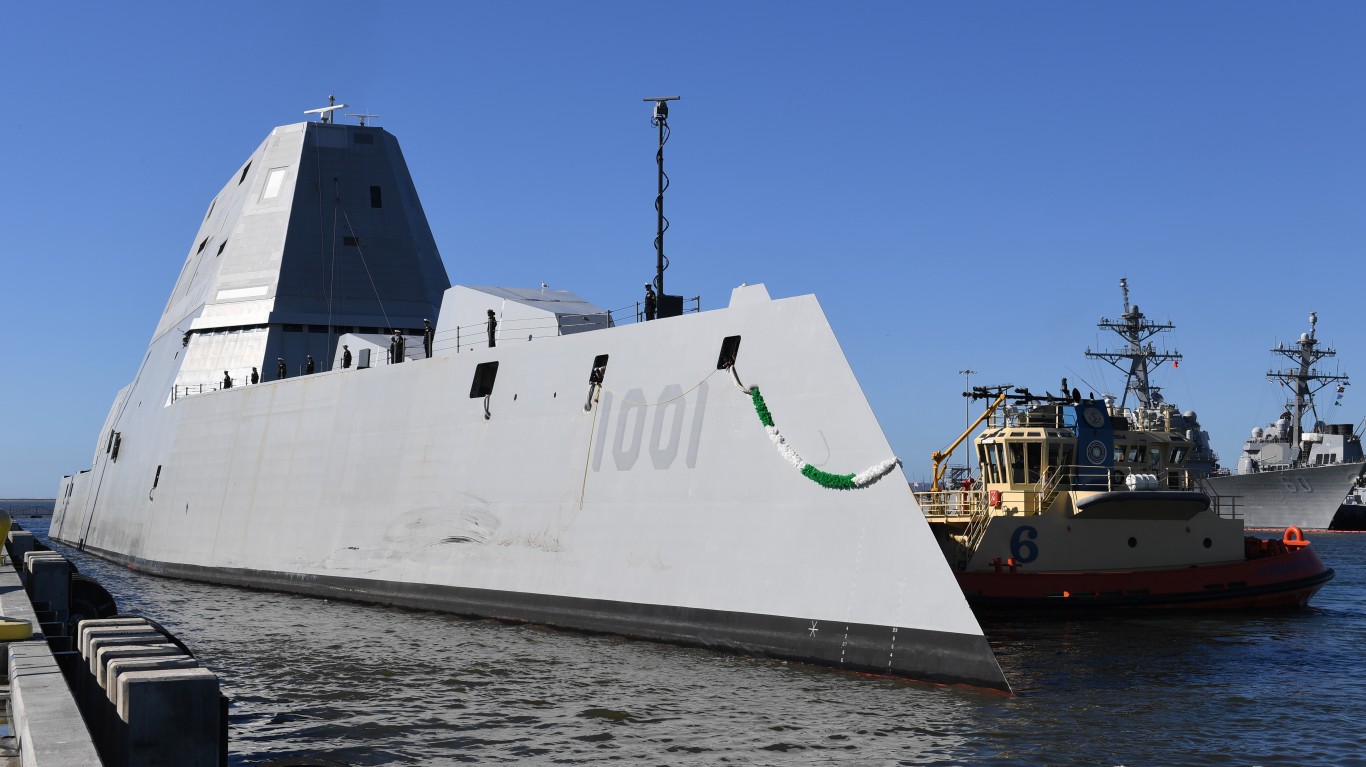
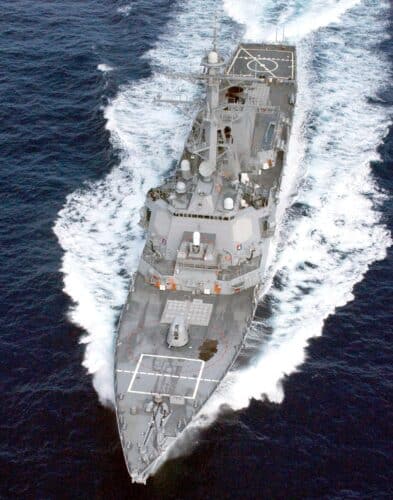
Zumwalt-class Destroyer
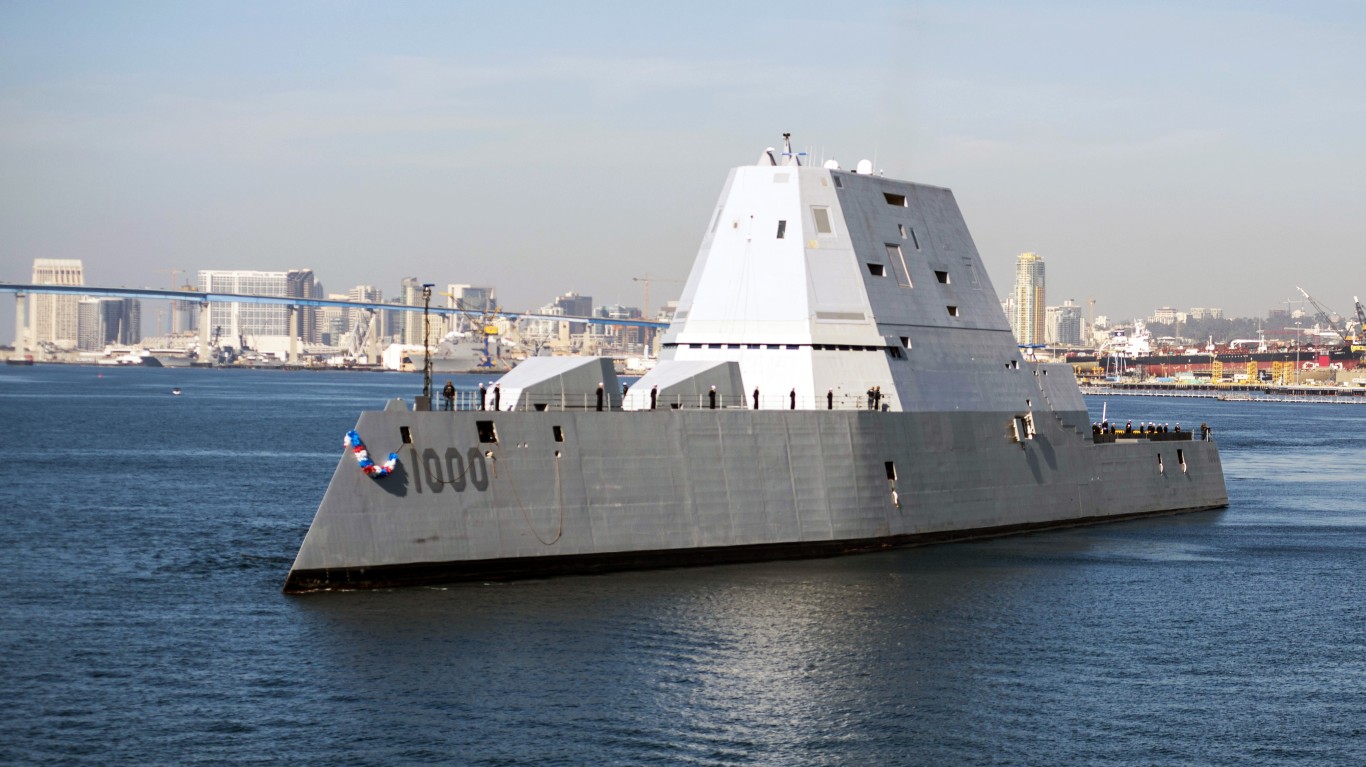
- Weapon type: Warship
- Year introduced to service: 2016
- Estimated cost (unit or program): $4B+ per ship
- Why it was supposed to be revolutionary: Stealth destroyer with advanced guns
- First real test / deployment: Initial service
- What went wrong: Unusable main gun
- Immediate consequences: Mission redesign
The Zumwalt’s advanced gun system proved impractical, leaving the ship without its intended primary mission despite its enormous cost.
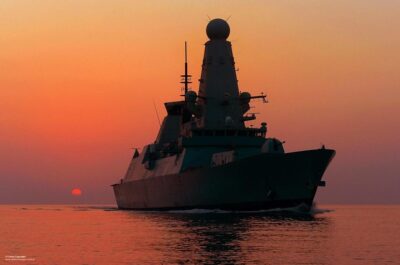
Type 45 Destroyer
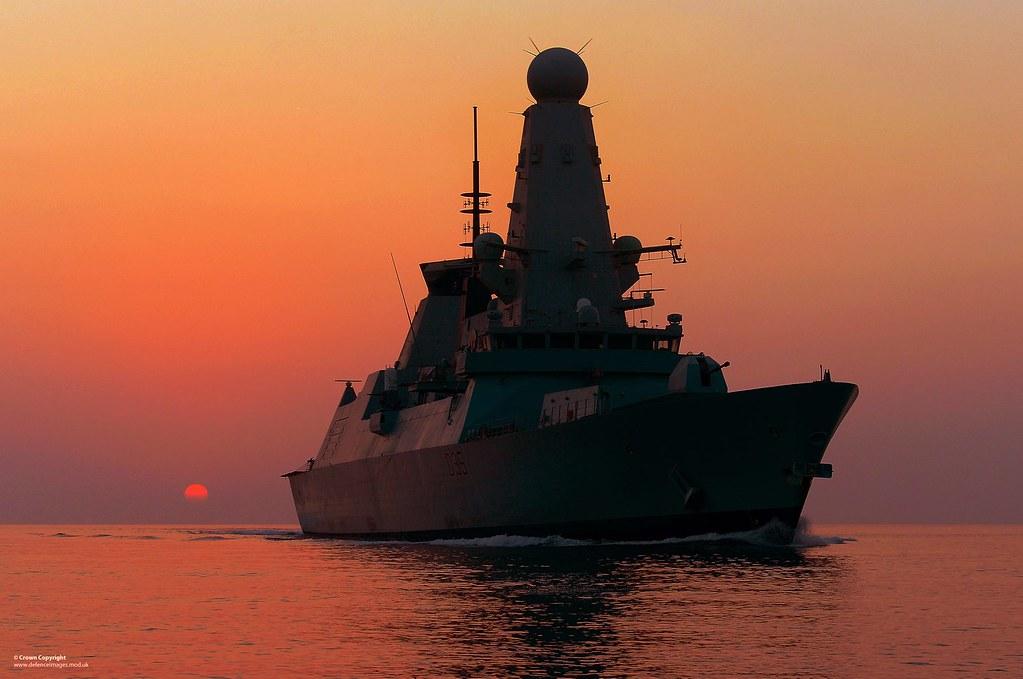
- Weapon type: Warship
- Year introduced to service: 2009
- Estimated cost (unit or program): $1.3B per ship
- Why it was supposed to be revolutionary: World-class air defense
- First real test / deployment: Early deployments
- What went wrong: Propulsion failures
- Immediate consequences: Major retrofit
Britain’s most advanced destroyer struggled with propulsion reliability, undermining early operational readiness.
USS Seawolf (SSN-21)
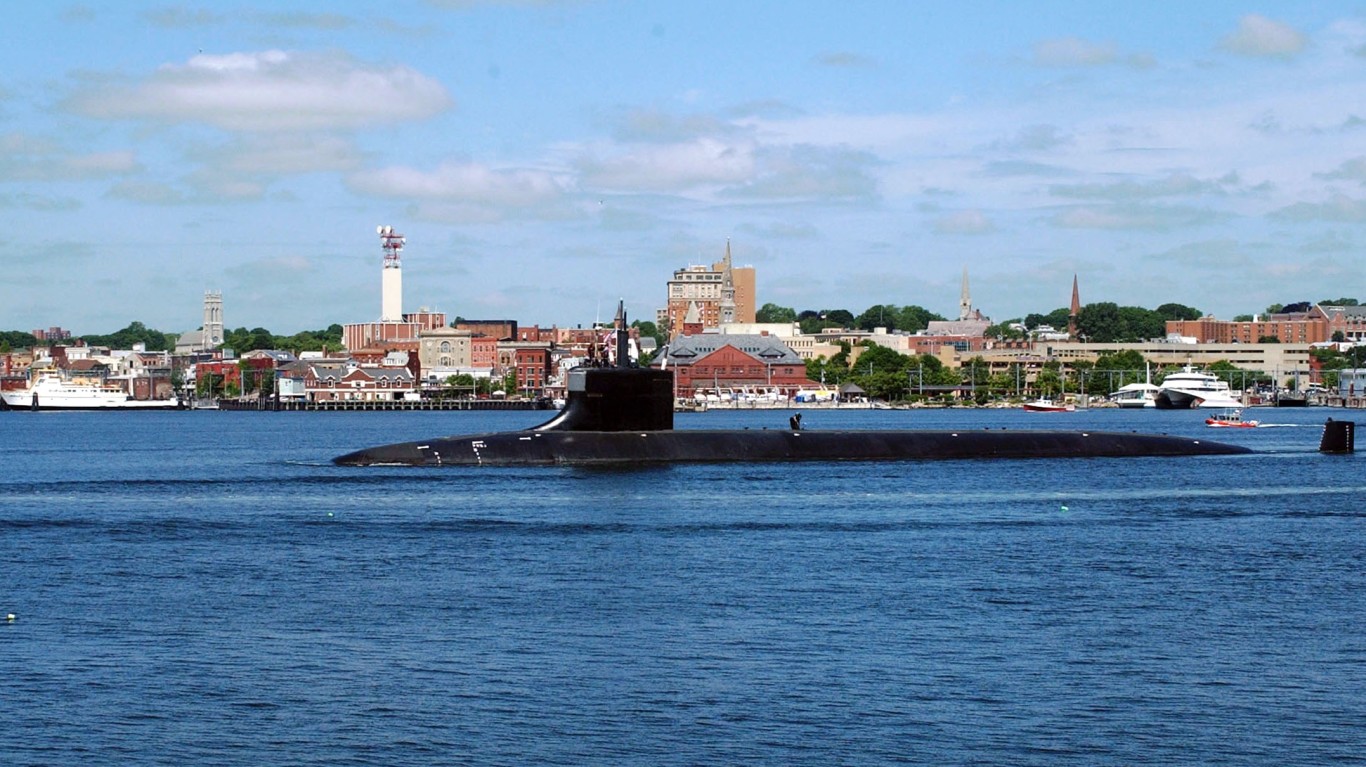
- Weapon type: Attack Submarine
- Year introduced to service: 1997
- Estimated cost (unit or program): $3.4B per unit
- Why it was supposed to be revolutionary: Ultimate Cold War submarine
- First real test / deployment: Post–Cold War service
- What went wrong: Excessive cost vs need
- Immediate consequences: Production curtailed
The Seawolf was technologically unmatched but strategically misaligned after the Cold War, limiting its deployment.
Bradley IFV
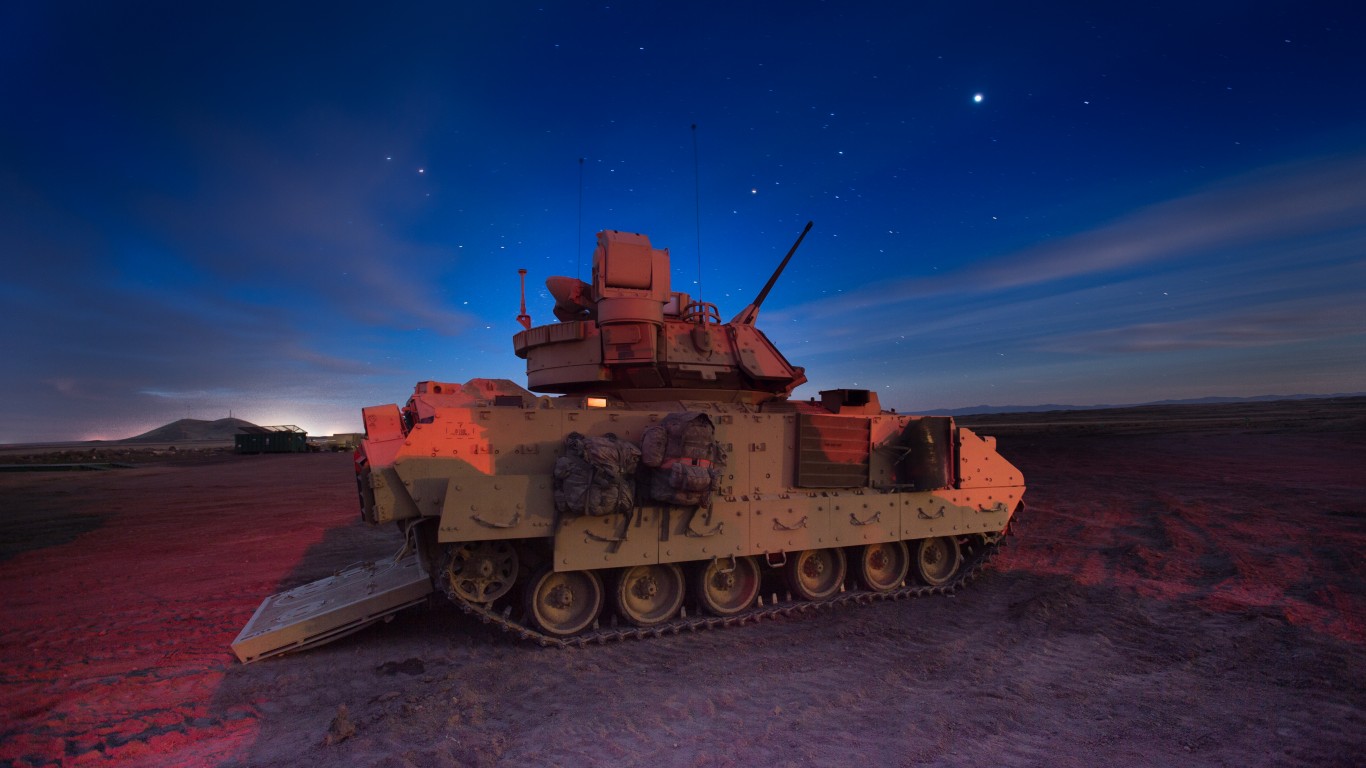
- Weapon type: Infantry Fighting Vehicle
- Year introduced to service: 1981
- Estimated cost (unit or program): $3M+ per unit
- Why it was supposed to be revolutionary: Highly advanced mechanized infantry
- First real test / deployment: Gulf War
- What went wrong: Survivability concerns
- Immediate consequences: Upgrades
The Bradley’s early combat use highlighted vulnerabilities that required extensive upgrades despite its high cost.
BMP-3
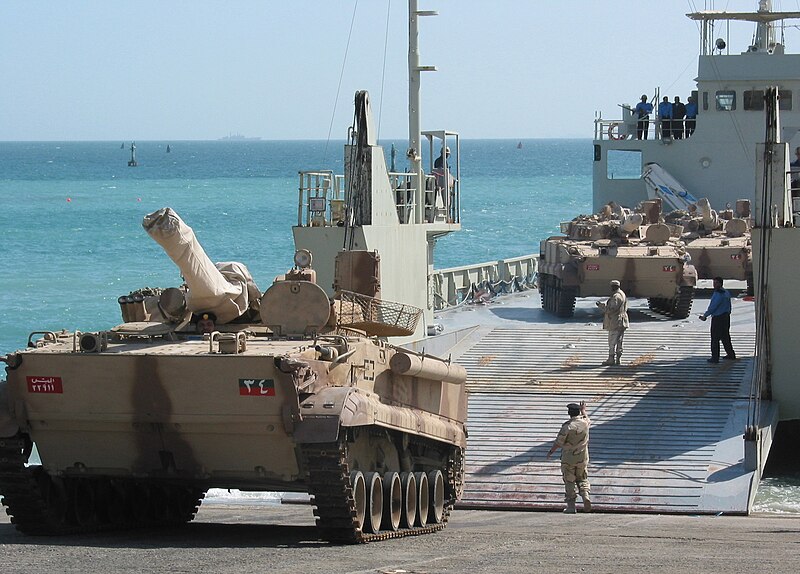
- Weapon type: Infantry Fighting Vehicle
- Year introduced to service: 1987
- Estimated cost (unit or program): Very high unit cost
- Why it was supposed to be revolutionary: Heavy armament and speed
- First real test / deployment: Modern conflicts
- What went wrong: Crew vulnerability
- Immediate consequences: Restricted use
The BMP-3’s impressive specs were undermined by survivability issues once deployed in combat.
Leclerc Tank
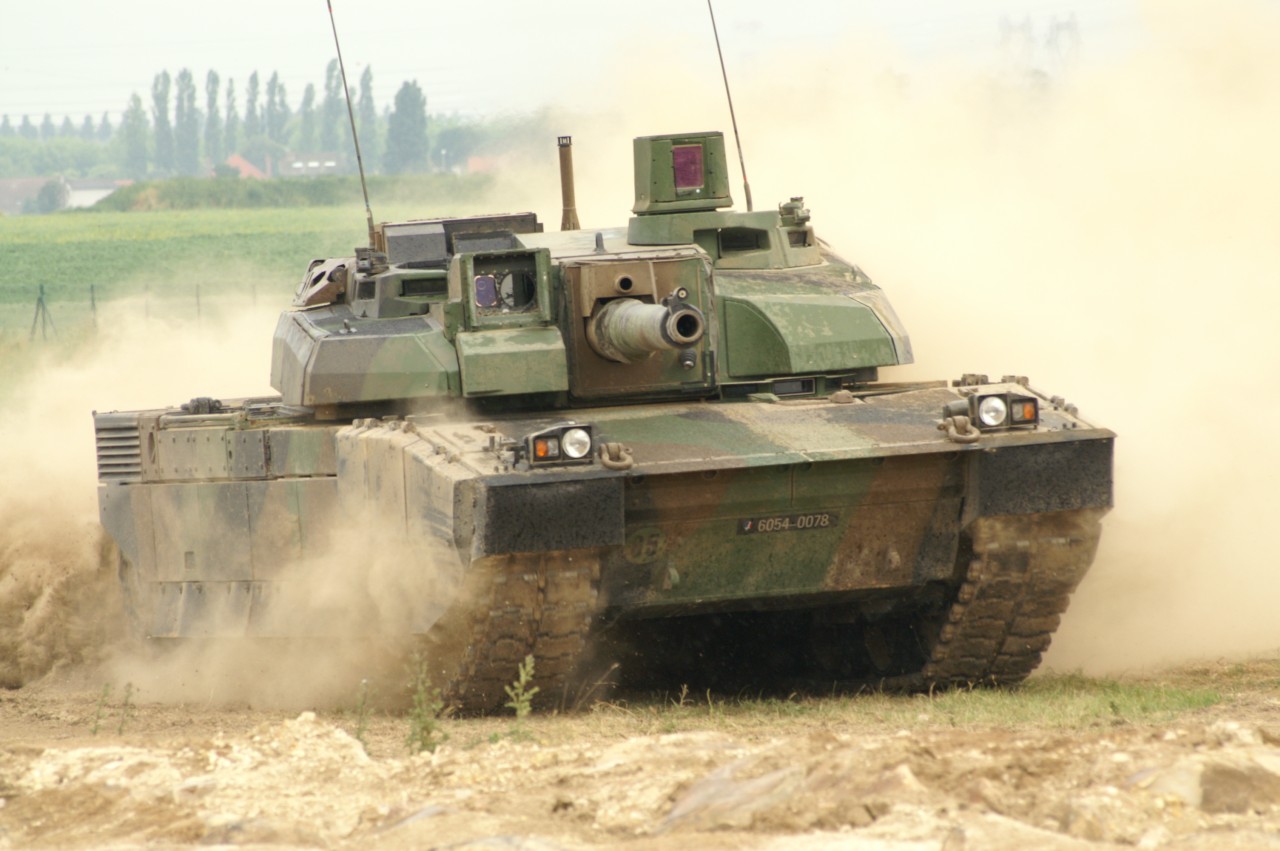
- Weapon type: Main Battle Tank
- Year introduced to service: 1992
- Estimated cost (unit or program): $10M+ per unit
- Why it was supposed to be revolutionary: High-tech armored dominance
- First real test / deployment: Early service
- What went wrong: Logistical complexity
- Immediate consequences: Limited deployment
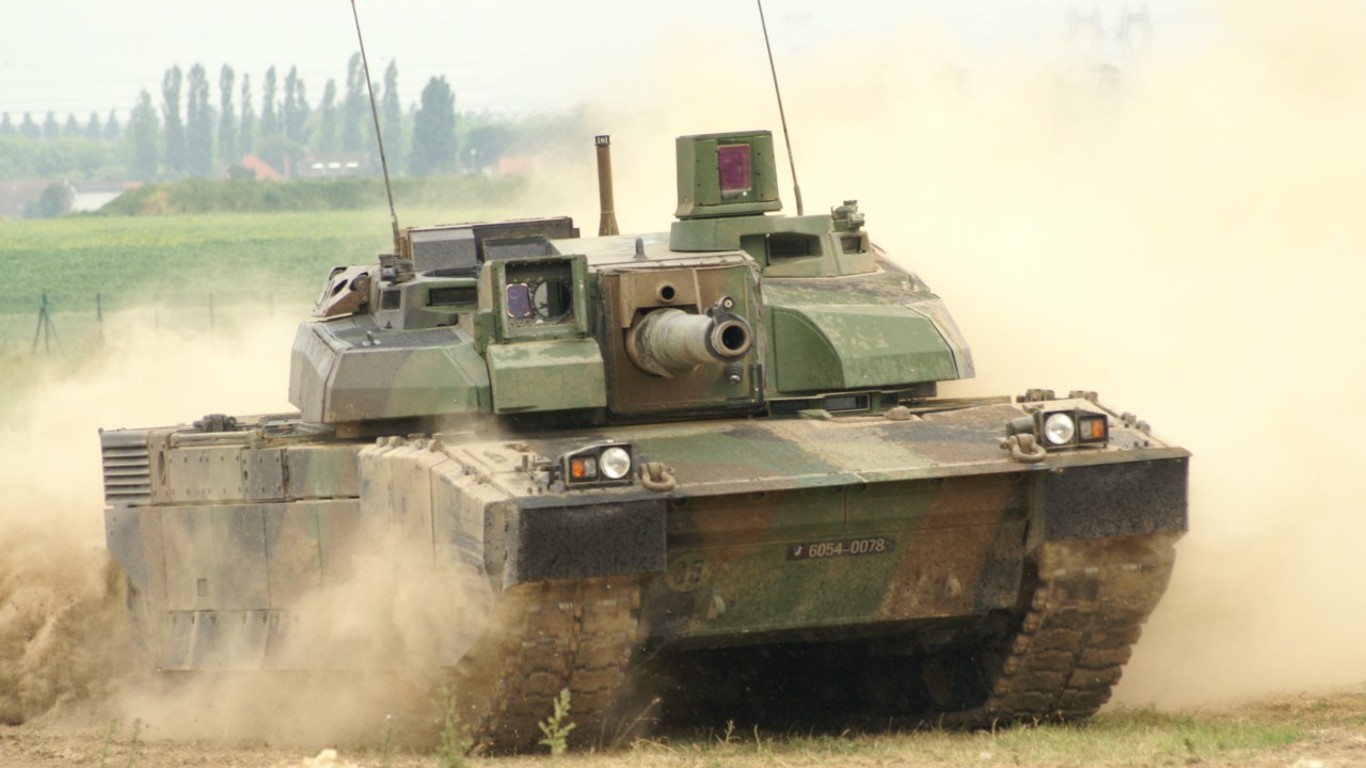
France’s Leclerc tank was expensive and technologically advanced but suffered readiness issues early on.
T-14 Armata
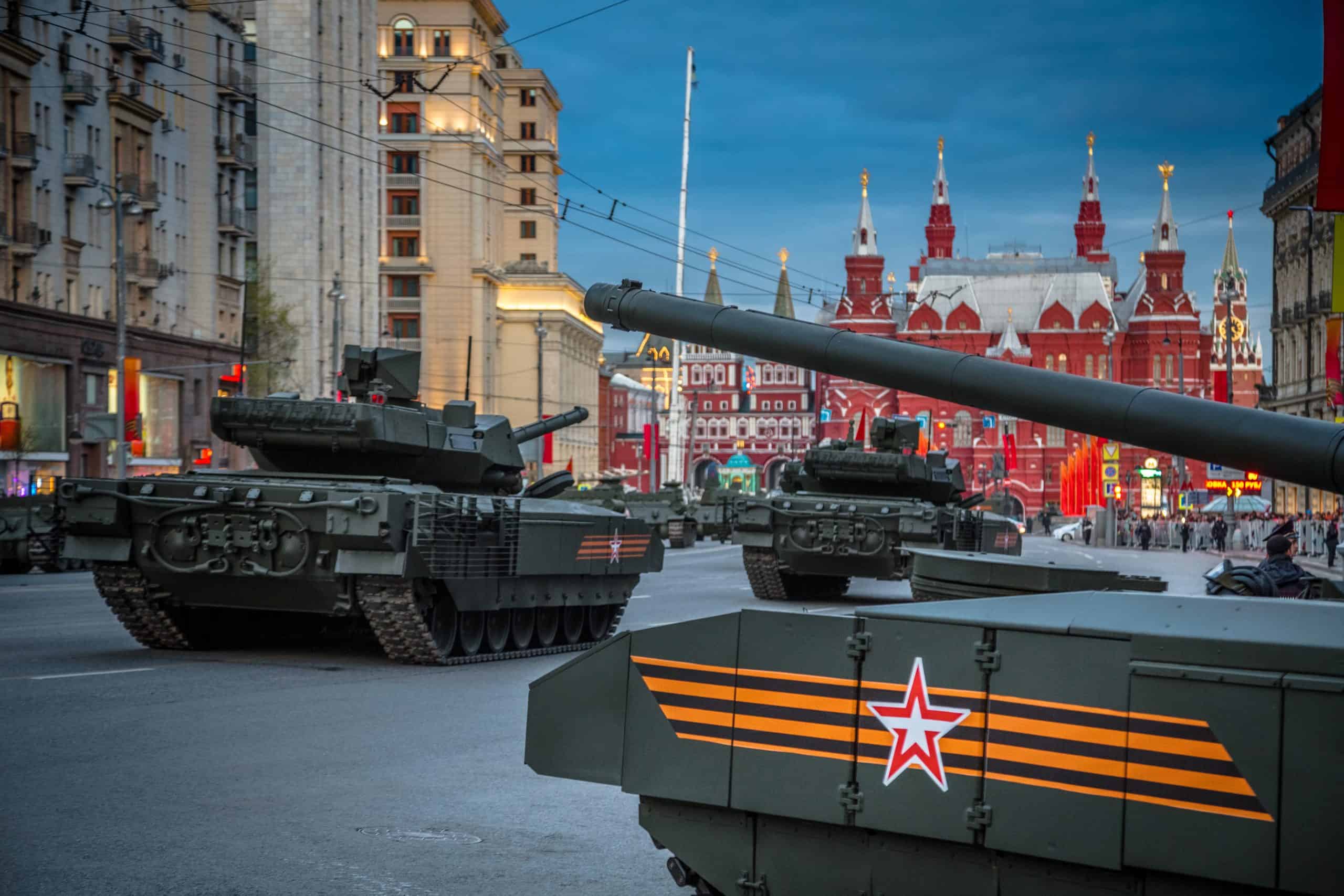
- Weapon type: Main Battle Tank
- Year introduced to service: 2015
- Estimated cost (unit or program): Extremely high program cost
- Why it was supposed to be revolutionary: Next-generation armored warfare
- First real test / deployment: Limited deployment
- What went wrong: Unproven reliability
- Immediate consequences: Unclear future
The T-14 promised revolutionary protection but has yet to prove itself in real combat despite its cost.
M247 Sergeant York
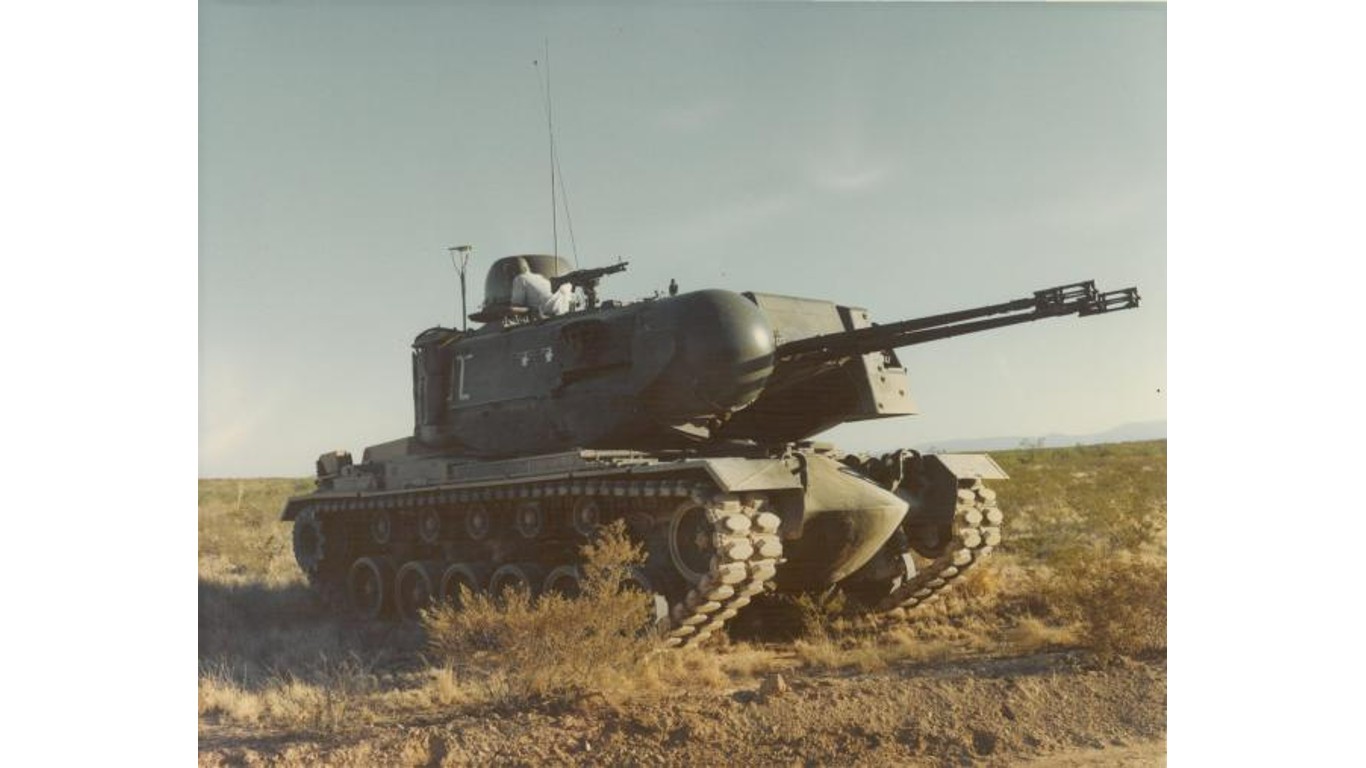
- Weapon type: Air Defense System
- Year introduced to service: 1984
- Estimated cost (unit or program): $1.8B program
- Why it was supposed to be revolutionary: Automated radar-guided defense
- First real test / deployment: Testing/deployment
- What went wrong: Targeting failures
- Immediate consequences: Canceled
The Sergeant York became a symbol of expensive failure after embarrassing test results led to cancellation.
Patriot Missile (early use)
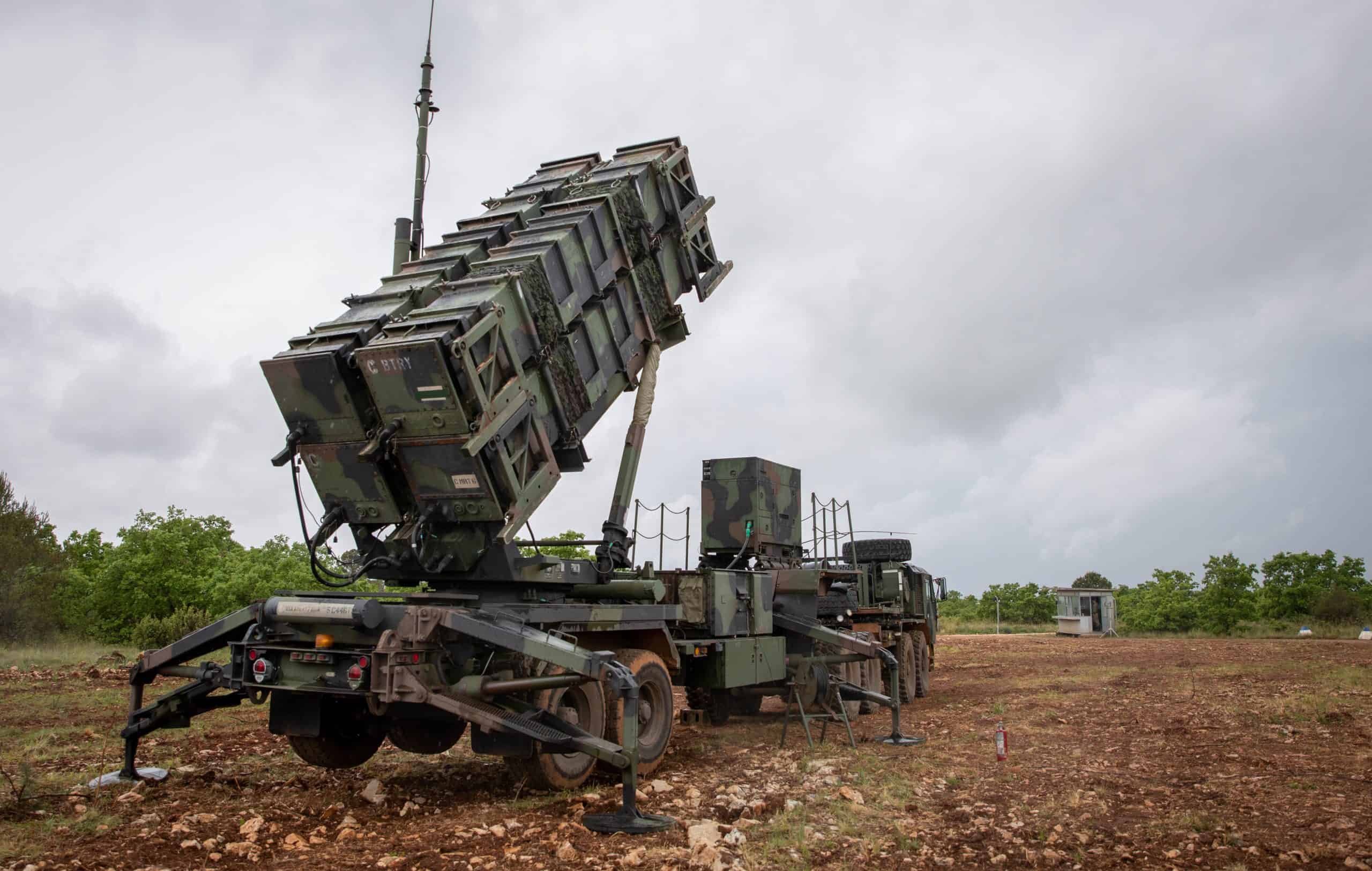
- Weapon type: Air Defense System
- Year introduced to service: 1984
- Estimated cost (unit or program): $1B+ per battery
- Why it was supposed to be revolutionary: Advanced missile defense
- First real test / deployment: Gulf War
- What went wrong: Questioned effectiveness
- Immediate consequences: Upgrades
Early Patriot performance raised concerns that forced improvements despite its massive investment.
Aegis Combat System
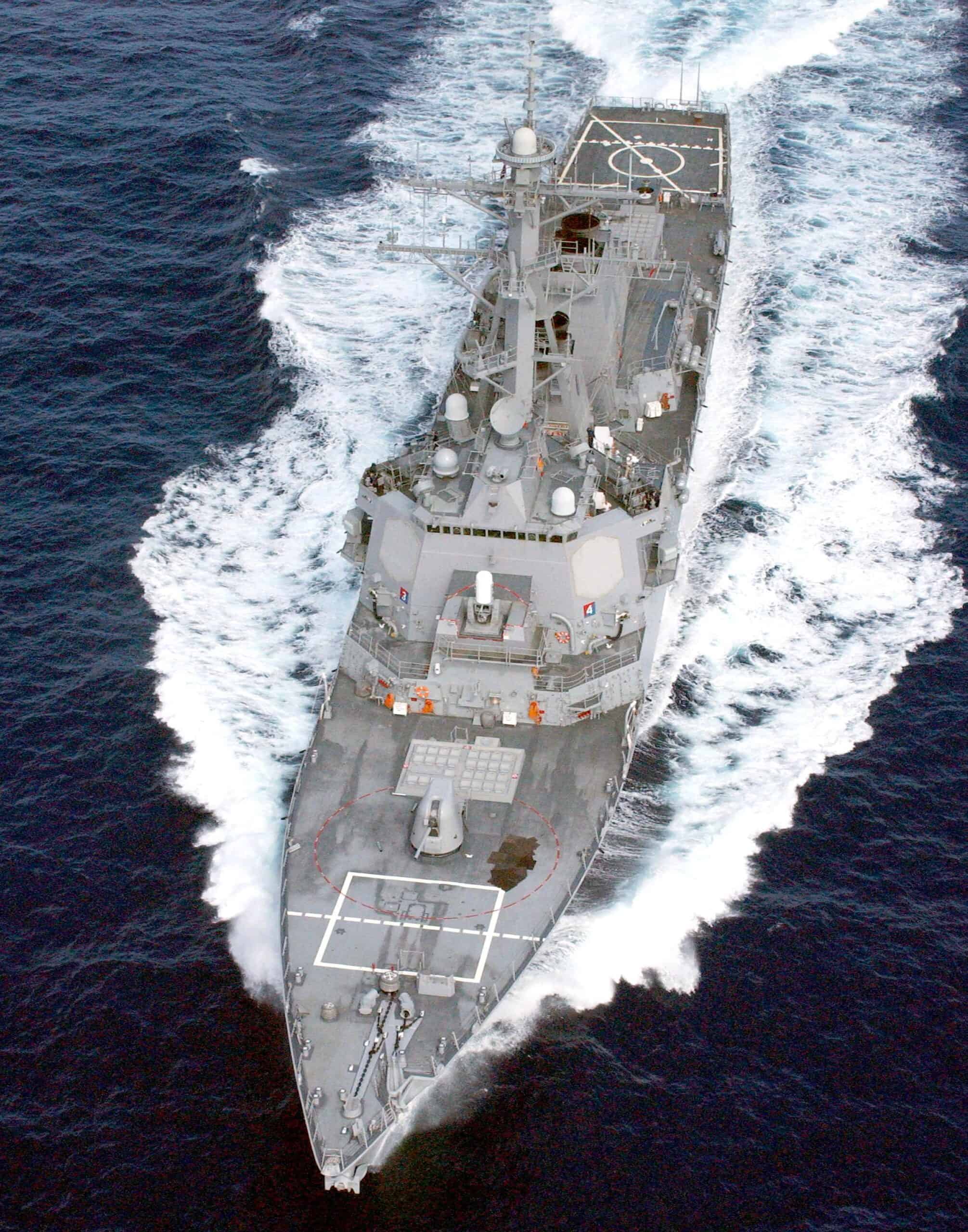
- Weapon type: Naval Combat System
- Year introduced to service: 1983
- Estimated cost (unit or program): Billions program-wide
- Why it was supposed to be revolutionary: Integrated fleet defense
- First real test / deployment: Early deployments
- What went wrong: Integration complexity
- Immediate consequences: Training upgrades
Aegis was revolutionary but required extensive refinement after early operational challenges.
XM29 OICW
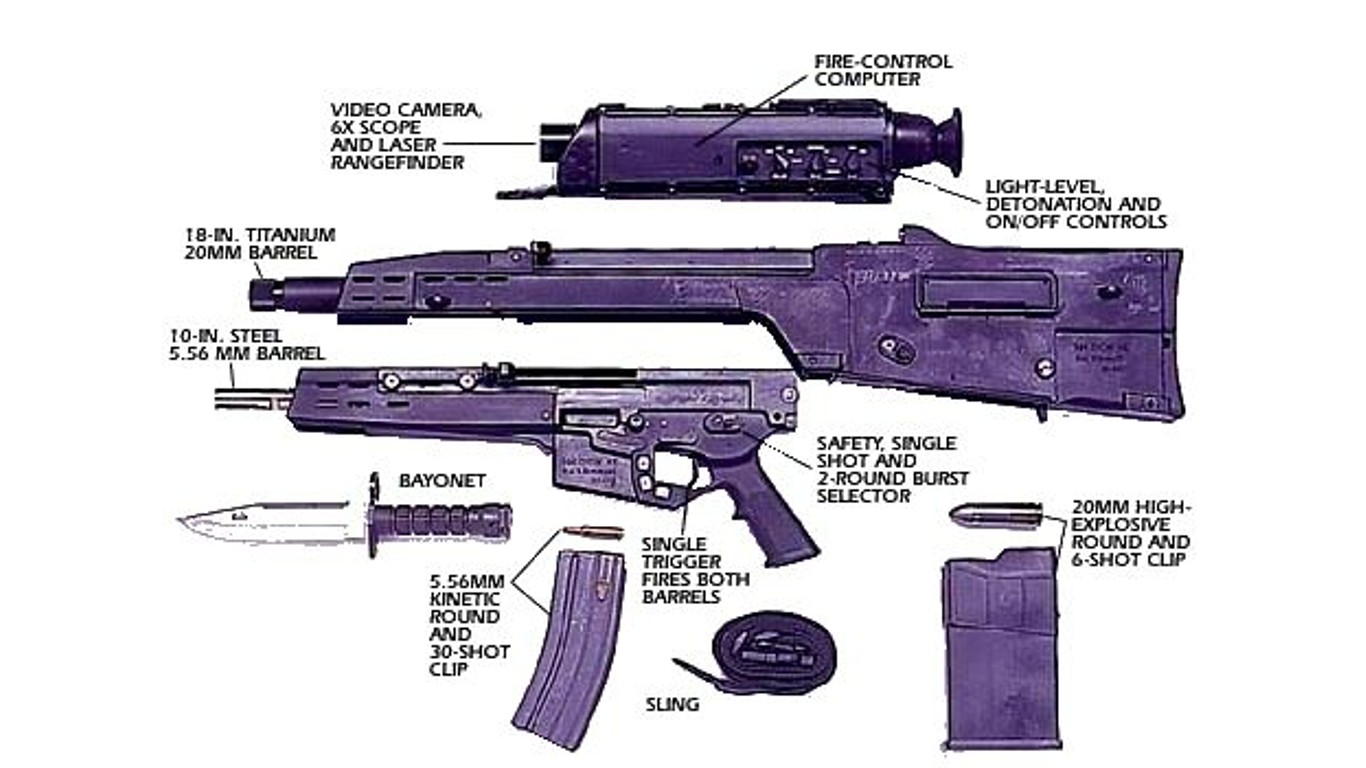
- Weapon type: Infantry Weapon
- Year introduced to service: 2004
- Estimated cost (unit or program): $10B+ program
- Why it was supposed to be revolutionary: Revolutionary infantry firepower
- First real test / deployment: Testing
- What went wrong: Excessive weight
- Immediate consequences: Canceled
The XM29 promised to transform infantry combat but proved impractical once tested.
XM8 Rifle
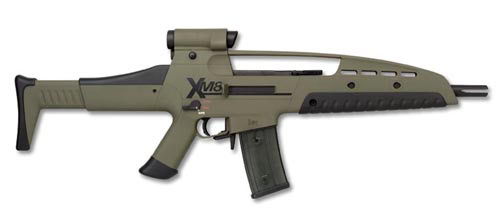
- Weapon type: Infantry Weapon
- Year introduced to service: 2005
- Estimated cost (unit or program): $2M+ per rifle program
- Why it was supposed to be revolutionary: Lightweight modular rifle
- First real test / deployment: Testing
- What went wrong: Questionable improvement
- Immediate consequences: Canceled
Despite high investment, the XM8 failed to justify replacement of existing rifles.
HK G11
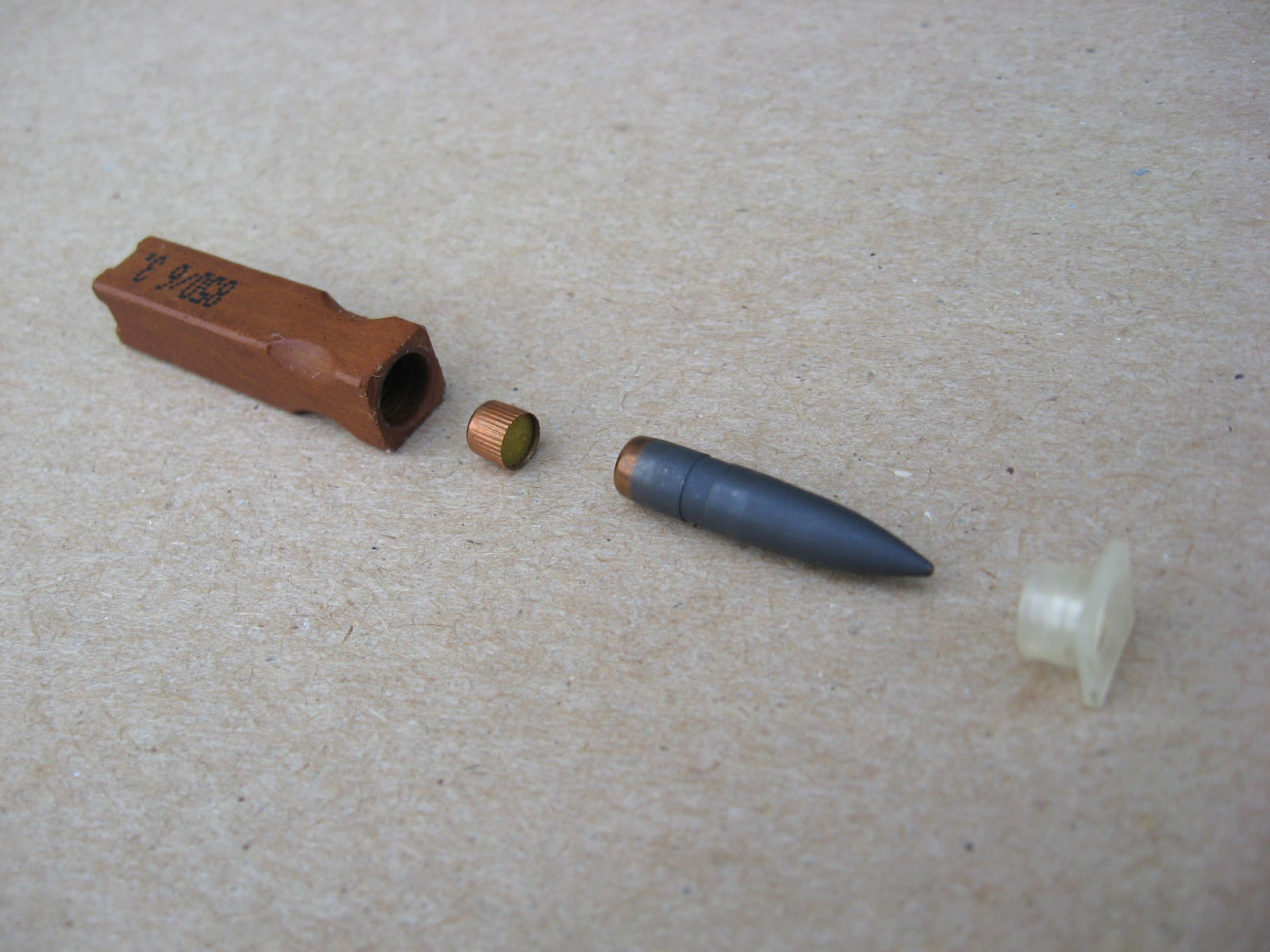
- Weapon type: Infantry Weapon
- Year introduced to service: 1990
- Estimated cost (unit or program): $2B+ program
- Why it was supposed to be revolutionary: Caseless ammo revolution
- First real test / deployment: Trials
- What went wrong: Logistical impracticality
- Immediate consequences: Canceled
The G11’s radical design collapsed under real-world sustainment concerns.
V-2 Rocket
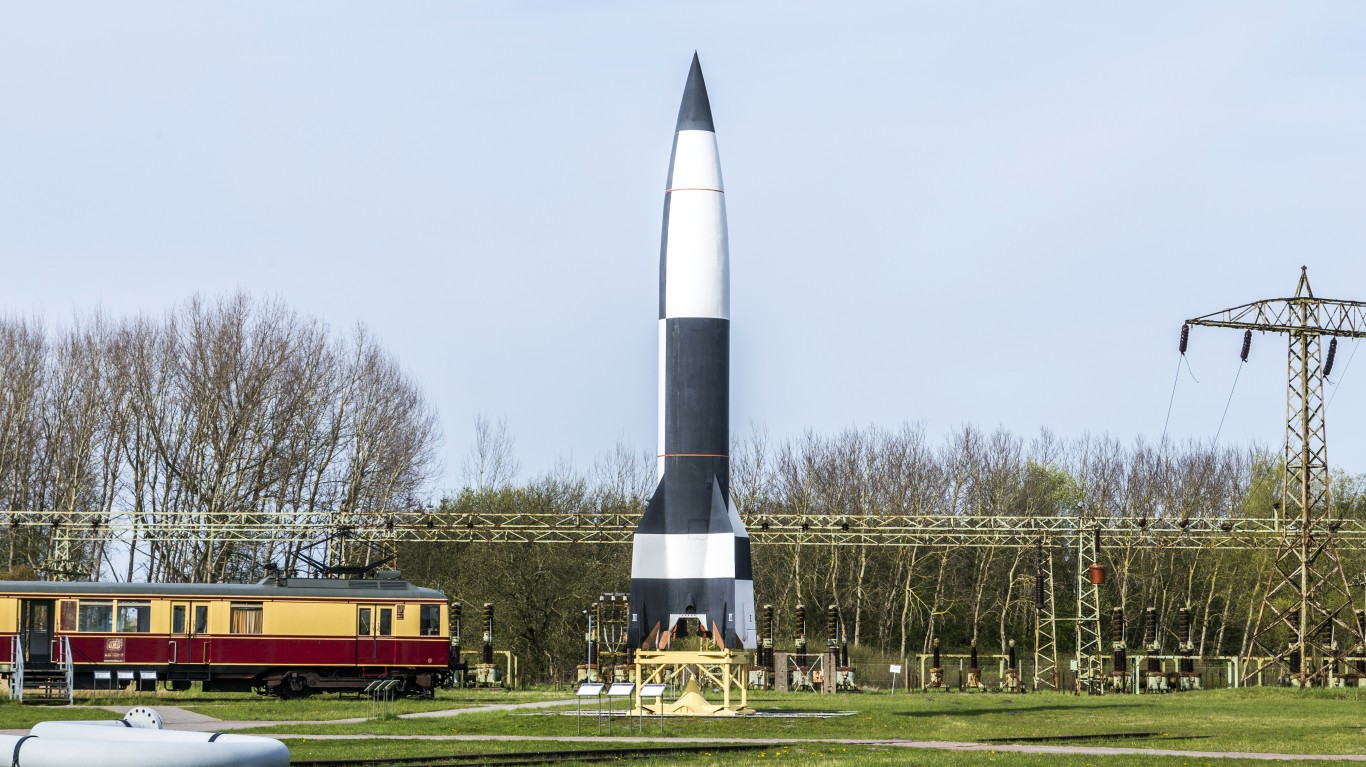
- Weapon type: Ballistic Missile
- Year introduced to service: 1944
- Estimated cost (unit or program): Extremely high wartime cost
- Why it was supposed to be revolutionary: Long-range strike weapon
- First real test / deployment: WWII combat
- What went wrong: Poor accuracy
- Immediate consequences: Abandoned
The V-2 was technologically revolutionary but militarily inefficient relative to cost.
Future Combat Systems

- Weapon type: Modernization Program
- Year introduced to service: 2009
- Estimated cost (unit or program): $160B program
- Why it was supposed to be revolutionary: Networked Army of the future
- First real test / deployment: Early trials
- What went wrong: Overcomplexity
- Immediate consequences: Canceled
FCS collapsed under its own ambition before proving combat value.
Zumwalt AGS Ammunition
- Weapon type: Naval Weapon
- Year introduced to service: 2016
- Estimated cost (unit or program): $1M per round
- Why it was supposed to be revolutionary: Advanced long-range gun
- First real test / deployment: Initial use
- What went wrong: Unaffordable munitions
- Immediate consequences: Abandoned
The AGS ammunition cost rendered the weapon unusable despite its technological promise.
Freedom-class LCS
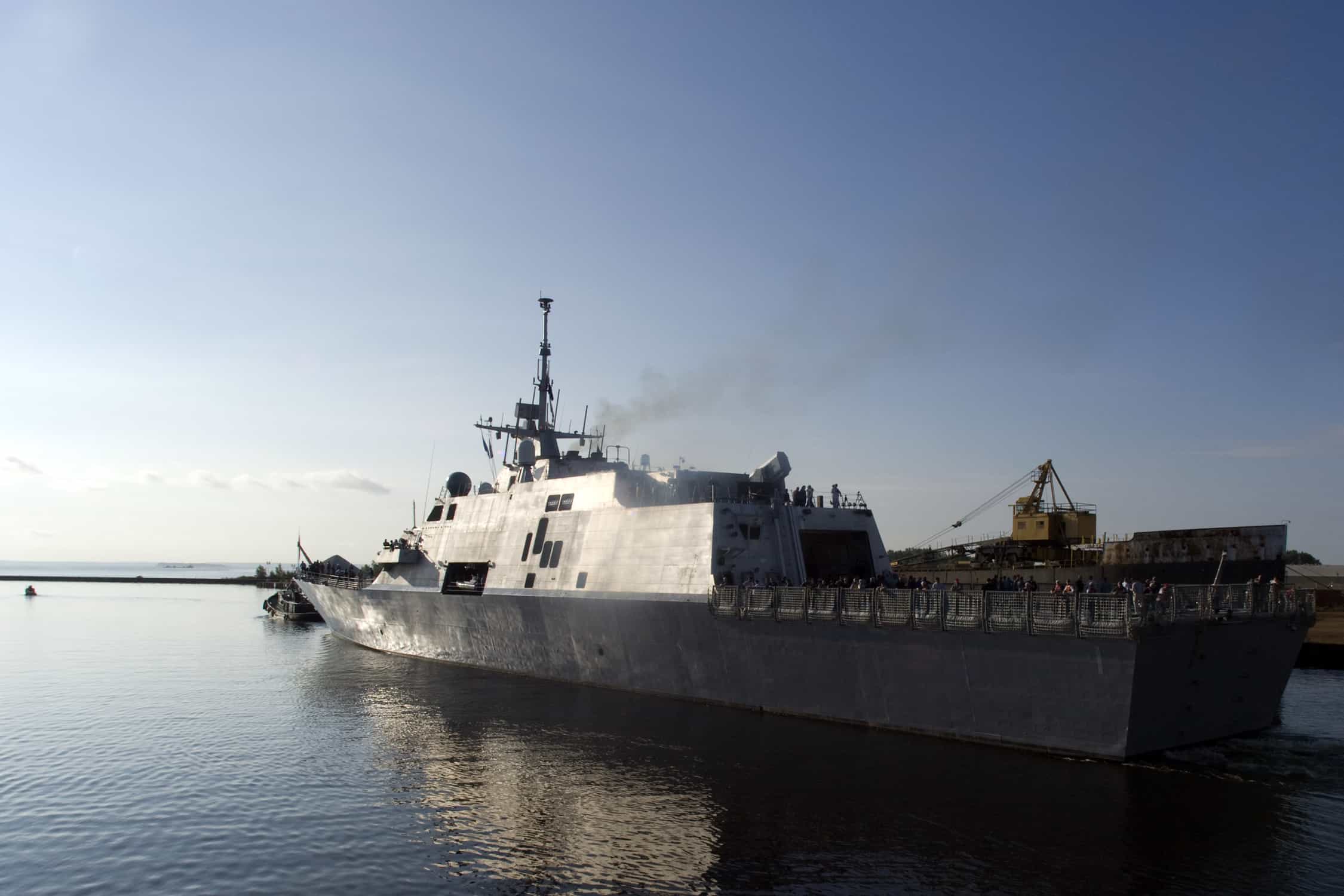
- Weapon type: Warship
- Year introduced to service: 2008
- Estimated cost (unit or program): $500M+ per ship
- Why it was supposed to be revolutionary: Fast modular warship
- First real test / deployment: First deployments
- What went wrong: Mechanical failures
- Immediate consequences: Early retirements
Early Freedom-class ships faced reliability issues that cut careers short.
Independence-class LCS
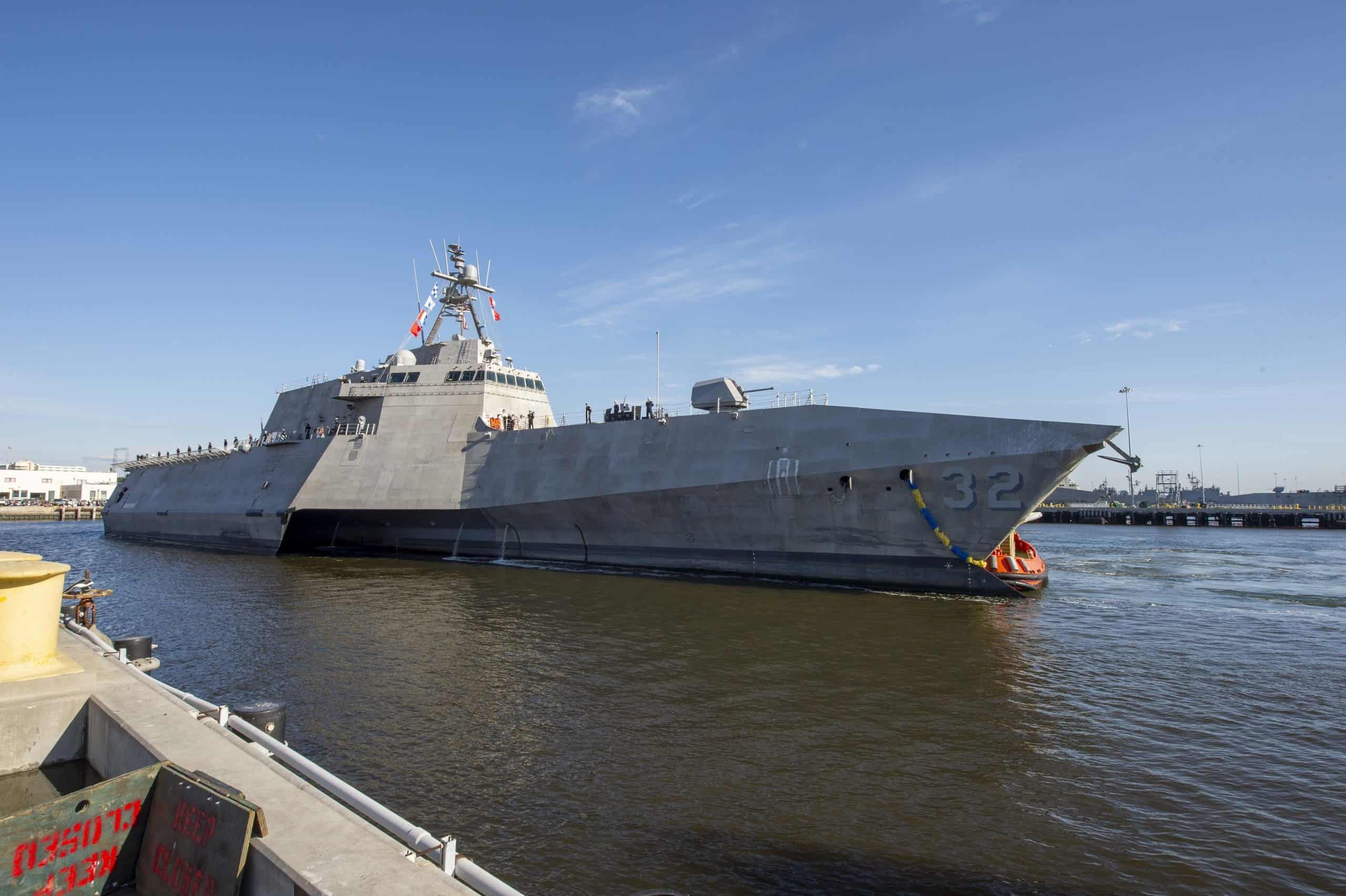
- Weapon type: Warship
- Year introduced to service: 2010
- Estimated cost (unit or program): $600M+ per ship
- Why it was supposed to be revolutionary: Trimaran stealth design
- First real test / deployment: Early deployments
- What went wrong: Corrosion and cracks
- Immediate consequences: Repairs
The Independence-class revealed structural issues that contradicted its promise.
Star Wars SDI
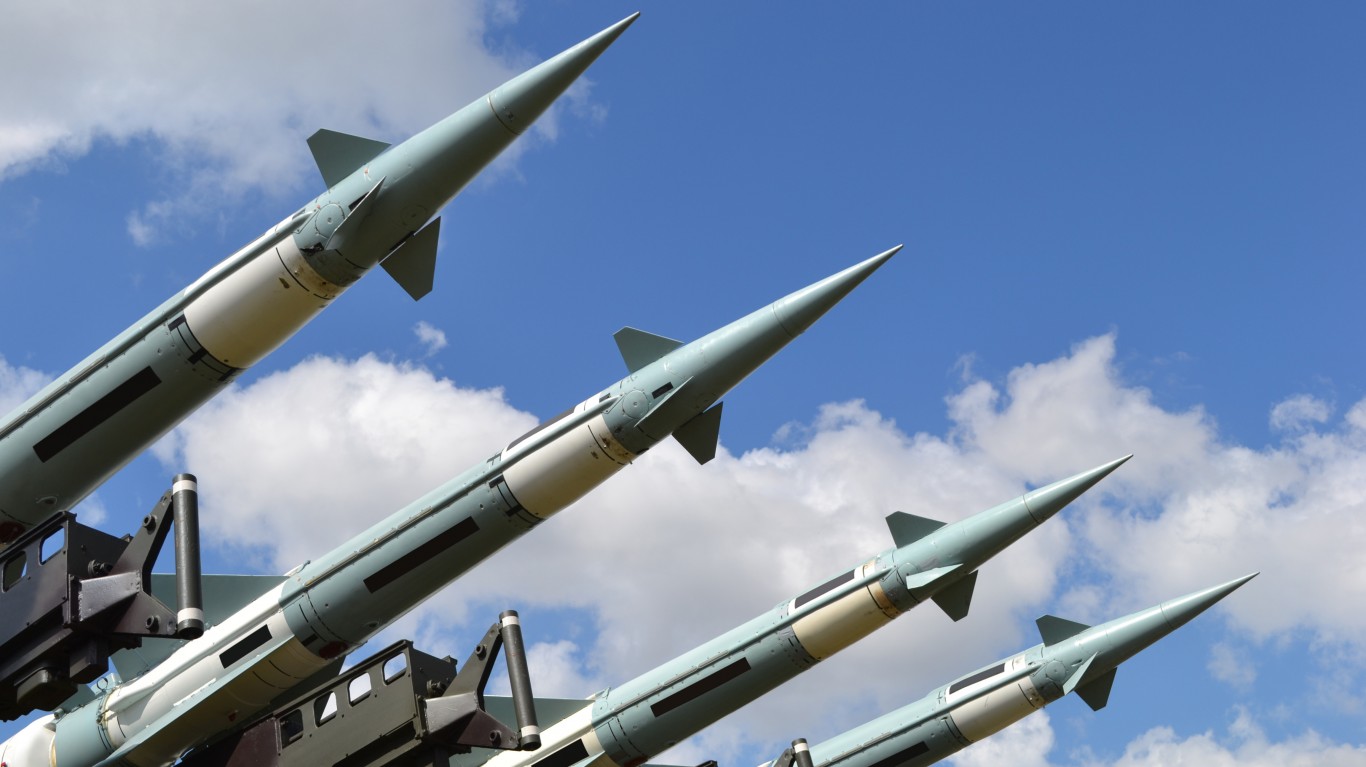
- Weapon type: Defense Program
- Year introduced to service: 1983
- Estimated cost (unit or program): Hundreds of billions
- Why it was supposed to be revolutionary: Missile defense shield
- First real test / deployment: Early tests
- What went wrong: Unworkable concepts
- Immediate consequences: Scaled back
SDI absorbed massive funding but never delivered a workable defense system.








 Top Gaining Stocks
 Top Losing Stocks