


Wars are rarely fought with perfect equipment. Throughout history, militaries have fielded weapons they knew were flawed, betting that training, doctrine, or sheer necessity would compensate for design shortcomings. Sometimes that gamble paid off. Other times it left troops adapting on the fly. Here, 24/7 Wall St. is taking a closer look at some weapons militaries adopted despite known design flaws.
To determine the weapons that were issued despite known flaws, 24/7 Wall St. reviewed various historical and military sources. We included supplemental information regarding the type of weapon or weapons system, as well as when it was introduced, its known design flaw, if there were any workarounds, and why this is so important.
Here is a look at the weapons the military issued despite known design flaws:
Why Are We Covering This?

Understanding weapons the military issued despite known design flaws matters because it reveals how real-world procurement decisions are shaped by urgency, risk tolerance, and imperfect options rather than ideal engineering. These cases show that military effectiveness often depends on accepting compromise when time, cost, or strategic pressure leaves no better alternative. Examining these weapons helps explain why some flawed systems remained in service, how troops adapted around shortcomings, and why “good enough” has repeatedly become the standard during periods of conflict and transition.
When “Good Enough” Was Good Enough

Military weapons are rarely fielded under ideal conditions. Time pressure, industrial limits, and looming threats often force decision-makers to accept systems that are not fully refined. This article looks at weapons that were issued despite known design flaws—not because militaries ignored the problems, but because the situation demanded capability now rather than perfection later.
Flaws Were Known, Not Discovered Later
In many cases, the flaws discussed here were identified during testing, early service, or even before adoption. Reliability issues, safety risks, and performance limitations were documented, debated, and acknowledged. What followed was a conscious decision to move forward anyway, revealing how risk tolerance becomes part of procurement during conflict or transition periods.
Why Militaries Accepted the Risk

Weapons on this list were often issued because there were no better options ready in time. Production lines were already moving, budgets were committed, or enemies were advancing faster than engineers could iterate. This section frames the institutional logic behind accepting flawed systems rather than abandoning them.
How Troops Adapted in the Field
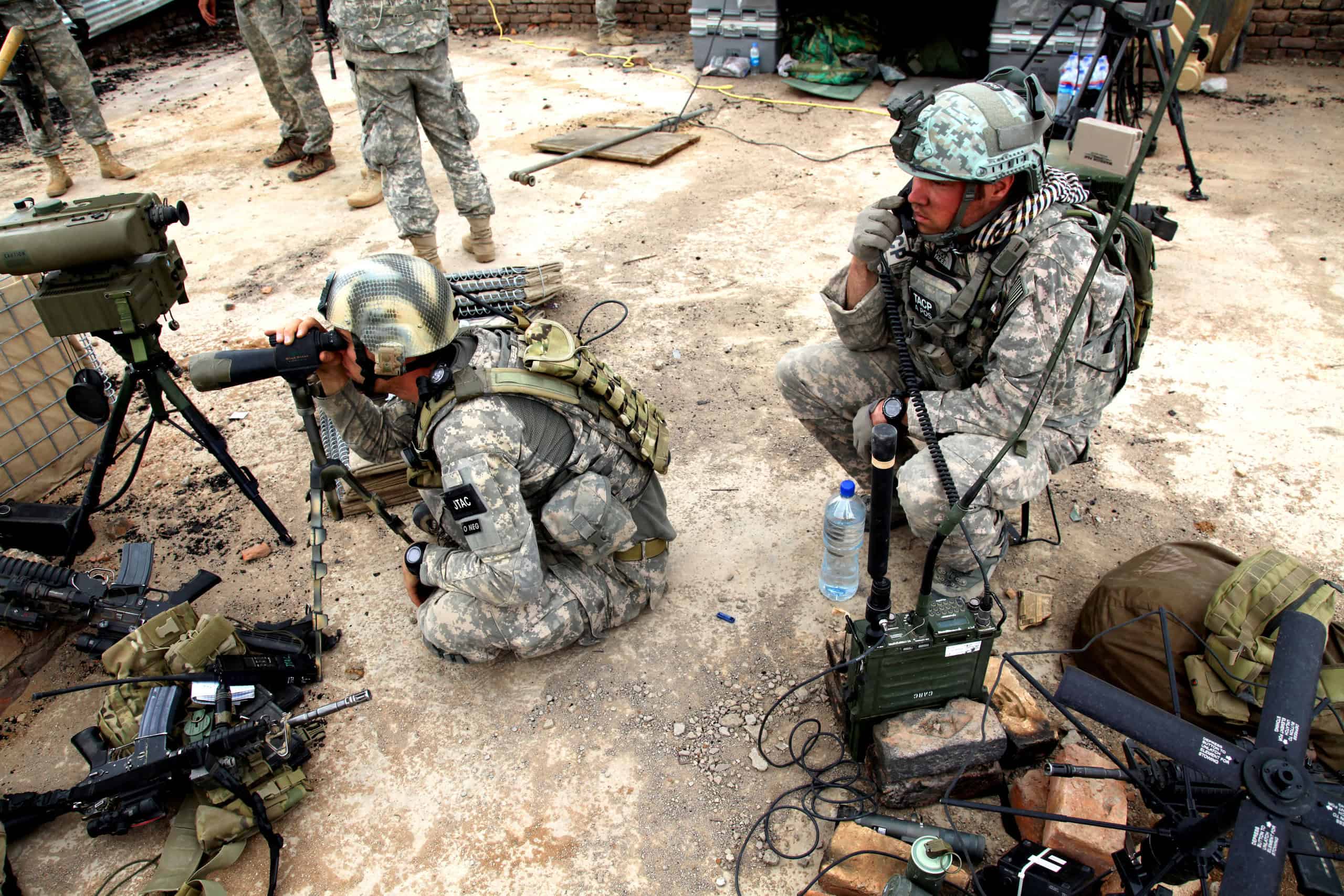
Once issued, troops were forced to compensate. Training adjustments, procedural workarounds, field modifications, and tactical changes became essential to making flawed weapons usable. In some cases, these adaptations worked well enough to justify continued service. In others, they merely kept the system functional until a replacement arrived.
What These Weapons Reveal About Military Reality
Together, these weapons illustrate a core truth about military history: equipment is often shaped as much by urgency and constraint as by engineering excellence. Studying flawed but fielded systems helps explain why some weapons developed poor reputations, why others were quietly fixed over time, and why “good enough” has repeatedly become the standard in moments of pressure.
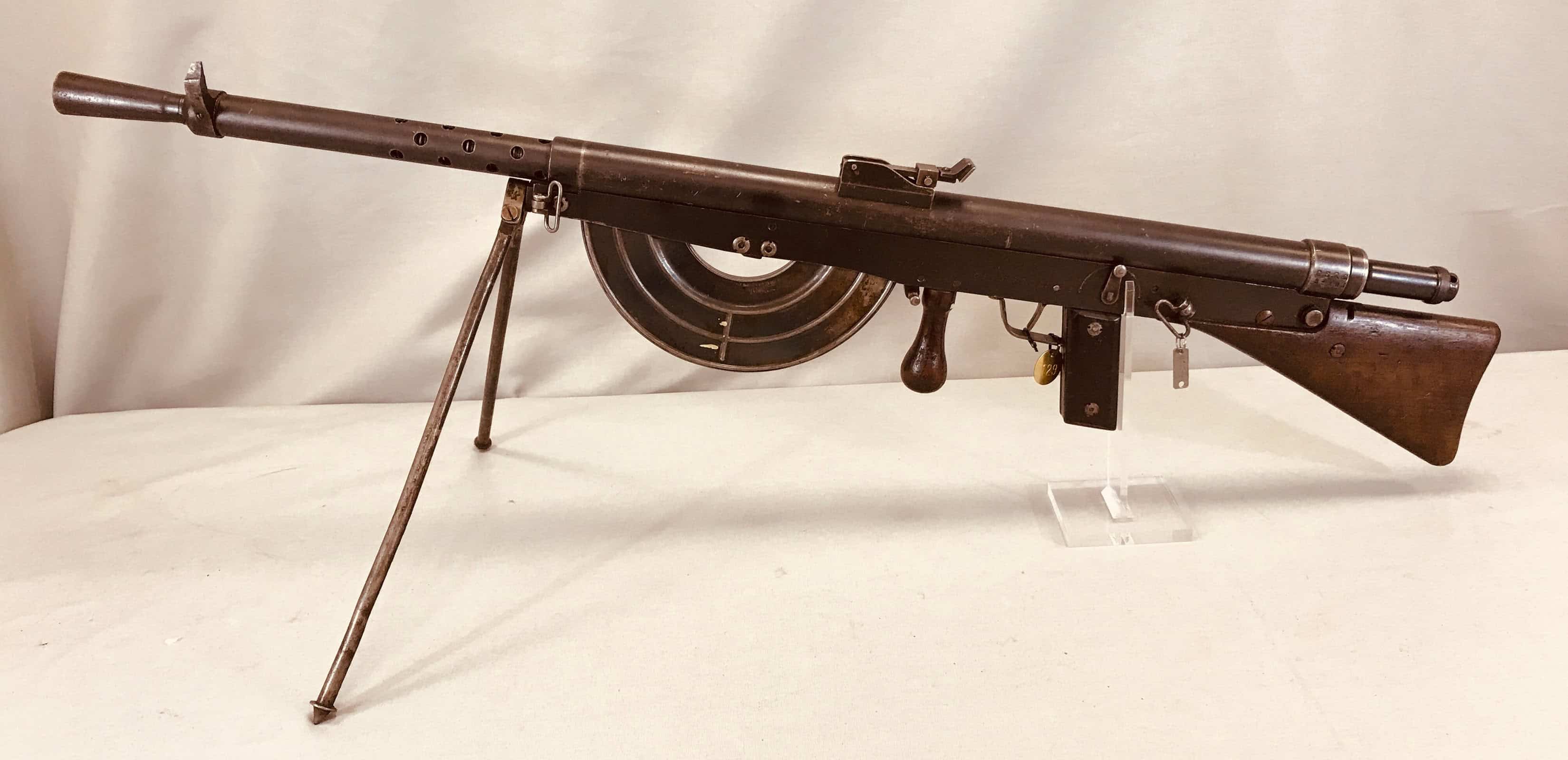
Chauchat (CSRG M1915)
- Weapon Category: Small arms
- Era introduced: WWI
- Known design flaw: Open magazine prone to dirt
- When the flaw was identified: Pre-adoption
- Why it was issued anyway: Urgent wartime production needs
- Operational impact of the flaw: Frequent jams and reliability failures
- Workarounds or fixes used: Careful handling, later modifications
The Chauchat was rushed into service during World War I despite known reliability problems, particularly its open magazine design. French forces accepted the flaws because they needed automatic weapons immediately. In combat, dirt and debris caused frequent stoppages, forcing troops to improvise handling techniques. The weapon’s flaws highlighted how urgency and industrial limits outweighed performance concerns.
M16 (early Vietnam variants)
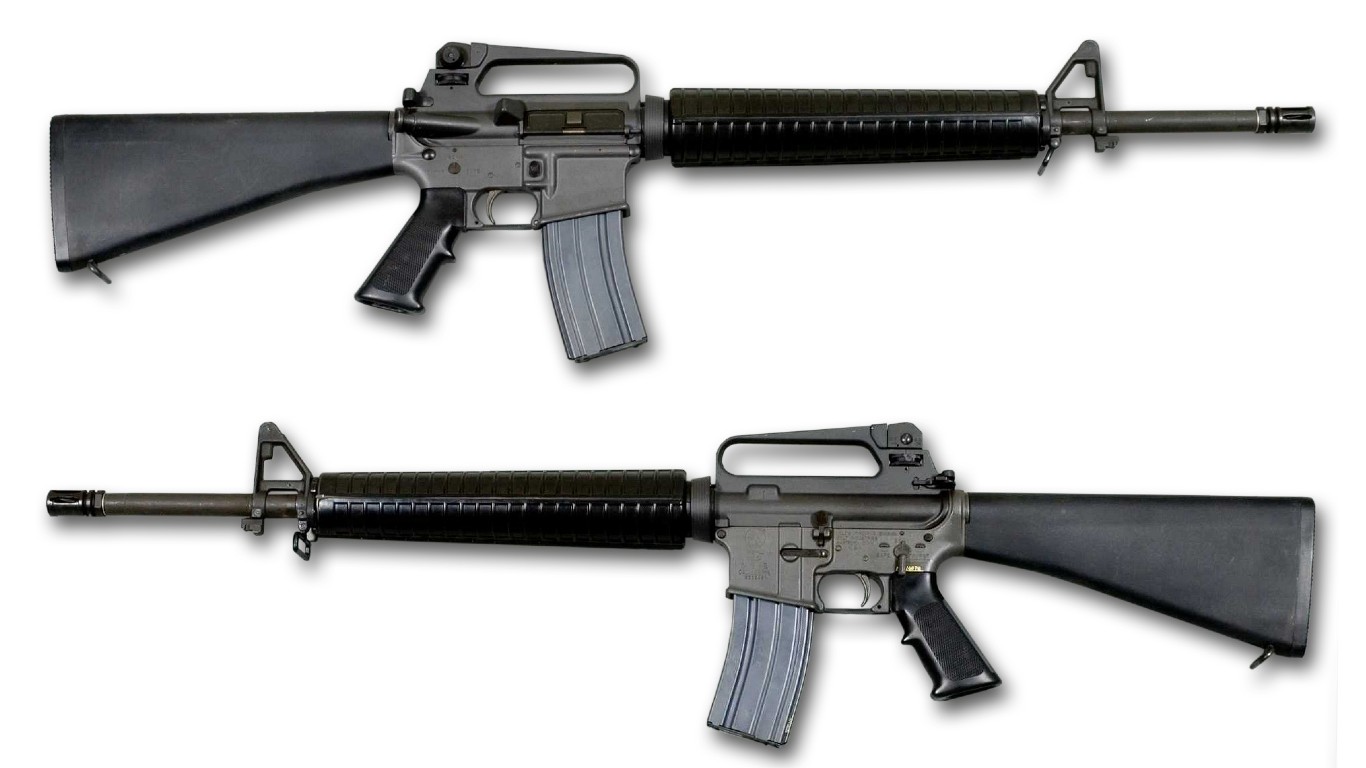
- Weapon Category: Small arms
- Era introduced: Cold War
- Known design flaw: Fouling and ammunition incompatibility
- When the flaw was identified: Early service
- Why it was issued anyway: Rapid fielding and logistics assumptions
- Operational impact of the flaw: High malfunction rates in combat
- Workarounds or fixes used: Training changes and ammunition fixes
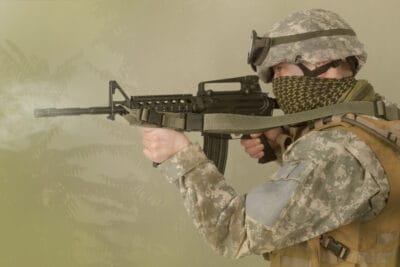
Early M16 rifles were issued to U.S. forces in Vietnam despite known fouling and ammunition issues. Assumptions about cleanliness and logistics proved false in jungle conditions. Malfunctions undermined confidence and combat effectiveness until ammunition, training, and maintenance standards were corrected.
L85A1 SA80
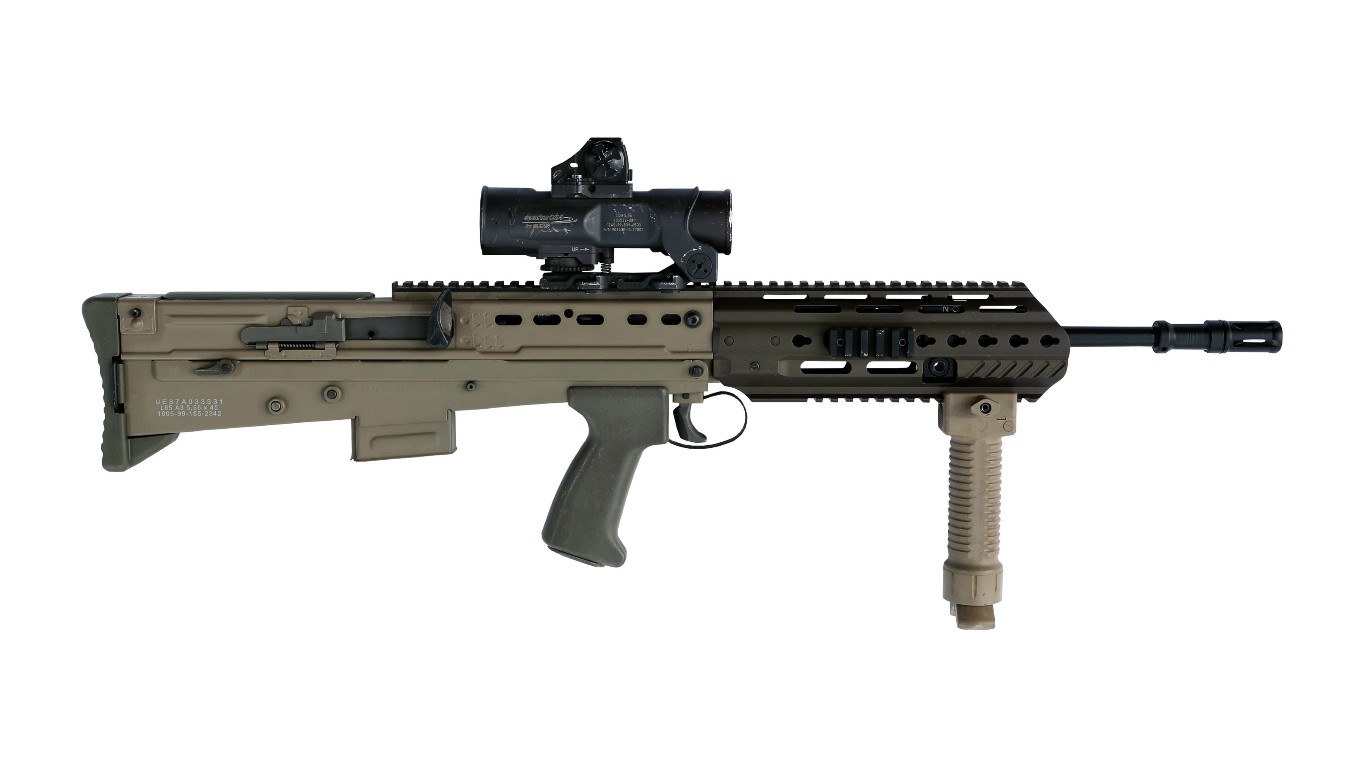
- Weapon Category: Small arms
- Era introduced: Cold War
- Known design flaw: Poor reliability and balance
- When the flaw was identified: Early service
- Why it was issued anyway: National production commitment
- Operational impact of the flaw: Frequent stoppages and user complaints
- Workarounds or fixes used: Extensive retrofits
The L85A1 entered British service despite early reliability and handling problems. Manufacturing issues and design flaws reduced effectiveness, particularly in harsh environments. The rifle remained in service due to sunk costs and domestic production priorities, eventually requiring extensive upgrades to reach acceptable performance.
M14 (automatic role)
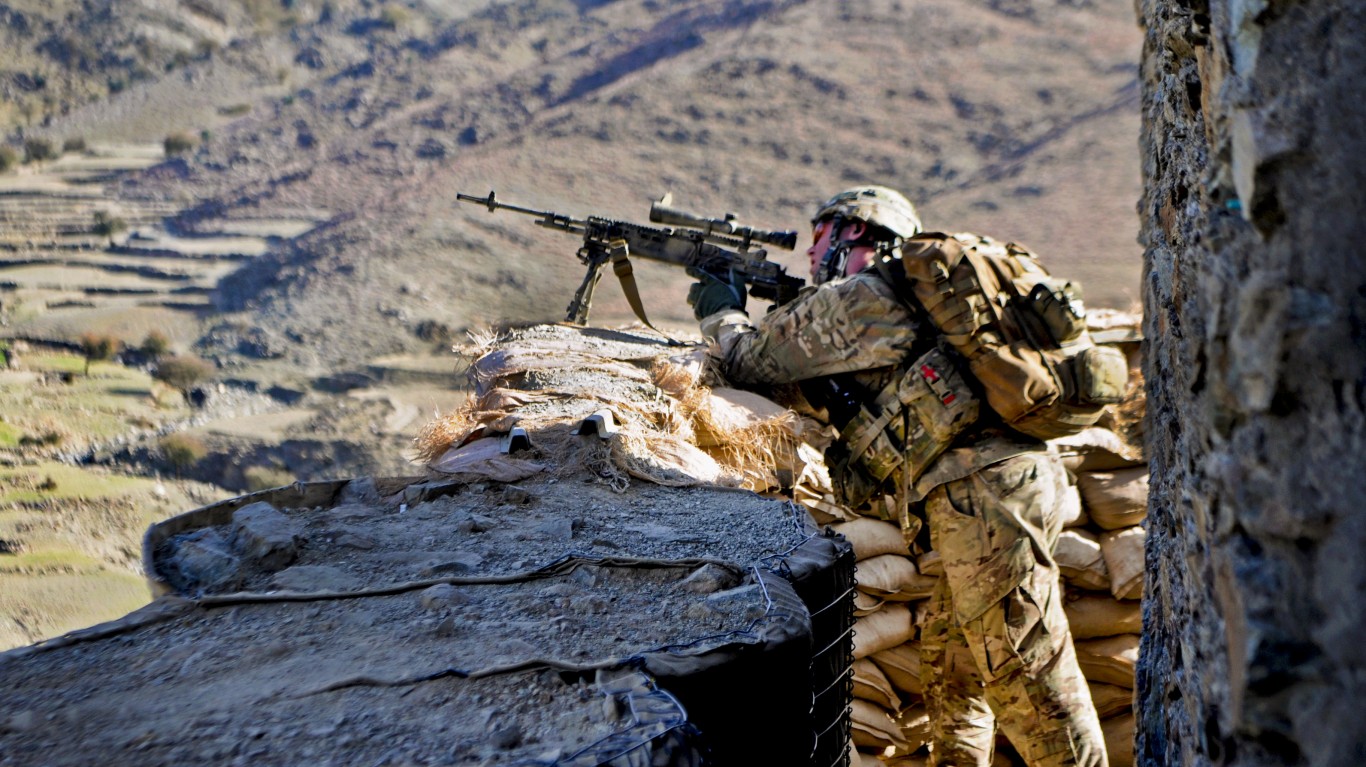
- Weapon Category: Small arms
- Era introduced: Cold War
- Known design flaw: Uncontrollable full-auto fire
- When the flaw was identified: Pre-adoption
- Why it was issued anyway: Doctrine compromise
- Operational impact of the flaw: Ineffective automatic fire
- Workarounds or fixes used: Semi-auto doctrine
The M14 was issued with an automatic fire capability that was known to be difficult to control. In practice, recoil made full-auto fire largely unusable for average troops. The weapon stayed in service because it filled an urgent transitional role, with doctrine shifting toward semi-automatic use.
Sten Gun
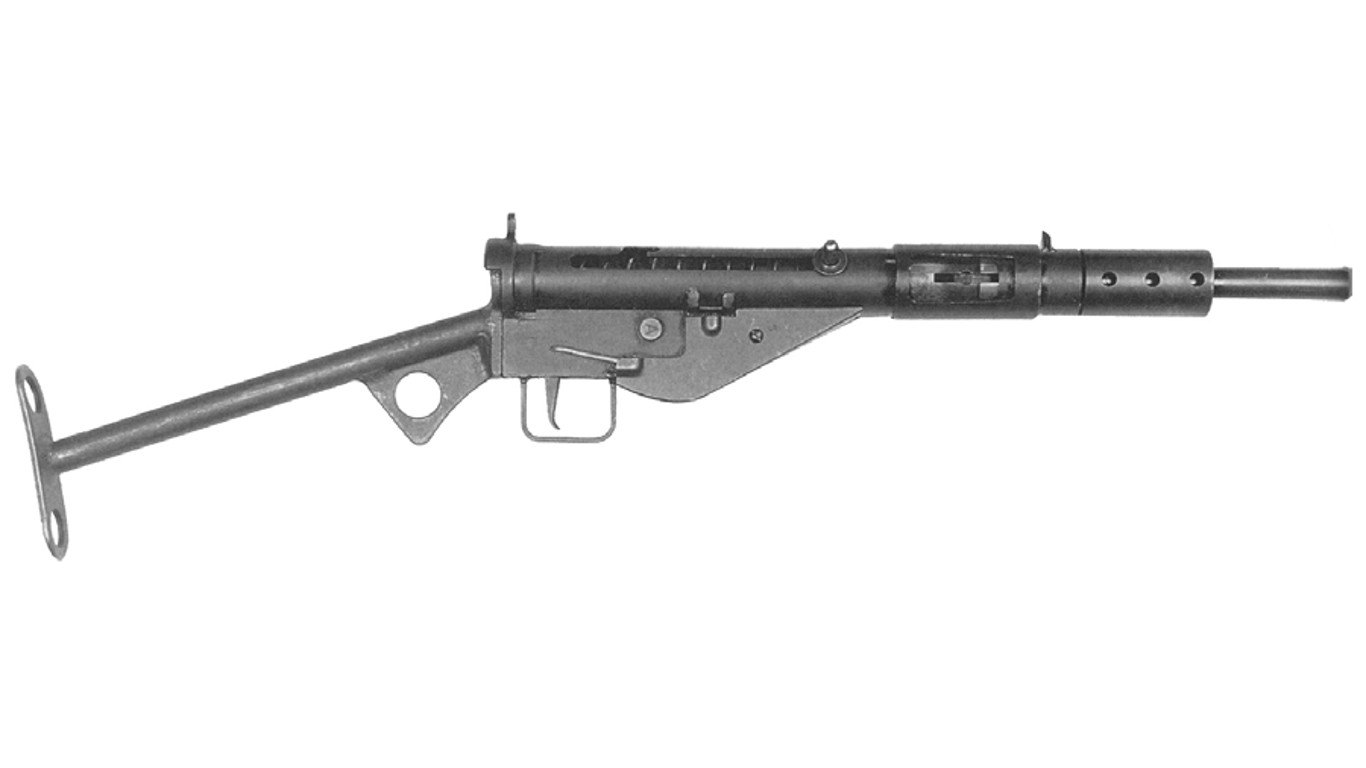
- Weapon Category: Small arms
- Era introduced: WWII
- Known design flaw: Safety and accidental discharge risk
- When the flaw was identified: Early service
- Why it was issued anyway: Need for cheap mass production
- Operational impact of the flaw: Accidental discharges and stoppages
- Workarounds or fixes used: Strict handling procedures
The Sten was produced rapidly during World War II despite safety and reliability concerns. Its simple design allowed fast manufacturing, but poor ergonomics and accidental discharges were common. The weapon was tolerated because it could be produced cheaply and in large numbers when alternatives were unavailable.
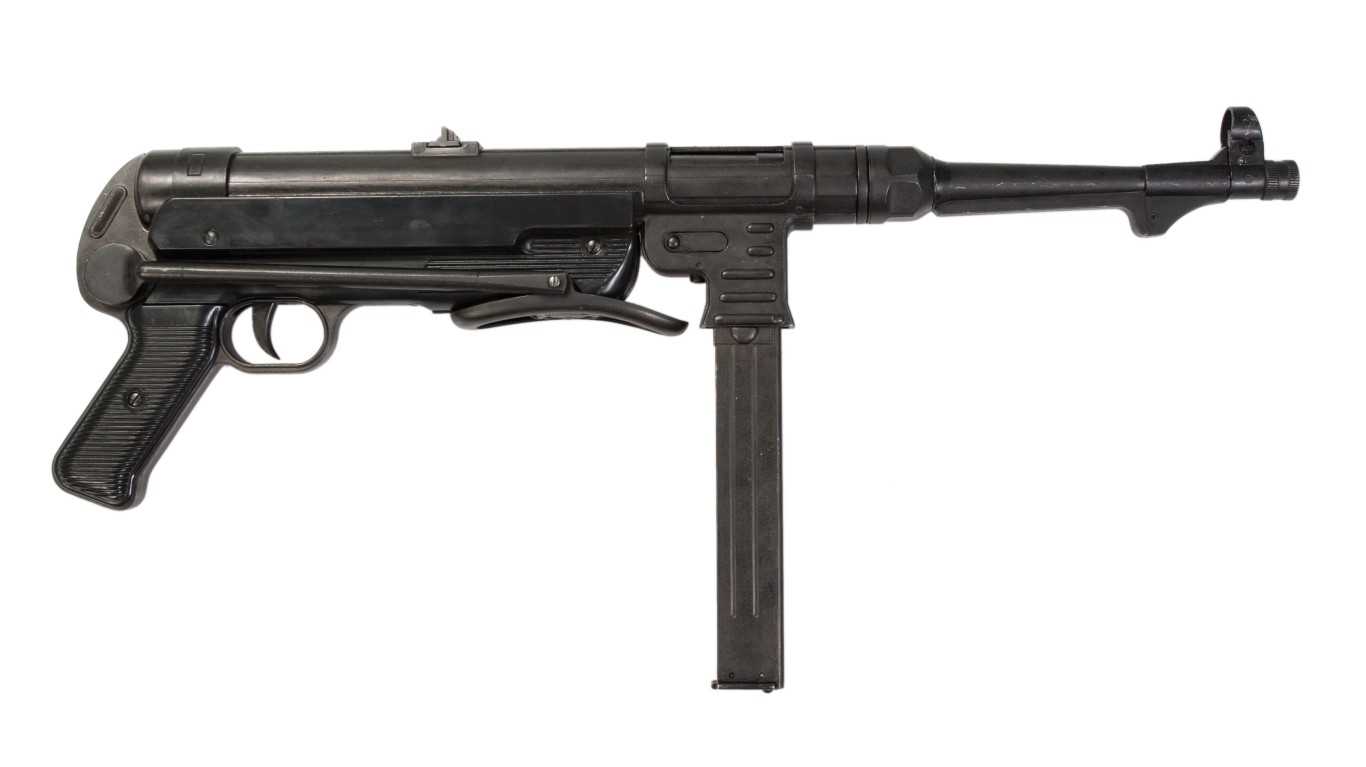
MP40
- Weapon Category: Small arms
- Era introduced: WWII
- Known design flaw: Fragile magazine design
- When the flaw was identified: Early service
- Why it was issued anyway: Incremental improvement over MP38
- Operational impact of the flaw: Feeding issues if mishandled
- Workarounds or fixes used: Magazine discipline
The MP40 entered service with a magazine design that was vulnerable to damage and improper handling. German forces accepted the flaw because the weapon otherwise performed well and improved production efficiency. Training emphasized magazine care to mitigate feeding problems.
M60 Machine Gun

- Weapon Category: Small arms
- Era introduced: Cold War
- Known design flaw: Durability and reliability issues
- When the flaw was identified: Early service
- Why it was issued anyway: Desire for lighter GPMG
- Operational impact of the flaw: Frequent breakdowns
- Workarounds or fixes used: Enhanced maintenance routines
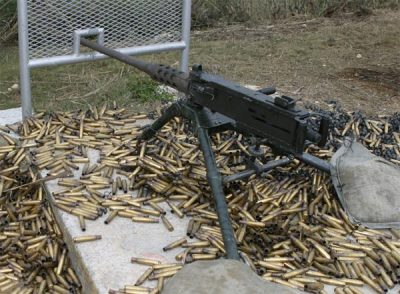
The M60 was adopted despite early reliability and durability problems. The desire for a lighter general-purpose machine gun outweighed concerns. In combat, poor maintenance led to stoppages, while trained crews could keep it effective through constant attention and repairs.
Beretta M9
- Weapon Category: Small arms
- Era introduced: Cold War
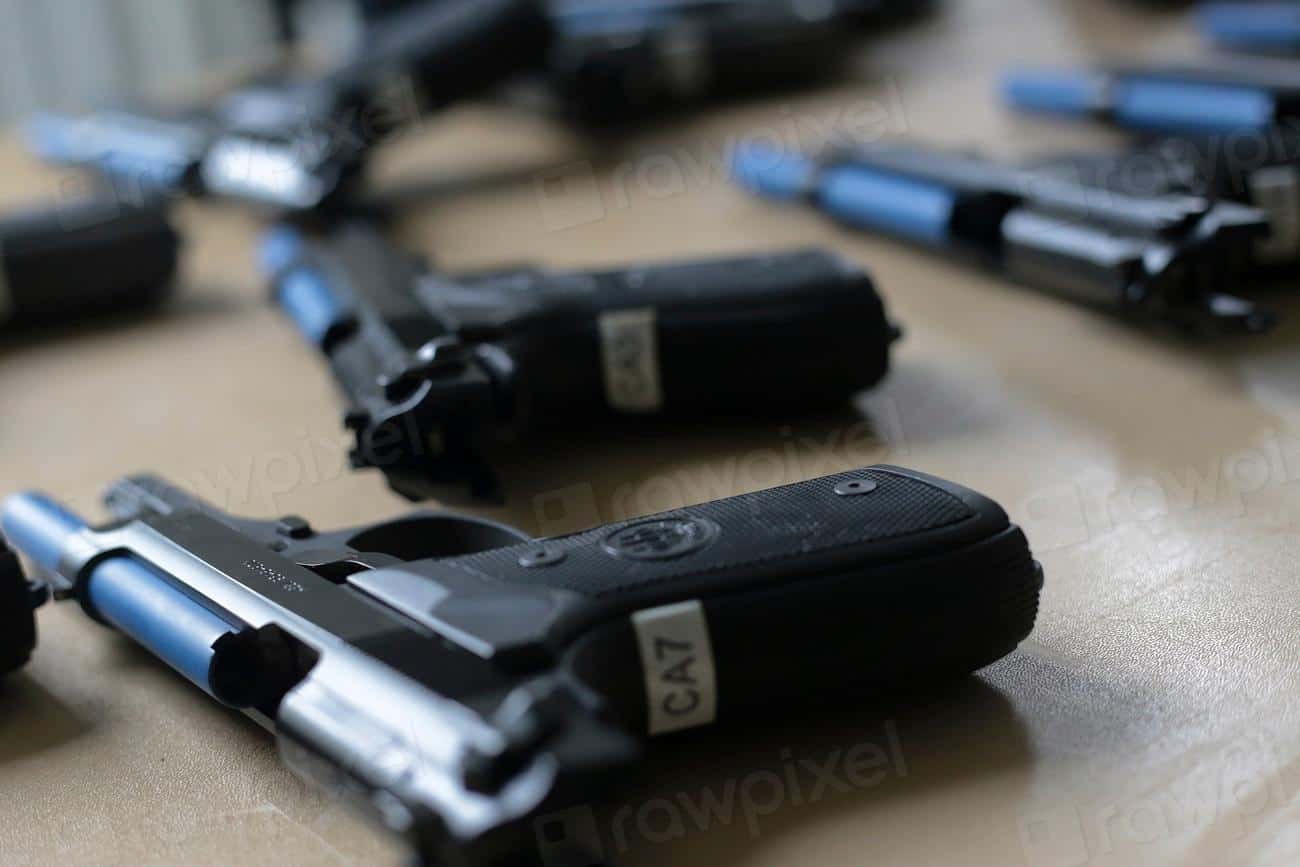
- Known design flaw: Slide cracking under stress
- When the flaw was identified: Early service
- Why it was issued anyway: NATO standardization
- Operational impact of the flaw: Safety incidents and injuries
- Workarounds or fixes used: Design modifications
The Beretta M9 was fielded despite early reports of slide cracking under high round counts. The issue caused injuries and concern among users. The pistol remained in service because it met NATO requirements, with later design changes addressing the most serious safety risks.
MAS-49/56
- Weapon Category: Small arms
- Era introduced: Cold War
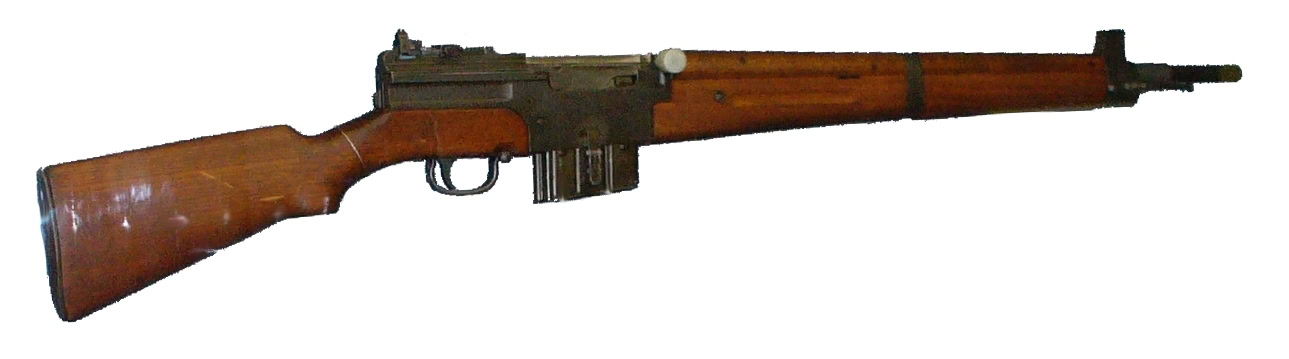
- Known design flaw: Ergonomic and structural stress issues
- When the flaw was identified: Early service
- Why it was issued anyway: Modernization pressure
- Operational impact of the flaw: User fatigue and wear
- Workarounds or fixes used: Doctrine adjustments
The MAS-49/56 was introduced despite ergonomic limitations and stresses caused by its grenade-launching capability. French forces accepted these drawbacks to modernize infantry arms quickly. Training and procedural changes were used to mitigate the rifle’s shortcomings.
AK-12 (early variants)
- Weapon Category: Small arms
- Era introduced: Modern
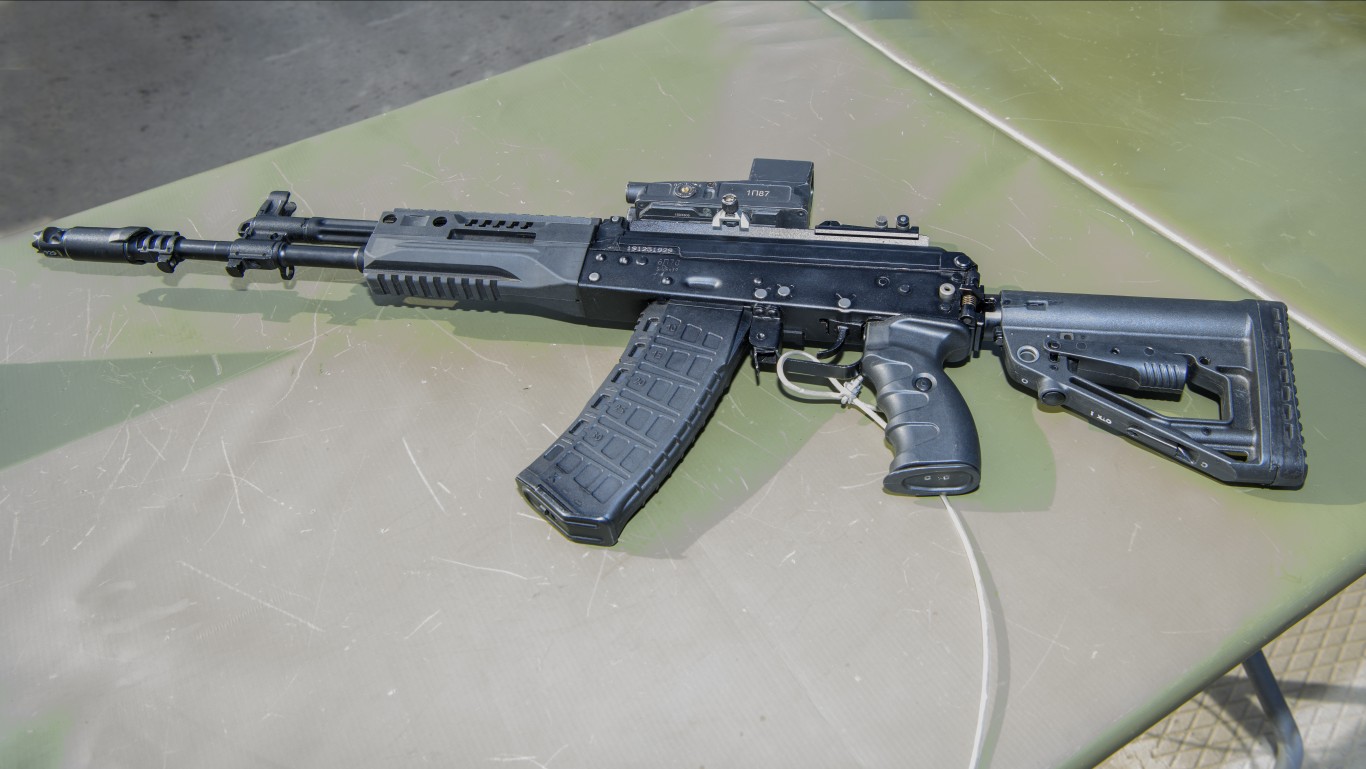
- Known design flaw: Overcomplex controls
- When the flaw was identified: Pre-adoption
- Why it was issued anyway: Modernization mandate
- Operational impact of the flaw: Reduced reliability and confusion
- Workarounds or fixes used: Simplified training
Early AK-12 variants were fielded despite concerns that added features complicated the platform. The push to modernize infantry weapons outweighed simplicity concerns. Subsequent revisions simplified the rifle after operational feedback revealed reduced reliability and usability.
M3 Lee/Grant
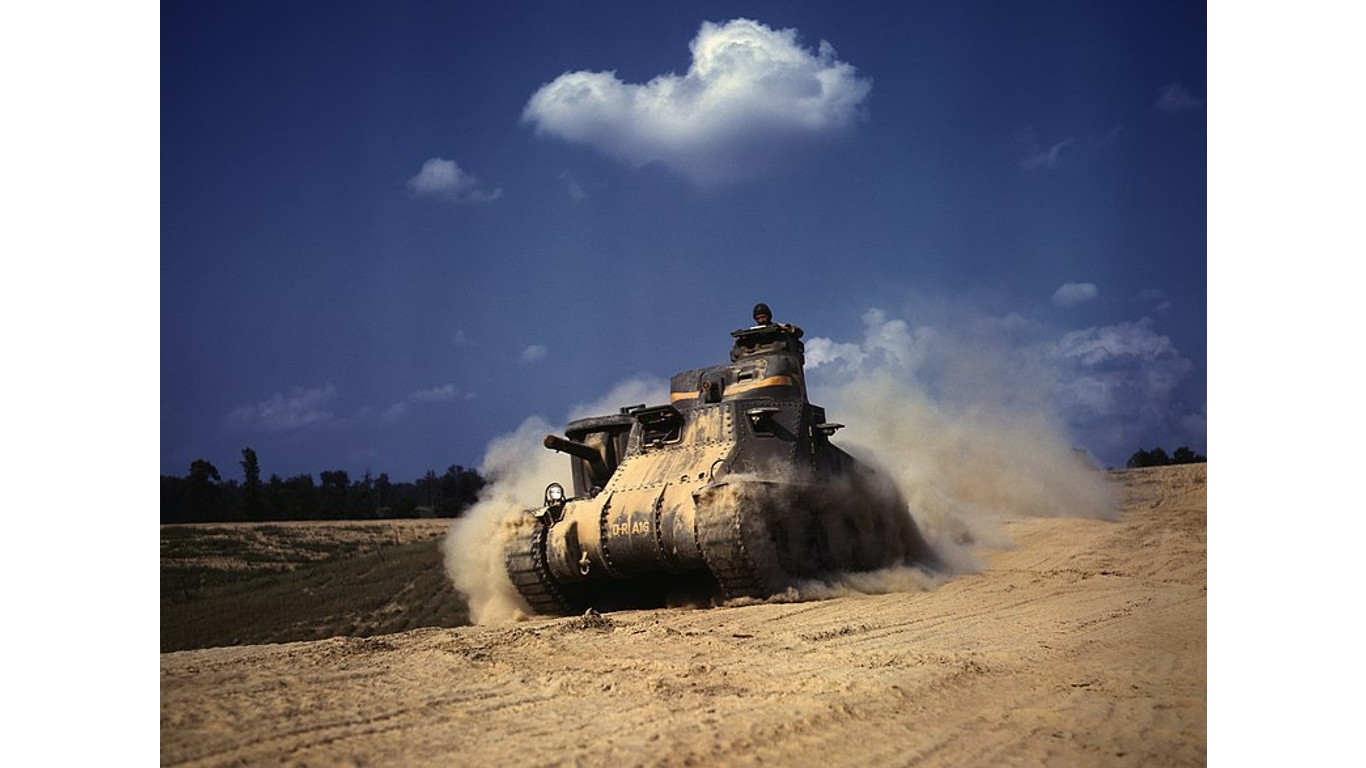
- Weapon Category: Armor
- Era introduced: WWII
- Known design flaw: Awkward gun layout
- When the flaw was identified: Pre-adoption
- Why it was issued anyway: Urgent armored fielding
- Operational impact of the flaw: Limited tactical flexibility
- Workarounds or fixes used: Doctrinal adaptation
The M3 Lee was accepted despite its awkward main gun placement. U.S. forces prioritized rapid armored deployment over optimal design. While flawed, it provided a stopgap until better tanks could be fielded, illustrating compromise under wartime pressure.
M4 Sherman (early)
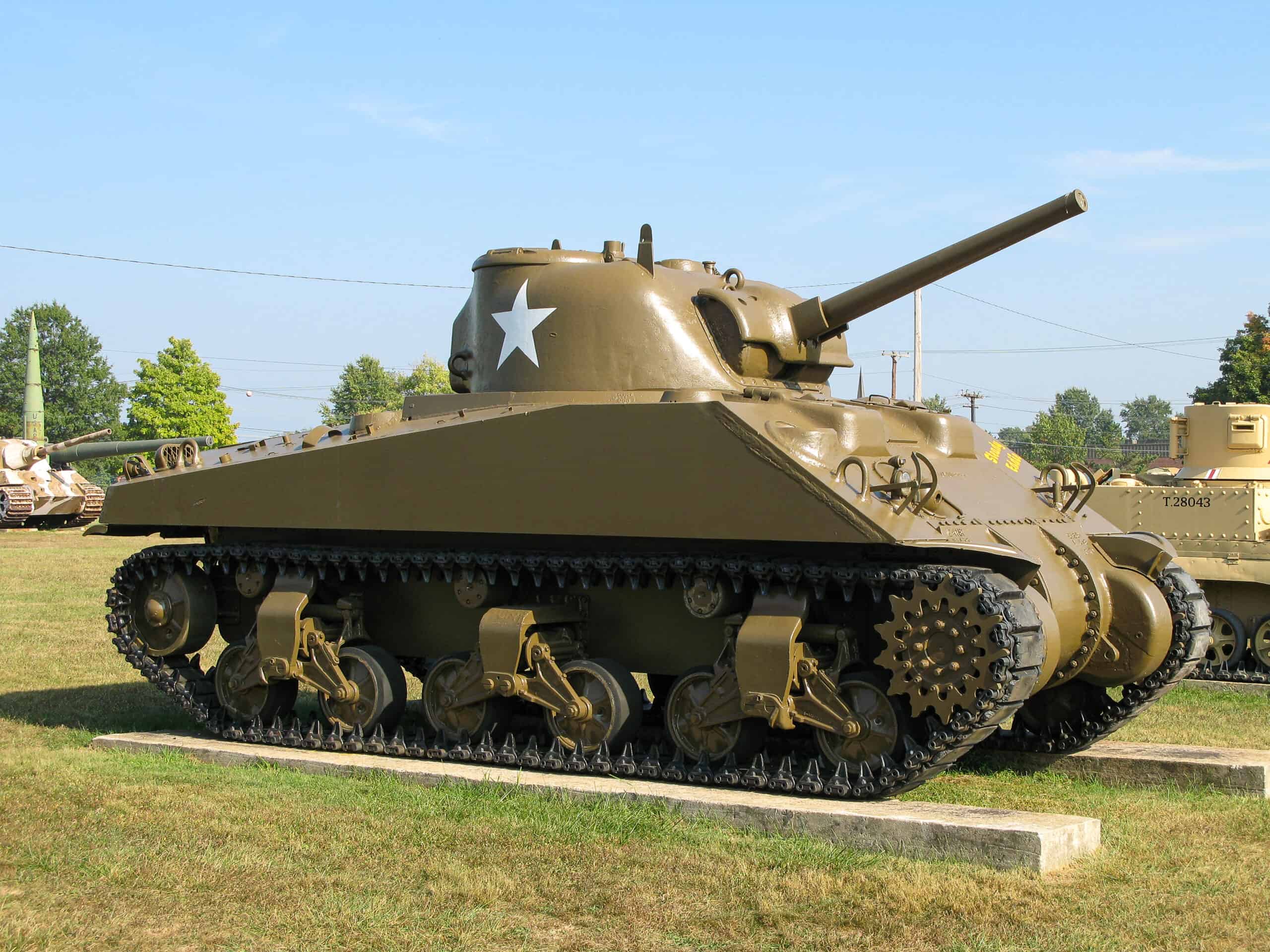
- Weapon Category: Armor
- Era introduced: WWII
- Known design flaw: Fire vulnerability
- When the flaw was identified: Early service
- Why it was issued anyway: Production speed and logistics
- Operational impact of the flaw: High crew losses
- Workarounds or fixes used: Improved ammunition storage
Early M4 Shermans were known to be vulnerable to fire due to ammunition storage. The U.S. accepted this risk to maintain high production and logistical simplicity. Later improvements reduced, but did not eliminate, the flaw.
Bradley IFV (early)
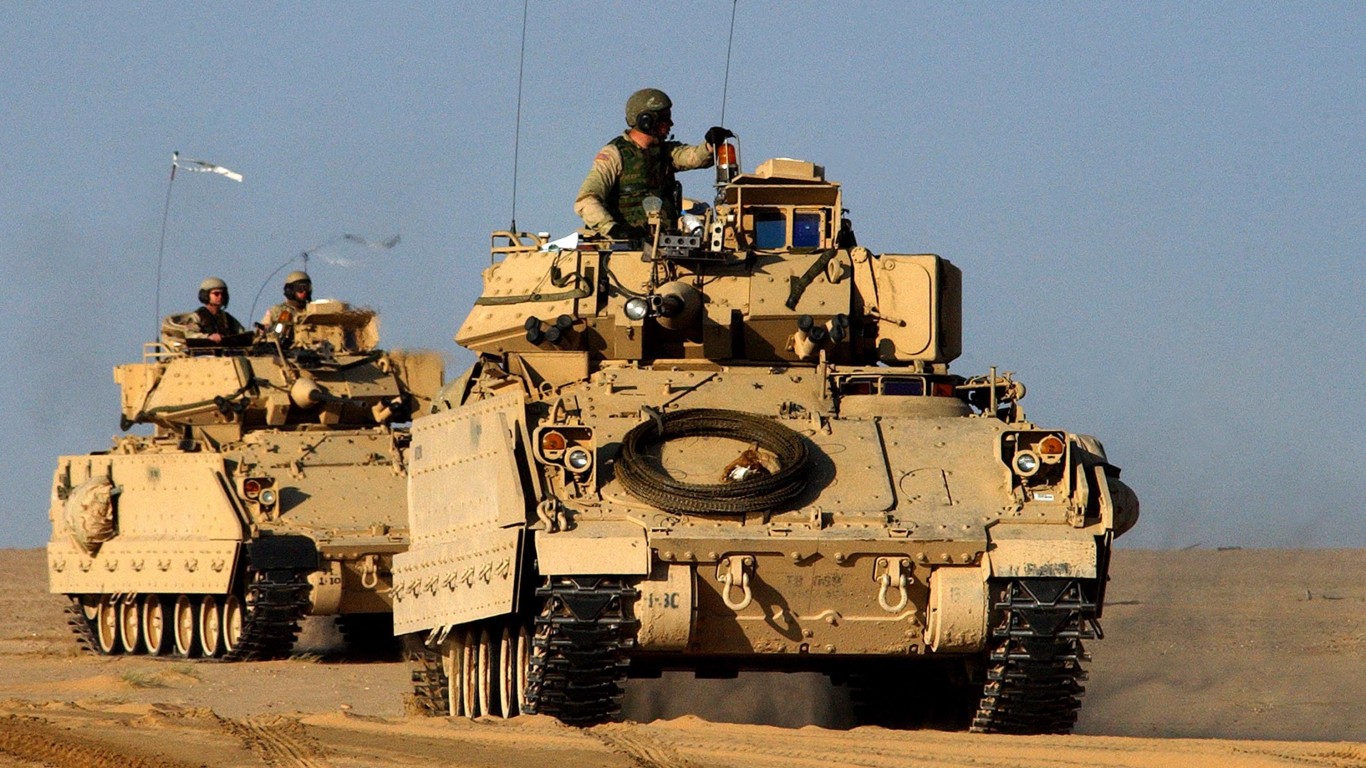
- Weapon Category: Armor
- Era introduced: Cold War
- Known design flaw: Weight and survivability issues
- When the flaw was identified: Pre-adoption
- Why it was issued anyway: Program momentum
- Operational impact of the flaw: Operational criticism
- Workarounds or fixes used: Incremental upgrades
The Bradley entered service despite concerns about weight and survivability. Political and program momentum drove adoption. Continuous upgrades were required to address criticisms while retaining the vehicle as a core mechanized platform.
M551 Sheridan
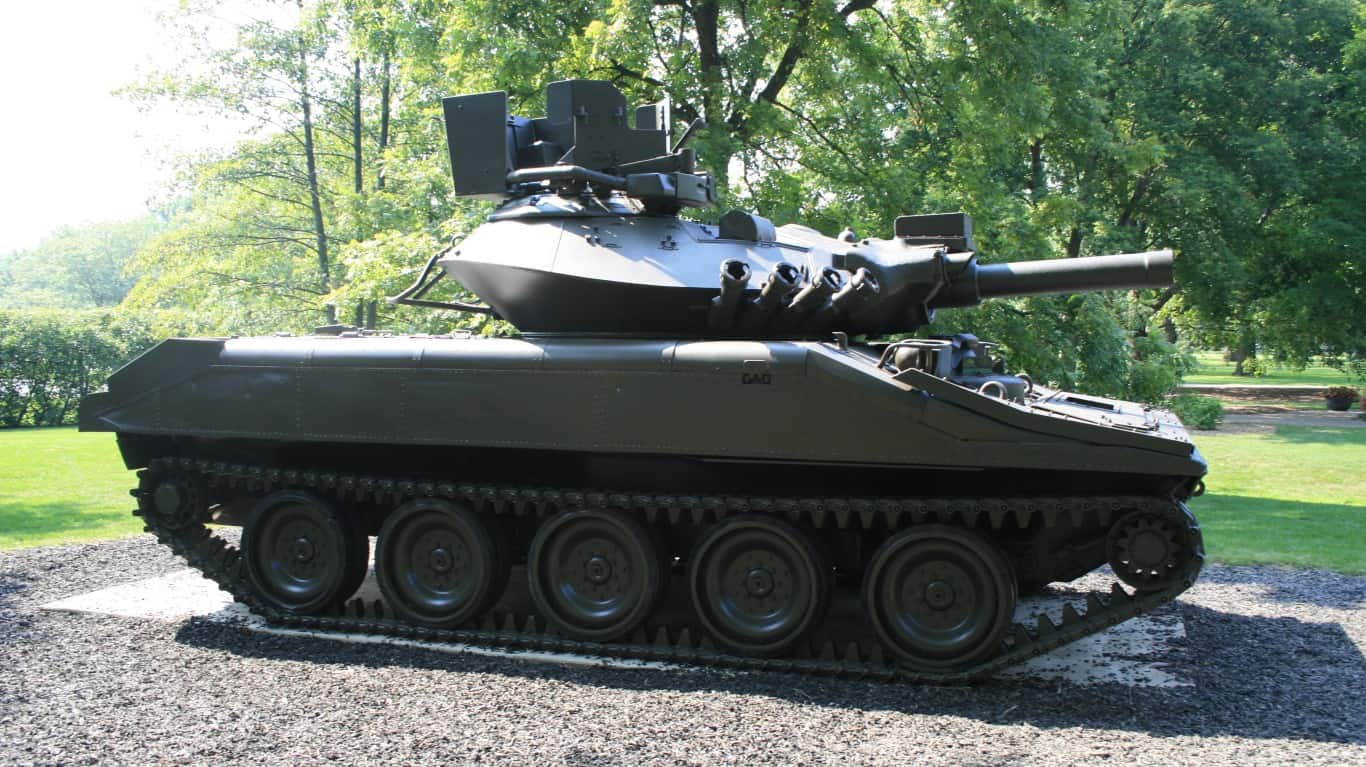
- Weapon Category: Armor
- Era introduced: Cold War
- Known design flaw: Fragile armor and gun issues
- When the flaw was identified: Early service
- Why it was issued anyway: Air-deployable requirement
- Operational impact of the flaw: High maintenance burden
- Workarounds or fixes used: Restricted employment
The M551 Sheridan was fielded despite fragile aluminum armor and a problematic gun-launcher system. It remained in service because it met airborne deployment needs, even as reliability and survivability problems limited its effectiveness.
BMP-1
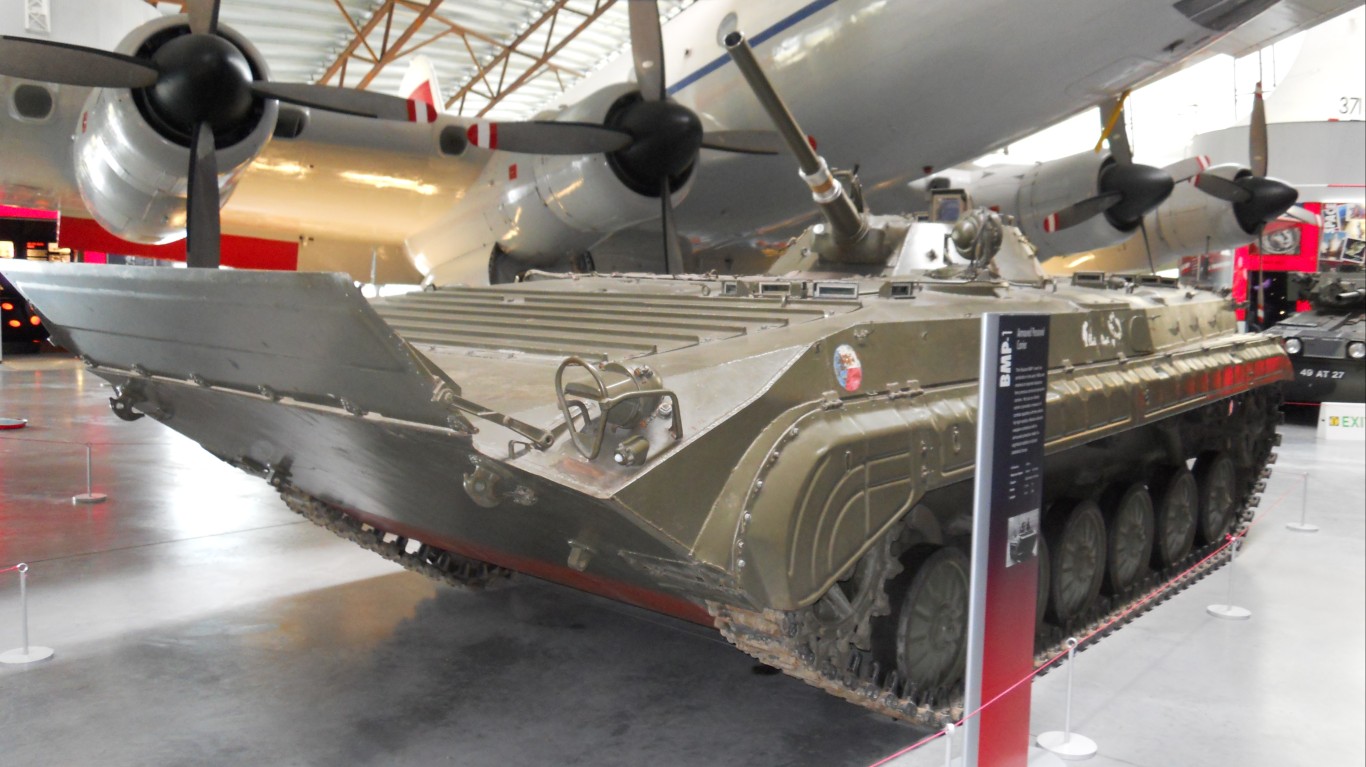
- Weapon Category: Armor
- Era introduced: Cold War
- Known design flaw: Poor crew ergonomics
- When the flaw was identified: Pre-adoption
- Why it was issued anyway: Doctrine prioritization
- Operational impact of the flaw: Crew discomfort and safety risks
- Workarounds or fixes used: Tactical adjustments
The BMP-1 was issued with known ergonomic flaws that affected crew safety and comfort. Soviet doctrine prioritized firepower and mobility over ergonomics. Later versions attempted to address some of these shortcomings.
Panther Tank (early)
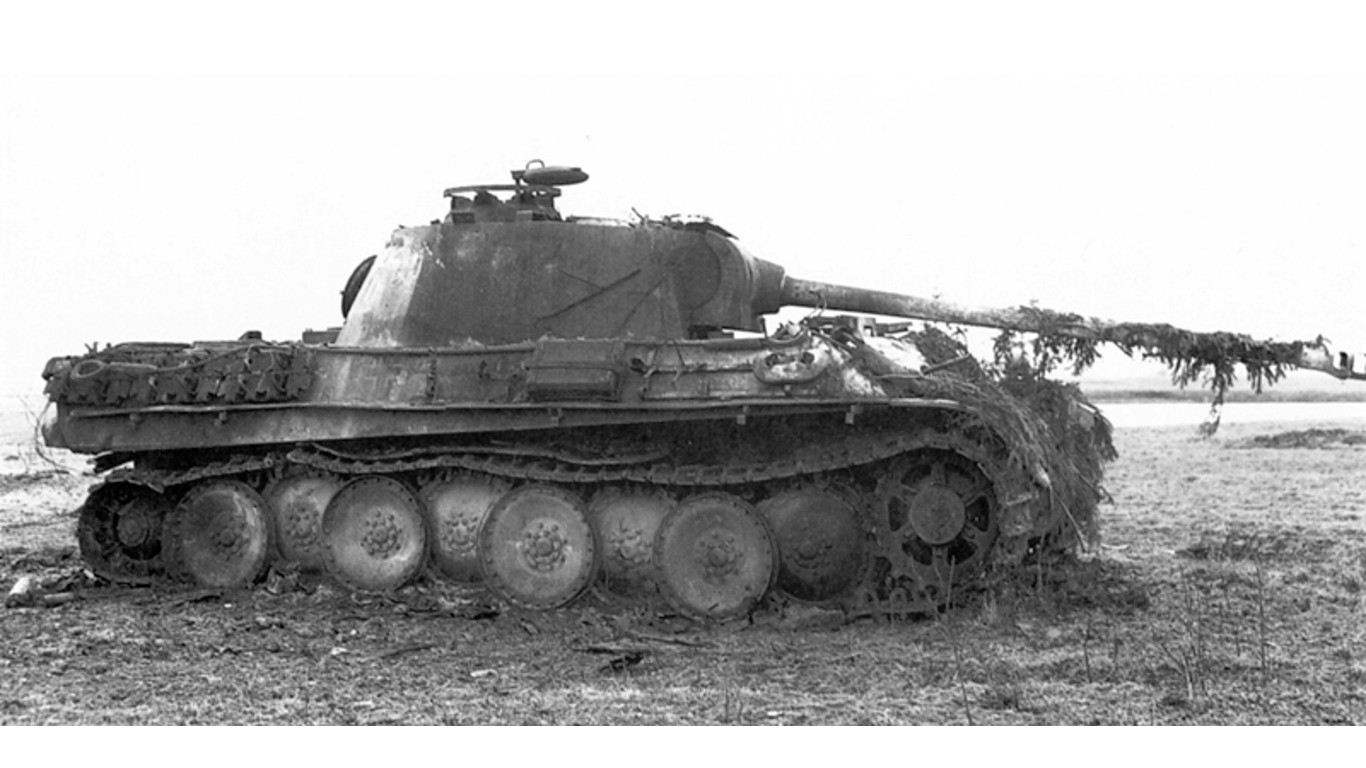
- Weapon Category: Armor
- Era introduced: WWII
- Known design flaw: Mechanical unreliability
- When the flaw was identified: Pre-adoption
- Why it was issued anyway: Urgent response to Allied armor
- Operational impact of the flaw: Frequent breakdowns
- Workarounds or fixes used: Gradual improvements
Early Panther tanks were rushed into combat despite severe mechanical problems. Germany accepted the risk to counter Allied armor. While later improvements helped, early failures demonstrated the cost of deploying complex systems before they were ready.
LAV-25
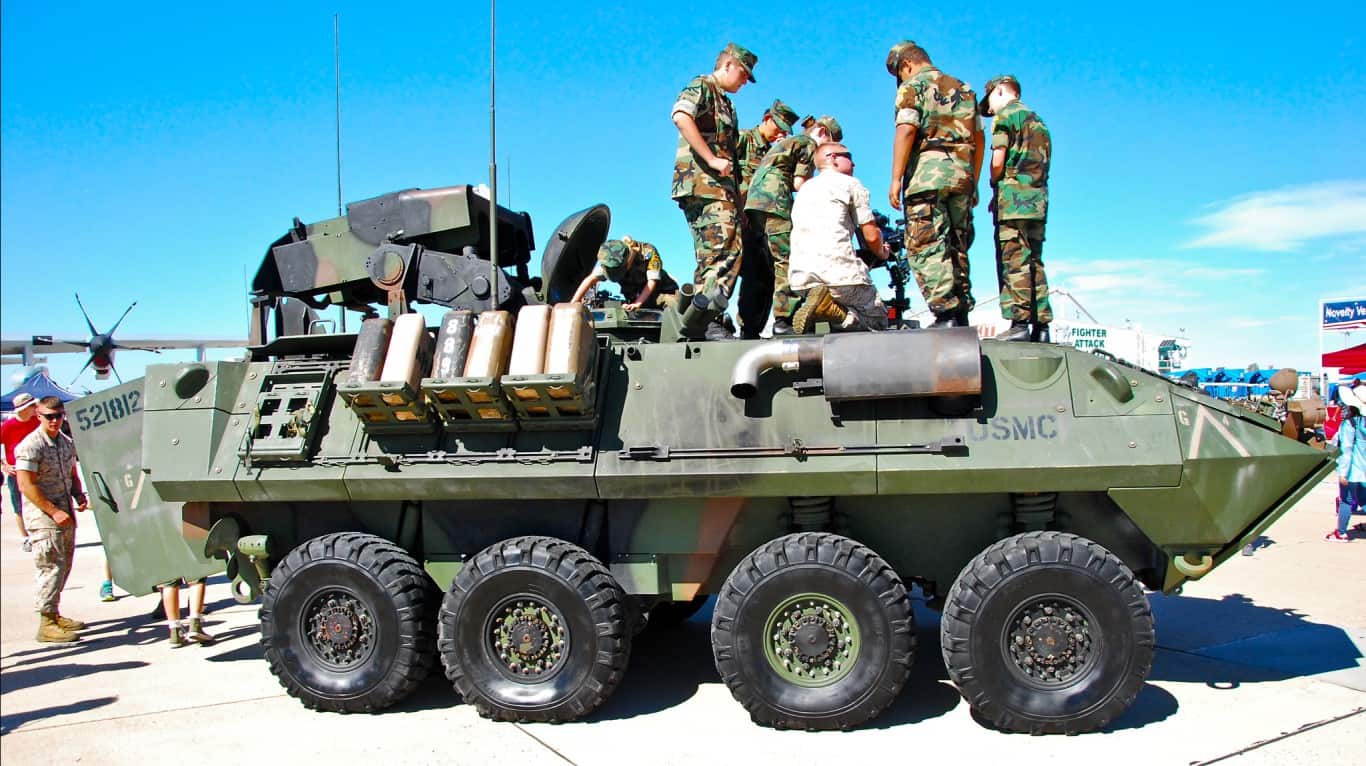
- Weapon Category: Armor
- Era introduced: Cold War
- Known design flaw: Thin armor
- When the flaw was identified: Pre-adoption
- Why it was issued anyway: Mobility priority
- Operational impact of the flaw: Limited survivability
- Workarounds or fixes used: Doctrine emphasizing speed
The LAV-25 was fielded despite thin armor protection. U.S. planners accepted the tradeoff to gain speed and deployability. Doctrine emphasized mobility and avoidance rather than protection.
F-104 Starfighter
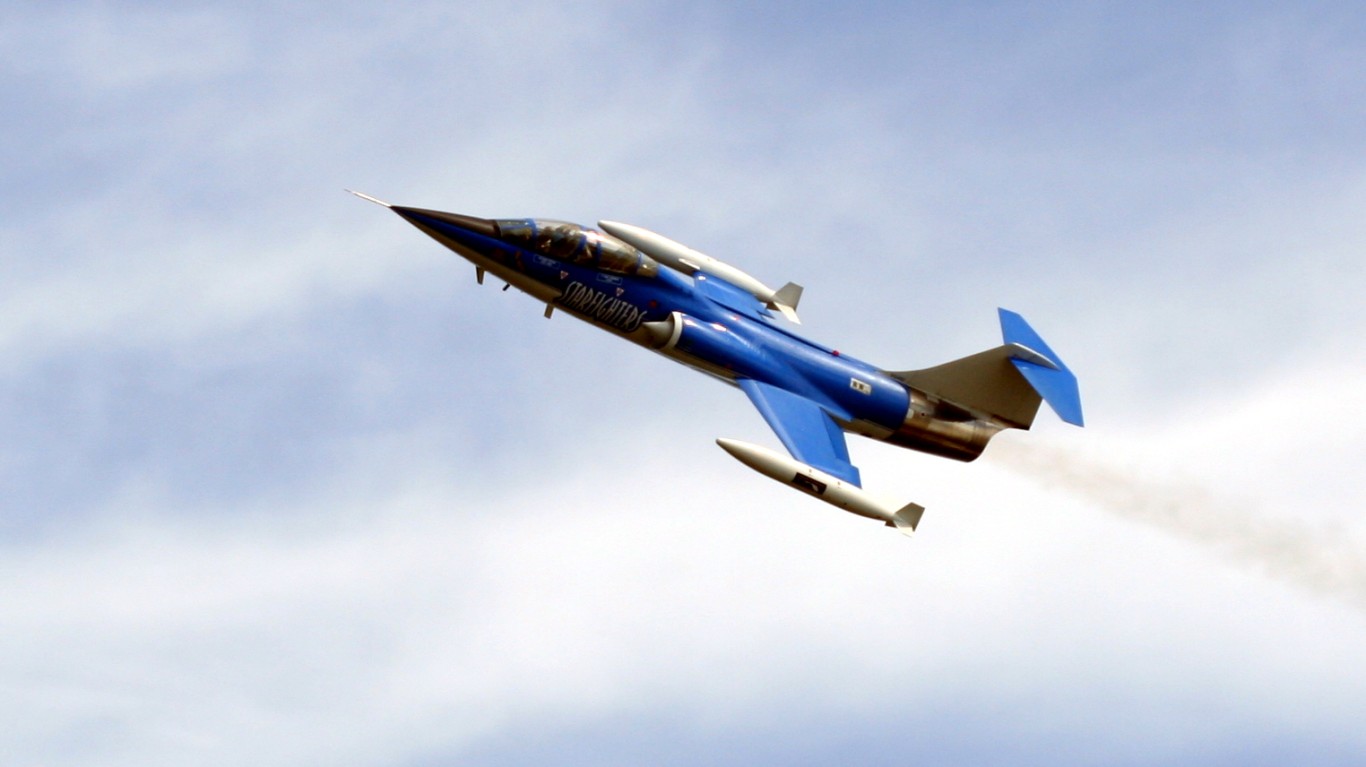
- Weapon Category: Aircraft
- Era introduced: Cold War
- Known design flaw: Narrow flight envelope
- When the flaw was identified: Early service
- Why it was issued anyway: Interceptor requirement
- Operational impact of the flaw: High accident rate
- Workarounds or fixes used: Specialized training
The F-104 was introduced despite a notoriously unforgiving flight envelope. Designed as a high-speed interceptor, it demanded exceptional pilot skill. High accident rates followed, but the aircraft remained in service due to strategic air defense requirements.
B-26 Marauder (early)
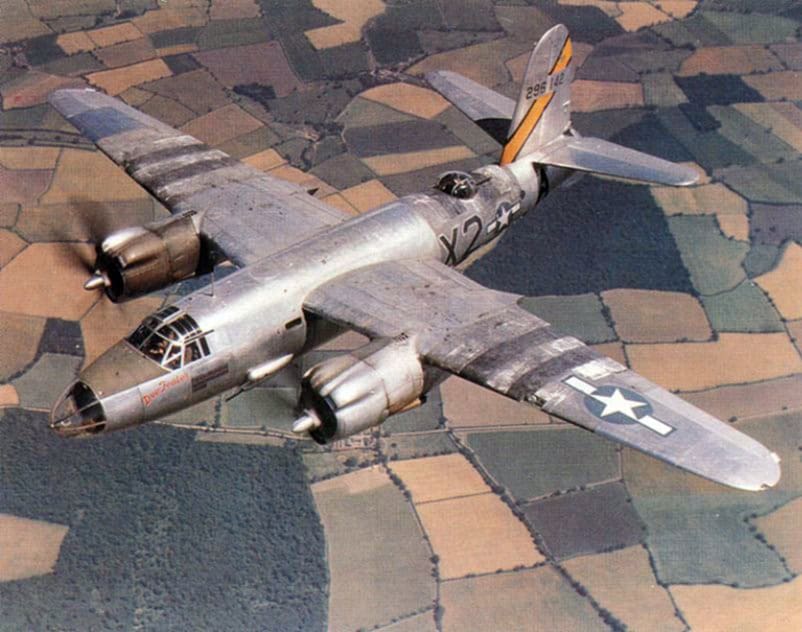
- Weapon Category: Aircraft
- Era introduced: WWII
- Known design flaw: Dangerous takeoff and landing
- When the flaw was identified: Early service
- Why it was issued anyway: Production momentum
- Operational impact of the flaw: High training accidents
- Workarounds or fixes used: Runway and training changes
Early B-26 bombers were known for difficult handling characteristics. Despite high accident rates, production continued. Training standards and runway improvements eventually reduced losses, allowing the aircraft to perform effectively later in the war.
V-22 Osprey (early)
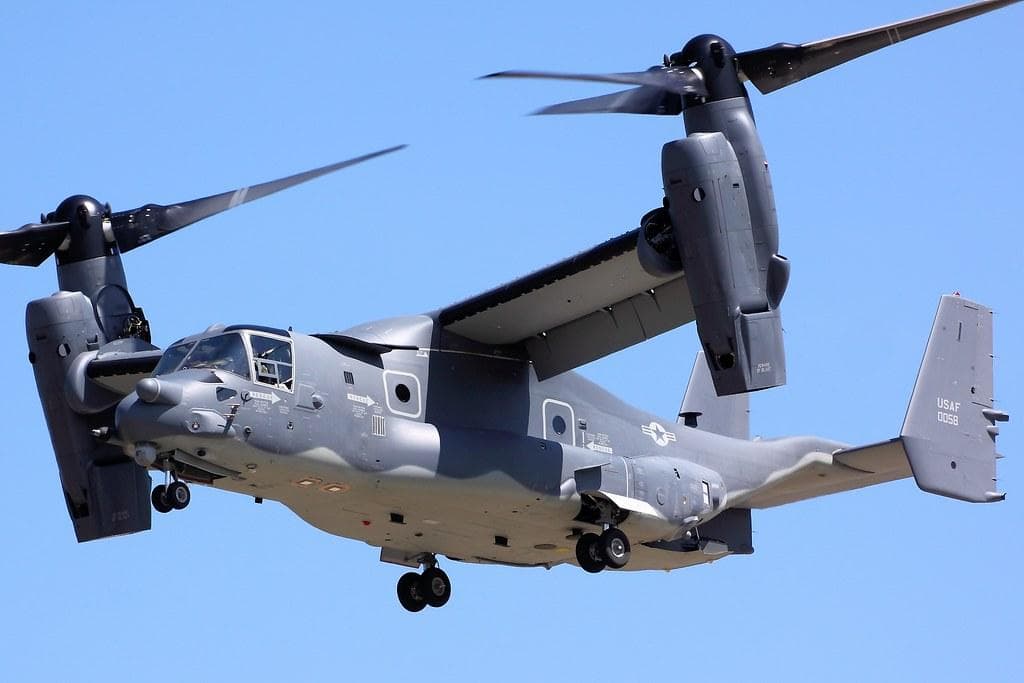
- Weapon Category: Aircraft
- Era introduced: Modern
- Known design flaw: Flight control issues
- When the flaw was identified: Early service
- Why it was issued anyway: SOF mobility requirement
- Operational impact of the flaw: Fatal crashes
- Workarounds or fixes used: Software and training fixes
The V-22 Osprey was fielded despite early safety and flight control concerns. Its unmatched range and speed for vertical lift drove acceptance. Extensive redesigns and training reforms were required before it achieved operational reliability.
F-111 Aardvark (early)

- Weapon Category: Aircraft
- Era introduced: Cold War
- Known design flaw: Structural and avionics flaws
- When the flaw was identified: Early service
- Why it was issued anyway: Strategic strike need
- Operational impact of the flaw: Groundings and delays
- Workarounds or fixes used: Incremental fixes
Early F-111 variants suffered structural and avionics problems. The aircraft remained in development and service due to its promise as a long-range strike platform. Over time, fixes allowed it to fulfill its intended role.
A-10 Thunderbolt II
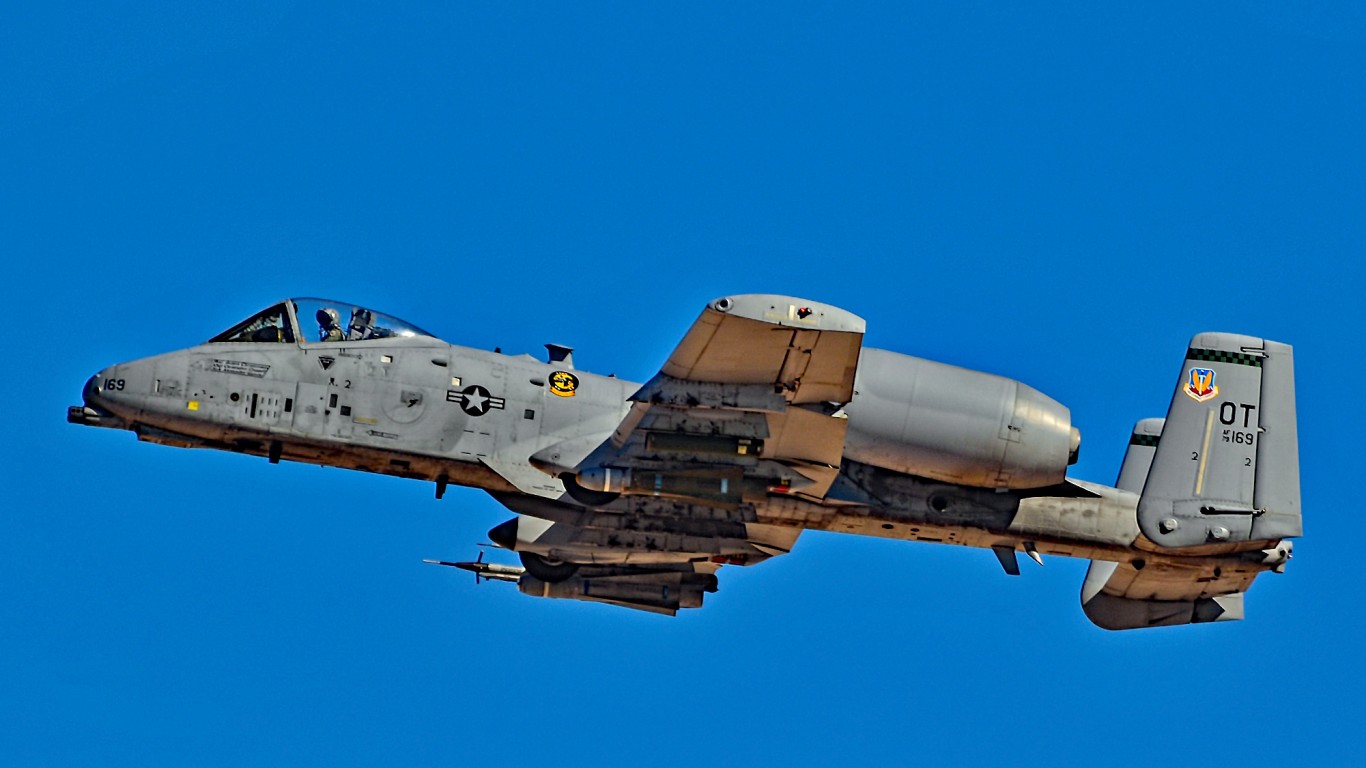
- Weapon Category: Aircraft
- Era introduced: Cold War
- Known design flaw: Limited survivability in high-threat airspace
- When the flaw was identified: Pre-adoption
- Why it was issued anyway: CAS doctrine priority
- Operational impact of the flaw: Restricted employment
- Workarounds or fixes used: Operational constraints
The A-10 was fielded with a known vulnerability to modern air defenses. Designers accepted this limitation because its mission assumed permissive environments. The aircraft remained effective when employed within those constraints.
Mark 14 Torpedo
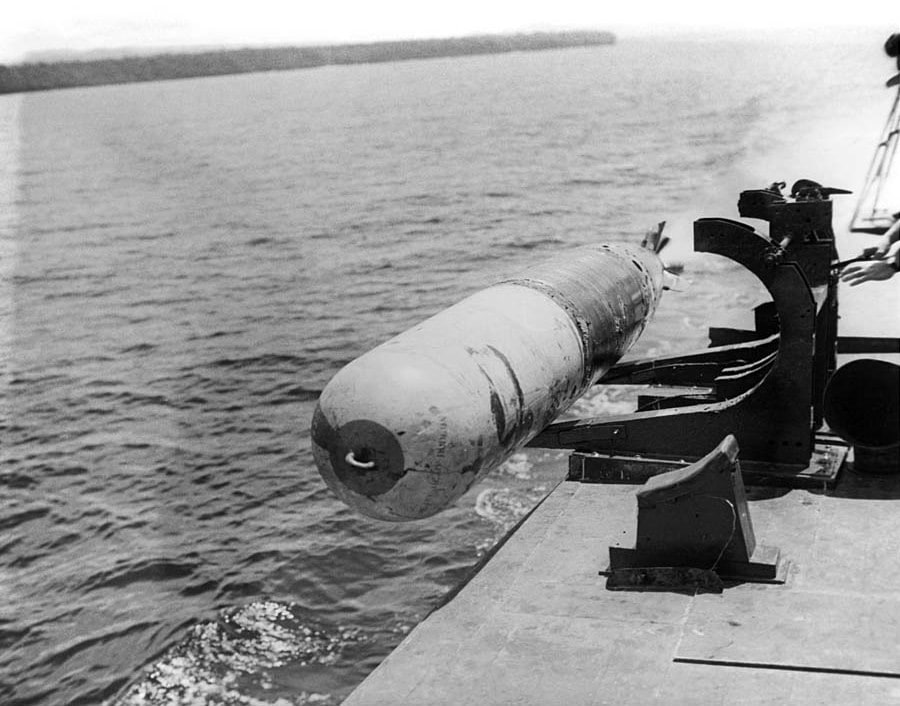
- Weapon Category: Naval
- Era introduced: WWII
- Known design flaw: Faulty detonators
- When the flaw was identified: Early service
- Why it was issued anyway: No immediate replacement
- Operational impact of the flaw: Missed attacks
- Workarounds or fixes used: Field testing and fixes
The Mark 14 torpedo entered service with serious depth-keeping and detonation flaws. Despite early failures, it remained in use due to lack of alternatives. Only extensive field testing forced corrections that restored effectiveness.
Littoral Combat Ship
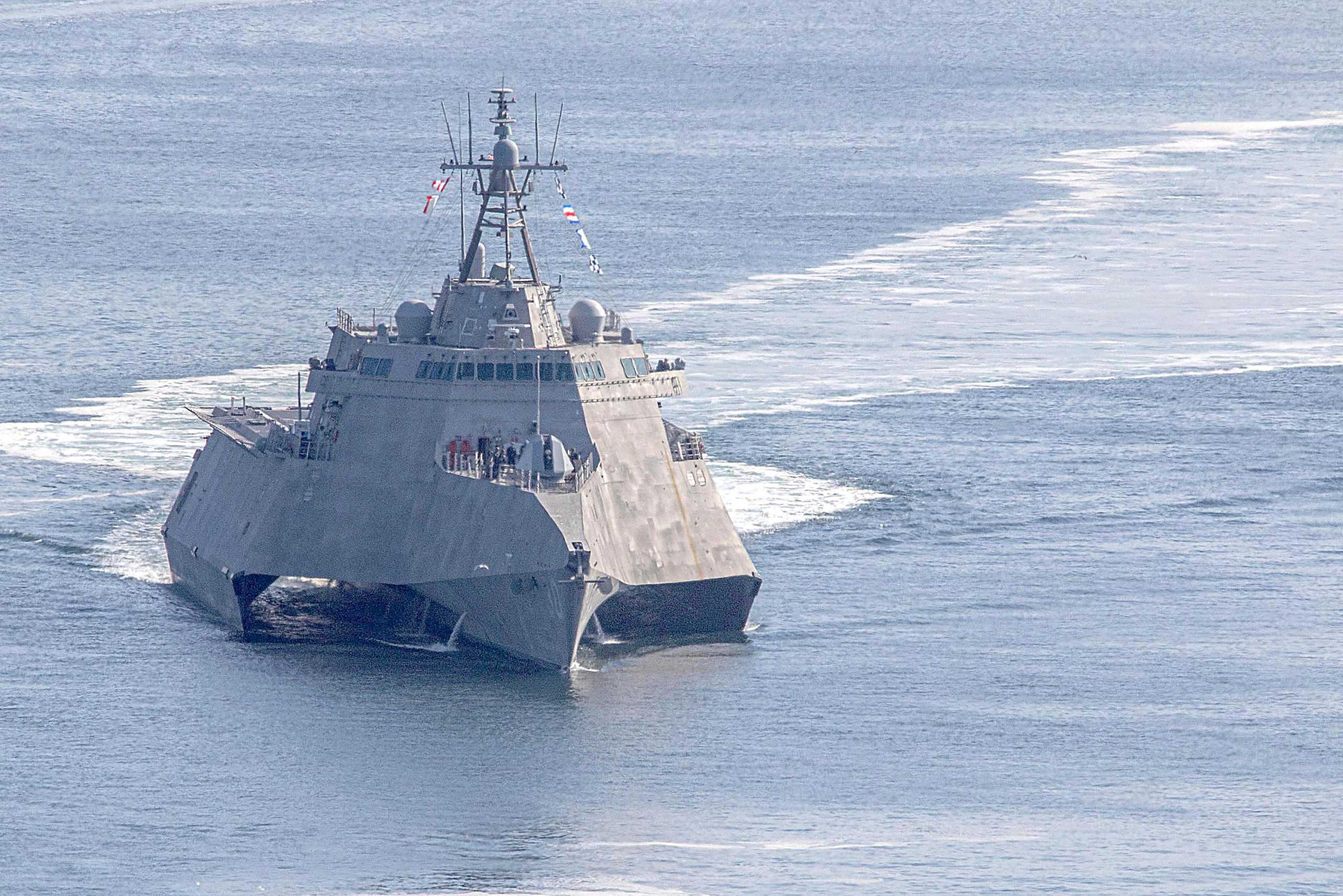
- Weapon Category: Naval
- Era introduced: Modern
- Known design flaw: Survivability and maintenance issues
- When the flaw was identified: Pre-adoption
- Why it was issued anyway: Conceptual commitment
- Operational impact of the flaw: Operational limitations
- Workarounds or fixes used: Design revisions
Early Littoral Combat Ships were deployed despite known survivability and maintenance concerns. The Navy accepted these risks to pursue modularity and speed. Operational experience later forced reassessment of the program.
Zumwalt-class Destroyer
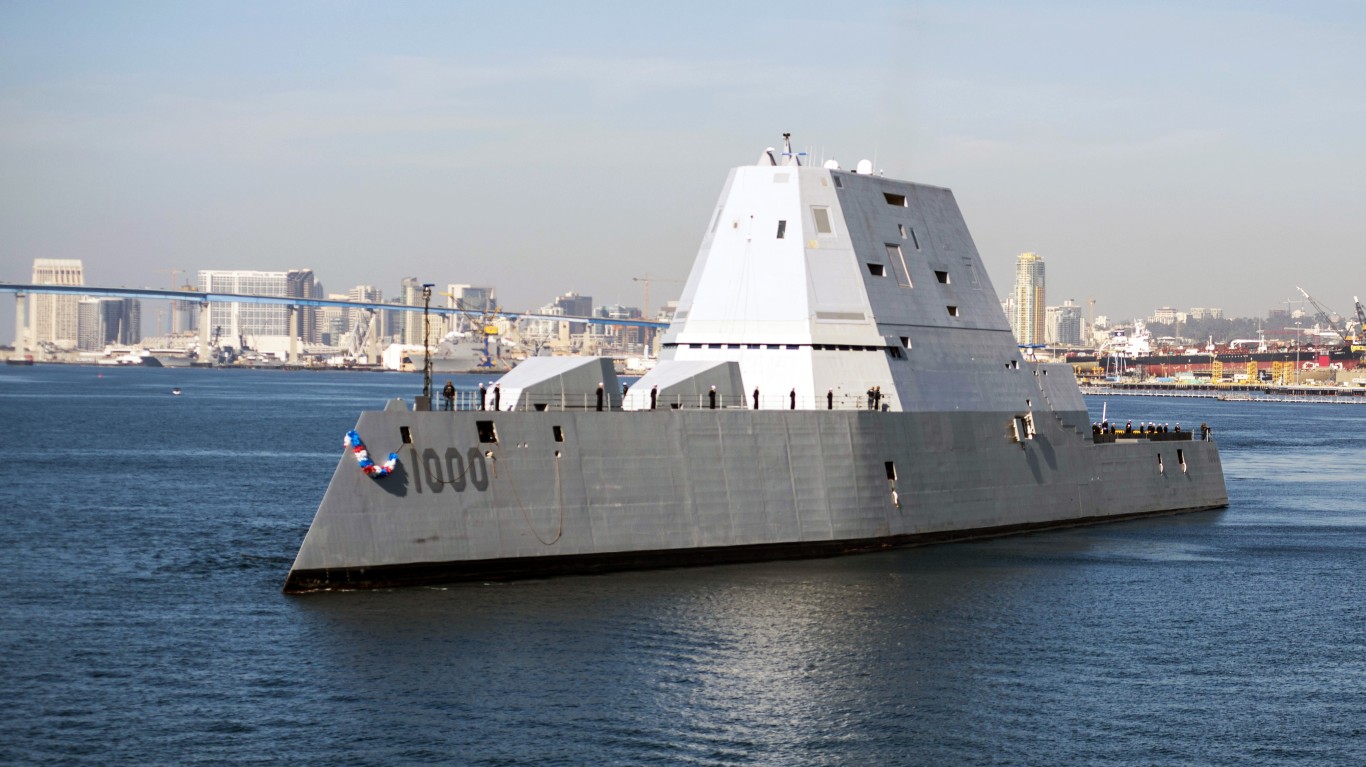
- Weapon Category: Naval
- Era introduced: Modern
- Known design flaw: Cost and integration challenges
- When the flaw was identified: Pre-adoption
- Why it was issued anyway: Technological ambition
- Operational impact of the flaw: Limited operational use
- Workarounds or fixes used: Capability adjustments
The Zumwalt-class was fielded despite integration and cost problems. The Navy proceeded to preserve advanced technologies, accepting reduced numbers and revised missions as tradeoffs.
Type XXI U-boat
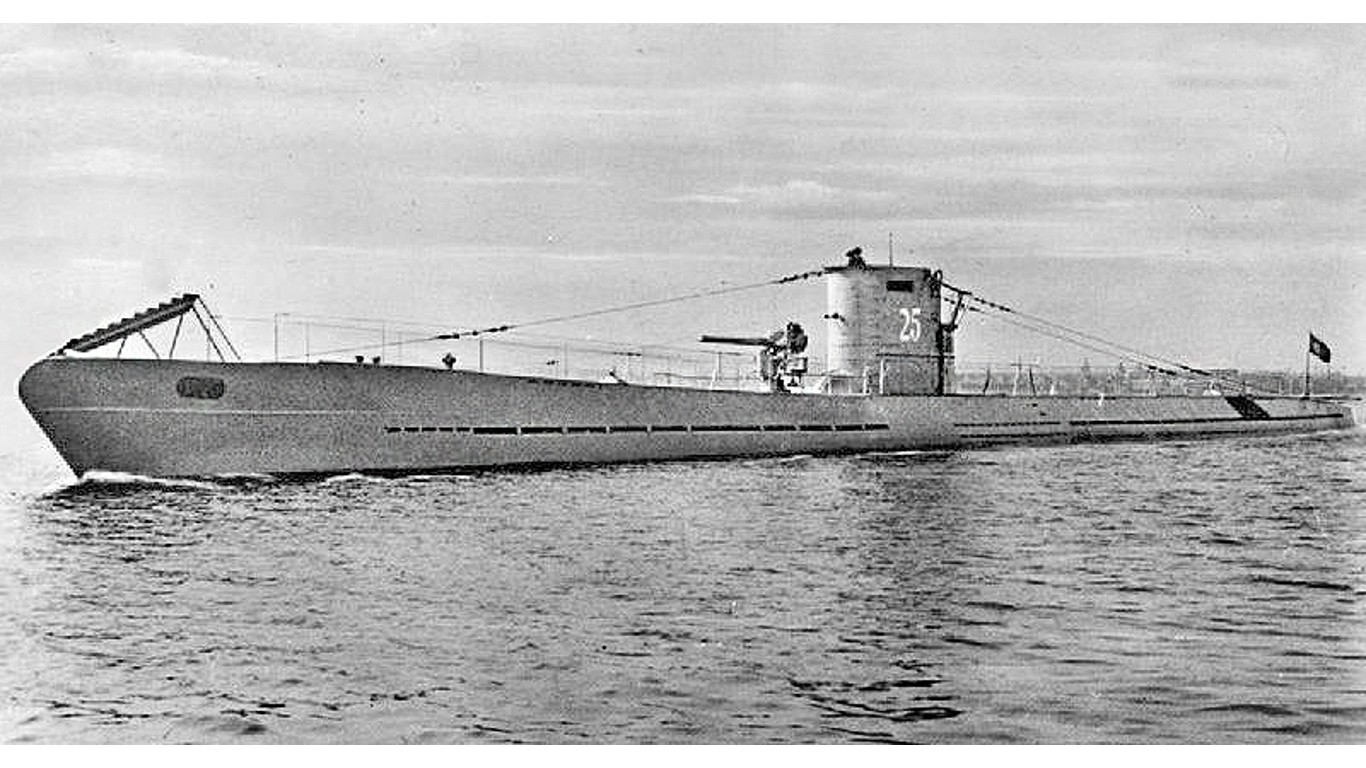
- Weapon Category: Naval
- Era introduced: WWII
- Known design flaw: Rushed construction flaws
- When the flaw was identified: Pre-adoption
- Why it was issued anyway: War urgency
- Operational impact of the flaw: Mechanical failures
- Workarounds or fixes used: Postwar evaluation
The Type XXI U-boat was revolutionary but rushed into production late in WWII. Manufacturing shortcuts introduced serious defects, limiting wartime impact. Its concepts later influenced postwar submarine design.
M110 Howitzer
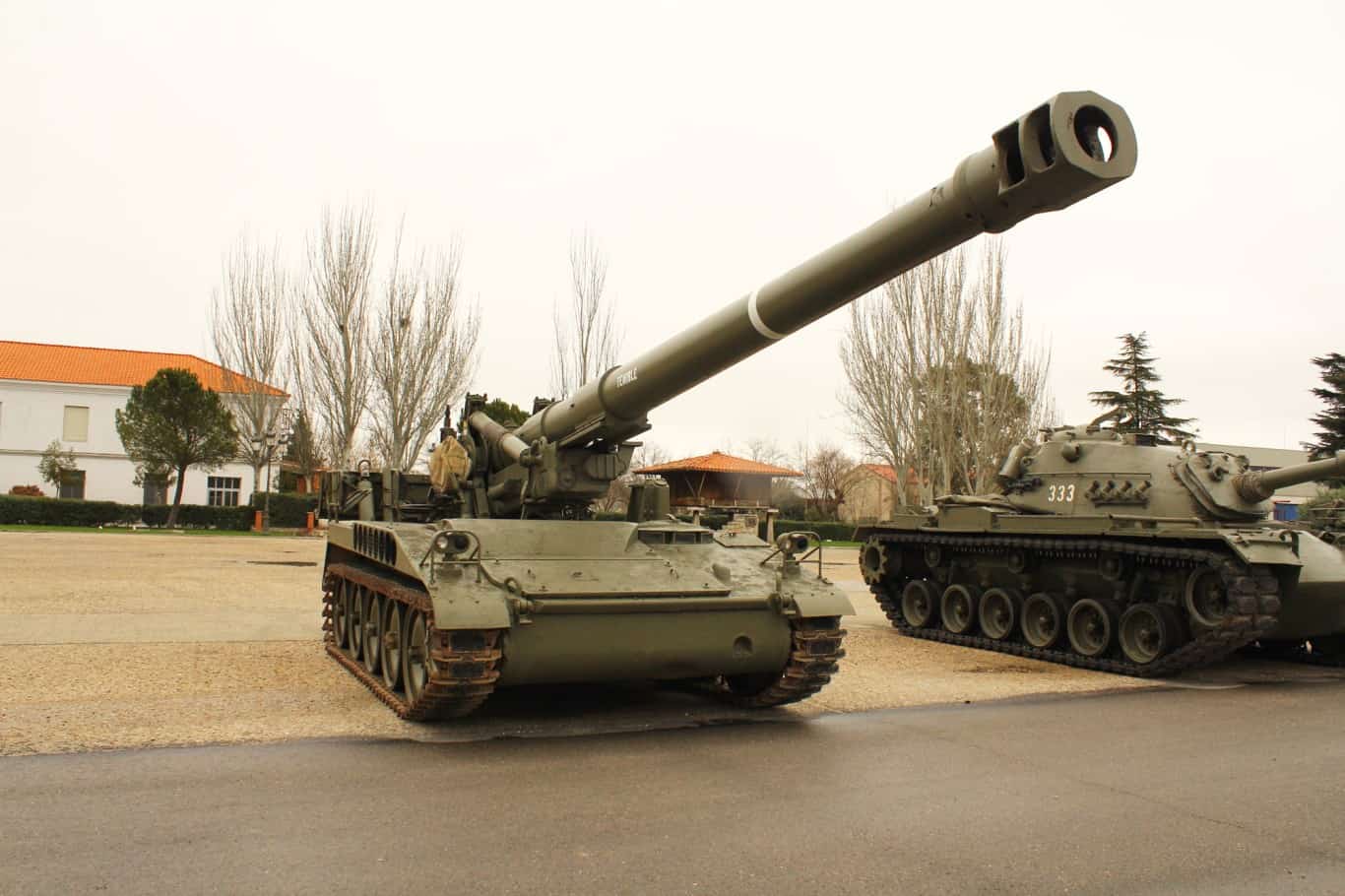
- Weapon Category: Artillery
- Era introduced: Cold War
- Known design flaw: Maintenance-intensive design
- When the flaw was identified: Early service
- Why it was issued anyway: Heavy firepower need
- Operational impact of the flaw: Low readiness rates
- Workarounds or fixes used: Enhanced maintenance
The M110 howitzer delivered powerful long-range artillery but required heavy maintenance. Despite reliability concerns, it remained in service due to its unique firepower, with crews compensating through intensive upkeep.
PIAT
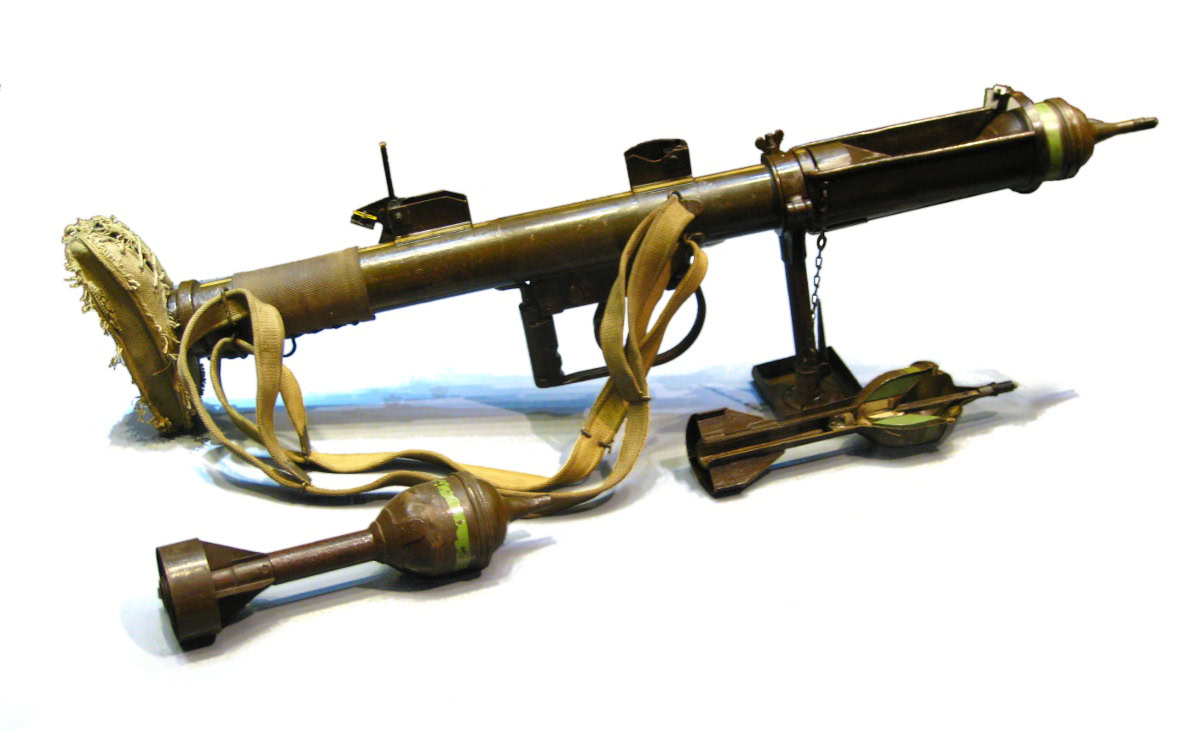
- Weapon Category: Infantry weapon
- Era introduced: WWII
- Known design flaw: Heavy recoil and short range
- When the flaw was identified: Pre-adoption
- Why it was issued anyway: Lack of alternatives
- Operational impact of the flaw: User fatigue
- Workarounds or fixes used: Tactical adjustments
The PIAT was adopted despite heavy recoil and limited range. British forces accepted its flaws because few effective anti-tank options existed. Tactical adjustments helped mitigate its shortcomings.
Bazooka (early)
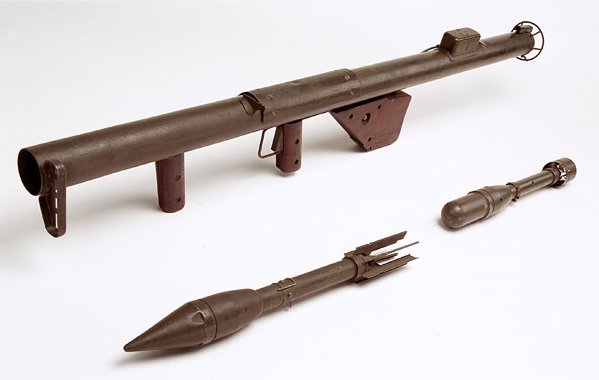
- Weapon Category: Infantry weapon
- Era introduced: WWII
- Known design flaw: Backblast and reliability issues
- When the flaw was identified: Early service
- Why it was issued anyway: Rapid innovation
- Operational impact of the flaw: User safety risks
- Workarounds or fixes used: Improved designs
Early bazookas suffered from backblast dangers and reliability problems. They remained in service due to their revolutionary anti-armor capability. Later refinements improved safety and effectiveness.
M247 Sergeant York
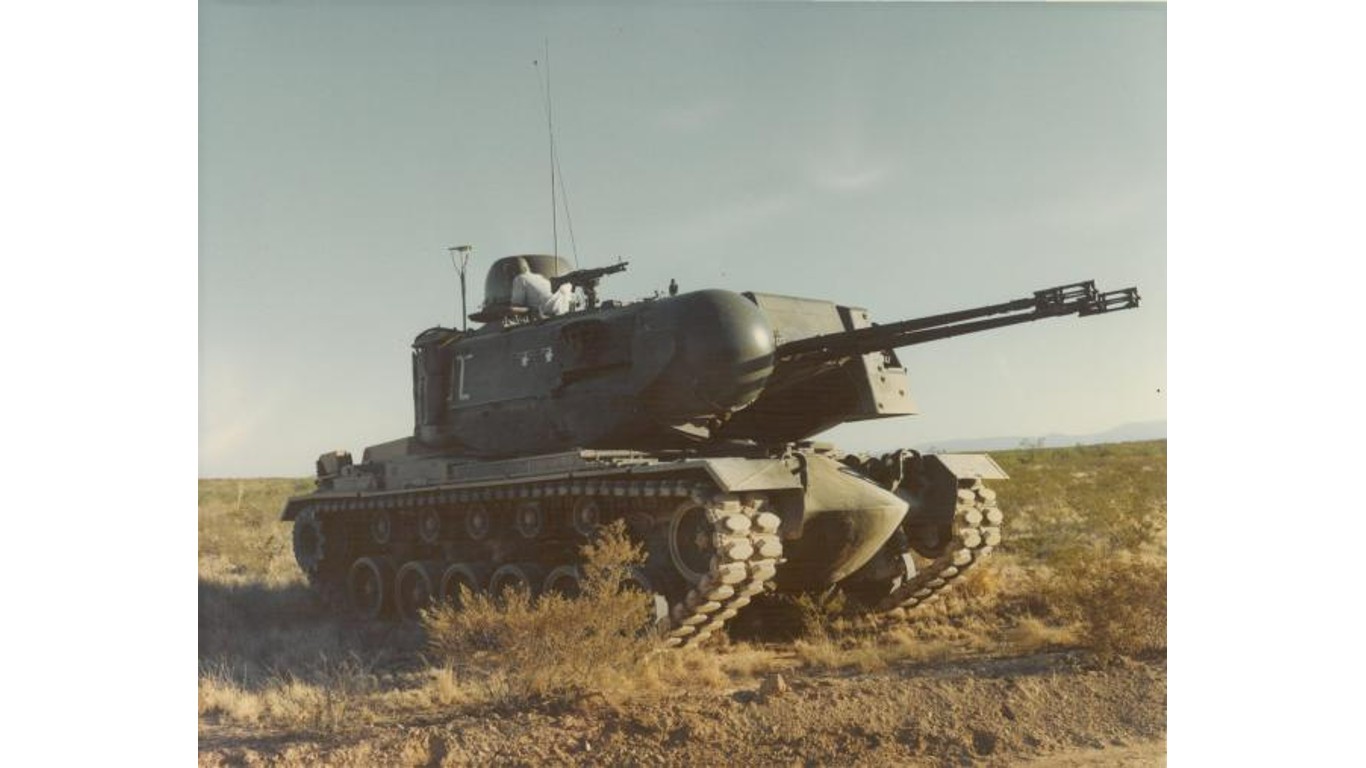
- Weapon Category: Air defense
- Era introduced: Cold War
- Known design flaw: Radar targeting failures
- When the flaw was identified: Pre-adoption
- Why it was issued anyway: Program momentum
- Operational impact of the flaw: System malfunction
- Workarounds or fixes used: Program cancellation
The M247 Sergeant York advanced despite serious radar and targeting flaws. Institutional momentum pushed it forward until failures became undeniable, resulting in cancellation after significant investment.







 Top Gaining Stocks
 Top Losing Stocks