


Military weapons are often introduced with bold promises like greater efficiency, revolutionary design, and battlefield dominance on paper. But war has a way of stripping those promises down to their essentials. When weapons leave testing ranges and enter real combat, factors like dirt, stress, logistics, and human error quickly expose weaknesses that no specification sheet can predict, or any human for that matter. Here, 24/7 Wall St. is taking a look at some of these weapons that did not hold up under the pressures of combat.
To identify the weapons that looked perfect until combat proved otherwise, 24/7 Wall St. reviewed various historical and military sources. We included supplemental information regarding the weapon type, year introduced, the primary conflicts it was used in, and what combat exposed about these weapons.
Here is a look at the weapons that looked perfect on paper until combat proved different:
Why Are We Covering This?
Weapons development often looks clean and logical on paper, guided by testing data, projections, and optimistic assumptions about how systems will be used. Combat has a way of dismantling those assumptions. By examining these failures and near-failures, the list highlights how battlefield experience shapes military design, why some systems are redeemed through redesign while others are abandoned, and why war remains the ultimate test of any weapon.
Combat Is the Final Test

Combat is the final test that no weapons trial can truly replicate. A system can look flawless in controlled conditions and still fail when exposed to dust, mud, heat, cold, stress, and irregular maintenance. War forces equipment to operate at the edge of its design limits, with human factors and logistics shaping outcomes as much as performance. The weapons that disappointed in combat weren’t always poorly engineered—they were simply exposed by the one environment that matters most.
Why Weapons Look Perfect on Paper

Many weapons look perfect on paper because procurement systems reward ambition, modernization, and impressive specifications. New platforms are often marketed as transformational—lighter, smarter, faster, or capable of replacing multiple older systems at once. Testing environments also tend to be structured, predictable, and supported by ideal maintenance and supply chains. That combination can hide weaknesses that only become visible when equipment is pushed into sustained operations under real battlefield pressures.
What Combat Reveals
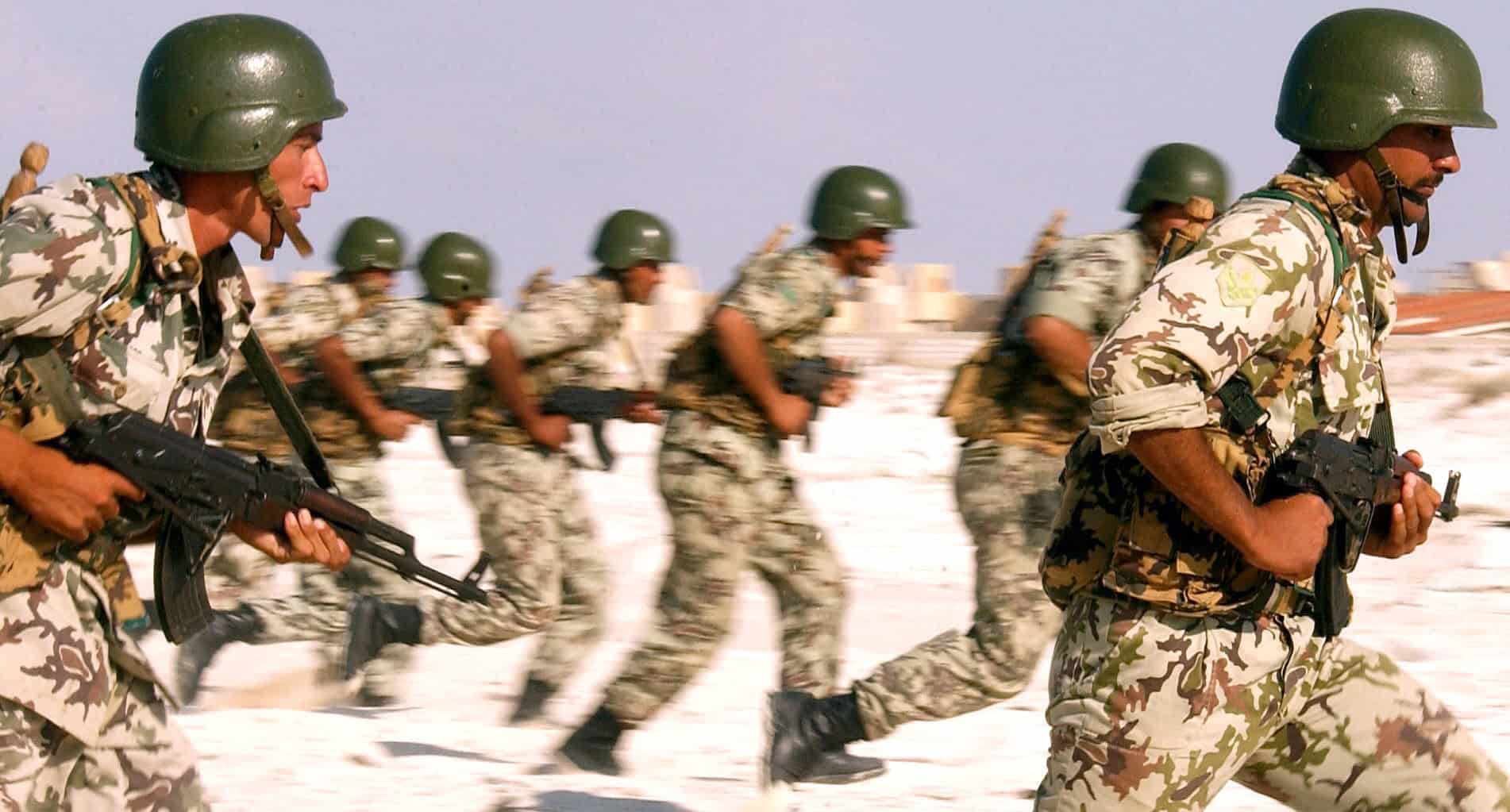
Combat has a way of exposing the flaws that matter most: reliability under neglect, maintenance burdens, and the mismatch between a weapon’s intended role and how it actually gets used. Some systems fail because they are too complex to keep running at scale, while others break down when training assumptions collapse in chaotic conditions. In many cases, the weapon isn’t defeated by the enemy as much as it’s defeated by the environment, the tempo, and the realities of how troops fight.
When Redesign Saves a Weapon
Not every weapon that stumbles in combat ends as a failure. Some are saved by redesign, improved training, better ammunition, or changes in doctrine that align the system with real-world use. Combat feedback can force urgent upgrades that turn an early disappointment into a long-term success story. Others, however, never recover—either because fixes are too expensive, too slow, or the underlying concept proves wrong once war tests it.
30 Weapons Combat Put to the Test

The list that follows highlights 30 weapons and systems that looked ideal before they were truly tested, only for combat to reveal serious shortcomings. Spanning land, air, and sea—and covering conflicts from World War I through modern deployments—these examples show how quickly theory can collapse under pressure. Some were redeemed through fixes and iteration, while others became cautionary tales. All of them prove the same lesson: combat decides what works.
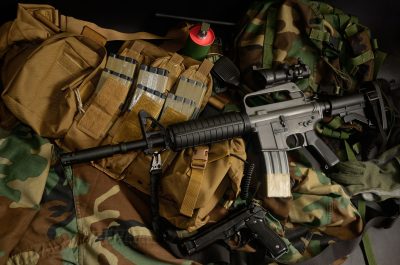
Early M16
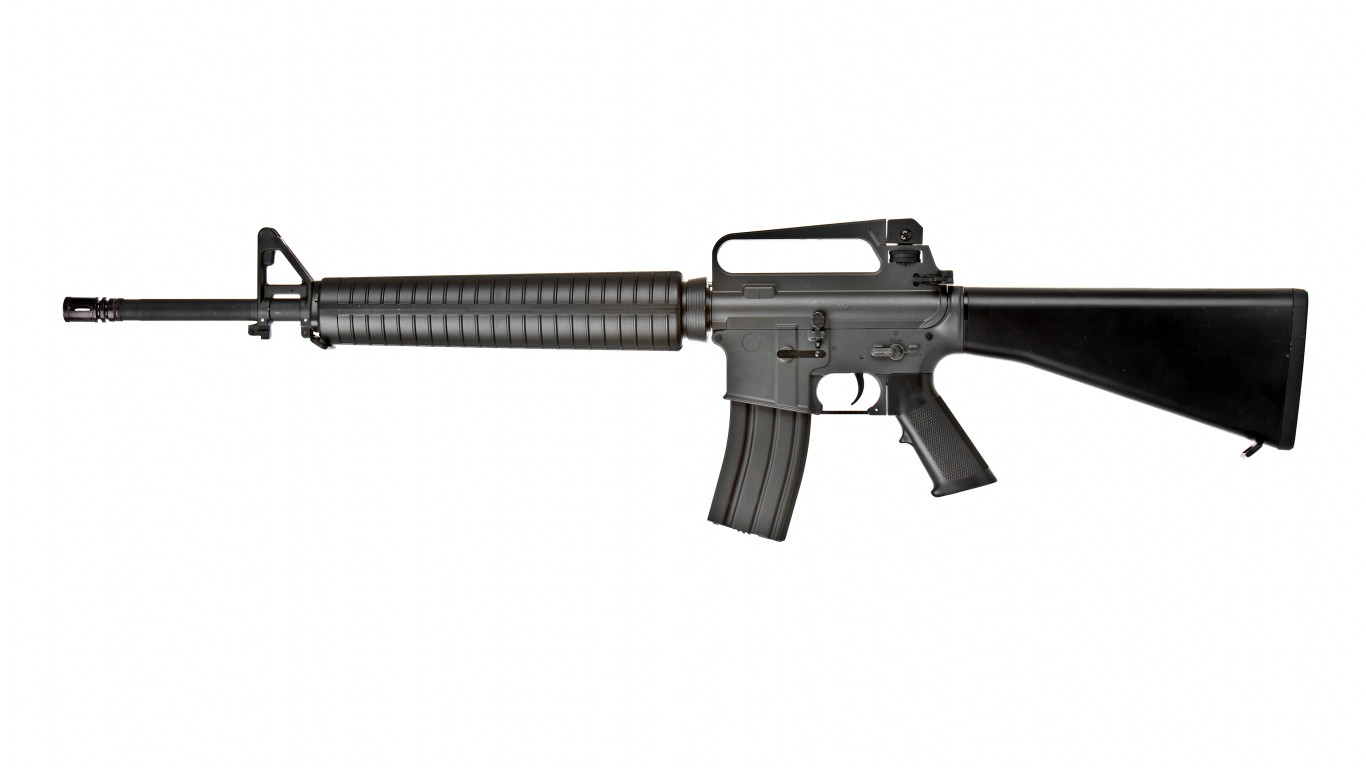
- Weapon type: Rifle
- Year introduced to service: 1964
- Who used it: U.S. Forces
- Why it looked perfect on paper: Lightweight, low-recoil, minimal cleaning required
- What combat exposed: Severe reliability failures due to ammo and fouling
- Outcome: Redesigned into later M16 variants
The early M16 was introduced as a revolutionary infantry rifle requiring little maintenance. Combat in Vietnam quickly exposed reliability problems tied to ammunition changes, lack of cleaning kits, and training gaps. These failures forced urgent redesigns, ultimately leading to more reliable later variants.
M14 Rifle
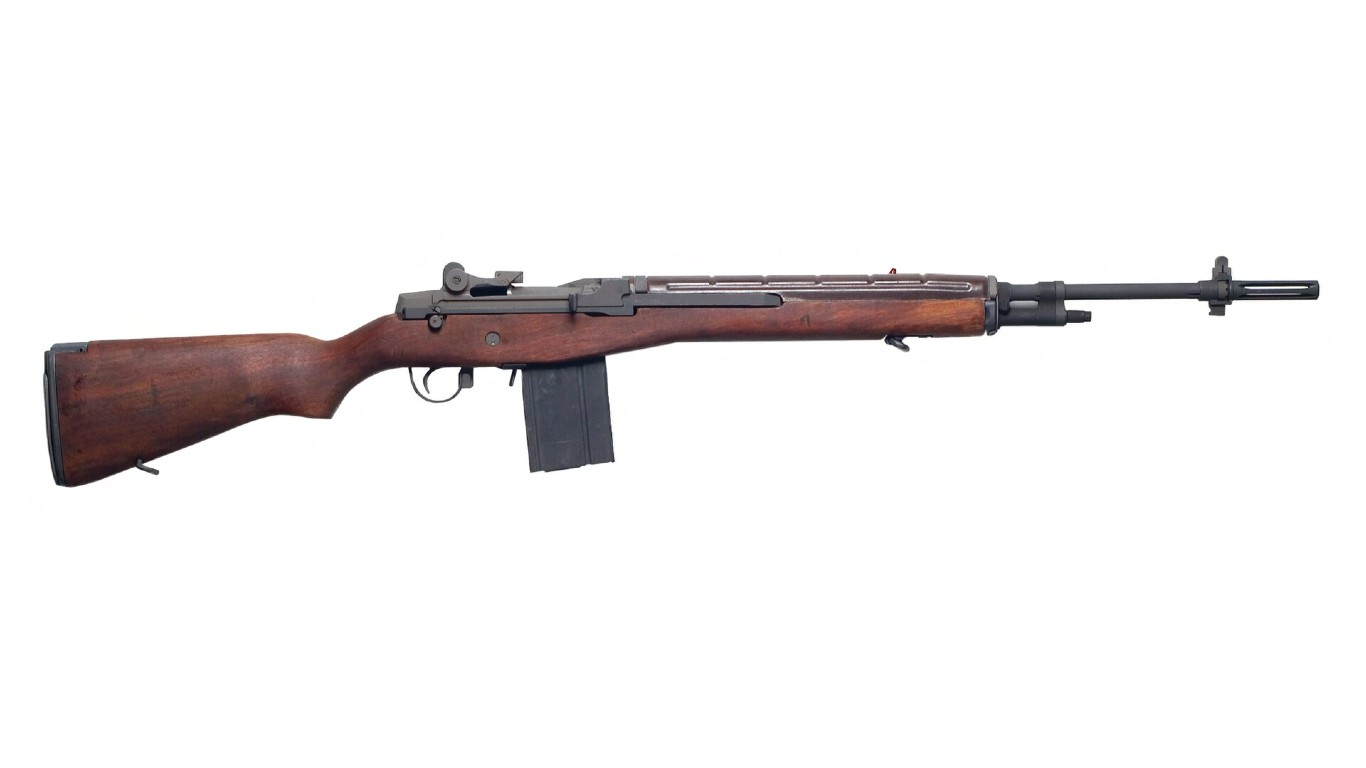
- Weapon type: Rifle
- Year introduced to service: 1959
- Who used it: U.S. Forces
- Why it looked perfect on paper: One rifle to replace multiple WWII-era weapons
- What combat exposed: Uncontrollable automatic fire and poor jungle suitability
- Outcome: Replaced by M16
The M14 was expected to serve as an all-purpose rifle, automatic weapon, and sniper platform. In Vietnam, its size, recoil, and automatic fire limitations made it ill-suited for jungle combat, accelerating its replacement by the lighter M16.
SA80 L85A1
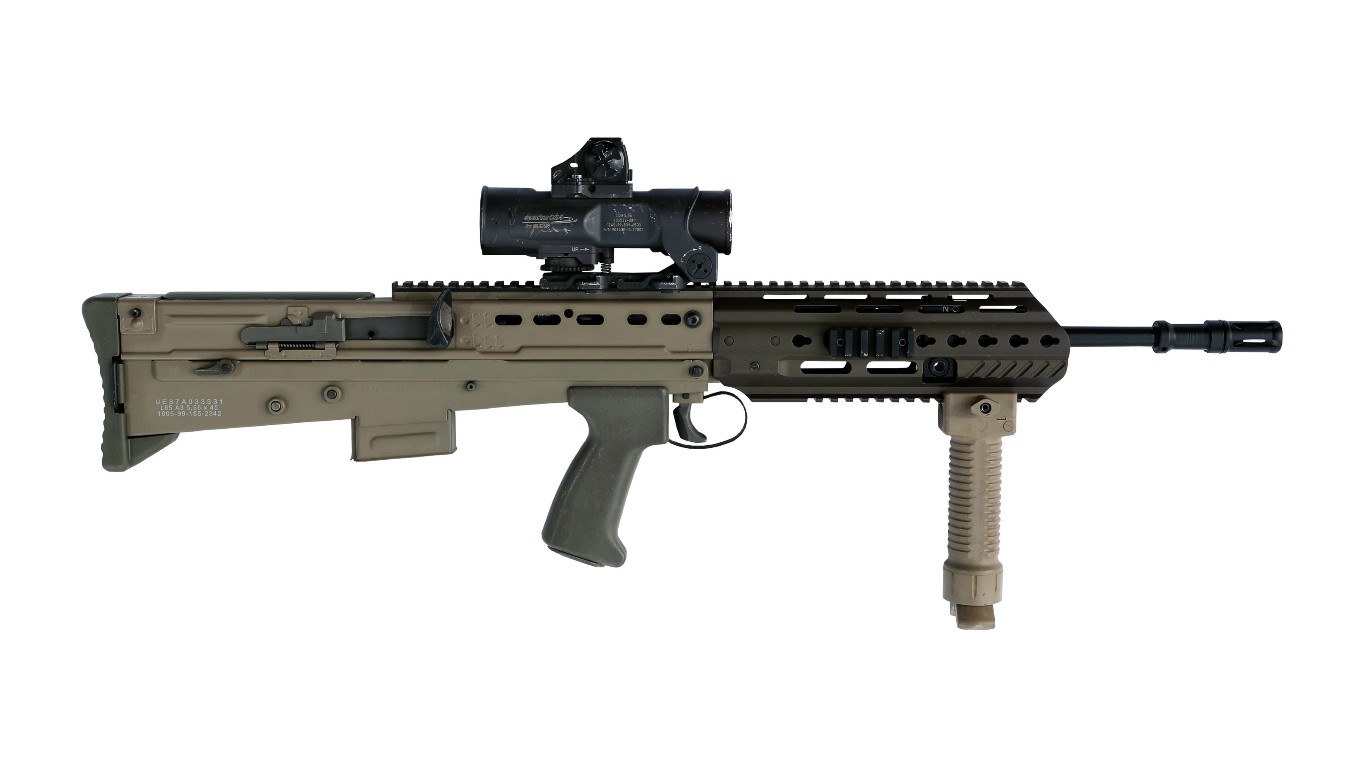
- Weapon type: Rifle
- Year introduced to service: 1985
- Who used it: British Forces
- Why it looked perfect on paper: Modern bullpup with advanced ergonomics
- What combat exposed: Severe reliability and durability issues
- Outcome: Major redesign (A2)
The SA80 was intended to be a modern, compact service rifle. Early combat use revealed serious reliability problems, particularly in harsh environments. Only extensive redesign and refurbishment saved the platform.
Chauchat M1915
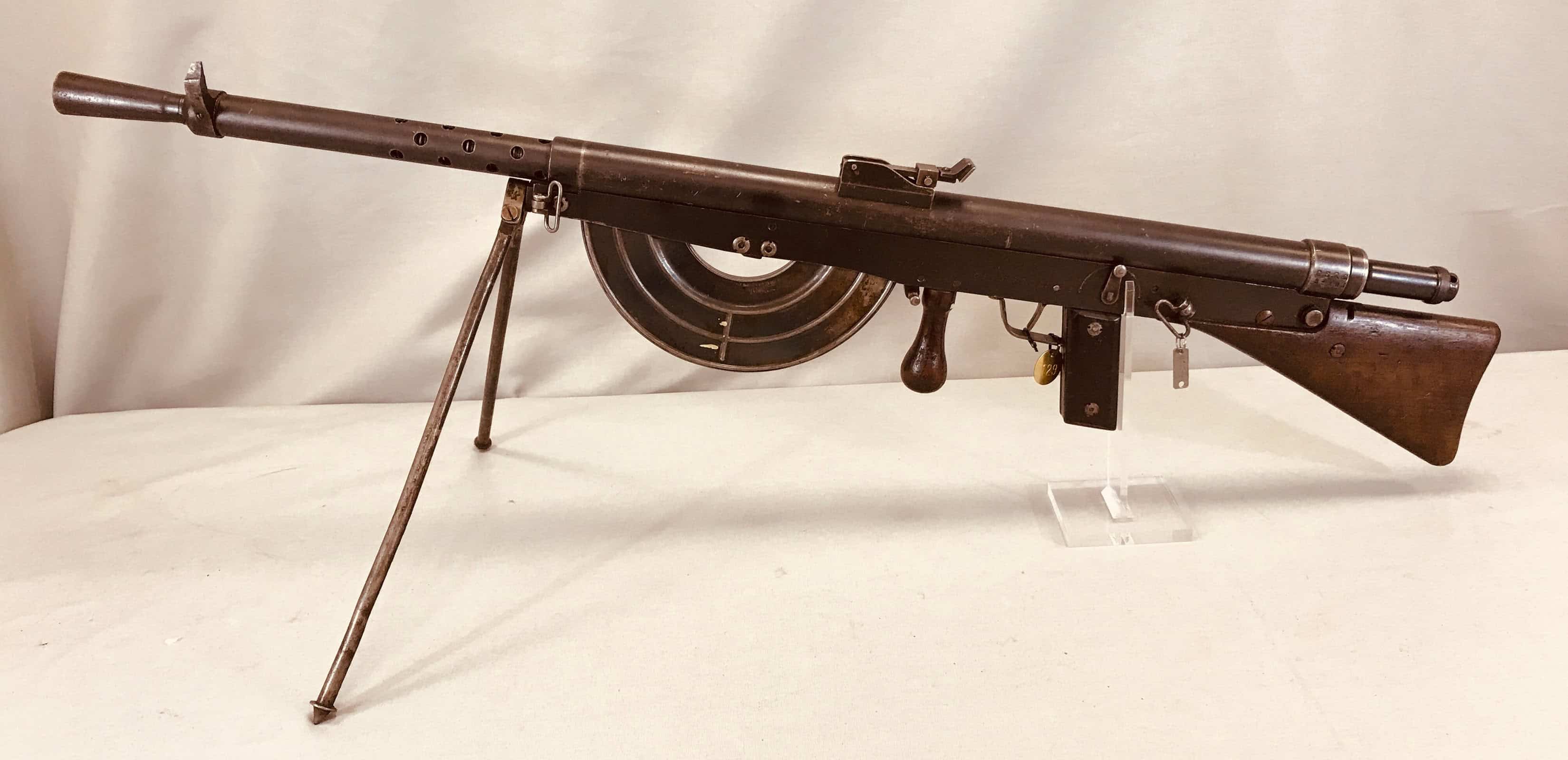
- Weapon type: Automatic Rifle
- Year introduced to service: 1915
- Who used it: French & U.S. Forces
- Why it looked perfect on paper: Lightweight automatic fire for infantry squads
- What combat exposed: Frequent jams and poor durability
- Outcome: Withdrawn from service
The Chauchat promised mobile automatic fire but failed catastrophically in combat. Its open magazine design and poor manufacturing led to constant malfunctions, making it infamous among troops.
M3 Lee / Grant
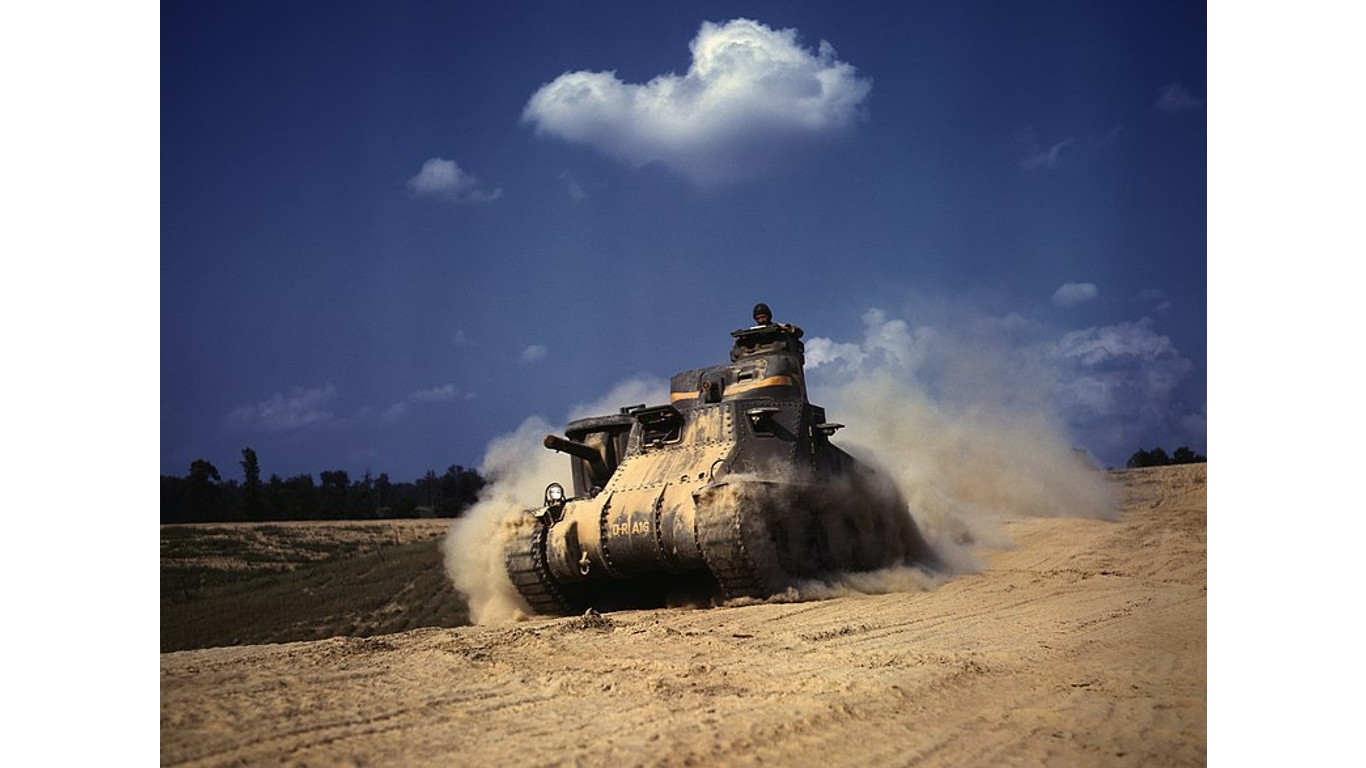
- Weapon type: Tank
- Year introduced to service: 1941
- Who used it: U.S. & Allied Forces
- Why it looked perfect on paper: Innovative multi-gun tank concept
- What combat exposed: Awkward layout and limited tactical flexibility
- Outcome: Replaced by M4 Sherman
The M3 Lee appeared formidable on paper with multiple weapons. Combat quickly showed its tall silhouette and fixed main gun were major disadvantages, leading to rapid replacement.
Bradley IFV (early)
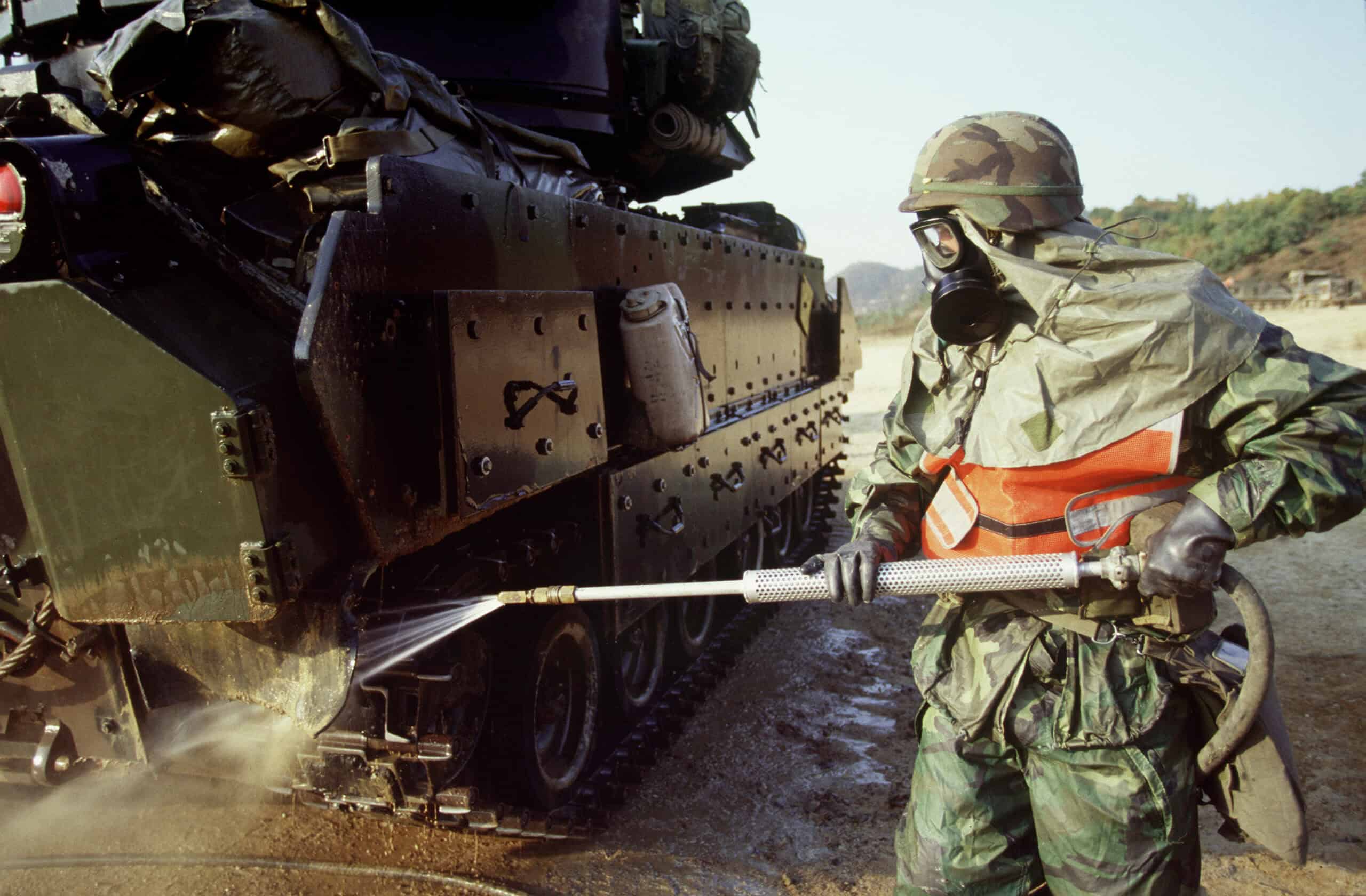
- Weapon type: Infantry Fighting Vehicle
- Year introduced to service: 1981
- Who used it: U.S. Forces
- Why it looked perfect on paper: Highly advanced combined-arms vehicle
- What combat exposed: Survivability and doctrinal mismatches
- Outcome: Upgraded through multiple variants
The Bradley promised to revolutionize mechanized infantry. Early combat revealed vulnerabilities and role confusion, prompting continuous upgrades to improve protection and combat effectiveness.
BMP-1
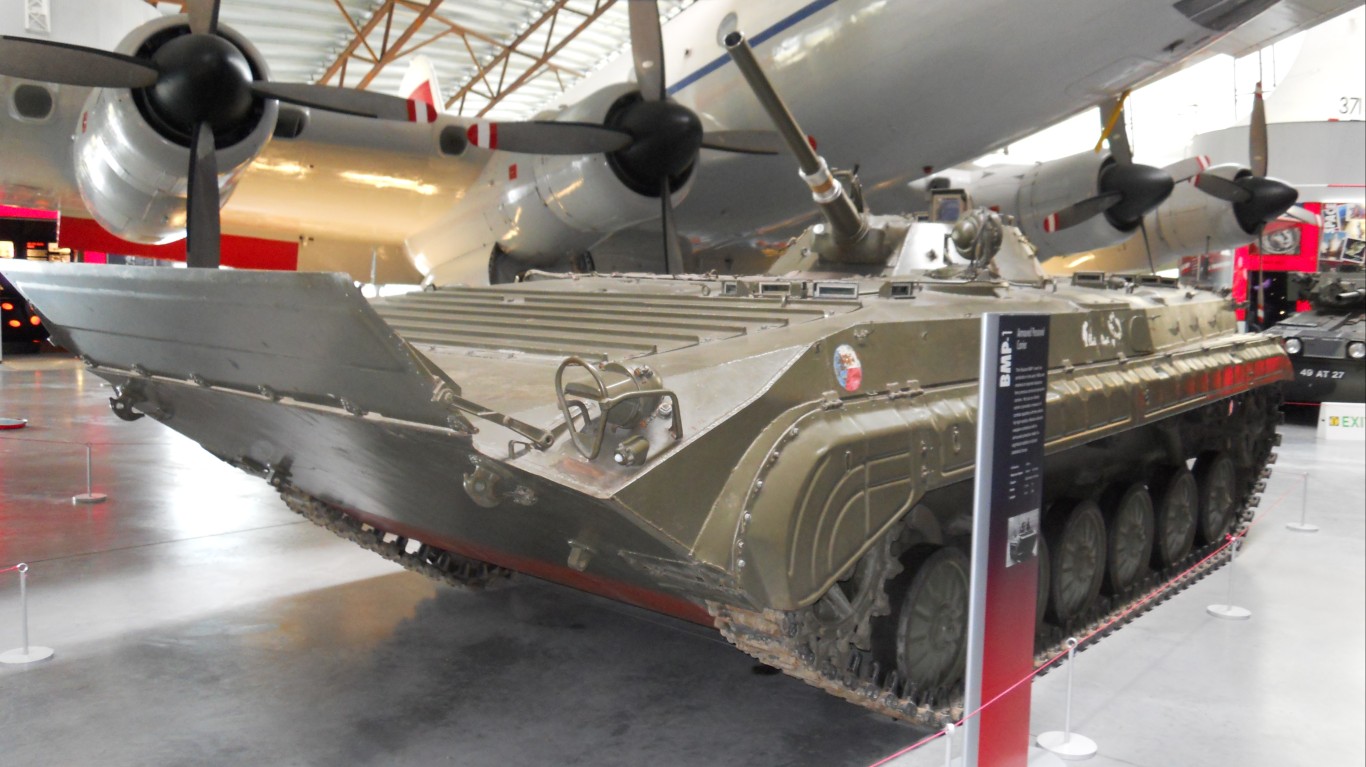
- Weapon type: Infantry Fighting Vehicle
- Year introduced to service: 1966
- Who used it: Soviet & Export Users
- Why it looked perfect on paper: Revolutionary infantry combat vehicle
- What combat exposed: Cramped interior and poor crew protection
- Outcome: Modified or replaced
The BMP-1 changed mechanized warfare on paper but exposed serious survivability issues in combat. Its thin armor and cramped design proved deadly under fire.
AMX-13

- Weapon type: Light Tank
- Year introduced to service: 1952
- Who used it: French & Export Users
- Why it looked perfect on paper: Lightweight, mobile tank with autoloader
- What combat exposed: Limited protection and sustained combat capability
- Outcome: Phased out
The AMX-13 promised speed and firepower, but combat revealed its light armor and limited endurance made it unsuitable for prolonged engagements.
Panther Tank (early)
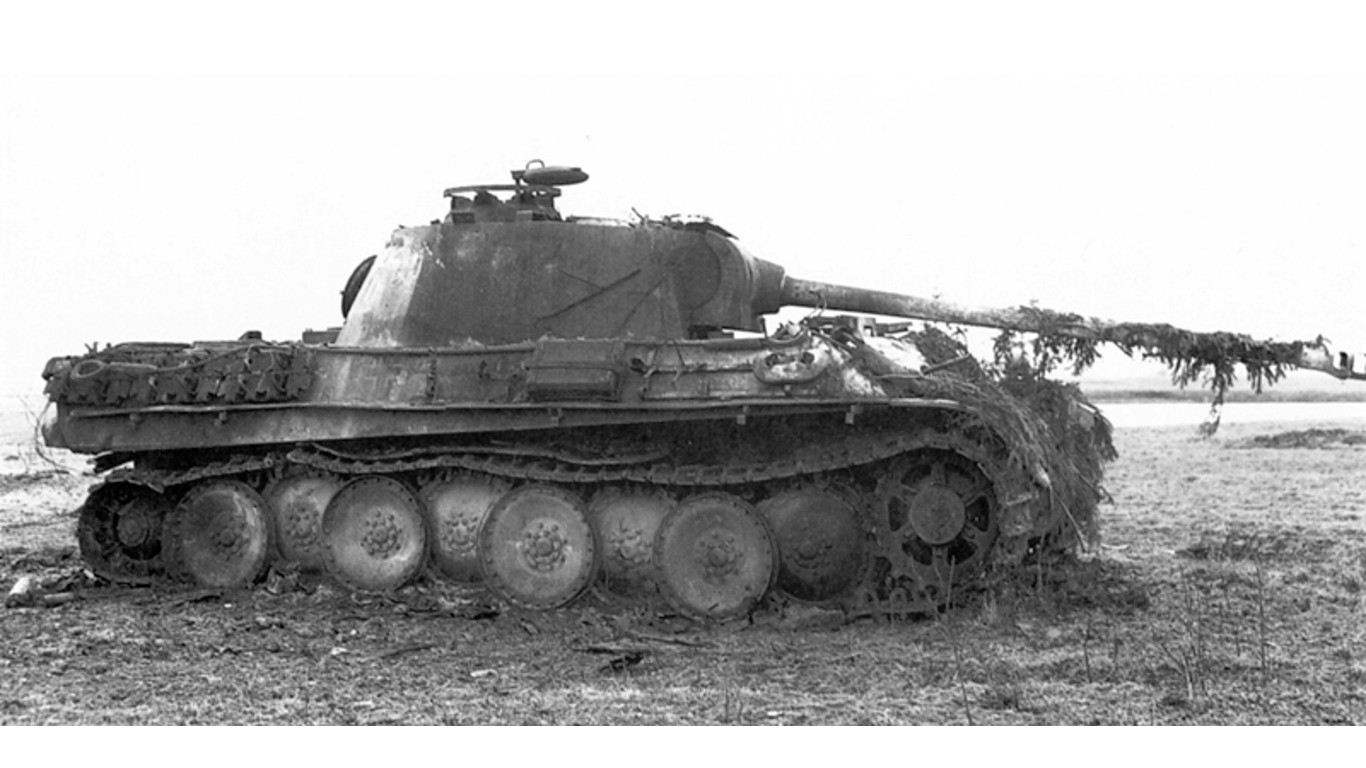
- Weapon type: Medium Tank
- Year introduced to service: 1943
- Who used it: German Forces
- Why it looked perfect on paper: Advanced armor and firepower
- What combat exposed: Severe mechanical failures
- Outcome: Improved in later variants
The Panther was technologically impressive, but early combat deployments were plagued by breakdowns and reliability issues, undermining its battlefield potential.
F-111 Aardvark
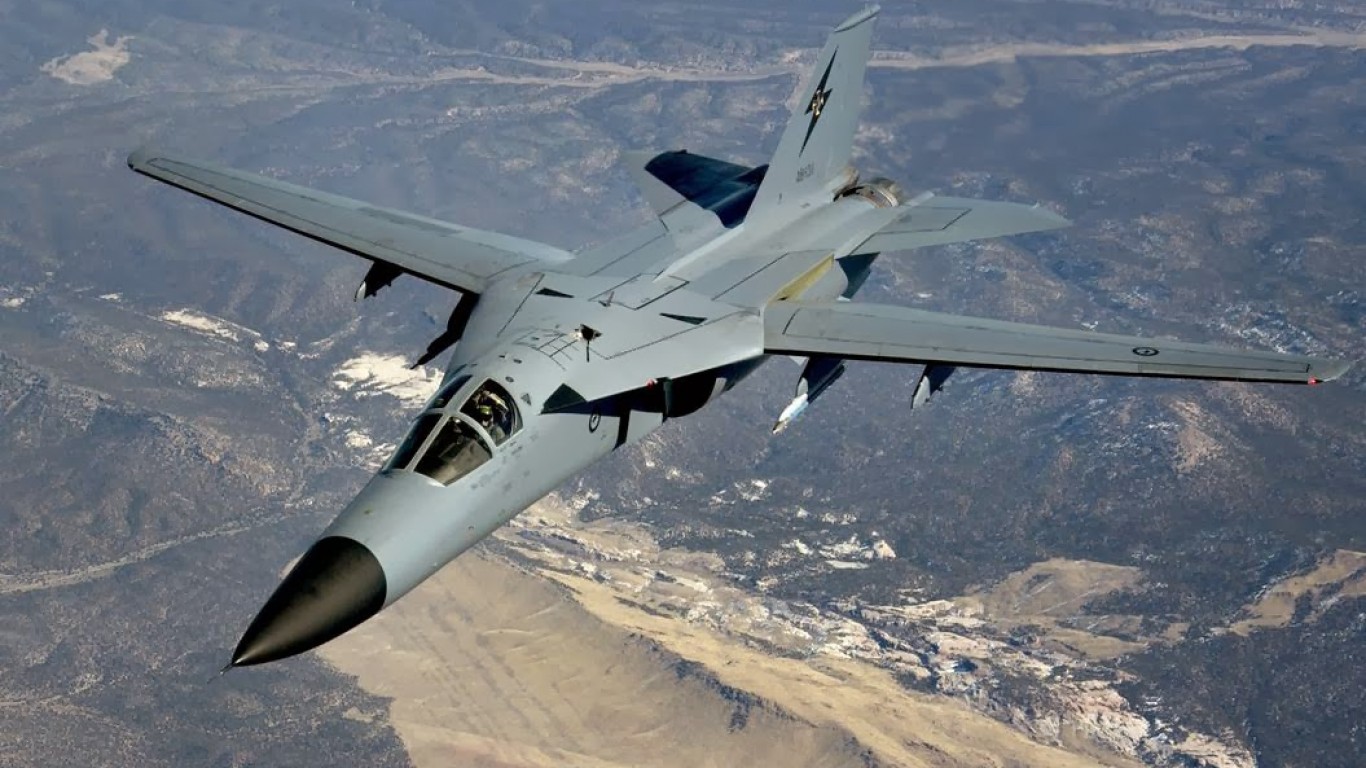
- Weapon type: Strike Aircraft
- Year introduced to service: 1967
- Who used it: U.S. Air Force
- Why it looked perfect on paper: Advanced swing-wing, all-weather strike
- What combat exposed: Early combat losses and design flaws
- Outcome: Restricted and improved
The F-111 promised deep-strike dominance, but early combat exposed structural and systems failures. Only after major fixes did it become effective.
B-26 Marauder (early)
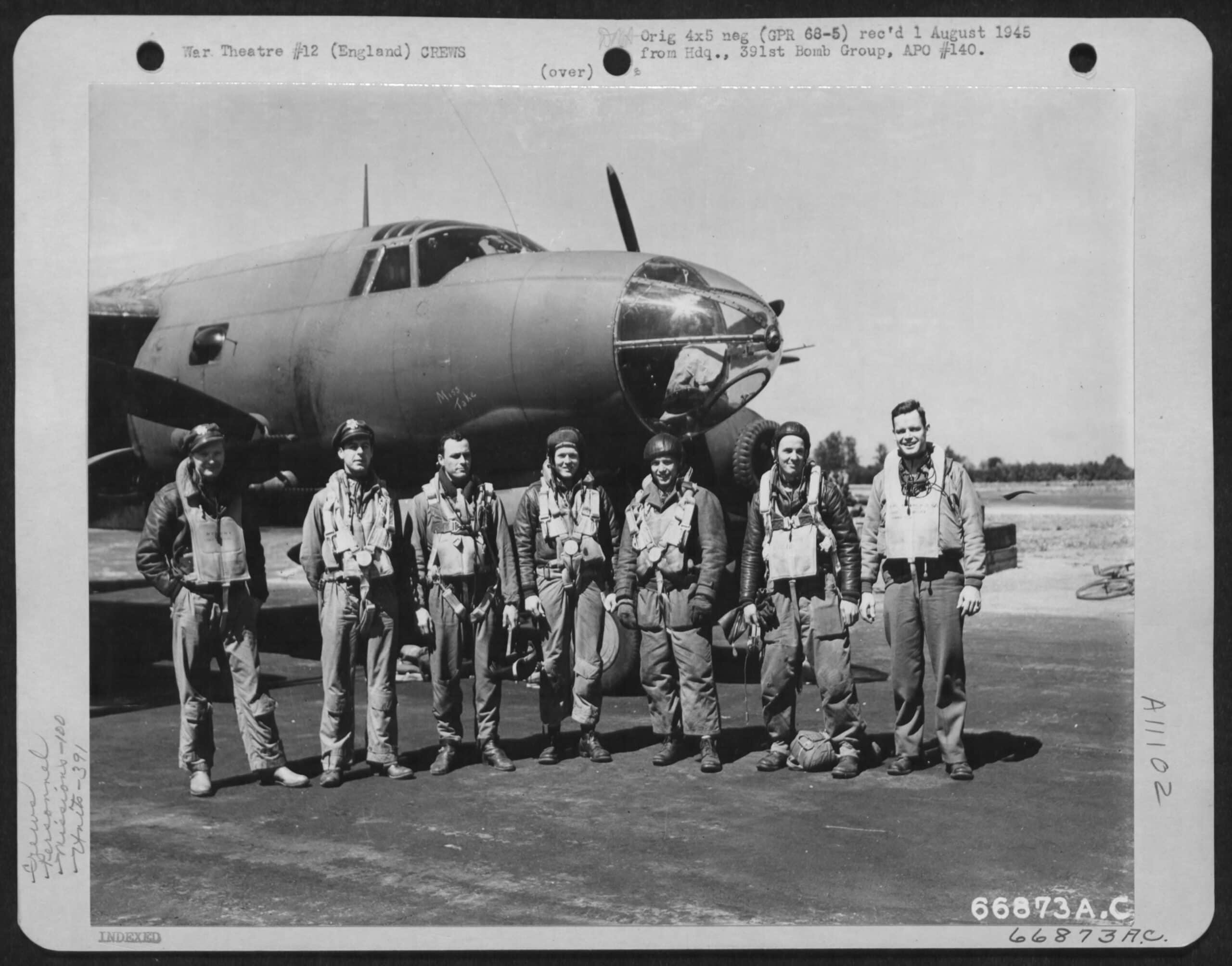
- Weapon type: Medium Bomber
- Year introduced to service: 1941
- Who used it: U.S. Army Air Forces
- Why it looked perfect on paper: High-speed, modern bomber design
- What combat exposed: Difficult handling and high accident rate
- Outcome: Improved training and redesign
The B-26 earned a deadly reputation early in WWII due to demanding flight characteristics. Intensive retraining and design changes eventually salvaged its combat value.
MiG-23
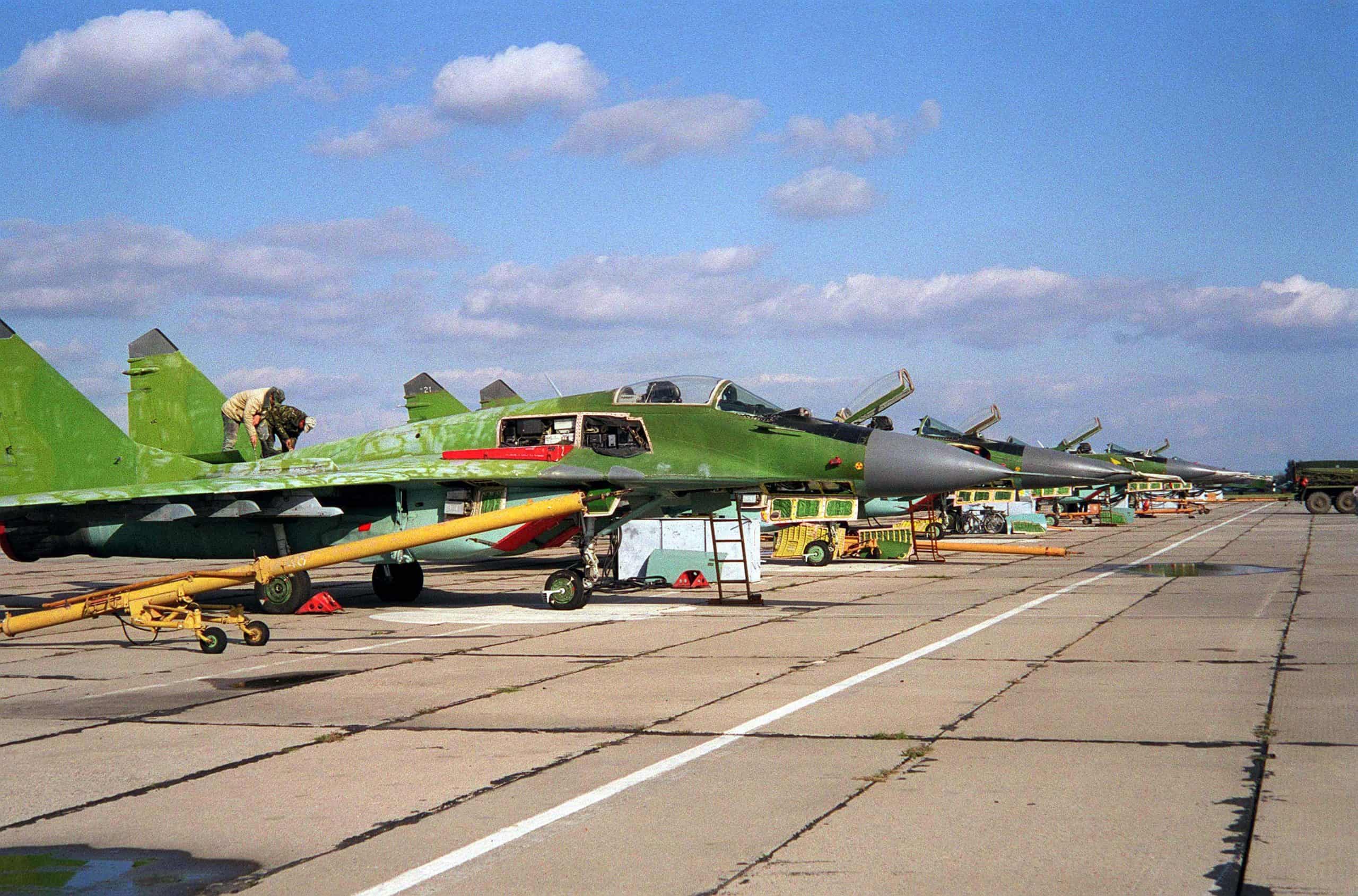
- Weapon type: Fighter
- Year introduced to service: 1970
- Who used it: Soviet & Export Users
- Why it looked perfect on paper: High-speed variable-geometry fighter
- What combat exposed: Poor dogfighting performance
- Outcome: Phased out
The MiG-23 boasted impressive specs, but real combat revealed maneuverability and pilot workload issues that limited its effectiveness.
AV-8A Harrier
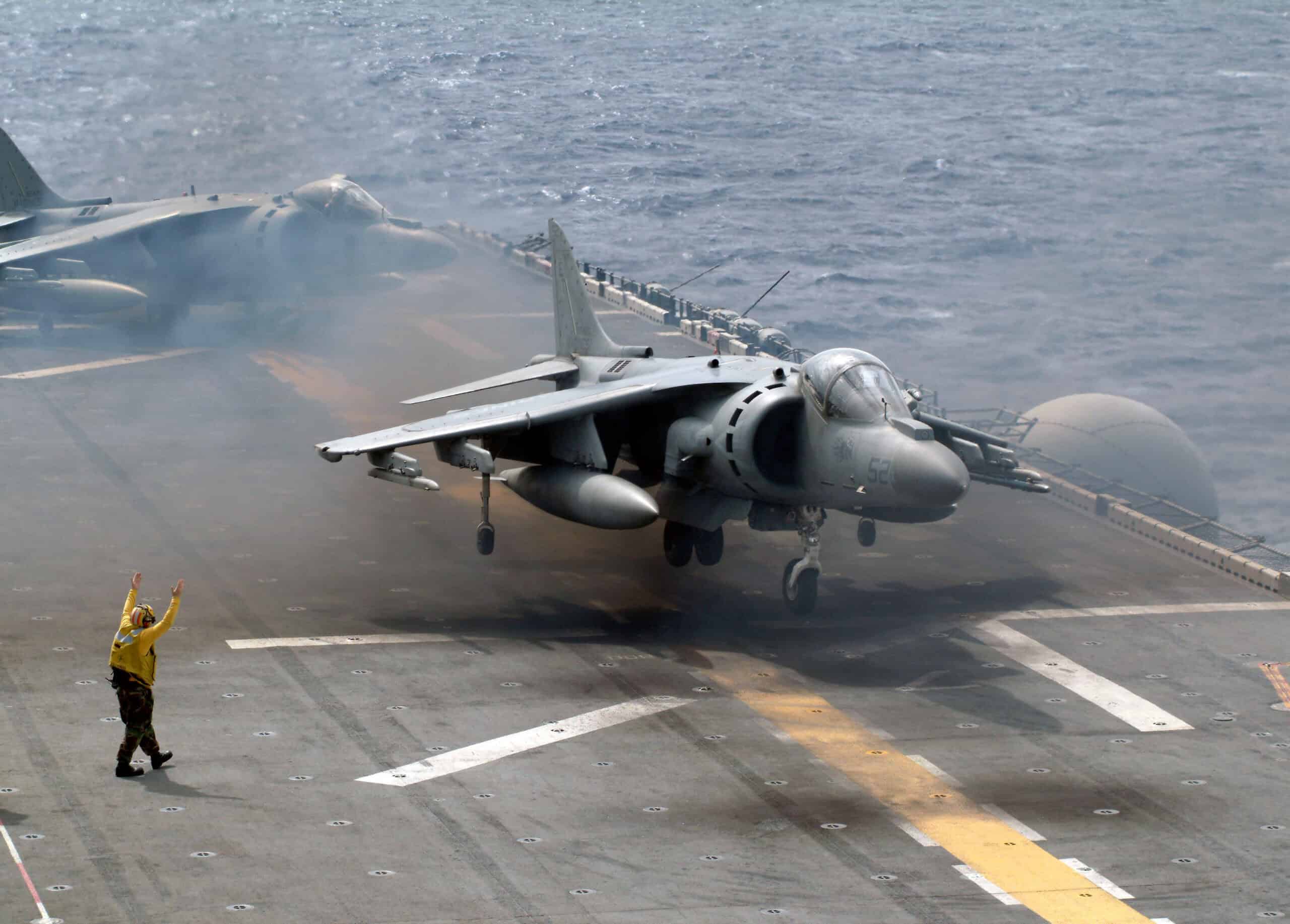
- Weapon type: VTOL Aircraft
- Year introduced to service: 1969
- Who used it: British & U.S. Marines
- Why it looked perfect on paper: Vertical takeoff revolution
- What combat exposed: Maintenance complexity and limited payload
- Outcome: Upgraded to later variants
The Harrier’s VTOL capability was groundbreaking, but early versions suffered from limited payload and maintenance demands in combat conditions.
Littoral Combat Ship
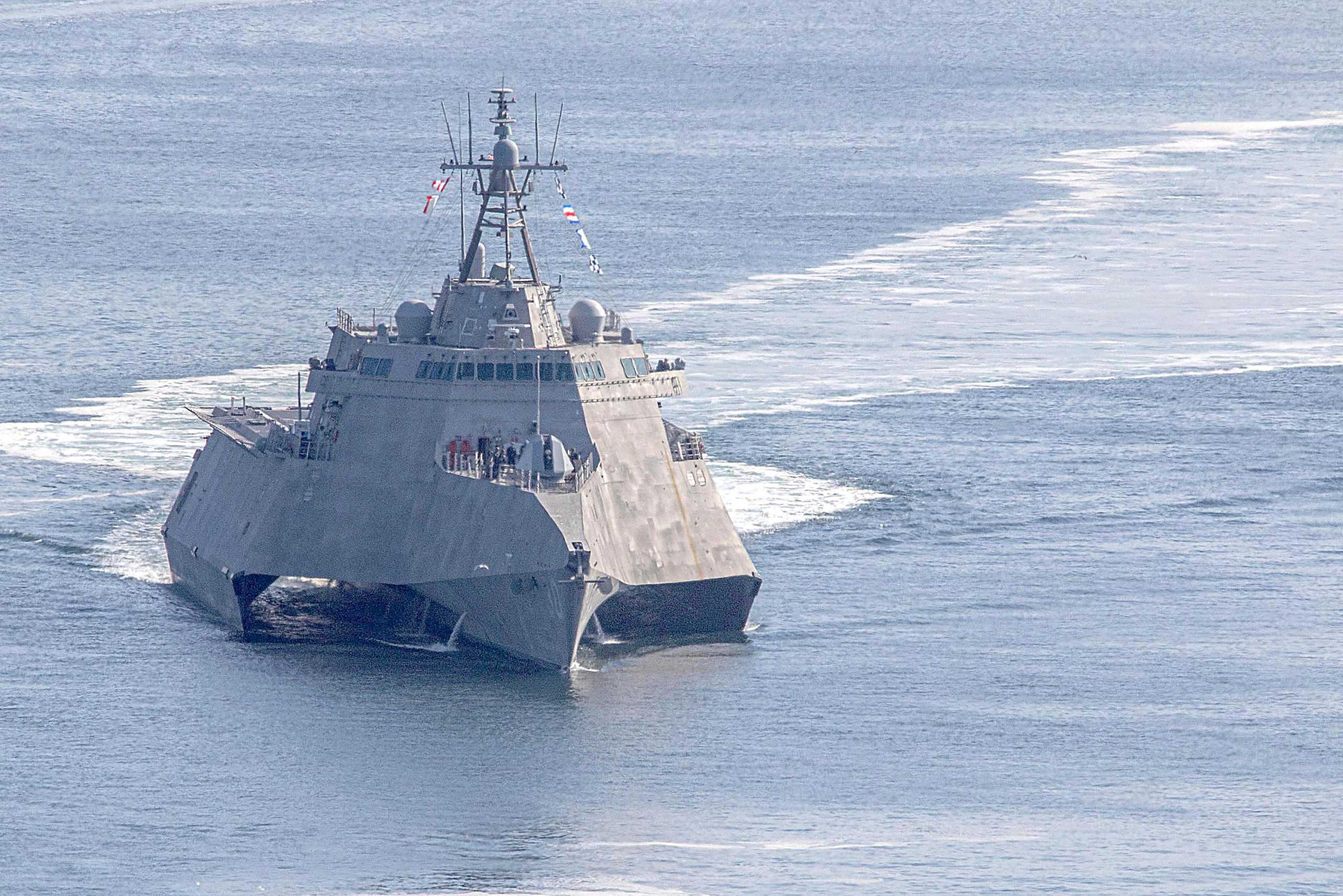
- Weapon type: Warship
- Year introduced to service: 2008
- Who used it: U.S. Navy
- Why it looked perfect on paper: Fast, modular, shallow-water combat ship
- What combat exposed: Reliability and mission module failures
- Outcome: Scaled back mission scope
The LCS promised flexibility and speed, but real-world operations exposed reliability issues and underperforming mission modules, forcing a reassessment of its role.
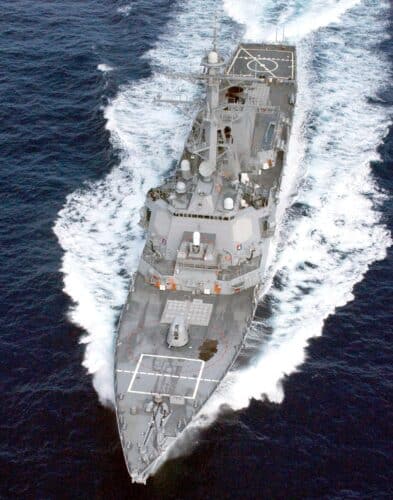
Zumwalt-class Destroyer
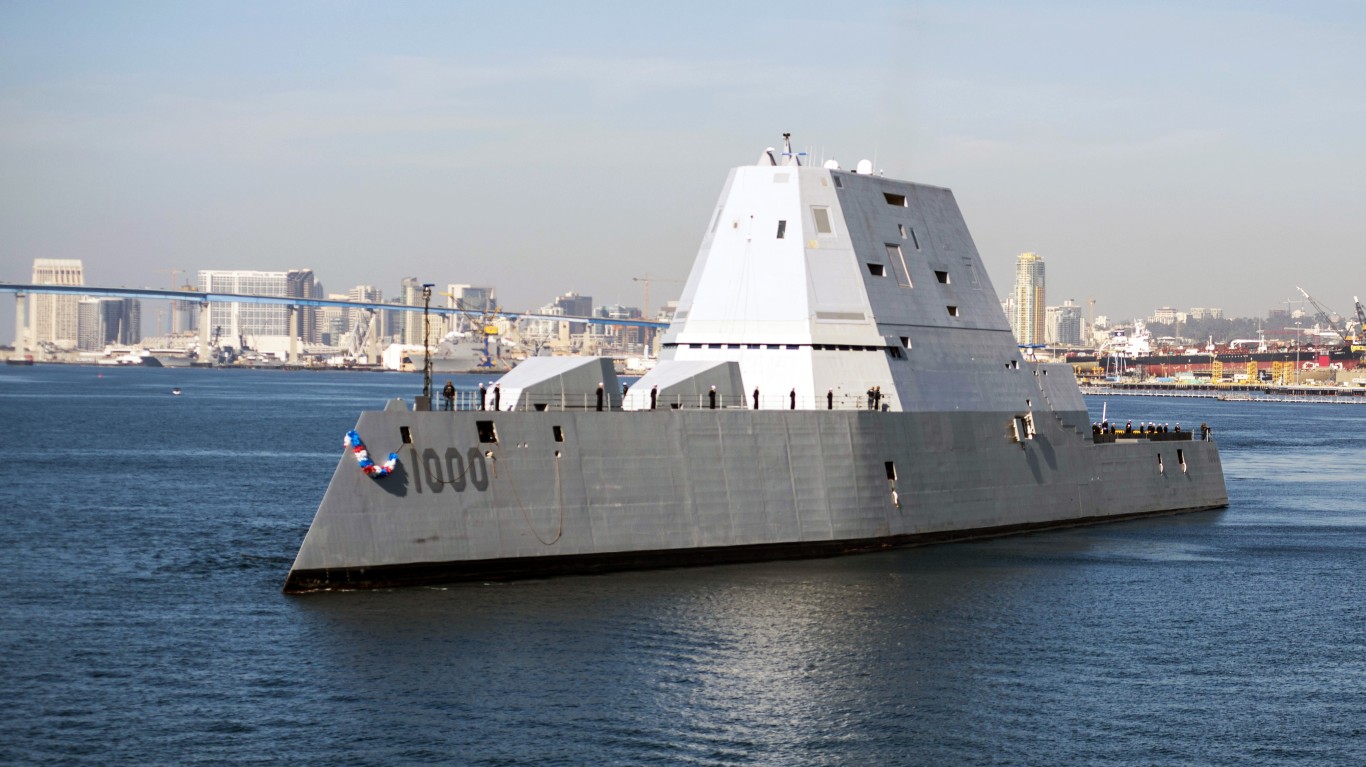
- Weapon type: Warship
- Year introduced to service: 2016
- Who used it: U.S. Navy
- Why it looked perfect on paper: Stealthy, highly automated destroyer
- What combat exposed: Impractical main gun and high costs
- Outcome: Weapons redesign
The Zumwalt-class featured cutting-edge technology, but its advanced gun system became unusable, leaving the ships without their intended primary mission.
M247 Sergeant York
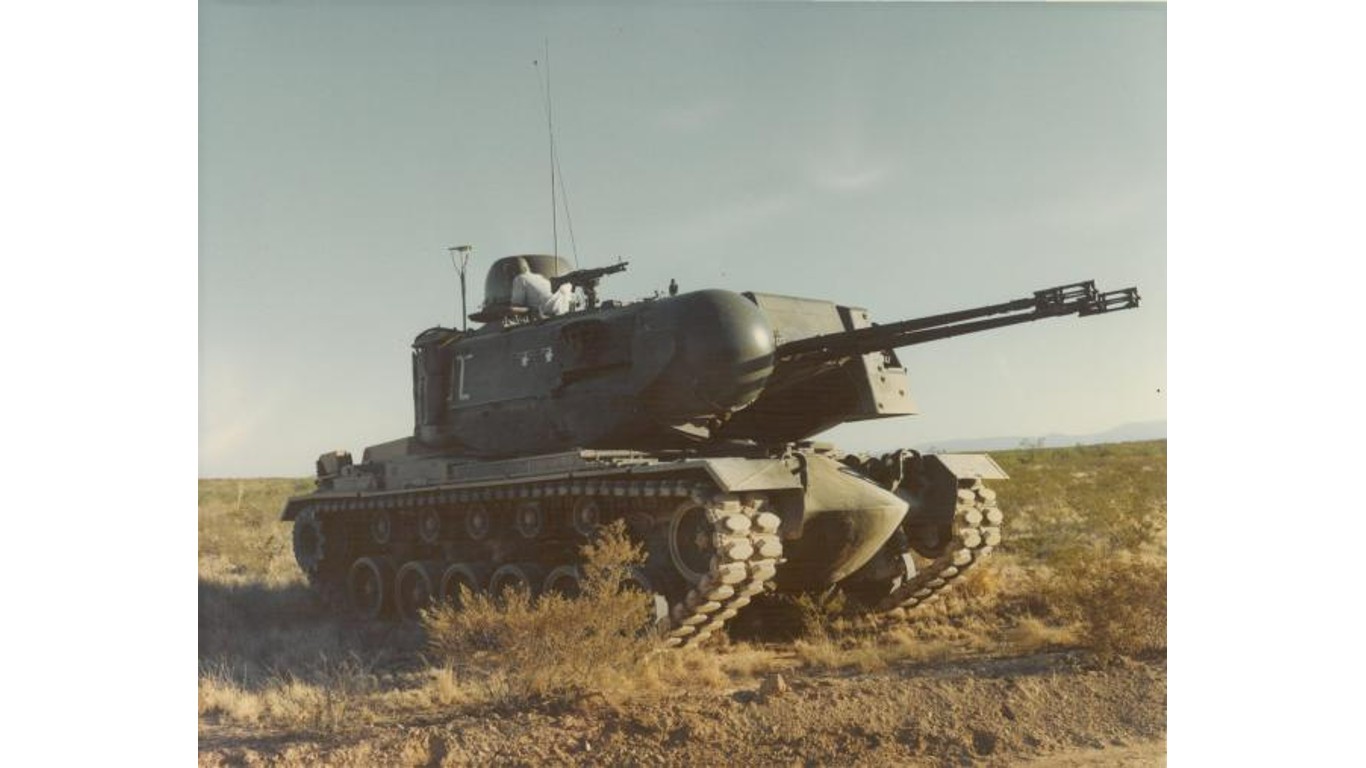
- Weapon type: Air Defense System
- Year introduced to service: 1984
- Who used it: U.S. Army
- Why it looked perfect on paper: Automated radar-guided air defense
- What combat exposed: Failed target discrimination
- Outcome: Program canceled
The Sergeant York was intended to automate air defense, but real-world testing exposed catastrophic targeting failures, leading to cancellation.
V-2 Rocket
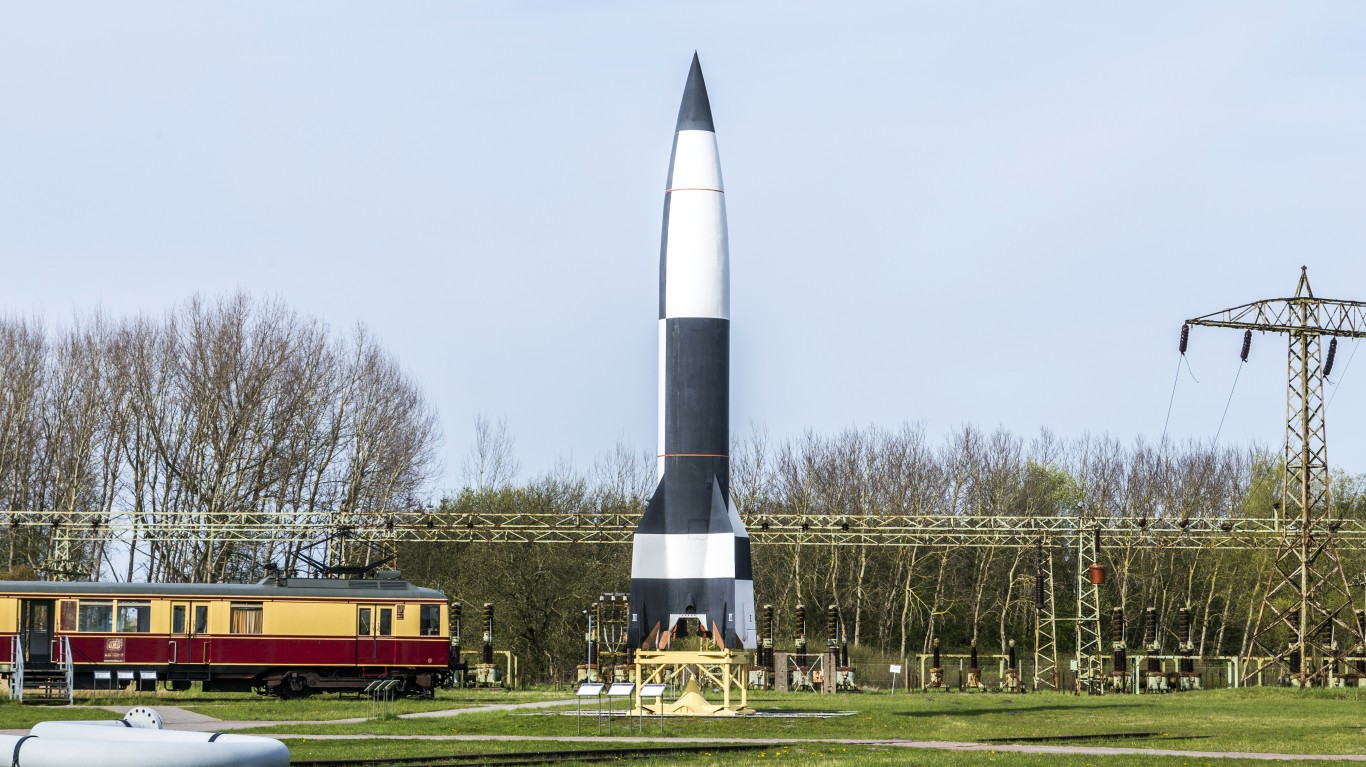
- Weapon type: Ballistic Missile
- Year introduced to service: 1944
- Who used it: German Forces
- Why it looked perfect on paper: Revolutionary long-range weapon
- What combat exposed: Low military effectiveness
- Outcome: Abandoned postwar
The V-2 was technologically revolutionary, but its inaccuracy and cost made it militarily inefficient despite its psychological impact.
M60 Machine Gun

- Weapon type: Machine Gun
- Year introduced to service: 1957
- Who used it: U.S. Forces
- Why it looked perfect on paper: Lightweight general-purpose MG
- What combat exposed: Maintenance sensitivity
- Outcome: Replaced by M240
The M60 looked ideal as a lightweight GPMG, but combat exposed its sensitivity to dirt and maintenance, leading to its eventual replacement.
AGM-12 Bullpup
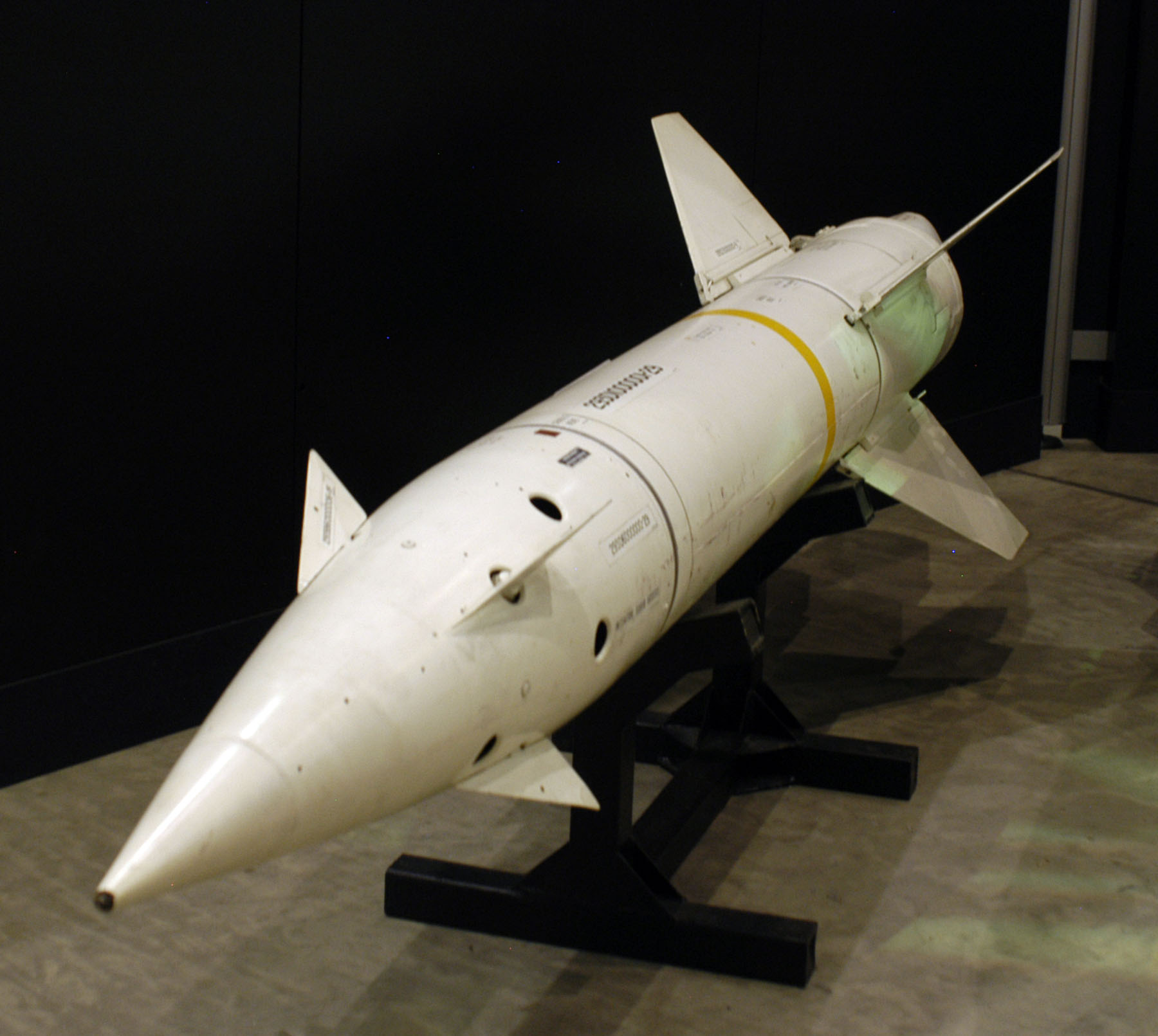
- Weapon type: Missile
- Year introduced to service: 1959
- Who used it: U.S. Forces
- Why it looked perfect on paper: Early precision-guided munition
- What combat exposed: Poor guidance accuracy
- Outcome: Withdrawn
The Bullpup missile promised precision strike capability, but real combat revealed guidance limitations that reduced its effectiveness.
M48 Chaparral

- Weapon type: SAM System
- Year introduced to service: 1969
- Who used it: U.S. Army
- Why it looked perfect on paper: Mobile air-defense using proven missiles
- What combat exposed: Limited effectiveness
- Outcome: Replaced
The Chaparral adapted air-to-air missiles for ground use, but combat realities showed the system struggled to meet evolving threats.
FH-77B
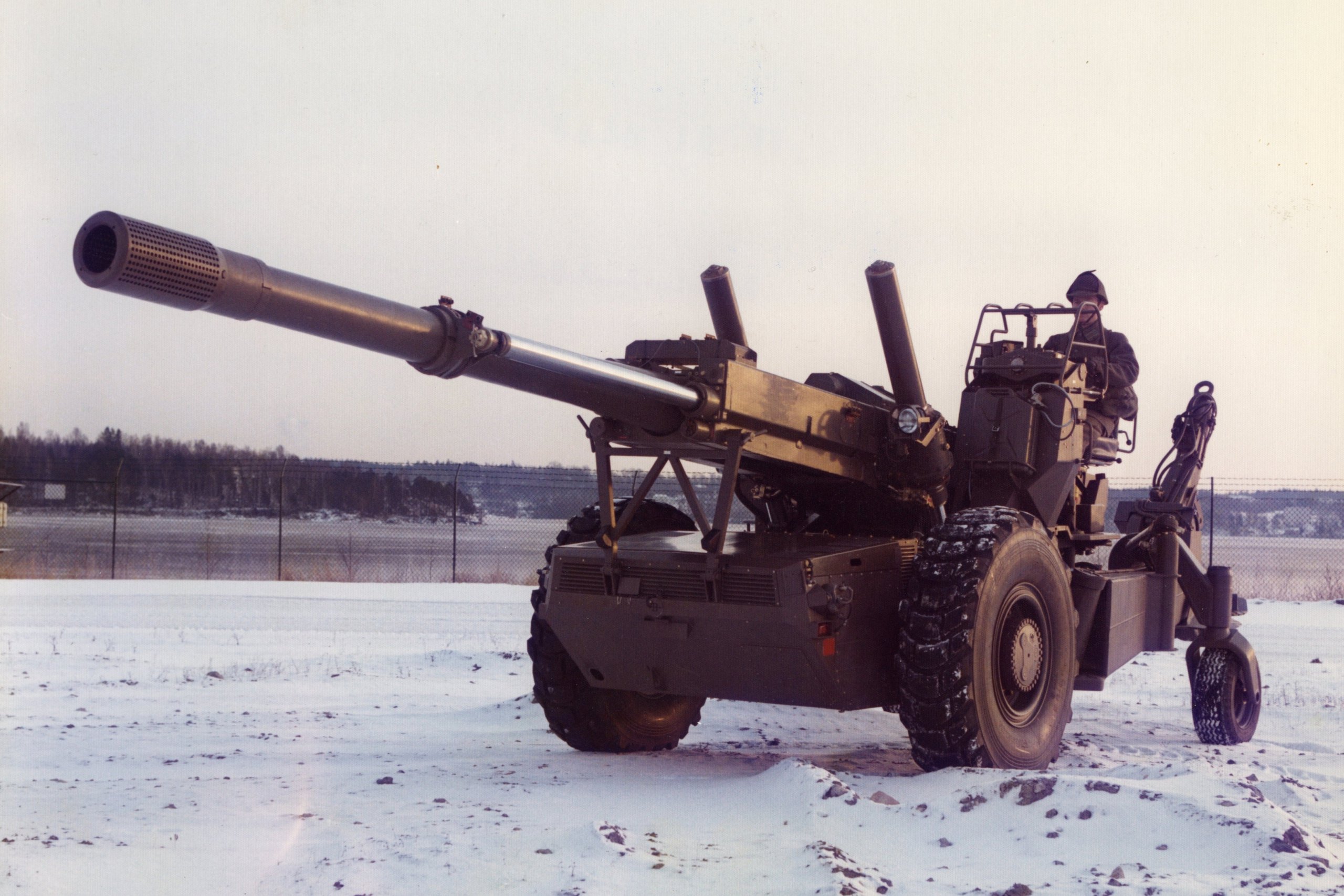
- Weapon type: Artillery
- Year introduced to service: 1975
- Who used it: Export Users
- Why it looked perfect on paper: Advanced electronics and automation
- What combat exposed: Maintenance complexity
- Outcome: Modified
The FH-77B introduced advanced electronics to artillery, but combat revealed maintenance challenges that limited availability.
BMP-3
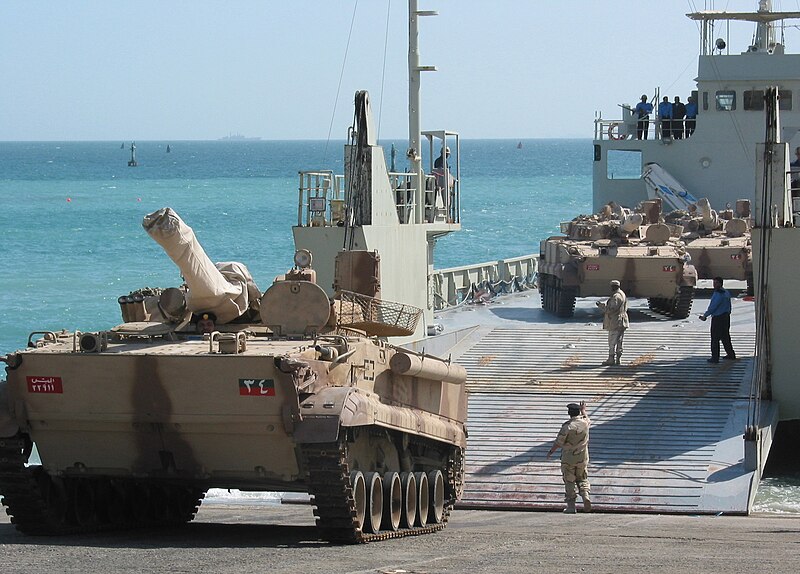
- Weapon type: Infantry Fighting Vehicle
- Year introduced to service: 1987
- Who used it: Export Users
- Why it looked perfect on paper: Heavily armed IFV
- What combat exposed: Crew vulnerability
- Outcome: Restricted use
The BMP-3 appeared formidable with heavy armament, but combat exposed survivability and ergonomic issues for crews.
FAMAS

- Weapon type: Rifle
- Year introduced to service: 1978
- Who used it: French Forces
- Why it looked perfect on paper: Innovative bullpup design
- What combat exposed: Ammo compatibility and maintenance issues
- Outcome: Replaced
The FAMAS was innovative, but reliance on specific ammunition and maintenance complexity reduced its effectiveness over time.
T-14 Armata
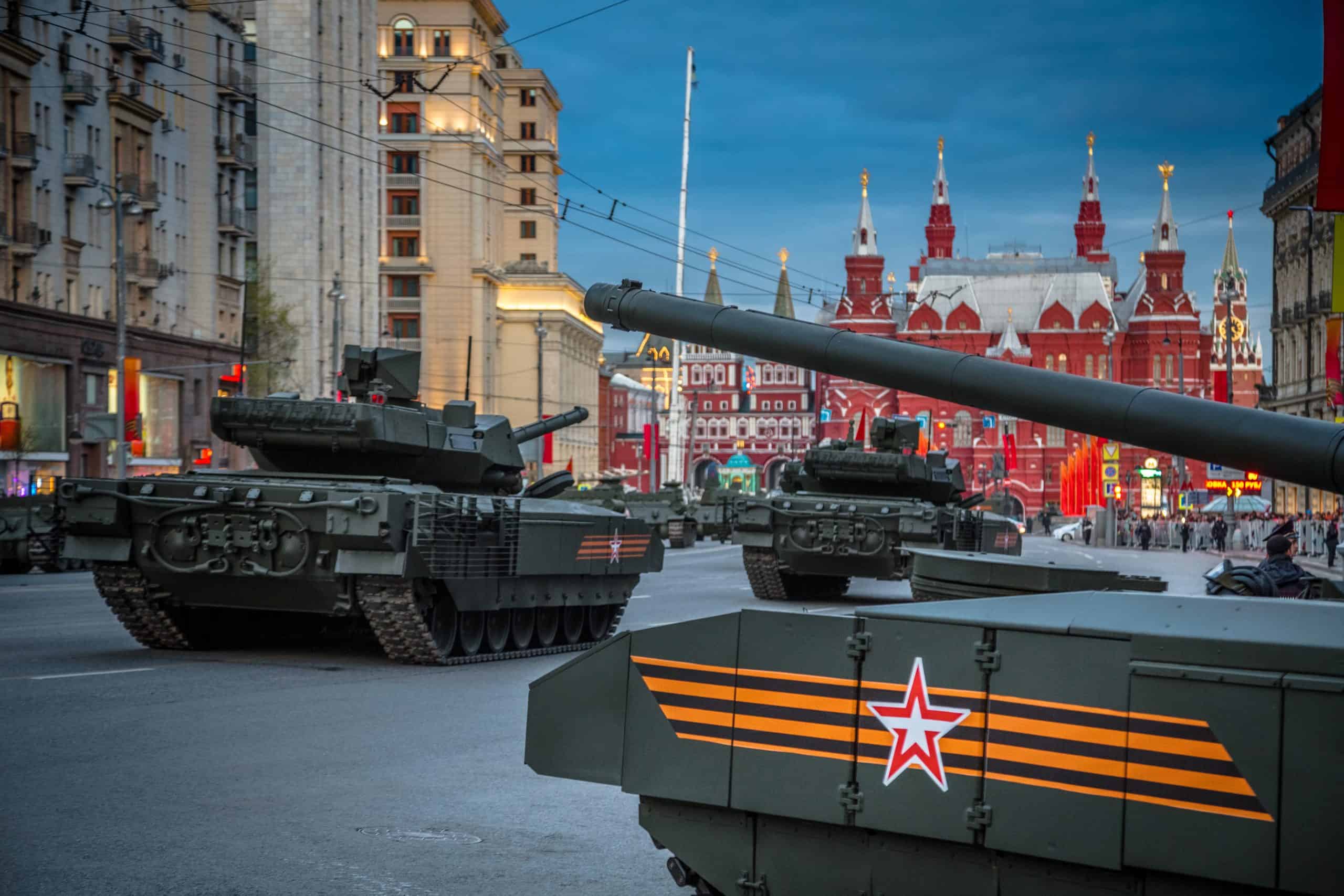
- Weapon type: Main Battle Tank
- Year introduced to service: 2015
- Who used it: Russian Forces
- Why it looked perfect on paper: Next-generation armored warfare
- What combat exposed: Limited combat validation
- Outcome: Unproven
The T-14 promised revolutionary protection and automation, but limited real combat use leaves its effectiveness largely unproven.
Yorktown-class Carrier (early)
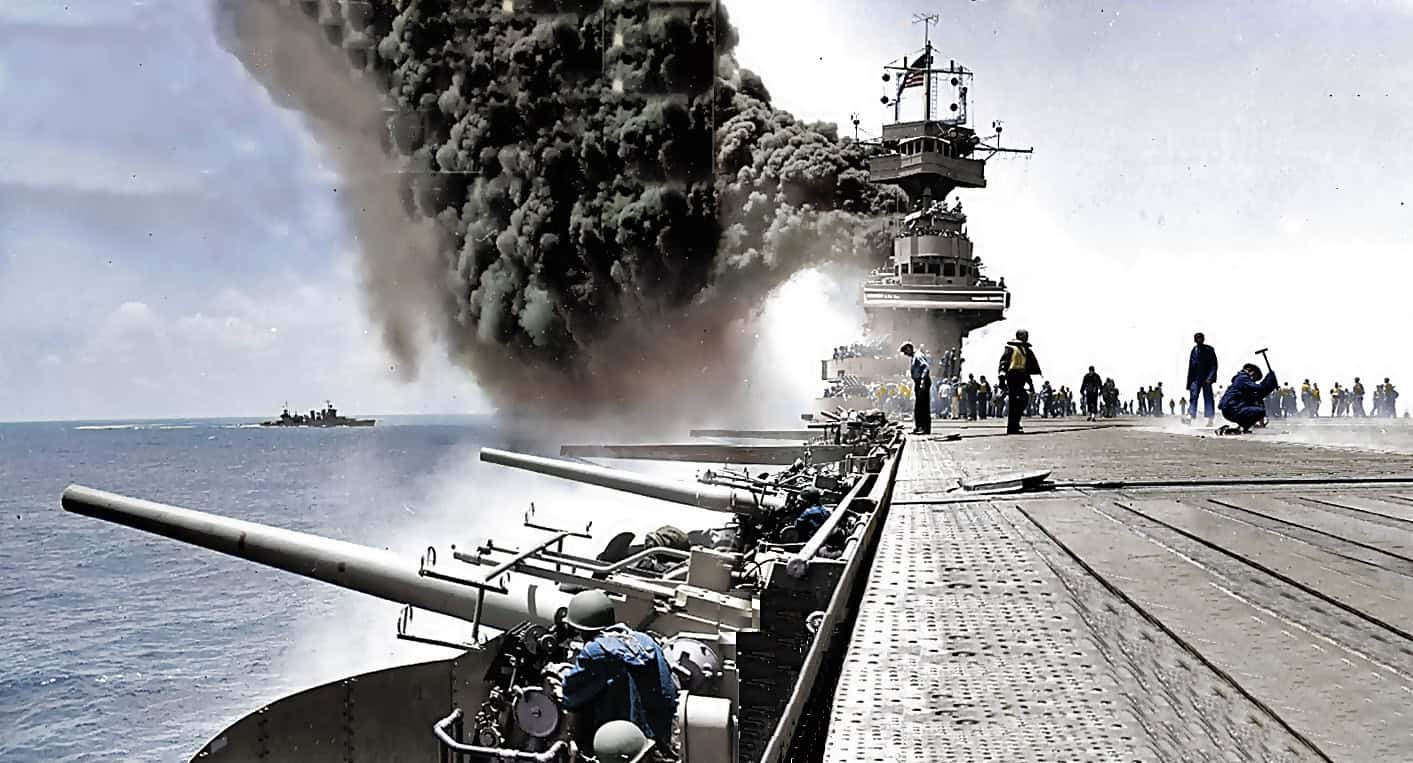
- Weapon type: Aircraft Carrier
- Year introduced to service: 1937
- Who used it: U.S. Navy
- Why it looked perfect on paper: Balanced early carrier design
- What combat exposed: Vulnerability to damage
- Outcome: Improved carrier designs
Early U.S. carriers looked capable, but wartime damage exposed survivability limitations that shaped later carrier design.
Type 45 Destroyer
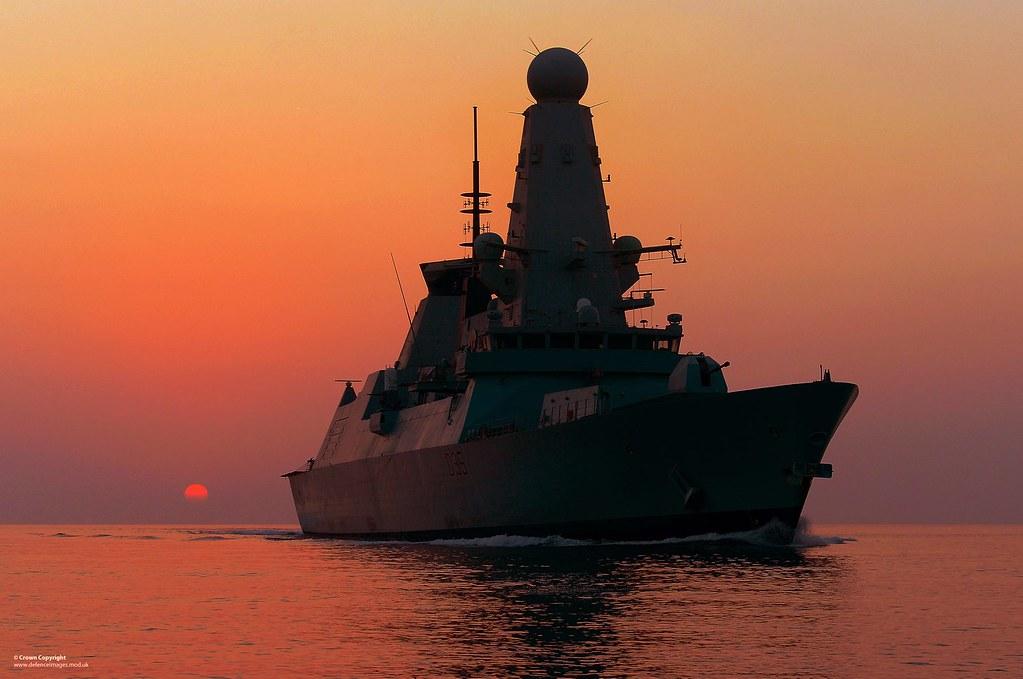
- Weapon type: Warship
- Year introduced to service: 2009
- Who used it: Royal Navy
- Why it looked perfect on paper: Advanced air-defense destroyer
- What combat exposed: Propulsion failures
- Outcome: Upgraded
The Type 45 featured world-class air defense, but early propulsion failures undermined operational availability.
USS Seawolf (SSN-21)
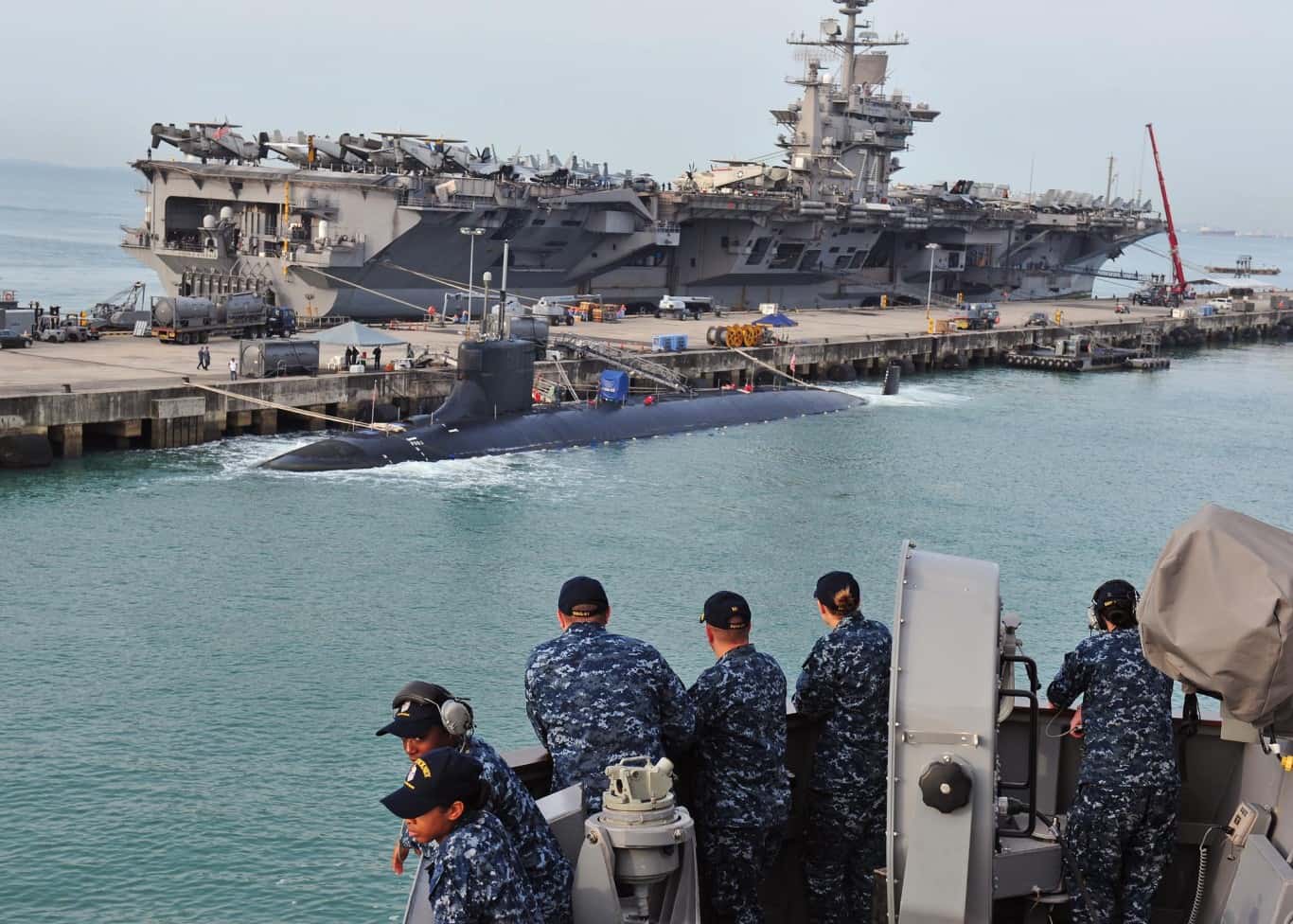
- Weapon type: Attack Submarine
- Year introduced to service: 1997
- Who used it: U.S. Navy
- Why it looked perfect on paper: Ultimate Cold War submarine
- What combat exposed: Overdesigned for real needs
- Outcome: Production curtailed
The Seawolf was unmatched technologically, but post–Cold War realities made it excessively costly for its intended role.
G11 Caseless Concept
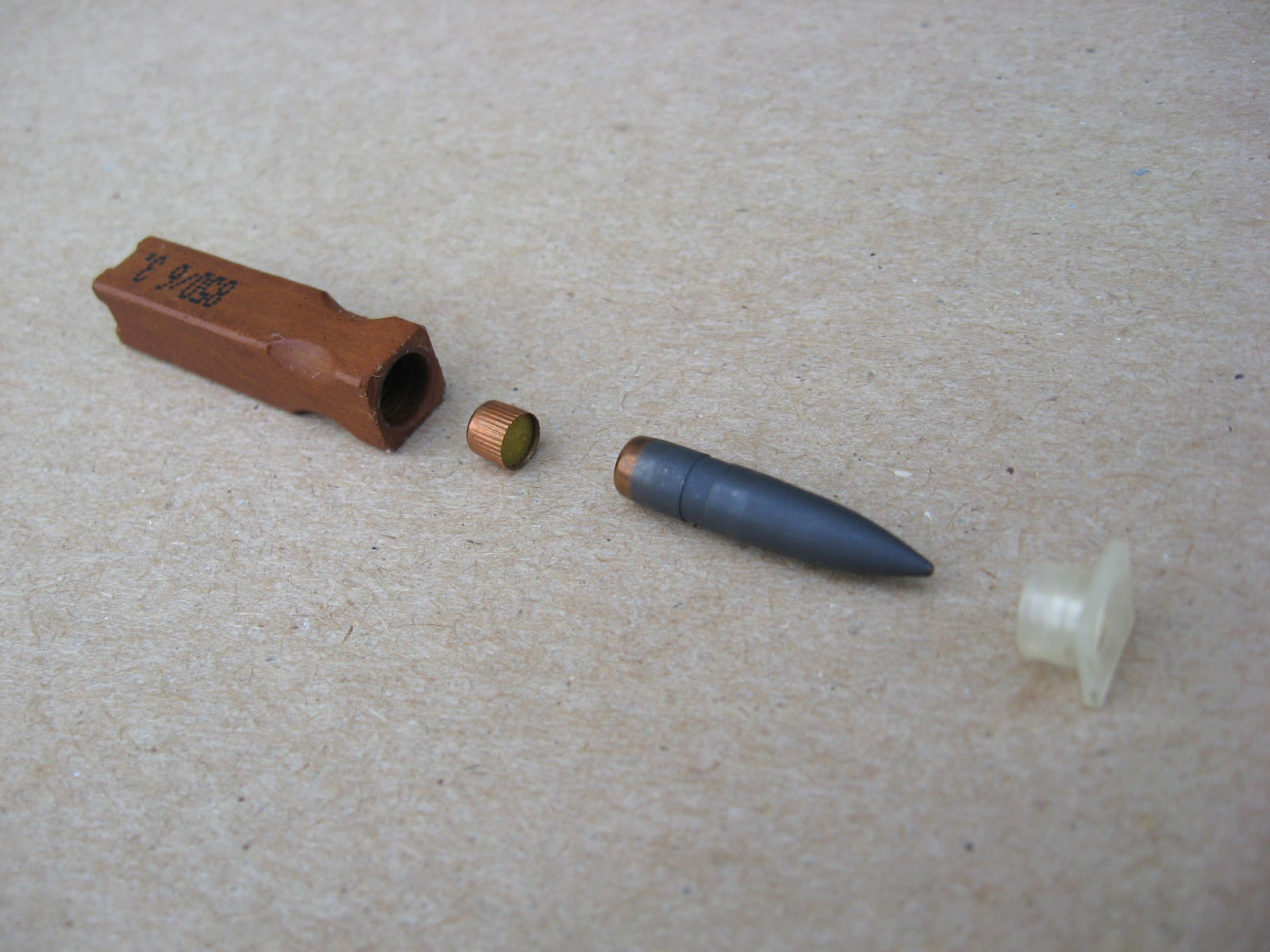
- Weapon type: Rifle Prototype
- Year introduced to service: 1990
- Who used it: German Forces
- Why it looked perfect on paper: Revolutionary caseless ammunition
- What combat exposed: Logistical and durability problems
- Outcome: Canceled
The G11 promised a leap in infantry firepower, but practical issues with ammunition durability and logistics prevented adoption.









 Top Gaining Stocks
 Top Losing Stocks