



The U.S. military has spent decades replacing its Cold War arsenal with newer, more capable systems—but not everything from that era disappeared. Across deserts, hangars, and naval reserve fleets, the Pentagon quietly maintains a shadow inventory of tanks, aircraft, missiles, and warships that once shaped superpower competition. Here, 24/7 Wall St. is taking a closer look at the U.S. Cold War arsenal.
To identify the Cold War weapons that the U.S. military quietly keeps in storage, 24/7 Wall St. reviewed various historical and military sources. We included a range of assets from vehicles to aircraft and more. We have also included supplemental information regarding the year introduced, type, branch that used it, and why it matters.
Here is a look at the Cold War weapons the U.S. quietly keeps in storage:
Why Are We Covering This?

The United States fields the most technologically advanced military on Earth, yet many of the tools that shaped the Cold War still sit preserved in storage, quietly supporting modern strategy. These retired tanks, aircraft, missiles, and naval systems continue to matter because they offer surge capacity, spare parts, training value, and in some cases, capabilities that newer platforms cannot fully replace. Understanding what remains in America’s shadow arsenal reveals how the Pentagon manages long-term readiness, prepares for unexpected conflicts, and leverages decades of engineering that proved too reliable.
The Cold War Never Fully Ended

The Cold War may have ended in 1991, but its military imprint still defines U.S. strategy. Decades-old tanks, aircraft, missiles, and naval systems continue to sit in storage facilities across the country, preserved as part of an overlooked reserve arsenal. These aren’t museum pieces—they’re a strategic insurance policy built on half a century of geopolitical tension.
The Hidden Stockpiles That Still Matter

Behind the scenes, the U.S. maintains enormous stockpiles of Cold War equipment kept in long-term preservation. Many of these platforms still fulfill essential roles: bolstering spare-part pipelines, supporting emergency mobilization, aiding allied militaries, or serving as testbeds for new technology. Their continued relevance shows how even outdated systems can provide meaningful capability.
Why These Systems Refuse to Die
Cold War weapons endure because they solved problems modern systems don’t always address. Rugged, simple, and globally familiar, many remain compatible with allied forces that still operate legacy equipment. Others stay because no modern replacement replicates their unique advantages. In many ways, obsolescence and usefulness can coexist.
Inside the U.S. War Reserve Mindset
The Pentagon’s reserve strategy relies on maintaining stored assets that can be reactivated when needed. From the sprawling aircraft “Boneyard” at Davis–Monthan to reserve naval fleets and missile storage depots, these systems form a deep logistical buffer. Programs like flyable storage for the F-117 demonstrate that some platforms remain quietly ready for niche missions.
The Strategic Lessons Hidden in America’s Cold War Arsenal

America’s preserved Cold War arsenal reveals how the military prepares for future conflict: by maintaining depth, resilience, and flexibility. These stored weapons show which capabilities the Pentagon still values, which roles may need sudden expansion, and how yesterday’s engineering continues to shape today’s warfighting assumptions. The past remains a living part of U.S. strategy.
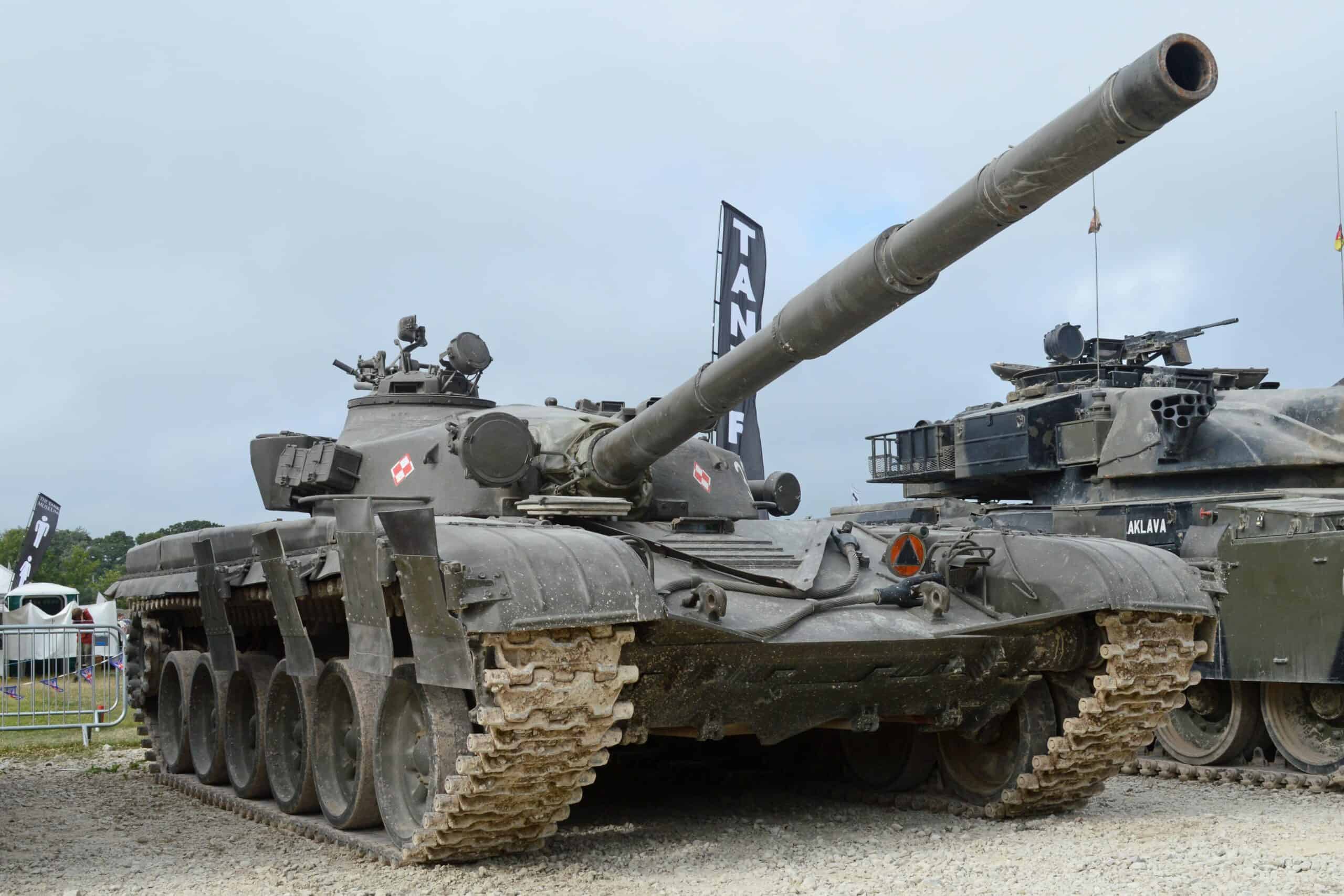
M60 Patton Tank

- Year introduced: 1959
- Type: Main Battle Tank
- Branch: Army
- Why it was retired from service: Replaced by the M1 Abrams; outdated armor and fire control
- Why it is still in storage: Stored for foreign aid, training use, and emergency reserve
The M60 Patton was the backbone of U.S. armored forces during the Cold War, and although retired, hundreds remain in storage for potential allied transfer, training programs, and emergency mobilization due to their rugged design and global familiarity.
M113 Armored Personnel Carrier
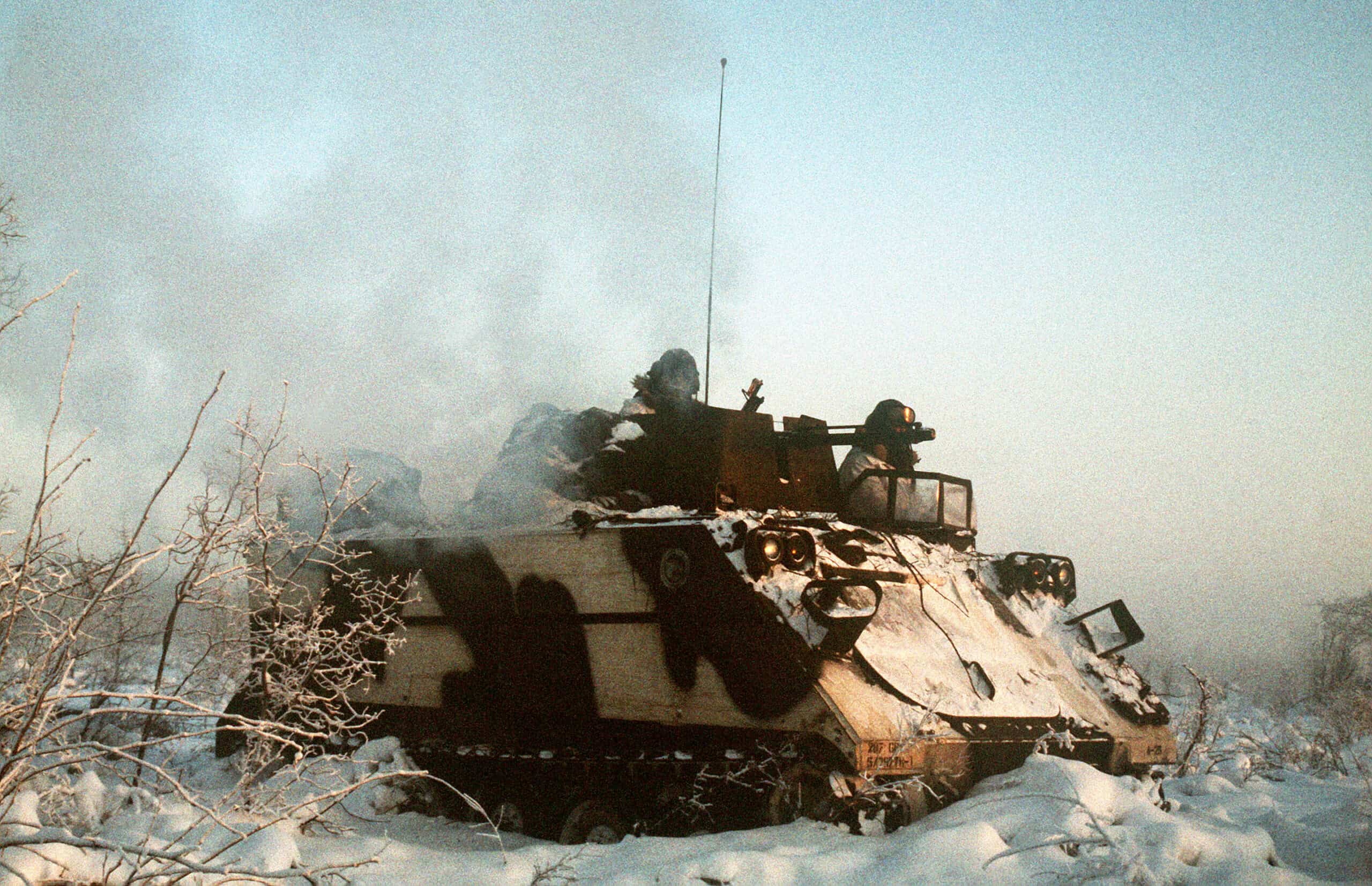
- Year introduced: 1960
- Type: APC
- Branch: Army
- Why it was retired from service: Replaced by Stryker and modernized Bradleys
- Why it is still in storage: Huge reserve stock used for parts and conversions
The M113 served widely across Cold War conflicts and remains in storage for parts harvesting, foreign military support, and conversion into specialized variants thanks to its simple and modular aluminum chassis.
M110 203mm Self-Propelled Howitzer
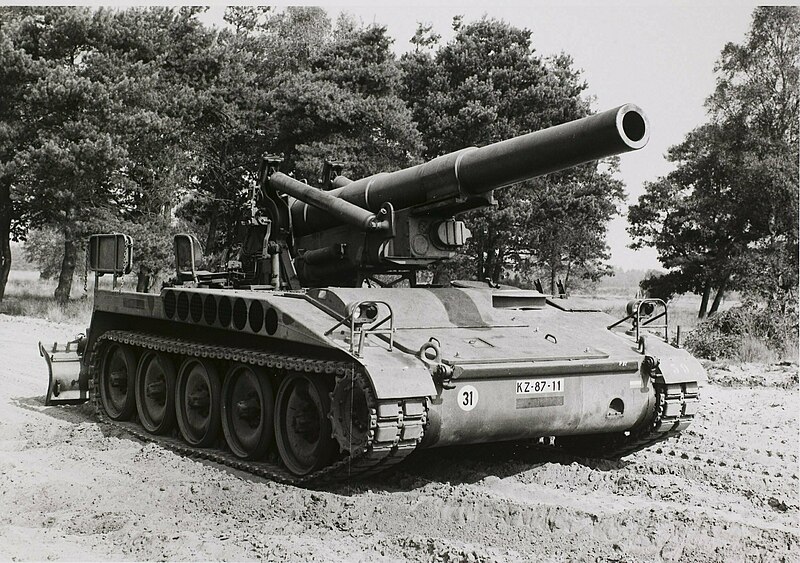
- Year introduced: 1963
- Type: SP Howitzer
- Branch: Army
- Why it was retired from service: Replaced by more modern artillery
- Why it is still in storage: Stored for emergency heavy-artillery replacement
The M110’s massive 203mm gun gave it unmatched Cold War firepower, and stored units remain useful for heavy-artillery testing, training, and potential transfer to partners requiring long-range fire support.
M109 Early-Block Variants
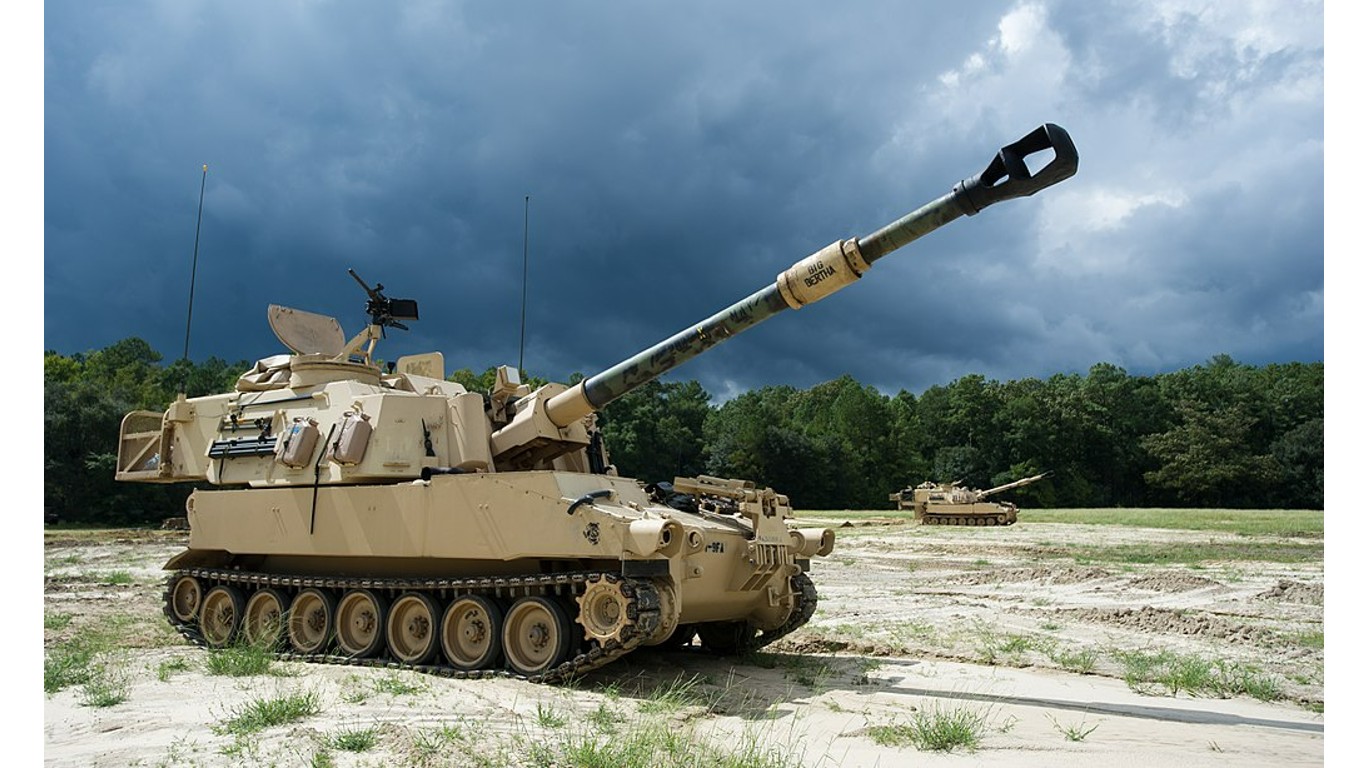
- Year introduced: 1963
- Type: SP Howitzer
- Branch: Army
- Why it was retired from service: Superseded by Paladin upgrades
- Why it is still in storage: Stored as donor chassis and component harvesting
Early M109 variants stay in depot storage as donor platforms for Paladin upgrades, providing frames and components that extend the service life of active U.S. self-propelled artillery systems.
M48 Patton Tank
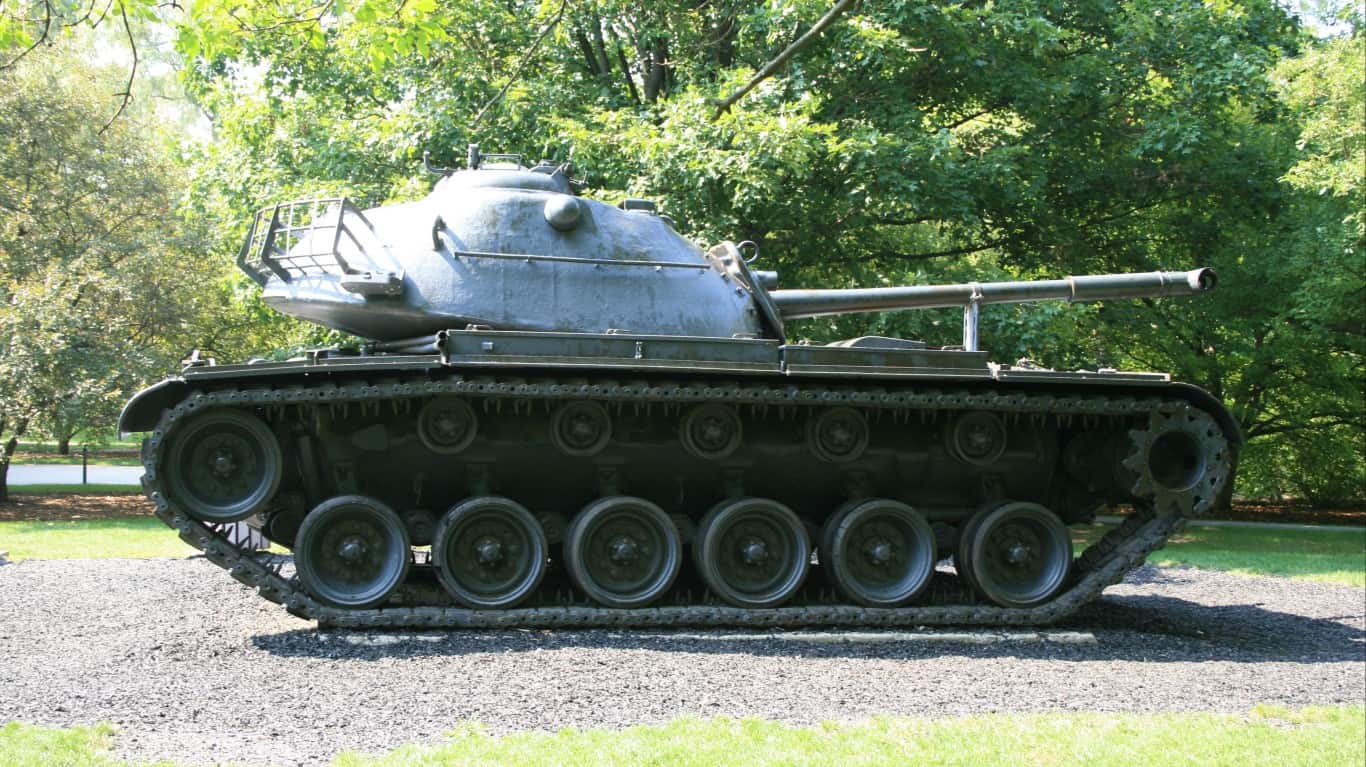
- Year introduced: 1952
- Type: Main Battle Tank
- Branch: Army
- Why it was retired from service: Retired due to aging armor and inferior systems
- Why it is still in storage: Stored for parts support and partner-nation transfers
The M48 Patton once anchored U.S. armored forces, and remaining stored hulls supply spare parts and support for international operators who still rely on Patton-series tanks.
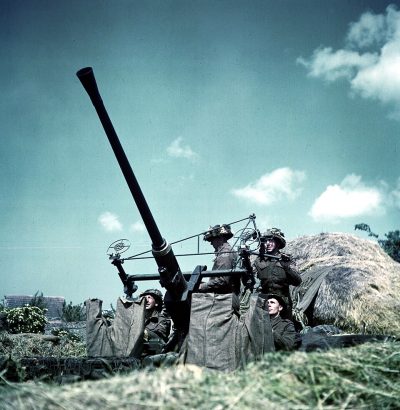
M42 Duster
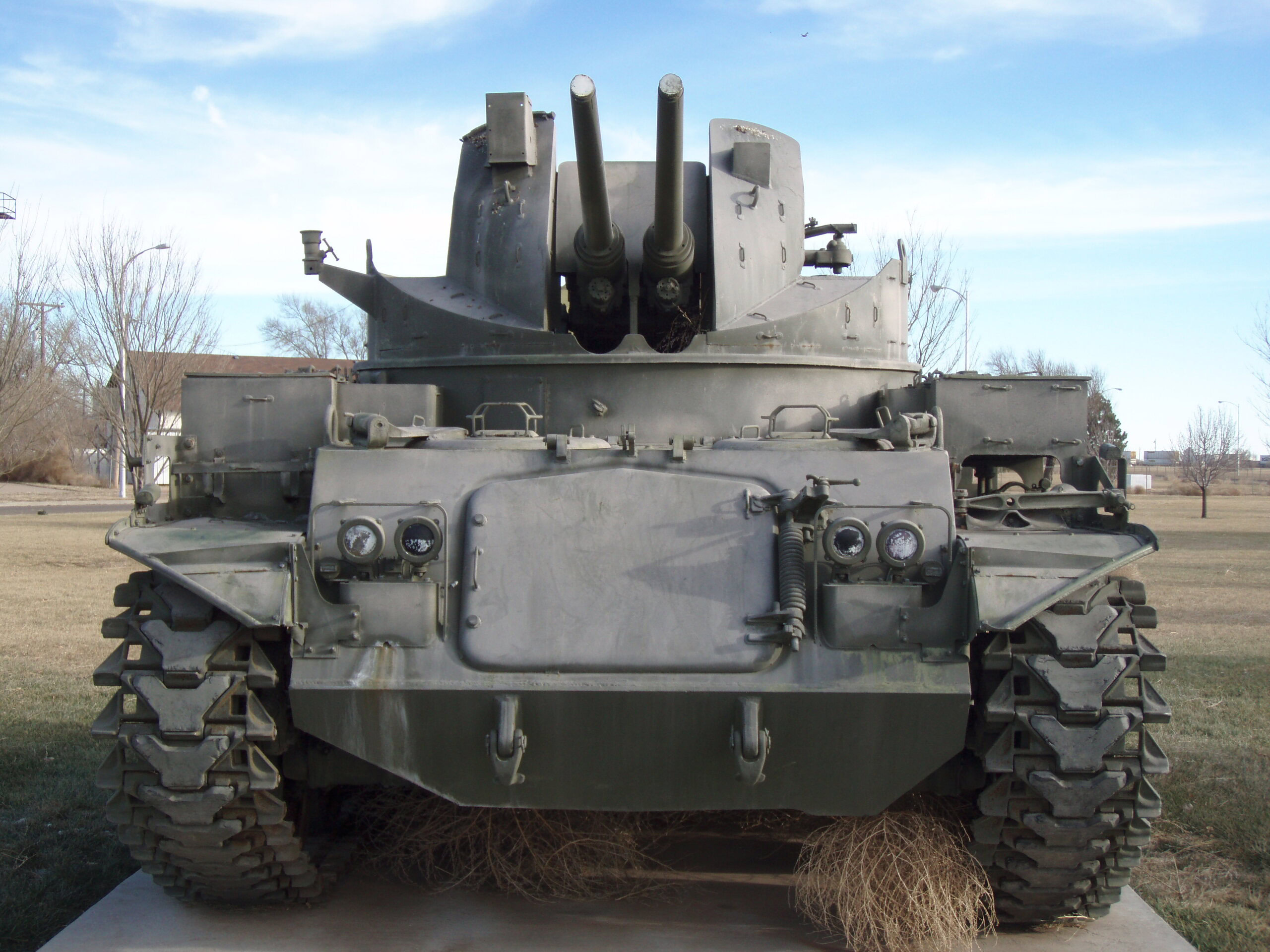
- Year introduced: 1952
- Type: AA Vehicle
- Branch: Army
- Why it was retired from service: Replaced by missile-based AA systems
- Why it is still in storage: Stored for parts harvesting and allied support
The M42 Duster’s twin 40mm cannons proved highly effective in both anti-air and ground roles, and stored units remain valuable for parts harvesting and limited allied military support.
M551 Sheridan
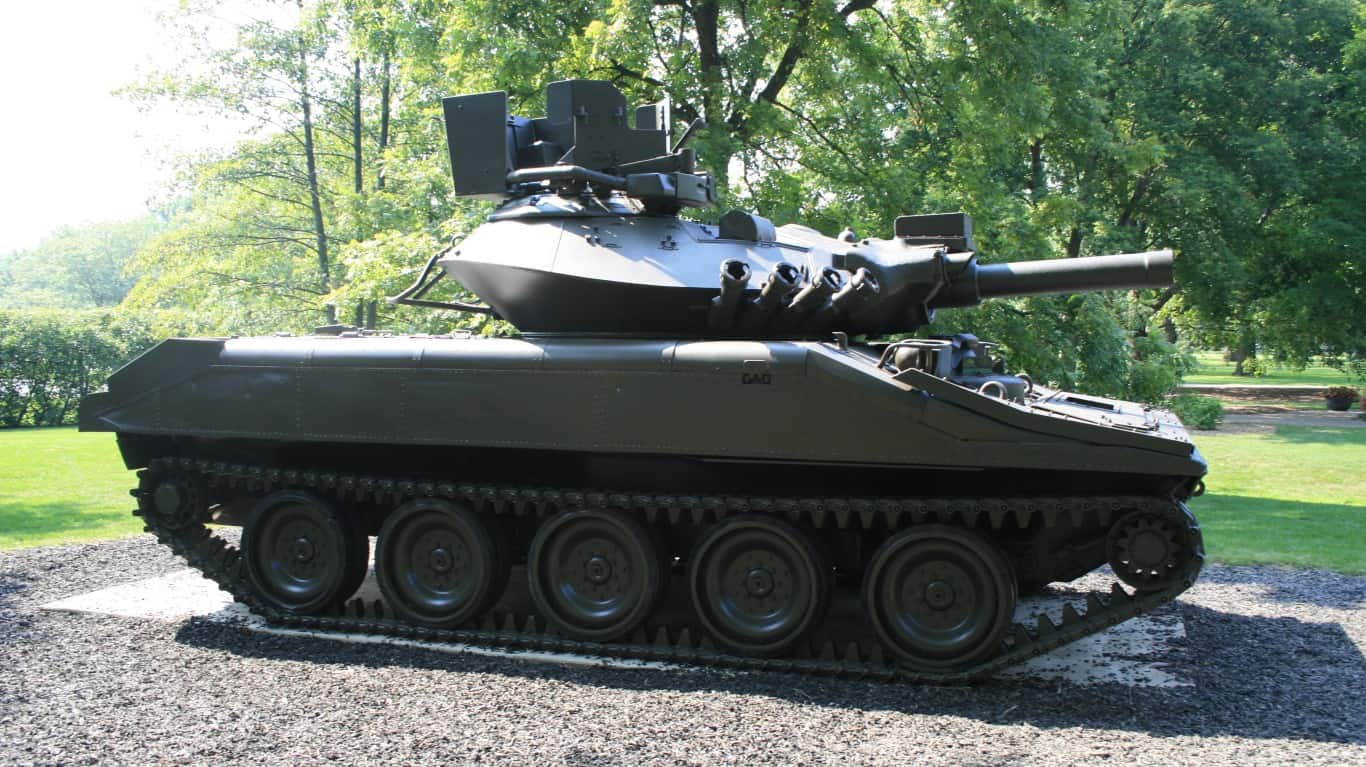
- Year introduced: 1967
- Type: Light Tank
- Branch: Army
- Why it was retired from service: Retired due to survivability issues
- Why it is still in storage: Stored for training, test vehicles, surrogate targets
The lightweight, air-droppable M551 Sheridan now serves primarily as a training and target vehicle, with stored units used in visually modified enemy-surrogate roles at Army training centers.
M88A1 Recovery Vehicle
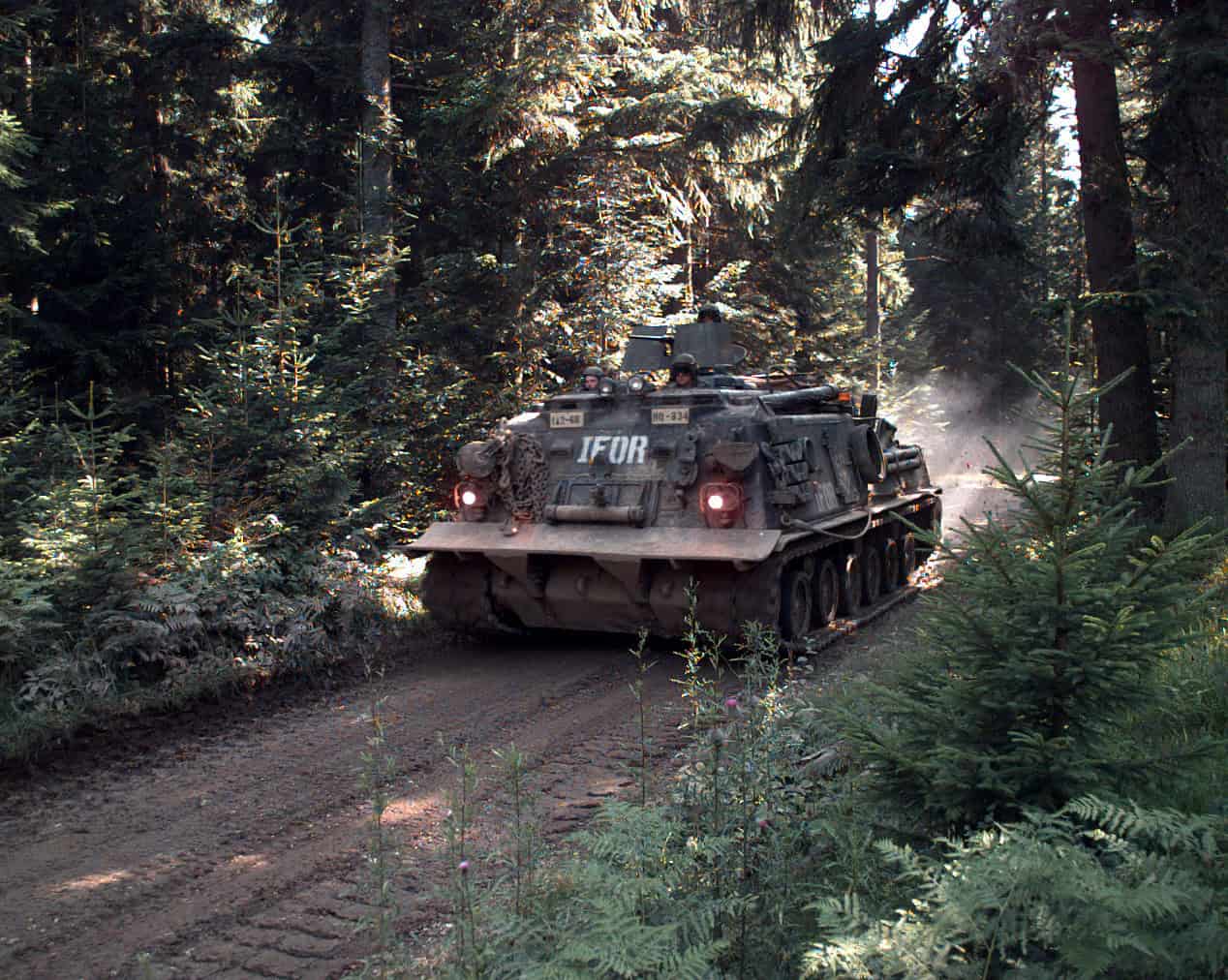
- Year introduced: 1961
- Type: Recovery Vehicle
- Branch: Army
- Why it was retired from service: Older variant replaced by M88A2
- Why it is still in storage: Stored for parts supply and reserve-role potential
The M88A1 provided essential armored recovery capability, and older vehicles remain stored to supply components for M88A2 upgrades and for continued international support.
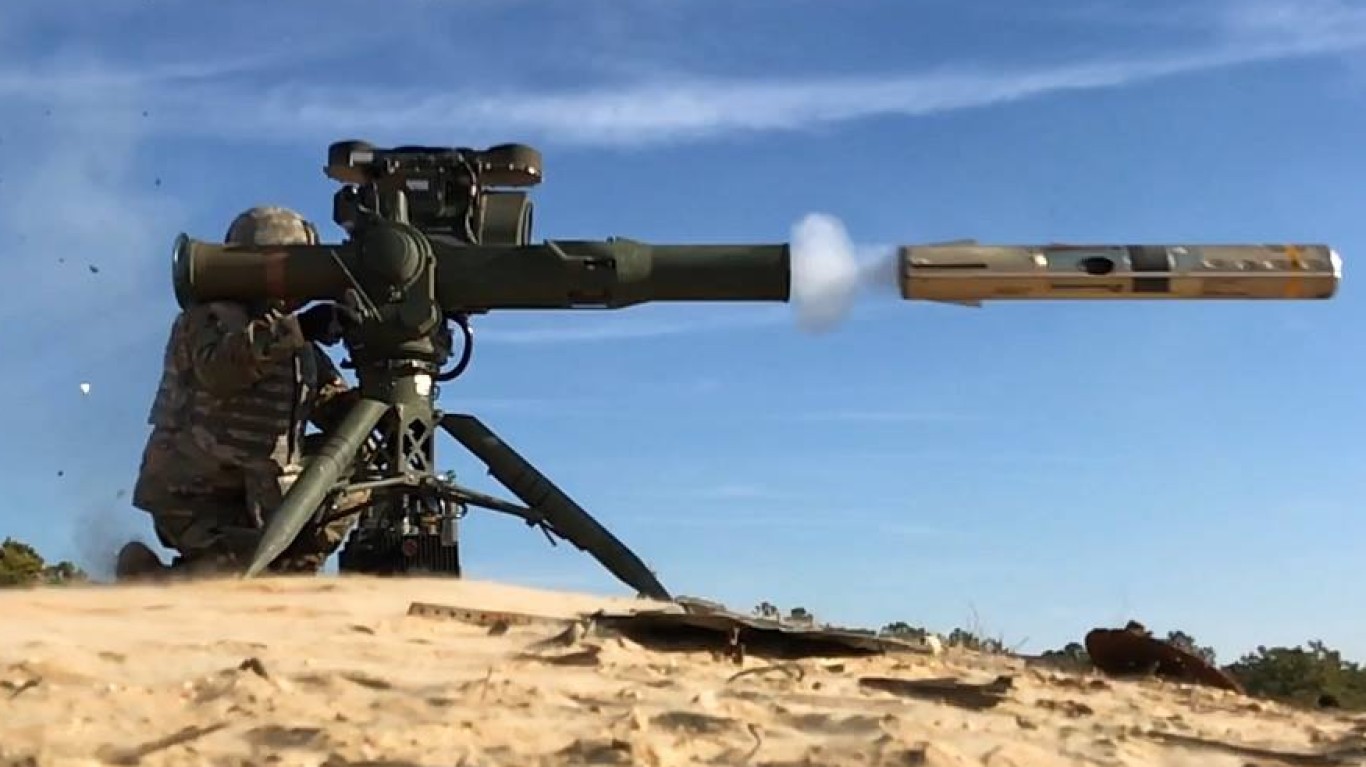
TOW 1 Missile Stocks
- Year introduced: 1970
- Type: ATGM
- Branch: Army
- Why it was retired from service: Replaced by newer TOW versions
- Why it is still in storage: Stored as war reserve stockpile
The original TOW missile served extensively through the Cold War, and remaining stocks are stored for reserve needs, training, testing, and potential foreign military assistance.
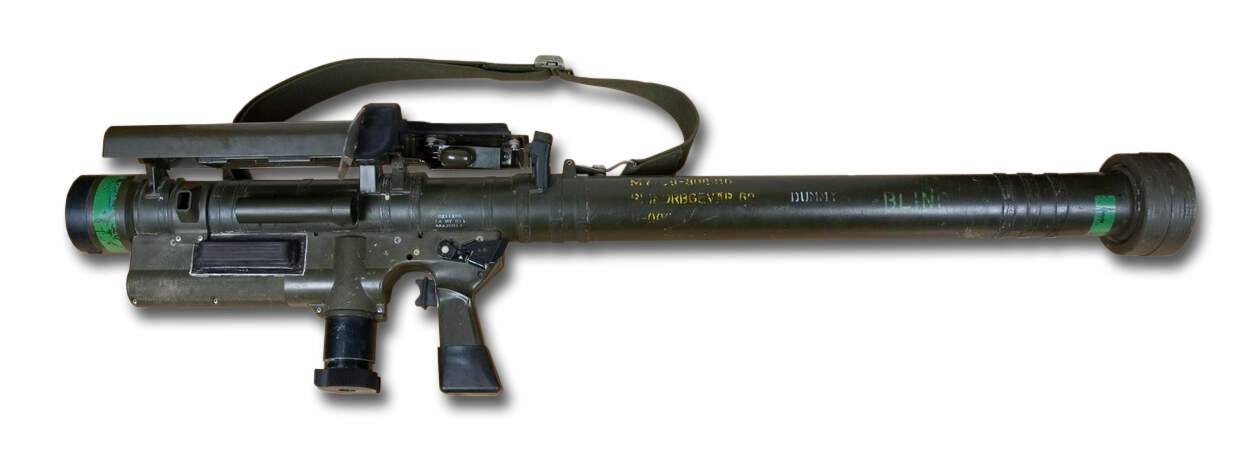
Redeye MANPADS
- Year introduced: 1968
- Type: MANPADS
- Branch: Army
- Why it was retired from service: Replaced by the Stinger
- Why it is still in storage: Stored for training and demilitarization
The Redeye was America’s first shoulder-fired anti-air missile and remains stored for disposal training, controlled testing, and spare component use even after full retirement.
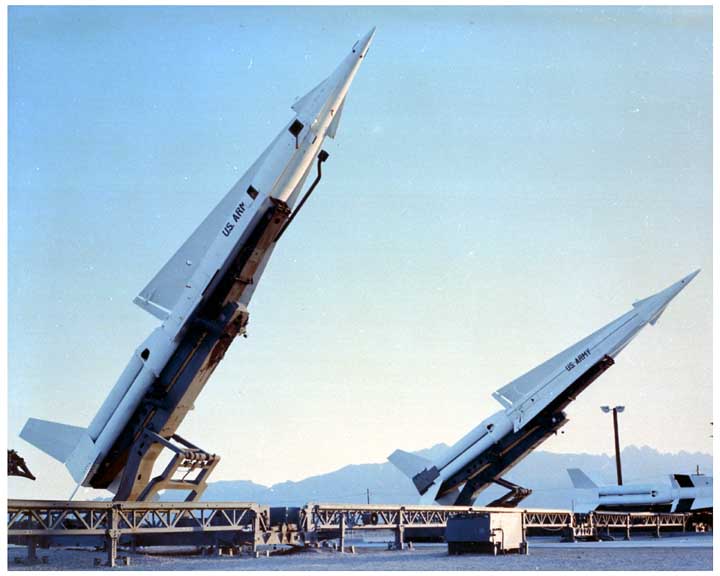
Nike Hercules Components
- Year introduced: 1958
- Type: SAM System
- Branch: Army
- Why it was retired from service: Obsolete air-defense architecture
- Why it is still in storage: Stored for training, testing, and preservation
Nike Hercules missiles once safeguarded U.S. skies, and although retired, support equipment remains stored for training, testing, and historical program maintenance.
Pershing II Components
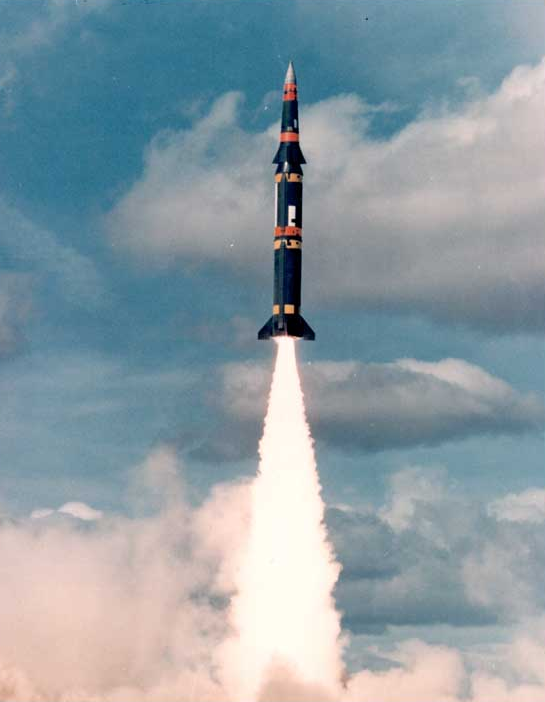
- Year introduced: 1983
- Type: Ballistic Missile System
- Branch: Army
- Why it was retired from service: Eliminated per INF Treaty
- Why it is still in storage: Stored for training and archival purposes
While Pershing II missiles were destroyed under treaty obligations, associated support hardware remains stored for training, documentation, and historical continuity.
F-117 Nighthawk
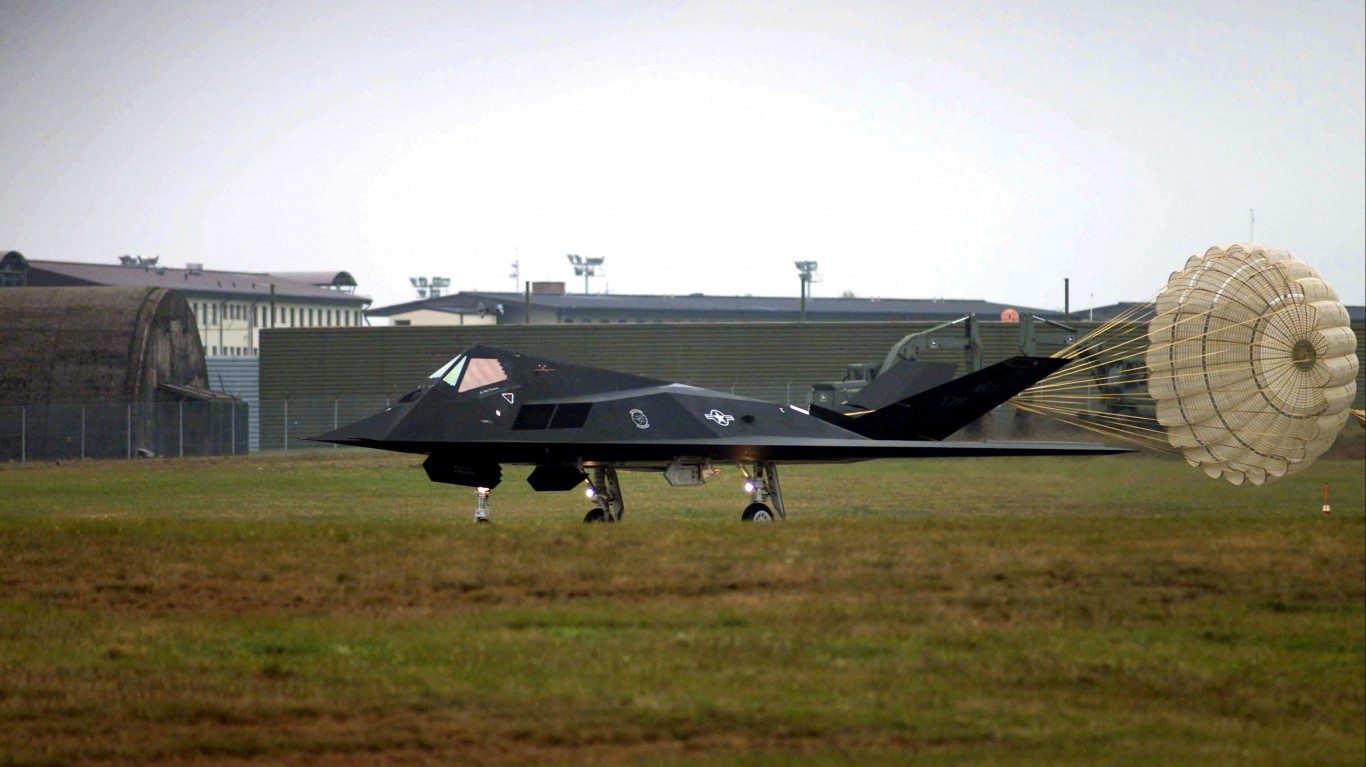
- Year introduced: 1983
- Type: Stealth Attack Aircraft
- Branch: Air Force
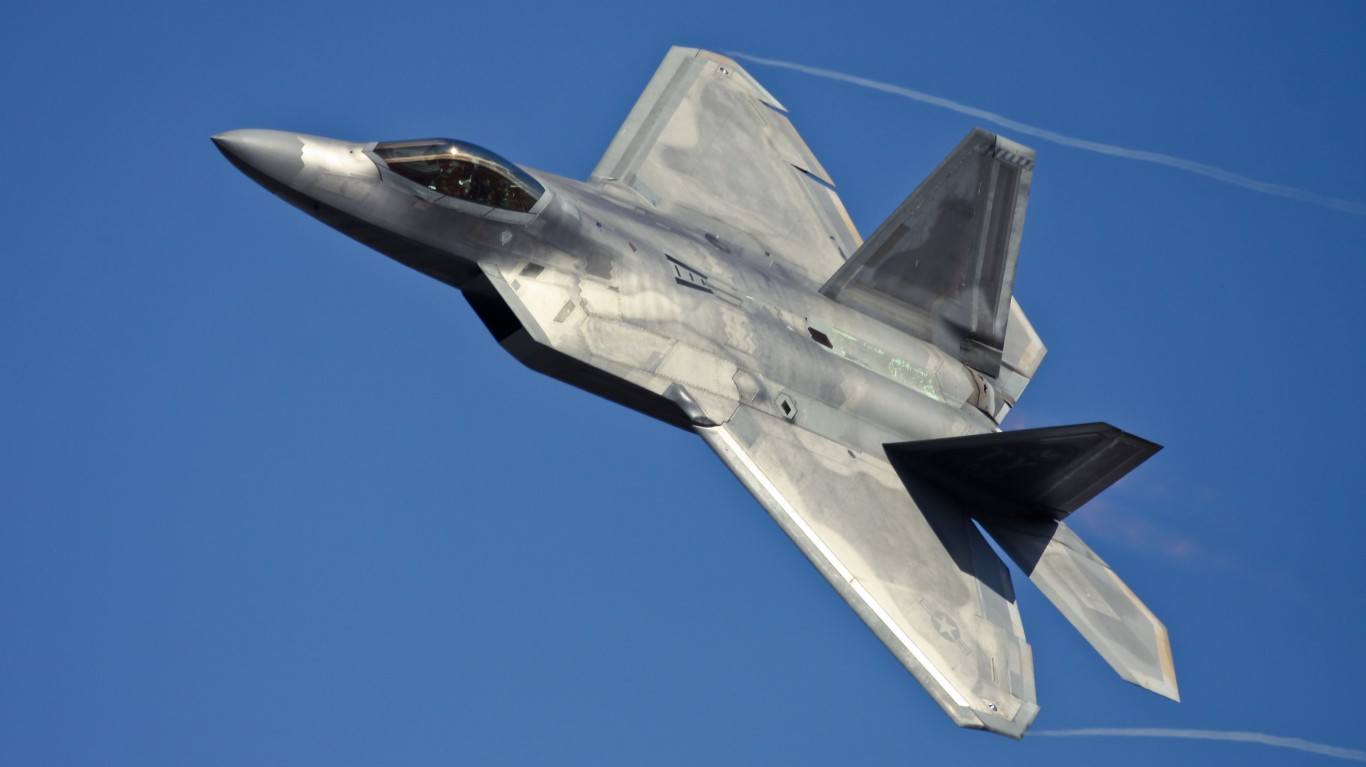
- Why it was retired from service: Succeeded by F-22
- Why it is still in storage: Stored in flyable condition for special missions
The F-117, the world’s first operational stealth aircraft, remains in flyable storage with select airframes occasionally used for classified missions and advanced testing programs.
B-52G/H Spare Airframes
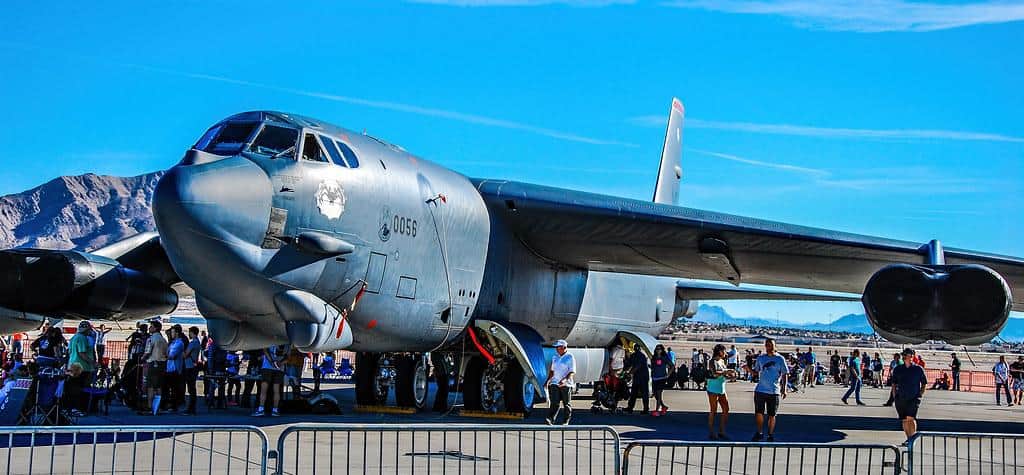
- Year introduced: 1960
- Type: Bomber
- Branch: Air Force
- Why it was retired from service: Fleet downsizing and reconfiguration
- Why it is still in storage: Stored for parts and potential regeneration
Large numbers of B-52 airframes remain stored in the desert, supplying essential structural components that help sustain the B-52H fleet well into future decades.
KC-135 Early Models
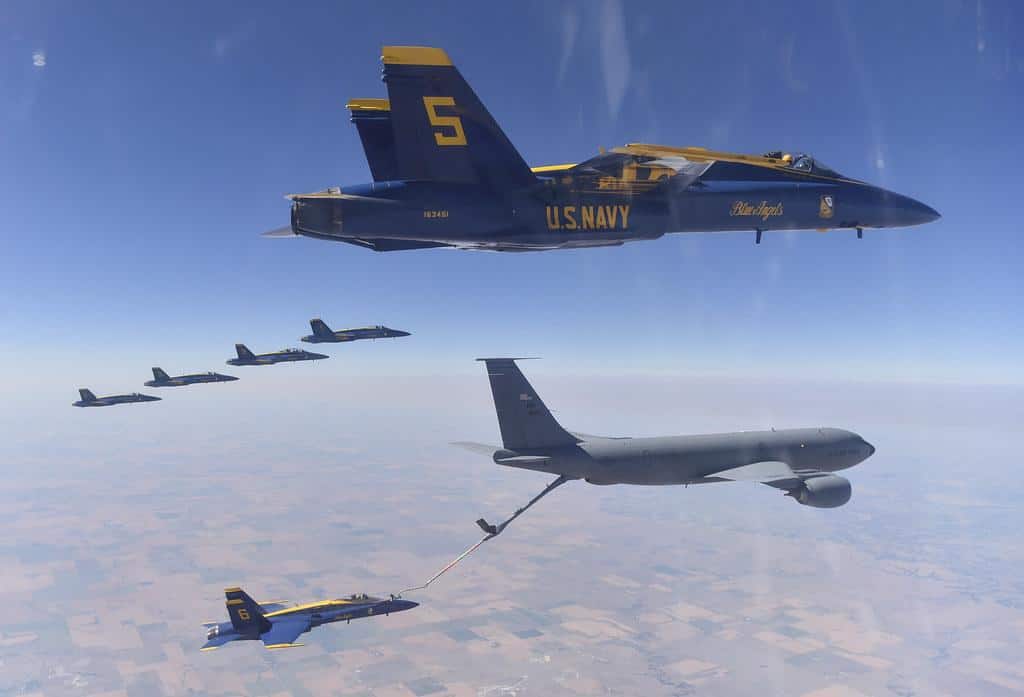
- Year introduced: 1957
- Type: Tanker Aircraft
- Branch: Air Force
- Why it was retired from service: Replaced by KC-135R/T and KC-46
- Why it is still in storage: Stored as donor airframes
Early KC-135 variants are kept in storage to provide parts for the modernized tanker fleet, supporting the backbone of U.S. aerial refueling operations.
A-10A Early Blocks
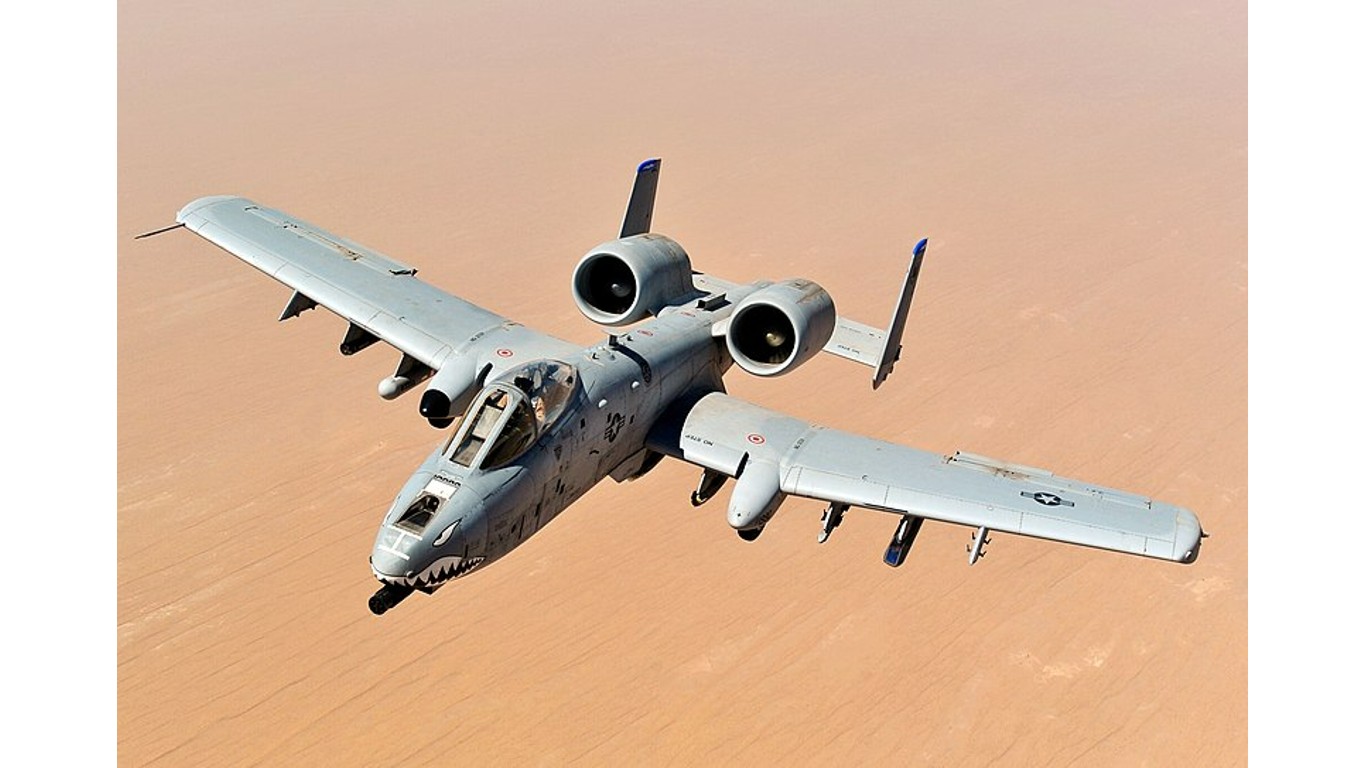
- Year introduced: 1975
- Type: Attack Aircraft
- Branch: Air Force
- Why it was retired from service: Upgraded into A-10C
- Why it is still in storage: Stored as attrition reserve
Early A-10A airframes remain stored to replace potential future combat losses, benefiting from the aircraft’s rugged construction and long-term durability.
F-4 Phantom II

- Year introduced: 1960
- Type: Fighter Aircraft
- Branch: Air Force
- Why it was retired from service: Replaced by F-15/F-16
- Why it is still in storage: Stored for drone conversion and testing
The F-4 Phantom continues to serve in testing roles as QF-4 drones, with stored airframes providing material for conversion and advanced weapons development programs.
C-131 / T-29 Trainers
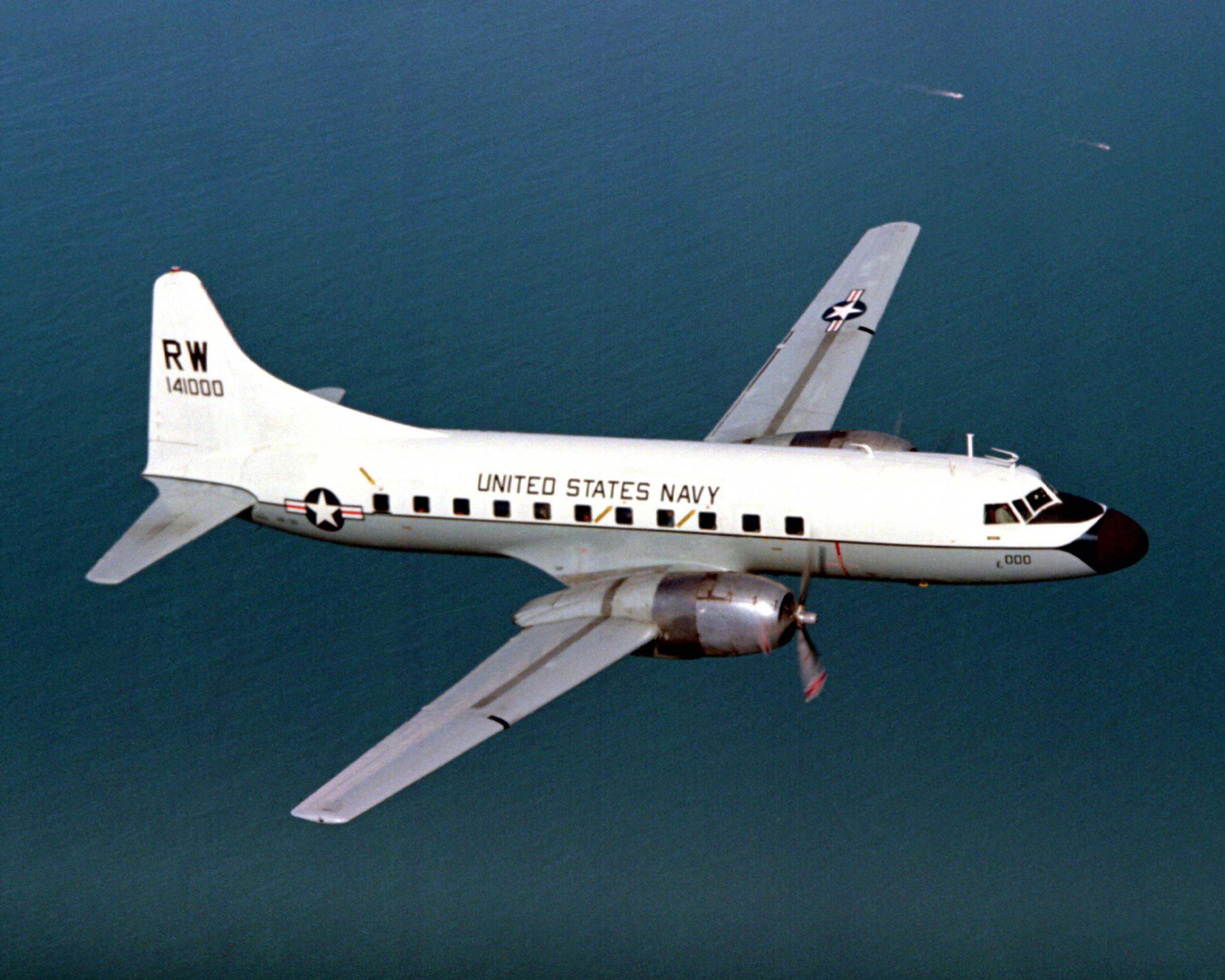
- Year introduced: 1954
- Type: Transport/Trainer
- Branch: Air Force
- Why it was retired from service: Obsolete as training platforms
- Why it is still in storage: Stored for parts and museum support
C-131 and T-29 airframes remain in storage to support museum restoration, instructional programs, and spare-part requirements for legacy training aircraft.
C-123 Provider
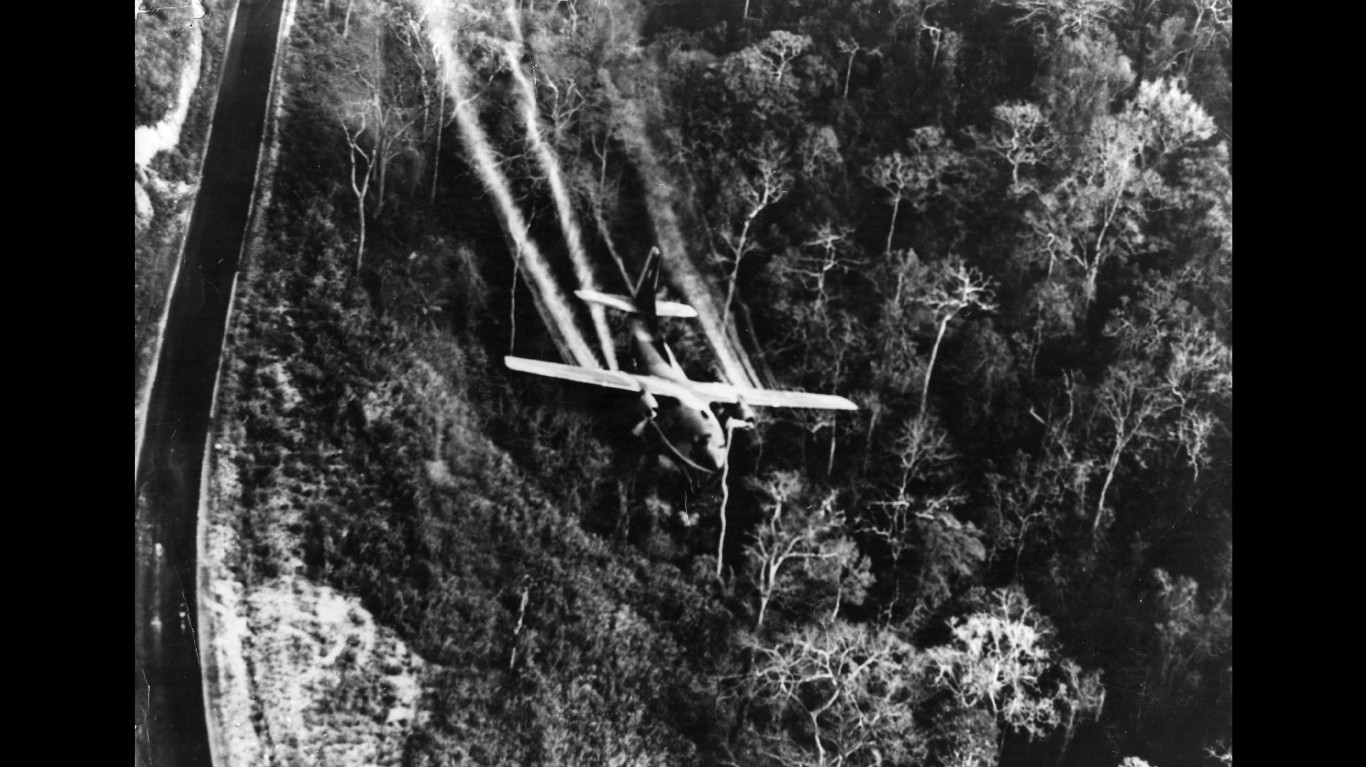
- Year introduced: 1954
- Type: Transport Aircraft
- Branch: Air Force
- Why it was retired from service: Replaced by modern transports
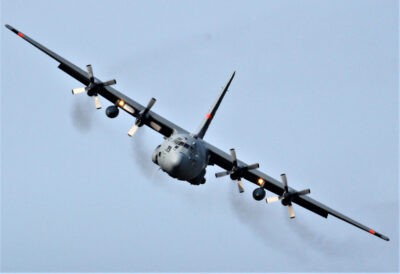
- Why it is still in storage: Stored for training and reserve utility
Stored C-123 airframes continue to assist with training and provide spare components for nations that still operate the rugged Cold War-era transport.
C-141 Starlifter

- Year introduced: 1965
- Type: Transport Aircraft
- Branch: Air Force
- Why it was retired from service: Replaced by C-17
- Why it is still in storage: Stored as training fuselages and components
Although mostly retired and scrapped, sections of C-141 airframes remain stored for training, instruction, and preservation of U.S. airlift history.
AGM-69 SRAM
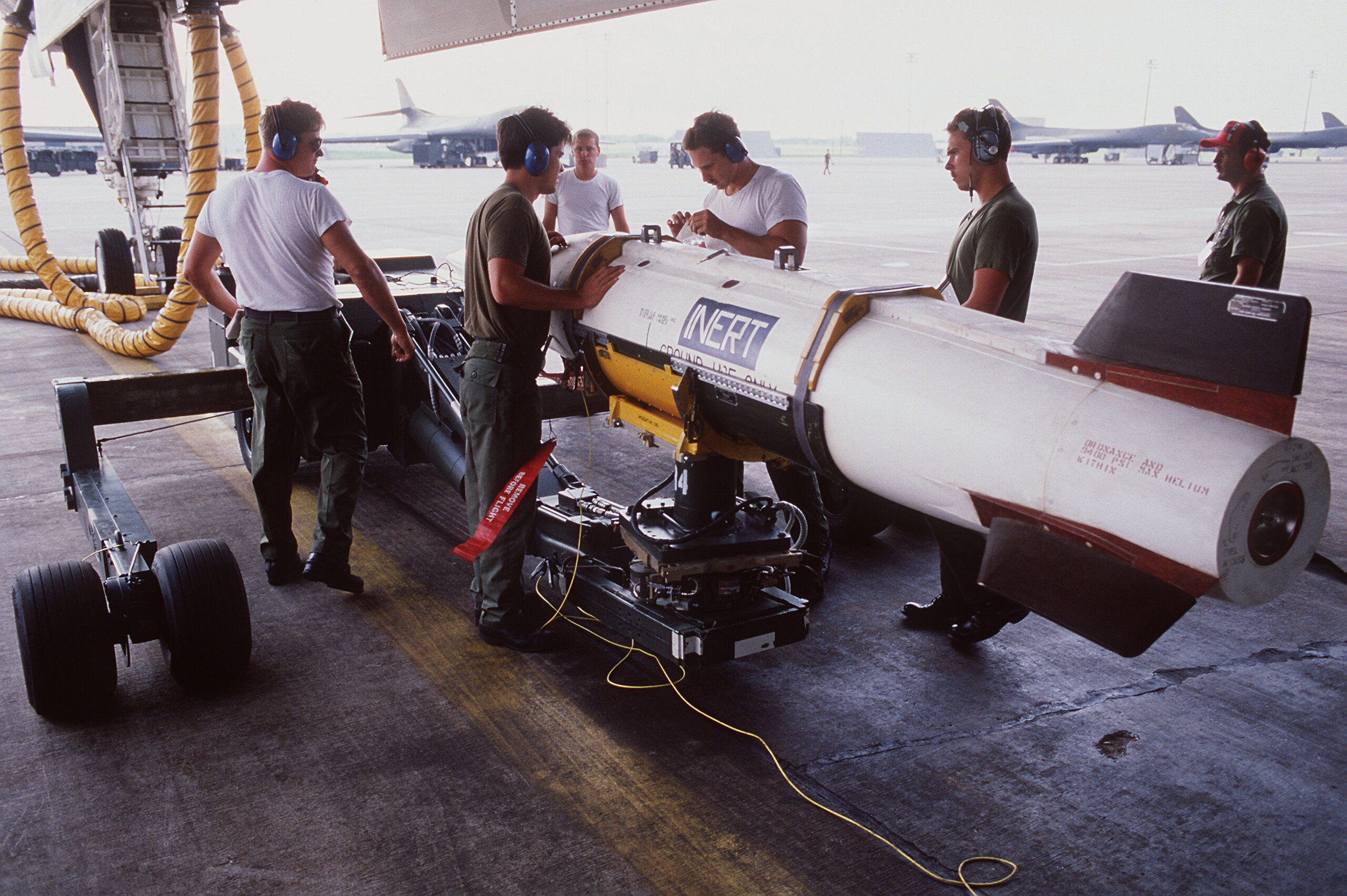
- Year introduced: 1972
- Type: Nuclear Missile
- Branch: Air Force
- Why it was retired from service: Retired for safety concerns
- Why it is still in storage: Stored handling and training hardware
While the SRAM missile itself was dismantled, handling gear and support hardware remain in storage for training, archival preservation, and historical continuity.
AGM-86 ALCM (Early Blocks)
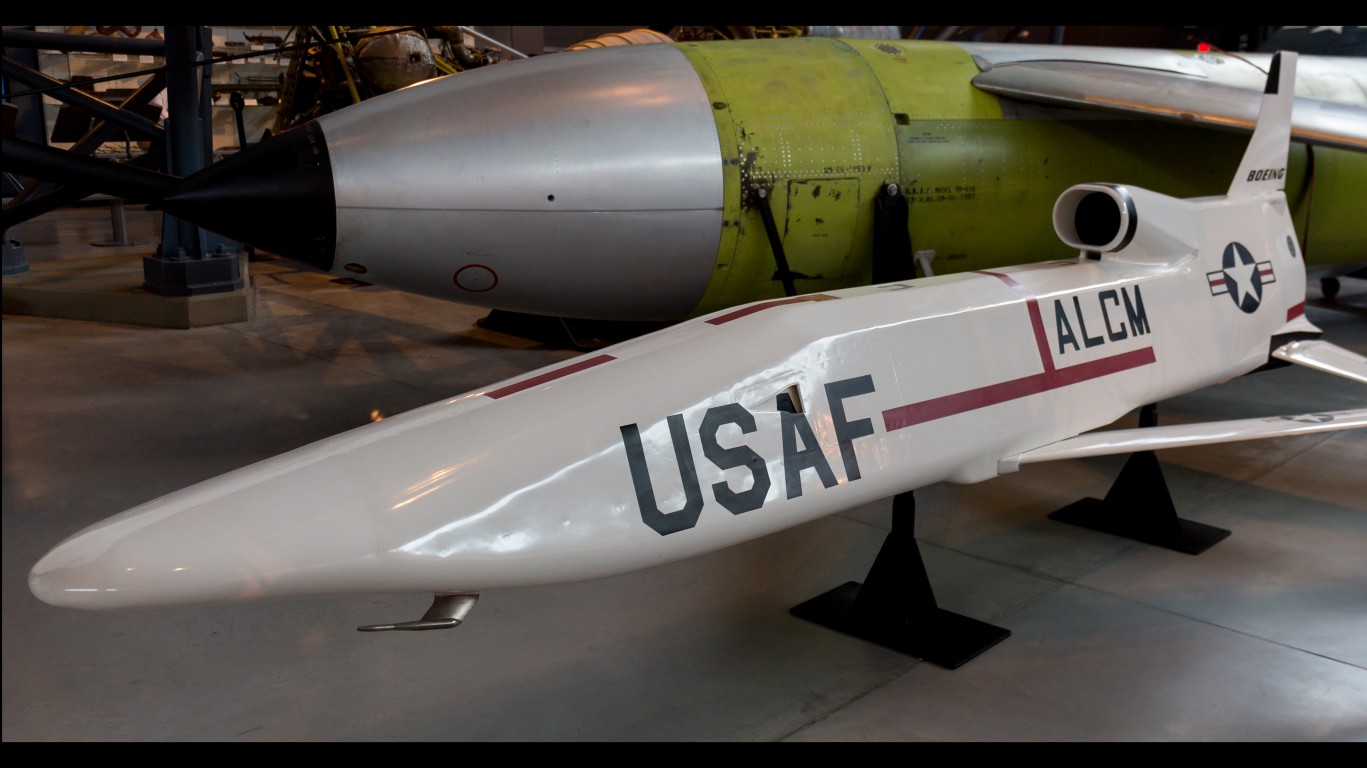
- Year introduced: 1982
- Type: Cruise Missile
- Branch: Air Force
- Why it was retired from service: Replaced by upgraded variants
- Why it is still in storage: Stored for testing and teardown training
Early AGM-86 missiles remain in controlled storage to support testing, teardown analysis, and training as newer cruise missile variants replace them.
Oliver Hazard Perry-Class Frigates
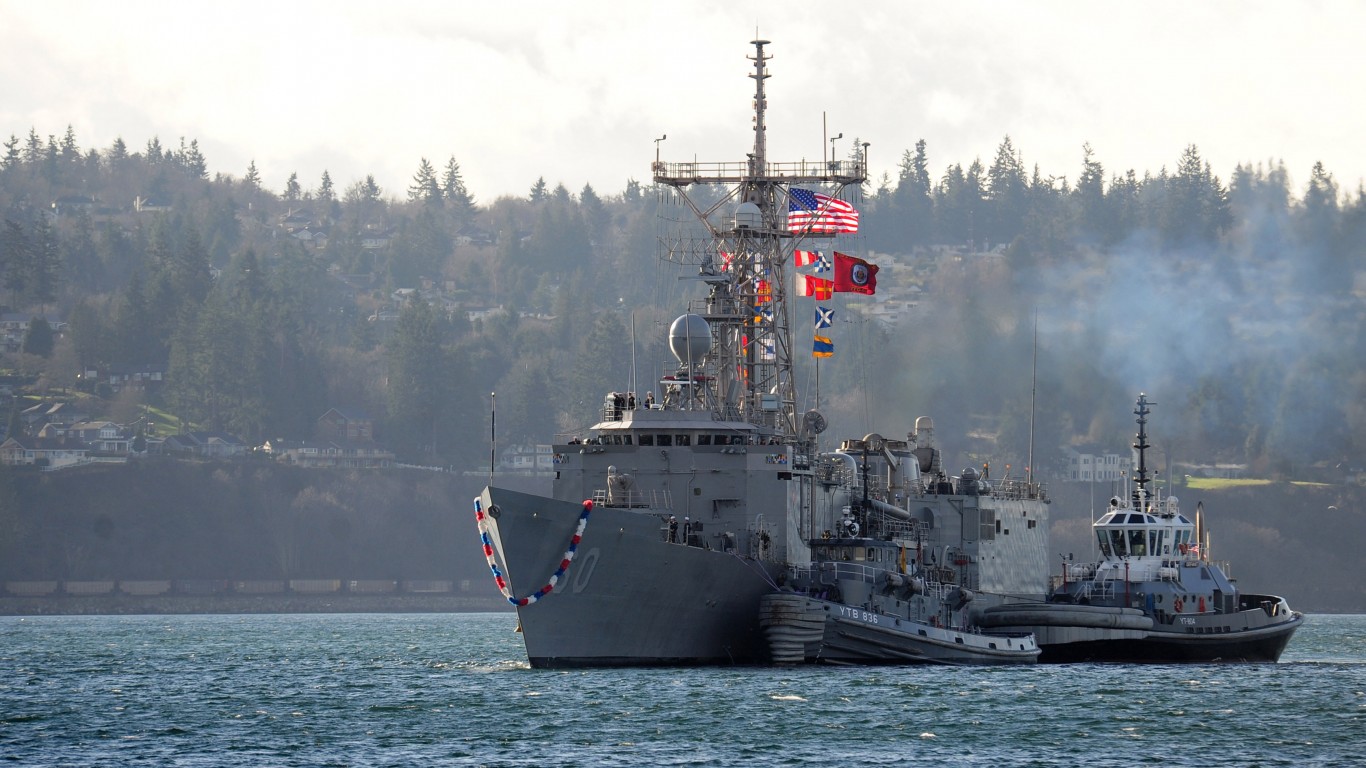
- Year introduced: 1977
- Type: Frigate
- Branch: Navy
- Why it was retired from service: Superseded by modern surface ships
- Why it is still in storage: Stored for transfer or reactivation study
Decommissioned Perry-class frigates wait in reserve fleets for potential foreign sale or reactivation consideration, reflecting their continued strategic utility.
Iowa-Class Battleship Equipment
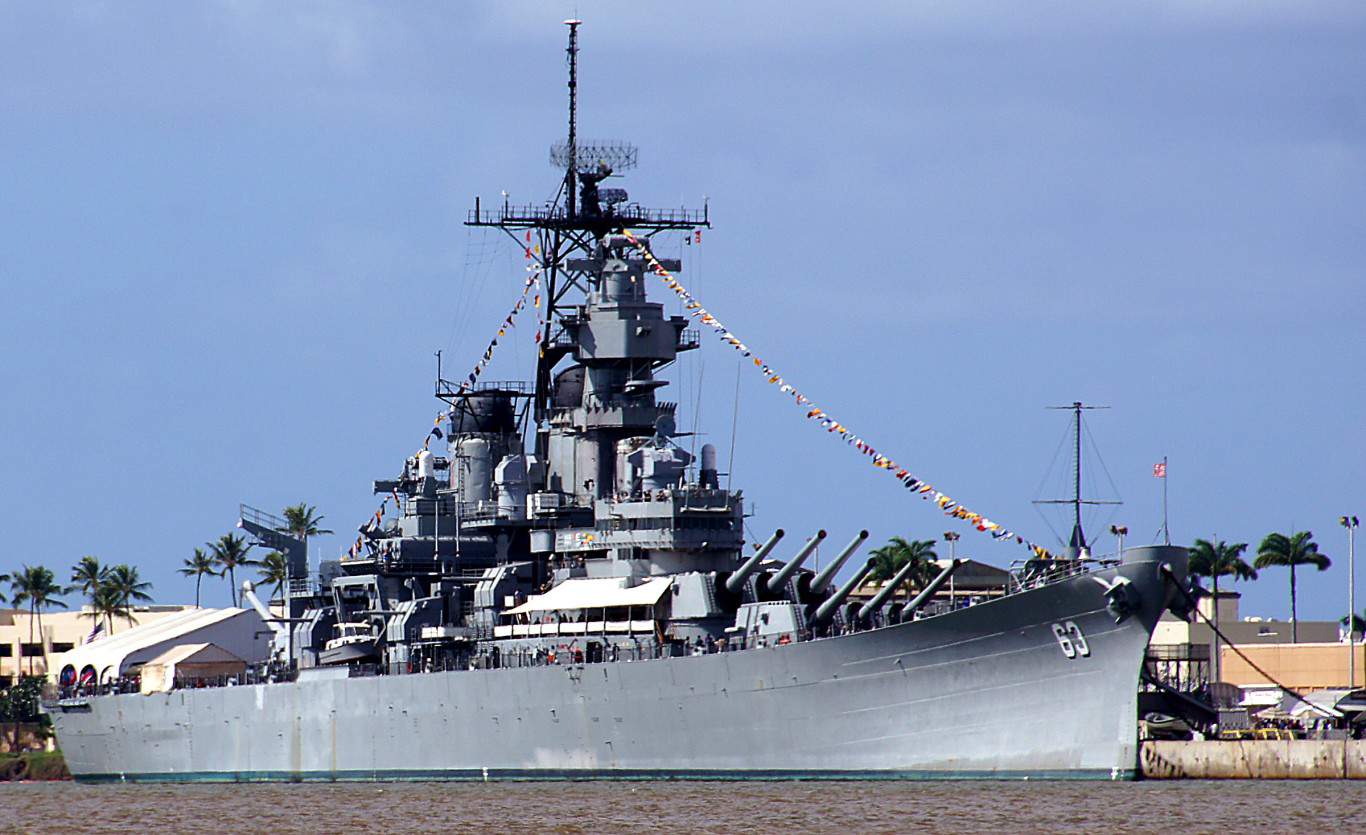
- Year introduced: 1943
- Type: Battleship Systems
- Branch: Navy
- Why it was retired from service: Museum status; removed from active fleet
- Why it is still in storage: Stored due to federal reactivation mandate
Key Iowa-class battleship components remain stored because federal rules require the Navy to maintain potential reactivation capability for these historic warships.
Spruance-Class Destroyer Components
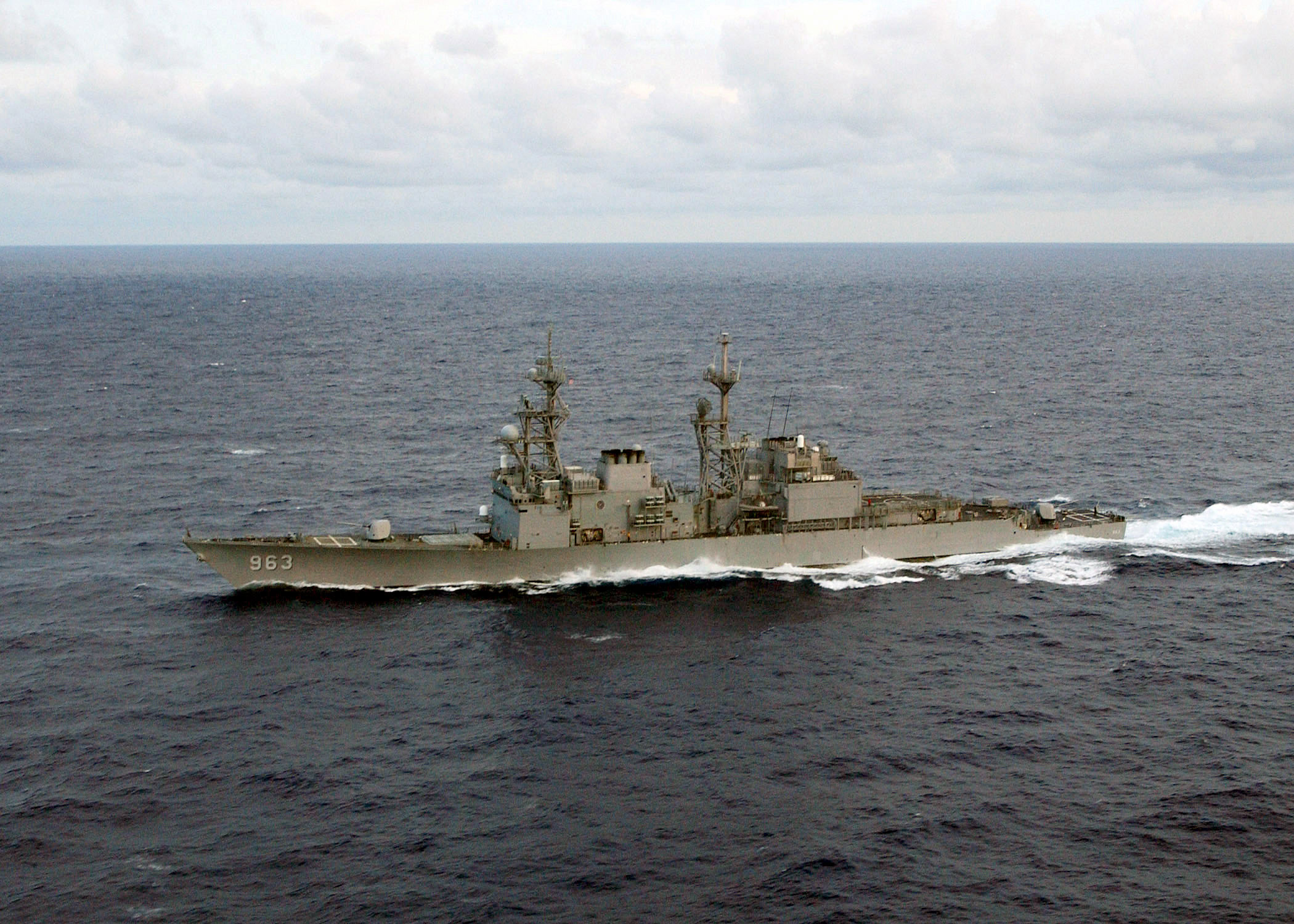
- Year introduced: 1975
- Type: Destroyer Systems
- Branch: Navy
- Why it was retired from service: Replaced by Aegis-equipped destroyers
- Why it is still in storage: Stored as donor systems and for testing
Although Spruance destroyers were decommissioned, many internal systems and hardware were stored to support allied navies and provide testing material.
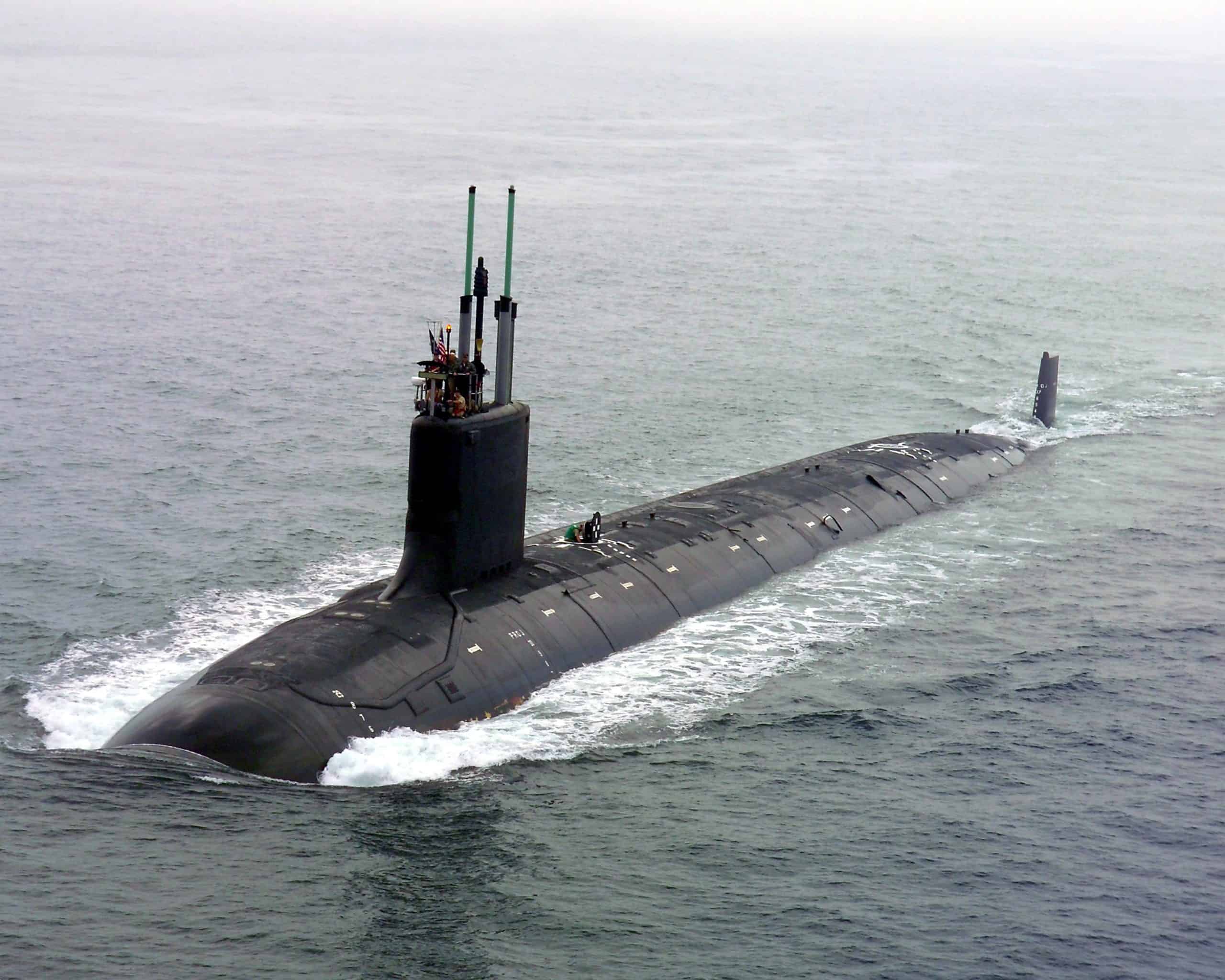
Los Angeles-Class Submarine Early Blocks
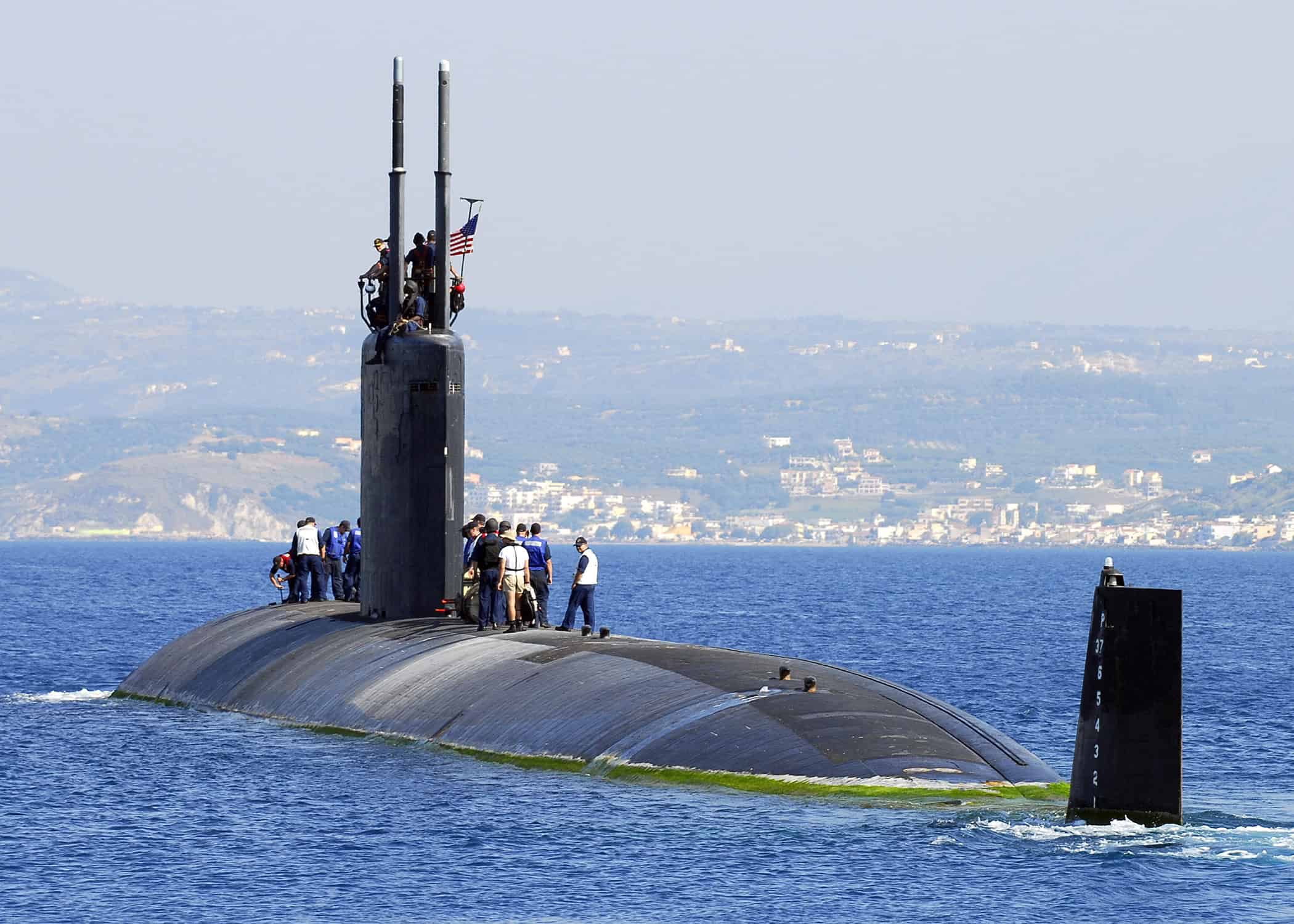
- Year introduced: 1976
- Type: Attack Submarine
- Branch: Navy
- Why it was retired from service: Replaced by newer blocks
- Why it is still in storage: Stored for parts support
Critical components from early Los Angeles-class submarines remain in storage to supply parts for the later-block boats that are still serving in the U.S. fleet.
A-6 Intruder
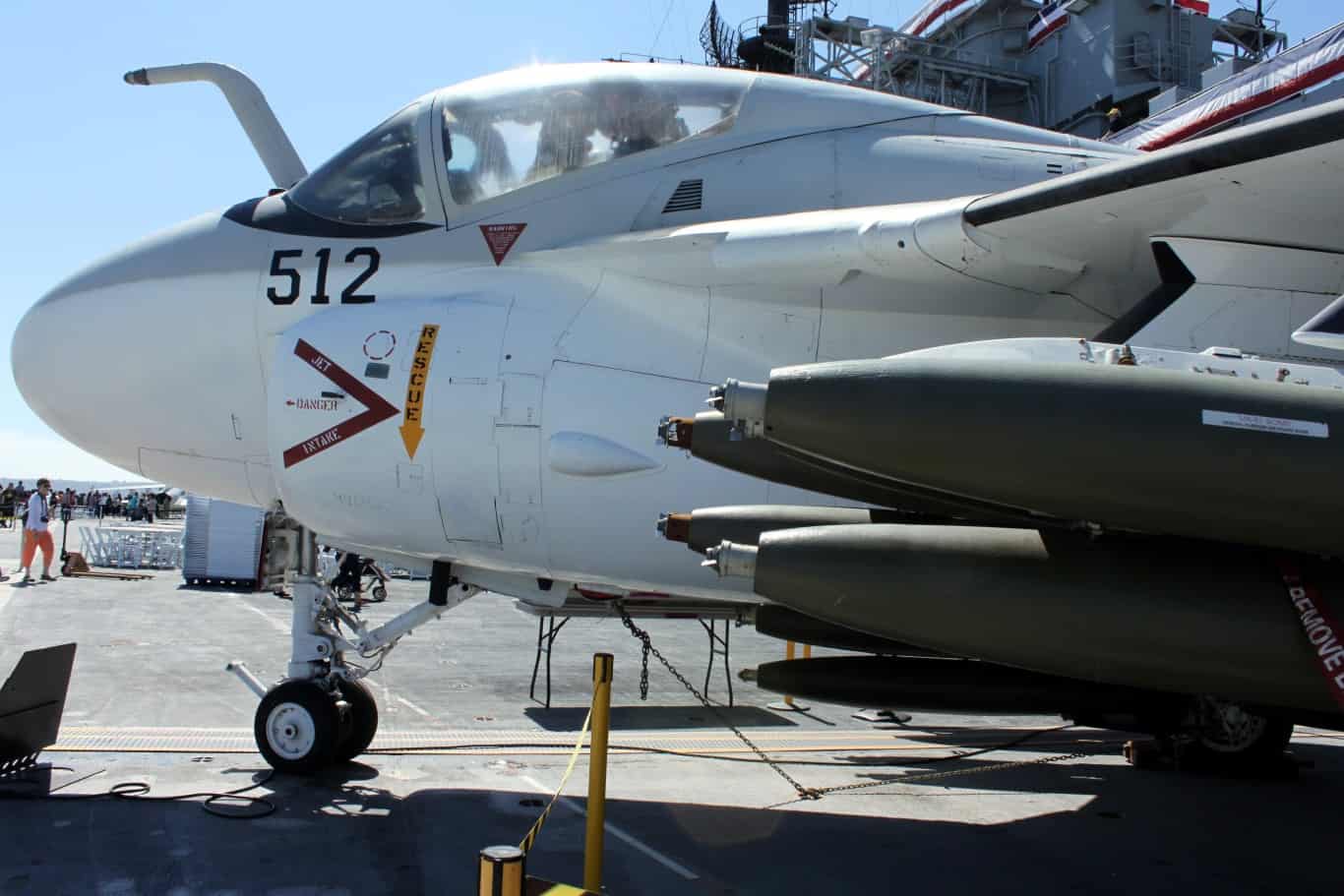
- Year introduced: 1963
- Type: Attack Aircraft
- Branch: Navy
- Why it was retired from service: Replaced by the F/A-18
- Why it is still in storage: Stored for parts and testing use
The A-6 Intruder, a core Navy strike aircraft for decades, remains present in storage facilities where its airframes supply parts for testing and restoration.
F-14 Tomcat Components
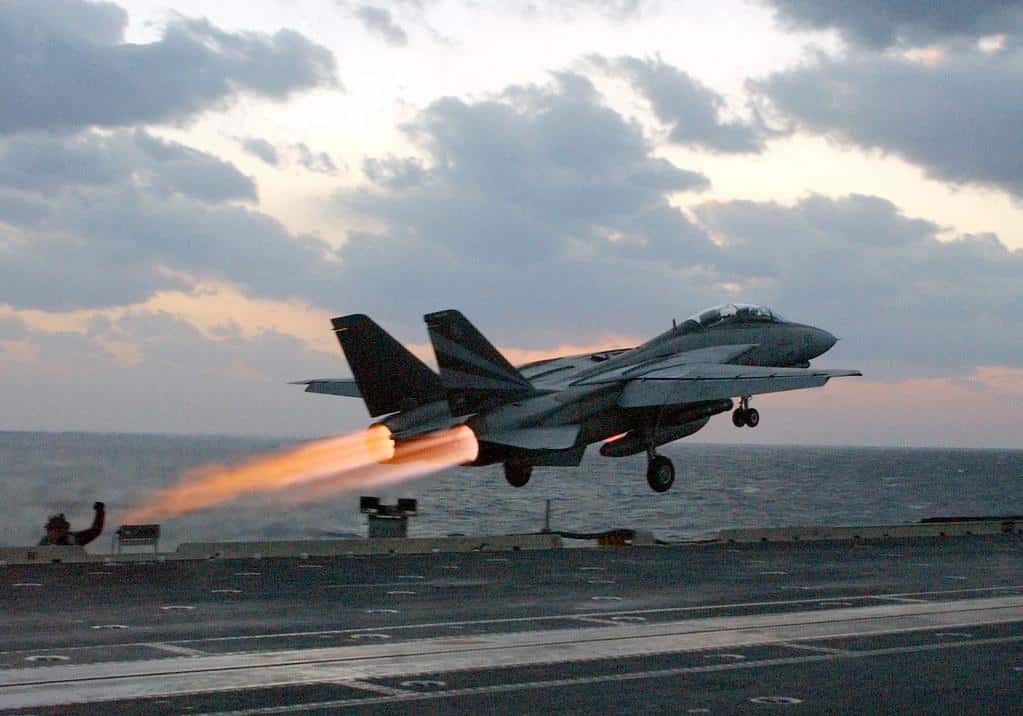
- Year introduced: 1974
- Type: Fighter Aircraft
- Branch: Navy
- Why it was retired from service: Replaced by F/A-18E/F
- Why it is still in storage: Stored to prevent parts reaching Iran
F-14 components remain tightly controlled and stored to support museum aircraft and ensure spare parts do not reach Iran, the Tomcat’s last active operator.
CH-46 Sea Knight
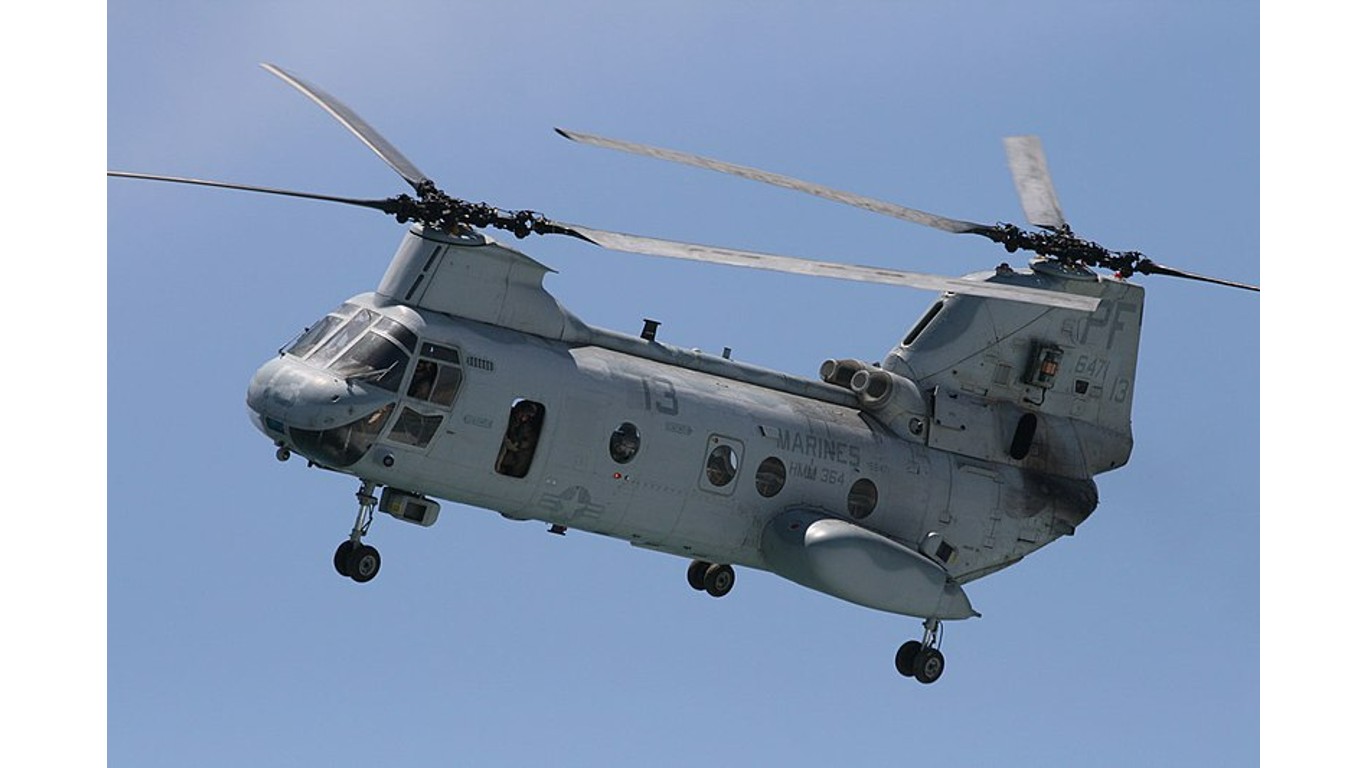
- Year introduced: 1964
- Type: Transport Helicopter
- Branch: USMC
- Why it was retired from service: Replaced by MV-22
- Why it is still in storage: Stored for spare parts and foreign aid
The CH-46 Sea Knight served the Marine Corps for decades and remains in storage to supply parts, support allied militaries, and aid museum and training programs.
H-1 Huey Variants
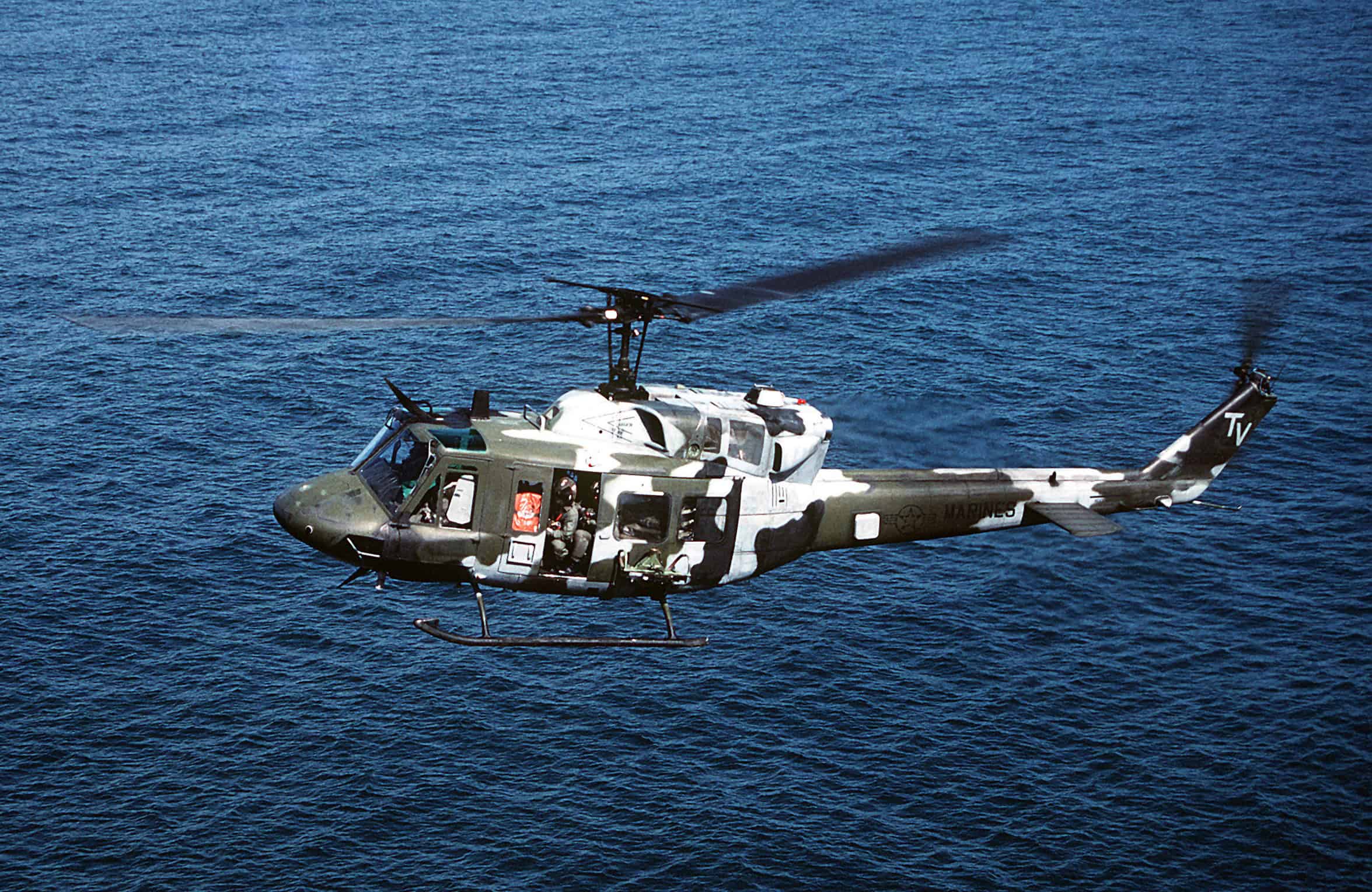
- Year introduced: 1959
- Type: Utility Helicopter
- Branch: Army/USMC
- Why it was retired from service: Replaced by UH-60 and upgraded H-1 family
- Why it is still in storage: Stored for spares, training, and foreign support
Early Huey models remain in storage due to global demand, with many refurbished for partner nations or retained for training, keeping this iconic design relevant.






 Top Gaining Stocks
 Top Losing Stocks